On the 5th and 6th May 2020, Chinese incursions were reported at a very large frontage along the Line of Actual Control (LAC); starting from Naku La in north Sikkim, in Finger area of Pangong Tso, in Galwan Valley, Hot springs and Gogra heights located north-east of Galwan Valley. These incursions were a little different from all previous border standoffs. This time the Chinese incursion has been at multiple places and also, they had come prepared with weapons, vehicles and tents. They had come in large numbers with an intent to dig in.
The issue came to light when scuffles were reported by the media on 10 May that some Chinese had intruded into the Muguthang Valley at Naku La and asked Indians to vacate the area as they claimed that it was their land. A scuffle ensued . According to PTI, the incident involved 150 soldiers. During the incident, the two sides threw stones at each other.
Download Full Paper
Category: India
-
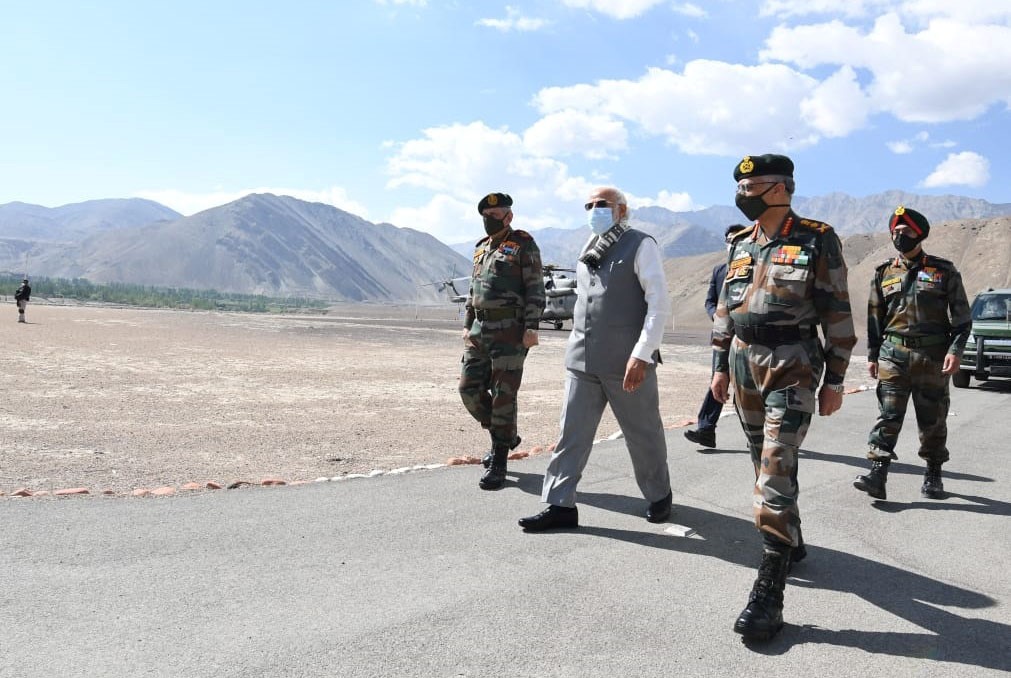
India-China Border Stand-Off
-
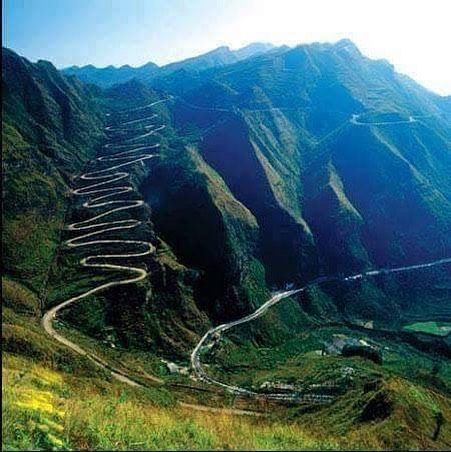
India-China Trade In Ancient Times: Southern Silk Route
To follow the Silk Road is to follow a ghost. It flows through the heart of Asia, but it has officially vanished leaving behind the pattern of its restlessness: counterfeit borders, unmapped peoples. The road forks and wanders wherever you are. It is not a single way, but many: a web of choices.
Colin Thubron, Shadow of the Silk Road.
Introduction
India and China, two Asian giants, share a lot of similarities in terms of history and culture. Both countries represent age old civilizations and unique history. Cultural and economic ties between the two countries date back to about 2000 years ago. The Silk Route, which is an ancient network of trade routes, formally established by the Han Dynasty, served as a connection between the two countries. It was also through this route that Buddhism spread to China and East Asia from India. The routes were more than just trade routes; it was the carrier of ideas, innovations, inventions, discoveries, myths and many more.
The earliest mention of China can be found in the Indian text “Arthashastra” which was written by Kautilya in the fourth century BC. Kautilya made a remark about Cinapattasca Cinabhumjia (Cinapatta is a product of China)[1]. Whereas, the earliest mention of India in Chinese records dates between 130 and 125 BC. Zhang Qian, a Chinese envoy to Central Asia, referred to India as Shendu, in his report about India to Emperor Wu of the Han dynasty.
This article will look into the ancient trade route that existed between South Western China and India’s North East region via Myanmar and the future of the trade route.Ancient trade links between India and China
Shiji, which is the first Chinese dynastic history, compiled between 104 and 87 BCE talks about the existence of a trading route between India and South West China. According to Chinese records, Emperor Wu of the Han dynasty, tried to establish a trade route from Changan, the Chinese capital to North East India through Yunnan and adjoining areas. However, the rulers of Yunnan were against the idea of establishing a direct trade between India and China and Emperor Wu failed to establish the trade route. Even though the trade route failed to take off, the trade in Cinapatta and Chinese square bamboo continued without any hindrance.
Political Geography of the Southern Silk Route
The Southern Silk route (SSR), one of the least studied overland route, is a trade route which is about 2000 km long and linked East and North East India with Yunnan Province of China via Myanmar. This is a relatively unknown, ancient trade route that is considered a part of the larger web of Silk Roads. This route existed before the Central Asian Silk route became popular. This trade route between Eastern India and China came to be known during the early 3rd century BCE, and it became popular by the 2nd century BCE. By 7th century AD various other branches of the SSR emerged to create web of trading routes.
Traders carried silk from Yunnan through Myanmar, across India and joined the main silk route in Afghanistan. In addition, silk was also transported from South West China through the Shan states and North Myanmar into East India and then down to the Coromandel Coast.
The Qing dynasty which ruled China from 1644-1912, recorded the cross cultural exchanges that took place across SSR. This route contributed to cultural exchanges between China and the West. It also promoted interactions among different nationalities.
Indian sources have failed to provide abundant evidence about the SSR and the interaction that took place across this route but there is enough evidence that indicates that trade and migration did take place in the Eastern India-Upper Myanmar-Yunnan region. For example, modern scholars believed that the Tai Ahoms were originally from Yunnan but they migrated to North East India and founded a small kingdom around 13th century, which grew to become the powerful Ahom Kingdom of Assam.
The areas through which the SSR passed were inhabited by various ethnic groups whose political, social and economic organizations were primitive and backward. As a result, the safety of the route was often questioned. Archeological evidences have been found along the Southern banks of Brahmaputra up to Myanmar border, which shows that trade did exist along this route.
The main items that were exported from China via this route included Silk, Sichuan cloth, Bamboo walking sticks, ironware and other handicrafts items. Sichuan, a South Western province was the main source of silk. Glass beads, jewels, emeralds etc were some of the items that were imported to China.
Another important trade route is the South West Silk route or the Sikkim Silk route, which connected Yunnan, and India through Tibet. A section of the route from Lhasa crossing Chumbi Valley, Nathu La Pass connected to the Tamralipta Port (present day Tamluk in West Bengal). From the Tamralipta port, this trade route took to the sea to traverse to Sri Lanka, Bali, Java and other parts of the Far East. Another section of the route crossed Myanmar and entered India through Kamrup (Assam) and connected the ports of Bengal and present day Bangladesh.
Over time, the Southern Silk Route lost its prominence and it was in 1885 that it re- emerged as a strategic link as the British tried to control some parts of the route in order to access and gain control over Southern China.
The strategic importance of the route increased during World War II. In 1945, Ledo Road or Stilwell Road was constructed from Ledo, Assam to Kunming, Yunnan to supply aid and troops to China for the war with Japan. Ledo Road is the shortest land route between North East India and South West China. However, after the war the road was left unused and in 2010, BBC reported that much of the Ledo road has been swallowed up by jungle.
The Assam-Myanmar-Yunnan road is very difficult to traverse not only in the present times but also during the ancient times. However, despite the hard conditions, it is through this route that a golden triangle of drug trafficking, movement of terrorist and smuggling functions today.Future Potential: Reviving the Southern Silk Route Economy
North-East India and the Yunnan province share many similarities. Both are landlocked as well as under developed regions. Both are home to a large number of ethnic groups and have witnessed secessionist movement from time to time. Apart from this, Yunnan and North East India are geographically isolated from their political capitals.
Yunnan and North East India, home to rich varieties of subtropical fruits with high nutritional values and medicinal plants, can cooperate and transform the hills of North East India and South West China into plantations, factories, laboratories to produce processed food products and lifesaving drugs that can find a huge market in developing and developed countries.
In a bid to revive the Southern Silk route, Bangladesh, China, India and Myanmar, signed the Kunming Initiative, a sub-regional organization, in 1999. This initiative was replaced by the Bangladesh-China-India-Myanmar Economic Corridor (BCIM-EC) in 2015. The BCIM-EC was announced by China as a part of its Belt-Road Initiative, which has been boycotted by India since the beginning. In 2019, the BCIM-EC was dropped from the list of 35 projects that are to be undertaken under BRI, indicating that China has disreagrded the project. However, in the same year India has sought to keep the BCIM-EC project alive.
If the BCIM-EC project does take place, it will reduce the travel time, cut transportation cost, open up markets, provide way for joint exploration and development of natural resources and create production bases along the way. Before the BCIM-EC takes off, it is important to develop the roadways infrastructure of India’s North East region.
Even though the BCIM-EC promises to elevate the economic conditions of the backward North-East region of India, it has not gained sufficient steam as both China and India have different apprehensions. China sees India’s reluctance to support BRI as the barrier for any progress in the project. Given the current stand-off in Ladakh, India’s apprehensions about China seeking to exploit the insurgent groups operating in the region gains significance. Either way realizing the Southern Silk Road as a viable project in the form of BCIM-Economic Corridor looks distant now.
[1]Haraprasad Ray, “Southern Silk Route: A Perspective,” in The Southern Silk Route : Historical Links and Contemporary Convergences (Routledge, 2019).References
Ray, Haraprasad. “Southern Silk Route: A Perspective.” Essay. In The Southern Silk Route: Historical Links and Contemporary Convergences. Routledge, 2019.
“Continental and Maritime Silk Routes: Prospects of India- China Co-operations.” In Proceedings of the 1st ORF-ROII Symposium. Kunming, 2015.
Mukherjee, Rila. “Routes into the Present.” Essay. In Narratives, Routes and Intersections in Pre-Modern Asia, 37–40. Routledge, 2017.
UNESCO. Accessed June 20, 2020. https://en.unesco.org/silkroad/content/did-you-know-great-silk-roads.
“The Silk Route.” Accessed June 21, 2020. http://www.sikkimsilkroute.com/about-silk-route/.
Ray, Haraprasad. Introduction. In North East India’s Place in India-China Relations and Its Future Role in India’s Economy, n.d.
Chowdhury, Debasish Roy. “’Southern Silk Road’ Linking China and India Seen as Key to Boosting Ties.” South China Morning Post, October 23, 2013.
“China Wants to Revive ‘Southern Silk Road’ with India.” The Times of India, June 9, 2013.Image: Stilwel Road from Ledo in Northeast India to Kunming in Yunnan province, China
-

India-Australia Strategic Partnership: Leveraging Aerospace Capacity
Category : India India’s, Military, India-Australia Relations
Title : India-Australia strategic partnership: Leveraging aerospace capacity
Author : M Matheswaran 02-06-2020The forthcoming virtual summit between Indian Prime Minister Narendra Modi and Australian Prime Minister Scott Morrison assumes considerable significance for an India-Australia strategic partnership, particularly as it comes against the backdrop of heightened friction with China for both countries. Enhanced defence cooperation between the two countries could be an important signal to Beijing of the costs of overly assertive strategic behaviour – whether in the Himalaya or in trade. For some years, defence cooperation has largely focused on the naval relationship. Now is the time for enhanced air-power cooperation.
Read More
-
What After The Galwan Incident?
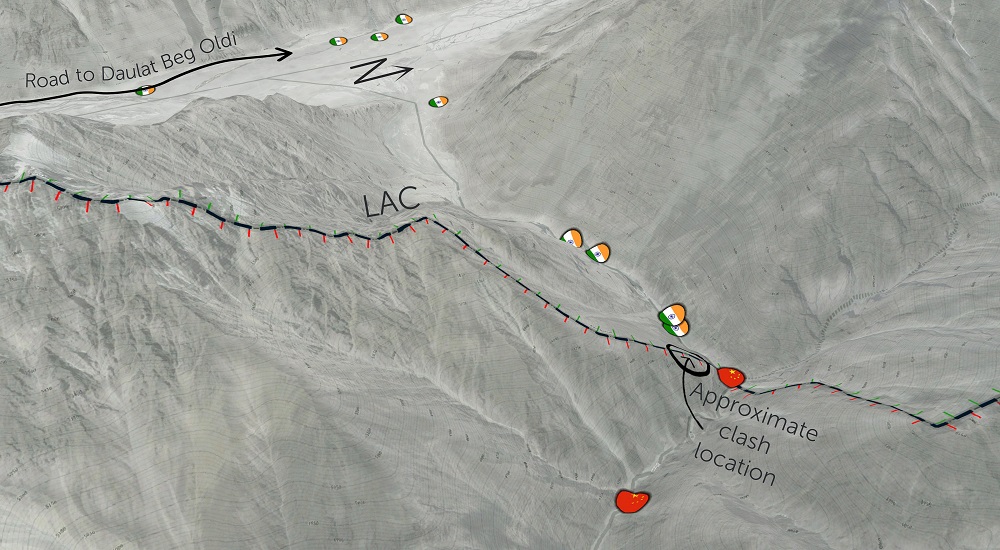
As one writes, a phase of the events in the Galwan valley near the Line of Actual Control (LAC) has come to an end. Inputs from government, media and private commentators, have provided a perspective of the events preceding the incidents of 15/16 June and thereafter till the current day. For the world, the occasion has provided the opportunity yet again to witness the fighting spirit and junior leadership of all ranks of the Indian Army, who despite being outnumbered, were able to inflict far greater casualties on their adversaries, in inhospitable terrain under fading light conditions. The sacrifices of the men of 16 BIHAR, 3 PUNJAB, 3 Medium Regiment, and individual personnel from 81 Field Regiment, Corps of Signals and the Army Medical Corps have added lustre to the reputation of the Indian military. Their deeds shall remain enshrined in the memory of a grateful nation. At this watershed moment, we salute them.
China is contesting control over settled areas (Galwan), exploiting laid down rules and norms of border management by resorting to use of primitive weapons instead of firearms, and pushing the envelope on the ground in attempting to increase areas under control such as at Hot Springs and Pangong Tso – all actions just short of war.
One theory gaining currency in attempting to understand China’s recent behaviour, pertains to its unhappiness over what it perceives as alteration of the status quo on the LAC by designating Ladakh as a Union Territory – resulting in active collusion with Pakistan which shares Beijing’s sentiments on this issue, amongst others. However, there is no doubt that the strategy applied by China in East Ladakh comes straight out of its manual on Grey Zone Warfare. It is contesting control over settled areas (Galwan), exploiting laid down rules and norms of border management by resorting to use of primitive weapons instead of firearms, and pushing the envelope on the ground in attempting to increase areas under control such as at Hot Springs and Pangong Tso – all actions just short of war.
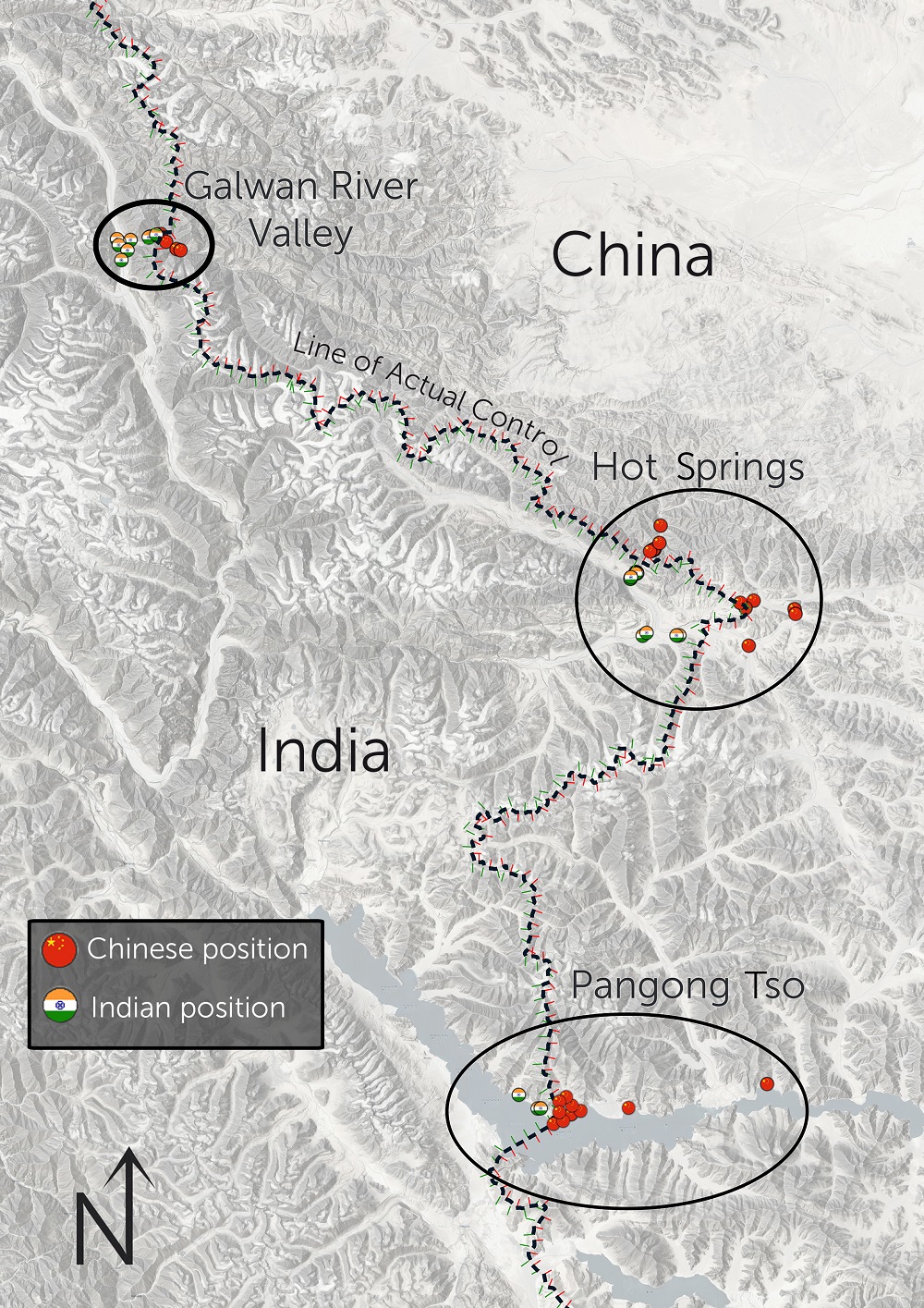
While the situation on the Pangong Tso awaits resolution, what is amply clear is that the era of explaining away patrol clashes on the LAC to the Indian public, in terms of ‘varying perceptions held by both sides’, is past. By its perfidious actions in East Ladakh this year, China has shredded in letter and spirit the border agreements built up over the last three decades. The recent incidents have brought greater clarity to the public mind, with a consensus that China’s salami slicing tactics cannot be tolerated any further. Indian soldiers see the LAC as a line marked on the map. Commanders are clear that the areas up to that line are to be either physically occupied or patrolled at will from bases in the vicinity, supplemented by other forms of surveillance. As per media reports, the Government has over the weekend ‘revised the Rules of Engagement’, giving ‘a free hand to the Army’ to deal with occurrences of this nature. By implication, in future if patrols cannot resolve their face offs peacefully, there will be no resorting to hand to hand scuffles with primitive weapons – unsuccessful efforts at border management will give way to border defence, through resort to tactical military operations.
As per media reports, the Government has over the weekend ‘revised the Rules of Engagement’, giving ‘a free hand to the Army’ to deal with occurrences of this nature. By implication, in future if patrols cannot resolve their face offs peacefully, there will be no resorting to hand to hand scuffles with primitive weapons – unsuccessful efforts at border management will give way to border defence, through resort to tactical military operations.
Response to this new paradigm places another set of challenges before the Indian Army. Prior to May 2020, Galwan was not in the category of disputed areas, as understood in LAC parlance. Neither had any Chinese activity been sensed in the preceding years. While construction of the DSDBO road could be the trigger, the fact that an area where the LAC had lain undisturbed since 1962 could become the scene of such a violent action, warrants scrutiny of PLA intent across the board. Previous assumptions with respect to the PLAs likely areas of interest across the entire Northern border, therefore, certainly warrants a relook. Conclusions drawn would mandate contingency planning and consequent tasking at strategic, operational and tactical levels. Such plans doubtless exist. However, it is obvious that their scope, timelines, and imperatives for successful implementation will need review in conjunction with the other services.
Outcomes of such reviews would inevitably renew the focus on capability building and in the middle term, might even alter priorities for the same. Substantial enhancements in the areas of surveillance, tactical and strategic air mobility and real time communication links continue to retain their importance. Induction of greater varieties of kinetic non-contact weapon systems, complemented by force multipliers such as cyber warriors and special forces too remain on top of the list. Also, the continued ceasefire violations on the Line of Control to the West, and the relentless tempo of counter terrorist operations in the Valley during this period smack of collusion and tell a tale which defence planners must take note of. Developing the desired capability will be predicated on guaranteed funding and fast track procedures. It is heartening to peruse reports in the Economic Times of 22 June that the Government has granted emergency financial powers up to Rs 500 crore per procurement project to each service for buying weapons and ammunition. Even if new projects cannot be initiated immediately because of fund constraints imposed by the Covid-19 pandemic and otherwise, it is time for stalled ones like the Mountain Strike Corps to be quickly completed. The example of the PLA which has almost completed its reorganisation for fighting wars of the future and tested the response of its field force during the Covid-19 pandemic, must be taken note of.
Thanks to the Galwan episode, the vital aspect of border infrastructure has gained nationwide attention. There is perceptive increase in the pace of development over the last few years. The sequence and methodology however are dictated essentially by two factors – availability of resources (funds and specialist equipment) and the need for calibrating messages implicit in such actions to China. Despite Covid-19 constraints, the current crisis mandates that funds currently earmarked for infrastructure development continue to flow so that development progresses, albeit at a slower pace. As regards messaging to China, we have reached a watershed moment. As high level military talks continue and spell out the Indian position on the ground to the Chinese, creating an ‘all of nation approach’ for tackling China becomes necessary.
Galwan incident has ensured that the negative perception of China worldwide is now shared by almost all sections of Indian society. This bitterness is fuelled by the sheer brutality of the Chinese military and duplicity of the Chinese government, bringing back memories of 1962 for many who have only heard of that era. It is driven further by a realisation of the scale of India’s dependence on China, be it in the import of manufactured goods of all hues, or technology, and the consequent harm to Indian interests and livelihoods. Awareness has spread amongst Indians that China’s constant working against India’s interests in world fora, be it in vetoing expansion of the permanent membership of the Security Council for ‘technical reasons’, blocking its membership in the Nuclear Suppliers Group or introducing discussions on Kashmir are all part of its plan to obstruct India’s progress to its rightful place in the comity of nations. In attempting to correct an unequal economic relationship, ensuring that India retains its position in the region and preventing erosion of its influence in South Asia and beyond, all elements of the Indian state have their tasks cut out. It becomes imperative now to prepare a different toolkit with a wider range of options (including those not envisaged earlier) to manage India-China relations. Such options now require to be coordinated at all levels of the government and intimated to stakeholders including industry and other influencers for implementation. This coordination is long overdue. Resetting the economic relationship will not be easy. However, announcement of a practical time bound and holistic road map which has been thought through with all stakeholders would be a beginning.
Galwan incident has ensured that the negative perception of China worldwide is now shared by almost all sections of Indian society.
To supplement the proposed policy outlined above, articulation of a holistic Strategic Narrative vis-a-vis China becomes necessary. Such a narrative would pertain to as many aspects as possible – bilateral issues (including border management), local and regional matters, so that consistent, coherent and long term views are voiced, keeping in mind the national interest. information operations would be a subset of such a narrative, and briefings organised as frequently as possible would be useful force multipliers. It might be necessary for the concerned sections in the newly formed Department of Military Affairs and the Department of Defence to coordinate these aspects. India must also actively consider the possibilities that other forms of conflict, including hybrid warfare, are necessary to exploit and invest in the same. Here too, employment of such methodologies by China is an example. China has been refining its doctrine of ‘Unrestricted Warfare’ since the early 90s. The effects are there to see in South China Sea and elsewhere. It is executing certain aspects of this strategy against India on the Northern borders.
Managing relations with China is destined to remain the major preoccupation for Indian strategic thinkers in coming years. Tensions along the LAC are but one manifestation of this problem. Both nations are hostage to geography. China’s behaviour over the last decade has influenced Indian foreign and military policies like no other, causing India to take decisions that were not in the realms of possibility earlier. Articulating a holistic China strategy through an all of government approach within the overall ambit of a National Security Strategy to ensure that India achieves its rightful place, has never been so important.
Image Credit: ASPI:The Strategist – Nathan Ruser -
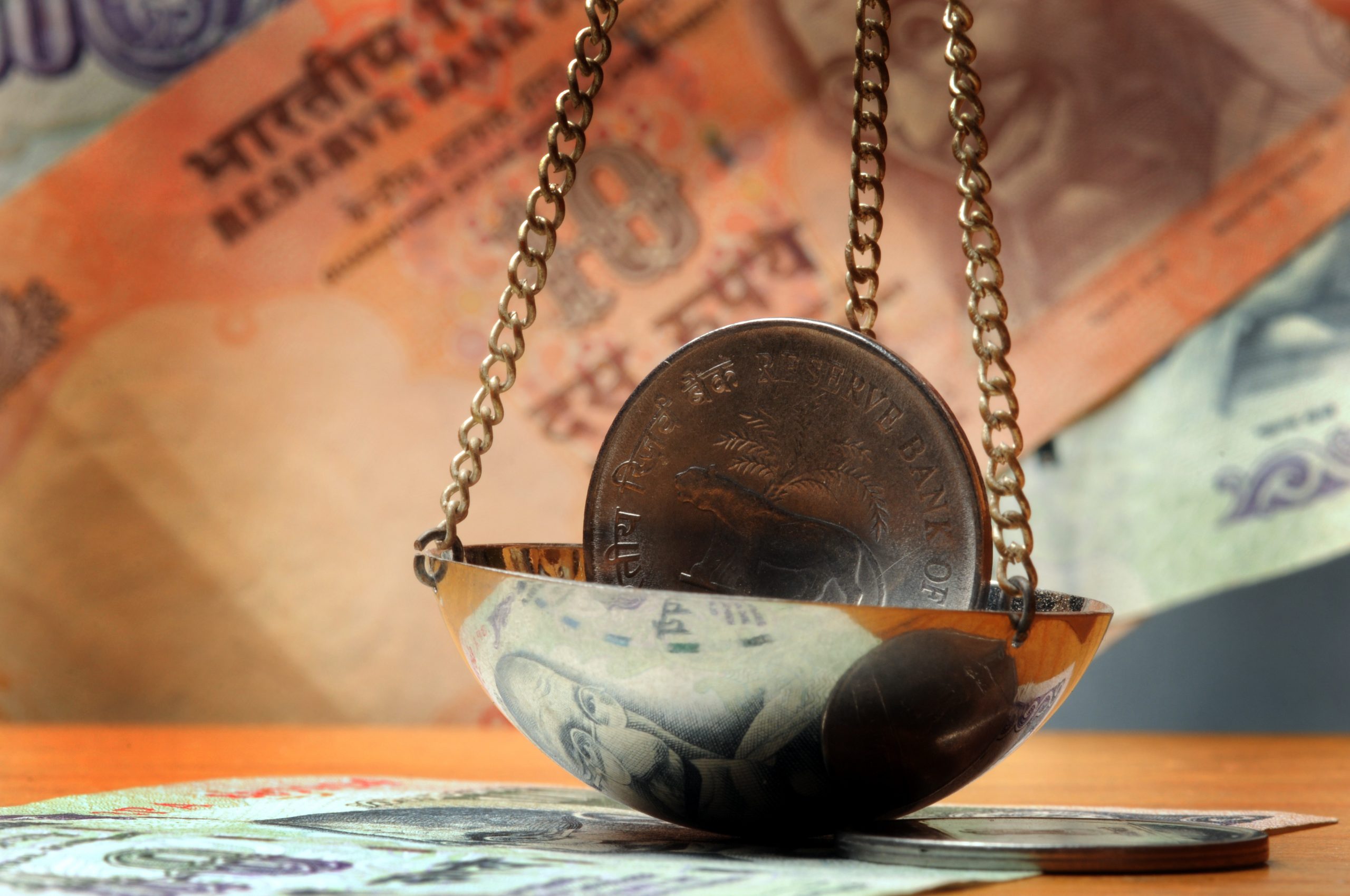
Covid 19: India uses Crisis to bring-in Economic Reforms as Package
India’s four-phase lockdown of 68 days to deal with the Covid-19 threat has, while slowing the spread of the virus, come at huge economic costs. The lockdown for a vast majority of the people is, undoubtedly, the harshest in the world.
The coronavirus triggered lockdown and its ensuing series of extensions have disrupted more than 60 percent of economic activities in the country, posing a huge threat to the economy. The crisis was underway when the global economy was slowing down and India, in particular, had to deal with a poor health care system and an economy already under distress. Unemployment rate is estimated to be around 27 percent post lockdown and has resulted in nearly 12.2 crore people losing their jobs. In addition, a severe slump in consumer demand is expected to persist for the next few quarters. Almost 85 percent of India’s workforce is engaged in the informal sector – quite naturally the government is under stress to implement effective policy reforms to counter the downturn.
In response to the contraction in the economy, the Prime Minister has announced a second round of economic package that stands at roughly around 10 percent of the Gross Domestic Product. The USA and Japan have announced relief packages of 13 and 21 percent of their GDP respectively. In comparison, India has seemingly provided a substantial Rs 20 lakh crore stimulus- highlighting the concept of ‘self-reliance’ as a way forward to deal with the economy post the pandemic. The stimulus package includes previous steps taken by RBI such as moratorium on loan repayments, interest rate cut, etc. In the five tranches of the stimulus package, the Finance Minister has announced a slew of measures to address the structural issues of Indian economy. However, it is estimated that the immediate fiscal boost will be only around 1 percent of GDP and most of the fiscal and monetary policies will attract long term capital with medium run stabilization of the economy.

Micro Medium and Small Scale Enterprises
Focusing on reviving the small businesses and micro enterprises, under this tranche Rs 3 lakh crore is allocated for collateral free loans for business enterprises. This package is estimated to be around Rs 5.94 lakh crore including RBI measures to improve liquidity in the economy. However, the direct fiscal cost for the government is around Rs 16,500 crore. For the stressed MSME units, the central government is planning to facilitate Rs 20,000 crore as subordinate debt and Rs 50,000 crore through equity infusion. Non Banking Finance Companies (NBFC) that serve the MSMEs will receive Rs 30,000 crore under investment guarantee scheme. While the six broad measures look attractive, the MSME sector in India is dominated by micro enterprises that are largely unregistered. However, these measures will not immediately benefit the micro business units with necessary working capital. Most of the enterprises and small business units are cash strapped and are on the verge of disappearing. Ninety-nine percent of the sector comprises micro enterprises – businesses with less than 10 working employees.
Most of the enterprises and small business units are cash strapped and are on the verge of disappearing. Ninety-nine percent of the sector comprises micro enterprises – businesses with less than 10 working employees.
While the government has taken supply side measures to incentivize businesses, two important challenges remain intact. One, the large number of unregistered micro businesses might not benefit from the credit line offered by the government. Two, if the demand recovers slowly, it is likely the business sector especially small enterprises will suffer despite credit being infused. It is important to note that the supply and demand side has to be revived at the same rate to ensure sustainability of the MSME business.

Migrant labourers and Farmers:
Second stimulus of the Finance minister’s announcement was focused on migrant labourers and farmers. Close to 150 million internal migrants are present in India according to the latest census report. Rs 3500 crores is to be spent on migrant labourers not covered under the Public Distribution System (PDS). Rs 5000 crore is set aside to facilitate easy access to street vendors. Funds worth Rs 6000 crore is planned for enhancing employment among adivasis and tribal groups. For the next two months, around 8 crore migrant labourers not covered under PDS will be provided 5kgs of grains per person and 1 kg chana per family in a month. ‘One Nation One Ration Card’ is a welcome move given the leakages present in the PDS, but the national coverage of this scheme is expected only by March 2021. Additionally, in the National Food Security Act, 2013 , based on the 2011 census data, it is estimated that around 100 million people do not fall under this safety net accounting for growth in population over the past decade. The initiative to record and track the data on unregistered labourers is important for fiscal stimulus response to a COVID hit economy. National portability of ration cards is important but the execution is time consuming and does not address the problem of people being excluded from the ration card system. Universalizing PDS and decentralizing decisions to achieve food security with an efficient supply chain should be an immediate intervention. States with higher migrant labourers and people with less access to PDS should be targeted to universalise food distribution. Acknowledging the shortcomings of the PDS and food supply channel, an emergency plan to ensure food supply to people below poverty line for the next six months needs to be prioritised.
‘One Nation One Ration Card’ is a welcome move given the leakages present in the PDS, but the national coverage of this scheme is expected only by March 2021.

Agriculture and Allied activities:
Under the third tranche of the economic stimulus package, the government has taken bold measures to invest in agriculture and allied activities. Total package announced was worth Rs 1.63 lakh crores – relatively less compared to earlier stimulus packages. The main focus was on enhancing agriculture infrastructure, financing farm gate produce and improving post harvest supply. A series of other funds were allocated for disease control for animal husbandry, promotion of herbal products and fisheries. Rs 10,000 crore was unveiled to support 2 lakh Micro Food Enterprises on a cluster based approach.
Lack of cold storage and supply chain was identified by the government to create an Agriculture Infrastructure Fund of Rs 1 lakh crore. A big push for agriculture reforms was spelled out by the decision to deregulate six commodities including cereals, pulses, oil and vegetables by amending the Essential Commodity Act, 1955.
Many experts believe the reforms undertaken were long due for India to enhance productivity of the agriculture sector. But deregulation of essential products during the time of lockdown with poor food supply chains might not be beneficial especially for marginal farmers. Almost 92 percent of the Food Supply Chain is controlled by the private sector and most of the farmers are not informed about Minimum Support Price and adopt unscientific farming practices. With liquidity constraint in the economy, demand for essential food is substantial. Factoring the drawbacks of PDS in supplying food items to the bottom section – a high probability of market failure is underway potentially hurting both farmers and consumers. Except for concessional credit for farmers and agriculture loans, the package has limited scope to reduce the distress faced by the agrarian sector in near future. As far as the reforms are concerned, there was a clear bias towards post harvest investment. However, the productivity and scale of production has been the biggest problem in India that requires effective land reforms. India’s agriculture sector also suffers without adequate investment in Technology and Research & Development. During an unprecedented crisis, Indian government is pushing for big reforms but the structural issues of marginal-land farming are largely ignored. Even as a reform package─it is evident that it is likely to benefit primarily large farmers in the medium term.
Except for concessional credit for farmers and agriculture loans, the package has limited scope to reduce the distress faced by the agrarian sector in near future.

Infrastructure, Defence & Aerospace
Under this package, eight key sectors: coal, minerals, defence production, aerospace management, airports, power distribution, space and atomic energy were in the spotlight. In an effort to boost employment, a proclamation of structural reforms was stated in the fourth tranche. The coal and mining industry is expected to receive an infrastructure development fund – making the sector self-reliant in production. The Foreign Direct Investment limit in defence has been increased from 49 percent to 74 percent to encourage foreign investment in production. In the aviation industry, India decided to open up 6 airports for auction. Additionally, three airports are to be operated under the Public Private Partnership model. Optimization of air space, building a hub for aircraft maintenance and overhaul are some of the important measures covered under this package.
Privatization and Globalization (New Economic Policy, 1991)- COVID-19 crisis has offered a space for the government to initiate certain radical measures to privatise a few industries.
Private partnerships in the areas of space exploration and atomic energy offers an immense potential for private companies to get incubated for research and development. Sharing an economic pressure similar to the 1991 Balance of Payment crisis that resulted in Liberalization, Privatization and Globalization (New Economic Policy, 1991)- COVID-19 crisis has offered a space for the government to initiate certain radical measures to privatise a few industries. The measures will undoubtedly help the business ecosystem in India to develop in the medium term. Though there seems to be a claim about substantial job creation this is not likely to happen immediately.
Rural Employment & Public Health
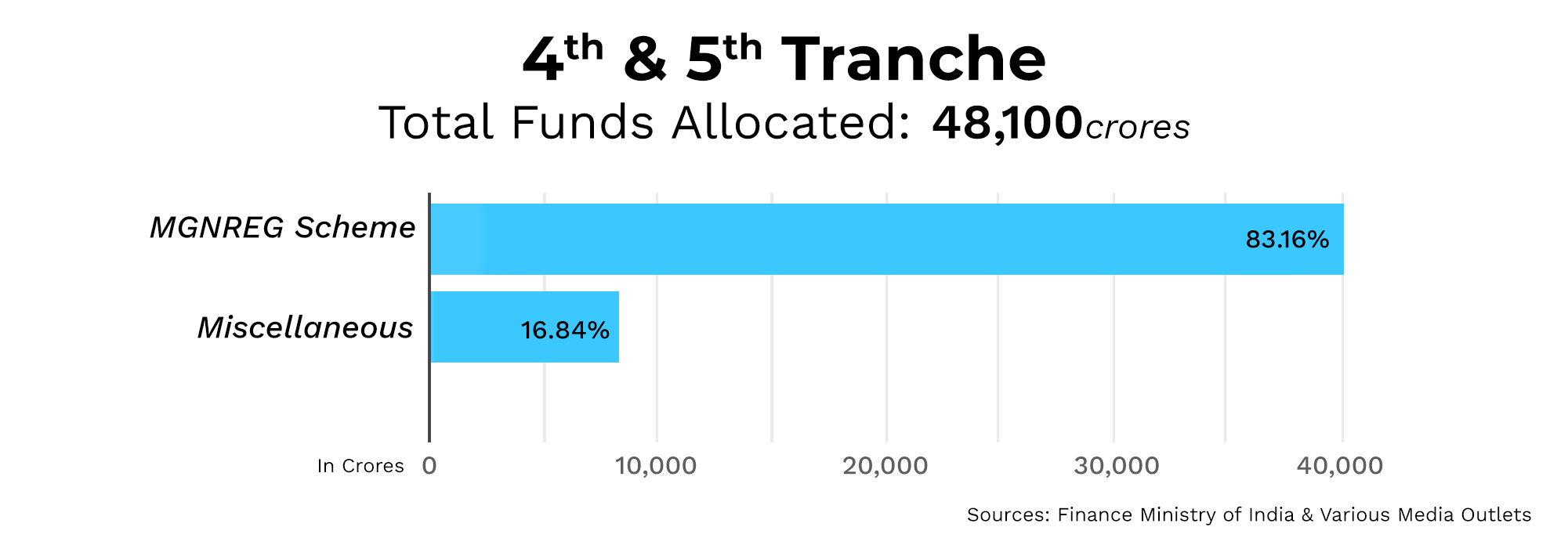
In the final announcement, Rs 40,000 crore was allotted to Mahatma Gandhi National Rural Employment Guarantee Scheme (MGNREGS) to replace direct transfer from central government to migrant workers. Inadequate data about inter state informal labourers has placed limitations on policy formulation during the time of crisis. Under the Pradhan Mantri Garib Kalyan Yojna, Rs 50 lakh per person insurance cover will be applicable for health professionals. To ensure ease of doing business, non adherence to the Companies’ Act will be decriminalised. The government also committed to increasing health expenditure to face pandemics in the future. The finance minister also encouraged companies to entertain the idea of digital India to conduct meetings and businesses online.
The last two announcements together accounted for Rs 48,500 crore and experts criticize that most of them do not provide immediate relief for the people in distress.
Conclusion
India has evidently seized the opportunity during the crisis to introduce reforms to boost the economy in the long run. The reform package undoubtedly is impressive on paper but in terms of immediate support to various sectors in distress it offers little. For example, a large part of the package – Rs 8.04 lakh crore- is additional liquidity injected by monetary policy in the last three months. An investment bank has predicted that India will face a deeper recession in the short term but the economic stimulus would help the economy after a few quarters. As a consequence the real growth rate is to drop down by 5 percent year-on-year in 2020. Even after a massive package, the situation of poor and middle-class people remains bleak. The reforms might bear fruits in future but deferring the policy response to address current challenges will manifest into huge burden on vulnerable sections of the people. Current economic crisis has undoubtedly offered the central government to take advantage of the weak bargaining power of the stakeholders to push reforms but low attention is paid to immediate distress.
The author was supported by Ms S P Bharani, on summer internship at TPF.
Image Credit: Adobe Stock
-
President Trump’s India Visit : Balancing Optics with Substance
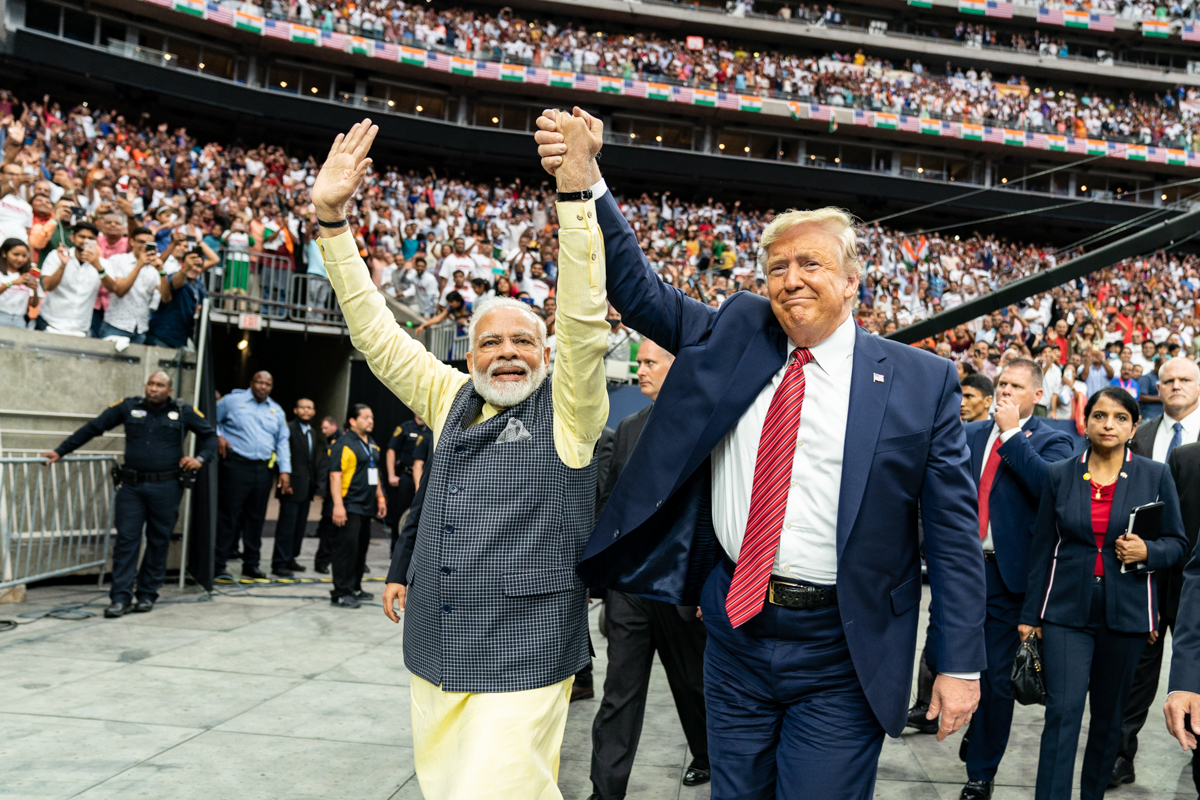
As President Donald Trump arrives in India today, 24 February 2020,on his maiden official visit to India, there is significant level of discussions amongst the academics, strategists, and foreign policy experts about whether this visit is more about optics than substantive discussions on strategies and agreements to strengthen the US-India strategic partnership. On arrival the president’s first public engagement is a super spectacle, ‘Namaste Trump’ at the new Motera Stadium in Ahmedabad that will have more than 100,000 people, which is Prime Minister Modi’s way of reciprocating for ‘Howdy, Modi’ at Houston last year. Most opine that while Mr Trump’s visit will be packed with pageantry, it will be light on policy and therefore, unlike previous presidential visits this one may not yield many break-through agreements. There are, however, some important developments that are very unique to the Trump-Modi era when compared to the previous visits of American presidents. Both leaders excel in showmanship and also in projecting strong nationalistic orientation to each one’s domestic constituency. Trump, with his transactional and disruptive approach comes off as more unpredictable when it comes to foreign policy and strategic issues.
Politics and Showmanship
It has taken Mr Trump, more than three years since he assumed office to visit India. This could mean that India was not a high priority for the Trump regime in the initial years, or as it turned out India was not the target of Trump’s disruptive strategy that he employed against USA’s traditional allies, China, Russia, and others. The final year of a POTUS term is generally termed as the ‘lame duck year’, where very few presidents have had a good last year and many were hampered by major controversies. It is important to note that India is the first country that President Trump is traveling to after his impeachment trial. There is more to Mr Trump’s India relationship than just this visit. One must remember that he is a shrewd businessman, and even before he became the president, India was already home to the most Trump ventures outside of North-America. While India’s strategic importance is well recognised by all presidents since Bill Clinton, President Trump’s approach is considerably different than the others. His daughter Ivanka Trump made headlines when she visited Hyderabad, as White House Advisor, for the Global Entrepreneurship Summit in Nov 2017 and the prime minister broke protocol to host a dinner in her honour.
That the Trump administration has followed a calibrated strategy of recognising and enhancing PM Modi’s image for significant gains to the American defence industry in particular is evident. The current visit, therefore, focuses primarily on strengthening strategic partnership issues in areas such as defence trade, intelligence sharing, counter terrorism, and visa issues. American side may make a token mention about Trump’s offer to facilitate improvement of India-Pakistan talks, China and issues of religious freedom. However, these will get swamped by the more visible spectacle that will be on display at Ahmedabad and Agra.
Defence Relationship – the most substantive progress
India – US defence partnership has progressed significantly over the last decade and a half. The two militaries are exercising together more frequently than ever, and the strategic interactions are moving more towards equitable approach to various aspects. The Trump administration has covered significant ground in nudging India, despite its reluctance, towards partnerships such as the ‘Quad’ and moving towards interoperability by concluding various agreements including the foundational agreements through Defence-Trade-Technology relationship mechanisms.
Defence trade between the two countries has grown exponentially since 2007. Two major procurements are likely to be signed by the Indian government during this visit: acquisition of 24 Sea-Hawk naval multi-role helicopters (NMRH) from Lockheed Martin worth $ 2.6 billion for the Indian Navy and six AH-64E Apache attack helicopters from Boeing worth $ 930 million for the Indian Army. Both procurements will be through the FMS (Foreign Military Sales) route. Trump administration cleared the decks for enhanced defence cooperation with India by approving India as a major Non-NATO defence partner in 2019, thus smoothening the process for exporting or selling hi-tech weapon systems to India. This is often confused with India becoming a major Non-NATO ally, which is clearly not the case.
What is clear is that the US has secured major business deals with India to its great advantage, without India gaining much in terms of technology access or industrial production of hi-tech weaponry. The US objective is clearly to wean India away from its heavy dependence on Russian weaponry and secure much broader business relationship with American arms industry. The MIC (military industrial complex) of the USA is clearly focused on India now as its major avenue of business in the 21st century. The Americans were clearly unhappy that India went ahead with S-400 purchase from Russia despite the threat of CAATSA. That India has decided to buy an air defence missile system from the US, again through FMS route, worth $ 1.9 billion seems to be a compensation for such a decision.
The US-India defence deal will scale $ 20 billion this year after the Trump visit. Many of these weapon system procurements, in terms of numbers, are not of a scale sufficient to create major industrial partnerships for manufacturing. India, however, will need to look at ways and means of acquiring significant technologies from the US through joint ventures, co-design and co-development. Otherwise, there lurks the danger of India being trapped in an all too familiar pattern of buyer-seller relationship rather than as strategic partners.
Strategic gains?
The visit’s focus is in areas of trade, defence, counter-terrorism, energy, and co-ordination on regional and global issues. These are areas in which considerable ground has been covered and is a continuing process. The agreement on trade deal, which was keenly expected, has been deferred. With President Trump accusing India of high tariffs and dashing all hopes of a deal before the visit, it is clear that the USA intends to push hard for favourable access to Indian markets for American companies. There are some positives that are emerging. The prospects for increased collaboration in space between ISRO and NASA looks bright.
The focus of the American side is primarily on Defence trade. Increase in investments in defence production may become a possibility with major projects in the pipeline. Both Boeing and Lockheed Martin are pushing hard for IAF’s 114 aircraft order, which will be processed under the strategic partnership model of ‘Make in India’ program. This could expand the production run to over 200 aircraft. Similarly, the naval helicopter (NMRH) procurement has a possibility of expanding into ‘Make in India’ project for over 100 helicopters. Boeing’s S-76D is a contender for Navy’s utility helicopter procurement under ‘make in India’ program.
The spectacle of this visit will certainly contribute to both leaders’ constituencies, for President Trump’s re-election campaign and for PM Modi it may divert people’s attention from current issues of flagging economy, Delhi electoral reverses, the Kashmir issue and ongoing protests on CAA and NRC. India however, will need to negotiate hard and leverage the expanding defence business to address technology access and strengthen Indian industry by enabling them into global supply chain. For this the Indian establishment will need to see well beyond the optics to assess real gains.
Air Marshal M Matheswaran AVSM VM PhD (retd) is the President of TPF and a former Deputy Chief of the Integrated Defence Staff.
-
India’s impending Fighter Aircraft Choices: Finding the Elusive Solution?
Category : Defence & Aerospace/India
Title : India’s impending Fighter Aircraft Choices: Finding the Elusive Solution?
Author : M Matheswaran 02.02.2020
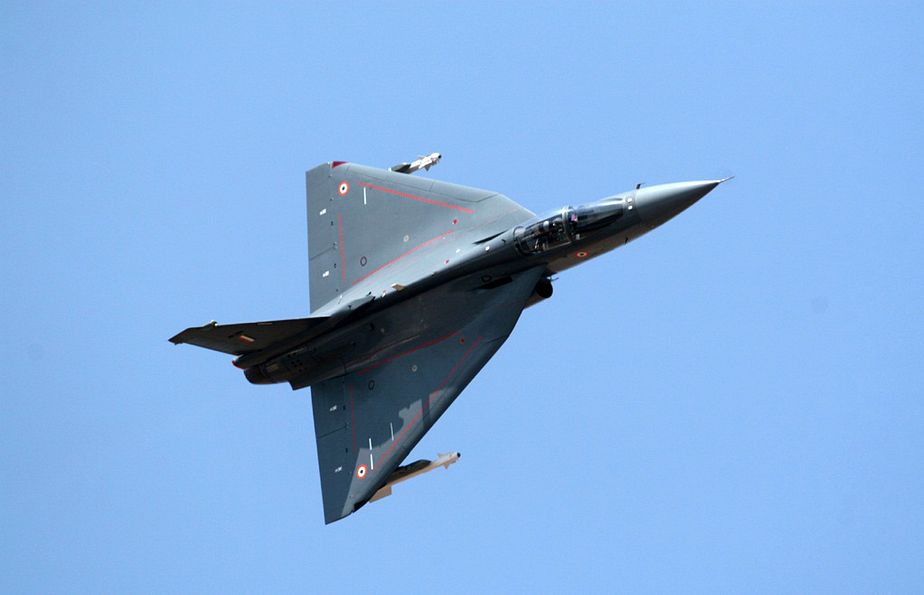
The Indian Air Force has been afflicted with decreasing force strength due to phasing out of old aircraft and increasing obsolescence of its fleets. Despite the induction of Rafale and Tejas, the IAF will continue to face challenges of reducing numbers and a large chunk of old platforms in its inventory. The IAF is facing serious shortages in its fighter aircraft strength. Air Marshal M Matheswaran examines the possible strategy that can best address IAF’s choice of fighter aircraft for its future.
Read More
-
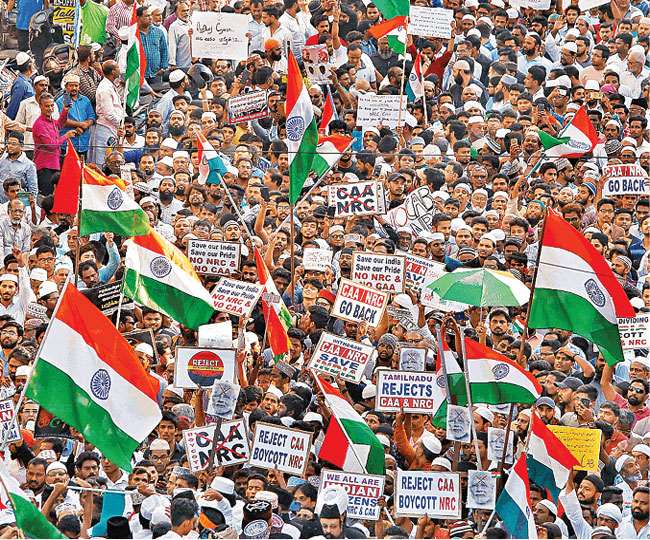
India’s Illegal Immigration and Citizenship Issues: Tussle between Politics and Policy
It is indeed difficult to comprehend this Government’s precipitous push for the Citizen Amendment Act (CAA), in the manner that it has, at a time when the economy is on the edge of a precipice and it has yet to satisfactorily resolve serious issues like Kashmir that it has on its plate. True, illegal immigration is of huge concern around the world, and even more so in our case as the issue has been further complicated by the deleterious effects of Partition. However much the young today may wish away the past, we are still bound by it. Regardless of whether one subscribes to the “Two Nation Theory” or not, Pakistan emerged as the homeland for Muslims of the Sub Continent while India came to be regarded as the home for those dispossessed because of their religious affiliations from those areas.
One tends to forget that the Preamble to the Constitution, when first adopted, described India as a “Sovereign Democratic Republic” in which “liberty of thought, expression, belief, faith and worship” were guaranteed. Socialism and secularism were only added to our preamble as an afterthought by the Congress Government of Mrs. Gandhi in 1976 through the 42nd Amendment, obviously to gain political advantage and protect her own minority vote bank. In a sense that has now come to haunt us as the BJP proceeds to curry benefit for its Hindutva plank, as the CAA clearly attempts to do, though ostensibly it is aimed at correcting an old wrong.
Religious minorities in both countries were given a semblance of relief with the signing of the Nehru-Liaquat Agreement of 1950 that required both countries to protect minorities. While Indian Muslims, among others, continued to enjoy the fruits of democracy in a secular republic, the same could not be said for Pakistan, and subsequently Bangladesh, after its formation. Minorities there continued to be discriminated and persecuted against on religious grounds, forcing lakhs of Hindus and Sikhs to flee across the border. The Government of India’s subsequent refusal to grant citizenship to the fleeing Hindus and Sikhs, as had been publicly promised by both Mahatma Gandhi and the Congress Government in 1947, left them stateless and in penury and was certainly a dark chapter in our history.
Subsequently, after 1971, the issue was further complicated as Bangladeshi Muslims too crossed over in an attempt to improve their own economic prospects. It is also an undisputable fact that much of this flow of illegal migrants was aided by Governments then in power in Assam and Bengal that were shortsighted enough to believe that this flood of illegal immigrants would increase their vote banks and allow them to subvert elections. It is ironical that the very parties involved in this immoral and criminal act are today at the forefront of the Anti CAA protests. While the Nellie Massacre and the Assam Student Agitation brought a halt to this farce in Assam in the early Eighties, it has allegedly continued unabated in Bengal even to this day.
Politicians, activists and media persons who today question the extent of illegal immigration, especially from Bangladesh, would do well to study the extremely balanced and insightful “Report on Illegal Migration into Assam Submitted to The President” by Lt Gen S K Sinha (Retd), then Governor of Assam, on 8 Nov 1998. As most readers would be aware while the extent of actual illegal immigration into Bengal and other states is not available, anecdotal evidence suggests that it has been extensive and has impacted the social fabric of these States. Indeed, most of those who question attempts to curb or quantify the extent of illegal immigration are being deliberately obtuse and intent on promoting a false narrative motivated more by their bias against the current Government and their need to hide their own involvement in promoting this flood of immigrants.
The Assam Accord signed by the Congress under Mr. Rajiv Gandhi in 1985 required a process to be initiated for the “detection and deletion of foreigners.” In this context under the aegis of the Supreme Court action was initiated in Assam to update the National Register of Citizens (NRC) that had been prepared in 1951 by recording particulars of all the persons enumerated during that Census. This update was to include the names of those persons (or their descendants) who appear in the NRC, 1951, or in any of the Electoral Rolls up to the midnight of 24th March, 1971, or in any one of the other admissible documents issued up to then, which would prove their presence in Assam or in any part of India on or before 24th March, 1971. As per Prateek Hajela, State Coordinator of the NRC Project, “A total of 3.1 Crore persons have been found eligible for inclusion in the final NRC list, leaving out 19.,06 Lakh persons including those who did not submit their claims.” They now have the right to file an appeal before Foreigners Tribunals.
This implies that once the process of appeals is complete, those declared as illegal immigrants, as defined by the Citizenship Act of 1955, will have to be either imprisoned or deported under the Foreigners Act, 1946 or the Passport Act, 1920. However, this has placed the Central Government and the Assam Government on the horns of a dilemma because the vast majority of those who are presently ineligible for inclusion in the NRC are Hindus. Logically speaking, deporting these people would be a gross miscarriage of justice given that they fled their country of origin due to religious persecution. In anticipation of this problem the Government amended the latter two Acts in 2015, thereby exempting Hindus, Sikhs, Buddhists, Jains, Parsis and Christians from Afghanistan, Bangladesh and Pakistan, who had fled to India before 31 Dec 2014 because of religious persecution, from being deported. A natural corollary to this action would have been to amend the Citizenship Act 1955 to grant citizenship to these groups in an earlier timeframe, rather than the eleven years that the Act otherwise requires. This is exactly what the Government has done with the CAA, 2019. That such an action will also help further its own political agenda is undeniable, but that is exactly how all politicians in power work.
All of this goes against the interests of the Assamese who view the issue in purely ethnic terms. Their protests, therefore, are against inclusion of Bengalis as citizens regardless of their religious affiliations as they believe that they are being swamped numerically, culturally and linguistically. One fails to understand why the Central Government, which has the benefit of its own party in power in the State, was unable to anticipate the likely consequences of its actions. Obviously, either both the central and state leadership ignored or misunderstood the signs, but whatever be the case the Party has certainly harmed its own cause and faces an uphill battle in regaining popular support. In the context of the rest of the country however, the adverse reaction that this step has drawn is clearly political in nature, initiated by those who fear they will lose out at the hustings because of this.
The opposition narrative that has been propagated is along two thrust lines. Firstly, it appeals to the liberal secular mindset, which already sees this government as autocratic and fascist in nature, that the CAA is discriminatory, as it leaves out Muslims from those countries, thereby eroding our secular identity, and is therefore unconstitutional. Secondly, it creates a fear psychosis among the minority Muslim population by linking it to the NRC and suggesting that it will be used by this Government to harm their community. The Police by their highhanded behaviour and excessive use of force in dealing with the protests have only reinforced this narrative.
While it is for the Courts to decide on its constitutionality, prima facie the argument seems to lack substance because the Act is only applicable to non- citizens who are not covered by the provisions of our Constitution and in effect corrects an earlier wrong. Moreover, if legislation is to be treated as unconstitutional purely on the basis that it is discriminatory in nature, then how does one justify existing laws on the subject and is it not time for the uniform civil code to replace all our other such Acts in place? Clearly, for those who ignore these arguments, Bertrand Russell’s belief that “Men are born ignorant not stupid. Education makes them stupid,” appears to have some relevance.
With regard to the fears that have brought many of our Muslim brethren to take to the streets, the issues involved appear to be more complex. There can be no two views that the updating of the NRC is a legitimate exercise that every State undertakes to protect its sovereignty. No State can let its ethnic, religious or linguistic profile be overturned by illegal immigration as that will adversely impact society. However, the NRC can also not be used by any government as a tool for harassment. This is unfortunately where this Government loses out because over a period of time its actions have come to be viewed with suspicion by the public at large and specifically by our minority population. There is a huge trust deficit and people tend to be extremely suspicious of its motives. Moreover, now that the Ram Temple issue has been more or less settled, there is the fleeting suspicion that this Government now intends to use NRC to further its Hindutva agenda. That apart, there have also been numerous occasions on which this community has faced unprovoked attacks, with little being done to assuage their feelings, especially as perpetrators have rarely been brought to justice. It is also a telling comment on their treatment that violence during these ongoing protests has primarily been restricted to states that are run by the BJP.
This has allowed the opposition parties to cynically peddle a blatantly false narrative and spin it in a manner that gives it enough credence to coalesce not just minority groups in their favour, but also others who have been distrustful of the way this government functions, with little regard for transparency, dialogue or rule of law. In the meantime the Modi Government has now decided to change tack, put the NRC on the backburner and proceed forward with the updating of the National Population Register (NPR) that only records the list of people in the country, instead. However, this move is also unlikely to be taken kindly since for all intents and purposes, it is a precursor to the NRC and provides relevant data that it can use.
The way forward in resolving this contentious situation can hardly be the one that results in further confrontation or adds to the distrust quotient. Mr. Modi would be well advised to take a step back and invite political parties and civil society for a fresh dialogue on all touchy issues. In addition they must look at including appropriate provisions to the guidelines for conduct of NPR/NRC that statutorily ensure that minorities and the poor are not harassed during the process. In any case the Assam NRC process and its final results show that despite our best efforts, deportation of illegals is a very distant possibility. It may therefore be a far better alternative to adopt a more practical and less contentious approach. One such option could be that those identified as foreigners continue to be permitted to remain and work here, without probably being given the right to vote or acquire property. However, their children born here should automatically be made citizens as per existing laws.
The author, a military veteran, is Senior Visiting Fellow at The Peninsula Foundation, Chennai and a Consultant at ORF, New Delhi. Views expressed are the author’s own.
-
India and Nepal: Energy Cooperation
Introduction
Sustained availability of energy at affordable cost is an essential prerequisite for the growth of a country. Currently the energy consumption per capita in case of Nepal is134 KWH per capita per year, as against world average of 2674 KWH per capita per year.
GDP Per Capita in $ (PPP)
Country Energy Consumption in kWh per capita per year GDP Per Capita in $ (PPP) GDP Per Capita in $ (Nominal) World Average 2674 11673 11673 Bhutan 2779 3392 3392 India 1122 1980 1980 Maldives 1122 9802 9802 Pakistan 471 539 539 Sri Lanka 414 4135 4135 Bangladesh 351 1564 1564 Myanmar 193 1256 1256 Afghanistan 141 538 538 Nepal 134 900 900 Table-1: Energy Consumption Vs Gross Domestic Product
Source: 1.GDP figures for 2017 vide https://www.worldometers.info/gdp/gdp-per-capita
2.World Fact Book: Power consumption for various countries of the World.Although correlation between energy consumption and the prosperity depends on a number of factors like population but a fact which clearly overshadows others is that as energy consumption increases the prosperity increases. This relationship is equally valid for reverse relationship, i.e. as prosperity increases the necessity for additional energy becomes obligatory. Another interesting observation can be made based on the content of this table. Bhutan is a land locked country which has hardly any major industry in that country, yet their GDP per capita is more than India’s. An examination suggests that Bhutan has adequate hydro resources and hydroelectricity generated exploiting her indigenous resources is far more than her requirement. This surplus generation is sold by Bhutan to India. Revenue thus earned has transformed the country from a poor developing country to a prosperous country quite distinct from other South Asian countries. For the record Bhutan’s revenue from hydro power is 27% of the entire govt revenue and is 14% of Bhutan’s GDP. This also flags an approach which can also help other South Asian countries to improve their economic strength by exploiting their indigenous resources. Another country of South Asia; Nepal can benefit from the model which Bhutan is currently following for sharing its energy resources with India in a ‘win-win’ situation.
Topography of Nepal

Map1: Nepal and its Rivers and Physical features
Source: https://en.wikipedia.org/wiki/Geography_of_Nepal
A report of International Hydropower Association, “Bhutan” uploaded on https://www.hydropower.org/country-profile/bhutanography_of_Nepal
- Lie of the country is such that all the rivers flow from Nepal to India.
- High Himalayas separate Nepal from Tibet, whereas southern side of the country is having a terrain which is plain and that separates Nepal from India therefore while Northern Areas of Nepal act as a barrier between Nepal and Tibet, plains in southern side of the country lends itself for cooperation between India and Nepal. Recent operationalization of an oil pipeline from Motihari in Bihar to Amlekhganj in Nepal is a manifestation of such a cooperation (Little more about it a little later.)
- Nepal has a huge hydropower potential. In fact, the perennial nature of Nepali rivers and the steep gradient of the country’s topography provide ideal conditions for the development of some of the world’s largest hydroelectric projects in Nepal. Current estimates are that Nepal has approximately 43,000 MW of economically feasible hydropower potential. However, the present situation is that Nepal has developed only approximately 753 MW of hydropower. Therefore, bulk of the economically feasible generation has not been realized yet. Besides, the multi-purpose secondary and tertiary benefits have not been realised from the development of its rivers. Nepal is utilising only 2% of it (i.e., 98% remains unutilised). It may be noted that an optimum exploitation of the hydro resources will contribute substantially to the financial well-being of Nepal. However, it is also a fact that Nepal neither has the financial muscle nor technical knowhow to harness its hydro resources. Therefore, support from friendly foreign countries becomes essential. China has been trying to make inroads into Nepal but whether it can be cost-effective or not is something that needs to be examined in carefully. India, on the contrary, has everything in her favour to support hydro power exploitation by Nepal. In fact power generated in Nepal can also be shared with Bangladesh using Indian grid system, which will be an excellent example of Nepal-India-Bangladesh cooperation, and still better as a BBIN (Bhutan-Bangladesh- India-Nepal) initiative and will be a ‘Win Win’ situation for all three countries. India will have to use all its traditional heft with Nepal, its diplomatic skills, financial support to beat China who is trying hard to gain a foothold in Nepal’s Hydro energy exploitation domain as they are desperately wanting power.

Map-3: River Systems of Nepal
Source: Firoz Alam et al, “A review of hydropower projects in Nepal1st International Conference on Energy and Power”, presented during ICEP2016 at RMIT University, Melbourne, Australia, 14-16 December 2016 and Available online at www.sciencedirect.com ScienceDirect Energy Procedia 110 (2017) 581 – 585- While planning hydro power plants in Nepal, some extra care would be required to be undertaken. Nepal’s topography is unstable due to seismic activities. Hence, all hydropower plants with dam must be well planned and designed to mitigate the environmental impact. Also most Himalayan Rivers contain huge quantities of sediment with hard abrasive particles. The region’s climate and tectonic conditions as well as human activities are highly conducive for erosion and sedimentation. Therefore, sediment management is paramount for the safety, reliability and longer life of infrastructures (hydropower dam, equipment, roads, bridges, irrigation systems and drinking water).
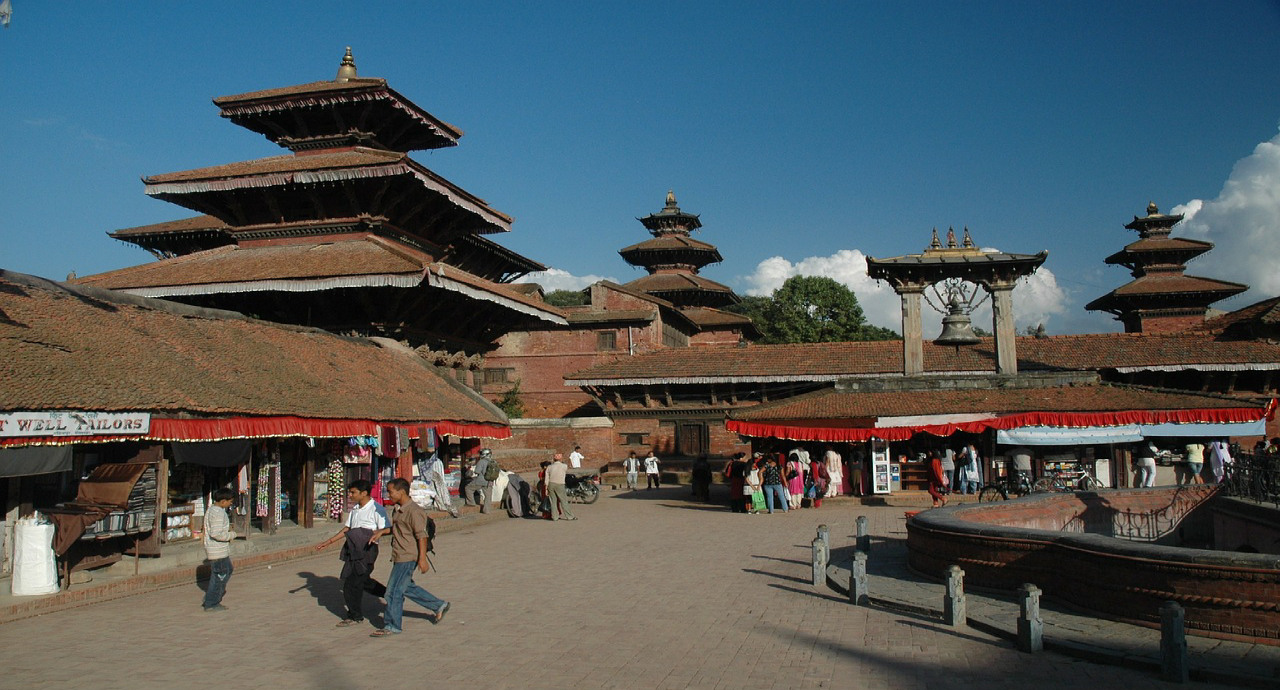
As close neighbours, India and Nepal share unique ties of friendship and cooperation characterised by an open border and deep-rooted people-to-people contacts of kinship and culture. There has been a long tradition of free movement of people across the border. Nepal shares a border of over 1850 km with five Indian states – Sikkim, West Bengal, Bihar, Uttar Pradesh and Uttarakhand. The India-Nepal Treaty of Peace and Friendship of 1950 forms the bedrock of the special relations that exist between India and Nepal. Nepalese citizens avail facilities and opportunities at par with Indian citizens in accordance with the provisions of the Treaty. Nearly 6 million Nepalese citizens live and work in India. However Nepal is still not well developed and as has been explained earlier suffer from lack adequate energy to fuel its development. India has been a major partner in exploiting its indigenous energy resources and also making up the shortfall on this account.
Potential and Scope of Hydro Power Cooperation
Certain studies have been done to ascertain scope for the Indo-Nepal Cooperation in the domain of energy. It has been concluded that in the high build scenario, Nepal’s hydropower capacity is estimated to be 4551 MW. The generation cost in an arrangement of Indo-Nepal combined system would fall by approximately US $106 billion per year. This enhanced capacity will help Nepal to increase her power export to India by 60%. However Nepal’s high build out hydro resources would be fully utilised if operations between Nepal and India are further coordinated and an economic union strategy adopted by the two countries. Effectively, this would mean that trade with Nepal is institutionally is same as trade is between Indian States. Such enhanced power generation will help Nepal to become net exporter of power during dry as well as wet season, with reduced generation cost. On the contrary India ranks 81st in overall energy self-sufficiency at 66% in 2014 . Primary energy consumption in India grew by 7.9% in 2018 and it happens to be the third biggest consumer after China and USA, with 5.8% global share.
Details of Completed Projects for Energy Cooperation between India and Nepal
Motihari-Amlekhgunj Oil Pipeline: On 10th September 2019, the Prime Ministers of Nepal and India jointly inaugurated a cross-border oil pipeline through video conferencing. This line will transport fuel to the landlocked country. The aim of this pipe line is to cement India-Nepal ties in the face of major inroads made by China into the Himalayan nation, and seeks to repair the trust deficit between the two countries due to an economic blockade allegedly imposed by India in 2015 to persuade Nepal to change some provisions in its new constitution. Basically the protests at that time were done by people of Madhesh (region bordering India) as they felt that there were certain provisions of the constitution of Nepal which were discriminatory against them. India said at that time that the trucks laden with fuel and medicines, besides other essentials, were stopped by sections of Nepalese population (Madheshis) unhappy with some provisions of their constitution, which they felt were practically disenfranchising them. Nepal, however, viewed it as if India was blocking the supplies to compel Kathmandu to amend the provisions of the constitution that was seen as disenfranchising almost half of the Nepalese population. Therefore, the current initiative seeks to rebuild the confidence between the two countries and will help to bind Nepal closer to New Delhi, economically and strategically. The development comes against the backdrop of recent plans for a rail link between Nepal and China cutting through the Himalayas. There were also plans to link Nepal and China through an energy pipeline running through the Himalayas. Both were seen as means by Nepal to find an alternative to its dependency on India. The 69 km pipeline will transport fuel from the Barauni refinery in Bihar to Amlekhgunj in south-east Nepal and is the first cross-border petroleum products pipeline in South Asia. The Motihari-Amlekhgunj oil pipeline project was first proposed in 1996. The project was put back on the agenda during Prime Minister Narendra Modi’s visit to Kathmandu in 2014. The two governments had signed an agreement to execute the project in August 2015. Construction had begun in April 2018. Construction of the pipeline was undertaken by the Indian Oil Corp. Ltd (IOCL), India’s largest refiner, with an investment of over ₹324 crore, in collaboration with Nepal Oil Corp. Ltd (NOCL). The two sides are also working on building additional storage facility at the Amlekhgunj Depot, wherein NOCL has committed an estimated ₹75 crore. The pipeline can carry up to 2 million metric tonnes of petroleum products each year. Currently, petroleum products are carried from India to Nepal using oil tankers as part of an arrangement which has been in place since 1973. The NOCL not only hopes to save ₹200 crore annually with the new pipeline but will also ensure the transportation is no longer vulnerable to any kind of blockade.
Power Supply from India to Nepal: India and Nepal have a Power Exchange Agreement since 1971 for meeting the power requirements in the border areas of the two countries, taking advantage of each other’s transmission infrastructure. There are more than twenty 132 kV, 33 kV and 11 kV transmission interconnections which are used both for power exchange in the border areas and for power trade. For enhanced transmission of electricity, the first high-capacity Muzaffarpur (India) – Dhalkebar (Nepal) cross-border power transmission line (initially charged at 132 kV), with GoI Letter of credit (LoC) funding of US$ 13.2 million, was completed in 2016. Two additional 132 kV cross-border transmission lines between Kataiya (India) – Kusaha (Nepal) and Raxaul (India) – Parwanipur (Nepal), built with GoI grant assistance, were completed in 2017. India is currently supplying a total of about 450 MW of power to Nepal. An Agreement on ‘Electric Power Trade, Cross-border Transmission Interconnection and Grid Connectivity’ between India and Nepal was signed on 21 October 2014. The Agreement is aimed at facilitating and further strengthening cross-border electricity transmission, grid connectivity and power trade between Nepal and India. The Agreement provides a framework for power trade between the two countries, import by Nepal from India until it becomes power surplus and subsequent import by Indian entities from Nepal, on mutually acceptable terms and conditions. Two mechanisms, Joint Working Group (JWG) and Joint Steering Committee (JSC) envisaged under the Agreement have been established. Joint Technical Team (JTT) was formed for preparation of a long-term integrated transmission plan covering projects up to 2035.
Cooperation in the Domain of Hydro Energy: Cooperation in water resources primarily concerning the common rivers is one of the most important areas of bilateral relations. A large number of small and large rivers flow from Nepal into India and constitute an important part of the Ganges River basins (Refer Map-3 above). These rivers have the potential to become major sources of irrigation and power for Nepal and India. A three-tier bilateral mechanism was established in 2008, to discuss issues relating to cooperation in water resources, flood management, inundation and hydropower between the two countries. A Development Authority was set up in September 2014 to carry out the Pancheshwar Multipurpose project. A Power Development Agreement (PDA) for the 900 MW Arun-III hydroelectric project between India’s Satluj Jal Vidyut Nigam Limited and the Investment Board of Nepal (IBN) was concluded in November 2014. Also, a PDA for the 900 MW Upper Karnali hydroelectric project was concluded between IBN and M/s GMR in September 2014.
Projects under Planning/Execution
Pancheshwar Multipurpose Project: India and Nepal had signed a Treaty known as Mahakali Treaty in February’1996. Implementation of Pancheshwar Multipurpose Project is the centerpiece of the Mahakali Treaty. Required field investigations for the Pancheshwar Multipurpose Project have been completed by a Joint Project Office (JPO-PI) in 2002 (except for some confirmatory tests). But mutually acceptable DPR of Pancheshwar Project is yet to be finalised. The constitution of Pancheswar Development Authority has already been notified. Pancheshwar Multipurpose Project (PMP) is a bilateral project, primarily aimed at energy production and augmenting irrigation in India and Nepal. A Treaty known as “Mahakali Treaty” concerning the integrated development of the Mahakali River, which included Sarada barrage, Tanakpur barrage and Pancheshwar Dam Project, was signed between the Government of Nepal and the Government of India on February 12, 1996. During the year 2009, pursuant to the Article-10 of the Mahakali Treaty, the Government of India and the Government of Nepal agreed and framed draft ToR for setting up the Pancheshwar Development Authority, as an independent autonomous body, for development, execution and operation of the Pancheshwar Multipurpose Project. To accomplish this shared goal, the Terms of Reference (ToR) of the PDA as agreed upon by the two Governments and as may be amended from time to time, were created. As per the Statute of PDA the administrative organs of the authority are the Governing Body (GB) and the Executive Committee (EC). In order to execute the specific tasks assigned to the Governing Body, five meetings of GB have taken place so far. Pancheshwar Main Dam is proposed on River Mahakali (known as River Sarada in India), where the river forms the international boundary between the Far Western Development Region of Nepal and State of Uttarakhand in India. The dam site is around 2.5 km downstream of the confluence of River Sarju with River Mahakali. The project would comprise of a rock-fill dam with central clay core of 311m height from the deepest foundation level. Two underground power houses at Pancheshwar dam, one on each bank of Mahakali River, each with a capacity of (6×400 MW) with the total installed capacity of nearly 4800 MW are proposed to be constructed. The power plant at main dam will be operated as the peaking station to meet energy demand in India and Nepal. A re-regulating dam at Rupaligad is proposed around 27 km downstream of the main dam to even out peaking flows released from Pancheshwar power houses for meeting downstream irrigation water requirement. Here, two underground powerhouses on both sides of river with total installed capacity of 240 MW (2 x 60 MW on either bank) are envisaged. The main dam (when impounded with water up to Flood Regulating Level (FRL)) will form a reservoir of around 11,600 hectare area with a gross storage volume of about 11,355 million cubic metres. The submergence area on Indian side is 7,600 hectare, covering districts namely Pithoragarh, Almora and Champawat in the state of Uttarakhand whereas remaining 4000 hectares of submergence will be in Nepal. The project aims at producing hydro power and enhance the food grains production in both the countries by providing additional irrigation resulting from the augmentation of dry season flows. Year round irrigation will be possible in agricultural land in Kanchanpur district in Nepal due to enhancement in flows during non-monsoon months. The project will generate Two underground power houses at Pancheshwar dam, one on each bank of Mahakali River, each with a capacity of (6×400 MW) with the total installed capacity of nearly 4800 MW are proposed to be constructed. The power plant at main dam will be operated as the peaking station to meet energy demand in India and Nepal. Power generated will be shared equally between both the nations as per Treaty. Irrigation benefits in form of annual irrigation will be about 0.43 Mha, out of this, annual irrigation in Nepal would be 0.17 Mha and remaining 0.26 Mha in India. In addition, due to moderation of flood peak at reservoir(s), incidental flood control benefits for both the countries are also envisaged from the project. Pancheshwar Multipurpose Project is one of the top priority projects to be implemented in phased manner to reap the benefits of the project as early as possible. The work of preparation of Detailed Project Report (DPR) was entrusted to Water and Power Consultancy Services Limited (WAPCOS) by PDA and WAPCOS have in turn submitted the draft final DPR of the project to PDA in November, 2016. At present the finalization of Detailed Project Report (DPR) of the project is underway. A Team of Experts/Officials has been formed by both the countries for discussing and resolving all issues towards finalization of the DPR. After finalization of DPR, the Pancheshwar Development Authority shall undertake the execution, operation and maintenance of the project, including the work of re-regulating dam at Rupaligad site in an integrated manner.
Sapta-Kosi High Dam Project and SUN Kosi storage cum diversion scheme: After exchange of letter of Understanding between the two Governments in June’ 2004, a Joint Project Office (JPO) was set up in August’ 2004 to undertake detailed field investigations for preparation of DPR of SaptaKosi High Dam Project at Barakshetra in Nepal. DPR is under progress.
Kamla and Bagmati Multipurpose Projects The JPO-SKSKI has also been entrusted to undertake the feasibility study of Kamla Dam and preliminary study of Bagmati Dam Projects. These studies are in progress.
Project Completion Prospects
Hydro power projects have a long gestation period and therefore, it can safely be assumed that the export from Nepal of power will not be able to commence before 2025. Nepal will be able to export 18 billion kWh in 2025 which will go up to 93 billion kWh by 2035 and then will start flattening and by 2040 it would be 115 trillion Watt hour because by that time it is anticipated that because of the growing prosperity domestic consumption will also pick up. In rainy season when the reservoirs will be at their peak capacity, it is estimated that by 2030 13 GW would be available for export.
Conclusion
Notwithstanding the political division within South Asia, it is important to appreciate that the energy resources are monolithic in nature. Due to topography of the country most of the hydropower resources are concentrated in the Himalayas; spanning Nepal, Bhutan and Indian states of Arunachal Pradesh, Sikkim, Uttarakhand and Himachal Pradesh. Hydro power is a form of green energy and it would be ideal in case a mechanism can be evolved to exploit it for common good. It is essential that India, in conjunction with Nepal, Bhutan and Bangladesh, needs to make attempts to make use of energy resources available in all these countries; hydro power is one such resource. In this connection the platform of BBIN (Bhutan-Bangladesh-India-Bhutan-IndiaNepal) needs to be exploited. In fact recent pipeline laid by India between Motihari in Bihar and Amlekhgunj in Nepal is great example of cooperation that benefits the region and the parties involved.
-

Chennai’s Water Stress: Urgent Need for Effective Water Security
In Chennai, while the demand for water has been rising steeply with rapid urbanisation and growing population, water supply has been hit hard due to monsoon failures, over-exploitation of groundwater, heat waves and inadequate infrastructure. Following poor rainfall since 2018, all four major drinking water sources (four lakes) in the city dried up holding less than 1 percent of their capacities, aggravating the city’s water gap. The summer 2019 water crisis in Chennai has revealed the scale and magnitude of the water challenge, which can be viewed from two angles- one that is caused from a lack of safe water provisions and the other due to scarcity of available water resources.
In Tamil Nadu, over 95 percent of surface water and 80 percent of groundwater have been utilised, with the per capita availability of water merely 900 cubic meters against a national average of 2200 cubic meters. Additionally, the state is, almost entirely, dependent on rainfall to restore its water resources. Erratic monsoon, therefore, create acute water shortage and droughts in the state. Further, Chennai being a coastal city, there is a high run off rate.
Water Shortage – Man made Crisis
Of the total water available, 75 percent of the available water is utilised for agriculture, leaving very little for industrial and personal consumption. The shortage has led to many unregulated private borewells and groundwater extraction. Others have resorted to private tankers who charge exorbitantly, in the absence of alternatives. While the coping costs is only 1 percent of the total income for high income groups, it is 15 percent for middle income groups and 40-50 percent for low income groups. To level the burden, state’s interventions are indispensable and all attempts towards regulating rates have failed due to tanker lobbies.
In the absence of proper legislation, there has been an 85 percent decline of groundwater levels. Depleting groundwater level and intrusion of seawater have significantly reduced the water quality as well. Additionally, the state needs to build storage facilities and prevent water runoff, evident from the failure of at storing excessive water from 2015 flood which flowed back to the sea. The authorities have also ignored the illegal encroachment and excessive migration of people. An estimated 8,20,000 people live in slums, often without access to a consistent water supply. Poor infrastructure to retain water and low water holding capacity of soil have also affected green water within the soil that supports food and biomass production.
The water shortage have spilled over to other dimensions as well. The unbalanced emphasis on the supply side issues has created water rage and incidents of local arguments over conservation methods, utilisation patterns, etc. Small businesses, schools, restaurants and others have evolved their own methods to tackle the crisis. Corporates encouraged work from home, many skipped daily wages waiting for water delivery and Chennai Metro temporarily stopped air conditioning in non-peak hours. The water disruptions also affected production, increased input costs and reduced investments in the city.
Need for Active State Intervention
Since water is a state subject, its management remains the responsibility of state government. The evident and growing water scarcity immediately demanded policy interventions and action programmes from the Tamil Nadu government. To tackle the high prices charged by tankers, the Municipal Administration hired water tankers for supplying water to the public and demanded that people refuse services of those charging steep rates. However, the Chennai Metro Water Supply and Sewerage Board was delivering 500 million litres, less than half of the city’s needs. In such a scenario, authorities should instead actively regulate the prices and penalise defaulters.
Water Supply Scheme in Chennai has been approved under JNNURM for improving and strengthening water supply within the city. However, leak detection and rectification is only part of Phase 6 of the scheme. This needs to be prioritised to prevent water wastage. Further, proposal to extend basic amenities to unserved areas under the scheme is still pending. To stop the complete dependence on rainwater, the administration has taken up the construction of a third desalination plant, financed through a KFW loan and AMRUT funds. A Request for Interest has also been issued for setting up three small scale Seawater Reverse Osmosis desalination plants of 10MLD each. However, many argue that desalination should be the last resort since it is expensive, energy intensive and environmentally damaging. Instead, the government should restore and rejuvenate water bodies in the city (currently there are over 100 such bodies each ranging between 2-50 acres), currently polluted with untreated waste, plastic and water hyacinths. There should also be regulations in place to prevent encroachment and pollution of water boundaries by humans.
To have a sustainable system, rainwater harvesting was made mandatory since 2003, requiring buildings to install rooftop water catchment system and collect rainwater. However, poor implementation and maintenance have proved this measure ineffective. Local and state buildings should lead in rainwater harvesting. Following this, there should be regular checks and local bodies should provide assistance in maintaining these structures. The government is also engaging with NGOs and experts to desilt rivers to improve storage capacity in time for North East monsoons. While the measure is not an immediate fix, it is a long term measure. Though CMWSSB has pushed for desilting, many suggested plans are yet to be approved by the Water Resources Department. Even approved projects are prolonged and poorly managed. For instance, 1.93 lakhs cubic metres of silt are yet to be cleared in Porur lake, the process is yet to begin at Cholavaram lake, etc.
On a careful observation, it can be established that most efforts currently employed address supply side issues like desalination, mismanagement, restoring water sources, etc. While supply oriented approaches are necessary, it is dependent on availability of water that is largely a product of nature and climate. The demand for water, however, is largely dependent on humans, directly impacted by the population size, industrial use patterns, water efficiency, etc. Hence, there is a need to equally focus on demand management measures, to formulate proper policies for water security.
TN government has rejected the pricing of agricultural electricity consumption stating that it will burden the farmers and raise food prices. However, the state should actively try to reduce water consumption through irrigation, by measures like fixed timing for supply of power (used to pump groundwater), training farmers on water conservation methods, encouraging efficient irrigation techniques(drip irrigation or spray irrigation instead of flood irrigation), etc.
Data intensive Analysis should guide Effective Policy Formulation and Implementation
With wide spread experience of water scarcity and data projecting a situation normalising drought, it is the right time to adopt water conservation methods and push for change to limited water use lifestyle. Cape Town, that faced a similar situation, successfully implemented behavioural nudges to reduce water use. Most effective nudges included offering conservation feedback to users on their performance in relation to neighbours, and creating Water Maps that highlighted areas compliant with the targets. Further, reuse of water should be encouraged for landscaping, flushing toilets, etc.
More importantly, to develop ideal policies and evolve schemes, there is a need for water accounting to track and understand the extent of water scarcity, check inter basin river transfers for better negotiations and make trade-offs with other states, improve preparedness for emergencies, etc. There should also be public water audits on institutions, laws, public and private usages, etc for transparency and accountability.
Currently, water is managed by multiple agencies – one to handle encroachment, one for lake rejuvenation, another for pollution control, and so on- with overlapping responsibilities and little coordination between them. For responsible and accountable water governance, these bodies should be under an integrated agency. Overall, the demand side measures should equally be managed by the state. Towards this, the model of city’s development should be altered to distribute migration across the state, especially to areas that receive higher annual rainfall and have abundant water sources. In addition to reducing the water stress faced by the city, it will hinder the overcrowding in Chennai’s urban space and bring equitable development across the state.
Renuka Paul is a Research Analyst with ‘The Peninsula Foundation’.
Photo by Adhithya Srinivasan on Unsplash