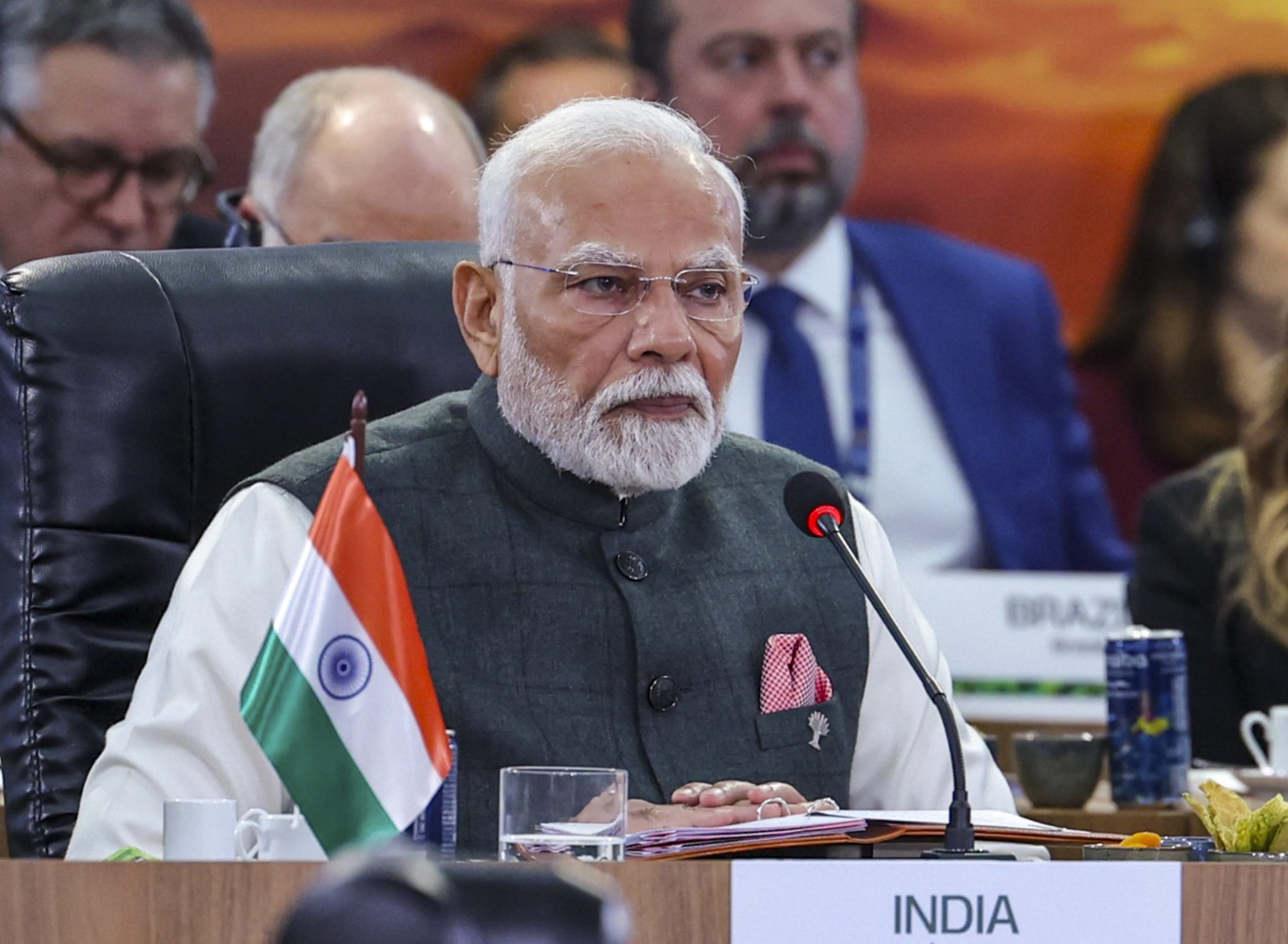
As West Asia’s geopolitical flashpoints grew more volatile, most notably with direct confrontation between the U.S., Iran and Israel, and the broader regional escalation, New Delhi’s diplomatic posture has come under intense scrutiny. India’s response is not a sign of diplomatic paralysis, nor a passive withdrawal from the global stage, but a calculated, measured quietude – an active realisation of its “calibrated multi-alignment” strategy.
This analysis decodes the rationale behind India’s silence through the lens of deep economic vulnerabilities, critical infrastructure dilemmas and multilateral frictions that New Delhi must navigate in order to preserve its foundational doctrine of strategic autonomy.
Juggling Act of Multi-Alignment
India’s diplomatic manoeuvring is taking place in a highly fractured West Asian landscape. Crucial regional partners are pulling New Delhi in opposite directions, and the government has to use precise verbiage and a highly restrained tone.
Two conflicting diplomatic realities illuminate the complexity of this tightrope. One is New Delhi’s Gulf alignment. India signed landmark defence and energy pacts during a high-profile state visit by the Indian Prime Minister Narendra Modi to the UAE, standing “shoulder-to-shoulder” with Abu Dhabi after drone and missile strikes by Iran hit Emirati soil.
Second is Tehran’s direct engagement with New Delhi, assuring the security of Indian commercial ships in the key Strait of Hormuz, and proposing a long-term constructive role for India in the region.
At the same time India was hard at work, striving to ensure some degree of balancing vis-à-vis the warring parties that include negotiating for U.S. strategic partnership and Israeli technology and weapons (The West and Israel Axis); UAE energy and defence cooperation and Saudi capital flows (The Gulf Cooperation Council – GCC); and striving to retain its stakes in the Iran and Eurasian corridor via the Chabahar port and INSTC (International North–South Transport Corridor) trade route.
Now that these bedrock bilateral partnerships are in direct conflict, it is extraordinarily difficult to maintain tight strategic autonomy.
Costs of Silence
Diplomatically, India’s external attitude is restrained, but the internal home reality is one of high-stakes management of acute energy and trade vulnerabilities. The ongoing conflict between the U.S., Israel and Iran has created immediate economic headwinds to New Delhi’s neutrality, threatening its viability.
Economic Vulnerability
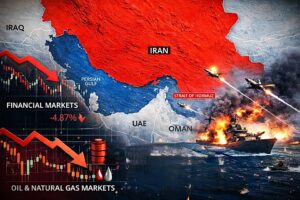
For New Delhi, the most immediate casualty is energy supply security with long-term impacts. Retaliatory disruptions in the Strait of Hormuz have forced India to draw down its national petroleum inventories by 15%. Rising domestic fuel prices and supply chain shocks present a risk to broader inflationary pressures. These are evident in high-level political appeals to citizens to conserve fuel and undertake temporary demand reduction, and in suggestions of structural changes, including working from home and limiting gold imports, to stabilise the current account deficit.
Unfortunately, the public at large interpreted these as signs of impending doom rather than the precautionary measures, which were the intent. Thus, people rushed in to stock up on cooking gas, vehicle fuels, and even groceries, with many hoteliers reducing their menu offerings and food aggregators that service home delivery charging additional amounts in the guise of “packing charges,” etc., pushing up retail prices for unfounded reasons.
The most chaotic but strategic impact is expatriate safety. The transport disruptions, especially air transport to and from the Middle East, heightened fears of the potential displacement of the large Indian workforce in the region (approximately 8.5 to 10 million Indians reside and work across West Asia, primarily in the GCC countries). This prompted transactional diplomacy over “prestige politics,” focusing on localised maritime safe-passages and repatriation readiness.
Chabahar Port Puzzle & Infrastructure Stakes
India’s Eurasian connectivity plan is based on two big projects, the Chabahar Port in Iran and the International North-South Transport Corridor (INSTC). New Delhi’s investments are designed to bypass overland blockades and build a direct trade route to Central Asia and Russia. However, the recent surge of regional hostilities has put these strategic transit corridors in temporary jeopardy.
India can cede operational stakes to an indigenous Iranian operator to avoid secondary sanctions, or retain direct control and risk an instant diplomatic confrontation with Washington.
The impasse starkly illustrates the tension between India’s desire for sovereign regional connectivity and the hard realities of international secondary sanctions regimes.
Strategic Silence: Neutrality and Autonomy
India’s quiet reactions and generic pleas for “dialogue and restraint” are often seen by detractors as diplomatically problematic – the reluctance of a rising power to take a stand. But this could also be interpreted as a deliberate tactic for survival.
For decades, India has been decoupling its bilateral ties under its multi-alignment framework: procuring oil from Iran and the Gulf; sourcing weapons and defence technology from Israel; securing advanced technology and strategic backing from the U.S.; and taking sovereign wealth and capital out of the UAE and Saudi Arabia.
Both the Russian and Iranian leaderships have publicly called upon India to use its unique position to be a long-term mediator, but New Delhi has deliberately refrained from doing so.
India has thus been consciously avoiding “prestige politics” by not taking on high-risk mediation initiatives beyond its immediate regional mandate. This stance replaces grandstanding with pragmatic, transactional arrangements, such as securing localised maritime safe passages for its commercial ships, rather than seeking to resolve deep-seated ideological wars.
Process Diplomacy: Handling Multilateral Frictions
The West Asia skirmishes have also tested India’s aspirations to lead the Global South, particularly in larger international platforms such as BRICS. The June 2026 BRICS foreign ministers meeting held in India exposed the limitations of consensus-based diplomacy.
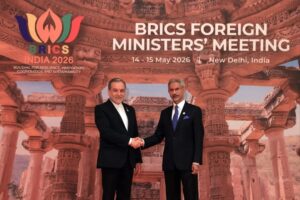
Iran and the UAE, the new members, joined the forum in the midst of a heated deadlock; Tehran insisted on a direct and explicit condemnation of the U.S. and Israel, while Abu Dhabi countered with a call for a formal condemnation of Iranian actions in the region.
India used procedural diplomacy to recognise internal rifts without sweeping them away, avoiding the fracturing of the broader multilateral partnership over regional disputes, and thereby preserving its bilateral capital with both capitals- Abu Dhabi and Tehran.
Conclusion: Is Calibrated Silence Sustainable?
India’s strategic quiet is not an abnegation of responsibility. It is a conscious effort to protect its national interests from a volatile external crisis. In a remarkable blend of procedural diplomacy at forums like BRICS, refusal to be sucked into risky regional mediation, and pragmatic bilateral hedging, New Delhi has managed to avoid burning its bridges with either Tehran or the US-Israel-Gulf axis.
At the same time, this crisis is a crucial test of New Delhi’s professed policy of strategic autonomy. As the country’s domestic oil reserves dwindle and external sanctions squeeze key assets such as the Chabahar Port, the economic repercussions may ultimately outweigh the benefits of diplomatic quietude. India’s challenge going forward will be to ensure that its calculated neutrality is flexible enough to change if the regional balance tips into an outright breakdown of the regional order from a managed crisis.
Feature Image Credit: https://thewire.in
Leave a Reply