Author: Arabinda Acharya

  • The Costs of Strategic Silence: An Analysis of India’s Stance during the 2026 Iran War

    The Costs of Strategic Silence: An Analysis of India’s Stance during the 2026 Iran War

    As West Asia’s geopolitical flashpoints grew more volatile, most notably with direct confrontation between the U.S., Iran and Israel, and the broader regional escalation, New Delhi’s diplomatic posture has come under intense scrutiny. India’s response is not a sign of diplomatic paralysis, nor a passive withdrawal from the global stage, but a calculated, measured quietude – an active realisation of its “calibrated multi-alignment” strategy.
    This analysis decodes the rationale behind India’s silence through the lens of deep economic vulnerabilities, critical infrastructure dilemmas and multilateral frictions that New Delhi must navigate in order to preserve its foundational doctrine of strategic autonomy.

    Juggling Act of Multi-Alignment

    India’s diplomatic manoeuvring is taking place in a highly fractured West Asian landscape. Crucial regional partners are pulling New Delhi in opposite directions, and the government has to use precise verbiage and a highly restrained tone.

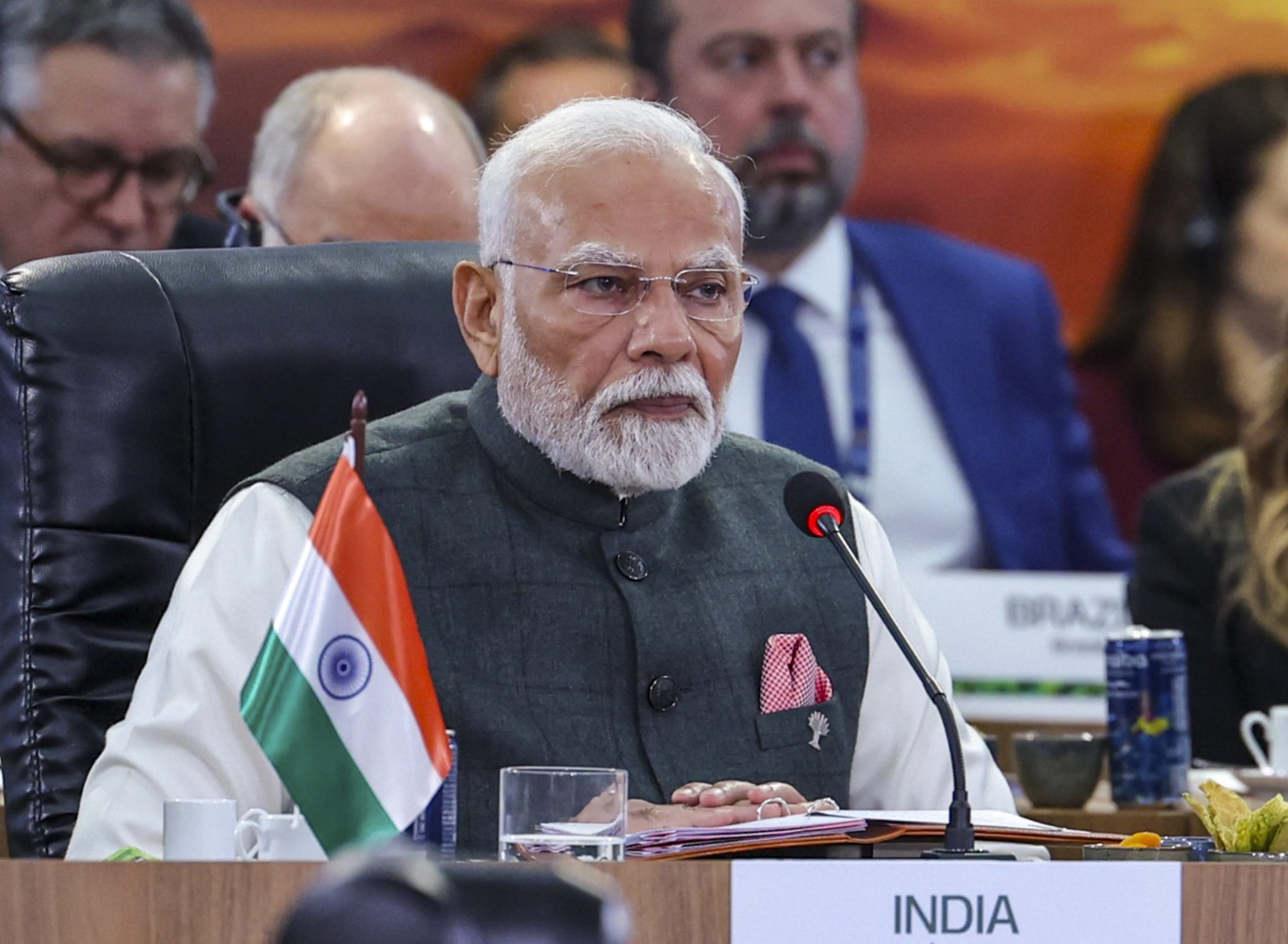
    Two conflicting diplomatic realities illuminate the complexity of this tightrope. One is New Delhi’s Gulf alignment. India signed landmark defence and energy pacts during a high-profile state visit by the Indian Prime Minister Narendra Modi to the UAE, standing “shoulder-to-shoulder” with Abu Dhabi after drone and missile strikes by Iran hit Emirati soil.

    Second is Tehran’s direct engagement with New Delhi, assuring the security of Indian commercial ships in the key Strait of Hormuz, and proposing a long-term constructive role for India in the region.

    At the same time India was hard at work, striving to ensure some degree of balancing vis-à-vis the warring parties that include negotiating for U.S.  strategic partnership and Israeli technology and weapons (The West and Israel Axis); UAE energy and defence cooperation and Saudi capital flows (The Gulf Cooperation Council – GCC); and striving to retain its stakes in the Iran and Eurasian corridor via the Chabahar port and INSTC (International North–South Transport Corridor) trade route.

    Now that these bedrock bilateral partnerships are in direct conflict, it is extraordinarily difficult to maintain tight strategic autonomy.

    Costs of Silence

    Diplomatically, India’s external attitude is restrained, but the internal home reality is one of high-stakes management of acute energy and trade vulnerabilities. The ongoing conflict between the U.S., Israel and Iran has created immediate economic headwinds to New Delhi’s neutrality, threatening its viability.

    Economic Vulnerability

    For New Delhi, the most immediate casualty is energy supply security with long-term impacts.  Retaliatory disruptions in the Strait of Hormuz have forced India to draw down its national petroleum inventories by 15%. Rising domestic fuel prices and supply chain shocks present a risk to broader inflationary pressures. These are evident in high-level political appeals to citizens to conserve fuel and undertake temporary demand reduction, and in suggestions of structural changes, including working from home and limiting gold imports, to stabilise the current account deficit.

    Unfortunately, the public at large interpreted these as signs of impending doom rather than the precautionary measures, which were the intent. Thus, people rushed in to stock up on cooking gas, vehicle fuels, and even groceries, with many hoteliers reducing their menu offerings and food aggregators that service home delivery charging additional amounts in the guise of “packing charges,” etc., pushing up retail prices for unfounded reasons.

    The most chaotic but strategic impact is expatriate safety. The transport disruptions, especially air transport to and from the Middle East, heightened fears of the potential displacement of the large Indian workforce in the region (approximately 8.5 to 10 million Indians reside and work across West Asia, primarily in the GCC countries). This prompted transactional diplomacy over “prestige politics,” focusing on localised maritime safe-passages and repatriation readiness.

    Chabahar Port Puzzle & Infrastructure Stakes

    India’s Eurasian connectivity plan is based on two big projects, the Chabahar Port in Iran and the International North-South Transport Corridor (INSTC). New Delhi’s investments are designed to bypass overland blockades and build a direct trade route to Central Asia and Russia. However, the recent surge of regional hostilities has put these strategic transit corridors in temporary jeopardy.
    India can cede operational stakes to an indigenous Iranian operator to avoid secondary sanctions, or retain direct control and risk an instant diplomatic confrontation with Washington.
    The impasse starkly illustrates the tension between India’s desire for sovereign regional connectivity and the hard realities of international secondary sanctions regimes.

    Strategic Silence: Neutrality and Autonomy
    India’s quiet reactions and generic pleas for “dialogue and restraint” are often seen by detractors as diplomatically problematic – the reluctance of a rising power to take a stand. But this could also be interpreted as a deliberate tactic for survival.

    For decades, India has been decoupling its bilateral ties under its multi-alignment framework: procuring oil from Iran and the Gulf; sourcing weapons and defence technology from Israel; securing advanced technology and strategic backing from the U.S.; and taking sovereign wealth and capital out of the UAE and Saudi Arabia.

    Both the Russian and Iranian leaderships have publicly called upon India to use its unique position to be a long-term mediator, but New Delhi has deliberately refrained from doing so.

    India has thus been consciously avoiding “prestige politics” by not taking on high-risk mediation initiatives beyond its immediate regional mandate. This stance replaces grandstanding with pragmatic, transactional arrangements, such as securing localised maritime safe passages for its commercial ships, rather than seeking to resolve deep-seated ideological wars.

    Process Diplomacy: Handling Multilateral Frictions

    The West Asia skirmishes have also tested India’s aspirations to lead the Global South, particularly in larger international platforms such as BRICS. The June 2026 BRICS foreign ministers meeting held in India exposed the limitations of consensus-based diplomacy.


    Iran and the UAE, the new members, joined the forum in the midst of a heated deadlock; Tehran insisted on a direct and explicit condemnation of the U.S. and Israel, while Abu Dhabi countered with a call for a formal condemnation of Iranian actions in the region.

    India used procedural diplomacy to recognise internal rifts without sweeping them away, avoiding the fracturing of the broader multilateral partnership over regional disputes, and thereby preserving its bilateral capital with both capitals- Abu Dhabi and Tehran.

    Conclusion: Is Calibrated Silence Sustainable?

    India’s strategic quiet is not an abnegation of responsibility. It is a conscious effort to protect its national interests from a volatile external crisis. In a remarkable blend of procedural diplomacy at forums like BRICS, refusal to be sucked into risky regional mediation, and pragmatic bilateral hedging, New Delhi has managed to avoid burning its bridges with either Tehran or the US-Israel-Gulf axis.

    At the same time, this crisis is a crucial test of New Delhi’s professed policy of strategic autonomy. As the country’s domestic oil reserves dwindle and external sanctions squeeze key assets such as the Chabahar Port, the economic repercussions may ultimately outweigh the benefits of diplomatic quietude. India’s challenge going forward will be to ensure that its calculated neutrality is flexible enough to change if the regional balance tips into an outright breakdown of the regional order from a managed crisis.

    Feature Image Credit: https://thewire.in
  • IndiGo Airlines’ Operational Crisis and Its Consequences for Indian Aviation

    IndiGo Airlines’ Operational Crisis and Its Consequences for Indian Aviation

    Quick Take
    IndiGo Airlines, India’s largest domestic carrier, hit a massive snag in early December 2025 with a large number of cancelled and delayed flights. The main reason was that Indigo was not ready for the strict new safety rules on how long pilots can fly, known as Flight Duty Time Limitation (FDTL), set by the aviation watchdog, the DGCA. This blunder was compounded by the fact that the airline also had 50 to 70 planes sitting idle due to technical glitches involving Pratt & Whitney engines.

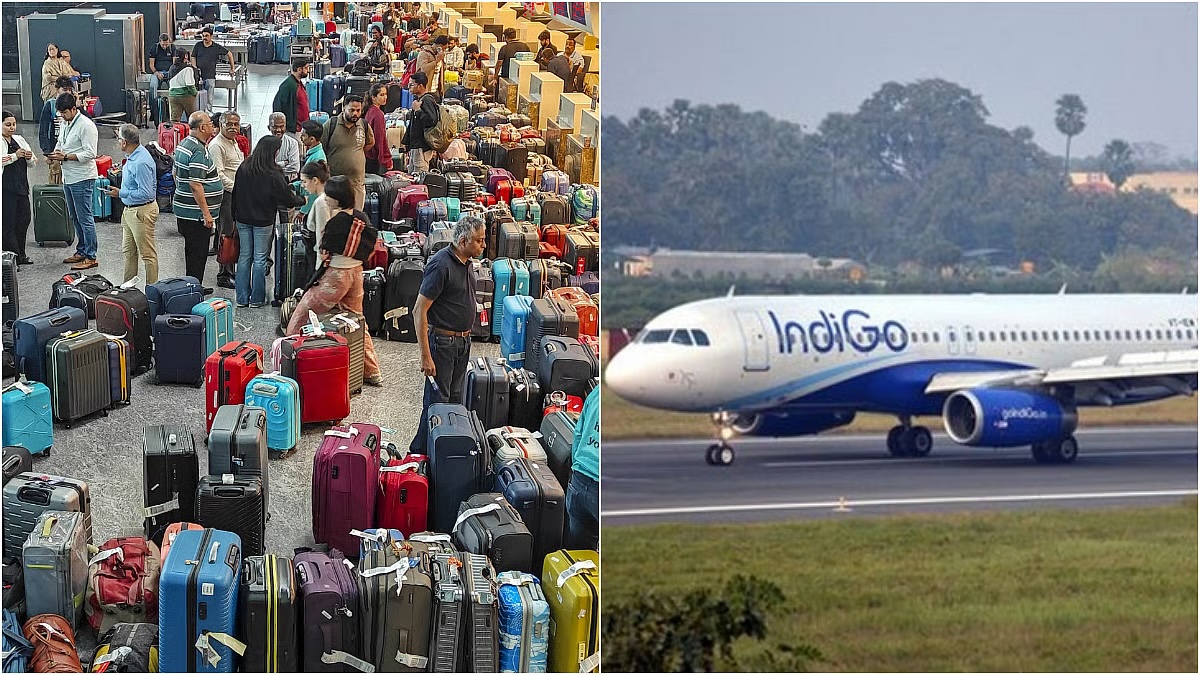
    The fallout was nasty: big financial hits evidenced by a decline in stock valuation and substantial refund expenditures, and a seriously bruised reputation with IndiGo’s On-Time Performance (OTP) tanking to an abysmal 19.7%, which typically exceeded 80% before the crisis. It also left a whole lot of unhappy passengers stranded across major airports, particularly during the high-demand winter period. Competitors like Air India and Akasa Air cashed in with higher prices and snatched up market share. The IndiGo crisis also placed considerable strain on the country’s overall airport infrastructure.

    This whole chaos was a wake-up call, demonstrating that running a “bare-bones crew” model just doesn’t fly in the face of non-negotiable safety rules mandated by the regulators or, as in this case, the judiciary. It also underscored the role of the regulatory and judicial authorities in fundamentally shaping the operational and financial strategies of both private and public airline entities.

    Why the Wheels Came Off?

     The disaster was the result of new safety rules colliding with a risky strategy, particularly that of IndiGo Airlines. The new rules require the DGCA to implement the revised FDTL norms, which were intended to mitigate pilot fatigue and enhance flight safety standards.

    Table 1.

    Cause Category Specific Cause/Factor Description
    Regulatory Change New FDTL Norms The DGCA mandate necessitated an increase in the weekly pilot rest period from 36 to 48 hours, an expansion of the definition of night hours, and a severe limitation on the maximum number of night landings (from six to two per roster cycle).
    Operational Strategy Under-Rostering/Crew Shortage IndiGo historically operated with a paradigm focused on high aircraft utilisation. Its standard crew buffer (estimated at approximately 4%) became effectively zero under the new regulatory framework. Pilot associations contend that this shortfall resulted from management’s “lean manpower strategy” and hiring moratoria, despite a two-year period for preparatory action.
    Technical Factors Grounded Aircraft The airline’s capacity for operational flexibility was severely constrained by the grounding of an estimated 50–70 Airbus A320neo family aircraft. This was principally attributable to inspection requirements and component shortages related to Pratt & Whitney engines.
    Outside Interference Winter/Airport Traffic Bad winter weather, minor technical issues, and already overcrowded major airports led to crew-related delays that rippled across their entire flight network, resulting in a substantial number of daily cancellations.

     Consequences

     The Damage and the Industry Reaction

    The consequences of the IndiGo crisis were immediate and painful, which spread across the entire aviation industry.

    • Money and Image: The stock price for the parent company, InterGlobe Aviation, dropped due to higher costs and refund payments. Its image as the reliable, on-time airline was severely damaged. The company, previously lauded for its operational punctuality, faced widespread public indignation and negative media coverage over delays, inadequate communication, and poor passenger support, thereby eroding its brand equity. The widespread chaos also raised doubts among investors and passengers about the overall stability and planning skills of the Indian airline industry.
    • Operations and Oversight:  The disruptions instigated a massive cascading failure across the network, resulting in delayed crew rotations, aircraft being immobile at various airports, and a generalised loss of effective operational control.
    • Regulatory: The DGCA stepped in with a formal investigation, putting IndiGo under the microscope.

    The wider effect on the Indian aviation market was concerning as well.

    Impact on Other Major Airlines in India
    Given IndiGo’s dominant market position (exceeding 60% of the domestic market), its operational disruptions invariably affected the entire Indian aviation ecosystem, albeit with varying impacts.

    IndiGo Versus Competitors
    The differential impact of the FDTL norms as described in Table -2 highlights the varying operational strategies employed by major Indian carriers.

    Table 2

    Carrier Operational Strategy FDTL Impact & On-Time Performance (OTP)
    IndiGo The Low-Cost Carrier (LCC) model focuses on high fleet utilisation, fast turnarounds, and aggressive scheduling, particularly for late-night flights. Hit the hardest due to insufficient crew planning. OTP dropped to lows of 19.7%, significantly impacting reputation and revenue.
    Air India/Vistara (Tata Group) More diversified/Full-Service models; typically maintain larger pilot buffers and fewer highly aggressive night schedules compared to IndiGo’s LCC core. While the group also lobbied against the rules, they were largely unaffected by the immediate operational meltdown. Their OTP remained relatively stable (e.g., 66.8%–67.2% during the crisis).
    Akasa Air Newer, agile LCC. Benefited from learning from older airlines’ mistakes and potentially scaling up its crew faster. Maintained strong operational stability during the crisis, reporting OTPs in the range of 67.5%–73.2%.
    SpiceJet Legacy LCC, often facing its own financial/operational challenges. While not immune to industry pressures, their OTP (e.g., 68.7%–82.5% range) remained significantly higher than IndiGo’s during the disruption period.


    Market and Systemic Effects of IndiGo’s Crisis

     Table 3

    Airline/Sector Impact Description Market Effect
    Competitors (e.g., Air India, Vistara, Akasa Air) Temporary Market Share Gain Passengers displaced by IndiGo’s cancellations transitioned to competing carriers, leading to a short-term increase in passenger volumes for rivals.
    Competitors (Revenue) Surge Pricing and Higher Yields The sudden reduction in available network capacity from IndiGo’s cancellations allowed other airlines to implement substantial surge pricing, yielding significantly higher ticket revenue on specific routes (e.g., Delhi-Bengaluru).
    Airport Operations Systemic Strain The disorder at major aviation hubs (Delhi, Pune, Mumbai, Bengaluru) was not restricted to IndiGo. Grounded IndiGo aircraft occupying parking positions impeded the movement and punctuality of all other airlines. Furthermore, passenger unrest at boarding gates disrupted the boarding processes for other flights.
    Broader Market Negative Sector Sentiment Although competitors realised short-term financial gains, the extensive chaos undermined overall investor and passenger confidence regarding the stability and planning efficiency of the Indian aviation sector.


    The IndiGo crisis vividly demonstrated the fragility of a hyper-efficient, operationally lean business model when confronted by abrupt, non-negotiable regulatory shifts, particularly ordained by those prioritising aviation safety, such as the FDTL norms. While competitors accrued temporary benefits from increased fares and passenger diversion, the underlying issue underscored the necessity for long-term human resource planning across the entire industry.

    Besides, ultimately, the Indian aviation sector functions under the guidelines and standards, including critical safety mandates, that the regulators like DGCA and AAI enforce, while economic regulators determine market structure and operational costs. Policies, whether judicial in origin (e.g., the High Court’s directive leading to new FDTL) or governmental (e.g., AERA tariffs and privatisation initiatives), emphasise the parameters that all airlines, public or private, must navigate to ensure safety (for the customers), viability and stability (for the industry).

    The Fix: Getting Back on Track
    Solving these critical issues needs both a quick patch-up and a fundamentally sound long-term strategy.

    The central challenge involves addressing immediate resource constraints, specifically, the deficit of pilots due to the new FDTL norms and the incapacitation of 50–70 aircraft due to issues with Pratt & Whitney engines, while simultaneously pursuing long-term, systematic solutions to ensure sustainable expansion of the aviation sector.

    Short-Term Fixes

    Cut flights: IndiGo must actively reduce its flight schedule with “calibrated adjustments” to match the limited FDTL-compliant crew it actually has. The airlines should focus on reducing nighttime flights to comply with the new norms. The DGCA must formally approve the diminished schedule and enforce a strict timeline for restoration, ensuring the rebalancing measure is authentic and not a transient manoeuvre.

    Temporary FDTL Exemption: On 5 December 2025, the DGCA provided IndiGo with a one-time exemption from new pilot night-duty rules and revoked a regulation that prohibited airlines from classifying pilot leave as weekly rest. However, this exemption has generated widespread apprehension, most notably from the International Federation of Air Line Pilots’ Associations (IFALPA), which states that crew fatigue “clearly affects safety.”

    Fast Leasing:  IndiGo need to quickly hire temporary aircraft and foreign crew through wet and damp leasing arrangements to instantly inject pilots and capacity. The DGCA must streamline the security clearance and licensing endorsement procedures for wet-leased crew and aircraft to facilitate rapid deployment

    Fix the Planes: IndiGo and other affected carriers must engage in intensified collaboration with Pratt & Whitney (P&W) to expedite the delivery of spare engines and components. This necessitates aggressive follow-up, including, if necessary, diplomatic pressure on P&W’s parent company (RTX Corporation) to prioritise Indian carriers, given the magnitude of the crisis.

    Maintenance, Repair, and Overhaul (MRO) Push: Engine maintenance must be expedited through the utilisation of P&W’s Customer Training Centre and the India Engineering Centre (IEC) in Bengaluru. The government should provide incentives (such as the reduced GST on MRO components) to encourage domestic and international MRO centres to rapidly expand their capacity for quick engine turnarounds

    Long-Term Strategy
    To ensure the industry’s future growth, particularly in demand, does not precipitate a recurrence of systemic failure, the industry requires strategic, large-scale investment in both human capital and physical infrastructure.

    Invest in People:
    All airlines must set aside resources for a mandatory 15-20% crew buffer, as is the rule now. This means saying goodbye to the “lean manpower” idea and building a required crew reserve pool to ensure compliance with the new rules and also absorb future regulatory adjustments, training demands, and natural attrition rates.

    Better Training: The Indian Ministry of Civil Aviation (MoCA) needs to incentivise the rapid expansion of local flying schools and flight simulators to keep up with the massive number of new planes ordered by various airlines and reduce the reliance on expensive foreign training.

    Upgrade Infrastructure: The government needs to speed up the construction of secondary airports (such as Jewar and Navi Mumbai) to take the pressure off the fully packed primary hubs. The Airports Authority of India (AAI) must invest in modern Air Traffic Management (ATM) systems to allow more planes in the airspace and reduce delays caused by weather.

    Stronger Supply Chain: Airlines should think about mixing their fleets (e.g., using both Airbus and Boeing jets). The “Make in India” scheme needs to aggressively focus on building local MRO capacity for new-generation engines to reduce reliance on fragile global supply chains for crucial maintenance.

    To sum up, IndiGo needs to honestly cut its schedule in the short term, with the regulators keeping a close watch on any temporary waivers. But for lasting stability, the entire Indian aviation sector must make coordinated, major investments in its human capital and physical assets to comply with the necessary regulatory and judicial mandates.  The primary focus for the entire industry is safety and passenger comfort, which can’t be overemphasised.

    Feature Image Credit: freepressjournal.in

    Image; Indigo Chaos www.indiatoday.in 

  • Responding to COVID-19: A Framework for Analysis

    Responding to COVID-19: A Framework for Analysis

    Beginning December 2019 in Wuhan in China’s Hubei province, Coronavirus (Covid -19) has overwhelmed the healthcare systems and affecting education, travels, events and the economies worldwide. Governments all over have taken or bracing themselves to take extraordinary measures to contain the threat. In some countries, the measures taken to contain the epidemic appear as putting the nation under a state of siege. Some governments are adapting rather extreme measures – complete lock-down of the cities, the provinces and even the country itself, school closures, travel ban, cancellation of flights. Questions are being asked about how much freedom we are prepared to give up, for how long and onto whose hands?

    The paper argues that with threats and vulnerabilities transcending national boundaries and challenging most advanced knowledge and information systems in this era of intense globalization, the need for harsh and often draconian measures can hardly be over emphasized. At the same time there could be problems and unwelcome consequences in putting too much power in the hands of the governments dealing with the threat for an indefinite period of time. In view of this, the securitization framework as put forth by the Copenhagen School could be a better tool to deal with situations of unexpected crises such as what SARS epidemic proved it to be or what Covid-19 would inevitably entail.

    This paper is originally published in Vol 7 No 5 (2020): Advances in Social Sciences Research Journal and is republished by TPF under the Creative Commons Attribution 4.0 International Licence.

    Download Full Research Paper