Tag: China

  • Does ASEAN Need a New Approach to Code of Conduct for the South China Sea?

    Does ASEAN Need a New Approach to Code of Conduct for the South China Sea?

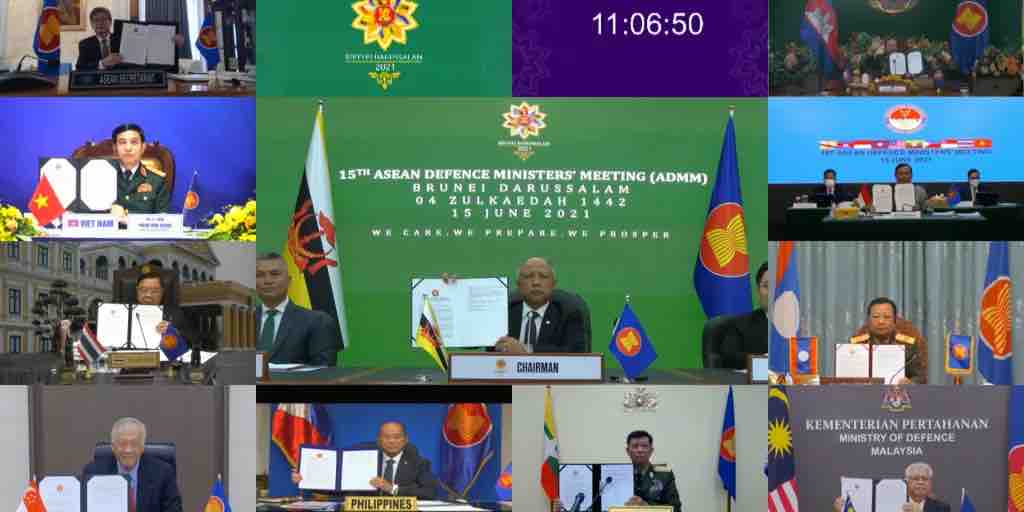
    Reference to Declaration on the Conduct of Parties in the South China Sea (DOC), Guidelines for the Implementation of the DOC, and formulations such as early adoption of a Code of Conduct in the South China Sea (COC) have featured in the ASEAN Chairman’s Statement of East Asia Summit Foreign Ministers’ Meeting since 2013 when Brunei Darussalam had held the Chairmanship of the ASEAN. These references were reiterated, and the section relating to the South China Sea in the ASEAN Chairman’s Statement for the 11th East Asia Summit Foreign Ministers’ Meeting in August 2021 under the leadership of Brunei Darussalam, is no different.

    While the Chinese intent is a welcome development, its new “Maritime Traffic Safety Law of the People’s Republic of China” (MTSL) that came into effect on 01 September 2021, has caused turbulence among the claimant States.

    Meanwhile, China’s Ministry of Foreign Affairs Statement of 5 August 2021 notes that a new goal has been set by China under which Beijing and ASEAN would “refrain from unilateral actions that aggravate tensions and widen differences, or using force or threat of force in particular”. While the Chinese intent is a welcome development, its new “Maritime Traffic Safety Law of the People’s Republic of China” (MTSL) that came into effect on 01 September 2021, has caused turbulence among the claimant States. As per the MTSL guidelines and procedures, vessels must “report the name, call sign, current position, next port of call and even estimated time of arrival to Chinese authorities”.

    The Philippines has decided to “ignore” the new Chinese Regulations and Philippine Defence Secretary Delfin Lorenzana has clarified his country’s stand on the issue that “we do not honour those laws by the Chinese within the West Philippine Sea because we consider that we have the sovereign right within this waters. So we will not recognise this law of the Chinese,” The Vietnamese Foreign Ministry too has reiterated strict compliance with the 1982 UNCLOS “when promulgating documents of domestic law related to the sea”.

    The Pentagon has accused China of “Unlawful and sweeping maritime claims, including in the South China Sea, pose a serious threat to the freedom of the seas, including the freedoms of navigation and overflight, free trade and unimpeded lawful commerce, and the rights and interests of the South China Sea and other littoral nations,” and the Defense Department spokesman has stated that the country will “ continue to fly, sail and operate wherever international law allows,”

    By all counts, an early conclusion of CoC in the South China Sea is only wishful given that the idea has been on the table for over two and a half decades since 1996. At that time there was euphoria among ASEAN foreign ministers that a CoC in the South China Sea could be the “foundation for long term stability in the area and foster understanding among claimant countries.”

    There is now a view that it is time to change the “objective from coming up with a comprehensive CoC”; instead, ASEAN and China must work towards “incremental development of a series of agreements” that could “eventually become the CoC in the future”

    The ASEAN has made earnest efforts and continues to negotiate a legally binding CoC but its finalization has eluded it. There is now a view that it is time to change the “objective from coming up with a comprehensive CoC”; instead, ASEAN and China must work towards “incremental development of a series of agreements” that could “eventually become the CoC in the future”. This can be achieved by developing “more realistic” and “smaller accords” that can help “de-escalate potential contentious situations”.

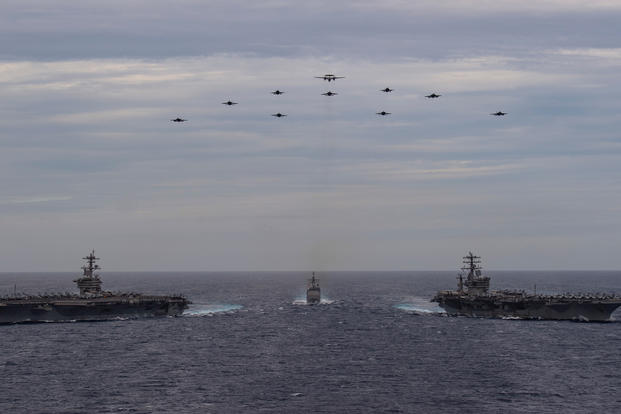
    The above argument merits attention for at least two important reasons. First, the South China Sea is simmering due to US-China military contestations. The US Navy continues to engage in exercises and the current deployment in the South China Sea by USS Carl Vinson Carrier Strike Group and Air Wing of the Future is a reflection of the US’ commitment to field “combat-ready force to protect and defend the collective maritime interests of the U.S. and its regional allies and partners”. Also, the US Navy has conducted FONOPs relentlessly and is now joined by the US Coast Guard. The Quad Member States have also dispatched their warships to the South China Sea for Malabar Naval exercises and the European navies led by France and Britain are operating in the region. These multi-nation naval manoeuvers have prompted China to respond through similar actions and the PLA Navy and the Air Force are persistently deployed in the region. This ‘state of affairs’ will continue.

    Second, there is a view that while the CoC should necessarily be consistent with the 1982 UNCLOS and should not “prejudice legitimate rights and interests of nations not a party to discussions,” this assessment can potentially trigger clamour among other stakeholders who have politico-diplomatic, economic and strategic interests in the region and have vehemently argued for a rules-based system and have challenged China’s expansive claims in the South China Sea as also its non-adherence to the 2016 PCA ruling.

    Under such circumstances, there are no incentives for China and it is deliberately delaying the finalization of the COC; it prefers to pursue a “business as usual” approach causing immense insecurity in the minds of the claimant States. Meanwhile, there is now a sense of urgency among the ASEAN Member States to finalize the CoC and their “patience” is wearing thin.


    Feature Image Credit: Nikkei Asia

  • The Fall of Kabul and dealing with the Taliban 2.0

    The Fall of Kabul and dealing with the Taliban 2.0

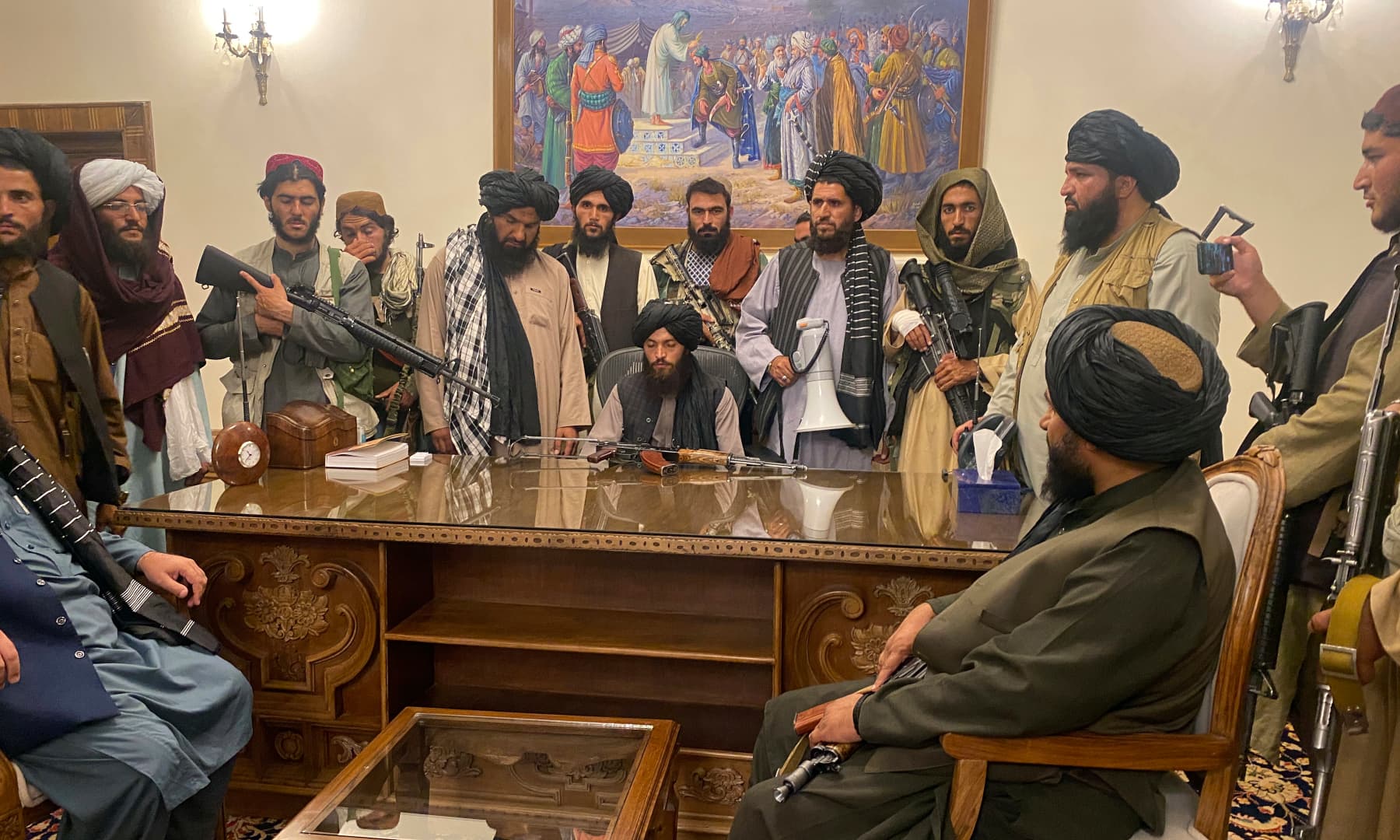
    The debacle of the democratic apparatus in Afghanistan was inevitable. After pumping billions in aid and significant bloodshed, the US government ended its longest war in defeat, the war in Afghanistan under the euphemism of ‘Global War on Terror’. Right after occupying the White House, the Biden administration has followed the path of its predecessors and commanded the complete withdrawal of troops from Afghanistan. The 2020 – Doha peace agreement between the US government and the Taliban brought a scant number of outcomes. Even during the presence of international forces in Afghanistan, the Taliban leaders disrespected the peace agreement and violated significant features of the agreement – that is a ceasefire. Following the agreement, over 5000 prisoners belonging to the separatist groups- were released by the Afghan government, under pressure from the US. Quite naturally, these prisoners were back with their militant outfits, thus strengthening the Taliban’s fighting capability.

    As of now, India has not taken any part in the peace negotiations with the Taliban. One of the major reasons is in the past the Indian government has never recognised the Taliban as a legitimate actor and vouched for a peace negotiation that should be Afghan-led, Afghan controlled and Afghan-owned. Currently, there are speculations about the likely power structure and composition of the government in Afghanistan, but it is quite clear the Taliban will govern the country by Sharia law. At this time of fast transition, the countries in South Asia are seeking to gain diplomatic leverage in the situation.

    India has a huge stake in Afghanistan’s reconstruction. In 2016 Indian Prime Minister and Afghan President Ashraf Ghani inaugurated the Salma dam project in Afghanistan. This 200 million dollar project is part of the larger developmental approach of the Indian government to Afghanistan. But recently, the equipment of the Salma dam was captured by the Taliban. In this scenario, it is unlikely that the Dam project will receive further Indian logistical support in future. Similarly, uncertainty beleaguers the Chabahar Project. India was one of the largest bilateral donors to Afghanistan during the war on terror. It ranges from infrastructure building to the promotion of democracy and small development projects. Almost $3 billion has been invested in and on Afghanistan in capacity building, education, infrastructure and security counts. This developmental commitment has made India the most dependable country and strategic partner for Afghanistan so far. However, now that the Taliban is in full control, the Indian government needs to find a diplomatic solution on how to go ahead with the various projects and commitments in Afghanistan.

    Except for Panjshir province, the entire country is under Taliban control. The president, head of the state, has left the country. Led by interim President Amrullah Saleh and Ahamad Masoud, the Resistance Force from Panjshir Valley is fiercely fighting against the Taliban. Under such circumstances, the conservative approach of the Indian government, as it has begun to talk to the Taliban, could ruin the decades’ long reputation and developmental efforts in Afghanistan. India has legitimate concerns in Afghanistan and should protect its interests carefully. The absence of the US forces and elected Afghan government makes the task very difficult for the government of India. In the past, the Indian government cooperated with the elected Afghan government based on their shared interests and values of democracy, freedom, rule of law and respect for human rights. But the past approach may not work anymore under the Taliban leadership. In the past, the Ministry of External Affairs stated that it is in touch with ‘various stakeholders’ in Afghanistan and other regional countries. Indian officials believe that a ‘double’ peace’ i.e. one within Afghanistan and around the country is necessary for the region. To ensure safety for the Indians living in Afghanistan, the government has already evacuated all Indians employed by the Indian embassy. India has also started emergency E-visa facilities for Afghan citizens. With regard to the diplomatic relationship with the Taliban, the government is following a ‘wait and watch policy with its extended neighbour. The Taliban leadership has announced that they would like to have good relations with the Indian government and access to the Indian market through Pakistan. The Taliban also wants these two countries to resolve their issues as its interests are linked to the two countries. The government of India is yet to respond. The Afghan media personnel, translators, performance artists, civilians are being hunted down by the Taliban soldiers. In this scenario, India will carefully assess the situation and the reliability of the Taliban to make its further move.

    While India is still on the horns of a dilemma over the direct dialogue with the Taliban, India’s arch-rival Pakistan is busy re-establishing its hold and is trying to isolate India diplomatically from the region. Pakistan was one of the first countries to recognise the Taliban as a legitimate actor in the 90s. Last year, the government of Pakistan welcomed an Afghan Taliban delegation led by Mullah Abdul Ghani Baradar. In the meeting, Pakistan showed their support for peace and blamed India as a spoiler of peace in the war-torn country. But reports suggest otherwise. According to the US Defense Intelligence Agency, Pakistan harbours Taliban leaders along with other insurgent groups such as the Haqqani network, Jaish-e-Mohammed and Laskar-e-Taiba. Such groups have the potential to disrupt the security and stability in South Asia. The report also says that the strategic objective of the Pakistan government is to counter the Indian influence in Afghanistan. In a recent interview, Pakistan foreign affairs minister Shah Mahmood Qureshi said that the violence in Afghanistan led to a refugee exodus to Pakistan but they cannot take more refugees. Last year, the High Council for National Reconciliation leader Abdullah Abdullah said that Pakistan holds the key role in the Afghan peace process and India should keep their profile low in the Afghan situation.

    As the Taliban emerges in its second avatar while reframing its extremist Islamic ideology, China is poised to become the critical player in the region.  Under a slew of conditions negotiated with the Taliban, China will enhance its role through rapid investments and enabling Afghanistan to integrate into its Belt and Road Initiative. An unstable, dry and war-torn Afghanistan doesn’t offer any attractive economic proposition at the moment. As the economic challenges loom on the Taliban government, it can’t simply sustain on drugs. The Taliban have to rely on China, Pakistan and some Central Asian republics to rebuild its economy. Afghanistan’s unexploited mineral wealth, worth a trillion or more, is a great opportunity for the Taliban to leverage economic gains by engaging China, Iran, Russia, and Turkey. An alliance of China, Pakistan, Iran or Turkey may lead to the marginalisation of India’s role and effectiveness in Afghanistan.

    Whether India will recognize the Taliban is not clear yet but India can’t simply meditate either. Under India’s presidency, the UN Security Council passed Resolution 2593 on Afghanistan. Chairing a session India’s Foreign Secretary Harsh V Shringla has clarified that India won’t tolerate if Afghan territory turns into a sanctuary of terrorists and threat for the neighbouring states. Apart from human rights, Shringla emphasized Women’s participation in society.

    India along with its all partners should advocate for strict observation of the Taliban led governance. Having invested over $3 billion over the last two decades in the reconstruction of Afghanistan, India’s considerable contribution cannot be ignored. The recent meeting between India’s envoy Deepak Mittal and the Taliban’s foreign minister-designate Stanekzai at the Taliban’s request signals a possibility for a changed approach and environment from that of the Taliban 1.0. India’s immediate priority should be the safe evacuation of the Indian origin people and stranded Afghans.


    Image Credit: www.dawn.com

  • India, the Sino-US Rivalry, and the post-pandemic World Order

    India, the Sino-US Rivalry, and the post-pandemic World Order

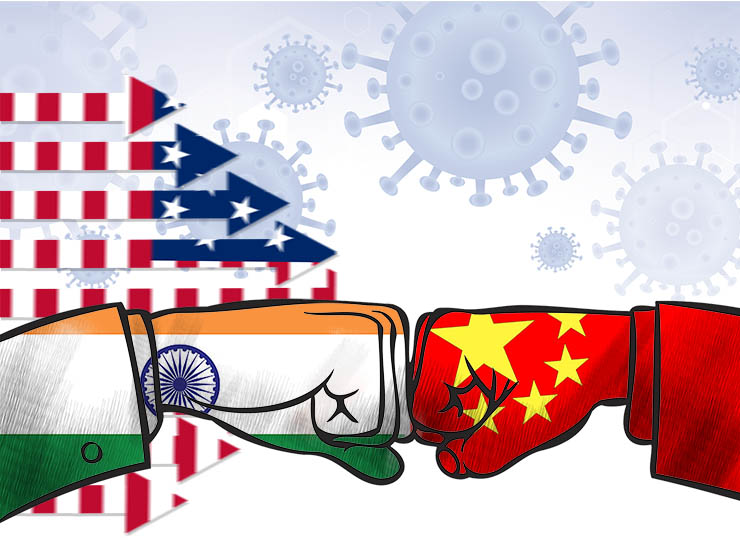
    India has a vital stake in the geopolitical contest between the US and China, particularly in the context of the rising Sino-Indian rivalry. India’s strategies, therefore, must focus on ensuring its security and its freedom of action in global affairs. It will also need to play an active role in reforming the world to more equitable and multipolar governance.

    The global disruption caused by the Covid-19 pandemic that engulfed the world at the end of 2019 and continues to this day is the biggest economic, political, and technological disruption since the Second World War. The pandemic has exposed the serious deficiencies in national healthcare systems in all countries, developed and developing. More importantly, the pandemic has raised questions on the relevance and effectiveness of the current world order, about the future of international organisations and multilateral frameworks, and poses challenges to international political and economic relations.


    Read more

  • US Policy in the South China Sea since 2016 PCA Ruling

    US Policy in the South China Sea since 2016 PCA Ruling

    In the foreseeable future, ASEAN will become more divided over South China Sea issues in the Biden era. The conflicts brought about by geopolitical competitions and maritime disputes in the South China Sea will become more challenging and uncertain


    The US does not lay any territorial claim in the South China Sea and had not taken any position on sovereignty over islands, reefs, and features in the South China Sea. Its 2010 policy was of not taking “sides on the competing territorial disputes over land features in the South China Sea, we believe claimants should pursue their territorial claims and accompanying rights to maritime space in accordance with the UN convention on the law of the sea”. Towards that end, the US had consistently urged the contesting parties to settle disputes based on international law and without intimidation-coercion. Even in 2016, the US had encouraged claimants to resolve their disputes “free from coercion or the use or threat of force” after endorsing the Permanent Court of Arbitration (PCA) award to the Philippines.

    However, in July 2020, the US revised its South China Sea policy through a Position Paper titled “U.S. Position on Maritime Claims in the South China Sea”. The Paper questioned China’s “claims to offshore resources across most of the South China Sea” and categorically stated that these are “completely unlawful, as is its campaign of bullying to control them,” This was in sharp contrast to the 2010 policy articulations.

    Since the publication of the Position Paper, South China Sea has appeared in Statements by respective US political leaders. For instance, at the G 7 summit on 11-13 June 2021, President Joe Biden was able to rally the leaders of the grouping and succeeded in a consensus over the critical necessity of a free and open Indo-Pacific and the G7 leaders also expressed concerns about the “situation in the East and South China Seas” and strongly opposed “any unilateral attempts to change the status quo and increase tensions”.

    There is continuity in US policy on the South China Sea since President Trump’s administration and the issue has figured prominently in US’ statements particularly in the context of coercion and intimidation of its smaller neighbours by China.  Secretary of State Mike Pompeo drew attention to the “trampling” of the “sovereign rights of its neighbours” and “destabilizing the region” as also causing “untold environmental devastation” of 3,000 acres of the sea space in the South China Sea; furthermore, “the United States will act until we see Beijing discontinue its coercive behaviour in the South China Sea, and we will continue to stand with allies and partners in resisting this destabilizing activity.” Also, he was uncompromising on US’ commitment to its ASEAN partners in safeguarding sovereign rights to “offshore resources, consistent with their rights and obligations under international law.”

    President Biden’s Administration has continued to pursue a similar policy as that of the predecessor. For instance, in his conversation with National Security Advisor Jake Sullivan on 1 July 2021 with Vietnamese Deputy Prime Minister Pham Binh Minh, they discussed the South China Sea, including the United States’ support for the 2016 arbitral tribunal award.

    It is not surprising that a Chinese commentator has observed that “Biden administration’s South China Sea policy has attached great importance to US allies within and outside the region, this precisely reflects its Cold War mentality” and is reflected in the US-Philippine Mutual Defence Treaty, which now applies to the South China Sea and freedom of navigation operations (FONOP)  in the South China Sea continues unabated. For instance, in 2017 there was one FONOP by the US, in 2018 there were three incidents, nine in 2019; 15 in 2020; and then this year four FONOPs have been reported. There is also a new emphasis on mini multilateralism in the form of Quadrilateral Security Dialogue (QUAD) to support its “traditional strategy of relying on allies and partners” to “establish a new regional order dominated by the US”.

    The Chinese commentator’s assertion that “in the foreseeable future, ASEAN will become more divided over South China Sea issues in the Biden era. The conflicts brought about by geopolitical competitions and maritime disputes in the South China Sea will become more challenging and uncertain” merits attention.

    Last week, while speaking in a forum on global security issues at Tsinghua University in Beijing, China’s Foreign Minister Wang Yi said that the US’ Indo-Pacific strategy is aimed at countering Beijing and the strategy “should be dumped at a trash heap.” Wang also observed that China would oppose any framework of cooperation to “fuel rivalry” and “an action to accelerate division” ostensibly referring to Taiwan.

    Finally, a continuous war of words between political leaders of the US and China over the South China Sea can be expected to continue. Notwithstanding that ASEAN Member States can be expected to continue to engage China for a legally binding Code of Conduct and at the 19th Senior Officials’ Meeting on the Implementation of the Declaration on the Conduct of Parties in the South China Sea (DOC) held on June 7, 2021, in Chongqing, all “parties agreed to resume as soon as possible the second reading of the Single Draft COC Negotiating Text and strive for the early conclusion of negotiations”.

    Feature Image: USS Ronald Reagon in the South China Sea. Credit: asiatimes.com

  • Economic prospect of Vietnam under new leadership

    Economic prospect of Vietnam under new leadership

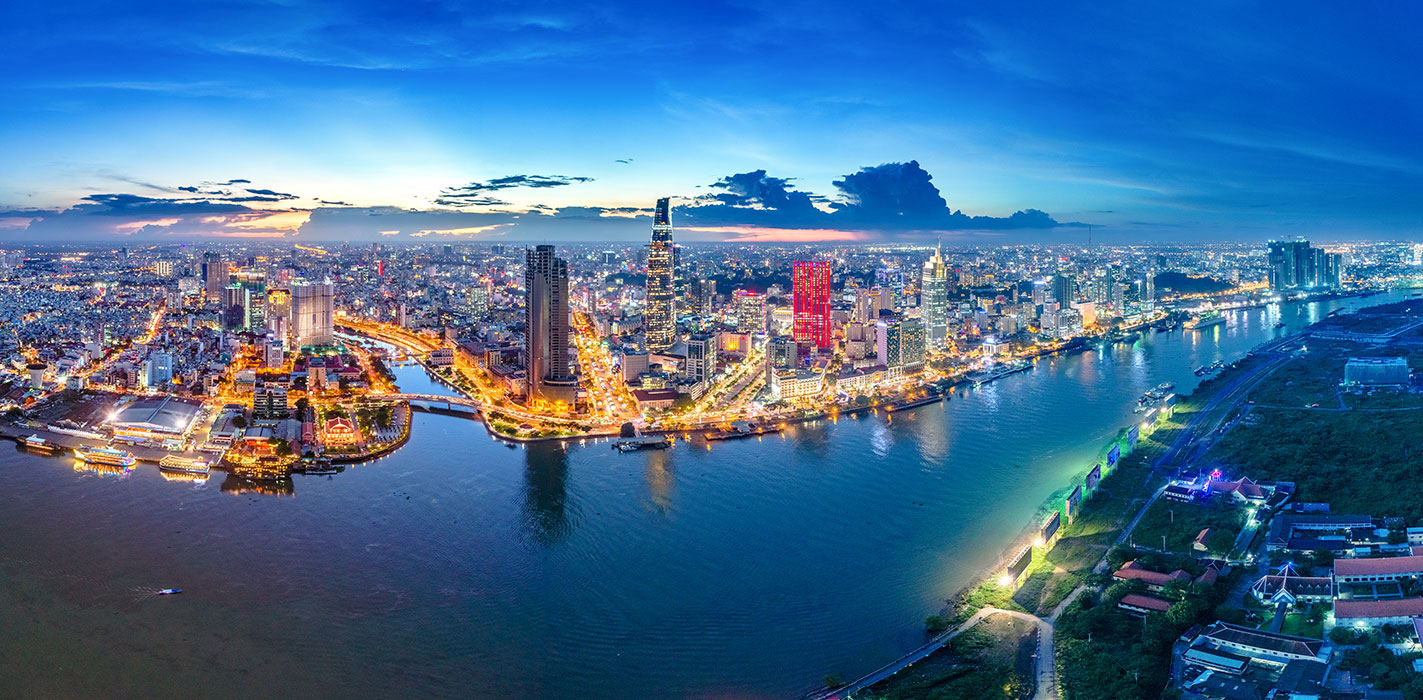
    The International Monetary Fund (IMF) has projected a positive outlook for the post-pandemic global economic recovery for 2021. This is notwithstanding the uncertainty associated with numerous mutations of the Coronavirus emerging in different parts of the world and successes with the vaccine which is now into full-fledged production to meet global demands. Furthermore, according to the IMF, the world economy could grow by 6% in 2021, up from the 5.5% forecast in January 2021. Another significant development in the post-pandemic economic recovery would be a “generational shift towards higher government spending” with projections of over US$ 10 trillion being allocated by the governments across the world to absorb the “shock of the COVID pandemic”. In this context, the Vietnamese government can be expected to make significant post-Pandemic investments.

    Prime Minister Chinh who was an earlier member of the national steering committee for anti-corruption also announced that the government would “drastically and persistently push for anti-corruption.”

    Earlier this month, the Vietnamese National Assembly elected Pham Minh Chinh as the new Prime Minister of the country. In his inaugural speech, Prime Minister Pham Minh Chinh said that his administration’s economic policies would continue as hitherto i.e. “socialism with a market orientation” and will centre on “economic reforms, developing digital economy and focusing on solving difficulties for industries and businesses.” Prime Minister Chinh who was an earlier member of the national steering committee for anti-corruption also announced that the government would “drastically and persistently push for anti-corruption.”

    There is a strong element of continuity in the Vietnamese government policies concerning economic reforms, investments, and addressing the bottlenecks in economic growth since the last five-year plan. The projections for economic growth during 2021-2025 are high and pegged at 6.5%-7%. This compares well with the last five-year plan which witnessed 5.9% growth. The per capita GDP is also projected to improve from US$ 2,750 at the end of 2020 to $4,700-$5,000 by 2025.

    While these are indeed very promising economic indicators, according to risk consultancy Eurasia Group, Prime Minister Chinh will also have to deal with additional challenges such as reforms required for “new trade deals” necessitating additional infrastructure, respond to existing bottlenecks impacting on the manufacturing sector as also sustained and reliable energy requirements.

    Prime Minister Chinh would have to skillfully manoeuvre Vietnam’s relations with the US and China who are among its top trading partners.

    At another level, Prime Minister Chinh would have to skillfully manoeuvre Vietnam’s relations with the US and China who are among its top trading partners. As far as the US is concerned, US imports from Vietnam increased to $64.8 billion in the first 10 months of 2020, and the trade deficit increased to $56.6 billion in 2020. Hanoi has now won over the US in the context of being labelled as a “currency manipulator”. The Biden Administration’s first foreign-exchange policy report has removed Vietnam from the list of countries that are known to prevent “effective balance of payments adjustments or gaining unfair competitive advantage in international trade”. This suggests that the US is not taking a confrontationist approach.

    Similarly, Vietnam’s trade with China is an inescapable part of its economic growth. China is its top trading partner and the bilateral trade in 2020 was US$ 133 billion. The future projections for Vietnam –China bilateral trade are quite promising given that China would continue to be the strongest economy in the coming years which will have numerous spinoffs for Vietnam. Perhaps it merits attention that China is the seventh-largest foreign investor in Vietnam.

    By all counts, Prime Minister Chinh would continue to pursue the national mantra of “socialism with a market orientation” and engage and promote pragmatic economic policies, open the national economy to global markets and importantly balancing relations with China and the US. The US-China trade war has been a trigger for a large number of countries particularly Japan shifting businesses into Vietnam. This has led to Vietnam being labelled as a “mini-China” and is best represented by the fact that Vietnam’s “factory-heavy growth model, sizable population, low labour and land costs, rapid gross domestic product and geographical placement” make it the preferred destination for setting up a business and attracting investments.

    While that may be so, Vietnam would have to diversify from manufacturing cheap goods for exports to investing in its service industry as also in innovation and tech startups. Vietnam is likely to witness a surge in the digital economy and this segment could expand to US$52 billion by 2025. In particular, e-commerce and digital banking are significant growth sub-sectors.

    it is not unthinkable to anticipate Chinese companies too making a beeline and moving production to Vietnam to lessen the risks of the US-China trade war which has now taken a very strong geopolitical and geostrategic turn.

    Today, Vietnam can boast of three comprehensive strategic partnerships, fourteen strategic partnerships, and 13 comprehensive partnerships with different countries. Besides, the conditions are ripe for Vietnam to attract investors beyond Asia and the EU-Vietnam FTA is an important trigger for encouraging European firms to explore investment opportunities in Vietnam. Also, it is not unthinkable to anticipate Chinese companies too making a beeline and moving production to Vietnam to lessen the risks of the US-China trade war which has now taken a very strong geopolitical and geostrategic turn. Under the circumstances, Vietnam would have to diversify its strategic relations and not be left hostage to one partner.

    Featured Image: Hanoi to Ho Chi Minh

  • China’s New Coast Guard Act: Vietnam could lead Response

    China’s New Coast Guard Act: Vietnam could lead Response

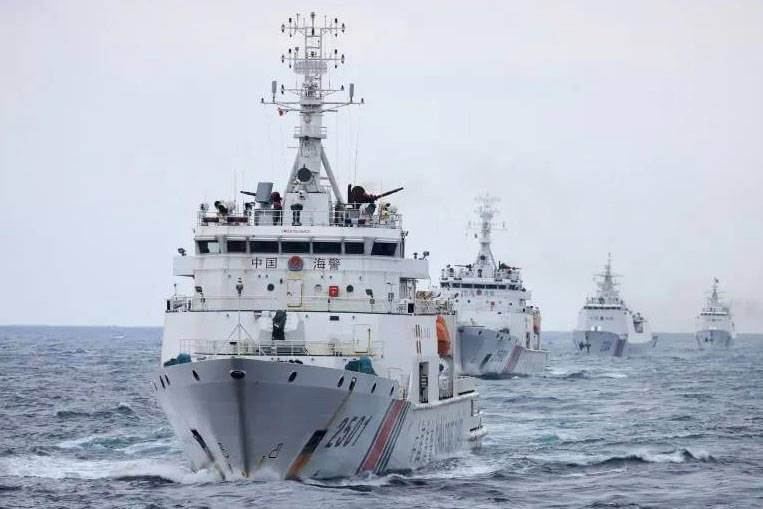
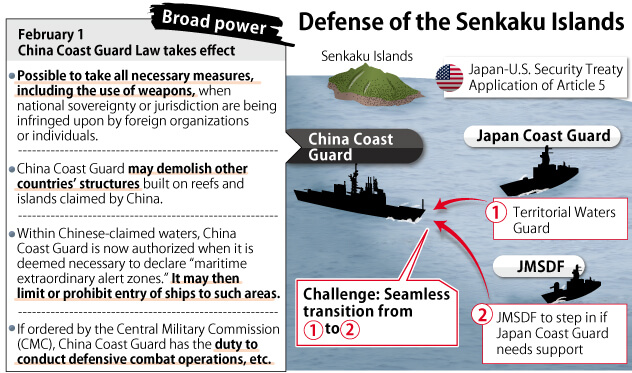
    China’s new Coast Guard Act has put the ‘cat among the pigeons’ and the South China Sea claimants Brunei, Malaysia, Philippines, Vietnam and Taiwan are visibly worried. The Act has also attracted international attention; for some, it is an act of war and for others, it violates the 1982 United Nations Convention on the Law of the Sea (UNCLOS).

    The Act came into effect last month on 01 February. In its administrative content, the Act is the culmination of at least two reorganizations of the Chinese Coast Guard (CCG) that began in 2013 involving administrative and operational control of five closely associated national maritime law enforcement agencies, also referred to as the Five Dragons , that were brought under one umbrella. In 2018, CCG became part of the People’s Armed Police Force.

    Under the new Act, it is feared, the CCG would conduct operations just like the PLA Navy and would be directly controlled by the Chinese Communist Party Central Committee. The CCG is empowered with powerful ‘security and control measures’ and has the rights to take necessary actions to “restrain foreign military vessels and foreign vessels used for non-commercial purposes in waters under China’s jurisdiction from violating the laws or regulations of China” which is potentially in contravention to the 1982 UNCLOS.

    The Act has also attracted international attention; for some, it is an act of war and for others, it violates the 1982 United Nations Convention on the Law of the Sea (UNCLOS).

    Under Article 20, the CCG may demolish “buildings, structures, and various fixed or floating devices” built by foreigners “in the sea areas and islands under our jurisdiction”, and Article 47 authorizes the agency to “directly use weapons if there is no time for warning or if there is a risk of serious harm after giving a warning.”

    It is the latter that prompted Japan to label the Act as “blatantly threatening” and “aimed directly at the Senkakus” raisingspeculation that the Japanese Coast Guard, which hitherto could “fire weapons directly at foreign vessels in cases of self-defence and emergency escape” may now “ fire on foreign official vessels under laws by regarding vessels aiming to land on the Senkaku Islands as committing violent crimes”.

    However, it is fair to say that some of the provisions contained in the Chinese Coast Guard Act are not extraordinary. Navies, Coast Guards and law enforcement agencies of many countries are administratively controlled by the ministries of national defence and routinely operate with the national navies albeit pursue different rules of engagements. Many maritime law enforcement agencies are also known to intercept and even sink foreign fishing vessels especially when these engage in IUU fishing. These naturally attract diplomatic protests from the affected countries including China.

    Be that as it may, the ASEAN and China signed the Code for Unplanned Encounters at Sea (CUES) in the South China Sea in 2016 under which both sides are committed to “maintaining regional peace and stability, maximum safety at sea, promoting good neighbourliness and reducing risks during mutual unplanned encounters in air and at sea, and strengthening cooperation among navies”. This agreement is for the navies and draws upon the CUES (voluntary and non-binding) adopted by the Western Pacific Naval Symposium (WPNS).

    The new Chinese Coast Guard Act may have created an opportunity for ASEAN and China to conceptualize CUES that is tailored to the mandate of the Coast Guards i.e. law enforcement. The issue can also be on the agenda of the Heads of Asian Coast Guard Agency Meeting (HACGAM), a grouping of 22 Member States and multilateral organisations, which aims at cooperative and proactive efforts to address maritime issues confronting the region.

    Among the ASEAN member countries, Vietnam is well placed to lead the initiative for at least three reasons.  First, it is a claimant and some of the features in the South China Sea are under its control; second, it has a larger Coast Guard when compared to the capabilities of the other ASEAN claimants; and third, the Vietnamese Communist Party maintains close contacts with their counterparts in China and this could be a useful channel to facilitate a dialogue.

    However, it remains to be seen if Beijing would allow debate and discussion on the Coast Guard Act particularly when it also involves contested areas such as the South China Sea. For that deft diplomacy by Vietnam could be a good idea.

    Feature Image: www.japantimes.co.jp

  • Dealing with China in 2021 and Beyond

    Dealing with China in 2021 and Beyond

                                                                                                                         TPF Occasional Paper
                                                                                                                                                                            February 2021

    The Current Situation

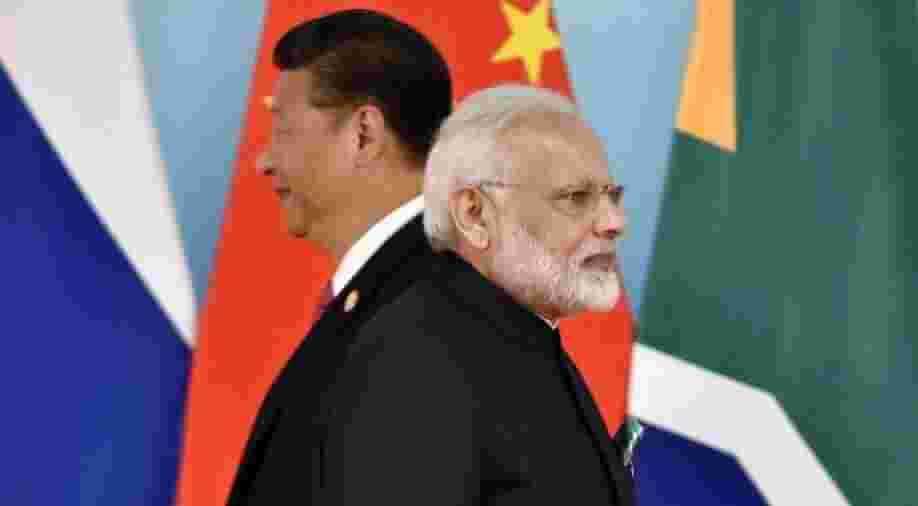
    As Eastern Ladakh grapples with a severe winter in the aftermath of a violent and tension-filled 2020, much analysis concerning happenings on the India-Tibet border during the previous year has become available internationally and within India. Despite variance in individual perspectives and prognoses, the one issue starkly highlighted is that 2020 marks a turning point in the India-China relationship, which, shorn of diplomatese, has taken a clear adversarial turn.

    Enough debate has taken place over the rationale and timing behind the Chinese action. It suffices to say that given the expansionist mindset of the Xi regime and its aspiration for primacy in Asia and across the world, it was a matter of time before China again employed leverages against India. In 2020 it was calibrated military pressure in an area largely uncontested after 1962, combined with other elements of hard power – heightened activity amongst India’s neighbours and in the Indian Ocean plus visibly enhanced collusivity with Pakistan This, despite platitudes to the contrary aired by certain China watchers inside India, who continued to articulate that existing confidence-building mechanisms (CBMs) would ensure peace on the border and good relations overall. Multiple incidents on the border over the last few years culminating in the loss of 20 Indian lives at Galwan have dispelled such notions.

    Currently, in terms of militarization, the LAC in Eastern Ladakh can vie with the Line of Control (LOC) on the Western border.

    As an immediate consequence, the Line of Actual Control (LAC) in the arena of conflict in East Ladakh is seeing the heaviest concentration of troops in history, supplemented by fighter jets, utility and attack helicopters, the latest artillery acquisitions, armoured formations, road building teams and an inventory of drones, backed by matching logistics. Currently, in terms of militarization, the LAC in Eastern Ladakh can vie with the Line of Control (LOC) on the Western border.

    Within the country, the perception of China as the principal foe has crystallised. At no other time since 1962 has China come in for such intense scrutiny. Indian public discourse is focused on China, towards interpreting its policies and implications for India and the world – all against the backdrop of international geopolitics churned further by the Covid pandemic.

    China and the World in 2021

    In 2017, President Xi Jinping had given a foretaste of things to come when spelling out his vision during the 19th Party Congress – that China has entered a “new era” where it should take the “centre stage in the world’[1]. In an insightful essay, Jake Sullivan (now National Security Adviser in the Biden administration) and Hal Brands have observed that ‘China has two distinct paths towards achieving this aim’ [2]. The first focuses on building regional primacy as a springboard to global power’ while the second ‘focuses less on building a position of unassailable strength in the Western Pacific than on outflanking the U.S. alliance system and force presence in that region by developing China’s economic, diplomatic, and political influence on a global scale’. In the same piece, the authors sombrely conclude that the US ‘could still lose the competition with China even if it manages to preserve a strong military position in the Western Pacific….softer tools of competition—from providing alternative sources of 5G technology and infrastructure investment to showing competent leadership in tackling global problems—will be just as important as harder tools in dealing with the Chinese challenge…’ [3] These observations are prescient.

    China and the Pandemic. A look at China’s conduct in this context and those of other nations over the last 12 months is instructive. The first aspect is its reaction to worldwide opprobrium for initially mishandling the Corona crisis – reprehensible wolf warrior diplomacy, crude attempts to divert the narrative about the origin of the Virus, unsuccessful mask diplomacy[4] and successfully delaying a WHO sponsored independent investigation into the matter for a full year without any guarantee of transparency. Secondly, it has exploited the covid crisis to strengthen its hold on the South China Sea commencing from March 2020 itself. Some examples are the renaming of 80 islands and geographical features in the Paracel and Spratly islands, commissioning research stations on Fiery Cross Reef and continued encroachment on fishing rights of Indonesia and Vietnam[5], in addition to a host of aggressive actions too numerous to mention, including ramming of vessels. Retaliatory actions from the US have continued, with the Trump administration in its final days sanctioning Chinese firms, officials, and even families for violation of international standards regarding freedom of navigation in January 2021[6]. The outgoing administration delivered the last blow on 19 January, by announcing that the US has determined that China has committed “genocide and crimes against humanity” in its repression of Uighur Muslims in its Xinjiang region[7]. As regards Taiwan, the Australian Strategic Policy Institute had recently forecast that China Taiwan relations will be heading for a crisis in a few weeks’ time,[8] (as borne out by serious muscle-flexing currently underway). If so, it would put the American system of alliances in the region since 1945 squarely to the test.

    Pushback in the Indo Pacific. With China constantly pushing the envelope in its adjoining seas, the Quadrilateral Dialogue, whose existence over the last decade was marked only by a meeting of mid-level officials in Manila in November 2017, has acquired impetus. Initially dismissed as ‘sea foam’ by China, the individual interpretations of roles by each constituent have moved towards congruence, with Australia openly voicing disenchantment with China. Though an alliance is not on the cards, it can be concluded that increased interoperability between militaries of India, Australia, Japan and the US is both as an outcome and driver of this Dialogue, deriving from respective Indo Pacific strategies of member nations. Further expansion of its membership and tie-ups with other regional groupings is the practical route towards an egalitarian, long-lasting and open partnership for providing stability in this contested region. Japan’s expression of interest in joining the Five Eyes intelligence-sharing network of the US, UK, Canada, Australia and New Zealand[9], is a step in this direction. European nations like Germany, the Netherlands and France have recently declared their Indo Pacific strategies. France has provided the clearest articulation, with the French Ambassador in Delhi spelling out the prevailing sentiment in Europe about China, as ‘ a partner, a competitor and a systemic rival’[10], while further stating that  “when China breaks rules, we have to be very robust and very clear”[11] . A blunt message befitting an Indo Pacific power, reflecting the sentiments of many who are yet to take a position.

    BRI will see major reprioritisation – though its flagship program, the China Pakistan Economic Corridor (CPEC) is unlikely to suffer despite disagreements on certain issues between the two countries.

    Slowing of a Behemoth. China’s other driver the Belt and Road Initiative (BRI), has considerably slowed in 2020. Lee YingHui, a researcher with Nanyang Technological Institute Singapore wrote last September  ‘..in June this year, the Chinese Foreign Ministry announced that about 20 per cent of the projects under its ambitious Belt and Road Initiative (BRI) had been affected by the COVID-19 pandemic. At the same press briefing, Wang Xiaolong, director-general at the Foreign Ministry’s International Economic Affairs Department, also revealed that a survey by the ministry estimated that some 30 to 40 per cent of projects had been somewhat affected, while approximately 40 per cent of projects were deemed to have seen little adverse impact[12]. Given the parlous condition of economies of client states post Covid-19 with many including Pakistan requesting a renegotiation of loans[13], BRI will see major reprioritisation – though its flagship program, the China Pakistan Economic Corridor (CPEC) is unlikely to suffer despite disagreements on certain issues between the two countries.

    Resilient Economy. China’s economy has rebounded fastest in the world, growing at 6.5 % in the final three months of 2020[14]. Despite the rate of annual growth being lowest in 40 years[15], its prominence in global supply chains has ensured some successes, such as the Comprehensive Agreement on Investment with the EU in December 2020. The deal, which awaits ratification by the European Parliament is more a diplomatic than an economic win for China, being perceived as detrimental to President Biden’s efforts to rejuvenate the Trans-Atlantic Alliance. China has notched up another win with the signing of the Regional Comprehensive Economic Partnership (RCEP), where it along with 14 Asian countries from ASEAN and others (including Quad members like Australia and Japan)  have agreed on an ‘ integrated market’. Given India’s position on the RCEP, how this agreement pans out and implications for its members will be watched with interest.

    America in the New Year. The Biden Administration’s initial actions reaffirm the bipartisan consensus achieved last year on dealing with China. Comments of  Secretary of State Anthony Blinken that  ‘China presents the “most significant challenge” to the US while India has been a “bipartisan success story” and the new US government may further deepen ties with New Delhi,’[16] were indicative, as were those of Gen Lloyd Austin the Secretary of Defence during his confirmatory hearing[17].  President Biden’s first foreign policy speech on 04 February that ‘America is Back’ have provided further clarity. Earlier, Blinken and Austin had dialled Indian counterparts NSA Doval and Defence minister Rajnath Singh to discuss terrorism, maritime security, cybersecurity and peace and stability in the Indo Pacific.[18]Economically, American interest in joining or providing alternatives to the Comprehensive and Progressive Agreement for Trans-Pacific Partnership (CPTPP, with an 11 nation membership, born out of President Trump’s withdrawal from its previous format, the TPP), will be another determinant in matters of trade with China. Harsh national security challenges will test the new administration’s resolve, as has already happened in the South China Sea over Taiwan where at the time of writing, the USS Theodore Roosevelt is conducting Freedom of Navigation operations[19]. Similar tests will occur over North Korea and Tibet, where the Senate’s passage of the Tibet Policy and Support Act 2020 mandates that decisions regarding the Dalai Lama’s succession be taken exclusively by the Tibetan people and the incumbent. Overall, a sense of how the world including the US will deal with China in 2021 is well captured by Commodore Lalit Kapur of the Delhi Policy Group when he states that ‘ …China has become too unreliable to trust, too powerful and aggressive to ignore and too prosperous, influential and connected to easily decouple from………[20] Going back to the views essayed by Sullivan and Brands, it appears that China is following both paths to achieve its objective, ie Great Power status.

    India and China

    The Early Years  India’s attempt, soon after independence to develop a relationship with China, its ‘civilisational neighbour’ was overshadowed by the new threat to its security as the PLA invaded Tibet in 1950 – effectively removing the buffer between the two large neighbours. Dalai Lama’s flight to India in March 1959, the border clash at Hot Springs in Ladakh six months later and the subsequent 1962 war shattered our illusions of fraternity.  Documents published recently pertaining to the period from 1947 to the War and beyond[21], reveal differences in perception within the Indian government in the run-up to 1962 despite the availability of sufficient facts. This combined with Chinese duplicity and disinformation, Indian domestic and international compulsions resulted in disjointed decision making, leading to the disastrous decision to implement the ‘Forward Policy’ with an unprepared military. A brief period of security cooperation with the US ensued including the signing of a Mutual Defence Agreement.[22] However, the US-China rapprochement of the early 70s and India’s professed non-alignment ensured its diminished status in the great power calculus.

    Reaching Out to China. India’s outreach to China commenced with Prime Minister Rajiv Gandhi’s visit to Beijing in 1988 in the aftermath of the Chinese intrusion at Somdorung Chu in 1986 in Arunachal Pradesh, resulting in a full-fledged standoff which lasted till mid-1987. The consequent push towards normalisation of relations resulted in the September 1993 Agreement on the Maintenance of Peace and Tranquillity along the Line of Actual Control in the India-China Border Areas,  the November 1996 Agreement on Confidence Building Measures in the Military Field along the Line of Actual Control in the India-China Border Areas, followed thereafter by the Declaration on Principles for Relations and Comprehensive Cooperation between India and China, of June 2003 and finally the Agreement between the Government of the Republic of India and the Government of the People’s Republic of China on the Political Parameters and Guiding Principles for the Settlement of the India-China Boundary Question of April 2005, signed during the visit of Chinese premier Wen Jiabao, which also saw the India China relationship elevated to a ‘Strategic and Cooperative Partnership for Peace and Prosperity’.

    Despite partially successful attempts to broad base the engagement, territorial sovereignty continued to dominate the India China agenda, as can be observed by the number of agreements signed on border management – with minimal outcomes. It appears now that what can only be construed as diffidence in dealing with China on the border (and other issues) arose not because of misplaced optimism over such agreements, but for several other reasons. Some were structural weaknesses, such as lack of development of the border areas and poor logistics. Others arose because of want of a full-throated consensus on how strong a line to take with a  visibly stronger neighbour  – aggravated by growing economic disparity and the limitations imposed by self-professed non-alignment, especially so in the absence of a powerful ally like the Soviet Union, which had disintegrated by 1991. Also, American support could not be taken for granted, as was the case in the 60s.  Overall, the approach was one of caution. This, coupled with lack of long term border management specialists induced wishful myopia on the matter, which was dispelled periodically by border skirmishes or other impasses, before returning to ‘business as usual’.  

    The extent of Engagement Today. To objectively analyse the relationship, it is important to comprehend the extent of the India China engagement on matters other than security. In the context of trade and industry, a perusal of the website of the Indian embassy in Beijing provides some answers. There is a list of 24 agreements/ MoUs /protocols between the two countries on Science and Technology alone, covering fields as diverse as aeronautics, space technology, health and medicine, meteorology, agricultural sciences, renewable energy, ocean development, water resources, genomics, geology, and others. The Embassy brings out India’s concerns regarding trade including impediments to market access, noting that trade imbalances have been steadily rising, to reach $58.4 billion in 2018, reducing marginally to $56.95 in 2019, a first since 2005. The poor penetration of Indian banks in China, India’s second-largest shareholding (8%) in the Asian Infrastructure Investment Bank (AIIB), and being the largest borrower from the New Investment Bank or NIB, a BRICS bank of which all members have equal shareholding provide an understanding of linkages between the countries in the banking sector[23]. Other areas of cooperation are in petroleum and railways.
    Economic Fallout Post April 2020. After the Galwan incident, India has taken strong measures on the economic front against China, from banning over 250 software applications to a partial ban on various categories of white goods,and the imposition of anti-dumping duties on many others. The Consolidated FDI Policy of the Department for Promotion of Industry and Internal Trade dated 15 October 2020, mandates Government scrutiny of every Chinese investment proposal before approval. However, the paradox in the India China relationship is well illustrated by trade figures for the first half of the Financial Year 20-21, where China surpassed the USA to become India’s largest trading partner. India reduced imports from China but exports to China grew by a robust 26.2 per cent at $10.16 billion[24]. Also, conditionalities for borrowing from the AIIB and NIB have resulted in India having to permit Chinese firms to bid for works connected with projects funded by these institutions. Consequently in January this year, the contract for construction of a 5.6 km long underground stretch of the Rapid Rail Transit System in the National Capital Region has been awarded to a Chinese company, Shanghai Tunnel Engineering Company Limited.[25] As noted earlier, decoupling is not easy. Incentives for companies to relocate to India have been announced, with some investment flowing in from Google and Facebook, and plans for Samsung to relocate a factory to NOIDA[26]. Finally, India’s exclusion from the RCEP will also have to be factored in when negotiating a long term trade policy with China.

    However, the paradox in the India China relationship is well illustrated by trade figures for the first half of the Financial Year 20-21, where China surpassed the USA to become India’s largest trading partner.

    Soft Power and Academia. Indian soft power in China remains subservient to harsh security concerns despite oft-quoted historical antecedents. Some elements like Indian cinema continue to be extremely popular. Student exchange programs have taken shape, especially under the aegis of Confucius Institutes which have secured a toehold in some Indian campuses. Following the trend worldwide, their programs are also under scrutiny[27].  The few Indian students in China (less than 25000)[28] have been hit hard by the coronavirus. Overall, given the current state of engagement, employing soft power as an effective tool has limited potential. Exchange of scholars from policy and security think tanks has been a good way of imbibing a sense of the other, resulting in greater awareness. While the trust deficit and reasons for the same have always been highlighted by the Indian side, it has been the general experience that China has been less forthcoming in its responses.

    Building Blocks for a China Policy

    In the middle term, unless there is a concerted and verifiable effort by China, trade with that country will be overshadowed by security issues  (the huge trade imbalance also becoming one of these !). The Indian economy has commenced its post-Covid recovery in the new year. The budget for FY 21-22, trade policies of others like the EU and the US, will impact economic policy, as will national security concerns.

    Immediate security priorities vis a vis China are a mix of the geopolitical and purely military. These can broadly be outlined – safeguarding Indian interests in the Indian Ocean region and the littorals, holding the line in the high Himalayas and ensuring sanctity over Indian skies. The first being both a geopolitical and security matter would leverage all elements of statecraft including the military. The balance two are a direct outcome of India’s military power. These, intertwined with India’s multilateral approach towards cooperation in world fora would form the basis of dealing with China.

    Countries in the neighbourhood other than Pakistan when in distress, look first towards India for relief – natural calamities, food shortages[29], and now the corona vaccine, where Indian generosity remains unsurpassed worldwide. India does not indulge in cheque book diplomacy, nor entice weaker neighbours into debt traps.

    Managing the Neighbourhood. In South Asia, India is primus inter pares due to size, geographical location, resources, capability and potential. Its soft power, economic reach ( while not comparable to China’s) and associated linkages with other countries are huge, at times even considered overwhelming. Countries in the neighbourhood other than Pakistan when in distress, look first towards India for relief – natural calamities, food shortages[29], and now the corona vaccine, where Indian generosity remains unsurpassed worldwide. India does not indulge in cheque book diplomacy, nor entice weaker neighbours into debt traps. Despite ethnic linkages and security concerns resulting sometimes in what is perceived by others as ‘interventionist politics’, India’s respect for its neighbours’ sovereignty is absolute. This is in contrast to China, whose recent interventions in Nepal have led to rallies in front of the Chinese embassy[30]. Its pressure on the NLD government in Myanmar over BRI projects had again not been viewed favourably in that country,[31] though the trajectory that the China-Myanmar relationship now follows remains to be seen, with China attempting to support Myanmar’s military in international fora after the coup[32]. Within South Asia, strengthening delivery mechanisms, sticking to timelines in infrastructure projects, improving connectivity and resolving the myriad issues between neighbours without attempting a zero-sum game with China is the way forward for India, which should play by its considerable strengths. Simultaneously, it must look at growing challenges such as management of Brahmaputra waters and climate change, and leverage these concerns with affected neighbours.

    Strengthening Military Capability. A more direct challenge lies more in the military field,  and in measures necessary to overcome these.  The justifiable rise in military expenditure during the current year would continue or even accelerate. The armed forces are inching towards a mutually agreed road map before implementing large scale organisational reforms. Conceptual clarity on integrated warfighting across the spectrum in multiple domains (including the informational ) is a sine qua non, more so when cyberspace and space domains are concerned. This mandates breaking up silos between the military and other specialist government agencies for optimisation and seamless cooperation. Also, while classical notions of victory have mutated, swift savage border wars as witnessed in Nagorno Karabakh remain live possibilities for India, with open collusion now established between China and Pakistan. As always, the study of the inventory, military capability of the adversary and his likely pattern of operations will yield valuable lessons. The armed forces have to prepare multiple options, to deal with a range of threats from full scale two front wars down to the hybrid, including responses to terrorist acts while ensuring sovereignty across the seas. Network-centric warfare will take centre stage, with information operations being vital for overall success, possibly even defining what constitutes victory.

    Progress has been achieved in these directions. As an example, the first Indian weaponised drone swarm made its debut on Army Day 2021, and visuals of a ‘wingman drone’ underdevelopment have been shown during the Aero India 2021 at Bangalore. The military would be planning for operationalisation, induction, deployment, staffing and human resource aspects of this weapon platform with the nominated service. An estimate of the time required to resolve these issues as also for full-scale production of such systems and larger variants will dictate procurement decisions with respect to other land and air platforms providing similar standoff kinetic effects, and surveillance capability. A concurrent requirement to develop sufficient capability to counter such systems would doubtless be under scrutiny. In this regard, the outcome of the PLA merging its cyber and electronic warfare functions for multiple reasons merits attention.[33] While the Navy’s requirements to dominate the Indian Ocean are well appreciated, a consensus on its future role and the need (or otherwise) for a third aircraft carrier would decide the nature, type and numbers of future naval platforms – unmanned underwater vehicles, submarines, shore/ carrier-based aircraft and others.  With decisions over the Tejas LCA induction finalised, induction of a state of the art platforms from the USA and France over the last few years and hope for the acquisition of new generation indigenous air defence systems[34] on the anvil, the IAF is set to gradually regain its edge. Overall, India’s military has to leverage the latest technology and develop the capability to fight in multiple domains, which its hard-earned experience in third-generation warfighting would complement. With restructuring planned concurrently, each decision will have to be fully informed and thought through – more so when mini faceoffs as has happened at Naku La in Sikkim this month continue to occur.

    A Way Forward

    Traditional Chinese thinking has simultaneously been dismissive and wary of India. In his seminal publication at the turn of the century, Stephen Cohen noted that ‘…from Beijing’s perspective India is a second rank but sometimes threatening state. It poses little threat to China by itself and it can be easily countered but Beijing must be wary of any dramatic increase in Indian power or an alliance between New Delhi and some hostile major state..’[35]  As brought out in this paper, outlines of a grounded long term China policy based on previous experiences and new realities are visible. Rooted primarily in the security dimension followed thereafter by the economic, its success will be predicated on peace and tranquillity on the border, without entering into the trap of competition in either of the two domains. As pointed out by the Minister for External Affairs in his talk to the 13th All India Conference for China Studies this month [36] the India-China relationship has to be based on ‘mutuality…  mutual respect, mutual sensitivity and mutual interests ..’. The EAM further noted that ‘expectations…. that life can carry on undisturbed despite the situation at the border, that is simply not realistic. There are discussions underway through various mechanisms on disengagement at the border areas. But if ties are to steady and progress, policies must take into account the learnings of the last three decades’[37].

    Rooted primarily in the security dimension followed thereafter by the economic, its success will be predicated on peace and tranquillity on the border, without entering into the trap of competition in either of the two domains.

    In the same talk, the EAM has laid down eight broad and eminently practical propositions as guidelines for future India-China relations. Most prominent of these is that peace and tranquillity on the border are a must if relations in other spheres are to develop. Also, the need to accept that a multipolar world can have a multipolar Asia as its subset. He stressed that reciprocity is the bedrock of a relationship, and sensitivities to each other’s aspirations, interests and priorities must be respected. Concurrently, management of divergences and differences between two civilizational states should be considered over the long term.

    A China policy crafted on these principles would ensure that India’s concerns vis a vis its neighbour is addressed, within the larger National goal of all-round growth and development of India and its citizens in the 21st Century.


    Notes:

    [1] ‘Xi JinPing Heralds New Era of Chinese Power’ Dipanjan Ray Chaudhury, Economic Times 18 October 2017

    [2] ‘China Has Two Paths To Global Domination’ Jake Sullivan,  Hal Brands, Foreign Policy, 22 May 2020

    [3] ibid

    [4] ‘China’s Mask Diplomacy is Faltering.But the US isn’t Doing any better’ Charlie Campbell Time Magazine 03 April 2020

    [5] ‘China’s Renewed Aggression in the South China Sea’ Gateway House Infographic 22 April 2020

    [6] ‘US imposes new sanction on Beijing over South China Sea’  Mint 15 January 2021

    [7] In parting shot, Trump administration declares China’s repression of Uighurs ‘genocide’ Humeyra Pamuk, Reuters 19 January 2021

    [8] ‘Pacific Panic: China-Taiwan relations to reach breaking point in ‘next few weeks’ skynews.com.au 18 January 2021

    [9] ‘Japan wants de facto ‘Six Eyes’ intelligence status: defence chief’ Daishi Abe and Rieko Miki Nikkei Asia 14 August 2020

    [10] ‘Emmanuel Bonne’s interview to the Times of India’ 10 January 2021  Website of the French Embassy in New Delhi

    [11] ‘When China breaks rules, we have to be very robust and clear: French diplomat’ Dinakar Peri, The Hindu 08 January 2021

    [12] ‘COVID-19: The Nail in the Coffin of China’s Belt and Road Initiative?’ Lee YingHui, The Diplomat 28 September 2020

    [13] ibid

    [14] ‘Covid-19: China’s economy picks up, bucking global trend’ BBC.com  18 January 2021

    [15] ibid

    [16] ‘New US govt may look to further deepen ties with India: Blinken’ Elizabeth Roche, The Mint 21 Jan 2021

    [17] ‘What Biden’s Defence Secretary Said About Future Relations With India, Pakistan’ Lalit K Jha, The Wire 20 January 2021

    [18] ‘US NSA speaks to Doval, Def Secretary dials Rajnath’ Krishn Kaushik and Shubhajit Roy Indian Express 27 January 2021

    [19] ‘As China Taiwan tension rises, US warships sail into region’ The Indian Express 25 January 2021

    [20] ‘India and Australia: Partners for Indo Pacific Security and Stability’  Lalit Kapur, Delhi Policy Group Policy Brief Vol. V, Issue 42 December 15, 2020

    [21] ‘India China Relations 1947-2000 A Documentary Study’ (Vol 1 to 5)  Avtar Singh Bhasin   Geetika Publishers New Delhi 2018

    [22] ‘The Tibet Factor in India China Relations’  Rajiv Sikri  Journal of International Affairs , SPRING/SUMMER 2011, Vol. 64, No. 2, pp 60

    [23] Website of the Embassy of India at Beijing   www.eoibeijing.gov.in

    [24] ‘What an irony! Mainland China beats US to be India’s biggest trade partner in H1FY21’  Sumanth Banerji        Business Today 04 December 2020

    [25] ‘Chinese company bags vital contract for first rapid rail project’  Sandeep Dikshit   The Tribune   03 January 2021

    [26] ‘Samsung to invest Rs 4,825 cr to shift China mobile display factory to India’ Danish Khan  Economic Times 11 December 2020

    [27]  ‘The Hindu Explains | What are Confucius Institutes, and why are they under the scanner in India?’

    Ananth Krishnan The Hindu August 09 2020

    [28] ‘23,000 Indian students stare at long wait to return to Chinese campuses’  Sutirtho Patranobis  Hindustan Times  08  September 2020

    [29] ‘Offering non-commercial, humanitarian food assistance to its neighbours: India at WTO’ Press Trust of India 19 December 2020

    [30] ‘Torch rally held in Kathmandu to protest against Chinese interference’ ANI News  30 December 2020

    [31] ‘Chinese Foreign Minister Wang Yi visits Myanmar with aim to speed up BRI projects’  Dipanjan Roy Chaudhury  Economic Times  09 January 2021

    [32] ‘China blocks UNSC condemnation of Myanmar coup’ India Today Web Desk 03 February 2021

    [33] ‘Electronic and Cyber Warfare: A Comparative Analysis of the PLA and the Indian Army’ Kartik Bommankanti ORF Occasional Paper July 2019

    [34] ‘India successfully test fires new generation Akash NG missile’ Ch Sushil Rao  Times of India  25 January 2021

    [35] ‘ India  Emerging Power’  Stephen Philip Cohen   Brookings Institution Press 2001   pp 259

    [36] Keynote Address by External Affairs Minister at the 13th All India Conference of China Studies January 28, 2021

    [37] ibid


    Image Credit: Wion  and Trak.in
  • India, China, and Arunachal Pradesh

    India, China, and Arunachal Pradesh

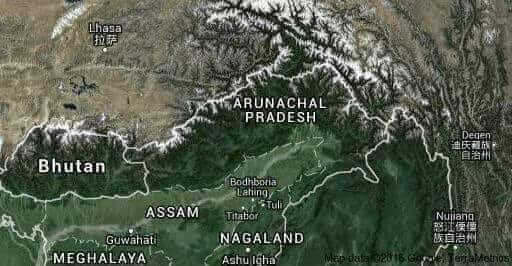
    The satellite picture below brilliantly depicts the geographical separation of Arunachal Pradesh (called Lower Tibet by the Chinese) and Tibet. The McMahon Line more or less runs along the crest line of the Himalayas.

    The Chinese have never been quite explicit on how much of Arunachal they seek.  I once saw an official map displayed in a travel agents office in Lhasa that showed only the Tawang tract as Chinese territory. In other maps they have their border running along the foothills, which means all of Arunachal.

    The Chinese have based their specific claim on the territory on the premise that Tawang was administered from Lhasa, and the contiguous areas owed allegiance to the Dalai Lama, the spiritual and temporal ruler of Tibet. Then the Chinese must also consider this. Sikkim till into the 19th century a vassal of Tibet and Darjeeling was forcibly taken from it by the British! By extending this logic could they realistically stake a claim for Sikkim and Darjeeling? Of course not. It would be preposterous. History has moved on. The times have changed. For the 21st century to be stable 20th century borders must be stable, whatever be our yearnings.

    At the crux of this issue is the larger question of the national identities of the two nations and when and how they evolved. The Imperial India of the Mughals spanned from Afghanistan to Bengal but did not go very much below the Godavari in the South. The Imperial India of the British incorporated all of today’s India, Pakistan and Bangladesh, but had no Afghanistan, not for want of trying. It was the British who for the first time brought Assam into India in 1826 when they defeated Burma and formalized the annexation with the treaty of Yandabo.

    It was only in 1886 that the British first forayed out of the Brahmaputra valley when they sent out a punitive expedition into the Lohit valley in pursuit of marauding tribesmen who began raiding the new tea gardens. Apparently the area was neither under Chinese or Tibetan control for there were no protests either from the Dalai Lama or the Chinese Amban in Lhasa. Soon the British stayed put.

    Tibet remained in self imposed isolation and the race to be first into Lhasa became the greatest challenge for explorers and adventurers in the second half of the 19th century. Not the least among these were the spies of the Survey of India, the legendary pundits. The most renowned of these was the Sarat Chandra Das whose books on Tibet are still avidly read today. As the adventurers, often military officers masquerading as explorers began visiting Tibet the British in India began worrying. Reports that the most well-known of Czarist Russia’s military explorers, Col. Grombchevsky was sighted in Tibet had Lord Curzon, the Governor General of India most worried.

    In 1903 Curzon decided to send a military expedition into Tibet led by Grombchevsky’s old antagonist, Col. Francis Younghusband. A brigade strong mixed force of Gurkhas and Tommies went over the Nathu La into the Chumbi valley and advanced unhindered till Shigatse. A Tibetan military force met them there but offered what can only be described as passive resistance. Not a shot was fired back as the British Indian troops rained bullets on them. It was a forerunner to Jallianwalla Bagh. From Shigatse Younghusband made a leisurely march into Lhasa. The British got the Tibetans to agree to end their isolation and having extracted trade concessions withdrew in 1904, the way they came.

    In 1907 Britain and Russia formally agreed that it was in their interests to leave Tibet “in that state of isolation from which, till recently, she has shown no intention to depart.” It may be of interest to the reader to know that the Great Game nevertheless continued. In 1907 Col. Mannerheim then of the Russian Army, later Field Marshal Mannerheim and first President of Finland, led a horseback expedition from Kyrgyzstan to Harbin on China’s northeast to identify a route for the cavalry.

    The next important year was 1913 when the Tibetans declared independence after the collapse of the Qing dynasty and the establishment of a Republic in China under Sun Yat Sen. They attacked and drove the Chinese garrisons in Tibet into India over the Nathu La. Also in 1913 the British convened the Simla Conference to demarcate the India-Tibet border. The British proposed the 1914 McMahon Line, as we know it. The Tibetans accepted it. The Chinese Amban however initialed the agreement under protest. But his protest seemed mostly about the British negotiating directly with Tibet as a sovereign state and not over the McMahon Line as such.

    Things moved on then. In 1935 at the insistence of Sir Olaf Caroe ICS, then Deputy Secretary in the Foreign Department, the McMahon Line was notified. In 1944 JP Mills ICS established British Indian administration in NEFA, but excluding Tawang which continued to be administered by the Lhasa appointed head lama at Tawang despite the fact that it lay well below the McMahon Line. This was largely because Henry Twynam, the Governor of Assam lost his nerve and did not want to provoke the Tibetans. In 1947 the Dalai Lama (the same gentleman who is now in Dharamshala) sent the newly independent India a note laying claim to some districts in NEFA/Arunachal.

    On October 7, 1950 the Chinese attacked the Tibetans at seven places on their frontier and made known their intention of reasserting control over all of Tibet. As if in response on February 16, 1951 Major Relangnao ‘Bob’ Khating IFAS raised the India tricolor in Tawang and took over the administration of the tract. The point of this narration is to bring home the fact that India’s claim over Arunachal Pradesh doesn’t rest on any great historical tradition or cultural affinity. We are there because the British went there. But then the Chinese have no basis whatsoever to stake a claim, besides a few dreamy cartographic enlargements of the notion of China among some of the hangers-on in the Qing emperor’s court. The important thing now is that we have been there for over a hundred years and that settles the issue.

    Arunachal Pradesh has a very interesting population mix. Only less than 10% of its population is Tibetan. Indo-Mongoloid tribes account for 68% of the population. The rest are migrants from Nagaland and Assam. As far as religious affinities go Hindus are the biggest group with 37%, followed by 36% animists, 13% Buddhists. Recent census figures suggest a spurt in Christianity, possibly induced by pocketbook proselytizing. In all there are 21 major tribal groups and over 100 ethnically distinct sub-groupings, speaking over 50 distinct languages and dialects. The population of about a million is spread out over 17 towns and 3649 villages. With the exception of a few villages of Monpas who live north of the McMahon Line, it is an ethnically compact and contiguous area.

    In fact in future boundary negotiations India could make a case for inclusion of the few Monpa villages left behind north of the McMahon Line? Many knowledgeable observers suggest that the area south of the Huangpo/Brahmaputra from the Pemako gorge till it enters the Subansiri division of Arunachal would be a logical boundary as the raging and hence un-fordable and unbridgeable river ensures hardly any Chinese administrative presence in the area.

    It is true that historically India never had a direct border with Tibet till the British took Kumaon and Garhwal from Nepal in 1846 and extended its domain over Arunachal in 1886. On the other hand the formidable Himalayas were always culturally a part of India and formed a natural barrier against ingress from the north, whether Tibetan or Chinese. But times have moved and technology and mankind’s great engineering powers now make it possible for even the most hostile terrain to be subjugated. The Himalayas are no longer the barrier they once were. As China and India emerge as the world’s great economies and powers can India possibly allow China a strategic trans-Himalayan space just a few miles from the plains?

    The view from the Chinese side about what exactly constitutes China is no less confused. Apparently like the British, the Manchu’s who ruled China from the 17th to the early 20th century had a policy of staking claim to the lands that lay ahead of their frontiers in order to provide themselves with military buffers. In a recent article in the China Review magazine, Professor Ge Jianxiong, Director of the Institute of Chinese Historical Geography at Fudan University in Shanghai writes: “to claim that Tibet has always been a part of China since the Tang dynasty; the fact that the Qinghai-Tibetan plateau subsequently became a part of the Chinese dynasties does not substantiate such a claim.” Ge also notes that prior to 1912 when the Republic of China was established the idea of China was not clearly conceptualized. Even during the late Qing period (Manchu) the term China would on occasion refer to the Qing state including all the territory that fell within the boundaries of the Qing Empire. At other times it would be taken to refer to only the eighteen interior provinces excluding Manchuria, Inner Mongolia, Tibet and Sinkiang.

    Professor Ge further adds that the notions of “Greater China” were based entirely on the “one-sided views of Qing court records that were written for the courts self-aggrandizement.” Ge criticizes those who feel that the more they exaggerate the territory of historical China the more “patriotic” they are. In this context I would like to recall a recent conversation I had with the then Chinese Ambassador to India, Sun Yuxi. Ambassador Sun said that while he was soundly castigated in India for his unintended comment, he gained a major constituency in China. The mandarins in the Beijing would do well to take heed to Ge Jianxiong’s advice: “If China really wishes to rise peacefully and be on solid footing in the future, we must understand the sum of our history and learn from our experiences.” The same holds true for the babus in South Block and ‘the having writ move on’ media pundits. If we don’t then we know who will be laughing!


    Image Credit: Tawang Monastery

  • Quad 2.0: Can it be a win-win for the four Democracies

    Quad 2.0: Can it be a win-win for the four Democracies

    China’s GDP expanded from USD 6 trillion in 2010 to USD 14.3 trillion in 2019. It has had exponential growth over the last three decades, with an average GDP growth rate of 9.23% from 1989 to 2020. Although the impact of the COVID pandemic pushed its GDP into decline and negative (-6.80%) in the first quarter of 2020, it has rebounded with a growth of 5% in the third quarter. It’s military spending, officially, is more than three times that of India, unofficially maybe five times or more. China has become one of the key players in the Indo-Pacific as a significant part of its economic activities depend on this region.

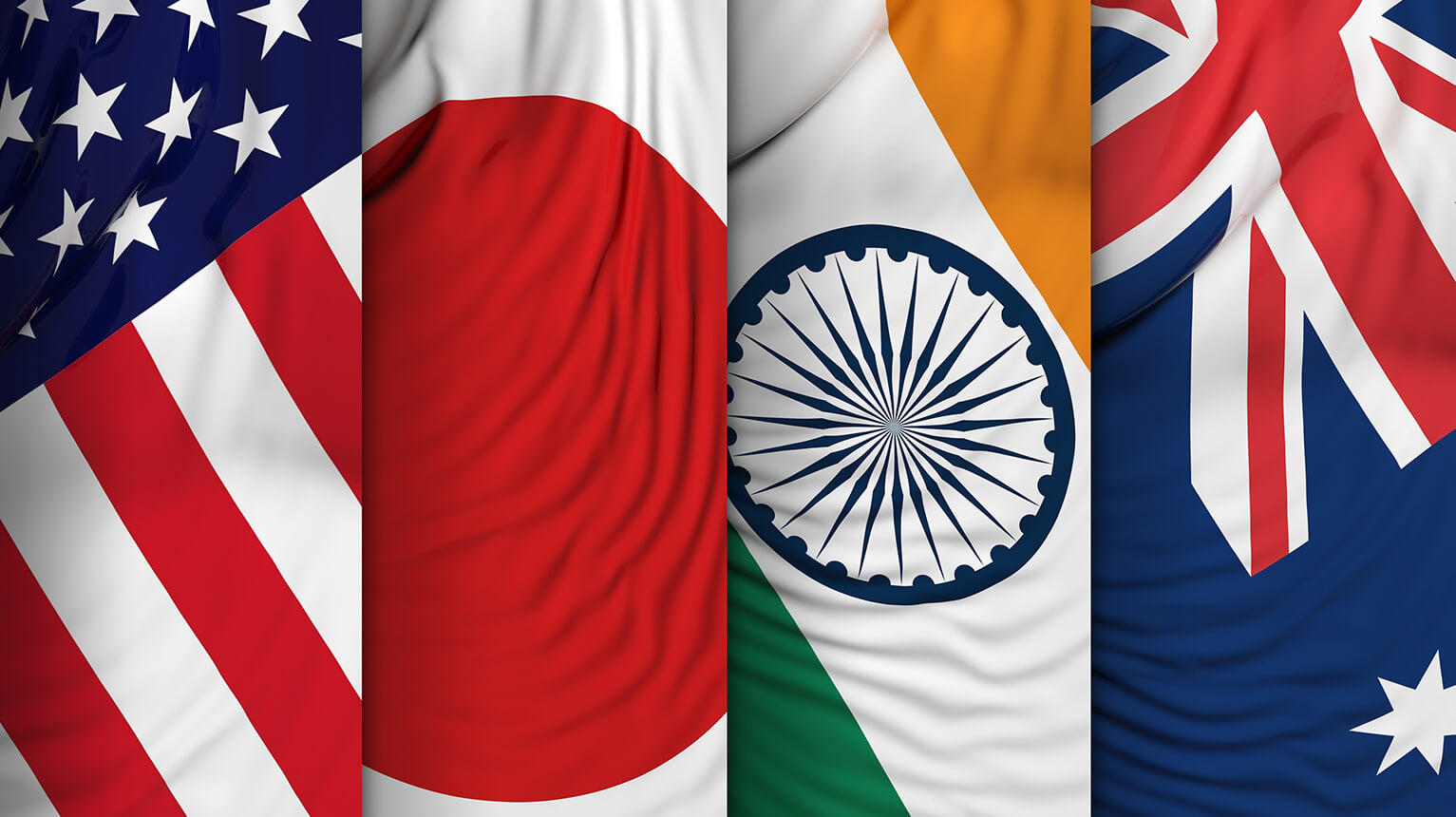
    The Indo-Pacific has replaced the Trans-Atlantic as the epicentre of global politics. Its importance to the global order is multifarious. In economic terms, one half of the world’s commercial influx goes through the Indo-Pacific sea routes and the Indian Ocean carries two-thirds of global oil shipments. Besides, a few of the biggest military spenders are part of the region. China’s hostile actions and policies have agitated the US, Japan, Australia and India. A shared concern over the expansion of China’s political and military clout was fundamental to the revival of the Quadrilateral Security Dialogue (Quad 2.0), on the sidelines of the ASEAN summit in Manila, in 2017.

    Quad is seen as cooperation between four large democracies that share the idea of an open and inclusive Indo-Pacific

    There is growing speculation over what the re-emergence of the Quad means. On the one hand, it is seen as cooperation between four large democracies that share the idea of an open and inclusive Indo-Pacific; on the other, a strategic alliance towards keeping China’s assertive actions in check.

    The Quad: Overcoming Intransigence

    The Quad is a mechanism that enables a dialogue on regional security issues between the four countries. Its revival, this year, reflects an intersection of strategic interests: that of an open and inclusive Indo-Pacific and a rules-based international order. The Quad came together in November for the naval exercise – Exercise Malabar – in two phases, in the Bay of Bengal and the Arabian Sea. The exercise, in its 24th edition, is the biggest so far and has sent significant strategic signalling to China.

    The Quad should be considered less as a formal alliance and more as a mechanism built on existing bilateral and trilateral partnerships between the four countries. It first emerged as a cooperative response to the 2004 tsunami, when the four navies were involved in providing humanitarian and disaster relief. Despite strong support from Japan and the US to formalise the group, it disbanded with Australia and India backing out in 2007, due to concerns about China’s reaction to the grouping. This gave rise to multilateral partnerships among the four countries.

    Between the four democracies, there are three trilateral and six bilateral partnerships. Trilaterally, Japan, India and Australia first came together in 2015 to discuss shared concerns over maritime security in the Indo-Pacific Region and freedom of navigation in the South China Sea. More recently, the three countries agreed to develop a supply chain resilience program for the Indo-Pacific Region amid growing recognition of their excessive, economic reliance on China.

    Bilaterally, the US and India signed the Basic Exchange and Cooperation Agreement (BECA) on October 27 that gives India access to American geospatial intelligence that will be useful for precision guidance of its missiles. Further, India-Australia ties have strengthened over the last few years with their initial 2+2 dialogue in 2017 and with Australian participation in India’s Milan exercise in 2018, focusing on interoperability between navies in the region.

    China and the Quad

    Over the years, the Indo-Pacific has emerged as a region of strategic importance. As China expands into the region, its actions have created tensions with the Quad members.

    Sino-Indian relations:  India-China relations have touched rock-bottom since the clashes on the LAC in Ladakh.  China’s intrusions and violations along the LAC have been backed up by significant massing of PLA forces, for the first time in 40 years. India’s strong actions at the LAC and subsequent sanctions and banning of Chinese IT applications have signalled that India is not shy of escalating its response. China’s actions are seen as part of its coercive strategy to India’s refusal to back China on BRI, and its vehement opposition to CPEC. It sees India’s closeness to the USA and its coordination in the Quad as a threat to China’s strategic interests.

    China’s increasing influence in the Indian Ocean Region (IOR) has raised India’s concerns. It has always been wary of ties between Beijing and Islamabad, which intensified with the launch of the China-Pakistan Economic Corridor (CPEC) in 2013. The Chinese-operated Gwadar port off the Arabian Sea in Pakistan, which can be used by the Chinese navy to establish a submarine presence in the region, did not rest well with India. Such a port would also help China with its ‘Malacca Dilemma’. Other ports of such concern are Hambantota in Sri Lanka and Kyaukphyu in Myanmar. Though China claims these ports are of economic significance, these are also militarily strategic ports that give it an advantage in the IOR.

    In light of these issues, a revived and active Quad will benefit India’s strategic interests. The partnership could affect China in two ways. First, China would face increased competition in the IOR from India that now works with strong allies. Second, with the recent imposition of the technology ban, China stands to lose a large market for its products.

     Japan-China relations: Over the past few years, the situation in the South China Sea (SCS) has worsened with China’s land reclamation activities and militarisation of islands. Japan sees the South China Sea as key to its security because of its crucial sea lanes vital to its trade and economic health. It is also wary of China’s ability to influence the energy supply chains, which East Asia is dependent on, and the PLA’s movement in the Indo-Pacific region that could affect regional security.

    Despite its renewed trade with China and the recent signing of the RCEP, increased tensions in the SCS has forced Japan to support revival of the Quad. China’s increased naval and air activities in the South China Sea makes the Quad and its possible expansion into Quad Plus even more relevant for Japan.

    China-Australia relations: Australia backed out of the Quad in 2007 primarily because it was concerned about how China would view it, and the possible impact it might have on their bilateral trade. By 2017, China became Australia’s top export destination, and this trend has continued through 2019, pushing Australia into a dangerous economic dependency with China. Further, Australia’s 2016 White Paper called out China for its coercive behaviour in the Indo-Pacific, identifying the South China Sea and the Southern Pacific as vital strategic regions.

    Australia’s economic dependence on China is high and this is unlikely to change despite the strong statements from prime minister Morrison.  Australia’s strong stand against China is also seen as emanating from American pressure. Australia actively supports Quad as it sees an increasingly powerful China working to change the world order. Australia is also a member of the newly signed RCEP, the new economic grouping that will be dominated by China. While Australia has hedged its economic interests by signing the RCEP, its strategic and security priorities are linked to the Quad.

    China-US relations:  China’s rising military power is now seen as a threat to American power and the liberal world order. Since 2011, American strategies and policies have focussed more on the Indo-Pacific. This shift in focus has strengthened its ties with Japan, Australia and India. Tensions between the US and China have increased since then and the 2018 trade war not only aggravated their relations but also kept the rest of the world on an edge.

    With a strong Quad partnership, the US expects to regain and strengthen its influence in the Indo-Pacific. For China already hit hard by the US trade war, more setbacks will accentuate the problems. Moreover, with a more focused Quad led by the US, China’s efforts to project its power and influence in the Indo-Pacific region will come under pressure.

     Conclusion

     A few aspects about the Quad remain unclear. First, its intent is still uncertain because the respective countries have to evaluate their relations with China if they want to make the bloc official. Second, if it were to be official, to what extent would it serve the interests of the member countries? Third, is the Quad a concert of democracies to contain China? Last, will it coordinate with other members in the Indo-Pacific region, that is will Quad translate into Quad Plus?

    China’s actions have managed to bring the four countries closer.  China, however, has scored a success when the RCEP (Regional Comprehensive Economic Partnership), the world’s largest plurilateral trade agreement was signed on November 15th. Both Japan and Australia are members of the RCEP. Many see this as a setback for India and America, and an important building block in a new world order, in which China calls the shots all over Asia. It puts in doubt the viability of SCRI (Supply Chain Resilience Initiative), an effort by Quad members to create an alternative to Chinese domination of supply chains.

    The nature of China’s challenge to the global order and the Indo-Pacific is geoeconomics in design, as evidenced by its Belt and Road Initiative and its recent success in RCEP. The Quad will need to go beyond security cooperation.

    While security and military cooperation will help in checking China’s aggressive approach, it must be recognised that this alone will be an incomplete strategy. The nature of China’s challenge to the global order and the Indo-Pacific is geoeconomics in design, as evidenced by its Belt and Road Initiative and its recent success in RCEP. The Quad will need to go beyond security cooperation.

    The conclusion of RCEP maybe China’s gain, but it is important to recognise the fact that ASEAN is the main driver of RCEP. In attempting to balance China, ASEAN and Japan have kept the door open for India to re-join the RCEP. It is possible that the US, under the Biden presidency, may revive the TPP (now proposed by Japan as CATPP, Comprehensive and Progressive Agreement on Trans-Pacific Partnership), which could balance the RCEP. The Quad, in this context, will continue to be very relevant for peace and security in the Indo-Pacific.


  • Vietnam-US Relations under Biden Likely to Remain Unchanged

    Vietnam-US Relations under Biden Likely to Remain Unchanged

    Communist Party Chief and State President Nguyen Phu Trong and Prime Minister Nguyen Xuan Phuc have sent a congratulatory message to U.S. President-elect Joe Biden. Both leaders have also expressed hope that their comprehensive partnership will “continue to develop in a stable, effective manner, benefiting people of both countries and promoting peace, security, stability, cooperation and development in the region and the world”. Meanwhile, Vice President Dang Thi Ngoc Thinh sent a congratulatory message to the U.S. Vice president-elect Kamala Harris. The Vietnamese leaders also invited Biden and Harris to visit Vietnam.

    The Biden administration could even explore new “areas in which to deepen ties with Vietnam in the economic, political, military, and people-to-people spheres”.

    While these messages and invitations are part of customary diplomacy, strategic commentators across domains believe that US-Vietnam relations will continue as hitherto under President-elect Joe Biden’s Presidency. They argue that the US acknowledges Vietnam’s geopolitical and geostrategic heft, and the new administration will continue to give top priority to cooperation with Vietnam. The Biden administration could even explore new “areas in which to deepen ties with Vietnam in the economic, political, military, and people-to-people spheres”.

    As far as economic relations, the Vietnam-US bilateral trade has grown significantly from US$ 450 million in 1994 to US$ 75.7 billion in 2019. However, in the last few months, a thorny issue has come up. In October 2020, the U.S. Trade Representative announced an investigation of Vietnam for its large trade surplus with the US. The trade deficit widened to US$ 44.3 billion in the first nine months in 2020, as against US$ 33.96 billion in 2019. It has also been noted that some of it is because of US companies exiting China and setting up new supply chains in Vietnam. However, it is unlikely that trade deficit would have an adverse impact on bilateral relations, which would continue to remain “relatively good under Biden unless complicated by an unexpected upsurge in trade tensions.”

    As far as strategic issues, US-Vietnam defence diplomacy had received impetus under President Trump. The bilateral cooperation in security and defence matters between the two militaries has been at an all-time high. In particular, naval cooperation has been top of the agenda and USS Carl Vinson, a US aircraft carrier, made a historic port call to Da Nang in March 2018. This was significant, given that there had been no such port call by an aircraft carrier to Vietnamese ports since the end of the Vietnam War in 1975. Another visit of the aircraft carrier USS Theodore Roosevelt followed this in March 2020, clearly showcasing growing defence cooperation between the US and Vietnam.

    Perhaps what merits attention is that Vietnam strictly adheres to ‘three-no policy’ i.e. no military alliances; no foreign troops stationed on Vietnamese soil; and no partnering with a foreign power to combat another.

    It is important to keep in mind that such port visits are a significant element of naval diplomacy by any navy. Vietnam has welcomed naval, coast guard, and marine patrol vessels from friendly countries. For instance, in 2018 a Japanese submarine and in 2019 a Canadian warship visited Vietnamese ports; likewise, many other navies have made goodwill visits. It dispatches Vietnamese military personnel and vessels for International Fleet Reviews and other similar events. Also, in 2019, Vietnam signed the Framework Participation Agreement (FPA) with the European Union (EU) which will provide it “new opportunities for Vietnam to portray itself as a cooperative and pro-active power through land and maritime missions” and “participate and contribute to EU’s Common Security and Defence (CSDP) missions and operations”

    Perhaps what merits attention is that Vietnam strictly adheres to ‘three-no policy’ i.e. no military alliances; no foreign troops stationed on Vietnamese soil; and no partnering with a foreign power to combat another. In this context, it is useful to recall the visit to Hanoi by U.S. Secretary of State Mike Pompeo in October 2020. The surprise visit was labelled as an occasion to celebrate the 25th anniversary of diplomatic normalisation of bilateral relations, Pompeo’s tour was also to share with the Vietnamese leaders the US “Free and Open Indo-Pacific” (FOIP) strategy and seek their support.

    There is every reason to believe that Vietnam is unlikely to gravitate towards the US, notwithstanding the fact that its relations with China have been quite rancorous particularly over territorial disputes in the South China Sea, military-naval buildup on the reclaimed features and harassment by Chinese Coast Guard ships of Vietnamese fishing vessels operating in the Paracel Islands including intentional ramming. Vietnam is unlikely to offer affirmation to the US FOIP or the Quadrilateral Security Dialogue (QSD), a grouping of Australia, India, Japan and US to balance against China.

    We can expect Vietnam to exercise strategic autonomy and its position of ‘not taking sides’ pivoting on its ‘three-no policy’ could prove to be an incentive for the Biden Administration to pursue an enhanced and constructive engagement with Vietnam.

    There are clear signs of contestation between the US and China, which might create Blocks (with the US or with China) that might upset the peace and stability in the region. We can expect Vietnam to exercise strategic autonomy and its position of ‘not taking sides’ pivoting on its ‘three-no policy’ could prove to be an incentive for the Biden Administration to pursue an enhanced and constructive engagement with Vietnam.

    Image Credit: Atlantic Sentinel