Tag: China

  • The Mask of Western Liberalism Has Slipped

    The Mask of Western Liberalism Has Slipped

    This is an interesting analysis published by ‘Global Geopolitics’ that highlights the aggressive, ruthlessly ‘might is right’ strategy the US employs to restore or sustain its fast-declining hegemony by disrupting global energy security. India’s petroleum minister announces that India’s LPG procurement from the US has climbed to 67%, from less than 10% last year. Nothing could be economically more unwise and disastrous for India. But the petroleum minister is proud of it!                          – Team TPF

    Western Industrial Policy and the Abandonment of Market Orthodoxy Expose the Class War in the Face of Chinese Competition.

    The ideological edifice upon which Western global dominance was constructed has collapsed with remarkable speed. For decades, the United States and its allies justified their hegemony through a simple formula that presented liberal democracy and free markets as the natural endpoint of human development, with China condemned for its authoritarian state capitalism, its violation of free market principles, and its excessive government intervention in the economy. The entire apparatus of liberal ideology rested upon the claim that decentralised markets, guided by the invisible hand, would always outperform the clumsy, coercive hand of the state, and that any deviation from this path represented a regression toward tyranny and economic stagnation. This narrative proved remarkably durable for as long as the West maintained its productive superiority, but the emergence of China as the world’s second-largest economy and the principal strategic competitor to the United States has exposed the lie at the heart of the liberal project (13).

    The West is now adopting China’s methods to defeat China, and in doing so, it is proving through its own actions that the Marxist analysis of the state was correct all along. The state is not a neutral arbiter of national interest, but an instrument of class rule, and the free market was never a universal principle but a weapon wielded against rivals and a self-serving narrative advertised to the masses. The same ruling class that preached fiscal discipline and limited government is now centralising power on an unprecedented scale, coordinating industrial policy, and weaponising the state not for the benefit of the working class but for the preservation of oligarchic hegemony. The mask has slipped, the class war is explicit, and the consequences will determine the trajectory of the twenty-first century.

    Now, the United States is practising the most ambitious state-directed energy strategy in modern history, constructing a global energy monopoly through deliberate acts of sabotage, sanctions, and military aggression. The Nord Stream pipeline, which supplied cheap Russian gas to Germany for decades, was destroyed in an act of industrial sabotage bearing all the hallmarks of a state-sponsored attack, and the Strait of Hormuz, through which passes one-fifth of the world’s oil, is now effectively blockaded through a US-led military encirclement that has deliberately escalated regional conflict to disrupt global energy flows.

    The energy front provides the most dramatic demonstration of this ideological volte-face. The West spent decades lecturing the world on the sanctity of free markets in energy, demanding that governments privatise state oil companies, open resources to foreign investment, and refrain from any interference that might distort the efficient allocation of supply and demand. Now, the United States is practising the most ambitious state-directed energy strategy in modern history, constructing a global energy monopoly through deliberate acts of sabotage, sanctions, and military aggression. The Nord Stream pipeline, which supplied cheap Russian gas to Germany for decades, was destroyed in an act of industrial sabotage bearing all the hallmarks of a state-sponsored attack, and the Strait of Hormuz, through which passes one-fifth of the world’s oil, is now effectively blockaded through a US-led military encirclement that has deliberately escalated regional conflict to disrupt global energy flows. Qatari liquefied natural gas exports, once a major source of energy for Asia, are statistically at zero after Iranian strikes on the Ras Laffan refinery, an attack made possible by the regional conflagration that Washington ignited (1).

    Asian countries that once bought from Qatar are now forced to purchase American LNG at extortionate spot prices that have spiked from ten dollars to twenty-five dollars per million British thermal units, and Japan’s imports of US LNG have increased fifteenfold since February.

    The consequence of this centrally planned energy blockade is the systematic transformation of Asian energy dependency from West Asian producers to American suppliers. Asian countries that once bought from Qatar are now forced to purchase American LNG at extortionate spot prices that have spiked from ten dollars to twenty-five dollars per million British thermal units, and Japan’s imports of US LNG have increased fifteenfold since February. Europe’s gas reserves are so depleted that the entire continent would run out of stored energy in less than six weeks of a cold winter, while American LNG tankers divert to Asia to chase higher profits. This is not a market; it is a centrally planned energy blockade designed to control global energy flows and weaponise them against China, the world’s largest oil importer, whose industrial base depends upon affordable energy imports. The empire’s strategy is to deny China access to affordable energy, fracture its supply chains, and force its vassals into permanent dependency, while the profits for Exxon, Chevron, and the LNG cartel represent a welcome side effect of uncontested global hegemony.

    The financial front reveals an equally stark contradiction between liberal ideology and imperial practice. The West built its ideological dominance on the myth of fiscal responsibility, imposing austerity on the Global South through the structural adjustment programmes of the International Monetary Fund and the World Bank, while governments that printed money to fund development were condemned as irresponsible populists. Now, the empire is debasing its own currency on a scale that would make the populists blush, borrowing trillions to fund the artificial intelligence arms race, the military buildup, and the energy war, while weaponising the dollar through sanctions, reserve freezes, and exclusion from the SWIFT payment system. The recent intervention to support the Japanese yen reveals the true nature of this financial architecture, as the United States Treasury sold euros to purchase yen in a rare market operation, marking the first American intervention to strengthen the currency since 1998 (1-13).

    The mechanism of dependency is the Federal Reserve’s Foreign and International Monetary Authorities Repo Facility, which allows Japan to swap its US debt holdings for dollars without selling them on the open market, but the price of this facility is permanent financial vassalage. Japan is structurally prevented from diversifying away from the dollar, and the US Treasury now holds effective veto power over Japanese monetary policy, ensuring that Tokyo cannot chart an independent course, trade freely with China, join alternative financial architectures, or refuse to participate in the empire’s economic war. A Japan locked into the FIMA Facility must hold US debt, defend the dollar, and follow Washington’s lead, and this dynamic is being replicated across the empire’s network of vassals. The empire is tightening the leash not merely to enrich Wall Street but to ensure that when the order comes to isolate, embargo, or wage proxy war against China, its vassals have no choice but to obey (13).

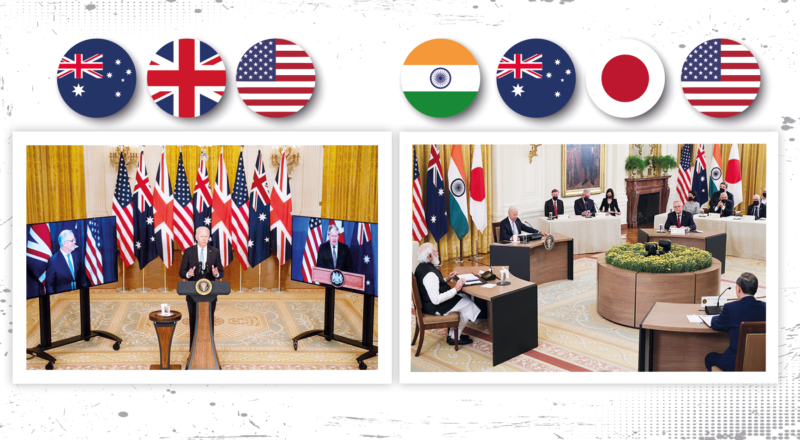
    The military front demonstrates the empire’s willingness to abandon its stated values in pursuit of strategic advantage. The United States presented itself as the indispensable nation defending freedom and democracy against tyranny, with NATO portrayed as a defensive alliance and wars justified as humanitarian interventions to liberate the oppressed and spread universal values. Now, the mask has slipped entirely, as Washington constructs the institutional architecture for a global war against multipolarity. NATO is expanding not to defend against a non-existent Russian invasion but to encircle China, and AUKUS, the Quad, and the deepening US-Japan-South Korea trilateral military alliance are not defensive arrangements but the scaffolding of a centrally planned military encirclement designed to control the South China Sea, the Taiwan Strait, and the sea lanes on which China’s trade depends (1).

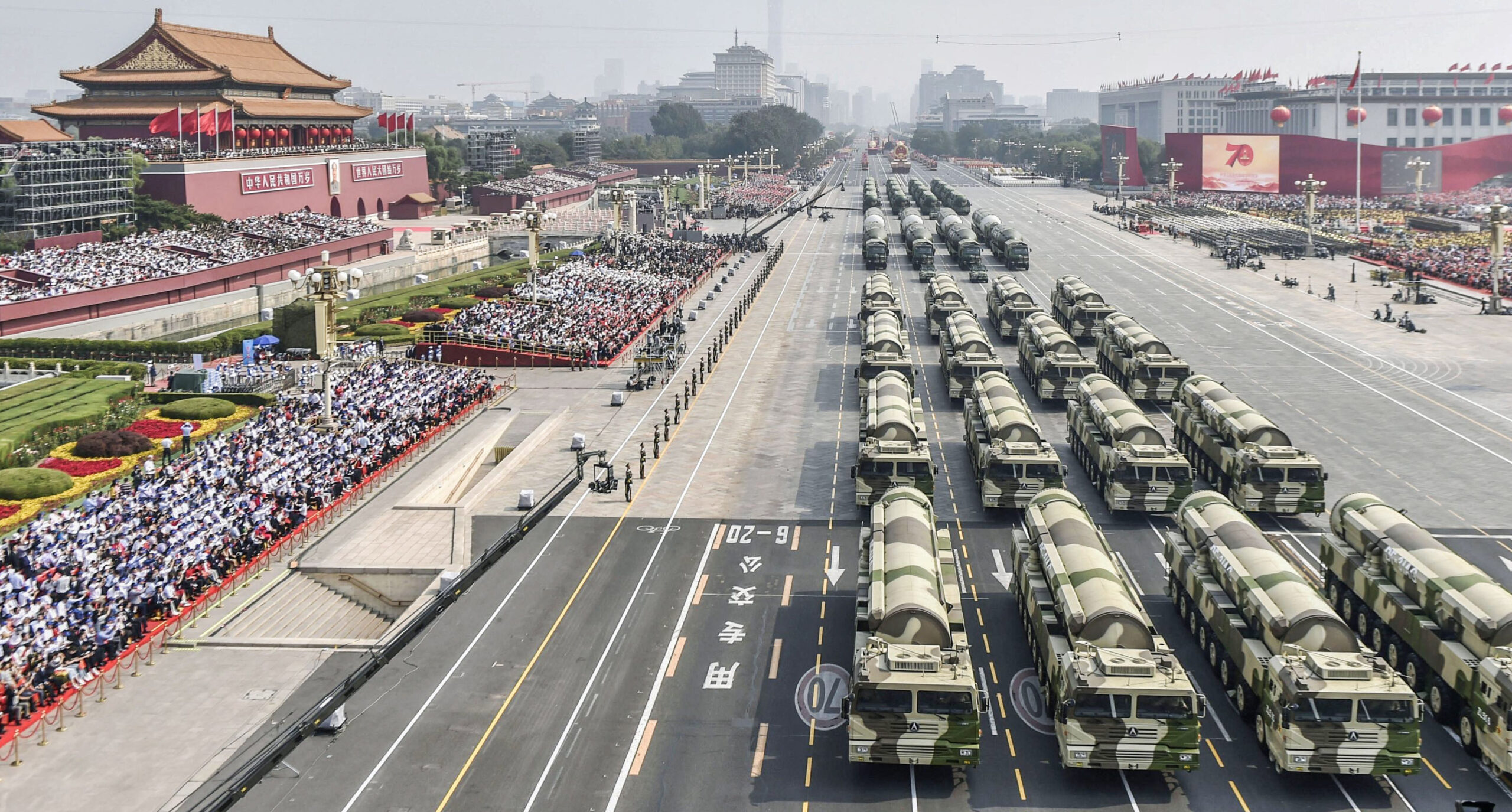
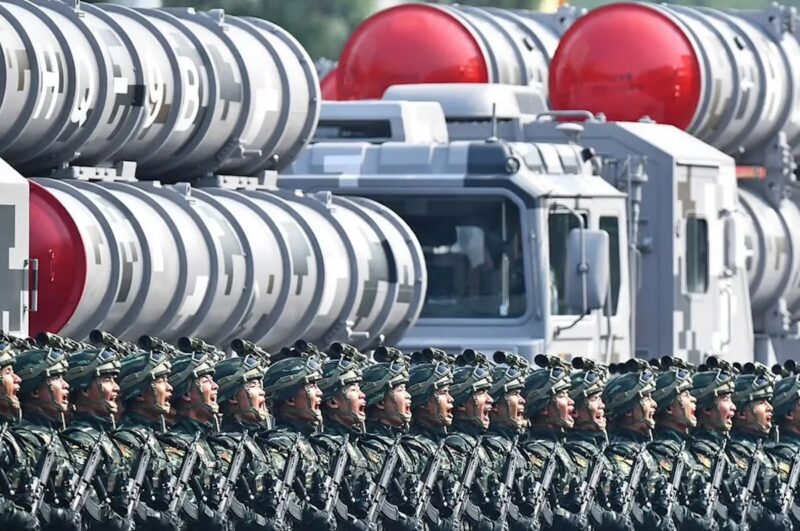
    The US-Israel military merger, which passed the House in late July by a narrow vote, directs the Secretary of Defense to designate a permanent executive agent to accelerate the integration of American and Israeli defence technology, research, and production, authorising seven hundred and fifty million dollars for joint projects and making the relationship institutionally permanent. Once a supply chain is integrated and a production line is established, it becomes nearly impossible to dismantle, and this represents class interest institutionalised through a permanent military alliance that will be used to project power in the Middle East against China’s Belt and Road Initiative. The USS George Washington Carrier Strike Group sails through the South China Sea, challenging Beijing’s territorial claims, while Washington coordinates the defence industries of its vassals, directs their military spending, and integrates their command structures. This is not about selling weapons, though the defence contractors profit handsomely; it is about strategic encirclement, preparing for a confrontation that the empire knows it cannot win through economic competition alone (1).

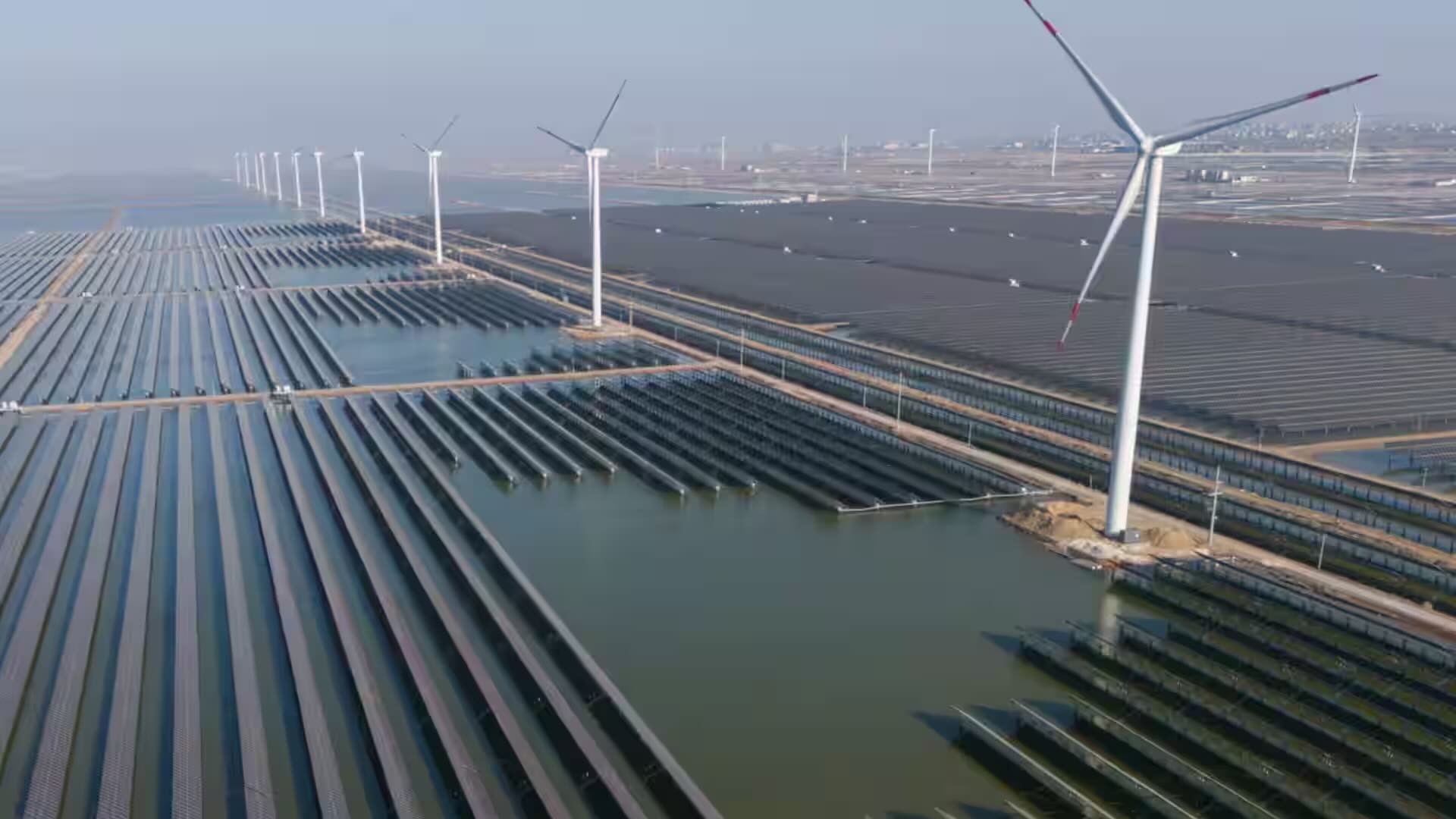
    The technology front represents the most complete abandonment of liberal ideology, as the West practises the most aggressive state-directed industrial policy since the Soviet Five-Year Plans. The CHIPS Act pours tens of billions of dollars into domestic semiconductor manufacturing, explicitly framed as a response to China’s dominance, and tariffs on Chinese electric vehicles, solar panels, and batteries are not temporary adjustments but permanent walls designed to strangle China’s green technology advantage. Export controls on advanced semiconductors, artificial intelligence chips, and chip-making equipment are not about national security but about denying China access to the technological base of the twenty-first century. Japan’s $2.3 trillion industrial revival plan is explicitly dependent on American technology, including 27,500 Nvidia Rubin chips to build artificial intelligence-powered robotics systems to challenge China in manufacturing, ensuring that any challenge to US hegemony would mean economic collapse for the vassal (13).

    The same policies that the West condemned when China practised them, including state subsidies, industrial policy, and protectionism, are now the official doctrine of the empire, and the goal is not to enrich Silicon Valley but to strangle China’s technological independence. A China that controls its own semiconductor supply chain, its own artificial intelligence infrastructure, and its own green energy technology is a China that cannot be stopped, and the empire’s technology strategy is designed to prevent that outcome. The West’s embrace of state-directed industrial policy is the most explicit admission that the “free market” was always a weapon to be wielded against rivals and abandoned when it ceased to serve the interests of the ruling class (5-13).

    The contradictions documented across these four fronts are not accidents, policy mistakes, or temporary deviations from liberal principles; they are the exposure of a lie that was always at the core of the liberal project. The Western ruling class never believed in free markets; it believed in markets when it was winning and abandoned them when it started losing. The rules-based order was a weapon to discipline rivals while the empire did whatever it wanted, and now that the rivals are too strong to discipline, the empire is tearing up the rulebook and revealing its true nature: a centralised capitalist dictatorship organised for class war. The liberals are no longer liberal, because the material conditions no longer permit the luxury of ideological consistency. When the empire was ascendant, it could afford to preach free trade, open markets, and limited government; now that China is overtaking it, the empire must do exactly what it condemned China for doing: plan, direct, and control (5-13).

    This is the class war revealed, with the Western oligarchy consolidating a centralised capitalist dictatorship to defend its global hegemony against China’s socialist-oriented state, while the liberals who once defended freedom and democracy now cheer the empire’s authoritarian turn.

    The difference between these two systems is the class that each serves. China’s planning serves the working class, lifting eight hundred million people from poverty, building the world’s largest high-speed rail network, and leading the green energy transition, while the empire’s planning serves the oligarchy, enriching the few, immiserating the many, and preparing for war. This is the class war revealed, with the Western oligarchy consolidating a centralised capitalist dictatorship to defend its global hegemony against China’s socialist-oriented state, while the liberals who once defended freedom and democracy now cheer the empire’s authoritarian turn. They were never defenders of liberty; they were defenders of a system that benefited their class, and now that the system requires centralised, authoritarian methods to survive, they embrace those methods without hesitation (5-8).

    The mask has slipped, and what remains visible is the reality that Marxism has always insisted upon: the state is an instrument of class rule, and the free market was always a lie sold to the masses while the ruling class did whatever it wanted. The Western ruling class is adopting China’s methods to defeat China, proving that China’s methods were always superior and revealing that the ideological contest was never about freedom versus tyranny but about which class would control the fruits of production. The empire is preparing for a confrontation that will determine the future of humanity, centralising power on every front, sacrificing short-term profits for long-term domination, and willing to immiserate billions to achieve its goal. The struggle continues, and the outcome will be determined not by the sophistication of liberal ideology but by the capacity of the working class to recognise the class war and unite in opposition to the oligarchy that wages it.


    References

    China Daily. 2026. “Deepening Geopolitical Differences Highlighted Before Munich Meeting.” China Daily, 11 February.

    China Daily. 2026. “Negotiating the ‘Gracchi Trap’.” China Daily Global, 6 August.

    Dawn. 2026. “Dawn of Highly Volatile Multipolar Order.” Dawn, 23 March.

    Munich Security Conference. 2026. Munich Security Report 2026. Munich: Munich Security Conference Foundation.

    Xinhua Español. 2026. “Latinoamérica y el Caribe Posee Activos para Sortear Nueva Era Geopolítica.” Xinhua, 5 August.


    This article was authored and published earlier by Global Geopolitics

    Feature Image Credit: ussc.edu.au


  • Analysing India’s Trade Bottlenecks

    Analysing India’s Trade Bottlenecks

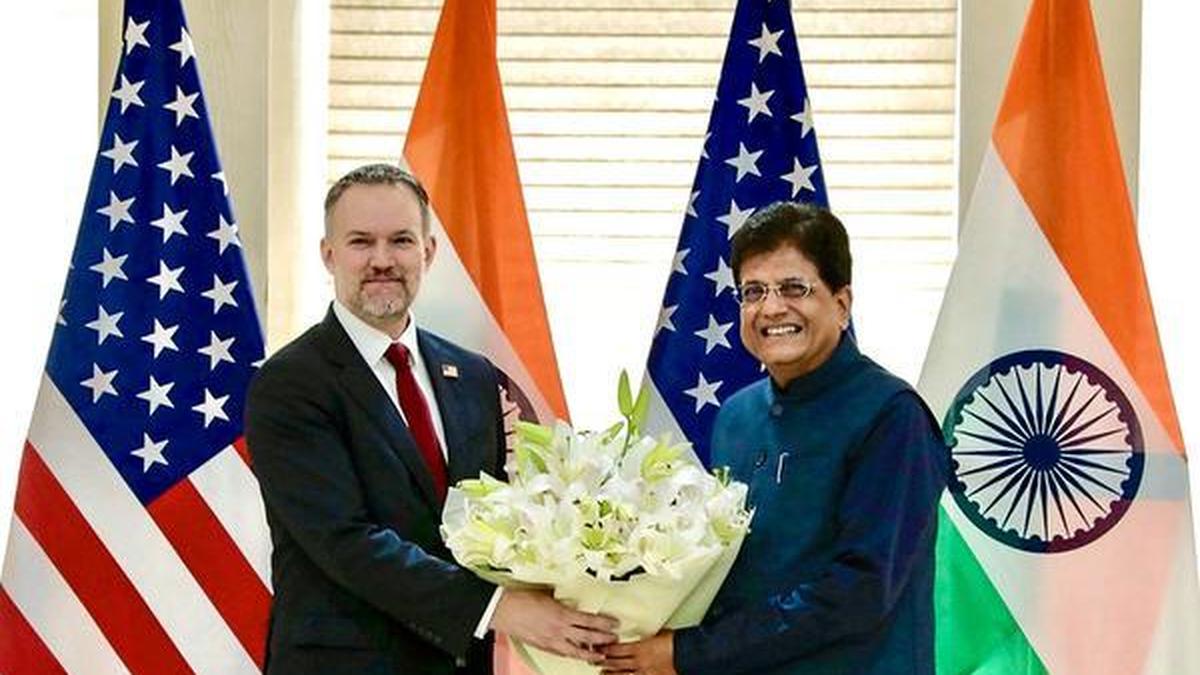
    U.S. is raising vague arguments and challenges such as ‘forced labour’ and ‘surplus capacity’, while advanced countries do not help with technological development.

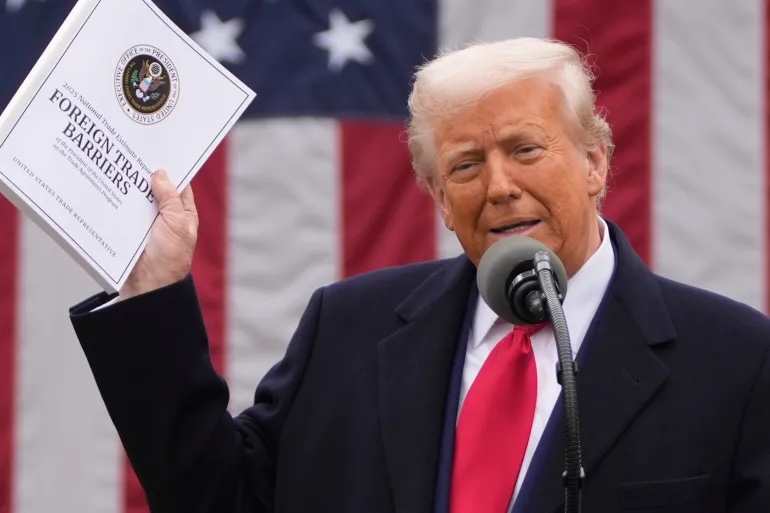
    On July 15, the India-U.K. trade deal came into force. That day, India banned the import of goods made using forced labour so as not to get unfavourable treatment from the U.S. under Section 301. A day later came the news that a bipartisan Bill has been proposed by U.S. Senators to levy up to 100% tariff on India and others for buying Russian crude. One way or the other, India’s trade with the U.S. is being buffeted by bottlenecks.

    China’s trade
    In contrast, without a trade deal, China has become India’s largest trading partner. Imports from China in the first half of 2026 have shot up by 21.8% while exports have risen by 37.2%, though on a small base. The already-high trade deficit with China of $116 billion last year is likely to rise since it has already topped $67 billion in the first half of the current year. The imports from China are high- and low-tech items, while exports are mostly low-value-added items.
    India’s dependence on China is overwhelming. Factories and exports increasingly depend on China for machinery and intermediates. For instance, pharmaceuticals depend on imports of API from China. The average wage rates in key sectors such as automobiles and apparel are half to one-third of China’s. Yet, India is unable to outcompete China in global markets because of the huge technological advantage the latter has gained in the past 35 years.
    While multinational companies (MNCs) have invested in China, as a share of total investment, it has been small. Further, to capture markets, China has been investing in other countries under the One Belt, One Road initiative. Thus, net foreign investment in China has been small. Finally, as Chinese companies have become big, they are outcompeting MNCs such as Tesla. And many U.S. companies have left China, including Amazon, Apple, Dell, IBM, and Uber.
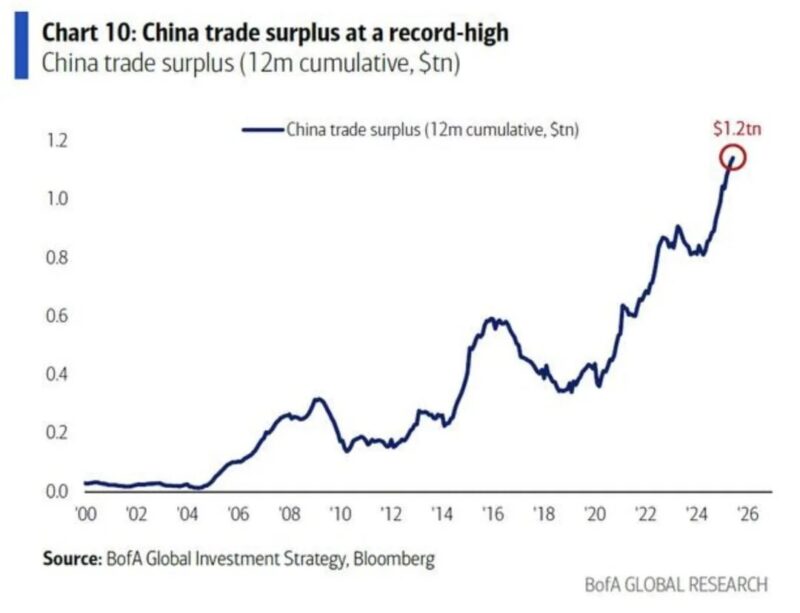
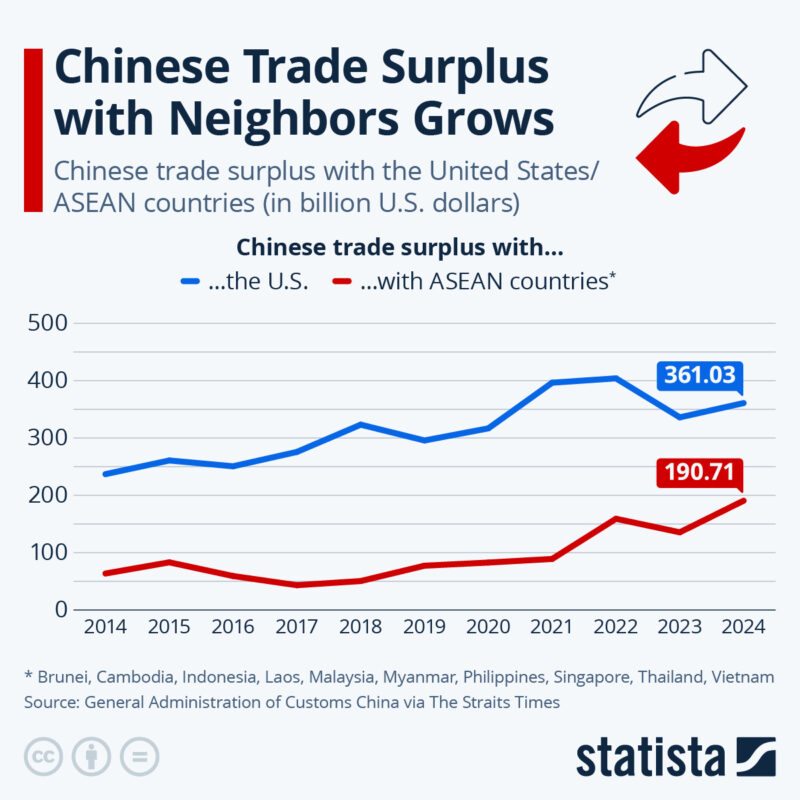
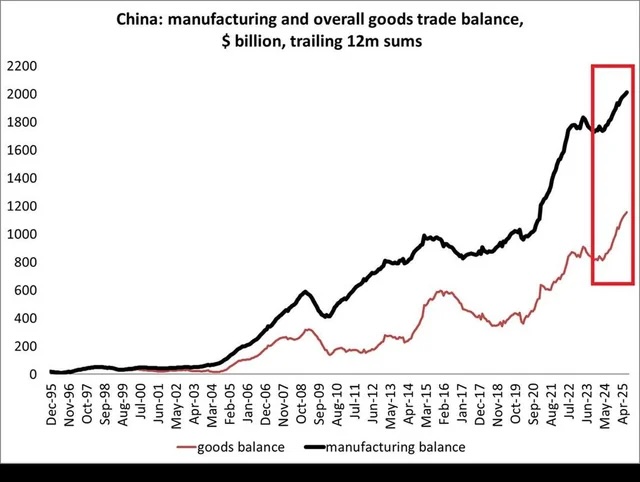
    India is unable to finalise a trade deal with the U.S. since at least July 2025, though Commerce Minister Piyush Goyal keeps assuring the nation that it is almost done. Last August, India’s exports were hit by a 50% tariff, leading to a decline in labour-intensive exports of apparel, shrimps, leather goods, and so on. India’s overall trade deficit increased in 2025 to $120 billion from $94 billion in 2024. China faced high US tariffs, but by diversifying trade, it increased its trade surplus in 2025 to $1.19 trillion from $992 billion in 2024.
    Technology and investment
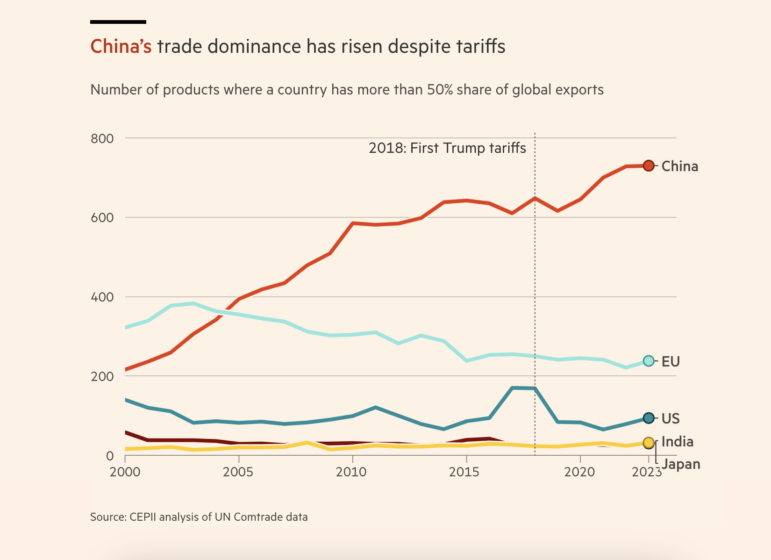
    The lesson is that technology is the key to trade in today’s globalised world. China is accused by the West of currency manipulation and massive government help to cheapen its exports. The implication is that China is draining its surplus to sell to the rest of the world. And, it is supposed to have been doing so for at least the past 35 years. Such trade over long periods of time should have drained resources and made China suffer. Instead, the Chinese economy has boomed and become five times larger than India’s economy.

    The reason is China’s high savings rate of above 35% of GDP since the 1980s and at times reaching close to 50%. This has been able to finance its huge investments of 40% and more, peaking at 47%. Its growth has not depended on foreign investment.
    This massive investment has enabled China to invest in technology development and expand its industry. This has fuelled rapid economic growth, and initial low consumption levels have risen rapidly, as is visible in any modern Chinese city. The U.S. has tried to thwart Chinese advances in technology by putting restrictions, but China has managed to circumvent that and continue upgrading technology. So much so that the U.S. has come to depend on Chinese imports.

    Since Trump has squeezed India, the latter has entered into trade agreements with important trade partners — the U.K., the European Union, the UAE, New Zealand, and so on. But caution is required since the earlier trade agreements with Japan, Korea and Australia led to a larger trade deficit with them. India could not increase its exports as much as others could because of their technological advantage.

    The advanced countries have not helped India with technological development. They want to export but not share technology. The United States Deputy Secretary of State said at the Raisina Dialogue in New Delhi that the U.S. made a major strategic and economic error roughly 20 years ago by giving China extensive access to American markets, technology, and capital. He said such a mistake would not be made vis-a-vis India. The implication is that India has to develop its own technology; otherwise, it will lag behind the advanced countries and China.

    Forced labour
    By investigating India on “forced labour” under Section 301, the U.S. is seeking to create a bottleneck to extract concessions. Forced labour implies coercion to work. Workers have no choice but to do the bidding of the employer because the option is hunger. Employers take advantage and pay low wages. This gives an exporter an advantage as its produce becomes cheaper. The U.S. says that is unfair to its producers.

    But wages in the developing world are much less than in the advanced nations. Does that mean that all production in the developing world is using forced labour? In India, unorganised labour receives low wages since it has little bargaining power to obtain decent wages. Thus, most of India’s production can be said to be based on forced labour. And its imports from developing nations can be said to be based on forced labour. This is a non-tariff barrier that the U.S. wants to apply to India.
    Another non-tariff barrier the U.S. is threatening to use is “surplus capacity” in steel, textiles, and so on. Any export by any country is over and above what it uses within its own territory. So, all export is based on surplus capacity. The U.S. has a massive agricultural surplus which it wants to dump on India. Its companies provide massive amounts of defence armament to the rest of the world. Which country does not produce for export so that it can import what is needed by its economy? Entire trade depends on these surpluses based on “comparative advantage”. So, what is India being penalised for? Are these bargaining chips to extract concessions?

    India’s trade with the U.S., till recently its largest trading partner, is being buffeted by vague arguments and challenges. Earlier it was the so-called “reciprocal tariffs” and now, Russian crude purchases, “forced labour” and “surplus capacity”. This huge uncertainty is buffeting Indian exporters. Indian officials negotiating a trade deal with the U.S. were hoping for favourable treatment, but that seems unlikely.

    Meanwhile, trade with China has boomed, though there is no trade agreement with it. India avoided joining the RCEP in 2019 to stall Chinese dominance. Given U.S. coercive steps on trade, both India and China have diversified their trade with the rest of the world. That is the way to go. And the lesson from China is that trade deals or not, India needs to upgrade its R&D to become globally competitive.

    This article was published earlier in ‘The Hindu.”

    Feature Image Credit: aninews.in      US Trade Representative Jamieson Greer meeting Union Minister of Commerce and Industry Piyush Goyal in New Delhi in June. | Photo Credit: ANI 

  • Guyana’s Energy Rise and the US-China Contest

    Guyana’s Energy Rise and the US-China Contest

    Introduction

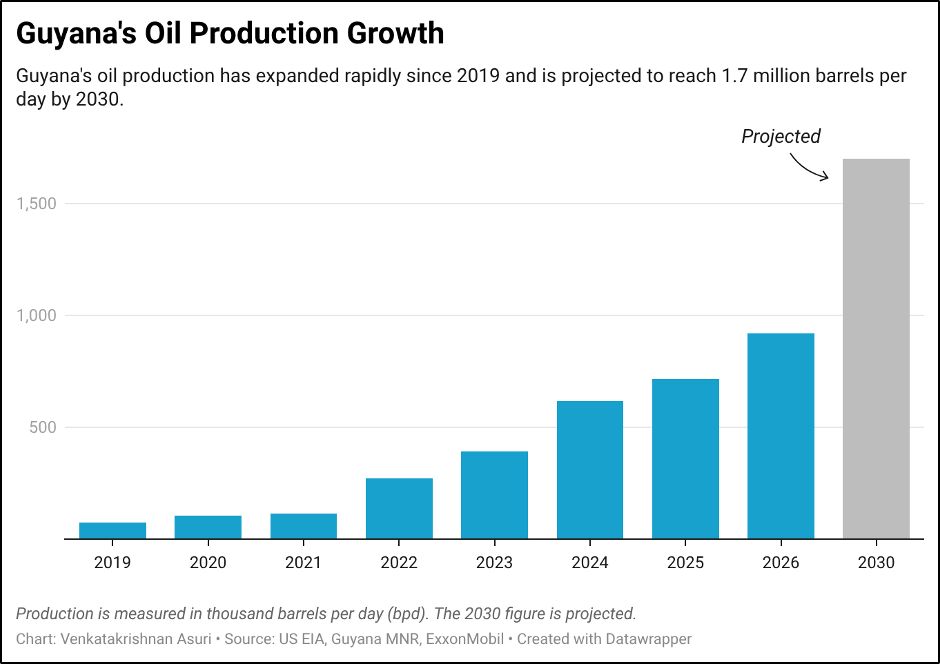
    In just five years after oil production began, Guyana has become the world’s largest per-capita oil producer and South America’s second-largest supplier of crude. Daily output now stands at ~926,000 barrels, with recoverable reserves exceeding 11 billion barrels in the Stabroek Block alone. Guyana has recorded a GDP growth of 43.6 per cent in 2024, one of the fastest rates globally. The former British colony has very rapidly transitioned from being a peripheral Caribbean economy to a strategically significant energy producer. This has attracted growing attention from both the United States and China, both seeking to secure economic, political and strategic influence in the world’s newest petro state. The manner in which Georgetown navigates and hedges against great-power competition over its resources shall determine whether its oil wealth translates into prosperity or succumbs to the familiar resource curse.

    The Energy Architecture

    Guyana’s transition has been remarkably rapid, with commercial oil production commencing in December 2019, within five years after ExxonMobil’s discovery in 2015. The Stabroek consortium, comprising ExxonMobil (45 per cent), Chevron (30 per cent) and China National Offshore Oil Corporation (CNOOC) (25 per cent), has invested billions in developing Guyana’s offshore resources. CNOOC alone has committed approximately $17.7 billion across six projects, making Guyana the company’s largest overseas investment. ExxonMobil projects production to reach 1.7 million barrels per day by 2030, placing Guyana among the world’s major non-OPEC producers.


    Guyana’s energy strategy also goes beyond crude extraction. The Guyanese government is pursuing downstream industrialisation through the $2 billion Gas-to-Energy project, which will transport offshore natural gas to a 300-megawatt power plant at Wales. Supported by a $526 million loan from the US Export-Import Bank, it aims to reduce electricity costs and support the development of a domestic manufacturing base. The participation of companies such as TotalEnergies, QatarEnergy and Petronas indicates efforts to broaden the investor base beyond the Stabroek consortium. At the same time, the continued political consensus around the original Stabroek production-sharing agreement between the Guyanese government and the Stabroek consortium has provided a degree of policy predictability through the 2030s.

    Washington’s Role

    The United States has moved quickly to leverage Guyana’s newfound energy boom into a broader strategic partnership. In March 2026, US Energy Secretary Chris Wright met President Irfaan Ali ahead of the inaugural Shield of the Americas Summit, describing Guyana as “a huge part of this strategy, a very well-governed country with great energy resources”. The summit established the Americas Counter-Cartel Coalition, including Georgetown among a select group of participating Caribbean states. While it has been officially framed as a counter-transnational crime initiative, the initiative reflects broader US efforts to strengthen its security presence in the Caribbean and refocus attention on the Western hemisphere.

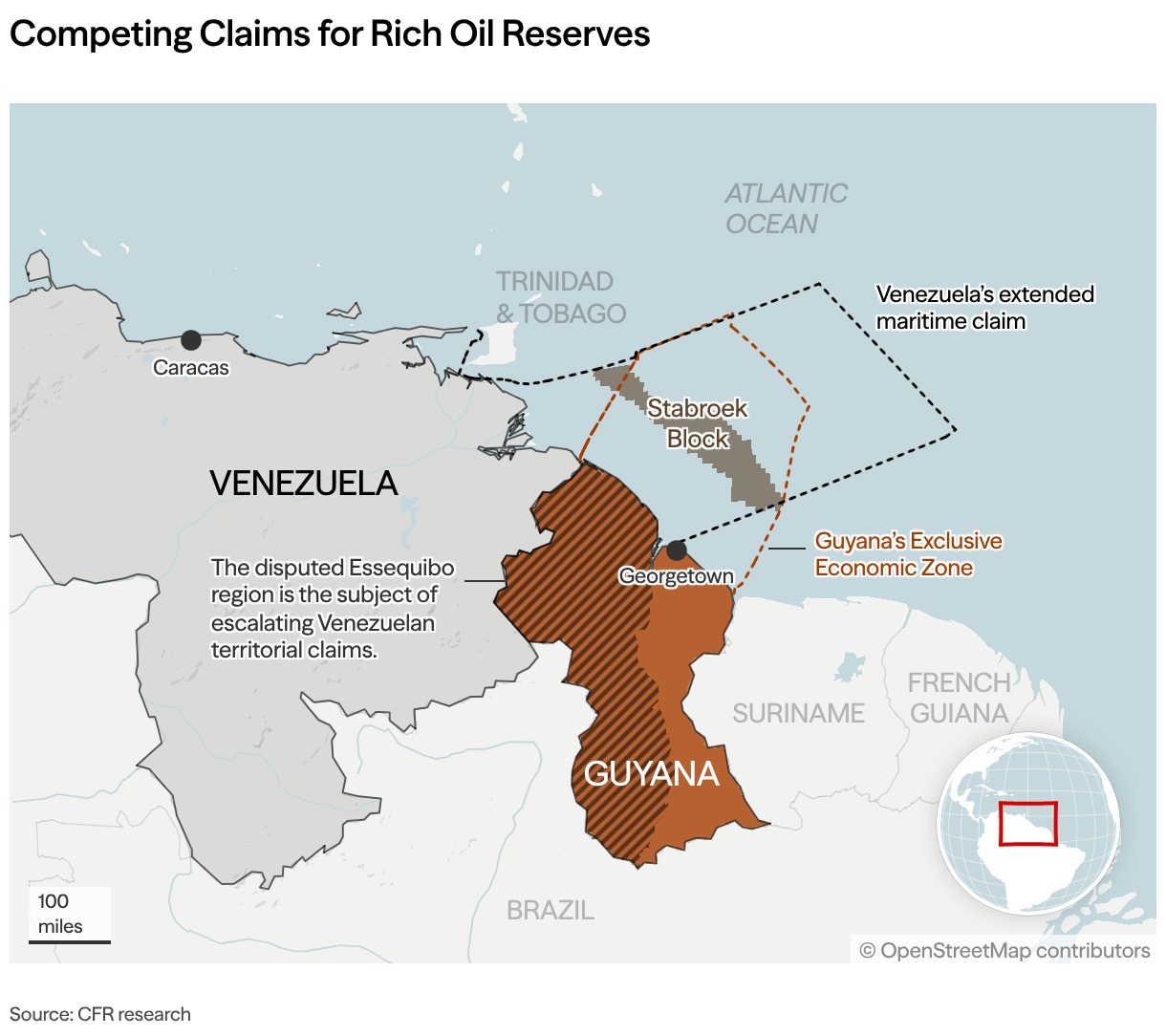
    US engagement has also deepened militarily, with the USS Normandy and USS Mahan conducting exercises with the Guyana Defence Force (GDF) in 2025, while US Army Security Force Assistance Brigades have trained GDF units in jungle warfare and engineering since 2022. Washington has also supported the development of coast guard facilities and communications infrastructure, aiming to strengthen Guyana’s security amid continuing tensions over the Essequibo dispute with neighbouring Venezuela. The growing American footprint in Guyana is visible in the consolidation of Washington’s economic and strategic presence across Guyana’s energy, infrastructure and security sectors. Guyana’s strategic value to Washington also lies in its geography, where a sustained American presence in Georgetown helps shape the trajectory of a post-Maduro Venezuela, particularly as the question of whether Caracas drifts back into Beijing’s or Moscow’s orbit remains unresolved through the medium term.

    Beijing’s Parallel Track

    China’s presence in Guyana differs in scope and character. CNOOC is a passive financial partner in the Stabroek block, earning returns from a basin operated primarily by US energy companies. However, CNOOC has leveraged this expertise, earning secure production-sharing contracts for two offshore blocks in Trinidad and Tobago, citing its experience in Guyana.

    For Georgetown, Beijing has emerged as a significant infrastructure and development partner. Guyana signed a Belt and Road Initiative (BRI) memorandum in 2018 and is negotiating a Joint Action Plan. Chinese state entities have financed or constructed major projects, including the expansion of the Cheddi Jagan International Airport, the $260 million Demerara River Bridge, East Coast road upgrades, and the $184 million East Coast rail-highway project. Beyond existing ones, Chinese developmental financing has been associated with prospective projects, including a deep-water harbour and the Amaila Falls hydropower project. Beijing has also provided approximately $36.6 million in debt relief, helping it earn political goodwill without generating the levels of debt distress seen elsewhere in the Caribbean. At the same time, Guyana’s trade asymmetry is visible, with its non-oil exports to China at $17 million in 2022, while imports from China are multiple times higher at $372 million. The Chinese telecom giant Huawei has emerged as a major player in Guyana’s telecommunications sector, drawing scrutiny from Washington on data governance and cybersecurity, amplified by cybersecurity researchers and Guyanese civil society.

    Venezuela’s Shadow

    For Guyana’s rise, the unresolved Essequibo dispute continues to cast a long shadow, with Caracas having escalated its rhetoric under former Venezuelan president Nicolás Maduro. With Maduro’s removal, the risk of military escalation over the Essequibo has diminished, and the transition government in Caracas is likely to prioritise political stabilisation and economic recovery. However, the medium to long-term challenge for Georgetown remains economic, as Venezuela, which is gradually integrating into global energy markets, will compete with Guyana for the same Gulf Coast refining demand. Guyana’s growth opportunity remains intact, provided that the Caribbean remains within the US security umbrella and the Venezuelan energy sector’s recovery remains gradual.

    Guyana’s Balancing

    Amid intensifying great power competition, Guyana has sought to pursue multi-alignment. President Irfaan Ali’s re-election in September 2025 has ensured continuity in economic and foreign policy at a critical moment in the country’s growth story. Alongside the expansion of hydrocarbon production, Georgetown has pursued a dual-track approach to balance its oil-led growth by advancing its Low Carbon Development Strategy 2030 using its extensive forest cover to generate revenue through carbon credit mechanisms, including a $750 million agreement with Hess Corporation. At the same time, Georgetown has maintained close security and economic cooperation with the United States, retaining Chinese participation in the energy and infrastructure sectors, and continuing its adherence to Beijing’s One China policy. These policies reflect Guyana’s attempt to advance its economic and strategic objectives pragmatically, while seemingly preserving strategic autonomy by leveraging external partnerships.

    The Outlook

    By 2030, Guyana’s oil production could reach 1.7 million barrels per day. As the country’s energy sector grows, competition between the United States and China is likely to intensify in areas such as infrastructure and digital connectivity. While souring relations between Guyana and Venezuela increases Georgetown’s security dependence on Washington, a stable regional environment would allow Guyana to pursue a balanced foreign policy and more diversified external partnerships. Ultimately, Guyana is better positioned than other petrostates to convert its hydrocarbon wealth into prosperity, with the Natural Resource Fund Act of 2019 and the Stabroek production-sharing structure indicating a stable economic and institutional architecture that was absent in Venezuela. Georgetown’s deliberate policy of balancing American security cooperation with Chinese infrastructure financing is indicative of a conscious strategy of multi-alignment, rather than succumbing to great power competition that has polarised other petrostates.


    Feature Image Credit: panamericanworld.com

    Guyana map Credit: cfr.org

  • Navigating Geopolitical Turbulence in a Fragmented International System

    Navigating Geopolitical Turbulence in a Fragmented International System

    The old world order is not returning; the international system is structurally transforming into a fragmented multipolar reality. In this age of disorder, flexible institutions and reformist leadership—exemplified by India—are essential to sustain global governance.

    The 56th World Economic Forum Annual Meeting took place in Davos-Klosters, Switzerland, from January 19 to 23, 2026, under the theme “A Spirit of Dialogue.” The forum brought together global political, business, and intellectual leaders at a moment when the international order is not merely under strain but undergoing a deeper structural transformation. Discussions at Davos underscored a shared recognition that dialogue in today’s fractured global environment is not a sentimental ideal but a strategic necessity—particularly amid intensifying geopolitical competition, accelerating technological disruption, economic fragmentation, and the growing limitations of established institutional frameworks. Significantly, the conversations reflected a broader shift in global thinking, moving away from nostalgia for a stable post–Cold War order toward an urgent search for more flexible and adaptive forms of global governance capable of managing uncertainty, fragmentation, and persistent conflict.

    The contemporary international system is undergoing an unprecedented degree of geopolitical turbulence. Institutions such as the United Nations and other global governance mechanisms—established in the aftermath of the Second World War—were designed to manage conflict and promote cooperation within the structural realities of that era. Today, however, the assumptions underpinning these institutions no longer align with prevailing geopolitical conditions, rendering many of them increasingly ineffective and disconnected from contemporary realities. This growing institutional disconnect is inseparable from deeper structural changes in the global system itself. As Zack Cooper, a Senior Fellow at the American Enterprise Institute, notes in his Stimson Center essay “An American Strategy for a Multipolar World”, “a multipolar world is now unavoidable, with legacy powers increasingly accompanied by a number of rising powers… this is a much more complex system than the multipolar dynamic that existed in Europe after the Congress of Vienna… today’s multipolar system is highly fragmented along regional and functional lines.” This observation captures the core challenge of the present international system: it is not merely shifting in power distribution, but fundamentally transforming in structure and complexity.

    From Bipolarity to Fragmentation

    The post–Second World War order was shaped initially by Cold War bipolarity and later by a brief unipolar moment following the end of the Cold War. In contrast, the current system is marked by fragmentation, instability, and a gradual transition toward multipolarity. Historically, periods of power transition—particularly multipolar configurations—have been associated with heightened uncertainty, miscalculation, and conflict. The present environment reflects this pattern, as competing power centres and overlapping crises push the international system toward persistent volatility.

    In this volatile context, states are increasingly adopting hedging strategies to manage risks and vulnerabilities. From Europe to Asia and beyond, countries are diversifying partnerships, avoiding rigid alignments, and seeking strategic flexibility. This behaviour is neither anomalous nor irrational; rather, it is a structural response to systemic uncertainty. Such adaptive behaviour, however, is itself a symptom of deeper structural instability in the international system.

    As many scholars, most notably Kenneth Waltz, have long argued, an emerging multipolar order tends to be among the most unstable configurations in international politics, marked by heightened risks of conflict, miscalculation, and escalation. With multiple powers competing simultaneously and no clear hegemon capable of stabilising the system, the international order becomes increasingly fragile and prone to error. The contemporary system appears to be operating on this edge, shaped by overlapping crises and rival power centres.

    Compounding this instability is the rapid emergence of critical and disruptive technologies, advanced weapons platforms, cyber capabilities, and artificial intelligence. These developments further intensify volatility by lowering barriers to conflict, accelerating escalation dynamics, and complicating traditional deterrence frameworks. International experts at a 2025 conference warned that such technologies are “eroding present deterrence frameworks” and could destabilise the global security order without a global regulatory consensus. Similarly, the World Economic Forum’s Global Cybersecurity Outlook 2025 notes that “cybersecurity is entering an era of unprecedented complexity,” as the rapid adoption of AI without adequate safeguards creates far-reaching security risks requiring multilateral cooperation.

    While some observers attribute current turbulence primarily to political leaders such as Donald Trump, this interpretation is overly simplistic. Trump’s policies may have accelerated existing trends, but they are not the root cause. The deeper drivers lie in structural shifts within the international system and in long-term transformations within American domestic politics that have altered the foundations of US global engagement.

    Davos and the Recognition of a New World Order

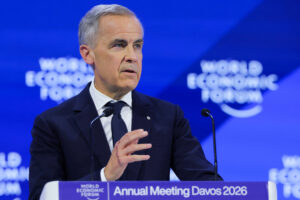
    These concerns have been openly acknowledged by global leaders at the World Economic Forum. Canadian Prime Minister Mark Carney, speaking at Davos, argued that “the old world order is not coming back,” cautioning against nostalgia-driven policymaking and warning that the global system is undergoing a rupture rather than a smooth transition. He further observed that economic interdependence has increasingly been weaponised and warned middle powers that “if you are not at the table, you are on the menu.” Such remarks reflect a growing recognition that disorder, competition, and power asymmetries are now embedded features of the international system.

    Similarly, World Economic Forum President Børge Brende highlighted the depth of uncertainty confronting the global order, noting that “the political, geopolitical, and macroeconomic landscape is shifting under our feet.” Emphasising the limits of unilateralism and rigid frameworks, Brende stressed that “dialogue is a necessity, not a luxury,” reinforcing the idea that cooperation must persist even in an era of fragmentation. These statements underline a critical point: the challenge today is not the absence of institutions, but their inability to adapt to changing geopolitical realities.

    French President Emmanuel Macron further reinforced this diagnosis at Davos by warning of a “shift towards a world without rules, where international law is trampled underfoot and where the law of the strongest prevails.” His remarks underscore the erosion of the post–Second World War multilateral framework under the pressure of returning imperial ambitions, coercive diplomacy, and unilateral action. Macron’s warning reflects a broader concern that global politics is increasingly shaped by power rather than norms. At the same time, he rejected intimidation as an organising principle of international relations, stating that “we prefer respect to bullies,” and called for effective multilateralism—one that is reformed and updated rather than dismantled.

    Reforming Global Governance for an Age of Disorder

    Against this backdrop, the central question is how states can navigate such geopolitical turbulence. A rigid, blueprint-based institutional approach—reminiscent of Cold War–era frameworks—is no longer viable. What is required instead are flexible, adaptive institutions capable of absorbing shocks, accommodating diverse interests, and operating under conditions of persistent uncertainty. Since traditional multilateralism is increasingly strained, it is essential to recognise that disorder itself is likely to remain a defining feature of the contemporary international system.

    Any effort to design or reform institutions must therefore begin with this recognition. Fragmentation and regionalisation—particularly through minilateral and issue-based coalitions—are inevitable outcomes of a multipolar environment. However, this does not eliminate the need for global cooperation. Rather, it demands cooperation frameworks that are flexible, inclusive, and responsive to evolving geopolitical realities. Institutions must be capable of adapting to shifting power balances rather than attempting to impose outdated structures on a transformed system. In these tough times, the world requires greater cooperation and coordinated action, because the challenges we face—such as climate change, cyber threats, economic instability, and regional conflicts—are global in nature and cannot be solved through isolated national approaches.

    Another limitation in current thinking is the tendency to interpret global politics solely through the lens of US–China rivalry. While great power competition undeniably shapes the international environment, such a narrow focus underestimates the agency of middle and regional powers. Many states actively shape outcomes, norms, and institutions rather than merely reacting to great power pressures. Effective institutional design must therefore reflect this distributed agency and avoid reducing global politics to a binary rivalry.

    Equally important is the need to move beyond linear and deterministic thinking. The contemporary world is characterised by non-linear dynamics, uncertainty, and complex interactions. Predicting the future exclusively through the lens of past patterns—particularly those rooted in liberal or Cold War assumptions—is increasingly misleading. Institutional responses must be grounded in realism, flexibility, and adaptability rather than static or idealised models of order.

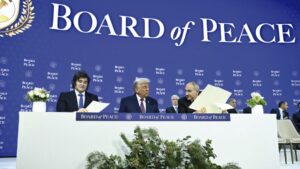
    Recent initiatives such as Donald Trump’s proposal for a “Board of Peace,” driven largely by personal leadership and transactional logic, illustrate the limitations of personality-centric approaches to global governance. Given their temporary nature and the likelihood of reversal under future administrations, such initiatives lack durability. Moreover, such proposals are often unrepresentative and do not reflect the realities of the international system; they are based on authoritarian-style solutions rather than broad-based legitimacy, consensus, and institutional resilience. In contrast, reforming existing institutions—particularly the United Nations—offers a more sustainable path forward. Reforms that reflect contemporary geopolitical realities would enhance the UN’s relevance without undermining its foundational principles.

    India’s Reformist Approach to Global Governance

    India’s approach to global governance is particularly instructive in this context. When India criticises the United Nations or other global institutions, its objective is not to dismantle them but to reform them. This distinguishes India from countries such as China and Russia, which often seek to replace existing structures with alternative, and frequently anti-Western, institutional arrangements. India positions itself not as an anti-Western power, but as a non-Western one—committed to liberal democracy, pluralism, and engagement with existing global frameworks. As India’s Ministry of External Affairs has emphasised, “the architecture of global governance in 2025 for the future cannot be written in ink from 1945,” highlighting the need to update institutions rather than replace them.

    This distinction is crucial. India has significantly benefited from the existing international order, and its economic transformation since the post-1991 reforms has been largely enabled by the stability, access to global markets, and investment flows that the post-World War II system provided. Consequently, India has little incentive to support a China-centric alternative. Reforming the current system, rather than replacing it, aligns with India’s long-term strategic interests. Moreover, India’s leadership and participation in forums such as the SCO and BRICS have played a stabilising role. Without India’s presence, these platforms could easily evolve into explicitly anti-Western blocs. India’s foreign policy is best understood as reformist rather than revisionist, acting as a bridge between the West and the Global South; as Chatham House notes, India seeks to “change the international order from within rather than overthrow it.” Yet many Western policymakers fail to understand India’s global vision and often categorise it alongside other revisionist powers, viewing India narrowly through a bilateral prism or primarily as a counterweight to China. This misreading overlooks India’s broader role as an independent norm-shaping power.

    In light of these dynamics, the most effective strategy for navigating contemporary geopolitical turbulence lies in reforming and revitalising existing institutions rather than constructing entirely new ones based on rigid, blueprint-style thinking. A blueprint approach assumes that we can predict the future and design institutions accordingly—an assumption that is inherently flawed because the future is always uncertain and unknowable. Institutions must therefore be designed to capture the reality of moving from the known to the unknown and to adapt continuously as new challenges emerge. They must be made flexible, resilient, and responsive to disorder rather than designed to eliminate it. Accepting instability as a structural condition—and designing mechanisms of cooperation accordingly—offers the best chance of sustaining global governance in an increasingly fragmented world.


    Feature Image Credit: www.byarcadia.org

  • Dynamics Of Trade Surplus

    Dynamics Of Trade Surplus

    While a trade surplus is usually seen as a positive sign of economic health because it indicates a country is exporting more than it imports, a persistent and large trade surplus, especially by major global players like China, has also generated geopolitical and economic tensions worldwide.

    Interestingly, in the decades preceding China’s emergence as a major exporter, from the end of World War II to the early 1970s, the United States ran trade surpluses, primarily due to its industrial strength and its role as a key exporter in the global market —a position China has only recently assumed.

    The issue of trade surplus is now becoming the new nuisance in global affairs. Those who benefit from it support it; others protest. However, the discussion of this topic arises from actions by US President Trump, who is attempting to manipulate trade tariffs to influence global trade in favour of the American economy. While a trade surplus is usually seen as a positive sign of economic health because it indicates a country is exporting more than it imports, a persistent and large trade surplus, especially by major global players like China, has also generated geopolitical and economic tensions worldwide. A recent US Treasury report accused China of disrupting the global economic balance through its substantial trade surplus. This article critically examines the financial mechanisms behind trade surpluses, the strategic narratives of developed nations, and the counter-narratives of developing economies, with a particular focus on China.

    The latest semi-annual US Treasury report (June 2025) did not label China as a currency manipulator but criticised its lack of transparency in managing the renminbi. Instead, it added countries such as Ireland and Switzerland to its “monitoring list” based on trade surplus and intervention metrics. The report highlights China’s opaque exchange rate practices and suggests that intervention through state tools (e.g., sovereign wealth funds) should be more closely monitored.

    Western media and think tanks argue that China’s surplus fuels its industrial oversupply, causing global spillovers and structural trade imbalances. This has harmed local industries in emerging economies by flooding markets with cheap Chinese goods made in factories connected to the Belt and Road Initiative. As a result, many of these countries are now imposing anti-dumping duties to safeguard their domestic industries.

    China’s larger economic footprint means its external balance continues to significantly influence trading partners.

    For China, a trade surplus serves both as a consequence and a policy. The IMF contends that China’s surplus mainly stems from internal macroeconomic factors — such as weak household consumption and excess industrial capacity — rather than intentional export strategies or outright manipulation. Although this surplus rate is lower than at the peak of the “China shock” in the 2000s, China’s larger economic footprint means its external balance continues to significantly influence trading partners. IMF models suggest that weak domestic demand — driven by property downturns and low consumer confidence — has caused a decline in consumption in China and has pushed the real renminbi lower, which in turn enhances exports. This has further amplified the trade surplus.

    However, Western policymakers and scholars argue that Beijing’s industrial model, underpinned by subsidies and exchange rate policies, amplifies this surplus into a global oversupply and trade friction. Brookings researchers describe this as a “mercantilist trade policy,” characterised by low domestic consumption, state-driven subsidies, and a focus on exports. The resulting surplus—now larger relative to global GDP than during the 2008 peak—puts pressure on trading partners despite US tariffs that have failed to reduce the bilateral trade deficit.

    Statistical Distortions: “Missing Imports”

    The most revealing statistic is that from 2018 to 2024, official US data revealed a $66 billion reduction in imports from China, while Chinese records indicated a $91 billion increase in exports to the US, a discrepancy of $157 billion. Much of this is due to the US de minimis rule, which permits parcels valued at under USD 800 to enter the country duty-free and bypass detailed customs reporting. E-commerce giants like Temu and Shein exploit this loophole, and 1.36 billion de minimis parcels entered the US market in 2024 alone, most of which originated from China. This underreporting skews trade data, underestimating China’s market reach and downplaying the structural impact of the surplus.

    Global Spillovers and E-commerce Consequences

    These surplus-driven shipments have severely impacted U.S. domestic retailers. However, bricks-and-mortar firms face import duties, labour regulations, intellectual property standards, and environmental rules. They cannot compete with low-value imports, which are not subject to duties or other regulations. Recent changes in U.S. policy have directly addressed the de minimis loophole, and an exemption for low-value Chinese imports was removed as of 2 May 2025, causing parcel duties to rise to 145%. This has caused small U.S. retailers to halt shipments, and platforms like Temu have been using local warehouses to circumvent fees, only to have the policy to be temporarily rolled back on May 14, highlighting the unstable political climate surrounding e-commerce regulation.

    Impact on Emerging Economies

    Developing countries are increasingly feeling the impact of China’s surplus-led export model. According to the World Bank, two-thirds of developing economies are expected to see their GDP growth slow from 4.2 per cent to 3.8 per cent by 2025, due to ongoing trade frictions, particularly between the US and China. Inexpensive Chinese goods, whether cheaper solar panels, electronics, or textiles, also pose a threat to emerging markets, and many are fighting back with anti-dumping duties and trade defence measures. At the same time, countries like Brazil, Indonesia, South Africa, and India have imposed tariffs, launched dumping investigations, and reconsidered their trade dependencies. Even countries that are traditionally aligned with China are concerned about the surging Chinese exports. An additional concern is that FDI in developing countries has declined to its lowest level since 2005, reaching just $435 billion in 2023. There is a risk that investment will fall further, raising concerns about investment, infrastructure, and poverty reduction.

    The Times article explains that Donald Trump’s tariffs did not reduce Chinese imports. Even with highly aggressive tariffs, the share of U.S. imports from China decreased by only 7 to 8 percentage points from 2018 to 2024, although industry estimates suggest that the actual fall in Chinese-origin goods entering U.S. supply chains is smaller (perhaps around 3 to 4 percentage points), due to relabelling and third-party routing.

    This raises stark questions about the effectiveness of the counter-tariff cycle. The overall outcome of this tariff war is simply a confusing and panicked state of affairs. The Times article explains that Donald Trump’s tariffs did not reduce Chinese imports. Even with highly aggressive tariffs, the share of U.S. imports from China decreased by only 7 to 8 percentage points from 2018 to 2024, although industry estimates suggest that the actual fall in Chinese-origin goods entering U.S. supply chains is smaller (perhaps around 3 to 4 percentage points), due to relabelling and third-party routing.

     Theoretical perspectives

    Dependency Theory and the Prebisch–Singer Hypothesis argue that developing countries experience declining terms of trade because they focus on primary goods, whereas industrialised nations retain advantages in high-value manufacturing. However, China has challenged this idea by dominating global markets in both primary and advanced products. As a result, we might reasonably conclude that even rising industrial powers, when driven by surplus, tend to uphold the global structures of dependency. Models like Unequal and Ecologically Unequal Exchange demonstrate how trade surpluses frequently involve a systematic undervaluation of labour and environmental costs in poorer countries, redirecting wealth to the Global North.

    These theories emphasise how global trade undervalues labour, worsens resource extraction, and causes environmental degradation, thereby transferring wealth from peripheral to core countries. Research suggests that Chinese-led global supply chains contribute to environmental damage and resource depletion in exporting countries, externalising ecological costs, which worsens the structural disadvantages for those nations. China’s GVC-enabled export surge often externalises ecological costs to commodity-exporting nations.

    Macroeconomic accounting theory states that a capital account deficit indicates a trade surplus, which means that for China, this results in capital inflows. Consequently, China needs to impose tight controls on its currency to maintain financial stability. With a current account surplus of approximately 3% of GDP, global capital flows, combined with managed exchange rates and the accumulation of foreign reserves—mainly US Treasuries—demonstrate structural policies designed to keep the renminbi weak and direct money into Western securities.

    The current trade environment is shaped by negotiation frameworks, such as the US–China truce, and tools, such as WTO rules and anti-dumping procedures. However, the US is now expanding its pressure on Europe, targeting its large goods surplus and digital tax regimes in an effort to rebalance trade.

    Global Debate

    IMF chief economist Pierre Olivier Gourinchas emphasised that “external balances are determined by macroeconomic fundamentals, not the link to trade and industrial policy, which is more tenuous”. The IMF analysis from the spring meetings similarly implies that internal imbalances (such as differences in savings and investment) influence external current account outcomes, and that China’s surplus reflects its high savings rate, low consumption, and industrial overcapacity. Therefore, while US officials describe China’s trade surplus as a sign of mercantilist excess, IMF analysis reminds us that external imbalances are a reflection of underlying macroeconomic divisions: in China’s case, a high savings rate, low consumption, and industrial overcapacity.

    Inderjit Gill, Chief Economist and Senior Vice President for Development Economics at the World Bank, said: “In the rest of the world, the developing world is now a development-free zone.”

    Surplus narratives are tools of structural power: while developed nations try to portray surplus as distortion, dumping, and manipulation to justify tariffs, subsidies, and monitoring, developing countries aim to reframe them as ecological exchange and dependency to highlight systemic inequalities

    Growth in developing economies, which has ratcheted down from 6 per cent in the 2000s to 5 per cent in the 2010s, and then to less than 4 per cent in the 2020s, mirrors the decline in global trade growth, from 5 per cent in the 2000s to around 4.5 per cent in the 2010s, and below 3 per cent in the 2020s. This illustrates the bilateral nature of the trade surplus. First, fundamentally, surplus narratives are tools of structural power: while developed nations try to portray surplus as distortion, dumping, and manipulation to justify tariffs, subsidies, and monitoring, developing countries aim to reframe them as ecological exchange and dependency to highlight systemic inequalities.

    China promotes an alternative narrative about its surplus, arguing that it stems from genuine investment, state-led development, and economies of scale, rather than protectionism or currency manipulation. Belt and Road infrastructure is presented as development, not geopolitical trap – although critics raise concerns of “debt-trap diplomacy”.

    Interestingly, in the decades preceding China’s emergence as a major exporter, from the end of World War II to the early 1970s, the United States ran trade surpluses, primarily due to its industrial strength and its role as a key exporter in the global market —a position China has only recently assumed.

    A paper by Robert Stehrer titled “What Is behind the US Trade Deficit?” published in ‘The Vienna Institute for International Economic Studies’ (WIW), traces the historical US trade deficit back to the 19th century and places it in a global context. A reading of it would show a broader narrative at play.

    Policy Roadmap

    Stricter transparency rules are essential to close statistical loopholes and create a level playing field by mandating the disclosure of foreign exchange interventions and de minimis trade flows (such as e-commerce transactions below US$800). These flows can artificially keep a country’s exports cheap and imports expensive, thereby inflating its trade surplus. Countries with persistent surpluses (exceeding 3% of GDP) should participate in a dialogue-based “Global Adjustment Protocol” that includes concessional finance for structural reforms, aiming to strike a balance between conditionality and developmental needs.

    One crucial step in this direction would be to include a green surplus index as part of a Green Current Account Score, which measures environmental degradation and natural resource depletion, thereby aligning surplus behaviour with sustainability goals.

    The urgent need is for reform of international organisations, liberating the IMF and WTO from Western dominance, transforming them into genuinely global entities or replacing them with organisations like the BRICS bank (NDB) and AIIB. Additionally, they should be empowered with greater authority to monitor global imbalances and suggest corrective measures, such as managing capital flows instead of imposing unilateral tariffs. This would help streamline WTO procedures, reducing delays, and defend policy space—such as supporting trade defence measures (anti-dumping duties, safeguards) by emerging economies.

    Conclusion:

    This article argues, through an economic analysis of current trade affairs, how hegemonic powers manipulate the political landscape. Trade surpluses are not merely economic aggregates—they are narrative tools in international power politics, with developed countries portraying surpluses as dumping or currency manipulation to justify tariffs and regulatory barriers. Conversely, surplus nations (both developed and emerging) describe their surpluses as the result of sound investments, economies of scale, and effective state guidance.

    From the macroeconomic surplus in the economy to the underreported e-commerce inflows, the reality of modern trade imbalances is far more complex than what mercantilist rhetoric suggests. An analysis of China’s experience demonstrates this point. The next phase of global trade reforms should emphasise transparency, robust multilateral regulations, and ecological responsibility. Beyond mercantilist rhetoric, there is a need for systemic frameworks that accurately reflect economic realities and sustainable goals—only then can tensions caused by surpluses be managed in a balanced and lasting manner.


     References:


    Feature Image Credit: Aljazeera.com

    Graphs Credits: Reddit; Financial Times; Statista

  • The Pakistan Paradox: Courted by Rivals, Valued Only Against India

    The Pakistan Paradox: Courted by Rivals, Valued Only Against India

    Pakistan’s presence at China’s Victory Day parade exposed a more profound truth: its value lies not in strategic brilliance but in being a pawn for both Washington and Beijing. Far from balancing, Islamabad survives as a tool in the great power game against India.

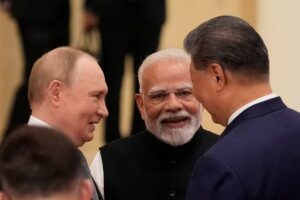
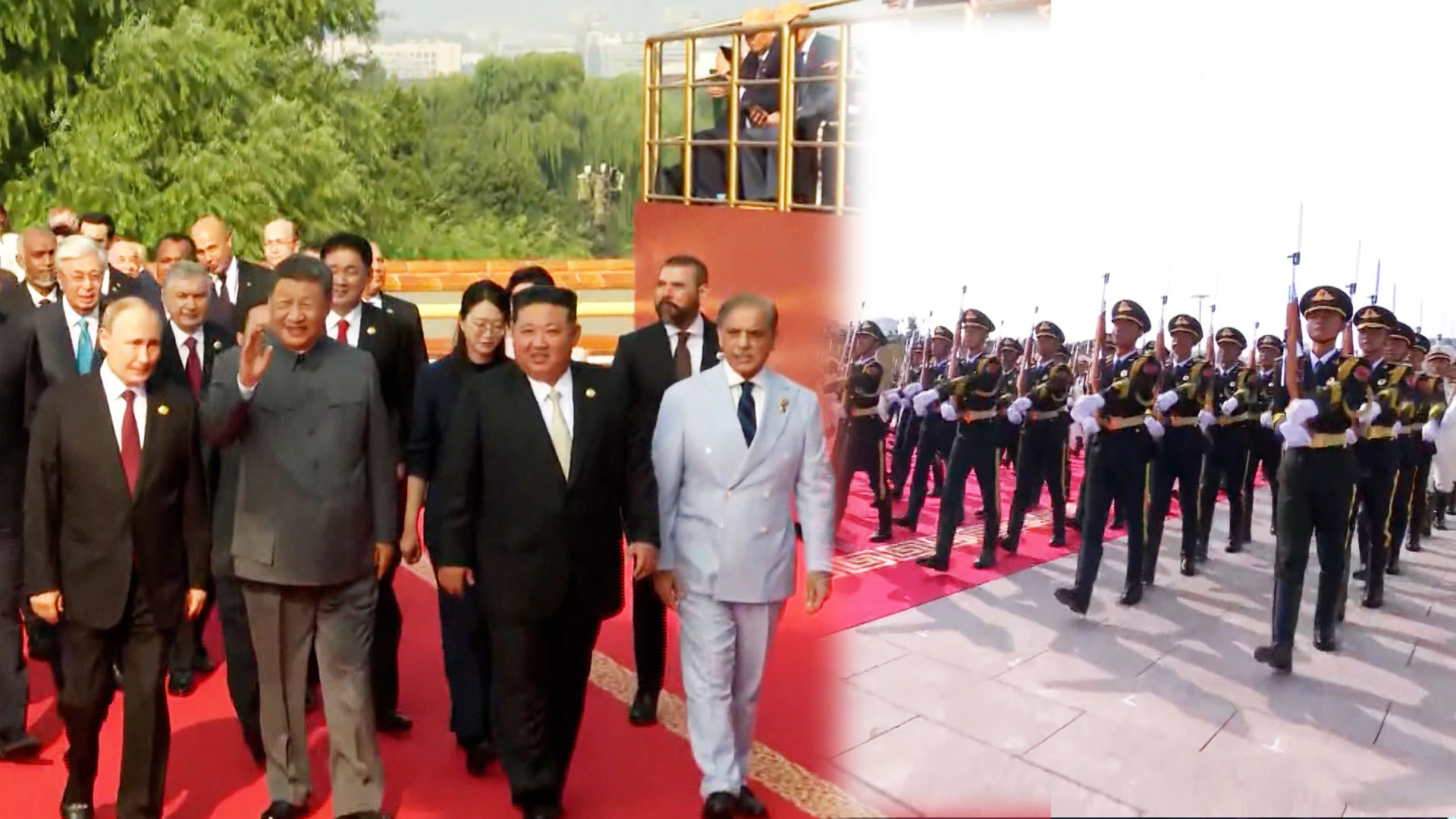
    China’s recent Victory Day parade on September 3, 2025, was more than a ceremonial display; it was a calculated act of strategic signalling to the West. By showcasing its formidable military hardware and hosting close allies such as Russia’s Vladimir Putin and North Korea’s Kim Jong-un, Beijing sought to project its emergence as a great power, much as it did during the 2008 Olympics. By bringing these leaders together, China signalled not only unity but also the contours of an emerging alternative world order that challenges Western dominance.

    The parade sent “chill waves” across Western capitals, with even Donald Trump admitting that he closely followed the event. On social media, he sardonically addressed China: “Please give my warmest regards to Vladimir Putin and Kim Jong Un, as you conspire against the United States of America.” On September 5, 2025, he further voiced his frustration, declaring that the U.S. had “lost India and Russia to deepest, darkest China,” a remark that reflected Washington’s growing unease over Beijing’s expanding influence.

    India, notably absent from China’s Victory Day parade on September 3, 2025, made its own strategic moves. Prime Minister Narendra Modi visited Japan on August 29–30, ahead of the Shanghai Cooperation Organisation (SCO) summit in Tianjin on August 31–September 1. By going to Tokyo first and then to Tianjin, Modi signalled to the West that India continues to prioritise its commitments in the Indo-Pacific, while also reminding Beijing that New Delhi remains open to engagement. During the SCO summit, Modi’s remark that India’s engagement with China “should not be seen through third-country lenses” was intended to reassure the West of India’s balancing strategy.

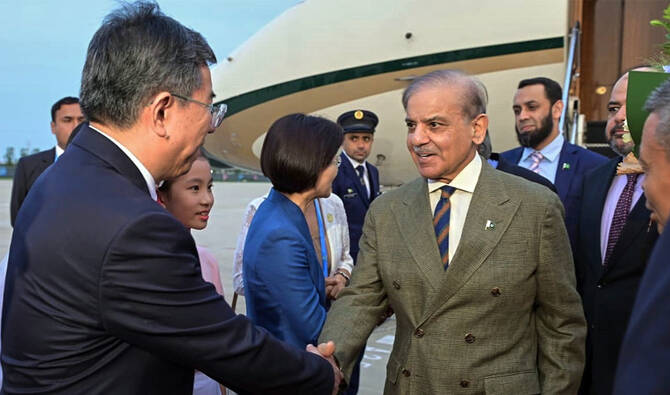
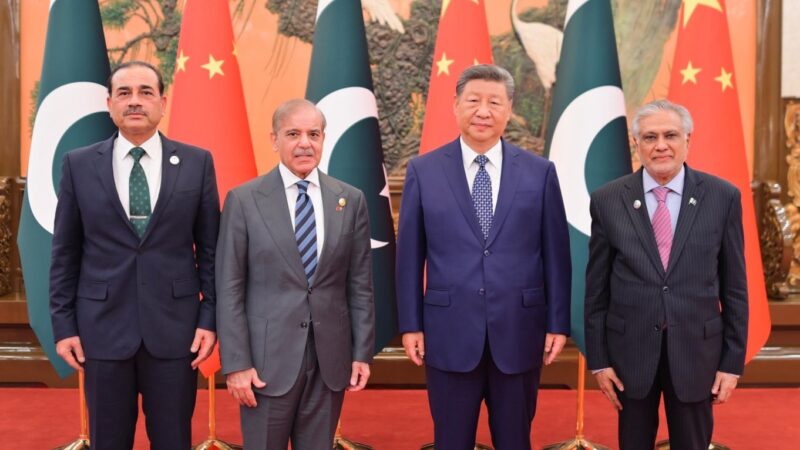
    Yet, amid this choreography of great powers, one country’s presence at the Victory Day parade raised eyebrows: Pakistan. Prime Minister Shehbaz Sharif stood alongside leaders who openly challenge the Western-led order—figures the West often labels as part of an “axis of evil”—despite Pakistan being nominally allied with the United States. What was even more surprising was the silence of Washington and its partners. Had it been India’s leader at the parade, the Western outcry would have been deafening. But when Pakistan did it, no questions were asked. Why this extraordinary tolerance?

    The explanation lies not in Pakistan’s own strategic brilliance. Unlike India, Pakistan lacks genuine strategic agency or independent decision-making capacity. It has long been dependent on external patrons and remains heavily constrained by domestic crises. The narrative advanced by some strategic experts that Islamabad is engaged in a masterful balancing act between Washington and Beijing is misleading. Instead, both the U.S. and China tolerate Pakistan’s duplicity because of its enduring strategic utility against India.

    Washington knows Pakistan’s record all too well. During the War on Terror, Islamabad received over $33 billion in U.S. aid while simultaneously providing sanctuary to Taliban leaders. U.S. officials, including President Trump, repeatedly acknowledged this duplicity. In a tweet on January 1, 2018, Trump stated: ‘The United States has foolishly given Pakistan more than 33 billion dollars in aid over the last 15 years, and they have given us nothing but lies & deceit, thinking of our leaders as fools. They give safe haven to the terrorists we hunt in Afghanistan, with little help. No more!”

    Similarly, Congressman Ted Poe, Chairman of the House Subcommittee on Terrorism, introduced a bill in 2016 calling for Pakistan to be declared a “state sponsor of terrorism,” stating that Pakistan was “not only an untrustworthy ally but has also aided and abetted the enemies of the United States”. Counterterrorism cooperation is, therefore, not the real reason Washington continues to indulge Pakistan. Nor are West Asia’s dynamics or connectivity goals the central factor, though they play a role.

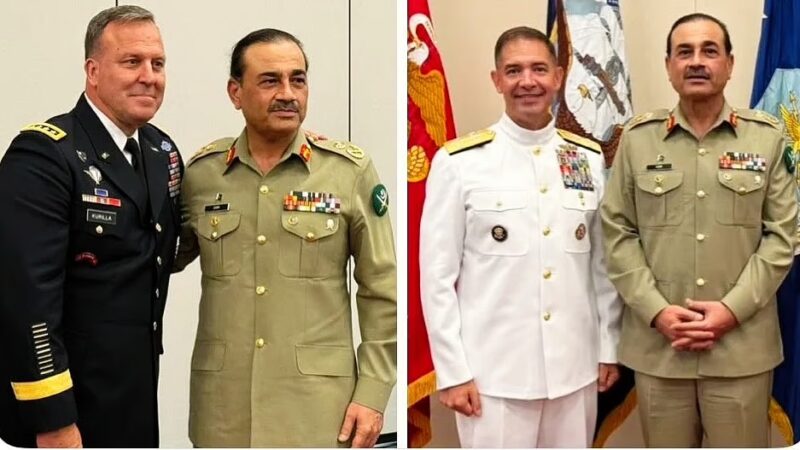
    The real reason is India. Pakistan serves as a pressure valve for Washington to use whenever New Delhi strays from American strategic priorities. Similarly, for Beijing, Pakistan is an indispensable grey-zone tool against India — a reliable proxy that complicates India’s security calculus without requiring direct Chinese involvement. This explains why China continues to describe its relationship with Pakistan as ‘higher than the Himalayas, deeper than the oceans, sweeter than honey, and stronger than steel,’ even though Beijing is fully aware that the “honey” and other lofty adjectives in this partnership are largely rhetorical, given Pakistan’s military establishment has historically maintained close ties with the Pentagon and U.S. defense agencies.

    Recent developments illustrate this pattern. Despite Islamabad striking a minerals deal in Balochistan with the U.S.—an area where China has invested heavily through the China-Pakistan Economic Corridor (CPEC) and even frequently loses its workers to terrorist attacks—Beijing has not retaliated.

    China has invested nearly $60 billion in CPEC projects, including Gwadar Port and associated infrastructure, yet continues to tolerate Pakistan’s parallel engagement with the U.S. Even though just days ago, China exited funding for certain sections of CPEC, such as the Karachi–Rohri stretch of the Main Line-1 railway, the broader corridor remains intact and firmly under Beijing’s control.

    Similarly, Washington has been remarkably quiet about the expansion of CPEC and its recent announcement to extend it into Afghanistan, despite this development directly strengthening Chinese influence in South and Central Asia, which contradicts U.S. national security strategies, including the Indo-Pacific strategy designed to counterbalance China. Imagine if India were to engage China in a similar manner; the Western backlash would be immediate and fierce.

    The silence over Pakistan reveals the underlying logic: both Washington and Beijing find it useful to maintain Islamabad as a strategic lever against India. For China, Pakistan provides military intelligence, operational support, and a constant security distraction for New Delhi, keeping India tied down on its western front. For the U.S., Pakistan is less a partner in counterterrorism than a tool to remind India of the costs of drifting too far from American preferences.

    Thus, Pakistan’s position is not the result of deft balancing or sophisticated statecraft. It is tolerated, even courted, by two rival great powers because of its instrumental value in their respective strategies against India. Far from being an Independent balancer, Pakistan remains a dependent actor whose importance derives almost entirely from the leverage it provides to others.

    For India, the lesson is clear. The tolerance extended to Pakistan by both Washington and Beijing is not about Islamabad’s capabilities or credibility — both powers know well its history of duplicity. Instead, it reflects the centrality of India in global strategy and the willingness of other powers to use Pakistan as a pawn in their broader geopolitical contest. Recognising this reality is essential for shaping New Delhi’s responses, ensuring that India continues to strengthen its autonomy and strategic weight in the Indo-Pacific and beyond.

    Feature Image Credit: India Today

    Pictures in Text: www.arabnews.com, www.nationalheraldindia.com, www.deccanherald.com

  • China and the Sunset of the International Liberal Order

    China and the Sunset of the International Liberal Order


    Rise of Multipolar World Order – www.newsvoyagernet.com

           The irrational amounts that the Soviet Union allocated to its defense budget not only represented a huge burden on its economy, but imposed a tremendous sacrifice on the standard of living of its citizens. Subsidies to the rest of the members of the Soviet bloc had to be added to this bill.

             Such amounts were barely sustainable for a country that, as from the first half of the 1960s, was subjected to a continuous economic stagnation. This situation became aggravated by the strong decline of oil prices, USSR’s main export, since the mid 1980s. The reescalation of the Cold War undertaken by Jimmy Carter and Ronald Reagan, particularly the latter, put in motion an American military buildup, that could not be matched by Moscow.

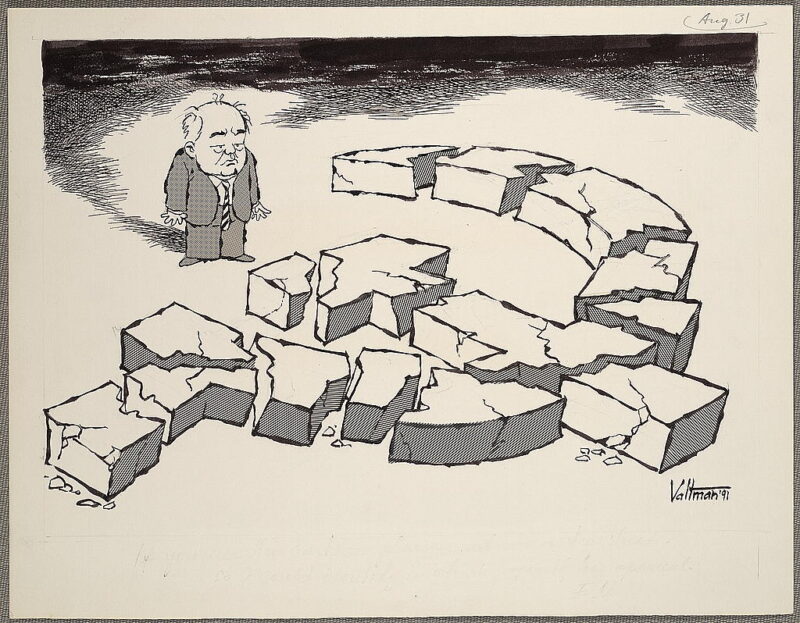
             With the intention of avoiding the implosion of its system, Moscow triggered a reform process that attained none other than accelerating such outcome. Indeed, Mikhail Gorbachev opened the pressure cooker hoping to liberate, in a controlled manner, the force contained in its interior. Once liberated, however, this force swept away with everything on its path. Initially came its European satellites, subsequently Gorbachev’s power base, and, finally, the Soviet Union itself. The Soviet system had reached the point where it could not survive without changes, but neither could assimilate them. In other words, it had exhausted its survival capacity.

              Without a shot being fired, Washington had won the Cold War. The exuberant sentiment of triumph therein derived translated into the “end of history” thesis. Having defeated its ideological rival, liberalism had become the final point in the ideological evolution of humanity. If anything, tough, the years that followed to the Soviet implosion were marred by trauma and conflict. In the essential, however, the idea that the world was homogenizing under the liberal credo was correct.

             On the one hand, indeed, the multilateral institutions, systems of alliances and rules of the game created by the United States shortly after World War II, or in subsequent years, allowed for a global governance architecture. A rules based liberal international order imposed itself over the world. On the other hand, the so-called Washington Consensus became a market economy’s recipe of universal application. This homogenization process was helped by two additional factors. First, the seven largest economies that followed the U.S., were industrialized democracies firmly supportive of its leadership. Second, globalization in its initial stage acted as a sort of planetary transmission belt that spread the symbols, uses, and values of the leading power.

             The new millennium thus arrived with an all-powerful America, whose liberal imprint was homogenizing the planet. The United States had indeed attained global hegemony, and Fukuyama’s end of history thesis seemed to reflect the emerging reality.

    But things turned out to be more complex than this, and the history of the end of history proved out to be a brief one. In a few years’ time, global “Pax Americana” began to be challenged by the presence of a powerful rival that seemed to have emerged out of the blue: China. How had this happened?

             Beginning the 1970s, Beijing and Washington had reached a simple but transformative agreement. Henceforward, the United States would recognize the Chinese Communist regime as China’s legitimate government. Meanwhile, China would no longer seek to constrain America’s leadership in Asia. By extension, this provided China with an economic opening to the West. Although it would be only after Deng Xiaoping’s arrival to power, that the real meaning of the latter became evident.

             In spite of the multiple challenges encountered along the way, both the United States and China made a deliberate effort to remain within the road opened in 1972. Their agreement showed to be not only highly resilient, but able to evolve amid changing circumstances. The year 2008, however, became an inflexion point within their relationship. From then onwards, everything began to unravel. Why was it so?

             The answer may be found in a notion familiar to the Chinese mentality, but alien to the Western one – the shi. This concept can be synthesized as an alignment of forces able to shape a new situation. More generally, it encompasses ideas such as momentum, strategic advantage, or propensity for things to happen. Which were, hence, the alignment of forces that materialized in that particular year? There were straightforward answers to that question: The U.S.’ financial excesses that produced the world’s worst financial crisis since 1929; Beijing’s sweeping efficiency in overcoming the risk of contagion from this crisis; China’s capability to maintain its economic growth, which helped preventing a major global economic downturn; and concomitantly, the highly successful Beijing Olympic games of that year, which provided the country with a tremendous self-esteem boost.

             The United States, indeed, had proven not to be the colossus that the Chinese had presumed, while China itself turned out to be much stronger than assumed. This implied that the U.S. was passing its peak as a superpower, and that the curves of the Chinese ascension and the American decline, were about to cross each other. Deng Xiaoping’s advice for future leadership generations, had emphasized the need of preserving a low profile, while waiting for the attainment of a position of strength. In Chinese eyes, 2008 seemed to show that China was muscular enough to act more boldly. Moreover, with the shi in motion, momentum had to be exploited.

             Beijing’s post-2008 assertiveness became much bolder after Xi Jinping’s arrival to power in 2012-2013. China, in his mind, was ready to contend for global leadership. More to the point within its own region, China’s centrality and the perception of the U.S. as an alien power, had to translate into pushing out America’s presence.

    Challenged by China, Washington reacted forcefully. Chinese perceptions run counter to the fact that the U.S.’ had been a major power in East Asia since 1854, which translated into countless loss of American lives in four wars. Moreover, safeguarding the freedom of navigation in the South China Sea, a key principle within the rules based liberal international order, provided a strong sense of staying power. This was reinforced by the fact that America’s global leadership was also at stake, thus requiring not to yield presence in that area for reputational reasons. The containment of Beijing’s ascendancy, became thus a priority for Washington.

             However, accommodating two behemoths that feel entitled to pre-eminence is a daunting task. Specially so, when one of them feels under threat of exclusion from the region, and the other feels that its emergence is being constrained. On top, both remain prisoners of their history and of their national myths. This makes them incapable of looking at the facts, without distorting them with the subjective lenses of their perceived sense of mission and superiority.

             War ensuing, under those circumstances, is an ongoing risk. But if war is a possibility, Cold War is already a fact. This implies a multifaceted wrestle in which geopolitics, technology, trade, finances, alliances, and warfare capabilities are all involved. And even if important convergent interest between them still remains in place, ties are being cut by the day. As a matter of fact, if in the past economic interdependence helped to shield from geopolitical dissonances, the opposite is the case today. Indeed, a whole array of zero-sum geopolitical controversies are rapidly curtailing economic links.

             The U.S., particularly during the Biden administration, chose to contain China through a regional architecture of alliances and by way of linking NATO with Indo-Pacific problems and selective regional allies. The common denominator that gathers them together is the preservation of the rules based liberal international order. An order, threatened by China’s geostrategic regional expansionism.


    However, China itself is not short of allies. A revisionist axis, that aims at ending the rules based liberal international order, has taken shape. The same tries to throw back American power and to create its own spheres of influence. This axis represents a competing center of gravity, where countries dissatisfied with the prevailing international order can turn to. Together with China two additional Asia-Pacific powers, Russia and North Korea, are part of this bloc.

    Trump’s return to the White House might change the prevailing regional configuration of factors. Although becoming more challenging to Beijing from a trade perspective, he could substantially weaken not only the rules based liberal international order, but the architecture of alliances that contains China. The former, because the illiberal populism that he represents is at odds with the liberal order. The latter, not only because he could take the U.S. out of NATO, but because his transactional approach to foreign policy, which favors trade and money over geopolitics, could turn alliances upside down.

    The rules based liberal international order, which became universal over the ashes of the Soviet Union, could now be facing its sunset. This, not only because its main challenger, China, may strengthen its geopolitical position in the face of its rival alliances’ disruption, but, more significantly, because the U.S. itself may cease to champion it.

    Feature Image Credit: www.brookings.edu


  • China and the US: Conventional and Nuclear Military Strategies

    China and the US: Conventional and Nuclear Military Strategies

    Occasional Paper: 9/2024

    China and the US: Conventional and Nuclear Military Strategies

    Abstract

    China’s military strategy focuses on developing asymmetric capabilities to counter the United States’ technological advantages and superior military budget by investing in precision missiles, advanced targeting systems, and system destruction warfare. The US initiated the Defence Innovation Initiative to prioritise autonomous learning systems and high-speed projectiles; however, it diminished under the Trump administration, leaving the US reliant on legacy weapons systems vulnerable to new-generation autonomous and hypersonic weapons. Despite China’s advancements, the US maintains a significant advantage in nuclear warheads, with 5,800 compared to China’s 320 in 2020, consistent with Mao’s “minimum deterrent” strategy. While China’s nuclear arsenal primarily comprises strategic weapons, the US possesses both tactical and strategic types. The US complacency regarding China’s military challenge may stem from its nuclear superiority; however, as China progresses technologically, the US risks falling behind by relying on outdated weapons systems, often maintained due to their economic significance in key congressional districts.

    Key Words: #nuclear warheads, #hypersonic weapons, #precision weapons, #asymmetric capabilities, #system destruction warfare, #autonomous learning systems 


    Introduction

    Since the beginning of the millennium, China has decided to outsmart the United States’ military strength through a very particular strategy. It aimed at overcoming America’s technological advantages and much superior military budget by investing significant resources in asymmetrical capabilities. As Mark Leonard wrote, China was attempting to become an “asymmetric superpower” outside the realm of conventional military power (Leonard, 2008, p. 106).

    Asymmetric superpower

    Conscious that the Soviet Union had driven itself into bankruptcy by accepting a ruinous competition for military primacy with the US, China looked for cheaper ways to compete. As a result, it invested billions in an attempt to make a generational leap in military capabilities, able to neutralize and trump America’s superior conventional forces. In other words, instead of rivalling the United States on its own game, it searched to engage it in a different game altogether. It was the equivalent of what companies like Uber, Netflix, Airbnb or Spotify did in relation to the conventional economic sectors with which they competed. A novel by P.W. Singer and August Cole depicts how, through surprise and a whole array of asymmetric weapons, China defeats the superior forces of the United States (Singer and Cole, 2016).

    In essence, these weapons are dual-focused. On the one hand, they emphasize long and intermediate-range precision missiles and advanced targeting systems, able to penetrate battle network defences during the opening stages of a conflict. On the other hand, they aim at systems destruction warfare, able to cripple the US’ command, control, communication and intelligence battle network systems. The objective in both cases is to target the US’ soft spots with weapons priced at a fraction of the armaments or systems that they strive to destroy or render useless. The whole notion of asymmetric weapons, indeed, is based on exploiting America’s military weaknesses (like its dependence on information highways or space satellites) while neutralizing its strengths (like its fleet of aircraft carriers). Michael Pillsbury describes this situation in graphic terms: “For two decades, the Chinese have been building arrows designed to find a singular target – the Achilles’ heel of the United States” (Pillsbury, 2015, p. 196).

    America’s military legacy systems

    To counter China’s emerging military threat, the Obama administration put in motion what it called the Defence Innovation Initiative. This was also known as the Third Offset Strategy, as it recalled two previous occasions in the 1950s and the 1970s when, thanks to its technological leaps, the US could overcome the challenges posed by the Soviet military. Recognizing that the technological superiority, which had been the foundation of US military dominance for years, was not only eroding but was being challenged by China, the Pentagon defined a series of areas to be prioritized. Among them were the following: Autonomous learning systems, human-machine collaborative decision-making, network-enabled autonomous weapons, and high-speed projectiles (Ellman, Samp and Coll, 2017).

    However, as with many other initiatives representing the Obama legacy, this one began fading into oblivion with Trump’s arrival to power. As a result, the vision of significantly modernizing America’s military forces also faded (McLeary, 2017). This implied reverting to the previous state of affairs, which still lingers nowadays. In Raj M. Shah and Christopher M. Kirchhoff’s words: “We stand at the precipice of an even more consequential revolution in military affairs today. A new way of war is bearing down on us. Artificial-intelligence-powered autonomous weapons are going global. And the US military is not ready for them (…). Yet, as this is happening, the Pentagon still overwhelmingly spends its dollars on legacy weapons systems. It continues to rely on an outmoded and costly technical production system to buy tanks, ships and aircraft carriers that a new generation of weapons – autonomous and hypersonic – can demonstrably kill” (Shah and Kirchhoff, 2024).

    Legacy systems -aircraft carriers, fighter jets, tanks – are deliberately manufactured in key congressional districts around the country so that the argument over whether a weapons system is needed gets subsumed by the question of whether it produces jobs

    Indeed, as Fareed Zakaria put it: “The United States defence budget is (…) wasteful and yet eternally expanding (…). And the real threats of the future -cyberwar, space attacks- require different strategies and spending. Yet, Washington continues to spend billions on aircraft carriers and tanks” (Zakaria, 2019). A further quote explains the reason for this dependence on an ageing weapons inventory: “Legacy systems -aircraft carriers, fighter jets, tanks – are deliberately manufactured in key congressional districts around the country so that the argument over whether a weapons system is needed gets subsumed by the question of whether it produces jobs” (Sanger, 2024, p. 193). Hence, while China’s military advances towards a technological edge, America’s seems to be losing both focus and fitness.

    Minimum deterrence nuclear strategy

    Perhaps this American complacency concerning China’s disruptive weapons and overall military challenge could be explained by an overreliance on its nuclear superiority. Indeed, in 2020, in the comparison of nuclear warheads, the United States possessed overwhelming superiority with 5,800 against China’s 320 (Arms Control Association, 2020). This was consistent with the legacy of Mao’s “minimum deterrent” strategy. Within the above count, two kinds of nuclear weapons are involved – tactical and strategic. The former, with smaller explosive capacity, are designed for use in battlefields. With a much larger capacity, the latter aims at vital targets within the enemy’s home front. In relation to tactical nuclear weapons, America’s superiority is total, as China doesn’t have any. Nonetheless, in terms of long-range, accuracy, and extensive numbers, China’s conventional ballistic missiles (like the DF-26, also known as the Guam killer) can become an excellent match to the US’ tactical nuclear weapons (Roblin, 2018). The big difference between both countries, thus, is centred on America’s overwhelming superiority in strategic nuclear warheads.

    China’s minimum deterrent nuclear strategy was based on the assumption that, within cost-benefit decision-making, a limited nuclear force, able to target an adversary’s strategic objectives, could deter a superior nuclear force. This required retaliatory strike capacities that can survive a first enemy attack. In China’s case, this is attainable through road-mobile missiles that are difficult to find and destroy, and by way of missiles based on undetectable submarines. Moreover, Beijing’s hypersonic glide vehicle -whose prototype was successfully tested in July 2021- follows a trajectory that American systems cannot track. All of these impose restraint in the use of America’s more extensive arsenal and undermine its ability to carry out nuclear blackmail.

    there is no US defence that “could block” China’s hypersonic glide vehicle “not just because of its speed but also due to its ability to operate within Earth’s atmosphere and to change its altitude and direction in an unpredictable manner while flying much closer to the Earth’s surface”

    For the above aim, Beijing has developed new nuclear ballistic missiles, cruise missiles, and a sea-based delivery system. These include the DF-41 solid-fuel road-mobile intercontinental ballistic missile (with a range of 15,000 kilometres) or the submarine-launched JL-3 solid-fuel ballistic missile (whose range is likely to exceed 9,000 kilometres). To launch the JL-3 missiles, China counts with four Jin-class nuclear submarines, with an upgraded fifth under construction, each armed with twelve nuclear ballistic missiles (Huang, 2019; Panda, 2018). On top of that, there is no US defence that “could block” China’s hypersonic glide vehicle “not just because of its speed but also due to its ability to operate within Earth’s atmosphere and to change its altitude and direction in an unpredictable manner while flying much closer to the Earth’s surface” (Sanger, 2024, p. 190). All of this shows that America’s overwhelming superiority in terms of strategic nuclear warheads results in more theoretical than practical. What might justify a first American strategic nuclear strike on the knowledge that a Chinese retaliatory one could destroy New York, Chicago, Los Angeles, or all of the three together?

    Matching the US’ overkill nuclear capacity

    Being an asymmetric superpower while sustaining a minimum but highly credible deterrent nuclear strategy implied much subtility in terms of military thinking. One, in tune with the best Chinese traditions exemplified by Sun Tsu’s The Art of War and Chan-Kuo T’se’s Stratagems of the Warring States. However, in this regard, as in many others, Xi Jinping is sowing rigidity where subtility and flexibility prevailed. A perfect example of this is provided by its intent to match the US in terms of strategic nuclear warheads. In David E. Sanger’s words: “But now, it seemed apparent, Chinese leaders had changed their minds. Xi declared that China must ‘establish a strong strategic deterrence system’. And satellite images from near the cities of Yumen and Hami showed that Xi was now ready to throw Mao’s ‘minimum deterrent’ strategy out of the window” (Sanger, 2024, p. 200).

    Three elements attest to the former. Firstly, 230 launching silos are under construction in China. Secondly, these silos are part of a larger plan to match the US’ “triad” of land-launched, air-launched, and sea-launched nuclear weapons. Thirdly, it is estimated that by 2030, China will have an arsenal of 1,000 strategic nuclear weapons, which should reach 1,500 by 2035. The latter would imply equalling the Russian and the American nuclear strategic warheads (Sanger, 2024, p. 197; Cooper, 2021; The Economist, 2021; Hadley, 2023). 

    Xi Jinping is thus throwing overboard the Chinese capability to neutralize America’s strategic nuclear superiority at a fraction of its cost, searching to match its overkill capacity. In essence, nuclear arms seek to fulfil two main objectives. In the first place, intimidating or dissuading into compliance a given counterpart. In the second place, deterring by way of its retaliatory capacity, any first use of nuclear weapons by a counterpart.

    As seen, the second of those considerations was already guaranteed through its minimum deterrence strategy. In relation to the first, China already enjoys a tremendous dissuading power and the capacity to neutralize intimidation in its part of the world. Indeed, it holds firm control over the South China Sea. This is for three reasons. First, through its possession and positioning there, of the largest Navy in the world. Second, by way of the impressive firepower of its missiles, which includes the DF21/CSS-5, capable of sinking aircraft carriers more than 1,500 miles away. Third, via the construction and militarization of 27 artificial islands in the Paracel and Spratly archipelagos. All of this generates an anti-access and denial of space synergy, capable of being activated at any given time against hostile maritime forces. In other words, China cannot be intimidated into compliance by the United States in the South China Sea scenario (Fabey, 2018, pp. 228-231). Nor, in relation to Taiwan, could America’s superior nuclear forces dissuade Beijing to invade if it so decides. The US, indeed, would not be willing to trade the obliteration of Los Angeles or any other of its major cities by going nuclear in the defence of Taiwan.

    Simultaneously confronting two gunfighters

    It was complicated enough during the Cold War to defend against one major nuclear power. The message of the new [Chinese] silos was that now the United States would, for the first time in its history, must think about defending in the future against two major nuclear powers with arsenals roughly the size of Washington’s – and be prepared for the possibility that they might decide to work together

    Matching the US’ nuclear overkill capacity will not significantly alter the strategic equation between both countries. If anything, it would only immobilize in easy-to-target silos, the bulk of its strategic nuclear force. However, Xi’s difficult-to-understand decision makes more sense if, instead of thinking of two nuclear powers, we were to think of a game of three. This would entail a more profound strategic problem for the United States that David E. Sanger synthesizes: “It was complicated enough during the Cold War to defend against one major nuclear power. The message of the new [Chinese] silos was that now the United States would, for the first time in its history, must think about defending in the future against two major nuclear powers with arsenals roughly the size of Washington’s – and be prepared for the possibility that they might decide to work together” (Sanger, 2024, p. 201). This working together factor should be seen as the new normal, as a revisionist block led by China and Russia confronts America’s system of alliances and its post-WWII rules-based world order.

    Although the United States could try to increase the number of its nukes, nothing precludes its two competitors from augmenting theirs as well, with the intention of maintaining an overwhelming superiority. According to Thomas Schelling, leading Game Theory scholar and Economics Nobel Prize winner, the confrontation between two nuclear superpowers, in parity conditions, was tantamount to that of two far-west gunfighters: Whoever shot first had the upper hand. This is because it can destroy a significant proportion of its counterpart’s nuclear arsenal (Fontaine, 2024). In the case in point, Uncle Sam would have to simultaneously confront two gunfighters, each matching his skills and firepower. Although beyond a certain threshold, there wouldn’t seem to exist a significant difference in the capacity of destruction involved, nuclear blackmail could be imposed upon the weakest competitor. In this case, the United States.

    Conclusion

    From an American perspective, overreliance on its challenged nuclear power makes no sense. Especially if it translates into a laid-back attitude in relation to the current technological revolution in conventional warfare. If Washington doesn’t go forward with a third offset military strategy, it could find itself in an extremely vulnerable position. Just two cases can exemplify this. Aircraft carriers are becoming obsolete as a result of the Chinese DF21-CSS5 missile, able to sink them 1,500 miles away, in the same manner in which war in Ukraine is showing the obsolescence of modern tanks when faced with portable Javelins and drones. If the US is not able to undertake a leap forward in conventional military weapons and systems, it will be overcome by its rivals in both conventional and nuclear forces. For Washington, no doubt about it, this is an inflexion moment.


    References:

    Arms Control Association (2020). “Nuclear weapons: Who has what at a glance”, August.

    Cooper, Helene (2021). “China could have 1,000 nuclear warheads by 2030, Pentagon says”. The New York Times, November 3.

    Ellman, Jesse, Samp, Lisa, Coll, Gabriel (2017). “Assessing the Third Offset Strategy”. Center for Strategic & International Studies, CSIS, March.

    Fabey, Michael (2018) Crashback: The Power Clash Between US and China in the Pacific. New York: Scribner.

    Fontaine, Phillipe (2024). “Commitment, Cold War, and the battles of self: Thomas Schelling on Behavior Control”. Journal of the Behavioral Sciences, April.

    Hadley, Greg (2023). “China Now Has More ICBM Launchers than the US”. Air & Space Forces Magazine. February 7.

    Huang, Cary (2019). “China’s show of military might risk backfiring”. Inkstone, October 19.

    Leonard, Mark (2008). What Does China Think? New York: HarperCollins.

    McLeary, Paul (2017). “The Pentagon’s Third Offset May be Dead, But No One Knows What Comes Next”. Foreign Policy, December 18.

    Panda, Ankit (2018). “China conducts first test of new JL-3 submarine-launched ballistic missile”. The Diplomat, December 20.

    Pillsbury, Michael (2015). The Hundred-Year Marathon. New York: Henry Holt and Company.

    Roblin, Sebastien (2018). “Why China’s DF-26 Missile is a Guam Killer”. The National Interest, November 9.

    Sanger, David E. (2024). New York: Crown Publishing Books.

    Shah, Raj M. and Kirchhoff, Christopher M. (2024). “The US Military is not Ready for the New Era of Warfare”. The New York Times, September 13.

    Singer, P.W. and Cole, August (2016). Ghost Fleet: A Novel of the Next World War. Boston: Eamon Dolan Book.

    The Economist (2021). “China’s nuclear arsenal has been extremely modest, but that is changing”, November 20.

    Zakaria, Fareed (2019). “Defense spending is America’s cancerous bipartisan consensus”. The Washington Post, July 18.


    Feature Image Credit: NikkeiAsia

    Text Image: AsiaTimes.com

  • China’s Role in reducing the Global Carbon Footprint: The 2060 Promise and Geopolitics on the Climate Front

    China’s Role in reducing the Global Carbon Footprint: The 2060 Promise and Geopolitics on the Climate Front

    Introduction

    The devastating role carbon plays in climate change cannot be underestimated. The rise in global surface temperatures, air pollution, and sea levels are visible effects of a rapidly changing environment. China, the world’s second most populous country, is also the largest emitter of greenhouse gases[i]. According to the CAIT database, in 2020, China emitted what amounted to 27% of the total greenhouse gas emissions in the world[ii]. Under President Xi Jinping, China has moved to position itself as an “ecological civilization”, striving to advance its role in global climate protection[iii]. China’s endeavours received acclaim when it became one of the first major countries to ratify the Paris Agreement in 2015, pledging to attain peak emissions by 2030 and net zero carbon emissions by 2060. This article aims to delineate China’s strategies and motivations for addressing carbon emissions and contrast these with the measures implemented by Western and developing countries to diminish their carbon footprint.

    China’s Image and Geopolitics in the Climate Sector

    Considering China’s position on the world stage as one of the largest and fastest-growing economies in the world, it has faced international pressure to take accountability for its contribution to climate change. China has previously argued that as a developing country, it should not have to share the same responsibilities of curbing climate change that developed countries, whose emissions went “unchecked for decades”, have[iv]. Nonetheless, they have pledged to lead by example in the climate sector. A large part of President Xi’s campaign to amplify China’s climate ambitions may come from appeasing the West while also setting up leadership in the clean energy sector to better cement its role as a superpower. According to a New York Times article, their promise to contribute to climate protection could be used to soothe the international audience and to counterbalance the worldwide anger that China faces over their oppression of the Uyghur Muslims in the Xinjiang province and their territorial conflicts in the South China Sea and Taiwan[v]. President Xi’s pledge at the UN to reach peak emissions before 2030 may have been an attempt to depict China as a pioneering nation striving to achieve net zero carbon emissions, serving as an alternative powerful entity for countries to turn to in lieu of the United States. This holds particular significance, as the USA remained mute about taking accountability for its own carbon emissions and withdrew from the Paris Agreement during Donald Trump’s presidency[vi]. This also shows China’s readiness to employ the consequences of climate change on its geopolitical agenda[vii].

    The future actions of China may significantly influence the climate policies of both developing and developed nations, potentially establishing China as a preeminent global force in climate change mitigation.

    China has endeavoured to shape its image in the climate sector. In 2015, despite being classified as a developing country, China refrained from requesting climate finance from developed countries and instead pledged $ 3.1 billion in funding to assist other developing countries in tackling climate change[viii]. As per the World Bank’s Country Climate and Development Report for China, China is poised to transform “climate action into economic opportunity.”[ix] By transitioning to a net zero carbon emissions economy, China can generate employment opportunities while safeguarding its non-renewable resources from depletion. China’s economy is also uniquely structured to seize the technological and reputational benefits of early climate action[x]. The future actions of China may significantly influence the climate policies of both developing and developed nations, potentially establishing China as a preeminent global force in climate change mitigation. Nonetheless, if China fails to fulfil its commitment to attain net zero carbon emissions by 2060, it may suffer substantial reputational damage, particularly given its current status as a pioneer in “advancing low carbon energy supply”[xi].

    Domestic Versus International Efforts in the Clean Energy Race

    However, domestic and international factors could affect China’s goal to peak emissions and the deadlines it has set for itself. A global event that may have affected their efforts to peak carbon emissions was the COVID-19 pandemic, in which the rise in carbon emissions from industries and vehicles was interrupted[xii]. However, after the pandemic, China’s economy saw swift growth, and in 2021, China’s carbon emissions were 4% higher than in the previous year[xiii]. Not only is China back on track to peak carbon emissions by 2030, but the International Energy Agency and World Energy Outlook 2023 also found that “China’s fossil fuel use will peak in 2024 before entering structural decline.”[xiv]

    Although China’s industrial sector is heavily reliant on coal and fossil fuels, it also boasts the world’s largest production of electric vehicles and is a leader in manufacturing solar panels and wind turbines[xv]. In contrast, developed countries, particularly the US, which withdrew from the Paris Agreement in 2017 during the Trump presidency, appear to be making less of an effort towards environmental protection.

    Developing countries, while not entirely possessed of the immense sprawl of China’s economy and population, are nonetheless not at the level of transitioning to clean energy that China is. India, too, has pledged to be carbon neutral by 2070 and to have emissions peak by 2030. Given its increasing economic growth rate, India must decrease its carbon intensity at the same pace. India lags behind China when it comes to manufacturing solar panels and other renewable energy sources. India’s central government is preparing to push energy modernization to “align with global energy transition trends.”[xvi] According to the Economic Times, particular emphasis has been laid on renewable energy sources like solar capacity and e-vehicles in the 2024-25 budget.[xvii]

    China and International Cooperation for Climate Protection

    With China producing sufficient solar capacity in 2022 to lead the rest of the world considerably and the deployment of solar power expected to rise until 2028, it is essential that the West does not make the mistake of isolating China

    Given that China has emerged as the leading manufacturer of electric vehicles (EVs), it remains to be seen whether developed and developing countries will leverage their supply chains to combat their own climate crises. While opportunities are plentiful for Western businesses to integrate with China’s cutting-edge alternatives for traditional energy sources, the United States has adopted a hardline stance towards China[xviii]. The US has imposed 100 per cent tariffs on Chinese-made e-vehicles, and solar cells face tariffs at 50 per cent.[xix] Simultaneously, rivalry and competition between the two countries on the climate front may help combat the climate dilemma and ever-increasing carbon emissions by avoiding the collective action problem. However, this will depend heavily on smooth cooperation and effective communication between Chinese authorities and developed nations within the EU and the USA[xxi]. Empowering domestic groups within countries can raise awareness of climate crises. A poll conducted in China revealed that 46% of the youth considered climate change the “most serious global issue.”[xxii] According to a survey conducted by the United Nations, 80% of people worldwide say they want climate action[vii]. With China producing sufficient solar capacity in 2022 to lead the rest of the world considerably and the deployment of solar power expected to rise until 2028, it is essential that the West does not make the mistake of isolating China[xxiii].

    Conclusion

    China has a significant advantage in its renewable energy sector. Western countries and other developing economies rely heavily on China’s green exports to address climate change urgently. China’s stringent measures to curb emissions from its coal-based industries and the growing output from its alternative energy sources reflect its proactive stance in becoming a global leader in addressing climate change — a position that surpasses other nations’ efforts. While it is debatable whether China’s commitment to reduce its carbon emissions was a political strategy to appease Europe, it is undeniable that tackling climate change is a pressing issue. With the public’s overwhelming support for implementing change in the climate sector, governments worldwide must prioritise their citizens’ needs and cooperate to develop policies that ensure a sustainable future for our planet.


    Notes:

    [i] Saurav Anand, “Solar Capacity, EVs, and Nuclear SMRs to Get Budget Boost for Energy Security – ET EnergyWorld,” ETEnergyworld.com, July 11, 2024, https://energy.economictimes.indiatimes.com/news/renewable/solar-capacity-evs-and-nuclear-smrs-to-get-budget-boost-for-energy-security/111648384?action=profile_completion&utm_source=Mailer&utm_medium=newsletter&utm_campaign=etenergy_news_2024-07-11&dt=2024-07-11&em=c2FuYS5zYXByYTIyMUBnbWFpbC5jb20.

    [ii]Saurav Anand, “Solar Capacity, EVs, and Nuclear Smrs to Get Budget Boost for Energy Security – ET EnergyWorld,” ETEnergyworld.com, July 11, 2024, https://energy.economictimes.indiatimes.com/news/renewable/solar-capacity-evs-and-nuclear-smrs-to-get-budget-boost-for-energy-security/111648384?action=profile_completion&utm_source=Mailer&utm_medium=newsletter&utm_campaign=etenergy_news_2024-07-11&dt=2024-07-11&em=c2FuYS5zYXByYTIyMUBnbWFpbC5jb20.

    [iii]Shameem Prashantham and Lola Woetzel, “To Create a Greener Future, the West Can’t Ignore China,” Harvard Business Review, April 10, 2024, https://hbr.org/2024/05/to-create-a-greener-future-the-west-cant-ignore-china.

    [iv]“Fact Sheet: President Biden Takes Action to Protect American Workers and Businesses from China’s Unfair Trade Practices,” The White House, May 14, 2024, https://www.whitehouse.gov/briefing-room/statements-releases/2024/05/14/fact-sheet-president-biden-takes-action-to-protect-american-workers-and-businesses-from-chinas-unfair-trade-practices/?utm_source=dailybrief&utm_medium=email&utm_campaign=DailyBrief2024May14&utm_term=DailyNewsBrief.

    [v]Noah J. Gordon et al., “Why US-China Rivalry Can Actually Help Fight Climate Change,” Internationale Politik Quarterly, March 24, 2023, https://ip-quarterly.com/en/why-us-china-rivalry-can-actually-help-fight-climate-change.

    [vi] Simon Evans Hongqiao Liu, “The Carbon Brief Profile: China,” Carbon Brief, November 30, 2023, https://interactive.carbonbrief.org/the-carbon-brief-profile-china/.

    [vii]“Climatechange,” United Nations, accessed July 18, 2024, https://www.un.org/en/climatechange#:~:text=The%20world’s%20largest%20standalone%20public,to%20tackle%20the%20climate%20crisis.

    [viii]Martin Jacques, “China Will Reach Climate Goal While West Falls Short,” Global Times, accessed July 19, 2024, https://www.globaltimes.cn/page/202402/1306788.shtml#:~:text=There%20has%20been%20constant%20low,than%202050%20for%20carbon%20zero.

    [ix] Steven Lee Myers, “China’s Pledge to Be Carbon Neutral by 2060: What It Means,” The New York Times, September 23, 2020

    [x] Simon Evans, Hongqiao Liu et al, “The Carbon Brief Profile: China,” Carbon Brief, November 30, 2023, https://interactive.carbonbrief.org/the-carbon-brief-profile-china/.

    [xi] China | nationally determined contribution (NDC), accessed July 17, 2024, https://www.climatewatchdata.org/ndcs/country/CHN?document=revised_first_ndc.

    [xii] Simon Evans, Hongqiao Liu et al, “The Carbon Brief Profile: China,” Carbon Brief, November 30, 2023, https://interactive.carbonbrief.org/the-carbon-brief-profile-china/.

    [xiii] Steven Lee Myers, “China’s Pledge to Be Carbon Neutral by 2060: What It Means,” The New York Times, September 23, 2020,https://www.nytimes.com/2020/09/23/world/asia/china-climate-change.html.

    [xiv] Steven Lee Myers, “China’s Pledge to Be Carbon Neutral by 2060: What It Means,” The New York Times, September 23, 2020, https://www.nytimes.com/2020/09/23/world/asia/china-climate-change.html.

    [xv] Simon Evans, Hongqiao Liu et al, “The Carbon Brief Profile: China,” Carbon Brief, November 30, 2023, https://interactive.carbonbrief.org/the-carbon-brief-profile-china/.

    [xvi] Matt McGrath, “Climate Change: China Aims for ‘Carbon Neutrality by 2060,’” BBC News, September 22, 2020, https://www.bbc.com/news/science-environment-54256826.

    [xvii] Simon Evans, Hongqiao Liu et al, “The Carbon Brief Profile: China,” Carbon Brief, November 30, 2023, https://interactive.carbonbrief.org/the-carbon-brief-profile-china/.

    [xviii] World Bank Group, “China Country Climate and Development Report,” Open Knowledge Repository, October 2022, https://openknowledge.worldbank.org/entities/publication/ef01c04f-4417-51b6-8107-b688061a879e.

    [xix] World Bank Group, “China Country Climate and Development Report,” Open Knowledge Repository, October 2022, https://openknowledge.worldbank.org/entities/publication/ef01c04f-4417-51b6-8107-b688061a879e.

    [xx] World Bank Group, “China Country Climate and Development Report,” Open Knowledge Repository, October 2022, https://openknowledge.worldbank.org/entities/publication/ef01c04f-4417-51b6-8107-b688061a879e.

    [xxi] Steven Lee Myers, “China’s Pledge to Be Carbon Neutral by 2060: What It Means,” The New York Times, September 23, 2020.

    [xxii]  Steven Lee Myers, “China’s Pledge to Be Carbon Neutral by 2060: What It Means,” The New York Times, September 23, 2020.

    [xxiii] Simon Evans, Hongqiao Liu et al, “The Carbon Brief Profile: China,” Carbon Brief, November 30, 2023, https://interactive.carbonbrief.org/the-carbon-brief-profile-china/.


    Feature Image: wionews.com  China leads the charge: Beijing develops two-thirds of global wind and solar projects.


  • China has achieved escape velocity: it is now unstoppable

    China has achieved escape velocity: it is now unstoppable

    The 21st century is shaping up to be the Asian, Eurasian, and Chinese century.

    While the Hegemon spent at least $7 trillion – and counting – on unwinnable Forever Wars, China is spending $1 trillion in an array of Belt and Road Initiative (BRI) projects across the Global South: the emphasis is digital/transportation connectivity corridors. Geoeconomic imperatives intertwined with rising geopolitical influence.

    The four-day, twice-a-decade plenum of the Communist Party of China that took place last week in Beijing, designing an economic road map all the way to 2029, was a stunning affair in more ways than one.

    Let’s start with continuity – and stability. There’s no question after the plenum that Xi Dada, or The Big Panda, will stay on the helm until 2029 – the end of the current five-year economic drive.

    And if Xi is healthy enough, he will stay until 2035: the fateful and uber-game-changing target year for China to exhibit a GDP per capita of $30,000, with massive worldwide reverberations.

    Here, we see the confluence between the progression of “socialism with Chinese characteristics” and the defining contours, if not of a Pax Sinica, at least of the non-Hegemon-centric, multi-nodal world (italics mine).

    The proverbial U.S. Think Tankland/Sinophobia axis has been hysterical on China not being able to sustain a 5% a year growth rate for the next few years – the target once again stressed at the plenum.

    The Chinese themselves have not bothered about the growth rate for a long time, since in 2018 they switched to a strategy of so-called qualitative development, that is, not at the expense of traditional industries, but on the basis of high technologies and the creation of new areas, such as the production of new energy sources and artificial intelligence.

    A Russian analysis by the Center for Geopolitical Forecasts makes a crucial point: “The Chinese themselves have not bothered about the growth rate for a long time, since in 2018 they switched to a strategy of so-called qualitative development, that is, not at the expense of traditional industries, but on the basis of high technologies and the creation of new areas, such as the production of new energy sources and artificial intelligence.”

    That’s the rationale behind Made in China 2025 – which is being implemented at breakneck speed: high-tech development leading the way towards a “high-level socialist market economy”, to be consolidated by 2025 and fully constructed by 2035.

    The next step will be to attain the status of “modernized socialist power” by 2049, at the 100th anniversary of the People’s Republic of China (PRC).

    The plenum proved once more that “socialism with Chinese characteristics” – or, for the recalcitrant, Chinese-modified capitalism – is “people-centric”. The supreme values are national interest and the people’s interests – attested by the fact that large private corporations remain under the strategic control of the CPC.

    It’s idle to try to find in the final communique at the end of the plenum any restrictions on private capital on the path to “universal prosperity”. The key point is that the role of capital should always be subordinated to the concept of “socialism with Chinese characteristics”.

    Watch the reform ship steadily sailing

    Everything is explained here in nearly didactic terms, chronicling the birth of the “Decision of the CPC Central Committee on further comprehensive deepening of reforms to promote Chinese modernization”.

    What is now already referred to colloquially all across China as “The Decision” spreads across 15 parts and 60 articles, divided into three main sections, proposing more than 300 important reforms.

    “The Decision”, in full, has not yet been published; only the road map of how Beijing planners got there. Of course, this is no mere policy paper; it’s a quintessentially CPC-style dissertation in which the details of economic and political measures are obscured by clouds of images and metaphors.

    Take a look, for instance, at this passage:

    “To ensure that the reform ship sails forward steadily, the ‘Decision’ proposes that further comprehensive deepening of reform must implement the “six principles”: adhere to the party’s overall leadership, adhere to the people-centred approach, adhere to the principle of maintaining the integrity and promoting innovation, adhere to system building as the main line, adhere to the comprehensive rule of law, and adhere to a systematic approach.”

    Most of the “Decision” – 6 parts in a total of 13 – is about economic reform. Will China pull it off? Of course, it will.

    Just look at the precedents. In 1979, the Little Helmsman Deng Xiaoping started to transform a nation of farmers and peasants into a well-oiled machine of efficient industrial workers. Along the way, GDP per capita was multiplied by no less than 30 times.

    Now, the ramifications of Made in China 2025 are turning a nation of factory workers into a nation of engineers. Of 10,5 million university graduates a year, a third are engineers.

    The emphasis on AI has led, among other examples, to the automobile industry being able to produce a $9,000 EV in complete automation and make a profit. China is already a global leader in EVs (BYD building plants in Brazil, Thailand, Turkey, Hungary), solar power, drones, telecom infrastructure (Huawei, ZTE), steel, shipbuilding – and soon, also semiconductors (thank you, Trump sanctions).

    While the Hegemon spent at least $7 trillion – and counting – on unwinnable Forever Wars, China is spending $1 trillion in an array of Belt and Road Initiative (BRI) projects across the Global South: the emphasis is digital/transportation connectivity corridors. Geoeconomic imperatives intertwined with rising geopolitical influence.

    Hegemon hysteria aside, the fact is the Chinese economy will grow by a whopping $1.7 trillion only in 2024. That is more than in all but the last three years – because of the Covid effect.

    And Beijing borrowed exactly zero yuan for this growth. The U.S. economy, by comparison, may grow by $300 billion in 2024, but Washington had to borrow $3.3 trillion for that to happen.

    Researcher Geoff Roberts has compiled a very useful list of what China is doing right.

    And when it comes to the nitty gritty, the numbers are staggering. Here are just a few, apart from GDP growth:

    • Foreign goods trade is up 6.1% to $2.9 trillion year-on-year.
    • The trade surplus is at $85 billion, up 12% compared to 2023.
    • ASEAN trade is up by 10.5% to $80 billion; China is the number one trade partner of individual ASEAN members.
    • China had a record crop of 150 million tons of cereal grains.
    • The courier sector handled 80 billion parcels, up 23% year-on-year.
    • SMIC is the world’s number two pure-play foundry after Taiwan’s TSMC.
    • China Telecom paid $265 million for 23% of QuantumCTek, the patenter of Micius, the world’s first quantum communications satellite.
    • Commercial aerospace launched 39% of China’s 26 rockets.
    • Invention patents rose 43% to 524,000. China is the first country with 4 million domestic invention patents in force.
    • Baidu’s 1,000 robotaxis in Wuhan will break even in Q4 and will be profitable next year.
    • China has 47% of the world’s top AI talent. It added no less than 2000 AI courses to school and college curricula since 2019.
    • On world-class institutions doubling as research leaders, 7 out of 10 are Chinese, including the top one: the Chinese Academy of Sciences, ahead of Harvard.

    Exceptionalist China “experts” believe their own fantasy that the U.S. allied with occupied Japan, Germany and South Korea would be able to match and surpass China’s pull with the Global Majority, because they have more resources and more capital.

    Nonsense. Even more nonsense is to believe that the Hegemon’s NATO “partners” – as in vassals – will follow the leader in creating cutting-edge technology.

    The high-speed train that matters has already left the station. The 21st century is shaping up to be the ‘Asian, Eurasian, and Chinese’ century.


    Feature Image Credit: The Diplomat

    The article is republished from the Strategic Culture Foundation.