Tag: China

  • Ukraine Crisis and India’s Rejection of Western Binary Construct

    Ukraine Crisis and India’s Rejection of Western Binary Construct

    “India has already chosen a side, its own, where it is happy, willing and most importantly capable of staying put”

    The current crisis in Ukraine has, or at least threatened to, shift the focus away from two equally urgent geopolitical conundrums – the Taliban usurping power in Afghanistan and China increasing its assertiveness in the Indo-Pacific and beyond. One almost gets the feeling that the timings of these events couldn’t have been better scripted. Needless to say, all three of them are intertwined in a complex web of events where the major world players are looking to outmanoeuvre each other. These events hold serious ramifications for India, a country which under Prime Minister Narendra Modi has looked to continuously raise its international profile as a major and responsible power in the region. Out of the three, India is a serious stakeholder in the Afghan equation and the Indo-Pacific construct, with even the Ukraine crisis putting the world’s focus on India.

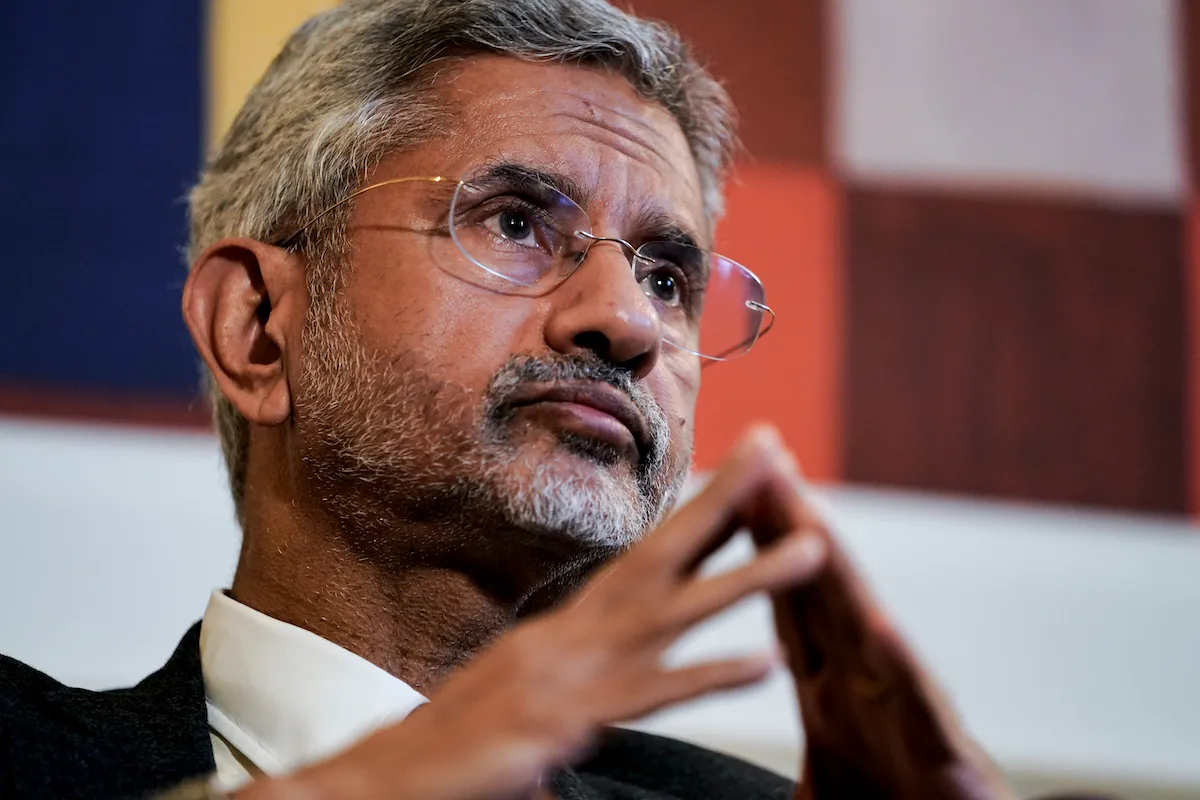
    Derek Grossman, writing for the Foreign Policy magazine, observes that due to the Russian invasion of Ukraine and the ensuing crisis, “Modi’s multipolar Moment Has Arrived”. He even sees India as ‘the clear beneficiary of Russia’s war’. Grossman says that by not condemning Russia’s aggression in Ukraine and refusing to toe the Western line in sanctioning Moscow, India has in fact elevated its global stature. He suggests each of the major powers from the US to China to Russia has been vying to have India on its ‘side’. This assumption is not limited to just Grossman alone but many Western analysts assume that India is vying for a side. But this is exactly where Grossman fails to understand the basic objective of India’s foreign policy. India’s External Affairs Minister Dr. S. Jaishankar’s remarks at the recent GLOBESEC 2022 Bratislava Forum throw light on this ‘misunderstanding’ on the part of Grossman and analysts of his ilk. Jaishankar, to a question regarding the ongoing Russia-Ukraine conflict that in case India must pick a side, who India will side with – the US or China, quipped “I don’t accept that India has to join either the US axis or the China axis. We are one-fifth of the world’s population, the fifth or sixth-largest economy in the world, and India is entitled to have its own side and make her own choices devoid of cynical transactions but based on India’s values and interests.” In the same forum, he also remarked that India is not “sitting on the fence” on the Ukraine issue (a reference to Biden’s remark of India being ‘shaky’) and is in fact merely “sitting on its ground”. Jaishankar’s remarks emphasize India’s policy of strategic autonomy and of India not being a lackey of any power or axis. Meaning India has already chosen a side, its own, where it is happy, willing and most importantly capable of staying put.

    “Somewhere Europe has to grow out of the mindset that Europe’s problems are the world’s problems, but the world’s problems are not Europe’s problems.”

    But what Grossman does get right is in his usage of the term ‘Multipolar’. India indeed views the world as multipolar today. Instead of clinging to either pole of the binary world order, India desires to be one of the poles itself. So, then what explains the West’s adamancy or incapability to understand India? Even this has been partly answered by Jaishankar himself as he says, “Somewhere Europe has to grow out of the mindset that Europe’s problems are the world’s problems, but the world’s problems are not Europe’s problems.” And this is exactly why I mentioned Afghanistan and the Indo-Pacific at the very outset. It is not to say that an India desiring to be a globally recognised power shouldn’t be concerned about Ukraine, but to understand the fact that, for India, a “messy” US withdrawal from Afghanistan and an ever-aggressive China lurking large on its borders are far greater challenges that cannot be met by choosing sides, rather India has to meet those challenges on its own strength. India simply doesn’t have the luxury of joining Axis A against Axis B or vice versa. Among many other things, India needs Russia to balance out China and for its strategic interests in Afghanistan and Central Asia; India needs the US to cement its role in the Indo-Pacific and create a strong deterrence against China; while India also needs to partner with China and Russia in climate change politics as well as limit Western dominance over the global financial system.

    But it is also true that today, India’s strategic interests find greater convergence with that of the US, ranging from countering extremism in the Af-Pak region to checking China’s rise and securing a free and open Indo-Pacific with the help of “like-minded” nations in the region like Japan and Australia in the QUAD grouping. With regards to Russia, relations between the two traditional partners have cooled down a little especially because of Russia’s hobnobbing with Pakistan to secure its interests in Afghanistan and India’s growing ties to the US. Given the fact that Russia is speculated to become increasingly dependent on China as the war in Ukraine wages on, India’s manoeuvrability stands even more limited. Ever since the start of the war, India has tirelessly tried to explain to its Western counterparts the need to re-focus on the Indo-Pacific. Perhaps the bigger challenge for the democratic world is China’s unilateral attempts to change the status quo in the region. Russia’s threat is largely military in nature and is a headache majorly for its European neighbours. But the Chinese threat is global and all-encompassing ranging from economic to military to security to cultural. Additionally, for India, the Taliban in power next door doesn’t evoke any pleasant memories as anti-India forces might be on the loose given the Taliban’s proximity to Pakistan and its ties with anti-India forces.

    India must solidly guard against being labelled in any camp and should steadfastly pursue its own path. India’s recent actions of abstentions in the UN against Russian aggression at the same time as Prime Minister Modi making a whirlwind tour of Europe to calm Western nerves augur well for its strategic objectives. The signing of the US-led Indo-Pacific Economic Framework (IPEF) in the recently held QUAD summit in Tokyo also serves India well vis-à-vis China. A recent visit of an Indian delegation to Afghanistan, ostensibly to oversee aid distribution, suggests that New Delhi may be willing to work with the Taliban regime, thus providing the latter with some legitimacy and the former some flexibility. To be recognised as a major global power, India should de-link from all geopolitical binaries and work towards becoming the Third Pole, maybe taking a cue from the Himalayas.

    Feature Image Credits: Economic Times

  • China’s Growing Space Power Significant for India

    China’s Growing Space Power Significant for India

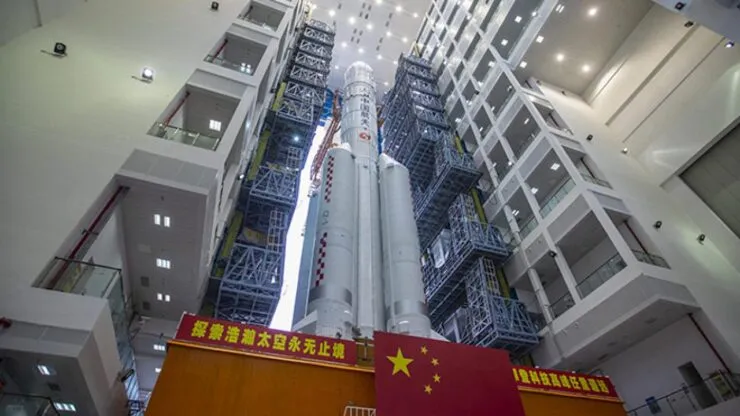
    Space has become an arena of competition for power and influence. Big powers have invested heavily in their military space capabilities. Amid an accelerated militarisation of space, China’s space capabilities have grown by leaps and bounds. China has identified Space as a critical domain in the perspective of its global ambitions. The rapid growth in China’s Space capabilities and its articulated ambitions are of significant importance to India’s Space security and national interests.

    Space has become an enormously important facet of our daily life. The increasing utility and critical need for space-based services have made it a rapidly-growing economic and technological arena. Space capabilities now symbolise a nation-state’s growing economic power. Innovation and disruptive technologies are now characterising the growth of the space industry, both in the private and public sectors. In all this, play the most important role as space has become an arena of competition for power and influence.

    Traditionally, military uses of space technologies have revolved around advanced communication, precise navigation, improved Intelligence, Surveillance, Reconnaissance (ISR) capabilities, and meteorology. Further developments have enabled these technologies to be used in Ballistic Missile Defence (BMD), advanced sensors, early warning systems, and anti-satellite (ASAT) systems.

    [powerkit_button size=”lg” style=”info” block=”true” url=”https://raksha-anirveda.com/chinas-growing-space-power-significant-for-india/” target=”_blank” nofollow=”false”]
    Read More
    [/powerkit_button]

  • The Geopolitical Consolidation of Artificial Intelligence

    The Geopolitical Consolidation of Artificial Intelligence

    Key Points

    • IT hardware and Semiconductor manufacturing has become strategically important and critical geopolitical tools of dominant powers. Ukraine war related sanctions and Wassenaar Arrangement regulations invoked to ban Russia from importing or acquiring electronic components over 25 Mhz.
    • Semi conductors present a key choke point to constrain or catalyse the development of AI-specific computing machinery.
    • Taiwan, USA, South Korea, and Netherlands dominate the global semiconductor manufacturing and supply chain. Taiwan dominates the global market and had 60% of the global share in 2021. Taiwan’s one single company – TSMC (Taiwan Semiconductor Manufacturing Co), the world’s largest foundry, alone accounted for 54% of total global revenue.
    • China controls two-thirds of all silicon production in the world.
    • Monopolisation of semiconductor supply by a singular geopolitical bloc poses critical challenges for the future of Artificial Intelligence (AI), exacerbating the strategic and innovation bottlenecks for developing countries like India.
    • Developing a competitive advantage over existing leaders would require not just technical breakthroughs but also some radical policy choices and long-term persistence.
    • India should double down over research programs on non-silicon based computing with a national urgency instead of pursuing a catch-up strategy.

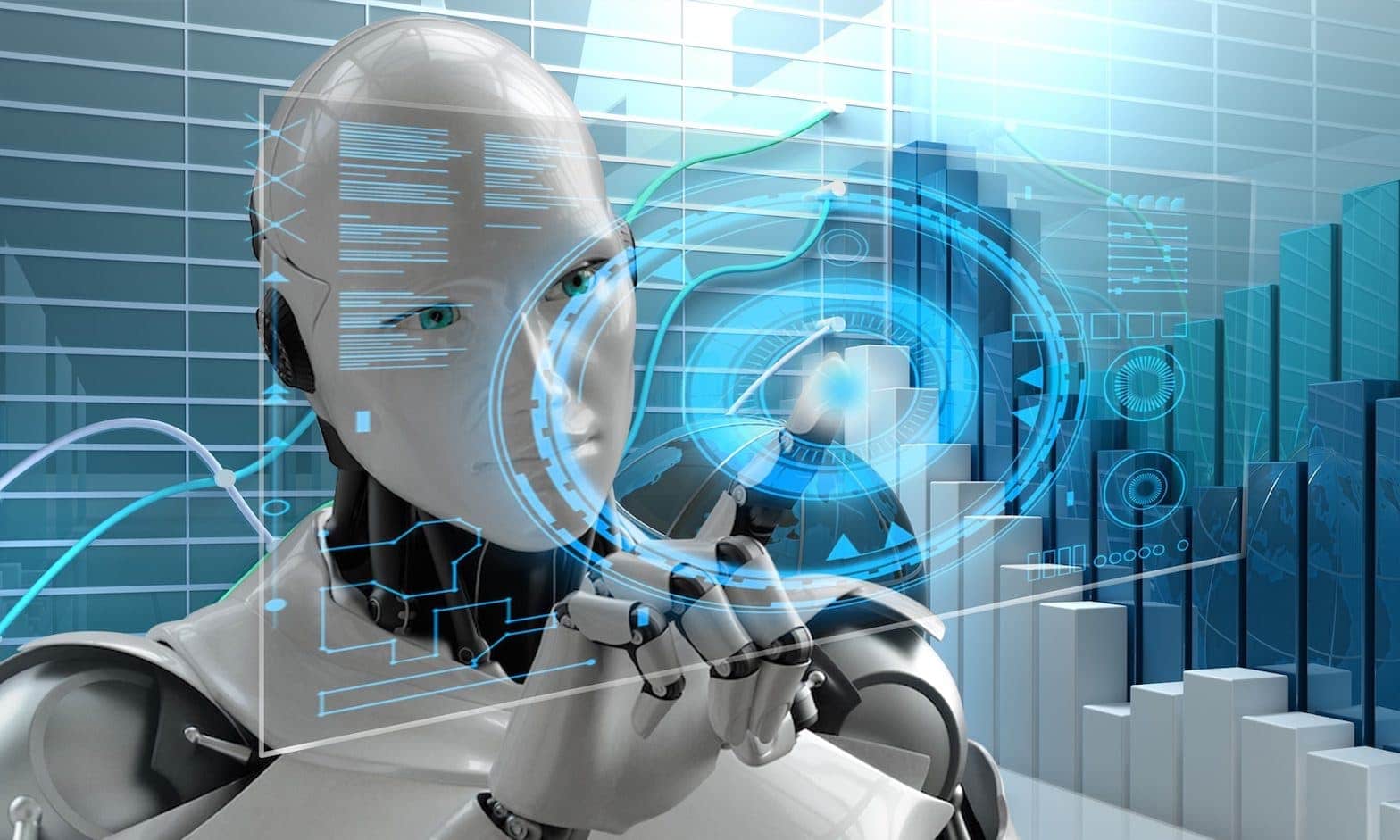
    Russia was recently restricted, under category 3 to category 9 of the Wassenaar Arrangement, from purchasing any electronic components over 25MHz from Taiwanese companies. That covers pretty much all modern electronics. Yet, the tangibles of these sanctions must not deceive us into overlooking the wider impact that hardware access and its control have on AI policies and software-based workflows the world over. As Artificial Intelligence technologies reach a more advanced stage, the capacity to fabricate high-performance computing resources i.e. semiconductor production becomes key strategic leverage in international affairs.

    Semiconductors present a key chokepoint to constrain or catalyse the development of AI-specific computing machinery. In fact, most of the supply of semiconductors relies on a single country – Taiwan. The Taiwan Semiconductor Manufacturing Corporation (TSMC) manufactures Google’s Tensor Processing Unit (TPU), Cerebras’s Wafer Scale Engine (WSE), as well as Nvidia’s A100 processor. The following table provides a more detailed1 assessment:

    Hardware Type

    AI Accelerator/Product Name

    Manufacturing Country

    Application-Specific Integrated Circuits (ASICs)

    Huawei Ascend 910

    Taiwan

    Cerebras WSE

    Taiwan

    Google TPUs

    Taiwan

    Intel Habana

    Taiwan

    Tesla FSD

    USA

    Qualcomm Cloud AI 100

    Taiwan

    IBM TrueNorth

    South Korea

    AWS Inferentia

    Taiwan

    AWS Trainium

    Taiwan

    Apple A14 Bionic

    Taiwan

    Graphic Processing Units (GPUs)

    AMD Radeon

    Taiwan

    Nvidia A100

    Taiwan

    Field-Programmable Gate Arrays (FPGAs)

    Intel Agilex

    USA

    Xilinx Virtex

    Taiwan

    Xilinx Alveo

    Taiwan

    AWS EC2 FI

    Taiwan

    As can be seen above, the cake of computing hardware is largely divided in such a way that the largest pie holders also happen to form a singular geopolitical bloc vis-a-vis China. This further shapes the evolution of territorial contests in the South China Sea. This monopolisation of semiconductor supply by a singular geopolitical bloc poses critical challenges for the future of Artificial Intelligence, especially exacerbating the strategic and innovation bottlenecks for developing countries like India. Since the invention of the transistor in 1947, and her independence, India has found herself in an unenviable position where there stands zero commercial semiconductor manufacturing capacity after all these years while her office-bearers continually promise of leading in the fourth industrial revolution.

    Bottlenecking Global AI Research

    There are two aspects of developing these AI accelerators – designing the specifications and their fabrication. AI research firms first design chips which optimise hardware performance to execute specific machine learning calculations. Then, semiconductor firms, operating in a range of specialities and specific aspects of fabrication, make those chips and increase the performance of computing hardware by adding more and more transistors to pieces of silicon. This combination of specific design choices and advanced hardware fabrication capability forms the bedrock that will decide the future of AI, not the amount of data a population is generating and localising.

    However, owing to the very high fixed costs of semiconductor manufacturing, AI research has to be focused on data and algorithms. Therefore, innovations in AI’s algorithmic efficiency and model scaling have to compensate for a lack of equivalent situations in the AI’s hardware. The aggressive consolidation and costs of hardware fabrication mean that firms in AI research are forced to outsource their hardware fabrication requirements. In fact, as per DARPA2, because of the high costs of getting their designs fabricated, AI hardware startups do not even receive much private capital and merely 3% of all venture funding between 2017-21 in AI/ML has gone to startups working on AI hardware.

    But TSMC’s resources are limited and not everyone can afford them. To get TSMC’s services, companies globally have to compete with the likes of Google and Nvidia, therefore prices go further high because of the demand side competition. Consequently, only the best and the biggest work with TSMC, and the rest have to settle for its competitors. This has allowed this single company to turn into a gatekeeper in AI hardware R&D. And as the recent sanctions over Russia demonstrate, it is now effectively playing the pawn which has turned the wazir in a tense geopolitical endgame.

    Taiwan’s AI policy also reflects this dominance in ICT and semiconductors – aiming to develop “world-leading AI-on-Device solutions that create a niche market and… (make Taiwan) an important partner in the value chain of global intelligent systems”.3 The foundation of strong control over the supply of AI hardware and also being #1 in the Global Open Data Index, not just gives Taiwan negotiating leverage in geopolitical competition, but also allows it to focus on hardware and software collaboration based on seminal AI policy unlike most countries where the AI policy and discourse revolve around managing the adoption and effects of AI, and not around shaping the trajectory of its engineering and conceptual development like the countries with hardware advantage.

    Now to be fair, R&D is a time-consuming, long-term activity which has a high chance of failure. Thus, research focus naturally shifts towards low-hanging fruits, projects that can be achieved in the short-term before the commissioning bureaucrats are rotated. That’s why we cannot have a nationalised AGI research group, as nobody will be interested in a 15-20 year-long enterprise when you have promotions and election cycles to worry about. This applies to all high-end bleeding-edge technology research funding everywhere – so, quantum communications will be prioritised over quantum computing, building larger and larger datasets over more intelligent algorithms, and silicon-based electronics over researching newer computing substrates and storage – because those things are more friendly to short-term outcome pressures and bureaucracies aren’t exactly known to be a risk-taking institution.

    Options for India

    While China controls 2/3 of all the silicon production in the world and wants to control the whole of Taiwan too (and TSMC along with its 54% share in logic foundries), the wider semiconductor supply chain is a little spreadout too for any one actor’s comfort. The leaders mostly control a specialised niche of the supply chain, for example, the US maintains a total monopoly on Electronic Design Automation (EDA) software solutions, the Netherlands has monopolised Extreme UltraViolet and Argon Flouride scanners, and Japan has been dishing out 300 mm wafers used to manufacture more than 99 percent of the chips today.4 The end-to-end delivery of one chip could have it crossing international borders over 70 times.5 Since this is a matured ecosystem, developing a competitive advantage over existing leaders would require not just proprietary technical breakthroughs but also some radical policy choices and long term persistence.

    It is also needless to say that the leaders are also able to attract and retain the highest quality talent from across the world. On the other hand, we have a situation where regional politicians continue cribbing about incoming talent even from other Indian states. This is therefore the first task for India, to become a technology powerhouse, she has to, at a bare minimum, be able to retain all her top talent and attract more. Perhaps, for companies in certain sectors or of certain size, India must make it mandatory to spend at least X per cent of revenue on R&D and offer incentives to increase this share – it’ll revamp things from recruitment and retention to business processes and industry-academia collaboration – and in the long-run prove to be a lot more socioeconomically useful instrument than the CSR regulation.

    It should also not escape anyone that the human civilisation, with all its genius and promises of man-machine symbiosis, has managed to put all its eggs in a single basket that is also under the constant threat of Chinese invasion. It is thus in the interest of the entire computing industry to build geographical resiliency, diversity and redundancy in the present-day semiconductor manufacturing capacity. We don’t yet have the navy we need, but perhaps in a diplomatic-naval recognition of Taiwan’s independence from China, the Quad could manage to persuade arrangements for an uninterrupted semiconductor supply in case of an invasion.

    Since R&D in AI hardware is essential for future breakthroughs in machine intelligence – but its production happens to be extremely concentrated, mostly by just one small island country, it behoves countries like India to look for ways to undercut the existing paradigm of developing computing hardware (i.e. pivot R&D towards DNA Computing etc) instead of only trying to pursue a catch-up strategy. The current developments are unlikely to solve India’s blues in integrated circuits anytime soon. India could parallelly, and I’d emphatically recommend that she should, take a step back from all the madness and double down on research programs on non-silicon-based computing with a national urgency. A hybrid approach toward computing machinery could also resolve some of the bottlenecks that AI research is facing due to dependencies and limitations of present-day hardware.

    As our neighbouring adversary Mr Xi says, core technologies cannot be acquired by asking, buying, or begging. In the same spirit, even if it might ruffle some feathers, a very discerning reexamination of the present intellectual property regime could also be very useful for the development of such foundational technologies and related infrastructure in India as well as for carving out an Indian niche for future technology leadership.

    References:

    1. The Other AI Hardware Problem: What TSMC means for AI Compute. Available at https://semiliterate.substack.com/p/the-other-ai-hardware-problem

    2. Leef, S. (2019). Automatic Implementation of Secure Silicon. In ACM Great Lakes Symposium on VLSI (Vol. 3)

    3. AI Taiwan. Available at https://ai.taiwan.gov.tw/

    4. Khan et al. (2021). The Semiconductor Supply Chain: Assessing National Competitiveness. Center for Security and Emerging Technology.
    5. Alam et al. (2020). Globality and Complexity of the Semiconductor Ecosystem. Accenture.

  • Physical Literacy | It’s Time We Stopped Seeing Sports and Education as Strange Bedfellows

    Physical Literacy | It’s Time We Stopped Seeing Sports and Education as Strange Bedfellows

    No concerted effort has been made at any level to treat sports and education as essentially concurrent activities that have to be given equal importance in a significant way

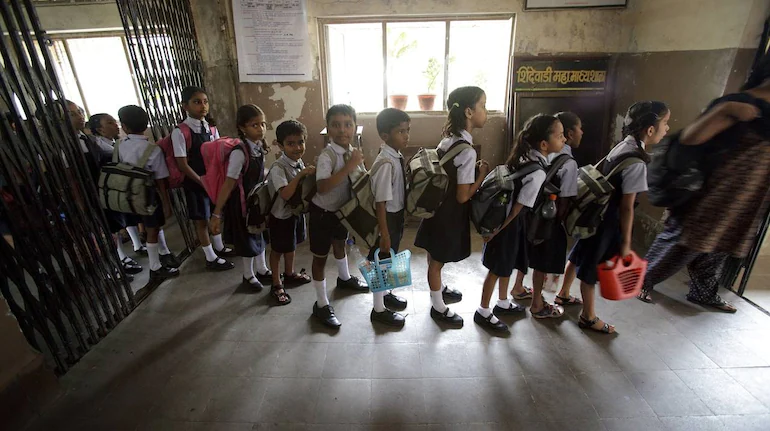
    The Supreme Court bench comprising Justices L Nageswara Rao and BR Gavai gave directions to the Union and state governments on April 25 seeking their views (but refrained from passing a judgment) as regards a suggestion that sports be recognised as a fundamental right, and the various educational entities/institutions (including CBSE, ICSE, and the various state boards) in India be directed that at least 90 minutes daily be devoted to “free play and games” (physical literacy) during school hours.

    This direction came about as a result of a report submitted by senior advocate Gopal Sankarnarayanan in a Public Interest Litigation (PIL). The PIL was filed by Kanishka Pandey, a sports researcher, in the wake of which the court had appointed Sankarnarayanan as an amicus curiae in August 2018.

    [powerkit_button size=”lg” style=”info” block=”true” url=”https://www.moneycontrol.com/news/opinion/physical-literacy-its-time-we-stopped-seeing-sports-and-education-as-strange-bedfellows-8446421.html” target=”_self” nofollow=”false”]
    Read More
    [/powerkit_button]

  • Technology, Politics and China’s Quest for Energy Dominance

    Technology, Politics and China’s Quest for Energy Dominance

    [powerkit_button size=”lg” style=”info” block=”false” url=”https://admin.thepeninsula.org.in/wp-content/uploads/2022/05/Technology-Politics-and-Chinas-Quest-for-Renewable-Energy-Dominance-3.pdf” target=”_blank” nofollow=”false”]
    Download
    [/powerkit_button]

    Abstract:

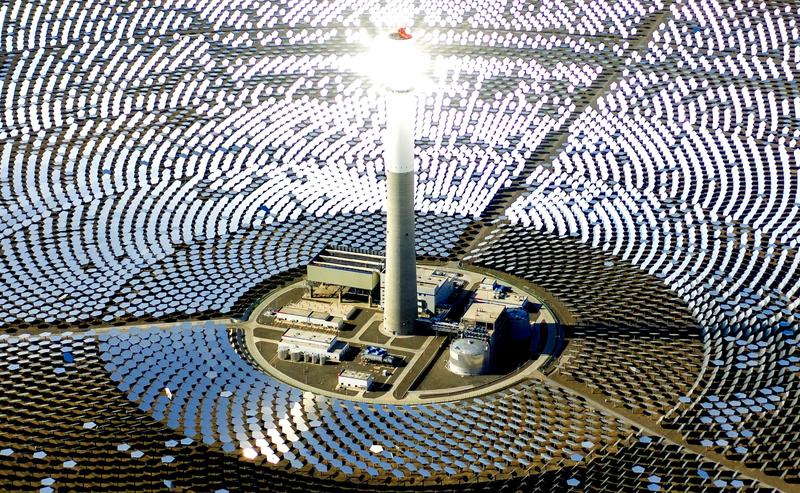
    This paper will empirically investigate the role of technology in international politics through a case study of China’s development of renewable energy infrastructure (solar PV and wind energy) and its impact on international politics. This paper looks at how technology helps shape a state’s identity using renewable energy technology as an explanatory variable. The paper employs Grygiel’s Model of Geopolitics to analyse the case study; geopolitics because much of China’s development in the renewable sector has been a function of its geography and abundance of natural resources.

    Introduction:

    China has experienced decades of near double-digit economic growth and since the 2000s, has witnessed a growing population and rapid industrialization that has correspondingly driven demand for energy. Its expeditious implementation of economic reforms has elevated it to the status of a global power capable of challenging the US-established status quo. Stability is increasingly being viewed as a function of China’s behaviour vis-à-vis its strategic rivals, primarily the US, and to a lesser extent Japan, India, Russia and the littoral states of Southeast Asia. But more importantly, it has been China’s near fanatic fervour to rise as a technologically superior state, as the US emerged post the World Wars, that has generated interest. The modernization of its military, near the meteoric rise of installed capacities for renewable sources of energy and technological revolution, underscores the importance and role technological advancement plays in a state’s development. Technology and international politics have a near symbiotic relationship and the former has the potential to fundamentally alter the way states exercise their sovereignty in pursuit of their national interests.

    [powerkit_button size=”lg” style=”info” block=”true” url=”https://admin.thepeninsula.org.in/wp-content/uploads/2022/05/Technology-Politics-and-Chinas-Quest-for-Renewable-Energy-Dominance-3.pdf” target=”_blank” nofollow=”false”]
    Read the Full Paper
    [/powerkit_button]

  • India’s Indian Ocean and the Imperative for a Strong Indian Navy

    India’s Indian Ocean and the Imperative for a Strong Indian Navy

    “A good navy is not a provocation to war. It is the surest guarantee of peace!”
    The Indian Ocean has been at the centre of world history ever since we know it. Man originated in Africa, probably somewhere in the Olduvai Gorge in present-day Tanzania – where Homo Erectus lived 1.2 million years ago and where the first traces of Homo Sapiens, our more recent ancestors having evolved only about 200,000 years ago. First phonetic languages evolved around 100, 000 years ago. The migration of mankind out of Africa began almost 60000 years ago. But we don’t call the Indian Ocean the African Ocean because the first recorded activity over it began only about 3000 years ago.
    Three great early recorded activities of this period come to mind. The first is the Indus Valley Civilization. It was a Bronze Age civilization (3300–1300 BCE; mature period 2600–1900 BCE) in the northwestern region of the Indian subcontinent. Along with Ancient Egypt and Mesopotamia, it was one of three early civilizations of the Old World, and of the three the most widespread.
    The Indus civilization’s economy appears to have depended significantly on trade, which was facilitated by major advances in transport technology. It may have been the first civilization to use wheeled transport. These advances may have included bullock carts that are identical to those seen throughout South Asia today, as well as boats. Most of these boats were probably small, flat-bottomed craft, perhaps driven by sail, similar to those one can see on the Indus River today; however, there is secondary evidence of sea-going craft.
    Archaeologists have discovered a massive, dredged canal and what they regard as a docking facility at the coastal city of Lothal now in Gujarat. Judging from the dispersal of Indus civilization artifacts, the trade networks, economically, integrated a huge area, including portions of Afghanistan, the coastal regions of Persia, northern and western India, and Mesopotamia. There is some evidence that trade contacts extended to Crete and possibly to Egypt.
    There was an extensive maritime trade network operating between the Harappan and Mesopotamian civilizations as early as the middle Harappan Phase, with much commerce being handled by “middlemen merchants from Dilmun” (modern Bahrain and Failaka located in the Persian Gulf). Such long-distance sea trade became feasible with the innovative development of plank-built watercraft, equipped with a single central mast supporting a sail of woven rushes or cloth.
    The second great economic activity was Slavery. Slavery can be traced back to the earliest records, such as the Code of Hammurabi (c. 1760 BC), which refers to it as an established institution. Slavery is rare among hunter-gatherer populations, as it is developed as a system of social stratification. Slavery typically also requires a shortage of labour and a surplus of land to be viable. Bits and pieces from history indicate that Arabs enslaved over 150 million African people and at least 50 million from other parts of the world.  Later they also converted Africans into Islam, causing a complete social and financial collapse of the entire African continent apart from wealth attributed to a few regional African kings who became wealthy in the trade and encouraged it.
    The third great economic activity was seafaring evidenced by migration. The island of Madagascar, the largest in the Indian Ocean, lies some 250 miles (400 km) from Africa and 4000 miles (6400 km) from Indonesia. New findings, published in the American Journal of Human Genetics, show that the human inhabitants of Madagascar are unique – amazingly, half of their genetic lineages derive from settlers from the region of Borneo, with the other half from East Africa. It is believed that the migration from the Sunda Islands began around 200 BC.
    Linguists have established that the origins of the language spoken in Madagascar, Malagasy, suggested Indonesian connections, because its closest relative is the Maanyan language, spoken in southern Borneo. The Gods were also kind and gave the IOR the weather conditions that helped in evolving seaborne trade and intercourse. The sea surface current and prevailing wind structure in and over the Indian Ocean favoured seafarers in their endeavour and sailings in the Indian Ocean from the southern tip of Africa (Cape of Good Hope) during the month of May. After the entry into the Indian Ocean, the seafarers continued to sail in the northerly direction along the coastline of Africa (aided by the strong Somali Current and the East Arabian Current) towards the Arabian Sea.
    The physical environmental conditions over the sea and the external prevailing weather helped the seafarers reach places up to the west coast of India. As this sea surface current extend towards the east coast of India, the sailors were greatly assisted by the surface current as they sailed along. During November, when the East Indian Winter wind reverses in its direction and begins to blow from the northeast, the sailors prepare for their return journey. The winds that generate the waves contribute to the reduction in the otherwise required travel time for the sailings between any given two points of departure and arrival. The natural and external forces help the sailors make their journey/expedition more economical and energy-efficient.
    Clearly, the region was a hub of all kinds of economic activity. Then came the Petroleum Age. And things changed as never before. The Spice trade, the Silk trade, and the China trade all paled into insignificance. The use of Coal as a ship fuel enlarged distances and volumes of cargo. Oil made even longer journeys and greater volumes possible.
    Petroleum is the lifeblood of modern society. It’s a relatively new activity, but its advent has transformed our world as few things have. Petroleum, in one form or another, has been used since ancient times. According to Herodotus more than 4000 years ago, asphalt was used in the construction of the walls and towers of Babylon; there were oil pits near Babylon, and a pitch spring on Zacynthus.
    Great quantities of it were found on the banks of the river Issus, one of the tributaries of the Euphrates. Ancient Persian tablets indicate the medicinal and lighting uses of petroleum in the upper levels of their society. By 347 AD, oil was produced from bamboo-drilled wells in China. Early British explorers to Myanmar documented a flourishing oil extraction industry based in Yenangyaung, that in 1795 had hundreds of hand-dug wells under production.
    Oil is now the single most important driver of world economics, politics and technology.  The rise in importance was due to the invention of the internal combustion engine, the rise in commercial aviation, and the importance of petroleum to industrial organic chemistry, particularly the synthesis of plastics, fertilizers, solvents, adhesives and pesticides. Today, oil contributes 3% of the global GDP.
    In 1847, the process to distill kerosene from petroleum was invented by James Young. He noticed natural petroleum seepage in the Riddings colliery at Alfreton, Derbyshire from which he distilled a light thin oil suitable for use as lamp oil, at the same time obtaining a thicker oil suitable for lubricating machinery. In 1848 Young set up a small business refining the crude oil.
    Today the world’s biggest stand-alone refinery is the Reliance refinery at Jamnagar with a refining capacity of about 1.5 million barrels a day. The Essar refinery at Jamnagar refines a further 0.5 million barrels a day. Together they make Jamnagar one of the world’s great refining centers. India’s number one export item is Petroleum products, mostly Petrol and Diesel. India now exports the equivalent of about 615,000 barrels a day. In 2020, petroleum exports accounted for $25.3 billion of our total exports of $291.8 billion in the same year.
    India imported $77 billion worth of oil in the year 2020-21 and more than half of this comes from countries in the IOR. Iraq’s share is 22.4%, Saudi Arabia’s share is 18.8%, UAE’s share is 10.8%, and Kuwait’s 5%. The IOR is India’s lifeline and lifeblood. If the line is blocked we will suffer hugely, if the blood gets anaemic we will suffer hugely. India just cannot afford anything to go wrong here.
    The sea lanes in the Indian Ocean are considered among the most strategically important in the world—according to the Journal of the Indian Ocean Region, more than 80 percent of the world’s seaborne trade in oil transits through the Indian Ocean choke points, with 40 percent passing through the Strait of Hormuz, 35 percent through the Strait of Malacca and 8 percent through the Bab el-Mandab Strait.
    But it’s not just about sea-lanes and trade. More than half the world’s armed conflicts are presently located in the Indian Ocean region, while the waters are also home to continually evolving strategic developments including the competing rises of China and India, the potential nuclear confrontation between India and Pakistan, the US interventions in Iraq and Afghanistan, Islamist terrorism, incidents of piracy in and around the Horn of Africa, and management of diminishing fishery resources.
    As a result of all this, almost all the world’s major powers have deployed substantial military forces in the Indian Ocean region. For example, in addition to maintaining expeditionary forces in Iraq, the US 5th Fleet is headquartered in Bahrain, and uses the island of Diego Garcia as a major air-naval base and logistics hub for its Indian Ocean operations. In addition, the United States has deployed several major naval task forces there, including Combined Task Force 152 (currently operated by the Kuwait Navy), which is focusing on illicit non-state actors in the Arabian Gulf, and Combined Task Force 150 (currently commanded by the Pakistan Navy), which is tasked with Maritime Security Operations (MSO) outside the Arabian Gulf with an Area of Responsibility (AOR) covering the Red Sea, Gulf of Aden, Indian Ocean and the Gulf of Oman. France, meanwhile, is perhaps the last of the major European powers to maintain a significant presence in the north and southwest Indian Ocean quadrants, with naval bases in Djibouti, Reunion, and Abu Dhabi.
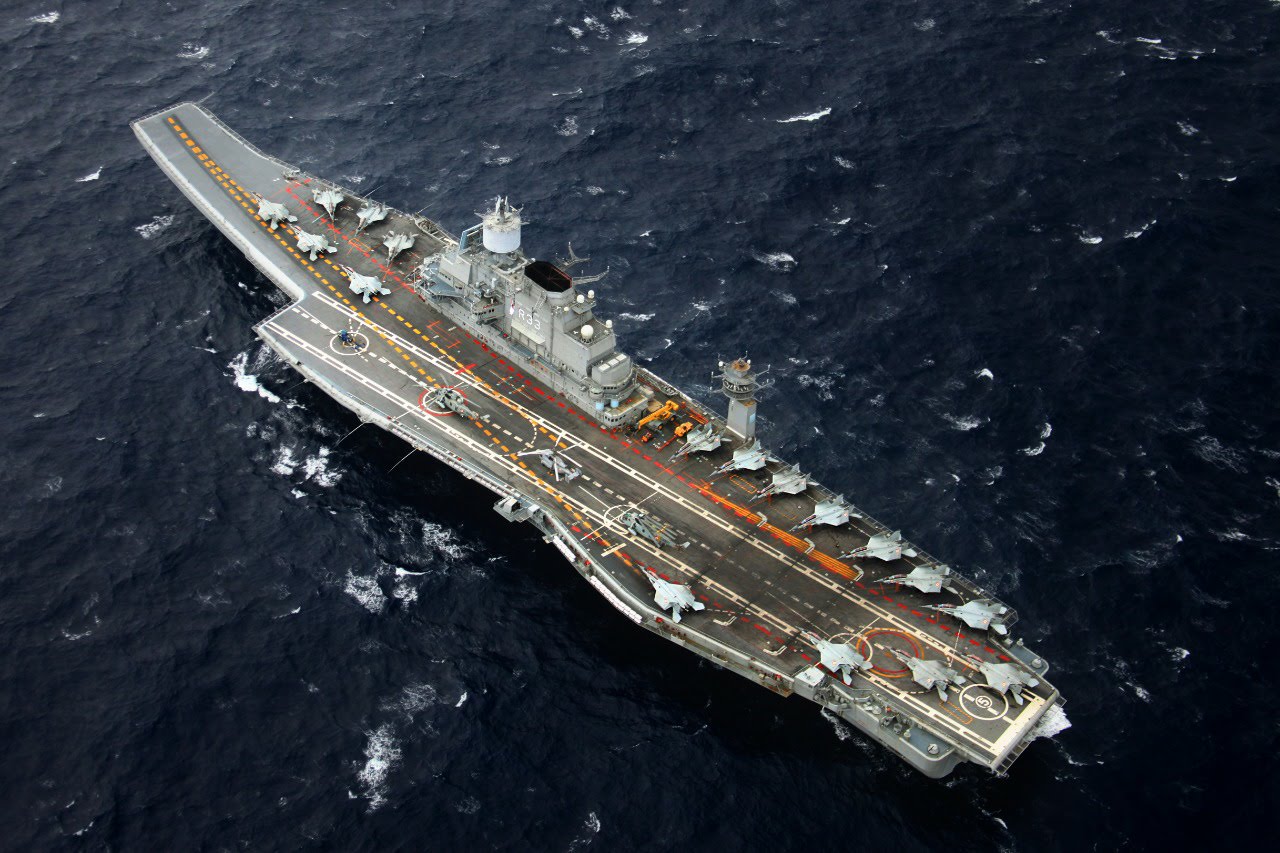
    And, of course, China and India both also have genuine aspirations of developing blue water naval capabilities through the development and acquisition of aircraft carriers and an aggressive modernization and expansion programme.
    China’s aggressive soft power diplomacy has widely been seen as arguably the most important element in shaping the Indian Ocean strategic environment, transforming the entire region’s dynamics. By providing large loans on generous repayment terms, investing in major infrastructure projects such as the building of roads, dams, ports, power plants, and railways, and offering military assistance and political support in the UN Security Council through its veto powers, China has secured considerable goodwill and influence among countries in the Indian Ocean region.
    And the list of countries that are coming within China’s strategic orbit appears to be growing. Sri Lanka, which has seen China replace Japan as its largest donor, is a case in point—China was no doubt instrumental in ensuring that Sri Lanka was granted dialogue partner status in the Shanghai Cooperation Organization (SCO).
    To the west, Kenya offers another example of how China has been bolstering its influence in the Indian Ocean. The shift was underscored in a leaked US diplomatic cable from February 2010 that was recently published by WikiLeaks. In it, US Ambassador to Kenya Michael Ranneberger highlighted the decline of US influence in East Africa’s economic hub, saying: ‘We expect China’s engagement in Kenya to continue growing given Kenya’s strategic location…If oil or gas is found in Kenya, this engagement will likely grow even faster. Kenya’s leadership may be tempted to move close to China in an effort to shield itself from Western, and principally US pressure to reform.’
    The rise of China as the world’s greatest exporter, its largest manufacturing nation and its great economic appetite poses a new set of challenges. At a meeting of South-East Asian nations in 2010, China’s foreign minister Yang Jiechi, facing a barrage of complaints about his country’s behaviour in the region, blurted out the sort of thing polite leaders usually prefer to leave unsaid. “China is a big country,” he pointed out, “and other countries are small countries and that is just a fact.”
    Indeed it is, and China is big not merely in terms of territory and population, but also in military might. Its Communist Party is presiding over the world’s largest military build-up. And that is just a fact, too—one that the rest of the world has to come to terms with.
    China’s defence budget has almost certainly experienced double-digit growth for two decades. According to SIPRI, a research institute, annual defence spending rose from over $30 billion in 2000, $120 billion in 2010 to almost $229.4 billion in 2021. SIPRI usually adds about 50% to the official figure that China gives for its defence spending, because even basic military items such as research and development are kept off budget. Including those items would imply total military spending in 2021, based on the latest announcement from Beijing, would be around $287.8 billion.
    This is not a sum India can match and the last thing we need to get caught in is a numbers game. A one-party dictatorship will always be able to outspend us, even if our GDPs get closer.
    But history tells us again and again that victory is not assured by superiority in numbers and even technology. If that were to be so, Alexander should have been defeated at Gaugamela, Babur at Panipat, Wellington at Waterloo, Russia at Leningrad, Britain in the Falklands, and above all Vietnam who defeated three of the world’s leading powers – France, the USA and China – in succession. I don’t have to tell you that victory is more a result of strategy and tactics. Numbers do matter, but numbers are not all. Technology does matter, but technology alone cannot assure you of victory. It’s always mind over matter. You know these things better than most of us. You also know what to do. As the old saying goes: “When the going gets tough, the tough get going!”
    That said, the threat from China should not be exaggerated. There are three limiting factors. First, unlike the former Soviet Union, China has a vital national interest in the stability of the global economic system. Its military leaders constantly stress that the development of what is still only a middle-income country with a lot of very poor people takes precedence over military ambition. The increase in its military spending reflects the growth of the economy, rather than an expanding share of national income. For many years China has steadily spent the same proportion of GDP on defence (a bit over 1.7%, whereas America spend about 3.7% in the year 2020-21).
    The real test of China’s willingness to keep military spending constant will come when China’s headlong economic growth starts to slow further. But in the past form, China’s leaders will continue to worry more about internal threats to their control than external ones. In 2020, the Chinese spending on internal security was $212 billion. With a rapidly ageing population, it is also a good bet that meeting the demand for better health care will become a higher priority than maintaining military spending.
    Like all the other great powers, China faces a choice of guns and butter or more appropriately walking sticks. But till then it is: Nervi belli pecunia infinita or unlimited money is the muscle of war.
    India on the other hand will keep growing long after China has stopped growing. Its youthful population and present growth trends indicate the accumulation of the world’s largest middle class in India. India’s growth is projected to continue well past 2050. In fact so big will this become, that India during this period will increasingly power world economic growth, and not China. In 2050, India is projected to have a population of 1.64 billion and of these 1.3 billion will belong to the middle and upper classes. The lower classes will be constant at around 300 million, as it is now.
    India already has the world’s third-largest GDP. Many economists prophesize that in 2050 it will be India that will be the world’s biggest economy, not China. In per capita terms, we might still be poorer, but in over GDP terms, we will be bigger.
    According to a study by IHS Markit, a subsidiary of S&P Global, India will be the world’s third-largest economy by 2030. Indian GDP in 2030 is projected to be $8.4 trillion. China, in second place, will have a GDP of $ 33.7 trillion and the US $ 30.4 trillion. As we say in India, aap key muh mein ghee aur shakhar.  Both incidentally now deemed bad for health.
    Now comes the dilemma for India. Robert Kaplan writes: “As the United States and China become great power rivals, the direction in which India tilts could determine the course of geo-politics in Eurasia in the 21st century. India, in other words, looms at the ultimate pivot state.” At another time Mahan noted that India, located in the centre of the Indian Ocean littoral, is critical for the seaward penetration of both the Middle-east and China.
    Now if one were an Indian planner, he or she would be looking at the China Pakistan axis with askance. India has had conflicts and still perceives threats from both, jointly and severally. The Tibetan desert, once intended to be India’s buffer against the north now has become China’s buffer against India. The planner will not be looking at all if he or she were not looking at the Indian Ocean as a theatre. After all, it is also China’s lifeline and its lifeblood flows here.
    Now if one were a Chinese planner, he or she would be looking with concern over India’s growth and increasing ability to project power in the IOR. The planner will also note what experts are saying about India’s growth trajectory. That it will be growing long after China gets walking sticks. That it is the ultimate pivot state in the grand struggle for primacy between the West led by the USA and Japan, and China.
    What will this planner be thinking particularly given the huge economic and military asymmetry between China and India now? Tacitus tells it most pithily. That peace can come through strength or Si vis pacem para bellum. While China has ratcheted up its show of assertiveness in recent years, India has been quietly preparing for a parity to prevent war. Often parity does not have to be equality in numbers. The fear of pain disproportionate to the possible gains, and the ability of the smaller in numbers side to do so in itself confer parity.
    There is a certain equilibrium in Sino-Indian affairs that make recourse to force extremely improbable. Both modern states are inheritors of age-old traditions and the wisdom of the ages. Both now read their semaphores well and know how much of the sword must be unsheathed to send a message. This ability will ensure the swords remain recessed and for the plowshares to be out at work.
    Finally, I would be remiss if I did not say something about the centrality of the Indian Navy to our future. Nothing says it better than what Theodore Roosevelt said a century ago: “A good Navy is not a provocation to war. It is the surest guarantee of peace!”
    Featured Image Credit: Indian Navy
  • Sanctions on Russia Are a Tool That Must Be Calibrated Like Any Other

    Sanctions on Russia Are a Tool That Must Be Calibrated Like Any Other

    If de-dollarisation occurs, the impact will be felt wide and far. Severe sanctions are a double-edged sword which will impact every nation.

    Russia’s invasion of Ukraine has been condemned by the majority of countries in the United Nations. NATO has not intervened militarily since that runs the danger of a wider conflagration with the possible use of nuclear weapons. So, instead, the NATO powers have supplied Ukrainian forces with weapons and imposed severe sanctions on Russia. Evermore sanctions are announced every week.

    It was said that this would degrade Russia’s capacity to wage war by freezing its assets held in Western banks. Also, its earnings through trade would decline and impoverish it. It was also argued that the Russians would be hurt through multiple channels – higher inflation, the inability of its citizens to get dollars, a collapse in prices of financial assets, like, shares and so on.

    Thus, while Russia is attacking militarily, the West is hitting back through economic means. Further, there is also a cyber and media component to the war. It is perhaps the first war on multiple fronts. Will the Russians be hurt enough to stop the war? Can one draw lessons from the sanctions against Iran?

    [powerkit_button size=”lg” style=”info” block=”true” url=”https://thewire.in/economy/sanctions-on-russia-are-a-tool-that-must-be-calibrated-like-any-other” target=”_blank” nofollow=”false”]
    Read More
    [/powerkit_button]

  • Chinese Roulette: Which Way Will the Wind Blow?

    Chinese Roulette: Which Way Will the Wind Blow?

    The 2022 campaigning season along the Sino-Indian Line of Actual Control (LAC) opens up in just a matter of months. By all reckoning, the situation is likely to continue remaining extremely volatile, uncertain and tense. While some believe that it may have been this Government’s abrogation of Article 370 and the Home Minister’s statement in Parliament that invited a strong response from the Chinese, the truth is that we are yet to fully comprehend the Chinese leadership’s motivation for damaging, if not jettisoning, over three decades of Confidence Building Measures (CBMs) and growing economic ties, though the latter seems not to have been impacted in the short term, by resorting to unprovoked aggressive action in Eastern Ladakh and elsewhere.

    In addition, we continue to see a steady build-up of forces and infrastructure, as well as cartographic aggression in the form of renaming of villages in Arunachal Pradesh and the passage of the Land Border Law, effective from 1st January 2022. All of this strongly suggests that the situation will get much worse before it gets better, and we are more likely to see increased Chinese assertiveness and determination to settle territorial disputes on its own terms. Moreover, by its actions in Eastern Ladakh, it has already occupied territory up to its Claim Line of 1959. This begs the question, obviously difficult to answer with any degree of certainty, as to whether there is a likelihood of further Chinese escalation leading to a limited conflict?

    Clearly, the Government is also seized of the problem, as is obvious from the Defence Minister’s statement, while inaugurating border infrastructure, that “We faced our adversary in the northern Sector recently with grit and determination. It could not have been done without proper infrastructural development. In today’s uncertain environment, the possibility of any kind of conflict cannot be ruled out.”i It must be emphasised that conflict is not something that we either desire or is in our interest, especially given the Omicron tsunami that appears to be gathering momentum and the adverse impact that the pandemic has already had on our economy.

    It is therefore quite apparent from the Modi Government’s actions that it has been extremely circumspect and cautious in its response following China’s occupation of our territory, by some estimates extending over a 1600 Sq. Km. Clearly, it has no intention of either attempting to push back the PLA from the intrusion sites, or for that matter, occupying territory elsewhere, as a quid pro quo and bargaining chip for later. However, there is a view that occupying Indian claimed territory in Aksai Chin as a quid pro quo is not a bargain but an acknowledgement that Aksai Chin is alien territory. Therefore this Government has attempted to engage China in talks, both at the diplomatic and military level, though with little success to show for its efforts. Given the mismatch in force levels, this level of military and diplomatic engagement is understandable, though Mr. Modi’s unwillingness to personally call out the Chinese for their provocative behaviour may well give, them and the world at large, an impression of an eagerness to crawl, when just asked to bend.

    However, a deeper examination of events does suggest that the Government has not taken Chinese bullying lightly, and has, in fact, responded in an extremely measured manner, militarily. Following the Galwan incident, it has mirrored Chinese troop accretions by deploying additional forces in Eastern Ladakh, along with armour and other supporting elements. Its pro-active occupation of the Kailash Heights, though these troops were subsequently withdrawn as a part of reciprocal action by the PLA in the Pangong Tso Sector, hinted at the possibility of similar, but more offensive actions, being replicated elsewhere. The reorientation of the Army with the earmarking of a second Mountain Strike Corps for offensive operations has substantially added to the Army’s capabilities and would adversely impact the PLA’s force ratio dynamics. Most importantly, the upgrade of communication infrastructure, not just in Ladakh but elsewhere along the LAC as well, has been greatly speeded up and is coming to fruition, thereby significantly enhancing our defensive capabilities.

    To help us understand if China is likely to resort to force in the ongoing stand-off, an examination of historical precedent may give us some vital clues. As Prof M Taylor Pravel of MIT notes, two characteristics have defined China’s use of force. Firstly, “along its continental border, China has employed force in frontier disputes where it has faced militarily powerful opponents (i.e., states that could possibly challenge its otherwise strong claims). Although the local military balance is difficult to measure with precision, China has on average been vastly stronger in the overall military balance…. India in 1962, the Soviet Union in 1969, and Vietnam in the early 1980s. At the same time, China has refrained from employing force against its weaker continental neighbours. Second, China has used force in disputes where the strength of its claims have been weak, especially when it has occupied little or none of the contested territory. In these disputes, China has been sensitive to any further decline in its bargaining power.”ii

    This suggests that even with neighbours that de facto accept Chinese interpretations of its territorial claims, China is still extremely wary of actions that they may undertake to change the existing relative balance of power along with its disturbed periphery, and prefers to use force against them to delay/stop their progress. For example, there is evidence to suggest Nehru’s Forward Policy and the refuge given to the Dalai Lama were a serious cause of concern to the Chinese leadership. This is borne out by declassified United States documents pertaining to the capture of Longju in August 1959, which reveal that “the late August clashes point of a mode of thought which has remained an ingredient in the Chinese leaders’ calculations on the border dispute: ‘When the Indians show a temperament to advance on the ground, we must alter their frame of mind by letting military action take over political caution. Besides, military risk itself is negligible, because we are the stronger side’.”iii A perception within the Chinese leadership that appears to have remained unchanged in the intervening years, and is especially pertinent at the present time, given President Xi Jinping’s penchant for following in the footsteps of late Chairman Mao Zedong.

    In addition, there are some other factors that have a bearing on this issue of force escalation. For one, it is fairly common for autocratic governments to attempt to conjure up external threats to unify the people against a common enemy, and divert their attention from serious domestic challenges that may lead to unrest or hurt their own leadership position. In this context, as Kalpit Mankikar, a Fellow with the Observer Research Foundation who focuses on China points out, prior to the 1962 Conflict Chairman Mao faced serious internal dissension against his leadership and it had more to do with the intra-CCP power struggle. Mao’s Great Leap Forward (GLP) had been criticised, and for the first time, he had to demit office as State President, forced to hand over to his heir apparent Liu Shaoqi, which came as a huge jolt to him.

    President Xi now finds himself in rather similar circumstances as the economy stutters, in no small measure due to his government’s crackdown on multiple Chinese sectors and companies that have been mascots of growth over the years. His emphasis has been on the idea of “common prosperity” or “reasonable adjustment of excessive incomes and encouraging high-income groups and businesses to return more to society”iv, a blatantly populist measure, that was initially very well received by the average Chinese citizen. However, the enforcement of new regulations in this regard, the so-called “Three Red Lines”, has had a devastating impact on real estate companies such as Evergrande, which hold approximately 75% of all retail investments, bringing them to the verge of bankruptcy, and creating internal turmoil, uncertainty and dissent as the average citizen sees his savings completely wiped out. The likelihood of a domino effect on other facets of the economy cannot be wished away and is bound to adversely impact President Xi’s efforts to stay in power after the end 2022, when his term officially ends.

    In these circumstances creating and tackling an external threat along its borders, as the prevailing situation along the LAC is made out to be, will certainly divert attention and may very well pay great dividends. For example, while President Xi would have preferred to undertake actions to integrate Taiwan, he is hampered by the very real likelihood of The United States and its allies coming to the aid of Taiwan. Taking on India at the LAC is a relatively easier option, as interference by the United States and its allies is likely to be restricted to providing moral and material support at best. Furthermore, it could be viewed as a dress-rehearsal that would allow the PLA to gain vital operational experience, something it has been bereft of since the Sino- Vietnam Conflict of 1979, apart from ensuring a protected flank. Moreover, a successful termination of such a campaign would setback Indian aspirations by decades and severely dent Mr. Modi’s reputation and popularity, much as 1962 did in the case of Pandit Nehru. Not only would such action have a sobering impact on Taiwan’s dealings with the Chinese, but also in the manner other South East and Central Asian neighbours respond to Chinese hegemonistic designs as well.

    It is in this context that the new Land Border Law, now in effect, is likely to be extremely problematic for two reasons, and may well act as the trigger for any future conflict. Firstly, it attempts to give Chinese acts of cartographic aggression, such as differing perceptions on the exact alignment of the LAC, renaming of towns and villages in Arunachal Pradesh, and its acts of ‘salami- slicing’ over the years, a veneer of legality. Secondly, there is a clause in the Law that can be interpreted to suggest that it prohibits the construction of permanent facilities in the vicinity of the LAC without sanction from Chinese authorities, which would obviously be unacceptable to any sovereign state, especially given the manner in which it is rapidly developing communication infrastructure and settlements bordering the LAC.

    Increasing troop concentrations, especially in terms of armour and ballistic/air-defence missiles, in the Tibet Autonomous Region (TAR) along with the external and internal difficulties confronting President Xi suggests a high possibility of a conflict breaking out within the year. There are analysts, including some in this country, who believe that the PLA will be able to achieve a decisive victory given the over-all force disparity, especially in cyber, space and missile capabilities, as was the case in the 1962 Conflict. However, they have tended to disregard the adverse impact of climate and altitude, both on personnel and equipment, that gives a distinct advantage to a military fighting internal lines.

    The PLA can hardly afford to ignore its extended and extremely vulnerable lines of communication, however well developed, and the uncertain internal security environment within TAR and Xingjian. Most importantly, the PLAAF will be operating with greatly reduced capabilities from bases within TAR because of the altitudes involved, while being adversely impacted while operating from bases outside the Region given the extended ranges involved. Finally, the Indian Military does have a sizeable force, reasonably well-equipped with two Mountain Strike Corps and a Division plus of Special Operations Forces in place for offensive operations that will act as a deterrent to Chinese misadventure.

    It understands, however contrarian its public pronouncements may be, that the Indian Armed Forces are a very different force from what they encountered in 1962. Not only is the Indian Army far more experienced and battle-hardened in high altitude and mountain warfare than the PLA, but it will be the Indian Air Force, not utilised in 1962, that will be the battle-winning factor in any conflict. In addition, the employment of the Tibetan manned Special Frontier Force (SFF) in the Kailash Ranges, which received worldwide accolades, would have certainly caused immense disquiet within the Chinese leadership. The SFFs actions and rise of the Taliban have surely given an immense boost to the Independence Movements in both TAR and Xinjiang. Most importantly President Xi and his acolytes must be fully aware that anything other than a decisive victory, will for all intents and purposes, be perceived as a defeat and be the final nail in his coffin.

    Will all of this be sufficient to deter the Chinese from escalating the stand-off? The truth is that while we are inherently placed in an advantageous position, primarily due to location and circumstance, neither deterrence nor success is guaranteed. The fact of the matter is that over the past two decades the military has not just been neglected, but has also been deliberately discriminated against by the political and bureaucratic establishment. The damage that has been done, both to its organisational culture, morale and capabilities will need focus, effort and time to reverse. Most importantly, threats of this nature are best tackled by a nation that is united and willing to place its complete trust in its political leadership. Does our political establishment have the maturity, foresight, integrity and vision to provide the leadership we deserve and need? To quote the poet, philosopher and singer, Bob Dylan, “the answer, my friend, is blowing in the wind”…

    i The Times of India, New Delhi 29 December 2021, p 19.

    ii M Taylor Fravel, Power Shifts and Escalation: Explaining China’s Use of Force in Territorial Disputes, International Security, Winter 2007/2008, Vol 32 No 3, p 56

    https://www.jstor.org/stable/30130518?seq=1&cid=pdf-reference#references_tab_contents

    iii The Sino-Indian Dispute, Section 1:1950-59, DD/I Staff Study, CIA/RSS March 02, 1963, Approved for Release May 2007, p 33.

    iv Bloomberg News, China Eyes Wealth Redistribution in Push for ‘Common Prosperity’, 18 August 2021

    The article was originally published in Indian Defence Review, Jan – Mar 2022, Vol 37 (1) Pg 50.

    Featured Image Credits: CNBC

  • Vietnam-China Relations in 2022: Continuity and No Change

    Vietnam-China Relations in 2022: Continuity and No Change

    The year 2022 has begun on a positive note for Vietnam and China, and the General Secretary of the Communist Party of Vietnam (CPV) Central Committee Nguyen Phu Trong and General Secretary of the Communist Party of China (CPC) Central Committee and President Xi Jinping exchanged Spring Festival congratulatory messages.

     President Xi Jinping impressed on upholding the “spirits of good neighbours, good friends, good comrades and good partners, consolidate traditional friendship ….push for new achievements in China-Vietnam relations, elevate regional cooperation to new heights, and build a community with a shared future for mankind”.….”, and  General Secretary of CPV Nguyen Phu Trong emphasised on “promoting the sustainable, sound and stable development of relations both between the two parties and between the two countries… inject new impetus into the efforts to push Vietnam-China good-neighbourly friendship and comprehensive strategic partnership of cooperation to a higher level.”

    Both leaders expressed satisfaction with the state of relations between the CPV and CPC, and, looking ahead to 2022, hoped to maintain close communication. Also, Vietnamese Prime Minister Pham Minh Chinh and Premier Li Keqiang agreed to “properly manage differences, to push forward the China-Vietnam comprehensive strategic cooperative partnership”.  While that may be so, the bilateral relationship between the two countries presents a mixed bag of economic opportunities as well as strategic challenges. 

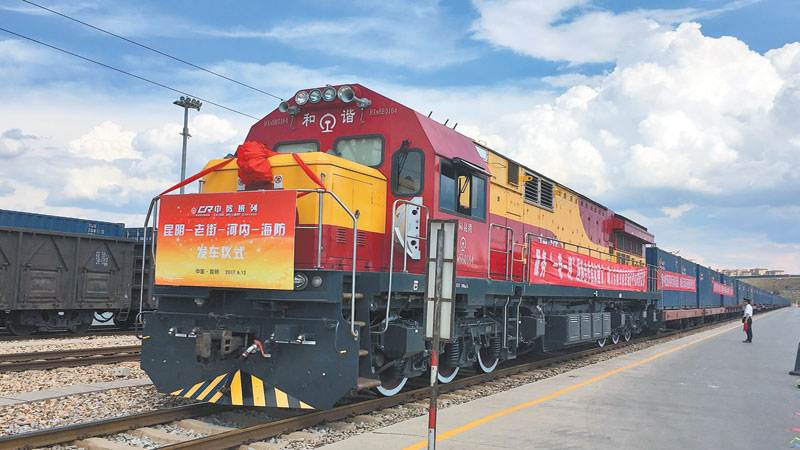
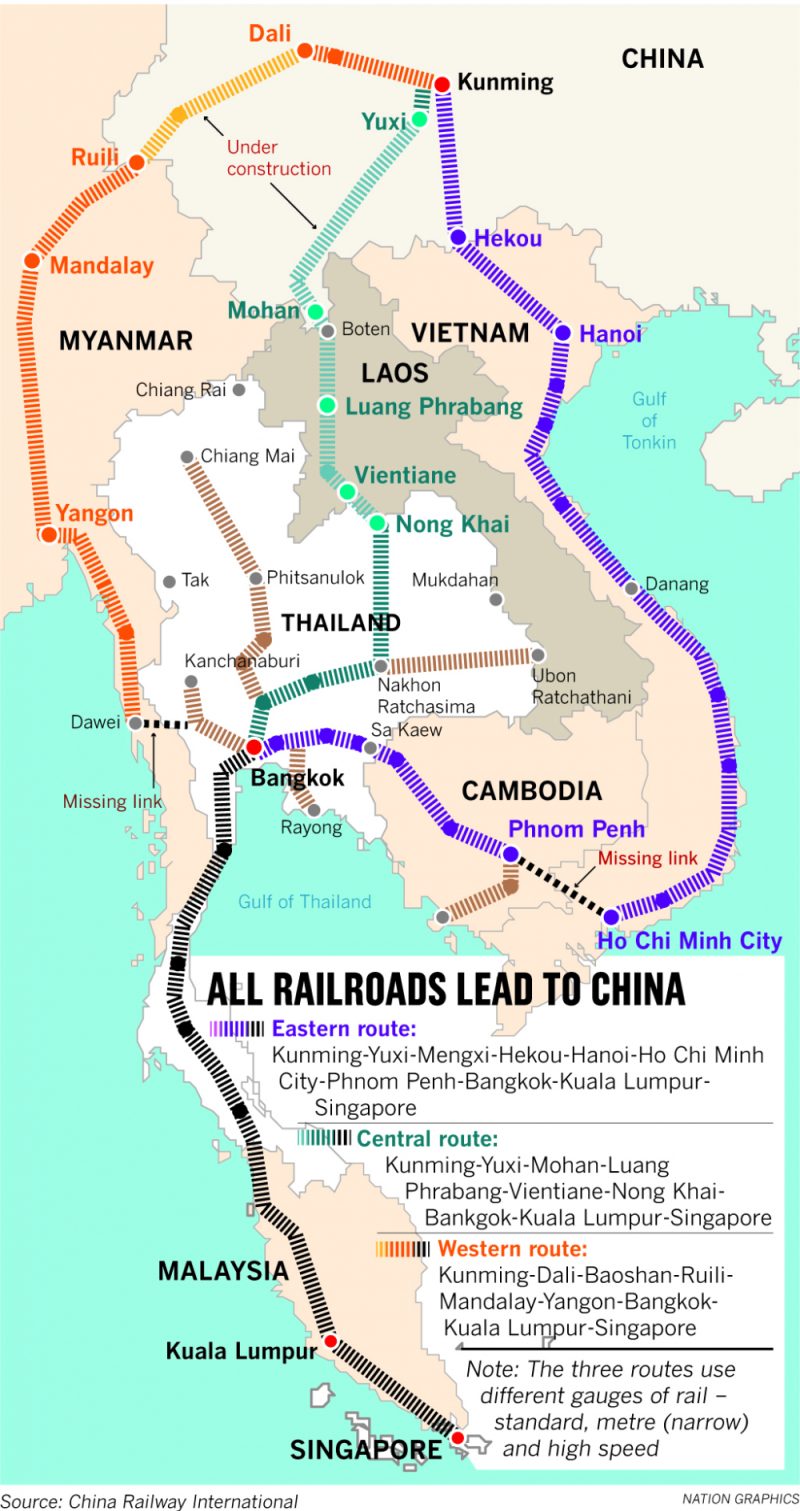
    the China-Vietnam freight train (launched in August 2017) run by the China Railway Nanning Group Co Ltd is a success story. It connects South China’s Guangxi Zhuang autonomous region with the Vietnam border and carries a variety of goods between China and ASEAN countries. In 2021, as many as 346 train trips were made, representing an increase of over 108 per cent from the previous year

     As far as bilateral economic relations are concerned, bilateral trade has grown.  In this regard, the China-Vietnam freight train (launched in August 2017) run by the China Railway Nanning Group Co Ltd is a success story. It connects South China’s Guangxi Zhuang autonomous region with the Vietnam border and carries a variety of goods between China and ASEAN countries. In 2021, as many as 346 train trips were made, representing an increase of over 108 per cent from the previous year. A total of 400 China-Vietnam freight train trips are expected to be made in 2022. China is also willing to provide more “customs clearance convenience for Vietnam’s high-quality agricultural products”, particularly durians, mangosteens, and longans.


    Prime Minister Pham Minh Chinh and Premier Li Keqiang have agreed to give a boost to their bilateral ties through the Regional Comprehensive Economic Partnership (RCEP) that came into force earlier this year. China has assured Vietnam that it is ready to “push for the effective implementation of the agreement, promote the regional economic integration to a higher level and bring more benefits to the people in the region”.

    at the strategic level, Vietnam continues to confront contentious initiatives by China, particularly on the issue of the South China Sea

     However, at the strategic level, Vietnam continues to confront contentious initiatives by China, particularly on the issue of the South China Sea. On March 7, pursuant to Hainan Maritime Safety Administration’s announcement on China’s military drills in the East Sea, Vietnam requested China to “respect and not to violate the nation’s exclusive economic zone and continental shelf, and not to take actions that complicate the situation, thereby contributing to maintaining peace, security and stability in the East Sea area. Vietnam has exchanged views with China on this issue”.

     Vietnamese Foreign Ministry spokesperson Le Thi Thu Hang observed that part of the area where Chinese military drills are planned is under the jurisdiction of Vietnam (exclusive economic zone and continental shelf of Vietnam) and reiterated that Vietnam always adheres to international law, especially the 1982 United Nations Convention on the Law of the Sea (UNCLOS). This has been refuted by China and it’s Foreign Ministry spokesman Zhao Lijian defended the military exercises by stating that the drill is lawful…“China’s military exercise on its own doorstep is reasonable and lawful. It is beyond reproach.” It is now learnt that China may have cordoned a part of the sea area close to Vietnam ostensibly to salvage a crashed military aircraft “while its forces searched for it, and also to conduct drills”.


    Notwithstanding the above challenges, it is fair to argue that the trajectory of Vietnam-China bilateral relations will not change in 2022 and can be expected to follow trends of the last year.  Vietnam is steadfast in its adherence to the one-China principle and supports China to play a greater role in regional and international affairs. This should go as a signal to the US which can be expected to send many political-diplomatic-military delegations to Vietnam in 2022 to influence the leadership, but Hanoi can be expected to pursue an independent foreign policy. 

    Feature Image: The Independent

    Map: www.isanrealestate.com

  • The Ukraine crisis: Its impact on India

    The Ukraine crisis: Its impact on India

    India has to tread a fine line in this imbroglio: Taking care of the welfare and evacuation of Indian students and the possibility of an oil price hike.

    The face-off over Ukraine between Russia and the United States and its Nato allies has been dominating the headlines for a while now with tensions ratcheting up as we receive dire public warnings every day of a Russian invasion any day now. Clearly, the possibility of Russian intervention there, and the consequent escalation of sanctions against them, is very real and concerning.

    While Ukraine may be a developing country and the poorest in Europe, by no means is it a pushover. It is the second-largest country there, behind Russia, by area, and in terms of population the eighth largest with its 42 million inhabitants. It has been independent since 1991, following the collapse of the Soviet Union, though it had been a part of the Russian Empire and the Soviet Union since the 18th century. If there is one lesson that Putin and the Russian military should have learnt from America’s disastrous interventions in Iraq and Afghanistan is that invasions are relatively easy to accomplish, but keeping restive and hostile populations under control is a wholly different proposition.

    [powerkit_button size=”lg” style=”info” block=”true” url=”https://www.dailypioneer.com/2022/columnists/the-ukraine-crisis–its-impact-on-india.html” target=”_self” nofollow=”false”]
    Read More
    [/powerkit_button]