Tag: China

  • BRICS Real Value: One Step Towards New World Order

    BRICS Real Value: One Step Towards New World Order

    While “BRICS” has been a frequently occurring acronym in our discourse in recent years, not many seem to have grasped the reality of Brics and its actual utility.

    The post-Cold War era has seen the economic and political rise of a host of nations — Brazil, China and India being foremost among them. Since 2000 and the advent of Vladimir Putin, Russia has with some help from soaring oil prices made impressive economic gains. The new South Africa, based equally on the industrial inheritance of the robust but unequal and exploitative apartheid regime and the bounty of nature, now finds itself as an advancing economic power. Unlike Nigeria, which has frittered its oil wealth and has been looted by its native kleptocracy, South Africa has been a relative symbol of responsible government and probity in public life. Each one of these nations is now a major economic player and some already have bigger GDPs than many countries in the Group of Seven. Together, in the next two decades, Brics is likely to outstrip the G-7.

    [powerkit_button size=”lg” style=”info” block=”true” url=”https://www.deccanchronicle.com/opinion/columnists/270722/mohan-guruswamy-brics-real-value-one-step-towards-new-world-orde.html” target=”_blank” nofollow=”false”]
    Read More
    [/powerkit_button]

  • The Geopolitical Significance of Chabahar Port to India 

    The Geopolitical Significance of Chabahar Port to India 

    The port of Chabahar is a seaport in south-eastern Iran, located on the Gulf of Oman, at the mouth of the Strait of Hormuz. It is situated in Sistan-va-Baluchestan, one of Iran’s least developed provinces. Contrary to Bandar Abbas, the busiest port in Iran, Chabahar is a deep-water port with direct access to the Indian Ocean that is outside the Hormuz Strait. It is Iran’s only seaport and consists of two separate ports called Shahid Beheshti and Shahid Kalantari. The last Shah of Iran proposed the port’s development in 1973. Work in Chabahar began when the Shah of Iran, Reza Pahlavi, was in power. The Iranian Revolution of 1979 hindered the development of this port. Following the 1979 Islamic revolution, US firms involved in various infrastructure investments fled the country. The new government took on these projects. The port of Chabahar grew in importance during the Iran-Iraq war of 1983 when ships were hesitant to enter the Strait of Hormuz. The port’s first phase opened during the Iran-Iraq war, when Iran began shifting maritime trade up the east coast toward the Pakistani border to reduce the reliance on Persian Gulf ports which were susceptible to attack by the Iraq Air Force. Chabahar is substantial for its fishing industry and will serve as a major trade hub designed to connect South Asia, Central Asia, and the Middle East. Chabahar can emerge as a potential global trading hub – and an arena for geopolitical competition. Chabahar is vital for both India and Iran to reduce their dependence on the Suez Canal for transporting cargo to Europe. Chabahar is a strategic port from an Indian perspective. Apart from being easily accessible from India’s western coasts, it serves several important functions. For starters, by having access to the port, India can reduce its commute time to Central Asia by one-third. Second, a link between Afghanistan and India could be built without going through Pakistan and this could help the already established diplomatic, security and economic relationship between New Delhi and Kabul. Third, India gains road access to four cities in Afghanistan via Chabahar: Herat, Kandahar, Kabul, and Mazar-e-Sharif. This will help India strengthen its trade with Afghanistan (“Chabahar and Beyond” 2016). However, the Taliban’s return to power in 2021 gives rise to a certain level of uncertainty. The current geopolitical environment, both regional and global, creates opportunities for India to overcome possible uncertainties.

    New Delhi views Chabahar port as a means of bypassing Pakistan’s land routes to gain access to the Afghan and Central Asian markets.

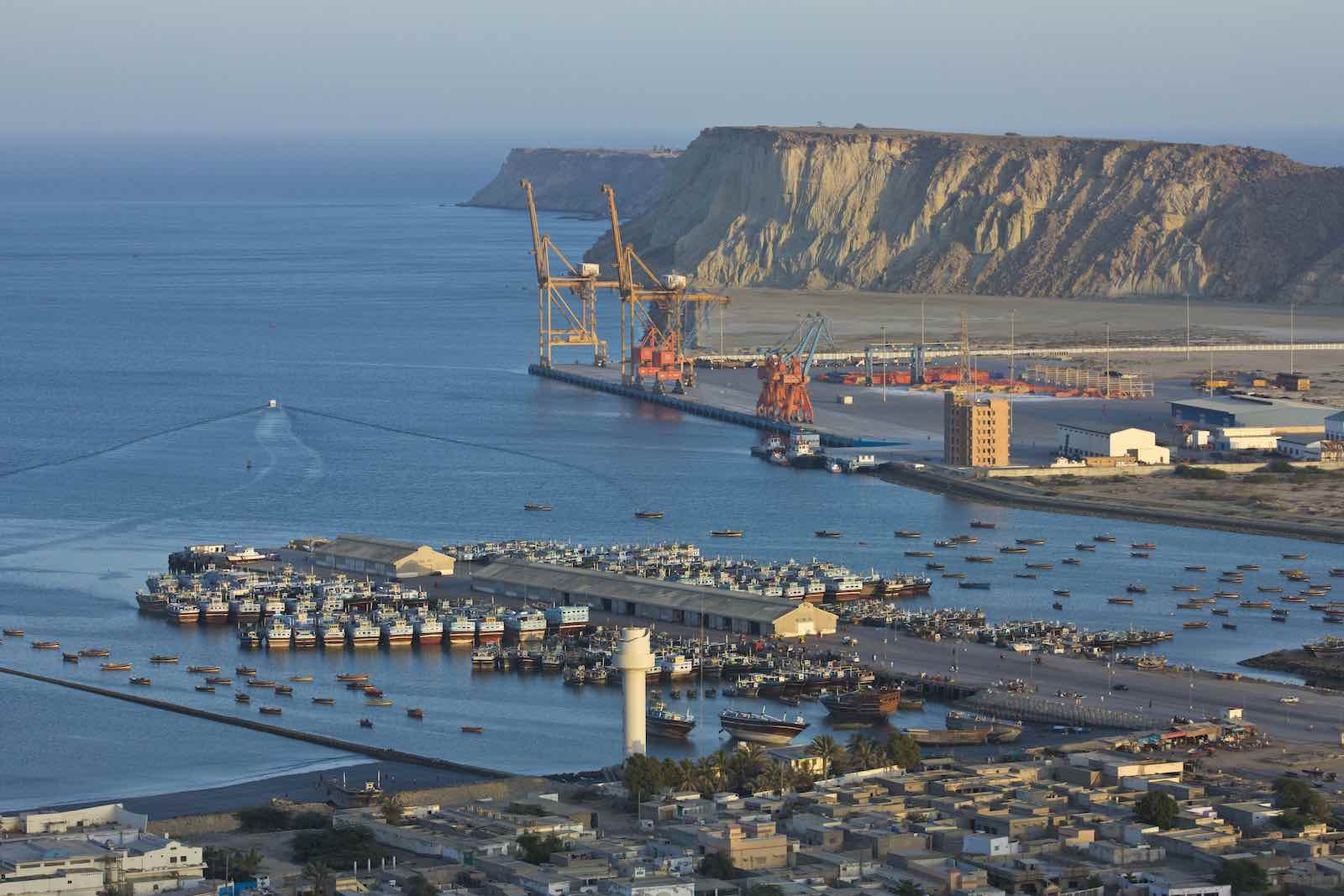
    Being one of the world’s fastest-growing economies, expansion of trade relations and access to new markets is a necessity for India. As an investor, New Delhi views Chabahar port as a means of bypassing Pakistan’s land routes to gain access to the Afghan and Central Asian markets. Pakistan’s Gwadar port is one possible route for India to access Central Asian markets, India has long aimed for alternative routes due to its adversarial relationship with Pakistan (“Chabahar Port: A Step toward Connectivity for India and Afghanistan,” n.d.). Additionally, the port will strengthen relations between India and Iran, which may help counterbalance strong Sino-Pakistani cooperation. According to the Minister of Foreign Affairs (MEA), India and Iran share close historical and civilizational ties, “Our bilateral relations are marked by strong linkages across institutions, cultures and people-to-people ties,” the MEA said in a statement. Afghanistan also seeks to explore new trade routes to reach international markets. It aims to reduce its dependence on Pakistan, which handles most of the Afghan trade due to the country’s landlocked status. 

    Afghanistan is crucial for India’s ‘neighbourhood first’ strategy. India assisted Afghanistan in becoming a full member state of SAARC in 2007. It signed a Preferential Trade Agreement with Kabul in 2003 following the establishment of the interim government post the US’s intervention in 2001. Under the North-South Transport Corridor framework, India, Afghanistan, and Iran signed the Chabahar port agreement in 2003, allowing all three countries to use the Chabahar port as a trade hub. India is working on constructing the Chabahar port primarily to compete with the Gwadar port project and to connect it to Russia’s International North-South Transport Corridor (INSTC). India has already built a 218-km-long road from Delaram to Zaranj (“India Completes Zaranj-Delaram Highway in Afghanistan” 2008) and now plans to connect this road to Chabahar port and deliver goods through this route. India is also keen on using the Chabahar port to connect the oil-rich Central Asian countries by road connectivity via the Milak (Iran) and Zaranj-Dilaram (Afghanistan) roads. For India, the port, which is only 940 kilometers from Mundra in Gujarat, is about more than just facilitating the flow of trade with Afghanistan. Rather, the development of Chabahar is a crucial component of the country’s grand strategy to connect with Central Asia. India’s justification for wanting to develop the Chabahar Port goes beyond its interest in Afghanistan. Enhancing regional trade and connectivity as well as thwarting China’s expanding influence in the Indian Ocean are other top priorities for Indian foreign policy (“What Are India, Iran, and Afghanistan’s Benefits from the Chabahar Port Agreement? Manohar Parrikar Institute for Defense Studies and Analyses,” n.d.).

    Geopolitical Challenges

    The port of Chabahar will be of little use if Afghanistan is not stable. Indian interest in the Chabahar Port, therefore, continues to be closely linked to the geopolitical changes the region is currently experiencing.

    The competition for regional dominance between India and China can be seen in the development of ports in the regions. Indian involvement in the Chabahar port is important in securing India’s interest in the region. A calculative China will seize any opportunity that India might present in the port facility. If China moves in, Indian investments in the Chabahar port may be unfavorably affected (Pant and Mehta, 2018). A significant barrier is the complex nature of India-Iran relations, in which the former does not hold a privileged position. Given India’s priorities in the Middle East, it is unlikely that the relationship with Iran could compete with the comprehensive partnership that China and Pakistan share, which includes a strong defence and security arrangement. Iran may find it challenging to ignore or exclude China, its largest foreign investor, from the Chabahar project. Additionally, China has successfully completed several infrastructure projects in Iran, including the Tehran Metro, and has allocated US$ 1.5 billion through its EXIM Bank for the electrification of the Tehran-Mashhad railway line (“$1.5b China Loan for Iranian Rail Project” 2017).

    Peace and stability in Afghanistan will also impact the performance of the Chabahar Port. The tumultuous security situation in Afghanistan could jeopardise trilateral efforts between India, Iran, and Afghanistan to operate the Chabahar Port facility. And finally, the port of Chabahar will be of little use if Afghanistan is not stable. Indian interest in the Chabahar Port, therefore, continues to be closely linked to the geopolitical changes the region is currently experiencing.

    References

    “$1.5b China Loan for Iranian Rail Project.” 2017. Financial Tribune. July 25, 2017. https://financialtribune.com/articles/economy-domestic-economy/68986/update-15b-china-loan-for-iranian-rail-project.

    Amirthan, Shawn. 2016. “What Are India, Iran, and Afghanistan’s Benefits from the Chabahar Port Agreement?” Strategic Analysis 41 (1): 87–93. https://doi.org/10.1080/09700161.2016.1249184.

    “Chabahar and Beyond.” 2016. Www.thehindubusinessline.com. May 25, 2016. https://www.thehindubusinessline.com/opinion/editorial/chabahar-and-beyond/article8646239.ece.

    “Chabahar Port: A Step toward Connectivity for India and Afghanistan.” n.d. Thediplomat.com. https://thediplomat.com/2019/07/chabahar-port-a-step-toward-connectivity-for-india-and-afghanistan/.

    “India Completes Zaranj-Delaram Highway in Afghanistan.” 2008. Development News from Afghanistan, August 24, 2008. https://afghandevnews.wordpress.com/2008/08/24/india-completes-zaranj-delaram-highway-in-afghanistan/.

    Pant, Harsh V., and Ketan Mehta. 2018. “India in Chabahar.” Asian Survey 58 (4): 660–78. https://doi.org/10.1525/as.2018.58.4.660.

    “What Are India, Iran, and Afghanistan’s Benefits from the Chabahar Port Agreement? Manohar Parrikar Institute for Defence Studies and Analyses.” n.d. Idsa.in. https://idsa.in/strategicanalysis/40_1/india-iran-and-afghanistans-benefits-from-the-chabahar-port-agreement.

    Featured Image Credit: Lowy Institute

  • The Great Chips War

    The Great Chips War

    The supply chain disruptions for semiconductor chips and the increasing sanctions imposed by the US on high-tech chips access to China and Russia has signalled the critical relevance of control over this technology and process for national security. Chip design and manufacture involve heavy capital investments and access to special machinery that is monopolised by very few American-controlled/influenced companies in Europe and East Asia. India, having missed the boat earlier due to poor investment decisions, has recognised chip manufacturing as a critical strategic industry and is investing efforts to establish significant capabilities. This could take years as challenges still remain.  – TPF Editorial Team

    Following the US Commerce Department’s announcement of severe new restrictions on sales of advanced semiconductors and other US high-tech goods to China, the Sino-American rivalry has entered an important new phase. Even under the best circumstances, China will have a difficult time adapting to its new reality.

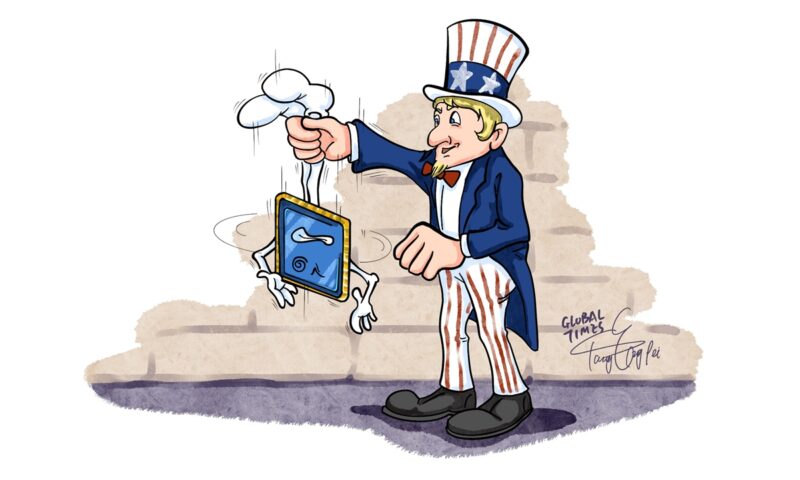
    In addition to dealing with the fallout from open warfare in eastern Europe, the world is witnessing the start of a full-scale economic war between the United States and China over technology. This conflict will be highly consequential, and it is escalating rapidly. Earlier this month, the US Commerce Department introduced severe new restrictions on the sale of advanced semiconductors and other US high-tech goods to China. While Russia has used missiles to try to cripple Ukraine’s energy and heating infrastructure, the US is now using export restrictions to curtail China’s military, intelligence, and security services.

    The new chip war is a war for control of the future.

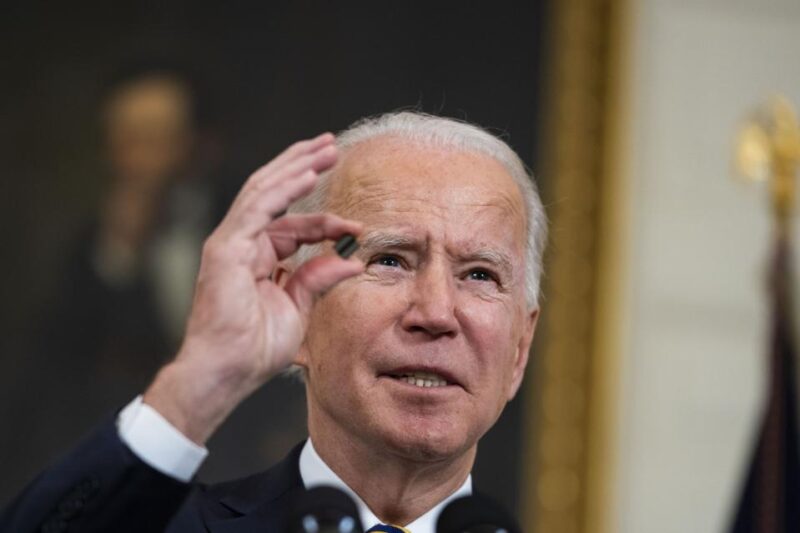
    Moreover, in late August, US President Joe Biden signed the CHIPS Act, which includes subsidies and other measures to bolster America’s domestic semiconductor industry. Semiconductors are and will remain, at the heart of the twenty-first-century economy. Without microchips, our smartphones would be dumb phones, our cars wouldn’t move, our communications networks wouldn’t function, any form of automation would be unthinkable, and the new era of artificial intelligence that we are entering would remain the stuff of sci-fi novels. Controlling the design, fabrication, and value chains that produce these increasingly important components of our lives is thus of the utmost importance. The new chip war is a war for control of the future.

    The semiconductor value chain is hyper-globalized, but the US and its closest allies control all the key nodes. Chip design is heavily concentrated in America, and production would not be possible without advanced equipment from Europe, and fabrication of the most advanced chips – including those that are critical for AI – is located exclusively in East Asia. The most important player by far is Taiwan, but South Korea is also in the picture.

    In its own pursuit of technological supremacy, China has become increasingly reliant on these chips, and its government has been at pains to boost domestic production and achieve “self-sufficiency.” In recent years, China has invested massively to build up its own semiconductor design and manufacturing capabilities. But while there has been some progress, it remains years behind the US; and, crucially, the most advanced chips are still beyond China’s reach.

    It has now been two years since the US banned all sales of advanced chips to the Chinese telecom giant Huawei, which was China’s global technology flagship at the time. The results have been dramatic. After losing 80% of its global market share for smartphones, Huawei was left with no choice but to sell off its smartphone unit, Honor, and reorient its corporate mission. With its latest move, the US is now aiming to do to all of China what it did to Huawei.

    This dramatic escalation of the technology war is bound to have equally dramatic economic and political consequences, some of which will be evident immediately, and some of which will take some time to materialize. China most likely has stocked up on chips and is already working to create sophisticated new networks to circumvent the sanctions. (After Huawei spun it off in late 2020, Honor quickly staged a comeback, selling phones that use chips from the US multinational Qualcomm.)

    Still, the new sanctions are so broad that, over time, they will almost certainly strike a heavy blow not only to China’s high-tech sector but also to many other parts of its economy. A European company that exports to China now must be doubly sure that its products contain no US-connected chips. And, owing to the global nature of the value chain, many chips from Taiwan or South Korea also will be off-limits.

    The official aim of the US policy is to keep advanced chips out of the Chinese military’s hands. But the real effect will be to curtail China’s development in the sectors that will be critical to national power in the decades ahead.

    The official aim of the US policy is to keep advanced chips out of the Chinese military’s hands. But the real effect will be to curtail China’s development in the sectors that will be critical to national power in the decades ahead. China will certainly respond with even stronger efforts to develop its own capabilities. But even under the best circumstances, and despite all the resources it will throw at the problem, any additional efforts will take time to bear fruit, especially now that US restrictions are depriving China of the inputs that it needs to achieve self-sufficiency.

    The new chips war eliminates any remaining doubt that we are witnessing a broader Sino-American decoupling. That development will have far-reaching implications – only some of them foreseeable – for the rest of the global economy.

    Ukraine is already repairing and restarting the power stations that have been hit by Russian missile barrages since the invasion began in February. But it will be much more difficult for China to overcome the loss of key technologies. As frightening as Russia’s twentieth-century-style war is, the real sources of power in the twenty-first century do not lie in territorial conquest. The most powerful countries will be those that master the economic, technological, and diplomatic domains.

    This article was published earlier in Project Syndicate.

    Images Credit: Globaltimes.cn

  • Time to be firm tackling Dragon on LAC Standoff & Human Rights

    Time to be firm tackling Dragon on LAC Standoff & Human Rights

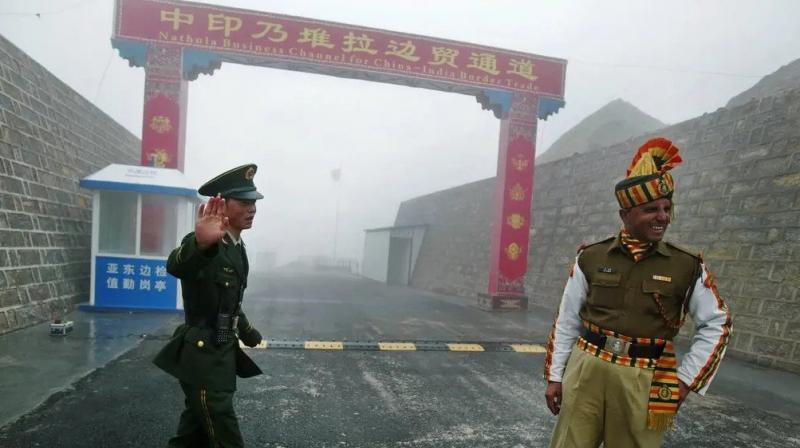
    Both nations, according to reports, now have between 50,000 to 60,000 troops deployed along the LAC in Ladakh.

    The last couple of years, in particular, have seen the world torn apart by both the Covid-19 catastrophe and the emergence of a new Cold War. Nations have been pursuing their own selfish agendas on the global stage unmindful of the uncalled-for destruction of weaker societies with misery and turmoil being inflicted on the hapless. After Russia’s invasion of Ukraine eight months ago, a conflict which threatens to escalate into a nuclear dimension, the world is yet to see any signs of a resolution. India, which is located in easily one of the world’s most geopolitically stressed regions, has its own share of diverse challenges, threatening its security and well-being, largely attributable to the hegemonistic and an overly assertive China.

    [powerkit_button size=”lg” style=”info” block=”true” url=”https://www.asianage.com/opinion/columnists/111022/kamal-davar-time-to-be-firm-tackling-dragon-on-lac-standoff-human-rights.html” target=”_blank” nofollow=”false”]
    Read more
    [/powerkit_button]

  • Putin’s Folly: The Long Road to Self-Destruction

    Putin’s Folly: The Long Road to Self-Destruction

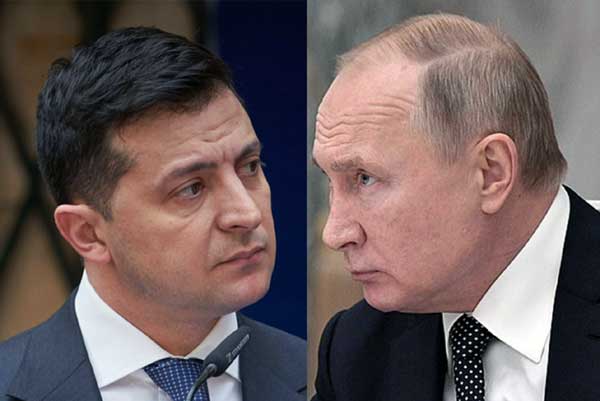
    Ever since President Putin ordered the occupation of Ukraine in a ‘Special Military Operation’ this February, he has been at the receiving end of a stream of bad news. Neither were the Russian Armed Forces welcomed with open arms, as they had expected, nor were they able to capture Kiev and force a regime change, as Putin had wanted. In the process, both their leadership and rank and file displayed spectacular incompetence and irretrievably destroyed the reputation of what was till then seen as one of the strongest militaries in the world.

    However, nothing could have truly prepared him for the nightmarish turn of events this September. In a brilliant display of operational art, the Ukrainian defence forces launched a counter offensive in the Kharkiv region, catching the Russian military leadership completely by surprise. Having earlier deceived them into reinforcing the Kherson sector by denuding forces deployed in the Kharkiv sector.

    The ensuing rout, it clearly was no organised retreat, resulted in prisoners being taken in their thousands, along with all manner of serviceable weapons, ammunition and equipment. This includes hundreds of tanks and armoured personnel carriers which the Ukrainians can use. Ironically, this may well make Russia the largest donor of military equipment to the Ukrainians! In addition, the Ukrainian military have been able to grab back approximately 9000sq kms of occupied territory in the Kharkiv

    [powerkit_button size=”lg” style=”success” block=”true” url=”http://www.indiandefencereview.com/news/putins-folly-the-long-road-to-self-destruction/” target=”_blank” nofollow=”false”]
    Read More
    [/powerkit_button]

  • We are All Style, No Substance!

    We are All Style, No Substance!

    India has become a jejune society which is happy cheering optics rather than being concerned with issues concerning the larger good of all.

    It seems that to the vast majority of us in this country, from every stratum of society, what matters most, is keeping up appearances rather than concentrating on the substantive aspect of the issue. A characteristic that we are willing to defend at any cost, in the courts, indulging in verbal jousting and even letting loose bulldozers.

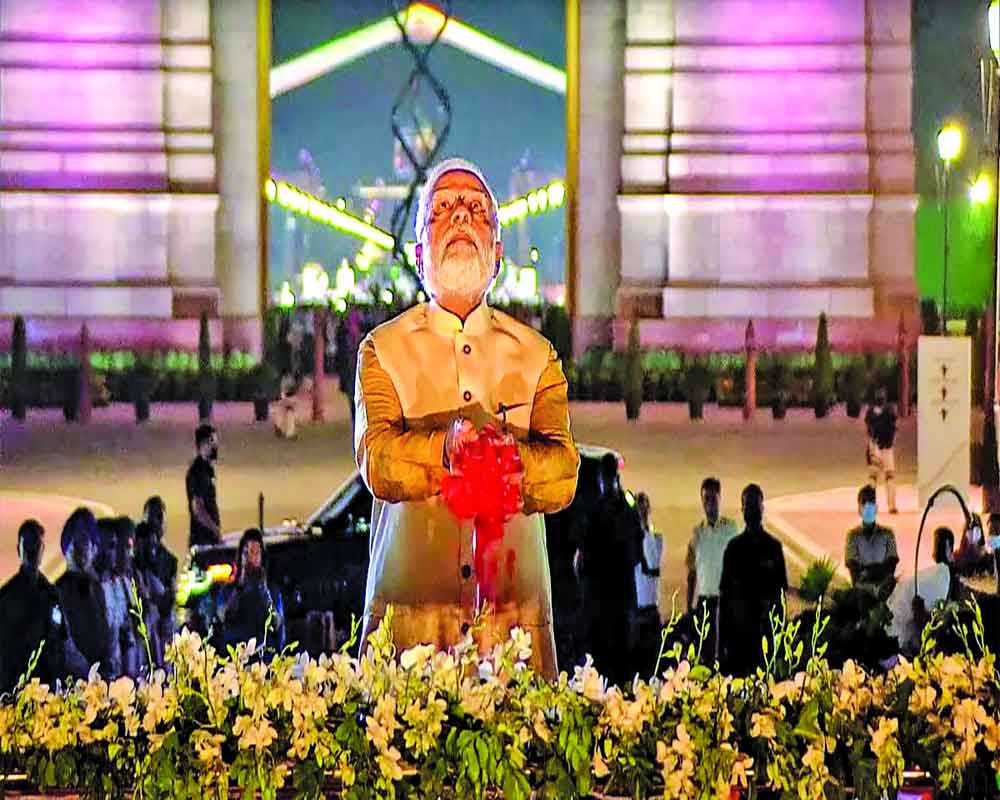
    Take for instance the issue of developing patriotism within our citizenry. Undoubtedly a noble endeavour, but hardly likely to be fulfilled by launching a one-week concerted drive to convince citizens to fly the national flag on their balconies or in their cars, that is if it is to be anything more than just a marketing gimmick. Yet the Central Government did just that with the “Har Ghar Tiranga” initiative, launched by the Prime Minister, just prior to our Nation’s 75th Independence Day.

    [powerkit_button size=”lg” style=”info” block=”true” url=”https://www.dailypioneer.com/2022/columnists/we-are-all-style–no-substance-.html” target=”_blank” nofollow=”false”]
    Read More
    [/powerkit_button]

  • China’s Expanding Presence in the Pacific Islands

    China’s Expanding Presence in the Pacific Islands

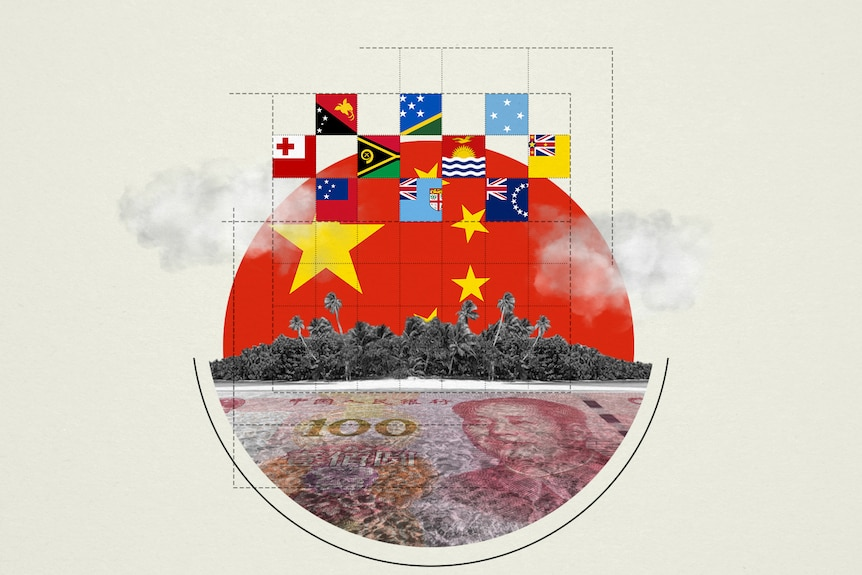
    The Pacific Island Countries (PICs) have received increasing attention recently as they continue to be centres of geopolitical tension between China and western powers – the USA, Australia, and New Zealand. The island nations are generally grouped into three distinct regions, namely – Micronesia, Melanesia and Polynesia, on the basis of their physical and human geography. They possess some of the largest Exclusive Economic Zones (EEZs) in the world spanning about 30 million sq km (11.6 million sq miles) of the ocean despite their small size and limited population. 

    The Chinese efforts to secure a strong military presence in the Pacific Island Countries could not only enable it to achieve ‘Blue Navy Status’ but also counter this overwhelming US military presence surrounding it.

    The economic potential of these Exclusive Economic Zones, which are rich in fisheries, energy, minerals and other marine resources, is so immense that these nations prefer to be regarded as the Big Ocean States, rather than the Small Island States. In the past, the islands have functioned as launchpads and laboratories, playing crucial roles in power rivalries due to their location and geography¹. With China endeavouring to spread its power and influence to achieve Great Power status, it is natural that it set its sights on areas which have been traditionally dominated by Western powers. Increased Chinese presence in the Pacific Islands is aimed at ending the United States unchallenged influence in the region and to enable suitable backups in a potential conflict over Taiwan. The US presently has 53 overseas military bases across Japan and South Korea, in close proximity to the Chinese mainland as opposed to China’s only overseas military base in Djibouti. Thus, the Chinese efforts to secure a strong military presence in the Pacific Island Countries could not only enable it to achieve ‘Blue Navy Status’ but also counter this overwhelming US military presence surrounding it.

    Economic Factors and China’s Strategy

    The economic attractiveness of the Pacific Islands also includes access to its trade and shipping routes.  On the diplomatic front, these nations tend to serve as a vote bank at forums like the United Nations and can help Beijing in its ambition to further isolate Taiwan. Additionally, stronger relations would help in advancing China’s ambitious Belt and Road Initiative while also enhancing its image as a reliable partner and viable alternative to other major powers, especially the US and Australia.

    China has had ties with the Pacific Islands since the 1970s but many island nations’ official diplomatic recognition of Taiwan continued to be a major hurdle throughout these years. Through continued economic assistance, China has succeeded in getting diplomatic recognition from 10 out of the 14 Pacific Islands. Presently, only four countries namely Tuvalu, Palau, Marshall Islands and Nauru recognise Taiwan, with Kiribati being the latest nation to withdraw its recognition in September 2019. The success of the Chinese approach can be seen in the fact that they have successfully secured Belt and Road cooperation MOUs with all the 10 PICs and have signed the Belt and Road cooperation plans with Papua New Guinea (PNG) and Vanuatu. As per the fact sheet released by the Chinese government, China and the PICs have continued to expand cooperation in more than 20 different areas, which include trade, investment, ocean affairs, environmental protection, disaster prevention and mitigation, poverty alleviation, health care, education, tourism, sports and culture. 

    Significant progress in China – PIC relations was seen with the establishment of the China-Pacific Island Countries Economic Development and Cooperation Forum in 2001, which functions as the highest-level dialogue mechanism between the countries in the fields of economy and trade. In November 2014, Chinese President Xi Jinping paid a state visit to Fiji where he held a group meeting with the PIC head of states. An agreement was signed to establish a strategic partnership and these ties were elevated to a comprehensive strategic partnership featuring mutual respect and common development in November 2018, during President Xi Jinping’s visit to PNG. One of the more recent developments is the China-Pacific Island Countries Foreign Ministers’ Meeting held in October 2021, which resulted in the Joint Statement of China-Pacific Island Countries Foreign Ministers’ Meeting.

    Attention towards climate change action has given China a strong foothold amidst rising frustration among the PICs about the Western powers’ proclivity to focus on geopolitical concerns without sparing sufficient attention to the island country’s paramount needs and concerns. 

    The major success of the Chinese strategy with regards to the Pacific Island nations can be found in their harnessing of pressing issues like climate change, environment, agricultural development, infrastructure and rising sea levels which have been largely neglected by traditional powers. From providing yearly financial assistance to the Secretariat of the Pacific Regional Environment Programme (SPREP) since 1998, the Chinese government has taken efforts to address and assist the PICs in tackling climate change and achieving sustainable development. April 2022 saw the launch of the China-Pacific Island Countries Climate Change Cooperation Centre in the Shandong Province of China. The Chinese have strengthened renewable energy cooperation with the PICs and have facilitated the construction of hydro-power stations in countries like PNG and Fiji. This attention towards climate change action has given China a strong foothold amidst rising frustration among the PICs about the Western powers’ proclivity to focus on geopolitical concerns without sparing sufficient attention to the island country’s paramount needs and concerns. 

    Infrastructure Strategy – BRI Model

    Infrastructure development has been another avenue where the Chinese have shown significant enthusiasm. Several important connectivity projects have been executed in the PICs including the Independence Boulevard in PNG, Malakula island highway in Vanuatu, renovation of Tonga national road, and Pohnpei highway in Micronesia. Aside from providing much needed support in a variety of fields, the Chinese approach to the Pacific islands as a collective entity has helped acknowledge the group as having a combined identity and decision-making capability. Addressing issues which have only been previously discussed on a bilateral basis also provides the PIC with enhanced political strength and purpose, because despite all their differences, most of the countries share similar needs and requirements. 

    Chinese efforts to establish a strong military presence in the region were in 2018, when the Australian press reported that China had requested the right to establish a permanent military presence in Vanuatu, situated less than 2,000 kilometres from Australian territory. However, no formal agreement was drafted. The then Prime Minister of Vanuatu strongly denied that any such talks had taken place and assured the local and international community that there would be no Chinese military presence in the country. A similar report was released by the Australian press in the same year alleging that China held a keen interest in refurbishing a port on Manus Island in Papua New Guinea which had previously functioned as the site of an Allied naval base during World War II. The claims were dismissed when the PNG government contracted Australia and the United States to redevelop the port instead. 

    The Chinese efforts finally materialized in the form of the China – Solomon Islands Security Pact in April 2022. As per the terms of the pact, permission is granted to the Chinese navy to dock and refuel in the Solomon Islands, laying the groundwork for a facility that could be expanded over time. The pact allows the Solomon Islands to seek Chinese assistance when required to maintain social order and stability. The pact has been understood by several scholars as a way for China to establish a permanent military presence gradually under the guise of performing this role. The security pact came at a time when international attention was already on the growing closeness of China and the Pacific Island nations following the leak of two draft documents “China-Pacific Island Countries (PICs) Common Development Vision”, and “China-Pacific Islands Five-Year Action Plan on Common Development (2022-2026)” at the start of 2022. 

    USA’s Response

    In the face of China’s rising threat, the United States released its Indo-Pacific Strategy in February 2022 which emphasized the importance of the Pacific Islands to the United States. Along with the “Partners in the Blue Pacific” initiative, it reiterated its commitment to cement itself as a dominant power in the region. However, definitive action on a large scale was taken only in late May when the Chinese Foreign Minister, Wang Yi, embarked on a 10-day visit to the region attempting to secure a comprehensive framework agreement with engagements on multiple fronts with the PICs. Although the attempt was unsuccessful, Wang, during his visit, travelled to eight countries (the Solomon Islands, Kiribati, Samoa, Fiji, Tonga, Vanuatu, Papua New Guinea and Timor-Leste) and held virtual meetings with three additional nations (Cook Islands, Niue and the Federated States of Micronesia), ultimately signing 52 bilateral treaties. Although the Chinese foreign minister stressed the country’s commitment and intent for long-term engagement in the region, news of the framework agreement sparked great controversy. The Pacific Island nations could not reach a unanimous decision on signing this agreement and decided to deliberate the matter at the PIF meeting. However, this decision to postpone discussions was disadvantageous to China as the PIF has membership from both New Zealand and Australia both of which were sure to put up strong opposition to the signing of this agreement. Perhaps foreseeing this, the agreement was soon withdrawn after which China immediately released a Position Paper on Mutual Respect and Common Development ² with Pacific Island Countries, which offers 15 “visions and proposals” for deepening China’s engagement in the region. The security issues (China sought to train local police forces, conduct mapping of sensitive marine areas, and play a role in the cyber security of the nations) that had caused much controversy were only mentioned briefly within the paper with much of the focus pointed notably towards political and economic issues. Wang, as part of his visit, also hosted the second round of the China-Pacific Island Countries Foreign Ministers Meeting in Fiji where he delivered the Secretary General of the Chinese Communist, Party Xi Jinping’s written remarks on China’s continued support. 

    Swift responses came about on May 31, when US President Biden and New Zealand Prime Minister Jacinda Ardern issued a joint statement that highlighted the two countries’ shared commitment to the Pacific Islands. The statement also expressed their concern over the China – Solomon Islands Security Pact and warned against “the establishment of a persistent military presence in the Pacific by a state that does not share our values or security interest.” ⁴ Australian Foreign Minister Penny Wong embarked on a similar visit to Fiji, Samoa and Tonga in early June to reinforce Canberra’s commitments to its neighbours. 

    Despite these advancements, public response to the Chinese visit and in a broader sense, to China’s growing footprint in the region was largely negative. Domestic response in Kiribati was lukewarm due to the wariness stemming from rumours that surfaced in 2021 about China’s plans to upgrade a World War II airstrip in the country, which is likely to damage the country’s already strained fish stocks. The announcement that Fiji would become a founding member of the U.S. led Indo- Pacific Economic Framework by President Frank Bainimaram immediately prior to Wang’s visit reflected wariness about China’s future presence in the area. Additionally, despite signing the security pact, Solomon Islands Prime Minister Sogavare’s support for Beijing gave rise to worries that China would now be in a position “to prop up an unpopular regime and undermine the democratic processes in the name of maintaining social order” among his critics. However, the most vocal voice of protest was that of David Panuelo, the president of the Federated States of Micronesia, who called upon his fellow Pacific Island leaders to reject China’s offers of a comprehensive framework agreement calling it “the single-most game-changing proposed agreement in the Pacific in any of our lifetimes.” ³ The lack of transparency during Wong’s visit drew further criticism with the strict regulation of foreign journalists and ban on direct questions. It eventually led the Media Association of the Solomon Islands to issue a boycott notice to its members, urging them to skip the press event in protest of these restrictions.

    Concerns have also arisen due to China’s reputation for extremely stringent terms of lending and what the West accuses as ‘debt trap’ policy. 60 percent of all Chinese loans are offered at commercial rates rather than concessional rates with extremely short repayment periods – usually less than 10 years. Additionally, the confidentiality clauses (borrowing countries cannot reveal terms of the loan provided or in some cases the very existence of the loan), stabilization clause (lender can demand immediate repayment of loan in case of significant change in the borrowing country’s laws like labour or environment policies), cross-default clause (contract can be terminated and full and immediate repayment can be demanded if the borrowing country defaults on any of its other lenders), political clause ( termination or acceleration of repayment if the borrower acts against China) as well as holding Chinese projects in the country as collateral which are characteristic of Chinese loans are also worrying. The lack of public access to the China – Solomon Islands security pact document and similar documents is also unsettling. 

    Demand for addressing Climatology threats and not Geopolitics

    Chinese interest in the region has served as an efficient bargaining chip for the Pacific Islands to secure their key security interests.

    The geopolitical competition brewing in the region has been a topic of discussion at the Pacific Islands Forum (PIF). Its members include Australia, New Zealand, the Republic of the Marshall Islands, Palau, Tuvalu and Nauru in addition to the other Pacific Island Nations. Kiribati’s withdrawal from the Forum on July 9 led to debates on China’s influence on this decision among the opposition parties in the country. However, the government cited the failure to adhere to previous engagements, which in turn threatened equal respect and position accorded to the members of the forum as a reason for this move. The PIF meetings conducted between July 11 and July 14 gave ample opportunity for traditionally influential powers like the US and Australia to promise stronger support for the region. US Vice President Kamala Harris addressed the forum as a special invitee announcing two new embassies in Kiribati and the Solomon Islands. She also pledged to triple current aid levels (up to 60 million dollars per year for 10 years) to help combat illegal fishing, enhance maritime security and tackle climate change, after decades of stalled funding as well as a return of peace corps volunteers to Fiji, Tonga, Samoa and Vanuatu. Australia’s remarks ran along similar lines i.e.; pledges of greater support for the climate change agenda of its neighbours.

    Chinese interest in the region has served as an efficient bargaining chip for the Pacific Islands to secure their key security interests. Using this geopolitical competition to its favour could be the way forward for these island nations whose very existence is threatened by rising sea levels. As Dame Meg Taylor, former secretary-general of the Pacific Islands Forum states, the process is already underway. “In general, Forum members view China’s increased actions in the region as a positive development, one that offers greater options for financing and development opportunities — both directly in partnership with China, and indirectly through the increased competition in our region.”

    The most recent PIF meeting concluded with the island nations declaring a climate emergency and making it clear that climate action would be the most preferred front for engagement with all powers including China, US and Australia. Although the western powers, especially Australia had previously pledged to take climate action, the Pacific Island nations had expressed disappointment that the targets for phasing out of carbon emissions had not been met. Thus, greater realignment towards taking definitive climate action would be the next step in relations with the Pacific Islands.  As Fiji’s Bainimarama put it, “Geopolitical point-scoring means less than little to anyone whose community is slipping beneath the rising seas. With jobs being lost to the pandemic, and families being impacted by the rapid rise in the price of commodities, their greatest concern isn’t geopolitics — it’s climate change.”

    It is vital that the Pacific Island Countries band together to maintain solidarity, leverage the opportunities afforded to them due to competition brought about by China’s increased interest in the region and show solidarity in light of the unifying, clarifying priority for all Pacific leaders, which is survival. 

    The effects of climate change are already manifesting in “countries like Vanuatu, Fiji, Solomon Islands, Tonga which are no longer facing category five (severe tropical) cyclones once every 10 years, it’s once every two or three years.” Rising sea levels have allowed salt water to rise through the ground in countries like the Marshall Islands and Tuvalu, which pollute the existing fresh water sources. As former Kiribati President Anote Tong explains in an interview to The Drum, “climate change is not some hypothetical future threat – his islands may not be habitable by 2060.” Thus, it is vital that the Pacific Island Countries band together to maintain solidarity, leverage the opportunities afforded to them due to competition brought about by China’s increased interest in the region and show solidarity in light of the unifying, clarifying priority for all Pacific leaders, which is survival. 

    REFERENCES : 

    1. Dirk H. R. Spennemann (1992) The politics of heritage: Second world war remains on central Pacific Islands, The Pacific Review, 5:3, 278-290, DOI: 10.1080/09512749208718990 
    2. “China’s Position Paper on Mutual Respect and Common Development with Pacific Island Countries.” China’s Position Paper on Mutual Respect and Common Development with Pacific Island Countries, www.fmprc.gov.cn, 30 May 2022, https://www.fmprc.gov.cn/eng/zxxx_662805/202205/t20220531_10694923.html.
    3. Panuelo, D. (2022). DocumentCloud. Retrieved 1 August 2022, from https://www.documentcloud.org/documents/22037013-letter-from-h-e-david-w-panuelo-to-pacific-island-leaders-may-20-2022-signed
    4. The United States Government. (2022, May 31). United States – Aotearoa new zealand joint statement. The White House. Retrieved August 1, 2022, from https://www.whitehouse.gov/briefing-room/statements-releases/2022/05/31/united-states-aotearoa-new-zealand-joint-statement/ 

  • The Curious Case of Indian Silence over damning UN Human Rights Report on China

    The Curious Case of Indian Silence over damning UN Human Rights Report on China

    Not surprisingly, India has not come out with any condemnation of China for its atrocities in Xinjiang, a classic example of India in recent times trying to steer clear of global contestations.

    Down the ages, the phenomenon of imperial overreach has been prevalent across the world.  The evils for which it gets perpetrated would, by and large, be known to those who succumbed to it for supposedly national aspirations, religious fervour or even self-glory by some megalomaniacs!

    That the country relentlessly aspiring with rapidity to be the next global superpower, China, can be unquestionably placed in the category of an imperialist power brooks no emphasis. China thus, without remorse or any humanitarian considerations pursues its ambitions of forcible, bordering on evil, integration of people of all faiths and regions in its vast nation. Its threat of military intervention in tiny Taiwan in recent months bespeaks China’s hegemonistic ambitions.

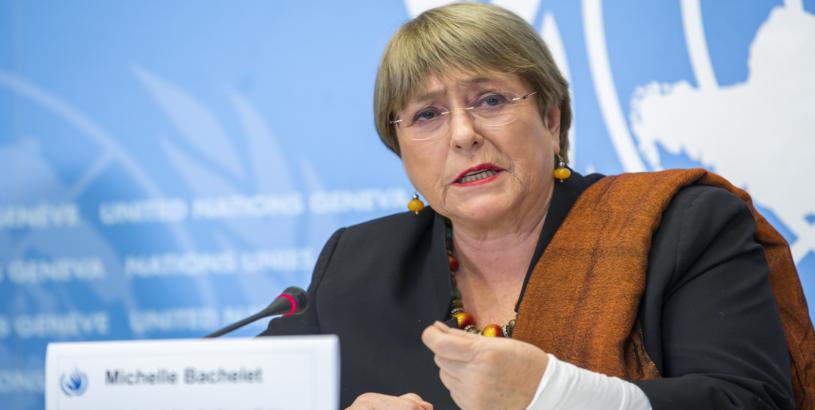
    Though rather late, the UN has rightly condemned China’s woeful human-rights record in its restive Xinjiang province where for the last many years, China has been committing genocide on its Muslim minorities, the Uyghur and Turkic communities. That the world, at large, and the Islamic nations, in particular, have cast a blind eye on this monumental human tragedy conveys, unmistakably, how the sheer pursuit of mere national interests dwarfs humanitarian considerations elsewhere. The significance of the UN Report on Human Rights just released, accordingly, cannot be understated.

    [powerkit_button size=”lg” style=”info” block=”true” url=”https://www.southasiamonitor.org/index.php/indo-pacific-china-watch/curious-case-indian-silence-over-damning-un-human-rights-report-china” target=”_blank” nofollow=”false”]
    Read More
    [/powerkit_button]

  • The West’s False Narrative about Russia and China

    The West’s False Narrative about Russia and China

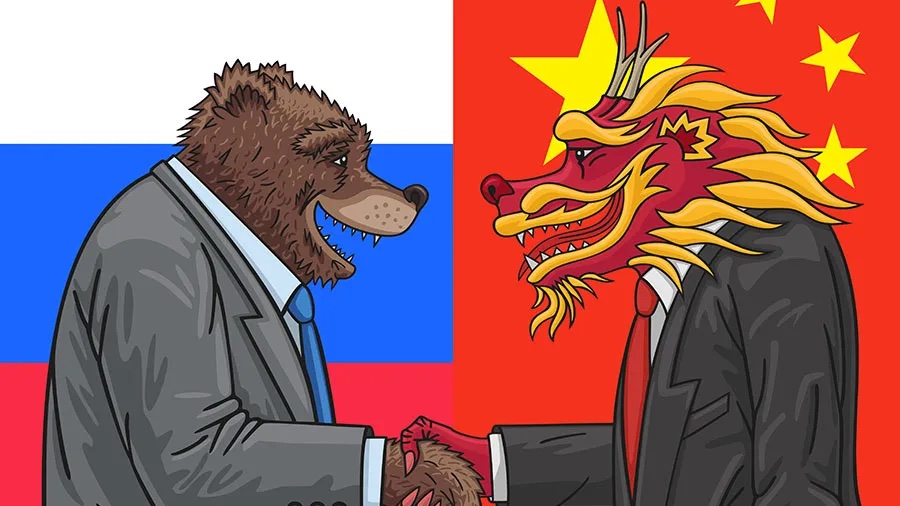
    The relentless Western narrative that the West is noble while Russia and China are evil is simple-minded and extraordinarily dangerous.

    The world is on the edge of nuclear catastrophe in no small part because of the failure of Western political leaders to be forthright about the causes of the escalating global conflicts.  The relentless Western narrative that the West is noble while Russia and China are evil is simple-minded and extraordinarily dangerous.  It is an attempt to manipulate public opinion, not to deal with very real and pressing diplomacy.

    The essential narrative of the West is built into US national security strategy.  The core US idea is that China and Russia are implacable foes that are “attempting to erode American security and prosperity.”  These countries are, according to the US, “determined to make economies less free and less fair, to grow their militaries, and to control information and data to repress their societies and expand their influence.”

    The irony is that since 1980 the US has been in at least 15 overseas wars of choice (Afghanistan, Iraq, Libya, Panama, Serbia, Syria, and Yemen just to name a few), while China has been in none, and Russia only in one (Syria) beyond the former Soviet Union.  The US has military bases in 85 countries, China in 3, and Russia in 1 (Syria) beyond the former Soviet Union.

    US security strategy is not the work of any single US president but of the US security establishment, which is largely autonomous, and operates behind a wall of secrecy.  

    President Joe Biden has promoted this narrative, declaring that the greatest challenge of our time is the competition with the autocracies, which “seek to advance their own power, export and expand their influence around the world, and justify their repressive policies and practices as a more efficient way to address today’s challenges.”  US security strategy is not the work of any single US president but of the US security establishment, which is largely autonomous, and operates behind a wall of secrecy.

    The overwrought fear of China and Russia is sold to a Western public through manipulation of the facts.  A generation earlier George W. Bush, Jr. sold the public on the idea that America’s greatest threat was Islamic fundamentalism, without mentioning that it was the CIA, with Saudi Arabia and other countries, that had created, funded, and deployed the jihadists in Afghanistan, Syria, and elsewhere to fight America’s wars.

    Or consider the Soviet Union’s invasion of Afghanistan in 1980, which was painted in the Western media as an act of unprovoked perfidy.  Years later, we learned that the Soviet invasion was actually preceded by a CIA operation designed to provoke the Soviet invasion! The same misinformation occurred vis-à-vis Syria.  The Western press is filled with recriminations against Putin’s military assistance to Syria’s Bashar al-Assad beginning in 2015, without mentioning that the US supported the overthrow of al-Assad beginning in 2011, with the CIA funding a major operation (Timber Sycamore) to overthrow Assad years before Russia arrived.

    Or more recently, when US House Speaker Nancy Pelosi recklessly flew to Taiwan despite China’s warnings, no G7 foreign minister criticized Pelosi’s provocation, yet the G7 ministers together harshly criticized China’s “overreaction” to Pelosi’s trip.

    The Western narrative about the Ukraine war is that it is an unprovoked attack by Putin in the quest to recreate the Russian empire.  Yet the real history starts with the Western promise to Soviet President Mikhail Gorbachev that NATO would not enlarge to the East, followed by four waves of NATO aggrandizement: in 1999, incorporating three Central European countries; in 2004, incorporating 7 more, including in the Black Sea and the Baltic States; in 2008, committing to enlarge to Ukraine and Georgia; and in 2022, inviting four Asia-Pacific leaders to NATO to take aim at China.

    Nor do the Western media mention the US role in the 2014 overthrow of Ukraine’s pro-Russian president Viktor Yanukovych; the failure of the Governments of France and Germany, guarantors of the Minsk II agreement, to press Ukraine to carry out its commitments; the vast US armaments sent to Ukraine during the Trump and Biden Administrations in the lead-up to war; nor the refusal of the US to negotiate with Putin over NATO enlargement to Ukraine.

    Of course, NATO says that is purely defensive so that Putin should have nothing to fear.  In other words, Putin should take no notice of the CIA operations in Afghanistan and Syria; the NATO bombing of Serbia in 1999; the NATO overthrow of Moammar Qaddafi in 2011; the NATO occupation of Afghanistan for 15 years; nor Biden’s “gaffe” calling for Putin’s ouster (which of course was no gaffe at all); nor US Defense Secretary Lloyd Austin stating that the US war aim in Ukraine is the weakening of Russia.

    The US has a mere 4.2% of the world population, and now a mere 16% of world GDP (measured at international prices).  In fact, the combined GDP of the G7 is now less than that of the BRICS (Brazil, Russia, India, China, and South Africa), while the G7 population is just 6 per cent of the world compared with 41 per cent in the BRICS. 

    At the core of all of this is the US’s attempt to remain the world’s hegemonic power, by augmenting military alliances around the world to contain or defeat China and Russia.  It’s a dangerous, delusional, and outmoded idea.  The US has a mere 4.2% of the world population, and now a mere 16% of world GDP (measured at international prices).  In fact, the combined GDP of the G7 is now less than that of the BRICS (Brazil, Russia, India, China, and South Africa), while the G7 population is just 6 per cent of the world compared with 41 per cent in the BRICS.

    There is only one country whose self-declared fantasy is to be the world’s dominant power: the US.  It’s past time that the US recognized the true sources of security: internal social cohesion and responsible cooperation with the rest of the world, rather than the illusion of hegemony.  With such a revised foreign policy, the US and its allies would avoid war with China and Russia, and enable the world to face its myriad environment, energy, food and social crises.

    European leaders should pursue the true source of European security: not US hegemony, but European security arrangements that respect the legitimate security interests of all European nations

    Above all, at this time of extreme danger, European leaders should pursue the true source of European security: not US hegemony, but European security arrangements that respect the legitimate security interests of all European nations, certainly including Ukraine, but also including Russia, which continues to resist NATO enlargements into the Black Sea.  Europe should reflect on the fact that the non-enlargement of NATO and the implementation of the Minsk II agreements would have averted this awful war in Ukraine.  At this stage, diplomacy, not military escalation, is the true path to European and global security.

    Feature Image Credit: Big Stock

    This article was published earlier in Pearls and Irritations.

  • Indian Armed Forces @75: The Challenges Ahead

    Indian Armed Forces @75: The Challenges Ahead

    India overall, since 1947, has done reasonably well in keeping at bay the many diverse security challenges which came its way. However, the strategic and military lessons from our confrontations, since 1947, must never be forgotten.

    As India completes 75 years of its independence from 200 years of British yoke, there is much to celebrate about and equally much to introspect. Revisiting the functioning with stark honesty of all its institutions and governance structures will produce realistic mid-course corrections and suggest better paths for the nation to traverse. The Indian Armed Forces, unquestionably, one of the few institutions of the nation, which has lived up to its assigned responsibilities with elan and the desired results has much to be proud of. Nevertheless, many emerging aspects, nuances of the nation’s security and well-being have to be factored in and pursued earnestly with vision and resolve. For the nation’s honour, its Armed Forces can never be found wanting.

    By any standards, India is located in one of the most geo-politically troubled regions of the world. That it is surrounded by two consistently anti-India neighbours, China and Pakistan, both individually and collusively posing threats, only aggravates the formidable challenges it has to confront for its security. Both these nations being nuclear powers, synergistically anti-India, also adept at asymmetric warfare makes India’s strategic challenges mind-boggling.

    [powerkit_button size=”lg” style=”info” block=”true” url=”https://thedailyguardian.com/indian-armed-forces-75-the-challenges-ahead/” target=”_blank” nofollow=”false”]
    Read More
    [/powerkit_button]