The Peninsula Foundation organised a round table discussion on Education policy and the status of primary education in Tamil Nadu. TPF invited Dr Vasanthi Vasudev, a leading educationist in Chennai, to chair the discussions. The discussions were initiated by TPF as a prelude to formulating a research project for analysis of primary education in India in terms of right to education for children, children enrolment, school education policy effectiveness, learning outcomes, drop-out rates, teaching methodologies, school infrastructure, motivational aspects, noon-meal schemes, financial issues, family environmental impacts etc. The plan is to undertake Tamil Nadu as a case study. Dr Vasanthi elaborated on importance of local language as the medium of instruction and methodologies that should enable identification of aptitudes and focus on child’s strengths. School environmental issues and social practices and rigid mentalities, particularly in rural regions, were bound to have mostly adverse impact on child’s education. She highlighted the insidious entry of caste recognitions in school and gave the examples relating to ineffectiveness of noon-meal schemes in schools. Of course, administrative apathy added to the problems. The discussion provided valuable inputs to the development of the project proposal.
One of the most remarkable developments in recent decades has been the rise of China, spearheaded since 1978 by the visionary leadership and economic reforms of Deng Xiaoping. China registered the highest rate of economic growth in history, growing at an average rate of 9.5% annually, for over three decades. This followed the earlier rise of Japan between 1950 and 1989, with an average growth rate of 6.7%. Deng transformed a country crippled by centralised planning and state control of industries into a more decentralised economy, with increasing involvement of private initiative. This era saw market reforms leading to a surge in exports, with China emerging as the largest exporter in the world. China’s private sector today controls around 80% of its industry and virtually the entire agricultural sector. State farms today employ barely 1% of agricultural labour. There are 658 billionaires in China, which is ruled by a ‘Communist’ party, as against 584 in the US, ruled by Trump’s right-wing Republican Party.
President Xi Jinping has emerged as China’s unquestioned leader, seeking to match Xiaoping. Among Xi’s ‘mantras’ to achieve his ambitions is the now famous Belt and Road (OBOR) project, involving the use of Chinese construction companies, which have huge surplus capacities. These companies did a stupendous job in China over the past three decades and have surplus capacity, including labour and machinery, arising from the relatively small number of projects yet to be undertaken. The Belt and Road Initiative is not only involved in building roads and bridges, but also railways, ports, dams, power stations and other infrastructure across 68 countries, spanning Asia, Africa and Europe. Estimates of total investments envisaged for these projects vary from $1 trillion to $1.3 trillion. The primary focus is on the Eurasian landmass.
The main source of concern in India, however, pertains to Chinese projects across the Indian Ocean. While the OBOR focuses primarily on the construction of roads, bridges, electrical power projects and dams, the terms for such assistance are opaque. Relatively small attention is paid to developing indigenous skills and capacities for operations and maintenance. The terms of interest and repayment are far less generous than the vastly concessional assistance provided by institutions like World Bank and Asian Development Bank, or bilaterally by countries like Japan and Germany. The net result of this ‘generosity’ is that a number of developing countries, beguiled by Chinese protestations of altruistic assistance, soon find themselves handing over substantial tracts of territory and natural resources to the Chinese, with little development of indigenous expertise.
India’s western Indian Ocean neighbourhood remains a primary source of concern about Chinese intentions. Using its aid as leverage, China has secured its first military base in the East African Port of Djibouti. China has, in turn, undertaken work on port facilities, construction of two airports and a rail line from Djibouti across landlocked Ethiopia. In neighbouring Kenya, China’s involvement in the strategic port of Mombasa and construction of a rail line, linking the port to the capital Nairobi, have also raised eyebrows internationally. There are growing apprehensions in Kenya that it would soon be unable to repay and be forced to make ‘concessions’ on the management and use of the port. China is the largest lender to Kenya, with debt liabilities reportedly amounting to about $42 billion.
Reckless spending by the government of former President Abdulla Yameen in the Maldives has resulted in the country acquiring a debt of $3 billion on account of the usual Chinese infrastructure mix of roads, bridges, airports and housing. The newly elected government of President Ibrahim Solih has been more circumspect about such projects. Sri Lanka, too, when unable to repay its debts, was forced to concede substantial control of the Hambantota Port, with a 99-year lease to China. It was also compelled to allow Chinese N-submarines to berth in Colombo.
Pakistan and Myanmar are inevitably going to experience similar dilemmas. The $62 billion CPEC involves road, rail, mining, port, power sector and agricultural projects, under conditions not known even to parliamentary committees and the country’s Central Bank. With its foreign exchange reserves dwindling and its pleas for an IMF bailout dependent on the goodwill of the US and its allies, Pakistan is faced with very difficult choices on economic management and its backing for groups like the Taliban and the JeM.
Apart from developing and virtually taking over the Gwadar Port, China is set to build up Pakistan’s navy with the supply of four ‘most advanced’ warships and eight submarines by 2028. At the same time, an isolated Myanmar faces virtual Chinese blackmail to accept Beijing’s ‘aid’ to build a highly unpopular and ecologically dangerous hydroelectric project in the face of strong public protest. This will be part of a Chinese economic corridor linking its Yunnan province with Myanmar’s Kyaukpyu Port.
The OBOR project has multiple aims. India cannot, however, overlook the fact that it is geared to establish Chinese domination of vital lanes of communication and oil supplies in the Indian Ocean. Responding to India’s concerns voiced over two decades ago, a Chinese admiral arrogantly remarked: ‘The Indian Ocean is not India’s Ocean.’ China’s designs have serious implications for the maritime security of not only India, but also several partner states, ranging from the US and Japan to Indonesia, Malaysia, Vietnam and South Korea.
Ambassador G Parthasarathy is a former High Commissioner of India in Pakistan, and is a Distinguished Fellow and Trustee of TPF. Views expressed are the author’s own.
This article was earlier published in The Tribune.
As India goes into elections today, the largest democratic exercise in the world, it is time to reflect on the nature of religion, their promoters and what it means to be secular.
When the late J. Jayalalithaa opened up the debate on conversions by passing an ordinance during her second tenure as chief minister of Tamil Nadu that made the choice of faith subject to the state’s approval, not surprisingly, the VHP, RSS and the BJP hailed it as a great achievement. Not surprisingly, their Muslim and Christian counterparts severely castigated it. To all these organisations, religion is not just a matter about heaven and hell and who gets to go where, but about power and profit. Modern religions are akin to great commercial enterprises like Coke and Pepsi constantly seeking greater marketshare while retaining the faith of existing customers.
It is the consequent faith, mostly induced and sustained by these exertions, which sustain the huge uniformed bureaucracies and extravagantly titled organisations that are the edifices of our major religions. Witness the recent no-holds-barred struggle for the control of the Shiromani Gurdwara Prabandhak Committee in Delhi, which was nothing if not about getting one’s hands on the huge assets and cash flow of the gurdwaras. At least the Sikhs go about it democratically, in a manner of speaking. But all those of the great Hindu, Muslim and Christian institutions are beyond the grasp of even their most faithful. It is indeed unfortunate that debates on religion and faith are no longer about goodness and decency or even present day social concerns. But that is not for discussion now. At stake is something much more important.
The acceptance of democracy as a way of life implies that we have accepted that we hold certain rights to be inalienable. The Indian Constitution therefore guarantees justice, liberty and equality. The rights emanating from these are considered fundamental to our being a free and democratic society. These fundamental rights, therefore, are inviolable in the sense that no law, ordinance, custom, usage or administrative order can ever abridge or take away any of them. The preamble elaborates liberty to be that of “thought, expression, belief, faith and worship”, leaving little room for ambiguity. Like Hinduism’s eternal truths these are eternal rights. Without these rights we will be no different than a Saudi Arabia or North Korea!
Consequently, Article 19 guarantees the people of India seven fundamental freedoms. These are (a) freedom of speech and expression; (b) freedom of assembly; (c) freedom of association; (d) freedom of movement; (e) freedom of residence and settlement; (f) freedom of property; and (g) freedom of profession, occupation, trade or business.
Article 25 guarantees “freedom of conscience and free profession, practice and propagation of religion”.
This very simply means that people are free to believe whatever they may want to, convert others to this belief and perform whatever rituals or ceremonies that are required by one’s faith. In even more simple words, people are free to be Christians or Muslims or Hindus or whatever, free to preach and convert. Or that matter even Marxism, which now is no different than any faith with its own depleted philosophy and impossible mythology. So what is there to debate about conversion? This right is inviolable and is guaranteed by the Constitution, and so there is nothing to debate.
It is another matter that religions as we know them to be practiced are usually premised on irrational and primitive ideas. The psychologist James E. Alcock writes: “We are magical beings in a scientific age. Notwithstanding all the remarkable achievements of our species in terms of understanding and harnessing nature, we are born to magical thoughts and not to reason.” Now this relative absence of reason in religion very clearly gives us cause for a debate. Very clearly the liberty of thought and conscience and the right to profess and practice one’s religion is not the issue.
What can be the issue is our reticence to criticise religions, and subject their basic premises to scrutiny? Perhaps our bloodied history and particularly the conflicts of the recent past have made us want to seek accommodation by mutual tolerance. This is understandable and perhaps even commendable. Nonetheless, given the propensity of militant religionists like the VHP and the Jamaats to apply their doctrines to the political process and their constant endeavour to impose their views on others, not to challenge orthodox religiosity and fundamentalism would be a gross dereliction of our responsibilities.
What we are in need of is not a debate on conversion but a debate on the stuff our beliefs are made of. But this is not on our agenda and will not appear on it as long as we have the present dubious consensus on what has come to be called secularism. To be truly secular is to be a sceptic, and therefore rational and reasonable. Merely to be silent on the unreason wrapped in ritual and ceremony that passes off as religion, or even to be fearful of criticising these lest we provoke irrational rage and violence, is not secularism. It is the silence of the truly secular and rational that has allowed the religious fanatics of all hues to seize the high ground from which the battle for our minds is being directed.
This distorted notion on what is secularism makes even the maddest mullah cry stridently for it. To start with, to be a mullah or even a shankaracharya or a bishop is proof of one’s lack of secularism. To be secular is to consider organised religion little more than humbug. But now is not the time to discuss humbug, but the hullabaloo about conversion.
It still leaves us with the rights and wrongs of converting by false inducements. Is the promise of life after life not a false inducement? Since all of us are inevitably sinners and since no religion promises a more comfortable hell, the inducements have to necessarily relate to the immediate, and more often than not, for material gain. For some reason hell in all religions is always a hot, dank and dark place and heaven with a surfeit of all the good things of life. Nobody seems to give a thought that it is just these good things that get us into trouble in the first place. Not just in terms of clogging our arteries, wrecking our livers and exposing us to HIV, but in terms of getting us into trouble with the authorities above!
The criticism against Christian missionaries is that they dupe poor people into becoming Christians by giving them money. And ditto for Muslims preachers. If Hindus want to keep their flock the answer is staring them in the face. Put some money where your mouth is and the flock will not deplete? To be true, there is more than cash that goes with this. More often it is housing, clothes, education and the care and respect that comes with acceptance that are the inducements. The exchange of one set of primitive ideas with another set of not very different yet similarly primitive ideas is no big deal. Ordinary people can be very practical when it comes to matters pertaining to their well-being.
Both the State and our predominantly Hindu society have failed to provide to the majority of this country the elementary essentials of living and quite often even the elementary decencies due to all human beings. Added to this, our society has systematically discriminated against the weak and the oppressed. Our former President, the late K.R. Narayanan, had a point when he wanted to know, from the then Atal Behari Vajpayee government, if no dalits or adivasis can be elevated to the Supreme Court? Why do they exist mostly below the poverty line? Why do more of them die younger? Now here are subjects worthy of a debate. The call for a debate on conversion lends itself to expansion to include these. Just as it lends itself to a discussion as to why people are so easily willing to give up their traditional faith. Clearly, the systematic exclusion of a majority from their rightful role in the community and the continuing discrimination against them is a great subject for a debate. If the Hindu upper castes were to be civilised in their treatment of the lower castes, would they now seek to escape from the social tyranny of the so-called Hindu society?
Such an expanded debate could possibly shed light on why for most of the last millennium we were a conquered nation. It is over a thousand years since Mohammed bin Kasim conquered the Sind. Thus paving the way for a succession of Arabs, Persians, Turks, Uzbeks, Mongols, Portuguese, French and the English to invade and rule parts, if not all, of this country. In the process, we even became the only nation to be conquered by a private commercial enterprise — the East India Company. How much lower than that can you get? Our thousand years of shame quite clearly calls for a debate we have never had.
Such a debate will almost certainly focus on the failures of the Hindu elites to defend the nation, to unite the country and harness its great resources. It is not very different even now. The lessons of history are yet to be learnt. And so we will want to debate what we shouldn’t be and not debate what we should be.
The writer, a policy analyst studying economic and security issues, held senior positions in government and industry. He is a Distinguished Fellow and Trustee of TPF.
Views expressed are the author’s own. A version of this article was published earlier in Asian Age.
India, the world’s largest democracy, will witness the start of its general elections tomorrow, for constituting the 17th Lok Sabha. With 900 million eligible voters, it is expected to be the biggest electoral event and is scheduled to be held in 7 phases from April 11th to May 19th, 2019. The democratic exercise, however, does not appear to be fairly representative of women. For over two decades, the insufficient involvement of women in Indian politics has been largely debated, and measures to alter the status quo have been backed by nearly all major political parties. Despite the support, implementation of these proposals have stalled. Moreover, there has been no significant increase in women’s representation within party ranks nor in the number of female candidates being nominated for the upcoming election.
India Fares Poorly in Comparison to its Neighbours
Although women constitute nearly half of India’s population at present, female political representation remains at 11.8 percent in Lok Sabha and 11.2 percent in Rajya Sabha (global average, as of 2018, is 24.3 percent). In other words, nearly 9 out of 10 legislators in India are men. While women have held the roles of the President, Prime Minister and Chief Minister in India, these instances remain an anomaly rather than the norm, with most of the elected female leaders belonging to political families (43 percent). According to Inter Parliamentary Union (2019), India is ranked 149thout of 193 countries in terms of representation of women in Lower Houses. In comparison, Nepal (32.7 percent), Afghanistan (27.3 percent), Bangladesh (20.6 percent) and Pakistan (20.2 percent) perform far better and have political quotas in place. Furthermore, representation of women in state assemblies is even lower (8 percent), with the highest numbers in Bihar, Haryana and Rajasthan at 14 percent and lowest in Mizoram, Nagaland and Puducherry with no elected women representatives.
The abysmal rate of women’s role in decision making and legislation was first acknowledged in 1976 after a report by the Committee on the Status of Women in India was published. Following this, 73rdand 74thconstitutional amendments were adopted in 1993 mandating 33 percent reservation for women in local governance. Later, in 1996, in order to correct the deeply skewed ratio of female electoral participation, the Women’s Reservation Bill was introduced in the parliament in order to extend reservation to Lok Sabha and state assemblies. As per the provisions of the bill, seats under the quota were to be allotted to different constituencies by rotation, as prescribed by the authority determined by the parliament. Importantly, the bill contained a clause stating that the reservation extended would be eliminated 15 years after its introduction. This clause was included upon determining that the estimated time period was sufficient to remove the political disadvantages faced by women. Further, some argued that following the 15 years, people would come to realise the capabilities of women leaders and, if the bill were to not be revoked, it would limit female candidates to contest elections from the reserved seats alone. Though the bill has been promoted by major parties, it has failed to get legislative approval.
Patriarchal Mindset and the Absence of Political Will
Both the NDA and UPA governments blamed failure of the bill’s passage on the coalition arrangement that made consensus impossible, despite the support of the leading party. Although the BJP were vocal about women’s marginalisation in politics while in opposition, upon coming to power in 2014 with a clear majority, the party has neither discussed nor passed the bill. Overall, a general lack of political will remains and the disinterest of parties in issues of inclusive representation is evident. This is highlighted by the fact that women representatives of all major parties in the general elections is less than 10 percent.
Opponents of political quotas for women argue that it will further strengthen the gender imbalance at the top. According to them, “modern women” are capable of contesting elections on merit and do not require affirmative actions to win elections. Moreover, they argue that reserved seats restrict the choice of voters to only women candidates, thereby violating the rules of democratic elections. Others claim that rotation of reserved constituencies would reduce an MP’s incentive to work for their constituencies since they would not be eligible for contesting elections in the next term. Many have proposed alternatives such as reservations for women in political parties instead, dual member constituencies, etc. Interestingly, while these disagreements have stymied the bill for over two decades, they did not hinder the passage of the 73rdand 74thamendments (passed with a clear majority when introduced the first time). This may be because the latter does not pose any threats to the dominant position of male parliamentarians, as opposed to the former that challenges their own survival.
Globally, it is established that men and women in leadership positions often have differing priorities and perspectives. An ideal mix of both the sexes in politics is necessary to ensure that the democratic process is truly representative and that demands of all categories are considered during decision making processes. Though open competition in constituencies may be preferred, reservation for women candidates is required until gender parity is achieved. This balance in elected bodies is crucial to establish a mechanism that allows women to actively engage and influence broader political and economic concerns, especially those that affect women. In India, equal opportunities in terms of political participation and representation have been granted to women since independence. However, societal and historical biases against women have created rigid structures that have hindered women’s accessibility to positions of power. Equal political representation makes the democratic system more responsive to the needs of the people. In this sense, there is an urgent need to improve women’s involvement in politics for inclusive growth and development.
Reservation for Women an Absolute Necessity
The existence of reserved seats for women in elected bodies isn’t just a demand for fairness and equality. Various studies have highlighted the positive effects of bringing in female leaders. A report by the Ministry of Panchayati Raj has highlighted that reservation for women in PRIs has improved the self-esteem, confidence and decision-making skills of the candidates, which in turn has led to an increase in education for girls and consequently expanded the breadth of their future aspirations. Furthermore, it was found that the elected women also invested more in the handling public goods such as cleaner fuels, road connectivity and water accessibility- issues that often affect women at large. According to a study by UN University WIDER, constituencies with women leaders have 15 percent more luminosity growth in their regions than those headed by men, thereby improving productivity and employment rates. The study concluded that women leaders contributed 1.8 times more to economic growth than their male counterparts. Many studies have recorded considerable differences in policy priorities and solutions offered by both the sexes, with female leaders primarily emphasizing on issues aimed at improving the quality of life, conditions of women and children, health parameters and lives of minorities. Research indicates that this is possibly the result of traditional roles played by women as mothers or caregivers. A J-PAL research paper has also observed that the quota system in local governments have boosted child health and nutrition, female entrepreneurship and the responsiveness of police toward violence against women. Altogether, the inclusion of women in politics is not limited to changing gender relations in the nation but also greatly contributes to improving social welfare and economics.
Many have noted that for women to substantially impact the policy scenario, they would need at least a 30 percent share in the parliament. In fundamentally patriarchal Indian society, this highlights yet again the crucial need for the Women’s Reservation Bill. While many contend that this will limit and make women candidates dependent on the quota system, evidence shows otherwise. Despite quotas in local governments (33 percent), as of 2018, the national average of women in panchayats is around 44 percent and 14 states have more than 50 percent women leaders. In fact, Uttarakhand and Rajasthan have 56 percent female representation in PRIs. However, there are many other factors that require consideration. According to Economic Survey 2018, cultural attitudes towards women, domestic responsibilities, illiteracy, lack of confidence, inaccessibility to political funds, threat of violence, etc are some causes that limit women’s abilities to step forward in politics. Therefore, while women are offered opportunities through political quotas, inherent social structures and norms need to be altered in order to enhance balanced representation.
Positive Impact on Society
In recent years, the signs of increasing involvement of women in Indian politics are clearly visible. This is primarily manifested through voting and political activism (not figured into representation). According to leading election researchers, the upcoming general elections will see female voters surpassing the men. These trends show that there exists a demand to see more from political parties than hollow promises of female-oriented policy statements in election manifestos. For instance, Odisha has introduced a resolution in its state assembly for reserving one-third seats for women in parliament and legislative assembly, and the Biju Janata Dal (BJD), the ruling party, has proclaimed that 33 percent women candidates will contest elections. Trinamool Congress in West Bengal has announced that 41 percent of its candidates for Lok Sabha seats are women. While other parties have criticised these moves as opportunistic and an attempt to capture a larger share of the female electorate, these decisions certainly offer a better platform for women in the upcoming elections. Moreover, with the increase of women voters, other parties and states will be compelled to follow suit.
For effectively including women in the elected leadership, in addition to affirmative action, there is a need for parties to prioritise women within their ranks, thereby cultivating a gender neutral political environment. These efforts should also be enhanced through comprehensive political education and gender sensitisation by the state and media. Since substantial female political empowerment necessitates a shift in people’s values and perceptions, it requires collaborative efforts from various players including leaders, political parties, civil society and the media alike.
Renuka Paul is a Research Analyst with TPF.
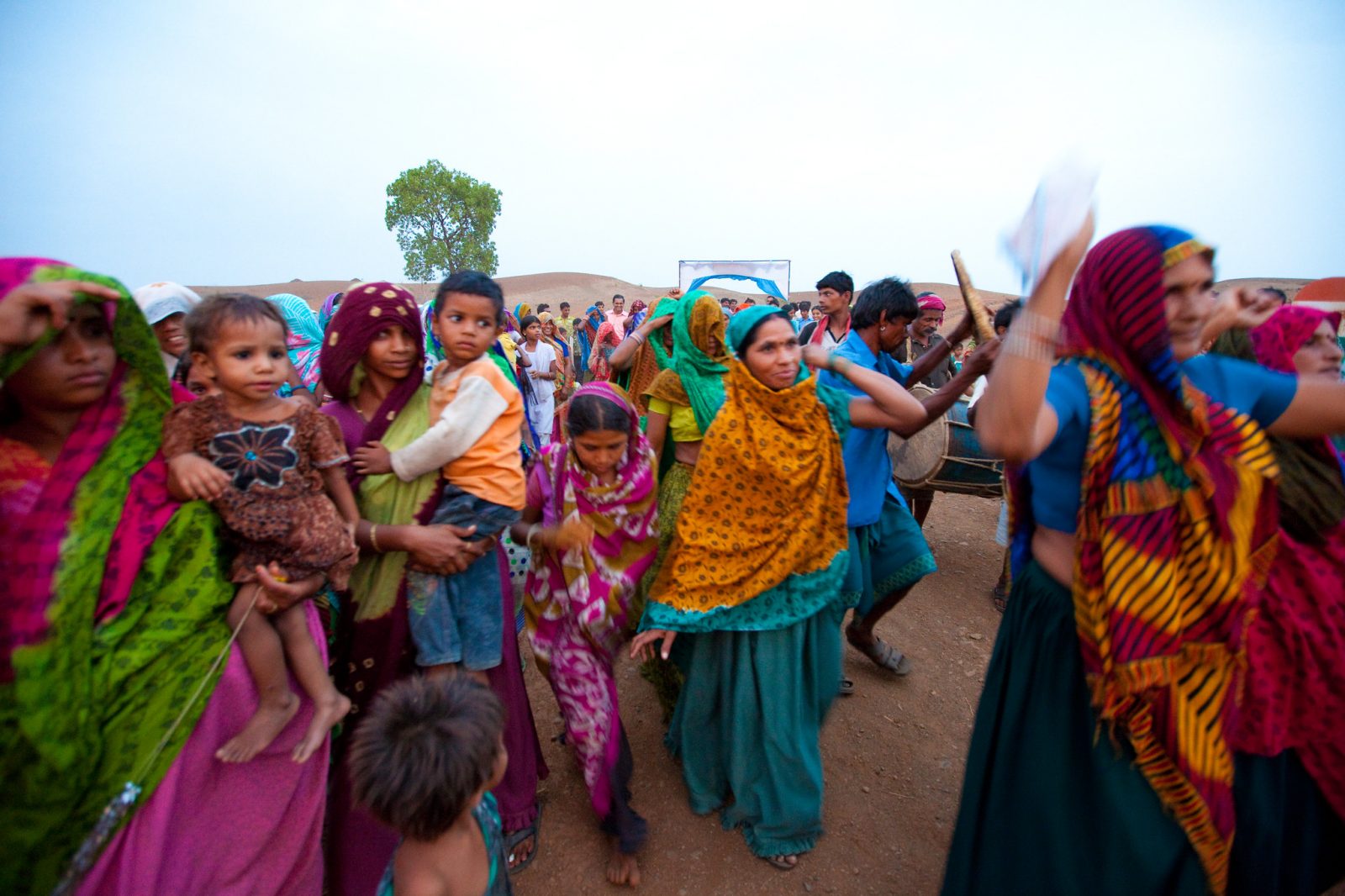
Header Image: Welcome party at the Gram Sabha, Panchayat-Khaal Khandvi, District-Megh Nagar, Jhabua, MP (UN Women)
In democratic societies, economic policy often becomes hostage to electoral politics, devolving into quixotic pledges that are optimised for securing votes rather than social welfare. Qualifying as a polemical issue that has been most widely discussed, the 2016 shock therapy through demonetisation of 86 per cent of all Indian currency in circulation, is arguably a case in point. In a democratic polity, the political manifestos transcend to the policies to impress the masses paying minimal attention to market efficiency, rather, gain is considered a windfall. Intuitively, there are few factors that determine the eligibility of a policy to qualify in mass politics. The magnitude of the people affected by the policy, the organized structure of the people, and the kind of effect it has on the masses. It could be direct or indirect and short or long run depending on the execution of the policy.
The narratives have been changed from the original proclamation of extirpating black money and choking the funding for terrorism to tout for a cashless economy and digital payments as promoted by the relentless advertisements and social media campaigns.
Theoretically, proscribing a country’s currency for a short period by ceasing the value of the same is considered to be one of the strategies to deal with black money. History has, however, proven that demonetisation must be accompanied with a structured treatment to the economy as fall in inflation becomes intractable and aggregate demand tends to attenuate.
As per the Global corruption perception index, India is ranked 81stposition by Transparency International, an agency that adopts a specific methodology to evaluate the level of corruption in different countries. India has shown an improvement in score and for the first time, China has been assessed to have more corruption than India.
Though the score seems to be encouraging, a comparative analysis shows that developing countries have been taking up legislative measures bolstered with government initiatives and transfer of knowledge about corruption. Vanuatu, The Solomon Island and South Korea have improved their score by encouraging citizen partnership, passed various anti-corruption laws and pushed for social reforms to combat corruption.
The intent to strike the shadow economy through demonetisation had a substantial effect on the informal economy too. The loss suffered due to a cashless economy especially by the informal sector eclipsed the expected result of a reduction in the shadow economy. Further, the fundamental proposition to withdraw currency for a short period is premised on the assumption that there is a definite relationship between the currency in circulation and the so-called “shadow economy”. A simple glance at the data of different countries’ currency to GDP (Gross Domestic Product) ratios and shadow economy figures illustrates the misconception. There are countries with higher currency to GDP ratios than India but records smaller shadow economy – likewise, some countries have larger shadow economy despite lower currency to GDP figures. This is because black money is seldom held in cash. It is often converted to high-value items like real estate, diamonds, gold, films, etc. Also, the high-value stakeholders, politicians being the ironical suspect, have evolved to absorb the black money and have been scot free even post-demonetization.
Countering terrorism by making the fake currency illegal was the second claim that has been appreciated by the public. Terror incidents are a menace to people especially in conflicted areas, zones with extremisms and other local terror groups. While contemplating the effects of demonetization to counter the terror incidence, the Terrorism Index suggests that the index has increased to 7.57 in 2017 from 7.53 in 2016. There is no conspicuous result relating to terrorism if such a radical decision was intended to control terrorist incidence.
A thorough study entitled ‘Cash and the Economy: Evidence from India’s Demonetisation’ conducted at Harvard University used economic modelling techniques and satellite data to find that India’s demonetisation led to a contraction in ATM withdrawals and had an effect on both the formal and informal sector. The cross-sectional analysis of the districts recorded the reaction to the shock was uncertain and the withdrawal quantum changed with the proportion of the informal economy. The informal economy is estimated to account for 81 per cent of total employment and 44 per cent of total output which pertains to cash-intensive transaction. While the GDP rate has not fluctuated, the estimates for employment has caused a reduction in the national economic activity of roughly 3 percentage points in November and December 2016. There is a widespread opinion from various technocrats about the excess cost of executing demonetisation over the actually proposed benefit. In political terms, however, the policy has borne significant payoffs for the current establishment.
One point of evidence for this claim is the manner in which the decision was made. Reports reveal that the government made the decision to demonetise despite stiff opposition from the RBI board, meaning that leaders were alerted to the potential economic pitfalls prior to introducing the shock. It is likely that the prospect of political gains prevailed over economic ones, especially given that the current establishment exhibits a penchant for such conduct – similar tensions between economic and electoral considerations have been observed with respect to the calculation of GDP and the proposed methodology by Central Statistical Organization.
A slump in growth rate was expected on the account of demonetisation but India seems to be consistently growing. However, this does not harbinger a steady state of development. Agriculture sector accounts for almost 50 per cent of the total workforce experienced a severe deprivation due to their dependence on cash. Further, growth in real investment also plunged in the fourth quarter of 2016-17 which collapsed the rate of industrial credit in the last two quarters following demonetisation. An analysis from the Economic Survey 2016-17 volume 2 suggests no economy has experienced a 7 per cent growth rate with low investment and high levels of unemployment. This validates the contention posted by the economists regarding the methodology of GDP metric calculation.
Literature states that there is an internal paradox that is associated with the response of people in the informal sector. An unequivocal inference is hard to be drawn about the response due to the power hierarchies within the informal economy. Analysing informal labour and informal capital, factors of informal economy would help us identify the nuances of the effect. The informal capital faces the hardship of a cash crunch and exploits the informal labour during the crisis. Further, absence of a system to control the squeezing of labour corroborates the inefficiency of the state to mollify the situation.
There is an undeniable defilement of economy in the short run post-demonetisation, however, comment on the long run effects have to be reserved to the time when there is maximum accessibility of data. The ruling establishment has, indeed, managed to spin the policy as relying on the patriotic duty of its citizens in aiding their Prime Minister’s efforts to flush out black money from the economy. If one were to assume policymakers to be rational actors, it would stand to reason that demonetisation was done to avail electoral payoffs, even as broader society incurs a reduction, willingly, in social welfare. Unfortunately, India’s demonetisation bears testimony to a glaring ailment of all democracies – that bad economics can be good politics.
Manjari Balu is a Research Analyst at TPF. She holds a degree in economics.
Towards the end of 2010, I travelled to Bangladesh with the rest of my graduate school cohort to study various developmental approaches within the country’s healthcare, garment, banking, and agricultural sectors. It was an enlightening trip–one that allowed me to understand not only the intricacies of international development but to also gain a more nuanced perspective of the country as a whole.
“To understand Bangladesh, you have to understand the war.”
– Omar Rahman, Professor, Independent University, Bangladesh
Scores of Bangladeshis lost their lives in the struggle for independence in 1971 in what was then known as East Pakistan, and nearly 10 million crossed the border into India as the war waged on. They had no army, minimal weaponry and, realistically speaking, not much of a chance for survival against the genocidal tactics employed by the Pakistani Army–actions that its allies, the United States and China, refused to condemn. They fought back, however, and in doing so displayed the same extraordinary resilience that was demonstrated by its students during the Bengali Language Movement of 1952. On 16 December 1971, the new nation of Bangladesh was born.
Taking a bus ride through the cacophonic streets of Dhaka, thoughts raced through my mind: how simultaneously similar and different Bangladesh was from my own home country of India, how accommodating its people were, and how–despite growing up in congested Indian cities–Dhaka’s traffic was the craziest thing I’d ever seen. It still is. After all, Dhaka has a density of 47,400 people per sq. km, and around 37,000 cars are said to be added to its roads every year.
In 2017, Bangladesh’s population stood at approx. 164 million compared to 152 million in 2010. But the population growth rate has been in steady decline since 1986, and the implementation of various developmental approaches have contributed significantly to that decline. (Population Data from World Bank)
An Overview of the Facts
Bangladesh has its share of problems, and then some. For starters, there is the tangible dilemma of overpopulation. But unlike India, which is well on its way to becoming the most populated country on the planet, the total fertility rate in Bangladesh has been successfully lowered from nearly 7 births per woman in the late 60s to 2.104 in 2016. Even so, Dhaka remains one of the world’s most densely populated cities. And with increased longevity, concerns have arisen over the lack of facilities and infrastructure required to care for the country’s growing elderly population.
All around Dhaka, construction sites are aplenty, and dust from these sites worsens the already noxious city air. It’s no surprise then that Bangladesh experiences issues of environmental degradation, while also being susceptible to the devastating impacts of climate change. Scores of people, including millions whose livelihoods depend upon agriculture, have been affected by the frequent cyclones, floods and droughts.
The drainage systems aren’t too different from the ones in Indian cities, and heavy rains even for brief periods can disrupt normal life and cause flooding and waterlogging. Setbacks with the electricity supply, cases of arsenic poisoning in groundwater and ineffective methods of trash disposal are some of the issues that constitute the miscellany of Bangladesh’s woes. Political tensions, attacks on journalists and widespread problems of corruption hinder effective governance of the nation.
In spite of these modern-day problems, Bangladesh is on the right track to eliminating extreme poverty by 2030. According to data from the World Bank, the percentage of the population living in extreme poverty ($1.90, 2011 PPP) fell below 14% in recent years, compared to over 40% in 1991-92. And while it still ranks among the poorest highly populated countries in the world, the GDP growth rate of Bangladesh hit an astounding 7.86% in 2018.
In its less-than-fifty-years of existence, Bangladesh has pioneered breakthroughs in the fields of public health and microfinance, passed noteworthy drug policies, significantly improved aspects of agricultural production, and achieved unprecedented growth in its GDP largely attributed to the development of its garment industry. Notably, it has attained these goals by incorporating its women into the national economy by means of several women-centric initiatives. Institutions such as icddr,b, BRAC, and Proshika are models of the kind of development that is directed by the locals and is, hence, ultimately more sustainable.
The Microfinance Revolution
After Mohammad Yunus founded Grameen Bank in 1982, microfinance became a phenomenon in the developing world, providing small loans free of collateral, lifting thousands of people out of poverty and making businesspersons out of the extremely poor.
Over the years, however, the field has been tainted by reports of corruption and mismanagement. Criticism has focused on the fact that loans are frequently issued to the poor with the sole purpose of reaping profits, thus overlooking the necessary supplementary steps. Does the borrower have a plan for increasing income generation with the help of the loan? Do they have the necessary qualities/resources for said business plan? Is the money in actuality utilised in income generating projects or elsewhere? Often borrowers, who are ill-educated about the various facets of microcredit loans, make use of the newly acquired capital to purchase goods, pay school fees, etc. With no increment in revenues, they inevitably enter into a vicious cycle of debt, and are forced to undertake another loan in order to repay the previous one. MFI collection agents and their coercion tactics have also been listed as a reason for an increase in suicides among borrowers.
In contrast, Gonoshasthaya Kendra’s seasonal loans, which require the borrowers to start making repayments after the harvest, seem more logical. Nonetheless, researchers have pointed out that although microfinance might not have a transformative effect on the lives of people, it does have a positive impact. For one, increasing reliability of and access to credit leads to an increased sense of agency and freedom in one’s life.
Pioneering Healthcare Initiatives
From facilitating the local manufacture of drugs to offering affordable health insurance to poorer sections of society, Bangladesh has made extraordinary advancements in the public health sector.
Set up in 1972, Gonoshasthaya Kendra (GK) was the first health centre in newly independent Bangladesh. It was established by Dr Zafrullah Chowdhury with the aim of making basic healthcare accessible to the rural population. Dr Chowdhury was also instrumental in the conceptualisation of the breakthrough National Drug Policy of 1982, which ensured the safety, availability and affordability of essential drugs. GK’s services have since expanded beyond affordable primary healthcare to include work education, nutrition, agricultural cooperatives, disaster management, rehabilitation and women’s empowerment. Hygiene and sanitation in many of GK’s wards has been a persistent issue however, and poses high threats of nosocomial infections.
The International Centre for Diarrhoeal Disease Research, Bangladesh (icddr,b) originated in 1960 as the Cholera Research Laboratory in the sub-district of Matlab and was officially named icddr,b in 1978. Primarily a research institute, it has been credited with playing a key role in the discovery of oral rehydration therapy (ORS) to combat cholera and diarrhoea, the latter being a leading cause of infant mortality. The institute also focuses on neonatal care, treatments for tuberculosis, malaria and HIV/AIDS, and carries out meticulous demographic surveillance. At the time working on rotavirus vaccine trials, icddr,b’s clinical studies have since contributed to the development of affordable rotavirus vaccines. The institute relies on the funding it receives from several donors, since government expenditure on healthcare (as percentage of total GDP and budget) has reduced to a point where it is the lowest among 21 Asian countries, according to a 2018 United Nations survey.
Cleanliness and technological resources of icddr,b’s hospital in Dhaka appeared to be far better than that of the GK hospital in Savar. However, doctors at icddr,b were quick to commend GK on its effective performance. It’s a matter of concern for GK, though, that a number of its students that graduate from its university, Gono Bishwabidyalay, choose to work for other institutions/hospitals, either for economic reasons or to pursue further specialization or be able to contribute to the research arena, leading to a shortage of doctors.
The Façade of the Fashion Industry
Bangladesh is the world’s second largest exporter of readymade apparel, second only to China. Garments constitute 80% of the nation’s earnings from exports, and in 2015, Bangladesh exported clothing worth over $26 billion, mainly to Europe and the United States.
The garment industry has revolutionised Bangladesh’s economy and significantly impacted its society. A large majority of its workers are female; increased economic freedom has led to women bearing fewer children, thus contributing to declining fertility rates and tackling the dilemma of overpopulation. From the looks of it, it seemed like a win-win situation: the garment industry employed numerous people in developing countries, increased foreign investment and was responsible for an increase in the annual GDP growth rate. International brands now paid a fraction of the production costs that they used to, while oblivious buyers continued shopping at Zara, Forever 21, Russell Europe and Walmart, unaware that they were paying starkly different prices for clothes that had all been manufactured under the roof of the same factory.
But the entire world got a reality check with the tragic Rana Plaza building collapse in 2013, which claimed 1,134 lives and was termed a “mass industrial homicide”. But long before that horrifying incident, workers had already been calling for liveable wages and safer work environments, and other deadly incidents had led to periodic loss of lives.
On 12 December 2010, on our way to the airport, we drove past one of Bangladesh’s export processing zones and caught a glimpse of what appeared to be a peaceful protest against delays in the implementation of a wage hike. We later came to learn that the protest had turned violent, claiming at least three lives and leaving dozens of people injured.
The factory we visited at the time, Knit Asia Ltd., boasted good working conditions and facilities including a free childcare centre and regular fire drills. It was one of Bangladesh’s leading garment manufacturers, and also owned the largest biological effluent treatment plant in the country. However, that is more the exception than the norm.
In 2010, Bangladesh’s garment workers received the lowest wages in the world – as little as $45 per month. That amounted to a measly $0.25 an hour, when compared to the hourly wages of $0.48 and $0.57 earned by workers in China and India at the time, respectively. From what I garnered, it cost Russell Europe $3 to manufacture a polo shirt in 2010, which was then sold for approximately $7.
The profit made from the sale of a single piece of the polo shirt exceeded the factory worker’s daily wage.
In 2019, minimum wage for garment workers in Bangladesh is approximately $95 (or 8,000Tk) a month. It was not enough to make a decent living then, and it still isn’t today, and workers are still fighting to be paid a living wage. Since consumer demand dictates how the garment industry functions, we as buyers have a responsibility to utilise this power to generate awareness and take a stand against inhumane practices by choosing ethical brands over fast fashion.
The Role of Women in Development
“Bangladesh shows what happens if you take women seriously as agents of development. It not only halved the rate of fertility within a generation, but also increased women’s influence within their own households. For the first time, wives controlled the size of families.” – Out of the Basket, The Economist (3 Nov 2012)
The role of women in mainstream Bangladeshi society is a contradiction of sorts. Women are the principal participants in the microfinance sector, a majority of the paramedics that work in villages are female, and they constitute 80% of the workers in garment factories. Nearly every institution that we came into contact with – BRAC, GK, icddr,b, Proshika – had a project that focussed on empowering rural women. However, like in other countries rooted in patriarchy, sexual harassment is rampant, female enrolment rate in universities is low, and women do not enjoy the same freedom and social stature as men.
Regardless, the empowerment of women is crucial to development. It has been demonstrated that women are more likely than men to spend their incomes/loans on the welfare of the entire family as opposed to squandering it on nonessential goods. Increasing women’s access to education and economic security also results in reduced birth rates, which ultimately alleviates myriad issues associated with overpopulation.
To Harbour a Dream
Upon the conclusion of our study tour, what stood out to me most was the hospitality of the people who went out of their way to ensure that we were comfortable and well-fed at all times, with plenty of tea and biscuits between meals. To this day, I remember my experience of travelling around Bangladesh fondly. The lessons that it has taught me in the field of development – about what works as well as what doesn’t – remain invaluable. Considering the number of NGOs that are at work in Bangladesh – reportedly over 2,500 – I wonder if collaboration might render them more effective.
Nevertheless, this land that has been twice occupied and weathered innumerable floods and famines is a prime example of what locally pioneered methods of just and sustainable development can achieve.
Working with iDE during the last few days of our tour provided the most tangible example of how something as simple and affordable as a treadle pump can truly empower families. How I’d love to hear that the bottle gourd-growing couple eventually realized their dream of travelling abroad! But the essential part is the fact that one is prepared to harbour a dream.
Yamuna Matheswaran is a freelance writer, artist, and technical editor at TPF. She has a Master’s degree in International Studies from the University of Denver and is currently based in New Delhi.
There is something about old proverbs. Take, for example, an old adage by Abraham Lincoln: “You can fool all the people some of the time, and some of the people all the time, but you cannot fool all the people all the time”. Certainly, this maxim is spot-on with regards to the Pulwama tragedy and its repercussions. Despite Pakistan’s best efforts to steer the narrative to its advantage, the truth that is emerging — though in dribs and drabs — paints a very different picture from what it would have wanted us to believe.
For example, take a look at perceptions in Pakistan about the suicide attack itself. Not only most of us, but also much of the world, especially analysts focussing on this region, had little hesitation in accepting the involvement of Pakistan-based terrorist group, Jaish-e-Mohammed (JeM), in the suicide bombing attack, especially since the JeM itself publicly claimed responsibility. Yet, let alone the Pakistani establishment, not even one respected journalist or analyst over there uttered a word of condemnation against the JeM for this heinous act. Instead, they insisted that the attack was motivated by the brutal treatment meted out to Kashmiri locals by the Indian security forces.
This is contrary to what has widely been reported about Pakistani Senator Mushahid Hussain Sayed, a senior politician and former Cabinet minister, who quite categorically stated that “what happened in Pulwama in February, in my view, was Pakistan’s finest hour after the nuclear tests of 1998.” Moreover, while Pakistan’s Foreign Minister acknowledged JeM chief Masood Azhar’s presence in Pakistan, the Director-General of Inter-Services Public Relations (ISPR) blandly contradicted him a day later, unequivocally stating that the JeM does not exist in Pakistan as it is a “proscribed terrorist organisation”.
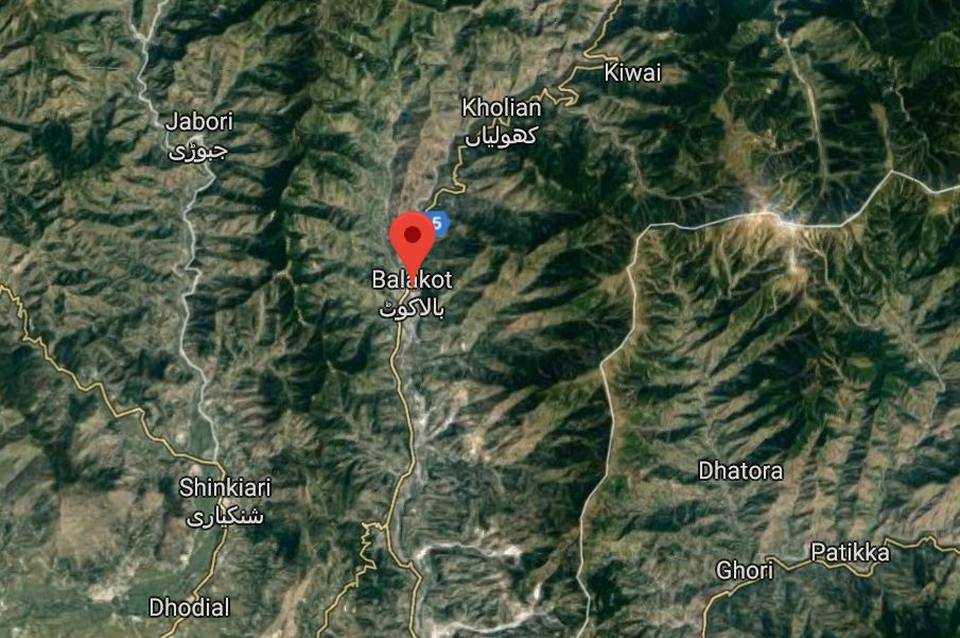
Similarly, with regard to the Indian response, the ISPR spokesperson was the first one to admit that the Indian Air Force (IAF) had crossed the Line of Control (LoC) and carried out a strike in the vicinity of Balakot. He, however, attempted to mislead and obfuscate the issue by hinting that this attack was in the vicinity of the village, in close proximity to the LoC in Pakistan-occupied Kashmir (PoK), and not the town by that name in Khyber Pakhtunkhwa, deep inside Pakistan, where it actually struck. While the IAF claimed to have hit the terrorist training camp, the spokesman insisted that no damage or casualty was inflicted to the “seminary” located over there. However, the cordoning of the area by the Pakistani Army and its refusal till date to allow any access raises questions and suggests an attempt to cover up.
Finally, there was the confusion about two Indian fighter aircraft having been shot down with both pilots taken prisoners. It, however, turned out that the IAF’s claim at that time of having lost one MIG-21, piloted by Wing Commander Abhinandan after he had downed a Pakistani F-16, was correct. Bizarrely, not only has Pakistan continued to deny the loss of its own aircraft, it even insists that the F-16s in its possession were not involved in operations in this sector. This despite the IAF having produced evidence.
Clearly, obfuscation and deceit are embedded in the DNA of Pakistan, especially in the manner it deals with India and the international community. We have been experiencing this since decades. Remember, Pakistan denied any connection to the so-called “raiders”, who nearly captured Srinagar in 1948 or to the “militants”, who occupied the Kargil heights in 1999, only to recant and accept its involvement subsequently. It isn’t as if it reserved such treatment for India alone as Iran and Afghanistan have also found to their cost. Therefore, in the present instance, to have expected Pakistan to behave any differently was sheer fantasy, especially given that the military uses proxy war to retain its pre-eminent role within the country and the region.
The sad truth is that its very foundation was built on the British construct — that it was religious antagonism and not its requirement for a pliable state that would help protect its interests in the region — which resulted in the horrors of partition. The formation of Bangladesh put paid to the two-nation theory and secret Cabinet documents in the UK, subsequently declassified, showed up the deceitful lengths the British had gone to in furthering their own interests.
Leaving aside Pakistan’s desperate attempts to change perceptions what should be of immense concern to all right-thinking people, here is the horrendous manner in which this issue is being used by politicians and the media to gain attention for their selfish agenda even if it is at the cost of the nation’s interest. Neither free speech nor the looming elections justify such crass behaviour, especially since it is impacting the credibility and apolitical nature of our armed forces.
While Prime Minister Narendra Modi deserves credit for his bold decision to aggressively respond in the manner that he did, it is no excuse for the Bharatiya Janata Party (BJP) to use the strike to tom-tom its nationalistic credentials, going so far as to shamefully depict Wing Commander Abhinandan in posters used for election rallies. Prime Minister Modi may well scream ‘Jai Jawan, Jai Kisan’ from the rooftops but it has not in any way stopped his Government from refusing to grant One Rank One Pension (OROP) to military veterans or opposing the grant of Non Functional Upgrade (NFU) in the Supreme Court using all manner of lies. That the NFU is already authorised to the Civil Services and the Central Armed Police Forces, thereby changing long-standing civil-military parity, has been deliberately ignored. Their efforts to humiliate and lower the prestige and standing of the armed forces continues unhindered.
It isn’t as if other political parties, including the Congress, have behaved any less hypocritically. On the one hand, they have “officially” supported and praised the action of the IAF, while at the same time senior leaders of these very parties have questioned the efficacy of the attack, despite the Air Chief having clearly stated that the targets selected were destroyed as they had planned. It appears that they believe that the only manner in which the steadfastness and strength of character ‘Modi’ displayed on this occasion can be negated is by deliberately destroying the credibility of our military’s achievements. While we may be uncertain of who will succeed at the hustings, there is absolutely no doubt that our armed forces have lost out yet again.
Brigadier Deepak Sinha (retd), an Army veteran, is a Visiting Senior Fellow at the TPF and is also a Consultant at ORF, New Delhi.
This article was published earlier on March 19th, 2019, on The Pioneer.
In democracies the world over, institutions are constitutionally mandated to serve their nation in consonance with the nation’s aspirations and objectives. An institution exists because of and for the nation, and not the other way around. Legally and logically, all institutions are accountable to the constitution from which they derive their responsibilities and strength.
In India the image of most institutions over the years, since the country’s independence, has taken a beating with regard to their equity, performance, professional integrity — at least in public perception. However, if there is one institution which has unquestionably retained its awe and respect in the nation’s acuity and, equally, its emotions, it’s the Indian Armed Forces.
Through challenging times faced by the nation since the violent 1947 Partition, India’s armed forces have acquitted themselves with the highest professionalism, uncommon valour and sacrifices to uphold the integrity and honour of the nation. However, events of the past month, namely, the Pulwama terrorist strike and India’s retaliatory air operations in Pakistan’s Balakot have raised significant points in the minds of some security analysts, the foreign media and even some doubting Thomases in India regarding the results of the military action. The dividing line between military transparency vis-a-vis military secrecy has been much debated.
A few skeptics and some learned ones too have asked: Does the unique respect of the nation towards its armed forces make the latter remain in the comfort zone of its cocoon, answerable to no one but themselves? It is essential, in keeping with the glorious reputation of India’s tri-services, that doubts in the minds of anyone and anywhere are amply answered in the larger interests of the nation and the armed forces themselves.
The defence forces exist to defend the country from external and internal aggression, to preserve and further national interests — something that they have consistently achieved with matchless sacrifices, aplomb and victories for the nation. However, it is equally important that wherever shortcomings in their operations surface, those must not be pushed under the carpet and ignored on some fuzzy notions of misplaced pride, secrecy or political considerations under pressure from the ruling establishment. Operational security considerations also must be given their due importance for the elements of surprise and secrecy substantially govern success in military operations.
The dastardly Pakistan-inspired and supported terrorist strike on February 14, 2019, on a CRPF convoy in Pulwama in Jammu and Kashmir resulted in more than 40 fatalities. That this tragedy is attributable to a serious intelligence failure, shoddy road clearance drills besides the faulty decision to dispatch such huge numbers of paramilitary personnel by road and not by air (as now ordered) cannot be denied by security professionals anywhere. That India altered the counter-terror policy paradigm by launching retributive aerial attacks deep inside Pakistani territory was indeed a welcome change and, resultantly, would have sent the correct signal to a terrorism-sponsoring Pakistan.
The Indian Air Force’s deep strike and the resultant casualties in and damage caused to Jaish-e-Mohammed’s training camp in Balakot in Pakistan’s Khyber-Pakhtunkhwa province and the next day’s shallow aerial counter strike in the Poonch-Naushera sector by Pakistan would have thrown up many lessons for India’s security hierarchy. That these lessons are addressed with alacrity and the seriousness they demand requires no elaboration.
Even in a democracy where transparency is essential in certain policy matters, the media, especially the over-noisy electronic media, has to absorb the fact that strategies and tactics, operational details, targeting and timings, employment of new weapons and platforms, strengths and weaknesses must not be discussed in the public domain. However, at an opportune time, the official arm of the government/services can and must share relevant details with the public which do not compromise national security. Equally, lapses, where emerging, even within the security forces must be analysed in great depth for future improvements.
Post the Kargil War, the Vajpayee government had, very appropriately, carried out a comprehensive review of India’s higher defence management under the aegis of the Kargil Review Committee (KRC) and the Group of Ministers (GoM). The KRC and the GoM had done a remarkable job and some of the security organisations now in place owe their existence to them. Though India was clearly victorious in the Kargil War, the government at that time did not hesitate to discuss openly whatever shortcomings in the defence structure there were, dispensing the garb of national security or jingoistic patriotism! In the US, it is commonplace for serving generals/admirals to depose and testify before congressional committees on matters pertaining to national security. Accountability to the nation is thus a very normal hallmark in all democracies.
As the world’s largest democracy and an aspiring global player, India has to conduct itself like one. Consequently, all its institutions have to be scrupulously accountable to the nation’s Constitution and not to personalities or political dispensations. The Indian armed forces are held in near-reverence and affection by the nation, necessitating them to always display professional acumen, moral courage and integrity of the highest order. As the last bastion of the state, the three services, both in peace and war, must continue to serve the nation as only they can and never, ever compromise on the values of truth, honour and valour. For retaining their high-pedestal-esteem in a democratic set-up, the armed forces must also accept that they are no holy cows either and should welcome any legitimate queries from the government or the public as regards their functioning or performance as long as operational security considerations are not compromised.
Equally, responsible people in the nation must acknowledge the simple fact that merely questioning the government or any institution on matters pertaining to national security is not being anti-national!
Lt Gen Kamal Davar is an Indian Army veteran and is former chief of India’s Defence Intelligence Agency. He is a visiting distinguished fellow at the TPF.
This article was published earlier on March 24th, 2019, on The Asian Age.
Renuka Paul and M Matheswaran (March 9, 2019/Analysis)
Last week saw India-Pakistan tensions touch a crescendo as India, for the first time, executed a punitive strike into Pakistan. While Pakistan’s retaliatory strike was thwarted by IAF’s air defence mechanism it also resulted in a MiG 21 aircraft being shot down and the Indian pilot taken as prisoner. While international pressure forced Pakistan to release him within 48 hours, it also led to quick de-escalation. In the bargain, India’s pressure on Pakistan became diluted significantly. The genesis of this spike in tensions between the two nuclear powered neighbours, relates to the event of February 14th, 2019 when Pakistan based Jaish-e-Mohammad launched a terror attack in Pulwama, Jammu and Kashmir that killed over 40 Indian paramilitary personnel.
Blaming Pakistan for the incident, New Delhi has revoked the ‘Most Favoured Nation’ status granted to Islamabad, imposed 200 percent duty on imports from Pakistan and vowed to end the flow of unutilized water from India’s shareflowing to Pakistan. On February 26th, India carried out “non-military, pre-emptive” airstrikes to destroy terrorist camps in Balakot, Pakistan. The tough and unprecedented (since 1971) retaliatory measure of crossing Pakistan’s airspace makes sense given the political pressure due to the upcoming elections and the media fuelled public sentiments. This changed discourse proves that Pakistan’s approach of employing Islamic proxies to cause destructions and using nuclear weapons as a safeguard to deter Indian response does not hold true any longer. Moreover, the international community including China and Saudi Arabia, usual Pakistan allies, has condemned the terror activities.
Some argue that the strongest threat India has made since the Pulwama incident is the decision to alter the course of water flowing into Pakistan towards Punjab and Kashmir instead. The recent claim, however, seems irrelevant as it is in fact a two-year-old announcement that the excess of Indian waters that flow into Pakistan will be used for hydroelectric projects. But what this has sparked is a boost to those advocating abrogation of the Indus Water Treaty (IWT) and has highlighted a potential water conflict in the subcontinent.
Post partition, in 1948, Pakistan argued that it needs Kashmir partly for its water security as it is nearly 65-percent dependent on the Indus river system. Following escalated issues, India partially cut off water supply to Pakistan by shutting off water from Ferozepur Headworks to Dipalpur Canal, portions of Lahore and main branches of the Upper Bari Doab Canal. To de-escalate the situation and to prevent further water crisis, the World Bank, after years of negotiations, brokered the IWT in 1960. According to this deal, India is allocated the eastern rivers- Ravi, Beas and Sutlej- while Pakistan has the western rivers- Indus, Chenab and Jhelum- and it mandates a bilateral meet twice a year to share data regarding flow, flooding etc. However, over the years the undertones of looming water dispute is evident. Being the upper riparian state, India has a clear advantage that sustains Pakistan’s insecurities. For instance, it has built multiple dams and barrages over river Jhelum. While 1.50 MAF water is allowed to India from Jhelum under IWT, constant disputes exist regarding the amount of water diverted (stop the flow or flood).
In 2008, Lashkar-e-Taiba chief Hafiz Saeed accused India of water terrorism, followed by Pakistan government in 2010 claiming that India chokes water supply consistently. In the aftermath of Uri attacks in 2016, Modi proclaimed that “blood and water cannot flow simultaneously” and dismissed the bilateral meet of IWT committees. In addition, New Delhi set up dozens of small and medium hydroelectric and irrigation projects like Wular barrage, Baglihar Dam, etc that obstruct Pakistan’s water share. Though India cannot unilaterally end the treaty, it can reduce the water flow to Pakistan utilizing the provisions of IWT that allows India to use water from Western rivers for non-consumptive needs like irrigation, hydroelectricity production, etc. Islamabad responded that revocation of IWT “can be taken as an act of war” and garnered international support to stop India’s project efforts.
Given that Pakistan is allotted 80 percent of the water from the Indus river system, many in India call for ending IWT. However, the potential consequences of retraction from IWT are manifold. As signatory to the international agreement, backing out from IWT will invite international condemnation affecting India’s global image and its bid for UNSC seat. Moreover, the trust relation with neighbours (Nepal and Bangladesh) with whom India shares water treaties will be affected. Additionally, India does not have the infrastructure to use the extra water and this could result in the flooding of Kashmir. Even the underutilized water that belongs to India (from eastern rivers) is free flowing to Pakistan. Despite continued claims of diverting the water that flows to Pakistan to other parts in India, New Delhi is yet to materialize these claims.
Experts argue that this is to avoid water crisis within the country. Water disputes within states in India are common. For instance, it was only after 40 years of interventions that Jammu and Kashmir, Punjab and Haryana signed an agreement in 2018 on the Shahpur Jandi dam project for access to and use of the water from these rivers. There is also the risk of China following India’s steps and reducing water flow to the Brahmaputra river. They have already done so by building the Lalho project on the Xiabuqu river, a tributary of Yarlung Tsangpo (Brahmaputra as known in India). Realizing the disadvantages of withdrawing from IWT, India has looked at other alternatives.
New Delhi is engaging in water power play by further limiting Pakistan’s water supply through Afghanistan – India investing on the $236 million Shahtoot Dam on Kabul river in Afghanistan is an example. Using water as a political weapon is not new. Turkey completely stopped water flow from Euphrates to Syria, Israel cut fresh water supply to Gaza, and so on. In the absence of a water sharing agreement between Afghanistan and Pakistan, India is investing in river and dam projects on Afghanistan’s eastern rivers- Kabul and Kunar- that eventually flow into Pakistan. However, this seems to set a dangerous precedent and will further worsen the distributional conflicts in the region. In parallel, India has also taken up multiple projects utilizing the provisions under the treaty that can potentially reduce the water flow to Pakistan. Though it takes time, given the costs and objections involved, this seems to be a move in the right direction.
With political tensions and water stress rising in both nations, water diplomacy needs to be an important factor to be considered in Indo-Pak negotiations. Moreover, issues like climate change and global warming were irrelevant when IWT was brokered and left out of its gambit. Intermittent floods and droughts could be controlled through mutual coordination. Therefore, water should be seen as a factor for cooperation and not conflict.
Renuka Paul is a Research Analyst with The Peninsula Foundation. She holds a Masters in Public Policy from Mumbai University. Views expressed are the author’s own.
Air Marshal M Matheswaran AVSM VM PhD (Retd) is the Founder President and Trustee of TPF.
After the precision air strikes by the Indian Air Force on the small town of Balakot in Pakistan’s Khyber Pakhtunkhwa Province, public attention in India is now focused on bringing the leaders of the Jaish-e- Mohammed, including Jaish Supremo Maulana Masood Azhar to justice.
Ironically, Azhar would not have been such a threat today if we did not cravenly release him after being blackmailed, during the Kandahar hijacking of IC 814. Those then released, included terrorists like Omar Syed Sheikh, who funded the 9/11 hijackers in the US and murdered American journalist Daniel Pearl.
Recurring pattern
The mass killing of Indians in terrorist strikes organised by the ISI has been a continuing feature of Pakistani policies, since the Mumbai bomb blasts on March 12, 1993. People seem to forget that 253 people were killed and 713 injured in the terrorist strikes in Mumbai in 1993. These killings were organised by the then ISI Chief Lt. General Javed Nasir, who incidentally enjoyed the patronage of Nawaz Sharif for years.
The mastermind of the 1993 bomb blasts, Dawood Ibrahim, lives under heavy security protection, in the elite locality of Clifton in Karachi. There is conclusive evidence that the attack on India’s Parliament in December 13, 2001 was organised by Maulana Masood Azhar’s Jaish-e-Mohammed.
A former ISI Chief Lt. General Javed Akhtar admitted this, in March 2004, in Pakistan’s Parliament. In the Kargil conflict in 1999, 527 Indian soldiers had been killed and 453 wounded, which was ostensibly designed to disrupt India’s supply lines to its forces in Siachen.
When the Jaish-e-Mohammed, thereafter, briefly receded into the background, the ISI backed Lashkar-e-Taiba mounted yet another terrorist attack on November 26, 2008 on Mumbai, when 139 Indians died and 256 were injured. This received huge international attention, as the casualties included citizens of countries like US, UK, France, Germany and Israel.
Yet, within a few months, we were back to a “Composite Dialogue” with Pakistan, after the Sharm el Sheikh Summit, where the focus of attention was not the 26/11 terrorist strike on Mumbai, but unfounded Pakistani allegations of Indian involvement in the freedom struggle in Baluchistan! Sadly, this was a manifestation of Indian diplomacy, at its worst.
The Balakot Air Strikes by IAF Mirage 2000 aircraft was marked by the use of precision guided Israeli Spice 2000 bombs, which function with deadly accuracy. There is now conclusive evidence that the target was a Jaish-e-Mohammed Madrassa, which was badly damaged.
Hundreds of Jaish Jihadis, preparing for “martyrdom” in Jammu and Kashmir, were motivated and trained in Balakot, for “Jihad” in Kashmir. The training was embellished with promises of an after life in a heavenly abode. Our government would, however, have been better advised, if unverified claims of hundreds of casualties were not prematurely made, or publicised.
What will, however, please our Russian friends, is the fact that an upgraded frontline American F-16 equipped with highly sophisticated AAM-RAM missiles, was shot down by a 1970s-1980s vintage, Russian Mig 21 BIS of the IAF. This incident again exposed the notorious inefficiency of our Defence Ministry, which has delayed a proposal for modernisation of the IAF’s fighter fleet for over two decades.
Successive Defence Ministers must accept constitutional responsibility for the cavalier manner the entire issue of modernisation of our fighter fleet has been handled. More importantly, the decision-making organisational structure in our Defence Ministry, dominated by a generalist bureaucracy, needs to be drastically restructured and reformed.
Pakistan should be made to realise that India’s air strike in Balakot marks only the beginnings of a new approach, which India will now undertake.
Upgrade covert actions
Firstly, it is time for decision-makers in New Delhi to realise that our covert actions capabilities on foreign soil need to be upgraded. I had occasion to recently read a book by journalist Sandeep Unnithan, due for release shortly, on how Prime Minister Indira Gandhi personally supervised covert actions in Bangladesh in 1971, which virtually destroyed maritime communications facilities there, even before the conflict started in December 1971.
The Israelis spent years developing capabilities to seek out the perpetrators of the Second World War “Holocaust,” across the world. Their Iranian rivals have developed similar capabilities, which one saw recently, when Iran responded to a terrorist attack from Pakistani soil, which killed 29 Iranian Revolutionary Guards, near the border between Pakistani Baluchistan and the Sunni majority Iranian Province of Sistan-Baluchistan, where the port of Chabahar is located.
In an almost immediate Iranian counter-strike, across the border, over eight Pakistani soldiers were killed and a large number injured.
The time for developing capabilities for counter-strikes is now ripe. The global political, diplomatic and economic scenario in India and Pakistan has changed drastically, over the past two decades.
Pakistan remains, in international perspectives, an economically bankrupt and politically dysfunctional country, which is ostensibly democratic, but run by a military elite, which is given to promoting religious extremism across its neighbourhood. Its actions, like hosting Osama bin Laden secretly for over a decade, promoting Taliban extremism in Afghanistan and using internationally discredited terrorist groups for Jihad abroad, have irreparably sullied its international image and reliability.
Islamabad is addicted to seeking doles from rich Arab neighbours, China and international financial institutions like the IMF, Asian Development Bank and the World Bank. Pakistan is constantly dependent on these countries and international institutions, for its economic survival.
In contrast, India is seen today as a country with the fastest growing economy in the world, which is increasingly attractive for foreign investment. India is at peace and enjoys excellent relations with all countries (except Pakistan) in its Indian Ocean neighbourhood.
It has multiple free trade and comprehensive economic cooperation agreements within SAARC and with members of Bimstec and Asean. There are, likewise, Comprehensive Economic Cooperation Agreements with South Korea and Japan.
Across its western maritime frontiers, India is the only country, which enjoys excellent relations at the same time, with the oil rich Arab Gulf States, Iran and Israel. Prime Minister Narendra Modi has publicly expressed India’s thanks for American understanding and support in recent days.
These developments now need, in course of time, to be augmented by moves to engage people in Pakistan, making it clear that India wishes them well.
They have to be made to realise that their present miseries are the result of actions by a power hungry and rogue army, which is undermining democracy and leading the country to economic disaster and international isolation.
Ambassador G Parthasarathy IFS (Retd) is a former High Commissioner in Pakistan, and is a Trustee of ‘The Peninsula Foundation’. Views expressed are author’s own.