Blog

  • Chinese Lesson: Paying the Price for Uprightness

    Chinese Lesson: Paying the Price for Uprightness

    Mohan Guruswamy                                                                                        May 22, 2019/Op-Ed

    World’s largest electoral exercise, in the largest democracy – India, concluded on May 19th. The counting and results are awaited in a few hours from now. This elction has been the most acrimonious so far in Independent India’s history. Given the endemic corruption and the corrosive hyper-nationalism around the world today, the importance of honesty, integrity, and uprightness in public life is in stark focus. The French Revolution produced Maximilien Robespierre, ‘the Incorruptible’ whose intolerance for corruption brought in the infamous guillotine. Mohan Guruswamy goes down Chinese history to highlight the importance of uprightness, whatever the price maybe.

    Recently I had a visitor from Hainan, China, Jiang Zhongqiang. Jiang is from the South China Maritime Research Centre, and has been commissioned to write a book about the Congress Party. I told him that to understand the inner workings of the party he would be better off first studying the inner workings of the Ming court. When asked to elaborate I told him about Hai Rui (1514-1587), the honest bureaucrat from Hainan who is buried in the provincial capital Haikou in a nondescript grave. We also spoke about the writer Lu Xun (1881-1936), who like Hai Rui paid a heavy price for his uprightness.

    Hai Rui was a scholar-official of the Ming dynasty. He is remembered as a model of honesty and integrity in office. A play based on his career, Hai Rui Dismissed from Office, by Wu Han gained political significance in 1961 after the Peking Opera staged it. Initially Mao applauded the play, but when people started seeing in it as an allegory of him and Marshal Peng Dehuai, the Great Helmsman changed his mind. Peng himself agreed with this interpretation, and stated: “I want to be a Hai Rui!” in a 1962 letter to Mao requesting his return to politics. Wu Han himself was purged for his troubles and died in prison in 1969.

    Hai Rui was a scholar-bureaucrat. Like many educated Chinese he joined the bureaucracy and soon gained a reputation for his morality, scrupulous honesty and fairness. This won him widespread popular support, evinced among other things by his being enshrined while alive; but he also made many enemies in the bureaucracy. Nevertheless, he was called to the capital Peking and promoted to the position of secretary of the ministry of revenue. In 1565, he submitted a memorial strongly criticising Emperor Jialing for the neglect of his duties and bringing disaster to the country, for which he was sentenced to death in 1566. He was released after the emperor died in early 1567. Hai Rui was reappointed under the Emperor Longqing, but soon forced to resign in 1570 after complaints were made over his overzealous handling of land-tenure issues.

    He is not particularly celebrated in China any more, which is not surprising given the open corruption that flourishes there. Like in India now, wealth is more celebrated than character in China. When I visited Haikou, Hainan, in 2013, I asked my hosts to be taken to Hai Rui’s grave. My hosts were surprised. Perhaps he makes the Communist mandarins feel uncomfortable?

    Interestingly enough, Hai Rui had an Indian connection. He was descended from a native of Guangzhou named Hai Da-er (Haidar), and his mother was also from a Muslim (Hui) family that originated from India. Hai Rui himself was however known primarily as a Neo-Confucian and never discussed Islam in his Confucian works.

    In April 2015, I drove out from Shanghai to Shaoxing in Zhejiang province and crossed over the 36-km long bridge across the Hangzhou Bay from Jiaxing to Cixi. Cixi incidentally is the birthplace of KMT Generalissimo Chiang Kai Shek. The next town Shaoxing is the birthplace of Zhou Enlai, Mao Zedong’s devoted acolyte. But Shaoxing is a much-visited tourist destination these days because it is the hometown of the venerated writer Lu Xun, commonly considered the greatest Chinese writer of the 20th century. Lu Xun was also an important critic known for his sharp and unique essays on the historical traditions and modern conditions of China. Lu Xun was the pen name of Zhou Zorn, born in a wealthy Shaoxing family. This home of the family Zhou is a much-visited tourist site, not only for its simple elegance and for the unique peep it offers into late 19th century upper class family life in China, but also because it is the locale for several of Lu Xun’s stories.

    His official biography in the brochure reads: “Lu Xun left his hometown in 1899 and attended a mining school in Nanjing; there he developed an interest in Darwin’s theory of evolution, which became an important influence in his work. Chinese intellectuals of the time understood Darwin’s theory to encourage the struggle for social reform, to privilege the new and fresh over the old and traditional. In 1902 he traveled to Japan to study Japanese and medical science, and while there he became a supporter of the Chinese revolutionaries who gathered there. In 1903, he began to write articles for radical magazines edited by Chinese students in Japan. In 1909 he published, with his younger brother Zhou Zuoren, a two-volume translation of 19th-century European stories, in the hope that it would inspire readers to revolution, but the project failed to attract interest. Disillusioned, Lu Xun returned to China later that year.”

    Lu Xun was a contemporary of Munshi Premchand (1880-1936) and like him excelled in short story writing. He began writing full time in 1918 and his first published fiction was the now-famous short story Kuangren riji (“Diary of a Madman”). Like the Russian realist Nikolay Gogol’s tale of the same title, the story is a condemnation of traditional Confucian culture, which the madman narrator sees as a “man-eating” society. It was considered a tour de force that attracted immediate attention and helped gain acceptance for the short-story form as an effective literary vehicle.

    Like Premchand, Lu Xun’s stories were telling commentaries of the times usually told with a sardonic sense of humor. In 1930 Lu Xun stopped writing fiction and devoted himself to writing satiric critical essays, which he used as a form of political protest. The same year he became the nominal leader of the League of Left-Wing Writers. Although he himself refused to join the Chinese Communist Party, he considered himself a tongluren (fellow traveler), recruiting many writers and countrymen to the Communist cause through his Chinese translations of Marxist literary theories, as well as through his own political writing.

    During the last several years of Lu Xun’s life, the KMT government prohibited the publication of most of his work, so he published the majority of his new articles under various pseudonyms. He criticised the Shanghai Communist literary circles for their embrace of propaganda, and he was politically attacked by many of their members. In 1934 he described his political position as hengzhan or “horizontal stand”, meaning he was struggling simultaneously against both the right and the left, against both cultural conservatism and mechanical evolution. Hengzhan, the most important idea in Lu Xun’s later thought, indicates the complex and tragic predicament of an intellectual in modern society.

    The celebration of the life and works of Lu Xun leaves its imprint all over the lovely town of Shaoxing. Lu Xun rather than Zhou Enlai is the popular and loved son of Shaoxing. All over Shaoxing you will see not only statues of Lu Xun but also statues of characters from some of his more celebrated works. Even Lu Xun’s favourite restaurant is a popular eatery and it is very difficult to get a place. Our party of four got a courtyard table after our local hosts told the owner that two Indians (Ambassador T.C.A. Rangachari and myself) had come across the globe just to pay homage to Lu Xun. The food was worth every word of praise Lu Xun may have had for it. I had a dish of braised mushrooms with pork and rice, which was a favorite of Lu Xun’s.

    I was at Ghalib’s haveli at Ballimaran some months ago. Ghalib, like Premchand many decades later, was the greatest commentator of the period. The haveli where he lived the last nine years of his life is a sorry mess. It reflects nothing of his immense popularity and greatness. As a chronicler commented: “Ghalib’s last home lost its original flourishes of frescoes, alcoves and archways, following several sub-divisions and additions over the years. Reduced to a dimly lit gallery, a small verandah and a claustrophobic courtyard, it was a coal store at some time in the past. Ghalib would have chuckled.” Poor Premchand had to wait till 2016 to get a research centre named after him in Varanasi. I am sure both would have said something pithy about how we celebrate our scholars.

    The writer, a policy analyst studying economic and security issues, held senior positions in government and industry. He also specialises in the Chinese economy. He is a Trustee and Distinguished Fellow of TPF.

    This article was published earlier in Deccan Chronicle.

    Image Credit – PublicDomainPioctures from Pixabay.

  • How the newly inducted IAF Chinook heavy-lift helicopters provide huge versatility in operations

    How the newly inducted IAF Chinook heavy-lift helicopters provide huge versatility in operations

    M Matheswaran                                                                                                 May 22, 2019/Opinion

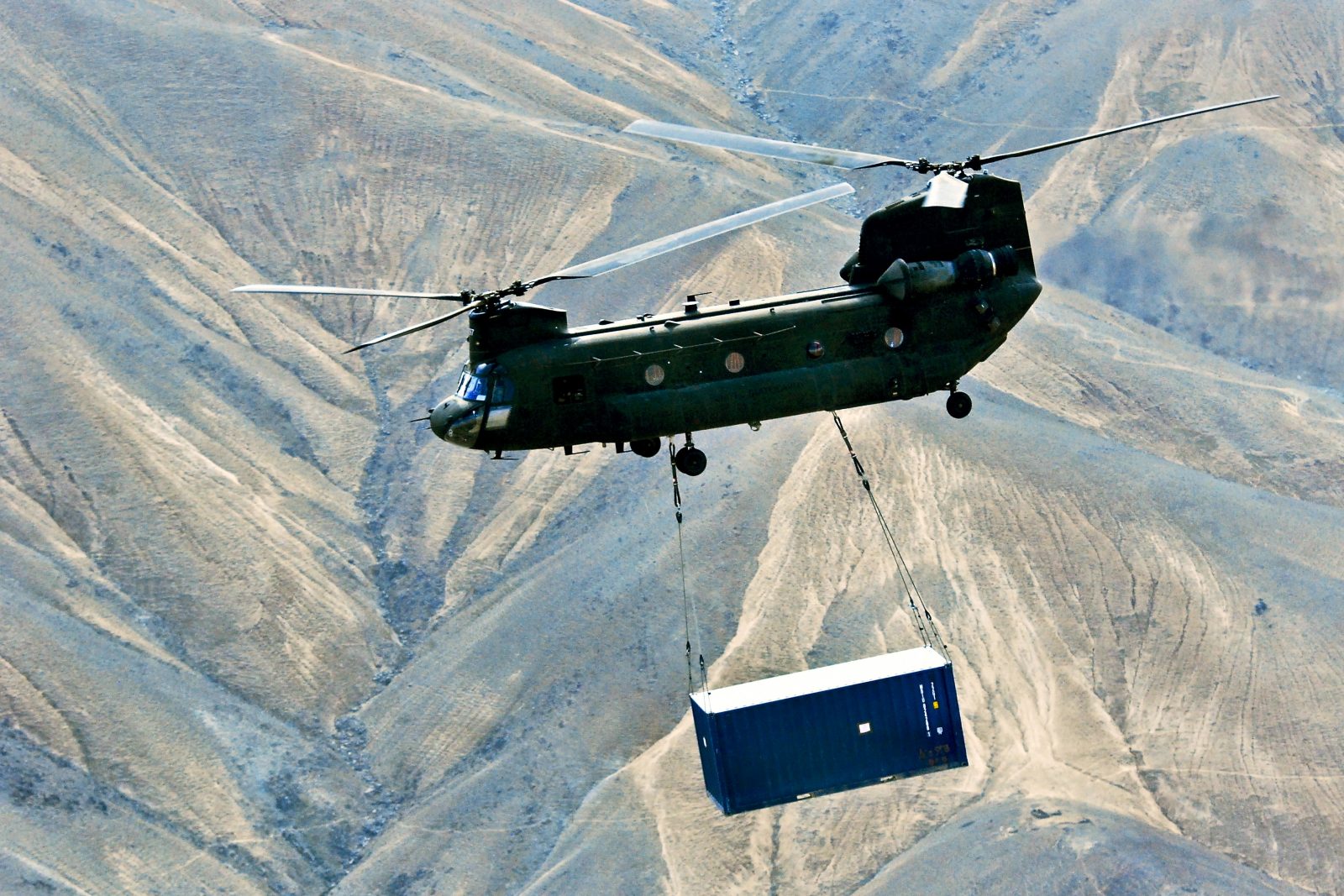
    The Indian Air Force inducted the first batch of four Boeing C-47 F(I) Chinook helicopters last month into its inventory. These are part of the order for fifteen heavy lift helicopters. With a payload capability of 10 tonnes and a significantly good high altitude performance, the Chinooks fill a long-felt gap in IAF’s heavy lift helicopter capability. For long the IAF had depended solely on its small fleet of Russian built Mi-26 helicopter, which is still the world’s largest and heaviest payload helicopter. The Mi-26, with an enormous payload capability of 20 tonnes, had provided yeoman service for more than two decades.

    Starting with a fleet of four aircraft, the Mi-26 has played extensive role in meeting major airlift requirements of material, machinery, and men, for the military and civil administration in the Himalayan border regions.With one aircraft having crashed few years ago, the surviving fleet had been hampered by maintenance and technical support problems, virtually bringing to halt the heavy heli-lift capability of the IAF. Besides, increasing emphasis on infrastructure build-up in the border regions has highlighted the importance of heli-lift capabilities for both the IAF and the Indian Army. This is what prompted the IAF to look out for building and enhancing its heli-lift capabilities in the heavy-segment.

    India’s borderlands, dominated by the mighty Himalayan ranges, are unique, treacherous, and the most demanding in the world. The need to operate at altitudes higher than 20000 ft on regular basis is unique to India, and is a challenge to most helicopters designed in the West and Russia. Operations in Indian environment puts gruelling demands on these helicopters. High altitude performance in other parts of the world is at less than 20000ft, in fact, it would average between 5000 and 10000 ft, with exceptions at 15000 ft. In India, 20000 ft operations would be routine in the Himalayan stretches and valleys all across our nearly 4000 km long border in the north and north-west. High altitude operations put severe demands on the engine, has a drastic reduction in effective payload, and has adverse impact on total technical life. These will need to be addressed by appropriate technical enhancements that are fairly expensive as well.

    Indian MOD signed the contract with M/s Boeing in Sep 2015 for supply of 15 CH-47F(I) Chinook Helicopters. The contract is for USD 1.1 billion, with an option clause for further seven aircraft. All 15 aircraft are planned to be supplied before March, 2020. It is almost certain that the option clause would be exercised. The first aircraft was handed over in a ceremony at the manufacturer’s production facility in Philadelphia on Feb 1 st , and the first batch of four were shipped out to Mundra Port in Gujarat. The four were then assembled and integrated into fully operational helicopters at the IAF base in Chandigarh and inducted on the 25 th March. Some of the specialist systems, self-protection systems and EW equipment are contracted through the FMS (Foreign Military Sales) procedure.

    While the payload capability is only half that of the Mi-26 helicopter, the Chinook provides huge versatility in operations. The IAF version is the CH-47 F(I), which is the latest and advanced version of the Chinook, designed more than 50 years ago in 1962. The IAF aircraft is upgraded with new generation avionics and flight control systems that make the aircraft capable of very precise and versatile operations during day and night. The Chinook’s twin-rotor design gives it good agility and stability in high altitude operations. Its advanced mission computer and the DAFCS (Digital Automatic Flight Control System) allows the pilot to feed in the complete mission profile and fly automatically and with hover precision in one foot increments vertically and laterally. The CH-47 F(I) is an advanced multi mission helicopter with the true multi-role, vertical-lift capability. It contains a fully integrated, digital cockpit management system, Common Aviation Architecture Cockpit and advanced cargo-handling capabilities that complement the aircraft’s mission performance and handling characteristics. Its primary role will be for transportation of troops, artillery, equipment, and fuel. The army is particularly keen on the Chinook heavy heli-lift capability for transportation and deployment of its recently procured M-777 Ultra-Light howitzer artillery guns in the Himalayan border regions with China.

    As opposed to the small fleet of three Mi-26 helicopters, the larger fleet size of the CH- 47 F(I) would provide the IAF immense flexibility and availability of aircraft for a variety of tasks. It will provide a boost to the construction of infrastructure and border road projects, long overdue. Border Roads Organisation would get a fillip to its long-delayed road construction projects in the north-east. Our continued requirements of aerial maintenance in remote regions will be better served with this new capability, as also for critical needs of HADR operations, in missions for transportation of relief supplies, and evacuation of refugees. The IAF plans to deploy the two squadrons, one in the Western sector in Himachal Pradesh and adjoining Himalayan regions, and the other in the East sector in Assam/Arunachal Pradesh.

    The Chinook acquisition was also accompanied by acquisition of the Apache attack helicopter, also from Boeing. Both contracts, worth together over USD 3.5 billion, were signed on the same day on 28 Sep 2015. Both are also a combination of DCS (Direct Commercial Sales) and FMS (Foreign Military Sales) processes. The two inductions have followed a series of procurements from the USA, mostly through the FMS route. Having started with the first major defence deal in 2008, the Indo-USA defence business is likely to touch a whopping USD 18 billion by the end of 2019. Most of these acquisitions are through FMS and are virtually replacing the earlier Russian fleets: Apache replacing the Mi-35, Chinook replacing Mi-26, Sikorsky MH-60 Romeo replacing the Kamov in the Navy, with the likelihood of 110 NMRH to follow; this is a sort of indirect CAATSA in play.
    It is important for India to realise that while many of these acquisitions have given significant teeth to Indian operational capability, in terms of business it has been huge business to the US companies with very little to show for India in 3 terms of Technology transfer or industrial gain in terms of manufacture or co-design and co- development.

    The CAG report number 3 of 2019 comes down heavily on these acquisitions. It castigates the MOD and the IAF for procedural lapses, long drawn out acquisition processes, and more importantly of having skewed the QRs in such a way that only Chinook and Apache would have been successful. That’s a serious indictment. However, India will do well to remember that major procurements like the Apache and the Chinook at huge costs, while meeting the IAF’s operational requirements, should also be leveraged to benefit India’s larger strategic interests of technology acquisition, industrial capability, global partnerships, and of course, strengthening US-India strategic partnership. It needs to be a win-win for both.

    The author is retired Air Marshal and former Deputy Chief of Integrated Defence Staff. He is the founding Chairman and President of The Peninsula Foundation, Chennai. Views expressed are personal. 

    This article was published earlier in Financial Express.

    Image Credit.

  • India Elections 2019: Electoral Bonds Scheme Hinders Effective Policymaking

    India Elections 2019: Electoral Bonds Scheme Hinders Effective Policymaking

    Renuka Paul                                                                                                      May 22, 2019/Analysis

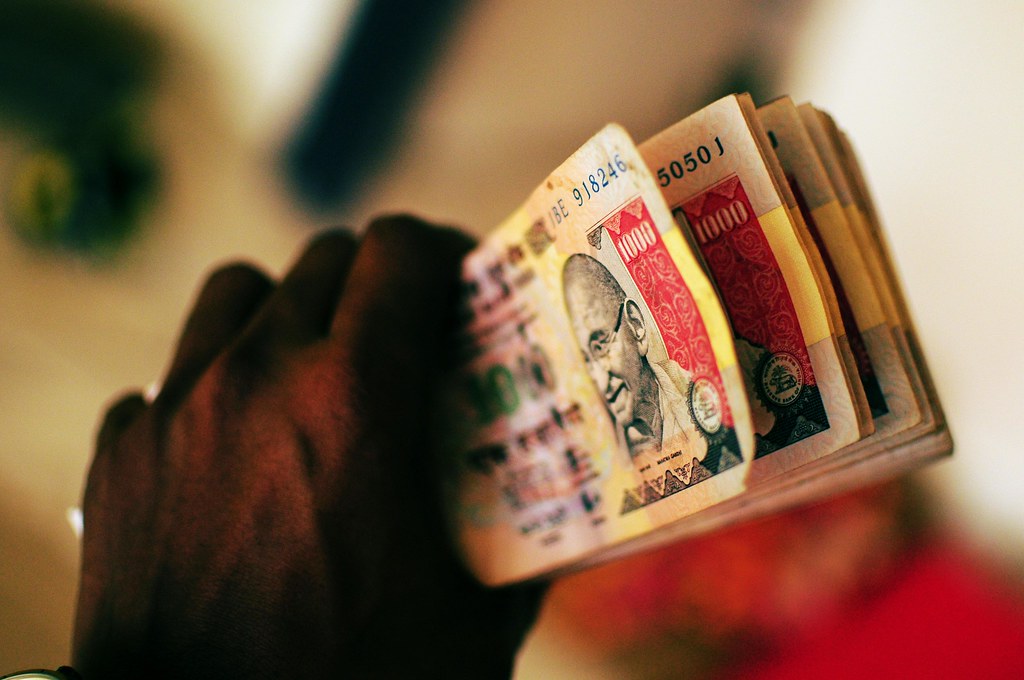
    The legality of electoral bonds was recently upheld by the Supreme Court after the Association for Democratic Reforms (ADR), Common Cause, and CPI(M) filed a petition challenging its constitutionality, seeking either a stay on the issuance of electoral bonds or to make names of the donors public as interim relief. However, the Court did direct the political parties to submit all details pertaining to electoral bonds to the Election Commission of India (ECI) in “sealed covers”. In 2017, as part of political funding reforms, the Centre introduced the Electoral Bonds Scheme by amending the Finance Act, Income Tax Act, RBI Act and Representation of People Act. Through this scheme, donors can make contributions to political parties by purchasing bonds from designated branches of the State Bank of India (SBI) in denominations ranging from Rs 1000 to Rs 1 crore.  Using banks as intermediaries, donors transfer funds to political parties. The latter can redeem the bonds only in their registered accounts within 15 days, before validity expires.

    The Government of India announced the scheme in January 2018, claiming that it will “cleanse the system of political funding in India”. The Centre stated that political parties incur large scale expenditures in terms of staff salaries, election campaigns, travelling expenses etc., often funded through cash donations from sympathisers. Conventional funding practice has been characterised by an undisclosed quantum of money channelled to political parties from unidentifiable sources. To change this status quo, the National Democratic Alliance (NDA) set the limit on cash donations at Rs 2000, beyond which funding of parties had to be done through cheques and other financial instruments, in keeping with the government’s digitisation drive. Furthermore, tax deductions were introduced for funders utilizing cheques and online payments for party donations. However, the State noted that since this required disclosure of donor identities, these features were not widely accepted, as they “invited consequences from political opponents”. In order to overcome this challenge, electoral bonds were introduced to ensure clean money and substantial transparency, wherein funders could remain anonymous. It was justified that while donors could remain unidentified and were not required to reveal the parties they supported, political parties would have to disclose the amount of funds received through electoral bonds to ECI.

    According to VS Sampanth, the former Chief Election Commissioner, electoral bonds have made political funding more anonymous than ever. He claims that these bonds do not meet the basic requirements of transparency and disclosure, and ease corporate funding. In other words, corporates can now financially back political parties without leaving a trace, thereby influencing policy without public scrutiny. This view was shared by the Association for Democratic Reforms (ADR), which took a contrary position from the Centre, opposing the scheme and arguing in Court that it has “opened the floodgates to unlimited corporate donations to political parties and anonymous financing by Indian as well as foreign companies, which can have serious repercussions on the Indian democracy”. An inquiry under the RTI Act revealed that 99.8 percent of the electoral bonds between March 2018 and January 24, 2019 were in denominations of Rs.10 lakhs to Rs 1 crore. Though the government denied corporate takeover, bonds being of the highest denominations indicate that it is not common citizens but corporates purchasing these bonds.

    Previously, in March 2017, the Companies Act was amended to remove the cap on political funding, thereby allowing companies to donate more than 7.5 percent of their average net profits. It is also no longer required that the company be established for at least 3 years in order to make political donations, which may pave way for funding through shell companies. Further, the mandate of disclosing the identities of the beneficiary parties has also been removed. Therefore, currently, while the amount of donations is recorded in the books of accounts, corporates can unlimitedly and anonymously fund political parties legally. It remains a plausible option for even those companies that are operating at a loss. This alarming trend will strengthen the nexus between corporates and politics, leading to private corporate interests taking precedence over the public’s needs with regard to policymaking. Without funding tracks, it would be difficult for the Ethics Committee of Parliament, CAG, and the ECI to scrutinise and raise flags in the case of such incidents. Furthermore, in March 2018, the Foreign Contributions (Regulation) Act was amended to remove the ban on foreign corporations from funding political parties, retrospectively from 1976. By expanding the definition of foreign entities, it is now possible for parties to accept donations from overseas through “Indian subsidiaries” of foreign companies. In addition to making the Indian polity vulnerable to foreign influence and pressure, it has also made it possible to overturn the 2014 Delhi Court judgement that found the BJP and Congress guilty of violating the Foreign Contribution Act (FCRA) by accepting donations from Vedanta, a London-based multinational company. Interestingly, these amendments were introduced as money bills that bypassed the Rajya Sabha (NDA has a clear majority in the Lok Sabha).

    Many argue that the recent array of political reforms favours the ruling party. These claims are strengthened by data that points to lopsided electoral funding. A study of income tax returns filed by parties for the period of March 2018 noted that the BJP was the biggest beneficiary of this scheme, accruing over Rs. 210 crores, i.e. 95 percent of all electoral bonds. Oppositions parties, especially regional parties, allege the Electoral Bonds Scheme to be inherently discriminatory. According to the scheme, a donor is required to submit KYC forms with the SBI branch to successfully purchase electoral bonds. The SBI reports to the Reserve Bank of India (RBI), and both banks report to the Ministry of Finance, which results in the ruling party ascertaining the identity of donors (if desired). Opposition parties claim that the ruling party registering the identity of the former’s donors while maintaining the autonomy of their own is unfair. They argue that funding mechanisms through electoral bonds is biased against them, and also provides the ruling party with the opportunity to dissuade or retaliate against their sympathizers. Overall, dissidents of the scheme contend that the Electoral Bonds Scheme threatens equality in political financing.

    India’s political landscape is marked by opaque transactions and funding mechanisms that hinder public scrutiny, resulting in poor legislations favouring prime political funders. Since the early 1980s, multiple reports and committees such as the Goswami Committee on Electoral Reforms, Law Commission Report on Electoral Reforms, Vohra Committee on State Funding of Elections, etc. were formed to address these issues. In general, the suggested recommendations include capping of election expenditures, political contributions and per-candidate expenditures.

    Studies have revealed that money power is used to unduly influence voters through freebies, raising candidates’ expenditures. With financial superiority translating to electoral advantage, parties turn towards corporate donations, resulting in policy capture. Unless expenditure limits are introduced and penalties strongly imposed, the system will remain murky. Additionally, doing so will also better financial equality among candidates hailing from different classes.

    Many have called for public funding of elections through a centrally maintained Election Fund. However, in India, channelling public resources towards elections might adversely affect budgets for social sectors. Moreover, in the absence of a limit on the number of candidates, some might contest elections in order to avail state funds. The National Commission to Review the Working of Constitution 2001 held that state funding of elections must be preceded by regulation of political parties and financial reforms in order for it to be successful. Unfortunately, the recommendations have not led to legislative action.

    For effective political reforms to occur, maintenance of donor records- irrespective of the amounts- is necessary. In the absence of a cap on political contributions, this would enable the electorate to make informed political choices, keeping in mind lobbying and policy capture. The first step towards greater transparency and accountability would be to bring political parties under the RTI Act. However, the evident lack of political will remains a problem. Considering this, the immediate solution would be to strengthen the ECI by extending legal rights and shielding it from political influence.

    Renuka Paul is a Research Analyst with TPF.

    Image Credit

  • After Balakot: India-Pak ties and nuclear bombast

    After Balakot: India-Pak ties and nuclear bombast

    Mohan Guruswamy                                                                      Apr 19, 2019/Commentary

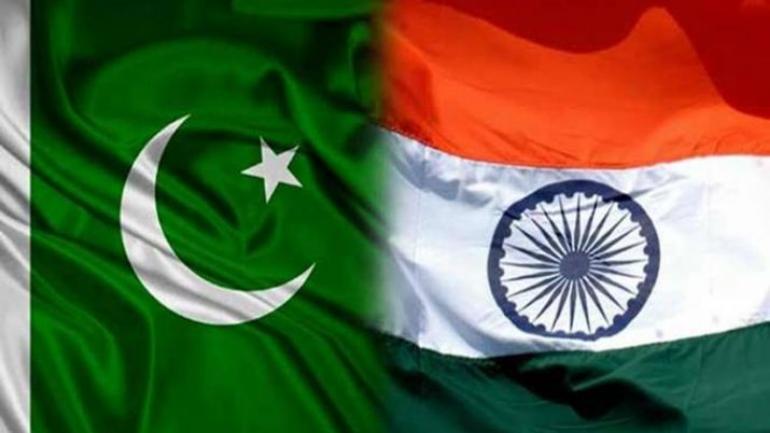
    We know that in the aftermath of the Balakot airstrikes, India and Pakistan went into some form of nuclear readiness. The Indian Navy quietly announced last week that all its crucial assets, including the nuclear missile-launching INS Arihant, were deployed in the Arabian Sea. Unlike the United States and the erstwhile Soviet Union (now Russia), which had several stages of nuclear readiness to signal intent and gravity, India and Pakistan have no such signalling language. So, when it comes, it comes.

    Politicians on both sides of the border are prone to loose talk and nuclear sabre-rattling is part of their lexicon. But this is not without some reason and purpose. Even though there is little risk of a nuclear world war any longer, because of their awesome power and potential to inflict sudden and massive violence on large populations, nuclear weapons inspire tremendous and often irrational fear, however infinitesimal the probabilities of their use. When both adversaries have nuclear weapons, you have a balance of terror.

    As a matter of fact, in the prevailing international situation, any war involving even conventional forces cannot remain a local affair for long, to be sorted out by just the two adversaries. Where there is even the smallest risk of an escalation to nuclear conflict, that intervention could be quite quick. This is what the Pakistanis are counting on.

    But since nuclear weapons cannot be used, their only utility lies in the mere threat of their use. In nuclear theology, this has come to be known as “the utility in non-use”. From time to time declared and undeclared nuclear powers have tried to use nuclear weapons in this manner. The Pakistanis are only travelling down a well-trod path. Each time the Pakistanis threaten us with nuclear war, what they are in fact doing is semaphoring to the rest of the world, particularly those of the West, that have taken it upon themselves to supervise the international regime, to intervene.

    In the early days of the Yom Kippur war of 1973, an incident occurred which tells a great deal about how the game of nuclear diplomacy is played. The sudden and successful attack by Egyptian troops under the command of Gen. Saaduddin Shazli not only put the Egyptians back on the Sinai Peninsula but also unveiled a new generation of Soviet weapons and tactics to match. At the northern end of Israel, a Syrian armored attack under Gen. Mustafa Tlas was threatening to push the surprised Israelis down the slopes of the Golan Heights. In just the first three days of the conflict, the highly regarded Israeli Air Force lost over 40 fighter aircraft and a huge number of tanks to the new generation of Soviet anti-aircraft and anti-tank missiles. The panicked Israelis turned to the United States for assistance but found Washington quite reluctant. Both President Richard Nixon and his national security adviser Henry Kissinger till then were of the opinion that a degree of battlefield reverses was needed to get an increasingly intransigent Israel to the conference table. Caught, in a manner of speaking, between the devil and the deep sea, the Israelis then played their nuclear card.

    American surveillance satellites and high-flying reconnaissance aircraft suddenly began to pick up unusually heightened activity around the Israeli nuclear facility at Dimona near the Negev desert. Israeli defence minister Moshe Dayan, while imploring Dr Kissinger to start the airlift of urgently-needed weapons and military technical assistance, told him about how desperate their situation actually was and had already hinted that Israel might have to resort to nuclear weapons to halt the Arab armies. The alarmed Americans sent a SR-71 Blackbird reconnaissance aircraft fitted with special sensors to detect nuclear material over Dimona. The SR-71’s sensors picked up the signature of nuclear material on a bomb conveyor apparently loading an Israeli fighter-bomber. Whether the nuclear flare registered was from an actual nuclear weapon or radioactive material in a container to simulate a weapon will never be known.

    To the advantage of Israel, the Americans read this as preparations for an imminent nuclear attack. Would the Soviets sit quietly when their allies were subjected to a nuclear attack — would have been their immediate thought? Was this going to be the beginning of World War III? Within minutes, President Nixon was on the line to Prime Minister Golda Meir, telling her that a massive US airlift bearing much-needed weapons and military advisers was ordered and that the supply would begin within hours.

    In early 1952, as the Chinese poured in troops into Korea to grind to a halt the advance of the American-led UN forces, a highly placed US diplomat in Geneva conveyed through Indian diplomat K.M. Pannikar a warning to China that the United States will use nuclear weapons on it unless it agreed to talks immediately. China soon afterwards agreed to hold talks, which soon resulted in the armistice that holds till today.

    Others have done this somewhat differently. During the 1982 Falklands War, the British quietly deployed the nuclear submarine HMS Conqueror, armed with nuclear missiles, off the Argentine coast. As the fighting raged and the Argentines scored some naval victories by sinking the destroyer HMS Sheffield and the converted Harrier jet carrier Atlantic Conveyor, the Royal Navy revealed the presence of its nuclear submarine. The presence of the Conqueror with nuclear weapons was to tell its somewhat lukewarm ally, the United States, that if the war went badly for it Britain would be forced to use even nuclear weapons. It was therefore in America’s interest to not only using its enormous clout with the Argentines to end its occupation of the Falkland Islands but to also assist Britain. Soon after this the US tilted fully in favour of the British by giving it critical intelligence and political support.

    In 1992, then US President George H.W. Bush conveyed to Saddam Hussein that a poison gas attack on Israel using its Scud missiles would invite a nuclear strike upon it. The Iraqis fired several Scuds on Israel, but none with poison gas. After the war, UN inspectors scouring Iraq for weapons capable of mass destruction detected huge quantities of poison gas in ready to use explosive triggered canisters. Obviously, the threat had worked.

    Clearly, the threat of the first use of nuclear weapons, if provoked beyond a point, could be often as effective as nuclear deterrence. In recent times, to give credence to its irrationality, Pakistan has deployed or claims to have deployed tactical nuclear weapons to some of its formations. Since a tactical nuclear weapon has a much smaller destructive power, its use is considered somewhat more likely and hence more credible than a strategic nuclear weapon. A strategic weapon is a city or area-buster, whereas a tactical weapon is said to have only a battlefield application. But India’s response to this is that whatever the weapon, and wherever it is used, if it is used it will invite a full-scale retaliation. Many analysts think this is not credible, and India needs a flexible policy that will allow it to also match escalation up the ladder.

    But the frequent Pakistani outbursts that nuclear war can happen here if the Kashmir situation boils over is an addition to the known nuclear semaphoring practices. Here the Pakistanis are using the Western abhorrence of nuclear war to influence Indian policy. They are not threatening India, because that is not credible, more so since India has a far bigger nuclear arsenal. They are in fact threatening the world that the balance of terror might be breached, and inviting it to intervene. Whatever the nature of this intervention, it is deemed to be in its favour. We saw this happen in 2008 when within minutes of the 26/11 Mumbai attacks Presidents and Prime Ministers from all over began calling our Prime Minister calling for restraint. We have a somewhat ironical situation here. A cruel and ruthless military presiding over a notoriously lawless and corrupt nation is pleading for Kashmir’s supposed right to self-determination and is blackmailing the world to come to its assistance.

    The author is a Trustee and Distinguished Fellow of ‘The Peninsula Foundation’. He is a prolific commentator on economic, political, and security issues. The views expressed are his own.

    This article was published earlier in Deccan Chronicle.

    Photo Credit: PTI

  • Douse the anger within

    Douse the anger within

    Deepak Sinha                                                                              Apr 18, 2019/Opinion

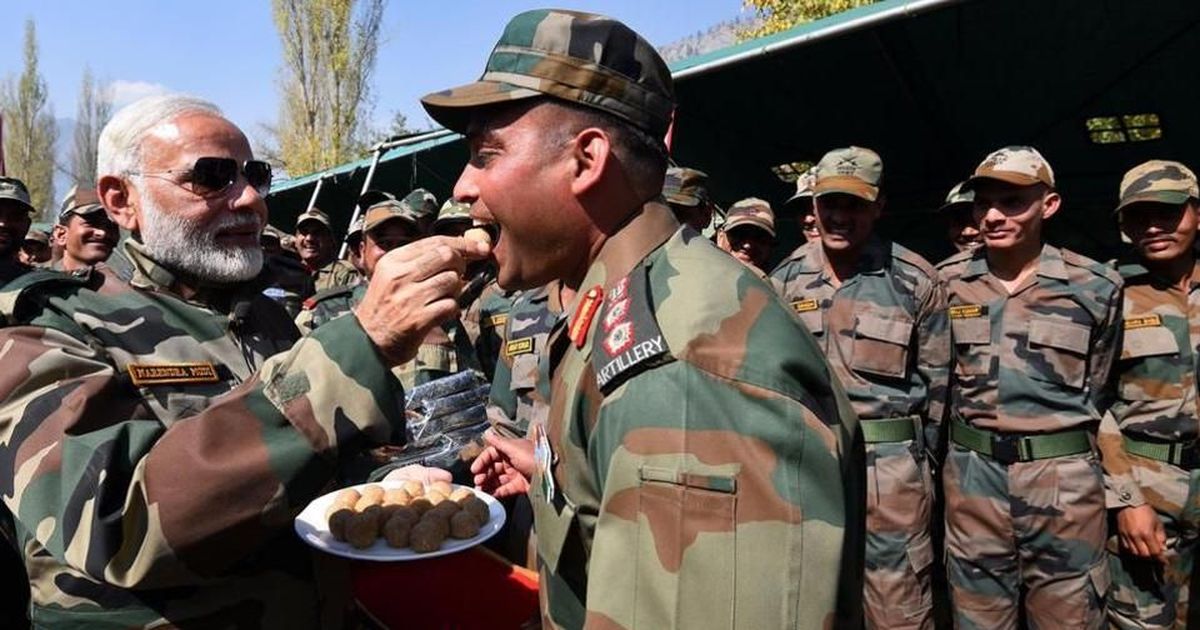
    While the Government continues to celebrate the armed forces’ performance for electoral gains, it will do well to remember that the basic tenet of warfare is that the man behind the gun matters more than the gun. Its failure to grant non-functional upgrade is all the more hurtful.

    For those innocent souls still blissfully ignorant of what Non-Functional Financial Upgrade (NFU) implies, in brief, it simply ensures that when an IAS officer from a particular batch (one that includes everyone who joins service the same year) is promoted to a certain rank, all batchmates from Group A Central services automatically start drawing the same pay-scale two years after that individual’s promotion. Even as those officials continue to discharge earlier functions, they are upgraded to a higher pay grade. Thus, nearly all civil services officers, regardless of what rank they may retire with, get pension at the highest level of HAG+ or what those few appointed as Cabinet Secretaries are granted. If that isn’t hitting the jackpot, then what is?

    One doesn’t need to be a guru to figure out that such a system is contrary to all principles of management and without precedent anywhere in the world, either in the Government or corporate sector. As a matter of fact, Vivek Rae, the IAS member in the seventh Pay Commission, recommended that NFU be done away with on grounds that “to strive for uniform career progression across such a diverse set of services and cadres, with widely varying functions, violates fundamental management principles relating to organisational structures. Such a dispensation, with automatic career progression till the HAG level, completely buries the concept of merit-based career progression and undermines considerations of efficiency and accountability.”

    Singh’s motivation for approving this, despite pretensions to intellectual and moral honesty, is not difficult to guess. Pragmatism required a veil to cover the scandalous actions of his coalition partners, which the bureaucracy willingly provided, obviously in exchange for a quid pro quo. That Prime Minister Narendra Modi refused to do away with NFU, as the majority members of the seventh Pay Commission recommended, obviously suggests that he and his colleagues are as much a hostage to bureaucracy as was the previous Government, despite all his blather about good governance.

    It is in the nature of the beast that when hogs are given unlimited access to the feeding trough, other hogs will follow, even those, who may not see themselves as hogs as well. It was just a matter of time before the Central Armed Police Forces (CAPF) and the armed forces approached the Government for their inclusion and on  refusal, approached the courts. While the apex court has already directed the Government to commence NFU for CAPF — something the Government recently approved for implementation — the case of the armed forces still lingers with that august body.

    The irony in all this is difficult to miss. NFU was granted in order to address the wide disparity in career progression across different Organised Group ‘A’ services (Central services) and to bring parity between them and the IAS. It was accepted despite its “wide-ranging financial, organisational and governance implications” as the seventh Pay Commission put it especially with regard to inter-se status between various services and their military counterparts, which had been sacrosanct till then since independence.

    To quote Rathin Roy, the other member of the seventh Pay Commission, the “broad parity was disturbed by granting NFU to IPS, IFoS and organised group ‘A’ services after the sixth Central Pay Commission report, without a similar dispensation being extended to the Defence Forces.  Consequently, the Defence Forces officers, who are in no way lower in status or responsibility than Group ‘A’ Central services, though not classified as such, have fallen steeply behind IPS/IFoS and 49 organised group ‘A’ services.”

    Again, as it was bound to happen, all of this has had a particularly disastrous impact on the “armed forces’ morale, status, cohesion and national security”, to quote the seventh Central Pay Commission. In the present circumstances, especially given that it is an election season, it is more than likely that the issues raised will be disregarded, more so in light of the extraordinary performance of the armed forces over the past couple of years, despite acute deficits in weapons, equipment and ammunition.  After all, it is not just coincidence that every party attempts to include “surgical strikes” in its outreach — be it the fight against poverty or the measure of the leaders’ strength of character, as Modi has so effectively done till now.

    Unfortunately, this bombast by politicians, especially of the ruling party, is difficult to balance against the Government’s extensive efforts to deny NFU to the armed forces. The Press Information Bureau (PIB) on March 25 stated, “In the instant case, the recourse to judicial review was taken as per the existing policies and at the decision of the Government of India. Certain facts have been twisted and misrepresented in the media with the purpose of misleading the uniformed community and the general public. One, the Central Pay Commission has been incorrectly quoted to have recommended NFU/ NFU for the armed forces.

    “Two, there has been no attempt to malign the uniformed community or quote them as staying in ‘palatial houses’ as the hardships faced by military fraternity are well-known and deeply respected by everyone, including those in the Government. The counsel of the Government of India has only read out the recommendations of the seventh Central Pay Commission as the argument of the case in the apex court….”

    Clearly, the PIB’s statement is disingenuous. For one, it denies the existence of Para 17.55 of the seventh Central Pay Commission report that categorically states, “The Chairman is of the considered opinion that …the same will be available not only to all organised Central group ‘A’ services but also members of CAPFs, ICG and Defence forces.” Second, the PIB’s defence of the Government counsel’s arguments is at complete variance to the tweet by advocate for the litigants, Col Mukul Dev: “March 12, 2019, the Black Day in the history of Indian armed forces,  which I must observe it as, when I had to hear the most demoralising and damaging arguments of the Ministry of Defence (MoD)… the MoD babus have got objection to the CSD facilities, the Army public schools, the officers institutes, the free travel passes (in their terminology), the concessional air travel scheme, the grant of Military Service Pay, the free rations and the so-called palatial houses in which we are made to stay….In essence, the same very babus, who are entrusted to look after the interests of soldiers, are now trying to usurp everything. Times have definitely changed…..”

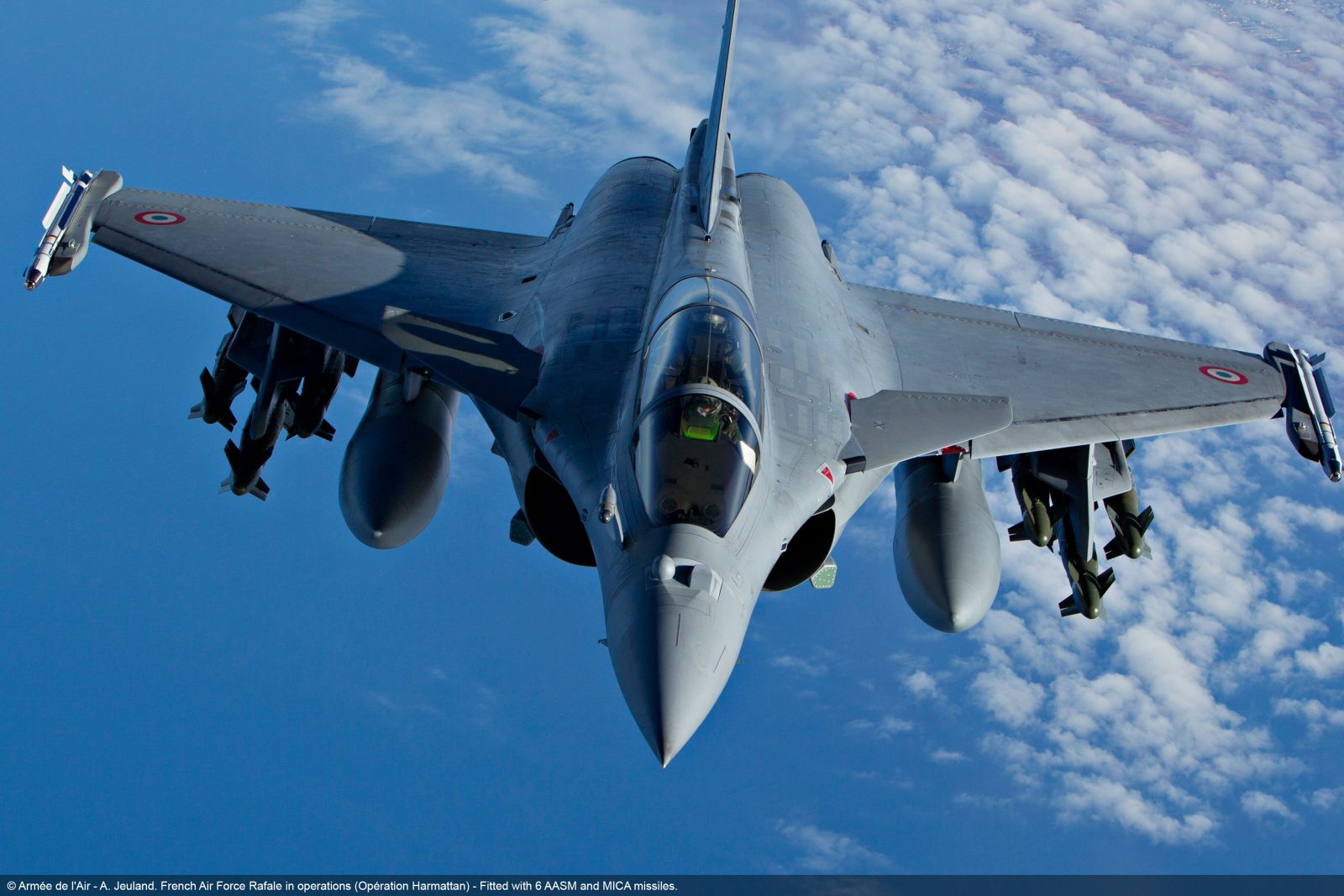
    While the Prime Minister can hold forth on how much better we would have fared if the Rafale had been in our inventory during the recent spat with Pakistan, he would do well to remember that the basic tenet of warfare is that the man behind the gun matters more than the gun.

    The writer is a military veteran, a consultant with the Observer Research Foundation and Visiting Senior Fellow with The Peninsula Foundation. The views expressed are the author’s own.

    This article was published earlier in The Pioneer.

  • Beware Pak’s intentions over Kartarpur

    Beware Pak’s intentions over Kartarpur

    Kamal Davar                                                                            Apr 18, 2019/Commentary

    During his celebrated cricketing career, Pakistan’s skipper Imran Khan was renowned primarily for his yorkers and inswingers. That in his new avatar as Pakistan’s Prime Minister, on prodding, in all likelihood from the supreme power centre in his nation — the Pakistan Army — Mr Khan recently bowled a “googly” successfully at the unsuspecting Indian establishment is a distinct possibility!

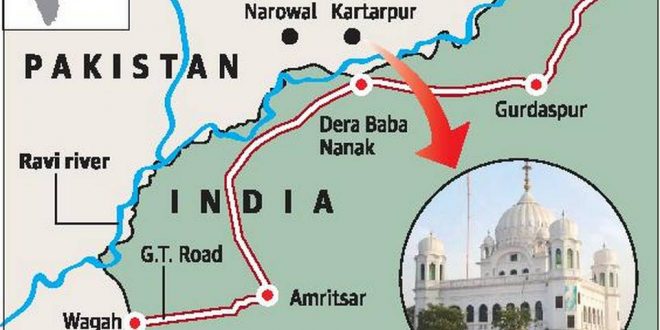
    Pakistan’s offer to accede to a long-standing Indian request to link up Gurudwara Kartarpur Sahib in its Narowal district across the Ravi river with the Dera Baba Nanak shrine in India’s Gurdaspur district clearly has overtones — far beyond what appears on the surface as a non-political, supposedly friendly gesture from Pakistan.

    Gurudwara Kartarpur Sahib has a unique place in the consciousness of Sikhs all over the world as it was here that the founder of the Sikh faith, Guru Nanak, spent the last years of his life till merging into eternity in September 1539. The revered Guru’s 550th birth anniversary falls in November 2019 and the proposed corridor is expected to be built and connected by both nations before this date to enable the proper conduct of celebrations as planned.

    Both India and Pakistan had the foundation stones for the proposed corridor laid in their respective areas in November 2018. This was followed up by a detailed meeting of their technical experts at the Attari-Wagah border on March 14, 2019. However, Pakistan did muddy the waters by mischievously including in their delegation for the next level of talks a few known “Khalistani” supporters based in Pakistan. India strongly objected and called off the proposed April 2, 2019 talks. However, India soon, somewhat surprisingly, agreed to Pakistan’s proposal for a technical meeting on 16 April, 2019, to iron out aspects on the exact alignment, coordinates, crossing points, etc in the proposed corridor. That all technical problems must be sorted out, requisite infrastructure and construction work should commence speedily and completed well in time brooks no emphasis. Equally, the rationale and, consequently, the long-term security ramifications of Pakistan’s acquiescence of India’s request to operationalise the Kartarpur corridor has to be borne in mind.

    Pakistan’s sinister Inter-Services Intelligence (ISI) has, over the years, been assiduously pursuing its nation’s cunningly crafted strategy of “bleeding India by a thousand cuts” in tandem with its infamous K2 strategy (Kashmir and Khalistan). In some parts of Jammu & Kashmir, the ISI has succeeded, to an extent, in keeping the pot boiling and sustaining insurgency-like conditions, especially in the last few years. However, its devious stratagem for whipping up discontent in Punjab over the years had failed miserably except briefly during the early Eighties. Nevertheless, the ISI has over the decades endeavoured to keep the Khalistani issue alive, setting up offices in the US, Canada, the UK and Germany to brainwash sections of the Sikh diaspora settled in these nations.

    The ISI’s latest malevolence has been to re-energise a Florida-based marginal Sikh separatist group called the Sikhs For Justice (SFJ) and made them establish their office in Lahore. The SFJ, flushed with liberal ISI resources, have had the temerity to publicly announce that that the Kartarpur Corridor would be a “bridge to Khalistan”. The SFJ is concurrently leading the “Khalistan Referendum Campaign — 2020” and will be recruiting, from all over the world, members of the Sikh community to participate in this nefarious separatist exercise. Their earlier effort in London, last year, proved to be a damp squib. Nevertheless, the ISI’s determined machinations to influence the Sikh community, both in India and abroad, must not be taken lightly by India’s security agencies.

    The ISI’s impious activities to destabilise Punjab in the future behind the veil of the Kartarpur Corridor must be seriously factored in by the Indian government. Notwithstanding the fact that India is currently in election mode, India’s security establishment in concert with the Punjab government, currently under an able soldier-politician Capt. Amarinder Singh, our foreign missions abroad and leaders of the Indian Sikh community must nip in the bud any future intrigues of Pakistan’s deep state to re-ignite trouble in Punjab.

    Our own innocent pilgrims to the Kartarpur shrine will have to be sensitised prior to embarking on their pilgrimage and feedback will have to be taken from them on their return. It will be in order for the Indian government to caution beforehand the Pakistan government to rein in its intelligence agencies and the Pakistan Shiromani Gurudwara Prabandhak Committee to desist from any anti-India activities.

    As all out efforts are made to ensure that the Kartarpur Corridor comes up well in time to celebrate the great Guru’s birthday, India and Pakistan must strive towards the proposed Kartarpur Corridor becoming a bridge for peace between the two nations.

    The writer, Lt Gen Kamal Davar (Retd), was founder of the Defence Intelligence Agency and deputy chief of the Integrated Defence Staff. He is a Distinguished Fellow and Trustee of TPF.

    This article was published earlier in Asian Age.

  • TPF Discussion # 01: Status of Primary Education : A Case study of Tamilnadu

    Special Guest: Dr Vasanthi Vasudev

    The Peninsula Foundation organised a round table discussion on Education policy and the status of primary education in Tamil Nadu. TPF invited Dr Vasanthi Vasudev, a leading educationist in Chennai, to chair the discussions. The discussions were initiated by TPF as a prelude to formulating a research project for analysis of primary education in India in terms of right to education for children, children enrolment, school education policy effectiveness, learning outcomes, drop-out rates, teaching methodologies, school infrastructure, motivational aspects, noon-meal schemes, financial issues, family environmental impacts etc. The plan is to undertake Tamil Nadu as a case study. Dr Vasanthi elaborated on importance of local language as the medium of instruction and methodologies that should enable identification of aptitudes and focus on child’s strengths. School environmental issues and social practices and rigid mentalities, particularly in rural regions, were bound to have mostly adverse impact on child’s education. She highlighted the insidious entry of caste recognitions in school and gave the examples relating to ineffectiveness of noon-meal schemes in schools. Of course, administrative apathy added to the problems. The discussion provided valuable inputs to the development of the project proposal.

    [sc name=”donte”]

  • China grows, and grows

    China grows, and grows

    G Parthasarathy                                                                                       Apr 11, 2019/Commentary

    One of the most remarkable developments in recent decades has been the rise of China, spearheaded since 1978 by the visionary leadership and economic reforms of Deng Xiaoping. China registered the highest rate of economic growth in history, growing at an average rate of 9.5% annually, for over three decades. This followed the earlier rise of Japan between 1950 and 1989, with an average growth rate of 6.7%. Deng transformed a country crippled by centralised planning and state control of industries into a more decentralised economy, with increasing involvement of private initiative. This era saw market reforms leading to a surge in exports, with China emerging as the largest exporter in the world. China’s private sector today controls around 80% of its industry and virtually the entire agricultural sector. State farms today employ barely 1% of agricultural labour. There are 658 billionaires in China, which is ruled by a ‘Communist’ party, as against 584 in the US, ruled by Trump’s right-wing Republican Party.

    President Xi Jinping has emerged as China’s unquestioned leader, seeking to match Xiaoping. Among Xi’s ‘mantras’ to achieve his ambitions is the now famous Belt and Road (OBOR) project, involving the use of Chinese construction companies, which have huge surplus capacities. These companies did a stupendous job in China over the past three decades and have surplus capacity, including labour and machinery, arising from the relatively small number of projects yet to be undertaken. The Belt and Road Initiative is not only involved in building roads and bridges, but also railways, ports, dams, power stations and other infrastructure across 68 countries, spanning Asia, Africa and Europe. Estimates of total investments envisaged for these projects vary from $1 trillion to $1.3 trillion. The primary focus is on the Eurasian landmass.

    The main source of concern in India, however, pertains to Chinese projects across the Indian Ocean. While the OBOR focuses primarily on the construction of roads, bridges, electrical power projects and dams, the terms for such assistance are opaque. Relatively small attention is paid to developing indigenous skills and capacities for operations and maintenance. The terms of interest and repayment are far less generous than the vastly concessional assistance provided by institutions like World Bank and Asian Development Bank, or bilaterally by countries like Japan and Germany. The net result of this ‘generosity’ is that a number of developing countries, beguiled by Chinese protestations of altruistic assistance, soon find themselves handing over substantial tracts of territory and natural resources to the Chinese, with little development of indigenous expertise.

    India’s western Indian Ocean neighbourhood remains a primary source of concern about Chinese intentions. Using its aid as leverage, China has secured its first military base in the East African Port of Djibouti. China has, in turn, undertaken work on port facilities, construction of two airports and a rail line from Djibouti across landlocked Ethiopia. In neighbouring Kenya, China’s involvement in the strategic port of Mombasa and construction of a rail line, linking the port to the capital Nairobi, have also raised eyebrows internationally. There are growing apprehensions in Kenya that it would soon be unable to repay and be forced to make ‘concessions’ on the management and use of the port. China is the largest lender to Kenya, with debt liabilities reportedly amounting to about $42 billion.

    Reckless spending by the government of former President Abdulla Yameen in the Maldives has resulted in the country acquiring a debt of $3 billion on account of the usual Chinese infrastructure mix of roads, bridges, airports and housing. The newly elected government of President Ibrahim Solih has been more circumspect about such projects. Sri Lanka, too, when unable to repay its debts, was forced to concede substantial control of the Hambantota Port, with a 99-year lease to China. It was also compelled to allow Chinese N-submarines to berth in Colombo.

    Pakistan and Myanmar are inevitably going to experience similar dilemmas. The $62 billion CPEC involves road, rail, mining, port, power sector and agricultural projects, under conditions not known even to parliamentary committees and the country’s Central Bank. With its foreign exchange reserves dwindling and its pleas for an IMF bailout dependent on the goodwill of the US and its allies, Pakistan is faced with very difficult choices on economic management and its backing for groups like the Taliban and the JeM.

    Apart from developing and virtually taking over the Gwadar Port, China is set to build up Pakistan’s navy with the supply of four ‘most advanced’ warships and eight submarines by 2028. At the same time, an isolated Myanmar faces virtual Chinese blackmail to accept Beijing’s ‘aid’ to build a highly unpopular and ecologically dangerous hydroelectric project in the face of strong public protest. This will be part of a Chinese economic corridor linking its Yunnan province with Myanmar’s Kyaukpyu Port.

    The OBOR project has multiple aims. India cannot, however, overlook the fact that it is geared to establish Chinese domination of vital lanes of communication and oil supplies in the Indian Ocean. Responding to India’s concerns voiced over two decades ago, a Chinese admiral arrogantly remarked: ‘The Indian Ocean is not India’s Ocean.’ China’s designs have serious implications for the maritime security of not only India, but also several partner states, ranging from the US and Japan to Indonesia, Malaysia, Vietnam and South Korea.

    Ambassador G Parthasarathy is a former High Commissioner of India in Pakistan, and is a Distinguished Fellow and Trustee of TPF. Views expressed are the author’s own.

    This article was earlier published in The Tribune.

    Photo by zhang kaiyv from Pexels.

  • India Elections 2019: On Democracy, Secularism and  Nature of Religion

    India Elections 2019: On Democracy, Secularism and Nature of Religion

    Mohan Guruswamy                                                                                     Apr 11, 2019/Op-Ed

    As India goes into elections today, the largest democratic exercise in the world, it is time to reflect on the nature of religion, their promoters and what it means to be secular.

    When the late J. Jayalalithaa opened up the debate on conversions by passing an ordinance during her second tenure as chief minister of Tamil Nadu that made the choice of faith subject to the state’s approval, not surprisingly, the VHP, RSS and the BJP hailed it as a great achievement. Not surprisingly, their Muslim and Christian counterparts severely castigated it. To all these organisations, religion is not just a matter about heaven and hell and who gets to go where, but about power and profit. Modern religions are akin to great commercial enterprises like Coke and Pepsi constantly seeking greater marketshare while retaining the faith of existing customers.

    It is the consequent faith, mostly induced and sustained by these exertions, which sustain the huge uniformed bureaucracies and extravagantly titled organisations that are the edifices of our major religions. Witness the recent no-holds-barred struggle for the control of the Shiromani Gurdwara Prabandhak Committee in Delhi, which was nothing if not about getting one’s hands on the huge assets and cash flow of the gurdwaras. At least the Sikhs go about it democratically, in a manner of speaking. But all those of the great Hindu, Muslim and Christian institutions are beyond the grasp of even their most faithful. It is indeed unfortunate that debates on religion and faith are no longer about goodness and decency or even present day social concerns. But that is not for discussion now. At stake is something much more important.

    The acceptance of democracy as a way of life implies that we have accepted that we hold certain rights to be inalienable. The Indian Constitution therefore guarantees justice, liberty and equality. The rights emanating from these are considered fundamental to our being a free and democratic society. These fundamental rights, therefore, are inviolable in the sense that no law, ordinance, custom, usage or administrative order can ever abridge or take away any of them. The preamble elaborates liberty to be that of “thought, expression, belief, faith and worship”, leaving little room for ambiguity. Like Hinduism’s eternal truths these are eternal rights. Without these rights we will be no different than a Saudi Arabia or North Korea!

    Consequently, Article 19 guarantees the people of India seven fundamental freedoms. These are (a) freedom of speech and expression; (b) freedom of assembly; (c) freedom of association; (d) freedom of movement; (e) freedom of residence and settlement; (f) freedom of property; and (g) freedom of profession, occupation, trade or business.

    Article 25 guarantees “freedom of conscience and free profession, practice and propagation of religion”.

    This very simply means that people are free to believe whatever they may want to, convert others to this belief and perform whatever rituals or ceremonies that are required by one’s faith. In even more simple words, people are free to be Christians or Muslims or Hindus or whatever, free to preach and convert. Or that matter even Marxism, which now is no different than any faith with its own depleted philosophy and impossible mythology. So what is there to debate about conversion? This right is inviolable and is guaranteed by the Constitution, and so there is nothing to debate.

    It is another matter that religions as we know them to be practiced are usually premised on irrational and primitive ideas. The psychologist James E. Alcock writes: “We are magical beings in a scientific age. Notwithstanding all the remarkable achievements of our species in terms of understanding and harnessing nature, we are born to magical thoughts and not to reason.” Now this relative absence of reason in religion very clearly gives us cause for a debate. Very clearly the liberty of thought and conscience and the right to profess and practice one’s religion is not the issue.

    What can be the issue is our reticence to criticise religions, and subject their basic premises to scrutiny? Perhaps our bloodied history and particularly the conflicts of the recent past have made us want to seek accommodation by mutual tolerance. This is understandable and perhaps even commendable. Nonetheless, given the propensity of militant religionists like the VHP and the Jamaats to apply their doctrines to the political process and their constant endeavour to impose their views on others, not to challenge orthodox religiosity and fundamentalism would be a gross dereliction of our responsibilities.

    What we are in need of is not a debate on conversion but a debate on the stuff our beliefs are made of. But this is not on our agenda and will not appear on it as long as we have the present dubious consensus on what has come to be called secularism. To be truly secular is to be a sceptic, and therefore rational and reasonable. Merely to be silent on the unreason wrapped in ritual and ceremony that passes off as religion, or even to be fearful of criticising these lest we provoke irrational rage and violence, is not secularism. It is the silence of the truly secular and rational that has allowed the religious fanatics of all hues to seize the high ground from which the battle for our minds is being directed.

    This distorted notion on what is secularism makes even the maddest mullah cry stridently for it. To start with, to be a mullah or even a shankaracharya or a bishop is proof of one’s lack of secularism. To be secular is to consider organised religion little more than humbug. But now is not the time to discuss humbug, but the hullabaloo about conversion.

    It still leaves us with the rights and wrongs of converting by false inducements. Is the promise of life after life not a false inducement? Since all of us are inevitably sinners and since no religion promises a more comfortable hell, the inducements have to necessarily relate to the immediate, and more often than not, for material gain. For some reason hell in all religions is always a hot, dank and dark place and heaven with a surfeit of all the good things of life. Nobody seems to give a thought that it is just these good things that get us into trouble in the first place. Not just in terms of clogging our arteries, wrecking our livers and exposing us to HIV, but in terms of getting us into trouble with the authorities above!

    The criticism against Christian missionaries is that they dupe poor people into becoming Christians by giving them money. And ditto for Muslims preachers. If Hindus want to keep their flock the answer is staring them in the face. Put some money where your mouth is and the flock will not deplete? To be true, there is more than cash that goes with this. More often it is housing, clothes, education and the care and respect that comes with acceptance that are the inducements. The exchange of one set of primitive ideas with another set of not very different yet similarly primitive ideas is no big deal. Ordinary people can be very practical when it comes to matters pertaining to their well-being.

    Both the State and our predominantly Hindu society have failed to provide to the majority of this country the elementary essentials of living and quite often even the elementary decencies due to all human beings. Added to this, our society has systematically discriminated against the weak and the oppressed. Our former President, the late K.R. Narayanan, had a point when he wanted to know, from the then Atal Behari Vajpayee government, if no dalits or adivasis can be elevated to the Supreme Court? Why do they exist mostly below the poverty line? Why do more of them die younger? Now here are subjects worthy of a debate. The call for a debate on conversion lends itself to expansion to include these. Just as it lends itself to a discussion as to why people are so easily willing to give up their traditional faith. Clearly, the systematic exclusion of a majority from their rightful role in the community and the continuing discrimination against them is a great subject for a debate. If the Hindu upper castes were to be civilised in their treatment of the lower castes, would they now seek to escape from the social tyranny of the so-called Hindu society?

    Such an expanded debate could possibly shed light on why for most of the last millennium we were a conquered nation. It is over a thousand years since Mohammed bin Kasim conquered the Sind. Thus paving the way for a succession of Arabs, Persians, Turks, Uzbeks, Mongols, Portuguese, French and the English to invade and rule parts, if not all, of this country. In the process, we even became the only nation to be conquered by a private commercial enterprise — the East India Company. How much lower than that can you get? Our thousand years of shame quite clearly calls for a debate we have never had.

    Such a debate will almost certainly focus on the failures of the Hindu elites to defend the nation, to unite the country and harness its great resources. It is not very different even now. The lessons of history are yet to be learnt. And so we will want to debate what we shouldn’t be and not debate what we should be.

    The writer, a policy analyst studying economic and security issues, held senior positions in government and industry. He is a Distinguished Fellow and Trustee of TPF.

    Views expressed are the author’s own. A version of this article was published earlier in Asian Age.

    Photo by Darshak Pandya from Pexels.

  • India Elections 2019: Under-representation of Women Reflects Failure of Policy

    India Elections 2019: Under-representation of Women Reflects Failure of Policy

    Renuka Paul                                                                                           April 10, 2019/Analysis

    India, the world’s largest democracy, will witness the start of its general elections tomorrow, for constituting the 17th Lok Sabha. With 900 million eligible voters, it is expected to be the biggest electoral event and is scheduled to be held in 7 phases from April 11th to May 19th, 2019. The democratic exercise, however, does not appear to be fairly representative of women. For over two decades, the insufficient involvement of women in Indian politics has been largely debated, and measures to alter the status quo have been backed by nearly all major political parties. Despite the support, implementation of these proposals have stalled. Moreover, there has been no significant increase in women’s representation within party ranks nor in the number of female candidates being nominated for the upcoming election.

    India Fares Poorly in Comparison to its Neighbours

    Although women constitute nearly half of India’s population at present, female political representation remains at 11.8 percent in Lok Sabha and 11.2 percent in Rajya Sabha (global average, as of 2018, is 24.3 percent). In other words, nearly 9 out of 10 legislators in India are men. While women have held the roles of the President, Prime Minister and Chief Minister in India, these instances remain an anomaly rather than the norm, with most of the elected female leaders belonging to political families (43 percent). According to Inter Parliamentary Union (2019), India is ranked 149thout of 193 countries in terms of representation of women in Lower Houses. In comparison, Nepal (32.7 percent), Afghanistan (27.3 percent), Bangladesh (20.6 percent) and Pakistan (20.2 percent) perform far better and have political quotas in place. Furthermore, representation of women in state assemblies is even lower (8 percent), with the highest numbers in Bihar, Haryana and Rajasthan at 14 percent and lowest in Mizoram, Nagaland and Puducherry with no elected women representatives.

    The abysmal rate of women’s role in decision making and legislation was first acknowledged in 1976 after a report by the Committee on the Status of Women in India was published. Following this, 73rdand 74thconstitutional amendments were adopted in 1993 mandating 33 percent reservation for women in local governance. Later, in 1996, in order to correct the deeply skewed ratio of female electoral participation, the Women’s Reservation Bill was introduced in the parliament in order to extend reservation to Lok Sabha and state assemblies. As per the provisions of the bill, seats under the quota were to be allotted to different constituencies by rotation, as prescribed by the authority determined by the parliament. Importantly, the bill contained a clause stating that the reservation extended would be eliminated 15 years after its introduction. This clause was included upon determining that the estimated time period was sufficient to remove the political disadvantages faced by women. Further, some argued that following the 15 years, people would come to realise the capabilities of women leaders and, if the bill were to not be revoked, it would limit female candidates to contest elections from the reserved seats alone. Though the bill has been promoted by major parties, it has failed to get legislative approval.

    Patriarchal Mindset and the Absence of Political Will

    Both the NDA and UPA governments blamed failure of the bill’s passage on the coalition arrangement that made consensus impossible, despite the support of the leading party. Although the BJP were vocal about women’s marginalisation in politics while in opposition, upon coming to power in 2014 with a clear majority, the party has neither discussed nor passed the bill. Overall, a general lack of political will remains and the disinterest of parties in issues of inclusive representation is evident. This is highlighted by the fact that women representatives of all major parties in the general elections is less than 10 percent.

    Opponents of political quotas for women argue that it will further strengthen the gender imbalance at the top. According to them, “modern women” are capable of contesting elections on merit and do not require affirmative actions to win elections. Moreover, they argue that reserved seats restrict the choice of voters to only women candidates, thereby violating the rules of democratic elections. Others claim that rotation of reserved constituencies would reduce an MP’s incentive to work for their constituencies since they would not be eligible for contesting elections in the next term. Many have proposed alternatives such as reservations for women in political parties instead, dual member constituencies, etc. Interestingly, while these disagreements have stymied the bill for over two decades, they did not hinder the passage of the 73rdand 74thamendments (passed with a clear majority when introduced the first time). This may be because the latter does not pose any threats to the dominant position of male parliamentarians, as opposed to the former that challenges their own survival.

    Globally, it is established that men and women in leadership positions often have differing priorities and perspectives. An ideal mix of both the sexes in politics is necessary to ensure that the democratic process is truly representative and that demands of all categories are considered during decision making processes. Though open competition in constituencies may be preferred, reservation for women candidates is required until gender parity is achieved. This balance in elected bodies is crucial to establish a mechanism that allows women to actively engage and influence broader political and economic concerns, especially those that affect women.  In India, equal opportunities in terms of political participation and representation have been granted to women since independence. However, societal and historical biases against women have created rigid structures that have hindered women’s accessibility to positions of power. Equal political representation makes the democratic system more responsive to the needs of the people. In this sense, there is an urgent need to improve women’s involvement in politics for inclusive growth and development.

    Reservation for Women an Absolute Necessity

    The existence of reserved seats for women in elected bodies isn’t just a demand for fairness and equality. Various studies have highlighted the positive effects of bringing in female leaders. A report by the Ministry of Panchayati Raj has highlighted that reservation for women in PRIs has improved the self-esteem, confidence and decision-making skills of the candidates, which in turn has led to an increase in education for girls and consequently expanded the breadth of their future aspirations. Furthermore, it was found that the elected women also invested more in the handling public goods such as cleaner fuels, road connectivity and water accessibility- issues that often affect women at large. According to a study by UN University WIDER, constituencies with women leaders have 15 percent more luminosity growth in their regions than those headed by men, thereby improving productivity and employment rates. The study concluded that women leaders contributed 1.8 times more to economic growth than their male counterparts. Many studies have recorded considerable differences in policy priorities and solutions offered by both the sexes, with female leaders primarily emphasizing on issues aimed at improving the quality of life, conditions of women and children, health parameters and lives of minorities. Research indicates that this is possibly the result of traditional roles played by women as mothers or caregivers. A J-PAL research paper has also observed that the quota system in local governments have boosted child health and nutrition, female entrepreneurship and the responsiveness of police toward violence against women. Altogether, the inclusion of women in politics is not limited to changing gender relations in the nation but also greatly contributes to improving social welfare and economics.

    Many have noted that for women to substantially impact the policy scenario, they would need at least a 30 percent share in the parliament.  In fundamentally patriarchal Indian society, this highlights yet again the crucial need for the Women’s Reservation Bill. While many contend that this will limit and make women candidates dependent on the quota system, evidence shows otherwise. Despite quotas in local governments (33 percent), as of 2018, the national average of women in panchayats is around 44 percent and 14 states have more than 50 percent women leaders. In fact, Uttarakhand and Rajasthan have 56 percent female representation in PRIs. However, there are many other factors that require consideration. According to Economic Survey 2018, cultural attitudes towards women, domestic responsibilities, illiteracy, lack of confidence, inaccessibility to political funds, threat of violence, etc are some causes that limit women’s abilities to step forward in politics. Therefore, while women are offered opportunities through political quotas, inherent social structures and norms need to be altered in order to enhance balanced representation.

    Positive Impact on Society

    In recent years, the signs of increasing involvement of women in Indian politics are clearly visible. This is primarily manifested through voting and political activism (not figured into representation). According to leading election researchers, the upcoming general elections will see female voters surpassing the men. These trends show that there exists a demand to see more from political parties than hollow promises of female-oriented policy statements in election manifestos. For instance, Odisha has introduced a resolution in its state assembly for reserving one-third seats for women in parliament and legislative assembly, and the Biju Janata Dal (BJD), the ruling party, has proclaimed that 33 percent women candidates will contest elections. Trinamool Congress in West Bengal has announced that 41 percent of its candidates for Lok Sabha seats are women. While other parties have criticised these moves as opportunistic and an attempt to capture a larger share of the female electorate, these decisions certainly offer a better platform for women in the upcoming elections. Moreover, with the increase of women voters, other parties and states will be compelled to follow suit.

    For effectively including women in the elected leadership, in addition to affirmative action, there is a need for parties to prioritise women within their ranks, thereby cultivating a gender neutral political environment. These efforts should also be enhanced through comprehensive political education and gender sensitisation by the state and media. Since substantial female political empowerment necessitates a shift in people’s values and perceptions, it requires collaborative efforts from various players including leaders, political parties, civil society and the media alike.

    Renuka Paul is a Research Analyst with TPF.

    Header Image: Welcome party at the Gram Sabha, Panchayat-Khaal Khandvi, District-Megh Nagar, Jhabua, MP (UN Women)