Blog

  • The Demand for Gondwana: India’s Adivasi Homeland

    The Demand for Gondwana: India’s Adivasi Homeland

    Mohan Guruswamy December 03, 2017

     The scion of the former Gond kings of Chandagarh or Chandrapur now in Maharashtra, Birshah Atram was recently visiting the Gond homelands in the former composite Adilabad district to meet his kinsmen in the various garhi’s in the region. Birshah Atram is descended from a line that was established in Chandrapur in the 13th century by Kandakya Balal Sah. The Gond kings ruled till 1751 when the British annexed it after the Raja of Nagpur died childless. Birshah who holds two PhD’s in English and Ancient Indian History has for long been seeking a solution to the vexed Adivasi problem, that has also morphed into the Telugu led Naxalite rebellion that enables the Central and State governments to turn it into a law and order issue, by highlighting the grievances of the Adivasi people. He believes that the Central Government needs to implement the constitutional provisions and promises made in the Constituent Assembly by recognizing Gondi language and self-rule for the Gond people by carving out a Gondwana state of the Gond homelands in Maharashtra, Madhya Pradesh, Andhra Pradesh and Chhattisgarh.

    There is a vast and mostly forested region spanning almost the entire midriff of India from Orissa to Gujarat, lying between the westbound Narmada and eastbound Godavari, bounded by many mountain ranges like the Vindhya, Satpura, Mahadeo, Meykul, and Abujhmar, that was once the main home of the Adivasi. The late Professor Nihar Ranjan Ray, one of our most distinguished historians, described the central IndianAdivasis as “the original autochthonous people of India” meaning that their presence in India pre-dated by far the Dravidians, the Aryans and whoever else settled in this country. The anthropologist Dr. Verrier Elwin states this more emphatically when he wrote: “These are the real swadeshi products of India, in whose presence all others are foreign. These are ancient people with moral rights and claims thousands of years old. They were here first and should come first in our regard.”

    Unfortunately like indigenous people all over the world, the India’sAdivasis too have been savaged and ravaged by later people claiming to be more “civilized”. They still account for almost 8% of India’s population and are easily it’s most deprived and oppressed section. Though this is the home of many tribal groups, the largest tribal group, the Gonds, dominated the region. The earliest Gond kingdom appears to date from the 10th century and the Gond Rajas were able to maintain a relatively independent existence until the 18th century, although they were compelled to offer nominal allegiance to the Mughal Empire.

     The great historian Sir Jadunath Sarkar records: “In the sixteenth and seventeenth century much of the modern Central Provinces (today’s MP) were under the sway of aboriginal Gond chiefs and was known under the name of Gondwana. A Mughal invasion and the sack of the capital had crippled the great Gond kingdom of Garh-Mandla in Akbar’s reign and later by Bundela encroachments from the north. But in the middle of the seventeenth century another Gond kingdom with its capital at Deogarh, rose to greatness, and extended its sway over the districts of Betul, Chindwara, and Nagpur, and portions of Seoni, Bhandara and Balaghat. In the southern part of Gondwana stood the town of Chanda, the seat of the third Gond dynasty and hereditary foe and rival of the Raja of Deogarh.” But the glory of Deogarh departed when the Maratha ruler of Nagpur annexed Deogarh after the death of Chand Sultan.

    Incidentally the Gond ruler of Deogarh, Bakht Buland, founded the city of Nagpur. Jadunath Sarkar writes about him thus: “He lived to extend the area, power and prosperity of his kingdom very largely and to give the greatest trouble to Aurangzeb in the last years of his reign.” In fact the one big reason Aurangzeb could not deploy all his power against Shivaji was because the Gond kings were constantly at war with the Mughals and kept interdicting the lines from the Deccan to Agra. But of course the history of modern India is not generous to them.

    During the British days this region constituted much of the Central Provinces of India later to become Madhya Pradesh. This is the main home of about sixteen million Gond people who are India’s largest single tribal grouping. The Gonds are now a culturally and linguistically heterogeneous people having attained much cultural uniformity with the dominant linguistic influences of their region. Thus, the Gonds of the eastern and northwestern Madhya Pradesh region that now includes the new state of Chhattisgarh speak Chhattisgarhi and western Hindi. But the Gonds of Bastar, which is at the southeastern end of this vast region and a part of Chhattisgarh, are different in this respect. Though there are many tribal groups like the Halbas, Bhatras, Parjas and Dorlas, the Maria and Bison Horned Gonds are the most numerous. The language spoken by them, like that of the Koyas of AP is an intermediate Dravidian language closer to Telugu and Kannada.

    The process of Hinduization combined with Hindi culture has reduced the egalitarian Koitur to the bottom of the social strata. Dr. Kalyan Kumar Chakravarthy, Director of the Indira Gandhi Rashtriya Manav Sangrahalaya, Bhopal has written eloquently and cogently on this in his concluding chapter “Extinction or Adaptation of the Gonds” in the book “Tribal Identity in India” also edited by him. The real enemy of theAdivasi is the creeping Hinduization with all its attendant values and exclusionary practices, seems to me a good start to the process of saving its tribal society from extinction. All over the rest of India’s central highlands our policies by forcing the Adivasis to merge their identities with that of the encroaching culture have crushed them into a becoming a feeble and self-pitying underclass.

    Clearly there are two distinct reasons for the present unrest in the Adivasihomelands of India. The first and probably the more important one is the struggle for identity against the creeping Hinduization or de-culturization of Adivasi society. Adivasi society was built on a foundation of equality. People were given respect and status according to their contribution to social needs but only while they were performing that particular function. Such a value-system was sustainable as long as the Adivasi community was non-acquisitive and all the products of society were shared. Adivasisociety has been under constant pressure as the money economy grew and made traditional forms of barter less difficult to sustain.

    The Fifth and Sixth Schedules under Article 244 of the Indian Constitution in 1950 provided for self-governance in specified tribal majority areas. In 1999 the Government of India even issued a draft National Policy on Tribals to address the developmental needs of tribal people. Special emphasis was laid on education, forestry, healthcare, languages, resettlement and land rights. The draft was meant to be circulated between MP’s, MLA’s and Civil Society groups. A Cabinet Committee on Tribal Affairs was meant to constantly review the policy. Little has happened since. The draft policy is still a draft, which means there is no policy.

    Even before Independence on December 16 1946, welcoming the Objectives Resolution in the Constituent Assembly, the legendary Adivasileader Jaipal Singh stated the tribal case and apprehensions explicitly. He said: “Sir, if there is any group of Indian people that has been shabbily treated it is my people. They have been disgracefully treated, neglected for the last 6,000 years. …The whole history of my people is one of continuous exploitation and dispossession by the non-aboriginals of India punctuated by rebellions and disorder, and yet I take Pandit Jawahar Lal Nehru at his word. I take you all at your word that now we are going to start a new chapter, a new chapter of independent India where there is equality of opportunity, where no one would be neglected.”

    The Adivasi’s paid dearly for taking Jawaharlal Nehru and the Constituent Assembly at their word.

    Shri Mohan Guruswamy is a former Rajya Sabha MP and a political commentator. He is a Trustee of TPF.

    This article was published earlier in ‘The Citizen’.

  • India needs a Space Security Architecture

    India needs a Space Security Architecture

    Ajay Lele December 12, 2017

    In the 21st century Space Security is rapidly emerging as a critical component of the National Security architecture. Today, space has emerged as a major instrument for the human survival. Very many activities associated with humans day to day leaving are depending on the satellite technologies directly or indirectly. Owing to increasing emphasis on space technologies space industry is also found making rapid growth. At the same time space has obvious utilities for the militaries too for the smooth and fast conduct of their various operations. Unfortunately, space is also emerging as a potential battleground with the possibility of confrontations both on the earth and also in the outer space. Naturally, for the states with significant amount of assets positioned in space as well as for the states having dependence on space technologies, it becomes imperative to evolve a specific policy structure to address issues concerning space security. This article attempts to discuss a need of such framework for India.

    Necessity

    Indian space programme is civilian in nature and existing space structures has been evolved essentially to cater for such requirement. Presently, Space Commission is responsible for growth, development, sustenance and furtherance of India’s space programme. There is no specific defence element involved with this structure. Hence, appreciating the military needs and also to allow ISRO to continue with its civilian mandate, it has become necessary to have a separate commission for handling strategic requirements. For this purpose a Military Space Commission needs to be established.

    Such commission could oversee all space security aspects. Under this commission a specific agency could be established for coordinating activities of various stakeholders and liaise with various agencies of (civilian) Space Commission. Such agency could suggest modifications in exiting policy architecture as found necessary from time to time and also establish an experts group. This is important because human resources having an understanding about strategic requirements in respect of outer space issues may not be readily available. Hence, to address modern day threats it is inessential to have human resource of specialists with multidisciplinary vision. Such group should consist of military personnel, space scientists, cyber experts, AI/robotic experts, strategic technologists, technology managers, lawyers, academicians, disarmament & arms control experts and diplomats.

    Military Space Command, a tri-service organisation should be the main implementation agency for this commission. This agency should have a larger mandate encompassing various issues. In coming years, Indian Army, Navy, Air force and other services like the Coastguard, Border Security Force etc are likely to increase their reliance on satellites for the purposes of intelligence gathering, communication, navigation, and operations of various weapon systems. Over last couple of years is has been noticed that the need for I-S-R capacities in space to support network centric strategies is significantly increasing. Space command should be tasked to administer various military and para military related aspects of satellite technologies. This command should directly liaise with the Military Space Commission to project its requirements. For operational purposes this command could be put under the CDS/IDS. Home Ministry representative could a single point source amongst para military forces to liaise with this command. The command should have an exclusive research wing. Also, special focus should be given to issues related to Space Situational Awareness (SSA) and Space Meteorology.

    India has no intent to weaponize the space. However, India needs to develop (not necessarily test) certain offensive technologies, from ASAT to jamming to cyber tools. Today, the idea of weapons in space is more theoretical in nature. However, this could become a reality in coming few years. From deterrence perspective it is important for India to have a mechanism in place which could address such issues. The policy perspective in this regard should be developed by the Military Space Commission and Space Command should be the implementation agency. Legal and foreign policy related issues would play a major role towards evolving any space security architecture. In regards to these matters, it is important for Military Space Commission to liaise with the Space Commission and evolve an India specific view.

    Context

    Indian space programme is civilian in nature and existing space structures has been evolved essentially to cater for such requirement. Presently, Space Commission is responsible for growth, development, sustenance and furtherance of India’s space programme. There is no specific defence element involved with this structure. Hence, appreciating the military needs and also to allow ISRO to continue with its civilian mandate, it has become necessary to have a separate commission for handling strategic requirements. For this purpose a Military Space Commission needs to be established.

    Such commission could oversee all space security aspects. Under this commission a specific agency could be established for coordinating activities of various stakeholders and liaise with various agencies of (civilian) Space Commission. Such agency could suggest modifications in exiting policy architecture as found necessary from time to time and also establish an experts group. This is important because human resources having an understanding about strategic requirements in respect of outer space issues may not be readily available. Hence, to address modern day threats it is inessential to have human resource of specialists with multidisciplinary vision. Such group should consist of military personnel, space scientists, cyber experts, AI/robotic experts, strategic technologists, technology managers, lawyers, academicians, disarmament & arms control experts and diplomats.

    Military Space Command, a tri-service organisation should be the main implementation agency for this commission. This agency should have a larger mandate encompassing various issues. In coming years, Indian Army, Navy, Air force and other services like the Coastguard, Border Security Force etc are likely to increase their reliance on satellites for the purposes of intelligence gathering, communication, navigation, and operations of various weapon systems. Over last couple of years is has been noticed that the need for I-S-R capacities in space to support network centric strategies is significantly increasing. Space command should be tasked to administer various military and para military related aspects of satellite technologies. This command should directly liaise with the Military Space Commission to project its requirements. For operational purposes this command could be put under the CDS/IDS. Home Ministry representative could a single point source amongst para military forces to liaise with this command. The command should have an exclusive research wing. Also, special focus should be given to issues related to Space Situational Awareness (SSA) and Space Meteorology.

    India has no intent to weaponize the space. However, India needs to develop (not necessarily test) certain offensive technologies, from ASAT to jamming to cyber tools. Today, the idea of weapons in space is more theoretical in nature. However, this could become a reality in coming few years. From deterrence perspective it is important for India to have a mechanism in place which could address such issues. The policy perspective in this regard should be developed by the Military Space Commission and Space Command should be the implementation agency. Legal and foreign policy related issues would play a major role towards evolving any space security architecture. In regards to these matters, it is important for Military Space Commission to liaise with the Space Commission and evolve an India specific view.

    In closing

    It is important to note that Military Space Commission is not an attempt to evolve a parallel architecture to Space Commission and ISRO. Duplication of assets is not advisable and all necessary assistance (and advise) should be taken from ISRO to organise range of activities. There sould be horizontal and vertical interaction with various departments of ISRO and also with Defence Research & Development Organisation (DRDO). Today, the rapidly changing global space order is posing different type of challenges to national security. As one of the leading space-faring states in the world and also being a major military power and possessor of nuclear weapons, it is important for India to have well-thought-of policy of using space for military and deterrence purposes.

    References: Author has referred various Internet based sources

    Dr Ajay Lele is a Senior Fellow at the IDSA.

  • Artificial Intelligence: The Good and the Evil

    Artificial Intelligence: The Good and the Evil

    Vijay Sakhuja   June 02, 2018

    The jubilation over opportunities presented by artificial intelligence is quite telling, and its usage has found favour among a number of stakeholders. Researchers and proponents believe that future artificial intelligence enabled machines would restructure many sectors of the industry such as transportation, health, science, finance, and automate all human tasks including restaurants. Intelligent machines will be in the forefront and according to Google’s director of engineering Ray Kurzweil, by 2019 ‘computers will be able to understand our language, learn from experience and outsmart even the most intelligent humans’. In essence, the technology developers are now working to teach the machines and make artificial intelligence as good as or even better than human-level intelligence though their own efforts.
    Amid this euphoria, there is also a strong belief that an uncontrolled and ‘runaway’ march of artificial intelligence towards final maturation could be catastrophic and invite dystopian problems. Elon Musk, CEO of Tesla and SpaceX CEO has cautioned that artificial intelligence is a ‘fundamental risk to the existence of human civilization’ and “we need to be proactive in regulation instead of reactive. Because I think by the time we are reactive in AI regulation, it’ll be too late,”
    The military domain is also in the throes of transformation led by disruptive technologies such as the artificial intelligence, big data, quantum computing, deep machine leaning, to name a few. Robots are believed to be panacea for a number of military tasks and missions including warfighting by killer robots as fully autonomous weapons. The adverse impact of fully autonomous weapons such as the killer robots is not yet fully understood.
    However, there have been some positive developments in this regard in another project. For instance, nearly 4000 employees of Google submitted a letter in April 2018 to their leadership stating that the company should not develop technologies which would get the company into the ‘business of war’. They urged that the ongoing Project Maven is stopped and the company should “draft, publicize and enforce a clear policy stating that neither Google nor its contractors will ever build warfare technology.”
    Project Maven, formally known as the Algorithmic Warfare Cross-Functional Team, is a U.S. Department of Defense (DoD) program for development of drones which uses artificial intelligence and machine learning technology to help analyze huge amounts of captured surveillance footage. The project will enable the Pentagon to “deploy machine-learning techniques that internet companies use to distinguish cats and cars to spot and track objects of military interest, such as people, vehicles, and buildings.” Further, it will be possible to “automatically annotate objects such as boats, trucks, and buildings on digital maps.” The DoD plans to equip image analysis technologies onboard the unarmed and armed drones and then it will be “only a short step to autonomous drones authorized to kill without human supervision or meaningful human control.” The initial plan was to have the system ready by December 2017 but the project has run into difficulty after Google employees raised their objections.
    In this context, the global movement against robot killers led by Campaign to Stop Killer Robots since 2013 and has found favour among at least 28 countries. They are seeking an international treaty or instrument whereby a human control exits over any lethal functions of a weapon system. Their voice has gained significant momentum during the last five years and the global coalition against killer robots constitutes 64 international, regional, and national non-governmental organizations (NGOs) in 28 countries that calls for a preemptive ban on fully autonomous weapons.
    While that may be the shape of things to come in the future, the fear is that technology developers may not be able to determine what is ‘good’ and what is ‘evil’. Issues such as ethics and morality are fast taking precedence and Google employees’ call to rein in artificial intelligence and control its future development merits attention.
    Last month, on May 14, scholars, academics, and researchers who study, teach about, and develop information technology came in support of the Google employees and expressed concern that Google had “moved into military work without subjecting itself to public debate or deliberation, either domestically or internationally” It is now reported that Google along with its parent company Alphabet have made note of these issues and are beginning to address some ethical issues related to the “development of artificial intelligence (AI) and machine learning, but, as yet, have not taken a position on the unchecked use of autonomy and AI in weapon systems.”
    The question before the technology developer is therefore not about its ability to produce high-end technology, but how to teach morality and ethics to the machines. It is fair to argue that uncontrolled coalescence of artificial intelligence and self-learning machines would cause greater harm to the society particularly in the context of killer robots and drones that have found fancy among a few militaries.
    Dr Vijay Sakhuja is the founding Member of The Peninsula Foundation, Chennai.

    Dr Vijay Sakhuja is a co-founder and trustee of  TPF.

  • Investments In Genome Editing Technologies

    Investments In Genome Editing Technologies

    S Chandrasegaran   February 10, 2018

    Introduction

    India is soon poised to become the world’s most populous nation, overtaking China. India faces the critical challenge of producing sufficient food for a growing population living in a changing climate. Substantial research investments have been made to sequence, assemble, and characterize the genomes of major crop plants by other countries, which have led to important discoveries of crop genes and their functions. This knowledge will be valuable in increasing agricultural production by using synthetic biology and genome editing, technological advancements for precise plant engineering. Genome editing and synthetic biology are unprecedented technological breakthroughs, with great potential for crop improvement. Defining gene sequences from diverse species and cultivars has far outpaced our ability to alter those genes in crops. Recent advances in genome engineering (aka genome editing) make it possible to precisely alter DNA sequences in living cells, providing unprecedented control over a plant and animal genetic material.

    Potential future crops derived through gene editing and synthetic biology include those that better withstand pests, those that are salt and drought tolerant, that have enhanced nutritional value, and that are able to grow on marginal lands. In many instances, crops with such traits will be created by altering only a few nucleotides among the billions that comprise plant genomes. With the appropriate regulatory structures and oversight in place, crops created through genome editing might prove to be more acceptable to the public than plants that carry foreign DNA in their genomes. Public perception and the performance of the engineered crop varieties will determine the extent to which genome editing and synthetic biology contribute towards securing the world’s food supply.

    It is critical for India to make substantial investments in these technologies to make them readily available to indigenous Indian scientists so that they can be part of the upcoming revolution in agriculture. Government of India needs to embrace policies that lift all barriers towards the potential applications of these breakthrough technologies for crop and animal improvement. Such forward thinking policies will not only assure India’s food and economic security, but also to insure that it can compete with other Western nations and China in industrial innovation and production and remain self-reliant.

    What is genome editing?

    Programmable nucleases, such as zinc finger nucleases (ZFNs), transcription activator like effector nucleases (TALENs) and RNA-guided CRISPR-associated Cas9 nuclease, induce a DNA double-strand break (DSB) at a user-defined genomic site of living cells. Since DSBs are lethal to cells, they are immediately repaired through one of the two evolutionarily conserved pathways: (1) non-homologous end joining (NHEJ), which is error prone; or (2) homology-directed repair (HDR). Using these repair processes (Figure 1), scientists have been able to disrupt specific genes, or correct mutations in disease-causing genes, or insert exogenous DNA sequences at a pre-determined locus within the genome of living cells, which were not possible prior to the creation of programmable nucleases. As a result, the genome editing technologies have revolutionized life sciences research as well as biotechnology and biomedical fields. These disruptive technologies have the potential to have a great impact on agriculture through precise crop engineering, animal husbandry in the near future and on human therapeutics through engineered autologous cell-based therapies in the future.


    What is synthetic biology?

    Synthetic biology can be broadly defined as the design and construction of novel artificial biological pathways or organisms, or the redesign of existing natural biological systems. It is an emerging discipline where artificially synthesized genetic material from nucleotides, are introduced into an organism. Synthetic biology brings the application of engineering principles to biology; it aims to design and fabricate biological components and systems that do not already exist in the natural world. Synthetic genomics is a sub-discipline of synthetic biology; it refers to the synthetic assembly of complete chromosomal DNA that is designed from natural genomic sequences. The power of these techniques lies in the use of interchangeable and standardized bio-parts to construct complex genetic networks that include sensing, information processing and effector modules and in the creation of redesigned chromosomes and genomes. They have the potential to create complex new organisms with novel biological pathways and genes constructed to user specifications. Synthetic biology has great potential in biotechnology, agriculture and regenerative medicine.

    Work done by us in genome editing and synthetic genomics:

    I have been very fortunate to be involved in two exciting areas of life sciences research over 30-year career in the Department of Environmental Health Sciences at the Johns Hopkins School of Public Health. First is the creation of zinc finger nucleases (ZFNs), which was a culmination of seven year research effort on the study of FokI restriction endonuclease. Later, in collaboration with Dana Carroll lab, we showed stimulation of gene targeting by a ZFN-induced targeted double-strand break using frog oocytes as a model system, which ushered in the era of genome editing. We have continued this research to date, with the current focus being on the generation and genetic correction of disease-specific human induced pluripotent stem cells for human therapeutics.

    Second is the total synthesis of a functional designer eukaryotic (yeast) chromosome III (aka synIII). We have embarked on the creation of a synthetic yeast genome (Sc2.0), in collaboration with Jef Boeke at NYU and several other international collaborators. Our lab reported the creation of the first fully functional synthetic 272-kb synIII yeast chromosome with numerous changes compared to the native chromosome. Currently, our focus is on completing another designer yeast chromosome IX (aka synIX).

    Project 1: Genome Engineering using Programmable Nucleases

    Our lab originally showed that FokI, a type IIs endonuclease, is comprised of two separable protein domains: a sequence- specific DNA binding and non-specific nuclease domain. We then reported the creation of custom zinc finger nucleases (ZFNs). Later, in collaboration with Dana Carroll’s lab in Utah, we showed stimulation of gene targeting by a ZFN-induced targeted double-strand break, using frog oocytes as a model. Recently, we have shown generation and genetic correction of human pluripotent stem cells using designer ZFNs/TALENs. Our contribution includes the application of ZFN/TALEN/Cas9 technology for targeted modification of human induced pluripotent stem cells. Recently, we reported the generation of precisely targeted genetically well-defined disease-specific hiPSCs using TALENs. Our current focus is on genetic engineering of patient-specific hiPSCs to achieve functional disease correction of monogenic diseases either by targeted genome editing (i.e. gene correction) of the defective gene or by targeted insertion of wild-type therapeutic gene to the CCR5 locus of patient-specific hiPSCs (Ramalingam et al 2013; 2014). The precisely targeted genetically well-defined disease-specific hiPSCs will be very valuable for disease modeling and for drug discovery by screening small compound libraries against the disease-specific hiPSCs. The ZFN/TALEN/Cas9-mediated approach is widely applicable to a variety of other mammalian cells as well and to generate various animal disease models to study and treat human disease in the future. We are currently conducting research to develop a hiPSC-derived HSPCs-based therapy as a curative alternative to the expensive non-curative GCase enzyme replacement therapy (ERT) to treat type 1 GD.

    Key Publications:
    Chandrasegaran S and Carroll D. (2016). Origins of Programmable Nucleases for Genome Engineering. J. Mol. Biol. 428: 963-989. PMID: 26506267
    Ramalingam S, Annaluru N, Kandavelou K and Chandrasegaran S. (2014) TALEN-mediated generation and genetic correction of disease-specific human induced pluripotent stem cells. Current Gene Therapy 14: 461-472. PMID: 25245091
    Ramalingam S, London V, Kandavelou K, Cebotaru L, Guggino W, Civin CI and Chandrasegaran S. (2013). Generation and genetic engineering of human induced pluripotent stem cells using designed zinc finger nucleases. Stem Cells and Development 22: 595-610. PMID: 22931452
    Bibikova M, Carroll D, Segal DJ, Trautman JK, Smith J, Kim YG and Chandrasegaran S. (2001) Stimulation of homologous recombination through targeted cleavage by chimeric nucleases. Mol. Cell Biol. 21: 289-297. PMID: 11113203
    Smith J, Bibikova M, Whitby FG, Reddy AR, Chandrasegaran S and Carroll D. (2000) Requirements for double-strand cleavage by chimeric restriction enzymes with zinc finger DNA-recognition domains. Nucleic Acids Res 28: 3361-3369. PMID: 10954606
    Kim YG, Cha J and Chandrasegaran S (1996) Hybrid restriction enzymes: zinc finger fusions to Fok I cleavage domain. Proc Natl Acad Sci USA 93: 1156-1160. PMID: 8577732
    Kim Y-G and Chandrasegaran S (1994) Chimeric restriction endonuclease. Proc Natl Acad Sci USA 91: 883-887. PMID: 7905633
    Li L, Wu LP and Chandrasegaran S. (1992) Functional domains in Fok I restriction endonuclease. Proc Natl Acad Sci USA 89: 4275‑4279. PMID: 1584761
    Project 2: Creation of a synthetic yeast (Sc2.0)

    In a 2014 Science paper, our lab reported a synthetic designer version of yeast Saccharomyces cerevisiae chromosome III (synIII) with numerous changes, including a built-in recombination system (SCRaMbLE) for inducing genome alterations of the synIII strain [Annaluru et al 2014; 2015; Richardson et al 2016]. The design changes had no impact on cell fitness and phenotype, suggesting plasticity of the yeast genome to the changes introduced. The Sc2.0 consortium, which comprises of a group of international scientists, have recently reported synthesis of five more yeast chromosomes in April, 2017. The ultimate goal of Sc2.0 consortium is to create a designer synthetic yeast genome. Our lab is currently working to complete the synthetic yeast chromosome IX (synIX). The final streamlined minimal yeast genome would serve as a valuable ‘chassis’ organism for the industrial production of biochemical and biological products, including nutraceuticals.

    Key Publications:
    Richardson SM, Mitchell LA, Stracquadanio G, Yang K, Dymond JS, et al. (2017) Design of a synthetic yeast genome. Science 355: 1040-1044. PMID: 28280199
    Annaluru N, Ramalingam S and Chandrasegaran S. (2015) Rewriting the blueprint of life by synthetic genomics and genome engineering. Genome Biology 16: 125-136. PMID: 26076868
    Annaluru N, Müller H, Mitchell L, Ramalingam S, et al. (2014) Total synthesis of a functional designer eukaryotic chromosome. Science 344: 55-58. PMID: 24674868
    Dymond J, Richardson S, Coombes C, Muller H, Narayana A, Blake W, Wu J, Dai J, Lindstrom D, Boeke A, Gottschling D, Chandrasegaran S, Bader J and Boeke J. (2011) Synthetic chromosome arms function in yeast and generate phenotypic diversity by design. Nature 477: 471-476. PMID: 21918511
    Dr S Chandrasegaran is a Senior Professor at the Bloomberg School of Public Health in John Hopkins University, Baltimore. He is a Trustee of TPF.

  • Disruptive Technologies and Future Naval Warfare

    Disruptive Technologies and Future Naval Warfare

    Vijay Sakhuja  December 16, 2017

    Google’s decision to cancel Project Maven may be a disappointment for the US military who were hoping to use the company’s artificial intelligence (AI) and machine-learning (ML) techniques to analyse huge amounts of video footage captured by drones operating in Syria, Yemen and Afghanistan. The project had come under severe criticism from Google employees who had urged the leadership to stop pursuing and developing technologies that would augment a user’s war-making potential. Further, they wanted Google to “draft, publicise and enforce a clear policy stating that neither Google nor its contractors will ever build warfare technology.” Under pressure, Google CEO Sundar Pichai has stated in a blog post that the company will withdraw from Project Maven and not develop in future “technologies that cause or are likely to cause overall harm,” those which “violate internationally accepted norms” and “widely accepted principles of international law and human rights.” The announcement indeed emphasises human ethics and international norms, and merits appreciation.

    While that may be true, disruptive technologies such as AI and ML are fast making inroads into the military and many have already acquired these technologies to augment their surveillance and combat capability as also employ them for safety purposes. The use of disruptive technologies for counter terrorism is a burgeoning industry and algorithms are used by the US military’s Middle East and Africa commands to fight against the Islamic State (IS). The US Department of Defense (DoD) has said that the technology is “literally a work of magic.”

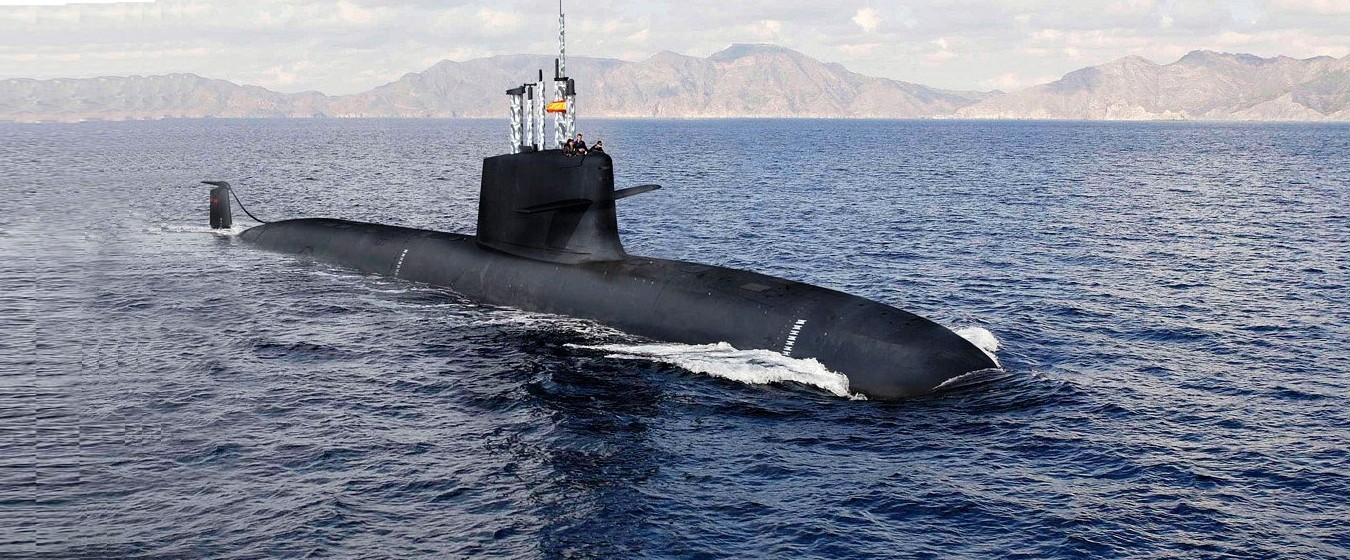
    The use of AI in the maritime domain is well documented and has found reference in addressing criminal activities at sea such as piracy, illegal unreported and unregulated (IUU) fishing, and unlawful transfer of humans and materials. Its use for weather and sea condition monitoring and predictions, oil spill detection and tracking, etc are also well-known. In the naval domain, AI-enabled systems for data and logistics management, machinery operations, repair and maintenance, shipboard autonomous firefighting robots, etc are in operation. The use of AI and ML in warfare, particularly in the context of missiles, UAVs, UUVs, drones and submarines,merits attention.

    The navies of US, Russia, China, Japan, and a few from the EU are in competition to develop AI weapons and sensors. In South Korea, Hanwha Systems, a South Korean defence business company in partnership with Korea Advanced Institute of Science and Technology (KAIST) plans to develop “an AI-based missile that can control its speed and altitude on its own and detect an enemy radar fence in real time while in flight. AI-equipped unmanned submarines and armed quadcopters would also be among autonomous arms.” The company also plans to develop AI-equipped submarines.

    Perhaps the biggest naval challenge is likely to emerge from shipborne/ship-controlled and AI-enabled swarm drones that have caught the fancy of some navies. It is useful to recall that during World War II,between 1940 and 1943, German U-boats attacks against Allied convoys sailing across the Atlantic had potentially challenged the naval balance of power and had almost brought Britain closer to defeat. These Rudeltaktik, or wolfpack tactics and coordinated attacks are now being replicated by swarm platforms which can be launched in the air as also at sea.

    There are several limitations to operating small boats in a swarm, such as limited range, stability on the high seas, and jamming through electronic warfare, they may not match and offer similar capability as the U-boats. However, AI enabled boats in swarm mode with autonomy can potentially cause significant challenges for the enemy and it may not be possible to shoot down each one of them. Likewise, drones offer an attractive option and have higher levels of automation and do not require advanced computers and sensors. These can be launched in large numbers and can conjure a lethal force at sea.

    A recent video released online by China’s Yunzhou Tech Corporation showcases a 56-robot boat swarm conduct complex and coordinated maneouvre around a larger boat from where these are controlled. China is also developing swarm drones that can be deployed at sea for surveillance, and if strapped with explosives can carry out a ‘saturation attack’ on an enemy ship or even adopt kamikaze tactic to simultaneously dive in to attack from different directions and defeat ship based anti-aircraft and anti-missile defences.

    Warfare at sea has witnessed several transformations in the past but the ongoing transformation led by AI, ML, big data, cloud commuting, and quantum communications will cause major disruptions in naval warfighting. In fact, the autonomous nature of UAVs, UUVs and drones and their ability to ‘self-organise in sub-swarms’ could be a game-changer in naval operations and could well be the new asymmetric approach in warfare. Further, it is fair to argue that smaller navies can be expected to equip themselves with advanced AI and ML-enabled platforms and sensors which can be acquired from the open market, and rely less on military hardware imports which always attract a number of restrictions imposed by the supplier.
    Dr Vijay Sakhuja is a co-founder and trustee of  TPF.