Blog

  • PDC 2: Rising Unemployment and Economic Woes: Is India Missing its Demographic Dividend?

    PDC 2: Rising Unemployment and Economic Woes: Is India Missing its Demographic Dividend?

    Peninsula Discussion Club – Past Event

    PDC 2: Rising Unemployment and Economic Woes: Is India missing Demographic Dividend?

    Date: 02 November 2019

    Speaker: Professor Jothi Sivagnanam PhD, HOD, Dept of Economics, University of Madras

    India has stepped into its demographic dividend and the bulging youth population can possibly be a gift or curse for development. Recent concern over rising unemployment in India has been discussed from various dimensions. ‘Jobless Growth’ in India is evoking debates among economists and policymakers on how to capitalize on the human capital resource. The second discussion of TPF was an attempt to comprehend the looming crisis and identify factors that cause unemployment. Speaker of session, Professor Jothi Sivagnanam highlighted that demonetisation and the poor implementation of GST as the two major blunders that have disrupted the economy to a great extent. This is now causing high rates of unemployment. Poor quality in higher education and reluctance of state to correct the skill mismatch was discussed in detail. India’s growth as a global economic power, and its ability to dominate global markets can only be achieved if it focuses on development of high quality skills in its huge young population. The state has to prioritize developing skills at international standards in order to compete with established players. Participants pointed out the problems of archaic and rigid labour laws that stymie productivity and efficiency. It was pointed out that export oriented policies are vital to generate employment and high skills. In the realm of the fourth industrial revolution, the debate has to move past growth versus development due to the interdependence various sectors of the economy. The professor and one of the participants brought out the importance of balancing industrialization with education and social engineering. For example, Gujarat portrays a pro-business growth model, however, failed to succeed in its welfare policies, and hence, has serious inequalities and social problems. On the other hand Kerala, being socialistic in nature focused on development and failed to create a conducive zone for business development. With states having different characteristics and history, problem of unemployment cannot be treated as a universal problem. There is a substantial increase in the educated unemployment and vulnerability in informal sector. States need to address this by designing better quality education to meet the industry standards and regulate the labour laws. Given this backdrop, other specific issues were discussed during the meet.

    We welcome comments and further discussions on this blog page. Comments will be moderated in order to ensure discussions remain professional and ethical.

    PDC Past Event : 02 Nov 2019

  • Winds of Climate Change Blow across South Asia

    Winds of Climate Change Blow across South Asia

    The India-Pakistan enmity is possibly the world’s most intractable and obdurate, with a mutual misreading of history made extremely volatile with the brandishing of nuclear weapons. Despite having two giant militaries at each others’ throats, the more immediate existential challenges that India and Pakistan face are related to how climate change and misuse of common natural resources have combined to confront both together. It is not the militaries which will determine our fates, but the degree of cooperation the two nations can summon. Our problems are common and perhaps India and Pakistan will find the good sense to act together?

    Looking at the climate change challenges Pakistan and India face together, collective action — as unlikely as it seems — may just be what is needed to secure the lives and livelihoods of future generations.

    According to climate researchers at Germanwatch, Pakistan ranks eighth on the Global Climate Risk Index, with over 145 catastrophic events — heat waves, droughts and floods — reported in the past 20 years. On the other hand, India ranks among the top 20 vulnerable countries in terms of climate risk. Pakistan is home to around 47 per cent of the Indus Basin, and India to around 39 per cent. The Indus Waters Treaty has been in effect since 1960. The recent political bickering aside, the Indus Waters Treaty has managed to survive the test of time, yet fails to comprehensively address climate change. Then again, at the time it was enacted, many of the stark realities we know today were not understood.

    According to the Pakistan Council of Research in Water Resources, Pakistan officially crossed the water scarcity line in 2005. The United Nations Development Programme and the Pakistan Council of Research in Water Resources have issued warnings about the upcoming scarcity of groundwater in just six years.

    According to some estimates, Pakistan is the fourth-largest user of its groundwater and over 70 per cent of drinking requirements and 50 per cent of irrigation needs are met through groundwater extraction. Due to excessive pumping, it is estimated that water tables could fall by as much as 20 per cent by 2025.

    South Asia is drained by the Indus, Ganga and Brahmaputra river basins, which collectively form the Indo-Gangetic Basin (IGB) and include some of the highest-yielding aquifers of the world. The aquifers associated with these river basins cross the international borders of the contiguous South Asian countries, forming numerous trans-boundary aquifers, including the Indus basin aquifers (between India and Pakistan), Ganga and Brahmaputra basin aquifers (between Bangladesh and India), the aquifers of the tributaries to the Ganga (between Nepal and India), the aquifers of the tributaries to the Brahmaputra (between Bhutan and India, and between India and Bangladesh).

    At the beginning of every hydrologic year, 4,000 billion cubic meters (bcm) water enters the South Asian hydrological systems, of which almost half is lost by poorly understood and un-quantified processes (such as overland flow, surface discharge through rivers to the oceans, submarine groundwater discharge and evaporation). The annual groundwater withdrawals in the region are estimated to exceed 340 bcm, and represent the most voluminous use of groundwater in the world. South Asia faces an acute shortage of drinking water and other usable waters in many areas, as it is seeing a rapid rise in water demand and change in societal water use pattern because of accelerated urbanisation and changes in lifestyle. In many urban and rural areas of the region, surface waters have been historically used as receptacles of sewage and industrial waste, rendering them unfit for domestic use, prompting a switch to groundwater and rainwater sources to meet drinking and agricultural water needs. At present, about 60–80 per cen
    t of the domestic water supplies across South Asia are met by groundwater.

    Irrigation accounts for 85 per cent of groundwater withdrawals and is considered to be the main contributor to groundwater depletion with the maximum possible groundwater footprint seen in the Gangetic aquifers.

    Among the main contributors to water stress in India and Pakistan are poor water resource management and poor water service delivery, including irrigation and drainage services. Moreover, the lack of reliable water data, subsequent analysis and consequent poor planning and allocation is leading to environmentally unviable methods of water withdrawal, causing an alarming reduction in groundwater.

    In both countries, water stress is attributed first and foremost to the massive population growth. Another cause is the lack of sufficient urban water treatment facilities, which prevent the usability of river water for drinking and irrigation.

    Air pollution contributes substantially to premature mortality and disease burden globally, with a greater impact in low-income and middle-income countries than in high-income countries. The northern plains of South Asia has one of the highest exposure levels to air pollution globally.

    The major components of air pollution are ambient particulate matter pollution, household air pollution, and to a smaller extent ozone in the troposphere, the lowest layer of atmosphere. The major sources of ambient particulate matter pollution are coal burning for thermal power production, industry emissions, construction activity and brick kilns, transport vehicles, road dust, residential and commercial biomass burning, waste burning, agricultural stubble burning, and diesel generators.

    In India and Pakistan, farm residues are burnt after harvesting in October to November, which affects the air quality of the region. In Pakistan, most of the rice cultivation takes place in Punjab, and the same is true for India’s Punjab due to suitable climatic conditions for the crop. In both countries, stubble burning is the key cause of smog. According to India’s new and renewable energy sources ministry, India’s Punjab contributes 44-51 million tonnes of residue annually. According to the estimates, paddy areas burnt every year in Indian Punjab and Haryana are 12.68 million hectares and 2.08 million hectares respectively. According to a study, farmers burn 30-90 per cent of residue, which contributes to the smog formation, not just in the immediate region, but the entire Indo-Gangetic plain. With air pollution levels lurking in the “extremely poor” band for almost half the year, the northern regions of South Asia may not be able to host healthy populations for very long.

    The number of deaths attributable to ambient particulate matter pollution in India in 2017 was 0·67 million and the number attributable to household air pollution was 0·48 million. The number of deaths due to ambient particulate matter pollution in Pakistan in 2017 was 60,000.

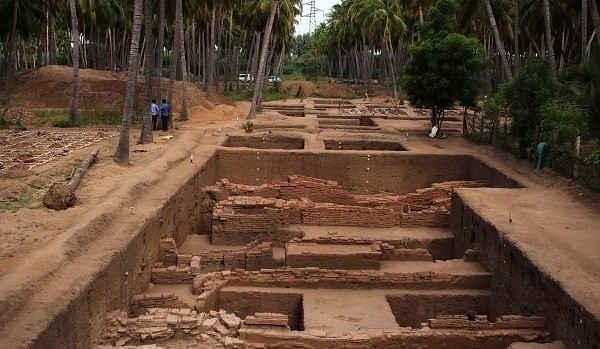
    Climate change over 3,000 years ago destroyed the Indus Valley Civilisation and it went into oblivion, leaving behind traces of what befell the people here before. The next few decades are extremely critical. Can we summon some good sense to survive or go the way of the Meluhans? The verses of Allama Iqbal, albeit in another context, still hold true: Watan ki fiqr kar nadaan museebat aane wali hai/ Teri barbadiyon ke mashware hain aasmanon mein…/ Na samjhoge tou mit jaoge Hindustan walon/ Tumari daastan tak bhi na hoge daastanon mein. (Think of the homeland, O ignorant one! Hard times are coming./Conspiracies for your destruction are afoot in the heavens./You will be finished if you do not care to understand, O ye people of India!/Even the mention of your being will disappear from the world’s chronicles).

    The author is a prolific commentator on economic, security, and China issues. He is a Trustee/Governing Council member of TPF.

    This article was published earlier in Deccan Chronicle.

    Image source: www.pri.org

  • Gender Wage Inequality: A Core Problem in Rural Indian Economy

    Gender Wage Inequality: A Core Problem in Rural Indian Economy

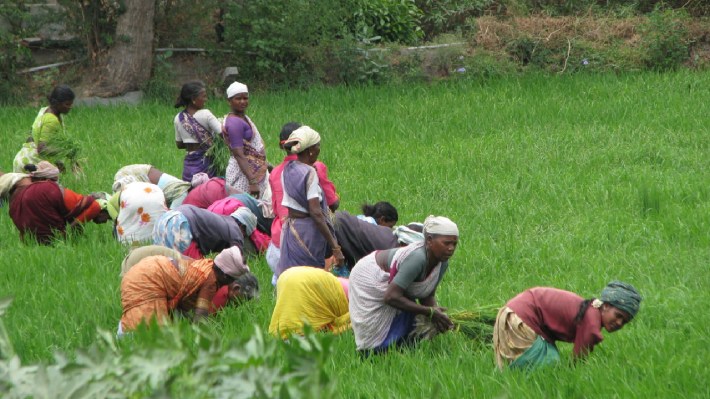
    Growing unemployment rates, inadequate demand and low productivity in rural India is currently drawing significant attention particularly in view of the current economic slowdown. Debates on falling agriculture productivity and consumption in rural areas have partially ignored the gender dimension. The sexual division of labour in a rural production framework arbitrarily sets the female wages lower than men. Declining participation of women in labour force could relate to various socio-economic conditions, a sector wise analysis mirrors an intelligible dynamics of the problem.   Informal rural market already operating below the minimum wage exploits women as they are presumed to have poor bargaining power and social constraints blocking their employment migration tracks. While the dire status of marginal farmers and casual labourers are talked about, economic and social inequality across gender misses the radar.

    Optimism on gender grounds rose after the wage gap between men and women started reducing in rural labour market across India. A closer examination of the wage data among rural labour reveals the complex nature of female labour wages. More importantly, the seeming reduction in  wage gap in actuality is more due to  decline in male wage rates. The overall percentage of women in rural casual labour market has seen a marginal reduction from 35 percent in 1983 to 31 percent in 2017-18. Analysis of informal casual labour market reveals a pattern of women being paid low wages and with no social security schemes resulting in decline in already poor quality of living. Significantly, economic contribution of women is grossly underestimated in the current System of National Accounts (SNA). Time Use Survey captures all unpaid activities of men and women which would be more accurate to calculate. However, the problem of valuation remains an issue, and calculation of woman’s opportunity cost in a rural household is an arduous task.

    Complex pattern of decline in female work participation rate

    Female Workers Participation Rate (FWPR) in rural sector declined from 32 percent in 1972-73 to 17 percent in 2017-18. Studies suggest various reasons could be responsible for a fall in proportion of women in rural work force.  According to Census India 2001 and NSSO 2010, increasing number of women migrate from one rural area to other and round 64 percent of women migrants move because of marriage. A research study in Institute of Asian Studies observed an income effect, U shaped probability curve of female participation with the log of male income in the family. This means more women were working during the times of economic distress to support the family and participation rate gradually reduced with higher income earned by the men. However, with increase in income, there is also a pattern of women working to meet the increased consumption expenditure. Education is also considered an important component contributing to reduced percentage of women in labour force. As literacy rates grow, graduate women are aspiring to get employed in skilled jobs and voluntarily withdraw from the work force. However, proportion of women in primary sector has only declined from 89.7 percent (Krishnaraj & Kanchi, 2008) in 1972 to 83.6 percent in 2004. Evidently, majority of women in rural areas are dependent on primary sector for employment, a drop to 67 percent of men dependent on primary sector for employment is due to their shift to secondary and tertiary sectors. Employment in unorganised sector is beset with low wages, an exploitation by the employers.  Moreover, absence of social security cripples the income earning capacity of women. This deliberately places women in the lower strata of rural economy leading to poor socio-economic living conditions and has a direct impact on their inability to invest in education, health and nutrition.

    Women in informal sector and Poverty in rural India

    India’s rural sector is characterized by a large segment of informal labour force where 90 percent of the population is either self-employed or work for casual wage. Rural areas in particular operate in an informal economy and wages are mostly determined by the labour market where women are inherently considered less productive and paid less than men.

    As of 2011-12, 68 percent of female casual labourers were receiving less than National Minimum Wage of INR 122. Around 47 percent of men in rural India received less than the minimum wage indicating the unreliable nature of rural informal job market. Men, naturally with higher migration possibility, shift to informal urban sector jobs but women are left with depressed wages even as the labour demand remains high. Although the rural urban migration among women is higher than men, 60.8 per cent of women migrating to urban areas are due to marriage. As far as employment is concerned only 2.6 percent of women migrate as opposed to 52.7 percent of men. The decline in women participation in labour force is visible among educated women. Unskilled women in poor households tend to work for daily wages and have not substantially reduced from workforce. In rural India, where casual farm and nonfarm jobs are exploited it makes limited sense to use only wage gap to measure the gender equality.

    Agriculture, evolved from a traditional household structure, supports if not advocates, defined gender roles and discriminates women overtly through economic means. According to the recent NSSO report unemployment rates among rural females has increased from 1.8 percent in 2004-05 to 3.8 percent in 2017-18. However, an average of 5.4 percent of women had reported to be available for additional work in PLFS survey 2017-18. Unemployment is rampant across the country in all sectors but women labour supply for casual jobs especially in poor household still remains high pushing the daily wages further down. Intense land fragmentation has increased the percentage of marginal landowners to 85 percent but the demand for labour has reduced, forcing men to migrate into other sectors. Deepening crisis in agriculture also contributes directly to low wages among residual unskilled women labourers. Effectively the ‘informal labour’ market conditions has become a trap that exploits unskilled women as they are willing to work even at a lower wage rate. In effect, an increase in participation would not guarantee a better standard of living if the market is unregulated and exploitation based on gender continues.

    Why Government measures are only partially effective?

    Government initiatives for the rural economy have led to various policies to increase the income levels of marginal farmers and unskilled labourers. Women participation has been prioritized in such schemes and has shown to reduce poverty among rural households. National workfare program MGNREGS provides employment on demand and has managed to attract many women to participate by claiming to offer equal wages. As the Public employment program also mandates 33 percent of labours to be women, unskilled women are largely entering into the MGNREGS program. For the financial year 2011-12, 48 percent of women are engaged in this program from all the rural districts. However, wage gap exists even in a state intervention program- calculating from Annual Report of PLFS 2017-18, men on an average are reported to earn 152 INR per day while women are paid 143 INR from the state employment guarantee program. Further, in few states like Gujarat, Tamil Nadu, Punjab, Madhya Pradesh, Maharashtra and Telengana casual worker’s (both male and female) wage is below the notified wage for financial year 2017-18. State programs are accused of various leakages and operational inefficiencies, yet the participation remains high indicating a much serious problem in rural labour market. An important long term issue pertaining to state run workfare program is the stagnation of skill levels in rural India.  Women participation in secondary and tertiary sector is low; a possible explanation for unskilled women labourers’ compromise for low wages is because of lack of any other alternative. Skill augmentation is prerequisite to transform from an agrarian to an industrial society. A significant effort needs to be directed in training unskilled work force in rural sector, and government employment program has to be a seasonal support system.

    Skill development and Vocational Training to combat rural poverty

    The national average wage difference between men and women for casual employment other than MGNREGS work is calculated to be 55.02 INR for the year 2017-18 and states like Tamil Nadu, Kerala, Tripura and Andhra Pradesh are observed to have the highest gender wage difference. Ironically, these are the states with female participation (in casual labour force) higher than the national average of 25.5 percent, implying that wages (equal wages) are not the only driving force for influencing labour participation. In rural India, while socially defined roles result in unequal wages in labour market, women’s labour does not seem to follow the traditional backward bending labour supply curve. The natural withdrawal of women from workforce is not as serious as unskilled women remaining in informal sector even with lower wages. Real problem of women in rural economy is their diminishing bargaining power and skill stagnation or non-development of any skills due to informal structure and counterproductive state measures.

     A complete free market approach would deepen the wage difference as rural women are assumed to have low skills and weak bargaining power. State intervention to engage more women in labour market should not be limited to just providing 100 days of employment. Skill enhancement, vocational training demanded by industrial and service sectors needs to be imparted in rural areas. Residual women in rural areas are reserve army of labour available and usually are exploited for reasons given above. The gender wage gap is a consequence of a faulty design by the government and dyed-in-the-wool beliefs of people; solutions lie in the state prioritising proactive measures to reform the unorganized sector and improve market accessibility for women. Unequal remuneration in informal sector is a symptom of a fragile labour market. Women labourers end up bearing weights of both market and state failure with poor skills and low wages.

    Manjari Balu is a Research Analyst with The Peninsula Foundation.

    Image Credit:Photo by vishu vishuma on Unsplash.

  • India and Nepal: Energy Cooperation

    India and Nepal: Energy Cooperation

    Introduction

    Sustained availability of energy at affordable cost is an essential prerequisite for the growth of a country. Currently the energy consumption per capita in case of Nepal is134 KWH per capita per year, as against world average of 2674 KWH per capita per year.

    GDP Per Capita in $ (PPP)

    Country Energy Consumption in kWh per capita per year GDP Per Capita in $ (PPP) GDP Per Capita in $ (Nominal)
    World Average 2674 11673 11673
    Bhutan 2779 3392 3392
    India 1122 1980 1980
    Maldives 1122 9802 9802
    Pakistan 471 539 539
    Sri Lanka 414 4135 4135
    Bangladesh 351 1564 1564
    Myanmar 193 1256 1256
    Afghanistan 141 538 538
    Nepal 134 900 900

    Table-1: Energy Consumption Vs Gross Domestic Product
    Source:  1.GDP figures for 2017 vide https://www.worldometers.info/gdp/gdp-per-capita
         2.World Fact Book: Power consumption for various countries of the World.

    Although correlation between energy consumption and the prosperity depends on a number of factors like population but a fact which clearly overshadows others is that as energy consumption increases the prosperity increases. This relationship is equally valid for reverse relationship, i.e. as prosperity increases the necessity for additional energy becomes obligatory. Another interesting observation can be made based on the content of this table. Bhutan is a land locked country which has hardly any major industry in that country, yet their GDP per capita is more than India’s. An examination suggests that Bhutan has adequate hydro resources and hydroelectricity generated exploiting her indigenous resources is far more than her requirement. This surplus generation is sold by Bhutan to India. Revenue thus earned has transformed the country from a poor developing country to a prosperous country quite distinct from other South Asian countries. For the record Bhutan’s revenue from hydro power is 27% of the entire govt revenue and is 14% of Bhutan’s GDP. This also flags an approach which can also help other South Asian countries to improve their economic strength by exploiting their indigenous resources. Another country of South Asia; Nepal can benefit from the model which Bhutan is currently following for sharing its energy resources with India in a ‘win-win’ situation.

    Topography of Nepal

    topography-of-nepal

    Map1: Nepal and its Rivers and Physical features
    Source: https://en.wikipedia.org/wiki/Geography_of_Nepal 

    A report of International Hydropower Association, “Bhutan” uploaded on https://www.hydropower.org/country-profile/bhutanography_of_Nepal 

    • Lie of the country is such that all the rivers flow from Nepal to India.
    • High Himalayas separate Nepal from Tibet, whereas southern side of the country is having  a terrain which is plain and that separates Nepal from India therefore while Northern Areas of Nepal act as a barrier between Nepal and Tibet, plains in southern side of the country lends itself for cooperation between India and Nepal. Recent operationalization of an oil pipeline from Motihari in Bihar to Amlekhganj in Nepal is a manifestation of such a cooperation (Little more about it a little later.)
    • Nepal has a huge hydropower potential. In fact, the perennial nature of Nepali rivers and the steep gradient of the country’s topography provide ideal conditions for the development of some of the world’s largest hydroelectric projects in Nepal. Current estimates are that Nepal has approximately 43,000 MW of economically feasible hydropower potential. However, the present situation is that Nepal has developed only approximately 753 MW of hydropower. Therefore, bulk of the economically feasible generation has not been realized yet. Besides, the multi-purpose secondary and tertiary benefits have not been realised from the development of its rivers. Nepal is utilising only 2% of it (i.e., 98% remains unutilised). It may be noted that an optimum exploitation of the hydro resources will contribute substantially to the financial well-being of Nepal. However, it is also a fact that Nepal neither has the financial muscle nor technical knowhow to harness its hydro resources. Therefore, support from friendly foreign countries becomes essential. China has been trying to make inroads into Nepal but whether it can be cost-effective or not is something that needs to be examined in carefully. India, on the contrary, has everything in her favour to support hydro power exploitation by Nepal. In fact power generated in Nepal can also be shared with Bangladesh using Indian grid system, which will be an excellent example of Nepal-India-Bangladesh cooperation, and still better as a BBIN (Bhutan-Bangladesh- India-Nepal) initiative and will be a ‘Win Win’ situation for all three countries.  India will have to use all its traditional heft with Nepal, its diplomatic skills, financial support to beat China who is trying hard to gain a foothold in Nepal’s Hydro energy exploitation domain as they are desperately wanting power.

    Map-3: River Systems of Nepal
    Source: Firoz Alam et al, “A review of hydropower projects in Nepal1st International Conference on Energy and Power”, presented during ICEP2016 at RMIT University, Melbourne, Australia, 14-16 December 2016 and Available online at www.sciencedirect.com ScienceDirect Energy Procedia 110 (2017) 581 – 585

    • While planning hydro power plants in Nepal, some extra care would be required to be undertaken. Nepal’s topography is unstable due to seismic activities. Hence, all hydropower plants with dam must be well planned and designed to mitigate the environmental impact. Also most Himalayan Rivers contain huge quantities of sediment with hard abrasive particles. The region’s climate and tectonic conditions as well as human activities are highly conducive for erosion and sedimentation. Therefore, sediment management is paramount for the safety, reliability and longer life of infrastructures (hydropower dam, equipment, roads, bridges, irrigation systems and drinking water).

    As close neighbours, India and Nepal share unique ties of friendship and cooperation characterised by an open border and deep-rooted people-to-people contacts of kinship and culture. There has been a long tradition of free movement of people across the border. Nepal shares a border of over 1850 km with five Indian states – Sikkim, West Bengal, Bihar, Uttar Pradesh and Uttarakhand. The India-Nepal Treaty of Peace and Friendship of 1950 forms the bedrock of the special relations that exist between India and Nepal. Nepalese citizens avail facilities and opportunities at par with Indian citizens in accordance with the provisions of the Treaty. Nearly 6 million Nepalese citizens live and work in India. However Nepal is still not well developed and as has been explained earlier suffer from lack adequate energy to fuel its development. India has been a major partner in exploiting its indigenous energy resources and also making up the shortfall on this account.

    Potential and Scope of Hydro Power Cooperation

    Certain studies have been done to ascertain scope for the Indo-Nepal Cooperation in the domain of energy. It has been concluded that in the high build scenario, Nepal’s hydropower capacity is estimated to be 4551 MW. The generation cost in an arrangement of Indo-Nepal combined system would fall by approximately US $106 billion per year. This enhanced capacity will help Nepal to increase her power export to India by 60%. However Nepal’s high build out hydro resources would be fully utilised if operations between Nepal and India are further coordinated and an economic union strategy adopted by the two countries. Effectively, this would mean that trade with Nepal is institutionally is same as trade is between Indian States. Such enhanced power generation will help Nepal to become net exporter of power during dry as well as wet season, with reduced generation cost. On the contrary India ranks 81st in overall energy self-sufficiency at 66% in 2014 . Primary energy consumption in India grew by 7.9% in 2018 and it happens to be the third biggest consumer after China and USA, with 5.8% global share.

    Details of Completed Projects for Energy Cooperation between India and Nepal

    Motihari-Amlekhgunj Oil Pipeline: On 10th September 2019, the Prime Ministers of Nepal and India jointly inaugurated a cross-border oil pipeline through video conferencing. This line will transport fuel to the landlocked country. The aim of this pipe line is to cement India-Nepal ties in the face of major inroads made by China into the Himalayan nation, and seeks to repair the trust deficit between the two countries due to an economic blockade allegedly imposed by India in 2015 to persuade Nepal to change some provisions in its new constitution. Basically the protests at that time were done by people of Madhesh (region bordering India) as they felt that there were certain provisions of the constitution of Nepal which were discriminatory against them. India said at that time that the trucks laden with fuel and medicines, besides other essentials, were stopped by sections of Nepalese population (Madheshis) unhappy with some provisions of their constitution, which they felt were practically disenfranchising them. Nepal, however, viewed it as if India was blocking the supplies to compel Kathmandu to amend the provisions of the constitution that was seen as disenfranchising almost half of the Nepalese population. Therefore, the current initiative seeks to rebuild the confidence between the two countries and will help to bind Nepal closer to New Delhi, economically and strategically. The development comes against the backdrop of recent plans for a rail link between Nepal and China cutting through the Himalayas. There were also plans to link Nepal and China through an energy pipeline running through the Himalayas. Both were seen as means by Nepal to find an alternative to its dependency on India. The 69 km pipeline will transport fuel from the Barauni refinery in Bihar to Amlekhgunj in south-east Nepal and is the first cross-border petroleum products pipeline in South Asia. The Motihari-Amlekhgunj oil pipeline project was first proposed in 1996. The project was put back on the agenda during Prime Minister Narendra Modi’s visit to Kathmandu in 2014. The two governments had signed an agreement to execute the project in August 2015. Construction had begun in April 2018. Construction of the pipeline was undertaken by the Indian Oil Corp. Ltd (IOCL), India’s largest refiner, with an investment of over ₹324 crore, in collaboration with Nepal Oil Corp. Ltd (NOCL). The two sides are also working on building additional storage facility at the Amlekhgunj Depot, wherein NOCL has committed an estimated ₹75 crore. The pipeline can carry up to 2 million metric tonnes of petroleum products each year. Currently, petroleum products are carried from India to Nepal using oil tankers as part of an arrangement which has been in place since 1973. The NOCL not only hopes to save ₹200 crore annually with the new pipeline but will also ensure the transportation is no longer vulnerable to any kind of blockade.

    Power Supply from India to Nepal: India and Nepal have a Power Exchange Agreement since 1971 for meeting the power requirements in the border areas of the two countries, taking advantage of each other’s transmission infrastructure. There are more than twenty 132 kV, 33 kV and 11 kV transmission interconnections which are used both for power exchange in the border areas and for power trade. For enhanced transmission of electricity, the first high-capacity Muzaffarpur (India) – Dhalkebar (Nepal) cross-border power transmission line (initially charged at 132 kV), with GoI Letter of credit (LoC) funding of US$ 13.2 million, was completed in 2016. Two additional 132 kV cross-border transmission lines between Kataiya (India) – Kusaha (Nepal) and Raxaul (India) – Parwanipur (Nepal), built with GoI grant assistance, were completed in 2017. India is currently supplying a total of about 450 MW of power to Nepal. An Agreement on ‘Electric Power Trade, Cross-border Transmission Interconnection and Grid Connectivity’ between India and Nepal was signed on 21 October 2014. The Agreement is aimed at facilitating and further strengthening cross-border electricity transmission, grid connectivity and power trade between Nepal and India. The Agreement provides a framework for power trade between the two countries, import by Nepal from India until it becomes power surplus and subsequent import by Indian entities from Nepal, on mutually acceptable terms and conditions. Two mechanisms, Joint Working Group (JWG) and Joint Steering Committee (JSC) envisaged under the Agreement have been established. Joint Technical Team (JTT) was formed for preparation of a long-term integrated transmission plan covering projects up to 2035.

    Cooperation in the Domain of Hydro Energy: Cooperation in water resources primarily concerning the common rivers is one of the most important areas of bilateral relations. A large number of small and large rivers flow from Nepal into India and constitute an important part of the Ganges River basins (Refer Map-3 above). These rivers have the potential to become major sources of irrigation and power for Nepal and India. A three-tier bilateral mechanism was established in 2008, to discuss issues relating to cooperation in water resources, flood management, inundation and hydropower between the two countries. A Development Authority was set up in September 2014 to carry out the Pancheshwar Multipurpose project. A Power Development Agreement (PDA) for the 900 MW Arun-III hydroelectric project between India’s Satluj Jal Vidyut Nigam Limited and the Investment Board of Nepal (IBN) was concluded in November 2014. Also, a PDA for the 900 MW Upper Karnali hydroelectric project was concluded between IBN and M/s GMR in September 2014.

    Projects under Planning/Execution

    Pancheshwar Multipurpose Project: India and Nepal had signed a Treaty known as Mahakali Treaty in February’1996. Implementation of Pancheshwar Multipurpose Project is the centerpiece of the Mahakali Treaty. Required field investigations for the Pancheshwar Multipurpose Project have been completed by a Joint Project Office (JPO-PI) in 2002 (except for some confirmatory tests). But mutually acceptable DPR of Pancheshwar Project is yet to be finalised. The constitution of Pancheswar Development Authority has already been notified. Pancheshwar Multipurpose Project (PMP) is a bilateral project, primarily aimed at energy production and augmenting irrigation in India and Nepal. A Treaty known as “Mahakali Treaty” concerning the integrated development of the Mahakali River, which included Sarada barrage, Tanakpur barrage and Pancheshwar Dam Project, was signed between the Government of Nepal and the Government of India on February 12, 1996. During the year 2009, pursuant to the Article-10 of the Mahakali Treaty, the Government of India and the Government of Nepal agreed and framed draft ToR for setting up the Pancheshwar Development Authority, as an independent autonomous body, for development, execution and operation of the Pancheshwar Multipurpose Project. To accomplish this shared goal, the Terms of Reference (ToR) of the PDA as agreed upon by the two Governments and as may be amended from time to time, were created. As per the Statute of PDA the administrative organs of the authority are the Governing Body (GB) and the Executive Committee (EC). In order to execute the specific tasks assigned to the Governing Body, five meetings of GB have taken place so far. Pancheshwar Main Dam is proposed on River Mahakali (known as River Sarada in India), where the river forms the international boundary between the Far Western Development Region of Nepal and State of Uttarakhand in India. The dam site is around 2.5 km downstream of the confluence of River Sarju with River Mahakali. The project would comprise of a rock-fill dam with central clay core of 311m height from the deepest foundation level. Two underground power houses at Pancheshwar dam, one on each bank of Mahakali River, each with a capacity of (6×400 MW) with the total installed capacity of nearly 4800 MW are proposed to be constructed. The power plant at main dam will be operated as the peaking station to meet energy demand in India and Nepal. A re-regulating dam at Rupaligad is proposed around 27 km downstream of the main dam to even out peaking flows released from Pancheshwar power houses for meeting downstream irrigation water requirement. Here, two underground powerhouses on both sides of river with total installed capacity of 240 MW (2 x 60 MW on either bank) are envisaged. The main dam (when impounded with water up to Flood Regulating Level (FRL)) will form a reservoir of around 11,600 hectare area with a gross storage volume of about 11,355 million cubic metres. The submergence area on Indian side is 7,600 hectare, covering districts namely Pithoragarh, Almora and Champawat in the state of Uttarakhand whereas remaining 4000 hectares of submergence will be in Nepal. The project aims at producing hydro power and enhance the food grains production in both the countries by providing additional irrigation resulting from the augmentation of dry season flows. Year round irrigation will be possible in agricultural land in Kanchanpur district in Nepal due to enhancement in flows during non-monsoon months. The project will generate Two underground power houses at Pancheshwar dam, one on each bank of Mahakali River, each with a capacity of (6×400 MW) with the total installed capacity of nearly 4800 MW are proposed to be constructed. The power plant at main dam will be operated as the peaking station to meet energy demand in India and Nepal. Power generated will be shared equally between both the nations as per Treaty. Irrigation benefits in form of annual irrigation will be about 0.43 Mha, out of this, annual irrigation in Nepal would be 0.17 Mha and remaining 0.26 Mha in India. In addition, due to moderation of flood peak at reservoir(s), incidental flood control benefits for both the countries are also envisaged from the project. Pancheshwar Multipurpose Project is one of the top priority projects to be implemented in phased manner to reap the benefits of the project as early as possible. The work of preparation of Detailed Project Report (DPR) was entrusted to Water and Power Consultancy Services Limited (WAPCOS) by PDA and WAPCOS have in turn submitted the draft final DPR of the project to PDA in November, 2016. At present the finalization of Detailed Project Report (DPR) of the project is underway. A Team of Experts/Officials has been formed by both the countries for discussing and resolving all issues towards finalization of the DPR. After finalization of DPR, the Pancheshwar Development Authority shall undertake the execution, operation and maintenance of the project, including the work of re-regulating dam at Rupaligad site in an integrated manner.

    Sapta-Kosi High Dam Project and SUN Kosi storage cum diversion scheme: After exchange of letter of Understanding between the two Governments in June’ 2004, a Joint Project Office (JPO) was set up in August’ 2004 to undertake detailed field investigations for preparation of DPR of SaptaKosi High Dam Project at Barakshetra in Nepal.  DPR is under progress.

    Kamla and Bagmati Multipurpose Projects The JPO-SKSKI has also been entrusted to undertake the feasibility study of Kamla Dam and preliminary study of Bagmati Dam Projects. These studies are in progress.

    Project Completion Prospects

    Hydro power projects have a long gestation period and therefore, it can safely be assumed that the export from Nepal of power will not be able to commence before 2025. Nepal will be able to export 18 billion kWh in 2025 which will go up to 93 billion kWh by 2035 and then will start flattening and by 2040 it would be 115 trillion Watt hour because by that time it is anticipated that because of the growing prosperity domestic consumption will also pick up. In rainy season when the reservoirs will be at their peak capacity, it is estimated that by 2030 13 GW would be available for export.

    Conclusion

    Notwithstanding the political division within South Asia, it is important to appreciate that the energy resources are monolithic in nature. Due to topography of the country most of the hydropower resources are concentrated in the Himalayas; spanning Nepal, Bhutan and Indian states of Arunachal Pradesh, Sikkim, Uttarakhand and Himachal Pradesh. Hydro power is a form of green energy and it would be ideal in case a mechanism can be evolved to exploit it for common good. It is essential that India, in conjunction with Nepal, Bhutan and Bangladesh, needs to make attempts to make use of energy resources available in all these countries; hydro power is one such resource. In this connection the platform of BBIN (Bhutan-Bangladesh-India-Bhutan-IndiaNepal) needs to be exploited. In fact recent pipeline laid by India between Motihari in Bihar and Amlekhgunj in Nepal is great example of cooperation that benefits the region and the parties involved.

  • Chennai’s Water Stress:  Urgent Need for Effective Water Security

    Chennai’s Water Stress: Urgent Need for Effective Water Security

    In Chennai, while the demand for water has been rising steeply with rapid urbanisation and growing population, water supply has been hit hard due to monsoon failures, over-exploitation of groundwater, heat waves and inadequate infrastructure. Following poor rainfall since 2018, all four major drinking water sources (four lakes) in the city dried up holding less than 1 percent of their capacities, aggravating the city’s water gap. The summer 2019 water crisis in Chennai has revealed the scale and magnitude of the water challenge, which can be viewed from two angles- one that is caused from a lack of safe water provisions and the other due to scarcity of available water resources.

    In Tamil Nadu, over 95 percent of surface water and 80 percent of groundwater have been utilised, with the per capita availability of water merely 900 cubic meters against a national average of 2200 cubic meters. Additionally, the state is, almost entirely, dependent on rainfall to restore its water resources. Erratic monsoon, therefore, create acute water shortage and droughts in the state. Further, Chennai being a coastal city, there is a high run off rate.

    Water Shortage – Man made Crisis

    Of the total water available, 75 percent of the available water is utilised for agriculture, leaving very little for industrial and personal consumption. The shortage has led to many unregulated private borewells and groundwater extraction. Others have resorted to private tankers who charge exorbitantly, in the absence of alternatives. While the coping costs is only 1 percent of the total income for high income groups, it is 15 percent for middle income groups and 40-50 percent for low income groups. To level the burden, state’s interventions are indispensable and all attempts towards regulating rates have failed due to tanker lobbies.

    In the absence of proper legislation, there has been an 85 percent decline of groundwater levels. Depleting groundwater level and intrusion of seawater have significantly reduced the water quality as well. Additionally, the state needs to build storage facilities and prevent water runoff, evident from the failure of at storing excessive water from 2015 flood which flowed back to the sea. The authorities have also ignored the illegal encroachment and excessive migration of people. An estimated 8,20,000 people live in slums, often without access to a consistent water supply. Poor infrastructure to retain water and low water holding capacity of soil have also affected green water within the soil that supports food and biomass production.

    The water shortage have spilled over to other dimensions as well. The unbalanced emphasis on the supply side issues has created water rage and incidents of local arguments over conservation methods, utilisation patterns, etc. Small businesses, schools, restaurants and others have evolved their own methods to tackle the crisis. Corporates encouraged work from home, many skipped daily wages waiting for water delivery and Chennai Metro temporarily stopped air conditioning in non-peak hours. The water disruptions also affected production, increased input costs and reduced investments in the city.

    Need for Active State Intervention

    Since water is a state subject, its management remains the responsibility of state government. The evident and growing water scarcity immediately demanded policy interventions and action programmes from the Tamil Nadu government. To tackle the high prices charged by tankers, the Municipal Administration hired water tankers for supplying water to the public and demanded that people refuse services of those charging steep rates. However, the Chennai Metro Water Supply and Sewerage Board was delivering 500 million litres, less than half of the city’s needs. In such a scenario, authorities should instead actively regulate the prices and penalise defaulters.

    Water Supply Scheme in Chennai has been approved under JNNURM for improving and strengthening water supply within the city. However, leak detection and rectification is only part of Phase 6 of the scheme. This needs to be prioritised to prevent water wastage. Further, proposal to extend basic amenities to unserved areas under the scheme is still pending. To stop the complete dependence on rainwater, the administration has taken up the construction of a third desalination plant, financed through a KFW loan and AMRUT funds. A Request for Interest has also been issued for setting up three small scale Seawater Reverse Osmosis desalination plants of 10MLD each. However, many argue that desalination should be the last resort since it is expensive, energy intensive and environmentally damaging. Instead, the government should restore and rejuvenate water bodies in the city (currently there are over 100 such bodies each ranging between 2-50 acres), currently polluted with untreated waste, plastic and water hyacinths. There should also be regulations in place to prevent encroachment and pollution of water boundaries by humans.

    To have a sustainable system, rainwater harvesting was made mandatory since 2003, requiring buildings to install rooftop water catchment system and collect rainwater. However, poor implementation and maintenance have proved this measure ineffective. Local and state buildings should lead in rainwater harvesting. Following this, there should be regular checks and local bodies should provide assistance in maintaining these structures. The government is also engaging with NGOs and experts to desilt rivers to improve storage capacity in time for North East monsoons. While the measure is not an immediate fix, it is a long term measure. Though CMWSSB has pushed for desilting, many suggested plans are yet to be approved by the Water Resources Department. Even approved projects are prolonged and poorly managed. For instance, 1.93 lakhs cubic metres of silt are yet to be cleared in Porur lake, the process is yet to begin at Cholavaram lake, etc.

    On a careful observation, it can be established that most efforts currently employed address supply side issues like desalination, mismanagement, restoring water sources, etc. While supply oriented approaches are necessary, it is dependent on availability of water that is largely a product of nature and climate. The demand for water, however, is largely dependent on humans, directly impacted by the population size, industrial use patterns, water efficiency, etc. Hence, there is a need to equally focus on demand management measures, to formulate proper policies for water security.

    TN government has rejected the pricing of agricultural electricity consumption stating that it will burden the farmers and raise food prices. However, the state should actively try to reduce water consumption through irrigation, by measures like fixed timing for supply of power (used to pump groundwater), training farmers on water conservation methods, encouraging efficient irrigation techniques(drip irrigation or spray irrigation instead of flood irrigation), etc.

    Data intensive Analysis should guide Effective Policy Formulation and Implementation

    With wide spread experience of water scarcity and data projecting a situation normalising drought, it is the right time to adopt water conservation methods and push for change to limited water use lifestyle. Cape Town, that faced a similar situation, successfully implemented behavioural nudges to reduce water use. Most effective nudges included offering conservation feedback to users on their performance in relation to neighbours, and creating Water Maps that highlighted areas compliant with the targets. Further, reuse of water should be encouraged for landscaping, flushing toilets, etc.

    More importantly, to develop ideal policies and evolve schemes, there is a need for water accounting to track and understand the extent of water scarcity, check inter basin river transfers for better negotiations and make trade-offs with other states, improve preparedness for emergencies, etc. There should also be public water audits on institutions, laws, public and private usages, etc for transparency and accountability.

    Currently, water is managed by multiple agencies – one to handle encroachment, one for lake rejuvenation, another for pollution control, and so on- with overlapping responsibilities and little coordination between them. For responsible and accountable water governance, these bodies should be under an integrated agency. Overall, the demand side measures should equally be managed by the state. Towards this, the model of city’s development should be altered to distribute migration across the state, especially to areas that receive higher annual rainfall and have abundant water sources. In addition to reducing the water stress faced by the city, it will hinder the overcrowding in Chennai’s urban space and bring equitable development across the state.

    Renuka Paul is a Research Analyst with ‘The Peninsula Foundation’.

    Photo by Adhithya Srinivasan on Unsplash

  • Time for Structural Reforms, Modernisation

    Time for Structural Reforms, Modernisation

    The Prime Minister’s announcement on independence day of his decision to appoint Chief of Defence Staff (CDS) as the single-point military advisor to the CCS and the PM was received with great enthusiasm. The appointment of CDS, recommended in 2001 by the Kargil Review Committee and endorsed strongly by the Group of Ministers’ headed by the then Deputy Prime Minister Shri L K Advani has been long overdue. Like with every other decision with respect to military reforms, the CDS decision became a victim of bureaucratic manoeuvring, vindictiveness, engineered turf battles, and political indecisiveness. The process of setting up a tri-service integrated headquarters was, however, incorporated with a Vice Chief equivalent, CISC heading it. Major reforms such as integration of service headquarters, appointment of the CDS, and establishment of Indian Defence University – all remained in limbo or with just cosmetic changes. There is no doubt that the Indian military is in crying need of major structural reforms in tune with 21stcentury environment, technologies, strategies, and the primacy of joint operations in the conduct of war. The CDS is more than a single person’s appointment, it is an entire system.  Therefore, it needs to be accompanied by other major structural reforms.

     Integrated Defence Staff (IDS), the joint headquarters structure to assist the CDS is already in place. The current head, CISC, would become the VCDS. It has taken more than a decade for the IDS to establish a mature and optimised acquisition system and processes, develop Long-Term Integrated Perspective Plans, optimise the defence intelligence agency, and address joint operational and training systems. While significant expertise has evolved including coordination with multiple MOD agencies, the CISC has had to depend on the Chairman, COSC for major decisions. This was invariably subordinated to the Chairman’s priority for his role as the Chief of his Service. An integrated approach, driven by the CDS, should ensure speedy and optimal modernisation of individual services towards enhancing our joint warfare capability.

     Currently, Chiefs of respective services are responsible for operational capability, training, and the requisite modernisation plans. Acquisitions and modernisation plans were largely driven by individual service specific interests, and very often these ended up getting delayed or blocked by turf wars and prioritisation battles for share of the defence budget pie. This would change under the CDS, with operational decisions being driven by the CDS system while the Chiefs would be responsible for their service capability development, training, and maintenance in tune with joint strategies. This should speed up the modernisation process.

    This year’s defence budget is barely above the subsistence level. A decade of stalled modernisation has brought all three services to their lowest levels of force structures and capabilities. The Indian Air Force is down to 32 squadrons, and is likely to go down 28 squadrons over the next five years as the older, overdue for phase out aircraft are finally laid off. It would take more than a decade for the IAF to get back to its authorised force strength of 42 squadrons provided its modernisation process is undertaken on a war-footing. If not it would be at least two decades for full recovery. The Army is no better, as a former VCOAS stated – 60% of its weapon systems are vintage. Army’s two major modernisation programs – TCS and BMS, intended to be through ‘make’ route, has been shelved after more than a decade of work with two consortiums of Indian majors. This is bound to have huge adverse impact on its modernisation efforts. One can’t blame the Army though. Repeated delays in routine procurements, and lack of accountability on development programs have cost the Army dearly. Notwithstanding some of the recent decisions such as the joint venture between Kalashnikov and the OFB for small arms manufacture, light-weight howitzer and the fast-track procurement of assault rifles and weaponry for special forces, Army’s overall capability for a two-front war is  of concern. The FICV project continues to be in a limbo. Army Chief’s restructuring efforts towards ‘Integrated Battle Groups’ is a welcome step and would help the cause of jointness.

    Navy modernisation efforts are no better either. The progress of the Indian Aircraft Carrier continues in its slow pace. Very well laid out plans such as 30-year ship building and submarine-building programs have been approved years ago, if not decades ago. These have floundered for lack of timely budget allocation. Effectively the Navy continues to grapple with ageing ships, submarines and weapon systems.

    Much of the modernisation that has accrued over the last 15 years has been largely due to procurements from the US, almost exclusively through the FMS route, that is government-to-government contracts. It does not speak well for all our sloganeering on ‘make in India’, and reflects the lack of a coherent national strategy. This is a domain the CDS will need to address.

    In a recent announcement, the government indicated that it would allocate USD 130 billions over the next five to seven years for modernisation of the three services. The CDS will need to move beyond the current system of work in the IDS, as far as modernisation goes. Currently, the LTIPP is seen as a ‘Desired Capability’ document, which the government is happy to concur. There is no assurance of financial commitment, and so the plans remain wishful thinking. Big headlines are made whenever the DAC approves ‘Acceptance of Necessity’ for thousands of crores worth acquisitions. These turn out to be meaningless as the subsequent processes takes years, more than 50% AONs elapse, and less than 25% of approved AONs fructify into desired inductions. On an average the time taken from AON to contract signing has been about 9-10 years. The flaw lies in the mismatch between various aspects of indigenous development, ‘make in India’ manufacturing and huge import dependency versus the combat capability of the forces.

    It is quite clear that various organs of the government, over the last 70 years, have failed to address effectively the need of a vibrant indigenous defence industry that is export oriented and reduces our forces’ import dependency. The CDS system, if evolved correctly, should integrate different aspects of  integrated operational philosophy, requisite force structures and combat capability with indigenous manufacturing, technology development, and a balanced, accountable, and efficient  acquisition process. The CDS must also be given enough power to take operational and financial decisions to ensure appropriate force structures for India’s defence. The bottom line, however, is to see the wisdom that an allocation of 1.35% of GDP is abysmally low to meet India’s defence needs in the 21stcentury.

    This article was published earlier in Deccan Herald on 22 Sep 2019.

    The author is the Founder-Chairman and President of The Peninsula Foundation. He is a former Deputy Chief of Integrated Defence Staff. The views expressed are author’s own.

  • Hong Kong’s Pro-Democracy Movement and the Chinese Conundrum

    Hong Kong’s Pro-Democracy Movement and the Chinese Conundrum

    The protest that erupted in Hong Kong since early June, triggered by stark objections to the extradition bill, has spiraled into a pro-democracy movement in the region. Beyond the political situation, the widespread, leaderless yet organised demonstrations reveal deep social and economic frustrations of the Hong Kongers. As the unrest enters its fourth month, the course of the events in the upcoming days also remains crucial for People’s Republic of China that is gearing up for its 70thanniversary on 1stOctober. With the rest of the world keenly observing Beijing’s measures, China seems to be in a conundrum, often changing its reactionary responses towards Hong Kong.

    Despite wide opposition, the pro-China Legislative Council (LegCo) in Hong Kong passed an extradition bill, usurping the democratic members presiding the bills committee.  While the current laws permit Hong Kong to extradite people upon legislature’s approval, the government introduced the bill claiming that it was unfeasible and could alert targets to flee before proper action. Eventually, following massive protests, the bill was suspended as people claimed that the proposed changes allowing Hong Kongers to be tried in mainland China will erode the region’s autonomy and freedom. Dissidents asserted that the Chinese legal system is opaque and often subordinate to the political structures, not always respectful of the rule of law. Although the citizens succeeded in removing the bill, the protests gained momentum towards larger demands of democracy.

    In 1997, when the British returned Hong Kong to China, Beijing allowed the region to retain a high degree of independence, with the mainland responsible only for defence and diplomacy. Although “one country, two systems”, set to expire in 2047, states political and economic autonomy, only 40 of the 70 LegCo members are directly elected by the people (others nominated by business houses mostly pro-China)  and the Chief Executive is appointed by a 1200 member committee, approved by China. Over the years, multiple protests for democracy have been observed in Hong Kong due the uncertainty post 2047 and increasing Chinese influence, like the Umbrella Movement in 2014. Currently, the discontent with the largely pro-China administration and its failure to represent the Hong Kongers, galvanised by the extradition bill, refuelled the pro-democracy movement in Hong Kong now primarily demanding free election of Hong Kong’s leader and LegCo, withdrawal of the suspended extradition bill and stepping down of Carrie Lam (present Chief Executive).

    The longest and largest unrest in Hong Kong since reunifying with the mainland seems to be spreading to include all sections of the population including lawmakers, civil servants, and even business houses. Mostly led by youth below 30 years, the movement has evolved to be a fight for the future of Hong Kong. Unlike older Hong Kongers, the younger generation did not grow up in a British colony and does not identify with the mainland, manifesting no pride in returning to the Chinese regime. According to Hong Kong University Public Opinion Program, the number of people expressing pride in being a Chinese citizen is at a record low, with an overwhelming majority identifying as Hong Kongers rather than Chinese. Despite being (seemingly) a leaderless rebellion, the sense of desperation and fear of Hong Kong losing its autonomy are powering the movement. While the driverless protests prevent protestors from becoming state targets, the nature of the crisis can easily turn violent and escalate since there is no set course of action, such as breaking into the legislature, shutting the city’s subways and airports, etc.  Many suggest that the protest is constantly gainingmomentumas the political frustration is also fuelled by socio-economic issues. Studies have revealed wide income disparities, especially in the last 45 years. Hong Kong has emerged as the most unequal nation amongst developed nations with the highest Gini coefficient- 0.539 (2017).  After Hong Kong was returned to China, it was hit by the Asian Financial Crisis in 1997 and SARS threat in 2003, worsening recession and unemployment, eventually leading to higher integration with the mainland in terms of trade and investment. As the GDP fell from an average rate of 5.1 percent in 1977-1997 to 2.6 percent in 1997-2017, the wealth gap widened as well. The younger generation equates the blame of poor economic opportunities, rising income inequality and reduced upward mobility to the pro China initiatives of the Hong Kong administration, which is not directly elected by the people. Aging population, low minimum wages, skyrocketing real estate, etc require immediate government policies to tackle the resulting social issues. In the absence of appropriate government action, the demand for a democratic government that acts in Hong Kong’s interests have strengthened.

    Interestingly, the official Chinese response to the Hong Kong situation has been constantly evolving over the course of the protests. Initially, the unrest was hardly covered in Chinese media and traces of Hong Kong incidents were censored from the mainland’s social media platforms. Further, the Chinese state downplayed the number of protestors, claiming that majority of the public in Hong Kong were in favour of the introduced extradition bill. As the movement gained momentum, Beijing portrayed the protestors as a radical, violent minority. Eventually, as pro-democracy demands were raised, Chinese official statements were released comparing the agitation to a “colour revolution”, a term used to highlight a direct threat to Chinese party and its authority. Since then, police force and violence have heightened, and paramilitary forces amassing in the nearest city of Shenzhen has been reported. Following this, Beijing signalled that it has a responsibility to intervene as the Hong Kong administration’s capacity to h andle the situations seems ineffective. In parallel, Hong Kong’s administration repeatedly stressed that the ongoing demonstrations are disrupting the economy, a strategy to undermine support to the protestors.  Additionally, Beijing have also claimed that foreign “black hands” are operating and funding the revolution, since pro democratic leaders were photographed with US leaders and protestors defaced the national symbol at central liaison office (Chinese representative authority in Hong Kong). Overall, this narrative seems to actively reduce positive sentiments towards Hong Kong protestors in the mainland. Moreover, Chinese origin accounts on social media have been found propagating a campaign against the dissenters. Twitter suspended over 2,00,000 accounts, and Facebook removed 7 pages, 3 groups and 5 accounts on account of depicting protestors as violent criminals or terrorist aimed at influencing public opinion around the globe. For directly connecting to younger masses, Beijing has also roped in popular figures like Jackie Chan and pop singers. However, despite these hard and soft measures, China has largely failed in curbing the ongoing crisis.

    The varying responses to contain the rebellion highlight Chinese helplessness. Beijing’s long term strategy of subtly eroding Hong Kong’s autonomy has effectively been defeated. Ruthlessly crushing pro-democracy demands, as it did in Tiananmen Square protests, will undermine China’s carefully constructed role as a responsible state actor. Moreover, unlike the Tiananmen protestors, Hong Kongers have no allegiance to the mainland and are conditioned to certain levels of freedom. Suppressing their rights and removing its current level of autonomy will work against China and could further create tensions in Taiwan, prompting the island to declare real independence. Furthermore, it will invite international repercussions as UK has already announced diplomatic retaliation if the Sino British declaration is not honoured by the Chinese and US has hinted that the special privileges it extends to Hong Kong will be reconsidered if its status is changed. Despite Hong Kong’s declining significance to Beijing, it still handles  75 percent of offshore RMB payments and 63 percent of FDI into China. However, failure to quell the protests will hamper China’s image of invincibility and imply that Beijing caved in against mob action. This will weaken national pride amongst mainlanders, from which the Communist Party derives its strength. China seems to be caught in a tough spot, between one that wants to achieve stability by instituting leadership change and upholding one country two systems approach with integrity, and one that wants to portray itself as an ambitious rising power with unquestionable strength.

    Renuka Paul is Research Analyst with The Peninsula Foundation.

    Image Credit: Photo by Joseph Chan on Unsplash.

  • TPF Discussion # 03 : Maritime Security In Indo-Pacific Region

    TPF Discussion # 03 : Maritime Security In Indo-Pacific Region

    A formal interactive session on Maritime Security was organized in The Peninsula Foundation (TPF), Chennai on September 11, 2019 in collaboration with the United States Consulate, Chennai. The Consulate facilitated the visit of Mr Geoffrey Wessels, Officer for Trade and Connectivity, US Embassy, New Delhi. He was accompanied by Ms Sara Greengrass, Economic Officer, US Consulate, Chennai and Mr George Mathew, Economic Specialist, US Consulate, Chennai. The meeting was aimed to gather perspectives on security challenges faced in the Indo-Pacific region.
    Various recent geopolitical developments relating to maritime security, especially in the Indian Ocean Region, were discussed. Development of India’s relations with ASEAN countries and New Delhi’s need to ensure safety in the sea were explored. There was consensus on the concerns against China’s consistent rise in the Asia Pacific and its practice of debt-trap strategy, as in Sri Lanka, while implementing its ambitious One Belt – One Road project across Asia, and the need for India’s maritime security to be prioritized. Ms Sara stressed on environment security in the Indian Ocean due to overfishing and initiatives of USA to minimize maritime non-conventional threats to India. Primarily, the discussion aimed at finding a common ground between India and the US to deal with China. Representatives of TPF elaborated about their perspectives on Beijing and commented on possible collaboration between India and the USA. The session was informative and fruitful; we thank the US consulate for the arrangement and encourage such interactions in the future.

    [sc name=”donte”]

  • Problems of Indian Agriculture: Low Incomes, Marginal Farmers , and lack of Modernisation

    Problems of Indian Agriculture: Low Incomes, Marginal Farmers , and lack of Modernisation

    Manjari Balu                                                                                                   August 23, 2019/Analysis

    Substantial fall in the number of farmers in the past decade with stagnant agriculture growth of 2.88 per cent corroborates the bleak condition of the Indian agriculture sector. The dire status of the agriculture assigns the state to either invest for agriculture (asset creation) or invest in agriculture (includes subsidized input). The ostensible manifestation for agriculture is visible during the union budget 2019 with falling public investment for agriculture even as budget expenditure rises. The number of cultivator has decreased by 7.5 per centfrom 2001 to 2011 but the number of labourers engaged in agriculture increased by 3.5 per cent for the same years. Contextualizing the movement of labourers with the ambitious plan of doubling the farmers’ income urges the need to investigate the income and wages which currently stands at INR 8931 per month. This figure includes both large landowners and marginal farmers   In the year 2018, waves of protests sparked off across the country, with disgruntled farmers demanding better support prices and waivers of loans. Fear mounted that frustrated farmers would jeopardise the electoral victory of the ruling party. In response, an annual cash transfer of INR 6000 to all marginal farmers was announced in the interim budget of 2019. The strategy paid off. Post-poll survey shows that around 68 per cent of Indian farmers were satisfied with the record of the BJP led government despite strong protests demonstrated earlier in the same year.

    Investments and Subsidies : Misplaced Priorities

    Marginal farmers account for 86 per cent of India’s total farmers. The government has proposed an allocation of INR 85,000 crore in the interim budget to directly support the small farmers and boost their income levels. The re-election of BJP to power is an approval from the agrarian society for idealistic pledges with an ultra-nationalistic manifesto.  But the party in power is resorting to increasing the quantum of spending on agriculture without addressing fundamental issues of the sector. Almost half of the population is engaged in agriculture and the sector accounts for nearly 17 per cent of total Gross Domestic Product (GDP). The 2019 budget has allotted INR 1,51,000 crores for agriculture and allied sectors; this constitutes a 75 per cent hike from the previous budget. Subsidies on fertilizers occupy a highly prominent position in the budget expenditure; INR 73,435 crores is budgeted for fertilizer subsidies for the year 2018-19. Fertilizer subsidy is increasing at an annual rate of 11.4 percent while the share of public investment in agriculture is a mere 0.4 percent of the total investment. The rationale behind large fertilizer subsidies is to reduce input cost and thereby increasing income margin of the farmers. However, a study conducted to assess the impact of different investment components on return on agriculture ranked subsidies below investment in Research & Development (R&D). The output elasticity of the States for expenditure varies from high-income states to low-income states. A state-wise subsidies plan has to be strategized to have a remunerative effect on the productivity and hence the income of the farmers.

                A disproportionate investment in subsidies might lead to short term rise in income but at the cost of long term productivity. The rising burden of liabilities to fertilizers companies is straining the government’s fiscal position. Comptroller Audit General India has criticized the recent budget for resorting to off-budget financing (to cover subsidies through bank loans) to reach the 3.3 per cent target of fiscal deficit. Such offset financing severely strains the government balance sheet and mounting liabilities would dent the future economy.

    Public investment in agriculture is much lower than private investment. In 2016-17, government spending on capital formation stood at only INR 45,981 crore while private spending was INR 2,19,371 crores. While overall public spending has been growing, the share of capital formation in the budget is relatively low.

    Agriculture Strategies in Indian and China: Difference is Technology and Modernisation

     An elementary comparison of India’s growth in agriculture with China highlights the divergent growth due to the different strategies adopted during their post-reformperiod. China focused on irrigation and invested in technology to attain efficiency in water management. The Total Factor Productivity (TFP) which measures the economic efficiency of inputs estimates China’s agriculture TFP to be growing at an average rate of 3.40 percent post the reforms. In contrast, India’s post reforms agriculture TFP stood at around 0.54 percent illustrating the deficiency in technology investment and excessive subsidies on credit, power and fertilizers. China’s indisputable focus was on rural spatial restructuringand land consolidation. Optimizing land-usepatterns and investing in rural regions to enhance productivity can be a transformative solution to address the problems created by industrialization. The remarkable success of China can also be attested to the stabilization of agricultural subsidies in the year 2009. Though input subsidies in 2004 were exponentially growing, the Chinese government conceded the inefficiency of resources allocated to the farmers.

    The principal justification behind institutionalising subsidies on credit, irrigation and fertilizers is to bolster marginal farmers in minimizing the difference between input costs and output prices. The input cost is primarily financed by short term agriculture credit; the short term crop loan has increased by 18 per cent from 2014 to 2018. Theoretically, a positive trend in the short term credit to farmers duplicates the function of subsidies to reduce the input cost. The dispensable expenditure on subsidies can be reduced if state prioritizes to streamline the credit flow to avoid leakages in the system. A fundamental task of the government is to channelize the gain from productivity and translate it to income and wages. Input cost reduction approach, in the long run, suffers from a potential threat of income being concentrated in the large land cultivators while labourers are discouraged to take up farm jobs.

    Income Wage paradox

    The average operational landholding reduced from 2.28 hectares in 1970-71 to 1.08 hectares in 2015-16 as a result of excessive land fragmentation with a swelling rural population. Farmers from India’s rural areas generate income majorly from cultivation and wages. Mahatma Gandhi National Rural Employment Guarantee Act is one such gambit to accelerate employment and incomes of the rural populace. Though the state intervention in the rural labour market has been acclaimed to the extent that it engages India’s unskilled labour force, the flaws of national workfare program are only too apparent with poor monitoring and supervision. A visible trend of farm labourers moving togovernment employment programs has contributed to the recent labour scarcity in agriculture. A shortfall of the labour force in labour-intensivecrops invariably inflates the wage even in the absence of skill augmentation and mechanization of agriculture. Rural workers are more attracted to employment programs as it offers fixed wages as opposed to volatile wage rates in agriculture.

    The union budget has provided an abstract roadmap to increase the income by hiking the Minimum Support Price (MSP) and reducing the input cost. Overall, the average daily wage rates of agriculture labourers in real terms are observed to be falling rapidly from 11.08 percent (derived from government data) in 2007-08 to 4.3 percent in 2018-19. The implication of government strategies to increase the farmers’ income and not that of the labour is based on the assumption that the profit is effectively channelized as wages. However, the discernible movement of the workforce from a labour-intensive agriculture sector to the service sector on account of surety implies the failure of State to stabilise income through agriculture. Indian agriculture has achieved only 40 percent of mechanization while the United States of America has 95 percent of farm mechanization. A transition to capital intensive production would justify a movement of labourers from the agriculture sector to the non-farmsector, but the majority of the farms being labour intensive faces low productivity due to the labour shift.  The disturbed labour market offers higher wages in agriculture but labourers choose to settle for the employment program due to less skill requirement and guarantee of a minimum wage. The farmers in need of labourers, work at a below optimal level with less productivity as it is hard to afford labourers at a higher wage. To untie the complex knot- dynamics of labourers and farmers, it needs to be thoroughly examined to achieve enhanced productivity through income. A mere cash transfer or subsidizing input cost would not guarantee higher income or efficient productivity in the long run.

    A quantitative study conducted to analyse income inequality in the agriculture sector concluded that there has been little change in the structural and distributional factors in the agricultural economy. The findings of the study stated that inequality in income is driven by the share of land ownership. The importance of examining income affected by land size is more relevant as the continuous land fragmentation gains logical attention with an income determined framework proposed by the government. Thus an important fact to be recognizedis that the marginal farmer households earn 9 percent of the total agriculture income while medium and large farmers earn 91 percent of the income. Evidence for growing income inequality based on the land size and land ownership implies the state expenditure has to be designed to redistribute the investment with a view to minimizing the disparity.

    Need for Effective Policy Alternatives

    There is a pressing need to consolidate land holdings and address the deteriorating quality of soil and incentivize farmers to specialize in production by cooperative farming. Self Help Groups is a success story for community-drivenentrepreneurship, a similar model can be experimented in agriculture, factoring the viability and feasibility. A revision of land reform policies to restructure the arable lands for achieving higher productivity needs to be factored in the entire spending formula. There should be a balance in capital and revenue expenditure for agriculture to avoid concentration of funds only on overheads. The state should facilitate a platform for a smooth transition from labour intensive to capital intensive agriculture from both sides. Incentivize farmers to own lands that can be mechanized and equip the residual labourers with skills to acquire jobs in the service and manufacturing sector. A prime target of improving productivity and maintaining the ecological balance has to be influenced to enhance the living standards of farmers.

    Three critical paradoxes that are driving Indian agriculture need to be studied in detail for  better fiscal and policy decisions. These are (i) problem of low productivity despite availability of abundant arable land with a tremendous history of agrarian community, (ii) Bulging population with increasing unemployment yet labour shortage in agriculture sector, and (iii) huge share of agriculture expenditure yet no substantial asset creation or returns on investment. Central government must assess the quality of natural resources and make initiatives for precision farming a priority component in respective states. A revision of labour wages based on productivity and employment programs have to be framed to engage workers in building agriculture infrastructure. The choice of viewing income as a means to achieve productivity or income as an end to beguile the voters during the election season lies with the government.

    Manjari Balu is a Research Analyst with The Peninsula Foundation.

    Photo : Small Farm in Vellore Dt, Tamilnadu, India.  Credit: M Matheswaran

  • TPF Workshop # 01: Research Methodology In Social Sciences

    TPF Workshop # 01: Research Methodology In Social Sciences

    A full-day workshop on “Research Methodology in Social Sciences” was organised by TPF on August 22, 2019. The objective was to facilitate close interaction between the expert and researchers for better understanding of advanced research methods and tools. The one day event was successfully conducted by Dr S Venkatraman, Senior Consultant at UNESCO and International Consultant at ADB. Dr S Venkatraman holds M Phil from Cambridge University and PhD from London School of Economics. The workshop was designed to equip young research scholars with a conceptual understanding of the various research methods, tools and techniques.

    The event began at 10:30 am and was attended by post graduates, PhD scholars and professors from Chennai. The key sessions of the day included identification of a research problem that is relevant and useful, developing appropriate research method and tools for analysis, and drawing conclusions according to established standards for wider acceptability of the research work. Post lunch, Dr Venkatraman covered the research process by citing examples from the field of education. By narrowing down the research theme, focussing further to an issue and later arriving at a research question, it helped in gathering a better understanding of how to choose a research topic. Following this, he explained how to arrive at a suitable research design for data collection and analysis by using sources, both primary and secondary.  The day concluded at 5:00 pm with a small discussion on why and how to build a core research specialisation areas.

    [sc name=”donte”]