Blog

  • President Trump’s India Visit : Balancing Optics with Substance

    President Trump’s India Visit : Balancing Optics with Substance

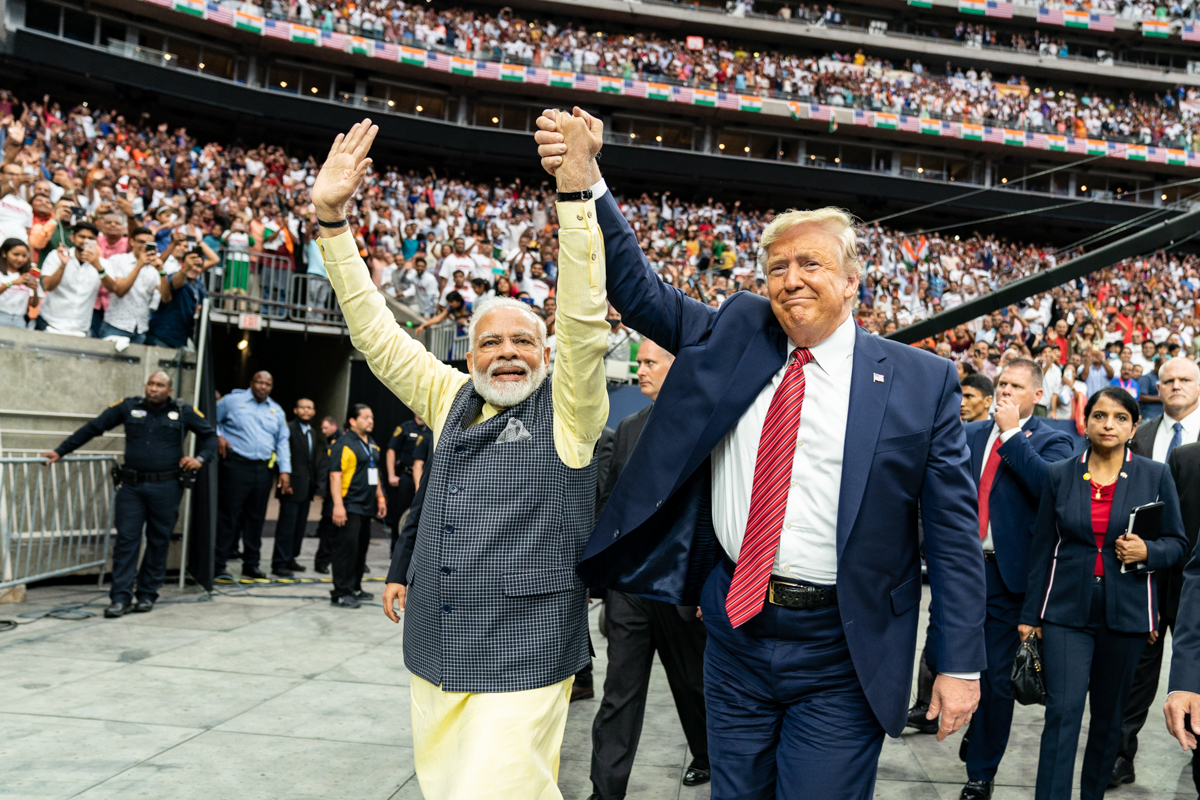
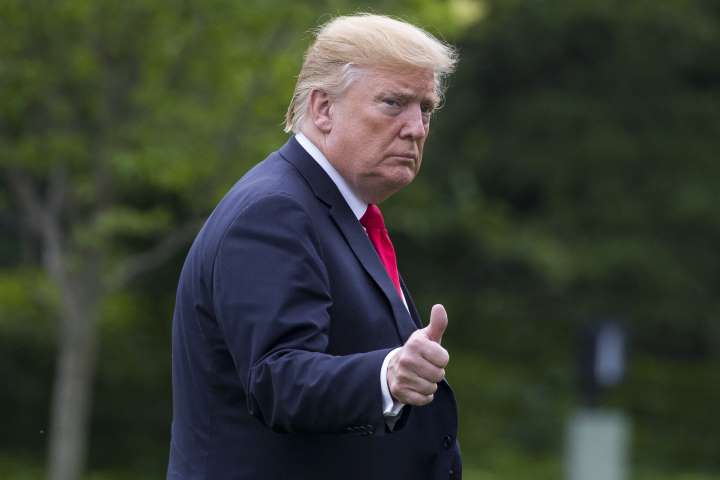
    As President Donald Trump arrives in India today, 24 February 2020,on his maiden official visit to India,  there is significant level of discussions amongst the academics, strategists, and foreign policy experts about whether this visit is more about optics than substantive discussions on strategies and agreements to strengthen the US-India strategic partnership. On arrival the president’s first public engagement is a super spectacle, ‘Namaste Trump’ at the new Motera Stadium in Ahmedabad that will have more than 100,000 people, which is Prime Minister Modi’s way of reciprocating for ‘Howdy, Modi’ at Houston last year. Most opine that while Mr Trump’s visit will be packed with pageantry, it will be light on policy and therefore, unlike previous presidential visits this one may not yield many break-through agreements. There are, however, some important developments that are very unique to the Trump-Modi era when compared to the previous visits of American presidents. Both leaders excel in showmanship and also in projecting strong nationalistic orientation to each one’s domestic constituency. Trump, with his transactional and disruptive approach comes off as more unpredictable when it comes to foreign policy and strategic issues.

    Politics and Showmanship

    It has taken Mr Trump, more than three years since he assumed office to visit India. This could mean that India was not a high priority for the Trump regime in the initial years, or as it turned out India was not the target of Trump’s disruptive strategy that he employed against USA’s traditional allies, China, Russia, and others. The final year of a POTUS term is generally termed as the ‘lame duck year’, where very few presidents have had a good last year and many were hampered by major controversies. It is important to note that India is the first country that President Trump is traveling to after his impeachment trial. There is more to Mr Trump’s India relationship than just this visit. One must remember that he is a shrewd businessman, and even before he became the president, India was already home to the most Trump ventures outside of North-America.  While India’s strategic importance is well recognised by all presidents since Bill Clinton, President Trump’s approach is considerably different than the others. His daughter Ivanka Trump made headlines when she visited Hyderabad, as White House Advisor, for the Global Entrepreneurship Summit in Nov 2017 and the prime minister broke protocol to host a dinner in her honour.

    That the Trump administration has followed a calibrated strategy of recognising and enhancing PM Modi’s image for significant gains to the American defence industry in particular is evident. The current visit, therefore, focuses primarily on strengthening strategic partnership issues in areas such as defence trade, intelligence sharing, counter terrorism, and visa issues. American side may make a token mention about Trump’s offer to facilitate improvement of India-Pakistan talks, China and issues of religious freedom.  However, these will get swamped by the more visible spectacle that will be on display at Ahmedabad and Agra.

    Defence Relationship – the most substantive progress

    India – US defence partnership has progressed significantly over the last decade and a half. The two militaries are exercising together more frequently than ever, and the strategic interactions are moving more towards equitable approach to various aspects. The Trump administration has covered significant ground in nudging India, despite its reluctance, towards partnerships such as the ‘Quad’ and moving towards interoperability by concluding various agreements including the foundational agreements through Defence-Trade-Technology relationship mechanisms.

    Defence trade between the two countries has grown exponentially since 2007. Two major procurements are likely to be signed by the Indian government during this visit: acquisition of 24 Sea-Hawk naval multi-role helicopters (NMRH) from Lockheed Martin worth $ 2.6 billion for the Indian Navy and six AH-64E Apache attack helicopters from Boeing worth $ 930 million for the Indian Army. Both procurements will be through the FMS (Foreign Military Sales) route. Trump administration cleared the decks for enhanced defence cooperation with India by approving India as a major Non-NATO defence partner in 2019, thus smoothening the process for exporting or selling hi-tech weapon systems to India. This is often confused with India becoming a major Non-NATO ally, which is clearly not the case.

    What is clear is that the US has secured major business deals with India to its great advantage, without India gaining much in terms of technology access or industrial production of hi-tech weaponry. The US objective is clearly to wean India away from its heavy dependence on Russian weaponry and secure much broader business relationship with American arms industry. The MIC (military industrial complex) of the USA is clearly focused on India now as its major avenue of business in the 21st century. The Americans were clearly unhappy that India went ahead with S-400 purchase from Russia despite the threat of CAATSA. That India has decided to buy an air defence missile system from the US, again through FMS route, worth $ 1.9 billion seems to be a compensation for such a decision.

    The US-India defence deal will scale $ 20 billion this year after the Trump visit. Many of these weapon system procurements, in terms of numbers, are not of a scale sufficient to create major industrial partnerships for manufacturing. India, however, will need to look at ways and means of acquiring significant technologies from the US through joint ventures, co-design and co-development. Otherwise, there lurks the danger of India being trapped in an all too familiar pattern of buyer-seller relationship rather than as strategic partners.

    Strategic gains?

    The visit’s focus is in areas of trade, defence, counter-terrorism, energy, and co-ordination on regional and global issues. These are areas in which considerable ground has been covered and is a continuing process. The agreement on trade deal, which was keenly expected, has been deferred. With President Trump accusing India of high tariffs and dashing all hopes of a deal before the visit, it is clear that the USA intends to push hard for favourable access to Indian markets for American companies. There are some positives that are emerging. The prospects for increased collaboration in space between ISRO and NASA looks bright.

    The focus of the American side is primarily on Defence trade.  Increase in investments in defence production may become a possibility with major projects in the pipeline. Both Boeing and Lockheed Martin are pushing hard for IAF’s 114 aircraft order, which will be processed under the strategic partnership model of ‘Make in India’ program. This could expand the production run to over 200 aircraft. Similarly, the naval  helicopter (NMRH) procurement has a possibility  of expanding into ‘Make in India’ project for over 100 helicopters. Boeing’s S-76D is a contender for Navy’s utility helicopter procurement under ‘make in India’ program.

    The spectacle of this visit will certainly contribute to both leaders’ constituencies, for President Trump’s re-election campaign and for PM Modi it may divert people’s attention from current issues of flagging economy, Delhi electoral reverses, the Kashmir issue and ongoing protests on CAA and NRC. India however, will need to negotiate hard and leverage the expanding defence business to address technology access and  strengthen Indian industry by enabling them into global supply chain. For this the Indian establishment will need to see well beyond the optics to assess real gains.

    Air Marshal M Matheswaran AVSM VM PhD (retd) is the President of TPF and a former Deputy Chief of the Integrated Defence Staff.


  • Budget 2020: Rhetoric vs Reality

    Budget 2020: Rhetoric vs Reality

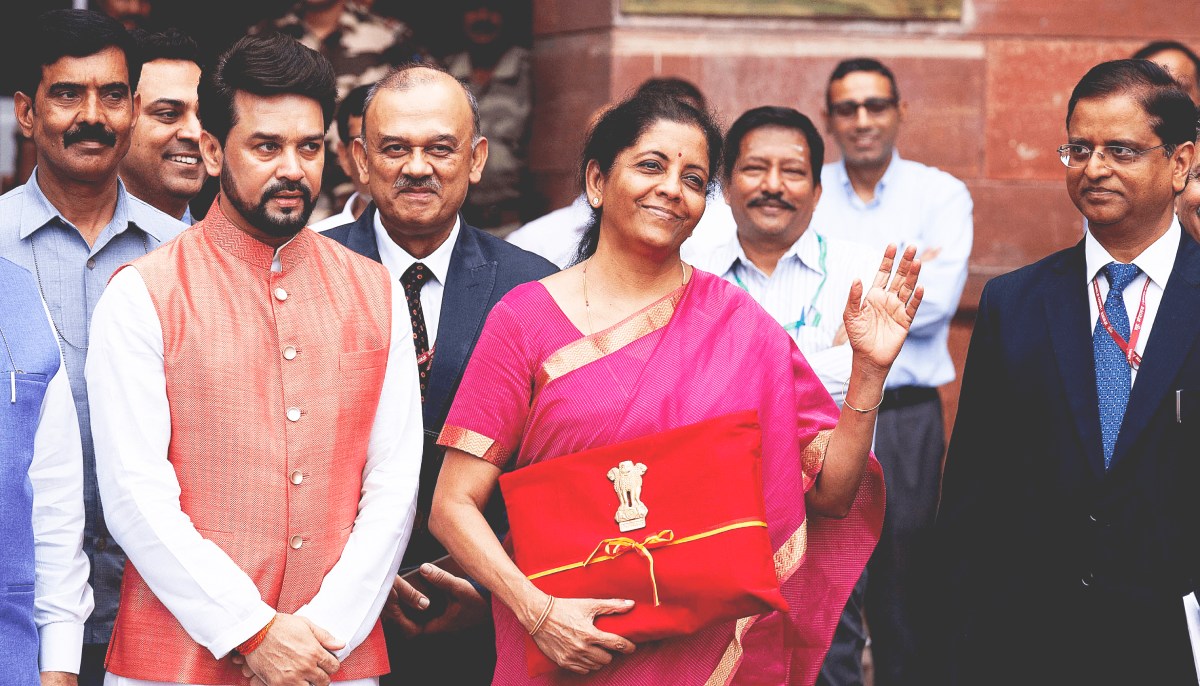
    Sharing structural similarities with the 1991 economic conditions, , the current decline in Indian economy is in desperate need  for radical reforms to energize the growth. Faced with severe fiscal constraints, the optimistic projection of revenue by the government   seems more of a challenge than realistic prospects for economic growth. Tax revenue is expected to fall short by INR 2.5 lakh crores in FY20 as the GDP records an 11- year low of 4.5 %.  As against the target of INR 24.6 lakh crores, there is likely to be a shortfall of INR 2 lakh crores for the current fiscal year. Expenditure cannot only depend on the expected revenue and fall in revenue collection will become a grave concern to achieve the fiscal deficit target set at 3.5 percent .  The budget is expected to balance deficit and growth by laying down a plan for fiscal consolidation and pushing the growth fundamentals. The Finance Minister in her speech mentioned three pillars under which the budgetary allocation has been rationalized. There is a need for deeper examination of budget proposals  beyond the slogans of the budget speech in order to comprehend the government’s long-term economic strategy.

    Aspirational India

    The agriculture sector with poor growth rate yet employing 50 percent of the workforce required significant capital infusion. 2.6 lakh crore has been allocated to agriculture & allied activities out of which 75,000 crores are dedicated to double farmers’ income. In reality, implementing a cash transfer scheme with a huge quantum of finance is a strenuous task facing  challenges on the ground. Schemes such as setting up solar panels and village storage run by Self Help Groups will act as a non monetary support measure. However, infusion of cash in rural credit structure and ease in acquiring credit facilities is largely ignored. The absence of  adequate investment for R & D in agriculture is a major shortfall in the budget. A target to increase the milk production capacity to 108 million tonnes is ambitious, yet no road map has been laid down to enhance the capacity in the current structure.  Weak consumption and high unemployment has contracted rural economic growth but the budget has failed to directly inject finance to increase effective demand. Sharp cuts in MGNREGA budget is giving rise to concerns as the total money in circulation in the economy continues to be low.

    Income insecurity will weaken the consumption demand for a few more quarters, arresting the medium-term growth. Healthcare Sector has been allocated  a total of 67,000 crores which is a significant increase of 10 percent compared to the last budget. The government’s flagship healthcare program, Pradhan Mantri Jan Arogya Yojana or  Ayushman Bharat, is allocated 6,400 crores which is the same as the previous year along with the National Rural Health Mission being allotted 28,000 crores. The Finance Minister has approved a Private-Public Partnership (PPP) between private medical colleges and hospitals in the country. The initiative is aimed to improve the skill levels of enrolled students to export their services abroad. Effectiveness of the PPP model in healthcare will depend on the amount of scrutiny and quality checks placed at the execution stage. Highest decline in funds was for Rashtriya Swasthya Bima Yojana from Rs 156 crores to Rs 29 crores, and Food Safety & Standards Authority of India was reduced to Rs 283.71.

    The draft of National Education Policy in 2019 invited multiple debates but achieving quality education has been the common goal across all levels of education. Human capital investment and skill development has been crucial to the 2020 budget with an allocation of almost 1 lakh crore for education and training. Breakup of funds for education under primary, secondary and higher education was not spelt out.  Finance minister citing the increase in gross enrolment ratio of girls in education has clearly missed the data on falling rates of women in labour force. The narrow lens of viewing enrolment number as a measure  women empowerment has to be revisited to achieve gender equality status. Encouraging apprenticeship and internships in rural areas for engineering and technical graduates is an important mention as the students lack experiential learning. Higher education population stands at around 36.6 million, surging the demand for  institutions offering graduate courses. The Government due to its limited fiscal capacity has allowed private institutions to address the demand for higher education. Despite this opening up tertiary education remains at only 25.8 percent of Gross Enrolment Rate. Quality in higher education is still a distant dream in India and it is important to dedicate funds to improve the quality of higher education in particular.

    Economic Development 

    Under Economic Development, promoting MSME sector and developing infrastructure have been the focus areas. Setting up NIRVIK scheme for higher export credit disbursement and facilitating investment clearance cells is a favourable move for medium and small scale business. Primarily, encouraging potential start-ups to equip their operations  with technology and managerial skills for creating export market demand must take precedence.

    National Logistic Policy is underway to revamp the transport infrastructure and new trains are to be operated under PPP. 100 new airports to be developed under UDAAN scheme is expected to create substantial employment in infrastructure sector. Linking basic Bharatnet services to 1 lakh gram panchayats is a notable initiative to improve the internet connection at local unit level. An exclusive direct investment in disruptive technology and artificial intelligence continues to be absent indicating India’s lag in becoming more competitive. Failure of the ‘Make in India’ initiative to materialize as expected is a relevant evaluation to reframe the fund allocation to accelerate indeginious production. Foreign trade of India presents a grim picture with exports slipping by 1.8 % in the last few months.  Although the political aspect of ditching Regional Comprehensive Economic Cooperation (RCEP) played well, quitting a multilateral trade deal has reduced the scope to upgrade domestic technologies. Frailty of the economy has clearly reduced the incentive for small businesses to invest in production and service despite schemes dedicated for this domain. Entrepreneurship culture in a favourable environment to undertake small businesses with insurance cover should aim at utilizing the existing human and capital resources through upgraded technology. A National Pipeline project has been proposed to ensure public spending on road, irrigation, power (conventional and renewable), railways and housing. Under this project, substantial funds are allocated for roads and least is for rural infrastructure. A prepaid  ‘smart metering’ system is to be substituted for conventional energy meters. On the financial front, tax concessions for corporate companies and foreign investment have been proposed. Reducing income tax slabs cheered the middle class but it has been a necessary and not sufficient condition to push the economy in a growth trajectory. Extension of tax holiday for real estate corporations would not qualify as fiscal stimulus with poor housing demand. As Dr Rathin Roy, economist suggests, either productivity should improve for pushing the demand at existing wage or minimum wage should increase. Decoding his post-Keynesian idea, structural crisis present in India offers much more complexity in practice. Land, labour and capital market reforms are inevitable to catch the growth momentum in the long run. Revising tax structure under Goods & Service Tax (GST) does not count for a structural reform to revive growth and scant attention has been paid for resolving systemic issues using budget as a tool. 

    Caring India

    The last pillar of the budget, emphasizing the importance of national and social security,  allocated funds for marginal groups, senior citizens and women, adopting a populist measure.  Over 6 lakh anganwadi workers are to be given smartphones and the budget estimate for nutritional related programs stands at 35,600 crores. Proposals were made to establish Indian Institute of Heritage and Conservation along with the development of 5 archaeological sites.  Major schemes like PM KISAN, Direct Benefit Transfer, Pradhan Mantri Awas Yojna and ICDS (Integrated Child Development Service) witnessed a jump from revised budget estimates of 2019-20. The Finance Minister in her budget had mentioned a number of schemes aimed at the Environment, Pollution and Climate Change. It includes 4,400 crores for the Clean Air Policy, 460 crores for Pollution Control and 3,100 crores for the Ministry of Environment, Forest and Climate Change. The last budget witnessed reduction in GST rates on Electric Vehicles (EV) and an annual tax reduction of up to 1.5 lakhs on interest paid to purchase EVs. However, the current budget has increased the custom duties to curb the import of cheap materials from China making the vehicles more expensive. National Adaptation Fund for Climate Change (NAFCC) is a central sector scheme set up to support concrete adaptation activities that mitigate the adverse effects of climate change. The Budget missed out on the replenishment of the much-needed NAFCC and has ignored it for two consecutive years. The overall fund allocation for Climate Change and Environment has increased by 5 per cent in the budget. Promoting sustainable business practices at micro levels is a key in tackling climate change. Accommodating the green budget would demand more involvement beyond mere budget allocation, effective plans need to be developed that can constantly track the progress of India’s climate change dialogue and advocacy.

    The defence budget for 2020-21 stands at 3.37 lakh crores, constituting 1.5% of the GDP, excluding pensions. Capital and revenue expenditure is valued at 1.18 and 2.18  lakh crores and pension at 1.33 lakh crores. This will affect several big projects taken up by the armed forces to build capabilities against Pakistan and China as there has been only a marginal increase in capital expenditure compared to previous year (1.08 lakh crores). Armed forces will be forced to cut down on arms and equipment purchases, thereby diluting the state’s priority on national security. However, with adequate government support there is scope for the private sector to bridge  the gap in areas of maintenance and logistics of the armed forces. Corporate tax cuts in the manufacturing sector, strategic disinvestment in Central Public Sector Enterprises (CPSE) and abolition of ‘angel tax’ for start-ups is appreciable. However, more involvement and sincere efforts should be undertaken by the Government to enhance private sector involvement in creating additional funding for developing a robust defence industry and meeting the needs of the armed forces at the same time.

     A recent study by Oxfam reported that 73% of the total wealth is owned by 1% of India’s population, as a result the number of billionaires has increased to 120 in 2019 from nine in 2000. A funding strategy that does not  attend to the growth of income among masses would lead to furthering the inequality and handicap the long term growth of an economy. Budget continues to be a powerful instrument to reallocate resources through fiscal policies and reduce economic inequality in a country. Facing a high risk of missing the demographic dividend, the budget was expected to make radical and structural reforms. Immediate measures to revitalise economic wealth among middle-class and rural residents is the need of the hour. The ostensible budget might garner popularity but the foundation to achieve India’s growth potential remains insufficient. Choice between managing fiscal deficit at the cost of reduced demand and initiating growth at the cost of huge fiscal deficit summarizes budget decisions. Biting the fiscal bullet, the finance ministry has assumed more accountability in explaining every component of expenditure but has failed to provide confidence for a resurgent Indian economy. Micro level assessment reveals a rosy picture but the exercise has undoubtedly choked the Indian economy in the short run.

    Contributions by

    Manjari Balu and Swaminathan S are Research Analysts with TPF.

    Aditya Balakrishna is an Intern with TPF.

    Views expressed are their own.

    Image Courtesy: Sanjay Rawat // www.fortuneindia.com

  • Will the US Revert to ‘Just like in Grand Ma’s Time’ Again?

    Will the US Revert to ‘Just like in Grand Ma’s Time’ Again?

    Category : International Affairs/USA

    Title : Will the US Revert to ‘Just like in Grand Ma’s Time’ Again?

    Author : Andrei Korobkov 11-02-2020

    Donald Trump’s opponents persist in their delusion that his arrival to power was an accident, and if they manage to throw him out of office, history will resume its natural course, and everything will be just like in grandma’s time again. This is a battle between the views of Washington’s elite and the general public resulting in a systemwide crisis. Should the elite further refuse to recognise how serious the crisis has become, and if they will not acquiesce to curtail their ambition and search for compromise, it will be disastrous for the United States and the rest of the world, argues Andrei Korobkov.

    Read More

  • China Tightening its grip on Indian Ocean

    China Tightening its grip on Indian Ocean

    Category : International Affairs/China

    Title : China Tightening its grip on Indian Ocean

    Author : G Parthasarathy 10-02-2020

    In comparison to India, China has moved ahead to strengthen its maritime ties with countries across the Indian Ocean. With the expansion of its submarine fleet and commissioning of its aircraft carriers and fifth generation aircraft, China has augmented its naval strength significantly. Ambassador G Parthasarathy looks at China’s expanding profile in the Indian Ocean and India’s response.

    Read More

  • The Art of Resistance: 440 shoes on a public wall highlight the chilling murders of Turkish women

    The Art of Resistance: 440 shoes on a public wall highlight the chilling murders of Turkish women

    Category : Gender/Violence against Women/Turkey

    Title : The Art of Resistance: 440 shoes on a public wall highlight the chilling murders of Turkish women

    Author : Matheswaran 09-02-2020

    Turkish society has long grappled with the issue of domestic and sexual violence against women. Much like in India, the patriarchy is the main reason behind the loss of many lives. Ms Yamuna Matheswaran points to a very innovative display project by a Turkish artist Vahit Tuna in Istanbul that serves to capture the attention of people on the issue of violence against women.

    Read More

  • A discourse in Refugee Policy and National Decisions : The  Indian context

    A discourse in Refugee Policy and National Decisions : The Indian context

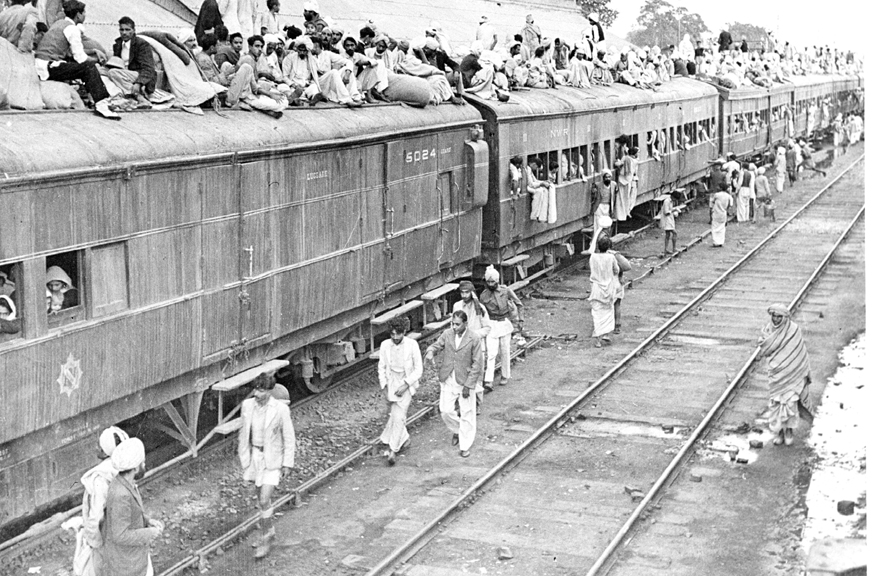
    South Asian states have experienced refugee movements since independence from the British colonial rule and yet once again in 1971 when East Pakistan was split from West Pakistan. The territory of India as it is today has been at the forefront of this influx along with two other nations in the region – Pakistan and Bangladesh while Afghanistan has been a state that has sent out its citizens as refugees all along due to the state of prolonged internal conflicts, and in its immediate neighborhood.

    According to the United Nations, the projected number of refugees is estimated to be around 2.5 million in South Asia, with India alone hosting around 2,00,000 (number registered with UNHCR). Unofficially, India is said to have nearly 437,000 refugees. It is not only the regional atmosphere but also the volatility of the countries in neighboring regions – Syria, Iraq, Tibet and Myanmar that have led to an exodus of populations into South Asia. Apart from wars and persecution, economic deprivation and climate change are driving people out of their home countries. India, sharing borders with all of the South Asian countries where Maldives being contiguous in the Indian Ocean Region, has inevitably been the first or second destination for refugees fleeing their homes. However, India has failed to adopt a legal framework to confer refugee status to people who have fled home countries for a well-founded fear of persecution, discrimination or deprivation of any kind thus blurring the lines between migrants who have entered illegally and refugees.

    Recently, India passed the Citizenship Amendment Act that seeks to grant citizenship to Buddhists, Christians, Hindus, Jains, Parsis and Sikhs who entered India before the 31st of December 2015 from Pakistan, Bangladesh and Afghanistan. The Act has an arbitrary cut-off date, omits the mention of Muslims, does not convincingly explain the rationale behind grouping the three countries, thus any argument of replacing the ad hoc refugee policy would only stand frail. This article, with this premise at the crux will attempt to examine why India has to work towards formulating a holistic refugee policy framework followed by a law and how there is a need for one to ensure the domestic population does not turn hostile to refugees.

    Understanding Refugees in India

    India has allowed for the entry of refugees under the Foreigners Act, 1946; The Foreigners Order, 1948; Registration of Foreigners Act, 1939; and The Passport Act (Entry into India), 1920; The Passport Act, 1967. Refugee populations from Afghanistan, Bangladesh, Myanmar, Eritrea, Iraq, Iran, Pakistan, Sri Lanka and Tibet among many other countries have crossed borders to enter India due to sectarian conflicts, political instability and even economic and climate change.

    South Asia is one of the most disaster-prone regions of the earth and has in recent years witnessed droughts, heatwaves, floods and rise in sea levels threatening both human lives and livelihoods for indefinite periods. Around 46 million people are estimated to have fled their homes in South Asia due to natural disasters between 2008 and 2013 despite a lack of precise estimate in how many have solely migrated due to climate change other than seasonal migration. This thus creates an intersection between economic and climate-induced migration. An estimated 20 million have been migrating from Bangladesh to India every year due to environmental adversities.

    However, it has only been the discourse on traditional security that has dominated the discussions outside of academia questioning the preparedness of India in managing the influx of refugees in the run-up to global and regional crises due to non-traditional securities such as environmental degradation and resulting ‘environment-economic’ splinter effects.

    Diplomacy vis a vis domestic governance

    While we are already witnessing how different sections of the society have not taken it well to religious narrative embedded in the Act, several other factors have also threaded themselves to the dismay of locals due to lack of concentrated effort to treat refugees. Refugees who fear deportation and brutal treatment under the law may disguise themselves as residents and thus in the long run contributing to the alarm and insecurity amongst the locals. This has been very evident in Assam that has for decades agitated over the growth in population in the state due to illegal migration from Bangladesh. It was more to do with struggle for resources, fears of demographic changes and losing control of governance, and less about religion. By resorting to naturalizing refugees and not resorting to repatriation agreements, India today maybe adding fire to the already burning fuel of ‘more mouths to feed and fewer resources’.

    India’s ad hoc policy has given it a leeway to treat refugees based on the country of origin depending on the geopolitics of the day. Today by sealing this arbitrariness as a law India has threatened its own scope to rectify its position in the wake of contestations. It is uncertain even being a signatory to The New York Declaration of Refugees and Migrants 2016, the precursor to the Global Compact on Refugees can realize India’s image as a responsible power while denying Rohingyas and Sri Lankan Tamils the due recognition as refugees.

    On the global stage, India’s treatment of refugees had until recently attracted a fair share of appreciation despite the lack of a national refugee law and notwithstanding the fact that the country is a non-signatory to the United Nations Refugee Convention nor the 1967 Protocol.

    India may not have an official reason on why it has not signed the convention, but sufficient correlative studies show us India’s skepticism arising due to the Euro-centrism of the convention, a threat to sovereignty and a narrow definition of refugees that does not cover the economic, social, and political aspects. Apart from this, the episodes of 1971 influx of refugees and earlier in 1945 linger over India’s unpleasant memories.

    Conclusion

    No refugee policy or domestic law remains an internal concern especially in South Asia where not only are the territorial borders porous but so are the divisions between communities. Due to its relatively better availability of economic opportunity and being a secular state, Indian policymakers are challenged by protracted refugee situations.

    Given the pressure on India’s resources from its huge and growing population, it does not have the capacity to host large refugee populations. India, therefore, has to evolve a 21st-century diplomatic mechanism with both the global community and the sending states to create opportunities for resettlement of refugees. With evolving geopolitics and rise of non-traditional security, it would be in India’s best interests to formulate multifaceted refugee policies bilaterally and multilaterally.

    Jayashri Ramesh Sundaram holds a masters in IR from RSIS, Nanyang Technological University, Singapore. She focuses on refugee issues and policy analysis. Views expressed are the author’s own.

    Image Credit: A Refugee special train during Partition. commons.wikipedia.org

  • India’s impending Fighter Aircraft Choices: Finding the Elusive Solution?

    India’s impending Fighter Aircraft Choices: Finding the Elusive Solution?

    Category : Defence & Aerospace/India

    Title : India’s impending Fighter Aircraft Choices: Finding the Elusive Solution?

    Author : M Matheswaran 02.02.2020

    The Indian Air Force has been afflicted with decreasing force strength due to phasing out of old aircraft and increasing obsolescence of its fleets. Despite the induction of Rafale and Tejas, the IAF will continue to face challenges of reducing numbers and a large chunk of old platforms in its inventory. The IAF is facing serious shortages in its fighter aircraft strength. Air Marshal M Matheswaran examines the possible strategy that can best address IAF’s choice of fighter aircraft for its future.

    Read More

  • Falling Consumption Expenditure: Need for Labour Market Reforms

    Falling Consumption Expenditure: Need for Labour Market Reforms

    Government withholding consumption expenditure data on the grounds of data quality has stirred many criticisms from economists and other interest groups. Growing concern over falling rural consumption especially amidst economic slowdown has crystallized a categorical debate on the nature of slowdown. Irrespective of the validity of methodology employed, low consumption expenditure can sequel falling growth rates. Slowdown of the automobile industry as a case, sluggish growth and rising unemployment corroborate the unofficial claims on falling consumption expenditure. According to Business Standard report, the average amount spent per month by an individual declined from INR 1501 in 2011-12 to INR 1,446 2017-18. Although falling rural consumption expenditure evinces an economic malaise, issue of inefficient labour market has received less attention. Consumption is considered an important way to assess the health of an economy according to neoclassical economists. Multiple theories on income and consumption relationship are advanced in the field of economics. According to permanent income hypothesis, consumption expenditure varies in relation to the expected future income. In simple terms, an individual’s consumption will be distributed across their lifetime based on the permanent income they are expected to receive. Every theory has reiterated the central role of income in determining the consumption levels of the individuals. 

    Income insecurity in Informal sector

    A study conducted  on consumption spending in Ghana concluded that income and inflation had a long-run relationship on consumption expenditure. The Monthly Per capita Consumption Expenditure (MPCE) in 2011-12 revealed that urban MPCE was higher by 84 percent than rural MPCE. India, operating as a dual economy, considers casual wages and regular salaries as a proxies to study informal and formal sector. The wage differential among salary earning individuals operating in informal and formal sector was higher than casual labourers’ wages. Increasing number of regular employees working in informal sector shifted the concern to penetration of ‘informality’ across the labour market.  Post globalization labour market has theoretically encouraged organized sector but the wage employment in the organized sector has employed more casual labourers with no social security. A new layer of casual labours was created post reforms to cushion the weight from competitive prices. Fragmentation within the organized sector with growing contractual labourers has weakened the expected income levels which could directly affect consumption behaviour. Working-poor in India are highly concentrated in the organized sector as casual labourers and self-employed with a combined share of 51 percent of the total workforce as of 2012.

     A recent report on consumption expenditure points out that rural monthly consumption has fallen by 10 per cent from INR 643 to INR 580 indicating a need to accumulate more income in rural India. The main industries functioning under informal structure were construction, manufacturing and wholesale-trade employing majority of unskilled and semi-skilled labourers. In 2011-12, rural employment contributed 76 percent of total informal sector labourers in the three main sectors. Almost 80 per cent of rural workers are engaged in casual employment and despite a moderate growth in casual wages over the years; it amounted to only 36 percent of a regular worker’s earnings. Increasing share of informal employment within the organized sector coupled with poor social security has reduced expected financial flow of labourers. State induced social spending would propel consumption levels to a limited extent but the underlying crisis in the rural labour market would continue to contract long term consumption expenditure. Total social sector spending as a percentage of GDP has reduced from 2.7 per cent in 2000 to 2 percent in 2014. Reduced government spending and lack of labour market reforms are responsible for poor disposable income in the rural economy. 

    Rural labour market instability

    Casual labourers have constituted consistently 28 percent in Indian rural labour force since 1983. The periodic labour force survey report (2017-18) observed a decline in the share of self-employment in both rural and urban sectors. The unemployment rate in urban sector is 7.3 percent, comparatively higher than rural unemployment rates of 5.8 percent. A major portion of rural labourers are associated with the casual sector in rural areas with unstable income and weak social security. For instance, average earning per day in public workfare programme such as MGNREGA has fluctuating wage rates in rural areas, recording as low as INR 136 in 2018. Such a precarious structure in the labour market has diluted the spending capacity of rural residents in the recent times. According to the usual status in employment, there is a moderate increase in casual labourers and salary earners but the self-employment rates have been on the downtrend. In 1983, 60 percent were self-employed, which has gone down to 57 percent in 2018 despite the attractive loan schemes introduced by the government. 

    Female workers’ earnings play a vital role in determining the consumption health of an economy, a drastic fall in female work participation deserves an in-depth investigation. Falling participation rate could mean either women drop out due to social conditions or due to unavailability of jobs matching their skills. While sufficient literature studying these two areas are available, the first issue can be viewed with scepticism as earnings of men have increased significantly while women’s wages have stagnated. Although overall women in the workforce have reduced, 73 percent of women are engaged in agriculture as primary activity compared to 50 percent of men. A deceleration in agriculture and low investment on public infrastructure in the past few quarters have  decimated the consumption capacity of rural India. Women being the bigger component of agricultural labour force, and with factors of social discrimination, tend to have lower wage rates, thereby contributing significantly to reduced capacity for consumption and expenditure.

    Labour market reforms needed to revive long term consumption

    It would be erroneous to isolate the core economic problem to be categorical- the structural issue or cyclical slowdown can be both demand-side and supply-side driven. The whole economic apparatus is strongly integrated and a supply-side constraint can indirectly choke the demand which would, in turn, weaken the growth. Many economists have recommended the need for structural reforms; labour and capital relations have to be redefined as a measure to redistribute the resources. Further, the labour code on wages, 2019 has invited criticisms on grounds of poor protection for informal labourers and favouring corporate profit. Financial ecosystem requires corporates to make profits but a stagnant reinvestment convulses the cycle. Deepening crisis in the economy is conspicuous and falling consumption reiterates the need for better land and labour reforms. 

    Closer examination of the rural labour structure provides a bleak picture of low-income concomitant with minimum social and economic security, thus seriously impacting rural economic consumption. According to the PLFS report, the percentage of rural regular salaried employees with no job contracts increased from 58 percent in 2004 to 69 percent in 2018. Around 88 percent of rural female casual labourers against 84 percent of rural male casual labourers had no union or association. Absence of union is a proxy for weak bargaining power which eventually distorts the real market wages for the labour. Systematic labour market reform is critical especially for fixing the minimum wages and restructuring the labour market. Failure of manufacturing and service sectors to absorb the excess unskilled labourers from the agricultural sector has posed a major challenge. A short term cash transfer or providing welfare schemes should not be mistaken for structural reform. Enhancing the skill levels of rural labourers so as to enable their displacement to the manufacturing sector would augment employment and income. 

    Effect of demonetisation on the informal rural economy cannot be underestimated; removing 80 percent of currency from the economy damaged small and medium scale businesses operating on cash. ‘Make in India’ has not succeeded in accelerating business entrepreneurship in the country. Only 5 % of the adult population manages to establish a business that survives for longer than 42 months according to Global Entrepreneurship Monitor, a rate that is the lowest in the world. Financial investment in medium scale and small scale industries has been poor due to bureaucratic hurdles and unfavourable business environment leading to world’s highest business discontinuation rate of 26.4 %.

    From the supply side, low reinvestment despite a reduction in interest rate has exacerbated the falling consumption situation. Slowing automobile industry and consistent downtrend in manufacturing have contracted the capacity for employment generation in the industrial sector. CMIE has observed corporate profits to be more volatile than wages in the last two decades. The standard deviation of increased profit was recorded to be 32 percent as compared to 6.3 percent in the wage share. The erratic change in profit component implies entrepreneurs are more likely to be discouraged to invest in a business and play it safe. This invariably allows only the big corporate companies to survive. Low share of labour income in the economy is undoubtedly a structural phenomenon; the state’s apathy to induce private capital investment is detrimental to the labour market as well. 

    Reforms should have distinct rural and urban labour market strategies

    Departing from viewing economy in a political lens, a state must prioritize market reforms especially labour reforms. It is the state’s responsibility to ensure efficient allocation of resources and guarantee economic development and welfare of people. The slogan of ‘minimum government and maximum governance’ can be realised only through radical reforms and policy changes.

    The problem of shrinking consumption in rural areas is an outcome of constraints in the supply-side and unorganized labour market. Mere infusion of money as a solution is neither practical nor sustainable; a long term strategy to improve the structure of the rural economy is necessary to address the current economic crisis. Policies should be directed towards energising the informal sector, provide social security and economic dynamism that accelerates capital formation and induces private investment to support business growth. Consumption levels can be revived by making demand side and supply side changes simultaneously; increasing public gross capital formation and encouraging private investment by improving the investment climate would revive private consumption. A clear distinction has to be drawn between rural and urban labour markets, reforms to monitor the movement and prices will emerge as a structural reform to support both growth and development. 

    Manjari Balu is a Research Analyst with TPF. Views expressed are her own. 

    Image credit: www.newskarnataka.com

  • Post-Millennium Trends in the Global Energy Security

    Post-Millennium Trends in the Global Energy Security

    The concept of energy security has been at the front and center of many important changes in international relations and international law since the 1970s. While the 1970s witnessed a series of international and domestic contests and cooperation on energy security, in the recent past the situation has been slightly different. In particular the speed of evolution and the fleshing out of the scope and content of energy security has been quite dramatic. The period from 2000 to 2019 has been transformational in multiple ways in respect of the evolution of the concept of energy security, including power structures where sources of military and economic power are not necessarily overlapping. The simultaneous transformation of Russia, India, France, Japan, Germany and UK as multi-regional powers having pockets of influence much beyond their immediate neighborhood is underway. In essence, the North-South divide and East-West geographical construct and post World War 2 multilateralism are losing relevance. A deep study of these changes is required and the first two decades of the twenty first century offer a useful time frame. The book is an attempt to encapsulate the trends indicative of this emerging energy security architecture.

  • PDC 6: Concept and relevance of Nationalism in the 21st century

    PDC 6: Concept and relevance of Nationalism in the 21st century

    PDC Past Event :  25th Jan 2020

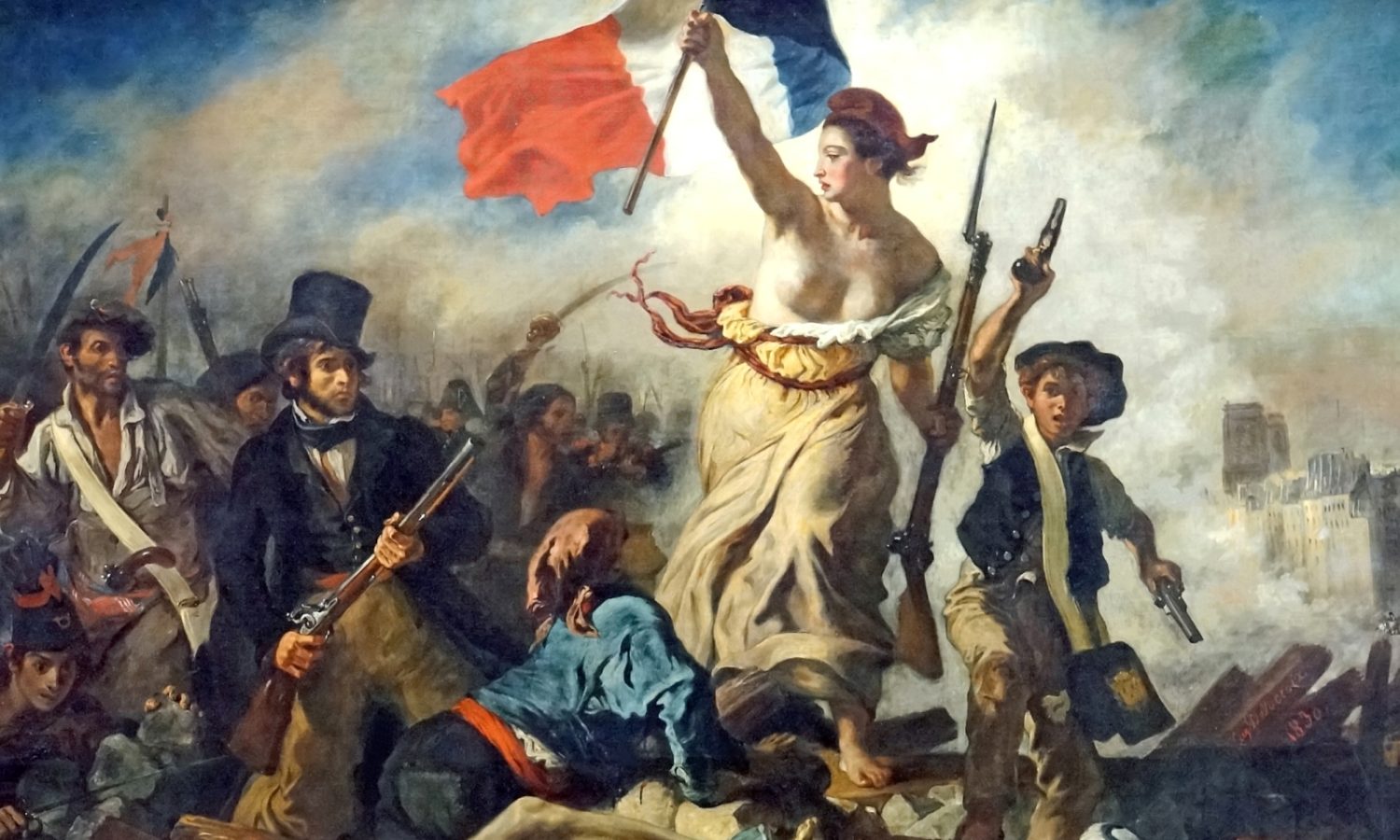
    The concept of nationalism and its influence in shaping the modern world system is undeniable. According to Anderson, humans consider themselves as part of imagined communities based on some common features and derive collective responsibility to that idea. This feeling over time results in identifying a language, shared heritage, and so on to develop uniqueness and distinctness of their community from others. Across history, there are various instances of multiple nations existing under a common kingdom like the Roman Empire, Austria-Hungary, etc. However, post the thirty year war and the Treaty of Westphalia, modern nation states evolved and nationalism became a primary force in shaping these entities. This found its final expression in John Locke’s philosophy that rejected the divine rights of the king and stressed that all persons are endowed with natural rights, and rulers failing to protect them should be removed, with force if necessary. These rising concepts drove the masses towards liberty, equality and fraternity resulting in the French revolution and the American war of independence. The race between powerful states and the spread of colonialism ensured that a national identity could be forged only with a population within a defined territory, ruled by a legitimate government. This Western notion of modern nation states was applied to all regions of the world, altering the natural course of evolution of the nationalism process in these regions. From Africa to Asia, territorial claims and the forging multiple nations to form nation states resulted in various challenges that still remain. For instance, Iraq was formed based on its oil reserves and not in its civilizational bonds. It brought forged the Shia, Sunni and Kurd communities with differing histories and no common bond into a single nation state, resulting in a fragile state with implications even felt today.

    Interestingly, globalisation and its standardising imperatives have stimulated nationalism rather than dissolving its validity. It is argued that self- determination in the 21st century, especially when the global culture is increasingly unified, intensifies due to revival of nationalism. As communication and movement is eased, often the unique identity is weakened. These disruptors to national identities are seen as threats, which is used by politicians and world leaders to strengthen the existing uniqueness of their states. However, these nationalistic drives disregard the diversity that exists in each nation state, creating domestic challenges, particularly for minorities. Electoral politics further divides the people by creating a nation of us vs them, often painting others as potential threats. This has manifested into modern challenges of immigration, terrorism and so on. The rise of hypernationalism in modern day politics can be traced along these lines. By imposing a common national identity, it affects the subnational sentiments of the people since nationalism is more local than national. Singapore, for instance, thrives by creating an equal space for the various sections of its people. While nationalism is a requirement for the functioning of any nation, hypernationalism is a threat to its very existence.