Blog

  • Time for Structural Reforms, Modernisation

    Time for Structural Reforms, Modernisation

    The Prime Minister’s announcement on independence day of his decision to appoint Chief of Defence Staff (CDS) as the single-point military advisor to the CCS and the PM was received with great enthusiasm. The appointment of CDS, recommended in 2001 by the Kargil Review Committee and endorsed strongly by the Group of Ministers’ headed by the then Deputy Prime Minister Shri L K Advani has been long overdue. Like with every other decision with respect to military reforms, the CDS decision became a victim of bureaucratic manoeuvring, vindictiveness, engineered turf battles, and political indecisiveness. The process of setting up a tri-service integrated headquarters was, however, incorporated with a Vice Chief equivalent, CISC heading it. Major reforms such as integration of service headquarters, appointment of the CDS, and establishment of Indian Defence University – all remained in limbo or with just cosmetic changes. There is no doubt that the Indian military is in crying need of major structural reforms in tune with 21stcentury environment, technologies, strategies, and the primacy of joint operations in the conduct of war. The CDS is more than a single person’s appointment, it is an entire system.  Therefore, it needs to be accompanied by other major structural reforms.

     Integrated Defence Staff (IDS), the joint headquarters structure to assist the CDS is already in place. The current head, CISC, would become the VCDS. It has taken more than a decade for the IDS to establish a mature and optimised acquisition system and processes, develop Long-Term Integrated Perspective Plans, optimise the defence intelligence agency, and address joint operational and training systems. While significant expertise has evolved including coordination with multiple MOD agencies, the CISC has had to depend on the Chairman, COSC for major decisions. This was invariably subordinated to the Chairman’s priority for his role as the Chief of his Service. An integrated approach, driven by the CDS, should ensure speedy and optimal modernisation of individual services towards enhancing our joint warfare capability.

     Currently, Chiefs of respective services are responsible for operational capability, training, and the requisite modernisation plans. Acquisitions and modernisation plans were largely driven by individual service specific interests, and very often these ended up getting delayed or blocked by turf wars and prioritisation battles for share of the defence budget pie. This would change under the CDS, with operational decisions being driven by the CDS system while the Chiefs would be responsible for their service capability development, training, and maintenance in tune with joint strategies. This should speed up the modernisation process.

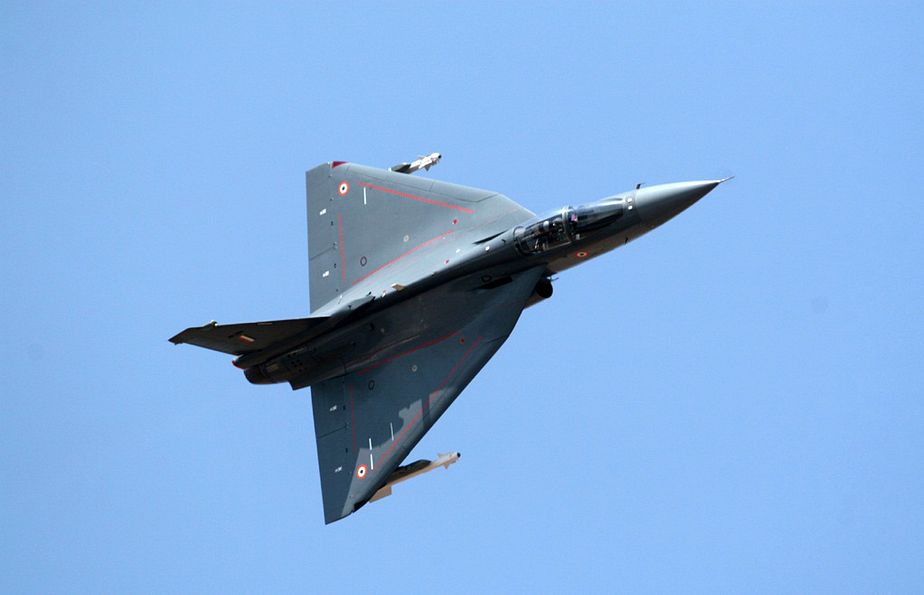
    This year’s defence budget is barely above the subsistence level. A decade of stalled modernisation has brought all three services to their lowest levels of force structures and capabilities. The Indian Air Force is down to 32 squadrons, and is likely to go down 28 squadrons over the next five years as the older, overdue for phase out aircraft are finally laid off. It would take more than a decade for the IAF to get back to its authorised force strength of 42 squadrons provided its modernisation process is undertaken on a war-footing. If not it would be at least two decades for full recovery. The Army is no better, as a former VCOAS stated – 60% of its weapon systems are vintage. Army’s two major modernisation programs – TCS and BMS, intended to be through ‘make’ route, has been shelved after more than a decade of work with two consortiums of Indian majors. This is bound to have huge adverse impact on its modernisation efforts. One can’t blame the Army though. Repeated delays in routine procurements, and lack of accountability on development programs have cost the Army dearly. Notwithstanding some of the recent decisions such as the joint venture between Kalashnikov and the OFB for small arms manufacture, light-weight howitzer and the fast-track procurement of assault rifles and weaponry for special forces, Army’s overall capability for a two-front war is  of concern. The FICV project continues to be in a limbo. Army Chief’s restructuring efforts towards ‘Integrated Battle Groups’ is a welcome step and would help the cause of jointness.

    Navy modernisation efforts are no better either. The progress of the Indian Aircraft Carrier continues in its slow pace. Very well laid out plans such as 30-year ship building and submarine-building programs have been approved years ago, if not decades ago. These have floundered for lack of timely budget allocation. Effectively the Navy continues to grapple with ageing ships, submarines and weapon systems.

    Much of the modernisation that has accrued over the last 15 years has been largely due to procurements from the US, almost exclusively through the FMS route, that is government-to-government contracts. It does not speak well for all our sloganeering on ‘make in India’, and reflects the lack of a coherent national strategy. This is a domain the CDS will need to address.

    In a recent announcement, the government indicated that it would allocate USD 130 billions over the next five to seven years for modernisation of the three services. The CDS will need to move beyond the current system of work in the IDS, as far as modernisation goes. Currently, the LTIPP is seen as a ‘Desired Capability’ document, which the government is happy to concur. There is no assurance of financial commitment, and so the plans remain wishful thinking. Big headlines are made whenever the DAC approves ‘Acceptance of Necessity’ for thousands of crores worth acquisitions. These turn out to be meaningless as the subsequent processes takes years, more than 50% AONs elapse, and less than 25% of approved AONs fructify into desired inductions. On an average the time taken from AON to contract signing has been about 9-10 years. The flaw lies in the mismatch between various aspects of indigenous development, ‘make in India’ manufacturing and huge import dependency versus the combat capability of the forces.

    It is quite clear that various organs of the government, over the last 70 years, have failed to address effectively the need of a vibrant indigenous defence industry that is export oriented and reduces our forces’ import dependency. The CDS system, if evolved correctly, should integrate different aspects of  integrated operational philosophy, requisite force structures and combat capability with indigenous manufacturing, technology development, and a balanced, accountable, and efficient  acquisition process. The CDS must also be given enough power to take operational and financial decisions to ensure appropriate force structures for India’s defence. The bottom line, however, is to see the wisdom that an allocation of 1.35% of GDP is abysmally low to meet India’s defence needs in the 21stcentury.

    This article was published earlier in Deccan Herald on 22 Sep 2019.

    The author is the Founder-Chairman and President of The Peninsula Foundation. He is a former Deputy Chief of Integrated Defence Staff. The views expressed are author’s own.

  • Hong Kong’s Pro-Democracy Movement and the Chinese Conundrum

    Hong Kong’s Pro-Democracy Movement and the Chinese Conundrum

    The protest that erupted in Hong Kong since early June, triggered by stark objections to the extradition bill, has spiraled into a pro-democracy movement in the region. Beyond the political situation, the widespread, leaderless yet organised demonstrations reveal deep social and economic frustrations of the Hong Kongers. As the unrest enters its fourth month, the course of the events in the upcoming days also remains crucial for People’s Republic of China that is gearing up for its 70thanniversary on 1stOctober. With the rest of the world keenly observing Beijing’s measures, China seems to be in a conundrum, often changing its reactionary responses towards Hong Kong.

    Despite wide opposition, the pro-China Legislative Council (LegCo) in Hong Kong passed an extradition bill, usurping the democratic members presiding the bills committee.  While the current laws permit Hong Kong to extradite people upon legislature’s approval, the government introduced the bill claiming that it was unfeasible and could alert targets to flee before proper action. Eventually, following massive protests, the bill was suspended as people claimed that the proposed changes allowing Hong Kongers to be tried in mainland China will erode the region’s autonomy and freedom. Dissidents asserted that the Chinese legal system is opaque and often subordinate to the political structures, not always respectful of the rule of law. Although the citizens succeeded in removing the bill, the protests gained momentum towards larger demands of democracy.

    In 1997, when the British returned Hong Kong to China, Beijing allowed the region to retain a high degree of independence, with the mainland responsible only for defence and diplomacy. Although “one country, two systems”, set to expire in 2047, states political and economic autonomy, only 40 of the 70 LegCo members are directly elected by the people (others nominated by business houses mostly pro-China)  and the Chief Executive is appointed by a 1200 member committee, approved by China. Over the years, multiple protests for democracy have been observed in Hong Kong due the uncertainty post 2047 and increasing Chinese influence, like the Umbrella Movement in 2014. Currently, the discontent with the largely pro-China administration and its failure to represent the Hong Kongers, galvanised by the extradition bill, refuelled the pro-democracy movement in Hong Kong now primarily demanding free election of Hong Kong’s leader and LegCo, withdrawal of the suspended extradition bill and stepping down of Carrie Lam (present Chief Executive).

    The longest and largest unrest in Hong Kong since reunifying with the mainland seems to be spreading to include all sections of the population including lawmakers, civil servants, and even business houses. Mostly led by youth below 30 years, the movement has evolved to be a fight for the future of Hong Kong. Unlike older Hong Kongers, the younger generation did not grow up in a British colony and does not identify with the mainland, manifesting no pride in returning to the Chinese regime. According to Hong Kong University Public Opinion Program, the number of people expressing pride in being a Chinese citizen is at a record low, with an overwhelming majority identifying as Hong Kongers rather than Chinese. Despite being (seemingly) a leaderless rebellion, the sense of desperation and fear of Hong Kong losing its autonomy are powering the movement. While the driverless protests prevent protestors from becoming state targets, the nature of the crisis can easily turn violent and escalate since there is no set course of action, such as breaking into the legislature, shutting the city’s subways and airports, etc.  Many suggest that the protest is constantly gainingmomentumas the political frustration is also fuelled by socio-economic issues. Studies have revealed wide income disparities, especially in the last 45 years. Hong Kong has emerged as the most unequal nation amongst developed nations with the highest Gini coefficient- 0.539 (2017).  After Hong Kong was returned to China, it was hit by the Asian Financial Crisis in 1997 and SARS threat in 2003, worsening recession and unemployment, eventually leading to higher integration with the mainland in terms of trade and investment. As the GDP fell from an average rate of 5.1 percent in 1977-1997 to 2.6 percent in 1997-2017, the wealth gap widened as well. The younger generation equates the blame of poor economic opportunities, rising income inequality and reduced upward mobility to the pro China initiatives of the Hong Kong administration, which is not directly elected by the people. Aging population, low minimum wages, skyrocketing real estate, etc require immediate government policies to tackle the resulting social issues. In the absence of appropriate government action, the demand for a democratic government that acts in Hong Kong’s interests have strengthened.

    Interestingly, the official Chinese response to the Hong Kong situation has been constantly evolving over the course of the protests. Initially, the unrest was hardly covered in Chinese media and traces of Hong Kong incidents were censored from the mainland’s social media platforms. Further, the Chinese state downplayed the number of protestors, claiming that majority of the public in Hong Kong were in favour of the introduced extradition bill. As the movement gained momentum, Beijing portrayed the protestors as a radical, violent minority. Eventually, as pro-democracy demands were raised, Chinese official statements were released comparing the agitation to a “colour revolution”, a term used to highlight a direct threat to Chinese party and its authority. Since then, police force and violence have heightened, and paramilitary forces amassing in the nearest city of Shenzhen has been reported. Following this, Beijing signalled that it has a responsibility to intervene as the Hong Kong administration’s capacity to h andle the situations seems ineffective. In parallel, Hong Kong’s administration repeatedly stressed that the ongoing demonstrations are disrupting the economy, a strategy to undermine support to the protestors.  Additionally, Beijing have also claimed that foreign “black hands” are operating and funding the revolution, since pro democratic leaders were photographed with US leaders and protestors defaced the national symbol at central liaison office (Chinese representative authority in Hong Kong). Overall, this narrative seems to actively reduce positive sentiments towards Hong Kong protestors in the mainland. Moreover, Chinese origin accounts on social media have been found propagating a campaign against the dissenters. Twitter suspended over 2,00,000 accounts, and Facebook removed 7 pages, 3 groups and 5 accounts on account of depicting protestors as violent criminals or terrorist aimed at influencing public opinion around the globe. For directly connecting to younger masses, Beijing has also roped in popular figures like Jackie Chan and pop singers. However, despite these hard and soft measures, China has largely failed in curbing the ongoing crisis.

    The varying responses to contain the rebellion highlight Chinese helplessness. Beijing’s long term strategy of subtly eroding Hong Kong’s autonomy has effectively been defeated. Ruthlessly crushing pro-democracy demands, as it did in Tiananmen Square protests, will undermine China’s carefully constructed role as a responsible state actor. Moreover, unlike the Tiananmen protestors, Hong Kongers have no allegiance to the mainland and are conditioned to certain levels of freedom. Suppressing their rights and removing its current level of autonomy will work against China and could further create tensions in Taiwan, prompting the island to declare real independence. Furthermore, it will invite international repercussions as UK has already announced diplomatic retaliation if the Sino British declaration is not honoured by the Chinese and US has hinted that the special privileges it extends to Hong Kong will be reconsidered if its status is changed. Despite Hong Kong’s declining significance to Beijing, it still handles  75 percent of offshore RMB payments and 63 percent of FDI into China. However, failure to quell the protests will hamper China’s image of invincibility and imply that Beijing caved in against mob action. This will weaken national pride amongst mainlanders, from which the Communist Party derives its strength. China seems to be caught in a tough spot, between one that wants to achieve stability by instituting leadership change and upholding one country two systems approach with integrity, and one that wants to portray itself as an ambitious rising power with unquestionable strength.

    Renuka Paul is Research Analyst with The Peninsula Foundation.

    Image Credit: Photo by Joseph Chan on Unsplash.

  • TPF Discussion # 03 : Maritime Security In Indo-Pacific Region

    TPF Discussion # 03 : Maritime Security In Indo-Pacific Region

    A formal interactive session on Maritime Security was organized in The Peninsula Foundation (TPF), Chennai on September 11, 2019 in collaboration with the United States Consulate, Chennai. The Consulate facilitated the visit of Mr Geoffrey Wessels, Officer for Trade and Connectivity, US Embassy, New Delhi. He was accompanied by Ms Sara Greengrass, Economic Officer, US Consulate, Chennai and Mr George Mathew, Economic Specialist, US Consulate, Chennai. The meeting was aimed to gather perspectives on security challenges faced in the Indo-Pacific region.
    Various recent geopolitical developments relating to maritime security, especially in the Indian Ocean Region, were discussed. Development of India’s relations with ASEAN countries and New Delhi’s need to ensure safety in the sea were explored. There was consensus on the concerns against China’s consistent rise in the Asia Pacific and its practice of debt-trap strategy, as in Sri Lanka, while implementing its ambitious One Belt – One Road project across Asia, and the need for India’s maritime security to be prioritized. Ms Sara stressed on environment security in the Indian Ocean due to overfishing and initiatives of USA to minimize maritime non-conventional threats to India. Primarily, the discussion aimed at finding a common ground between India and the US to deal with China. Representatives of TPF elaborated about their perspectives on Beijing and commented on possible collaboration between India and the USA. The session was informative and fruitful; we thank the US consulate for the arrangement and encourage such interactions in the future.

    [sc name=”donte”]

  • Problems of Indian Agriculture: Low Incomes, Marginal Farmers , and lack of Modernisation

    Problems of Indian Agriculture: Low Incomes, Marginal Farmers , and lack of Modernisation

    Manjari Balu                                                                                                   August 23, 2019/Analysis

    Substantial fall in the number of farmers in the past decade with stagnant agriculture growth of 2.88 per cent corroborates the bleak condition of the Indian agriculture sector. The dire status of the agriculture assigns the state to either invest for agriculture (asset creation) or invest in agriculture (includes subsidized input). The ostensible manifestation for agriculture is visible during the union budget 2019 with falling public investment for agriculture even as budget expenditure rises. The number of cultivator has decreased by 7.5 per centfrom 2001 to 2011 but the number of labourers engaged in agriculture increased by 3.5 per cent for the same years. Contextualizing the movement of labourers with the ambitious plan of doubling the farmers’ income urges the need to investigate the income and wages which currently stands at INR 8931 per month. This figure includes both large landowners and marginal farmers   In the year 2018, waves of protests sparked off across the country, with disgruntled farmers demanding better support prices and waivers of loans. Fear mounted that frustrated farmers would jeopardise the electoral victory of the ruling party. In response, an annual cash transfer of INR 6000 to all marginal farmers was announced in the interim budget of 2019. The strategy paid off. Post-poll survey shows that around 68 per cent of Indian farmers were satisfied with the record of the BJP led government despite strong protests demonstrated earlier in the same year.

    Investments and Subsidies : Misplaced Priorities

    Marginal farmers account for 86 per cent of India’s total farmers. The government has proposed an allocation of INR 85,000 crore in the interim budget to directly support the small farmers and boost their income levels. The re-election of BJP to power is an approval from the agrarian society for idealistic pledges with an ultra-nationalistic manifesto.  But the party in power is resorting to increasing the quantum of spending on agriculture without addressing fundamental issues of the sector. Almost half of the population is engaged in agriculture and the sector accounts for nearly 17 per cent of total Gross Domestic Product (GDP). The 2019 budget has allotted INR 1,51,000 crores for agriculture and allied sectors; this constitutes a 75 per cent hike from the previous budget. Subsidies on fertilizers occupy a highly prominent position in the budget expenditure; INR 73,435 crores is budgeted for fertilizer subsidies for the year 2018-19. Fertilizer subsidy is increasing at an annual rate of 11.4 percent while the share of public investment in agriculture is a mere 0.4 percent of the total investment. The rationale behind large fertilizer subsidies is to reduce input cost and thereby increasing income margin of the farmers. However, a study conducted to assess the impact of different investment components on return on agriculture ranked subsidies below investment in Research & Development (R&D). The output elasticity of the States for expenditure varies from high-income states to low-income states. A state-wise subsidies plan has to be strategized to have a remunerative effect on the productivity and hence the income of the farmers.

                A disproportionate investment in subsidies might lead to short term rise in income but at the cost of long term productivity. The rising burden of liabilities to fertilizers companies is straining the government’s fiscal position. Comptroller Audit General India has criticized the recent budget for resorting to off-budget financing (to cover subsidies through bank loans) to reach the 3.3 per cent target of fiscal deficit. Such offset financing severely strains the government balance sheet and mounting liabilities would dent the future economy.

    Public investment in agriculture is much lower than private investment. In 2016-17, government spending on capital formation stood at only INR 45,981 crore while private spending was INR 2,19,371 crores. While overall public spending has been growing, the share of capital formation in the budget is relatively low.

    Agriculture Strategies in Indian and China: Difference is Technology and Modernisation

     An elementary comparison of India’s growth in agriculture with China highlights the divergent growth due to the different strategies adopted during their post-reformperiod. China focused on irrigation and invested in technology to attain efficiency in water management. The Total Factor Productivity (TFP) which measures the economic efficiency of inputs estimates China’s agriculture TFP to be growing at an average rate of 3.40 percent post the reforms. In contrast, India’s post reforms agriculture TFP stood at around 0.54 percent illustrating the deficiency in technology investment and excessive subsidies on credit, power and fertilizers. China’s indisputable focus was on rural spatial restructuringand land consolidation. Optimizing land-usepatterns and investing in rural regions to enhance productivity can be a transformative solution to address the problems created by industrialization. The remarkable success of China can also be attested to the stabilization of agricultural subsidies in the year 2009. Though input subsidies in 2004 were exponentially growing, the Chinese government conceded the inefficiency of resources allocated to the farmers.

    The principal justification behind institutionalising subsidies on credit, irrigation and fertilizers is to bolster marginal farmers in minimizing the difference between input costs and output prices. The input cost is primarily financed by short term agriculture credit; the short term crop loan has increased by 18 per cent from 2014 to 2018. Theoretically, a positive trend in the short term credit to farmers duplicates the function of subsidies to reduce the input cost. The dispensable expenditure on subsidies can be reduced if state prioritizes to streamline the credit flow to avoid leakages in the system. A fundamental task of the government is to channelize the gain from productivity and translate it to income and wages. Input cost reduction approach, in the long run, suffers from a potential threat of income being concentrated in the large land cultivators while labourers are discouraged to take up farm jobs.

    Income Wage paradox

    The average operational landholding reduced from 2.28 hectares in 1970-71 to 1.08 hectares in 2015-16 as a result of excessive land fragmentation with a swelling rural population. Farmers from India’s rural areas generate income majorly from cultivation and wages. Mahatma Gandhi National Rural Employment Guarantee Act is one such gambit to accelerate employment and incomes of the rural populace. Though the state intervention in the rural labour market has been acclaimed to the extent that it engages India’s unskilled labour force, the flaws of national workfare program are only too apparent with poor monitoring and supervision. A visible trend of farm labourers moving togovernment employment programs has contributed to the recent labour scarcity in agriculture. A shortfall of the labour force in labour-intensivecrops invariably inflates the wage even in the absence of skill augmentation and mechanization of agriculture. Rural workers are more attracted to employment programs as it offers fixed wages as opposed to volatile wage rates in agriculture.

    The union budget has provided an abstract roadmap to increase the income by hiking the Minimum Support Price (MSP) and reducing the input cost. Overall, the average daily wage rates of agriculture labourers in real terms are observed to be falling rapidly from 11.08 percent (derived from government data) in 2007-08 to 4.3 percent in 2018-19. The implication of government strategies to increase the farmers’ income and not that of the labour is based on the assumption that the profit is effectively channelized as wages. However, the discernible movement of the workforce from a labour-intensive agriculture sector to the service sector on account of surety implies the failure of State to stabilise income through agriculture. Indian agriculture has achieved only 40 percent of mechanization while the United States of America has 95 percent of farm mechanization. A transition to capital intensive production would justify a movement of labourers from the agriculture sector to the non-farmsector, but the majority of the farms being labour intensive faces low productivity due to the labour shift.  The disturbed labour market offers higher wages in agriculture but labourers choose to settle for the employment program due to less skill requirement and guarantee of a minimum wage. The farmers in need of labourers, work at a below optimal level with less productivity as it is hard to afford labourers at a higher wage. To untie the complex knot- dynamics of labourers and farmers, it needs to be thoroughly examined to achieve enhanced productivity through income. A mere cash transfer or subsidizing input cost would not guarantee higher income or efficient productivity in the long run.

    A quantitative study conducted to analyse income inequality in the agriculture sector concluded that there has been little change in the structural and distributional factors in the agricultural economy. The findings of the study stated that inequality in income is driven by the share of land ownership. The importance of examining income affected by land size is more relevant as the continuous land fragmentation gains logical attention with an income determined framework proposed by the government. Thus an important fact to be recognizedis that the marginal farmer households earn 9 percent of the total agriculture income while medium and large farmers earn 91 percent of the income. Evidence for growing income inequality based on the land size and land ownership implies the state expenditure has to be designed to redistribute the investment with a view to minimizing the disparity.

    Need for Effective Policy Alternatives

    There is a pressing need to consolidate land holdings and address the deteriorating quality of soil and incentivize farmers to specialize in production by cooperative farming. Self Help Groups is a success story for community-drivenentrepreneurship, a similar model can be experimented in agriculture, factoring the viability and feasibility. A revision of land reform policies to restructure the arable lands for achieving higher productivity needs to be factored in the entire spending formula. There should be a balance in capital and revenue expenditure for agriculture to avoid concentration of funds only on overheads. The state should facilitate a platform for a smooth transition from labour intensive to capital intensive agriculture from both sides. Incentivize farmers to own lands that can be mechanized and equip the residual labourers with skills to acquire jobs in the service and manufacturing sector. A prime target of improving productivity and maintaining the ecological balance has to be influenced to enhance the living standards of farmers.

    Three critical paradoxes that are driving Indian agriculture need to be studied in detail for  better fiscal and policy decisions. These are (i) problem of low productivity despite availability of abundant arable land with a tremendous history of agrarian community, (ii) Bulging population with increasing unemployment yet labour shortage in agriculture sector, and (iii) huge share of agriculture expenditure yet no substantial asset creation or returns on investment. Central government must assess the quality of natural resources and make initiatives for precision farming a priority component in respective states. A revision of labour wages based on productivity and employment programs have to be framed to engage workers in building agriculture infrastructure. The choice of viewing income as a means to achieve productivity or income as an end to beguile the voters during the election season lies with the government.

    Manjari Balu is a Research Analyst with The Peninsula Foundation.

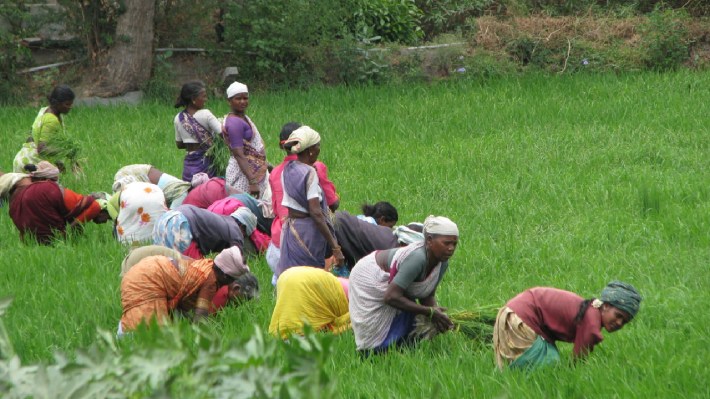
    Photo : Small Farm in Vellore Dt, Tamilnadu, India.  Credit: M Matheswaran

  • TPF Workshop # 01: Research Methodology In Social Sciences

    TPF Workshop # 01: Research Methodology In Social Sciences

    A full-day workshop on “Research Methodology in Social Sciences” was organised by TPF on August 22, 2019. The objective was to facilitate close interaction between the expert and researchers for better understanding of advanced research methods and tools. The one day event was successfully conducted by Dr S Venkatraman, Senior Consultant at UNESCO and International Consultant at ADB. Dr S Venkatraman holds M Phil from Cambridge University and PhD from London School of Economics. The workshop was designed to equip young research scholars with a conceptual understanding of the various research methods, tools and techniques.

    The event began at 10:30 am and was attended by post graduates, PhD scholars and professors from Chennai. The key sessions of the day included identification of a research problem that is relevant and useful, developing appropriate research method and tools for analysis, and drawing conclusions according to established standards for wider acceptability of the research work. Post lunch, Dr Venkatraman covered the research process by citing examples from the field of education. By narrowing down the research theme, focussing further to an issue and later arriving at a research question, it helped in gathering a better understanding of how to choose a research topic. Following this, he explained how to arrive at a suitable research design for data collection and analysis by using sources, both primary and secondary.  The day concluded at 5:00 pm with a small discussion on why and how to build a core research specialisation areas.

    [sc name=”donte”]

  • Conference Report- India and the Indian Ocean Region: Dynamics of Geopolitics, Security, and Global Commons

    Conference Report- India and the Indian Ocean Region: Dynamics of Geopolitics, Security, and Global Commons

    TPF Team                                                                                                    August 19, 2019/Conference

    The Peninsula Foundation held its first international conference titled “India and the Indian Ocean Region: Dynamics of Geopolitics, Security and Global Commons” on the 12thand 13thof July at the Women’s Christian College, Chennai. Fifteen papers authored by research scholars from various institutions and backgrounds were presented during the course of the two-day conference comprising five sessions.The inaugural address was delivered by the Chief Guest, Vice Admiral N Ashok Kumar AVSM VSM, Vice Chief of Naval Staff (VCNS). In an eloquent speech, the VCNS highlighted the growing importance of the Indian Ocean Region and the need to debate and discuss issues relating to chokepoints and the trade routes. He spoke about historical evidence of the criticality of the trade routes in the Indian Ocean Region (IOR), and related it to the present context of ship movements in vital sea lanes of communications (SLOCs) that are vital for economic growth of countries in the Asia-Pacific Region. India’s geographic location gives it a dominant strategic position, as seventy-five percent of international shipping links go through the IOR. He pointed out that China is deeply focussed on safeguarding its interests in the IOR since more than seventy percent of its energy requirements are dependent on Indian Ocean sea lanes. Stressing on the importance of the IOR, the VCNS highlighted the vulnerability of chokepoints and the need to ensure freedom of the seas.

                The keynote address was delivered by Professor Kanti Prasad Bajpai, Vice Dean and Wilmar Professor of Asian Studies at the Lee Kuan Yew School of Public Policy, National University of Singapore. He focused on the contemporary understanding of the term ‘region’ and its context with regards to geopolitics and international relations, stating that when we refer to a region in the geopolitical context, we essentially refer to a zone of conflict, a war-zone or an area of potential conflict. Thus, South Asia often implies the India-Pakistan conflict, Middle East or West Asia the Arab-Israeli conflict, or the conflict between North and South Korea when talking about Korea as a region. Similarly, the Indian Ocean region is one of geopolitical contest amongst the great powers. It is a strategically important region where interdependence is inevitable amongst the nations that have vested interests in the IOR.

                Professor Bajpai further elucidated the fundamentals of trade development in the region and substantiated a case for the IOR as a strategic zone, citing the consistency with which external powers compete to control the region. He highlighted the three forms of culture that govern or define power positions in the IOR: classical culture, popular culture and strategic culture. India, aspiring to position itself as an important player in the region, has to evaluate the choices that are available to it: accept one dominant power to manage the region in a rule-based order or actively participate in the dialogue for a negotiated order that can be achieved through multilateral trade agreements. In conclusion, Professor Bajpai raised questions to be addressed in the upcoming sessions. The inaugural session ended with a special lecture on the cultural legacies of the Asia-Pacific Region, delivered by Indian classical dancer and Padma Bhushan awardee, Dr Padma Subrahmanyam.

    Session One: ‘Indian Ocean: Culture, Civilizations and Connectivity’

                The topic of the first session chaired by Cmde. C. Uday Bhaskar, Director of the Society for Policy Studies (SPS), was ‘Indian Ocean: Culture, Civilizations and Connectivity’. The speakers discussed the history, culture and impact of trade on the IOR. G Padmaja, an independent researcher, emphasised India’s maritime heritage and argued that policies do not move beyond mere talk with respect to the IOR. Dr Vijay Sakhuja, Trustee of The Peninsula Foundation, stated that the IOR is the busiest trade route in terms of development and commodity exchange. He elucidated the importance of digital shipping and the scope of 5G technology and reliance on Artificial Intelligence in driving the trading ecosystem. The third speaker Dr D Dhanuraj, Chairman, Centre for Public Policy Research (CPPR), explored the idea of the modern political economy influencing the flow of men and commodities, and talked about the possibility of India reclaiming its rights over the IOR.

    Session Two: ‘Power Politics in the IOR: Geostrategies and Geo-economics’

                Through his paper “Competing Pivots in the Indian Ocean Region”, Dr Lawrence Prabhakar, Associate Professor, Madras Christian College, highlighted that the region can be constructed and contested through a maritime mandala that goes beyond security and economic factors to include cultural, governance, transnational and other aspects. Dr Arvind Kumar, HOD, Department of Geopolitics, Manipal University, in his paper “Stability of Trade and Commerce: Energy Corridor” discussed the potential of energy resources in the IOR and the need to include energy security as a significant feature in global trade and growth drive. In his paper titled “China’s BRI: Responses in the IOR and Implications for Regional Order”, Dr Jabin Jacob, Associate Professor, Shiv Nadar University, focussed on smaller nations affected by the Belt and Road Initiative and the responses by the Chinese government. Chairperson Dr TCA Raghavan, DG, ICWA, summarised the session by observing that the actions of regional states cannot be categorised as malicious but are rather reactions to Indian and Chinese policies over time.

    Session Three: India’s Strategic Interests in the IOR

                In the final session of the day, speakers discussed maritime security, power projections and evolving ties with littoral states in the region.  The session was chaired by Vice Admiral Shekhar Sinha (retd), Trustee, India Foundation. Cmde Somen Bannerjee, of Vivekananda International Foundation, pointed out in his paper titled “Maritime Security and Power Projections” that China is set to become the biggest power in the IOR in the next fifteen years. He also discussed the need for India to strategize power projection as a necessary course of action in order to secure importance on the global stage.  Through his paper, “Strategic Partnerships: India & ASEAN”, Ambassador Antonio Chiang brought to attention the strategic partnership between Taiwan and China, and the implications of China’s rise to power on Taiwan. Group Captain PB Nair spoke about the role of the Indian Air Force (IAF) in the context of the IOR, providing assistance in navigating sea routes, and the significance of Artificial Intelligence (AI) technology in carrying out sea operations.

    Day Two: Panel Discussion on India’s Approaches in the IOR

                Day Two commenced with a panel discussion on India’s strategic approaches in the IOR, its aspirations and the contradictions. The panel consisted of Dr TCA Raghavan, Ambassador Antonio Chiang, Lt Gen S.L. Narasimhan, Cmde Uday Bhaskar and Professor Kanti Bajpai. The session, moderated by Air Marshal M Matheswaran, addressed three main points: the power struggle in Asia, India’s inadequate investment with regard to being a rising power, and India’s engagement with multilateral institutions.

                The discussion focussed on the ramifications of Chinese economic power and military strength in the region, its effect on India’s policies, as well as the need for utilization of soft power and soft balancing techniques by smaller countries to level the international playing field.

                With regard to India’s investment activities, Dr TCA Raghavan mentioned that ineptness in domestic spheres would spill over and reflect in international projects.

                On the topic of India’s engagement in multilateral institutions, Professor Kanti Bajpai noted that while it cannot be said that India doesn’t deliver, there is a certain level of ambiguity about what the expectations are. The delay in finalising the Regional Comprehensive Economic Partnership (RCEP) was discussed; Lt Gen S L Narasimhan explored the reason behind India’s hesitancy to the agreement, stating that RCEP only covered the free movement of goods and not of services. Thus, India being a service-strong nation would be at a disadvantage.

                With regard to China’s technological advancements and its potential economic superpower status, Ambassador Chiang stated that intellectual power would be a game-changer for India. He noted that China resorts to hard and fast action for solving problems as opposed to the kind of strategic decision-making employed by India.

    Session Four: International Cooperation and Global Commons

                Session Four of the conference was chaired by Dr Joshua Thomas, Deputy Director at the North Eastern Regional Centre of the Indian Council of Social Science Research (ICSSR). The first speaker, Dr Suba Chandran, spoke on the topic of “Cultural Legacies & Competing Zones of Influence: India, China and External Powers.” His talk addressed two questions: who the actors are and their nature of influence, and how India can respond.  Embracing our shared religious and cultural history and strengthening the education system in India were among the measures suggested by Dr Chandran to build bridges and enable India to assume a more central position of power in the region. Rear Admiral S Shrikande presented a paper on the subject of “International Institutions: SLOCs, Chokepoints, Freedom of Navigation”, and shared insights on the United Nations Convention on the Law of the Sea (UNCLOS). The final speaker of the session, Rear Admiral K Swaminathan, spoke on India’s role as a net security provider in the region, and mentioned several instances of the Indian Navy providing assistance to neighbours in times of need and contributing to preserving international security. While Dr Chandran spoke about cultural connectivity across countries in the IOR through a ‘Bring East Policy’, the naval officers emphasised on the need for connectivity, capacity and credibility in the international sphere.

    Session Five: Transnational Issues, Threats and Challenges in the IOR

                In his paper titled “International and Regional Cooperation in Disaster Management”, Air Vice Marshal Ashutosh Dixit underlined the vital role played by the UN and Armed forces in mitigating the risks of disasters. While the UN plays a multifaceted role of being the interface between local and international responders, it is most often the armed forces that promptly and efficiently mobilize resources to the disaster-struck nation, as their reach has no limitations. Dr Arabinda Acharya, Associate Professor, National Defense University, Washington DC, in his paper “Non Traditional Security Threats: Piracy, Maritime Terrorism, Climate Change, Illegal Unreported and Unregulated (IUU) Fishing, Illegal Immigration, and Smuggling of Arms and Drugs” explored challenges to good order at sea and proposed investment in resources to thwart non-state actors on land so as to reduce their power at sea. Through his paper, “India and the Blue Economy: Evolving Partnerships,” Dr R P Pradhan, Associate Professor at BITS Pilani, Goa Campus, emphasised the critical role of the Big Push Theory in developing the blue economy. Investing in strategic assets such as seaports similar to China, Indonesia, South Korea, etc. is vital for realising India’s aspirations for a larger role in the regionIn his closing remarks, Lt General SL Narasimhan, Director General, Centre for Contemporary Chinese Studies, Ministry of External Affairs, emphasised the need for states and regional organizations to collaborate rather than compete in order to address challenges that transcend national borders.

                Lastly, in his valedictory address, Dr TCA Raghavan identified crucial points with respect to the theme of the conference, including the difference between military and diplomatic thinking, and strategic and tactical strength. Dr Raghavan stressed the need for developing dialogue forums and intergovernmental organisations in the Arabian Sea littoral with countries such as Saudi Arabia, Yemen and Iran, among others, to focus on pressing issues in the region.

    [sc name=”donte”]

  • TPF Discussion # 02: Plutonium for Energy? Explaining the Global Decline of MOX

    TPF Discussion # 02: Plutonium for Energy? Explaining the Global Decline of MOX

    Special Guest : Dr Alan J Kuperman LBJ School of Public Affairs, University of Texas, Austin

    Dr.Alan J. Kuperman, chair of the Graduate Studies Committee of the LBJ School’s Global Policy Studies program, University of Texas visited The Peninsula Foundation on 5th of August. He was accompanied by Dr D Subachandran, Professor & Dean, NIAS Bangalore who also facilitated the visit. The discussion centred around global nuclear issues with respect to non-proliferation and nuclear safety in the context of plutonium-based nuclear energy development practices. Dr Alan Kuperman’s presentation was based on the results of    a significant research program conducted by him under the NPPP (Nuclear Proliferation Prevention Project). The outcome of the project is his edited volume ‘Plutonium for Energy? Explaining the Global Decline of MOX’. His views drew extensively from his book. The interactive session commenced with Dr Kuperman presenting the stages of plutonium, recycling effects and further elaboration on  “Plutonium for Energy”  as it is the first-ever comparative research project on “mixed oxide” (MOX) fuel – containing both plutonium and uranium – used in light-water nuclear power reactors.  The project explores the manufacture and use of such MOX fuel in the seven main countries that have done so: Belgium, France, Germany, Japan, the Netherlands, Switzerland, and the United Kingdom.

    Plutonium as the fuel for nuclear energy evolved from the perceived advantages of its closed fuel cycle that would have done away with or reduced the complexities and hazards of having to address long period storage of increasing amounts SNF (Spent Nuclear Fuel) from Uranium-based nuclear (thermal) reactors. According to the study this is a misconception, and he projected that Plutonium is a controversial fuel for three major reasons: Plutonium from reprocessing can be used to make nuclear weapons; it is carcinogenic and so a huge health hazard; and is a very costly process that makes it uneconomical. The main focus of this line of argument was non-proliferation, and the need to make countries move away from plutonium cycle so as to eliminate nuclear weapons possibility, including the possibility of terrorist angle. Participants raised questions about countries like India, which can exploit its vast reserves of Thorium through closed fuel cycle for energy while also addressing their security concerns. The countries selected in the study do not represent a viable model for countries like India and China. Pakistan is already focused extensively on plutonium cycle. Hence, it was pointed out, decision on this issue would be complex for India. One of the primary objectives of the study is also to inform ongoing decision-making in East Asia – including China, Japan, and South Korea – about whether to recycle plutonium for energy.

    [sc name=”donte”]

  • Greenhouse Gases and Dietary Changes

    Greenhouse Gases and Dietary Changes

    Vijay Sakhuja                                                                                       July 22, 2019/Commentary

    The 21st century has been rightly labelled the ‘Climate Century’ and there is visible urgency to contain global temperature rise to 2˚C or below. Among the many initiatives currently underway to achieve that, deep cuts in global emissions in greenhouse gases (GHG) have been suggested.

    One of the major contributors of GHG is the livestock sector; in particular, beef and cattle milk production result in anthropogenic GHG and represent 65 percent of the sector’s emissions i.e. 41 and 20 per cent respectively totalling about 4.6 giga tonnes carbon dioxide (CO2) equivalent. Meanwhile, pork, poultry and eggs contribute less than ten percent each. Besides, there are other closely associated producers of GHG in this sector such as cattle feed production and processing, enteric fermentation from ruminants, manure storage and processing, and the balance is attributable to the processing and sector supply chains.

    According to the Food and Agriculture Organization (FAO) of the United Nations, nearly half of the global agriculture production is consumed by live stock and just 37 per cent is for humans. Another study by the American Oil Chemists’ Society (AOCS) provides some very alarming outcomes and notes that it takes about 7 kilogram of grain in dry weight to produce 1 kilogram of live weight for bovine, around 4 kilograms for 1 kilogram of live weight for pigs, and for poultry it is just over 2 kilograms. Furthermore, the United States Department of Agriculture notes that agriculture takes up 80 to 90 per cent U.S. water consumption, and the Environmental Working Group observes that one pound of eggs require 477 gallons of water and almost 900 gallons for one pound of cheese. If that be so, it is fair to argue that there is otherwise surplus plant-based food available for humans.

    Livestock as a source of food is expected to grow in the coming years. This is driven by the projected increase in global population from 7.6 billion is expected to reach 8.6 billion in 2030, 9.8 billion in 2050 and 11.2 billion in 2100. Consequently, any strong growth in the livestock sector to support the protein requirements of the growing population would result in higher GHG emissions. This necessitates urgent interventions to reduce emissions and can be achieved through sizeable reductions in the production and consumption of beef and cattle milk and balancing it with higher production of pork and poultry. However, that may not be sufficient.

    In recent times interesting and promising initiatives by both the public and private sectors to promote agro-vegetable based diet among the people has been noticed. For instance, in the US, the sale of dairy and related products witnessed eight per cent drop from $14.7 billion in 2017 to $13.6 billion in 2018. One of the reasons for this drop has been the consumer shift toward plant-based alternatives for milk from oats, cashew, almond and soy. The US market trends suggest that the plant based dairy alternatives are currently valued at $17.3 billion and could double by 2023. The current meat value chain is about $1,900 billion and the livestock economy is a promising domain. Nearly 1 billion people are involved in the rearing, processing, distribution and sale of livestock, with half of those reliant on livestock for their livelihood. Significantly, livestock sector constitutes only 40 per cent of the agriculture as a whole that makes up approximately 3 per cent of global GDP.

    While vegetarianism has been in vogue for a long time, it is veganism which is fast gaining popularity particularly among the Western countries such as the U.S., Canada, the UK and some countries in Europe. The vegan diet is being prompted on at least three counts; first is the issue of human health and a number of scientific studies have confirmed the benefits of plant-based diet that reduces the risk of chronic illnesses and diseases; second is the issue of sustainability and the international community has come to realize the critical need to reduce GHG emissions; and third is the growing understanding among the humans of the sustainability of veganism. In fact the vegan food industry is investing in vegan fashion, vegan leather to replace animal hide footwear and numerous other such products are making debut in the international market and gaining popularity among people at large.

    This has led to a war between meat industry and vegan lobbyists who are promising options such as vegan meats, cheeses, milks, and other products. For instance, global plant milk market is expected to grow from over $8 billion in 2016 to $21 billion by 2024 and would be led by soy and coconut milk.

    Finally, consumers are increasingly concerned about the impacts that animal-based foods have on land and water use, human health and above all on the environment, particularly in the context of GHG.

    Dr Vijay Sakhuja is Trustee, The Peninsula Foundation, Chennai. 

    Photo by Helena Lopes from Pexels

  • China’s Climate Diplomacy and Energy Security

    China’s Climate Diplomacy and Energy Security

    Sakshi Venkateswaran                                                                                July 14, 2019/Analysis

    In the last two years, China has become the leading destination for energy investment. A significant portion of this investment lies in the renewable energy sector of China that has undergone rapid development, accounting for about 45% of global investment(126.6 billion) in 2017. The country overtook Germany in the production of solar panels and solar energy generation in 2014 and in 2015 China’s production of wind energy accounted for one third of global wind energy capacity and needless to say, China has always dominated the market in the production of hydro energy. This has led to widespread speculation of the country being a “renewable energy superpower” following a report by the Global Commission on the Geopolitics of Energy. It has also taken active steps to combat climate change in the form of revamping its energy policies. However, these positive shifts are not without issues. China still remains a net importer of coal and highest emitter of greenhouse gases. This article attempts to understand China’s climate change diplomacy against the backdrop of its energy security concerns and if there is any truth to China becoming a renewable energy superpower.

    The 2018 UN Intergovernmental Panel on Climate Change (IPCC) report highlighted that there was only 12 years to control global warming temperatures to 1.5 °Cfollowing which even a half degree rise would prove catastrophic in the form of unprecedented floods, droughts and millions being pushed towards poverty.  Even maintaining the 1.5 °C would require a complete overhaul in the energy, transportation, infrastructure and industrial sectors and global carbon emissions would need to reach net zero by 2050. The Paris Climate Accord was instrumentalized with the intention of capping carbon emissions and containing global warming temperatures below 2 °C. Since the Paris Agreement in 2015, perceptions toward climate change has seen massive shifts following extreme weather patterns in several countries. For one, the US has been strong in their intention to withdraw from the Paris Agreement while several others have taken steps to address climate change by decisive shifts in environmental and energy policies. Chief among them has been China’s actions to counter the climate crisis by investing in renewable energy.

    With a population of more than 1.4 billion and a boom in growth since the 2000s, China has been experiencing rising living standards and industrialization. As a consequence, China’s energy consumption has seen a surge as well. Historically, China’s major sources of energy have been its vast domestic coal reserves and imports of crude oil and natural gas from Russia and Middle East. This has resulted in China competing with the US for the position of being the largest emitter of carbon dioxide. In acknowledgment of this, the Chinese have been the first to invest billions in renewable energy.

    China’s Energy Landscape

    China’s investment in renewable energy began as early as 1949 with the construction of the world’s largest hydroelectric plant, the Three Gorges Dam over the Yangtze River. The reason the Chinese shifted towards hydroelectric energy was the rising dependency on imports and harmful effects to the environment due to the usage of coal. Prior to the Sino-Soviet split in 1960, China had been importing close to 50% of its oil from the Soviet Union. However, a combination of losing the Soviet’s support, economic collapse and a shift from being a net exporter of oil to being a net importer in 1993 accelerated China’s desire for energy self-sufficiency. Since the 2000s the country’s oil and natural gas imports from Russia and Middle East have exhibited a dramatic increase. In 2016 China’s imports of crude oil reached a record high of 68%while natural gas imports hit 33% in 2017.

    Concern regarding the emission of greenhouse gases and inefficient use of coal for power generation prompted a shift in the subsequent energy policies that China released. The Chinese established several economic and technological policies to promote energy conservation. An energy saving branch consisting of a three-tier system was set up within the central and local governments and enterprises in the 1980s. Under the 1988 Energy Conservation Law numerous policies were implemented beginning with the ‘Energy Conservation Propaganda Week’ in an attempt to increase energy efficiency and energy conservation. The government also began providing loans and tax incentives to entrepreneurs who developed small hydropower and wind power plants.

    Even the 13th Five Year Plan by the Energy Bureau of China revealed its plans to restrict coal to 58%of its energy mix by 2020 as opposed to previous levels of more than 60%. The country’s shift to renewable energy has garnered itself the title of being the world’s renewable energy superpower”; a title that has increasingly found its way into academic and policy circles.

    China’s Climate Diplomacy

    Climate change or rather, the climate crisis has metaphorically lit a fire under the member states signed on to the Paris Agreement to combat the greatest threat posed to mankind. Germany has rallied several EU member states to achieve “climate neutrality” by 2050 with net zero carbon emissions. Amidst mounting public pressure and weekly climate protests by students (Fridays for Future), several governments have convened in Bonnin Germany from June 17th to 27th of this year for a climate summit to address the carbon emissions. China has been proactive in that regard; having already shifted to electric vehicles and invested in technologies of carbon capture and storage among other initiatives. China’s share of electricity generation from renewable energy accounted for 26.4%in 2017. The country has also made large investments in the power sector in Africa, specifically for electricity generation in the last 20 years. They contributed up to 30% of capacities of which 56%of the total capacity comprised of renewable sources in 2016.

    Given these numbers regarding renewable energy and its position on climate change, it might be reasonable to speculate that China’s behavior in the international system — its dispute over the South China Sea (SCS) with the Southeast Asian countries, challenging the established status quo of the US as a superpower, the Belt and Road Initiative (BRI) and increasing energy diversification in Russia, Central Asia, Latin America and Africa — is an attempt at addressing its current energy insecurity.

    China claims the entirety of the SCS on the basis of historicity, what they refer to as the nine dash line; a claim that is contested by several countries in Southeast Asia. According to reports by the World Bank the SCS has proven reserves of natural gas and oil. China’s rising energy security concerns over the Malacca Strait, Strait of Lombok, Sunda and Ombai Weitar and the Persian Gulf compound its behavior regarding the SCS as more than 50% of China’s trade travels these waters. Another issue that arises is US’s presence and influence it wields in the region.

    In the last 10 years China’s imports of crude oil from the Middle East has been on the decline. Russia, Angola, Brazil and Venezuela have increasingly taken up a major portion in China’s energy mix (14%, 12%, 5.1% and 4% respectively). The influence that the US wields in the Middle East and the general instability pose a very credible threat to China’s imports. Recently, with the US unilaterally leaving the Iran nuclear deal and the return of sanctions on the country, any state continuing to trade with Iran has been under economic fire from the US (China, India, Turkey etc.). In such a scenario China’s focus on renewable energy would prove an alternative as well as a challenge to the US’s power in the international system. 

    Addressing the climate crisis has been on the agenda of energy policies of several countries. That China has taken a massive step towards that end impacts US’s credibility on that front. The Trump administration has made their position on climate change explicitly clear with their decision to withdraw from the Paris Climate Accord. China’s renewable energy generation will damage US’s optics. Barring this, investment in renewable energy could have an effect on the economies of oil rich countries in the Middle East. China’s ambitions to challenge the existing global order by strengthening their military and economy depend upon its strategies to combat their energy insecurity. Hence, the strategic value in investing in renewable energy.

    However, China’s energy shifts do not come without its own set of logistical issues. In spite of leading most of the world in the production of wind, solar and hydro energy, the percent of these in domestic electricity generation remains low. Only 19.2%, 3.8% and 1.2% of hydro, wind and solar power was utilized for domestic electricity generation in spite of a net installed capacity of 344 GW, 148.6 GW and 77.5 GW respectively in 2016. Though there has been incremental rises in these numbers, China still has a long way to go before attaining energy self-sufficiency. China still relies on heavy imports of coal from its neighbours such as Australia, Mongolia, Indonesia and Russia. The country’s usage of coal rose by 1% in 2018 though its share in the energy mix decreased to 59%, a 1.4% decrease from 2017.

    Conclusion

    The blame and burden for finding a solution to the climate crisis cannot solely rest on the shoulders of developing economies contrary to frequent statements made by the US President who blames Russia, China and India for climate change while ignoring the US’s emission of greenhouse gases. The bottom line is that the US and most of the West had almost 200 years to industrialize and develop their economies. Countries such as India and China have only experienced industrialization and a developing economy in the last 50 or so years. In such a situation, the scale to measure with whom the blame for climate change lays is skewed. Specifically in the case of China, a burgeoning population drove the need for rapid growth. Therefore, it is still a commendable fact that China has been environmentally conscious in the development of its economy. It remains one of the few countries on track to meet the Paris Climate Agreement targets for carbon emissions. 

    All this aside, it is rather premature to refer to China as a “renewable energy superpower” at this point in time. The numbers regarding the use of renewables in domestic electricity generation do not paint a picture of a country poised to change its energy dependency from fossil fuels to renewable energy. China’s goal of becoming a global superpower by 2049 does not just include powering up economically and militarily. Even a developed economy implies growth across the entire country and not just in certain provinces, as is the present situation in China. But it is increasingly becoming evident that any country that reaches their target to combat climate change along with being an economic and military powerhouse stand to become a global influencer and dictate the terms of the international system. If recent developments are any indication, China needs to continue its sustained efforts at decarbonization to attain the influence and recognition it seeks from the international community.

    Sakshi Venkateswaran is a Research Intern at The Peninsula Foundation.

    Image by Skeeze from Pixabay.

  • Venezuela’s Collapsing Economy: Victim of Geopolitical Games

    Venezuela’s Collapsing Economy: Victim of Geopolitical Games

    Manjari Balu and M Matheswaran                                                                     June 23, 2019/Analysis

    The collapse of Latin America’s oil-rich country, Venezuela, epitomises the probable debacle of a socialist regime while the geopolitical strategies espouse the power struggle at the cost of the economy. After the death of Hugo Chavez in 2013, Nicolas Maduro, the hand-picked successor of Chavez took overthe office to preserve the “petrostate” status of Venezuela.  USA, backed by Brazil, Canada and many other countries, have recognized the opposition led by Juan Guaido as the interim president and have questioned the legitimacy of the Maduro government. Venezuela’seconomy depends to the extent of 95 per cent on oil exports and the dwindling oil prices in 2014 deepened the latent crisis, an inevitable consequence for a socialist government with illiberal economic agendas. Chavizmo rose to fame with a brand of Bolivarian revolution that promised to reduce poverty and deter the US in interfering in the country’s functioning.

    Economic Collapse: Paradox of Largest Oil Reserves and Economic Mismanagement

    Venezuela is a prime example of what economic mismanagement, impractical socialist measures, and corruption can do to a country that is wealthy with natural resources. At 300, 878 million barrels of proven oil reserves, Venezuela has the largest amount of proven oil reserves in the world. The country’s economy is largely tied to its oil wealth and was one of the richest in Latin America until a few years ago. Economic collapse has led to a huge humanitarian crisisunseen in the country’s modern history. IMF has predicted that Venezuela’s inflation rate will reach 10 million per cent in 2019, becoming one of the worst cases of hyperinflation in modern history.

    TheTransformation Index that evaluates the political and economic transformation of a country, has ranked Venezuela 110 out of 129 nations with a score of 3.27 out of 10. In addition to criticizing the poor state of the economy, it also reported that the state-sanctioned crime rates have spiralled. The current catastrophic economic crisis and political chaos is the result of a pervasive economic mismanagement and an economy rooted in a single commodity, petroleum.

    Inflation was 1,30,000 per cent in 2018 and the economy has contractedby 22.5 per cent, indicating the dire status of the economy. The economic future of the country continues to be bleak and the debate has converged to the geopolitical relevance of the issue. Data on money supply is a key element to understand the inflation rates in an economy and Venezuela has refused to publish money supply data in the past years. A recent data suggests that  12 trillion BsF (Bolivares Fuertes) were printed exposing the economic ruination.

    Initial denial by the Venezuelan government about the crisis never let aid flow in, recent acceptance of humanitarian aidhas tripled the aid budget. With poor socio-economic indicators as a major challenge, Venezuela is further saddled with huge external debt as a problem to be solved by the new dispensation, be it Maduro led government or any other successor. Currently, Venezuela’s external debt stands at  150 per cent of the total GDP.

    American Sanctions, Food Imports, and Falling Aid

    Few consider the problem to be homegrown in Venezuelaand many blame the US for artificially creating the hyperinflation.  The US justified the economic sanctions to bring down Maduro regime and accused him to have caused upheavals since 2014 and the controversies besieging election manipulation by Maduro’s party substantiate the allegation. Political funding for a coup against the regime change in Venezuela was extensively promoted by the Bush administration. The protraction of political interest led to imposition of anti-democratic sanctions,  and reiterates the hegemonic strategy that the US continues to pursue.

    The recent economic sanctions imposed on the state-owned oil company, Petroleos de Venezuela SA (PdVSA)  by the US has exacerbated Venezuela’s problems in its oil production- the output is expected to fall by 33 per cent in 2019. Investigation of Venezuela’s oil production before and after the economic sanctions suggests the production has been on downtrend even before the sanctions.  

    Private investments and productivity in agriculture dropped alarmingly as the socialist government led by Chavez nationalized agribusiness and industries and encouraged food imports.  Seventy per cent of the food requirements were met by imports. According to the United States Department of Agriculture, Venezuela is one of the potential markets for the US to export agricultural produce, and accounted for 21 per cent of total agricultural imports of Venezuela. However, as the economy collapsed, over-dependence on imports for food began to tell. In 2016, food imports fell by 72 per cent and reports state that people have lost an average of 8.6 kgs of weight due to food scarcity.


    China’s Extractive Relationship with Venezuela

    Majority of the loans are from China and Russia and their servicing or repayments are tied with its oil revenue. It is estimated that Venezuela owes around 13.5 billion USD to China as of 2019. Under Chavez leadership, China and Venezuela laid a financial foundation by crafting  “China-Venezuela Joint fund” known as the FCCV. The central bank of China alone loaned 42.5 billion US dollars from 2007-2012 to Venezuela. The compounded bilateral interest incentivized China to support even when the Venezuelan economy faltered in 2014. China further escalated its commercial interest byloaning a sum of $4 billion as cash for oil deal paying little attention to the projected contraction in the Venezuelan economy. In the year 2017, Maduro announced ambitious planning to spend 70 percent of the total budget on social schemes to address food scarcity. While the quixotic socialist paradigm was impressive during Chavez’s tenure the public soon realized the huge dent made in the economy by imprudent  social spending.

    The defensive lending strategy adopted by China post Maduro’s electoral victory shifted the focus of investments to oil and oil-related infrastructure. Although China’s recent intervention in Venezuela’s domestic affairs is evident from the endorsement for Maduro,  oil supply has always been its priority over political rivalry in Venezuela. As China became more sceptical about Venezuela’s ability to repay the loans because of low oil production and the adverse impact of US sanctions, its capital flow to Venezuela shrunk.  Maduro had viewed relations with China to be based on ideological common ground, but China was focused on leveraging its abundant resources, which, in turn, contributed to the crippling of the economy of Venezuela. This asymmetric relationship between Venezuela and China thwarted expectations of Maduro to acquire more credit from China.

    For China, endorsing Maduro is not an option as far as its economic interest is concerned; increasing rebellion of Venezuelan people portends a threat to the Maduro government that could bring in democracy in Venezuela, which could make it a potential defaulter of past debts. The Chinese government is considered culpable for Venezuela’s crisis by many American policymakers, and are accused to have followedthe “debt trap diplomacy”. The investment strategy in Venezuela resembles the Angola model- Chinese government extends credit tied with oil. However, in the case of Venezuela, China is bearing the cost of overestimating the performance of Venezuelan economy.

    Russia’s All-Weather Ties

    As we see a pragmatic China becaming more cautious about the failing economy of Venezuela, Russia’s interest and the relationship go beyond just the commercial narrative. Russia ties with Venezuela are deep-rooted since the time of Chavez, and it has continued to bolster the failing Venezuelan apparatus for clear geopolitical reasons. Vladimir Putin has invested strongly on  Russia’s international image and prestige, especially while rebuilding Russia post the Yeltsin years. The first credit line of arms relations between Russia and Venezuelawas signed in 2006. Although the export of military equipment to Venezuela have reduced drastically by nearly 96 per cent in the past few years, Venezuela has been the largest buyer of Russian arms in the Western Hemisphere with a total estimate of $4 billion during Chavez years. Russia has made consistent efforts to support Maduro by deploying military presence in Caracas even as Venezuela’s economy took a downturn.

    Chavez and Putin deepened their political ties on common grounds of  supporting a multipolar world order, and Chavez expected tangible benefits for Venezuela out of this agreement. Oil deals between both the countries advanced asRussia’s largest crude oil producer, Rosneft, partnered with PdVSA for several projects. Rosneft holds 40 percent shares and plays an instrumental role in pivoting Russia’s foreign policy through sound investments in the West. Venezuela agreed to commit 49.9 percent of its share in Citgo, American subsidiary company in exchange for credit from Rosneft. Russian emphasis on the “strategic” importance of the alliance with Venezuela reveals Russia’s intention to strengthen its geopolitical presence in USA’s backyard. Putin’s domestic political image has become sharper with his strategic take on Venezuela.

    However, sanctions on Venezuela has severely restricted the ability of Rosneft to borrow or invest, thus escalating tensions between Russia and the US.  Much like in Syria, Putin has sent a strong signal to the US by deploying a small contingent of Russian military personnel in Venezuela.

    Pawn on the Chessboard of Great Power Politics

    Venezuela has become the strategic battlegroundfor geopolitical struggle between the USA, Russia, and China. Collapse of the Venezuelan economy does not augur well for China in the long-term. However, China will look to strengthen its ties with Venezuela through economic support as its energy needs have a critical link with Venezuela. USA’s ‘Manroe Doctrine’ and its ‘Roosevelt Corollary’  has fiercely opposed any external powers’ strategic presence in the Western Hemisphere. This policy has led the USA to be an interventionist in Latin American countriessince the 1960s. Not much has changed since then. Chavez’s Venezuela has been a major opponent of US hegemony  Putin’s Russia is looking to strengthen its presence in South America, and support to Venezuela forms the lynchpin of this strategy. While international community looks for peaceful resolution of the rapidly deteriorating situation in Venezuela, geopolitical competition of external players has ensured  power tussle continues in Venezuela. Political Victory of either Maduro or opposition would represent the triumph of their Global supporters, Russia or the USA.  The socialist seed sown by Hugo Chavez is haunting Venezuela with a dented economy and a crisis in leadership. The “Petrostate” desperately needs economic reforms and international support to rebuild its economy. Structural reforms to remove the bottlenecks of growth in the post-crisis period and opportune investments in potential areas would rescue Venezuela in the following years.

    Manjari Balu is a Research Analyst at ‘The Peninsula Foundation’.

    Air Marshal M Matheswaran (retd) is the President of TPF.

    Image Credit: BBC News