Blog

  • Valuing Folk Crop Varieties for Agroecology and Food Security

    Valuing Folk Crop Varieties for Agroecology and Food Security

    India’s Ministry of Environment, Forest and Climate Change (MoEFCC) has recently, through an office memorandum, excluded the new generation genetically modified (GM) plants – also known as genetically edited (GE) plants – from the ambit of India’s biosafety rules. The use of GMO plant seeds like Monsanto’s Bt Cotton gave promising results initially but over a longer period it has resulted in many problems leading to large number of marginal farmer suicides. Based on this bitter experience the Government of India has brought in place very stringent bio-safety rules. However, with new biotech breakthroughs like Genome Editing techniques, there is a huge pressure from corporate giants like Monsanto, Bayer etc to open up agricultural markets in major countries like India and the global south. There is a fear that American capitalism driven biotech companies may destroy indigenous bio-diversities that could result in food insecurity in the long run. India adopted ‘Green Revolution’ in a big way to increase its food production. It lead to the use of High Yield Variety seeds and mono-cultural farming in a big way. Half a century later, there is a need to review the after effects of the ‘Green Revolution’ as the country is plagued by over use of fertilisers, pesticides, water scarcity, increasing salinity, and battling loss of nutrition in farmlands due to the loss of traditional crop diversity. India was home to a vast gene pool of 110000 varieties of native rice before the Green revolution, of which less than 600 are surviving today. The use of GMO crops will lead to further destruction of Indian food diversity. Genome editing, a newer technology, should be examined carefully from a policy perspective. The European Union treats all GMO and GE as one and therefore it has a single stringent policy. Dr Debal Deb has done a pioneering work in saving many of the indigenous rice varieties and campaigns against the industrial agriculture. His is a larger and vital perspective of Agricultural ecology. The Peninsula Foundation revisits his article of 2009 to drive home the importance of preserving and enhancing India’s bio-diversity and agricultural ecology as pressures from capitalist biotech predators loom large for commercial interests.

    – TPF Editorial Team

    On May 25, 2009, Hurricane Aila hit the deltaic islands of the Sunderban of West Bengal. The estuarine water surged and destroyed the villages. Farmer’s homes were engulfed by the swollen rivers, their properties vanished with the waves, and their means of livelihood disappeared, as illustrated by the empty farm fields, suddenly turned salty. In addition, most of the ponds and bore wells became salinized.

    Since Aila’s devastation, there has been a frantic search for the salt-tolerant rice seeds created by the ancestors of the current Sunderban farmers. With agricultural modernization, these heirloom crop varieties had slipped through the farmers’ hands.

    But now, after decades of complacency, farmers and agriculture experts alike have been jolted into realizing that on the saline Sunderban soil, modern high-yield varieties are no match for the “primitive,” traditional rice varieties. But the seeds of those diverse salt-tolerant varieties are unavailable now; just one or two varieties are still surviving on the marginal farms of a few poor farmers, who now feel the luckiest. The government rice gene banks have documents to show that they have all these varieties preserved, but they cannot dole out any viable seeds to farmers in need. That is the tragedy of the centralized ex situ gene banks, which eventually serve as morgues for seeds, killed by decades of disuse.

    The only rice seed bank in eastern India that conserves salt-tolerant rice varieties in situ is Vrihi, which has distributed four varieties of salt-tolerant rice in small quantities to a dozen farmers in Sunderban. The success of these folk rice varieties on salinized farms demonstrates how folk crop genetic diversity can ensure local food security. These folk rice varieties also promote sustainable agriculture by obviating the need for all external inputs of agrochemicals.

    Folk Rice Varieties, the Best Bet

    Not only the salinization of soil in coastal farmlands but also the too-late arrival of the monsoon this year has caused seedlings of modern rice varieties to wither on all un-irrigated farms and spelled doom for marginal farmers’ food security throughout the subcontinent. Despite all the brouhaha about the much-hyped Green Revolution, South Asia’s crop production still depends heavily on the monsoon rains and too much, too late, too early, or too scanty rain causes widespread failure of modern crop varieties. Around 60 per cent of India’s agriculture is unirrigated and totally dependent on rain.

    In 2002, the monsoon failure in July resulted in a seasonal rainfall deficit of 19 percent and caused a profound loss of agricultural production with a drop of over 3 percent in India’s GDP (Challinor et al. 2006). This year’s shortfall of the monsoon rain is likely to cause production to fall 10 to 15 million tons short of the 100 million tons of total production forecast for India at the beginning of the season (Chameides 2009). This projected shortfall also represents about 3 percent of the expected global rice harvest of 430 million tons.

    In the face of such climatic vagaries, modern agricultural science strives to incorporate genes for adaptation — genes that were carefully selected by many generations of indigenous farmer-breeders centuries ago. Thousands of locally-adapted rice varieties (also called “landraces”) were created by farmer selection to withstand fluctuations in rainfall and temperature and to resist various pests and pathogens. Most of these varieties, however, have been replaced by a few modern varieties, to the detriment of food security.

    Until the advent of the Green Revolution in the 1960s, India was believed to have been home to about 110,000 rice varieties (Richharia and Govindasamy 1990), most of which have gone extinct from farm fields. Perhaps a few thousand varieties are still surviving on marginal farms, where no modern cultivar can grow. In the eastern state of West Bengal, about 5600 rice varieties were cultivated, of which 3500 varieties of rice were shipped to the International Rice Research Institute (IRRI) of the Philippines during the period from 1975 to 1983 (Deb 2005). After an extensive search over the past fourteen years for extant rice varieties in West Bengal and a few neighboring states, I was able to rescue only 610 rice landraces from marginal farms. All others–about 5000–have disappeared from farm fields. The 610 extant rice varieties are grown every year on my conservation farm, Basudha. Every year, these seeds are distributed to willing farmers from the Vrihi seed bank free of charge.

    Vrihi (meaning “rice seed” in Sanskrit) is the largest non-governmental seed repository of traditional rice varieties in eastern India. These varieties can withstand a much wider range of fluctuations in temperature and soil nutrient levels as well as water stress than any of the modern rice varieties. This year’s monsoon delay has not seriously affected the survivorship and performance of the 610 rice varieties on the experimental farm, nor did the overabundant rainfall a few years earlier.

    Circumstances of Loss

    If traditional landraces are so useful, how could the farmers afford to lose them? The dynamics are complex but understandable. When government agencies and seed companies began promoting “miracle seeds,” many farmers were lured and abandoned their heirloom varieties. Farmers saw the initial superior yields of the high input–responsive varieties under optimal conditions and copied their “successful” neighbors. Soon, an increasing number of farmers adopted the modern, “Green Revolution” (GR) seeds, and farmers not participating in the GR were dubbed backward, anti-modern, and imprudent. Seed companies, state agriculture departments, the World Bank, universities, and national and international development NGOs (non-governmental organizations) urged farmers to abandon their traditional seeds and farming practices–both the hardware and software of agriculture. After a few years of disuse, traditional seed stocks became unviable and were thereby lost. Thus, when farmers began to experience failure of the modern varieties in marginal environmental conditions, they had no other seeds to fall back on. Their only option was, and still is, to progressively increase water and agrochemical inputs to the land. In the process, the escalating cost of modern agriculture eventually bound the farmers in an ever-tightening snare of debt. After about a century of agronomists’ faith in technology to ensure food security, farming has become a risky enterprise, with ever greater debt for farmers. Over 150,000 farmers are reported to have committed suicide between 1995 and 2004 in India (Government of India 2007), and the number grew by an annual average of 10,000 until 2007 (Posani 2009).

    The government gave ample subsidies for irrigation and fertilizers to convert marginal farms into more productive farms and boosted rice production in the first decade that GR seeds were used. Soon after, however, yield curves began to decline. After 40 years of GR, the productivity of rice is declining at an alarming rate (Pingali 1994). IRRI’s own study revealed yield decreases after cultivation of the “miracle rice variety” IR8 over a 10-year period (Flinn et al 1982). Today, just to keep the land productive, rice farmers in South Asia apply over 11 times more synthetic nitrogen fertilizers and 12.8 times more phosphate fertilizers per hectare than they did in the late 1960s (FAI 2008). Cereal yield has plummeted back to the pre-GR levels, yet many farmers cannot recall that they had previously obtained more rice per unit of input than what they are currently getting. Most farmers have forgotten the average yields of the traditional varieties and tend to believe that all traditional varieties were low-yielding. They think that the modern “high-yielding” varieties must yield more because they are so named.

    In contrast, demonstration of the agronomic performance of the 610 traditional rice varieties on Basudha farm over the past 14 years has convinced farmers that many traditional varieties can out-yield any modern cultivar. Moreover, the savings in terms of water and agrochemical inputs and the records of yield stability against the vagaries of the monsoon have convinced them of the economic advantages of ecological agriculture over chemical agriculture. Gradually, an increasing number of farmers have been receiving traditional seeds from the Vrihi seed bank and exchanging them with other farmers. As of this year, more than 680 farmers have received seeds from Vrihi and are cultivating them on their farms. None of them have reverted to chemical farming or to GR varieties.

    Extraordinary Heirlooms

    Every year, farmer-researchers meticulously document the morphological and agronomic characteristics of each of the rice varieties being conserved on our research farm, Basudha. With the help of simple equipment–graph paper, rulers, measuring tape, and a bamboo microscope (Basu 2007)–the researchers document 30 descriptors of rice, including leaf length and width; plant height at maturity; leaf and internode color; flag leaf angle; color and size of awns; color, shape and size of rice seeds and decorticated grains; panicle density; seed weight; dates of flowering and maturity; presence or absence of aroma; and diverse cultural uses.

    Vrihi’s seed bank collection includes numerous unique landraces, such as those with novel pigmentation patterns and wing-like appendages on the rice hull. Perhaps the most remarkable are Jugal, the double-grain rice, and Sateen, the triple-grain rice. These characteristics have been published and copyrighted (Deb 2005) under Vrihi’s name to protect the intellectual property rights of indigenous farmers.

    A few rice varieties have unique therapeutic properties. Kabiraj-sal is believed to provide sufficient nutrition to people who cannot digest a typical protein diet. Our studies suggest that this rice contains a high amount of labile starch, a fraction of which yields important amino acids (the building blocks of proteins). The pink starch of Kelas and Bhut moori is an essential nutrient for tribal women during and after pregnancy, because the tribal people believe it heals their anemia. Preliminary studies indicate a high content of iron and folic acid in the grains of these rice varieties. Local food cultures hold Dudh-sar and Parmai-sal in high esteem because they are “good for children’s brains.” While rigorous experimental studies are required to verify such folk beliefs, the prevalent institutional mindset is to discard folk knowledge as superstitious, even before testing it– until, that is, the same properties are patented by a multinational corporation.

    Traditional farmers grow some rice varieties for their specific adaptations to the local environmental and soil conditions. Thus, Rangi, Kaya, Kelas, and Noichi are grown on rainfed dryland farms, where no irrigation facility exists. Late or scanty rainfall does not affect the yield stability of these varieties. In flood-prone districts, remarkable culm elongation is seen in Sada Jabra, Lakshmi-dighal, Banya-sal, Jal kamini, and Kumrogorh varieties, which tend to grow taller with the level of water inundating the field. The deepest water that Lakshmi-dighal can tolerate was recorded to be six meters. Getu, Matla, and Talmugur can withstand up to 30 ppt (parts per thousand) of salinity, while Harma nona is moderately saline tolerant. No modern rice variety can survive in these marginal environmental conditions. Traditional crop varieties are often recorded to have out-yielded modern varieties in marginal environmental conditions (Cleveland et al. 2000).

    Farmer-selected crop varieties are not only adapted to local soil and climatic conditions but are also fine-tuned to diverse local ecological conditions and cultural preferences. Numerous local rice landraces show marked resistance to insect pests and pathogens. Kalo nunia, Kartik-sal, and Tulsi manjari are blast-resistant. Bishnubhog and Rani kajal are known to be resistant to bacterial blight (Singh 1989). Gour-Nitai, Jashua, and Shatia seem to resist caseworm (Nymphula depunctalis) attack; stem borer (Tryporyza spp.) attack on Khudi khasa, Loha gorah, Malabati, Sada Dhepa, and Sindur mukhi varieties is seldom observed.

    Farmers’ agronomic practices, adapting to the complexity of the farm food web interactions, have also resulted in selection of certain rice varieties with distinctive characteristics, such as long awn and erect flag leaf. Peasant farmers in dry lateritic areas of West Bengal and Jharkhand show a preference for long and strong awns, which deter grazing from cattle and goats (Deb 2005). Landraces with long and erect flag leaves are preferred in many areas, because they ensure protection of grains from birds.

    Different rice varieties are grown for their distinctive aroma, color, and tastes. Some of these varieties are preferred for making crisped rice, some for puffed rice, and others for fragrant rice sweets to be prepared for special ceremonies. Blind to this diversity of local food cultures and farm ecological complexity, the agronomic modernization agenda has entailed drastic truncation of crop genetic diversity as well as homogenization of food cultures on all continents.

    Sustainable Agriculture and Crop Genetic Diversity

    Crop genetic diversity, which our ancestors enormously expanded over millennia (Doebley 2006), is our best bet for sustainable food production against stochastic changes in local climate, soil chemistry, and biotic influences. Reintroducing the traditional varietal mixtures in rice farms is a key to sustainable agriculture. A wide genetic base provides “built-in insurance” (Harlan 1992) against crop pests, pathogens, and climatic vagaries.

    Traditional crop landraces are an important component of sustainable agriculture because their long-term yield stability is superior to most modern varieties. An ample body of evidence exists to indicate that whenever there is a shortage of irrigation water or of fertilizers–due to drought, social problems, or a disruption of the supply network– “modern crops typically show a reduction in yield that is greater and covers wider areas, compared with folk varieties” (Cleveland et al. 1994). Under optimal farming conditions, some folk varieties may have lower mean yields than high-yield varieties but exhibit considerably higher mean yields in the marginal environments to which they are specifically adapted.

    All these differences are amply demonstrated on Basudha farm in a remote corner of West Bengal, India. This farm is the only farm in South Asia where over 600 rice landraces are grown every year for producing seeds. These rice varieties are grown with no agrochemicals and scant irrigation. On the same farm, over 20 other crops, including oil seeds, vegetables, and pulses, are also grown each year. To a modern, “scientifically trained” farmer as well as a professional agronomist, it’s unbelievable that over the past eight years, none of the 610 varieties at Basudha needed any pesticides–including bio-pesticides–to control rice pests and pathogens. The benefit of using varietal mixtures to control diseases and pests has been amply documented in the scientific literature (Winterer et al. 1994; Wolfe 2000; Leung et al. 2003). The secret lies in folk ecological wisdom: biological diversity enhances ecosystem persistence and resilience. Modern ecological research (Folke et al. 2004; Tilman et al. 2006; Allesina and Pascual 2008) supports this wisdom.

    If the hardware of sustainable agriculture is crop diversity, the software consists of biodiversity-enhancing farming techniques. The farming technique is the “program” of cultivation and can successfully “run” on appropriate hardware of crop genetic and species diversity. In the absence of the appropriate hardware however, the software of ecological agriculture cannot give good results, simply because the techniques evolved in an empirical base of on-farm biodiversity. Multiple cropping, the use of varietal mixtures, the creation of diverse habitat patches, and the fostering of populations of natural enemies of pests are the most certain means of enhancing agroecosystem complexity. More species and genetic diversity mean greater complexity, which in turn creates greater resilience–that is, the system’s ability to return to its original species composition and structure following environmental perturbations such as pest and disease outbreaks or drought, etc.

    Ecological Functions of On-Farm Biodiversity

    Food security and sustainability at the production level are a consequence of the agroecosystem’s resilience, which can only be maintained by using diversity on both species and crop genetic levels. Varietal mixtures are a proven method of reducing diseases and pests. Growing companion crops like pigeonpea, chickpea, rozelle, yams, Ipomea fistulosa, and hedge bushes provide alternative hosts for many herbivore insects, thereby reducing pest pressure on rice. They also provide important nutrients for the soil, while the leaves of associate crops like pigeonpea (Cajanus cajan) can suppress growth of certain grasses like Cyperus rotundus.

    Pest insects and mollusks can be effectively controlled, even eliminated, by inviting carnivorous birds and reptiles (unless they have been eliminated from the area by pesticides and industrial toxins). Erecting bamboo “T’s” or placing dead tree branches on the farm encourages a range of carnivorous birds, including the drongo, bee eaters, owls, and nightjars, to perch on them. Leaving small empty patches or puddles of water on the land creates diverse ecosystems and thus enhances biodiversity. The hoopoe, the cattle egret, the myna, and the crow pheasant love to browse for insects in these open spaces.

    Measures to retain soil moisture to prevent nutrients from leaching out are also of crucial importance. The moisturizing effect of mulching triggers certain key genes that synergistically operate to delay crop senescence and reduce disease susceptibility (Kumar et al. 2004). The combined use of green mulch and cover crops nurtures key soil ecosystem components–microbes, earthworms, ants, ground beetles, millipedes, centipedes, pseudoscorpions, glow worms, and thrips — which all contribute to soil nutrient cycling.

    Agricultural sustainability consists of long-term productivity, not short-term increase of yield. Ecological agriculture, which seeks to understand and apply ecological principles to farm ecosystems, is the future of modern agriculture. To correct the mistakes committed in the course of industrial agriculture over the past 50 years, it is imperative that the empirical agricultural knowledge of past centuries and the gigantic achievements of ancient farmer-scientists are examined and employed to reestablish connections to the components of the agroecosystem. The problems of agricultural production that arise from the disintegration of agorecosystem complexity can only be solved by restoring this complexity, not by simplifying it with technological fixes.

    Further Reading and Resources: in situ conservation and agroecology

    References

    Allesina S and Pascual M (2008). Network structure, predator-prey modules, and stability in large food webs. Theoretical Ecology 1(1):55-64.

    Basu, P (2007). Microscopes made from bamboo bring biology into focus. Nature Medicine 13(10): 1128. http://www.nature.com/nm/journal/v13/n10/pdf/nm1007-1128a.pdf.

    Challinor A, Slingo J, Turner A and Wheeler T (2006). Indian Monsoon: Contribution to the Stern Review. University of Reading. www.hm-treasury.gov.uk/d/Challinor_et_al.pdf.

    Chameides B (2009). Monsoon fails, India suffers. The Green Grok. Nicholas School of the Environment at Duke University. www.nicholas.duke.edu/thegreengrok/monsoon_india.

    Cleveland DA, Soleri D and Smith SE (1994). Do folk crop varieties have a role in sustainable agriculture? BioScience 44(11): 740–751.

    Cleveland DA, Soleri D and Smith SE (2000). A biological framework for understanding farmers’ plant breeding. Economic Botany 54(3): 377–394.

    Deb D (2005). Seeds of Tradition, Seeds of Future: Folk Rice Varieties from east India. Research Foundation for Science Technology & Ecology. New Delhi.

    Doebley J (2006). Unfallen grains: how ancient farmers turned weeds into crops. Science 312(5778): 1318–1319.

    FAI (2008). Fertiliser Statistics, Year 2007-2008. Fertilizer Association of India. New Delhi. http://www.faidelhi.org/

    Flinn JC, De Dutta SK and Labadan E (1982). An analysis of long term rice yields in a wetland soil. Field Crops Research 7(3): 201–216.

    Folke C, Carpenter S, Walker B, Scheffer M, Elmqvist T, Gunderson L and Holling CS (2004). Regime shifts, resilience and biodiversity in ecosystem management. Annual Review of Ecology, Evolution and Systematics 35: 557–581.

    Government of India (2007). Report of the Expert Group on Agricultural Indebtedness. Ministry of Agriculture. New Delhi. http://www.igidr.ac.in/pdf/publication/PP-059.pdf

    Harlan JR (1992) Crops and Man (2nd edition). , p. 148. American Society of Agronomy, Inc and Crop Science Society of America, Inc., Madison, WI.

    Kumar V, Mills DJ, Anderson JD and Mattoo AK (2004). An alternative agriculture system is defined by a distinct expression profile of select gene transcripts and proteins. PNAS 101(29): 10535–10540

    Leung H, Zhu Y, Revilla-Molina I, Fan JX, Chen H, Pangga I, Vera Cruz C and Mew TW (2003). Using genetic diversity to achieve sustainable rice disease management. Plant Disease 87(10): 1156–1169.

    Pingali PI (1994). Technological prospects for reversing the declining trend in Asia’s rice productivity. In: Agricultural Technology: Policy Issues for the International Community (Anderson JR, ed), pp. 384–401. CAB International.

    Posani B (2009). Crisis in the Countryside: Farmer suicides and the political economy of agrarian distress in India. DSI Working Paper No. 09-95. Development Studies Institute, London School of Economics and Political Science. London. http://www.lse.ac.uk/collections/DESTIN/pdf/WP95.pdf

    Richharia RH and Govindasamy S (1990). Rices of India. Academy of Development Science. Karjat.

    Note: The only reliable data are given in Richharia and Govindasamy (1990), who estimated that about 200,000 varieties existed in India until the advent of the Green Revolution. Assuming many of these folk varieties were synonymous, an estimated 110,000 varieties were in cultivation. Such astounding figures win credibility from the fact that Dr. Richharia collected 22,000 folk varieties (currently in custody of Raipur University) from Chhattisgarh alone – one of the 28 States of India. The IRRI gene bank preserves 86,330 accessions from India [FAO (2003) Genetic diversity in rice. In: Sustainable rice production for food security. International Rice Commission/ FAO. Rome. (web publication) URL: http://www.fao.org/docrep/006/y4751e/y4751e0b.htm#TopOfPage ]

    Singh RN (1989). Reaction of indigenous rice germplasm to bacterial blight. National Academy of Science Letters 12: 231-232.

    Tilman D, Reich PB and Knops JMH (2006). Biodiversity and ecosystem stability in a decade-long grassland experiment. Nature 441: 629-632.

    Winterer J, Klepetka B, Banks J and Kareiva P (1994). Strategies for minimizing the vulnerability of rice to pest epidemics. In: Rice Pest Science and Management. (Teng PS, Heong KL and Moody K, eds.), pp. 53–70. International Rice Research Institute, Manila.

    Wolfe MS (2000). Crop strength through diversity. Nature 406: 681–682.

    This article was published earlier in Independent Science News and is republished under the Creative Commons Attribution 3.0 License.

    Feature Image Credit: www.thebetterindia.com

  • TPF Analysis Series on Russia – Ukraine Conflict #2

    TPF Analysis Series on Russia – Ukraine Conflict #2

    [powerkit_button size="lg" style="info" block="true" url="https://admin.thepeninsula.org.in/2022/03/29/tpf-analysis-series-on-russia-ukraine-conflict/" target="_blank" nofollow="false"]
    The First Paper of the Series – TPF Analysis Series on Russia – Ukraine Conflict #1
    [/powerkit_button]

    What’s in Ukraine for Russia? 

    In a press conference marking his first year in office, President Biden, on the question of Russia invading Ukraine, remarked that such an event would, “be the most consequential thing that’s happened in the world, in terms of war and peace, since World War Two”. [1] It has now been two months since Russia officially launched its “special military operation” in Ukraine, which the US and its allies consider an unjustified invasion of a sovereign state. The conflict in the Eurasian continent has drawn global attention to Europe and US-Russia tensions have ratcheted to levels that were prevalent during the Cold War. The conflict has also raised pertinent questions on understanding what exactly are Russian stakes in Ukraine and the latter’s role in the evolving security architecture of Europe. The second paper in this series will delve into these questions.

    The current Russian position stems from the experience that Russia, and Putin, gained while dealing with the West on a host of issues, not least of which was NATO expansion.

    The Ties that Bind

    An examination of post-Soviet history reveals that Russian preoccupation with security threats from NATO is not embedded in Russian geopolitics; instead, it has been reported that, early on, Russia was even agreeable to joining the military alliance. The current Russian position stems from the experience that Russia, and Putin, gained while dealing with the West on a host of issues, not least of which was NATO expansion. A line of argument sympathetic to Russia is President Putin’s contention that terms dictated to Russia during the post-Cold War settlements were unfair. The claim is a reference to Secretary of State James Baker’s statement on the expansion of NATO, “not an inch of NATO’s present military jurisdiction will spread in an eastern direction”, in 1990 in a candid conversation with Mikhael Gorbachev on the matter of reunification of Germany. [2] It could be argued that it is this commitment and subsequent violation through expansions of NATO is one of the main causes of the current conflict. 

    At the root of the problem was Russia’s security concerns – regarding both traditional and hybrid security – that ultimately led to the centralisation of power after a democratic stint under Yeltsin. Accordingly, Putin had put it in late 1999, “A strong state for Russia is not an anomaly, or something that should be combated, but, on the contrary, the source and guarantor of order, the initiator and the main driving force of any changes”. [3]

    Historically being a land power, Russia has viewed Ukraine as a strategically critical region in its security matrix. However, as the central control of Moscow weakened in the former USSR, the nationalist aspirations of the Ukrainian people began to materialise and Ukraine played a crucial role, along with the Russian Federation and Belarus, in dissolving the former Soviet Union. The two countries found themselves on opposite sides on extremely fundamental issues, such as security, economic partnership, post-Soviet order, and, not least, sovereignty. In Belovezh, in early December of 1991, when Russian President Boris Yeltsin, Ukrainian President Leonid Kravchuk and Belarusian leader Stanislav Shushkevich met to dissolve the USSR, major disagreements regarding the transitional phase and future of the republics erupted. Yeltsin expressed his desire for some sort of central control of the republics, whereas Kravchuk was vehemently opposed to any arrangement that might compromise his country’s sovereignty. Later, at the foundational ceremony of the Commonwealth of Independent States (CIS), he stressed a common military, the most potent rejection of which came from Kravchuk. [4]

    Source: Wikimedia Commons

    The elephant in the room, however, was the status of Sevastopol, which housed the headquarters of the Black Sea Fleet. Yeltsin was quoted saying that “The Black Sea Fleet was, is and will be Russia’s. No one, not even Kravchuk will take it away from Russia”. [5] Though the issue was soon temporarily resolved –with the two countries dividing the fleet equally amongst themselves, it continued to dominate and sour their relationship. Russia, as the successor state of the USSR, wanted the base and the entire fleet in its navy. Yeltsin even offered gas at concessional rates to Ukraine if it handed over the city and nuclear weapons to Russia. The issue remained unresolved until the 1997 Friendship Treaty under which Ukraine granted Moscow the entire fleet and leased Sevastopol to Russia until 2017 (later extended).

    Ukraine, under Kravchuk and, later, Leonid Kuchma, struggled to tread a tightrope between Russia and the European Union. On one hand, it was economically knit with former Soviet Republics, and on the other, it was actively looking to get economic benefits from the EU. However, soon a slide towards the west was conspicuous. In 1994, it preferred a Partnership and Cooperation Agreement with the EU over CIS Customs Union, which was a Russian initiative. Later, in 1996, it declined to join a new group consisting of former Soviet Republics ‘On Deepening Integration’, scuttling the initiative, since its purpose was to bring Ukraine back into the Russian fold. [6] By 1998, the Kuchma government had formulated a ‘Strategy of Integration into the European Union’. [7]

    Nuclear weapons were another point of contention between the two. Ukraine was extremely reluctant to give up its arsenal, citing security threats from Russia. Kravchuk received a verbal ‘security guarantee’ from the US which forced Russia to “respect the independence, sovereignty, and territorial integrity of each nation” [8] in exchange for surrendering Ukraine’s nuclear weapons. 

    Notwithstanding the disputes, there was a great deal of cooperation between the two, especially after Kuchma’s re-election in 1999. Kuchma’s hook-up with authoritarianism distanced Kyiv from Brussels and brought it closer to Moscow. Ukraine agreed to join Russian initiatives of the Eurasian Economic Community as an observer and Common Economic Space as a full member. At home as well, his support in the eastern parts of the country, where ethnic Russians dwelled, increased dramatically, as evident in the 2002 Parliamentary Elections. [9] However, the bonhomie was soon disrupted by a single event.

    The Orange Revolution was Russia’s 9/11. [10] It dramatically altered Russian thinking on democracy and its ties with the West. It raised the prospect in Russia that Ukraine might be lost completely. It further made them believe the colour revolutions in former Soviet republics were CIA toolkits for regime change. More importantly, it made the Russians apprehensive of a similar revolution within their borders. As a result, the distrust between Russia and the West, and Russia and Ukraine grew considerably. As a nationalist, Victor Yushchenko formulated policies that directly hurt Russian interests. The two countries fought ‘Gas Wars’ in 2006 and 2009, which made both the EU and Russia uncomfortable with Ukraine as a gas transit country. Furthermore, Yushchenko bestowed the title of ‘Hero of Ukraine’ upon Stepan Bandera, a Nazi collaborator and perpetrator of the Holocaust, a decision that surely did not go well with Moscow.

    Geoeconomics: Ukraine as a Gas Transit Country

    The current war is the worst in Europe since the Second World War. Still, Ukraine continues to transit Russian gas through its land, Russia continues to pay for it, and Western Europe continues to receive the crucial resource. The war has shattered all the big bets on Russian dependence on Ukraine for delivering gas to Western Europe and has renewed the discourse on reducing European energy dependence on Russia. Since the EU imports 40% of its gas from Russia, almost a quarter of which flows through Ukraine, Kyiv has had leverage in dealing with Russians in the past. It has been able to extract favourable terms by either stopping or diverting gas for its own domestic use at a time of heightened tensions between Ukraine and Russia. As a result, the EU was directly drawn into the conflict between them, infructuating Moscow’s pressure tactics for a long.

    Moscow has made numerous attempts in the past to bypass Ukraine by constructing alternate pipelines. Nord Stream, the most popular of them, was conceived in 1997, as an attempt to decrease the leverage of the transit states. The pipeline was described as the “Molotov-Ribbentrop Pipeline” by Polish Defence Minister Radoslaw Sirkosi for the geoeconomic influence it gave to Russia. [11] Another project – the South Stream – was aimed at providing gas to the Balkans, and through it to Austria and Italy. The pipeline was conceived in the aftermath of the Orange Revolution and its construction was motivated by geoeconomics, rather than economic viability. It would have led to Russia bypassing Ukraine in delivering gas to the Balkans and Central Europe, thus seizing its significant leverage, and relegating it to vulnerable positions in which Moscow could have eliminated the gas subsidies Ukraine was being provided. [12]As a result of economic unviability, the project was abandoned in 2014.

    To a certain extent, the European Union has been complicit in making matters worse for Russia. For instance, during the 2009 ‘Gas War’ – that began due to Ukraine’s non-payment of gas debt to Russia – instead of holding Ukraine accountable, the EU countries blamed Russia for the gas crisis in Europe and asked Russia to resume gas supply to Ukraine. Later, realising the importance of Ukraine as a transit country, it reached an agreement with Kyiv that “recognized the importance of the further expansion and modernization of Ukraine’s gas transit system as an indispensable pillar of the common European energy infrastructure, and the fact that Ukraine is a strategic partner for the EU gas sector”. The agreement excluded Russia as a party, which saw it as undermining the collaboration between itself and Ukraine, and injuring its influence on the country. [13] The Russian grievance becomes even more palpable when we view the significant gas subsidies it has provided to Ukraine for more than two decades. 

    Similarly, the EU countries viewed Nord Stream 2 from a geostrategic and geo-economic perspective. In December last year, German Economic Affairs Minister Robert Habeck warned Russia of halting Nord Stream 2 if it attacks Ukraine. German Chancellor Olaf Scholz was quoted saying that he would do ‘anything’ to ensure that Ukraine remains a transit country for Russian gas. [14] In fact, the pipeline – that is set to double the capacity of gas delivered to the EU – has faced opposition from almost all Western European countries, the US, the EU as well as Ukraine, which has described it as ‘A dangerous Geopolitical Weapon’. [15] The pipeline had raised concerns amongst Ukrainians of losing a restraining factor on Moscow’s behaviour. [16] However, with the pipeline still inoperable, the Kremlin has already made the restraining factor ineffective.

    The Security Objective

    The Russian Federation is a country which spreads from the European Continent to Asia. In this giant nation, the hospitable region where people live is mainly on the European side, which also comprises main cities like St. Petersburg, Volgograd and the Capital City Moscow. Throughout history, Russia has seen invasions by Napoleon as well as Hitler, and the main area through which these invasions and wars happened was through Ukrainian land which gave them direct access to Russia – due to the lack of any geographical barriers. It was certainly a contributing factor towards the initial success of these invasions. Today, we might understand these events as Russia’s sense of vulnerability and insecurity if history is any indicator. 

    The Russian Federation also follows a similar approach to ensuring its security, survival and territorial integrity. Russia’s interest in Ukraine is as much geopolitical as cultural. Since Russians and Ukrainians were intrinsically linked through their culture and language, Ukraine quickly came to be seen as Russian land, with Ukrainians being recognized as ‘Little Russians’ (Kubicek, 2008), as compared to the “Great Russians”. They were consequently denied the formation of a distinct Ukrainian identity. Putin gave substance to this sentiment as, according to a US diplomatic cable leak, he had “implicitly challenged the territorial integrity of Ukraine, suggesting that Ukraine was an artificial creation sewn together from the territory of Poland, the Czech Republic, Romania, and especially Russia in the aftermath of the Second World War” during a Russia-NATO Council meeting. [17]

    Crimea and much of eastern Ukraine are ethnically Russian and desire closer ties with Russia. But moving further west, the people become increasingly cosmopolitan and it is mostly this population that seeks greater linkage with the Western European countries and membership into the EU and NATO. This in addition to the Euro Maidan protests is what Putin has used to justify the annexation of Crimea in 2014. The other security consideration was the threat it faced from the likelihood of NATO establishing a base in Crimea given its own presence in Sevastopol in the Black Sea. 

    In the current scenario, the second phase of Russian Military operation in the East and South has shown us the larger vulnerabilities Moscow has which are being countered through control of certain points in the region. By liberating the Donbass region in the east, Russia plans to create a buffer zone between itself and the west to stop future aggression and keep enemies at bay. But the extension of this buffer zone all the way to Odessa is indicative of other strategic considerations. Mariupol in the south of Ukraine is one of the many extended strategic points Russia now controls leading us to ask just why Mariupol is a game-changer in this conflict?

    The port city of Mariupol is a small area geographically, but it provides the land bridge for the Russian forces in the Crimean Peninsula to join the Military operation in the Donbas region. Moreover, it gives Russia a land bridge to Crimea from the Russian Mainland. According to General Sir Richard Barrons, former Commander of UK Joint Forces Command, Mariupol is crucial to Russia’s offensive movement, – “When the Russians feel they have successfully concluded that battle, they will have completed a land bridge from Russia to Crimea and they will see this a major strategic success.” [18]

    Source: ISW (Assessment on 09 May, 2022)

    If the port city of Mariupol is important for the creation of a land corridor, then the Sea of Azov which is adjacent to it is even more important due to its strategic position. [19] The three geopolitical reasons why this sea is important are as follows:

    1. The Sea of Azov is a major point for the economic and military well-being of Ukraine. Proximity to the frontlines of the Donbass region where the fighting between Ukrainian forces and Pro-Russian separatists is taking place makes the control of this sea vital to the Russian military as it helps weaken Ukrainian defence in the region via control of the Kerch Strait.
    2. Controlling the Sea of Azov is strategically important for Russia, to maintain its control in the Crimean Peninsula, which allows Moscow to resupply its forces through the Strait of Kerch.
    3. Finally, it also involves Eurasian politics into why Russia needs to control this region and here the discussion of the Volga-Don canal which links the Caspian Sea with the Sea of Azov comes to the fore. Russia has always used this canal to move warships between the Caspian Sea to the Black Sea and project its power in both regions. Moreover, Russia sees this connection as a significant strategic advantage in any future crisis.

    If Mariupol and the Sea of Azov are considered the most important strategically valuable features by Russia, there also exists the crucial points of Kherson and Odessa which will give Russia complete dominance of the Ukrainian coast line, thus giving larger access and control in the Black Sea region that has the potential to be militarised in the future in conflicts with the West. Moreover, it gives Russia a land corridor to Transnistria which is a Pro-Russian separatist area in Moldova and an opening into the Romanian border through Odessa, thus balancing the build-up of NATO forces in the region. 

    Conclusion

    The Ukrainian crisis is as much the West’s doing as Russia’s and an ear sympathetic to the Russian narrative might even say that the West took advantage of Russia when it was vulnerable immediately following the collapse of the Soviet Union in negotiations regarding the German state reunification and NATO enlargement.

    The bottom line is that, presently, Putin views NATO as an existential security threat to the Russian state and sees the US and its allies’ support of Ukraine as a challenge. Ukraine’s membership in the EU and NATO is a non-starter for Russia and pitting a Ukraine, that has a symbiotic relationship with Russia at all levels, against a slightly diminished but still formidable great power will have consequences for the security architecture and geopolitics of the region.  The Ukrainian crisis is as much the West’s doing as Russia’s and an ear sympathetic to the Russian narrative might even say that the West took advantage of Russia when it was vulnerable immediately following the collapse of the Soviet Union in negotiations regarding the German state reunification and NATO enlargement. On some level, NATO countries recognize the fact that Ukraine and Georgia can never be allowed membership into the North Atlantic alliance because the alternative of wilfully ignoring Russia’s security and national interests is just a recipe for disaster and might just launch the region into the single biggest armed conflict since World War 2. 

    References:

    [1] The White House. (2022, January 20). Remarks by president Biden in the press conference. https://www.whitehouse.gov/briefing-room/speeches-remarks/2022/01/19/remarks-by-president-biden-in-press-conference-6/

    [2] Savranskaya, S., Blanton, T. S., & Zubok, V. (2010). Masterpieces of history: The peaceful end of the Cold War in Europe, 1989. Central European University Press.

    [3] Putin, Vladimir. “Rossiya na Rubezhe Tysyacheletii,” Nesavisimaya Gazeta, December 30, 1999, quoted in D’Anieri, Paul (2019). Ukraine and Russia: From Civilized Divorce to Uncivil War. Cambridge University Press.

    [4] Ibid

    [5] Rettie, J. and James Meek, “Battle for Soviet Navy,” The Guardian, January 10, 1992

    [6] Ibid, no. iii

    [7] Solchanyk, R., Ukraine and Russia: The Post-Soviet Transition. Rowman and Littlefield Publishers. 2000.

    [8] Goldgeier, J. and Michael McFaul. “Power and Purpose: U.S. Policy Toward Russia after the Cold War”, Brookings Institution Press, 2003

    [9] Ibid, no. iii

    [10]  The comment was made by Gleb Pavlovskii, a Russian Political Scientist. quoted in Ben Judah (2013), Fragile Empire: How Russia Fell In and Out of Love with Vladimir Putin. New Haven, CT: Yale University Press, p. 85.

    [11] Ibid, no. iii

    [12] Wigell, M. and  A. Vihma, Geopolitics versus geoeconomics: the case of Russia’s geostrategy and its effects on the EU. International Affairs, 92: 605-627. May 6, 2016

    [13] Ibid, no. iii

    [14] Harper, J. (2021, December 23). Nord stream 2: Who wins, who loses? Deutsche Welle. https://www.dw.com/en/nord-stream-2-who-wins-who-loses/a-60223801

    [15] Ukraine: Nord stream 2 a ‘dangerous geopolitical weapon’. (2021, August 22). DW.COM. https://www.dw.com/en/ukraine-nord-stream-2-a-dangerous-geopolitical-weapon/a-58950076

    [16] Pifer, S. “Nord Stream 2: Background, Objectives and Possible Outcomes”, Brookings, April 2021 https://www.brookings.edu/research/nord-stream-2-background-objections-and-possible-outcomes/

    [17] WikiLeaks. (2008, August 14). UKRAINE, MAP, AND THE GEORGIA-RUSSIA CONFLICT, Canonical ID:08USNATO290_ahttps://wikileaks.org/plusd/cables/08USNATO290_a.html

    [18] Gardner, F. (2022, March 21). Mariupol: Why Mariupol is so important to Russia’s plan. BBC News. https://www.bbc.com/news/world-europe-60825226

    [19] Blank, S. (2018, November 6). Why is the Sea of Azov so important? Atlantic Council. https://www.atlanticcouncil.org/blogs/ukrainealert/why-is-the-sea-of-azov-so-important/

    Featured Image Credits: Financial Times

    [powerkit_button size="lg" style="info" block="true" url="https://admin.thepeninsula.org.in/2022/03/29/tpf-analysis-series-on-russia-ukraine-conflict/" target="_blank" nofollow="false"]
    TPF Analysis Series on Russia – Ukraine Conflict #1
    [/powerkit_button]

  • Physical Literacy | It’s Time We Stopped Seeing Sports and Education as Strange Bedfellows

    Physical Literacy | It’s Time We Stopped Seeing Sports and Education as Strange Bedfellows

    No concerted effort has been made at any level to treat sports and education as essentially concurrent activities that have to be given equal importance in a significant way

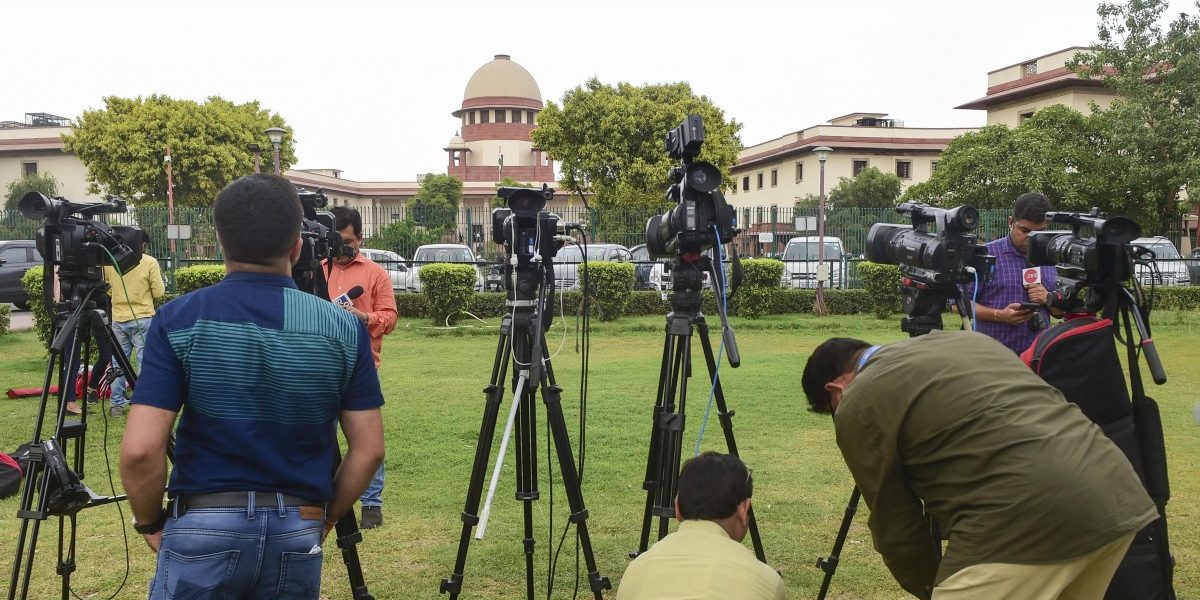
    The Supreme Court bench comprising Justices L Nageswara Rao and BR Gavai gave directions to the Union and state governments on April 25 seeking their views (but refrained from passing a judgment) as regards a suggestion that sports be recognised as a fundamental right, and the various educational entities/institutions (including CBSE, ICSE, and the various state boards) in India be directed that at least 90 minutes daily be devoted to “free play and games” (physical literacy) during school hours.

    This direction came about as a result of a report submitted by senior advocate Gopal Sankarnarayanan in a Public Interest Litigation (PIL). The PIL was filed by Kanishka Pandey, a sports researcher, in the wake of which the court had appointed Sankarnarayanan as an amicus curiae in August 2018.

    [powerkit_button size=”lg” style=”info” block=”true” url=”https://www.moneycontrol.com/news/opinion/physical-literacy-its-time-we-stopped-seeing-sports-and-education-as-strange-bedfellows-8446421.html” target=”_self” nofollow=”false”]
    Read More
    [/powerkit_button]

  • Optimisation of Water Resources

    Optimisation of Water Resources

    Community participation is the most important aspect of resource management and in this connection, the role of Panchayat, NGOs and Civil Society is very important. Therefor, a planned awareness strategy needs to be prepared and implemented.

    Introduction:

    Once again after the current sweltering warm weather, the monsoon is eagerly awaited; not only to get a respite from the heat but also to get water so essential for the crops. The good news is that as per the IMD prediction, this year the monsoon is going to be normal. However, the question is whether we are ready to make use of nature’s bounty for us? It may be noted that the total quality of water available in the world is 1600 million cubic km and 97.5% of it is saline. Of the balance, 2.5% of the fresh water, most of it lies deep and frozen in Antarctica and Greenland. Only 0.26% is available in rivers, lakes and in the soil and shallow aquifer.

    According to NITI Aayog surface water availability in India is 257 BCM of water per year which is likely to go up to 385 BCM in near future. India also has 432 BCM rechargeable ground water. India uses 634 BCM of water per year to grow food, generate energy and satisfy the needs of industry. Thus, theoretically, the availability should meet the requirements but the situation on the ground has many problems and availability gets impacted by other environmental and man-made factors. In this connection following two reports from World Bank and NASA are relevant.

    [powerkit_button size=”lg” style=”info” block=”true” url=”https://striveindia.in/optimization-of-water/” target=”_blank” nofollow=”false”]
    Read More
    [/powerkit_button]

  • Technology, Politics and China’s Quest for Energy Dominance

    Technology, Politics and China’s Quest for Energy Dominance

    [powerkit_button size=”lg” style=”info” block=”false” url=”https://admin.thepeninsula.org.in/wp-content/uploads/2022/05/Technology-Politics-and-Chinas-Quest-for-Renewable-Energy-Dominance-3.pdf” target=”_blank” nofollow=”false”]
    Download
    [/powerkit_button]

    Abstract:

    This paper will empirically investigate the role of technology in international politics through a case study of China’s development of renewable energy infrastructure (solar PV and wind energy) and its impact on international politics. This paper looks at how technology helps shape a state’s identity using renewable energy technology as an explanatory variable. The paper employs Grygiel’s Model of Geopolitics to analyse the case study; geopolitics because much of China’s development in the renewable sector has been a function of its geography and abundance of natural resources.

    Introduction:

    China has experienced decades of near double-digit economic growth and since the 2000s, has witnessed a growing population and rapid industrialization that has correspondingly driven demand for energy. Its expeditious implementation of economic reforms has elevated it to the status of a global power capable of challenging the US-established status quo. Stability is increasingly being viewed as a function of China’s behaviour vis-à-vis its strategic rivals, primarily the US, and to a lesser extent Japan, India, Russia and the littoral states of Southeast Asia. But more importantly, it has been China’s near fanatic fervour to rise as a technologically superior state, as the US emerged post the World Wars, that has generated interest. The modernization of its military, near the meteoric rise of installed capacities for renewable sources of energy and technological revolution, underscores the importance and role technological advancement plays in a state’s development. Technology and international politics have a near symbiotic relationship and the former has the potential to fundamentally alter the way states exercise their sovereignty in pursuit of their national interests.

    [powerkit_button size=”lg” style=”info” block=”true” url=”https://admin.thepeninsula.org.in/wp-content/uploads/2022/05/Technology-Politics-and-Chinas-Quest-for-Renewable-Energy-Dominance-3.pdf” target=”_blank” nofollow=”false”]
    Read the Full Paper
    [/powerkit_button]

  • Idiocy of Automation and Electronic Processing: Are we ready for it?

    Idiocy of Automation and Electronic Processing: Are we ready for it?

    Getting a passport and driver’s license has indeed been simplified for the net savvy but it is not so simple for those who are not net and computer savvy.

    Automation and electronic processing via the net are becoming ubiquitous. E-banking and E-commerce have gained wide acceptance in society, especially during the last two years when mobility was restricted due to the pandemic and periodic lockdowns. Many, especially the young, are trading in shares and investing through the net. Crypto trading is entirely on the net – even youngsters who are not so well-off are into it. Identification via Aadhar is via the net. The income tax return is being filed electronically. The government is promoting digitization in a big way. Businesses in India are following through and moving towards automation and digitization. But is society ready for it?

    Getting a passport, a driving license, paying a fine for a traffic violation, etc. are now possible via the net. Some feel that this has reduced corruption. Theoretically, this should displace the middle man who is often a conduit for the bribe to be paid to the officialdom during public dealing. All this sounds great but has it simplified the life of the average citizen? Many educated Indians are still afraid of automation since they are unable to cope with it. It is an unknown and they fear making a mistake.

    [powerkit_button size=”lg” style=”info” block=”true” url=”https://hwnews.in/news/opinion/idiocy-of-automation-and-electronic-processing-are-we-ready-for-it-1351322?infinitescroll=1″ target=”_blank” nofollow=”false”]
    Read More
    [/powerkit_button]

  • It’s Natural for Humans to be Meat-Eaters, Not Vegetarians

    It’s Natural for Humans to be Meat-Eaters, Not Vegetarians

    Pushing vegetarianism as the norm in India has more to do with identity politics than historical fact

    Historically, there was no way Homo sapiens could have survived without meat. Not that they were aware of the need for proteins or the presence of these in meat, but apart from meat there was hardly anything available for sustenance. If at all they depended on any vegetation and/or fruits and berries that was available, then it was only as a supplement to the meat which dominated their diet.

    [powerkit_button size=”lg” style=”info” block=”true” url=”https://indianexpress.com/article/opinion/columns/its-natural-for-humans-to-be-meat-eaters-not-vegetarians-7864983/” target=”_blank” nofollow=”false”]
    Read More
    [/powerkit_button]

  • Recent advances in the use of ZFN-mediated gene editing for human gene therapy

    Recent advances in the use of ZFN-mediated gene editing for human gene therapy

    Targeted genome editing with programmable nucleases has revolutionized biomedical research. The ability to make site-specific modifications to the human genome, has invoked a paradigm shift in gene therapy. Using gene editing technologies, the sequence in the human genome can now be precisely engineered to achieve a therapeutic effect. Zinc finger nucleases (ZFNs) were the first programmable nucleases designed to target and cleave custom sites. This article summarizes the advances in the use of ZFN-mediated gene editing for human gene therapy and discusses the challenges associated with translating this gene editing technology into clinical use.

    Zinc finger nucleases: first of the programmable nucleases

    In the late seventies, scientists observed that when DNA is transfected into yeast cells, it integrates at homologous sites by homologous recombination (HR). In stark contrast, when DNA was transfected into mammalian cells, it was found to integrate randomly at non-homologous sites by non-homologous end joining (NHEJ). HR events were so rare that it required laborious positive and negative selection techniques to detect them in mammalian cells [1]. Later work performed by Maria Jasin’s lab using I-SceI endonuclease (a meganuclease) and a homologous DNA fragment with sequences flanking the cleavage site, revealed that a targeted chromosomal double-strand break (DSB) at homologous sites can stimulate gene targeting by several orders of magnitude in mammalian cells that are refractory to spontaneous HR [2]. However, for this experiment to be successful, the recognition site for I-SceI endonuclease had to be incorporated at the desired chromosomal locus of the mammalian genome by classical HR techniques. Thus, the generation of a unique, site-specific genomic DSB had remained the rate limiting step in using homology-directed repair (HDR) for robust and precise genome modifications of human cells, that is, until the creation of zinc finger nucleases (ZFNs) – the first of the programmable nucleases that could be designed to target and cleave custom sites [3,4].

    Because HR events are very rare in human cells, classical gene therapy – use of genes to achieve a therapeutic effect – had focused on the random integration of normal genes into the human genome to reverse the adverse effects of disease-causing mutations. The development of programmable nucleases – ZFNs, TALENs and CRISPR-Cas9 – to deliver a targeted DSB at a pre-determined chromosomal locus to induce genome editing, has revolutionized the biological and biomedical sciences. The ability to make site-specific modifications to the human genome has invoked a paradigm shift in gene therapy. Using gene-editing technologies, the sequence in the human genome can now be precisely engineered to achieve a therapeutic effect. Several strategies are available for therapeutic gene editing which include: 1) knocking-out genes by NHEJ; 2) targeted addition of therapeutic genes to a safe harbour locus of the human genome for in vivo protein replacement therapy (IVPRT); and 3) correction of disease-causing mutations in genes.

    The first truly targetable reagents were the ZFNs that showed that arbitrary DNA sequences in the human genome could be cleaved by protein engineering, ushering in the era of human genome editing [4]. We reported the creation of ZFNs by fusing modular zinc finger proteins (ZFPs) to the non-specific cleavage domain of the FokI restriction enzyme in 1996 [3]. ZFPs are comprised of ZF motifs, each of which is composed of approximately 30 amino acid residues containing two invariant pairs of cysteines and histidines that bind a zinc atom. ZF motifs are highly prevalent in eukaryotes. The Cys2His2 ZF fold is a unique ββα structure that is stabilized by a zinc ion [5]. Each ZF usually recognizes a 3–4-bp sequence and binds to DNA by inserting the α-helix into the major groove of the double helix. Three to six such ZFs are linked together in tandem to generate a ZFP that binds to a 9–18-bp target site within the genome. Because the recognition specificities can be manipulated experimentally, ZFNs offered a general means of delivering a unique, site-specific DSB to the human genome. Furthermore, studies on the mechanism of cleavage by 3-finger ZFNs established that the cleavage domains must dimerize to affect an efficient DSB and that their preferred substrates were paired binding sites (inverted repeats) [6]. This realization immediately doubled the size of the target sequence recognition of 3-finger ZFNs from 9- to 18-bp, which is long enough to specify a unique genomic address within cells. Moreover, two ZFNs with different sequence specificities could cut at heterologous binding sites (other than inverted repeats), when they are appropriately positioned and oriented within a genome.

    ZFNs paved the way for human genome editing

    In collaboration with Dana Carroll’s lab, we then showed that a ZFN-induced DSB stimulates HR in frog oocytes in 2001 [7]. The groundbreaking experiments on ZFNs established the potential for inducing targeted recombination in a variety of organisms that are refractory to spontaneous HR, and ushered in the era of site-specific genome engineering, also commonly known as genome editing. A number of studies using ZFNs for genome editing in different organisms and cells, soon followed [4,8–10]. The modularity of DNA recognition by ZFs, made it possible to design ZFNs for a multitude of genomic targets for various biological and biomedical applications [4]. Thus, the ZFN platform laid the foundation for genome editing and helped to define the parameters and approaches for nuclease-based genome engineering.

    Despite the remarkable successes of ZFNs, the modularity of ZF recognition did not readily translate into a simple code that enabled easy assembly of highly specific ZFPs from ZF modules. Generation of ZFNs with high sequence specificity was difficult to generate for routine use by at large scientists. This is because the ZF motifs do not always act as completely independent modules in their DNA sequence recognition; they are influenced more often than not by their neighbours. ZF motifs that recognize each of the 64 possible DNA triplets with high specificity, never materialized. Simple modular assembly of ZFs did not always yield highly specific ZFPs, hence ZFNs. Thus, DNA recognition by ZF motifs turned out to be more complex than originally perceived. With this realization came the understanding that the ZFPs have to be selected in a context-dependent manner that required several cycles of laborious selection techniques and further optimization. This is not to say that it can’t be done, but just that it requires substantial cost and time-consuming effort. This is evidenced by the successful ZFN-induced genome editing applications to treat a variety of human diseases that are underway. For example, ZFN-induced mutagenesis of HIV co-receptor CCR5 as a form of gene therapy has the potential to provide a functional cure for HIV/AIDS.

    Successor technologies – TALENs and CRISPR/Cas9 – have made the delivery of a site-specific DSB to the mammalian genome much easier and simpler. Custom nuclease design was facilitated further by the discovery of TAL effector proteins from plant pathogens, in which two amino acids (repeat variable di-residues, also known as RVDs) within a TAL module, recognize a single base pair, independent of the neighbouring modules [11,12]. In a similar fashion to ZFNs, TAL effector modules were fused to the FokI cleavage domain to form TAL effector nucleases, known as TALENs [13]. The development of TALENs simplified our ability to make custom nucleases by straightforward modular design for the purposes of genome editing. However, the discovery of CRISPR/Cas9 – an RNA-guided nuclease in bacterial adoptive immunity – has made it even easier and cheaper, given that no protein engineering is required [14–17]. A constant single nuclease (Cas9) is used for cleavage together with an RNA that directs the target site specificity based on Watson-Crick base pairing. CRISPR/Cas9 system has democratized the use of genome editing, by making it readily accessible and affordable by small labs around the world.

    ZFN specificity & safety

    The efficacy of ZFNs to a large extent depends on the specificity of the ZFPs that are fused to the FokI nuclease domain. The higher the specificity of the ZFPs, the lower the ZFN’s off-target cleavage, and hence toxicity. The early ZFNs designed for genomic targets displayed significant off-target activity and toxicity due to promiscuous binding and cleavage, particularly when encoded in plasmids and expressed in high levels in human cells. One way to increase the specificity of the ZFNs is to increase the number of ZF motifs within each ZFN of the pair. This helps to improve specificity, but it is not always sufficient. Many different mechanisms could account for the off-target activity. They include ZFNs binding to single or unintended target sites as well as to homodimer sites (the inverted repeat sites for each of the ZFN pair). Binding of a ZFN monomer to single or unintended target sites could be followed by dimerization of the cleavage domain to another monomer in solution. Therefore, one approach to reduce ZFNs toxicity is to re-design the dimer interface of the cleavage domains to weaken the interaction and generate a heterodimer variant pair that will actively cleave only at heterodimer binding sites and not at the homodimer or single or unintended binding sites. We had previously shown that the activity of the ZFNs could be abolished by mutating the amino acid residues that form the salt bridges at the FokI dimer interface [6]. Two groups achieved a reduction in ZFN’s off-target cleavage activity and toxicity by introducing amino acid substitutions at the dimer interface of the cleavage domain that inhibited homodimer formation, but promoted the obligate heterodimer formation and cleavage [18,19]. We showed further improvements to the obligate heterodimer ZFN pairs by combining the amino acid substitutions reported by the two groups [20].

    Another approach to reducing ZFN toxicity is to use ZF nickases that cleave at only one predetermined DNA strand of a targeted site. ZFN nickases are produced by inactivating the catalytic domain of one monomer within the ZFN pair [4]. ZFN nickases induce greatly reduced levels of mutagenic NHEJ, since nicks are not efficient substrates for NHEJ. However, this comes at a cost, in terms of lowered efficiency of cleavage. A standard approach that has been widely used to increase the sequence specificity of ZFPs (and the DNA binding proteins in general) is to abolish non-specific protein contacts to the DNA backbone by amino acid substitutions. Again, this comes at the price of ZFPs’ lowered binding affinity for their targets, resulting in lower efficiency of on-target cleavage.

    Methods for ZFN delivery into cells

    The first experiments to show that ZFNs were able to cleave a chromatin substrate and stimulate HR in intact cells were performed by microinjection of ZFNs (proteins) and synthetic substrates into Xenopus oocytes [7]. Plasmid-encoded ZFNs and donors have also been co-transfected into human cells by using electroporation, nucleofection or commercially available chemical reagents. This potentially has two drawbacks: 1) the plasmids continue to express the ZFNs that accumulate at high levels in cells, promoting promiscuous DNA binding and off-target cleavage; and 2) there is also the possibility that the plasmid could integrate into the genome of the cells. To circumvent these problems, one could transfect mRNAs coding for the ZFNs along with donor DNA into cells. Adeno-associated virus (AAV) and lentivirus (LV) are the common vehicles used for the delivery of ZFNs and the donor into human cells.

    First-in-human study

    ZFN-mediated CCR5 disruption was the first-in-human application of genome editing, which was aimed at blocking HIV entry into cells [21]. Most HIV strains use CCR5 co-receptor to enter into cells. The CCR5∆32 allele contains a 32-bp deletion that results in a truncated protein; it is not expressed on the cell surface. The allele confers protection against HIV-1 infection without any adverse health effects in homozygotes. Heterozygotes show reduced levels of CCR5; their disease progression to AIDs is delayed by 1 to 2 years. The potential benefit of CCR5 targeted gene therapy was highlighted in the only reported case of an HIV cure. The so-called “Berlin patient” received allogeneic bone marrow transplants from a CCR5∆32 donor during treatment of acute myeloid leukaemia and ever since has remained HIV-1 free without antiviral treatment (ART). This report gave impetus to gene therapy efforts to create CCR5-negative autologous T cells or hematopoietic stem/progenitor cells (HSPCs) in HIV-infected patients. The expectation was that the edited cells will provide the same anti-HIV effects as in the Berlin patient, but without the risks associated with the allogeneic transplantation. CCR5 knockout via NHEJ was used in this strategy, since gene modification efficiency by HDR is relatively low. ZFN-induced genome editing of CCR5 is the most clinically advanced platform, with several ongoing clinical trials in T cells and HSPCs [22].

    The Phase I clinical trial (#NCT00842634), of knocking out the CCR5 receptor to treat HIV, was conducted by Carl June’s lab in collaboration with Sangamo Biosciences (California) scientists. The goal was to assess the safety of modifying autologous CD4+ T cells in HIV-1–infected individuals [21]. Twelve patients on ART were infused with autologous CD4+ T cells, in which the CCR5 gene was inactivated by ZFN treatment. The study reported: 1) a significant increase in CD4+T cells post-infusion; and 2) long-term persistence of CCR5-modified CD4+ T cells in peripheral blood and mucosal tissue. The therapeutic effects of the ZFN treatment in five patients were monitored by a 12-week interruption of ART. The study established that the rate of decline of the CCR5-modified CD4+ T cells was slower than that of the unmodified cells, indicating a protective effect of CCR5 disruption [22]. One patient showed both delayed viral rebound and a peak viral count that was lower than the patient’s historical levels. This patient was later identified as being heterozygous for CCR5∆32, which suggested that the beneficial effects of the ZFN treatment were magnified in this patient, probably due to increased levels of bi-allelic modification [22]. Thus, heterozygous individuals may have a greater potential for a functional HIV cure. The obvious next step is to apply the ZFN treatment to earlier precursors or stem cells. Editing HSPCs instead of CD4+ T cells have the potential to provide a long-lasting source of modified cells. The success of this strategy has been established in preclinical studies [23] and a recent clinical trial (#NCT02500849) has been initiated using this approach. Programs to disrupt CCR5 in T cells and HSPCs, using the other nuclease platforms that include TALENs, CRISPR/Cas9 and megaTALs (a meganuclease fused to TAL effector modules), are also underway; these are at the pre-clinical stage.

    ZFN preclinical trials aimed at treating human monogenic diseases

    Sangamo Biosciences, Inc. has leveraged its proprietary database of proven ZFNs (that includes an extensive library of functional ZF modules and 2-finger units for the assembly of highly specific ZFNs) and its ZFN patent portfolio to enter into research collaborations with academic scientists for the application of ZFN-mediated gene editing strategies to treat a number of human diseases. Many of these programs are at the preclinical stage.

    An interesting gene editing approach is gene replacement therapy. ZFN-mediated gene editing has shown promise for in vivo correction of the hFIX gene in hepatocytes of haemophilia B mice. Katherine High’s lab in collaboration with Sangamo scientists, is developing a general strategy for liver-directed protein replacement therapies using ZFN-mediated site-specific integration of therapeutic transgenes within the albumin gene locus [24]. Using in vivo AAV delivery, they have achieved long-term expression of hFVIII and hFIX in mouse models of haemophilia A and B at therapeutic levels. Because albumin is very highly expressed, modifying less than 1% of liver cells can produce therapeutic levels of relevant proteins, essentially correcting the disorders. Several pre-clinical studies are now underway to develop liver-directed protein replacement therapies for lysosomal storage disorders including Hurler, Hunter, Gaucher, Fabry and many others. We have previously shown that the CCR5 gene could serve as a safe harbour locus for protein replacement therapies [25]. We reported that by targeted addition of the large CFTR transcription unit at the CCR5 chromosomal locus of human-induced pluripotent stem cells (hiPSCs), one could achieve efficient CFTR expression. Thus, therapeutic genes could be expressed from the CCR5 chromosomal locus for autologous cell-based transgene-correction therapy to treat various recessive monogenic human disorders. Other safe harbour loci such as AAVS1 in the human genome are also available for gene replacement therapy.

    Many labs around the world are also working to develop gene-editing strategies to treat several other diseases such as sickle cell anaemia, SCID, cancer (CAR T cells for immunotherapy) and many others, which are not discussed here. A list of clinical and pre-clinical studies using genome editing technologies for gene and cell therapy of various diseases is outlined elsewhere [26].

    Challenges facing ZFN-based gene editing before routine translation to the clinic

    Several challenges still remain that need to be addressed before we see the routine translation of ZFN-based gene editing to the clinic. They include: 1) potential harmful human genome perturbations due to off-target DSBs, which may be genotoxic or oncogenic; 2) current gene editing efficiencies may not be sufficient for certain diseases, particularly where gene-edited cells have no survival advantage; 3) safe and efficient delivery of ZFNs into target cells and tissues, when using the in vivo approach; and 4) the treatment costs, if and when ZFN-based gene editing is translated to clinic for routine use.

    First, these gene-editing tools need further refinement before they can be safely and effectively used in the clinic. The off-target effects of gene editing technologies are discussed in detail elsewhere [4]. The efficacy of ZFNs is largely governed by the specificity of the ZFPs that are fused to the FokI cleavage domain. The higher the specificity of the ZFPs, the lower the ZFNs’ off-target cleavage is and hence toxicity. As seen with the CCR5 clinical trial, some highly evolved ZFNs are very specific. In the clinic, engineered highly specific ZFNs will be used repeatedly to treat many different individuals [4]. Therefore, the design and construction of highly evolved ZFNs for a particular disease target, will likely be a small part of the overall effort.

    Second, further improvements to gene editing efficiencies are needed for successful therapeutic genome editing. HSPCs gene editing may not yield a sufficient number of edited cells for autologous transplantation due to the difficulties associated with the ex vivo culture and expansion. An alternative approach is to modify patient-specific iPSCs, which then could be reprogrammed into HSPCs. Since clonal selection, expansion and differentiation of gene edited iPSCs are performed ex vivo, this may enable very high editing efficiencies, particularly when coupled with HDR-mediated insertion of a selection cassette. This would also allow for complete genome-wide analysis of gene edited cells for off-target effects. The patient-specific ex vivo approach has the potential to become a viable clinical alternative to modifying autologous HSPCs [25, 27]. In the case of autosomal recessive disorders that require two copies of the gene to be mutated, correction of mono-allele in sufficient number of cells may be enough to confer a therapeutic effect in patients. However, in the case of autosomal dominant disorders that require only one mutated copy of the gene, bi-allelic modification in sufficient number of cells, will be essential to achieve a therapeutic effect in patients. Therefore, methods need to be developed to increase the levels of bi-allelic modification in human cells.

    Third, another potential issue pertains to the safe and efficient delivery of ZFNs into the appropriate target cells and tissues [4]. ZFNs are much smaller than TALENs or Cas9. Therefore, ZFNs can be readily delivered using AAV or LV constructs. The method of ZFN delivery could also vary depending on the human cell types. For example, Ad5/F35-mediated delivery of ZFNs was very efficient in CD4+ T cells while it was less efficient in HSPCs [23]. The nontoxic mRNA electroporation has been efficient for the introduction of ZFNs into HSPCs. This approach has been adapted in a recent clinical trial (#NCT02500849). Recently, Kohn’s lab compared the efficiency, specificity, and mutational signatures during the reactivation of fetal haemoglobin expression by BCL11A knock-out in human CD34+ progenitor cells, using ZFNs, TALENs and CRISPR/Cas9 [28]. ZFNs showed more allelic disruption in the BCL11A locus when compared to the TALENs or CRISPR/Cas9. This was consistent with increased levels of fetal haemoglobin in erythroid cells generated in vitro from gene-edited CD34+ cells. Genome-wide analysis revealed high specific BCL11A cleavage by ZFNs, while evaluated TALENs and CRISPR/Cas9 showed off-target cleavage activity. This study highlights the high variability in cleavage efficiencies at different loci and in different cell types by the different technology platforms. Therefore, there is a critical need to investigate ways to further optimize the delivery of these nucleases into human cells.

    Fourth, if and when therapeutic gene editing is translated into clinics for routine use, a major challenge will relate to the treatment costs associated with these technologies. In the age of $1000 per pill and $100,000 – $300,000 per year treatment costs for certain chronic disease conditions, it is critical to simplify these 21st century cures, if they are to become accessible and affordable for the average citizen and the poor populations of the third world. Many labs are working towards simultaneous gene correction and generation of patient-specific iPSCs to simplify treatment [4]. CRISPR/Cas9 may be best suited for this strategy [29].

    Finally, since all these gene-editing platforms have been shown to cleave at off-target sites with mutagenic consequences, a word of caution is warranted: a careful, systematic and thorough investigation of off-target effects at the genome-wide scale, for each and every reagent that will be used to treat human diseases, is absolutely essential to ensure patient safety. For these reasons, therapeutic gene editing by these technology platforms, will ultimately depend on risk versus benefit analysis and informed consent.

    Financial & competing interests disclosure

    Dr Chandrasegaran is the inventor of the ZFN technology. Johns Hopkins University (JHU) licensed the technology exclusively to Sangamo Biosciences, Inc. (concomitant to its formation in 1995) to develop ZFNs for various biological and biomedical applications. As part of the JHU licensing agreement, Dr Chanrasegaran served on the Sangamo scientific advisory board from 1995 to 2000 and received royalties and stock as per JHU guidelines. The JHU ZFN patents expired in 2012 and became part of the public domain. No writing assistance was utilized in the production of this manuscript.

    References

    1. Mansour SL, Thomas KR, Cappechi M. Disruption of proto-oncogene int-2 in mouse embryo-derived stem cells: a general strategy for targeting mutations to non-selectable genes. Nature 1988; 366: 348–52.
    CrossRef

    2. Rouet P, Smith F, Jasin M. Expression of a site-specific endonuclease stimulates homologous recombination in mammalian cells. Proc. Natl Acad. Sci. USA 1994; 91: 6064–8.
    CrossRef

    3. Kim Y-G, Cha J, Chandrasegaran S. Hybrid restriction enzymes: Zinc finger fusions to FokI cleavage domain. Proc. Natl Acad. Sci. USA 1996; 93: 1156–60.
    CrossRef

    4. Chandrasegaran S, Carroll D. Origins of programmable nucleases for genome engineering. J. Mol. Biol. 2016; 428: 963–89.
    CrossRef

    5. Pavletich NP, Pabo CO. Zinc finger-DNA recognition: crystal structure of a Zif268-DNA complex at 2.1 Å. Science 1991; 252: 809–17.
    CrossRef

    6. Smith JJ, Bibikova M, Whitby F, Reddy AR, Chandrasegaran S, Carroll D. Requirements for double-strand cleavage by chimeric restriction enzymes with zinc finger DNA-Recognition domain. Nucleic Acids Res. 2000; 28: 3361–9.
    CrossRef

    7. Bibikova M, Carroll D, Segal DJ et al. Stimulation of homologous recombination through targeted cleavage by a chimeric nuclease.Mol. Cell. Biol. 2001; 21: 289–97.
    CrossRef

    8. Bibikova M, Golic M, Golic KG, Carroll D. Targeted chromosomal cleavage and mutagenesis in Drosophila using zinc-finger nucleases. Genetics 2002; 161: 1169–75.

    9. Bibikova M, Beumer K, Trautman JK, Carroll D. Enhancing gene targeting using designed zinc finger nucleases. Science 2003; 300: 764.
    CrossRef

    10. Urnov FD, Miller JC, Lee YL et al. Highly efficient endogenous human gene correction using designed zinc-finger nucleases. Nature 2005; 435: 646–51.
    CrossRef

    11. Moscou MJ, Bogdanove AJ. A simple cipher governs DNA recognition by TAL effectors. Science 2009; 326: 1501.
    CrossRef

    12. Boch J, Scholze H, Schornack S. Breaking the code of DNA binding specificity of TAL-type III effectors. Science 2009; 326: 1509–12.
    CrossRef

    13. Christian M, Cermark T, Doyle EL et al. Targeting DNA double-strand breaks with TAL effector nucleases. Genetics 2010; 186: 757–61.
    CrossRef

    14. Gasiunas G, Barrangou R, Horvath P, Siksnys V. Cas9-crRNA ribonucleoprotein complex mediates specific DNA cleavage for adaptive immunity in bacteria. Proc. Natl Acad. Sci. USA 2012; 109: E2579–86.
    CrossRef

    15. Jinek M, Chylinski K, Fonfara I, Hauer M, Doudna JA, Charpentier E. A programmable dual-RNA-guided DNA endonuclease in adaptive bacterial immunity. Science 2012; 337: 816–21.
    CrossRef

    16. Mali P, Yang L, Esvelt KM et al. RNA-guided human genome engineering via Cas9. Science 2013; 339: 823–6.
    CrossRef

    17. Cong L, Ran FA, Cox D et al. Multiplex genome engineering using CRISPR/Cas systems. Science 2013; 339: 819–23.
    CrossRef

    18. Miller JC, Holmes MC, Wang J et al. An improved zinc-finger nuclease architecture for highly specific genome editing. Nat. Biotechnol. 2007; 25: 778–85.
    CrossRef

    19. Szczepek M, Brondani V, Buchel J et al. Structure-based redesign of the dimerization interface reduces the toxicity of zinc-finger nucleases. Nat. Biotechnol.2007; 25: 786-793.
    CrossRef

    20. Ramalingam S, Kandavelou K, Rajenderan R, Chandrasegaran S. Creating designed zinc finger nucleases with minimal cytotoxicity. J. Mol. Biol. 2011; 405: 630–41.
    CrossRef

    21. Tebas P, Stein D, Tang WW et al. Gene editing of CCR5 in autologous CD4 T cells of persons infected with HIV. N. Engl. J. Med. 2014; 370: 901–10.
    CrossRef

    22. Wang CX, Cannon PM. The clinical applications of genome editing in HIV. Blood 2016; 127: 2546–52.
    CrossRef

    23. DiGiusto DL, Cannon PM, Holmes MC et al. Preclinical development and qualification of ZFN-mediated CCR5 disruption in human hematopoietic stem/progenitor cells. Mol. Ther. Methods Clin. Dev. 2016; 3: 16067.
    CrossRef

    24. Sharma R, Anguela XM, Doyon Y et al. In vivo editing of the albumin locus as a platform for protein replacement therapy. Blood 2015; 126: 1777–84.
    CrossRef

    25. Ramalingam S, London V, Kandavelou K et al. Generation and genetic engineering of human induced pluripotent stem cells using designed zinc finger nucleases. Stem Cells Dev. 2013; 22: 595–610.
    CrossRef

    26. Maeder ML, Gersbach CA. Genome editing technologies for gene and cell therapy. Mol. Ther. 2016; 24: 430–46.
    CrossRef

    27. Ramalingam S, Annaluru N, Kandavelou K, Chandrasegaran S. TALEN-mediated generation and genetic correction of disease-specific hiPSCs. Curr. Gene Ther.2014; 14: 461–72.
    CrossRef

    28. Bjurström CF, Mojadidi M, Phillips J, Kuo C et al. Reactivating fetal hemoglobin expression in human adult erythroblasts through BCL11A knockdown using targeted nucleases. Mol. Ther. – Nucleic Acids 2016; 5: e351. 29.

    29. Howden SE, Maufort JP, Duffin BM et al. Simultaneous Reprogramming and Gene Correction of Patient Fibroblasts. Stem Cell Rep. 2015; 5: 1109–18.
    CrossRef

    This article was published earlier in 2017 in CELL & GENE THERAPY INSIGHTS. It is republished under the Creative Commons Licence.

    Feature Image Credit: www.nationalhogfarmer.com

  • Does Facial Recognition Tech in Ukraine’s War Bring Killer Robots Nearer?

    Does Facial Recognition Tech in Ukraine’s War Bring Killer Robots Nearer?

    Clearview AI is offering its controversial tech to Ukraine for identifying enemy soldiers – while autonomous killing machines are on the rise

    Technology that can recognise the faces of enemy fighters is the latest thing to be deployed to the war theatre of Ukraine. This military use of artificial intelligence has all the markings of a further dystopian turn to what is already a brutal conflict.

    The US company Clearview AI has offered the Ukrainian government free use of its controversial facial recognition technology. It offered to uncover infiltrators – including Russian military personnel – combat misinformation, identify the dead and reunite refugees with their families.

    To date, media reports and statements from Ukrainian government officials have claimed that the use of Clearview’s tools has been limited to identifying dead Russian soldiers in order to inform their families as a courtesy. The Ukrainian military is also reportedly using Clearview to identify its own casualties.

    This contribution to the Ukrainian war effort should also afford the company a baptism of fire for its most important product. Battlefield deployment will offer the company the ultimate stress test and yield valuable data, instantly turning Clearview AI into a defence contractor – potentially a major one – and the tool into military technology.

    If the technology can be used to identify live as well as dead enemy soldiers, it could also be incorporated into systems that use automated decision-making to direct lethal force. This is not a remote possibility. Last year, the UN reported that an autonomous drone had killed people in Libya in 2020, and there are unconfirmed reports of autonomous weapons already being used in the Ukrainian theatre.

    Our concern is that hope that Ukraine will emerge victorious from what is a murderous war of aggression may cloud vision and judgement concerning the dangerous precedent set by the battlefield testing and refinement of facial-recognition technology, which could in the near future be integrated into autonomous killing machines.

    To be clear, this use is outside the remit of Clearview’s current support for the Ukrainian military; and to our knowledge Clearview has never expressed any intention for its technology to be used in such a manner. Nonetheless, we think there is real reason for concern when it comes to military and civilian use of privately owned facial-recognition technologies.

    Clearview insists that its tool should complement and not replace human decision-making. A good sentiment but a quaint one

    The promise of facial recognition in law enforcement and on the battlefield is to increase precision, lifting the proverbial fog of war with automated precise targeting, improving the efficiency of lethal force while sparing the lives of the ‘innocent’.

    But these systems bring their own problems. Misrecognition is an obvious one, and it remains a serious concern, including when identifying dead or wounded soldiers. Just as serious, though, is that lifting one fog makes another roll in. We worry that for the sake of efficiency, battlefield decisions with lethal consequences are likely to be increasingly ‘blackboxed’ – taken by a machine whose working and decisions are opaque even to its operator. If autonomous weapons systems incorporated privately owned technologies and databases, these decisions would inevitably be made, in part, by proprietary algorithms owned by the company.

    Clearview rightly insists that its tool should complement and not replace human decision-making. The company’s CEO also said in a statement shared with openDemocracy that everyone who has access to its technology “is trained on how to use it safely and responsibly”. A good sentiment but a quaint one. Prudence and safeguards such as this are bound to be quickly abandoned in the heat of battle.

    Clearview’s systems are already used by police and private security operations – they are common in US police departments, for instance. Criticism of such use has largely focused on bias and possible misidentification of targets, as well as over-reliance on the algorithm to make identifications – but the risk also runs the other way.

    The more precise the tool actually is, the more likely it will be incorporated into autonomous weapons systems that can be turned not only on invading armies but also on political opponents, members of specific ethnic groups, and so on. If anything, improving the reliability of the technology makes it all the more sinister and dangerous. This doesn’t just apply to privately owned technology, but also to efforts by states such as China to develop facial recognition tools for security use.

    Outside combat, too, the use of facial recognition AI in the Ukrainian war carries significant risks. When facial recognition is used in the EU for border control and migration purposes – and it is, widely – it is public authorities that are collecting the sensitive biomarker data essential to facial recognition, the data subject knows that it is happening and EU law strictly regulates the process. Clearview, by contrast, has already repeatedly fallen foul of the EU’s GDPR (General Data Protection Regulation) and has been heavily sanctioned by data security agencies in Italy and France.

    If privately owned facial recognition technologies are used to identify Ukrainian citizens within the EU, or in border zones, to offer them some form of protective status, a grey area would be established between military and civilian use within the EU itself. Any such facial recognition system would have to be used on civilian populations within the EU. A company like Clearview could promise to keep its civil and military databases separate, but this would need further regulation – and even then would pose the question as to how a single company can be entrusted with civil data which it can easily repurpose for military use. That is in fact what Clearview is already offering the Ukrainian government: it is building its military frontline recognition operation on civil data harvested from Russian social media records.

    Then there is the question of state power. Once out of the box, facial recognition may prove simply too tempting for European security agencies to put back. This has already been reported in the US where the members of the New York Police Department are reported to have used Clearview’s tool to circumvent data protection and privacy rules within the department and to have installed Clearview’s app on private devices in violation of NYPD policy.

    This is a particular risk with relation to the roll-out and testing in Ukraine. If Ukrainian accession to the European Union is fast-tracked, as many are arguing it should be, it will carry into the EU the use of Clearview’s AI as an established practice for military and potentially civilian use, both initially conceived without malice or intention of misuse, but setting what we think is a worrying precedent.

    The Russian invasion of Ukraine is extraordinary in its magnitude and brutality. But throwing caution to the wind is not a legitimate doctrine for the laws of war or the rules of engagement; this is particularly so when it comes to potent new technology. The defence of Ukraine may well involve tools and methods that, if normalised, will ultimately undermine the peace and security of European citizens at home and on future fronts. EU politicians should be wary of this. The EU must use whatever tools are at its disposal to bring an end to the conflict in Ukraine and to Russian aggression, but it must do so ensuring the rule of law and the protection of citizens.

    This article was published earlier in openDemocracy, and is republished under Creative Commons Licence

    Feature Image Credit: www.businessinsider.in

  • India’s Indian Ocean and the Imperative for a Strong Indian Navy

    India’s Indian Ocean and the Imperative for a Strong Indian Navy

    “A good navy is not a provocation to war. It is the surest guarantee of peace!”
    The Indian Ocean has been at the centre of world history ever since we know it. Man originated in Africa, probably somewhere in the Olduvai Gorge in present-day Tanzania – where Homo Erectus lived 1.2 million years ago and where the first traces of Homo Sapiens, our more recent ancestors having evolved only about 200,000 years ago. First phonetic languages evolved around 100, 000 years ago. The migration of mankind out of Africa began almost 60000 years ago. But we don’t call the Indian Ocean the African Ocean because the first recorded activity over it began only about 3000 years ago.
    Three great early recorded activities of this period come to mind. The first is the Indus Valley Civilization. It was a Bronze Age civilization (3300–1300 BCE; mature period 2600–1900 BCE) in the northwestern region of the Indian subcontinent. Along with Ancient Egypt and Mesopotamia, it was one of three early civilizations of the Old World, and of the three the most widespread.
    The Indus civilization’s economy appears to have depended significantly on trade, which was facilitated by major advances in transport technology. It may have been the first civilization to use wheeled transport. These advances may have included bullock carts that are identical to those seen throughout South Asia today, as well as boats. Most of these boats were probably small, flat-bottomed craft, perhaps driven by sail, similar to those one can see on the Indus River today; however, there is secondary evidence of sea-going craft.
    Archaeologists have discovered a massive, dredged canal and what they regard as a docking facility at the coastal city of Lothal now in Gujarat. Judging from the dispersal of Indus civilization artifacts, the trade networks, economically, integrated a huge area, including portions of Afghanistan, the coastal regions of Persia, northern and western India, and Mesopotamia. There is some evidence that trade contacts extended to Crete and possibly to Egypt.
    There was an extensive maritime trade network operating between the Harappan and Mesopotamian civilizations as early as the middle Harappan Phase, with much commerce being handled by “middlemen merchants from Dilmun” (modern Bahrain and Failaka located in the Persian Gulf). Such long-distance sea trade became feasible with the innovative development of plank-built watercraft, equipped with a single central mast supporting a sail of woven rushes or cloth.
    The second great economic activity was Slavery. Slavery can be traced back to the earliest records, such as the Code of Hammurabi (c. 1760 BC), which refers to it as an established institution. Slavery is rare among hunter-gatherer populations, as it is developed as a system of social stratification. Slavery typically also requires a shortage of labour and a surplus of land to be viable. Bits and pieces from history indicate that Arabs enslaved over 150 million African people and at least 50 million from other parts of the world.  Later they also converted Africans into Islam, causing a complete social and financial collapse of the entire African continent apart from wealth attributed to a few regional African kings who became wealthy in the trade and encouraged it.
    The third great economic activity was seafaring evidenced by migration. The island of Madagascar, the largest in the Indian Ocean, lies some 250 miles (400 km) from Africa and 4000 miles (6400 km) from Indonesia. New findings, published in the American Journal of Human Genetics, show that the human inhabitants of Madagascar are unique – amazingly, half of their genetic lineages derive from settlers from the region of Borneo, with the other half from East Africa. It is believed that the migration from the Sunda Islands began around 200 BC.
    Linguists have established that the origins of the language spoken in Madagascar, Malagasy, suggested Indonesian connections, because its closest relative is the Maanyan language, spoken in southern Borneo. The Gods were also kind and gave the IOR the weather conditions that helped in evolving seaborne trade and intercourse. The sea surface current and prevailing wind structure in and over the Indian Ocean favoured seafarers in their endeavour and sailings in the Indian Ocean from the southern tip of Africa (Cape of Good Hope) during the month of May. After the entry into the Indian Ocean, the seafarers continued to sail in the northerly direction along the coastline of Africa (aided by the strong Somali Current and the East Arabian Current) towards the Arabian Sea.
    The physical environmental conditions over the sea and the external prevailing weather helped the seafarers reach places up to the west coast of India. As this sea surface current extend towards the east coast of India, the sailors were greatly assisted by the surface current as they sailed along. During November, when the East Indian Winter wind reverses in its direction and begins to blow from the northeast, the sailors prepare for their return journey. The winds that generate the waves contribute to the reduction in the otherwise required travel time for the sailings between any given two points of departure and arrival. The natural and external forces help the sailors make their journey/expedition more economical and energy-efficient.
    Clearly, the region was a hub of all kinds of economic activity. Then came the Petroleum Age. And things changed as never before. The Spice trade, the Silk trade, and the China trade all paled into insignificance. The use of Coal as a ship fuel enlarged distances and volumes of cargo. Oil made even longer journeys and greater volumes possible.
    Petroleum is the lifeblood of modern society. It’s a relatively new activity, but its advent has transformed our world as few things have. Petroleum, in one form or another, has been used since ancient times. According to Herodotus more than 4000 years ago, asphalt was used in the construction of the walls and towers of Babylon; there were oil pits near Babylon, and a pitch spring on Zacynthus.
    Great quantities of it were found on the banks of the river Issus, one of the tributaries of the Euphrates. Ancient Persian tablets indicate the medicinal and lighting uses of petroleum in the upper levels of their society. By 347 AD, oil was produced from bamboo-drilled wells in China. Early British explorers to Myanmar documented a flourishing oil extraction industry based in Yenangyaung, that in 1795 had hundreds of hand-dug wells under production.
    Oil is now the single most important driver of world economics, politics and technology.  The rise in importance was due to the invention of the internal combustion engine, the rise in commercial aviation, and the importance of petroleum to industrial organic chemistry, particularly the synthesis of plastics, fertilizers, solvents, adhesives and pesticides. Today, oil contributes 3% of the global GDP.
    In 1847, the process to distill kerosene from petroleum was invented by James Young. He noticed natural petroleum seepage in the Riddings colliery at Alfreton, Derbyshire from which he distilled a light thin oil suitable for use as lamp oil, at the same time obtaining a thicker oil suitable for lubricating machinery. In 1848 Young set up a small business refining the crude oil.
    Today the world’s biggest stand-alone refinery is the Reliance refinery at Jamnagar with a refining capacity of about 1.5 million barrels a day. The Essar refinery at Jamnagar refines a further 0.5 million barrels a day. Together they make Jamnagar one of the world’s great refining centers. India’s number one export item is Petroleum products, mostly Petrol and Diesel. India now exports the equivalent of about 615,000 barrels a day. In 2020, petroleum exports accounted for $25.3 billion of our total exports of $291.8 billion in the same year.
    India imported $77 billion worth of oil in the year 2020-21 and more than half of this comes from countries in the IOR. Iraq’s share is 22.4%, Saudi Arabia’s share is 18.8%, UAE’s share is 10.8%, and Kuwait’s 5%. The IOR is India’s lifeline and lifeblood. If the line is blocked we will suffer hugely, if the blood gets anaemic we will suffer hugely. India just cannot afford anything to go wrong here.
    The sea lanes in the Indian Ocean are considered among the most strategically important in the world—according to the Journal of the Indian Ocean Region, more than 80 percent of the world’s seaborne trade in oil transits through the Indian Ocean choke points, with 40 percent passing through the Strait of Hormuz, 35 percent through the Strait of Malacca and 8 percent through the Bab el-Mandab Strait.
    But it’s not just about sea-lanes and trade. More than half the world’s armed conflicts are presently located in the Indian Ocean region, while the waters are also home to continually evolving strategic developments including the competing rises of China and India, the potential nuclear confrontation between India and Pakistan, the US interventions in Iraq and Afghanistan, Islamist terrorism, incidents of piracy in and around the Horn of Africa, and management of diminishing fishery resources.
    As a result of all this, almost all the world’s major powers have deployed substantial military forces in the Indian Ocean region. For example, in addition to maintaining expeditionary forces in Iraq, the US 5th Fleet is headquartered in Bahrain, and uses the island of Diego Garcia as a major air-naval base and logistics hub for its Indian Ocean operations. In addition, the United States has deployed several major naval task forces there, including Combined Task Force 152 (currently operated by the Kuwait Navy), which is focusing on illicit non-state actors in the Arabian Gulf, and Combined Task Force 150 (currently commanded by the Pakistan Navy), which is tasked with Maritime Security Operations (MSO) outside the Arabian Gulf with an Area of Responsibility (AOR) covering the Red Sea, Gulf of Aden, Indian Ocean and the Gulf of Oman. France, meanwhile, is perhaps the last of the major European powers to maintain a significant presence in the north and southwest Indian Ocean quadrants, with naval bases in Djibouti, Reunion, and Abu Dhabi.
    And, of course, China and India both also have genuine aspirations of developing blue water naval capabilities through the development and acquisition of aircraft carriers and an aggressive modernization and expansion programme.
    China’s aggressive soft power diplomacy has widely been seen as arguably the most important element in shaping the Indian Ocean strategic environment, transforming the entire region’s dynamics. By providing large loans on generous repayment terms, investing in major infrastructure projects such as the building of roads, dams, ports, power plants, and railways, and offering military assistance and political support in the UN Security Council through its veto powers, China has secured considerable goodwill and influence among countries in the Indian Ocean region.
    And the list of countries that are coming within China’s strategic orbit appears to be growing. Sri Lanka, which has seen China replace Japan as its largest donor, is a case in point—China was no doubt instrumental in ensuring that Sri Lanka was granted dialogue partner status in the Shanghai Cooperation Organization (SCO).
    To the west, Kenya offers another example of how China has been bolstering its influence in the Indian Ocean. The shift was underscored in a leaked US diplomatic cable from February 2010 that was recently published by WikiLeaks. In it, US Ambassador to Kenya Michael Ranneberger highlighted the decline of US influence in East Africa’s economic hub, saying: ‘We expect China’s engagement in Kenya to continue growing given Kenya’s strategic location…If oil or gas is found in Kenya, this engagement will likely grow even faster. Kenya’s leadership may be tempted to move close to China in an effort to shield itself from Western, and principally US pressure to reform.’
    The rise of China as the world’s greatest exporter, its largest manufacturing nation and its great economic appetite poses a new set of challenges. At a meeting of South-East Asian nations in 2010, China’s foreign minister Yang Jiechi, facing a barrage of complaints about his country’s behaviour in the region, blurted out the sort of thing polite leaders usually prefer to leave unsaid. “China is a big country,” he pointed out, “and other countries are small countries and that is just a fact.”
    Indeed it is, and China is big not merely in terms of territory and population, but also in military might. Its Communist Party is presiding over the world’s largest military build-up. And that is just a fact, too—one that the rest of the world has to come to terms with.
    China’s defence budget has almost certainly experienced double-digit growth for two decades. According to SIPRI, a research institute, annual defence spending rose from over $30 billion in 2000, $120 billion in 2010 to almost $229.4 billion in 2021. SIPRI usually adds about 50% to the official figure that China gives for its defence spending, because even basic military items such as research and development are kept off budget. Including those items would imply total military spending in 2021, based on the latest announcement from Beijing, would be around $287.8 billion.
    This is not a sum India can match and the last thing we need to get caught in is a numbers game. A one-party dictatorship will always be able to outspend us, even if our GDPs get closer.
    But history tells us again and again that victory is not assured by superiority in numbers and even technology. If that were to be so, Alexander should have been defeated at Gaugamela, Babur at Panipat, Wellington at Waterloo, Russia at Leningrad, Britain in the Falklands, and above all Vietnam who defeated three of the world’s leading powers – France, the USA and China – in succession. I don’t have to tell you that victory is more a result of strategy and tactics. Numbers do matter, but numbers are not all. Technology does matter, but technology alone cannot assure you of victory. It’s always mind over matter. You know these things better than most of us. You also know what to do. As the old saying goes: “When the going gets tough, the tough get going!”
    That said, the threat from China should not be exaggerated. There are three limiting factors. First, unlike the former Soviet Union, China has a vital national interest in the stability of the global economic system. Its military leaders constantly stress that the development of what is still only a middle-income country with a lot of very poor people takes precedence over military ambition. The increase in its military spending reflects the growth of the economy, rather than an expanding share of national income. For many years China has steadily spent the same proportion of GDP on defence (a bit over 1.7%, whereas America spend about 3.7% in the year 2020-21).
    The real test of China’s willingness to keep military spending constant will come when China’s headlong economic growth starts to slow further. But in the past form, China’s leaders will continue to worry more about internal threats to their control than external ones. In 2020, the Chinese spending on internal security was $212 billion. With a rapidly ageing population, it is also a good bet that meeting the demand for better health care will become a higher priority than maintaining military spending.
    Like all the other great powers, China faces a choice of guns and butter or more appropriately walking sticks. But till then it is: Nervi belli pecunia infinita or unlimited money is the muscle of war.
    India on the other hand will keep growing long after China has stopped growing. Its youthful population and present growth trends indicate the accumulation of the world’s largest middle class in India. India’s growth is projected to continue well past 2050. In fact so big will this become, that India during this period will increasingly power world economic growth, and not China. In 2050, India is projected to have a population of 1.64 billion and of these 1.3 billion will belong to the middle and upper classes. The lower classes will be constant at around 300 million, as it is now.
    India already has the world’s third-largest GDP. Many economists prophesize that in 2050 it will be India that will be the world’s biggest economy, not China. In per capita terms, we might still be poorer, but in over GDP terms, we will be bigger.
    According to a study by IHS Markit, a subsidiary of S&P Global, India will be the world’s third-largest economy by 2030. Indian GDP in 2030 is projected to be $8.4 trillion. China, in second place, will have a GDP of $ 33.7 trillion and the US $ 30.4 trillion. As we say in India, aap key muh mein ghee aur shakhar.  Both incidentally now deemed bad for health.
    Now comes the dilemma for India. Robert Kaplan writes: “As the United States and China become great power rivals, the direction in which India tilts could determine the course of geo-politics in Eurasia in the 21st century. India, in other words, looms at the ultimate pivot state.” At another time Mahan noted that India, located in the centre of the Indian Ocean littoral, is critical for the seaward penetration of both the Middle-east and China.
    Now if one were an Indian planner, he or she would be looking at the China Pakistan axis with askance. India has had conflicts and still perceives threats from both, jointly and severally. The Tibetan desert, once intended to be India’s buffer against the north now has become China’s buffer against India. The planner will not be looking at all if he or she were not looking at the Indian Ocean as a theatre. After all, it is also China’s lifeline and its lifeblood flows here.
    Now if one were a Chinese planner, he or she would be looking with concern over India’s growth and increasing ability to project power in the IOR. The planner will also note what experts are saying about India’s growth trajectory. That it will be growing long after China gets walking sticks. That it is the ultimate pivot state in the grand struggle for primacy between the West led by the USA and Japan, and China.
    What will this planner be thinking particularly given the huge economic and military asymmetry between China and India now? Tacitus tells it most pithily. That peace can come through strength or Si vis pacem para bellum. While China has ratcheted up its show of assertiveness in recent years, India has been quietly preparing for a parity to prevent war. Often parity does not have to be equality in numbers. The fear of pain disproportionate to the possible gains, and the ability of the smaller in numbers side to do so in itself confer parity.
    There is a certain equilibrium in Sino-Indian affairs that make recourse to force extremely improbable. Both modern states are inheritors of age-old traditions and the wisdom of the ages. Both now read their semaphores well and know how much of the sword must be unsheathed to send a message. This ability will ensure the swords remain recessed and for the plowshares to be out at work.
    Finally, I would be remiss if I did not say something about the centrality of the Indian Navy to our future. Nothing says it better than what Theodore Roosevelt said a century ago: “A good Navy is not a provocation to war. It is the surest guarantee of peace!”
    Featured Image Credit: Indian Navy