Category: TPF Analysis

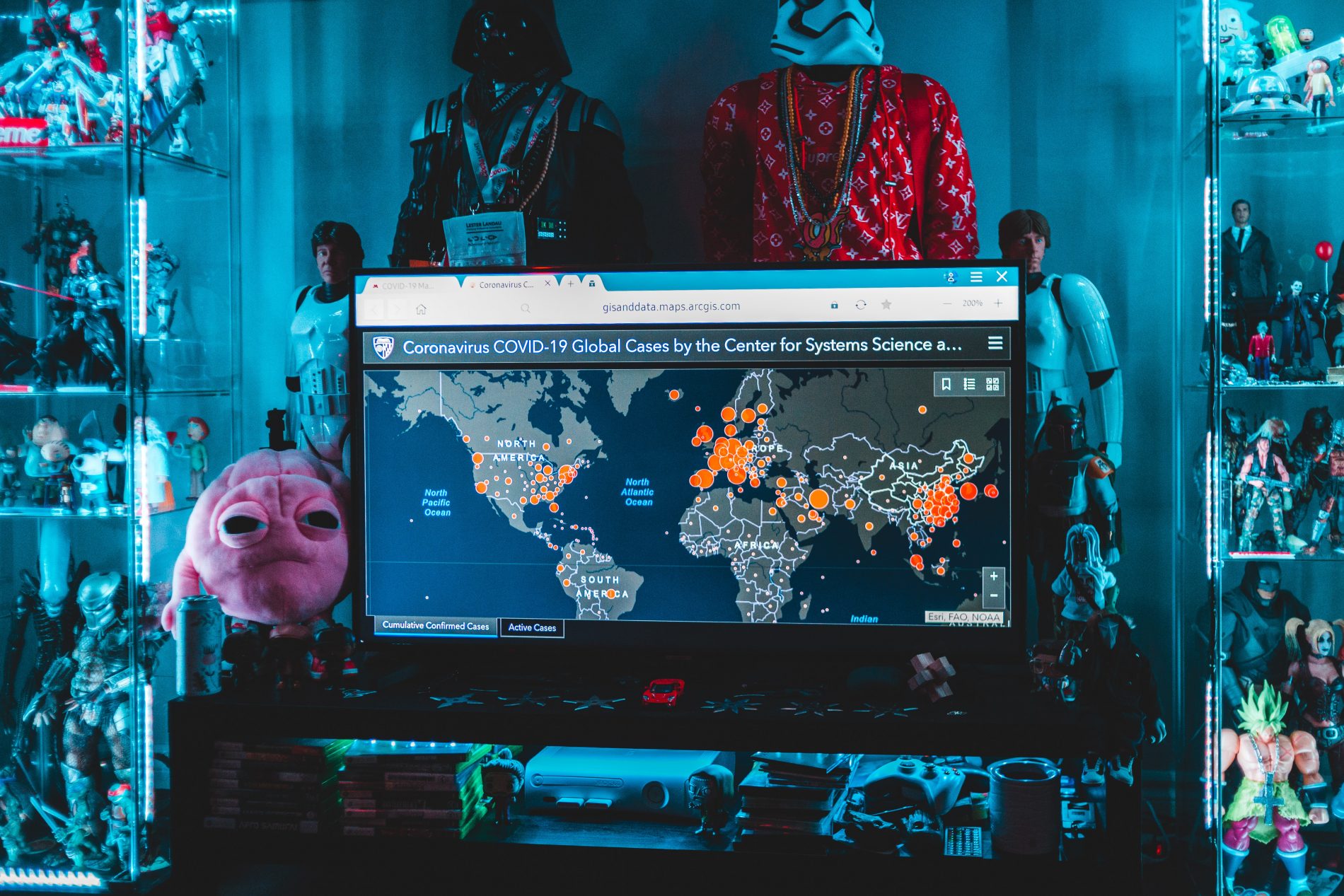
  • The Wuhan Pneumonia and Biological Warfare

    The Wuhan Pneumonia and Biological Warfare

    Category : China/Biological Warfare

    Title : The Wuhan Pneumonia and Biological Warfare

    Author : Kamal Davar 02-04-2020

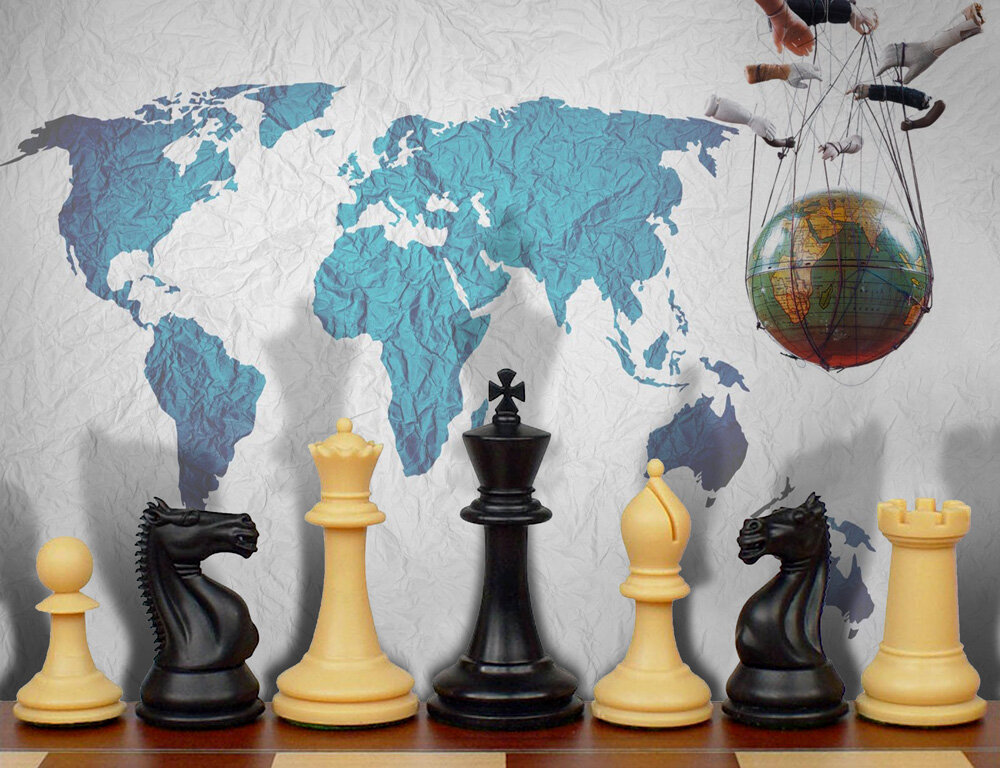
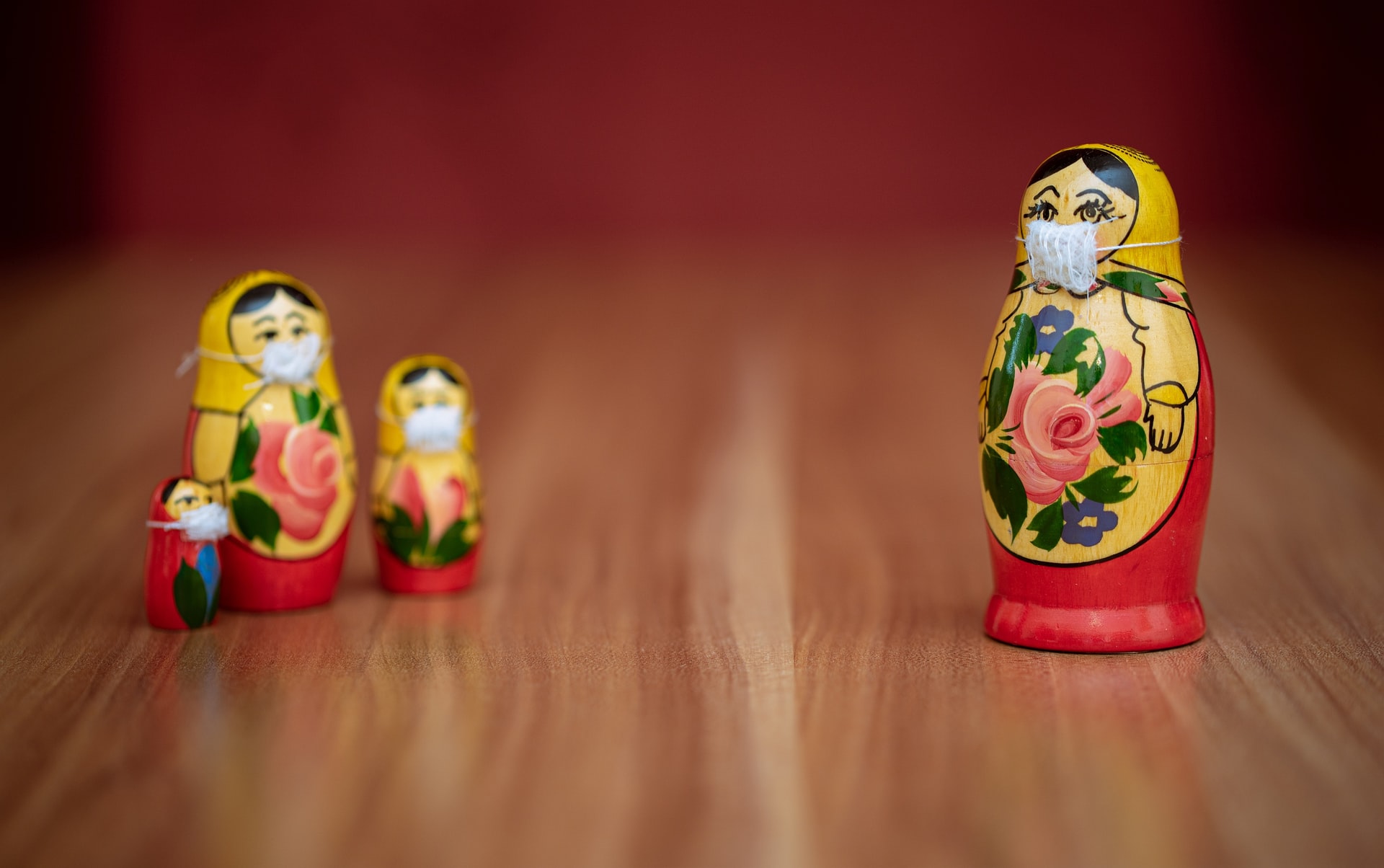
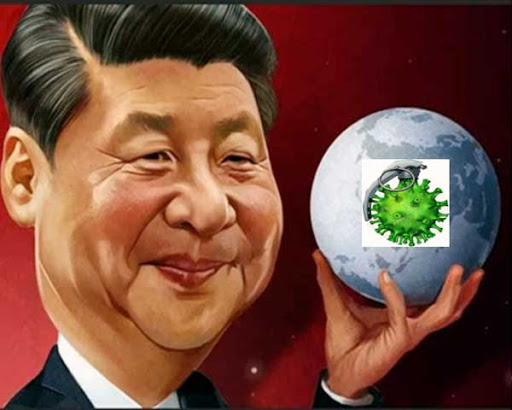
    There is a lot of speculation about the origin of the current Cover-19 pandemic. While most say it originated from the wet meat market in Wuhan in China, there are wild speculations about it being an experiment gone wrong resulting in the leakage of the virus from the testing lab, while some accuse the Chinese of having planned a biological war strategy as an extension of the US-China trade war. The Chinese accuse the US military of having inserted the virus in Wuhan during the military exercise. All said, it is worth examining the possibilities if a pandemic can become a tool for waging war. Lt Gen Kamal Davar examines the possibilities of a biological war.

    Read More

  • COVID-19: Anti Coronavirus Measures and their Environmental and Social Impact

    COVID-19: Anti Coronavirus Measures and their Environmental and Social Impact

    In the bleak reality of the corona virus outbreak, all human activity slowing down or being halted, has brought about one positive change – for the environment. Fuel consumption going down, factories shut, and fewer vehicles on the road has resulted in carbon emissions reducing, leading to less pollution both in the air, on land and in water.

    Air pollution

    To measure the Air Quality Index (AQI), System of Air Quality and Weather Forecasting and Research (SAFAR), under the Ministry of Earth Sciences, Government of India, has 6 categories for air quality. Ranging from 51- 100 is known as “satisfactory” or “very good”, from 101-200 is “moderate”, from 201-300 is “poor” 300-400 is seen as “very poor” and lastly, between 401-500 fall under the “hazardous.” In New Delhi, known as the world’s most polluted capital city, governmental lockdown orders have resulted in the Air Quality Index dropping to a level considered “satisfactory.” Images of clear blue skies in the capital have been released showing the absence of smog. Other major pollution emitting cities such as Mumbai is at the moderate level, and Pune is at a satisfactory level. It is no doubt that the reduction in the number of vehicles on the road has resulted in better AQI during the virus outbreak.

    Furthermore, European Space Agency (ESA) satellite images show that nitrogen dioxide (NO2) levels over China due to industries, power plants and vehicles have plunged drastically between January and February 2020. It is hoped that observations such as these will encourage a quicker shift to clean energy sources for the betterment of society.

    Water pollution

    Venice, Italy, connected solely by canals and also a popular tourist destination, saw its canals virtually empty once lockdowns were announced. The deprivation of tourists cut back much of the pollution and as a result, the polluted canal waters were seen to be clearer. Other activities requiring travel over water, including trade and leisure activities on ships being reduced also works in favour of the environment. The planet is definitely benefitting from the measures against the pandemic.

    Fuel consumption and price

    Fuel consumption has dropped notably worldwide, as industries and factories have either cut back or suspended their activity; many people are no longer commuting, but working from home. These factors are also leading to a significant drop in fuel prices. Indian demand dropped 10-11% in the first two weeks of March alone. According to the International Energy Agency (IEA), there has been a 90,000 barrel per day drop from 2019, in the global oil demand. In restricting the movement of people, both within cities and across national and international borders, the drop in demand has hit the tourism industry hard.

    The tourism industry

    Though business is affected, it is definitely a time for nature to rejuvenate and replenish in this time of lockdown. One of the major players of the tourism industry, the airline industry could take a hit up to $113 billion according to the International Air Travel Association. With travel cuts, cancellation of flights and lower demand in many countries, this has been an eye-opener in the amount of pollution caused by these activities. Deserted streets, at popular tourist locations such as Venice, New York City, Paris leave an eerie impression, but on the positive side shows the implementation of lockdowns and cooperation of people in going back home.

    Outcomes

    The all India three week lockdown will definitely see a reduction in pollution and improvement in quality of air, though cooperation of the people remains a worry. The outbreak of the virus has shone light on the much needed assessment required on the grave damage human activities have done to ecosystems, and consider the need to protect the future of those ecosystems. As the majority of the international system moves activity to the digital platform, nature is rejuvenated in the absence of humans. But more importantly, it is hoped that businesses will strategize on systemic changes, such as providing work from home options as this means less people commuting, less traffic, and less pollution.

    If COVID-19 is teaching us one thing, it is how interconnected and interdependent all systems are. Human ignorance and irresponsibility is only fueling the spread of the virus. Though the unpredictability of the pandemic has caught us off guard, it serves as a good wakeup call to make much needed change in various levels of individual choice, organizational and business strategy and governmental action. Pandemic response has taken priority in governmental agenda globally over tackling climate change issues, strategies being used in pandemic response have unintended favourable outcomes for the environment, simultaneously.

    Social Impact

    Little is mentioned about the social behaviour implications of the virus spread. One major positive outcome could be the health and hygiene habits that have been announced in keeping healthy in times of pandemic crisis. Awareness has brought to the forefront the importance of a simple action such as washing hands. The World Health Organization has a set of guidelines that would help in the fight against the outbreak. Social activity changes, such as remaining indoors, not being able to go out for a meal, movie or meet with friends has left many discussions on the ramifications on mental health. While this is a very real issue, it is vital to the health and wellbeing of everyone that containing the spread of the virus is the primary need of the hour.

    Views expressed are author’s own. 

  • Lessons from countering the corona-virus for war and violence:  Containment, Common Security and Cooperation

    Lessons from countering the corona-virus for war and violence: Containment, Common Security and Cooperation

    The world is engulfed in the ‘Corona Virus’ pandemic. As national health systems are being stretched to their limits, countries are closing their borders, banning travel, and isolating themselves…all in an international co-operative strategy to contain its spread and eliminate this pandemic. Andreas Herberg-Rothe sees valuable lessons in this international co-operation to be used to contain war and violence. Taking a leaf out of the broad ‘containment theory’ articulated by the late George Kennan in an anonymous article published in 1947 in the FP magazine, Andreas proposes a containment strategy for the world from the scourge of terrorism, religious fanaticism, and wars for world dominance (both proxy as well as interventions). This strategy for ‘common security’ can succeed only if it respects pluralism of cultures, religions, and social orders…M Matheswaran.


    The initial measures against the spread of the new corona-virus could be summarized by one word – containment of the virus and hindering its spreading. This current prominence of the concept of containment could be used for other world problems. By having a closer look at the concept of containment it becomes obvious that it also included the concept of common security and cooperation – the same is true with the corona-virus. We are witnessing a worldwide expansion of war and violence, which should be countered by a new containment, just as George Kennan emphasized as early as 1987: “And for these reasons we are going to have to develop a wider concept of what containment means (…) – a concept, in other words, more responsive to the problems of our own time – than the one I so light-heartedly brought to expression, hacking away at my typewriter there in the northwest corner of the War College building in December of 1946.” Nearly seventy-five years have already passed, since George Kennan formulated his original vision of containment. Although his original concept would be altered, in application by various administrations of the US-Government, in practice it has been incorporated within the concept and politics of common security, which has been the essential complement to pure militarily containment. These ideas are still valid – and as Kennan himself pointed out, they are in more need of explication and implementation than ever.

    The disinhibition of war and a new containment

    The triumphant advance of democracy and free markets in the wake of the Soviet collapse seemed to be unstoppable, to the point where it appeared for a time as if the twenty-first century would be an age defined by economics and thus, to a great extent, peace.  However, these expectations were quickly disappointed, not only because of the ongoing massacres and genocide in Africa, but also by the return of war to Europe (primarily in the former Yugoslavia), together with the attacks of September 11, 2001 in the USA, the Iraq war, the war in Syria with its on-going, violent consequences. A struggle against a new totalitarianism of an Islamic type appears to have started, in which war and violence are commonly perceived as having an unavoidable role. One can also speak of a new dimension to violence with respect to its extent and brutality – as exemplified by the extreme violence of the ongoing civil wars in Africa and the Middle East.  Additionally we are facing completely new types of threats, for example the possession of weapons of mass destruction by terrorist organizations or the development of atomic bombs by “problematic” states like North Korea. The potential emergence of a new Superpower, China, and perhaps of new “great” powers like India may lead to a new arms race, which presumably have a nuclear dimension as well. In the consciousness of many, violence appears to be slipping the leash of rational control, an image the media has not hesitated for foster, especially with respect to Africa. Will there be “another bloody century,” as Colin Gray has proposed?

    Although the current situation and the foreseeable future is not as immediately ominous as in the Cold War, it may be even worse in the long run. On one side, the prospect of planetary self-destruction via nuclear overkill, which loomed over the Cold War– and what could be worse than that, has been successfully averted. On the other hand, after having been granted a brief respite in the 1990s, mankind now feels itself to be confronting a “coming anarchy” of unknown dimensions and a new conflict between the US and China seems to be inevitable. If the horrific destructive potential threat of the Cold War has been reduced in scale, less cataclysmic possibilities have also become more imminent.

    As compared to the Cold War, there is no longer an exclusive actor to be contained, as the Soviet Union was. Even if one were to anticipate China’s emergence as a new superpower in the next twenty years, it would not be reasonable, in advance of this actually happening, to  develop a strategy of military containment against China similar to that against the Soviet Union in the 50s and 60s of  last century, since doing so might well provoke the kind of crises and conflicts that such a strategy would be intended to avoid. The attempt to build up India as counter-weight to China and facilitating its nuclear ambitions, for instance, might risk undermining the international campaign to limit the proliferation of nuclear weapons in the world. Therefore we need quite another concept of containment, which could not be perceived as a threat to China.

    The second difference is, that current developments in the strategic environment display fundamentally conflicting tendencies: between globalization and struggles over identities, locational advantages, and interests; between high-tech wars and combat with “knives and machetes” or suicide bombers; between symmetrical and asymmetrical warfare; between the privatization of war and violence and their re-politicization and re-ideologization as well as wars over “world order”; between the formation of new regional power centres and the imperial-hegemonic dominance of the only Superpower; between international organized crime and the institutionalization of regional and global institutions and communities; between increasing violations of international law and human rights on one side  and their expansion on the other. A strategy designed to counter only one of these conflicting tendencies may be problematic with respect to the others.  I therefore stress the necessity of striking a balance between competing possibilities.

    The third difference is that the traditional containment was perceived mainly as military deterrence of the Soviet Union, although in its original formulation by George Kennan it was quite different from such a reductionism. Our main and decisive assumption is that a new containment must combine traditional, military containment on one side, and a range of opportunities for cooperation on the other. That’s not only necessary with respect to China, but even to the political Islam, in order to reduce the appeal of militant Islamic movements to millions of Muslim youth.

    Such an overarching perspective has to be self-evident, little more than common sense, because it has to be accepted by quite different political leaders and peoples. The self-evidence of this concept could go so far that one could ask why we are discussing it. On the other hand, such a concept must be able to be distinguished by competing concepts. Last but not least, it should be regarded as an appropriate concept to counter contemporary developments. Finally, taking into account, that Kennan’s concept would not have succeeded, if it had been directed against the actions of the international community or the United States, it should be to some extend only brings to expression, what the international community is already doing anyway.

    A concept that realized these demands of a political concept for contemporary needs was that of “common security”, developed in the 1970s. In the special situation of the cold war and of mutual deterrence this concept didn’t imply a common security shared among states with similar values and policies. On the contrary, this concept, perhaps developed for the first time by Klaus von Schubert, emphasized a quite different meaning. Traditionally, opponents have understood security as security from each other. The new approach laid down by Klaus von Schubert derived from the assumption, that in a world of multiple capacities of annihilating the planet, security could only be defined as common security. This small difference between security from each other and common security — shared security against a universal threat — was nothing less than a paradigm change in the Cold war.

    The question of course remains, how to deter the true-believers, members of terrorist networks or people like the previous President of Iran, for whom even self-destruction may be a means of hastening millenarian goals. Of course, the “true-believers” or the “hard-core terrorist” could hardly be deterred. But this is just the reason, why containment should not be reduced to a strategy of deterrence. The real task even in these cases therefore is to act politically and militarily in a manner, that would enable to separate the “true believers” from the “believers” and those from the followers. This strategy can include military actions and credible threats, but at the same time it should be based on a double strategy of offering a choice between alternatives, whereas the reduction to military means would only intensify violent resistance. Additionally, even the true believers could be confronted with the choice, either further to be an accepted part of their social and religious environment (or to be excluded from them) or to reduce their millenarian aspirations. Of course, by following this strategy, there is no guarantee, that each terrorist attack could be averted. But this is not the real question. Assuming, that the goal of the terrorists and millenarian Islamists is to provoke an over-reaction of the West in order to ignite an all-out war between the West and the Islamic world, there is no choice than trying to separate them from their political, social and religious environment.

    The concept of containment and contemporary warfare

    The goal of the war on terror should not try to gain victory, because no one could explain, what victory would mean with regard to this special war. Moreover, trying to gain a decisive victory about the terrorists would even produce much more of them.  The additional problem is not only, how we ourselves conceive the concept of victory, but even more important, in which ways for example the low-tech enemies define victory and defeat. That is an exercise, that requires cultural and historical knowledge much more than it does gee-whiz technology.

    Instead one could argue, that the goal is “to contain terror”, which is of course something quite different from appeasement.  An essential limitation of the dangers, posed by terrorist organizations could be based on three aspects: first, a struggle of political ideas for the hearts and minds of the millions of young people; second the attempt to curb the exchanges of knowledge, financial support, communication between the various networks with the aim of isolating them on a local level; and finally, but only as one of these three tasks, to destroy what one could label the terrorist infrastructure. In my understanding, trying to achieve victory in a traditional military manner would not only fail, but additionally would perhaps lead to much more terrorism in the foreseeable future.

    The concept of the “centre of gravity” in warfare can provide another illustration of the way in which my conception makes a difference. Clausewitz defines war as an act of violence to compel our enemy to do our will. This definition suits our understanding of war between equal opponents, between opponents in which one side doesn’t want to annihilate the other or his political, ethnic or tribal body. But in conflicts between opponents with a different culture or ethnic background, the imposition of ones will on the other is often perceived as an attempt to annihilate the other’s community and identity. Hence, for democratic societies, the alternative is only to perceive war as an act of violence where, rather than compelling our own will to the opponent, your opponent is rendered unable any more to pursue his own will violently, unable to use his full power to impose his will on us or others. Consequently the abilities of his power must be limited, that he is no more able to threaten or fight us in order to compel us to do his will.

    The purpose of containing war and violence, therefore, is, to remove from the belligerent adversary his physical and moral freedom of action, but without attacking the sources of his power and the order of his society. The key to “mastering violence” is to control certain operational domains, territory, mass movement, and armaments, but also information and humanitarian operations. But this task of  “mastering violence” should no longer be perceived as being directed against the centre of gravity, but to the “lines” of the field of gravitation. Instead of an expansion of imposing one’s own will on the adversary up to the point of controlling his mind, as the protagonists of Strategic Information Warfare put it, the only way of ending conflict in the globalized  21st century is to set limits for action, but at the same time to give room for action (in the sense, Hannah Arendt used this term) and even  resistance, which of course has the effect of legitimising action within those limits.

    The overall political perspective on which the concept of the containing of war and violence in world society rests therefore consists of the following elements, the “pentagon of containing war and violence”:

    ▪ the ability to deter and discourage any opponent to fight a large scale war and to conduct pin-point military action as last resort,

    ▪ the possibility of using military force in order to limit and contain particularly excessive, large-scale violence which has the potential to destroy societies;

    ▪ the willingness to counter phenomena which help to cause violence such as poverty and oppression, especially in the economic sphere, and also the recognition of a pluralism of cultures and styles of life in world society;

    ▪ the motivation to develop a culture of civil conflict management (concepts which can be summed up with the “civilizational hexagon”, global governance, and democratic peace), based on the observation, that the reduction of our action to military means have proved counterproductive and would finally overstretch the military capabilities

    and

    ▪ restricting the possession and proliferation of weapons of mass destruction, their delivery systems, as well as of small arms, because the unhindered proliferation of both of them is inherently destructive to social order.

    The position I have put forward is oriented towards a basically peaceful global policy, and treats the progressive limitation of war and violence as both an indefinite, on-going process and as an end in itself. The lasting and progressive containment of war and violence in world society is therefore necessary for the self-preservation of states, even their survival and of the civility of individual societies and world society.    

    Image Credit:Photo by Erik Mclean on Unsplash


  • High expectations during Vietnam’s Chairmanship of the ASEAN

    High expectations during Vietnam’s Chairmanship of the ASEAN

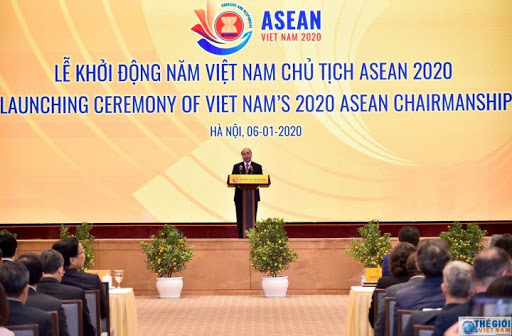
    Vietnam assumed ‘2020 Chairmanship of the ASEAN’ in November 2019 from Thailand in accordance with Article 31 of the ASEAN Charter under which the Chairmanship rotates annually. Hanoi announced the theme for its Chairmanship as ‘Cohesive and Responsive’, in which ‘Cohesive reflects the need to enhance ASEAN unity and solidarity, economic integration, ASEAN awareness and identity, and work toward a “people-centered” community’ and                                 ‘Responsive underlines the importance of promoting ASEAN pro-activeness, creativity and capacity in response to opportunities and challenges brought about by rapid changes in regional and global landscape’.

    Soon after taking over the 2020 Chairmanship, Vietnam was confronted with a ‘black swan’ event i.e. COVID-19. It  delivered admirably by taking bold measures to control the spread of the virus in the country and announced that the ASEAN Coordinating Council (ACC) will compile a report on the COVID-19 to be submitted to ASEAN leaders at the 36th ASEAN Summit scheduled in Vietnam in April.

    Vietnam’s Deputy Foreign Minister Nguyen Quoc Dung, who is the Secretary-General of the 2020 ASEAN National Committee, has identified five key priorities for his country’s Chairmanship Year and it is not surprising to see reference to Hanoi’s commitment to ‘regional peace and stability amid strategic complexities’. Boundary and associated disputes including illegal occupation, reclamation and weaponization of islands and features in South China Sea are central to ASEAN, and as a corollary a major issue for Vietnam’s 2020 Chairmanship. There is now evidence of a push back against Beijing’s intimidation. This is evident from the forceful statements and credible operational initiatives in South China Sea by the claimant states against China which has deployed law enforcement and paramilitary vessels.

    In this context there are expectations from Vietnam to vigorously pursue and make substantive contributions towards keeping the South China Sea less turbulent and more peaceful, and address issues that threaten regional peace and security. It would also be Hanoi’s endeavor to prevent any confrontation and further escalation in disputes in the South China Sea. However, this may not be the case as a number of incidents in the South China Sea over resources i.e. fishing and offshore energy exploration have begun rather very early in Vietnam’s ‘2020 Chairmanship of the ASEAN’.

    First is about Indonesia and China. The former does not claim any island or features in the Spratly Islands and therefore does not have any dispute in South China Sea; but presence of Chinese coast guard vessel escorting Chinese fishermen to fish in Natuna, part of  Indonesian waters, which China claims to be the traditional fishing ground, prompted political and military response from Jakarta. There was also a standoff between China and Vietnam in the Vanguard Bank involving 50 Vietnamese and 40 Chinese vessels over the operations of the drilling rig Hakuryu 5 operated by Russia’s Rosneft in Vietnam’s oil and gas Block 06-01.

    Another three-way standoff over oil and gas operations is playing out between China and Malaysia in which the state-owned Petronas is exploring on the extended continental shelf of a ‘Malaysian oil and gas block in the area for which Hanoi and Kuala Lumpur had submitted a joint claim’. China has resorted to intimidation similar to the Vanguard Bank between China and Vietnam.

    At another level, United States military response in support of Taiwan after Chinese military airplanes flew across the Taiwan Straits and the Bashi Channel is noteworthy. Likewise, US’ support has been forthcoming for Vietnam against China and could trigger enhanced defence and security cooperation between the two sides as also create new opportunities for Hanoi to inform Beijing about its confidence to deal with China on the South China Sea issue at its own terms.

    However, the Philippines would be a different challenge for Vietnam after President Rodrigo Duterte announced annulment of the Visiting Forces Agreement (VFA) notwithstanding the fact that the US has been the most important ally of the Philippines in countering China’s expansive claims in the disputed Philippines Sea. It is useful to mention that Philippines is critical  for US’ Indo-Pacific  strategy of a free and open oceans.

    Second is the about the Code of Conduct (CoC), an upgraded document of the earlier Declaration on the Conduct of Parties in the SCS (DOC), which is under negotiation between China and ASEAN member states and is expected to be adopted in 2021.Vietnam must concentrate on the CoC. The onus will be on Vietnam to not only build consensus among the  ASEAN , Hanoi will have to work hard  to put in place a workable COC which can then be taken forward by Brunei Darussalam who would assume the ‘2021 Chairmanship of the ASEAN’.

    Third is about the contestation between the US and China over freedom of navigation operation (FONOP). During the last three years, the US forces have routinely conducted FONOP which Washington claims to be in accordance with international law and that its military will fly, sail, and operate wherever international law permits. Chinese reaction and response to the FONOP has been at the political, diplomatic and strategic levels. It has exercised coercion at sea through dangerous maneuvers and more recently a PLA Navy destroyer fired a military grade laser at a US P-8 surveillance aircraft.

    ASEAN Chairmanship is a challenging position and attracts high expectations from the member countries. The position entails building upon the work done by the previous Chair as also pursue new regional issues that are always as challenging as the earlier ones. Besides, there are anticipations by regional and other global players to not only follow up the ongoing challenges but address new questions that confront the ASEAN. More often than not, the ASEAN countries have delivered and received appreciation from the international community.

    By all counts Vietnam’s chairmanship of the ASEAN can be expected to be both challenging and rewarding. Hanoi is expected to live up to the expectations on the responsibilities enshrined in the ASEAN charter and deliver to the peoples of the ASEAN as also build upon the themes and priorities set by previous Chairmanship. Vietnam will also be under pressure to adopt a tougher line against China on the South China Sea issue in view of the recent spats between China and other claimant states. But Vietnamese leaders are known for their maturity and diplomatic skills and would play a pragmatic role to manage tensions in the region.

    Image Credit: Vietnam Economic Times

  • The end of the liberal world order is not the end of the world – we just need to fight for freedom AND equality

    The end of the liberal world order is not the end of the world – we just need to fight for freedom AND equality

    The turmoil concerning Brexit, the Rise of the „Rest” (the fast developing countries), dramatic social inequality, the exclusion of ever larger parts of the populace (the decline of the „Rest“, which is excluded from globalization), the rise of radical Salafism, all these developments have contributed to worldwide emotions, that the promises of globalization have been disappointed and been revealed as illusions. When Juergen Habermas, the noted German philosopher judged in 1991 concerning the democratic revolutions in the former states of the Warsaw treaty, that Western modernity would now transcend into the Orient not only with its technical achievements, but also with its emancipatory and democratic principles he was hardly more than the prisoner of the idealism concerning Western modernity. Although being fully aware of the negative impact of two world wars, colonization and its exorbitant violence, Auschwitz and the Cold War, and fighting for his whole life against a repetition of these developments he still believed to be able to rely on a cleaned, purified Western modernity, an approach which his companions, Anthony Giddens and Ulrich Beck, labeled second modernity. Again, in the years starting with the Arab Rebellion or the Arab Spring it seemed as if the conceptions of democracy, human rights and freedom were transcending from the Western world to the Orient, and its final victory seemed to be plausible – a purified Western modernity would triumph in the end – and Francis Fukuyama wrote his second masterpiece by arguing that at the end of history still stands democracy. But now we are already discussing post-democracy and Paraq Khanna is labeling the current phase as devolution – struggles for a local or at least regional identity.

    The liberal world order after 1991 was based on capitalism (centered on property as natural and human right), the assumption that worldwide free trade will finally lead to peace (economic globalization) and is accompanied by the orientation towards consumerism as a cultural norm. But consume does neither generate values nor identity. International organizations served the purpose of regulating conflicts between sovereign states and the military, political and economic hegemony of the United States secured this kind of liberal world order, or rather the United States payed the costs (this is the point Trump hangs up), both, out of their own interest or as being the trustee of the whole. This liberal world order now is tattered in fragments, not least because the US under Trump abandoned it willfully, whereas the Europeans are desperately trying to preserve it but don’t stand a chance, because they are relying on an idealized past which never existed in the developing and poor countries.

    Contrary to the assumptions of the pundits of glo-calization (Robertson and Bauman), the local showed to be not only an amendment of neoliberal globalization, but a counter-movement to the process of globalization (IS, Trump, „Buy American“, Brexit, Marine Le Pen, Duterte, Bolsonaro, Salafism, the European radical right, populistic movements). In his notes on Nationalism, George Orwell already wrote, that emotion does not always attach itself to a nation. It can attach itself to a church or a class, or it may work in a merely negative sense, against something or other – we can add against anybody, who does not belong to “us”. In short: We against the Rest. But the “Rest” is not far away anymore, as in neoliberal globalization the regions in Sub-Saharan and Saharan Africa, in southern India, in the MENA-states, but they are within the West (either as excluded sub-proletarians, the precariat, or as refugees). Although being a counter-reaction, the current waves of struggles for local identities and advantages are as a negation bound to neo-liberal globalization, the globalization of liberalism without equality, which we label tribal globalization.

    The advent of tribal globalization does not signify the end of globalization, but the end into the illusions into globalization, which nevertheless has its undisputed successes. But there is no way back to an idealized globalization before Trump, Salafism, or an idealized neo-liberal world-order, because these developments were exactly the result of which they are purporting to fight. The exclusion of the „superfluous“, the „Rest“, produced by neo-liberal globalization, the advent of precarious kinds of life and the liquidity of identity throughout the world must be understood as a double one: The “Rest” is excluded from the positive aspects of globalization and people who are belonging to the  Rest are the arbitrarily used enemy-image to construct a fixed „We“-identity („We against the Rest”). And this “Rest” comprises roughly two third of the world’s populace. As the neo-liberal globalization has led to such a social acceleration of the transformation of the whole world,  people, communities and polities of all kinds are trying to cope with this process by re-inventing age-old static identities, which are so old, that it is supposed that these will outdo even this transformation. Such seemingly fixed identities are: Race, ethnicity, religion, patriarchy, and – perhaps the oldest one, sex and gender (this can explain the terrible rise of violence against women); and of course, identity through the exercise of violence itself, which is reverting the feeling of being totally powerless into being almighty. Especially biological differences are re-actualized, because they seem to be not subject to change.

    These seemingly fixed identities are those of the pluperfect, the far distant past, which can be viewed as being free from the failures of the simple past, and mainly free from the failure of the immediate fathers – as already was typically for the German Nazis. Tribal identity is a perfect construction, because it is transporting the ideal of being absolutely united against everybody who is not belonging – and the question: Do I belong is the most important question in tribal globalization. Whereas tribes throughout the world are vanishing, tribal thinking in terms of „We against the Rest“ is flourishing. Such a modern tribe could be based on ethnicity, religion, sex, nation or whatsoever, it is not the content, which characterizes a modern tribe, but having a tribal identity (typically is Trump’s crony capitalism and with relation to the IS, not their ideology is so much counting, but belonging to a previously powerful tribe). With the emergence of tribal globalization, the very understanding of local order and world order is at stake; order wars are arising, when our order or that of others is dissolving (either only in our perception or in reality); our own order is challenged by another concept or and another order is transgressing into our own (the refugee crisis in Europe). The fast developing countries are not immune concerning the accelerated transformation of societies and identities and the task to cope with this development.  As the main problem of neo-liberal globalization is the dissolution of identities and the exclusion of ever growing parts of the populace, that of the emerging tribal globalization the re-invention of age-old fixed identities, which is leading to order wars, what might be a solution?

    Based on the concept of the floating (Clausewitz) and developing (Hegel) balance and harmony (Confucius), we strongly advocate the position, that the West as well as the East is only able to hold on their order and values, if these are discursively balanced and harmonized by the contribution of all great civilizations of the earth. Although the liberal world had its undisputed advantages like the rise of the newly industrialized nations, the current developments are already indicating its end. To put it to the core: freedom as the basis of the liberal world order is turning into oppression or civil wars without equality– just in the name of freedom. Whereas in the 20th century the colonized civilizations had to learn to live with the victorious West, in the twenty-first century the civilizations of the earth finally have to learn to live with one another. This task requires a floating balance (Clausewitz) between freedom and equality, a kind of harmony (Confucius: difference with unity and unity with difference) within societies and between states.

    Image Credit: WikiImages from Pixabay

  • President Trump’s India Visit : Balancing Optics with Substance

    President Trump’s India Visit : Balancing Optics with Substance

    As President Donald Trump arrives in India today, 24 February 2020,on his maiden official visit to India,  there is significant level of discussions amongst the academics, strategists, and foreign policy experts about whether this visit is more about optics than substantive discussions on strategies and agreements to strengthen the US-India strategic partnership. On arrival the president’s first public engagement is a super spectacle, ‘Namaste Trump’ at the new Motera Stadium in Ahmedabad that will have more than 100,000 people, which is Prime Minister Modi’s way of reciprocating for ‘Howdy, Modi’ at Houston last year. Most opine that while Mr Trump’s visit will be packed with pageantry, it will be light on policy and therefore, unlike previous presidential visits this one may not yield many break-through agreements. There are, however, some important developments that are very unique to the Trump-Modi era when compared to the previous visits of American presidents. Both leaders excel in showmanship and also in projecting strong nationalistic orientation to each one’s domestic constituency. Trump, with his transactional and disruptive approach comes off as more unpredictable when it comes to foreign policy and strategic issues.

    Politics and Showmanship

    It has taken Mr Trump, more than three years since he assumed office to visit India. This could mean that India was not a high priority for the Trump regime in the initial years, or as it turned out India was not the target of Trump’s disruptive strategy that he employed against USA’s traditional allies, China, Russia, and others. The final year of a POTUS term is generally termed as the ‘lame duck year’, where very few presidents have had a good last year and many were hampered by major controversies. It is important to note that India is the first country that President Trump is traveling to after his impeachment trial. There is more to Mr Trump’s India relationship than just this visit. One must remember that he is a shrewd businessman, and even before he became the president, India was already home to the most Trump ventures outside of North-America.  While India’s strategic importance is well recognised by all presidents since Bill Clinton, President Trump’s approach is considerably different than the others. His daughter Ivanka Trump made headlines when she visited Hyderabad, as White House Advisor, for the Global Entrepreneurship Summit in Nov 2017 and the prime minister broke protocol to host a dinner in her honour.

    That the Trump administration has followed a calibrated strategy of recognising and enhancing PM Modi’s image for significant gains to the American defence industry in particular is evident. The current visit, therefore, focuses primarily on strengthening strategic partnership issues in areas such as defence trade, intelligence sharing, counter terrorism, and visa issues. American side may make a token mention about Trump’s offer to facilitate improvement of India-Pakistan talks, China and issues of religious freedom.  However, these will get swamped by the more visible spectacle that will be on display at Ahmedabad and Agra.

    Defence Relationship – the most substantive progress

    India – US defence partnership has progressed significantly over the last decade and a half. The two militaries are exercising together more frequently than ever, and the strategic interactions are moving more towards equitable approach to various aspects. The Trump administration has covered significant ground in nudging India, despite its reluctance, towards partnerships such as the ‘Quad’ and moving towards interoperability by concluding various agreements including the foundational agreements through Defence-Trade-Technology relationship mechanisms.

    Defence trade between the two countries has grown exponentially since 2007. Two major procurements are likely to be signed by the Indian government during this visit: acquisition of 24 Sea-Hawk naval multi-role helicopters (NMRH) from Lockheed Martin worth $ 2.6 billion for the Indian Navy and six AH-64E Apache attack helicopters from Boeing worth $ 930 million for the Indian Army. Both procurements will be through the FMS (Foreign Military Sales) route. Trump administration cleared the decks for enhanced defence cooperation with India by approving India as a major Non-NATO defence partner in 2019, thus smoothening the process for exporting or selling hi-tech weapon systems to India. This is often confused with India becoming a major Non-NATO ally, which is clearly not the case.

    What is clear is that the US has secured major business deals with India to its great advantage, without India gaining much in terms of technology access or industrial production of hi-tech weaponry. The US objective is clearly to wean India away from its heavy dependence on Russian weaponry and secure much broader business relationship with American arms industry. The MIC (military industrial complex) of the USA is clearly focused on India now as its major avenue of business in the 21st century. The Americans were clearly unhappy that India went ahead with S-400 purchase from Russia despite the threat of CAATSA. That India has decided to buy an air defence missile system from the US, again through FMS route, worth $ 1.9 billion seems to be a compensation for such a decision.

    The US-India defence deal will scale $ 20 billion this year after the Trump visit. Many of these weapon system procurements, in terms of numbers, are not of a scale sufficient to create major industrial partnerships for manufacturing. India, however, will need to look at ways and means of acquiring significant technologies from the US through joint ventures, co-design and co-development. Otherwise, there lurks the danger of India being trapped in an all too familiar pattern of buyer-seller relationship rather than as strategic partners.

    Strategic gains?

    The visit’s focus is in areas of trade, defence, counter-terrorism, energy, and co-ordination on regional and global issues. These are areas in which considerable ground has been covered and is a continuing process. The agreement on trade deal, which was keenly expected, has been deferred. With President Trump accusing India of high tariffs and dashing all hopes of a deal before the visit, it is clear that the USA intends to push hard for favourable access to Indian markets for American companies. There are some positives that are emerging. The prospects for increased collaboration in space between ISRO and NASA looks bright.

    The focus of the American side is primarily on Defence trade.  Increase in investments in defence production may become a possibility with major projects in the pipeline. Both Boeing and Lockheed Martin are pushing hard for IAF’s 114 aircraft order, which will be processed under the strategic partnership model of ‘Make in India’ program. This could expand the production run to over 200 aircraft. Similarly, the naval  helicopter (NMRH) procurement has a possibility  of expanding into ‘Make in India’ project for over 100 helicopters. Boeing’s S-76D is a contender for Navy’s utility helicopter procurement under ‘make in India’ program.

    The spectacle of this visit will certainly contribute to both leaders’ constituencies, for President Trump’s re-election campaign and for PM Modi it may divert people’s attention from current issues of flagging economy, Delhi electoral reverses, the Kashmir issue and ongoing protests on CAA and NRC. India however, will need to negotiate hard and leverage the expanding defence business to address technology access and  strengthen Indian industry by enabling them into global supply chain. For this the Indian establishment will need to see well beyond the optics to assess real gains.

    Air Marshal M Matheswaran AVSM VM PhD (retd) is the President of TPF and a former Deputy Chief of the Integrated Defence Staff.


  • The Art of Resistance: 440 shoes on a public wall highlight the chilling murders of Turkish women

    The Art of Resistance: 440 shoes on a public wall highlight the chilling murders of Turkish women

    Category : Gender/Violence against Women/Turkey

    Title : The Art of Resistance: 440 shoes on a public wall highlight the chilling murders of Turkish women

    Author : Matheswaran 09-02-2020

    Turkish society has long grappled with the issue of domestic and sexual violence against women. Much like in India, the patriarchy is the main reason behind the loss of many lives. Ms Yamuna Matheswaran points to a very innovative display project by a Turkish artist Vahit Tuna in Istanbul that serves to capture the attention of people on the issue of violence against women.

    Read More

  • Local Protests: A New Status-Quo in Political Lifestyle?

    Local Protests: A New Status-Quo in Political Lifestyle?

    Hong Kong and Chile convulse, Lebanon possibly spiralling into a civil strife, and sanctions induced discontent paralysing Iran, a pattern of global protests is increasingly evident. The global political landscape is currently marked by frequent mass protests, and this wave is geographically much broader and unfolding in countries at different stages of development. Unlike earlier protest movements that aimed at radical political change and revolutionising the existing order, the modern demands abandon this narrative of overthrowing the system instead aiming for democratisation of the established institutions. In other words, the anti-government protests cropping up in various parts are not trying to dismantle the democratic structures but to redefine its scope and depth.

    New Wave of Protests – questioning inept governance

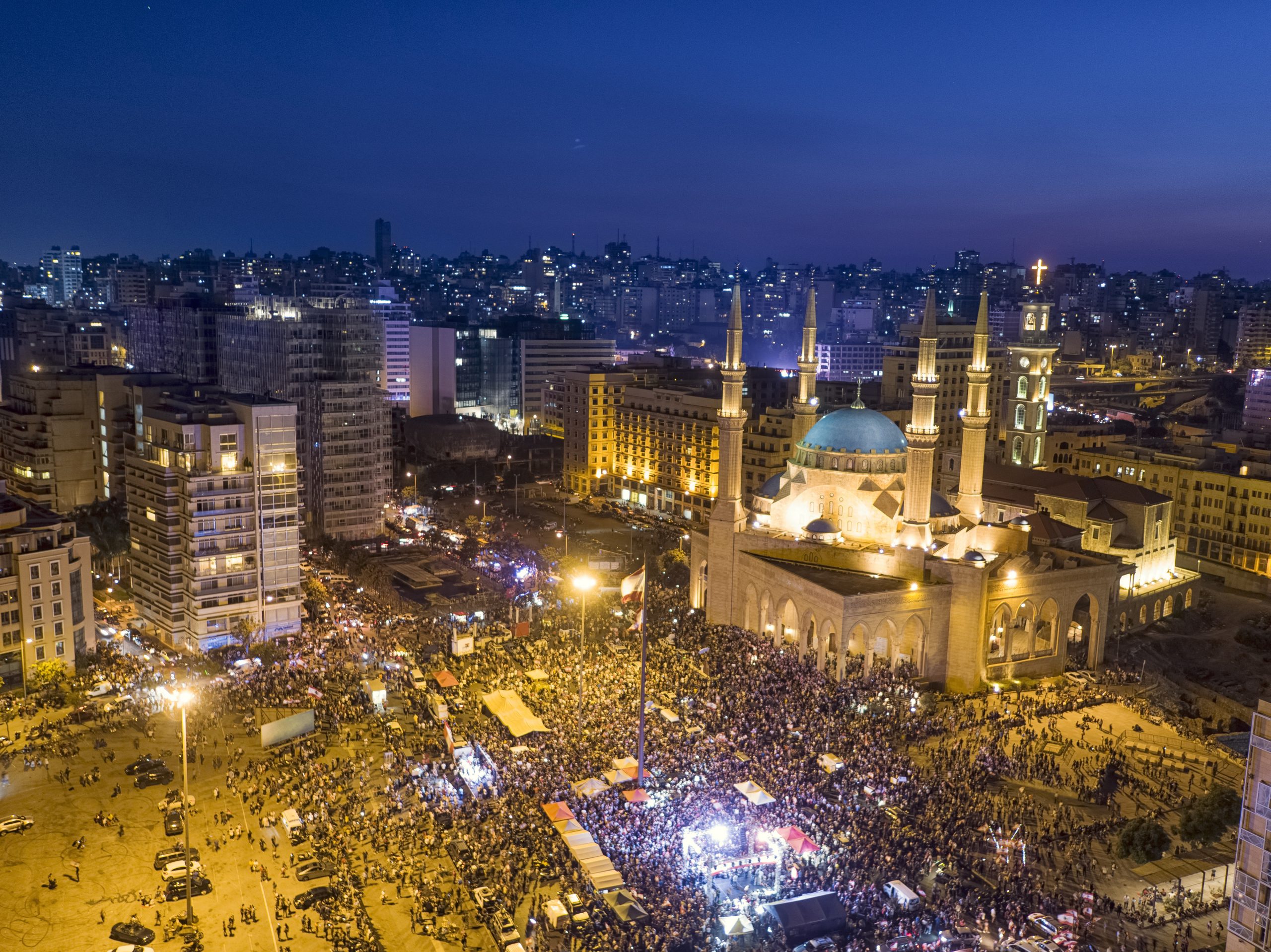
    In contrast to the previous waves of uprising like the Pink Tide in Latin America or the Arab Spring, that was spreading in a particular region with similar agenda, the recent protests are occurring in different zones and is marked by the uniqueness of initial triggers and demands put forth by the protestors. In Lebanon, the discontent was sparked by regressive taxes proposed (mainly Whatsapp tax) but turned into massive demonstrations, transcending sects and classes, calling for a technocratic government in the backdrop of sectarian political regime, widespread corruption and mishandling of the economy. The Yellow Vest movement in France originally against the fuel tax snowballed into nationwide protests to address the socio economic inequalities, stemming from high unemployment and stagnating economy. Protests in Chile against hiked transport fares escalated to countrywide riots revealing the dissatisfaction with the pro rich growth, heavily privatised welfare system and pro market regime. On observation, these isolated protests by themselves can be a defining feature of the current wave of protests, different from the previous waves that were characterised by common contestations.

    Despite being unrelated events with independent agendas, the countries undergoing mass protests share similar trends of inequality and economic downturns. Further scrutiny beyond the seemingly small initial triggers reveal an evident pattern of economic anger and insecurity in these nations. Experts have suggested that Hong Kong’s pro democracy movement is also fuelled by wide income inequality (highest among developed nations), especially in the last 45 years since its handover to the Chinese. The Latin American region, witnessing the most number of countries breaking into sustained protests, is the world’s most unequal zone. In addition to inequality, sustained unrest in states like Colombia, Catalonia to Iraq and Egypt, the protests are driven by slowing economic growth, mounting public debt and austerity measures. Even in populist and authoritarian regimes, citizens are demanding an end to corruption and restoration of democratic rule of law. For instance, long serving, extremely popular, leftist leader Evo Morales was forced to resign in Bolivia after protests erupted accusing him of undermining democracy to extent his rule. There are increasing clashes against repressive democracy in Russia, and revolts against autocrats in Slovenia and Czech Republic.

    Leaderless or smart mobilization?

    Interestingly, a majority of the modern protests are leaderless, led by students and youth. In Hong Kong, the protests are gaining momentum through the active involvement of the students while in Chile the unrest for systematic change was ignited after school students launched a campaign to end the 4 percent subway fare increase. Niall Ferguson noted that this demographic trend of the young leading the demonstrations is a repeat of the 1960s, which like the present had an excess of educated youth over the number of available jobs. Another similarity amongst the protests is the urban-centric mass unrest. According to migration theorists, uncontrolled urbanisation resulting in rural to urban movements is a major cause for the ongoing demonstrations. Pushed into informal settlements in cities, often ignored by authorities and without basic social coverage, the urban area becomes a ground for discontent. For instance, in Haiti the protests began due to gasoline and food scarcity. Therefore, the socio-economic marginalisation of the urban poor is a significant yet overlooked factor that drives people to the streets. This is also compounded by a lack of faith in the government. More than the poor state policies adopted and prevalent corruption, in some protesting nations, there is deep distrust among the citizens. Hong Kongers believe that their government does not have legitimate powers over Beijing, and in countries like Lebanon, Chile or Ecuador, reversal of the initial triggers did not stop the dissenters from demanding a new government.

    The youth bulge and the shrinking economic opportunities only partly explains the global protests. The reach and accessibility of social media and free messaging apps have exploded in the past decade. In addition to acting as a medium to organise and sustain mass protests, these channels are also used to express political frustrations. Unlike before when media had a monopoly over mass reach, individuals and groups have the capacity to mobilise and garner support over specific issues. While the protests seem unconnected, it is possible to see a copycat element in the way protests are carried out. The coverage of news and faster reach makes it possible for protestors to adopt methods of action that were successful elsewhere. It is also harder for states to contain and repress dissenting voices. Thus, the spread of communicative technology and social platforms offer a conducive environment for protests. 

    Social Media enables activism

    The ability of electronic media to break down physical barriers and bring more events to global audiences might be increasing the visibility of protests, which would have otherwise remained local. Data from GEDLT Project, which has been tracking protests around the world from the past 40 years, reveals that the frequency of protests has not significantly increased. However, the intensity and the length of protests have improved. Despite a spike in these political activities wherein citizens are actively mobilising to pursue their demands, there has been a decline in the success rate of protests. A recent study highlights the staggering decline in success rate of protests from 70 percent in 1990s to 30 percent in 2010. Some highlight the “smart” methods adopted by regimes to prevent and suppress clashes like reinforcing loyalty of the elite, infiltrating and dividing the opposition, etc. For instance, in Lebanon, the initially united protests has created anti protest groups that supports the Hezbollah. Governments are also adopting a strategy of blaming foreigners and outsiders to reinforce support from the public. For instance, China is building a narrative of US backed forces disrupting Hong Kong to get an advantage in the ongoing trade war, which has strengthened after US signed a Hong Kong Human Rights and Democracy law. Iran’s authorities are also blaming outsiders, especially the US, for the violence that ensued after state raising gasoline prices by 50 percent.

    Overall, there is an influx in political activism. Global unrests are now spreading and have significant implications for countries everywhere. With electronic media and its potential for mobilisation, it is now easier to bring issues to national discourse. However, while the willingness and ability of mass political activism to recur and cause disruptions have increased manyfold, its success rates have decreased. It may be said that the political frustrations and the current protests will not bring a major transformation in the political structures but rather it is a new status quo in the nature of political lifestyles.  

    Renuka Paul is a Research Analyst with TPF. She holds a masters in Public Policy.

    Image: Aerial night shot of Beirut Downtown, Lebanon during protest against Government, Lebanese revolution – Phot by Ramzi – Licensed from www.stock.adobe.com

  • Deal or No Deal: The Future of Iran’s Nuclear Agreement

    Deal or No Deal: The Future of Iran’s Nuclear Agreement

    Iran’s nuclear program has been at the epicentre of most non-proliferation narratives since the beginning of 21st century. From the initial stages of receiving nuclear assistance from US to being sanctioned for their nuclear activities, Iran has managed to remain at the centre of this discourse. In 2015, Iran signed the nuclear agreement with the five permanent members of the United Nations Security Council (UNSC) – the US, Russia, France, China and U.K as well as Germany and the European Union. However, with the arrival of Trump presidency, this deal was reopened by the US and has remained controversial despite a wide consensus that Iran has largely abided by the clauses of the agreement.

    The Iran Nuclear Deal or the Joint Comprehensive Plan of Action (JCPOA) is unique for a number of reasons. It is an amalgamation of years of negotiation process between countries of widely differing perceptions and interests. It is the coming together of the western powers with Iran in order to sign a deal to curb Iran’s nuclear programme and ensure non-proliferation of nuclear weapons. Over the course of fifty odd years, the series of discourses on Iran’s nuclear programme, since its genesis till the time the deal was signed has evolved significantly. These discourses have impacted and resulted in significant policy changes. Most importantly, it has also led to a process of rapprochement between Iran and the western states making it one of the landmark agreements in recent times. However, the deal also received criticism because the narratives portrayed that Iran got a better deal through lifting of sanctions while its part of the commitment to the non-proliferation requirements was much less.

    Unlike the Obama administration that pushed for the deal, President Donald Trump has been clear about his dislike for the agreement and has been an advocate of how this could possibly be “the worst deal”. Owing to this, Trump unilaterally pulled out of the agreement on May 08, 2018 and stated that he would reimpose sanctions until a better deal could be worked out. While Trump’s decision to undo years of negotiation comes from various factors such as Israeli influence, Iran’s support for Hamas and its role in Syria to name a few, it is also due to the perception of the Republican hardliners that there was not enough pressure put on Iran and that the US managed to get a bad deal out of it, and this remains a large part of Trump’s narrative. The US strategy now is to push for a more hard-line agreement and ensure complete isolation of Iran if it refuse to fall in line. This however, has failed because more than two years later there are still no signs of Iran buckling under US pressure, although the economic impact of sanctions has started to bite.

    Given the situation, there are four possible outcomes that can be observed – First, Iran is likely to play a victim card and protest to the Europeans for compensations against the unilateral sanctions that affect its economy despite Iran abiding to all the terms and conditions of the JCPOA. In another context, this could also push Iran to retaliate by threatening to pursue uranium enrichment and continue operations in its nuclear facilities while preventing the International Atomic Energy Agency (IAEA) from inspections. Recent announcements by the Iranian government regarding its nuclear enrichment is a clear indication that they are choosing the latter option. Secondly, while the European countries are disappointed with USA’s withdrawal, there are high chances of the deal falling apart purely based on the fact that the European members of P5+1 are strategically and intimately tied to the US through much larger scope of mutual interests. However, the European countries will aim to renegotiate the deal because of the serious security concerns that might come into play if Iran is pushed towards becoming a nuclear power. Thirdly, lack of commitment from the P5+1 countries might force Iran to second guess about its decision to renegotiate a new deal. If Iran decides to abandon the agreement, there exists a high risk of nuclear proliferation in the region. However, this would only lead to further sanctions from the other European countries as well. Therefore, any decision taken by Iran will have to be done taking all these factors into consideration. Finally, Iran’s strategy going forward will largely depend on USA’s strategy and the increasing economic pressure as a result. While Trump has chosen to withdraw from the deal, he has also stated that he is open to further negotiations to ensure a better deal. It is unclear as to what a better deal entails and therefore, Iran will have to play its cards right yet again to not only stop itself from being isolated and ridden with sanctions but to also prevent its own population from revolting against its decisions.

    Another aspect that comes into play with respect to the deal is the role of China and Russia as counter-weights to dealing with US pressure. Along with the European allies, both the countries are against Trump’s decision to leave the nuclear agreement, reintroduce sanctions and renegotiate the deal. Earlier, China and Russia’s involvement remained minimal in the JCPOA. This time around, both the countries won’t allow Iran to be isolated. China and Russia have had historical ties with Iran and therefore, have been reluctant participants in the sanctions regime. However, both the countries will now actively look to counter USA’s unilateral decisions regarding the deal and will support Iran weighing out the consequences.

    Iran is currently amidst domestic protests due to hike in fuel prices and bad economic conditions. Despite being an oil rich country, it is unable to reap the benefits of it through exports, due to sanctions. The Iranian government is exactly in the same situation it was in 2015 (politically and economically) when it signed the JCPOA. Therefore, strategically, this could be the right time for the US to give a window of opportunity to Iran to renegotiate. However, given the circumstances, renegotiating this deal is not at the top of the priority list for any of the countries and therefore, the future of the deal still remains uncertain.

    Looking ahead at the future possibilities

    If the countries come together again at the negotiating table, there are a few things that has to be done differently this time around to ensure that a deal is signed and is followed through. Firstly, a fool-proof clause has to be added in order to ensure that there are no easy exit strategies for any country from the deal. Once the deal is signed, every signatory has to abide by the deal unless there are any violations made by a member country. Secondly, with respect to Iran, the deal should be such that, the benefits of staying in the deal should be far more important than threatening to quit. Thirdly, the P5+1 countries have to ensure that they all have the same goal and approach to the deal rather if they want this deal to succeed. Fourthly, opportunity to improve the nuclear facilities in Iran must be provided but the agreement should be designed to detect and prevent clandestine programs. Finally, any further delay in signing a new deal will only increase Iran’s breakout capabilities which is counter-productive given that it was the need for the deal in the first place. Therefore, the imperative of saving or renegotiating the JCPOA as acceptable to all is never more urgent, particularly in the context of the emerging humanitarian crisis in Iran as a result of back-breaking sanctions.

    Swathi Kallur is a Research Intern with TPF. She holds a master’s in international relations from Symbiosis University, Pune. Views expressed are author’s own.

    Image Credit: Commons.wikimedia.org

  • Greenhouse Gases and Dietary Changes

    Greenhouse Gases and Dietary Changes

    Vijay Sakhuja                                                                                       July 22, 2019/Commentary

    The 21st century has been rightly labelled the ‘Climate Century’ and there is visible urgency to contain global temperature rise to 2˚C or below. Among the many initiatives currently underway to achieve that, deep cuts in global emissions in greenhouse gases (GHG) have been suggested.

    One of the major contributors of GHG is the livestock sector; in particular, beef and cattle milk production result in anthropogenic GHG and represent 65 percent of the sector’s emissions i.e. 41 and 20 per cent respectively totalling about 4.6 giga tonnes carbon dioxide (CO2) equivalent. Meanwhile, pork, poultry and eggs contribute less than ten percent each. Besides, there are other closely associated producers of GHG in this sector such as cattle feed production and processing, enteric fermentation from ruminants, manure storage and processing, and the balance is attributable to the processing and sector supply chains.

    According to the Food and Agriculture Organization (FAO) of the United Nations, nearly half of the global agriculture production is consumed by live stock and just 37 per cent is for humans. Another study by the American Oil Chemists’ Society (AOCS) provides some very alarming outcomes and notes that it takes about 7 kilogram of grain in dry weight to produce 1 kilogram of live weight for bovine, around 4 kilograms for 1 kilogram of live weight for pigs, and for poultry it is just over 2 kilograms. Furthermore, the United States Department of Agriculture notes that agriculture takes up 80 to 90 per cent U.S. water consumption, and the Environmental Working Group observes that one pound of eggs require 477 gallons of water and almost 900 gallons for one pound of cheese. If that be so, it is fair to argue that there is otherwise surplus plant-based food available for humans.

    Livestock as a source of food is expected to grow in the coming years. This is driven by the projected increase in global population from 7.6 billion is expected to reach 8.6 billion in 2030, 9.8 billion in 2050 and 11.2 billion in 2100. Consequently, any strong growth in the livestock sector to support the protein requirements of the growing population would result in higher GHG emissions. This necessitates urgent interventions to reduce emissions and can be achieved through sizeable reductions in the production and consumption of beef and cattle milk and balancing it with higher production of pork and poultry. However, that may not be sufficient.

    In recent times interesting and promising initiatives by both the public and private sectors to promote agro-vegetable based diet among the people has been noticed. For instance, in the US, the sale of dairy and related products witnessed eight per cent drop from $14.7 billion in 2017 to $13.6 billion in 2018. One of the reasons for this drop has been the consumer shift toward plant-based alternatives for milk from oats, cashew, almond and soy. The US market trends suggest that the plant based dairy alternatives are currently valued at $17.3 billion and could double by 2023. The current meat value chain is about $1,900 billion and the livestock economy is a promising domain. Nearly 1 billion people are involved in the rearing, processing, distribution and sale of livestock, with half of those reliant on livestock for their livelihood. Significantly, livestock sector constitutes only 40 per cent of the agriculture as a whole that makes up approximately 3 per cent of global GDP.

    While vegetarianism has been in vogue for a long time, it is veganism which is fast gaining popularity particularly among the Western countries such as the U.S., Canada, the UK and some countries in Europe. The vegan diet is being prompted on at least three counts; first is the issue of human health and a number of scientific studies have confirmed the benefits of plant-based diet that reduces the risk of chronic illnesses and diseases; second is the issue of sustainability and the international community has come to realize the critical need to reduce GHG emissions; and third is the growing understanding among the humans of the sustainability of veganism. In fact the vegan food industry is investing in vegan fashion, vegan leather to replace animal hide footwear and numerous other such products are making debut in the international market and gaining popularity among people at large.

    This has led to a war between meat industry and vegan lobbyists who are promising options such as vegan meats, cheeses, milks, and other products. For instance, global plant milk market is expected to grow from over $8 billion in 2016 to $21 billion by 2024 and would be led by soy and coconut milk.

    Finally, consumers are increasingly concerned about the impacts that animal-based foods have on land and water use, human health and above all on the environment, particularly in the context of GHG.

    Dr Vijay Sakhuja is Trustee, The Peninsula Foundation, Chennai. 

    Photo by Helena Lopes from Pexels