Category: TPF Analysis

  • Liquid globalization and inter-civilizational Dialogue

    Liquid globalization and inter-civilizational Dialogue

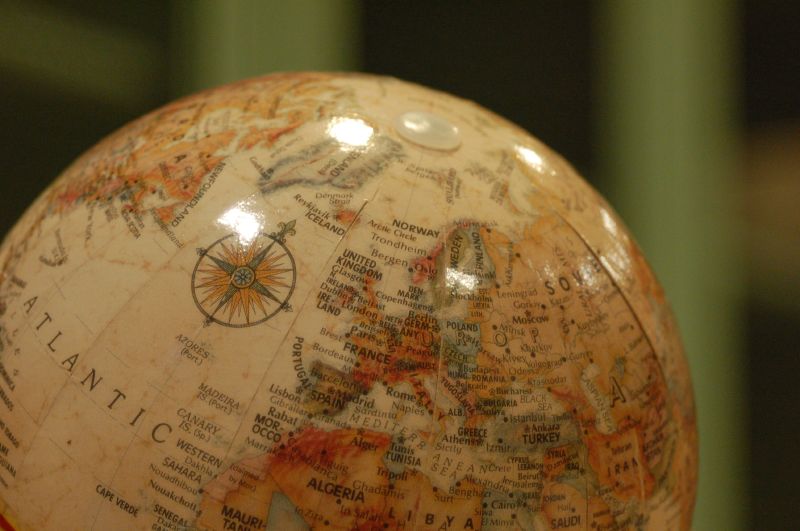
    The Western world is not only in relative decline, but also faces the inevitable ‘rise of the rest’ (Zakaria), as well as an increasing level of instability and unruliness in many parts of the world. Although there has already been a lot of research in post-colonial studies and intercultural communication, the binary code between the imaginary West and the multiplicity of non-Western approaches was yet to be resolved. Given the relative decline of the West, the dissolution of identities throughout the world, and the rise of the newly industrialized nations, there is an imminent urgency to address and overcome this binary code because it is not only situated in discourses but also manifested itself in all our living environment and within ourselves.

    This approach is based on the assumption that the West, as well as the non-Western world, have their shares of dark sides in history. When it comes to the Western world, we cannot deny brutal colonialism, the religious wars, the two world wars, Auschwitz, and the sheer luck of averted atomic world war, which would have destroyed all living being. On the other side, there is often an unbearable degree of intra-societal violence in the Non-Western World. – peoples in a lot of countries face a living hell. For them, hell is not an afterlife. They experience it already in their own life.

    As we are all living on one planet featuring more connectivity, we become more and more aware that there cannot be any more islands of prosperity, peace and well-being within a sea of violence, hatred, extreme poverty, and the dissolution of the fabric of societies. In some parts of the world, they experience something very close to the Hobbesian war of all against all, or Carl Schmitt’s never-ending civil wars between communities.

    In order to cope with these developments, a dialogue about the civilization foundations of our world society is needed. I explicitly use the concept of civilization in the footsteps of Karl Jaspers, Shmuel Eisenstadt and Peter J. Katzenstein, because civilizations are much more inclusive than religions. This is particularly clear with civilizations that descended from religions. In my view, the contrast is based on that of the Western billiard game model versus the model of concentric circles. Of course, we can easily differentiate these models. For example, when the balls in the billiard game attract each other, we are in the theoretical domain of idealism and cooperation; if they push off each other we are in the realm of competition, conflict and war. And, of course, if the balls cooperate, we are in the realm of all kinds of institutionalism. But the main concept in this model is the importance of rule and methods. The model of concentric circles on the other side can be distinguished by the relation of centre, semi-centre, semi-periphery and periphery (by slight modification of proximity and distance to the centre). In case that we have a transfer of goods, people, ideas, raw materials from the periphery to the centre we label this imperialism, the other way round, from the centre to the periphery I’m tempted to judge this as a form of civilization.

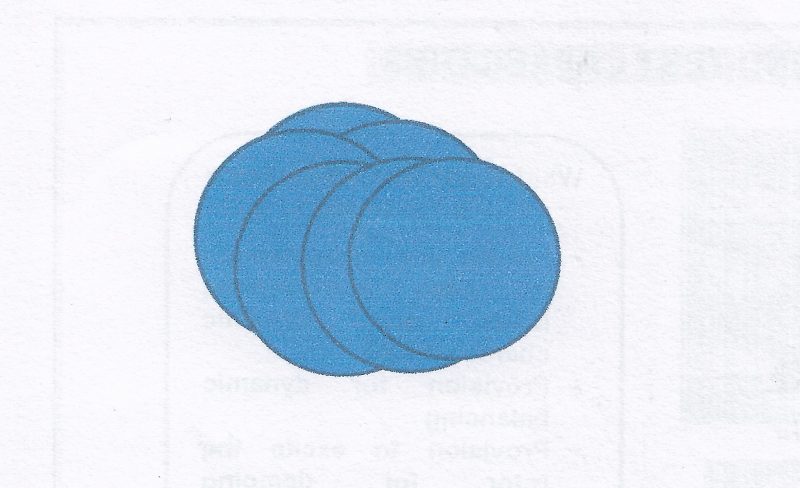
    Traditional forms of societies can be explained by overlapping circles of politics, societal relations, economy, economy and the environment:


    In such a traditional society there is a great correspondence and overlapping of the different spheres – identity is based on an ostensible core and seems to be related to culturally determined values that were handed over from generation to generation.

    A “modern” society (first modernity, Ulrich Beck) to the contrary can be characterized by the assumption that the different circles are much lesser overlapping, they are forming different spheres which have their laws and logics – we may label this a kind of functional differentiation (Niklas Luhmann) and it could either be characterized by the interaction and different functions of the organs of a body or the Olympic Rings.

    The spheres in which these rings are overlapping are the institutions in modern societies like the state, the political system, law and the judicial system, the church as an institution, labour unions and civil society.

    In liquid globalization and as a result of military interventions, civil wars, these rings of political, social, economic, and cultural and security spheres are separated from one another and could no longer be held together by a core identity.


    Within this model, there is a sphere that remains blank and could be characterized as a kind of emptiness. In such an understanding the social fabric is increasingly dissolved and especially the young generation is set free from all social norms. This concept is able to overcome the binary alternative which characterizes the discussion about the causes of terrorism, whether these actions are either related to an aggressive ideology or the social disintegration in societies and failed states, as in the ring of fire around Europe, mainly in the Arab-Islamic states, but also in Africa as a whole. It also explains why identity and recognition count so much in a lot of conflicts throughout the world.

    Based on this concept it becomes obvious that this emptiness can be filled with different content, for example with radical ideologies, private enrichments, drug, weapons and human trafficking, but also with the recourse to ethnic and even tribal identities, masculinity and patriarchy and finally violence itself which gives the excluded, superfluous (population growth) and uprooted young generation in these countries and regions the feeling not to be absolute powerless but all-powerful.

    The rise of the others in a globalized world is inevitable (Zakaria) – our task is to develop forms of recognition that centre on the civilizational foundations of Islam, Buddhism/Taoism, Confucianism, Christianity and Hinduism and African kinds of solidarity.

    The alternative to such a violent filling of the emptiness caused by liquid globalization is the mutual recognition of the civilizations of the earth. The rise of the others in a globalized world is inevitable (Zakaria) – our task is to develop forms of recognition that centre on the civilizational foundations of Islam, Buddhism/Taoism, Confucianism, Christianity and Hinduism and African kinds of solidarity. Only by recognizing their civilizational achievements, the uprooted, excluded and superfluous people of the world, which are the vast majority of mankind, can build an identity by their own in fluid globalization.

    Assuming that we all are already living in such spheres which are not overlapping, producing a kind of emptiness, the two different solutions might be to solve this problem by constructing a core as identity, which leads to thinking in categories of we against the rest of the far-right, whereas a different attempt would be to develop a discourse in which identity is constructed as a kind of floating (Clausewitz) and progressing (Hegel) balance or harmony (Confucius), understood as unity with difference and difference with unity.

  • Economic prospect of Vietnam under new leadership

    Economic prospect of Vietnam under new leadership

    The International Monetary Fund (IMF) has projected a positive outlook for the post-pandemic global economic recovery for 2021. This is notwithstanding the uncertainty associated with numerous mutations of the Coronavirus emerging in different parts of the world and successes with the vaccine which is now into full-fledged production to meet global demands. Furthermore, according to the IMF, the world economy could grow by 6% in 2021, up from the 5.5% forecast in January 2021. Another significant development in the post-pandemic economic recovery would be a “generational shift towards higher government spending” with projections of over US$ 10 trillion being allocated by the governments across the world to absorb the “shock of the COVID pandemic”. In this context, the Vietnamese government can be expected to make significant post-Pandemic investments.

    Prime Minister Chinh who was an earlier member of the national steering committee for anti-corruption also announced that the government would “drastically and persistently push for anti-corruption.”

    Earlier this month, the Vietnamese National Assembly elected Pham Minh Chinh as the new Prime Minister of the country. In his inaugural speech, Prime Minister Pham Minh Chinh said that his administration’s economic policies would continue as hitherto i.e. “socialism with a market orientation” and will centre on “economic reforms, developing digital economy and focusing on solving difficulties for industries and businesses.” Prime Minister Chinh who was an earlier member of the national steering committee for anti-corruption also announced that the government would “drastically and persistently push for anti-corruption.”

    There is a strong element of continuity in the Vietnamese government policies concerning economic reforms, investments, and addressing the bottlenecks in economic growth since the last five-year plan. The projections for economic growth during 2021-2025 are high and pegged at 6.5%-7%. This compares well with the last five-year plan which witnessed 5.9% growth. The per capita GDP is also projected to improve from US$ 2,750 at the end of 2020 to $4,700-$5,000 by 2025.

    While these are indeed very promising economic indicators, according to risk consultancy Eurasia Group, Prime Minister Chinh will also have to deal with additional challenges such as reforms required for “new trade deals” necessitating additional infrastructure, respond to existing bottlenecks impacting on the manufacturing sector as also sustained and reliable energy requirements.

    Prime Minister Chinh would have to skillfully manoeuvre Vietnam’s relations with the US and China who are among its top trading partners.

    At another level, Prime Minister Chinh would have to skillfully manoeuvre Vietnam’s relations with the US and China who are among its top trading partners. As far as the US is concerned, US imports from Vietnam increased to $64.8 billion in the first 10 months of 2020, and the trade deficit increased to $56.6 billion in 2020. Hanoi has now won over the US in the context of being labelled as a “currency manipulator”. The Biden Administration’s first foreign-exchange policy report has removed Vietnam from the list of countries that are known to prevent “effective balance of payments adjustments or gaining unfair competitive advantage in international trade”. This suggests that the US is not taking a confrontationist approach.

    Similarly, Vietnam’s trade with China is an inescapable part of its economic growth. China is its top trading partner and the bilateral trade in 2020 was US$ 133 billion. The future projections for Vietnam –China bilateral trade are quite promising given that China would continue to be the strongest economy in the coming years which will have numerous spinoffs for Vietnam. Perhaps it merits attention that China is the seventh-largest foreign investor in Vietnam.

    By all counts, Prime Minister Chinh would continue to pursue the national mantra of “socialism with a market orientation” and engage and promote pragmatic economic policies, open the national economy to global markets and importantly balancing relations with China and the US. The US-China trade war has been a trigger for a large number of countries particularly Japan shifting businesses into Vietnam. This has led to Vietnam being labelled as a “mini-China” and is best represented by the fact that Vietnam’s “factory-heavy growth model, sizable population, low labour and land costs, rapid gross domestic product and geographical placement” make it the preferred destination for setting up a business and attracting investments.

    While that may be so, Vietnam would have to diversify from manufacturing cheap goods for exports to investing in its service industry as also in innovation and tech startups. Vietnam is likely to witness a surge in the digital economy and this segment could expand to US$52 billion by 2025. In particular, e-commerce and digital banking are significant growth sub-sectors.

    it is not unthinkable to anticipate Chinese companies too making a beeline and moving production to Vietnam to lessen the risks of the US-China trade war which has now taken a very strong geopolitical and geostrategic turn.

    Today, Vietnam can boast of three comprehensive strategic partnerships, fourteen strategic partnerships, and 13 comprehensive partnerships with different countries. Besides, the conditions are ripe for Vietnam to attract investors beyond Asia and the EU-Vietnam FTA is an important trigger for encouraging European firms to explore investment opportunities in Vietnam. Also, it is not unthinkable to anticipate Chinese companies too making a beeline and moving production to Vietnam to lessen the risks of the US-China trade war which has now taken a very strong geopolitical and geostrategic turn. Under the circumstances, Vietnam would have to diversify its strategic relations and not be left hostage to one partner.

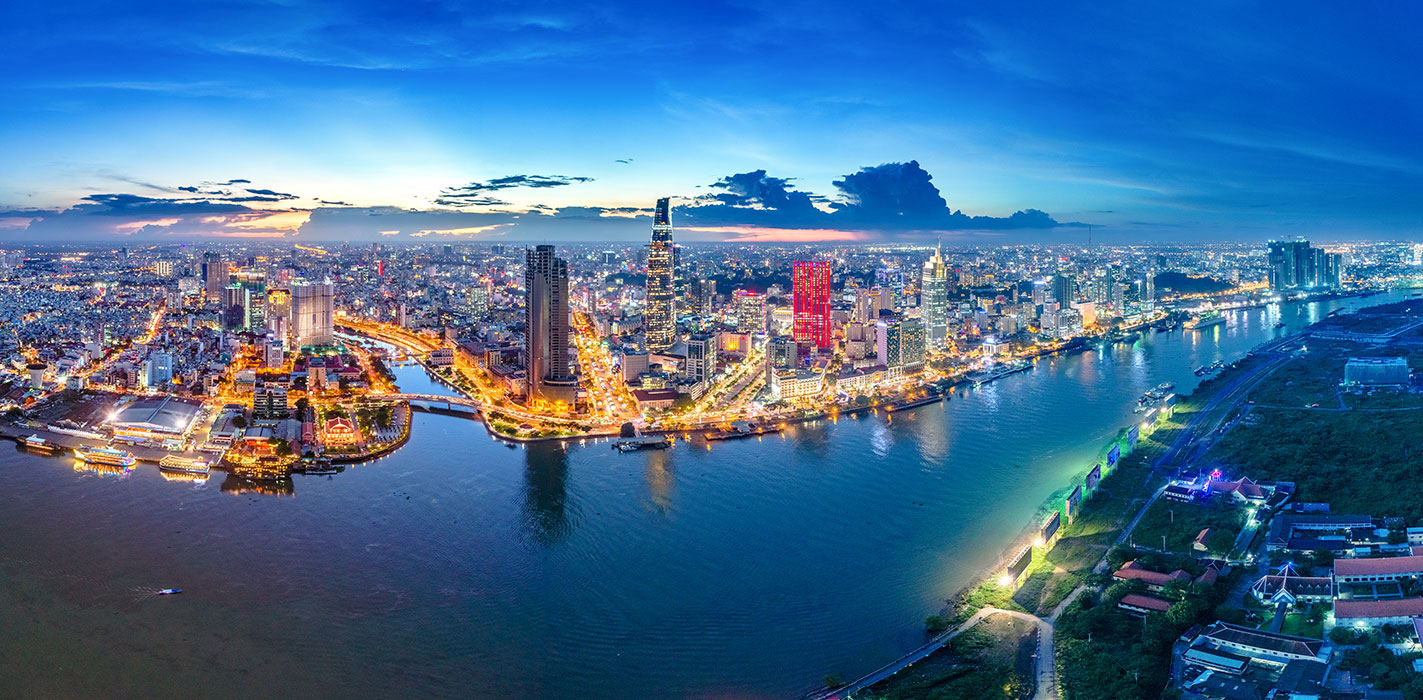
    Featured Image: Hanoi to Ho Chi Minh

  • Tamil Civilisation and the Lost Land of Lemuria/Kumari Kandam

    Tamil Civilisation and the Lost Land of Lemuria/Kumari Kandam

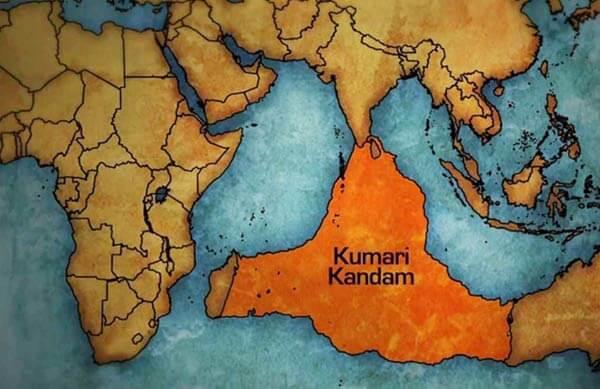
    Lemuria came to be identified as Kumari Kandam, the ancestral homeland of the Tamils, lost to the ravaging ocean in the distant past, due to what is called “Kadal Kol” in Tamil.

    The concept of the lost land of Lemuria hitherto a talking point in the west finds a new focus and interest in the study of the origins of Tamil Civilisation at the beginning of the 20th century. This was a direct result of the new consciousness of the ethnic and linguistic identity that emerged in Tamil speaking regions of South India. By the Tamil enthuse Lemuria came to be recast as the birthplace of the Tamil civilization. It came to be identified as Kumari Kandam, the ancestral homeland of the Tamils, lost to the ravaging ocean in the distant past, due to what is called “Kadal Kol” in Tamil.

    Tamil Nadu Government, during January 1981 at the Fifth International Conference of Tamil Studies held in Madurai, screened a documentary named “Kumari Kandam” both in Tamil and English. The documentary, produced with the financial support of the Tamil Nadu Government,  traced the roots of Tamil, its literature and culture, to the very beginning of time in Lemuria otherwise known as Kumari Kandam in Tamil. In this documentary, the Paleo history of the world is anchored around Tamil land and language. Thus Sclater’s[1] lost land of Lemuria was re-established in the timeless collective consciousness as a catastrophic loss of prelapsarian Tamil past. Even earlier to this, in 1879 Geological Survey of India brought out in the manual of GRGl, a discussion on the Mesozoic land bridge between Southern India and Africa. Dr.D.N. Wadia, a famed Professor of Geology, mentioned in 1990 “The evidence from which the above conclusion regarding an Indo-African land connection is drawn, is so strong and so many-sided that the differences of opinion that exist among geologists appertain to the main conclusion being accepted as one of the settled facts in the geography of this part of the world.[2]

    E.M. Forster in his famed novel ” A Passage to India “ (1984) begins his stunning stanza line “The Ganges, though flowing from the foot of Vishnu through, Siva’s hair, is not an ancient stream. Geology, looking further than religion, knows of a time when neither the river nor the Himalayas that nourished it existed, and an ocean flowed over the holy places of Hindustan. The mountains rose, their debris silted up the ocean, the gods took their seats on them and contrived the river, and the India we call immemorial came into being. But India is far older than anything in the world”.[3]

    In the ethnology chapter of the Manual, Maclean brought the findings of Ernest Haeckel about Lemuria as a primeval home of man. Maclean also draws a further conclusion from the German Biologist’s theory of the origin of various traces of mankind on the submerged Lemuria continent and reiterated that it was the primaeval home of the ancestors of India and Ceylon.

    Thus the fabled Kumari Kandam, which was based on Tamil Literary tradition, so far can receive immediate credibility through western studies. The foundation for this claim was laid by Charles D. Maclean Book “The Manual of the Administration of the Madras Presidency” published in 1835” Mr Maclean was an Officer of Indian Civil Services. In the ethnology chapter of the Manual, Maclean brought the findings of Ernest Haeckel about Lemuria as a primeval home of man. Maclean also draws a further conclusion from the German Biologist’s theory of the origin of various traces of mankind on the submerged Lemuria continent and reiterated that it was the primaeval home of the ancestors of India and Ceylon.[4] He suggested that Southern India was once the passage ground by which the ancient progenitors of northern and Mediterranean races proceeded to the parts of the globe which they now inhabit from Lemuria.[5]

    However, there is a distinct difference in perception of the Lemuria inhabitants from the point of view of Western Scholars and the Tamil enthuse. According to Western Scholars, the primitive inhabitants of Lemuria are barely human and do not represent the trace of civilization. However, the Tamil scholars hold Lemuria or Kumari Kantam as the birthplace of the Tamil Language and cradle of Tamil Civilisation. The antiquity of the Tamil language got a boost with the publication of Campbell’s Book “The competitive grammar of Dravidian Langauge”. J. Nellai swami Pillai wrote in the journal “The Light of Truth” or “Siddantha Deepika” that if you can believe in the tradition of there having been a vast continent south of Cape Comorin, all humanity and civilization flowed east and west and north, then there can be nothing strange in our regarding the Tamilians as the remnants of a pre-diluvian race. Even the existing works in Tamil speak of three separate floods which completely swamped the extreme southern shores and carried off with them all its literary treasures of ages.[6]

    Nella Swami Pillai gives a cautious conclusion that his theory stands on no serious historical or scientific evidence. The same was enthusiastically taken up fully by a well-known Tamil scholar Maraimalai Adigal.

    Though the name Lemuria came into the Tamil world only in 1903, it started gaining significance among the Tamil populous. Shri V.G.Suryanarayana Sastri started using the name Kumarinadu in his book “Tamilmoliyin varalaru. Thiru T.V.Kalyanasundaram the famous Congress Nationlist, and a noted Tamil scholar wrote emphatically that the Lemuria of “Western Scholars” like Ernst Haeckel and Scott Elliot was none other than the Kumarinadu of Tamil literature”.[7]

    The very name Kumari is suggestive of the pristine chastity and everlasting youth of the Tamil land. Later the legends linked the Devi Temple at Kanyakumari to Kumari Kantam or Kumar Nadu. The Kumari Kantam as mentioned in the old Tamil classics, has no reference to the Mesozoic continent of the Indian ocean. There is no reference to the old boundaries of Asiatic tablelands. The Tamil literature speaks of them as the original inhabitants of the great territory opened by two seas on the East and West, by Venkata hills and submerged rivers Pakruli and Kumari on the South.[8] Scholars like Somasundara Bharathi and others also invented hackers’ concept of Lemuria being the cradle of mankind, which implies that the ancient Tamil region is the birthplace of human beings and the Tamils were the first humans.

    Kumari Kantam was having a breadth of 700 kavatam south of Cape Cameron containing 49 principalities, 2 rivers called Pakruli and Kumari flowed there and it also had a hill called Kumari Koodu. The major cities in Kumari Kantam were Thenmadurai and Kapatapuram.

    The features of Kumari Kantam were referred to by Adiyarku Nallar, the commenter of Silapathikaram. Kumari Kantam was having a breadth of 700 kavatam south of Cape Cameron containing 49 principalities, 2 rivers called Pakruli and Kumari flowed there and it also had a hill called Kumari Koodu. The major cities in Kumari Kantam were Thenmadurai and Kapatapuram. This is also referred to in Tholkappia Orrai of Ilam Pooranar Nachinarkku Iniyan Perasiriyar.

    The Tamil Scholars, V.G. Suryanaryana Sastri and Abraham Pandithar lament the loss of works such as Mudunarai, Mudukurugu, etc, which had been swallowed by the ocean. These are derived from the fact that several poems in the Sangam anthology of later age refer to oceanic threat and consequent loss of lands and lives.

    The Tamil Scholar K.Anna Poorni delineates the extent of Kumari Kantam as she concludes in Tamilagham “ Today, the Tamilnadu that we inhabit consists of 12 districts within its limits. A few centuries ago. Cranach and a part of the Telugu land were part of Tamilnadu. Some thousands of years ago, the northern limit of Tamilnadu extended to the Vindhya mountain and the southern limit extended 700 Kavatam to the south of Cape Kumari which included regions such as Panainatu, mountains such as Kumari Kotu and Mani Malai, cities such as Muttur and Kapatapuram and rivers such as Pahruli. All these were seized by the ocean, so say scholars. That today’s the Indian Ocean was once upon a time a vast landmass and that that is where the man first appears has been stated by several scholars such as Ernst Haeckel and Scott Elliot in their books, History of Creation and Lost Lemuria. The landmass called Lemuria is what Tamilians call Kumarinadu. That which is remaining after this ancient landmass was seized by the ocean is the Tamil Motherland in which we reside today with pride.


    References

    [1] Philip Lutley Sclater was a zoologist and naturalist who studied extensively the presence of fauna and other species in different regions. He found that more than 30 species of Lemur monkeys inhabited Madagascar while they were hardly to be found in Africa but were seen in lesser number of species in India. Explaining the anomalies of the Mammal fauna of Madagascar, Sclater propounded that the Lemurs must have inhabited a lost continent in the Indian Ocean. Termed ‘Lemuria, this continent must have extended across the Indian Ocean and the Indian Peninsula to the further side of the Bay of Bengal and over the great islands of the Indian Archipelago. David Bressan, ‘A Geologists’ Dream: The lost continent of Lemuria’ in www.blogs.thescientificamerican.com

    [2] Wadia D.N. 1919, Geology of India for students, London: Macmillan – 1939, Geology of India, 2nd ed. London: Macmillan.

    [3] E.M.Forster, “A passage to India”: Harcourt Brace, New York 1984, pp 135-136.

    [4] Maclean Charles. D. “The Manual of the Administration of the Madras Presidency”, Vol.I, Asian Educational Publication, pp-33-43.

    [5] Ibid 111.

    [6] Nella Swami Pillai. J, “Ancient Tamil Civilisation in the light of truth” or Siddhanta Deepika. No. 5, pp 109-113.

    [7] T.V.Kalyanasundaram, “Indiyavum viduthalaiyum”, Charu Printing Press, Madras, P 106.

    [8] Sesha Iyengar K.G. Chera King of the Sangam Period, 1937, pp 658.

  • Analysing Denmark’s Offshore Wind Energy Sector: Lessons for India

    Analysing Denmark’s Offshore Wind Energy Sector: Lessons for India

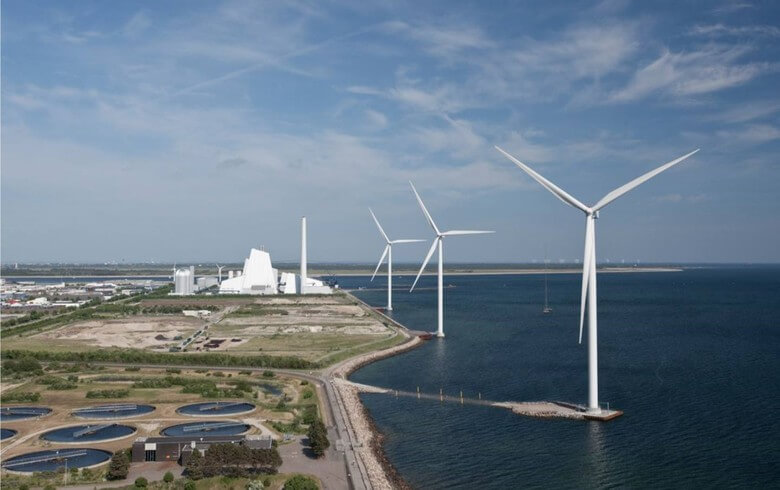
    Globally, Europe has the highest capacity of power generated from offshore wind energy. Amongst the European countries, Denmark, the UK and Germany have been pioneers and are currently leading as the largest power producers from offshore wind energy. Danish assistance has been in high demand to help countries shorten their implementation time for offshore wind turbine projects. In 2019, India entered into a bilateral agreement with Denmark to develop an offshore wind market and related technical capabilities. According to a document published by the Danish government, their authorities have specialised technical knowledge that can help Indian authorities establish framework conditions for the rollout of offshore wind power.

    Denmark’s Offshore Wind Energy Sector  

    The Danish Government has set a target of reducing greenhouse gas emissions by 70%, as compared to 1990 levels, by 2030 and having 100% of Danish energy supplied through renewable sources by 2050, apart from achieving net-zero emissions by the same time. The scarcity of proper onshore sites and the abundance of shallow waters with wind resources drove its move to offshore wind, in the early 1990s,. In Denmark, there is a strong symbiosis between energy and industrial policy because of many leading offshore wind energy companies having Danish roots such as DONG, Vestas, Bladt, Siemens Wind, etc. India must achieve such a symbiosis in its offshore wind policies so that the industry can be successful in the long term.

    Denmark’s ambitious targets coupled with their evolving policies in terms of bureaucratic procedures, environmental safety, and finance, among others, have driven the growth of the offshore wind energy sector since the 90s. This analysis looks at each of these segments.

    Consent Procedures:         The Danish Energy Agency (DEA) has been a single point of access to all offshore wind energy companies when it comes to issues related to permits. Meaning, the DEA grants all permits which include permits from other appropriate government authorities such as the Danish Nature Agency, Ministry of Defence, and the Danish Maritime Authority. This is the one-stop-shop and has been adopted not only in Denmark but in many other European countries. Such a method ensures rapid and un-bureaucratic application processing and ease of doing business. This also avoids a lot of confusion.

    Grid Connectivity:             The financing of the grid connection for offshore wind farms depends on how it is established:

    • Enterprises can follow the Government’s action plan for offshore wind development wherein the DEA will invite bids to tender for pre-specified sites or
    • Enterprises can follow the ‘open-door principle’ wherein independent applications can be made for any site and upon complete assessment by the DEA, it will invite bids to tender for the site, given that the results of the assessment are positive.

    In the first case, the grid operator will finance the connection, including step-up transformers. Such socialisation of grid costs is an attractive feature for project developers in Denmark.

    However, in the second case, the responsibility falls on the developer. We may also expect costs of any necessary grid reinforcement to be borne by the developer. The three private offshore wind farms established in Denmark, following the ‘open-door principle’ – Samsø, Rønland, and Middelgrunden – have had no notable problems. These projects are, however, within 3km of the coast, which would imply that the grid connection costs were not exorbitant.

    Environmental Assessment:          In Denmark, an extensive environmental assessment takes place before the construction of an offshore wind farm. The DEA provides companies or enterprises a license to conduct preliminary studies, including environmental (Environmental Impact Assessment) and technical (ground investigation) studies, either directly after a tender (first process) or following the receipt of the first satisfactory planning documentation (second process).

    For instance, in the case of the Anholt farm, one of the largest offshore wind farms with a capacity of 400 MW, the project team performed an extensive environmental assessment that included the impact on marine animals in the area and their habitats, noise calculations, air emissions, and the potential risk to ship traffic. Using data from other wind farm projects like Denmark’s Nysted Wind Farm, and undergoing their analysis, the Anholt project team projected only minor, insignificant affects.

    Financial Incentives:          In Denmark, they support offshore wind farms through a feed-in tariff system, which is set through a competitive auction process. Power off-take in Denmark is largely managed through the DEA. There is no renewable purchase obligation in place in Denmark, but electrical power from renewable energy has priority access to the grid. In some cases, the owner may choose to sell the electrical power to utilities or other power suppliers through a Power Purchase Agreement (PPA). If the power price drops to zero or negative, there is an oversupply of electricity – then renewable projects do not receive any support. Hence this motivates generators to curtail output and help supply-side grid management.

    De-risking the development process:          The Danish Government undertakes geotechnical studies, wind resource assessment, and environmental surveys before a site being leased. The lease areas are then auctioned off to the lowest bidder. This hugely benefits developers as the site is effectively de-risked, leading to a lower tender price. If this were not the case, the developers would have to include risk provisions and contingency, owing to uncertainty regarding the ground conditions. Further, de-risking a site would increase willingness to plan and bid for the sites leased.

    Simply put, the Danish offshore wind energy policies developed by the DEA and the Government have evolved over the years to tackle situations as they occur. This has led to sustained growth in the sector and has succeeded in powering close to 50% of the country’s electricity demand. Besides successfully developing its sector, it has been an outstanding example to many countries in Europe such as the UK and Germany. The UK has adopted the one-stop-shop model to ease procedural difficulties. Germany has adopted the open-door procedure of establishing offshore wind farms.

    India’s Offshore Wind Energy Sector

    The offshore wind energy sector in India is in its nascent stage. Its 2015 National Offshore Wind Energy Policy shows that the Ministry of New and Renewable Energy (MNRE) will act as the nodal Ministry for the development of Offshore Wind Energy in India that will monitor offshore wind energy development in the country. It will also work closely with other government entities for the use of maritime space within the Exclusive Economic Zone (EEZ).

    The Ministry has set a short-term target of 5.0 GW of offshore wind installations by 2022 and a long-term target of 30 GW by 2030 which, according to government documents, is expected to give the confidence to project developers in the Indian market. Over 95% of commercially exploitable wind resources are concentrated in seven states – Andhra Pradesh, Gujarat, Karnataka, Madhya Pradesh, Maharashtra, Rajasthan, and Tamil Nadu. But the land resources required for onshore wind projects are gradually becoming a major constraint. This could very well cause an increase in the market-determined tariffs of onshore wind energy in the future. Offshore wind power, however, offers a viable alternative in such a scenario. The Indian government, like Denmark, has to make policies to the best of their effort that will bring confidence to developers and de-risk the development of the sector to further encourage developers.

    Although India has a huge potential in the renewable energy sector, the developers’ issues remain unresolved. For instance, Gujarat and Tamil Nadu have most of the high potential sites off their coasts to develop offshore wind energy. But a major concern for offshore wind developers would be the problem of grid integration. The two states already have a high degree of solar and wind renewables integrated into their power grid. By adding on power generated through offshore wind energy, they will face a significant hurdle with the evacuation and integration of this additional power. Without proper renewable energy storage systems, there is also the added burden to maintain an equilibrium between the supply and demand of power generated through the variable sources as otherwise, there will be a great deal of wastage and an unnecessary surge in the prices.

    Adding on to the problems faced by developers, benefits such as accelerated depreciation were recently withdrawn and as a result, investments have slowed down. Thus, project developers not only want accelerated depreciation to be reintroduced, but they also want assurance from the government that such fiscal benefits will continue for the long-term. If these fiscal benefits are reintroduced, developers will feel more optimistic about their prospects in the sector. Further, it would also encourage small developers to invest more in the sector.

    Another area that is causing considerable angst for the wind project developers in India is the delay in realising the payments due to them from the state electricity boards. These delays affect the cash flows, thereby threatening the viability of many of these projects. Such experiences will make offshore project developers cautious in venturing into making large investments into the sector.

    In terms of policies that Indian policymakers can adopt from Denmark are the one-stop-shop and an open-door procedure of establishing offshore wind farms. Having the MNRE as a single point of access would make the bidding and tendering process more efficient. This is because a developer has to coordinate with various departments such as the MNRE, the ministry of defence, the ministry of external affairs, nature and wildlife, etc before they can start producing in an offshore wind farm. It would also benefit to have an open-door procedure, but only in the long term. Initially, though, the government should identify possible sites and work on de-risking the development process to encourage more participation in the bidding process.

    Conclusion

    In line with its Paris Agreement commitments, India is working to ensure that by 2030, 40% of its power generation capacity will come from non-fossil fuel sources. Currently, renewable energy makes up 36% of India’s power capacity through mainly small and large hydro, onshore wind, and solar energy. Producing power through offshore wind energy will be a welcome addition to the existing sources.

    During the RE-Invest 2020 conference, the MNRE Joint Secretary announced that the Indian government is looking into setting up structures for power purchase agreements and offshore wind auctions. Thus, to successfully implement its plans, it will require further offshore wind resource data and analysis to identify viable project sites and, revive industry demand for this market.

    Feature Image Credit: www.renewablesnow.com

    Image: Anholt Offshore Wind Farm


  • (Part-II) Proposing a Legal Framework for Distribution of the COVID-19 Vaccination

    (Part-II) Proposing a Legal Framework for Distribution of the COVID-19 Vaccination

    I.   Reassessing Vulnerabilities During a Pandemic

    A general problem across all conventional models is their failure to understand that vulnerabilities during a pandemic are created and compounded by socio-economic factors too. Therefore, there is a need to adopt approaches that holistically assess the correlation between socioeconomic factors and vulnerability during a pandemic.[1]

    The Syndemics Approach

    Under this approach, pandemics are understood as an interaction of that disease with other diseases and the socio-economic and political factors that increase the risk of vulnerability.[2] All these factors synergistically interact to impact the health of individuals and society. Through these risk factors, it identifies the overlapping health and socio-economic problems that increase vulnerability (‘syndemic vulnerabilities’). The socio-economic risk factors are influenced by social determinants of health, i.e., the conditions of housing, food, employment, healthcare, and education.[3] Therefore, the utility of this approach lies in its holistic conception of socio-economic factors that impact the formation, clustering, and progression of diseases.[4] Using this approach, I argue that the COVID-19 pandemic has synergistically interacted and exacerbated the existing diseases and socio-economic conditions of marginalized groups across countries.

    Higher Risks of Infection, Transmission, and Mortality: Typically, due to historic discrimination and denial, marginalized communities have a greater number of pre-existing diseases like diabetes and asthma,[5] which in turn elevates their risk of infection and mortality. Moreover, there is unequal access to healthcare among marginalized communities due to the high costs of medical care and the absence of health insurance.[6] Marginalized communities are also disproportionately poor,[7] which affects their ability to mitigate the impact of the pandemic.

    Typically, marginalized communities are housed in crowded neighbourhoods with smaller houses that lack outside space.[8] They also have higher population densities, especially in urban areas, and lower access to communal green space.[9]Due to historic discrimination, marginalized communities are over-represented in essential services, including low-wage healthcare sectors and sanitation jobs.[10] This reduces their ability to work from home, and thus increases their risk of infection and transmission. Marginalized communities are more likely to take public transportation,[11] which further increases their risk of infection and transmission.

    These syndemic vulnerabilities have increased the risk of mortality among these marginalized communities. For instance, in America, the mortality rate of African-Americans and Indigenous/Latino communities is 3.4 times and 3.3 times higher than a non-Hispanic White person.[12] Evidence from past epidemics/pandemics shows that the rates of infection and mortality are always disproportionately higher among marginalized communities.[13]

    Greater Socio-Economic Disruption: Due to a lack of quality education, members of marginalized communities tend to work in lower-wage jobs in the informal sector, which has been worst hit by the pandemic.[14] The percentage fall in employment for marginalized communities has been far greater, indicating that education was a protective factor in the first wave of job losses.[15] Consequently, there has also been greater housing evictions among these communities.[16]The access to quality education for children in marginalized communities has also been severely impacted because they lack access to the internet,[17] affecting their ability to access education. Moreover, low literacy among adults in marginalized communities indicates their inability to assist their children with any form of home learning.[18]

    Therefore, the increased syndemic vulnerabilities of marginalized communities and the consequent disproportionate socio-economic disruptions of the pandemic on them necessitate a greater strive for their inclusion in distributing the vaccine. Early access to such vaccines allows these groups the opportunity to proportionately mitigate these vulnerabilities and disruptions.

    Intersectionality

    Presently, vulnerabilities among individuals are dominantly viewed from a single-axis framework. This ignores the multiple layers and experiences of vulnerability, resulting from an interplay of power structures and different social identities, held by one individual. This ignorance is avoided when using intersectionality, which is an analytical framework that explains how different social, economic, and political identities overlap to create different modes of discrimination and privilege.[19] Thus, it explains how certain individuals in the population are relatively more disadvantaged than others.[20] Intersectionality not only provides a multi-layered understanding of vulnerabilities during a pandemic but also helps prioritize distribution within an identified category, given the scarcity of vaccines.


    II.   Proposing a Multi-Value Ethical Framework

    Given its rational criteria, incorporating utilitarianism’s clinical risk factors is quite valuable. However, as argued, vulnerability during a pandemic is also determined by socioeconomic risk factors. Therefore, there is a need to adopt a multi-value approach that incorporates both clinical and socio-economic risk factors. I propose to do so by simultaneously prioritizing the values of ‘collective wellbeing’ and ‘justice’.

    Borrowed from utilitarianism is the value of ‘collective wellbeing’, which aims at maximizing benefits and minimizing harms. Flowing from a syndemic conception of COVID-19 is the value of ‘justice’, which aims at reducing health inequities and treats like people alike. These values are not necessarily always distinct, but their overlap over one parameter indicates a stronger justification. They can be operationalized using an ‘intersectional multi-parameter weighted framework’.

    Operationalizing Values

    The framework is constructed through three layers: (1) for each risk parameter, there is (2) a value-based justification, along with (3) its extent of weightage. The risk parameters are viewed from an intersectional power axis, with value justifications sourced from clinical and syndemic vulnerabilities. The weightage typically connotes a three-point scale, where 3 indicates the highest priority, and 1 indicates the lowest. The priority order is based on the greatness of one’s total score. The lottery method should only be used as a tie-breaker when the score is the same, and no more doses are presently available.

    Age:    Older people are at a significantly higher risk of infection and severe morbidity or mortality due to physiological changes associated with ageing. Globally, more than 95% of COVID-19 deaths were among individuals aged 60 and above. Even among older people, more than half of all deaths occurred in people aged 80 and above.[21]

    Therefore, in descending order, weightage must be given to individuals above 80 years, individuals between 60-80 years, and individuals between 40-59 years.

    Comorbidities:          Depending on the country, between 48-75% of COVD-19 deaths are associated with existing comorbidities. Those with comorbidities are also at moderately higher risk of infection.[22]

    The prioritization has to be categorized based on the severity of the comorbidity, in contracting the infection and causing death. Therefore, in descending order, higher weightage must be given to severe comorbidities, moderate comorbidities, and mild comorbidities. The severity in infection and mortality is different for countries due to distinct socio-economic realities and evolutionary biology. Therefore, this identification and classification need to be uniquely undertaken. However, as a general rule, it is almost universal for HIV, cancer, and most cardiovascular diseases to be severe comorbidities.[23]

    Profession:     Prioritizing frontline healthcare, sanitation, and defence workers are justified because they engage in services, whose absence has the greatest negative societal impact- whether on health, safety/security, or economy. They are also in constant contact with areas and people having the greatest risk of infection. Therefore, protecting them has a multiplier effect, in that their ability to remain uninfected protects the health of others and minimizes societal and economic disruption. Since the state obligates these workers to work in risk conditions, while everyone else is working from home, it is further obligated to protect them.

    Therefore, in descending order, priority must be given to frontline workers, workers in other essential sectors, and workers in non-essential sectors.

    Income:          One’s economic status affects their ability to access healthcare, thus results in higher rates of mortality and severe morbidity.[24] The syndemic approach reveals that poverty compounds one’s syndemic vulnerability.

    Therefore, in descending order, priority must be given to individuals with low-income, middle-income, and high-income.

    Ethnic Identity:         The syndemic approach reveals that marginalized communities are at a greater risk of infection, transmission, and mortality. They are also worst affected by the pandemic, which further compounds their vulnerability. Given these vulnerabilities, prioritized vaccine access to marginalized communities also helps reduce all three risks among the general population.

    The prioritization criteria would depend on the marginalized communities within a country and the extent of their syndemic vulnerabilities. For instance, in America, the syndemic vulnerabilities are greatest for African-Americans, followed by the Indigenous/Latinos communities, and then Pacific Islanders.

    Conclusion

    The conventional models of vaccine distribution are unethical towards disadvantaged groups. While neoliberalism completely ignores the distributive function of law, utilitarianism, lottery, and FCFS at least acknowledge this. However, their criterion of distribution ignores socio-economic vulnerabilities. This ignorance can be addressed using a syndemics approach and intersectionality.

    The syndemics approach explains the socio-economic risk factors that disproportionately disadvantage marginalized communities, both medically and socio-economically. Intersectionality provides a layered understanding of how vulnerabilities affect people, even those in the same group, differently. Using these approaches, I propose a multi-value ethical framework that balances the pragmatic considerations of medical utilitarianism with greater social inclusion. It operationalizes the values of these ethical systems through the priority order generated under an ‘intersectional multi-parameter weighted framework’.


    Notes:

    [1] While each country has different marginalized groups, the patterns of vulnerability explored are similar. Thus, marginalized groups have been generally analyzed hereinafter.

    [2] Merrill Singer, Nicola Bulled, et al, ‘Syndemics and the biosocial conception of health’ (2017) 389 Lancet 941, 941-943.

    [3] Clare Bambra, Ryan Riordan, et al, ‘The COVID-19 pandemic and health inequalities’ (2020) 1 J Epidemiol Community Health 964, 965.

    [4] Singer (n 23) 948.

    [5] Harleen Kaur, ‘Indirect racial discrimination in COVID-19 ethical guidance’ (BMJ Blog, 27 August 2020) <https://blogs.bmj.com/covid-19/2020/08/27/indirect-racial-discrimination-in-covid-19-ethical-guidance/> accessed 8 January 2021.

    [6] Bambra (n 24) 965-966.

    [7] Melanie Moses, ‘A Model for a Just COVID-19 Vaccination Program’ (Nautilus, 25 November 2020) <http://nautil.us/issue/93/forerunners/a-model-for-a-just-covid_19-vaccination-program> accessed 8 January 2021.

    [8] Tonia Poteat, ‘Understanding COVID-19 Risks and Vulnerabilities among Black Communities in America: Syndemics’ (2020) 47 Annals of Epidemiology 1, 3.

    [9] Bambra (n 24) 966.

    [10] National Academies (n 16) 30-31.

    [11] ‘Beyond the data: Understanding the impact of COVID-19 on BAME groups’ (2020) Public Health England Report, 22-23 <https://assets.publishing.service.gov.uk/government/uploads/system/uploads/attachment_data/file/892376/COVID_stakeholder_engagement_synthesis_beyond_the_data.pdf> accessed 8 January 2021.

    [12] Harald Schmidt, ‘Is It Lawful and Ethical to Prioritize Racial Minorities for COVID-19 Vaccines?’ (2020) 324 JAMA <https://jamanetwork.com/journals/jama/fullarticle/2771874> accessed 8 January 2021.

    [13] Bambra (n 24) 967.

    [14] Shruti Srivastava, ‘Millions Escaped Caste Discrimination. Covid-19 Brought It Back’ (Bloomberg Quint, 21 August 2020) <https://www.bloombergquint.com/politics/millions-escaped-caste-discrimination-covid-19-brought-it-back> accessed 8 January 2021.

    [15] Ashwini Deshpande, ‘Differential impact of COVID-19 and the lockdown’ (The Hindu, 22 August 2020) <https://www.thehindu.com/opinion/lead/differential-impact-of-covid-19-and-the-lockdown/article32416854.ece> accessed 8 January 2021.

    [16] Schmidt (n 33).

    [17] Deshpande (n 36).

    [18] Ibid.

    [19] Olena Hankivsky, ‘An intersectionality-based policy analysis framework’ (2014) 13(119) Intl J Equity in Health 1, 2.

    [20] Ibid.

    [21] ‘Supporting older people during the COVID-19 pandemic’ (WHO, 3 April 2020) <https://www.euro.who.int/en/health-topics/health-emergencies/coronavirus-covid-19/news/news/2020/4/supporting-older-people-during-the-covid-19-pandemic-is-everyones-business> accessed 8 January 2021.

    [22] Awadhesh Kumar, ‘Impact of COVID-19 and comorbidities on health and economics’ (2020) 14(6) Diabetes Metab Syndr 1625, 1626-1627.

    [23] Ibid.

    [24] National Academies (n 16) 68-77.


    Image Credit: One India

  • Proposing a Legal Framework for Distribution of the COVID-19 Vaccination [Part I]

    Proposing a Legal Framework for Distribution of the COVID-19 Vaccination [Part I]

    Introduction

    Distributing the COVID-19 vaccination has been touted as the biggest policy decision in 2021. This stems from the utility and efficacy of vaccines in immediately addressing pandemics. Specifically, the COVID-19 vaccination not only protects the injected person, with a 70%-95% efficacy[1] but also provides ‘herd immunity’.[2] That is, the non-injected population is also benefited due to a reduced risk of transmission and infection, so long as 70% of individuals in society are vaccinated. Therefore, access to the vaccine determines how much and for whom the adversity of the pandemic is mitigated.

    Currently, most vaccine developers are in the final two phases of clinical trials, with some, like Pfizer/BioNTech’s and Oxford University/AstraZeneca’s, already receiving ‘emergency use authorization’ from multiple countries. Most countries have prepared a ballpark action plan for distribution, while the United Kingdom has already vaccinated more than 3.5 million people.[3]

    In this paper, I evaluate the most ethical framework for distributing COVID-19 vaccinations, amongst the population of one country, by its government. I address this question from the perspective of marginalized communities, using the approaches of realism, syndemics, and intersectionality. In Part I of this article, I will evaluate the conventional models for vaccine distribution. In Part II, I will provide an alternative framework for reassessing vulnerabilities during a pandemic, and propose a multi-value ethical framework.

    1. Evaluating the Conventional Models for Vaccine Distribution

    The decision to distribute COVID-19 vaccines is inherently ethical because it involves allocating an important resource in a resource-scarce world. Thus, determining who can pre-maturely mitigate the pandemic’s adversity. There are four models in conventional discourse that have sought to answer the distribution question. In this section, under each model, I will critically evaluate the role of law in distribution and the ethical values that guide prioritized distribution.

    Neoliberalism

    Neoliberalism is characterized by a strict separation between the state, society, and the market.[4] The objective of all economic activity in the markets is wealth and efficiency maximization.[5] To this end, greater involvement of the private sector in the economy is justified because the market allocation of resources is more efficient. Any state intervention beyond a minimum supporting role is conceived as inefficient because rent-seeking, corruption, and capture by special interests are inevitable.[6]

    The diminished role of the state in securing redistribution means that individuals are responsible for their welfare and income. Therefore, individuals would themselves be responsible for ensuring access to the vaccination, notwithstanding their socio-economic status. They must attain this access by successfully competing in the “free market”, through instruments like price point discovery.[7] The underlying rules of competition create a level playing field where fair bargaining over market transactions can occur, so long as the requisite effort is made. This is because the rules are universal in their applicability, and create a distinct economic space, free from state coercion.[8] Therefore, access to the vaccine is determined by one’s ability to pay for it.

    State intervention is only justified when there is a market failure, but even then, preference is accorded to non-state solutions like direct public action or self-regulation.[9] Neoliberalism addresses equity concerns, like non-access to the vaccine, through safety nets and income transfers rather than through market regulation.[10] Otherwise, inefficiencies are introduced into the system, which distorts market incentives, and thus undermines the goal of economic growth.[11] This means that vaccine developers would lose the incentive to undertake expedient and mass production.

    Critique:         Neoliberalism denies that any redistribution to disadvantaged groups is covered by legal reforms. There is no focus on how economic gains are distributed, and the effect of reforms on vulnerable social groups.[12]Neoliberalism’s refusal to acknowledge the distributive function of legal regulation is flawed because rules necessarily always operate to distribute resources and powers to various groups and actors in particular ways.[13] The neoliberal machinery devises a particular allocation of risks, resources, powers, costs, burdens and benefits among different market actors. The effect is that the existing propertied class receive greater entitlement, whilst others are disadvantaged.[14] This perpetuates the inequalities already in status quo, impacting accessibility to the vaccine. Therefore, the relevant question is not whether distributive concerns must be considered, but rather their manner of incorporation in the process of market reform. To this end, the state, which guarantees the regulatory underpinnings of a market economy, must inherently play a greater role in regulating the distribution of economic gains from the market.

    The idea to distribute vaccines based on personal purchasing power is flawed because it ignores the fact that vaccines possess inelastic demand. Therefore, given short supply at short-term and medium-term levels, the price will continually go up to unaffordable rates. This increased price does not encourage new suppliers because the intellectual property rights and R&D is held only by a few developers.[15]

    Utilitarianism

    Utilitarianism assesses the morality of a decision based on its consequences, whether it maximizes benefits and/or minimizes harms. Under this rationale, priority is accorded based on the greatest clinical risks and greatest utility to social functioning. The clinical factors consider the risk of severe morbidity and mortality, risk of infection, and risk of transmission.[16] The greatest utility to society is measured in terms of the risk of negative societal impact, i.e., the public utility of one’s occupation/social role to society and other individuals’ lives and livelihood.[17]

    Therefore, in this pandemic, utilitarianism would prioritize age (above 50/60 years) and associated comorbidities (identified set of diseases) based on the risk of morbidity/mortality and infection, followed by occupation (healthcare and frontline workers) based on the risk of negative societal impact and risk of infection.[18]

    Critique:         Unlike neoliberalism, there is limited value in the utilitarian model because it recognizes the distributive role of law in allocating benefits. Moreover, it pursues this based on a rational objective criterion.

    However, its main problem lies in assessing vulnerabilities through only a clinical lens. It ignores that socio-economic factors also contribute to overall vulnerability during the pandemic, as I argue in the next section. Additionally, it doesn’t acknowledge that even within the identified categories, some are more vulnerable than others. Therefore, it has the effect of compounding existing socio-economic inequalities.

    Lottery

    This approach prioritizes distribution through a random selection of names. This is premised on the assumption that such selection is egalitarian and impartial, and also overcomes the inherent moral relativity/ambiguity of human reasoning.[19]

    Critique:         Random lotteries acknowledge the role of law in distributing benefits, but they lack any rational prioritization to effectively and immediately address the pandemic. While absolute objectivity is unattainable, avoiding moral reasoning altogether is merely “an easy method to avoid hard decisions”.[20] The assumption that everyone’s life is equally important fails to acknowledge the differential disparities that differentially threaten such lives.[21]

    First Come First Serve

    Like lotteries, this approach is premised on avoiding moral decisions and the assumption that everyone has an equal opportunity to access the vaccine.[22]

    Critique:         While this approach acknowledges the role of law in distributing benefits, it is completely blind to the socio-economic realities. Given scarcity, it is inevitable that access will be confined to those with better connections, access to information, communication, and transportation. All these factors are, in turn, tied to one’s socio-economic status. Thus, there is disproportionate denial to disadvantaged communities.


    References:

    [1] James Gallagher, ‘Covid vaccine update’ (BBC, 30 December 2020) <https://www.bbc.com/news/health-51665497> accessed 8 January 2021.

    [2] Rebecca Weintraub, ‘A Covid-19 Vaccine Will Need Equitable, Global Distribution’ (HBR, 2 April 2020) <https://hbr.org/2020/04/a-covid-19-vaccine-will-need-equitable-global-distribution> accessed 8 January 2021.

    [3] Lucy Rodgers & Dominic Bailey, ‘Covid vaccine: How will the UK jab millions of people?’ (BBC, 23 January 2021) <https://www.bbc.com/news/health-55274833> accessed 24 January 2021.

    [4] Manfred Steger & Ravi Roy, Neoliberalism (OUP 2010) 3-4.

    [5] Kerry Rittich, Recharacterizing Restructuring (Kluwer Law International 2002) 50-52.

    [6] Rittich (n 4) 55-59.

    [7] Sahil Deo, Shardul Manurkar, et al, ‘COVID19 Vaccine: Development, Access and Distribution in the Indian Context’ (2020) Observer Research Foundation Issue Brief No. 378, 6 <https://www.orfonline.org/research/covid19-vaccine-development-access-and-distribution-in-the-indian-context-69538/> accessed 8 January 2021.

    [8] Rittich (n 4) 131.

    [9] Rittich (n 4) 74-76.

    [10] Ibid.

    [11] Steger (n 4).

    [12] Rittich (n 4) 130.

    [13] Steger (n 11)

    [14] Rittich (n 4) 158-160.

    [15] Deo (n 7).

    [16] National Academies of Sciences, Engineering, and Medicine, Framework for Equitable Allocation of COVID-19 Vaccine (National Academies Press 2020) 102-105.

    [17] National Academies (n 16) 8.

    [18] Ibid.

    [19] Richard Zimmerman, ‘Rationing of influenza vaccine during a pandemic’ (2017) 25 Vaccine 2019, 2023.

    [20] Ibid.

    [21] Erica Moser, ‘Many ethical questions involved in prioritizing groups for vaccine distribution’ (The Day, 13 December 2020) <https://www.theday.com/article/20201213/NWS01/201219766> accessed 8 January 2020.

    [21] Ibid.

    [22] Zimmerman (n 19).


    Image Credit: Crowd Wisdom 360

  • Performance-Based Pay for Teachers: A viable solution for Schools in India’s Rural Sector?

    Performance-Based Pay for Teachers: A viable solution for Schools in India’s Rural Sector?

    Over the last two decades, India’s education priorities have changed substantially. From a major focus on enrolment ratios and reducing drop-out rates, the priority is now on learning and skill outcomes and employability after education, thus stressing the importance of the development of ‘Human Capital’ for the country. The New Education Policy (2020)focuses majorly on this aspect of education, set in tune with the SDG4 of the United Nations Sustainable Development Goals that India adopted in 2015.  The SDG4 seeks to ‘Ensure inclusive and equitable quality education and promote lifelong learning opportunities for all’, which forms a top priority in the 2030 Global Human Development agenda.

    While inequality between rural and urban schooling is vast and the learning outcome levels of students from such schools are dismal, and there is a need for reform in rural education policies, literature shows that simply adding resources and ‘Best Practices’ including comprehensive assessments, detailed ratings, and customised improvement plans have no proven impact on student learning

    Yet, things are gloomy for India in terms of education. According to ASER 2019 National Findings, while more than 90% of young children are enrolled in some type of educational institution, a huge proportion of them are unable to perform basic numeracy and early language.  Children from less advantaged homes are the worst affected. While inequality between rural and urban schooling is vast and the learning outcome levels of students from such schools are dismal, and there is a need for reform in rural education policies, literature shows that simply adding resources and ‘Best Practices’ including comprehensive assessments, detailed ratings, and customised improvement plans have no proven impact on student learning (K. Muralidharan, et al, 2020), (Pradhan et al. 2011). Evidence also shows that the right mix of teaching tools, pedagogy, and design can bring about an effective blended learning environment for students. ( M.J. Kintu, et al, 2017).

    But why are policies not getting implemented efficiently? The heart of the whole problem seems to be the poor delivery of teachers, especially public school teachers, who taught less, are less qualified, and deliver dismal outcomes. While on the other hand, evidence (E.A. Hanushek, et al., 2012) also highlights the importance of ‘Teachers’ in delivering better outcomes, and consequently students attend college and earn some revenue. Thus, the only viable solution to better rural education is the betterment of teacher quality.

    Teacher Pay and Job Satisfaction

    Teacher absenteeism and lack of job satisfaction among the teachers have been the most discussed agendas while analysing dismal student performances in the rural areas, especially those from public schools. Teachers’ pay is the major chunk of all expenditure made on education in India. Teachers’ salaries make up around 80% of total non-capital expenditure on education. Around 50% of them get paid regularly despite their irregular attendance and lack of teaching or even deserting schools forever.  While pay for teachers might seem like the right way to nudge them towards delivering better outcomes, that is certainly not the case with public schooling in India.

    The dismal performance of Public-School teachers, even after a handsome pay can be related to their satisfaction from job security. Research shows that Public School teachers who report high job satisfaction are more likely to not be in class, and thus there can be inferred a negative correlation between the pay and satisfaction a teacher reports and the likeness of him/her to attend school, and even if attending school, to teach or not teach. Increasing teacher pay, in this case, might seem absurd but it is primarily due to a lack of accountability. But evidence also shows an increase in teacher performance, and incentives in pay tend to be more effective when accountability is well addressed.

    The Public-Private Dichotomy

    While financial incentives seem like a good gimmick to increase teacher performance, and in-turn student output, things yet seem gloomy in the public education system. Private School teachers in fact overwork and are underpaid, according to reports. Though learning and teaching outcomes are far better in the private education scenario, Public School teachers are the ones that enjoy the most benefit out of the rest.

    Teacher pay in Public Schools across the country is higher than that of teachers from private schools. According to the Seventh Pay Commission, the basic salary of primary and high school teachers is between Rs. 29,900 and Rs. 100,000 with additional grade pay. While the teachers in various levels in Public Schools get paid their salary according to the scale, this is rarely the case with private school teachers. According to reports, 85% of private schools in Delhi don’t pay teachers as per the pay scale laid down by the commission. Non- Implementation of the seventh-pay commission recommendations, lack of balance between workload, outcome levels and pay disparity with the government or public schools haunt private school teachers, despite the various recommendations and policy amendments to correct the inequality.

    Long-standing debates on whether the ‘Minimum Wage’ rule applies to private schools or not continue to remain ambiguous. In the last decade, when private schools paid a pittance to their teachers, legislative wings have denied the availability of a ‘Minimum Wage’ system to teachers in Private Unaided Schools. Up until today, there’s no such legislation that specifies a salary structure for teachers employed in private schools, except for the non-teaching staff who have coverage under the ‘Minimum Wages Act’. Even if prevalent in certain states the ‘Minimum Wages Act’ is openly violated by schools. The Government of Kerala, in the year 2019 sought to bring legislation to ensure minimum wages for school teachers, which wasn’t very successful. Other states including Karnataka have stressed the importance of paying better salaries to the teachers, by fixing a stipulated minimum monthly salary for teaching and non-teaching staff, and this might bring in more burden to parents in the form of fees; several extra and co-curricular activities must be made optional for parents to be able to leverage their fee burden, alongside quality education to the children.

    While the private sector still stands as a model of performance-based pay, this is seen as a ubiquitous and powerful tool in the private sector. While teachers in public schools are already well paid, providing additional incentives would just weigh upon the already existing expenses on public education. This increased expenditure on teachers’ pay makes Public Schools more expensive than their private counterparts, with low teacher accountability. Interestingly, evidence shows that by implementing a performance-based policy, the government would have just saved under Rs. 2,000 Billion over the 25 years from 1987-2012.  This again brings us to the question of whether increased financial incentives to public school teachers are any good and feasible?

    Evidence on Performance-Based Pay

     A study by Barrera, O and Raju, D(2017) relating to the first three years of a randomised control trial of a government-administered pilot teacher performance pay program in Punjab and Pakistan proves yearly cash bonuses to teachers in a sample of 600 public primary schools with the lowest mean student exam scores is linked to an increase in schools’ average student exam scores, increase in school enrolment ratio and the level of student exam participation in the school. A long term study by K. Muralidharan (2012) shows that students who completed their primary school under the performance-based pay programme performed better than their peers in control schools by 0.54 standard deviation in Mathematics.

    However, interventions in the forms of performance pay had an impact neither on student performance nor on the teacher’s reported attitude or behaviour towards teaching and absenteeism. On the other hand, a study by Neal and Schanzenbach (2010) points out that performance-based pay might encourage ill practices such as cheating during exams, which doesn’t hold any good to both the entities. The cost-effectiveness of a performance-based pay model is studied by Muralidharan and Sundararaman(2011) and shows a relation between additional funds and performance-based pay.

    Pay Design and other Models

     The ‘Contract Teachers’ model can work well for public schools. In this Teachers employed for relatively shorter durations, bound by a contract that can be terminated easily, play an important role in extending education to an increased number of children in an affordable manner. Studies involving student learning in rural schools (Muralidharan and Sundararaman,2010) show that while contract teachers are relatively cheaper to acquire over the normal long-term teachers, their impact on students and their performance is comparatively better. While the evidence suggests that performance-based pay might be a difficult model to implement in the public education front, hiring ‘Contract Teachers’ might be the right way out. Recent trends emerging out of the pandemic suggests paying teachers based on the hours of work done. The pandemic disruption has given rise to online education but teaching online requires different skills. Additionally, paying teachers based on the number of hours they work on a day will also help in cutting costs and finances for the employer.

    Constraints in revenues and a need to increase student learning makes ‘Tenure-track for teachers’ a viable option for schools.

    On the other hand, an ideal model of performance-based pay would help in solving the basic problems and inequalities in the system. Constraints in revenues and a need to increase student learning makes ‘Tenure-track for teachers’ a viable option for schools. This model, largely in practice in the western universities, might just be what rural schools in India need. This model, somewhat similar to the ‘Performance Pay’ model, rewards teachers by extending their tenures based on their performance. Good on finances and learning, this model can be the next big thing in rural education, given the constraints in learning and teaching. On the contrary, the ‘Tenure-track’ model might only work in the presence of a good evaluation system to measure teacher and student performances. Given the state of public and rural education and evaluation in India, this might be daunting. Proper evaluation methods to measure and analyse teacher performance is imperative for this model to work in the country.

    A best-fit pay model, with proper tools to measure student performance alongside teacher’s accountability, would do well with teachers all over the country. Alongside, proper publicity of such a pay model would make people familiar with the options. A study by Leaver, et.al.,(2019) shows that the impact of such programmes is higher when it is well advertised and familiar with the ones falling in the bracket.

    Conclusion

     This finally brings us to the question of whether the performance-based pay model might be the best fit for schools in rural India, that are mostly run and maintained by states and district administrations. Performance-based pay, though proven in increasing student performance, also contains a major loophole. Teachers may resort to malpractices like – letting students cheat during exams to show better results and malpractices during evaluation. In Rural India, where proper systems to evaluate the performance of teachers is not in place, the Performance-based pay model may become counter-productive given the lack of accountability and implementation challenges.

    While performance-based pay models have earned good results in the developing nations alike, the remote corners of India might not be the best place for its implementation, until and unless the teachers and all the stakeholders are well-informed of its implementation and proper evaluation mechanism for both the teacher and the student. In India where most public schools are hampered by teachers’ absenteeism and dismal delivery, increasing the pay of the teachers would just result in increased risks of teachers staying at home, without actually resulting in any improvement in their commitment and work methodology. Besides, it may encourage malpractices to show improved performance of students.

    Making teachers accountable to their performance and delivery is the first step towards effective policy change.

    In conclusion, Performance-based pay models may not be a suitable model to increase teacher performance in public schools. Whereas, other methods, such as hiring contract teachers and tenure-tracking might work better in the long run, given a proper evaluation of teacher’s performance in schools. Making teachers accountable to their performance and delivery is the first step towards effective policy change. If proper mechanisms are in place, shifting to various effective models like – Tenure Tracking or Contract Teaching become easier and more effective.

    Image Credit: Poverty Action Lab

  • Understanding the Catalonian Crisis through the Relative Deprivation theory

    Understanding the Catalonian Crisis through the Relative Deprivation theory

    On 1st October 2017, people in Catalonia, a semi-autonomous region in Spain, held a referendum in which 90 percent of those who participated sought to break away from the Spanish state and create the independent Republic of Catalonia. This referendum which endorsed independence was declared illegal by the Spanish government. This declaration was based on a ruling by the Constitutional Court, and the results of the referendum were also not taken seriously by the international community. Since then, Catalonia has remained politically deadlocked. While the Spanish government and the leaders of the separatist movement in Catalonia have participated in discussions and formal talks have been opened in 2020, there has been no resolution to this festering political crisis.

    A deep sense of relative deprivation has entered the minds of the Catalan people wherein they feel that the Spanish identity has been given more prominence in comparison to their Catalan identity.

    This desire for independence as expressed by the people of Catalonia did not emerge suddenly but had been simmering for an extended period. The social mobilisation occurred because of the frustration that they have as a result of a lack of representation of their culture and language within the Spanish state. The hostility shown to demands of more autonomy and representation has also led to more anger. A deep sense of relative deprivation has entered the minds of the Catalan people wherein they feel that the Spanish identity has been given more prominence in comparison to their Catalan identity.

    While there is a long history of oppression and centralisation, the recent turmoil, however, started in 2010 when the Spanish Constitutional Court quashed a law passed by the regional parliament of Catalonia which updated the autonomous government’s statute. This statute dating to 1979 mapped the relations between Catalonia and the rest of Spain. The court rejected articles in the statute that put the Catalan language above the Spanish language and any articles that referred to Catalonia as a nation rather than as a region.

    This article seeks to understand the reason behind the Catalonian crisis using the relative deprivation model put forth by Ted Gurr. This model has been used to clarify how cultural and linguistic suppression of the Catalan people has led to collective turmoil.

    Relative Deprivation Model of Gurr

    Gurr’s relative deprivation model states that when a sense of deprivation emerges in a group in relation to another group, then it can lead to collective violence or dissatisfaction. Gurr uses a psychological approach to explain why anger or frustration caused by a sense of deprivation is a motivating instrument that can make people more inclined towards aggression.

    The term relative deprivation is used by Gurr who defines it as “actor’s perception of discrepancy between their value expectations (the goods and conditions of the life to which they believe they are justifiably entitled) and their value capabilities (the amounts of those goods and conditions that they think they can get and keep)”. Thus, if there is a discrepancy between what people in a group believe they should get and what they do get then, it leads to frustration, disturbance, and a sense of deprivation. The greater the gap between the expectations of the people and reality, the higher the magnitude for aggression and civil strife. One important thing to note here is that the sense of deprivation is always in relation or comparison to another group.

    Gurr further states that the magnitude of the civil strife or dissatisfaction is dependent on the intensity of the sense of deprivation among the people of the group. As per the relative deprivation theory, there are certain factors or societal variables that have an impact on the relationship between deprivation and the ensuing civil strife. These societal variables include:  (a) coercive potential (of the government to put off the conflict), (b) institutionalisation (the extent to which societal structures may offer non-violent means for expressing dissatisfaction to the social group with the perceived deprivation), (c) social facilitation (that further facilitate strife) and lastly, (d) legitimacy of the political regime in which all this occurs.

    Applying the Relative Deprivation Model to the Catalonian situation

     By applying this theory to the Catalonian crisis, it is easy to see how the deprivation of the Catalan culture, language, and history frustrated the Catalan people and led to the unprecedented social mobilisation for independence from the Spanish state. The people of Catalonia are unsatisfied and angry with the way their culture and particularly, their language, is being slowly eroded as compared to the relevance and status accorded to the Spanish language.

    The Catalan people consider their language to be the principal element of their identity and believe that it is the ‘rallying cry of their solidarity’. The sidelining of their language is seen as an affront to their identity.

    Language is seen as a crucial distinguishing feature by the Catalan people and the speakers of Castilian Spanish. Many people living in Catalonia also want the Catalan language to be officially recognised by the European Union and put on par with the Spanish language even outside the country settings, which has not happened. The reversal of the statute that allowed for the exercise of Catalan language over the Spanish language in the region has brought the identity discord in the open. The Catalan people consider their language to be the principal element of their identity and believe that it is the ‘rallying cry of their solidarity’. The sidelining of their language is seen as an affront to their identity.

    The economic state of affairs further accentuates their anger over the under-representation of their language in museums, government offices, libraries, and all official channels of the central government in Madrid. Catalonia is one highly prosperous part of Spain but many in Catalonia feel that they are bearing the brunt of the high taxes and austerity measures for the rest of the country’s needs with whom they have little in common.

    Conclusion:

    Ted Gurr’s relative deprivation theory states that when a group of people feel that they are deprived of something, whether economically, socially or politically, in comparison to another group of people, they will feel frustrated and that frustration can lead to violence. The Catalonian crisis, when understood using this model, provides an incredibly accurate picture of how the suppression of one’s language and history can result in political strife.

    The Catalonian situation is quite similar to that of Scotland in the United Kingdom. People in Scotland are also quite proud of their distinct language (Gaelic), traditions and also have a strong sense of independent spirit which they believe is curtailed by the Westminster government. Scotland’s Prime Minister, Nicola Sturgeon, recently indicated that she would pursue another referendum for independence in the coming year as support for an independent government has increased steadfastly in 2020 with the pandemic exposing the cracks in the current system.

    For both Catalonia and Scotland, the model followed in the erstwhile USSR in terms of accommodation of identities can provide a way forward or represent a comparatively better model of governance. Under Lenin’s leadership, striking flexibility with respect to the various countries encompassed within the Soviet Union in terms of expression of their individual nationalities was displayed. Lenin used a degree of accommodation towards peripheral nationalist tendencies displayed by the non-Russian states as he believed it to be a pragmatic solution. While political autonomy remained elusive to the non-Russian states, the accommodation of their national identities meant that they were somewhat satisfied. The Soviet state itself encouraged the use of local languages in schools and universities and even in the local administrative offices.


    References:

    “A Year Later: An Update on the Catalonian Independence Movement.” Columbia Journal of Transnational Law, 27 Nov. 2018, jtl.columbia.edu/a-year-later-an-update-on-the-catalonian-independence-movement/.

    “Catalonia: From Secessionism to Secession?” E-International Relations, www.e-ir.info/2016/01/15/catalonia-from-secessionism-to-secession/.

    “Catalonia: Past and Future.” Jacobin, www.jacobinmag.com/2017/10/catalonia-independence-franco-spain-nationalism.

    Gurr, Ted. “A causal model of civil strife: A comparative analysis using new indices.” American political science review 62.4 (1968): 1104-1124.

    Gurr, Ted Robert. “Why Men Rebel Redux: How Valid Are Its Arguments 40 Years On?” E-international Relations 17 (2011).

    Huddleston, R. Joseph. “The Roots of the Catalan Independence Crisis.” Foreign Affairs, Foreign Affairs Magazine, 30 Oct. 2017, www.foreignaffairs.com/articles/spain/2017-10-30/roots-catalan-independence-crisis.

    Marinzel, Anastazia. “Catalonia: The quest for independence from Spain.” (2014).

    “Scotland: Nicola Sturgeon Aims for 2021 Independence Vote.” The Indian Express, 1 Dec. 2020, indianexpress.com/article/world/scotland-nicola-sturgeon-aims-for-2021-independence-vote-7075166/


    Image Credit: “Catalonia is not Spain” by SBA73 is licensed under CC BY-SA 2.0

  • Quad 2.0: Can it be a win-win for the four Democracies

    Quad 2.0: Can it be a win-win for the four Democracies

    China’s GDP expanded from USD 6 trillion in 2010 to USD 14.3 trillion in 2019. It has had exponential growth over the last three decades, with an average GDP growth rate of 9.23% from 1989 to 2020. Although the impact of the COVID pandemic pushed its GDP into decline and negative (-6.80%) in the first quarter of 2020, it has rebounded with a growth of 5% in the third quarter. It’s military spending, officially, is more than three times that of India, unofficially maybe five times or more. China has become one of the key players in the Indo-Pacific as a significant part of its economic activities depend on this region.

    The Indo-Pacific has replaced the Trans-Atlantic as the epicentre of global politics. Its importance to the global order is multifarious. In economic terms, one half of the world’s commercial influx goes through the Indo-Pacific sea routes and the Indian Ocean carries two-thirds of global oil shipments. Besides, a few of the biggest military spenders are part of the region. China’s hostile actions and policies have agitated the US, Japan, Australia and India. A shared concern over the expansion of China’s political and military clout was fundamental to the revival of the Quadrilateral Security Dialogue (Quad 2.0), on the sidelines of the ASEAN summit in Manila, in 2017.

    Quad is seen as cooperation between four large democracies that share the idea of an open and inclusive Indo-Pacific

    There is growing speculation over what the re-emergence of the Quad means. On the one hand, it is seen as cooperation between four large democracies that share the idea of an open and inclusive Indo-Pacific; on the other, a strategic alliance towards keeping China’s assertive actions in check.

    The Quad: Overcoming Intransigence

    The Quad is a mechanism that enables a dialogue on regional security issues between the four countries. Its revival, this year, reflects an intersection of strategic interests: that of an open and inclusive Indo-Pacific and a rules-based international order. The Quad came together in November for the naval exercise – Exercise Malabar – in two phases, in the Bay of Bengal and the Arabian Sea. The exercise, in its 24th edition, is the biggest so far and has sent significant strategic signalling to China.

    The Quad should be considered less as a formal alliance and more as a mechanism built on existing bilateral and trilateral partnerships between the four countries. It first emerged as a cooperative response to the 2004 tsunami, when the four navies were involved in providing humanitarian and disaster relief. Despite strong support from Japan and the US to formalise the group, it disbanded with Australia and India backing out in 2007, due to concerns about China’s reaction to the grouping. This gave rise to multilateral partnerships among the four countries.

    Between the four democracies, there are three trilateral and six bilateral partnerships. Trilaterally, Japan, India and Australia first came together in 2015 to discuss shared concerns over maritime security in the Indo-Pacific Region and freedom of navigation in the South China Sea. More recently, the three countries agreed to develop a supply chain resilience program for the Indo-Pacific Region amid growing recognition of their excessive, economic reliance on China.

    Bilaterally, the US and India signed the Basic Exchange and Cooperation Agreement (BECA) on October 27 that gives India access to American geospatial intelligence that will be useful for precision guidance of its missiles. Further, India-Australia ties have strengthened over the last few years with their initial 2+2 dialogue in 2017 and with Australian participation in India’s Milan exercise in 2018, focusing on interoperability between navies in the region.

    China and the Quad

    Over the years, the Indo-Pacific has emerged as a region of strategic importance. As China expands into the region, its actions have created tensions with the Quad members.

    Sino-Indian relations:  India-China relations have touched rock-bottom since the clashes on the LAC in Ladakh.  China’s intrusions and violations along the LAC have been backed up by significant massing of PLA forces, for the first time in 40 years. India’s strong actions at the LAC and subsequent sanctions and banning of Chinese IT applications have signalled that India is not shy of escalating its response. China’s actions are seen as part of its coercive strategy to India’s refusal to back China on BRI, and its vehement opposition to CPEC. It sees India’s closeness to the USA and its coordination in the Quad as a threat to China’s strategic interests.

    China’s increasing influence in the Indian Ocean Region (IOR) has raised India’s concerns. It has always been wary of ties between Beijing and Islamabad, which intensified with the launch of the China-Pakistan Economic Corridor (CPEC) in 2013. The Chinese-operated Gwadar port off the Arabian Sea in Pakistan, which can be used by the Chinese navy to establish a submarine presence in the region, did not rest well with India. Such a port would also help China with its ‘Malacca Dilemma’. Other ports of such concern are Hambantota in Sri Lanka and Kyaukphyu in Myanmar. Though China claims these ports are of economic significance, these are also militarily strategic ports that give it an advantage in the IOR.

    In light of these issues, a revived and active Quad will benefit India’s strategic interests. The partnership could affect China in two ways. First, China would face increased competition in the IOR from India that now works with strong allies. Second, with the recent imposition of the technology ban, China stands to lose a large market for its products.

     Japan-China relations: Over the past few years, the situation in the South China Sea (SCS) has worsened with China’s land reclamation activities and militarisation of islands. Japan sees the South China Sea as key to its security because of its crucial sea lanes vital to its trade and economic health. It is also wary of China’s ability to influence the energy supply chains, which East Asia is dependent on, and the PLA’s movement in the Indo-Pacific region that could affect regional security.

    Despite its renewed trade with China and the recent signing of the RCEP, increased tensions in the SCS has forced Japan to support revival of the Quad. China’s increased naval and air activities in the South China Sea makes the Quad and its possible expansion into Quad Plus even more relevant for Japan.

    China-Australia relations: Australia backed out of the Quad in 2007 primarily because it was concerned about how China would view it, and the possible impact it might have on their bilateral trade. By 2017, China became Australia’s top export destination, and this trend has continued through 2019, pushing Australia into a dangerous economic dependency with China. Further, Australia’s 2016 White Paper called out China for its coercive behaviour in the Indo-Pacific, identifying the South China Sea and the Southern Pacific as vital strategic regions.

    Australia’s economic dependence on China is high and this is unlikely to change despite the strong statements from prime minister Morrison.  Australia’s strong stand against China is also seen as emanating from American pressure. Australia actively supports Quad as it sees an increasingly powerful China working to change the world order. Australia is also a member of the newly signed RCEP, the new economic grouping that will be dominated by China. While Australia has hedged its economic interests by signing the RCEP, its strategic and security priorities are linked to the Quad.

    China-US relations:  China’s rising military power is now seen as a threat to American power and the liberal world order. Since 2011, American strategies and policies have focussed more on the Indo-Pacific. This shift in focus has strengthened its ties with Japan, Australia and India. Tensions between the US and China have increased since then and the 2018 trade war not only aggravated their relations but also kept the rest of the world on an edge.

    With a strong Quad partnership, the US expects to regain and strengthen its influence in the Indo-Pacific. For China already hit hard by the US trade war, more setbacks will accentuate the problems. Moreover, with a more focused Quad led by the US, China’s efforts to project its power and influence in the Indo-Pacific region will come under pressure.

     Conclusion

     A few aspects about the Quad remain unclear. First, its intent is still uncertain because the respective countries have to evaluate their relations with China if they want to make the bloc official. Second, if it were to be official, to what extent would it serve the interests of the member countries? Third, is the Quad a concert of democracies to contain China? Last, will it coordinate with other members in the Indo-Pacific region, that is will Quad translate into Quad Plus?

    China’s actions have managed to bring the four countries closer.  China, however, has scored a success when the RCEP (Regional Comprehensive Economic Partnership), the world’s largest plurilateral trade agreement was signed on November 15th. Both Japan and Australia are members of the RCEP. Many see this as a setback for India and America, and an important building block in a new world order, in which China calls the shots all over Asia. It puts in doubt the viability of SCRI (Supply Chain Resilience Initiative), an effort by Quad members to create an alternative to Chinese domination of supply chains.

    The nature of China’s challenge to the global order and the Indo-Pacific is geoeconomics in design, as evidenced by its Belt and Road Initiative and its recent success in RCEP. The Quad will need to go beyond security cooperation.

    While security and military cooperation will help in checking China’s aggressive approach, it must be recognised that this alone will be an incomplete strategy. The nature of China’s challenge to the global order and the Indo-Pacific is geoeconomics in design, as evidenced by its Belt and Road Initiative and its recent success in RCEP. The Quad will need to go beyond security cooperation.

    The conclusion of RCEP maybe China’s gain, but it is important to recognise the fact that ASEAN is the main driver of RCEP. In attempting to balance China, ASEAN and Japan have kept the door open for India to re-join the RCEP. It is possible that the US, under the Biden presidency, may revive the TPP (now proposed by Japan as CATPP, Comprehensive and Progressive Agreement on Trans-Pacific Partnership), which could balance the RCEP. The Quad, in this context, will continue to be very relevant for peace and security in the Indo-Pacific.


  • Vietnam-US Relations under Biden Likely to Remain Unchanged

    Vietnam-US Relations under Biden Likely to Remain Unchanged

    Communist Party Chief and State President Nguyen Phu Trong and Prime Minister Nguyen Xuan Phuc have sent a congratulatory message to U.S. President-elect Joe Biden. Both leaders have also expressed hope that their comprehensive partnership will “continue to develop in a stable, effective manner, benefiting people of both countries and promoting peace, security, stability, cooperation and development in the region and the world”. Meanwhile, Vice President Dang Thi Ngoc Thinh sent a congratulatory message to the U.S. Vice president-elect Kamala Harris. The Vietnamese leaders also invited Biden and Harris to visit Vietnam.

    The Biden administration could even explore new “areas in which to deepen ties with Vietnam in the economic, political, military, and people-to-people spheres”.

    While these messages and invitations are part of customary diplomacy, strategic commentators across domains believe that US-Vietnam relations will continue as hitherto under President-elect Joe Biden’s Presidency. They argue that the US acknowledges Vietnam’s geopolitical and geostrategic heft, and the new administration will continue to give top priority to cooperation with Vietnam. The Biden administration could even explore new “areas in which to deepen ties with Vietnam in the economic, political, military, and people-to-people spheres”.

    As far as economic relations, the Vietnam-US bilateral trade has grown significantly from US$ 450 million in 1994 to US$ 75.7 billion in 2019. However, in the last few months, a thorny issue has come up. In October 2020, the U.S. Trade Representative announced an investigation of Vietnam for its large trade surplus with the US. The trade deficit widened to US$ 44.3 billion in the first nine months in 2020, as against US$ 33.96 billion in 2019. It has also been noted that some of it is because of US companies exiting China and setting up new supply chains in Vietnam. However, it is unlikely that trade deficit would have an adverse impact on bilateral relations, which would continue to remain “relatively good under Biden unless complicated by an unexpected upsurge in trade tensions.”

    As far as strategic issues, US-Vietnam defence diplomacy had received impetus under President Trump. The bilateral cooperation in security and defence matters between the two militaries has been at an all-time high. In particular, naval cooperation has been top of the agenda and USS Carl Vinson, a US aircraft carrier, made a historic port call to Da Nang in March 2018. This was significant, given that there had been no such port call by an aircraft carrier to Vietnamese ports since the end of the Vietnam War in 1975. Another visit of the aircraft carrier USS Theodore Roosevelt followed this in March 2020, clearly showcasing growing defence cooperation between the US and Vietnam.

    Perhaps what merits attention is that Vietnam strictly adheres to ‘three-no policy’ i.e. no military alliances; no foreign troops stationed on Vietnamese soil; and no partnering with a foreign power to combat another.

    It is important to keep in mind that such port visits are a significant element of naval diplomacy by any navy. Vietnam has welcomed naval, coast guard, and marine patrol vessels from friendly countries. For instance, in 2018 a Japanese submarine and in 2019 a Canadian warship visited Vietnamese ports; likewise, many other navies have made goodwill visits. It dispatches Vietnamese military personnel and vessels for International Fleet Reviews and other similar events. Also, in 2019, Vietnam signed the Framework Participation Agreement (FPA) with the European Union (EU) which will provide it “new opportunities for Vietnam to portray itself as a cooperative and pro-active power through land and maritime missions” and “participate and contribute to EU’s Common Security and Defence (CSDP) missions and operations”

    Perhaps what merits attention is that Vietnam strictly adheres to ‘three-no policy’ i.e. no military alliances; no foreign troops stationed on Vietnamese soil; and no partnering with a foreign power to combat another. In this context, it is useful to recall the visit to Hanoi by U.S. Secretary of State Mike Pompeo in October 2020. The surprise visit was labelled as an occasion to celebrate the 25th anniversary of diplomatic normalisation of bilateral relations, Pompeo’s tour was also to share with the Vietnamese leaders the US “Free and Open Indo-Pacific” (FOIP) strategy and seek their support.

    There is every reason to believe that Vietnam is unlikely to gravitate towards the US, notwithstanding the fact that its relations with China have been quite rancorous particularly over territorial disputes in the South China Sea, military-naval buildup on the reclaimed features and harassment by Chinese Coast Guard ships of Vietnamese fishing vessels operating in the Paracel Islands including intentional ramming. Vietnam is unlikely to offer affirmation to the US FOIP or the Quadrilateral Security Dialogue (QSD), a grouping of Australia, India, Japan and US to balance against China.

    We can expect Vietnam to exercise strategic autonomy and its position of ‘not taking sides’ pivoting on its ‘three-no policy’ could prove to be an incentive for the Biden Administration to pursue an enhanced and constructive engagement with Vietnam.

    There are clear signs of contestation between the US and China, which might create Blocks (with the US or with China) that might upset the peace and stability in the region. We can expect Vietnam to exercise strategic autonomy and its position of ‘not taking sides’ pivoting on its ‘three-no policy’ could prove to be an incentive for the Biden Administration to pursue an enhanced and constructive engagement with Vietnam.

    Image Credit: Atlantic Sentinel