Category: TPF Analysis

  • Houthi attack on Abu Dhabi: Yemen civil war and Regional Complexities

    Houthi attack on Abu Dhabi: Yemen civil war and Regional Complexities

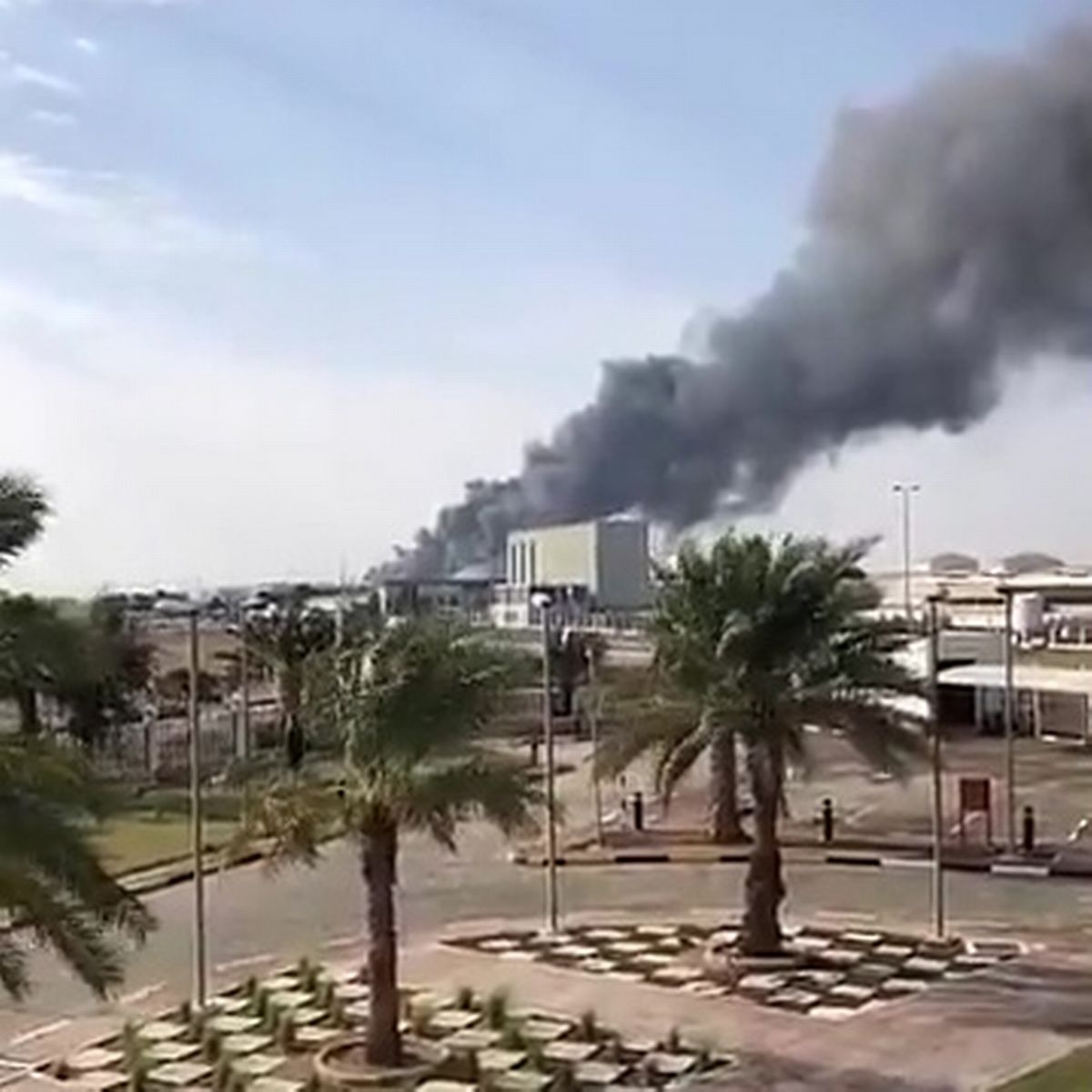
    On 17th January, the Houthis conducted their first attack on Emirati soil in years. Carried out in the heart of the country– Abu Dhabi –with the help of a UAV, the attack killed three foreign nationals working in the city– two Indians and one Pakistani. In the aftermath of the attack, the Arab Coalition intensified the air bombings of key strongholds of the Houthis, leading to an increase in civilian casualties in a proxy war that has already caused several thousand civilians their lives. The attack has also underlined the capabilities of the Islamist political outfit in striking a distant country, and not just its northern neighbour. The attack has also rendered the UAE as a country susceptible to attacks from hostile groups in the region.

    Costs of UAE’s intervention strategy

    Importantly, the attack has led to a scrutiny of UAE’s policy vis-à-vis the hapless South Arabian country. Not long ago, in February 2020, the Emirati leadership, in an official ceremony addressing the recent returnee personnel deployed in Yemen, added an achievement to its touted ‘Peace First’ strategy in the country[1]. The gulf country had begun its troop withdrawal from the war-torn country in July of 2019[2]. This move, though remarkable, was hardly surprising by a country that was stopped in its tracks after finding itself as a part of the Arab Coalition[3] back in 2015. But the withdrawal of troops from Yemeni soil didn’t mean a dilution of its involvement in the Civil War. The move by the Emirates was seen as merely a shift from direct involvement to an indirect one.[4] The leadership of the country had utilized its presence in Yemen to cultivate and build a network of belligerents of the Civil War, such as the Sothern Transitional Council (STC), Security Belt Forces and the Shabwani and Hadrami Elite forces to name a few.[5] A withdrawn and non-aggressive UAE depends heavily both upon and sponsors such groups to keep its influence in the country afloat. It had reportedly trained some 90,000 South Yemenis during its stint in the country.[6] These militias have fought, in the past, against the Houthis, Al-Qaeda in Arabian Peninsula (AQAP), Islah and the ISIS. In December last year, one such group, the Giants Brigades, attacked Houthis, eventually defeating them in the Shabwah province. The Houthi attack in January is seen as a retaliation for this precise attack.

    In December last year, one such group, the Giants Brigades, attacked Houthis, eventually defeating them in the Shabwah province. The Houthi attack in January is seen as a retaliation for this precise attack.

    Another key takeaway from the attack on 17th January is associated with the Saudi Arabia-UAE partnership. The Emirates, which contributed the second-largest troops to the Arab Coalition, had virtually abandoned Saudi Arabia in its effort to bring the Hadi government back to Sana’a. Since 2016 up to the troops’ pull-out, the country had focused mainly on counter-terrorism operations, primarily targeting Islah.[7] The two partners were pitted against each other when, in 2019, the Emirati-backed STC pushed itself into the provinces of Shabwa and Abyan held by the Saudi-backed government. Now, with the Houthis becoming a potent threat to the security of the UAE, the stress between the two governments is set to cool down. The attack has made UAE substantially, if not equally vulnerable, when compared with Saudis, to Houthis’ aggression. But it is not likely that the country will put an end to its troop withdrawal strategy. Its focus is likely to be on strengthening its security apparatus, something already visible in French, American and Israeli assistance.

    Attacks boost UAE-Israel Strategic Partnership

    The Houthis conducted another failed attack on Abu Dhabi in late January during Israeli President Herzog’s visit. The day was chosen to deliver a message to both Abu Dhabi and Jerusalem. This, and other numerous attempts by the Iran-backed Zaidi Shia militia to attack the Emirates, is set to further firm up the already burgeoning ties between the two. Immediately after the January 17th attack, Prime Minister Naftali Bennett offered Israeli ‘security and intelligence support’ to the victim state[8]. He committed to partner with the UAE to defeat ‘common enemies’. Right after the signing of the Abraham Accords, both the countries embarked upon strengthening security-related ties[9], leading to the signing of a strategic agreement to develop unmanned military and commercial vessels in November last year. Both the countries have been susceptible to attacks by Iran’s proxies. It is Israel’s North-eastern neighbour Syria that has posed a threat to its security. Now, Houthis’ reach to the Emirati soil renders Israel vulnerable to similar attacks, with speculations already in works in Israel.[10] Additionally, Houthis’ ties with Lebanese Hezbollah could aggravate the situation further. Israeli-Emirati partnership seems to be the greatest benefactor of the attack.

    the UAE has been applauded for pursuing a balanced approach between Saudi Arabia and the US on one hand and Iran and its allies on the other[13]. But with the continuous attack on Abu Dhabi by Iranian proxies, the relations between the UAE and Iran are set to face road blocks

    Just as Emirates was coping with the deadly attack from Yemen, another Iraq-based armed group conducted a drone strike on Abu Dhabi. Known by the name Awliyat al-Waad al-Haq, or the True Promise Brigades, the Shia Islamist group is widely believed to have close ties with both Tehran and Iraq’s Kataib Hezbollah. Though the Iranians have not publicly supported the attacks, they haven’t condemned them either. Moreover, the attacks on Abu Dhabi came just months after Emirati National Security Advisor Sheikh Tahnoun bin Zayed Al Nahyan visited Tehran where he touted his visit as a ‘turning point’ for the two countries[11] and visit of Iranian Deputy Foreign Minister Ali Bagheri Kani to Abu Dhabi, declaring that the two countries had agreed to open ‘a new chapter’ in their bilateral relations[12]. Also, the UAE has been applauded for pursuing a balanced approach between Saudi Arabia and the US on one hand and Iran and its allies on the other[13]. But with the continuous attack on Abu Dhabi by Iranian proxies, the relations between the UAE and Iran are set to face road blocks.

    Yemen’s Humanitarian Crisis

    Last year, in one of his first decisions regarding West Asia, President Biden revoked the Trump administration decision to recognize Houthis as a foreign terrorist group. After the recent attacks on Abu Dhabi and the al-Dhafra airbase, the Biden administration has been forced to reconsider its previous decision[14]. The US has, in response to the attacks, stepped up its naval deployment in the Gulf region, along with enhancing cooperation in intelligence and air defence with the Emirates. It also helped stave off other Houthi missile attacks on Abu Dhabi through US Patriot interceptors. The attacks also come at a crucial time when the talks between P5+1 and Iran regarding the Iran Nuclear Deal underway in Vienna. With eight rounds that have passed without any breakthrough, it remains to be seen how Houthi aggression impacts the JCPOA.

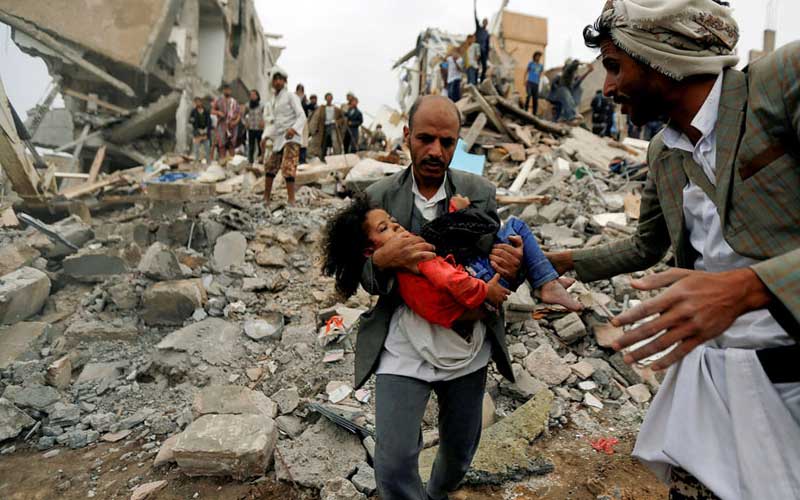
    The Civil War in Yemen is in its eighth year, with no signs of the end in near future. The casualties have reached as high as 377,000. It has resulted in a humanitarian crisis, pushing millions to the brink. According to a UNDP report, the war may cause more than 1.3 million casualties by 2030. Hence, we need to ask, has the international community failed to protect the Yemeni people?

    Notes

    [1] Jalal, I (2020, February 25), ‘The UAE may have withdrawn from Yemen, but it’s influence remains strong’ Middle East Institute https://www.mei.edu/publications/uae-may-have-withdrawn-yemen-its-influence-remains-strong

    [2] Ibid

    [3] Salisbury, P. (2020, July 1), ‘Risk perception and appetite in UAE Foreign and national security policy’ Chatham House https://www.chathamhouse.org/2020/07/risk-perception-and-appetite-uae-foreign-and-national-security-policy-0/8-case-study-uae

    [4] Jalal, I (2020, February 25), ‘The UAE may have withdrawn from even, but it’s influence remains strong’ Middle East Institute https://www.mei.edu/publications/uae-may-have-withdrawn-yemen-its-influence-remains-strong

    [5] Ibid

    [6] Ibid

    [7] Salisbury, P. (2020, July 1), ‘Risk perception and appetite in UAE Foreign and national security policy’ Chatham House https://www.chathamhouse.org/2020/07/risk-perception-and-appetite-uae-foreign-and-national-security-policy-0/8-case-study-uae

    [8] TOI staff, (2022, January 18),’Bennett offers UAE security and intelligence support after attack by Houthis’ Times of Israelhttps://www.timesofisrael.com/bennett-offers-uae-security-and-intelligence-support-after-attack-by-houthis/

    [9] Ulrichsen, K.C. (2021, August 6), ‘Restoring balance to UAE-Iran relations’ Doha Institute https://www.dohainstitute.org/en/PoliticalStudies/Pages/Restoring-Balance-to-UAE-Iran-Relations.aspx

    [10] Melman, Y. (2022, January 21),’After Abu Dhabi, is Israel’s Red Sea port of Eilat next target for Houthi drone strike’ Haaretz https://www.haaretz.com/israel-news/israel-red-sea-eilat-target-houthi-iran-drone-strike-abu-dhabi-1.10553018

    [11] Hafezi, H. (2021, December 6), ‘UAE security official pays rare visit to Iran to discuss ties, regional issues’ Reuters https://www.reuters.com/article/us-iran-emirates-idAFKBN2IL0ME

    [12] Ulrichsen, K.C. (2021, August 6), ‘Restoring balance to UAE-Iran relations’ Doha Institutehttps://www.dohainstitute.org/en/PoliticalStudies/Pages/Restoring-Balance-to-UAE-Iran-Relations.aspx

    [13] Ibid

    [14]  Landay, J (2022, January 20). ‘Biden says administration mulling re-designating Yemen’s Houthis a terrorist group’, Reuters https://www.reuters.com/world/middle-east/us-yemen-envoy-lenderking-visit-gulf-london-state-department-2022-01-19/

    Feature Image Credit: www.mirror.co.uk

    Image Credit: itv Times News

  • The Strategic Imperative of Developing Ladakh

    The Strategic Imperative of Developing Ladakh

    Abstract
    Following the Galwan valley clash in 2020, Ladakh has become the most important place of strategic and operational importance since it adjoins two adversarial neighbours who are strategically aligned with each other. China’s belligerence is taking many forms such as information warfare, land transgression, allegations of hacking, etc. The recent claim of unfurling of the Chinese flag supposedly in Galwan, which was later clarified to have been done in another location is a spoke of its information warfare against India. China’s construction activities enabling quick buildup of its troops and armaments are also a major cause of concern for India. While there are some initiatives launched by the Indian army and the Central government to strengthen the infrastructure in the Northern borders, special attention needs to be paid towards the holistic development of human resources and infrastructure in Ladakh.


    2022 began with a fresh show of Chinese belligerence in Ladakh, with a well-known Chinese media outlet putting out a tweet saying, “China’s national flag rises over Galwan Valley on the New Year Day of 2022“, following up with a short video of the event. The tweet further claimed that the flag was special, having flown earlier over Tiananmen Square in Beijing[i]. As Indian government sources confirmed that the ceremony did not occur in any disputed area, the Indian Army released photographs of soldiers hoisting the flag in the Galwan Valley on the occasion of the New Year[ii]. In other incidents across the rest of the Line of Actual Control (LAC), China suddenly ‘renamed’ 15 locations in Arunachal Pradesh, continuing efforts to undermine Indian sovereignty in that state. The Chinese embassy in Delhi wrote to counsel Indian MPs who had attended a reception hosted by the Tibetan government in exile in late December 2021[iii]. The frigid relationship between the two nations was underscored once again by the inconclusive outcome of the 14th round of Corps Commander’s talks held on the LAC on 12 Jan 2022[iv]

    Chinese activities have not been restricted to the information domain alone. Construction of a bridge across the Pangong Tso, starting 20 km east of Finger 8 to connect its North and South banks, has come to light, providing an additional approach for a quick build-up of troops and logistics. While the above actions by China, both in the realm of information warfare and otherwise, have been effectively countered by the Indian government[v], the overall situation across the entire LAC continues to be of significant concern. This is despite the much-publicized sharing of sweets between Indian and Chinese troops at ten border crossings across the LAC[vi] in January.

    Strategic Importance of Ladakh

    As compared to the rest of the LAC, the situation in Ladakh is serious. The killing of 20 Indian soldiers, including a Commanding Officer, in June 2020 has thrust the region into the nation’s collective consciousness. Galwan, Gogra, Daulet Beg Oldi, Pangong Tso, and Chushul are household names across the country and the public today is better educated about the sheer complexity of the border issue and our history of dealing with China on the matter. The importance of safeguarding national sovereignty has taken centre stage with issues such as the institution of ‘no patrolling zones’ and perceptions about the LAC being subjected to frequent debate in the media and elsewhere.

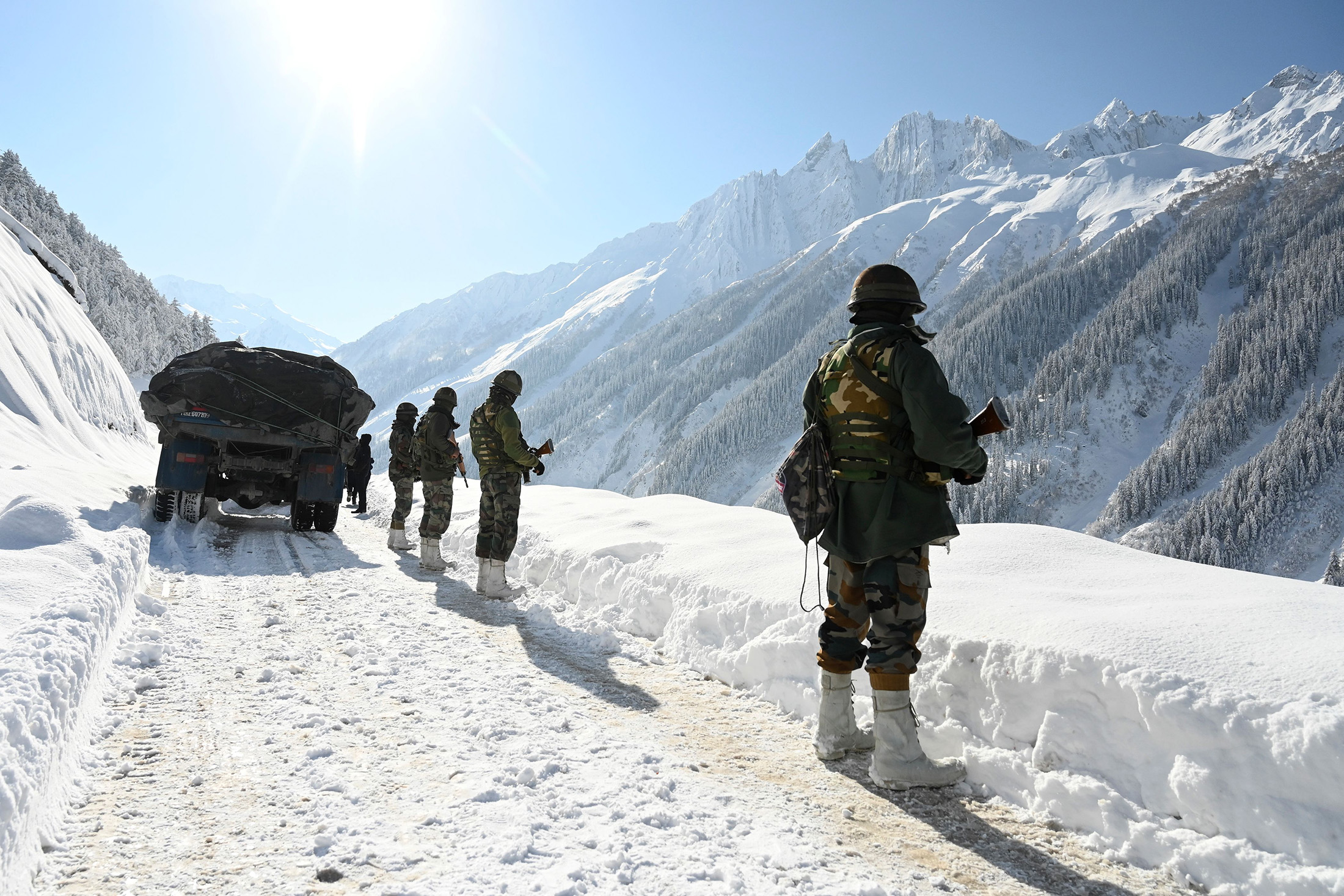
    In the aftermath of the Galwan events, the strategic importance of Ladakh, seen more through the lens of tourism in tranquil times, has acquired renewed relevance. It is the only borderland of India adjoining two hostile states, both of which have gone to war with India at different times for their own reasons. Ladakh abuts Gilgit Baltistan, which is under illegal occupation of Pakistan, and Tibet, which is under China’s forced occupation. As the likelihood of collusive action between these countries increasingly grows, Ladakh will remain primus inter pares amongst all the regions on our Northern borders for strategic and operational reasons. Accordingly, plans to bring about a qualitative change in capacity and capability in all aspects of the region’s development to meet security challenges and human aspirations acquire greater importance vis-a-vis other locations.

    The above aspect is well appreciated by the Central Government, which has taken many initiatives towards strengthening infrastructure development along the Northern borders in recent years. With regards to Ladakh, development has accelerated dramatically post creation of the Union Territory (UT) of Ladakh in 2019. A review of the UT Administrations’ activities after two years of its creation by the Lt Governor during a media interaction reveals the scale and scope of its achievements[vii]. Future plans are contained in a comprehensive ‘Vision Document,’ prepared on its behalf by a reputed consultancy, available on the internet[viii]. The Document is a comprehensive data-backed effort, listing the status of various developmental markers today and the desired end state. Achieving the vision would require effort, time, and planning for its translation into practical and prioritized implementables, after further considering risks, costs, benefits, and overall viability while adhering to timelines. Despite the progress made on many fronts and considering the constraints remaining, continued and focused long-term efforts by the administration are required here: equally important, the current and future security perspective has to be a key pillar of such plans.

    Development Issues and Imperatives

    A key priority that requires greater impetus is to accelerate the movement of locals for populating areas that, for reasons of geography and proven Chinese intent, have acquired strategic or operational significance. Page 9 of the Vision Document[ix] mentions that 65% of the total population is in and around Leh and Kargil cities. Though the paper has recommended setting up other population centres, enhanced hostile activity by China in and around places like Demchok on the LAC warrants that such areas also be included for consideration. In recent years, the Border Roads Organisation (BRO) has dramatically enhanced connectivity. Greater resources and manpower have constructed important roads and opened up East Ladakh and other parts of the UT[x]. The next step is to actualize a long-term plan with short and intermediate goals, which could see the setting up of small townships – after creating suitable infrastructure in housing, health, education, connectivity, and other civic amenities to support small-sized populations. Here the focus has to be on providing livelihood options other than the purely pastoral, with options explored for setting up Small Manufacturing Enterprises (SMEs), which might take time to prove financially viable. In this respect, China has succeeded with the construction of border villages and resettlement of Tibetans in areas opposite the LAC in Arunachal Pradesh and its disputed border with Bhutan[xi]. Though the Indian experiment in that region, which commenced post-1962, has not been as successful, it has to be pushed through in Ladakh. Here, reconciling developmental cum security needs with genuine environmental concerns would be necessary, considering that the Army’s premier firing range in Ladakh in the Tangtse Chushul area was closed some years ago for such reasons.

    There is scope too for the military, as an essential stakeholder to assist in development in other spheres, such as preparation of dual-use facilities; helipads and Advanced Landing Grounds wherever feasible, are one example. Another option is to create infrastructure for specialized training in the Ladakh region – archives of the Press Trust of India mention an international training event, ‘Exercise Himalayan Warrior’ held in 2007 where Indian and British troops trained together in mountain warfare techniques in an area North of Leh[xii]. Training facilities of this nature would naturally benefit the local economy, though the fallout of such strategic signalling would have to be carefully weighed.

    A fourth option to enhance the military’s participation, albeit indirectly, is to increase local recruitment. While recruit balancing would be carried out at Army Headquarters, there is a need to examine the feasibility of expanding the number of Ladakh Scout battalions (either regular units or on the Territorial Army model), which are eminently suited for fighting in such terrain. Being a permanent measure, this would offset, to an extent, the expense on induction of at least a few units from outside Ladakh. Benefits accruing from deploying local sons of the soil can be easily appreciated.

    Harnessing through Civil-Military Engagement

    At the turn of the century, it was in Ladakh that the Indian Army launched Operation SADHBHAVNA. Displaying strategic foresight, then GOC 14 Corps, Lt Gen Arjun Ray, set a one-point aim – ‘To Forestall Militancy in Ladakh.’ The program, a runaway success, was adopted subsequently by other field formations of the Indian Army. A process of continued oversight, course correction, innovation, and streamlining at various levels has made it an effective tool for helping assimilate our border populations into the national fold by winning hearts and minds. Here, it must be emphasized that SADBHAVNA has not been conceptualized as a developmental program per se. Neither is such an approach being followed on the ground – the projects being small, community-based, and including aspects of human resource development. It has had very positive spinoffs, with Ladakh being a significant beneficiary. With major development programs like the Ministry of Home Affairs’ flagship Border Areas Development Program (BADP) and others at the state level already in place, it is worth examining if an interaction between the local administration (at the panchayat level, say) and local military garrisons, both working from the ground upwards can help further synergize efforts to achieve optimum results.

    Strategic contestation between India and China is a reality. The border issue will continue to influence many aspects of bilateral relations. Continued information warfare, a huge trade deficit, allegations of hacking, and now evidence of massive tax evasion by smartphone companies[xiii] are indicators of the need for a realistic appraisal of that country’s intentions and strengthening own capabilities. The development of Ladakh is an important factor in this regard.

    Notes

    [i] Free Press Journal, January 03, 2022.

    [ii] ‘LAC Standoff: India exposes China’s lies in Ladakh as Indian Army hoists tricolour in Galwan Valley’. Ajeyo Basu, News24, January 04, 2022.

    [iii] ‘China protests Indian MPs’ attending Tibetan reception, Tibet govt-in-exile fires back’. Geeta Mohan, India Today, January 01, 2022.

    [iv] ‘Joint Press Release of the 14th round of India-China Corps Commander Level Meeting’. Ministry of External Affairs, Government of India, January 13, 2022.

    [v] ‘Government breaks silence, hits back at China on letter to MPs, Pangong bridge’. Shubhajit Roy, Indian Express, January 07, 2022.

    [vi] ‘New Year: Indian, Chinese troops exchange sweets at Demchok and other border points’. Press Trust of India, January 01, 2022.

    [vii] ‘Major transformation in developmental profile of Ladakh UT in nearly 2 years: Lt Governor’. Mohinder Verma, Daily Excelsior, September 18, 2021.

    [viii] ‘Vision 2050 for UT of Ladakh’. Government of India.

    [ix] ibid

    [x] ‘Five Mega Road Infrastructure Projects Launched in Ladakh Amid Border Row With China’. PTI, October 01, 2021.

    [xi] ‘More evidence of China building villages in disputed areas along borders with India, Bhutan’. Hindustan Times, November 18, 2021.

    [xii] Press Information Bureau, Government of India. Ministry of Defence note, Exercise “Himalayan Warrior”. September 16, 2007.

    [xiii] ‘Xiaomi India under lens: DRI says evasion of customs duty of Rs 653 cr by Chinese smartphone maker’. Economic Times, January 05, 2021.

    Feature Image Credit: Bloomberquint

    Map Credit: Newschrome

    Images: www.deccanherald.com  and www.business-standard.com

  • UAE’s industrialization drive and the potential for Sovereign Wealth Funds to unlock value

    UAE’s industrialization drive and the potential for Sovereign Wealth Funds to unlock value

    The United Arab Emirates has renewed its commitment to the fourth industrial revolution recently with an ambitious target of increasing the industrial sector’s contribution from AED133 billion to AED300 billion (US$ 81.7 billion) by 2031. The main objectives of this ten-year strategy are to leapfrog towards knowledge-intensive industries, apply technology-intensive solutions to retrofit current industries, and push manufacturing in industries like aerospace, pharmaceuticals, medical equipment, etc. However, these objectives are not novel. While the early development plans of the emirates’ primarily focused on diversifying the economy from hydrocarbon revenues, the ultimate objective was to expand towards knowledge-intensive industries. In line with this, economic development plans as early as 1991 record the rulers’ interests in building a manufacturing-oriented economy, but the success is yet to materialize. Even in the case of the most diversified emirate – Dubai, the main drivers of the economy as of 2020 were entrepot activities like trade (26.5%), transportation and storage (12.5%), and financial services (9.7%), while manufacturing contributed to 8.8%. These statistics can be further appreciated by recollecting that from the early 1990s, development plans for Dubai were made under the assumption that the annual real growth rate in its manufacturing sector would meet 7%.[1]  As of 2020, the growth rate in manufacturing is only 0.3%. While manufacturing-oriented industrialization was to play a key role in the economy, there have been considerable challenges in realizing it. This article first briefly recalls the historical development efforts of the emirate, then discusses reasons which could have hindered the country’s trajectory towards knowledge-intensive manufacturing, and highlights a potential development instrument the country can utilize to realize its objectives in the present day.

    Federal Structure and overcoming the Inequalities

    Being a federation every emirate was offered autonomy which retained the control of resources of the respective emirates’ within respective ruling families. This resulted in vast inequalities amidst emirates with Abu Dhabi and Dubai becoming relatively well off compared to others. The remaining emirates were dependent on the budget provisions from oil-rich Abu Dhabi to maintain the social contract over their respective emirates. This internal dynamic resulted in different approaches being taken for economic development in the country. To briefly summarize some of them – Dubai invested in infrastructure to improve its entrepot facilities and industrialize in sectors associated with hydrocarbon resources, Abu Dhabi began focusing on renewable energy and clean technology from the early 2000s,  Ras al-Khaimah benefitted from its low-cost production environment (up to 25-50% lower than in other emirates) to become the country’s manufacturing base, and Fujairah developed a storage and bunkering expertise due to its geographical location beyond the chokepoint of the Strait of Hormuz.[2] The developmental push from the emirates created a boom mainly in industries associated with hydro-carbon, real-estate, logistics, and finance. Although official data on sector-wise contribution to GDP remain unpublished, World Bank data confirms that as of 2019 about 16% of the UAE’s GDP is accredited to hydrocarbon sources. It also confirms that as of 2019, manufacturing value-added as a percentage of GDP stood at 8.7%.

    In the context of UAE, the viability of proceeding with labour-intensive industries as a starting point was low as the country has a small Emirati population. Second, while most late developing countries have resorted to wage suppression to make production costs competitive, the UAE is restricted from doing so owing to the social contract it shares with its citizens

    Despite the autonomy every emirate has enjoyed, the overarching approach the country has used for economic development is to invite foreign firms to the country by providing business-friendly infrastructure and environment.[3]For the emirate of Dubai, which was most successful in diversification, Singapore’s development model was an inspiration for implementing policies promoting business-friendly infrastructure and environment.[4] Among potential factors that explain the challenge in the uptake of knowledge-intensive manufacturing in the UAE, this article focuses on two – First, the inherent characteristic of firm relocation, and second, the existence of a twin labour market in the country with high wage levels. Helleiner argued that it is easier to scale to knowledge-intensive industries when labour-intensive production processes exist locally, this way, production activities can upgrade vertically. The logic was that direct relocation of knowledge-intensive functions of industries would imply high costs to the firm. His thesis was based on the development of the Asian tigers whose development process benefitted from the vertical up-gradation of industrial activity. In the context of UAE, the viability of proceeding with labour-intensive industries as a starting point was low as the country has a small Emirati population. Second, while most late developing countries have resorted to wage suppression to make production costs competitive, the UAE is restricted from doing so owing to the social contract it shares with its citizens. UAE nationals are instead offered much better employment packages in the public sector which deters their participation in the private sector.[5] As a result, the private sector across all skill levels is significantly dependent on expatriate labour. In addition to this, foreign talents are paid twice as much as their home countries across all skill levels. Tong and Al Awad demonstrate that this is true not only for low-skilled and semi-skilled jobs but also for high-skilled jobs by comparing the average wages of high-skilled expatriates from the US and the UK. They compare their wage levels at home and in Dubai, control for purchasing power parities, and find that the salaries are twice as that in their home countries. Competition for knowledge-intensive industries has predominantly arisen from the global North and as income levels in the UAE are twice as much as that in developed countries, there is an inherent risk on the price competitiveness of products on a global scale.

    Development model, SWF, and Top-down Approach

    A difference in the UAE’s late development model relative to others in the category is that while the latter was challenged in capital accumulation, it was easily accrued for the UAE. The difficulty for the UAE lies in using accumulated capital to break the dependency. Thus, the way forward for the UAE lies in a radical rethinking of its development model. Where vertical integration by first relocating labour-intensive industries demonstrates a bottom-up approach to development, the UAE is better positioned to approach development in a top-down model of vertical integration having accumulated capital. Although public sector investment and involvement in the economy is high, there exists scope to increase the synergies between industry-leading companies and local producers through the public sector. In this case, a policy instrument with the potential to push economic development is the state’s Sovereign Wealth Funds (SWFs).

    The channelling of SWFs as a development policy instrument provides an opportunity for greater collaboration between international industry leaders and local businesses. Investing in the economic diversification of the country has been an important objective for the state’s SWFs. Some noticeable instances where the SWFs have built linkages between international companies and local businesses have been in the aerospace sector.[6] For instance, Mubadala entered into strategic partnerships with Airbus and Boeing in 2008 and 2009 respectively and launched Strata Manufacturing as a wholly-owned subsidiary of Mubadala in 2009. Soon after Strata Manufacturing was launched, the company concluded agreements with both Airbus and Boeing to manufacture aircraft parts at its aerostructures manufacturing facility in Al-Ain. This further continued when Strata Manufacturing received a ten-year contract from Boeing for the manufacture of Boeing 777’s empennage ribs and vertical fin rib for Boeing’s 787 Dreamliner. This development model is novel because it demonstrates how embedded autonomy, a key feature in the East Asian development model, can be replicated while collaborating with established international companies for economic development at home. Sovereign Wealth Funds as an institutional investor demonstrate how the state can be at the forefront of national development efforts from a transnational level.

    This top-down model of economic development through SWFs is a novel use of the investment vehicle as a policy instrument. It allows the state to direct development from a transnational level, which is an important operational condition for developmental states in an era of globalization

    An important lesson from late developers in East Asia and Southeast Asia is that state-directed capitalism is important for economic development. This top-down model of economic development through SWFs is a novel use of the investment vehicle as a policy instrument. It allows the state to direct development from a transnational level, which is an important operational condition for developmental states in an era of globalization. Although the UAE has demonstrated the use of this instrument in some cases, there is great potential to further drive economic development towards the fourth industrial revolution through SWFs. There will likely be more linkages built between local businesses and international companies through SWFs as the UAE moves forward to a knowledge-intensive economy. As the article highlighted above, there will be challenges moving forward in ensuring price competitiveness at a global level when operating in a labour market with price distortions. To this end, the challenge remains in finding innovative financing mechanisms by state investors in the short run and for policymakers to introduce suitable policies for correcting the price distortions in the long run. This ongoing effort in the UAE requires a closer examination from researchers, development practitioners, and policymakers as it is a unique development model and has the potential to deliver promising developmental lessons.


    Notes

    [1] Euromoney; London”, Periodical, (1997), World Economic Analysis, United Arab Emirates Document no.:198889294, ProQuest One Business.

    [2] Ulrichsen, Kristian Coates, The United Arab Emirates: Power, Politics And Policy-Making, p.87-129, Routledge, 2017.

    [3] Davidson, Christopher. The United Arab Emirates: A Study In Survival. 1st ed. Lynne Rienner Publishers, 2005.

    [4] Sampler, Jeffrey, and Saeb Eigner. Sand To Silicon. Dubai, UAE: Motivate Publ., 2008.


    [5] Davidson, Christopher. The United Arab Emirates: A Study In Survival. 1st ed. Lynne Rienner Publishers, 2005.


    [6] Ulrichsen, Kristian Coates, The United Arab Emirates: Power, Politics And Policy-Making, p.103-108, Routledge, 2017.


    Feature Image Credit: Asharq AL-awsat

  • Democracy and Legislation: Lack of Parliamentary Debates negates the Constitution and accountability to the People

    Democracy and Legislation: Lack of Parliamentary Debates negates the Constitution and accountability to the People

    Democratic principles have long been accepted as the cornerstone of Free India. Reaching beyond a mere organizational setup, democracy has been treated as the ideal through which equality and justice are sought to be ensured for the people.

    Despite the well-recognised principles of equity and transparency in the practice of democracy, it is well established that various Governments, on many occasions in independent India’s history, have resorted to flouting constitutional democratic principles for personal gain; the widely criticized imposition of emergency under Indira Gandhi is one such example. It evident that the Indian people are once more confronted by a situation where the government of the day is guilty of flouting of democratic norms. This article examines various instances of current parliamentary practices in this context.

    60 per cent of proposals were referred to Standing or Select Committees during the United Progressive Alliance’s first term. During the UPA-II administration, this rose to 71 per cent. NDA’s first term from 2014-19 had a 27 per cent reference rate, while it’s second term, so far, has only 12 per cent rate.

    Institutional norms and parliamentary procedures in India, especially for legislation making are designed to ensure space for debate, discussion and dissent. This operates as a system where all decisions are subjected to scrutiny by the people’s representatives. To that end, whether a ruling party adheres to parliamentary procedure speaks volumes about the respect accorded to to the constitution and democracy at large. To analyse whether the current government is adhering to parliamentary procedures and by extension, if it is truly democratic, one must first ascertain what exactly constitutes the ideal parliamentary procedure.

    Parliamentary Procedure on Legislation Making: How Does A Bill Become An Act

    Acts usually start as bills which simply put, is the draft of a legislative proposal. This bill may be introduced by public members or private members and requires passing in the Lok Sabha and Rajya Sabha as well as the president’s assent to become a law.

    There are three stages through which a bill is passed in the parliament: these are known as the first, second and third reading respectively.

    For the First Reading, the speaker puts forth the request for leave of the house, which if granted is used to introduce the bill. Following this stage is the second reading which entails general discussion. It is during this stage that the House may choose to refer the bill to a parliamentary committee for further input or even circulate it to gauge public opinion. During the second reading, parliamentary procedure states that a clause-by-clause reading must proceed and it is during this time amendments are moved. The second reading concludes with the adoption of ‘Enacting Formula’ and ‘Long Title of the Bill’. The next stage is the third and the last reading. At this Juncture, debates for and against the bill take place. For an ordinary bill, only a simple majority of the members present, and voting suffices, however for a constitutional amendment bill, in keeping with article 368 of the constitution, a majority of the house’s total members and at least 2/3rd members present and voting is deemed necessary. Once this process is complete, the bill is sent to the other house of the parliament and goes through the same stages after which it is referred to the president for his assent.

    Modi Government’s track-record of Passing of Bills

    Leaders of opposition and Journalist reports have alleged that the aforementioned procedure has been cast aside by the current regime in favour of bulldozing the bills without debates. This argument is not without merit and one can identify some central ways in which the ruling party has violated parliamentary procedure.

    The first and most grievous is the misuse of Article 123 also known as the Ordinance Route. Article 123 of the constitution permits the president to enact a temporary law in the event of urgent and unavoidable circumstances. It is clear that the Article 123 has been exploited by the current government.

    During the first 30 years of our parliamentary democracy, for every 10 bills in the parliament, one ordinance was issued. In the following 30 years, this number went to 2 ordinances per every 10 bills. During the period 2014-2019 of the BJP government, this number went up to 3.5 ordinances per every ten bills. For perspective, while 61 ordinanceswere issued under the UPA government spanning ten years, the government led by the BJP issued 76 ordinances in a time frame of 7 years spanning from May 2014 to April 2021. It is also useful to note that ten of these ordinances were issued right before the 2019 Lok Sabha elections.

    Astonishingly, as many as 11 ordinances have been passed since March 24th, 2020, which is when the lockdown was imposed. Five of these relate to covid 19, two to the health sector, every other ordinance such as the Banking Regulation Amendment and the Agriculture bills do not have anything to do with the coronavirus pandemic.

    States have also used ordinances to pass legislation. A non-BJP ruled state Kerala, for example, published 81 regulations in 2020, whereas Karnataka issued 24, and Maharashtra issued 21. Kerala has also re-promulgated ordinances: between January 2020 and February 2021, one ordinance to establish a Kerala University of Digital Sciences, Innovation, and Technology was promulgated five times.

    Although previous administrations have utilized ordinances to undermine the constitutional process, the problem is decidedly amplified under the present rule with regards to the number of ordinances produced per given period.

    This sort of rise in Ordinances being issued points to a trend of avoiding in-depth critical evaluation and discussion on proposals by rushing them into becoming acts.

    One of the most controversial ordinances in the recent past pertains to the three farm laws. The reason for not introducing these proposals in the parliament and instead enacting ordinances is unclear for there seems to be no urgent link to the covid 19 pandemic. Additionally, the farm bills not being subjected to any discussions nor being referred to parliamentary committees for any further report making has led to removing any possibility for amendment. These laws provide a useful avenue to assess why the bill was not passed through a proper parliamentary process and instead rushed through the ordinance.

    The ordinance culture has also extended to BJP run states, for instance, Uttar Pradesh, Madhya Pradesh, and Gujarat adopted ordinances weakening labour laws without consulting workers’ unions or civil rights organisations during the lockdown. Moreover, this was followed up on 15th March 2020, when colonial-era legislation was enacted as an Ordinance. This was the Uttar Pradesh Recovery of Damages to Public and Private Property Ordinance which would heavily fine any damage to property, public or private during a protest.

    Moreover, the current administration can be observed violating the parliamentary procedure for there is very little or no involvement of parliamentary committees. Parliamentary committees are key in assessing a proposal with necessary scrutiny and expertise.  These committees provide a place for Members to interact with subject experts and government officials while they are studying a bill.

    60 per cent of proposals were referred to Standing or Select Committees during the United Progressive Alliance’s first term. During the UPA-II administration, this rose to 71 per cent. Prime minister Modi’s first term from 2014-19 had a 27 per cent reference rate, while his second term so far has a 12 per cent rate. Not only is there a blatant and marked disregard for referring bills to parliamentary committees, but the administration has also actively worked to hinder committee work. A meeting of the Parliamentary Standing Committee on Information Technology on July 28, 2021, had to be cancelled owing to a lack of quorum when 15 BJP members refused to sign the attendance register, it is speculated this was to avoid the discussion on the Pegasus scandal.

    Monsoon Session of Parliament

    The most recent monsoon session of the Parliament is an apt depiction of how the administration has bypassed the norms and rules of parliamentary procedure, endangering the democratic processes that citizens invest faith in.

    A record number of 12 bills were passed by the parliament in the first 10 days of the monsoon session. All these bills were passed by a voice vote which is a tremendously inaccurate mechanism to assess supporters of a particular proposal. None of these 12 bills nor the overall 14 bills were referred to standing committees for in-depth analysis.  According to TMC leader Derek O’Brien, the government rushed through and passed 12 Bills at an average time of under 7 minutes per bill. In the same vein, BSP MP Danish Ali commented that the Essential Defence Services Bill was passed in less than 10 minutes.

    Be it the ordinance route, curtailing zero hour, the excessive use of voice vote or the bypassing of parliamentary committees, all point towards the same and devastating trend, the lack of adherence to parliamentary procedure. This must compel citizens to take stock of whether India needs a reminder on how democratic proceedings should proceed and accountability to the people be restored.

    Feature Image: medium.com

  • Environmental Impacts of the Belt And Road Initiative

    Environmental Impacts of the Belt And Road Initiative

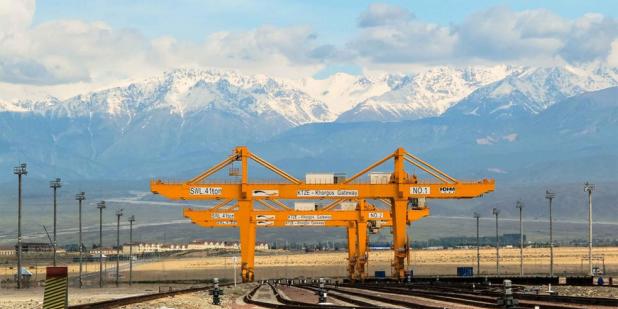
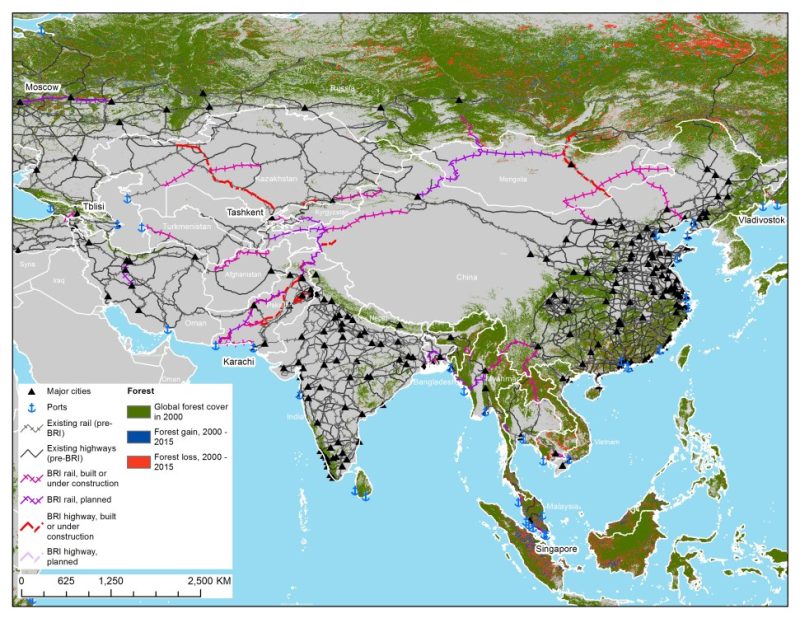
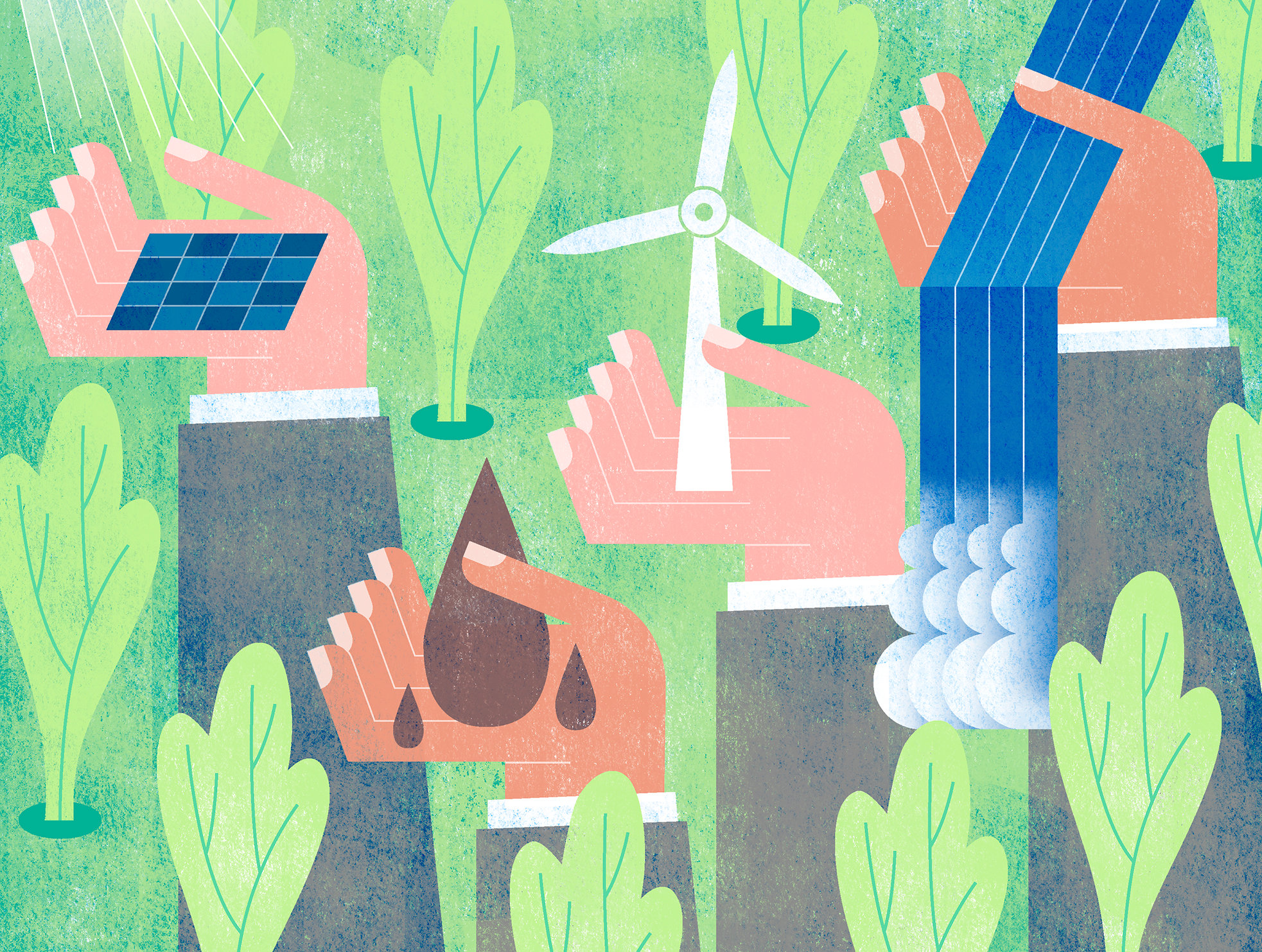
    China’s Belt and Road Initiative (BRI), initially known as One Belt One Road (OBOR), was first announced in 2013 by President Xi Jinping. It aims to interconnect Asia, Europe, and Africa through two interlinked projects: the Belt as the land route, and the Road as the maritime route. The BRI aims to contribute significantly to overall economic or monetary development, as well as in the power generation area, it can further develop energy access and unwavering reliability in regions with quickly developing energy demand. Nonetheless, the BRI’s financial advantages and development of power frameworks might come at the cost of significant  environmental degradation. The sheer size of the BRI has ignited increasing global concerns about the potential environmental damage. These concerns include ecologically sensitive areas, concern about the large amounts of raw materials needed, and locking in of various environmentally detrimental forms of infrastructure, for example, non-renewable energy (fossil fuel) related framework.

    The BRI projects are instrumental in meeting the global CO2 emission targets; if all the BRI member states fail to reach the CO2 emission targets, that would result in a 2.7° C increase in the average global temperature.

    There are numerous BRI projects which would pass through ecologically sensitive areas, thus compromising on such fragile regions. Some have even described BRI as the “riskiest environmental project in history”. The BRI has far-reaching influence, and it is estimated that the BRI investments are impacting over 60 per cent of the global population. The BRI projects are instrumental in meeting the global CO2 emission targets; if all the BRI member states fail to reach the CO2 emission targets, that would result in a 2.7° C increase in the average global temperature.

    Securing and protecting the environment while encouraging financial advancement under the BRI will be extremely difficult and challenging, as the initiative crosses a different scope of fragile and delicate environments. Biophysical conditions range from woods and steppes in Russia; to ice, snow, and permafrost across the Tibetan Plateau; and tropical rainforests in Malaysia. Observers are worried about the natural threat that the BRI presents. Infrastructure advancement, trade, and investment ventures under the BRI could bring negative ecological impacts that might offset its economic gains. The possible effects of the BRI are complex and manifold. Foundation projects affect biological systems and wildlife, yet in addition aberrant impacts like logging, poaching, and settlement, adding to deforestation and other land related changes. The BRI could result in biodiversity loss because of fragmentation and debasement of various habitats, and cause increment in greenhouse gas emission due to the development and upkeep of transportation infrastructures and further Chinese interest in coal-terminated power plants. It could likewise speed up extraction of natural resources, like water, sand, and ferrous metal minerals and ores in nations along the BRI.

    One such danger from BRI is the Russia–China Amur Bridge transport corridor, which takes apart two nature reserves with old growth forests. BRI framework will influence practically all of Eurasia’s biggest stream frameworks. Also, numerous BRI courses, for example the Karakoram Highway, go through geo-dynamically active regions. The Karakoram Highway linking the Xinjiang province in China to Gwadar Port in Pakistan, goes through Himalayan areas known for “extremely high geodynamic action” like seismic tremors, avalanches, frigid disintegration and erratic storms, but alternative pathways are even worse. In the Aral Sea, Central Asia, combined effects from the socio-ecological communications between misadministration, over-water system and serious contamination causing water shortage are amplified by truly dysfunctional transboundary management which can possibly result in armed conflicts. Heavily polluting Chinese concrete plants migrating to Tajikistan has been referred to as one illustration of this. Also, a logging ban in China’s Heilongjiang area caused spill-over impacts for forests overseas. Additionally, trade changes methods of production and utilization, changing income and along these lines contamination levels. As indicated by the Kuznets curve, pollution increments at first as income develops, yet over a defining moment, contamination falls as higher earnings bring innovative upgrades and expanding interest for ecological conveniences. Financial development might build the modern contamination base, known as scale effects. Negative scale effects and positive effects for the climate are hard to separate observationally, and quantitative examinations differ on whether the scale or procedure impact is bigger. Various toxins likewise respond diversely to exchange related changes. For instance, a Chinese report joining scale and method effects proposed that trade expanded SO2, and dust fall, however, decreased substance oxygen interest, arsenic and cadmium.

    Arranging and resolving natural issues related with the BRI is colossally complex and multi-scaled. Understanding the attributes of the effects of BRI on the environment is the initial step for conceiving strategy and plans for addressing its effects on guaranteed sustainable development. The main mechanism to achieve the sustainability objectives of the BRI is cooperation, “characterized by governance guidance, business commitment, and social participation”. In any case, environmental governance accompanies different difficulties, first, BRI specific and related approaches are not unyielding, but rather dependent on intentional and corporate self-administrative instruments. China’s vision of a “green BRI” is probably not going to be acknowledged without any stricter approaches that set out concrete and substantial set of activities. Second challenge, for the environmental governance of the BRI is to address tele couplings.

    The Chinese government is taking a functioning, yet delicate way to deal with the environmental governance of the BRI. China utilizes the BRI as a stage to introduce itself as the rule-maker/rule-taker in global ecological administration as it further mobilizes existing environmental governance organisations and assembles new ones. Be that as it may, the environmental stability of the BRI doesn’t just rely on the environmental governance endeavours of Chinese actors, however, strikingly on the implementation, checking, and authorization of environmental laws and guidelines in BRI host nations. Finally, and most importantly the most significant errand for future research is to exactly explore whether environmental standards or norms be subject to California or Shanghai effects.


    References


    Callahan, William A. China dreams: 20 visions of China’s future Oxford University Press, 2013, p. 1

    Adolph, C., Quince, V., & Prakash, A. (2017). The Shanghai effect: Do exports to China affect labor practices in Africa? World Development, 89, 1–18. https://doi.org/10.1016/j.worlddev.2016.05.0091

    Andrews-Speed, P., & Zhang, S. (2018). China as a low-carbon energy leader: Successes and limitations. Journal of Asian Energy Studies, 2(1), 1–9. https://doi.org/10.24112/jaes.02010123

    Abbott, K. W. (2017). Orchestration: Strategic ordering in polycentric climate governance. In A. Jordan, D. Huitema, H. Van Asselt, & J. Forster (Eds.), Governing climate change (pp. 188–209). Cambridge: Cambridge University Press. https://doi.org/10.1017/9781108284646.01221

    Cefic 2011 Cefic (2011) Guidelines for Measuring and Managing CO2 Emission from Freight Transport Operations, http://www.cefic.org/Documents/RESOURCES/Guidelines/Transport-and-Logistics/Best%20Practice%20Guidelines%20-%20General%20Guidelines/Cefic-ECTA%20Guidelines%20for%20measuring%20and%20managing%20CO2%20emissions%20from%20transport%20operations%20Final%2030.03.2011.pdf?epslanguage=eni

    Randrianarisoa, Laingo M., Anming Zhang, Hangjun Yang, Andrew Yuen, and Waiman Cheung. “How ‘belt’and ‘road’are related economically: modelling and policy implications.” Maritime Policy & Management 48, no. 3 (2021): 432-460.

    Cockburn , Henry. “China’s $8 Trillion ‘Silk Road’ Construction Programme ‘Riskiest Environmental Project in History’.” The Independent. Independent Digital News and Media, May 20, 2018. https://www.independent.co.uk/climate-change/news/china-belt-and-road-initiative-silk-route-cost-environment-damage-a8354256.html.

    “Decarbonizing the Belt and Road Initiative: A Green Finance Roadmap.” Vivid Economics. Accessed October 1, 2021. https://www.vivideconomics.com/casestudy/decarbonizing-the-belt-and-road-initiative-a-green-finance-roadmap/.

    Ascensão, F.; Fahrig, L.; Clevenger, A.P.; Corlett, R.T.; Jaeger, J.A.G.; Laurance, W.F.; Pereira, H.M. Environmental challenges for the Belt and Road Initiative. Nat. Sustain. 2018, 1, 206–209.

    Teo, Hoong C., Alex M. Lechner, Grant W. Walton, Faith K.S. Chan, Ali Cheshmehzangi, May Tan-Mullins, Hing K. Chan, Troy Sternberg, and Ahimsa Campos-Arceiz. 2019. “Environmental Impacts of Infrastructure Development under the Belt and Road Initiative” Environments 6, no. 6: 72. https://doi.org/10.3390/environments6060072


    Feature Image Credit: USC US-China Institute

    Map Credit: Brookings Institution


  • Are we on the path to World War III? The rise of Asia and lessons from World War I

    Are we on the path to World War III? The rise of Asia and lessons from World War I

    Robert McNamara, the US Secretary of State during the Cuban Missile Crisis, famously noted that it was sheer luck, not rationality, that prevented the escalation of this crisis into a world war.

    The rise of East Asia and South-East Asia is inevitable – unless there would be World War III in this region. Whereas World War I was fought by the powers located at the shore of the North-Atlantic, World War II by those of the North-Atlantic and North-Pacific, World War III would be fought by those powers solely at the North-Pacific and the Indian Ocean. Are there lessons to be learned from the devastating conduct and outcome of World War I for our times? Is there only one lesson to be learned – that you can learn nothing from history? Or are we doomed to repeat history if we don’t learn anything from it? History will not repeat itself precisely, but wars repeatedly occur throughout history, even great wars. We are living in an age in which a war between the great powers is viewed as unlikely because it seems to be in no one’s interest, as the outcome of such a war would be so devastating that each party would do the utmost to avoid it. Rationality seems to dominate the assumptions and way of thinking in our times. But no war would have been waged if the losing side, or even both sides, would have known the outcome in advance.


    But what if conflicts in Asia would not be fought to pursue national interests so much as recognition? What would this mean: to be accepted as equal again after the humiliation in the course of European colonization and subsequent American hegemony? Indeed, acknowledgement of past suffering seems to be a trauma in the conscience of many Asian nations. Are those desires only irrational or a different kind of rationality, which we have to take into account?


    There are striking similarities between the Pre-World War I era and the current developments in Asia: World War I signifies the danger, not the inevitability, of a new world war in the decades to come. World War I is a symbolic representation of the risk that war amongst the great powers could erupt although nobody would benefit from it. It is a writing on the wall, that rationality is not a guarantee for avoiding self-destruction. All reckonings regarding the repetition of World War I in Asia are based on the assumption that it would be in no one’s interest to fight a large-scale war, even with WMD, which could lead to the destruction of great parts of Asia. But what if conflicts in Asia would not be fought to pursue national interests so much as recognition? What would this mean: to be accepted as equal again after the humiliation in the course of European colonization and subsequent American hegemony? Indeed, acknowledgement of past suffering seems to be a trauma in the conscience of many Asian nations. Are those desires only irrational or a different kind of rationality, which we have to take into account? At present, we have apparently a conflict between democracies in the Pacific and the Indian Ocean on one side and authoritarian China on the other. But during my few visits I got the impression that the trauma of colonization and the non-recognition of the Asian civilizations is more counting in the cultural memory of the Asian nations. And especially India should be wary to be instrumentalised by the US in their conflict with China.


    During her last visit to Beijing in September 2012, then US secretary of state Hillary Clinton held a press conference in which she stated that the world would soon see, but for the first time in history, that a rising power and an established power would not engage in a war. Of course, her statement was related to China and the US. Additionally, she even compared the competition between China and the US with that of the Peloponnesian War between Sparta and Athens – authoritarian Sparta against democratic Athens. Athens, the strongest city-state in Greece before the war, was reduced to a state of near-complete subjection, while Sparta became established as the leading power. Thucydides, the chronicler of the Peloponnesian War and one of the ancient world’s most important historians, saw the initial cause of this war in the growth of Athenian power: “What made war inevitable was the growth of Athenian power and the fear which this caused in Sparta.”

    Unlike Plato, though, Thucydides argues that it was not the striving for power in itself but rather fear of loss of power and, in the long term, fear of being oppressed, robbed of one’s freedom, and enslaved that caused the escalation leading to war. In Thucydides’ account, fear was the cause of war on both sides. Sparta was afraid of the growth of Athenian power, and Athens was afraid of what might happen if it gave in to an escalating series of demands and threats, the result of which could not be foreseen.

    The Europeans who went to war assumed they would be home by Christmas 1914. We know now, of course, that World War I not only happened but that it also resulted in the self-destruction of the European powers in two world wars. World War I is foremost a lesson that a limited conflict could escalate into a nightmare of millions of deaths and unspeakable suffering, for which no rational explanation could be found.


    No one wanted World War I to happen. Or, at least, no one wanted the kind of war that actually took place. The general assumption was that the conflict would be very limited. The Europeans who went to war assumed they would be home by Christmas 1914. We know now, of course, that World War I not only happened but that it also resulted in the self-destruction of the European powers in two world wars. World War I is foremost a lesson that a limited conflict could escalate into a nightmare of millions of deaths and unspeakable suffering, for which no rational explanation could be found. Military aims and strategies gained priority above meaningful political purposes. Although the generals of the German empire believed that they were relying on Clausewitz’s theory, in fact, they perverted him. Tactics replaced strategy, strategy substituted politics, politics gained momentum above policy, and policy was militarized. It was as if everybody was saying: being at war would mean a stop to thinking.


    This does not mean a simple equation of rising China with the then rising German Empire. Although the actors then and today seem to be quite different, the dynamics generated by the conflict between emerging, rising and declining powers are strikingly comparable.


    Perhaps the deepest and hidden reason for this escalation was that no war party could admit neither defeat nor failure. Striking evidence for this assumption is that the proclaimed war aims of the German Empire got momentum the more they got unrealistic and irrational. The pride, honour and identity of the German Reich prohibited the acknowledgement of defeat and failure. This was the same with Russia, France, England and the Habsburg Empire – and the Turk Empire too. Perhaps especially these Empires knew that their rule wouldn’t survive if they would have had to acknowledge military defeat or failure. Military defeat or failure would have humiliated their identity and their “face”: their social recognition within their society and community. A military defeat would signal their “symbolic death” – and so, the empires fought a war for life and death. This does not mean a simple equation of rising China with the then rising German Empire. Although the actors then and today seem to be quite different, the dynamics generated by the conflict between emerging, rising and declining powers are strikingly comparable.

    Robert McNamara, the US Secretary of State during the Cuban Missile Crisis, famously noted that it was sheer luck, not rationality, that prevented the escalation of this crisis into a world war. In 1983 the world did even need twice more than a great fortune to avoid a nuclear disaster. In current times all great powers are using military means to pursue their political and economic interests. But we just should not allow ourselves to bet in a casino-like style that military conflicts and strategies could not lead to the escalation of limited conflicts into great power wars. The path to World War III would not be similar to that leading to World War II, but comparable to the pre-World War I era.

    This article is an amended version of the Introduction in his book “Lessons from World War I for the Rise of Asia” by Stuttgart:Ibidem Publishers.

    Feature Image Credit: www.express.co.uk 

    Article Images: www.fr21news.com , www.bloomberg.com , L’EXPRESS

  • Elections and Democracy: Germany’s Mixed Member Proportional System

    Elections and Democracy: Germany’s Mixed Member Proportional System

    It is now well-established that the First Past The Post system of elections followed in Indian democracy is thoroughly unsuited to Indian conditions, as it is more feudal and less of democracy. The German mixed system is better suited to India to ensure a more representative system of elections and accountability.   

    When it comes to choosing an electoral formula, the world often takes extreme positions which range between any variant of the Majoritarian System or that of the Proportional Representation. Proportional representation, to a great extent, has been an apt choice for ethnically divided societies with scholars such as Arend Lijphart asserting that it would strengthen the consociational approach in the political system. Yet, it has been criticized for the unstable governments it may produce and its inability to connect a voter with its representative. On the other hand, Majoritarian systems while praised for their simplicity and ability to produce stable governments, lack inclusivity, and induce tactical voting due to wastage of votes. However, the Parliamentary Council of Germany structured a mid-point for the two extremes to meet, which was initially considered provisional but has remained unchanged. It follows the Mixed-Member Proportional System.

    The Mixed-Member Proportional System combines First Past The Post (FPTP) system (Majoritarian System) with Closed-Party List System (Proportional Representation) and thereby, enables the formation of a Government that is inclusive, stable, and remains connected with the voters.

    Understanding how MMP works in Germany

     The Bundestag (the German Parliament), elected for a four-year term, has 598 seats, distributed among the 16 federal states in proportion to the states’ voting population. Out of the 598 seats, 299 seats are filled through the FPTP system and the other 299 through the Closed-Party List System. This means that every voter has two votes on the day of the election: a constituency vote and a party-list vote. The first vote of electors decides the 299 representatives to be elected through the FPTP system, won based on a plurality of votes, and the second vote decides the proportional number of seats each party would get in the national assembly.

    Once the FPTP seats are filled, the second votes are totalled. Those parties that obtained 5% of votes at the national level or have three representatives elected directly through the single-member constituencies are considered for the allocation of PR seats. The PR seats are allotted in proportion to each party’s vote share using the Sainte-Laguë formula.

    The Sainte-Laguë formula divides the parties’ total votes using a series of divisors (i.e., 1,3,5,7,9….) to form a table of averages. The seats are then allotted to the parties with the highest averages in the table.

    source: Washington university

    Furthermore, these allotted seats are then subtracted from the respective party’s FPTP seats, and the remaining seats are the actual number of party-list seats allocated in the Bundestag. Often, the number of seats allocated to a party through FPTP is greater than those allocated through the Party List and these surplus seats are then kept by the party leading to an increase in the number of seats in the Bundestag for that governing year.

    Implications of the electoral formula

    • Electoral participation

    Over the years, scholars have suggested that Proportional Representation tends to increase the voter turnout in a country. This is said to stem from the fact that the disproportionality between the number of votes received and seats allotted is significantly lower thereby reducing vote wastage, which encourages more voters to go and vote. Unlike FPTP’s ‘winner takes all’ formula, PR provides a chance to even smaller parties to secure their representation in the legislative council. This encourages their support base to vote and at the same time provides an incentive to the party to not limit their campaigning to specific areas (Blais & Carty, 1990). Germany’s electoral participation was 78.5% in 1949 and escalated to 86%, 87.8%, 86.8%, 91%… in successive elections. The lowest turnout was in 2009 with 70.8% and escalated slightly to 76.2% in 2017.

    • Gallagher index

    The Gallagher index created by Michael Gallagher is a statistical analysis methodology used to measure an electoral system’s relative disproportionality between votes received and seats allotted in a legislature. While countries following the PR system do generally tend to do well, Arend Lijphart points out that the German system, which is a mixed system, does exceedingly well compared to pure PR variants.

    Germany scored an average of 1.95 in the 2017 national elections and has consistently maintained a low average in terms of disproportionality in comparison to others. Their highest average was 7.83 for the year 2013. On the other hand, countries that continue to use FPTP such as Canada, Bangladesh, and India record pretty averages of 12.01 (2015), 21.38 (2001), and 16.06 (2019) respectively.

    • Representation

     PR systems generally enable conditions for a more representative legislative council because political parties no longer restrict their discourse and activities to the interests of the dominant communities, given winning a plurality of votes is no longer a deciding factor in their pursuit to secure a seat in the parliament. This provides an incentive for them to look appealing to a larger voter base.

    Germany has seen a steady increase in the percentage of women representatives in the Parliament, starting from 7% in 1949 to 31% in 2017. The need to encourage ethnic minorities to cast a vote provides an incentive to political parties to field candidates who are non-German in origin, and this has enabled the participation of candidates originating from Turkey, Poland, Austria, Romania, and so on.

    • Effects on the Far-Right

    Lisa Harrison in her paper ‘Maximizing Small Party Potential: The Effects of Electoral System Rules on the Far Right in German Sub-National Elections’ writes that far-right or extremist parties see limited success at the national level elections, but they may play a significant role at the sub-national level elections. A major hindrance that keeps these far-right parties away from the Bundestag is Germany’s minimum threshold of votes policy, which allows only those parties that have won 5% votes or 3 FPTP seats to claim representation in the parliament.

    This however changed in 2017 when Alternative for Germany became the first nationalist far-right party to secure seats in the German Parliament since World War II. They received 12.6% of votes, translating into 94 seats in the Bundestag. The rise of the party coincides with the rise of hate crimes against immigrants. In March 2021, it was reported that Germany’s domestic intelligence forces have kept the party under surveillance on the suspicion of trying to undermine the democratic constitution.

     Conclusion

    Electoral systems don’t come up in a vacuum. Rather, they are selected and implemented within the socio-political conditions of a particular nation. This implies that there is no electoral system that is universally applicable. Depending upon the suitability, countries could either side with the Majoritarian system or the Proportional Representation system or could apply both, as in the case of Germany. Germany’s Mixed-Member Proportional System catered to the needs of a constituent assembly which was divided over the question of an apt electoral system and at the same time has continued to do the two things that the constituent members hoped for, maintain stability and remain inclusive.

    As India enters the 75th year of its independence, and as the world’s largest democracy, its electoral experiences of the last seven decades point to the unsuitability of the present FPTP system. Given the large population and the diversity of India, the FPTP system has proved to be a complete failure. The FPTP system does not truly reflect the principle of “one person one vote”, according to which each ballot should have ‘equal force’ in the sense of the share of seats in the parliament. Indian elections system has resulted in a skewed system of vote-bank politics, endemic corruption, and the feared majoritarian tyranny in the name of democracy.  The German model of a mix of Proportional Representation and the FPTP system is what India needs at this to revive and strengthen its democracy.


    References:

    Gallagher, M., & Mitchell, P. (2008). The Politics of Electoral Systems (Illustrated ed.). Oxford University Press.

    Zittel, T. (2017). Electoral systems in context: Germany. Oxford Handbooks Online. Published.

    https://doi.org/10.1093/oxfordhb/9780190258658.013.37

    https://www.statista.com/statistics/753732/german-elections-voter-turnout/

    https://www.tcd.ie/Political_Science/people/michael_gallagher/ElSystems/Docts/ElectionIndices.pdf

    https://blogs.lse.ac.uk/europpblog/2017/09/21/measuring-the-diversity-of-each-partys-candidates-in-the-german-election/

    https://www.statista.com/statistics/753494/seat-distribution-bundestag-germany/

    https://www.thehindu.com/news/international/how-serious-is-germanys-far-right-problem/article30952770.ece

    https://www.reuters.com/article/us-germany-security-afd-idUSKBN2AV1M3


    Feature Image: angusreid.org

  • Marginalised among the invisible: The case of female migrant domestic workers

    Marginalised among the invisible: The case of female migrant domestic workers

    The Pandemic, lockdown, and the chain of events that followed made the country wake up to the state of the most unfortunate group of the labour force; the migrant workers. They have always remained invisible to the development agenda of the government and only the catastrophe of a pandemic could shed light on their woes. Among this invisible workforce, there remains yet another marginalised group of female migrants.

    In India, female migration was initially considered insignificant by equating their movement merely as associational or followers of men.  However, this has certainly changed in the last decade. Marriage was seen as the central motive behind female migration, though lately more women are seen to enter the labour market post-migration as their labour demand rose in sectors of so-called “female occupations” of domestic work, care-work and certain informal labour requirements in sectors such as in construction, garment work, food services and as coolies and vendors.  As family migration from rural to urban abodes saw a rise in the country, both male and female migrants were required to join the labour force to meet their mere subsistence needs. Lack of employment, low income and other economic reasons pushed females, especially from rural areas, to migrate to urban zones of the country (Singh et al., 2015). While in urban areas, the migrants especially females and children are exposed to extreme vulnerabilities with regard to their dismal conditions of work in the informal sector, urban policies are deeply flawed in omitting migrant welfare and the sheer denial of their civil rights and entitlements.

    Precarious domestic work and female migrants

    Domestic work is often regarded as an invisible and insignificant addition to the social and economic values of a country. The work is increasingly feminised with over 80% of the world’s domestic work occupied by women (International Labour Organisation [ILO], 2013a). And this mirrors the traditional notions of domestic work being a woman’s task. These tasks include traditional housework such as cleaning, cooking, washing clothes or utensils etc. or care-work such as a child or elderly care. Female migrants with low skills, low levels of education and migrating from rural abodes in search of employment form a predominant part of the labour pool. With no recognition and regulation of work, the female domestic workers are subject to unequal power dynamics at the workplace, making their lives precarious in terms of wages, security and wellbeing.

    In India, domestic work employment among females saw an upsurge, especially in urban areas. This surge is mainly accounted for by the increasing need for care work given the changing demography, lack of work opportunities in other sectors and the gender constructions moulded by the society (Chandrashekar & Ghosh, 2012). According to the National Sample Survey (NSSO-2011-2012, 68th round), 39 lakh (3.9 million) people are occupied in domestic work, among which 26 lakh (2.6 million) are females. Micro-level surveys suggest a predominant concentration of female migrants in domestic work, especially in urban areas (Mazumdar et al., 2013).  There are two forms of workers: live-in workers, who are accommodated in the household and live-out workers, who return to their respective houses after work and may be involved in work with multiple households. As there is no relevant national data on migrant workers involved in the sector, micro-level surveys or sector-based studies are the only sources in understanding the conditions of these migrants in domestic work. Studies have stated that migrants with low vocational qualifications and often seen as unregulated and undocumented cheap labour, work under low wages for long hours and in dismal working conditions affecting their health and safety. Live-in domestic workers are more prone to the dangers of sexual and physical abuse. Live-out domestic workers migrating to a new city, struggle with the inaccessibility of social security schemes and entitlements. Exploitation by private placement agencies in terms of wages and work conditions is another area among their hassles.

    The domestic work arena, already an unregulated and unorganised sector, puts female migrants with low bargaining power on a higher vulnerability scale. The task of identifying domestic work hinders the formulation of a sound regulatory mechanism to confront such vulnerabilities.

    Barriers to effective Regulation

    Regulating domestic work is impeded by cultural and structural barriers. The traditional notion and disregard of domestic work by women in households is extended to the understanding of paid domestic work as unproductive and hence, making it undervalued. The structural barriers relate to the unusual workplace in private spheres, which makes it difficult in enforcing labour laws and any form of scrutiny against the privacy norms of a household. The informality of work and its complexities aggravates the barriers in regulation. The employment relationship is uncertain as it is without any legal titles of employee and employer, making the relation very personalised and often not under any form of contract or agreement. Even if labour laws are made inclusive of domestic work, implementation and assurance of compliance of these laws in households are challenged until the household is recognised as a ‘workplace’ and the person hiring as an ‘employer’ in the legal framework (Chen, 2011).

    Even though these barriers existed, the International Labour Organisation (ILO) convention 2011 attempted in ensuring decent work to domestic workers and this is recognised as the most important landmark in identifying domestic work under a legal framework. ILO defines domestic work as “work performed in or for a household or households” and domestic worker as “any person engaged in a domestic work within an employment relationship”. The convention specified a comprehensive labour standard for domestic workers in areas of their wages, hours of work, occupational safety and health and social security. The convention addressed and standardized the various concerns in the sector regarding child labour, migrant workers, trafficking, live-in domestic labourers and private recruitment agencies (C189 – Domestic Workers Convention, 2011). Even after the completion of 10 years of the convention and 32 ILO member countries enforcing the landmark treaty, India is yet to ratify the convention.

    As domestic work remains undefined in the country, no significant statistical standard in estimating domestic workers exist. In the ILO policy brief on “Global and regional estimates of domestic workers” (ILO, 2013b), ambiguous nature of data on domestic workers were noticeable from the widely distributed figures, ranging from 2.5 million estimates from a household survey, 4.5 million workers estimated from official statistics (NSSO 2004-05) to an exaggerated figure of 90 million in news media. This difference in estimation is related to the difference in the identification of domestic work among different establishments (Mahanta & Gupta, 2015). With no clarity in identifying domestic workers inclusive of its peculiarities, these figures could be heavily underestimated too. Being a female migrant in the sector aggravates the problem of estimation as National statistics narrows down female migration patterns merely as associational. And thus failing to understand the true motives behind female migration and the subsequent scale of occupations they reside in (Indu et al, 2012).  Macro data narrows down domestic female labour into regular workers based on their duration in employment and disregarding the conditions of low wages and other insecurities, while the temporary and casual nature of work goes unrecognised (Neetha & Indrani, 2020). The informality of work is another area that India has failed to regulate. Labour laws for industrial labour often disregard informal workers. This is evident in the isolation of migrant workers, especially female migrants in domestic work (Poddar & Koshy, 2019).

     Lacunae in the legal framework

    Domestic work and most feminised occupations, in general, in unorganised sectors, are isolated from the legal framework given their unique characterisation of workplace and employment relationships and not to mention the challenges in recognising their work given the cultural and structural barriers. For female migrants in domestic work or any other informal activity, the situation is similar.

    There were certain positive steps in attempting to recognise the domestic workforce in the country. First of such attempts were their inclusion in the Unorganised Workers Social Security Act 2008 which gave hope, but failed to be implemented across different states (Agrawal & Agarwal,2018). Subsequently, the government also set up a task force to recommend a framework for policymaking and after 10 years, in 2019, we see a draft on National policy on domestic work formulated by the government covering their recognition, access to civil rights and social security schemes, skill development, regulating private placement agencies and a grievance redressal system (“National Policy for Domestic Workers”, 2019). Upon the recommendations of the task force, the domestic workers were to be included under the National Health insurance scheme – Rashtriya Bhima Yojana (RSBY). But the limited awareness of the scheme, its functioning and benefits, coupled with corruption reduced the domestic worker’s accessibility of the same (Mahanta & Gupta, 2015). The suggestion of the task force to include domestic worker rights in existing legislations, pertaining to industrial or organised labourers, was widely criticised because it does not adapt to the peculiarities of the feminised domestic work (Poddar & Koshy, 2019). Ensuring minimum wages to the domestic worker through the Minimum Wages Act 1948 with a task-based approach, while ignoring the aspect of personalised nature of employment completely, puts the live-in workers whose tasks are not quantifiable, out of the ambit of the act’s provisions. Similarly, the inclusion of domestic workers in the Sexual Harassment of Women at Workplace Act (2013), Employees’ State Insurance Act (1948) and Unorganized Workers’ Social Security Act 2008 is considered inadequate. Even though such inclusion is appreciated, these legislations fail to cater to the rights of a domestic worker if they are based on organised sector labour standards and without understanding the complexities of the domestic work (Poddar & Koshy, 2019).

    Private placement agencies, one of the main recruitment channels of domestic work, remain unregulated. This has led to the rise in exploitation in terms of payment and working conditions. The Delhi government drafted a Delhi Private Placement Agencies (Regulation) Bill in 2012 which was widely rejected by the domestic workers’ unions and groups. The proposed bill was criticised to be ineffective as it does not include the registration of the employers and lacks clarity in the process of inspection of these agencies (Chigateri et al., 2016). A study on one of the frequently travelled migrant routes, which is from Jharkhand to Delhi, reveals that migrants were subjected to conditions of exploitation and forced labour under such placement agencies. Conditions of forced labour are witnessed mainly among live-in domestic workers, who have to work under the agent for the stipulated period. The Inter-State Migrant Workmen’s (Regulation of Employment and Conditions of Service) Act 1978 fails to address this issue as placement agencies relating to domestic work do not come under the ambit of the act. The act considers only those labour contractors who are registered at the origin state. Placement agencies involved in domestic work function through several sub-agents and mostly are unregistered (ILO, 2015)

    There were some positive responses from state governments. The state of Tamil Nadu set up the Tamil Nadu domestic workers welfare board.  Similarly, Maharashtra set up a domestic worker welfare board under Maharashtra Act (Agrawal & Agarwal, 2018) in 2008 while Kerala adopted a domestic worker bill in 2009. States like Kerala, Karnataka, Andhra Pradesh, Maharashtra, Tamil Nadu, Bihar and Rajasthan have set the minimum wage rate (Madhav, 2010). Neetha and Palriwala (2011) analysed the state legal framework on domestic workers and pointed out the same inadequacies noted over and over again, that is of not recognising the intricacies of domestic work, workplace, its several sub-categories, unregulated placement agencies and its unique employment relation. With no data on domestic workers and at the same time their numbers continuing to increase, these loose legislations and provisions go unnoticed by the workers.

    In 2019, with the view to improving compliance and bringing about uniformity of laws, 29 labour laws were consolidated into 4 labour codes: a) code on wages, b) code on industrial relation c) code on social security and d) code on occupational health and working conditions (“Overview of Labour Law Reforms”, n.d.). While the notion was to make the labour laws more transparent and such consolidation was expected to increase the coverage of different workers under the law, these codes remain ambiguous when it comes to certain sectors of informal work. Neetha and Indrani (2020) analyse these codes through a gender lens focusing on domestic and migrant workers. Code on wages does not incorporate private households as an entity hiring employees and thus domestic workers who struggled to attain minimum wages under the previous Minimum wages act (1948) have no mention, leaving them ambiguous. Code on industrial relations dealing with collective bargaining and industrial disputes, do not mention freedom of association in unorganised sectors and curbs the right to strike which has serious implications of registration of domestic workers under trade unions and their right to collective bargaining. Code on social security (CSS) has consolidated the unorganised workers’ social security act 2008, which was the first attempt towards the recognition of domestic workers and the new code puts the functioning of such acts and provisions for the unorganised sector under the discretion of the government, leaving out legislative scrutiny. Hence, there is uncertainty of the efficient functioning of these acts under CSS. Under the code, maternity benefits were applied only to the registered establishment of work. And domestic workers with no recognition of the workplace become ineligible for the same. Code on occupational health and working conditions is also seen to have not recognised the need for laws based on different sectors of work. It has again failed to include private households as a workplace, leaving the conditions of domestic work unregulated. Another failure relates to ignoring the Sexual Harassment of Women at Workplace Act (Prevention, Prohibition and Redressal) 2013, which further leaves out the scrutiny of abuse or exploitation of domestic workers. The fact of being migrants among domestic workers isolates them even further from these labour codes.

    The lacunae in existing legislation in recognising domestic work and migrant labour continues to be beset in ambiguities with the new labour reforms.

    Present scenario: Covid-19 adding to the vulnerabilities

    The onset of the Covid-19 and the resultant lockdowns have led to massive disruptions of normal life resulting in the shocks of sudden unemployment, financial strain and increased burden for workers in the unorganised sector. The migrant workers bore the highest brunt. In such a scenario, female migrants in an unregulated and isolated sphere of work such as domestic workers have been subject to severe distress. The lockdown and reduced mobility left the workers unemployed and without income. Live-in migrants faced increased workload but no change in wages. Even with the slow revival of the economy, they are under threat of being infected or being carriers, given their precarious work and living conditions. Sudden dismissals and financial strain have forced many to the situation of borrowing money for subsistence and eventually ending up in debt. Workers struggle to meet the basic needs of health, food, education of the family with lower income and savings (Sumalatha et al., 2021). With dismal employment relations and working conditions, coupled with the exclusion from the legal framework and social protection, Covid-19 has expanded the existing inequalities.

    Government intervention:  The need of the hour

    Government intervention both in ensuring basic rights and providing for the welfare of the domestic workers have been negligible. The cultural and structural barriers are not the only challenges in regulating domestic work. There is a lack of political will in acknowledging domestic workers and their woes. As they remain scattered and invisible, the domestic workers are not seen as potential vote banks and hence remain without any political influence. The sector which is comprised largely of female migrants is devoid of any political voice and agency in their origin or host states since there are barriers in pursuing their voting rights given the nature of their migration. Their interactions with civic authorities and politicians in the host state are marginal and hence, their issues do not come to the fore (Bureau, 2018). There is a lack of awareness among the migrant workers on their voting rights. They are largely unaware as to who should be approached in the host state to resolve their problems. Even a migrant worker, well aware of his/her political rights and agencies, refrain from pursuing any form of interaction as they have either lost faith in the system or are disillusioned by the long time and effort spent pursuing the cases with no results to show. This highlights the need for effective political inclusion of migrant workers and the generation of political and electoral awareness among them (Bureau, 2018).

    Further, identification and protection are the two essentials in creating an inclusive environment for female migrants in domestic work. The feminized nature of domestic work in the country, concentrated predominantly among poor and marginalised migrant workers, need to be recognised as dignified “work” and households they work in as “workplace”. Only separate comprehensive legislation on domestic work can incorporate the varied complexities of the sector, rather than a mere extension of organised sector legislations. Such separate legislation would provide the domestic worker with an identity that can ensure them their rights and entitlements (Sharma & Kunduri, 2015). The legislation should address the working conditions, violations and exploitations, provisions for mobilisation, illegal channels of private placement agencies and establishing basic civil rights from a gender perspective to incorporate the differential experience of females in the sector. Efficient implementation and scrutiny of the same require statistically significant data, the absence of which is another flaw in the system.

    Domestic worker’s inaccessibility of social protection is the result of the lack of recognition. Migrant workers in the sector without any identity proof or formal registration are excluded from social protection schemes. Agrawal and Agarwal (2018) suggest setting up an independent welfare board in every district responsible for registering, ensuring availability of social security benefits, conducting dispute resolution, dissemination of information and providing skill development and training for domestic workers. The provision of financial incentives can help in coping with sudden unemployment situations during any form of crisis such as the pandemic. Allowing for the organisation of domestic workers into unions and cooperatives can also be beneficial in attaining social and legal protection. Domestic worker groups such as SEWA and National Domestic Workers Movement (NDWM) in the country have been attending to the woes of the domestic workers by providing a platform for collective bargaining and assertion of rights.

    The introduction of the draft on National Policy on Domestic workers can be seen as a positive development, however, the policy still remains in consideration. Vulnerabilities of the domestic workers, exacerbated by the pandemic, highlight the urgent necessity for the ratification of the ILO convention on domestic workers. There is an urgent requirement in increasing the government’s sensitivity towards domestic workers and their precarious existence.

    References

    1. Agrawal, U., & Agarwal, S. (2018). Social Security for Domestic Workers in India. Socio-Legal Rev.14, 30
    2. Bureau, A. (2018). Political Inclusion of Seasonal Migrant Workers in India: Perceptions, Realities and Challenges.
    3. C189 – Domestic Workers Convention, 2011 (No. 189). (n.d.). Retrieved July 15, 2021, from https://www.ilo.org/dyn/normlex/en/f?p=NORMLEXPUB:12100:0::NO::P12100_ILO_CODE:C189
    4. Chandrasekhar, C. P., & Ghosh, J. (2012, November 12). Changing patterns of domestic work. @businessline. https://www.thehindubusinessline.com/opinion/columns/c-p chandrasekhar/changing-patterns-of-domestic-work/article22985402.ece
    5. Chen, M. A. (2011). Recognizing domestic workers, regulating domestic work: Conceptual, measurement, and regulatory challenges. Canadian Journal of Women and the Law23(1), 167-184.
    6. Chigateri, S., Zaidi, M., & Ghosh, A. (2016). Work Like Any Other, Work Like No Other103. Retrieved July 18, 2021, from http://www.unrisd.org/indiareport-chapter4
    7. Chigateri, S. (2021). Labour Law Reforms and Women’s Work in India: Assessing the New Labour Codes From a Gender Lens. Institute of Social Studies Trust.
    8. Indu, A., Indrani, M., & Neetha, N. (2012). Gender and migration: Negotiating rights, a women’s movement perspective. Delhi: Centre for Women’s Development Studies.
    9. International Labour Organisation (ILO). (2013a). Who are domestic workers? Ilo.Org. https://www.ilo.org/global/docs/WCMS_209773/lang–en/index.htm
    10. International Labour Organisation (ILO). (2013b). Global and Regional Estimates on Domestic Workers.
    11. International Labour Organisation (ILO), (2015). Indispensable yet unprotected: Working conditions of Indian domestic workers at home and abroad. Retrieved July 19, 2021, from https://www.ilo.org/wcmsp5/groups/public/—ed_norm/—declaration/documents/publication/wcms_378058.pdf
    12. Klemm, B., Däubler, W., Beimin, W., Lai, A., Min, H., & Sinha, S. (2011). Protection for Domestic Workers: Challenges and Prospects. Briefing Paper Special Issue, May, Friedrich Ebert Stiftung.
    13. Madhav, R. (2010). Legal Recognition of Domestic Work. Labour File, 8, 41.
    14. Mahanta, U., & Gupta, I. (2015). Road ahead for domestic workers in India: legal and policy challenges.
    15. Mazumdar, I., Neetha, N., & Agnihotri, I. (2013). Migration and gender in India. Economic and Political Weekly, 54-64.
    16. National policy for domestic workers. (2019, February 13). Retrieved July 18, 2021, from https://pib.gov.in/Pressreleaseshare.aspx?PRID=1564261
    17. Neetha, N. (2004). Making of female breadwinners: Migration and social networking of women domestics in Delhi. Economic and Political Weekly, 1681-1688.
    18. Neetha, N., & Palriwala, R. (2011). The absence of state law: Domestic workers in India. Canadian Journal of Women and the Law23(1), 97-120.
    19. Neetha N., & Indrani, M. (2020, June 01). Crossroads and Boundaries : Labour Migration, Trafficking and Gender. Retrieved July 19, 2021, from https://www.epw.in/journal/2020/20/review-womens-studies/crossroads-and-boundaries.html
    20. Overview of Labour Law Reforms (n.d.) Retrieved from https://prsindia.org/billtrack/overview-of-labour-law-reforms#_edn2
    21. Poddar, M., & Koshy, A. (2019). Legislating for Domestic’Care’Workers in India-An Alternative Understanding. NUJS L. Rev.12, 67
    22. Shanthi, K. (2006). Female labour migration in India: Insights from NSSO data(Vol. 4, p. 2006). Chennai: Madras School of Economics.
    23. Sharma, S., & Kunduri, E. (2015). Of Law, Language, and Labour: Situating the Need for Legislation in Domestic Work. Economic and Political Weekly50(28).
    24. Singh, N., Keshri, K., & Bhagat, R. B. (2015). Gender dimensions of migration in urban India. In India Migration Report 2015(pp. 200-214). Routledge India.
    25. Srivastava, P., & Shukla, P. (2021). Crisis behind closed doors domestic workers’ struggles during the pandemic and beyond. Economic and Political Weekly, 17-21.
    26. Sumalatha, B. S., Bhat, L. D., & Chitra, K. P. (2021). Impact of Covid-19 on Informal Sector: A Study of Women Domestic Workers in India. The Indian Economic Journal, 00194662211023845.


    Image Credit: ucanews.com 

  • Wage theft plagues India’s  migrant workers

    Wage theft plagues India’s migrant workers

    Though the South Asian country has relied heavily on remittances from its international migrant workers, the government has been remiss in ensuring their protection and welfare. As labor violations spike amid the COVID-19 pandemic, these workers are left to fend for themselves.

    In August 2020, a group of around forty Indian construction workers staged a hunger strike in Kraljevo, Serbia, demanding to be paid. In addition to not receiving months’ worth of wages from their employer, they had been working 10-12 hours a day without proper food or access to healthcare and were living in cramped, unhygienic quarters during the COVID-19 pandemic.

    The migrant workers from across India first arrived in Serbia in mid-2019. According to the Building and Wood Workers’ International (BWI), a global union federation, around 150 Indians were employed across the Balkan country for the construction of the Corridor 11 project. In a Zoom interview, two of the workers recounted how their troubles with getting paid had begun soon after arrival. When their situation didn’t improve, the first group was repatriated to India in January and February 2020. The rest, including those protesting in Kraljevo, were repatriated by September 2020.

    Much of the Indian government’s efforts have been focused on Gulf countries, where, based on data from the International Labour Organization (ILO), around 9 million Indians live and work. However, the BWI warns that Europe is fast becoming a hub for the exploitation and trafficking of third-country nationals. In Serbia, other reports of exploitation of migrant groups from China and Turkey have recently come to light.

    When he heard about the stranded Indian workers, Ramachandra Khuntia, chair of the BWI Indian Affiliates Council and a former Member of Parliament (MP) contacted the Indian Ministry of External Affairs (MEA) and the Indian embassy in Belgrade multiple times.

    the BWI warns that Europe is fast becoming a hub for the exploitation and trafficking of third-country nationals.

    What followed was a cross-border initiative involving labor unions, the Indian government, and Serbian anti-trafficking organization ASTRA. “We were finally able to bring the workers back home. But ‘til today, they have yet to receive their wages from the employer,” says Khuntia.

    “The payment of arrear wages is usually dealt with by the labor department in the host country, but the matter can be pursued through the Indian embassy,” explains Khuntia, adding that despite assurances from the Indian government and the Indian embassy in Serbia, the payments seem nowhere in sight.

    Indian construction workers stage a hunger strike in Kraljevo, Serbia, in August 2020. Amid the COVID-19 pandemic, wage theft has soared across the world, and often, the victims are migrant workers from India, who receive patchy support from their own government and have to rely on unions or non-profits for help. (Photo credit: BWI/Boobalan D) 

    Job loss and other ordeals

    Wage theft — the illegal practice of denying workers the money that they are rightfully owed — has dramatically increased during the COVID-19 pandemic. In addition to the non- or incomplete payment of wages, employees have to deal with job loss, non-payment of termination benefits, poor working conditions, and hurried repatriation without the chance to register their grievances.

    Migrant workers’ troubles begin in their country of origin, not abroad. “It is a new form of slavery that begins before they even leave the country in the form of recruiting fees. Recruiting agents and others involved are selling dreams to migrant workers.”

    Ponkumar Ponnuswamy, president of TKTMS, a construction workers’ union in Tamil Nadu that was directly involved in the process of repatriating the stranded workers, says that each of the workers is owed anywhere between the equivalent of US$1,300 and US$2,600 by the aforementioned company, depending on how long they were in Serbia. For the workers who were put through this trying ordeal, their unpaid wages represent a substantial amount of money that would have otherwise gone towards debt repayments, medical treatments, and basic subsistence.

    “I think it is a huge loss not only at the individual level but also at the country level,” says S. Irudaya Rajan, an expert on Indian migration and member of the Kerala government’s COVID-19 expert committee. Migrant workers constitute an integral part of the global economy, with their remittances adding up to over three times the amount of international aid and foreign direct investment combined. India, the world’s largest source of international migrants, received US$82 billion in remittances in 2019 according to World Bank data, a sum that has helped keep millions out of poverty.

    “COVID-19 has become a great opportunity for exploitation,” says Rajan, who is currently heading a study on counter-migration from the Gulf to assess wage theft.

    But according to him, migrant workers’ troubles begin in their country of origin, not abroad. “It is a new form of slavery that begins before they even leave the country in the form of recruiting fees,” he says. “Recruiting agents and others involved are selling dreams to migrant workers.”

    The Indian government requires recruiting agents to register themselves with the Protector General of Emigrants. Despite this, many illegal agents continue operating across the country. (Photo credit: Yamuna Matheswaran)

    Is the Indian government doing enough?

    In theory, the Indian government offers various resources for those who emigrate for work: registration portals, insurance schemes, awareness programs, and helplines. They also provide a list of registered recruiting agents (RAs) across the country.

    But the reality of emigration is far more complex, even confusing. For instance, it would be safe to assume that only a fraction of the RAs operating in India is registered with the MEA. A 2018 investigation by the Migrant Forum in Asia (MFA), with the support of ILO, found that in the state of Punjab alone the number of unregistered agents ran into several thousands, despite the 2014 Punjab Travel Professionals Regulation Act requiring mandatory registration of all consultants, agents, and advisors involved in sending people abroad.

    These unscrupulous agents make emigrants more vulnerable to exploitation by charging illegal fees and pushing unfair contracts. Some workers arrive in a foreign country only to learn that the job they were recruited for doesn’t exist, says Rajan. Others end up without appropriate visas or permits and are never registered in the system.

    The MEA limits the service fees RAs can charge their clients, which caps at INR 20,000 (around US$270). But Rajeev Sharma, Regional Policy Officer at BWI’s South Asia office, says that many of the workers have paid far more depending on the state they hailed from.

    “Workers from Punjab, for instance, paid up to INR 100,000 (US$1,365) to 150,000 (US$2,048) to the agent,” he says. “We don’t know how they managed to fund their journey, they may have run into debt – so it’s not just the salary, so many other issues are involved.” When asked about this practice, one of the agencies involved – an unregistered ‘Shakti Tread Test Centre’ run by Muktinath Yadav in Deoria, Uttar Pradesh – gave no response.

    “Covid-19 has become a great opportunity for exploitation” – Dr. S Irudaya Rajan, an expert on Indian Migration

    Indian missions abroad are tasked with ensuring the welfare of overseas Indian nationals. The migrant workers and union members state, however, that the Indian embassy in Serbia failed to even register their grievances properly. The Embassy of India in Belgrade did not respond to requests for comment. In response to an inquiry about grievance redressal mechanisms for repatriated migrant workers, the MEA’s Protector General of Emigrants instead pointed to the Pravasi Bharatiya Sahayata Kendra, a general helpline.

    Amnesty International raised concerns about the state of migrant workers under Covid-19 in the Gulf.
    Image Credit: amnesty.org

    “Grievance portals address a lot of topics, including pre-departure issues. However, there needs to be a specific focus on wage theft, particularly during COVID-19,” says Rajan. He stresses the importance of collective bargaining by various governments at the South Asia level, as well as proper grievance registration by Indian embassies in order to pursue the necessary legal steps.

    Recognizing the lack of global mechanisms to address wage theft, Congress MP Shashi Tharoor stated during a panel discussion last year that an escrow fund could be set up, with employers depositing six months’ worth of wages in order to protect workers against non-payment.

    Need for awareness building

    In the case of the Indian migrant workers in Serbia, it was labor unions that initially came to their rescue, following through until they had arrived safely back to their respective homes. When asked if there is enough awareness among migrants themselves about their rights and the resources available to them, Rajan says: “Absolutely not, and I think that is where we are failing.”

    “Migration has three cycles,” he explains. “The first — pre-migration cycle — happens in our country,” and steps to protect migrant workers need to start here. Rajan believes that the government should make pre-departure orientation programs, including skills training, mandatory. “Most workers don’t even know the currency of the host country. They know, in rupees, how much they expect to make and in how much time.”

    Khuntia, of the BWI Indian Affiliates Council, highlights the utter importance of signing bilateral agreements with host countries regarding wages, healthcare, and social security so that those emigrating can feel secure. “And if anything were to happen, by virtue of this bilateral agreement, the Indian government can negotiate with the host country and provide relief to the workers,” he concludes.

    “If everybody were cheated, there would be no migration,” says Rajan. But it’s important to share not only success stories but also those of struggles, he continues, to raise awareness among prospective migrants. It’s not about “how many people we send” but about how well-informed our migrant workers are when they are deployed abroad, he says.

    This article was first published on Asia Democracy Chronicles.

    Feature Image: dw.com

  • Civil-Military Relations: Differing Perspectives

    Civil-Military Relations: Differing Perspectives

    There are a number of theoretical constructs that have been propounded to explain Civil-Military Relations. However, these concepts, be it Huntington’s “Objective Civilian Control”, or Morris Janowitz views on “Subjective Control”, and there are others as well, basically interpret and differentiate the interplay between the degree of civilian dominance and military autonomy.

    Introduction

    At the present time, there is an ongoing controversy in the public domain with regard to our Higher Defence Management as the Services are unable to agree on how to proceed forward with the Government’s stated aim of establishing Theatre Commands. We are told that Raksha Mantri has asked the CDS to convene a meeting of the three services to thrash out the matter so that a consensus can be reached on how to proceed forward. This direction by the RM is a clear pointer to the distressing state of civil-military relations prevailing within our country.

    In any democracy civilian control over the military, which implies the control exercised by our elected representatives through the government, is the very foundation on which civil-military relations are based. Therefore, one would expect when the Services have divergent views, the politicians would step in and give concise directions on how the Services are to proceed. In roughly similar circumstances in the United States, for example, the US Congress broke the logjam through the Goldwater-Nichols Act in 1986. This brought about sweeping changes to the  Department of Defense by reworking the command structure of the United States Military. More recently, in China, on President Xi Jinping’s directions, transformational changes to the PLA’s organizational structure were undertaken. So, to clearly understand why our Ministry of Defence (MOD) is unable to push through such reforms, we perforce must examine its functioning and set up.

    In essence, however, Civil-Military Relations are a messy affair, not just here, but worldwide. The Goldwater Nichols Act, for example, took a year to be passed and nearly another four to five years to be implemented. There are a number of theoretical constructs that have been propounded to explain Civil-Military Relations. However, these concepts, be it Huntington’s “Objective Civilian Control”, or Morris Janowitz views on “Subjective Control”, and there are others as well, basically interpret and differentiate the interplay between the degree of civilian dominance and military autonomy.

    Leaving aside the theoretical aspects, the one thing on which there can be no disagreement is the fact that success or otherwise at tackling vital national security issues depends on, what Raj Shukla in his paper “Civil-Military Relations in India” (CLAWS, 2012), calls “the pattern of institutional interaction between the civil and military components of a nation’s polity.” Most importantly, in our context, this is essential not just because the military is responsible for protecting our national sovereignty and territorial integrity, and must, therefore, deliver the maximum bang for the buck, but more so, because defence spending, while at its’ lowest in the past seven years,  is still  13.73% of all government expenditure at Rs 4.78 Lakh Crores. Not an insubstantial amount in any way.

    In the opinion of Steven Wilkinson, author of  Army and Nation: The Military and Indian Democracy Since Independence, our military has been defanged and “coup proofed” by a series of measures put in place by the bureaucracy and its political masters.

    Historical Precedent

    It is important to remember the Spanish philosopher, George Santayana’s, words of wisdom that “those who cannot remember the past are condemned to repeat it”, we would also do well to recall the maxim that “there’s a reason why your windshield is bigger than your rear-view mirror. Where you’re headed is much more important than what you left behind”. Therefore, seventy plus years on, historical precedent means little, because we have had enough time to have absorbed lessons from the wars we have fought since and adapted our HDO accordingly. Suffice it to say that Prime Minister Nehru had an inherent dislike for the military and was apprehensive of what it could do, especially after seeing what was happening in our neighbourhood.

    In the opinion of Steven Wilkinson, author of  Army and Nation: The Military and Indian Democracy Since Independence, our military has been defanged and “coup proofed” by a series of measures put in place by the bureaucracy and its political masters. These include a steep decline in its precedence and perks, diversifying its ethnic composition and giving overriding powers to the civilian bureaucracy within the Ministry of Defence in every aspect of military functioning, including the selection of senior ranks.

    In addition, large paramilitary forces under the Union Home Ministry have also been formed to “ring-fence” the military and for use as countervailing forces against it, if required. Finally, the lure of post-retirement crumbs, such as an ambassadorship, governorship or membership of the Armed Forces Tribunal has ensured that the senior hierarchy remains quiet and continues to toe the Government line. All of this has weakened the military to a large extent making it a less attractive career, which is why it has been attempting to cope with large deficiencies over an extended period of time.

    The Kargil Conflict of 1999 caught us by surprise, and in its aftermath, there were calls for drastic changes to the existing system. It was obvious that the existing defence paradigm of the Indian state was obsolete while we were in the 21st century, our command and control structures were still in the 20th century. The Government established the Kargil Review Committee headed by K Subrahmanyam to go into the issue of reforms and its subsequent recommendations were handed over to a group of ministers for examination and implementation.

    Amongst the recommendations made, the three that were of most importance pertained to the necessity for integration of the services both with each other and with the MOD; the creation of a chief of defence staff (CDS); and joint operational commands. Like nothing else, the Kargil Conflict showed up the serious lack of synergy amongst the three Services of Armed Forces as well as a lack of coordination between the Armed Forces and Civil authorities. It must be pointed out that while some of the lesser recommendations were implemented, including facetiously attempting to fool the political establishment by renaming the Service Headquarters, it has only been after nearly two decades that any serious movement towards reforms has been undertaken with the appointment of the CDS and the Department of Military Affairs (DMA). It is still too early to comment on their efficacy.

    Characteristics of Civil-Military Relations in India

    It may come as a surprise to some that the Raksha Mantri and the civilian bureaucrats in the MOD, apart from handling the three Services and the Coast Guard, also deal with a number of civilian manned and run agencies such as DRDO, OFB and Veterans Welfare etc. The total number of civilians paid from defence estimates exceeds 500,000. To put it in perspective it is larger than the active strength of the Pakistan Armed Forces.

    Anit Mukherjee in a paper titled The Absent Dialogue (Seminar 599-2009)  suggests that there are three main characteristics that our Civil-Military Relations present, which explains to a large extent the ongoing interaction between the two. These are:

    • Strong administrative, procedural and bureaucratic controls over the armed forces. Where this differs from other democracies in this respect is the complete lack of expertise on defence matters among the civilian bureaucrats. As a result dialogue between both sides is constrained and, as is to be expected, they are more focused on the process than the outcome. This lack of knowledge also ensures that they are unable to “arbitrate between competing parochial interests”, and are also unwilling to take responsibility or be held accountable for controversial decisions.
    • While consulted, the military is excluded from the crucial decision-making forums, thereby denying them a role in the policy-making process. The CDS has only been granted the position of a member of the Defence Planning Committee (DPC) as well as in the Strategic Policy Group (SPG), both headed by the NSA, which is the “principal mechanism for inter-ministerial coordination and integration of relevant inputs in the formulation of national security policies.” Thus, the NSA de facto performs the duties of the CDS—a peculiar situation since the former completely lacks the requisite experience.
    • The military has been granted a great deal of autonomy concerning its own affairs. is allowed to do much of what it wants in what it considers its own sphere of activity: training and education, threat assessments, force structure, doctrine, innovations, appointments (up to a certain rank) and miscellaneous welfare activities. This makes for personality-driven interactions.
    • In addition to the above three characteristics as propounded by Anit Mukherjee, there is also the issue of disjointed and uncoordinated interaction between the MOD with the Ministry of Finance (MoF). For example, Amit Cowshish in his paper, Distortions in the Discourse on Modernization of Armed Forces, in the Journal of Defence Studies (Vol 8, No3, Jul-Sept 2014) writes that “in the run-up to the formulation of the 12th Defence Five-Year Plan (FYP) (2012–17), all the Services Headquarters confirmed to the MoD that the Op Directives were a good enough basis for formulating the plan. However, “the difference of opinion between the MoD and the Ministry of Finance (MoF) over the size of the 11th Defence FYP (2007–12) was one of the reasons why it could not be brought before the Cabinet Committee on Security (CCS)”.

    Impact on Functioning

    The impact on the functioning of our Higher Defence Management of all of this is that we live in a divided house in which the atmosphere reeks of distrust and hostility, the currency for interaction is power, and the aim of all stakeholders is to protect one’s own turf at all costs, at the very least. It is indeed unfortunate that the most important lesson we seemed to have picked up from the British and perfected, is the fine art of divide and rule.

    The second issue of import is the fact that over all these years we have not been able to formulate a comprehensive National Security Strategy document. This goes far beyond just the functioning of the MOD or Civil-Military interactions and can be blamed on our inability to adopt a ‘whole of government approach. Nonetheless, its absence has not only caused ambiguity in our strategic aims but also has had a debilitating effect on our military. As I have written elsewhere in my paper Rebooting the India Army: A Doctrinal Approach to Force Restructuring (ORF Issue Brief No439, Feb 2021) that “The NSS is also the foundation for a comprehensive military doctrine by the Armed Forces. This military doctrine acts as a formalised guideline that broadly visualises the nature of potential conflicts, the preparations required for them, and the methods to be adopted. In its formulation, it flows from the military-strategic goals enumerated, which dictate how the military must be organised, trained and equipped to carry out its assigned missions”.

    It implies, that instead of transforming our organizational architecture or processes to deal with future conflict scenarios we adopt the lowest common denominator that allows for compromise. 

    If perceptions, within the Services and at the MOD, vary about what our strategic aims are and how we plan to accomplish them, then substantive dialogue on the issue of integration and joint manship are extremely difficult. It implies, that instead of transforming our organizational architecture or processes to deal with future conflict scenarios we adopt the lowest common denominator that allows for compromise.  Basically, that allows us to adopt a bureaucratic bean-counting mode, to ensure harmony among all stakeholders, which translates to proportional representation in all aspects of functioning, entailing only superficial changes in the status quo. The Armed Forces Special Operations Division (AFSOD) is the perfect example of such an approach. Instead of consolidating all of our Special Operations Forces (SOF) resources, we have adopted a flawed approach, not unlike what the United States adopted.  after the disaster of Operation Eagle Claw in 1980, the abortive bid to free US diplomats held hostage by the Iranians. They formed the Joint Special Operations Agency which was flawed as it had neither operational nor command authority over any SOF. By providing minimal resources that have little operational impact, we have managed to pay lip service to jointness while each Service continues to control and employ its SOF assets as it chooses.

    Conclusion

    The only way forward for us is a change in mindsets and attitudes. We can no longer afford a system wherein, according to K. Subrahmanyam, “politicians enjoy power without any responsibility, bureaucrats wield power without any accountability, and the military assumes responsibility without any direction”. We need a more informed and enlightened polity that is aware of our security environment and is willing to demand answers from our political and security establishment as to how our tax Rupees are being spent on defence. There is no doubt that accountability is the key to a more secure future.

    It is time our political establishment got real, set aside bureaucratic infighting and apathy and took control as the Constitution requires them to do. This requires a better understanding of security issues along with political will, determination and a more assertive leadership that is focused on strengthening our institutions. Otherwise, as Anit Mukherjee so aptly asserts, “It might not make a pretty picture to say that we are weak because we choose to be weak, but sometimes it is necessary to look in the mirror”.

    Feature Image Credit: www.ipdutexas.org

    Article Image Credit: patimes.org