Category: Democracy & Governance

  • ‘Pawar Play’ in Maharashtra

    ‘Pawar Play’ in Maharashtra

    Henry Luis Mencken (1880-1956), well known American journalist and essayist, once wrote “As democracy is perfected, the office of president represents, more and more closely, the inner soul of the people. On some great and glorious day the plain folks of the land will reach their heart’s desire at last and the White House will be adorned by a downright moron.” As we sit back and watch as the Impeachment drama plays out in the United States, one cannot help but marvel at Mr. Mencken prescience. The election of Donald Trump does seem to suggest that the American public has indeed found its inner soul, but as to whether it has really perfected democracy in the process remains questionable.

                Especially, more so, if it was to compare itself to what passes for democracy here. In short order they would then realize the vast distance they have yet to cover to reach true perfection. As a matter of fact, they would do well to follow the ongoing “Pawar Play” in Maharashtra, which incidentally is only the latest manifestation of what perfection in a democracy looks like, and has all the ingredients of a true Bollywood potboiler in the making. That is the only way in which realization would dawn on them that Mencken’s deductions were slightly awry. Invariably in perfect democracies it is not the political leaders who are morons, but the people who voted them to power. That is the fundamental reality we have been confronting ever since Independence, regardless of the political ideologies of the people and parties we vote into power.

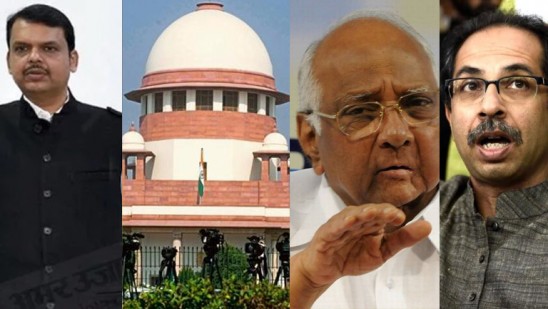
                Whatever the host of legal eagles fighting the case in our Supreme Court may say to justify their arguments, and regardless of the conclusions the Hon’ble Court may arrive at, the simple truth of the matter is that for all sides concerned, Maharashtra is too important to lose. To start with the inability to form the government in Maharashtra would not just be a simple loss of face, but utter humiliation for the BJP, and more importantly, for its mentors from Nagpur, located in the heart of the State. If they cannot control their own fiefdom, what control will they exercise tomorrow over the rest of the country, more so given that elections are due in states like Bihar and Jharkhand in the coming months?

                Similarly for the Shiv Sena after having openly cast aside the cloak of morality and gambled everything, including the kitchen sink, in its blatant attempt to go one up and grab the Chief Ministership for Balasaheb’s scion, a loss would spell utter disaster and lead to questions of survivability of the dynasty. For the NCP, and especially the Pawars, being on the winning side is the only hope for redemption for past transgressions. As events have played out, it is now obvious that Pawar the younger was carried away by the brashness of youth and the fact that leadership of the Party would remain just a mirage due to circumstances of birth as long as Pawar the elder had any say in the matter. Finally, for the Congress that continues to be on the ventilator this was an unexpected bonus, a fleeting opportunity to start again.

         While each of these stakeholders has its own particular motivations for their actions, however, the most important aspect  incentive for all in this battle royal for the stewardship of the State is the simple fact that not only is Maharashtra a large state, governing which is undoubtedly prestigious, but also an extremely rich one. It doesn’t exactly require a leap of faith to suggest that whosoever controls the money controls the votes. After all, is that not the very reason that controversy dogs the issue of electoral bonds that were introduced not too long back?

                Leave aside mundane issues of malfeasance, personal greed, overarching ambition and rank opportunism, what is indeed truly astounding to see is the utter lack of constitutional propriety and ethical conduct on the part of those charged with its very protection. For them to let petty loyalties and servility take precedence over self- respect and principled conduct is not just a reflection on how unworthy they are to hold such positions of eminence, but also a shameful blot on our social mores that encourages such people to claw their way up despite lacking an iota of integrity or moral fibre. One cannot but feel embarrassment for the President, a former advocate, who unquestioningly accepts the recommendations of a Prime Minister without the requisite cabinet approval, justified by the use of a most inappropriate rule to cover the lapse. That such a rule can be invoked at the dead of night to swear- in a government at dawn, in the futile hope that it would provide stability, after weeks of confusion, is indeed laughable, if it were not so tragic.

                The Supreme Court’s directions to the newly sworn-in Chief Minister, Devendra Fadnavis, to prove his majority on the floor of the House within two days, set the cat among the pigeons as it left only limited scope for horse trading. It forced him to resign prior to the House being called into session as by that time it was abundantly clear that Mr. Ajit Pawar was in no position to provide the necessary support of the NCP legislators required to gain a majority, as he had promised. It is only now becoming increasingly clear that the ‘Ajit Pawar move’ was in all likelihood, a move conceived by his uncle and leader of the NCP, Mr. Sharad Pawar, to kill two birds with one stone; firstly lure the BJP into withdrawing President’s Rule in the State, which it may otherwise not have done in a hurry, and to force the Congress to reduce its demands in exchange for joining the anti BJP Coalition, Maharashtra Vikas Agadi, under the leadership of Mr. Uddhav Thackeray as Chief Minister.

                Events in Maharashtra only accentuate the utter lack of morality on display on the part of all concerned. If we were to look at the winners and losers that have emerged after this power play, clearly the BJP finds itself stranded by the wayside and has much to introspect, but it is not the only loser, The Shiv Sena may have won itself a reprieve and fulfilled Thackeray’s ambition of being Chief Minister, it has come at a cost, as it appears to have caused grevious damage to its ideological foundations. There is always the possibility that Uddhav may have realized that with the Ayodhya Temple issue having been resolved to a large extent, hard Hindutva is unlikely to be a crowd puller in the coming days and an ideological shift was necessary if the Shiv Sena is to flourish. The Congress continues to be seen as disorganized, lacking leadership, confused and opportunistic, a perception that is unlikely to change until the Gandhi’s are leached out of its organizational structure. Only the NCP appears to have emerged as clear winners, especially Mr. Sharad Pawar, as he will undoubtedly wield the remote control on this coalition government. Off course, all of these shenanigans only reinforce the fact that it has been the people of Maharashtra, who have lost out the most, and were, in Mencken’s words, “moronic” enough to vote these ingrates into power.

    The writer is a military veteran and consultant with the Observer Research Foundation and a Senior Visiting Fellow with The Peninsula Foundation, Chennai. The views expressed are the author’s own.

  • Gender Wage Inequality: A Core Problem in Rural Indian Economy

    Gender Wage Inequality: A Core Problem in Rural Indian Economy

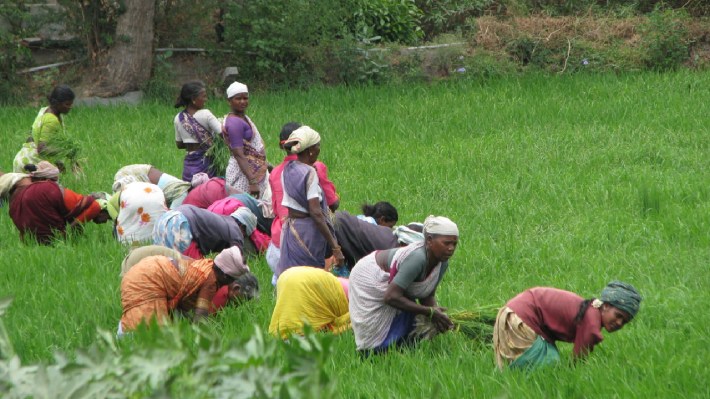
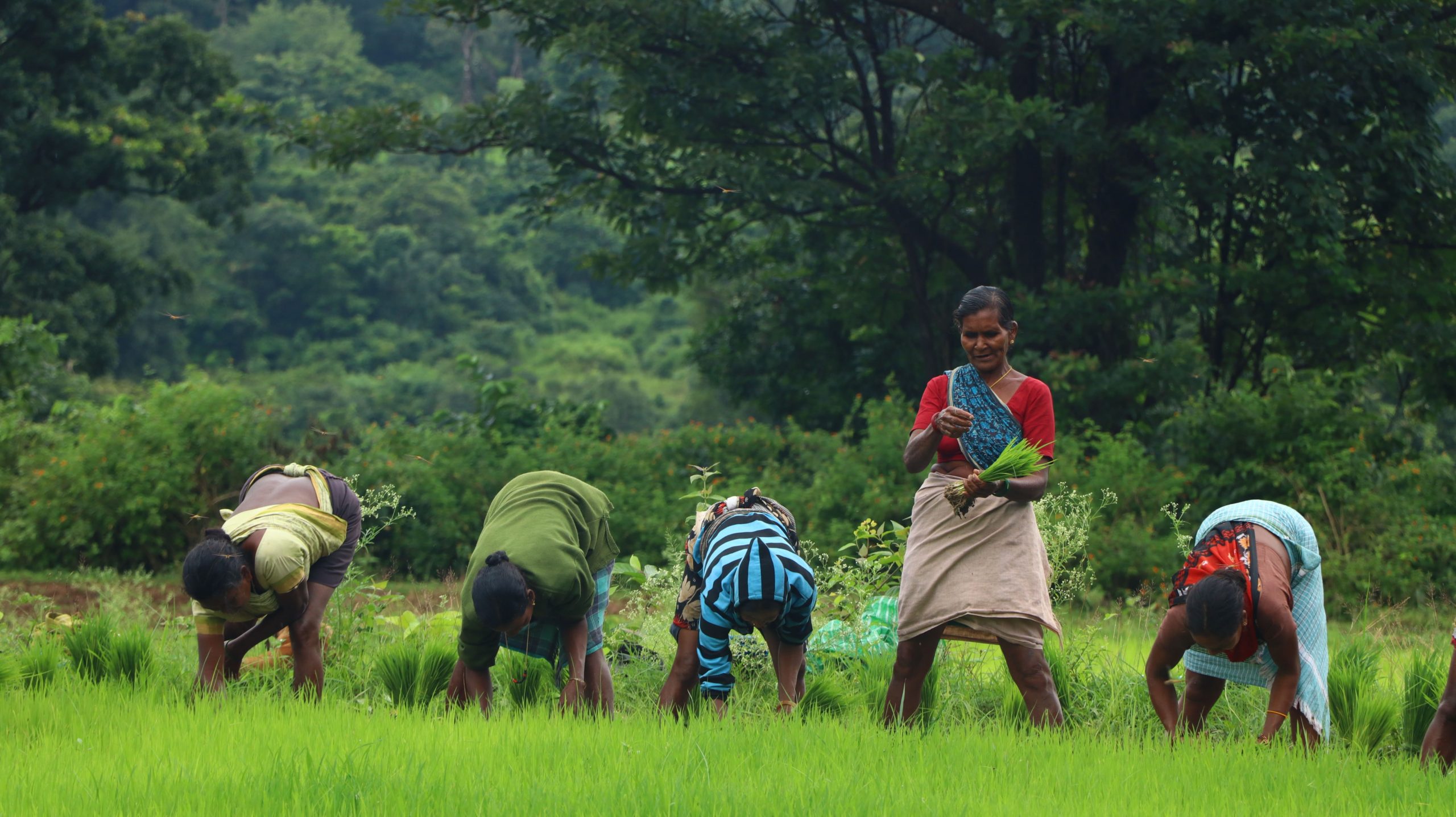
    Growing unemployment rates, inadequate demand and low productivity in rural India is currently drawing significant attention particularly in view of the current economic slowdown. Debates on falling agriculture productivity and consumption in rural areas have partially ignored the gender dimension. The sexual division of labour in a rural production framework arbitrarily sets the female wages lower than men. Declining participation of women in labour force could relate to various socio-economic conditions, a sector wise analysis mirrors an intelligible dynamics of the problem.   Informal rural market already operating below the minimum wage exploits women as they are presumed to have poor bargaining power and social constraints blocking their employment migration tracks. While the dire status of marginal farmers and casual labourers are talked about, economic and social inequality across gender misses the radar.

    Optimism on gender grounds rose after the wage gap between men and women started reducing in rural labour market across India. A closer examination of the wage data among rural labour reveals the complex nature of female labour wages. More importantly, the seeming reduction in  wage gap in actuality is more due to  decline in male wage rates. The overall percentage of women in rural casual labour market has seen a marginal reduction from 35 percent in 1983 to 31 percent in 2017-18. Analysis of informal casual labour market reveals a pattern of women being paid low wages and with no social security schemes resulting in decline in already poor quality of living. Significantly, economic contribution of women is grossly underestimated in the current System of National Accounts (SNA). Time Use Survey captures all unpaid activities of men and women which would be more accurate to calculate. However, the problem of valuation remains an issue, and calculation of woman’s opportunity cost in a rural household is an arduous task.

    Complex pattern of decline in female work participation rate

    Female Workers Participation Rate (FWPR) in rural sector declined from 32 percent in 1972-73 to 17 percent in 2017-18. Studies suggest various reasons could be responsible for a fall in proportion of women in rural work force.  According to Census India 2001 and NSSO 2010, increasing number of women migrate from one rural area to other and round 64 percent of women migrants move because of marriage. A research study in Institute of Asian Studies observed an income effect, U shaped probability curve of female participation with the log of male income in the family. This means more women were working during the times of economic distress to support the family and participation rate gradually reduced with higher income earned by the men. However, with increase in income, there is also a pattern of women working to meet the increased consumption expenditure. Education is also considered an important component contributing to reduced percentage of women in labour force. As literacy rates grow, graduate women are aspiring to get employed in skilled jobs and voluntarily withdraw from the work force. However, proportion of women in primary sector has only declined from 89.7 percent (Krishnaraj & Kanchi, 2008) in 1972 to 83.6 percent in 2004. Evidently, majority of women in rural areas are dependent on primary sector for employment, a drop to 67 percent of men dependent on primary sector for employment is due to their shift to secondary and tertiary sectors. Employment in unorganised sector is beset with low wages, an exploitation by the employers.  Moreover, absence of social security cripples the income earning capacity of women. This deliberately places women in the lower strata of rural economy leading to poor socio-economic living conditions and has a direct impact on their inability to invest in education, health and nutrition.

    Women in informal sector and Poverty in rural India

    India’s rural sector is characterized by a large segment of informal labour force where 90 percent of the population is either self-employed or work for casual wage. Rural areas in particular operate in an informal economy and wages are mostly determined by the labour market where women are inherently considered less productive and paid less than men.

    As of 2011-12, 68 percent of female casual labourers were receiving less than National Minimum Wage of INR 122. Around 47 percent of men in rural India received less than the minimum wage indicating the unreliable nature of rural informal job market. Men, naturally with higher migration possibility, shift to informal urban sector jobs but women are left with depressed wages even as the labour demand remains high. Although the rural urban migration among women is higher than men, 60.8 per cent of women migrating to urban areas are due to marriage. As far as employment is concerned only 2.6 percent of women migrate as opposed to 52.7 percent of men. The decline in women participation in labour force is visible among educated women. Unskilled women in poor households tend to work for daily wages and have not substantially reduced from workforce. In rural India, where casual farm and nonfarm jobs are exploited it makes limited sense to use only wage gap to measure the gender equality.

    Agriculture, evolved from a traditional household structure, supports if not advocates, defined gender roles and discriminates women overtly through economic means. According to the recent NSSO report unemployment rates among rural females has increased from 1.8 percent in 2004-05 to 3.8 percent in 2017-18. However, an average of 5.4 percent of women had reported to be available for additional work in PLFS survey 2017-18. Unemployment is rampant across the country in all sectors but women labour supply for casual jobs especially in poor household still remains high pushing the daily wages further down. Intense land fragmentation has increased the percentage of marginal landowners to 85 percent but the demand for labour has reduced, forcing men to migrate into other sectors. Deepening crisis in agriculture also contributes directly to low wages among residual unskilled women labourers. Effectively the ‘informal labour’ market conditions has become a trap that exploits unskilled women as they are willing to work even at a lower wage rate. In effect, an increase in participation would not guarantee a better standard of living if the market is unregulated and exploitation based on gender continues.

    Why Government measures are only partially effective?

    Government initiatives for the rural economy have led to various policies to increase the income levels of marginal farmers and unskilled labourers. Women participation has been prioritized in such schemes and has shown to reduce poverty among rural households. National workfare program MGNREGS provides employment on demand and has managed to attract many women to participate by claiming to offer equal wages. As the Public employment program also mandates 33 percent of labours to be women, unskilled women are largely entering into the MGNREGS program. For the financial year 2011-12, 48 percent of women are engaged in this program from all the rural districts. However, wage gap exists even in a state intervention program- calculating from Annual Report of PLFS 2017-18, men on an average are reported to earn 152 INR per day while women are paid 143 INR from the state employment guarantee program. Further, in few states like Gujarat, Tamil Nadu, Punjab, Madhya Pradesh, Maharashtra and Telengana casual worker’s (both male and female) wage is below the notified wage for financial year 2017-18. State programs are accused of various leakages and operational inefficiencies, yet the participation remains high indicating a much serious problem in rural labour market. An important long term issue pertaining to state run workfare program is the stagnation of skill levels in rural India.  Women participation in secondary and tertiary sector is low; a possible explanation for unskilled women labourers’ compromise for low wages is because of lack of any other alternative. Skill augmentation is prerequisite to transform from an agrarian to an industrial society. A significant effort needs to be directed in training unskilled work force in rural sector, and government employment program has to be a seasonal support system.

    Skill development and Vocational Training to combat rural poverty

    The national average wage difference between men and women for casual employment other than MGNREGS work is calculated to be 55.02 INR for the year 2017-18 and states like Tamil Nadu, Kerala, Tripura and Andhra Pradesh are observed to have the highest gender wage difference. Ironically, these are the states with female participation (in casual labour force) higher than the national average of 25.5 percent, implying that wages (equal wages) are not the only driving force for influencing labour participation. In rural India, while socially defined roles result in unequal wages in labour market, women’s labour does not seem to follow the traditional backward bending labour supply curve. The natural withdrawal of women from workforce is not as serious as unskilled women remaining in informal sector even with lower wages. Real problem of women in rural economy is their diminishing bargaining power and skill stagnation or non-development of any skills due to informal structure and counterproductive state measures.

     A complete free market approach would deepen the wage difference as rural women are assumed to have low skills and weak bargaining power. State intervention to engage more women in labour market should not be limited to just providing 100 days of employment. Skill enhancement, vocational training demanded by industrial and service sectors needs to be imparted in rural areas. Residual women in rural areas are reserve army of labour available and usually are exploited for reasons given above. The gender wage gap is a consequence of a faulty design by the government and dyed-in-the-wool beliefs of people; solutions lie in the state prioritising proactive measures to reform the unorganized sector and improve market accessibility for women. Unequal remuneration in informal sector is a symptom of a fragile labour market. Women labourers end up bearing weights of both market and state failure with poor skills and low wages.

    Manjari Balu is a Research Analyst with The Peninsula Foundation.

    Image Credit:Photo by vishu vishuma on Unsplash.

  • Time for Structural Reforms, Modernisation

    Time for Structural Reforms, Modernisation

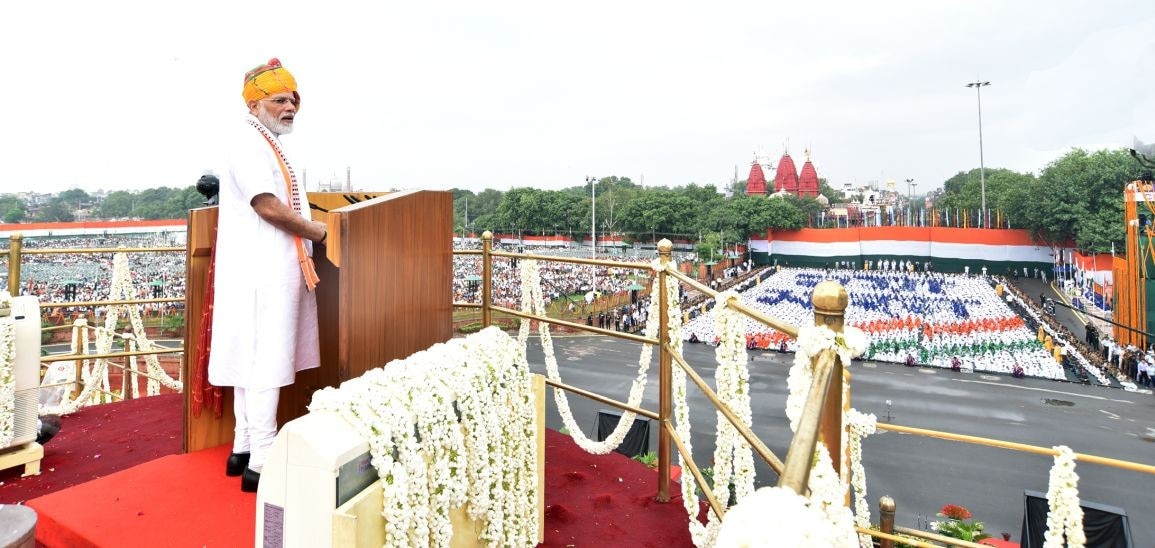
    The Prime Minister’s announcement on independence day of his decision to appoint Chief of Defence Staff (CDS) as the single-point military advisor to the CCS and the PM was received with great enthusiasm. The appointment of CDS, recommended in 2001 by the Kargil Review Committee and endorsed strongly by the Group of Ministers’ headed by the then Deputy Prime Minister Shri L K Advani has been long overdue. Like with every other decision with respect to military reforms, the CDS decision became a victim of bureaucratic manoeuvring, vindictiveness, engineered turf battles, and political indecisiveness. The process of setting up a tri-service integrated headquarters was, however, incorporated with a Vice Chief equivalent, CISC heading it. Major reforms such as integration of service headquarters, appointment of the CDS, and establishment of Indian Defence University – all remained in limbo or with just cosmetic changes. There is no doubt that the Indian military is in crying need of major structural reforms in tune with 21stcentury environment, technologies, strategies, and the primacy of joint operations in the conduct of war. The CDS is more than a single person’s appointment, it is an entire system.  Therefore, it needs to be accompanied by other major structural reforms.

     Integrated Defence Staff (IDS), the joint headquarters structure to assist the CDS is already in place. The current head, CISC, would become the VCDS. It has taken more than a decade for the IDS to establish a mature and optimised acquisition system and processes, develop Long-Term Integrated Perspective Plans, optimise the defence intelligence agency, and address joint operational and training systems. While significant expertise has evolved including coordination with multiple MOD agencies, the CISC has had to depend on the Chairman, COSC for major decisions. This was invariably subordinated to the Chairman’s priority for his role as the Chief of his Service. An integrated approach, driven by the CDS, should ensure speedy and optimal modernisation of individual services towards enhancing our joint warfare capability.

     Currently, Chiefs of respective services are responsible for operational capability, training, and the requisite modernisation plans. Acquisitions and modernisation plans were largely driven by individual service specific interests, and very often these ended up getting delayed or blocked by turf wars and prioritisation battles for share of the defence budget pie. This would change under the CDS, with operational decisions being driven by the CDS system while the Chiefs would be responsible for their service capability development, training, and maintenance in tune with joint strategies. This should speed up the modernisation process.

    This year’s defence budget is barely above the subsistence level. A decade of stalled modernisation has brought all three services to their lowest levels of force structures and capabilities. The Indian Air Force is down to 32 squadrons, and is likely to go down 28 squadrons over the next five years as the older, overdue for phase out aircraft are finally laid off. It would take more than a decade for the IAF to get back to its authorised force strength of 42 squadrons provided its modernisation process is undertaken on a war-footing. If not it would be at least two decades for full recovery. The Army is no better, as a former VCOAS stated – 60% of its weapon systems are vintage. Army’s two major modernisation programs – TCS and BMS, intended to be through ‘make’ route, has been shelved after more than a decade of work with two consortiums of Indian majors. This is bound to have huge adverse impact on its modernisation efforts. One can’t blame the Army though. Repeated delays in routine procurements, and lack of accountability on development programs have cost the Army dearly. Notwithstanding some of the recent decisions such as the joint venture between Kalashnikov and the OFB for small arms manufacture, light-weight howitzer and the fast-track procurement of assault rifles and weaponry for special forces, Army’s overall capability for a two-front war is  of concern. The FICV project continues to be in a limbo. Army Chief’s restructuring efforts towards ‘Integrated Battle Groups’ is a welcome step and would help the cause of jointness.

    Navy modernisation efforts are no better either. The progress of the Indian Aircraft Carrier continues in its slow pace. Very well laid out plans such as 30-year ship building and submarine-building programs have been approved years ago, if not decades ago. These have floundered for lack of timely budget allocation. Effectively the Navy continues to grapple with ageing ships, submarines and weapon systems.

    Much of the modernisation that has accrued over the last 15 years has been largely due to procurements from the US, almost exclusively through the FMS route, that is government-to-government contracts. It does not speak well for all our sloganeering on ‘make in India’, and reflects the lack of a coherent national strategy. This is a domain the CDS will need to address.

    In a recent announcement, the government indicated that it would allocate USD 130 billions over the next five to seven years for modernisation of the three services. The CDS will need to move beyond the current system of work in the IDS, as far as modernisation goes. Currently, the LTIPP is seen as a ‘Desired Capability’ document, which the government is happy to concur. There is no assurance of financial commitment, and so the plans remain wishful thinking. Big headlines are made whenever the DAC approves ‘Acceptance of Necessity’ for thousands of crores worth acquisitions. These turn out to be meaningless as the subsequent processes takes years, more than 50% AONs elapse, and less than 25% of approved AONs fructify into desired inductions. On an average the time taken from AON to contract signing has been about 9-10 years. The flaw lies in the mismatch between various aspects of indigenous development, ‘make in India’ manufacturing and huge import dependency versus the combat capability of the forces.

    It is quite clear that various organs of the government, over the last 70 years, have failed to address effectively the need of a vibrant indigenous defence industry that is export oriented and reduces our forces’ import dependency. The CDS system, if evolved correctly, should integrate different aspects of  integrated operational philosophy, requisite force structures and combat capability with indigenous manufacturing, technology development, and a balanced, accountable, and efficient  acquisition process. The CDS must also be given enough power to take operational and financial decisions to ensure appropriate force structures for India’s defence. The bottom line, however, is to see the wisdom that an allocation of 1.35% of GDP is abysmally low to meet India’s defence needs in the 21stcentury.

    This article was published earlier in Deccan Herald on 22 Sep 2019.

    The author is the Founder-Chairman and President of The Peninsula Foundation. He is a former Deputy Chief of Integrated Defence Staff. The views expressed are author’s own.

  • Hong Kong’s Pro-Democracy Movement and the Chinese Conundrum

    Hong Kong’s Pro-Democracy Movement and the Chinese Conundrum

    The protest that erupted in Hong Kong since early June, triggered by stark objections to the extradition bill, has spiraled into a pro-democracy movement in the region. Beyond the political situation, the widespread, leaderless yet organised demonstrations reveal deep social and economic frustrations of the Hong Kongers. As the unrest enters its fourth month, the course of the events in the upcoming days also remains crucial for People’s Republic of China that is gearing up for its 70thanniversary on 1stOctober. With the rest of the world keenly observing Beijing’s measures, China seems to be in a conundrum, often changing its reactionary responses towards Hong Kong.

    Despite wide opposition, the pro-China Legislative Council (LegCo) in Hong Kong passed an extradition bill, usurping the democratic members presiding the bills committee.  While the current laws permit Hong Kong to extradite people upon legislature’s approval, the government introduced the bill claiming that it was unfeasible and could alert targets to flee before proper action. Eventually, following massive protests, the bill was suspended as people claimed that the proposed changes allowing Hong Kongers to be tried in mainland China will erode the region’s autonomy and freedom. Dissidents asserted that the Chinese legal system is opaque and often subordinate to the political structures, not always respectful of the rule of law. Although the citizens succeeded in removing the bill, the protests gained momentum towards larger demands of democracy.

    In 1997, when the British returned Hong Kong to China, Beijing allowed the region to retain a high degree of independence, with the mainland responsible only for defence and diplomacy. Although “one country, two systems”, set to expire in 2047, states political and economic autonomy, only 40 of the 70 LegCo members are directly elected by the people (others nominated by business houses mostly pro-China)  and the Chief Executive is appointed by a 1200 member committee, approved by China. Over the years, multiple protests for democracy have been observed in Hong Kong due the uncertainty post 2047 and increasing Chinese influence, like the Umbrella Movement in 2014. Currently, the discontent with the largely pro-China administration and its failure to represent the Hong Kongers, galvanised by the extradition bill, refuelled the pro-democracy movement in Hong Kong now primarily demanding free election of Hong Kong’s leader and LegCo, withdrawal of the suspended extradition bill and stepping down of Carrie Lam (present Chief Executive).

    The longest and largest unrest in Hong Kong since reunifying with the mainland seems to be spreading to include all sections of the population including lawmakers, civil servants, and even business houses. Mostly led by youth below 30 years, the movement has evolved to be a fight for the future of Hong Kong. Unlike older Hong Kongers, the younger generation did not grow up in a British colony and does not identify with the mainland, manifesting no pride in returning to the Chinese regime. According to Hong Kong University Public Opinion Program, the number of people expressing pride in being a Chinese citizen is at a record low, with an overwhelming majority identifying as Hong Kongers rather than Chinese. Despite being (seemingly) a leaderless rebellion, the sense of desperation and fear of Hong Kong losing its autonomy are powering the movement. While the driverless protests prevent protestors from becoming state targets, the nature of the crisis can easily turn violent and escalate since there is no set course of action, such as breaking into the legislature, shutting the city’s subways and airports, etc.  Many suggest that the protest is constantly gainingmomentumas the political frustration is also fuelled by socio-economic issues. Studies have revealed wide income disparities, especially in the last 45 years. Hong Kong has emerged as the most unequal nation amongst developed nations with the highest Gini coefficient- 0.539 (2017).  After Hong Kong was returned to China, it was hit by the Asian Financial Crisis in 1997 and SARS threat in 2003, worsening recession and unemployment, eventually leading to higher integration with the mainland in terms of trade and investment. As the GDP fell from an average rate of 5.1 percent in 1977-1997 to 2.6 percent in 1997-2017, the wealth gap widened as well. The younger generation equates the blame of poor economic opportunities, rising income inequality and reduced upward mobility to the pro China initiatives of the Hong Kong administration, which is not directly elected by the people. Aging population, low minimum wages, skyrocketing real estate, etc require immediate government policies to tackle the resulting social issues. In the absence of appropriate government action, the demand for a democratic government that acts in Hong Kong’s interests have strengthened.

    Interestingly, the official Chinese response to the Hong Kong situation has been constantly evolving over the course of the protests. Initially, the unrest was hardly covered in Chinese media and traces of Hong Kong incidents were censored from the mainland’s social media platforms. Further, the Chinese state downplayed the number of protestors, claiming that majority of the public in Hong Kong were in favour of the introduced extradition bill. As the movement gained momentum, Beijing portrayed the protestors as a radical, violent minority. Eventually, as pro-democracy demands were raised, Chinese official statements were released comparing the agitation to a “colour revolution”, a term used to highlight a direct threat to Chinese party and its authority. Since then, police force and violence have heightened, and paramilitary forces amassing in the nearest city of Shenzhen has been reported. Following this, Beijing signalled that it has a responsibility to intervene as the Hong Kong administration’s capacity to h andle the situations seems ineffective. In parallel, Hong Kong’s administration repeatedly stressed that the ongoing demonstrations are disrupting the economy, a strategy to undermine support to the protestors.  Additionally, Beijing have also claimed that foreign “black hands” are operating and funding the revolution, since pro democratic leaders were photographed with US leaders and protestors defaced the national symbol at central liaison office (Chinese representative authority in Hong Kong). Overall, this narrative seems to actively reduce positive sentiments towards Hong Kong protestors in the mainland. Moreover, Chinese origin accounts on social media have been found propagating a campaign against the dissenters. Twitter suspended over 2,00,000 accounts, and Facebook removed 7 pages, 3 groups and 5 accounts on account of depicting protestors as violent criminals or terrorist aimed at influencing public opinion around the globe. For directly connecting to younger masses, Beijing has also roped in popular figures like Jackie Chan and pop singers. However, despite these hard and soft measures, China has largely failed in curbing the ongoing crisis.

    The varying responses to contain the rebellion highlight Chinese helplessness. Beijing’s long term strategy of subtly eroding Hong Kong’s autonomy has effectively been defeated. Ruthlessly crushing pro-democracy demands, as it did in Tiananmen Square protests, will undermine China’s carefully constructed role as a responsible state actor. Moreover, unlike the Tiananmen protestors, Hong Kongers have no allegiance to the mainland and are conditioned to certain levels of freedom. Suppressing their rights and removing its current level of autonomy will work against China and could further create tensions in Taiwan, prompting the island to declare real independence. Furthermore, it will invite international repercussions as UK has already announced diplomatic retaliation if the Sino British declaration is not honoured by the Chinese and US has hinted that the special privileges it extends to Hong Kong will be reconsidered if its status is changed. Despite Hong Kong’s declining significance to Beijing, it still handles  75 percent of offshore RMB payments and 63 percent of FDI into China. However, failure to quell the protests will hamper China’s image of invincibility and imply that Beijing caved in against mob action. This will weaken national pride amongst mainlanders, from which the Communist Party derives its strength. China seems to be caught in a tough spot, between one that wants to achieve stability by instituting leadership change and upholding one country two systems approach with integrity, and one that wants to portray itself as an ambitious rising power with unquestionable strength.

    Renuka Paul is Research Analyst with The Peninsula Foundation.

    Image Credit: Photo by Joseph Chan on Unsplash.

  • Problems of Indian Agriculture: Low Incomes, Marginal Farmers , and lack of Modernisation

    Problems of Indian Agriculture: Low Incomes, Marginal Farmers , and lack of Modernisation

    Manjari Balu                                                                                                   August 23, 2019/Analysis

    Substantial fall in the number of farmers in the past decade with stagnant agriculture growth of 2.88 per cent corroborates the bleak condition of the Indian agriculture sector. The dire status of the agriculture assigns the state to either invest for agriculture (asset creation) or invest in agriculture (includes subsidized input). The ostensible manifestation for agriculture is visible during the union budget 2019 with falling public investment for agriculture even as budget expenditure rises. The number of cultivator has decreased by 7.5 per centfrom 2001 to 2011 but the number of labourers engaged in agriculture increased by 3.5 per cent for the same years. Contextualizing the movement of labourers with the ambitious plan of doubling the farmers’ income urges the need to investigate the income and wages which currently stands at INR 8931 per month. This figure includes both large landowners and marginal farmers   In the year 2018, waves of protests sparked off across the country, with disgruntled farmers demanding better support prices and waivers of loans. Fear mounted that frustrated farmers would jeopardise the electoral victory of the ruling party. In response, an annual cash transfer of INR 6000 to all marginal farmers was announced in the interim budget of 2019. The strategy paid off. Post-poll survey shows that around 68 per cent of Indian farmers were satisfied with the record of the BJP led government despite strong protests demonstrated earlier in the same year.

    Investments and Subsidies : Misplaced Priorities

    Marginal farmers account for 86 per cent of India’s total farmers. The government has proposed an allocation of INR 85,000 crore in the interim budget to directly support the small farmers and boost their income levels. The re-election of BJP to power is an approval from the agrarian society for idealistic pledges with an ultra-nationalistic manifesto.  But the party in power is resorting to increasing the quantum of spending on agriculture without addressing fundamental issues of the sector. Almost half of the population is engaged in agriculture and the sector accounts for nearly 17 per cent of total Gross Domestic Product (GDP). The 2019 budget has allotted INR 1,51,000 crores for agriculture and allied sectors; this constitutes a 75 per cent hike from the previous budget. Subsidies on fertilizers occupy a highly prominent position in the budget expenditure; INR 73,435 crores is budgeted for fertilizer subsidies for the year 2018-19. Fertilizer subsidy is increasing at an annual rate of 11.4 percent while the share of public investment in agriculture is a mere 0.4 percent of the total investment. The rationale behind large fertilizer subsidies is to reduce input cost and thereby increasing income margin of the farmers. However, a study conducted to assess the impact of different investment components on return on agriculture ranked subsidies below investment in Research & Development (R&D). The output elasticity of the States for expenditure varies from high-income states to low-income states. A state-wise subsidies plan has to be strategized to have a remunerative effect on the productivity and hence the income of the farmers.

                A disproportionate investment in subsidies might lead to short term rise in income but at the cost of long term productivity. The rising burden of liabilities to fertilizers companies is straining the government’s fiscal position. Comptroller Audit General India has criticized the recent budget for resorting to off-budget financing (to cover subsidies through bank loans) to reach the 3.3 per cent target of fiscal deficit. Such offset financing severely strains the government balance sheet and mounting liabilities would dent the future economy.

    Public investment in agriculture is much lower than private investment. In 2016-17, government spending on capital formation stood at only INR 45,981 crore while private spending was INR 2,19,371 crores. While overall public spending has been growing, the share of capital formation in the budget is relatively low.

    Agriculture Strategies in Indian and China: Difference is Technology and Modernisation

     An elementary comparison of India’s growth in agriculture with China highlights the divergent growth due to the different strategies adopted during their post-reformperiod. China focused on irrigation and invested in technology to attain efficiency in water management. The Total Factor Productivity (TFP) which measures the economic efficiency of inputs estimates China’s agriculture TFP to be growing at an average rate of 3.40 percent post the reforms. In contrast, India’s post reforms agriculture TFP stood at around 0.54 percent illustrating the deficiency in technology investment and excessive subsidies on credit, power and fertilizers. China’s indisputable focus was on rural spatial restructuringand land consolidation. Optimizing land-usepatterns and investing in rural regions to enhance productivity can be a transformative solution to address the problems created by industrialization. The remarkable success of China can also be attested to the stabilization of agricultural subsidies in the year 2009. Though input subsidies in 2004 were exponentially growing, the Chinese government conceded the inefficiency of resources allocated to the farmers.

    The principal justification behind institutionalising subsidies on credit, irrigation and fertilizers is to bolster marginal farmers in minimizing the difference between input costs and output prices. The input cost is primarily financed by short term agriculture credit; the short term crop loan has increased by 18 per cent from 2014 to 2018. Theoretically, a positive trend in the short term credit to farmers duplicates the function of subsidies to reduce the input cost. The dispensable expenditure on subsidies can be reduced if state prioritizes to streamline the credit flow to avoid leakages in the system. A fundamental task of the government is to channelize the gain from productivity and translate it to income and wages. Input cost reduction approach, in the long run, suffers from a potential threat of income being concentrated in the large land cultivators while labourers are discouraged to take up farm jobs.

    Income Wage paradox

    The average operational landholding reduced from 2.28 hectares in 1970-71 to 1.08 hectares in 2015-16 as a result of excessive land fragmentation with a swelling rural population. Farmers from India’s rural areas generate income majorly from cultivation and wages. Mahatma Gandhi National Rural Employment Guarantee Act is one such gambit to accelerate employment and incomes of the rural populace. Though the state intervention in the rural labour market has been acclaimed to the extent that it engages India’s unskilled labour force, the flaws of national workfare program are only too apparent with poor monitoring and supervision. A visible trend of farm labourers moving togovernment employment programs has contributed to the recent labour scarcity in agriculture. A shortfall of the labour force in labour-intensivecrops invariably inflates the wage even in the absence of skill augmentation and mechanization of agriculture. Rural workers are more attracted to employment programs as it offers fixed wages as opposed to volatile wage rates in agriculture.

    The union budget has provided an abstract roadmap to increase the income by hiking the Minimum Support Price (MSP) and reducing the input cost. Overall, the average daily wage rates of agriculture labourers in real terms are observed to be falling rapidly from 11.08 percent (derived from government data) in 2007-08 to 4.3 percent in 2018-19. The implication of government strategies to increase the farmers’ income and not that of the labour is based on the assumption that the profit is effectively channelized as wages. However, the discernible movement of the workforce from a labour-intensive agriculture sector to the service sector on account of surety implies the failure of State to stabilise income through agriculture. Indian agriculture has achieved only 40 percent of mechanization while the United States of America has 95 percent of farm mechanization. A transition to capital intensive production would justify a movement of labourers from the agriculture sector to the non-farmsector, but the majority of the farms being labour intensive faces low productivity due to the labour shift.  The disturbed labour market offers higher wages in agriculture but labourers choose to settle for the employment program due to less skill requirement and guarantee of a minimum wage. The farmers in need of labourers, work at a below optimal level with less productivity as it is hard to afford labourers at a higher wage. To untie the complex knot- dynamics of labourers and farmers, it needs to be thoroughly examined to achieve enhanced productivity through income. A mere cash transfer or subsidizing input cost would not guarantee higher income or efficient productivity in the long run.

    A quantitative study conducted to analyse income inequality in the agriculture sector concluded that there has been little change in the structural and distributional factors in the agricultural economy. The findings of the study stated that inequality in income is driven by the share of land ownership. The importance of examining income affected by land size is more relevant as the continuous land fragmentation gains logical attention with an income determined framework proposed by the government. Thus an important fact to be recognizedis that the marginal farmer households earn 9 percent of the total agriculture income while medium and large farmers earn 91 percent of the income. Evidence for growing income inequality based on the land size and land ownership implies the state expenditure has to be designed to redistribute the investment with a view to minimizing the disparity.

    Need for Effective Policy Alternatives

    There is a pressing need to consolidate land holdings and address the deteriorating quality of soil and incentivize farmers to specialize in production by cooperative farming. Self Help Groups is a success story for community-drivenentrepreneurship, a similar model can be experimented in agriculture, factoring the viability and feasibility. A revision of land reform policies to restructure the arable lands for achieving higher productivity needs to be factored in the entire spending formula. There should be a balance in capital and revenue expenditure for agriculture to avoid concentration of funds only on overheads. The state should facilitate a platform for a smooth transition from labour intensive to capital intensive agriculture from both sides. Incentivize farmers to own lands that can be mechanized and equip the residual labourers with skills to acquire jobs in the service and manufacturing sector. A prime target of improving productivity and maintaining the ecological balance has to be influenced to enhance the living standards of farmers.

    Three critical paradoxes that are driving Indian agriculture need to be studied in detail for  better fiscal and policy decisions. These are (i) problem of low productivity despite availability of abundant arable land with a tremendous history of agrarian community, (ii) Bulging population with increasing unemployment yet labour shortage in agriculture sector, and (iii) huge share of agriculture expenditure yet no substantial asset creation or returns on investment. Central government must assess the quality of natural resources and make initiatives for precision farming a priority component in respective states. A revision of labour wages based on productivity and employment programs have to be framed to engage workers in building agriculture infrastructure. The choice of viewing income as a means to achieve productivity or income as an end to beguile the voters during the election season lies with the government.

    Manjari Balu is a Research Analyst with The Peninsula Foundation.

    Photo : Small Farm in Vellore Dt, Tamilnadu, India.  Credit: M Matheswaran

  • India’s Farm Distress: Priority and a Challenge for the New Government

    India’s Farm Distress: Priority and a Challenge for the New Government

    Manjari Balu                                                                                                         May 30, 2019/Analysis

    A deliberate campaigning strategy of the National Democratic Alliance (NDA) led by Prime Minister Narendra Modi has yielded an expected victory in the 2019 Lok Sabha election. The election season had sparked off many appealing promises; one of them pertains to, agriculture, the most critical sector of the Indian economy. The agriculture sector contributes to 12.2 % of the GDP (it has fallen from 17.6% in 2004-05 to 12.2% in 2016-17) for the year 2017-2018 and roughly employs 50 % of the total workforce. The agrarian structure continues to suffer while political parties competed on the delusory promises during the campaigns. NDA government with a special focus on agrarian society has branded its promise to double each marginal farmer’s income by 2022. A pedestrian cash transferscheme has been propelled during the interim budget to provide INR 6000 (per year) to all the marginal farmers who hold less than 2 hectares of land. A valid scepticism about the promise stems out of the fact that there exist an unavailability of data about the farmers’ income and all the political parties refuse to talk about the farmers’ current income. Cash transfer scheme being an attempt to mollify the accumulated antipathy among the public especially farming community has to be scrutinized and put under the radar for substantial discussion.

    Agriculture Distress and the Marginal Farmer

    According to last published NSSO figures for the years 2012-13, farmers’ income averaged out to INR 6,424. Extrapolating the past data to arrive at the 2018-19 income using Compound Annual Growth Rate (CAGR) to the nominal gross value added components of agriculture, cash transfer of 6000 would account for merely 6 % of the total farmers’ income. The Chief Economic Advisor claimed that the annual transfer to marginal farmers would be 17 %, an assertion backed with no clarification. The nebulous methodology to estimate income seems to question the effectiveness of such a policy instrument to address the perennial agricultural distress.

     The agrarian economy has been volatile over the past few years and the well-being of the farmers have always been the litmus test to review the performance of the sector. Around 87 % of the farmers are small and marginal farmers with less than 2 hectares of land holding, this figure seems to be swelling- indicating an objective failure of the land consolidation reforms in the past few years.

     There is a steady decline in the population engaged in agriculture to the total percentage of employment since the beginning of the independence. Displacement of agriculture labours to other sectors is inevitable if there is a gradual policy shift to mechanization of agriculture and capital formation, the eventual effect of the investment is ought to be reflected in the productivity. But between the years 2011 and 2015, agriculture workforce declined by 12.6 million, and the labour force increased by 14 million but total employmentin the economy increased only by 12 million. The incongruity in the figures proves the inability of the nonfarm sector to absorb residual workers out of work. Further, it is erroneous to premise the out of work farm labourers as an ultimate result of only innovation in agriculture. Status of unemployment has to be confessed and measures to provide employment has to be prioritized. It is apparent that the incumbent administration is resorting to the same banal and anodyne prescriptions that preceded it in its attempt to curry favour with the agricultural voter base, which had been promised employment during the 2014 election.

    The incessant crisis is evident from the past records of famers’ suicide data published by National Crime Records Bureau; however, the report faces severe criticisms for underreporting deaths. Though there are various socio psychological reasons for suicides, indebtedness has been considered the primary cause of death. A mere addition of cash transfer might marginally ameliorate farmers’ debts but heavy dependence on informal credit system requires the government to resolve the gaps in current credit system.

    Policy Challenge – Dealing with the Debt Problem

     The Debt Asset Ratio (DAR) indicates the quantum of indebtedness among farmers, since 1990 the ratio has increased at an astounding rate of 630 % in 2013. One commonly posited explanation for the skyrocketing DAR is the excessive informal borrowings by the farmers while the asset value remains stagnant. The perpetual ignorance by the government to address the structural issues over decades pushed the farmers to demonstrate a protest and subsequently resulted in the electoral setbacks of BJP post the protest.

    The apprehension is beyond agricultural and institutional policies, food inflation rates have fallen from 12.9 percent from 2013-14 to 0.13 percent in 2018. Even though the low inflation rates benefit the consumers in general- it would also imply the low food prices would be way below the input costs and return on private investment would be less if not non-existent. Government’s efforts have had little effect on keeping the inflation at a steady rate; the extreme movements of the inflation rates exacerbated the condition of the agrarian economy. The Government has announced to fix Minimum Support Price (MSP) at 50 % above the cost of production as per the recommendation of agricultural scientist Dr.Swaminathan. However, the recent protest placed a demand to change the method of arriving at the MSP figure. Pseudo free market behaviour from the government side has altered the market structure and mostly worked against the welfare of the marginal farmers. While the APMC (Agricultural Produce Marketing Committee) controls the MSP, the small farmers are expected to reach out to the market with a higher transaction cost and end up with much lower revenue. The state has failed to acknowledge the governance failure and continues to place MSP in an equivocal position in every budget. Cash transfers schemes have been placed in the budget with a similar ambiguity in terms of its impact on agricultural productivity and growth. There is a paucity of literature that provides a lucid explanation for execution of cash transfer. A recent study conducted in the rural parts of poor Indian states with 3,800 samples concluded that only 13% of the respondents preferred cash transfer over public health care facilities. Though it is not as same as providing cash transfer to farmers, similar schemes in the past have failed to create a sanguine impression and has made the beneficiaries dubious about such ambitious policies. The sample is also not a true representation of the agrarian community, sector which has been victimized for decades and would vote for short term benefits that risks stagnant productivity and falling workforce.

    The Paradox of Indian Agriculture

    Indian agriculture faces many challenges and is a paradox. India has the second largest area of 159 million hectares in the world as arable land, next only to the United States.  India is the second largest producer of Rice, Wheat, fruits and vegetables. India is the largest producer of bananas and mangoes. Export of agricultural products have ben growing at over 4% year on year. Despite all this there has been great volatility in agricultural economy over the last decade. Growth has been uneven, marginal farmers find farming becoming very uneconomical, and there has been significant decline in marginal farm holdings from 2.27 hectares in 2002 to 1.07 hectares in 2015. While big farmers have sustained themselves well, it is the marginal farmers who have continued to face increasing stress. While many encouraging policies and financial support schemes have been announced, in reality the implementation has been ineffective if not shoddy. Most planned investments and financial assistance have not reached the desired target populace.

     Investment in agriculture GDP has declined from 3.3 % in 1980-81 to 2.9 % in 2013-2014 while the subsidies on fertilizers has increased by 15 times in the same time frame after adjusting to inflation. Fertilizers subsidy accounts to 47 % of the total subsidy in the budget for the year 2017-2018 and amounts to almost Rs.70,000 crore.  Shenggen Fan and Ashok Gulati in their landmark studyto compare relative benefits of investments versus subsidies used a well-established statistical method ‘multi-equation system’. For every 10 lakh invested in agriculture pulled 328 people out of poverty and every one rupee spent on Research & Development increased the agriculture GDP by Rs11.20. The study also suggests that the inefficient input subsidies have actually been more counterproductive by hindering new investments and choking agriculture growth. Member of NITI Aayog and a renowned agronomist, Ramesh Chand had commented that research and development spend in India is not far behind China, a statement that calls for a reality check. For two decades India’s R&D spending as a percentage of GDP has been around 0.6 % while China spends around 2.1 % and Israel with the highest percentage if 4.2%. In absolute terms India invests 5 times lower than China and Israel. An effort on research & development is rather ostensible given less attention in the budget allocation.

    Conclusion : Need for Effective Policy Actions

     There is a conspicuous need for the government to assess the impact of cash transfer to farmers as a policy with various dimensions. The extent to which it can reconcile the distress in farming sector has to be scientifically proved to justify the quantum of investment for execution.  Heavily subsidized agriculture and loan waiver always helped with political victory but the fundamental crisis has been unceasing. Even an elementary study on trends in agriculture seems to highlight that it requires prompt moves and strong long term goals. Policies’ pertaining to agriculture has to be a parcel of broader strategies. Tactics of transferring cash with minimal sanction from experts reserves its place only as a political expediency.

    Marginal farmers and fragmented landholdings are the bottlenecks that prevent effective modernisation of Indian agriculture. The government will need to play a major role in evolving policies that create inclusive solutions to overcome the problems of marginal farmers. Agriculture in India continues to be in the grips of manual and subsistence farming without farm mechanisation or technological inputs. Average landholdings have shrunk from 2.28 hectares in 1970 to 1.08 hectare in 2015 (NABARD). Promoting cooperative farming will allow small and marginal farmers to take advantage of their family labour. Corporate farming, meanwhile, could allow economies of scale to kick in at lower thresholds.

    Yet again, hollow electioneering masquerades as policy with the advent of the great festival of democracy.  Now that the new government is in power, it is time that agriculture is given the due attention it deserves with a long-term strategy to resolve the problems of marginal farmers, fragmented land holdings, and the urgent need for rapid modernisation of agriculture and a national policy on water resources management.

    Manjari Balu is a Research Analyst at ‘The Peninsula Foundation”. She holds a degree in economics. Opinions expressed are the author’s own.

    Photo by Nandhu Kumar on Unsplash

  • 91st Amendment: Impediment to Good Governance?

    91st Amendment: Impediment to Good Governance?

    Mohan Guruswamy                                                                                         May 23, 2019/Analysis

    Soon it will be loaves and fishes’ time when ministries will have to be distributed to accommodate personal aspirations. How many can partake in the feast is limited by the 91st Amendment. But does even this contribute to better governance? Perhaps this period of transition is just the time to consider the limitations of the 91st Amendment?

    On July 7, 2004, the 91st Amendment to the Constitution took effect. This meant that from that day on, the size of the councils of ministers at the Centre and in the states could not exceed 15 per cent of the numbers in the Lok Sabha or state legislatures. The logic underlying this amendment was quite obvious. The cost factor was not the issue, for in relation to the overall cost of government, expenditure on ministers is miniscule. The real problem is that with unlimited ministerships on offer, the destabilisation of governments was made easier. Unfortunately, there seems to be little realisation that too many cooks spoil the broth. Who can deny that our governments have so far only served up a vile and poisonous broth that has enfeebled the majority and kept the nation misgoverned?

    Even the National Committee to Review the Working of the Constitution (NCRWC), set up by the Atal Behari Vajpayee government, which recommended that the number of ministers “be fixed at the maximum of 10 per cent of the total strength of the popular House of the Legislature”, does not seem to have thought this matter through. But even its recommendation was tweaked a bit to fix the ceiling at 15 per cent, as we seem to have too many overly keen to be of greater service to the public by becoming ministers.

    It would seem that the only reason why the amendment was whisked through, and whisked through is the only description for it for it was hardly discussed in Parliament or in the media, was to afford political managers some protection against the clamor for berths in government. Like good politicians, they naturally expect to come out smelling of roses at the same time! But there could be an unstated reason as well, that might have to do with distribution of wealth. Too many thieves could reduce the individual take? That, and making ministerships too commonplace, only devalued the worth of the jobs.

    Whatever be the reason for the ceiling, good governance or management principles seem to have little to do with it. We have 543 MPs in the Lok Sabha, which means that we can have up to 81 ministers in New Delhi. With 787 MPs in both Houses, that means almost one in nine MPs can expect to be a minister. The states have in all 4,020 MLAs; opening up possibilities for around 600 ministerial berths for 4,487 MLAs and MLCs. Uttar Pradesh has the biggest Legislative Assembly, with 403 MLAs, while Sikkim at the other end of the spectrum has to make do with just 32 MLAs or just five ministers.

    Quite clearly, the persons who applied their minds to this amendment have not seen government as a responsibility that has to be sensibly shared and not as a basket of fruits to be distributed. No organisation that is meant to function can be designed on such a basis. Analogies are seldom entirely appropriate, but you will see what one has in mind when you consider the absurdity of limiting the number of functional responsibilities in a company to a function of the number of workers on the payroll. Management structures and hierarchies are based on assignment of responsibilities based on a division of work according to the technical and managerial specialisation of tasks. Thus a company might have heads for the production, marketing, finance, HRD, legal and secretarial, and research functions. In small companies, just one or two persons may perform all these functions, while in a large professionally-managed corporation there would be separate or even more heads of functional areas. But you just can’t link th
    is to the number of workers. The important thing is that management structures apportion tasks and responsibilities according to specialisation.

    Obviously, the management of government is a much more complex, with an infinitely larger set of tasks than the biggest corporation, however professionally managed it may be. But to divide the management of the state into 39 functional responsibilities, as is the case now, is to exaggerate that magnitude and complexity. It is as if in an automobile company making and selling cars, the person responsible for making gearboxes is at the same level as the persons looking after the paint shop or procuring accessories. As if this was not bad enough, all these would then be at the same level as the head of production or marketing or finance. Yet this is how the Cabinet is organised. There is a minister for rural development and a minister for panchayati raj as there are ministers for irrigation and fertilisers, sitting on the same table as the minister for agriculture.

    We know that all agriculture is rural and everything in the rural world revolves around agriculture, and so the case for separating the two goes straightaway. Besides, agriculture is about water, fertiliser, food distribution, food processing, agro and rural industries. And who has heard of forests in the urban areas? Thus, instead of having one person responsible for improving the lot of our farmers and rural folk, we have nine departments headed by nine ministers. They often work at cross purposes. Even if the ministers are willing, it will be almost impossible to make the bureaucratic structures march to the same beat. And so if the rural sector continues to languish, no one is responsible.

    This was not the case 50 years ago. In Jawaharlal Nehru’s first Cabinet there was only one minister for food and agriculture. The only agriculture-related function not with this minister was irrigation. Gulzarilal Nanda held the portfolio of planning, irrigation and power. But in those days additional power was intended primarily from hydel projects and it thus possibly made sense to have irrigation outside the food and agriculture ministry.

    Likewise, transport and railways was one ministry, while it has been broken up into five areas now. Some of them are ridiculously small. Take the ministry for civil aviation. Apart from Air India, Indian Airlines, Airports Authority of India and the DGCA, there is little to it. The first three are companies with full-time managers supposedly managing them. Since the ministry has little policy to make, it busies itself micromanaging the companies. And don’t the ministers for civil aviation just love that? The need for new aircraft and infrastructure have attendant benefits. And what is the need for a ministry of information and broadcasting when that means little more than Akashvani and Doordarshan? Mercifully, there is little by way purchases in I&B.

    By now it should be quite apparent that the 91st Amendment is not good enough as it just does not address the problem. We now need a 92nd Amendment that will marginally change Article 74(1) of the Constitution to read “there will be a council of ministers consisting of the ministers for home affairs, defence, foreign relations, agriculture ….” Article 75(1), that makes it incumbent for the President to appoint ministers on the advice of the Prime Minister, remaining as it is then makes the choice of the ministers entirely his or hers. While we are at it, we might want to look at Article 75(5) afresh and consider the merit of eliminating the stipulation of getting elected to either House of Parliament or legislatures. In this manner we could encourage Prime Ministers and chief ministers to induct professional and competent persons rather than be limited to professional politicians.

    But will the subject of a smaller and more functional government ever merit the politicians’ attention?

    The author is a Trustee and Distinguished Fellow at ‘The Peninsula Foundation’. He is a policy analyst and prolific commentator on politics, economics, industry, and security. He specialises on Chinese economy.

    This article was published earlier in Deccan Chronicle.

  • India Elections 2019: Electoral Bonds Scheme Hinders Effective Policymaking

    India Elections 2019: Electoral Bonds Scheme Hinders Effective Policymaking

    Renuka Paul                                                                                                      May 22, 2019/Analysis

    The legality of electoral bonds was recently upheld by the Supreme Court after the Association for Democratic Reforms (ADR), Common Cause, and CPI(M) filed a petition challenging its constitutionality, seeking either a stay on the issuance of electoral bonds or to make names of the donors public as interim relief. However, the Court did direct the political parties to submit all details pertaining to electoral bonds to the Election Commission of India (ECI) in “sealed covers”. In 2017, as part of political funding reforms, the Centre introduced the Electoral Bonds Scheme by amending the Finance Act, Income Tax Act, RBI Act and Representation of People Act. Through this scheme, donors can make contributions to political parties by purchasing bonds from designated branches of the State Bank of India (SBI) in denominations ranging from Rs 1000 to Rs 1 crore.  Using banks as intermediaries, donors transfer funds to political parties. The latter can redeem the bonds only in their registered accounts within 15 days, before validity expires.

    The Government of India announced the scheme in January 2018, claiming that it will “cleanse the system of political funding in India”. The Centre stated that political parties incur large scale expenditures in terms of staff salaries, election campaigns, travelling expenses etc., often funded through cash donations from sympathisers. Conventional funding practice has been characterised by an undisclosed quantum of money channelled to political parties from unidentifiable sources. To change this status quo, the National Democratic Alliance (NDA) set the limit on cash donations at Rs 2000, beyond which funding of parties had to be done through cheques and other financial instruments, in keeping with the government’s digitisation drive. Furthermore, tax deductions were introduced for funders utilizing cheques and online payments for party donations. However, the State noted that since this required disclosure of donor identities, these features were not widely accepted, as they “invited consequences from political opponents”. In order to overcome this challenge, electoral bonds were introduced to ensure clean money and substantial transparency, wherein funders could remain anonymous. It was justified that while donors could remain unidentified and were not required to reveal the parties they supported, political parties would have to disclose the amount of funds received through electoral bonds to ECI.

    According to VS Sampanth, the former Chief Election Commissioner, electoral bonds have made political funding more anonymous than ever. He claims that these bonds do not meet the basic requirements of transparency and disclosure, and ease corporate funding. In other words, corporates can now financially back political parties without leaving a trace, thereby influencing policy without public scrutiny. This view was shared by the Association for Democratic Reforms (ADR), which took a contrary position from the Centre, opposing the scheme and arguing in Court that it has “opened the floodgates to unlimited corporate donations to political parties and anonymous financing by Indian as well as foreign companies, which can have serious repercussions on the Indian democracy”. An inquiry under the RTI Act revealed that 99.8 percent of the electoral bonds between March 2018 and January 24, 2019 were in denominations of Rs.10 lakhs to Rs 1 crore. Though the government denied corporate takeover, bonds being of the highest denominations indicate that it is not common citizens but corporates purchasing these bonds.

    Previously, in March 2017, the Companies Act was amended to remove the cap on political funding, thereby allowing companies to donate more than 7.5 percent of their average net profits. It is also no longer required that the company be established for at least 3 years in order to make political donations, which may pave way for funding through shell companies. Further, the mandate of disclosing the identities of the beneficiary parties has also been removed. Therefore, currently, while the amount of donations is recorded in the books of accounts, corporates can unlimitedly and anonymously fund political parties legally. It remains a plausible option for even those companies that are operating at a loss. This alarming trend will strengthen the nexus between corporates and politics, leading to private corporate interests taking precedence over the public’s needs with regard to policymaking. Without funding tracks, it would be difficult for the Ethics Committee of Parliament, CAG, and the ECI to scrutinise and raise flags in the case of such incidents. Furthermore, in March 2018, the Foreign Contributions (Regulation) Act was amended to remove the ban on foreign corporations from funding political parties, retrospectively from 1976. By expanding the definition of foreign entities, it is now possible for parties to accept donations from overseas through “Indian subsidiaries” of foreign companies. In addition to making the Indian polity vulnerable to foreign influence and pressure, it has also made it possible to overturn the 2014 Delhi Court judgement that found the BJP and Congress guilty of violating the Foreign Contribution Act (FCRA) by accepting donations from Vedanta, a London-based multinational company. Interestingly, these amendments were introduced as money bills that bypassed the Rajya Sabha (NDA has a clear majority in the Lok Sabha).

    Many argue that the recent array of political reforms favours the ruling party. These claims are strengthened by data that points to lopsided electoral funding. A study of income tax returns filed by parties for the period of March 2018 noted that the BJP was the biggest beneficiary of this scheme, accruing over Rs. 210 crores, i.e. 95 percent of all electoral bonds. Oppositions parties, especially regional parties, allege the Electoral Bonds Scheme to be inherently discriminatory. According to the scheme, a donor is required to submit KYC forms with the SBI branch to successfully purchase electoral bonds. The SBI reports to the Reserve Bank of India (RBI), and both banks report to the Ministry of Finance, which results in the ruling party ascertaining the identity of donors (if desired). Opposition parties claim that the ruling party registering the identity of the former’s donors while maintaining the autonomy of their own is unfair. They argue that funding mechanisms through electoral bonds is biased against them, and also provides the ruling party with the opportunity to dissuade or retaliate against their sympathizers. Overall, dissidents of the scheme contend that the Electoral Bonds Scheme threatens equality in political financing.

    India’s political landscape is marked by opaque transactions and funding mechanisms that hinder public scrutiny, resulting in poor legislations favouring prime political funders. Since the early 1980s, multiple reports and committees such as the Goswami Committee on Electoral Reforms, Law Commission Report on Electoral Reforms, Vohra Committee on State Funding of Elections, etc. were formed to address these issues. In general, the suggested recommendations include capping of election expenditures, political contributions and per-candidate expenditures.

    Studies have revealed that money power is used to unduly influence voters through freebies, raising candidates’ expenditures. With financial superiority translating to electoral advantage, parties turn towards corporate donations, resulting in policy capture. Unless expenditure limits are introduced and penalties strongly imposed, the system will remain murky. Additionally, doing so will also better financial equality among candidates hailing from different classes.

    Many have called for public funding of elections through a centrally maintained Election Fund. However, in India, channelling public resources towards elections might adversely affect budgets for social sectors. Moreover, in the absence of a limit on the number of candidates, some might contest elections in order to avail state funds. The National Commission to Review the Working of Constitution 2001 held that state funding of elections must be preceded by regulation of political parties and financial reforms in order for it to be successful. Unfortunately, the recommendations have not led to legislative action.

    For effective political reforms to occur, maintenance of donor records- irrespective of the amounts- is necessary. In the absence of a cap on political contributions, this would enable the electorate to make informed political choices, keeping in mind lobbying and policy capture. The first step towards greater transparency and accountability would be to bring political parties under the RTI Act. However, the evident lack of political will remains a problem. Considering this, the immediate solution would be to strengthen the ECI by extending legal rights and shielding it from political influence.

    Renuka Paul is a Research Analyst with TPF.

    Image Credit

  • Douse the anger within

    Douse the anger within

    Deepak Sinha                                                                              Apr 18, 2019/Opinion

    While the Government continues to celebrate the armed forces’ performance for electoral gains, it will do well to remember that the basic tenet of warfare is that the man behind the gun matters more than the gun. Its failure to grant non-functional upgrade is all the more hurtful.

    For those innocent souls still blissfully ignorant of what Non-Functional Financial Upgrade (NFU) implies, in brief, it simply ensures that when an IAS officer from a particular batch (one that includes everyone who joins service the same year) is promoted to a certain rank, all batchmates from Group A Central services automatically start drawing the same pay-scale two years after that individual’s promotion. Even as those officials continue to discharge earlier functions, they are upgraded to a higher pay grade. Thus, nearly all civil services officers, regardless of what rank they may retire with, get pension at the highest level of HAG+ or what those few appointed as Cabinet Secretaries are granted. If that isn’t hitting the jackpot, then what is?

    One doesn’t need to be a guru to figure out that such a system is contrary to all principles of management and without precedent anywhere in the world, either in the Government or corporate sector. As a matter of fact, Vivek Rae, the IAS member in the seventh Pay Commission, recommended that NFU be done away with on grounds that “to strive for uniform career progression across such a diverse set of services and cadres, with widely varying functions, violates fundamental management principles relating to organisational structures. Such a dispensation, with automatic career progression till the HAG level, completely buries the concept of merit-based career progression and undermines considerations of efficiency and accountability.”

    Singh’s motivation for approving this, despite pretensions to intellectual and moral honesty, is not difficult to guess. Pragmatism required a veil to cover the scandalous actions of his coalition partners, which the bureaucracy willingly provided, obviously in exchange for a quid pro quo. That Prime Minister Narendra Modi refused to do away with NFU, as the majority members of the seventh Pay Commission recommended, obviously suggests that he and his colleagues are as much a hostage to bureaucracy as was the previous Government, despite all his blather about good governance.

    It is in the nature of the beast that when hogs are given unlimited access to the feeding trough, other hogs will follow, even those, who may not see themselves as hogs as well. It was just a matter of time before the Central Armed Police Forces (CAPF) and the armed forces approached the Government for their inclusion and on  refusal, approached the courts. While the apex court has already directed the Government to commence NFU for CAPF — something the Government recently approved for implementation — the case of the armed forces still lingers with that august body.

    The irony in all this is difficult to miss. NFU was granted in order to address the wide disparity in career progression across different Organised Group ‘A’ services (Central services) and to bring parity between them and the IAS. It was accepted despite its “wide-ranging financial, organisational and governance implications” as the seventh Pay Commission put it especially with regard to inter-se status between various services and their military counterparts, which had been sacrosanct till then since independence.

    To quote Rathin Roy, the other member of the seventh Pay Commission, the “broad parity was disturbed by granting NFU to IPS, IFoS and organised group ‘A’ services after the sixth Central Pay Commission report, without a similar dispensation being extended to the Defence Forces.  Consequently, the Defence Forces officers, who are in no way lower in status or responsibility than Group ‘A’ Central services, though not classified as such, have fallen steeply behind IPS/IFoS and 49 organised group ‘A’ services.”

    Again, as it was bound to happen, all of this has had a particularly disastrous impact on the “armed forces’ morale, status, cohesion and national security”, to quote the seventh Central Pay Commission. In the present circumstances, especially given that it is an election season, it is more than likely that the issues raised will be disregarded, more so in light of the extraordinary performance of the armed forces over the past couple of years, despite acute deficits in weapons, equipment and ammunition.  After all, it is not just coincidence that every party attempts to include “surgical strikes” in its outreach — be it the fight against poverty or the measure of the leaders’ strength of character, as Modi has so effectively done till now.

    Unfortunately, this bombast by politicians, especially of the ruling party, is difficult to balance against the Government’s extensive efforts to deny NFU to the armed forces. The Press Information Bureau (PIB) on March 25 stated, “In the instant case, the recourse to judicial review was taken as per the existing policies and at the decision of the Government of India. Certain facts have been twisted and misrepresented in the media with the purpose of misleading the uniformed community and the general public. One, the Central Pay Commission has been incorrectly quoted to have recommended NFU/ NFU for the armed forces.

    “Two, there has been no attempt to malign the uniformed community or quote them as staying in ‘palatial houses’ as the hardships faced by military fraternity are well-known and deeply respected by everyone, including those in the Government. The counsel of the Government of India has only read out the recommendations of the seventh Central Pay Commission as the argument of the case in the apex court….”

    Clearly, the PIB’s statement is disingenuous. For one, it denies the existence of Para 17.55 of the seventh Central Pay Commission report that categorically states, “The Chairman is of the considered opinion that …the same will be available not only to all organised Central group ‘A’ services but also members of CAPFs, ICG and Defence forces.” Second, the PIB’s defence of the Government counsel’s arguments is at complete variance to the tweet by advocate for the litigants, Col Mukul Dev: “March 12, 2019, the Black Day in the history of Indian armed forces,  which I must observe it as, when I had to hear the most demoralising and damaging arguments of the Ministry of Defence (MoD)… the MoD babus have got objection to the CSD facilities, the Army public schools, the officers institutes, the free travel passes (in their terminology), the concessional air travel scheme, the grant of Military Service Pay, the free rations and the so-called palatial houses in which we are made to stay….In essence, the same very babus, who are entrusted to look after the interests of soldiers, are now trying to usurp everything. Times have definitely changed…..”

    While the Prime Minister can hold forth on how much better we would have fared if the Rafale had been in our inventory during the recent spat with Pakistan, he would do well to remember that the basic tenet of warfare is that the man behind the gun matters more than the gun.

    The writer is a military veteran, a consultant with the Observer Research Foundation and Visiting Senior Fellow with The Peninsula Foundation. The views expressed are the author’s own.

    This article was published earlier in The Pioneer.

  • India Elections 2019: On Democracy, Secularism and  Nature of Religion

    India Elections 2019: On Democracy, Secularism and Nature of Religion

    Mohan Guruswamy                                                                                     Apr 11, 2019/Op-Ed

    As India goes into elections today, the largest democratic exercise in the world, it is time to reflect on the nature of religion, their promoters and what it means to be secular.

    When the late J. Jayalalithaa opened up the debate on conversions by passing an ordinance during her second tenure as chief minister of Tamil Nadu that made the choice of faith subject to the state’s approval, not surprisingly, the VHP, RSS and the BJP hailed it as a great achievement. Not surprisingly, their Muslim and Christian counterparts severely castigated it. To all these organisations, religion is not just a matter about heaven and hell and who gets to go where, but about power and profit. Modern religions are akin to great commercial enterprises like Coke and Pepsi constantly seeking greater marketshare while retaining the faith of existing customers.

    It is the consequent faith, mostly induced and sustained by these exertions, which sustain the huge uniformed bureaucracies and extravagantly titled organisations that are the edifices of our major religions. Witness the recent no-holds-barred struggle for the control of the Shiromani Gurdwara Prabandhak Committee in Delhi, which was nothing if not about getting one’s hands on the huge assets and cash flow of the gurdwaras. At least the Sikhs go about it democratically, in a manner of speaking. But all those of the great Hindu, Muslim and Christian institutions are beyond the grasp of even their most faithful. It is indeed unfortunate that debates on religion and faith are no longer about goodness and decency or even present day social concerns. But that is not for discussion now. At stake is something much more important.

    The acceptance of democracy as a way of life implies that we have accepted that we hold certain rights to be inalienable. The Indian Constitution therefore guarantees justice, liberty and equality. The rights emanating from these are considered fundamental to our being a free and democratic society. These fundamental rights, therefore, are inviolable in the sense that no law, ordinance, custom, usage or administrative order can ever abridge or take away any of them. The preamble elaborates liberty to be that of “thought, expression, belief, faith and worship”, leaving little room for ambiguity. Like Hinduism’s eternal truths these are eternal rights. Without these rights we will be no different than a Saudi Arabia or North Korea!

    Consequently, Article 19 guarantees the people of India seven fundamental freedoms. These are (a) freedom of speech and expression; (b) freedom of assembly; (c) freedom of association; (d) freedom of movement; (e) freedom of residence and settlement; (f) freedom of property; and (g) freedom of profession, occupation, trade or business.

    Article 25 guarantees “freedom of conscience and free profession, practice and propagation of religion”.

    This very simply means that people are free to believe whatever they may want to, convert others to this belief and perform whatever rituals or ceremonies that are required by one’s faith. In even more simple words, people are free to be Christians or Muslims or Hindus or whatever, free to preach and convert. Or that matter even Marxism, which now is no different than any faith with its own depleted philosophy and impossible mythology. So what is there to debate about conversion? This right is inviolable and is guaranteed by the Constitution, and so there is nothing to debate.

    It is another matter that religions as we know them to be practiced are usually premised on irrational and primitive ideas. The psychologist James E. Alcock writes: “We are magical beings in a scientific age. Notwithstanding all the remarkable achievements of our species in terms of understanding and harnessing nature, we are born to magical thoughts and not to reason.” Now this relative absence of reason in religion very clearly gives us cause for a debate. Very clearly the liberty of thought and conscience and the right to profess and practice one’s religion is not the issue.

    What can be the issue is our reticence to criticise religions, and subject their basic premises to scrutiny? Perhaps our bloodied history and particularly the conflicts of the recent past have made us want to seek accommodation by mutual tolerance. This is understandable and perhaps even commendable. Nonetheless, given the propensity of militant religionists like the VHP and the Jamaats to apply their doctrines to the political process and their constant endeavour to impose their views on others, not to challenge orthodox religiosity and fundamentalism would be a gross dereliction of our responsibilities.

    What we are in need of is not a debate on conversion but a debate on the stuff our beliefs are made of. But this is not on our agenda and will not appear on it as long as we have the present dubious consensus on what has come to be called secularism. To be truly secular is to be a sceptic, and therefore rational and reasonable. Merely to be silent on the unreason wrapped in ritual and ceremony that passes off as religion, or even to be fearful of criticising these lest we provoke irrational rage and violence, is not secularism. It is the silence of the truly secular and rational that has allowed the religious fanatics of all hues to seize the high ground from which the battle for our minds is being directed.

    This distorted notion on what is secularism makes even the maddest mullah cry stridently for it. To start with, to be a mullah or even a shankaracharya or a bishop is proof of one’s lack of secularism. To be secular is to consider organised religion little more than humbug. But now is not the time to discuss humbug, but the hullabaloo about conversion.

    It still leaves us with the rights and wrongs of converting by false inducements. Is the promise of life after life not a false inducement? Since all of us are inevitably sinners and since no religion promises a more comfortable hell, the inducements have to necessarily relate to the immediate, and more often than not, for material gain. For some reason hell in all religions is always a hot, dank and dark place and heaven with a surfeit of all the good things of life. Nobody seems to give a thought that it is just these good things that get us into trouble in the first place. Not just in terms of clogging our arteries, wrecking our livers and exposing us to HIV, but in terms of getting us into trouble with the authorities above!

    The criticism against Christian missionaries is that they dupe poor people into becoming Christians by giving them money. And ditto for Muslims preachers. If Hindus want to keep their flock the answer is staring them in the face. Put some money where your mouth is and the flock will not deplete? To be true, there is more than cash that goes with this. More often it is housing, clothes, education and the care and respect that comes with acceptance that are the inducements. The exchange of one set of primitive ideas with another set of not very different yet similarly primitive ideas is no big deal. Ordinary people can be very practical when it comes to matters pertaining to their well-being.

    Both the State and our predominantly Hindu society have failed to provide to the majority of this country the elementary essentials of living and quite often even the elementary decencies due to all human beings. Added to this, our society has systematically discriminated against the weak and the oppressed. Our former President, the late K.R. Narayanan, had a point when he wanted to know, from the then Atal Behari Vajpayee government, if no dalits or adivasis can be elevated to the Supreme Court? Why do they exist mostly below the poverty line? Why do more of them die younger? Now here are subjects worthy of a debate. The call for a debate on conversion lends itself to expansion to include these. Just as it lends itself to a discussion as to why people are so easily willing to give up their traditional faith. Clearly, the systematic exclusion of a majority from their rightful role in the community and the continuing discrimination against them is a great subject for a debate. If the Hindu upper castes were to be civilised in their treatment of the lower castes, would they now seek to escape from the social tyranny of the so-called Hindu society?

    Such an expanded debate could possibly shed light on why for most of the last millennium we were a conquered nation. It is over a thousand years since Mohammed bin Kasim conquered the Sind. Thus paving the way for a succession of Arabs, Persians, Turks, Uzbeks, Mongols, Portuguese, French and the English to invade and rule parts, if not all, of this country. In the process, we even became the only nation to be conquered by a private commercial enterprise — the East India Company. How much lower than that can you get? Our thousand years of shame quite clearly calls for a debate we have never had.

    Such a debate will almost certainly focus on the failures of the Hindu elites to defend the nation, to unite the country and harness its great resources. It is not very different even now. The lessons of history are yet to be learnt. And so we will want to debate what we shouldn’t be and not debate what we should be.

    The writer, a policy analyst studying economic and security issues, held senior positions in government and industry. He is a Distinguished Fellow and Trustee of TPF.

    Views expressed are the author’s own. A version of this article was published earlier in Asian Age.

    Photo by Darshak Pandya from Pexels.