Tag: China

  • Putin’s Folly: The Long Road to Self-Destruction

    Putin’s Folly: The Long Road to Self-Destruction

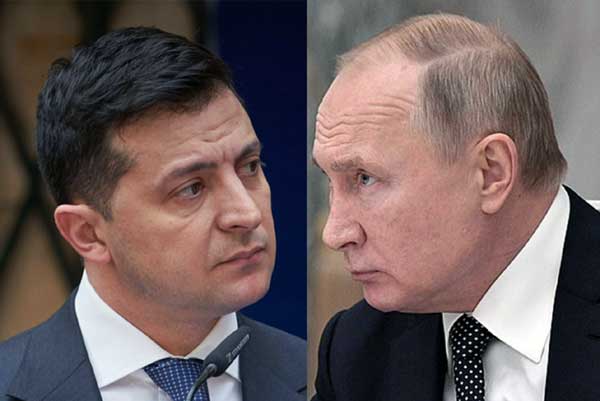
    Ever since President Putin ordered the occupation of Ukraine in a ‘Special Military Operation’ this February, he has been at the receiving end of a stream of bad news. Neither were the Russian Armed Forces welcomed with open arms, as they had expected, nor were they able to capture Kiev and force a regime change, as Putin had wanted. In the process, both their leadership and rank and file displayed spectacular incompetence and irretrievably destroyed the reputation of what was till then seen as one of the strongest militaries in the world.

    However, nothing could have truly prepared him for the nightmarish turn of events this September. In a brilliant display of operational art, the Ukrainian defence forces launched a counter offensive in the Kharkiv region, catching the Russian military leadership completely by surprise. Having earlier deceived them into reinforcing the Kherson sector by denuding forces deployed in the Kharkiv sector.

    The ensuing rout, it clearly was no organised retreat, resulted in prisoners being taken in their thousands, along with all manner of serviceable weapons, ammunition and equipment. This includes hundreds of tanks and armoured personnel carriers which the Ukrainians can use. Ironically, this may well make Russia the largest donor of military equipment to the Ukrainians! In addition, the Ukrainian military have been able to grab back approximately 9000sq kms of occupied territory in the Kharkiv

    [powerkit_button size=”lg” style=”success” block=”true” url=”http://www.indiandefencereview.com/news/putins-folly-the-long-road-to-self-destruction/” target=”_blank” nofollow=”false”]
    Read More
    [/powerkit_button]

  • We are All Style, No Substance!

    We are All Style, No Substance!

    India has become a jejune society which is happy cheering optics rather than being concerned with issues concerning the larger good of all.

    It seems that to the vast majority of us in this country, from every stratum of society, what matters most, is keeping up appearances rather than concentrating on the substantive aspect of the issue. A characteristic that we are willing to defend at any cost, in the courts, indulging in verbal jousting and even letting loose bulldozers.

    Take for instance the issue of developing patriotism within our citizenry. Undoubtedly a noble endeavour, but hardly likely to be fulfilled by launching a one-week concerted drive to convince citizens to fly the national flag on their balconies or in their cars, that is if it is to be anything more than just a marketing gimmick. Yet the Central Government did just that with the “Har Ghar Tiranga” initiative, launched by the Prime Minister, just prior to our Nation’s 75th Independence Day.

    [powerkit_button size=”lg” style=”info” block=”true” url=”https://www.dailypioneer.com/2022/columnists/we-are-all-style–no-substance-.html” target=”_blank” nofollow=”false”]
    Read More
    [/powerkit_button]

  • China’s Expanding Presence in the Pacific Islands

    China’s Expanding Presence in the Pacific Islands

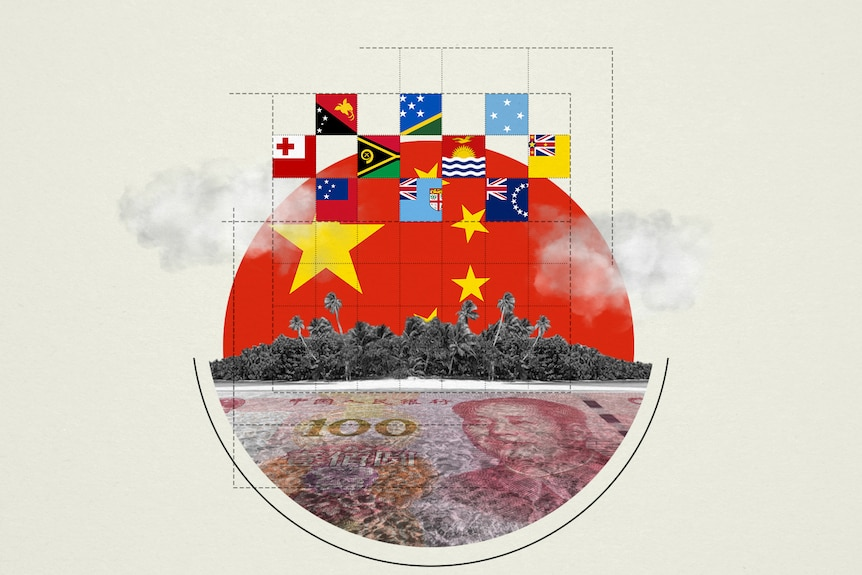
    The Pacific Island Countries (PICs) have received increasing attention recently as they continue to be centres of geopolitical tension between China and western powers – the USA, Australia, and New Zealand. The island nations are generally grouped into three distinct regions, namely – Micronesia, Melanesia and Polynesia, on the basis of their physical and human geography. They possess some of the largest Exclusive Economic Zones (EEZs) in the world spanning about 30 million sq km (11.6 million sq miles) of the ocean despite their small size and limited population. 

    The Chinese efforts to secure a strong military presence in the Pacific Island Countries could not only enable it to achieve ‘Blue Navy Status’ but also counter this overwhelming US military presence surrounding it.

    The economic potential of these Exclusive Economic Zones, which are rich in fisheries, energy, minerals and other marine resources, is so immense that these nations prefer to be regarded as the Big Ocean States, rather than the Small Island States. In the past, the islands have functioned as launchpads and laboratories, playing crucial roles in power rivalries due to their location and geography¹. With China endeavouring to spread its power and influence to achieve Great Power status, it is natural that it set its sights on areas which have been traditionally dominated by Western powers. Increased Chinese presence in the Pacific Islands is aimed at ending the United States unchallenged influence in the region and to enable suitable backups in a potential conflict over Taiwan. The US presently has 53 overseas military bases across Japan and South Korea, in close proximity to the Chinese mainland as opposed to China’s only overseas military base in Djibouti. Thus, the Chinese efforts to secure a strong military presence in the Pacific Island Countries could not only enable it to achieve ‘Blue Navy Status’ but also counter this overwhelming US military presence surrounding it.

    Economic Factors and China’s Strategy

    The economic attractiveness of the Pacific Islands also includes access to its trade and shipping routes.  On the diplomatic front, these nations tend to serve as a vote bank at forums like the United Nations and can help Beijing in its ambition to further isolate Taiwan. Additionally, stronger relations would help in advancing China’s ambitious Belt and Road Initiative while also enhancing its image as a reliable partner and viable alternative to other major powers, especially the US and Australia.

    China has had ties with the Pacific Islands since the 1970s but many island nations’ official diplomatic recognition of Taiwan continued to be a major hurdle throughout these years. Through continued economic assistance, China has succeeded in getting diplomatic recognition from 10 out of the 14 Pacific Islands. Presently, only four countries namely Tuvalu, Palau, Marshall Islands and Nauru recognise Taiwan, with Kiribati being the latest nation to withdraw its recognition in September 2019. The success of the Chinese approach can be seen in the fact that they have successfully secured Belt and Road cooperation MOUs with all the 10 PICs and have signed the Belt and Road cooperation plans with Papua New Guinea (PNG) and Vanuatu. As per the fact sheet released by the Chinese government, China and the PICs have continued to expand cooperation in more than 20 different areas, which include trade, investment, ocean affairs, environmental protection, disaster prevention and mitigation, poverty alleviation, health care, education, tourism, sports and culture. 

    Significant progress in China – PIC relations was seen with the establishment of the China-Pacific Island Countries Economic Development and Cooperation Forum in 2001, which functions as the highest-level dialogue mechanism between the countries in the fields of economy and trade. In November 2014, Chinese President Xi Jinping paid a state visit to Fiji where he held a group meeting with the PIC head of states. An agreement was signed to establish a strategic partnership and these ties were elevated to a comprehensive strategic partnership featuring mutual respect and common development in November 2018, during President Xi Jinping’s visit to PNG. One of the more recent developments is the China-Pacific Island Countries Foreign Ministers’ Meeting held in October 2021, which resulted in the Joint Statement of China-Pacific Island Countries Foreign Ministers’ Meeting.

    Attention towards climate change action has given China a strong foothold amidst rising frustration among the PICs about the Western powers’ proclivity to focus on geopolitical concerns without sparing sufficient attention to the island country’s paramount needs and concerns. 

    The major success of the Chinese strategy with regards to the Pacific Island nations can be found in their harnessing of pressing issues like climate change, environment, agricultural development, infrastructure and rising sea levels which have been largely neglected by traditional powers. From providing yearly financial assistance to the Secretariat of the Pacific Regional Environment Programme (SPREP) since 1998, the Chinese government has taken efforts to address and assist the PICs in tackling climate change and achieving sustainable development. April 2022 saw the launch of the China-Pacific Island Countries Climate Change Cooperation Centre in the Shandong Province of China. The Chinese have strengthened renewable energy cooperation with the PICs and have facilitated the construction of hydro-power stations in countries like PNG and Fiji. This attention towards climate change action has given China a strong foothold amidst rising frustration among the PICs about the Western powers’ proclivity to focus on geopolitical concerns without sparing sufficient attention to the island country’s paramount needs and concerns. 

    Infrastructure Strategy – BRI Model

    Infrastructure development has been another avenue where the Chinese have shown significant enthusiasm. Several important connectivity projects have been executed in the PICs including the Independence Boulevard in PNG, Malakula island highway in Vanuatu, renovation of Tonga national road, and Pohnpei highway in Micronesia. Aside from providing much needed support in a variety of fields, the Chinese approach to the Pacific islands as a collective entity has helped acknowledge the group as having a combined identity and decision-making capability. Addressing issues which have only been previously discussed on a bilateral basis also provides the PIC with enhanced political strength and purpose, because despite all their differences, most of the countries share similar needs and requirements. 

    Chinese efforts to establish a strong military presence in the region were in 2018, when the Australian press reported that China had requested the right to establish a permanent military presence in Vanuatu, situated less than 2,000 kilometres from Australian territory. However, no formal agreement was drafted. The then Prime Minister of Vanuatu strongly denied that any such talks had taken place and assured the local and international community that there would be no Chinese military presence in the country. A similar report was released by the Australian press in the same year alleging that China held a keen interest in refurbishing a port on Manus Island in Papua New Guinea which had previously functioned as the site of an Allied naval base during World War II. The claims were dismissed when the PNG government contracted Australia and the United States to redevelop the port instead. 

    The Chinese efforts finally materialized in the form of the China – Solomon Islands Security Pact in April 2022. As per the terms of the pact, permission is granted to the Chinese navy to dock and refuel in the Solomon Islands, laying the groundwork for a facility that could be expanded over time. The pact allows the Solomon Islands to seek Chinese assistance when required to maintain social order and stability. The pact has been understood by several scholars as a way for China to establish a permanent military presence gradually under the guise of performing this role. The security pact came at a time when international attention was already on the growing closeness of China and the Pacific Island nations following the leak of two draft documents “China-Pacific Island Countries (PICs) Common Development Vision”, and “China-Pacific Islands Five-Year Action Plan on Common Development (2022-2026)” at the start of 2022. 

    USA’s Response

    In the face of China’s rising threat, the United States released its Indo-Pacific Strategy in February 2022 which emphasized the importance of the Pacific Islands to the United States. Along with the “Partners in the Blue Pacific” initiative, it reiterated its commitment to cement itself as a dominant power in the region. However, definitive action on a large scale was taken only in late May when the Chinese Foreign Minister, Wang Yi, embarked on a 10-day visit to the region attempting to secure a comprehensive framework agreement with engagements on multiple fronts with the PICs. Although the attempt was unsuccessful, Wang, during his visit, travelled to eight countries (the Solomon Islands, Kiribati, Samoa, Fiji, Tonga, Vanuatu, Papua New Guinea and Timor-Leste) and held virtual meetings with three additional nations (Cook Islands, Niue and the Federated States of Micronesia), ultimately signing 52 bilateral treaties. Although the Chinese foreign minister stressed the country’s commitment and intent for long-term engagement in the region, news of the framework agreement sparked great controversy. The Pacific Island nations could not reach a unanimous decision on signing this agreement and decided to deliberate the matter at the PIF meeting. However, this decision to postpone discussions was disadvantageous to China as the PIF has membership from both New Zealand and Australia both of which were sure to put up strong opposition to the signing of this agreement. Perhaps foreseeing this, the agreement was soon withdrawn after which China immediately released a Position Paper on Mutual Respect and Common Development ² with Pacific Island Countries, which offers 15 “visions and proposals” for deepening China’s engagement in the region. The security issues (China sought to train local police forces, conduct mapping of sensitive marine areas, and play a role in the cyber security of the nations) that had caused much controversy were only mentioned briefly within the paper with much of the focus pointed notably towards political and economic issues. Wang, as part of his visit, also hosted the second round of the China-Pacific Island Countries Foreign Ministers Meeting in Fiji where he delivered the Secretary General of the Chinese Communist, Party Xi Jinping’s written remarks on China’s continued support. 

    Swift responses came about on May 31, when US President Biden and New Zealand Prime Minister Jacinda Ardern issued a joint statement that highlighted the two countries’ shared commitment to the Pacific Islands. The statement also expressed their concern over the China – Solomon Islands Security Pact and warned against “the establishment of a persistent military presence in the Pacific by a state that does not share our values or security interest.” ⁴ Australian Foreign Minister Penny Wong embarked on a similar visit to Fiji, Samoa and Tonga in early June to reinforce Canberra’s commitments to its neighbours. 

    Despite these advancements, public response to the Chinese visit and in a broader sense, to China’s growing footprint in the region was largely negative. Domestic response in Kiribati was lukewarm due to the wariness stemming from rumours that surfaced in 2021 about China’s plans to upgrade a World War II airstrip in the country, which is likely to damage the country’s already strained fish stocks. The announcement that Fiji would become a founding member of the U.S. led Indo- Pacific Economic Framework by President Frank Bainimaram immediately prior to Wang’s visit reflected wariness about China’s future presence in the area. Additionally, despite signing the security pact, Solomon Islands Prime Minister Sogavare’s support for Beijing gave rise to worries that China would now be in a position “to prop up an unpopular regime and undermine the democratic processes in the name of maintaining social order” among his critics. However, the most vocal voice of protest was that of David Panuelo, the president of the Federated States of Micronesia, who called upon his fellow Pacific Island leaders to reject China’s offers of a comprehensive framework agreement calling it “the single-most game-changing proposed agreement in the Pacific in any of our lifetimes.” ³ The lack of transparency during Wong’s visit drew further criticism with the strict regulation of foreign journalists and ban on direct questions. It eventually led the Media Association of the Solomon Islands to issue a boycott notice to its members, urging them to skip the press event in protest of these restrictions.

    Concerns have also arisen due to China’s reputation for extremely stringent terms of lending and what the West accuses as ‘debt trap’ policy. 60 percent of all Chinese loans are offered at commercial rates rather than concessional rates with extremely short repayment periods – usually less than 10 years. Additionally, the confidentiality clauses (borrowing countries cannot reveal terms of the loan provided or in some cases the very existence of the loan), stabilization clause (lender can demand immediate repayment of loan in case of significant change in the borrowing country’s laws like labour or environment policies), cross-default clause (contract can be terminated and full and immediate repayment can be demanded if the borrowing country defaults on any of its other lenders), political clause ( termination or acceleration of repayment if the borrower acts against China) as well as holding Chinese projects in the country as collateral which are characteristic of Chinese loans are also worrying. The lack of public access to the China – Solomon Islands security pact document and similar documents is also unsettling. 

    Demand for addressing Climatology threats and not Geopolitics

    Chinese interest in the region has served as an efficient bargaining chip for the Pacific Islands to secure their key security interests.

    The geopolitical competition brewing in the region has been a topic of discussion at the Pacific Islands Forum (PIF). Its members include Australia, New Zealand, the Republic of the Marshall Islands, Palau, Tuvalu and Nauru in addition to the other Pacific Island Nations. Kiribati’s withdrawal from the Forum on July 9 led to debates on China’s influence on this decision among the opposition parties in the country. However, the government cited the failure to adhere to previous engagements, which in turn threatened equal respect and position accorded to the members of the forum as a reason for this move. The PIF meetings conducted between July 11 and July 14 gave ample opportunity for traditionally influential powers like the US and Australia to promise stronger support for the region. US Vice President Kamala Harris addressed the forum as a special invitee announcing two new embassies in Kiribati and the Solomon Islands. She also pledged to triple current aid levels (up to 60 million dollars per year for 10 years) to help combat illegal fishing, enhance maritime security and tackle climate change, after decades of stalled funding as well as a return of peace corps volunteers to Fiji, Tonga, Samoa and Vanuatu. Australia’s remarks ran along similar lines i.e.; pledges of greater support for the climate change agenda of its neighbours.

    Chinese interest in the region has served as an efficient bargaining chip for the Pacific Islands to secure their key security interests. Using this geopolitical competition to its favour could be the way forward for these island nations whose very existence is threatened by rising sea levels. As Dame Meg Taylor, former secretary-general of the Pacific Islands Forum states, the process is already underway. “In general, Forum members view China’s increased actions in the region as a positive development, one that offers greater options for financing and development opportunities — both directly in partnership with China, and indirectly through the increased competition in our region.”

    The most recent PIF meeting concluded with the island nations declaring a climate emergency and making it clear that climate action would be the most preferred front for engagement with all powers including China, US and Australia. Although the western powers, especially Australia had previously pledged to take climate action, the Pacific Island nations had expressed disappointment that the targets for phasing out of carbon emissions had not been met. Thus, greater realignment towards taking definitive climate action would be the next step in relations with the Pacific Islands.  As Fiji’s Bainimarama put it, “Geopolitical point-scoring means less than little to anyone whose community is slipping beneath the rising seas. With jobs being lost to the pandemic, and families being impacted by the rapid rise in the price of commodities, their greatest concern isn’t geopolitics — it’s climate change.”

    It is vital that the Pacific Island Countries band together to maintain solidarity, leverage the opportunities afforded to them due to competition brought about by China’s increased interest in the region and show solidarity in light of the unifying, clarifying priority for all Pacific leaders, which is survival. 

    The effects of climate change are already manifesting in “countries like Vanuatu, Fiji, Solomon Islands, Tonga which are no longer facing category five (severe tropical) cyclones once every 10 years, it’s once every two or three years.” Rising sea levels have allowed salt water to rise through the ground in countries like the Marshall Islands and Tuvalu, which pollute the existing fresh water sources. As former Kiribati President Anote Tong explains in an interview to The Drum, “climate change is not some hypothetical future threat – his islands may not be habitable by 2060.” Thus, it is vital that the Pacific Island Countries band together to maintain solidarity, leverage the opportunities afforded to them due to competition brought about by China’s increased interest in the region and show solidarity in light of the unifying, clarifying priority for all Pacific leaders, which is survival. 

    REFERENCES : 

    1. Dirk H. R. Spennemann (1992) The politics of heritage: Second world war remains on central Pacific Islands, The Pacific Review, 5:3, 278-290, DOI: 10.1080/09512749208718990 
    2. “China’s Position Paper on Mutual Respect and Common Development with Pacific Island Countries.” China’s Position Paper on Mutual Respect and Common Development with Pacific Island Countries, www.fmprc.gov.cn, 30 May 2022, https://www.fmprc.gov.cn/eng/zxxx_662805/202205/t20220531_10694923.html.
    3. Panuelo, D. (2022). DocumentCloud. Retrieved 1 August 2022, from https://www.documentcloud.org/documents/22037013-letter-from-h-e-david-w-panuelo-to-pacific-island-leaders-may-20-2022-signed
    4. The United States Government. (2022, May 31). United States – Aotearoa new zealand joint statement. The White House. Retrieved August 1, 2022, from https://www.whitehouse.gov/briefing-room/statements-releases/2022/05/31/united-states-aotearoa-new-zealand-joint-statement/ 
  • The Curious Case of Indian Silence over damning UN Human Rights Report on China

    The Curious Case of Indian Silence over damning UN Human Rights Report on China

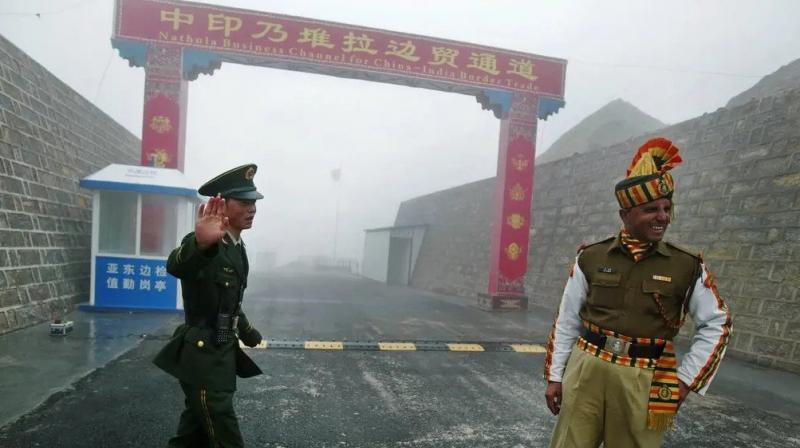
    Not surprisingly, India has not come out with any condemnation of China for its atrocities in Xinjiang, a classic example of India in recent times trying to steer clear of global contestations.

    Down the ages, the phenomenon of imperial overreach has been prevalent across the world.  The evils for which it gets perpetrated would, by and large, be known to those who succumbed to it for supposedly national aspirations, religious fervour or even self-glory by some megalomaniacs!

    That the country relentlessly aspiring with rapidity to be the next global superpower, China, can be unquestionably placed in the category of an imperialist power brooks no emphasis. China thus, without remorse or any humanitarian considerations pursues its ambitions of forcible, bordering on evil, integration of people of all faiths and regions in its vast nation. Its threat of military intervention in tiny Taiwan in recent months bespeaks China’s hegemonistic ambitions.

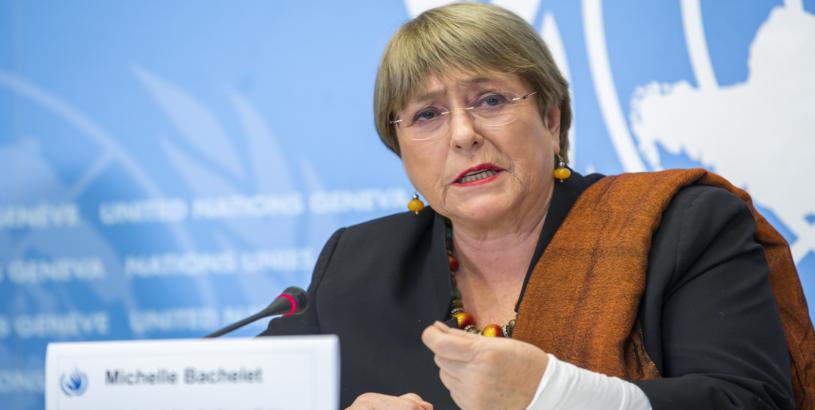
    Though rather late, the UN has rightly condemned China’s woeful human-rights record in its restive Xinjiang province where for the last many years, China has been committing genocide on its Muslim minorities, the Uyghur and Turkic communities. That the world, at large, and the Islamic nations, in particular, have cast a blind eye on this monumental human tragedy conveys, unmistakably, how the sheer pursuit of mere national interests dwarfs humanitarian considerations elsewhere. The significance of the UN Report on Human Rights just released, accordingly, cannot be understated.

    [powerkit_button size=”lg” style=”info” block=”true” url=”https://www.southasiamonitor.org/index.php/indo-pacific-china-watch/curious-case-indian-silence-over-damning-un-human-rights-report-china” target=”_blank” nofollow=”false”]
    Read More
    [/powerkit_button]

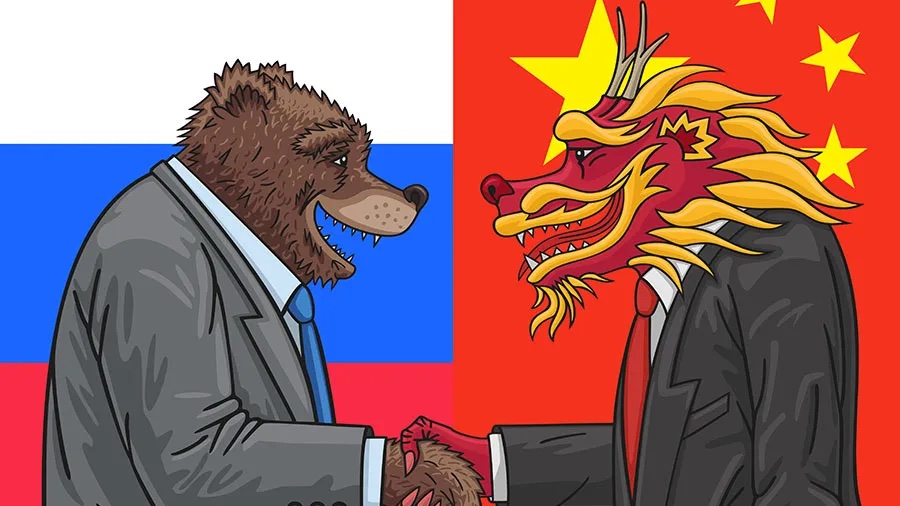
  • The West’s False Narrative about Russia and China

    The West’s False Narrative about Russia and China

    The relentless Western narrative that the West is noble while Russia and China are evil is simple-minded and extraordinarily dangerous.

    The world is on the edge of nuclear catastrophe in no small part because of the failure of Western political leaders to be forthright about the causes of the escalating global conflicts.  The relentless Western narrative that the West is noble while Russia and China are evil is simple-minded and extraordinarily dangerous.  It is an attempt to manipulate public opinion, not to deal with very real and pressing diplomacy.

    The essential narrative of the West is built into US national security strategy.  The core US idea is that China and Russia are implacable foes that are “attempting to erode American security and prosperity.”  These countries are, according to the US, “determined to make economies less free and less fair, to grow their militaries, and to control information and data to repress their societies and expand their influence.”

    The irony is that since 1980 the US has been in at least 15 overseas wars of choice (Afghanistan, Iraq, Libya, Panama, Serbia, Syria, and Yemen just to name a few), while China has been in none, and Russia only in one (Syria) beyond the former Soviet Union.  The US has military bases in 85 countries, China in 3, and Russia in 1 (Syria) beyond the former Soviet Union.

    US security strategy is not the work of any single US president but of the US security establishment, which is largely autonomous, and operates behind a wall of secrecy.  

    President Joe Biden has promoted this narrative, declaring that the greatest challenge of our time is the competition with the autocracies, which “seek to advance their own power, export and expand their influence around the world, and justify their repressive policies and practices as a more efficient way to address today’s challenges.”  US security strategy is not the work of any single US president but of the US security establishment, which is largely autonomous, and operates behind a wall of secrecy.

    The overwrought fear of China and Russia is sold to a Western public through manipulation of the facts.  A generation earlier George W. Bush, Jr. sold the public on the idea that America’s greatest threat was Islamic fundamentalism, without mentioning that it was the CIA, with Saudi Arabia and other countries, that had created, funded, and deployed the jihadists in Afghanistan, Syria, and elsewhere to fight America’s wars.

    Or consider the Soviet Union’s invasion of Afghanistan in 1980, which was painted in the Western media as an act of unprovoked perfidy.  Years later, we learned that the Soviet invasion was actually preceded by a CIA operation designed to provoke the Soviet invasion! The same misinformation occurred vis-à-vis Syria.  The Western press is filled with recriminations against Putin’s military assistance to Syria’s Bashar al-Assad beginning in 2015, without mentioning that the US supported the overthrow of al-Assad beginning in 2011, with the CIA funding a major operation (Timber Sycamore) to overthrow Assad years before Russia arrived.

    Or more recently, when US House Speaker Nancy Pelosi recklessly flew to Taiwan despite China’s warnings, no G7 foreign minister criticized Pelosi’s provocation, yet the G7 ministers together harshly criticized China’s “overreaction” to Pelosi’s trip.

    The Western narrative about the Ukraine war is that it is an unprovoked attack by Putin in the quest to recreate the Russian empire.  Yet the real history starts with the Western promise to Soviet President Mikhail Gorbachev that NATO would not enlarge to the East, followed by four waves of NATO aggrandizement: in 1999, incorporating three Central European countries; in 2004, incorporating 7 more, including in the Black Sea and the Baltic States; in 2008, committing to enlarge to Ukraine and Georgia; and in 2022, inviting four Asia-Pacific leaders to NATO to take aim at China.

    Nor do the Western media mention the US role in the 2014 overthrow of Ukraine’s pro-Russian president Viktor Yanukovych; the failure of the Governments of France and Germany, guarantors of the Minsk II agreement, to press Ukraine to carry out its commitments; the vast US armaments sent to Ukraine during the Trump and Biden Administrations in the lead-up to war; nor the refusal of the US to negotiate with Putin over NATO enlargement to Ukraine.

    Of course, NATO says that is purely defensive so that Putin should have nothing to fear.  In other words, Putin should take no notice of the CIA operations in Afghanistan and Syria; the NATO bombing of Serbia in 1999; the NATO overthrow of Moammar Qaddafi in 2011; the NATO occupation of Afghanistan for 15 years; nor Biden’s “gaffe” calling for Putin’s ouster (which of course was no gaffe at all); nor US Defense Secretary Lloyd Austin stating that the US war aim in Ukraine is the weakening of Russia.

    The US has a mere 4.2% of the world population, and now a mere 16% of world GDP (measured at international prices).  In fact, the combined GDP of the G7 is now less than that of the BRICS (Brazil, Russia, India, China, and South Africa), while the G7 population is just 6 per cent of the world compared with 41 per cent in the BRICS. 

    At the core of all of this is the US’s attempt to remain the world’s hegemonic power, by augmenting military alliances around the world to contain or defeat China and Russia.  It’s a dangerous, delusional, and outmoded idea.  The US has a mere 4.2% of the world population, and now a mere 16% of world GDP (measured at international prices).  In fact, the combined GDP of the G7 is now less than that of the BRICS (Brazil, Russia, India, China, and South Africa), while the G7 population is just 6 per cent of the world compared with 41 per cent in the BRICS.

    There is only one country whose self-declared fantasy is to be the world’s dominant power: the US.  It’s past time that the US recognized the true sources of security: internal social cohesion and responsible cooperation with the rest of the world, rather than the illusion of hegemony.  With such a revised foreign policy, the US and its allies would avoid war with China and Russia, and enable the world to face its myriad environment, energy, food and social crises.

    European leaders should pursue the true source of European security: not US hegemony, but European security arrangements that respect the legitimate security interests of all European nations

    Above all, at this time of extreme danger, European leaders should pursue the true source of European security: not US hegemony, but European security arrangements that respect the legitimate security interests of all European nations, certainly including Ukraine, but also including Russia, which continues to resist NATO enlargements into the Black Sea.  Europe should reflect on the fact that the non-enlargement of NATO and the implementation of the Minsk II agreements would have averted this awful war in Ukraine.  At this stage, diplomacy, not military escalation, is the true path to European and global security.

    Feature Image Credit: Big Stock

    This article was published earlier in Pearls and Irritations.

  • Indian Armed Forces @75: The Challenges Ahead

    Indian Armed Forces @75: The Challenges Ahead

    India overall, since 1947, has done reasonably well in keeping at bay the many diverse security challenges which came its way. However, the strategic and military lessons from our confrontations, since 1947, must never be forgotten.

    As India completes 75 years of its independence from 200 years of British yoke, there is much to celebrate about and equally much to introspect. Revisiting the functioning with stark honesty of all its institutions and governance structures will produce realistic mid-course corrections and suggest better paths for the nation to traverse. The Indian Armed Forces, unquestionably, one of the few institutions of the nation, which has lived up to its assigned responsibilities with elan and the desired results has much to be proud of. Nevertheless, many emerging aspects, nuances of the nation’s security and well-being have to be factored in and pursued earnestly with vision and resolve. For the nation’s honour, its Armed Forces can never be found wanting.

    By any standards, India is located in one of the most geo-politically troubled regions of the world. That it is surrounded by two consistently anti-India neighbours, China and Pakistan, both individually and collusively posing threats, only aggravates the formidable challenges it has to confront for its security. Both these nations being nuclear powers, synergistically anti-India, also adept at asymmetric warfare makes India’s strategic challenges mind-boggling.

    [powerkit_button size=”lg” style=”info” block=”true” url=”https://thedailyguardian.com/indian-armed-forces-75-the-challenges-ahead/” target=”_blank” nofollow=”false”]
    Read More
    [/powerkit_button]


  • Xi is Not Mao

    Xi is Not Mao

    The ongoing conflicts and crises across the world, be it in Ukraine or in the South China Sea, reflect a serious flaw in the current international order and in the politics of relations amongst nations. The singular focus on the demonisation of leaders, aided by perception management through devious media control, reflects a significant danger to global safety and stability. The current hyper noise in US-China relations is driven by hyperbole about Xi and other leaders. It is time to take a step back and review the information holocaust.

    Rebecca E Karl’s perceptive article highlights the vagaries of flawed picture portrayals of China and Xi that can be very far from the truth. This article was published earlier in Dissent Magazine.

    – Editorial Team

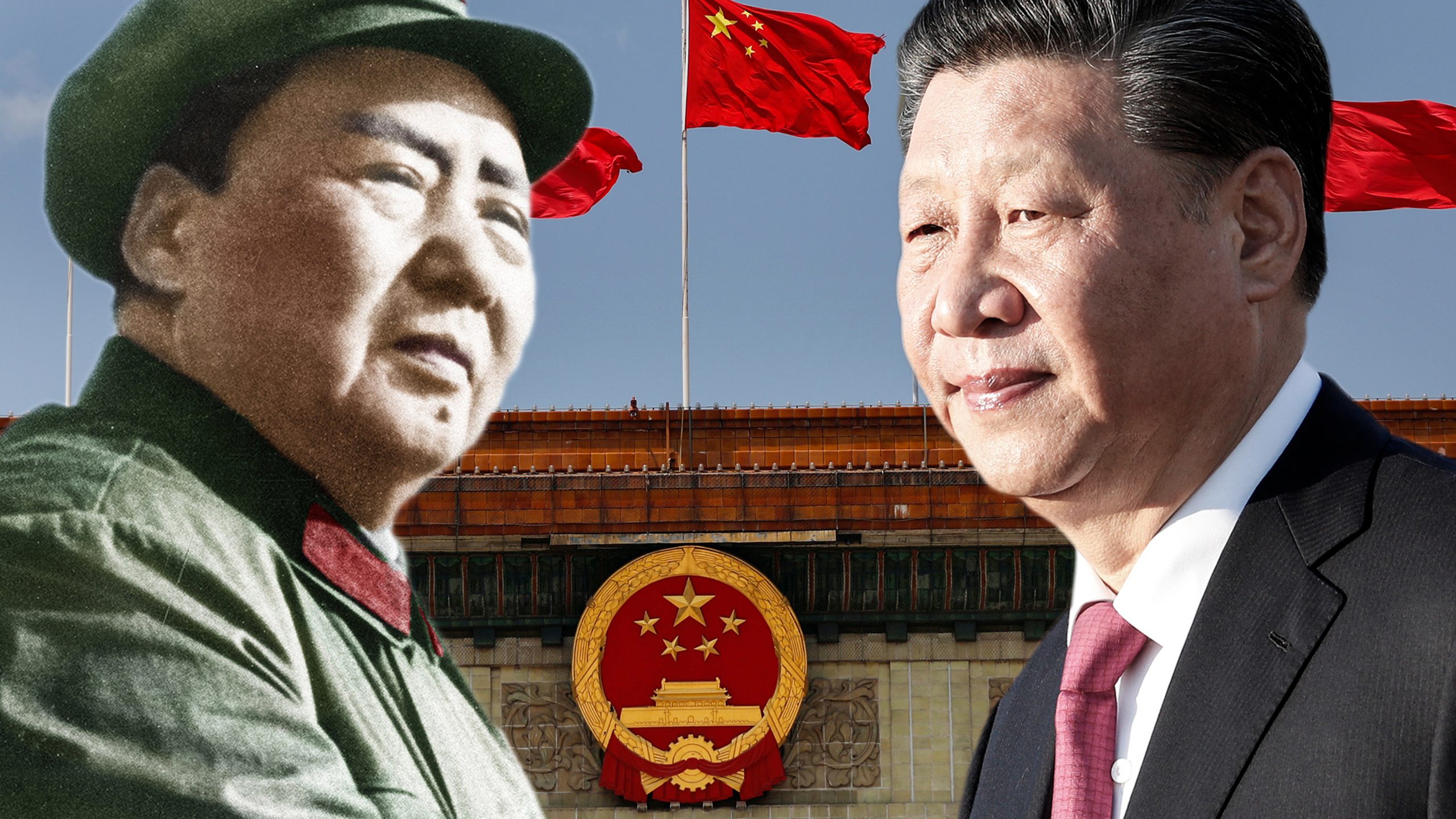
    Mao and Xi’s historical projects couldn’t be more different, and it is high time to move beyond the bad history that conflates them.

    Commentary on China these days often presents lazy thinking that leads to some ridiculous historical statements. That President Xi Jinping is a would-be Mao Zedong or that China is facing a “new Cultural Revolution” are examples of this laziness. In a charitable light, such assertions stem from a broad misunderstanding of the logics of contemporary China and its role in the world today. In a less charitable light, they are driven by ideological fealty to some of the most outdated and frankly racist aspects of Cold War Western anti-communism. My premise in the following comments: China today is not Maoist, and Xi is not Mao redux. China today is also not communist in any genuine sense of that term, even though the Communist Party presides over the country with an increasingly iron grip.

    The difference between Mao and now could not be starker. Mao’s twentieth-century anti-capitalist and anti-feudal revolution in politics and culture sought to transform China’s domestic social relations by mobilizing masses of people against the systems of domination that constrained their everyday lives. He sought to demonstrate to the non-capitalist world the superiority of socialism as a mode of material and cultural production. Those experiments must be judged a failure on both counts. Xi’s twenty-first-century goal, by contrast, is to release economic forces from the burden of sustaining socialist relations in order to build China’s global wealth and power. To that end, he has pursued domestic stability and has repressed potentially insurgent political, social, and cultural impulses along with challenges from internal peripheries—all while enhancing the power and privileges of the Communist Party itself. To date, his efforts to redefine and defend capitalist logics in China seem to have found success.

    China today is not Maoist, and Xi is not Mao redux. China today is also not communist in any genuine sense of that term, even though the Communist Party presides over the country with an increasingly iron grip.

    Mao and Xi’s historical projects couldn’t be more different, and it is high time to move beyond the bad history that conflates them. We need to grapple with how the past several decades of social and political realignment, not just in China but around the world, are leading to a global future not yet foretold.

    The “new Cold War” rhetoric that permeates public discourse these days is dangerous, to be sure, yet it appeals to a version of the world that is long gone. Socialism has disappeared, and capitalism has prevailed. The fundamental antagonism between these two irreconcilable social and ideological systems—the antagonism that informed a struggle between two different cultural imaginings of the future—has not existed since at least the mid-1990s, when the post-1989 Chinese capitalist order came into full view and took material and ideological root in China and the world. (And, as anyone in Asia or Africa knows, the concept of the “cold” war was always of questionable utility in places that hosted a continuous series of hot wars.)

    Indeed, the huge dissension within the “West,” the United States included, about how to even specify these problems—or whether to specify them at all—gives the lie to the fiction of unified nation-states facing off across elemental ideological divides.

    We live in a capitalist world, but that doesn’t reduce the stakes of current conflicts. Will we blow each other up in militarized one-upmanship? Will we so pollute our environments that we destroy the natural world’s capacity to sustain life? Will we tear each other and ourselves apart in the attempt to come to human solutions to human-made problems? Will the speed of disease and pathology outstrip our ability to lock down and vaccinate, or will we look the other way as the necropolitical selection of those who live and die proceeds apace? These are apocalyptic stakes, but they do not break down analytically on fundamental lines of systemic antagonism. The definition of and solutions to these problems do not depend on such outmoded analytics as the “West” and the “rest,” or the United States and China. Indeed, the huge dissension within the “West,” the United States included, about how to even specify these problems—or whether to specify them at all—gives the lie to the fiction of unified nation-states facing off across elemental ideological divides.

    We need to confront the possibility that our leaders—whoever they may be, whether so-called democrats or so-called authoritarians, so-called liberals, leftists, or rightists—all are leading us into disaster.

    What we need to confront today is that our accustomed systems of analysis based in the imaginary unities of nation-states are exhausted. We need to confront the possibility that our leaders—whoever they may be, whether so-called democrats or so-called authoritarians, so-called liberals, leftists, or rightists—all are leading us into disaster. Those of us outside China must oppose attempts by our governments and ventriloquist media to create ever more unequal and violent capitalist relations that ratchet up tensions between peoples and nations. At the same time, we must try to support those within China who are opposing their own government’s and ventriloquist media’s commitments to suppressing the critical voices and anti-capitalist practices in their midst. The stakes are high, and now is the time to rise to the occasion of critical engagement rather than sink into facile historical analogies. What we face today are not conflicts between civilizations but conflicts over what kind of civilization we wish to inhabit moving forward. Neither the Chinese state nor Western ones have the kinds of answers that we need these days, but there are activist elements in all of our societies striving to find solutions. It is to such activists that we must look for hope.

    Feature Image Credit: Nikkei Asia

  • China’s Role in the Infrastructure Development in Post-Civil War Sri Lanka: A Causal Factor for Current Crisis

    China’s Role in the Infrastructure Development in Post-Civil War Sri Lanka: A Causal Factor for Current Crisis

    It is also obvious that the way China handles Sri Lanka’s issue will have a significant impact on the future of China’s debt strategy in other developing nations across the world

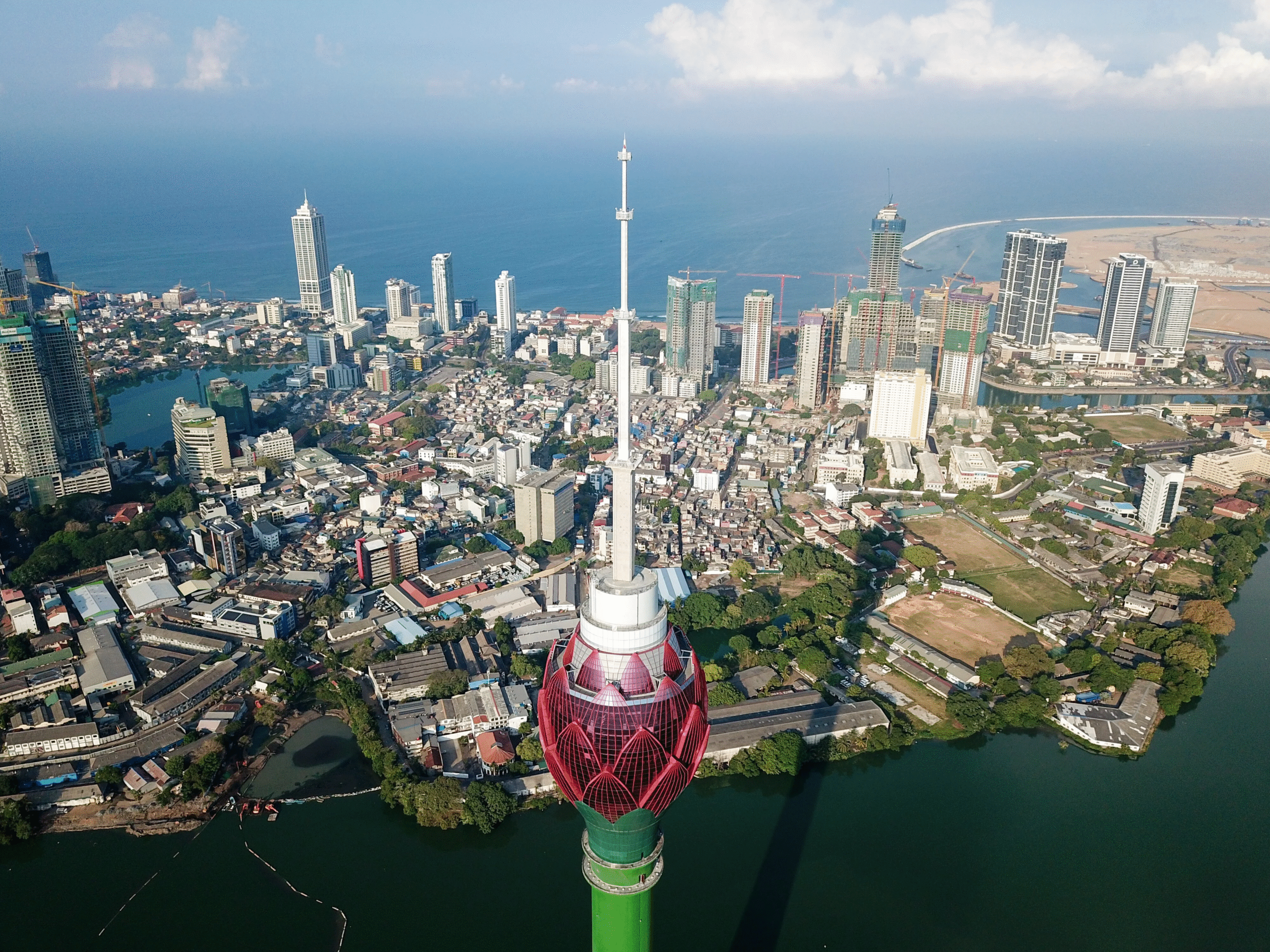
    Sri Lanka and China share an ‘all-weather friends’ relationship. Long-standing diplomatic ties between Sri Lanka and China have developed into an infrastructure-focused economic partnership. Beginning in the early 1970s, China began to offer support for the economic development of some landmark projects in the country. The financial assistance offered by China has increased significantly since 2005. Soon their relationship transformed into a model that made use of interest-bearing loans and foreign direct investments. With Chinese assistance, the Mahinda Rajapaksa administration launched significant transportation, energy, and telecommunications projects. Some of these were the coal-fired Norocholai power station in 2006, the Hambantota port in 2007, the Mattala International Airport in 2010, the Colombo International Container Terminal at the Colombo port in 2011, and the Lotus Tower in 2012. With the launch of China’s BRI (Belt and Road Initiative) strategy in 2013, projects like Colombo Port City were taken up and further investment was made in earlier projects like the Hambantota port deal (Wignaraja et al. 2020).

    During the period between 2006 and 2019, the total value of Chinese investment in Sri Lanka was around $12.1 Billion (Wignaraja et al. 2020). According to a data analysis, China’s bilateral assistance and export credit loans have tripled from US $386.1 million in 2007 to US$1.2 billion in 2009 (Nilanthi Samaranayake 2011). The major sector of Chinese investment is the road and expressway, which accounts for over 68% of the country’s total expressway length. The other significant sector which has received Chinese investment and loans is the port projects.

    Port City – Colombo

    The Port City of Colombo (PCC) is the dream project of Sri Lanka that was unveiled during Chinese President Xi Jinping’s visit in 2014. Since Colombo is one of the top 25 busiest ports in the world, the proposed project promoted Colombo as a “world-class city” not only for Sri Lanka but also for South Asia as a whole (Revi 2021), with the government expecting to turn it into a financial centre like Singapore and Dubai. The initiative is supposed to improve Sri Lanka’s economy, which is primarily dependent on the export of tea and tourism, to more prosperity through a wide range of service sectors. It is projected to cost $14 billion, with China investing $1.4 billion to assist PCC in reclaiming 269 hectares of land in the Indian Ocean. In return, China received a 99-year lease over 116 hectares of the surrounding area. The initiative is a private-public partnership project between the Sri Lankan government and CHEC Port City Colombo Pvt. Ltd. It is also the first Special Economic Zone of Sri Lanka. CHEC Port City Colombo Pvt. Ltd is a part of China Communication Construction Enterprise, which is the state-run infrastructure company that oversees the Belt and Road Initiative (Basu 2022). However, even if Port City manages to produce a sixth of Sri Lanka’s present economic production by 2041, as suggested by an independent study, it will still be a costly venture. Even though China is funding its construction, these commercial activities will provide little income for the debt-ridden country (Mukherjee 2022).

    The Hambantota Port 

    The Hambantota port is in southern Sri Lanka. Its construction began in 2008. The port was built under the state-owned enterprises – China Harbour Engineering and Sinohydro Corporation. Around $1.4 billion was financed by EXIM Bank China in the form of three fixed interest rate loans (Wignaraja et al. 2020, 9). The project’s first phase was finished in 2010 at a cost of US $361 million (Samaranayake 2011), and the port started operations in November 2011. The second phase started in 2012 and ended in 2015. The project took more time than was expected to complete, and was not very successful, leading to a substantial capital loss. By 2016, the Sri Lanka Ports Authority, which owned the Hambantota Port, had suffered losses roughly amounting to SLR 46.7 billion. By this time, it was also evident that this extravagant project was not commercially viable, as had been demonstrated in preliminary feasibility studies (Gupta 2022). To counter this financial loss, the government, in 2017, decided to grant the port to the Chinese state-owned enterprise – China Merchant Port Holdings Company Limited – for a 99-year lease. The revenue from the contract was primarily utilised to address the balance of payment problems brought on by the rising cost of debt payments in the country. 

    The leasing of the port also represents Sri Lanka’s current external sector crisis (Moramudali 2020). Despite restructuring and turning it over to a Chinese entity for 99 years, Sri Lanka is still responsible for paying the debt associated with the failed port. The presence of the established trans-shipment hub, Colombo Port, which is 200 kilometres from Hambantota also makes the port commercially unviable. Because of this proximity issue, even though the port possesses several berths for diverse purposes, just about 400 vessels visit it each year as compared to 4,000 vessels in Colombo Port (Gupta 2022). Moreover, the Mattala Rajapaksa International Airport (MRIA) constructed in the southern Hambantota district with a $200 million loan from China, is referred to as the “emptiest airport in the world” (Shepard 2016). 

    Investments in the Energy sector

    Another key sector that has received Chinese investment is the energy sector. The Norocholai power station was built by the China Machinery Engineering Corporation over a seven-year period in three phases. Three loans from the EXIM Bank of China totalling $1.4 billion and extra funding from the Sri Lankan government contributed to its co-financing. The power plant is now the largest and a vital contributor to the nation’s electricity supply (Wignaraja et al. 2020).

    Projects’ Viability and Performance

    In the Global Competitiveness Report 2019, released by the World Economic Forum, Sri Lanka ranked 84 out of 141 countries, which shows that the country’s infrastructure performance is far worse than that of other middle-income economies like Malaysia (Wignaraja et al. 2020). According to the publicly available figures, the Chinese debt is around 10% of Sri Lanka’s total foreign debt of $55 Billion and the actual figures are much higher than that. Chinese loans to Sri Lankan state-owned firms and other sorts of loans are not included in the current official estimates. According to some experts, this might amount to more than the US $6 billion, or about 20% of Sri Lanka’s external debt with higher interest rates (Gupta 2022). 

    The protracted effects of  Chinese investments must be carefully re-examined by the Sri Lankan government so as to prevent an increase in China’s coercive influence

    Hambantota Port which was built in the home district of the Rajapaksa family clearly portrays the family’s interest in their hometown. The 99-year lease of the port reflects the ever-increasing hold of China on the trade in the strategic Indian Ocean region and there are also prevailing accusations that China is likely to use the port for military purposes in future. In the case of Port City Colombo, scholars worry that it might develop into another Hambantota. Given the present situation, where Sri Lanka is unable to pay its obligations, Colombo Port City may also fall into Chinese control. Due to the political upheaval and financial issues the project construction has been interrupted multiple times. 

    The main causes behind the failures of these projects are that many of these were undertaken for political expediency and electoral considerations rather than for sound economic analysis and commercial viability. The government did not conduct proper feasibility studies to establish the commercial viability of these projects. Unbridled corruption made it worse. For the Hambantota port, more connectivity projects would provide more market and for the Port City Colombo, proper management plans should be given during its ongoing construction period.

    The protracted effects of such Chinese investments must be carefully re-examined by the Sri Lankan government so as to prevent an increase in China’s coercive influence. In light of the current economic crisis in Sri Lanka, China as the largest creditor in the country should offer reasonable restructuring on its loans. China’s response to the current crisis, particularly in the aftermath of the large-scale protests and a new government, will impact the relations between the two countries. It is also obvious that the way China handles Sri Lanka’s issue will have a significant impact on the future of China’s debt strategy in other developing nations across the world (Latiff and Wijesinha 2022).

    References

    Basu, Nayanima. 2022. “Crisis-Hit Sri Lanka Bets Big on $14 Bn China-Backed Port City, Wants Reluctant India to Invest.” ThePrint. March 24, 2022. https://theprint.in/diplomacy/crisis-hit-sri-lanka-bets-big-on-14-bn-china-backed-port-city-wants-reluctant-india-to-invest/883643/.

    Gupta, Shishir. 2022. “Was Cash Strapped Sri Lanka Duped by China in Hambantota Port?” Hindustan Times. June 26, 2022. https://www.hindustantimes.com/world-news/was-cash-strapped-sri-lanka-duped-by-china-in-hambantota-port-101656205405799.html.

    Latiff, Aquilah, and Anushka Wijesinha. 2022. “Understanding China’s Role in Sri Lanka’s Debt Restructuring Efforts.” Thediplomat.com. August 2, 2022. 

    Moramudali, Umesh. 2020. “The Hambantota Port Deal: Myths and Realities.” Thediplomat.com. January 1, 2020. https://thediplomat.com/2020/01/the-hambantota-port-deal-myths-and-realities/.

    Mukherjee, Andy. 2022. “Port City Colombo: The Great Chinese White Elephant of Sri Lanka.” Business Standard India, April 14, 2022. https://www.business-standard.com/article/international/port-city-colombo-the-great-chinese-white-elephant-of-sri-lanka-122041400365_1.html.

    Revi, Vinitha. 2021. “Colombo Port City Project: Controversial since Its Inception.” ORF. December 28, 2021. https://www.orfonline.org/expert-speak/colombo-port-city-project/.

    Samaranayake, Nilanthi. 2011. “Are Sri Lanka’s Relations with China Deepening? An Analysis of Economic, Military, and Diplomatic Data.” Asian Security 7 (2): 119–46. https://doi.org/10.1080/14799855.2011.581603.

    Shepard, Wade. 2016. “For Sale: The World’s Emptiest International Airport.” Forbes. July 18, 2016. https://www.forbes.com/sites/wadeshepard/2016/07/18/for-sale-the-worlds-emptiest-international-airport-mattala-international-hambantota-sri-lanka/?sh=74595f4c1e3b.

    Wignaraja, Ganeshan, Dinusha Panditaratne, Pabasara Kannangara, and Divya Hundlani. 2020. “Chinese Investment and the BRI in Sri Lanka.” Chatham House – International Affairs Think Tank. March 24, 2020. https://www.chathamhouse.org/2020/03/chinese-investment-and-bri-sri-lanka-0/2-economy.

    Feature Image Credits: South China Morning Post

  • Economic Relevance of Quad as a Regional Strategic Forum

    Economic Relevance of Quad as a Regional Strategic Forum

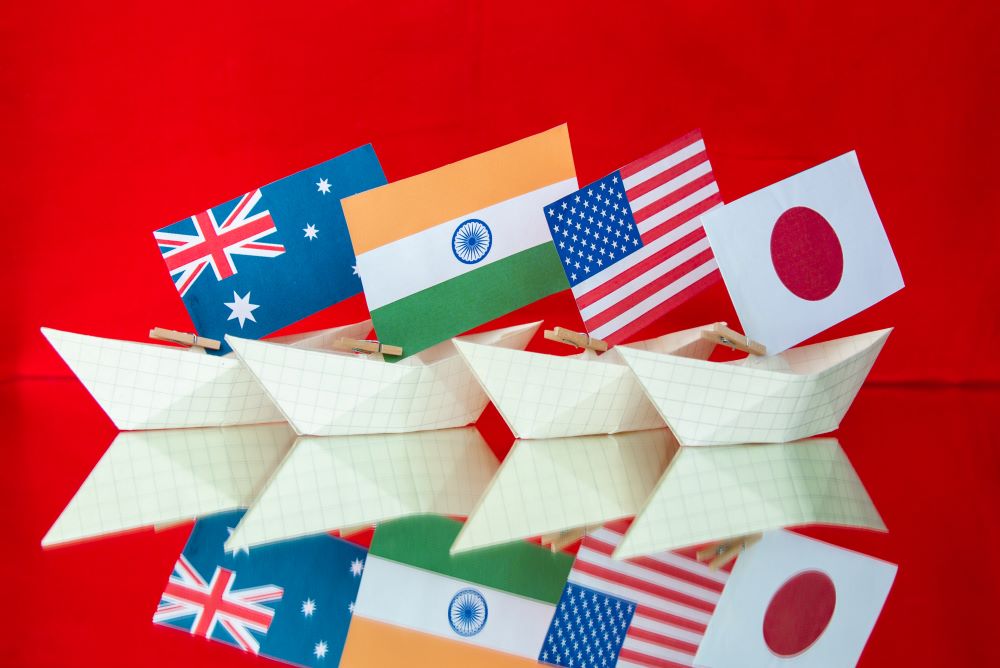
    The QUAD, a grouping of the United States, Japan, India, and Australia, began as a “Tsunami Core Group,” an impromptu group formed in response to the devastating Boxing Day tsunami of 2004. This core group brought together the four nations to swiftly mobilise and coordinate multilateral disaster relief and humanitarian assistance operations. The first meeting of the initial QUAD took place in May 2007 during the ASEAN Regional Forum (ARF) meeting in Manila. The meeting was characterised as an “informal grouping” that discussed themes of mutual interest to the dialogue participants (Buchan & Rimland, 2020). The group was established to deal with the immediate challenges posed by the tsunami and was never intended to become permanent. However, early cooperative efforts sparked a debate about QUAD’s overarching goal. When Australia withdrew from the QUAD in 2008, it ceased to exist. It was revived in 2017 against the backdrop of an increasingly assertive Chinese posture, and the emergence of the idea of the Indo-Pacific as a single maritime zone.

    The first QUAD meeting, after its revival, happened on 12 November 2017, when the four ‘like-minded’ partners discussed seven key issues: the rules-based order in Asia; freedom of navigation and overflight in the maritime commons; respect for international law; enhancing connectivity; maritime security; the North Korean threat and non-proliferation; and terrorism (Jain, 2022). The QUAD aims to bring diverse perspectives together in a shared vision for a free and open Indo-Pacific, and it strives for a region that is free, open, inclusive, healthy, and anchored in democratic values.

    Economic Potential

    There are numerous reasons to increase economic engagement within the QUAD nations—the four countries, with a combined population of over 1.8 billion people, represent a quarter of the world’s population and over $30 trillion in GDP. In 2018, trade between the four countries totalled more than $440 billion, with nearly $6 trillion in trade with the rest of the world. QUAD intends to use both public and private resources to construct high-quality infrastructure in the Indo-Pacific region. According to the MEA’s website, since 2015, QUAD partners have invested more than $48 billion in regional infrastructure development. The commitment of the QUAD to regional infrastructure development can be strengthened by integrating India into the existing ‘Australia-Japan-US Trilateral Infrastructure Partnership’ and by broadening their reach into the Indo-Pacific region (“Fact Sheet: QUAD Leaders’ Summit,” n.d.). Except for India and the United States, the remaining two countries are also Regional Comprehensive Economic Partnership (RCEP) members. This shows that, notwithstanding territorial and security differences, trade and commerce are still the primary focus (“Economic Dimension Key to QUAD Success”, 2021). Further, the Covid-19 pandemic has harmed the global economy, including the QUAD nations, in areas ranging from employment to investment. Thus, by bolstering their economic ties for greater freedom and cooperation, the group will facilitate a faster recovery from the pandemic’s effects.

    The Indian Ocean, not the Indo-Pacific, is central to India’s vision. In the short term, India’s engagement with the Indo-Pacific framework will be primarily diplomatic and economic and will be constrained by the Indian Ocean’s strategic primacy and constraints on its sea-power projection

    QUAD and the Indian Economy

    India’s strong economic ties with the QUAD economies are reflected in its bilateral trade volume with each member. During 2019-2020, these three economies accounted for 15% of India’s total trade. The United States contributes the most with 11%, followed by Japan and Australia, with 2.15 and 1.6 per cent, respectively. Further, India already has a free-trade agreement with Japan, which was implemented in 2011, and negotiations with Australia and the United States are ongoing. India can now use this critical multilateral forum to help facilitate trade negotiations and increase economic activity with member economies (“Economic Dimension Key to QUAD Success” 2021).

    According to Lunev and Shavlay (2018), the emergence of China, the expansion of India’s economic and strategic clout, and, most importantly, the growing importance of the Indian Ocean as a strategic trade route carrying nearly two-thirds of global oil shipments and a third of bulk cargo, have entailed a shift in the security architecture from the Asia-Pacific to the Indo-Pacific. These factors have contributed to the rise of regional stakeholders advocating for a free and open Indo-Pacific, resulting in the re-establishment of the QUAD. However, India’s maritime interests and strategies are at odds with those of the other QUAD members. The Indian Ocean, not the Indo-Pacific, is central to India’s vision. In the short term, India’s engagement with the Indo-Pacific framework will be primarily diplomatic and economic and will be constrained by the Indian Ocean’s strategic primacy and constraints on its sea-power projection.

    The South and East China Seas, the Western Pacific, and the Indian Ocean are of particular concern to the United States and Japan. Unless and until these disagreements are resolved, QUAD’s effectiveness as an entity will be called into question

    Tokyo Summit 

    The Tokyo Summit is the QUAD Leaders’ fourth interaction since their first virtual meeting in March 2021, in-person Summit in Washington DC in September 2021, and virtual meeting in March 2022. The Tokyo Summit took place against the backdrop of the ongoing Russia-Ukraine conflict and its repercussions. The joint statement issued following the QUAD summit in Tokyo on May 24, 2022, is more comprehensive than the first three summits. It has attempted to clarify the broad framework for cooperation by outlining eight specific areas. These include Peace and Stability; Covid-19 and Global Health Security; Infrastructure; Climate; Cybersecurity; Critical and Emerging Technologies; QUAD Fellowship; Space; and Maritime Domain Awareness and Humanitarian Assistance and Disaster Relief (HADR) (Luthra, n.d.). A comprehensive QUAD joint statement and the launch of the Indo-Pacific Economic Framework (IPEF) are key developments of the Tokyo summit. QUAD leaders also announced a maritime initiative to combat illegal fishing at the Tokyo summit, and a pledge to invest $50 billion in infrastructure in the Indo-Pacific to combat China’s growing power (“QUAD Joint Leaders’ Statement”, 2022).

    The QUAD has long been criticised for lacking a common purpose or a substantive agenda. Furthermore, none of the objectives cited as reasons for bringing the four states together are unique to the QUAD. Other actors and institutions in the region already exist for these purposes.  Thus, there is a need for QUAD partners to better articulate their distinct rationale for cooperation and collaborative efforts.

    India is a key player due to its naval power and strategic location, and should thus be an active participant. However, there are differences in areas of interest among the QUAD nations, complicating its effectiveness. The South and East China Seas, the Western Pacific, and the Indian Ocean are of particular concern to the United States and Japan. Unless and until these disagreements are resolved, QUAD’s effectiveness as an entity will be called into question. While India is frequently portrayed as the holdout — and has recently been the most vocal — objections have come from other countries as well. The potential impact on Sino-Australian relations continues to make some in Australia nervous. Beijing’s reaction has factored into American caution as well, as has the preference for a trilateral format (Madan, 2017).  

    India requires investment, attractive financing for infrastructure, technology, and access to key raw materials, particularly rare earth elements, among the QUAD nations. QUAD’s other members are looking for market access and dependable investment destinations. Broadening QUAD’s current strategic focus to strengthen economic ties under the partnership’s auspices would be a win-win situation for all countries involved in such a scenario.

    Bibliography

    Buchan, P., & Rimland, B. (2020). Defining the diamond: The past, present, and future of the quadrilateral security dialogue. Defining the Diamond: The Past, Present, and Future of the Quadrilateral Security Dialogue | Center for Strategic and International Studies. Retrieved July 22, 2022, from https://www.csis.org/analysis/defining-diamond-past-present-and-future-quadrilateral-security-dialogue 

    “Economic Dimension Key to Quad Success.” 2021. The Statesman. February 23, 2021. https://www.thestatesman.com/opinion/economic-dimension-key-quad-success-1502953752.html.

    “Fact Sheet: Quad Leaders’ Summit.” n.d. Www.mea.gov.in. https://www.mea.gov.in/bilateral-documents.htm?dtl/34319/Fact+Sheet+Quad+Leaders+Summit.

    JAIN, Purnendra. 2022. “India’s Changing Approach to the Quadrilateral Security Dialogue.” East Asian Policy 14 (01): 56–70. https://doi.org/10.1142/s1793930522000046.

    Lunev, Sergey, and Ellina Shavlay. 2018. “Russia and India in the Indo-Pacific.” Asian Politics & Policy 10 (4): 713–31. https://doi.org/10.1111/aspp.12430.

    Luthra, Girish. n.d. “Forward from the Tokyo Quad Summit and IPEF.” ORF. https://www.orfonline.org/expert-speak/forward-from-the-tokyo-quad-summit-and-ipef/.

    Madan, Tanvi. 2017. “The Rise, Fall, and Rebirth of the ‘Quad.’” War on the Rocks. November 16, 2017. https://warontherocks.com/2017/11/rise-fall-rebirth-quad/.

    “Quad Joint Leaders’ Statement.” 2022. The White House. May 24, 2022. https://www.whitehouse.gov/briefing-room/statements-releases/2022/05/24/quad-joint-leaders-statement/.

    Rahman, Mohammad Masudur, Chanwahn Kim, and Prabir De. 2020. “Indo-Pacific Cooperation: What Do Trade Simulations Indicate?” Journal of Economic Structures 9 (1). https://doi.org/10.1186/s40008-020-00222-4.

    Feature Image Credits: Resilinc

  • Declining Number of Tibetan Refugees in India

    Declining Number of Tibetan Refugees in India

    His Holiness the Dalai Lama, and his followers, were welcomed by then Prime Minister Jawaharlal Nehru with open arms whose government helped them settle in India as they fled Tibet, following the Chinese invasion

    Introduction

    India is the largest democracy in the world, with a multi-party system, and a diverse set of cultures. It has a long tradition of hosting a large number of refugees. India has been particularly supportive of Tibetan refugees, right from the start of the Nehruvian era in the early 1950s. The number of Tibetan refugees living in India is estimated at well over 150,000 at any given time. However, a recent survey conducted by the United Nations High Commissioner for Refugees (UNHCR) in India, in association with the Ministry of Home Affairs (MHA), showed that only 72,312 Tibetans remain in the country.

    In India, Tibetans are considered to be one of the most privileged refugees unlike other refugees in the country. His Holiness the Dalai Lama, and his followers, were welcomed by then Prime Minister Jawaharlal Nehru with open arms whose government helped them settle in India as they fled Tibet, following the Chinese invasion. That period saw a large influx of Tibetans towards India as they sought asylum. The Tibetan refugees have been allotted settlements where they continue to live under the management of the MHA and the Tibetan government-in-exile, or the Central Tibetan Administration (CTA). These facilities have contributed to a sense of community-living and have enabled them to keep their culture alive till today. Tibetan refugees in India have enjoyed freedom, which was impossible in their own land under the Chinese Communist Party (CCP) rule. However, after residing in India for almost seven decades now, recent data estimates a large decline in the number of Tibetan refugees. Therefore, this study examines the theoretical concerns and empirical findings of refugee problems in general as well as distinctive features of the Tibetan refugee experience in India.

    The status of Tibetans in India is determined under the Passports Act 1967, Foreigner’s Act of 1946, and the Registration of Foreigners Act of 1939 which refer to Tibetans as simply “foreigners”. These provisions cover everyone apart from Indian citizens thus, restricting refugees’ mobility, property, and employment rights. Recognizing this, the Government of India sanctioned the Tibetan refugees with the 2014 Tibetan Rehabilitation Policy (TRP) which caters to the issues faced by them and promises a better life for Tibetans in India. An array of provisions under this policy include land leases, employment, trade opportunities such as setting up markets for handicrafts and handlooms, housing, etc. to all Tibetans in possession of the RC (Registration Certificate). Further, certain policies applicable to Indian citizens are extended to Tibetan refugees as well. For instance, the Constitution of India grants the right to equality (Article 14) and the right to life and liberty (Article 21), and India is obliged to provide asylum as outlined in Article 14 of the Universal Declaration of Human Rights (UDHR). Despite these facilities and the cordial relationship that has been built over 70 years between the Tibetans and Indians, the question raised by many, including Indian authorities is – why is the number of Tibetans migrating out of India increasing?

    With increased awareness about Tibetan refugees and their problems, many countries have opened their borders to Tibetans by introducing numerous favourable policies

    The various push and pull factors- motivation for migration

    The Tibetan Exit continues to grow with about 3000 refugees migrating out of India every year. The support and admiration of His Holiness the Dalai Lama gained worldwide has been partly due to the exhibition of the rich culture and traditions of Buddhism. With India being the birthplace of the religion, Tibetans in India caught the limelight in the global arena, leading many researchers to study their migration patterns to India. Attention is now being placed on Tibetans exiting India despite years of strong cultural and social bonding. General migratory trends of humans can be analyzed using eminent scholar Everett Lee’s comprehensive theory of migration of 1966. The term ‘migration’ is defined broadly as a permanent or semi-permanent change of residence. Many factors tend to hold people within the area or attract people towards it, and there are others that repel them from staying. This theory could also be applied to the Tibetan migratory trends by looking at the “Push and Pull” factors proposed by Lee. The ‘push theory’ here encompasses the aspects that encourage the Tibetans to emigrate outside India, and the pull theory is associated with the country of destination that attracts the Tibetans to emigrate. Ernest George Ravenstein, in his “Laws of Migration”, argues that ‘migrants generally proceed long distances by preference to one of the great centers of commerce and industry and that ‘the diversity of people defines the volume of migration’. Ravenstein’s laws provide a theoretical framework for this study, as Tibetans tend to migrate out of India with a special preference to Europe, the USA, Canada, and Australia. With increased awareness about Tibetan refugees and their problems, many countries have opened their borders to Tibetans by introducing numerous favourable policies. For instance, with the Immigration Act of 1990, the Tibetan community in New York grew exponentially. The US Congress authorised 1000 special visas for Tibetans under the Tibetan Provisions of the U.S. Immigration Act of 1990, leading to the rampant growth of Tibetan migrants in the US. The first 10 to 12 Tibetan immigrants arrived in the U.S. in the 1960s, and then hundreds in the 1970s. Today, New York alone consists of roughly 5,000 to 6,000 Tibetan immigrants.

    Former Canadian Prime Minister Stephen Harper agreed to resettle 1,000 Tibetans from Arunachal Pradesh in 2007 (CTA 2013) encouraging substantial migration. The fundamental intention of migration is to improve one’s well-being from the current state.

    The motivation for migration can be analysed by correlating origin and destination places with push and pull aspects. Push factors in the place of origin generally include lack of opportunities, religious or political persecution, genocide, hazardous environmental conditions, etc. The pull factors at the destination, on the other hand, are environment responsive to the push variables. The flow of migrants between the two points is hindered by intervening obstacles or intervening opportunities, which can also affect the motivations of individuals while migrating.

    Fig. 2 Lee’s (1966) push-pull theory in graphic form

    Fig.2 shows there are two points in the flow of migration – a place of origin and a destination, with positive and negative signs indicating the variables of pull and push factors with intervening obstacles between them. Both the origin and destination have pluses and minuses which means each place has its push and pull aspects. Every migrant is influenced by the positives of staying and the negatives of leaving a particular place. The factors to which people are essentially indifferent are denoted as zeroes. The logic of the push-pull theory is that if the pluses (pulls) at the destination outweigh the pluses of staying at the origin, as shown above, then migration is likely to occur.

    The three main pull factors or the aspects that pull Tibetans out of India are – economic opportunities, better policies for Tibetan refugees outside India, and world attention.

    Better opportunities and more earning capacity are the primary reasons for the migration of Tibetan refugees out of India. They claim that there are better options, job security, better facilities, and more accessible resources. All this put together expands their level of awareness. People outside treat them as equals which makes the living situation a lot easier, whereas in India, except for a handful who are well educated, Tibetans are mostly given very low-paid jobs such as servants, waiters, cleaners, etc.

    Second, concerning open policies in other countries, it can be argued that the migratory trend of Tibetans started in 1963 when Switzerland allowed 1,000 Tibetan refugees who were then the country’s first non-European refugees. Their population is now around 4,000. Further, in 1971, under the Tibetan Refugee Program (TRP), the original 240 Tibetans arrived in Canada, which now is a community of 5,000.

    Third, the migrants and His Holiness the Dalai Lama’s transnational travels have helped to promote Tibetan culture and give the West exposure to the richness and traditions of Tibetan Buddhism. Tibetans also migrate to spread awareness. Sonam Wang due, a young Tibetan activist from India who was the President of the Tibetan Youth Congress in Dharamshala, says that he moved to the U.S. to protest more effectively and freely. An important day known as the Tibetan Lobby Day is conducted annually in the U.S, where hundreds of Tibetans along with their supporters assemble to urge their respective governments and parliamentarians to continue their support for Tibet and the Tibetan people.

    Fig. 3 Tibetan Lobby Day in the U.S

    On the other hand, some factors tend to push people away from their origin country. Push factors from India are mainly restrictions and social reasons. There are many Tibetan schools and colleges in the subcontinent with a large number of Tibetan students. According to the Planning Commission’s data on Tibetan Demography 2010, there is growing unemployment among Tibetan youth, with levels as high as 79.4 percent. When students return to their settlements after graduation, only 5 percent of them get absorbed in employment in the Tibetan community, as jobs here are scarce with mediocre salaries. Finding a job in the Indian community is further restricted by the authorization issue which holds that they are not Indian citizens. Many of them join the Indian Army, work in call centers, or become nurses as these are a few employment opportunities in which they can earn reasonably to support their families. Those without RC are restricted while applying for business documents and procuring licenses, and the youths who have acquired education and skills are pushed out of India as they search for better job opportunities. The younger generation of Tibetans in India realizes the discrimination they face and are motivated to migrate elsewhere for a better life. Although there is Article 19 of the Indian Constitution for freedom of speech and expression and the right to assemble peacefully, when it comes to Tibetans’ protesting, they are restricted in every possible way. Tibetans must secure a legal permit before any protest outside Tibetan settlements. This varies from one region to another, for instance, Tibetans in Dharamshala can protest peacefully as that is their officially recognized place by the Central government. In spite of having authorized Tibetan settlement areas in Chandigarh, Delhi, Arunachal Pradesh, Karnataka, etc., protests conducted in these states are not tolerated and require permits because the decision-making power is solely vested in each of the State governments.

    According to Mr. Sonam Dagpo, a spokesperson for the CTA, the main reason for the decline of refugees in India is because “Tibetans are recognized as ‘foreigners’, not refugees”. The Indian government does not recognize Tibetans as refugees primarily because India is not a party to the 1951 Refugee Convention. This Convention relates to the status of refugees and is built on Article 14 of the Universal Declaration of Human Rights, which recognizes the right of people seeking asylum in other countries because of persecution in their own countries. Another important reason is the lack of awareness among Tibetan refugees that they are the stakeholders to benefit from the TRP. However, implementation of the policy is left to the discretion of the respective States, which makes it problematic. Many Tibetans use India as a transit spot. They enter India primarily to meet His Holiness the Dalai Lama and study here, after which in pursuit of a better life and the West’s influence, they tend to resettle abroad. Nepal in recent times, generously funded by the Chinese, started strictly patrolling the borders with India and are sending back Tibetans to their homeland. Therefore, this is also one of the reasons why Tibetans entering India have decreased drastically.

    The introduction of the Rehabilitation Policy (TRP) in India has decreased the burden on Tibetans. However, efforts are to be made to widen the level of awareness about the policy among the stakeholders and States

    Conclusion

    Egon F. Kunz (1981) theorized about refugee movements and formulated two categories of refugee migrants namely – ‘Anticipatory’ and ‘Acute’. Anticipatory migrants are people who flee in an orderly manner after a lot of preparation and having prior knowledge about the destination, the latter category of migrants is those who flee erratically due to threats by political or military entities and from persecution in their place of origin. Tibetans migrating out of India are largely Anticipatory refugee migrants well aware and seeking betterment. The introduction of the Rehabilitation Policy (TRP) in India has decreased the burden on Tibetans. However, efforts are to be made to widen the level of awareness about the policy among the stakeholders and States.

    Tibetans are mostly living and visiting India from abroad by and large because of His Holiness the Dalai Lama. Considering his advancing age and the number of Tibetans migrating out of India on the rise, will there be a time when Tibetans will give away the hold of solidarity by living in large communities in India? This is the burning question that lies ahead in the future of India-Tibet relations.

    Feature Image Credits: Karnataka Tourism

    Fig. 1 Source: https://reporting.unhcr.org/document/2681

    Fig 2 Source: Dolma, T. (2019). Why are Tibetans Migrating Out of India? The Tibet Journal, 44(1), 27–52. https://www.jstor.org/stable/26921466

    Fig 3 Source: https://tibetlobbyday.us/testimonials/2020-photographs/