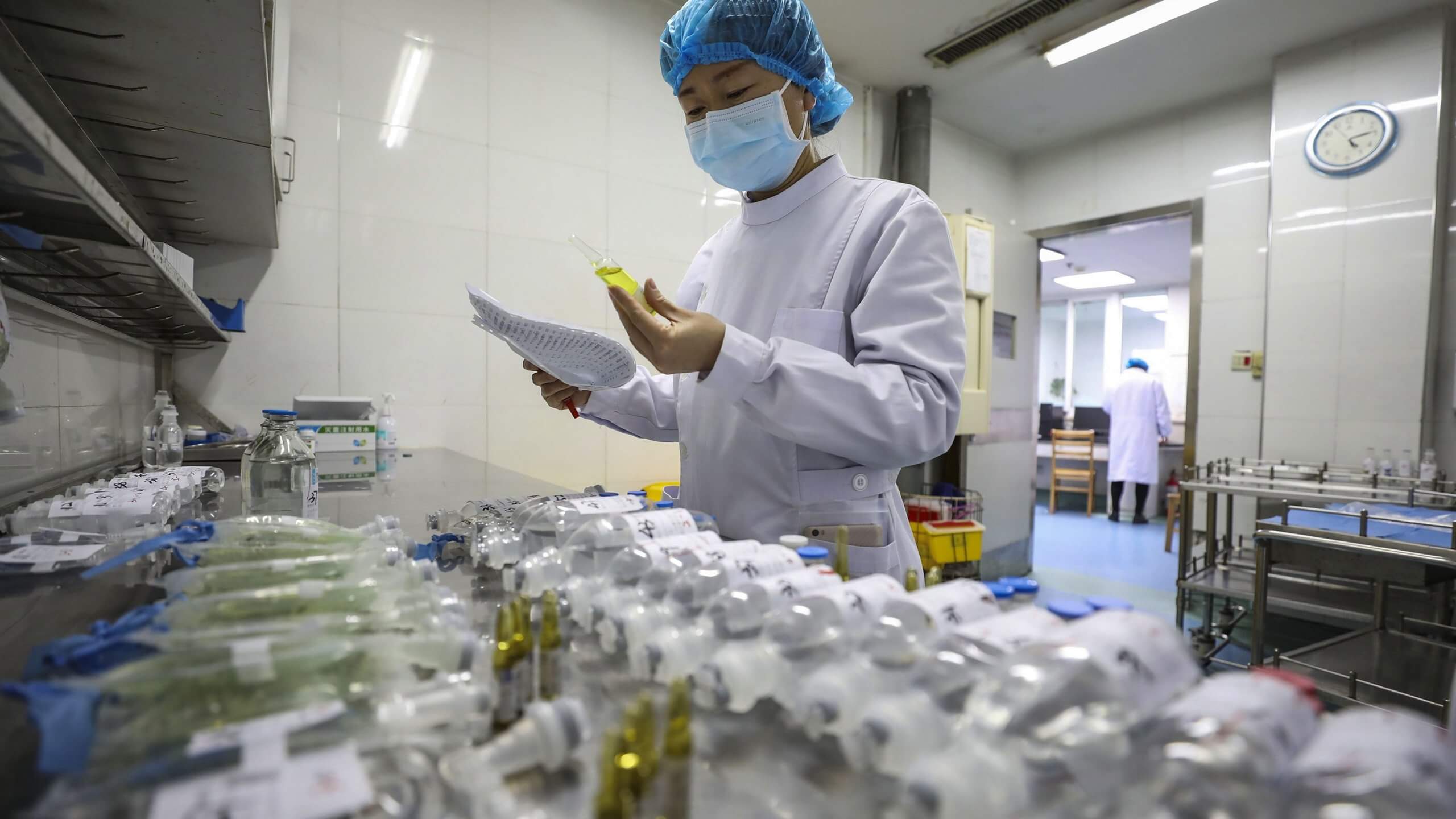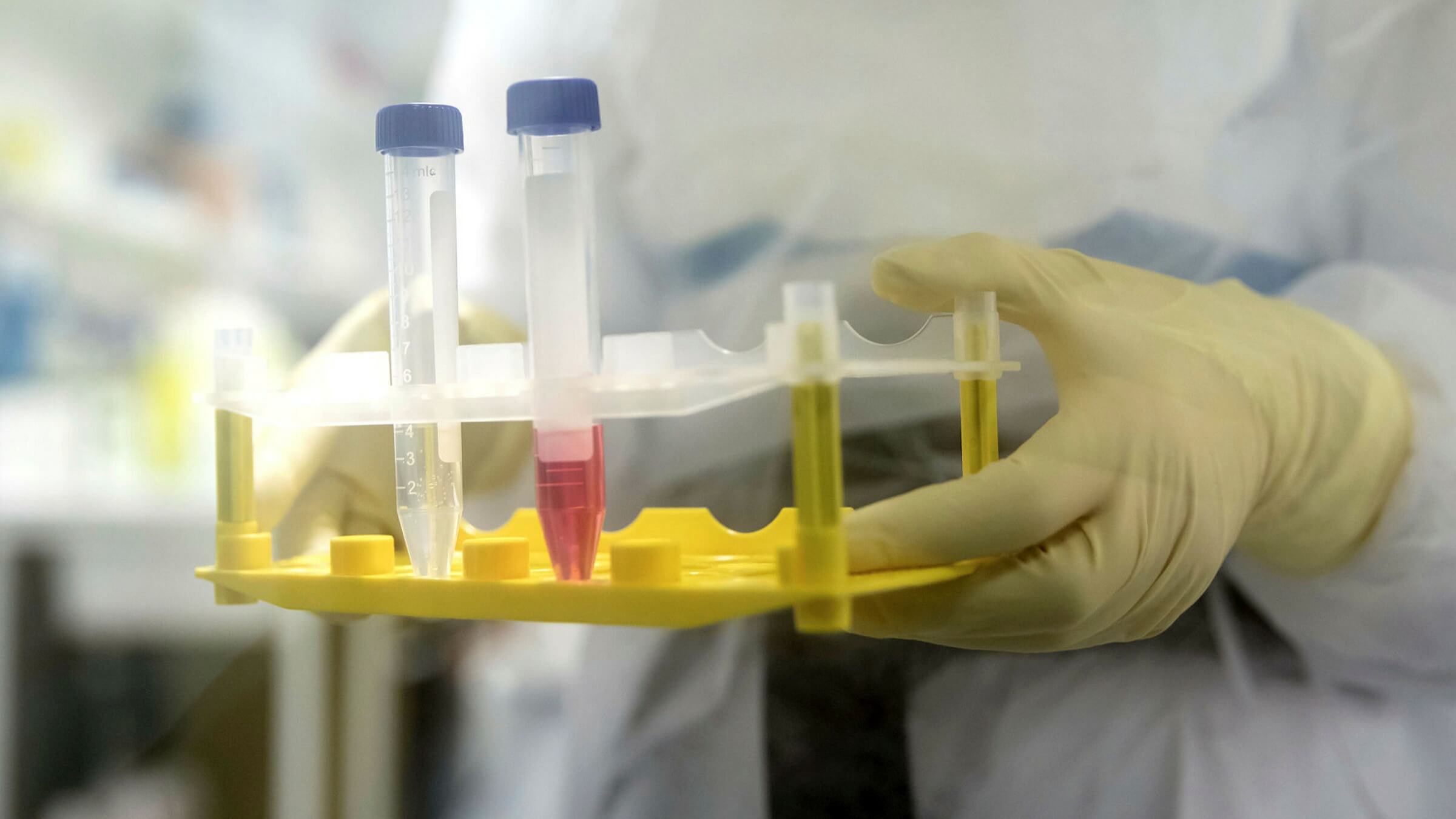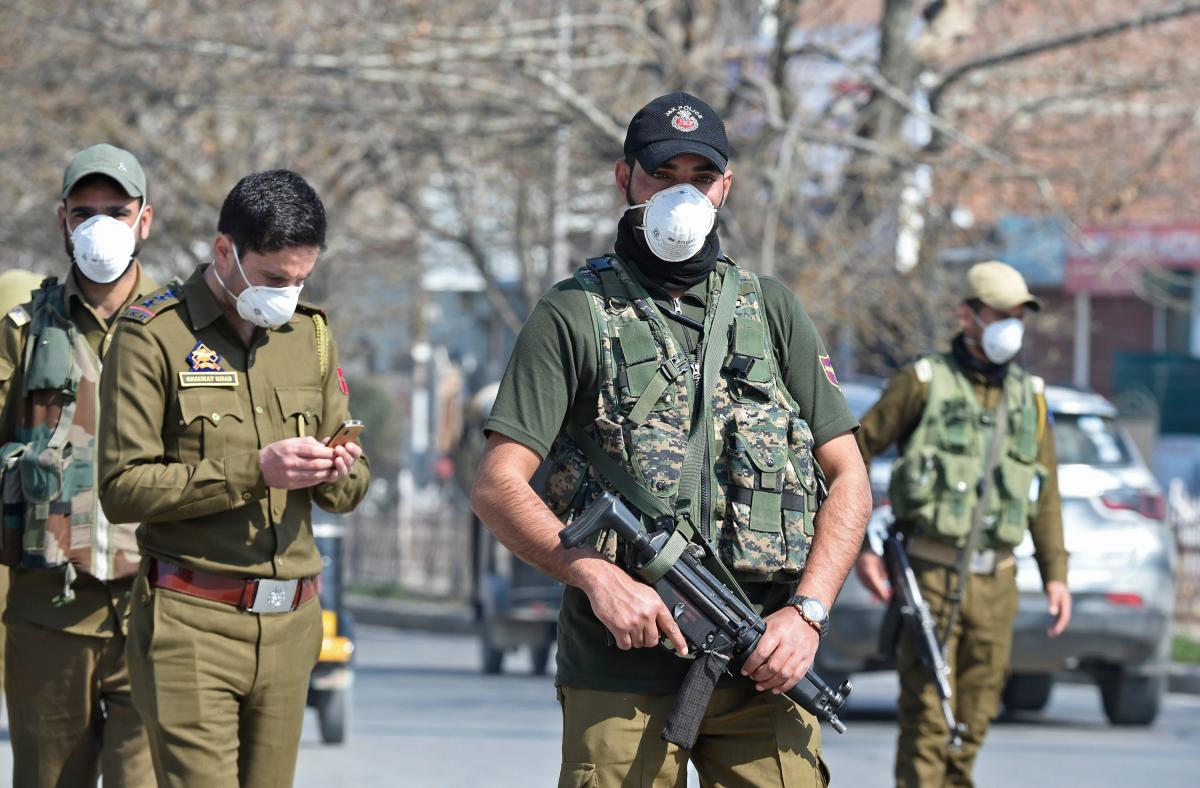
The coronavirus pandemic is the biggest disruptive global health threat in more than a century. The economic, political, and social life of people in all countries has been adversely affected as never before. This new strain of the coronavirus has posed significant challenges to people, researchers, medical fraternity, and governments across the world. It poses serious health risk to the elderly and has stressed national health systems significantly. The development of a vaccine, despite global efforts, is not likely to be available any time before mid 2021. The Peninsula Foundation, through two doctors Ms Keerthika Gnanasegaran and Ms Vishnupriya Rajasegaran have put together complete information on the Coronavirus in simple and easy to understand details. Ms Avanti A Srinivasan, a high school student describes her experience and opinion of the crisis.
Download Full Paper
Blog
-

Coronavirus: Fighting The Invisible Enemy
-

India’s Agriculture: The Failure of the Success
It was around the mid-1960s when the Paddock brothers, Paul and William, the ‘prophets of doom’, predicted that in another decade, recurring famines and an acute shortage of food grains would push India towards disaster. Stanford University Professor Paul R. Ehrlich in his 1968 best selling book The Population Bomb warned of the mass starvation of humans in the 1970s and 1980s in countries like India due to over population.
Their prophecies were based on a rising shortage of food because of droughts, which forced India to import 10 million tonnes of grain in 1965-66 and a similar amount a year before. Little did they know that thanks to quick adoption of a new technology by Indian farmers, the country would more than double its annual wheat production from 11.28 million tonnes in 1962-63 to more than twice that within ten years to 24.99 million tonnes. It was 71.26 million tonnes in 2007. Similarly rice production also grew spectacularly from 34.48 million tonnes to almost 90 million tonnes in 2007.
Total food grains production in India reached an all-time high of 251.12 million tonnes (MT) in FY15. Rice and wheat production in the country stood at 102.54 MT and 90.78 MT, respectively. India is among the 15 leading exporters of agricultural products in the world. The value of which was Rs.1.31 lakh crores in FY15.
India is among the 15 leading exporters of agricultural products in the world. The value of which was Rs.1.31 lakh crores in FY15.
Despite its falling share of GDP, agriculture plays a vital role in India’s economy. Over 58 per cent of the rural households depend on agriculture as their principal means of livelihood. Census 2011 says there are 118.9 million cultivators across the country or 24.6 per cent of the total workforce of over 481 million. In addition there are 144 million persons employed as agricultural laborers. If we add the number of cultivators and agricultural laborers, it would be around 263 million or 22 percent of the population. As per estimates by the Central Statistics Office (CSO), the share of agriculture and allied sectors (including agriculture, livestock, forestry and fishery) was 16.1 per cent of the Gross Value Added (GVA) during 2014–15 at 2011–12 prices. This about sums up what ails our Agriculture- its contribution to the GDP is fast dwindling, now about 13.7 per cent, and it still sustains almost 60 per cent of the population.
If we add the number of cultivators and agricultural laborers, it would be around 263 million or 22 percent of the population. As per estimates by the Central Statistics Office (CSO), the share of agriculture and allied sectors (including agriculture, livestock, forestry and fishery) was 16.1 per cent of the Gross Value Added (GVA) during 2014–15 at 2011–12 prices.
With 157.35 million hectares, India holds the world’s second largest agricultural land area. India has about 20 agro-climatic regions, and all 15 major climates in the world exist here. Consequently it is a large producer of a wide variety of foods. India is the world’s largest producer of spices, pulses, milk, tea, cashew and jute; and the second largest producer of wheat, rice, fruits and vegetables, sugarcane, cotton and oilseeds. Further, India is 2nd in global production of fruits and vegetables, and is the largest producer of mango and banana. It also has the highest productivity of grapes in the world. Agricultural export constitutes 10 per cent of the country’s exports and is the fourth-largest exported principal commodity.
According to the Agriculture Census, only 58.1 million hectares of land was actually irrigated in India. Of this 38 percent was from surface water and 62 per cent was from groundwater. India has the world’s largest groundwater well equipped irrigation system.There is a flipside to this great Indian agriculture story.The Indian subcontinent boasts nearly half the world’s hungry people. Half of all children under five years of age in South Asia are malnourished, which is more than even sub-Saharan Africa.
More than 65 per cent of the farmland consists of marginal and small farms less than one hectare in size. Moreover, because of population growth, the average farm size has been decreasing. The average size of operational holdings has almost halved since 1970 to 1.05 ha. Approximately 92 million households or 490 million people are dependent on marginal or small farm holdings as per the 2001 census. This translates into 60 per cent of rural population or 42 per cent of total population.
Approximately 92 million households or 490 million people are dependent on marginal or small farm holdings as per the 2001 census.
About 70 per cent of India lives in rural areas and all-weather roads do not connect about 40 per cent of rural habitations. Lack of proper transport facility and inadequate post harvesting methods, food processing and transportation of foodstuffs has meant an annual wastage of Rs. 50,000 crores, out of an out of about Rs.370, 000 crores.
There is a pronounced bias in the government’s procurement policy, with Punjab, Haryana, coastal AP and western UP accounting for the bulk (83.51 per cent) of the procurement. The food subsidy bill has increased from Rs. 24500 crores in 1990-91 to Rs. 1.75 lakh crores in 2001-02 to Rs. 2.31 lakh crores in 2016. Instead of being the buyer of last resort FCI has become the preferred buyer for the farmers. The government policy has resulted in mountains of food-grains coinciding with starvation deaths. A few regions of concentrated rural prosperity.
The total subsidy provided to agricultural consumers by way of fertilizers and free power has quadrupled from Rs. 73000 crores in 1992-93, to Rs. 3.04 lakh crores now. While the subsidy was launched to reach the lower rung farmers, it has mostly benefited the well-off farmers. Free power has also meant a huge pressure on depleting groundwater resources.
These huge subsidies come at a cost. Thus, public investment in agriculture, in real terms, had witnessed a steady decline from the Sixth Five-Year Plan onwards. With the exception of the Tenth Plan, public investment has consistently declined in real terms (at 1999-2000 prices) from Rs.64, 012 crores during the Sixth Plan (1980-85) to Rs 52,107 crores during the Seventh Plan (1985-90), Rs 45,565 crores during the Eighth Plan (1992-97) and about Rs 42,226 crores during Ninth Plan (1997-2002).With the exception of the Tenth Plan, public investment has consistently declined in real terms (at 1999-2000 prices) from Rs.64, 012 crores during the Sixth Plan (1980-85) to Rs 52,107 crores during the Seventh Plan (1985-90), Rs 45,565 crores during the Eighth Plan (1992-97) and about Rs 42,226 crores during Ninth Plan (1997-2002).
Share of agriculture in total Gross Capital Formation (GCF) at 93-94 prices has halved from 15.44 per cent to 7.0 per cent in 2000-01. In 2001-02 almost half of the amount allocated to irrigation was actually spent on power generation. While it makes more economic sense to focus on minor irrigation schemes, major and medium irrigation projects have accounted for more than three fourth of the planned funds
By 2050, India’s population is expected to reach 1.7 billion, which will then be equivalent to nearly that of China and the US combined. A fundamental question then is can India feed 1.7 billion people properly? In the four decades starting 1965-66, wheat production in Punjab and Haryana has risen nine-fold, while rice production increased by more than 30 times. These two states and parts of Andhra Pradesh and Uttar Pradesh now not only produce enough to feed the country but to leave a significant surplus for export.Since food production is no longer the issue, putting economic power into the hands of the vast rural poor becomes the issue. The first focus should be on separating them from their smallholdings by offering more gainful vocations.
Farm outputs in India in recent years have been setting new records. It has gone up from 208 MT in 2005-06 to an estimated 251 MT in 2014-15. Even accounting for population growth during this period, the country would need probably around 225 to 230 MT to feed its people. There is one huge paradox implicit in this. Record food production is depressing prices. No wonder farmers with marketable surpluses are restive.
India is producing enough food to feed its people, now and in the foreseeable future. Since food production is no longer the issue, putting economic power into the hands of the vast rural poor becomes the issue. The first focus should be on separating them from their smallholdings by offering more gainful vocations. With the level of skills prevailing, only the construction sector can immediately absorb the tens of millions that will be released. Government must step up its expenditures for infrastructure and habitations to create a demand for labor. The land released can be consolidated into larger holdings by easy credit to facilitate accumulation of smaller holdings to create more productive farms.
Finally the entire government machinery geared to controlling food prices to satisfy the urban population should be dismantled. If a farmer has to buy a motorcycle or even a tractor he pays globally comparative prices, why should he make food available to the modern and industrial sector at the worlds lowest prices?
Why should Bharat have to feed India at its cost?Image: Kanyakumari farm lands during onset of monsoon.
-

Covid 19: India uses Crisis to bring-in Economic Reforms as Package
India’s four-phase lockdown of 68 days to deal with the Covid-19 threat has, while slowing the spread of the virus, come at huge economic costs. The lockdown for a vast majority of the people is, undoubtedly, the harshest in the world.
The coronavirus triggered lockdown and its ensuing series of extensions have disrupted more than 60 percent of economic activities in the country, posing a huge threat to the economy. The crisis was underway when the global economy was slowing down and India, in particular, had to deal with a poor health care system and an economy already under distress. Unemployment rate is estimated to be around 27 percent post lockdown and has resulted in nearly 12.2 crore people losing their jobs. In addition, a severe slump in consumer demand is expected to persist for the next few quarters. Almost 85 percent of India’s workforce is engaged in the informal sector – quite naturally the government is under stress to implement effective policy reforms to counter the downturn.
In response to the contraction in the economy, the Prime Minister has announced a second round of economic package that stands at roughly around 10 percent of the Gross Domestic Product. The USA and Japan have announced relief packages of 13 and 21 percent of their GDP respectively. In comparison, India has seemingly provided a substantial Rs 20 lakh crore stimulus- highlighting the concept of ‘self-reliance’ as a way forward to deal with the economy post the pandemic. The stimulus package includes previous steps taken by RBI such as moratorium on loan repayments, interest rate cut, etc. In the five tranches of the stimulus package, the Finance Minister has announced a slew of measures to address the structural issues of Indian economy. However, it is estimated that the immediate fiscal boost will be only around 1 percent of GDP and most of the fiscal and monetary policies will attract long term capital with medium run stabilization of the economy.

Micro Medium and Small Scale Enterprises
Focusing on reviving the small businesses and micro enterprises, under this tranche Rs 3 lakh crore is allocated for collateral free loans for business enterprises. This package is estimated to be around Rs 5.94 lakh crore including RBI measures to improve liquidity in the economy. However, the direct fiscal cost for the government is around Rs 16,500 crore. For the stressed MSME units, the central government is planning to facilitate Rs 20,000 crore as subordinate debt and Rs 50,000 crore through equity infusion. Non Banking Finance Companies (NBFC) that serve the MSMEs will receive Rs 30,000 crore under investment guarantee scheme. While the six broad measures look attractive, the MSME sector in India is dominated by micro enterprises that are largely unregistered. However, these measures will not immediately benefit the micro business units with necessary working capital. Most of the enterprises and small business units are cash strapped and are on the verge of disappearing. Ninety-nine percent of the sector comprises micro enterprises – businesses with less than 10 working employees.
Most of the enterprises and small business units are cash strapped and are on the verge of disappearing. Ninety-nine percent of the sector comprises micro enterprises – businesses with less than 10 working employees.
While the government has taken supply side measures to incentivize businesses, two important challenges remain intact. One, the large number of unregistered micro businesses might not benefit from the credit line offered by the government. Two, if the demand recovers slowly, it is likely the business sector especially small enterprises will suffer despite credit being infused. It is important to note that the supply and demand side has to be revived at the same rate to ensure sustainability of the MSME business.

Migrant labourers and Farmers:
Second stimulus of the Finance minister’s announcement was focused on migrant labourers and farmers. Close to 150 million internal migrants are present in India according to the latest census report. Rs 3500 crores is to be spent on migrant labourers not covered under the Public Distribution System (PDS). Rs 5000 crore is set aside to facilitate easy access to street vendors. Funds worth Rs 6000 crore is planned for enhancing employment among adivasis and tribal groups. For the next two months, around 8 crore migrant labourers not covered under PDS will be provided 5kgs of grains per person and 1 kg chana per family in a month. ‘One Nation One Ration Card’ is a welcome move given the leakages present in the PDS, but the national coverage of this scheme is expected only by March 2021. Additionally, in the National Food Security Act, 2013 , based on the 2011 census data, it is estimated that around 100 million people do not fall under this safety net accounting for growth in population over the past decade. The initiative to record and track the data on unregistered labourers is important for fiscal stimulus response to a COVID hit economy. National portability of ration cards is important but the execution is time consuming and does not address the problem of people being excluded from the ration card system. Universalizing PDS and decentralizing decisions to achieve food security with an efficient supply chain should be an immediate intervention. States with higher migrant labourers and people with less access to PDS should be targeted to universalise food distribution. Acknowledging the shortcomings of the PDS and food supply channel, an emergency plan to ensure food supply to people below poverty line for the next six months needs to be prioritised.
‘One Nation One Ration Card’ is a welcome move given the leakages present in the PDS, but the national coverage of this scheme is expected only by March 2021.

Agriculture and Allied activities:
Under the third tranche of the economic stimulus package, the government has taken bold measures to invest in agriculture and allied activities. Total package announced was worth Rs 1.63 lakh crores – relatively less compared to earlier stimulus packages. The main focus was on enhancing agriculture infrastructure, financing farm gate produce and improving post harvest supply. A series of other funds were allocated for disease control for animal husbandry, promotion of herbal products and fisheries. Rs 10,000 crore was unveiled to support 2 lakh Micro Food Enterprises on a cluster based approach.
Lack of cold storage and supply chain was identified by the government to create an Agriculture Infrastructure Fund of Rs 1 lakh crore. A big push for agriculture reforms was spelled out by the decision to deregulate six commodities including cereals, pulses, oil and vegetables by amending the Essential Commodity Act, 1955.
Many experts believe the reforms undertaken were long due for India to enhance productivity of the agriculture sector. But deregulation of essential products during the time of lockdown with poor food supply chains might not be beneficial especially for marginal farmers. Almost 92 percent of the Food Supply Chain is controlled by the private sector and most of the farmers are not informed about Minimum Support Price and adopt unscientific farming practices. With liquidity constraint in the economy, demand for essential food is substantial. Factoring the drawbacks of PDS in supplying food items to the bottom section – a high probability of market failure is underway potentially hurting both farmers and consumers. Except for concessional credit for farmers and agriculture loans, the package has limited scope to reduce the distress faced by the agrarian sector in near future. As far as the reforms are concerned, there was a clear bias towards post harvest investment. However, the productivity and scale of production has been the biggest problem in India that requires effective land reforms. India’s agriculture sector also suffers without adequate investment in Technology and Research & Development. During an unprecedented crisis, Indian government is pushing for big reforms but the structural issues of marginal-land farming are largely ignored. Even as a reform package─it is evident that it is likely to benefit primarily large farmers in the medium term.
Except for concessional credit for farmers and agriculture loans, the package has limited scope to reduce the distress faced by the agrarian sector in near future.

Infrastructure, Defence & Aerospace
Under this package, eight key sectors: coal, minerals, defence production, aerospace management, airports, power distribution, space and atomic energy were in the spotlight. In an effort to boost employment, a proclamation of structural reforms was stated in the fourth tranche. The coal and mining industry is expected to receive an infrastructure development fund – making the sector self-reliant in production. The Foreign Direct Investment limit in defence has been increased from 49 percent to 74 percent to encourage foreign investment in production. In the aviation industry, India decided to open up 6 airports for auction. Additionally, three airports are to be operated under the Public Private Partnership model. Optimization of air space, building a hub for aircraft maintenance and overhaul are some of the important measures covered under this package.
Privatization and Globalization (New Economic Policy, 1991)- COVID-19 crisis has offered a space for the government to initiate certain radical measures to privatise a few industries.
Private partnerships in the areas of space exploration and atomic energy offers an immense potential for private companies to get incubated for research and development. Sharing an economic pressure similar to the 1991 Balance of Payment crisis that resulted in Liberalization, Privatization and Globalization (New Economic Policy, 1991)- COVID-19 crisis has offered a space for the government to initiate certain radical measures to privatise a few industries. The measures will undoubtedly help the business ecosystem in India to develop in the medium term. Though there seems to be a claim about substantial job creation this is not likely to happen immediately.
Rural Employment & Public Health
In the final announcement, Rs 40,000 crore was allotted to Mahatma Gandhi National Rural Employment Guarantee Scheme (MGNREGS) to replace direct transfer from central government to migrant workers. Inadequate data about inter state informal labourers has placed limitations on policy formulation during the time of crisis. Under the Pradhan Mantri Garib Kalyan Yojna, Rs 50 lakh per person insurance cover will be applicable for health professionals. To ensure ease of doing business, non adherence to the Companies’ Act will be decriminalised. The government also committed to increasing health expenditure to face pandemics in the future. The finance minister also encouraged companies to entertain the idea of digital India to conduct meetings and businesses online.
The last two announcements together accounted for Rs 48,500 crore and experts criticize that most of them do not provide immediate relief for the people in distress.

Conclusion
India has evidently seized the opportunity during the crisis to introduce reforms to boost the economy in the long run. The reform package undoubtedly is impressive on paper but in terms of immediate support to various sectors in distress it offers little. For example, a large part of the package – Rs 8.04 lakh crore- is additional liquidity injected by monetary policy in the last three months. An investment bank has predicted that India will face a deeper recession in the short term but the economic stimulus would help the economy after a few quarters. As a consequence the real growth rate is to drop down by 5 percent year-on-year in 2020. Even after a massive package, the situation of poor and middle-class people remains bleak. The reforms might bear fruits in future but deferring the policy response to address current challenges will manifest into huge burden on vulnerable sections of the people. Current economic crisis has undoubtedly offered the central government to take advantage of the weak bargaining power of the stakeholders to push reforms but low attention is paid to immediate distress.
The author was supported by Ms S P Bharani, on summer internship at TPF.
Image Credit: Adobe Stock
-

CDS: A Welcome Reform and the Challenges Ahead
The Year 2020 ushered in a momentous reform for higher defence management (HDM) in India with the government implementing PM Narendra Modi’s announcement made earlier from the ramparts of the Red Fort on 15th Aug 2019, on establishing the institution of the Chief of Defence Staff (CDS). Retiring Army Chief General Bipin Rawat, not surprisingly, was appointed as the first CDS of the Indian Armed Forces. The unique honour brings with it myriad challenges lying ahead for the new appointee.
To those at home and abroad who are accustomed to the working of governments of all political hues in India it should not be a surprise that this critically vital appointment took over 18 years to materialise. To recall, as part of the many HDM reforms this appointment was also approved by the NDA led Vajpayee government way back in 2001, after the 1999 Kargil War, based on the recommendations of the Subramanyam led Kargil Review Committee (KRC). Bureaucratic sluggishness, lack of will among different political dispensations as also the fact that there could be indifference on matters of even national security broadly explain the long delay. Thus, the Modi government deserves full credit for institutionalizing the long overdue appointment of the CDS. However, the designated role of CDS, the status and the government charter laying down all the details are still being worked out.
Chief of the Defence Staff (CDS)
As promulgated by the government, the CDS will be a ‘four star’ officer and will be considered as the ‘first among equals’ in relation to the chiefs of the Army, Navy and the Air Force. He will be the permanent Chairman of the Chiefs of Staff Committee (COSC) and can serve till 65 years of age. KRC recommended that CDS appropriately should be a ‘five star officer’ considering his onerous responsibilities and role.
Now that the government has given the green signal for the CDS to commence functioning to provide the desired levels of integration in all tri-service matters including policy, operational, training, communications, logistical aspects and so on, the CDS will be confronted with myriad challenges in achieving his onerous missions. Apart from an unwavering encouragement support from the Prime Minister’s Office (PMO) and the Ministry of Defence (MOD), the CDS will require more than a willing assistance from the three services to truly get-off the ground. As is natural and customary, no service likes to shed its resources and time honoured responsibilities to newer organizations. Having raised the Defence Intelligence Agency (DIA) way back in 2002, as a result of the same KRC recommendations, I am more than aware of the reluctance of the three Services to shed some of their assets and roles which will now be managed by the CDS. Thus, General Rawat will have to orchestrate extracting resources from the three Services for the new organizations, formations and units directly under his command being raised, with tact and sensitivity.
Re-organisation of MOD: an analysis
The MOD, till recently,functioned with four departments namely the Departments of Defence (DOD), Defence Production, Defence Research and Development as well as Ex Servicemen Welfare – each headed by a Secretary – ranked officer. On 30th Dec 2019, the government promulgated a gazette notification establishing the fifth department to be called the Department of Military Affairs (DMA) to be headed by the newly appointed CDS. The Rules of Business existing since 1961 and reallocation of certain responsibilities with the Defence Secretary have been modified though this has also invited adverse comments from defence analysts in India on the ground that the desired level of responsibilities had not been given to the CDS.
In the last many years, right from the acceptance of the KRC and its approval by LK Advani led Group of Ministers and subsequently by the Vajpayee government in 2001, it had been accepted by all that the CDS was urgently required as a major reform of India’s higher defence management. The CDS was required to provide single-point professional military advice to the political leadership. However, what apparently has happened now is that the CDS will be providing his advice to the Defence Minister only and not to both the Prime Minister and Defence Minister. Many see in this, a case of bureaucratic play to reduce the importance of the CDS.
In the orders recently issued by the government, four key responsibilities have been taken away from the DOD under the Defence Secretary and now put under the DMA which includes the three services and their headquarters, the Territorial Army and works relating to the army, navy and the air force. Non-capital purchases and promoting jointness in procurement, operations, training, communications, logistics (including repairs and maintenance) and encouraging use of indigenous equipment and platforms will be in the CDS charter.
Entry 1 of the amended charter for the DOD states that “Defence of India and every part thereof including defence policy and preparation for defence and all such acts as may be conducive in times of war to its prosecution and after its termination to effective demobilization” will be with the Defence Secretary. This has apparently been done to ensure the primacy of the civil bureaucracy. Why can’t the responsibility of defence policy and the mandate for defence of India not rest with the Defence Minister if this charter, was to be kept away from the CDS?
Why can’t the responsibility of defence policy and the mandate for defence of India not rest with the Defence Minister if this charter, was to be kept away from the CDS?
The other amendment is in the field of defence purchases where the earlier formulation of “procurement exclusive to the defence services” has been altered to “capital acquisition exclusive to the defence services.” This means that big-ticket acquisitions will be in the Defence Secretary’s ambit creating an impression of paucity of faith in the CDS in this matter.
The existing HQ Integrated Defence Staff could have been the backbone for this new integrated structure within the MOD brining about cost-effectiveness as well.
The Department of Military Affairs will have a structure that rightly includes civilian bureaucracy as well. The CDS will be assisted by two joint secretaries and a dozen deputy secretary level officers. Ideally not only the CDS but the entire MOD should have seen complete integration of the civil bureaucracy with the military. The existing HQ Integrated Defence Staff could have been the backbone for this new integrated structure within the MOD brining about cost-effectiveness as well. Military and civil officers should be working in various departments of the MOD in unison. The Defence Secretary could have been retained, as the coordinator of all the departments. The DMA could have been headed by a Secretary level Vice Chief of the Defence Staff (VCDS) to enable the CDS, in the MOD, to concentrate primarily on critical strategic issues for advising the Prime Minister and Defence Minister on macro-management of defence strategy.
The Defence Secretary’s charter also includes military cantonments, veterinary and military farms, land acquisition for defence, Border Roads Organisation, purchasing food items for defence and even the Canteen Stores Department – virtually covering all issues and portfolios related to financial expenditure and management! Surprisingly, even the management of the National Defence College (NDC) and the Institute of Defence Studies has been kept with the Defence Secretary!
The DMA could have been headed by a Secretary level Vice Chief of the Defence Staff (VCDS) to enable the CDS, in the MOD, to concentrate primarily on critical strategic issues for advising the Prime Minister and Defence Minister on macro-management of defence strategy.
Theatre commands
One of the critical issues, after the establishment of the CDS system, would be the widely discussed recommendation that integrated inter-service theatre commands should be established to exercise control over all operations in each theatre as practiced in many nations of the world including US and China. Currently the three services have their own operational commands that make for a total of 17 command HQs. In addition, the Indian Armed Forces through HQ IDS have under their control only one tri-service command headquarters, namely the Andaman and Nicobar Command (ANC). The Strategic Forces Command (SFC), though led, manned and operated primarily by personnel from the three services have their ultimate command authority vested in the Nuclear Command Authority directly under the PM/National Security Council.
The CDS has been tasked with the responsibility of restructuring military commands for optimal utilization of resources by bringing in jointness in operations through the establishment of joint theatre commands. However, many Indian analysts opine that the armed forces should commence this integration after coursing out exhaustive trials initially for one command headquarters. The significant change must be analysed in its entirety and not rushed through. It may be prudent to adopt ‘best practices’ of some other formidable armed forces in the world and suitably adapt them for our own challenges and genius. Theatre commands, once finally agreed to, can be implemented in a graduated manner employing the incremental concept. In the services even with the current structures, far greater jointness in operational doctrines and plans, training, communications and logistics should be ensured first to establish synergy.
Theatre commands, once finally agreed to, can be implemented in a graduated manner employing the incremental concept.
The newly appointed CDS at a recently conducted press conference outlined the likely contours of the envisaged theatre commands. He stated that two integrated commands, namely the Air Defence Command and the Peninsular Command respectively will be raised in the coming year while they will endeavour to raise the first theatre command by 2022. Preliminary studies on the geographical and operational spans for five theatre commands along the northern and western borders are underway. In addition, the services are also carrying out an in-depth study to examine if Jammu and Kashmir should have a separate theatre command.
The Air Defence Command will be integrating all air defence assets including air defence missiles with the three services, coastal guns, air defence radars and air surveillance systems presently held with the three services. In view of potent air and ballistic missile threats from India’s adversaries, the Air Defence Command, to be headed by an air force officer, will assume critical significance in terms of its efficacy.
The Peninsular Command which, some naval officers want to call the Indian Ocean Command will look to merging the western and eastern naval commands. This command to be headed by a naval officer would be given dedicated air force assets and army troops. It would work to ensure India’s maritime security interests in the Indian Ocean region, both on the western and eastern sea-boards, and would also acquire the capably of conducting amphibious operations.
National Security Doctrine
As one of his top priorities, the CDS must have the Government Issue a National Security Doctrine which lays down a well-conceived and comprehensive strategic policy for the nation in the short, mid and long term perspective. It will be primarily an articulation of the nation’s overall vision and strategic intent. This document should naturally have both the non-classified and classified objectives which can be disseminated on a ‘need to know’ basis among concerned institutions and personalities in the country. The existing HQ IDS have endeavoured in the past to produce perspective plans for the Indian Armed Forces and have the requisite expertise to produce such policy documents for approval by the government.
HQrs Andaman and Nicobar Command and newer agencies
As mentioned earlier, the Indian Armed Forces have under their direct ambit only one tri-service command, namely HQ ANC. This Command HQ is of critical significance for its role in dominating the sea-lanes of the Indian Ocean and preventing the ever-assertive PLA Navy from indulging in mischief in these waters. The CDS would no doubt accord adequate attention to a further strengthening of the strategic combat capabilities of HQ ANC for handling maritime challenges that will only multiply on India’s eastern seaboard and in the entire Indo-Pacific region.
For CDS challenges emanating from the entire spectrum of warfare encompassing all domains are a priority. The CDS will also be overseeing the establishment of the recently sanctioned Cyber and Special Forces agencies besides the Defence Space Agency. These entities in the years ahead could qualify for being upgraded to the levels of Command HQs. As widely known, the domains of cyber and space are the battlegrounds of the future – and there the foresighted Chinese have stolen a march even over hi-tech western agencies including those of the US. India, despite being an IT super power, has still a long way to go to bridge the gap between itself and China in this aspect.
CDS: Nuclear Military Adviser
The CDS will now be overseeing the functioning of the SFC far more intimately than was done earlier by the COSC as he has also been designated as the Nuclear Military Adviser to the government. The presence of a senior military officer in the Nuclear Command Authority is a step in the right direction for he would be able to provide the necessary expertise and fillip to the nation’s nuclear preparedness. The CDS may wish to advise the government to review its entire Nuclear Doctrine and revisit the policies of “No-First Use” and “Massive Retaliation”. Also, it may be necessary to re-examine whether India should go in for the development of tactical nuclear weapons for limiting a nuclear exchange. India’s two adversaries, China and Pakistan, are both reckonable nuclear powers and India’s nuclear preparedness has, therefore, to match up to them.
Defence budgets and inter service prioritization
It is a strategic truism that the Indian Armed Forces have to be prepared to confront a “two-front war”. Mandated to provide integrated “single-point military advice” to the government, the CDS will have to rise above service loyalties and professionally prioritize conflicting inter-service requirements in the larger interests of the nation. This assumes greater significance in the current scenario where the combat capabilities of the Indian Armed Forces have to be accorded substantial accretions in an environment of great financial strain facing the nation. The volatile situation in West Asia will be greatly impacting the energy security of India and this will further tax India’s currently faltering economy. Thus, the first test for the newly appointed CDS will have to be to convince the financially stressed government to make larger allocations in the capital budget for speedy acquisition of much needed modern weapon systems. As is known, India’s depleting fighter aircraft and submarine fleets, other deficiencies in other platforms, various types of ammunition and spares, force-multipliers etc need concerted attention. Last year’s defence budget had been allocated merely 1.49 per cent of the GDP whereas successive parliamentary committees have recommended at least 3 per cent of the GDP to be assigned for defence. Unfortunately, even this year’s recently announced defence budget has been dismal – considering the big-ticket acquisitions required by the armed forces.
In the current charter issued by the government, any big-ticket acquisitions will remain in the Defence Secretary’s purview and thus final negotiations with foreign collaborators, Indian Defence Public Sector Undertakings or Indian private industry would rest with the DOD and the Defence Secretary. Delays as earlier are likely to occur. With “Make in India” and “Start-up India” initiatives not yet taking off, the government needs to revisit these areas involving the CDS institution.
Coordination with civil agencies
One of the tasks that can do with better handling is improving the coordination between the armed forces and other civilian governmental agencies who are, also handling various other aspects of national security. The CDS structure now will be an important institution to improve coordination between the MHA, MOD, NSAB and NSC Real-time information or intelligence sharing between the Defence Intelligence Agency (DIA) and the other national intelligence agencies like the Intelligence Bureau, Research and Analysis Wing, National Technical Research Organisation and other newer intelligence that had come up in the last few years will hopefully improve. However, to start with, the CDS must put the Service Intelligence Directorates of the three services directly under command of the DIA for better effectiveness in the exacting intelligence domain.
Recommendations: overall mandate for CDS
The CDS has been formally appointed and his role enunciated and as the appointment matures in the immediate future, a further refinement of his responsibilities should be undertaken. These should include the following: –
- The CDS should be designated as the Principal Defence Advisor to the Prime Minister (through the Defence Minister) on all matters pertaining to India’s national security.
- The CDS should provide an overarching ‘strategic vision’ to the government and be responsible for all strategic planning for the armed forces, including all war plans and contingency planning. During peacetime, preparedness for future operations, in the strategic domain, should be one of the prime responsibilities of the CDS. He will have to synergize the mission and assets of the three services in various theatres to achieve the nation’s strategic objectives.
- The CDS must be made responsible for overall financial planning, budgetary allocations and force structuring for the three services.
- The CDS should oversee the preparation of the annual Defence Intelligence Estimate which obtains requisite strategic intelligence inputs for overall defence planning.
- The establishment of theatre commands, the functioning of other tri-service commands like the Strategic Forces Command, Andaman and Nicobar Command and others which may come up in the future like the Air Defence, Cyber, Space and Special Forces Commands must get the utmost attention of the CDS.
Conclusion
The coming years in an increasingly troubled world and especially in our volatile neighbourhood portend diverse and formidable challenges to India’s security and economic resurgence. Consequently, an earnest effort must be made to meet them. A major HDM reform like the recent establishment of the CDS edifice goes a long way in the optimal utilization of India’s resources for defence and enhancing its operational preparedness across the entire spectrum of warfare. All new institutions at their start do face various problems and the office of the CDS will be no exception. But it must get whole-hearted support from the PMO, MOD and the three services themselves in successfully fulfilling the onerous responsibilities and roles assigned to it.
Views expressed are the author’s own.
This article was published earlier in Chanakya.
-

Lebanon’s Economic Crisis and Political Unrest
The Lebanon crisis illustrates the outcome of an inefficiently regulated market economy, shaped by long-term instant gratification of economic policies. Economy is run by corrupt institutions with ingrained crony capitalism, bureaucratic regulations and over-reliance on foriegn exchange.
Lebanon is a free market economy in West Asia, bordered by Syria and Israel and the Mediterranean Sea, and hence, was a frequent recipient of spillovers of unrest and refugee crisis from the neighbouring countries. It is a service-sector dominated (majorly, banks and tourism) economy with a GDP of $56.9 billion─ growth rate of 0.2%, compared to 0.6% the previous year and a workforce of 2.4 million out of which 30 percent include Syrian refugees. The country relies heavily on imports (consumer goods, machinery and equipment etc) with a low dependence on exports (vegetables, non-precious metals and textiles). For years, Lebanon used foreign remittances such as transfers from non-resident Lebanese, foreign deposits and high government loans to balance the trade deficit. Lebanon exchange rate had been kept fixed at 1500 pounds per dollar which was also a fiduciary currency in Lebanon. Thus the higher demand for dollars to fixate the exchange rate, and meet the domestic demand for dollars, is levelled using foreign deposits by offering high yield rates, which had to be further funded by more deposits at even higher interest rates. These faulty policies had sustained the economy until interest payments had snowballed into heavy burden.

Figure 1: trend of GDP per capita in Lebanon
Source: Trading Economics
Lebanese economy is also characterized by high government debt, substantially from domestic banks, borrowed primarily for reconstruction of the economy post civil war (1975-90). Over the years, the government relied more heavily on deficit financing to meet government spending, while the weak governance and corrupt politicians moved along with unfulfilled reforms and poor economic development. There was an underprovision of basic necessities like hassle-free electricity supply, regular water and waste management. On the other hand, crony capitalism had built up, with favours laid out to private businesses which were ultimately owned by rich, exploitative politicians. The debt-to-GDP ratio peaked to 150% by 2019, with a budget deficit of 11.5% of GDP and 50% of the revenues are consumed in debt servicing. This led to an economic crisis, followed by a political crisis, and ultimately snowballed into a financial crisis, rendered vulnerable and in desperate need of foreign aid to see the day.
Evidently, though Lebanon crisis started in late 2019, it is the result of long term economic policies mismanaged by corrupt political elite; when the government proposed to tax ‘free-calls in Whatsapp’ to meet the mounting budget deficit in October 2019, protests erupted across the country, catapulting into political unrest and ousting the prime minister. Investors and citizens lost confidence in the system, and led to reducing capital inflows.

Their sovereign bonds were rated as highly risky assets (probable default), leading to interest rates as high as 15%. The political uncertainty and the liquidity crunch, led to freezing of external deposits, while the steady domestic and foreign demand for dollars persisted, leading to a shortage of USD. The banks levied restrictions (weekly quotas) on dollar withdrawals, the dollar rate spiked, depreciating the pound, and reducing the purchasing power of the pound. This had squeezed the middle and low income strata the most, draining their last pounds of savings, since their debts substantially constituted dollar repayments. Businesses relying on dollars for most part were affected as the price of imports sky-rocketed, and the oil crunch tightened until the central government stepped in to ease the situation. The condition degraded further by the onset of Coronavirus and the lockdown, which led to widespread unemployment and inflation. The World Bank estimated that 50% of Lebanese population could be pushed below the poverty line by 2020 if immediate action is not taken.
The debt of Lebanon has built up to 124464 billion LBP, i.e nearly $82 billion and the country has become the 3rd most indebted country in the world. In March 2020, Lebanon government, as a decisive step to prioritize the domestic concerns of the country and retain sustainable foreign exchange reserves in the economy, had defaulted on the Eurobond debt of $1.2 billion for the first time. The ailing economy seeks to restructure the other outstanding debts amounting to $31 billion and has been seeking advice, especially from the IMF on debt restructuring measures. There is a need for an ‘economic rescue plan’ to protect the depositors from this worst economic crisis Lebanon has faced.

Figure 2: trend of Lebanon government’s debt
Source: Trading Economics
Foreign aid from the institutions is a big responsibility, as it would demand austerity measures from the economy that had dwelled in capitalistic pleasures for so long. Though, CEDRE and foreign countries like France and UK have promised ‘soft’ loans to the Lebanese government, economists believe that external aid would be unproductive, and will become an additional debt burden on the already bleeding financial system unless government inculcates greater transparency and accountability to the public, ousting corruption and following through on long-term economic policies with commitment. Lebanon government is also seeking aid from the IMF. But this would certainly entail strict reform targets linked to the outflow of credit and hence, is very unlikely.
For the immediate future, Lebanon’s economic policies should be directed towards increasing self-reliance in the economy, with higher focus on manufacturing sectors to create employment. Financial policies to stabilize the economy are of primary concern. It is time to make up for the blunders of non-performing investments in the electricity industry. Investments on infrastructural development should be realized and substantial attention should be given to improving socio-economic conditions of the people. Construction and manufacturing industries should be supported. Actions should be taken to handle the refugee situation, and check the drain of human capital out of the country. It could be said that Lebanon’s government has a long way to go before it can regain the confidence of its people and the foreign investors in order to stabilize the economy.
Current Scenario
Covid 19 has a destructive and deleveraging impact on all the economies, and Lebanon is no exception. The economy is heavily dependent on the service sector, especially tourism, and foreign remittances. The impact of the coronavirus pandemic has been devastating on the money the expats send home, which makes up nearly 12.7% of the GDP, making Lebanon the second-most remittances dependent middle-eastern country, only behind Palestine. Amid the collapsing economy and the disruption triggered by the Covid-19 pandemic, the only certainty is the gathering pace of Lebanon’s political unrest.
REFERENCES
https://www.nytimes.com/2020/05/10/world/middleeast/lebanon-economic-crisis.html
https://www.trtworld.com/magazine/what-s-behind-lebanon-s-economic-crisis-35874
https://www.nytimes.com/2020/03/07/world/middleeast/lebanon-debt-financial-crisis.html
https://www.nytimes.com/2019/10/23/world/middleeast/lebanon-protests.html
DATA- https://data.worldbank.org/country/lebanon
https://www.britannica.com/place/Lebanon/Trade
https://tradingeconomics.com/lebanon/government-debt
Image Credit: Adobe Stock