Blog

  • As the US exits Afghanistan, who is there to tame Taliban?

    As the US exits Afghanistan, who is there to tame Taliban?

    Sometimes, the best way to triumph over an enemy is to quit the game. In an attempt to honour his election campaign promise of bringing the American soldiers back home, President Trump announced the complete withdrawal of American troops from Afghanistan and Iraq. About eight thousand six hundred remaining boys in boots will return from Afghanistan by Christmas this year. The Taliban, whom American forces have been fighting for the last two decades, is now a closed-door dialogue partner of the White House. The arch-rivals in the eerie battleground are now facing off each other in opulent hotels.

    In Doha, the Afghan government caught up with the Taliban at the much-awaited intra-Afghan peace talk, held in September

    In the two-decade-long war, America has paid enormously in currency, diplomacy, and defence. It has cost the US exchequer almost $2 trillion. Several efforts to bring peace have gone in vain. Ultimately, Washington has successfully brought the Taliban and the Afghan government to talk to each other. The two belligerent parties are now engaged in the tete-a-tete. In Doha, the Afghan government caught up with the Taliban at the much-awaited intra-Afghan peace talk, held in September. Despite several attempts, an agreement between the Taliban and the Afghan government could not take place earlier as the bellicose force never recognized the legitimacy of the elected government in Afghanistan. In the eyes of the Taliban, the incumbent in Kabul remains a puppet government of the Western powers. What contrasts the most between the present administration and the earlier Talibani rule is their diametrically opposite ideologies. Whereas the present system in Afghanistan runs democratically, the Taliban believes in the Islamic Sharia law. The battle is now between democracy and theocracy.

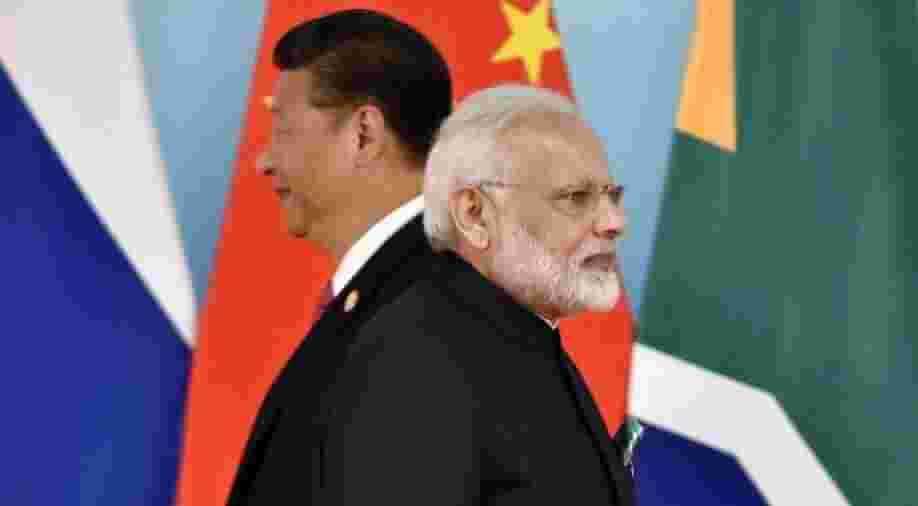
    The ongoing peace process is a continuum of American mediation between the Taliban and the Afghan government since February 2020.  White House is nearing an imminent peace deal with the Taliban as they are no longer deeply interested in Afghanistan. Washington’s priority is now countering China’s growing influence.

    In the previous peace talks, the western states sat with the Taliban, disdaining the Afghan government. Even Russia’s attempts failed to produce any fruitful results in favour of Afghanistan. One of the major reasons for the failure is about diluting the Afghan government authority. The Afghan government never endorsed the efforts of foreign nations in the Afghan peace negotiations, in which the Afghan government itself is side-lined. Afghan government affirmed that any kind of peace deal would not be entertained as the legitimate government was not a part of it as it was a clear violation of Afghan sovereignty.  Afghan government took the issue to the United Nations and accused Pakistan of bypassing it in peace talks with the Taliban.

    a large area of Afghanistan and its people are under the Taliban’s control. The Taliban is collecting taxes from the citizens to exercise their undisputed rule.

    Unlike the previous attempts, the intra-Afghan dialogue has raised much hope among the Afghans, the Government, and the international community. But both parties are likely to face many tough challenges to achieve the desired outcome.  The Taliban has already violated the agreement with the United States that resulted in the death of Afghan civilians and army personnel but stresses that it is continuing with the ceasefire. It is possible that by claiming to maintain the ceasefire the Taliban is trying to put pressure on the Afghan government. Despite this hostile situation, the Afghan government has agreed to negotiate with the Taliban mainly for two reasons. First, most of the International Security Assistance Forces and North Atlantic Treaty Organization (NATO) forces have left Afghanistan. The Afghan security forces have neither the training nor the institutional mechanism to provide security to its people. Second, a large area of Afghanistan and its people are under the Taliban’s control. The Taliban is collecting taxes from the citizens to exercise their undisputed rule.

    Unlike the previous peace processes, the current one does not rely much on foreign countries. But the peace deal is likely to affect Afghanistan’s external relations adversely. If the Taliban reverts to its Islamic radicalism, Afghanistan may lose billions of foreign aid it has been receiving since the last decade for the reconstruction of the country. The Afghan government worries that the premature departure of American troops may have a negative impact on international assistance.

    Although both parties agreed to negotiate on the peace deal, there is dissatisfaction within the cadres of the parties. In the recent elections, the two Presidential contestants each claimed electoral victory. A power-sharing arrangement was concluded where Ashraf Ghani is the President and Abdullah Abdullah exercises power as the chairperson of the High Council for National Reconciliation. On the Taliban side, many leaders do not support the peace process as they believe that they could win the Afghan war by military means. They consider  Pentagon’s departure from Afghanistan as a sign of their victory.

    The Taliban continues to maintain its contact with the Al-Qaeda, according to a UN security council report. The US -Taliban agreement of February demands a complete divorce between the Taliban and the Al-Qaeda.  UN reports and the violation of ceasefire show that the Taliban is not adhering to the agreement. Once the peace deal is completed, the Taliban could take advantage of the absence of US troops in Afghanistan and renege on their commitments by maintaining close ties with the Al Qaeda, Haqqani Network, and the other extremist groups. The training camps of these Islamist terrorist groups are being used by Pakistan based terror outfits like Lashkar and Jaish-e-Mohammed. When Soviet troops left Afghanistan in 1989, insurgency and terrorism increased in Kashmir. It saw a drastic fall when Washington waged war on Taliban and other Islamist extremist groups.

    If the Sharia law returns to Afghanistan, all the democratic rights and the freedom that the Afghan people have seen since the last decade, are likely to be lost.

    The consequences would be grave if the peace deal doesn’t fetch the desired results. The peace deal is necessary for the Afghan government in maintaining peace and stability in Afghanistan. If the Sharia law returns to Afghanistan, all the democratic rights and the freedom that the Afghan people have seen since the last decade, are likely to be lost. Even if a peace deal fructifies, it may not ensure peace for every section of society. During the previous Taliban rule, the fundamental rights of women- ranging from education to employment, were denied. Women had to live a sub-human life. At present, women hold 28 percent of the total seats in the parliament. So, if the Sharia law is enacted again, it will deny the basic rights of Afghan women. Millions of Afghan refugees in neighbouring Iran, Pakistan, and elsewhere in European countries cannot hope to return home. The host countries, however, have started sending back the Afghan refugees forcefully amid instability.

    Afghanistan is a country of over a hundred ethnic groups, tribes, non-Muslims, and other communities. Most ethnic groups have a conflict with each other. In recent times, the Taliban attacked the non-Muslim communities, especially Hindus and Sikhs. The Ministry of External Affairs of India facilitated the travels of a few Hindu families to India. Even after the Afghan government concludes a peace deal with the Taliban, conflicts may continue and peace may still be elusive. The effectiveness of the peace deal will depend on the commitments of each party.

    European countries do not have the military or economic strength to prosecute overseas conflicts. The internal mechanism of NATO is weaker than before. And after the Brexit deal, the fragmented European union lacks the political will to intervene in the war-torn state. China’s interests in Afghanistan are mostly commercial. Infrastructures or projects under Belt and Road Initiative can’t be built amid the carnage. China has the political, financial, and military strength to fill the void, after the complete withdrawal of the US forces. The Chinese financial contribution in Afghanistan is a clear sign that the country has a long-term strategy in the region. This apart, China has security concerns as well in Afghanistan. The rise of extremist movements in Afghanistan is likely to impact security in China, especially in Xinjiang province. In recent years, China has increased its military ties with Afghanistan. In the absence of the American troops, Afghanistan may consider China as possible support.

    Once the US exits, Kabul will have an option to raise the peace issue in the Shanghai Cooperation Organization (SCO). The SCO can be the main military and economic block in Asia. Except for Turkmenistan, all the bordering countries of Afghanistan and other major players in South Asia have either members-status or observer status at the SCO. It can certainly play a very effective role as the peacemaker providing its members, each with considerably different stakes in Afghanistan can get their act together.

    The Taliban in the Afghan government would provide political leverage to Pakistan over India.

    If the Taliban assumes power, India-Afghanistan bonhomie will turn frosty. Unlike other countries, the Indian government never supported the Taliban. India has been a staunch supporter of Afghan-led, Afghan controlled and Afghan-owned peace deal. Pakistan has always been supportive of the Taliban as it serves its strategic interests. The Taliban in the Afghan government would provide political leverage to Pakistan over India. Seeing that it has been left out of the Afghan peace talks, it appears that India is coming around to talk to the Taliban.

    Afghans are exhausted from bloodshed in the last few decades. The region has turned into a breeding ground for Islamic State in Khorasan, Al-Qaeda, and other terrorist groups. A stable and democratic Afghan government is necessary for maintaining peace in the South Asian region. As the effectiveness of SAARC continues to be hampered by India-Pakistan animosity, other South Asian states, Organization of Islamic Cooperation member states, and other Islamic states like Saudi Arabia or Turkey should act to restrain the Taliban and pave the way for peace in Afghanistan.


    Image: US Secretary of State Mike Pompeo meets with Taliban’s Mullah Abdul Ghani Baradar and members of his negotiating team. Credit: www.voanews.com


  • Side-lining of Palestine Issue:  Threat to Palestinian Rights and Self-determination

    Side-lining of Palestine Issue: Threat to Palestinian Rights and Self-determination

    Over the years, the international concern for the resolution of the Palestinian conflict has been diminishing. Israel has consistently dodged the core issue of returning Palestinian lands (West Bank) they occupied in 1967. Instead, it has continued to create new settlements in the occupied territories. Israel, obviously, has no intention of returning to pre-1967 boundaries; this was clear when the current Prime Minister of Israel, Benjamin Netanyahu, announced his plan to annex the West Bank in May 2020.

    Image Credit: The New Arab

    He deferred its implementation as the normalisation of relations with the United Arab Emirates (UAE) gathered momentum. However, Netanyahu indicated that Israel will “never give up our rights to our land.” (Al Jazeera 2020). The situation and the perception created now is such that not annexing the West Bank would appear to be a concession from Israel.

    As the Arab countries are taking a realistic view in placing their national interests first, Palestine is no longer a priority issue for them.

    This paper looks at how the Palestinian issue is gradually side-lined over the last few decades by the international community. There are four factors that have contributed to this development. First is the increase in conflicts in the Arab world, which has led to fragmentation and disunity in their approach to the resolution of the conflict. As the Arab countries are taking a realistic view in placing their national interests first, Palestine is no longer a priority issue for them. Second is the realisation of the fact that Oslo deal was unfair to start with and how under the guise of negotiations Israel continued to expand settlements and limit any prospect of sovereignty for the Palestinians. The Palestinian authorities hung on to the Oslo deal even though it was flawed, leading to decades of standstill in negotiations. Third, with the rise of the militant groups around the time of 9/11, the Palestinian cause has lost significant sympathies, and Israel’s violent response is seemingly more reasonable in the views of the international community. Fourth, the United States has supported Israel consistently in many issues, keeping Israel on the safe side in international and regional politics, shielding it from any proactive criticism.

    A look at the brief history of the conflict is necessary to explore the four factors mentioned above.

    Brief History of the Conflict

    Palestine was part of the Ottoman Empire until its defeat and collapse World War I. The area became a British protectorate as the result of the armistice of 1919. It coincided with the persecution of the  Jews due to the rise of anti-Semitism across Europe. The 1917 Balfour Declaration by the British government promised the Jews a national home in Palestine. This decision failed to factor the rights of the Palestinians who have lived there for millenniums. Jews began migrating to Palestine in huge numbers despite vehement protestations from the Palestinians leading to the now perennial Israel-Palestinian dispute. As Britain vacated the region post-1945, it abdicated its moral responsibility and left the resolution of the dispute to the United Nations (UN). The withdrawal of the colonial powers and the ensuing chaos in the regions vacated by them is a recurring pattern in decolonization history. The UN tried to divide Palestine into two states; Israel and Palestine, with Jerusalem as a joint capital and an international zone. Neighbouring Arab countries saw this as a residual form of colonialism and went to war in 1948. The war resulted in the catastrophic displacement of thousands of Palestinians. This catastrophe is remembered as Nakba, a day with a lot of historical sentiment across the Arab World (Chomsky and Pappé 2015). Israel won but did not control Gaza or the West Bank. Israel occupied these areas in the six-day war in June 1967. The occupation of the West Bank continues till today, whereas Gaza is now under Hamas. Coupled with all this, there are massive human rights violations against the Palestinians. This includes humiliating Palestinians at checkpoints, arresting without trial, arresting Palestinian children etc. (Chomsky, and Pappé 2015). Moreover, when Palestinians file reports about being harassed by Israeli citizens, it does not get any attention as the conviction rate is only 3% (Oxfam 2019).

    One of the prime demands of the Palestinian struggle is a return to the borders of 1967; so that Palestine can exercise full sovereignty over Gaza and the West Bank. However, Gaza has been economically cut off because Hamas controls it, and there is a huge blockade against it making life in Gaza difficult and miserable. Hamas also attacks Israel, and this has always led the Israel Defence Forces (IDF) into retaliating. Whereas on the West Bank, there are thousands of settlements by Israel, virtually pushing Palestinians out. This settlement strategy is seen as a deliberate move to counter the demographic threat from the larger number of Palestinians inside Israel (Chomsky and Pappé 2015). The obsession with demographic re-engineering has been fundamental to Israel, and it does not intend to change its policy. It also couples this with closing Palestinian places, reducing the Palestinian economic structures present in East Jerusalem (Arafeh et al. 2017) etc. There are currently 8 million Israeli citizens of which 1.2 million are Palestinians (“Palestinian Citizens Of Israel” 2020). They are treated as second-class citizens and many of them are engaged in menial labour

    The fractures in Arab Unity  

    All the West Asian and North African countries were initially pro-Palestine during the cold-war and decolonization era. This could be associated with the Pan-Arab notion present during that period. Many Arab countries had recently secured independence, and the Palestinian injustice was still fresh in their memory. However, losing consistently in these wars was also a demotivator and blow to them; fiscally and otherwise. In the last few decades, several countries have established ties with Israel; Egypt in 1979, Jordan in 1994. This is also the time Pan-Arab spirit declined, and increased conflicts began to emerge amongst many West Asian and North African countries.

    These political conflicts include; countries taking sides in the Iran-Iraq war, funding proxy wars, taking sides on the invasion of Iraq, etc. Furthermore, security threats have been perceived to be heightened in many West Asian and North African countries due to the rise of religious radicalization and the rise of terrorist groups. Arab league relations have also been strained for various reasons, including the Syrian Civil War and over its membership (Reuters 2020).

    More importantly, Saudi Arabia and Iran have their cold war. The United States has exaggerated the Iranian threat, and both Saudi Arabia and Iran covertly fund proxy civil wars across West Asia, be it Yemen or Syria.

    Israel has emerged as a technological and military power in the region. Netanyahu says, “we believe in peace out of strength and we believe in alliances born out of Israel’s value as a technological, financial, defence, and intelligence powerhouse” (The Times of Israel 2020).  Many Arab countries may, therefore, find value in Israel’s technological capabilities. Parallelly, economic conditions in many Arab countries are worsening. Under these circumstances, with deep distrust amongst many Arab states and incentive for countries to be friendly with Israel, normalization of relations with Israel is taking place.

    Arab countries are putting their national interest first, and if the Palestinian issue is seen as an obstruction they have no qualms about relegating it to a side-issue.

    However, a majority of the Arab and Gulf countries still do not officially recognize Israel. This is where the significance of the UAE-Israel and Bahrain-Israel deal comes in. The United States uses these factions within West Asia and North Africa to pursue its agenda with Jared Kushner pushing for normalization. The United Arab Emirates and Bahrain announced decisions to normalize relations with Israel on 12th August and 12th September 2020, respectively. Many of the West Asian countries, Saudi Arabia, in particular, are close allies of the United States. As the USA nudges these countries with incentives,  Palestinian sovereignty or a fair peace treaty no longer seems to be a precondition to establishing ties with Israel. Arab countries are putting their national interest first, and if the Palestinian issue is seen as an obstruction they have no qualms about relegating it to a side-issue.

    Support for Palestine still exists, but it comes in fragments from different countries. It is important to remember that there is no coalition; no pressure; no one group that consistently fights for it.

    Long Term Effects of a Flawed Deal

    One will always remember the picture of the handshake between Yasser Arafat and Yitzhak Rabin facilitated by Bill Clinton while signing the Oslo Accords at Camp David. The Oslo Accords were an extremely publicized affair, and many proclaimed that peace to the decades-old conflict had been reached, but this was far from the truth.

    When the accord was signed in 1993, the Palestine Liberation Organization (PLO) was already weak. Additionally, there was also a general reduction of support for the PLO among Palestinians, as seen by the eruption of the first intifada, which was initially spontaneous (Hassan 2011).

    Image Credit: Aljazeera

    The Oslo accords had several terms and clauses, but it mainly called for the recognition between Israel and the PLO. The accord also stipulated that Israel would end its occupation in Gaza and certain parts of the West Bank (Oxfam 2019). There would be an interim self-governance strategy and, eventually, a shift of power in Gaza and West Bank to the Palestinian Authority (Hassan 2011). An interim period was given so that both sides would have time to “gain trust” with one another.

    The accord showed an ambiguity regarding when Israel would withdraw from Gaza. It did not recognize Israel’s occupation, and neither did it speak of the Palestinian refugees.

    However, there were many flaws with the deal from the beginning. The accord showed an ambiguity regarding when Israel would withdraw from Gaza. It did not recognize Israel’s occupation, and neither did it speak of the Palestinian refugees (Hassan 2011). There was no stringent enforcement of the deal and having no third party accountability also rendered Palestinians vulnerable, as is evident. Furthermore, the Oslo accords did not condemn or mention the human rights violations against the Palestinians (Oxfam 2019).  The flawed nature of the deal began to show signs of rupture from the early days as accounts speak of how, as early as 1994, after the accords were signed, the IDF still had control over most of the West Bank and made no plans to move and were hovering around the edge of Ramallah (Tolan 2018). The fundamental issue here was that the Oslo Accord was signed by two unequal partners with Israel displaying dominant power.

    Therefore, while the buzz around the accords was still on, in reality, Israel continued policing Palestinians and establishing settlements in the West Bank area.

    No matter the initial motive, the Oslo accord, in 2020, can be analyzed as a distraction and cover-up by Israel while they continued their settlements. There is evidence supporting this as today there are 600,000 settlers in West Bank compared to 115,600 in 1993 (Oxfam 2019).

    Another significant issue is that Mahmoud Abbas and the Palestinian Authority (PA) have no framework other than the failed and biased Oslo accords. Owing to the proclamation that this accord would end the conflict, the PA became stuck in this framework. The way forward, as said by researcher Victor Kattan is that “The PA must produce a concrete vision of the state it wants to establish” (Arafeh et al.2017).  This lack of vision by the leaders is one of the reasons for the stagnation in the negotiations. Till today, Abbas and PA threaten to quit the accords and routinely proclaim that the Oslo deal is no longer valid. However, this should have come decades ago, during the second intifada in the year 2000, which illustrated that the Oslo accords were unfavourable towards the Palestinians. It shows the PA’s failure as a representative body, and their approval rate by the Palestinian public has reduced drastically.

    There have been talks to solve the dispute after Oslo deal, for instance, the Taba Summit. However, none have gained the clout or effort that the Oslo deal garnered.

    Militancy

    Ever since the attack of 9/11, the conversation surrounding militancy has increased. Invasion of Afghanistan and Iraq by the United States, a world power, ensured that the world knew the stance of the West on militancy.

    Militancy and violent retaliation by the Palestinians armed groups have been major issues, and the world witnessed the Munich massacre of the Israeli Olympic team in 1972. Furthermore, there have been Palestinian militant factions, which is where organizations such as Hamas come in. The first intifada led to Hamas’ formation and the second intifada helped Hamas gain clout (Uslu and Karatas 2020). Hamas has been deemed a terrorist organization by the United States, the European Union, because of its fundamentalist ideology and use of violence. This also led to the Palestinian struggle to lose sympathies of the international community due to its wariness of militant groups. Hamas takes a more “hard-line” approach towards Israel and is infamous for its rocket attacks against Israel from Gaza and suicide bombings (Uslu and Karatas 2020).  Israel and Hamas are also very wary of negotiating with each other. So far, the only talks between the two groups have been to swap prisoners.

    Many have criticized Hamas for the use of violence, however, Israel and other states cannot condemn the violence being deployed by Hamas, while Israel itself consistently shows violent behaviour towards the Palestinians. Hamas gained clout after the intifadas showed the deplorable conditions of the Palestinians in the occupied territories and Gaza. Termination of aid to Gaza on account of peoples’ support to Hamas has created more problems in terms of economy and livelihood. In the end, it is Palestinian people who suffer the most.

    Pro-Israel Policies of the United States  

    The United States is a close ally of Israel; technologically, financially, and otherwise. Israel, too, provides intelligence and acts as the “eye” of the United States from the West Asian region. The US-Israel relationship was instrumental in limiting the erstwhile Soviet Union’s influence in West Asia during the cold war (Beauchamp 2018). Much of the aid the United States gives to Israel is military aid, and as an important defence ally, Israel receives state-of-the-art weapon systems and intelligence sharing (Congressional Research Service 2019). The US has played a critical role in Israel’s emergence as a technology power and a major arms exporter.

    The United States has used its veto in the security council several times to protect Israel, including when the UN looked at taking action to prevent  Israel’s invasion of Lebanon and to stop the construction of walls inside the West Bank (Zunes 2012).

    The Israel caucus and lobby in the United States is powerful and many pro-Israeli outfits/individuals are major funding sources for Congressional elections (Cook 2018). The American Israel Public Affairs Committee (AIPAC) has financially backed people in the congress, which has influenced the decisions made by many lawmakers. For instance, billionaire, Sheldon Adelson, funded 82 million dollars to Republican’s election and is known for his pro-Israel sentiments. He even pushed for the USA embassy to be moved to Jerusalem from Tel-Aviv and has also proven to be unconcerned about giving Palestinians voting rights in Israel (McGreal 2018).

    The Donald Trump administration has taken the support for Israel one step further. Trump supports Israel in controversial issues that many shy away from addressing due to the politics in West Asia and Palestine’s historical symbolization. Trump came up with a peace deal for Israel and Palestine which was criticized severely and rejected by Palestine as the negotiations did not involve them (Holmes et al. 2020). The fact that Trump did not involve Palestinians in the negotiation shows how one-sided and utterly dismissive he is of the Palestinian authorities and people. The refusal of the right to return for Palestinian refugees, keeping Jerusalem as an undivided capital of Israel, recognizing Israeli settlements are among many reasons why the deal is flawed. The United States also brokered two peace deals in West Asia, the UAE-Israel peace deal first, followed by the Bahrain-Israel deal. It has also has been pushing other Arab countries to normalize relations with Israel (Barrington and Williams 2020).

    The Trump administration also shifted the United States embassy to a contested and occupied Jerusalem in 2018. All the more, this ultimately recognized and legitimised Israel’s occupation of the West Bank. After Trump’s announcement to shift the embassy, Israel’s housing minister declared that Israel was developing 14,000 “new settlement units” in Jerusalem (Arafeh et al. 2017). Mohamoud Abbas also asserted that the United States could not be a reliable mediator after shifting capital to Jerusalem. However, the United States has continued to meddle and create a one-sided mediated plan (Arafeh et al. 2017).

    Trump has also continued to cut out aid for Palestine, which has severe repercussions for Gaza’s already poorly funded city. In 2018, after Palestinians Authorities blamed Trump for being partial, he cut 200 million dollars in economic aid and cut funding to the United Nations Relief Work Agency (UNRWA), the primary network in helping Palestinian refugees (Holmes 2020).

    During the US presidential elections, Netanyahu appealed to evangelical supporters in the United States. In a virtual conference, he said that Trump might give him the green-light to annex certain parts of the West Bank that have religious significance in the Bible (Ravid 2020). The President-Elect Joe Biden has clearly highlighted that he would review these decisions, recognise Palestinians’ right to self-determination and adopt a more balanced approach.

    It is evident that the Trump administration has played a significant role in side-lining the Palestinian issue.

    Looking Ahead

    The Palestine problem has stretched far too long, with many “negotiations” that have failed to address the historical injustice done to the Palestinians. Amidst all this, clashes continue between protestors in Gaza and Israeli forces. While there are mass casualties and acts of aggression on both sides, there is no denial of how poorly Israel has treated Palestinians over the decades. Furthermore, most issues regarding Palestine have been put on the back-burner, however, the Arab League stepped up to condemn the unfair Trump Peace Deal, which is the bare minimum it could have done.

    There needs to be more initiative from the side of the PA to have a more concrete plan for the future of Palestinian sovereignty. The PA is also dominated by older elites, but with changing aspirations of the Palestinians, there need to be more women and younger people in the body.

    Additionally, for Palestinian sovereignty to be achieved, there has to be a major restructuring of the PA. It is clear that PA has been stripped of its power over the years and afflicted with corruption, has not improved the Palestinians’ situation. There needs to be more initiative from the side of the PA to have a more concrete plan for the future of Palestinian sovereignty. The PA is also dominated by older elites, but with changing aspirations of the Palestinians, there need to be more women and younger people in the body.

    There is some importance given to Palestine in the United Nations such as making Palestine as a presiding chair for the G77 or the United Nations Security Council Resolution 2334, which says that “altering the demographic composition, character, and status of the Palestinian Territory occupied since 1967, including East Jerusalem… (is) in violation of international humanitarian law” (SC Res 2334 2016). However, voting pro-Palestinian at some UN resolutions, having Palestinian authorities come over, and reiterating a “two-state solution” is no longer enough. Furthermore, different countries use this issue as a political tool to show their “sentiments.” Instead, there needs to be more proactive international collaboration to fight for Palestinian rights consistently. The Palestinian issue is a fundamental human rights issue and should be urgently addressed before the already minimal fragments of Palestine disappear under Israel.

    References

    “Palestinian Citizens Of Israel”. Institute For Middle East Understanding, 2020, https://imeu.org/topic/category/palestinian-citizens-of-israel. Accessed 25 Sept 2020.
    Al Jazeera. “Netanyahu Says West Bank Annexation Plans Still ‘On The Table’”. 2020,   https://www.aljazeera.com/news/2020/08/13/netanyahu-says-west-bank-annexation-plans-still-on-the-table/. Accessed 12 Sept 2020.
    Arafeh, Nur et al. “Trump, Jerusalem, And The Future Of Palestine – Al-Shabaka”. Al-Shabaka, 2017, https://al-shabaka.org/roundtables/trump-jerusalem-future-palestine/. Accessed 6 Sept 2020.
    Arroyo, Carmen. “Palestinian Children, The True Victims Of The Conflict”. The Wire, 2020, https://thewire.in/world/palestinian-children-true-victims-conflict-israel. Accessed 5 Sept 2020.
    Barrington, Lisa, and Dan Williams. “After UAE-Israel Breakthrough, Kushner Pushes Other Arabs To Go Next”. Reuters, 2020, https://www.reuters.com/article/us-israel-gulf-usa/after-uae-israel-breakthrough-kushner-pushes-other-arabs-to-go-next-idUSKBN25S5QC. Accessed 20 Sept 2020.
    Beauchamp, Zack. “Why Are The US And Israel So Friendly?”. Vox, 2018, https://www.vox.com/2018/11/20/18080080/israel-palestine-us-alliance. Accessed 16 Sept 2020.
    Chomsky, Noam, and Ilan Pappé. On Palestine. Haymarket Books, 2015.
    Congressional Research Service. U.S. Foreign Aid To Israel. Congressional Research Service, Washington D.C, 2019.
    Cook, Jonathan. “Under Trump, The Israel Lobby Is A Hydra With Many Heads”. Middle East Eye, 2018, https://www.middleeasteye.net/opinion/under-trump-israel-lobby-hydra-many-heads. Accessed 7 Sept 2020.
    Hassan, Shamir. “Oslo Accords: The Genesis and Consequences for Palestine.” Social Scientist, vol. 39, no. 7/8, 2011, pp. 65–72. JSTOR, www.jstor.org/stable/41289422. Accessed 30 Sept. 2020.
    Holmes, Oliver et al. “Trump Unveils Middle East Peace Plan With No Palestinian Support”. The Guardian, 2020, https://www.theguardian.com/world/2020/jan/28/donald-trump-middle-east-peace-plan-israel-netanyahu-palestinians. Accessed 1 Sept 2020.
    Holmes, Oliver. “US To Give Palestinians $5M In Coronavirus Aid – 1% Of What Trump Cut”. The Guardian, 2020, https://www.theguardian.com/world/2020/apr/17/us-aid-palestinians-coronavirus-trump-cut. Accessed 22 Sept 2020.
    McGreal, Chris. “Sheldon Adelson: The Casino Mogul Driving Trump’s Middle East Policy”. The Guardian, 2018, https://www.theguardian.com/us-news/2018/jun/08/sheldon-adelson-trump-middle-east-policy. Accessed 17 Sept 2020.
    Oxfam. From Failed To Fair Learning From The Oslo Accords To Foster A New Rights-Based Approach To Peace For Palestinians And Israelis. Oxfam, Oxford, 2019, pp. 3-24, https://oxfamilibrary.openrepository.com/bitstream/handle/10546/620904/bp-failed-to-fair-oslo-accords-011119-en.pdf. Accessed 6 Sept 2020.
    Ravid, Barak. “Netanyahu Presses Trump By Lobbying U.S. Evangelicals To Back Annexation”. Axios, 2020, Accessed 29 Sept 2020.
    Reuters. “No Consensus Yet For Syria Return: Arab League Chief”. 2020, https://in.reuters.com/article/us-mideast-crisis-syria-arabs/no-consensus-yet-for-syria-return-arab-league-chief-idUSKCN1Q014R. Accessed 15 Sept 2020.
    SC Res 2234, UNSC, UN Doc S/RES/2334 (23 December 2016) < https://www.un.org/webcast/pdfs/SRES2334-2016.pdf> accessed 15 September 2020
    The Times of Israel. “PM Said Seeking To Formalize Relations With Saudi Arabia Before Next Election”. 2020, https://www.timesofisrael.com/pm-said-seeking-to-formalize-relations-with-saudi-arabi-before-next-election/. Accessed 24 Sept 2020.
    Tolan, Sandy. “Was Oslo Doomed From The Start?”. The Nation, 2018, https://www.thenation.com/article/archive/was-oslo-doomed-from-the-start/. Accessed 17 Sept 2020.
    Uslu, Nasuh, and Ibrahim Karataş. “Evaluating Hamas’ Struggle in Palestine.” Insight Turkey, vol. 22, no. 1, 2020, pp. 109–124. JSTOR, www.jstor.org/stable/26921171. Accessed 30 Sept. 2020.
    Zunes, Stephen. “Putting The UN Veto In Perspective”. Huffpost, 2012, https://www.huffpost.com/entry/syria-russia-un-veto_b_1267495?guccounter=1. Accessed 21 Sept 2020.
  • Contract Farming in India: A long-pending Reform but not a Panacea for all Agri-issues

    Contract Farming in India: A long-pending Reform but not a Panacea for all Agri-issues

    India’s agricultural sector has for long been mired in issues of low productivity, land fragmentation, poor infrastructure, and inadequate delivery mechanisms among others that have often rendered farmers, victims of a system, without proper regulatory mechanisms. The requirement for better infrastructure, technology, and quality-produce has been at the forefront while pushing for more private investment into the sector. However, real gains in agriculture can only be seen when all farmers gain equal access to this investment and receive fair benefits.

    Around 126 million farmers in the country, as of today, are small and marginal farmers with an average holding size of 0.6 hectares.  It means they cannot produce a surplus and can barely sustain their families, a leading factor in the agrarian crisis that has befallen India.

    India’s agrarian crisis: A quick snapshot

    In India, small and marginal farmers makeup 86.2% of all farmers in India but own only 47.3% of crop area. Around 126 million farmers in the country, as of today, are small and marginal farmers with an average holding size of 0.6 hectares.  It means they cannot produce a surplus and can barely sustain their families, a leading factor in the agrarian crisis that has befallen India. Fragmentation of holdings also hinders access to government-offered new technology and farm support schemes fundamental to making the sector profitable. Experts believe that the only way out is to provide farmers with access to better technology and markets and to make small farms more economically viable through diversification into high-value crops and massive capital investments in value chains.

    To address these issues, the government recently passed three agricultural reform bills–The Farmers’ Produce Trade and Commerce (Promotion and Facilitation) Bill, 2020; The Farmers (Empowerment and Protection) Agreement of Price Assurance and Farm Services Bill, 2020; and The Essential Commodities (Amendment) Bill, 2020. Essentially, the bills break the monopolistic powers of the Agriculture Produce Management Committee (APMC) markets, allow contract farming, and remove stocking limits on traders for many commodities, with some caveats still in place.

    Among the concerns raised, many believe that enabling contract farming will leave small farmers vulnerable and at the mercy of private players, leaving them worse off than before.

    The bills, in the views of many, are inherently anti-farmer in nature, triggering farmer protests across the country and the Union Minister for Food Processing Harsimrat Kaur Badal resigning in protest. Among the concerns raised, many believe that enabling contract farming will leave small farmers vulnerable and at the mercy of private players, leaving them worse off than before.

    Reforms and changes to liberalize the Indian Agri-market was long due, with bills of similar nature pursued both at the Union and State level.

    Liberalization of Indian agriculture through the years

    In fact, the first attempt at the reforms in agricultural markets was made by the union government in 2003 with the model Agricultural Produce Marketing Committee (APMC) Act,  which made new market channels, such as direct purchase, private wholesale markets, and contract farming (CF), legal for farmers and buyers alike. Set against the backdrop of poorly functioning APMC markets (regulated and unregulated), that even today cannot deliver MSPs to the farmers, the bill pushed States to amend their own APMC Acts.  Today, in all major agricultural States, there are many cases of contract farming and direct purchase by various groups of traders dealing with farm produce. Yet contract farming faced setbacks, as it was still within the APMC domain and hence saw a conflict of interest with even traders and commission agents strongly opposing it.

    In order to resolve this deadlock, a new and improvised Agricultural Produce, and Livestock Marketing (Promotion and Facilitation) Act, 2017 (APLMA, 2017) was passed by the government in order to take contract farming out of the APMC domain. This led to the birth of a separate model act on Agricultural Produce and Livestock Contract Farming and Services 2018 (Promotion and Facilitation – APLCFS2018). Among other major provisions, the act mandated the removal of market fees and commission charges to buyers resulting in a saving of 5%–10% of transaction cost, thus making the market more conducive to private players. However, all said and done, contrary to popular belief, the Indian experience with contract farming (CF) is not new.

    The first widely acknowledged incident of contract farming in the Indian context was the entrance of Pepsi Foods Ltd. into Punjab in 1989. The company intended to specifically focus on exports of value-added processed foods. This led to the birth of PepsiCo’s backward linkage with farmers of Punjab. The PepsiCo model of contract farming opened up new options for farmers, led to productivity increase, and introduced modern technology for the tomato crop. Following the Pepsico example, local firms such as Nijjar in Punjab and Bhilai Engineering in Madhya Pradesh also took up a tomato contract cultivation.

    The Indian experience with Contract Farming: Are farmers really benefitting?

    Studies of the CF system in India have tried to establish whether crops under the contract system have better outcomes than those under non-contracts/traditional systems. Findings show that contract production gave much higher gross and net returns compared with that from the traditional crops of wheat, paddy, and potato, those under non-contract situations. This was because of the higher yield and assured price under contracts and better-quality inputs.

    The Punjab and Haryana CF experience has been far from satisfactory with studies revealing that contract growers faced many problems like the undue quality cut on produce by firms, delayed deliveries at the factory, delayed payments, low price, and pest attack on the contract crop which raised the cost of production. The firms also manipulated provisions of the contracts in practice and also delayed payments up to 60 days. But it locked growers into these contracts because of the firm-specific fixed investments they had made.

    It is clear then that CF often protected company interest at the expense of the farmer and did not cover farmer’s production risk e.g. crop failure, and kept the right of the company to change price, and offered prices based on open market prices.

    It is clear then that CF often protected company interest at the expense of the farmer and did not cover farmer’s production risk e.g. crop failure, and kept the right of the company to change price, and offered prices based on open market prices. This is a serious issue as market prices are volatile and even premiums may not help a farmer if market prices go down significantly, which is not uncommon in India. (MSPs which benefit only 6% of Indian farmers have also been historically low in recent times)

    Contract farming in India was also mainly carried out with only large and medium farmers.  This bias in favour of large/medium farmers perpetuated the practice of reverse tenancy in regions like Punjab where contract farmers leased inland from marginal and small farmers for contract production, creating even larger issues of land control versus ownership.

    Given the big farmer preference and the pernicious harms that CF brings with it, the heralding of a new era of Agri reforms thus rightfully raises the question of what the road ahead looks like for small farmers in India.

    The road ahead: Viable modes of contract farming for Indian farmers

    The only way that small farmers can realistically realize returns and stand their ground is through organizing themselves in the form of Farmer- producer organizations, bargaining cooperatives, and group contracts. Producer organizations are beneficial as they amplify the political voice of smallholder producers, create opportunities for producers to get more involved in value-adding activities such as input supply, credit, processing, marketing, and distribution. They also lower the transaction costs for the processing/marketing agencies working with growers and negotiate fair contracts for buyers and growers.  The legal system in India has made available the organizational option of the Producer Companies (co-operative companies) under the Companies Act, in which farmers in many states have gone ahead with various existing and new projects.

    Another form of organization that can be explored is that of New Generation Co-operatives (NGCs) which are voluntary, more market-oriented, member responsive, self-governed, and avoid free-riding and horizon problems as they have contractual equity-based transactions with grower members and limited membership.

    Collective action through cooperatives or associations is important not only to reduce the information asymmetry between the growers and the firm, but also to help small farmers adapt to new patterns and greater levels of competition.

    Collective action through cooperatives or associations is important not only to reduce the information asymmetry between the growers and the firm, but also to help small farmers adapt to new patterns and greater levels of competition. Thus, there is a need to promote/encourage farmer groups for CF as in Thailand where besides contract grower groups, the potato growers co-operative also dealt with a multinational contracting company on behalf of its members.

    On legal grounds, there needs to be a serious consideration of protection accorded to contract growers as a group. In Japan, subcontracting agencies have seen legal protection given to them in their relations with large firms. These laws specify the duties and forbidden acts for the large parent firm such as defaulting on payments and are monitored and kept in check by the Fair Trade Commission. Necessary safeguards and flexible systems need to come in the legal sphere to protect small farmer interests. The new 2020 Agri bills largely leave regulation out of the purview of government responsibility and have no mention of how contracts are to be regulated.

    State support to CF arrangements needs to account for the size of holdings else it will not be beneficial to small farmers at all.  In Thailand, the state not only provided coordination and support of local authorities but also initially provided interest compensation to farmers to encourage participation and lower costs. Subsequently, the practice was replaced by low-interest loans. They gave training in CF to farmers and state intervention helped the farm sector by promoting competition.

    Policy design should focus on small farmers

    The glaring problem that burdens small farmers is that they are simply not assured of a strong support mechanism from private players to protect their interests in aspects like delayed payments and deliveries, contract cancellation damages, inducement/force/intimidation to enter a contract, disclosure of material risks, competitive performance-based payments, and sharing of production risks. Only when they can be guaranteed that they will not be exploited on such grounds can the benefits of CF arrangements materialize.

    Thus policies concerning the design of contract agreements need to be fair and should ensure clauses on increased competition for procurement instead of monopsony, a guaranteed market for farmer produce, effective repayment mechanism, market information for farmers to effectively bargain with companies, a commitment to fair sharing of risk and innovating pricing mechanisms( bonus, fixed price, share in equity, and quality-based pricing).

    The 2020 Agri bills may have been too ambitious in opening up markets to private players without locking-in adequate safeguards for farmers.

    Contract farming is not a panacea to the issues that plague the agricultural sector in India. It is not an end but a welcome step towards agricultural development. The 2020 Agri bills may have been too ambitious in opening up markets to private players without locking-in adequate safeguards for farmers. If contract farming needs to see returns in the Indian context, it cannot do so until it recognizes that the twin planks of efficiency and inclusivity need to go hand in hand.

    Image: Rice fields by Nandlal Sarkar from Pixabay

  • US strategists lost empathy, along with their wars

    US strategists lost empathy, along with their wars

    This article was published earlier in Responsible Statecraft.

    The great realist thinker Hans Morgenthau stated that a fundamental ethical duty of the statesman is the cultivation of empathy: the ability through study to see the world through the eyes of rival state elites. Empathy in this sense is not identical with sympathy. Thus, George Kennan’s deep understanding of Stalinism led to an absolute hostility to that system.

    This kind of empathy has very valuable consequences for foreign policy. It makes for an accurate assessment of another state establishment’s goals based on its own thoughts, rather than a picture of those goals generated by one’s own fears and hopes; above all, it permits one to identify the difference between the vital and secondary interests of a rival country as that country’s rulers see them.

    A vital interest is one on which a state will not compromise unless faced with irresistible military or economic pressure. Otherwise, it will resist to the very limit of its ability, including, if necessary, by war. A statesman who sets out to challenge another state’s vital interests must therefore be sure not only that his or her country possesses this overwhelming power, but that it is prepared actually to use it.

    Geopolitical power is really, in the end, local and relative: it is the power that a state is willing to bring to bear in a particular place or on a particular issue relative to the power that a rival state will bring to bear. Furthermore, the degree of the willingness to mobilize and use power and to make sacrifices depends ultimately on whether the issue concerned is believed to be a vital national interest. If it is only a secondary interest, then it is one on which the statesman should be prepared to make concessions and seek compromise.

    The first step in this process of empathy is simply to listen to what the other side says. This however is not in itself enough, for they may of course be exaggerating an issue’s importance as a bluff or a negotiating gambit. It is therefore also necessary to study in depth the history, politics and culture of the country concerned. Thus, despite what Chinese officials say, we might doubt that they would actually go to war if Taiwan declares independence. A study of modern Chinese history, and of the importance of nationalism to the legitimacy of the Chinese state, makes clear that they are not bluffing.

    What makes this search for understanding easier is that foreign and security establishments generally hold historically-derived doctrines about their country’s vital interests that are relatively easy to identify given study and an open mind.

    The greatest enemy of an open mind and a capacity for empathy is self-righteousness. One aspect of self-righteousness is a confusion between basic moral commitments and the inevitable moral compromises forced upon state representatives trying to defend their country’s interests in a morally flawed and chaotic world.

    The morality of Western policymakers lies in their commitment to Western democracy, and their renunciation of absolutely immoral means: notably the mass murder of civilians. This commitment however, while it may restrain Western democracies from the most evil actions, does not confer some kind of innate innocence on their conduct of policy.

    This is especially true of the Middle East where I have worked for a number of years. Given the nature of this region, any outside state, democratic or otherwise, seeking to play an important role there will inevitably be compelled to engage in certain immoral actions — including alliances with corrupt and murderous dictatorships. What Western policymakers can, however, be blamed for is the pretense that because our systems are democratic, this somehow in itself makes these immoral actions better than those same actions when engaged in by other states.

    The least excusable Western failure of empathy since the end of the Cold War has been with regard to Russia because — by contrast to some Middle East countries, let alone North Korea — the attitudes and beliefs of the Russian establishment are not hard to understand, at least for anyone with a minimal grasp of Russian history and culture. Moreover, the realism of Russian policymakers fits the mindset of many American security officials.

    The vital interests of Russia are adhered to by the Russian establishment as a whole. They consist chiefly of a belief that Russia must be one pole of a multipolar world — not a superpower, but a great power with real international influence. Also: that Russia must retain predominant influence on the territory of the former Soviet Union, that any rival alliance must be excluded, and that international order depends on the preservation of existing states. In addition, as with any political system, there is a commitment to the existing Russian political order and a determination that any change in it must not be directed from outside.

    There are obvious tensions between some of these Russian interests and secondary U.S. interests, but on one issue — the danger from Sunni Islamist extremism and terrorism — a vital interest of Russia is completely identical with our own. Because of this danger, U.S. administrations, like the Russians, have often supported existing authoritarian Muslim states for fear that their overthrow would lead to chaos and the triumph of Islamist extremism.

    In Syria, Russia followed the policy of the U.S. in Algeria 20 years earlier — and indeed in its support for General Abdel Fattah al-Sisi in Egypt today. Russian fears of an ISIS takeover of Syria if the state collapsed were echoed in briefings to President Obama by the CIA. Yet a Western narrative has emerged of Russia engaging in wicked support for “brutal dictatorships” in the Middle East, and that this policy in turn is linked not to fear of Islamist extremism, but implacable anti-Americanism and reckless geopolitical ambition.

    Straightforward Western prejudices (now dignified with the abominable euphemism of “narratives”) are part of the reason for these false perceptions derived from the Cold War. The collapse of Communism, however, also led to a growth in Western hubris that led Western policymakers to fail either to listen to their Russian colleagues when they stated Russia’s vital interests, or to study Russia in sufficient depth to understand that they were not bluffing but really meant what they said. Instead, you had the tragicomic picture of American officials lecturing Russian officials on the “real” interests of Russia.

    As a result, U.S. and British officials ignored Russian warnings that if Washington persisted in trying to extend NATO membership to Georgia and Ukraine, Russia would fight. And when Russia did fight — albeit in a very limited way — this was taken as a sign not of a Western failure to listen, but of Russian “madness,” aggression, and evil. Though if one thinks of the Monroe Doctrine, Russian concerns in this regard should hardly be incomprehensible to an American official. It should also have been easy enough to accept the Russian point that this was a vital interest for the sake of which Moscow was prepared to make very important concessions to Washington on other issues.

    Instead, the United States establishment embroiled itself in confrontations with Russia, only to recognize at the last moment in Georgia in 2008 and Ukraine in 2014 that these countries were not in fact American vital interests, and that the U.S. was not prepared to fight to defend them. An additional danger therefore in refusing to study other countries’ vital interests is that it makes it more difficult to think seriously about your own. We had better hope that in dealing with the vastly more formidable challenge of China our policy elites will engage in real study, eschew self-righteousness, and identify and not attack the vital interests of China, as long as Beijing does not seek to attack our own.

    This article is republished with the permission of the author and Quincy Institute.
    Image credit: Pexels
     
  • BeiDou: China’s Space Flight to Global Dominance

    BeiDou: China’s Space Flight to Global Dominance

    Technological independence and Economic prowess define a ‘Great power’ in today’s Information Age. In an era of rapid technological advancements, China has emerged as an economic and technology juggernaut, rising in stature as a global superpower. Ever since the beginning of Deng Xiaoping’s modernisation strategy, China has invested heavily in its science and technology sector aiming to reduce its dependency on foreign technology. After nearly three decades of the relentless pursuit of technological competence, China has now established itself as a dominant force in innovation and technology. One such milestone because of its relentless pursuit is the establishment of its indigenous Global Navigation Satellite System (GNSS), The BeiDou Navigation Satellite System (BDS). BeiDou marks China’s entry into an elite club of GNSS systems, becoming one of only four global navigation systems worldwide. It cements China’s place as a prominent Space Power and as a potential suitor among countries for future space co-operation. BeiDou will directly rival the Global Positioning System (GPS) of the U.S. and its cheap costs with greater accuracy could bring an end to the monopoly of GPS in the global navigation systems arena.

    Military Objectives

    ‘National security’ is the primary reason for the development of the BDS navigation system. China’s ambition to build an indigenous satellite navigation system stemmed from the “embarrassment” it suffered during the Taiwan strait missile crisis in 1996[1]. It is believed that two of the warning missiles fired by the PLA, close to Taiwan’s Keelung military base, failed to hit the designated target due to the sudden disruption of the GPS. Missiles launched rely on Position Navigation and Timing (PNT) data, provided by a constellation of satellites, to navigate accurately to their designated target. With the BeiDou Navigation System (BDS) online, the Chinese military possesses a military and strategic autonomy and no longer requires to be dependent solely on the GPS for tracking and navigation. BeiDou aims to offer the Chinese PLA with precision-guided missile delivery systems, robust communication systems, enhanced cyber and drone warfare capabilities. Thus, integrating BeiDou into military systems and equipment will enable China to effectively bypass any constraints on GPS imposed by the U.S.[2].

    The BDS navigation system offers signals at a higher bandwidth, thus providing better accuracy than the GPS. Its global position accuracy is under 10 cm in the Asia-Pacific compared to the GPS’s 30cm [3]. BeiDou’s higher accuracy and affordable prices may encourage many countries to consider it as a viable alternative to GPS service provided by the U.S. Many militaries today fear manipulation of the navigation signals by the U.S. in times of conflict, as they are solely reliant on GPS for precision guidance and navigation. The BDS is compatible with GPS, GLONASS & GALILEO navigation systems, thus offering militaries with a fool-proof alternative. This dynamism will be a key strategic asset to any country during conflict situations[4]. One such example of countries moving away from GPS is Pakistan, which is all set to incorporate BeiDou into its civil and military domain as part of its defence and strategic cooperation with China. It gives Pakistan access to precise geospatial data for application in surveying and mapping, construction and scientific studies[5]. With Pakistan on a defence equipment buying spree from China, its military would gradually be fully integrated with the BDS navigation system soon, moving away from its reliance on GPS. This shows China’s pursuit of establishing its indigenous navigation system in the Asian region, putting an end to the GPS hegemony.

    Space Silk Road

    The BeiDou navigation satellite system is of critical importance to China’s Belt and Road Initiative (BRI). The BDS navigation system will ensure accurate navigation capabilities that will complement the Land and Maritime Silk routes, which are a part of the larger Belt and Road Initiative of China. The Space Silk road aims to establish an array of space capabilities including a fully operational space station, ground infrastructure, launch services, satellites, aerospace industries and BDS related industries[6]. It offers a wider dimension to China’s ambitions for BRI and could promote greater growth and development of its space infrastructure and technology. It also promotes civil-military dual-use technologies and provides a platform for enhancing China’s indigenisation in communication, satellite navigation, aerospace and artificial intelligence[7]. It aims to provide the international community with credible alternative infrastructure and promote further cooperation in space-innovation and space-technology. China’s Space Silk Road legitimises its stake as a credible leader in space and a growing superpower in the international system.

    Over 30 countries including Pakistan, Saudi Arabia, Myanmar, Thailand, Laos and Indonesia have already signed agreements with China to integrate the BDS navigational system in the domestic sectors like transportation, communication, etc. They have also allowed the construction of ground stations, which would improve the accuracy and range of the BDS navigation system. The Space Silk road aims to tap into the lucrative satellite navigation industry, its system and components market enabling China to wield greater influence in third countries and their economy[8]. The BDS navigation satellite system is the centrepiece of the Space Silk Road under China’s Belt and Road Initiative and is of massive strategic and geopolitical importance in China’s ambition to establish itself as a global superpower.

    Economic Implications of BeiDou

    It is clear as day that any country that possesses an economic might wields greater influence in the world’s geopolitics. The U.S. has been the dominant force in the world economy until the turn of the 21st century, but not anymore. China’s meteoric rise to economic supremacy is deeply rooted in its aim to knock the U.S. right off their perch and take its place as a global leader in technology innovation and manufacturing. It aims to be the focal point of global manufacturing and offer nations credible and high-tech equipment and exercise a greater foothold in the global markets. ‘Made in China 2025’ espouses this ambition of China to cement its place as a global manufacturing leader in strategic industries like information technology, communication systems, a global navigation system, aerospace, railways, agricultural machinery etc. which are critical to the economic competitiveness and growth in the 21st century[9].

    A major cornerstone of the ‘Made in China 2025’ and the ‘13th 5-year plan’ is to fast-track the commercial applications of the BeiDou navigation satellite system. The Global Navigation Satellite System (GNSS) industry is estimated to be worth US$82.4 billion and is forecast to grow at an average rate of 7% p.a. through 2023 with over 3.6 billion GNSS devices currently in use worldwide. China aims to gain control of this lucrative market, which would give it economic superiority against the U.S. in the GNSS downstream industry and also aims to break the monopoly that the GPS enjoys in the satellite navigation industry. As of 2012, the U.S. led the GNSS downstream industry with a share of 31% followed by Japan 26%, the E.U. 25.8% and China with 7% share. China aims to capture 60% of the domestic GNSS downstream industry and 80% of important applications, becoming globally competitive by 2020. It envisions to build an industrial chain comprising all parts of the GNSS downstream industry ranging from chips, modules, antennae, receivers etc, all compatible with the BDS navigation system. China expects Beidou to have a global market penetration of 60% and attain worldwide coverage by 2020[10].

     In sheer numbers, it projects the GNSS market to grow by US$81.5 billion and have a compounded annual growth rate of 6.6%. Estimated at US$155.1 billion in 2027, the GNSS global market is expected to reach US$228.7 billion by 2027 growing at a CAGR of almost 6% between 2020-2027. The U.S. GNSS market is estimated to be worth US$42 billion in 2020 while China, being the world’s second-largest economy is likely to reach a GNSS market size worth US$47.8 billion in 2027 with a CAGR of 8.6%, effectively getting even with or overtaking the U.S. in the global GNSS market[11]. In a study carried out by a North Carolina based research organization RTI International, sponsored by the U.S. government’s National Institutes of Standards and Technology, between 1984-2017 GPS has generated economic benefits to the tune of US$1.4 trillion. The largest contributing sectors were the telecommunications industry with US$685.9 billion, telematics with US$325 billion and location-based services on smartphones with US$215 billion. It is estimated that losing GPS service business would have a US$1 billion per day impact on the economy[12].

    In a recent report published in the White Paper on the Development of China’s Satellite Navigation and Location Services Industry (2020), released by the GNSS and LBS Association of China, China’s satellite navigation and location-based services industry achieved an output of US$48.58 billion in 2019. The industry’s core sector associates with the development and implementing satellite navigation technology including chips, devices, algorithms, software, navigation data, terminal equipment and infrastructure. The BDS navigation system alone has contributed a whopping 80% of output value generated from these sectors[13]. The sheer scope and economic opportunity in the GNSS sector substantiate China’s dogged persistence to gain control of this industry. As the global navigation satellite systems move towards interoperability soon, BeiDou could lead the race to offer high-tech navigation systems and equipment compatible with GPS, GLONASS, GALILEO to the international community. Implementing the BDS navigation system has bolstered China’s standing in the international community as an economic powerhouse and stands as a testament to the country’s resilience and steadfast vision to become a global superpower and a leader in space.

    BeiDou’s Geopolitical Implications and the Future of Space

    The BeiDou Navigation Satellite System is an important strategic asset for China, in its ambitions to achieve global supremacy and establish itself as a leader in Space. China looks to use BeiDou’s scope and potential to achieve its larger geopolitical and strategic goals in the military and economic domain. On the economic front, this would negatively affect U.S. companies operating in the Chinese markets, as China has taken steps to reward its domestic sector to promote BeiDou and expand its GNSS industry. Effectively, U.S. suppliers would be driven out of the market by the local Chinese suppliers whose equipment would be on par or even better than equipment bought from the West. It would enable China to create a global industrial chain of satellite navigation and telecommunication equipment, which are of the highest quality and at affordable prices, wooing third countries and providing a credible alternative to the Western equipment. This serves well to two of China’s prominent strategic objectives of establishing itself as a leading global economy and driving the U.S. out of the Asian markets.

    Considering heightened U.S. presence in the highly contested South China Sea and China’s lingering territorial disputes with neighbouring countries, BeiDou’s initial deployment in South East Asia offers China strategic advantage and Area Access/Area Denial capabilities. Incorporating the BDS navigation system, possessing greater accuracy than GPS, in both ballistic and cruise missile systems offers China with precision-guided weapons capability, thus acting as an effective deterrent and strategic threat to the U.S. in the region. Greater precision and accuracy implies greater reconnaissance capabilities, digital espionage and enhanced tracking capabilities, thus countries like the U.S. feel BeiDou poses a critical security threat to their national security[14] With the BeiDou navigation satellite system going online, all roads lead to China realizing its dream of an Asia devoid of the West and attaining military autonomy over the U.S., especially in South East Asia.

    The BDS satellite navigation system is the third dimension of China’s strategic Belt and Road Initiative, aiming to achieve global coverage from all fronts. It is an effective foreign policy tool that China can utilise to garner international support and cooperation. With over 130 countries on board China’s BRI project, BeiDou would be a critical asset to attract more countries aboard its ambitious project. Achieving global coverage through BRI, supported by BeiDou, would increase China’s standing in the international community and mark another step towards the end of U.S. dominance in the global geopolitical arena.

    The global ambitions of China with its BeiDou navigation system bring with it a sense of caution and uncertainty in the geopolitical arena. Behind the veil of China’s good Samaritan measures, lie the desires of a power-hungry dragon. The BDS navigation system and its subsequent GNSS downstream industrial chain offer countries lucrative opportunities, but at what cost? Recent patterns would show clearly China’s cut-throat diplomacy with its BRI project. Deceived by vast sums of money in the BRI project, countries who were aboard the project were pushed into a debt-trap by the Chinese, ceding control over their markets and economy to China. BeiDou could be just another tool China could use to seize control of the third country’s markets and strong-arm them to bend to their will and desire.

    In the geopolitical arena of Space, China’s emergence as a space power would no longer give the U.S. leverage that it had been enjoying in the international institutions on discussions and matters on Space technology and governance. BeiDou could be China’s ticket to space superiority. It could give China the upper hand in GNSS discussions and the ability to wield greater influence in Space innovation and technology. History has taught us frequently that once a nation or group of nations achieve technology superiority in any sector, they monopolize it to safeguard their strategic interests and consolidate their position of power. A good example would be the discriminatory Non-Proliferation Treaty which, under the pretext of bringing order in the domain of Nuclear Technology, has only achieved to limit the capabilities and ambitions of aspiring nuclear states driving a wedge between haves and have-nots. The signatory parties themselves show no compliance with the guidelines of the Treaty. Today, there are nine countries having space launch capabilities. China’s place at the top in countries having space capabilities is fast becoming a reality, and its role in the politics of Space presents an interesting conundrum. China’s pattern of unilateral acts of aggression and its zero-sum approach could sow the seeds for its hegemony in Space. BeiDou could be the most important piece for China in the jigsaw of Space, setting the precedent for an interesting future in the geopolitics of Space, possibly tilting the fine margins of power in favour of the Dragon that is poised to take its decisive flight.


    References

    [1] Chan, Minnie. “‘Unforgettable Humiliation’ Led to Development of GPS Equivalent.” South China Morning Post [Hong Kong], 13 Sept. 2009, www.scmp.com/article/698161/unforgettable-humiliation-led-development-gps-equivalent

    [2] Sloane, Heath. “Precision Politics: China’s Answer to GPS Comes Online.” The Diplomat, 7 Apr. 2020, https://thediplomat.com/2020/04/precision-politics-chinas-answer-to-gps-comes-online/

     [3] Woo, Ryan, and Liangping Gao. “China Set to Complete Beidou Network Rivalling GPS in Global Navigation.” Reuters [Beijing], 12 June 2020, www.reuters.com/article/us-space-exploration-china-satellite-idUSKBN23J0I9

    [4] Xiaoci, Deng. “China Completes BDS Navigation System, Reduces Reliance on GPS.” Global Times, 23 June 2020, www.globaltimes.cn/content/1192482.shtml.

    [5] “Pakistan Military to Use Chinese Navigation System BeiDou to Improve Interoperability.” The Economic Times, 21 Aug. 2020, https://economictimes.indiatimes.com/news/defence/pakistan-military-to-use-chinese-navigation-system-beidou-to-improve-interoperability/articleshow/77675471.cms?from=mdr

     [6]  Ibold, Sebastian. “China’s Space Silk Road.” Belt and Road Initiative, 12 Apr. 2018, www.beltroad-initiative.com/space-silk-road.

    [7] Aluf, Dale. “China’s Space Silk Road Reaches Mars and beyond.” Asia Times, 31 July 2020, https://asiatimes.com/2020/07/chinas-space-silk-road-reaches-mars-and-beyond/

    [8] China Briefing. Dezan Shira & Associates, www.china-briefing.com/news/made-in-china-2025-explained. Accessed 4 Nov. 2020.

    [9] United States Chamber of Commerce. “Made in China 2025: Global Ambitions Built on Local Ambitions”. Washington D.C.: 16 March 2017, https://www.uschamber.com/report/made-china-2025-global-ambitions-built-local-protections-0

     [10]  Wilson, Jordan. “China’s Alternative to GPS and its implications for the United States”, U.S. – China Economic and Security Review Commission. 5 January 2017. https://www.uscc.gov/research/chinas-alternative-gps-and-its-implications-united-states

    [11] “Global Global Navigation Satellite System (GNSS) industry.” ReportLinker, July2020, www.reportlinker.com/p05443565/Global-Global-Navigation-Satellite-System-GNSS-Industry.html?utm_source=PRN.

    [12] RTI International, “Economic Benefits of the Global Positioning System”. North Carolina. 31 May 2019. https://www.rti.org/publication/economic-benefits-global-positioning-system-gps

    [13] Global Times. “China’s Satellite Navigation Industry Turned up $49 Billion in 2019.” Global Times, 23 Sept. 2019, www.globaltimes.cn/content/1188659.shtml.

    [14]https://www.uscc.gov/sites/default/files/Research/Staff%20Report_China’s%20Alternative%20to%20GPS%20and%20Implications%20for%20the%20United%20States.pdf

  • GM insect-resistant Bt cotton boosted India’s crop yields? Differing Experts

    GM insect-resistant Bt cotton boosted India’s crop yields? Differing Experts

    India was the world’s leading cotton and textile producer for millenniums. In the 1990s the traditional ‘desi’ variety of cotton was upstaged by imported hybrid cotton varities in the hopes of increased production and profits. They soon became vulnerable to pests and resulted in increased use of fertilisers and pesticides, thus increasing the production costs. The failure of hubrid cotton led to the introduction of Bt cotton in 2002 as India’s first genetically modified crop. GM crops have been strongly opposed by increasing believers of traditional agriculture and scientists, possibly for very good reasons. India’s cotton production has quadrupled by 2010 and proponents of GM crops have attributed this to Bt cotton. This has been hotly contested. The recent assertion in favour of Bt cotton by Dr Ramesh Chander of Niti Aayog, early this year, has come under scathing criticism in an article by Professor Andrew Paul Gutierrez, Dr. Hans R.Herren, and Dr. Peter E.Kenmore  as also by Sujatha Byravan. The claims by the advocates of GM crops and Bt cotton were questioned in a well-researched article early this year by scientists K R Kranthi and G D Stone. This article counters their arguements.

                                                                                                                                                                                                        – TPF
    This article was originally posted on the non-profit GeneticLiteracyProject.org website.

    Authors: Cameron English, Jon Entine, and Matin Qaim

    Was the introduction of transgenic (GMO) cotton seeds to India in 2002 the beginning of the renaissance of the country’s then struggling cotton industry? Or was it a non-event, hyped by biotechnology advocates, especially agro-businesses, to bolster the case for a technology struggling for public acceptance?

    After years of farmers losing crops to tobacco budworms, cotton bollworms and pink bollworms, costing billions of dollars a year in losses, Monsanto developed insect-resistant Bt cotton in the early 1990s. The engineered crop has become widespread since its commercial release in China and the United States in 1996, followed by its introduction to India in 2002.

    Within just a few years, India’s troubled cotton industry had done a 180, emerging as one of the world’s largest producers of GMO cotton, as exports boomed, helping to fuel India’s rapid rise as an emerging nation. But not everyone accepts this version of events. Agricultural biotechnology critics maintain that the success of Bt cotton was more smoke and mirrors than science, a story deceptively promoted by the beleaguered agricultural biotechnology industry and its supporters

    Competing research conclusions

    The Bt cotton debate was reignited this year following the publication of contrasting scholarly analyses, one challenging the success narrative and several others defending it. The latest volley of criticism was launched in March when Indian entomologist K. R. Kranthi and Washington University anthropologist Glenn Davis Stone wrote a scathing analysis of Bt cotton success claims in Nature Plants, an article widely disseminated by the global media. Reviewing 20 years of data, the authors claimed that the dramatic success of India’s first (and only) GMO crop was largely hype, and may have even been a failure. According to Stone in a press release put out by Washington University in St. Louis:

    Yields in all crops [in India] jumped in 2003, but the increase was especially large in cotton,” Stone said. “But Bt cotton had virtually no effect on the rise in cotton yields because it accounted for less than 5% of India’s cotton crop at the time.
    Now farmers in India are spending more on seeds, more on fertilizer and more on insecticides …. Our conclusion is that Bt cotton’s primary impact on agriculture will be its role in making farming more capital-intensive — rather than any enduring agronomic benefits.

    That led to a rebuke by long-time scholars in the field. In early May, four scientists at the South East Asia Biotechnology Center in New Dehli weighed in with their own take down in the open access Cold Spring Harbor Laboratory Publication bioRxiv, concluding:

    This study [Kranthi and Stone] conspicuously ignores positive shifts that occurred with Bt adoption at reduced real cost of production in all states resulting in large welfare benefits netting out increased cost of cultivation. [The fallacy] associated with increasing yield trends even before [the] introduction of Bt cotton as claimed by Kranthi and Stone does not stand [up to] scrutiny of increasing yield trends from 2002-03 to 2009-10, with some years showing significant yield dips due to drought [only] to bounce back …. in 2017-18. The ignorance of drought impact tends to attribute the yield reduction entirely [to] the failure of Bt technology.

    In June, GLP published a detailed critique by plant geneticist Deepak Pental, who wrote:

    The article’s authors claim to have carried out ‘a new analysis of unprecedented scope, time depth and detail’ on cotton cultivation in India to find the real reasons behind the doubling of yields between 2000 and 2006, followed by yield stagnation. While the avowed goal of the analysis is to set the record right on the contribution of the Bt trait to cotton cultivation in India, the real purpose of the report is to cast doubts on the utility of GE technologies.

    Most recently, a number of scientists who have crunched the data responded sharply to the Stone-Kranthi hypothesis in letters published in Nature Plants. One of the most prominent is Ian Plewis, an emeritus professor at the University of Manchester in England, who has written extensively on debunked claims that the introduction of Bt cotton led to a surge in farmer suicides in India. Last year, he analyzed much of the same data cited by Stone and Kranthi in a paper in the Review of Agrarian Studies, arriving at a much more nuanced conclusion.

    The conclusions from these analyses are mixed. The more expensive Bt hybrid seeds have lowered insecticide costs in all three States, but only in Rajasthan did yields increase. An important message of this paper is that conclusions about the effectiveness of Bt cotton are more nuanced than many researchers and commentators recognise. The paper does not refute the assertions about the success of Bt cotton, but it does show that the benefits are not evenly distributed across India.

    In a letter to the journal, Plewis  challenged Kranthi’s and Stone’s methodology.

    Kranthi and Stone do not present state-wide analyses of insecticide use, relying instead on unpublished market research data for India as a whole. Their assertion that farmers are spending more on insecticide than they were before the introduction of Bt is not supported by my analyses which are based on publicly available data and show that the technology reduced the proportion of farmers’ costs going to insecticides in all three states.
    Kranthi and Stone make some important points but their approach prevents them from reaching soundly based assessments of the long-term impacts of Bt cotton on Indian farmers in different states.

    Other critics were equally challenging of their data. In a letter originally published in Nature Plants, agricultural economist Matin Qaim, who has been writing about the impacts of Bt cotton in India since its introduction, jumped into the fray:

    Kranthi and Stone’s attempt to analyze long-term effects of Bt cotton is laudable, as the effects of the technology can change over time due to evolving pest populations and other dynamics. However, their claim that Bt contributed little to the yield increases observed in India between 2002 and 2008 is unconvincing ….

    Strong arguments on both sides. What do the facts say? Let’s separate the cotton from the sharp ends of the boll.

    What is Bt cotton?

    Bt seeds produce over 200 different Bt toxins, each harmful to different insects. Bt cotton is an insect-resistant transgenic crop (GMO) designed to combat many destructive insects, most notably the bollworm. It was created by genetically altering the cotton genome to express a natural, non-pathogenic microbial protein from the bacterium Bacillus thuringiensis that is found in the soil. Bt in its natural and transgenic forms has been extensively evaluated and found to be safe to all higher animals tested. Bt has been used as an insecticide in organic farming since the middle of the 20th century.

    Screen Shot at PM
    Bollworm resistance to Bt cotton problematic for farmers worldwide.

    Traditionally, pesticides have been used to combat the cotton bollworm. However, in developing nations like India, the expense of using large amounts of pesticide is often too high for marginal farmers. Bt cotton was developed with the intention of reducing the amount of pesticide needed for cotton cultivation, thereby reducing production costs for farmers, environmental impact, and the pesticide exposure of applicators, often women and children.

    Numerous independent studies have attributed anywhere from 14-30% of the cotton yield increase in India to the cultivation of Bt seeds. Five years after the introduction of Bt cotton, a professor at Jawaharlal Nehru University and visiting fellow at Centre de Sciences Humaines, New Delhi would write in the Wall Street Journal about India’s recently flagging cotton production: “By 2007-08, India became the largest producer of cotton with the largest acreage under Bt cotton in the world, pushing China into second place.” Many scientists and news organizations cited the surge in production of Indian cotton as one of the clearest GMO success stories.

    After its introduction, within a decade, Bt cotton accounted for more than 95% of all cotton cultivation in India, as yields increased.

    zjoyqkdyts
    During that same period marking a 55% rise in yields, overall use of insecticides remained below absolute levels from 2003, while per- hectare usage dropped precipitously.

    chart
    Source: KR Kranthi (December 2016), News reports from Reuters, Financial Express

    Stone’s critique and pink bollworm resistance

    Despite its initial success, Bt cotton seed is more costly than non-transgenic (but lower yielding) varieties, making it a target for some critics who are skeptical of crop biotechnology. One of those longtime skeptics is Washington University professor Stone. Stone is part of a cohort of scholars and activists, including Indian-philosopher Vandana Shiva, which fervently believes that the Indian Green Revolution that dramatically reduced hunger and is credited with saving more than a billion lives was a failure.

    As far back as 2012, Stone challenged a plethora of studies generally supporting the view behind the success of India’s Bt cotton crops and the resurrection of the nation’s once-threatened cotton industry. Stone looked at the data from a cultural anthropology perspective and saw more hype than substance. Writing in his influential paper in 2012, “Constructing Facts: Bt Cotton Narratives in India,” Stone maintained, “We simply cannot say how Bt seed has affected cotton production in India.”  The “triumph narrative” of Bt cotton in India, he claimed, “flows mainly from economists and the biotech industry (and its academic allies)” in “industry-journal authentication systems” (peer-reviewed journals), which “serve the interests of their constituent parties.” The arrangement is a “cosy alliance between GM manufacturers and ostensibly independent researchers,” he added.

    Problems emerged in 2017, as the pink bollworm ravaged cotton crops in India, suggesting the pest had developed resistance. A January 2018 study released by Central Institute of Cotton Research (CICR) showed how the proportion of pink bollworm on green bolls of Bt cotton plants in Maharashtra, Gujarat and Madhya Pradesh rose from 5.71 percent in 2010 to 73.82 percent in 2017. GMO-skeptic Stone tweeted a link to a scathing article in Bloomberg, sarcastically asking why GMO supporters seemed to be ignoring the Bt’s failure in India.screen shot at pm

    As reporter Mark Lynas noted in an analysis for the Cornell Alliance for Science, the debate is nuanced than either pro or anti factions often maintain. The Bloomberg report did notice that similar problems have not turned up in Australia and China, where Bt cotton is grown, suggesting the resistance may be unique to conditions in India. Lynas interviewed Ronald Herring, author of numerous peer-reviewed papers on the impacts of Bt cotton in India. He acknowledged the reality of the problem, but suggested the issue was murky. The problem could be linked to a variety of issues, including the use of counterfeit Bt seeds, which are rampant in India, or the fact that many financially-pressed Indian farmers abandoned the recommended rotations of a second crop, which can be less profitable than the cash-crop cotton.

    Bt cotton has had an up and down history in India. From 2002 to 2009, cotton production, productivity and acreage grew steadily. Soon, the pink bollworm began developing resistance. Studies between 2013 and 2015 of Indian Council of Agricultural Research and CICR concluded that pink bollworm had developed resistance to Bollgard-II. Insecticide use shot up to levels not seen in a decade.

    Vijay Paranjape, the associate director of the USAID-funded Bt brinjal project in Bangladesh, and an expert in Bt cotton in India, told Lynas that the problem was largely focused in one region, Vidarbha. “[T]here is some pattern to it that could be due to [poor] agronomic practices being followed,” in that area. In other words, the facts are complicated.

    Another Bt expert, Srinivasan Ramasamy, then a visiting scientist at Cornell University, told Lynas: “I don’t agree that Bt cotton has failed in India.” Ramasamy, he said, pointed out that Bt cotton “was developed against three different bollworms — Helicoverpa armigeraEarias spp. and Pectinophora gossypiella” (the latter is pink bollworm).

    Bt cotton effectively reduced these bollworms, except the pink bollworm, that too in Maharashtra only. If the other two species remained as a major threat, the pesticide use might have been several-folds higher than the current use. Hence, Bt cotton has contributed to pesticide reduction.

    Stone’s disputations and Qaim’s response

    This nuanced history of course is often not reflected in the commentaries, or even academic studies, by supporters of GMO crops. Setbacks are often portrayed by hardened critics as absolute failures.

    Jump to 2020, and Stone, joined by K. R. Kranthi, the former director of India’s Central Institute for Cotton Research and now the head of a technical division at the Washington-based International Cotton Advisory Committee, reemerged as a sharp critic of Bt cotton—though the success narrative appears even stronger now. Since 2012, water usage has dropped sharply in Indian while Bt cotton yields have continued to climb, and are at or near historic highs, up more than 150% since the early 2000s.
    f large

    Despite these numbers, Kranthi and Stone argued that “the largest production gains came prior to widespread [Bt] seed adoption and must be viewed in line with changes in fertilization practices and other pest population dynamics.” They also cited the pink bollworm’s evolved resistance to Bt insecticide and the threat posed by other pests that are impervious to the insecticidal power of Bt cotton.

    Qaim found these arguments lacking, however. Building on previous scholarship, the agricultural economist explains that, when other relevant factors are accounted for, Bt cotton did indeed boost crop yields in India. Here are his conclusions:

    The agronomic and socioeconomic effects of insect-resistant Bacillus thuringiensis (Bt) cotton in India have long been debated. In their recent Perspective article, Kranthi and Stone [1] used 20 years of data to analyze associations between the adoption of Bt cotton, crop yields and insecticide use, claiming that Bt technology had little yield effects and did not produce any enduring benefits.

    Here, I argue that the methods used by Kranthi and Stone are not suitable to make statements about causal effects, so their conclusions are misleading. As earlier studies showed [2–7], Bt cotton has contributed to sizeable yield gains and important benefits for cotton farmers and the environment. Kranthi and Stone’s attempt to analyze long-term effects of Bt cotton is laudable, as the effects of the technology can change over time due to evolving pest populations and other dynamics.

    However, their claim that Bt contributed little to the yield increases observed in India between 2002 and 2008 is unconvincing, as this part of their analysis looks at the same time period that was also analyzed previously by other authors with more precise microlevel data and better methodologies [7,8]. Kranthi and Stone use simple graphical analysis to compare time trends for Bt adoption, fertilizer use and yield at national and state levels.

    Comparing the graphs, they find a stronger correspondence between the fertilizer and yield trends than between the Bt adoption and yield trends. Thus, they conclude that the observed yield increases were primarily due to the higher use of fertilizer and other inputs, and not to Bt technology. The problem is that such a simple graphical comparison of time trends is inappropriate to analyze causal effects. Crop yields may increase because of more fertilizer or because of better pest control through the adoption of insect-resistant Bt varieties. It is also possible that some farmers decided to use more fertilizer because of Bt adoption. Many other factors, such as changes in irrigation, other inputs and technologies, agronomic practices, training of farmers or simple weather fluctuations may also affect cotton yields and broader socioeconomic benefits.

    In principle, Kranthi and Stone acknowledge these complexities but they do nothing to control for any of the confounding factors. Previous studies used microlevel data and more sophisticated statistical techniques to control for confounding factors and possible bias, hence leading to more reliable effect estimates. Kathage and Qaim [7] used panel data collected between 2002 and 2008 from over 500 randomly selected cotton farms in four states of India. They used statistical differencing techniques and controlled for the use of fertilizer, irrigation, pesticides, agronomic practices and many other factors, including location and time trends, to deal with selection bias and cultivation bias.

    screenshot bt cotton yields and farmers benefits qaim natureplants pdf

    Results showed that—after controlling for all other factors—Bt adoption had increased cotton yields by 24%, farmers’ profits by 50% and farm household living standards by 18%, with no indication that the benefits were fading during the 2002–2008 period. The same data also revealed that chemical insecticide quantities declined by more than 40% through Bt adop-tion, with the largest reductions in the most toxic active ingredients previously sprayed to control the American bollworm [9–11].

    There are not many other examples from India or elsewhere where a single technology has caused agronomic, economic and environmental benefits in a similar magnitude.Against this background, Kranthi and Stone’s statement that “the surge in yields has been uncritically attributed to Bt seed” is not correct. Of course, there are other factors that contributed to the observed doubling of yields between 2002 and 2008 but the 24% estimate by Kathage and Qaim is the net effect of Bt technology after controlling for other factors [7]. Using longer-term data but inap-propriate methodologies to challenge earlier results, as Kranthi and Stone do in their article, is not convincing. Bt cotton has increased yields through better pest control and has benefited adopting farm-ers in India and several other developing countries [12–14].

    References
    1. Kranthi, K. R. & Stone, G. D. Long-term impacts of Bt cotton in India. Nat. Plants6, 188–196 (2020).
    2. Datta, S. et al. India needs genetic modification technology in agriculture. Curr. Sci.117, 390–394 (2019).
    3. Qaim, M. The economics of genetically modified crops. Annu. Rev. Resour. Econ.1, 665–693 (2009). Bt cotton, yields and farmers’ benefitsMatin Qaim ✉arising from K. R. Kranthi and G. D. Stone Nature Plants https://doi.org/10.1038/s41477-020-0615-5 (2020)–70–50–30–1010305070Cotton yieldInsecticidequantityCotton profitFarm householdliving standardBt effect (%)Fig. 1 |Net effects of Bt cotton adoption in India (2002–2008). Mean percentage effects are shown with standard error bars. Results are based on plot-level and household-level panel data collected in four rounds between 2002 and 2008. Net effects of Bt cotton were estimated with panel data regression models and differencing techniques to control for observed and unobserved confounding factors 7,9,11 Nature Plants| www.nature.com/natureplants matters arisingNature PlaNts
    4. Crost, B., Shankar, B., Bennett, R. & Morse, S. Bias from farmer self-selection in genetically modified crop productivity estimates: evidence from Indian data. J. Agric. Econ.58, 24–36 (2007).
    5. Qaim, M., Subramanian, A., Naik, G. & Zilberman, D. Adoption of Bt cotton and impact variability: insights from India. Rev. Agric. Econ.28, 48–58 (2006).
    6. Subramanian, A. & Qaim, M. The impact of Bt cotton on poor households in rural India. J. Dev. Stud.46, 295–311 (2010).
    7. Kathage, J. & Qaim, M. Economic impacts and impact dynamics of Bt(Bacillus thuringiensis) cotton in India. Proc. Natl Acad. Sci. USA109, 11652–11656 (2012).
    8. Krishna, V., Qaim, M. & Zilberman, D. Transgenic crops, production risk and agrobiodiversity. Eur. Rev. Agric. Econ.43, 137–164 (2016).
    9. Krishna, V. V. & Qaim, M. Bt cotton and sustainability of pesticide reductions in India. Agric. Syst.107, 47–55 (2012).
    10. Veettil, P. C., Krishna, V. V. & Qaim, M. Ecosystem impacts of pesticide reductions through Bt cotton adoption. Aust. J. Agric. Resour. Econ.61, 115–134 (2017).
    11. Kouser, S. & Qaim, M. Impact of Bt cotton on pesticide poisoning in smallholder agriculture: a panel data analysis. Ecol. Econ.70, 2105–2113 (2011).
    12. Ali, A. & Abdulai, A. The adoption of genetically modified cotton and poverty reduction in Pakistan. J. Agric. Econ.61, 175–192 (2010).
    13. Qiao, F. Fifteen years of Bt cotton in China: the economic impact and its dynamics. Wo r l d D e v.70, 177–185 (2015).
    14. Qaim, M. Role of new plant breeding technologies for food security and sustainable agricultural development. Appl. Econ. Perspect. Policy42, 129–150 (2020)
    Matin Qaim is a professor in the Department of Agricultural Economics and Rural Development at the University of Goettingen in Germany. Visit his website. Follow Matin on Twitter @MatinQaim
    The letter was originally published in Nature Plants and has been republished here with permission. Nature Plants can be found on Twitter @NaturePlants
    Cameron English is a Science writer and the Managing Editor at Genetic Literacy Project.
    Jon Entine is a renowned journalist, author, though-leader and the Founder and Executive Director of the Genetic Literacy Project.
    This article is republished from the Genetic Literacy project under the Creative Commons 4.0

    Image Credit: GLP and India Times

  • Is MGNREGA a Sustainable Employment Option for Migrants?

    Is MGNREGA a Sustainable Employment Option for Migrants?

    Covid-19 certainly has kindled a renewed focus on healthcare systems, sanitation, and most importantly, employment in the rural areas of the country. The pandemic has thrown light on the huge inadequacies and challenges of our healthcare structure that the government and the citizens had not foreseen. Millions of skilled and unskilled migrants moved across the country in droves to their hometowns in the absence of income and work and means to sustain their life. Around 30 Million (3 Crore) or 15-20% of the total urban workforce left for their hometowns, accounting for the largest ever reverse migration trend in the country, exclusive of intra-state migration. The World Bank in its report mentioned that a whopping number of 40 million internal migrants were harshly affected by the lockdown. Now that the country is just a few steps from opening up in full, concerns about workers moving back in search of work remain in the air. The Mahatma Gandhi National Rural Employment Guarantee Act (MGNREGA), which has a mixed track record in sustaining the livelihood of people in distress by providing guaranteed employment and considerate wages might be the only way out for the worst of the worst-affected. But, will the scheme be a viable and sustainable employment option for the days and years to come? This article aims to answer the question of efficiency, significance, and sustainability of MGNREGA in rural employment in the country.

    What is MGNREGA?

    MGNREGA, the world’s largest guarantee work programme, is the legitimised pioneer of the fundamental ‘Right to Work’. The scheme does that by providing a time-bound guarantee of work for 100 days a year, with considerate fixed wages. Workers under the scheme are assigned to agriculture and related capacity building projects thus ensuring sustainable development for all, as advocated by Gandhi. The scheme has reasonable success stories to its credit, all across the country. A study by Parida (2016) at Odisha proves that MGNREGA has played an important role in the agricultural off-season by providing work to the needy, the poor, and the socially marginalised communities. In various villages in Sikkim, families under MGNREGA were more self-reliant and less dependent on government programmes for a livelihood, according to the results of an evaluation conducted by the Tata Institute of Social Sciences (2017).

    The Ministry of Finance announced Rs. 40,000 crore fund allocation to MGNREGA on the onset of the fourth phase of lockdown in May, while under the Atmanirbhar Bharat Abhiyan, the government plans in creating jobs for 300 Crore persons, and the national average wages of workers also saw an increase from Rs. 182 per day per person to Rs. 202, with effect from April 1st, 2020. All of these might come off as a huge sigh of relief to the worst affected, but in many states, the scheme wage rates are lower than the minimum wages in the respective states. So, this increase in wages does not hold huge significance in reality.

    Unemployment and Work Allocation Concerns

    Reverse Migration Trends and Unemployment:      Unemployment has always been a perennial problem for a developing country like India, especially in times of crisis. The unemployment rate of the country reached an all-time high of close to 24% in April, while the rate of unemployment is expected to reach 8-8.5% in 2020-21, which may increase owing to the reverse migration trends. According to the Former Chief Statistician of India, rural unemployment is now a double-edged sword, given the impact of different migration trends. The reverse migration trends have altered the demand-supply dynamics in rural India significantly. Areas that previously had negative net migration rates are now expected to experience labour surplus, while the locations that may need workers might lack supply. The trends in reverse migration and its impact on local employment in states are visible, with Uttarakhand topping the charts in both the number of reverse migrants and the unemployment rate at around 22.3% as of September. The state is followed by Tripura at 17.4% and Bihar at 11.9%. Thus a strong correlation can be inferred between the amount of reverse migration and the unemployment rate in a given state.

    Putting together numbers of short-term and long-term vulnerable workers gives us a total of about 13 Crore (130 million) workers, who are deeply affected by the Covid-19 crisis.

    Another trend that is recognisable from literature is that migration is no longer a one-way street. Seasonal and circular migration continues to grow and take various forms (Conell et.al., 1976). Amongst these, vulnerable circular migrants are termed as the most distressed section of migrants, which include both Short-term seasonal and long-term occupationally vulnerable workers. Srivastava (2020) has estimated the number of 5.9 crore short-duration circular migrant workers in the year 2017-18. In the same study, vulnerable long-term circular migrants have been identified at 6.9 crores in the same period. Putting together numbers of short-term and long-term vulnerable workers gives us a total of about 13 Crore (130 million) workers, who are deeply affected by the Covid-19 crisis.

    Work Allocation Concerns:     Besides, The Taskforce for Eliminating Poverty constituted by Niti Aayog in the year 2015 (Occasional Paper,2016) has noted that most beneficiaries under the MGNREGS have been on an average get only 50 days of work. This shows that the scheme requires a better mechanism that recommends better targeting of the poorest of the poor and gets them guaranteed work for 100 days. Additionally, if 50-60% of the migrant workers in urban India (2018 above) return to their home destinations, then the scheme has to accommodate between 5.5 – 6.6 crore new workers, which will add 50 – 60% weight on people to be accommodated under the scheme. This exerts additional pressure on the already drying up state funds, which means catering to the huge number of migrants might not be economically sustainable for a long period.

    Wages and Work Efficiency under MGNREGA

    The wage rate in MGNREGA has been a huge concern for policymakers across India. While the recent increase in wages seemed quite positive at the onset, the wage hike is lesser than the minimum wage rate in certain states. Wage rates in the year 2019 seemed to be on the same trajectory, with the MGNREGA wage hike being lesser than the minimum wages in 33 states. Long payment delays also with meager wages add to the burden on workers under the scheme. Another important loophole in the scheme is the availability of work for such a huge number of workers seeking work under the scheme. In most cases, work is inadequate for such a huge number of workers. The standing committee report on rural development for the year 2012-13 also mentioned a significant decline in annual work completion rates (%). According to the report, work completion rates have taken a deep plunge consecutively in the years after 2011, with work completion rates of 20.25% for the year 2012, and 15.02% for the year ending 2013. Such dismal performances also throw light on the lack of productive allocation of work under the scheme. All of these certainly are results of the weakening of the act.

     CONCLUSION

     While MGNREGA fails in addressing a lot of important issues, COVID-19 certainly allows it to fit the dynamic changes in employment and work conditions. Making amendments to the act can be the only way out if the act needs to be sustainable in the long term. MGNREGA gives a rights-based framework to migrants seeking skilled and unskilled labour opportunities but lacks in giving enough benefits to the workers. Work under the scheme should be allocated efficiently, as per the project needs. While COVID-19 put a halt to a lot of existing projects, a lot of new projects are on the anvil. Catering to the needs arising on account of the pandemic including sanitation infrastructure building projects and infrastructure and rehabilitation projects can help the scheme diversify its project base, thus increasing employment opportunities to the migrants. Agriculture, the only positive contributor to the GDP of the country should be taken advantage of in the situation. A strong work evaluation setup should be made sure of, that would efficiently track work completion records thus giving opportunities for workers to complete the incomplete projects. This will yield benefits in both completion of a project and increased workdays and consequently increased wages for a worker.

    Cash-based transactions can be a game-changer in this scenario. Instead of reliance on Aadhar, the unbanked should be remunerated regularly by the means of cash.

    Need for Cash-Based Wage Transfer:      While cash crunch and plunging aggregate demand are looming over the country’s economy, MGNREGA can be used as a tool to put money in the hands of the needy. The propensity to consume of a rural worker is way higher than that of an urban employee. Cash-based transactions can be a game-changer in this scenario. Instead of reliance on Aadhar, the unbanked should be remunerated regularly by the means of cash. Bank and Post office ways of remunerating workers surely did have an impact on corruption, but irregular payments and lack of access to formal banking systems are a common testimony among the migrants. Reverse migration is also the beginning of people bringing themselves into the formal cycle of work, with their enrolment under MGNREGA. Tapping the untapped potential and better engagement and benefits to workers under the scheme will largely increase its base and efficiency. If states learn from their past mistakes and amend the working system of the act, then surely it may do wonders in rural employment in the country.

    Image Credit; The Quint

  • The Gated Republic: India’s Public Policy Failures and Private Solutions

    The Gated Republic: India’s Public Policy Failures and Private Solutions

    Book Review

    The Gated Republic: India’s Public Policy Failures and Private Solutions
    Author: Shankkar Aiyar
    Publisher:  Harper Collins India
    Date: 01 September 2020

    India has always been statist. All its political parties are Statist in one way or the other; from Jawaharlal Nehru to Narendra Modi, the State has been thought of as the most important player in economic and social affairs. However, even with all this undue importance, the Indian State has failed to deliver even basic goods to its citizens in more than seventy years since independence. Political journalist and author Shankkar Aiyar analyses these government failures and explores the private solutions offered for such problems in his new book The Gated Republic: India’s Public Policy Failures and Private Solutions.

    Without engaging in the debate on how small or big a government should be, the author asserts that providing basic amenities is a moral obligation of the State to its citizens. The basic amenities namely Water, Health, Education, Power and Security are the titles of the chapters where he analyses issues surrounding each one of them individually. The issues are well researched, and every argument is substantiated with facts, so much so that one might find the sheer number of facts overwhelming.

    Shankkar Aiyar, however, does not stop with just facts, he gives us anecdotal stories on how failed government policies affect real people. And disproportionately such affected people are poor. Aiyar argues that this is because ‘those who can find solutions- where they find them and when they can pay for them- have already migrated to private solutions. Two conclusions can be deduced from this analysis. One, the poor are left out without even basic amenities of life, thereby increasing inequality. And two, the people who can pay for private solutions are ‘paying for services they have already been taxed for’. Either way, the author argues that the government has let down its citizenry.

    The fact that there is a rationed hourly quota for water in Mawsynram, the region of the highest rainfall in India and that even after seventy-three years after independence, less than 50% of class V students can read class II level text is a testament to the magnitude of the failures of the government.

    The State is, however, not ignorant of these issues. ‘Every decade saw a new committee’ and Aiyar lists out all of them from various sectors, sometimes even from the British period. In public policy, it is said that what gets measured gets managed but even with so many committees, there have not been desirable improvements. The fact that there is a rationed hourly quota for water in Mawsynram, the region of the highest rainfall in India and that even after seventy-three years after independence, less than 50% of class V students can read class II level text is a testament to the magnitude of the failures of the government. It is not that the government is not doing anything, but this dire situation is the result of sloth-like bureaucracy and something Aiyar calls the ‘announcement approach’ of the politicians. Aiyar argues that successive governments have stopped themselves with lucrative announcements and rebranding of old schemes with new slogans instead of rectifying ill-thought-out policies. For example, he talks about the Accelerated Rural Water Supply Program (ARWSP) which was introduced in 1973. Through the years it has gone through different transitions from being included in the twenty point program during the emergency to Technology Mission on Drinking Water in 1986, Rajiv Gandhi National Drinking Water Mission in 1992, becoming a separate Department of Drinking Water under Ministry of Rural Development in 1999, morphing into the Department of Drinking Water and Sanitation in 2010 and finally becoming Drinking Water and Sanitation Ministry in 2011. Now the ministry is renamed as the Ministry of Jal Shakthi. Even after all these measures, clean piped water is still a distant dream to many Indians.

    In a democracy, incompetent policies and politicians should be punished in the polls but Aiyar argues that there is a ‘divorce of authority from accountability’. He does not dwell too deep into why such a gap between government failures and electoral politics exists because the question, although imminent to understand this state of affairs, is beyond the scope of the book. However, he points out at various places in the book where such a gap exists and how ‘normal’ it has come to be. For example, the use of tanker lorries by the governments to ferry and provide water to its citizens is a shift from the actual problem of the lack of capacity to provide piped water. And the fact that water tankers are a ‘normal’ in reality is a testament to how public policy failures are divorced from electoral politics.

    Although people have not kept the State accountable, they have come up with solutions to address government failures on their own. There is an opinion echoed by many others that in India that problems are solved not by the government but despite the government. Aiyar explores so many places where the above statement holds. We get to know about ‘Bisleri’, the first bottled water and how its name evolved, the story of Apollo group of hospitals, many budget private schools and teaching fellowships, the ubiquity of inverters, private security firms who grossly outnumber police force 83:17 and so on. Each private solution is the result of incompetent government services and inefficient public policies. Aiyar dives deep into how the solutions came to be and how it has helped normal people. Take, for example, the power sector. Even though India is the world’s third-largest electricity producer, not every household has electricity. And inverters, diesel and battery, have made a huge impact on households. So much so that, in 2011, the sixty-eighth National Sample Survey (NSS) report created a new entry for inverters in household consumption of goods and services. Aiyar discusses many other problems and their private solutions in the book.

    What is interesting is that people, even poor people, prefer private solutions though it is costlier. For example, the author points out that about ‘78% of rural and 81% of urban Indians’ preferred private hospitals. This shows a lack of faith in government services. These are the symptoms of decades of ill-thought-out public policies that do not address the root cause of the issue.

    What is even more interesting is that now, these private solutions are rebranded as government initiatives. The Adoption of water purifiers and dispensers in government offices and public places is an example of such rebranding. More recently, NEET coaching classes by government schools in Tamilnadu can also be boxed into that category. While both measures are desirable, they are only short-time fixes that address the symptoms of government failure. Through these measures, the author argues that the tragedy of the issue is lost, and the irony is ignored.

    the book paints a rather gloomy picture of the state of affairs where people are exiting from government services for private solutions. Although this ‘exodus’ is natural for rich people, abject government failures are pushing everyone into private solutions irrespective of affordability.

    To summarize, the book paints a rather gloomy picture of the state of affairs where people are exiting from government services for private solutions. Although this ‘exodus’ is natural for rich people, abject government failures are pushing everyone into private solutions irrespective of affordability. The book argues that people are assembling themselves into gated communities where these failures of government policies are taken care of by private solutions. The author has accomplished what he has set out to do- to show us in a platter, the sorry state of public policies and the many failures that it begot. It remains for the civil servants, politicians and the voting citizens on what their line of action will be.

  • Comparing School Education in India and Singapore

    Comparing School Education in India and Singapore

    Introduction

    The United Nations has recognised the right to education as a basic human right, and in most countries, education is compulsory up to a certain age. In India education is primarily provides education in India by private schools, which run independently of the government, and public schools administered and funded by the government at three levels; central, state and local. Under the Indian Constitution, education is a fundamental right to children aged 6 to 14, however, there is no law in place that makes education compulsory. India has a literacy rate of 74.04%, and according to the world bank, Indian schools face challenges in primary enrollment, quality of teachers and application-based learning. Comparatively, Singapore has a literacy rate of 98.3% where education is primarily in the public sector and is fully controlled by the government. Under the Laws of Singapore, every child needs to complete at least 6 years of education, not doing so is a punishable offence. Though the education system in Singapore can be competitive, it ensures every child is well rounded and balanced and can apply their learnings critically. Through this paper, I will explore the fundamental difference between the education system in India and Singapore.

    Singapore has evolved from a third world into a first world country within 10 years, and one of the main attributes to this rapid growth has been education. The Singapore education system is one of the most advanced systems in the world.

    Importance of Education in Development

    Singapore has evolved from a third world into a first world country within 10 years, and one of the main attributes to this rapid growth has been education. The Singapore education system is one of the most advanced systems in the world. The country consistently ranks at the top of the OECD’s Programme for International Student Assessment (PISA), a triennial test of 15-year-olds in dozens of countries, in the main three categories of maths, reading and science. Singapore also has very strict penalties for breaking the law. According to the Compulsory Education Act of 2000, all Singaporean students must attend 6 years of compulsory education, and it imposes a $5000 fine per year for failure to do so. According to the law, all local Singaporean students must attend schools run by the government to maintain equal education opportunities for all. Private schools in Singapore are predominantly for foreign students, while government schools are for the citizens, this incentivises the government to invest in public schools, which improves the overall quality of education.

    According to the Compulsory Education Act of 2000, all Singaporean students must attend 6 years of compulsory education, and it imposes a $5000 fine per year for failure to do so.

    India has a child labour rate of 3.9%, and yet there is no law in place that makes education compulsory. The Indian parliament passed the Right of Children to Free and Compulsory Education Act in 2009 (9 years after Singapore), wherein it’s a constitutional right for all children to attend school from ages 6 to 14, however, is not a law with penalties if not complied to. The lack of enforcement of education is one of the principal reasons India’s literacy rate, especially among women (65.5%), is so low. Local students can attend either public or private schools, however, government schools are usually considered predominantly for marginalized sections of the community. Hence, there is a lack of funding for public schools, which lacks in both quantity and quality. In 2018/19 India spent roughly 2% of its total GDP on education, which was US $72 billion, from a GDP of US $2.7 trillion, additionally one must take into consideration the high levels of corruption experienced in India. Comparatively, Singapore spent US $13 billion, which was 3.2% of its total GDP of US $372 billion, mostly spent on infrastructure development and updating the curriculum.


    Teachers: Quality, Training, Accountability, and Creativity

    The process of hiring teachers varies drastically in the two countries. Singapore has many regulations to hire teachers, for example, to become a primary school teacher one needs to be a graduate, with additional special teaching training given by the government. Subsequently, the government monitors their performances closely and continuously. The government also ensures that the teacher-student ratio is better than 1:20, to provide customised care and attention to each student. Teachers have strict rules on behaviour and etiquette, from the language they use to the style of teaching they adopt, the government monitors all teacher-student interactions. It also provides regular training to ensure they learn new skills to share with their students. A study by the Singapore Management University claims that the quality of teaching and teacher’s pay has a direct correlation. Thus, school teachers in Singapore are well paid where the average annual salary of a teacher is anywhere between US $31,539  to US $56,543. According to Imperial college, paying teachers more means more educated and talented people would want to become teachers, which improves the quality of education.

    According to the Indian NGO, Child’s Rights and You (CRY), the checks and surveys by the government to monitor the quality of education are very irregular, and teachers rarely face any consequences.

     India has no special requirements for becoming a government school teacher apart from having a graduate degree. The average teacher to student ratio in Indian government schools is 1:40, which is significantly higher than the recommended ratio suggested by the UN. According to the UN, the maximum teacher to pupil ratio should be around 1:30, to give each child the care and attention they need. According to the Indian NGO, Child’s Rights and You (CRY), the checks and surveys by the government to monitor the quality of education are very irregular, and teachers rarely face any consequences. The cases of child abuse by teachers i.e. hitting or sexual assault are reducing but the numbers are still quite high, because of lack of teacher accountability. This proves to be a major setback for government schools, since one of the principal reasons families do not send their kids to public schools is the fear of child abuse. Last, the average yearly salary of a teacher is anywhere between US $5,400 to US $7440, which is considerably low and can lead to teachers being frustrated and uninterested in the job. According to ‘The Hindu’, teachers being underpaid is one of the leading factors to the lack of quality in public education in India. Through this, it is clear why Singapore has a more advanced education system, not only is it well funded but also well monitored, the government ensures quality education for each child by investing in good teachers.

    Curriculum and Pedagogy

    According to Child physiology research by the University of California, which is more important than the curriculum itself, is the methods of teaching and the spirit in which the teaching is given. Singapore has moulded its curriculum to allow students to explore their interests through research-based projects and activities, rather than a strict textbook method of teaching. According to the Psychology department in UCL, project and research-based learning stimulates cognitive skills and boosts creativity and the ability for children to innovate, which is a much more effective way of education rather than traditional textbook-based learning. The government invests largely in labs and other technology to enable application-based learning to develop analytical skills in students, which is then paired with classroom theory-based learning. Singapore achieves application-based learning firstly through a flexible yet focused curriculum, wherein students may choose matters that interest them and are given a range of options on how they want to be tested. Second, through Pedagogy, which is most commonly understood as the approach to teaching, and to the theory and practice of learning, and how this process influences, and is influenced by the social, political and psychological development of learners. Examples would be where students and teachers produce work and learning together. The teacher becomes more of a mentor or coach helping students achieve the learning goal. Students also work together and use each other’s skills and expertise to accomplish a set of learning tasks. This enables students to feel like they are more involved in their education, which makes them more interested and invested in what they are learning and hence is one of the most effective methods of education. Lastly, by prioritising quality over quantity, which means that education is pedagogically and developmentally sound and educates the student in becoming an active and productive member of society. Quality education is not one that is measured purely by a test score or by how many words per minute a 5-year-old can read, but rather how many words it can understand. It involves critical thinking, learning to work with others independently and learning to face the realities of life applying the knowledge learnt in their academic life. Singapore does not require its students to take many subjects and activities, but rather focuses on a high standard of teaching and engagement, thus creating a more productive society.

    The fundamental difference between the Singaporean and Indian education system is creativity, while the creativity of children is barely given any importance in the Indian education system, Singapore cultivates the creative ability of its students.

    However, India has a system more focused on theory-based learning, rather than using the practical application. According to the Center for Child Research Singapore, the education system in India does not prepare most young adults for employability because of the lack of ability to critically think and solve unfamiliar problems. The system gives a disproportionate amount of importance to rote learning rather than creativity. The Indian education system hasn’t been updated in several years and thus seems extremely backward. The fundamental difference between the Singaporean and Indian education system is creativity, while the creativity of children is barely given any importance in the Indian education system, Singapore cultivates the creative ability of its students. According to former Singaporean Prime minister, Mr Lee Kuan Yew, Singapore could transition from the third world to a first world country within 10 years because of creativity. This creativity shows in new businesses, in groundbreaking policies, and even in city planning. Singapore is constantly innovating and adapting to better their standards of living, and research-based learning is extremely essential to produce an innovative community. The Indian system does not pay adequate attention to pedagogy, since there is a very rigid curriculum set in place with little room for students to mould according to their interests. Lastly, there is a lack of investment for technology-based learning which can help improve application and research-based teaching. For example, Singapore ensures laptops are available in all classrooms for research, they also use a cloud computing system with all the assignments and textbooks available for students to access even if they are unable to attend school.

    Education for Children with Special Needs

    Singapore has also invested in a speech to text option for blind students and ones who have any learning disabilities such as ADHD. Through these investments, every student has an equal opportunity to learn.

    Students with special needs often need more care and attention than the average student. Singapore ensures every school has a set of teachers specially trained to assist children with learning disabilities. However, Singapore still does not have enough public schools specialised for special needs students. According to the World Bank, 71% of children with autism still attend mainstream schools. Research has shown that mainstream schools are frequently neither fully educated nor equipped to deal with the needs of an autistic child and give them the support. There are over 2,500 schools for children with special needs in India some are run or supported by the government, while many are run by registered NGOs or private institutions. However, there are only 20 special needs schools in Singapore which offer different programmes that cater to distinct disability groups of children. However, Singapore has increased investment in building more schools and opportunities in the workplace for people with special needs or any learning disabilities.

    Conclusion

    In conclusion, one can argue that it is unfair to compare a city (Singapore) to a country like India, since Singapore is way smaller and has a higher GDP per capita. However, the comparison is mainly based on the methods of education. Through this paper, we understood the difference in teaching methods, which India could easily adopt by updating the curriculum. By updating the Indian system to enable kids to be more creative and research-oriented, India will produce generations of critical thinking and productive workforce that would eventually boost the Indian economy and the nation.

    Feature Image Credit: akshayapatrafoundation from pixabay
    Image Credit: A Singapore classroom  www.todayonline.com

  • Nationalism Today: A Threat to Democracy and Multilateralism?

    Nationalism Today: A Threat to Democracy and Multilateralism?

    The idea of ‘nationalism’ and a sense of cohesive national identity has existed perhaps longer than the system of modern nation-states came to be. Except for a few, every empire, kingdom, and the territorial state tried to legitimise and conceptualise its authority in the minds of its citizens through ideology. A phenomenon that recurs throughout history, nationalism has only recently taken on the connotations it holds today: a malignant force that separates and divides rather than unites and deteriorates rather than improves.

    A phenomenon that recurs throughout history, nationalism has only recently taken on the connotations it holds today: a malignant force that separates and divides rather than unites and deteriorates rather than improves.

    In the contemporary context, this phenomenon presents across the world and appears to be accelerated by the current global pandemic. If one begins their survey at the Westernmost end, it is easy to witness this wave all over: in the United States, ahead of the elections, with Trump’s white supremacist, protectionist agenda underlined by anti-immigration measures; further in Europe, the rise of nationalist parties in Italy and Spain; Russia’s stifling of dissent and opposition under the mandate of national security, Viktor Orban’s rule by decree-law in Hungary to take over complete control in the Covid-19 backdrop- and further east, India’s and China’s majoritarian movements reflecting minority suppression and territorial aggression respectively.

    Considering these developments, the looming health crisis appears to be the catalyst for the rise of this aggressive, exclusionary brand of nationalism, or as observers have called it, hyper-nationalism. But looking beyond the surface one can discern the vast backdrop of a competitive international system that allowed these movements to become the popular political tool of the time.

    The past decades were characterised by some major changes in the international order; most importantly, the transition from a unipolar world under American hegemony to an emerging multipolar polar one with the rise of Asian powers and a Russia hoping to regain its superpower status. Economic ebbs and falls, the climate crisis, and a shift from multilateralism and globalism was the backdrop against which China grew as a rule-maker in the international system. China’s rapid rise as a global power gives the spectre of a possible bipolar world.

    Akin to the Cold War, wherein ideological systems competed, this decade in the post-COVID-19 world is also marked by alliances, power clusters, challenges to the globalised economy, and the visible fragility of the liberal democracy. While nations like the US prompt the liberal world to identify China as the face of the abstract systemic threat to the framework of democracy, liberalism and multilateral cooperation, the real danger may lie elsewhere. Besides coronavirus and the human tragedy, it evoked, the endemic threat to the norms and values of the democratic order is most likely internal and to be found in the political weaponry of modern democracy.

    What does nationalism mean as a value? To a nation-state, creating a sense of allegiance to the nation-state is extremely important and vital to its survival. Nationalism may be a force of resistance against oppressive authorities, or toward self-determination. The Irish and Indian national movements against colonisation, for instance, were nationalistic struggles that established self-governance in these countries and were spearheaded by the people themselves. However, nationalism may also manifest as state-led, systemic, and top-down approach under the authority of a populist leader who commands the support of many. An example is Mussolini’s fascist movement in Italy, prompted by the poverty and economic downfall of the interwar period.

    Triggered (although not caused) by extreme crises like the pandemic, this kind of nationalism uses a nationwide problem to appropriate control and stir political unrest.

    What we see in the world today is ostensibly the latter: aggressive, top-down nationalism where individuals and groups have little organic agency or innovation. Triggered (although not caused) by extreme crises like the pandemic, this kind of nationalism uses a nationwide problem to appropriate control and stir political unrest. These forms of control may involve excessive use of the police apparatus to restrict movement, a suspension of electoral or democratic processes and accountability mechanisms, or the use of the pandemic to enforce identity politics against minorities. In India, the police crackdown on the Shaheen Bagh riots in January 2020, a series of protests against the discriminatory Citizenship Amendment Act, is an example along with the United States’ successive episodes of racially motivated police brutality against African Americans. In Hungary, Orban has been pushing towards a regionalist, Christian, Central European community at the expense of minorities and immigrants (while heavily militarising Budapest in the wake of the coronavirus pandemic).

    This causality, somewhere in the 21st century, seems to have weathered down and given way to   monolithic ideas of territoriality, authority, centralisation, and capitalism, propelled especially by the role of contemporary social media.

    Nationalism has historically been espoused with democratic revolution and civil rights movements. In the French Revolution, the Irish Independence movements, and the colonial liberation movements of many other colonies, nationalist movements allowed a people to unite for a secular, democratic cause: self-determination. Even as of the late 20th century, nationalism served to demolish imperialism, colonialism, and dictatorships giving rise to civil rights, suffrage, labour rights, and even the welfare states. This causality, somewhere in the 21st century, seems to have weathered down and given way to   monolithic ideas of territoriality, authority, centralisation, and capitalism, propelled especially by the role of contemporary social media. The question that we must ask is this: Is the current flavour of nationalism serving any advantage to strengthening the democratic apparatus? Does it help make our leaders accountable, our parties representative, and our economies more resilient to face unexpected crises?

    Image credit: vocal.media