Blog

  • The South: Where the Chariots stopped in the Past

    The South: Where the Chariots stopped in the Past

    There is no apparent reason why Dr. John Jackson (1835-1911), a 19th-century Yorkshire-born British Psychologist should be of any interest to us in the 21st India. Yet, he is important in order to understand what is happening to the BJP’s misplaced ambitions in India south of the Vindhyas.

    First about Dr. Jackson. He was the first scientist to come up with the answer as to why mariners experience directional disorientation when they sail on vast seas. This navigational impairment, described by Jackson as ‘topological agnosia’ (literally, loss of knowledge about directions) was caused in his analysis by a distortion in an individual’s memory. An individual afflicted by this agnosia is found unable to remember to a destination known to him to be able to recall important landmarks seen a long time ago. Among the patients that Jackson studied were some women who knew where the London Bridge was, but they did not know how to go there from their homes. In their memory, the ‘little maps’ were forgotten, though the larger maps were inscribed in their brain. European colonial expansion was distinctly marked by this disorientation. When it was spreading south of Europe, the colonial powers thought of the south as ‘east’ and built a strong binary between the west and the east.

    Topological Agnosia is the term that can most accurately describe the BJP’s ‘Mission South.’ In order to understand why the party that feels so much at home in the Hindi heartland in the north should feel so unsure of its direction in the south, we need to look at the context within which its foundations were laid. Obviously, one has to refer to the shaping of the core ideas of the Hindutva ideology. It is not necessary to state that at its heart is the dubious and non-scientific theory of ‘Aryans as a Master Race’. This idea was in circulation among some of the 19th century European linguists. They imagined that what was initially proposed as the name of a language (‘Indo-Aryan’) was in fact the name of a community (or a race). Some of them went to the length of proving that the Aryans resided in remote ancient times in North Europe. Karl Plenka actually gave a homeland for this imagined master race, unquestioningly assuming that the master race was the master race of the pure Aryans.

    Besides, the traditions of spirituality and worship developed in the south for the last three millennia have their own distinct and syncretic trajectories which do not easily gel with the RSS-VHP idea of Hinduism. Besides, as Basavanna, Akkamma, Periyar, Phule, Shahu, and Ambedkar so ably demonstrate, a larger majority of the people south of the Vindhyas have reason to find the exclusionary and myopic social and cultural interpretations of history entirely repugnant.

    Adolf Hitler

    In the third decade of the 20th century, Adolf Hitler made these theories the foundation of his ‘National Socialism’ and the associated drive for ‘racial purification.’ The founders of the RSS in India were his contemporaries and shared his enthusiasm for the theory of Aryan supremacy. Though completely unscientific in terms of the history of the people of India, the RSS, and the BJP like to believe that someday in the future they will be able to establish the supremacy of the (imaginary) Aryans over the diverse peoples in the Indian subcontinent, the south included. To aid this wishful aspiration, the RSS has brought in a misconstrued idea of what constitutes being Hindu. However, the Indian sub-continent South of the Vindhyas has a long history of resistance to the domination from the north. Besides, the traditions of spirituality and worship developed in the south for the last three millennia have their own distinct and syncretic trajectories which do not easily gel with the RSS-VHP idea of Hinduism. Besides, as Basavanna, Akkamma, Periyar, Phule, Shahu, and Ambedkar so ably demonstrate, a larger majority of the people south of the Vindhyas have reason to find the exclusionary and myopic social and cultural interpretations of history entirely repugnant. It is not a surprise, therefore, that despite desperate efforts by the VHP and RSS throughout the twentieth century, their general support base in the southern states had remained nominal.

    This has changed since 2014. The current regime has displayed an unmatched zeal in intimidating political leaders by using the ED, the CBI, and troll gangs. It has displayed a skill in the use of post-truth and propaganda for generating popular opinion as never before. The erosion of media and the collapse of institutions that are expected to uphold constitutional values and constitutional arrangements to safeguard democracy has apparently increased the chance of success for BJP’s south mission. Besides, the use of funds for party-swapping is a trick that the BJP has mastered well. All these factors—the use of muscle, official machinery, money, intimidation, and propaganda—have made the south more vulnerable to the divisive, exclusionary, and myopic nationalism of the BJP.

    Yet, it would be naïve to believe that countering the Hindutva and Pseudo-Nationalism onslaught would be possible by mouthing our worn-out phrases and analysis related to class-based or caste-based understanding of India in the third decade of the 21st century.

    Countering the flawed ideas of nationalism and the exclusionary notion of dharma is an urgent need for the people, language-communities and the political parties south of the Vindhyas. Probably, it is them alone who are now left with the capacity to do so, since the ‘Hindi, Hindu, Hindustan’ tune has overpowered the people and the northern ‘heartland-states’. Yet, it would be naïve to believe that countering the Hindutva and Pseudo-Nationalism onslaught would be possible by mouthing our worn-out phrases and analysis related to class-based or caste-based understanding of India in the third decade of the 21st century. Also, being fiercely against any geographical, linguistic or social factionalism, we have to reinvent our politics and political terminology. Remaining entirely within the framework of the Constitution, one very powerful message that the Southern States and people can give to the rest of India is that of federalism.

    The Constitution describes the country as a union of states’ and its provisions are oriented towards keeping this union intact and integrated by respecting the difference and diversity.

    The Constitution describes the country as a union of states’ and its provisions are oriented towards keeping this union intact and integrated by respecting the difference and diversity. Hence, our insistence on the principle of federalism would also mean our insistence on constitutional values. It would reiterate the need for recognizing and respecting diversities and, therefore, rejecting the Hindutva agenda of the RSS-BJP. This understanding, if shared by the communities, movements, language groups, political parties, theological sects, and cultural-industries in the states south of the Vindhyas, can—together—stop the BJP where it should be stopped and reverse the fortunes of fascism in India. We all owe it to India, our sacred nation. We also owe it to the great tradition of civilization that the south has built over the past millennia.

    The opinions expressed are personal views of the author.

    This article was published earlier in gaurilankeshnews.com

  • Evaluating the Make in India Policy for Defence Manufacturing and Technology Acquisition

    Evaluating the Make in India Policy for Defence Manufacturing and Technology Acquisition

    Led by the Department of Industrial Policy & Promotion, Ministry of Commerce, the Make in India policy (“MII”) extends to 25 focused sectors. Among these is the defence sector, where the nature of the sector renders MII extremely important and relevant. This is outlined by India’s status as the second-largest standing army and third-largest military spender in the world.[1] Yet, it remains the second-largest arms importer and its exports merely amount to 0.2% of the global pie.[2] China is the fifth-largest arms exporter at 5.5% of the global share.[3] However, this is likely to fall in the post-pandemic world, where China’s credibility has been severely tainted.[4] This represents an opportunity for Indian defence manufacturers to attract present and future foreign investment.

    Against this background, MII was enacted with two objectives: (1) to increase domestic manufacturing of defence equipment; and (2) address the national security interest of self-sufficiency over key technologi. There are two ways in which technology up-gradation can happen: (1) indigenous efforts; and (2) transfer of technology, through international agreements. In this article, I flag the main challenges to argue that India has significantly underperformed in both. Subsequently, I propose macro-policy changes to address identified challenges.

    Evaluating technological upgradation in the Defence sector in india

    1. Evaluating ‘Indigenous Efforts’

    Indigenous efforts are confronted with three main challenges:

    • Inadequate Investment for Research & Development (R&D)

    Only 5.7% of the defence budget is allocated to R&D,[5] despite successive parliamentary committees recommending at least 10% to meet minimum requirements.[6] The average allocation among global rivals like USA, UK, France, and China is well above 15%.[7] Even private-sector players in India, like Tata, L&T, and Mahindra and Mahindra, invest less than 1% of their turnover in R&D, as against the average of 10% in the aforementioned countries.[8] The producer lacks the basic R&D required even for making marginal improvements in performance to the product, or altering it based on user-specifications.[9] The effect of this is that the resulting product is obsolete in an already disruptive market. Thus, a buyer, even if domestic, is unwilling to accept such an obsolete product at higher prices merely for the sake of indigenous production.

    • Shortage of Skilled Workforce

    A skilled workforce is the key to achieving self-sufficiency in defence manufacturing because of the highly specialized nature of this sector and the workforces’ vision and skills determine the efficacy of the produced/procured domestic technology. This shortage exists at both the research and procurement level.

    At the research level, there is a severe shortage of skilled human resources, in terms of quantity and quality, at R&D organizations like DRDO.[10] With more than 3,500 engineering colleges producing about 1.5 million engineering graduates annually, India has an unparalleled talent availability.[11] However, only 17.5% of these graduates are employable because colleges lack proper infrastructure and faculty,[12] along with current curriculum ignoring industry skills, defined career paths, and evolving technologies.[13] Thus, organizations are compelled to spend significantly in making fresh talent “employable”.

    While India has a decent pool of highly qualified low-cost engineers and scientists,[14] they are unwilling to work in the public sector due to limited opportunities and low growth potential,[15] where most defence R&D is undertaken. As the departure of 132 scientists in the last five years from DRDO shows,[16] even those employed mostly do not continue long-term due to better opportunities elsewhere.[17] The contribution of most of these scientists has been limited to the production of academic articles,[18] which hasn’t seen any significant and meaningful absorption in the policy. Therefore, the policy has been unable to capture the huge latent employment potential in this sector.[19]

    This position must be contrasted against global competitors like the US and China, where the highly skilled and employable workforce is significantly and routinely absorbed into the most impactful R&D organization, whether private or public.[20] Moreover, unlike other leading countries, India lacks any training and education infrastructure specialized for R&D personnel in the defence sector. These countries have developed specialist defence schools that have managed to produce large pools of exclusive talent. France itself has managed to produce 134,000 specialist employees.[21]

    At the procurement level, the asset acquisition process is not tasked to a dedicated cadre of the workforce.[22] Further, there are no educational or training programs for employees involved in this process.[23] Thus, there is the loss in terms of the benefits of specialization, especially in a sector where progress is characterized by specialization.

    • Limited Involvement of the Private Sector

    There is a significant lack of incentive for greater private sector involvement. The private sector is commercially motivated to establish its manufacturing base only when it has a good chance, or preferably guarantee, of getting frequent and sizeable orders.[24] However, the current manufacturing and procurement process has ignored this motivation but is also completely converse to it.

    As the BJP government’s Rafale fiasco indicates, the procurement processes lack transparency, and frequently fraught with allegations and counter-allegations.[25] This disincentivizes both domestic and global private sector players from conducting business.

    Despite unprecedented inclusion of the private sector, it is widely believed in the private sector that the government is biased towards public sector undertakings, denying a level-playing field for the private sector and even denying opportunities to bid.[26]

    The government’s Strategic Partnership Model, aimed at inviting world-class defence giants to collaborate with Indian entities, has unduly restricted autonomy. Under this program, the government chooses the Indian partner for the foreign OEM, without consulting them.[27] Global defence giants, like Airbus, Lockheed Martin, ThyssenKrupp, and Dassault, have shown interest in contracting with the Indian private sector.[28] However, it is a combination of these factors that this interest has largely failed to materialise into successfully concluded deals.

    Even where, despite these disincentives, the private sector has been involved, this has been in non-critical and less required areas. Most of India’s defence imports are in the category of major platforms such as fighter aircraft, helicopters, naval guns, and anti-submarine missiles.[29] However, the private sector initiatives are predominantly in the category of ammunitions (including rockets and bombs), and surveillance and tracking systems.[30]

    1. Evaluating ‘Transfer of Technology’

    There has been no transfer of technology (“ToT”) in the critical defence procurement process. All major contracts under MII have been “off the shelf”, and without any crucial ToT.[31] As per the CAG Report, between 2007 and 2018, the government concluded 46 offset contracts but failed to implement the ToT agreements in any of them.[32]

    The failure here can be attributed to successive governments unduly hoping that India’s status as a large arms importer would necessarily make international players compliant as regards sharing their intellectual property (“IP”). While foreign companies have shown interest in contracting with Indian players, the large purchase orders have been inadequate to incentivize foreign players to share their IP.[33]

    The government has also been overly ambitious of ToT as a means of technology upgradation. Even implementing the negotiated ToT is not the end because the more challenging issues of absorption of this technology and ownership of IP remain.[34] Moreover, the ToT route provides India only with the ‘know-how’, without any insight into the ‘know-why’.[35] As India’s acquisition of the Sukhoi Su-30 has shown, the public sector is critically dependent on the OEMs, here the Russians, for even minor systemic upgradations.

    Way Forward

    The government must increase allocation to defence R&D to at least 10% and must incentivize greater contributions from the private sector. Existing capabilities and services at training and diploma centres must be upgraded through public-private partnerships. There must be a separate and devoted institutional structure for all procurement-related functions. The procurement policy must also aim at buying talent, besides technology, to bridge technology gaps. The education curriculum at engineering universities needs to be modernized, with a focus on employability. Specialist defence schools must also be established. However, it is most important that the public sector aims at retaining its talent through unique and lucrative incentive structures.

    To incentivize the private sector through minimum order guarantees, the government must utilize ‘public procurement of innovation’. Under this policy tool, the government uses its exchequer to artificially generate demand for an emerging innovative solution, unavailable on a commercial scale.[36] The private sector can further be incentivized by streaming the procurement and dispute resolution process. As for procurement, a fast-track procedure with single-window clearances can be adopted.[37] As for dispute resolution a permanent arbitration tribunal must be established to expeditiously settle disputes with finality.[38]

    Conclusion

    Firstly, the indigenous efforts at technology up-gradation have failed due to limited R&D output, shortage of skilled workforce, and limited private sector involvement. The R&D budgetary allocation is way below the recommended and global standard. The shortage of skilled workforce is both at the research and procurement due to a lack of education and training infrastructure specific to the defence sector, low employability among most graduates, and unwillingness to work in the public sector among highly qualified graduates. The private sector has been disincentivized due to a lack of order guarantees, the unrealistic and retroactive manner of the procurement process, the constant allegations and counter-allegations, and the continued bias towards the public sector. Moreover, the private sector has been involved in non-critical and less required areas.

    Secondly, while the government has concluded ToT agreements, it has been inefficient in enforcing them. Moreover, even if this were to succeed, it has not established any action plan for absorbing this technology and addressing ownership of IP. It has also been overly ambitious of the utility of ToT.


    References

    [1] Kuldip Singh, ‘Yes, Indian Military Can Go the ‘Make in India’ Way – Just Not Yet’ (The Quint, 25 May 2020) <https://www.thequint.com/voices/opinion/india-armed-forces-defence-sector-military-expenditure-budget-technology-upgrade-make-in-india> accessed 19 December 2020.

    [2] Arjun Srinivas, ‘Private defence business gets one more nudge’ (LiveMint, 1 October 2020) <https://www.livemint.com/news/india/private-defence-business-gets-one-more-nudge-11601460654397.html> accessed 19 December 2020.

    [3] Snehesh Alex Philip, ‘China has become a major exporter of armed drones, Pakistan is among its 11 customers’ (The Print, 23 November 2020) <https://theprint.in/defence/china-has-become-a-major-exporter-of-armed-drones-pakistan-is-among-its-11-customers/549841/> accessed 4 January 2021.

    [4] Rajan Kochhar, ‘Preparing defence sector for post COVID-19 world: Time to treat private sector as equal partner’ (Economic Times, 5 May 2020) <https://government.economictimes.indiatimes.com/news/governance/opinion-make-in-india-a-dream-or-reality-for-the-armed-forces/75552970> accessed 19 December 2020.

    [5] Jayant Singh, ‘Industry Scenario’ (Invest India) <https://www.investindia.gov.in/sector/defence-manufacturing> accessed 19 December 2020.

    [6] Prof (Dr) SN Misra, ‘Make in India: Challenges Before Defence Manufacturing’ (2015) 30(1) Indian Defence Rev <http://www.indiandefencereview.com/news/make-in-india-challenges-before-defence-manufacturing/2/> accessed 19 December 2020.

    [7] ‘Government Expenditures on Defence Research and Development by the United States and Other OECD Countries: Fact Sheet’ (2020) Congressional Research Service R45441 <https://fas.org/sgp/crs/natsec/R45441.pdf> accessed 19 December 2020; A Sivathanu Pillai, ‘Defence R&D’ in Vinod Misra (ed), Core Concerns in Indian Defence and the Imperatives for Reforms (Pentagon Press & IDSA 2015) 132-133.

    [8] Misra (n 6).

    [9] Amitabha Pande, ‘Defence, Make in India and the Illusive Goal of Self Reliance’ (The Hindu Centre for Public Policy, 11 April 2019) <https://www.thehinducentre.com/the-arena/current-issues/article26641241.ece> accessed 19 December 2020.

    [10] Azhar Shaikh, Dr. Uttam Kinange, & Arthur Fernandes, ‘Make in India: Opportunities and Challenges in the Defence Sector’ (2016) 7(1) Intl J Research in Commerce & Management 13, 14-15.

    [11] Kishore Jayaraman, ‘How Can India Bridge The Skill Gap in Aerospace & Defence Sector?’ (All Things Talent, 24 September 2018) <https://allthingstalent.org/2018/09/24/how-can-india-bridge-skill-gap-in-aerospace-defence-sector/> accessed 30 December 2020.

    [12] Dr. JP Dash & BB Sharma, ‘Skilling Gaps in Defence Sector for ‘Make in India’’ (2017) 32(2) Indian Defence Rev <http://www.indiandefencereview.com/spotlights/skilling-gaps-in-defence-sector-for-make-in-india/> accessed 30 December 2020.

    [13] Jayaraman (n 10); Dhiraj Mathur, ‘Unlocking defence R&D in India – Do we have the skill?’ (Firstpost, 6 April 2016)<https://www.firstpost.com/business/unlocking-defence-rd-in-india-do-we-have-the-skill-2715650.html> accessed 30 December 2020.

    [14] Mathur (n 13).

    [15] PR Sanjai, ‘Indian aerospace sector needs one million skilled workforce in next 10 years’ (Livemint, 20 February 2015) <https://www.livemint.com/Politics/hRJQjq7ZKVXQ5RFkzWbmAJ/Indian-aerospace-sector-needs-one-million-skilled-workforce.html> accessed 30 December 2020.

    [16] PTI, ‘132 scientists left DRDO on personal grounds in last 5 years: Govt’ (Economic Times, 12 March 2020) <https://economictimes.indiatimes.com/news/defence/132-scientists-left-drdo-on-personal-grounds-in-last-5-years-govt/articleshow/74579857.cms?from=mdr> accessed 30 December 2020.

    [17] Dash (n 12).

    [18] PTI, ‘India is world’s third largest producer of scientific articles: Report’ (Economic Times, 18 December 2019) <https://economictimes.indiatimes.com/news/science/india-is-worlds-third-largest-producer-of-scientific-articles-report/articleshow/72868640.cms?from=mdr> accessed 30 December 2020.

    [19] ‘Make in India: An Overview of Defence Manufacturing in India’ (2015) Singhania & Partners LLP Report <https://www.gita.org.in/Attachments/Reports/Make-in-India-Defence-Manufacturing-in-India.pdf> accessed 19 December 2020.

    [20] Ranjit Ghosh, ‘Defence Research and Development: International Approaches for Analysing the Indian Programme’ (2015) IDSA Occasional Paper 41, 11-34 <https://idsa.in/system/files/opaper/OP41__RanjitGhosh_140815.pdf> accessed 19 December 2020.

    [21] Dash (n 12).

    [22] Shaikh (n 10) 15.

    [23] Ibid.

    [24] Rohit Srivastava, ‘New measures for self-sufficiency in defence – industry perspective’ (Indian Defence Industries, 19 May 2020) <https://indiandefenceindustries.in/defence-reforms-industry-perspective> accessed 19 December 2020.

    [25] Pradip R Sagar, ‘How ‘Make in India’ in defence sector is still an unfulfilled dream’ (The Week, 25 May 2019) <https://www.theweek.in/theweek/current/2019/05/25/how-make-in-india-in-defence-sector-is-still-an-unfulfilled-dream.html> accessed 19 December 2020.

    [26] Ibid; Lt. Gen. (Retd.) (Dr). Subrata Saha, ‘Execution key for defence manufacturing in India’ (LiveMint, 2 April 2020) <https://www.livemint.com/Opinion/Gx9NVPGvIsVbVzLTJ0VouK/Execution-key-for-defence-manufacturing-in-India.html> accessed 19 December 2020.

    [27] Prasanna Karthik, ‘India’s strategic partnership policy is counter-productive in its current form’ (Observer Research Foundation, 8 June 2020) <https://www.orfonline.org/expert-speak/indias-strategic-partnership-policy-is-counter-productive-in-its-current-form-67511/> accessed 19 December 2020.

    [28] Sagar (n 25).

    [29] Srinivas (n 3).

    [30] Ibid.

    [31] Singh (n 1); Sagar (n 25).

    [32] Joe C Mathew, ‘Defence offset policy performance dismal: CAG’ (Business Today, 24 September 2020) <https://www.businesstoday.in/current/economy-politics/defence-offset-policy-performance-dismal-cag/story/416872.html> accessed 19 December 2020.

    [33] Lieutenant Commander L Shivaram (Retd), ‘Understanding ‘Make in India’ in the Defence Sector’ (2015) 145(601) J United Service Institution of India <https://usiofindia.org/publication/usi-journal/understandingmake-in-india-in-the-defence-sector/> accessed 19 December 2020.

    [34] Lt Gen A B Shivane, ‘India needs outcome oriented defence reforms’ (Indian Defence Industries, 22 May 2020) <https://indiandefenceindustries.in/india-outcome-oriented-reforms> accessed 19 December 2020.

    [35] Misra (n 6).

    [36] E. Uyarra & J. Edler, ‘Barriers to Innovation through Public Procurement: A Supplier Perspective’ (2014) 34(10) Science Direct <https://www.sciencedirect.com/science/article/pii/S0166497214000388> accessed 19 December 2020.

    [37] Kochhar (n 4).

    [38] Lt. Gen. (Retd.) Dalip Bharadwaj, ‘‘Make in India’ in defence sector: A distant dream’ (Observer Research Foundation, 7 May 2018) <https://www.orfonline.org/expert-speak/make-in-india-defence-sector-distant-dream/> accessed 19 December 2020.

  • Performance-Based Pay for Teachers: A viable solution for Schools in India’s Rural Sector?

    Performance-Based Pay for Teachers: A viable solution for Schools in India’s Rural Sector?

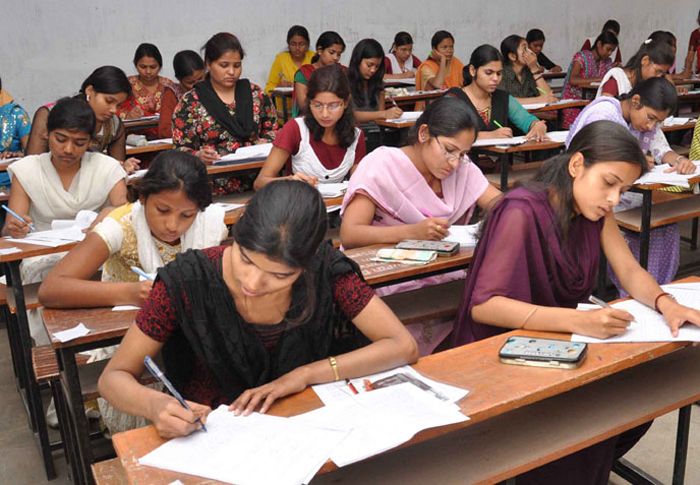
    Over the last two decades, India’s education priorities have changed substantially. From a major focus on enrolment ratios and reducing drop-out rates, the priority is now on learning and skill outcomes and employability after education, thus stressing the importance of the development of ‘Human Capital’ for the country. The New Education Policy (2020)focuses majorly on this aspect of education, set in tune with the SDG4 of the United Nations Sustainable Development Goals that India adopted in 2015.  The SDG4 seeks to ‘Ensure inclusive and equitable quality education and promote lifelong learning opportunities for all’, which forms a top priority in the 2030 Global Human Development agenda.

    While inequality between rural and urban schooling is vast and the learning outcome levels of students from such schools are dismal, and there is a need for reform in rural education policies, literature shows that simply adding resources and ‘Best Practices’ including comprehensive assessments, detailed ratings, and customised improvement plans have no proven impact on student learning

    Yet, things are gloomy for India in terms of education. According to ASER 2019 National Findings, while more than 90% of young children are enrolled in some type of educational institution, a huge proportion of them are unable to perform basic numeracy and early language.  Children from less advantaged homes are the worst affected. While inequality between rural and urban schooling is vast and the learning outcome levels of students from such schools are dismal, and there is a need for reform in rural education policies, literature shows that simply adding resources and ‘Best Practices’ including comprehensive assessments, detailed ratings, and customised improvement plans have no proven impact on student learning (K. Muralidharan, et al, 2020), (Pradhan et al. 2011). Evidence also shows that the right mix of teaching tools, pedagogy, and design can bring about an effective blended learning environment for students. ( M.J. Kintu, et al, 2017).

    But why are policies not getting implemented efficiently? The heart of the whole problem seems to be the poor delivery of teachers, especially public school teachers, who taught less, are less qualified, and deliver dismal outcomes. While on the other hand, evidence (E.A. Hanushek, et al., 2012) also highlights the importance of ‘Teachers’ in delivering better outcomes, and consequently students attend college and earn some revenue. Thus, the only viable solution to better rural education is the betterment of teacher quality.

    Teacher Pay and Job Satisfaction

    Teacher absenteeism and lack of job satisfaction among the teachers have been the most discussed agendas while analysing dismal student performances in the rural areas, especially those from public schools. Teachers’ pay is the major chunk of all expenditure made on education in India. Teachers’ salaries make up around 80% of total non-capital expenditure on education. Around 50% of them get paid regularly despite their irregular attendance and lack of teaching or even deserting schools forever.  While pay for teachers might seem like the right way to nudge them towards delivering better outcomes, that is certainly not the case with public schooling in India.

    The dismal performance of Public-School teachers, even after a handsome pay can be related to their satisfaction from job security. Research shows that Public School teachers who report high job satisfaction are more likely to not be in class, and thus there can be inferred a negative correlation between the pay and satisfaction a teacher reports and the likeness of him/her to attend school, and even if attending school, to teach or not teach. Increasing teacher pay, in this case, might seem absurd but it is primarily due to a lack of accountability. But evidence also shows an increase in teacher performance, and incentives in pay tend to be more effective when accountability is well addressed.

    The Public-Private Dichotomy

    While financial incentives seem like a good gimmick to increase teacher performance, and in-turn student output, things yet seem gloomy in the public education system. Private School teachers in fact overwork and are underpaid, according to reports. Though learning and teaching outcomes are far better in the private education scenario, Public School teachers are the ones that enjoy the most benefit out of the rest.

    Teacher pay in Public Schools across the country is higher than that of teachers from private schools. According to the Seventh Pay Commission, the basic salary of primary and high school teachers is between Rs. 29,900 and Rs. 100,000 with additional grade pay. While the teachers in various levels in Public Schools get paid their salary according to the scale, this is rarely the case with private school teachers. According to reports, 85% of private schools in Delhi don’t pay teachers as per the pay scale laid down by the commission. Non- Implementation of the seventh-pay commission recommendations, lack of balance between workload, outcome levels and pay disparity with the government or public schools haunt private school teachers, despite the various recommendations and policy amendments to correct the inequality.

    Long-standing debates on whether the ‘Minimum Wage’ rule applies to private schools or not continue to remain ambiguous. In the last decade, when private schools paid a pittance to their teachers, legislative wings have denied the availability of a ‘Minimum Wage’ system to teachers in Private Unaided Schools. Up until today, there’s no such legislation that specifies a salary structure for teachers employed in private schools, except for the non-teaching staff who have coverage under the ‘Minimum Wages Act’. Even if prevalent in certain states the ‘Minimum Wages Act’ is openly violated by schools. The Government of Kerala, in the year 2019 sought to bring legislation to ensure minimum wages for school teachers, which wasn’t very successful. Other states including Karnataka have stressed the importance of paying better salaries to the teachers, by fixing a stipulated minimum monthly salary for teaching and non-teaching staff, and this might bring in more burden to parents in the form of fees; several extra and co-curricular activities must be made optional for parents to be able to leverage their fee burden, alongside quality education to the children.

    While the private sector still stands as a model of performance-based pay, this is seen as a ubiquitous and powerful tool in the private sector. While teachers in public schools are already well paid, providing additional incentives would just weigh upon the already existing expenses on public education. This increased expenditure on teachers’ pay makes Public Schools more expensive than their private counterparts, with low teacher accountability. Interestingly, evidence shows that by implementing a performance-based policy, the government would have just saved under Rs. 2,000 Billion over the 25 years from 1987-2012.  This again brings us to the question of whether increased financial incentives to public school teachers are any good and feasible?

    Evidence on Performance-Based Pay

     A study by Barrera, O and Raju, D(2017) relating to the first three years of a randomised control trial of a government-administered pilot teacher performance pay program in Punjab and Pakistan proves yearly cash bonuses to teachers in a sample of 600 public primary schools with the lowest mean student exam scores is linked to an increase in schools’ average student exam scores, increase in school enrolment ratio and the level of student exam participation in the school. A long term study by K. Muralidharan (2012) shows that students who completed their primary school under the performance-based pay programme performed better than their peers in control schools by 0.54 standard deviation in Mathematics.

    However, interventions in the forms of performance pay had an impact neither on student performance nor on the teacher’s reported attitude or behaviour towards teaching and absenteeism. On the other hand, a study by Neal and Schanzenbach (2010) points out that performance-based pay might encourage ill practices such as cheating during exams, which doesn’t hold any good to both the entities. The cost-effectiveness of a performance-based pay model is studied by Muralidharan and Sundararaman(2011) and shows a relation between additional funds and performance-based pay.

    Pay Design and other Models

     The ‘Contract Teachers’ model can work well for public schools. In this Teachers employed for relatively shorter durations, bound by a contract that can be terminated easily, play an important role in extending education to an increased number of children in an affordable manner. Studies involving student learning in rural schools (Muralidharan and Sundararaman,2010) show that while contract teachers are relatively cheaper to acquire over the normal long-term teachers, their impact on students and their performance is comparatively better. While the evidence suggests that performance-based pay might be a difficult model to implement in the public education front, hiring ‘Contract Teachers’ might be the right way out. Recent trends emerging out of the pandemic suggests paying teachers based on the hours of work done. The pandemic disruption has given rise to online education but teaching online requires different skills. Additionally, paying teachers based on the number of hours they work on a day will also help in cutting costs and finances for the employer.

    Constraints in revenues and a need to increase student learning makes ‘Tenure-track for teachers’ a viable option for schools.

    On the other hand, an ideal model of performance-based pay would help in solving the basic problems and inequalities in the system. Constraints in revenues and a need to increase student learning makes ‘Tenure-track for teachers’ a viable option for schools. This model, largely in practice in the western universities, might just be what rural schools in India need. This model, somewhat similar to the ‘Performance Pay’ model, rewards teachers by extending their tenures based on their performance. Good on finances and learning, this model can be the next big thing in rural education, given the constraints in learning and teaching. On the contrary, the ‘Tenure-track’ model might only work in the presence of a good evaluation system to measure teacher and student performances. Given the state of public and rural education and evaluation in India, this might be daunting. Proper evaluation methods to measure and analyse teacher performance is imperative for this model to work in the country.

    A best-fit pay model, with proper tools to measure student performance alongside teacher’s accountability, would do well with teachers all over the country. Alongside, proper publicity of such a pay model would make people familiar with the options. A study by Leaver, et.al.,(2019) shows that the impact of such programmes is higher when it is well advertised and familiar with the ones falling in the bracket.

    Conclusion

     This finally brings us to the question of whether the performance-based pay model might be the best fit for schools in rural India, that are mostly run and maintained by states and district administrations. Performance-based pay, though proven in increasing student performance, also contains a major loophole. Teachers may resort to malpractices like – letting students cheat during exams to show better results and malpractices during evaluation. In Rural India, where proper systems to evaluate the performance of teachers is not in place, the Performance-based pay model may become counter-productive given the lack of accountability and implementation challenges.

    While performance-based pay models have earned good results in the developing nations alike, the remote corners of India might not be the best place for its implementation, until and unless the teachers and all the stakeholders are well-informed of its implementation and proper evaluation mechanism for both the teacher and the student. In India where most public schools are hampered by teachers’ absenteeism and dismal delivery, increasing the pay of the teachers would just result in increased risks of teachers staying at home, without actually resulting in any improvement in their commitment and work methodology. Besides, it may encourage malpractices to show improved performance of students.

    Making teachers accountable to their performance and delivery is the first step towards effective policy change.

    In conclusion, Performance-based pay models may not be a suitable model to increase teacher performance in public schools. Whereas, other methods, such as hiring contract teachers and tenure-tracking might work better in the long run, given a proper evaluation of teacher’s performance in schools. Making teachers accountable to their performance and delivery is the first step towards effective policy change. If proper mechanisms are in place, shifting to various effective models like – Tenure Tracking or Contract Teaching become easier and more effective.

    Image Credit: Poverty Action Lab

  • Revisiting India’s Renewable Energy Sector Policy and Limitations

    Revisiting India’s Renewable Energy Sector Policy and Limitations

    One of the most important results in India from the pandemic-driven lockdown that began in March 2020 was the reduction in carbon emissions and its beneficial impact on the environment. Travel restrictions and a decrease in industrial production have caused significant reductions in emissions. But these reductions were temporary. The results, however, highlights the need for India to reduce its dependence on carbon-emitting energy sources and shift the majority of its energy production to renewable sources that will better equip India towards achieving and even exceeding its  Paris Agreement targets.

    The Indian renewable energy sector is the world’s fourth-largest, after the US, China, and Germany. Its wind energy sector has the fourth-highest total installed capacity, 38.124 GW, in the world. Tamil Nadu, Maharashtra, Karnataka, and Gujarat are the leading states in wind energy.  The solar energy sector has emerged as a significant player in the power generation capacity since the establishment of the National Solar Mission 2010. India achieved 5th global position in solar power distribution with an installed capacity of 35,739 MW as of August 2020.

    Yet, over the years, the wind energy sector faced several problems such as an imbalance between demand and supply, persistent energy shortages, insufficient funds, high-transmission and distribution losses, and poor institutional infrastructure. Thus, it is important to identify the exact causes and find solutions so that upcoming projects can be better planned. This article identifies and analyses a few important barriers faced by the renewable energy sector.

    Barriers to the sector

    First, India’s renewable energy infrastructure, despite its considerable growth over the decades, lacks consistent standards as compared to other countries. Wind energy technology has not kept pace with the modernisation achieved across the world.  Research, both in public and private sectors, is one way to mitigate the problem. Despite 80% of the technology being domestic, a significant quantity of manufactured components is imported from China. A mix of foreign and indigenous parts (with different quality and technical standards) results in inconsistency in the technology used which reduces the power plants’ overall efficiency. The Government, in a move to promote domestic manufacturers and “self-sufficiency”, has levied customs duty of 20-25% on solar cells imported from China.

    A 2019 study suggests that the country would require an investment of Rs 1.65-1.75 lakh crore per year to generate cheaper power.

    Second, the renewable energy sector is capital-intensive and requires high capital investment initially to set up the farms. One way to source funds is to increase private sector participation. With increased competition among the private sector to develop technology, the country would gain from the lower costs of power generation and higher employment opportunities. A 2019 study suggests that the country would require an investment of Rs 1.65-1.75 lakh crore per year to generate cheaper power. The Government needs to encourage companies like ReGen Powertech Pvt Ltd., through generation-based incentives and tax holidays, that will invest in renewable energy power plants for its long-term financial benefits, despite the risk factors involved. At a time when investments in the sector are growing, the Government’s move to rescind benefits, may not impact the big players but will certainly have an adverse impact on the volume of investments from small investors, who largely depend on the Government’s support.

    Another financial barrier the sector faces is the lack of proper reinvestment. As the benefits from this sector are usually accrued in the long-term, the Government invests revenue from power generation in short-term development projects instead of reinvesting in the energy sector. Thus, for new solar energy projects to succeed, the efficient allocation of funds is pertinent. Alternatively, India could also follow Germany’s path. In Germany, since the energy transition set off in 2000, tens of thousands began investing in solar panels on their houses and buying shares in wind turbine producing companies, thus increasing capital. The government has actively engaged people in small cooperatives to favour energy transition from fossils to renewable sources.

     According to a recent report by the Institute for Energy Economics and Financial Analysis (IEEFA), the total hybrid capacity is at 148 MW and is expected to increase almost 80 times in the next three years.

    Third, the intensity of the wind and solar energy availability is unstable, and it restricts the total power generated. Additionally, the setting up of separate wind and solar power plants is expensive. Thus, the government’s National Wind Solar Hybrid Policy of 2018 is highly pertinent. According to the policy, the two sources of energy complement each other, since solar can fuel power in the day and wind at night. This also means that the solar panels and wind turbines can be set up on the same farm, thus reducing costs. According to a recent report by the Institute for Energy Economics and Financial Analysis (IEEFA), the total hybrid capacity is at 148 MW and is expected to increase almost 80 times in the next three years.

    In relation, the renewable energy sector also faces the problem of storage. Although India has developed battery storage facilities, it lacks a central framework to control the use of energy storage systems. The technology available is not enough to store energy from all power grids. This implies that an equilibrium has to be maintained between the demand and supply of power from renewable energy to reduce wastage. But this is an onerous task. The Solar Energy Corporation of India (SECI) has recently encouraged bids for designing, engineering, and constructing new solar projects with provisions for battery storage systems. The recent World Energy Outlook report by the International Energy Agency (IEA) predicts that India will become the largest market for utility-scale battery storage by 2040.

    The Government should treat PV waste separately and bring out recycling policies that will sustain the solar energy sector in the long run.

    Lastly, the sector faces disposal issues as there is no proper system in place to dispose of broken solar panels and wind blades. Broken solar panels emanate harmful chemicals that are detrimental to the environment and consequently, public health. Solar PV waste is by default considered e-waste and is therefore guided by the e-Waste Management Rules, 2016. According to this, manufacturers are liable for the disposal of PV waste. But this regulation is inadequate. The Government should treat PV waste separately and bring out recycling policies that will sustain the solar energy sector in the long run. Europe, for instance, has set up a recycling plant that separates the different parts of the panel and recycles them individually. Given the increasing pace at which the solar energy sector is growing in India, setting up a similar method of waste management will benefit the sector and ergo the country’s future.

    Conclusion

    While India is responsible for nearly 6.65% of total global carbon emissions, it is also leading in the renewable energy sector. Its share of coal-based power plants in new installations declined significantly from 62% in 2016 to just 19% in 2017, whereas solar power led with around 45% of total power capacity additions. But to maintain this development, the Central and State governments should make coordinated efforts and bring out policies that ensure that power is affordable to all people, and efficiently manage renewable energy waste to not only reach its energy targets but also to ensure its overall development and growth.

  • Examining the Policy Effectiveness of Negative Interest Rates: A Case Study on Japan

    Examining the Policy Effectiveness of Negative Interest Rates: A Case Study on Japan

    As a global health crisis ravages across the world, central bankers have rushed to lower rates to historic levels in an attempt to soften the economic blow of the pandemic. Since the crisis hit in early 2020, interest rates have been slashed across the globe on 37 separate occasions. Almost all major economies have cut their policy rates and many are at near-zero levels. In light of this economic climate, the debate on whether negative interest rates could prove effective in adverse conditions has come to the forefront again.

    As of today, 5 economies in the world follow a negative interest rate policy (NIRP).  In 2012, Denmark was the first country to announce negative rates, subsequently followed by the Eurozone, Switzerland, Sweden and Japan.

    The decrease in interest rates is not a new phenomenon, rates have been sliding globally for the last 30 years [1]. This trend has been more pronounced since the financial crisis of 2008. While many economies have reached the theoretical zero lower-bound of rates, some have even dared to venture below the surface into negative territory. As of today, 5 economies in the world follow a negative interest rate policy (NIRP).  In 2012, Denmark was the first country to announce negative rates, subsequently followed by the Eurozone, Switzerland, Sweden and Japan. While the very concept of negative rates may seem baffling, it’s even more shocking to note that over $15 trillion’ worth of bonds is traded at negative yields globally [2]. This means that over 30% of the world’s investment-grade securities are traded in a manner such that lenders pay borrowers to use their funds.

    Negative Interest Rates in Theory

    Interest rates have widely been regarded as the most powerful weapon in a central banker’s arsenal. Until very recently, their only limitation seemed to be the zero-lower bound beyond which bankers have had their hands tied. However, with Denmark’s policy rates going negative in 2012, this limit seems to have been breached. In theory, the NIRP is put in effect by central banks making the policy rate or repo rate (rate at which banks park their funds with the central bank) negative. While the negative rates directly apply only to banks, its effects are transmitted to the entire system by effectively lowering overall real interest rates. Central banks envisage that negative policy rates would induce increased spending and stimulate the economy in two ways – firstly, by forcing banks to hold lesser deposits with the central bank and channelling these funds into increased lending to households and businesses. Secondly, a cut in the policy rate would also lead to lower rates in the overall lending market, thus encouraging borrowing and spending.

    This policy, however, is riddled with several loopholes and works only under certain conditions. There has also been evidence of unwanted externalities associated with negative rates. The experience of the 5 economies which implemented the NIRP has been mixed and there is no consensus so far among economists and policymakers on the merits/demerits of the policy.

    Japan’s Tryst with Negative Rates: A Case Study

    In 2016 the Bank of Japan (BOJ), facing a relentless battle against deflation and a depreciating Yen, decided to venture into negative territory and has stayed there ever since.  The Japanese economy’s long downward spiral began with the real-estate asset bubble bursting in 1989-90. While Japan’s ‘lost decade’ is a widely known concept, many academics argue that Japan has lost more than a decade and has not fully recovered yet. The economy has been in first-gear ever since the crash – today, almost 30 years hence, the Nikkei 225 is still languishing at about 40% of its 1989 peak [3].

    Over the years, the BOJ has tried almost every trick in the trade – low rates, printing more money, rounds of quantitative easing, you name it and it has been done already. But much like a car stuck in the mud, the Japanese economy just seems to be spinning its wheels in one place. It is in this backdrop that the BOJ pulled out one last trick up its sleeve, announcing a negative interest rate regime.

    What Did Japan Hope to Achieve Through the NIRP?

    To combat deflation, the BOJ has long been involved in multiple rounds of aggressive bond-buying, hoping to inject more cash in the economy. According to data from the BOJ statistics portal, the central bank has been purchasing bonds worth 8-12 trillion Yen per month consistently. This has led to a mammoth increase in the bond holdings of the BOJ and also the monetary base of the Japanese economy. This has had two direct implications –

    • Japanese banks were now flush with money but this did not translate into increased lending activity. Rather banks were now parking this excess cashback with the central bank as reserves, thus defeating the purpose. It has been estimated that over 90% of the new money created by the BOJ since 2013 has ended up back with the central bank
    • The downside of this aggressive bond-buying policy was that Japan had now accumulated a mountain of debt. As of 2020, Japan was the most indebted nation in the world, with its debt accounting for over 234% of its GDP [4]

    The BOJ hoped that the NIRP would help address both these concerns. By announcing a 0.1% negative interest rate on excess reserves, it hoped to force banks to hold lesser reserves with the BOJ and use the money for lending purposes. On the other hand, negative rates would also help ease the burden of interest payments on the national debt.

    Reasons for Failure of NIRP in Japan

    While the NIRP did succeed in its immediate goal of reducing banks holdings with the BOJ, it has failed to stimulate bank lending. Instead, Japanese banks are now looking to park their funds elsewhere, to beat the low returns at home. With rates at historic lows in Japan and lacklustre borrowing sentiment from households and businesses, banks have turned to foreign investments to rake up profits. The NIRP, rather than stimulate the economy through increasing lending has instead spurred a massive outflow of funds in favour of overseas assets. As a result, Japanese banks hold nearly 20% of the world’s CLO’s (collateralized loan obligations) [5]. The foreign investments of the Japan Post Office Bank (owned by the government) alone stood at $630 billion as of 2020, showing glimpses into the outflow of reserves from the domestic economy.

    The NIRP, rather than stimulate the economy through increasing lending has instead spurred a massive outflow of funds in favour of overseas assets. As a result, Japanese banks hold nearly 20% of the world’s CLO’s (collateralized loan obligations).

    The failure of the NIRP to stimulate domestic spending and investments has shown that the Japanese economy faces several structural challenges that need to be addressed first. Given Japan’s ageing workforce, it will not be easy to discourage households from saving, especially in the current economic climate. Unless businesses and households are willing to spend or invest, the availability of cheap loans is redundant. No matter how low the BOJ pushes interest rates, the economy cannot be revived unless the structural bottlenecks subduing growth are addressed.

    Policy Shortcomings of the NIRP

    Japan’s case and the experiences of the other four economies have highlighted several loopholes in the NIRP. While it has been successful in reducing commercial bank holdings with central banks, it has not managed to translate this into lending activity. As in the case of Japan, banks can always find other ways to make use of excess funds. Even if banks manage to pass on the negative rates to the general public, households would continue to hoard cash in the form of mattress money, thus defeating the purpose of the policy. Take Sweden’s case for example – despite having negative rates, Sweden still has the 3rd highest household savings rate in the world.

    The NIRP has also been associated with several unwanted externalities –

    • Decreasing Bank Profitability

    Negative rates can destabilize the entire banking system by adversely affecting bank profits. In the Euro-zone alone, banks have transferred $24.2 billion to the European Central Bank (ECB) as negative fees in the five years since negative interest rates were introduced

    • Create asset bubbles

    A negative rate regime could also lead to the creation of property and other asset bubbles. Since rates are low (or negative) for cash holdings, people tend to invest in real estate or other tangible assets, thus driving up prices.

    • Erode Pension Funds

    Many academics believe that negative rates would hurt economies in the long run by eroding pension funds. This could potentially be a major cause for concern for countries like Japan which have an ageing population

    Is the NIRP here to stay?

    Despite its long list of flaws and potential side-effects, nations still seem to be sticking with the NIRP, with trends showing that even more may follow suit soon. Given the current economic climate, central bankers are left with no choice but to continue with low rates – that they do so despite its shortcomings speaks volumes of the precarious global economic conditions. The NIRP however, cannot be written off as a completely failed policy as it has shown that it can be successful under certain conditions. In Switzerland for example, the NIRP has been largely successful in helping depreciate the Franc (to keep exports competitive) and maintaining exchange rate parity in the face of large foreign inflows into the country. Switzerland’s experience is replicated in Sweden, with negative rates helping boost exports, although not substantially.

    Different nations have had different motives for venturing into negative territory – while countries like Japan wanted to stimulate inflation, others like Switzerland and Sweden were more interested in maintaining their exchange rates. Success or failure of the NIRP depends on the prevailing conditions of the economy and the desired end-goals that countries are after. Since it has been a relatively new policy, countries are still in the phase of experimenting with negative rates and it is too early to draw conclusions on their successes and failures.  On whether the NIRP is an effective policy tool, the jury is still out.


    References

    [1] Neufeld, D. (2020, February 4). Visualizing the 700-Year Fall of Interest Rates. Visual Capitalist. https://www.visualcapitalist.com/700-year-decline-of-interest-rates/

    [2] Mullen, C & Ainger, J. (2020, November 6). World’s Negative-Yield Debt Pile Has Just Hit a New Record. Bloomberg Quint. https://www.bloombergquint.com/onweb/negative-yielding-debt-hits-record-17-trillion-on-bond-rally#:~:text=The%20market%20value%20of%20the,it%20reached%20in%20August%202019.

    [3] Tamura, M. (2019, December 29). 30 years since Japan’s stock market peaked, climb back continues. Nikkei Asia. https://asia.nikkei.com/Spotlight/Datawatch/30-years-since-Japan-s-stock-market-peaked-climb-back-continues

    [4] World Population Review. (2020). Debt to GDP Ratio by Country 2020. Retrieved from https://worldpopulationreview.com/countries/countries-by-national-debt

    [5] Japanese banks own 20% of collateralized loans market – survey. (2020, June 2). Reuters. https://in.reuters.com/article/japan-economy-boj-loans/japanese-banks-own-20-of-collateralised-loans-market-survey-idUSL4N2DF1LP


    Image Credit: www.gulftoday.ae

  • Understanding the Catalonian Crisis through the Relative Deprivation theory

    Understanding the Catalonian Crisis through the Relative Deprivation theory

    On 1st October 2017, people in Catalonia, a semi-autonomous region in Spain, held a referendum in which 90 percent of those who participated sought to break away from the Spanish state and create the independent Republic of Catalonia. This referendum which endorsed independence was declared illegal by the Spanish government. This declaration was based on a ruling by the Constitutional Court, and the results of the referendum were also not taken seriously by the international community. Since then, Catalonia has remained politically deadlocked. While the Spanish government and the leaders of the separatist movement in Catalonia have participated in discussions and formal talks have been opened in 2020, there has been no resolution to this festering political crisis.

    A deep sense of relative deprivation has entered the minds of the Catalan people wherein they feel that the Spanish identity has been given more prominence in comparison to their Catalan identity.

    This desire for independence as expressed by the people of Catalonia did not emerge suddenly but had been simmering for an extended period. The social mobilisation occurred because of the frustration that they have as a result of a lack of representation of their culture and language within the Spanish state. The hostility shown to demands of more autonomy and representation has also led to more anger. A deep sense of relative deprivation has entered the minds of the Catalan people wherein they feel that the Spanish identity has been given more prominence in comparison to their Catalan identity.

    While there is a long history of oppression and centralisation, the recent turmoil, however, started in 2010 when the Spanish Constitutional Court quashed a law passed by the regional parliament of Catalonia which updated the autonomous government’s statute. This statute dating to 1979 mapped the relations between Catalonia and the rest of Spain. The court rejected articles in the statute that put the Catalan language above the Spanish language and any articles that referred to Catalonia as a nation rather than as a region.

    This article seeks to understand the reason behind the Catalonian crisis using the relative deprivation model put forth by Ted Gurr. This model has been used to clarify how cultural and linguistic suppression of the Catalan people has led to collective turmoil.

    Relative Deprivation Model of Gurr

    Gurr’s relative deprivation model states that when a sense of deprivation emerges in a group in relation to another group, then it can lead to collective violence or dissatisfaction. Gurr uses a psychological approach to explain why anger or frustration caused by a sense of deprivation is a motivating instrument that can make people more inclined towards aggression.

    The term relative deprivation is used by Gurr who defines it as “actor’s perception of discrepancy between their value expectations (the goods and conditions of the life to which they believe they are justifiably entitled) and their value capabilities (the amounts of those goods and conditions that they think they can get and keep)”. Thus, if there is a discrepancy between what people in a group believe they should get and what they do get then, it leads to frustration, disturbance, and a sense of deprivation. The greater the gap between the expectations of the people and reality, the higher the magnitude for aggression and civil strife. One important thing to note here is that the sense of deprivation is always in relation or comparison to another group.

    Gurr further states that the magnitude of the civil strife or dissatisfaction is dependent on the intensity of the sense of deprivation among the people of the group. As per the relative deprivation theory, there are certain factors or societal variables that have an impact on the relationship between deprivation and the ensuing civil strife. These societal variables include:  (a) coercive potential (of the government to put off the conflict), (b) institutionalisation (the extent to which societal structures may offer non-violent means for expressing dissatisfaction to the social group with the perceived deprivation), (c) social facilitation (that further facilitate strife) and lastly, (d) legitimacy of the political regime in which all this occurs.

    Applying the Relative Deprivation Model to the Catalonian situation

     By applying this theory to the Catalonian crisis, it is easy to see how the deprivation of the Catalan culture, language, and history frustrated the Catalan people and led to the unprecedented social mobilisation for independence from the Spanish state. The people of Catalonia are unsatisfied and angry with the way their culture and particularly, their language, is being slowly eroded as compared to the relevance and status accorded to the Spanish language.

    The Catalan people consider their language to be the principal element of their identity and believe that it is the ‘rallying cry of their solidarity’. The sidelining of their language is seen as an affront to their identity.

    Language is seen as a crucial distinguishing feature by the Catalan people and the speakers of Castilian Spanish. Many people living in Catalonia also want the Catalan language to be officially recognised by the European Union and put on par with the Spanish language even outside the country settings, which has not happened. The reversal of the statute that allowed for the exercise of Catalan language over the Spanish language in the region has brought the identity discord in the open. The Catalan people consider their language to be the principal element of their identity and believe that it is the ‘rallying cry of their solidarity’. The sidelining of their language is seen as an affront to their identity.

    The economic state of affairs further accentuates their anger over the under-representation of their language in museums, government offices, libraries, and all official channels of the central government in Madrid. Catalonia is one highly prosperous part of Spain but many in Catalonia feel that they are bearing the brunt of the high taxes and austerity measures for the rest of the country’s needs with whom they have little in common.

    Conclusion:

    Ted Gurr’s relative deprivation theory states that when a group of people feel that they are deprived of something, whether economically, socially or politically, in comparison to another group of people, they will feel frustrated and that frustration can lead to violence. The Catalonian crisis, when understood using this model, provides an incredibly accurate picture of how the suppression of one’s language and history can result in political strife.

    The Catalonian situation is quite similar to that of Scotland in the United Kingdom. People in Scotland are also quite proud of their distinct language (Gaelic), traditions and also have a strong sense of independent spirit which they believe is curtailed by the Westminster government. Scotland’s Prime Minister, Nicola Sturgeon, recently indicated that she would pursue another referendum for independence in the coming year as support for an independent government has increased steadfastly in 2020 with the pandemic exposing the cracks in the current system.

    For both Catalonia and Scotland, the model followed in the erstwhile USSR in terms of accommodation of identities can provide a way forward or represent a comparatively better model of governance. Under Lenin’s leadership, striking flexibility with respect to the various countries encompassed within the Soviet Union in terms of expression of their individual nationalities was displayed. Lenin used a degree of accommodation towards peripheral nationalist tendencies displayed by the non-Russian states as he believed it to be a pragmatic solution. While political autonomy remained elusive to the non-Russian states, the accommodation of their national identities meant that they were somewhat satisfied. The Soviet state itself encouraged the use of local languages in schools and universities and even in the local administrative offices.


    References:

    “A Year Later: An Update on the Catalonian Independence Movement.” Columbia Journal of Transnational Law, 27 Nov. 2018, jtl.columbia.edu/a-year-later-an-update-on-the-catalonian-independence-movement/.

    “Catalonia: From Secessionism to Secession?” E-International Relations, www.e-ir.info/2016/01/15/catalonia-from-secessionism-to-secession/.

    “Catalonia: Past and Future.” Jacobin, www.jacobinmag.com/2017/10/catalonia-independence-franco-spain-nationalism.

    Gurr, Ted. “A causal model of civil strife: A comparative analysis using new indices.” American political science review 62.4 (1968): 1104-1124.

    Gurr, Ted Robert. “Why Men Rebel Redux: How Valid Are Its Arguments 40 Years On?” E-international Relations 17 (2011).

    Huddleston, R. Joseph. “The Roots of the Catalan Independence Crisis.” Foreign Affairs, Foreign Affairs Magazine, 30 Oct. 2017, www.foreignaffairs.com/articles/spain/2017-10-30/roots-catalan-independence-crisis.

    Marinzel, Anastazia. “Catalonia: The quest for independence from Spain.” (2014).

    “Scotland: Nicola Sturgeon Aims for 2021 Independence Vote.” The Indian Express, 1 Dec. 2020, indianexpress.com/article/world/scotland-nicola-sturgeon-aims-for-2021-independence-vote-7075166/


    Image Credit: “Catalonia is not Spain” by SBA73 is licensed under CC BY-SA 2.0

  • Quad 2.0: Can it be a win-win for the four Democracies

    Quad 2.0: Can it be a win-win for the four Democracies

    China’s GDP expanded from USD 6 trillion in 2010 to USD 14.3 trillion in 2019. It has had exponential growth over the last three decades, with an average GDP growth rate of 9.23% from 1989 to 2020. Although the impact of the COVID pandemic pushed its GDP into decline and negative (-6.80%) in the first quarter of 2020, it has rebounded with a growth of 5% in the third quarter. It’s military spending, officially, is more than three times that of India, unofficially maybe five times or more. China has become one of the key players in the Indo-Pacific as a significant part of its economic activities depend on this region.

    The Indo-Pacific has replaced the Trans-Atlantic as the epicentre of global politics. Its importance to the global order is multifarious. In economic terms, one half of the world’s commercial influx goes through the Indo-Pacific sea routes and the Indian Ocean carries two-thirds of global oil shipments. Besides, a few of the biggest military spenders are part of the region. China’s hostile actions and policies have agitated the US, Japan, Australia and India. A shared concern over the expansion of China’s political and military clout was fundamental to the revival of the Quadrilateral Security Dialogue (Quad 2.0), on the sidelines of the ASEAN summit in Manila, in 2017.

    Quad is seen as cooperation between four large democracies that share the idea of an open and inclusive Indo-Pacific

    There is growing speculation over what the re-emergence of the Quad means. On the one hand, it is seen as cooperation between four large democracies that share the idea of an open and inclusive Indo-Pacific; on the other, a strategic alliance towards keeping China’s assertive actions in check.

    The Quad: Overcoming Intransigence

    The Quad is a mechanism that enables a dialogue on regional security issues between the four countries. Its revival, this year, reflects an intersection of strategic interests: that of an open and inclusive Indo-Pacific and a rules-based international order. The Quad came together in November for the naval exercise – Exercise Malabar – in two phases, in the Bay of Bengal and the Arabian Sea. The exercise, in its 24th edition, is the biggest so far and has sent significant strategic signalling to China.

    The Quad should be considered less as a formal alliance and more as a mechanism built on existing bilateral and trilateral partnerships between the four countries. It first emerged as a cooperative response to the 2004 tsunami, when the four navies were involved in providing humanitarian and disaster relief. Despite strong support from Japan and the US to formalise the group, it disbanded with Australia and India backing out in 2007, due to concerns about China’s reaction to the grouping. This gave rise to multilateral partnerships among the four countries.

    Between the four democracies, there are three trilateral and six bilateral partnerships. Trilaterally, Japan, India and Australia first came together in 2015 to discuss shared concerns over maritime security in the Indo-Pacific Region and freedom of navigation in the South China Sea. More recently, the three countries agreed to develop a supply chain resilience program for the Indo-Pacific Region amid growing recognition of their excessive, economic reliance on China.

    Bilaterally, the US and India signed the Basic Exchange and Cooperation Agreement (BECA) on October 27 that gives India access to American geospatial intelligence that will be useful for precision guidance of its missiles. Further, India-Australia ties have strengthened over the last few years with their initial 2+2 dialogue in 2017 and with Australian participation in India’s Milan exercise in 2018, focusing on interoperability between navies in the region.

    China and the Quad

    Over the years, the Indo-Pacific has emerged as a region of strategic importance. As China expands into the region, its actions have created tensions with the Quad members.

    Sino-Indian relations:  India-China relations have touched rock-bottom since the clashes on the LAC in Ladakh.  China’s intrusions and violations along the LAC have been backed up by significant massing of PLA forces, for the first time in 40 years. India’s strong actions at the LAC and subsequent sanctions and banning of Chinese IT applications have signalled that India is not shy of escalating its response. China’s actions are seen as part of its coercive strategy to India’s refusal to back China on BRI, and its vehement opposition to CPEC. It sees India’s closeness to the USA and its coordination in the Quad as a threat to China’s strategic interests.

    China’s increasing influence in the Indian Ocean Region (IOR) has raised India’s concerns. It has always been wary of ties between Beijing and Islamabad, which intensified with the launch of the China-Pakistan Economic Corridor (CPEC) in 2013. The Chinese-operated Gwadar port off the Arabian Sea in Pakistan, which can be used by the Chinese navy to establish a submarine presence in the region, did not rest well with India. Such a port would also help China with its ‘Malacca Dilemma’. Other ports of such concern are Hambantota in Sri Lanka and Kyaukphyu in Myanmar. Though China claims these ports are of economic significance, these are also militarily strategic ports that give it an advantage in the IOR.

    In light of these issues, a revived and active Quad will benefit India’s strategic interests. The partnership could affect China in two ways. First, China would face increased competition in the IOR from India that now works with strong allies. Second, with the recent imposition of the technology ban, China stands to lose a large market for its products.

     Japan-China relations: Over the past few years, the situation in the South China Sea (SCS) has worsened with China’s land reclamation activities and militarisation of islands. Japan sees the South China Sea as key to its security because of its crucial sea lanes vital to its trade and economic health. It is also wary of China’s ability to influence the energy supply chains, which East Asia is dependent on, and the PLA’s movement in the Indo-Pacific region that could affect regional security.

    Despite its renewed trade with China and the recent signing of the RCEP, increased tensions in the SCS has forced Japan to support revival of the Quad. China’s increased naval and air activities in the South China Sea makes the Quad and its possible expansion into Quad Plus even more relevant for Japan.

    China-Australia relations: Australia backed out of the Quad in 2007 primarily because it was concerned about how China would view it, and the possible impact it might have on their bilateral trade. By 2017, China became Australia’s top export destination, and this trend has continued through 2019, pushing Australia into a dangerous economic dependency with China. Further, Australia’s 2016 White Paper called out China for its coercive behaviour in the Indo-Pacific, identifying the South China Sea and the Southern Pacific as vital strategic regions.

    Australia’s economic dependence on China is high and this is unlikely to change despite the strong statements from prime minister Morrison.  Australia’s strong stand against China is also seen as emanating from American pressure. Australia actively supports Quad as it sees an increasingly powerful China working to change the world order. Australia is also a member of the newly signed RCEP, the new economic grouping that will be dominated by China. While Australia has hedged its economic interests by signing the RCEP, its strategic and security priorities are linked to the Quad.

    China-US relations:  China’s rising military power is now seen as a threat to American power and the liberal world order. Since 2011, American strategies and policies have focussed more on the Indo-Pacific. This shift in focus has strengthened its ties with Japan, Australia and India. Tensions between the US and China have increased since then and the 2018 trade war not only aggravated their relations but also kept the rest of the world on an edge.

    With a strong Quad partnership, the US expects to regain and strengthen its influence in the Indo-Pacific. For China already hit hard by the US trade war, more setbacks will accentuate the problems. Moreover, with a more focused Quad led by the US, China’s efforts to project its power and influence in the Indo-Pacific region will come under pressure.

     Conclusion

     A few aspects about the Quad remain unclear. First, its intent is still uncertain because the respective countries have to evaluate their relations with China if they want to make the bloc official. Second, if it were to be official, to what extent would it serve the interests of the member countries? Third, is the Quad a concert of democracies to contain China? Last, will it coordinate with other members in the Indo-Pacific region, that is will Quad translate into Quad Plus?

    China’s actions have managed to bring the four countries closer.  China, however, has scored a success when the RCEP (Regional Comprehensive Economic Partnership), the world’s largest plurilateral trade agreement was signed on November 15th. Both Japan and Australia are members of the RCEP. Many see this as a setback for India and America, and an important building block in a new world order, in which China calls the shots all over Asia. It puts in doubt the viability of SCRI (Supply Chain Resilience Initiative), an effort by Quad members to create an alternative to Chinese domination of supply chains.

    The nature of China’s challenge to the global order and the Indo-Pacific is geoeconomics in design, as evidenced by its Belt and Road Initiative and its recent success in RCEP. The Quad will need to go beyond security cooperation.

    While security and military cooperation will help in checking China’s aggressive approach, it must be recognised that this alone will be an incomplete strategy. The nature of China’s challenge to the global order and the Indo-Pacific is geoeconomics in design, as evidenced by its Belt and Road Initiative and its recent success in RCEP. The Quad will need to go beyond security cooperation.

    The conclusion of RCEP maybe China’s gain, but it is important to recognise the fact that ASEAN is the main driver of RCEP. In attempting to balance China, ASEAN and Japan have kept the door open for India to re-join the RCEP. It is possible that the US, under the Biden presidency, may revive the TPP (now proposed by Japan as CATPP, Comprehensive and Progressive Agreement on Trans-Pacific Partnership), which could balance the RCEP. The Quad, in this context, will continue to be very relevant for peace and security in the Indo-Pacific.


  • Sedition Law: Sensitivity and trepidations of the State

    Sedition Law: Sensitivity and trepidations of the State

    This article was published earlier in moneycontrol.com

    A few activists and intellectuals, some of them octogenarians, are in jail for varied periods having been arrested for sedition. A question being asked since then is: can intellectuals and activists who fight for the rights of the deprived, underprivileged and downtrodden be seditious and subversive? The law of sedition is a remnant from the days of colonial rule in India.

    Should the State feel helpless and orphaned if the law of sedition is to be repealed? The fact that for seven decades and more the State has staunchly held on to this law suggests so

    The (British) colonial administration was constantly apprehensive and on tenterhooks that the ‘natives’ (the dominated subjects) would rebel against it in conduct, speech, or action. Hence, the sedition law was introduced through Clause 113 of the Draft Indian Penal Code in 1837 by Thomas Macaulay.

    The colonialists wanted to guard themselves against any kind of protest. Any activity that was unpalatable to the colonialists was conceived of as ‘treason’ and ‘subversion’. In order to maintain an untrammeled stronghold on the populace, the colonial administration thought it essential to promulgate a sedition law; an overarching law to protect what it thought was its sovereignty and suzerainty.

    Interestingly, in the 1860 Indian Penal Code (IPC) the law of sedition was not included. However, due to an ‘increase’ in ‘revolutionary’ activities and ‘unrest’ on the part of the Indian ‘rebels’, in 1870, the British inserted Section 124A and amended the IPC to include the law.

    Suppression and subjugation through draconian measures were resorted to by the foreign power for its political and economic gains and ends, in a system that was tyrannical, authoritarian, and dictatorial, and ran through its course till 1947

    Though the Constitution of India (with its oft-quoted Preamble) was to come a bit later, India did become a sovereign, socialist, democratic republic when it got rid of the colonial yoke. So, how come the Law of Sedition got carried over into a republic that became a free country and a democratic political entity?

    On the one hand, why the need for a law of sedition in a free, sovereign country. On the other hand, a look at the way sedition is being interpreted currently.

    In 1929, Mahatma Gandhi called sedition a “rape of the word law” and asked the people to go in for a countrywide agitation to demand the repeal of Section 124A. He said, “In my humble opinion, every man has a right to hold any opinion he chooses, and to give effect to it also, so long as, in doing so, he does not use physical violence against anybody.”

    Subsequently, after Independence, during the debate on the first amendment to the Indian Constitution in 1951, then Prime Minister Jawaharlal Nehru, called the law of sedition fundamentally unconstitutional and declared “now so far as I am concerned [Section 124A] is highly objectionable and obnoxious and it should have no place both for practical and historical reasons. The sooner we get rid of it the better.”

    Intriguingly, the Law of Sedition was not repealed, as it should have been, ideally, during the first Parliament session itself; and has been retained during Nehru’s government and subsequent governments too.

    Should the State feel helpless and orphaned if the law of sedition is to be repealed? The fact that for seven decades and more the State has staunchly held on to this law suggests so; more so today as during the last nearly seven years the number of times that the State has resorted to the use of this law is disturbing, to say the least. Besides, the State is arming itself with yet another draconian handle in promulgating the Unlawful Activities (Prevention) Amendment Act (UAPA).

    Was there ever such a low in independent India in terms of lack of tolerance on the part of the State? Any sort of criticism against the government seems to automatically get interpreted as anti-national. This manufactured binary — anti-government equals anti-national — has been the dominant credo ever since the Bharatiya Janata Party (BJP) came to power in 2014.

    In a recent article, Amartya Sen says, ‘The confusion between “anti-government” and “anti-national” is typical of autocratic governance’.

    Intellectuals, opposition leaders, activists in different realms, are all swept into the hold-all like sedition law. Also, international voluntary organisations, as also Indian NGOs, have been targeted and attempts are made to stifle them whenever there has been any criticism of the government, however, legitimate or valid the censure be.

    The government’s actions have prompted UN Human Rights Chief Michelle Bachelet to raise issues of a crackdown on CAA protesters, UAPA, Hathras case, and marching orders given to Amnesty International. New Delhi’s response in its lame defence to the criticism has been: ‘The framing of laws is obviously a sovereign prerogative. Violations of law, however, cannot be condoned under the pretext of human rights.’


  • Revamping PSUs in India – is Disinvestment the only way forward?

    Revamping PSUs in India – is Disinvestment the only way forward?

    Back in 1948 when India’s first Public Sector Unit (Indian Telephone Industries) was established, India was a newly independent agrarian economy with a weak industrial base. It was clear that the country needed to embark on a path of rapid industrialization if it was to improve the economic status and standards of living. The need was felt for large scale investment from the public sector that private players could not provide. It was in this backdrop that PSUs were first established in the country. It was envisioned that these state-run entities would jumpstart industrialization and spearhead development.

    Today, almost 70 years later, the country itself has come a long way. Once seen as the knights in shining armour come to rescue India’s economy, the same PSUs have come under fire for squandering crores of taxpayer money today. Far removed from their past glories, PSUs today are a cesspool of unproductivity where taxpayer money dies a slow painful death. The sorry state of PSUs in India has even warranted nicknames in the likes of ‘Zombie Companies’ and ‘Zombieland of Taxpayer Money’. While these nomenclatures may seem extreme, they are not without merit.

    The combined loss of these PSU’s amounts to over Rs. 31,635 crores in taxpayer money [1]. What’s more, this number is not inclusive of the losses reported by the dozen public sector banks, which would only add to the already huge mountain of debt.

    Current State of PSU’s in India

    Back in 1951, there were only 5 public sector enterprises in existence. Since then the government has gone on a spending spree, entering more and more businesses over the years. Today the government runs more than 300 PSUs across a plethora of industries ranging from hotels & watches to telecom and steel. It doesn’t come as a surprise that over 70 of these entities are running a net loss. The combined loss of these PSU’s amounts to over Rs. 31,635 crores in taxpayer money [1]. What’s more, this number is not inclusive of the losses reported by the dozen public sector banks, which would only add to the already huge mountain of debt. If the central public sector enterprises have fared poorly, the state-level public enterprises (SLPE) paint a bleaker picture. Barring certain states, the SLPEs of almost all the states in India report a net loss. The losses reported by these SLPEs are almost 3 times greater than the amount reported by their central counterparts.

    The PSUs which have not reported a net loss has not escaped public scrutiny either, with almost all of them losing value over the last decade. While some do report profits, their returns have been dwindling, save a few. The rate of return on capital employed (ROCE), widely used as a measure of profitability and efficiency, has been on a downward trend for PSUs. It has been reported that PSU efficiency has fallen by over 50% in the last decade [2]. In the last six years alone the total market cap of all public sector firms and banks fell by 36% even as the market cap of all BSE and NSE listed companies have almost doubled in the same period [3]. 

    The bad news is that this dismal performance of PSUs is only going to get worse, especially given the current economic climate. Despite years of turnaround efforts and crores of bailout money, these state-run entities have shown no signs of recovery, save a few. In this light, much of the discourse around PSUs has been focused on disinvestment. The government too seems to echo this sentiment as it has chosen to embark upon a long-drawn journey of divesting its holdings. Several sectors in India are already heading towards 100% privatization. With the sale of Air India, the civil aviation industry will become fully private. In the power sector, there has been a growing emphasis on private generation, with the centre reducing its stake in NTPC and BHEL. Sooner or later this sector is also headed for 100% privatization. In other sectors like telecom and health, the government has just a token presence, with much of the market being dominated by private players.

    Push for Privatization

    This push for privatization is welcome and much needed in sectors like civil aviation which lack strategic importance. The sorry state of Air India has made clear that the government simply cannot compete with private players in a highly commercialised industry like aviation. Air India in particular has been languishing for years and has eroded crores of taxpayer money in the process. This has been the case not just for India but for other developing economies like Brazil and Malaysia as well. Malaysia has been trying to turn around Malaysia Airlines for decades altogether with no end in sight. After years of struggle, it seems the government has finally decided to change tracks as it is now looking to give up its majority stake in the airline to private investors. The case with Brazil is no different – the failing national aerospace conglomerate Embraer was revived just in time with a dose of privatization.

    The Embraer turnaround model in particular offers some interesting lessons for India. What started off as a government entity in 1969 was privatised in 1994 in order to avoid bankruptcy [4]. Embraer then went from near bankruptcy to becoming the third-largest aircraft manufacturer in the world. What’s striking here is that the Brazilian government played its cards to near perfection – while it completely privatized the airline, the Brazilian government still holds a ‘golden share’ in Embraer giving it veto power over strategic decisions involving military programs and any change in its controlling interest. This model ensured a win-win situation for the Brazilian government and the rest, of course, is history. 

    Instead of divesting its bleeding PSU’s, the government is currently in the process of selling its 100% stake in 3 large profitable companies (BPCL, CCI, and the Shipping Corporation). While it’s tempting to believe this is a part of an extensive government masterplan, the stark reality is that the government has let fiscal pressures dictate its divestment strategy.

    The problem with the centre’s current disinvestment strategy, however, is that it is focused merely on balancing government books and lacks a long-term strategic vision. Instead of divesting its bleeding PSU’s, the government is currently in the process of selling its 100% stake in 3 large profitable companies (BPCL, CCI, and the Shipping Corporation). While it’s tempting to believe this is a part of an extensive government masterplan, the stark reality is that the government has let fiscal pressures dictate its divestment strategy. It appears the government is simply selling its stake in PSUs to make quick money and ease the fiscal books. There are also concerns that 100% privatization of entities like BPCL and HPCL will feed private monopoly and leave India’s energy security purely in the hands of private players. Even in the sale of loss-making entities the government has lacked a systematic plan, with divestment being carried out in penny packets. This sort of disinvestment just to stop the bleeding is a short term stop-gap measure and will surely have long term repercussions. 

    The case for Public Sector Presence

    While privatization plays are much needed in sectors like civil aviation, the same cannot be said for strategic sectors such as power, pharma, and health. A diluted public sector presence in strategic industries may not bode well for the economy, especially for a developing country like India. As the COVID-19 pandemic has shown, strong public systems are essential to absorbing global shocks. While proponents of disinvestment seek to cut the economic costs of bleeding PSUs, they often ignore the social costs involved in the process and the impact it will have on a developing economy like ours.

    In light of the current global economic climate, as more and more countries turn inward, the role of state-run entities has become all the more important. The experiences of other Asian economies like China and Singapore have shown that state-run units could be tools of economic growth if utilised effectively. Most of China’s industrial push, including the recent ‘Made in China 2025’ plan has been heralded by State-Owned Enterprises (SOE’s). Among the 124 Chinese companies in the Fortune Global 500 list, more than half were SOE’s [5]. Out of these, 3 of the Chinese SOE’s feature in the top 5 globally, speaking volumes of the role they have played in the growth of the country. China has effectively put SOE’s at the core of its vision to combat the challenges it currently faces, including the escalating trade war with the USA. China’s model is also noteworthy given the level of collaborative investments between SOE’s and private players. India can take a leaf or two out of China’s book on the successful use of SOE’s to drive its growth story.

    Turning around existing PSU’s – success stories 

    It is clear that the government simply cannot take the easy way out of simply divesting and washing its hands off the bleeding PSUs. In certain critical sectors (that first need to be recognized in line with the long-term strategy) the government still needs to work on repairing the damage and turning around its existing underperformers. While the task seems impossible given the current state of affairs, policymakers can take heart from the fact that it has been done before both in India and globally.

    One such global success story is that of the Kiwi national carrier Air New Zealand. In a world of post-privatization success stories, Air NZ stands out as one of the few lone dissenters to buck this trend. The NZ based company, privatised by the government in 1989, had to be re-nationalised again in 2001 after it ran into financial troubles. The fortunes of the New Zealand economy have been closely tied to that of Air NZ, with the country being heavily dependent on local and international tourism. Within just two years of nationalisation Air NZ was able to fashion a comeback from near ruin, and today is one of the biggest revenue earners for the NZ government. That a company that failed in private hands was able to be revived by the government offers a beacon of hope for struggling public enterprises worldwide.

    Back home in India as well such success stories do exist, albeit in a bygone era. Aptly recognised as one of the greatest public sector managers of India, Dr. V. Krishnamurthy is the mastermind behind these success stories. His unparalleled contributions to the public sector have earned him several monikers such as ‘the helmsman’ and ‘the man with the golden touch’. He has been largely credited with successfully turning around public sector giants like BHEL, SAIL, GAIL, and Maruti. At a time when public sector turnarounds were unheard of in India, Dr. Krishnamurthy managed to increase profits of BHEL from 17 crore rupees to 57 crores during his five-year tenure [6]. He also came to be widely regarded as the ‘Steel Man of India’ after his successful turnaround of SAIL in the late 1980s. 

    At Maruti he decided to take a different approach, inviting private sector participation through a JV. While many skeptics were against this move initially, the helmsman had the last laugh as Maruti went on to dominate the automobile market in India for decades. Maruti’s turnaround story is also a shining example of the merits of public-private collaboration – something which today’s policymakers have chosen to largely overlook. Maruti today is a 100% private company and is widely credited with creating the automobile industry revolution in India. 

    Way Forward – a two-pronged approach to fix PSU’s

    While such success stories may be scant and the field is mired with accounts of public failure, it is evident that such turnarounds are not impossible. As we have seen from the examples in India and elsewhere, with the right leadership any enterprise can be pulled out of the mud. What is clear is that there is no simple one size fits all answer to the woes of PSU’s in India. Several countries have taken different approaches to tackle this issue. While China has followed a model of strong public presence in several industries, countries like the USA hardly have a public sector presence. The United States government rather exercises its presence by closely regulating and monitoring the industry through effective policy mechanisms.  Other countries like Singapore have chosen to manage PSUs through sovereign funds and holding companies. Singapore plays in the public sector via its two sovereign funds, Temasek and GIC. The companies owned by these funds operate as commercial entities and are no different from private players. Such a model has ensured that the companies get the best of both worlds – public ownership but with private, commercial management.

    countries like Singapore have chosen to manage PSUs through sovereign funds and holding companies. Singapore plays in the public sector via its two sovereign funds, Temasek and GIC.

    While there are many such different models that India can take inspiration from, the verdict is clear that the government must stop the bleeding in the public sector quickly or face the wrath of taxpayers. Going forward, the government must adopt a two-pronged approach to fix PSUs – some need to be killed, while others deserve a chance at resurrection.

    Firstly, the government needs to shut down bleeding enterprises in sectors that have no strategic relevance. The government is present in sectors like biofuel, airlines, hotels, and watches despite making heavy losses every year. Public entities simply cannot compete in these industries nor is there any strategic need to do so. The logical step for the government would be to send these entities to the graveyard and stop the bleeding.

    The top 10 loss making PSU’s account for over 94% of the overall losses reported by all PSU’s together.

    Secondly, efforts must be made to turnaround/transform remaining entities in strategic sectors. The top 10 loss making PSU’s account for over 94% of the overall losses reported by all PSUs together. These large offenders would be the best places to start – the government would do well to either transform these entities in-house through fresh leadership or by inviting private partnerships.

    The above tasks are easier said than done and may take years of policy reform to become a reality. While the problem does seem formidable, it is not unique to India alone. Several economies around the world, developing and developed alike, are grappling with the issue of falling public sector productivity and the need to stay relevant. Indian policymakers and public sector managers have a long road ahead of them, especially given the current global socio-economic scenario. But they can definitely take inspiration (and some valuable lessons) from the several public sector turnaround stories globally and from India’s great helmsman himself.


    References

    [1] Department of Public Enterprises. (2019). Public Enterprises Survey 2018-19 (Volume 1, Statement 1). Retrieved from https://dpe.gov.in/public-enterprises-survey-2018-19

    [2] Rai, D. (2019, September 11). PSU returns fell 50% in the past decade; 44 new entities created. Business Today. https://www.businesstoday.in/current/corporate/in-depth-government-companies-almost-lost-half-of-their-efficiency-in-last-10-years/story/378508.html

    [3] How PSU’s market cap fell by 36% in 6 years under Modi govt, while stock market doubled theirs. (2020, October 30). The Print. https://theprint.in/opinion/how-psus-market-cap-fell-by-36-in-6-years-under-modi-govt-while-stock-market-doubled-theirs/533743/

    [4] Haynes, B & Boadle, A. Boeing willing to preserve Brazil’s ‘golden share’ in Embraer deal. (2018, January 19). Reuters. https://www.reuters.com/article/us-embraer-m-a-boeing-idUSKBN1F72XB

    [5] Fortune. (2020). Fortune Global 500 2020. Retrieved from https://fortune.com/global500/

    [6] Nayar, L. V. Krishnamurthy, SAIL, BHEL, Maruti. (20187, March 23). Outlook India. https://magazine.outlookindia.com/story/v-krishnamurthy-sail-bhel-maruti/298634


  • Vietnam-US Relations under Biden Likely to Remain Unchanged

    Vietnam-US Relations under Biden Likely to Remain Unchanged

    Communist Party Chief and State President Nguyen Phu Trong and Prime Minister Nguyen Xuan Phuc have sent a congratulatory message to U.S. President-elect Joe Biden. Both leaders have also expressed hope that their comprehensive partnership will “continue to develop in a stable, effective manner, benefiting people of both countries and promoting peace, security, stability, cooperation and development in the region and the world”. Meanwhile, Vice President Dang Thi Ngoc Thinh sent a congratulatory message to the U.S. Vice president-elect Kamala Harris. The Vietnamese leaders also invited Biden and Harris to visit Vietnam.

    The Biden administration could even explore new “areas in which to deepen ties with Vietnam in the economic, political, military, and people-to-people spheres”.

    While these messages and invitations are part of customary diplomacy, strategic commentators across domains believe that US-Vietnam relations will continue as hitherto under President-elect Joe Biden’s Presidency. They argue that the US acknowledges Vietnam’s geopolitical and geostrategic heft, and the new administration will continue to give top priority to cooperation with Vietnam. The Biden administration could even explore new “areas in which to deepen ties with Vietnam in the economic, political, military, and people-to-people spheres”.

    As far as economic relations, the Vietnam-US bilateral trade has grown significantly from US$ 450 million in 1994 to US$ 75.7 billion in 2019. However, in the last few months, a thorny issue has come up. In October 2020, the U.S. Trade Representative announced an investigation of Vietnam for its large trade surplus with the US. The trade deficit widened to US$ 44.3 billion in the first nine months in 2020, as against US$ 33.96 billion in 2019. It has also been noted that some of it is because of US companies exiting China and setting up new supply chains in Vietnam. However, it is unlikely that trade deficit would have an adverse impact on bilateral relations, which would continue to remain “relatively good under Biden unless complicated by an unexpected upsurge in trade tensions.”

    As far as strategic issues, US-Vietnam defence diplomacy had received impetus under President Trump. The bilateral cooperation in security and defence matters between the two militaries has been at an all-time high. In particular, naval cooperation has been top of the agenda and USS Carl Vinson, a US aircraft carrier, made a historic port call to Da Nang in March 2018. This was significant, given that there had been no such port call by an aircraft carrier to Vietnamese ports since the end of the Vietnam War in 1975. Another visit of the aircraft carrier USS Theodore Roosevelt followed this in March 2020, clearly showcasing growing defence cooperation between the US and Vietnam.

    Perhaps what merits attention is that Vietnam strictly adheres to ‘three-no policy’ i.e. no military alliances; no foreign troops stationed on Vietnamese soil; and no partnering with a foreign power to combat another.

    It is important to keep in mind that such port visits are a significant element of naval diplomacy by any navy. Vietnam has welcomed naval, coast guard, and marine patrol vessels from friendly countries. For instance, in 2018 a Japanese submarine and in 2019 a Canadian warship visited Vietnamese ports; likewise, many other navies have made goodwill visits. It dispatches Vietnamese military personnel and vessels for International Fleet Reviews and other similar events. Also, in 2019, Vietnam signed the Framework Participation Agreement (FPA) with the European Union (EU) which will provide it “new opportunities for Vietnam to portray itself as a cooperative and pro-active power through land and maritime missions” and “participate and contribute to EU’s Common Security and Defence (CSDP) missions and operations”

    Perhaps what merits attention is that Vietnam strictly adheres to ‘three-no policy’ i.e. no military alliances; no foreign troops stationed on Vietnamese soil; and no partnering with a foreign power to combat another. In this context, it is useful to recall the visit to Hanoi by U.S. Secretary of State Mike Pompeo in October 2020. The surprise visit was labelled as an occasion to celebrate the 25th anniversary of diplomatic normalisation of bilateral relations, Pompeo’s tour was also to share with the Vietnamese leaders the US “Free and Open Indo-Pacific” (FOIP) strategy and seek their support.

    There is every reason to believe that Vietnam is unlikely to gravitate towards the US, notwithstanding the fact that its relations with China have been quite rancorous particularly over territorial disputes in the South China Sea, military-naval buildup on the reclaimed features and harassment by Chinese Coast Guard ships of Vietnamese fishing vessels operating in the Paracel Islands including intentional ramming. Vietnam is unlikely to offer affirmation to the US FOIP or the Quadrilateral Security Dialogue (QSD), a grouping of Australia, India, Japan and US to balance against China.

    We can expect Vietnam to exercise strategic autonomy and its position of ‘not taking sides’ pivoting on its ‘three-no policy’ could prove to be an incentive for the Biden Administration to pursue an enhanced and constructive engagement with Vietnam.

    There are clear signs of contestation between the US and China, which might create Blocks (with the US or with China) that might upset the peace and stability in the region. We can expect Vietnam to exercise strategic autonomy and its position of ‘not taking sides’ pivoting on its ‘three-no policy’ could prove to be an incentive for the Biden Administration to pursue an enhanced and constructive engagement with Vietnam.

    Image Credit: Atlantic Sentinel