Blog

  • Vietnam and Russia Commit to Engagements across Domains

    Vietnam and Russia Commit to Engagements across Domains

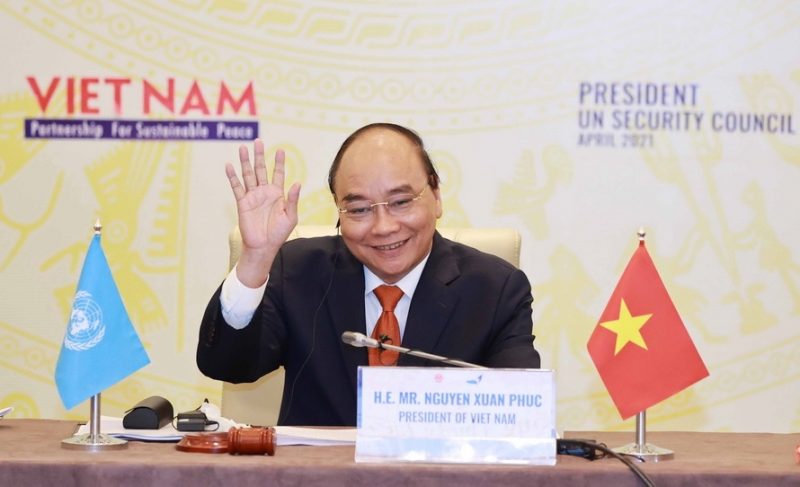
    Vietnamese President Nguyen Xuan Phuc has completed a “very successful and meaningful” visit to Russia with both sides making commitments to reinforce the comprehensive strategic partnership that spans multifaceted engagements across domains. Vietnam figures prominently in the Russian foreign policy and their bonhomie is best demonstrated by the fact that President Vladimir Putin has visited the country five times, a number more than any other country.

    Russian President Vladimir Putin and President of Vietnam Nguyen Xuan Phuc made a statement in the wake of their talks in Moscow – “The relations of comprehensive strategic partnership between the Russian Federation and the Socialist Republic of Vietnam are based upon years-long traditions of friendship and mutually beneficial cooperation, laid down by the previous generations. They have been tested by time, they are not affected by conjuncture oscillations, and serve as an example of mutually respectful cooperation that corresponds to the basic interests of the two countries”

    President Nguyen Xuan Phuc’s visit to Russia merits attention from at least five perspectives. First at the politico-diplomatic levels: both sides have a common understanding of international issues; they endorse a multipolar world order; guided by the principles of resolving major conflicts in the world through diplomacy based on respect for international law. Moscow also acknowledges the increasing role of the ASEAN and Vietnam as important Member State. Russia has also agreed to “explore promising areas of cooperation” within the framework of the ASEAN Outlook for Indo-Pacific.

    Second, the Vietnam-Russia bilateral trade has made significant strides. Their bilateral trade reached US$4.05 billion in the first ten months of 2020 and Russia ranked 24 among 129 countries and territories investing in Vietnam. Russia plans to increase its offshore energy business in the country and the joint statement notes that “creation of favourable conditions for the expansion of activities of Russian and Vietnamese oil and gas companies in the territories of the two states and the implementation of joint projects in third countries in accordance with international law, including the 1982 UN Convention on the Law of the Sea, and the national legislation of Russia and Vietnam”;  however, it is important to mention that there are frequent standoffs. For instance, there was a major standoff in the Vanguard Bank involving 50 Vietnamese and 40 Chinese vessels over the operations of the drilling rig Hakuryu 5 operated by Russia’s Rosneft in Vietnam’s oil and gas Block 06-01.

    Third, their bilateral defence and security cooperation is well established and in September this year, Russian Foreign Minister Sergey Lavrov and his Vietnamese counterpart Bui Thanh Son announced plans to ramp up military-technical cooperation including setting up a centre for nuclear science and technologies in Vietnam. Vietnamese military has acquired Russian origin naval and air platforms (Kilo Class submarines and SU-30MKK fighter jets) and the bilateral trade in arms increased from US$ 293 million (1993-99) to US$ 6514 million (1999-2018) and constituted nearly 84 per cent of all its military purchases.

    Fourth is about the COVID-19 pandemic that continues to rage in the world and its new variant Omicron bringing new fears. Vietnam has been impacted severely by the pandemic and has recently begun to open up. The US and China have provided it with vaccines. During President of Vietnam Nguyen Xuan Phuc visit to Russia, the  Russian Direct Investment Fund has signed an agreement for the “expansion of cooperation with partners in Vietnam aimed at the production of the Russian Sputnik V vaccine” involving the Russian pharmaceutical company Binnopharm Group and Vietnam’s T&T GROUP. RDIF, leading to creating a full-cycle production of Sputnik V in Vietnam.

    Fifth is the US-led Indo Pacific initiatives that clearly target China.  It merits mention that the joint statement issued at the end of the Summit notes that Russia and Vietnam “do not enter alliances and do not sign agreements with third countries to carry out actions that harm each other’s independence, sovereignty, territorial integrity and basic interests,” and that “the development of Russian-Vietnamese relations is not aimed against any third side.”

    Vietnam has no plans to align with the US’ Indo Pacific strategy or any US initiatives that target China even though it has disputes with China in the South China Sea. Russia has stayed clear of the South China Sea disputes and has not supported China. It is conscious that it enjoys cordial relations with the majority of the ASEAN Member States.

    Meanwhile, the Russian Navy recently conducted joint exercises with the ASEAN navies including the Vietnamese Navy. The Russian ambassador to the ASEAN has stated that the exercises were about “peace, stability and prosperity in the region,” and the Indonesian first fleet commander said the exercise “enhance the interoperability and understanding between the Russian and ASEAN militaries”. Interestingly, these exercises are also being viewed as signalling ASEAN’s principle of non-alignment, particularly in current times of high regional tensions given that the ASEAN navies held similar exercises with the PLA Navy. The ASEAN Member States routinely conduct bilateral military-naval exercises with the navies of the US, Japan, Australia, India, France and the UK.

    Vietnam has adopted a pragmatic foreign policy and successive leadership have successfully managed tensions in the South China Sea. Likewise, Russia has major stakes in augmenting regional stability which provides for crucial convergences between Hanoi and Moscow.


    Feature Image Credit: tass.com

  • The Rich World’s Climate Hypocrisy

    The Rich World’s Climate Hypocrisy

    Many people around the world already consider the United Nations Climate Change Conference (COP26) in Glasgow a disappointment. That is a massive understatement. Global leaders – especially in the developed world – still fail to grasp the gravity of the climate challenge. Although they acknowledge its severity and urgency in their speeches, they mostly pursue short-term national interests and make conveniently distant “” emissions pledges without clear and immediate commitments to act.

    Many of the statements by developed-country leaders at the COP26 summit in Glasgow are at odds with their actual climate policies, and with what they say in other settings. Their short-sighted strategy ultimately benefits no one – including the powerful corporate interests whose immediate financial interests it serves

    For example, could the real US government please stand up and declare itself? In his recent address in Glasgow, President Joe Biden said that “as we see current volatility in energy prices, rather than cast it as a reason to back off our clean energy goals, we must view it as a call to action.” Indeed, “high energy prices only reinforce the urgent need to diversify sources, double down on clean energy deployment, and adapt promising new clean-energy technologies.”

    But just three days later, the Biden administration claimed that OPEC+ is endangering the global economic recovery by not increasing oil production. It even warned that the United States is prepared to use “all tools” necessary to reduce fuel prices.

    This is one of the most blatant recent examples of climate hypocrisy by a developed-country leader, but it is by no means the only one. And the duplicity extends to the proceedings at COP26 itself, where developing-country negotiators are apparently finding that advanced economies’ positions in closed-door meetings are quite different from their public stances.

    Rich countries, which are responsible for the dominant share of global carbon-dioxide emissions to date, are dithering on longstanding commitments to provide climate finance to developing countries. They are also resisting a proposed operational definition that would prevent them from fudging what counts as climate finance. And they are still treating adaptation to climate change as a separate stream and refusing to provide finance to avert, minimize, and address the loss and damage associated with climate change in the worst-affected countries.

    The declared COP26 promises also reveal the developed world’s double standards. A group of 20 countries, including the US, pledged to end public financing for “unabated” fossil-fuel projects, including those powered by coal, by the end of 2022. But the prohibition applies only to international projects, not domestic ones. Significantly, the US and several other signatories refused to join the 23 countries that separately committed to stop new coal-power projects within their borders and phase out existing coal infrastructure.

    But even if the pledges in Glasgow had been more solid, rich-country governments, in particular, face a major credibility problem. They have previously made too many empty climate promises, undermining the interests of developing countries that have contributed little to climate change. Advanced economies have made emissions-reduction commitments that they have not kept, and reneged on their assurances to developing countries regarding not only climate finance but also technology transfer.

    The climate finance commitment is now 12 years old. At COP15 in Copenhagen, advanced economies promised to provide $100 billion per year to the developing world, and the 2015 Paris climate agreement made it clear that all developing countries would be eligible for such financing. This amount is trivial relative to developing countries’ need, which is in the trillions of dollars, and also when compared to the vast sums that rich countries have spent on fiscal and monetary support for their economies during the COVID-19 pandemic.

    But the developed world has not fulfilled even this relatively modest pledge. In 2019, total climate finance channeled to developing countries was less than $80 billion; the average amount each year since 2013 was only $67 billion. And this figure massively overstated the actual flows from developed-country governments, because bilateral public climate finance (which should have been provided to the developing world under the Paris accord) averaged less than $27 billion per year. The remainder came from multilateral institutions – including development banks – and private finance, which rich-country governments sought to take credit for mobilizing. Compared to this paltry sum, global fossil-fuel subsidies amounted to an estimated $555 billion per year from 2017 to 2019.

    Likewise, the rich world’s promises of green technology transfer have become mere lip service. Developed-country governments allowed domestic companies to cling to intellectual-property rights that block the spread of critical knowledge for climate mitigation and adaptation. When countries like China and India have sought to encourage their own renewable-energy industries, the US, in particular, has filed complaints with the World Trade Organization.

    This short-sighted strategy ultimately benefits no one, including the firms whose immediate financial interests it serves, because it accelerates the planet’s destruction and the revenge of nature on what now appears to be terminally stupid humanity. The student and activist marches in Glasgow against this myopic approach are important but are nowhere near enough to force governments to change course.

    The problem is that powerful corporate interests are clearly intertwined with political leadership. People around the world, and especially in the Global North, must become much more vociferous in insisting on meaningful climate action and a real change in economic strategy that resonates beyond national borders. Only that can end the rich world’s green hypocrisy and save us all.

    This article was published earlier in project-syndicate.org

  • Cambodia Assumes Chairmanship of the ASEAN

    Cambodia Assumes Chairmanship of the ASEAN

    While there is euphoria in Phnom Penh over the new responsibility, Prime Minister Hun Sen inherits at least five challenges from the previous ASEAN Chairmanship under Brunei.

    The gavel representing the ASEAN has arrived in Phnom Penh and it is a proud moment for the country to hold the position of Chairmanship of the Association of Southeast Asian Nations (ASEAN) for the third time after joining the grouping in 1999. In his customary remarks, Prime Minister Hun Sen announced that his country is “committed to leading ASEAN by championing the 2022 theme of “ASEAN Act” – Addressing Challenges Together – to increase harmony, peace and prosperity across the whole region”. He also assured to “uphold the core spirit of ASEAN’s basic principles of “One Vision, One Identity and One Community,”

    While there is euphoria in Phnom Penh over the new responsibility, Prime Minister Hun Sen inherits at least five challenges from the previous ASEAN Chairmanship under Brunei. First is the South China Sea.  Prime Minister HunSen did not hesitate to refer to it as “an unwelcome guest which now turns up on ASEAN’s doorstep annually and without fail”. He even labelled it a “very hot rock” amid fears that his country could be  “tossed” requiring sophisticated diplomacy wherein it is necessary to “catching it to avoid getting burned”

    In this context, it is useful to recall the 26 October 2021 Chairman’s Statement of the 24th ASEAN-China Summit which emphasised the “importance of non-militarisation and self-restraint in the conduct of all activities by claimants and all other states, including those mentioned in the DOC that could further complicate the situation and escalate tensions in the South China Sea”. China continues to engage in exploration activities in the region much to the discomfort of the Philippines. Malaysia, Vietnam and Indonesia. Also, the Chinese coast guard vessels have engaged in coercion and their operations potentially undermine the ongoing negotiations on the Code of Conduct in the South China Sea (COC).

    The second is about ASEAN’s post-pandemic economic recovery. So far ASEAN Member States’ economic indicators are quite promising and marked by positive growth rates. Cambodia has an opportunity to prepare the region and the human resources for the impending disruption that will be marked by Industry 4.0 technologies. It requires regional digitalisation and impetus to fintech through innovation pivoting on resilience across sectors. This issue is also highlighted in the Chairman’s Statement of the 38th and 39th ASEAN Summits. The ASEAN Leaders’ Statement on Advancing Digital Transformation in ASEAN has also called for strengthening “regional digital integration and transformation to enhance the region’s competitiveness, and turn the current pandemic crisis into an opportunity through digital transformation.”

    The third issue is about Myanmar. It may be recalled that Myanmar did not participate in the 38th and 39thASEAN Summits after the ASEAN decided to bar Myanmar’s military chief Min Aung Hlaing to join the meeting. This decision, by all accounts, was a “rare bold step by a regional grouping known for its non-interference and engagement”. Prime Minister Hun Sen is concerned about the possibility of a humanitarian crisis in the country and was quite candid to note that the “situation in Myanmar could escalate – and maybe even turn into a full-scale civil war – and so Cambodia must be well-prepared and ready to deal with any potential crisis there.”

    The fourth priority for Cambodia as the Chairmanship of the ASEAN would be to take forward the objectives and principles of the ASEAN Outlook for Indo Pacific (AIOP) initiative. ASEAN’s engagement in the wider Asia-Pacific and Indian Ocean regions would be in four key areas i.e.  Maritime cooperation, connectivity, UN SDGs 2030, economic and other possible areas of cooperation. However, the grouping believes that the existing ASEAN-led mechanisms should drive the AIOP for which Cambodia would have to marshal all diplomatic skills at its disposal to convince the major players in the Indo-Pacific of the importance of the AOIP as also about ASEAN’s centrality.

    Although AUKUS did not feature in Prime Minister Hun Sen’s remarks or the Chairman’s statement on the 38th and 39th ASEAN Summits, it looms large in the minds of the Member States

    Fifth, Cambodia would have to develop a sophisticated response to the AUKUS which has added a new dimension to the existing security challenges emerging from the QUAD which is allegedly targeted against China. Although AUKUS did not feature in Prime Minister Hun Sen’s remarks or the Chairman’s statement on the 38th and 39th ASEAN Summits, it looms large in the minds of the Member States. Indonesian and Malaysian are concerned fearing that the development can result in an arms race and encourage the buildup of power projection capabilities; however, the Philippines has welcomed the AUKUS.  The current situation is akin to the division among the ASEAN Member States over the presence of the Western military in the region. AUKUS has provoked China too and it can potentially intensify US-China military contestation in the western Pacific that further adds to insecurities among the Southeast Asian countries.

    Finally, Cambodia’s Chairmanship of the ASEAN attracts numerous challenges but it remains to be seen how Phnom Penh steers the ASEAN in the coming months particularly when the US too has come down heavily with sanctions on Cambodia after it permitted a Chinese company to build military-naval infrastructure at the Ream Naval Base arguing that it threatens regional security.

    Image Credit: cambodianess.com

  • Democracy and Legislation: Lack of Parliamentary Debates negates the Constitution and accountability to the People

    Democracy and Legislation: Lack of Parliamentary Debates negates the Constitution and accountability to the People

    Democratic principles have long been accepted as the cornerstone of Free India. Reaching beyond a mere organizational setup, democracy has been treated as the ideal through which equality and justice are sought to be ensured for the people.

    Despite the well-recognised principles of equity and transparency in the practice of democracy, it is well established that various Governments, on many occasions in independent India’s history, have resorted to flouting constitutional democratic principles for personal gain; the widely criticized imposition of emergency under Indira Gandhi is one such example. It evident that the Indian people are once more confronted by a situation where the government of the day is guilty of flouting of democratic norms. This article examines various instances of current parliamentary practices in this context.

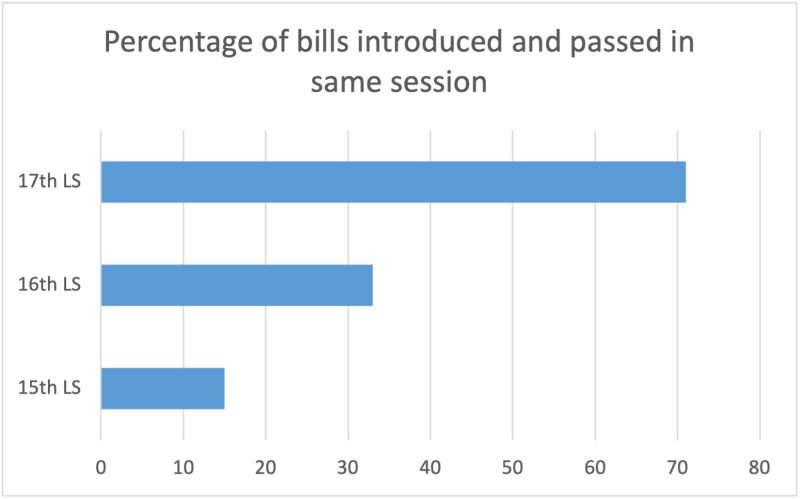
    60 per cent of proposals were referred to Standing or Select Committees during the United Progressive Alliance’s first term. During the UPA-II administration, this rose to 71 per cent. NDA’s first term from 2014-19 had a 27 per cent reference rate, while it’s second term, so far, has only 12 per cent rate.

    Institutional norms and parliamentary procedures in India, especially for legislation making are designed to ensure space for debate, discussion and dissent. This operates as a system where all decisions are subjected to scrutiny by the people’s representatives. To that end, whether a ruling party adheres to parliamentary procedure speaks volumes about the respect accorded to to the constitution and democracy at large. To analyse whether the current government is adhering to parliamentary procedures and by extension, if it is truly democratic, one must first ascertain what exactly constitutes the ideal parliamentary procedure.

    Parliamentary Procedure on Legislation Making: How Does A Bill Become An Act

    Acts usually start as bills which simply put, is the draft of a legislative proposal. This bill may be introduced by public members or private members and requires passing in the Lok Sabha and Rajya Sabha as well as the president’s assent to become a law.

    There are three stages through which a bill is passed in the parliament: these are known as the first, second and third reading respectively.

    For the First Reading, the speaker puts forth the request for leave of the house, which if granted is used to introduce the bill. Following this stage is the second reading which entails general discussion. It is during this stage that the House may choose to refer the bill to a parliamentary committee for further input or even circulate it to gauge public opinion. During the second reading, parliamentary procedure states that a clause-by-clause reading must proceed and it is during this time amendments are moved. The second reading concludes with the adoption of ‘Enacting Formula’ and ‘Long Title of the Bill’. The next stage is the third and the last reading. At this Juncture, debates for and against the bill take place. For an ordinary bill, only a simple majority of the members present, and voting suffices, however for a constitutional amendment bill, in keeping with article 368 of the constitution, a majority of the house’s total members and at least 2/3rd members present and voting is deemed necessary. Once this process is complete, the bill is sent to the other house of the parliament and goes through the same stages after which it is referred to the president for his assent.

    Modi Government’s track-record of Passing of Bills

    Leaders of opposition and Journalist reports have alleged that the aforementioned procedure has been cast aside by the current regime in favour of bulldozing the bills without debates. This argument is not without merit and one can identify some central ways in which the ruling party has violated parliamentary procedure.

    The first and most grievous is the misuse of Article 123 also known as the Ordinance Route. Article 123 of the constitution permits the president to enact a temporary law in the event of urgent and unavoidable circumstances. It is clear that the Article 123 has been exploited by the current government.

    During the first 30 years of our parliamentary democracy, for every 10 bills in the parliament, one ordinance was issued. In the following 30 years, this number went to 2 ordinances per every 10 bills. During the period 2014-2019 of the BJP government, this number went up to 3.5 ordinances per every ten bills. For perspective, while 61 ordinanceswere issued under the UPA government spanning ten years, the government led by the BJP issued 76 ordinances in a time frame of 7 years spanning from May 2014 to April 2021. It is also useful to note that ten of these ordinances were issued right before the 2019 Lok Sabha elections.

    Astonishingly, as many as 11 ordinances have been passed since March 24th, 2020, which is when the lockdown was imposed. Five of these relate to covid 19, two to the health sector, every other ordinance such as the Banking Regulation Amendment and the Agriculture bills do not have anything to do with the coronavirus pandemic.

    States have also used ordinances to pass legislation. A non-BJP ruled state Kerala, for example, published 81 regulations in 2020, whereas Karnataka issued 24, and Maharashtra issued 21. Kerala has also re-promulgated ordinances: between January 2020 and February 2021, one ordinance to establish a Kerala University of Digital Sciences, Innovation, and Technology was promulgated five times.

    Although previous administrations have utilized ordinances to undermine the constitutional process, the problem is decidedly amplified under the present rule with regards to the number of ordinances produced per given period.

    This sort of rise in Ordinances being issued points to a trend of avoiding in-depth critical evaluation and discussion on proposals by rushing them into becoming acts.

    One of the most controversial ordinances in the recent past pertains to the three farm laws. The reason for not introducing these proposals in the parliament and instead enacting ordinances is unclear for there seems to be no urgent link to the covid 19 pandemic. Additionally, the farm bills not being subjected to any discussions nor being referred to parliamentary committees for any further report making has led to removing any possibility for amendment. These laws provide a useful avenue to assess why the bill was not passed through a proper parliamentary process and instead rushed through the ordinance.

    The ordinance culture has also extended to BJP run states, for instance, Uttar Pradesh, Madhya Pradesh, and Gujarat adopted ordinances weakening labour laws without consulting workers’ unions or civil rights organisations during the lockdown. Moreover, this was followed up on 15th March 2020, when colonial-era legislation was enacted as an Ordinance. This was the Uttar Pradesh Recovery of Damages to Public and Private Property Ordinance which would heavily fine any damage to property, public or private during a protest.

    Moreover, the current administration can be observed violating the parliamentary procedure for there is very little or no involvement of parliamentary committees. Parliamentary committees are key in assessing a proposal with necessary scrutiny and expertise.  These committees provide a place for Members to interact with subject experts and government officials while they are studying a bill.

    60 per cent of proposals were referred to Standing or Select Committees during the United Progressive Alliance’s first term. During the UPA-II administration, this rose to 71 per cent. Prime minister Modi’s first term from 2014-19 had a 27 per cent reference rate, while his second term so far has a 12 per cent rate. Not only is there a blatant and marked disregard for referring bills to parliamentary committees, but the administration has also actively worked to hinder committee work. A meeting of the Parliamentary Standing Committee on Information Technology on July 28, 2021, had to be cancelled owing to a lack of quorum when 15 BJP members refused to sign the attendance register, it is speculated this was to avoid the discussion on the Pegasus scandal.

    Monsoon Session of Parliament

    The most recent monsoon session of the Parliament is an apt depiction of how the administration has bypassed the norms and rules of parliamentary procedure, endangering the democratic processes that citizens invest faith in.

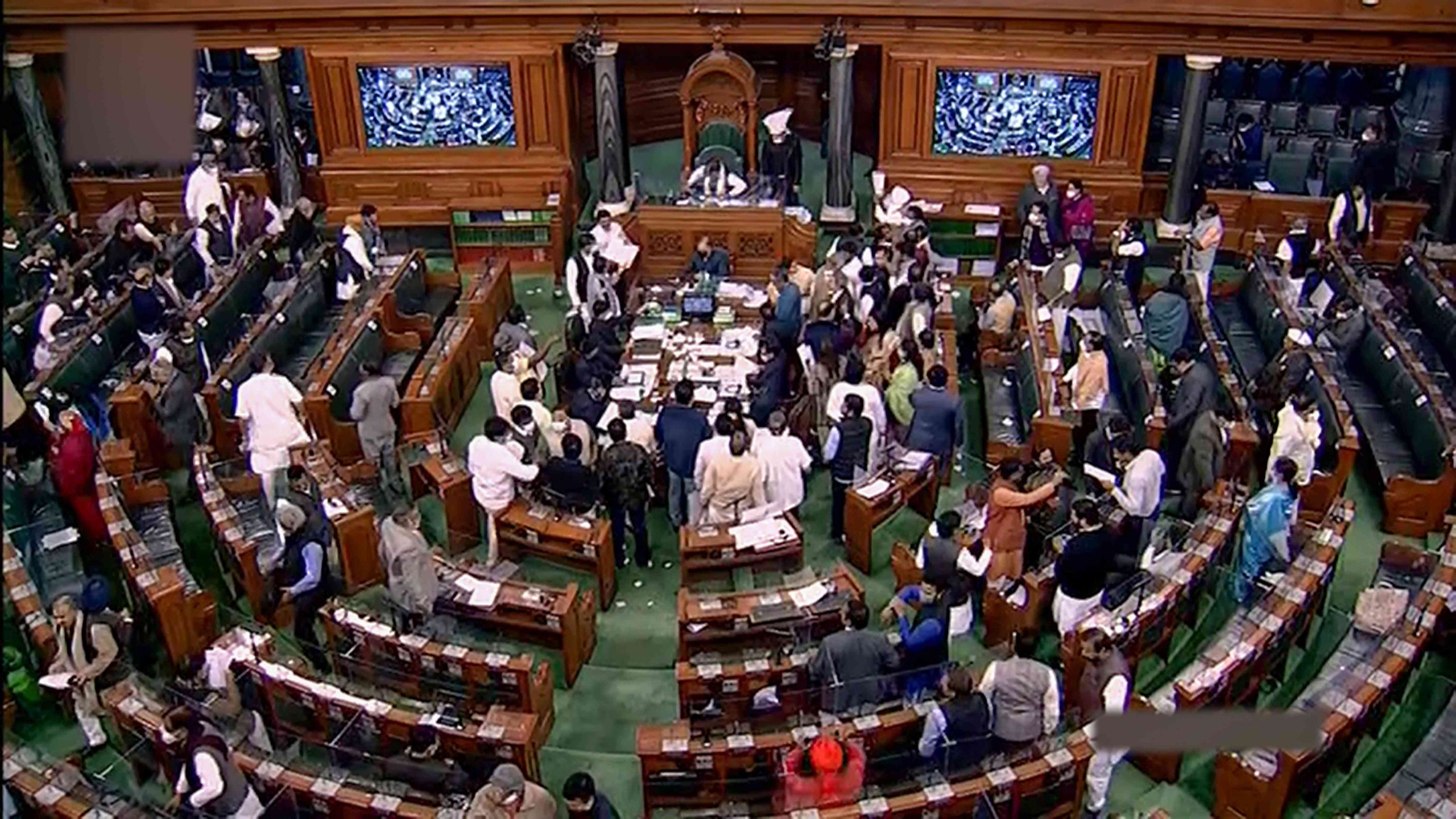
    A record number of 12 bills were passed by the parliament in the first 10 days of the monsoon session. All these bills were passed by a voice vote which is a tremendously inaccurate mechanism to assess supporters of a particular proposal. None of these 12 bills nor the overall 14 bills were referred to standing committees for in-depth analysis.  According to TMC leader Derek O’Brien, the government rushed through and passed 12 Bills at an average time of under 7 minutes per bill. In the same vein, BSP MP Danish Ali commented that the Essential Defence Services Bill was passed in less than 10 minutes.

    Be it the ordinance route, curtailing zero hour, the excessive use of voice vote or the bypassing of parliamentary committees, all point towards the same and devastating trend, the lack of adherence to parliamentary procedure. This must compel citizens to take stock of whether India needs a reminder on how democratic proceedings should proceed and accountability to the people be restored.

    Feature Image: medium.com

  • Drought or Floods? : Tamil Nadu Needs An Integrated Water Management Policy

    Drought or Floods? : Tamil Nadu Needs An Integrated Water Management Policy

    Tamil Nadu not only requires a more sustainable and scientific approach to water management but an integrated development model that no longer separates the human environment, basic needs, ecological justice and public accountability   

    Every time we are faced with drought or floods, we all complain about the absence of a more sustainable water management policy in the state.  Politicians and the political parties blame each other and present competing narratives of their achievements when people are caught in deep crises of survival either due to bad drought or worse floods.  The bureaucrats, police, public charity and the brave hearts work round the clock while the government monitors the rescue, relief and resettlement of the victims though patterns and intensity of engagements differ between the floods and drought situation.

    We then return to our normal selves when the floods recede and the victims of extreme drought disappear from our sight.  What happened to the excessive water during the floods and the thirsty/hungry people in drought situations who seemed to have gone out of sight? It is important to argue for a more sustainable water management policy and at the same time explore the challenges in developing and executing such a policy. We do not have an open and democratic media/socio-political environment to discuss and debate between the ministers, bureaucrats, experts, non-state actors and creative members of the civil society beyond the blame game. A curious gap is that there are no solutions emerging while causes are either understated or overemphasized by different experts and groups depending on their professional background and personal worldview.


    The government appears to be in a catch-22 situation over urbanization, industrialization, population growth, migrations, and the urban slums.  The impact of rural poverty, state of agriculture, unemployment, migrations as well as the level of the rural-urban divide has not been studied adequately even in a developed state like Tamil Nadu.  But there is no escape from the truth that the government is the major violator and path setter for more violations of environmental principles and laws of nature by the greedy builders and corporate interests.

    It may be relevant to recall here the Chennai floods in 2015 and the worse water shortage in less than four years time in 2019.  Besides rapid industrialization and massive urbanization issues, Chennai is also faced with the challenges of climate change which is altering the weather patterns resulting in deadly floods and prolonged droughts.  Given the nature of challenges, there is a need to move beyond developing an appropriate water management policy and strengthening climate change resilience towards addressing core concerns of our democracy such as the absence of public accountability and rights without responsibilities.


    Chennai’s water bodies have shrunk at an alarming rate without much public attention. Every lake that has disappeared in Chennai had been part of our ecological system. Pallikaranai marshland has unfortunately been forced to yield land to hospitals, government buildings and educational institutions including (paradoxically) the Indian Institute of Technology – Madras (IIT-M) and National Institute of Ocean Technology.

    Chennai’s water bodies have shrunk at an alarming rate without much public attention. Every lake that has disappeared in Chennai had been part of our ecological system. Pallikaranai marshland has unfortunately been forced to yield land to hospitals, government buildings and educational institutions including (paradoxically) the Indian Institute of Technology – Madras (IIT-M) and National Institute of Ocean Technology. Today, Ennore creek faces a much bigger threat than ever before.  It is time we discuss more openly about our public policy, political culture, and abuse of social power, corruption in public life and the lack of environmental ethics. In intrinsic terms, this reveals about a political society without a conscience for environmental justice which forms the basis of social justice, distributional justice and good governance.

    The percentage culture and corruption prevalent among the politicians cutting across the party and political loyalties and the nexus between the politicians, bureaucrats and the business interests are one of the most unfortunate but successful stories of decentralization of public administration in Tamil Nadu.  If these arguments appear unreasonable, then how do we explain the rise and role of sand mafias, stone quarry contractors, timber lobbies, water industry and corporate bodies engaged in mineral extraction and exploitation?  These are not unspecified and general observations because of the fact that these individuals and the corporates control the lakes, rivers, forests, seashores, land access and ultimately the policy process within the government. Although slum dwellers, settlers along the river banks and seashores as well as forest people appear as main violators of the laws of State, yet the truth is vastly different.  The Palar River in the north, Cauvery River flowing through the west to east and the Tamiraparani River in the south of Tamil Nadu bear testimonies to this brutal reality of sand quarrying and criminal nexus between politicians, bureaucrats, industrialists and the sand mafia in Tamil Nadu.

    We need to question our materialistic approach to progress in the name of growth and development.  It is not adequate to boast about our progress in social justice and the inclusive model of development without environmental justice and responsibility to our future generations.  Tamil Nadu not only requires a more sustainable and scientific approach to water management but an integrated development model that no longer separates the human environment, basic needs, ecological justice and public accountability.

  • Periyar: A social justice champion and beyond

    Periyar: A social justice champion and beyond

    Periyar remains hugely influential and relevant to the politics in Tamil Nadu because of his stance on caste, social justice and rationalist worldview of religion. One need not be an atheist to understand and appreciate Periyar. He continues to be the chief patriarch of Dravidian movement and parties committed to social justice.

    Periyar was one of the most underrated social revolutionaries and political philosophers of twentieth century. Indian political system and its north centric obsession placed him at the periphery more as a dissent than as an untiring crusader for social justice. This prejudice is due to the nature of political discourse revolving around the great divide based on Aryan-Dravidian identity, language, socio-religious and cultural ethos. Periyar challenged the foundations of Indian philosophy with its roots in the Brahmanical Hindu worldview of caste and karma.


    Read More

  • Distress Migration: A case study of KBK districts in Odisha

    Distress Migration: A case study of KBK districts in Odisha

    The former districts of Koraput, Balangir and Kalahandi, also known as KBK districts, were reorganised into 8 districts of Koraput, Malkangiri, Nabarangpur, Rayagada, Balangir, Subarnapur, Kalahandi and Nuapada in 1992. These districts form the South-West part of Odisha comprising the great Deccan Plateau and the Eastern Ghats. These highland districts highly rich in mineral resources, flora and fauna remain as one of the most backward regions in Odisha

    Among the different forms of migration, distressed migrants remain the most impoverished and unrecognised. These migrants form the lowest strata of the society; disadvantaged by caste, poverty and structural inequalities. In Odisha, the underdeveloped region of KBK is one among the main sources of distressed migrants. They move to cities in search of employment and better wages, while in cities they are even more disadvantaged due to social, economic and linguistic barriers. Administrative and political apathy over their issues has only enhanced their distress.

    This paper attempts to address three questions:

    1. What are the characteristics of distressed migrants in KBK district, Odisha?
    2. What are the existing policies of the state to curb this form of migration?
    3. What form of government intervention is required to address this distress?

    The analysis is carried out through a review of published articles, government reports, e-books and newspaper reports.

    Defining distress migration

    Migration is a multifaceted concept driven by diverse factors. Migration can be internal or international, voluntary or involuntary, temporary or permanent. Depending on the pattern and choice of migration, each migratory trend could be characterised into different forms. Distress migration is one such form of migration.

    Involuntary migration is often associated with displacement out of conflict, environmental distress, climatic change etc. That is any sudden threat or event forces people to migrate. However, involuntary migration may also arise out of socio-economic factors such as poverty, food insecurity, lack of employment opportunities, unequal distribution of resources etc. This component of involuntary migration is addressed by the concept of distress migration (Avis, 2017).

    To understand distressed rural-urban migration in India, the broad definition used by Mander and Sahgal (2010) in their analysis of rural-urban migration in Delhi can be employed. They have discussed distress migration as:

    “Such movement from one’s usual place of residence which is undertaken in conditions where the individual and/or the family perceive that there are no options open to them to survive with dignity, except to migrate. Such distress is usually associated with extreme paucity of alternate economic options, and natural calamities such as floods and drought. But there may also be acute forms of social distress which also spur migration, such as fear of violence and discrimination which is embedded in patriarchy, caste discrimination, and ethnic and religious communal violence” ( Mander and Sahgal, 2010)

    In brief, the definition states that distress migration is caused by an array of issues. Environmental disasters, economic deprivation, gender or social oppression, lack of alternate employment opportunities and inability to survive with dignity are mentioned as the main drivers of distress migration (Avis, 2017).

    Thus, distress migration is a form of temporary migration driven by environmental and socio-economic factors and not based on an informed or voluntary choice.

    Profile of KBK districts

    The former districts of Koraput, Balangir and Kalahandi, also known as the KBK districts, were reorganised into 8 districts of Koraput, Malkangiri, Nabarangpur, Rayagada, Balangir, Subarnapur, Kalahandi and Nuapada in 1992. These districts form the South-West part of Odisha comprising the great Deccan Plateau and the Eastern Ghats. These highland districts highly rich in mineral resources, flora and fauna remain as one of the most backward regions in Odisha. The region is termed backward on account of rural backwardness, high poverty rates, low literacy rates, underdeveloped agriculture and poor development of infrastructure and transportation (Directorate of Economics and Statistics, 2021).

    The districts are home to primitive tribal communities such as Gonds, Koyas, Kotias etc. dependent on forest produce and subsistence agriculture for a living. KBK region registered a workforce participation rate of 48.06 % in the 2011 census. There was a significant occupation change noticed from the 2011 census.  The region witnessed a fall in cultivators from 33% in 2001 to 26.7% in 2011. However, the fall in cultivators was compensated with an increase in agricultural labourers from 44.24 % in 2001 to 48.87% in 2011. Employment in household industries also witnessed a downfall between the period of 2001 to 2011 (Sethy, 2020).

    The rise in agricultural labourers has a negative impact on the communities. As agriculture is underdeveloped owing to the arid nature of the region, crop failure, extreme calamities, low net irrigated area and falling government expenditure, these workers are pushed into abject poverty. In search of alternate employment options, these workers migrate to other areas of employment in rural or urban pockets. Such a form of seasonal migration during the lean period in agriculture is a predominant phenomenon in these districts. Their dependence on non-timber forest produce is hindered by the rapid deterioration and deforestation of forests for development projects and mining.

    Characteristics of distressed migrants in KBK region

    1. Who Are These Distressed Migrants?

    In the KBK region, distress migration has been a popular coping strategy during lean periods of agriculture. And this strategy is majorly adapted by disadvantaged and marginalised sections of the region. They are disadvantaged by caste, chronic poverty, landlessness, low levels of literacy and skills, increased dependence on forest and agriculture and debt-ridden (Meher, 2017; Mishra D.K., 2011; Tripathy, 2015, 2021).

    1. Why Do They Migrate

    Distressed migration in the region is induced by many interlinked factors. One such factor is that the region is highly under-developed in terms of social and economic infrastructure. Such under-development puts the communities at a disadvantage with low levels of literacy and skills. Their dependence on agriculture and forest produce for livelihood rises. However, agriculture is under-developed and forests are subjected to high levels of deforestation. With low levels of income, crop failure and non-availability of alternate employment opportunities, the communities are subjected to absolute levels of poverty, food and employment insecurities (Kujur, 2019).

    Landlessness is also identified as one significant push factor. As the region is highly dominated by tribal communities, they are more attached to and dependent on the forest cover. Globalisation and industrialisation resulted in deforestation and encroachment of farmlands for industrial and mining purposes. Eventually, a major proportion of land remains with a smaller group of wealthy people (Mishra D.K., 2011).   Relocation and involuntary displacement also result in the loss of their livelihood that is dependent on the local environment (Jaysawal & Saha, 2016).

    With falling income, people approach local moneylenders to meet their basic sustenance needs. With low incomes from agriculture and forest produce, families approach these informal creditors to meet emergency needs like marriage, birth and death rituals or medical treatment as well as to meet basic consumption needs with the expectation of cash flow from labour contractors during the lean season. Moneylenders exploit them by charging higher interest rates. Thus, the non-availability of formal credit facilities pushes them into a debt trap and further to adopt migration (KARMI, 2014; Mishra D.K., 2016).

    The region is also subject to extreme calamities and drought. Small and marginal farmers, poor in income and land, choose to migrate as they are unable to cope with the regular droughts and climate change. A study on historical analysis of the effect of climate on migration in Western Odisha mentions that the migratory trend saw a rise after the mega drought in 1965. Up until then, large-scale migration from the region was not a phenomenon (Panda, 2017).


    1. Channel of Migration

    Sardars provide an advance amount and in exchange, the debtor or any family member agrees to work for them for a stipulated period, usually six months. Hence, there exists a form of debt bondage. Large-scale family migration through this system is seen in the KBK region. The major stream of such bonded labour migration is witnessed towards brick kilns in Andhra Pradesh

    In the region, seasonal migration occurs through the channels of agents, locally known as Sardars, on a contractual basis. This form of migration is known as Dadan labour migration. The poor migrant labourers are known as Dadan and they are recruited by Sardars, who are usually local people who are familiar with residents in the region (KARMI, 2014). During the period of Nukhai, they go around the villages and contact prospective labourers. These Sardars are the intermediary between the employer and the migrant labourer. Sardars provide an advance amount and in exchange, the debtor or any family member agrees to work for them for a stipulated period, usually six months. Hence, there exists a form of debt bondage. Large-scale family migration through this system is seen in the KBK region. The major stream of such bonded labour migration is witnessed towards brick kilns in Andhra Pradesh. They are also a major source of labour in the areas of construction, handlooms and other forms of informal sector work across South India (Daniels, 2014). The problems they face in the destination are manifold. They are subjected to poor working conditions, poor housing and sanitation facilities and limited access to education and health facilities. They are recognised as cheap labour with limited bargaining power owing to their social, cultural and linguistic exclusion in the destination state. Upon entering the contract their freedom to move and freedom to express is denied (Acharya, 2020).

    1. Pull Factors to Migrate

    The hope of availability of better job opportunities and wages is the main pull factor. However, upon the analysis of the nature of migration, push factors have a higher weightage in inducing such distress migration. Migration to brick kilns and other informal sectors from the KBK region can be termed as distress migration as in this case, distress is caused mainly by socioeconomic factors. It is not an informed or voluntary choice. Debt migration remains the only coping strategy that they could adopt.

    Government intervention to curb such distress

    1. Policies Addressing Debt-Bondage Migration:

    The first attempt of the state government to address Dadan migration or debt migration is the enactment of the Dadan Labour (Control and Regulation) Act (ORLA) in 1975. The act had provisions for the registration of labourers and agents, ensuring compliance of minimum wages and favourable working conditions and appointing inspection officers and dispute redressal committees (Daniels, 2014).  However, the act remained on paper and no evidence of enactment was published until it was repealed in 1979 upon the enactment of the Interstate Migrant Workmen (Regulation of Employment and Conditions of Service) Act, 1979 (Nanda, 2017).

    The ISMW act has been criticised to be inadequate and failing to regulate and facilitate safe migration. According to the act, only those interstate migrant workmen who are recruited by licensed agents come under the ambit of the act. However, most agents involved in Dadan migration are not licensed and hence, these workers cannot avail of any of the provisions of the act (Singh, 2020). Though registration of labour contractors is mandatory in the origin state, there is no information about the names of these contractors and hence, further monitoring of the migration process is avoided (NCABL, 2016). Lack of adequate enforcement, under-staffing and poor infrastructure are identified as the reasons for poor implementation of the act in the state (Daniels, 2014).

    A positive attempt against distress migration was the Memorandum of Undertaking (MoU) initiated between the labour department of Odisha and Andhra Pradesh to ensure labour welfare measures of migrant workers in Brick Kilns. After the MoU, the state of undivided Andhra Pradesh took up various progressive measures in education, health, housing and PDS for migrant workers in Brick Kilns. ILO necessitated the need for states to enter into inter-state MoUs to effectively address the bonded labour migration. However, no further MoU was signed with other states like Tamil Nadu, Chhattisgarh etc. which are also among the major host states for migrants from the region (NCABL, 2016).

    The Bonded Labour System (Abolition) Act enacted in 1976 governs the provisions for identification, rescue and rehabilitation of bonded labourers across the country. The act has its loopholes in implementation. There is no information on whether vigilance committees have been set up in every district or whether the surveys have been periodically conducted or to what extent the act has been functioning in the state (Post News Network, 2019). The centrally sponsored scheme for Rehabilitation of Bonded Labour also has its setbacks. There have been reported cases of delay and denial of financial aid by district officials ( Mishra .S., 2016). In 2016, with restructuring and revamping of the Rehabilitation scheme, rescued workers could only avail the full amount of financial aid with the prosecution of the accused employers. With no database on the employer, the rates of prosecution have been low and the rescued bonded labour do not receive their funds (NACBL, 2016)

    1.  Ensuring Accessibility of Health Facilities in Destination

    The Rashtriya Swasthya Bima Yojana or RSBY launched by the central government in 2008 provides health insurance to BPL families. The scheme incorporates provisions to split smart cards so those migrant workers could avail health insurance in destination states. After signing of the MoU between Andhra Pradesh and Odisha, the two states took steps to spreading awareness among the migrant workers about how to use the smart cards (Inter-State Migrant Workman Act (ISMW), Labour Directorate, n.d.)

    1. Ensuring Education of Migrant Workers Children

    The state of Odisha has established seasonal hostels to ensure the education of children of migrant workers.  The children are enrolled in seasonal hostels during October-June, that is until their parents return home (Odisha Primary Education Programme Authority, n.d.).  The state has ensured the education of migrant children at their destination state by sending Odiya textbooks and Odiya teachers to residential schools in Andhra Pradesh (Inter-State Migrant Workman Act (ISMW), Labour Directorate, n.d.).

    1. Alternate Employment Opportunities: MGNREGA

    Mahatma Gandhi National Rural Employment Guarantee Act (MGNREGA) was introduced in 2006 to provide guaranteed employment to rural poor with the objective of uplifting them from poverty and restricting distress migration.  A study analysing the performance of MGNREGA through secondary sources of data suggests that based on physical criteria of 100 Days of Wage Employment, Person-days generated, ST and Women person-days and financial performance in terms of total expenditure, total wages, average cost and average wage rate per day person, the performance of MGNREGA in KBK districts is better compared to Non- KBK districts.  But the region is lagging in rural employability criteria based on average days of employment provided per household and job cards issued (Sahoo et al., 2018).  Labour in the region is not interested to work under MGNREGA due to its dismal implementation in the state. Workers complain about the delay in receiving payments and instances of the creation of non-existent workers’ names among MGNREGA’s beneficiaries (KARMI, 2014).  Uncertain and low wages make these labourers favour migration to Brick Kilns in hope of better wages (Deep, 2018).

    1. Development Policies in KBK Region

    The KBK region has a high incidence of poverty owing to regional disparities in development and social exclusion based on caste. The main initiatives implemented by the state government for the upliftment of the KBK region are the Special Area Development Programme, Revised Long Term Action Plan (RLTAP), Biju KBK Plan, Backward Regions Grants Fund, Gopabandhu Gramin Yojana (GGY), Special Central Assistance (SCA) for tribal sub-plan (TSP) areas, Western Odisha Development Council (WODC) and Grants under Article 275(1) of the Constitution. Development projects to reduce poverty and regional disparities are obstructed by economic, social and institutional factors (Mishra, 2020).


    The state of Odisha has done positive interventions in the education of migrant children and health facilities of the migrant population. However, the distress migration is still prevalent owing to the social and economic exclusion and debt bondage situations in the region. Land grabbing in the name of development left the tribal communities poor and in distress. Structural inequalities induced by caste discrimination are enhanced with such landlessness.


    Policy Recommendations

    The state of Odisha has done positive interventions in the education of migrant children and health facilities of the migrant population. However, the distress migration is still prevalent owing to the social and economic exclusion and debt bondage situations in the region. Several initiatives and schemes have been enacted to address distress migration; however, their failure in reducing distress can be linked to dismal governance, poor implementation and misappropriation of schemes.

    The state must ensure migration to be safe and a viable coping strategy. From this study it is suggested the state of Odisha follow a multipronged approach to address the distress.

    Origin state (Odisha) interventions

    •         Short Term Interventions:
    1. The system of debt bondage should be completely abolished by the proper implementation of legislation. Different loopholes in implementation such as the delay in the release of funds, prosecution of accused and identification and registration of middlemen should be addressed. Apart from the financial aid, the state should intervene in providing a comprehensive livelihood plan for the rescued labourers. Abolishing the bonded labour system is essential to reduce distress and make migration safe.
    2. Informal sources of credit should be eliminated and formal credit and microfinance facilities should be made available. Such facilities would reduce the exploitation and prevent the creation of absurd debt. Formal credit provides opportunities for small and marginal farmers to indulge in productive investments. This enables them to cope with extreme climatic changes.
    3. Land grabbing in the name of development left the tribal communities poor and in distress. Structural inequalities induced by caste discrimination are enhanced with such landlessness. The provision of land ownership enables the communities to enjoy land-based benefits which further supports them to sustain their livelihood. Ownership of land also provides the indigenous community with a sense of social and economic significance.
    •         Long term interventions
    1. The state should engage in enhancing the skills of the people in the region. Vocational skill training and development schemes can be introduced. This could expand the opportunities available for employment and distribute labour across all the economic sectors.
    2. Rural development should be given higher priority. The state of Odisha has already initiated many schemes for the development of the KBK region. However, the state should study the economic and social factors that stagnate the process of development in the region. Chronic poverty, poor infrastructural and rural connectivity and dismal education and health facilities are some of the important areas that require attention.

    Host state intervention

    1.   The host state needs to create a database of migrants entering their state. A statistically significant database on migrants solves a huge array of issues faced by the migrant in the destination state. A comprehensive database helps in identifying and recognising migrants. It also allows for understanding the different characteristics of migrants and the sectors in which they are employed. This would be beneficial for monitoring and ensuring safe and favourable working conditions. A database also helps in ensuring the availability and accessibility of social security and entitlements in host states.


    1.   Migrant labour is as important to the destination state as it is to the origin state. Both origin and host state should cooperate towards making migration a viable livelihood strategy.

    Another important area where both the origin and host state should intervene together is creating awareness among workers about the existing provisions and rights available to them. Access to the same should be made easy.

    Conclusion

    The highly backward districts of the KBK region remain a major source of distressed migrants. Years of state initiative in reducing distress have had negligible impact. The area remains underdeveloped and migration is the only viable choice of employment. Migration can only be a viable coping strategy for seasonal migrants when the channel of migration is made legal and safe. The major drawback in any initiative attempted to resolve distress is the poor implementation. Administrative apathy, corruption and misappropriation of schemes have stagnated the progress of every initiative.


    References

    1. Acharya, A. K. (2020). Caste-based migration and exposure to abuse and exploitation: Dadan labour migration in India. Contemporary Social Science, 1-13.
    2. Avis, W. R. (2017). Scoping study on defining and measuring distress migration.
    3. Bhatta Mishra, R. (2020). Distress migration and employment in indigenous Odisha, India: Evidence from migrant-sending households. World Development136, 105047.
    4. Daniels, U. (2014). Analytical review of the market, state and civil society response to seasonal migration from Odisha. Studies, stories and a canvas seasonal labour migration and migrant workers from Odisha, 106-115.
    5. Deep, S. S. Seasonal Migration and Exclusion: Educational Experiences of children in Brick Kilns. Ideas, Peoples and Inclusive Education in India. National Coalition for Education, India. 2018.
    6. Directorate of Economics and Statistics (2021). Odisha Economic Survey 2020-21. Planning and Convergence Department. Government of Odisha. http://www.desOdisha.nic.in/pdf/Odisha%20Economic%20Survey%202020-21-1.pdf
    7. Giri, J. (2009). Migration in Koraput: “In Search of a Less Grim Set of Possibilities” A Study in Four Blocks of tribal-dominated Koraput District, Odisha. Society for Promoting Rural Education and Development, Odisha, 1.
    8. Inter-State Migrant Workman Act (ISMW) | Labour Directorate. (n.d.). Labour Directorate, Government of Odisha. Retrieved August 10, 2021, from https://labdirodisha.gov.in/?q=node/63%27%3B.
    9. Jaysawal, N., & Saha, S. (2018). Impact of displacement on livelihood: a case study of Odisha. Community Development Journal53(1), 136-154.j
    10. Jena, M. (2018, July 21). Distress migration: land ownership can put a break. The Pioneer. https://www.dailypioneer.com/2018/state-editions/distress-migration-land-ownership-can-put-a-break.html
    11. KARMI. (2014). Migration Study Report of Golamunda Block of Kalahandi District of Odisha. Pp.13. Kalahandi Organisation of AgKriculture and Rural Marketing Initiative (KARMI), Kalahandi Odisha.
    12. Kujur, R. (2019). Underdevelopment and patterns of labour migration: a reflection from Bolangir district, Odisha. research journal of social sciences10(1).
    13. Mahapatra, S. K., & Patra, C. (2020). Effect of migration on agricultural growth & development of KBK District of Odisha: A statistical assessment. Journal of Pharmacognosy and Phytochemistry, Sp9(2), 162-167.
    14. Mander, H., & Sahgal, G. (2010). Internal migration in India: distress and opportunities, a study of internal migrants to vulnerable occupations in Delhi.
    15. Meher, S. K. (2017). Distress seasonal migration in rural Odisha A case study of Nuapada District.
    16. Mishra, D. K. (2011, April). Behind dispossession: State, land grabbing and agrarian change in rural Odisha. In International conference on global land grabbing(Vol. 6, No. 8).
    17. Mishra, D. K. (2016). Seasonal migration from Odisha: a view from the field. Internal migration in contemporary India, 263-290.
    18. Mishra, S. (2016, January 13). Rescued migrant workers get raw deal from Govt. The Pioneer. https://www.dailypioneer.com/2016/state-editions/rescued-migrant-workers-get-raw-deal-from-govt.html
    19. Mishra, S. (2020). Regional Disparities in Odisha–A Study of the Undivided “Kbk” Districts. Research Journal of Humanities and Social Sciences11(4), 261-266.
    20. Nanda, S. K. (2017). Labour scenario in Odisha. Odisha Review73(10), 20-25.
    21. NCABL. (2016). Joint Stakeholders’ Report on Situation of Bonded Labour in India for Submission to United Nations Universal Periodic Review III. NATIONAL COALITION FOR ABOLITION OF BONDED LABOUR (NCABL), Bhubaneswar Odisha.
    22. Panda, A. (2017). Climate change, drought and vulnerability: A historical narrative approach to migration from Western Odisha, India. In Climate Change, Vulnerability and Migration(pp. 193-211). Routledge India.
    23. Post News Network. (2019, April 30). Elimination of bonded labour calls for cohesive action plan. Odisha News, Odisha Latest News, Odisha Daily – OdishaPOST. https://www.Odishapost.com/elimination-of-bonded-labour-calls-for-cohesive-action-plan/
    24. Sahoo, M., Pradhan, L., & Mishra, S. (2018). MGNREGA and Labour Employability-A Comparative Analysis of KBK and Non-KBK Regions of Odisha, India. Indian Journal of Economics and Development6(9), 1-8.
    25. Sethy, P. (2020). Changing Occupational Structure of Workers in KBK Districts of Odisha. Center for Development Economic6(06), 17-28.
    26. Singh, V. K. (2020, April 22). Opinion | The ‘nowhere people’ of COVID-19 need better legal safeguards. The Hindu. https://www.thehindu.com/news/national/other-states/the-nowhere-people-of-covid-19-need-better-legal-safeguards/article31400344.ece
    27. Tripathy, S. N. (2015). Evaluating the role of micro-finance in mitigating the problems of distress out-migrants: A study in KBK districts of Odisha. The Micro Finance Review, Journal of the Centre for Micro Finance Research.
    28. Tripathy, S. N. (2021). Distress Migration Among Ultra-poor Households in Western Odisha. Journal of Land and Rural Studies, 23210249211001975.


    Feature Image: Tata Trusts

  • Urdu, Hindu Attire, Abrahamisation | It’s much ado about nothing

    Urdu, Hindu Attire, Abrahamisation | It’s much ado about nothing

    Urdu in India seems to have suffered because of a mistaken identity, and has had a decline from the time Pakistan declared Urdu as her national language

    Reacting to the Fabindia’s ‘Jashn-e-Riwaaz’ advertisement, on October 18 Bharatiya Janata Party (BJP) leader Tejasvi Surya, who is also president of the Bharatiya Janata Yuva Morcha, and a member of the Lok Sabha from Bengaluru, called it a ‘deliberate attempt of abrahamisation of Hindu festivals, depicting models without traditional Hindu attires….’. For those who are unfamiliar with the term ‘Abrahamisation’, a simple explanation, as conceived by some in the Right wing, is: ‘the process by which tenets of Hinduism are modified to have features of monotheistic religions (Judaism, Christianity and Islam)’.

    In what way does the advertisement amount to abrahamisation? Surya says the models are without traditional ‘Hindu attires’. This is not true by any stretch of imagination, as none — none — can have or provide a single monolithic picture of what constitutes ‘Hindu attire’. This argument in itself is both ambivalent, and supercilious. We shall get back to the attire squabble in a bit.

    What to Surya’s mind is more abhorrent, and prompts him to utilise the moniker ‘abrahamisation’ could be the phrase ‘Jashn-e-Riwaaz’, which undoubtedly is a Urdu phrase. Unfortunately, anything that is even remotely connected with Urdu raises the hackles of the Right wing in India. The entire rub as regards the advertisement has to do with this Urdu phrase, as by extension, anything that relates to Urdu gets identified with Muslims.

    It is that what appears to prompt Surya to mark out the advertisement as an attempt at ‘abrahamisation’. If this is the case, the attire has been used as a camouflage to attack the Urdu rendering in the advertisement. Let us dwell deeper on this association of Urdu with Muslims, and analyse to what extent, if any, is such an association (or nexus, depending on how one sees it) valid?

    Urdu Speakers

    The Muslim population of India is about 14 percent, and the proportion of those who speak Urdu as their mother tongue/first language is just about 4 percent. Interestingly, all of these 4 percent Urdu speakers are not necessarily Muslims. So, an overwhelmingly large proportion of Muslims do not have Urdu as their mother tongue/first language.

    Muslims are found all over India, from Kashmir to Kanyakumari and from Arunachal Pradesh in the extreme east to Gujarat in the west. Invariably, all of them speak the local/state languages. So where do Muslims speak Urdu? In a relatively small zone in the central-north areas. Also, small numbers of ‘migrants’ in other states, including the Deccani version, in some pockets in Andhra Pradesh, Karnataka and Telangana.

    Urdu Literature And Journalism

    The very first Urdu newspaper, Jam-i-Jahan-Numa, was published in Calcutta by Harihar Dutta as early as 1822. The weekly Kohinoor was started by Munshi Harsukh Rai in 1850. In 1858, Manbir Kabiruddin started the Urdu Guide. Munshi Nawal Kishore started the first Urdu newspaper, Oudh Akhbar, from Lucknow, also in 1858.

    In 1913 Ganesh Shankar founded Pratap, a famous revolutionary weekly in Kanpur which became a daily in 1920. Now it is published from Delhi. In 1923 Lala Kushal Chand, an Arya Samaji, started the Milap, an Urdu daily, from Lahore. After Independence it was shifted to Delhi, and is still in circulation as the largest Urdu newspaper in India.

    Urdu literature has been overwhelmingly patronised by non-Muslim writers and poets. Some of them are: Krishan Chander, Munshi Premchand, Rajinder Singh Bedi, Raghupati Sahay (Firaq Gorakhpuri), Gulzar (Sampooran Singh Kalra), Khushwant Singh, and so on.

    Clearly, some of the best patrons of Urdu have been non-Muslims. Given all these, where does the Urdu-equals-Muslim equation come from?

    Urdu literature has been overwhelmingly patronised by non-Muslim writers and poets. Some of them are: Krishan Chander, Munshi Premchand, Rajinder Singh Bedi, Raghupati Sahay (Firaq Gorakhpuri), Gulzar (Sampooran Singh Kalra), Khushwant Singh, and so on.


    The Pakistan Angle

    That equation came into prominence in 1947. After Pakistan came into being, surprisingly Urdu became her national language, though overall an overwhelming majority spoke Bangla. In the western wing the autochthones of Pakistan, namely the five main ethnic groups — Punjabis, Pathans, Sariakis, Balochis and Sindhis — all spoke a different language, and had very little to do with Urdu.

    It was just small sections in urban areas, and those who went over as Mohajirs (migrants) from India at Partition, who had Urdu as their mother tongue. It must not be forgotten that the 1971 secession of the eastern wing of Pakistan and the genesis of Bangladesh had a lot to do with the politico-linguistic neglect of Bangla.

    Urdu in India seems to have suffered, and has had a decline from the time Pakistan declared Urdu as her national language. No need to go into the political details of that here, except to point out that Punjabi which had till then adopted the Perseo-Arabic script that Urdu uses, gradually shifted to Gurmukhi script subsequent to Partition.

    The attribution of Urdu as an Islamic/Muslim language, and the generalisation to define a homogenous ‘Hindu attire’ are both problematic, as at its core both are built on false assumptions.

    The Attire Conundrum

    Now to the ‘Hindu attire’ ingredient of Surya’s assertion. The models featured in the advertisement do not by any sort of contention wear anything that could be thought of as non-Hindu, or anything offensive, or for that matter anything to suggest that these are ‘abrahamic’. Where do we look for those traditional ‘Hindu attires’?

    We do not have any comprehensive studies as to what women wore during ancient times in different parts of India, and if there was any unanimity or monolithic depiction as regards their attire. Besides, all over the country there have always been a range of dress patterns, and these did, and still do, cut across the various ethnic, religious and caste groups. To take up just a single example, the dress worn by Kathak dancers is common not just to dancers from various religious groups but also to the different genders. Among many other factors climatic conditions and local availability of fabric — and not religion — often determines attire.

    The attribution of Urdu as an Islamic/Muslim language, and the generalisation to define a homogenous ‘Hindu attire’ are both problematic, as at its core both are built on false assumptions. On a related note, the stigmatisation of Urdu by those who are unaware of its rich past can be seen when English is categorised as a ‘foreign language’.

    This article was earlier published in –  money control

    Image Credit: The News Minute

  • Military leadership: In the eye of storm

    Military leadership: In the eye of storm

    Politicians are trying hard to keep behind curtains the true state of affairs along the Line of Actual Control but it’s only adding to credibility deficit

    The acrimonious exchanges between both sides on the heels of the 13th Corps Commander-level talks in Ladakh, an exercise in futility and procrastination, have drawn adverse attention to the manner in which the Union Government has kept its own citizens in the dark as to the true state of affairs along the Line of Actual Control in Ladakh and elsewhere. Equivocation has its costs, and the recently released videos and photographs of our personnel taken prisoners at Galwan have left us embarrassed and angered, mainly at the folly and shortsightedness of our leadership for not coming clean on the issue in the first place. All that its rather inept attempts to keep the genie in the bottle have achieved is to play into the hands of the excellent Information Warfare capabilities the Chinese possess, allowing them to shape the narrative to their advantage.


    Read More

  • 2021-22 Q1 GDP Data Overestimates: Economic Shocks Question Methodology

    2021-22 Q1 GDP Data Overestimates: Economic Shocks Question Methodology

    2021-22 Q1 GDP Data Overestimates: Economic Shocks Question Methodology: The demonetisation shock impacted the unorganised sector far more adversely than it did the organised sector

    There are methodological errors in estimating annual and quarterly GDP data, especially when there is a shock to the economy, by using projections from the previous year, dividing the annual estimates into the four quarters and using production targets as if they have been achieved, explains Professor Arun Kumar


    The Reserve Bank of India (RBI) has maintained its growth projection for 2021-22 at 9.5% while the World Bank has retained it at 8.3%. These are based on the union government’s growth estimate of 20.1% for first quarter of 2021-22—an unprecedented growth rate based on the low base in the same quarter of 2020-21, which witnessed a massive decline of 24.1%.

    A sharp rise in growth after a steep fall in the preceding year is not a new phenomenon for the economy. Prior to 1999, only annual, not quarterly, data was available. Official data shows that the economy has risen sharply several times since independence: 1953-54 (6.2%), 1958-59 (7.3%), 1967-68 (7.7%), 1975-76 (9.2%) 1980-81 (6.8%), 1988-89 (9.4%) and 2010-11 (9.8%). The data after 2011-12 base revision was controversial. For instance, the new series shows a high growth rate of 8.3% for 2016-17 though it is well known that demonetisation devastated the economy

    Methodological Issues

    If the new series, using 2011-12 as the base year, shows a high growth rate for 2016-17, the methodology is not right. This has been extensively discussed since 2015, when the series was announced. A major change has been the use of the data provided by the union ministry of corporate affairs, called the MCA-21 database, since 2015. But it has been pointed out that many of the companies in this database are shell firms and the government shut down several of them in 2018. Further, many companies were found to be missing.

    Another problem pointed out, starting the year of demonetisation, is that the measurement of the contribution of the unorganised sector—which constitutes 45% of the GDP—is not based on independent data.

    The data for the non-agriculture sector is collected during surveys every five years. In between these years, the organised sector is largely used as a proxy and projections are made from the past. Both these features of estimation pose a problem when there is a shock to the economy.

    The demonetisation shock impacted the unorganised sector far more adversely than it did the organised sector. Hence, after demonetisation, the organised sector data should not have been used as a proxy to measure the contribution of the unorganised sector. Further, due to the shock, projections from the past will not be a valid procedure. This problem was accentuated by the implementation of the Goods and Services Tax (GST), which again impacted the unorganised sector more adversely

    Demand started to shift from the unorganised sector to the organized, making the situation even more adverse. For instance, e-commerce has severely impacted the neighbourhood stores and taxi aggregators have displaced the local taxi stands.

    Due to the shocks, the earlier procedure of calculating GDP becomes invalid and should have been changed. Since this has not been done, in effect, the GDP data is measuring the organised sector and agriculture.

    Thus, 31% of the economy is not being measured, and by all accounts, this part is declining, not growing. Therefore, GDP growth is far lower than what has been officially projected since 2016-17.

    The pandemic and the lockdown have administered the biggest shock to the economy. But the organised sector was hit far less than the unorganised sector. The split between the two sectors has been far greater than due to demonetisation or GST. Therefore, there is an urgent need to revise the method of calculating GDP—also, projections from the past do not make sense.

    Quarterly Data Issues

     The problem is even greater when projecting quarterly GDP growth. The data used is sketchier than the annual data. Not only most of the data for the unorganised sector is unavailable (except for agriculture), even the organised sector data is partial. For instance, the data for businesses is based on companies that declare their results in that quarter. Only a few hundred companies out of the thousands might be declaring such data.

    Worse, the estimation is based on a) projections for the same quarter in the preceding year same quarter, b) in many cases, the projection is not just for the quarter but for the year as a whole and then it is divided into four to get the data for one quarter and c) cases where targets, not actual production data. are used to estimate the contribution to GDP.

    Worse, the estimation is based on a) projections for the same quarter in the preceding year same quarter, b) in many cases, the projection is not just for the quarter but for the year as a whole and then it is divided into four to get the data for one quarter and c) cases where targets, not actual production data. are used to estimate the contribution to GDP.

    Fishing and aquaculture, mining and quarrying, and quasi-corporate and the unorganised sector are a few sectors which belong to the first group. Some sectors belonging to the second category are other crops, major livestock products, other livestock products and forestry and logging. Livestock belongs to the third category, where annual targets/projections are used.

    This procedure is clearly inadequate but maybe acceptable in a normal year. But when there is a shock to the economy, does it make sense? If there is a projection from the previous year, it is likely to give an upward bias since the economy was performing better in the preceding year. Further, projections have to be based on some indicators and the data on these indicators were only partially available due to the lockdown.

    Finally, how can the annual projection be made and then divided into four to obtain the quarterly estimate when the economy is highly variable from quarter to quarter. In 2020, each quarter was very different from the previous one.

    Next, if the data for 2020-21 is erroneous, when there was a massive slump in the economy, the shock continues into 2021-22. How can projections be made from the 2020-21 to 2021-22? Thus, there would be large errors in the quarterly data for the current year. This will then be fed into the data for 2022-23. Therefore, the shock to the economy will play itself out for several years.

    Impact on other Macro Variables

    Quarterly data are also published for other macro variables like consumption, and investment by public and private sectors. The government-related data is available in the Budget documents, but the private sector data poses a huge challenge. These estimates are, again, based on projections from the previous year, and in some cases, annual estimates are divided between quarters. Production data is also used to project consumption and investment by the private sector. So, if the former is incorrect, as pointed out above, then the estimates for the latter will also be erroneous.

    The RBI’s survey of the organised sector showed that capacity utilisation was down to 63% in January 2021, but the official quarterly data was showing a growth of 1.3% rather than a decline of 10%. Thus, the quarterly data was not representative of even the organised sector.

    Similarly, consumer sentiment was down to 55.5 compared to 105 a year back, implying that even the organised sector consumption had not recovered to the pre-pandemic levels. Both these variables were further dented in the second wave of COVID-19 in Q1 of 2021-22. The implication is that the data on these variables is also not reliable.

    If the production data is an overestimate due to the use of projections from the last year, the consumption and investment data would also be over projections. The further implication is that if the data for 2020-21 is not right, the quarterly data for 2021-22, projected from the previous year, will also be erroneous and overestimate.

    Analysis of Macro Variables for Q1 of 2021-22

    For the moment, let us analyse the Q1 data leaving aside the errors pointed out above. When the economy was in decline in the preceding year, comparing rates of growth makes less sense than comparing the level of GDP.

    On a low base of 2020-21 (-24.4%), the rate of growth for 2021-22 looks impressive (+20.1%). But it is 9.2% less than the pre-pandemic Q1 of 2019-20—i.e., the economy has not recovered to the pre-pandemic level.

    Further, if the economy was growing at the pre-pandemic rate, the economy would have expanded another 7.5% in two years. Thus, compared to the possible level of GDP in 2021-22, it is down by about 16%.

    Except for agriculture and the utilities sectors, data shows that none of the other sectors have recovered to the levels in 2019-20. Private final consumption expenditure is down by 11.9% and gross fixed capital formation by 17.1%. Government consumption expenditure and exports have increased compared to their levels in 2019-20. The former does give a boost to the economy by increasing demand but the latter does not since imports remain much higher than exports.

    Therefore, out of the four sources of demand, only government expenditure has increased—but this is not enough to compensate for the decline in the other three and that is why the economy is still down compared to 2019-20.

    It may be argued that over time, data undergoes revision as more data becomes available. But the situation now is unusual due to the pandemic. This necessitated a major revision in the methodology itself due to lack of data and consequent non-comparability across quarters and years.

     The views expressed are those of the author.

    This article was published earlier in NEWSCLICK.

    Image Credit: The Federal