Blog

  • Book Review: Contesting the Global Order – The Radical Political Economy of Perry Anderson and Immanuel Wallerstein

    Book Review: Contesting the Global Order – The Radical Political Economy of Perry Anderson and Immanuel Wallerstein

    Book Name: Contesting the Global Order – The Radical Political Economy of Perry Anderson and Immanuel Wallerstein

    Author: Gregory P Williams

    Publisher: SUNY Press, 2020

    Contesting the Global Order is a comparative intellectual biography of Immanuel Wallerstein and Perry Anderson, two leading and prolific intellectuals of the Left since the end of the Second World War. Williams opens the book by relating their ideas to two main explanations offered in the wake of the global crisis of 2008: the prevailing explanation and the unconventional explanation. The former, devised by mainstream economists and punditry, explains the crisis with reference to a number of recent factors. This implies that this was a crisis within capitalism and, as such, all that the system needed was a course correction, if perhaps a drastic one. The unconventional explanation, which the books’ protagonists subscribe to, holds that what happened in 2008 and after has been a crisis of capitalism. It is only the latest one among many in the history of this ever violently gyrating system, and it is most certainly not the last. Therefore, its explanation must be sought in long-term processes and at the macro-structural level.

    This opening move not only helps readers to relate the book’s subject material with contemporary debates on global capitalism and its crisis, but also associates Wallerstein and Anderson to the radical wing of the field of International Political Economy. Williams tells us that, as influential texts of Radical Political Economy, their works have repeatedly returned to three key issues: “totalities as an object of study; the origins and operations of capitalism; and the role of agency in determining behavior” (p.9). With these guiding themes of comparison at hand, Williams proceeds onto a chronological narrative analysis distributed over seven chapters and two ‘Intermissions,’ essentially one mini-chapter for each thinker that deals with a specific issue in their intellectual biography.

    Chapters 1 and 2 together provide an overview of Anderson’s and Wallerstein’s early years as scholars and the influences behind their ideas. In the first, Williams introduces their early intellectual formations against the backdrop of intellectual battles of interwar and postwar years. He defines these years as cosmopolitan beginnings for both. It appears that, for Williams, Anderson’s early intellectual journey and his involvement with the British New Left is more interesting than Wallerstein’s conventional academic career largely restricted to Columbia University, as the former receives almost twice as many pages dedicated to his story. The second chapter presents a very well-written account on the intellectual lineages of Wallerstein’s and Anderson’s theories. For the former, Williams shows the influence of Frantz Fanon, Fernand Braudel, and Karl Polanyi (and later Ilya Prigogine). In the case of Anderson, the key names listed are Edward Gibbon, Jean-Paul Sartre, Georg Lukács, and Lucio Colletti. An important point that we get from this chapter is that, while already established scholars in their thirties, Wallerstein and Anderson never ceased to learn from others throughout their careers.

    The momentous year of 1968 and the revolutionary energies it generated are at the center of Chapter 3. In Wallerstein’s experience, 1968 offered the development of an indigenous socialist tradition in the US and provoked him to theorize the connections between that and the decolonization movements. For Anderson, the flare for socialism was fired not at home, but across the channel. The scale of revolt in France amazed him and his New Left Review (NLR) colleagues; “the opportunity for socialism now seemed real” (p.62), even in an advanced capitalist society. It is with this energy and optimism that they turned to fashioning institutions that would help keep the revolutionary flame of 1968 going. If Wallerstein wanted universities as key institutions to encourage Third World movements, Anderson sought to turn the NLR into a vanguard organization for socialist politics. To achieve this, Williams notes in Chapter 4, they agreed on the premise that there was an urgent need to promote a “public and scholarly understanding of the historical processes that gave rise to the current historical order” (p.67). A sober sense of history was necessary for the building of a socialist future. To show how they did this, Williams takes the readers on a tour into the theoretical and historiographical building blocks of their magnum opuses published in 1974. If Chapter 3 is more about political agency, Chapter 4 delivers a sophisticated overview of the themes of totality and the origins of capitalism.

    In the following chapters, the question of agency, the future of capitalism and the prospects for socialism come back to the forefront, but this time in the context of vanishing revolutionary energies in the face of two momentous developments. The first is the rise of neoliberalism in the 1980s and the onslaught it brought on to organized labor and to Left-wing politics more generally. The second is the collapse of the East European communist regimes. While both acknowledged the scale of ‘the defeat,’ Wallerstein and Anderson held different sentiments towards it. For Wallerstein, being optimistic or pessimistic about the role of human agency undoing capitalism’s ills did not matter. He thought capitalism as a world-system was in crisis, hence what mattered was what human agency could do when it collapsed. Anderson, on the hand, holds a pessimistic view. Capitalism’s victory was comprehensive and the Left failed to match the simple and appealing political message of the Right. Yet, Williams shows that Anderson also believes that workers of the twentieth and twenty-first century have developed class consciousness through their accumulated experience in organization and strategy. In order to recapture the working-class votes from the Right, what the Left needs to do, Anderson and Wallerstein agree, is to develop “a compelling social narrative, an explanation for the present that took stock of the past” (p.175).

    Williams writes with clarity and economy, except perhaps in Chapter 5 where the analysis of Wallerstein’s world-systems theory could have been more concise. In certain points, Williams does not shy away from adding his input. For example, he casts doubt on the claim that Anderson’s third volume, successor to Passages and Lineages, never arrived because Robert Brenner (whose work Anderson has always held in high esteem) had dealt a decisive blow to the historical category of bourgeois revolutions (pp.113-114). There is also the occasional nugget produced by the meticulous archival work. We get to learn that in 1973 Robert Brenner requested a manuscript of the first volume of Wallerstein’s The Modern World-System and an exchange followed (p.170).

    Above all, its comparative investigation is what makes Contesting the Global Order a distinctive contribution to Radical Political Economy. Not only is this a relatively uncommon undertaking in the field, it is also a challenging one. Comparative intellectual biographies require their authors to master the intellectual trajectories and outputs of their subjects, and then make the critical decision of choosing the right axes of comparison. Even more crucially, the actual substance of comparison has to be parsimoniously presented in order to be effective. Williams does a great job on all these scores. He makes the reasonably specialized discussions on the origins of capitalism and the concept of totality accessible to his readers. The comparative analysis expertly documents and discusses the different life trajectories, the changing intellectual sensibilities and the evolving political visions of Anderson and Wallerstein. And he manages this feat while also highlighting the relevance of his subjects for the contemporary political scene.

    This Review is republished under the Creative Commons license.

    This was published earlier in E-INTERNATIONAL RELATIONS.

  • Giveaways & Elections: Short-termism to the Fore

    Giveaways & Elections: Short-termism to the Fore

    BJP and AAP are the two winners in the just concluded crucial Assembly elections. The scale of victory of these two parties surprised most analysts. In UP after three decades, a ruling party won, overcoming severe anti-incumbency. There are accusations of the rigging of the EVMs but this can’t be proved when VVPAT slips are not being fully counted. Even if they were to be counted, fraud could have been committed in other ways and this could become an endless exercise. AAP, a new kid on the block, won on the promise of change from the terribly corrupt politics of the moribund established parties.

    Delivery is Important

    So, the ruling BJP won because it said that it had brought about a change in the lives of the common people while AAP won on the promise of bringing about change in their lives. What is this change that was so attractive to the people?

    BJP faced anti-incumbency due to high inflation, youth unemployment, farmers’ discontent, COVID mismanagement, etc. But its cadres went door to door to point to the Rs. 6000 is given to farmers, free grains, etc. to households, money for toilets and houses, etc. The beneficiaries from these schemes are called `Labhartis’ by the pundits. The opposition also promised various things if they came to power but obviously, a bird in hand is better than two in the bush. Also, the credibility of the opposition parties in UP is low since they delivered little when they were in power earlier. Finally, public memory is short. Many of the schemes that are listed as achievements by the present government were initiated by the earlier regimes.

    [powerkit_button size=”lg” style=”info” block=”true” url=”https://thepublicindia.com/2022/03/14/giveaways-elections-short-termism-to-the-fore/” target=”_blank” nofollow=”false”]
    Read More
    [/powerkit_button]

  • 10 Bangladeshis Evacuated By India From Ukraine: PM Hasina Dials To Thank PM Modi

    10 Bangladeshis Evacuated By India From Ukraine: PM Hasina Dials To Thank PM Modi

    Bangladesh Prime Minister Sheikh Hasina has expressed her gratitude to Prime Minister Narendra Modi for rescuing nine stranded Bangladeshi students from Sumy, the north-eastern city of besieged Ukraine and other areas.

    At least two more Bangladeshi nationals are still stuck in Mariupol, shared Ambassador Sultana Laila Hossain, Bangladesh’s envoy to Poland and Ukraine in an exclusive interaction with The New Indian. Ambassador Hossain also thanked India for saving 10 Bangladeshi lives.

    Nine Bangladeshis have been evacuated by India under its pilot evacuation drive Operation Ganga on March 9, and one Bangladeshi was airlifted on March 4. The nine evacuees are on the way to the domicile via transit route in Poland.

    [powerkit_button size=”lg” style=”info” block=”true” url=”https://newindian.in/first-on-new-indian-10-bangladeshis-evacuated-by-india-from-ukraine-hasina-dials-to-thank-modi/” target=”_blank” nofollow=”false”]
    Read More
    [/powerkit_button]

  • Sanctions on Russia: How will they play out?

    Sanctions on Russia: How will they play out?

    The rich nations supporting Ukraine in its war with Russia have imposed sanctions on the latter. They cannot intervene militarily directly since that would lead to a much wider conflagration and a possible catastrophic Third World War, as the Russian Foreign Minister has warned. The North Atlantic Treaty Organization realizes that and has not sent its troops to Ukraine, in spite of pleadings by the Ukrainian government. Instead, it is providing arms and other support to Ukraine to resist the invasion. The situation remains dangerous and tricky.

    Sanctions are supposed to punish the Russians for their aggression. It won’t halt the war but will it hurt the Russians enough that they will regret the invasion and not embark on future adventures? If the war drags on the costs could mount. This could lead to pressures for a regime change in Moscow and that may lead to a ratcheting up of the war. If sanctions are successful, will it be a lesson to China? Severe sanctions against Iran (0.3 per cent of the World’s Gross Domestic Product [GDP]) did not bring it to its knees. Given that the Russian economy is bigger (1.7 per cent of the World’s GDP) and much more advanced technologically, its economy may be much less impacted.

    [powerkit_button size=”lg” style=”info” block=”true” url=”https://theleaflet.in/sanctions-on-russia-how-will-they-play-out/” target=”_blank” nofollow=”false”]
    Read More
    [/powerkit_button]

  • The Russia-Ukraine War: Putin’s Reasons, Objectives and the Way Out

    The Russia-Ukraine War: Putin’s Reasons, Objectives and the Way Out

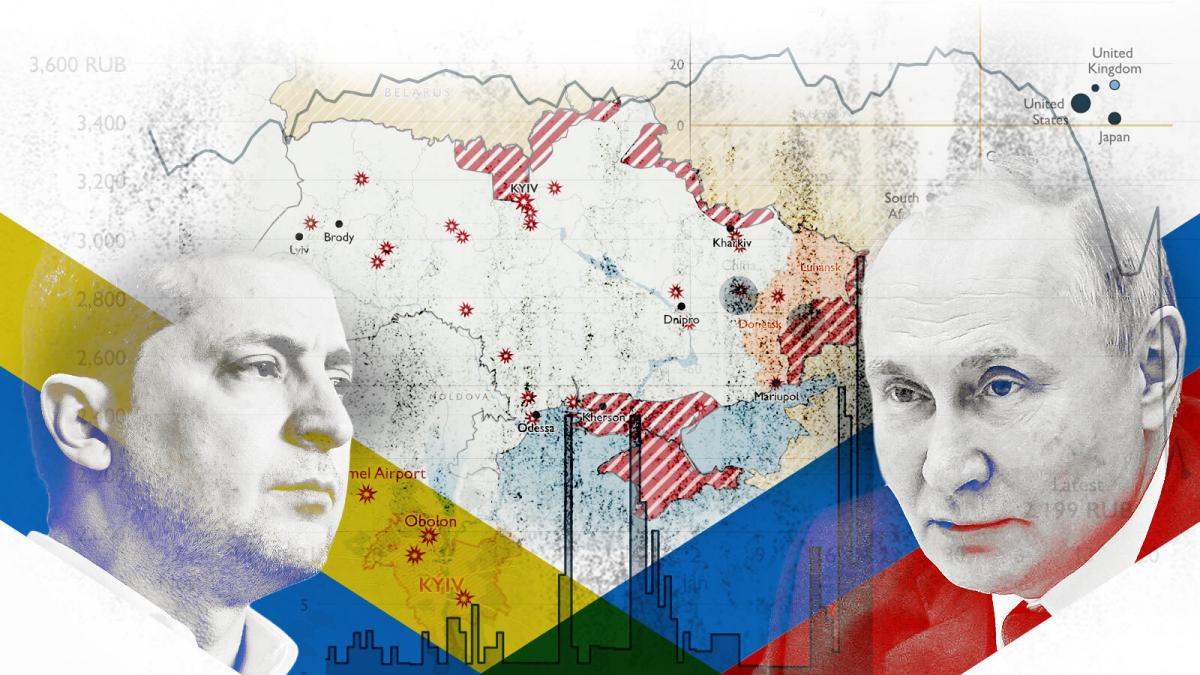
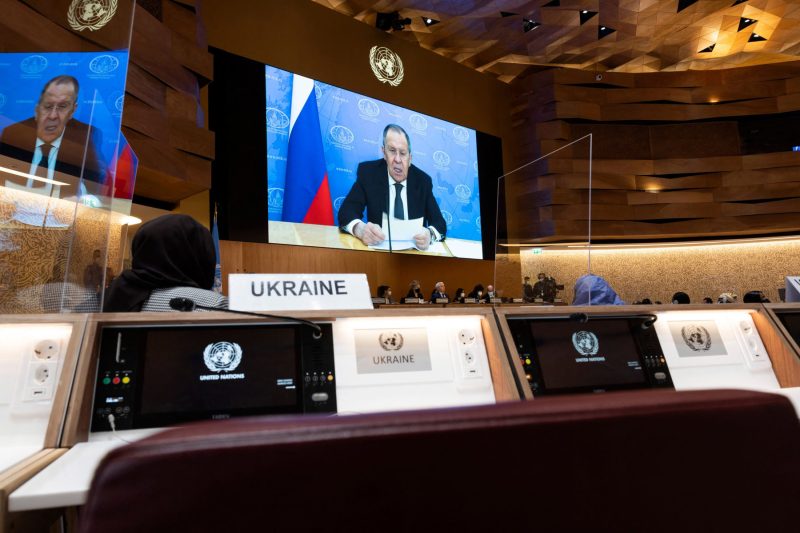
    In 3 weeks since Russia’s president, Putin ordered on February 24 this year, a “special military operation” against Ukraine, many questions were asked on his reasons and goals.

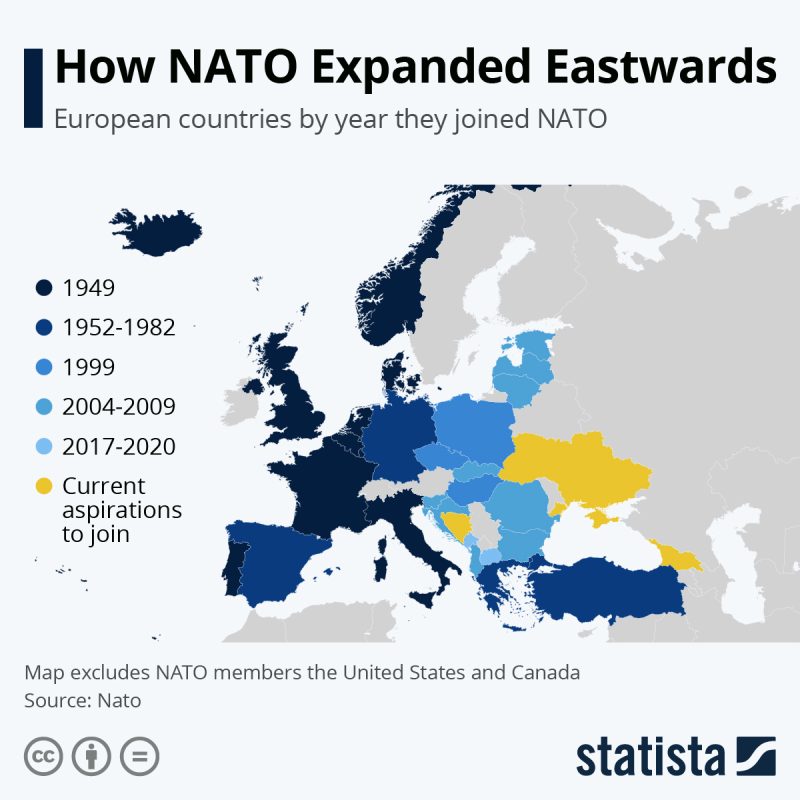
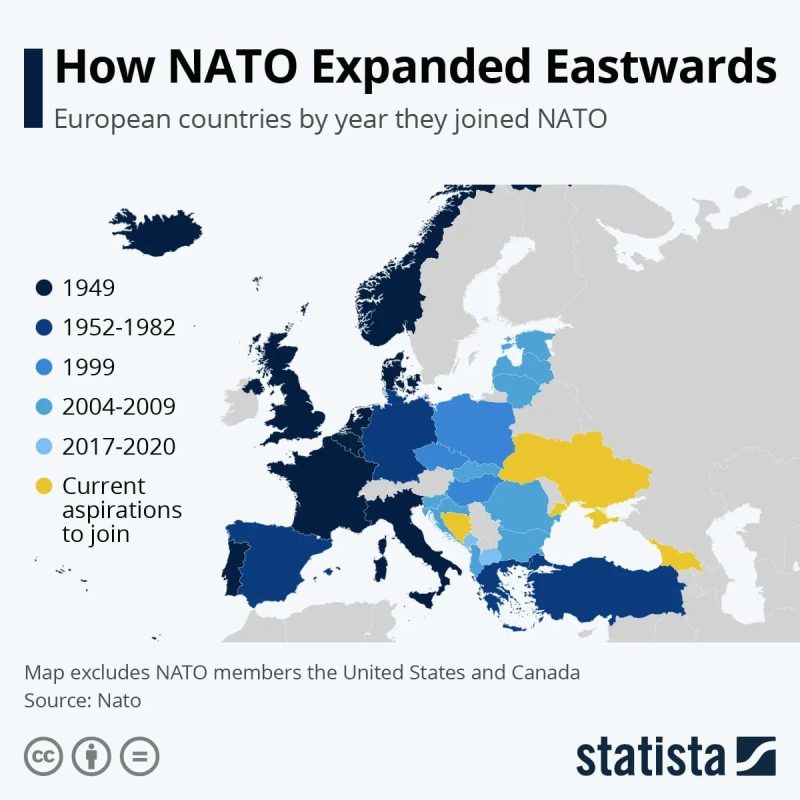
    Putin answered those questions in the early morning address to the nation on February 24. He referred to Russia’s particular concern and anxiety over the NATO expansion to the east and the US policy of containment of Russia through the military “settlement” of the Ukrainian territory. Transformation of Ukraine, historically a part of the Russian state, into an “anti-Russia” controlled and guided by the U.S. was nothing less, in Putin’s view than a real threat to Russia’s very existence.

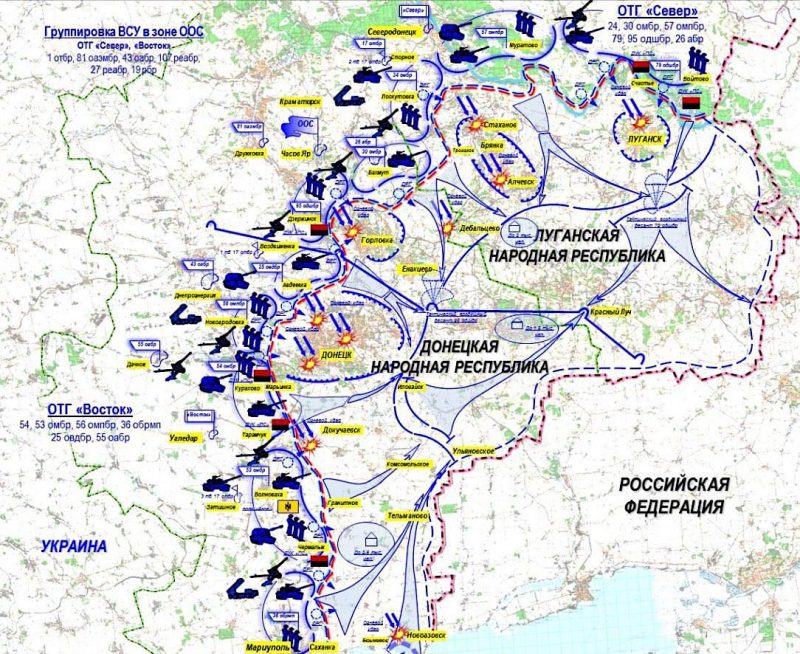
    Putin went on to mention Ukraine’s use of armed forces against the pro-Russian separatists in Donbas, the potential threat that the Ukrainian nationalists could present for Russia-annexed Crimea, and Kyiv’s desire to acquire nuclear weapons. “Russia’s clash with these forces is inevitable.”

    This was the start of Russia’s war on Ukraine. Few of us believed it would actually happen, but it did, nonetheless. Let’s start by trying to understand, why.

    Russia’s red lines

    According to John Mearsheimer, the West, and especially America, is principally responsible for the current crisis, which actually started at NATO’s Bucharest summit in April 2008, with the US pushing the alliance to announce a plan for Ukraine and Georgia’s prospective membership. Russian leaders characterized the move as an existential threat to Russia and promises to thwart it. Putin warned the West then and there: “if Ukraine joins NATO, it will do so without Crimea and the eastern regions. It will simply fall apart.”

    Nobody listened, or paid attention, thus underscoring the second point from Putin’s pre-invasion speech: the West no longer treats Russia as a great power and will do whatever it deems necessary without taking heed of Russia’s legitimate interests. Instead, Ukraine was actively encouraged to expand its collaboration with NATO and crush the pro-Russian rebellion in Donbas by force. The U.S. and NATO supplied lethal weapons for Ukraine’s civil war, trained its armed forces and turned a blind eye to reports of atrocities that Kyiv and Kyiv-affiliated militias had committed in the region.

    Ukraine started hosting joint land-based and naval exercises with NATO countries, effectively blocking Russia’s Black Sea fleet in its base in Sevastopol. In July 2021, Ukraine and America co-hosted a major naval exercise in the Black Sea region involving navies from 32 countries. In November 2021, the U.S. conducted its annual Global Thunder 22 exercises, which included strategic aviation practising nuclear strikes against Russia over the Black Sea and only 20 km from Russia’s borders. In parallel to that, Ukraine’s Deputy Minister of Defense announced his country’s aspirations to put as many US/NATO training centers in Ukraine as possible, which effectively amounted to a request for additional U.S. military personnel in the country.

    As John Mearsheimer observed, Ukraine was fast becoming a de facto member of NATO. It wanted to use NATO’s rearmaments and the US political and strategic back-up to crush the separatist rebellion in Donbas and ensure “de-occupation and reintegration” of Crimea, now an integral part of the Russian Federation, by all necessary means, not excluding “military measures.” Russia’s fears of NATO’s ballistic missiles appearing on the Ukraine-Russia border, within 7-8 minutes of flying time to Moscow no longer seemed overly exaggerated. Putin described such a potentiality as NATO’s holding a knife to Russia’s throat and made an explicit connection between Ukraine’s aspirations of NATO membership and Kyiv’s plan to return Donbas and Crimea by force. Both were equally unacceptable.

    Russia’s goals

    According to the Russian leader, if Ukraine joined NATO, it would be tempted to implement its “de-occupation strategy” for Crimea through the use of force. NATO would then be obliged to help Ukraine under its Article V mutual defence clause. “This means that there will be a military confrontation between Russia and NATO,” Putin said. Such a war would soon turn nuclear. The Kremlin came to a conclusion that a pre-emptive strike on Ukraine was the only way to stave off a future Russia-NATO war over Crimea.

    We haven’t seen it coming. It was hard to anticipate because Ukraine’s turning away from Russia and drawing closer to NATO did not start yesterday. Ukraine’s Yavoriv training ground hosted the first joint manoeuvres with NATO back in 1995. In 1997, Ukraine and NATO signed the Charter on a Distinctive Partnership. In 2000, the Ukrainian parliament ratified the Status of Forces Agreement, which enabled the stationing of NATO troops on Ukrainian soil. In 2002, Ukraine’s goal of eventual NATO membership was first voiced by its President; that goal has since become a part of the country’s official foreign policy doctrine. Ukraine’s forces took part in numerous NATO-led operations and missions over the years, from Bosnia to Kosovo to Afghanistan to Iraq. And Russia observed all of these developments over the period of near 20 years with calm and reserve, leaving an impression that Ukraine is free to proceed as it wants.

    Moscow’s calm evaporated after Ukraine’s Maidan revolution of 2014 deposed Russia-leaning president Yanukovych and, through the revolutionary powers’ first acts, indicated a clear break with the last memories of the Russian influence. Symbolically, the very first move was to strip the Russian language of its semi-official status in the areas where significant numbers of Russian-speaking minorities lived. A clear indication was given as to the status of the Russian Black Sea Fleet naval base in Sevastopol – the new powers would prefer the Russian navy relocate to Russia proper at its earliest convenience. Plans were underway to offer these naval facilities to NATO.

    Putin moved on to annex Crimea, which, in his view, was an act of strategic necessity. He apparently anticipated Ukraine’s eventually acquiescing to the fact.

    It did not happen. Instead, Ukraine grew more nationalistic, and a significant number of its nationalists embraced anti-Russianism together with far-right politics and symbology. Hence, the Russian goals in the present war include “de-Nazification,” which must be read as Ukraine’s abandonment of anti-Russian nationalism and return to the quasi-Soviet ideology of “one people” with Russians and Belarusians. In other words, Russia would seek to reaffirm, if not impose, a version of the Ukrainian identity that was supported through both the imperial and the Soviet times — Ukrainians as a junior kinfolk to the Russian “older brother.”

    The way out

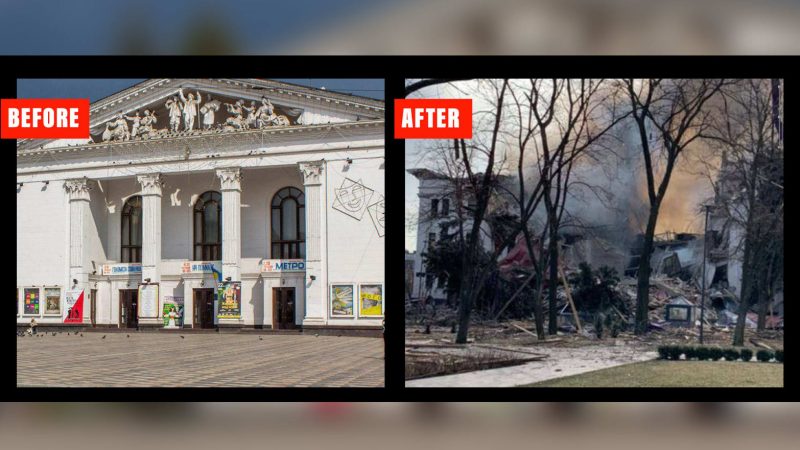
    With Ukraine’s capital Kyiv under assault and the southern port of Mariupol nearing utter destruction, calls for peace have intensified on all sides, including from Russia’s most important backers in China. Unfortunately, the search for a working compromise has not yet started in earnest. Ukraine’s original position at peace talks focused on the immediate withdrawal of all Russian troops from all of Ukraine, Crimea and Donbas included. From the Russian perspective, that would be equal to capitulation and surrender of a part of its own territory (Crimea), plus legal denunciation of a friendship and support treaty just concluded with Donbas.

    Russia’s present terms for ending the war are equally unrealistic. They include Ukraine’s adoption of a neutral status and the abandonment of its hopes for NATO membership; acknowledgement of the Russian sovereignty over Crimea and the independence of separatist regions in the country’s east; and demilitarization. The objective of the regime change, disguised by the “de-Nazification” rhetoric, has not been voiced much as of recent.

    Given the very fact of the ongoing war with Russia, the demand for demilitarization is clearly a non-starter. Russia’s insistence on Ukraine’s constitutional neutrality could, perhaps, be taken back to Ukraine’s parliament for a serious discussion; however, a ceasefire must be reached first for such a discussion to happen. As for Ukraine’s acknowledgement of Russia’s sovereignty over Crimea or independence of Donbas, these Russia-pushed items look more like the terms of surrender and cannot form the basis of a peace agreement.

    A more plausible ground for a compromise could be the two states’ mutual pledge to refrain from all attempts to solve any outstanding issues by force in the future. That would stop short from Ukraine’s recognition of either Crimea or Donbas but would assure Russia that Ukraine has no plans to regain the lost territories by force. Russia would need to withdraw its army from all areas of Ukraine proper. Ukraine would have to accept that its fight for the return of Crimea and Donbas would now be restricted in its choice of means to mostly diplomatic and legal instruments. The assurances of a non-aligned, non-bloc status that Ukraine could give to Russia should be matched with Russia’s assurances of full compensation for the losses that this war inflicted on Ukraine’s economy and society. While such a compromise will most probably draw the rage of hawkish nationalists on both sides, it might actually form the foundation of a peace agreement that everyone needs.

    Image Credits:

    Feature Image: www.militarytimes.com

    Putin Image: Al Jazeera

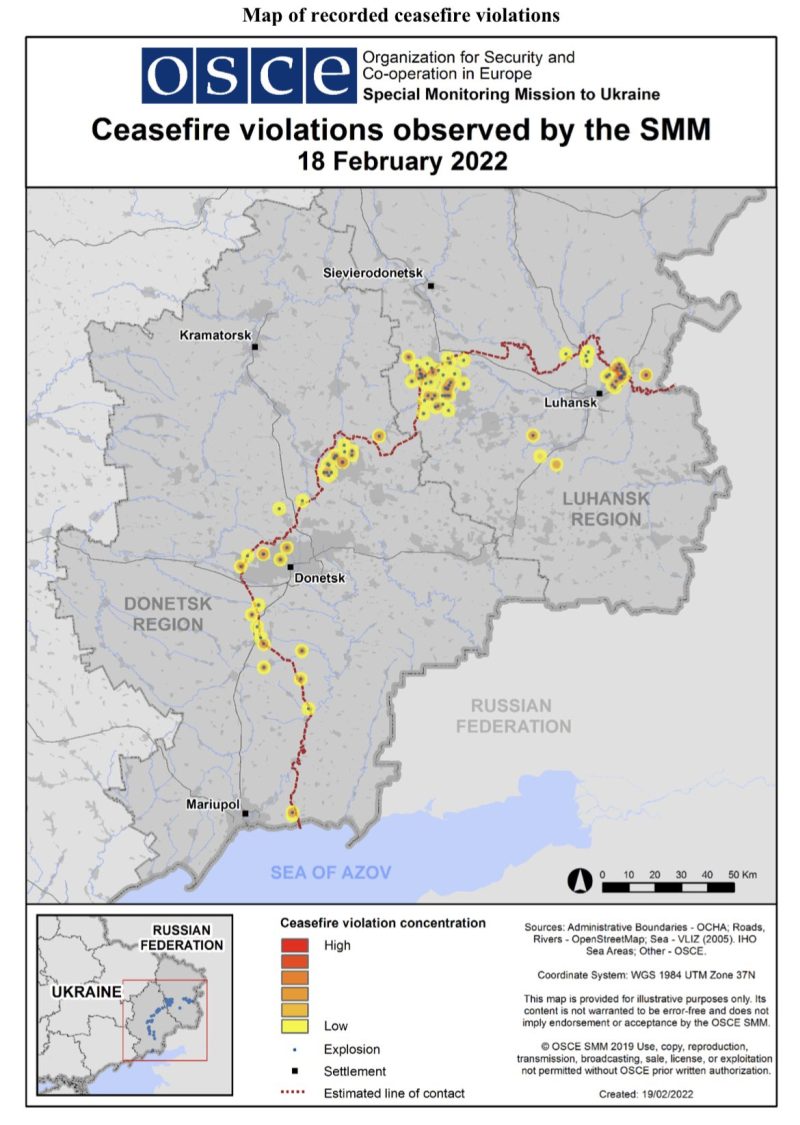
    Map: Al Jazeera

  • Book Review: The Entrepreneurial State: Debunking Public vs. Private Sector Myths

    Book Review: The Entrepreneurial State: Debunking Public vs. Private Sector Myths


    Book Name: The Entrepreneurial State: Debunking Public vs. Private Sector Myths
    Author: Mariana Mazzucato
    Publisher: Anthem Press (10 June 2013)
    Page Count: 266
    Price: INR 2,020.00


    Written against the backdrop of the recovery period of the financial crisis of 2008, Mariano Mazzucato’s ‘The Entrepreneurial State’, came at a critical point, arguing against the widely accepted belief of the self-correcting nature of the markets, and the austere state measures of limited intervention, which in the case of the financial crisis, referred to injecting large sums of capital in banks to rescue them from collapsing. The book is an expanded version of a 2011 report which laid down policy proposals for the UK government post the crisis.

    Divided into ten chapters, the book focuses on the need for the institutionalization of innovation and lays down two main arguments. First, state investment is a necessary pre-condition for any long-term innovation, and growth, and requires a steady flow of funds. Arguing that governments must move beyond spending solely on infrastructural development, Professor Mazzucato extensively explains how the state and the industry are interwoven together, and cannot be looked at, in isolation. She draws her examples from a wide spectrum of industries in the United States, covering the pharmaceutical companies, to big tech companies, while also linking the state and industry to public schools, and foreign and defence policies of the United States.

    Second, the book argues that the companies funded by the state should return a part of their profit to the state for investment in other innovative technologies. Here, it is important to note that while the book has been targeted by neo-liberals for suggesting socialization through increased state intervention in the market, the author, however, does not question the right of private companies to accumulate profits, and asks only a proportion of it to be redistributed to the state for further investment.

    A major part of the book is devoted to addressing the illusion that entrepreneurship and innovation come from the private sector alone. Debunking this myth, Professor Mazzucato cites extensive evidence of impatient venture capitalists who have historically depended upon the government support for expensive and ambiguous investment risk, and of companies that have historically preferred to repurchase their shares to increase their stock prices instead of investing in research. She highlights the role of the Defense Advanced Research Project Agency (DARPA) in the US which was set up to provide the country with technological superiority. Arguing that the agency played a critical role in funding computer and internet technology, she illustrates how its contribution to the success of companies in the Silicon Valley, is often overlooked by institutions seeking to get away from the long arm of the state’.

    The author draws inspiration from Keynes’ advocacy of increased government expenditures, and Karl Polanyi’s research on central organization and state’s policies of controlled interventionism, where he argued that it was the state-imposed conditions that made a conducive environment for markets to come into existence. She also draws some of her important arguments from Schumpeter’s idea of entrepreneurial innovation and experimentation which paves the way for innovation by constantly destroying the old ones. Throughout her book, Mazzucato argues for a symbiosis of Keynesian fiscal spending, and Schumpeter’s investments in innovation.

    The book challenges the widely promoted concept of a free market based on limited state intervention, by the United States. Claiming that the US has itself invested heavily into its research and industrial sector, the author looks into the role played by programs and agencies like DARPA, Small Business Innovation Research (required large companies to designate a proportion of their funding to small for-profit firms), the Orphan Drug Act (provides tax incentives, subsidies, and intellectual and marketing rights to small firms dedicated to developing products for the treatment of rare diseases) and the National Nanotechnology Initiative. Further, after comparing the data of several countries, the author argues that states like Portugal and Italy are lagging not because of high state presence, but rather due to lack of state investment in research and development.

    The author builds up her argument upon the foundation that the state lacks confidence in its abilities to fund innovation. She argues that an increasing number of research and financial institutions have wrongfully come to regard the state as the ‘enemy of the enterprise’, which should be kept away from meddling in the market to ensure efficiency. Although she does briefly mention that the citizens are often unaware of how their taxes foster innovation, her analysis does not delve into the reason behind the state’s lack of confidence in itself, making it difficult for the reader to grasp the reason behind the state’s as well as the society’s lack of trust in a public-funded healthcare system, despite most new radical drugs have been coming out of public labs.

    Writing on the importance of green technology, Mazzucato holds that any ‘green revolution’ would depend upon an active risk-taking state. While comparing the green economic policies of China, Brazil, the US, and Europe, she elucidates how the state investment banks in China and Brazil act as a major source of funding for clean and solar technology. On the other hand, Europe’s approach to clean technology funding has been weakened by its attempt to present ‘green’ investments as a trade-off for growth, consequently resulting in a lack of support.

    Towards the latter part of her book, Professor Mazzucato presents her hypothesis of the risk-taking state, where both the state, and the market are interwoven to generate growth, and innovation. Her proposal is supported by numerous examples of state-sponsored innovative technology which emerged in the last century, implying that the state may have always been entrepreneurial. However, she argues that countries like India have performed worse than others because of their over-expenditure on several small firms, which have low productivity and output. The focus of state investment, thus, should be placed not on its quantity, but rather on its distribution amongst different sectors of the economy.

    Mazzucato claims that since the traditional tax system cannot provide the state with funds to invest in the innovation system because of tax avoidance and evasion, she suggests a three-step framework to support state-funded innovation. First, the state should extract royalties from the application of a technology that was funded by the state itself, which should be put into a ‘national innovation fund’ for future investment. Second, the state should put conditions on the loans it offers, a part of which should be returned to the state when the company starts to earn profits. And finally, she argues for the establishment of a State Investment Bank, like those in China and Brazil.

    The relevance of her hypothesis increases significantly as one witness the market value of Apple moving past the mark of $3 trillion, and surpassing the GDP of countries like the UK, Italy, Brazil, and Russia.[i] The author debunks the overestimated role of the big private companies like Apple and Google being at the forefront of generating innovative technologies by themselves alone. In doing so, she argues that Apple has received state funds from various channels, including direct investments in their early stage of development under the government programs like the Small Business Innovation Research; through access to technologies that emerged primarily because of state funding; and through the tax policies which benefit the company. Most of the elements used by the Apple, including high-speed internet, SIRI, touch-screen displays have been a result of risky investments by the state.

    Scholars[ii] have argued that the book does not consider the ‘productivity paradox’, which reflects low productivity in times of emerging innovative technologies, as during the IT revolution of the 1970s in the United States. However, it is important to note, that Mazzucato argues against the endogenous growth theory, where the output is taken as a function of capital, and labour, with technology assumed as an exogenous variable. She targets the theory for assuming certainty in growth after investment in technology, and research and development. Taking inspiration from Schumpeter, she asserts that investment in technology and innovation involves high uncertainty, and the growth, thus, cannot be measured using a linear model like the endogenous theory, which does not take into account the social factors responsible for growth (education, design, training, etc.).

    One of the limitations of the book is its lack of analysis on the underlying structural inequality and the impact of technological change on income disparities. Instead of delving further into controversies of value creation, the author cites an example of the wage-disparity between Apple’s broader employee base and its top executives and observes that the process of innovation can go ahead simultaneously with inequality. In the case of Apple, the products of which are considered as global commodities, a major part of the workforce come from countries providing cheap labour. These offshore jobs mostly take place in the low-wage manufacturing industries, and the resulting profit margins are counted as ‘value added’ generated within the United States[iii]. While Mazzucato argues for redistribution of profit between Apple and the US government, her analysis ignores the role played by the globalized workforce in generating the said profits.

    Lastly, the case for a risk-taking entrepreneurial state has been made solely based on politically stable, high-income countries of the West. The author does not address whether high-scale state investments would be viable in situations where governments’ primary focus is placed on maintaining domestic stability and security, as in the case of Afghanistan, Somalia, or Yemen. Thus, one cannot be fully convinced about whether the prescribed model would fit well into the low-income countries of the South, many of which continue to witness high levels of instability, corruption, and violence.

    Overall, in using over three hundred different sources, Professor Mazzucato’s book provides the reader with an extensive critical insight into the working of the state, and the industry. By addressing the various myths associated with industries in each of her chapters, the author makes the reader question the fundamentals of the free-market system and makes one interrogate the existence of such a system. The book also attempts at breaking the cultural hegemony of the United States, by challenging their mainstream narrative of high-scale privatization and limited government presence. By covering a vast ground of industries, the book pushes the reader to delve into further research to investigate the role of the state in funding other technologies and innovations.


    [i] Bursztynsky, J. (2020, August 19). Apple becomesfirst U.S. company to reach a $2 trillion market cap. Retrieved August 20, 2020, from https://www.cnbc.com/2020/08/19/apple-reaches-2-trillion-market-cap.html  and Smith, Zachary Snowdon. (2022, Jan 03). Apple becomes 1st company worth $ 3 trillion – Greater than the GDP OF UK. Retrieved March 08, 2022, from https://www.forbes.com/sites/zacharysmith/2022/01/03/apple-becomes-1st-company-worth-3-trillion-greater-than-the-gdp-of-the-uk/?sh=6142c7b25603

    [ii] Pradella, L. (2016). The Entrepreneurial State by Mariana Mazzucato: A critical engagement. Competition & Change, 21(1), 61-69. doi:10.1177/1024529416678084

    [iii] Greg Linden, Jason Dedrick, and Kenneth L. Kraemer, Innovation and Job Creation in a Global Economy: The Case of Apple’s iPod, Personal Computing Industry Center, UC Irvine, January 2009, http://pcic.merage.uci.edu, 2.


    Feature Image Credit: Mariana Mazzucato Quartz

  • The Ukraine crisis: Its impact on India

    The Ukraine crisis: Its impact on India

    India has to tread a fine line in this imbroglio: Taking care of the welfare and evacuation of Indian students and the possibility of an oil price hike.

    The face-off over Ukraine between Russia and the United States and its Nato allies has been dominating the headlines for a while now with tensions ratcheting up as we receive dire public warnings every day of a Russian invasion any day now. Clearly, the possibility of Russian intervention there, and the consequent escalation of sanctions against them, is very real and concerning.

    While Ukraine may be a developing country and the poorest in Europe, by no means is it a pushover. It is the second-largest country there, behind Russia, by area, and in terms of population the eighth largest with its 42 million inhabitants. It has been independent since 1991, following the collapse of the Soviet Union, though it had been a part of the Russian Empire and the Soviet Union since the 18th century. If there is one lesson that Putin and the Russian military should have learnt from America’s disastrous interventions in Iraq and Afghanistan is that invasions are relatively easy to accomplish, but keeping restive and hostile populations under control is a wholly different proposition.

    [powerkit_button size=”lg” style=”info” block=”true” url=”https://www.dailypioneer.com/2022/columnists/the-ukraine-crisis–its-impact-on-india.html” target=”_self” nofollow=”false”]
    Read More
    [/powerkit_button]

  • 100 Years after the End of the First World War: Are we slipping again into a World War?

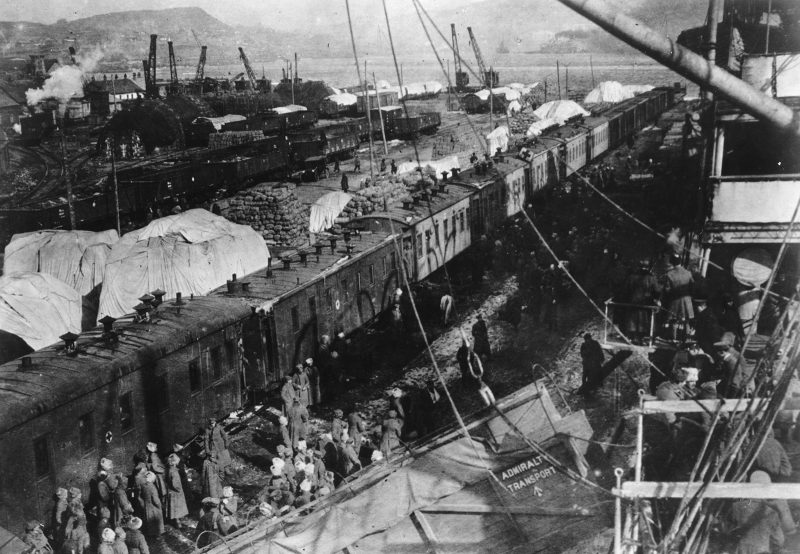
    100 Years after the End of the First World War: Are we slipping again into a World War?

    In view of the developments in Ukraine, the question arises whether there could be a repetition of the First World War in slipping into a new World War that no one intended. This original thesis is accentuated in different ways, whether in the form that European politicians behaved like “somnambulists (Clark) or just failed (Münkler). The blame for the war was also sought in Serbia or Vienna. Hereby the original thesis of the main war guilt of Germany is questioned, as it was fixed in the Treaty of Versailles and by the historian Fritz Fischer as the “grip on the world power” of Germany. However, if the causes of the First World War and, above all, its escalation are no longer seen in the German Empire alone, but are more or less equally distributed among the major European powers, this does not mean that “nothing and nobody” is responsible for the primordial catastrophe of the 20th century: Nationalism, arms race, industrialized warfare, pure power politics – all these are factors that contributed decisively to the First World War. Moreover, it should be emphasized, which even today is far from being overcome in many parts of the world. Against the backdrop of the Ukraine War, a much-discussed book by the highly influential American political scientist Robert Kagan takes on a whole new relevance. Kagan suggests the idea that Europeans could live in a paradise of peace and order after World War II only because the Americans were prepared to confront possible threats to that peace decisively and violently. Thanks to America’s power, Europeans could have indulged in the belief that (military) power was no longer important. But does the principle follow from this that law and order must be upheld in dealings with one another, but in the violent “jungle, we must follow the laws of the jungle”? Or, conversely, is it not the case that state warfare and the exercise of violence that does not adhere to its self-imposed conventions and limitations will stir up more violent resistance than they, in turn, can fight?

    Kagan is partly correct. All modern states are based on the state’s monopoly on the use of force, and almost all of them have emerged through a violent process-remember the English, American, and French Revolutions, the German wars of unification, the wars of decolonization, and the emergence of new nation-states after World Wars I and II. Therefore, however, states do not as such embody an order of violence. Hegel had argued that violence is the appearing beginning of the state, but not its substantial principle. Nor is order powerlessness, as Robert Kagan’s much-discussed book on “Power and Powerlessness” in the New World Order suggests. Does political power come from the barrels of guns, as Mao Tse Tung suggested? If so, the Soviet Union should never have collapsed because gun barrels were more than enough for the Red Army.

    Kagan assigns the opposition of power and order thinking to contemporary American and European thinking but admits this has not always been the case. As he points out, the situation was just the opposite for a long time. The Americans up to Woodrow Wilson at the beginning of the last century, he says, were committed to thinking of order and a world-political idealism of spreading human rights, while the Europeans remained committed to pure thinking of power until World War II. What is astonishing, if we take Kagan’s own analysis seriously, is why he does not ask to what final conclusion this “pure power thinking” among Europeans led – to nothing other than the catastrophes of World War I and World War II. Kagan may be right about one thing: in view of the “state-failure” problems in numerous Third World states on the one hand (emphasized by the Europeans in the anti-terror struggle) and those of the so-called “rogue states” on the other (on which American interest focused under Bush), illusions about the end of history and a largely peaceful, because economically determined, 21st century is fast fading. However, this cannot mean developing a new metaphysics of struggle and self-assertion that only force can enforce.

    Historical Traditions

    In determining the political sphere in categories of power or order, Kagan finds himself in a long ancestral line of the history of political ideas. Dolf Sternberger distinguished three different roots of the concept of politics: cooperation, following Aristotle; demonology, starting from Machiavelli; and eschatology, as he essentially saw it realized in Marxism, starting from the church father, Augustine. Sternberger’s distinction is phenomenological still valid today, even if his evaluations are problematic because he saw himself in the tradition of the Aristotelian concept of politics and – as the term demonology already shows – fiercely fought the opposite position.

    How are these distinctions to be understood? Here are two quotations: Aristotle begins his work on politics with the definition: “Everything that is called state is obviously a kind of community, and every community is formed and exists for the purpose of obtaining some good.” In contrast, Jean Bodin, perhaps the most important constitutionalist of the 16th century, referred directly to Aristotle. However, his position should be read as his deliberate inversion: “Republic is a lawful government over several households and what is common to them, with sovereign power.” Precisely because Bodin modelled his work on Aristotle’s, the contrast between the two determinations jumps out all the more clearly: on the one hand, a community for the sake of a common goal; on the other, rule endowed with sovereign power. Marx’s eleventh Feuerbach thesis best describes the third dimension of Sternberger’s distinction: “The philosophers have only interpreted the world differently; what matters is to change it.” In contrast to Sternberger’s notion of demonology, however, one side of this line of tradition is by no means “Machiavellianism,” a struggle for power for power’s sake. Instead, it claims to constitute an (absolute) power out of insight into the violence of human nature, which prevents the struggle of all against all.

    Sternberger emphasizes the fundamental difference between the first two concepts of politics when he asks in summary: “Is it the conflict of interests, powers, beliefs, and wills that thus characterizes the political in its peculiar essence? Or is it rather the balance, the compromise, the contract, the common rule of life. And conversely asked: should we interpret peace – civil peace as well as peace among nations – as the abolition and overcoming, as the negation of politics, or, on the contrary, as its completion?”

    Struggle for power and domination, on the one hand, negotiation and the establishment of order on the other, are the two opposite definitions of the essence of politics that run through the history of political ideas. As antipodes may be mentioned only: Thucydides and Plato resp. Aristotle, Machiavelli and Erasmus of Rotterdam, Hegel and Kant, Schmitt and Arendt, recently Foucault, resp. Luhmann and Habermas.

    If we take a closer look at this line of ancestors, it should be enough reason to warn us not to reduce politics to pure power politics. Thomas Hobbes, for example, with his conception of the state monopoly on the use of force, justified internal peace and the avoidance of civil war, but at the same time advocated an absolute sovereign. And Carl Schmitt stands paradigmatically for the problem of reducing politics to pure power politics. For it was not personal opportunism or immoderate ambition that justified his closeness to the National Socialists, but the extreme consequence of his reduction of the political to the distinction between friend and foe in a crisis-ridden world-historical situation. Carl Schmitt wrote in this regard: A total state “does not allow any anti-state, state-inhibiting or state-dividing forces to arise within it. It does not think of handing over the new means of power to its own enemies and destroyers. Such a state can distinguish friend from foe.” The reduction of the political to only one of two sides, the exercise of power or reliance on the establishment of order, has always led to problematic consequences in historical development. Against the false alternative between power or order and their immediate connection in order of power, the “middle” between power and order has to be found again. Violence cannot establish peace, but it can limit other violence to such an extent that other than violent structures come into play. Perhaps America and Europe have more to learn from each other than either side realizes.

    Developments after September 11

    Especially after the attacks of September 11, hardly any author in his assessment of the events could do without reference to Carl Schmitt’s world-famous definition of the political as the distinction between friend and foe. Even before the attacks, however, the political theory had already noted the shift from “Kant to Schmitt” as a consequence of the crisis of the political. Finally, George W. Bush elevated Schmitt’s definition of the political to a quasi-official governmental program in the United States. In this perspective, Robert Kagan denies that Europe and the USA still have a common view of the world at all. “Americans are from Mars, and Europeans are from Venus.” By this, he means that Europe lives in a Kantian fantasy world of eternal peace, while America is called upon and alone empowered to create order in Hobbesian anarchy on a global scale.

    Schmitt as the “mastermind” of the Western world? The tendency to refer back to Schmitt is not unproblematic, however. The possible linking of politics and political theory to Carl Schmitt’s definition of the political cannot, in principle, disregard Schmitt’s temporary proximity to the National Socialists. For it was not personal opportunism or immoderate ambition that justified this closeness, but the extreme consequence of his reduction of the political to the distinction between friend and foe in a crisis-like world-historical situation. Carl Schmitt wrote about this, as indicated: A total state “does not allow any anti-state, state-inhibiting or state-dividing forces to arise within it. It does not think of handing over the new means of power to its own enemies and destroyers……. Such a state can distinguish friend from foe.” Are we not already living in such a total surveillance state?

    The reduction of the political to a pure struggle for power, to a pure friend-enemy distinction, has problematic consequences, as is revealed especially in Schmitt. Conversely, the reduction of the political to the establishment of the agreement, of acting together, leads either to “apolitical” idealism or violent utopianism, as was shown especially in Marxism/communism. But which is now the solution? The distinction between friend and foe is a precondition of political action, but it is not its goal – the goal of politics regarding war and violence is the “mediation” of friend and foe. Or as Yitzhak Rabin described it: Peace is not made with friends, but with enemies! This is the art of politics, to enable a peaceful conflict resolution with opponents instead of falling into the traps of pure power politics – this is the lesson of the First World War then and today.

    Feature Image Credit: powervertical.org 


  • US Foreign Policy Is a Cruel Sport

    US Foreign Policy Is a Cruel Sport

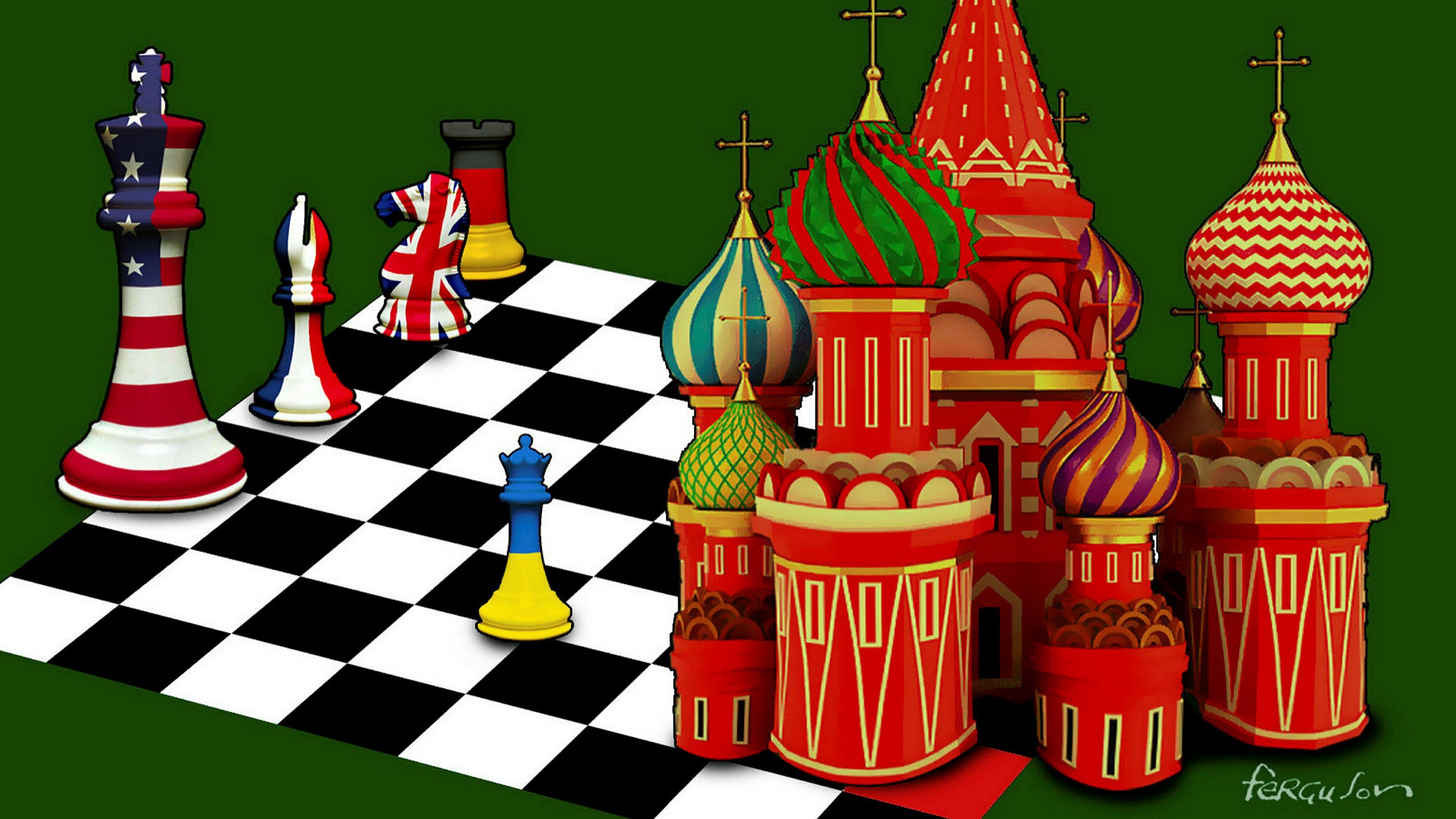
    The Russia- Ukraine conflict escalated into a full-blown as Russian President Vladimir Putin ordered special military operations into Ukraine. In this global geopolitical chessboard, Ukraine is a pawn and a tragic victim. However, the causes of this war lie squarely in the decades-long aggressive strategy employed by the US and its European allies in expanding NATO at the expense of Russia’s security and strategic interests. Henry Kissinger’s, in his 2014 article, sounded prophetic – “if Ukraine is to survive and thrive, it must not be either side’s outpost against the other — it should function as a bridge between them.” He categorically stated Ukraine must not join NATO. Diana Johnston’s article clearly brings out the reasons for the current mess and how the USA’s aggressive and deeply self-centred foreign policy has created much of the mess in today’s world.

    The Peninsula Foundation is happy to republish this article with the author’s permission. The opinions expressed are the author’s own.

    The article was published earlier in Consortium News.

    – Editorial Team


    In the time of the first Queen Elizabeth, British royal circles enjoyed watching fierce dogs torment a captive bear for the fun of it.  The bear had done no harm to anyone, but the dogs were trained to provoke the imprisoned beast and goad it into fighting back.  Blood flowing from the excited animals delighted the spectators.

    This cruel practice has long since been banned as inhumane.

    And yet today, a version of bear baiting is being practised every day against whole nations on a gigantic international scale.  It is called United States foreign policy. It has become the regular practice of the absurd international sports club called NATO.

    United States leaders, secure in their arrogance as “the indispensable nation,” have no more respect for other countries than the Elizabethans had for the animals they tormented. The list is long of targets of U.S. bear-baiting, but Russia stands out as a prime example of constant harassment.  And this is no accident.  The baiting is deliberately and elaborately planned.

    As evidence, I call attention to a 2019 report by the RAND Corporation to the U.S. Army chief of staff entitled “Extending Russia.” Actually, the RAND study itself is fairly cautious in its recommendations and warns that many perfidious tricks might not work.  However, I consider the very existence of this report scandalous, not so much for its content as for the fact that this is what the Pentagon pays its top intellectuals to do: figure out ways to lure other nations into troubles U.S. leaders hope to exploit.

    The official U.S. line is that the Kremlin threatens Europe by its aggressive expansionism, but when the strategists talk among themselves the story is very different.  Their goal is to use sanctions, propaganda and other measures to provoke Russia into taking the very sort of negative measures (“over-extension”) that the U.S. can exploit to Russia’s detriment.

    The RAND study explains its goals:

    “We examine a range of nonviolent measures that could exploit Russia’s actual vulnerabilities and anxieties as a way of stressing Russia’s military and economy and the regime’s political standing at home and abroad. The steps we examine would not have either defense or deterrence as their prime purpose, although they might contribute to both. Rather, these steps are conceived of as elements in a campaign designed to unbalance the adversary, leading Russia to compete in domains or regions where the United States has a competitive advantage, and causing Russia to overextend itself militarily or economically or causing the regime to lose domestic and/or international prestige and influence.”

    Clearly, in U.S. ruling circles, this is considered “normal” behaviour, just as teasing is normal behaviour for the schoolyard bully, and sting operations are normal for corrupt FBI agents.

    This description perfectly fits U.S. operations in Ukraine, intended to “exploit Russia’s vulnerabilities and anxieties” by advancing a hostile military alliance onto its doorstep, while describing Russia’s totally predictable reactions as gratuitous aggression.  Diplomacy involves understanding the position of the other party.  But verbal bear baiting requires total refusal to understand the other, and constant deliberate misinterpretation of whatever the other party says or does.

    What is truly diabolical is that, while constantly accusing the Russian bear of plotting to expand, the whole policy is directed at goading it into expanding!  Because then we can issue punishing sanctions, raise the Pentagon budget a few notches higher and tighten the NATO Protection Racket noose tighter around our precious European “allies.”

    For a generation, Russian leaders have made extraordinary efforts to build a peaceful partnership with “the West,” institutionalized as the European Union and above all, NATO. They truly believed that the end of the artificial Cold War could produce a peace-loving European neighbourhood. But arrogant United States leaders, despite contrary advice from their best experts, rejected treating Russia as the great nation it is and preferred to treat it as the harassed bear in a circus.

    The expansion of NATO was a form of bear-baiting, the clear way to transform a potential friend into an enemy. That was the way chosen by former U.S. President Bill Clinton and following administrations.  Moscow had accepted the independence of former members of the Soviet Union.  Bear-baiting involved constantly accusing Moscow of plotting to take them back by force.

    Russia’s Borderland

    An unpaved road to Lysychansk, Lugansk, March 2015. (Rosa Luxemburg-Stiftung, Flickr, CC BY 2.0)

    Ukraine is a word meaning borderlands, essentially the borderlands between Russia and the territories to the West that were sometimes part of Poland, or Lithuania, or Habsburg lands.  As a part of the U.S.S.R., Ukraine was expanded to include large swaths of both.  History had created very contrasting identities on the two extremities, with the result that the independent nation of Ukraine, which came into existence only in 1991, was deeply divided from the start.  And from the start, Washington strategies, in cahoots with a large, hyperactive anti-communist anti-Russian diaspora in the U.S. and Canada, contrived to use the bitterness of Ukraine’s divisions to weaken first the U.S.S.R. and then Russia.  Billions of dollars were invested in order to “strengthen democracy” – meaning the pro-Western west of Ukraine against its semi-Russian east.

    The 2014 U.S.-backed coup that overthrew President Viktor Yukanovych, solidly supported by the east of the country, brought to power pro-West forces determined to bring Ukraine into NATO, whose designation of Russia as the prime enemy had become ever more blatant. This caused the prospect of an eventual NATO capture of Russia’s major naval base at Sebastopol, on the Crimean peninsula.

    Since the Crimean population had never wanted to be part of Ukraine, the peril was averted by organizing a referendum in which an overwhelming majority of Crimeans voted to return to Russia, from which they had been severed by an autocratic Khrushchev ruling in 1954.  Western propagandists relentlessly denounced this act of self-determination as a “Russian invasion” foreshadowing a program of Russian military conquest of its Western neighbours – a fantasy supported by neither facts nor motivation.

    Appalled by the coup overthrowing the president they had voted for, by nationalists threatening to outlaw the Russian language they spoke, the people of the eastern provinces of Donetsk and Lugansk declared their independence.

    March 2015: Civilians pass by as OSCE monitors the movement of heavy weaponry in eastern Ukraine. (OSCE, CC BY-NC-ND 2.0)

    Russia did not support this move but instead supported the Minsk agreement, signed in February 2015 and endorsed by a UN Security Council resolution. The gist of the accord was to preserve the territorial integrity of Ukraine by a federalization process that would return the breakaway republics in return for their local autonomy.

    The Minsk agreement set out a few steps to end the internal Ukrainian crisis. First, Ukraine was supposed to immediately adopt a law granting self-government to eastern regions (in March 2015). Next, Kyiv would negotiate with eastern territories over guidelines for local elections to be held that year under OSCE supervision.  Then Kyiv would implement a constitutional reform guaranteeing eastern rights. After the elections, Kyiv would take full control of Donetsk and Lugansk, including the border with Russia.  A general amnesty would cover soldiers on both sides.

    However, although it signed the agreement, Kyiv has never implemented any of these points and refuses to negotiate with the eastern rebels.  Under the so-called Normandy agreement, France and Germany were expected to put pressure on Kyiv to accept this peaceful settlement, but nothing happened. Instead, the West has accused Russia of failing to implement the agreement, which makes no sense inasmuch as the obligations to implement fall on Kyiv, not on Moscow.  Kyiv officials regularly reiterate their refusal to negotiate with the rebels, while demanding more and more weaponry from NATO powers in order to deal with the problem in their own way.

    Meanwhile, major parties in the Russian Duma and public opinion have long expressed concern for the Russian-speaking population of the eastern provinces, suffering from privations and military attack from the central government for eight years. This concern is naturally interpreted in the West as a remake of Hitler’s drive to conquest neighbouring countries.  However, as usual, the inevitable Hitler analogy is baseless. For one thing, Russia is too large to need to conquer Lebensraum.

    You Want an Enemy?  Now You’ve Got One

    Germany has found the perfect formula for Western relations with Russia: Are you or are you not a “Putinversteher,” a “Putin understander?” By Putin, they mean Russia, since the standard Western propaganda ploy is to personify the targeted country with the name of its president, Vladimir Putin, necessarily a dictatorial autocrat.   If you “understand” Putin or Russia, then you are under deep suspicion of disloyalty to the West.  So, all together now, let us make sure that we DO NOT UNDERSTAND Russia!

    Image Credit: metro.co.uk

    Russian leaders claim to feel threatened by members of a huge hostile alliance, holding regular military manoeuvers on their doorstep?  They feel uneasy about nuclear missiles aimed at their territory from nearby NATO member states?  Why, that’s just paranoia, or a sign of sly, aggressive intentions.  There is nothing to understand.

    So, the West has treated Russia like a baited bear.  And what it’s getting is a nuclear-armed, militarily powerful adversary nation led by people vastly more thoughtful and intelligent than the mediocre politicians in office in Washington, London and a few other places.

    U.S. President Joe Biden and his Deep State never wanted a peaceful solution in Ukraine, because troubled Ukraine acts as a permanent barrier between Russia and Western Europe, ensuring U.S. control over the latter.  They have spent years treating Russia as an adversary, and Russia is now drawing the inevitable conclusion that the West will accept it only as an adversary.  The patience is at an end. And this is a game-changer.

    First reaction: the West will punish the bear with sanctions!  Germany is stopping certification of the Nordstream 2 natural gas pipeline.  Germany thus refuses to buy the Russian gas it needs in order to make sure Russia won’t be able to cut off the gas it needs some time in the future.  Now that’s a clever trick, isn’t it!  And meanwhile, with a growing gas shortage and rising prices, Russia will have no trouble selling its gas somewhere else in Asia.

    When “our values” include refusal to understand, there is no limit to how much we can fail to understand.

    To be continued.


    Feature Image: nato.int

  • Change in IAS (Cadre) Rules – Policy Brief

    Change in IAS (Cadre) Rules – Policy Brief

    [powerkit_button size=”lg” style=”info” block=”true” url=”https://admin.thepeninsula.org.in/wp-content/uploads/2022/02/Change-in-IAS-Cadre-Rules-1.pdf” target=”_blank” nofollow=”false”]
    Download – Change in IAS (Cadre) Rules
    [/powerkit_button]

    Executive Summary:

    The Centre’s proposal to amend the IAS Cadre Rules has sent shockwaves through the State governments and the bureaucratic community. Although the Centre already has the preponderance of power over the State government, it has always been the convention to depute All India Services (AIS) officers with the concurrence of the State government(s) and the Central government and the consent of the officer concerned. By providing overriding powers to the Central government, the proposal poses a fundamental risk to the federal structure of the Constitution. Not only should the proposal be recalled, but the annual intake of the IAS officers should be increased to address the issue of staff shortage, while recruiting suitable personnel from other Central Civil Services. The empanelment process also needs to be reformed to ensure transparency, objectivity and to uphold the principles of natural justice.

    The Centre’s proposal is a reflection of the long overdue need for the complete overhaul and reform of the Indian civil service system. These piecemeal amendments and a myriad of executive orders are not only unproductive to the civil service system but also counterproductive to the basic structure of the Constitution. A high-level committee should be established to undertake a holistic study to reform the Indian civil service system not only to bring in better performance and accountability but more importantly, to get rid of the colonial legacy once and for all.

    What is it?

    Deputation of IAS officers is governed under Rule 6 of The Indian Administrative Service (Cadre) Rules, 1954. Rule 6(1) mandates that the deputation of cadre officers to the Centre must be done with the concurrence of the concerned State government(s) and the Central government.

    The provision to Rule 6(1) states that in case of any disagreement, the Central government’s decision will prevail, and the State governments shall give effect to it.

    The proposal attempts to amend the Central Deputation rules by giving overriding powers to the Centre to transfer and post Cadre officers without the consent of the State government.

    Proposed Amendments (Singh, 2022)

    1. ‘Within a specified time’

    The proposal amends the proviso mandating the State governments to give effect to the final decision of the Central government within a specified time as decided by the Central government.

    2. ‘Officer shall stand relieved’

    In case, a State government delays a cadre officer’s deputation to the Centre and does not give effect to the Central government’s decision within a specified time, the concerned ‘officer shall stand relieved from the cadre from the date as may be specified by the Central government’.

    3. ‘Number of officers’

    Another change proposed is that the actual number of officers to be deputed to the Centre shall be decided by the Central government in consultation with the State government which is required to provide a list of eligible names.

    4. ‘Public interest’

    In a specific situation, if the need arises for the services of a cadre officer to be utilized by the Central government in the public interest, the State governments shall give effect to it within a specified time.

    The abovementioned amendments were sent to the State governments in a letter dated 12th January 2022 by the Department of Personnel and Training (DoPT) seeking comments until 25th January. The DoPT had earlier sent three similar letters (dated 20th,27th December and 6th January) which were strongly opposed by six States (including BJP ruled States) (Singh, 2022). As of now, more than 7 States have written to the DoPT opposing the proposed changes and other states such as Maharashtra, Kerala and Tamil Nadu have also raised their opposition. The CMs of Chhattisgarh and Rajasthan have also written to the PM opposing the proposed amendments to the cadre rules.

    Why is it a problem?

    The proposed amendments are essentially an attack on the federal structure of our Constitution since it derogates the State government’s power in posting and transferring its cadre officers without its consent. In spite of the rules giving preponderance of power to the Centre, it has always been the convention to depute officers to the Centre in concurrence with the State governments and the consent of the officer concerned (Dhingra, 2021).

    Mamata Banerjee, the CM of West Bengal wrote a strongly worded letter to the PM opposing this move and calling it a ‘unilateral decision’ which was ‘historically unprecedented and wholly unconstitutional’.

    The trigger for this move by the Centre is most likely the result of the tussle between the Centre and West Bengal over former IAS officer Mr. Alapan Bandhopadhyay. Given his experience in handling the Covid-19 crisis as the Chief Secretary of West Bengal, the State government had requested the Centre to extend his tenure and the latter acceded by extending his term for 3 months (24th May 2021). However, the Centre on 28th May 2021 did a complete 180° and issued an order to Mr. Bandhopadhyay informing him that he has been placed with the Government of India ‘with immediate effect’. Following this, the State government opposed the order and did not relieve him and the concerned officer also opted to retire from the services and is now appointed as the advisor to the CM. The Centre then issued a show-cause notice to Mr. Bandhopadhyay for his failure to report to the DoPT. There have been other similar tussles in the past between the Centre and Tamil Nadu government (2001) and West Bengal government (2020) (Agnihotri, 2021), but when the States refused to relieve the concerned IPS officers, the Centre upheld the convention of State government concurrence and did not insist on deputing them anyway.

    Shortage of officers in the Centre

    The DoPT cites the shortage of AIS officers in Union Ministries as the driving factor for these proposed amendments since the ‘States are not sponsoring an adequate number of officers for Central Deputation’. While this is true, it is pertinent to note that State governments also have been suffering from a shortage of officers, especially during the pandemic and have requested the DoPT multiple times to increase the cadre strength of IAS officers (West Bengal, Rajasthan, Bihar).

    Senior IPS officers advise that the problem of shortage of AIS officers has been perennial and does not warrant a knee-jerk reaction at the cost of violating the basic structure of our Constitution. The problem of shortage must be seen as secondary to upholding the federal structure especially since there are other ways to address this problem without seizing the State governments’ authority. While only AIS officers come under the common purview of both the Central and State governments, there are other Central Services with ample human resources over which the Central government has sole authority and the shortage can be filled by deputing these Central services officers.

    The Empanelment Process

    The empanelment process of AIS officers in India has been infested with executive arbitrariness and a lack of transparency. The procedure for empanelment is laid down in the Central Staffing Scheme which does not have any legislative sanction and is instead governed by a slew of Executive Orders (E.O), the primary dated 5th Jan 1996 (NO.36/77/94-EO(SM-I)). The flawed Annual Confidential Report system was replaced by the Annual Performance Appraisal Reports (APAR) system following a Supreme Court ruling to ensure more transparency.

    However, the additional layer of review with the 360° appraisal system or the Multi-Source Feedback system introduced by PM Modi in April 2015 allows the panel to override the recommendations of the APAR system.

    The 92nd Report of the Department-Related Parliamentary Standing Committee on Personnel, Public Grievances, Law and Justice in 2017
    reprimanded the 360° system for its opacity and lack of objectivity, thereby leaving the empanelment process ‘susceptible to manipulation’. Former Upper-level Secretaries have also been critical about the 360° system due to its

    ▪ Lack of transparency
    ▪ Absence of an appeal process
    ▪ Susceptible to bias and discrimination.
    (MS, 2018)

    The absence of legal backing for the empanelment procedure has led to the arbitrary exercise of power by the executive. Usually, officers start their career after training in State cadres and it would take up to 9 years for an officer to occupy Central government positions. But the present government has started a practice of appointing newly recruited officers, fresh from training, as Assistant Secretaries in the Union Ministries. Although this move was said to increase exposure for the new officers, it also may as easily be detrimental to their careers. This new pattern, initiated by the Modi govt, is characterised by a lack of transparency and establishing a core group of loyalist officers at the cost of building experience, knowledge, and performance. The loyalty of the officers of the civil services must be to the Constitution alone and not to any political party or even government of the day if it violates the constitutional provisions.

    Already, the AIS officers are in a bind where the State government and Central government are governed by opposing parties. The lack of fairness in the empanelment process has further discouraged and disheartened officers from Central Deputation. Although salaries and incentives remain the same, the State governments use transfers and postings as de facto punishment for AIS officers who do not follow suit with the State government’s decisions. Similarly, the Central government beguiles AIS officers with the temptation of post-retirement postings. The proposed amendments grant overreaching powers to the Central government which could be used to harass and corrupt an
    unwilling officer.

    Conclusion:

    In conclusion, the proposed amendments derogate the consent of State governments and the officer concerned. This not only gives rise to a lack of transparency and increased bias, but also has the potential to disintegrate the delicate federal structure that has been upheld since Independence. The Supreme Court has on many occasions emphasized that federalism is a part of the basic structure of our Constitution, and even a Constitutional amendment cannot do away with it. The Supreme Court has also affirmed cooperative federalism as a ‘cherished Constitutional goal’. Therefore, the Central government must look at other ways to overcome the issue of staff shortage, without granting itself overarching powers in direct violation of the Constitution.

    Recommendations:

    ▪ Recall the proposal amending the IAS (Cadre) Rules which will fundamentally damage India’s federal structure, thereby undermining national integrity and security.

    ▪ Shortage of officers can be addressed, in the short term, by recruiting suitable personnel from other Central Services such as IRS, Indian Defence Accounts service, Customs, etc. Alternatively, well-known professional experts in various fields can be inducted at senior positions, which will not only address the shortage but also the need for professional competence and experience in specialist departments as against the oft raised complaint of generalist nature of the IAS.

    ▪ Keeping in mind the demands of the Covid-19 pandemic, increase the annual intake of IAS officers to address the shortfall of 22 per cent in IAS posts.

    ▪ Increase Lateral recruitment for Central posts on a contract basis in the short term.

    ▪ The empanelment process, especially the 360° Appraisal system must be completely reformed to ensure equal opportunity and better transparency.

    ▪ The Centre’s proposal is a reflection of the long overdue need for the complete overhaul and reform of the Indian civil service system. These piecemeal amendments and a myriad of executive orders are not only unproductive to the civil service system but also counterproductive to the basic structure of the Constitution. A high-level committee should be established to undertake a holistic study to reform the Indian civil service system not only to bring in better performance and accountability but more importantly, to get rid of the colonial legacy once and for all.

    References:

    1. Agnihotri, S. (2021, June 4). Centre’s tussle with Bengal over chief secretary Reeks of uncooperative federalism. The Wire. Retrieved January 25, 2022, from https://thewire.in/politics/centres-tusslewith-bengal-over-chief-secretary-reeks-of-uncooperative-federalism

    2. Dev Dutt v. Union of India & Ors., (2008) 8 SCC 725

    3. Dhingra, S. (2021, June 7). Centre vs states, rules vs convention – who really controls IAS officers. ThePrint. Retrieved January 26, 2022, from https://theprint.in/india/governance/centre-vs-statesrules-vs-convention-who-really-controls-ias-officers/672013/

    4. Mishra, N. (2021, June 7). Explained: Chief secretary appointment controversy. TheLeaflet. Retrieved January 25, 2022, from https://www.theleaflet.in/explained-chief-secretary-appointmentcontroversy/

    5. MS, N. (2018, August 29). Why India’s civil servants are disaffected with the 360-degree empanelment process for top central government posts. The Caravan. Retrieved January 25, 2022, from https://caravanmagazine.in/government-policy/why-indias-civil-servants-disaffected-with-360-degree-empanelment

    6. Rajya Sabha, 92nd Report, Appraisal and Empanelment of Civil Servants under the Central Government, Department-Related Parliamentary Standing Committee on Personnel, Public Grievances, Law and Justice, August 2017, available at http://164.100.47.5/newcommittee/reports/EnglishCommittees/Committee%20on%20Personnel,%20PublicGrievances,%20Law%20and%20Justice/92.pdf

    7. Saxena, N. C. (2022, January 24). Who should control where IAS officers serve? The Wire. Retrieved January 25, 2022, from https://thewire.in/government/who-should-control-where-ias-officers-serve

    8. Singh, V. (2022, January 20). States weigh options on IAS cadre rule changes. The Hindu. Retrieved January 25, 2022, from https://www.thehindu.com/news/national/states-weigh-options-on-iascadre-rule-changes/article38293886.ece

    9. The Quint, Centre proposes new IAS Cadre Rules: What are they? why are they being opposed? (2022, January 21). Retrieved January 25, 2022, from https://www.thequint.com/news/india/ias-cadrerules-mamata-banerjee-narendra-modi-centre-states#read-more

    10. Yadav, S. (2022, January 22). Explained: IAS officers and central posting. The Indian Express. Retrieved January 25, 2022, from https://indianexpress.com/article/explained/ias-cadre-rules-amendmentswest-bengal-explained-7734310/

    Featured Image: Press Information Bureau (PIB)

    [powerkit_button size=”lg” style=”info” block=”true” url=”https://admin.thepeninsula.org.in/wp-content/uploads/2022/02/Change-in-IAS-Cadre-Rules-1.pdf” target=”_blank” nofollow=”false”]
    Download – Change in IAS (Cadre) Rules
    [/powerkit_button]