Blog

  • Economic Relevance of Quad as a Regional Strategic Forum

    Economic Relevance of Quad as a Regional Strategic Forum

    The QUAD, a grouping of the United States, Japan, India, and Australia, began as a “Tsunami Core Group,” an impromptu group formed in response to the devastating Boxing Day tsunami of 2004. This core group brought together the four nations to swiftly mobilise and coordinate multilateral disaster relief and humanitarian assistance operations. The first meeting of the initial QUAD took place in May 2007 during the ASEAN Regional Forum (ARF) meeting in Manila. The meeting was characterised as an “informal grouping” that discussed themes of mutual interest to the dialogue participants (Buchan & Rimland, 2020). The group was established to deal with the immediate challenges posed by the tsunami and was never intended to become permanent. However, early cooperative efforts sparked a debate about QUAD’s overarching goal. When Australia withdrew from the QUAD in 2008, it ceased to exist. It was revived in 2017 against the backdrop of an increasingly assertive Chinese posture, and the emergence of the idea of the Indo-Pacific as a single maritime zone.

    The first QUAD meeting, after its revival, happened on 12 November 2017, when the four ‘like-minded’ partners discussed seven key issues: the rules-based order in Asia; freedom of navigation and overflight in the maritime commons; respect for international law; enhancing connectivity; maritime security; the North Korean threat and non-proliferation; and terrorism (Jain, 2022). The QUAD aims to bring diverse perspectives together in a shared vision for a free and open Indo-Pacific, and it strives for a region that is free, open, inclusive, healthy, and anchored in democratic values.

    Economic Potential

    There are numerous reasons to increase economic engagement within the QUAD nations—the four countries, with a combined population of over 1.8 billion people, represent a quarter of the world’s population and over $30 trillion in GDP. In 2018, trade between the four countries totalled more than $440 billion, with nearly $6 trillion in trade with the rest of the world. QUAD intends to use both public and private resources to construct high-quality infrastructure in the Indo-Pacific region. According to the MEA’s website, since 2015, QUAD partners have invested more than $48 billion in regional infrastructure development. The commitment of the QUAD to regional infrastructure development can be strengthened by integrating India into the existing ‘Australia-Japan-US Trilateral Infrastructure Partnership’ and by broadening their reach into the Indo-Pacific region (“Fact Sheet: QUAD Leaders’ Summit,” n.d.). Except for India and the United States, the remaining two countries are also Regional Comprehensive Economic Partnership (RCEP) members. This shows that, notwithstanding territorial and security differences, trade and commerce are still the primary focus (“Economic Dimension Key to QUAD Success”, 2021). Further, the Covid-19 pandemic has harmed the global economy, including the QUAD nations, in areas ranging from employment to investment. Thus, by bolstering their economic ties for greater freedom and cooperation, the group will facilitate a faster recovery from the pandemic’s effects.

    The Indian Ocean, not the Indo-Pacific, is central to India’s vision. In the short term, India’s engagement with the Indo-Pacific framework will be primarily diplomatic and economic and will be constrained by the Indian Ocean’s strategic primacy and constraints on its sea-power projection

    QUAD and the Indian Economy

    India’s strong economic ties with the QUAD economies are reflected in its bilateral trade volume with each member. During 2019-2020, these three economies accounted for 15% of India’s total trade. The United States contributes the most with 11%, followed by Japan and Australia, with 2.15 and 1.6 per cent, respectively. Further, India already has a free-trade agreement with Japan, which was implemented in 2011, and negotiations with Australia and the United States are ongoing. India can now use this critical multilateral forum to help facilitate trade negotiations and increase economic activity with member economies (“Economic Dimension Key to QUAD Success” 2021).

    According to Lunev and Shavlay (2018), the emergence of China, the expansion of India’s economic and strategic clout, and, most importantly, the growing importance of the Indian Ocean as a strategic trade route carrying nearly two-thirds of global oil shipments and a third of bulk cargo, have entailed a shift in the security architecture from the Asia-Pacific to the Indo-Pacific. These factors have contributed to the rise of regional stakeholders advocating for a free and open Indo-Pacific, resulting in the re-establishment of the QUAD. However, India’s maritime interests and strategies are at odds with those of the other QUAD members. The Indian Ocean, not the Indo-Pacific, is central to India’s vision. In the short term, India’s engagement with the Indo-Pacific framework will be primarily diplomatic and economic and will be constrained by the Indian Ocean’s strategic primacy and constraints on its sea-power projection.

    The South and East China Seas, the Western Pacific, and the Indian Ocean are of particular concern to the United States and Japan. Unless and until these disagreements are resolved, QUAD’s effectiveness as an entity will be called into question

    Tokyo Summit 

    The Tokyo Summit is the QUAD Leaders’ fourth interaction since their first virtual meeting in March 2021, in-person Summit in Washington DC in September 2021, and virtual meeting in March 2022. The Tokyo Summit took place against the backdrop of the ongoing Russia-Ukraine conflict and its repercussions. The joint statement issued following the QUAD summit in Tokyo on May 24, 2022, is more comprehensive than the first three summits. It has attempted to clarify the broad framework for cooperation by outlining eight specific areas. These include Peace and Stability; Covid-19 and Global Health Security; Infrastructure; Climate; Cybersecurity; Critical and Emerging Technologies; QUAD Fellowship; Space; and Maritime Domain Awareness and Humanitarian Assistance and Disaster Relief (HADR) (Luthra, n.d.). A comprehensive QUAD joint statement and the launch of the Indo-Pacific Economic Framework (IPEF) are key developments of the Tokyo summit. QUAD leaders also announced a maritime initiative to combat illegal fishing at the Tokyo summit, and a pledge to invest $50 billion in infrastructure in the Indo-Pacific to combat China’s growing power (“QUAD Joint Leaders’ Statement”, 2022).

    The QUAD has long been criticised for lacking a common purpose or a substantive agenda. Furthermore, none of the objectives cited as reasons for bringing the four states together are unique to the QUAD. Other actors and institutions in the region already exist for these purposes.  Thus, there is a need for QUAD partners to better articulate their distinct rationale for cooperation and collaborative efforts.

    India is a key player due to its naval power and strategic location, and should thus be an active participant. However, there are differences in areas of interest among the QUAD nations, complicating its effectiveness. The South and East China Seas, the Western Pacific, and the Indian Ocean are of particular concern to the United States and Japan. Unless and until these disagreements are resolved, QUAD’s effectiveness as an entity will be called into question. While India is frequently portrayed as the holdout — and has recently been the most vocal — objections have come from other countries as well. The potential impact on Sino-Australian relations continues to make some in Australia nervous. Beijing’s reaction has factored into American caution as well, as has the preference for a trilateral format (Madan, 2017).  

    India requires investment, attractive financing for infrastructure, technology, and access to key raw materials, particularly rare earth elements, among the QUAD nations. QUAD’s other members are looking for market access and dependable investment destinations. Broadening QUAD’s current strategic focus to strengthen economic ties under the partnership’s auspices would be a win-win situation for all countries involved in such a scenario.

    Bibliography

    Buchan, P., & Rimland, B. (2020). Defining the diamond: The past, present, and future of the quadrilateral security dialogue. Defining the Diamond: The Past, Present, and Future of the Quadrilateral Security Dialogue | Center for Strategic and International Studies. Retrieved July 22, 2022, from https://www.csis.org/analysis/defining-diamond-past-present-and-future-quadrilateral-security-dialogue 

    “Economic Dimension Key to Quad Success.” 2021. The Statesman. February 23, 2021. https://www.thestatesman.com/opinion/economic-dimension-key-quad-success-1502953752.html.

    “Fact Sheet: Quad Leaders’ Summit.” n.d. Www.mea.gov.in. https://www.mea.gov.in/bilateral-documents.htm?dtl/34319/Fact+Sheet+Quad+Leaders+Summit.

    JAIN, Purnendra. 2022. “India’s Changing Approach to the Quadrilateral Security Dialogue.” East Asian Policy 14 (01): 56–70. https://doi.org/10.1142/s1793930522000046.

    Lunev, Sergey, and Ellina Shavlay. 2018. “Russia and India in the Indo-Pacific.” Asian Politics & Policy 10 (4): 713–31. https://doi.org/10.1111/aspp.12430.

    Luthra, Girish. n.d. “Forward from the Tokyo Quad Summit and IPEF.” ORF. https://www.orfonline.org/expert-speak/forward-from-the-tokyo-quad-summit-and-ipef/.

    Madan, Tanvi. 2017. “The Rise, Fall, and Rebirth of the ‘Quad.’” War on the Rocks. November 16, 2017. https://warontherocks.com/2017/11/rise-fall-rebirth-quad/.

    “Quad Joint Leaders’ Statement.” 2022. The White House. May 24, 2022. https://www.whitehouse.gov/briefing-room/statements-releases/2022/05/24/quad-joint-leaders-statement/.

    Rahman, Mohammad Masudur, Chanwahn Kim, and Prabir De. 2020. “Indo-Pacific Cooperation: What Do Trade Simulations Indicate?” Journal of Economic Structures 9 (1). https://doi.org/10.1186/s40008-020-00222-4.

    Feature Image Credits: Resilinc

  • Celestial Motions and some Orbital Mechanics

    Celestial Motions and some Orbital Mechanics

    With enormous developments in Space sciences overtaking us, it is important to refresh our understanding of orbital mechanics from a basic perspective. Agrim Arsh, a young amateur enthusiast provides an easy-to-understand piece.

    The curiosity to learn about our place and purpose in the Universe prompted us to look at it through sceptical eyes, and understand it through the scientific method of observation and application. We made models to explain the occurrences that we observed and continually refined them to make them fit our observations and worldview.

    The earliest models of the Universe known to us were those proposed by ancient astronomers, including those in Greece, India, and China. With time, the models of the Universe have changed much in acceptance and prominence— from the Platonic Geocentrism that saw major additions from Eudoxus and Hipparchus, to the Ptolemaic model (Plato’s geocentric model with refinements), after a lengthy period, the Copernican Heliocentric Model and finally, our present models of the Universe, the most widely accepted currently being the ∧CDM Model (Lambda cold dark matter model) where ∧ refers to the cosmological constant, a constant coming into the model from the Einstein Field Equations.

    But to understand astronomy, we must first understand the motions of the Earth. And as for every motion, we must choose a reference frame (observer) for our motion. So let’s understand the motions of the Earth concerning certain reference frames.

    Relative to the Sun, there are three main motions of the Earth— Revolution (orbital motion), Rotation (rigid-body motion), and Precession (motion of the axis of rotation). The motion of the Earth is very much similar to the motion of a top always acted upon by a normal force.

    Revolution

    Revolution refers to the actual displacing motion of the Earth around the Sun. The path followed by the Earth is an ellipse, with the Sun situated at one of the foci. Amongst other properties of an ellipse is the fact that the sum of the distances of any point on the ellipse from the two foci is constant.

    Image: All (that is needed) about ellipses (made with Geogebra)

    If the Sun is placed at A, then the distance of the planet ranges from AF to AE. The planet is farthest from the Sun at F. This point is called the ‘Aphelion’, while the point E where it is closest to the Sun is called the ‘Perihelion’ (for any general body, these points are called ‘Periapsis’ and ‘Apoapsis’ and for the Moon, they are called ‘Perigee’ and ‘Apogee’ respectively).

    [Proof¹ for the mathematically-inclined reader (requires calculus):

    We can write the force equation for the planet in its orbit as:

    and in calculus form:

    We can eliminate ω with the help of the equation obtained from the conservation of angular momentum. Henceforth, we obtain:

    This second-order differential equation can be solved by substituting u for 1/r and ɵ (angle) for t:

    As you might know, the solution of this kind of differential equation is of the form A sin ɵ + C for some parameters. Similarly, this equation yields:

    where A is a parameter depending on the initial conditions. This equation satisfies the polar equation of an ellipse (see image on ellipse). This proves the orbital path of planets to be an ellipse. ]

    This law was put forth by Kepler (proof was given by Newton) and is known as Kepler’s First Law of Planetary Motion. Kepler’s Second Law states that the line separation vector between the Sun and the planet sweeps equal areas in equal intervals of time, i.e.

    Kepler’s Third Law states that the square of the time of revolution of a planet is directly proportional to the cube of its semi-major axis:

    Choosing T in years (specifically, Julian Year; 1 Julian year=(exactly) 365.25 days), and R in AU (astronomical unit, defined as the distance between the Earth and Sun; approximately 149.6 million km), the constant of proportionality equals 1.

    Problem (for the mathematically inclined): Prove the above two results.

    The Earth’s eccentricity is quite small (about 0.0167) and very slightly variable, as the Earth is affected by the gravitational forces of other Solar System Objects in its orbit. The plane of the orbit of a planet around the Sun is known as the Orbital Plane and is not necessarily the same for all the planets and moons (in fact, it is extremely rarely the case so). For example, the orbital plane of the moon is inclined to that of the Earth at about 5°.

    All the planets revolve around the Sun in a counterclockwise direction when viewed from the top because this was just the way remnant material and accretion disk from the solar nebula started spinning, by chance, during the birth of the Solar System.

    Earth’s one tropical year, defined as the time taken by the Earth to reach the same spot in its orbit again, is 365 days 5 hours 48 minutes 46 seconds with minute variations.

    Rotation

    Rotation is the rigid-body motion of the Earth, i.e. its motion on its axis. The plane passing normally to the line connecting the Earth’s pole and through its center of rotation, the Equatorial Plane, is inclined to its Orbital Plane at an angle of about 23.4° which is responsible for the change in seasons on the surface depending on which side of the Earth faces the Sun.

    So what’s the Earth’s period of rotation? 24 hours? Some might be a “bit more accurate” and say 23 hours 56 minutes 4 seconds. In fact, both are right, depending upon the definition:

    Image: Completion of a Sidereal Day (pos. 2) compared to the completion of a Solar Day (pos. 3) (in source: Wikimedia Commons, licensed under CC BY-SA 3.0

    1 Sidereal Day is defined to be the time taken for a general star to come to a specific position in the night sky again and is equal to approximately 23 hours and 56 minutes. 1 Solar Day, on the other hand, is defined to be the time taken for the Sun to come to a specific position in the sky again and is equal to about 24 hours. How? Let’s not forget to count in the effect of the Earth’s revolution when calculating the period for a day with the help of the Sun. We know the Earth takes about 365 days to complete a revolution (360°) around the Sun. This means that in a day, it has covered (360°/365≈0.986°) in its orbit. This means that the Sun needs to cover 0.986° more to be at the same position it was the day before. Therefore, the difference in time between 1 Solar Day and 1 Sidereal Day = (0.986°/360°)×24 hours ≈ 0.066 hours ≈ 4 minutes. This is what we see as the “extra daytime” in 24 hours of the solar day. It is due to this difference in solar and sidereal timekeeping that we see the appearance of zodiac changes in the night sky.

    Furthermore, the length of the Solar Day is also variable! Remember that Second Law given by Kepler in the previous section. That implies that the Earth revolves faster when it is closer to the Sun (near the Perihelion), implying that the Sun needs to cover slightly more than 0.986° to complete 1 Solar Day, implying that the length of the Solar Day is even larger. The opposite is true in the case of Aphelion and the length of the Solar Day reduces. Presently, the Perihelion takes place on about the 3rd of January. Thus, the actual longest day for the whole of Earth takes place in Northern Hemisphere’s winters (the Southern Hemisphere residents enjoy more daylight than the Northerners!).

    The Earth spins in the same direction it revolves, i.e. counter-clockwise as seen from the top. This is what is known as Prograde motion. In fact, most of the planets in the Solar System are in a prograde motion. Why? As told previously, the solar accretion, by chance, came to be spinning counter-clockwise. Thus, when the planets were formed by the lumping of this accretion material, they had to conserve their angular momenta. This sped up their rotation (just like a skater speeds up when drawing his arms together) in the prograde direction. Uranus and Venus are the only planets that spin retrograde, i.e. in the opposite direction to their revolving directions. The cause for this is thought to be collisions of these planets early on in their lives (you see, they had a pretty ‘rocky’ start), which impacted their angular momenta adversely and changed their directions of motion.

    Another interesting corollary of celestial motion is that the period of rotation of some satellites might be in sync with their period of revolution. This is what is known as ‘tidal locking’. This is an effect of the barycentre’s (center of mass’) gravitational effect on the satellite.

    Image: Mechanism of Tidal Locking— The central body generates a gravitational torque on the satellite that stresses mass along the orbital direction of the satellite. The changed angular momentum as a result of this gravitational torque synchronizes the rotation period and the revolution period in a 1:1 ratio (for orbits with low eccentricity). For periods with a large tidal effect and eccentricity of orbits, the synchronization is not in a 1:1 ratio, but other simple ratios like 3:2 are more stable, for example in the case of Mercury’s tidal locking around the Sun. The given image shows the net torques about the surface of the body (in Public Domain.

    You might have heard that we see only one side of the Moon. This is a result of the Tidal Locking of the Moon around the Earth in a 1:1 ratio. With repeated observation, about 59% of the Moon is visible from the Earth, due to the effects of liberation (change in perspective from different locations).

    Precession and Fine Adjustments

    A lot of the figures above are reported to be only a neat approximation. The reason for this is that these figures might undergo a slow periodic change. The cause of this change is the third type of motion of the Earth, Precession. Axial Precession is defined as the circular motion of the Earth’s axis of rotation. It is caused because of the gravitational effects of the Sun and the Moon on the equatorial bulge of the Earth (the shape of Earth). The Earth ‘precesses’ once in about 25,772 years. It is responsible for a large number of fine effects in the motions of the Earth.

    Image: Axial Precession of the Earth (in Public Domain)

    Because of the Precession of the Earth, the time of the seasons has been slowly changing. If the currently accepted Calendar Year would have been equivalent to the Solar Year, then in some time, Christmas in the Northern Hemisphere would have been celebrated in the heat of summer in July. This is known as the ‘Precession of the Equinoxes’. However, this situation is avoided because the Gregorian Calendar is based on the seasons themselves. However, precession will have a clear effect on the climate of the Earth. As of the present, the perihelion lies during the winter of the Northern Hemisphere, making them less severe and the summer of the Southern Hemisphere more severe. However, in some time, this will reverse, resulting in more severe winters in the Northern Hemisphere.

    Axial Precession also changes the star alignment on the Earth. Our pole star will change from Polaris to Vega and then to Thuban before coming back to Polaris within the next 26,000 years.

    There is also an Apsidal Precession of the Earth— changes in the shape of its elliptical orbit (its eccentricity) due to fine adjustments (gravitational effects of other planets), resulting in an approximately 112,000-year cycle.

    This is not all. The precessional trajectory of the Earth is also not a perfect circle, but a kind of wavy one. This causes a periodic change in the axial tilt of the Earth. The resulting motion of ‘wavy precession’ is what is known as Nutation.

    Image: Earth’s rigid-body motions: Rotation, Precession, and Nutation (in Public Domain)


    Thus, quoting my previous sentence, the Earth’s motion is pretty much like the spinning of a top— rotation, precession, and nutation. However, there are also a large number of very, very fine adjustments in these periods, as an exactly precise measurement requires a solution to the ‘Three-Body Problem’ (more on it in later articles).

    So this was pretty much everything about the motion(s) of the Earth from the Reference frame of the Sun, and as a rigid body on its own. In the next article, we will take this idea further and will look through the motions of other celestial bodies with different frames of reference.

    All images used are in the public domain otherwise stated.

    This article is published earlier in medium.com 

    Feature Image: Clouds over the Southern Pacific Ocean taken from Sun (in Public Domain) – medium.com

  • Reality of India’s Performance as put Forth by the Environmental Performance Index (EPI)

    Reality of India’s Performance as put Forth by the Environmental Performance Index (EPI)

    India ranked 117 out of 180 countries as per the latest “The State of India’s Environment Report 2021” released by the Centre for Science and Environment (CSE) in June 2021, while it ranked 87th out of 115 countries in the Energy Transition Index (ETI) released by the World Economic Forum in 2021

    Taking adequate measures to combat climate change and global warming has become a key priority of nation-states today. With a global understanding that reducing greenhouse gas emissions, achieving carbon neutrality, and switching to renewable sources of energy are the ways forward for sustainable development, countries around the world, including India, have made various pledges and commitments to achieve defined targets in respect of climate change and environmental protection. While developing countries have called for the adoption of the principle of ‘Common but Differentiated Responsibilities and Respective Capabilities’ (CBDR–RC), India, as the third largest carbon emitter in the world, has considerable responsibility in enacting the much-needed changes. In the budget presented for 2022-23, the Indian government has pledged to reach net-zero carbon emissions by 2070, and achieve a non-fossil fuel energy capacity of 500 GW by 2030. It further seeks to meet 50% of the energy requirements from renewable sources, while also reducing the total projected carbon emissions by 1 billion tonnes and reducing the carbon intensity of the economy to less than 45%. These are stiff targets to achieve, maybe even impractical in the view of some analysts.

    While the Indian government has celebrated the inauguration of various policies and schemes which would contribute to these lofty goals, India’s performance according to global indices reveal an immediate need for a change of tactics.  India ranked 117 out of 180 countries as per the latest “The State of India’s Environment Report 2021” released by the Centre for Science and Environment (CSE) in June 2021, while it ranked 87th out of 115 countries in the Energy Transition Index (ETI) released by the World Economic Forum in 2021. Similar positions have been held by the country in other notable indices like the Climate Change Performance Index (CCPI) where India was ranked 10th out of 60 countries and the European Union released by German Watch. Thus, India’s rank of 180 out of 180 countries in the Environment Performance Index came as a surprise to many. 

    The Environment Performance Index presents a data-driven summary of the state of sustainability around the world using 40 performance indicators based on climate change performance, environmental health, and ecosystem vitality. It is released biennially by the Yale Centre for Environmental Law and Policy and the Columbia University Centre for International Earth Science Information Network in partnership with the World Economic Forum. India’s position in the latest 2022 report is a step down from EPI-2020 where it ranked 168th with a score of 27.6. 

    India’s aggregate score according to EPI -2022 is 18.9 with the report stating that “India slips to the bottom of the rankings for the first time, with increasingly hazardous air quality and quickly rising greenhouse gas emissions.” Further, according to EPI, India also ranks poorly in terms of rule of law, corruption control, and government performance. On its release, the results have been contested by the Indian government which claimed that many of the indicators used are based on “unfounded assumptions” and that these were based on “surmises and unscientific methods”. 

    According to the concerns raised by the Indian government, Projected GHG Emissions Levels in 2050 which is the new indicator in the Climate Policy Objective,  is calculated in the Environment Performance Index using the average rate of change in emissions over the previous ten years rather than modelling that takes into account a longer time period and which considers other factors like the level of renewable energy capacity and usage, extra carbon sinks, energy efficiency and the like in the individual nations. While the principle of ‘Common But Differentiated Responsibility and Respective Capabilities’ (CBDR–RC) has been enshrined in the United Nations Framework Convention on Climate Change (UNFCCC) acknowledges the different capabilities and differing responsibilities of individual countries in addressing climate change, the EPI report’s emphasis on data and statistics have led to the overlooking of this principle in the course of its analysis. The time period used by the EPI of 10 years with regards to projected Greenhouse Gas emissions is unlike other indices like the CCPI (Climate Change Performance Index) which uses a timeframe of 5 years for its calculations (to take into consideration the new and renewed commitments made by countries at the 2015 Paris conference). The CCPI in comparison also uses a past trends indicator under the category of GHG emissions (with a 40 % weightage) where historical GHG emissions (Co2, Methane, Fluorinated gases, Nitrous Oxide) are considered with reference to the base year of 1990 as put forth by the Kyoto Protocol. The absence of acknowledgement of India’s historical emissions which have been minimal i.e.:  from 1870 to 2019, its emissions have added up to a minuscule 4 percent of the global total is also noticeable in the EPI findings. 

    The exclusion of the Indian Forest cover, which is far greater than many countries, as a vital carbon sink is a significant downfall of the EPI analysis

    Forests and wetlands have been globally acknowledged as vital carbon sinks with great effectiveness in controlling carbon levels. The world’s forests absorb a total of 15.6 gigatons of CO2 per year although these figures are threatened by threats like deforestation, natural disasters, and forest fires. According to the latest Forest Survey of India report, the total forest cover in India (2022) is 7,13,789 square kilometres which are 21.71% of the total geographical area. In comparison, Denmark, which topped the EPI rankings 2022, officially possesses  608,078 ha or 6080.78 square kilometres of forest corresponding to 14.1% of the land area. The exclusion of the Indian Forest cover, which is far greater than many countries, as a vital carbon sink is a significant downfall of the EPI analysis. 

    Wetland ecosystems have been scientifically proven as one of the most biologically productive areas on the planet. They provide a wide range of important services, such as food, water, groundwater recharge, water purification, flood moderation, erosion control, microclimate regulation and landscape aesthetics outside of being viable carbon sinks. According to the National Wetland Inventory and Assessment compiled by the Indian Space Research Organisation (ISRO), wetlands are spread over 1,52,600 square kilometres (sq. km) in India which is 4.63 percent of the total geographical area of the country. The difference in topography of the high-ranking countries in the index with India can mean that the effect of wetlands and forests can have a significant impact on India’s rankings as opposed to countries like Denmark where wetlands make up only 0.6 % of the land area where the impact is comparatively much lower. 

    The government further argues that the equity principle is given relatively little weightage in the form of statistics such as GHG emission per capita and GHG emission intensity trend which can be found to be grounded in the EPI’s disregard of the CBDR principle. The EPI rankings with regards to GHG emissions are also in contrast to other indices like the CCPI where seven G20 countries received a very low rating for their performance, including Russia (with 165 ranking with respect to GHG emissions and an overall ranking of 112), Australia (with 171 ranking with respect to GHG per capita and an overall rank of 17), the United States (with 167 ranking with respect to GHG per capita and overall rating of 43), and Canada (with 169 ranking with respect to GHG emissions and overall rating of 49). 

    While the EPI utilises indicators like Pesticides and N mgmt index under the category of agriculture and solid waste, recycling and ocean plastics under the category of waste management, other indicators such as agricultural biodiversity, soil health, food loss and waste are also not included in the report despite the fact that these are critical for developing nations with significant agrarian populations. Furthermore, the index computes the geographical distribution of various ecosystems but makes no mention of their efficiency and functioning with regard to climate change which can have a significant impact when gauging factors like biodiversity, waste management, air quality and fisheries. 

    India installed 15.4 gigawatts (GW) of renewable energy projects in 2021 alone but operations of these projects remain a fraction of these capacities

    Thus, it can be found that certain critiques of the Environment Performance Index are well founded and must be acknowledged, and respective changes must be introduced to improve the reach, relevance, and functionality of the index. However, even with the addition of these factors, the fact remains that India’s performance on climate action is still underwhelming with significant gaps between capabilities and action in reality. India installed 15.4 gigawatts (GW) of renewable energy projects in 2021 alone but operations of these projects remain a fraction of these capacities. Therefore, the government must concentrate on redoubling its efforts to meet its 2030 targets and use the reports of various indices including the Environment Performance Index as a gauge of the country’s closeness to achieving its promised goals. 

    Feature Image Credits: The New York Times

  • Declining Number of Tibetan Refugees in India

    Declining Number of Tibetan Refugees in India

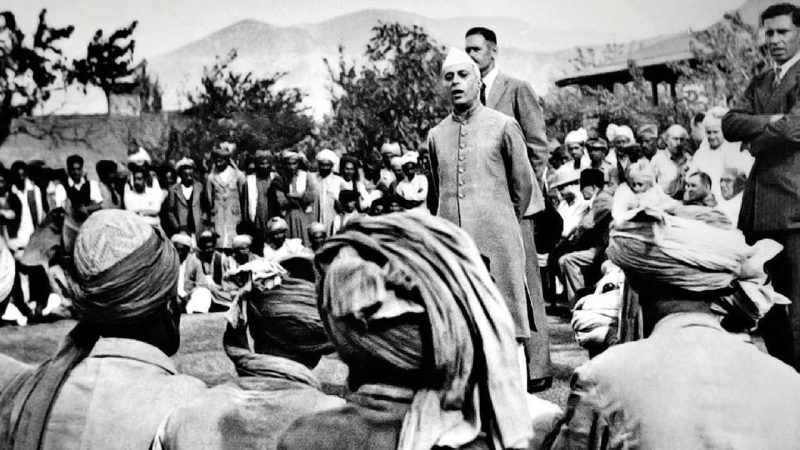
    His Holiness the Dalai Lama, and his followers, were welcomed by then Prime Minister Jawaharlal Nehru with open arms whose government helped them settle in India as they fled Tibet, following the Chinese invasion

    Introduction

    India is the largest democracy in the world, with a multi-party system, and a diverse set of cultures. It has a long tradition of hosting a large number of refugees. India has been particularly supportive of Tibetan refugees, right from the start of the Nehruvian era in the early 1950s. The number of Tibetan refugees living in India is estimated at well over 150,000 at any given time. However, a recent survey conducted by the United Nations High Commissioner for Refugees (UNHCR) in India, in association with the Ministry of Home Affairs (MHA), showed that only 72,312 Tibetans remain in the country.

    In India, Tibetans are considered to be one of the most privileged refugees unlike other refugees in the country. His Holiness the Dalai Lama, and his followers, were welcomed by then Prime Minister Jawaharlal Nehru with open arms whose government helped them settle in India as they fled Tibet, following the Chinese invasion. That period saw a large influx of Tibetans towards India as they sought asylum. The Tibetan refugees have been allotted settlements where they continue to live under the management of the MHA and the Tibetan government-in-exile, or the Central Tibetan Administration (CTA). These facilities have contributed to a sense of community-living and have enabled them to keep their culture alive till today. Tibetan refugees in India have enjoyed freedom, which was impossible in their own land under the Chinese Communist Party (CCP) rule. However, after residing in India for almost seven decades now, recent data estimates a large decline in the number of Tibetan refugees. Therefore, this study examines the theoretical concerns and empirical findings of refugee problems in general as well as distinctive features of the Tibetan refugee experience in India.

    The status of Tibetans in India is determined under the Passports Act 1967, Foreigner’s Act of 1946, and the Registration of Foreigners Act of 1939 which refer to Tibetans as simply “foreigners”. These provisions cover everyone apart from Indian citizens thus, restricting refugees’ mobility, property, and employment rights. Recognizing this, the Government of India sanctioned the Tibetan refugees with the 2014 Tibetan Rehabilitation Policy (TRP) which caters to the issues faced by them and promises a better life for Tibetans in India. An array of provisions under this policy include land leases, employment, trade opportunities such as setting up markets for handicrafts and handlooms, housing, etc. to all Tibetans in possession of the RC (Registration Certificate). Further, certain policies applicable to Indian citizens are extended to Tibetan refugees as well. For instance, the Constitution of India grants the right to equality (Article 14) and the right to life and liberty (Article 21), and India is obliged to provide asylum as outlined in Article 14 of the Universal Declaration of Human Rights (UDHR). Despite these facilities and the cordial relationship that has been built over 70 years between the Tibetans and Indians, the question raised by many, including Indian authorities is – why is the number of Tibetans migrating out of India increasing?

    With increased awareness about Tibetan refugees and their problems, many countries have opened their borders to Tibetans by introducing numerous favourable policies

    The various push and pull factors- motivation for migration

    The Tibetan Exit continues to grow with about 3000 refugees migrating out of India every year. The support and admiration of His Holiness the Dalai Lama gained worldwide has been partly due to the exhibition of the rich culture and traditions of Buddhism. With India being the birthplace of the religion, Tibetans in India caught the limelight in the global arena, leading many researchers to study their migration patterns to India. Attention is now being placed on Tibetans exiting India despite years of strong cultural and social bonding. General migratory trends of humans can be analyzed using eminent scholar Everett Lee’s comprehensive theory of migration of 1966. The term ‘migration’ is defined broadly as a permanent or semi-permanent change of residence. Many factors tend to hold people within the area or attract people towards it, and there are others that repel them from staying. This theory could also be applied to the Tibetan migratory trends by looking at the “Push and Pull” factors proposed by Lee. The ‘push theory’ here encompasses the aspects that encourage the Tibetans to emigrate outside India, and the pull theory is associated with the country of destination that attracts the Tibetans to emigrate. Ernest George Ravenstein, in his “Laws of Migration”, argues that ‘migrants generally proceed long distances by preference to one of the great centers of commerce and industry and that ‘the diversity of people defines the volume of migration’. Ravenstein’s laws provide a theoretical framework for this study, as Tibetans tend to migrate out of India with a special preference to Europe, the USA, Canada, and Australia. With increased awareness about Tibetan refugees and their problems, many countries have opened their borders to Tibetans by introducing numerous favourable policies. For instance, with the Immigration Act of 1990, the Tibetan community in New York grew exponentially. The US Congress authorised 1000 special visas for Tibetans under the Tibetan Provisions of the U.S. Immigration Act of 1990, leading to the rampant growth of Tibetan migrants in the US. The first 10 to 12 Tibetan immigrants arrived in the U.S. in the 1960s, and then hundreds in the 1970s. Today, New York alone consists of roughly 5,000 to 6,000 Tibetan immigrants.

    Former Canadian Prime Minister Stephen Harper agreed to resettle 1,000 Tibetans from Arunachal Pradesh in 2007 (CTA 2013) encouraging substantial migration. The fundamental intention of migration is to improve one’s well-being from the current state.

    The motivation for migration can be analysed by correlating origin and destination places with push and pull aspects. Push factors in the place of origin generally include lack of opportunities, religious or political persecution, genocide, hazardous environmental conditions, etc. The pull factors at the destination, on the other hand, are environment responsive to the push variables. The flow of migrants between the two points is hindered by intervening obstacles or intervening opportunities, which can also affect the motivations of individuals while migrating.

    Fig. 2 Lee’s (1966) push-pull theory in graphic form

    Fig.2 shows there are two points in the flow of migration – a place of origin and a destination, with positive and negative signs indicating the variables of pull and push factors with intervening obstacles between them. Both the origin and destination have pluses and minuses which means each place has its push and pull aspects. Every migrant is influenced by the positives of staying and the negatives of leaving a particular place. The factors to which people are essentially indifferent are denoted as zeroes. The logic of the push-pull theory is that if the pluses (pulls) at the destination outweigh the pluses of staying at the origin, as shown above, then migration is likely to occur.

    The three main pull factors or the aspects that pull Tibetans out of India are – economic opportunities, better policies for Tibetan refugees outside India, and world attention.

    Better opportunities and more earning capacity are the primary reasons for the migration of Tibetan refugees out of India. They claim that there are better options, job security, better facilities, and more accessible resources. All this put together expands their level of awareness. People outside treat them as equals which makes the living situation a lot easier, whereas in India, except for a handful who are well educated, Tibetans are mostly given very low-paid jobs such as servants, waiters, cleaners, etc.

    Second, concerning open policies in other countries, it can be argued that the migratory trend of Tibetans started in 1963 when Switzerland allowed 1,000 Tibetan refugees who were then the country’s first non-European refugees. Their population is now around 4,000. Further, in 1971, under the Tibetan Refugee Program (TRP), the original 240 Tibetans arrived in Canada, which now is a community of 5,000.

    Third, the migrants and His Holiness the Dalai Lama’s transnational travels have helped to promote Tibetan culture and give the West exposure to the richness and traditions of Tibetan Buddhism. Tibetans also migrate to spread awareness. Sonam Wang due, a young Tibetan activist from India who was the President of the Tibetan Youth Congress in Dharamshala, says that he moved to the U.S. to protest more effectively and freely. An important day known as the Tibetan Lobby Day is conducted annually in the U.S, where hundreds of Tibetans along with their supporters assemble to urge their respective governments and parliamentarians to continue their support for Tibet and the Tibetan people.

    Fig. 3 Tibetan Lobby Day in the U.S

    On the other hand, some factors tend to push people away from their origin country. Push factors from India are mainly restrictions and social reasons. There are many Tibetan schools and colleges in the subcontinent with a large number of Tibetan students. According to the Planning Commission’s data on Tibetan Demography 2010, there is growing unemployment among Tibetan youth, with levels as high as 79.4 percent. When students return to their settlements after graduation, only 5 percent of them get absorbed in employment in the Tibetan community, as jobs here are scarce with mediocre salaries. Finding a job in the Indian community is further restricted by the authorization issue which holds that they are not Indian citizens. Many of them join the Indian Army, work in call centers, or become nurses as these are a few employment opportunities in which they can earn reasonably to support their families. Those without RC are restricted while applying for business documents and procuring licenses, and the youths who have acquired education and skills are pushed out of India as they search for better job opportunities. The younger generation of Tibetans in India realizes the discrimination they face and are motivated to migrate elsewhere for a better life. Although there is Article 19 of the Indian Constitution for freedom of speech and expression and the right to assemble peacefully, when it comes to Tibetans’ protesting, they are restricted in every possible way. Tibetans must secure a legal permit before any protest outside Tibetan settlements. This varies from one region to another, for instance, Tibetans in Dharamshala can protest peacefully as that is their officially recognized place by the Central government. In spite of having authorized Tibetan settlement areas in Chandigarh, Delhi, Arunachal Pradesh, Karnataka, etc., protests conducted in these states are not tolerated and require permits because the decision-making power is solely vested in each of the State governments.

    According to Mr. Sonam Dagpo, a spokesperson for the CTA, the main reason for the decline of refugees in India is because “Tibetans are recognized as ‘foreigners’, not refugees”. The Indian government does not recognize Tibetans as refugees primarily because India is not a party to the 1951 Refugee Convention. This Convention relates to the status of refugees and is built on Article 14 of the Universal Declaration of Human Rights, which recognizes the right of people seeking asylum in other countries because of persecution in their own countries. Another important reason is the lack of awareness among Tibetan refugees that they are the stakeholders to benefit from the TRP. However, implementation of the policy is left to the discretion of the respective States, which makes it problematic. Many Tibetans use India as a transit spot. They enter India primarily to meet His Holiness the Dalai Lama and study here, after which in pursuit of a better life and the West’s influence, they tend to resettle abroad. Nepal in recent times, generously funded by the Chinese, started strictly patrolling the borders with India and are sending back Tibetans to their homeland. Therefore, this is also one of the reasons why Tibetans entering India have decreased drastically.

    The introduction of the Rehabilitation Policy (TRP) in India has decreased the burden on Tibetans. However, efforts are to be made to widen the level of awareness about the policy among the stakeholders and States

    Conclusion

    Egon F. Kunz (1981) theorized about refugee movements and formulated two categories of refugee migrants namely – ‘Anticipatory’ and ‘Acute’. Anticipatory migrants are people who flee in an orderly manner after a lot of preparation and having prior knowledge about the destination, the latter category of migrants is those who flee erratically due to threats by political or military entities and from persecution in their place of origin. Tibetans migrating out of India are largely Anticipatory refugee migrants well aware and seeking betterment. The introduction of the Rehabilitation Policy (TRP) in India has decreased the burden on Tibetans. However, efforts are to be made to widen the level of awareness about the policy among the stakeholders and States.

    Tibetans are mostly living and visiting India from abroad by and large because of His Holiness the Dalai Lama. Considering his advancing age and the number of Tibetans migrating out of India on the rise, will there be a time when Tibetans will give away the hold of solidarity by living in large communities in India? This is the burning question that lies ahead in the future of India-Tibet relations.

    Feature Image Credits: Karnataka Tourism

    Fig. 1 Source: https://reporting.unhcr.org/document/2681

    Fig 2 Source: Dolma, T. (2019). Why are Tibetans Migrating Out of India? The Tibet Journal, 44(1), 27–52. https://www.jstor.org/stable/26921466

    Fig 3 Source: https://tibetlobbyday.us/testimonials/2020-photographs/

  • The First Cosmic Bits that were Caught in Webb’s Web

    The First Cosmic Bits that were Caught in Webb’s Web

    Thousands of galaxies flood this near-infrared image of galaxy cluster SMACS 0723. High-resolution imaging from NASA’s James Webb Space Telescope combined with a natural effect known as gravitational lensing made this finely detailed image possible.

     Image Credit: NASA and STScI

    Professor Avi Loeb, head of the Galileo Project and founding Director of Harvard University’s – Black Hole Project writes about the first pictures from NASA’s revolutionary James Webb Telescope. This article is published earlier in Medium.

    From its vantage point L2, located a million miles away from Earth, the Webb Telescope just started to unravel new insights about the Universe. What is most exciting about the latest data caught in the “spider web” of the 18 hexagonal segments of its primary mirror?

    The new Webb data shows evidence for water vapor, hazes and some previously unseen clouds, on the gas-giant planet WASP-96b. The planet’s mass is half of Jupiter’s mass and it transits in front of its star every 3.4 days, allowing a small fraction of the star’s light to pass through its atmosphere and reveal its composition to Webb’s instruments. This planet is not expected to host life-as-we-know-it because it does not possess a thin atmosphere on top of a rocky surface, like the conditions on Earth.

    The image shows numerous red arcs stretched around a cluster of galaxies, named SMACS 0723, located about 5 billion light years away. NASA-administrator Nelson noted: “Mr President, we’re looking back more than 13 billion years”, an unusual statement to be heard in the household of DC politics which makes plans on a timescale of four years.

    But there was also a “deep image” of the cosmos that was released in a dedicated White House event, hosted by President Biden and vice-President Harris. The image shows numerous red arcs stretched around a cluster of galaxies, named SMACS 0723, located about 5 billion light years away. NASA-administrator Nelson noted: “Mr President, we’re looking back more than 13 billion years”, an unusual statement to be heard in the household of DC politics which makes plans on a timescale of four years.

    These amazingly sharp arcs were observed thanks to the unprecedented angular resolution of Webb’s optics. They feature ancient small galaxies from early cosmic times which happened to lie behind the cluster so that their images were deformed by the effect of gravitational lensing. Clusters of galaxies, like SMACS 0723, contain a concentration of about a thousand Milky-Way-like galaxies, buzzing around at five per cent the speed of light or a thousand miles per second. Most of the cluster mass is made of dark matter, an invisible substance which fills the dark gaps in Webb’s image. The luminous cores of galaxies are like fish swimming in a container filled with transparent water, bound together by gravity — which serves as the “aquarium” walls.

    Ever since Fritz Zwicky observed clusters of galaxies in 1933, we know that most of the matter in them is invisible. While Zwicky inferred that dark matter must exist in order to bind the fast-moving galaxies, the same gravitational potential well can be probed directly through its lensing effect on background galaxies.

    The Webb Telescope achieves unprecedented sensitivity to the faint galaxies that produced the first light during the dark ages of the Universe, hundreds of millions of years after the Big Bang. Its unprecedented ability to peer back in time stems from its observing site far away from the glowing terrestrial atmosphere, the area of its “light bucket” being 7.3 times larger than that of the Hubble Space Telescope, and its high sensitivity to the infrared band into which starlight from early cosmic times is redshifted.

    In its released “deep image”, the 10 billion dollars Webb Telescope, is aided by the natural gravitational lens of SMACS 0723, graciously provided to us for free. The cluster lens magnifies distant sources behind it by bending their light. The combination of the Webb telescope and the cluster’s magnifying power allows us to peer deeper into the universe than ever before.

    In a paper from 1936 titled “Lens-Like Action of a Star by the Deviation of Light in the Gravitational Field”, Albert Einstein predicted that a background star could be gravitationally lensed into a ring if it is located precisely behind a foreground star. This “Einstein ring” is an outcome of the cylindrical symmetry around the lens. A cluster of galaxies is not perfectly symmetric and so sources behind its center are lensed into a partial ring, or an arc — as evident from Webb’s image.

    In 1992, I entered the neighboring office of Andy Gould, a postdoctoral fellow at the Institute for Advanced Study at Princeton, where Einstein wrote his lensing paper. Andy worked extensively on gravitational lensing by compact objects, considering the possibility that the dark matter is made of them. I asked Andy whether he ever considered the contribution of a planet to the lensing effect by a star. Andy responded promptly: “planets have a negligible mass relative to their host star and so their impact on the combined lensing effect would be negligible.” I accepted the verdict of the local lensing expert and retreated quietly to my office. Ten minutes later, Andy showed up in my office and said: “I was wrong … the Einstein ring radius of planets scales as the square root of their mass and so their effect is measurable and could serve as a new method for discovering planets around distant stars. Let’s write a paper about that.” And so we did in a paper titled: “Discovering Planetary Systems Through Gravitational Microlenses.” Today, gravitational lensing is the main method by which planets are discovered around distant stars where the transit method is less practical because the stars are too faint.

    This anecdote from thirty years ago weaves together the themes of the two Webb images that were just unraveled.

    A decade ago, I wrote two textbooks, one titled: “How Did the First Stars and Galaxies Form?”, and the second co-authored with my former graduate student, Steve Furlanetto, titled “The First Galaxies in the Universe”. Both books described theoretical expectations for what the Webb telescope might find in the context of the scientific story of Genesis: “Let there be light”. Last year, I co-authored a textbook with my former postdoc, Manasvi Lingam, titled: “Life in the Cosmos”. There is no doubt that I would be glad if the forecasts in these textbooks will be confirmed by future Webb data. But even better, I would be thrilled if Webb’s data will surprise us with new discoveries that were never anticipated.

    Feature Image Credit: NASA

    This landscape of “mountains” and “valleys” speckled with glittering stars is actually the edge of a nearby, young, star-forming region called NGC 3324 in the Carina Nebula. Captured in infrared light by NASA’s new James Webb Space Telescope, this image reveals for the first time previously invisible areas of star birth.

    Called the Cosmic Cliffs, Webb’s seemingly three-dimensional picture looks like craggy mountains on a moonlit evening. In reality, it is the edge of the giant, gaseous cavity within NGC 3324, and the tallest “peaks” in this image are about 7 light-years high. The cavernous area has been carved from the nebula by the intense ultraviolet radiation and stellar winds from extremely massive, hot, young stars located in the center of the bubble, above the area shown in this image.

  • The New World and the Ukraine-Russia Breadbasket – Book review of “Oceans of Grain”

    The New World and the Ukraine-Russia Breadbasket – Book review of “Oceans of Grain”

    To understand the rise and fall of empires, we must follow the paths travelled by grain—along rivers, between ports, and across seas. In Oceans of Grain, historian Scott Reynolds Nelson reveals how the struggle to dominate these routes transformed the balance of world power. Early in the nineteenth century, imperial Russia fed much of Europe through the booming port of Odessa, on the Black Sea in Ukraine. But following the US Civil War, tons of American wheat began to flood across the Atlantic, and food prices plummeted. This cheap foreign grain spurred the rise of Germany and Italy, the decline of the Habsburgs and the Ottomans, and the European scramble for empire. It was a crucial factor in the outbreak of the First World War and the Russian Revolution.
    A powerful new interpretation, Oceans of Grain shows that amid the great powers’ rivalries, there was no greater power than control of grain.

    Thomas Grennes reviews the book ‘Oceans of Grain’ by Scott Reynolds Nelson. The book is very timely, given the emerging food crisis as a result of the blockade of the Black Sea ports that hampers the export of grain from the major exporters,  Ukraine and Russia.


    Book Title – Oceans of Grain: How American Wheat Remade the World

    Author – Scott Reynolds Nelson

    Publisher – Basic Books

    Page Count – 368 pages

    Date Published – Feb 22, 2022


    The Russian invasion of Ukraine has reminded the world that war in Europe isn’t just the stuff of history books. It also demonstrates how war can affect the world’s food supply, as both Ukraine and Russia have long been major global suppliers of wheat and other grains.

    This makes the new book Oceans of Grain, by University of Georgia history professor and Guggenheim fellow Scott Reynolds Nelson, especially timely. Nelson has written five other history-oriented books, including the award-winning Steel Drivin’ Man: John Henry, the Untold Story of an American Legend and A Nation of Deadbeats: An Uncommon History of American Financial Disasters.

    Oceans of Grain covers some 14,000 years of human history, beginning with the origin of bread, with an emphasis on the era in which the modern wheat market developed, from the 18th century to the end of World War I.

    New World food / The book focuses on the breadbaskets of the United States, Russia, and Ukraine, though it also gives a little attention to Canada, Argentina, and Australia, and passing mention of South and East Asia. Nelson often writes as if Russia and Ukraine are one land, in part because the border between them has shifted many times throughout history. His use of the word “grain” is nearly synonymous with “wheat,” though he does offer limited discussions of corn (maize), oats, barley, and rice.

    Grain has been crucial to human life for millennia. Expressions such as “Bread is the staff of life” and prayers such as “Give us this day our daily bread” illustrate the historical importance of bread and wheat. Technical change that has raised productivity in grain production has increased the standard of living for hundreds of millions of people, and negative shocks to the grain sector have caused crises and wars.

    Expansion of grain production in the 19th century to the then-newly settled regions of the United States, Canada, Argentina, and Australia greatly benefited grain consumers around the world, but it harmed traditional producers in Russia and elsewhere. The benefits for Europe were previously described in a 1997 Journal of Economic History article by Kevin H. O’Rourke as the “distributional effects of Christopher Columbus.” According to O’Rouke, transport innovations such as steamships and railroads “exported New World land to Europe, embodied in New World food.”

    Geography and transport / Geography has been crucial to the location of grain production and the pattern of world grain trade. The fertile chernozem (Russian for “black soil”) of Ukraine, parts of Russia, and neighboring lands were conducive to early grain production. Ancient “black paths” used by oxcart drivers led from the interior of Ukraine to Black Sea ports. Centuries ago, grain was shipped through the Turkish Straits on both ends of the Sea of Marmara to the Aegean Sea and then onto the ancient Greek and Roman civilizations along the Mediterranean. Control of those straits, the Bosporus and Dardanelles, has long been crucial and has led to many wars involving Russia and Turkey. Even today, following the Russian invasion of Ukraine, access to the Turkish Straits by Russian ships is a crucial military issue.

    Transport innovations have had a major effect on the pattern of world trade. Improvements in navigation and sailing ships were followed by the transition to steamships. The development of Odessa on the Black Sea was a major contributor to Ukrainian grain exports. Grain ports have been described as the children of empires, and Nelson points out the Greek term emporion — “marketplace” — is the etymological root of both “emporium” and “empire.”

    Other innovations also played important roles. Improvements in communication, such as the telegraph and undersea cables, aided long-distance trade. Improvements in explosives (nitroglycerin) contributed to the construction of deep-water harbors that can handle bigger ships. Better explosives also helped build the Suez Canal. Completed in 1869, it reduced travel time from London to Calcutta from six months to 30 days. The shortcut from the Mediterranean Sea to the Indian Ocean permitted the bypassing of the southern tip of Africa.

    Grain policy / Government policies have had an important effect on the pattern of world grain trade.

    Russian Tsarina Catherine II (1762–1796), better known as Catherine the Great, sought to develop a more grandiose Russian empire by making the country a major grain exporter. Russia’s partitioning of the Polish–Lithuanian Commonwealth added territory from the Baltic Sea in the north to the Black Sea in the south that included fertile wheat-growing land.

    According to Nelson, Catherine was influenced by the French Physiocrats, led by François Quesnay, who thought that agriculture was the main source of wealth. Catherine believed that Russia’s becoming a large grain producer would free its citizens from having to rely on other countries for their basic food. She also admired the benefits received by Poles from transporting grain down the Vistula River to Gdańsk. By increasing Russian production and exports of grain from Black Sea ports through the Turkish Straits, Catherine expected to convert Constantinople to “Tsargrad.”

    She promoted Russian wheat production in various ways, including increasing the power of landlords over serfs that made the serfs more like slaves. She also followed the anti-Semitism of earlier tsars who restricted Jews from living in old Russia. Jews were underrepresented as grain growers and overrepresented as middlemen in the grain sector. According to Nelson, this made it easy for Catherine to believe they were “leeches” who profited off the work of others. She limited the area where Jews could live to an area called the Pale of Settlement, which mostly came from land recently acquired from the partition of Poland–Lithuania. The Pale included Ukraine, with its rich black soil for growing grain, and Odessa was founded during her reign. Adding the Jewish population of the Pale made Catherine the ruler of the largest Jewish population in the world.

    A grain “invasion” / At the time of Catherine, the United States had not become an important grain exporter. But after 1865, the American Great Plains were settled, the U.S. rail network expanded, and ships and communication improved. Those innovations contributed to the United States becoming a major producer and exporter of grain.

    O’Rourke’s 1997 article described the expansion of U.S. exports as a “grain invasion” of Europe. Train tracks substituted for the ancient black paths, carrying the Plains’ bounty to U.S. ports and then onto Europe. Development of multinational grain companies like Archer Daniels Midland, Bunge, Cargill, and Louis Dreyfus (known collectively as ABCD) also contributed to a major change in the pattern of trade. The migration of labor from Europe to the United States and other emerging exporters aided the production of the newly settled farmland.

    This grain invasion increased the world supply of land devoted to wheat. That harmed European landowners, and they sought protection from their governments. German landowners successfully lobbied Chancellor Otto von Bismarck, who responded with protectionism in the form of tariffs. He was supported in this by ultranationalist politician and history professor Heinrich von Treitschke, who blamed cheap imports for the fall of the Greek and Roman empires.

    This grain invasion increased the world supply of land devoted to wheat. Russian leaders, including Prime Minister Sergei Witte and Finance Minister Ivan Vyshnegradsky, sought to regain Russia’s export prominence. They promoted a long and costly railroad expansion through Siberia to Port Arthur in Manchuria, believing it would become a major port for Russian grain exports to the Pacific. Japan resented the Russian encroachment in their neighborhood and defeated Russia in the Russo–Japanese War of 1905. The defeat was an embarrassment to the government of Witte and Vyshnegradsky, and the Marxists used it in their calls for revolution. Frequently stated goals of the Bolshevik revolutionaries were “Peace, Land, and Bread.” Nelson suggests that the humiliating military defeat may have contributed to Russia’s participation in World War I and drove Russia into revolution.

    The United Kingdom was a prominent exception to grain protectionism. Parliament did impose the protectionist Corn Laws (“corn” in British English encompasses all grains) in 1815, but the beginning of the Irish Potato Famine (1845–1852) led to the laws’ repeal in 1846. British grain production fell as a result, but the broader economy prospered. Land devoted to grain production decreased and real wages rose. Many British cities, including London and Liverpool, doubled in size between 1845 and 1860. European workers gained from greater access to grain, and European socialist parties generally supported free grain imports.

    Parvus / Nelson illustrates the connection between developments in the grain sector and politics by following the colorful life of Israel Lazarevich Helphand (sometimes spelled “Gelfand”; 1867–1924), who used the pseudonym “Alexander Lvovich Parvus” or just “Parvus.” He was the odd combination of a widely-read journalist with a doctoral degree in political economy from the University of Basel, a Marxist theorist and practitioner, and a wealthy grain trader. According to Nelson, Parvus was the thinker whom Vladimir Lenin, Leon Trotsky, and Rosa Luxemburg most admired. Parvus was born in a shtetl in Belarus and his family moved to Odessa, where his father became a grain trader. Odessa was also the home of David Leontyevich Bronstein, who raised and traded grain. His son, Lev Davidovich Bronstein, would later take the pseudonym “Leon Trotsky.”

    Parvus has been rediscovered recently, and he was the subject of recent television series in both Russia (“Demon of the Revolution,” 2017) and Turkey (“The Last Emperor,” 2017–2020). Nelson claims that both series distorted and glorified Parvus’s true role in the Russian Revolution.

    Conclusion / Oceans of Grain is a good read. It is imaginative and bold in suggesting that shocks to the grain sector may have contributed to wars and revolutions. Relevant data are usually presented to support the hypotheses. Even though they are not always convincing, they do stimulate thought.

    There are inevitable omissions, but all good stories must leave out some details. Nelson’s extensive focus on the emergence of U.S. grain production and exports is appropriate given the resulting negative effects on European grain producers and positive effects on European grain consumers. However, his limited attention to Canada, Argentina, and Australia is disappointing because they contributed to those effects on Europe. Failing to examine the competing producers in some detail could exaggerate the effects of American grain exports to Europe.

    The current Russian invasion of Ukraine certainly gives this book special relevance. Putin aspires to control the territory of the old Russian Empire, and he considers Russia and Ukraine inseparable. Nelson tells the story of how the combined Russia/Ukraine once dominated grain trade with Europe, and how the United States and other newly settled grain exporters successfully challenged that dominance. Russia and Ukraine remain among the world’s largest wheat exporters today. The fertile black soil north of the Black Sea continues to be a major source of wheat and daily bread for millions of people.


    This review was published earlier by Cato Institute.

    Feature Image Credit: www.gtreview.com

  • On Metaverse & Geospatial Digital Twinning: Techno-Strategic Opportunities for India

    On Metaverse & Geospatial Digital Twinning: Techno-Strategic Opportunities for India

    [powerkit_button size=”lg” style=”info” block=”true” url=”https://admin.thepeninsula.org.in/wp-content/uploads/2022/07/TPF_Working-Paper_MetaGDT-1.pdf” target=”_blank” nofollow=”false”]
    Download
    [/powerkit_button]

    Abstract:

    With the advent of satellite imagery and smartphone sensors, cartographic expertise has reached everyone’s pocket and we’re witnessing a software-isation of maps that will underlie a symbiotic relationship between our physical spaces and virtual environments. This extended reality comes with enormous economic, military, and technological potential. While there exist a range of technical, social and ethical issues still to be worked out – time and tide wait for no one is a metaphor well applied to the Metaverse and its development. This article briefly introduces the technological landscape, and then moves over to a discussion of Geospatial Digital Twinning and its techno-strategic utility and implications. We suggest that India should, continue on the existing dichotomy of Open Series and Defence Series Maps, initiate Geospatial Digital Twins of specific areas of interest as a pilot for the development, testing, and integration of national metaverse standards and rules. Further, a working group in collaboration with a body like NASSCOM needs to be formed to develop the architecture and norms that facilitate Indian economic and strategic interests through the Metaverse and other extended reality solutions.

    Introduction

    Cartographers argue that maps are value-laden images, which do not just represent a geographical reality but also become an essential tool for political discourse and military planning. Not surprisingly then, early scholars had termed cartography as a science of the princes. In fact, the history of maps is deeply intertwined with the emergence of the Westphalian nation-state itself, with the states being the primary sponsors of any cartographic activity in and around their territories[1].
    Earlier the outcome of such activities even constituted secret knowledge, for example, it was the British Military Intelligence HQ in Shimla which ran and coordinated many of the cartographic activities for the British in the subcontinent[2]. Thus, given our post-independence love for Victorian institutions, until 2021 even Google Maps had remained an illegal service in India[3].

    One of the key stressors which brought this long-awaited change in policy was the increased availability of relatively low-cost but high-resolution satellite imagery in open online markets. But this remote sensing is only one of the developments impacting modern mapmaking. A host of varied but converging technologies particularly Artificial Intelligence, advanced sensors, Virtual and Augmented Reality, and the increasing bandwidth for data transmission – are enabling a new kind of map. This new kind of map will not just be a model of reality, but rather a live and immersive simulation of reality. We can call it a Geospatial Digital Twin (GDT) – and it will be a 4D artefact, i.e. given its predictive component and temporal data assimilation, a user could also explore the hologram/VR through time and evaluate possible what-if scenarios.

    [powerkit_button size=”lg” style=”info” block=”true” url=”https://admin.thepeninsula.org.in/wp-content/uploads/2022/07/TPF_Working-Paper_MetaGDT-1.pdf” target=”_blank” nofollow=”false”]
    Read the Full Paper
    [/powerkit_button]

  • GST @ 5 Years: The Union Govt and States Can’t Ignore the Most Contentious Bits Any Longer

    GST @ 5 Years: The Union Govt and States Can’t Ignore the Most Contentious Bits Any Longer

    India’s goods and services tax (GST) regime was launched with much fanfare on July 1, 2017. It was marketed by many as the nation’s second ‘tryst with destiny’, a reform that would unify the country by creating a single market while ushering in excellent ease of doing business.

    It was said that gross domestic product (GDP) would rise by 1% to 2%, inflation would decline with the elimination of the cascading effect and the ‘black economy’ would be checked. It was supposed to benefit backward states which are consuming states since GST is a last-point tax – collected where the final sale occurs. It was pitched as a win-win situation.

    Government officials, writing on the occasion of the completion of five years of operation of GST, have enumerated the various benefits but admitted to some problems which they feel can be sorted out soon. The Congress has asked for a revamp of the GST since it is fundamentally flawed that a bit of tinkering cannot resolve. Many of the states have been expressing their concerns for some time, most recently in the just-concluded GST Council meeting.

    [powerkit_button size=”lg” style=”info” block=”true” url=”https://thewire.in/economy/five-years-of-gst” target=”_blank” nofollow=”false”]
    Read More
    [/powerkit_button]

  • Hegemonic Regionalism (Indo-Pacific concept): As opposed to locally based Regional Cooperation (ASEAN and Bay of Bengal)

    Hegemonic Regionalism (Indo-Pacific concept): As opposed to locally based Regional Cooperation (ASEAN and Bay of Bengal)

    The late embracing of the Indo-Pacific concept by the United States further supports the position that it is being employed as a strategic instrument to counter a rising power and a potential challenger to its global quasi-hegemonic power position.

    Based on a consideration of capabilities, the United States is currently the only country that can be described as a potential global hegemon. Certainly, there are a number of other countries that have the potential, based on their capabilities, of being candidates to become regional hegemons. Notably, China is among them, but Japan, India, and Brazil are also potential candidates, though their individual capacities vary widely and one could argue, based on capacities, that China takes the lead among them. With the implication that China becomes the main target of the de facto global hegemon, the other potential contenders must be kept in sight, as well. While most recent academic and non-academic discussions about global power transfer are focusing on rising countries, on potential challengers to the existing global hegemon, China in particular, a focus on how the existing quasi-global hegemon, the United States, is reacting to challenges to its dominance, to preserve its leading position and influence, seems almost completely missing. This lack of emphasis constitutes a rather critical issue, because when we focus on global or regional power competition, what should be of interest to analysts is not only the behaviour and strategy of a rising county, i.e., a potential challenger to an existing hegemon, but also to analyse the response of the existing hegemon, as well. After all, when it comes to issues of global and regional stability, the actions of both the existing hegemon and the potential challenger must be taken into account.

    There is no doubt that an existing hegemon does not just ‘sit back’ and watch when its influence is challenged by a new contender for power. Even a declining hegemon will try to challenge a rising power contender, consequently, the potential for instability within the international system arises not only from a rising power but also from the actions of the country which possesses a quasi-hegemonic position, trying to defend its power position. In one of his earlier and most influential works, Mearsheimer (2001) points out that great powers always aim to maximise their share of power and are in constant competition with other power contenders, with the aim of maximising their own power. Therefore, the rise of a new competitor occurs in a dynamic context between the established and the rising hegemon. Ikenberry (2014) points out that, as the overwhelmingly global power once concentrated within the United States dispersed with the arrival of new power challengers in different parts of the world, new struggles over global rules and institutions are emerging. At the very least, as emphasised by Mearsheimer (2013), great powers do not trust one another, as they worry about other countries’ capabilities and intentions.

    Not without reason, Mearsheimer (2013) argues that the United States did not and does not tolerate peer competitors, adding that the United States has demonstrated this clearly during the twentieth century.

    For these reasons, we cannot expect that a hegemon will stay inactive when watching the rise of potential challengers. An established great power, holding an almost global hegemonic position as the United States does, has the capacity to respond to the challenges arising from power contenders, and there are clear indications, past and present, that it will act to preserve its dominant power position, even within an international system that has become more multilateral in comparison with the Cold War period. Not without reason, Mearsheimer (2013) argues that the United States did not and does not tolerate peer competitors, adding that the United States has demonstrated this clearly during the twentieth century. One just has to remember that in the late 1980s, when Japan was close to economically overtaking the United States. at the global level, various United States administrations actively worked against it, refusing Japan more decision-making rights within international organisations like the World Bank and the International Monetary Fund, even though Japan had become a major donor to both organisations. Obviously, the previous Japanese challenge to the United States’ dominance was only economic. Neither will the United States allow other challengers to succeed in undermining its dominant position, even in distant regional settings. Mearsheimer (2001) reminds us that the dominant power will act at the regional level to ensure that no challenge to its own global position will take place, since the crucial task is to block potential peer competitors, even within distant regional settings.

    When evaluating the influence of a hegemon it is worth remembering that this goes beyond a focus on military capabilities, even though such capabilities are essential, and include the hegemon’s ability to disguise its ambitions and interests by pretending that it provides global public goods, which in reality satisfy primarily its own interests. More importantly, as pointed out by Griffiths, O’Callaghan and Roach (2002), all hegemonic states enjoy ‘structural power’, which permits the hegemon to occupy a central position within its own system, as well as shape other states’ preferences. As emphasised by Kupchan (2014), a hegemon also strives to generate a normative and ideological dominance, in support of its power dominance. Indeed, Gilpin, in his seminal influential work on war and change, emphasises that a major power aims to create social structures to serve its hegemonic interests, consequently supporting its domineering position with rules, institutions, and organisational principles, supporting, indeed screening and protecting, its power position with normative dominance (Gilpin 1981).

    one can also reasonably assume that when a hegemonic country introduces a new geopolitical or regional concept of space, such as the Indo-Pacific framework, will be of foremost importance to its own strategy of dominance. Indeed, the Indo-Pacific framework signals the re-mapping of geopolitical space, with little, if any, historical relevance.

    By considering these arguments describing the behaviour of a typical hegemonic power, it is rather consistent to assume that a country, such as the United States, which holds a nearly global like hegemonic position, will use its position and capabilities to support its own power position in different regional settings so as to ward off any potential competitor. For this reason, one can also reasonably assume that when a hegemonic country introduces a new geopolitical or regional concept of space, such as the Indo-Pacific framework, will be of foremost importance to its own strategy of dominance. Indeed, the Indo-Pacific framework signals the re-mapping of geopolitical space, with little, if any, historical relevance. From a historical perspective, the Indian and Pacific Oceans have been perceived as separate maritime spaces. What marries them into one geopolitical space is an invented geopolitical strategy facilitating the strategic power interests of the existing hegemon. What is more, a hegemon or hegemon-like state will not introduce or favour a new geopolitical concept if it goes against its own strategic interests.

    Indeed, from a United States perspective, the Indo-Pacific strategy not only re-strengthens, at least from a hegemonic perspective, its role within the older geopolitical concept of Asia-Pacific, but now extends this influence, from a conceptual perspective, to include the Indian Ocean, as well. One can further argue that the adoption of the Indo-Pacific approach by the United States comes at a time when we can observe considerable changes in the power configuration within East Asia (which encompasses Northeast and Southeast Asia) and to a lesser extent within South Asia. Certain changes in the regional power configuration, namely the rise of China – not only as an economic but increasingly as a military and especially as a maritime power – generate considerable challenges from the perspective of hegemonic power competition. While the strategic challenge that China, as a rising power, generates to the United States quasi hegemonic position is so far limited to a regional challenge, instead of a global challenge, still, based on hegemony theory, the existing hegemon cannot allow such a challenge to take place.

    The late embracing of the Indo-Pacific concept by the United States further supports the position that it is being employed as a strategic instrument to counter a rising power and a potential challenger to its global quasi-hegemonic power position. We may remember that the origin of the Indo-Pacific concept is associated with the previous Japanese Prime Minister Shinzo Abe and his ‘Free and Open Indo-Pacific’ concept. Shinzo Abe mentioned it as early as 2007 when addressing the Indian parliament and began frequently restating it from 2016 onwards. This was part of his intention that Japan should take a more active role in East Asia and beyond. As such, the Indo-Pacific concept was born out of the political-strategic considerations of a regional actor within East Asia. Only later, around 2018, did the United States become considerably interested in the concept, at a time when the potential challenges from rising countries increased – not only from China; one may also consider India’s rise in this context. In 2018, the United States administration even changed the name of its Pacific Command to United States Indo-Pacific Command to highlight its changing geopolitical perspective and to address the increasing regional challenges it faced from a rising China. Not without reason was the replacement of the previous Asia-Pacific concept with the Indo-Pacific concept aimed at integrating India, another rising power in Asia, more firmly with the hegemonic interests of the United States. In academic terms, one could argue that this may represent a strategy of accommodation, in which an existing hegemon accommodates a rising power by offering political and strategic space for that country. It is a strategy the United States followed previously with China until China started to become a too fundamental strategic challenge to the United States hierarchic position. One may wonder if this may also happen to India, once India becomes too powerful to be contained within a United States hegemonic project. However, for the time being, India seems to feel quite comfortable within the geopolitical space it has been offered by the existing quasi-global hegemon. As revealed by Paul T.V (2016) the strategy of accommodation is not only quite a challenging undertaking – as the hegemon has to offer political status, leadership responsibilities, and even a sphere of influence to a rising country – but in the long run the implications are that this will weaken, if not undermine, the hegemon’s own position, thus indicating the limitation of such a strategy. After all, a hegemon is rather unwilling to give up its dominant position voluntarily, though a strategy of accommodation may buy some time and allow it to employ a strategy of divide-and-rule by offering support to a potential weaker power contender when addressing the challenges of a more powerful contender. There can be no less doubt that the ongoing border conflicts between India and China and the emerging regional power competition between them facilitate India’s readiness to become increasingly enveloped in a stronger relationship with the United States which, by the way, contradicts India’s previous entrenched national strategy of non-alignment in global power politics. Consequently, drafting India into its power orbit enhances the United States’ strategic influence in regions where it is not even a resident power, like East, Southeast, or South Asia.

    There can be no less doubt that the ongoing border conflicts between India and China and the emerging regional power competition between them facilitate India’s readiness to become increasingly enveloped in a stronger relationship with the United States which, by the way, contradicts India’s previous entrenched national strategy of non-alignment in global power politics.

    Therefore, a hegemonic state will try to manipulate even distant regional settings in its favour, to arrest the rise of potential challengers to its dominant position, even by facilitating the introduction of a new geopolitical concept, like the Indo-Pacific, which ignores local perceptions of regional cooperation dynamics, the Bay of Bengal approach or ASEAN. While there are some claims that the Indo-Pacific approach does not represent a challenge to ASEAN, a position that is widely disputed, the more specific issue is that the Indo-Pacific approach does not contribute or offer support to those local-based regional cooperation processes from a conceptual perspective. Therefore, while one has to recognise that more recent regional cooperation processes within the Bay of Bengal are less dynamic for the time being, it does not mean that such a regional cooperation process is altogether missing. As stated by Amrith (2013), Asian economic connections led to renewed interest in the Bay of Bengal as a focus for regional cooperation. Indeed, BIMSTEC[1] which was established in 1997, does provide focus on regional cooperation.

    BIMSTEC creates political space for economic cooperation by addressing common challenges like underdevelopment. Consequently, offering a strategic vision for national development to its member countries, a focus fundamentally different from the geopolitical outlook of the Indo-Pacific regional hegemonic project, with its focus on military and especially maritime power distribution. Another crucial difference is that, while the Indo-Pacific strategy is a rather recent invention, regional recognition of the Bay of Bengal as a particular and unique geographic location for regional cooperation, particularly as a centre for trade and cultural migration, goes back centuries, if not millennia. As such, the Bay of Bengal commands a rich history as a historically recognised cultural and trade-inspired region. Yet, with geopolitical concepts based on hegemonic interests, such home-grown sources of regional cooperation are not recognised or supported only if they would fit the interests of the hegemon. It is evident that the Indo-Pacific concept, from a conceptual perspective, also ignores the ASEAN regional cooperation process. As such, the Indo-Pacific approach represents an artificial strategic overlay, not linked with local beads regional cooperation dynamics, even when a regional cooperation process is very well established, as is the case with ASEAN. With regard to the Indo-Pacific concept, ASEAN’s statement on the Indo-Pacific (ASEAN Outlook on the Indo-Pacific 2019) clearly indicates that the perception of the Indo-Pacific area is a contiguous geographic space is misleading and not appropriate, even though the two geopolitical spaces are geographically connected. Indeed, while the Bay of Bengal and the ASEAN regional cooperation favour regional cooperation characterised by horizontal relationships, facilitating the cooperation of countries within the region to address common challenges, the Indo-Pacific approach represent a vertical power arrangement, where a dominant power is projecting its influence onto the regional level.

    However, it should not come as too much of a surprise that a hegemon’s regional strategy, which primarily focuses on supporting its own power interests, has little to say about regional cooperation processes initiated by the people living in that region. Indeed, a global acting hegemon has only a limited interest in the empowerment of independent regional cooperation projects, since they could signal the creation of a more independent political sphere. As Mearsheimer (2013) asserts, based on its superior standing and its need to defend this position, a hegemon has always an inclination to interfere in and re-order the political outlook of even distant regions. We may take into consideration what Mearsheimer (2013) made earlier, that the United States will ensure that it will dominate the commanding heights in Asia. For all these reasons, the Indo-Pacific approach should be recognised as the newest geopolitical strategy supporting the United States’ hegemonic position in Asia.

    Bibliography

    Mearsheimer, John J (2001) The Tragedy of Great Power Politics (2001), W.W Norton & Company: New York

    Mearsheimer, John J (2013) Structural Realism. In: Dunne T, Kurki M., Smith S (eds) International Relations Theories Discipline and Diversity, 3rd ed., Oxford University Press: Oxford. pp. 77-93

    Ikenberry, G. J. (2014) Introduction: power, order, and change in world politics. In: Ikenberry, G. J. (ed.) Power, order, and change in world politics. Cambridge, Cambridge University Press, pp.1-16.

    Griffiths, M, O’Callaghan T, Roach S T (2002) International Relations: The Key Concepts 2nd; Martin Griffiths, Routledge

    Kupchan, C. A. (2014) Unpacking hegemony: the social foundations of hierarchical order. In: Ikenberry, G. J. (ed.) Power, order, and change in world politics. Cambridge, University Press Cambridge, pp. 19-60.

    Gilpin, R. (2010) War and Change in World Politics, Cambridge University Press: Cambridge.

    Paul T.V. (2016) The accommodation of rising powers in world politics. In: Paul, T. V. (ed.) Accommodating rising powers past, present, and future. Cambridge, Cambridge University Press, pp. 3 32.

    Amrith, S. S. (2013) Crossing the Bay of Bengal: The furies of nature and the fortunes of migrants By Sunil S. Amrith Cambridge, MA: Harvard University Press.

    ASEAN Outlook on the Indo-Pacific 2019, available at: https://asean.org/asean-outlook-on-the-indo-pacific/

    Notes

    [1] BIMSTEC has seven members: Thailand, Myanmar, Bangladesh, India, Bhutan, Nepal, and Sri Lanka.

    Feature Image credit: War on the Rocks

  • Higher Judiciary Needs to Take More Suo Motu Action

    Higher Judiciary Needs to Take More Suo Motu Action

    The higher judiciary must proactively exercise its powers to intervene suo motu to deal with a spate of incidents that rip the country’s social and communal fabric.

    On 14 June, six former judges of the Supreme Court and different high courts, along with six senior advocates, urged the Supreme Court to take suo motu action on the recent cases of bulldozing and demolition of houses of protestors against the remarks about the Prophet made by spokespersons of the Bharatiya Janata Party.

    In the appeal, directly addressing state actions in Uttar Pradesh, the letter states:

    [I]n its role as custodian of the Constitution, we … urge the Hon’ble Supreme Court to take immediate suo motu action to arrest the deteriorating law and order situation in Uttar Pradesh, specifically involving the high-handedness of the police and state authorities, and the brutal clampdown on the fundamental rights of citizens…

    We hope and trust the Supreme Court will rise to the occasion and not let the citizens and the Constitution down at this critical juncture.

    This may seem like an unprecedented appeal coming from legal luminaries, but action by the Supreme Court is well within the judicial realm, as the higher judiciary in India has the mandate to initiate proceedings on its own, without being petitioned by a claimant or party.

    [powerkit_button size=”lg” style=”info” block=”true” url=”https://www.theindiaforum.in/article/higher-judiciary-needs-take-more-suo-motu-action” target=”_blank” nofollow=”false”]
    Read More
    [/powerkit_button]