Category: TPF Analysis

  • President Trump’s India Visit : Balancing Optics with Substance

    President Trump’s India Visit : Balancing Optics with Substance

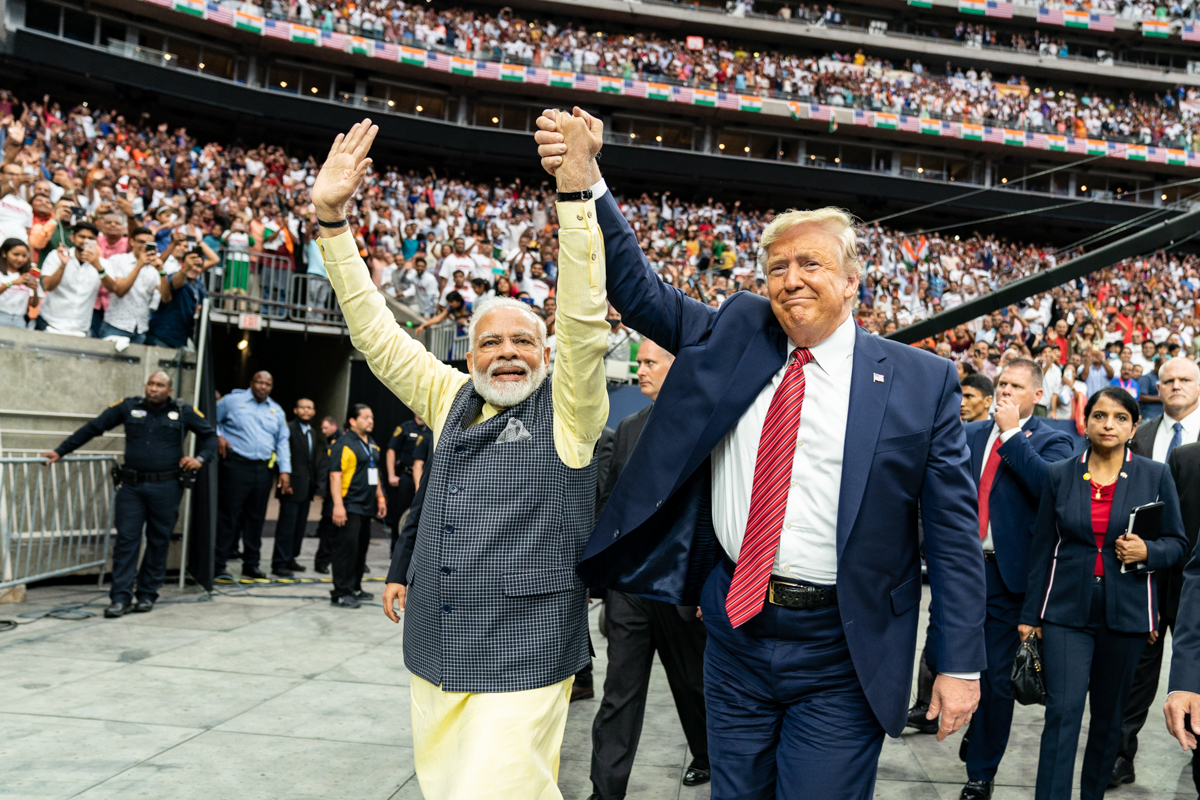
    As President Donald Trump arrives in India today, 24 February 2020,on his maiden official visit to India,  there is significant level of discussions amongst the academics, strategists, and foreign policy experts about whether this visit is more about optics than substantive discussions on strategies and agreements to strengthen the US-India strategic partnership. On arrival the president’s first public engagement is a super spectacle, ‘Namaste Trump’ at the new Motera Stadium in Ahmedabad that will have more than 100,000 people, which is Prime Minister Modi’s way of reciprocating for ‘Howdy, Modi’ at Houston last year. Most opine that while Mr Trump’s visit will be packed with pageantry, it will be light on policy and therefore, unlike previous presidential visits this one may not yield many break-through agreements. There are, however, some important developments that are very unique to the Trump-Modi era when compared to the previous visits of American presidents. Both leaders excel in showmanship and also in projecting strong nationalistic orientation to each one’s domestic constituency. Trump, with his transactional and disruptive approach comes off as more unpredictable when it comes to foreign policy and strategic issues.

    Politics and Showmanship

    It has taken Mr Trump, more than three years since he assumed office to visit India. This could mean that India was not a high priority for the Trump regime in the initial years, or as it turned out India was not the target of Trump’s disruptive strategy that he employed against USA’s traditional allies, China, Russia, and others. The final year of a POTUS term is generally termed as the ‘lame duck year’, where very few presidents have had a good last year and many were hampered by major controversies. It is important to note that India is the first country that President Trump is traveling to after his impeachment trial. There is more to Mr Trump’s India relationship than just this visit. One must remember that he is a shrewd businessman, and even before he became the president, India was already home to the most Trump ventures outside of North-America.  While India’s strategic importance is well recognised by all presidents since Bill Clinton, President Trump’s approach is considerably different than the others. His daughter Ivanka Trump made headlines when she visited Hyderabad, as White House Advisor, for the Global Entrepreneurship Summit in Nov 2017 and the prime minister broke protocol to host a dinner in her honour.

    That the Trump administration has followed a calibrated strategy of recognising and enhancing PM Modi’s image for significant gains to the American defence industry in particular is evident. The current visit, therefore, focuses primarily on strengthening strategic partnership issues in areas such as defence trade, intelligence sharing, counter terrorism, and visa issues. American side may make a token mention about Trump’s offer to facilitate improvement of India-Pakistan talks, China and issues of religious freedom.  However, these will get swamped by the more visible spectacle that will be on display at Ahmedabad and Agra.

    Defence Relationship – the most substantive progress

    India – US defence partnership has progressed significantly over the last decade and a half. The two militaries are exercising together more frequently than ever, and the strategic interactions are moving more towards equitable approach to various aspects. The Trump administration has covered significant ground in nudging India, despite its reluctance, towards partnerships such as the ‘Quad’ and moving towards interoperability by concluding various agreements including the foundational agreements through Defence-Trade-Technology relationship mechanisms.

    Defence trade between the two countries has grown exponentially since 2007. Two major procurements are likely to be signed by the Indian government during this visit: acquisition of 24 Sea-Hawk naval multi-role helicopters (NMRH) from Lockheed Martin worth $ 2.6 billion for the Indian Navy and six AH-64E Apache attack helicopters from Boeing worth $ 930 million for the Indian Army. Both procurements will be through the FMS (Foreign Military Sales) route. Trump administration cleared the decks for enhanced defence cooperation with India by approving India as a major Non-NATO defence partner in 2019, thus smoothening the process for exporting or selling hi-tech weapon systems to India. This is often confused with India becoming a major Non-NATO ally, which is clearly not the case.

    What is clear is that the US has secured major business deals with India to its great advantage, without India gaining much in terms of technology access or industrial production of hi-tech weaponry. The US objective is clearly to wean India away from its heavy dependence on Russian weaponry and secure much broader business relationship with American arms industry. The MIC (military industrial complex) of the USA is clearly focused on India now as its major avenue of business in the 21st century. The Americans were clearly unhappy that India went ahead with S-400 purchase from Russia despite the threat of CAATSA. That India has decided to buy an air defence missile system from the US, again through FMS route, worth $ 1.9 billion seems to be a compensation for such a decision.

    The US-India defence deal will scale $ 20 billion this year after the Trump visit. Many of these weapon system procurements, in terms of numbers, are not of a scale sufficient to create major industrial partnerships for manufacturing. India, however, will need to look at ways and means of acquiring significant technologies from the US through joint ventures, co-design and co-development. Otherwise, there lurks the danger of India being trapped in an all too familiar pattern of buyer-seller relationship rather than as strategic partners.

    Strategic gains?

    The visit’s focus is in areas of trade, defence, counter-terrorism, energy, and co-ordination on regional and global issues. These are areas in which considerable ground has been covered and is a continuing process. The agreement on trade deal, which was keenly expected, has been deferred. With President Trump accusing India of high tariffs and dashing all hopes of a deal before the visit, it is clear that the USA intends to push hard for favourable access to Indian markets for American companies. There are some positives that are emerging. The prospects for increased collaboration in space between ISRO and NASA looks bright.

    The focus of the American side is primarily on Defence trade.  Increase in investments in defence production may become a possibility with major projects in the pipeline. Both Boeing and Lockheed Martin are pushing hard for IAF’s 114 aircraft order, which will be processed under the strategic partnership model of ‘Make in India’ program. This could expand the production run to over 200 aircraft. Similarly, the naval  helicopter (NMRH) procurement has a possibility  of expanding into ‘Make in India’ project for over 100 helicopters. Boeing’s S-76D is a contender for Navy’s utility helicopter procurement under ‘make in India’ program.

    The spectacle of this visit will certainly contribute to both leaders’ constituencies, for President Trump’s re-election campaign and for PM Modi it may divert people’s attention from current issues of flagging economy, Delhi electoral reverses, the Kashmir issue and ongoing protests on CAA and NRC. India however, will need to negotiate hard and leverage the expanding defence business to address technology access and  strengthen Indian industry by enabling them into global supply chain. For this the Indian establishment will need to see well beyond the optics to assess real gains.

    Air Marshal M Matheswaran AVSM VM PhD (retd) is the President of TPF and a former Deputy Chief of the Integrated Defence Staff.


  • The Art of Resistance: 440 shoes on a public wall highlight the chilling murders of Turkish women

    The Art of Resistance: 440 shoes on a public wall highlight the chilling murders of Turkish women

    Category : Gender/Violence against Women/Turkey

    Title : The Art of Resistance: 440 shoes on a public wall highlight the chilling murders of Turkish women

    Author : Matheswaran 09-02-2020

    Turkish society has long grappled with the issue of domestic and sexual violence against women. Much like in India, the patriarchy is the main reason behind the loss of many lives. Ms Yamuna Matheswaran points to a very innovative display project by a Turkish artist Vahit Tuna in Istanbul that serves to capture the attention of people on the issue of violence against women.

    Read More

  • Local Protests: A New Status-Quo in Political Lifestyle?

    Local Protests: A New Status-Quo in Political Lifestyle?

    Hong Kong and Chile convulse, Lebanon possibly spiralling into a civil strife, and sanctions induced discontent paralysing Iran, a pattern of global protests is increasingly evident. The global political landscape is currently marked by frequent mass protests, and this wave is geographically much broader and unfolding in countries at different stages of development. Unlike earlier protest movements that aimed at radical political change and revolutionising the existing order, the modern demands abandon this narrative of overthrowing the system instead aiming for democratisation of the established institutions. In other words, the anti-government protests cropping up in various parts are not trying to dismantle the democratic structures but to redefine its scope and depth.

    New Wave of Protests – questioning inept governance

    In contrast to the previous waves of uprising like the Pink Tide in Latin America or the Arab Spring, that was spreading in a particular region with similar agenda, the recent protests are occurring in different zones and is marked by the uniqueness of initial triggers and demands put forth by the protestors. In Lebanon, the discontent was sparked by regressive taxes proposed (mainly Whatsapp tax) but turned into massive demonstrations, transcending sects and classes, calling for a technocratic government in the backdrop of sectarian political regime, widespread corruption and mishandling of the economy. The Yellow Vest movement in France originally against the fuel tax snowballed into nationwide protests to address the socio economic inequalities, stemming from high unemployment and stagnating economy. Protests in Chile against hiked transport fares escalated to countrywide riots revealing the dissatisfaction with the pro rich growth, heavily privatised welfare system and pro market regime. On observation, these isolated protests by themselves can be a defining feature of the current wave of protests, different from the previous waves that were characterised by common contestations.

    Despite being unrelated events with independent agendas, the countries undergoing mass protests share similar trends of inequality and economic downturns. Further scrutiny beyond the seemingly small initial triggers reveal an evident pattern of economic anger and insecurity in these nations. Experts have suggested that Hong Kong’s pro democracy movement is also fuelled by wide income inequality (highest among developed nations), especially in the last 45 years since its handover to the Chinese. The Latin American region, witnessing the most number of countries breaking into sustained protests, is the world’s most unequal zone. In addition to inequality, sustained unrest in states like Colombia, Catalonia to Iraq and Egypt, the protests are driven by slowing economic growth, mounting public debt and austerity measures. Even in populist and authoritarian regimes, citizens are demanding an end to corruption and restoration of democratic rule of law. For instance, long serving, extremely popular, leftist leader Evo Morales was forced to resign in Bolivia after protests erupted accusing him of undermining democracy to extent his rule. There are increasing clashes against repressive democracy in Russia, and revolts against autocrats in Slovenia and Czech Republic.

    Leaderless or smart mobilization?

    Interestingly, a majority of the modern protests are leaderless, led by students and youth. In Hong Kong, the protests are gaining momentum through the active involvement of the students while in Chile the unrest for systematic change was ignited after school students launched a campaign to end the 4 percent subway fare increase. Niall Ferguson noted that this demographic trend of the young leading the demonstrations is a repeat of the 1960s, which like the present had an excess of educated youth over the number of available jobs. Another similarity amongst the protests is the urban-centric mass unrest. According to migration theorists, uncontrolled urbanisation resulting in rural to urban movements is a major cause for the ongoing demonstrations. Pushed into informal settlements in cities, often ignored by authorities and without basic social coverage, the urban area becomes a ground for discontent. For instance, in Haiti the protests began due to gasoline and food scarcity. Therefore, the socio-economic marginalisation of the urban poor is a significant yet overlooked factor that drives people to the streets. This is also compounded by a lack of faith in the government. More than the poor state policies adopted and prevalent corruption, in some protesting nations, there is deep distrust among the citizens. Hong Kongers believe that their government does not have legitimate powers over Beijing, and in countries like Lebanon, Chile or Ecuador, reversal of the initial triggers did not stop the dissenters from demanding a new government.

    The youth bulge and the shrinking economic opportunities only partly explains the global protests. The reach and accessibility of social media and free messaging apps have exploded in the past decade. In addition to acting as a medium to organise and sustain mass protests, these channels are also used to express political frustrations. Unlike before when media had a monopoly over mass reach, individuals and groups have the capacity to mobilise and garner support over specific issues. While the protests seem unconnected, it is possible to see a copycat element in the way protests are carried out. The coverage of news and faster reach makes it possible for protestors to adopt methods of action that were successful elsewhere. It is also harder for states to contain and repress dissenting voices. Thus, the spread of communicative technology and social platforms offer a conducive environment for protests. 

    Social Media enables activism

    The ability of electronic media to break down physical barriers and bring more events to global audiences might be increasing the visibility of protests, which would have otherwise remained local. Data from GEDLT Project, which has been tracking protests around the world from the past 40 years, reveals that the frequency of protests has not significantly increased. However, the intensity and the length of protests have improved. Despite a spike in these political activities wherein citizens are actively mobilising to pursue their demands, there has been a decline in the success rate of protests. A recent study highlights the staggering decline in success rate of protests from 70 percent in 1990s to 30 percent in 2010. Some highlight the “smart” methods adopted by regimes to prevent and suppress clashes like reinforcing loyalty of the elite, infiltrating and dividing the opposition, etc. For instance, in Lebanon, the initially united protests has created anti protest groups that supports the Hezbollah. Governments are also adopting a strategy of blaming foreigners and outsiders to reinforce support from the public. For instance, China is building a narrative of US backed forces disrupting Hong Kong to get an advantage in the ongoing trade war, which has strengthened after US signed a Hong Kong Human Rights and Democracy law. Iran’s authorities are also blaming outsiders, especially the US, for the violence that ensued after state raising gasoline prices by 50 percent.

    Overall, there is an influx in political activism. Global unrests are now spreading and have significant implications for countries everywhere. With electronic media and its potential for mobilisation, it is now easier to bring issues to national discourse. However, while the willingness and ability of mass political activism to recur and cause disruptions have increased manyfold, its success rates have decreased. It may be said that the political frustrations and the current protests will not bring a major transformation in the political structures but rather it is a new status quo in the nature of political lifestyles.  

    Renuka Paul is a Research Analyst with TPF. She holds a masters in Public Policy.

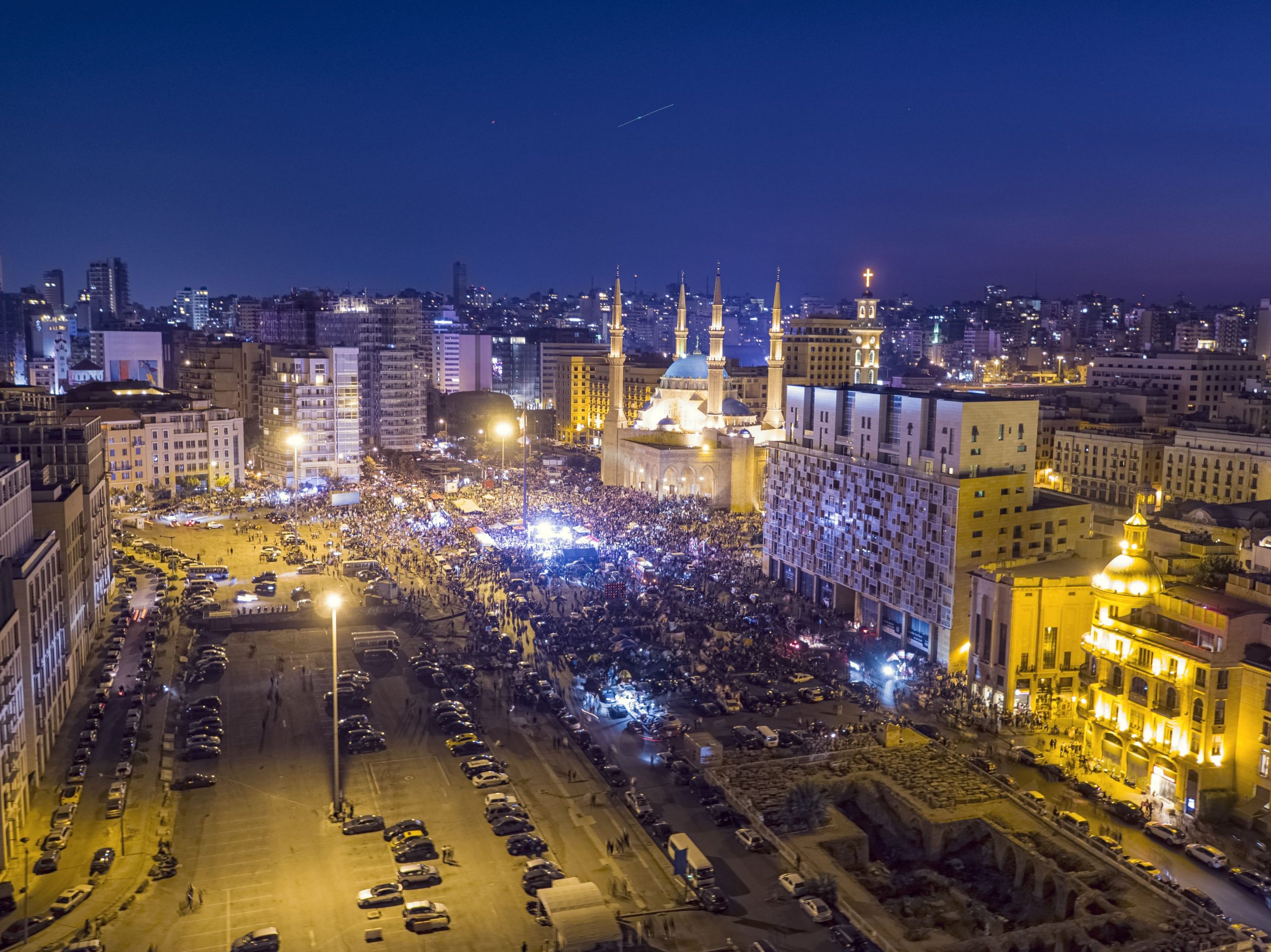
    Image: Aerial night shot of Beirut Downtown, Lebanon during protest against Government, Lebanese revolution – Phot by Ramzi – Licensed from www.stock.adobe.com

  • Deal or No Deal: The Future of Iran’s Nuclear Agreement

    Deal or No Deal: The Future of Iran’s Nuclear Agreement

    Iran’s nuclear program has been at the epicentre of most non-proliferation narratives since the beginning of 21st century. From the initial stages of receiving nuclear assistance from US to being sanctioned for their nuclear activities, Iran has managed to remain at the centre of this discourse. In 2015, Iran signed the nuclear agreement with the five permanent members of the United Nations Security Council (UNSC) – the US, Russia, France, China and U.K as well as Germany and the European Union. However, with the arrival of Trump presidency, this deal was reopened by the US and has remained controversial despite a wide consensus that Iran has largely abided by the clauses of the agreement.

    The Iran Nuclear Deal or the Joint Comprehensive Plan of Action (JCPOA) is unique for a number of reasons. It is an amalgamation of years of negotiation process between countries of widely differing perceptions and interests. It is the coming together of the western powers with Iran in order to sign a deal to curb Iran’s nuclear programme and ensure non-proliferation of nuclear weapons. Over the course of fifty odd years, the series of discourses on Iran’s nuclear programme, since its genesis till the time the deal was signed has evolved significantly. These discourses have impacted and resulted in significant policy changes. Most importantly, it has also led to a process of rapprochement between Iran and the western states making it one of the landmark agreements in recent times. However, the deal also received criticism because the narratives portrayed that Iran got a better deal through lifting of sanctions while its part of the commitment to the non-proliferation requirements was much less.

    Unlike the Obama administration that pushed for the deal, President Donald Trump has been clear about his dislike for the agreement and has been an advocate of how this could possibly be “the worst deal”. Owing to this, Trump unilaterally pulled out of the agreement on May 08, 2018 and stated that he would reimpose sanctions until a better deal could be worked out. While Trump’s decision to undo years of negotiation comes from various factors such as Israeli influence, Iran’s support for Hamas and its role in Syria to name a few, it is also due to the perception of the Republican hardliners that there was not enough pressure put on Iran and that the US managed to get a bad deal out of it, and this remains a large part of Trump’s narrative. The US strategy now is to push for a more hard-line agreement and ensure complete isolation of Iran if it refuse to fall in line. This however, has failed because more than two years later there are still no signs of Iran buckling under US pressure, although the economic impact of sanctions has started to bite.

    Given the situation, there are four possible outcomes that can be observed – First, Iran is likely to play a victim card and protest to the Europeans for compensations against the unilateral sanctions that affect its economy despite Iran abiding to all the terms and conditions of the JCPOA. In another context, this could also push Iran to retaliate by threatening to pursue uranium enrichment and continue operations in its nuclear facilities while preventing the International Atomic Energy Agency (IAEA) from inspections. Recent announcements by the Iranian government regarding its nuclear enrichment is a clear indication that they are choosing the latter option. Secondly, while the European countries are disappointed with USA’s withdrawal, there are high chances of the deal falling apart purely based on the fact that the European members of P5+1 are strategically and intimately tied to the US through much larger scope of mutual interests. However, the European countries will aim to renegotiate the deal because of the serious security concerns that might come into play if Iran is pushed towards becoming a nuclear power. Thirdly, lack of commitment from the P5+1 countries might force Iran to second guess about its decision to renegotiate a new deal. If Iran decides to abandon the agreement, there exists a high risk of nuclear proliferation in the region. However, this would only lead to further sanctions from the other European countries as well. Therefore, any decision taken by Iran will have to be done taking all these factors into consideration. Finally, Iran’s strategy going forward will largely depend on USA’s strategy and the increasing economic pressure as a result. While Trump has chosen to withdraw from the deal, he has also stated that he is open to further negotiations to ensure a better deal. It is unclear as to what a better deal entails and therefore, Iran will have to play its cards right yet again to not only stop itself from being isolated and ridden with sanctions but to also prevent its own population from revolting against its decisions.

    Another aspect that comes into play with respect to the deal is the role of China and Russia as counter-weights to dealing with US pressure. Along with the European allies, both the countries are against Trump’s decision to leave the nuclear agreement, reintroduce sanctions and renegotiate the deal. Earlier, China and Russia’s involvement remained minimal in the JCPOA. This time around, both the countries won’t allow Iran to be isolated. China and Russia have had historical ties with Iran and therefore, have been reluctant participants in the sanctions regime. However, both the countries will now actively look to counter USA’s unilateral decisions regarding the deal and will support Iran weighing out the consequences.

    Iran is currently amidst domestic protests due to hike in fuel prices and bad economic conditions. Despite being an oil rich country, it is unable to reap the benefits of it through exports, due to sanctions. The Iranian government is exactly in the same situation it was in 2015 (politically and economically) when it signed the JCPOA. Therefore, strategically, this could be the right time for the US to give a window of opportunity to Iran to renegotiate. However, given the circumstances, renegotiating this deal is not at the top of the priority list for any of the countries and therefore, the future of the deal still remains uncertain.

    Looking ahead at the future possibilities

    If the countries come together again at the negotiating table, there are a few things that has to be done differently this time around to ensure that a deal is signed and is followed through. Firstly, a fool-proof clause has to be added in order to ensure that there are no easy exit strategies for any country from the deal. Once the deal is signed, every signatory has to abide by the deal unless there are any violations made by a member country. Secondly, with respect to Iran, the deal should be such that, the benefits of staying in the deal should be far more important than threatening to quit. Thirdly, the P5+1 countries have to ensure that they all have the same goal and approach to the deal rather if they want this deal to succeed. Fourthly, opportunity to improve the nuclear facilities in Iran must be provided but the agreement should be designed to detect and prevent clandestine programs. Finally, any further delay in signing a new deal will only increase Iran’s breakout capabilities which is counter-productive given that it was the need for the deal in the first place. Therefore, the imperative of saving or renegotiating the JCPOA as acceptable to all is never more urgent, particularly in the context of the emerging humanitarian crisis in Iran as a result of back-breaking sanctions.

    Swathi Kallur is a Research Intern with TPF. She holds a master’s in international relations from Symbiosis University, Pune. Views expressed are author’s own.

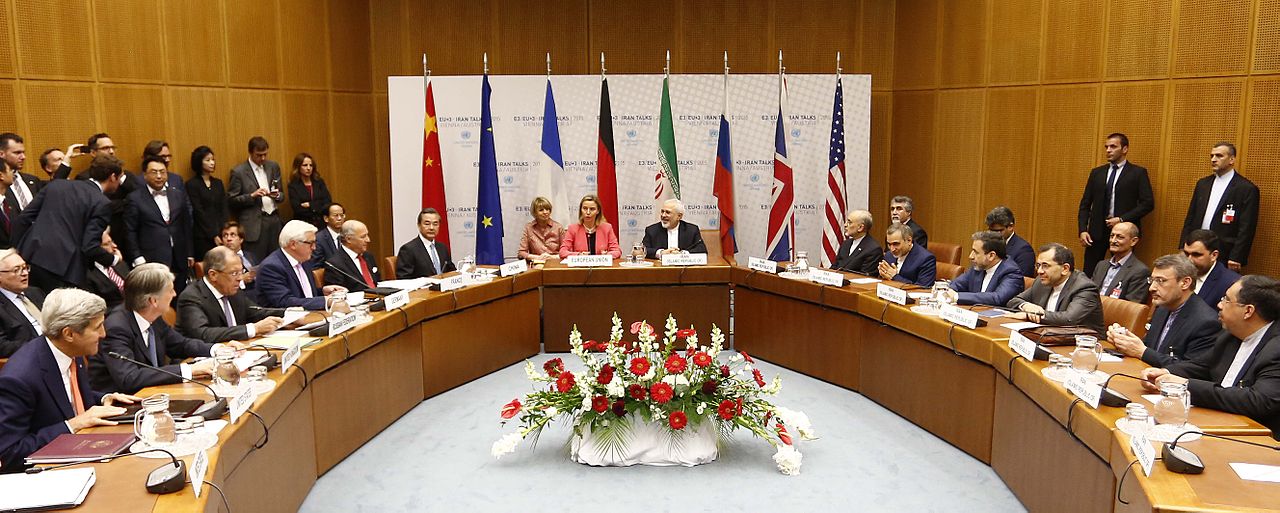
    Image Credit: Commons.wikimedia.org

  • Greenhouse Gases and Dietary Changes

    Greenhouse Gases and Dietary Changes

    Vijay Sakhuja                                                                                       July 22, 2019/Commentary

    The 21st century has been rightly labelled the ‘Climate Century’ and there is visible urgency to contain global temperature rise to 2˚C or below. Among the many initiatives currently underway to achieve that, deep cuts in global emissions in greenhouse gases (GHG) have been suggested.

    One of the major contributors of GHG is the livestock sector; in particular, beef and cattle milk production result in anthropogenic GHG and represent 65 percent of the sector’s emissions i.e. 41 and 20 per cent respectively totalling about 4.6 giga tonnes carbon dioxide (CO2) equivalent. Meanwhile, pork, poultry and eggs contribute less than ten percent each. Besides, there are other closely associated producers of GHG in this sector such as cattle feed production and processing, enteric fermentation from ruminants, manure storage and processing, and the balance is attributable to the processing and sector supply chains.

    According to the Food and Agriculture Organization (FAO) of the United Nations, nearly half of the global agriculture production is consumed by live stock and just 37 per cent is for humans. Another study by the American Oil Chemists’ Society (AOCS) provides some very alarming outcomes and notes that it takes about 7 kilogram of grain in dry weight to produce 1 kilogram of live weight for bovine, around 4 kilograms for 1 kilogram of live weight for pigs, and for poultry it is just over 2 kilograms. Furthermore, the United States Department of Agriculture notes that agriculture takes up 80 to 90 per cent U.S. water consumption, and the Environmental Working Group observes that one pound of eggs require 477 gallons of water and almost 900 gallons for one pound of cheese. If that be so, it is fair to argue that there is otherwise surplus plant-based food available for humans.

    Livestock as a source of food is expected to grow in the coming years. This is driven by the projected increase in global population from 7.6 billion is expected to reach 8.6 billion in 2030, 9.8 billion in 2050 and 11.2 billion in 2100. Consequently, any strong growth in the livestock sector to support the protein requirements of the growing population would result in higher GHG emissions. This necessitates urgent interventions to reduce emissions and can be achieved through sizeable reductions in the production and consumption of beef and cattle milk and balancing it with higher production of pork and poultry. However, that may not be sufficient.

    In recent times interesting and promising initiatives by both the public and private sectors to promote agro-vegetable based diet among the people has been noticed. For instance, in the US, the sale of dairy and related products witnessed eight per cent drop from $14.7 billion in 2017 to $13.6 billion in 2018. One of the reasons for this drop has been the consumer shift toward plant-based alternatives for milk from oats, cashew, almond and soy. The US market trends suggest that the plant based dairy alternatives are currently valued at $17.3 billion and could double by 2023. The current meat value chain is about $1,900 billion and the livestock economy is a promising domain. Nearly 1 billion people are involved in the rearing, processing, distribution and sale of livestock, with half of those reliant on livestock for their livelihood. Significantly, livestock sector constitutes only 40 per cent of the agriculture as a whole that makes up approximately 3 per cent of global GDP.

    While vegetarianism has been in vogue for a long time, it is veganism which is fast gaining popularity particularly among the Western countries such as the U.S., Canada, the UK and some countries in Europe. The vegan diet is being prompted on at least three counts; first is the issue of human health and a number of scientific studies have confirmed the benefits of plant-based diet that reduces the risk of chronic illnesses and diseases; second is the issue of sustainability and the international community has come to realize the critical need to reduce GHG emissions; and third is the growing understanding among the humans of the sustainability of veganism. In fact the vegan food industry is investing in vegan fashion, vegan leather to replace animal hide footwear and numerous other such products are making debut in the international market and gaining popularity among people at large.

    This has led to a war between meat industry and vegan lobbyists who are promising options such as vegan meats, cheeses, milks, and other products. For instance, global plant milk market is expected to grow from over $8 billion in 2016 to $21 billion by 2024 and would be led by soy and coconut milk.

    Finally, consumers are increasingly concerned about the impacts that animal-based foods have on land and water use, human health and above all on the environment, particularly in the context of GHG.

    Dr Vijay Sakhuja is Trustee, The Peninsula Foundation, Chennai. 

    Photo by Helena Lopes from Pexels

  • Strategic Autonomy and the Looming Oil Crisis

    Strategic Autonomy and the Looming Oil Crisis

    Kamal Davar                                                                                             May 31, 2019/Commentary

    The new Modi government will have to speedily contend with a serious foreign policy challenge on its hands.

    That this ordeal comes in the wake of some underplayed serious economy problems currently facing the nation will compound the problems for India which imports over 80 per cent of its burgeoning oil needs.

    Thus, if the looming crisis in the Persian Gulf between an arrogant US and an equally defiant Iran does not get resolved peacefully, ominous ramifications await the region, the world and all those nations which import crude oil from Iran.

    The genesis of the current crisis between the US and Iran has its roots in the Joint Comprehensive Plan Of Action (JCPOA) which was agreed upon by Iran and six western nations in 2015, led by the US, to curb Iran’s nuclear programme, which boils down to deterring Iran from developing nuclear weapons. But in May 2018, the US, under its mercurial President Donald Trump, chose to renege on this treaty as Trump felt that this was the “worst deal ever negotiated.”

    It is also a fact that Iran did not violate any norms of the law as regards this agreement.

    Meanwhile, the US allowed some nations, including India, which import oil from Iran a six-month waiver, which ended on May 2, 2019. As a consequence of the US action, oil prices the world over have jacked and soon its adverse effects will be felt in India as inflation will hit the already strained Indian economy. Over a 10 per cent hike in global oil prices has already taken place in the last one month and a crippling escalation in oil prices ahead is well on the cards.

    Notwithstanding any US pressure on India, the unalterable fact of Iran’s strategic significance to India in the region remains beyond question. India imported 24 million metric tonnes of crude from Iran in the 2018-19. India was Iran’s second largest buyer of crude last year, while Tehran was the third largest supplier to India after Iraq and Saudi Arabia (11 per cent of a total of India’s oil imports).

    Additionally, Iranian crude comes with a longer credit period and cheaper freight owing to Iran’s geographical proximity to India and, thus, Iranian oil remains the best option for India in more ways than one.

    Higher oil prices also make the Indian rupee weaker, making imports to India costlier. Importantly, that Iran-India collaboration in the development in the vital Chabahar Port in Iran will give India vital ingress to Afghanistan and the Central Asian Republics cannot be understated.

    Meanwhile, the US has rushed the formidable USS Abraham Lincoln carrier-borne Task Force to the Persian Gulf region and undertaken certain prophylactic steps in case war breaks out.

    The Iranians, too, have mounted some small-range anti-ship missiles on their warships. Iranian President Hassan Rouhani recently said that his nation is facing acute pressure from international sanctions, dubbing it a “war unprecedented in the history of the Islamic revolution.”

    The US has also branded Iran’s elite Revolutionary Guards as a foreign terrorist organisation. A war of words has broken out, with President Trump declaring that if “Iran wants to fight, that will be the official end of Iran. Never threaten the United States again.”

    Replying back sternly, Iranian Foreign Minister Javad Zarif retorted that Iranians have stood tall for millennia against aggression and that “economic terrorism and genocidal taunts won’t end Iran.” He added that “never threaten an Iranian. Try respect it works.”

    Importantly, even US allies have steered away from of taking any partisan positions with either the US or Iran. Meanwhile, oil-producing nations like Saudi Arabia, Kuwait, Mexico and the US itself have been requested to step up their oil production to cater for Iranian oil shortfalls.

    How this oil crisis will shape up to meet global demands is anyone’s guess.

    It is a strategist’s nightmare in conjuring up a scenario concerning the ramifications of a war between Iran and the US. The Persian Gulf is easily one of the world’s critically significant strategic waterways through which one-third of the world’s oil is transported.

    In the event of a war, Iran will definitely close the vital Straits of Hormuz for commercial shipping purposes, throwing the region’s economy out of shape — an eventuality which, hopefully, should not ever take place.

    Preoccupied with its General Election, India, as a major regional player, has so far not reached out to its strategic partner, the US, to impress upon it to defuse the crisis.

    Recently, the Iranian Foreign Minister made a trip to India to explain their position to India on the current standoff.

    India, however, need not succumb to any US pressures or take sides. India has an adequate financial standing and moral stature to play a peacemaker’s role. India must conscientiously follow the time-honoured policy of zealously guarding its strategic autonomy. Respect for India from nations even adversarial to each other — as in earlier decades — will follow automatically and some of India’s economic tribulations will also get simultaneously addressed.

    Let the new government in New Delhi bear in mind Iran’s more than significant strategic value for India in the region.

    The author, Lt Gen Kamal davar is a former DGDIA and is visiting Distinguished fellow at TPF. 

    This article was earlier published in The Tribune.

  • The Chinese diaspora in Europe: Serving the motherland from abroad

    The Chinese diaspora in Europe: Serving the motherland from abroad

    Andrei V Korobkov, Nikolaj A Sluka, and Pavel N Ivanov                          May 31, 2019/Analysis

    Europe, one of the largest immigration systems of the world, is experiencing currently a test of strength under pressure coming from a powerful new wave of migrants from the Muslim countries of the Middle East and North Africa (MENA) caused to a large extent by the Arab Spring.

    According to Eurostat, arrivals from the Middle East to the EU were estimated at 1.5 million in 2015 and 1.8 million, in 2016. With the accumulation of economic problems and the escalating ethnic tensions in many countries of the region, demands are intensifying for a strict limitation of immigration and the reorientation of migration policy towards the primary acceptance of highly qualified migrants while limiting simultaneously the admission of practically all other categories of immigrants, including refugees. During his term in office, Nicolas Sarcozi, the former President of France, spoke, in particular, of the need to switch from «suffered» to «chosen» immigration.

    Regardless of the growing realization of the problem’s acuteness by political elites, no effective measures have been introduced yet to deal with it. As a result, criticisms of European migration policies are intensifying. The problem cannot be limited to migration and minorities issues. These are not synonymous with poverty, unemployment, social frustration, and aggression that the Brits, for example, view as the root causes of pogroms in their cities, while considering white youngsters (chavs) as their main perpetrators. The crises also hurt representatives of the middle class, deepening the gap between them and the rich. This does not resolve the problems related to the integration and adaptation strategies, multiculturalism, cluster and dispersed settlement, and the links of those with the issue of social mobility or the lack of the latter.

    The challenge of multiculturalism still remains a headache for many Western European governments as well as for the supporters of tolerance and multiculturalism concepts in general.

    The challenge of multiculturalism still remains a headache for many Western European governments as well as for the supporters of tolerance and multiculturalism concepts in general. Prior to the start of the June 2018 EU leaders’ emergency summit, dedicated to the issues of migration, the French President Emmanuel Macron stated that the EU migration crisis has been transformed into a political one.

    With this background, immigration to Europe from China remains to a large degree an invisible one. This is explained partially by the different scale of the incoming migration flows as well as by their origins. In 2016, the Chinese comprised just 3% of 76 million international immigrants residing in Europe. While the huge potential scale of the Middle Kingdom’s population mobility is well understood, that country traditionally prefers to act «in the shadow zone.»

    In contrast to Muslim immigration, caused to a large extent by the Arab Spring and thus having a forced, push character in the countries of emigration, the Chinese immigration could be characterized as a product of a merger of the ideologies of the receiving states, relying on the concept of multiculturalism, and the sending country, pursuing the «going out» policy.

    With a relatively long history of Chinese immigration to Europe, experts concentrate their attention on its most recent wave, the so-called New Immigration that started at the inception of China’s economic reforms and the policies of Openness. This migration wave is marked by a balanced gender structure and high shares of younger age cohorts, well educated and highly qualified people, aiming at the assimilation within the European societies, allowing them to find a job within the prestigious segments of labor market. This migration wave has significantly boosted and qualititatively transformed the process of the ethnic diaspora formation in the region. Exactly this New Migration is defining the main quantitative parameters of the diasporaand is responsible for the formation of the «model ethnic minority» stereotype that has become deeply ingrained in American public consciousness.

    There also exists another “shadow” component of this migration flow represented by the industrial workers and service personnel who as a group have quite different demographic parameters and are marked by the relatively low levels of educational achievement, well being, and language proficiency. This latter group also includes undocumented migrants. This is a different and quite poorly explored up to this point area of research.

    The emergence of deep fracture lines separating the host countries’ native populations and the politically and socially deprived immigrants who differ in language and religion – the concept defined in classical Political Science as mutually reinforcing cleavages – is less likely in this situation, marked by quite heterogeneous structure of the immigration flow.

    The fact that the main immigration flow is centered on a relatively narrow group of receiving states reinforces contrasts in the territorial distribution of the Chinese diaspora in Europe.

    The fact that the main immigration flow is centered on a relatively narrow group of receiving states reinforces contrasts in the territorial distribution of the Chinese diaspora in Europe. Its overall numerical strength has an expressed meridian gradient, declining in the West-East direction, and nearly directly correlates to the geography of the economically developed and populous countries. More than 98% of the diaspora is located in just 10 countries, while 50% lives in the UK and France. Large Chinese communities have been formed in Germany and the Netherlands as well as in Italy and Spain — the latter being the countries that have relatively recently offered amnesties for illegal immigrants. On this background, less visible are the countries of Northern and, especially, Eastern Europe, that for the first time opened their borders for Chinese immigration just in the 1990s. The exception represent just Hungary and Romania, having a relatively higher share of the Chinese in their modern immigration flow structure.

    The «Chinaization of Europe» issue is acquiring a partially local character in the context of escalating leadership struggle among the world’s major powers in the framework of transition to the third global integration cycle. It is important that China is viewing emigration in the context of its «going out» strategy and in combination with other «soft power» mechanisms, involving the cooperation with European states in various fields — economic, investment projects, research and development, educational, socio-cultural etc. More than that: official Beijing is incrementally cutting on the projects that were designed to promote migrants’ repatriation or aimed at the replenishment of the human capital reserves, and is transiting to a large scale «Serve the Motherland from Abroad» stategy. The main task is to form the China-centered interlayer as a factor of state influence in host countries with high levels of ethnic communities’ concentrations. In the future, the representatives of such influence groups are expected to become deeply ingraned into the social, political, and economic life of the receiving countries in order to be able to lobby China’s interests in case of necessity. Thus the main emphasis will be made on preserving and strengthening the diaspora’s national consciousness, promoting China’s future global political and economic superiority.

    Andrei Korobkov is Professor of Political Science and International Relations at Middle Tennesse State University, USA. He is a non-resident, visiting Distinguished Fellow at TPF.

    Nikolaj A Sluka is Professor of Geography at Moscow State University, Russia.

    Pavel N Ivanov is pursuing his MS (Geography) at Fudan University, Shanghai, China.

    This article is published earlier in BRE Review of University of TURKU.

    Photo by Vladislav Vasnetsov from Pexels

  • Will Venezuelan Parliamentary Elections End the Deadlock?

    Will Venezuelan Parliamentary Elections End the Deadlock?

    Andrei Korobkov                                                                                   March 05, 2019/Analysis

    The crisis in Venezuela grows more complex with each passing day. At first, President Nicolas Maduro declared that he was willing to consider the possibility of early parliamentary elections. But it is clear that this proposal is absolutely unacceptable for the opposition, which already wields a majority in the legislature and has the US firmly behind it. The opposition is urging the President to resign and takes a dim view of an early presidential election, no matter how rapidly it can be organized. The “interim president” appointed by parliament, Juan Guaido, is counting on the West’s financial and political support. He is feeling increasingly confident now that the US has frozen Venezuela’s government bank accounts and announced that the pretender president would be given control of them. This means that the government will immediately lose $7 billion deposited in US banks and another $11 billion in expected revenues from 2019 oil sales. Given that, Guaido, dizzy as he is with what he sees as his success, is unlikely to be willing to agree to serious talks or compromises, although he can suggest holding simultaneous presidential and parliamentary elections. Maduro, for his part, is not going to surrender and has already issued a warning that the growing confrontation and the mounting Western interference in his country’s internal affairs could lead to a civil war.

    There are a number of reasons why the current crisis in Venezuela is of such great interest and may have far-reaching political consequences. The US has always regarded Latin America as its backyard where it is free to lay down the law and punish disobedient. The 1823 Monroe Doctrine, in effect, introduced a “limited sovereignty” model that became increasingly pertinent during the Cold War.

     The United States has made huge investments in Latin American economies; Latin elites have been educated in the US for generations; the Americans have trained Latin militaries and supplied them with arms for centuries. The region is highly dependent on the US technologically. Besides, Venezuela is one of America’s main oil suppliers. The Americans are exasperated not only by the demonstrative independence of Venezuelan foreign policy but also by the 20 years of leftist reforms under the Chavez and Maduro governments. The same is true of the increasingly noticeable political, economic and military presence of Russia and China in the country. Of no small importance, too, is Venezuela’s good relationship with Cuba.After the Cold War, the Americans initially decided to at least formally follow the rules and refrain from toppling democratically elected governments in the region. Instead they used other, more flexible methods to influence the situation in individual Latin American countries. The exceptions were the abortive coup attempts in Honduras in 2009 and Venezuela (against Chavez) in 2002. From this point of view, the attempt to displace Maduro is relatively out of step with the new US policy in the region and may signal yet another revision of regional strategy.

    One more specific feature of the current situation in Venezuela is that the US line consists of an eclectic array of approaches that the US has used in a number of Latin American countries over the last 60 years. The contras’ failed landing in the Bay of Pigs in 1961 is one notorious example. A more obscure aspect of the story is how the CIA thought about the operation. After all, no one expected that the team in question would be able to launch a large-scale operation and fight Fidel Castro’s government. The plan was for them to dig in on a limited territory, proclaim an alternative government that would be immediately recognized by Washington, and request US troops be sent in to “support the legitimate government.” The gambit was a scandalous failure, but the “alternative government” idea is still alive and being used in Caracas in the form of a constitutional coup.

    Another precedent was set in Chile in 1973. Older people remember well the TV footage of well-fed and clearly not overworked housewives banging pots and pans at protests in Santiago and shouting that they were starving. The same tactics are being used today. The US has introduced economic sanctions and is intentionally destabilizing the economic situation in a country that has already been weakened by the government’s experiments with “Bolivarian socialism” to accuse Maduro of being an ineffective leader and to arouse popular disaffection. (But even today, Maduro’s opponents are failing to turn the lower strata that form the majority in that developing country against him: these people remember that it was Chavez and Maduro after him who gave them access to education and healthcare and enabled them to enjoy far better living standards).

    A third model still in the works is based on the 1989 Panama operation. If the first two options don’t work, outbursts of violence will be provoked through assassination attempts against opposition leaders or assaults on US nationals. This would lay the groundwork for a US invasion under the pretext of restoring law and order and guaranteeing the safety of US citizens.

    The first two models have been tested in Venezuela, without much success. The question is whether the third option will be attempted. This also raises two more interesting questions. Latin American coups usually become possible if military leaders turn on the government, but in Venezuela they continue to support Maduro. Moreover, it was the military who saved Hugo Chavez in 2002 and thwarted the coup masterminded from outside the country. The question is whether this support endures and whether the US succeeds in offering military leaders enough “carrots” for them to change their outlook.

    The second question concerns the US president. Donald Trump took over two years ago with his coterie of right-wing political reformers determined to fundamentally alter both America’s domestic and foreign policy. In the foreign policy arena, this new approach was based on renouncing interventionism, shifting emphasis towards domestic growth, acknowledging that the center of the world system was migrating from the northern Atlantic Ocean to the Pacific, and recognizing China as the major geopolitical threat to the United States. The last point implies that the US must create a new system aimed at containing China, which, in turn, requires better relations with Russia as a counterweight to China, the start of tariff wars against the PRC, and the destabilization of the WTO and the free trade system as a whole, which allegedly are more beneficial for China than for the United States. But, seen by the US elite (and not without reason) as a systemic threat, Trump is under continuous attack and unable to implement many of these ideas (with the greatest obstacles put in the way of his attempts to improve US-Russia relations). Gradually, the majority of the right-wing reformers left his administration (the biggest loss was the departure of Steve Bannon and Sebastian Gorka) to be replaced by traditional neocons and interventionists like John Bolton, the current national security advisor.

    Along with the loss of Republican control of the House of Representatives in November 2018, the approach of the presidential primaries, growing stock market volatility, relatively low presidential approval ratings, and unending attacks on Trump from the political establishment and the “elite” press, this is strengthening the hand of those who are urging the president to stage a “small victorious war” of his own. After all, Trump is still the only US president in two generations who has not yet launched a single new military intervention. Meanwhile, Trump himself is between a rock and a hard place, as he is being pressured by both the traditional US right, who dream of the US flexing its military might and toppling the disobedient regime, and the Democrats, who hope to force the president to break his election promises, mire him in a protracted military conflict and thus discredit and politically weaken him ahead of his re-election campaign.

    The current situation has yet another, broader international dimension. The international community is divided over Venezuela. The United States is supported by Canada, Brazil, and many European and Latin American countries. But that is a far cry from unity. Many right-wing governments in Europe, including Italy, whose government is very close to Trump ideologically, have been skeptical of attempts to give Venezuela away to a different suitor.

    An even more important factor is that the new leftist president of Mexico, Andres Manuel Lopez Obrador, is well aware of the possibility that Mexico will be the next target, if a constitutional coup is allowed to happen in Venezuela. Moreover, opposing Trump is a win-win for any Mexican politician amid the growing US-Mexican friction over immigration, tariffs, and much else. President Erdogan in Turkey is thinking along the same lines.

    Most important, of course, is the stance taken by Russia and China. Both have actively cooperated with Venezuela in recent years, with Chinese investment in the Venezuelan economy exceeding Russia’s by almost 400 percent. Nevertheless, China is very cautious about its moves, as it is currently under pressure from the US and unwilling to furnish Trump with another pretext to accuse it of growing expansionism.

    This is why the initiative in supporting President Maduro will most likely remain in Russian hands. Though inferior to China in terms of investment, Russia is the main arms supplier to Venezuela (with sales totaling $12 billion). Russia has also invested heavily in Venezuela’s oil industry and a number of other sectors.Thus, the current situation includes many unknowns linked to actors’ moves both in Venezuela and the United States, as well as Russia, China and a number of other countries. As such, both the course of the conflict and its outcome can be of global importance, influencing, among other things, the prospect of whether the US reverts to its traditional imperial interventionism or opts for a somewhat different policy.

    The course of this crisis and its outcome may also have serious impact on the domestic political situation in the United States. The potential for a “controlled crisis” looms large in this situation, because the chances of a political provocation aimed at drawing the Trump administration into a military conflict are sufficiently high. Therefore, the dynamics of the Venezuelan drama may decide the fate of both Maduro and Trump himself in the long run.

    Dr Andrei Korobkov is Professor of Political Science at the Middle Tennessee State University, and is Non-Resident Visiting Distinguished Fellow at TPF. This article is the English translation of the original published earlier in Valdai Discussion Club.

    The views expressed are the author’s own.

  • The state of Bihar!?

    The state of Bihar!?

    The Prime Minister in the run up to the Bihar assembly elections announced a Rs.50,000 crores package for the state. Just as he announced a Rs.100,000 crores package for Jammu and Kashmir that July. Bihar has a population of over 103 million and J&K has a population of 12.5 million.

    This is not a new story. Bihar has been systematically exploited by denying it its rightful and deserved share of central funds from the First Plan.

    That Bihar is India’s poorest and most backward state is undeniable. The facts speak for themselves. But what makes its situation truly unique is that Bihar is the only state in India where the incidence of poverty is uniformly at the highest level (46-70%) in all the sub-regions. The annual real per capita income of Bihar of Rs. 3650 is about a third of the national average of Rs.11, 625. Bihar is also the only Indian state where the majority of the population – 52.47% – is illiterate.

    But Bihar has its bright spots also. Its infant mortality rate is 62 per 1000, which is below the national average of 66 per 1000. But what is interesting is that it is better than not just states like UP (83) and Orissa (91), but better than even states like Andhra Pradesh and Haryana (both 66).

    Even in terms of life expectancy, the average Bihari male lives a year longer (63.6 yrs.) than the average Indian male (62.4 yrs) and the state’s performance in increasing life spans has been better than most during the past three years.

    Bihar has 7.04 mn. hectares under agriculture and its yield of 1679 kgs. per hectare, while less than the national average of 1739 kgs. per hectare is better than that of six other states, which include some big agricultural states like Karnataka and Maharashtra.

    Despite this, in overall socio-economic terms, Bihar is quite clearly in a terrible shape.

    As opposed to an All-India per capita developmental expenditure during the last three years of Rs.7935.00, Bihar’s is less than half at Rs.3633.00. While development expenditure depends on a bunch of factors including a state’s contribution to the national exchequer, no logic can explain away the per capita Tenth Plan size, which at Rs. 2533.80 is less than a third of that of states like Gujarat (Rs.9289.10), Karnataka (Rs.8260.00) and Punjab (Rs.7681.20).

    Simple but sound economic logic tells us that when a region is falling behind, not just behind but well behind, it calls for a greater degree of investment in its progress and development. It is analogous to giving a weak or sick child in the family better nutrition and greater attention. Only in the animal kingdom do we see survival of the fittest with the weak and infirm neglected, deprived and even killed.

    But instead of this we see that Bihar is being systematically denied, let alone the additional assistance its economic and social condition deserves, but also what is its rightful due.

    From the pitiful per capita investment in Bihar, it is obvious that the Central Government has been systematically starving Bihar out of funds. Quite obviously Bihar has also paid the price for being politically out of sync with the central government for long periods. The last one was for a dozen years from 1992 to 2004. For the last one year Bihar had a government in New Delhi that was supposed to be favorably disposed to the regime in Patna.

    Quite clearly states that are in political sync do much better in terms of central assistance. Lets take a look at how Andhra Pradesh, a state that has stayed largely in political sync with New Delhi, has fared in the past few years. In terms of grants from the Central Government (2000 to 2005), Bihar fared poorly receiving only Rs. 10833.00 crores while AP got Rs. 15542.00 crores.

    Bihar has also been neglected as far as net loans from the center are concerned. It received just Rs.2849.60 as against Rs.6902.20 received by AP from 2000-02. It’s only in terms of per capita share of central taxes do we see Bihar getting its due. This gross neglect by the central government is reflected in the low per capita central assistance (additional assistance, grants and net loans from the center) received by Bihar in 2001. While AP received Rs.625.60 per capita, Bihar got a paltry Rs.276.70.

    The results of the economic strangulation of Bihar can be seen in the abysmally low investments possible in the state government’s four major development thrusts. Bihar’s per capita spending on Roads is Rs.44.60, which is just 38% of the national average, which is Rs.117.80. Similarly for Irrigation and Flood Control Bihar spends just Rs.104.40 on a per capita basis as opposed to the national average of Rs.199.20.

    Now the question of how much did Bihar “forego”? If Bihar got just the All-India per capita average, it would have got Rs. 48,216.66 crores for the 10th Five Year Plan instead of the Rs.21,000.00 crores it has been allocated.

    This trend was established in the very first five-year plan and the cumulative shortfall now would be in excess of Rs. 80,000.00 crores. That’s a huge handicap now to surmount. Then it would have got Rs. 44,830 crores as credit from banks instead of the Rs. 5635.76 crores it actually got, if it were to get the benefit of the prevalent national credit/deposit ratio.

    Similarly Bihar received a pittance from the financial institutions, a mere Rs.551.60 per capita, as opposed to the national average of Rs.4828.80 per capita. This could presumably be explained away by the fact that Bihar now witnesses hardly any industrial activity. But no excuses can be made for the low investment by NABARD. On a cumulative per capita basis (2000 to 2002) Bihar received just Rs.119.00 from NABARD as against Rs.164.80 by AP and Rs.306.30 by Punjab. It can be nobody’s argument that there is no farming in Bihar.

    If the financial institutions were to invest in Bihar at the national per capita average, the state would have got Rs.40, 020.51 crores as investment instead of just Rs.4571.59 crores that it actually received.

    Quite clearly Bihar is not only being denied its due share, but there is a flight of capital from Bihar, India’s poorest and most backward state. This is a cruel paradox indeed. The cycle then becomes vicious. This capital finances economic activity in other regions, leading to a higher cycle of taxation and consequent injection of greater central government assistance there. If one used harsher language one can even say that Bihar is being systematically exploited, and destroyed by denying it its rightful share of central funds.

    To even make a dent on the abysmal state that Bihar is now in, Bihar will need at least twice what it gets from the Centre, as of yesterday.


    Mohan Guruswamy is a prolific commentator on politics, economics, development and governance. He is a trustee of TPF. The views expressed are the author’s own.

  • Indian Air Force at 86: Challenges of Sustaining Credible Force Structure

    Indian Air Force at 86: Challenges of Sustaining Credible Force Structure

    The Indian Air Force celebrates its 86th anniversary on this October 8th, making it one of the oldest and large air forces of the world. Despite many challenges, most of which relate to inefficiencies of political decision making and inadequate financial support to modernisation, the IAF has come out with flying colours to continue to demonstrate its operational capabilities and strategic reach. The recent ‘Gaganshakti’ high intensity exercise  is an outstanding example. While the IAF continues to grapple with its huge problems of obsolescence, the last decade and a half has also been testimony to some major transformations underway in the IAF. As the 21st century dawned, the IAF began a rapid transformation from being largely a tactical air force to a strategic force, with significant expeditionary capability.

    Isolation to Outward Engagement

                 For more than half a century, outward engagement of the three services was limited to participation in UN peace-keeping missions. As India began its transformation with economic liberalisation in 1991, it began to dismantle its inward looking licence raj, and with it a global outlook started to emerge. As Indian economy accelerated into an overdrive by the late 1990s, and as India’s strategic image strengthened with  the overt declaration of its nuclear weapon status, the government encouraged military to military interactions and defence diplomacy. IAF’s international engagement expanded significantly from the 2000s. Major bilateral exercises were carried out on regular basis with major air forces – USA, UK, France, Singapore, South Africa, Oman, and Malaysia. Also, the IAF became a regular participant in USAF’s multinational exercises such as Cope Thunder and Red Flag. Recently the IAF has expanded its international exercises to involve Israel, Russia, Australia, Indonesia, and Malaysia. For over a decade, the Singapore Air Force carries out its two month long annual training from one of IAF bases on the eastern coast. Joint exercises for humanitarian assistance, involving multinational forces, is now a regular feature. These interactions and engagements have highlighted IAF’s high quality operational expertise, its global standing, and in turn, has contributed immensely to IAF’s growth in its international understanding. Today, the world sees the IAF as the sharp edge of India’s military power as well as the primary instrument of its humanitarian assistance capability worldwide.

    Enhancing its Reach

                 Although the IAF inducted the Jaguar from 1979, its air-to-air refuelling capability was kept inactive. Induction of Mirage 2000 in 1985 met the same fate. The importance of aerial refuelling in extended range operations by the USA in its Libyan strike, Osirak nuclear reactor strike by Israel, and Falklands operations by the UK was not lost on the IAF, and it decided in favour of this force multiplier in the late 1990s. Although the IAF was one of the last major air forces to induct the aerial refueler, its pace of operationalisation was probably the fastest. In less than a decade IAF fighters were flying across Atlantic Ocean to participate in international exercises like the ‘Red Flag’ and ‘Cope Thunder’. Within the last decade the IAF has demonstrated its extended operational reach through all its major exercises. Aerial refuelers form critical component of IAF’s operational capability in terms of reach and penetration. An expansion of this fleet is now long overdue.

    Technological and Operational Transformation

                 Airpower, by its very nature is technology intensive. The IAF embarked on major operational reorientation through induction of major technologies from the early 2000s. This began with induction of precision weapons, UAVs, electro-optical systems, and sensors. The IAF initiated its first upgrade program in the mid 1990s, for 125 MiG-21 Bis aircraft, by stitching together a complex avionics upgrade involving three nations – Russia, France, and Israel. The success of this program has established an irreversible upgrade culture as a cost-effective strategy for sustaining its force structure. This upgrade strategy has also contributed immensely to  indigenisation capability of Indian industry. The Jaguar fleet went through a series of comprehensive upgrades, giving rise to significant expansion of its capabilities. The Su-30 MKI is an excellent result of IAF’s conceptualisation and implementation of avionics suites and mission optimisation. Between 2004 and now, the IAF’s upgrade strategies have given fresh lease of life to various aircraft fleet and weapon systems: AN-32, MiG-27, MiG-29, Jaguar, Mirage-2000, and air defence missile systems. More programs involving upgrades of Su-30 MKI fighters and IL-76 transport aircraft are likely to be taken up soon.

    The IAF moved to transform its air defence operations through the induction of AWACS platforms. Selecting the proven IL-78 platform, the IAF again masterminded a complex three nation development program to evolve a modern, state-of-the art AWACS platform by 2009. The three AWACS platforms inducted in phase I have been utilised extensively to bring in major operational transformation of its air defence operations in a very short time-frame. The AWACS has certainly given the IAF a significant operational edge vis-à-vis the PLAAF challenge across the Himalayas. Simultaneously, the IAF has supported the indigenous program of AEW aircraft development based on Embraer-145 platform.

    Indo-US strategic partnership manifested itself in significant transformation in IAF’s airlift capability. By 2012, the IAF inducted and operationalised C-130J Hercules aircraft for special operations, which is also the IAF’s first 20 tonne airlift aircraft; and C-17 Globemaster heavy lift aircraft. These are going to be joined by Chinook heavy lift helicopters and Apache attack helicopters. By 2012 large numbers of Russian Mi-17 1V helicopters entered service. With these inductions, the IAF’s airlift capability has truly attained transcontinental proportions.

    The air defence missile segment, afflicted by long delays and overruns in terms of cost and time, has finally started showing results. The IAF, inducted its first squadrons of LLQRM (short range air defence missiles) based on Israeli systems, while simultaneously inducting indigenous Akash missile systems. This still indicated huge gaps, which is sought to be filled by the long-delayed MRSAM, jointly developed by India and Israel. With the projected signing of the contract for the Russian S-400 long-range SAMs the air defence will be on stronger operational capability.

    The most significant operational and technological capability of the IAF is its net-work centric warfare capability, which is underway for more than a decade. The IAF is the most significantly networked military force amongst the three services. It first established its primary communication grid, AFNET (Air Force Network), and  simultaneously established its air defence network inclusive of vital command and control network, IACCS (Integrated Air Command and Control System). The IACCS integrated all its ground based radar sensors and other inputs to create a common operational picture for real-time command and control to become effective. This was a pioneering transformation. The culminating transformation is its ‘airborne network’, which involved evolving NCW concepts based on  futuristic ‘self-organising, master-less, node-less, architecture’. The concepts were validated through a three-year long pilot project in 2013. Centred on the SDR (Software Defined Radio) the IAF is focused on indigenous solution. However, interim acquisition of limited numbers of SDR to kickstart operationalisation has stalled for nearly four years due to our infamous acquisition procedural delays. NCW operationalisation is a huge challenge that involves significantly large number of legacy aircraft and systems.

    The transformation of the IAF as an aerospace force began in the aftermath of Kargil war. IAF has been at the forefront of transforming the ISR domain through its operational strategies involving various ISR assets – UAVs, tactical and strategic reconnaissance systems, and satellites. It has played a stellar  role in defining the roadmap for developing and deploying space assets. It is matter of time before the IAF leads the tri-service aerospace command in true measure to formalise and operationalise India’s Space security strategy.

    IAF as the instrument of India’s Global Power

                 The rise of India and China is the major transformative process of the 21st century international system. That India aspires to be a global power is well known and well founded. India’s march to global power status in the 21st century will be a challenging and arduous task. Rise to great power status is not one of just prestige and power but comes with huge responsibilities. These responsibilities come with significant costs. A great power should be willing to share and shoulder the costs of providing public goods to the global community. This is precisely what the USA is now complaining about, as it finds the costs of sustaining itself as a hegemon is becoming prohibitively expensive. The USA is clearly signalling that aspiring great powers should share the costs of global public goods albeit without upsetting an international order crafted to its advantage. This is where India must rise to the challenge by rising as a benign power with the right balance of hard and soft power to influence the course of emerging power politics.

    The IAF, on its 86th anniversary, is at the cross roads of evolving as the instrument of India’s global power. As the 21st century progresses, the centrality of aerospace power in the national power of major countries has become unquestionable. Joint or integrated warfare has been necessitated by the critical role of aerospace power in all domains, be it precision, reach, rapidity of application, and intelligence through ISR. The viability of conventional deterrence comes from aerospace power’s ability to deter through the fear of precise punishment. It becomes obvious that the IAF has to be the cutting edge instrument of India’s hard military power. This obviously calls for the right combination of force structure with cutting edge technologies and weapon systems with significantly long reach. A serious introspection would reveal that the IAF, as it enters its 87th year, faces daunting challenges of building and sustaining the requisite force structure.

    IAF’s Force Structure Challenges

     IAF has been grappling with problems of obsolescence and dwindling force structure for more than two decades. Long drawn out and unending MMRCA acquisition process is an example of leaving operational capability gaps unactioned as well as loss of opportunities to enhance industrial and technological capabilities. Time and cost overruns in the indigenous Tejas-LCA program is again an operational shortfall for the IAF. The IAF today is at an all-time low of 32 fighter squadrons. An analysis of the history of IAF’s force structure would reveal a story of crisis management to sustain minimum force levels. Much of the blame must go to the political leadership for failure to grasp the importance of sustaining credible conventional force structures, while part of the blame must certainly fall on services themselves.

    JRD Tata committee, set up in the aftermath of 1962 humiliation against China, recommended an IAF force structure of 65 combat squadrons. This was accepted by the government but was pruned down to 39.5 squadrons as an interim measure on account of resource constraints. This figure has remained more or less permanent, till the government approved a figure of 42 squadrons in 2005. Even though the IAF has enhanced its combat capability with the induction of force multipliers, and networked air defence capability, its approved force structure may fall short of meeting India’s requirements of functioning effectively as a global player. In the modern, net-centric aerospace environment, the IAF will be India’s main instrument of conventional deterrence. Tata committee recommendations look more apt for India, given India’s emerging stature and global responsibilities expected of it. However, the immediate requirement is to get IAF’s force structure back to the approved 42 combat squadron strength. Given the large number of aircraft that need to be replaced, this would take at least 15 years if only done on war-footing.

    Modernisation and Indigenisation Imperatives

    As it celebrates its 86th anniversary the IAF would do well to do some serious introspection. Modernisation processes for all militaries in all countries face the challenges of timely resource availability, particularly for capital-intensive service like the Air Force. In India the problem is compounded by inadequate aerospace industrial and technology base. Indian military power, and IAF in particular, is heavily import dependent. Despite more than 70 years of indigenisation efforts, not much has changed in critical areas. A major cause for this state of affairs is the lack of adequate involvement of the user service in project management and technology development. The IAF will have to take a leaf out of the USAF model to make a major impact on indigenisation. This will need the following to be done on a time bound basis:

    • IAF needs to create a cadre of research personal. It also needs to operate aerospace research laboratories. These will focus on research and development of aerospace technologies. Ideally the IAF needs to exercise command and control over laboratories such as ADE, DARE, CABS, etc.
    • Programs like the Tejas-LCA should have been managed by the user service, the IAF, after the technology demonstration phase. Program management by the user service is an absolute must as it will be driven by operational needs balancing technology, cost, and time factors. As a corollary, it becomes obvious that the IAF must create the necessary expertise to manage its programs.
    • IAF’s involvement in DRDO driven programs must clearly define them as those that are technology development oriented and those that are user driven weapon system development. The latter programs must clearly be managed by the IAF while the former must be enabled by IAF support.
    • The IAF must clearly lay down a 20 year strategic roadmap for the government wherein all aircraft and major weapon systems are made completely free of foreign OEM dependence.


    Conclusion

                India’s security environment cannot be viewed simply as just border and territorial disputes with Pakistan and China. Its strategic challenges in a fast changing 21st century world are increasing by the day. China’s aerospace capability has leapfrogged significantly over the last two decades, and it poses a major challenge to India. The IAF will need to spearhead India’s aerospace capability to balance China’s dominance.

    IAF’s long-term force structure strategy could revert to its earlier ‘auxiliary air force’ format, albeit in a new form. Indian government wound up the auxiliary air forces post 1962, while it retained the ‘Territorial Army’ model. The benefits of this scheme is well established. It provides huge opportunities to a large segment of qualified young people to do military service, provides a ready reserve, and forms an important component of second rung security structure. With slight modification this could be created as Air National Guards, much like the US system. The objective should be to achieve one squadron of Air National Guards for each state in a defined time period based on financial and technical resources. These squadrons should be equipped with Tejas aircraft. Over a period of time this could become a win-win situation for the IAF, civil society, and the country as a whole. A comprehensive approach to force structure could see the IAF as the foremost air force in Asia and a major powerful force in the world by 2032, that will be IAF’s centenary year.

    =====xxx=====

     The author, Air Marshal M Matheswaran AVSM VM PhD (Retd) is a former Deputy Chief of Integrated Defence Staff (Policy, Plans & Force Development).