Category: Regions

  • Venezuela’s Collapsing Economy: Victim of Geopolitical Games

    Venezuela’s Collapsing Economy: Victim of Geopolitical Games

    Manjari Balu and M Matheswaran                                                                     June 23, 2019/Analysis

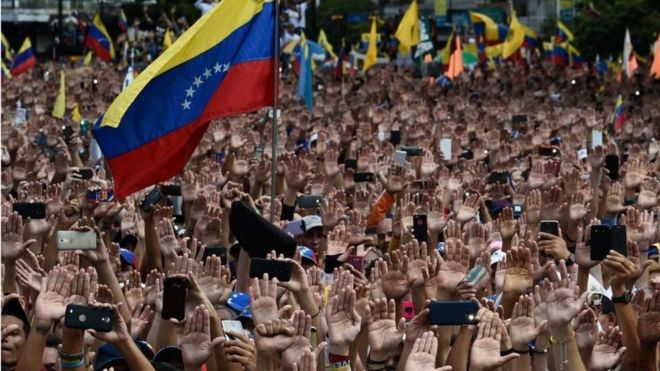
    The collapse of Latin America’s oil-rich country, Venezuela, epitomises the probable debacle of a socialist regime while the geopolitical strategies espouse the power struggle at the cost of the economy. After the death of Hugo Chavez in 2013, Nicolas Maduro, the hand-picked successor of Chavez took overthe office to preserve the “petrostate” status of Venezuela.  USA, backed by Brazil, Canada and many other countries, have recognized the opposition led by Juan Guaido as the interim president and have questioned the legitimacy of the Maduro government. Venezuela’seconomy depends to the extent of 95 per cent on oil exports and the dwindling oil prices in 2014 deepened the latent crisis, an inevitable consequence for a socialist government with illiberal economic agendas. Chavizmo rose to fame with a brand of Bolivarian revolution that promised to reduce poverty and deter the US in interfering in the country’s functioning.

    Economic Collapse: Paradox of Largest Oil Reserves and Economic Mismanagement

    Venezuela is a prime example of what economic mismanagement, impractical socialist measures, and corruption can do to a country that is wealthy with natural resources. At 300, 878 million barrels of proven oil reserves, Venezuela has the largest amount of proven oil reserves in the world. The country’s economy is largely tied to its oil wealth and was one of the richest in Latin America until a few years ago. Economic collapse has led to a huge humanitarian crisisunseen in the country’s modern history. IMF has predicted that Venezuela’s inflation rate will reach 10 million per cent in 2019, becoming one of the worst cases of hyperinflation in modern history.

    TheTransformation Index that evaluates the political and economic transformation of a country, has ranked Venezuela 110 out of 129 nations with a score of 3.27 out of 10. In addition to criticizing the poor state of the economy, it also reported that the state-sanctioned crime rates have spiralled. The current catastrophic economic crisis and political chaos is the result of a pervasive economic mismanagement and an economy rooted in a single commodity, petroleum.

    Inflation was 1,30,000 per cent in 2018 and the economy has contractedby 22.5 per cent, indicating the dire status of the economy. The economic future of the country continues to be bleak and the debate has converged to the geopolitical relevance of the issue. Data on money supply is a key element to understand the inflation rates in an economy and Venezuela has refused to publish money supply data in the past years. A recent data suggests that  12 trillion BsF (Bolivares Fuertes) were printed exposing the economic ruination.

    Initial denial by the Venezuelan government about the crisis never let aid flow in, recent acceptance of humanitarian aidhas tripled the aid budget. With poor socio-economic indicators as a major challenge, Venezuela is further saddled with huge external debt as a problem to be solved by the new dispensation, be it Maduro led government or any other successor. Currently, Venezuela’s external debt stands at  150 per cent of the total GDP.

    American Sanctions, Food Imports, and Falling Aid

    Few consider the problem to be homegrown in Venezuelaand many blame the US for artificially creating the hyperinflation.  The US justified the economic sanctions to bring down Maduro regime and accused him to have caused upheavals since 2014 and the controversies besieging election manipulation by Maduro’s party substantiate the allegation. Political funding for a coup against the regime change in Venezuela was extensively promoted by the Bush administration. The protraction of political interest led to imposition of anti-democratic sanctions,  and reiterates the hegemonic strategy that the US continues to pursue.

    The recent economic sanctions imposed on the state-owned oil company, Petroleos de Venezuela SA (PdVSA)  by the US has exacerbated Venezuela’s problems in its oil production- the output is expected to fall by 33 per cent in 2019. Investigation of Venezuela’s oil production before and after the economic sanctions suggests the production has been on downtrend even before the sanctions.  

    Private investments and productivity in agriculture dropped alarmingly as the socialist government led by Chavez nationalized agribusiness and industries and encouraged food imports.  Seventy per cent of the food requirements were met by imports. According to the United States Department of Agriculture, Venezuela is one of the potential markets for the US to export agricultural produce, and accounted for 21 per cent of total agricultural imports of Venezuela. However, as the economy collapsed, over-dependence on imports for food began to tell. In 2016, food imports fell by 72 per cent and reports state that people have lost an average of 8.6 kgs of weight due to food scarcity.


    China’s Extractive Relationship with Venezuela

    Majority of the loans are from China and Russia and their servicing or repayments are tied with its oil revenue. It is estimated that Venezuela owes around 13.5 billion USD to China as of 2019. Under Chavez leadership, China and Venezuela laid a financial foundation by crafting  “China-Venezuela Joint fund” known as the FCCV. The central bank of China alone loaned 42.5 billion US dollars from 2007-2012 to Venezuela. The compounded bilateral interest incentivized China to support even when the Venezuelan economy faltered in 2014. China further escalated its commercial interest byloaning a sum of $4 billion as cash for oil deal paying little attention to the projected contraction in the Venezuelan economy. In the year 2017, Maduro announced ambitious planning to spend 70 percent of the total budget on social schemes to address food scarcity. While the quixotic socialist paradigm was impressive during Chavez’s tenure the public soon realized the huge dent made in the economy by imprudent  social spending.

    The defensive lending strategy adopted by China post Maduro’s electoral victory shifted the focus of investments to oil and oil-related infrastructure. Although China’s recent intervention in Venezuela’s domestic affairs is evident from the endorsement for Maduro,  oil supply has always been its priority over political rivalry in Venezuela. As China became more sceptical about Venezuela’s ability to repay the loans because of low oil production and the adverse impact of US sanctions, its capital flow to Venezuela shrunk.  Maduro had viewed relations with China to be based on ideological common ground, but China was focused on leveraging its abundant resources, which, in turn, contributed to the crippling of the economy of Venezuela. This asymmetric relationship between Venezuela and China thwarted expectations of Maduro to acquire more credit from China.

    For China, endorsing Maduro is not an option as far as its economic interest is concerned; increasing rebellion of Venezuelan people portends a threat to the Maduro government that could bring in democracy in Venezuela, which could make it a potential defaulter of past debts. The Chinese government is considered culpable for Venezuela’s crisis by many American policymakers, and are accused to have followedthe “debt trap diplomacy”. The investment strategy in Venezuela resembles the Angola model- Chinese government extends credit tied with oil. However, in the case of Venezuela, China is bearing the cost of overestimating the performance of Venezuelan economy.

    Russia’s All-Weather Ties

    As we see a pragmatic China becaming more cautious about the failing economy of Venezuela, Russia’s interest and the relationship go beyond just the commercial narrative. Russia ties with Venezuela are deep-rooted since the time of Chavez, and it has continued to bolster the failing Venezuelan apparatus for clear geopolitical reasons. Vladimir Putin has invested strongly on  Russia’s international image and prestige, especially while rebuilding Russia post the Yeltsin years. The first credit line of arms relations between Russia and Venezuelawas signed in 2006. Although the export of military equipment to Venezuela have reduced drastically by nearly 96 per cent in the past few years, Venezuela has been the largest buyer of Russian arms in the Western Hemisphere with a total estimate of $4 billion during Chavez years. Russia has made consistent efforts to support Maduro by deploying military presence in Caracas even as Venezuela’s economy took a downturn.

    Chavez and Putin deepened their political ties on common grounds of  supporting a multipolar world order, and Chavez expected tangible benefits for Venezuela out of this agreement. Oil deals between both the countries advanced asRussia’s largest crude oil producer, Rosneft, partnered with PdVSA for several projects. Rosneft holds 40 percent shares and plays an instrumental role in pivoting Russia’s foreign policy through sound investments in the West. Venezuela agreed to commit 49.9 percent of its share in Citgo, American subsidiary company in exchange for credit from Rosneft. Russian emphasis on the “strategic” importance of the alliance with Venezuela reveals Russia’s intention to strengthen its geopolitical presence in USA’s backyard. Putin’s domestic political image has become sharper with his strategic take on Venezuela.

    However, sanctions on Venezuela has severely restricted the ability of Rosneft to borrow or invest, thus escalating tensions between Russia and the US.  Much like in Syria, Putin has sent a strong signal to the US by deploying a small contingent of Russian military personnel in Venezuela.

    Pawn on the Chessboard of Great Power Politics

    Venezuela has become the strategic battlegroundfor geopolitical struggle between the USA, Russia, and China. Collapse of the Venezuelan economy does not augur well for China in the long-term. However, China will look to strengthen its ties with Venezuela through economic support as its energy needs have a critical link with Venezuela. USA’s ‘Manroe Doctrine’ and its ‘Roosevelt Corollary’  has fiercely opposed any external powers’ strategic presence in the Western Hemisphere. This policy has led the USA to be an interventionist in Latin American countriessince the 1960s. Not much has changed since then. Chavez’s Venezuela has been a major opponent of US hegemony  Putin’s Russia is looking to strengthen its presence in South America, and support to Venezuela forms the lynchpin of this strategy. While international community looks for peaceful resolution of the rapidly deteriorating situation in Venezuela, geopolitical competition of external players has ensured  power tussle continues in Venezuela. Political Victory of either Maduro or opposition would represent the triumph of their Global supporters, Russia or the USA.  The socialist seed sown by Hugo Chavez is haunting Venezuela with a dented economy and a crisis in leadership. The “Petrostate” desperately needs economic reforms and international support to rebuild its economy. Structural reforms to remove the bottlenecks of growth in the post-crisis period and opportune investments in potential areas would rescue Venezuela in the following years.

    Manjari Balu is a Research Analyst at ‘The Peninsula Foundation’.

    Air Marshal M Matheswaran (retd) is the President of TPF.

    Image Credit: BBC News
  • Chinese Lesson: Paying the Price for Uprightness

    Chinese Lesson: Paying the Price for Uprightness

    Mohan Guruswamy                                                                                        May 22, 2019/Op-Ed

    World’s largest electoral exercise, in the largest democracy – India, concluded on May 19th. The counting and results are awaited in a few hours from now. This elction has been the most acrimonious so far in Independent India’s history. Given the endemic corruption and the corrosive hyper-nationalism around the world today, the importance of honesty, integrity, and uprightness in public life is in stark focus. The French Revolution produced Maximilien Robespierre, ‘the Incorruptible’ whose intolerance for corruption brought in the infamous guillotine. Mohan Guruswamy goes down Chinese history to highlight the importance of uprightness, whatever the price maybe.

    Recently I had a visitor from Hainan, China, Jiang Zhongqiang. Jiang is from the South China Maritime Research Centre, and has been commissioned to write a book about the Congress Party. I told him that to understand the inner workings of the party he would be better off first studying the inner workings of the Ming court. When asked to elaborate I told him about Hai Rui (1514-1587), the honest bureaucrat from Hainan who is buried in the provincial capital Haikou in a nondescript grave. We also spoke about the writer Lu Xun (1881-1936), who like Hai Rui paid a heavy price for his uprightness.

    Hai Rui was a scholar-official of the Ming dynasty. He is remembered as a model of honesty and integrity in office. A play based on his career, Hai Rui Dismissed from Office, by Wu Han gained political significance in 1961 after the Peking Opera staged it. Initially Mao applauded the play, but when people started seeing in it as an allegory of him and Marshal Peng Dehuai, the Great Helmsman changed his mind. Peng himself agreed with this interpretation, and stated: “I want to be a Hai Rui!” in a 1962 letter to Mao requesting his return to politics. Wu Han himself was purged for his troubles and died in prison in 1969.

    Hai Rui was a scholar-bureaucrat. Like many educated Chinese he joined the bureaucracy and soon gained a reputation for his morality, scrupulous honesty and fairness. This won him widespread popular support, evinced among other things by his being enshrined while alive; but he also made many enemies in the bureaucracy. Nevertheless, he was called to the capital Peking and promoted to the position of secretary of the ministry of revenue. In 1565, he submitted a memorial strongly criticising Emperor Jialing for the neglect of his duties and bringing disaster to the country, for which he was sentenced to death in 1566. He was released after the emperor died in early 1567. Hai Rui was reappointed under the Emperor Longqing, but soon forced to resign in 1570 after complaints were made over his overzealous handling of land-tenure issues.

    He is not particularly celebrated in China any more, which is not surprising given the open corruption that flourishes there. Like in India now, wealth is more celebrated than character in China. When I visited Haikou, Hainan, in 2013, I asked my hosts to be taken to Hai Rui’s grave. My hosts were surprised. Perhaps he makes the Communist mandarins feel uncomfortable?

    Interestingly enough, Hai Rui had an Indian connection. He was descended from a native of Guangzhou named Hai Da-er (Haidar), and his mother was also from a Muslim (Hui) family that originated from India. Hai Rui himself was however known primarily as a Neo-Confucian and never discussed Islam in his Confucian works.

    In April 2015, I drove out from Shanghai to Shaoxing in Zhejiang province and crossed over the 36-km long bridge across the Hangzhou Bay from Jiaxing to Cixi. Cixi incidentally is the birthplace of KMT Generalissimo Chiang Kai Shek. The next town Shaoxing is the birthplace of Zhou Enlai, Mao Zedong’s devoted acolyte. But Shaoxing is a much-visited tourist destination these days because it is the hometown of the venerated writer Lu Xun, commonly considered the greatest Chinese writer of the 20th century. Lu Xun was also an important critic known for his sharp and unique essays on the historical traditions and modern conditions of China. Lu Xun was the pen name of Zhou Zorn, born in a wealthy Shaoxing family. This home of the family Zhou is a much-visited tourist site, not only for its simple elegance and for the unique peep it offers into late 19th century upper class family life in China, but also because it is the locale for several of Lu Xun’s stories.

    His official biography in the brochure reads: “Lu Xun left his hometown in 1899 and attended a mining school in Nanjing; there he developed an interest in Darwin’s theory of evolution, which became an important influence in his work. Chinese intellectuals of the time understood Darwin’s theory to encourage the struggle for social reform, to privilege the new and fresh over the old and traditional. In 1902 he traveled to Japan to study Japanese and medical science, and while there he became a supporter of the Chinese revolutionaries who gathered there. In 1903, he began to write articles for radical magazines edited by Chinese students in Japan. In 1909 he published, with his younger brother Zhou Zuoren, a two-volume translation of 19th-century European stories, in the hope that it would inspire readers to revolution, but the project failed to attract interest. Disillusioned, Lu Xun returned to China later that year.”

    Lu Xun was a contemporary of Munshi Premchand (1880-1936) and like him excelled in short story writing. He began writing full time in 1918 and his first published fiction was the now-famous short story Kuangren riji (“Diary of a Madman”). Like the Russian realist Nikolay Gogol’s tale of the same title, the story is a condemnation of traditional Confucian culture, which the madman narrator sees as a “man-eating” society. It was considered a tour de force that attracted immediate attention and helped gain acceptance for the short-story form as an effective literary vehicle.

    Like Premchand, Lu Xun’s stories were telling commentaries of the times usually told with a sardonic sense of humor. In 1930 Lu Xun stopped writing fiction and devoted himself to writing satiric critical essays, which he used as a form of political protest. The same year he became the nominal leader of the League of Left-Wing Writers. Although he himself refused to join the Chinese Communist Party, he considered himself a tongluren (fellow traveler), recruiting many writers and countrymen to the Communist cause through his Chinese translations of Marxist literary theories, as well as through his own political writing.

    During the last several years of Lu Xun’s life, the KMT government prohibited the publication of most of his work, so he published the majority of his new articles under various pseudonyms. He criticised the Shanghai Communist literary circles for their embrace of propaganda, and he was politically attacked by many of their members. In 1934 he described his political position as hengzhan or “horizontal stand”, meaning he was struggling simultaneously against both the right and the left, against both cultural conservatism and mechanical evolution. Hengzhan, the most important idea in Lu Xun’s later thought, indicates the complex and tragic predicament of an intellectual in modern society.

    The celebration of the life and works of Lu Xun leaves its imprint all over the lovely town of Shaoxing. Lu Xun rather than Zhou Enlai is the popular and loved son of Shaoxing. All over Shaoxing you will see not only statues of Lu Xun but also statues of characters from some of his more celebrated works. Even Lu Xun’s favourite restaurant is a popular eatery and it is very difficult to get a place. Our party of four got a courtyard table after our local hosts told the owner that two Indians (Ambassador T.C.A. Rangachari and myself) had come across the globe just to pay homage to Lu Xun. The food was worth every word of praise Lu Xun may have had for it. I had a dish of braised mushrooms with pork and rice, which was a favorite of Lu Xun’s.

    I was at Ghalib’s haveli at Ballimaran some months ago. Ghalib, like Premchand many decades later, was the greatest commentator of the period. The haveli where he lived the last nine years of his life is a sorry mess. It reflects nothing of his immense popularity and greatness. As a chronicler commented: “Ghalib’s last home lost its original flourishes of frescoes, alcoves and archways, following several sub-divisions and additions over the years. Reduced to a dimly lit gallery, a small verandah and a claustrophobic courtyard, it was a coal store at some time in the past. Ghalib would have chuckled.” Poor Premchand had to wait till 2016 to get a research centre named after him in Varanasi. I am sure both would have said something pithy about how we celebrate our scholars.

    The writer, a policy analyst studying economic and security issues, held senior positions in government and industry. He also specialises in the Chinese economy. He is a Trustee and Distinguished Fellow of TPF.

    This article was published earlier in Deccan Chronicle.

    Image Credit – PublicDomainPioctures from Pixabay.

  • How the newly inducted IAF Chinook heavy-lift helicopters provide huge versatility in operations

    How the newly inducted IAF Chinook heavy-lift helicopters provide huge versatility in operations

    M Matheswaran                                                                                                 May 22, 2019/Opinion

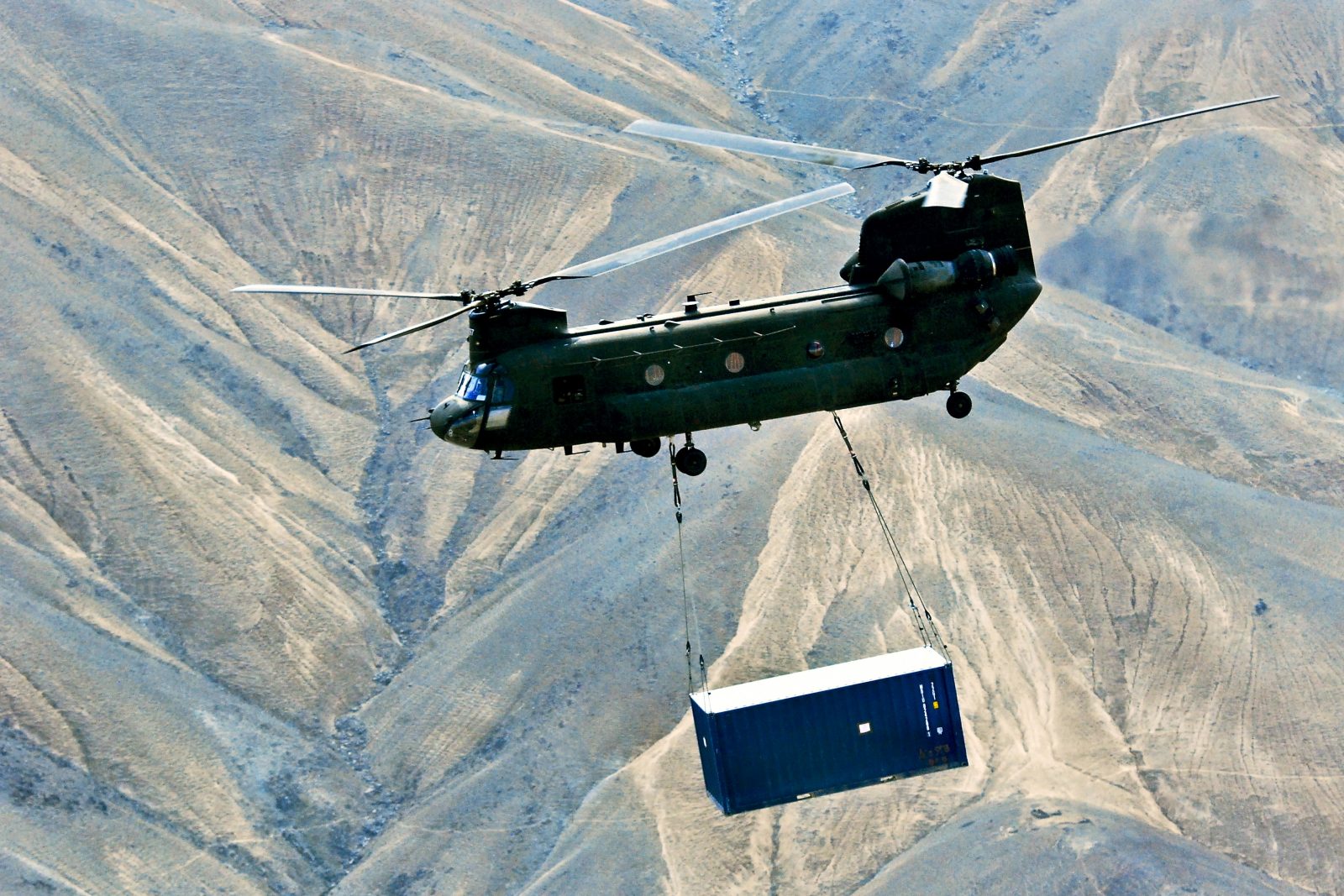
    The Indian Air Force inducted the first batch of four Boeing C-47 F(I) Chinook helicopters last month into its inventory. These are part of the order for fifteen heavy lift helicopters. With a payload capability of 10 tonnes and a significantly good high altitude performance, the Chinooks fill a long-felt gap in IAF’s heavy lift helicopter capability. For long the IAF had depended solely on its small fleet of Russian built Mi-26 helicopter, which is still the world’s largest and heaviest payload helicopter. The Mi-26, with an enormous payload capability of 20 tonnes, had provided yeoman service for more than two decades.

    Starting with a fleet of four aircraft, the Mi-26 has played extensive role in meeting major airlift requirements of material, machinery, and men, for the military and civil administration in the Himalayan border regions.With one aircraft having crashed few years ago, the surviving fleet had been hampered by maintenance and technical support problems, virtually bringing to halt the heavy heli-lift capability of the IAF. Besides, increasing emphasis on infrastructure build-up in the border regions has highlighted the importance of heli-lift capabilities for both the IAF and the Indian Army. This is what prompted the IAF to look out for building and enhancing its heli-lift capabilities in the heavy-segment.

    India’s borderlands, dominated by the mighty Himalayan ranges, are unique, treacherous, and the most demanding in the world. The need to operate at altitudes higher than 20000 ft on regular basis is unique to India, and is a challenge to most helicopters designed in the West and Russia. Operations in Indian environment puts gruelling demands on these helicopters. High altitude performance in other parts of the world is at less than 20000ft, in fact, it would average between 5000 and 10000 ft, with exceptions at 15000 ft. In India, 20000 ft operations would be routine in the Himalayan stretches and valleys all across our nearly 4000 km long border in the north and north-west. High altitude operations put severe demands on the engine, has a drastic reduction in effective payload, and has adverse impact on total technical life. These will need to be addressed by appropriate technical enhancements that are fairly expensive as well.

    Indian MOD signed the contract with M/s Boeing in Sep 2015 for supply of 15 CH-47F(I) Chinook Helicopters. The contract is for USD 1.1 billion, with an option clause for further seven aircraft. All 15 aircraft are planned to be supplied before March, 2020. It is almost certain that the option clause would be exercised. The first aircraft was handed over in a ceremony at the manufacturer’s production facility in Philadelphia on Feb 1 st , and the first batch of four were shipped out to Mundra Port in Gujarat. The four were then assembled and integrated into fully operational helicopters at the IAF base in Chandigarh and inducted on the 25 th March. Some of the specialist systems, self-protection systems and EW equipment are contracted through the FMS (Foreign Military Sales) procedure.

    While the payload capability is only half that of the Mi-26 helicopter, the Chinook provides huge versatility in operations. The IAF version is the CH-47 F(I), which is the latest and advanced version of the Chinook, designed more than 50 years ago in 1962. The IAF aircraft is upgraded with new generation avionics and flight control systems that make the aircraft capable of very precise and versatile operations during day and night. The Chinook’s twin-rotor design gives it good agility and stability in high altitude operations. Its advanced mission computer and the DAFCS (Digital Automatic Flight Control System) allows the pilot to feed in the complete mission profile and fly automatically and with hover precision in one foot increments vertically and laterally. The CH-47 F(I) is an advanced multi mission helicopter with the true multi-role, vertical-lift capability. It contains a fully integrated, digital cockpit management system, Common Aviation Architecture Cockpit and advanced cargo-handling capabilities that complement the aircraft’s mission performance and handling characteristics. Its primary role will be for transportation of troops, artillery, equipment, and fuel. The army is particularly keen on the Chinook heavy heli-lift capability for transportation and deployment of its recently procured M-777 Ultra-Light howitzer artillery guns in the Himalayan border regions with China.

    As opposed to the small fleet of three Mi-26 helicopters, the larger fleet size of the CH- 47 F(I) would provide the IAF immense flexibility and availability of aircraft for a variety of tasks. It will provide a boost to the construction of infrastructure and border road projects, long overdue. Border Roads Organisation would get a fillip to its long-delayed road construction projects in the north-east. Our continued requirements of aerial maintenance in remote regions will be better served with this new capability, as also for critical needs of HADR operations, in missions for transportation of relief supplies, and evacuation of refugees. The IAF plans to deploy the two squadrons, one in the Western sector in Himachal Pradesh and adjoining Himalayan regions, and the other in the East sector in Assam/Arunachal Pradesh.

    The Chinook acquisition was also accompanied by acquisition of the Apache attack helicopter, also from Boeing. Both contracts, worth together over USD 3.5 billion, were signed on the same day on 28 Sep 2015. Both are also a combination of DCS (Direct Commercial Sales) and FMS (Foreign Military Sales) processes. The two inductions have followed a series of procurements from the USA, mostly through the FMS route. Having started with the first major defence deal in 2008, the Indo-USA defence business is likely to touch a whopping USD 18 billion by the end of 2019. Most of these acquisitions are through FMS and are virtually replacing the earlier Russian fleets: Apache replacing the Mi-35, Chinook replacing Mi-26, Sikorsky MH-60 Romeo replacing the Kamov in the Navy, with the likelihood of 110 NMRH to follow; this is a sort of indirect CAATSA in play.
    It is important for India to realise that while many of these acquisitions have given significant teeth to Indian operational capability, in terms of business it has been huge business to the US companies with very little to show for India in 3 terms of Technology transfer or industrial gain in terms of manufacture or co-design and co- development.

    The CAG report number 3 of 2019 comes down heavily on these acquisitions. It castigates the MOD and the IAF for procedural lapses, long drawn out acquisition processes, and more importantly of having skewed the QRs in such a way that only Chinook and Apache would have been successful. That’s a serious indictment. However, India will do well to remember that major procurements like the Apache and the Chinook at huge costs, while meeting the IAF’s operational requirements, should also be leveraged to benefit India’s larger strategic interests of technology acquisition, industrial capability, global partnerships, and of course, strengthening US-India strategic partnership. It needs to be a win-win for both.

    The author is retired Air Marshal and former Deputy Chief of Integrated Defence Staff. He is the founding Chairman and President of The Peninsula Foundation, Chennai. Views expressed are personal. 

    This article was published earlier in Financial Express.

    Image Credit.

  • After Balakot: India-Pak ties and nuclear bombast

    After Balakot: India-Pak ties and nuclear bombast

    Mohan Guruswamy                                                                      Apr 19, 2019/Commentary

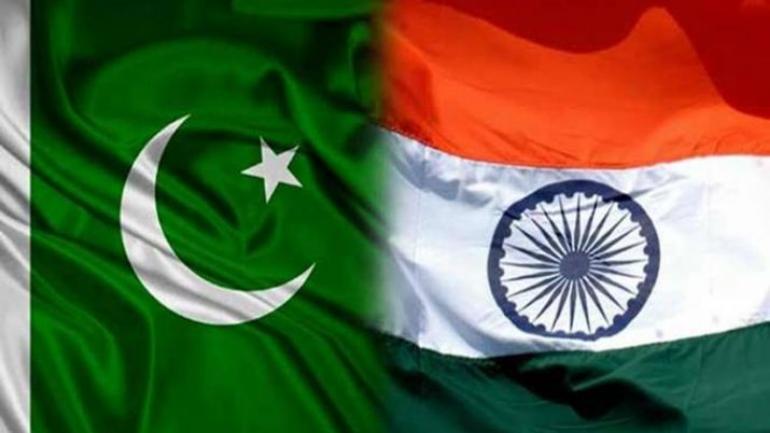
    We know that in the aftermath of the Balakot airstrikes, India and Pakistan went into some form of nuclear readiness. The Indian Navy quietly announced last week that all its crucial assets, including the nuclear missile-launching INS Arihant, were deployed in the Arabian Sea. Unlike the United States and the erstwhile Soviet Union (now Russia), which had several stages of nuclear readiness to signal intent and gravity, India and Pakistan have no such signalling language. So, when it comes, it comes.

    Politicians on both sides of the border are prone to loose talk and nuclear sabre-rattling is part of their lexicon. But this is not without some reason and purpose. Even though there is little risk of a nuclear world war any longer, because of their awesome power and potential to inflict sudden and massive violence on large populations, nuclear weapons inspire tremendous and often irrational fear, however infinitesimal the probabilities of their use. When both adversaries have nuclear weapons, you have a balance of terror.

    As a matter of fact, in the prevailing international situation, any war involving even conventional forces cannot remain a local affair for long, to be sorted out by just the two adversaries. Where there is even the smallest risk of an escalation to nuclear conflict, that intervention could be quite quick. This is what the Pakistanis are counting on.

    But since nuclear weapons cannot be used, their only utility lies in the mere threat of their use. In nuclear theology, this has come to be known as “the utility in non-use”. From time to time declared and undeclared nuclear powers have tried to use nuclear weapons in this manner. The Pakistanis are only travelling down a well-trod path. Each time the Pakistanis threaten us with nuclear war, what they are in fact doing is semaphoring to the rest of the world, particularly those of the West, that have taken it upon themselves to supervise the international regime, to intervene.

    In the early days of the Yom Kippur war of 1973, an incident occurred which tells a great deal about how the game of nuclear diplomacy is played. The sudden and successful attack by Egyptian troops under the command of Gen. Saaduddin Shazli not only put the Egyptians back on the Sinai Peninsula but also unveiled a new generation of Soviet weapons and tactics to match. At the northern end of Israel, a Syrian armored attack under Gen. Mustafa Tlas was threatening to push the surprised Israelis down the slopes of the Golan Heights. In just the first three days of the conflict, the highly regarded Israeli Air Force lost over 40 fighter aircraft and a huge number of tanks to the new generation of Soviet anti-aircraft and anti-tank missiles. The panicked Israelis turned to the United States for assistance but found Washington quite reluctant. Both President Richard Nixon and his national security adviser Henry Kissinger till then were of the opinion that a degree of battlefield reverses was needed to get an increasingly intransigent Israel to the conference table. Caught, in a manner of speaking, between the devil and the deep sea, the Israelis then played their nuclear card.

    American surveillance satellites and high-flying reconnaissance aircraft suddenly began to pick up unusually heightened activity around the Israeli nuclear facility at Dimona near the Negev desert. Israeli defence minister Moshe Dayan, while imploring Dr Kissinger to start the airlift of urgently-needed weapons and military technical assistance, told him about how desperate their situation actually was and had already hinted that Israel might have to resort to nuclear weapons to halt the Arab armies. The alarmed Americans sent a SR-71 Blackbird reconnaissance aircraft fitted with special sensors to detect nuclear material over Dimona. The SR-71’s sensors picked up the signature of nuclear material on a bomb conveyor apparently loading an Israeli fighter-bomber. Whether the nuclear flare registered was from an actual nuclear weapon or radioactive material in a container to simulate a weapon will never be known.

    To the advantage of Israel, the Americans read this as preparations for an imminent nuclear attack. Would the Soviets sit quietly when their allies were subjected to a nuclear attack — would have been their immediate thought? Was this going to be the beginning of World War III? Within minutes, President Nixon was on the line to Prime Minister Golda Meir, telling her that a massive US airlift bearing much-needed weapons and military advisers was ordered and that the supply would begin within hours.

    In early 1952, as the Chinese poured in troops into Korea to grind to a halt the advance of the American-led UN forces, a highly placed US diplomat in Geneva conveyed through Indian diplomat K.M. Pannikar a warning to China that the United States will use nuclear weapons on it unless it agreed to talks immediately. China soon afterwards agreed to hold talks, which soon resulted in the armistice that holds till today.

    Others have done this somewhat differently. During the 1982 Falklands War, the British quietly deployed the nuclear submarine HMS Conqueror, armed with nuclear missiles, off the Argentine coast. As the fighting raged and the Argentines scored some naval victories by sinking the destroyer HMS Sheffield and the converted Harrier jet carrier Atlantic Conveyor, the Royal Navy revealed the presence of its nuclear submarine. The presence of the Conqueror with nuclear weapons was to tell its somewhat lukewarm ally, the United States, that if the war went badly for it Britain would be forced to use even nuclear weapons. It was therefore in America’s interest to not only using its enormous clout with the Argentines to end its occupation of the Falkland Islands but to also assist Britain. Soon after this the US tilted fully in favour of the British by giving it critical intelligence and political support.

    In 1992, then US President George H.W. Bush conveyed to Saddam Hussein that a poison gas attack on Israel using its Scud missiles would invite a nuclear strike upon it. The Iraqis fired several Scuds on Israel, but none with poison gas. After the war, UN inspectors scouring Iraq for weapons capable of mass destruction detected huge quantities of poison gas in ready to use explosive triggered canisters. Obviously, the threat had worked.

    Clearly, the threat of the first use of nuclear weapons, if provoked beyond a point, could be often as effective as nuclear deterrence. In recent times, to give credence to its irrationality, Pakistan has deployed or claims to have deployed tactical nuclear weapons to some of its formations. Since a tactical nuclear weapon has a much smaller destructive power, its use is considered somewhat more likely and hence more credible than a strategic nuclear weapon. A strategic weapon is a city or area-buster, whereas a tactical weapon is said to have only a battlefield application. But India’s response to this is that whatever the weapon, and wherever it is used, if it is used it will invite a full-scale retaliation. Many analysts think this is not credible, and India needs a flexible policy that will allow it to also match escalation up the ladder.

    But the frequent Pakistani outbursts that nuclear war can happen here if the Kashmir situation boils over is an addition to the known nuclear semaphoring practices. Here the Pakistanis are using the Western abhorrence of nuclear war to influence Indian policy. They are not threatening India, because that is not credible, more so since India has a far bigger nuclear arsenal. They are in fact threatening the world that the balance of terror might be breached, and inviting it to intervene. Whatever the nature of this intervention, it is deemed to be in its favour. We saw this happen in 2008 when within minutes of the 26/11 Mumbai attacks Presidents and Prime Ministers from all over began calling our Prime Minister calling for restraint. We have a somewhat ironical situation here. A cruel and ruthless military presiding over a notoriously lawless and corrupt nation is pleading for Kashmir’s supposed right to self-determination and is blackmailing the world to come to its assistance.

    The author is a Trustee and Distinguished Fellow of ‘The Peninsula Foundation’. He is a prolific commentator on economic, political, and security issues. The views expressed are his own.

    This article was published earlier in Deccan Chronicle.

    Photo Credit: PTI

  • Beware Pak’s intentions over Kartarpur

    Beware Pak’s intentions over Kartarpur

    Kamal Davar                                                                            Apr 18, 2019/Commentary

    During his celebrated cricketing career, Pakistan’s skipper Imran Khan was renowned primarily for his yorkers and inswingers. That in his new avatar as Pakistan’s Prime Minister, on prodding, in all likelihood from the supreme power centre in his nation — the Pakistan Army — Mr Khan recently bowled a “googly” successfully at the unsuspecting Indian establishment is a distinct possibility!

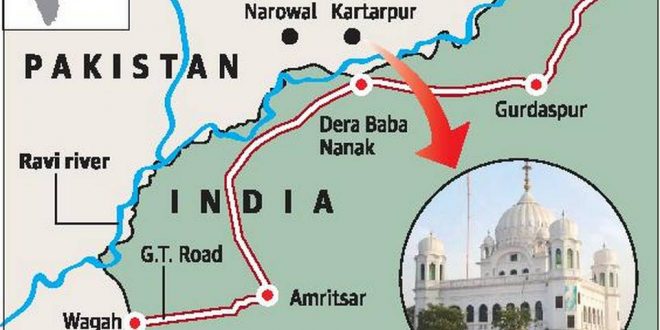
    Pakistan’s offer to accede to a long-standing Indian request to link up Gurudwara Kartarpur Sahib in its Narowal district across the Ravi river with the Dera Baba Nanak shrine in India’s Gurdaspur district clearly has overtones — far beyond what appears on the surface as a non-political, supposedly friendly gesture from Pakistan.

    Gurudwara Kartarpur Sahib has a unique place in the consciousness of Sikhs all over the world as it was here that the founder of the Sikh faith, Guru Nanak, spent the last years of his life till merging into eternity in September 1539. The revered Guru’s 550th birth anniversary falls in November 2019 and the proposed corridor is expected to be built and connected by both nations before this date to enable the proper conduct of celebrations as planned.

    Both India and Pakistan had the foundation stones for the proposed corridor laid in their respective areas in November 2018. This was followed up by a detailed meeting of their technical experts at the Attari-Wagah border on March 14, 2019. However, Pakistan did muddy the waters by mischievously including in their delegation for the next level of talks a few known “Khalistani” supporters based in Pakistan. India strongly objected and called off the proposed April 2, 2019 talks. However, India soon, somewhat surprisingly, agreed to Pakistan’s proposal for a technical meeting on 16 April, 2019, to iron out aspects on the exact alignment, coordinates, crossing points, etc in the proposed corridor. That all technical problems must be sorted out, requisite infrastructure and construction work should commence speedily and completed well in time brooks no emphasis. Equally, the rationale and, consequently, the long-term security ramifications of Pakistan’s acquiescence of India’s request to operationalise the Kartarpur corridor has to be borne in mind.

    Pakistan’s sinister Inter-Services Intelligence (ISI) has, over the years, been assiduously pursuing its nation’s cunningly crafted strategy of “bleeding India by a thousand cuts” in tandem with its infamous K2 strategy (Kashmir and Khalistan). In some parts of Jammu & Kashmir, the ISI has succeeded, to an extent, in keeping the pot boiling and sustaining insurgency-like conditions, especially in the last few years. However, its devious stratagem for whipping up discontent in Punjab over the years had failed miserably except briefly during the early Eighties. Nevertheless, the ISI has over the decades endeavoured to keep the Khalistani issue alive, setting up offices in the US, Canada, the UK and Germany to brainwash sections of the Sikh diaspora settled in these nations.

    The ISI’s latest malevolence has been to re-energise a Florida-based marginal Sikh separatist group called the Sikhs For Justice (SFJ) and made them establish their office in Lahore. The SFJ, flushed with liberal ISI resources, have had the temerity to publicly announce that that the Kartarpur Corridor would be a “bridge to Khalistan”. The SFJ is concurrently leading the “Khalistan Referendum Campaign — 2020” and will be recruiting, from all over the world, members of the Sikh community to participate in this nefarious separatist exercise. Their earlier effort in London, last year, proved to be a damp squib. Nevertheless, the ISI’s determined machinations to influence the Sikh community, both in India and abroad, must not be taken lightly by India’s security agencies.

    The ISI’s impious activities to destabilise Punjab in the future behind the veil of the Kartarpur Corridor must be seriously factored in by the Indian government. Notwithstanding the fact that India is currently in election mode, India’s security establishment in concert with the Punjab government, currently under an able soldier-politician Capt. Amarinder Singh, our foreign missions abroad and leaders of the Indian Sikh community must nip in the bud any future intrigues of Pakistan’s deep state to re-ignite trouble in Punjab.

    Our own innocent pilgrims to the Kartarpur shrine will have to be sensitised prior to embarking on their pilgrimage and feedback will have to be taken from them on their return. It will be in order for the Indian government to caution beforehand the Pakistan government to rein in its intelligence agencies and the Pakistan Shiromani Gurudwara Prabandhak Committee to desist from any anti-India activities.

    As all out efforts are made to ensure that the Kartarpur Corridor comes up well in time to celebrate the great Guru’s birthday, India and Pakistan must strive towards the proposed Kartarpur Corridor becoming a bridge for peace between the two nations.

    The writer, Lt Gen Kamal Davar (Retd), was founder of the Defence Intelligence Agency and deputy chief of the Integrated Defence Staff. He is a Distinguished Fellow and Trustee of TPF.

    This article was published earlier in Asian Age.

  • China grows, and grows

    China grows, and grows

    G Parthasarathy                                                                                       Apr 11, 2019/Commentary

    One of the most remarkable developments in recent decades has been the rise of China, spearheaded since 1978 by the visionary leadership and economic reforms of Deng Xiaoping. China registered the highest rate of economic growth in history, growing at an average rate of 9.5% annually, for over three decades. This followed the earlier rise of Japan between 1950 and 1989, with an average growth rate of 6.7%. Deng transformed a country crippled by centralised planning and state control of industries into a more decentralised economy, with increasing involvement of private initiative. This era saw market reforms leading to a surge in exports, with China emerging as the largest exporter in the world. China’s private sector today controls around 80% of its industry and virtually the entire agricultural sector. State farms today employ barely 1% of agricultural labour. There are 658 billionaires in China, which is ruled by a ‘Communist’ party, as against 584 in the US, ruled by Trump’s right-wing Republican Party.

    President Xi Jinping has emerged as China’s unquestioned leader, seeking to match Xiaoping. Among Xi’s ‘mantras’ to achieve his ambitions is the now famous Belt and Road (OBOR) project, involving the use of Chinese construction companies, which have huge surplus capacities. These companies did a stupendous job in China over the past three decades and have surplus capacity, including labour and machinery, arising from the relatively small number of projects yet to be undertaken. The Belt and Road Initiative is not only involved in building roads and bridges, but also railways, ports, dams, power stations and other infrastructure across 68 countries, spanning Asia, Africa and Europe. Estimates of total investments envisaged for these projects vary from $1 trillion to $1.3 trillion. The primary focus is on the Eurasian landmass.

    The main source of concern in India, however, pertains to Chinese projects across the Indian Ocean. While the OBOR focuses primarily on the construction of roads, bridges, electrical power projects and dams, the terms for such assistance are opaque. Relatively small attention is paid to developing indigenous skills and capacities for operations and maintenance. The terms of interest and repayment are far less generous than the vastly concessional assistance provided by institutions like World Bank and Asian Development Bank, or bilaterally by countries like Japan and Germany. The net result of this ‘generosity’ is that a number of developing countries, beguiled by Chinese protestations of altruistic assistance, soon find themselves handing over substantial tracts of territory and natural resources to the Chinese, with little development of indigenous expertise.

    India’s western Indian Ocean neighbourhood remains a primary source of concern about Chinese intentions. Using its aid as leverage, China has secured its first military base in the East African Port of Djibouti. China has, in turn, undertaken work on port facilities, construction of two airports and a rail line from Djibouti across landlocked Ethiopia. In neighbouring Kenya, China’s involvement in the strategic port of Mombasa and construction of a rail line, linking the port to the capital Nairobi, have also raised eyebrows internationally. There are growing apprehensions in Kenya that it would soon be unable to repay and be forced to make ‘concessions’ on the management and use of the port. China is the largest lender to Kenya, with debt liabilities reportedly amounting to about $42 billion.

    Reckless spending by the government of former President Abdulla Yameen in the Maldives has resulted in the country acquiring a debt of $3 billion on account of the usual Chinese infrastructure mix of roads, bridges, airports and housing. The newly elected government of President Ibrahim Solih has been more circumspect about such projects. Sri Lanka, too, when unable to repay its debts, was forced to concede substantial control of the Hambantota Port, with a 99-year lease to China. It was also compelled to allow Chinese N-submarines to berth in Colombo.

    Pakistan and Myanmar are inevitably going to experience similar dilemmas. The $62 billion CPEC involves road, rail, mining, port, power sector and agricultural projects, under conditions not known even to parliamentary committees and the country’s Central Bank. With its foreign exchange reserves dwindling and its pleas for an IMF bailout dependent on the goodwill of the US and its allies, Pakistan is faced with very difficult choices on economic management and its backing for groups like the Taliban and the JeM.

    Apart from developing and virtually taking over the Gwadar Port, China is set to build up Pakistan’s navy with the supply of four ‘most advanced’ warships and eight submarines by 2028. At the same time, an isolated Myanmar faces virtual Chinese blackmail to accept Beijing’s ‘aid’ to build a highly unpopular and ecologically dangerous hydroelectric project in the face of strong public protest. This will be part of a Chinese economic corridor linking its Yunnan province with Myanmar’s Kyaukpyu Port.

    The OBOR project has multiple aims. India cannot, however, overlook the fact that it is geared to establish Chinese domination of vital lanes of communication and oil supplies in the Indian Ocean. Responding to India’s concerns voiced over two decades ago, a Chinese admiral arrogantly remarked: ‘The Indian Ocean is not India’s Ocean.’ China’s designs have serious implications for the maritime security of not only India, but also several partner states, ranging from the US and Japan to Indonesia, Malaysia, Vietnam and South Korea.

    Ambassador G Parthasarathy is a former High Commissioner of India in Pakistan, and is a Distinguished Fellow and Trustee of TPF. Views expressed are the author’s own.

    This article was earlier published in The Tribune.

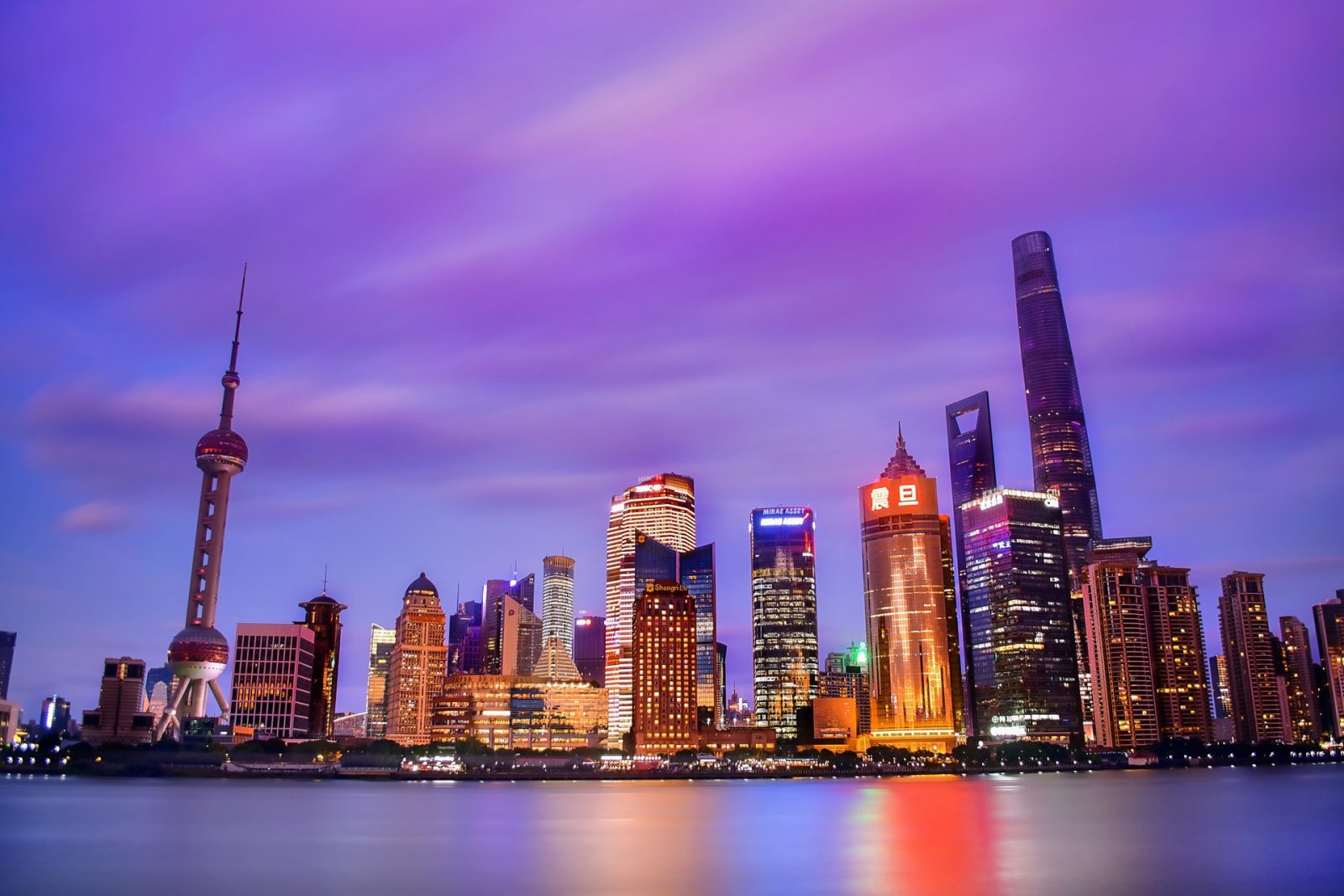
    Photo by zhang kaiyv from Pexels.

  • Then & Now: A Reflective Study of Development Initiatives in Bangladesh

    Then & Now: A Reflective Study of Development Initiatives in Bangladesh

        Yamuna Matheswaran                                                                               March 31, 2019/Analysis

    Towards the end of 2010, I travelled to Bangladesh with the rest of my graduate school cohort to study various developmental approaches within the country’s healthcare, garment, banking, and agricultural sectors. It was an enlightening trip–one that allowed me to understand not only the intricacies of international development but to also gain a more nuanced perspective of the country as a whole.


    “To understand Bangladesh, you have to understand the war.”

    – Omar Rahman, Professor, Independent University, Bangladesh


    Scores of Bangladeshis lost their lives in the struggle for independence in 1971 in what was then known as East Pakistan, and nearly 10 million crossed the border into India as the war waged on. They had no army, minimal weaponry and, realistically speaking, not much of a chance for survival against the genocidal tactics employed by the Pakistani Army–actions that its allies, the United States and China, refused to condemn. They fought back, however, and in doing so displayed the same extraordinary resilience that was demonstrated by its students during the Bengali Language Movement of 1952. On 16 December 1971, the new nation of Bangladesh was born.

    A street in Dhaka ©YamunaMatheswaran

    Taking a bus ride through the cacophonic streets of Dhaka, thoughts raced through my mind: how simultaneously similar and different Bangladesh was from my own home country of India, how accommodating its people were, and how–despite growing up in congested Indian cities–Dhaka’s traffic was the craziest thing I’d ever seen. It still is. After all, Dhaka has a density of 47,400 people per sq. km, and around 37,000 cars are said to be added to its roads every year.

    In 2017, Bangladesh’s population stood at approx. 164 million compared to 152 million in 2010. But the population growth rate has been in steady decline since 1986, and the implementation of various developmental approaches have contributed significantly to that decline. (Population Data from World Bank)

    An Overview of the Facts

    Bangladesh has its share of problems, and then some. For starters, there is the tangible dilemma of overpopulation. But unlike India, which is well on its way to becoming the most populated country on the planet, the total fertility rate in Bangladesh has been successfully lowered from nearly 7 births per woman in the late 60s to 2.104 in 2016. Even so, Dhaka remains one of the world’s most densely populated cities. And with increased longevity, concerns have arisen over the lack of facilities and infrastructure required to care for the country’s growing elderly population.

    All around Dhaka, construction sites are aplenty, and dust from these sites worsens the already noxious city air. It’s no surprise then that Bangladesh experiences issues of environmental degradation, while also being susceptible to the devastating impacts of climate change. Scores of people, including millions whose livelihoods depend upon agriculture, have been affected by the frequent cyclones, floods and droughts.

    Illustration ©YamunaMatheswaran

    The drainage systems aren’t too different from the ones in Indian cities, and heavy rains even for brief periods can disrupt normal life and cause flooding and waterlogging. Setbacks with the electricity supply, cases of arsenic poisoning in groundwater and ineffective methods of trash disposal are some of the issues that constitute the miscellany of Bangladesh’s woes. Political tensions, attacks on journalists and widespread problems of corruption hinder effective governance of the nation.

    In spite of these modern-day problems, Bangladesh is on the right track to eliminating extreme poverty by 2030. According to data from the World Bank, the percentage of the population living in extreme poverty ($1.90, 2011 PPP) fell below 14% in recent years, compared to over 40% in 1991-92. And while it still ranks among the poorest highly populated countries in the world, the GDP growth rate of Bangladesh hit an astounding 7.86% in 2018.

    In its less-than-fifty-years of existence, Bangladesh has pioneered breakthroughs in the fields of public health and microfinance, passed noteworthy drug policies, significantly improved aspects of agricultural production, and achieved unprecedented growth in its GDP largely attributed to the development of its garment industry. Notably, it has attained these goals by incorporating its women into the national economy by means of several women-centric initiatives. Institutions such as icddr,b, BRAC, and Proshika are models of the kind of development that is directed by the locals and is, hence, ultimately more sustainable.

    The Microfinance Revolution

    After Mohammad Yunus founded Grameen Bank in 1982, microfinance became a phenomenon in the developing world, providing small loans free of collateral, lifting thousands of people out of poverty and making businesspersons out of the extremely poor.

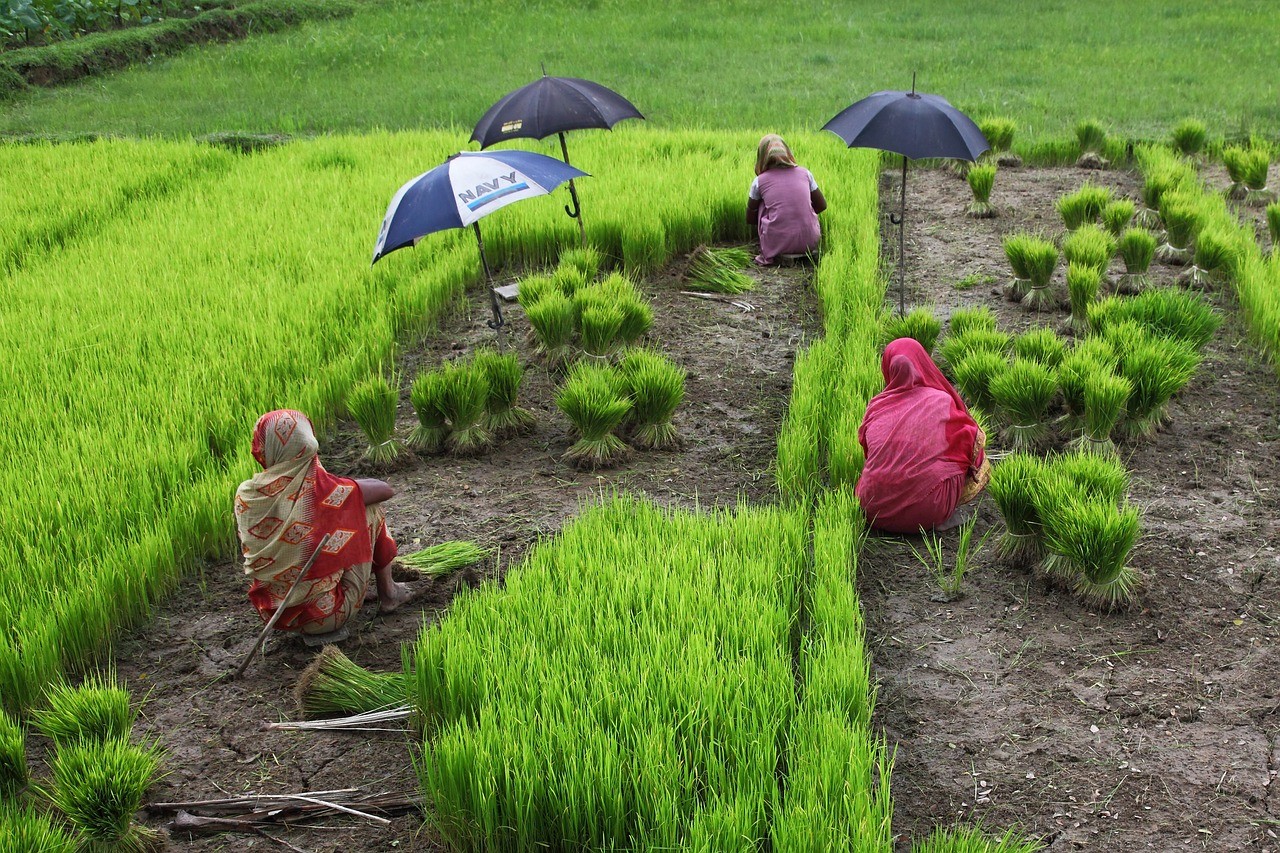
    women in rice fields
    Women working in rice fields ©pixabay

    Over the years, however, the field has been tainted by reports of corruption and mismanagement. Criticism has focused on the fact that loans are frequently issued to the poor with the sole purpose of reaping profits, thus overlooking the necessary supplementary steps. Does the borrower have a plan for increasing income generation with the help of the loan? Do they have the necessary qualities/resources for said business plan? Is the money in actuality utilised in income generating projects or elsewhere? Often borrowers, who are ill-educated about the various facets of microcredit loans, make use of the newly acquired capital to purchase goods, pay school fees, etc. With no increment in revenues, they inevitably enter into a vicious cycle of debt, and are forced to undertake another loan in order to repay the previous one. MFI collection agents and their coercion tactics have also been listed as a reason for an increase in suicides among borrowers.

    In contrast, Gonoshasthaya Kendra’s seasonal loans, which require the borrowers to start making repayments after the harvest, seem more logical. Nonetheless, researchers have pointed out that although microfinance might not have a transformative effect on the lives of people, it does have a positive impact. For one, increasing reliability of and access to credit leads to an increased sense of agency and freedom in one’s life.

    Pioneering Healthcare Initiatives

    From facilitating the local manufacture of drugs to offering affordable health insurance to poorer sections of society, Bangladesh has made extraordinary advancements in the public health sector.

    Set up in 1972, Gonoshasthaya Kendra (GK) was the first health centre in newly independent Bangladesh. It was established by Dr Zafrullah Chowdhury with the aim of making basic healthcare accessible to the rural population. Dr Chowdhury was also instrumental in the conceptualisation of the breakthrough National Drug Policy of 1982, which ensured the safety, availability and affordability of essential drugs. GK’s services have since expanded beyond affordable primary healthcare to include work education, nutrition, agricultural cooperatives, disaster management, rehabilitation and women’s empowerment. Hygiene and sanitation in many of GK’s wards has been a persistent issue however, and poses high threats of nosocomial infections.

    Routine checkup at a village health camp in Savar ©YamunaMatheswaran

    The International Centre for Diarrhoeal Disease Research, Bangladesh (icddr,b) originated in 1960 as the Cholera Research Laboratory in the sub-district of Matlab and was officially named icddr,b in 1978. Primarily a research institute, it has been credited with playing a key role in the discovery of oral rehydration therapy (ORS) to combat cholera and diarrhoea, the latter being a leading cause of infant mortality. The institute also focuses on neonatal care, treatments for tuberculosis, malaria and HIV/AIDS, and carries out meticulous demographic surveillance. At the time working on rotavirus vaccine trials, icddr,b’s clinical studies have since contributed to the development of affordable rotavirus vaccines. The institute relies on the funding it receives from several donors, since government expenditure on healthcare (as percentage of total GDP and budget) has reduced to a point where it is the lowest among 21 Asian countries, according to a 2018 United Nations survey.

    Cleanliness and technological resources of icddr,b’s hospital in Dhaka appeared to be far better than that of the GK hospital in Savar. However, doctors at icddr,b were quick to commend GK on its effective performance. It’s a matter of concern for GK, though, that a number of its students that graduate from its university, Gono Bishwabidyalay, choose to work for other institutions/hospitals, either for economic reasons or to pursue further specialization or be able to contribute to the research arena, leading to a shortage of doctors.

    The Façade of the Fashion Industry

    Bangladesh is the world’s second largest exporter of readymade apparel, second only to China. Garments constitute 80% of the nation’s earnings from exports, and in 2015, Bangladesh exported clothing worth over $26 billion, mainly to Europe and the United States.

    The garment industry has revolutionised Bangladesh’s economy and significantly impacted its society. A large majority of its workers are female; increased economic freedom has led to women bearing fewer children, thus contributing to declining fertility rates and tackling the dilemma of overpopulation. From the looks of it, it seemed like a win-win situation: the garment industry employed numerous people in developing countries, increased foreign investment and was responsible for an increase in the annual GDP growth rate. International brands now paid a fraction of the production costs that they used to, while oblivious buyers continued shopping at Zara, Forever 21, Russell Europe and Walmart, unaware that they were paying starkly different prices for clothes that had all been manufactured under the roof of the same factory.

    garment industry
    A garment factory in Bangladesh ©YamunaMatheswaran

    But the entire world got a reality check with the tragic Rana Plaza building collapse in 2013, which claimed 1,134 lives and was termed a “mass industrial homicide”. But long before that horrifying incident, workers had already been calling for liveable wages and safer work environments, and other deadly incidents had led to periodic loss of lives.

    On 12 December 2010, on our way to the airport, we drove past one of Bangladesh’s export processing zones and caught a glimpse of what appeared to be a peaceful protest against delays in the implementation of a wage hike. We later came to learn that the protest had turned violent, claiming at least three lives and leaving dozens of people injured.

    The factory we visited at the time, Knit Asia Ltd., boasted good working conditions and facilities including a free childcare centre and regular fire drills. It was one of Bangladesh’s leading garment manufacturers, and also owned the largest biological effluent treatment plant in the country.  However, that is more the exception than the norm.

    In 2010, Bangladesh’s garment workers received the lowest wages in the world – as little as $45 per month. That amounted to a measly $0.25 an hour, when compared to the hourly wages of $0.48 and $0.57 earned by workers in China and India at the time, respectively. From what I garnered, it cost Russell Europe $3 to manufacture a polo shirt in 2010, which was then sold for approximately $7.

    The profit made from the sale of a single piece of the polo shirt exceeded the factory worker’s daily wage.

    In 2019, minimum wage for garment workers in Bangladesh is approximately $95 (or 8,000Tk) a month. It was not enough to make a decent living then, and it still isn’t today, and workers are still fighting to be paid a living wage. Since consumer demand dictates how the garment industry functions, we as buyers have a responsibility to utilise this power to generate awareness and take a stand against inhumane practices by choosing ethical brands over fast fashion.

    The Role of Women in Development

    “Bangladesh shows what happens if you take women seriously as agents of development. It not only halved the rate of fertility within a generation, but also increased women’s influence within their own households. For the first time, wives controlled the size of families.” – Out of the Basket, The Economist (3 Nov 2012)

    women in sarees
    A village microfinance meeting ©YamunaMatheswaran

    The role of women in mainstream Bangladeshi society is a contradiction of sorts. Women are the principal participants in the microfinance sector, a majority of the paramedics that work in villages are female, and they constitute 80% of the workers in garment factories. Nearly every institution that we came into contact with – BRAC, GK, icddr,b, Proshika – had a project that focussed on empowering rural women. However, like in other countries rooted in patriarchy, sexual harassment is rampant, female enrolment rate in universities is low, and women do not enjoy the same freedom and social stature as men.

    Regardless, the empowerment of women is crucial to development. It has been demonstrated that women are more likely than men to spend their incomes/loans on the welfare of the entire family as opposed to squandering it on nonessential goods. Increasing women’s access to education and economic security also results in reduced birth rates, which ultimately alleviates myriad issues associated with overpopulation.

    To Harbour a Dream

    Upon the conclusion of our study tour, what stood out to me most was the hospitality of the people who went out of their way to ensure that we were comfortable and well-fed at all times, with plenty of tea and biscuits between meals. To this day, I remember my experience of travelling around Bangladesh fondly. The lessons that it has taught me in the field of development – about what works as well as what doesn’t – remain invaluable. Considering the number of NGOs that are at work in Bangladesh – reportedly over 2,500 – I wonder if collaboration might render them more effective.

    En route ©YamunaMatheswaran

    Nevertheless, this land that has been twice occupied and weathered innumerable floods and famines is a prime example of what locally pioneered methods of just and sustainable development can achieve.

    Working with iDE during the last few days of our tour provided the most tangible example of how something as simple and affordable as a treadle pump can truly empower families. How I’d love to hear that the bottle gourd-growing couple eventually realized their dream of travelling abroad! But the essential part is the fact that one is prepared to harbour a dream.

    Yamuna Matheswaran is a freelance writer, artist, and technical editor at TPF. She has a Master’s degree in International Studies from the University of Denver and is currently based in New Delhi.

  • Will Venezuelan Parliamentary Elections End the Deadlock?

    Will Venezuelan Parliamentary Elections End the Deadlock?

    Andrei Korobkov                                                                                   March 05, 2019/Analysis

    The crisis in Venezuela grows more complex with each passing day. At first, President Nicolas Maduro declared that he was willing to consider the possibility of early parliamentary elections. But it is clear that this proposal is absolutely unacceptable for the opposition, which already wields a majority in the legislature and has the US firmly behind it. The opposition is urging the President to resign and takes a dim view of an early presidential election, no matter how rapidly it can be organized. The “interim president” appointed by parliament, Juan Guaido, is counting on the West’s financial and political support. He is feeling increasingly confident now that the US has frozen Venezuela’s government bank accounts and announced that the pretender president would be given control of them. This means that the government will immediately lose $7 billion deposited in US banks and another $11 billion in expected revenues from 2019 oil sales. Given that, Guaido, dizzy as he is with what he sees as his success, is unlikely to be willing to agree to serious talks or compromises, although he can suggest holding simultaneous presidential and parliamentary elections. Maduro, for his part, is not going to surrender and has already issued a warning that the growing confrontation and the mounting Western interference in his country’s internal affairs could lead to a civil war.

    There are a number of reasons why the current crisis in Venezuela is of such great interest and may have far-reaching political consequences. The US has always regarded Latin America as its backyard where it is free to lay down the law and punish disobedient. The 1823 Monroe Doctrine, in effect, introduced a “limited sovereignty” model that became increasingly pertinent during the Cold War.

     The United States has made huge investments in Latin American economies; Latin elites have been educated in the US for generations; the Americans have trained Latin militaries and supplied them with arms for centuries. The region is highly dependent on the US technologically. Besides, Venezuela is one of America’s main oil suppliers. The Americans are exasperated not only by the demonstrative independence of Venezuelan foreign policy but also by the 20 years of leftist reforms under the Chavez and Maduro governments. The same is true of the increasingly noticeable political, economic and military presence of Russia and China in the country. Of no small importance, too, is Venezuela’s good relationship with Cuba.After the Cold War, the Americans initially decided to at least formally follow the rules and refrain from toppling democratically elected governments in the region. Instead they used other, more flexible methods to influence the situation in individual Latin American countries. The exceptions were the abortive coup attempts in Honduras in 2009 and Venezuela (against Chavez) in 2002. From this point of view, the attempt to displace Maduro is relatively out of step with the new US policy in the region and may signal yet another revision of regional strategy.

    One more specific feature of the current situation in Venezuela is that the US line consists of an eclectic array of approaches that the US has used in a number of Latin American countries over the last 60 years. The contras’ failed landing in the Bay of Pigs in 1961 is one notorious example. A more obscure aspect of the story is how the CIA thought about the operation. After all, no one expected that the team in question would be able to launch a large-scale operation and fight Fidel Castro’s government. The plan was for them to dig in on a limited territory, proclaim an alternative government that would be immediately recognized by Washington, and request US troops be sent in to “support the legitimate government.” The gambit was a scandalous failure, but the “alternative government” idea is still alive and being used in Caracas in the form of a constitutional coup.

    Another precedent was set in Chile in 1973. Older people remember well the TV footage of well-fed and clearly not overworked housewives banging pots and pans at protests in Santiago and shouting that they were starving. The same tactics are being used today. The US has introduced economic sanctions and is intentionally destabilizing the economic situation in a country that has already been weakened by the government’s experiments with “Bolivarian socialism” to accuse Maduro of being an ineffective leader and to arouse popular disaffection. (But even today, Maduro’s opponents are failing to turn the lower strata that form the majority in that developing country against him: these people remember that it was Chavez and Maduro after him who gave them access to education and healthcare and enabled them to enjoy far better living standards).

    A third model still in the works is based on the 1989 Panama operation. If the first two options don’t work, outbursts of violence will be provoked through assassination attempts against opposition leaders or assaults on US nationals. This would lay the groundwork for a US invasion under the pretext of restoring law and order and guaranteeing the safety of US citizens.

    The first two models have been tested in Venezuela, without much success. The question is whether the third option will be attempted. This also raises two more interesting questions. Latin American coups usually become possible if military leaders turn on the government, but in Venezuela they continue to support Maduro. Moreover, it was the military who saved Hugo Chavez in 2002 and thwarted the coup masterminded from outside the country. The question is whether this support endures and whether the US succeeds in offering military leaders enough “carrots” for them to change their outlook.

    The second question concerns the US president. Donald Trump took over two years ago with his coterie of right-wing political reformers determined to fundamentally alter both America’s domestic and foreign policy. In the foreign policy arena, this new approach was based on renouncing interventionism, shifting emphasis towards domestic growth, acknowledging that the center of the world system was migrating from the northern Atlantic Ocean to the Pacific, and recognizing China as the major geopolitical threat to the United States. The last point implies that the US must create a new system aimed at containing China, which, in turn, requires better relations with Russia as a counterweight to China, the start of tariff wars against the PRC, and the destabilization of the WTO and the free trade system as a whole, which allegedly are more beneficial for China than for the United States. But, seen by the US elite (and not without reason) as a systemic threat, Trump is under continuous attack and unable to implement many of these ideas (with the greatest obstacles put in the way of his attempts to improve US-Russia relations). Gradually, the majority of the right-wing reformers left his administration (the biggest loss was the departure of Steve Bannon and Sebastian Gorka) to be replaced by traditional neocons and interventionists like John Bolton, the current national security advisor.

    Along with the loss of Republican control of the House of Representatives in November 2018, the approach of the presidential primaries, growing stock market volatility, relatively low presidential approval ratings, and unending attacks on Trump from the political establishment and the “elite” press, this is strengthening the hand of those who are urging the president to stage a “small victorious war” of his own. After all, Trump is still the only US president in two generations who has not yet launched a single new military intervention. Meanwhile, Trump himself is between a rock and a hard place, as he is being pressured by both the traditional US right, who dream of the US flexing its military might and toppling the disobedient regime, and the Democrats, who hope to force the president to break his election promises, mire him in a protracted military conflict and thus discredit and politically weaken him ahead of his re-election campaign.

    The current situation has yet another, broader international dimension. The international community is divided over Venezuela. The United States is supported by Canada, Brazil, and many European and Latin American countries. But that is a far cry from unity. Many right-wing governments in Europe, including Italy, whose government is very close to Trump ideologically, have been skeptical of attempts to give Venezuela away to a different suitor.

    An even more important factor is that the new leftist president of Mexico, Andres Manuel Lopez Obrador, is well aware of the possibility that Mexico will be the next target, if a constitutional coup is allowed to happen in Venezuela. Moreover, opposing Trump is a win-win for any Mexican politician amid the growing US-Mexican friction over immigration, tariffs, and much else. President Erdogan in Turkey is thinking along the same lines.

    Most important, of course, is the stance taken by Russia and China. Both have actively cooperated with Venezuela in recent years, with Chinese investment in the Venezuelan economy exceeding Russia’s by almost 400 percent. Nevertheless, China is very cautious about its moves, as it is currently under pressure from the US and unwilling to furnish Trump with another pretext to accuse it of growing expansionism.

    This is why the initiative in supporting President Maduro will most likely remain in Russian hands. Though inferior to China in terms of investment, Russia is the main arms supplier to Venezuela (with sales totaling $12 billion). Russia has also invested heavily in Venezuela’s oil industry and a number of other sectors.Thus, the current situation includes many unknowns linked to actors’ moves both in Venezuela and the United States, as well as Russia, China and a number of other countries. As such, both the course of the conflict and its outcome can be of global importance, influencing, among other things, the prospect of whether the US reverts to its traditional imperial interventionism or opts for a somewhat different policy.

    The course of this crisis and its outcome may also have serious impact on the domestic political situation in the United States. The potential for a “controlled crisis” looms large in this situation, because the chances of a political provocation aimed at drawing the Trump administration into a military conflict are sufficiently high. Therefore, the dynamics of the Venezuelan drama may decide the fate of both Maduro and Trump himself in the long run.

    Dr Andrei Korobkov is Professor of Political Science at the Middle Tennessee State University, and is Non-Resident Visiting Distinguished Fellow at TPF. This article is the English translation of the original published earlier in Valdai Discussion Club.

    The views expressed are the author’s own.

  • Reaping the Whirlwind: Pulwama and After

    Reaping the Whirlwind: Pulwama and After

    Deepak Sinha                                                                                                         01 Mar 2019

    It was the military disaster of 1971 that forced the Pakistani establishment, the military which runs the country for all practical purposes, to face up to the fact that it could never win a conventional war against India. If it was to avenge its humiliation and cut India down to size, it had little choice but to fight through proxies, bleed India through a thousand cuts.

                This idea must surely have germinated from its successful employment of Islamic militants, the forerunners of the Taliban, used to oppose the rule of the Marxist People’s Democratic Party of Afghanistan (PDPA) that had deposed President Mohammed Daud Khan in what came to be known as the Saur or April Revolution of 1978, It was this Pakistani fomented insurgency which finally led to the Soviet intervention and occupation of Afghanistan in Dec 1979. Incidentally, while conventional wisdom would have us believe that it was the CIA that came up with the idea of using militants to fight the Soviets, facts show that they came to the party much later and only added their considerable resources to the techniques perfected by Pakistan’s Inter-Services Intelligence in the use of irregulars for its own ends.

                Thus from the early Eighties Pakistan commenced its support for secessionist elements within India that were involved in fighting against the State, firstly the Khalistan Movement and subsequently, with greater success, in Jammu and Kashmir. It clearly had advantages as there was credible deniability, economy of effort with the dirty work being done by proxies keeping Indian Security Forces tied down and finally, the most important of all, creating fear and anxiety within the general population that impacted every aspect of our democratic way of life.

                There is of course one major disadvantage of using proxies, they tend to have a mind of their own and often times respond inappropriately and at cross purposes to what its mentors may be wishing to achieve. The Pulwama suicide attack falls in this category. There have been numerous statements over the past four years that have made clear that Pakistan prefers to deal with Indian Governments run by the more “liberal and secular” parties compared to having to deal with the more conservative, Hindutva driven BJP. With elections around the corner and with the BJP facing the very real likelihood of a serious decline, if the recent state elections were any indication, it would have been in Pakistan’s best interest to maintain a low profile.

                Masood Azhar, the Jaish- e- Mohammed supremo, obviously had a different view. Not only did his organization carry out the suicide attack that led to the death of 45 policemen, but also went on to claim credit for the action. Thus, in one thoughtless act he not only destroyed the Pakistan Government’s attempts at deniability, but he also made Imran Khan’s call for India to provide credible evidence infructuous. Most importantly, the timing of the devastating attack left the Modi Government with little choice but to respond overtly and with speed, if it was to still retain any hope of doing well at the hustings. There was also the possibility that if India responded in an effective manner to the outrage, the Governments stock would go up rapidly and that would enhance Mr. Modi’s reputation and chances of return to power, just as the earlier cross- border strike helped the BJP in the Uttar Pradesh elections. This could hardly have been to Pakistan’s advantage and in the event it was facilitated by the Army, then General Bajwa has certainly made a serious miscalculation.

                Regardless of the number of casualties that the Indian Air Force’s attack on terror camps deep inside Pakistan may have caused, the very fact that the Indian Government displayed the intent to take on terrorists inside Pakistan has clearly changed the narrative prevalent for the past four decades. It has also shown up Pakistan’s repeated threats of a nuclear riposte as sheer hyperbole and bluster. More importantly the initiative has finally shifted in India’s favour along with world opinion which has had enough of Pakistan’s duplicitous behaviour. Moreover, any escalation above a perfunctory retaliation, which was to be expected to assuage domestic opinion, by Pakistan, would destroy the fig leaf of deniability it has used over the years. Most importantly, it would force their military into a direct confrontation, something that the proxy war waged by them over the years allowed them to avoid.

                In this context one can only hope better sense will prevail and we will be able to avoid a serious escalation of the conflict which can hardly help either side given the huge challenges that we face in lifting vast swathes of our population out of the twin evils of poverty and illiteracy.  However, it must be emphasized that true progress will only occur as and when Pakistan starts to wind up the Jihad factory it has built over these years. In any case the Indian cross- border raid cannot be a one- off affair and we must be willing to do all that it takes to neutralize the Jihadi network and its vast army of financiers, mangers and facilitators.

                Finally, while all our attention may be taken in dealing with the issue at hand, the fact as to what led to the Pulwama attack must not be lost sight off. For this serious lapse on the part of our intelligence services, it is imperative that heads must roll. There have also been clear indications that despite increasing numbers of militants being neutralized in the Valley the Army and other Security Forces were being increasingly marginalized, especially in South Kashmir, because of popular discontent. They had consequently lost their ability to dominate the countryside, thereby losing out on intelligence. These aspects continued to be ignored by the Central Government and the military hierarchy. Little thought was given to the necessity for reviewing either counter insurgency strategies or tactical procedures and the leadership continued to be swayed by tactical successes with little attempt to resolve the growing disillusionment and radicalization within the population, especially the youth. This must certainly change.


    The writer, a military veteran is a Consultant with the Observer Research Foundation, New Delhi and Senior Visiting Fellow with The Peninsula Foundation, Chennai.

    This article was also published in the Pioneer https://www.dailypioneer.com/2019/columnists/stifle-the-jihadi-network.html. Opinions expressed in the article are those of the author alone.

  • Looking Beyond the Rafale Imbroglio

    Looking Beyond the Rafale Imbroglio

    The tenor of the debate, especially in the election year, can hardly be expected to be moderate or mature. While wild assertions made by the politicians in hope of swaying the electorate is to be expected and accepted, there is also a vital need for politicians to ensure that matters pertaining to National Security are kept out of the ambit of politics. Just as Georges Clemenceau, French Prime Minister during the Great War, commented that “War is too serious a matter to entrust to military men”, so too is the case with entrusting national security to just politicians. But politicians being politicians care little for such niceties, which explains why allegations of wrongdoing are flying so thick and fast in the ongoing Rafale procurement imbroglio, who, unfortunately, have been joined by respected academics and researchers, who should know better.

    Attempts to garner the limelight and the few minutes of fame that goes with it is understandable in the case of politicians, but for academics to do so by drawing conclusions based on speculation that passes for facts and little else, seems to be rather hasty, if not downright fallacious and unprofessional.  A respected academic, for example, has concluded that the decision to procure just 36 jets instead of the original 126 with the attendant increase in unit cost shows “extraordinary ineptitude can only be explained by the circumvention of laid down procedures.” He further  goes on to equate the manner in which this decision was made to that of demonetization, berates the Government for being “parsimonious and incompetent” and suggests that their action was “worse than a crime—it was a blunder.”

    He may well be proved right in his conclusions subsequently, but the truth is that it is one thing to question the Governments’ motivation or influence in the selection of the aircraft or the offset partners, but quite another to question the decisions it takes, however much we may disagree with them. For one, Mr. Modi was elected by a substantial majority to do just that, since that is what is expected of a leader. Moreover, we are wholly unaware as to circumstances that led to the Government to take the decision that it did, and therefore to question his decisions clearly smacks of arrogance, if not an ulterior motive. It is all very well to rant about the ineptitude and incompetence of this Government and its adverse impact on defence modernization, but what then are we to conclude at the previous Governments’ inability to push through the earlier deal in the seven years that it had to do so? Surely ineptitude or Incompetence may be too mild a term in their case.

    There is no gainsaying the fact that defence procurement and corruption have had a symbiotic relationship ever since Independence and our first procurement scandal, the infamous “Jeep Scandal” of 1948. Politicians have always seen defence procurement as a lucrative source of funds and as long as our political funding regulations remain opaque, nothing is going to change. Therefore, if this Government has actually resorted to underhand means as alleged, despite it being a government to government deal, then they have only trod on the well-beaten path of their illustrious predecessors. Thus, if precedent is to be our guide, then all the brouhaha on the issue will only result in a setback for the Air Force while politicians and their minions involved getting away, as we saw in the Bofors case.

    If it is accountability that we are interested in, then we need to look beyond this specific issue of procurement and ask ourselves as to why the Air Force finds itself in such desperate straits today, with regard to its combat strength. The fact that its combat strength has fallen from its authorized forty-two squadrons to the present thirty plus, over the past two decades, was neither unanticipated nor unexpected.  Like all machines, aircraft have a quantifiable life span, which while possible to extend with mid-life upgrades, will at a point in time require replacement by the next generation, if the Air Force is to be able to match and overcome the adversary’s capabilities. This does not call for either vision or foresight, just common sense and a practical understanding of the facts, which somehow the Government of India with its vast resources was unable to do. Surely someone must be held accountable for this negligence because not only does it put our national security at risk but endangers pilots who are expected to make do with shoddy outdated aircraft.

    While the Air Force hierarchy must carry some of the blame, not least for lack of moral fibre for its inability to stand up for its rights, governments over the years, especially the Ministry of Defence and Hindustan Aeronautics Limited (HAL) that it controls, have much to answer for. For the most part, much of our current problems can be traced to the utter failure of HAL to produce the hugely over-budget, inordinately delayed and ostensibly indigenous Light Combat Aircraft, the Tejas. In this context, the existing perceptions within the Air Force that quality control in HAL is all but non- existent have been borne out by the recent crash of the Mirage 2000 aircraft undergoing upgradation. Initial reports doing the rounds suggest that the nose wheel broke while it was taking off resulting in the tragic death of two test pilots, the best of the best.  It also brings to mind a similar case when three paratroopers slithering down from a HAL manufactured Advanced Light Helicopter at the Army Day Parade in January 2018 fell and were grievously injured because the “strong point” to which their rope was tied broke and separated from the aircraft’s body. The question that needs answering is not just how many such cases have happened in the past, but also how many in HAL have been held accountable for such shoddy work?

    This also explains to a large extent the previous governments’ inability to successfully close the deal for the 126 aircraft. It was reportedly blocked by the unwillingness of the Air Force hierarchy to accept aircraft manufactured by HAL without certification by Dassault Aviation, the manufacturers of the Rafale, something they refused to do.  That they would prefer to work with an untried and untested offset partner, allegedly thrust on them, rather than with HAL speaks volumes about what they think of the capabilities of this Defence PSU!

    Therefore, politicians and academics critical of this governments’ decision to keep HAL out of the loop in this case, especially their accusation that by doing so we have lost out on technology transfer, are either being deliberately obtuse or completely out of touch with reality. In this context, Mr. Rahul Gandhi has been particularly vocal, even to the extent of meeting workers of HAL. It would be wonderful if he took the initiative to volunteer to fly in one of these aircraft or take time off to interact with the pilots who do. Maybe, just maybe, he would have a change of heart and leave national security issues out of the realm of politics.  Finally, our leaders would do well to remember that even after these aircraft are inducted into service, they will continue to be confronted by that gargantuan problem, where will the other hundred-odd aircraft desperately need come from? After all what is sauce for the goose is also sauce for the gander!


    Brigadier Deepak Sinha (retd), an Army veteran, is a Visiting Senior Fellow at the TPF and is also a Consultant at ORF, New Delhi.

    This article was published earlier in the Times of India. The views expressed are the author’s own.