Category: Regions

  • High expectations during Vietnam’s Chairmanship of the ASEAN

    High expectations during Vietnam’s Chairmanship of the ASEAN

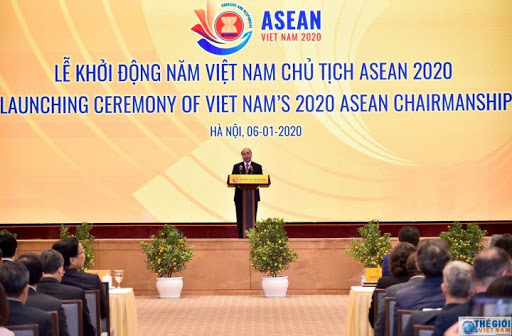
    Vietnam assumed ‘2020 Chairmanship of the ASEAN’ in November 2019 from Thailand in accordance with Article 31 of the ASEAN Charter under which the Chairmanship rotates annually. Hanoi announced the theme for its Chairmanship as ‘Cohesive and Responsive’, in which ‘Cohesive reflects the need to enhance ASEAN unity and solidarity, economic integration, ASEAN awareness and identity, and work toward a “people-centered” community’ and                                 ‘Responsive underlines the importance of promoting ASEAN pro-activeness, creativity and capacity in response to opportunities and challenges brought about by rapid changes in regional and global landscape’.

    Soon after taking over the 2020 Chairmanship, Vietnam was confronted with a ‘black swan’ event i.e. COVID-19. It  delivered admirably by taking bold measures to control the spread of the virus in the country and announced that the ASEAN Coordinating Council (ACC) will compile a report on the COVID-19 to be submitted to ASEAN leaders at the 36th ASEAN Summit scheduled in Vietnam in April.

    Vietnam’s Deputy Foreign Minister Nguyen Quoc Dung, who is the Secretary-General of the 2020 ASEAN National Committee, has identified five key priorities for his country’s Chairmanship Year and it is not surprising to see reference to Hanoi’s commitment to ‘regional peace and stability amid strategic complexities’. Boundary and associated disputes including illegal occupation, reclamation and weaponization of islands and features in South China Sea are central to ASEAN, and as a corollary a major issue for Vietnam’s 2020 Chairmanship. There is now evidence of a push back against Beijing’s intimidation. This is evident from the forceful statements and credible operational initiatives in South China Sea by the claimant states against China which has deployed law enforcement and paramilitary vessels.

    In this context there are expectations from Vietnam to vigorously pursue and make substantive contributions towards keeping the South China Sea less turbulent and more peaceful, and address issues that threaten regional peace and security. It would also be Hanoi’s endeavor to prevent any confrontation and further escalation in disputes in the South China Sea. However, this may not be the case as a number of incidents in the South China Sea over resources i.e. fishing and offshore energy exploration have begun rather very early in Vietnam’s ‘2020 Chairmanship of the ASEAN’.

    First is about Indonesia and China. The former does not claim any island or features in the Spratly Islands and therefore does not have any dispute in South China Sea; but presence of Chinese coast guard vessel escorting Chinese fishermen to fish in Natuna, part of  Indonesian waters, which China claims to be the traditional fishing ground, prompted political and military response from Jakarta. There was also a standoff between China and Vietnam in the Vanguard Bank involving 50 Vietnamese and 40 Chinese vessels over the operations of the drilling rig Hakuryu 5 operated by Russia’s Rosneft in Vietnam’s oil and gas Block 06-01.

    Another three-way standoff over oil and gas operations is playing out between China and Malaysia in which the state-owned Petronas is exploring on the extended continental shelf of a ‘Malaysian oil and gas block in the area for which Hanoi and Kuala Lumpur had submitted a joint claim’. China has resorted to intimidation similar to the Vanguard Bank between China and Vietnam.

    At another level, United States military response in support of Taiwan after Chinese military airplanes flew across the Taiwan Straits and the Bashi Channel is noteworthy. Likewise, US’ support has been forthcoming for Vietnam against China and could trigger enhanced defence and security cooperation between the two sides as also create new opportunities for Hanoi to inform Beijing about its confidence to deal with China on the South China Sea issue at its own terms.

    However, the Philippines would be a different challenge for Vietnam after President Rodrigo Duterte announced annulment of the Visiting Forces Agreement (VFA) notwithstanding the fact that the US has been the most important ally of the Philippines in countering China’s expansive claims in the disputed Philippines Sea. It is useful to mention that Philippines is critical  for US’ Indo-Pacific  strategy of a free and open oceans.

    Second is the about the Code of Conduct (CoC), an upgraded document of the earlier Declaration on the Conduct of Parties in the SCS (DOC), which is under negotiation between China and ASEAN member states and is expected to be adopted in 2021.Vietnam must concentrate on the CoC. The onus will be on Vietnam to not only build consensus among the  ASEAN , Hanoi will have to work hard  to put in place a workable COC which can then be taken forward by Brunei Darussalam who would assume the ‘2021 Chairmanship of the ASEAN’.

    Third is about the contestation between the US and China over freedom of navigation operation (FONOP). During the last three years, the US forces have routinely conducted FONOP which Washington claims to be in accordance with international law and that its military will fly, sail, and operate wherever international law permits. Chinese reaction and response to the FONOP has been at the political, diplomatic and strategic levels. It has exercised coercion at sea through dangerous maneuvers and more recently a PLA Navy destroyer fired a military grade laser at a US P-8 surveillance aircraft.

    ASEAN Chairmanship is a challenging position and attracts high expectations from the member countries. The position entails building upon the work done by the previous Chair as also pursue new regional issues that are always as challenging as the earlier ones. Besides, there are anticipations by regional and other global players to not only follow up the ongoing challenges but address new questions that confront the ASEAN. More often than not, the ASEAN countries have delivered and received appreciation from the international community.

    By all counts Vietnam’s chairmanship of the ASEAN can be expected to be both challenging and rewarding. Hanoi is expected to live up to the expectations on the responsibilities enshrined in the ASEAN charter and deliver to the peoples of the ASEAN as also build upon the themes and priorities set by previous Chairmanship. Vietnam will also be under pressure to adopt a tougher line against China on the South China Sea issue in view of the recent spats between China and other claimant states. But Vietnamese leaders are known for their maturity and diplomatic skills and would play a pragmatic role to manage tensions in the region.

    Image Credit: Vietnam Economic Times

  • Reflections on “Peace” in Afghanistan: Leaving a Misguided War and Choosing Not to Look Back

    Reflections on “Peace” in Afghanistan: Leaving a Misguided War and Choosing Not to Look Back

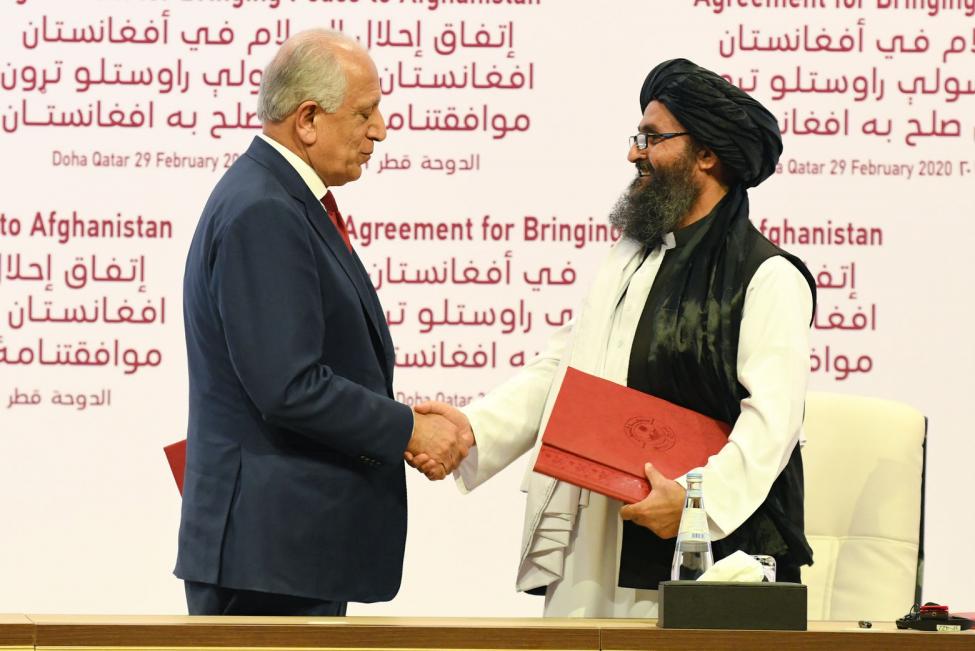
    Kahlil Gibran, the Lebanese-American poet, artist, writer and philosopher, famously said ‘History does not repeat itself except in the minds of those who do not know history’. In today’s generation very few know and understand history, and so it is most likely that very few will see that the recent US-Taliban peace deal has an eerie resemblance to the end stage of the Vietnam war. US Special envoy, Zalmay Khalilzad and Taliban political chief, Mullah Abdul Ghani Baradar signed a ‘historic’ peace deal on February 29, 2020 in Doha, capital of Qatar  paving the way for ending two decades of American military fighting in Afghanistan and their return. In the context of the US-Taliban peace deal that raises more questions than answers, TPF revisits an article written by Andrew J Bacevich few months ago. Comparing the two similar situations (US-Vietcong deal and US-Taliban deal) in a very incisive analysis, Andrew Bacevich raises very relevant observations. Effectively this means that the US is exiting after conceding defeat to the Taliban and abandoning the Afghan government that it supported all this while. It would be only a matter of time before the Taliban, with active support from Pakistan, dismantles whatever semblance of stable governance and democracy that has been built over the last 15 years in war-torn Afghanistan. TPF

    This article was first published in “TomDispatch.com”    The Peninsula Foundation is happy to republish this article with permission from ‘TomDispatch.com’.  TPF  

    Andrew J Bacevich

    When the conflict that the Vietnamese refer to as the American War ended in April 1975, I was a U.S. Army captain attending a course at Fort Knox, Kentucky. In those days, the student body at any of our Army’s myriad schools typically included officers from the Army of the Republic of Vietnam (ARVN).

    Since ARVN’s founding two decades earlier, the United States had assigned itself the task of professionalizing that fledgling military establishment. Based on a conviction that the standards, methods, and ethos of our armed forces were universally applicable and readily exportable, the attendance of ARVN personnel at such Army schools was believed to contribute to the professionalizing of the South Vietnamese military.

    Evidence that the U.S. military’s own professional standards had recently taken a hit — memories of the My Lai massacre were then still fresh — elicited no second thoughts on our part. Association with American officers like me was sure to rub off on our South Vietnamese counterparts in ways that would make them better soldiers. So we professed to believe, even while subjecting that claim to no more scrutiny than we did the question of why most of us had spent a year or more of our lives participating in an obviously misbegotten and misguided war in Indochina.

    For serving officers at that time one question in particular remained off-limits (though it had been posed incessantly for years by antiwar protestors in the streets of America): Why Vietnam? Prizing compliance as a precondition for upward mobility, military service rarely encourages critical thinking.

    On the day that Saigon, the capital of the Republic of Vietnam, fell and that country ceased to exist, I approached one of my ARVN classmates, also a captain, wanting at least to acknowledge the magnitude of the disaster that had occurred. “I’m sorry about what happened to your country,” I told him.

    I did not know that officer well and no longer recall his name. Let’s call him Captain Nguyen. In my dim recollection, he didn’t even bother to reply. He simply looked at me with an expression both distressed and mournful. Our encounter lasted no more than a handful of seconds. I then went on with my life and Captain Nguyen presumably with his. Although I have no inkling of his fate, I like to think that he is now retired in Southern California after a successful career in real estate. But who knows?

    All I do know is that today I recall our exchange with a profound sense of embarrassment and even shame. My pathetic effort to console Captain Nguyen had been both presumptuous and inadequate. Far worse was my failure — inability? refusal? — to acknowledge the context within which that catastrophe was occurring: the United States and its armed forces had, over years, inflicted horrendous harm on the people of South Vietnam.

    In reality, their defeat was our defeat. Yet while we had decided that we were done paying, they were going to pay and pay for a long time to come.

    Rather than offering a fatuous expression of regret for the collapse of his country, I ought to have apologized for having played even a minuscule role in what was, by any measure, a catastrophe of epic proportions. It’s a wonder Captain Nguyen didn’t spit in my eye.

    I genuinely empathized with Captain Nguyen. Yet the truth is that, along with most other Americans, soldiers and civilians alike, I was only too happy to be done with South Vietnam and all its troubles. Dating back to the presidency of Dwight D. Eisenhower, the United States and its armed forces had made a gargantuan effort to impart legitimacy to the Republic of Vietnam and to coerce the Democratic Republic of Vietnam to its north into giving up its determination to exercise sovereignty over the entirety of the country. In that, we had failed spectacularly and at a staggering cost.

    “Our” war in Indochina — the conflict we chose to call the Vietnam War — officially ended in January 1973 with the signing in Paris of an “Agreement Ending the War and Restoring Peace in Vietnam.” Under the terms of that fraudulent pact, American prisoners of war were freed from captivity in North Vietnam and the last U.S. combat troops in the south left for home, completing a withdrawal begun several years earlier. Primary responsibility for securing the Republic of Vietnam thereby fell to ARVN, long deemed by U.S. commanders incapable of accomplishing that mission.

    Meanwhile, despite a nominal cessation of hostilities, approximately 150,000 North Vietnamese regulars still occupied a large swathe of South Vietnamese territory — more or less the equivalent to agreeing to end World War II when there were still several German panzer tank divisions lurking in Belgium’s Ardennes Forest. In effect, our message to our enemy and our ally was this: We’re outta here; you guys sort this out. In a bit more than two years, that sorting-out process would extinguish the Republic of Vietnam.

    Been There, Done That

    The course Captain Nguyen and I were attending in the spring of 1975 paid little attention to fighting wars like the one that, for years, had occupied the attention of my army and his. Our Army, in fact, was already moving on. Having had their fill of triple-canopy jungles in Indochina, America’s officer corps now turned to defending the Fulda Gap, the region in West Germany deemed most hospitable to a future Soviet invasion. As if by fiat, gearing up to fight those Soviet forces and their Warsaw Pact allies, should they (however improbably) decide to take on NATO and lunge toward the English Channel, suddenly emerged as priority number one. At Fort Knox and throughout the Army’s ranks, we were suddenly focused on “high-intensity combined arms operations” — essentially, a replay of World War II-style combat with fancier weaponry. In short, the armed forces of the United States had reverted to “real soldiering.”

    And so it is again today. At the end of the 17th year of what Americans commonly call the Afghanistan War — one wonders what name Afghans will eventually assign it — U.S. military forces are moving on. Pentagon planners are shifting their attention back to Russia and China. Great power competition has become the name of the game. However we might define Washington’s evolving purposes in its Afghanistan War — “nation building,” “democratization,” “pacification” — the likelihood of mission accomplishment is nil. As in the early 1970s, so in 2019, rather than admitting failure, the Pentagon has chosen to change the subject and is once again turning its attention to “real soldiering.”

    Remember the infatuation with counterinsurgency (commonly known by its acronym COIN) that gripped the national security establishment around 2007 when the Iraq “surge” overseen by General David Petraeus briefly ranked alongside Gettysburg as a historic victory? Well, these days promoting COIN as the new American way of war has become, to put it mildly, a tough sell. Given that few in Washington will openly acknowledge the magnitude of the military failure in Afghanistan, the incentive for identifying new enemies in settings deemed more congenial becomes all but irresistible.

    Only one thing is required to validate this reshuffling of military priorities. Washington needs to create the appearance, as in 1973, that it’s exiting Afghanistan on its own terms. What’s needed, in short, is an updated equivalent of that “Agreement Ending the War and Restoring Peace in Vietnam.”

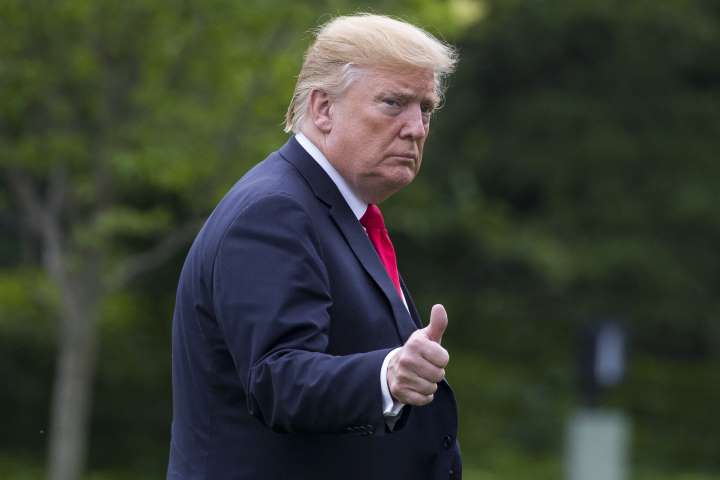
    Until last weekend, the signing of such an agreement seemed imminent. Donald Trump and his envoy, former ambassador to Afghanistan Zalmay Khalilzad, appeared poised to repeat the trick that President Richard Nixon and National Security Advisor Henry Kissinger pulled off in 1973 in Paris: pause the war and call it peace. Should fighting subsequently resume after a “decent interval,” it would no longer be America’s problem.  Now, however, to judge by the president’s Twitter account — currently the authoritative record of U.S. diplomacy — the proposed deal has been postponed, or perhaps shelved, or even abandoned altogether.  If National Security Advisor John Bolton has his way, U.S. forces might just withdraw in any case, without an agreement of any sort being signed.

    Based on what we can divine from press reports, the terms of that prospective Afghan deal would mirror those of the 1973 Paris Accords in one important respect. It would, in effect, serve as a ticket home for the remaining U.S. and NATO troops still in that country (though for the present only the first 5,000of them would immediately depart). Beyond that, the Taliban was to promise not to provide sanctuary to anti-American terrorist groups, even though the Afghan branch of ISIS is already firmly lodged there. Still, this proviso would allow the Trump administration to claim that it had averted any possible recurrence of the 9/11 terror attacks that were, of course, planned by Osama bin Laden while residing in Afghanistan in 2001 as a guest of the Taliban-controlled government. Mission accomplished, as it were.

    Back in 1973, North Vietnamese forces occupying parts of South Vietnam neither disarmed nor withdrew. Should this new agreement be finalized, Taliban forces currently controlling or influencing significant swaths of Afghan territory will neither disarm nor withdraw. Indeed, their declared intention is to continue fighting.

    In 1973, policymakers in Washington were counting on ARVN to hold off Communist forces. In 2019, almost no one expects Afghan security forces to hold off a threat consisting of both the Taliban and ISIS. In a final insult, just as the Saigon government was excluded from U.S. negotiations with the North Vietnamese, so, too, has the Western-installed government in Kabul been excluded from U.S. negotiations with its sworn enemy, the Taliban.

    A host of uncertainties remain.  As with the olive branches that President Trump has ostentatiously offered to Russia, China, and North Koea, this particular peace initiative may come to naught — or, given the approach of the 2020 elections, he may decide that Afghanistan offers his last best hope of claiming at least one foreign policy success. One way or another, in all likelihood, the deathwatch for the U.S.-backed Afghan government has now begun. One thing only is for sure. Having had their fill of Afghanistan, when the Americans finally leave, they won’t look back. In that sense, it will be Vietnam all over again.

    What Price Peace?

    However great my distaste for President Trump, I support his administration’s efforts to extricate the United States from Afghanistan. I do so for the same reason I supported the Paris Peace Accords of 1973. Prolonging this folly any longer does not serve U.S. interests. Rule number one of statecraft ought to be: when you’re doing something really stupid, stop. To my mind, this rule seems especially applicable when the lives of American soldiers are at stake.

    In Vietnam, Washington wasted 58,000 of those lives for nothing. In Afghanistan, we have lost more than 2,300 troops, with another 20,000 wounded, again for next to nothing. Last month, two American Special Forces soldiers were killed in a firefight in Faryab Province. For what?

    That said, I’m painfully aware of the fact that, on the long-ago day when I offered Captain Nguyen my feeble condolences, I lacked the imagination to conceive of the trials about to befall his countrymen. In the aftermath of the American War, something on the order of 800,000 Vietnamese took to open and unseaworthy boats to flee their country. According to estimates by the United Nations High Commissioner for Refugees, between 200,000 and 400,000 boat people died at sea. Most of those who survived were destined to spend years in squalid refugee camps scattered throughout Southeast Asia. Back in Vietnam itself, some 300,000 former ARVN officers and South Vietnamese officials were imprisoned in so-called reeducation camps for up to 18 years. Reconciliation did not rank high on the postwar agenda of the unified country’s new leaders.

    Meanwhile, for the Vietnamese, north and south, the American War has in certain ways only continued. Mines and unexploded ordnance left from that war have inflicted more than 100,000 casualties since the last American troops departed. Even today, the toll caused by Agent Orange and other herbicides that the U.S. Air Force sprayed with abandon over vast stretches of territory continues to mount. The Red Cross calculates that more than one million Vietnamese have suffered health problems, including serious birth defects and cancers as a direct consequence of the promiscuous use of those poisons as weapons of war.

    For anyone caring to calculate the moral responsibility of the United States for its actions in Vietnam, all of those would have to find a place on the final balance sheet. The 1.3 million Vietnamese admitted to the United States as immigrants since the American War formally concluded can hardly be said to make up for the immense damage suffered by the people of Vietnam as a direct or indirect result of U.S. policy.

    As to what will follow if Washington does succeed in cutting a deal with the Taliban, well, don’t count on President Trump (or his successor for that matter) welcoming anything like 1.3 million Afghan refugees to the United States once a “decent interval” has passed. Yet again, our position will be: we’re outta here; you guys sort this out.

    Near the end of his famed novel, The Great Gatsby, F. Scott Fitzgerald described two of his privileged characters, Tom and Daisy, as “careless people” who “smashed up things and creatures” and then “retreated back into their money or their vast carelessness” to “let other people clean up the mess they had made.” That description applies to the United States as a whole, especially when Americans tire of a misguided war. We are a careless people. In Vietnam, we smashed up things and human beings with abandon, only to retreat into our money, leaving others to clean up the mess in a distinctly bloody fashion.

    Count on us, probably sooner rather than later, doing precisely the same thing in Afghanistan.

    Image Credit: www.upi.com
  • President Trump’s India Visit : Balancing Optics with Substance

    President Trump’s India Visit : Balancing Optics with Substance

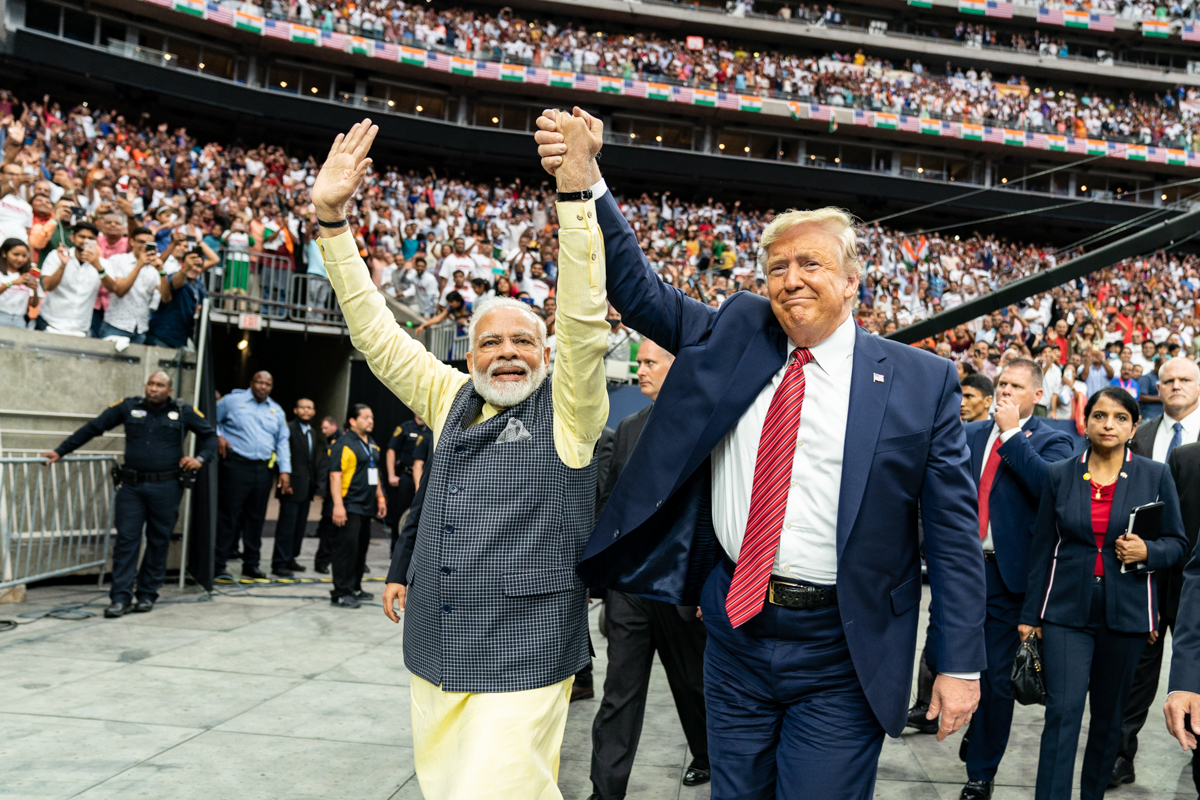
    As President Donald Trump arrives in India today, 24 February 2020,on his maiden official visit to India,  there is significant level of discussions amongst the academics, strategists, and foreign policy experts about whether this visit is more about optics than substantive discussions on strategies and agreements to strengthen the US-India strategic partnership. On arrival the president’s first public engagement is a super spectacle, ‘Namaste Trump’ at the new Motera Stadium in Ahmedabad that will have more than 100,000 people, which is Prime Minister Modi’s way of reciprocating for ‘Howdy, Modi’ at Houston last year. Most opine that while Mr Trump’s visit will be packed with pageantry, it will be light on policy and therefore, unlike previous presidential visits this one may not yield many break-through agreements. There are, however, some important developments that are very unique to the Trump-Modi era when compared to the previous visits of American presidents. Both leaders excel in showmanship and also in projecting strong nationalistic orientation to each one’s domestic constituency. Trump, with his transactional and disruptive approach comes off as more unpredictable when it comes to foreign policy and strategic issues.

    Politics and Showmanship

    It has taken Mr Trump, more than three years since he assumed office to visit India. This could mean that India was not a high priority for the Trump regime in the initial years, or as it turned out India was not the target of Trump’s disruptive strategy that he employed against USA’s traditional allies, China, Russia, and others. The final year of a POTUS term is generally termed as the ‘lame duck year’, where very few presidents have had a good last year and many were hampered by major controversies. It is important to note that India is the first country that President Trump is traveling to after his impeachment trial. There is more to Mr Trump’s India relationship than just this visit. One must remember that he is a shrewd businessman, and even before he became the president, India was already home to the most Trump ventures outside of North-America.  While India’s strategic importance is well recognised by all presidents since Bill Clinton, President Trump’s approach is considerably different than the others. His daughter Ivanka Trump made headlines when she visited Hyderabad, as White House Advisor, for the Global Entrepreneurship Summit in Nov 2017 and the prime minister broke protocol to host a dinner in her honour.

    That the Trump administration has followed a calibrated strategy of recognising and enhancing PM Modi’s image for significant gains to the American defence industry in particular is evident. The current visit, therefore, focuses primarily on strengthening strategic partnership issues in areas such as defence trade, intelligence sharing, counter terrorism, and visa issues. American side may make a token mention about Trump’s offer to facilitate improvement of India-Pakistan talks, China and issues of religious freedom.  However, these will get swamped by the more visible spectacle that will be on display at Ahmedabad and Agra.

    Defence Relationship – the most substantive progress

    India – US defence partnership has progressed significantly over the last decade and a half. The two militaries are exercising together more frequently than ever, and the strategic interactions are moving more towards equitable approach to various aspects. The Trump administration has covered significant ground in nudging India, despite its reluctance, towards partnerships such as the ‘Quad’ and moving towards interoperability by concluding various agreements including the foundational agreements through Defence-Trade-Technology relationship mechanisms.

    Defence trade between the two countries has grown exponentially since 2007. Two major procurements are likely to be signed by the Indian government during this visit: acquisition of 24 Sea-Hawk naval multi-role helicopters (NMRH) from Lockheed Martin worth $ 2.6 billion for the Indian Navy and six AH-64E Apache attack helicopters from Boeing worth $ 930 million for the Indian Army. Both procurements will be through the FMS (Foreign Military Sales) route. Trump administration cleared the decks for enhanced defence cooperation with India by approving India as a major Non-NATO defence partner in 2019, thus smoothening the process for exporting or selling hi-tech weapon systems to India. This is often confused with India becoming a major Non-NATO ally, which is clearly not the case.

    What is clear is that the US has secured major business deals with India to its great advantage, without India gaining much in terms of technology access or industrial production of hi-tech weaponry. The US objective is clearly to wean India away from its heavy dependence on Russian weaponry and secure much broader business relationship with American arms industry. The MIC (military industrial complex) of the USA is clearly focused on India now as its major avenue of business in the 21st century. The Americans were clearly unhappy that India went ahead with S-400 purchase from Russia despite the threat of CAATSA. That India has decided to buy an air defence missile system from the US, again through FMS route, worth $ 1.9 billion seems to be a compensation for such a decision.

    The US-India defence deal will scale $ 20 billion this year after the Trump visit. Many of these weapon system procurements, in terms of numbers, are not of a scale sufficient to create major industrial partnerships for manufacturing. India, however, will need to look at ways and means of acquiring significant technologies from the US through joint ventures, co-design and co-development. Otherwise, there lurks the danger of India being trapped in an all too familiar pattern of buyer-seller relationship rather than as strategic partners.

    Strategic gains?

    The visit’s focus is in areas of trade, defence, counter-terrorism, energy, and co-ordination on regional and global issues. These are areas in which considerable ground has been covered and is a continuing process. The agreement on trade deal, which was keenly expected, has been deferred. With President Trump accusing India of high tariffs and dashing all hopes of a deal before the visit, it is clear that the USA intends to push hard for favourable access to Indian markets for American companies. There are some positives that are emerging. The prospects for increased collaboration in space between ISRO and NASA looks bright.

    The focus of the American side is primarily on Defence trade.  Increase in investments in defence production may become a possibility with major projects in the pipeline. Both Boeing and Lockheed Martin are pushing hard for IAF’s 114 aircraft order, which will be processed under the strategic partnership model of ‘Make in India’ program. This could expand the production run to over 200 aircraft. Similarly, the naval  helicopter (NMRH) procurement has a possibility  of expanding into ‘Make in India’ project for over 100 helicopters. Boeing’s S-76D is a contender for Navy’s utility helicopter procurement under ‘make in India’ program.

    The spectacle of this visit will certainly contribute to both leaders’ constituencies, for President Trump’s re-election campaign and for PM Modi it may divert people’s attention from current issues of flagging economy, Delhi electoral reverses, the Kashmir issue and ongoing protests on CAA and NRC. India however, will need to negotiate hard and leverage the expanding defence business to address technology access and  strengthen Indian industry by enabling them into global supply chain. For this the Indian establishment will need to see well beyond the optics to assess real gains.

    Air Marshal M Matheswaran AVSM VM PhD (retd) is the President of TPF and a former Deputy Chief of the Integrated Defence Staff.


  • Will the US Revert to ‘Just like in Grand Ma’s Time’ Again?

    Will the US Revert to ‘Just like in Grand Ma’s Time’ Again?

    Category : International Affairs/USA

    Title : Will the US Revert to ‘Just like in Grand Ma’s Time’ Again?

    Author : Andrei Korobkov 11-02-2020

    Donald Trump’s opponents persist in their delusion that his arrival to power was an accident, and if they manage to throw him out of office, history will resume its natural course, and everything will be just like in grandma’s time again. This is a battle between the views of Washington’s elite and the general public resulting in a systemwide crisis. Should the elite further refuse to recognise how serious the crisis has become, and if they will not acquiesce to curtail their ambition and search for compromise, it will be disastrous for the United States and the rest of the world, argues Andrei Korobkov.

    Read More

  • The Art of Resistance: 440 shoes on a public wall highlight the chilling murders of Turkish women

    The Art of Resistance: 440 shoes on a public wall highlight the chilling murders of Turkish women

    Category : Gender/Violence against Women/Turkey

    Title : The Art of Resistance: 440 shoes on a public wall highlight the chilling murders of Turkish women

    Author : Matheswaran 09-02-2020

    Turkish society has long grappled with the issue of domestic and sexual violence against women. Much like in India, the patriarchy is the main reason behind the loss of many lives. Ms Yamuna Matheswaran points to a very innovative display project by a Turkish artist Vahit Tuna in Istanbul that serves to capture the attention of people on the issue of violence against women.

    Read More

  • Addressing Geo-environmental Security Challenges in the Indian Ocean Region: Setting a Regional Agenda

    Addressing Geo-environmental Security Challenges in the Indian Ocean Region: Setting a Regional Agenda

    Executive Summary

    • The Indian Ocean region (IOR) is an epicentre for a range of natural hazards. These are increasingly being amplified by a range of climate change-related environmental security threats, many of which have potential strategic consequences.
    • This Insight explores some of the key geoenvironmental challenges faced by the region. It then uses three case studies to explore the complex interactions between environmental and conventional security threats. ◊ The UAE will head the Indian Ocean Rim Association (IORA) from October 2019 to 2021. This Insight will explore ways in which the UAE can play an important regional leadership role by establishing a regional agenda to address geo-environmental challenges.

    Potential initiatives could include:

    • Establishing an Indian Ocean Environmental Security Forum: The UAE could take the lead in sponsoring the establishment of an Indian Ocean Environmental Security Forum that brings together military and civilian agencies and nongovernmental organisation across the region. The objective of the forum would be to create shared understandings on environmental security threats and help establish habits of dialogue in mitigating these threats.
    • Enhanced regional coast guard cooperation: The UAE could join with like-minded partners to create arrangements for dialogue, cooperation and training among Indian Ocean coastguards. This could include ongoing arrangements for professional development of senior coast guard practitioners in the region.
    • Disaster Risk Reduction: The UAE could join with other key states to develop framework disaster management arrangements among key Indian Ocean states with significant capabilities in this area. Such an arrangement could focus on developing pre-existing coordination mechanisms for responding to disasters among the most capable states.
    • Research on fish stocks: The UAE could promote environmental risk assessments by IORA and other relevant agencies of all species of fish in the Indian Ocean, including studies on the potential impact of climate change on these fish stocks.

    Download Full Research Paper

  • Chennai’s Water Stress:  Urgent Need for Effective Water Security

    Chennai’s Water Stress: Urgent Need for Effective Water Security

    In Chennai, while the demand for water has been rising steeply with rapid urbanisation and growing population, water supply has been hit hard due to monsoon failures, over-exploitation of groundwater, heat waves and inadequate infrastructure. Following poor rainfall since 2018, all four major drinking water sources (four lakes) in the city dried up holding less than 1 percent of their capacities, aggravating the city’s water gap. The summer 2019 water crisis in Chennai has revealed the scale and magnitude of the water challenge, which can be viewed from two angles- one that is caused from a lack of safe water provisions and the other due to scarcity of available water resources.

    In Tamil Nadu, over 95 percent of surface water and 80 percent of groundwater have been utilised, with the per capita availability of water merely 900 cubic meters against a national average of 2200 cubic meters. Additionally, the state is, almost entirely, dependent on rainfall to restore its water resources. Erratic monsoon, therefore, create acute water shortage and droughts in the state. Further, Chennai being a coastal city, there is a high run off rate.

    Water Shortage – Man made Crisis

    Of the total water available, 75 percent of the available water is utilised for agriculture, leaving very little for industrial and personal consumption. The shortage has led to many unregulated private borewells and groundwater extraction. Others have resorted to private tankers who charge exorbitantly, in the absence of alternatives. While the coping costs is only 1 percent of the total income for high income groups, it is 15 percent for middle income groups and 40-50 percent for low income groups. To level the burden, state’s interventions are indispensable and all attempts towards regulating rates have failed due to tanker lobbies.

    In the absence of proper legislation, there has been an 85 percent decline of groundwater levels. Depleting groundwater level and intrusion of seawater have significantly reduced the water quality as well. Additionally, the state needs to build storage facilities and prevent water runoff, evident from the failure of at storing excessive water from 2015 flood which flowed back to the sea. The authorities have also ignored the illegal encroachment and excessive migration of people. An estimated 8,20,000 people live in slums, often without access to a consistent water supply. Poor infrastructure to retain water and low water holding capacity of soil have also affected green water within the soil that supports food and biomass production.

    The water shortage have spilled over to other dimensions as well. The unbalanced emphasis on the supply side issues has created water rage and incidents of local arguments over conservation methods, utilisation patterns, etc. Small businesses, schools, restaurants and others have evolved their own methods to tackle the crisis. Corporates encouraged work from home, many skipped daily wages waiting for water delivery and Chennai Metro temporarily stopped air conditioning in non-peak hours. The water disruptions also affected production, increased input costs and reduced investments in the city.

    Need for Active State Intervention

    Since water is a state subject, its management remains the responsibility of state government. The evident and growing water scarcity immediately demanded policy interventions and action programmes from the Tamil Nadu government. To tackle the high prices charged by tankers, the Municipal Administration hired water tankers for supplying water to the public and demanded that people refuse services of those charging steep rates. However, the Chennai Metro Water Supply and Sewerage Board was delivering 500 million litres, less than half of the city’s needs. In such a scenario, authorities should instead actively regulate the prices and penalise defaulters.

    Water Supply Scheme in Chennai has been approved under JNNURM for improving and strengthening water supply within the city. However, leak detection and rectification is only part of Phase 6 of the scheme. This needs to be prioritised to prevent water wastage. Further, proposal to extend basic amenities to unserved areas under the scheme is still pending. To stop the complete dependence on rainwater, the administration has taken up the construction of a third desalination plant, financed through a KFW loan and AMRUT funds. A Request for Interest has also been issued for setting up three small scale Seawater Reverse Osmosis desalination plants of 10MLD each. However, many argue that desalination should be the last resort since it is expensive, energy intensive and environmentally damaging. Instead, the government should restore and rejuvenate water bodies in the city (currently there are over 100 such bodies each ranging between 2-50 acres), currently polluted with untreated waste, plastic and water hyacinths. There should also be regulations in place to prevent encroachment and pollution of water boundaries by humans.

    To have a sustainable system, rainwater harvesting was made mandatory since 2003, requiring buildings to install rooftop water catchment system and collect rainwater. However, poor implementation and maintenance have proved this measure ineffective. Local and state buildings should lead in rainwater harvesting. Following this, there should be regular checks and local bodies should provide assistance in maintaining these structures. The government is also engaging with NGOs and experts to desilt rivers to improve storage capacity in time for North East monsoons. While the measure is not an immediate fix, it is a long term measure. Though CMWSSB has pushed for desilting, many suggested plans are yet to be approved by the Water Resources Department. Even approved projects are prolonged and poorly managed. For instance, 1.93 lakhs cubic metres of silt are yet to be cleared in Porur lake, the process is yet to begin at Cholavaram lake, etc.

    On a careful observation, it can be established that most efforts currently employed address supply side issues like desalination, mismanagement, restoring water sources, etc. While supply oriented approaches are necessary, it is dependent on availability of water that is largely a product of nature and climate. The demand for water, however, is largely dependent on humans, directly impacted by the population size, industrial use patterns, water efficiency, etc. Hence, there is a need to equally focus on demand management measures, to formulate proper policies for water security.

    TN government has rejected the pricing of agricultural electricity consumption stating that it will burden the farmers and raise food prices. However, the state should actively try to reduce water consumption through irrigation, by measures like fixed timing for supply of power (used to pump groundwater), training farmers on water conservation methods, encouraging efficient irrigation techniques(drip irrigation or spray irrigation instead of flood irrigation), etc.

    Data intensive Analysis should guide Effective Policy Formulation and Implementation

    With wide spread experience of water scarcity and data projecting a situation normalising drought, it is the right time to adopt water conservation methods and push for change to limited water use lifestyle. Cape Town, that faced a similar situation, successfully implemented behavioural nudges to reduce water use. Most effective nudges included offering conservation feedback to users on their performance in relation to neighbours, and creating Water Maps that highlighted areas compliant with the targets. Further, reuse of water should be encouraged for landscaping, flushing toilets, etc.

    More importantly, to develop ideal policies and evolve schemes, there is a need for water accounting to track and understand the extent of water scarcity, check inter basin river transfers for better negotiations and make trade-offs with other states, improve preparedness for emergencies, etc. There should also be public water audits on institutions, laws, public and private usages, etc for transparency and accountability.

    Currently, water is managed by multiple agencies – one to handle encroachment, one for lake rejuvenation, another for pollution control, and so on- with overlapping responsibilities and little coordination between them. For responsible and accountable water governance, these bodies should be under an integrated agency. Overall, the demand side measures should equally be managed by the state. Towards this, the model of city’s development should be altered to distribute migration across the state, especially to areas that receive higher annual rainfall and have abundant water sources. In addition to reducing the water stress faced by the city, it will hinder the overcrowding in Chennai’s urban space and bring equitable development across the state.

    Renuka Paul is a Research Analyst with ‘The Peninsula Foundation’.

    Photo by Adhithya Srinivasan on Unsplash

  • Hong Kong’s Pro-Democracy Movement and the Chinese Conundrum

    Hong Kong’s Pro-Democracy Movement and the Chinese Conundrum

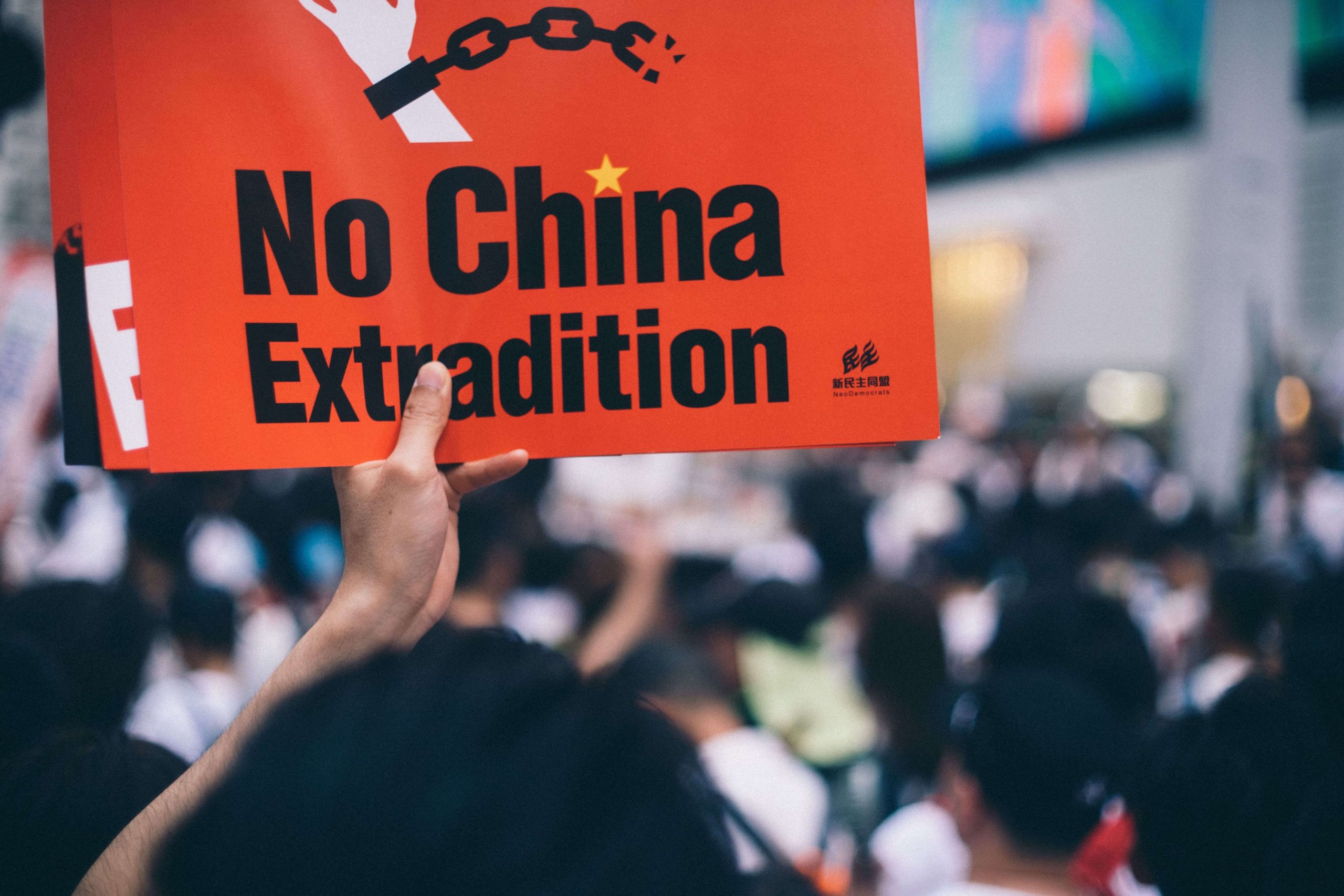
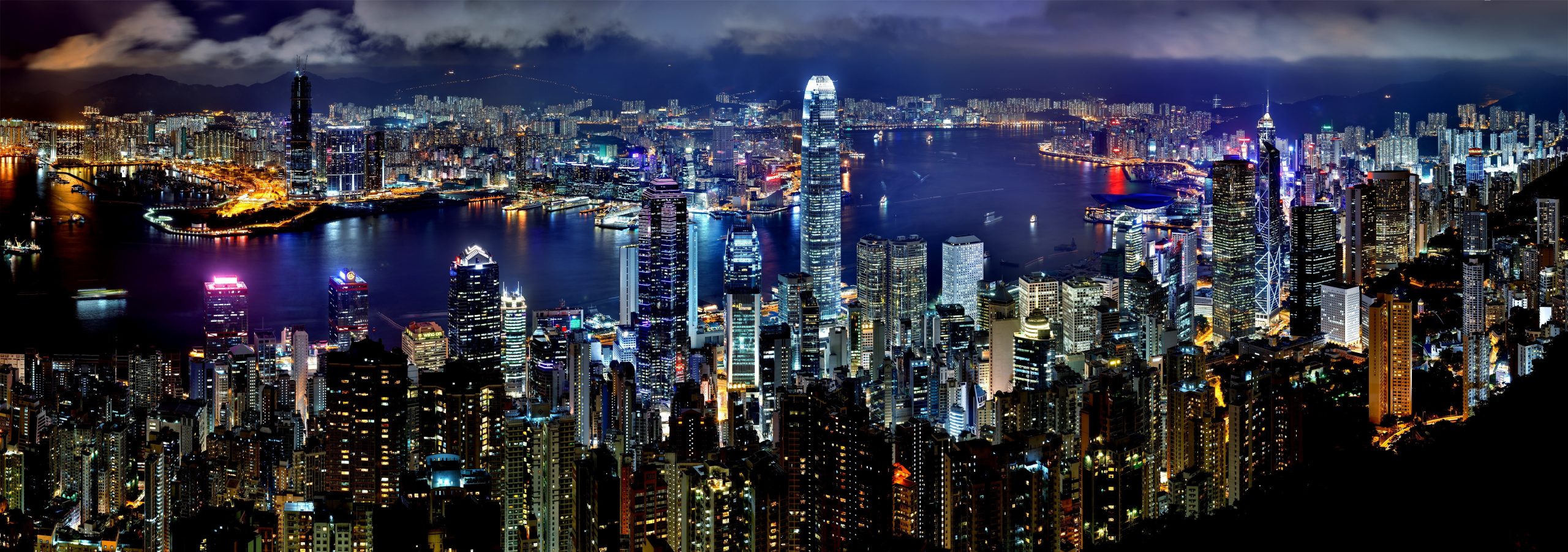
    The protest that erupted in Hong Kong since early June, triggered by stark objections to the extradition bill, has spiraled into a pro-democracy movement in the region. Beyond the political situation, the widespread, leaderless yet organised demonstrations reveal deep social and economic frustrations of the Hong Kongers. As the unrest enters its fourth month, the course of the events in the upcoming days also remains crucial for People’s Republic of China that is gearing up for its 70thanniversary on 1stOctober. With the rest of the world keenly observing Beijing’s measures, China seems to be in a conundrum, often changing its reactionary responses towards Hong Kong.

    Despite wide opposition, the pro-China Legislative Council (LegCo) in Hong Kong passed an extradition bill, usurping the democratic members presiding the bills committee.  While the current laws permit Hong Kong to extradite people upon legislature’s approval, the government introduced the bill claiming that it was unfeasible and could alert targets to flee before proper action. Eventually, following massive protests, the bill was suspended as people claimed that the proposed changes allowing Hong Kongers to be tried in mainland China will erode the region’s autonomy and freedom. Dissidents asserted that the Chinese legal system is opaque and often subordinate to the political structures, not always respectful of the rule of law. Although the citizens succeeded in removing the bill, the protests gained momentum towards larger demands of democracy.

    In 1997, when the British returned Hong Kong to China, Beijing allowed the region to retain a high degree of independence, with the mainland responsible only for defence and diplomacy. Although “one country, two systems”, set to expire in 2047, states political and economic autonomy, only 40 of the 70 LegCo members are directly elected by the people (others nominated by business houses mostly pro-China)  and the Chief Executive is appointed by a 1200 member committee, approved by China. Over the years, multiple protests for democracy have been observed in Hong Kong due the uncertainty post 2047 and increasing Chinese influence, like the Umbrella Movement in 2014. Currently, the discontent with the largely pro-China administration and its failure to represent the Hong Kongers, galvanised by the extradition bill, refuelled the pro-democracy movement in Hong Kong now primarily demanding free election of Hong Kong’s leader and LegCo, withdrawal of the suspended extradition bill and stepping down of Carrie Lam (present Chief Executive).

    The longest and largest unrest in Hong Kong since reunifying with the mainland seems to be spreading to include all sections of the population including lawmakers, civil servants, and even business houses. Mostly led by youth below 30 years, the movement has evolved to be a fight for the future of Hong Kong. Unlike older Hong Kongers, the younger generation did not grow up in a British colony and does not identify with the mainland, manifesting no pride in returning to the Chinese regime. According to Hong Kong University Public Opinion Program, the number of people expressing pride in being a Chinese citizen is at a record low, with an overwhelming majority identifying as Hong Kongers rather than Chinese. Despite being (seemingly) a leaderless rebellion, the sense of desperation and fear of Hong Kong losing its autonomy are powering the movement. While the driverless protests prevent protestors from becoming state targets, the nature of the crisis can easily turn violent and escalate since there is no set course of action, such as breaking into the legislature, shutting the city’s subways and airports, etc.  Many suggest that the protest is constantly gainingmomentumas the political frustration is also fuelled by socio-economic issues. Studies have revealed wide income disparities, especially in the last 45 years. Hong Kong has emerged as the most unequal nation amongst developed nations with the highest Gini coefficient- 0.539 (2017).  After Hong Kong was returned to China, it was hit by the Asian Financial Crisis in 1997 and SARS threat in 2003, worsening recession and unemployment, eventually leading to higher integration with the mainland in terms of trade and investment. As the GDP fell from an average rate of 5.1 percent in 1977-1997 to 2.6 percent in 1997-2017, the wealth gap widened as well. The younger generation equates the blame of poor economic opportunities, rising income inequality and reduced upward mobility to the pro China initiatives of the Hong Kong administration, which is not directly elected by the people. Aging population, low minimum wages, skyrocketing real estate, etc require immediate government policies to tackle the resulting social issues. In the absence of appropriate government action, the demand for a democratic government that acts in Hong Kong’s interests have strengthened.

    Interestingly, the official Chinese response to the Hong Kong situation has been constantly evolving over the course of the protests. Initially, the unrest was hardly covered in Chinese media and traces of Hong Kong incidents were censored from the mainland’s social media platforms. Further, the Chinese state downplayed the number of protestors, claiming that majority of the public in Hong Kong were in favour of the introduced extradition bill. As the movement gained momentum, Beijing portrayed the protestors as a radical, violent minority. Eventually, as pro-democracy demands were raised, Chinese official statements were released comparing the agitation to a “colour revolution”, a term used to highlight a direct threat to Chinese party and its authority. Since then, police force and violence have heightened, and paramilitary forces amassing in the nearest city of Shenzhen has been reported. Following this, Beijing signalled that it has a responsibility to intervene as the Hong Kong administration’s capacity to h andle the situations seems ineffective. In parallel, Hong Kong’s administration repeatedly stressed that the ongoing demonstrations are disrupting the economy, a strategy to undermine support to the protestors.  Additionally, Beijing have also claimed that foreign “black hands” are operating and funding the revolution, since pro democratic leaders were photographed with US leaders and protestors defaced the national symbol at central liaison office (Chinese representative authority in Hong Kong). Overall, this narrative seems to actively reduce positive sentiments towards Hong Kong protestors in the mainland. Moreover, Chinese origin accounts on social media have been found propagating a campaign against the dissenters. Twitter suspended over 2,00,000 accounts, and Facebook removed 7 pages, 3 groups and 5 accounts on account of depicting protestors as violent criminals or terrorist aimed at influencing public opinion around the globe. For directly connecting to younger masses, Beijing has also roped in popular figures like Jackie Chan and pop singers. However, despite these hard and soft measures, China has largely failed in curbing the ongoing crisis.

    The varying responses to contain the rebellion highlight Chinese helplessness. Beijing’s long term strategy of subtly eroding Hong Kong’s autonomy has effectively been defeated. Ruthlessly crushing pro-democracy demands, as it did in Tiananmen Square protests, will undermine China’s carefully constructed role as a responsible state actor. Moreover, unlike the Tiananmen protestors, Hong Kongers have no allegiance to the mainland and are conditioned to certain levels of freedom. Suppressing their rights and removing its current level of autonomy will work against China and could further create tensions in Taiwan, prompting the island to declare real independence. Furthermore, it will invite international repercussions as UK has already announced diplomatic retaliation if the Sino British declaration is not honoured by the Chinese and US has hinted that the special privileges it extends to Hong Kong will be reconsidered if its status is changed. Despite Hong Kong’s declining significance to Beijing, it still handles  75 percent of offshore RMB payments and 63 percent of FDI into China. However, failure to quell the protests will hamper China’s image of invincibility and imply that Beijing caved in against mob action. This will weaken national pride amongst mainlanders, from which the Communist Party derives its strength. China seems to be caught in a tough spot, between one that wants to achieve stability by instituting leadership change and upholding one country two systems approach with integrity, and one that wants to portray itself as an ambitious rising power with unquestionable strength.

    Renuka Paul is Research Analyst with The Peninsula Foundation.

    Image Credit: Photo by Joseph Chan on Unsplash.

  • Conference Report- India and the Indian Ocean Region: Dynamics of Geopolitics, Security, and Global Commons

    Conference Report- India and the Indian Ocean Region: Dynamics of Geopolitics, Security, and Global Commons

    TPF Team                                                                                                    August 19, 2019/Conference

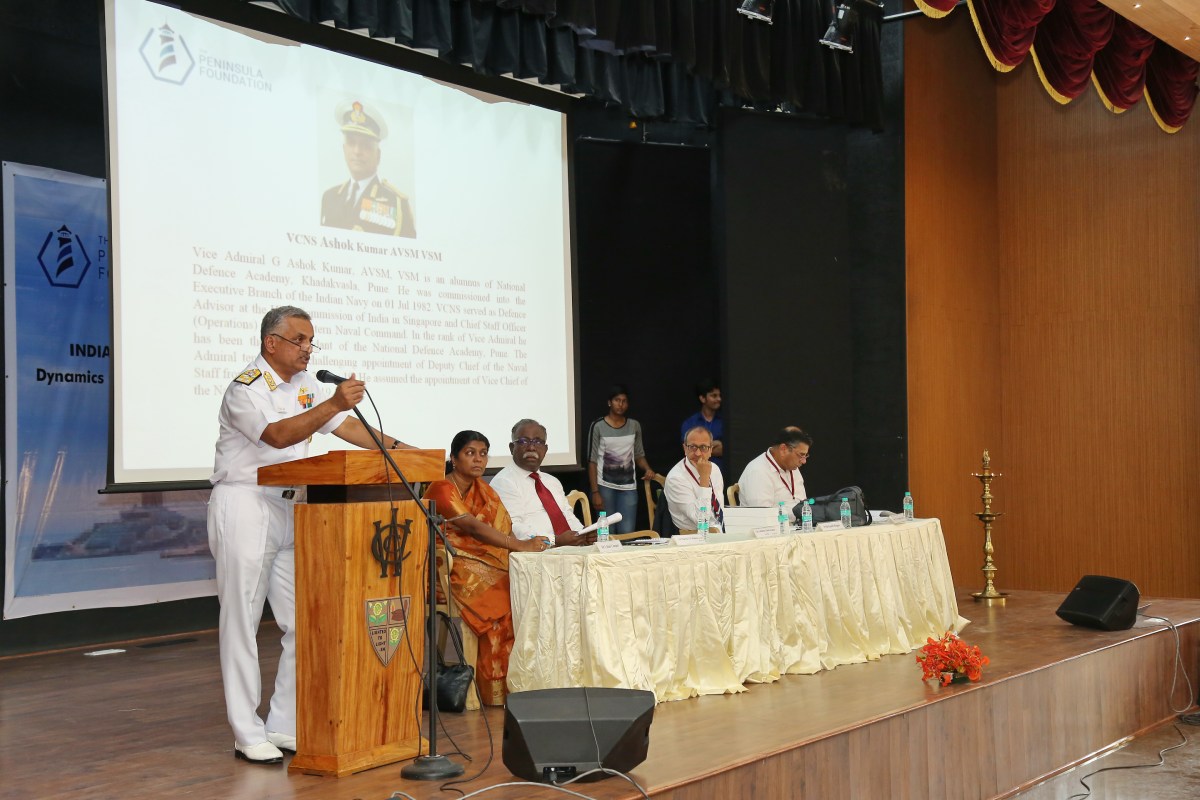
    The Peninsula Foundation held its first international conference titled “India and the Indian Ocean Region: Dynamics of Geopolitics, Security and Global Commons” on the 12thand 13thof July at the Women’s Christian College, Chennai. Fifteen papers authored by research scholars from various institutions and backgrounds were presented during the course of the two-day conference comprising five sessions.The inaugural address was delivered by the Chief Guest, Vice Admiral N Ashok Kumar AVSM VSM, Vice Chief of Naval Staff (VCNS). In an eloquent speech, the VCNS highlighted the growing importance of the Indian Ocean Region and the need to debate and discuss issues relating to chokepoints and the trade routes. He spoke about historical evidence of the criticality of the trade routes in the Indian Ocean Region (IOR), and related it to the present context of ship movements in vital sea lanes of communications (SLOCs) that are vital for economic growth of countries in the Asia-Pacific Region. India’s geographic location gives it a dominant strategic position, as seventy-five percent of international shipping links go through the IOR. He pointed out that China is deeply focussed on safeguarding its interests in the IOR since more than seventy percent of its energy requirements are dependent on Indian Ocean sea lanes. Stressing on the importance of the IOR, the VCNS highlighted the vulnerability of chokepoints and the need to ensure freedom of the seas.

                The keynote address was delivered by Professor Kanti Prasad Bajpai, Vice Dean and Wilmar Professor of Asian Studies at the Lee Kuan Yew School of Public Policy, National University of Singapore. He focused on the contemporary understanding of the term ‘region’ and its context with regards to geopolitics and international relations, stating that when we refer to a region in the geopolitical context, we essentially refer to a zone of conflict, a war-zone or an area of potential conflict. Thus, South Asia often implies the India-Pakistan conflict, Middle East or West Asia the Arab-Israeli conflict, or the conflict between North and South Korea when talking about Korea as a region. Similarly, the Indian Ocean region is one of geopolitical contest amongst the great powers. It is a strategically important region where interdependence is inevitable amongst the nations that have vested interests in the IOR.

                Professor Bajpai further elucidated the fundamentals of trade development in the region and substantiated a case for the IOR as a strategic zone, citing the consistency with which external powers compete to control the region. He highlighted the three forms of culture that govern or define power positions in the IOR: classical culture, popular culture and strategic culture. India, aspiring to position itself as an important player in the region, has to evaluate the choices that are available to it: accept one dominant power to manage the region in a rule-based order or actively participate in the dialogue for a negotiated order that can be achieved through multilateral trade agreements. In conclusion, Professor Bajpai raised questions to be addressed in the upcoming sessions. The inaugural session ended with a special lecture on the cultural legacies of the Asia-Pacific Region, delivered by Indian classical dancer and Padma Bhushan awardee, Dr Padma Subrahmanyam.

    Session One: ‘Indian Ocean: Culture, Civilizations and Connectivity’

                The topic of the first session chaired by Cmde. C. Uday Bhaskar, Director of the Society for Policy Studies (SPS), was ‘Indian Ocean: Culture, Civilizations and Connectivity’. The speakers discussed the history, culture and impact of trade on the IOR. G Padmaja, an independent researcher, emphasised India’s maritime heritage and argued that policies do not move beyond mere talk with respect to the IOR. Dr Vijay Sakhuja, Trustee of The Peninsula Foundation, stated that the IOR is the busiest trade route in terms of development and commodity exchange. He elucidated the importance of digital shipping and the scope of 5G technology and reliance on Artificial Intelligence in driving the trading ecosystem. The third speaker Dr D Dhanuraj, Chairman, Centre for Public Policy Research (CPPR), explored the idea of the modern political economy influencing the flow of men and commodities, and talked about the possibility of India reclaiming its rights over the IOR.

    Session Two: ‘Power Politics in the IOR: Geostrategies and Geo-economics’

                Through his paper “Competing Pivots in the Indian Ocean Region”, Dr Lawrence Prabhakar, Associate Professor, Madras Christian College, highlighted that the region can be constructed and contested through a maritime mandala that goes beyond security and economic factors to include cultural, governance, transnational and other aspects. Dr Arvind Kumar, HOD, Department of Geopolitics, Manipal University, in his paper “Stability of Trade and Commerce: Energy Corridor” discussed the potential of energy resources in the IOR and the need to include energy security as a significant feature in global trade and growth drive. In his paper titled “China’s BRI: Responses in the IOR and Implications for Regional Order”, Dr Jabin Jacob, Associate Professor, Shiv Nadar University, focussed on smaller nations affected by the Belt and Road Initiative and the responses by the Chinese government. Chairperson Dr TCA Raghavan, DG, ICWA, summarised the session by observing that the actions of regional states cannot be categorised as malicious but are rather reactions to Indian and Chinese policies over time.

    Session Three: India’s Strategic Interests in the IOR

                In the final session of the day, speakers discussed maritime security, power projections and evolving ties with littoral states in the region.  The session was chaired by Vice Admiral Shekhar Sinha (retd), Trustee, India Foundation. Cmde Somen Bannerjee, of Vivekananda International Foundation, pointed out in his paper titled “Maritime Security and Power Projections” that China is set to become the biggest power in the IOR in the next fifteen years. He also discussed the need for India to strategize power projection as a necessary course of action in order to secure importance on the global stage.  Through his paper, “Strategic Partnerships: India & ASEAN”, Ambassador Antonio Chiang brought to attention the strategic partnership between Taiwan and China, and the implications of China’s rise to power on Taiwan. Group Captain PB Nair spoke about the role of the Indian Air Force (IAF) in the context of the IOR, providing assistance in navigating sea routes, and the significance of Artificial Intelligence (AI) technology in carrying out sea operations.

    Day Two: Panel Discussion on India’s Approaches in the IOR

                Day Two commenced with a panel discussion on India’s strategic approaches in the IOR, its aspirations and the contradictions. The panel consisted of Dr TCA Raghavan, Ambassador Antonio Chiang, Lt Gen S.L. Narasimhan, Cmde Uday Bhaskar and Professor Kanti Bajpai. The session, moderated by Air Marshal M Matheswaran, addressed three main points: the power struggle in Asia, India’s inadequate investment with regard to being a rising power, and India’s engagement with multilateral institutions.

                The discussion focussed on the ramifications of Chinese economic power and military strength in the region, its effect on India’s policies, as well as the need for utilization of soft power and soft balancing techniques by smaller countries to level the international playing field.

                With regard to India’s investment activities, Dr TCA Raghavan mentioned that ineptness in domestic spheres would spill over and reflect in international projects.

                On the topic of India’s engagement in multilateral institutions, Professor Kanti Bajpai noted that while it cannot be said that India doesn’t deliver, there is a certain level of ambiguity about what the expectations are. The delay in finalising the Regional Comprehensive Economic Partnership (RCEP) was discussed; Lt Gen S L Narasimhan explored the reason behind India’s hesitancy to the agreement, stating that RCEP only covered the free movement of goods and not of services. Thus, India being a service-strong nation would be at a disadvantage.

                With regard to China’s technological advancements and its potential economic superpower status, Ambassador Chiang stated that intellectual power would be a game-changer for India. He noted that China resorts to hard and fast action for solving problems as opposed to the kind of strategic decision-making employed by India.

    Session Four: International Cooperation and Global Commons

                Session Four of the conference was chaired by Dr Joshua Thomas, Deputy Director at the North Eastern Regional Centre of the Indian Council of Social Science Research (ICSSR). The first speaker, Dr Suba Chandran, spoke on the topic of “Cultural Legacies & Competing Zones of Influence: India, China and External Powers.” His talk addressed two questions: who the actors are and their nature of influence, and how India can respond.  Embracing our shared religious and cultural history and strengthening the education system in India were among the measures suggested by Dr Chandran to build bridges and enable India to assume a more central position of power in the region. Rear Admiral S Shrikande presented a paper on the subject of “International Institutions: SLOCs, Chokepoints, Freedom of Navigation”, and shared insights on the United Nations Convention on the Law of the Sea (UNCLOS). The final speaker of the session, Rear Admiral K Swaminathan, spoke on India’s role as a net security provider in the region, and mentioned several instances of the Indian Navy providing assistance to neighbours in times of need and contributing to preserving international security. While Dr Chandran spoke about cultural connectivity across countries in the IOR through a ‘Bring East Policy’, the naval officers emphasised on the need for connectivity, capacity and credibility in the international sphere.

    Session Five: Transnational Issues, Threats and Challenges in the IOR

                In his paper titled “International and Regional Cooperation in Disaster Management”, Air Vice Marshal Ashutosh Dixit underlined the vital role played by the UN and Armed forces in mitigating the risks of disasters. While the UN plays a multifaceted role of being the interface between local and international responders, it is most often the armed forces that promptly and efficiently mobilize resources to the disaster-struck nation, as their reach has no limitations. Dr Arabinda Acharya, Associate Professor, National Defense University, Washington DC, in his paper “Non Traditional Security Threats: Piracy, Maritime Terrorism, Climate Change, Illegal Unreported and Unregulated (IUU) Fishing, Illegal Immigration, and Smuggling of Arms and Drugs” explored challenges to good order at sea and proposed investment in resources to thwart non-state actors on land so as to reduce their power at sea. Through his paper, “India and the Blue Economy: Evolving Partnerships,” Dr R P Pradhan, Associate Professor at BITS Pilani, Goa Campus, emphasised the critical role of the Big Push Theory in developing the blue economy. Investing in strategic assets such as seaports similar to China, Indonesia, South Korea, etc. is vital for realising India’s aspirations for a larger role in the regionIn his closing remarks, Lt General SL Narasimhan, Director General, Centre for Contemporary Chinese Studies, Ministry of External Affairs, emphasised the need for states and regional organizations to collaborate rather than compete in order to address challenges that transcend national borders.

                Lastly, in his valedictory address, Dr TCA Raghavan identified crucial points with respect to the theme of the conference, including the difference between military and diplomatic thinking, and strategic and tactical strength. Dr Raghavan stressed the need for developing dialogue forums and intergovernmental organisations in the Arabian Sea littoral with countries such as Saudi Arabia, Yemen and Iran, among others, to focus on pressing issues in the region.

    [sc name=”donte”]

  • China’s Climate Diplomacy and Energy Security

    China’s Climate Diplomacy and Energy Security

    Sakshi Venkateswaran                                                                                July 14, 2019/Analysis

    In the last two years, China has become the leading destination for energy investment. A significant portion of this investment lies in the renewable energy sector of China that has undergone rapid development, accounting for about 45% of global investment(126.6 billion) in 2017. The country overtook Germany in the production of solar panels and solar energy generation in 2014 and in 2015 China’s production of wind energy accounted for one third of global wind energy capacity and needless to say, China has always dominated the market in the production of hydro energy. This has led to widespread speculation of the country being a “renewable energy superpower” following a report by the Global Commission on the Geopolitics of Energy. It has also taken active steps to combat climate change in the form of revamping its energy policies. However, these positive shifts are not without issues. China still remains a net importer of coal and highest emitter of greenhouse gases. This article attempts to understand China’s climate change diplomacy against the backdrop of its energy security concerns and if there is any truth to China becoming a renewable energy superpower.

    The 2018 UN Intergovernmental Panel on Climate Change (IPCC) report highlighted that there was only 12 years to control global warming temperatures to 1.5 °Cfollowing which even a half degree rise would prove catastrophic in the form of unprecedented floods, droughts and millions being pushed towards poverty.  Even maintaining the 1.5 °C would require a complete overhaul in the energy, transportation, infrastructure and industrial sectors and global carbon emissions would need to reach net zero by 2050. The Paris Climate Accord was instrumentalized with the intention of capping carbon emissions and containing global warming temperatures below 2 °C. Since the Paris Agreement in 2015, perceptions toward climate change has seen massive shifts following extreme weather patterns in several countries. For one, the US has been strong in their intention to withdraw from the Paris Agreement while several others have taken steps to address climate change by decisive shifts in environmental and energy policies. Chief among them has been China’s actions to counter the climate crisis by investing in renewable energy.

    With a population of more than 1.4 billion and a boom in growth since the 2000s, China has been experiencing rising living standards and industrialization. As a consequence, China’s energy consumption has seen a surge as well. Historically, China’s major sources of energy have been its vast domestic coal reserves and imports of crude oil and natural gas from Russia and Middle East. This has resulted in China competing with the US for the position of being the largest emitter of carbon dioxide. In acknowledgment of this, the Chinese have been the first to invest billions in renewable energy.

    China’s Energy Landscape

    China’s investment in renewable energy began as early as 1949 with the construction of the world’s largest hydroelectric plant, the Three Gorges Dam over the Yangtze River. The reason the Chinese shifted towards hydroelectric energy was the rising dependency on imports and harmful effects to the environment due to the usage of coal. Prior to the Sino-Soviet split in 1960, China had been importing close to 50% of its oil from the Soviet Union. However, a combination of losing the Soviet’s support, economic collapse and a shift from being a net exporter of oil to being a net importer in 1993 accelerated China’s desire for energy self-sufficiency. Since the 2000s the country’s oil and natural gas imports from Russia and Middle East have exhibited a dramatic increase. In 2016 China’s imports of crude oil reached a record high of 68%while natural gas imports hit 33% in 2017.

    Concern regarding the emission of greenhouse gases and inefficient use of coal for power generation prompted a shift in the subsequent energy policies that China released. The Chinese established several economic and technological policies to promote energy conservation. An energy saving branch consisting of a three-tier system was set up within the central and local governments and enterprises in the 1980s. Under the 1988 Energy Conservation Law numerous policies were implemented beginning with the ‘Energy Conservation Propaganda Week’ in an attempt to increase energy efficiency and energy conservation. The government also began providing loans and tax incentives to entrepreneurs who developed small hydropower and wind power plants.

    Even the 13th Five Year Plan by the Energy Bureau of China revealed its plans to restrict coal to 58%of its energy mix by 2020 as opposed to previous levels of more than 60%. The country’s shift to renewable energy has garnered itself the title of being the world’s renewable energy superpower”; a title that has increasingly found its way into academic and policy circles.

    China’s Climate Diplomacy

    Climate change or rather, the climate crisis has metaphorically lit a fire under the member states signed on to the Paris Agreement to combat the greatest threat posed to mankind. Germany has rallied several EU member states to achieve “climate neutrality” by 2050 with net zero carbon emissions. Amidst mounting public pressure and weekly climate protests by students (Fridays for Future), several governments have convened in Bonnin Germany from June 17th to 27th of this year for a climate summit to address the carbon emissions. China has been proactive in that regard; having already shifted to electric vehicles and invested in technologies of carbon capture and storage among other initiatives. China’s share of electricity generation from renewable energy accounted for 26.4%in 2017. The country has also made large investments in the power sector in Africa, specifically for electricity generation in the last 20 years. They contributed up to 30% of capacities of which 56%of the total capacity comprised of renewable sources in 2016.

    Given these numbers regarding renewable energy and its position on climate change, it might be reasonable to speculate that China’s behavior in the international system — its dispute over the South China Sea (SCS) with the Southeast Asian countries, challenging the established status quo of the US as a superpower, the Belt and Road Initiative (BRI) and increasing energy diversification in Russia, Central Asia, Latin America and Africa — is an attempt at addressing its current energy insecurity.

    China claims the entirety of the SCS on the basis of historicity, what they refer to as the nine dash line; a claim that is contested by several countries in Southeast Asia. According to reports by the World Bank the SCS has proven reserves of natural gas and oil. China’s rising energy security concerns over the Malacca Strait, Strait of Lombok, Sunda and Ombai Weitar and the Persian Gulf compound its behavior regarding the SCS as more than 50% of China’s trade travels these waters. Another issue that arises is US’s presence and influence it wields in the region.

    In the last 10 years China’s imports of crude oil from the Middle East has been on the decline. Russia, Angola, Brazil and Venezuela have increasingly taken up a major portion in China’s energy mix (14%, 12%, 5.1% and 4% respectively). The influence that the US wields in the Middle East and the general instability pose a very credible threat to China’s imports. Recently, with the US unilaterally leaving the Iran nuclear deal and the return of sanctions on the country, any state continuing to trade with Iran has been under economic fire from the US (China, India, Turkey etc.). In such a scenario China’s focus on renewable energy would prove an alternative as well as a challenge to the US’s power in the international system. 

    Addressing the climate crisis has been on the agenda of energy policies of several countries. That China has taken a massive step towards that end impacts US’s credibility on that front. The Trump administration has made their position on climate change explicitly clear with their decision to withdraw from the Paris Climate Accord. China’s renewable energy generation will damage US’s optics. Barring this, investment in renewable energy could have an effect on the economies of oil rich countries in the Middle East. China’s ambitions to challenge the existing global order by strengthening their military and economy depend upon its strategies to combat their energy insecurity. Hence, the strategic value in investing in renewable energy.

    However, China’s energy shifts do not come without its own set of logistical issues. In spite of leading most of the world in the production of wind, solar and hydro energy, the percent of these in domestic electricity generation remains low. Only 19.2%, 3.8% and 1.2% of hydro, wind and solar power was utilized for domestic electricity generation in spite of a net installed capacity of 344 GW, 148.6 GW and 77.5 GW respectively in 2016. Though there has been incremental rises in these numbers, China still has a long way to go before attaining energy self-sufficiency. China still relies on heavy imports of coal from its neighbours such as Australia, Mongolia, Indonesia and Russia. The country’s usage of coal rose by 1% in 2018 though its share in the energy mix decreased to 59%, a 1.4% decrease from 2017.

    Conclusion

    The blame and burden for finding a solution to the climate crisis cannot solely rest on the shoulders of developing economies contrary to frequent statements made by the US President who blames Russia, China and India for climate change while ignoring the US’s emission of greenhouse gases. The bottom line is that the US and most of the West had almost 200 years to industrialize and develop their economies. Countries such as India and China have only experienced industrialization and a developing economy in the last 50 or so years. In such a situation, the scale to measure with whom the blame for climate change lays is skewed. Specifically in the case of China, a burgeoning population drove the need for rapid growth. Therefore, it is still a commendable fact that China has been environmentally conscious in the development of its economy. It remains one of the few countries on track to meet the Paris Climate Agreement targets for carbon emissions. 

    All this aside, it is rather premature to refer to China as a “renewable energy superpower” at this point in time. The numbers regarding the use of renewables in domestic electricity generation do not paint a picture of a country poised to change its energy dependency from fossil fuels to renewable energy. China’s goal of becoming a global superpower by 2049 does not just include powering up economically and militarily. Even a developed economy implies growth across the entire country and not just in certain provinces, as is the present situation in China. But it is increasingly becoming evident that any country that reaches their target to combat climate change along with being an economic and military powerhouse stand to become a global influencer and dictate the terms of the international system. If recent developments are any indication, China needs to continue its sustained efforts at decarbonization to attain the influence and recognition it seeks from the international community.

    Sakshi Venkateswaran is a Research Intern at The Peninsula Foundation.

    Image by Skeeze from Pixabay.