Category: India

  • Indian Air Force at 91:  Challenges and Opportunities

    Indian Air Force at 91: Challenges and Opportunities

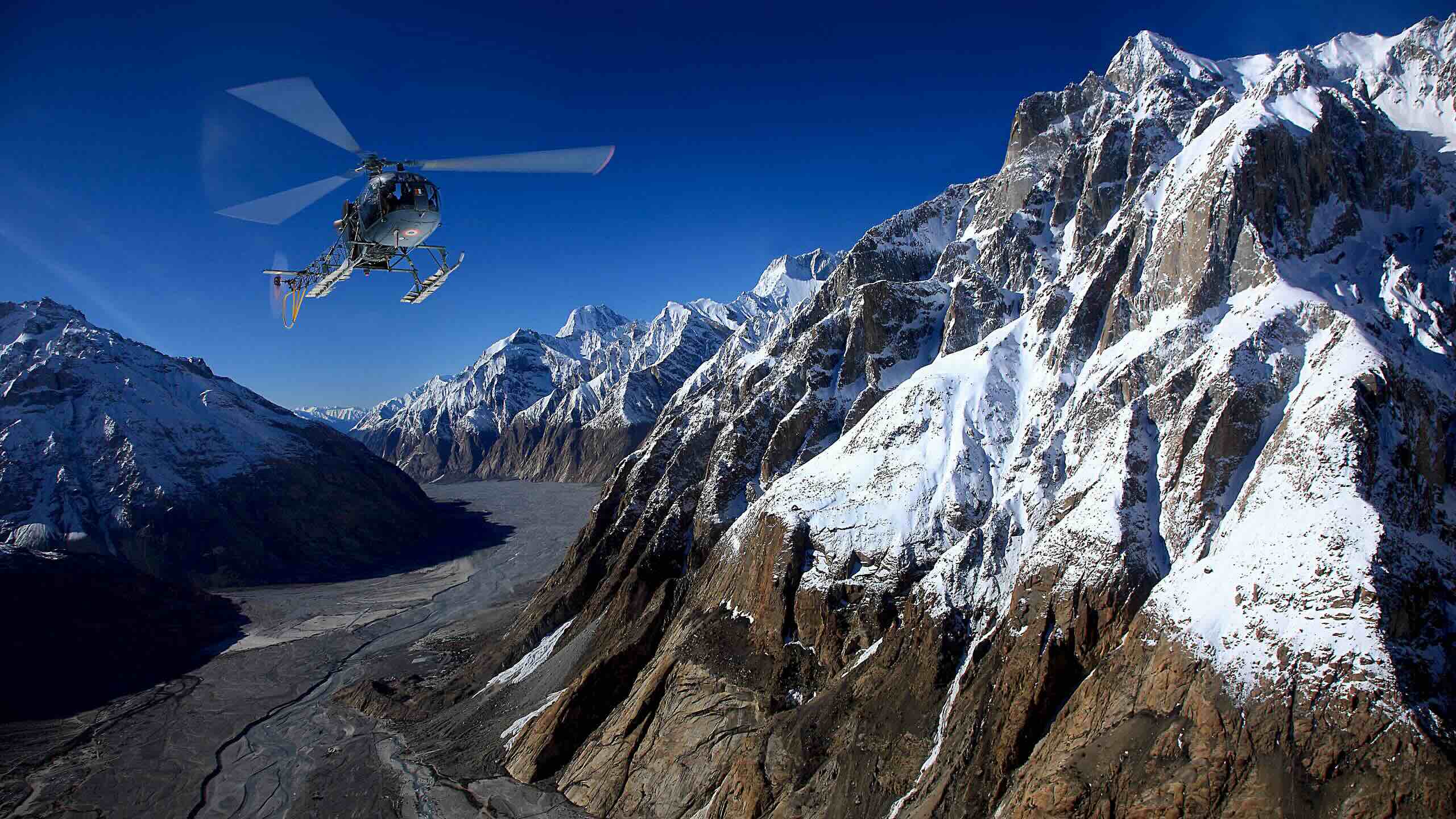
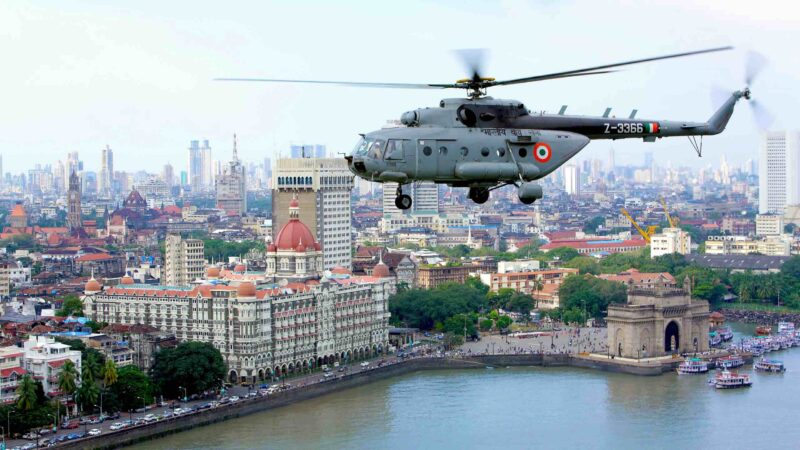
    The Indian Air Force, created on October 8, 1932, completes 91 years of glorious service as it celebrates the Air Force Day today, October 8, 2023. As the IAF celebrates its annual day with customary elan, it is a time to reflect and assess the future in terms of challenges and opportunities. On the operational front, the die is already cast with two nuclear-powered neighbours, one in political and economic turmoil and the other continuing an aggressive posture. A three-yearlong standoff on the northern border with no signs of reconciliation makes the environment precarious.

    China, with its goal of becoming the leading military power with global reach by 2049, has moved fast to replace and transform its antiquated equipment, systems, and organizations, especially after observing the 1991 Gulf War. Reorganization of the PLA in the last decade, consolidation of forces under one command to oversee military operations against India and creation a Special Support Group (SSG) has enhanced its force application capabilities. Specifically, the upgradation of military infrastructure, airfields, and helipads just north of India is a matter of concern. Robust military hardware production for modern systems and investment in R&D in new-era fields like quantum computing, quantum radars, artificial intelligence, and aircraft and weapon systems development have facilitated significant growth in PLA’s capabilities. Qualitatively and quantitatively, India cannot match the Chinese economy, military hardware, military industry, or infrastructure in the foreseeable future. The only way forward for India is to use its resources in a focused manner to achieve its well-defined strategic goals commensurate with available resources. Lessons from the ongoing Russia-Ukraine war, a contest between unequal forces, are relevant in our context.

    Force Structure Challenges to Overcome

    Besides the operational challenges the Indian Air Force faces on the borders, there are issues related to equipment and organization.


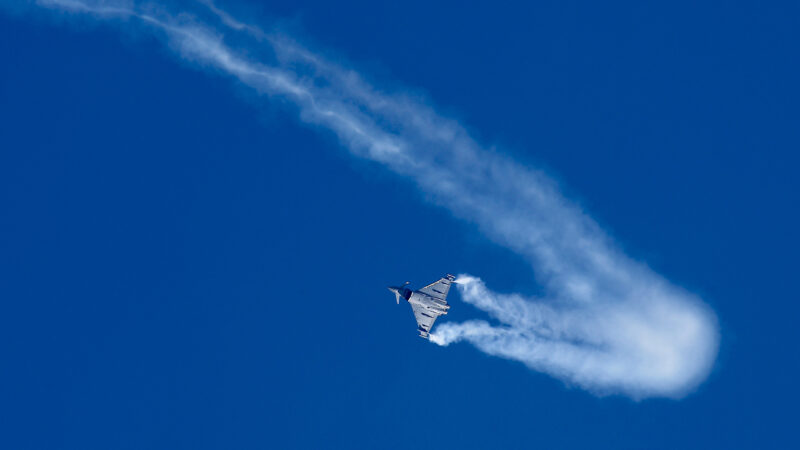
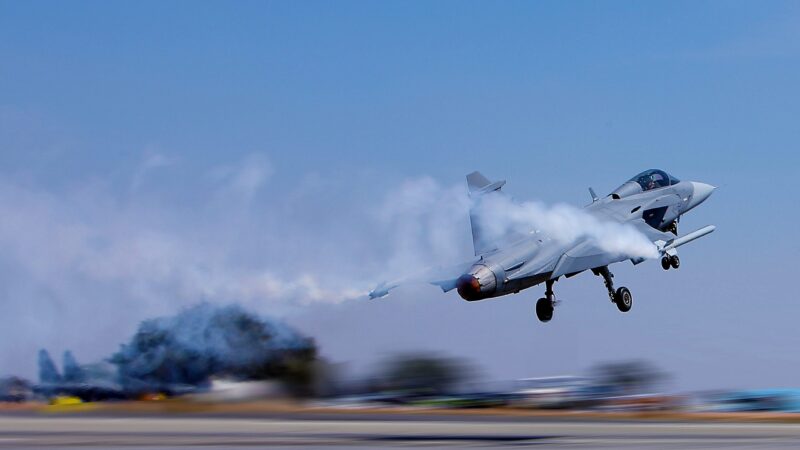
    The salience of combat aircraft in battlespace is well known. However, combat aircraft numbers are declining worldwide, with older systems paving the way for modern and more capable platforms. In India, the decline has been rather steep, and replacements are not potent enough to offset the quantity quality. Against an authorization of over 1000 combat aircraft, the Indian armed forces are now in the region of 600. This decline will continue, and by 2030, IAF combat aircraft strength will be down to 450 with the phase-out of MiG-21, MiG-29, Jaguar, and Mirage-2000 fleets. The induction of 36 Rafales, the prolonged induction of LCA, and the planned acquisition of more Su30MKIs will not be able to reverse the declining trend. The ambitious plans for India’s fifth-generation aircraft, AMCA, are still far away. Given this reality, the IAF must make do with, at best, 34-36 fighter squadrons in the 2035 timeframe. It must work on operational strategies based on superior tactics and a local favourable balance of power in case a war is inevitable during this period.

    In the critical area of force multipliers, the numbers have been nearly static since their initial induction in 2003 concerning IL-78 In-Flight Refuellers and in 2010 concerning AWACS. The number of long-range weapons is somewhat limited. And in the surveillance and space domains, the resources are meagre. The situation is unlikely to change in the foreseeable future.

    There are positive changes regarding airlift capability, and single-wave airlift capability is gradually increasing with the commencement of induction of the first of the 56 new C-295 transport aircraft replacing vintage Avro. Despite the gradual phase-out of heavy lift Il-76 and light transport aircraft An-32, the fleet of C-17 and C-130 will sustain the requisite airlift capability that enabled the rapid deployment of Indian Army units in Ladakh against PLA build-up. Similarly, the enhanced number of more versatile and potent indigenous helicopters, ALH and LCH, will increase local mobility and firepower.

    The area that is yet to take centre stage is the Unmanned systems. Although the numbers and types increase due to imports, recent conflicts have demonstrated their hugely versatile utility. This aspect needs more attention to offset the capability deficit owing to the reduced number of combat aircraft. Tasks like intelligence, surveillance, reconnaissance, and ground and maritime attack can be effectively performed by unmanned aerial systems, resulting in the release of aircraft for other roles.

    New and more capable radars and integrated networks are replacing the older systems, giving a robust defensive capability. These need to be backed by long-range and quick-reaction surface-to-air weapon systems. Currently, the numbers are limited, and the area to be covered is extensive. Agility in planning, deployment and redeployment is the key to effective defence with limited resources.

    Evolving Battlespace and the Imperative of Jointness

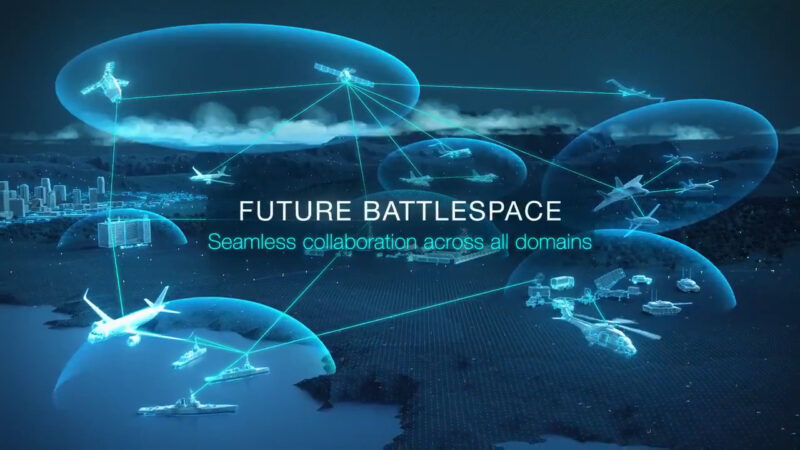
    The battle space is evolving. Conflict hybridization has accelerated the expansion of battlespace, leading to enhanced significance of battlespace transparency. Induction of hypersonic systems, fast relocation of combat elements, and reduced times for systems operationalization have compressed the reaction time. This time-compression for action has tilted the offence-defence balance in favour of the offence. The concept of operations needs to factor in these realities, especially when dealing with a potent and stronger adversary with significant reverse capability.

    Organisationally, the integration of three wings of the Indian armed forces will likely pick up pace in the coming year(s). Integration is now an operational necessity and needs to be fast-tracked. Once theatre commands come into being, the most critical factor will be the allocation and plan of utilization of various combat assets that are limited in numbers but can operate seamlessly between multiple sectors. Will the integration model follow the complex assignment of such resources? That will be suboptimal and possibly counterproductive to enhancing combat capability through integration. IAF will have to make a holistic plan to exploit the full combat potential of its assets, irrespective of how the integration model pans out. Organisationally, this will be the most significant challenge for the men and women in blue in the coming year(s).

    Conclusion

    In the last five decades, India has taken the pole position in money spent on military hardware imports. Saudi Arabia is a distant second, spending less than half of Indian expenditure in this sector. How did India reach here? Public sector monopoly in defence has not yielded the desired results for the last seven decades. Inadequate focus and investment in R&D, captive customers, the Indian armed forces not hand-holding the industry, restrictive policies, monopoly of the public sector, dependency on imported military hardware and inability to leverage large imports for technology access are the factors contributing to this state. Atamnirbhar, from being a rhetoric, is gradually taking shape with orders being placed on Indian enterprises. The policy of earmarking part of the capital budget for Indian manufacturers will undoubtedly encourage the Indian defence industry. Although production efficiency and quality control have been a concern regarding the public sector, things are likely to improve as they face competition from the private sector. The lack of control over critical technologies in areas of aero engines, air-launched weapons, and electronic warfare systems remains a severe vulnerability. Opening the defence sector for private entities, allowing DRDO to share available testing facilities and technology, and creating defence manufacturing corridors are steps in the right direction.

    Capability differential and information differential between the competing sides form the basis of military operations. A classical information matrix about the opposing force includes intent, strategy, military doctrine, and military objectives; besides the overall direction that military strategy gives, an operational plan and its execution are based on an information matrix to achieve defined goals with the least cost or in the minimum possible timeframe. IAF, with its new doctrine IAP2000-22, endeavours to capture the essence of these changes. Indian Air Force needs to be ready with its limited assets and deter war. IAF must augment its limited resources with courage, ingenuity and clever resource employment to outwit the adversary. Given the limited resources and challenges ahead, the IAF will need to be a smart force for efficient management of resources and clever exploitation of force application.

    Photo Credits: Sunil Jain

    The views expressed are the author’s own and do not reflect that of the TPF or the IAF.

  • BRICS: On 1 January 2024, the World’s Centre of Gravity will Shift

    BRICS: On 1 January 2024, the World’s Centre of Gravity will Shift

    As is often the case in history, the actions of a dying empire create common ground for its victims to look for new alternatives, no matter how embryonic and contradictory they are. The diversity of support for the expansion of BRICS is an indication of the growing loss of the political hegemony of imperialism.

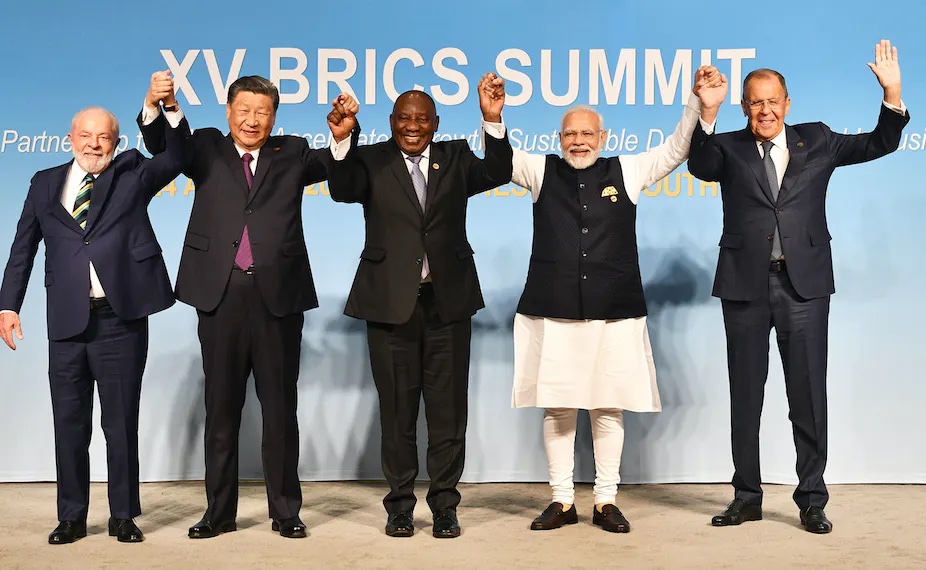
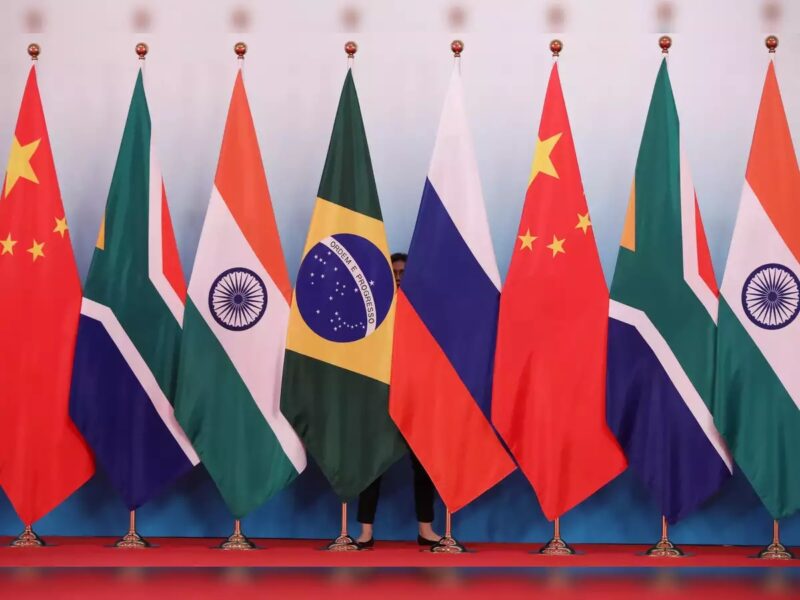
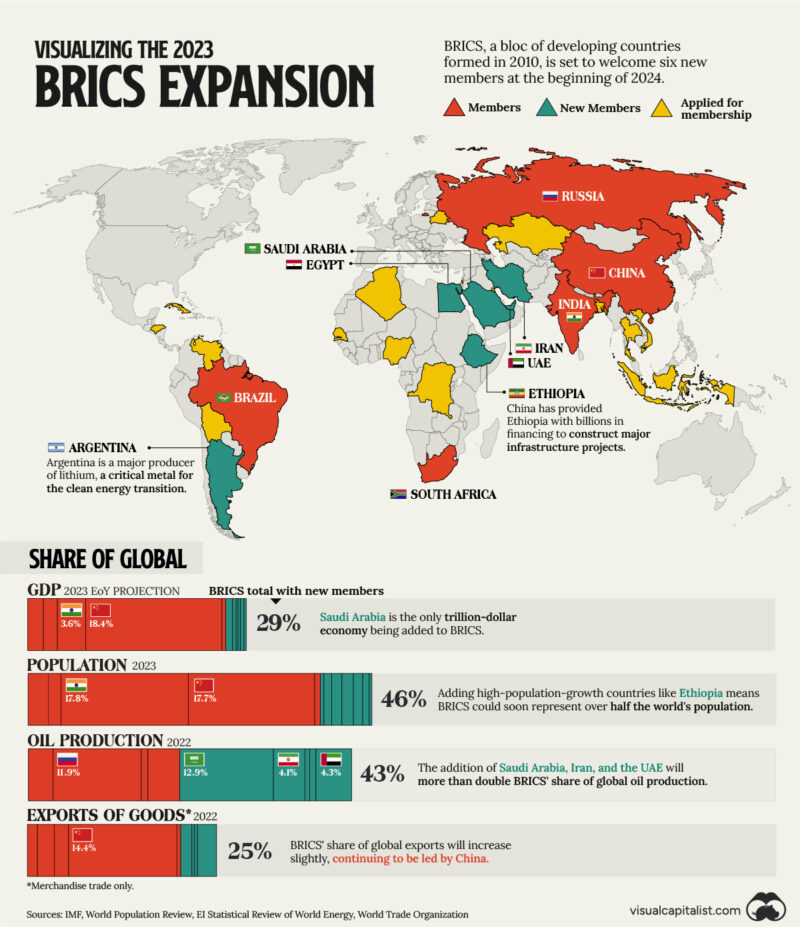
    On the last day of the BRICS summit in Johannesburg, South Africa, the five founding states (Brazil, Russia, India, China, and South Africa) welcomed six new members: Argentina, Egypt, Ethiopia, Iran, Saudi Arabia, and the United Arab Emirates (UAE). The BRICS partnership now encompasses 47.3 per cent of the world’s population, with a combined global Gross Domestic Product (by purchasing power parity, or PPP,) of 36.4 per cent. In comparison, though the G7 states (Canada, France, Germany, Italy, Japan, the United Kingdom, and the United States) account for merely 10 per cent of the world’s population, their share of the global GDP (by PPP) is 30.4 per cent. In 2021, the nations that today form the expanded BRICS group were responsible for 38.3 percent of global industrial output while their G7 counterparts accounted for 30.5 percent. All available indicators, including harvest production and the total volume of metal production, show the immense power of this new grouping. Celso Amorim, advisor to the Brazilian government and one of the architects of BRICS during his former tenure as foreign minister, said of the new development that ‘[t]he world can no longer be dictated by the G7’.

    Certainly, the BRICS nations, for all their internal hierarchies and challenges, now represent a larger share of the global GDP than the G7, which continues to behave as the world’s executive body. Over forty countries expressed an interest in joining BRICS, although only twenty-three applied for membership before the South Africa meeting (including seven of the thirteen countries in the Organisation of Petroleum Exporting Countries, or OPEC). Indonesia, the world’s seventh largest country in terms of GDP (by PPP), withdrew its application to BRICS at the last moment but said it would consider joining later. Indonesia’s President Joko Widodo’s comments reflect the mood of the summit: ‘We must reject trade discrimination. Industrial down streaming must not be hindered. We must all continue to voice equal and inclusive cooperation’.

    The facts are clear: the Global North’s percentage of world GDP fell from 57.3 per cent in 1993 to 40.6 per cent in 2022, with the US’s percentage shrinking from 19.7 per cent to only 15.6 per cent of global GDP (by PPP) in the same period – despite its monopoly privilege. In 2022, the Global South, without China, had a GDP (by PPP) greater than that of the Global North.

    BRICS does not operate independently of new regional formations that aim to build platforms outside the grip of the West, such as the Community of Latin America and Caribbean States (CELAC) and the Shanghai Cooperation Organisation (SCO). Instead, BRICS membership has the potential to enhance regionalism for those already within these regional fora. Both sets of interregional bodies are leaning into a historical tide supported by important data, analysed by Tricontinental: Institute for Social Research using a range of widely available and reliable global databases. The facts are clear: the Global North’s percentage of world GDP fell from 57.3 per cent in 1993 to 40.6 per cent in 2022, with the US’s percentage shrinking from 19.7 per cent to only 15.6 per cent of global GDP (by PPP) in the same period – despite its monopoly privilege. In 2022, the Global South, without China, had a GDP (by PPP) greater than that of the Global North.

    The West, perhaps because of its rapid relative economic decline, is struggling to maintain its hegemony by driving a New Cold War against emergent states such as China. Perhaps the single best evidence of the racial, political, military, and economic plans of the Western powers can be summed up by a recent declaration of the North Atlantic Treaty Organisation (NATO) and the European Union (EU): ‘NATO and the EU play complementary, coherent and mutually reinforcing roles in supporting international peace and security. We will further mobilise the combined set of instruments at our disposal, be they political, economic, or military, to pursue our common objectives to the benefit of our one billion citizens’.

    Why did BRICS welcome such a disparate group of countries, including two monarchies, into its fold? When asked to reflect on the character of the new full member states, Brazil’s President Luiz Inácio Lula da Silva said, ‘What matters is not the person who governs but the importance of the country. We can’t deny the geopolitical importance of Iran and other countries that will join BRICS’. This is the measure of how the founding countries made the decision to expand their alliance. At the heart of BRICS’s growth are at least three issues: control over energy supplies and pathways, control over global financial and development systems, and control over institutions for peace and security.

    A larger BRICS has now created a formidable energy group. Iran, Saudi Arabia, and the UAE are also members of OPEC, which, with Russia, a key member of OPEC+, now accounts for 26.3 million barrels of oil per day, just below thirty per cent of global daily oil production. Egypt, which is not an OPEC member, is nonetheless one of the largest African oil producers, with an output of 567,650 barrels per day. China’s role in brokering a deal between Iran and Saudi Arabia in April enabled the entry of both of these oil-producing countries into BRICS. The issue here is not just the production of oil, but the establishment of new global energy pathways.

    The Chinese-led Belt and Road Initiative has already created a web of oil and natural gas platforms around the Global South, integrated into the expansion of Khalifa Port and natural gas facilities at Fujairah and Ruwais in the UAE, alongside the development of Saudi Arabia’s Vision 2030. There is every expectation that the expanded BRICS will begin to coordinate its energy infrastructure outside of OPEC+, including the volumes of oil and natural gas that are drawn out of the earth. Tensions between Russia and Saudi Arabia over oil volumes have simmered this year as Russia exceeded its quota to compensate for Western sanctions placed on it due to the war in Ukraine. Now these two countries will have another forum, outside of OPEC+ and with China at the table, to build a common agenda on energy. Saudi Arabia plans to sell oil to China in renminbi (RMB), undermining the structure of the petrodollar system (China’s two other main oil providers, Iraq and Russia, already receive payment in RMB).

    Both the discussions at the BRICS summit and its final communiqué focused on the need to strengthen a financial and development architecture for the world that is not governed by the triumvirate of the International Monetary Fund (IMF), Wall Street, and the US dollar. However, BRICS does not seek to circumvent established global trade and development institutions such as the World Trade Organisation (WTO), the World Bank, and the IMF. For instance, BRICS reaffirmed the importance of the ‘rules-based multilateral trading system with the World Trade Organisation at its core’ and called for ‘a robust Global Financial Safety Net with a quota-based and adequately resourced [IMF] at its centre’. Its proposals do not fundamentally break with the IMF or WTO; rather, they offer a dual pathway forward: first, for BRICS to exert more control and direction over these organisations, of which they are members but have been suborned to a Western agenda, and second, for BRICS states to realise their aspirations to build their own parallel institutions (such as the New Development Bank, or NDB). Saudi Arabia’s massive investment fund is worth close to $1 trillion, which could partially resource the NDB.

    BRICS’s agenda to improve ‘the stability, reliability, and fairness of the global financial architecture’ is mostly being carried forward by the ‘use of local currencies, alternative financial arrangements, and alternative payment systems’. The concept of ‘local currencies’ refers to the growing practice of states using their own currencies for cross-border trade rather than relying upon the dollar. Though approximately 150 currencies in the world are considered to be legal tender, cross-border payments almost always rely on the dollar (which, as of 2021, accounts for 40 per cent of flows over the Society for Worldwide Interbank Financial Telecommunications, or SWIFT, network).

    Other currencies play a limited role, with the Chinese RMB comprising 2.5 per cent of cross-border payments. However, the emergence of new global messaging platforms – such as China’s Cross-Border Payment Interbank System, India’s Unified Payments Interface, and Russia’s Financial Messaging System (SPFS) – as well as regional digital currency systems promise to increase the use of alternative currencies. For instance, cryptocurrency assets briefly provided a potential avenue for new trading systems before their asset valuations declined, and the expanded BRICS recently approved the establishment of a working group to study a BRICS reference currency.

    Following the expansion of BRICS, the NDB said that it will also expand its members and that, as its General Strategy, 2022–2026 notes, thirty per cent of all of its financing will be in local currencies. As part of its framework for a new development system, its president, Dilma Rousseff, said that the NDB will not follow the IMF policy of imposing conditions on borrowing countries. ‘We repudiate any kind of conditionality’, Rousseff said. ‘Often a loan is given upon the condition that certain policies are carried out. We don’t do that. We respect the policies of each country’.

    In their communiqué, the BRICS nations write about the importance of ‘comprehensive reform of the UN, including its Security Council’

    In their communiqué, the BRICS nations write about the importance of ‘comprehensive reform of the UN, including its Security Council’. Currently, the UN Security Council has fifteen members, five of whom are permanent (China, France, Russia, the UK, and the US). There are no permanent members from Africa, Latin America, or the most populous country in the world, India. To repair these inequities, BRICS offers its support to ‘the legitimate aspirations of emerging and developing countries from Africa, Asia, and Latin America, including Brazil, India, and South Africa to play a greater role in international affairs’. The West’s refusal to allow these countries a permanent seat at the UN Security Council has only strengthened their commitment to the BRICS process and to enhance their role in the G20.

    The entry of Ethiopia and Iran into BRICS shows how these large Global South states are reacting to the West’s sanctions policy against dozens of countries, including two founding BRICS members (China and Russia). The Group of Friends in Defence of the UN Charter – Venezuela’s initiative from 2019 – brings together twenty UN member states that are facing the brunt of illegal US sanctions, from Algeria to Zimbabwe. Many of these states attended the BRICS summit as invitees and are eager to join the expanded BRICS as full members.

    We are not living in a period of revolutions. Socialists always seek to advance democratic and progressive trends. As is often the case in history, the actions of a dying empire create common ground for its victims to look for new alternatives, no matter how embryonic and contradictory they are. The diversity of support for the expansion of BRICS is an indication of the growing loss of the political hegemony of imperialism.

    This article was published earlier in tricontinental.org and is republished under the Creative Commons.


  • Why India risks a quantum tech brain drain

    Why India risks a quantum tech brain drain

    Clear career progression would help India’s quantum workforce and avoid a brain drain overseas

    India could lose its best quantum tech talent if the industry doesn’t get its act together.

    Quantum technology has the potential to revolutionise our lives through speeds which once seemed like science fiction.

    India is one of a few nations with national quantum initiatives and it stands on the threshold of potentially enormous technological and social benefits.

    The National Quantum Mission, approved by the national cabinet in April, is a timely government initiative that has the potential to catapult India to a global leader leading in quantum research and technologies if leveraged correctly.

    Its main areas of research are quantum computing, secure quantum communications, quantum sensing and metrology and quantum materials.

    The challenge for India is how it ensures it gets the best out of the mission.

    The benefits of the technology can benefit many aspects of society through processing power, accuracy and speed and can positively impact health, drug research, finance and economics.

    Similarly, quantum security can revolutionise security in strategic communication sectors including defence, banking, health records and personal data.

    Quantum sensors can enable better GPS services through atomic clocks and high-precision imaging while quantum materials research can act as an enabler for more quantum technologies.

    But the Indian quantum ecosystem is still academia-centric.

    India’s Department of Science and Technology had set up a pilot programme on Quantum Enabled Science and Technologies — a precursor to the National Quantum Mission.

    As a result, India has a large number of young and energetic researchers, working at places such as RRI Bangalore, TIFR and IIT Delhi who have put an infrastructure in place for the next generation quantum experiments with capabilities in different quantum technology platforms. These include quantum security through free space, fibres as well-integrated photonics, quantum sensing and metrology.

    The prospects and impact of quantum technologies will be hugely strategic. Predictions suggest quantum computing will have a profound impact on financial services, logistics, transportation, aerospace and automotive, materials science, energy, agriculture, pharmaceuticals and healthcare, and cybersecurity. All of these areas are strategic on macroeconomic and national security scales.

    Even as it has taken significant policy initiative to kickstart research into quantum technologies, India will need to craft a national strategy with a long-term perspective and nurture and develop its research work force.

    Clear career progression would help India’s quantum workforce. The risk of brain drain, where local talent moves overseas for better opportunities, could be a real possibility if different industries which can benefit from the technology fail to recognise its transformative capabilities and how it can help create jobs and opportunities.

    While there are multiple labs working in different quantum sectors, the career path of students and post-doctoral researchers remains unclear as there are not enough positions in the academic sector.

    One problem is industry and academia are competing with each other for quantum research funding which is why equal emphasis on quantum technology development in the industrial sector could help.

    While India does have some quantum start-ups, more lab-to-market innovations which would make the technology practically useful could give the field momentum. Currently, the big industrial firms in India are not yet committed to quantum technology.

    The lack of homegrown technologies like optical, optomechanical and electronic components for precision research is another impediment. Most of these are imported, resulting in financial drain and long delays in research.

    The National Quantum Mission could help fix a number of these problems.

    Hurdles could be turned into opportunities if more start-ups and established industries were to manufacture high-end quantum technology enabling products in India.

    Another major deterrent is the lack of coordination. Multiple efforts to develop and research the technology, across government and start-ups, do not seem to have coherence and still lack maturity. People involved in quantum research are hopeful the mission will help address this.

    Like most other countries, India has witnessed plenty of hype about quantum research. While this may help provide a short-term boost to the field, excessive hype can lead to unrealistic expectations.

    Continuing to build a skilled workforce and a clear career progression plan for those involved in research and development of quantum technologies can help secure India’s future in this space.

    There is a distinction between magic and miracles and while believing in one, one should not start expecting the latter as that can only lead to disappointment in the long run.


    This article was originally published under Creative Commons by 360info™.


  • The South Asia Nuclear Zero

    The South Asia Nuclear Zero

    The nuclear tests, of May 1998, by India and Pakistan, marked an epochal juncture for South Asia. The Doomsday Clock maintained by the Bulletin of the Atomic Scientists, jumped from 11:43 to 11:51, or just “9 minutes to midnight.”

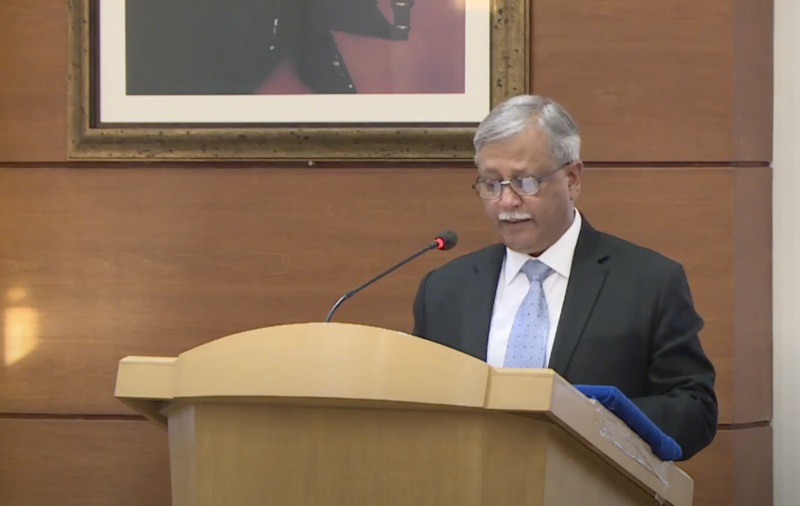
    While, in India, the “Shakti” tests, do find celebratory mention, Pakistan observes the Chagai series of nuclear tests, as a national day, termed “Yom-e-Taqbir.” On the 25th anniversary of this event, Lt Gen Khalid Kidwai (Retd), currently, advisor, to Pakistan’s National Command Authority (NCA), delivered an address at the Arms Control and Disarmament Centre of the Institute of Strategic Studies, Islamabad.

    Kidwai, who served, for 14 years, as the Director-General of Pakistan’s Strategic Plans Division (SPD), was at the heart of Pakistan’s NCA, and oversaw the operationalisation of its nuclear deterrent. Although his talk was for public consumption, given the historic absence of an Indo-Pak nuclear dialogue, some of Kidwai’s statements – if taken at face value – contain worrisome undertones, which need analysis.

    After mentioning the rationale for Pakistan embarking on nuclear weaponization (“humiliation of the 1971 War followed by India’s nuclear test of May 1974”) Kidwai proceeded to enlighten the audience about the implications of Pakistan’s new policy of Full Spectrum Deterrence (FSD) and how it kept, “India’s aggressive designs, including the Indian military’s Cold Start Doctrine, in check.”

    While retaining the fig leaf of Credible Minimum Deterrence (CMD), Kidwai went on to mention the “horizontal dimension” of Pakistan’s nuclear inventory, held by the individual Strategic Force Commands of the Army, Navy and Air Force. The “vertical dimension,” of the Pak deterrent, he said, encapsulated “adequate range coverage from zero meters to 2750 km, as well as nuclear weapons of destructive yields at three tiers: strategic, operational and tactical.”

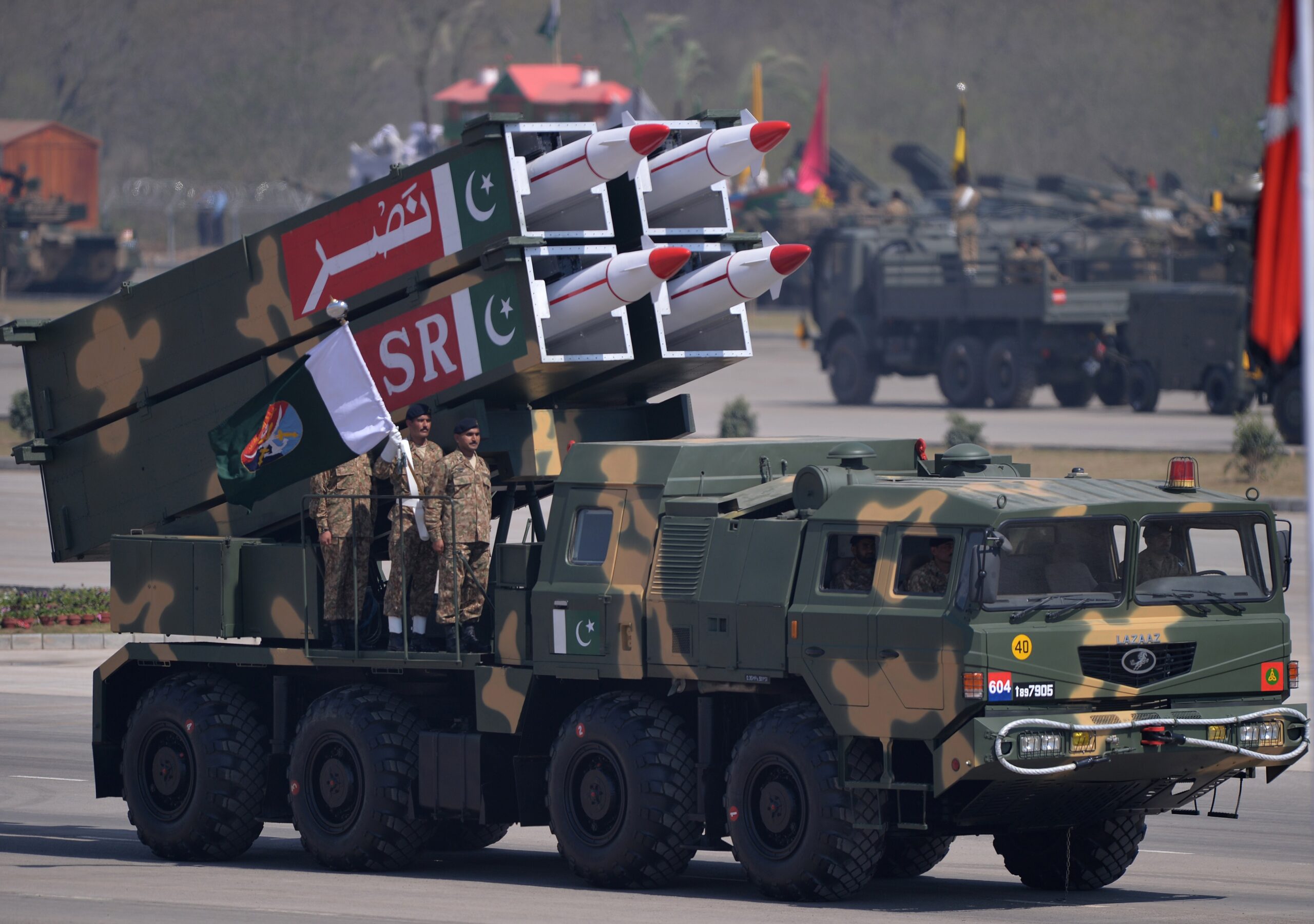
    While the missile range of 2750 km, corresponds, roughly, to the distance from a launch-point in south-east Sindh, to the Andaman Islands, and indicates the “India-specificity” of the Shaheen III missile, it is the mention of “zero metres” that is intriguing. Pakistan already has the 60 km range, “Nasr” missile, projected as a response to India’s Cold Start doctrine. Therefore, unless used as a colloquialism, Kidwai’s mention of “zero metres” range could only imply a pursuit of ultra short-range, tactical nuclear weapons (TNW), like artillery shells, land mines, and short-range missiles, armed with small warheads, of yields between 0.1 to 1 kiloton (equivalent of 100 to 1000 tons of TNT).

    By shifting from CMD to FSD, with the threat of nuclear first use, to defend against an Indian conventional military thrust, Pakistan is aping the, discredited, US-NATO Cold War concept of Flexible Response. Fearing their inability to withstand a massive Warsaw Pact armoured offensive, this 1967 doctrine saw the US and NATO allies deploy a large number of TNW to units in the field.

    However, the dangers of escalation arising from the use of TNW were soon highlighted, by US Secretary Defence, Robert McNamara’s, public confession: “It is not clear how theater nuclear war could actually be exe­cuted without incurring a very serious risk of escalating to general nuclear war.” This marked a turning point in US-NATO nuclear strategy.

    Kidwai’s speech contains three statements of note. Firstly, he attempts to dilute India’s declared policy of “massive retaliation” (MR), in response to a nuclear strike, by claiming that Pakistan possesses an entire range of survivable nuclear warheads of desired yield, in adequate numbers, to respond to India’s MR. He adds, “Pakistan’s counter-massive retaliation can therefore be as severe (as India’s) if not more.”

    Far more significant is Kidwai’s declaration that, since Pakistan’s missiles can threaten the full extent of the Indian landmass and island territories, “…there is no place for India’s strategic weapons to hide” (emphasis added).

    Secondly, in an attempt to downplay India’s (inchoate) ballistic missile defence (BMD), he declares that in a “target-rich India”, Pakistan is at liberty to expand the envelope and choose from counter-value, counterforce and battlefield targets, “notwithstanding the indigenous Indian BMD or the Russian S-400” (air-defence systems).

    Far more significant is Kidwai’s declaration that, since Pakistan’s missiles can threaten the full extent of the Indian landmass and island territories, “…there is no place for India’s strategic weapons to hide” (emphasis added). The assumption, so far, was that, given its limitations in terms of missile accuracy, real-time surveillance and targeting information, Pakistan would follow a “counter-value” or “counter-city” targeting strategy. The specific targeting of India’s nuclear arsenal, especially, if undertaken by conventional (non-nuclear) missiles, would add a new dimension to the India-Pakistan nuclear conundrum.

    Delivered in the midst of Pakistan’s acute financial crisis, as well as the ongoing political turmoil and civil-military tensions, one may be tempted to dismiss Lt Gen Kidwai’s recent discourse. However, as the longest-serving, former head of the SPD and architect of Pakistan’s nuclear deterrent, his views are widely heard and deserve our attention.

    Having voluntarily pledged “no first use” (NFU), India’s 2003 Nuclear Doctrine, espoused a “credible minimum deterrent” and promised “massive retaliation,” in response to a nuclear first strike. Since then, our two adversaries, China and Pakistan, have expanded and upgraded their nuclear arsenals, presumably, with corresponding updating of doctrines. India’s strategic enclave has, however, not only maintained a stoic silence and doctrinal status quo but also defended the latter.

    BJP’s 2014 Election Manifesto, had undertaken to “revise and update” India’s nuclear doctrine and to “make it relevant to current times,” but this promise has not been kept. Thus, India, currently, faces a moral dilemma as well as a question of “proportionality”: will the loss of a few tanks or soldiers to a Pakistani nuclear artillery salvo, on its own soil, prompt India to destroy a Pakistani city of a few million souls? Since India, too, has developed a family of tactical missiles, capable of counterforce strikes, does it indicate a shift away from CMD and NFU, calling for a response from our adversaries?

    These are just some of the manifold reasons why there is a most urgent need for the initiation of a sustained nuclear dialogue between India and Pakistan, insulated from the vagaries of politics. Such an interaction, by reducing mutual suspicion and enhancing transparency, might slow down the nuclear arms race and mindless build-up of arsenals.

    This article was published earlier in Indian Express.

  • Manipur Violence: Understanding North East India is essential for viable Solutions

    Manipur Violence: Understanding North East India is essential for viable Solutions

    Whenever an ethnic clash or terrorist attack occurs in India’s Northeast, there is a beeline of “national media” reporters to the region for a quick report. Many energetic journalists move to the site of the incident to get “firsthand” information while many others air all kinds of” Breaking News” from cities like Guwahati or even from the national capital. In such a situation one can even see the emergence of “experts” who give their views from the comfort of their homes. These experts who had gained experience by serving in the region at some time in their careers do have adequate background knowledge, but they are at times out of sync with the ground realities. Ministers and political leaders also descend on the violence-hit region but many have political agenda and very often end up making unsolicited, unrealistic, and even provocative remarks. This trend is not new and is an increasing tendency for the past several decades.

    Unfortunately, such flying visits do not help. Sometimes such reporting that makes headlines in electronic and print media and is generally accepted as authentic may not convey the ground reality as some inputs may be biased or doctored depending upon the source of the information.


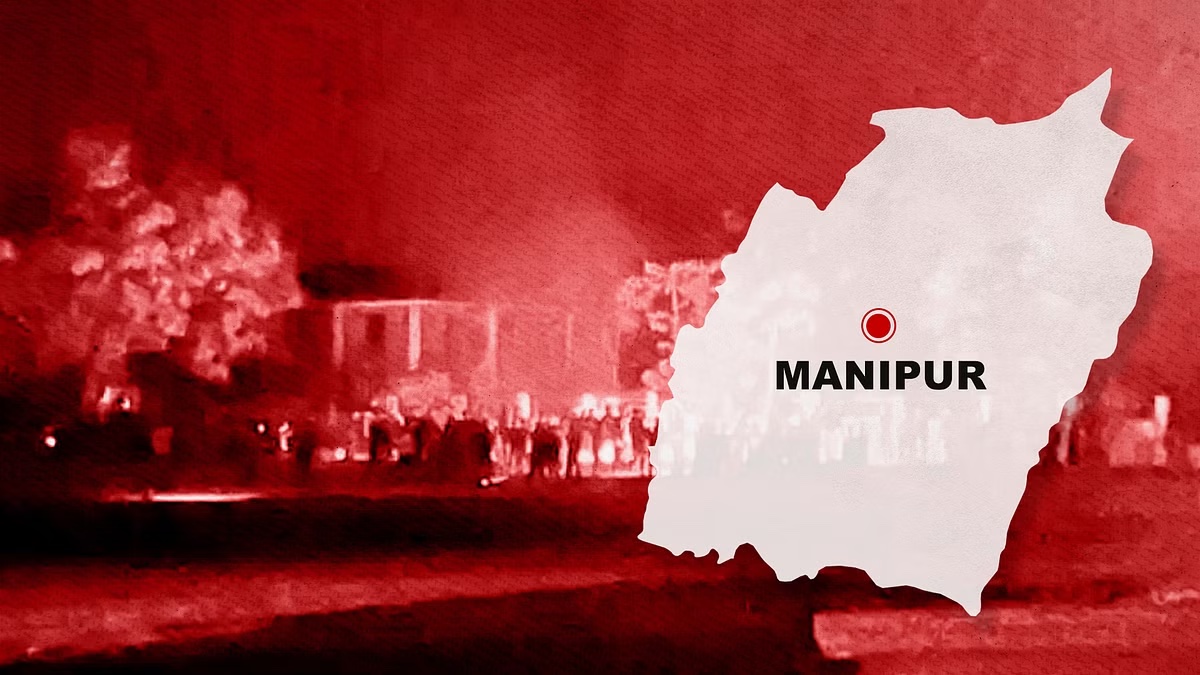
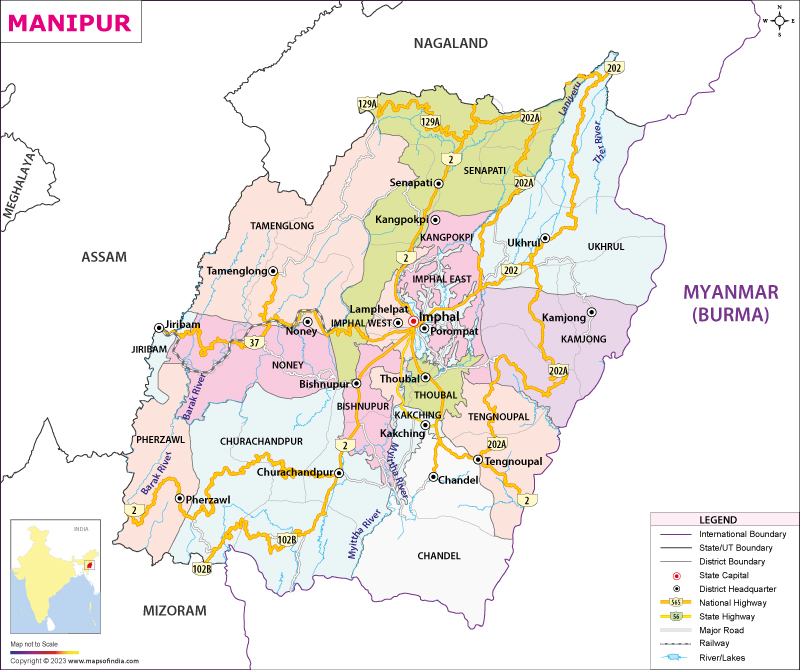
    Unlike other states of the country, the Northeast of India is unique with its cultural and geopolitical characteristics. The region shares 96% of its border internationally with four countries including China, and is an extremely complex region with more than 200 ethnic groups with distinct cultures, food habits, languages, or dialects. Amongst all the northeastern states, Manipur is the most complex state with more than thirty-five ethnic groups. The state shares a large part of its boundary with Myanmar (398 Kilometers) presently ruled by the Military junta.  Manipur also shares a boundary of 96 Km with Mizoram,205 km with Assam and 204km with Nagaland. The state has a diverse demography.  Nagas (24%) and Kukis (16%) are mostly Christians whereas Hindu Meities and Muslims constitute 53% and 6% of the population respectively.

     While India’s border with Pakistan and Bangladesh is fenced, the border with Myanmar is not. There is also a policy of Free Move Regime (FMR) which allows Citizens of both countries to come up to 16 Kilometers within each other’s territory without a visa or passport documentation. Though the aim of FMR is noble as it allows better interaction amongst people who are mostly from the same ethnic tribe,  it is prone to exploitation by militants, as well as smugglers.

    Myanmar military’s operations against rebel groups have forced many tribals particularly Chin-Kuki to enter Indian states particularly Mizoram and Manipur for safety. However, Meities allege that infiltration of Chin-Kuki, as well as rebels to Manipur from Myanmar, is part of a grand design to occupy land and carry out nefarious activities like land grabbing, arms smuggling, drug trafficking etc.  As per an unconfirmed report, approximately 35000 Chin/Kuki refugees from Myanmar have taken shelter in Mizoram and another about 5000 have taken refuge in Manipur.

    The smuggling of drugs, timber, areca nut, cheap Chinese clothes, and electronic items from Myanmar into Manipur and further to other parts of the country is a lucrative business. There is fierce competition to control the lucrative drug trade. While Kuki tribes are primarily involved in poppy cultivation, almost all other ethnic groups are involved in the drug trade in some form or other. It is learnt that fertilizer (urea) provided for distribution to farmers is diverted for poppy cultivation by vested interests with the connivance of Government officials.

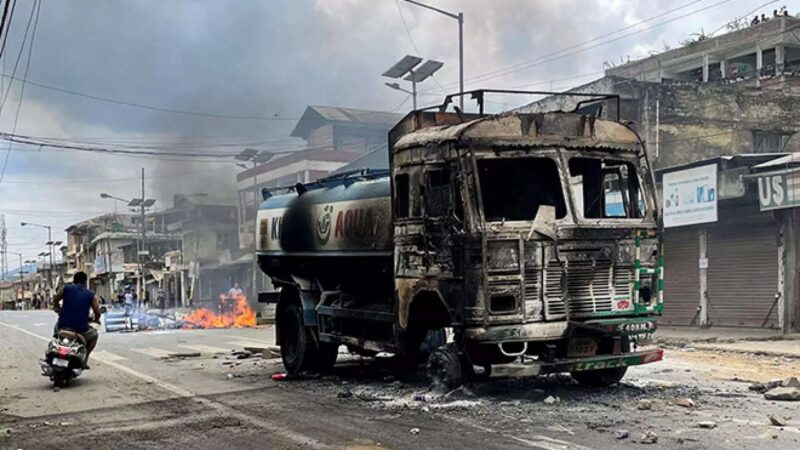
     There are a large number of small or big militant groups active in Manipur, each vying for influence and claiming to be the “protectors” of the interest of the respective ethnic groups. Many of these groups, particularly Kuki militant groups, are under Suspension of Operation (SoO) with the Central Government.  Approximately 2000 Kuki militants representing about 26 different Kuki Militant groups are lodged in Designated Camps set up in various Hill districts of the state. The allegations by Meities that the Kuki militants are abetting and instigating Kukis to carry out violence against them cannot be ruled out. Similarly, Kukis allege the involvement of Meitei militants in the ongoing ethnic violence. The ethnic violence which has been continuing since 3rd May 2023 has not seen a substantial reduction despite Union Home Minister Amit Shah and others’ appeal. The Nagas are closely observing the emerging situations. In such a delicate environment all that is needed is just a spark to aggravate an already volatile situation.

    Despite many differences, the various ethnic groups have learnt to live together in Manipur. However, a number of actions in the recent past by the present ruling dispensation in the state has led to resentment amongst tribals mainly Kukis. These include eviction of Kuki encroachers from forest land, action against Kukis involved in poppy cultivation etc.    While these appear to be genuine actions of an elected Government, Kukis feel that they have been deliberately targeted. A section of Meities has now demanded that NRC (National Register of Citizens) should be made for Manipur state as they feel that immigration of Chin/Kukis from Myanmar has substantially increased. Thus, the trust deficit between Kuki and Meities had already reached a peak. It will take substantial effort from everyone from the Government machinery to the common citizen to restore confidence and goodwill amongst the ethnic tribes.

     The direction of the Imphal High Court on 27 March 2023  given out publicly on 19th April directing the Manipur Government to consider  ST status for Meities triggered a  large-scale violence on 3rd May. Incidentally, Muralidaran who was appointed Acting Chief Judge of Manipur High Court on 6th February 2023 had given the very important judgment within two months of his assuming office. The Supreme Court however on 17th May 2023, criticizing the Manipur High Court judgement as ‘factually wrong’, expressed the need to nullify the order of the Manipur High Court. It is worth noting that the President of the country is the constitutional authority vested with the power of declaring a Caste or Tribe as SC or ST. The case to declare Meities as ST was first filed in 2013 (MutumChuramaniMetitei versus the State of Manipur).

    According to the census records of 1891, 1901 and 1931, the Meitei was listed as a Scheduled Tribe, however, since 1951 were removed from the ST list of the Indian Union without any information or communication to the people of Manipur. In 1949, the Ministry of Tribal Affairs, Government of India constituted a minority commission to verify the social status of Meities. There are reasons to believe that many Meities were not keen on the ST tag as they probably felt that they were of a higher class and being accepted as tribal will lower their social status. However, a faction of low caste Meities enjoys OBC and SC status.

    Meities are probably now realizing the folly committed by their elders for not advocating for ST status.  Incidentally, like Nagas and Kukis, Meities are also from Mongoloid genetic backgrounds. However, in the 19th century, under the influence of Bengali Hindus, Meities adopted Hindu culture, accepted Vaishnavism, and hence, are influenced by caste and social stratification patterns.

    The pressure on land in the Manipur valley where other tribes (being ST) could own land as well as enjoy other benefits in terms of education and employment made the present generation of Meities feel insecure.  They realized that only if they were granted ST status could they buy land in the hills or compete in jobs with other tribes. In a civil writ petition filed by a section of Meites in Manipur High Court in April 2022, the High Court on 27th March 2023 had directed the state government to submit the recommendation to the Ministry of Tribal Affairs to include the Meities in the ST list.

    While both the tribes, namely Kukis and Nagas protested on 3rd May against the High Court’s directions, the protest by Kukis turned violent. It is also a singular failure of Biren Singh’s Government for not anticipating the law-and-order breakdown and accordingly taking effective measures to prevent the chaos.

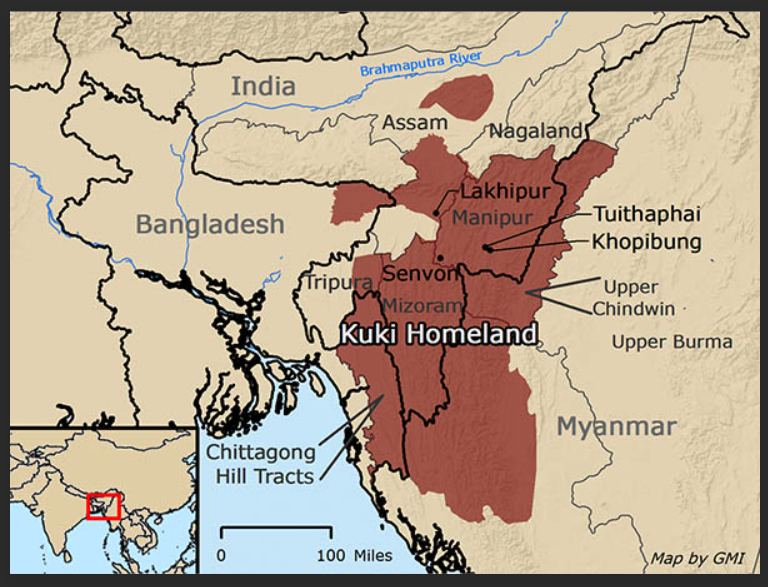
    In Manipur, the tribals enjoy some benefits under Article 371C of the constitution as well as the Manipur Hill Area District Autonomous Council Act of 1972. However, Kukis have been demanding a separate Autonomous Council on similar lines of the Bodoland Territorial Council operative in Bodo-dominated areas of Assam.  Some Kukis have gone to the extent of demanding “Kuki land”, a separate state to be carved out of Manipur.  On the other hand, the demand of the Nagas is for the integration of Naga Areas of Manipur with Nagaland (Greater Nagaland). Therefore, the issues in Manipur are very complex.   Many other tribes in the Northeast have been raising demand either for ST status or Autonomous council or even for separate states.  Hence, the Centre needs to be very cautious in resolving the current Manipur imbroglio as the decisions can have ramifications in the other Northeast states.

    The Central Government, though sincere in its efforts at solving the problems of the Northeast, has made many mistakes in the past simply because of the politicians’ lack of patience to understand the intricacies of the region. One glaring example was the extension of the Ceasefire with NSCN (IM) to the state of Manipur in 2001. The Government had signed a Ceasefire agreement with dominant NSCN (IM) groups in 1997 which was confined to the state of Nagaland. However, under pressure from the NSCN (IM), the Govt in 2001 extended the Ceasefire to Manipur by incorporating the words “Without Territorial Limits”.  The Central Government’s decision, taken without understanding the psyche of Meities and without consulting the Manipur government, led to large-scale violence leading to the killing of thirteen protestors in police firing on 18 June 2001. The Government had no option but to withdraw the Ceasefire from Manipur. However, it took decades to normalize the relations between the Nagas and the Meities.

    Similarly, the “Assam Accord” signed by the Central Government with the All-Assam Student Union (AASU) in 1985 has been a non-starter even after almost forty years of signing the accord. The Assam Accord talks of “Detection, Deletion (from Voters List) and Deportation of illegal Bangladeshis who have entered Assam post-1971.  These illegal Bangladeshis cannot be deported to Bangladesh as there is no deportation agreement with Bangladesh. Moreover, Bangladesh denies that her citizens have infiltrated Assam or any other state. The government has signed an accord which it finds difficult to implement.

    The Manipur situation is becoming tricky with neighbouring state Mizoram getting involved in the Manipur issue. Mizos belonging to Chin tribes just as Kukis are providing all help to their brethren who have taken refuge in that state. Now a section of the people particularly from Mizoram are trying to bring a religious angle to the issue saying that Christians have been deliberately targeted in Manipur.   A section of Mizo politicians is now supporting the Kukis’ demand for Autonomous Council/ separate state that will further complicate the issue. Incidentally, a few newspapers published in Israel have also talked about the safety and security of the Jews in Manipur. Similarly, the role of RSS in the present violence has become conspicuous.

     Both Kukis and Meiteis are attempting to internationalise the issue which is essentially an internal issue of the country. On 30th June 2023, World Kuki-Zo Intellectual Council (WKZIC) submitted a memorandum to the Prime Minister of Israel seeking urgent intervention for the protection of the Kuki people. On 6th July 2023, the US Ambassador to India, Eric Garcetti, stated that the United States is ready to assist India in resolving the current ongoing issue.

     It is creditable that other ethnic tribes, particularly Nagas of Manipur have shown great restraint however, they are concerned about the possible political fallout of the ethnic clashes.  Their concern is that any solution between Kukis and Meities should not in any way put the Nagas in any disadvantageous position.

     The allegation by a section of Meitie leaders that Assam Rifles has been partial to Kukis appears to be politically motivated to malign India’s oldest Para Military Force.  The security forces, particularly the Assam Rifles, have been working round the clock to maintain peace in the state.  Assam Rifles has rescued Meities from Kuki-dominated hill districts and similarly had rescued Kukis from Meitei-dominated valleys. It is hoped that the Central Government does not give in to the demand of some BJP leaders of Manipur to withdraw Assam Rifles from the state. On the contrary, there are allegations that at times Manipur Administration, in particular, the state police have been biased. It is pertinent to note that sizeable arms were looted from many police stations by miscreants which indicates the nexus of police with the miscreants, especially at the lower level.

      Despite Home Minister’s appeal to surrender arms looted from many police stations, only a few have been deposited. COCOMI (Coordinating Committee of Manipur Integrity), in a statement on 07th June 2023, rejected Home Minister Amit Shah’s appeal to surrender looted arms and resolved not to allow Security Forces to launch operations to recover looted weapons. Such actions at this critical time are bound to aggravate the situation. The organization COCOMI has recently declared “Manipuri’s National War against Chin Kuki Narco terrorism”. Terming the entire Chin- Kukis as a narco-terrorist group will further widen the gap.  It is to be noted that the spoils of the drug trade are enjoyed by most of the tribes including smugglers based in places outside the Northeast region,

    The immediate aim, particularly of the Governments at the Centre as well as at the State, should be to win back the trust and confidence of people of all communities.  The civil society, the media and common Meitei as well as the Kuki people must play a responsible role keeping in mind the sensitivities of all communities. Panel discussions are good but putting one tribal group against another in the TV debate will further antagonize the common people. Similarly, people on social media must exercise utmost restraint.   A long-term solution will need great deliberation.  Patience and restraint are the key words at his juncture.


    The views expressed are the author’s own.

  • The Asymmetric Indo-US Technology Agreement Points to India’s Weak R&D Culture

    The Asymmetric Indo-US Technology Agreement Points to India’s Weak R&D Culture

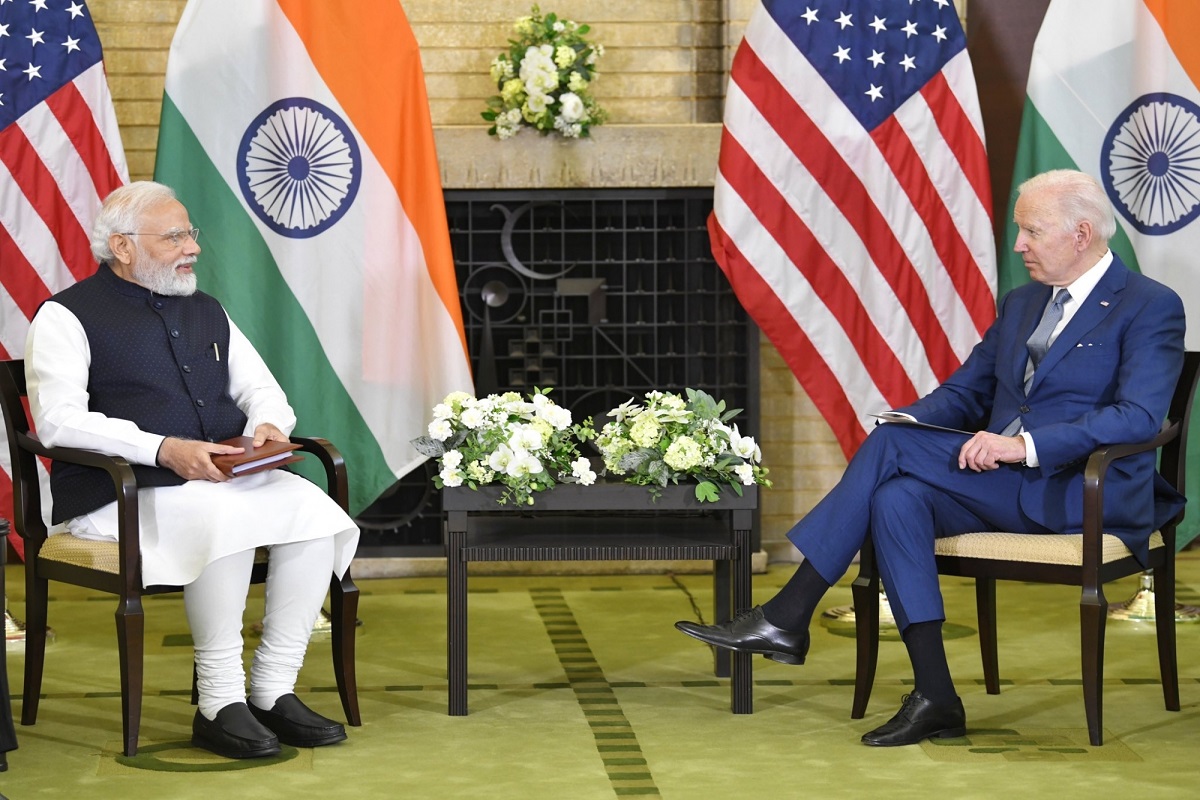
    Prime Minister Narendra Modi’s state visit to the USA resulted in four significant agreements and the visit is hailed as one of very important gains for India and Indo-US strategic partnership. The focus has been on defence industrial and technology partnership. Media and many strategic experts are seeing the agreements as major breakthroughs for technology transfers to India, reflecting a very superficial analysis and a lack of understanding of what really entails technology transfer. Professor Arun Kumar sees these agreements as a sign of India’s technological weakness and USA’s smart manoeuvring to leverage India for long-term defence and technology client. The visit has yielded major business gains for USA’s military industrial complex and the silicon valley. Post the euphoria of the visit, Arun Kumar says its time for India to carefully evaluate the relevant technology and strategic policy angles.


    The Indo-US joint statement issued a few days back says that the two governments will “facilitate greater technology sharing, co-development and co-production opportunities between the US and the Indian industry, government and academic institutions.” This has been hailed as the creation of a new technology bridge that will reshape relations between the two countries

    General Electric (GE) is offering to give 80% of the technology required for the F414 jet engine, which will be co-produced with Hindustan Aeronautics Limited (HAL). In 2012, when the negotiations had started, GE had offered India 58%. India needs this engine for the Light Combat Aircraft Mark 2 (LCA Mk2) jets.

    The Indian Air Force has been using LCA Mk1A but is not particularly happy with it. It asked for improvements in it. Kaveri, the indigenous engine for the LCA under development since 1986, has not been successful. The engine development has failed to reach the first flight.

    So, India has been using the F404 engine in the LCA Mk1, which is 40 years old. The F414 is also a 30-year-old vintage engine. GE is said to be offering 12 key technologies required in modern jet engine manufacturing which India has not been able to master over the last 40 years. The US has moved on to more powerful fighter jet engines with newer technologies, like the Pratt & Whitney F135 and GE XA100.

    India is being allowed into the US-led critical mineral club. It will acquire the highly rated MQ-9B high-altitude long-endurance unmanned aerial vehicles. Micron Technologies will set up a semiconductor assembly and test facility in Gujarat by 2024, where it is hoped that the chips will eventually be manufactured. The investment deal of $2.75 billion is sweetened with the Union government giving 50% and Gujarat contributing 20%. India is also being allowed into the US-led critical mineral club.

    There will be cooperation in space exploration and India will join the US-led Artemis Accords. ISRO and NASA will collaborate and an Indian astronaut will be sent to the International Space Station. INDUS-X will be launched for joint innovation in defence technologies. Global universities will be enabled to set up campuses in each other’s countries, whatever it may imply for atmanirbharta.

    What does it amount to?

    The list is impressive. But, is it not one-sided, with India getting technologies it has not been able to develop by itself.

    Though the latest technology is not being given by the US, what is offered is superior to what India currently has. So, it is not just optics. But the real test will be how much India’s technological capability will get upgraded.

    Discussing the New Economic Policies launched in 1991, the diplomat got riled at my complaining that the US was offering us potato chips and fizz drinks but not high technology, and shouted, “Technology is a house we have built and we will never let you enter it.”

    What is being offered is a far cry from what one senior US diplomat had told me at a dinner in 1992. Discussing the New Economic Policies launched in 1991, the diplomat got riled at my complaining that the US was offering us potato chips and fizz drinks but not high technology, and shouted, “Technology is a house we have built and we will never let you enter it.”

    Everyone present there was stunned, but that was the reality.

    The issue is, does making a product in India mean a transfer of technology to Indians? Will it enable India to develop the next level of technology?

    India has assembled and produced MiG-21 jets since the 1960s and Su-30MKI jets since the 1990s. But most critical parts of the Su-30 come from Russia. India set up the Mishra Dhatu Nigam in 1973 to produce the critical alloys needed and production started in 1982, but self-sufficiency in critical alloys has not been achieved.

    So, production using borrowed technology does not mean absorption and development of the technology. Technology development requires ‘know-how’ and ‘know-why’.

    When an item is produced, we can see how it is produced and then copy that. But we also need to know how it is being done and importantly, why something is being done in a certain way. Advanced technology owners don’t share this knowledge with others.

    Technology is a moving frontier

    There are three levels of technology at any given point in time – high, intermediate, and low.

    The high technology of yesterday becomes the intermediate technology of today and the low technology of tomorrow. So, if India now produces what the advanced countries produced in the 1950s, it produces the low-technology products of today (say, coal and bicycles).

    If India produces what was produced in the advanced countries in the 1980s (say, cars and colour TV), it produces the intermediate technology products of today. It is not to say that some high technology is not used in low and intermediate-technology production.

    The high technologies of today are aerospace, nanotechnology, AI, microchips and so on. India is lagging behind in these technologies, like in producing passenger aircraft, sending people into space, making microchips, quantum computing, and so on.

    The advanced countries do not part with these technologies. The World Trade Organisation, with its provisions for TRIPS and TRIMS (Trade-Related Aspects of Intellectual Property Rights and Trade-Related Investment Measures), consolidated the hold of advanced countries on intermediate and low technologies that can be acquired by paying royalties. But high technology is closely held and not shared.

    Advancements in technology

    So, how can nations that lag behind in technology catch up with advanced nations? The Nobel laureate Kenneth Arrow pointed to ‘learning by doing’ – the idea that in the process of production, one learns.

    So, the use of a product does not automatically lead to the capacity to produce it, unless the technology is absorbed and developed. That requires R&D.

    Schumpeter suggested that technology moves through stages of invention, innovation and adaptation. So, the use of a product does not automatically lead to the capacity to produce it, unless the technology is absorbed and developed. That requires R&D.

    Flying the latest Airbus A321neo does not mean we can produce it. Hundreds of MiG-21 and Su-30 have been produced in India. But we have not been able to produce fighter jet engines, and India’s Kaveri engine is not yet successful. We routinely use laptops and mobile phones, and they are also assembled in India, but it does not mean that we can produce microchips or hard disks.

    Enormous resources are required to do R&D for advanced technologies and to produce them at an industrial scale. It requires a whole environment which is often missing in developing countries and certainly in India.

    Enormous resources are required to do R&D for advanced technologies and to produce them at an industrial scale. It requires a whole environment which is often missing in developing countries and certainly in India.

    Production at an experimental level can take place. In 1973, I produced epitaxial thin films for my graduate work. But producing them at an industrial scale is a different ballgame. Experts have been brought from the US, but that has not helped since high technology is now largely a collective endeavour.

    For more complex technologies, say, aerospace or complex software, there is ‘learning by using’. When an aircraft crashes or malware infects software, it is the producer who learns from the failure, not the user. Again, the R&D environment is important.

    In brief, using a product does not mean we can produce it. Further, producing some items does not mean that we can develop them further. Both require R&D capabilities, which thrive in a culture of research. That is why developing countries suffer from the ‘disadvantage of a late start’.

    A need for a focus on research and development

    R&D culture thrives when innovation is encouraged. Government policies are crucial since they determine whether the free flow of ideas is enabled or not. Also of crucial importance is whether thought leaders or sycophants are appointed to lead institutions, whether criticism is welcomed or suppressed, and whether the government changes its policies often under pressure from vested interests.

    Unstable policies increase the risk of doing research, thereby undermining it and dissuading the industry. The result is the repeated import of technology.

    The software policy of 1987, by opening the sector up to international firms, undermined whatever little research was being carried out then and turned most companies in the field into importers of foreign products, and later into manpower suppliers. Some of these companies became highly profitable, but have they produced any world-class software that is used in daily life?

    Expenditure on R&D is an indication of the priority accorded to it. India spends a lowly 0.75% of its GDP on R&D. Neither the government nor the private sector prioritises it. Businesses find it easier to manipulate policies using cronyism. Those who are close to the rulers do not need to innovate, while others know that they will lose out. So, neither focus on R&D.

    Innovation also depends on the availability of associated technologies – it creates an environment. An example is Silicon Valley, which has been at the forefront of innovation. It has also happened around universities where a lot of research capabilities have developed and synergy between business and academia becomes possible.

    This requires both parties to be attuned to research. In India, around some of the best-known universities like Delhi University, Allahabad University and Jawaharlal Nehru University, coaching institutions have mushroomed and not innovative businesses. None of these institutions are producing any great research, nor do businesses require research if they can import technology.

    A feudal setup

    Technology is an idea. In India, most authority figures don’t like being questioned. For instance, bright students asking questions are seen as troublemakers in most schools. The emphasis is largely on completing coursework for examinations. Learning is by rote, with most students unable to absorb the material taught.

    So, most examinations have standard questions requiring reproduction of what is taught in the class, rather than application of what is learned. My students at JNU pleaded against open-book exams. Our class of physics in 1967 had toppers from various higher secondary boards. We chose physics over IIT. We rebelled against such teaching and initiated reform, but ultimately most of us left physics – a huge loss to the subject.

    Advances in knowledge require critiquing its existing state – that is, by challenging the orthodoxy and status quo. So, the creative independent thinkers who generate socially relevant knowledge also challenge the authorities at their institutions and get characterised as troublemakers. The authorities largely curb autonomy within the institution and that curtails innovativeness.

    In brief, dissent – which is the essence of knowledge generation – is treated as a malaise to be eliminated. These are the manifestations of a feudal and hierarchical society which limits the advancement of ideas. Another crucial aspect of generating ideas is learning to accept failure. The Michelson–Morley experiment was successful in proving that there is no aether only after hundreds of failed experiments.

    Conclusion

    The willingness of the US to provide India with some technology without expecting reciprocity is gratifying. Such magnanimity has not been shown earlier and it is obviously for political (strategic) reasons. The asymmetry underlines our inability to develop technology on our own. The US is not giving India cutting-edge technologies that could make us a Vishwaguru.

    India needs to address its weakness in R&D. As in the past, co-producing a jet engine, flying drones or packaging and testing chips will not get us to the next level of technology, and we will remain dependent on imports later on.

    This can be corrected only through a fundamental change in our R&D culture that would enable technology absorption and development. That would require granting autonomy to academia and getting out of the feudal mindset that presently undermines scientific temper and hobbles our system of education.


    This article was published earlier in thewire.in

    Feature Image Credit: thestatesman.com


  • Inculcating Pride In the People: Can This Be The Way Forward?

    Inculcating Pride In the People: Can This Be The Way Forward?

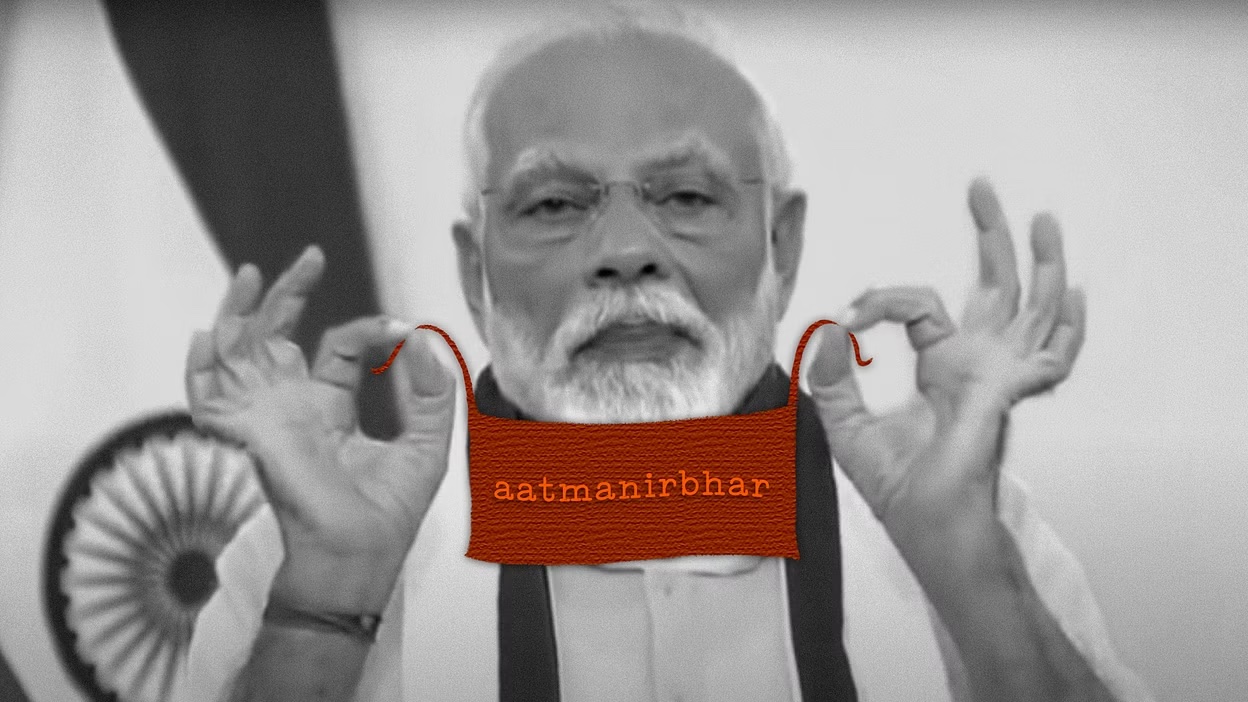
    Atmanirbharta, self-reliance, is a complex idea. India has strived for it since its Independence. Colonial rule had caused a deterioration in India’s socio-economic conditions which led to mass poverty.

    In a recent interview, Mr. Nripen Mishra, Chairperson of the Committee to construct the Ram Janmabhumi Temple said, `Our youth are very sensitive to the call that India must become a big power  … I think we have to inject this … the temple as one more reason for being proud’.

    Clearly, the ruling establishment has set a goal of inculcating a sense of pride among the citizens, especially the youth. Building the grand Ram Janambhumi Temple is one more way of doing that. So were the building of the tallest statue, a grand Central vista, Parliament House, etc..

    Atmanirbharta and Vishwaguru

    The slogans of Atmanirbharta and India as Vishwaguru have been used continuously to inculcate pride. The package of Rs. 22 lakh crore announced in May 2020 soon after the start of the pandemic was called Atmanirbhar. Greater self-reliance is sought by raising customs duties since at least 2017. Reminds one of the 1960s ideas that Indian industries need protection from imports. India is currently heavily dependent on the import of armament. So, indigenous defense production is sought to be increased to reduce this dependence and also to enable exports to earn foreign exchange.

    But, if we are dependent on others for critical supplies, are we already Vishwaguru? Maybe atmanirbharta could make us Vishwaguru in the future. Are we doing the right things to achieve it

    The `Vishwa guru’ status is currently claimed on the basis of soft power, like, yoga and film music. In economic terms we claim to be the fastest-growing large economy and that our production has surpassed that of our colonial master, Britain, to make us the 5th largest world economy. But the true measure of prosperity is per capita income which is abysmally low. For the poor and unemployed what does being vishwaguru mean?

    Premature claims of being vishwaguru breed complacency. Do other nations accept our claim? In January 2021 at WEF the PM announced that the world could learn from India how to handle the pandemic. By March, the country suffered grievously in the second wave.

    Self-Reliance

    Atmanirbharta, self-reliance, is a complex idea. India has strived for it since its Independence. Colonial rule had caused a deterioration in India’s socio-economic conditions which led to mass poverty. India lagged way behind the advanced countries in 1947. To gain independence, the national movement used the idea of self-reliance to raise people’s consciousness against colonization. Gandhi suggested `Swaraj’ or self-rule and said, `There are no people on earth who would not prefer their own bad government to the good government of an alien power’. This idea persisted among the leadership after independence since India had to contend with neo-colonialism and given its backwardness, India depended on other nations for aid, technology, etc.

    The notion of self-reliance had to be differently interpreted in a different context. In a globalizing world, it may be in the nation’s interest to import in a big way and exchange ideas with others. But, if other nations try to capture their markets, as they often do, self-reliance may require protecting the home market.

    Globalization and Atmanirbharta

    Is globalization consistent with Atmanirbharta? Colonization was also globalization. Political independence does not imply insularity but the ability to deal with other nations to serve the national interest. India gained considerable autonomy in policy to pursue a path in its self-interest through industrialization, development of social and physical infrastructure, etc. The public sector and a reasonable technology base were developed to gain a modicum of economic independence. Pressures from the international financial institutions to follow their agenda or to allow consumerism were warded off till 1980.

    The big shift came in 1991 with the new economic policies which were imposed by the IMF as conditionalities. Atmanirbharta which was slowly eroded post the mid-1970s got breached.

    Can Borrowing Lead to Atmanirbharta?

    In a globalizing world, dealing with other nations as equals requires a rapid generation of technology and socially relevant knowledge. This is not possible without a strong education and R&D infrastructure which we are lacking in.

    The government has reversed direction since 2017 and is attempting greater self-reliance. But, is the strategy for achieving it right? In a globalizing world, dealing with other nations as equals requires a rapid generation of technology and socially relevant knowledge. This is not possible without a strong education and R&D infrastructure which we are lacking in. The government claims that the National Education Policy (NEP) 2020 will help in this direction. But its emphasis on inviting the top foreign universities to come to India, something UGC is pushing, can only further undermine indigenous strengths.

    Schemes to get foreign faculty and borrow syllabi from foreign universities have existed but they undermine Indian academia’s autonomy. India has long had faculty members who earned their degrees abroad. If that could not impart dynamism to Indian institutions would the recent steps succeed? The idea that originality can be copied is a contradiction in terms. Even if some good foreign Universities do come, they can only be a shadow of the original.

    It would also relegate Indian institutions and academia to second-rate status. Foreign faculty will only come on privileged terms not available to Indian academics. The lesson for good students would be to go abroad and from there return to Indian institutions. That would deprive Indian institutions of good students for research thereby adversely impacting research in India. Further, India has its own unique problems that are unlikely to be the concerns of foreign institutions and academics.

    The change in focus of Indian institutions would further undermine the generation of relevant knowledge, the absence of which has been a cause of the lack of dynamism in Indian institutions. Indian academics have largely been `derived’ intellectuals, borrowing ideas from the West and recycling them in India. This trend would be reinforced to the detriment of those who were generating socially relevant knowledge because their work would be largely characterized as not of international standard and discounted in recruitment and promotions.

    The disadvantage of a Late Start

    It could be argued that one should not reinvent the wheel; therefore, there is no harm in borrowing ideas from abroad. In growth literature it is called `advantage of a late start’ – technology already developed becomes available to the late starters. A pre-requisite for this strategy to succeed, in a fast changing world, is a strong research environment in the borrowing country. Without that the borrowing country could become permanently dependent, leading to a `disadvantage of a late start’. This is true for most developing countries, including India.

    With NEP 2020, a new experiment has started without addressing the root cause of the failure of earlier policies. Our institutions of higher learning operate in a feudal mode where the autonomy and originality of academics are undermined.

    In India with every pay commission, steps to strengthen teaching and research in institutions of higher education were put into place but they have not delivered in the absence of basic reforms. With NEP 2020, a new experiment has started without addressing the root cause of the failure of earlier policies. Our institutions of higher learning operate in a feudal mode where the autonomy and originality of academics are undermined. Independence in thought is seen as a malaise to be eliminated little realizing that that is the key to new knowledge generation. No wonder, those Indians who deliver when in foreign institutions fail to do so working in India.


    In brief, borrowing from abroad without changing the systems in the country will not lead to atmanirbharta. The deficiencies in our education system need to be rectified before the strategy to borrow can succeed. Are we not putting the cart before the horse when the leadership talks of atmanirbharta while doing everything to curtail originality in thought and seeking compliance with their diktats?

    The slogan of Vishwaguru and atmanirbharta have not yet instilled pride in the nation, how will building a big temple do so? Will the poor and unemployed become proud citizens forgetting their misery? During the colonial period, perhaps religiosity was greater but pride was missing.

    This article was published earlier in hwnews.in
    Views expressed are author’s own.

    Feature Image Credit: newslaundry.com

    Students in Foreign University Image: business-standard.com


  • India and Myanmar: Two Years after the Coup

    India and Myanmar: Two Years after the Coup

    [powerkit_button size=”lg” style=”info” block=”true” url=”https://admin.thepeninsula.org.in/wp-content/uploads/2023/05/India-and-Myanmar-Two-years-after-the-Coup-1.pdf” target=”_blank” nofollow=”false”]
    Download
    [/powerkit_button]

    Relegated to the sidelines with the ongoing Ukraine war and other crises like Taiwan, Myanmar has resurfaced in world headlines. In a recent dispatch, Associated Press (AP) reported that on 11 April 2023 ‘a fighter jet dropped bombs directly onto a crowd of people who were gathering at 8 am for the opening of a local office of the country’s opposition movement outside Pazigyi village in Sagaing region’s Kanbalu township….’ 1 . Subsequent information indicates that the number of dead including women and children is over 170. If so, this is the deadliest aerial attack carried out by the Myanmar military on its own people in the bloody aftermath of the military coup two years ago.

    With various Ethnic Armed Organisations (EAOs) and Peoples’ Defence Forces (PDFs) battling the Tatmadaw, martial law has been declared in 47 townships in Myanmar, cutting across states and regions. 2 More than 154,000 people have been displaced in the first two months of 2023, with total numbers of Internally Displaced People (IDPs) since the military takeover now at 1.3 million. Heavy fighting rages in Kachin State, the South East and North West of the country, 3 and overall 3000 civilian deaths since February 2021 are estimated 4 . Targeted assassination of military appointed government officials continues, the latest victim being the deputy director-general of the Union Election Commission who was shot dead on 22 April this year 5 . In 2022, up to 30,000 civilian infrastructures, including schools are reported to have been destroyed during military operations 6 . This situation has compelled the Tatmadaw to again postpone elections earlier scheduled for August 2023. The state of emergency has been extended.

    Important Developments Post February 2021

    The above statistics provide a telling perspective of the current violence in Myanmar. Yet there are other noteworthy developments in the country post the February 2021 coup. First of these is the increasing relevance of the opposition National Unity Government (NUG) around which civilian support appears to have coalesced.

    [powerkit_button size=”lg” style=”info” block=”true” url=”https://admin.thepeninsula.org.in/wp-content/uploads/2023/05/India-and-Myanmar-Two-years-after-the-Coup-1.pdf” target=”_blank” nofollow=”false”]
    Read More
    [/powerkit_button]

    Featured Image Credits: CNBC Indonesia

  • Role of Merchant Marine in Indian Maritime Security

    Role of Merchant Marine in Indian Maritime Security

    [powerkit_button size=”lg” style=”info” block=”false” url=”https://admin.thepeninsula.org.in/wp-content/uploads/2022/05/Role-Of-Merchant-Marine-in-Indian-Maritime-Security-1.pdf” target=”_blank” nofollow=”false”]
    Download
    [/powerkit_button]

    Introduction:

    The Merchant Marine plays only a modest role in contributing towards securing India’s maritime neighbourhood or for that matter for any nation. On the other hand, its indirect contribution to security- largely through the economic dimension is significant.

    This paper seeks to explore the economic dimension of merchant ships and in doing so, endeavours to bring out the resultant contribution to maritime security.

    With my domain knowledge, I hope to cover global maritime, and its current scenario in India. I have spent 28 years at Sea of which 18 years in Command as Captain and an additional 25 years ashore in Senior Management positions. I have recently relocated back to India after 5 years in Sri Lanka and a year in Seychelles. So, I do consider it a privilege to share my experience.

    Global Maritime:

    Shipping is the life blood of global economy.  Without shipping, intercontinental trade, the bulk transport of raw materials, and the import/export of affordable food and manufactured goods would simply not be possible. The international shipping industry is responsible for the carriage of around 90% of world trade. Seaborne trade continues to expand, bringing benefits for consumers across the world through competitive freight costs. Thanks to the growing efficiency of shipping as a mode of transport and increased economic liberalisation, the prospects for the industry’s further growth continue to be strong.

    There are over 58,000 merchant ships trading internationally, transporting every kind of cargo. The world fleet is registered in over 150 nations, and manned by over 2 million seafarers of virtually every nationality. Ships are technically sophisticated, high value assets (larger hi-tech vessels can cost over US $200 million to build), and the operation of merchant ships generates an estimated annual income of over US $1.2 trillion in freight rates.

    [powerkit_button size=”lg” style=”info” block=”true” url=”https://admin.thepeninsula.org.in/wp-content/uploads/2022/05/Role-Of-Merchant-Marine-in-Indian-Maritime-Security-1.pdf” target=”_blank” nofollow=”false”]
    Read More
    [/powerkit_button]

    Feature Image Credits: Financial Times

  • Understanding the ‘Xi Jinping’ thought on Rule of Law: Future Substance of Lawfare and Challenges in the Indo-Pacific

    Understanding the ‘Xi Jinping’ thought on Rule of Law: Future Substance of Lawfare and Challenges in the Indo-Pacific

    [powerkit_button size=”lg” style=”info” block=”true” url=”https://admin.thepeninsula.org.in/wp-content/uploads/2022/11/Xi-Jinping-Thought-Lawfare_ArpanAChakravarty-1.pdf” target=”_blank” nofollow=”false”]
    Download
    [/powerkit_button]

    Abstract

    Lawfare aims at using the law and legal systems to hurt or discredit opponents or stop them from reaching their political goals. It is seen that the rule of law has been used to shape the future course of the war as an alternative to traditional military means. Regimes worldwide have started using the law to constrain behaviour, contest circumstances, confuse legal precedents, and gain an advantage. In this paper, the author looks at how China uses “lawfare” in its own country, worldwide and lessons for India.

    Introduction

    While the world focused on the conflict between Ukraine and Russia, China and Solomon Island signed an inter-governmental security pact1 which has been raising concerns regarding the rule-based order2 in the Indo-Pacific region. China, as a rising power, is undoubtedly becoming a significant adversary to various countries bordering it, including India; its growth aims at unipolar Asia, which is causing enormous uncertainty in the region.

    Due to this, it becomes important to understand the multipolar distribution of power in the region since the Indo-Pacific is becoming a site for political contestation and the rise of ‘lawfare’. It is seen that in order to contest for leadership, China has been active on the front to demonstrate, influence, and ideate with different nations. It is actively setting rules and terms of compliance for it through a set of carefully crafted strategies of ‘lawfare’.

    This paper seeks to examine the theoretical underpinnings of lawfare, its internal dimension that influences China’s domestic policy, and its external dimension that has a bearing on China’s strategic and international standing, and finally how China uses lawfare to intimidate other nations and what the world can learn from it.

    [powerkit_button size=”lg” style=”info” block=”true” url=”https://admin.thepeninsula.org.in/wp-content/uploads/2022/11/Xi-Jinping-Thought-Lawfare_ArpanAChakravarty-1.pdf” target=”_blank” nofollow=”false”]
    Read the Full Paper
    [/powerkit_button]