Tag: India

  • The Need for National Aerospace Strategy

    The Need for National Aerospace Strategy

    India needs a comprehensive and coherent national aerospace strategy to accelerate indigenous development in the rapidly evolving geopolitical environment.

    As the 2022 edition of the ‘DefExpo’ gets underway in a few days, it is important to recognise the fact India’s ‘Defence and Aerospace’ sector is growing significantly, aided by the Government’s policy initiatives such as ‘Make in India’ that have created opportunities for many joint ventures with international companies. Platforms like the ‘DefExpo’ and ‘Aero India’ are providing the necessary boost and visibility to Indian manufacturing.

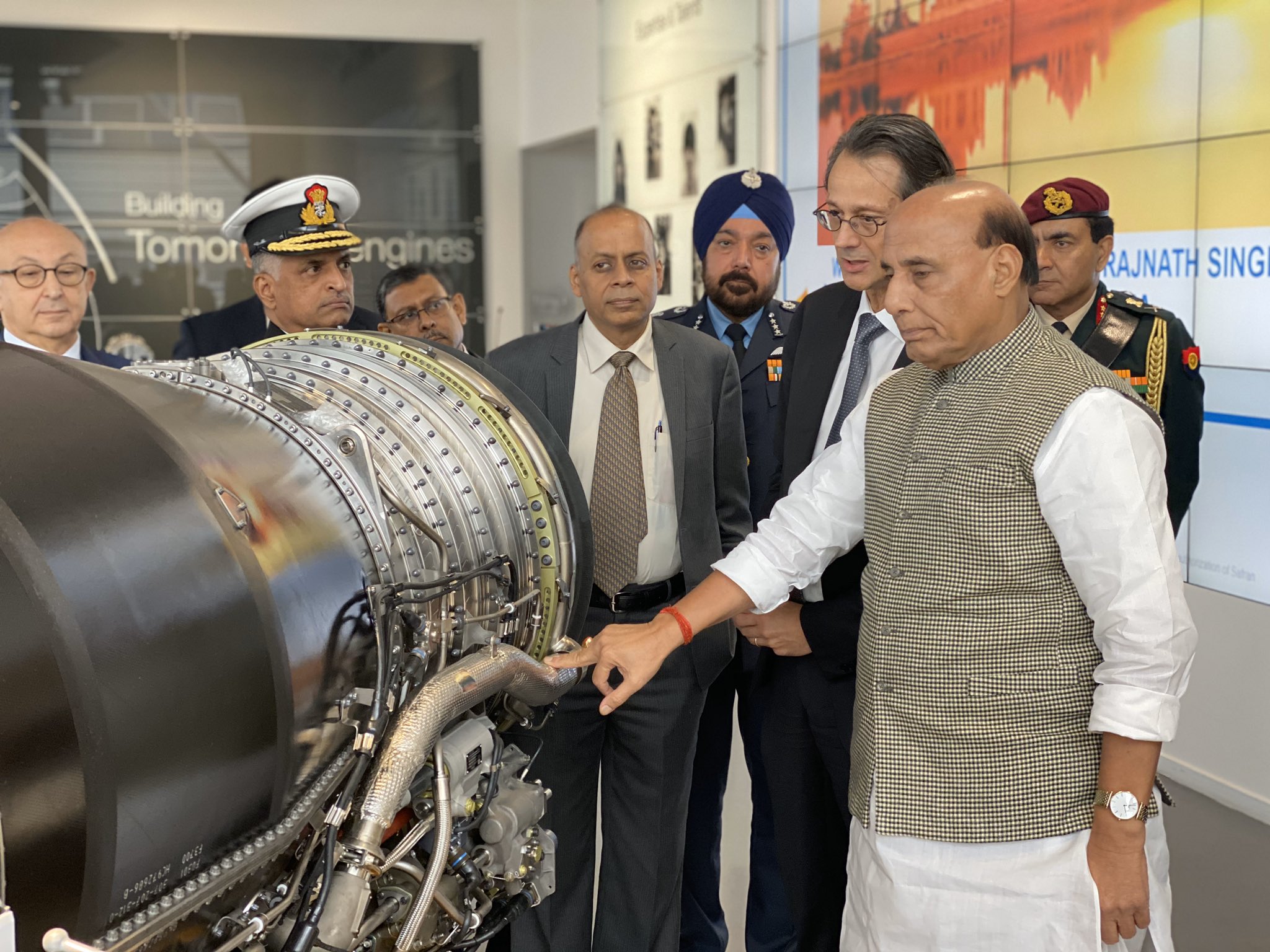
    Recent announcements on the agreement with the Philippines to export ‘BRAHMOS’ missile is a significant achievement. Similarly, last week’s news that DRDO and SAFRAN will jointly develop the 125 KN engine for the AMCA is major news that could be transformational if the collaboration is well crafted keeping Indian interests in perspective. However, one must keep in mind that much work needs to be done beyond the optics of a defence exhibition. Translating the MoUs into real JVs is a big challenge. Unless the Indian defence industry breaks into the export market in a big way by becoming part of the global supply, the challenges to the Indian industry will continue to be significant.

    [powerkit_button size=”lg” style=”info” block=”true” url=”https://raksha-anirveda.com/the-need-for-national-aerospace-strategy/” target=”_blank” nofollow=”false”]
    Read More
    [/powerkit_button]

  • Chinese Roulette: Which Way Will the Wind Blow?

    Chinese Roulette: Which Way Will the Wind Blow?

    The 2022 campaigning season along the Sino-Indian Line of Actual Control (LAC) opens up in just a matter of months. By all reckoning, the situation is likely to continue remaining extremely volatile, uncertain and tense. While some believe that it may have been this Government’s abrogation of Article 370 and the Home Minister’s statement in Parliament that invited a strong response from the Chinese, the truth is that we are yet to fully comprehend the Chinese leadership’s motivation for damaging, if not jettisoning, over three decades of Confidence Building Measures (CBMs) and growing economic ties, though the latter seems not to have been impacted in the short term, by resorting to unprovoked aggressive action in Eastern Ladakh and elsewhere.

    In addition, we continue to see a steady build-up of forces and infrastructure, as well as cartographic aggression in the form of renaming of villages in Arunachal Pradesh and the passage of the Land Border Law, effective from 1st January 2022. All of this strongly suggests that the situation will get much worse before it gets better, and we are more likely to see increased Chinese assertiveness and determination to settle territorial disputes on its own terms. Moreover, by its actions in Eastern Ladakh, it has already occupied territory up to its Claim Line of 1959. This begs the question, obviously difficult to answer with any degree of certainty, as to whether there is a likelihood of further Chinese escalation leading to a limited conflict?

    Clearly, the Government is also seized of the problem, as is obvious from the Defence Minister’s statement, while inaugurating border infrastructure, that “We faced our adversary in the northern Sector recently with grit and determination. It could not have been done without proper infrastructural development. In today’s uncertain environment, the possibility of any kind of conflict cannot be ruled out.”i It must be emphasised that conflict is not something that we either desire or is in our interest, especially given the Omicron tsunami that appears to be gathering momentum and the adverse impact that the pandemic has already had on our economy.

    It is therefore quite apparent from the Modi Government’s actions that it has been extremely circumspect and cautious in its response following China’s occupation of our territory, by some estimates extending over a 1600 Sq. Km. Clearly, it has no intention of either attempting to push back the PLA from the intrusion sites, or for that matter, occupying territory elsewhere, as a quid pro quo and bargaining chip for later. However, there is a view that occupying Indian claimed territory in Aksai Chin as a quid pro quo is not a bargain but an acknowledgement that Aksai Chin is alien territory. Therefore this Government has attempted to engage China in talks, both at the diplomatic and military level, though with little success to show for its efforts. Given the mismatch in force levels, this level of military and diplomatic engagement is understandable, though Mr. Modi’s unwillingness to personally call out the Chinese for their provocative behaviour may well give, them and the world at large, an impression of an eagerness to crawl, when just asked to bend.

    However, a deeper examination of events does suggest that the Government has not taken Chinese bullying lightly, and has, in fact, responded in an extremely measured manner, militarily. Following the Galwan incident, it has mirrored Chinese troop accretions by deploying additional forces in Eastern Ladakh, along with armour and other supporting elements. Its pro-active occupation of the Kailash Heights, though these troops were subsequently withdrawn as a part of reciprocal action by the PLA in the Pangong Tso Sector, hinted at the possibility of similar, but more offensive actions, being replicated elsewhere. The reorientation of the Army with the earmarking of a second Mountain Strike Corps for offensive operations has substantially added to the Army’s capabilities and would adversely impact the PLA’s force ratio dynamics. Most importantly, the upgrade of communication infrastructure, not just in Ladakh but elsewhere along the LAC as well, has been greatly speeded up and is coming to fruition, thereby significantly enhancing our defensive capabilities.

    To help us understand if China is likely to resort to force in the ongoing stand-off, an examination of historical precedent may give us some vital clues. As Prof M Taylor Pravel of MIT notes, two characteristics have defined China’s use of force. Firstly, “along its continental border, China has employed force in frontier disputes where it has faced militarily powerful opponents (i.e., states that could possibly challenge its otherwise strong claims). Although the local military balance is difficult to measure with precision, China has on average been vastly stronger in the overall military balance…. India in 1962, the Soviet Union in 1969, and Vietnam in the early 1980s. At the same time, China has refrained from employing force against its weaker continental neighbours. Second, China has used force in disputes where the strength of its claims have been weak, especially when it has occupied little or none of the contested territory. In these disputes, China has been sensitive to any further decline in its bargaining power.”ii

    This suggests that even with neighbours that de facto accept Chinese interpretations of its territorial claims, China is still extremely wary of actions that they may undertake to change the existing relative balance of power along with its disturbed periphery, and prefers to use force against them to delay/stop their progress. For example, there is evidence to suggest Nehru’s Forward Policy and the refuge given to the Dalai Lama were a serious cause of concern to the Chinese leadership. This is borne out by declassified United States documents pertaining to the capture of Longju in August 1959, which reveal that “the late August clashes point of a mode of thought which has remained an ingredient in the Chinese leaders’ calculations on the border dispute: ‘When the Indians show a temperament to advance on the ground, we must alter their frame of mind by letting military action take over political caution. Besides, military risk itself is negligible, because we are the stronger side’.”iii A perception within the Chinese leadership that appears to have remained unchanged in the intervening years, and is especially pertinent at the present time, given President Xi Jinping’s penchant for following in the footsteps of late Chairman Mao Zedong.

    In addition, there are some other factors that have a bearing on this issue of force escalation. For one, it is fairly common for autocratic governments to attempt to conjure up external threats to unify the people against a common enemy, and divert their attention from serious domestic challenges that may lead to unrest or hurt their own leadership position. In this context, as Kalpit Mankikar, a Fellow with the Observer Research Foundation who focuses on China points out, prior to the 1962 Conflict Chairman Mao faced serious internal dissension against his leadership and it had more to do with the intra-CCP power struggle. Mao’s Great Leap Forward (GLP) had been criticised, and for the first time, he had to demit office as State President, forced to hand over to his heir apparent Liu Shaoqi, which came as a huge jolt to him.

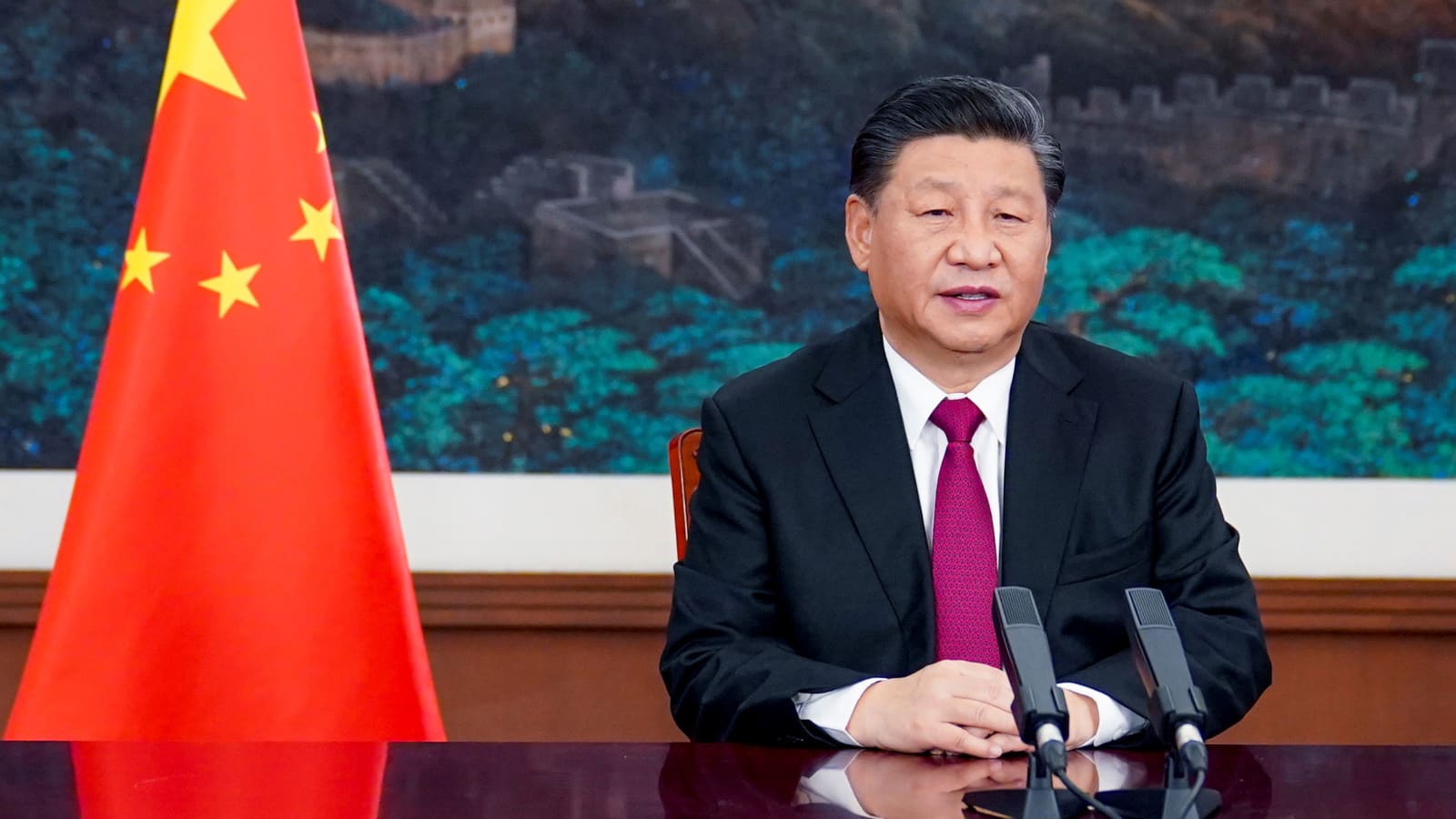
    President Xi now finds himself in rather similar circumstances as the economy stutters, in no small measure due to his government’s crackdown on multiple Chinese sectors and companies that have been mascots of growth over the years. His emphasis has been on the idea of “common prosperity” or “reasonable adjustment of excessive incomes and encouraging high-income groups and businesses to return more to society”iv, a blatantly populist measure, that was initially very well received by the average Chinese citizen. However, the enforcement of new regulations in this regard, the so-called “Three Red Lines”, has had a devastating impact on real estate companies such as Evergrande, which hold approximately 75% of all retail investments, bringing them to the verge of bankruptcy, and creating internal turmoil, uncertainty and dissent as the average citizen sees his savings completely wiped out. The likelihood of a domino effect on other facets of the economy cannot be wished away and is bound to adversely impact President Xi’s efforts to stay in power after the end 2022, when his term officially ends.

    In these circumstances creating and tackling an external threat along its borders, as the prevailing situation along the LAC is made out to be, will certainly divert attention and may very well pay great dividends. For example, while President Xi would have preferred to undertake actions to integrate Taiwan, he is hampered by the very real likelihood of The United States and its allies coming to the aid of Taiwan. Taking on India at the LAC is a relatively easier option, as interference by the United States and its allies is likely to be restricted to providing moral and material support at best. Furthermore, it could be viewed as a dress-rehearsal that would allow the PLA to gain vital operational experience, something it has been bereft of since the Sino- Vietnam Conflict of 1979, apart from ensuring a protected flank. Moreover, a successful termination of such a campaign would setback Indian aspirations by decades and severely dent Mr. Modi’s reputation and popularity, much as 1962 did in the case of Pandit Nehru. Not only would such action have a sobering impact on Taiwan’s dealings with the Chinese, but also in the manner other South East and Central Asian neighbours respond to Chinese hegemonistic designs as well.

    It is in this context that the new Land Border Law, now in effect, is likely to be extremely problematic for two reasons, and may well act as the trigger for any future conflict. Firstly, it attempts to give Chinese acts of cartographic aggression, such as differing perceptions on the exact alignment of the LAC, renaming of towns and villages in Arunachal Pradesh, and its acts of ‘salami- slicing’ over the years, a veneer of legality. Secondly, there is a clause in the Law that can be interpreted to suggest that it prohibits the construction of permanent facilities in the vicinity of the LAC without sanction from Chinese authorities, which would obviously be unacceptable to any sovereign state, especially given the manner in which it is rapidly developing communication infrastructure and settlements bordering the LAC.

    Increasing troop concentrations, especially in terms of armour and ballistic/air-defence missiles, in the Tibet Autonomous Region (TAR) along with the external and internal difficulties confronting President Xi suggests a high possibility of a conflict breaking out within the year. There are analysts, including some in this country, who believe that the PLA will be able to achieve a decisive victory given the over-all force disparity, especially in cyber, space and missile capabilities, as was the case in the 1962 Conflict. However, they have tended to disregard the adverse impact of climate and altitude, both on personnel and equipment, that gives a distinct advantage to a military fighting internal lines.

    The PLA can hardly afford to ignore its extended and extremely vulnerable lines of communication, however well developed, and the uncertain internal security environment within TAR and Xingjian. Most importantly, the PLAAF will be operating with greatly reduced capabilities from bases within TAR because of the altitudes involved, while being adversely impacted while operating from bases outside the Region given the extended ranges involved. Finally, the Indian Military does have a sizeable force, reasonably well-equipped with two Mountain Strike Corps and a Division plus of Special Operations Forces in place for offensive operations that will act as a deterrent to Chinese misadventure.

    It understands, however contrarian its public pronouncements may be, that the Indian Armed Forces are a very different force from what they encountered in 1962. Not only is the Indian Army far more experienced and battle-hardened in high altitude and mountain warfare than the PLA, but it will be the Indian Air Force, not utilised in 1962, that will be the battle-winning factor in any conflict. In addition, the employment of the Tibetan manned Special Frontier Force (SFF) in the Kailash Ranges, which received worldwide accolades, would have certainly caused immense disquiet within the Chinese leadership. The SFFs actions and rise of the Taliban have surely given an immense boost to the Independence Movements in both TAR and Xinjiang. Most importantly President Xi and his acolytes must be fully aware that anything other than a decisive victory, will for all intents and purposes, be perceived as a defeat and be the final nail in his coffin.

    Will all of this be sufficient to deter the Chinese from escalating the stand-off? The truth is that while we are inherently placed in an advantageous position, primarily due to location and circumstance, neither deterrence nor success is guaranteed. The fact of the matter is that over the past two decades the military has not just been neglected, but has also been deliberately discriminated against by the political and bureaucratic establishment. The damage that has been done, both to its organisational culture, morale and capabilities will need focus, effort and time to reverse. Most importantly, threats of this nature are best tackled by a nation that is united and willing to place its complete trust in its political leadership. Does our political establishment have the maturity, foresight, integrity and vision to provide the leadership we deserve and need? To quote the poet, philosopher and singer, Bob Dylan, “the answer, my friend, is blowing in the wind”…

    i The Times of India, New Delhi 29 December 2021, p 19.

    ii M Taylor Fravel, Power Shifts and Escalation: Explaining China’s Use of Force in Territorial Disputes, International Security, Winter 2007/2008, Vol 32 No 3, p 56

    https://www.jstor.org/stable/30130518?seq=1&cid=pdf-reference#references_tab_contents

    iii The Sino-Indian Dispute, Section 1:1950-59, DD/I Staff Study, CIA/RSS March 02, 1963, Approved for Release May 2007, p 33.

    iv Bloomberg News, China Eyes Wealth Redistribution in Push for ‘Common Prosperity’, 18 August 2021

    The article was originally published in Indian Defence Review, Jan – Mar 2022, Vol 37 (1) Pg 50.

    Featured Image Credits: CNBC

  • Giveaways & Elections: Short-termism to the Fore

    Giveaways & Elections: Short-termism to the Fore

    BJP and AAP are the two winners in the just concluded crucial Assembly elections. The scale of victory of these two parties surprised most analysts. In UP after three decades, a ruling party won, overcoming severe anti-incumbency. There are accusations of the rigging of the EVMs but this can’t be proved when VVPAT slips are not being fully counted. Even if they were to be counted, fraud could have been committed in other ways and this could become an endless exercise. AAP, a new kid on the block, won on the promise of change from the terribly corrupt politics of the moribund established parties.

    Delivery is Important

    So, the ruling BJP won because it said that it had brought about a change in the lives of the common people while AAP won on the promise of bringing about change in their lives. What is this change that was so attractive to the people?

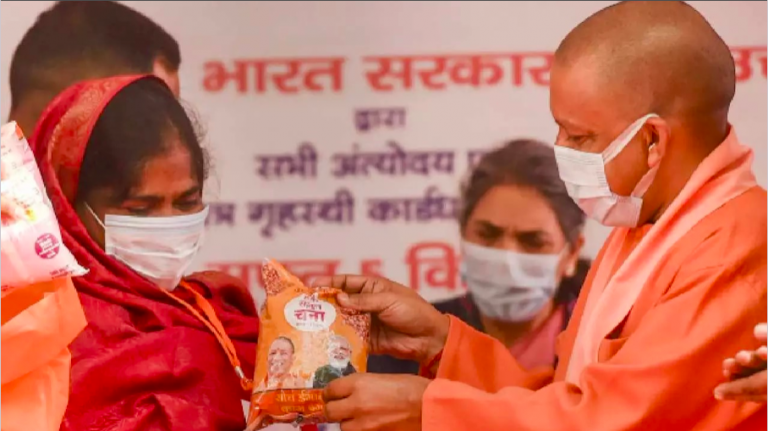
    BJP faced anti-incumbency due to high inflation, youth unemployment, farmers’ discontent, COVID mismanagement, etc. But its cadres went door to door to point to the Rs. 6000 is given to farmers, free grains, etc. to households, money for toilets and houses, etc. The beneficiaries from these schemes are called `Labhartis’ by the pundits. The opposition also promised various things if they came to power but obviously, a bird in hand is better than two in the bush. Also, the credibility of the opposition parties in UP is low since they delivered little when they were in power earlier. Finally, public memory is short. Many of the schemes that are listed as achievements by the present government were initiated by the earlier regimes.

    [powerkit_button size=”lg” style=”info” block=”true” url=”https://thepublicindia.com/2022/03/14/giveaways-elections-short-termism-to-the-fore/” target=”_blank” nofollow=”false”]
    Read More
    [/powerkit_button]

  • 10 Bangladeshis Evacuated By India From Ukraine: PM Hasina Dials To Thank PM Modi

    10 Bangladeshis Evacuated By India From Ukraine: PM Hasina Dials To Thank PM Modi

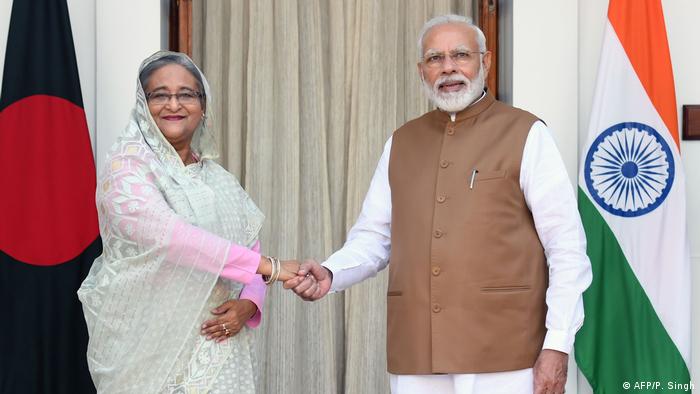
    Bangladesh Prime Minister Sheikh Hasina has expressed her gratitude to Prime Minister Narendra Modi for rescuing nine stranded Bangladeshi students from Sumy, the north-eastern city of besieged Ukraine and other areas.

    At least two more Bangladeshi nationals are still stuck in Mariupol, shared Ambassador Sultana Laila Hossain, Bangladesh’s envoy to Poland and Ukraine in an exclusive interaction with The New Indian. Ambassador Hossain also thanked India for saving 10 Bangladeshi lives.

    Nine Bangladeshis have been evacuated by India under its pilot evacuation drive Operation Ganga on March 9, and one Bangladeshi was airlifted on March 4. The nine evacuees are on the way to the domicile via transit route in Poland.

    [powerkit_button size=”lg” style=”info” block=”true” url=”https://newindian.in/first-on-new-indian-10-bangladeshis-evacuated-by-india-from-ukraine-hasina-dials-to-thank-modi/” target=”_blank” nofollow=”false”]
    Read More
    [/powerkit_button]

  • The Ukraine crisis: Its impact on India

    The Ukraine crisis: Its impact on India

    India has to tread a fine line in this imbroglio: Taking care of the welfare and evacuation of Indian students and the possibility of an oil price hike.

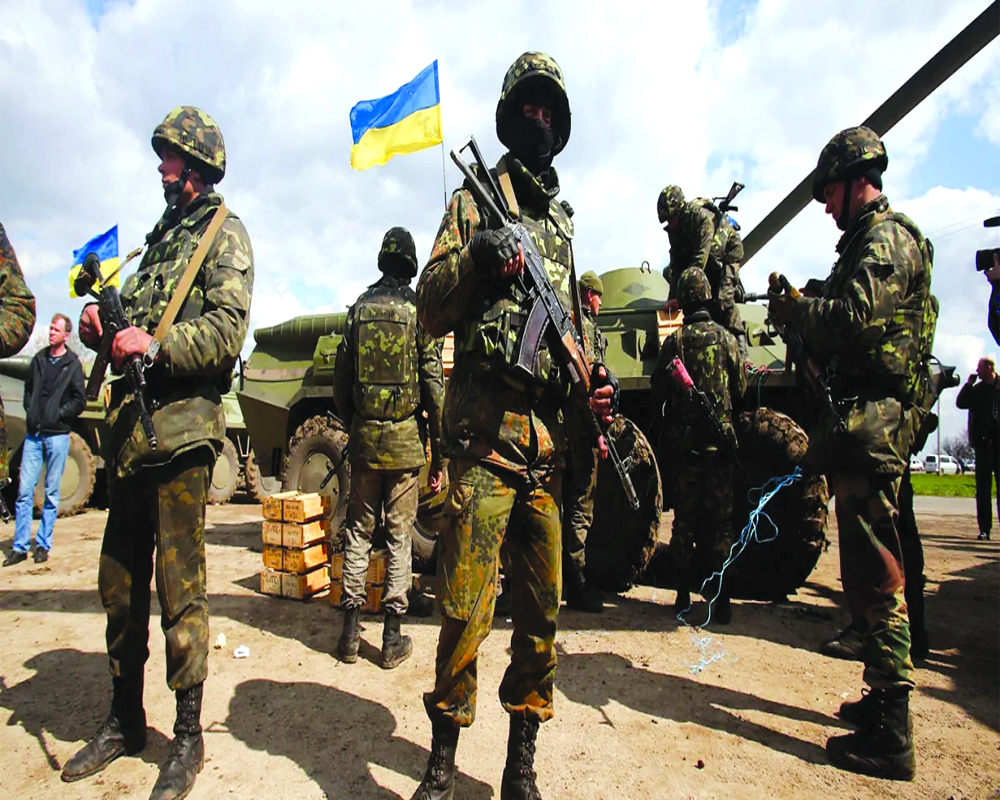
    The face-off over Ukraine between Russia and the United States and its Nato allies has been dominating the headlines for a while now with tensions ratcheting up as we receive dire public warnings every day of a Russian invasion any day now. Clearly, the possibility of Russian intervention there, and the consequent escalation of sanctions against them, is very real and concerning.

    While Ukraine may be a developing country and the poorest in Europe, by no means is it a pushover. It is the second-largest country there, behind Russia, by area, and in terms of population the eighth largest with its 42 million inhabitants. It has been independent since 1991, following the collapse of the Soviet Union, though it had been a part of the Russian Empire and the Soviet Union since the 18th century. If there is one lesson that Putin and the Russian military should have learnt from America’s disastrous interventions in Iraq and Afghanistan is that invasions are relatively easy to accomplish, but keeping restive and hostile populations under control is a wholly different proposition.

    [powerkit_button size=”lg” style=”info” block=”true” url=”https://www.dailypioneer.com/2022/columnists/the-ukraine-crisis–its-impact-on-india.html” target=”_self” nofollow=”false”]
    Read More
    [/powerkit_button]

  • The Strategic Imperative of Developing Ladakh

    The Strategic Imperative of Developing Ladakh

    Abstract
    Following the Galwan valley clash in 2020, Ladakh has become the most important place of strategic and operational importance since it adjoins two adversarial neighbours who are strategically aligned with each other. China’s belligerence is taking many forms such as information warfare, land transgression, allegations of hacking, etc. The recent claim of unfurling of the Chinese flag supposedly in Galwan, which was later clarified to have been done in another location is a spoke of its information warfare against India. China’s construction activities enabling quick buildup of its troops and armaments are also a major cause of concern for India. While there are some initiatives launched by the Indian army and the Central government to strengthen the infrastructure in the Northern borders, special attention needs to be paid towards the holistic development of human resources and infrastructure in Ladakh.


    2022 began with a fresh show of Chinese belligerence in Ladakh, with a well-known Chinese media outlet putting out a tweet saying, “China’s national flag rises over Galwan Valley on the New Year Day of 2022“, following up with a short video of the event. The tweet further claimed that the flag was special, having flown earlier over Tiananmen Square in Beijing[i]. As Indian government sources confirmed that the ceremony did not occur in any disputed area, the Indian Army released photographs of soldiers hoisting the flag in the Galwan Valley on the occasion of the New Year[ii]. In other incidents across the rest of the Line of Actual Control (LAC), China suddenly ‘renamed’ 15 locations in Arunachal Pradesh, continuing efforts to undermine Indian sovereignty in that state. The Chinese embassy in Delhi wrote to counsel Indian MPs who had attended a reception hosted by the Tibetan government in exile in late December 2021[iii]. The frigid relationship between the two nations was underscored once again by the inconclusive outcome of the 14th round of Corps Commander’s talks held on the LAC on 12 Jan 2022[iv]

    Chinese activities have not been restricted to the information domain alone. Construction of a bridge across the Pangong Tso, starting 20 km east of Finger 8 to connect its North and South banks, has come to light, providing an additional approach for a quick build-up of troops and logistics. While the above actions by China, both in the realm of information warfare and otherwise, have been effectively countered by the Indian government[v], the overall situation across the entire LAC continues to be of significant concern. This is despite the much-publicized sharing of sweets between Indian and Chinese troops at ten border crossings across the LAC[vi] in January.

    Strategic Importance of Ladakh

    As compared to the rest of the LAC, the situation in Ladakh is serious. The killing of 20 Indian soldiers, including a Commanding Officer, in June 2020 has thrust the region into the nation’s collective consciousness. Galwan, Gogra, Daulet Beg Oldi, Pangong Tso, and Chushul are household names across the country and the public today is better educated about the sheer complexity of the border issue and our history of dealing with China on the matter. The importance of safeguarding national sovereignty has taken centre stage with issues such as the institution of ‘no patrolling zones’ and perceptions about the LAC being subjected to frequent debate in the media and elsewhere.

    In the aftermath of the Galwan events, the strategic importance of Ladakh, seen more through the lens of tourism in tranquil times, has acquired renewed relevance. It is the only borderland of India adjoining two hostile states, both of which have gone to war with India at different times for their own reasons. Ladakh abuts Gilgit Baltistan, which is under illegal occupation of Pakistan, and Tibet, which is under China’s forced occupation. As the likelihood of collusive action between these countries increasingly grows, Ladakh will remain primus inter pares amongst all the regions on our Northern borders for strategic and operational reasons. Accordingly, plans to bring about a qualitative change in capacity and capability in all aspects of the region’s development to meet security challenges and human aspirations acquire greater importance vis-a-vis other locations.

    The above aspect is well appreciated by the Central Government, which has taken many initiatives towards strengthening infrastructure development along the Northern borders in recent years. With regards to Ladakh, development has accelerated dramatically post creation of the Union Territory (UT) of Ladakh in 2019. A review of the UT Administrations’ activities after two years of its creation by the Lt Governor during a media interaction reveals the scale and scope of its achievements[vii]. Future plans are contained in a comprehensive ‘Vision Document,’ prepared on its behalf by a reputed consultancy, available on the internet[viii]. The Document is a comprehensive data-backed effort, listing the status of various developmental markers today and the desired end state. Achieving the vision would require effort, time, and planning for its translation into practical and prioritized implementables, after further considering risks, costs, benefits, and overall viability while adhering to timelines. Despite the progress made on many fronts and considering the constraints remaining, continued and focused long-term efforts by the administration are required here: equally important, the current and future security perspective has to be a key pillar of such plans.

    Development Issues and Imperatives

    A key priority that requires greater impetus is to accelerate the movement of locals for populating areas that, for reasons of geography and proven Chinese intent, have acquired strategic or operational significance. Page 9 of the Vision Document[ix] mentions that 65% of the total population is in and around Leh and Kargil cities. Though the paper has recommended setting up other population centres, enhanced hostile activity by China in and around places like Demchok on the LAC warrants that such areas also be included for consideration. In recent years, the Border Roads Organisation (BRO) has dramatically enhanced connectivity. Greater resources and manpower have constructed important roads and opened up East Ladakh and other parts of the UT[x]. The next step is to actualize a long-term plan with short and intermediate goals, which could see the setting up of small townships – after creating suitable infrastructure in housing, health, education, connectivity, and other civic amenities to support small-sized populations. Here the focus has to be on providing livelihood options other than the purely pastoral, with options explored for setting up Small Manufacturing Enterprises (SMEs), which might take time to prove financially viable. In this respect, China has succeeded with the construction of border villages and resettlement of Tibetans in areas opposite the LAC in Arunachal Pradesh and its disputed border with Bhutan[xi]. Though the Indian experiment in that region, which commenced post-1962, has not been as successful, it has to be pushed through in Ladakh. Here, reconciling developmental cum security needs with genuine environmental concerns would be necessary, considering that the Army’s premier firing range in Ladakh in the Tangtse Chushul area was closed some years ago for such reasons.

    There is scope too for the military, as an essential stakeholder to assist in development in other spheres, such as preparation of dual-use facilities; helipads and Advanced Landing Grounds wherever feasible, are one example. Another option is to create infrastructure for specialized training in the Ladakh region – archives of the Press Trust of India mention an international training event, ‘Exercise Himalayan Warrior’ held in 2007 where Indian and British troops trained together in mountain warfare techniques in an area North of Leh[xii]. Training facilities of this nature would naturally benefit the local economy, though the fallout of such strategic signalling would have to be carefully weighed.

    A fourth option to enhance the military’s participation, albeit indirectly, is to increase local recruitment. While recruit balancing would be carried out at Army Headquarters, there is a need to examine the feasibility of expanding the number of Ladakh Scout battalions (either regular units or on the Territorial Army model), which are eminently suited for fighting in such terrain. Being a permanent measure, this would offset, to an extent, the expense on induction of at least a few units from outside Ladakh. Benefits accruing from deploying local sons of the soil can be easily appreciated.

    Harnessing through Civil-Military Engagement

    At the turn of the century, it was in Ladakh that the Indian Army launched Operation SADHBHAVNA. Displaying strategic foresight, then GOC 14 Corps, Lt Gen Arjun Ray, set a one-point aim – ‘To Forestall Militancy in Ladakh.’ The program, a runaway success, was adopted subsequently by other field formations of the Indian Army. A process of continued oversight, course correction, innovation, and streamlining at various levels has made it an effective tool for helping assimilate our border populations into the national fold by winning hearts and minds. Here, it must be emphasized that SADBHAVNA has not been conceptualized as a developmental program per se. Neither is such an approach being followed on the ground – the projects being small, community-based, and including aspects of human resource development. It has had very positive spinoffs, with Ladakh being a significant beneficiary. With major development programs like the Ministry of Home Affairs’ flagship Border Areas Development Program (BADP) and others at the state level already in place, it is worth examining if an interaction between the local administration (at the panchayat level, say) and local military garrisons, both working from the ground upwards can help further synergize efforts to achieve optimum results.

    Strategic contestation between India and China is a reality. The border issue will continue to influence many aspects of bilateral relations. Continued information warfare, a huge trade deficit, allegations of hacking, and now evidence of massive tax evasion by smartphone companies[xiii] are indicators of the need for a realistic appraisal of that country’s intentions and strengthening own capabilities. The development of Ladakh is an important factor in this regard.

    Notes

    [i] Free Press Journal, January 03, 2022.

    [ii] ‘LAC Standoff: India exposes China’s lies in Ladakh as Indian Army hoists tricolour in Galwan Valley’. Ajeyo Basu, News24, January 04, 2022.

    [iii] ‘China protests Indian MPs’ attending Tibetan reception, Tibet govt-in-exile fires back’. Geeta Mohan, India Today, January 01, 2022.

    [iv] ‘Joint Press Release of the 14th round of India-China Corps Commander Level Meeting’. Ministry of External Affairs, Government of India, January 13, 2022.

    [v] ‘Government breaks silence, hits back at China on letter to MPs, Pangong bridge’. Shubhajit Roy, Indian Express, January 07, 2022.

    [vi] ‘New Year: Indian, Chinese troops exchange sweets at Demchok and other border points’. Press Trust of India, January 01, 2022.

    [vii] ‘Major transformation in developmental profile of Ladakh UT in nearly 2 years: Lt Governor’. Mohinder Verma, Daily Excelsior, September 18, 2021.

    [viii] ‘Vision 2050 for UT of Ladakh’. Government of India.

    [ix] ibid

    [x] ‘Five Mega Road Infrastructure Projects Launched in Ladakh Amid Border Row With China’. PTI, October 01, 2021.

    [xi] ‘More evidence of China building villages in disputed areas along borders with India, Bhutan’. Hindustan Times, November 18, 2021.

    [xii] Press Information Bureau, Government of India. Ministry of Defence note, Exercise “Himalayan Warrior”. September 16, 2007.

    [xiii] ‘Xiaomi India under lens: DRI says evasion of customs duty of Rs 653 cr by Chinese smartphone maker’. Economic Times, January 05, 2021.

    Feature Image Credit: Bloomberquint

    Map Credit: Newschrome

    Images: www.deccanherald.com  and www.business-standard.com

  • China’s New Land Border Law

    China’s New Land Border Law

    On October 23, 2021, the Standing Committee of the National People’s Congress, the highest legislative body of the People’s Republic of China passed the Land Boundary Law along adding to its new Maritime Law as well as China Coast Guard Law passed earlier in 2021, which shows China’s intention in pursuing an aggressive policy on its territorial claims. The land boundary law came into effect on January 1, 2022. The law is likely motivated partially by the possible implications over developments in Afghanistan that could potentially have a destabilising effect in Xinjiang, growing violence in Myanmar-China border but more by the India-China geopolitical tussle.  The timing of the law is clearly related to the escalating border tensions with India and in the South China Sea. India and China have been engaged in border stand-off since May 2020.[i] Closer scrutiny of this law, consisting of 62 articles in seven chapters, indicates that China is stepping up its aggressive tone when it comes to border disputes, demonstrated by its rhetoric that China will “resolutely defend territorial sovereignty and land border security.”[ii] It states that the main aim of the law is to “standardise and strengthen the security and stability of land borders” and “safeguard national sovereignty, security and territorial integrity.”[iii] In other words, Beijing will take all measures to safeguard its interests within its specified borders by any means be it military or economic. The law effectively uses a civil-military fusion strategy emphasising improvement of public services and infrastructure along the borders as also incorporating the local population in territorial defence. The law prohibits any party from engaging in any border activities which would “endanger national security or affect China’s friendly relations with neighbouring countries”.[iv]

    Zhang Yesui, a spokesperson for the National People’s Congress stated that the law became necessary to safeguard China’s interests at the border and to regulate national borders, border defence management, and international cooperation in border affairs.[v] This law has serious implications for all 14 countries sharing borders with China. By incorporating the sovereignty claim over disputed territories China has effectively legitimised the use of force along its 22,4577 kilometres of borders as of January 01, 2022. Even though China has guaranteed that these laws aren’t meant to dislodge any international laws and treaties, it is evident that China is adopting aggressive policies to attain its goals.

    The new law has serious implications for India. Firstly, since the 1962 war, the Line of Actual Control (LAC) is the de facto border between India and China, and both countries have different interpretations of the LAC over at least 13 different locations.[vi] Article 4 of the law states China’s sovereignty and territorial integrity as sacred and inviolable and applies this dictum to the disputed territories.[vii] Thus this law makes the earlier agreement of Peace and Tranquillity along the disputed Sino-India border almost irrelevant.  Secondly, the law forbids any form of construction of facilities “near” China’s border. This is elucidated in Article 10 deals with border defence construction including its river waters management under the term flood control. These issues are deliberately kept vague, and they could interfere with any form of construction on the border. This could again become contentious as both the countries are engaged in an “infrastructure arms race” on their sides of the border. Thirdly, the new law has made a special mention of the role of civilians concerning the development of villages and towns in the borderlands. The law reflects China’s intention to increase civilian settlements bordering India, Nepal, and Bhutan.[viii] This move goes in tandem with China’s agenda of “developing the border regions, enriching the local people” introduced in 1999 and is seen as a strategy to legitimise its territorial claims.[ix]

    The law has a problematic stance with international law, as Beijing is circumventing these by enacting domestic laws to give it legal backing for its unlawful actions. It shows that international law is ineffective against powerful states. The new law goes against the ethos of the Vienna Convention on Law of Treaties of 1969 (VCLT), which is an instrument that regulates the treaties between states. It establishes internationally recognised norms of behaviour by states in crisis or conflict situations. It is important to note that under the general principles of international law, unilateral declarations do tend to have a legal character of their own as explained under the Law of Treaties. It is imperative that such unilateral declarations must not affect the rights of other states and must go through two different stages to be considered legally acceptable. Firstly, there should be a unilateral statement by an actor and secondly, the said statement must either be accepted by the party/parties concerned or must go unchallenged. In this case, several parties have issues with China’s new land border law.[x]

     As Beijing’s ‘Land border law’ came into effect on January 1st, the PLA released a propaganda video showing the Chinese flag and soldiers in the Galwan valley, with a banner reading ‘never yield an inch of land’. Earlier China released a statement renaming 15 places in India’s border state of Arunachal Pradesh. Chinese maps have consistently shown the entire state of Arunachal Pradesh, Barahoti plains in Uttarakhand, and areas up to the 1959 claim line in Ladakh as its territory.[xi] China will use the new law to claim these areas as its sovereign territory thus deeming it non-negotiable. It is playing realpolitik to increase pressure on India by escalating the friction points.[xii] The current situation at the India-China border has the potential to spiral out of control, as both sides are deploying heavy armaments and forces on the border, and in essence, the new law makes the border dispute a ticking time-bomb with far-reaching consequences for the world.

    Reference

    [i] Philip, Snehesh Alex. “Chinese Troops Challenge India at Multiple Locations in Eastern Ladakh, Standoff Continues.” ThePrint, 24 May 2020, https://theprint.in/defence/chinese-troops-challenge-india-at-multiple-locations-in-eastern-ladakh-standoff-continues/428304/.

    [ii] Wei, Changhao. “NPCSC Adopts New Laws on Family Education and Land Borders, Amends Audit Law & Authorizes New Regulatory and Military Reforms.” NPC Observer, 18 Nov. 2021,https://npcobserver.com/2021/10/26/npcsc-adopts-new-laws-on-family-education-and-land-borders-amends-audit-law-authorizes-new-regulatory-and-military-reforms/.

    [iii]  Panag , Lt Gen H S. “China’s Land Border Law Is More Sinister than It Lets on. India Needs a Course Correction.” ThePrint, 11 Nov. 2021, https://theprint.in/opinion/chinas-land-border-law-is-more-sinister-than-it-lets-on-india-needs-a-course-correction/764463/.

    [iv] 13th National People’s Congress. “Land Border Law of the People’s Republic of China.” The National People’s Congress of the People’s Republic of China, 23 Oct. 2021, http://www.npc.gov.cn/npc/c30834/202110/5a3d27747cc542f8bcde9030a83218e2.shtml.

    [v] Huang, Kristin. “What ‘New Challenges’ Does China’s New Border Defence Law Aim to Tackle?” South China Morning Post, 31 Oct. 2021, https://www.scmp.com/news/china/diplomacy/article/3154139/what-new-challenges-does-chinas-new-border-defence-law-aim.

    [vi] Fravel, Taylor M. “Analysis | Why Are China and India Skirmishing at Their Border? Here’s 4 Things to Know.” The Washington Post, WP Company, 2 June 2020, https://www.washingtonpost.com/politics/2020/06/02/why-are-china-india-skirmishing-their-border-heres-4-things-know/.

    [vii] Kalita, Jayanta. “China’s New Border Law Could Further Complicate Boundary Disputes”, The Irrawaddy, November 22, 2021.  https://www.irrawaddy.com/opinion/guest-column/chinas-new-border-law-could-further-complicate-boundary-disputes.html

    [viii] Pasricha, Anjana. “Chinese Border Villages in Disputed Territory Put India on Alert.” VOA, 2 Apr. 2021, https://www.voanews.com/a/east-asia-pacific_voa-news-china_chinese-border-villages-disputed-territory-put-india-alert/6204062.html.

    [ix] Jianqiang, Yang. “Deputy Director of the National Ethnic Affairs Commission, Answered Questions from the Chinese Government Website on the ‘Eleventh Five-Year Plan’ for the Action to Promote Frontiers and Enrich the People.” Central Government Portal, 18 June 2007, http://www.gov.cn/zwhd/2007-06/18/content_652065.htm.

    [x] Pandey, Utkarsh. “The India-China Border Question: An Analysis of International Law and State Practices.” ORF, 23 Dec. 2020, https://www.orfonline.org/research/the-india-china-border-question/.

    [xi] “China’s new border laws implemented under Galwan video: All you need to know about the legislation and why is it a concern for India.” Firstpost, January 03, 2022.  https://www.firstpost.com/india/chinas-new-border-laws-implemented-amid-galwan-video-all-you-need-to-know-about-the-legislation-and-why-is-it-a-concern-for-india-10253481.html

    [xii] Siddiqui, Huma. “China continues its belligerence, renamed 15 places in Arunachal: India should expect more such actions, say experts”, Financial Express, December 31, 2021. https://www.financialexpress.com/defence/china-continues-its-belligerence-renamed-15-places-in-arunachal-india-should-expect-more-such-actions-say-experts/2395218/


    Feature Image Credi: Global Times

    Map Credit: jagranjosh.com

  • Indian citizenship concepts and definitions need a revisit

    Indian citizenship concepts and definitions need a revisit

    More than 600,000 Indians gave up their citizenship during the last five years, Union Minister of State for Home Nityanand Rai informed the Lok Sabha. While 133,000 Indians gave up citizenship in 2017, it was 134,000 in 2018, 144,000 in 2019, 85,248 in 2020 and 111,000 in 2021 until 30 September. The dip during 2020 was, without any doubt, because of the pandemic. What entails in revoking citizenship is the surrender of the Indian passport as mandated by the Indian authorities since India does not allow dual citizenship unlike her co-subcontinental countries Pakistan and Bangladesh.

    While we do not have an idea about the reasons for the revocation of citizenship, the fact remains that these erstwhile Indian citizens, across the globe, have opted for citizenship of different countries (and that includes the passport of the country concerned) where they have been residents for varying periods. For all practical purposes, looked at from the lens of India’s Ministry of Foreign Affairs, these former Indian citizens are “foreigners”. It may not be out of place to point out here that Padma Bhushan awardee and former ambassador to the US, Abid Hussain, had famously remarked that Indians have their heart in India, but their money in Swiss banks.


    Read More

  • India and Vietnam Need to set up an Industry 4.0 Technology Task Force

    India and Vietnam Need to set up an Industry 4.0 Technology Task Force

    Amid the ongoing difficult times marked by the COVID-19 pandemic and the fear of its highly virulent Omicron variant spreading across the globe, India and Vietnam pledged to further deepen the Comprehensive Strategic Partnership.  In this context, the recent visit to India by National Assembly Chairman Vuong Dinh Hue to New Delhi this month has strengthened the relationship between the two countries.  Also, next year, India and Vietnam would be celebrating the 50thanniversary of the establishment of their diplomatic relations and their legislative bodies plan to organise commemorative joint events both in New Delhi and Hanoi.

    Chairman Vuong Dinh Hue held wide-ranging discussions in New Delhi with India’s Vice President of India and Chairman of Rajya Sabha, Shri M Venkaiah Naidu and these focused on international matters of common concern and other global challenges. Both sides aim to contribute to global peace, security, stability and development in the region. At the bilateral level, issues concerning COVID-9, socio-economic development in respective countries, economy, trade & investment, energy, security-defence, science-technology, air connectivity, culture, education and training were also the agenda. As many as 12 MoUs were exchanged between Vietnamese and Indian enterprises in the fields of public health, provision of pharmaceutical materials, drug and vaccine production, oil and gas, information technology and technology transfer, education, and tourism.

    India acknowledged and extended gratitude for the timely supply by Vietnam of oxygen and related equipment and the gifting of 40,000 facemasks to the Indian Red Cross Society. As a reciprocal and goodwill gesture, India has announced a donation of 2,00,000 doses of indigenously developed Bharat Biotech COVAXIN to Vietnam through Duc Minh, Bharat Biotech’s local partner in Vietnam. It is useful to mention that Bharat Biotech has been working with Duc Minh Medical JSC, towards the commercialisation of INDIRAB (Inactivated Rabies Vaccine).

    The bilateral cooperation and mutually beneficial partnership between India and Vietnam in the field of energy are noteworthy. For the last three decades, India’s ONGC Videsh Limited (OVL) has been engaged in Vietnam’s offshore energy projects in the South China Sea. New Delhi is now seeking a 15-year extension of the existing arrangement beyond May 2023 when the current MOU between OVL and PetroVietnam (PVN) expires. India hopes that Vietnam and other claimants including China can establish a binding ‘Conduct of Conduct’ and develop concrete mechanisms to institutionalize a regional dialogue among the claimants and other stakeholders to serve for de-escalation of tensions.

    During his interactions, Chairman Vuong Dinh Hue was also assured of India’s support for the ASEAN Outlook for Indo Pacific (AOIP). External Affairs Minister S Jaishankar has noted that “From the Indian perspective, Vietnam is a key partner both in the ASEAN and the Indo-Pacific context,” It was also reiterated that there is strong convergence between India’s Indo-Pacific Oceans Initiative (IPOI) and the AOIP and India is looking forward to continuing working closely with Vietnam.

    In an interview with a major Indian media house, Chairman Vuong Dinh Hue emphasised investments in the digital sphere to usher in Fourth Industrial Revolution in Vietnam. This fits into Vietnam’s call for greater investment from Indian corporations in fields such as information technology, innovation and renewable energy. Industry 4.0 technologies are high on Vietnam’s agenda and the Party and the State have introduced several policies, guidelines and programs to harness these technologies.  In particular, the country hopes that the digital component of the economy could account for about 20% of the GDP. According to a consulting company, Vietnam’s “GDP may rise by US$28.5-62.1 billion by 2030 depending on the level of technology put into use by businesses, or equivalent to an increase of between 7-16% of the GDP”.

    Earlier this year, Vietnam issued the National Strategy on the Fourth Industrial Revolution by 2030 under which Vietnam hopes to be named among the 40 top performers in the Global Innovation Index (GII), the top 30 in the International Telecommunication Union (ITU)’s Global Cybersecurity Index (GCI) and the top 50 in the United Nations (UN)’s e-Government Development Index (EGDI) by 2030.

    Vietnam is committed to expanding international cooperation and integration in science and technology, particularly the Fourth Industrial Revolution technologies. India too has similar ambitions and PM Modi highlighted the issue at the WEF’s Davos Digital Agenda, how India is harnessing AI and other technologies of the fourth industrial revolution for achieving its developmental objectives and for promoting social good. Given the political will of both sides, India and Vietnam could explore setting up a task force to ascertain areas of convergences.


    Image Credit: vir.com.vn

  • Military leadership: In the eye of storm

    Military leadership: In the eye of storm

    Politicians are trying hard to keep behind curtains the true state of affairs along the Line of Actual Control but it’s only adding to credibility deficit

    The acrimonious exchanges between both sides on the heels of the 13th Corps Commander-level talks in Ladakh, an exercise in futility and procrastination, have drawn adverse attention to the manner in which the Union Government has kept its own citizens in the dark as to the true state of affairs along the Line of Actual Control in Ladakh and elsewhere. Equivocation has its costs, and the recently released videos and photographs of our personnel taken prisoners at Galwan have left us embarrassed and angered, mainly at the folly and shortsightedness of our leadership for not coming clean on the issue in the first place. All that its rather inept attempts to keep the genie in the bottle have achieved is to play into the hands of the excellent Information Warfare capabilities the Chinese possess, allowing them to shape the narrative to their advantage.


    Read More