Abstract
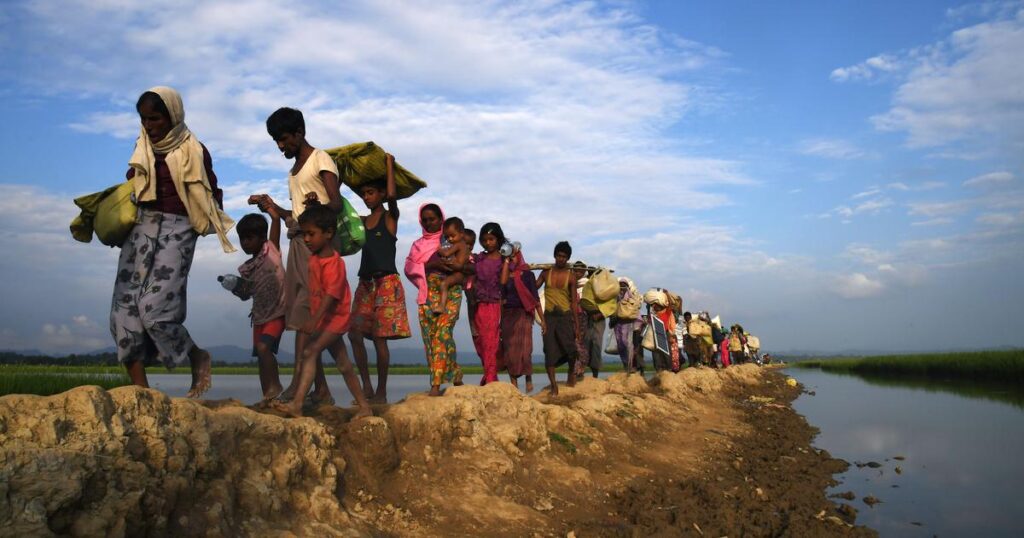
This article analyses India’s approaches to refugee issues, their limitations, and the challenges faced by refugee communities due to the absence of a comprehensive, standardised refugee policy framework. With over 200,000 refugees from neighbouring countries and others, India has not ratified the 1951 Refugee Convention and the 1967 Protocol, leading to ad hoc, inconsistent and indirect policy applications through complementary legislation. Due to this, refugee communities face significant barriers in terms of accessing education, employment opportunities, healthcare and welfare facilities, government financial aid schemes and legal provisions and protections, including government identification, leading to deportation and exclusion from Indian society. The Citizenship Amendment Act of 2019, along with the COVID-19 pandemic, complicated these conditions and exposed the dire living conditions of refugees. To address these gaps, the paper offers actionable recommendations, including developing a generalised, human-rights-oriented refugee policy that adheres to international humanitarian standards, establishing an institution for refugee protection, conducting comprehensive data collection, and creating collaborative committees that involve diverse stakeholders to address marginalised refugee groups.
Background of the Policy Issue
According to the 1951 United Nations Convention Relating to the Status of Refugees, refugees are defined as person/s residing outside of their national territory/boundary and is unable/unwilling to return to the country of their nationality, owing to conflict, fear and possibility of persecution on account of race, religion, nationality, membership of a group and/or political opinion (UNHCR, n.d.). The convention initially applied to European refugees but was expanded through the 1967 Protocol to cover refugees globally and remove any temporal/geographical limitations. The legality of refugee protection is governed by the 1951 Refugee Convention, the 1967 Protocol, and regional- and host-country-level instruments. The 1951 Refugee Convention and 1967 Protocol are not legally binding, leaving states with the authority and legitimacy to grant refugee status, with UNHCR support through the facilitation of international standards and the maintenance of refugee camps and asylum seeker facilities (UNHCR, n.d.).
As of 2024, India has a refugee and asylum seeker population of more than 240,000 refugees originating from multiple neighbouring countries, including Sri Lanka, Myanmar, Pakistan, Tibet and Afghanistan (Rajan and Sreekumar, 2024). The country has been regarded as a “haven” for refugees throughout history. Yet it lacks a comprehensive domestic refugee policy for the assistance, regulation, and protection of refugees. India has also chosen not to sign the 1951 Convention and the 1967 Protocol (Khosla, 2022).
Current Policies and Their Effectiveness
The Foreigners Act of 1946 and the Indian Passport Act also indirectly influence India’s refugee policy, deeming those entering India without a visa to be illegal immigrants. They do not include specific approaches to refugees.
The Indian government currently manages refugees, asylum seekers and internally displaced persons through ad hoc, arbitrary and ambiguous legal pathways. By employing a unique dual system which divides the asylum caseload between UNHCR and the government based on regions, India leaves a significant number of people in vulnerable and precarious situations (Vijayaraghavan, 2020). While the UNHCR employs the Refugee Determination System (RSD) for asylum seekers arriving from non-neighbouring countries and Myanmar, those from neighbouring South Asian countries must approach the Ministry of Home Affairs directly, resulting in inconsistent protection (Shankar and Vijayaraghavan, n.d.). The Foreigners Act of 1946 and the Indian Passport Act also indirectly influence India’s refugee policy, deeming those entering India without a visa to be illegal immigrants. They do not include specific approaches to refugees (Borah and Das, 2024).
Several refugees and asylum seekers lack legal status despite being recognised by UNHCR, with exceedingly limited access to government schemes, health care facilities, education, identity documentation, social integration, and economic development (Vijayaraghavan, 2020). Upon recognition by UNHCR, they are issued identity cards, but these cards are rarely recognised by State governments, leaving them with insufficient protection. They also face difficulties obtaining Aadhaar identification, further restricting access to health and welfare benefits and to public services such as bank accounts (Vijayaraghavan, 2020).
India has endorsed the 2018 Global Compact on Refugees (GCR), which requires the implementation of RSD mechanisms for the registration and identification of refugees and the just determination of asylum applications (Shankar and Vijayaraghavan, n.d.). However, India has not implemented these processes, leaving the UNHCR to handle applications under its Memorandum of Understanding with the international organisation (Shankar and Vijayaraghavan, n.d.).
The Citizenship Amendment Act (CAA), introduced in 2019 by the ruling government, sparked widespread agitation due to its religious criteria for Indian citizenship and state protection. By specifically catering to religious minority groups from Afghanistan, Bangladesh and Pakistan, the country’s first direct legislation for the protection of refugees further marginalises specific refugee groups. It restricts access to protection (Shankar and Vijayaraghavan, n.d.).
The Immigration and Foreigners Act, passed in April 2025, replaces the Foreigners Act, 1946; the Passport (Entry into India) Act, 1920; the Immigration (Carriers’ Liability) Act, 2000; and the Registration of Foreigners Act, 1939. While the Act does not specifically address refugees, it aims to curb illegal immigration into India and prioritise national security. The Act introduces stricter penalties for entry and stay violations by foreigners in the country and authorises Immigration Officers to examine passports and other documents as and when required, to seize them if deemed necessary, and to arrest foreigners without a warrant (Immigration and Foreigners Act, 2025). The Act also allows the Central Government to prohibit, regulate and restrict the entry of foreigners into India if they are deemed a security threat, with no mechanism for appeal. Heavy penalties for violations of the law are introduced, with entry into India without a valid visa or passport resulting in a fine of approximately Rs 5 lakh and up to 5 years’ imprisonment (Immigration and Foreigners Act, 2025).
In September 2025, however, the Ministry of Home Affairs stated that Sri Lankan Tamil refugees who entered India before 9th January 2015 would be exempt from penal provisions if they did not hold valid travel documents (The Wire, 2025). Therefore, Sri Lankan Tamil refugees who are registered with the government will not be treated as undocumented immigrants. In another order issued in September, the Union home ministry declared that members of minority communities from neighbouring countries, including Pakistan, Afghanistan and Bangladesh, who fled to India before 31st December 2024 to escape religious persecution, will be allowed to stay despite a lack of travel documents (The Wire, 2025).
Limitations/Gaps
A significant limitation to adequate protection of refugee communities in India is the severe lack of awareness of existing refugee policies and the UNHCR’s role in recognition and protection. Due to the lack of a generalised refugee policy applicable throughout the country, refugees often hesitate to approach Indian authorities for fear of persecution and deportation, even when undergoing financial discrimination and mistreatment (Shankar and Vijayaraghavan, n.d.). The continued ambiguity in India’s definition of refugees also further complicates the problem.
The COVID-19 Pandemic and India’s sudden lockdown implementation affected refugees to an extreme degree. The lack of savings and inability to earn income left refugees stranded, a situation further exacerbated by the temporary suspension of UNHCR’s refugee status determination activities (Shankar and Raghavan, 2021). Most refugees live, and continue to live, in unsafe and vulnerable conditions, which enhances the risk of infection and spread of the pandemic among refugee communities. Vaccination drives that provided free testing and vaccination were few and far between, and limited access to public health care facilities and financial aid created significant challenges, leaving refugees dependent on the generosity of their employers and landlords (Shankar and Raghavan, 2021).
While refining outdated laws and regulations that do not meet contemporary migration requirements is necessary and welcome, significant gaps remain in the Immigration and Foreigners Act 2025. The criteria for deeming a person a security threat have not been established, which could result in unlawful deportation, prohibition, or imprisonment. The Act also does not distinguish between foreigners and refugees, who are often forced to partake in irregular methods of travel and stay in search of safety and security. Many lack the means to obtain visas and passports and may lose their proof of identity during dangerous travel.
The ambiguity of refugee policy leads to variations in the treatment of different refugee communities, usually determined by contextual and geopolitical factors. For example, while Sri Lankan Tamil refugees in the South can seek employment and government financial aid, the same cannot be said for Rohingya refugees, who are often put in refugee detention camps or deported (Sandhu and Sebastian, 2022). The lack of a policy is addressed through ad hoc measures, often implemented by the police administration, that prioritise surveillance and security over protection and welfare. The recent orders that provide certain exemptions to Sri Lankan Tamil refugees and refugees from neighbouring countries are definitely a step in the right direction, but ultimately bring further complications, especially considering the exclusion of certain communities based on religion. This also allows the ruling government to adapt its governance framework to align with ideological principles. By assigning a religious criterion for Indian citizenship and state protection, the Citizenship Amendment Act of 2019 ensures the marginalisation of select groups of refugees and asylum seekers, bringing into question the secular characteristics of India’s governance (Rajan and Sreekumar, 2024).
The lack of privacy, haphazard sanitary conditions, poor menstrual management and double surveillance by state authorities and refugee communities sheds light on an intersectionality of issues women refugees face in protracted refugee situations and camp sites
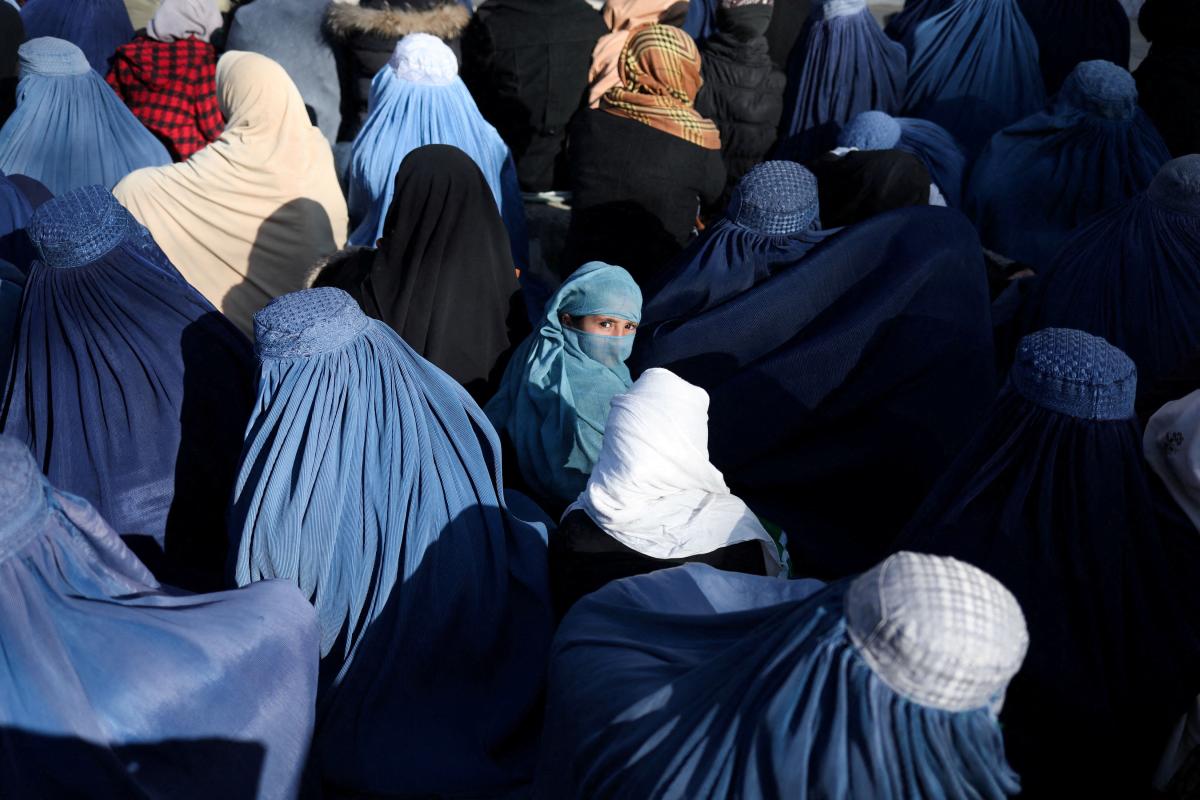
A significant aspect of refugee discourse is its gendered nature, but it is rarely addressed in policy debates and discussions. Women refugees who make up almost half of the refugee population in India are often solely held accountable for caregiving responsibilities and sustenance of the family, further limiting their access to education, employment and individual development (Malik, 2024). The lack of privacy, haphazard sanitary conditions, poor menstrual management and double surveillance by state authorities and refugee communities sheds light on an intersectionality of issues women refugees face in protracted refugee situations and camp sites (Malik, 2024). While women refugees are beginning to achieve representation in the refugee discourse, refugees from LGBTQIA+ communities and second-generation refugees remain mostly out of the picture. Second-generation refugees who are completely isolated from urban society are further restricted from access to quality education and employment opportunities. More often, they are left stateless and lack access to government recognition and welfare facilities because their parents have not been provided with refugee status (Shankar, 2024).
Actionable Recommendations
To address these gaps in refugee regulation, a comprehensive, human-rights-oriented refugee policy that adheres to international standards of refugee protection and implements an RSD process should be introduced to ensure consistent and justified treatment of all refugee groups. Considering past policies and measures implemented for Tibetan refugees, it is evident that policies focused on their integration and protection can have a significant positive impact on their community. Indirect legislation has been invoked to ensure basic constitutional protection for certain groups of refugees, but this is typically done by lower courts that lack the Supreme Court’s jurisdiction (Shankar and Vijayaraghavan, n.d.). Additionally, complementary legislation, while helpful to a certain extent, simply does not address most issues and concerns of refugee communities. The Immigration and Foreigners Act advocates a more hands-on approach to migration management. Still, it does not strike a balance between upholding national security and implementing humanitarian measures and lacks a specified approach to refugees and asylum seekers within the country.
Collecting accurate data on the statistics of refugees and asylum seekers in India plays a significant role in the development of a domestic refugee policy. Currently, the 2011 Census remains the only eligible data for policy analysis. Adequate data, along with policy directives to protect the humanitarian rights of refugees, need to be prioritised to develop comprehensive policies (Vijayaraghavan, 2020). A leading institution can be responsible for collaboration and coordination across relevant departments to develop an overarching legal framework for refugees, with a specific focus on their social and economic integration, education, employment opportunities, and access to welfare and health care facilities. A specialised committee to address gendered concerns can be formed within the institution, thereby drawing attention to issues affecting women in refugee communities.
Through overarching approaches across various legal and political channels, a generalised refugee policy aligned with international standards can be implemented, providing refugees with adequate legal protection, security, and opportunities for integration.
A crucial precursor to the formation of this leading institution and refugee policy is the need for productive discourse among the ruling government, policymakers, experts in the field, and refugees themselves, to prioritise the safety of these vulnerable communities. Through overarching approaches across various legal and political channels, a generalised refugee policy aligned with international standards can be implemented, providing refugees with adequate legal protection, security, and opportunities for integration. Without a well-articulated policy specific to refugees, they will continue to be vulnerable, with limitations to their rights and protection. Therefore, it is imperative to strike a balance between upholding national security and ensuring the dignity and protection of refugees and displaced persons. Recognising international human rights norms in formulating refugee policies in India can help build a comprehensive migration policy framework that addresses the country’s unique refugee challenges.
Works Cited
Abbas, R. (2015). Internal migration and citizenship in India. Journal of Ethnic and Migration Studies, 42(1), 150–168. https://doi.org/10.1080/1369183x.2015.1100067
Borah, D., & Das, B. (2024). India’s Refugee Policy: A Critical Analysis. Library Progress International, 44(3), 9877–9885.
Immigration and Foreigners Act (2025).
India Migration Now. (2019). Comments to the draft EMIGRATION BILL, 2019, dated 20 January 2019, released for public consultation by the Ministry of External Affairs (MEA) .https://www.indiamigrationnow.org/wp-content/uploads/2022/02/DraftBill2019_Final_Comments_IMN_19012019.pdf
Khosla, M. (2022, September 22). The Geopolitics of India’s Refugee Policy • Stimson Center. Stimson Center. https://www.stimson.org/2022/the-geopolitics-of-indias-refugee-policy/
Malik, A. (2024, August 9). Refugee rights, the gendered nature of displacement. The Hindu. https://www.thehindu.com/opinion/lead/refugee-rights-the-gendered-nature-of-displacement/article68506611.ece
Rajan, S. I., & Sreekumar, A. (2024). An Overview of India’s Migration Governance Over thePast Decade. https://core.ac.uk/reader/611833180
Sandhu, K., & Sebastian, M. (2022, August 19). Rohingya and CAA: What is India’s refugee policy? BBC News. https://www.bbc.com/news/world-asia-india-62573446
Shankar, P. (2024, January 5). India’s stateless babies: How lawless asylum rules leave refugees in limbo. Al Jazeera. https://www.aljazeera.com/features/2024/1/5/stateless-babies-in-northeast-india-refugee-mothers-pray-for-nationhood
Shankar, R., & Vijayaraghavan, H. (n.d.). Refugee recognition challenges in India – Forced Migration Review. Forced Migration Review. https://www.fmreview.org/recognising-refugees/shanker-vijayaraghavan/
Shanker, R., & Raghavan, P. (2020). The Invisible Crisis: Refugees and COVID-19 in India. International Journal of Refugee Law, 32(4), 680–684. https://doi.org/10.1093/ijrl/eeab011
The Wire. (2025, September 4). MHA Exempts Sri Lankan Tamil Refugees Who Came to India Before Jan 9, 2015, From Penal Provisions – The Wire. The Wire. https://thewire.in/rights/mha-exempts-sri-lankan-tamil-refugees-who-came-to-india-before-jan-9-2015-from-penal-provisions
UNHCR. (n.d.). The 1951 Refugee Convention | UNHCR. UNHCR. https://www.unhcr.org/about-unhcr/overview/1951-refugee-convention
Vijayaraghavan, H. (2020, September 8). Gaps in India’s Treatment of Refugees and Vulnerable Internal Migrants Are Exposed by the Pandemic. Migrationpolicy.org. https://www.migrationpolicy.org/article/gaps-india-refugees-vulnerable-internal-migrants-pandemic
Feature Image Credit: iisper.org.in

 Photo of Algiers by Sid Ahmed SAOUD on Unsplash