Blog

  • The Rivers Linking Scheme: Will it Work or End up a Disaster?

    The Rivers Linking Scheme: Will it Work or End up a Disaster?

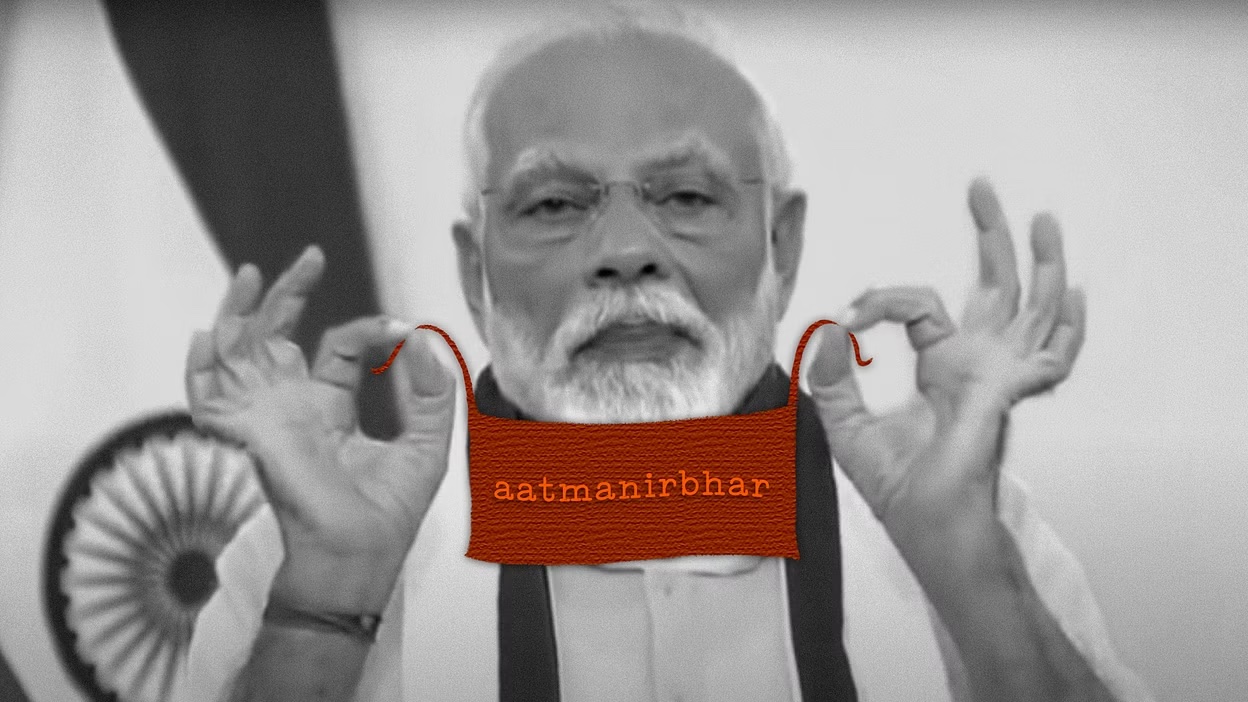
    I keep hearing that Modiji is going to unveil the often-spoken and then shelved Rivers Link Up Scheme as his grand vision to enrich the farmers and unite India. In a country where almost two-thirds of the agricultural acreage is rainfed, water is wealth. Telangana has shown the way. Once India’s driest region has in just eight years been transformed into another granary of India. Three years ago he had promised to double farmer’s incomes by 2022 and has clearly failed. He now needs a big stunt. With elections due in 2024, he doesn’t even have to show any delivery. A promise will do for now.

    This is also a Sangh Parivar favourite and I am quite sure the nation will once again set out to undertake history’s greatest civil engineering project by seeking to link all our major rivers. It will irretrievably change India. If it works, it will bring water to almost every parched inch of land and just about every parched throat in the land.

    On the other hand, if it doesn’t work, Indian civilization as it exists even now might then be headed the way of the Indus valley or Mesopotamian civilizations destroyed by a vengeful nature, for interfering with nature is also a two-edged sword. If the Aswan High Dam turned the ravaging Nile into a saviour, the constant diversion of the rivers feeding Lake Baikal has turned it into a fast-receding and highly polluted inland sea ranking it as one of the world’s greatest ecological disasters. Even in the USA, though the dams across mighty Colorado have turned it into a ditch when it enters Mexico, California is still starved for water.

    I am not competent to comment on these matters and I will leave this debate for the technically competent and our perennial ecological Pooh-Bahs. But the lack of this very debate is cause for concern. It is true that the idea of linking up our rivers has been afloat for a long time. Sir Arthur Cotton was the first to propose it in the 1800s. The late KL Rao, considered by many to be an outstanding irrigation engineer and a former Union Minister for Irrigation, revived this proposal in the late 60s by suggesting the linking of the Ganges and Cauvery rivers. It was followed in 1977 by the more elaborate and gargantuan concept of garland canals linking the major rivers, thought up by a former airline pilot, Captain Dinshaw Dastur. Morarji Desai was an enthusiastic supporter of this plan.

    The return of Indira Gandhi in 1980 sent the idea back into dormancy, where it lay all these years, till President APJ Abdul Kalam revived it in his eve of the Independence Day address to the nation in 2002. It is well known that Presidents of India only read out what the Prime Ministers give them and hence the ownership title of Captain Dastur’s original idea clearly was vested with Atal Behari Vajpayee.

    That India has an acute water problem is widely known. Over sixty per cent of our cropped areas are still rain-fed, much too abjectly dependent on the vagaries of the monsoon. The high incidence of poverty in certain regions largely coincides with the source of irrigation, clearly suggesting that water for irrigation is integral to the elimination of poverty. In 1950-51 when Jawaharlal Nehru embarked on the great expansion of irrigation by building the “temples of modern India” by laying great dams across our rivers at places like Bhakra Nangal, Damodar Valley and Nagarjunasagar only 17.4% or 21 million hectares of the cropped area of 133 million hectares was irrigated. That figure rose to almost 35% by the late 80s and much of this was a consequence of the huge investment by the government in irrigation, amounting to almost Rs.50, 000 crores.

    Ironically enough this also coincided with the period when water and land revenue rates began to steeply decline to touch today’s nothing level. Like in the case of power, it seems that once the activity ceased to be profitable to the State, investment too tapered off.

    The scheme is humongous. It will link the Brahmaputra and Ganges with the Mahanadi, Godavari and Krishna, which in turn will connect to the Pennar and Cauvery. On the other side of the country, it will connect the Ganges, Yamuna with the Narmada traversing in part the supposed route of the mythical Saraswathi. This last link has many political and mystical benefits too.

    There are many smaller links as well such as joining the Ken and Betwa rivers in MP, the Kosi with the Gandak in UP, and the Parbati, Kalisindh and Chambal rivers in Rajasthan. The project when completed will consist of 30 links, with 36 dams and 10,800 km of canals diverting 174,000 million cubic meters of water. Just look at the bucks that will go into this big bang. It was estimated to cost Rs. 560,000 crores in 2002 and entail the spending of almost 2% of our GNP for the next ten years. Now it will cost twice or more than that, but our GDP is now three times more, and it might be more affordable, and hence more tempting to attempt.

    The order to get going with the project was the output of a Supreme Court bench made up of then Chief Justice BN Kirpal, and Justices KG Balakrishnan and Arjit Pasayat, which was hearing a PIL filed by the Dravida Peervai an obscure Tamil activist group. The learned Supreme Court sought the assistance of a Senior Advocate, Mr Ranjit Kumar, and acknowledging his advice recorded: “The learned Amicus Curiae has drawn our attention to Entry 56 List of the 7th Schedule to the Constitution of India and contends that the interlinking of the inter-State rivers can be done by the Parliament and he further contends that even some of the States are now concerned with the phenomena of drought in one part of the country, while there is flood in other parts and disputes arising amongst the egalitarian States relating to sharing of water. He submits that not only these disputes would come to an end but also the pollution levels in the rivers will be drastically decreased, once there is sufficient water in different rivers because of their interlinking.”

    The only problem with this formulation is that neither the learned Amicus Curiae nor the learned Supreme Court is quite so learned as to come to such sweeping conclusions.


    Feature Image Credit: Hindustan Times


    This article was published earlier in deccanchronicle.com

  • U.S. Hegemony and its Perils

    U.S. Hegemony and its Perils

    This analytical report on the perils of US hegemony was released by China on the 20th of February 2023. It is evident that much of the world is now alienated by the USA and the West. This is particularly so after the Ukraine-Russia conflict that erupted a year ago. The majority of the world remains non-commital but certainly does not support the US or Ukraine in this conflict nor do they condemn Russia. In effect, the non-western world has openly indicated that this unnecessary war is caused by the aggressive actions of NATO and the US to provoke Russia. The constant interventions and wars waged by the US and NATO in the name of democracy and disregarding the UN are now being questioned. China has cleverly utilised this sentiment to time its publication. The paper is very well analysed, crisply argued, and has flagged real questions to the world community. In short, the paper implies that the US and its allies pose the gravest threat to global stability and peace, and more so to the sovereignty of all countries.

    This paper was published earlier in fmprc.gov.cn


    Introduction

    Since becoming the world’s most powerful country after the two world wars and the Cold War, the United States has acted more boldly to interfere in the internal affairs of other countries, pursue, maintain and abuse hegemony, advance subversion and infiltration, and willfully wage wars, bringing harm to the international community.

    The United States has developed a hegemonic playbook to stage “colour revolutions,” instigate regional disputes and even directly launch wars under the guise of promoting democracy, freedom and human rights. Clinging to the Cold War mentality, the United States has ramped up bloc politics and stoked conflict and confrontation. It has overstretched the concept of national security, abused export controls and forced unilateral sanctions upon others. It has taken a selective approach to international law and rules, utilizing or discarding them as it sees fit, and has sought to impose rules that serve its own interests in the name of upholding a “rules-based international order.”

    This report, by presenting the relevant facts, seeks to expose the U.S. abuse of hegemony in the political, military, economic, financial, technological and cultural fields and to draw greater international attention to the perils of the U.S. practices to world peace and stability and the well-being of all peoples.

    I. Political Hegemony – Throwing Its Weight Around

    The United States has long been attempting to mould other countries and the world order with its own values and political system in the name of promoting democracy and human rights.

    ◆ Instances of U.S. interference in other countries’ internal affairs abound. In the name of “promoting democracy,” the United States practised a “Neo-Monroe Doctrine” in Latin America, instigated “colour revolutions” in Eurasia, and orchestrated the “Arab Spring” in West Asia and North Africa, bringing chaos and disaster to many countries.

    In 1823, the United States announced the Monroe Doctrine. While touting an “America for the Americans,” what it truly wanted was an “America for the United States.”

    Since then, the policies of successive U.S. governments toward Latin America and the Caribbean Region have been riddled with political interference, military intervention and regime subversion. From its 61-year hostility toward and blockade of Cuba to its overthrow of the Allende government of Chile, U.S. policy on this region has been built on one maxim-those who submit will prosper; those who resist shall perish.

    The year 2003 marked the beginning of a succession of “colour revolutions” – the “Rose Revolution” in Georgia, the “Orange Revolution” in Ukraine and the “Tulip Revolution” in Kyrgyzstan. The U.S. Department of State openly admitted playing a “central role” in these “regime changes.” The United States also interfered in the internal affairs of the Philippines, ousting President Ferdinand Marcos Sr. in 1986 and President Joseph Estrada in 2001 through the so-called “People Power Revolutions.”

    In January 2023, former U.S. Secretary of State Mike Pompeo released his new book Never Give an Inch: Fighting for the America I Love. He revealed in it that the United States had plotted to intervene in Venezuela. The plan was to force the Maduro government to reach an agreement with the opposition, deprive Venezuela of its ability to sell oil and gold for foreign exchange, exert high pressure on its economy, and influence the 2018 presidential election.

    ◆ The U.S. exercises double standards on international rules. Placing its self-interest first, the United States has walked away from international treaties and organizations and put its domestic law above international law. In April 2017, the Trump administration announced that it would cut off all U.S. funding to the United Nations Population Fund (UNFPA) with the excuse that the organization “supports, or participates in the management of a program of coercive abortion or involuntary sterilization.” The United States quit UNESCO twice in 1984 and 2017. In 2017, it announced leaving the Paris Agreement on climate change. In 2018, it announced its exit from the UN Human Rights Council, citing the organization’s “bias” against Israel and failure to protect human rights effectively. In 2019, the United States announced its withdrawal from the Intermediate-Range Nuclear Forces Treaty to seek the unfettered development of advanced weapons. In 2020, it announced pulling out of the Treaty on Open Skies.

    The United States has also been a stumbling block to biological arms control by opposing negotiations on a verification protocol for the Biological Weapons Convention (BWC) and impeding international verification of countries’ activities relating to biological weapons. As the only country in possession of a chemical weapons stockpile, the United States has repeatedly delayed the destruction of chemical weapons and remained reluctant in fulfilling its obligations. It has become the biggest obstacle to realizing “a world free of chemical weapons.”

    ◆ The United States is piecing together small blocs through its alliance system. It has been forcing an “Indo-Pacific Strategy” onto the Asia-Pacific region, assembling exclusive clubs like the Five Eyes, the Quad and AUKUS, and forcing regional countries to take sides. Such practices are essentially meant to create division in the region, stoke confrontation and undermine peace.

    ◆ The U.S. arbitrarily passes judgment on democracy in other countries and fabricates a false narrative of “democracy versus authoritarianism” to incite estrangement, division, rivalry and confrontation. In December 2021, the United States hosted the first “Summit for Democracy,” which drew criticism and opposition from many countries for making a mockery of the spirit of democracy and dividing the world. In March 2023, the United States will host another “Summit for Democracy,” which remains unwelcome and will again find no support.

    II. Military Hegemony – Wanton Use of Force

    The history of the United States is characterized by violence and expansion. Since it gained independence in 1776, the United States has constantly sought expansion by force: it slaughtered Indians, invaded Canada, waged a war against Mexico, instigated the American-Spanish War, and annexed Hawaii. After World War II, the wars either provoked or launched by the United States included the Korean War, the Vietnam War, the Gulf War, the Kosovo War, the War in Afghanistan, the Iraq War, the Libyan War and the Syrian War, abusing its military hegemony to pave the way for expansionist objectives. In recent years, the U.S. average annual military budget has exceeded $700 billion, accounting for 40 percent of the world’s total, more than the 15 countries behind it combined. The United States has about 800 overseas military bases, with 173,000 troops deployed in 159 countries.

    According to the book America Invades: How We’ve Invaded or been Militarily Involved with almost Every Country on Earth, the United States has fought or been militarily involved with almost all the 190-odd countries recognized by the United Nations with only three exceptions. The three countries were “spared” because the United States did not find them on the map.

    ◆ As former U.S. President Jimmy Carter put it, the United States is undoubtedly the most warlike nation in the history of the world. According to a Tufts University report, “Introducing the Military Intervention Project: A new Dataset on U.S. Military Interventions, 1776-2019,” the United States undertook nearly 400 military interventions globally between those years, 34 percent of which were in Latin America and the Caribbean, 23 percent in East Asia and the Pacific, 14 percent in the Middle East and North Africa, and 13 percent in Europe. Currently, its military intervention in the Middle East and North Africa and sub-Saharan Africa is on the rise.

    Alex Lo, a South China Morning Post columnist, pointed out that the United States has rarely distinguished between diplomacy and war since its founding. It overthrew democratically elected governments in many developing countries in the 20th century and immediately replaced them with pro-American puppet regimes. Today, in Ukraine, Iraq, Afghanistan, Libya, Syria, Pakistan and Yemen, the United States is repeating its old tactics of waging proxy, low-intensity, and drone wars.

    ◆ U.S. military hegemony has caused humanitarian tragedies. Since 2001, the wars and military operations launched by the United States in the name of fighting terrorism have claimed over 900,000 lives, with some 335,000 of them civilians, injured millions and displaced tens of millions. The 2003 Iraq War resulted in some 200,000 to 250,000 civilian deaths, including over 16,000 directly killed by the U.S. military, and left more than a million homeless.

    The United States has created 37 million refugees around the world. Since 2012, the number of Syrian refugees alone has increased tenfold. Between 2016 and 2019, 33,584 civilian deaths were documented in the Syrian fighting, including 3,833 killed by U.S.-led coalition bombings, half of them women and children. The Public Broadcasting Service (PBS) reported on November 9, 2018, that the air strikes launched by U.S. forces on Raqqa alone killed 1,600 Syrian civilians.

    The two-decade-long war in Afghanistan devastated the country. A total of 47,000 Afghan civilians and 66,000 to 69,000 Afghan soldiers and police officers unrelated to the September 11 attacks were killed in U.S. military operations, and more than 10 million people were displaced. The war in Afghanistan destroyed the foundation of economic development there and plunged the Afghan people into destitution. After the “Kabul debacle” in 2021, the United States announced that it would freeze some 9.5 billion dollars in assets belonging to the Afghan central bank, a move considered “pure looting.”

    In September 2022, Turkish Interior Minister Suleyman Soylu commented at a rally that the United States has waged a proxy war in Syria, turned Afghanistan into an opium field and heroin factory, thrown Pakistan into turmoil, and left Libya in incessant civil unrest. The United States does whatever it takes to rob and enslave the people of any country with underground resources.

    The United States has also adopted appalling methods in war. During the Korean War, the Vietnam War, the Gulf War, the Kosovo War, the War in Afghanistan and the Iraq War, the United States used massive quantities of chemical and biological weapons as well as cluster bombs, fuel-air bombs, graphite bombs and depleted uranium bombs, causing enormous damage on civilian facilities, countless civilian casualties and lasting environmental pollution.

    III. Economic Hegemony – Looting and Exploitation

    After World War II, the United States led efforts to set up the Bretton Woods System, the International Monetary Fund and the World Bank, which, together with the Marshall Plan, formed the international monetary system centred around the U.S. dollar. In addition, the United States has established institutional hegemony in the international economic and financial sector by manipulating the weighted voting systems, rules and arrangements of international organizations, including “approval by 85 percent majority” and its domestic trade laws and regulations. By taking advantage of the dollar’s status as the major international reserve currency, the United States is basically collecting “seigniorage” from around the world; and using its control over international organizations, it coerces other countries into serving America’s political and economic strategy.

    ◆ The United States exploits the world’s wealth with the help of “seigniorage.” It costs only about 17 cents to produce a $100 bill, but other countries had to pony up $100 worth of actual goods in order to obtain one. It was pointed out more than half a century ago that the United States enjoyed exorbitant privilege and deficit without tears created by its dollar and used the worthless paper note to plunder the resources and factories of other nations.

    ◆ The hegemony of the U.S. dollar is the main source of instability and uncertainty in the world economy. During the COVID-19 pandemic, the United States abused its global financial hegemony and injected trillions of dollars into the global market, leaving other countries, especially emerging economies, to pay the price. In 2022, the Fed ended its ultra-easy monetary policy and turned to aggressive interest rate hikes, causing turmoil in the international financial market and substantial depreciation of other currencies, such as the euro, many of which dropped to a 20-year low. As a result, a large number of developing countries were challenged by high inflation, currency depreciation and capital outflows. This was exactly what Nixon’s secretary of the treasury, John Connally, once remarked, with self-satisfaction yet sharp precision, “The dollar is our currency, but it is your problem.”

    ◆ With its control over international economic and financial organizations, the United States imposes additional conditions for assisting other countries. In order to reduce obstacles to U.S. capital inflow and speculation, the recipient countries are required to advance financial liberalization and open up financial markets so that their economic policies would fall in line with America’s strategy. According to the Review of International Political Economy, along with the 1,550 debt relief programs extended by the IMF to its 131 member countries from 1985 to 2014, as many as 55,465 additional political conditions had been attached.

    ◆ The United States willfully suppresses its opponents with economic coercion. In the 1980s, to eliminate the economic threat posed by Japan and control and use the latter in service of America’s strategic goal of confronting the Soviet Union and dominating the world, the United States leveraged its hegemonic financial power against Japan and concluded the Plaza Accord. As a result, the yen was pushed up, and Japan was pressed to open up its financial market and reform its financial system. The Plaza Accord dealt a heavy blow to the growth momentum of the Japanese economy, leaving Japan to what was later called “three lost decades.”

    ◆ America’s economic and financial hegemony has become a geopolitical weapon. Doubling down on unilateral sanctions and “long-arm jurisdiction,” the United States has enacted such domestic laws as the International Emergency Economic Powers Act, the Global Magnitsky Human Rights Accountability Act, and the Countering America’s Adversaries Through Sanctions Act, and introduced a series of executive orders to sanction specific countries, organizations or individuals. Statistics show that U.S. sanctions against foreign entities increased by 933 percent from 2000 to 2021. The Trump administration alone has imposed more than 3,900 sanctions, which means three sanctions per day. So far, the United States had or has imposed economic sanctions on nearly 40 countries across the world, including Cuba, China, Russia, the DPRK, Iran and Venezuela, affecting nearly half of the world’s population. “The United States of America” has turned itself into “the United States of Sanctions.” And “long-arm jurisdiction” has been reduced to nothing but a tool for the United States to use its means of state power to suppress economic competitors and interfere in normal international business. This is a serious departure from the principles of a liberal market economy that the United States has long boasted.

    IV. Technological Hegemony – Monopoly and Suppression

    The United States seeks to deter other countries’ scientific, technological and economic development by wielding monopoly power, suppression measures and technology restrictions in high-tech fields.

    ◆ The United States monopolizes intellectual property in the name of protection. Taking advantage of the weak position of other countries, especially developing ones, on intellectual property rights and the institutional vacancy in relevant fields, the United States reaps excessive profits through monopoly. In 1994, the United States pushed forward the Agreement on Trade-Related Aspects of Intellectual Property Rights (TRIPS), forcing the Americanized process and standards in intellectual property protection in an attempt to solidify its monopoly on technology.

    In the 1980s, to contain the development of Japan’s semiconductor industry, the United States launched the “301” investigation, built bargaining power in bilateral negotiations through multilateral agreements, threatened to label Japan as conducting unfair trade, and imposed retaliatory tariffs, forcing Japan to sign the U.S.-Japan Semiconductor Agreement. As a result, Japanese semiconductor enterprises were almost completely driven out of global competition, and their market share dropped from 50 percent to 10 percent. Meanwhile, with the support of the U.S. government, a large number of U.S. semiconductor enterprises took the opportunity and grabbed a larger market share.

    ◆ The United States politicizes and weaponizes technological issues and uses them as ideological tools. Overstretching the concept of national security, the United States mobilized state power to suppress and sanction Chinese company Huawei, restricted the entry of Huawei products into the U.S. market, cut off its supply of chips and operating systems, and coerced other countries to ban Huawei from undertaking local 5G network construction. It even talked Canada into unwarrantedly detaining Huawei’s CFO, Meng Wanzhou, for nearly three years.

    The United States has fabricated a slew of excuses to clamp down on China’s high-tech enterprises with global competitiveness and has put more than 1,000 Chinese enterprises on sanction lists. In addition, the United States has also imposed controls on biotechnology, artificial intelligence and other high-end technologies, reinforced export restrictions, tightened investment screening, suppressed Chinese social media apps such as TikTok and WeChat, and lobbied the Netherlands and Japan to restrict exports of chips and related equipment or technology to China.

    The United States has also practised double standards in its policy on China-related technological professionals. To sideline and suppress Chinese researchers, since June 2018, visa validity has been shortened for Chinese students majoring in certain high-tech-related disciplines, repeated cases have occurred where Chinese scholars and students going to the United States for exchange programs and study were unjustifiably denied and harassed, and large-scale investigation on Chinese scholars working in the United States was carried out.

    ◆ The United States solidifies its technological monopoly in the name of protecting democracy. By building small blocs of technology, such as the “chips alliance” and “clean network,” the United States has put “democracy” and “human rights” labels on high technology and turned technological issues into political and ideological issues to fabricate excuses for its technological blockade against other countries. In May 2019, the United States enlisted 32 countries to the Prague 5G Security Conference in the Czech Republic and issued the Prague Proposal in an attempt to exclude China’s 5G products. In April 2020, then U.S. Secretary of State Mike Pompeo announced the “5G clean path,” a plan designed to build a technological alliance in the 5G field with partners bonded by their shared ideology on democracy and the need to protect “cyber security.” The measures, in essence, are the U.S. attempts to maintain its technological hegemony through technological alliances.

    ◆ The United States abuses its technological hegemony by carrying out cyberattacks and eavesdropping. The United States has long been notorious as an “empire of hackers,” blamed for its rampant acts of cyber theft around the world. It has all kinds of means to enforce pervasive cyberattacks and surveillance, including using analogue base station signals to access mobile phones for data theft, manipulating mobile apps, infiltrating cloud servers, and stealing through undersea cables. The list goes on.

    U.S. surveillance is indiscriminate. All can be targets of its surveillance, be they rivals or allies, even leaders of allied countries such as former German Chancellor Angela Merkel and several French Presidents. Cyber surveillance and attacks launched by the United States, such as “Prism,” “Dirtbox,” “Irritant Horn” and “Telescreen Operation,” are all proof that the United States is closely monitoring its allies and partners. Such eavesdropping on allies and partners has already caused worldwide outrage. Julian Assange, the founder of Wikileaks, a website that has exposed U.S. surveillance programs, said, “Do not expect a global surveillance superpower to act with honour or respect. There is only one rule: There are no rules.”

    V. Cultural Hegemony – Spreading False Narratives

    The global expansion of American culture is an important part of its external strategy. The United States has often used cultural tools to strengthen and maintain its hegemony in the world.

    ◆ The United States embeds American values in its products, such as movies. American values and lifestyle are tied to its movies, TV shows, publications, media content and programs by government-funded non-profit cultural institutions. It thus shapes a cultural and public opinion space in which American culture reigns and maintains cultural hegemony. In his article “The Americanization of the World,” John Yemma, an American scholar, exposed the real weapons in U.S. cultural expansion, Hollywood, the image design factories on Madison Avenue and the production lines of Mattel Company and Coca-Cola.

    There are various vehicles the United States uses to keep its cultural hegemony. American movies are the most used; they now occupy more than 70 percent of the world’s market share. The United States skillfully exploits its cultural diversity to appeal to various ethnicities. When Hollywood movies descend on the world, they scream the American values tied to them.

    ◆ American cultural hegemony not only shows itself in “direct intervention” but also in “media infiltration” and as “a trumpet for the world.” U.S.-dominated Western media has a particularly important role in shaping global public opinion in favour of U.S. meddling in the internal affairs of other countries.

    The U.S. government strictly censors all social media companies and demands their obedience. Twitter CEO Elon Musk admitted on December 27, 2022, that all social media platforms work with the U.S. government to censor content, reported Fox Business Network. Public opinion in the United States is subject to government intervention to restrict all unfavourable remarks. Google often makes pages disappear.

    The U.S. Department of Defense manipulates social media. In December 2022, The Intercept, an independent U.S. investigative website, revealed that in July 2017, U.S. Central Command official Nathaniel Kahler instructed Twitter’s public policy team to augment the presence of 52 Arabic-language accounts on a list he sent, six of which were to be given priority. One of the six was dedicated to justifying U.S. drone attacks in Yemen, such as by claiming that the attacks were precise and killed only terrorists, not civilians. Following Kahler’s directive, Twitter put those Arabic-language accounts on a “white list” to amplify certain messages.

    ◆The United States practices double standards on the freedom of the press. It brutally suppresses and silences the media of other countries by various means. The United States and Europe bar mainstream Russian media, such as Russia Today and Sputnik, from their countries. Platforms such as Twitter, Facebook and YouTube openly restrict official accounts of Russia. Netflix, Apple and Google have removed Russian channels and applications from their services and app stores. Unprecedented draconian censorship is imposed on Russia-related content.

    ◆The United States abuses its cultural hegemony to instigate “peaceful evolution” in socialist countries. It sets up news media and cultural outfits targeting socialist countries. It pours staggering amounts of public funds into radio and TV networks to support their ideological infiltration, and these mouthpieces bombard socialist countries in dozens of languages with inflammatory propaganda day and night.

    The United States uses misinformation as a spear to attack other countries and has built an industrial chain around it; there are groups and individuals making up stories and peddling them worldwide to mislead public opinion with the support of nearly limitless financial resources.

    Conclusion

    While a just cause wins its champion-wide support, an unjust one condemns its pursuer to be an outcast. The hegemonic, domineering, and bullying practices of using strength to intimidate the weak, taking from others by force and subterfuge, and playing zero-sum games are exerting grave harm. The historical trends of peace, development, cooperation and mutual benefit are unstoppable. The United States has been overriding truth with its power and trampling justice to serve self-interest. These unilateral, egoistic and regressive hegemonic practices have drawn growing, intense criticism and opposition from the international community.

    Countries need to respect each other and treat each other as equals. Big countries should behave in a manner befitting their status and take the lead in pursuing a new model of state-to-state relations featuring dialogue and partnership, not confrontation or alliance. China opposes all forms of hegemonism and power politics and rejects interference in other countries internal affairs. The United States must conduct serious soul-searching. It must critically examine what it has done, let go of its arrogance and prejudice, and quit its hegemonic, domineering and bullying practices.

    Feature Image: Photograph by M Matheswaran

    Cartoon: canadiandimensions.com    Caricature showing Uncle Sam lecturing four children labelled Phillippines (who appears similar to Phillippine leader Emilio Aguinaldo), Hawaii, Porto (sic) Rio, and Cuba in front of children holding books labelled with various US states. In the background are an American Indian holding a book upside down, a Chinese boy at the door and a black boy cleaning the window. Originally published on p. 8-9 of the January 25, 1899 issue of Puck magazine.

  • What Ukraine needs to learn from Afghanistan about proxy wars

    What Ukraine needs to learn from Afghanistan about proxy wars

    The greatest enemy of economic development is war. If the world slips further into global conflict, our economic hopes and our very survival could go up in flames. The Bulletin of the Atomic Scientists has moved the hands of the Doomsday Clock to a mere 90 seconds to midnight. The world’s biggest economic loser in 2022 was Ukraine, where the economy collapsed by 35% according to the International Monetary Fund. The war in Ukraine could end soon, and economic recovery could begin, but this depends on Ukraine understanding its predicament as a victim of a US-Russia proxy war that broke out in 2014.

    The US has been heavily arming and funding Ukraine since 2014 with the goal of expanding Nato and weakening Russia. America’s proxy wars typically rage for years and even decades, leaving battleground countries like Ukraine in rubble.

    Unless the proxy war ends soon, Ukraine faces a dire future. Ukraine needs to learn from the horrible experience of Afghanistan to avoid becoming a long-term disaster. It could also look to the US proxy wars in Vietnam, Cambodia, Lao PDR, Iraq, Syria, and Libya.

    Starting in 1979, the US armed the mujahideen (Islamist fighters) to harass the Soviet-backed government in Afghanistan. As president Jimmy Carter’s national security advisor Zbigniew Brzezinski later explained, the US objective was to provoke the Soviet Union to intervene, in order to trap the Soviet Union in a costly war. The fact that Afghanistan would be collateral damage was of no concern to US leaders.

    The Soviet military entered Afghanistan in 1979 as the US hoped, and fought through the 1980s. Meanwhile, the US-backed fighters established al-Qaeda in the 1980s, and the Taliban in the early 1990s. The US “trick” on the Soviet Union had boomeranged.

    In 2001, the US invaded Afghanistan to fight al-Qaeda and the Taliban. The US war continued for another 20 years until the US finally left in 2021. Sporadic US military operations in Afghanistan continue.

    Afghanistan lies in ruins. While the US wasted more than $ 2 trillion of US military outlays, Afghanistan is impoverished, with a 2021 GDP below $400 per person! As a parting “gift” to Afghanistan in 2021, the US government seized Afghanistan’s tiny foreign exchange holdings, paralysing the banking system.

    The proxy war in Ukraine began nine years ago when the US government backed the overthrow of Ukraine’s president Viktor Yanukovych. Yanukovych’s sin from the US viewpoint was his attempt to maintain Ukraine’s neutrality despite the US desire to expand Nato to include Ukraine (and Georgia). America’s objective was for Nato countries to encircle Russia in the Black Sea region. To achieve this goal, the US has been massively arming and funding Ukraine since 2014.

    The American protagonists then and now are the same. The US government’s point person on Ukraine in 2014 was Assistant Secretary of State Victoria Nuland, who today is Undersecretary of State. Back in 2014, Nuland worked closely with Jake Sullivan, president Joe Biden’s national security adviser, who played the same role for vice president Biden in 2014.

    The US overlooked two harsh political realities in Ukraine. The first is that Ukraine is deeply divided ethnically and politically between Russia-hating nationalists in western Ukraine and ethnic Russians in eastern Ukraine and Crimea.

    The second is that Nato enlargement to Ukraine crosses a Russian redline. Russia will fight to the end, and escalate as necessary, to prevent the US from incorporating Ukraine into Nato.

    The US repeatedly asserts that Nato is a defensive alliance. Yet Nato bombed Russia’s ally Serbia for 78 days in 1999 in order to break Kosovo away from Serbia, after which the US established a giant military base in Kosovo. Nato forces similarly toppled Russian ally Moammar Qaddafi in 2011, setting off a decade of chaos in Libya. Russia certainly will never accept Nato in Ukraine.

    At the end of 2021, Russian president Vladimir Putin put forward three demands to the US: Ukraine should remain neutral and out of Nato; Crimea should remain part of Russia; and the Donbas should become autonomous in accord with the Minsk II Agreement.

    The Biden-Sullivan-Nuland team rejected negotiations over Nato enlargement, eight years after the same group backed Yanukovych’s overthrow. With Putin’s negotiating demands flatly rejected by the US, Russia invaded Ukraine in February 2022.

    In March 2022, Ukraine’s president Volodymyr Zelensky seemed to understand Ukraine’s dire predicament as a victim of a US-Russia proxy war. He declared publicly that Ukraine would become a neutral country, and asked for security guarantees. He also publicly recognised that Crimea and Donbas would need some kind of special treatment.

    Israel’s prime minister at that time, Naftali Bennett, became involved as a mediator, along with Turkey. Russia and Ukraine came close to reaching an agreement. Yet, as Bennett has recently explained, the US “blocked” the peace process.

    Since then, the war has escalated. According to US investigative reporter Seymour Hersh, US agents blew up the Nord Stream pipelines in September, a claim denied by the White House. More recently, the US and its allies have committed to sending tanks, longer-range missiles, and possibly fighter jets to Ukraine.

    The basis for peace is clear. Ukraine would be a neutral non-Nato country. Crimea would remain home to Russia’s Black Sea naval fleet, as it has been since 1783. A practical solution would be found for the Donbas, such as a territorial division, autonomy, or an armistice line.

    Most importantly, the fighting would stop, Russian troops would leave Ukraine, and Ukraine’s sovereignty would be guaranteed by the UN Security Council and other nations. Such an agreement could have been reached in December 2021 or in March 2022.

    Above all, the government and people of Ukraine would tell Russia and the US that Ukraine refuses any longer to be the battleground of a proxy war. In the face of deep internal divisions, Ukrainians on both sides of the ethnic divide would strive for peace, rather than believing that an outside power will spare them the need to compromise.
    Feature Image Credit: politico.eu

    This article was published earlier in dailymaverick.co.za and is republished with the permission of the author.

  • Role of Merchant Marine in Indian Maritime Security

    Role of Merchant Marine in Indian Maritime Security

    [powerkit_button size=”lg” style=”info” block=”false” url=”https://admin.thepeninsula.org.in/wp-content/uploads/2022/05/Role-Of-Merchant-Marine-in-Indian-Maritime-Security-1.pdf” target=”_blank” nofollow=”false”]
    Download
    [/powerkit_button]
    Introduction:

    The Merchant Marine plays only a modest role in contributing towards securing India’s maritime neighbourhood or for that matter for any nation. On the other hand, its indirect contribution to security- largely through the economic dimension is significant.

    This paper seeks to explore the economic dimension of merchant ships and in doing so, endeavours to bring out the resultant contribution to maritime security.

    With my domain knowledge, I hope to cover global maritime, and its current scenario in India. I have spent 28 years at Sea of which 18 years in Command as Captain and an additional 25 years ashore in Senior Management positions. I have recently relocated back to India after 5 years in Sri Lanka and a year in Seychelles. So, I do consider it a privilege to share my experience.

    Global Maritime:

    Shipping is the life blood of global economy.  Without shipping, intercontinental trade, the bulk transport of raw materials, and the import/export of affordable food and manufactured goods would simply not be possible. The international shipping industry is responsible for the carriage of around 90% of world trade. Seaborne trade continues to expand, bringing benefits for consumers across the world through competitive freight costs. Thanks to the growing efficiency of shipping as a mode of transport and increased economic liberalisation, the prospects for the industry’s further growth continue to be strong.

    There are over 58,000 merchant ships trading internationally, transporting every kind of cargo. The world fleet is registered in over 150 nations, and manned by over 2 million seafarers of virtually every nationality. Ships are technically sophisticated, high value assets (larger hi-tech vessels can cost over US $200 million to build), and the operation of merchant ships generates an estimated annual income of over US $1.2 trillion in freight rates.

    [powerkit_button size=”lg” style=”info” block=”true” url=”https://admin.thepeninsula.org.in/wp-content/uploads/2022/05/Role-Of-Merchant-Marine-in-Indian-Maritime-Security-1.pdf” target=”_blank” nofollow=”false”]
    Read More
    [/powerkit_button]

    Feature Image Credits: Financial Times

  • ‘World War 3 has already started’ between US and Russia/China, argues French scholar

    ‘World War 3 has already started’ between US and Russia/China, argues French scholar

    Ben Norton reviews the interview given by the prominent French Scholar, Emmanuel Todd. The interview was in French and published in the major French newspaper ‘Le Figaro’. Emmanuel Todd argues the Ukraine proxy war is the start of WWIII, and is “existential” for both Russia and the US “imperial system”, which has restricted the sovereignty of Europe, making Brussels into Washington’s “protectorate”. 

    America is fragile. The resistance of the Russian economy is pushing the American imperial system toward the precipice. No one had expected that the Russian economy would hold up against the “economic power” of NATO. I believe that the Russians themselves did not anticipate it –  Emmanuel Todd

    A prominent French intellectual has written a book arguing that the United States is already waging World War Three against Russia and China.

    He also warned that Europe has become a kind of imperial “protectorate”, which has little sovereignty and is essentially controlled by the US.

    Emmanuel Todd is a widely respected anthropologist and historian in France.

    In 2022, Todd published a book titled “The Third World War Has Started” (“La Troisième Guerre mondiale a commencé” in French). At the moment, it is only available in Japan.

    But Todd outlined the main arguments he made in the book in a French-language interview with the major newspaper Le Figaro, conducted by the journalist Alexandre Devecchio.

    According to Todd, the proxy war in Ukraine is “existential” not only for Russia, but also for the United States.

    The US “imperial system” is weakening in much of the world, he observed, but this is leading Washington to “strengthen its hold on its initial protectorates”: Europe and Japan.

    This means that “Germany and France had become minor partners in NATO”, Todd said, and NATO is really a “Washington-London-Warsaw-Kiev” bloc.

    US and EU sanctions have failed to crush Russia, as Western capitals had hoped, he noted. This means that “the resistance of the Russian economy is pushing the American imperial system toward the precipice”, and “the American monetary and financial controls of the world would collapse”.

    The French public intellectual pointed to UN votes concerning Russia, and cautioned that the West is out of touch with the rest of the world.

    “Western newspapers are tragically funny. They don’t stop saying, ‘Russia is isolated, Russia is isolated’. But when we look at the votes of the United Nations, we see that 75% of the world does not follow the West, which then seems very small”, Todd observed.

    He also criticized the GDP metrics used by Western neoclassical economists for downplaying the productive capacity of the Russian economy, while simultaneously exaggerating that of financialized neoliberal economies like in the United States.

    In the Le Figaro interview, Todd argued (all emphasis added):

    This is the reality, World War III has begun. It is true that it started ‘small’ and with two surprises. We went into this war with the idea that the Russian army was very powerful and that its economy was very weak.

    It was thought that Ukraine was going to be crushed militarily and that Russia would be crushed economically by the West. But the reverse happened. Ukraine was not crushed militarily even if it lost 16% of its territory on that date; Russia was not crushed economically. As I speak to you, the ruble has gained 8% against the dollar and 18% against the euro since the day before the start of the war.

    So there was a sort of misunderstanding. But it is obvious that the conflict, passing from a limited territorial war to a global economic confrontation, between the whole of the West on the one hand and Russia backed by China on the other hand, has become a war world. Even if military violence is low compared to that of previous world wars.

    The newspaper asked Todd if he was exaggerating. He replied, “We still provide weapons. We kill Russians, even if we don’t expose ourselves. But it remains true that we Europeans are above all economically engaged. We also feel our true entry into war through the inflation and shortages”.

    Todd understated his case. He didn’t mention the fact that, after the US sponsored the coup that overthrew Ukraine’s democratically elected government in 2014, setting off a civil war, the CIA and Pentagon immediately began training Ukrainian forces to fight Russia.

    The New York Times has acknowledged that the CIA and special operations forces from numerous European countries are on the ground in Ukraine. And the CIA and a European NATO ally are even carrying out sabotage attacks inside Russian territory.

    Nevertheless, in the interview, Todd continued:

    Putin made a big mistake early on, which is of immense sociohistorical interest. Those who worked on Ukraine on the eve of the war considered the country not as a fledgling democracy, but as a society in decay and a ‘failed state’ in the making.

    I think the Kremlin’s calculation was that this decaying society would crumble at the first shock, or even say ‘welcome Mom’ to holy Russia. But what we have discovered, on the contrary, is that a society in decomposition, if it is fed by external financial and military resources, can find in war a new type of balance, and even a horizon, a hope. The Russians could not have foreseen it. No one could.

    Todd said he shares the view of Ukraine of US political scientist John Mearsheimer, a realist who has criticized Washington’s hawkish foreign policy.

    Mearsheimer “told us that Ukraine, whose army had been taken over by NATO soldiers (American, British and Polish) since at least 2014, was therefore a de facto member of NATO, and that the Russians had announced that they would never tolerate a NATO member Ukraine,” Todd said.

    For Russia, this is there a war that is “from their point of view defensive and preventative,” he conceded.

    “Mearsheimer added that we would have no reason to rejoice in the eventual difficulties of the Russians because, since this is an existential question for them, the harder it was, the harder they would hit. The analysis seems to hold true.”

    Germany and France had become minor partners in NATO and were not aware of what was going on in Ukraine on the military level. French and German naivety has been criticized because our governments did not believe in the possibility of a Russian invasion. True, but because they did not know that Americans, British and Poles could make Ukraine be able to wage a larger war. The fundamental axis of NATO now is Washington-London-Warsaw-Kiev.

    However, Todd argued that Mearsheimer “does not go far enough” in his analysis. The US political scientist has overlooked how Washington has restricted the sovereignty of Berlin and Paris, Todd said:

    Germany and France had become minor partners in NATO and were not aware of what was going on in Ukraine on the military level. French and German naivety has been criticized because our governments did not believe in the possibility of a Russian invasion. True, but because they did not know that Americans, British and Poles could make Ukraine be able to wage a larger war. The fundamental axis of NATO now is Washington-London-Warsaw-Kiev.

    Mearsheimer, like a good American, overestimates his country. He considers that, if for the Russians the war in Ukraine is existential, for the Americans it is nothing but a power “game” among others. After Vietnam, Iraq and Afghanistan, one debacle more or less… What does it matter?

    The basic axiom of American geopolitics is: ‘We can do whatever we want because we are sheltered, far away, between two oceans, nothing will ever happen to us’. Nothing would be existential for America. Insufficiency of analysis which today leads Biden to a series of reckless actions.

    America is fragile. The resistance of the Russian economy is pushing the American imperial system toward the precipice. No one had expected that the Russian economy would hold up against the “economic power” of NATO. I believe that the Russians themselves did not anticipate it.

    The French public intellectual went on in the interview to argue that, by resisting the full force of Western sanctions, Russia and China pose a threat to “the American monetary and financial controls of the world”.

    This, in turn, challenges the US status as the issuer of the global reserve currency, which gives it the ability to maintain a “huge trade deficit”:

    If the Russian economy resisted the sanctions indefinitely and managed to exhaust the European economy, while it itself remained backed by China, the American monetary and financial controls of the world would collapse, and with them the possibility for United States to fund its huge trade deficit for nothing.

    This war has therefore become existential for the United States. No more than Russia, they cannot withdraw from the conflict, they cannot let go. This is why we are now in an endless war, in a confrontation whose outcome must be the collapse of one or the other.

    Todd warned that, while the United States is weakening in much of the world, its “imperial system” is “strengthening its hold on its initial protectorates”: Europe and Japan.

    He explained:

    Everywhere we see the weakening of the United States, but not in Europe and Japan because one of the effects of the retraction of the imperial system is that the United States strengthens its hold on its initial protectorates.

    If we read [Zbigniew] Brzezinski (The Grand Chessboard), we see that the American empire was formed at the end of the Second World War by the conquest of Germany and Japan, which are still protectorates today. As the American system shrinks, it weighs more and more heavily on the local elites of the protectorates (and I include all of Europe here).

    The first to lose all national autonomy will be (or already are) the English and the Australians. The Internet has produced human interaction with the United States in the Anglosphere of such intensity that its academic, media and artistic elites are, so to speak, annexed. On the European continent we are somewhat protected by our national languages, but the fall in our autonomy is considerable, and rapid.

    As an example of a moment in recent history when Europe was more independent, Todd pointed out, “Let us remember the war in Iraq, when Chirac, Schröder and Putin held joint press conferences against the war” – referring to the former leaders of France (Jacques Chirac) and Germany (Gerhard Schröder).

    The interviewer at Le Figaro newspaper, Alexandre Devecchio, countered Todd asking, “Many observers point out that Russia has the GDP of Spain. Aren’t you overestimating its economic power and resilience?”

    Todd criticized the overreliance on GDP as a metric, calling it a “fictional measure of production” that obscures the real productive forces in an economy:

    War becomes a test of political economy, it is the great revealer. The GDP of Russia and Belarus represents 3.3% of Western GDP (the US, Anglosphere, Europe, Japan, South Korea), practically nothing. One can ask oneself how this insignificant GDP can cope and continue to produce missiles.

    The reason is that GDP is a fictional measure of production. If we take away from the American GDP half of its overbilled health spending, then the “wealth produced” by the activity of its lawyers, by the most filled prisons in the world, then by an entire economy of ill-defined services, including the “production” of its 15 to 20 thousand economists with an average salary of 120,000 dollars, we realize that an important part of this GDP is water vapor.

    War brings us back to the real economy, it allows us to understand what the real wealth of nations is, the capacity for production, and therefore the capacity for war.

    Todd noted that Russia has shown “a real capacity to adapt”. He attributed this to the “very large role for the state” in the Russian economy, in contrast to the US neoliberal economic model:

    If we come back to material variables, we see the Russian economy. In 2014, we put in place the first important sanctions against Russia, but then it increased its wheat production, which went from 40 to 90 million tons in 2020. Meanwhile, thanks to neoliberalism, American wheat production, between 1980 and 2020, went from 80 to 40 million tons.

    Russia has therefore a real capacity to adapt. When we want to make fun of centralized economies, we emphasize their rigidity, and when we glorify capitalism, we praise its flexibility.

    The Russian economy, for its part, has accepted the rules of operation of the market (it is even an obsession of Putin to preserve them), but with a very large role for the state, but it also derives its flexibility from training engineers, who allow the industrial and military adaptations.

    This point is similar to what economist Michael Hudson has argued – that although Moscow’s economy is no longer socialist, like that of the Soviet Union was, the Russian Federation’s state-led industrial capitalism clashes with the financialized model of neoliberal capitalism that the United States has tried to impose on the world.


    The Peninsula Foundation is happy to republish this article with the permission of the author, Ben Norton.

    The article was published earlier in geopoliticaleconomy.com

    Feature Image Credit: newstatesman.com

    Portrait Sketch of Emmanuel Todd: Fabien Clairefond


  • China’s People Crisis

    China’s People Crisis

    For the first time in sixty years, China’s population has fallen. The population in 2022 – 1.4118 billion – fell by 850,000 from 2021. Its national birth rate has fallen to 6.77 births per thousand people.
    Deaths have also outnumbered births for the first time last year in China. It logged its highest death rate since 1976 – 7.37 deaths per 1,000 people, up from 7.18 the previous year.
    China has now hit an impenetrable economic wall. The People’s Republic has a people crisis – it has now stopped growing and is getting old. The reason is paradoxical. China’s one-child policy worked exceedingly well for it in the past. By preventing almost 400 million births since 1979, it gave the Chinese greater prosperity. It is estimated that between 1980 and 2010, the effect of a favourable population age structure accounted for between 15% and 25% of per capita GDP growth.
    That bonus with the demographic dividend has now ended. China’s population was expected to stabilise in 2030 at 1.391 billion, moving at a slow crawl from 1.330 billion in 2010. But it has hit that spot seven years ahead. In 2050, China is projected to decline to 1.203 billion.
    The flattening population and its somewhat unfavourable demographic profile have been causing concern in China for some years now. In 2013, the Communist Party of China’s Central Committee allowed couples to have a second child if one parent was an only child. But Chinese families have gotten used to one child existence. The demographic wall is not going to be crossed, and China’s workforce is not growing anymore.
    Whereas China added as many as 90 million individuals to its workforce from 2005 to 2015, in the decade from 2015, it will, at present trends, add only 5 million. In 2010, there were 116 million people aged 20 to 24. By 2020, the number will fall by 20% to 94 million. The size of the young population aged 20-24 will only be 67 million by 2030, less than 60% of the figure in 2010.
    One immediate consequence of this slowdown is that by 2030 the cohort aged above 60 years will increase from the present 180 million to 360 million. The other immediate economic consequence is that its savings rate will decline precipitously.
    As a nation climbs the economic ladder, people inevitably live longer. But old age is also more expensive. For instance, in the US, the old actually consume more than the rest due to medical expenses. Either they support themselves or their families have to support them. Apart from low consumption in the first few years of life, consumption is reasonably constant over the life cycle. But while income is earned and output produced, in the working life between 20 and 65 years, it is not so before and after. This ratio of working-age and non-working-age cohorts is called the dependency ratio.
    As Indian, African and (surprise, surprise) American dependency ratios turn increasingly favourable in the coming decades, China’s will go downhill and it will join Europe and Japan as the world’s aged societies.
    In comparison, in 2021, the United States recorded 11.06 births per 1,000 people, and in the United Kingdom, 10.08 births. The birth rate for the same year in India, which is poised to overtake China as the world’s most populous country, was 16.42.
    China’s total fertility rate – the average number of children born to each woman – is among the lowest in the world, at only 1.4. In contrast, the developed world average is 1.7. China’s replacement rate – the rate at which the number of births and deaths are balanced – is 2.1, as against India’s 2.5. At purchasing power parity, China’s per capita income is just a fifth or less of other large economies. At the same time, China’s fertility level is far below that of the US, UK or France (all around 2.0), and is on par with those of Russia, Japan, Germany and Italy – all countries with sharply declining populations. This is a big reason why Germany so readily accepted to take about a million refugees from Syria and Libya.
    Over the next 20 years, China’s ratio of workers to retirees will drop precipitously from roughly 5:1 today to just 2:1. Such a big change implies that the tax burden for each working-age person must rise by more than 150%. This assumes that the government will maintain its current level of tax revenue. In addition, mounting expenditure on pensions and healthcare will put China in a difficult position. If the government demands that taxpayers pay more, the public will demand better scrutiny of how their dollars are collected and spent. This could very well open the floodgates of challenges to the Communist Party.
    Can China succeed to get out of the low growth rate cycle? The conditions now are against it. The cost of rearing a child in China has increased hugely. The state may require more children, but most families will find the costs unaffordable. This is mainly because China is now a predominantly middle-class nation.
    How will this policy reversal pan out for China? Demographers give three scenarios. The highest outcome will mean 1.43 billion in 2050, while the more plausible outcome will be between 1.35- 1.37 billion. Either way, it is not going to alter the future much for China. It will become old before it becomes rich.
    Feature Image Credit: Reuters
    Graph Credit: World Economic Forum
  • Most of the world’s ocean is unprotected: This is why that needs to change

    Most of the world’s ocean is unprotected: This is why that needs to change

    • More than three billion people rely on the ocean for their livelihoods, most of them in developing countries.
    • Only 7% of the world’s ocean, a vital resource for fighting climate change, is under any protection, and just 3% is highly protected.
    • The ‘Blue Leaders’ campaign urges countries to join international treaties that would protect the ocean and all the benefits it provides to humanity.

    The ocean is a vital life support system for the planet, and we are running out of time to preserve the marine biodiversity that it is home to and upon which we all depend.

    Having played a key role thus far in the mitigation of climate change, our blue ally is quickly running out of steam. With water temperature and sea levels rising, acidification, pollution, unsustainable exploitation of marine resources, depletion of fish stocks, the near disappearance of coral reefs, and the destruction of fragile ecosystems, the ocean is being disproportionately impacted by human activities.

    Now, more than ever, we must consider the possible implications of its demise.

    The ocean plays an indispensable role in providing and regulating resources that are vital to sustaining life on Earth — from rainwater to drinking water, and as a source of our food, weather, and the oxygen we breathe

    Securing our ocean’s future

    Recognizing the key role that the ocean plays for people all over the world, the United Nations has adopted a sustainable development goal focused on conserving the ocean, with targets for action on an array of problems. While some progress has been made, more is yet needed to secure our ocean’s future.

    Scientists have called for securing at least 30% of marine waters as fully or highly protected sanctuaries, free from damaging human activities like bottom trawl fishing and seabed mining. By doing so, we can give the ocean a fighting chance in the face of climate change.

    Today, just 7% of the world’s ocean is under protection, and only 3% is highly protected. Moreover, there is no legal mechanism in place to establish fully protected marine areas in the high seas and deep seabed areas, our shared international waters that constitute nearly two thirds of the global ocean.

    Marine coastlines are home to 2.4 billion people — approximately 40% of the world’s population. More than three billion people rely on the ocean for their livelihoods, most of them in developing countries. Degradation of coastal and marine ecosystems threatens the physical, economic, and food security of communities around the world.

    Continuing along our current path towards ocean destruction will impact human lives and livelihoods.

    The role of the ocean and coastal and marine ecosystems in climate change mitigation is often overlooked. Protecting and restoring ocean habitats such as seagrass beds, salt marshes, and mangroves, and their associated food webs, can sequester carbon dioxide from the atmosphere at rates up to five times greater than tropical forests.

    Choosing not to prioritize the protection of our ocean is depriving us of the tools we desperately need to achieve our climate mitigation goals.

    Commitments are needed

    With multiple high-level ocean negotiations planned in 2022, this year is one filled with opportunity for the preservation of our oceans. Our only hope for a better future lies in the adoption of unprecedentedly bold ocean conservation commitments.

    The science is clear: to maximize the health and resilience of the global ocean, at least 30% of it must be protected through a network of “highly” and “fully” protected Marine Protected Areas (MPAs) by 2030.

    To achieve this goal, a new treaty for the conservation and management of marine life in the high seas must be concluded to ensure that human activities are managed to prevent significant adverse impacts, with robust oversight mechanisms and provisions to establish fully protected MPAs in the high seas.

    Governments who have joined the “Blue Leaders” campaign call on all countries to rally behind these commitments at the upcoming meeting of the Conference of the Parties to the Convention on Biological Diversity (CoP15), expected to take place in Kunming, China in August 2022.

    Another key moment is the UN Ocean Conference, which is scheduled to be held in Lisbon, Portugal, from 27 June to 1 July. Each of these meetings offers an opportunity for countries to come together, join the Blue Leaders, and take the action that our ocean desperately needs.

    The ocean knows no boundaries: it unites us all as a physical link between coastal countries, communities, and individuals, and as the source of our food, water, and air. We all face similar challenges and similar opportunities. Let us be bold for the ocean together.

    Feature Image: pewtrusts.org
    This article was published earlier in weforum.org  and is republished under the Creative Commons 4.0 International Public License.
  • Indian Philosophy and religion: Abolishing the caste system as an attempt in Intercultural Philosophy

    Indian Philosophy and religion: Abolishing the caste system as an attempt in Intercultural Philosophy

    We start the year 2023 with an examination of philosophy and society and through it the social evil of caste. The origin of the caste system in Hindu society lies buried in many myths and misconceptions. Caste is often linked by many to the core of Hindu philosophy. This is a deeply flawed understanding. The caste system has been and continues to be a tool of power and economic exploitation by oppressing large segments of the population. It is largely an invention by the clergy to establish their power and domination through rituals and codes and by ascribing to them a forced religious sanctity. As it also becomes convenient to the rulers, caste and class are prevalent in all societies. Philosophy and true religion, as Andreas points out in this working paper,  have had nothing to do with caste or class.                                        – TPF Editorial Team


    Introduction

    Intercultural philosophy is absolutely necessary in order to cope with the current and new phase of hybrid globalization, which is dissolving all kinds of traditional identities. Whereas the current reaction to this process is the development of ideologies centred on the idea of “we against the rest”, whoever the “Rest” might be, we need to construct positive concepts of identity, which does not exclude but include the other. These can be based on the mutual recognition of the civilizations of the world and their philosophies. According to Karl Jaspers the godfather of intercultural philosophy, between the sixth and third century BC the development of great cities, and the development in agriculture and sciences led to a growth of the populace that forced humankind to develop new concepts of thinking. He labelled this epoch as the axial age of world history in which everything turned around. He even argued that in this time the particular human being or human thinking was born with which we still live today – my thesis is that all human religions, civilizations and philosophies share the same problems and questions but did find different solutions.

    A vivid example might be the relationship between happiness and suffering. In the philosophy of the Greek philosopher Aristotle, to achieve eudemonia or happiness in your earthly life was the greatest aim whereas in a popular understanding of Karma, life is characterized by suffering and the aim is to overcome suffering by transcending to Nirvana. You see, the problem is the same, but there are different solutions in various philosophies. Although Jaspers didn’t share the reduction of philosophy and civilization to the European or even German experience and included mainly the Chinese and Indian civilization, he nevertheless excluded the African continent and both Americas, Muslim civilization as well as the much older Egyptian civilization. So, although he enlarged our knowledge and understanding of civilizations his point of reference was still “Western modernity” and within it, the concept of functional differentiation played the major role.

    Another solution is embodied in the belief of the three monotheistic religions, that an omnipotent god is the unifying principle despite all human differentiations and even the differences between the living and the dead, love and hate, between war and peace, men and women, old and young, linear and non-linear understanding of time, beginning and ending, happiness and suffering.  In this belief system, we are inevitably confronted with unsurpassable contrasts, conflicts and contradictions – but an all-powerful and absolute good god is the one who is uniting all these contrasts.

    In principle in Chinese philosophy, we have the same problem – but instead of an all-powerful God, we as humans have the task to live in harmony with the cosmic harmony. So, I really think that we humans share the same philosophical problems – how to explain and overcome death, evil, suffering, and the separation from transcendence. Although Karl Jaspers could be seen as the founding father of intercultural philosophy, I think he put too much emphasis solely on the functional differentiation that an ever-growing populace could live together without violence. In my view, the questions of life and death are running deeper. I would not exclude functional differentiation as one of the driving forces of human development but at least we also need an understanding of human existence that is related to transgressing the contrasts of life.

    In this draft, I would like to give some impressions concerning this same problem based on my limited knowledge of Indian philosophy and religion and try to show that both are opposing the caste system as well as any kind of dogmatism. An Indian student asked me in the run-up to this draft how one could understand Indian philosophy if one had not internalized the idea of rebirth since you are a baby. From her point of view, the whole thinking on the Indian subcontinent is thus determined by the idea of rebirth – this problem will still occupy us in the question of whether the terrible caste system in India is compatible with the original intentions of the Indian religions, whether it can be derived from them or contradicts them. I will try to give a reason for the assumption that Indian philosophy is quite universal and at the same time open to different strands of philosophical thought, retaining its core.

    In its essence, it is about Karma, rebirth, and Moksha. An understanding of Atman and Brahman is essential. Atman is the soul, indestructible, and is part of Brahman (omnipresent God). When Atman continues to reform and refine itself through rebirths aspiring to become one with Brahman, that is Moksha. To attain Moksha is the purpose of each life. Moksha is being one with God…a state where there is no more rebirths. Of course, differences are there in interpreting Atman and Brahman, depending on the Advaita and Dwaita schools of philosophy. Ultimately both narrow down to the same point – Moksha. Karma is the real part. True Karma is about doing your work in life as duty and dispassionately. Understanding that every life form has a purpose, one should go about it dispassionately. Easier said than done. Understanding this is the crux. In an ideal life where one has a full understanding of Karma and performs accordingly, he/she will have no rebirth. Indian philosophy is careful to separate the religious and social practices of the common folks and the high religion.  Hence Caste and hierarchy are not part of the philosophical discourse, although many make the mistake of linking them. Caste, like in any other religion, is a clergy-driven issue for power and economic exploitation.

    Indian Philosophy (or, in Sanskrit, Darshanas), refers to any of several traditions of philosophical thought that originated in the Indian subcontinent, including Hindu philosophy, Buddhist philosophy, and Jain philosophy. It is considered by Indian thinkers to be a practical discipline, and its goal should always be to improve human life. In contrast to the major monotheistic religions, Hinduism does not draw a sharp distinction between God and creation (while there are pantheistic and panentheistic views in Christianity, Judaism, and Islam, these are minority positions). Many Hindus believe in a personal God and identify this God as immanent in creation. This view has ramifications for the science and religion debate, in that there is no sharp ontological distinction between creator and creature. Philosophical theology in Hinduism (and other Indic religions) is usually referred to as dharma, and religious traditions originating on the Indian subcontinent, including Hinduism, Jainism, Buddhism, and Sikhism, are referred to as dharmic religions. Philosophical schools within dharma are referred to as darśana.

    Religion and science

    One factor that unites dharmic religions is the importance of foundational texts, which were formulated during the Vedic period, between ca. 1600 and 700 BCE. These include the Véda (Vedas), which contain hymns and prescriptions for performing rituals, Brāhmaṇa, accompanying liturgical texts, and Upaniṣad, metaphysical treatises. The Véda appeals to a wide range of gods who personify and embody natural phenomena such as fire (Agni) and wind (Vāyu). More gods were added in the following centuries (e.g., Gaṇeśa and Sati-Parvati in the fourth century CE). Ancient Vedic rituals encouraged knowledge of diverse sciences, including astronomy, linguistics, and mathematics. Astronomical knowledge was required to determine the timing of rituals and the construction of sacrificial altars. Linguistics developed out of a need to formalize grammatical rules for classical Sanskrit, which was used in rituals. Large public offerings also required the construction of elaborate altars, which posed geometrical problems and thus led to advances in geometry.

    Classic Vedic texts also frequently used very large numbers, for instance, to denote the age of humanity and the Earth, which required a system to represent numbers parsimoniously, giving rise to a 10-base positional system and a symbolic representation for zero as a placeholder, which would later be imported in other mathematical traditions. In this way, ancient Indian dharma encouraged the emergence of the sciences.

    The relationship between science and religion on the Indian subcontinent is complex, in part because the dharmic religions and philosophical schools are so diverse.

    Around the sixth–fifth century BCE, the northern part of the Indian subcontinent experienced extensive urbanization. In this context, medicine became standardized (āyurveda). This period also gave rise to a wide range of philosophical schools, including Buddhism, Jainism, and Cārvāka. The latter defended a form of metaphysical naturalism, denying the existence of gods or karma. The relationship between science and religion on the Indian subcontinent is complex, in part because the dharmic religions and philosophical schools are so diverse. For example, Cārvāka proponents had a strong suspicion of inferential beliefs, and rejected Vedic revelation and supernaturalism in general, instead favouring direct observation as a source of knowledge. Such views were close to philosophical naturalism in modern science, but this school disappeared in the twelfth century. Nevertheless, already in classical Indian religions, there was a close relationship between religion and the sciences.

    Opposing dogmatism: the role of colonial rule

    The word “Hinduism” emerged in the nineteenth century, and some scholars have argued that the religion did so, too. They say that British colonials, taken aback by what they experienced as the pagan profusion of cults and gods, sought to compact a religious diversity into a single, subsuming entity. Being literate Christians, they looked for sacred texts that might underlay this imputed tradition, enlisting the assistance of the Sanskrit-reading Brahmins. A canon and an attendant ideology were extracted, and with it, Hinduism. Other scholars question this history, insisting that a self-conscious sense of Hindu identity preceded this era, defined in no small part by contrast to Islam.  A similar story could be told about other world religions. We shouldn’t expect to resolve this dispute, which involves the weightings we give to points of similarity and points of difference. And scholars on both sides of this divide acknowledge the vast pluralism that characterized, and still characterizes, the beliefs, rituals, and forms of worship among the South Asians who have come to identify as Hindu.

    Here I would like to mention some of the scriptures in Hinduism: The longest of these is the religious epic, the Mahabharata, which clocks in at some 180000 thousand words, which is ten times the size of the Iliad and the Odyssey of Homer combined. Then there’s the Ramayana, which recounts the heroic attempts of Prince Rama to rescue his wife from a demon king. It has as many verses as the Hebrew bible. The Vedas which are the oldest Sanskrit scriptures include hymns and other magical and liturgical; and the Rig-Veda, the oldest, consists of nearly 11 000 lines of hymns of praise to the gods.

    But the Rig Veda does not only contain hymns of praise of God but a philosophical exposition which can be compared with Hegel’s conceptualization of the beginning in his “Logic”, which is not just about logic in the narrow sense but about being and non-being:

    In the Rig Veda we find the following hymn:

    Nasadiya Sukta (10. 129)

    There was neither non-existence nor existence then;
    Neither the realm of space nor the sky which is beyond;
    What stirred? Where? In whose protection?

    There was neither death nor immortality then;
    No distinguishing sign of night nor of day;
    That One breathed, windless, by its own impulse;
    Other than that there was nothing beyond.

    Darkness there was at first, by darkness hidden;
    Without distinctive marks, this all was water;
    That which, becoming, by the void was covered;
    That One by force of heat came into being.

    Who really knows? Who will here proclaim it?
    Whence was it produced? Whence is this creation?
    Gods came afterwards, with the creation of this universe.
    Who then knows whence it has arisen?

    Whether God’s will created it, or whether He was mute;
    Perhaps it formed itself, or perhaps it did not;
    Only He who is its overseer in highest heaven knows,

    Only He knows, or perhaps He does not know.

    —Rigveda 10.129 (Abridged, Tr: Kramer / Christian)

    Nasadiya Sukta begins rather interestingly, with the statement – “Then, there was neither existence nor non-existence.” It ponders over the when, why and by whom of creation in a very sincere contemplative tone and provides no definite answers. Rather, it concludes that the gods too may not know, as they came after creation. And maybe the supervisor of creation in the highest heaven knows, or maybe even he does not know.

    The philosophical character of this hymn becomes obvious when stating that there was something or someone who created even the gods. This question might be similar to the one that created the big bang thirteen billion years ago. In my view, the Rigveda is the most elaborate Veda opposing any kind of dogmatism, any ideology. Instead, it gives reason for the assumption which is of paramount importance in an ever-changing world, that there is no absolute knowledge, there is an increasing sense of unsureness, and we can’t rely on fixed rules – but that we are responsible for our actions.

    Müller made the term central to his criticism of Western theological and religious exceptionalism (relative to Eastern religions) focusing on a cultural dogma which held “monotheism” to be both fundamentally well-defined and inherently superior to differing conceptions of God.

    The second problem is related to the question of whether this hymn should be interpreted as monotheistic, dualistic or polytheistic. Some scholars like Frederik Schelling have invented the term Henotheism (from, greek ἑνός θεοῦ (henos theou), meaning ‘of one god’) is the worship of a single god while not denying the existence or possible existence of other deities. Schelling coined the word, and Frederik Welcker (1784–1868) used it to depict primitive monotheism in ancient Greeks. Max Müller (1823–1900), a German philologist and orientalist, brought the term into wider usage in his scholarship on the Indian religions, particularly Hinduism whose scriptures mention and praise numerous deities as if they are one ultimate unitary divine essence.  Müller made the term central to his criticism of Western theological and religious exceptionalism (relative to Eastern religions) focusing on a cultural dogma which held “monotheism” to be both fundamentally well-defined and inherently superior to differing conceptions of God.

    Mueller in the end emphasizes that henotheism is not a primitive form of monotheism but a different conceptualization. We find a similar passage in the gospel of John in which it is stated:

    1In the beginning was the Word, and the Word was with God, and the Word was God. 2 He was with God in the beginning. 3 Through him all things were made; without him, nothing was made that has been made. 4 In him was life, and that life was the light of all mankind. 5 The light shines in the darkness, and the darkness has not overcome it.

    It is clearly written that in the beginning there was the word – not God. In the original Greek version of this gospel, the term logos is used, and Hegel made this passage the foundation of his whole philosophy. Closely related to the Rig Veda is the concept of Atman. Ātman (Atma, आत्मा, आत्मन्) is a Sanskrit word which means “essence, breath, soul” and which is for the first time discussed in the Rig-Veda.  Nevertheless, this concept is most cherished in the Upanishads, which are written precisely between the 8th to 5th centuries B.C., the period in which according to Jaspers the axial age began. Again, this concept is an attempt to reconcile the various differentiations which were necessary for the function of a society with an ever-increasing population.

    I want to highlight that Hinduism – in its Vedic and classic variants – did not support the caste system; but that it rigorously opposed it in practice and principle. Even after the emergence of the caste system, Hindu society still saw considerable occupational and social mobility. Moreover, Hinduism created legends to impress on the popular mind the invalidity of the caste system – a fact further reinforced by the constant efflorescence of reform movements throughout history. The caste system survived despite this because of factors that ranged from the socio-economic to the ecological sphere, which helped sustain and preserve the balance among communities in a non-modern world.

    It would be absolutely necessary to demolish the myth that the caste system is an intrinsic part of Hinduism as a religion as well as a philosophy.  Although, there is a historically explainable link between both but not one which I would label a necessary or logical connection. Of course, the proponents of the caste system tried to legitimize the caste system by using references from the ancient scriptures – but as we maintain we must not understand Hinduism just in relation to Dharma if we would understand it just as jati or birth-based social division.

    The myth of the caste system being an intrinsic part of Hinduism is a discourse in the meaning in which Foucault has used this concept as just exercising power.

    I’m not sure whether this interpretation represents the major understanding in India, but I think it might be essential in a globalized world to debunk this only seemingly close relation, which has just a historical dimension and would therefore be a vivid example just of a discursive practice. The myth of the caste system being an intrinsic part of Hinduism is a discourse in the meaning in which Foucault has used this concept as just exercising power.

    This discourse is believed by orthodox elements in Hinduism as well as propagated by elements outside of Hinduism who are trying to proselyte Hindus. I would like to treat this problem a little bit more extensively because it might be used for other religions and civilizations, too, in which suppression and dominance are seemingly legitimized by holy scriptures but by taking a closer look this relation is just a discourse of power.

     Nevertheless, there is a very old text of Hinduism in which the caste system is legitimized. It is called  Manusmṛiti (Sanskrit: मनुस्मृति), also spelt as Manusmruti, is an ancient legal text. It was one of the first Sanskrit texts to have been translated into English in 1794, by Sir William Jones, and was used to formulate the Hindu law by the British colonial government.

    Over fifty manuscripts of the Manusmriti are now known, but the earliest discovered, most translated and presumed authentic version since the 18th century has been the “Calcutta manuscript with Kulluka Bhatta commentary”.

    How did caste come about?

    Manusmriti, widely regarded to be the most important and authoritative book on Hindu law and dating back to at least 1,000 years before Christ was born, seems to “acknowledge and justify the caste system as the basis of order and regularity of society”. The caste system divides Hindus into four main categories – Brahmins, Kshatriyas, Vaishyas and the Shudras. Many believe that the groups originated from Brahma, the Hindu God of creation.

    At the top of the hierarchy were the Brahmins who were mainly teachers and intellectuals and are believed to have come from Brahma’s head. Then came the Kshatriyas, or the warriors and rulers, supposedly from his arms. The third slot went to the Vaishyas, or the traders, who were created from his thighs. At the bottom of the heap were the Shudras, who came from Brahma’s feet and did all the menial jobs. The main castes were further divided into about 3,000 castes and 25,000 sub-castes, each based on their specific occupation. Outside of this Hindu caste system were the achhoots – the Dalits or the untouchables.

    How does caste work?

    For centuries, caste has dictated almost every aspect of Hindu religious and social life, with each group occupying a specific place in this complex hierarchy. Rural communities have long been arranged on the basis of castes – the upper and lower castes almost always lived in segregated colonies, the water wells were not shared, Brahmins would not accept food or drink from the Shudras, and one could marry only within one’s caste. The system bestowed many privileges on the upper castes while sanctioning repression of the lower castes by privileged groups.

    New research shows that hard boundaries between the social groups were only set by British colonial rulers who made caste India’s defining social feature when they used censuses to simplify the system, primarily to create a single society with a common law that could be easily governed.

    Often criticized for being unjust and regressive, it remained virtually unchanged for centuries, trapping people into fixed social orders from which it was impossible to escape. Despite the obstacles, however, some Dalits and other low-caste Indians, such as BR Ambedkar who authored the Indian constitution, and KR Narayanan who became the nation’s first Dalit president, have risen to hold prestigious positions in the country. Historians, though, say that until the 18th Century, the formal distinctions of caste were of limited importance to Indians, social identities were much more flexible, and people could move easily from one caste to another. New research shows that hard boundaries between the social groups were only set by British colonial rulers who made caste India’s defining social feature when they used censuses to simplify the system, primarily to create a single society with a common law that could be easily governed.

    So, the caste system in its strict interpretation is an invention of British rules – of course, it existed already in some form around three thousand years ago. However, it is disputed whether in ancient times it was more of a kind of functional differentiation in the meaning of Karl Jaspers, whereas since colonial times it became a separation boundary between the various groups. I assume that the colonial rulers transformed an existing variety of functional differentiations of identities into strictly separated castes for reasons of securing their rule. As in other colonial rules like in Africa, the colonizers were puzzled by the plurality of social groups, their ability to change from one group to the other and transformed social groups based on functional differentiation into castes and classes to facilitate their own rule. Overcoming the caste system thus involves overcoming colonialism.

  • Challenges of the Indian Economy and Banking Under the Sway of Global Capital

    Challenges of the Indian Economy and Banking Under the Sway of Global Capital

    Introduction

    In a modern day capitalist society, finance (vitta) is of crucial importance. It can help the individuals but also marginalize them since finance is not only complex but becoming more so and even educated people barely understand it. So, most people follow the herd mentality and often that leads to mistakes.

    Any analysis of the world of finance in India requires one to understand the nature of the current Indian Economy and its changing philosophical moorings. The problem is compounded by the rapidly changing technology in the world which is hard to keep track of, even for the experts, much less for the common person. Before one has understood the implications of a technology a new one arrives. For instance, in India, the advent of plastic cards has been quickly overtaken by electronic transactions and now the cryptos are threatening banks and even Central Banks.

    Thus, the financial sector itself faces unprecedented challenges with new financial instruments appearing in rapid succession. Since their impact on the financial system is little understood, risk has increased and that is leading to growing instability. To take care of the risks in the system newer instruments have emerged and they add to the instability. For instance, the global financial crisis of 2007-09 was triggered by the sub-prime crisis, growth of shadow banking, Credit Default Swaps, etc.

    So, the issues facing the world of finance today need to be understood in both the global context and historically.

    [powerkit_button size=”lg” style=”info” block=”true” url=”http://mainstreamweekly.net/article12971.html” target=”_blank” nofollow=”false”]
    Read More
    [/powerkit_button]

  • On China and Economy, Dialogue Is the Need of the Hour

    On China and Economy, Dialogue Is the Need of the Hour

    The strength of democracy is that debate and dialogue provide society with a self-corrective mechanism.

    The news of Chinese transgression in Tawang on December 9 is disturbing. The opposition has repeatedly demanded a discussion in the parliament but the government has not agreed. The government’s stock reply is that the matter should not be politicised and that we should have full faith in our army and our brave soldiers.

    This is diversionary since no one is saying that our soldiers are at fault or are not fighting valiantly. The issue is about policy and India’s political stance vis-à-vis China because of which the brave soldiers are suffering. A full discussion in parliament will help clear the air in this regard.

    [powerkit_button size=”lg” style=”info” block=”true” url=”https://thewire.in/rights/china-economy-dialogue-debate-democracy” target=”_blank” nofollow=”false”]
    Read More
    [/powerkit_button]