Category: Science, Technology & Security

  • Is Singularity here?

    Is Singularity here?

    One of the most influential figures in the field of AI, Ray Kurzweil, has famously predicted that the singularity will happen by 2045. Kurzweil’s prediction is based on his observation of exponential growth in technological advancements and the concept of “technological singularity” proposed by mathematician Vernor Vinge.

    The term Singularity alludes to the moment in which artificial intelligence (AI) becomes indistinguishable from human intelligence. Ray Kurzweil, one of AI’s fathers and top apologists, predicted in 1999 that Singularity was approaching (Kurzweil, 2005). In 2011, he even provided a date for that momentous occasion: 2045 (Grossman, 2011). However, in a book in progress, initially estimated to be released in 2022 and then in 2024, he announces the arrival of Singularity for a much closer date: 2029 (Kurzweil, 2024). Last June, though, a report by The New York Times argued that Silicon Valley was confronted by the idea that Singularity had already arrived (Strifeld, 2023). Shortly after that report, in September 2023, OpenAI announced that ChatGPT could now “see, hear and speak”. That implied that generative artificial intelligence, meaning algorithms that can be used to create content, was speeding up.

     Is, thus, the most decisive moment in the history of humankind materializing before our eyes? It is difficult to tell, as Singularity won’t be a big noticeable event like Kurzweil suggests when given such precise dates. It will not be a discovery of America kind of thing. On the contrary, as Kevin Kelly argues, AI’s very ubiquity allows its advances to be hidden. However, silently, its incorporation into a network of billions of users, its absorption of unlimited amounts of information and its ability to teach itself, will make it grow by leaps and bounds. And suddenly, it will have arrived (Kelly, 2017).

    The grain of wheat and the chessboard

             What really matters, though, is the gigantic gap that will begin taking place after its arrival. Locked in its biological prison, human intelligence will remain static at the point where it was reached, while AI shall keep advancing at exponential speed. As a matter of fact, the human brain has a limited memory capacity and a slow speed of processing information: About 10 Hertz per second (Cordeiro, 2017.)  AI, on its part, will continue to double its capacity in short periods of time. This is reminiscent of the symbolic tale of the grain of wheat and the chess board, which takes place in India. According to the story, if we place one grain of wheat in the first box of the chess board, two in the second, four in the third, and the number of grains keeps doubling until reaching box number 64, the total amount of virtual grains on the board would exceed 18 trillion grains (IntoMath). The same will happen with the advance of AI.

    The initial doublings, of course, will not be all that impressive. Two to four or four to eight won’t say much. However, according to Ray Kurzweil, the moment of transcendence would come 15 years after Singularity itself, when the explosion of non-human intelligence should have become overwhelming (Kurzweil, 2005). But that will be only the very beginning. Centuries of progress would be able to materialize in years or even months. At the same time, though, centuries of regression in the relevance of the human race could also occur in years or even months.

    Humans equaling chickens

             As Yuval Noah Harari points out, the two great attributes that separate homo sapiens from other animal species are intelligence and the flow of consciousness. While the first has allowed humans to become the owners of the planet, the second gives meaning to human life. The latter translates into a complex interweaving of memories, experiences, sensations, sensitivities, and aspirations: meaning, the vital expressions of a sophisticated mind. According to Harari, though, human intelligence will be utterly negligible compared to the levels to be reached by AI. In contrast, the flow of consciousness will be an expression of capital irrelevance in the face of algorithms’ ability to penetrate the confines of the universe. Not in vain, in his terms, human beings will be to AI the equivalent of what chickens are for human beings (Harari, 2016).

             Periodically, humanity goes through transitional phases of immense historical significance that shake everything on its path. During these, values, beliefs and certainties are eroded to their foundations and replaced by new ones. All great civilizations have had their own experiences in this regard. In the case of the Western World, there have been three significant periods of this kind in the last six hundred years: The Renaissance that took place in the 15th and 16th centuries, the Enlightenment of the 18th, and Modernism that began at the end of the 19th century and reached its peak in the 20th.

    Renaissance, Enlightenment and Modernism

    The Renaissance is understood as a broad-spectrum movement that led to a new conception of the human being, transforming it in the measure of all things. At the same time, it expressed a significant leap in scientific matters where, beyond great advances in several areas, the Earth ceased to be seen as the centre of the universe. The Enlightenment placed reason as the defining element of society. Not only in terms of the legitimacy of political power but also as the source of liberal ideals such as freedom, progress, or tolerance. It was, concurrently, the period in which the notion of harmony was projected into all orders, including the understanding of the universe. During this time, the scientific method began to be supported by verification and evidence. Enlightenment represented a new milestone in the self-gratifying vision human beings had of themselves.

    Modernism, understood as a movement of movements, overturned prevailing paradigms in almost all areas of existence. Among its numerous expressions were abstract art in its multiple variables, an introspective narrative that gave a free run to the flow of consciousness, and psychoanalysis, the theatre of the absurd. In sum, reason and harmony were turned upside down at every step. Following its own dynamic but feeding back the former, science toppled down the pillars of certainty. This included the conception of the universe built by Newton during the Enlightenment. The conventional notions of time and space lost all meaning under the theory of Relativity while, going even further, quantum physics made the universe a place dominated by randomness. Unlike the previous two periods of significant changes, Modernism eroded to its bones the self-gratifying vision human beings had of themselves.

    The end of human centrality

             Renaissance, Enlightenment and Modernism unleashed and symbolized new ways of perceiving the human being and the universe surrounding him. Each of these movements placed humanity before new levels of consciousness (including the subconscious during Modernism). In each of them, humans could feel themselves more or less valued, more secure or insecure with respect to their own condition and its position in relation to the universe itself. However, a fundamental element was never altered: Humans always studied themselves and their surroundings. Even while questioning their nature and motives, they reaffirmed their centrality within the planet. As it had been defined since the Renaissance, humans kept being the measure of all Earthly things.

    Singularity, however, is called to destroy that human centrality in a radical, dramatic, and irreversible way. As a result, human beings will not only confront its obsolescence and irrelevance but will embark on the path towards becoming equals to chickens. Everything previously experienced in the march of human development, including the three above-mentioned groundbreaking periods, will pale drastically by comparison.

    The countdown towards the end

             We are, thus, within the countdown towards the henhouse grounds. Or worse still, towards the destruction of the human race itself. That is what Stephen Hawking, one of the most outstanding scientists of our time, believed would result from the advent of AI’s dominance. This is also what hundreds of top-level scientists and CEOs of high-tech companies felt when, in May 2023, they signed an open letter warning about the risk to human subsistence involved in an uncontrolled AI. For them, the risk for humanity associated with this technology was on par with those of a nuclear war or a devastating human pandemic. Furthermore, at a “summit” of bosses of large corporations held at Yale University in mid-June this year, 42 percent indicated that AI could destroy humanity in five to ten years (Egan, 2023).

    The risk for humanity associated with AI technology was on par with those of a nuclear war or a devastating human pandemic. At a “summit” of bosses of large corporations held at Yale University in mid-June this year, 42 percent indicated that AI could destroy humanity in five to ten years.

             In the short to medium term, although at the cost of increasing and massive unemployment, AI will spurt gigantic advances in multiple fields. Inevitably, though, at some point, this superior intelligence will escape human control and pursue its own ends. This may happen if freed from the “jail” imposed by its programmers by some interested hand. The natural culprits of these actions would come from what Harari labels as the community of experts. Among its members, many believe that if humans can no longer control the overwhelming volumes of information available, the logical solution is to pass the commanding torch to AI (Harari, 2016). The followers of the so-called Transhumanist Party in the United States represent a perfect example of this. They aspire to have a robot as President of that country within the next decade (Cordeiro, 2017). However, AI might be able to free itself of human constraints without any external help. Along the road, its own self-learning process would certainly allow so. One way or the other, when this happens, humanity will be doomed.

             As a species, humans do not seem to have much of an instinct for self-preservation. If nuclear war or climate change doesn’t get rid of us, AI will probably take care of it. The apparently imminent arrival of Singularity, thus, should be seen with frightful eyes.

    References

    Cordeiro, José Luis (2017). “En 2045 asistiremos a la muerte de la muerte”. Conversando con Gustavo Núñez, AECOC, noviembre.

    Egan, Matt (2023). “42% of CEOs say AI could destroy humanity in five to ten years”, CNN Business, June 15.

    Harari, Yuval Noah (2016). Homo Deus. New York: Harper Collins.

    Grossman, Lev (2011) “2045: The Year the Man Becomes Inmortal”, Time, February 10.

    IntoMath, “The Wheat and the Chessboard: Exponents.

    Kelly, Kevin (2017). The Inevitable. New York: Penguin Books.

    Kurzweil, Ray (2005). The Singularity is Near. New York: Viking Books.

    Kurzweil, Ray (2024). The Singularity is Nearer. New York: Penguin Random House.

    Streifeld, David (2023). “Silicon Valley Confronts the Idea that Singularity is Here”, The New York Times, June 11.

    Feature Image Credit: Technological Singularity https://kardashev.fandom.com

    Text Image: https://ts2.space

  • Indian Air Force at 91:  Challenges and Opportunities

    Indian Air Force at 91: Challenges and Opportunities

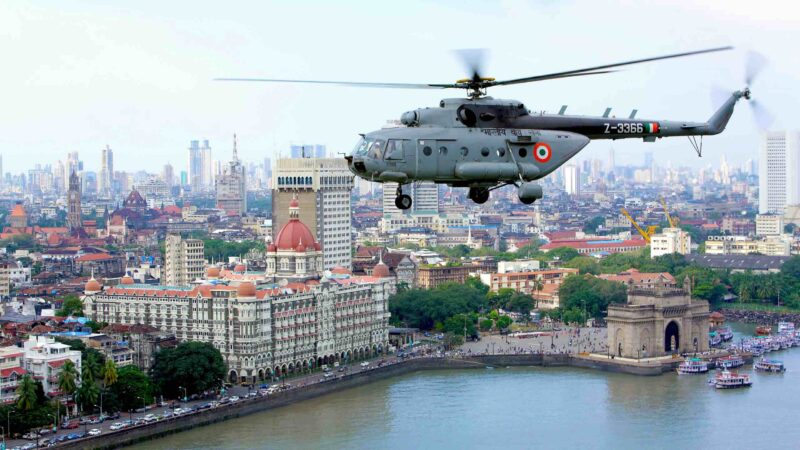
    The Indian Air Force, created on October 8, 1932, completes 91 years of glorious service as it celebrates the Air Force Day today, October 8, 2023. As the IAF celebrates its annual day with customary elan, it is a time to reflect and assess the future in terms of challenges and opportunities. On the operational front, the die is already cast with two nuclear-powered neighbours, one in political and economic turmoil and the other continuing an aggressive posture. A three-yearlong standoff on the northern border with no signs of reconciliation makes the environment precarious.

    China, with its goal of becoming the leading military power with global reach by 2049, has moved fast to replace and transform its antiquated equipment, systems, and organizations, especially after observing the 1991 Gulf War. Reorganization of the PLA in the last decade, consolidation of forces under one command to oversee military operations against India and creation a Special Support Group (SSG) has enhanced its force application capabilities. Specifically, the upgradation of military infrastructure, airfields, and helipads just north of India is a matter of concern. Robust military hardware production for modern systems and investment in R&D in new-era fields like quantum computing, quantum radars, artificial intelligence, and aircraft and weapon systems development have facilitated significant growth in PLA’s capabilities. Qualitatively and quantitatively, India cannot match the Chinese economy, military hardware, military industry, or infrastructure in the foreseeable future. The only way forward for India is to use its resources in a focused manner to achieve its well-defined strategic goals commensurate with available resources. Lessons from the ongoing Russia-Ukraine war, a contest between unequal forces, are relevant in our context.

    Force Structure Challenges to Overcome

    Besides the operational challenges the Indian Air Force faces on the borders, there are issues related to equipment and organization.


    The salience of combat aircraft in battlespace is well known. However, combat aircraft numbers are declining worldwide, with older systems paving the way for modern and more capable platforms. In India, the decline has been rather steep, and replacements are not potent enough to offset the quantity quality. Against an authorization of over 1000 combat aircraft, the Indian armed forces are now in the region of 600. This decline will continue, and by 2030, IAF combat aircraft strength will be down to 450 with the phase-out of MiG-21, MiG-29, Jaguar, and Mirage-2000 fleets. The induction of 36 Rafales, the prolonged induction of LCA, and the planned acquisition of more Su30MKIs will not be able to reverse the declining trend. The ambitious plans for India’s fifth-generation aircraft, AMCA, are still far away. Given this reality, the IAF must make do with, at best, 34-36 fighter squadrons in the 2035 timeframe. It must work on operational strategies based on superior tactics and a local favourable balance of power in case a war is inevitable during this period.

    In the critical area of force multipliers, the numbers have been nearly static since their initial induction in 2003 concerning IL-78 In-Flight Refuellers and in 2010 concerning AWACS. The number of long-range weapons is somewhat limited. And in the surveillance and space domains, the resources are meagre. The situation is unlikely to change in the foreseeable future.

    There are positive changes regarding airlift capability, and single-wave airlift capability is gradually increasing with the commencement of induction of the first of the 56 new C-295 transport aircraft replacing vintage Avro. Despite the gradual phase-out of heavy lift Il-76 and light transport aircraft An-32, the fleet of C-17 and C-130 will sustain the requisite airlift capability that enabled the rapid deployment of Indian Army units in Ladakh against PLA build-up. Similarly, the enhanced number of more versatile and potent indigenous helicopters, ALH and LCH, will increase local mobility and firepower.

    The area that is yet to take centre stage is the Unmanned systems. Although the numbers and types increase due to imports, recent conflicts have demonstrated their hugely versatile utility. This aspect needs more attention to offset the capability deficit owing to the reduced number of combat aircraft. Tasks like intelligence, surveillance, reconnaissance, and ground and maritime attack can be effectively performed by unmanned aerial systems, resulting in the release of aircraft for other roles.

    New and more capable radars and integrated networks are replacing the older systems, giving a robust defensive capability. These need to be backed by long-range and quick-reaction surface-to-air weapon systems. Currently, the numbers are limited, and the area to be covered is extensive. Agility in planning, deployment and redeployment is the key to effective defence with limited resources.

    Evolving Battlespace and the Imperative of Jointness

    The battle space is evolving. Conflict hybridization has accelerated the expansion of battlespace, leading to enhanced significance of battlespace transparency. Induction of hypersonic systems, fast relocation of combat elements, and reduced times for systems operationalization have compressed the reaction time. This time-compression for action has tilted the offence-defence balance in favour of the offence. The concept of operations needs to factor in these realities, especially when dealing with a potent and stronger adversary with significant reverse capability.

    Organisationally, the integration of three wings of the Indian armed forces will likely pick up pace in the coming year(s). Integration is now an operational necessity and needs to be fast-tracked. Once theatre commands come into being, the most critical factor will be the allocation and plan of utilization of various combat assets that are limited in numbers but can operate seamlessly between multiple sectors. Will the integration model follow the complex assignment of such resources? That will be suboptimal and possibly counterproductive to enhancing combat capability through integration. IAF will have to make a holistic plan to exploit the full combat potential of its assets, irrespective of how the integration model pans out. Organisationally, this will be the most significant challenge for the men and women in blue in the coming year(s).

    Conclusion

    In the last five decades, India has taken the pole position in money spent on military hardware imports. Saudi Arabia is a distant second, spending less than half of Indian expenditure in this sector. How did India reach here? Public sector monopoly in defence has not yielded the desired results for the last seven decades. Inadequate focus and investment in R&D, captive customers, the Indian armed forces not hand-holding the industry, restrictive policies, monopoly of the public sector, dependency on imported military hardware and inability to leverage large imports for technology access are the factors contributing to this state. Atamnirbhar, from being a rhetoric, is gradually taking shape with orders being placed on Indian enterprises. The policy of earmarking part of the capital budget for Indian manufacturers will undoubtedly encourage the Indian defence industry. Although production efficiency and quality control have been a concern regarding the public sector, things are likely to improve as they face competition from the private sector. The lack of control over critical technologies in areas of aero engines, air-launched weapons, and electronic warfare systems remains a severe vulnerability. Opening the defence sector for private entities, allowing DRDO to share available testing facilities and technology, and creating defence manufacturing corridors are steps in the right direction.

    Capability differential and information differential between the competing sides form the basis of military operations. A classical information matrix about the opposing force includes intent, strategy, military doctrine, and military objectives; besides the overall direction that military strategy gives, an operational plan and its execution are based on an information matrix to achieve defined goals with the least cost or in the minimum possible timeframe. IAF, with its new doctrine IAP2000-22, endeavours to capture the essence of these changes. Indian Air Force needs to be ready with its limited assets and deter war. IAF must augment its limited resources with courage, ingenuity and clever resource employment to outwit the adversary. Given the limited resources and challenges ahead, the IAF will need to be a smart force for efficient management of resources and clever exploitation of force application.

    Photo Credits: Sunil Jain

    The views expressed are the author’s own and do not reflect that of the TPF or the IAF.

  • Seabed: “to mine or not to mine”

    Seabed: “to mine or not to mine”

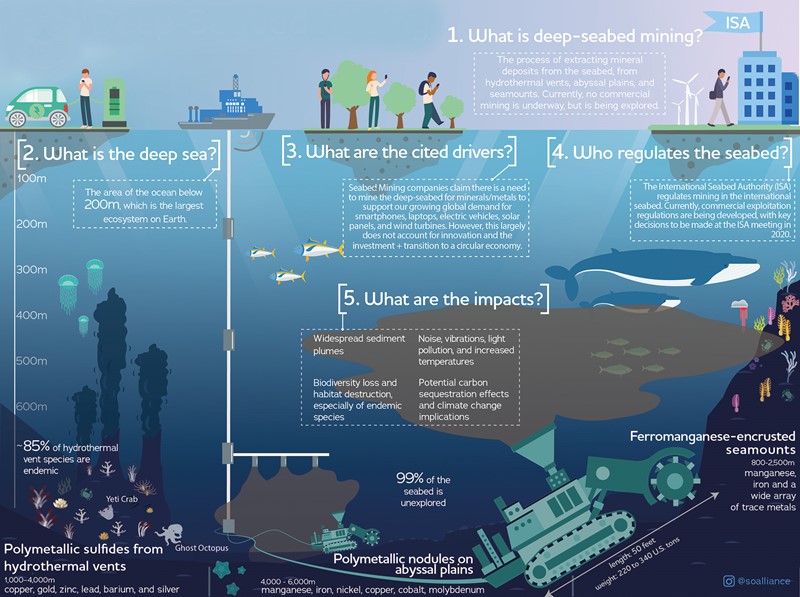
    Seabed mining offers new vistas for business partnerships and joint ventures among different industries in the offshore mining supply chains.

    The month-long debate “to mine or not to mine” has ended inconclusively at the 28th session of the International Seabed Authority (ISA) Assembly from 28 June to 28 July 2023 in Kingston, Jamaica amid calls for a “ban /suspension/precautionary pause” on any extractive activities.

    Figure Credit: eandt.theiet.org

    The ‘naysayers’ vehemently argued for the protection of the oceans given that these large bodies of water are already experiencing multiple and diverse nature and human-induced challenges such as climate change, unsustainable fishing, marine pollution etc. Furthermore, any attempt to mine the seabed will have far-reaching adverse impacts on marine life and result in biodiversity loss keeping in mind that human knowledge about the deep sea ecosystems is very little.

    Those in favour of seabed mining attempted to convince that energy transition is critical for sustainable development and for that a sustained supply of nickel, manganese, cobalt, and copper, is inescapable. These metals/minerals would have to be sourced from the seabed. For the time being, the representatives of the ISA Member States and other stakeholders have returned home to mull over the issue of seabed mining.

    The sudden hyper-activity at the ISA is a result of the June 2021 submission by Nauru, a Pacific island nation which submitted an application for approval from the ISA to commence extraction activities relying on the “two-year rule,” under which the “Council shall complete the adoption of the relevant rules, regulations, and procedures (RRPs) within two years from the submission”. The two-year deadline expired on 9 July 2023, but the ISA Council, a 36-member body executive arm responsible for approving contracts with private corporations and government entities, among other things, announced that it would “continue the negotiations on the draft exploitation regulations”.

    Meanwhile, at home, the Government of India is all set to exploit oceanic resources. Earlier this month, the Indian Parliament (Rajya Sabha and Lok Sabha) passed the Offshore Areas Mineral (Development and Regulation) Amendment Bill 2023 which enables extraction activities in offshore areas for mineral resources.

    It is true that offshore resource development has been a much-neglected area other than the oil and gas sectors. This is notwithstanding the seminal contributions made by the Geological Survey of India (GSI) which has been leading offshore scientific research and survey activities since the early sixties. The Marine and Coastal Survey Division (MCSD) of the GSI conducts numerous related activities including seabed mapping and exploration within the Indian EEZ and is supported by three ocean-going vessels.

    According to the GSI, as of January 2023, nearly 95 % of India’s EEZ of 2.159 million square kilometres has been surveyed. Since 2022, the GSI has been carrying our seabed mapping in international waters and has covered over 70,000 square kilometres till December 2023 for “generation of baseline data along with the search for possible mineral occurrences in the Ninety East Ridge near the Equator, Indian Ocean and the Laxmi Basin (Block-I, II and III), Arabian Sea by deploying its vessels”.

    The Indian EEZ is endowed with 1,53,996 million tonnes of live mud particularly off Gujarat and Maharashtra coasts, and 745 million tonnes of construction-grade sand has been found along the Kerala coast. The Bay of Bengal coast (Odisha, Andhra Pradesh and Tamil Nadu) and the Arabian Sea coast (Maharashtra and Kerala) are rich in heavy mineral and Polymetallic Ferro-Manganese nodules are available in the Andaman Sea and waters off Lakshadweep islands.

    Polymetallic nodules (Copper, Cobalt, Nickel, Manganese, Rare earth, etc.) are particularly important to support India’s mission to promote the use of clean energy. In November 2022, during the G20 summit in Indonesia Prime Minister Narendra Modi told the participating countries that by 2030, half of India’s electricity will be “generated from renewable sources,”

    The Offshore Areas Mineral (Development and Regulation) Amendment Bill 2023, among many issues, has introduced a number of initiatives including the “auction” of offshore mineral exploration sites and mining rights to companies, including from the private sector, thus creating a level playing field for business competition. The Bill provides for two types of operating rights through auction to the private sector (a) production lease and (b) composite license. It merits mention that the provision for “renewal of production leases has been scrapped with a 50-year lease period to remove uncertainty for operators” which will “give confidence to investors by bringing in transparency and fair play,”

    Seabed mining offers new vistas for business partnerships and joint ventures among different industries in the offshore mining supply chains. For instance, lifting of the extracted ore and carrying it to storage sites ashore is an opportunity for the maritime transportation sector. Similarly, environmental impact assessment, and restoration techniques when needed is a unique industry. Likewise, Industry 4.0 technology developers have opportunities to support Marine Spatial Planning (MSP), bio-remediation, bio-prospecting, and a variety of other seabed mining sectors.

    This article was published earlier in kalingainternational.com

    Feature Image Credit: euronews.com

  • Why India risks a quantum tech brain drain

    Why India risks a quantum tech brain drain

    Clear career progression would help India’s quantum workforce and avoid a brain drain overseas

    India could lose its best quantum tech talent if the industry doesn’t get its act together.

    Quantum technology has the potential to revolutionise our lives through speeds which once seemed like science fiction.

    India is one of a few nations with national quantum initiatives and it stands on the threshold of potentially enormous technological and social benefits.

    The National Quantum Mission, approved by the national cabinet in April, is a timely government initiative that has the potential to catapult India to a global leader leading in quantum research and technologies if leveraged correctly.

    Its main areas of research are quantum computing, secure quantum communications, quantum sensing and metrology and quantum materials.

    The challenge for India is how it ensures it gets the best out of the mission.

    The benefits of the technology can benefit many aspects of society through processing power, accuracy and speed and can positively impact health, drug research, finance and economics.

    Similarly, quantum security can revolutionise security in strategic communication sectors including defence, banking, health records and personal data.

    Quantum sensors can enable better GPS services through atomic clocks and high-precision imaging while quantum materials research can act as an enabler for more quantum technologies.

    But the Indian quantum ecosystem is still academia-centric.

    India’s Department of Science and Technology had set up a pilot programme on Quantum Enabled Science and Technologies — a precursor to the National Quantum Mission.

    As a result, India has a large number of young and energetic researchers, working at places such as RRI Bangalore, TIFR and IIT Delhi who have put an infrastructure in place for the next generation quantum experiments with capabilities in different quantum technology platforms. These include quantum security through free space, fibres as well-integrated photonics, quantum sensing and metrology.

    The prospects and impact of quantum technologies will be hugely strategic. Predictions suggest quantum computing will have a profound impact on financial services, logistics, transportation, aerospace and automotive, materials science, energy, agriculture, pharmaceuticals and healthcare, and cybersecurity. All of these areas are strategic on macroeconomic and national security scales.

    Even as it has taken significant policy initiative to kickstart research into quantum technologies, India will need to craft a national strategy with a long-term perspective and nurture and develop its research work force.

    Clear career progression would help India’s quantum workforce. The risk of brain drain, where local talent moves overseas for better opportunities, could be a real possibility if different industries which can benefit from the technology fail to recognise its transformative capabilities and how it can help create jobs and opportunities.

    While there are multiple labs working in different quantum sectors, the career path of students and post-doctoral researchers remains unclear as there are not enough positions in the academic sector.

    One problem is industry and academia are competing with each other for quantum research funding which is why equal emphasis on quantum technology development in the industrial sector could help.

    While India does have some quantum start-ups, more lab-to-market innovations which would make the technology practically useful could give the field momentum. Currently, the big industrial firms in India are not yet committed to quantum technology.

    The lack of homegrown technologies like optical, optomechanical and electronic components for precision research is another impediment. Most of these are imported, resulting in financial drain and long delays in research.

    The National Quantum Mission could help fix a number of these problems.

    Hurdles could be turned into opportunities if more start-ups and established industries were to manufacture high-end quantum technology enabling products in India.

    Another major deterrent is the lack of coordination. Multiple efforts to develop and research the technology, across government and start-ups, do not seem to have coherence and still lack maturity. People involved in quantum research are hopeful the mission will help address this.

    Like most other countries, India has witnessed plenty of hype about quantum research. While this may help provide a short-term boost to the field, excessive hype can lead to unrealistic expectations.

    Continuing to build a skilled workforce and a clear career progression plan for those involved in research and development of quantum technologies can help secure India’s future in this space.

    There is a distinction between magic and miracles and while believing in one, one should not start expecting the latter as that can only lead to disappointment in the long run.


    This article was originally published under Creative Commons by 360info™.


  • The Asymmetric Indo-US Technology Agreement Points to India’s Weak R&D Culture

    The Asymmetric Indo-US Technology Agreement Points to India’s Weak R&D Culture

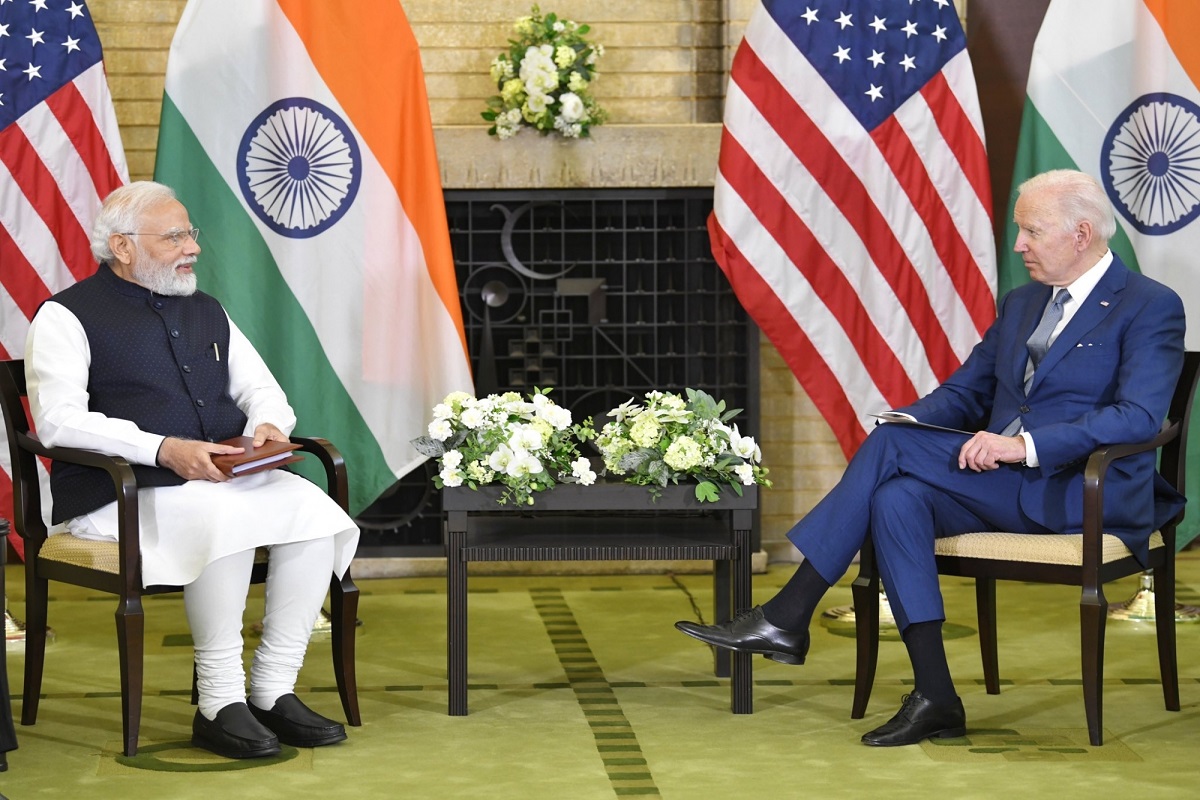
    Prime Minister Narendra Modi’s state visit to the USA resulted in four significant agreements and the visit is hailed as one of very important gains for India and Indo-US strategic partnership. The focus has been on defence industrial and technology partnership. Media and many strategic experts are seeing the agreements as major breakthroughs for technology transfers to India, reflecting a very superficial analysis and a lack of understanding of what really entails technology transfer. Professor Arun Kumar sees these agreements as a sign of India’s technological weakness and USA’s smart manoeuvring to leverage India for long-term defence and technology client. The visit has yielded major business gains for USA’s military industrial complex and the silicon valley. Post the euphoria of the visit, Arun Kumar says its time for India to carefully evaluate the relevant technology and strategic policy angles.


    The Indo-US joint statement issued a few days back says that the two governments will “facilitate greater technology sharing, co-development and co-production opportunities between the US and the Indian industry, government and academic institutions.” This has been hailed as the creation of a new technology bridge that will reshape relations between the two countries

    General Electric (GE) is offering to give 80% of the technology required for the F414 jet engine, which will be co-produced with Hindustan Aeronautics Limited (HAL). In 2012, when the negotiations had started, GE had offered India 58%. India needs this engine for the Light Combat Aircraft Mark 2 (LCA Mk2) jets.

    The Indian Air Force has been using LCA Mk1A but is not particularly happy with it. It asked for improvements in it. Kaveri, the indigenous engine for the LCA under development since 1986, has not been successful. The engine development has failed to reach the first flight.

    So, India has been using the F404 engine in the LCA Mk1, which is 40 years old. The F414 is also a 30-year-old vintage engine. GE is said to be offering 12 key technologies required in modern jet engine manufacturing which India has not been able to master over the last 40 years. The US has moved on to more powerful fighter jet engines with newer technologies, like the Pratt & Whitney F135 and GE XA100.

    India is being allowed into the US-led critical mineral club. It will acquire the highly rated MQ-9B high-altitude long-endurance unmanned aerial vehicles. Micron Technologies will set up a semiconductor assembly and test facility in Gujarat by 2024, where it is hoped that the chips will eventually be manufactured. The investment deal of $2.75 billion is sweetened with the Union government giving 50% and Gujarat contributing 20%. India is also being allowed into the US-led critical mineral club.

    There will be cooperation in space exploration and India will join the US-led Artemis Accords. ISRO and NASA will collaborate and an Indian astronaut will be sent to the International Space Station. INDUS-X will be launched for joint innovation in defence technologies. Global universities will be enabled to set up campuses in each other’s countries, whatever it may imply for atmanirbharta.

    What does it amount to?

    The list is impressive. But, is it not one-sided, with India getting technologies it has not been able to develop by itself.

    Though the latest technology is not being given by the US, what is offered is superior to what India currently has. So, it is not just optics. But the real test will be how much India’s technological capability will get upgraded.

    Discussing the New Economic Policies launched in 1991, the diplomat got riled at my complaining that the US was offering us potato chips and fizz drinks but not high technology, and shouted, “Technology is a house we have built and we will never let you enter it.”

    What is being offered is a far cry from what one senior US diplomat had told me at a dinner in 1992. Discussing the New Economic Policies launched in 1991, the diplomat got riled at my complaining that the US was offering us potato chips and fizz drinks but not high technology, and shouted, “Technology is a house we have built and we will never let you enter it.”

    Everyone present there was stunned, but that was the reality.

    The issue is, does making a product in India mean a transfer of technology to Indians? Will it enable India to develop the next level of technology?

    India has assembled and produced MiG-21 jets since the 1960s and Su-30MKI jets since the 1990s. But most critical parts of the Su-30 come from Russia. India set up the Mishra Dhatu Nigam in 1973 to produce the critical alloys needed and production started in 1982, but self-sufficiency in critical alloys has not been achieved.

    So, production using borrowed technology does not mean absorption and development of the technology. Technology development requires ‘know-how’ and ‘know-why’.

    When an item is produced, we can see how it is produced and then copy that. But we also need to know how it is being done and importantly, why something is being done in a certain way. Advanced technology owners don’t share this knowledge with others.

    Technology is a moving frontier

    There are three levels of technology at any given point in time – high, intermediate, and low.

    The high technology of yesterday becomes the intermediate technology of today and the low technology of tomorrow. So, if India now produces what the advanced countries produced in the 1950s, it produces the low-technology products of today (say, coal and bicycles).

    If India produces what was produced in the advanced countries in the 1980s (say, cars and colour TV), it produces the intermediate technology products of today. It is not to say that some high technology is not used in low and intermediate-technology production.

    The high technologies of today are aerospace, nanotechnology, AI, microchips and so on. India is lagging behind in these technologies, like in producing passenger aircraft, sending people into space, making microchips, quantum computing, and so on.

    The advanced countries do not part with these technologies. The World Trade Organisation, with its provisions for TRIPS and TRIMS (Trade-Related Aspects of Intellectual Property Rights and Trade-Related Investment Measures), consolidated the hold of advanced countries on intermediate and low technologies that can be acquired by paying royalties. But high technology is closely held and not shared.

    Advancements in technology

    So, how can nations that lag behind in technology catch up with advanced nations? The Nobel laureate Kenneth Arrow pointed to ‘learning by doing’ – the idea that in the process of production, one learns.

    So, the use of a product does not automatically lead to the capacity to produce it, unless the technology is absorbed and developed. That requires R&D.

    Schumpeter suggested that technology moves through stages of invention, innovation and adaptation. So, the use of a product does not automatically lead to the capacity to produce it, unless the technology is absorbed and developed. That requires R&D.

    Flying the latest Airbus A321neo does not mean we can produce it. Hundreds of MiG-21 and Su-30 have been produced in India. But we have not been able to produce fighter jet engines, and India’s Kaveri engine is not yet successful. We routinely use laptops and mobile phones, and they are also assembled in India, but it does not mean that we can produce microchips or hard disks.

    Enormous resources are required to do R&D for advanced technologies and to produce them at an industrial scale. It requires a whole environment which is often missing in developing countries and certainly in India.

    Enormous resources are required to do R&D for advanced technologies and to produce them at an industrial scale. It requires a whole environment which is often missing in developing countries and certainly in India.

    Production at an experimental level can take place. In 1973, I produced epitaxial thin films for my graduate work. But producing them at an industrial scale is a different ballgame. Experts have been brought from the US, but that has not helped since high technology is now largely a collective endeavour.

    For more complex technologies, say, aerospace or complex software, there is ‘learning by using’. When an aircraft crashes or malware infects software, it is the producer who learns from the failure, not the user. Again, the R&D environment is important.

    In brief, using a product does not mean we can produce it. Further, producing some items does not mean that we can develop them further. Both require R&D capabilities, which thrive in a culture of research. That is why developing countries suffer from the ‘disadvantage of a late start’.

    A need for a focus on research and development

    R&D culture thrives when innovation is encouraged. Government policies are crucial since they determine whether the free flow of ideas is enabled or not. Also of crucial importance is whether thought leaders or sycophants are appointed to lead institutions, whether criticism is welcomed or suppressed, and whether the government changes its policies often under pressure from vested interests.

    Unstable policies increase the risk of doing research, thereby undermining it and dissuading the industry. The result is the repeated import of technology.

    The software policy of 1987, by opening the sector up to international firms, undermined whatever little research was being carried out then and turned most companies in the field into importers of foreign products, and later into manpower suppliers. Some of these companies became highly profitable, but have they produced any world-class software that is used in daily life?

    Expenditure on R&D is an indication of the priority accorded to it. India spends a lowly 0.75% of its GDP on R&D. Neither the government nor the private sector prioritises it. Businesses find it easier to manipulate policies using cronyism. Those who are close to the rulers do not need to innovate, while others know that they will lose out. So, neither focus on R&D.

    Innovation also depends on the availability of associated technologies – it creates an environment. An example is Silicon Valley, which has been at the forefront of innovation. It has also happened around universities where a lot of research capabilities have developed and synergy between business and academia becomes possible.

    This requires both parties to be attuned to research. In India, around some of the best-known universities like Delhi University, Allahabad University and Jawaharlal Nehru University, coaching institutions have mushroomed and not innovative businesses. None of these institutions are producing any great research, nor do businesses require research if they can import technology.

    A feudal setup

    Technology is an idea. In India, most authority figures don’t like being questioned. For instance, bright students asking questions are seen as troublemakers in most schools. The emphasis is largely on completing coursework for examinations. Learning is by rote, with most students unable to absorb the material taught.

    So, most examinations have standard questions requiring reproduction of what is taught in the class, rather than application of what is learned. My students at JNU pleaded against open-book exams. Our class of physics in 1967 had toppers from various higher secondary boards. We chose physics over IIT. We rebelled against such teaching and initiated reform, but ultimately most of us left physics – a huge loss to the subject.

    Advances in knowledge require critiquing its existing state – that is, by challenging the orthodoxy and status quo. So, the creative independent thinkers who generate socially relevant knowledge also challenge the authorities at their institutions and get characterised as troublemakers. The authorities largely curb autonomy within the institution and that curtails innovativeness.

    In brief, dissent – which is the essence of knowledge generation – is treated as a malaise to be eliminated. These are the manifestations of a feudal and hierarchical society which limits the advancement of ideas. Another crucial aspect of generating ideas is learning to accept failure. The Michelson–Morley experiment was successful in proving that there is no aether only after hundreds of failed experiments.

    Conclusion

    The willingness of the US to provide India with some technology without expecting reciprocity is gratifying. Such magnanimity has not been shown earlier and it is obviously for political (strategic) reasons. The asymmetry underlines our inability to develop technology on our own. The US is not giving India cutting-edge technologies that could make us a Vishwaguru.

    India needs to address its weakness in R&D. As in the past, co-producing a jet engine, flying drones or packaging and testing chips will not get us to the next level of technology, and we will remain dependent on imports later on.

    This can be corrected only through a fundamental change in our R&D culture that would enable technology absorption and development. That would require granting autonomy to academia and getting out of the feudal mindset that presently undermines scientific temper and hobbles our system of education.


    This article was published earlier in thewire.in

    Feature Image Credit: thestatesman.com


  • The “loss and damage” agenda at COP27

    The “loss and damage” agenda at COP27

    The dialogues on Climate Change Action have failed to produce effective measures. At the heart of the problem is the refusal of the developed countries to accept the reality that they were the beneficiaries of the industrial revolution, colonialism, and imperialism and have contributed the maximum to the current problems humanity faces on account of climate change. Hence, two-thirds of the world’s assertion that developed nations bear the costs of implementing corrective measures is very valid and logical.

    The 27th Conference of Parties (COP) of the United Nations Framework Convention on Climate Change (UNFCCC) was hosted by the Government of the Arab Republic of Egypt from 06 November to 18 November (extended to 20 November). This conference comes at a time when the world witnessed massive heatwaves, flooding in Pakistan, wildfires across Spain and California, and droughts in East Africa. The mission of the conference is to take collective action to combat climate change under the Paris agreement and the convention. After a decade of climate talks, the question is, “are countries ready to take collective action against climate change”?

    Developed Nations’ Responsibility and Accountability

    Financial compensation remains a huge contestation point between developed and developing countries. Developing countries or the Global South face the adverse effects of climate change and demand compensation for the historical damage caused by colonialism and resource extraction that aided in the development of the Global North. This includes countries in the EU and the United States. Developed countries bear the most responsibility for emissions leading to global temperature rise — between 1751 and 2017, the United States, the EU and the UK were responsible for 47% of cumulative carbon dioxide emissions compared to just 6% from the entire African and South American continents. At COP15 in Copenhagen in 2009, Global North nations agreed to pledge $100 billion (€101 billion) annually by 2020 to help developing countries adapt to the impacts of climate change, for example, by providing farmers with drought-resistant crops or paying for better flood defences. But according to the Organization for Economic Cooperation and Development (OECD), which tracks funding, in 2020 wealthy countries pledged just over $83 billion.

    Developed countries bear the most responsibility for emissions leading to global temperature rise — between 1751 and 2017, the United States, the EU and the UK were responsible for 47% of cumulative carbon dioxide emissions compared to just 6% from the entire African and South American continents.

    Such compensation for loss and damage has been a focal point in all climate summits since 1991. In terms of institutional developments, the COP19 conference in 2013 established the Warsaw Mechanism for Loss and Damage, which is supposed to enhance global understanding of climate risk, promote transnational dialogue and cooperation, and strengthen “action and support”. At COP25, the Santiago Network on Loss and Damage (SNLD) was set up to provide research and technical assistance on the issue of loss and damage from human-induced climate change. The meeting did not discuss the working process of the network and hence it was taken up in COP26, where no elaborate changes were made. Although in COP26, the Glasgow facility to finance solutions for loss and damage was brought by G77 countries, developed countries such as the US and the EU bloc did not go beyond agreeing to a three-year dialogue.

    Developed countries constantly focus on holding dialogues rather than coming up with solutions for climate risk mitigation.

    The US’s stance on financing vulnerable countries to find solutions against climate change is constantly shifting. The trend indicates that the US wants to focus on curbing global warming rather than dwell on past losses and damages that have already occurred. The Global North is reluctant to acknowledge the mere definition of loss and damage, as an acknowledgement will make them liable for 30 years’ worth of climate change impact.  Developed countries constantly focus on holding dialogues rather than coming up with solutions for climate risk mitigation. In a statement prior to COP27, U.S. climate envoy John Kerry expressed concern about how the shifting focus on loss and damage “could delay our ability to do the most important thing of all, which is [to] achieve mitigation sufficient to reduce the level of adaptation.”

    USA’s leads Evasive Tactics

    The Bonn Summit held in June 2022 which set a precedent for the COP27 agenda ended in disagreement as the US and EU refused to accept funding for loss and damage as an agenda. Although, during the conclusion of COP27, the countries were successful in agreeing to establish a fund for loss and damage. Governments also agreed to establish a ‘transitional committee’ to make recommendations on how to operationalize both the new funding arrangements and the fund at COP28 next year. The first meeting of the transitional committee is expected to take place before the end of March 2023.

    Parties also agreed on the institutional arrangements to operationalize the Santiago Network for Loss and Damage, to mobilise technical assistance to developing countries that are particularly vulnerable to the adverse effects of climate change. Governments agreed to move forward on the Global Goal on Adaptation, which will conclude at COP28 and inform the first Global Stocktake, improving resilience amongst the most vulnerable. New pledges, totalling more than USD 230 million, were made to the Adaptation Fund at COP27. These pledges will help many more vulnerable communities adapt to climate change through concrete adaptation solutions.

    Despite a groundbreaking agreement, the most common question asked by the public is “are the climate summits any good?”

    The question arises due to the absence of effective leadership to monitor or condemn nations over the destruction of the environment. The summits have created a sense of accountability for all nations, irrespective of the stage of vulnerability. While vulnerable states bear a higher cost due to climate change, all states collectively pledge to reduce carbon emissions and achieve net-zero emissions by 2050. While a monitoring mechanism is absent, non-governmental organisations (NGOs) and civil societies actively advocate for climate change mitigation measures and also criticise both state and non-state actors for their lack of initiatives against the cost. Incidentally, COP27 partnered with Coca-Cola for sponsorship and many activists slammed the move as Coca-Cola is one of the top five polluters in 2022, producing around 120 billion throwaway plastic bottles a year.

    Apart from that, many other funding networks and initiatives have been introduced to support vulnerable countries against climate change. Under Germany’s G7 presidency, the G7 along with the vulnerable 20 countries or V20  launched the Global Shield against Climate Risks during COP27. The Shield gathers activities in the field of climate risk finance and preparedness together under one roof. Under the Shield, solutions to provide protection will be devised that can be implemented swiftly if climate-related damages occur. At COP27, Chancellor Olaf Scholz announced Germany’s contribution of 170 million euros to the Shield. Of this, 84 million euros are earmarked for the central financing structure of the Shield, the other funds for complementary instruments of climate risk financing, which will be implemented towards concrete safeguarding measures over the next few years.

    On 20 September, Denmark became the first developed country in the world to provide financial compensation to developing countries for ‘loss and damage’ caused by climate change. The country pledged approximately EUR 13 million (100 million Danish krone) to civil society organisations based in developing nations working on climate change-related loss and damage. Germany and Denmark are so far the only financial supporters of the initiative launched at COP27.

    What can India do?

    India has launched Mission LiFE, an initiative to bring a lifestyle change that reduces the burden on the environment. During the event, the MoEFCC – UNDP Compendium ‘Prayaas Se Prabhaav Tak – From Mindless Consumption to Mindful Utilisation’ was launched. It focuses on reduced consumption, circular economy, Vasudhaiva Kutumbakam, and sustainable resource management. India has also signed the Mangrove Alliance for Climate (MAC), determined to protect mangroves and create a carbon sink of 3 billion CO2 by expanding the forest cover.

    India has maintained a stance where it has neither advocated for nor against financial compensation for loss and damage. However, it has always called on developed countries to provide finance for developing technology or sharing technical know-how to reduce climate risk. Such an approach can help other countries to push for financial aid to develop technology instead of using their own resources.

    Further, India holds a unique position among developing countries as an emerging economy. With its diplomatic prowess under the Modi government, India can play an ideal role in negotiating with developed countries. India has maintained a stance where it has neither advocated for nor against financial compensation for loss and damage. However, it has always called on developed countries to provide finance for developing technology or sharing technical know-how to reduce climate risk. Such an approach can help other countries to push for financial aid to develop technology instead of using their own resources. India is also focused on phasing out the use of fossil fuels and not just the use of coal, which is another consistent move that adds to the country’s credentials. With the weaponization of energy by Russia since the onset of the Ukraine war, India’s call for action has garnered intensive support from both developed and developing nations. With the support of the Global South, India can assume a leadership role in establishing south-south cooperation with respect to climate risk mitigation and shift to renewable energy such as solar power.

    Conclusion

    Climate funds are important for designing and implementing solutions as developing and vulnerable countries find it difficult to diversify resources from developmental activities. The question largely remains whether the COP27 countries will adhere to the agreement concluded at the summit. There is no conclusive evidence on when the fund will be set up and the liability if countries fail to contribute to the fund. Eventually, it comes down to the countries- both state and non-state actors to effectively reduce fossil fuel consumption and reduce wastage, as many countries still focus on exploiting African gas reserves to meet their energy requirements. Ambitious goals with no actual results are a trend that is expected to continue till the next summit, and with such a trend the world has a long way to go to curb the temperature at 1.5 degree Celsius at pre-industrial levels.

    Feature Image Credit: www.cnbc.com

    Article Image: aljazeera.com 

  • The Great Chips War

    The Great Chips War

    The supply chain disruptions for semiconductor chips and the increasing sanctions imposed by the US on high-tech chips access to China and Russia has signalled the critical relevance of control over this technology and process for national security. Chip design and manufacture involve heavy capital investments and access to special machinery that is monopolised by very few American-controlled/influenced companies in Europe and East Asia. India, having missed the boat earlier due to poor investment decisions, has recognised chip manufacturing as a critical strategic industry and is investing efforts to establish significant capabilities. This could take years as challenges still remain.  – TPF Editorial Team

    Following the US Commerce Department’s announcement of severe new restrictions on sales of advanced semiconductors and other US high-tech goods to China, the Sino-American rivalry has entered an important new phase. Even under the best circumstances, China will have a difficult time adapting to its new reality.

    In addition to dealing with the fallout from open warfare in eastern Europe, the world is witnessing the start of a full-scale economic war between the United States and China over technology. This conflict will be highly consequential, and it is escalating rapidly. Earlier this month, the US Commerce Department introduced severe new restrictions on the sale of advanced semiconductors and other US high-tech goods to China. While Russia has used missiles to try to cripple Ukraine’s energy and heating infrastructure, the US is now using export restrictions to curtail China’s military, intelligence, and security services.

    The new chip war is a war for control of the future.

    Moreover, in late August, US President Joe Biden signed the CHIPS Act, which includes subsidies and other measures to bolster America’s domestic semiconductor industry. Semiconductors are and will remain, at the heart of the twenty-first-century economy. Without microchips, our smartphones would be dumb phones, our cars wouldn’t move, our communications networks wouldn’t function, any form of automation would be unthinkable, and the new era of artificial intelligence that we are entering would remain the stuff of sci-fi novels. Controlling the design, fabrication, and value chains that produce these increasingly important components of our lives is thus of the utmost importance. The new chip war is a war for control of the future.

    The semiconductor value chain is hyper-globalized, but the US and its closest allies control all the key nodes. Chip design is heavily concentrated in America, and production would not be possible without advanced equipment from Europe, and fabrication of the most advanced chips – including those that are critical for AI – is located exclusively in East Asia. The most important player by far is Taiwan, but South Korea is also in the picture.

    In its own pursuit of technological supremacy, China has become increasingly reliant on these chips, and its government has been at pains to boost domestic production and achieve “self-sufficiency.” In recent years, China has invested massively to build up its own semiconductor design and manufacturing capabilities. But while there has been some progress, it remains years behind the US; and, crucially, the most advanced chips are still beyond China’s reach.

    It has now been two years since the US banned all sales of advanced chips to the Chinese telecom giant Huawei, which was China’s global technology flagship at the time. The results have been dramatic. After losing 80% of its global market share for smartphones, Huawei was left with no choice but to sell off its smartphone unit, Honor, and reorient its corporate mission. With its latest move, the US is now aiming to do to all of China what it did to Huawei.

    This dramatic escalation of the technology war is bound to have equally dramatic economic and political consequences, some of which will be evident immediately, and some of which will take some time to materialize. China most likely has stocked up on chips and is already working to create sophisticated new networks to circumvent the sanctions. (After Huawei spun it off in late 2020, Honor quickly staged a comeback, selling phones that use chips from the US multinational Qualcomm.)

    Still, the new sanctions are so broad that, over time, they will almost certainly strike a heavy blow not only to China’s high-tech sector but also to many other parts of its economy. A European company that exports to China now must be doubly sure that its products contain no US-connected chips. And, owing to the global nature of the value chain, many chips from Taiwan or South Korea also will be off-limits.

    The official aim of the US policy is to keep advanced chips out of the Chinese military’s hands. But the real effect will be to curtail China’s development in the sectors that will be critical to national power in the decades ahead.

    The official aim of the US policy is to keep advanced chips out of the Chinese military’s hands. But the real effect will be to curtail China’s development in the sectors that will be critical to national power in the decades ahead. China will certainly respond with even stronger efforts to develop its own capabilities. But even under the best circumstances, and despite all the resources it will throw at the problem, any additional efforts will take time to bear fruit, especially now that US restrictions are depriving China of the inputs that it needs to achieve self-sufficiency.

    The new chips war eliminates any remaining doubt that we are witnessing a broader Sino-American decoupling. That development will have far-reaching implications – only some of them foreseeable – for the rest of the global economy.

    Ukraine is already repairing and restarting the power stations that have been hit by Russian missile barrages since the invasion began in February. But it will be much more difficult for China to overcome the loss of key technologies. As frightening as Russia’s twentieth-century-style war is, the real sources of power in the twenty-first century do not lie in territorial conquest. The most powerful countries will be those that master the economic, technological, and diplomatic domains.

    This article was published earlier in Project Syndicate.

    Images Credit: Globaltimes.cn

  • Ghosts in the Machine: The Past, Present, and Future of India’s Cyber Security

    Ghosts in the Machine: The Past, Present, and Future of India’s Cyber Security

    [powerkit_button size=”lg” style=”info” block=”false” url=”https://admin.thepeninsula.org.in/wp-content/uploads/2022/10/Research-Paper-TPF-1.pdf” target=”_blank” nofollow=”false”]
    Download
    [/powerkit_button]

    Introduction

    When the National Cybersecurity Policy was released in 2013, the response from experts was rather underwhelming [1], [2]. A reaction to a string of unpalatable incidents, from Snowden’s revelations [3] and massive compromise of India’s civilian and military infrastructure [4] to the growing international pressure on Indian IT companies to fix their frequent data breaches [5], the 2013 policy was a macro example of weak structures finding refuge in a haphazard post-incident response. The next iteration of the policy is in formulation under the National Cybersecurity Coordinator. However, before we embark upon solving our cyber-physical domain’s future threat environment, it is perhaps wise to look back upon the perilous path that has brought us here.  

    Early History of Electronic Communications in India

    The institutional “cybersecurity thinking” of post-independence Indian government structures can be traced to 1839 when the East India Company’s then Governor-General of India, Lord Dalhousie, had asked a telegraph system to be built in Kolkata, the then capital of the British Raj. By 1851, the British had deployed the first trans-India telegraph line, and by 1854, the first Telegraph Act had been passed. Similar to the 2008 amendment to the IT Act which allowed the government to intercept, monitor and decrypt any information on any computer, the 1860 amendment to the Telegraph Act too granted the British to take over any leased telegraph lines to access any of the telegraphs transmitted. After all, the new wired communication technology of the day had become an unforeseen flashpoint during the 1857 rebellion.

    Post-independence, under the socialist fervour of Nehruvian politics, the government further nationalised all foreign telecommunications companies and continued the British policy of total control over telecommunications under its own civil service structure, which too came pre-packaged from the British.

    Historians note that the telegraph operators working for the British quickly became targets of intrigues and lethal violence during the mutiny [6], somewhat akin to today’s Sysadmins being a top social engineering priority for cyber threat actors [7]. One of the sepoy mutineers of 1857, while on his way to the hangman’s halter, famously cried out at a telegraph line calling it the cursed string that had strangled the Indians [8]. On the other side of affairs, after having successfully suppressed the mutiny, Robert Montgomery famously remarked that the telegraph had just saved India [9]. Within the telegraph system, the problems of information security popped up fairly quickly after its introduction in India. Scholars note that commercial intelligence was frequently peddled in underground Indian markets by government telegraph clerks [10], in what can perhaps be described as one of the first “data breaches” that bureaucrats in India had to deal with. 

    British had formulated different rules for telecommunications in India and England. While they did not have the total monopoly and access rights over all transmissions in Britain, for the purpose of maintaining political control, in India they did [11]. Post-independence, under the socialist fervour of Nehruvian politics, the government further nationalised all foreign telecommunications companies and continued the British policy of total control over telecommunications under its own civil service structure, which too came pre-packaged from the British.

    The Computer and “The System”

    Major reforms are often preceded by major failures. The government imported its first computer in 1955 but did not show any interest in any policy regarding these new machines. That only changed in 1963, when the government under the pressure to reform after a shameful military defeat and the loss of significant territory to China, instituted a Committee on Electronics under Homi Jehangir Bhabha to assess the strategic utilities that computers might provide to the military [12].  

    In 1965, as punitive sanctions for the war with Pakistan, the US cut off India’s supply of all electronics, including computers. This forced the government to set up the Electronics Committee of India which worked alongside the Electronics Corporation of India (ECIL), mandated to build indigenous design and electronic manufacturing capabilities. But their approach was considered highly restrictive and discretionary, which instead of facilitating, further constrained the development of computers, related electronics, and correspondingly useful policies in India [13]. Moreover, no one was even writing commercial software in India, while at the same the demand for export-quality software was rising. The situation was such that ECIL had to publish full-page advertisements for the development of export-quality software [12]. Consequently, in the early 1970s, Mumbai-based Tata Consultancy Services managed to become the first company to export software from India. As the 1970s progressed and India moved into the 1980s, it gradually became clearer to more and more people in the government that their socialist policies were not working [14]. 

    In 1984, the same year when the word ‘Cyberspace’ appeared in a sci-fi novel called Neuromancer, a policy shift towards computing and communications technologies was seen in the newly formed government under Rajiv Gandhi [12]. The new computer policy, shaped largely by N. Sheshagiri who was the Director General of the National Informatics Centre, significantly simplified procedures for private actors and was released within twenty days of the prime minister taking the oath. Owing to this liberalisation, the software industry in India took off and in 1988, 38 leading software companies in India came together to establish the National Association of Software and Service Companies (NASSCOM) with the intent to shape the government’s cyber policy agendas. As we are mostly concerned about cybersecurity, it should be noted that in 1990, it was NASSCOM that carried out probably the first IT security-related public awareness campaign in India which called for reducing software piracy and increasing the lawful use of IT [5].   

    Unfortunately, India’s 1990s were mired by coalition governments and a lack of coherent policy focus. In 1998, when Atal Bihari Vajpayee became the Prime Minister, the cyber policy took the most defining turn with the development of the National IT Policy. The IT Act, thus released in 2000 and amended further in 2008, became the first document explicitly dealing with cybercrime. Interestingly, the spokesman and a key member of the task force behind the national IT policy was Dewang Mehta, the then president of NASSCOM. Nevertheless, while computer network operations had become regular in international affairs [15], there was still no cyber policy framework or doctrine to deal with the risks from sophisticated (and state-backed) APT actors that were residing outside the jurisdiction of Indian authorities. There still is not.  

    In 2008, NASSCOM established the Data Security Council of India (DSCI), which along with its parent body took it upon itself to run cybersecurity awareness campaigns for law enforcement and other public sector organisations in India. However, the “awareness campaign” centric model of cybersecurity strategy does not really work against APT actors, as became apparent soon when researchers at the University of Toronto discovered the most massive infiltration of India’s civilian and military computers by APT actors [4]. In 2013, the Snowden revelations about unrestrained US spying on India also ruffled domestic feathers for lack of any defensive measures or policies [3]. Coupled with these surprise(?) and unpalatable revelations, there was also the increasing and recurring international pressure on Indian IT to put an end to the rising cases of data theft where sensitive data of their overseas customers was regularly found in online underground markets [16].  

    Therefore, with the government facing growing domestic and international pressure to revamp its approach towards cybersecurity, MeitY released India’s first National Cybersecurity Policy in 2013 [17]. Ministry of Home Affairs (MHA) also released detailed guidelines “in the wake of persistent threats” [18]. However, the government admitted to not having the required expertise in the matter, and thus the preparation of the MHA document was outsourced to DSCI. Notwithstanding that, MHA’s document was largely an extension of the Manual on Departmental Security Instructions released in 1994 which had addressed the security of paper-based information. Consequently, the MHA document produced less of a national policy and more of a set of instructions to departments about sanitising their computer networks and resources, including a section on instructions to personnel over social media usage. 

    The 2013 National Cybersecurity Policy proposed certain goals and “5-year objectives” toward building national resilience in cyberspace. At the end of a long list of aims, the 2013 policy suggested adopting a “prioritised approach” for implementation which will be operationalised in the future by a detailed guide and plan of action at national, sectoral, state, ministry, department, and enterprise levels. However, as of this writing the promised implementation details, or any teeth, are still missing from the National Cybersecurity Policy. As continued APT activities [19] show, the measures towards creating situation awareness have also not permeated beyond the technical/collection layer.

    In 2014, the National Cyber Coordination Centre (NCCC) was established, with the primary aim of building situational awareness of cyber threats in India. Given the underwhelming response to the 2013 policy [1], [2], the National Cybersecurity Policy was surmised to be updated in 2020, but as of this writing, the update is still being formulated by the National Cybersecurity Coordinator who heads the NCCC. The present policy gap makes it an opportune subject to discuss certain fundamental issues with cyber situation awareness and the future of cyber defences in the context of the trends in APT activities. 

    Much to Catch Up

    Recently, the Government of India’s Kavach (an employee authentication app for anyone using a ‘gov.in’ or ‘nic.in’ emails-id) was besieged by APT36 [20]. APT36 is a Pak-affiliated actor and what one might call a tier-3 APT i.e., what they lack in technical sophistication, they try to make up for that with passion and perseverance. What makes it interesting is that the malicious activity went on for over a year, before a third-party threat observer flagged it. Post-pandemic, APT activities have not just increased but also shown an inclination towards integrating online disinformation into the malware capabilities [21]. APT actors (and bots), who have increasingly gotten better at hiding in plain sight over social networks, have now a variety of AI techniques to integrate into their command and control – we’ve seen the use of GANs to mimic traffic of popular social media sites for hiding command and control traffic [22], an IoT botnet that had a machine-learning component which the attacker could switch on/off depending upon people’s responses in online social networks [21], as well as malware that can “autonomously” locate its command and control node over public communication platforms without having any hard-coded information about the attacker [23]. 

    Post-pandemic, APT activities have not just increased but also shown an inclination towards integrating online disinformation into the malware capabilities.

    This is an offence-persistent environment. In this “space”, there always exists an information asymmetry where the defender generally knows less about the attacker than the opposite being true. Wargaming results have shown that unlike conventional conflicts, where an attack induces the fear of death and destruction, a cyber-attack generally induces anxiety [24], and consequently, people dealing with cyber attacks act to offset those anxieties and not their primal fears. Thus, in response to cyber-attacks, their policies reflect risk aversion, not courage, physical or moral. It need not be the case if policymakers recognise this and integrate it into their decision-making heuristics. Unfortunately, the National Cybersecurity Policy released in 2013 stands out to be a fairly risk-averse and a placeholder document. Among many other, key issues are: 

    • The policy makes zero references to automation and AI capabilities. This would have been understandable in other domains, like poultry perhaps, but is not even comprehensible in present-day cybersecurity.   
    • The policy makes zero references to hardware attacks. Consequently, developing any capability for assessing insecurity at hardware/firmware levels, which is a difficult job, is also overlooked at the national level itself. 
    • There are several organisations within the state, civilian and military, that have stakes and roles of varying degrees in a robust National Cybersecurity Policy. However, the policy makes zero attempts at recognising and addressing these specific roles and responsibilities, or any areas of overlap therein.
    • The policy does not approach cyber activity as an overarching operational construct that permeates all domains, but rather as activity in a specific domain called “cyberspace”. Consequently, it lacks the doctrinal thinking that would integrate cyber capabilities with the use of force. A good example of this is outer space, where cyber capabilities are emerging as a potent destabiliser [25] and cybersecurity constitutes the operational foundation of space security, again completely missing from the National Cybersecurity Policy.   
    • The policy is also light on subjects critical to cybersecurity implementation, such as the approach towards internet governance, platform regulation, national encryption regime, and the governance of underlying technologies. 

    A Note on the Human Dimension of Cybersecurity

    There exist two very broad types of malicious behaviour online, one that is rapid and superficial, and another that are deep and persistent. The present approaches to building situation awareness in cyberspace are geared towards the former, leading to spatiotemporally “localised and prioritised” assessments [26], matters pertaining to the immediate law and order situations and not stealthy year-long campaigns. Thus, while situation awareness itself is a psychological construct dealing with decision-making, in cybersecurity operations it overwhelmingly has turned into software-based visualisation of the incoming situational data. This is a growing gap that must also be addressed by the National Cybersecurity Policy. 

    The use of computational tools and techniques to automate and optimise the social interactions of a software agent presents itself as a significant force multiplier for cyber threat actors.

    In technology-mediated environments, people have to share the actual situation awareness with the technology artifacts [27]. Complete dependence on technology for cyber situation awareness has proven to be problematic, for example in the case of Stuxnet, where the operators at the targeted plant saw on their computer screens that the centrifuges were running normally, and simply believed that to be true. The 2016 US election interference only became clearer at the institutional level after several months of active social messaging and doxing operations had already been underway [28], and the story of Telebots’ attack on Ukrainian electricity grids is even more telling – a powerplant employee whose computer was being remotely manipulated, sat making a video of this activity, asking his colleague if it could be their own organisation’s IT staff “doing their thing” [29].

    This lack of emphasis on human factors has been a key gap in cybersecurity, which APTs never fail to exploit. Further, such actors rely upon considerable social engineering in initial access phases, a process which is also getting automated faster than policymakers can play catchup to [30]. The use of computational tools and techniques to automate and optimise the social interactions of a software agent presents itself as a significant force multiplier for cyber threat actors. Therefore, it is also paramount to develop precise policy guidelines that implement the specific institutional structures, processes, and technological affordances required to mitigate the risks of malicious social automation on the unsuspecting population, as well as on government institutions.  

    Concluding Remarks

    There is a running joke that India’s strategic planning is overseen by accountants and reading through the document of National Cybersecurity Policy 2013, that does not seem surprising. We have had a troubling policy history when it comes to electronics and communications and are still in the process of shedding our colonial burden. A poorly framed National Cybersecurity Policy will only take us away from self-reliance in cyberspace and towards an alliance with principal offenders themselves. Notwithstanding, an information-abundant organisation like NCCC has undoubtedly to make some choices about where and what to concentrate its attentional resources upon, however, the present National Cybersecurity Policy appears neither to be a component of any broader national security strategy nor effective or comprehensive enough for practical implementation in responding to the emerging threat environment. 

    References

    [1] N. Alawadhi, “Cyber security policy must be practical: Experts,” The Economic Times, Oct. 22, 2014. Accessed: Sep. 14, 2022. [Online]. Available: https://economictimes.indiatimes.com/tech/internet/cyber-security-policy-must-be-practical-experts/articleshow/44904596.cms

    [2] A. Saksena, “India Scrambles on Cyber Security,” The Diplomat, Jun. 18, 2014. https://thediplomat.com/2014/06/india-scrambles-on-cyber-security/ (accessed Sep. 18, 2022).

    [3] C. R. Mohan, “Snowden Effect,” Carnegie India, 2013. https://carnegieindia.org/2013/06/19/snowden-effect-pub-52148 (accessed Sep. 18, 2022).

    [4] R. Dharmakumar and S. Prasad, “Hackers’ Haven,” Forbes India, Sep. 19, 2011. https://www.forbesindia.com/printcontent/28462 (accessed Sep. 18, 2022).

    [5] D. Karthik and R. S. Upadhyayula, “NASSCOM: Is it time to retrospect and reinvent,” Indian Inst. Manag. Ahmedabad, 2014.

    [6] H. C. Fanshawe, Delhi past and present. J. Murray, 1902.

    [7] C. Simms, “Is Social Engineering the Easy Way in?,” Itnow, vol. 58, no. 2, pp. 24–25, 2016.

    [8] J. Lienhard, “No. 1380: Indian telegraph,” Engines Our Ingen., 1998.

    [9] A. Vatsa, “When telegraph saved the empire – Indian Express,” Nov. 18, 2012. http://archive.indianexpress.com/news/when-telegraph-saved-the-empire/1032618/0 (accessed Sep. 17, 2022).

    [10] L. Hoskins, BRITISH ROUTES TO INDIA. ROUTLEDGE, 2020.

    [11] D. R. Headrick, The invisible weapon: Telecommunications and international politics, 1851-1945. Oxford University Press on Demand, 1991.

    [12] B. Parthasarathy, “Globalizing information technology: The domestic policy context for India’s software production and exports,” Iterations Interdiscip. J. Softw. Hist., vol. 3, pp. 1–38, 2004.

    [13] I. J. Ahluwalia, “Industrial Growth in India: Stagnation Since the Mid-Sixties,” J. Asian Stud., vol. 48, pp. 413–414, 1989.

    [14] R. Subramanian, “Historical Consciousness of Cyber Security in India,” IEEE Ann. Hist. Comput., vol. 42, no. 4, pp. 71–93, 2020.

    [15] C. Wiener, “Penetrate, Exploit, Disrupt, Destroy: The Rise of Computer Network Operations as a Major Military Innovation,” PhD Thesis, 2016.

    [16] N. Kshetri, “Cybersecurity in India: Regulations, governance, institutional capacity and market mechanisms,” Asian Res. Policy, vol. 8, no. 1, pp. 64–76, 2017.

    [17] MeitY, “National Cybersecurity Policy.” Government of India, 2013.

    [18] MHA, “NATIONAL INFORMATION SECURITY POLICY AND GUIDELINES.” Government of India, 2014.

    [19] S. Patil, “Cyber Attacks, Pakistan emerges as China’s proxy against India,” Obs. Res. Found., 2022.

    [20] A. Malhotra, V. Svajcer, and J. Thattil, “Operation ‘Armor Piercer:’ Targeted attacks in the Indian subcontinent using commercial RATs,” Sep. 23, 2021. http://blog.talosintelligence.com/2021/09/operation-armor-piercer.html (accessed Sep. 02, 2022).

    [21] NISOS, “Fronton: A Botnet for Creation, Command, and Control of Coordinated Inauthentic Behavior.” May 2022.

    [22] M. Rigaki, “Arming Malware with GANs,” presented at the Stratosphere IPS, Apr. 2018. Accessed: Oct. 19, 2021. [Online]. Available: https://www.stratosphereips.org/publications/2018/5/5/arming-malware-with-gans

    [23] Z. Wang et al., “DeepC2: AI-Powered Covert Command and Control on OSNs,” in Information and Communications Security, vol. 13407, C. Alcaraz, L. Chen, S. Li, and P. Samarati, Eds. Cham: Springer International Publishing, 2022, pp. 394–414. doi: 10.1007/978-3-031-15777-6_22.

    [24] J. Schneider, “Cyber and crisis escalation: insights from wargaming,” 2017.

    [25] J. Pavur, “Securing new space: on satellite cyber-security,” PhD Thesis, University of Oxford, 2021.

    [26] U. Franke and J. Brynielsson, “Cyber situational awareness – A systematic review of the literature,” Comput. Secur., vol. 46, pp. 18–31, Oct. 2014, doi: 10.1016/j.cose.2014.06.008.

    [27] N. A. Stanton, P. M. Salmon, G. H. Walker, E. Salas, and P. A. Hancock, “State-of-science: situation awareness in individuals, teams and systems,” Ergonomics, vol. 60, no. 4, pp. 449–466, Apr. 2017, doi: 10.1080/00140139.2017.1278796.

    [28] “Open Hearing On The Intelligence Community’s Assessment on Russian Activities and Intentions in the 2016 U.S. Elections.” Jan. 10, 2017. Accessed: Dec. 22, 2021. [Online]. Available: https://www.intelligence.senate.gov/hearings/open-hearing-intelligence-communitys-assessment-russian-activities-and-intentions-2016-us#

    [29] R. Lipovsky, “Tactics, Techniques, and Procedures of the World’s Most Dangerous Attackers,” presented at the Microsoft BlueHat 2020, 2020. [Online]. Available: https://www.youtube.com/watch?v=9LAFV6XDctY

    [30] D. Ariu, E. Frumento, and G. Fumera, “Social engineering 2.0: A foundational work,” in Proceedings of the Computing Frontiers Conference, 2017, pp. 319–325.

    [powerkit_button size=”lg” style=”info” block=”true” url=”https://admin.thepeninsula.org.in/wp-content/uploads/2022/10/Research-Paper-TPF-1.pdf” target=”_blank” nofollow=”false”]
    Download
    [/powerkit_button]

  • The Bridge on River Chenab

    The Bridge on River Chenab

    “The only way to discover the limits of the possible is to go beyond them into the impossible”

    -Arthur C. Clarke

    Introduction

    On 13 Aug 2022, the bridge on the River Chenab in the Reasi District of J&K was finally completed. It was a case of the impossible becoming possible. It all happened because of a very high degree of self-belief of those who planned it and the sincerity of thousands of those who worked hard for the last 18 years.   Indeed, it was the best gift the Indian Railway in general and Indian Engineers, in particular, could give to India on the 76th Independence Day of India. It is also highly symbolic that it is located in the State of J&K and in a way appeared to be a giant step towards the integration of J&K with the rest of the country.

    The Bridge over the River Chenab is part of the Jammu-Udhampur-Baramulla Railway line, which is being constructed. While Sections of Jammu-Udhampur, Udhampur-Katra and Banihal-Baramulla are already completed and opened for traffic, section Katra- Banihal is still not complete. The degree of difficulty in this section is enormous. Besides this Bridge on Chenab (more about it a little later), the Bridge on Anji Khad (which is under construction) and a total of 35 tunnels and 37 bridges make this section of 111 km in the mountainous terrain extremely challenging and an engineering marvel in the making.

    Progress of the Project –  It is a 356 km railway project, starting at Jammu and going up to Baramulla. It was started in 1983 with the objective of connecting Jammu Tawi to Udhampur.  Construction of the route faced natural challenges including major earthquake zones, extreme temperatures and inhospitable terrain.  Finally, in 2005  The 53 km long Jammu–Udhampur section opened after 21 years with 20 tunnels and 158 bridges. The cost of the project had escalated to ₹515 crores from the original estimated cost of ₹50 crores.  In 1994 The railway accepted the necessity to extend the track to Baramulla. However, at that point it was thought that the project will have two disconnected arms; one from Jammu to Udhampur and the second from Qazigund to Baramulla. In 2002 the GoI declared this project to be a national project. This means hereafter, the entire funding will be from the Central Budget. At that time the necessity was also accepted to connect the two disconnected arms. The estimated cost of the project assessed then was   ₹6,000 crore.  In 2008 the 66 km section between Anantnag and Manzhama (outside Srinagar) was opened for traffic. In 2009 this Service was extended to Baramulla. During the same year, the line from Anantnag was extended to Qazigund.

    Also  Around the same time, an extension of the track from Baramulla to Kupwara was proposed, and its survey got completed in 2009. In 2009 itself, work on the section between Katra and Qazigund resumed after a review based on geotechnical studies. In 2011, an 11.215 Km long Banihal Qazigund tunnel across the Pir Panjal Range was completed.  This paved the way for a trial run in Dec 2012 from Banihal to Qazigund. In 2014 the train route from Udhampur to Katra was also operationalised. Now the only missing link in this nationally vital rail line was Katra-Banihal. Finally, in 2018 the GoI approved the extension of the railway line to Kupwara.

    Degree of Difficulty in Katra- Banihal Section – This is a 111 km long stretch. 97.34 km of this stretch will be through tunnels. There are 20 Major (including the bridge across the Chenab river and a bridge on Anji Khad) and 10 minor bridges on this stretch. 

    Bridge Across Chenab

    Location: The Chenab Rail Bridge is a steel and concrete arch bridge between Bakkal and Kauri in the Reasi district of J&K, India.  It needs to be noted that it is the highest railway bridge in the world. After many hick-ups, finally in 2012 excavation of the foundation of the bridge commenced. The tender was with Afcons Infrastructure Limited. The alignment crosses a deep gorge of the Chenab River, which necessitates the construction of a long-span railway bridge with a viaduct for approaches on either side. 

    Details: It is a 785 meters long single arch bridge where the main arch is 467 meters. The total span of the bridge is 1315 meters including a viaduct of 650 meters on the Northern side, Deck height is 359 meters above the river bed and 322 meters above the water surface which is 35 meters more than the height of the Eiffel Tower. The project also entails the construction of 203 km of access roads.  The deck is 13.5 meters wide, where two rail tracks will be available. The total cost of the Bridge is Rs 1486 Crores.


    Design: The steel arch has been planned because the construction of the pillar was difficult and the load had to be distributed. Chords have been provided to cater for the swaying load. The steel structures of the bridge were manufactured in workshops built in the mountains. The workshops had been moved to the building site because there is no proper road network in the challenging terrain. The longest building parts that could be delivered to the site were 12 meters in length. Therefore, four workshops were established in the mountains. Workshops and paint shops were built on both sides of the valley. All steel materials, except for the smallest rolled profiles, were delivered to the mountains as steel boards. The insufficient infrastructure of the area caused additional problems. There was no electricity and the water of the river was not suitable for manufacturing concrete. All electricity had to be produced at the site and the water was delivered from further away in the mountains. The job was also challenging because the track had a curvature in the approach bridge. In this section, the construction stage bearings had been designed in such a way that it was possible to launch the steel deck in the curvature portion as well. The bridge consists of about 25000 tonnes of steel structures, the main portion of which was used for the arch bridge section. It is a unique design and as such none of the Indian codes fully catered for the design validation. Therefore it was decided to follow the BS Code. The design also caters for wind load effects as per wind tunnel tests. It can cater for wind pressure of 1500 Pa. It is a blast resistance design. The design of the decking has been checked for fatigue as per the BS Code. The most important aspect is that it caters for redundancy within the structure, for a lower level of operation during mishaps and against collapse in extreme cases of one-pier failure. The area has high seismicity and the design was planned to withstand earthquakes of the severity of 8 on the Richter Scale. The bridge design is for a rail speed of 100 kmph. This means it can withstand very high-intensity of vibrations. The designed life of the bridge is 120 years and to take care of assessed steel fatigue the fatigue design selected is BS:5400 Part-10. The bridge will be able to withstand a temperature of minus 200C and a wind speed of 266 kmph.

    Team: The viaduct and foundation have been designed by M/s WSP(Finland) and the Arch design has been made by M/s Leonhart, Andra and Partners (Germany), the foundation protection has been designed by IISc Bangalore. The executing agency has been M/s Konkan Railway Corporation Limited.

    Status of Katra-Banihal project

    Although, the construction of Chenab Bridge is a major milestone in the progress of the project, however, still many more landmarks are required to be crossed before the completion of the project. Foremost of them is the Anji Khad bridge which is expected to be ready only by Dec 2022. It is expected that this rail Section will finally be operational by the middle of 2023.

    Conclusion

    The Jammu-Udhampur-Katra-Banihal-Srinagar-Baramulla Rail project is a vital national project which has a major bearing on national security and nation building. It is a matter of pride that Indian Engineers have achieved what at one point had appeared impossible. It will help in the integration of J&K with the rest of the country and will help strategically in many ways. The completion of the project will also give confidence to expeditiously complete other projects of national importance like; the railway line to Leh and the Railway line to Tenga in the North-East.

    End Note:

    1. Conceptual Design of the Chenab Bridge in India by Pekka Pulkkine WSP Finland, S Hopf and A Jutila. Available on Research Gate: https://www.researchgate.net/publication/257725212_Conceptual_Design_of_the_Chenab_Bridge_in_India.

    2. An internet upload: https://byjus.com/current-affairs/chenab-bridge/

    3. A Report by OT Staff, “Once the bridge is completed, it will provide all-weather connectivity between Kashmir and the rest of India” reported on 07 Apr 2021 and uploaded on https://www.outlookindia.com/outlooktraveller/travelnews/story/71397/all-about-the-chenab-bridge

    4. An internet upload: https://en.wikipedia.org/wiki/Jammu–Baramulla_line

    5. An internet upload: https://en.wikipedia.org/wiki/Chenab_Rail_Bridge

    6. An internet upload: https://www.pib.gov.in/PressReleasePage.aspx?PRID=1709652

    7. Zee Media Bureau, “Indian Railways: Delhi-Kashmir, Katra-Banihal train route to open soon, project nears completion” dated 08 Aug 2022 and uploaded on https://zeenews.india.com/railways/indian-railways-delhi-kashmir-katra-banihal-train-route-to-open-soon-project-nears-completion-2494827.html

    Image 1 Credits: Arun Ganesh

    Image 2 Credits: Indian Railways

    Image 3 Credits: Indian Express

    Image 4 Credits: Indian Railways

    Feature Image Credits: The Indian Express

  • On Metaverse & Geospatial Digital Twinning: Techno-Strategic Opportunities for India

    On Metaverse & Geospatial Digital Twinning: Techno-Strategic Opportunities for India

    [powerkit_button size=”lg” style=”info” block=”true” url=”https://admin.thepeninsula.org.in/wp-content/uploads/2022/07/TPF_Working-Paper_MetaGDT-1.pdf” target=”_blank” nofollow=”false”]
    Download
    [/powerkit_button]
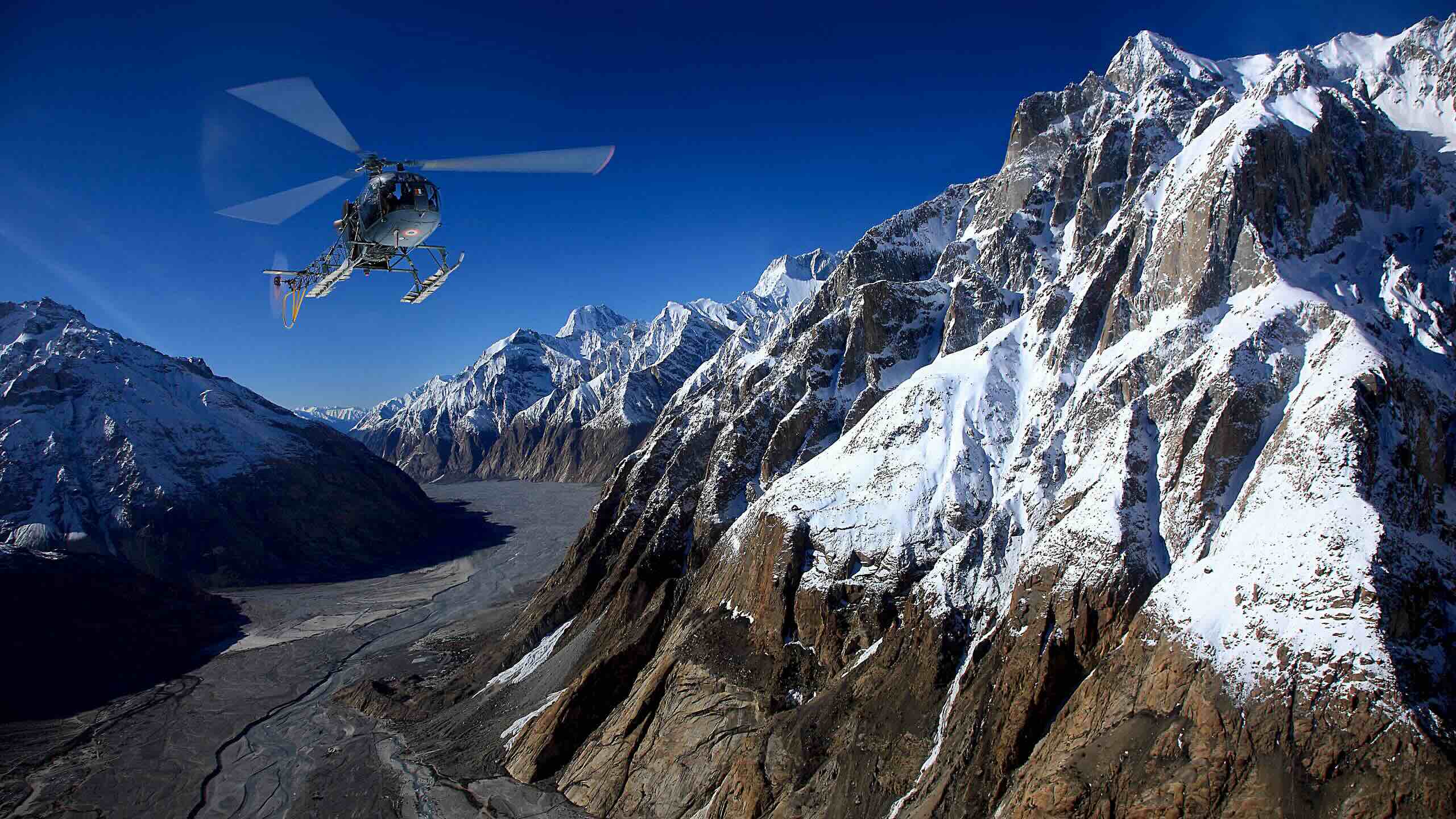
    Abstract:

    With the advent of satellite imagery and smartphone sensors, cartographic expertise has reached everyone’s pocket and we’re witnessing a software-isation of maps that will underlie a symbiotic relationship between our physical spaces and virtual environments. This extended reality comes with enormous economic, military, and technological potential. While there exist a range of technical, social and ethical issues still to be worked out – time and tide wait for no one is a metaphor well applied to the Metaverse and its development. This article briefly introduces the technological landscape, and then moves over to a discussion of Geospatial Digital Twinning and its techno-strategic utility and implications. We suggest that India should, continue on the existing dichotomy of Open Series and Defence Series Maps, initiate Geospatial Digital Twins of specific areas of interest as a pilot for the development, testing, and integration of national metaverse standards and rules. Further, a working group in collaboration with a body like NASSCOM needs to be formed to develop the architecture and norms that facilitate Indian economic and strategic interests through the Metaverse and other extended reality solutions.

    Introduction

    Cartographers argue that maps are value-laden images, which do not just represent a geographical reality but also become an essential tool for political discourse and military planning. Not surprisingly then, early scholars had termed cartography as a science of the princes. In fact, the history of maps is deeply intertwined with the emergence of the Westphalian nation-state itself, with the states being the primary sponsors of any cartographic activity in and around their territories[1].
    Earlier the outcome of such activities even constituted secret knowledge, for example, it was the British Military Intelligence HQ in Shimla which ran and coordinated many of the cartographic activities for the British in the subcontinent[2]. Thus, given our post-independence love for Victorian institutions, until 2021 even Google Maps had remained an illegal service in India[3].

    One of the key stressors which brought this long-awaited change in policy was the increased availability of relatively low-cost but high-resolution satellite imagery in open online markets. But this remote sensing is only one of the developments impacting modern mapmaking. A host of varied but converging technologies particularly Artificial Intelligence, advanced sensors, Virtual and Augmented Reality, and the increasing bandwidth for data transmission – are enabling a new kind of map. This new kind of map will not just be a model of reality, but rather a live and immersive simulation of reality. We can call it a Geospatial Digital Twin (GDT) – and it will be a 4D artefact, i.e. given its predictive component and temporal data assimilation, a user could also explore the hologram/VR through time and evaluate possible what-if scenarios.

    [powerkit_button size=”lg” style=”info” block=”true” url=”https://admin.thepeninsula.org.in/wp-content/uploads/2022/07/TPF_Working-Paper_MetaGDT-1.pdf” target=”_blank” nofollow=”false”]
    Read the Full Paper
    [/powerkit_button]