Category: Policy Analysis

  • India Elections 2019: Under-representation of Women Reflects Failure of Policy

    India Elections 2019: Under-representation of Women Reflects Failure of Policy

    Renuka Paul                                                                                           April 10, 2019/Analysis

    India, the world’s largest democracy, will witness the start of its general elections tomorrow, for constituting the 17th Lok Sabha. With 900 million eligible voters, it is expected to be the biggest electoral event and is scheduled to be held in 7 phases from April 11th to May 19th, 2019. The democratic exercise, however, does not appear to be fairly representative of women. For over two decades, the insufficient involvement of women in Indian politics has been largely debated, and measures to alter the status quo have been backed by nearly all major political parties. Despite the support, implementation of these proposals have stalled. Moreover, there has been no significant increase in women’s representation within party ranks nor in the number of female candidates being nominated for the upcoming election.

    India Fares Poorly in Comparison to its Neighbours

    Although women constitute nearly half of India’s population at present, female political representation remains at 11.8 percent in Lok Sabha and 11.2 percent in Rajya Sabha (global average, as of 2018, is 24.3 percent). In other words, nearly 9 out of 10 legislators in India are men. While women have held the roles of the President, Prime Minister and Chief Minister in India, these instances remain an anomaly rather than the norm, with most of the elected female leaders belonging to political families (43 percent). According to Inter Parliamentary Union (2019), India is ranked 149thout of 193 countries in terms of representation of women in Lower Houses. In comparison, Nepal (32.7 percent), Afghanistan (27.3 percent), Bangladesh (20.6 percent) and Pakistan (20.2 percent) perform far better and have political quotas in place. Furthermore, representation of women in state assemblies is even lower (8 percent), with the highest numbers in Bihar, Haryana and Rajasthan at 14 percent and lowest in Mizoram, Nagaland and Puducherry with no elected women representatives.

    The abysmal rate of women’s role in decision making and legislation was first acknowledged in 1976 after a report by the Committee on the Status of Women in India was published. Following this, 73rdand 74thconstitutional amendments were adopted in 1993 mandating 33 percent reservation for women in local governance. Later, in 1996, in order to correct the deeply skewed ratio of female electoral participation, the Women’s Reservation Bill was introduced in the parliament in order to extend reservation to Lok Sabha and state assemblies. As per the provisions of the bill, seats under the quota were to be allotted to different constituencies by rotation, as prescribed by the authority determined by the parliament. Importantly, the bill contained a clause stating that the reservation extended would be eliminated 15 years after its introduction. This clause was included upon determining that the estimated time period was sufficient to remove the political disadvantages faced by women. Further, some argued that following the 15 years, people would come to realise the capabilities of women leaders and, if the bill were to not be revoked, it would limit female candidates to contest elections from the reserved seats alone. Though the bill has been promoted by major parties, it has failed to get legislative approval.

    Patriarchal Mindset and the Absence of Political Will

    Both the NDA and UPA governments blamed failure of the bill’s passage on the coalition arrangement that made consensus impossible, despite the support of the leading party. Although the BJP were vocal about women’s marginalisation in politics while in opposition, upon coming to power in 2014 with a clear majority, the party has neither discussed nor passed the bill. Overall, a general lack of political will remains and the disinterest of parties in issues of inclusive representation is evident. This is highlighted by the fact that women representatives of all major parties in the general elections is less than 10 percent.

    Opponents of political quotas for women argue that it will further strengthen the gender imbalance at the top. According to them, “modern women” are capable of contesting elections on merit and do not require affirmative actions to win elections. Moreover, they argue that reserved seats restrict the choice of voters to only women candidates, thereby violating the rules of democratic elections. Others claim that rotation of reserved constituencies would reduce an MP’s incentive to work for their constituencies since they would not be eligible for contesting elections in the next term. Many have proposed alternatives such as reservations for women in political parties instead, dual member constituencies, etc. Interestingly, while these disagreements have stymied the bill for over two decades, they did not hinder the passage of the 73rdand 74thamendments (passed with a clear majority when introduced the first time). This may be because the latter does not pose any threats to the dominant position of male parliamentarians, as opposed to the former that challenges their own survival.

    Globally, it is established that men and women in leadership positions often have differing priorities and perspectives. An ideal mix of both the sexes in politics is necessary to ensure that the democratic process is truly representative and that demands of all categories are considered during decision making processes. Though open competition in constituencies may be preferred, reservation for women candidates is required until gender parity is achieved. This balance in elected bodies is crucial to establish a mechanism that allows women to actively engage and influence broader political and economic concerns, especially those that affect women.  In India, equal opportunities in terms of political participation and representation have been granted to women since independence. However, societal and historical biases against women have created rigid structures that have hindered women’s accessibility to positions of power. Equal political representation makes the democratic system more responsive to the needs of the people. In this sense, there is an urgent need to improve women’s involvement in politics for inclusive growth and development.

    Reservation for Women an Absolute Necessity

    The existence of reserved seats for women in elected bodies isn’t just a demand for fairness and equality. Various studies have highlighted the positive effects of bringing in female leaders. A report by the Ministry of Panchayati Raj has highlighted that reservation for women in PRIs has improved the self-esteem, confidence and decision-making skills of the candidates, which in turn has led to an increase in education for girls and consequently expanded the breadth of their future aspirations. Furthermore, it was found that the elected women also invested more in the handling public goods such as cleaner fuels, road connectivity and water accessibility- issues that often affect women at large. According to a study by UN University WIDER, constituencies with women leaders have 15 percent more luminosity growth in their regions than those headed by men, thereby improving productivity and employment rates. The study concluded that women leaders contributed 1.8 times more to economic growth than their male counterparts. Many studies have recorded considerable differences in policy priorities and solutions offered by both the sexes, with female leaders primarily emphasizing on issues aimed at improving the quality of life, conditions of women and children, health parameters and lives of minorities. Research indicates that this is possibly the result of traditional roles played by women as mothers or caregivers. A J-PAL research paper has also observed that the quota system in local governments have boosted child health and nutrition, female entrepreneurship and the responsiveness of police toward violence against women. Altogether, the inclusion of women in politics is not limited to changing gender relations in the nation but also greatly contributes to improving social welfare and economics.

    Many have noted that for women to substantially impact the policy scenario, they would need at least a 30 percent share in the parliament.  In fundamentally patriarchal Indian society, this highlights yet again the crucial need for the Women’s Reservation Bill. While many contend that this will limit and make women candidates dependent on the quota system, evidence shows otherwise. Despite quotas in local governments (33 percent), as of 2018, the national average of women in panchayats is around 44 percent and 14 states have more than 50 percent women leaders. In fact, Uttarakhand and Rajasthan have 56 percent female representation in PRIs. However, there are many other factors that require consideration. According to Economic Survey 2018, cultural attitudes towards women, domestic responsibilities, illiteracy, lack of confidence, inaccessibility to political funds, threat of violence, etc are some causes that limit women’s abilities to step forward in politics. Therefore, while women are offered opportunities through political quotas, inherent social structures and norms need to be altered in order to enhance balanced representation.

    Positive Impact on Society

    In recent years, the signs of increasing involvement of women in Indian politics are clearly visible. This is primarily manifested through voting and political activism (not figured into representation). According to leading election researchers, the upcoming general elections will see female voters surpassing the men. These trends show that there exists a demand to see more from political parties than hollow promises of female-oriented policy statements in election manifestos. For instance, Odisha has introduced a resolution in its state assembly for reserving one-third seats for women in parliament and legislative assembly, and the Biju Janata Dal (BJD), the ruling party, has proclaimed that 33 percent women candidates will contest elections. Trinamool Congress in West Bengal has announced that 41 percent of its candidates for Lok Sabha seats are women. While other parties have criticised these moves as opportunistic and an attempt to capture a larger share of the female electorate, these decisions certainly offer a better platform for women in the upcoming elections. Moreover, with the increase of women voters, other parties and states will be compelled to follow suit.

    For effectively including women in the elected leadership, in addition to affirmative action, there is a need for parties to prioritise women within their ranks, thereby cultivating a gender neutral political environment. These efforts should also be enhanced through comprehensive political education and gender sensitisation by the state and media. Since substantial female political empowerment necessitates a shift in people’s values and perceptions, it requires collaborative efforts from various players including leaders, political parties, civil society and the media alike.

    Renuka Paul is a Research Analyst with TPF.

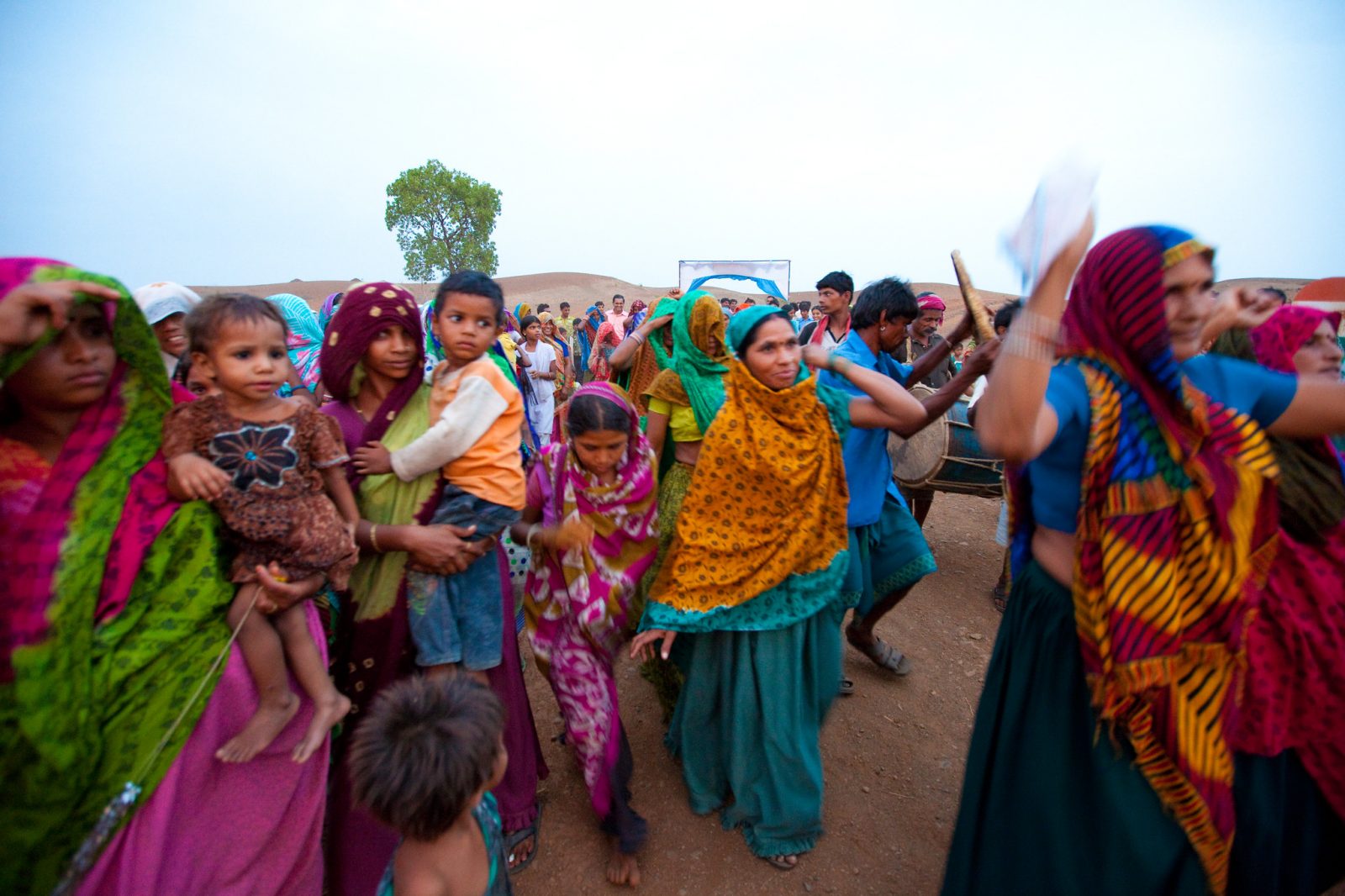
    Header Image: Welcome party at the Gram Sabha, Panchayat-Khaal Khandvi, District-Megh Nagar, Jhabua, MP (UN Women)

  • Evaluating the Impact of Demonetisation: Between Fact and Fiction

    Evaluating the Impact of Demonetisation: Between Fact and Fiction

    Manjari Balu                                                                                        Apr 10, 2019/Analysis

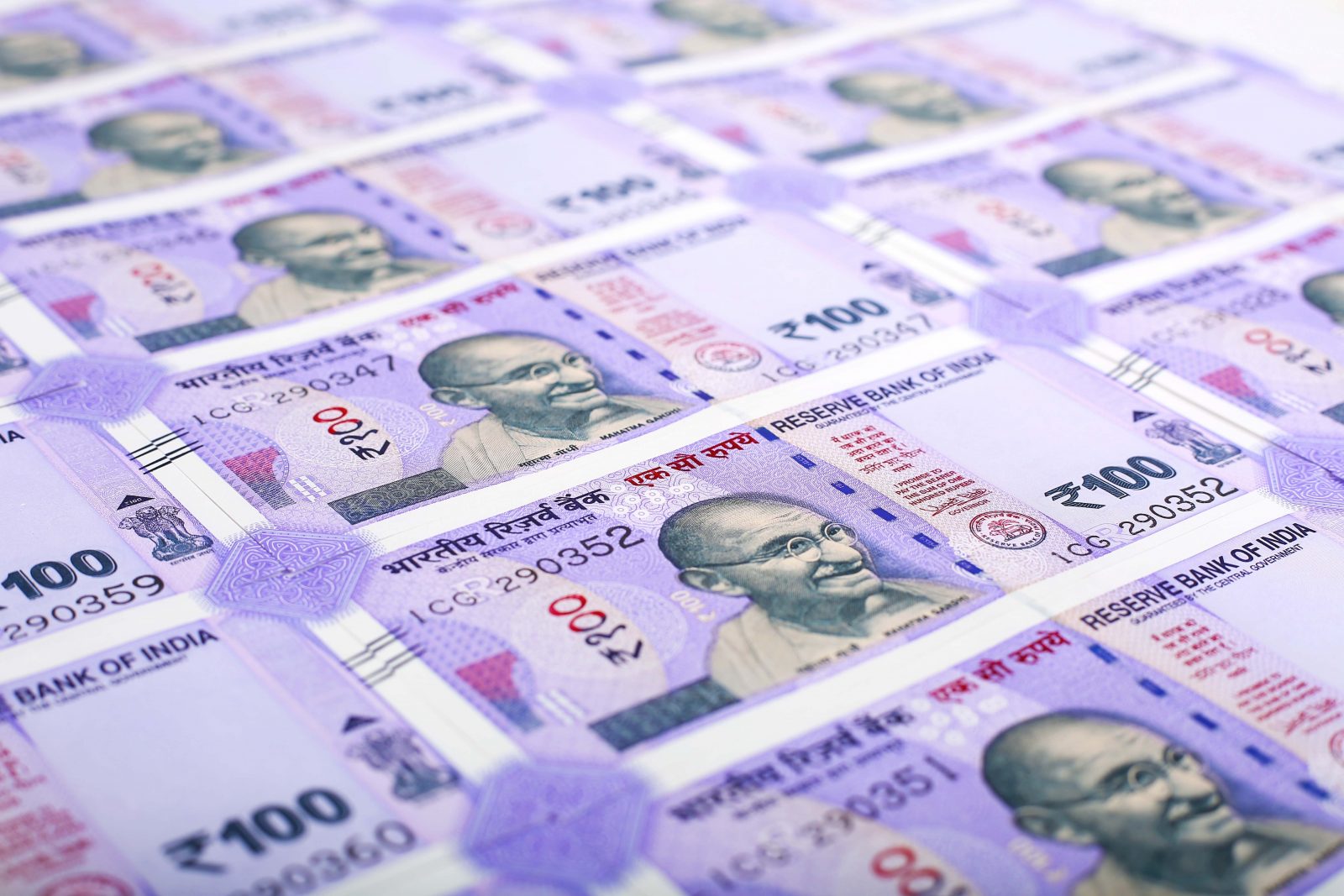
    In democratic societies, economic policy often becomes hostage to electoral politics, devolving into quixotic pledges that are optimised for securing votes rather than social welfare.  Qualifying as a polemical issue that has been most widely discussed, the 2016 shock therapy through demonetisation of 86 per cent of all Indian currency in circulation, is arguably a case in point. In a democratic polity, the political manifestos transcend to the policies to impress the masses paying minimal attention to market efficiency, rather, gain is considered a windfall. Intuitively, there are few factors that determine the eligibility of a policy to qualify in mass politics.  The magnitude of the people affected by the policy, the organized structure of the people, and the kind of effect it has on the masses. It could be direct or indirect and short or long run depending on the execution of the policy.

    The narratives have been changed from the original proclamation of extirpating black money and choking the funding for terrorism to tout for a cashless economy and digital payments as promoted by the relentless advertisements and social media campaigns.

    Theoretically, proscribing a country’s currency for a short period by ceasing the value of the same is considered to be one of the strategies to deal with black money. History has, however, proven that demonetisation must be accompanied with a structured treatment to the economy as fall in inflation becomes intractable and aggregate demand tends to attenuate.

    As per the Global corruption perception index, India is ranked 81stposition by Transparency International, an agency that adopts a specific methodology to evaluate the level of corruption in different countries. India has shown an improvement in score and for the first time, China has been assessed to have more corruption than India.

    Though the score seems to be encouraging, a comparative analysis shows that developing countries have been taking up legislative measures bolstered with government initiatives and transfer of knowledge about corruption. Vanuatu, The Solomon Island and South Korea have improved their score by encouraging citizen partnership, passed various anti-corruption laws and pushed for social reforms to combat corruption.

    The intent to strike the shadow economy through demonetisation had a substantial effect on the informal economy too. The loss suffered due to a cashless economy especially by the informal sector eclipsed the expected result of a reduction in the shadow economy. Further, the fundamental proposition to withdraw currency for a short period is premised on the assumption that there is a definite relationship between the currency in circulation and the so-called “shadow economy”. A simple glance at the data of different countries’ currency to GDP (Gross Domestic Product) ratios and shadow economy figures illustrates the misconception. There are countries with higher currency to GDP ratios than India but records smaller shadow economy – likewise, some countries have larger shadow economy despite lower currency to GDP figures. This is because black money is seldom held in cash. It is often converted to high-value items like real estate, diamonds, gold, films, etc. Also, the high-value stakeholders, politicians being the ironical suspect, have evolved to absorb the black money and have been scot free even post-demonetization.

    Countering terrorism by making the fake currency illegal was the second claim that has been appreciated by the public. Terror incidents are a menace to people especially in conflicted areas, zones with extremisms and other local terror groups. While contemplating the effects of demonetization to counter the terror incidence, the Terrorism Index suggests that the index has increased to 7.57 in 2017 from 7.53 in 2016. There is no conspicuous result relating to terrorism if such a radical decision was intended to control terrorist incidence.

    A thorough study entitled ‘Cash and the Economy: Evidence from India’s Demonetisation’ conducted at Harvard University used economic modelling techniques and satellite data to find that India’s demonetisation led to a contraction in ATM withdrawals and had an effect on both the formal and informal sector. The cross-sectional analysis of the districts recorded the reaction to the shock was uncertain and the withdrawal quantum changed with the proportion of the informal economy.  The informal economy is estimated to account for 81 per cent of total employment and 44 per cent of total output which pertains to cash-intensive transaction. While the GDP rate has not fluctuated, the estimates for employment has caused a reduction in the national economic activity of roughly 3 percentage points in November and December 2016. There is a widespread opinion from various technocrats about the excess cost of executing demonetisation over the actually proposed benefit. In political terms, however, the policy has borne significant payoffs for the current establishment.

    One point of evidence for this claim is the manner in which the decision was made. Reports reveal that the government made the decision to demonetise despite stiff opposition from the RBI board, meaning that leaders were alerted to the potential economic pitfalls prior to introducing the shock. It is likely that the prospect of political gains prevailed over economic ones, especially given that the current establishment exhibits a penchant for such conduct – similar tensions between economic and electoral considerations have been observed with respect to the calculation of GDP and the proposed methodology by Central Statistical Organization.

    A slump in growth rate was expected on the account of demonetisation but India seems to be consistently growing. However, this does not harbinger a steady state of development. Agriculture sector accounts for almost 50 per cent of the total workforce experienced a severe deprivation due to their dependence on cash. Further, growth in real investment also plunged in the fourth quarter of 2016-17 which collapsed the rate of industrial credit in the last two quarters following demonetisation. An analysis from the Economic Survey 2016-17 volume 2 suggests no economy has experienced a 7 per cent growth rate with low investment and high levels of unemployment. This validates the contention posted by the economists regarding the methodology of GDP metric calculation.

    Literature states that there is an internal paradox that is associated with the response of people in the informal sector. An unequivocal inference is hard to be drawn about the response due to the power hierarchies within the informal economy. Analysing informal labour and informal capital, factors of informal economy would help us identify the nuances of the effect. The informal capital faces the hardship of a cash crunch and exploits the informal labour during the crisis. Further, absence of a system to control the squeezing of labour corroborates the inefficiency of the state to mollify the situation.

    There is an undeniable defilement of economy in the short run post-demonetisation, however, comment on the long run effects have to be reserved to the time when there is maximum accessibility of data. The ruling establishment has, indeed, managed to spin the policy as relying on the patriotic duty of its citizens in aiding their Prime Minister’s efforts to flush out black money from the economy. If one were to assume policymakers to be rational actors, it would stand to reason that demonetisation was done to avail electoral payoffs, even as broader society incurs a reduction, willingly, in social welfare. Unfortunately, India’s demonetisation bears testimony to a glaring ailment of all democracies – that bad economics can be good politics.

    Manjari Balu is a Research Analyst at TPF. She holds a degree in economics.

  • Disruptive Technologies and Future Naval Warfare

    Disruptive Technologies and Future Naval Warfare

    Vijay Sakhuja  December 16, 2017

    Google’s decision to cancel Project Maven may be a disappointment for the US military who were hoping to use the company’s artificial intelligence (AI) and machine-learning (ML) techniques to analyse huge amounts of video footage captured by drones operating in Syria, Yemen and Afghanistan. The project had come under severe criticism from Google employees who had urged the leadership to stop pursuing and developing technologies that would augment a user’s war-making potential. Further, they wanted Google to “draft, publicise and enforce a clear policy stating that neither Google nor its contractors will ever build warfare technology.” Under pressure, Google CEO Sundar Pichai has stated in a blog post that the company will withdraw from Project Maven and not develop in future “technologies that cause or are likely to cause overall harm,” those which “violate internationally accepted norms” and “widely accepted principles of international law and human rights.” The announcement indeed emphasises human ethics and international norms, and merits appreciation.

    While that may be true, disruptive technologies such as AI and ML are fast making inroads into the military and many have already acquired these technologies to augment their surveillance and combat capability as also employ them for safety purposes. The use of disruptive technologies for counter terrorism is a burgeoning industry and algorithms are used by the US military’s Middle East and Africa commands to fight against the Islamic State (IS). The US Department of Defense (DoD) has said that the technology is “literally a work of magic.”

    The use of AI in the maritime domain is well documented and has found reference in addressing criminal activities at sea such as piracy, illegal unreported and unregulated (IUU) fishing, and unlawful transfer of humans and materials. Its use for weather and sea condition monitoring and predictions, oil spill detection and tracking, etc are also well-known. In the naval domain, AI-enabled systems for data and logistics management, machinery operations, repair and maintenance, shipboard autonomous firefighting robots, etc are in operation. The use of AI and ML in warfare, particularly in the context of missiles, UAVs, UUVs, drones and submarines,merits attention.

    The navies of US, Russia, China, Japan, and a few from the EU are in competition to develop AI weapons and sensors. In South Korea, Hanwha Systems, a South Korean defence business company in partnership with Korea Advanced Institute of Science and Technology (KAIST) plans to develop “an AI-based missile that can control its speed and altitude on its own and detect an enemy radar fence in real time while in flight. AI-equipped unmanned submarines and armed quadcopters would also be among autonomous arms.” The company also plans to develop AI-equipped submarines.

    Perhaps the biggest naval challenge is likely to emerge from shipborne/ship-controlled and AI-enabled swarm drones that have caught the fancy of some navies. It is useful to recall that during World War II,between 1940 and 1943, German U-boats attacks against Allied convoys sailing across the Atlantic had potentially challenged the naval balance of power and had almost brought Britain closer to defeat. These Rudeltaktik, or wolfpack tactics and coordinated attacks are now being replicated by swarm platforms which can be launched in the air as also at sea.

    There are several limitations to operating small boats in a swarm, such as limited range, stability on the high seas, and jamming through electronic warfare, they may not match and offer similar capability as the U-boats. However, AI enabled boats in swarm mode with autonomy can potentially cause significant challenges for the enemy and it may not be possible to shoot down each one of them. Likewise, drones offer an attractive option and have higher levels of automation and do not require advanced computers and sensors. These can be launched in large numbers and can conjure a lethal force at sea.

    A recent video released online by China’s Yunzhou Tech Corporation showcases a 56-robot boat swarm conduct complex and coordinated maneouvre around a larger boat from where these are controlled. China is also developing swarm drones that can be deployed at sea for surveillance, and if strapped with explosives can carry out a ‘saturation attack’ on an enemy ship or even adopt kamikaze tactic to simultaneously dive in to attack from different directions and defeat ship based anti-aircraft and anti-missile defences.

    Warfare at sea has witnessed several transformations in the past but the ongoing transformation led by AI, ML, big data, cloud commuting, and quantum communications will cause major disruptions in naval warfighting. In fact, the autonomous nature of UAVs, UUVs and drones and their ability to ‘self-organise in sub-swarms’ could be a game-changer in naval operations and could well be the new asymmetric approach in warfare. Further, it is fair to argue that smaller navies can be expected to equip themselves with advanced AI and ML-enabled platforms and sensors which can be acquired from the open market, and rely less on military hardware imports which always attract a number of restrictions imposed by the supplier.
    Dr Vijay Sakhuja is a co-founder and trustee of  TPF.