Category: Policy Analysis

  • India’s Illegal Immigration and Citizenship Issues: Tussle between Politics and Policy

    India’s Illegal Immigration and Citizenship Issues: Tussle between Politics and Policy

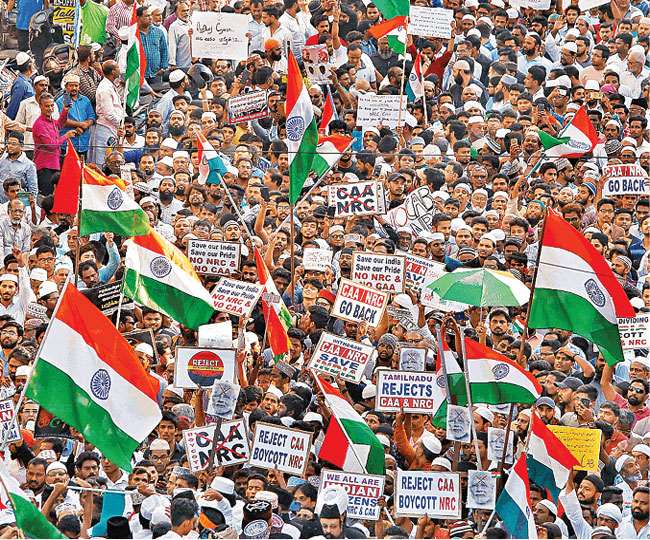
    It is indeed difficult to comprehend this Government’s precipitous push for the Citizen Amendment Act (CAA), in the manner that it has, at a time when the economy is on the edge of a precipice and it has yet to satisfactorily resolve serious issues like Kashmir that it has on its plate. True, illegal immigration is of huge concern around the world, and even more so in our case as the issue has been further complicated by the deleterious effects of Partition. However much the young today may wish away the past, we are still bound by it. Regardless of whether one subscribes to the “Two Nation Theory” or not, Pakistan emerged as the homeland for Muslims of the Sub Continent while India came to be regarded as the home for those dispossessed because of their religious affiliations from those areas. 

    One tends to forget that the Preamble to the Constitution, when first adopted, described India as a “Sovereign Democratic Republic” in which “liberty of thought, expression, belief, faith and worship” were guaranteed. Socialism and secularism were only added to our preamble as an afterthought by the Congress Government of Mrs. Gandhi in 1976 through the 42nd Amendment, obviously to gain political advantage and protect her own minority vote bank. In a sense that has now come to haunt us as the BJP proceeds to curry benefit for its Hindutva plank, as the CAA clearly attempts to do, though ostensibly it is aimed at correcting an old wrong.   

    Religious minorities in both countries were given a semblance of relief with the signing of the Nehru-Liaquat Agreement of 1950 that required both countries to protect minorities. While Indian Muslims, among others, continued to enjoy the fruits of democracy in a secular republic, the same could not be said for Pakistan, and subsequently Bangladesh, after its formation. Minorities there continued to be discriminated and persecuted against on religious grounds, forcing lakhs of Hindus and Sikhs to flee across the border. The Government of India’s subsequent refusal to grant citizenship to the fleeing Hindus and Sikhs, as had been publicly promised by both Mahatma Gandhi and the Congress Government in 1947, left them stateless and in penury and was certainly a dark chapter in our history. 

    Subsequently, after 1971, the issue was further complicated as Bangladeshi Muslims too crossed over in an attempt to improve their own economic prospects. It is also an undisputable fact that much of this flow of illegal migrants was aided by Governments then in power in Assam and Bengal that were shortsighted enough to believe that this flood of  illegal immigrants would increase their vote banks and allow them to subvert elections. It is ironical that the very parties involved in this immoral and criminal act are today at the forefront of the Anti CAA protests. While the Nellie Massacre and the Assam Student Agitation brought a halt to this farce in Assam in the early Eighties, it has allegedly continued unabated in Bengal even to this day.

    Politicians, activists and media persons who today question the extent of illegal immigration, especially from Bangladesh, would do well to study the extremely balanced and insightful “Report on Illegal Migration into Assam Submitted to The President” by Lt Gen S K Sinha (Retd), then Governor of Assam, on 8 Nov 1998. As most readers would be aware while the extent of actual illegal immigration into Bengal and other states is not available, anecdotal evidence suggests that it has been extensive and has impacted the social fabric of these States. Indeed, most of those who question attempts to curb or quantify the extent of illegal immigration are being deliberately obtuse and intent on promoting a false narrative motivated more by their bias against the current Government and their need to hide their own involvement in promoting this flood of immigrants. 

    The Assam Accord signed by the Congress under Mr. Rajiv Gandhi in 1985 required a process to be initiated for the “detection and deletion of foreigners.” In this context under the aegis of the Supreme Court action was initiated in Assam to update the National Register of Citizens (NRC) that had been prepared in 1951 by recording particulars of all the persons enumerated during that Census. This update was to include the names of those persons (or their descendants) who appear in the NRC, 1951, or in any of the Electoral Rolls up to the midnight of 24th March, 1971, or in any one of the other admissible documents issued up to then, which would prove their presence in Assam or in any part of India on or before 24th March, 1971. As per Prateek Hajela, State Coordinator of the NRC Project, “A total of 3.1 Crore persons have been found eligible for inclusion in the final NRC list, leaving out 19.,06 Lakh persons including those who did not submit their claims.” They now have the right to file an appeal before Foreigners Tribunals.

    This implies that once the process of appeals is complete, those declared as illegal immigrants, as defined by the Citizenship Act of 1955, will have to be either imprisoned or deported under the Foreigners Act, 1946 or the Passport Act, 1920. However, this has placed the Central Government and the Assam Government on the horns of a dilemma because the vast majority of those who are presently ineligible for inclusion in the NRC are Hindus. Logically speaking, deporting these people would be a gross miscarriage of justice given that they fled their country of origin due to religious persecution. In anticipation of this problem the Government amended the latter two Acts in 2015, thereby exempting Hindus, Sikhs, Buddhists, Jains, Parsis and Christians from Afghanistan, Bangladesh and Pakistan, who had fled to  India before 31 Dec 2014 because of religious persecution, from being deported. A natural corollary to this action would have been to amend the Citizenship Act 1955 to grant citizenship to these groups in an earlier timeframe, rather than the eleven years that the Act otherwise requires. This is exactly what the Government has done with the CAA, 2019. That such an action will also help further its own political agenda is undeniable, but that is exactly how all politicians in power work.

    All of this goes against the interests of the Assamese who view the issue in purely ethnic terms. Their protests, therefore, are against inclusion of Bengalis as citizens regardless of their religious affiliations as they believe that they are being swamped numerically, culturally and linguistically. One fails to understand why the Central Government, which has the benefit of its own party in power in the State, was unable to anticipate the likely consequences of its actions. Obviously, either both the central and state leadership ignored or misunderstood the signs, but whatever be the case the Party has certainly harmed its own cause and faces an uphill battle in regaining popular support. In the context of the rest of the country however, the adverse reaction that this step has drawn is clearly political in nature, initiated by those who fear they will lose out at the hustings because of this.

    The opposition narrative that has been propagated is along two thrust lines. Firstly, it appeals to the liberal secular mindset, which already sees this government as autocratic and fascist in nature, that the CAA is discriminatory, as it leaves out Muslims from those countries, thereby eroding our secular identity, and is therefore unconstitutional. Secondly, it creates a fear psychosis among the minority Muslim population by linking it to the NRC and suggesting that it will be used by this Government to harm their community. The Police by their highhanded behaviour and excessive use of force in dealing with the protests have only reinforced this narrative.

    While it is for the Courts to decide on its constitutionality, prima facie the argument seems to lack substance because the Act is only applicable to non- citizens who are not covered by the provisions of our Constitution and in effect corrects an earlier wrong. Moreover, if legislation is to be treated as unconstitutional purely on the basis that it is discriminatory in nature, then how does one justify existing laws on the subject and is it not time for the uniform civil code to replace all our other such Acts in place? Clearly, for those who ignore these arguments, Bertrand Russell’s belief that “Men are born ignorant not stupid. Education makes them stupid,” appears to have some relevance. 

    With regard to the fears that have brought many of our Muslim brethren to take to the streets, the issues involved appear to be more complex. There can be no two views that the updating of the NRC is a legitimate exercise that every State undertakes to protect its sovereignty. No State can let its ethnic, religious or linguistic profile be overturned by illegal immigration as that will adversely impact society. However, the NRC can also not be used by any government as a tool for harassment. This is unfortunately where this Government loses out because over a period of time its actions have come to be viewed with suspicion by the public at large and specifically by our minority population. There is a huge trust deficit and people tend to be extremely suspicious of its motives. Moreover, now that the Ram Temple issue has been more or less settled, there is the fleeting suspicion that this Government now intends to use NRC to further its Hindutva agenda.  That apart, there have also been numerous occasions on which this community has faced unprovoked attacks, with little being done to assuage their feelings, especially as perpetrators have rarely been brought to justice. It is also a telling comment on their treatment that violence during these ongoing protests has primarily been restricted to states that are run by the BJP. 

    This has allowed the opposition parties to cynically peddle a blatantly false narrative and spin it in a manner that gives it enough credence to coalesce not just minority groups in their favour, but also others who have been distrustful of the way this government functions, with little regard for transparency, dialogue or rule of law. In the meantime the Modi Government has now decided to change tack, put the NRC on the backburner and proceed forward with the updating of the National Population Register (NPR) that only records the list of people in the country, instead. However, this move is also unlikely to be taken kindly since for all intents and purposes, it is a precursor to the NRC and provides relevant data that it can use. 

    The way forward in resolving this contentious situation can hardly be the one that results in further confrontation or adds to the distrust quotient. Mr. Modi would be well advised to take a step back and invite political parties and civil society for a fresh dialogue on all touchy issues. In addition they must look at including appropriate provisions to the guidelines for conduct of NPR/NRC that statutorily ensure that minorities and the poor are not harassed during the process. In any case the Assam NRC process and its final results show that despite our best efforts, deportation of illegals is a very distant possibility. It may therefore be a far better alternative to adopt a more practical and less contentious approach. One such option could be that those identified as foreigners continue to be permitted to remain and work here, without probably being given the right to vote or acquire property. However, their children born here should automatically be made citizens as per existing laws.      

    The author, a military veteran, is Senior Visiting Fellow at The Peninsula Foundation, Chennai and a Consultant at ORF, New Delhi. Views expressed are the author’s own.
     

  • Gender Wage Inequality: A Core Problem in Rural Indian Economy

    Gender Wage Inequality: A Core Problem in Rural Indian Economy

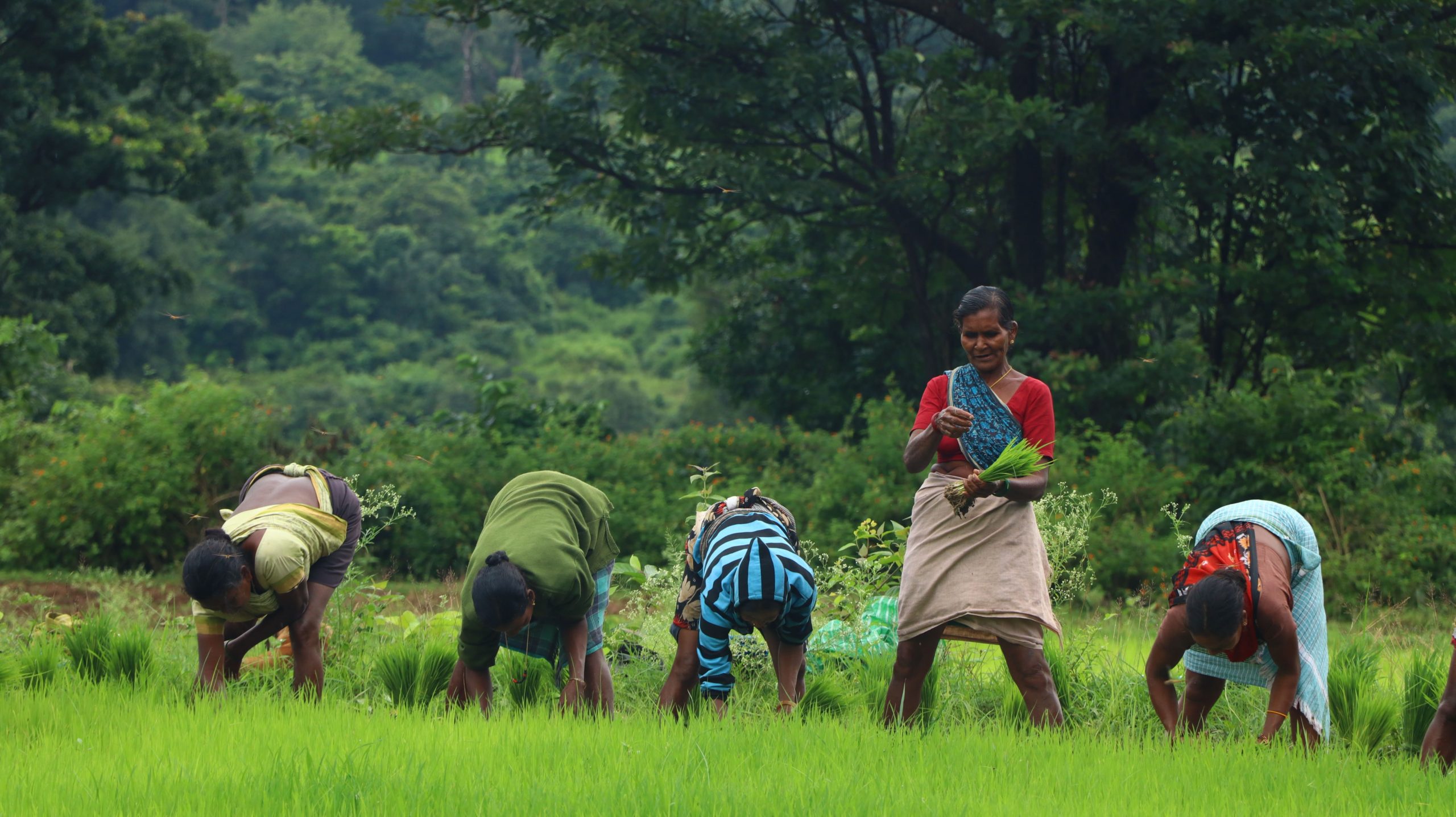
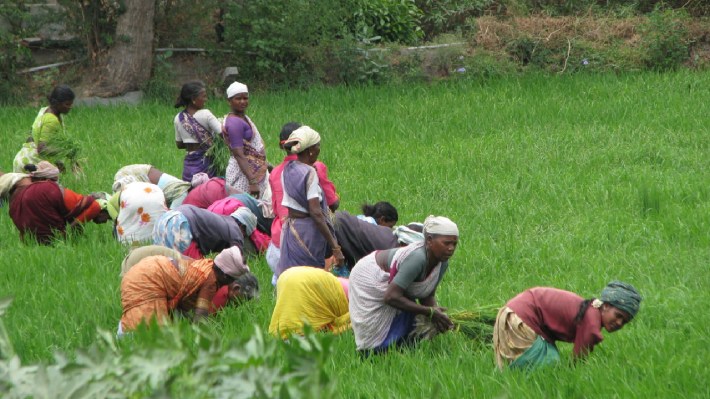
    Growing unemployment rates, inadequate demand and low productivity in rural India is currently drawing significant attention particularly in view of the current economic slowdown. Debates on falling agriculture productivity and consumption in rural areas have partially ignored the gender dimension. The sexual division of labour in a rural production framework arbitrarily sets the female wages lower than men. Declining participation of women in labour force could relate to various socio-economic conditions, a sector wise analysis mirrors an intelligible dynamics of the problem.   Informal rural market already operating below the minimum wage exploits women as they are presumed to have poor bargaining power and social constraints blocking their employment migration tracks. While the dire status of marginal farmers and casual labourers are talked about, economic and social inequality across gender misses the radar.

    Optimism on gender grounds rose after the wage gap between men and women started reducing in rural labour market across India. A closer examination of the wage data among rural labour reveals the complex nature of female labour wages. More importantly, the seeming reduction in  wage gap in actuality is more due to  decline in male wage rates. The overall percentage of women in rural casual labour market has seen a marginal reduction from 35 percent in 1983 to 31 percent in 2017-18. Analysis of informal casual labour market reveals a pattern of women being paid low wages and with no social security schemes resulting in decline in already poor quality of living. Significantly, economic contribution of women is grossly underestimated in the current System of National Accounts (SNA). Time Use Survey captures all unpaid activities of men and women which would be more accurate to calculate. However, the problem of valuation remains an issue, and calculation of woman’s opportunity cost in a rural household is an arduous task.

    Complex pattern of decline in female work participation rate

    Female Workers Participation Rate (FWPR) in rural sector declined from 32 percent in 1972-73 to 17 percent in 2017-18. Studies suggest various reasons could be responsible for a fall in proportion of women in rural work force.  According to Census India 2001 and NSSO 2010, increasing number of women migrate from one rural area to other and round 64 percent of women migrants move because of marriage. A research study in Institute of Asian Studies observed an income effect, U shaped probability curve of female participation with the log of male income in the family. This means more women were working during the times of economic distress to support the family and participation rate gradually reduced with higher income earned by the men. However, with increase in income, there is also a pattern of women working to meet the increased consumption expenditure. Education is also considered an important component contributing to reduced percentage of women in labour force. As literacy rates grow, graduate women are aspiring to get employed in skilled jobs and voluntarily withdraw from the work force. However, proportion of women in primary sector has only declined from 89.7 percent (Krishnaraj & Kanchi, 2008) in 1972 to 83.6 percent in 2004. Evidently, majority of women in rural areas are dependent on primary sector for employment, a drop to 67 percent of men dependent on primary sector for employment is due to their shift to secondary and tertiary sectors. Employment in unorganised sector is beset with low wages, an exploitation by the employers.  Moreover, absence of social security cripples the income earning capacity of women. This deliberately places women in the lower strata of rural economy leading to poor socio-economic living conditions and has a direct impact on their inability to invest in education, health and nutrition.

    Women in informal sector and Poverty in rural India

    India’s rural sector is characterized by a large segment of informal labour force where 90 percent of the population is either self-employed or work for casual wage. Rural areas in particular operate in an informal economy and wages are mostly determined by the labour market where women are inherently considered less productive and paid less than men.

    As of 2011-12, 68 percent of female casual labourers were receiving less than National Minimum Wage of INR 122. Around 47 percent of men in rural India received less than the minimum wage indicating the unreliable nature of rural informal job market. Men, naturally with higher migration possibility, shift to informal urban sector jobs but women are left with depressed wages even as the labour demand remains high. Although the rural urban migration among women is higher than men, 60.8 per cent of women migrating to urban areas are due to marriage. As far as employment is concerned only 2.6 percent of women migrate as opposed to 52.7 percent of men. The decline in women participation in labour force is visible among educated women. Unskilled women in poor households tend to work for daily wages and have not substantially reduced from workforce. In rural India, where casual farm and nonfarm jobs are exploited it makes limited sense to use only wage gap to measure the gender equality.

    Agriculture, evolved from a traditional household structure, supports if not advocates, defined gender roles and discriminates women overtly through economic means. According to the recent NSSO report unemployment rates among rural females has increased from 1.8 percent in 2004-05 to 3.8 percent in 2017-18. However, an average of 5.4 percent of women had reported to be available for additional work in PLFS survey 2017-18. Unemployment is rampant across the country in all sectors but women labour supply for casual jobs especially in poor household still remains high pushing the daily wages further down. Intense land fragmentation has increased the percentage of marginal landowners to 85 percent but the demand for labour has reduced, forcing men to migrate into other sectors. Deepening crisis in agriculture also contributes directly to low wages among residual unskilled women labourers. Effectively the ‘informal labour’ market conditions has become a trap that exploits unskilled women as they are willing to work even at a lower wage rate. In effect, an increase in participation would not guarantee a better standard of living if the market is unregulated and exploitation based on gender continues.

    Why Government measures are only partially effective?

    Government initiatives for the rural economy have led to various policies to increase the income levels of marginal farmers and unskilled labourers. Women participation has been prioritized in such schemes and has shown to reduce poverty among rural households. National workfare program MGNREGS provides employment on demand and has managed to attract many women to participate by claiming to offer equal wages. As the Public employment program also mandates 33 percent of labours to be women, unskilled women are largely entering into the MGNREGS program. For the financial year 2011-12, 48 percent of women are engaged in this program from all the rural districts. However, wage gap exists even in a state intervention program- calculating from Annual Report of PLFS 2017-18, men on an average are reported to earn 152 INR per day while women are paid 143 INR from the state employment guarantee program. Further, in few states like Gujarat, Tamil Nadu, Punjab, Madhya Pradesh, Maharashtra and Telengana casual worker’s (both male and female) wage is below the notified wage for financial year 2017-18. State programs are accused of various leakages and operational inefficiencies, yet the participation remains high indicating a much serious problem in rural labour market. An important long term issue pertaining to state run workfare program is the stagnation of skill levels in rural India.  Women participation in secondary and tertiary sector is low; a possible explanation for unskilled women labourers’ compromise for low wages is because of lack of any other alternative. Skill augmentation is prerequisite to transform from an agrarian to an industrial society. A significant effort needs to be directed in training unskilled work force in rural sector, and government employment program has to be a seasonal support system.

    Skill development and Vocational Training to combat rural poverty

    The national average wage difference between men and women for casual employment other than MGNREGS work is calculated to be 55.02 INR for the year 2017-18 and states like Tamil Nadu, Kerala, Tripura and Andhra Pradesh are observed to have the highest gender wage difference. Ironically, these are the states with female participation (in casual labour force) higher than the national average of 25.5 percent, implying that wages (equal wages) are not the only driving force for influencing labour participation. In rural India, while socially defined roles result in unequal wages in labour market, women’s labour does not seem to follow the traditional backward bending labour supply curve. The natural withdrawal of women from workforce is not as serious as unskilled women remaining in informal sector even with lower wages. Real problem of women in rural economy is their diminishing bargaining power and skill stagnation or non-development of any skills due to informal structure and counterproductive state measures.

     A complete free market approach would deepen the wage difference as rural women are assumed to have low skills and weak bargaining power. State intervention to engage more women in labour market should not be limited to just providing 100 days of employment. Skill enhancement, vocational training demanded by industrial and service sectors needs to be imparted in rural areas. Residual women in rural areas are reserve army of labour available and usually are exploited for reasons given above. The gender wage gap is a consequence of a faulty design by the government and dyed-in-the-wool beliefs of people; solutions lie in the state prioritising proactive measures to reform the unorganized sector and improve market accessibility for women. Unequal remuneration in informal sector is a symptom of a fragile labour market. Women labourers end up bearing weights of both market and state failure with poor skills and low wages.

    Manjari Balu is a Research Analyst with The Peninsula Foundation.

    Image Credit:Photo by vishu vishuma on Unsplash.

  • Problems of Indian Agriculture: Low Incomes, Marginal Farmers , and lack of Modernisation

    Problems of Indian Agriculture: Low Incomes, Marginal Farmers , and lack of Modernisation

    Manjari Balu                                                                                                   August 23, 2019/Analysis

    Substantial fall in the number of farmers in the past decade with stagnant agriculture growth of 2.88 per cent corroborates the bleak condition of the Indian agriculture sector. The dire status of the agriculture assigns the state to either invest for agriculture (asset creation) or invest in agriculture (includes subsidized input). The ostensible manifestation for agriculture is visible during the union budget 2019 with falling public investment for agriculture even as budget expenditure rises. The number of cultivator has decreased by 7.5 per centfrom 2001 to 2011 but the number of labourers engaged in agriculture increased by 3.5 per cent for the same years. Contextualizing the movement of labourers with the ambitious plan of doubling the farmers’ income urges the need to investigate the income and wages which currently stands at INR 8931 per month. This figure includes both large landowners and marginal farmers   In the year 2018, waves of protests sparked off across the country, with disgruntled farmers demanding better support prices and waivers of loans. Fear mounted that frustrated farmers would jeopardise the electoral victory of the ruling party. In response, an annual cash transfer of INR 6000 to all marginal farmers was announced in the interim budget of 2019. The strategy paid off. Post-poll survey shows that around 68 per cent of Indian farmers were satisfied with the record of the BJP led government despite strong protests demonstrated earlier in the same year.

    Investments and Subsidies : Misplaced Priorities

    Marginal farmers account for 86 per cent of India’s total farmers. The government has proposed an allocation of INR 85,000 crore in the interim budget to directly support the small farmers and boost their income levels. The re-election of BJP to power is an approval from the agrarian society for idealistic pledges with an ultra-nationalistic manifesto.  But the party in power is resorting to increasing the quantum of spending on agriculture without addressing fundamental issues of the sector. Almost half of the population is engaged in agriculture and the sector accounts for nearly 17 per cent of total Gross Domestic Product (GDP). The 2019 budget has allotted INR 1,51,000 crores for agriculture and allied sectors; this constitutes a 75 per cent hike from the previous budget. Subsidies on fertilizers occupy a highly prominent position in the budget expenditure; INR 73,435 crores is budgeted for fertilizer subsidies for the year 2018-19. Fertilizer subsidy is increasing at an annual rate of 11.4 percent while the share of public investment in agriculture is a mere 0.4 percent of the total investment. The rationale behind large fertilizer subsidies is to reduce input cost and thereby increasing income margin of the farmers. However, a study conducted to assess the impact of different investment components on return on agriculture ranked subsidies below investment in Research & Development (R&D). The output elasticity of the States for expenditure varies from high-income states to low-income states. A state-wise subsidies plan has to be strategized to have a remunerative effect on the productivity and hence the income of the farmers.

                A disproportionate investment in subsidies might lead to short term rise in income but at the cost of long term productivity. The rising burden of liabilities to fertilizers companies is straining the government’s fiscal position. Comptroller Audit General India has criticized the recent budget for resorting to off-budget financing (to cover subsidies through bank loans) to reach the 3.3 per cent target of fiscal deficit. Such offset financing severely strains the government balance sheet and mounting liabilities would dent the future economy.

    Public investment in agriculture is much lower than private investment. In 2016-17, government spending on capital formation stood at only INR 45,981 crore while private spending was INR 2,19,371 crores. While overall public spending has been growing, the share of capital formation in the budget is relatively low.

    Agriculture Strategies in Indian and China: Difference is Technology and Modernisation

     An elementary comparison of India’s growth in agriculture with China highlights the divergent growth due to the different strategies adopted during their post-reformperiod. China focused on irrigation and invested in technology to attain efficiency in water management. The Total Factor Productivity (TFP) which measures the economic efficiency of inputs estimates China’s agriculture TFP to be growing at an average rate of 3.40 percent post the reforms. In contrast, India’s post reforms agriculture TFP stood at around 0.54 percent illustrating the deficiency in technology investment and excessive subsidies on credit, power and fertilizers. China’s indisputable focus was on rural spatial restructuringand land consolidation. Optimizing land-usepatterns and investing in rural regions to enhance productivity can be a transformative solution to address the problems created by industrialization. The remarkable success of China can also be attested to the stabilization of agricultural subsidies in the year 2009. Though input subsidies in 2004 were exponentially growing, the Chinese government conceded the inefficiency of resources allocated to the farmers.

    The principal justification behind institutionalising subsidies on credit, irrigation and fertilizers is to bolster marginal farmers in minimizing the difference between input costs and output prices. The input cost is primarily financed by short term agriculture credit; the short term crop loan has increased by 18 per cent from 2014 to 2018. Theoretically, a positive trend in the short term credit to farmers duplicates the function of subsidies to reduce the input cost. The dispensable expenditure on subsidies can be reduced if state prioritizes to streamline the credit flow to avoid leakages in the system. A fundamental task of the government is to channelize the gain from productivity and translate it to income and wages. Input cost reduction approach, in the long run, suffers from a potential threat of income being concentrated in the large land cultivators while labourers are discouraged to take up farm jobs.

    Income Wage paradox

    The average operational landholding reduced from 2.28 hectares in 1970-71 to 1.08 hectares in 2015-16 as a result of excessive land fragmentation with a swelling rural population. Farmers from India’s rural areas generate income majorly from cultivation and wages. Mahatma Gandhi National Rural Employment Guarantee Act is one such gambit to accelerate employment and incomes of the rural populace. Though the state intervention in the rural labour market has been acclaimed to the extent that it engages India’s unskilled labour force, the flaws of national workfare program are only too apparent with poor monitoring and supervision. A visible trend of farm labourers moving togovernment employment programs has contributed to the recent labour scarcity in agriculture. A shortfall of the labour force in labour-intensivecrops invariably inflates the wage even in the absence of skill augmentation and mechanization of agriculture. Rural workers are more attracted to employment programs as it offers fixed wages as opposed to volatile wage rates in agriculture.

    The union budget has provided an abstract roadmap to increase the income by hiking the Minimum Support Price (MSP) and reducing the input cost. Overall, the average daily wage rates of agriculture labourers in real terms are observed to be falling rapidly from 11.08 percent (derived from government data) in 2007-08 to 4.3 percent in 2018-19. The implication of government strategies to increase the farmers’ income and not that of the labour is based on the assumption that the profit is effectively channelized as wages. However, the discernible movement of the workforce from a labour-intensive agriculture sector to the service sector on account of surety implies the failure of State to stabilise income through agriculture. Indian agriculture has achieved only 40 percent of mechanization while the United States of America has 95 percent of farm mechanization. A transition to capital intensive production would justify a movement of labourers from the agriculture sector to the non-farmsector, but the majority of the farms being labour intensive faces low productivity due to the labour shift.  The disturbed labour market offers higher wages in agriculture but labourers choose to settle for the employment program due to less skill requirement and guarantee of a minimum wage. The farmers in need of labourers, work at a below optimal level with less productivity as it is hard to afford labourers at a higher wage. To untie the complex knot- dynamics of labourers and farmers, it needs to be thoroughly examined to achieve enhanced productivity through income. A mere cash transfer or subsidizing input cost would not guarantee higher income or efficient productivity in the long run.

    A quantitative study conducted to analyse income inequality in the agriculture sector concluded that there has been little change in the structural and distributional factors in the agricultural economy. The findings of the study stated that inequality in income is driven by the share of land ownership. The importance of examining income affected by land size is more relevant as the continuous land fragmentation gains logical attention with an income determined framework proposed by the government. Thus an important fact to be recognizedis that the marginal farmer households earn 9 percent of the total agriculture income while medium and large farmers earn 91 percent of the income. Evidence for growing income inequality based on the land size and land ownership implies the state expenditure has to be designed to redistribute the investment with a view to minimizing the disparity.

    Need for Effective Policy Alternatives

    There is a pressing need to consolidate land holdings and address the deteriorating quality of soil and incentivize farmers to specialize in production by cooperative farming. Self Help Groups is a success story for community-drivenentrepreneurship, a similar model can be experimented in agriculture, factoring the viability and feasibility. A revision of land reform policies to restructure the arable lands for achieving higher productivity needs to be factored in the entire spending formula. There should be a balance in capital and revenue expenditure for agriculture to avoid concentration of funds only on overheads. The state should facilitate a platform for a smooth transition from labour intensive to capital intensive agriculture from both sides. Incentivize farmers to own lands that can be mechanized and equip the residual labourers with skills to acquire jobs in the service and manufacturing sector. A prime target of improving productivity and maintaining the ecological balance has to be influenced to enhance the living standards of farmers.

    Three critical paradoxes that are driving Indian agriculture need to be studied in detail for  better fiscal and policy decisions. These are (i) problem of low productivity despite availability of abundant arable land with a tremendous history of agrarian community, (ii) Bulging population with increasing unemployment yet labour shortage in agriculture sector, and (iii) huge share of agriculture expenditure yet no substantial asset creation or returns on investment. Central government must assess the quality of natural resources and make initiatives for precision farming a priority component in respective states. A revision of labour wages based on productivity and employment programs have to be framed to engage workers in building agriculture infrastructure. The choice of viewing income as a means to achieve productivity or income as an end to beguile the voters during the election season lies with the government.

    Manjari Balu is a Research Analyst with The Peninsula Foundation.

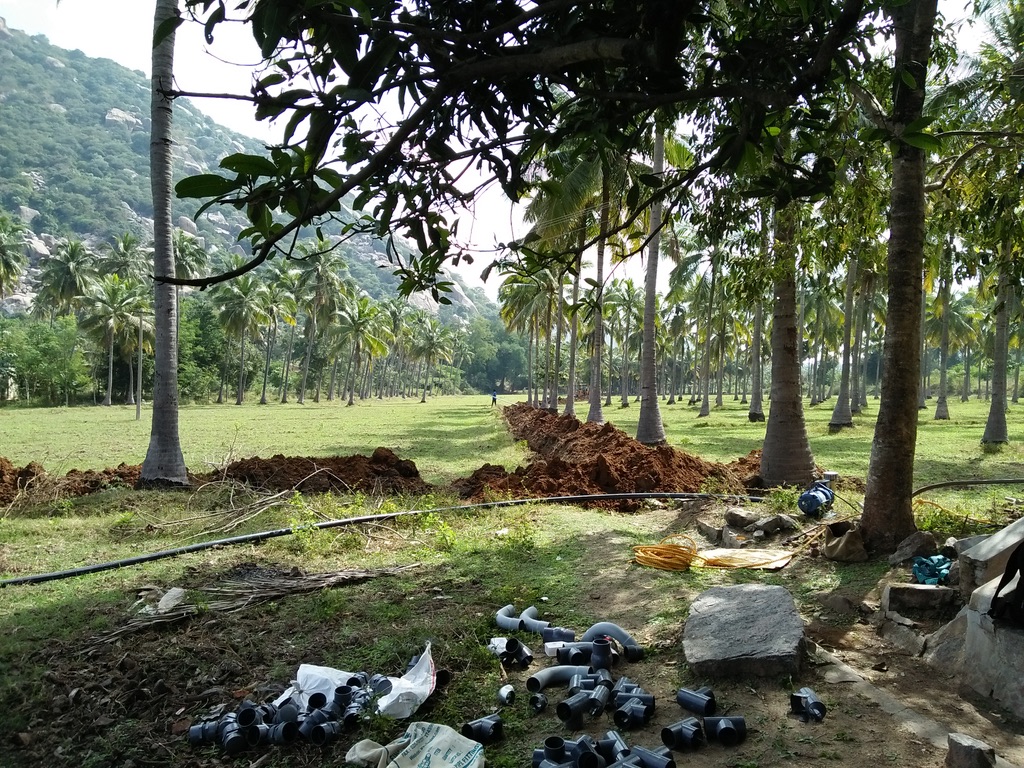
    Photo : Small Farm in Vellore Dt, Tamilnadu, India.  Credit: M Matheswaran

  • China’s Climate Diplomacy and Energy Security

    China’s Climate Diplomacy and Energy Security

    Sakshi Venkateswaran                                                                                July 14, 2019/Analysis

    In the last two years, China has become the leading destination for energy investment. A significant portion of this investment lies in the renewable energy sector of China that has undergone rapid development, accounting for about 45% of global investment(126.6 billion) in 2017. The country overtook Germany in the production of solar panels and solar energy generation in 2014 and in 2015 China’s production of wind energy accounted for one third of global wind energy capacity and needless to say, China has always dominated the market in the production of hydro energy. This has led to widespread speculation of the country being a “renewable energy superpower” following a report by the Global Commission on the Geopolitics of Energy. It has also taken active steps to combat climate change in the form of revamping its energy policies. However, these positive shifts are not without issues. China still remains a net importer of coal and highest emitter of greenhouse gases. This article attempts to understand China’s climate change diplomacy against the backdrop of its energy security concerns and if there is any truth to China becoming a renewable energy superpower.

    The 2018 UN Intergovernmental Panel on Climate Change (IPCC) report highlighted that there was only 12 years to control global warming temperatures to 1.5 °Cfollowing which even a half degree rise would prove catastrophic in the form of unprecedented floods, droughts and millions being pushed towards poverty.  Even maintaining the 1.5 °C would require a complete overhaul in the energy, transportation, infrastructure and industrial sectors and global carbon emissions would need to reach net zero by 2050. The Paris Climate Accord was instrumentalized with the intention of capping carbon emissions and containing global warming temperatures below 2 °C. Since the Paris Agreement in 2015, perceptions toward climate change has seen massive shifts following extreme weather patterns in several countries. For one, the US has been strong in their intention to withdraw from the Paris Agreement while several others have taken steps to address climate change by decisive shifts in environmental and energy policies. Chief among them has been China’s actions to counter the climate crisis by investing in renewable energy.

    With a population of more than 1.4 billion and a boom in growth since the 2000s, China has been experiencing rising living standards and industrialization. As a consequence, China’s energy consumption has seen a surge as well. Historically, China’s major sources of energy have been its vast domestic coal reserves and imports of crude oil and natural gas from Russia and Middle East. This has resulted in China competing with the US for the position of being the largest emitter of carbon dioxide. In acknowledgment of this, the Chinese have been the first to invest billions in renewable energy.

    China’s Energy Landscape

    China’s investment in renewable energy began as early as 1949 with the construction of the world’s largest hydroelectric plant, the Three Gorges Dam over the Yangtze River. The reason the Chinese shifted towards hydroelectric energy was the rising dependency on imports and harmful effects to the environment due to the usage of coal. Prior to the Sino-Soviet split in 1960, China had been importing close to 50% of its oil from the Soviet Union. However, a combination of losing the Soviet’s support, economic collapse and a shift from being a net exporter of oil to being a net importer in 1993 accelerated China’s desire for energy self-sufficiency. Since the 2000s the country’s oil and natural gas imports from Russia and Middle East have exhibited a dramatic increase. In 2016 China’s imports of crude oil reached a record high of 68%while natural gas imports hit 33% in 2017.

    Concern regarding the emission of greenhouse gases and inefficient use of coal for power generation prompted a shift in the subsequent energy policies that China released. The Chinese established several economic and technological policies to promote energy conservation. An energy saving branch consisting of a three-tier system was set up within the central and local governments and enterprises in the 1980s. Under the 1988 Energy Conservation Law numerous policies were implemented beginning with the ‘Energy Conservation Propaganda Week’ in an attempt to increase energy efficiency and energy conservation. The government also began providing loans and tax incentives to entrepreneurs who developed small hydropower and wind power plants.

    Even the 13th Five Year Plan by the Energy Bureau of China revealed its plans to restrict coal to 58%of its energy mix by 2020 as opposed to previous levels of more than 60%. The country’s shift to renewable energy has garnered itself the title of being the world’s renewable energy superpower”; a title that has increasingly found its way into academic and policy circles.

    China’s Climate Diplomacy

    Climate change or rather, the climate crisis has metaphorically lit a fire under the member states signed on to the Paris Agreement to combat the greatest threat posed to mankind. Germany has rallied several EU member states to achieve “climate neutrality” by 2050 with net zero carbon emissions. Amidst mounting public pressure and weekly climate protests by students (Fridays for Future), several governments have convened in Bonnin Germany from June 17th to 27th of this year for a climate summit to address the carbon emissions. China has been proactive in that regard; having already shifted to electric vehicles and invested in technologies of carbon capture and storage among other initiatives. China’s share of electricity generation from renewable energy accounted for 26.4%in 2017. The country has also made large investments in the power sector in Africa, specifically for electricity generation in the last 20 years. They contributed up to 30% of capacities of which 56%of the total capacity comprised of renewable sources in 2016.

    Given these numbers regarding renewable energy and its position on climate change, it might be reasonable to speculate that China’s behavior in the international system — its dispute over the South China Sea (SCS) with the Southeast Asian countries, challenging the established status quo of the US as a superpower, the Belt and Road Initiative (BRI) and increasing energy diversification in Russia, Central Asia, Latin America and Africa — is an attempt at addressing its current energy insecurity.

    China claims the entirety of the SCS on the basis of historicity, what they refer to as the nine dash line; a claim that is contested by several countries in Southeast Asia. According to reports by the World Bank the SCS has proven reserves of natural gas and oil. China’s rising energy security concerns over the Malacca Strait, Strait of Lombok, Sunda and Ombai Weitar and the Persian Gulf compound its behavior regarding the SCS as more than 50% of China’s trade travels these waters. Another issue that arises is US’s presence and influence it wields in the region.

    In the last 10 years China’s imports of crude oil from the Middle East has been on the decline. Russia, Angola, Brazil and Venezuela have increasingly taken up a major portion in China’s energy mix (14%, 12%, 5.1% and 4% respectively). The influence that the US wields in the Middle East and the general instability pose a very credible threat to China’s imports. Recently, with the US unilaterally leaving the Iran nuclear deal and the return of sanctions on the country, any state continuing to trade with Iran has been under economic fire from the US (China, India, Turkey etc.). In such a scenario China’s focus on renewable energy would prove an alternative as well as a challenge to the US’s power in the international system. 

    Addressing the climate crisis has been on the agenda of energy policies of several countries. That China has taken a massive step towards that end impacts US’s credibility on that front. The Trump administration has made their position on climate change explicitly clear with their decision to withdraw from the Paris Climate Accord. China’s renewable energy generation will damage US’s optics. Barring this, investment in renewable energy could have an effect on the economies of oil rich countries in the Middle East. China’s ambitions to challenge the existing global order by strengthening their military and economy depend upon its strategies to combat their energy insecurity. Hence, the strategic value in investing in renewable energy.

    However, China’s energy shifts do not come without its own set of logistical issues. In spite of leading most of the world in the production of wind, solar and hydro energy, the percent of these in domestic electricity generation remains low. Only 19.2%, 3.8% and 1.2% of hydro, wind and solar power was utilized for domestic electricity generation in spite of a net installed capacity of 344 GW, 148.6 GW and 77.5 GW respectively in 2016. Though there has been incremental rises in these numbers, China still has a long way to go before attaining energy self-sufficiency. China still relies on heavy imports of coal from its neighbours such as Australia, Mongolia, Indonesia and Russia. The country’s usage of coal rose by 1% in 2018 though its share in the energy mix decreased to 59%, a 1.4% decrease from 2017.

    Conclusion

    The blame and burden for finding a solution to the climate crisis cannot solely rest on the shoulders of developing economies contrary to frequent statements made by the US President who blames Russia, China and India for climate change while ignoring the US’s emission of greenhouse gases. The bottom line is that the US and most of the West had almost 200 years to industrialize and develop their economies. Countries such as India and China have only experienced industrialization and a developing economy in the last 50 or so years. In such a situation, the scale to measure with whom the blame for climate change lays is skewed. Specifically in the case of China, a burgeoning population drove the need for rapid growth. Therefore, it is still a commendable fact that China has been environmentally conscious in the development of its economy. It remains one of the few countries on track to meet the Paris Climate Agreement targets for carbon emissions. 

    All this aside, it is rather premature to refer to China as a “renewable energy superpower” at this point in time. The numbers regarding the use of renewables in domestic electricity generation do not paint a picture of a country poised to change its energy dependency from fossil fuels to renewable energy. China’s goal of becoming a global superpower by 2049 does not just include powering up economically and militarily. Even a developed economy implies growth across the entire country and not just in certain provinces, as is the present situation in China. But it is increasingly becoming evident that any country that reaches their target to combat climate change along with being an economic and military powerhouse stand to become a global influencer and dictate the terms of the international system. If recent developments are any indication, China needs to continue its sustained efforts at decarbonization to attain the influence and recognition it seeks from the international community.

    Sakshi Venkateswaran is a Research Intern at The Peninsula Foundation.

    Image by Skeeze from Pixabay.

  • American Sanctions on Iran and the Underlying Oil War

    American Sanctions on Iran and the Underlying Oil War

    Adithya Subramoni                                                                                      June 24, 2019/Analysis

    In a shocking turn of events, America in 2018 announced its withdrawal from the Joint Comprehensive Plan of Action 2015. This came as a surprise to the international community for good reason, because subjecting Iran under harsh sanctions when they kept up their end of the bargain seemed like a punishment from the US for keeping up this good behaviour. President Donald Trump, calling towards the international community and specifically ‘like-minded countries’ for a team effort, said it was time to curb Iran’s state-sponsored terrorism. But his idea to get Iran to re-engage on this field was through the ‘maximum pressure campaign’. This strategy is unlikely to find takers owing to the fact that the nuclear issue and state sponsored terrorism are two completely different issues, and hence need to be dealt with separately. To charge Iran with state sponsored terrorism is completely misplaced. Iran has not caused any damage to US or its citizens in the last twenty five years. On the other hand terrorist acts affecting the US and its allies have almost always had a link to Sunni Islamic fundamentalism with its links to Saudi Arabian Wahabi organisations. The real motive is USA’s geopolitical targeting of Iran. Trump’s recent designation of the Iranian Islamic Revolutionary guard corps (IIRGC), a unit of the Iranian army, as a terrorist outfit defies all logic and may become counterproductive to the US interests, the very issue that Trump wants to safeguard.

    Iran’s support to Hamas is fundamentally a regional and geopolitical struggle with Israel, while the Sunni vs Shia conflict is a manifestation of the regional power struggle between Saudi Arabia and Iran. If the USA wanted to pressurise Iran on its support to militant outfits like Hamas, it should have ensured it has support of its allies and multilateral institutions. USA’s unilateral action on Iran does not have the support of other members of the P5 +1(Germany) as well as other oil-dependent countries. With the latest round of sanctions, countries with economies having exposure to Iranian trade industry are gearing up to take a major hit. This brings us back to the subject of concern, why take such hasty decisions impacting the global economy without consultations from other members of the P5 + 1?

    The exit strategy

    In 2018 shale oil catapulted America to the leading position amongst the oil producers. As companies in Texas adopted fracking technology to good use in optimising their oil production, America climbed up to the first position in the oil producers list, surpassing major oil producers such as Saudi Arabia,Russia, Iran and the UAE. Climbing up the oil ladder came at a cheaper price for America considering the OPEC countries, excluding Iran, and Russia had agreed to reduce their oil production to protect the free-falling price of oil. This gave America a free hand at capturing the oil market especially where the demand from emerging economies was increasing rapidly. The only barrier to becoming the largest oil exporter was qualms from the emerging economies and other countries who found the American alternative to be an extremely expensive replacement for their oil needs. With emerging economies deeply dependent on Middle Eastern oil sources, one of the options for America to increase the demand for its oil was by blocking Iran’s oil exports through sanctions. This could give multiple advantages to the US: one is to create economic pressure on Iran; second is to boost American oil exports by eliminating Iran’s oil supply from the market; and third is to strengthen its ally Saudi Arabia’s pursuit of regional domination by squeezing Iranian oil-based economy.

    America’s play on executing its exit and sanctions in such a speedy manner may be rooted in the fact that the major countries dependent on the Iranian oil are in the Asian continent. European countries such as France, Greece, Italy and Spain all combined import close to 500,000 barrels a day as opposed to China and India who import close to 600,000 barrels per day and 500,000 barrels per day respectively. With America limiting its oil imports primarily from Canada and Saudi Arabia, and the European Union sourcing two-thirds of its oil requirements from Russia and Saudi Arabia, American sanctions on Iran do not impact the energy requirements of the western power bloc significantly. Hence, it may have been an American expectation that other members in the JCPOA (P5+1) would support Trump administration’s move to scrap the JCPOA and resume the earlier hard line approach of sanctions on Iran. This, however, has not happened.

    Unfortunately for America, other members of the JCPOA did not see any justification in the logic and accusation given by the Trump administration and hence, there was no support forthcoming from them. Trump’s disdain for allies and his unilateral approach, virtually demanding complete acceptance from European allies bordered on disrespect and insult to the member countries’ sovereignty and pride. Reaction to Trumps position was one of disbelief and contempt, as his actions displayed, in their opinion, disregard and contempt for international norms and credibility. Quite clearly USA has sought to bulldoze its way through with utter disregard for international institutions and multilateralism, exploiting its domination of the global financial institutions, banking system, and the fact that the US dollar is still the world’s reserve currency.

    UK, France and Germany together set up Instex – Instrument in Support for Trade Exchanges, to facilitate the trade of medicines, medical devices and food supplies, which trades in Euro through a financial channel having zero exposure to the American financial intermediaries. This marked a milestone in the chapter of American supremacy, where its European allies took a stance against its imposing regime. Though the volume of trade is negligible, the all important European message is that it will not support the American unilateralism. In the absence of any European support, Trump administration should have recognised its folly of trying to impose its decision on its allies, but on the other hand it made it even worse by virtually threatening diplomatic ties with those countries. Others in the P5, such as China and Russia have agreed with the European counterparts to re-examine and review if necessary the terms of the 2015 JCPOA deal and look for ways to deflect and overcome the US sanctions. Iran too, has welcomed the idea and agreed to keep its end of the 2015 deal. Time however, is running out as Iran has demonstrated its loss of patience over the lack of progress on the issue, and has stated on more than one occasion, in the last six months, that it will recommence its nuclear fuel reprocessing and enrichment activities.

    Asian approach to the Iranian issue

    Asia is the largest customer of crude oil, importing 53% of the global total oil imports, translating to an approximate amount worth $628.2 billion. One major reason for this huge oil influx is the fact that Asia is home to the fastest developing economies such as China and India. Though China and India have maintained that they will continue to import oil from Iran, one issue that concerns all the countries importing Iranian oil is the availability of insurers willing to take up the risk for oil supply from Iran. Most insurers will be cautious to take up projects for fear of losing business and financial access in the West.

    With the ongoing trade war with America, China is fighting a dual war. For America, the opponent has been weighed down with two hurdles co-incidentally and conveniently. With the trade war impacting the export industry and sanctions on its oil supplier indirectly hitting the Chinese economy, China may chose well to hit back on America by disregarding the sanctions on Iran. Iran might just have earned itself a powerful ally because of American hegemony. Chinese imports of crude oil from Iran have surged to record levels in April and May. Iran is set to become China’s 2ndlargest supplier of crude oil.

    Steering the wheel of attention towards India, Iran is its third largest oil source. Particularly being an oil dependent emerging economy, the sanctions on Iran will force India to look at more expensive oil options. The six month credit line and insurance included price for Iranian oil made it the most lucrative oil supplier in the business. Another issue that has come to India’s doorstep is the longevity of the rupee account based trading system with Iran using the UCO Bank. UCO Bank being the only bank with no exposure to American financial channels is the only means for continued Iran-India trade relations. In light of the US sanctions, India reduced its oil imports to turn eligible for a sanction waiver. This sanction waiver came to an end on 02May 2019, and oil imports stopped owing to the election period as well. Now the primary concern for the new Indian government is to prioritise the Iran issue. Iran is accountable for thirty percent of India’s exports, and given that the rupee account is fuelled by the INR deposited in favour of oil imports from Iran, the systematic reduction of oil import also creates a proportional fall in demand for Indian exports, owing to the curb of Iran’s purchasing power. Since the end of the sanctions waiver, India has stopped import of Iranian oil, hopefully only as a temporary measure.

    At the same time, a diplomatic concern that arises for India is its interest over the Chabahar port. Chabahar Port is a major investment arena for India to create a transportation corridor connecting Asia as well as the land-locked Afghanistan with the rest of the world. Though India plans on disregarding the US Sanctions and continuing business through the UCO Bank and Iran’s Pasargad Bank, attention needs to be paid to resolve the reducing Iranian imports, not only to secure India’s exports but also to show Iran the commitment India has towards its diplomatic ties with them and its vested interest in operating the Chabahar Port. Going ahead with the possibility that China would disregard the sanctions on Iran, a reduction in Iranian imports could weaken Iran’s ties to India and pave the path to strengthen Iran-China ties. This would particularly be drastic for India, if Iran were to give China operational rights to the Chabahar port. Needless to say, this would bring in interference from Russia, who wouldn’t be thrilled with the loss of regional trade autonomy to China.

    Approaching the dénouement

    From a bird’s eye view, the rising conflicts in the West Asian region, with Saudi Arabia and the UAE being the main champions who support the efforts for a change in Iran’s regime, Iran finds itself in a cornered situation amongst its neighbours. If cornered, both strategically and economically, Iran could resort to using its strategic location to choke the Strait of Hormuz by planting sea mines or through any other obstruction mechanism. Though unlikely, as it would put Iran in a very hostile situation with rest of the world, it cannot be ruled out as an extreme last resort measure. This could create major international crisis. It would, as a start contribute to the run up in oil prices and owing to supply security – it is possible that USA stands to benefit immensely in such a crisis.

    On the other hand, by imposing sanctions on Iran, America has pushed India to an uneasy corner. Owing to regional ties, it plays to India’s strength to take care of her interests by dealing with Iran and securing operation of Chabahar port. On the other hand it is essential to keep India’s ties with America on an even keel. If it refuses to acknowledge India’s ground interests and resorts to the muscle power of sanctions, China may end up as the beneficiary with a fortuitous win with Chabahar port, leading to an ultimate strategic loss to India and the US.

    The situation calls for global introspection into imposing sanctions by a country due to its phenomenal control over the world’s financial channels and the domination of the USD international trade. But this round of sanctions just might be the one where countries figure out alternate solutions together; considering the European initiative of Instex, Asian methods such as the trade using rupee account, Russian and Chinese support towards Iran; to finding a more cooperative and equitable solution that enables the world to trade outside the control of America. The sanctions may have just provided the edge to catalyze the changing world order, but the question is who’ll sit on the throne of the high table when the rubble settles? Or will it be, as it seems more likely, a more cooperative and less competitive, multi-polar world order?

    Adithya Subramoni is interning at ‘The Peninsula Foundation’. She has a Bachelors degree in Commmerce  from Christ College, Bangalore.

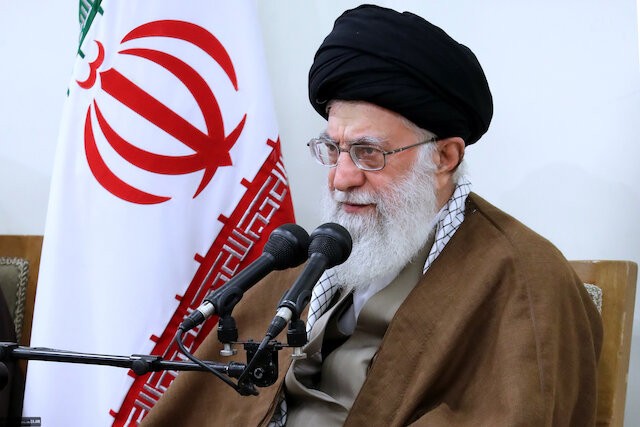
    Photo Credit under a Creative Commons Attribution 4.0 International License.: english.khamenei.ir