Category: Policy Analysis

  • China’s economy is still far out growing the U.S. – contrary to Western media “fake news”

    China’s economy is still far out growing the U.S. – contrary to Western media “fake news”

    GDP data for China, the U.S., and the other G7 countries for the year 2023 has now been published. This makes possible an accurate assessment of China’s, the U.S., and major economies performance—both in terms of China’s domestic goals and international comparisons. There are two key reasons this is important.

    • First for China’s domestic reasons: to achieve a balanced estimate of China’s socialist economic situation and therefore the tasks it faces.
    • Second, because the U.S. has launched a quite extraordinary propaganda campaign, including numerous straightforward factual falsifications, to attempt to conceal the real international economic facts.

    The factual situation is that China’s economy, as it heads into 2024, has far outgrown all other major comparable economies. This reality is in total contradiction to claims in the U.S. media. This in turn, therefore, demonstrates the extraordinary distortions and falsifications in the U.S. media about this situation. It confirms that, with a few honourable exceptions, Western economic journalism is primarily dominated by, in some cases quite extraordinary, “fake news” rather than any objective analysis. Both for understanding the economic situation, and the degree of distortion in the U.S. media, it is therefore necessary to establish the facts of current international developments

    China’s growth targets

    Starting with China’s strategic domestic criteria, it has set clear goals for its economic development over the next period which will complete its transition from a “developing” to a “high-income” economy by World Bank international standards. In precise numbers, in 2020’s discussion around the 14th Five Year plan, it was concluded that for China by 2035: “It is entirely possible to double the total or per capita income”. Such a result would mean China decisively overcoming the alleged “middle income trap” and, as the 20th Party Congress stated, China reaching the level of a “medium-developed country by 2035”.

    In contrast, a recent series of Western reports, widely used in anti-China propaganda, claim that China’s economy will experience sharp slowdown and will fail to reach its targets.

    Self-evidently which of these outcomes is achieved is of fundamental importance for China’s entire national rejuvenation and construction of socialism—as Xi Jinping stated, China’s: “path takes economic development as the central task, and brings along economic, political, cultural, social, ecological and other forms of progress.” But the outcome also affects the entire global economy—for example, a recent article by the chair of Rockefeller International, published in the Financial Times, made the claim that what was occurring was China’s “economy… losing share to its peers”. The Wall Street journal asserted: “China’s economy limps into 2024” whereas in contrast the U.S. was marked by a “resilient domestic economy.” The British Daily Telegraph proclaimed China has a “stagnant economy”. The Washington Postheadlined that: “Falling inflation, rising growth give U.S. the world’s best recovery” with the article claiming: “in the United States… the surprisingly strong economy is outperforming all of its major trading partners.” This is allegedly because: “Through the end of September, it was more than 7 percent larger than before the pandemic. That was more than twice Japan’s gain and far better than Germany’s anaemic 0.3 percent increase.” Numerous similar claims could be quoted from the U.S. media.

    U.S. use of “fake news”

    Reading U.S. media claims on these issues, and comparing them to the facts. it is impossible to avoid the conclusion that what is involved is deliberate “fake news” for propaganda purposes—as will be seen, the only alternative explanation is that it is disgracefully sloppy journalism that should not appear in supposedly “quality” media. For example, it is simply absurdly untrue, genuinely “fake news”, that the U.S. is “outperforming all of its major trading partners”, or that China has a “stagnant economy”. Anyone who bothers to consult the facts, an elementary requirement for a journalist, can easily find out that such claims are entirely false—as will be shown in detail below.

    To first give an example regarding U.S. domestic reports, before dealing with international aspects, a distortion of U.S. economic growth in 2023 was so widely reported in the U.S. media that it is again hard to avoid the conclusion that this was a deliberate misrepresentation to present an exaggerated view of U.S. economic performance. Factually, the U.S. Bureau of Economic Analysis, the U.S. official statistics agency for economic growth, reported that U.S. GDP in 2023 rose by 2.5%—for comparison China’s GDP increased by 5.2%. But a series of U.S. media outlets, starting with the Wall Street Journal, instead proclaimedthat the “U.S. economy grew 3.1% over the last year”.

    This “fake news” on U.S. growth was created by statistical “cherry picking”. In this case comparing only the last quarter of 2023 with the last quarter of 2022, which was an increase of 3.1%, but not by taking GDP growth in the year as a whole “last year”. But U.S. growth in the earlier part of 2023 was far weaker than in the 4th quarter—year on year growth in the 1stquarter was only 1.7% and in the 2nd quarter only 2.4%. Taking into account this weak growth in the first part of the year, and stronger growth in the second, U.S. growth for the year as a whole was only 2.5%—not 3.1%. As it is perfectly easy to look up the actual annual figure, which was precisely published by the U.S. statistical authorities, it is hard to avoid the conclusion that this was a deliberate distortion in the U.S. media to falsely present a higher U.S. growth rate in 2023 than the reality.

    It may be noted that even if U.S. GDP growth had been 3.1% then China’s was much higher at 5.2%. But the real data makes it transparently clear that China’s economy grew more than twice as fast as the U.S. in 2023—showing at a glance that claims that the U.S. is “outperforming all of its major trading partners”, or that China has a “stagnant economy” were entirely “fake news”.

    Many more examples of U.S. media false claims could be given, but the best way to see the overall situation is to systematically present the overall facts of growth in the major economies.

    What China has to do to achieve its 2035 goals

    Turning first to assessing China’s economic performance, compared to its own strategic goals of doubling GDP and per capita GDP between 2020 and 2035, it should be noted that in 2022 China’s population declined by 0.1% and this fall is expected to continue—the UN projects China’s population will decline by an average 0.1% a year between 2020 and 2035. Therefore, in economic growth terms, the goal of doubling GDP growth to 2035 is slightly more challenging than the per capita target and will be concentrated on here—if China’stotal GDP goal is achieved then the per capita GDP one will necessarily be exceeded.

    To make an international comparison of China’s growth projections compared with the U.S., the U.S. Congressional Budget Office (CBO), responsible for the official growth projections for the U.S. economy on which its government’s policies rely, estimates there will be 1.8% annual average U.S. GDP growth between 2023 and 2023—with this falling to 1.6% from 2034 onwards. This figure is slightly below the current U.S. 12-year long term annual average GDP growth of 2.3%—12 being the number of years from 2023 to 2035. To avoid any suggestion of bias against the U.S., and in favour of China, in international comparisons here the higher U.S. number of 2.3% will be used.

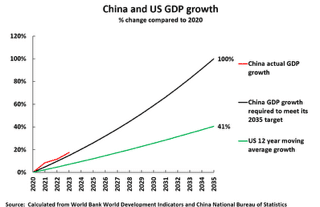
    The results of such figures are that if China hits its growth target for 2035, and the U.S. continues to grow at 2.3%, then between 2020 and 2035 China’s economy will grow by 100% and the U.S. by 41%—see Figure 1. Therefore, from 2020 to 2035, China’s economy would grow slightly more than two and a half times as fast as the U.S.

    The strategic consequences of China’s economic growth rate

    The international implications of any such growth outcomes were succinctly summarised by Martin Wolf, chief economics commentator of the Financial Times. If China’s economy continues to grow substantially faster than Western ones, and it achieves the status of a “medium-developed country by 2035”, then, in addition to achieving high domestic living standards, China’s will become by far the world’s largest economy. As Wolf put it: “The implications can be seen in quite a simple way. According to the IMF, China’s gross domestic product per head (measured at purchasing power) was 28 per cent of U.S. levels in 2022. This is almost exactly half of Poland’s relative GDP per head… Now, suppose its [China’s] relative GDP per head doubled, to match Poland’s. Then its GDP would be more than double that of the U.S. and bigger than that of the U.S. and EU together.” By 2035 such a process would not be completed on the growth rates already given, and measuring by Wolf’s chosen measure of purchasing power parities (PPPs) China’s economy by 2035 would be 60% bigger than that of the U.S. But even that would make China by far the world’s largest economy.

    Wolf equally accurately notes that the only way that such an outcome would be prevented from occurring is if China’s economy slows down to the growth rate of a Western economy such as the U.S. Clearly, if China’s economic growth slows to that of a Western economy, then, naturally, China will never catch up with the West—it will necessarily simply stay the same distance behind. Therefore. as Wolf accurately puts it the outcomes are:

    What is the economic future of China? Will it become a high-income economy and so, inevitably, the largest in the world for an extended period, or will it be stuck in the ‘middle income’ trap, with growth comparable to that of the U.S.?

    The progress in achieving China’s strategic economic goals

    Turning to the precise figure required to achieve China’s 2035 target, China’s goal of doubling GDP required average annual growth of at least 4.7% a year between 2020 and 2035. So far China, as Figure 1 shows, is ahead of this goal—annual average growth in 2020-2022 was 5.7%, meaning that from 2023-2035 annual average 4.6% growth is now required.

    China’ 5.2% GDP increase in 2023 therefore once again exceeded the required 4.6% growth rate to achieve its 2035 goal—as shown in Figure 1. From 2020 to 2023 the required total increase in China’s GDP to hit its 2035 target was 14.9%, whereas in fact its growth was 17.5%. This is in line with the 45-year record since 1978’s Reform and Opening Up, during which entire period the medium/long term targets set by China have always been exceeded.

    Therefore. to summarise, there is no sign whatever in 2023, or indeed in the period since 2020, that China will fail to meet its target of doubling GDP between 2020 and 2035—China is ahead of this target. Such a 4.6% growth rate would easily ensure China becomes a high-income economy by World Bank criteria well before 2035—the present criteria for this being per capita income of $13,846.

    It should be noted, as discussed in in detail below, that a clear international conclusion flows from this necessary 4.6% annual average growth rate for China to achieve its strategic goals. It means that China must continue to grow much faster than the Western economies throughout this period to 2035—that is in line with China’s current trend. However, if China were to slow down to the growth rate of a Western economy, then it will fail to achieve its strategic goals to 2035, may not succeed in becoming a high income economy, and will necessarily remain the same distance behind the West as now. The implications of this will be considered below.

    Systematic comparisons not “cherry picking”

    Having considered China’s performance in 2023 terms of achieving its own domestic strategic goals we will now turn to actual results and a comparison of China with other international economies. This immediately shows the factual absurdity, the pure “fake news” of claims such as that the U.S. has “the world’s best recovery“ and “the United States… is outperforming all of its major trading partners.” On the contrary China has continued to far outgrow the U.S. economy not only in 2023 but in the entire last period. China’s outperformance of the other major Western economies, the G7, is even greater that of the U.S.

    Entirely misleading claims regarding such international comparisons, used for propaganda as opposed to serious analysis, are sometimes made because data is taken from extremely short periods of time which are taken out of context—unrepresentative statistical “cherry picking” or, as Lenin put it, a statistical “dirty business”. Such a method is always erroneous, but it is particularly so during periods which were affected by the impact of the Covid pandemic as these caused extremely violent short-term economic fluctuations related to lock downs and similar measures. China’s assertion of superior growth is based on its overall performance, not an absurd claim that it outperforms every other economy, on every single measure, in every single period! Therefore, in making international comparisons, the most suitable period to take is that for since the beginning of the pandemic up to the latest available GDP data. As comparison of China with the U.S. is the most commonly made one, and particularly concentrated on by the U.S. media campaign, this will be considered first.

    China’s and the U.S.’s growth in 2023

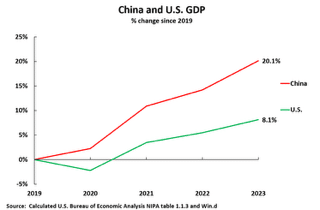
    It was already noted that in 2023 China’s GDP grew by 5.2% and the U.S. by 2.5%—China’s economy growing more than twice as fast as the U.S. But it should also be observed that 2023 was an above trend growth year for the U.S.—U.S. annual average growth over a 12-year period is only 2.3% and over a 20-year period it is only 2.1%. Therefore, although in 2023 China’s economy grew more than twice as fast as the U.S., that figure is actually somewhat flattering for the U.S. Figure 2shows that in the overall period since the beginning of the pandemic China’s economy has grown by 20.1% and the U.S. by 8.1%—that is China’s total GDP growth since the beginning of the pandemic was two and half times greater than the U.S. China’s annual average growth rate was 4.7% compared to the US’s 2.0%.

    Economic performance of China and the three major global economic centres

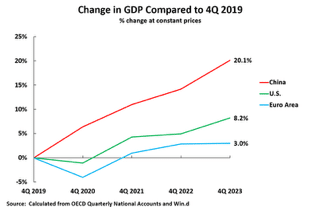
    Turning to wider international comparisons than the U.S. such data immediately shows the extremely negative situation in most “Global North” economies and China’s great outperformance of them. To start by analysing this in the broadest terms, Figure 3 shows the developments in the world’s three largest economic centres—China, the U.S., and the Eurozone. These three together account for 57% of world GDP at current exchange rates and 46% in purchasing power parities (PPPs). No other economic centre comes close to matching their weight in the world economy.

    Regarding the relative performance of these three major economic centres, at the time of writing data has not been published for the Euro Area for the whole year of 2023 —which would be the ideal comparison. However, it has been published for the the Euro area for the four quarters of 2023 individually and trends can be calculated on that basis. These show that In the four years to the 4th quarter of 2023, covering the period since the beginning of the pandemic, China’s economy has grown by 20.1%, the U.S. by 8.2%, and the Eurozone by 3.0%. China’s economy therefore grew by two and a half times as fast as the U.S. while the situation of the Eurozone could accurately be described as extremely negative with annual average GDP growth in the last four years of only 0.7%.

    Such data again makes it immediately obvious that claims in the Western media that China faces economic crisis, and the Western economies are doing well is entirely absurd—pure fantasy propaganda disconnected from reality.

    Relative performance of China and the G7

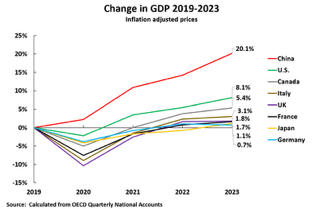
    Turning to analysing individual countries, then comparing China to all G7 states, i.e. the major advanced economies, shows the situation equally clearly—see Figure 4. Data for China and all G7 economies has now been published for the whole of 2023. The huge outperformance by China of all the major advanced economies is again evident.

    Over the four years since the beginning of the pandemic China’s economy grew by 20.1%, the U.S. by 8.1%, Canada by 5.4%, Italy by 3.1%, the UK by 1.8%, France by 1.7%, Japan by 1.1% and Germany by 0.7%.

    In the same period China’s economy therefore grew two and a half times as fast as the U.S., almost four times as fast as Canada, almost seven times as fast as Italy, 11 times as fast as the UK, 12 times as fast as France, 18 times as fast as Japan and almost 29 times as fast as Germany.

    In terms of annual average GDP growth during this period China’s was 4.7%, the U.S. 2.0%, Canada 1.3%, Italy 0.8%, the UK 0.4%, France 0.4%, Japan 0.3% and Germany 0.2%.

    It may therefore be seen that China’s economy far outperformed the U.S., while the performance of all other major G7 economies may be quite reasonably described as extremely negative—all having annual average economic growth rates of around or even under 1%.

    Comparison of China to developing economies

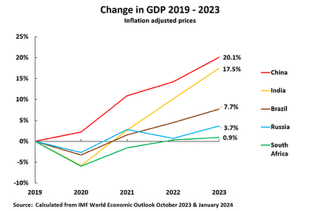
    A comparison using the IMF’s January 2024 projections can also be made to the major developing economies—the BRICS. Figure 5 shows this, using the factual result for China and the IMF projections for the other countries. Over the period since the start of the pandemic, from 2019-2023, China’s GDP grew by 20.1%, India by 17.5%, Brazil by 7.7%, Russia by 3.7% and South Africa by 0.9%.

    This data confirms that the major Global South economies are growing faster than most of the major Global North economies, which is part of the rise of the Global South and draws attention to the good performance of India. But China grew more than two and half times more than all the BRICS economies except India—China’s growth was 15% greater than India’s. It should be noted that India is at a far lower stage of development than the other BRICS economies—all the others fall in the World Bank classification of upper middle-income economies whereas India falls into the lower middle income group.

    Comparison of China’s growth to Western economies

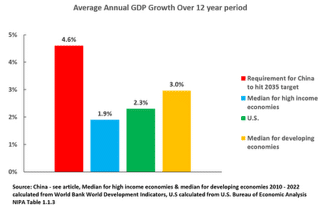
    Finally, this outperformance by China casts light on what is necessary to achieve its own 2035 strategic targets. China’s 4.6% growth rate necessary to meet these goals means that it must continue to maintain a growth rate far higher than Western economies—Figure 6 shows this in overall terms in addition to individual comparisons given to major economies above. Whereas China must achieve an annual average 4.6% growth rate the median growth rate of high income “Western” economies is only 1.9%, the U.S. is 2.3%, and the median for developing economies is 3.0%.That is, to achieve its 2035 goals China must grow twice as fast as the long term trend of the U.S., almost two and a half times as fast as the median for high income economies, and more than 50% faster than the median for developing economies. As already seen, China is more than achieving this.

    But such facts immediately show why it is an extremely misleading when proposals are made that China should move towards the macro-economic structure of a Western economy. If China adopts the structure of a Western economy then, of course, China will slow down to the same growth rate as Western economies—and therefore fail to achieve its 2035 economic goals. China will be precisely stuck in the negative outcome of the situation accurately diagnosed by Martin Wolf.

    What is the economic future of China? Will it become a high-income economy and so, inevitably, the largest in the world for an extended period, or will it be stuck in the ‘middle income’ trap, with growth comparable to that of the U.S.?

    Conclusion

    In conclusion, it addition to objectively analysing 2023’s economic results, it is also necessary in the light of this factual situation to make a remark regarding Western, in particular U.S. “journalism”.

    None of the data given above is secret, all is available from public readily accessible sources. In many cases it does not even require any calculations and simply published data can be used. But the U.S. media and journalists report information that is systematically misleading and in many cases simply untrue. While it lagged China in creating economic growth the U.S. was certainly the world leader in creating “fake economic news”! What was the reason, what attitude should be taken to it?

    First, to avoid accusations of distortion, it should be stated that there were a small handful of Western journalists who refused to go along with this type of distortion and fake news. For example Chris Giles, the Financial Times economics commentator, in December, sharply attacked “an absurd way to compare economies… among people who should know better.” Giles did not do this because of support for China but because, quite rightly, he warned that spreading false or distorted information led to serious errors by countries doing so: “Coming from the UK, which lost its top economic dog status in the late 19th century but still has some delusions of grandeur, I can understand American denialism… But ultimately, bad comparisons foster bad decisions.” But the overwhelming majority of U.S. and Western journalists continued to spread fake news. Why?

    First, the fact that identical distortions and false information appeared absolutely simultaneously across a very wide range of media makes it clear that undoubtedly U.S. intelligence services were involved in creating it—i.e. part of the misrepresentation and distortions were entirely deliberate and conscious, aimed at disguising the real situation.

    Second, another part was merely sloppy journalism—that is journalists who could not be bothered to check facts.

    Third, supporting both of these factors was “white Western arrogance”—an arrogant assumption, rooted in centuries of European and European descended countries dominating the world, that the West must be right. Therefore, such arrogance made it impossible to acknowledge or report the clear facts that China’s economy is far outperforming the West.

    But whether it was conscious distortion, sloppy journalism, or conscious or unconscious arrogance, in all these cases no respect should be given to the Western “quality” media. It is not trying to find out the truth, which is the job of journalism, it is simply spreading false propaganda.

    It remains a truth that if a theory and the real world don’t coincide there are only two courses that can be taken. The first, that of a sane person, is to abandon the theory. The second, that of a dangerous one, is to abandon the real world—precisely the danger that Chris Giles pointed to. What has been appearing in the Western media about international economic comparisons regarding China is precisely abandonment of the real world in favour of systematic fake news.


    This article was published earlier in mronline.org and is republished under Creative Commons Attribution-Non Commercial-No Derivatives 4.0 International License

    Feature Image Credit: China will continue to lead global growth in 2024 – globaltimes.cn

  • Using Artificial Intelligence to address Corruption: A proposal for Tamilnadu

    Using Artificial Intelligence to address Corruption: A proposal for Tamilnadu

    Nations must adopt Artificial Intelligence as a mechanism to build transparency, integrity, and trustworthiness, which are necessary to fight corruption. Without effective public scrutiny, the risk of money being lost to corruption and misappropriation was vast. Dr Chris Kpodar, a global Artificial Intelligence Specialist, has advocated the use of artificial intelligence as an anti-corruption tool through the redesigning of systems to address systems that were previously prone to bribery and corruption.


    Artificial Intelligence Tools

    Artificial Intelligence has become popular due to its increasing applications in many fields. Recently, IIT Madras opened a course on B.Tech Data Science in Tanzania, demonstrating the popularity of Artificial Intelligence. The history of Artificial Intelligence goes back to the 1950s when computing power was less, and hardware were huge. These days, computing power has increased exponentially along with the miniaturisation of hardware, leading to algorithms being able to compute larger datasets. The field of AI, however, has gone through ups and downs in terms of popularity.

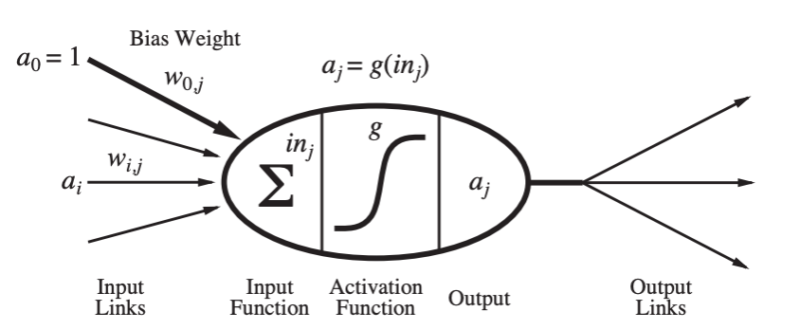
    Researchers have worked on Neural Networks (Figure below), a mathematical model modelled after neurons in the brain, a foundation unit, and one of the foundations of state-of-the-art AI.

    Artificial intelligence (AI), machine learning, deep learning, and data science are popular terms that describe computing fields that teach a machine how to learn. AI is a catch-all term that broadly means computing systems designed to understand and replicate human intelligence. Machine Learning is a subfield of AI where algorithms are trained on datasets to make predictions or decisions without explicitly being programmed. Deep Learning is a subfield of Machine Learning, which specifically refers to using multi-layers of neural networks to learn from large datasets, mimicking cognition of the neurons in the brain. Recently, the field of AI has resurged in popularity after a popular type of neural network architecture, AlexNET, achieved impressive results in the Image Recognition Challenge in 2012. Since then, neural networks have started to enter into applications in the industry, with colossal research funding mobilised.

    Breakthroughs that can aid Policy Implementation

    There are many types of neural networks, each designed for a particular application. The recent popularity of applications like ChatGPT is due to a neural network called Language Models. Language Models are probability models which ask the question, what is the next best token to generate, given the previous token?

    Two significant breakthroughs led towards ChatGPT, including translating language from one language to another using a machine learning technique called attention mechanism. Secondly, this technique was introduced in transformer-type language models, which led to increased state-of-the-art performance in many tasks in artificial intelligence.

    Transformers, a robust neural network, was introduced in 2017 by Google Researchers in “Attention is All You Need”. This translates into generating human-like text in ChatGPT. Large language models have taken a big step in the technology landscape. As Machine Learning applications are being deployed rapidly, it calls for a governance model for these models, as research in AI models is advancing quickly with innumerable breakthroughs. Earlier in 2019, GPT-2, a Machine Learning model based on transformers, could not solve fundamental mathematical problems such as elucidating numbers from 0-100. Within a year, more advancement in the GPT models led to models being able to perform higher-level scores in SAT exams, GRE, etc. Another breakthrough advancement was the ability of machine-learning programs to generate code, which has increased developer productivity automatically.

     Moreover, many researchers are working on AGI (Artificial General Intelligence), and nobody knows precisely when such capabilities might be developed or researched. Researchers have not settled on a convincing definition of AGI agreeable to everyone in the AI research community. The rate of advancement and investment in AI research is staggering, which calls for ethical concerns and governance of these large language models. India is an emerging economy where all sectors are growing rapidly. India’s economy grows nearly 10% yearly, with the services sector making up almost 50% of the entire economy. This translates to the government enjoying high tax revenues from this sector, generating high-paying jobs. Most of the Indian workforce is employed in the industrial and agricultural sectors.

    Using AI to deal with Corruption and enhance Trust

    The primary issue in India has been corruption at all levels of the government, from the panchayat, district level, and state level to central machinery. Corruption is attributed mainly to regulation, rent-seeking behaviour, lack of accountability, and requiring permits from the Government. Indian bureaucratic system and government employees are among the least efficient across sectors such as infrastructure, real estate, metal & mining, aerospace & defence, power and utility, which are also most susceptible to corruption. Due to inefficiency, the productivity of the public sector is low, impacting the local Indian economy.

    India ranks 85 out of 180 countries using the Corruption Index measured in 2022, with close to 62% of Indians encountering corruption, paying bribes to government officials to get the job done. There are many reasons for corruption in India: excessive regulation, a complicated tax system, bureaucratic hurdles, lack of ownership of work, and the public sector being the least productive organisation. Corruption is dishonest or fraudulent conduct by those in power, typically involving bribery. Bribery is defined generally as corrupt solicitation, acceptance, or transfer of value in exchange for official action. In bribery, there are two actors in the transaction, the giver and the receiver; however, corruption involves primarily one actor who abuses the position of power for personal gain. Bribery is a singular act, while corruption might be an ongoing abuse of power to benefit oneself.

    Trust is a critical glue in financial transactions; where trust between individuals is higher, the economic transactions are faster, and the economy grows, with more businesses moving, bringing capital, and increasing the production and exchange of goods. However, when trust is low, businesses hesitate, and the economy either stagnates or declines. High-trust societies like Norway have advanced financial systems, where credit and financial instruments are more developed, compared with lower-trust societies such as Kenya and India, where many financial instruments and capital markets to raise finances are unavailable. Therefore, public policymakers must seek ways to increase trust in their local economies by forming policies conducive to business transactions.

    The real-estate sector in Tamilnadu: a fit case for the use of AI

    Tamil Nadu is India’s second-largest economy and is the most industrialised and urbanised state in India. Real estate is an economic growth engine and a prime mover of monetary transactions. It is a prime financial asset for most Tamils from many social strata. However, real estate in Tamil Nadu is prone to corruption at many levels. One specific popular method is the forgery of land registration documents, which has resulted in a lack of trust among investors at all levels in Tamil Nadu.

    To address this lack of trust, we can use technology tools to increase confidence and empower the public to create an environment of accountability, resulting in greater confidence. Machine Learning can provide algorithms to detect these forgeries and prevent land grabbing. Tools such as identity analysis, document analysis, and transaction pattern analysis can help to provide more accountability. In addition to the above, machine learning offers many methods or combinations of methods that can be used. One advanced way is using transformer-based models, which are the foundation for language models such as BERT and generative Pre-Trained Models for text-based applications. The original documents could be trained using large language models as a baseline to frequently check and find forgeries. Documents can be encoded to compare semantic anomalies between different types of documents.

    Once forgery is detected, it can be automatically sent to civil magistrates or pertinent authorities. Additionally, the recent introduction of Software repository sites allows the public to be informed or notice any change in the status or activity. Customised public repositories based on GitHub might create immense value for Tamil Nadu’s Department of Revenue, create accountability, increase productivity and reduce workload. The Customised public repositories displaying land transaction activity might inform the public of such forgeries, thus creating an environment of greater accountability and trust for the people. Another popular method can be introduced by introducing Computer Vision Algorithms, such as convolutional neural networks combined with BERT, that can validate signatures, document tampering, and time-frames to flag forgeries. This can be done by training original documents with specific algorithms and checking documents with reasonable doubts about forgery.

    Another primary concern in Tamil Nadu’s Government has been people in positions of power in the government or close to financial oversight. They are more prone to corruption, which can be flagged or monitored using graph neural networks, which can map individuals, connections, and economic transactions in a network to flag which individuals are more likely or prone to corruption. Another method to reduce corruption is to remove personal discretion in the process, which Machine Learning can enable to automate the tasks and documents in land registration; digitisation might help reduce corruption. Large Language Models can also be used as classifiers and released to the public to keep accountability on the Tamil Nadu Government’s spending, so the public is aware and personal gain of Government money can be further reduced this way. Another central area of corruption is the tender, the bidding process for government contracts in Tamil Nadu, such as public development works or engineering projects. Tamil Nadu’s tender or bidding process can be made more public, and machine learning algorithms can be used to check if norms, contracts, and procedures are followed to award tender bids for government projects. To save wasteful expenditure, algorithms can check if objective conditions are met, with any deviations flagged and in the public domain. Given any suspicion, the public can file a PIL in Tamil Nadu’s court system.

    We can argue and conclude that with more deployed machine learning tools being part of Tamil Nadu’s State machinery, we can confidently say that corruption can be reduced to more significant levels by releasing all information to the public and creating an environment of greater accountability.

    References:

    1. Russell, Stuart J.; Norvig, Peter. (2021). Artificial Intelligence: A Modern Approach

    2.Bau, D., Elhussein, M., Ford, J. B., Nwanganga, H., & Sühr, T. (n.d.). Governance of AI models. Managing AI risks. https://managing-ai-risks.com/

    1. S. Department of State. (2021). 2021 Country Reports on Human Rights Practices: India. U.S. Department of State. https://www.state.gov/reports/2021-country-reports-on-human-rights-practices/india/
    1. Devlin, J., Chang, M.-W., Lee, K., & Toutanova, K. (2019). BERT: Pre-training of deep bidirectional transformers for language understanding. In Proceedings of NAACL-HLT (pp. 4171-4186). https://arxiv.org/abs/1810.04805
    1. Radford, A., Wu, J., Child, R., Luan, D., Amodei, D., & Sutskever, I. (2019). Language models are unsupervised multitask learners. OpenAI blog, 1(8). https://openai.com/blog/better-language-models/
    1. Radford, A., Narasimhan, K., Salimans, T., & Sutskever, I. (2018). Improving language understanding by generative pre-training. OpenAI blog, 12. https://openai.com/blog/language-unsupervised/
    2. Bai, Y., Kadavath, S., Kundu, S., Askell, A., Kernion, J., Jones, A., … Kaplan, J. (2022). Constitutional AI: Harmlessness from AI feedback. arXiv preprint arXiv:2212.08073. https://arxiv.org/pdf/2212.08073.pdf,

    https://www.anthropic.com/news/constitutional-ai-harmlessness-from-ai-feedback

    1. Reinforcement Learning with Human Feedback (RLHF), Ouyang, L., Wu, J., Jiang, X., Almeida, D., Wainwright, C. L., Mishkin, P., Zhang, C., Agarwal, S., Slama, K., Ray, A., Schulman, J., Hilton, J., Kelton, F., Miller, L., Simens, M., Askell, A., Welinder, P., Christiano, P., Leike, J., & Lowe, R. (2022). Training language models to follow instructions with human feedback. arXiv preprint arXiv:2203.02155. https://arxiv.org/abs/2203.02155

    Feature Image: modernghana.com

  • Seabed: “to mine or not to mine”

    Seabed: “to mine or not to mine”

    Seabed mining offers new vistas for business partnerships and joint ventures among different industries in the offshore mining supply chains.

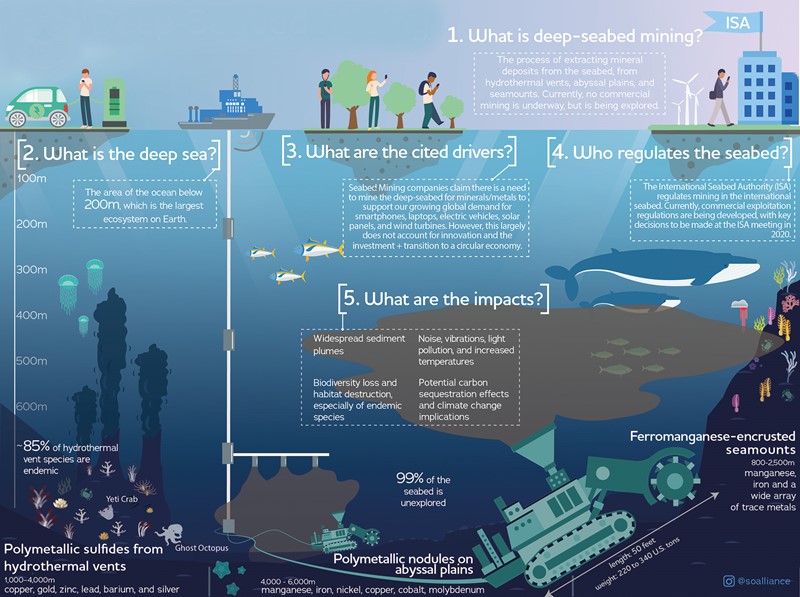
    The month-long debate “to mine or not to mine” has ended inconclusively at the 28th session of the International Seabed Authority (ISA) Assembly from 28 June to 28 July 2023 in Kingston, Jamaica amid calls for a “ban /suspension/precautionary pause” on any extractive activities.

    Figure Credit: eandt.theiet.org

    The ‘naysayers’ vehemently argued for the protection of the oceans given that these large bodies of water are already experiencing multiple and diverse nature and human-induced challenges such as climate change, unsustainable fishing, marine pollution etc. Furthermore, any attempt to mine the seabed will have far-reaching adverse impacts on marine life and result in biodiversity loss keeping in mind that human knowledge about the deep sea ecosystems is very little.

    Those in favour of seabed mining attempted to convince that energy transition is critical for sustainable development and for that a sustained supply of nickel, manganese, cobalt, and copper, is inescapable. These metals/minerals would have to be sourced from the seabed. For the time being, the representatives of the ISA Member States and other stakeholders have returned home to mull over the issue of seabed mining.

    The sudden hyper-activity at the ISA is a result of the June 2021 submission by Nauru, a Pacific island nation which submitted an application for approval from the ISA to commence extraction activities relying on the “two-year rule,” under which the “Council shall complete the adoption of the relevant rules, regulations, and procedures (RRPs) within two years from the submission”. The two-year deadline expired on 9 July 2023, but the ISA Council, a 36-member body executive arm responsible for approving contracts with private corporations and government entities, among other things, announced that it would “continue the negotiations on the draft exploitation regulations”.

    Meanwhile, at home, the Government of India is all set to exploit oceanic resources. Earlier this month, the Indian Parliament (Rajya Sabha and Lok Sabha) passed the Offshore Areas Mineral (Development and Regulation) Amendment Bill 2023 which enables extraction activities in offshore areas for mineral resources.

    It is true that offshore resource development has been a much-neglected area other than the oil and gas sectors. This is notwithstanding the seminal contributions made by the Geological Survey of India (GSI) which has been leading offshore scientific research and survey activities since the early sixties. The Marine and Coastal Survey Division (MCSD) of the GSI conducts numerous related activities including seabed mapping and exploration within the Indian EEZ and is supported by three ocean-going vessels.

    According to the GSI, as of January 2023, nearly 95 % of India’s EEZ of 2.159 million square kilometres has been surveyed. Since 2022, the GSI has been carrying our seabed mapping in international waters and has covered over 70,000 square kilometres till December 2023 for “generation of baseline data along with the search for possible mineral occurrences in the Ninety East Ridge near the Equator, Indian Ocean and the Laxmi Basin (Block-I, II and III), Arabian Sea by deploying its vessels”.

    The Indian EEZ is endowed with 1,53,996 million tonnes of live mud particularly off Gujarat and Maharashtra coasts, and 745 million tonnes of construction-grade sand has been found along the Kerala coast. The Bay of Bengal coast (Odisha, Andhra Pradesh and Tamil Nadu) and the Arabian Sea coast (Maharashtra and Kerala) are rich in heavy mineral and Polymetallic Ferro-Manganese nodules are available in the Andaman Sea and waters off Lakshadweep islands.

    Polymetallic nodules (Copper, Cobalt, Nickel, Manganese, Rare earth, etc.) are particularly important to support India’s mission to promote the use of clean energy. In November 2022, during the G20 summit in Indonesia Prime Minister Narendra Modi told the participating countries that by 2030, half of India’s electricity will be “generated from renewable sources,”

    The Offshore Areas Mineral (Development and Regulation) Amendment Bill 2023, among many issues, has introduced a number of initiatives including the “auction” of offshore mineral exploration sites and mining rights to companies, including from the private sector, thus creating a level playing field for business competition. The Bill provides for two types of operating rights through auction to the private sector (a) production lease and (b) composite license. It merits mention that the provision for “renewal of production leases has been scrapped with a 50-year lease period to remove uncertainty for operators” which will “give confidence to investors by bringing in transparency and fair play,”

    Seabed mining offers new vistas for business partnerships and joint ventures among different industries in the offshore mining supply chains. For instance, lifting of the extracted ore and carrying it to storage sites ashore is an opportunity for the maritime transportation sector. Similarly, environmental impact assessment, and restoration techniques when needed is a unique industry. Likewise, Industry 4.0 technology developers have opportunities to support Marine Spatial Planning (MSP), bio-remediation, bio-prospecting, and a variety of other seabed mining sectors.

    This article was published earlier in kalingainternational.com

    Feature Image Credit: euronews.com

  • The “loss and damage” agenda at COP27

    The “loss and damage” agenda at COP27

    The dialogues on Climate Change Action have failed to produce effective measures. At the heart of the problem is the refusal of the developed countries to accept the reality that they were the beneficiaries of the industrial revolution, colonialism, and imperialism and have contributed the maximum to the current problems humanity faces on account of climate change. Hence, two-thirds of the world’s assertion that developed nations bear the costs of implementing corrective measures is very valid and logical.

    The 27th Conference of Parties (COP) of the United Nations Framework Convention on Climate Change (UNFCCC) was hosted by the Government of the Arab Republic of Egypt from 06 November to 18 November (extended to 20 November). This conference comes at a time when the world witnessed massive heatwaves, flooding in Pakistan, wildfires across Spain and California, and droughts in East Africa. The mission of the conference is to take collective action to combat climate change under the Paris agreement and the convention. After a decade of climate talks, the question is, “are countries ready to take collective action against climate change”?

    Developed Nations’ Responsibility and Accountability

    Financial compensation remains a huge contestation point between developed and developing countries. Developing countries or the Global South face the adverse effects of climate change and demand compensation for the historical damage caused by colonialism and resource extraction that aided in the development of the Global North. This includes countries in the EU and the United States. Developed countries bear the most responsibility for emissions leading to global temperature rise — between 1751 and 2017, the United States, the EU and the UK were responsible for 47% of cumulative carbon dioxide emissions compared to just 6% from the entire African and South American continents. At COP15 in Copenhagen in 2009, Global North nations agreed to pledge $100 billion (€101 billion) annually by 2020 to help developing countries adapt to the impacts of climate change, for example, by providing farmers with drought-resistant crops or paying for better flood defences. But according to the Organization for Economic Cooperation and Development (OECD), which tracks funding, in 2020 wealthy countries pledged just over $83 billion.

    Developed countries bear the most responsibility for emissions leading to global temperature rise — between 1751 and 2017, the United States, the EU and the UK were responsible for 47% of cumulative carbon dioxide emissions compared to just 6% from the entire African and South American continents.

    Such compensation for loss and damage has been a focal point in all climate summits since 1991. In terms of institutional developments, the COP19 conference in 2013 established the Warsaw Mechanism for Loss and Damage, which is supposed to enhance global understanding of climate risk, promote transnational dialogue and cooperation, and strengthen “action and support”. At COP25, the Santiago Network on Loss and Damage (SNLD) was set up to provide research and technical assistance on the issue of loss and damage from human-induced climate change. The meeting did not discuss the working process of the network and hence it was taken up in COP26, where no elaborate changes were made. Although in COP26, the Glasgow facility to finance solutions for loss and damage was brought by G77 countries, developed countries such as the US and the EU bloc did not go beyond agreeing to a three-year dialogue.

    Developed countries constantly focus on holding dialogues rather than coming up with solutions for climate risk mitigation.

    The US’s stance on financing vulnerable countries to find solutions against climate change is constantly shifting. The trend indicates that the US wants to focus on curbing global warming rather than dwell on past losses and damages that have already occurred. The Global North is reluctant to acknowledge the mere definition of loss and damage, as an acknowledgement will make them liable for 30 years’ worth of climate change impact.  Developed countries constantly focus on holding dialogues rather than coming up with solutions for climate risk mitigation. In a statement prior to COP27, U.S. climate envoy John Kerry expressed concern about how the shifting focus on loss and damage “could delay our ability to do the most important thing of all, which is [to] achieve mitigation sufficient to reduce the level of adaptation.”

    USA’s leads Evasive Tactics

    The Bonn Summit held in June 2022 which set a precedent for the COP27 agenda ended in disagreement as the US and EU refused to accept funding for loss and damage as an agenda. Although, during the conclusion of COP27, the countries were successful in agreeing to establish a fund for loss and damage. Governments also agreed to establish a ‘transitional committee’ to make recommendations on how to operationalize both the new funding arrangements and the fund at COP28 next year. The first meeting of the transitional committee is expected to take place before the end of March 2023.

    Parties also agreed on the institutional arrangements to operationalize the Santiago Network for Loss and Damage, to mobilise technical assistance to developing countries that are particularly vulnerable to the adverse effects of climate change. Governments agreed to move forward on the Global Goal on Adaptation, which will conclude at COP28 and inform the first Global Stocktake, improving resilience amongst the most vulnerable. New pledges, totalling more than USD 230 million, were made to the Adaptation Fund at COP27. These pledges will help many more vulnerable communities adapt to climate change through concrete adaptation solutions.

    Despite a groundbreaking agreement, the most common question asked by the public is “are the climate summits any good?”

    The question arises due to the absence of effective leadership to monitor or condemn nations over the destruction of the environment. The summits have created a sense of accountability for all nations, irrespective of the stage of vulnerability. While vulnerable states bear a higher cost due to climate change, all states collectively pledge to reduce carbon emissions and achieve net-zero emissions by 2050. While a monitoring mechanism is absent, non-governmental organisations (NGOs) and civil societies actively advocate for climate change mitigation measures and also criticise both state and non-state actors for their lack of initiatives against the cost. Incidentally, COP27 partnered with Coca-Cola for sponsorship and many activists slammed the move as Coca-Cola is one of the top five polluters in 2022, producing around 120 billion throwaway plastic bottles a year.

    Apart from that, many other funding networks and initiatives have been introduced to support vulnerable countries against climate change. Under Germany’s G7 presidency, the G7 along with the vulnerable 20 countries or V20  launched the Global Shield against Climate Risks during COP27. The Shield gathers activities in the field of climate risk finance and preparedness together under one roof. Under the Shield, solutions to provide protection will be devised that can be implemented swiftly if climate-related damages occur. At COP27, Chancellor Olaf Scholz announced Germany’s contribution of 170 million euros to the Shield. Of this, 84 million euros are earmarked for the central financing structure of the Shield, the other funds for complementary instruments of climate risk financing, which will be implemented towards concrete safeguarding measures over the next few years.

    On 20 September, Denmark became the first developed country in the world to provide financial compensation to developing countries for ‘loss and damage’ caused by climate change. The country pledged approximately EUR 13 million (100 million Danish krone) to civil society organisations based in developing nations working on climate change-related loss and damage. Germany and Denmark are so far the only financial supporters of the initiative launched at COP27.

    What can India do?

    India has launched Mission LiFE, an initiative to bring a lifestyle change that reduces the burden on the environment. During the event, the MoEFCC – UNDP Compendium ‘Prayaas Se Prabhaav Tak – From Mindless Consumption to Mindful Utilisation’ was launched. It focuses on reduced consumption, circular economy, Vasudhaiva Kutumbakam, and sustainable resource management. India has also signed the Mangrove Alliance for Climate (MAC), determined to protect mangroves and create a carbon sink of 3 billion CO2 by expanding the forest cover.

    India has maintained a stance where it has neither advocated for nor against financial compensation for loss and damage. However, it has always called on developed countries to provide finance for developing technology or sharing technical know-how to reduce climate risk. Such an approach can help other countries to push for financial aid to develop technology instead of using their own resources.

    Further, India holds a unique position among developing countries as an emerging economy. With its diplomatic prowess under the Modi government, India can play an ideal role in negotiating with developed countries. India has maintained a stance where it has neither advocated for nor against financial compensation for loss and damage. However, it has always called on developed countries to provide finance for developing technology or sharing technical know-how to reduce climate risk. Such an approach can help other countries to push for financial aid to develop technology instead of using their own resources. India is also focused on phasing out the use of fossil fuels and not just the use of coal, which is another consistent move that adds to the country’s credentials. With the weaponization of energy by Russia since the onset of the Ukraine war, India’s call for action has garnered intensive support from both developed and developing nations. With the support of the Global South, India can assume a leadership role in establishing south-south cooperation with respect to climate risk mitigation and shift to renewable energy such as solar power.

    Conclusion

    Climate funds are important for designing and implementing solutions as developing and vulnerable countries find it difficult to diversify resources from developmental activities. The question largely remains whether the COP27 countries will adhere to the agreement concluded at the summit. There is no conclusive evidence on when the fund will be set up and the liability if countries fail to contribute to the fund. Eventually, it comes down to the countries- both state and non-state actors to effectively reduce fossil fuel consumption and reduce wastage, as many countries still focus on exploiting African gas reserves to meet their energy requirements. Ambitious goals with no actual results are a trend that is expected to continue till the next summit, and with such a trend the world has a long way to go to curb the temperature at 1.5 degree Celsius at pre-industrial levels.

    Feature Image Credit: www.cnbc.com

    Article Image: aljazeera.com 

  • Indian Economy at 75: Trapped in a Borrowed Development Strategy

    Indian Economy at 75: Trapped in a Borrowed Development Strategy

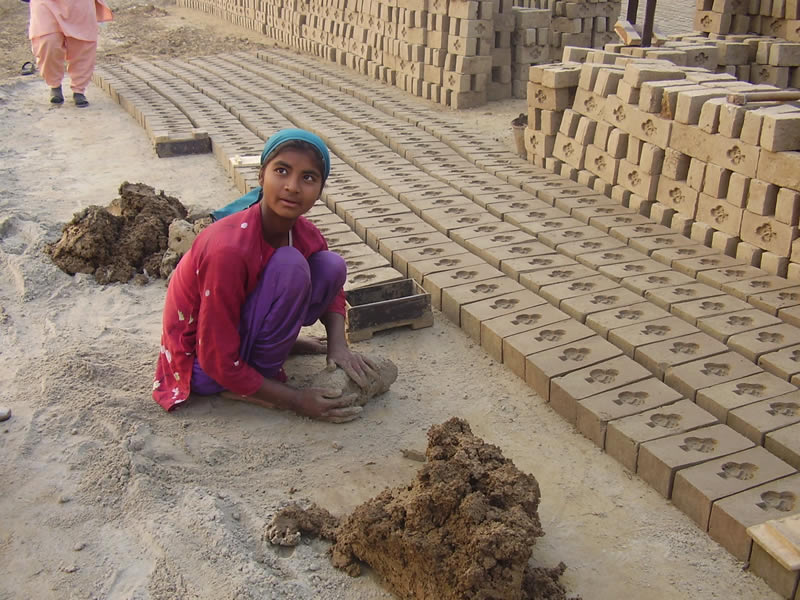
    In 1947, at the time of Independence, India’s socio-economic parameters were similar to those in countries of South East Asia and China. The level of poverty, illiteracy, and inadequacy of health infrastructure was all similar. Since then, these other countries have progressed rapidly leaving India behind in all parameters. ‘Why is it so?’ should be the big question for every Indian citizen in this time of our 75th anniversary celebrations.


    Introduction

    India at 75 is a mixed bag of development and missed opportunities. The country has achieved much since Independence but a lot remains to be done to become a developed society. The pandemic has exposed India’s deficiencies in stark terms. The uncivilized conditions of living of a vast majority of the citizens became apparent. According to a report by Azim Premji University, 90% of the workers said during the lockdown that they did not have enough savings to buy one week of essentials. This led to the mass migration of millions of people, in trying conditions from cities to the villages, in the hope of access to food and survival.

    Generally, technology-related sectors, pharmaceuticals and some producing essentials in the organized sectors have done well in spite of the pandemic. So, a part of the economy is doing well in spite of adversity but incomes of at least 60% of people at the bottom of the income ladder have declined (PRICE Survey, 2022). The great divide between the unorganized and organized parts of the economy is growing. The backdrop to these developments is briefly presented below.

    Structure and Growth of the Economy
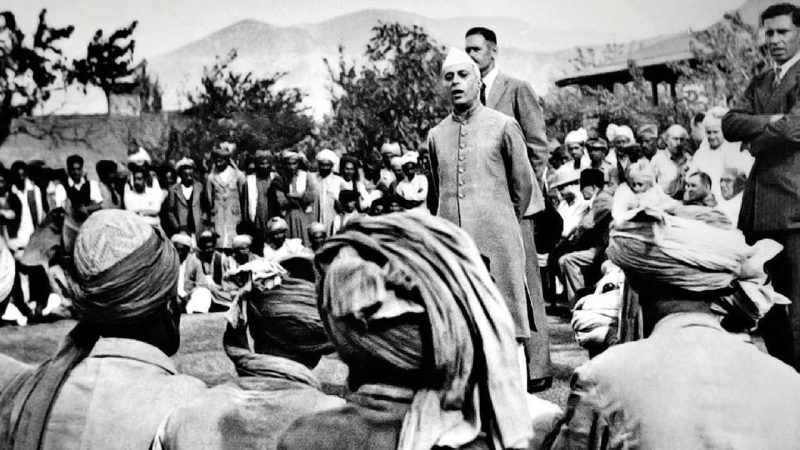
    In 1947, at the time of Independence, India’s socio-economic parameters were similar to those in countries of South East Asia and China. The level of poverty, illiteracy, and inadequacy of health infrastructure was all similar. Since then, these other countries have progressed rapidly leaving India behind in all parameters. So, India has fallen behind relatively in spite of improvements in health services and education, diversification of the economy and development of the industry.

    In 1950, agriculture was the dominant sector with a 55% share of GDP which has now dwindled to about 14%. The share of the services sector has grown rapidly and by 1980 it surpassed the share of agriculture and now it is about 55% of GDP. The Indian economy has diversified production `from pins to space ships’.

    Agriculture grows at a trend rate of a maximum of 4% per annum while the services sector can grow at even 12% per annum. So, there has been a shift in the economy’s composition from agriculture to services, accelerating the growth rate. The average growth rate of the economy between the 1950s and the 1970s was around 3.5%. In the 1980s and 1990s, it increased to 5.4% due to the shift in the composition. There was no acceleration in the growth rate of the economy in the 1990s compared to the 1980s. This rate again increased in the period after 2003 only to decline in 2008-09 due to the global financial crisis. Subsequently, the rate of growth has fluctuated wildly both due to global events and the policy conundrums in India.

    There was the taper tantrum in 2012-13 which cut short the post-global financial crisis recovery. Demonetization in November 2016 adversely impacted growth. That was followed by the structurally flawed GST. These policies administered shocks to the economy. Then came the pandemic in 2020. The economy’s quarterly growth rate had already fallen from 8% in Q4 2017-18 to 3.1% in Q4 2019-20, just before the pandemic hit.

    1980-81 marked a turning point. Prior to that, a drought would lead to a negative rate of growth in agriculture and of the economy as a whole. For instance, due to the drought in 1979-80, the economy declined by 6%. But, that was the last one. After that, a decline in agriculture has not resulted in a negative growth rate for the economy. The big drought of 1987-88 saw the economy grow at 3.4%. After 1980-81, the economy experienced a negative growth rate only during the pandemic which severely impacted the services sector, especially the contact services.

    Employment and Technology Related Issues

    Agriculture employs 45% of the workforce though its share in the economy (14%) has now become marginal. It has been undergoing mechanisation with increased use of tractors, harvester combines, etc., leading to the displacement of labour. Similar is the case in non-agriculture. So, surplus labour is stuck in agriculture leading to massive disguised unemployment.

    India is characterized by disguised unemployment and underemployment.Recent data points to growing unemployment among the educated youth. They wait for suitable work. The result is a low labour force participation rate (LFPR) in India (in the mid-40s) compared to similar other countries (60% plus).The gender dimension of unemployment and the low LFPR is worrying with women the worst sufferers.

    India’s employment data is suspect. The reason is that in the absence of unemployment allowance, people who lose work have to do some alternative work otherwise they would starve. They drive a rickshaw, push a cart, carry a head load or sell something at the roadside. This gets counted as employment even though they have only a few hours of work and are underemployed. So, India is characterized by disguised unemployment and underemployment.
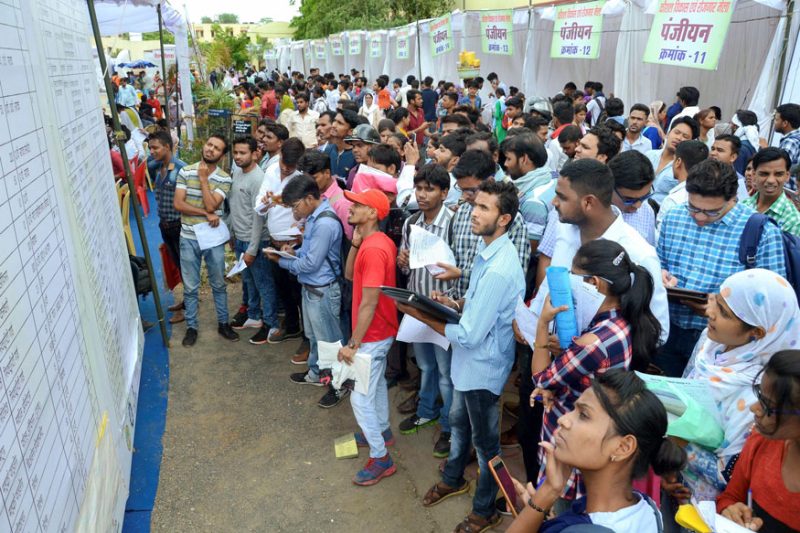
    Recent data points to growing unemployment among the educated youth. They wait for suitable work. The result is a low labour force participation rate (LFPR) in India (in the mid-40s) compared to similar other countries (60% plus). It implies that in India maybe 20% of those who could work have stopped looking for work. No wonder for a few hundred low-grade government jobs, millions of young apply. The gender dimension of unemployment and the low LFPR is worrying with women the worst sufferers.
    These aspects of inadequate employment generation are linked to automation and the investment pattern in the economy. New technologies that are now being used in the modern sectors are labour displacing. For instance, earlier in big infrastructure projects like the construction of roads, one could see hundreds of people working but now big machines are used along with a few workers.

    Further, the organized sectors get most of the investment so little is left for the unorganized sector. This is especially true for agriculture. Thus, neither the organized sector nor agriculture is generating more work. Consequently, entrants to the job market are mostly forced to join the non-agriculture unorganized sector, which in a sense is the residual sector, where the wages are a fraction of the wages in the organized sector. The unorganized sector also acts as a reserve army of labour keeping organized sector wages in check

    Lack of a Living Wage

    To boost profits, the organized sector is increasingly, employing contract labour rather than permanent employees. This is true in both the public and private sectors. So, not only the workers in the unorganized sector, even the workers in the organised sector do not earn a living wage. Thus, most workers have little savings to deal with any crisis. They are unable to give their children a proper education and cannot afford proper health facilities. Most of the children drop out of school and can only do menial jobs requiring physical labour. They cannot obtain a better-paying job and will remain poor for the rest of their lives.

    The Delhi socio-economic survey of 2018 pointed to the low purchasing power of the majority of Indians. It showed that in Delhi, 90% of households spent less than Rs. 25,000 per month, and 98% spent less than Rs. 50,000 per month. Since Delhi’s per capita income is 2.5 times the all India average, deflating the Delhi figures by this factor will approximately yield all India figures. So, 98 per cent of the families would have spent less than Rs.20,000 per month, and 90 per cent less than Rs.10,000 per month. This effectively implies that 90 per cent of families were poor in 2018, if not extremely poor (implied by the poverty line). During the pandemic, many of them lost incomes and were pauperized and forced to further reduce their consumption.

    Unorganized Sector Invisibilized

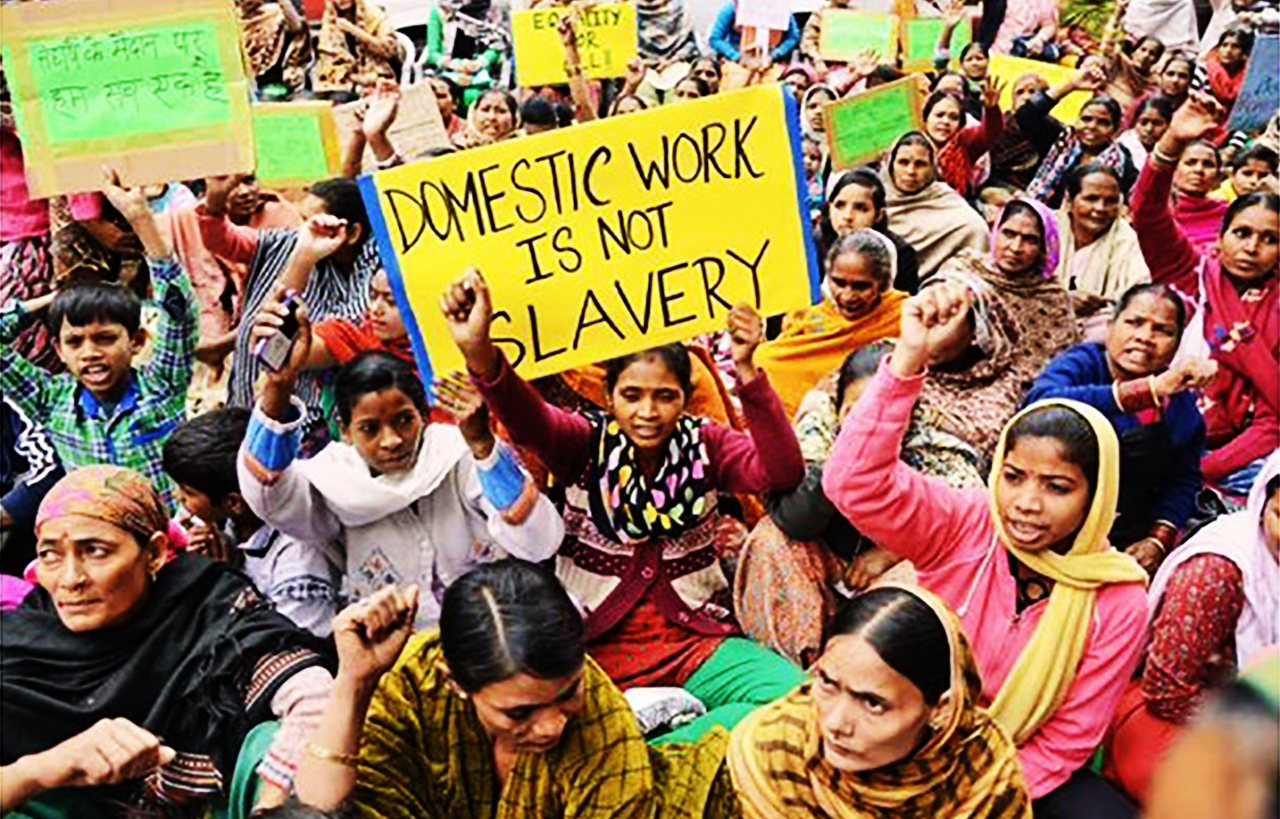
    In the unorganized sector, labour is not organized as a trade union and therefore, is unable to bargain for higher wages, when prices rise. It constitutes 94% of the workforce and has little social security. No other major world economy has such a huge unorganized sector. No wonder when such a large section of the population faces a crisis in their lives, the economy declines, as witnessed during the pandemic. India’s official rate of growth fell more sharply than that of any other G20 country.

    The micro sector has 99% of the units and 97.5% of the employment of MSME and is unlike the small and medium sectors. The benefits of policies made for the MSME sector do not accrue to the micro units.

    Policymakers largely ignore the unorganized sector. The sudden implementation of the lockdown which put this sector in a deep existential crisis points to that. The micro sector has 99% of the units and 97.5% of the employment of MSME and is unlike the small and medium sectors. The benefits of policies made for the MSME sector do not accrue to the micro units.

    Invisibilization of the unorganized sector in the data is at the root of the problem. Data on this sector become available periodically, called the reference years. In between, it is assumed that this sector can be proxied by the organized sector. This could be taken to be correct when there is no shock to the economy and its parameters remain unchanged.
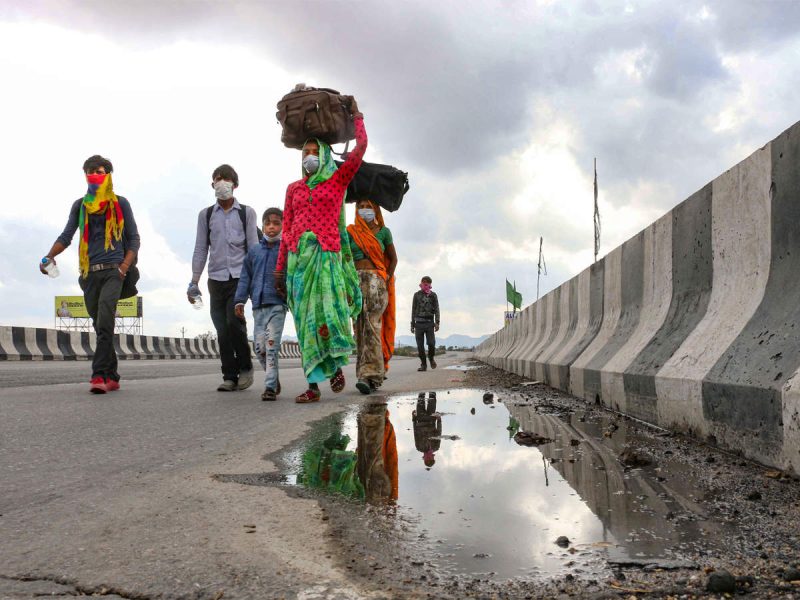
    Demonetization and the flawed GST administered big shocks to the economy and undermined the unorganized sector. Its link with the organized sector got disrupted. Thus, the methodology of calculating national income announced in 2015 became invalid.

    The implication is that the unorganized sector’s decline since 2016 is not captured in the data. Worse, the growth of the organized sector has been at the expense of the unorganized sector because demand shifted from the latter to the former. It suited the policymakers to continue using the faulty data since that presented a rosy picture of the economy. This also lulled them into believing that they did not need to do anything special to check the decline of the unorganized sector.

    Policy Paradigm Shift in 1947

    Growing unemployment, weak socio-economic conditions, etc., are not sudden developments. Their root lies in the policy paradigm adopted since independence.
    In 1947, the leadership, influenced by the national movement understood that people were not to blame for their problems of poverty, illiteracy and ill-health and could not resolve them on their own. So, it was accepted that in independent India these issues would be dealt with collectively. Therefore, the government was given the responsibility of tackling these issues and given a key role in the economy.

    Simultaneously, the leadership, largely belonging to the country’s elite, was enamoured of Western modernity and wanted to copy it to make India an ’advanced country’. The two paths of Western development then available were the free market and Soviet-style central planning. India adopted a mix of the two with the leading role given to the public sector. This path was chosen also for strategic reasons and access to technology which the West was reluctant to supply. But, this choice also led to a dilemma for the Indian elite. It had to ally with the Soviet Union for reasons of defence and access to technology but wanted to be like Western Europe.

    Both the chosen paths were based on a top-down approach. The assumption was that there would be a trickle down to those at the bottom. People accepted this proposition believing in the wider good of all. Resources were mobilized and investments were made in the creation of big dams and factories (called temples of modern India) that generated few jobs. They not only displaced many people trickle down was minimal. For instance, education spread but mostly benefitted the well-off.

    The Indian economy diversified and grew rapidly. An economy that for 50 years had been growing at about 0.75% grew at about 4% in the 1950s. But, the decline in the death rate led to a spurt in the rate of population growth. So, the per capita income did not show commensurate growth, and poverty persisted. Problems got magnified due to the shortage of food following the drought of 1965-67 and the Wars in 1962 and 1965. The Naxalite movement started in 1967, there was BOP crisis and high inflation in 1972-74 due to the growing energy dependence and the Yom Kippur war. Soon thereafter there was political instability and the imposition of an Emergency in 1975. The country went from crisis to crisis.

    Planning failed due to crony capitalism. The prevailing political economy enabled the business community to systematically undermine policies for their narrow ends by fueling the growth of the black economy.

    The failure of trickle-down and the cornering of the gains of development by a narrow section of people led to growing inequality and people losing faith in the development process. Different sections of the population realized that they needed a share in power to deliver to their group. Every division in society — caste, region, community, etc. — was exploited. The leadership became short-termist and indulged in competitive populism by promising immediate gains.

    The consensus on policies that existed at independence dissipated quickly. Election time promises to get votes were not fulfilled. For instance, PM Morarji Desai said that promises in the Janata Dal manifesto in 1977 were the party’s programme and not the government’s. Such undermining of accountability of the political process has undermined democracy and trust and aggravated alienation.

    Black Economy and Policy Failure

    The black economy has grown rapidly since the 1950s with political, social and economic ramifications. Even though it is at the root of the major problems confronting the country, most analysts ignore it.

    So, the black economy controls politics and to retain power it undermines accountability and weakens democracy.

    It undermines elections and strengthens the hold of vested interests on political parties. The compromised leadership of political parties is open to blackmail both by foreign interests and those in power. When in power it is willing to do the bidding of the vested interests. So, the black economy controls politics and to retain power it undermines accountability and weakens democracy.

    The black economy controls politics and corrupts it to perpetuate itself. The honest and the idealist soon are corrupted as happened with the leadership that emerged from the anti-corruption JP movement in the mid-1970s. Many of them who gained power in the 1990s was accused of corruption and even prosecuted. Proposals for state funding of elections will only provide additional funds but not help clean up politics.

    The black economy can be characterized as ’digging holes and filling them’. It results in two incomes but zero output. There is activity without productivity with investment going to waste. Consequently, the economy grows less than its potential. It has been shown that the economy has been losing 5% growth since the mid-1970s. So, if the black economy had not existed, today the economy could have been 8 times larger and each person would have been that much better off. Thus, development is set back. In 1988, PM Rajiv Gandhi lamented that out of every rupee sent only 15 paisa reaches the ground. P Chidambaram as FM said, `expenditures don’t lead to outcomes’.

    The black economy leads to the twin problem of development. First, black incomes being outside the tax net reduce resource availability to the government. If the black incomes currently estimated at above 60% of GDP could be brought into the tax net, the tax/GDP ratio could rise by 24%. This ratio is around 17% now and is one of the lowest in the world. Further, as direct tax collections rise, the regressive indirect taxes could be reduced, lowering inflation.

    India’s fiscal crisis would also get resolved. The current public sector deficit of about 14% would become a surplus of 10%. This would eliminate borrowings and reduce the massive interest payments (the largest single item in the revenue budget). It would enable an increase in allocations to public education and health to international levels and to infrastructure and employment generation.

    In brief, curbing the black economy would take care of India’s various developmental problems, whether it be lack of trickle-down, poverty, inequality, policy failure, employment generation, inflation and so on. It causes delays in decision-making and a breakdown of trust in society.

    Due to various misconceptions about the black economy, many of the steps taken to curb it have been counterproductive, like demonetization. Dozens of committees and commissions have analysed the issues and suggested hundreds of steps to tackle the problem. Many of them have been implemented, like reduction in tax rates and elimination of most controls but the size of the black economy has grown because of a lack of political will.

    Policy Paradigm Shift in 1991

    Failure of policies led to crisis after crisis in the period leading up to 1990. The blame was put on the policies themselves and not the crony capitalism and black economy that led to their failure. The policies prior to 1990 have been often labelled as socialist. Actually, the mixed economy model was designed to promote capitalism. At best the policies may be labelled as state capitalist and they succeeded in their goal. Private capital accumulated rapidly pre-1990. The Iraq crisis of 1989-90 led to India’s BOP crisis and became the trigger for a paradigm change in policies in favour of capital. The earlier more humane and less unequal path of development was discarded.

    Marketization has led to the ’marginalization of the marginals’, greater inequality and a rise in unemployment.

    In 1991, a new policy paradigm was ushered in. Namely, ’individuals are responsible for their problems and not the collective’. Under this regime, the government’s role in the economy was scaled back and individuals were expected to go to the market for resolving their problems. This may be characterized as ’marketization’. This brought about a philosophical shift in the thinking of individuals and society.
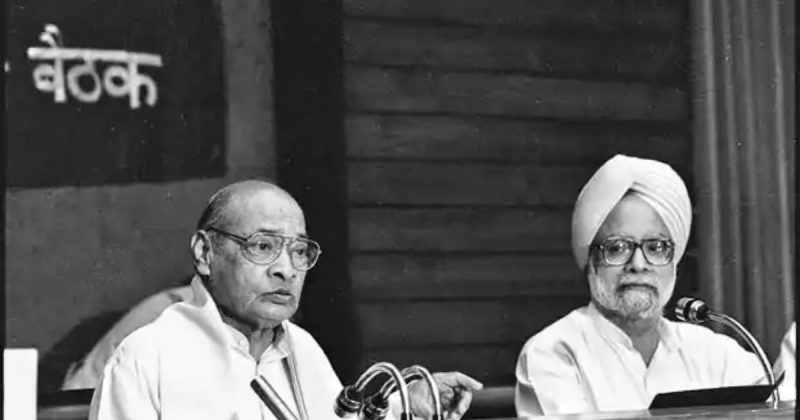
    Marketization has led to the ’marginalization of the marginals’, greater inequality and a rise in unemployment. These policies have promoted ’growth at any cost’ with the cost falling on the marginalized sections and the environment, both of which make poverty more entrenched. So, the pre-existing problems of Indian society have got aggravated in a changed form.

    Poverty is defined in terms of the ’social minimum necessary consumption’ which changes with space and time. Marketization has changed the minimum due to the promotion of consumerism and environmental decay imposing heavy health costs.
    The highly iniquitous NEP is leading to an unstable development environment. The base of growth has been getting narrower leading to periodic crises. Additionally, policy-induced challenges like demonetization, GST, pandemic and now the war in Ukraine have aggravated the situation. These social and political challenges can only grow over time as divisions in society become sharper.

    Weakness in Knowledge Generation

    Why does the obvious not happen in India? No one disagrees that poverty, illiteracy and ill health need to be eliminated. In addition to the problems due to the black economy and top-down approach, India has lagged behind in generating socially relevant knowledge to tackle its problems and make society dynamic.

    Technology has rapidly changed since the end of the Second World War. It is a moving frontier since newer technologies emerge leading to constant change and the inability of the citizens to cope with it. The advanced technology of the 1950s is intermediate or low technology today.

    Literacy needs to be redefined as the ability to absorb the current technology so as to get a decent job. Many routine jobs are likely to disappear soon, like, driver’s jobs as autonomous (self-driving) vehicles appear on the scene. Most banking is already possible through net banking and machines, like, ATMs. Banks themselves are under threat from digital currency.

    So, education is no more about the joy of learning and expanding one’s horizon. No wonder, the scientific temper is missing among a large number of the citizens.

    India’s weakness in knowledge generation is linked to the low priority given to education and R&D. Learning is based substantially on `rote learning’ which does not enable absorption of knowledge and its further development. So, education is no more about the joy of learning and expanding one’s horizon. No wonder, the scientific temper is missing among a large number of the citizens. Dogmas, misconceptions and irrationalities rule the minds of many and they are easily misled. This is politically, socially and economically a recipe for persisting backwardness.

    In spite of policy initiatives regarding education, like, the national education policy in 1968 and 1986, there is deterioration. This is because the milieu of education is all wrong. Policy is in the hands of bureaucrats, politicians or academics with bureaucratized mindsets. So, policies are mechanically framed. Like the idea that ’standards can be achieved via standardization’.

    Learning requires democratization. So, institutions need to be freed from the present feudal and bureaucratic control. Presently, institutions treat dissent as a malaise to be eliminated rather than celebrated. Courses are sought to be copied from foreign universities. JNU is told to be like Harvard or Cambridge. This is a contradiction in terms; originality cannot be copied. Courses copied from abroad tend to be based on the societal conditions there and not Indian conditions. Gandhi had said that the Indian education system is alienating and for many it still is.

    The best minds mostly go abroad and even if they return, they bring with them an alien framework not suited to India. So, as a society, we need to value ideas, prioritize education and R&D and generate socially relevant knowledge.

    Learning is given low priority because ideas are sought to be borrowed from abroad. So, the rulers have little value for institutions that could generate new ideas and inadequate funds are allotted to them. The best minds mostly go abroad and even if they return, they bring with them an alien framework not suited to India. So, as a society, we need to value ideas, prioritize education and R&D and generate socially relevant knowledge.

    Conclusion

    The growth at any cost strategy has been at the expense of the workers and the environment. This has narrowed the base of growth and led to instability in society — politically, socially and economically.

    India is a diverse society and the Indian economy is more complex than any other in the world. This has posed serious challenges to development in the last 75 years but undeniably things are not what they were. The big mistake has been to choose trickle-down policies that have not delivered to a vast number of people who live in uncivilized conditions. Poverty has changed its form and the elite imply that the poor should be grateful for what they have got. They should not focus on growing inequality, especially after 1991, when globalization entered the marketization phase which marginalizes the marginals.

    The growth at any cost strategy has been at the expense of the workers and the environment. This has narrowed the base of growth and led to instability in society — politically, socially and economically. The situation has been aggravated by the recent policy mistakes — demonetization, flawed GST and sudden lockdown. The current war in Ukraine is likely to lead to a new global order which will add to the challenges. The answer to ’why does the obvious not happen’ in India is not just economic but societal. Unless that challenge is met, portents are not bright for India at 75.

    This paper is based substantially on, `Indian Economy since Independence: Persisting Colonial Disruption’, Vision Books, 2013 and `Indian Economy’s Greatest Crisis: Impact of Coronavirus and the Road Ahead’, Penguin Random House, 2020.

    This article was published earlier in Mainstream Weekly.

    Feature Image Credit: Financial Express

    Other Images: DNA India, news18.com,  economictimes, rvcj.com
  • Valuing Folk Crop Varieties for Agroecology and Food Security

    Valuing Folk Crop Varieties for Agroecology and Food Security

    India’s Ministry of Environment, Forest and Climate Change (MoEFCC) has recently, through an office memorandum, excluded the new generation genetically modified (GM) plants – also known as genetically edited (GE) plants – from the ambit of India’s biosafety rules. The use of GMO plant seeds like Monsanto’s Bt Cotton gave promising results initially but over a longer period it has resulted in many problems leading to large number of marginal farmer suicides. Based on this bitter experience the Government of India has brought in place very stringent bio-safety rules. However, with new biotech breakthroughs like Genome Editing techniques, there is a huge pressure from corporate giants like Monsanto, Bayer etc to open up agricultural markets in major countries like India and the global south. There is a fear that American capitalism driven biotech companies may destroy indigenous bio-diversities that could result in food insecurity in the long run. India adopted ‘Green Revolution’ in a big way to increase its food production. It lead to the use of High Yield Variety seeds and mono-cultural farming in a big way. Half a century later, there is a need to review the after effects of the ‘Green Revolution’ as the country is plagued by over use of fertilisers, pesticides, water scarcity, increasing salinity, and battling loss of nutrition in farmlands due to the loss of traditional crop diversity. India was home to a vast gene pool of 110000 varieties of native rice before the Green revolution, of which less than 600 are surviving today. The use of GMO crops will lead to further destruction of Indian food diversity. Genome editing, a newer technology, should be examined carefully from a policy perspective. The European Union treats all GMO and GE as one and therefore it has a single stringent policy. Dr Debal Deb has done a pioneering work in saving many of the indigenous rice varieties and campaigns against the industrial agriculture. His is a larger and vital perspective of Agricultural ecology. The Peninsula Foundation revisits his article of 2009 to drive home the importance of preserving and enhancing India’s bio-diversity and agricultural ecology as pressures from capitalist biotech predators loom large for commercial interests.

    – TPF Editorial Team

    On May 25, 2009, Hurricane Aila hit the deltaic islands of the Sunderban of West Bengal. The estuarine water surged and destroyed the villages. Farmer’s homes were engulfed by the swollen rivers, their properties vanished with the waves, and their means of livelihood disappeared, as illustrated by the empty farm fields, suddenly turned salty. In addition, most of the ponds and bore wells became salinized.

    Since Aila’s devastation, there has been a frantic search for the salt-tolerant rice seeds created by the ancestors of the current Sunderban farmers. With agricultural modernization, these heirloom crop varieties had slipped through the farmers’ hands.

    But now, after decades of complacency, farmers and agriculture experts alike have been jolted into realizing that on the saline Sunderban soil, modern high-yield varieties are no match for the “primitive,” traditional rice varieties. But the seeds of those diverse salt-tolerant varieties are unavailable now; just one or two varieties are still surviving on the marginal farms of a few poor farmers, who now feel the luckiest. The government rice gene banks have documents to show that they have all these varieties preserved, but they cannot dole out any viable seeds to farmers in need. That is the tragedy of the centralized ex situ gene banks, which eventually serve as morgues for seeds, killed by decades of disuse.

    The only rice seed bank in eastern India that conserves salt-tolerant rice varieties in situ is Vrihi, which has distributed four varieties of salt-tolerant rice in small quantities to a dozen farmers in Sunderban. The success of these folk rice varieties on salinized farms demonstrates how folk crop genetic diversity can ensure local food security. These folk rice varieties also promote sustainable agriculture by obviating the need for all external inputs of agrochemicals.

    Folk Rice Varieties, the Best Bet

    Not only the salinization of soil in coastal farmlands but also the too-late arrival of the monsoon this year has caused seedlings of modern rice varieties to wither on all un-irrigated farms and spelled doom for marginal farmers’ food security throughout the subcontinent. Despite all the brouhaha about the much-hyped Green Revolution, South Asia’s crop production still depends heavily on the monsoon rains and too much, too late, too early, or too scanty rain causes widespread failure of modern crop varieties. Around 60 per cent of India’s agriculture is unirrigated and totally dependent on rain.

    In 2002, the monsoon failure in July resulted in a seasonal rainfall deficit of 19 percent and caused a profound loss of agricultural production with a drop of over 3 percent in India’s GDP (Challinor et al. 2006). This year’s shortfall of the monsoon rain is likely to cause production to fall 10 to 15 million tons short of the 100 million tons of total production forecast for India at the beginning of the season (Chameides 2009). This projected shortfall also represents about 3 percent of the expected global rice harvest of 430 million tons.

    In the face of such climatic vagaries, modern agricultural science strives to incorporate genes for adaptation — genes that were carefully selected by many generations of indigenous farmer-breeders centuries ago. Thousands of locally-adapted rice varieties (also called “landraces”) were created by farmer selection to withstand fluctuations in rainfall and temperature and to resist various pests and pathogens. Most of these varieties, however, have been replaced by a few modern varieties, to the detriment of food security.

    Until the advent of the Green Revolution in the 1960s, India was believed to have been home to about 110,000 rice varieties (Richharia and Govindasamy 1990), most of which have gone extinct from farm fields. Perhaps a few thousand varieties are still surviving on marginal farms, where no modern cultivar can grow. In the eastern state of West Bengal, about 5600 rice varieties were cultivated, of which 3500 varieties of rice were shipped to the International Rice Research Institute (IRRI) of the Philippines during the period from 1975 to 1983 (Deb 2005). After an extensive search over the past fourteen years for extant rice varieties in West Bengal and a few neighboring states, I was able to rescue only 610 rice landraces from marginal farms. All others–about 5000–have disappeared from farm fields. The 610 extant rice varieties are grown every year on my conservation farm, Basudha. Every year, these seeds are distributed to willing farmers from the Vrihi seed bank free of charge.

    Vrihi (meaning “rice seed” in Sanskrit) is the largest non-governmental seed repository of traditional rice varieties in eastern India. These varieties can withstand a much wider range of fluctuations in temperature and soil nutrient levels as well as water stress than any of the modern rice varieties. This year’s monsoon delay has not seriously affected the survivorship and performance of the 610 rice varieties on the experimental farm, nor did the overabundant rainfall a few years earlier.

    Circumstances of Loss

    If traditional landraces are so useful, how could the farmers afford to lose them? The dynamics are complex but understandable. When government agencies and seed companies began promoting “miracle seeds,” many farmers were lured and abandoned their heirloom varieties. Farmers saw the initial superior yields of the high input–responsive varieties under optimal conditions and copied their “successful” neighbors. Soon, an increasing number of farmers adopted the modern, “Green Revolution” (GR) seeds, and farmers not participating in the GR were dubbed backward, anti-modern, and imprudent. Seed companies, state agriculture departments, the World Bank, universities, and national and international development NGOs (non-governmental organizations) urged farmers to abandon their traditional seeds and farming practices–both the hardware and software of agriculture. After a few years of disuse, traditional seed stocks became unviable and were thereby lost. Thus, when farmers began to experience failure of the modern varieties in marginal environmental conditions, they had no other seeds to fall back on. Their only option was, and still is, to progressively increase water and agrochemical inputs to the land. In the process, the escalating cost of modern agriculture eventually bound the farmers in an ever-tightening snare of debt. After about a century of agronomists’ faith in technology to ensure food security, farming has become a risky enterprise, with ever greater debt for farmers. Over 150,000 farmers are reported to have committed suicide between 1995 and 2004 in India (Government of India 2007), and the number grew by an annual average of 10,000 until 2007 (Posani 2009).

    The government gave ample subsidies for irrigation and fertilizers to convert marginal farms into more productive farms and boosted rice production in the first decade that GR seeds were used. Soon after, however, yield curves began to decline. After 40 years of GR, the productivity of rice is declining at an alarming rate (Pingali 1994). IRRI’s own study revealed yield decreases after cultivation of the “miracle rice variety” IR8 over a 10-year period (Flinn et al 1982). Today, just to keep the land productive, rice farmers in South Asia apply over 11 times more synthetic nitrogen fertilizers and 12.8 times more phosphate fertilizers per hectare than they did in the late 1960s (FAI 2008). Cereal yield has plummeted back to the pre-GR levels, yet many farmers cannot recall that they had previously obtained more rice per unit of input than what they are currently getting. Most farmers have forgotten the average yields of the traditional varieties and tend to believe that all traditional varieties were low-yielding. They think that the modern “high-yielding” varieties must yield more because they are so named.

    In contrast, demonstration of the agronomic performance of the 610 traditional rice varieties on Basudha farm over the past 14 years has convinced farmers that many traditional varieties can out-yield any modern cultivar. Moreover, the savings in terms of water and agrochemical inputs and the records of yield stability against the vagaries of the monsoon have convinced them of the economic advantages of ecological agriculture over chemical agriculture. Gradually, an increasing number of farmers have been receiving traditional seeds from the Vrihi seed bank and exchanging them with other farmers. As of this year, more than 680 farmers have received seeds from Vrihi and are cultivating them on their farms. None of them have reverted to chemical farming or to GR varieties.

    Extraordinary Heirlooms

    Every year, farmer-researchers meticulously document the morphological and agronomic characteristics of each of the rice varieties being conserved on our research farm, Basudha. With the help of simple equipment–graph paper, rulers, measuring tape, and a bamboo microscope (Basu 2007)–the researchers document 30 descriptors of rice, including leaf length and width; plant height at maturity; leaf and internode color; flag leaf angle; color and size of awns; color, shape and size of rice seeds and decorticated grains; panicle density; seed weight; dates of flowering and maturity; presence or absence of aroma; and diverse cultural uses.

    Vrihi’s seed bank collection includes numerous unique landraces, such as those with novel pigmentation patterns and wing-like appendages on the rice hull. Perhaps the most remarkable are Jugal, the double-grain rice, and Sateen, the triple-grain rice. These characteristics have been published and copyrighted (Deb 2005) under Vrihi’s name to protect the intellectual property rights of indigenous farmers.

    A few rice varieties have unique therapeutic properties. Kabiraj-sal is believed to provide sufficient nutrition to people who cannot digest a typical protein diet. Our studies suggest that this rice contains a high amount of labile starch, a fraction of which yields important amino acids (the building blocks of proteins). The pink starch of Kelas and Bhut moori is an essential nutrient for tribal women during and after pregnancy, because the tribal people believe it heals their anemia. Preliminary studies indicate a high content of iron and folic acid in the grains of these rice varieties. Local food cultures hold Dudh-sar and Parmai-sal in high esteem because they are “good for children’s brains.” While rigorous experimental studies are required to verify such folk beliefs, the prevalent institutional mindset is to discard folk knowledge as superstitious, even before testing it– until, that is, the same properties are patented by a multinational corporation.

    Traditional farmers grow some rice varieties for their specific adaptations to the local environmental and soil conditions. Thus, Rangi, Kaya, Kelas, and Noichi are grown on rainfed dryland farms, where no irrigation facility exists. Late or scanty rainfall does not affect the yield stability of these varieties. In flood-prone districts, remarkable culm elongation is seen in Sada Jabra, Lakshmi-dighal, Banya-sal, Jal kamini, and Kumrogorh varieties, which tend to grow taller with the level of water inundating the field. The deepest water that Lakshmi-dighal can tolerate was recorded to be six meters. Getu, Matla, and Talmugur can withstand up to 30 ppt (parts per thousand) of salinity, while Harma nona is moderately saline tolerant. No modern rice variety can survive in these marginal environmental conditions. Traditional crop varieties are often recorded to have out-yielded modern varieties in marginal environmental conditions (Cleveland et al. 2000).

    Farmer-selected crop varieties are not only adapted to local soil and climatic conditions but are also fine-tuned to diverse local ecological conditions and cultural preferences. Numerous local rice landraces show marked resistance to insect pests and pathogens. Kalo nunia, Kartik-sal, and Tulsi manjari are blast-resistant. Bishnubhog and Rani kajal are known to be resistant to bacterial blight (Singh 1989). Gour-Nitai, Jashua, and Shatia seem to resist caseworm (Nymphula depunctalis) attack; stem borer (Tryporyza spp.) attack on Khudi khasa, Loha gorah, Malabati, Sada Dhepa, and Sindur mukhi varieties is seldom observed.

    Farmers’ agronomic practices, adapting to the complexity of the farm food web interactions, have also resulted in selection of certain rice varieties with distinctive characteristics, such as long awn and erect flag leaf. Peasant farmers in dry lateritic areas of West Bengal and Jharkhand show a preference for long and strong awns, which deter grazing from cattle and goats (Deb 2005). Landraces with long and erect flag leaves are preferred in many areas, because they ensure protection of grains from birds.

    Different rice varieties are grown for their distinctive aroma, color, and tastes. Some of these varieties are preferred for making crisped rice, some for puffed rice, and others for fragrant rice sweets to be prepared for special ceremonies. Blind to this diversity of local food cultures and farm ecological complexity, the agronomic modernization agenda has entailed drastic truncation of crop genetic diversity as well as homogenization of food cultures on all continents.

    Sustainable Agriculture and Crop Genetic Diversity

    Crop genetic diversity, which our ancestors enormously expanded over millennia (Doebley 2006), is our best bet for sustainable food production against stochastic changes in local climate, soil chemistry, and biotic influences. Reintroducing the traditional varietal mixtures in rice farms is a key to sustainable agriculture. A wide genetic base provides “built-in insurance” (Harlan 1992) against crop pests, pathogens, and climatic vagaries.

    Traditional crop landraces are an important component of sustainable agriculture because their long-term yield stability is superior to most modern varieties. An ample body of evidence exists to indicate that whenever there is a shortage of irrigation water or of fertilizers–due to drought, social problems, or a disruption of the supply network– “modern crops typically show a reduction in yield that is greater and covers wider areas, compared with folk varieties” (Cleveland et al. 1994). Under optimal farming conditions, some folk varieties may have lower mean yields than high-yield varieties but exhibit considerably higher mean yields in the marginal environments to which they are specifically adapted.

    All these differences are amply demonstrated on Basudha farm in a remote corner of West Bengal, India. This farm is the only farm in South Asia where over 600 rice landraces are grown every year for producing seeds. These rice varieties are grown with no agrochemicals and scant irrigation. On the same farm, over 20 other crops, including oil seeds, vegetables, and pulses, are also grown each year. To a modern, “scientifically trained” farmer as well as a professional agronomist, it’s unbelievable that over the past eight years, none of the 610 varieties at Basudha needed any pesticides–including bio-pesticides–to control rice pests and pathogens. The benefit of using varietal mixtures to control diseases and pests has been amply documented in the scientific literature (Winterer et al. 1994; Wolfe 2000; Leung et al. 2003). The secret lies in folk ecological wisdom: biological diversity enhances ecosystem persistence and resilience. Modern ecological research (Folke et al. 2004; Tilman et al. 2006; Allesina and Pascual 2008) supports this wisdom.

    If the hardware of sustainable agriculture is crop diversity, the software consists of biodiversity-enhancing farming techniques. The farming technique is the “program” of cultivation and can successfully “run” on appropriate hardware of crop genetic and species diversity. In the absence of the appropriate hardware however, the software of ecological agriculture cannot give good results, simply because the techniques evolved in an empirical base of on-farm biodiversity. Multiple cropping, the use of varietal mixtures, the creation of diverse habitat patches, and the fostering of populations of natural enemies of pests are the most certain means of enhancing agroecosystem complexity. More species and genetic diversity mean greater complexity, which in turn creates greater resilience–that is, the system’s ability to return to its original species composition and structure following environmental perturbations such as pest and disease outbreaks or drought, etc.

    Ecological Functions of On-Farm Biodiversity

    Food security and sustainability at the production level are a consequence of the agroecosystem’s resilience, which can only be maintained by using diversity on both species and crop genetic levels. Varietal mixtures are a proven method of reducing diseases and pests. Growing companion crops like pigeonpea, chickpea, rozelle, yams, Ipomea fistulosa, and hedge bushes provide alternative hosts for many herbivore insects, thereby reducing pest pressure on rice. They also provide important nutrients for the soil, while the leaves of associate crops like pigeonpea (Cajanus cajan) can suppress growth of certain grasses like Cyperus rotundus.

    Pest insects and mollusks can be effectively controlled, even eliminated, by inviting carnivorous birds and reptiles (unless they have been eliminated from the area by pesticides and industrial toxins). Erecting bamboo “T’s” or placing dead tree branches on the farm encourages a range of carnivorous birds, including the drongo, bee eaters, owls, and nightjars, to perch on them. Leaving small empty patches or puddles of water on the land creates diverse ecosystems and thus enhances biodiversity. The hoopoe, the cattle egret, the myna, and the crow pheasant love to browse for insects in these open spaces.

    Measures to retain soil moisture to prevent nutrients from leaching out are also of crucial importance. The moisturizing effect of mulching triggers certain key genes that synergistically operate to delay crop senescence and reduce disease susceptibility (Kumar et al. 2004). The combined use of green mulch and cover crops nurtures key soil ecosystem components–microbes, earthworms, ants, ground beetles, millipedes, centipedes, pseudoscorpions, glow worms, and thrips — which all contribute to soil nutrient cycling.

    Agricultural sustainability consists of long-term productivity, not short-term increase of yield. Ecological agriculture, which seeks to understand and apply ecological principles to farm ecosystems, is the future of modern agriculture. To correct the mistakes committed in the course of industrial agriculture over the past 50 years, it is imperative that the empirical agricultural knowledge of past centuries and the gigantic achievements of ancient farmer-scientists are examined and employed to reestablish connections to the components of the agroecosystem. The problems of agricultural production that arise from the disintegration of agorecosystem complexity can only be solved by restoring this complexity, not by simplifying it with technological fixes.

    Further Reading and Resources: in situ conservation and agroecology

    References

    Allesina S and Pascual M (2008). Network structure, predator-prey modules, and stability in large food webs. Theoretical Ecology 1(1):55-64.

    Basu, P (2007). Microscopes made from bamboo bring biology into focus. Nature Medicine 13(10): 1128. http://www.nature.com/nm/journal/v13/n10/pdf/nm1007-1128a.pdf.

    Challinor A, Slingo J, Turner A and Wheeler T (2006). Indian Monsoon: Contribution to the Stern Review. University of Reading. www.hm-treasury.gov.uk/d/Challinor_et_al.pdf.

    Chameides B (2009). Monsoon fails, India suffers. The Green Grok. Nicholas School of the Environment at Duke University. www.nicholas.duke.edu/thegreengrok/monsoon_india.

    Cleveland DA, Soleri D and Smith SE (1994). Do folk crop varieties have a role in sustainable agriculture? BioScience 44(11): 740–751.

    Cleveland DA, Soleri D and Smith SE (2000). A biological framework for understanding farmers’ plant breeding. Economic Botany 54(3): 377–394.

    Deb D (2005). Seeds of Tradition, Seeds of Future: Folk Rice Varieties from east India. Research Foundation for Science Technology & Ecology. New Delhi.

    Doebley J (2006). Unfallen grains: how ancient farmers turned weeds into crops. Science 312(5778): 1318–1319.

    FAI (2008). Fertiliser Statistics, Year 2007-2008. Fertilizer Association of India. New Delhi. http://www.faidelhi.org/

    Flinn JC, De Dutta SK and Labadan E (1982). An analysis of long term rice yields in a wetland soil. Field Crops Research 7(3): 201–216.

    Folke C, Carpenter S, Walker B, Scheffer M, Elmqvist T, Gunderson L and Holling CS (2004). Regime shifts, resilience and biodiversity in ecosystem management. Annual Review of Ecology, Evolution and Systematics 35: 557–581.

    Government of India (2007). Report of the Expert Group on Agricultural Indebtedness. Ministry of Agriculture. New Delhi. http://www.igidr.ac.in/pdf/publication/PP-059.pdf

    Harlan JR (1992) Crops and Man (2nd edition). , p. 148. American Society of Agronomy, Inc and Crop Science Society of America, Inc., Madison, WI.

    Kumar V, Mills DJ, Anderson JD and Mattoo AK (2004). An alternative agriculture system is defined by a distinct expression profile of select gene transcripts and proteins. PNAS 101(29): 10535–10540

    Leung H, Zhu Y, Revilla-Molina I, Fan JX, Chen H, Pangga I, Vera Cruz C and Mew TW (2003). Using genetic diversity to achieve sustainable rice disease management. Plant Disease 87(10): 1156–1169.

    Pingali PI (1994). Technological prospects for reversing the declining trend in Asia’s rice productivity. In: Agricultural Technology: Policy Issues for the International Community (Anderson JR, ed), pp. 384–401. CAB International.

    Posani B (2009). Crisis in the Countryside: Farmer suicides and the political economy of agrarian distress in India. DSI Working Paper No. 09-95. Development Studies Institute, London School of Economics and Political Science. London. http://www.lse.ac.uk/collections/DESTIN/pdf/WP95.pdf

    Richharia RH and Govindasamy S (1990). Rices of India. Academy of Development Science. Karjat.

    Note: The only reliable data are given in Richharia and Govindasamy (1990), who estimated that about 200,000 varieties existed in India until the advent of the Green Revolution. Assuming many of these folk varieties were synonymous, an estimated 110,000 varieties were in cultivation. Such astounding figures win credibility from the fact that Dr. Richharia collected 22,000 folk varieties (currently in custody of Raipur University) from Chhattisgarh alone – one of the 28 States of India. The IRRI gene bank preserves 86,330 accessions from India [FAO (2003) Genetic diversity in rice. In: Sustainable rice production for food security. International Rice Commission/ FAO. Rome. (web publication) URL: http://www.fao.org/docrep/006/y4751e/y4751e0b.htm#TopOfPage ]

    Singh RN (1989). Reaction of indigenous rice germplasm to bacterial blight. National Academy of Science Letters 12: 231-232.

    Tilman D, Reich PB and Knops JMH (2006). Biodiversity and ecosystem stability in a decade-long grassland experiment. Nature 441: 629-632.

    Winterer J, Klepetka B, Banks J and Kareiva P (1994). Strategies for minimizing the vulnerability of rice to pest epidemics. In: Rice Pest Science and Management. (Teng PS, Heong KL and Moody K, eds.), pp. 53–70. International Rice Research Institute, Manila.

    Wolfe MS (2000). Crop strength through diversity. Nature 406: 681–682.

    This article was published earlier in Independent Science News and is republished under the Creative Commons Attribution 3.0 License.

    Feature Image Credit: www.thebetterindia.com

  • The Scylla and Charybdis of Duty Discharge: Military Dilemma with undemocratic Leaders

    The Scylla and Charybdis of Duty Discharge: Military Dilemma with undemocratic Leaders

    A week after the attack on the U.S. Capitol, the joint chiefs of staff issued a memorandum to the joint force condemning the assault on Congress and the constitutional process. They re-affirmed Joe Biden’s electoral victory and re-iterated their commitment to protecting and defending the constitution against all enemies, foreign and domestic. This re-iteration came on the heels of another. In the summer of 2020, senior military leaders in the United States were alarmed at the Trump administration’s use of military force to deter civilian protestors gathering in American cities to voice their discontent about racial discrimination and police brutality towards minority communities. Retired officers and seniors in the Defense Department warned against the politicization of the military and cautioned civilian leaders against using the military to achieve partisan goals. The Concerned Members of the Gray Line — a coalition of over 1,000 West Point alumni from six decades of graduating classes who had collectively served across ten presidential administrations — wrote a letter to West Point’s class of 2020 cautioning the graduates that while “the principle of civilian control is central to the military profession … it does not imply blind obedience.”

    These are just two examples of unprecedented steps taken by active and former senior military professionals in the tumultuous civil-military relations that characterized the Trump administration. Another example of an unprecedented action came to light recently in the form of revelations from Bob Woodward and Robert Costa’s forthcoming book, Peril, which suggest that the chairman of the Joint Chiefs of Staff, Gen. Mark Milley, took “good faith precaution” to secure America’s nuclear weapons from what he believed to be a worryingly likely scenario of the president “going rogue” and initiating a military strike against China. In the weeks leading up to the inauguration, Milley feared that the outgoing president would either try to use the military to “prevent the peaceful transfer of power” or that he would unleash nuclear war to maintain power. To avert nuclear Armageddon, he inserted himself into the nuclear chain of command — an authority that he does not have by law and doctrine — and reaffirmed with other senior military officials the elaborate procedures that need to be followed in the event of an executive order to launch nuclear weapons. In so doing, Milley positioned himself as a bulwark to thwart a potentially calamitous chain of events set in motion by an increasingly erratic and bellicose leader. His actions have invited an array of responses, ranging from those who support himand defend his conduct to those who demand his resignation and implore that he be court-martialled for treason. In his testimony to the Senate Armed Forces Committee, Milley defended his loyalty to the nation and asserted that he acted well within his statutory role of being in the “chain of communication” as the president’s primary military adviser

    Milley’s conduct, while deserving of public awareness and scrutiny, needs to be understood in the context of the unprecedented dilemma that he faced. What can military leaders do when the norm of military subordination to civilian control clashes with their adherence to the constitution and the rule of law? Milley was a military professional confronting a civilian executive with a penchant for undermining democracy — obeying this leader would risk jeopardizing his oath to defend the constitution and the rule of law, while disobeying would threaten the norm of civilian supremacy and the military’s democratic accountability.

    In recent years, democratic backsliding has affected nascent and mature democracies alike. To preserve and extend their authority, leaders in the United States, Poland, Hungary, the Philippines, Brazil, Nicaragua, Turkey, and India have used and/or threatened to use the military to advance partisan goalslike enforcing controversial immigration policies, detaining journalists, repressing protests, arresting civil society activists, overturning election results or preventing elections from being held at all, and detaining opposition leaders. Understanding military behavior in other countries threatened by democratic erosion can help to contextualize the situation that Milley confronted and the actions that he undertook.

    Democracy and Civil-Military Relations

    The principal dilemma of all civil-military relations, as explained by civil-military relations scholar Peter Feaver, entails the cultivation of a military strong enough to do what civilian leaders ask yet subordinate enough to do so only when asked. Civilian control over a professional subordinate military is a quintessential element of democratic regimes. Non-democracies, on the other hand, are characterized by politically influential militaries that have either overthrown civilian leaders and usurped power through coups or have acted as powerful allies for civilian autocrats like in Syria and North Korea. Comparative politics scholar Dan Slater demonstrates how in many postcolonial regimes, militaries are powerful and effective brokers in ensuring authoritarian durability. As such, curbing the military’s politically aggressive tendencies involves bolstering civilian oversight mechanisms. For example, by punishing disobedient officers, monitoring the appropriate implementation of civilian orders, controlling their purse strings, and ensuring their accountability through public hearings, civilians could keep a check on the military.

    Whereas politically aggressive militaries used to be the dominant cause of democratic decline in the Cold War period, the decades after the Cold War became characterized by executive aggrandizement. This involves a gradual rollback by elected leaders of citizens’ power and rights. Societies with high levels of inequality, when saddled with political institutions that are unable to deliver opportunities for economic advancement, are particularly prone to being captured by demagogues. These “assassins of democracy” like Donald Trump, Recep Tayyip Erdoğan, Jair Bolsonaro, Narendra Modi, Viktor Orban, Daniel Ortega, and Rodrigo Duterte, among others, use the very institutions of democracy to kill it.

    In this context, the military’s actions are critical to further enhancing or eroding democracy. In dealing with undemocratic leaders, democratic militaries face an unenviable dilemma brought on by their tradition of subordination to civilian control. If they follow orders from an undemocratic leader, they become complicit in democratic erosion. If they disobey, they risk disrupting military cohesion. Populist leaders who are prone to using the military to further their partisan agendas end up affecting the military’s internal cohesion by creating supporters and detractors of their actions within the military. These fissures between supporters and opponents will inevitably paralyze decision-making, threaten the military’s operational effectiveness, and ultimately jeopardize national security.

    This was the dilemma confronted by the Indian military in the 1970s. Like the American military, the Indian armed forces are a professional subordinate institution, beholden to the precept of civilian control and obedience to the constitution and rule of law. And like their American counterparts, the Indian military have played a critical role in protecting India’s fragile postcolonial democracy through the vicissitudes of India’s chaotic politics.

    “India is Indira. Indira is India” 

    On June 25, 1975, the Indian president, Fakhruddin Ali Ahmed, declared a state of internal emergency upon the advice of Prime Minister Indira Gandhi, citing a right-wing conspiracy that aimed at preventing the democratically elected government from functioning. Prior to the announcement of the emergency, India was in the throes of nationwide protests, with agitators clamoring for Gandhi’s resignation after her conviction for electoral malpractice by the Allahabad High Court, which unseated her and nullified her candidature and 1972 electoral victory. The emergency declaration had an immediate effect — 900 arrests were made within 24 hours, 300 of whom were political prisoners including Gandhi’s leading opponent, J. P. Narayan. During the 18-month emergency, Gandhi disempowered state governments, censored the press, banned public meetings, and postponed the national election, tarnishing India’s democratic credentials.

    The opposition implored the Indian army to dethrone Gandhi. Gandhi asked the army to support the implementation of the emergency. They did neither. In a massive rally organized on June 25 in the nation’s capital — New Delhi — Narayan appealed to “the police and armed forces not to obey the illegal and immoral orders of her [Gandhi’s] government” [emphasis added]. This was Gandhi’s last straw, leading to her swift and stealthy imposition of an emergency, as she acutely feared military intransigence and being overthrown in a coup. In a telling incident from 1969, Gandhi candidly asked former field marshal Sam Manekshaw if he planned to oust her. The military, however, refused to heed Narayan’s appeals and did not overthrow her. As explained by Aqil Shah, “the Indian military’s actions were shaped by institutional standards of appropriate behavior which made the notion of a constitutionally prescribed civilian supremacy inviolable and legitimate.” Not only did the military’s organizational beliefs and culture reinforce the norm of civilian supremacy, they also imbibed a learned behavior from their neighbor about the futility of political meddling. In Shah’s interviews with Indian Army officers: “many were typically surprised, and in some cases offended, by any comparison with other ‘political’ armies, including Pakistan. They found it profoundly difficult to countenance actions that constituted subversion of civil supremacy.”

    The army also remained uninvolved in the emergency’s implementation. Gandhi asked the then Indian army chief, Gen. T. N. Raina, for troops to aid civilian authorities in the implementation of her directives. According to retired Maj. Gen. Afsir Karim, who was serving in the army headquarters at the time and was involved in daily official dealings with the army chief’s office, Raina resisted Gandhi’s request and communicated to the military rank and file that “[they] are not a part of the emergency and [should] keep away from politics.” This refusal, however, contravenes their constitutionally prescribed function of obeying civilian authority. How did the army not become complicit in Gandhi’s authoritarian takeover when refusal to obey her meant the subversion of civilian control?

    In this dilemma, the Indian army feared a disruption to their organizational integrity and internal cohesion. Gen. G.G. Bewoor, another former chief of army staff, opined that the army “must protect itself against political influences that could shatter its professional cohesion and erode its capacity to defend the state against external aggression or internal conflict.” [emphasis added] To maintain cohesion and ensure that his troops remained unsullied by politicization, Raina circumvented the issue of obedience versus disobedience by relying on his operational training and professional experience as a trained soldier. When approached by the civilian Ministry of Defence, he instructed the army headquarters to follow the Union War Book, a voluminous classified document that contains detailed instructions for every government department on how to function in the event of war. Invoking the Union War Book implied a deployment for war. This was along the lines of the military’s well-established repertoire of action — the large-scale use of force as dictated by the army’s conventional offensive doctrine that has shaped their crisis behavior and strategy in all security crises since India’s independence. A mobilization on this scale meant the relocation of troops away from India’s restive western and eastern border regions to the national capital and other parts of the country as desired by civilian policymakers. However, the Defence Ministry rejected the army’s proposal, viewing it as “unnecessary for the purposes of an internal Emergency.”

    Raina confronted an elected leader who centralized authority, suspended judicial hearings on constitutional provisions, and undermined democracy. This example is illustrative of how democratic militaries can navigate the dilemma posed by subordination in the context of democratic erosion. The Indian army rejected the opposition’s attempts to co-opt them by reinforcing the norm of civilian supremacy. Simultaneously, they circumvented being used as a pawn in Gandhi’s authoritarian machinations by re-affirming their cardinal function — maintaining national security.

    On Jan. 7, 2021, Milley faced a similarly exceptional conundrum. In his attempt to not let the military be used in a partisan manner by the president and to avert a potential military confrontation with China, he exercised his professional judgment in a manner similar to Raina. Like its Indian counterpart, the U.S. military is organizationally and normatively well-versed in maintaining civilian supremacy, ensuring that coups are never countenanced as a way of expressing disapproval with civilian leaders.

    However, fearing further instability and threats to national security, Milley’s outreach to his Chinese counterpart and his insertion into the nuclear chain of command both leveraged his traditional training and professional experience in averting conventional wars. As argued by Tom Nichols, “Milley, invoking his personal relationship with his Chinese counterpart, told Li that he would hear about any military action from Milley himself. This is what reassurance and transparency looks like in a crisis.” Milley’s knowledge of and personal relationship with Gen. Li Zuocheng can be thought of as a critical wartime resource — both would also have come in handy in the event of an actual military operation. His backchannel reassurances to his Chinese counterpart helped to thwart a nuclear confrontation. In so doing, he stayed true to his higher calling of defending the nation, even when that seemed to undermine civilian supremacy.

    Exceptional circumstances beget exceptional responses. While military officers have a general duty to obey civilian control, they also take an oath to protect the constitution. When compared to other states that have experienced violent civil-military interactions, the United States has benefitted from a relatively stable relationship between its civilian leaders and its military. Obedience to civilian control implies obedience to constitutional and lawful orders. However, the former president delighted in upending norms in politics and civil-military relations, creating situations where obedience to civilian control clashed with protecting the rule of law. In this unprecedented situation, Milley relied on his best understanding of protecting the state — one that was honed through decades of professional experience and service. Shortly before his inauguration, Biden told the general, “we know what you went through. We know what you did.” The president’s confidence in his chief military adviser is a testament to Milley’s professional conduct in upholding American democracy.


    This article was published earlier in War on the Rocks.

    Feature Image Credit: theemergingindia.com 


  • The Rich World’s Climate Hypocrisy

    The Rich World’s Climate Hypocrisy

    Many people around the world already consider the United Nations Climate Change Conference (COP26) in Glasgow a disappointment. That is a massive understatement. Global leaders – especially in the developed world – still fail to grasp the gravity of the climate challenge. Although they acknowledge its severity and urgency in their speeches, they mostly pursue short-term national interests and make conveniently distant “” emissions pledges without clear and immediate commitments to act.

    Many of the statements by developed-country leaders at the COP26 summit in Glasgow are at odds with their actual climate policies, and with what they say in other settings. Their short-sighted strategy ultimately benefits no one – including the powerful corporate interests whose immediate financial interests it serves

    For example, could the real US government please stand up and declare itself? In his recent address in Glasgow, President Joe Biden said that “as we see current volatility in energy prices, rather than cast it as a reason to back off our clean energy goals, we must view it as a call to action.” Indeed, “high energy prices only reinforce the urgent need to diversify sources, double down on clean energy deployment, and adapt promising new clean-energy technologies.”

    But just three days later, the Biden administration claimed that OPEC+ is endangering the global economic recovery by not increasing oil production. It even warned that the United States is prepared to use “all tools” necessary to reduce fuel prices.

    This is one of the most blatant recent examples of climate hypocrisy by a developed-country leader, but it is by no means the only one. And the duplicity extends to the proceedings at COP26 itself, where developing-country negotiators are apparently finding that advanced economies’ positions in closed-door meetings are quite different from their public stances.

    Rich countries, which are responsible for the dominant share of global carbon-dioxide emissions to date, are dithering on longstanding commitments to provide climate finance to developing countries. They are also resisting a proposed operational definition that would prevent them from fudging what counts as climate finance. And they are still treating adaptation to climate change as a separate stream and refusing to provide finance to avert, minimize, and address the loss and damage associated with climate change in the worst-affected countries.

    The declared COP26 promises also reveal the developed world’s double standards. A group of 20 countries, including the US, pledged to end public financing for “unabated” fossil-fuel projects, including those powered by coal, by the end of 2022. But the prohibition applies only to international projects, not domestic ones. Significantly, the US and several other signatories refused to join the 23 countries that separately committed to stop new coal-power projects within their borders and phase out existing coal infrastructure.

    But even if the pledges in Glasgow had been more solid, rich-country governments, in particular, face a major credibility problem. They have previously made too many empty climate promises, undermining the interests of developing countries that have contributed little to climate change. Advanced economies have made emissions-reduction commitments that they have not kept, and reneged on their assurances to developing countries regarding not only climate finance but also technology transfer.

    The climate finance commitment is now 12 years old. At COP15 in Copenhagen, advanced economies promised to provide $100 billion per year to the developing world, and the 2015 Paris climate agreement made it clear that all developing countries would be eligible for such financing. This amount is trivial relative to developing countries’ need, which is in the trillions of dollars, and also when compared to the vast sums that rich countries have spent on fiscal and monetary support for their economies during the COVID-19 pandemic.

    But the developed world has not fulfilled even this relatively modest pledge. In 2019, total climate finance channeled to developing countries was less than $80 billion; the average amount each year since 2013 was only $67 billion. And this figure massively overstated the actual flows from developed-country governments, because bilateral public climate finance (which should have been provided to the developing world under the Paris accord) averaged less than $27 billion per year. The remainder came from multilateral institutions – including development banks – and private finance, which rich-country governments sought to take credit for mobilizing. Compared to this paltry sum, global fossil-fuel subsidies amounted to an estimated $555 billion per year from 2017 to 2019.

    Likewise, the rich world’s promises of green technology transfer have become mere lip service. Developed-country governments allowed domestic companies to cling to intellectual-property rights that block the spread of critical knowledge for climate mitigation and adaptation. When countries like China and India have sought to encourage their own renewable-energy industries, the US, in particular, has filed complaints with the World Trade Organization.

    This short-sighted strategy ultimately benefits no one, including the firms whose immediate financial interests it serves, because it accelerates the planet’s destruction and the revenge of nature on what now appears to be terminally stupid humanity. The student and activist marches in Glasgow against this myopic approach are important but are nowhere near enough to force governments to change course.

    The problem is that powerful corporate interests are clearly intertwined with political leadership. People around the world, and especially in the Global North, must become much more vociferous in insisting on meaningful climate action and a real change in economic strategy that resonates beyond national borders. Only that can end the rich world’s green hypocrisy and save us all.

    This article was published earlier in project-syndicate.org

  • Bonded Labour in India: Prevalent, Yet Overlooked

    Bonded Labour in India: Prevalent, Yet Overlooked

    In 1976, India stood out as the first country in South Asia to enact legislation prohibiting bonded labour. However, the system has not been uprooted owing to the different barriers posed by socio-cultural norms and administrative and legislative incompetency. The country’s most vulnerable and disadvantaged sections of society are at risk of being trapped into such a form of modern slavery. The prevalence of this system over the decades necessitates the need to understand the root causes of the emergence of such bonded labour situations and why it is still prevalent in the country.

    Bonded labour in India

    The Bonded Labour System Abolition Act (1976) defines a bonded labour system as a relationship evolved out of a debtor-creditor agreement. It is identified as a form of forced labour where the debtor comes into an agreement, oral or written, with the creditor and receives a loan amount in exchange for his labour or that of his family members. The obligation need not just be an economic consideration such as a loan or an advance amount received from the creditor. People also become bonded with social, customary, hereditary or caste obligations and often agree to enter service with no wages or for nominal wages. The labourer finds it difficult to settle the debt amount as the provided wages are too low even to meet their basic sustenance needs. Eventually, they end up in the same form of labour again and again. Thus their choice to join such a system is out of distress or coercion to some extent. They may also be restricted from switching to another job or to ask for the provision of minimum wages given the conditions of the contract and the lack of awareness of their rights.

    Indebtedness is identified as a major trigger for people to join as bonded labour, especially migrants from poor rural households. However, the need for money arises out of the existing disadvantages in society that these communities are subjected to. Caste, unequal distribution of resources, increased dependence on agriculture, low levels of education and food insecurity pushes them into such unfree labour choices.

    We can identify that this system was prevalent in the country from the pre-colonial era characterised by class hierarchies. Such class hierarchies and high caste exploitations are continuing to function even in this democratic era and consequently, has pushed certain groups of the society to be economically weaker; weak in terms of assets, income and bargaining power. Globalisation and industrialisation have only resulted in the further exclusion of such groups of labour from mainstream jobs.  Indebtedness is identified as a major trigger for people to join as bonded labour, especially migrants from poor rural households. However, the need for money arises out of the existing disadvantages in society that these communities are subjected to. Caste, unequal distribution of resources, increased dependence on agriculture, low levels of education and food insecurity pushes them into such unfree labour choices. Owing to these social and economic factors, marginalised communities in the lower strata of the society, especially the women and children, are trapped in such a system.

    Over the years, the system of bonded labour has existed and evolved under different names and forms across India. Bonded labour arising out of traditionally accustomed social relations is one of the oldest forms and is still prevalent in the country. For example, the system of “jajamani” wherein the workers receive food grains in exchange for working as barbers and washermen for the upper caste. Labourers in agriculture, seasonal inter and intrastate migrants and child labour in informal sectors of brick kiln, rice mills, quarries, domestic work etc. are the other areas where debt bondage is currently more persistent. There has been a considerable shift from traditional debt bondage relation to aneo-bondage labour system among migrant workers. The former was characterised by an element of patronage amongst the considerable amount of exploitation. However the latter is at a higher tone of exploitation and eliminates patronage relations. This has made employers deny the responsibility of employee’s welfare and the labourers have lost the minimum livelihood security which they had secured under the patronage system. The neo-bondage system is further manipulated by the role of intermediaries.

    Thus, with structural transformation in the economy, the system of bonded labour has evolved into a much worse form of exploitation in the country and specifically marginal and backward communities are the main victims of this system.

    Interventions to abolish bonded labour

    Upon identifying the prevalence and exploitation of bonded labour in the pre-independence era, constitutional provisions prohibiting forced labour were assigned under Article 23. Under the Directive Principle of State Policy, Article 42 and 43 ensured fair and humane working conditions and living wages to workers.

    Post-independence, legislation against bonded labour was enacted at a regional level.  Orissa, Rajasthan and Kerala were the first states to enact state legislation against bonded labour.  In 1954, India ratified the International labour organization (ILO) Convention on forced labour (C029). Despite the constitutional provisions, regional and international interventions in bonded labour, construction and implementation of a uniform law took time.

    In 1976, the Bonded Labour System (Abolition) Act was enacted to abolish any form of bonded labour system arising out of debt, customary or hierarchical obligations. In brief, the act has identified and defined bonded labour, provided for extinguishment of past or existing debt, established duties of district magistrate in implementing the provisions of the act, sanctioned the state governments to form a vigilance committee in each district to guide and ensure competent implementation of the act by the magistrate and stated the penal actions against those compelling people into bonded labour. The act was amended in 1985 to bring contract and migrant workers under its ambit.

    In 1978, a new centrally sponsored scheme for Rehabilitation of Bonded Labour was enacted to provide financial assistance to the state government for rehabilitating rescued bonded labourers, to conduct surveys, evaluation studies and awareness campaigns across districts. In 2016, the government restructured the scheme. The restructuring involved an increase in the provision of funds to bonded labour for rehabilitation and to states for conducting surveys. Under the restructured scheme, rescued bonded labour is only provided with the full amount of financial assistance after the conviction of the accused and a Bonded Labour Rehabilitation Fund corpus was to be created at every district.

    The interplay of caste-based exploitation and subsequent impoverishment in terms of resources and assets combined with underdeveloped rural areas devoid of standard education, health and employment opportunities push marginalised people into bonded labour.

    Why and how does the system still sustain?

    Many factors contributing to the prevalence of bonded labour continue to prevail despite after years of legislative action to abolish the same. The interplay of caste-based exploitation and subsequent impoverishment in terms of resources and assets combined with underdeveloped rural areas devoid of standard education, health and employment opportunities push marginalised people into bonded labour. Such an environment accompanied by the inept implementation of legislations and schemes further aids in sustaining bonded labour systems.

    BLS(A) act 1976 failed to be effectively implemented owing to apathy, corruption, lack of administrative and political will. The vigilance committees were often defunct and working for the employer. The act was criticised on the grounds that it stated only mediocre and minor punitive actions and the rates of prosecution were also low. Moreover, some states remain in denial of accepting the existence of bonded labour. This indifference results in the loss of comprehensive data on bonded labour hindering the further implementation of provisions of the act.

    The Central Sector Scheme for Rehabilitation of Bonded Labour also has its loopholes. After the restructuring of the scheme, financial aid is provided only after the accused is convicted and convictions are rare owing to poor implementation of the BLS(A) Act and the absence of a review of cases. Thus, in most cases the rescued labourers do not receive the full financial aid they are entitled to immediately after the rescue. Often, it takes years to receive the full amount or may not even receive any.

    The situation is even grave as the rescued labourers have asymmetric knowledge of the rights and entitlements they can avail themselves of. Even when they are fully aware, most of them lack the will to attain these entitlements due to the dismal behaviour of officials and delayed processes.

    Moving towards Abolishment

    First and foremost, recognition and acceptance of the prevalence of bonded labour should be ensured. Only then the bonded labourers could be identified, rescued and rehabilitated effectively. The collection of comprehensive data is essential for further implementation of the provisions of the legislation. Also apart from the vigilance committee, a new committee composed of the magistrate, members of the marginalised communities, NGO’s and other civil bodies working in the field would enable to get a more comprehensive view of the issues in the sector.

    From a long term perspective, there is a need to address the caste induced structural inequalities. One way through which this could be attained is through land redistribution.

    Mere financial aid is not sufficient for the rescued labourers to foster a livelihood plan. The Human rights law network suggests the same and recommends a comprehensive rehabilitation package providing for education and job security.

    From a long term perspective, there is a need to address the caste induced structural inequalities. One way through which this could be attained is through land redistribution. Apart from this, the government should also focus on skill development and training of rural poor, especially migrants caught up in bonded labour. Varied skills can enhance their employment opportunities and provide more freedom to move towards other areas of work.


    References

    1. B.L.S., A. (2020, June 30). Telangana: Two Years After Rescue From Bonded Labour, 12 Tribals Receive Compensation. The Wire. https://thewire.in/rights/telangana-bonded-labour-rescue-tribals-compensation
    2. Breman, J. (2010). Neo-bondage: A fieldwork-based account. International Labor and Working-Class History78(1), 48-62. https://www.jstor.org/stable/40931303
    3. Gabra, L. (2021, March 21). Will Bonded Labor in India Ever Come To An End? BORGEN. https://www.borgenmagazine.com/bonded-labor-in-india/
    4. Human Rights Law Network. (n.d.). Release and Rehabilitation of Bonded Labour — HRLN. Human Rights Law Network (HRLN). Retrieved August 15, 2021, from https://hrln.org/initiative/release-and-rehabilitation-of-bonded-labour
    5. Human Rights Watch. (n.d.). Small Change. Human Rights Watch (HRW). Retrieved August 6, 2021, from https://www.hrw.org/reports/2003/india/India0103-05.htm
    6. J, S. (2019, September 15). Rescue of bonded labourers up, convictions rare. Times of India Blog. https://timesofindia.indiatimes.com/blogs/tracking-indian-communities/rescue-of-bonded-labourers-up-convictions-rare/
    7. Khan, J. A. (2019, April 30). How effective are the Policies for Rehabilitations of Bonded Labour in India? CBGA India. https://www.cbgaindia.org/blog/effective-policies-rehabilitations-bonded-labour-india/
    8. Mantri, G., & Suresh, H. (2020, January 31). The News Minute | Delve. The News Minute. https://www.thenewsminute.com/article/it-s-2020-bonded-labour-still-reality-india-here-s-why-116977.
    9. Molfenter, C. (2013). Overcoming bonded labour and slavery in South Asia: the implementation of anti-slavery laws in India since its abolition until today. Südasien-Chronik-South Asia Chronicle3, 358-82. https://edoc.hu-berlin.de/bitstream/handle/18452/9122/358.pdf?sequence=1&isAllowed=y
    10. Murugesan, D (2018). HANDBOOK ON BONDED LABOUR. NATIONAL HUMAN RIGHTS COMMISSION (NHRC), New Delhi. https://nhrc.nic.in/sites/default/files/Hand_Book_Bonded_Labour_08022019.pdf
    11. NCABL. (2016). Joint Stakeholders’ Report on Situation of Bonded Labour in India for Submission to United Nations Universal Periodic Review III. NATIONAL COALITION FOR ABOLITION OF BONDED LABOUR (NCABL), Bhubaneswar Odisha. https://www.upr-info.org/sites/default/files/document/india/session_27_-_may_2017/js34_upr27_ind_e_main.pdf
    12. Prasad, K. K. (2015). Use of the Term’Bonded Labour’ is a Must in the Context of India. Anti-Trafficking Review, (5), 162.
    13. Sabhapathi, V. (2020, June 11). An Analysis of Bonded Labour System in India. Legal Bites – Law And Beyond. https://www.legalbites.in/bonded-labour-system-in-india/
    14. S, B. (2016, April 2). Caught in a vicious cycle of bonded labour. The Hindu. https://www.thehindu.com/news/national/karnataka/caught-in-a-vicious-cycle-of-bonded-labour/article7720754.ece
    15. Sethia, S. The Changing Nature of Bonded Labour in India.
    16. Srivastava, R. S. (2005). Bonded labour in India: Its incidence and pattern.https://www.ilo.org/wcmsp5/groups/public/—ed_norm/—declaration/documents/publication/wcms_081967.pdf 

    17. THE BONDED LABOUR SYSTEM (ABOLITION) ACT, 1976. (ACT NO. 19 OF 1976). (India). https://labour.gov.in/sites/default/files/TheBondedLabourSystem(Abolition)Act1976.pdf


    Image Credits: starfishasia.com

  • How Representative is the Representative Democracy in India?

    How Representative is the Representative Democracy in India?

    India’s transition from an erstwhile British colony to an independent, sovereign state meant, for her people, a change in their status from being mere subjects to citizens bestowed with adult suffrage. The ultimate authority, therefore, now rests with the citizens. India’s large and complex population made it impossible for this authority to be discharged directly and therefore, the citizens elect their ‘representatives.’ This act of electing their representatives is called ‘elections’ and the set of rules that determine how the elections are conducted and the results ascertained is called the ‘electoral system.’ The electoral system adopted by the Constituent Assembly, through the debates on the constitution for the adoption of the parliamentary democracy, is a variant of the majoritarian system known as the ‘First Past The Post System.’ The fundamental principle underlying the system is that for the candidate, to cement his/her electoral victory, does not need a majority of the votes polled, but only a plurality of votes would suffice. The basis for the decision of the Constituent Assembly members to opt for the FPTP system lies in its simplicity and its promise of producing a stable government. Dr. B.R. Ambedkar when speaking in the assembly said, “Now, I have not the least doubt in my mind that whatever else the future government provides for, whether it relieves the people from the wants from which they are suffering now or not, our future government must do one thing, namely, it must maintain a stable government and maintain law and order. I am therefore very hesitant in accepting any system of election which would damage the stability of the government.”

    Legislative bodies aren’t merely law-making authorities, they are mini societies in themselves that reflect and react to the issues plaguing the citizenry at large. Labelling legislative bodies as mini societies emphasizes the fact that the composition of the representatives reflects the diversity of social groups and shades of opinion present within the country. The divisions and prejudices that exist in the Indian subcontinent based on caste, class, and religion were a primary point of reference for the members of the constituent assembly when debating over whether the various provisions of the constitution would be functional in the country. In this sense, the decision to choose the FPTP system over other electoral formulas signifies an attempt to alleviate the fears of the members of a further divided subcontinent. Yet, as we enter the 75th year of our freedom with entrenched unresolved issues, it brings us back to the question that the constituent members struggled with: how efficient and representative is the present electoral formula?

    Loksabha Elections – 2019

    Regional representation

     A post-election analysis by IndiaVotes showed that the two major alliances – National Democratic Alliance and United Progressive Alliance won 45.2% and 27.5% of votes respectively and the rest was shared among parties including All India Trinamool Congress, Yuvajana Sramika Rythu Congress Party, Biju Janata Dal, Bahujan Samaj Party, Telangana Rashtra Samithi and so on. With 45.2% votes, the NDA led by the BJP satisfied the requirements laid down by the FPTP allowing it to take charge of the government formation. However, what the vote percentage implies is that the current regime isn’t exactly a popular choice given more than fifty percent of the voters chose to vote against them. In their paper ‘Minoritarian Rule: How India’s Electoral System Created The Illusion of a BJP Landslide’, Macdonald and Moussavi call India a “minoritarian” democracy wherein ‘ a plurality of voters selects the majority of representatives in Parliament.’

    Furthermore, the success was concentrated within the states of central and western India which includes- Gujarat, Uttar Pradesh, Rajasthan, Madhya Pradesh, Bihar, Chhattisgarh, Maharashtra, and Jharkhand. These are also few of the states with the highest number of Lok Sabha seats- Gujarat (26), Uttar Pradesh (80), Rajasthan (25), Madhya Pradesh (29), Bihar (40), Chhattisgarh (11), Maharashtra (48) and Jharkhand (14). Given how diverse the country is culturally and linguistically, how do we compensate for the lack of the same in the union government?

    Minority representation

     The total minority representation in the 2019 Lok Sabha stands at 9.2%, including Muslims, Christians, Sikhs, and other religious minorities. This means over 90% of the MP’s are Hindus in a country where the minorities make up 19.3% of the total population (Census 2011).

    Kazi Syed Karimuddin when speaking against the efficacy of the FPTP system in the constituent assembly had feared the dilution of minority representation and had said, “Therefore my submission is that the present system as it stands does not guarantee a majority rule as people commonly suppose and does not guarantee a representation to minorities, not necessarily religious, even the political minorities.”  To this Dr. B.R.Ambedkar felt that while the country may not be ready for a complex electoral formula but to ensure minority representation he suggested reserved constituencies for the minorities as an alternative and in this regard, he said, “If any particular minority represented in this House said that it did not want any reservation, then it would be open to the House to remove the name of that particular minority from the provisions of article 292. If any particular minority preferred that although it did not get a cent percent deal, namely, did not get a separate electorate, but that what it has got in the form of reservation of seats is better than having nothing, then I think it would be just and proper that the minority should be permitted to retain what the Constituent Assembly has already given to it.”

    The Constituent Assembly finally decided on reserved constituencies for the communities of Scheduled Castes and Scheduled Tribes only.

    Reserved constituency

     The constitution has reserved 131 out of 543 seats for Scheduled Castes and Scheduled Tribes (84 for SC’s and 47 for ST’s). In the present Lok Sabha out of the 543 MP’s, 138 come from SC/ST communities implying that only 7 MP’s from SC/ST communities have been elected in unreserved constituencies. The situation would have been grimmer had their representation not been secured through reserved constituencies.

    The major loophole in the practice of securing representation through reserved constituencies with the use of FPTP is that it is the Non-SC/ST communities that majorly get to decide who the representative for the SC/ST communities would be. Given SC/ST populations are spread across regions rather than being concentrated in a few, it is then the dominant communities with their muscle and money power that decide on where the votes go. This keeps outspoken and assertive leaders from marginalized communities outside legislative bodies and in a way excludes these communities and their issues from mainstream political discourse. Hence, Macdonald and Moussavi observe, “District boundaries are therefore fundamentally important. Their shape determines the population size and ideological composition of the electorate facing each party.”

    Mainstream political discourse

     With FPTP’s ‘winners take all’ formula, it so happens that political parties restrict their discourse and activities to the interests of the dominant communities as they become the deciding factor in the contestants getting the plurality of votes. Douglas Amy in her paper ‘Proportional Representation: Empowering Minorities or Promoting Balkanization’ says, “The claim that winner-take-all elections are inherently more capable of bridging political divides does not bear up under scrutiny. For example, the requirement that winning candidates appeal to the majority of voters has done little to discourage factionalism. Indeed, it has merely encouraged candidates to attack minority groups to win over the majority.”

    This has not only further marginalized the already marginalized but also hinders the Socio-Economic and Political progress of the country as spaces for discussing “actual” issues shrink and real development can’t be equated to the progress and well-being of a minute population.

    Effect on voters

    Wastage of votes, a definite consequence of the FPTP system as it often discourages voters from turning up to vote. Furthermore, voters indulge in ‘tactical voting’ wherein instead of voting for a candidate/party who aligns with their values and ideals, they end up voting for one of the major parties or the lesser of the two evils whom they think have more chances of winning. In a way, the voter is making no real impact in the making of the government (Singh & Sharma, 2019).

    Conclusion

    The Law Commission, in their reports in the year 1999 and then again in the year 2015, had recommended that the government look into alternative electoral methods and examine how well they’d work out for the country. However, this has remained a recommendation only on paper with governments taking no active interest in the same. Carles Boix in his paper ‘Setting the Rules of the Game: The Choice of Electoral Systems in Advanced Democracies’ (1999) states that “as long as the electoral arena remains the same, and favours the ruling parties, the electoral system is not changed. If there is a change in electoral dynamics due to the coming of new voters or alterations in voter’s preference, then the ruling party reshapes the electoral setup to suit their choices.” Hence, we still do not see electoral reforms being a part of the mainstream political discourse. However, to make our political system more inclusive, diverse, and efficient, it is about time we give electoral reforms a serious thought.


    References

    Amy, D. J. (1995). Proportional Representation: Empowering Minorities or Promoting Balkanization? The Good Society, 5(2).

    Boix, C. (2000). Setting the Rules of the Game: The Choice of Electoral Systems in Advanced Democracies. SSRN Electronic Journal. Published. https://doi.org/10.2139/ssrn.159213

    Macdonald, G., & Moussavi, B. (2015). Minoritarian Rule: How India’s Electoral System Created The Illusion of a BJP Landslide. Economic and Political Weekly. Published.

    https://www.constitutionofindia.net/constitution_assembly_debates/volume/7/1949-01-04?paragraph_number=186%2C185%2C12%2C176%2C33%2C189%2C170%2C11%2C7%2C5%2C215%2C196%2C195%2C180%2C179%2C177%2C172%2C122%2C102%2C99%2C98%2C97%2C58%2C57%2C54%2C34%2C6%2C4

    https://www.indiavotes.com/alliance/partyWise/17

    https://scroll.in/latest/924583/elections-2019-bjp-alone-got-more-than-half-the-votes-in-13-states-and-union-territories

    https://en.wikipedia.org/wiki/List_of_constituencies_of_the_Lok_Sabha

    https://www.hindustantimes.com/lok-sabha-elections/from-faith-to-gender-and-profession-to-caste-a-profile-of-the-17th-lok-sabha/story-Mnp5M4pRX3aUji1UFFVy2N.html

    https://www.minorityaffairs.gov.in/sites/default/files/MsDP%20%28FAQs%29.pdf

    https://www.indiaspend.com/governance/reservation-scheduled-castes-tribes-representation-social-justice-755256

    https://theprint.in/opinion/17th-lok-sabha-looks-set-to-confirm-ambedkars-fears-no-vocal-dalits-in-parliament/232383/


    Image Credit: www.aa.com.tr