Category: Biotechnology & Genetics

  • Valuing Folk Crop Varieties for Agroecology and Food Security

    Valuing Folk Crop Varieties for Agroecology and Food Security

    India’s Ministry of Environment, Forest and Climate Change (MoEFCC) has recently, through an office memorandum, excluded the new generation genetically modified (GM) plants – also known as genetically edited (GE) plants – from the ambit of India’s biosafety rules. The use of GMO plant seeds like Monsanto’s Bt Cotton gave promising results initially but over a longer period it has resulted in many problems leading to large number of marginal farmer suicides. Based on this bitter experience the Government of India has brought in place very stringent bio-safety rules. However, with new biotech breakthroughs like Genome Editing techniques, there is a huge pressure from corporate giants like Monsanto, Bayer etc to open up agricultural markets in major countries like India and the global south. There is a fear that American capitalism driven biotech companies may destroy indigenous bio-diversities that could result in food insecurity in the long run. India adopted ‘Green Revolution’ in a big way to increase its food production. It lead to the use of High Yield Variety seeds and mono-cultural farming in a big way. Half a century later, there is a need to review the after effects of the ‘Green Revolution’ as the country is plagued by over use of fertilisers, pesticides, water scarcity, increasing salinity, and battling loss of nutrition in farmlands due to the loss of traditional crop diversity. India was home to a vast gene pool of 110000 varieties of native rice before the Green revolution, of which less than 600 are surviving today. The use of GMO crops will lead to further destruction of Indian food diversity. Genome editing, a newer technology, should be examined carefully from a policy perspective. The European Union treats all GMO and GE as one and therefore it has a single stringent policy. Dr Debal Deb has done a pioneering work in saving many of the indigenous rice varieties and campaigns against the industrial agriculture. His is a larger and vital perspective of Agricultural ecology. The Peninsula Foundation revisits his article of 2009 to drive home the importance of preserving and enhancing India’s bio-diversity and agricultural ecology as pressures from capitalist biotech predators loom large for commercial interests.

    – TPF Editorial Team
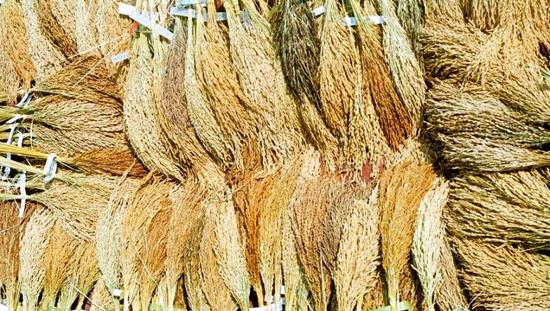
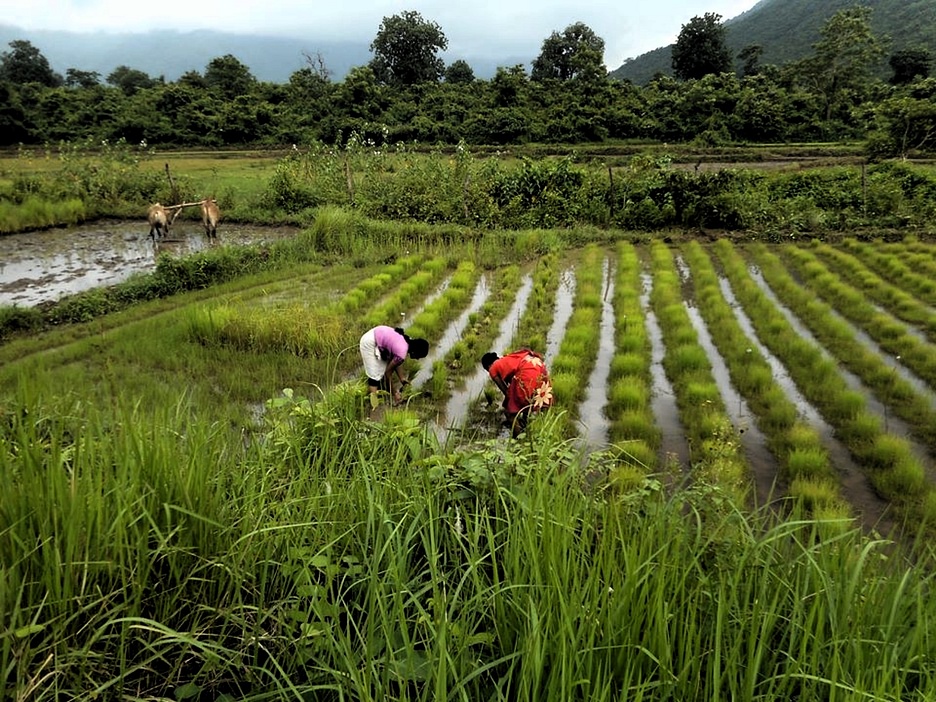
    On May 25, 2009, Hurricane Aila hit the deltaic islands of the Sunderban of West Bengal. The estuarine water surged and destroyed the villages. Farmer’s homes were engulfed by the swollen rivers, their properties vanished with the waves, and their means of livelihood disappeared, as illustrated by the empty farm fields, suddenly turned salty. In addition, most of the ponds and bore wells became salinized.

    Since Aila’s devastation, there has been a frantic search for the salt-tolerant rice seeds created by the ancestors of the current Sunderban farmers. With agricultural modernization, these heirloom crop varieties had slipped through the farmers’ hands.

    But now, after decades of complacency, farmers and agriculture experts alike have been jolted into realizing that on the saline Sunderban soil, modern high-yield varieties are no match for the “primitive,” traditional rice varieties. But the seeds of those diverse salt-tolerant varieties are unavailable now; just one or two varieties are still surviving on the marginal farms of a few poor farmers, who now feel the luckiest. The government rice gene banks have documents to show that they have all these varieties preserved, but they cannot dole out any viable seeds to farmers in need. That is the tragedy of the centralized ex situ gene banks, which eventually serve as morgues for seeds, killed by decades of disuse.

    The only rice seed bank in eastern India that conserves salt-tolerant rice varieties in situ is Vrihi, which has distributed four varieties of salt-tolerant rice in small quantities to a dozen farmers in Sunderban. The success of these folk rice varieties on salinized farms demonstrates how folk crop genetic diversity can ensure local food security. These folk rice varieties also promote sustainable agriculture by obviating the need for all external inputs of agrochemicals.

    Folk Rice Varieties, the Best Bet

    Not only the salinization of soil in coastal farmlands but also the too-late arrival of the monsoon this year has caused seedlings of modern rice varieties to wither on all un-irrigated farms and spelled doom for marginal farmers’ food security throughout the subcontinent. Despite all the brouhaha about the much-hyped Green Revolution, South Asia’s crop production still depends heavily on the monsoon rains and too much, too late, too early, or too scanty rain causes widespread failure of modern crop varieties. Around 60 per cent of India’s agriculture is unirrigated and totally dependent on rain.

    In 2002, the monsoon failure in July resulted in a seasonal rainfall deficit of 19 percent and caused a profound loss of agricultural production with a drop of over 3 percent in India’s GDP (Challinor et al. 2006). This year’s shortfall of the monsoon rain is likely to cause production to fall 10 to 15 million tons short of the 100 million tons of total production forecast for India at the beginning of the season (Chameides 2009). This projected shortfall also represents about 3 percent of the expected global rice harvest of 430 million tons.

    In the face of such climatic vagaries, modern agricultural science strives to incorporate genes for adaptation — genes that were carefully selected by many generations of indigenous farmer-breeders centuries ago. Thousands of locally-adapted rice varieties (also called “landraces”) were created by farmer selection to withstand fluctuations in rainfall and temperature and to resist various pests and pathogens. Most of these varieties, however, have been replaced by a few modern varieties, to the detriment of food security.

    Until the advent of the Green Revolution in the 1960s, India was believed to have been home to about 110,000 rice varieties (Richharia and Govindasamy 1990), most of which have gone extinct from farm fields. Perhaps a few thousand varieties are still surviving on marginal farms, where no modern cultivar can grow. In the eastern state of West Bengal, about 5600 rice varieties were cultivated, of which 3500 varieties of rice were shipped to the International Rice Research Institute (IRRI) of the Philippines during the period from 1975 to 1983 (Deb 2005). After an extensive search over the past fourteen years for extant rice varieties in West Bengal and a few neighboring states, I was able to rescue only 610 rice landraces from marginal farms. All others–about 5000–have disappeared from farm fields. The 610 extant rice varieties are grown every year on my conservation farm, Basudha. Every year, these seeds are distributed to willing farmers from the Vrihi seed bank free of charge.

    Vrihi (meaning “rice seed” in Sanskrit) is the largest non-governmental seed repository of traditional rice varieties in eastern India. These varieties can withstand a much wider range of fluctuations in temperature and soil nutrient levels as well as water stress than any of the modern rice varieties. This year’s monsoon delay has not seriously affected the survivorship and performance of the 610 rice varieties on the experimental farm, nor did the overabundant rainfall a few years earlier.

    Circumstances of Loss

    If traditional landraces are so useful, how could the farmers afford to lose them? The dynamics are complex but understandable. When government agencies and seed companies began promoting “miracle seeds,” many farmers were lured and abandoned their heirloom varieties. Farmers saw the initial superior yields of the high input–responsive varieties under optimal conditions and copied their “successful” neighbors. Soon, an increasing number of farmers adopted the modern, “Green Revolution” (GR) seeds, and farmers not participating in the GR were dubbed backward, anti-modern, and imprudent. Seed companies, state agriculture departments, the World Bank, universities, and national and international development NGOs (non-governmental organizations) urged farmers to abandon their traditional seeds and farming practices–both the hardware and software of agriculture. After a few years of disuse, traditional seed stocks became unviable and were thereby lost. Thus, when farmers began to experience failure of the modern varieties in marginal environmental conditions, they had no other seeds to fall back on. Their only option was, and still is, to progressively increase water and agrochemical inputs to the land. In the process, the escalating cost of modern agriculture eventually bound the farmers in an ever-tightening snare of debt. After about a century of agronomists’ faith in technology to ensure food security, farming has become a risky enterprise, with ever greater debt for farmers. Over 150,000 farmers are reported to have committed suicide between 1995 and 2004 in India (Government of India 2007), and the number grew by an annual average of 10,000 until 2007 (Posani 2009).

    The government gave ample subsidies for irrigation and fertilizers to convert marginal farms into more productive farms and boosted rice production in the first decade that GR seeds were used. Soon after, however, yield curves began to decline. After 40 years of GR, the productivity of rice is declining at an alarming rate (Pingali 1994). IRRI’s own study revealed yield decreases after cultivation of the “miracle rice variety” IR8 over a 10-year period (Flinn et al 1982). Today, just to keep the land productive, rice farmers in South Asia apply over 11 times more synthetic nitrogen fertilizers and 12.8 times more phosphate fertilizers per hectare than they did in the late 1960s (FAI 2008). Cereal yield has plummeted back to the pre-GR levels, yet many farmers cannot recall that they had previously obtained more rice per unit of input than what they are currently getting. Most farmers have forgotten the average yields of the traditional varieties and tend to believe that all traditional varieties were low-yielding. They think that the modern “high-yielding” varieties must yield more because they are so named.

    In contrast, demonstration of the agronomic performance of the 610 traditional rice varieties on Basudha farm over the past 14 years has convinced farmers that many traditional varieties can out-yield any modern cultivar. Moreover, the savings in terms of water and agrochemical inputs and the records of yield stability against the vagaries of the monsoon have convinced them of the economic advantages of ecological agriculture over chemical agriculture. Gradually, an increasing number of farmers have been receiving traditional seeds from the Vrihi seed bank and exchanging them with other farmers. As of this year, more than 680 farmers have received seeds from Vrihi and are cultivating them on their farms. None of them have reverted to chemical farming or to GR varieties.

    Extraordinary Heirlooms

    Every year, farmer-researchers meticulously document the morphological and agronomic characteristics of each of the rice varieties being conserved on our research farm, Basudha. With the help of simple equipment–graph paper, rulers, measuring tape, and a bamboo microscope (Basu 2007)–the researchers document 30 descriptors of rice, including leaf length and width; plant height at maturity; leaf and internode color; flag leaf angle; color and size of awns; color, shape and size of rice seeds and decorticated grains; panicle density; seed weight; dates of flowering and maturity; presence or absence of aroma; and diverse cultural uses.

    Vrihi’s seed bank collection includes numerous unique landraces, such as those with novel pigmentation patterns and wing-like appendages on the rice hull. Perhaps the most remarkable are Jugal, the double-grain rice, and Sateen, the triple-grain rice. These characteristics have been published and copyrighted (Deb 2005) under Vrihi’s name to protect the intellectual property rights of indigenous farmers.

    A few rice varieties have unique therapeutic properties. Kabiraj-sal is believed to provide sufficient nutrition to people who cannot digest a typical protein diet. Our studies suggest that this rice contains a high amount of labile starch, a fraction of which yields important amino acids (the building blocks of proteins). The pink starch of Kelas and Bhut moori is an essential nutrient for tribal women during and after pregnancy, because the tribal people believe it heals their anemia. Preliminary studies indicate a high content of iron and folic acid in the grains of these rice varieties. Local food cultures hold Dudh-sar and Parmai-sal in high esteem because they are “good for children’s brains.” While rigorous experimental studies are required to verify such folk beliefs, the prevalent institutional mindset is to discard folk knowledge as superstitious, even before testing it– until, that is, the same properties are patented by a multinational corporation.

    Traditional farmers grow some rice varieties for their specific adaptations to the local environmental and soil conditions. Thus, Rangi, Kaya, Kelas, and Noichi are grown on rainfed dryland farms, where no irrigation facility exists. Late or scanty rainfall does not affect the yield stability of these varieties. In flood-prone districts, remarkable culm elongation is seen in Sada Jabra, Lakshmi-dighal, Banya-sal, Jal kamini, and Kumrogorh varieties, which tend to grow taller with the level of water inundating the field. The deepest water that Lakshmi-dighal can tolerate was recorded to be six meters. Getu, Matla, and Talmugur can withstand up to 30 ppt (parts per thousand) of salinity, while Harma nona is moderately saline tolerant. No modern rice variety can survive in these marginal environmental conditions. Traditional crop varieties are often recorded to have out-yielded modern varieties in marginal environmental conditions (Cleveland et al. 2000).

    Farmer-selected crop varieties are not only adapted to local soil and climatic conditions but are also fine-tuned to diverse local ecological conditions and cultural preferences. Numerous local rice landraces show marked resistance to insect pests and pathogens. Kalo nunia, Kartik-sal, and Tulsi manjari are blast-resistant. Bishnubhog and Rani kajal are known to be resistant to bacterial blight (Singh 1989). Gour-Nitai, Jashua, and Shatia seem to resist caseworm (Nymphula depunctalis) attack; stem borer (Tryporyza spp.) attack on Khudi khasa, Loha gorah, Malabati, Sada Dhepa, and Sindur mukhi varieties is seldom observed.

    Farmers’ agronomic practices, adapting to the complexity of the farm food web interactions, have also resulted in selection of certain rice varieties with distinctive characteristics, such as long awn and erect flag leaf. Peasant farmers in dry lateritic areas of West Bengal and Jharkhand show a preference for long and strong awns, which deter grazing from cattle and goats (Deb 2005). Landraces with long and erect flag leaves are preferred in many areas, because they ensure protection of grains from birds.

    Different rice varieties are grown for their distinctive aroma, color, and tastes. Some of these varieties are preferred for making crisped rice, some for puffed rice, and others for fragrant rice sweets to be prepared for special ceremonies. Blind to this diversity of local food cultures and farm ecological complexity, the agronomic modernization agenda has entailed drastic truncation of crop genetic diversity as well as homogenization of food cultures on all continents.

    Sustainable Agriculture and Crop Genetic Diversity

    Crop genetic diversity, which our ancestors enormously expanded over millennia (Doebley 2006), is our best bet for sustainable food production against stochastic changes in local climate, soil chemistry, and biotic influences. Reintroducing the traditional varietal mixtures in rice farms is a key to sustainable agriculture. A wide genetic base provides “built-in insurance” (Harlan 1992) against crop pests, pathogens, and climatic vagaries.

    Traditional crop landraces are an important component of sustainable agriculture because their long-term yield stability is superior to most modern varieties. An ample body of evidence exists to indicate that whenever there is a shortage of irrigation water or of fertilizers–due to drought, social problems, or a disruption of the supply network– “modern crops typically show a reduction in yield that is greater and covers wider areas, compared with folk varieties” (Cleveland et al. 1994). Under optimal farming conditions, some folk varieties may have lower mean yields than high-yield varieties but exhibit considerably higher mean yields in the marginal environments to which they are specifically adapted.

    All these differences are amply demonstrated on Basudha farm in a remote corner of West Bengal, India. This farm is the only farm in South Asia where over 600 rice landraces are grown every year for producing seeds. These rice varieties are grown with no agrochemicals and scant irrigation. On the same farm, over 20 other crops, including oil seeds, vegetables, and pulses, are also grown each year. To a modern, “scientifically trained” farmer as well as a professional agronomist, it’s unbelievable that over the past eight years, none of the 610 varieties at Basudha needed any pesticides–including bio-pesticides–to control rice pests and pathogens. The benefit of using varietal mixtures to control diseases and pests has been amply documented in the scientific literature (Winterer et al. 1994; Wolfe 2000; Leung et al. 2003). The secret lies in folk ecological wisdom: biological diversity enhances ecosystem persistence and resilience. Modern ecological research (Folke et al. 2004; Tilman et al. 2006; Allesina and Pascual 2008) supports this wisdom.

    If the hardware of sustainable agriculture is crop diversity, the software consists of biodiversity-enhancing farming techniques. The farming technique is the “program” of cultivation and can successfully “run” on appropriate hardware of crop genetic and species diversity. In the absence of the appropriate hardware however, the software of ecological agriculture cannot give good results, simply because the techniques evolved in an empirical base of on-farm biodiversity. Multiple cropping, the use of varietal mixtures, the creation of diverse habitat patches, and the fostering of populations of natural enemies of pests are the most certain means of enhancing agroecosystem complexity. More species and genetic diversity mean greater complexity, which in turn creates greater resilience–that is, the system’s ability to return to its original species composition and structure following environmental perturbations such as pest and disease outbreaks or drought, etc.

    Ecological Functions of On-Farm Biodiversity

    Food security and sustainability at the production level are a consequence of the agroecosystem’s resilience, which can only be maintained by using diversity on both species and crop genetic levels. Varietal mixtures are a proven method of reducing diseases and pests. Growing companion crops like pigeonpea, chickpea, rozelle, yams, Ipomea fistulosa, and hedge bushes provide alternative hosts for many herbivore insects, thereby reducing pest pressure on rice. They also provide important nutrients for the soil, while the leaves of associate crops like pigeonpea (Cajanus cajan) can suppress growth of certain grasses like Cyperus rotundus.

    Pest insects and mollusks can be effectively controlled, even eliminated, by inviting carnivorous birds and reptiles (unless they have been eliminated from the area by pesticides and industrial toxins). Erecting bamboo “T’s” or placing dead tree branches on the farm encourages a range of carnivorous birds, including the drongo, bee eaters, owls, and nightjars, to perch on them. Leaving small empty patches or puddles of water on the land creates diverse ecosystems and thus enhances biodiversity. The hoopoe, the cattle egret, the myna, and the crow pheasant love to browse for insects in these open spaces.

    Measures to retain soil moisture to prevent nutrients from leaching out are also of crucial importance. The moisturizing effect of mulching triggers certain key genes that synergistically operate to delay crop senescence and reduce disease susceptibility (Kumar et al. 2004). The combined use of green mulch and cover crops nurtures key soil ecosystem components–microbes, earthworms, ants, ground beetles, millipedes, centipedes, pseudoscorpions, glow worms, and thrips — which all contribute to soil nutrient cycling.

    Agricultural sustainability consists of long-term productivity, not short-term increase of yield. Ecological agriculture, which seeks to understand and apply ecological principles to farm ecosystems, is the future of modern agriculture. To correct the mistakes committed in the course of industrial agriculture over the past 50 years, it is imperative that the empirical agricultural knowledge of past centuries and the gigantic achievements of ancient farmer-scientists are examined and employed to reestablish connections to the components of the agroecosystem. The problems of agricultural production that arise from the disintegration of agorecosystem complexity can only be solved by restoring this complexity, not by simplifying it with technological fixes.

    Further Reading and Resources: in situ conservation and agroecology

    References

    Allesina S and Pascual M (2008). Network structure, predator-prey modules, and stability in large food webs. Theoretical Ecology 1(1):55-64.

    Basu, P (2007). Microscopes made from bamboo bring biology into focus. Nature Medicine 13(10): 1128. http://www.nature.com/nm/journal/v13/n10/pdf/nm1007-1128a.pdf.

    Challinor A, Slingo J, Turner A and Wheeler T (2006). Indian Monsoon: Contribution to the Stern Review. University of Reading. www.hm-treasury.gov.uk/d/Challinor_et_al.pdf.

    Chameides B (2009). Monsoon fails, India suffers. The Green Grok. Nicholas School of the Environment at Duke University. www.nicholas.duke.edu/thegreengrok/monsoon_india.

    Cleveland DA, Soleri D and Smith SE (1994). Do folk crop varieties have a role in sustainable agriculture? BioScience 44(11): 740–751.

    Cleveland DA, Soleri D and Smith SE (2000). A biological framework for understanding farmers’ plant breeding. Economic Botany 54(3): 377–394.

    Deb D (2005). Seeds of Tradition, Seeds of Future: Folk Rice Varieties from east India. Research Foundation for Science Technology & Ecology. New Delhi.

    Doebley J (2006). Unfallen grains: how ancient farmers turned weeds into crops. Science 312(5778): 1318–1319.

    FAI (2008). Fertiliser Statistics, Year 2007-2008. Fertilizer Association of India. New Delhi. http://www.faidelhi.org/

    Flinn JC, De Dutta SK and Labadan E (1982). An analysis of long term rice yields in a wetland soil. Field Crops Research 7(3): 201–216.

    Folke C, Carpenter S, Walker B, Scheffer M, Elmqvist T, Gunderson L and Holling CS (2004). Regime shifts, resilience and biodiversity in ecosystem management. Annual Review of Ecology, Evolution and Systematics 35: 557–581.

    Government of India (2007). Report of the Expert Group on Agricultural Indebtedness. Ministry of Agriculture. New Delhi. http://www.igidr.ac.in/pdf/publication/PP-059.pdf

    Harlan JR (1992) Crops and Man (2nd edition). , p. 148. American Society of Agronomy, Inc and Crop Science Society of America, Inc., Madison, WI.

    Kumar V, Mills DJ, Anderson JD and Mattoo AK (2004). An alternative agriculture system is defined by a distinct expression profile of select gene transcripts and proteins. PNAS 101(29): 10535–10540

    Leung H, Zhu Y, Revilla-Molina I, Fan JX, Chen H, Pangga I, Vera Cruz C and Mew TW (2003). Using genetic diversity to achieve sustainable rice disease management. Plant Disease 87(10): 1156–1169.

    Pingali PI (1994). Technological prospects for reversing the declining trend in Asia’s rice productivity. In: Agricultural Technology: Policy Issues for the International Community (Anderson JR, ed), pp. 384–401. CAB International.

    Posani B (2009). Crisis in the Countryside: Farmer suicides and the political economy of agrarian distress in India. DSI Working Paper No. 09-95. Development Studies Institute, London School of Economics and Political Science. London. http://www.lse.ac.uk/collections/DESTIN/pdf/WP95.pdf

    Richharia RH and Govindasamy S (1990). Rices of India. Academy of Development Science. Karjat.

    Note: The only reliable data are given in Richharia and Govindasamy (1990), who estimated that about 200,000 varieties existed in India until the advent of the Green Revolution. Assuming many of these folk varieties were synonymous, an estimated 110,000 varieties were in cultivation. Such astounding figures win credibility from the fact that Dr. Richharia collected 22,000 folk varieties (currently in custody of Raipur University) from Chhattisgarh alone – one of the 28 States of India. The IRRI gene bank preserves 86,330 accessions from India [FAO (2003) Genetic diversity in rice. In: Sustainable rice production for food security. International Rice Commission/ FAO. Rome. (web publication) URL: http://www.fao.org/docrep/006/y4751e/y4751e0b.htm#TopOfPage ]

    Singh RN (1989). Reaction of indigenous rice germplasm to bacterial blight. National Academy of Science Letters 12: 231-232.

    Tilman D, Reich PB and Knops JMH (2006). Biodiversity and ecosystem stability in a decade-long grassland experiment. Nature 441: 629-632.

    Winterer J, Klepetka B, Banks J and Kareiva P (1994). Strategies for minimizing the vulnerability of rice to pest epidemics. In: Rice Pest Science and Management. (Teng PS, Heong KL and Moody K, eds.), pp. 53–70. International Rice Research Institute, Manila.

    Wolfe MS (2000). Crop strength through diversity. Nature 406: 681–682.

    This article was published earlier in Independent Science News and is republished under the Creative Commons Attribution 3.0 License.

    Feature Image Credit: www.thebetterindia.com
  • Recent advances in the use of ZFN-mediated gene editing for human gene therapy

    Recent advances in the use of ZFN-mediated gene editing for human gene therapy

    Targeted genome editing with programmable nucleases has revolutionized biomedical research. The ability to make site-specific modifications to the human genome, has invoked a paradigm shift in gene therapy. Using gene editing technologies, the sequence in the human genome can now be precisely engineered to achieve a therapeutic effect. Zinc finger nucleases (ZFNs) were the first programmable nucleases designed to target and cleave custom sites. This article summarizes the advances in the use of ZFN-mediated gene editing for human gene therapy and discusses the challenges associated with translating this gene editing technology into clinical use.

    Zinc finger nucleases: first of the programmable nucleases

    In the late seventies, scientists observed that when DNA is transfected into yeast cells, it integrates at homologous sites by homologous recombination (HR). In stark contrast, when DNA was transfected into mammalian cells, it was found to integrate randomly at non-homologous sites by non-homologous end joining (NHEJ). HR events were so rare that it required laborious positive and negative selection techniques to detect them in mammalian cells [1]. Later work performed by Maria Jasin’s lab using I-SceI endonuclease (a meganuclease) and a homologous DNA fragment with sequences flanking the cleavage site, revealed that a targeted chromosomal double-strand break (DSB) at homologous sites can stimulate gene targeting by several orders of magnitude in mammalian cells that are refractory to spontaneous HR [2]. However, for this experiment to be successful, the recognition site for I-SceI endonuclease had to be incorporated at the desired chromosomal locus of the mammalian genome by classical HR techniques. Thus, the generation of a unique, site-specific genomic DSB had remained the rate limiting step in using homology-directed repair (HDR) for robust and precise genome modifications of human cells, that is, until the creation of zinc finger nucleases (ZFNs) – the first of the programmable nucleases that could be designed to target and cleave custom sites [3,4].

    Because HR events are very rare in human cells, classical gene therapy – use of genes to achieve a therapeutic effect – had focused on the random integration of normal genes into the human genome to reverse the adverse effects of disease-causing mutations. The development of programmable nucleases – ZFNs, TALENs and CRISPR-Cas9 – to deliver a targeted DSB at a pre-determined chromosomal locus to induce genome editing, has revolutionized the biological and biomedical sciences. The ability to make site-specific modifications to the human genome has invoked a paradigm shift in gene therapy. Using gene-editing technologies, the sequence in the human genome can now be precisely engineered to achieve a therapeutic effect. Several strategies are available for therapeutic gene editing which include: 1) knocking-out genes by NHEJ; 2) targeted addition of therapeutic genes to a safe harbour locus of the human genome for in vivo protein replacement therapy (IVPRT); and 3) correction of disease-causing mutations in genes.

    The first truly targetable reagents were the ZFNs that showed that arbitrary DNA sequences in the human genome could be cleaved by protein engineering, ushering in the era of human genome editing [4]. We reported the creation of ZFNs by fusing modular zinc finger proteins (ZFPs) to the non-specific cleavage domain of the FokI restriction enzyme in 1996 [3]. ZFPs are comprised of ZF motifs, each of which is composed of approximately 30 amino acid residues containing two invariant pairs of cysteines and histidines that bind a zinc atom. ZF motifs are highly prevalent in eukaryotes. The Cys2His2 ZF fold is a unique ββα structure that is stabilized by a zinc ion [5]. Each ZF usually recognizes a 3–4-bp sequence and binds to DNA by inserting the α-helix into the major groove of the double helix. Three to six such ZFs are linked together in tandem to generate a ZFP that binds to a 9–18-bp target site within the genome. Because the recognition specificities can be manipulated experimentally, ZFNs offered a general means of delivering a unique, site-specific DSB to the human genome. Furthermore, studies on the mechanism of cleavage by 3-finger ZFNs established that the cleavage domains must dimerize to affect an efficient DSB and that their preferred substrates were paired binding sites (inverted repeats) [6]. This realization immediately doubled the size of the target sequence recognition of 3-finger ZFNs from 9- to 18-bp, which is long enough to specify a unique genomic address within cells. Moreover, two ZFNs with different sequence specificities could cut at heterologous binding sites (other than inverted repeats), when they are appropriately positioned and oriented within a genome.

    ZFNs paved the way for human genome editing

    In collaboration with Dana Carroll’s lab, we then showed that a ZFN-induced DSB stimulates HR in frog oocytes in 2001 [7]. The groundbreaking experiments on ZFNs established the potential for inducing targeted recombination in a variety of organisms that are refractory to spontaneous HR, and ushered in the era of site-specific genome engineering, also commonly known as genome editing. A number of studies using ZFNs for genome editing in different organisms and cells, soon followed [4,8–10]. The modularity of DNA recognition by ZFs, made it possible to design ZFNs for a multitude of genomic targets for various biological and biomedical applications [4]. Thus, the ZFN platform laid the foundation for genome editing and helped to define the parameters and approaches for nuclease-based genome engineering.

    Despite the remarkable successes of ZFNs, the modularity of ZF recognition did not readily translate into a simple code that enabled easy assembly of highly specific ZFPs from ZF modules. Generation of ZFNs with high sequence specificity was difficult to generate for routine use by at large scientists. This is because the ZF motifs do not always act as completely independent modules in their DNA sequence recognition; they are influenced more often than not by their neighbours. ZF motifs that recognize each of the 64 possible DNA triplets with high specificity, never materialized. Simple modular assembly of ZFs did not always yield highly specific ZFPs, hence ZFNs. Thus, DNA recognition by ZF motifs turned out to be more complex than originally perceived. With this realization came the understanding that the ZFPs have to be selected in a context-dependent manner that required several cycles of laborious selection techniques and further optimization. This is not to say that it can’t be done, but just that it requires substantial cost and time-consuming effort. This is evidenced by the successful ZFN-induced genome editing applications to treat a variety of human diseases that are underway. For example, ZFN-induced mutagenesis of HIV co-receptor CCR5 as a form of gene therapy has the potential to provide a functional cure for HIV/AIDS.

    Successor technologies – TALENs and CRISPR/Cas9 – have made the delivery of a site-specific DSB to the mammalian genome much easier and simpler. Custom nuclease design was facilitated further by the discovery of TAL effector proteins from plant pathogens, in which two amino acids (repeat variable di-residues, also known as RVDs) within a TAL module, recognize a single base pair, independent of the neighbouring modules [11,12]. In a similar fashion to ZFNs, TAL effector modules were fused to the FokI cleavage domain to form TAL effector nucleases, known as TALENs [13]. The development of TALENs simplified our ability to make custom nucleases by straightforward modular design for the purposes of genome editing. However, the discovery of CRISPR/Cas9 – an RNA-guided nuclease in bacterial adoptive immunity – has made it even easier and cheaper, given that no protein engineering is required [14–17]. A constant single nuclease (Cas9) is used for cleavage together with an RNA that directs the target site specificity based on Watson-Crick base pairing. CRISPR/Cas9 system has democratized the use of genome editing, by making it readily accessible and affordable by small labs around the world.

    ZFN specificity & safety

    The efficacy of ZFNs to a large extent depends on the specificity of the ZFPs that are fused to the FokI nuclease domain. The higher the specificity of the ZFPs, the lower the ZFN’s off-target cleavage, and hence toxicity. The early ZFNs designed for genomic targets displayed significant off-target activity and toxicity due to promiscuous binding and cleavage, particularly when encoded in plasmids and expressed in high levels in human cells. One way to increase the specificity of the ZFNs is to increase the number of ZF motifs within each ZFN of the pair. This helps to improve specificity, but it is not always sufficient. Many different mechanisms could account for the off-target activity. They include ZFNs binding to single or unintended target sites as well as to homodimer sites (the inverted repeat sites for each of the ZFN pair). Binding of a ZFN monomer to single or unintended target sites could be followed by dimerization of the cleavage domain to another monomer in solution. Therefore, one approach to reduce ZFNs toxicity is to re-design the dimer interface of the cleavage domains to weaken the interaction and generate a heterodimer variant pair that will actively cleave only at heterodimer binding sites and not at the homodimer or single or unintended binding sites. We had previously shown that the activity of the ZFNs could be abolished by mutating the amino acid residues that form the salt bridges at the FokI dimer interface [6]. Two groups achieved a reduction in ZFN’s off-target cleavage activity and toxicity by introducing amino acid substitutions at the dimer interface of the cleavage domain that inhibited homodimer formation, but promoted the obligate heterodimer formation and cleavage [18,19]. We showed further improvements to the obligate heterodimer ZFN pairs by combining the amino acid substitutions reported by the two groups [20].

    Another approach to reducing ZFN toxicity is to use ZF nickases that cleave at only one predetermined DNA strand of a targeted site. ZFN nickases are produced by inactivating the catalytic domain of one monomer within the ZFN pair [4]. ZFN nickases induce greatly reduced levels of mutagenic NHEJ, since nicks are not efficient substrates for NHEJ. However, this comes at a cost, in terms of lowered efficiency of cleavage. A standard approach that has been widely used to increase the sequence specificity of ZFPs (and the DNA binding proteins in general) is to abolish non-specific protein contacts to the DNA backbone by amino acid substitutions. Again, this comes at the price of ZFPs’ lowered binding affinity for their targets, resulting in lower efficiency of on-target cleavage.

    Methods for ZFN delivery into cells

    The first experiments to show that ZFNs were able to cleave a chromatin substrate and stimulate HR in intact cells were performed by microinjection of ZFNs (proteins) and synthetic substrates into Xenopus oocytes [7]. Plasmid-encoded ZFNs and donors have also been co-transfected into human cells by using electroporation, nucleofection or commercially available chemical reagents. This potentially has two drawbacks: 1) the plasmids continue to express the ZFNs that accumulate at high levels in cells, promoting promiscuous DNA binding and off-target cleavage; and 2) there is also the possibility that the plasmid could integrate into the genome of the cells. To circumvent these problems, one could transfect mRNAs coding for the ZFNs along with donor DNA into cells. Adeno-associated virus (AAV) and lentivirus (LV) are the common vehicles used for the delivery of ZFNs and the donor into human cells.

    First-in-human study

    ZFN-mediated CCR5 disruption was the first-in-human application of genome editing, which was aimed at blocking HIV entry into cells [21]. Most HIV strains use CCR5 co-receptor to enter into cells. The CCR5∆32 allele contains a 32-bp deletion that results in a truncated protein; it is not expressed on the cell surface. The allele confers protection against HIV-1 infection without any adverse health effects in homozygotes. Heterozygotes show reduced levels of CCR5; their disease progression to AIDs is delayed by 1 to 2 years. The potential benefit of CCR5 targeted gene therapy was highlighted in the only reported case of an HIV cure. The so-called “Berlin patient” received allogeneic bone marrow transplants from a CCR5∆32 donor during treatment of acute myeloid leukaemia and ever since has remained HIV-1 free without antiviral treatment (ART). This report gave impetus to gene therapy efforts to create CCR5-negative autologous T cells or hematopoietic stem/progenitor cells (HSPCs) in HIV-infected patients. The expectation was that the edited cells will provide the same anti-HIV effects as in the Berlin patient, but without the risks associated with the allogeneic transplantation. CCR5 knockout via NHEJ was used in this strategy, since gene modification efficiency by HDR is relatively low. ZFN-induced genome editing of CCR5 is the most clinically advanced platform, with several ongoing clinical trials in T cells and HSPCs [22].

    The Phase I clinical trial (#NCT00842634), of knocking out the CCR5 receptor to treat HIV, was conducted by Carl June’s lab in collaboration with Sangamo Biosciences (California) scientists. The goal was to assess the safety of modifying autologous CD4+ T cells in HIV-1–infected individuals [21]. Twelve patients on ART were infused with autologous CD4+ T cells, in which the CCR5 gene was inactivated by ZFN treatment. The study reported: 1) a significant increase in CD4+T cells post-infusion; and 2) long-term persistence of CCR5-modified CD4+ T cells in peripheral blood and mucosal tissue. The therapeutic effects of the ZFN treatment in five patients were monitored by a 12-week interruption of ART. The study established that the rate of decline of the CCR5-modified CD4+ T cells was slower than that of the unmodified cells, indicating a protective effect of CCR5 disruption [22]. One patient showed both delayed viral rebound and a peak viral count that was lower than the patient’s historical levels. This patient was later identified as being heterozygous for CCR5∆32, which suggested that the beneficial effects of the ZFN treatment were magnified in this patient, probably due to increased levels of bi-allelic modification [22]. Thus, heterozygous individuals may have a greater potential for a functional HIV cure. The obvious next step is to apply the ZFN treatment to earlier precursors or stem cells. Editing HSPCs instead of CD4+ T cells have the potential to provide a long-lasting source of modified cells. The success of this strategy has been established in preclinical studies [23] and a recent clinical trial (#NCT02500849) has been initiated using this approach. Programs to disrupt CCR5 in T cells and HSPCs, using the other nuclease platforms that include TALENs, CRISPR/Cas9 and megaTALs (a meganuclease fused to TAL effector modules), are also underway; these are at the pre-clinical stage.

    ZFN preclinical trials aimed at treating human monogenic diseases

    Sangamo Biosciences, Inc. has leveraged its proprietary database of proven ZFNs (that includes an extensive library of functional ZF modules and 2-finger units for the assembly of highly specific ZFNs) and its ZFN patent portfolio to enter into research collaborations with academic scientists for the application of ZFN-mediated gene editing strategies to treat a number of human diseases. Many of these programs are at the preclinical stage.

    An interesting gene editing approach is gene replacement therapy. ZFN-mediated gene editing has shown promise for in vivo correction of the hFIX gene in hepatocytes of haemophilia B mice. Katherine High’s lab in collaboration with Sangamo scientists, is developing a general strategy for liver-directed protein replacement therapies using ZFN-mediated site-specific integration of therapeutic transgenes within the albumin gene locus [24]. Using in vivo AAV delivery, they have achieved long-term expression of hFVIII and hFIX in mouse models of haemophilia A and B at therapeutic levels. Because albumin is very highly expressed, modifying less than 1% of liver cells can produce therapeutic levels of relevant proteins, essentially correcting the disorders. Several pre-clinical studies are now underway to develop liver-directed protein replacement therapies for lysosomal storage disorders including Hurler, Hunter, Gaucher, Fabry and many others. We have previously shown that the CCR5 gene could serve as a safe harbour locus for protein replacement therapies [25]. We reported that by targeted addition of the large CFTR transcription unit at the CCR5 chromosomal locus of human-induced pluripotent stem cells (hiPSCs), one could achieve efficient CFTR expression. Thus, therapeutic genes could be expressed from the CCR5 chromosomal locus for autologous cell-based transgene-correction therapy to treat various recessive monogenic human disorders. Other safe harbour loci such as AAVS1 in the human genome are also available for gene replacement therapy.

    Many labs around the world are also working to develop gene-editing strategies to treat several other diseases such as sickle cell anaemia, SCID, cancer (CAR T cells for immunotherapy) and many others, which are not discussed here. A list of clinical and pre-clinical studies using genome editing technologies for gene and cell therapy of various diseases is outlined elsewhere [26].

    Challenges facing ZFN-based gene editing before routine translation to the clinic

    Several challenges still remain that need to be addressed before we see the routine translation of ZFN-based gene editing to the clinic. They include: 1) potential harmful human genome perturbations due to off-target DSBs, which may be genotoxic or oncogenic; 2) current gene editing efficiencies may not be sufficient for certain diseases, particularly where gene-edited cells have no survival advantage; 3) safe and efficient delivery of ZFNs into target cells and tissues, when using the in vivo approach; and 4) the treatment costs, if and when ZFN-based gene editing is translated to clinic for routine use.

    First, these gene-editing tools need further refinement before they can be safely and effectively used in the clinic. The off-target effects of gene editing technologies are discussed in detail elsewhere [4]. The efficacy of ZFNs is largely governed by the specificity of the ZFPs that are fused to the FokI cleavage domain. The higher the specificity of the ZFPs, the lower the ZFNs’ off-target cleavage is and hence toxicity. As seen with the CCR5 clinical trial, some highly evolved ZFNs are very specific. In the clinic, engineered highly specific ZFNs will be used repeatedly to treat many different individuals [4]. Therefore, the design and construction of highly evolved ZFNs for a particular disease target, will likely be a small part of the overall effort.

    Second, further improvements to gene editing efficiencies are needed for successful therapeutic genome editing. HSPCs gene editing may not yield a sufficient number of edited cells for autologous transplantation due to the difficulties associated with the ex vivo culture and expansion. An alternative approach is to modify patient-specific iPSCs, which then could be reprogrammed into HSPCs. Since clonal selection, expansion and differentiation of gene edited iPSCs are performed ex vivo, this may enable very high editing efficiencies, particularly when coupled with HDR-mediated insertion of a selection cassette. This would also allow for complete genome-wide analysis of gene edited cells for off-target effects. The patient-specific ex vivo approach has the potential to become a viable clinical alternative to modifying autologous HSPCs [25, 27]. In the case of autosomal recessive disorders that require two copies of the gene to be mutated, correction of mono-allele in sufficient number of cells may be enough to confer a therapeutic effect in patients. However, in the case of autosomal dominant disorders that require only one mutated copy of the gene, bi-allelic modification in sufficient number of cells, will be essential to achieve a therapeutic effect in patients. Therefore, methods need to be developed to increase the levels of bi-allelic modification in human cells.

    Third, another potential issue pertains to the safe and efficient delivery of ZFNs into the appropriate target cells and tissues [4]. ZFNs are much smaller than TALENs or Cas9. Therefore, ZFNs can be readily delivered using AAV or LV constructs. The method of ZFN delivery could also vary depending on the human cell types. For example, Ad5/F35-mediated delivery of ZFNs was very efficient in CD4+ T cells while it was less efficient in HSPCs [23]. The nontoxic mRNA electroporation has been efficient for the introduction of ZFNs into HSPCs. This approach has been adapted in a recent clinical trial (#NCT02500849). Recently, Kohn’s lab compared the efficiency, specificity, and mutational signatures during the reactivation of fetal haemoglobin expression by BCL11A knock-out in human CD34+ progenitor cells, using ZFNs, TALENs and CRISPR/Cas9 [28]. ZFNs showed more allelic disruption in the BCL11A locus when compared to the TALENs or CRISPR/Cas9. This was consistent with increased levels of fetal haemoglobin in erythroid cells generated in vitro from gene-edited CD34+ cells. Genome-wide analysis revealed high specific BCL11A cleavage by ZFNs, while evaluated TALENs and CRISPR/Cas9 showed off-target cleavage activity. This study highlights the high variability in cleavage efficiencies at different loci and in different cell types by the different technology platforms. Therefore, there is a critical need to investigate ways to further optimize the delivery of these nucleases into human cells.

    Fourth, if and when therapeutic gene editing is translated into clinics for routine use, a major challenge will relate to the treatment costs associated with these technologies. In the age of $1000 per pill and $100,000 – $300,000 per year treatment costs for certain chronic disease conditions, it is critical to simplify these 21st century cures, if they are to become accessible and affordable for the average citizen and the poor populations of the third world. Many labs are working towards simultaneous gene correction and generation of patient-specific iPSCs to simplify treatment [4]. CRISPR/Cas9 may be best suited for this strategy [29].

    Finally, since all these gene-editing platforms have been shown to cleave at off-target sites with mutagenic consequences, a word of caution is warranted: a careful, systematic and thorough investigation of off-target effects at the genome-wide scale, for each and every reagent that will be used to treat human diseases, is absolutely essential to ensure patient safety. For these reasons, therapeutic gene editing by these technology platforms, will ultimately depend on risk versus benefit analysis and informed consent.

    Financial & competing interests disclosure

    Dr Chandrasegaran is the inventor of the ZFN technology. Johns Hopkins University (JHU) licensed the technology exclusively to Sangamo Biosciences, Inc. (concomitant to its formation in 1995) to develop ZFNs for various biological and biomedical applications. As part of the JHU licensing agreement, Dr Chanrasegaran served on the Sangamo scientific advisory board from 1995 to 2000 and received royalties and stock as per JHU guidelines. The JHU ZFN patents expired in 2012 and became part of the public domain. No writing assistance was utilized in the production of this manuscript.

    References

    1. Mansour SL, Thomas KR, Cappechi M. Disruption of proto-oncogene int-2 in mouse embryo-derived stem cells: a general strategy for targeting mutations to non-selectable genes. Nature 1988; 366: 348–52.
    CrossRef

    2. Rouet P, Smith F, Jasin M. Expression of a site-specific endonuclease stimulates homologous recombination in mammalian cells. Proc. Natl Acad. Sci. USA 1994; 91: 6064–8.
    CrossRef

    3. Kim Y-G, Cha J, Chandrasegaran S. Hybrid restriction enzymes: Zinc finger fusions to FokI cleavage domain. Proc. Natl Acad. Sci. USA 1996; 93: 1156–60.
    CrossRef

    4. Chandrasegaran S, Carroll D. Origins of programmable nucleases for genome engineering. J. Mol. Biol. 2016; 428: 963–89.
    CrossRef

    5. Pavletich NP, Pabo CO. Zinc finger-DNA recognition: crystal structure of a Zif268-DNA complex at 2.1 Å. Science 1991; 252: 809–17.
    CrossRef

    6. Smith JJ, Bibikova M, Whitby F, Reddy AR, Chandrasegaran S, Carroll D. Requirements for double-strand cleavage by chimeric restriction enzymes with zinc finger DNA-Recognition domain. Nucleic Acids Res. 2000; 28: 3361–9.
    CrossRef

    7. Bibikova M, Carroll D, Segal DJ et al. Stimulation of homologous recombination through targeted cleavage by a chimeric nuclease.Mol. Cell. Biol. 2001; 21: 289–97.
    CrossRef

    8. Bibikova M, Golic M, Golic KG, Carroll D. Targeted chromosomal cleavage and mutagenesis in Drosophila using zinc-finger nucleases. Genetics 2002; 161: 1169–75.

    9. Bibikova M, Beumer K, Trautman JK, Carroll D. Enhancing gene targeting using designed zinc finger nucleases. Science 2003; 300: 764.
    CrossRef

    10. Urnov FD, Miller JC, Lee YL et al. Highly efficient endogenous human gene correction using designed zinc-finger nucleases. Nature 2005; 435: 646–51.
    CrossRef

    11. Moscou MJ, Bogdanove AJ. A simple cipher governs DNA recognition by TAL effectors. Science 2009; 326: 1501.
    CrossRef

    12. Boch J, Scholze H, Schornack S. Breaking the code of DNA binding specificity of TAL-type III effectors. Science 2009; 326: 1509–12.
    CrossRef

    13. Christian M, Cermark T, Doyle EL et al. Targeting DNA double-strand breaks with TAL effector nucleases. Genetics 2010; 186: 757–61.
    CrossRef

    14. Gasiunas G, Barrangou R, Horvath P, Siksnys V. Cas9-crRNA ribonucleoprotein complex mediates specific DNA cleavage for adaptive immunity in bacteria. Proc. Natl Acad. Sci. USA 2012; 109: E2579–86.
    CrossRef

    15. Jinek M, Chylinski K, Fonfara I, Hauer M, Doudna JA, Charpentier E. A programmable dual-RNA-guided DNA endonuclease in adaptive bacterial immunity. Science 2012; 337: 816–21.
    CrossRef

    16. Mali P, Yang L, Esvelt KM et al. RNA-guided human genome engineering via Cas9. Science 2013; 339: 823–6.
    CrossRef

    17. Cong L, Ran FA, Cox D et al. Multiplex genome engineering using CRISPR/Cas systems. Science 2013; 339: 819–23.
    CrossRef

    18. Miller JC, Holmes MC, Wang J et al. An improved zinc-finger nuclease architecture for highly specific genome editing. Nat. Biotechnol. 2007; 25: 778–85.
    CrossRef

    19. Szczepek M, Brondani V, Buchel J et al. Structure-based redesign of the dimerization interface reduces the toxicity of zinc-finger nucleases. Nat. Biotechnol.2007; 25: 786-793.
    CrossRef

    20. Ramalingam S, Kandavelou K, Rajenderan R, Chandrasegaran S. Creating designed zinc finger nucleases with minimal cytotoxicity. J. Mol. Biol. 2011; 405: 630–41.
    CrossRef

    21. Tebas P, Stein D, Tang WW et al. Gene editing of CCR5 in autologous CD4 T cells of persons infected with HIV. N. Engl. J. Med. 2014; 370: 901–10.
    CrossRef

    22. Wang CX, Cannon PM. The clinical applications of genome editing in HIV. Blood 2016; 127: 2546–52.
    CrossRef

    23. DiGiusto DL, Cannon PM, Holmes MC et al. Preclinical development and qualification of ZFN-mediated CCR5 disruption in human hematopoietic stem/progenitor cells. Mol. Ther. Methods Clin. Dev. 2016; 3: 16067.
    CrossRef

    24. Sharma R, Anguela XM, Doyon Y et al. In vivo editing of the albumin locus as a platform for protein replacement therapy. Blood 2015; 126: 1777–84.
    CrossRef

    25. Ramalingam S, London V, Kandavelou K et al. Generation and genetic engineering of human induced pluripotent stem cells using designed zinc finger nucleases. Stem Cells Dev. 2013; 22: 595–610.
    CrossRef

    26. Maeder ML, Gersbach CA. Genome editing technologies for gene and cell therapy. Mol. Ther. 2016; 24: 430–46.
    CrossRef

    27. Ramalingam S, Annaluru N, Kandavelou K, Chandrasegaran S. TALEN-mediated generation and genetic correction of disease-specific hiPSCs. Curr. Gene Ther.2014; 14: 461–72.
    CrossRef

    28. Bjurström CF, Mojadidi M, Phillips J, Kuo C et al. Reactivating fetal hemoglobin expression in human adult erythroblasts through BCL11A knockdown using targeted nucleases. Mol. Ther. – Nucleic Acids 2016; 5: e351. 29.

    29. Howden SE, Maufort JP, Duffin BM et al. Simultaneous Reprogramming and Gene Correction of Patient Fibroblasts. Stem Cell Rep. 2015; 5: 1109–18.
    CrossRef

    This article was published earlier in 2017 in CELL & GENE THERAPY INSIGHTS. It is republished under the Creative Commons Licence.

    Feature Image Credit: www.nationalhogfarmer.com

  • GM insect-resistant Bt cotton boosted India’s crop yields? Differing Experts

    GM insect-resistant Bt cotton boosted India’s crop yields? Differing Experts

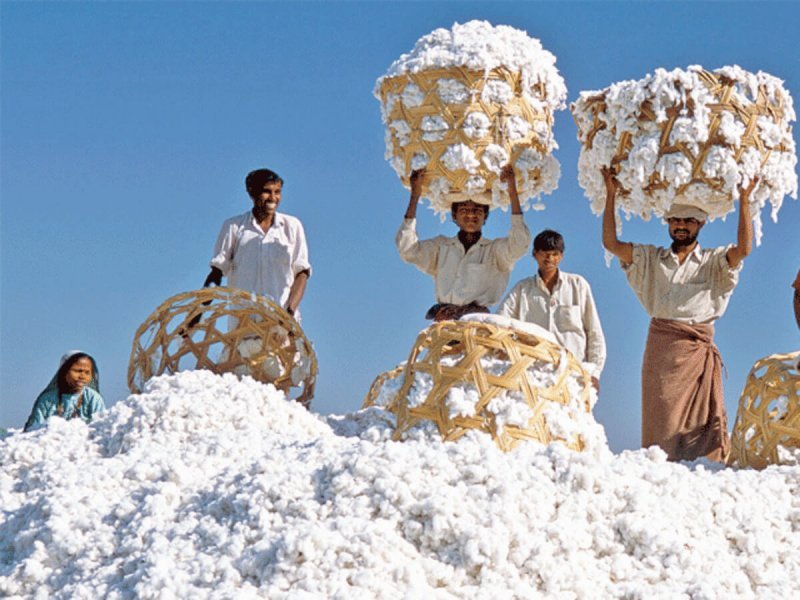
    India was the world’s leading cotton and textile producer for millenniums. In the 1990s the traditional ‘desi’ variety of cotton was upstaged by imported hybrid cotton varities in the hopes of increased production and profits. They soon became vulnerable to pests and resulted in increased use of fertilisers and pesticides, thus increasing the production costs. The failure of hubrid cotton led to the introduction of Bt cotton in 2002 as India’s first genetically modified crop. GM crops have been strongly opposed by increasing believers of traditional agriculture and scientists, possibly for very good reasons. India’s cotton production has quadrupled by 2010 and proponents of GM crops have attributed this to Bt cotton. This has been hotly contested. The recent assertion in favour of Bt cotton by Dr Ramesh Chander of Niti Aayog, early this year, has come under scathing criticism in an article by Professor Andrew Paul Gutierrez, Dr. Hans R.Herren, and Dr. Peter E.Kenmore  as also by Sujatha Byravan. The claims by the advocates of GM crops and Bt cotton were questioned in a well-researched article early this year by scientists K R Kranthi and G D Stone. This article counters their arguements.

                                                                                                                                                                                                        – TPF
    This article was originally posted on the non-profit GeneticLiteracyProject.org website.

    Authors: Cameron English, Jon Entine, and Matin Qaim

    Was the introduction of transgenic (GMO) cotton seeds to India in 2002 the beginning of the renaissance of the country’s then struggling cotton industry? Or was it a non-event, hyped by biotechnology advocates, especially agro-businesses, to bolster the case for a technology struggling for public acceptance?

    After years of farmers losing crops to tobacco budworms, cotton bollworms and pink bollworms, costing billions of dollars a year in losses, Monsanto developed insect-resistant Bt cotton in the early 1990s. The engineered crop has become widespread since its commercial release in China and the United States in 1996, followed by its introduction to India in 2002.

    Within just a few years, India’s troubled cotton industry had done a 180, emerging as one of the world’s largest producers of GMO cotton, as exports boomed, helping to fuel India’s rapid rise as an emerging nation. But not everyone accepts this version of events. Agricultural biotechnology critics maintain that the success of Bt cotton was more smoke and mirrors than science, a story deceptively promoted by the beleaguered agricultural biotechnology industry and its supporters

    Competing research conclusions

    The Bt cotton debate was reignited this year following the publication of contrasting scholarly analyses, one challenging the success narrative and several others defending it. The latest volley of criticism was launched in March when Indian entomologist K. R. Kranthi and Washington University anthropologist Glenn Davis Stone wrote a scathing analysis of Bt cotton success claims in Nature Plants, an article widely disseminated by the global media. Reviewing 20 years of data, the authors claimed that the dramatic success of India’s first (and only) GMO crop was largely hype, and may have even been a failure. According to Stone in a press release put out by Washington University in St. Louis:

    Yields in all crops [in India] jumped in 2003, but the increase was especially large in cotton,” Stone said. “But Bt cotton had virtually no effect on the rise in cotton yields because it accounted for less than 5% of India’s cotton crop at the time.
    Now farmers in India are spending more on seeds, more on fertilizer and more on insecticides …. Our conclusion is that Bt cotton’s primary impact on agriculture will be its role in making farming more capital-intensive — rather than any enduring agronomic benefits.

    That led to a rebuke by long-time scholars in the field. In early May, four scientists at the South East Asia Biotechnology Center in New Dehli weighed in with their own take down in the open access Cold Spring Harbor Laboratory Publication bioRxiv, concluding:

    This study [Kranthi and Stone] conspicuously ignores positive shifts that occurred with Bt adoption at reduced real cost of production in all states resulting in large welfare benefits netting out increased cost of cultivation. [The fallacy] associated with increasing yield trends even before [the] introduction of Bt cotton as claimed by Kranthi and Stone does not stand [up to] scrutiny of increasing yield trends from 2002-03 to 2009-10, with some years showing significant yield dips due to drought [only] to bounce back …. in 2017-18. The ignorance of drought impact tends to attribute the yield reduction entirely [to] the failure of Bt technology.

    In June, GLP published a detailed critique by plant geneticist Deepak Pental, who wrote:

    The article’s authors claim to have carried out ‘a new analysis of unprecedented scope, time depth and detail’ on cotton cultivation in India to find the real reasons behind the doubling of yields between 2000 and 2006, followed by yield stagnation. While the avowed goal of the analysis is to set the record right on the contribution of the Bt trait to cotton cultivation in India, the real purpose of the report is to cast doubts on the utility of GE technologies.

    Most recently, a number of scientists who have crunched the data responded sharply to the Stone-Kranthi hypothesis in letters published in Nature Plants. One of the most prominent is Ian Plewis, an emeritus professor at the University of Manchester in England, who has written extensively on debunked claims that the introduction of Bt cotton led to a surge in farmer suicides in India. Last year, he analyzed much of the same data cited by Stone and Kranthi in a paper in the Review of Agrarian Studies, arriving at a much more nuanced conclusion.

    The conclusions from these analyses are mixed. The more expensive Bt hybrid seeds have lowered insecticide costs in all three States, but only in Rajasthan did yields increase. An important message of this paper is that conclusions about the effectiveness of Bt cotton are more nuanced than many researchers and commentators recognise. The paper does not refute the assertions about the success of Bt cotton, but it does show that the benefits are not evenly distributed across India.

    In a letter to the journal, Plewis  challenged Kranthi’s and Stone’s methodology.

    Kranthi and Stone do not present state-wide analyses of insecticide use, relying instead on unpublished market research data for India as a whole. Their assertion that farmers are spending more on insecticide than they were before the introduction of Bt is not supported by my analyses which are based on publicly available data and show that the technology reduced the proportion of farmers’ costs going to insecticides in all three states.
    Kranthi and Stone make some important points but their approach prevents them from reaching soundly based assessments of the long-term impacts of Bt cotton on Indian farmers in different states.

    Other critics were equally challenging of their data. In a letter originally published in Nature Plants, agricultural economist Matin Qaim, who has been writing about the impacts of Bt cotton in India since its introduction, jumped into the fray:

    Kranthi and Stone’s attempt to analyze long-term effects of Bt cotton is laudable, as the effects of the technology can change over time due to evolving pest populations and other dynamics. However, their claim that Bt contributed little to the yield increases observed in India between 2002 and 2008 is unconvincing ….

    Strong arguments on both sides. What do the facts say? Let’s separate the cotton from the sharp ends of the boll.

    What is Bt cotton?

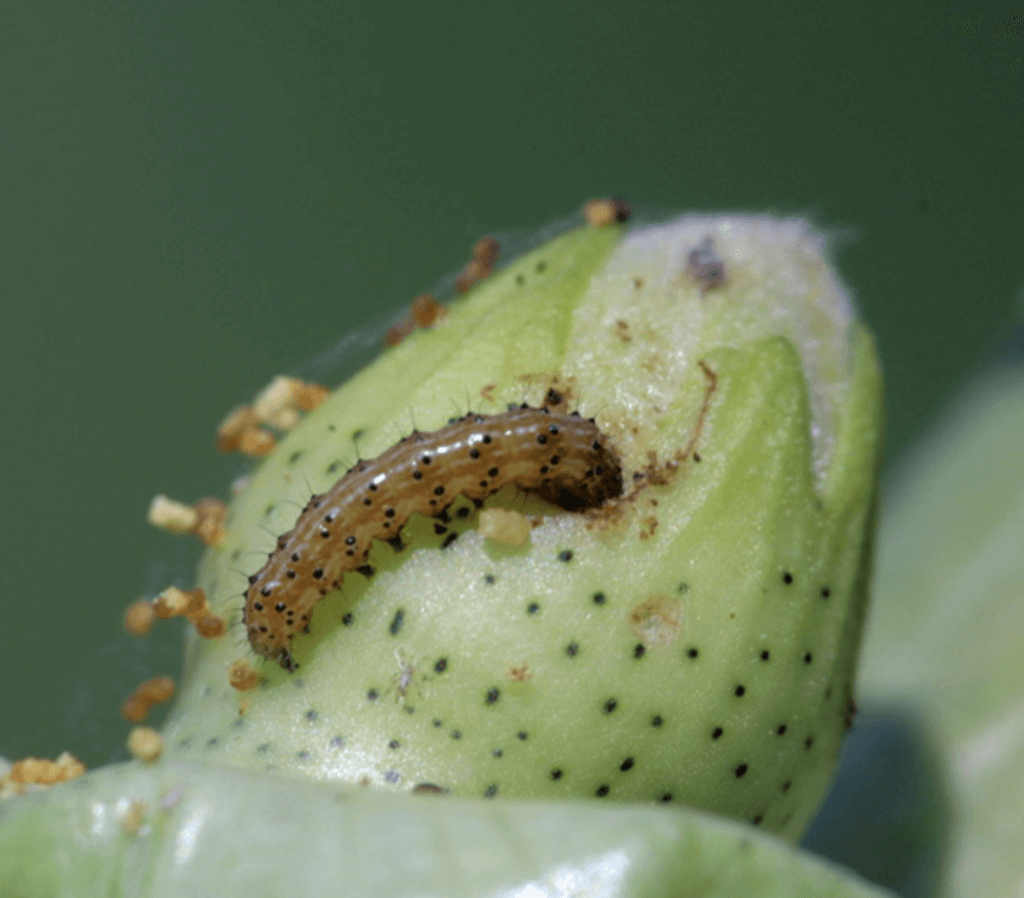
    Bt seeds produce over 200 different Bt toxins, each harmful to different insects. Bt cotton is an insect-resistant transgenic crop (GMO) designed to combat many destructive insects, most notably the bollworm. It was created by genetically altering the cotton genome to express a natural, non-pathogenic microbial protein from the bacterium Bacillus thuringiensis that is found in the soil. Bt in its natural and transgenic forms has been extensively evaluated and found to be safe to all higher animals tested. Bt has been used as an insecticide in organic farming since the middle of the 20th century.

    Screen Shot at PM
    Bollworm resistance to Bt cotton problematic for farmers worldwide.

    Traditionally, pesticides have been used to combat the cotton bollworm. However, in developing nations like India, the expense of using large amounts of pesticide is often too high for marginal farmers. Bt cotton was developed with the intention of reducing the amount of pesticide needed for cotton cultivation, thereby reducing production costs for farmers, environmental impact, and the pesticide exposure of applicators, often women and children.

    Numerous independent studies have attributed anywhere from 14-30% of the cotton yield increase in India to the cultivation of Bt seeds. Five years after the introduction of Bt cotton, a professor at Jawaharlal Nehru University and visiting fellow at Centre de Sciences Humaines, New Delhi would write in the Wall Street Journal about India’s recently flagging cotton production: “By 2007-08, India became the largest producer of cotton with the largest acreage under Bt cotton in the world, pushing China into second place.” Many scientists and news organizations cited the surge in production of Indian cotton as one of the clearest GMO success stories.

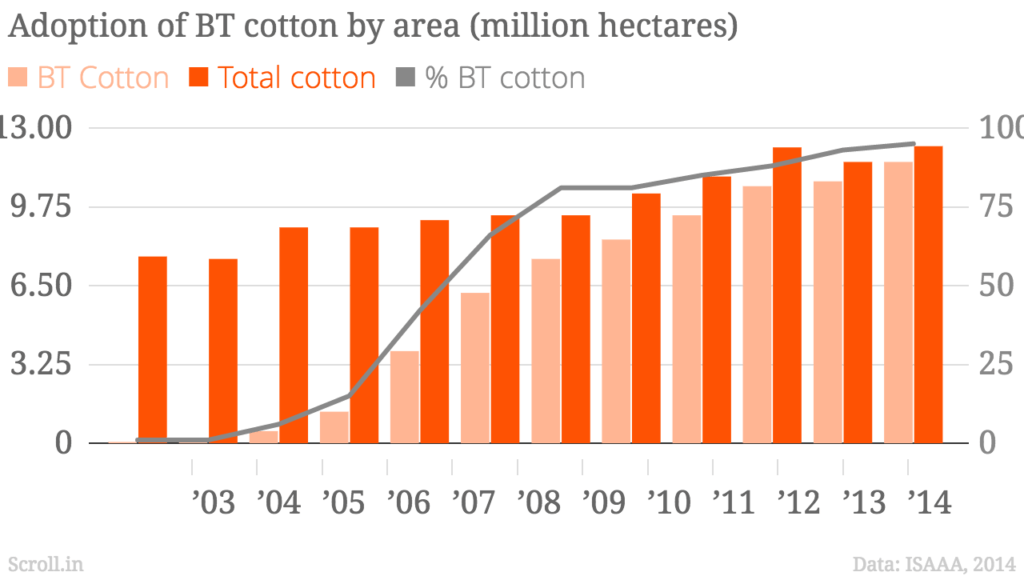
    After its introduction, within a decade, Bt cotton accounted for more than 95% of all cotton cultivation in India, as yields increased.

    zjoyqkdyts
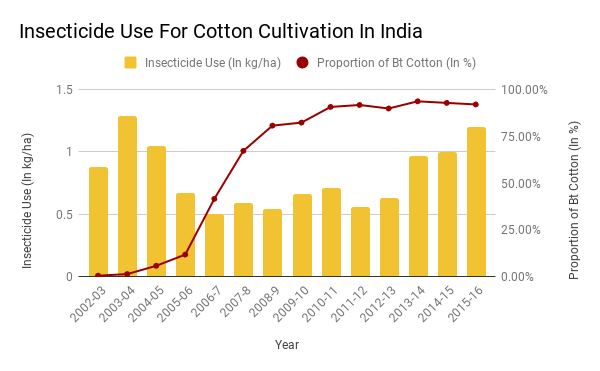
    During that same period marking a 55% rise in yields, overall use of insecticides remained below absolute levels from 2003, while per- hectare usage dropped precipitously.

    chart
    Source: KR Kranthi (December 2016), News reports from Reuters, Financial Express

    Stone’s critique and pink bollworm resistance

    Despite its initial success, Bt cotton seed is more costly than non-transgenic (but lower yielding) varieties, making it a target for some critics who are skeptical of crop biotechnology. One of those longtime skeptics is Washington University professor Stone. Stone is part of a cohort of scholars and activists, including Indian-philosopher Vandana Shiva, which fervently believes that the Indian Green Revolution that dramatically reduced hunger and is credited with saving more than a billion lives was a failure.

    As far back as 2012, Stone challenged a plethora of studies generally supporting the view behind the success of India’s Bt cotton crops and the resurrection of the nation’s once-threatened cotton industry. Stone looked at the data from a cultural anthropology perspective and saw more hype than substance. Writing in his influential paper in 2012, “Constructing Facts: Bt Cotton Narratives in India,” Stone maintained, “We simply cannot say how Bt seed has affected cotton production in India.”  The “triumph narrative” of Bt cotton in India, he claimed, “flows mainly from economists and the biotech industry (and its academic allies)” in “industry-journal authentication systems” (peer-reviewed journals), which “serve the interests of their constituent parties.” The arrangement is a “cosy alliance between GM manufacturers and ostensibly independent researchers,” he added.

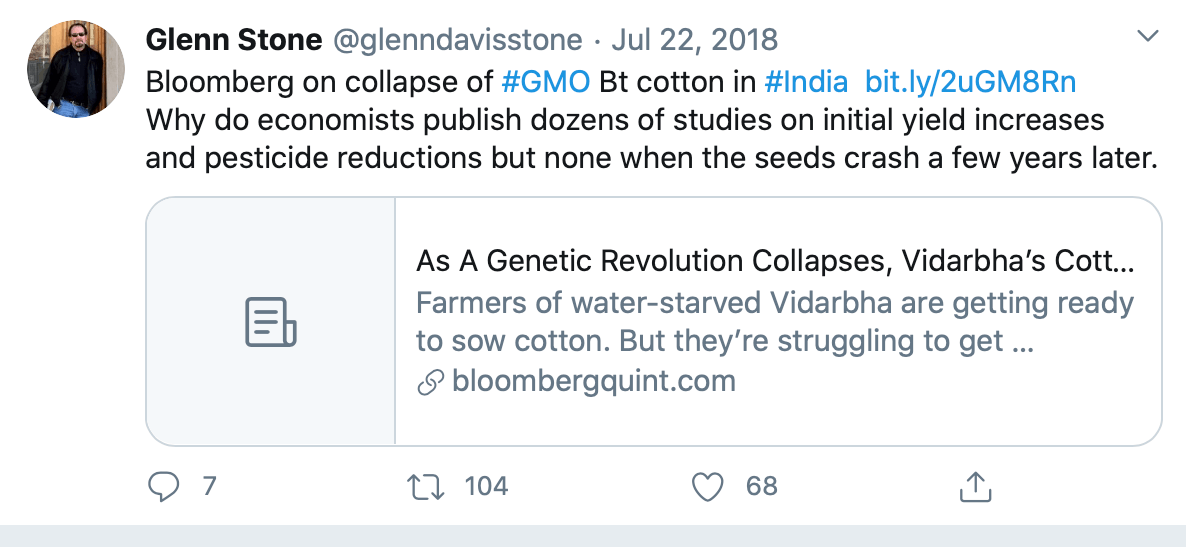
    Problems emerged in 2017, as the pink bollworm ravaged cotton crops in India, suggesting the pest had developed resistance. A January 2018 study released by Central Institute of Cotton Research (CICR) showed how the proportion of pink bollworm on green bolls of Bt cotton plants in Maharashtra, Gujarat and Madhya Pradesh rose from 5.71 percent in 2010 to 73.82 percent in 2017. GMO-skeptic Stone tweeted a link to a scathing article in Bloomberg, sarcastically asking why GMO supporters seemed to be ignoring the Bt’s failure in India.screen shot at pm

    As reporter Mark Lynas noted in an analysis for the Cornell Alliance for Science, the debate is nuanced than either pro or anti factions often maintain. The Bloomberg report did notice that similar problems have not turned up in Australia and China, where Bt cotton is grown, suggesting the resistance may be unique to conditions in India. Lynas interviewed Ronald Herring, author of numerous peer-reviewed papers on the impacts of Bt cotton in India. He acknowledged the reality of the problem, but suggested the issue was murky. The problem could be linked to a variety of issues, including the use of counterfeit Bt seeds, which are rampant in India, or the fact that many financially-pressed Indian farmers abandoned the recommended rotations of a second crop, which can be less profitable than the cash-crop cotton.

    Bt cotton has had an up and down history in India. From 2002 to 2009, cotton production, productivity and acreage grew steadily. Soon, the pink bollworm began developing resistance. Studies between 2013 and 2015 of Indian Council of Agricultural Research and CICR concluded that pink bollworm had developed resistance to Bollgard-II. Insecticide use shot up to levels not seen in a decade.

    Vijay Paranjape, the associate director of the USAID-funded Bt brinjal project in Bangladesh, and an expert in Bt cotton in India, told Lynas that the problem was largely focused in one region, Vidarbha. “[T]here is some pattern to it that could be due to [poor] agronomic practices being followed,” in that area. In other words, the facts are complicated.

    Another Bt expert, Srinivasan Ramasamy, then a visiting scientist at Cornell University, told Lynas: “I don’t agree that Bt cotton has failed in India.” Ramasamy, he said, pointed out that Bt cotton “was developed against three different bollworms — Helicoverpa armigeraEarias spp. and Pectinophora gossypiella” (the latter is pink bollworm).

    Bt cotton effectively reduced these bollworms, except the pink bollworm, that too in Maharashtra only. If the other two species remained as a major threat, the pesticide use might have been several-folds higher than the current use. Hence, Bt cotton has contributed to pesticide reduction.

    Stone’s disputations and Qaim’s response

    This nuanced history of course is often not reflected in the commentaries, or even academic studies, by supporters of GMO crops. Setbacks are often portrayed by hardened critics as absolute failures.

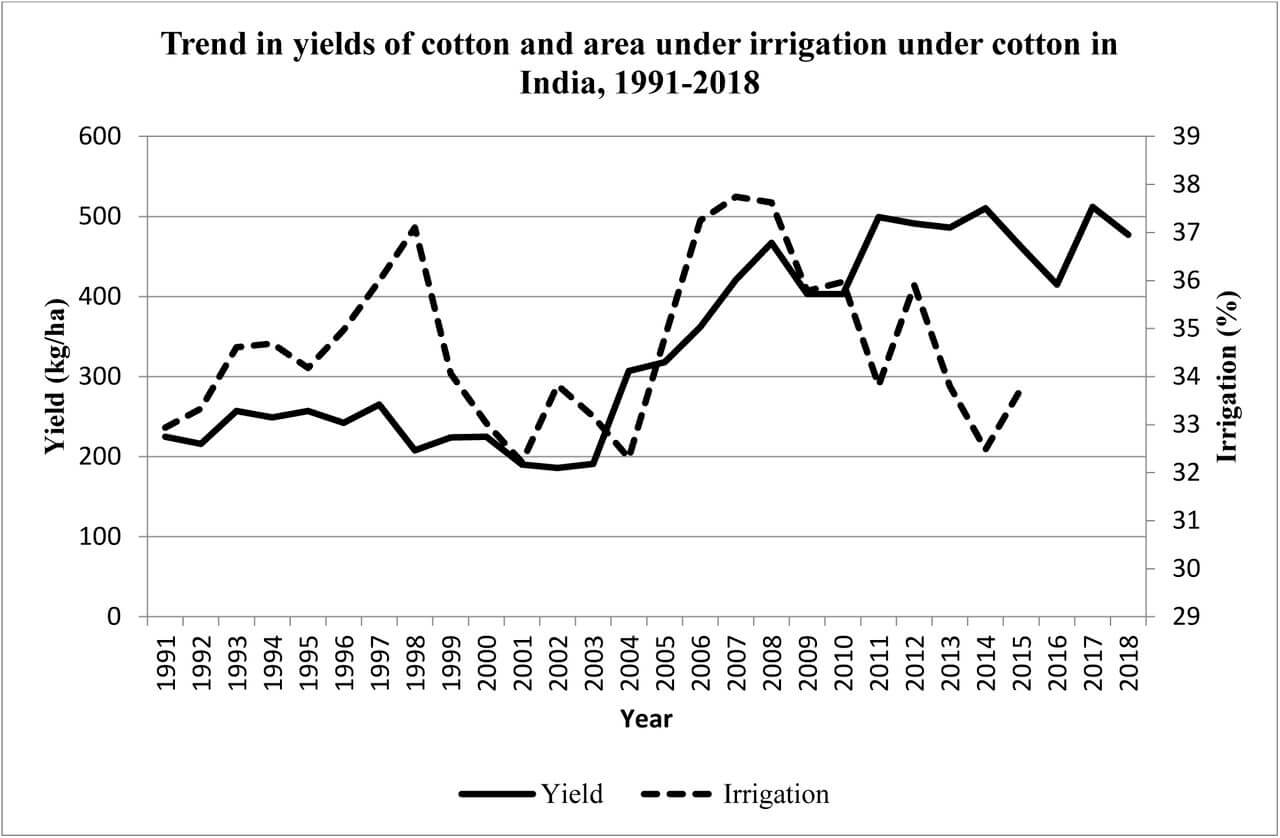
    Jump to 2020, and Stone, joined by K. R. Kranthi, the former director of India’s Central Institute for Cotton Research and now the head of a technical division at the Washington-based International Cotton Advisory Committee, reemerged as a sharp critic of Bt cotton—though the success narrative appears even stronger now. Since 2012, water usage has dropped sharply in Indian while Bt cotton yields have continued to climb, and are at or near historic highs, up more than 150% since the early 2000s.
    f large

    Despite these numbers, Kranthi and Stone argued that “the largest production gains came prior to widespread [Bt] seed adoption and must be viewed in line with changes in fertilization practices and other pest population dynamics.” They also cited the pink bollworm’s evolved resistance to Bt insecticide and the threat posed by other pests that are impervious to the insecticidal power of Bt cotton.

    Qaim found these arguments lacking, however. Building on previous scholarship, the agricultural economist explains that, when other relevant factors are accounted for, Bt cotton did indeed boost crop yields in India. Here are his conclusions:

    The agronomic and socioeconomic effects of insect-resistant Bacillus thuringiensis (Bt) cotton in India have long been debated. In their recent Perspective article, Kranthi and Stone [1] used 20 years of data to analyze associations between the adoption of Bt cotton, crop yields and insecticide use, claiming that Bt technology had little yield effects and did not produce any enduring benefits.

    Here, I argue that the methods used by Kranthi and Stone are not suitable to make statements about causal effects, so their conclusions are misleading. As earlier studies showed [2–7], Bt cotton has contributed to sizeable yield gains and important benefits for cotton farmers and the environment. Kranthi and Stone’s attempt to analyze long-term effects of Bt cotton is laudable, as the effects of the technology can change over time due to evolving pest populations and other dynamics.

    However, their claim that Bt contributed little to the yield increases observed in India between 2002 and 2008 is unconvincing, as this part of their analysis looks at the same time period that was also analyzed previously by other authors with more precise microlevel data and better methodologies [7,8]. Kranthi and Stone use simple graphical analysis to compare time trends for Bt adoption, fertilizer use and yield at national and state levels.

    Comparing the graphs, they find a stronger correspondence between the fertilizer and yield trends than between the Bt adoption and yield trends. Thus, they conclude that the observed yield increases were primarily due to the higher use of fertilizer and other inputs, and not to Bt technology. The problem is that such a simple graphical comparison of time trends is inappropriate to analyze causal effects. Crop yields may increase because of more fertilizer or because of better pest control through the adoption of insect-resistant Bt varieties. It is also possible that some farmers decided to use more fertilizer because of Bt adoption. Many other factors, such as changes in irrigation, other inputs and technologies, agronomic practices, training of farmers or simple weather fluctuations may also affect cotton yields and broader socioeconomic benefits.

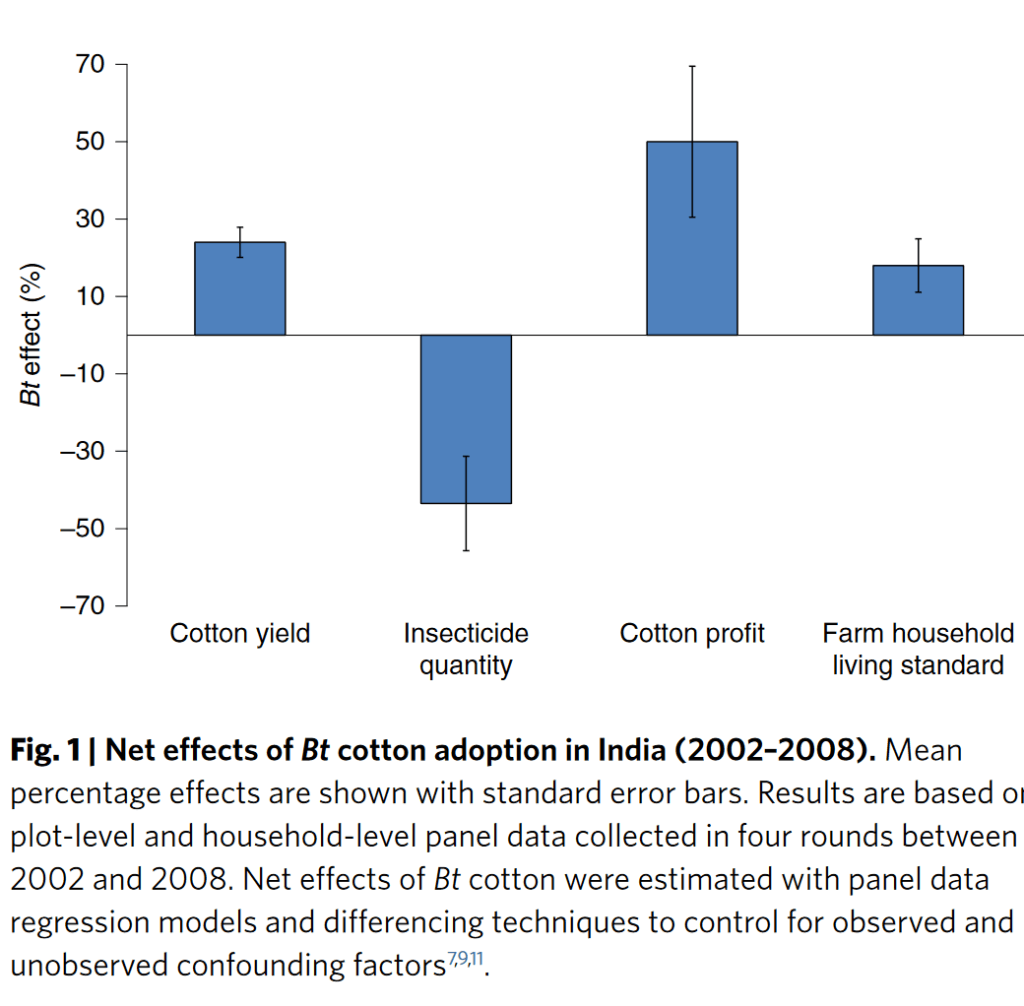
    In principle, Kranthi and Stone acknowledge these complexities but they do nothing to control for any of the confounding factors. Previous studies used microlevel data and more sophisticated statistical techniques to control for confounding factors and possible bias, hence leading to more reliable effect estimates. Kathage and Qaim [7] used panel data collected between 2002 and 2008 from over 500 randomly selected cotton farms in four states of India. They used statistical differencing techniques and controlled for the use of fertilizer, irrigation, pesticides, agronomic practices and many other factors, including location and time trends, to deal with selection bias and cultivation bias.

    screenshot bt cotton yields and farmers benefits qaim natureplants pdf

    Results showed that—after controlling for all other factors—Bt adoption had increased cotton yields by 24%, farmers’ profits by 50% and farm household living standards by 18%, with no indication that the benefits were fading during the 2002–2008 period. The same data also revealed that chemical insecticide quantities declined by more than 40% through Bt adop-tion, with the largest reductions in the most toxic active ingredients previously sprayed to control the American bollworm [9–11].

    There are not many other examples from India or elsewhere where a single technology has caused agronomic, economic and environmental benefits in a similar magnitude.Against this background, Kranthi and Stone’s statement that “the surge in yields has been uncritically attributed to Bt seed” is not correct. Of course, there are other factors that contributed to the observed doubling of yields between 2002 and 2008 but the 24% estimate by Kathage and Qaim is the net effect of Bt technology after controlling for other factors [7]. Using longer-term data but inap-propriate methodologies to challenge earlier results, as Kranthi and Stone do in their article, is not convincing. Bt cotton has increased yields through better pest control and has benefited adopting farm-ers in India and several other developing countries [12–14].

    References
    1. Kranthi, K. R. & Stone, G. D. Long-term impacts of Bt cotton in India. Nat. Plants6, 188–196 (2020).
    2. Datta, S. et al. India needs genetic modification technology in agriculture. Curr. Sci.117, 390–394 (2019).
    3. Qaim, M. The economics of genetically modified crops. Annu. Rev. Resour. Econ.1, 665–693 (2009). Bt cotton, yields and farmers’ benefitsMatin Qaim ✉arising from K. R. Kranthi and G. D. Stone Nature Plants https://doi.org/10.1038/s41477-020-0615-5 (2020)–70–50–30–1010305070Cotton yieldInsecticidequantityCotton profitFarm householdliving standardBt effect (%)Fig. 1 |Net effects of Bt cotton adoption in India (2002–2008). Mean percentage effects are shown with standard error bars. Results are based on plot-level and household-level panel data collected in four rounds between 2002 and 2008. Net effects of Bt cotton were estimated with panel data regression models and differencing techniques to control for observed and unobserved confounding factors 7,9,11 Nature Plants| www.nature.com/natureplants matters arisingNature PlaNts
    4. Crost, B., Shankar, B., Bennett, R. & Morse, S. Bias from farmer self-selection in genetically modified crop productivity estimates: evidence from Indian data. J. Agric. Econ.58, 24–36 (2007).
    5. Qaim, M., Subramanian, A., Naik, G. & Zilberman, D. Adoption of Bt cotton and impact variability: insights from India. Rev. Agric. Econ.28, 48–58 (2006).
    6. Subramanian, A. & Qaim, M. The impact of Bt cotton on poor households in rural India. J. Dev. Stud.46, 295–311 (2010).
    7. Kathage, J. & Qaim, M. Economic impacts and impact dynamics of Bt(Bacillus thuringiensis) cotton in India. Proc. Natl Acad. Sci. USA109, 11652–11656 (2012).
    8. Krishna, V., Qaim, M. & Zilberman, D. Transgenic crops, production risk and agrobiodiversity. Eur. Rev. Agric. Econ.43, 137–164 (2016).
    9. Krishna, V. V. & Qaim, M. Bt cotton and sustainability of pesticide reductions in India. Agric. Syst.107, 47–55 (2012).
    10. Veettil, P. C., Krishna, V. V. & Qaim, M. Ecosystem impacts of pesticide reductions through Bt cotton adoption. Aust. J. Agric. Resour. Econ.61, 115–134 (2017).
    11. Kouser, S. & Qaim, M. Impact of Bt cotton on pesticide poisoning in smallholder agriculture: a panel data analysis. Ecol. Econ.70, 2105–2113 (2011).
    12. Ali, A. & Abdulai, A. The adoption of genetically modified cotton and poverty reduction in Pakistan. J. Agric. Econ.61, 175–192 (2010).
    13. Qiao, F. Fifteen years of Bt cotton in China: the economic impact and its dynamics. Wo r l d D e v.70, 177–185 (2015).
    14. Qaim, M. Role of new plant breeding technologies for food security and sustainable agricultural development. Appl. Econ. Perspect. Policy42, 129–150 (2020)
    Matin Qaim is a professor in the Department of Agricultural Economics and Rural Development at the University of Goettingen in Germany. Visit his website. Follow Matin on Twitter @MatinQaim
    The letter was originally published in Nature Plants and has been republished here with permission. Nature Plants can be found on Twitter @NaturePlants
    Cameron English is a Science writer and the Managing Editor at Genetic Literacy Project.
    Jon Entine is a renowned journalist, author, though-leader and the Founder and Executive Director of the Genetic Literacy Project.
    This article is republished from the Genetic Literacy project under the Creative Commons 4.0

    Image Credit: GLP and India Times

  • The DNA Bill And State Capacity

    The DNA Bill And State Capacity

    Aristotle suggested that transmission of heredity was essentially the transmission of information. And this information was used to build an organism from scratch inside the female womb. Although the science is primitive, he was right in how information is transmitted from parents to their offspring. Modern genetics is built on studying such information, which has been coded into each cell as DNA. Scientists can now sequence the DNA and extract valuable information about each individual and the human species. They have been able to use such information to understand humans better; for example, the identification of BRCA mutation responsible for cancer has nudged great strides in cancer biology. Another important application which has varied implications in society is the use of DNA in forensics. Although already in use since its discovery in 1995, the exponential rise in the significance of information extracted using DNA Profiling warrants regulation.

    All major nations which use DNA Profiling have legislation in place to regulate the use of the technology. However, in India, the technology is unregulated even though successive governments have worked on such legislation since 2003.

    DNA Technology Bill

    All major nations which use DNA Profiling have legislation in place to regulate the use of the technology. However, in India, the technology is unregulated even though successive governments have worked on such legislation since 2003. If global examples are not enough, the 2017 Puttaswamy judgement has made such legislation necessary. The judgement asserted that privacy is a fundamental right guaranteed by the Indian Constitution and that the right to privacy includes protection over the physical body. Therefore, for the State to collect or store DNA data, a legislative mechanism principled on necessity and proportionality is requisite.

    DNA testing is being done on a very limited scale in India. About 30-40 DNA experts are working in 15-18 laboratories. They can process only about 2-3% of the total need, and even such limited testing is unregulated and unmonitored. According to the NCRB data for 2018, although 85% of rape accused have been charge-sheeted, the conviction rate for rape is just 27.2%. This technology, however, has an excellent record of increasing conviction rates; for example, a 2006 UK parliamentary report suggested that detection of crime increased from a mere 26% to a healthy 40% after they loaded DNA samples into a national database. Apart from crime detection, the technology will also help in the identification of over six million missing persons in India. Thus, legislation facilitating DNA technology to help expedite justice is long overdue.

    The DNA Technology (Use and Application) Bill 2019 is the latest form of the DNA bill and is at the parliamentary committee stage for further deliberations. The bill talks of a national DNA data bank and a DNA regulatory board to store DNA data and regulate DNA technology used in criminal and civil cases. The bill in its current form has raised many concerns including privacy issues concerning the use of DNA data, the ‘perfunctory consent’ clause which makes it hard for an individual to deny permission to collect his/her data, ethical issues in collecting and storing DNA data in DNA banks, the fear of caste-based criminal profiling because of the endogamous nature of Indian society and so on. But the biggest concern is one of state capacity, which in a way umbrellas other concerns.

    The bill in its current form has raised many concerns including privacy issues concerning the use of DNA data, the ‘perfunctory consent’ clause which makes it hard for an individual to deny permission to collect his/her data, ethical issues in collecting and storing DNA data in DNA banks, the fear of caste-based criminal profiling because of the endogamous nature of Indian society and so on.

    Problems with State Capacity

    In young nations like India, the State, although large and bloated, is not highly efficient. This may cause even government interventions with noble intentions to backfire. Therefore, it is necessary to identify places where a lack of state capacity could cause worry for the legislation to work effectively.

    We could sum three basic concerns up from the DNA Technology bill concerning state capacity. First, the high cost of technology and the lack of basic technical training regarding data collection in a crime scene. Second, the backlog burden in the Justice system. And finally, the lack of clarity in the bill as to what is being collected and stored.

    The India Justice Report 2019 published by Tata Trusts reveal important information on the Justice system in India. Over the last five years, only 6.4% of the police force has been provided in-service training. For advanced technology like DNA fingerprinting, frontline police should have basic training and knowledge of the technology. It starts with how to read and deal with the crime scene. And without awareness, the technology cannot be exploited desirably. To go from training 6.4% to at least half the police force will be a herculean task which should be contemplated before implementing the legislation. The DNA bill gives the responsibility of developing training modules to the DNA Regulatory Board, which will be set up. But it does not provide a realistic road map to reach the desired level of training to better use the technology.

    The report also suggests that on average, per capita police spending in 2017 was Rs 820. No big or medium-sized state has spent more than Rupees 1160 per person, and Bihar has spent as low as Rupees 498. Only one state has made 100% use of the modernization funds allocated for capital expenditure and technology up-gradation. But DNA fingerprinting technology is a costly affair. Each test could cost as much as Rupees 10,000. Even if only high-profile cases use DNA tests, a robust database of DNA has to be present for effective identification from the three indices mentioned in the bill. And such collection and storage of DNA samples could become another strain in the public exchequer. The bill also mandates the use of DNA testing for criminal as well as civil cases, which could again flood the system.

    Second, DNA technology could increase the backlog burden of the already burdened system. In the US, with relatively strong state capacity, DNA backlogs are in the thousands. The National Institute of Justice (USA) reports that the current backlog of rape and homicide cases is 350,000. It also estimates that there are ‘between 500,000 to 1 million convicted offenders’ samples that are owed but not yet collected’. The FBI has a backlog of approximately 18,000 convicted offender samples. Therefore, in India with an already strained Justice system, DNA backlogs could cause worry. Also, because of the significance of DNA information, backlogs could also invoke privacy concerns.

    Finally, there is a lack of clarity. This concern, however, is not one of lack of state capacity but one of potential overreach by the State.

    The lack of strong data protection legislation in place couples such concern. As the parliamentary committee suggests, the bill can also be termed ‘premature’ regarding data protection.

    Non-coding DNA is used for identification. The bill, however, does not restrict DNA Profiling to only use non-coding DNA which cannot be used for determining personal and medical characteristics. Given that the bill mandates data from all criminal and civil cases to be stored in the National data bank, concerns of privacy impingement cannot be hushed away. The lack of strong data protection legislation in place couples such concern. As the parliamentary committee suggests, the bill can also be termed ‘premature’ regarding data protection.

    Although the bill is creating a strict code of ethics regarding collection, storage and accessibility of DNA information, it is ambiguous on the removal of data. Clause 31(3) says that DNA data will be removed if a person requested in writing to the DNA bank, given that such a person is ‘neither an offender nor a suspect or an under-trial’ and whose DNA information has entered the bank ‘through crime scene index or missing persons’ index’. But it is not clear on what will happen if they do not remove such data. It is important to answer these questions due to the significance of DNA information and the fact that the bill does not restrict banks to store only non-coding DNA. Also, these questions could raise concerns about state capacity in safeguarding important data of its citizens.

    Conclusion

    To address these concerns, building state capacity is the key. A staggered implementation of DNA technology could help in building capacity and credibility for the technology. For example, if the bill provides a roadmap of implementation- say, starting with addressing the identification of missing persons and further developing capacity for criminal and civil investigation, the allocation of resources could be streamlined. This limited implementation could also help in addressing additional issues that could arise during implementation. These details cannot be let out to be decided by a regulatory body because of the importance of DNA data and the breach of fundamental rights in collecting and storing it.

    It is said that one has to cross the river by feeling the stones. The stable rule of law and a robust data protection regime which will make sure the technology is used judicially are basic requisites for technology with societal implications. Even though DNA profiling has huge potential to expedite justice, implementation of such complex technology has to be step by step. The Parliamentary Committee on Science and Technology has been scrutinizing the bill rigorously, contemplating the varied problems that might befall the implementation of the bill. But it remains to be seen if the government will heed to such advice and not dismiss them altogether; that is if it will feel the stones or deep dive into the river without contemplating the consequences.

     
    Image Credit: DNA Helix Material – Gerd Altmann from Pixabay

  • Genetic Engineering Key To Developing COVID-19 Vaccine

    Genetic Engineering Key To Developing COVID-19 Vaccine

    Scientists throughout the world are engaged in a herculean effort to develop a vaccine for the COVID-19 virus that has killed hundreds of thousands of people and decimated global economic activity. Without such a vaccine, normal life as we knew it before the pandemic began is unlikely to return any time soon.

    The key to such a vaccine is genetic engineering, which has already resulted in the development of several successful vaccines.

    The key to such a vaccine is genetic engineering, which has already resulted in the development of several successful vaccines. The active ingredients for the HPV (Human Papillomavirus Virus) vaccine, for example, are proteins produced from genetically modified bacteria. The hepatitis B vaccine, Erevebo, a vaccine for Ebola, manufactured by Merck, and the rotavirus vaccine are other examples of GE vaccines. A genetically modified rabies vaccine has been created for dogs and cattle.With these successes in mind, experts anticipate that recent advancements in genetic engineering could substantially shorten the development timeline for a COVID-19 vaccine. It takes on average ten to fifteen years to develop a vaccine, and the most rapidly developed vaccine was a mumps immunization, which still required four years to develop from collecting viral samples to licensing a drug in 1967.

    Time is clearly of the essence as there is the potential for a second wave of COVID-19 infections in the fall and winter, which would have further negative implications for public health and the global economy. The sooner we have a vaccine, the better off we’ll be, though serious logistical challenges remain.

    The Vaccine Race Begins

    On January 10, 2020, Chinese scientists greatly aided the vaccine development effort by publishing the genome of the novel coronavirus, SARS-COV-2. The virus is widely believed to have originated in bats near the city of Wuhan, China. It then jumped to another species, which was consumed by humans at the wet markets of Wuhan or came into direct contact with humans in some other way.

    After examining the genome, Dan Barouch, the Director of Virology and Vaccine research at Beth Israel Deaconess Medical Center in Boston, said, “I realized immediately that no one would be immune to it,” underscoring the importance of quickly developing an effective immunization.

    More than 120 possible vaccines are in various stages of development throughout the world, most of which are gene based with the hope that an effective and safe vaccine can be produced by the end of 2020 or early in 2021. This would be an astonishing accomplishment. By comparison, the Ebola vaccine, which is also genetically engineered, took five years to develop.Ken Frazier, the Chief Executive of Merck, which is working on a vaccine for COVID-19, has tried to dampen down expectations for a quick breakthrough, saying the goal to develop a vaccine within the next 12-18 months is “very aggressive. It is not something I would put out there that I would want to hold Merck to …vaccines should be tested in very large clinical trials that take several months if not years to compete. You want to make sure that when you put a vaccine into millions if not billions of people, it is safe.”
    Peter Bach, the Director of the Center for Health Policy and Outcomes at Memorial Sloan Kettering, added, “To get a vaccine by 2021 would be like drawing multiple inside straights in a row.”

    Genetic Engineering Is Our Best Bet

    To create a genetically engineered vaccine, scientists are utilizing information from the genome of the COVID-19 virus to create blueprint antigens (a toxin or other foreign substance which provokes an immune response that produces antibodies), which consists of DNA or RNA molecules that contain genetic instructions. The DNA or RNA would be injected into human cells where upon it is hoped the cell will use those instructions to create an immune response. If this type of vaccine is developed, it could offer protection for many years as the COVID-19 virus does not appear to mutate as quickly as influenza, though this critical variable could change in the future.
    RNA vaccines are considered to be better at stimulating the immune system to create antibodies. They also create a more potent immune response and therefore require a lower dosage. However, they are less stable than DNA vaccines, which can withstand higher temperatures; RNA vaccines, though, can be degraded by heat and thus need to be kept frozen or refrigerated.

    The DNA or RNA would be injected into human cells where upon it is hoped the cell will use those instructions to create an immune response. If this type of vaccine is developed, it could offer protection for many years as the COVID-19 virus does not appear to mutate as quickly as influenza, though this critical variable could change in the future.

    The Risks Of Moving Quickly

    Vaccine development is traditionally a lengthy process because researchers have to confirm that the drug is reasonably safe and effective. After the basic functionality of a vaccine is confirmed in a lab culture, it is tested on animals to assess its safety and determine if it provokes an immune response. If the vaccine passes that test, it is then tested on a small group of people in a phase one trial to see if it is safe, then in a phase two trial on a larger group of people. And if it passes those hurdles, a larger scale phase three trial is designed, which would involve at least 10,000 people.

    These trials are necessary because trying to develop a vaccine quickly can compromise its safety and efficacy. For example, the US government rushed a mass immunization program to prevent a swine These trials are necessary because trying to develop a vaccine quickly can compromise its safety and efficacy. For example, the US government rushed a mass immunization program to prevent a swine flu epidemic in 1976 that may have caused an increase in the number of reported cases of Guillain-Barre Syndrome, which can cause paralysis, respiratory arrest and death. The pandemic never materialized, though widespread public concern about flu immunization did.

    Many Challenges Remain

    Historically, the odds of producing a safe and effective vaccine are small, with just six percent of vaccines under development ever making it to the market. There are many diseases and viruses for which there are no vaccines (for example HIV/AIDS, Zika, Epstein-Barr and the common cold, among many others), even though great efforts have been made to develop them. Therefore, despite the gigantic efforts of drug companies and governments to produce a COVID-19 vaccine in the shortest possible period, there is no guarantee they will be successful.
    epidemic in 1976 that may have caused an increase in the number of reported cases of Guillain-Barre Syndrome, which can cause paralysis, respiratory arrest and death. The pandemic never materialized, though widespread public concern about flu immunization did.Soumya Swaminathan, the chief scientist for the World Health Organization said that an “optimistic scenario” is one in which tens of millions of doses could be produced and initially distributed to health care workers. Mass immunizations could begin in 2022, but to inoculate the world and “defeat” COVID-19 could take four to five years. She added, however, that this outcome “depended upon whether the virus mutates, whether it becomes more or less virulent, more or less transmittable.”
    epidemic in 1976 that may have caused an increase in the number of reported cases of Guillain-Barre Syndrome, which can cause paralysis, respiratory arrest and death. The pandemic never materialized, though widespread public concern about flu immunization did.

    The COVID-19 virus highlights just how vulnerable humankind is to the natural world, which periodically produces pandemics such as the Spanish flu, the Bubonic plague, Polio and Asian flu that have the ability to kill many millions of people.

    Assuming the virus doesn’t mutate, there are many logistical challenges that could slow mass immunization once a vaccine is developed. There is no precedent for scaling up a vaccine to potentially several billion doses. To do so would require a great deal of investment in vaccine production facilities throughout the world. Manufacturers would also have to scale up the production of vials, syringes, band aids and refrigeration units for temperature-sensitive vaccines.
    epidemic in 1976 that may have caused an increase in the number of reported cases of Guillain-Barre Syndrome, which can cause paralysis, respiratory arrest and death. The pandemic never materialized, though widespread public concern about flu immunization did.Additionally, it is not known if the vaccine would require one or two doses to confer immunity, or if it would have to be re-administered every few years. We would also have to determine how a vaccine would be shared internationally. There would clearly be tremendous pressure for any country that developed a vaccine to use it domestically before sharing it with other nations. It’s also possible that the race to develop a COVID-19 vaccine could siphon off dollars and manpower dedicated to developing treatments and vaccines for other deadly diseases.
    epidemic in 1976 that may have caused an increase in the number of reported cases of Guillain-Barre Syndrome, which can cause paralysis, respiratory arrest and death. The pandemic never materialized, though widespread public concern about flu immunization did.Among the most difficult public policy questions we’ll have to face, would the vaccine be made mandatory? The possibility has already triggered push back from vaccine skeptics who view such a policy as a threat to their “inalienable sovereignty” as free individuals.
    epidemic in 1976 that may have caused an increase in the number of reported cases of Guillain-Barre Syndrome, which can cause paralysis, respiratory arrest and death. The pandemic never materialized, though widespread public concern about flu immunization did.The COVID-19 virus highlights just how vulnerable humankind is to the natural world, which periodically produces pandemics such as the Spanish flu, the Bubonic plague, Polio and Asian flu that have the ability to kill many millions of people. Despite the inevitable challenges and trade-offs we face, the new tools of genetic engineering offer us the best chance of controlling, and possibly eliminating, the outbreak of future pandemics.
    This article is published earlier on 23 June 2020 in Genetic Literacy Project.
    This article, with images, is reproduced under ‘Fair Use of Articles & Images’ policy of GLP – https://geneticliteracyproject.org

  • The Wuhan Pneumonia and Biological Warfare

    The Wuhan Pneumonia and Biological Warfare

    Category : China/Biological Warfare

    Title : The Wuhan Pneumonia and Biological Warfare

    Author : Kamal Davar 02-04-2020

    There is a lot of speculation about the origin of the current Cover-19 pandemic. While most say it originated from the wet meat market in Wuhan in China, there are wild speculations about it being an experiment gone wrong resulting in the leakage of the virus from the testing lab, while some accuse the Chinese of having planned a biological war strategy as an extension of the US-China trade war. The Chinese accuse the US military of having inserted the virus in Wuhan during the military exercise. All said, it is worth examining the possibilities if a pandemic can become a tool for waging war. Lt Gen Kamal Davar examines the possibilities of a biological war.

    Read More