Author: Deepak Sinha

  • Squaring the Circle

    Squaring the Circle

    John Paul Rathbone, writing in the Financial Times, on the United Kingdom’s efforts to transform its military amid public spending constraints and growing strategic challenges, puts it extremely well when he wonders as to how its military will “square the circle of being everything, everywhere, all at once.” 

    This, however, is not just a problem that afflicts the UK or its European and NATO Allies, but the rest of the international community as well. The impact of the Russo-Ukrainian Conflict, in what increasingly appears to be an unwinnable war, is restricted not only to the geo-political or and national security spheres but also calls for a clear understanding of how future conflicts will play out and what kind of a military capability is essential if that country is to remain relevant in the changing global order.

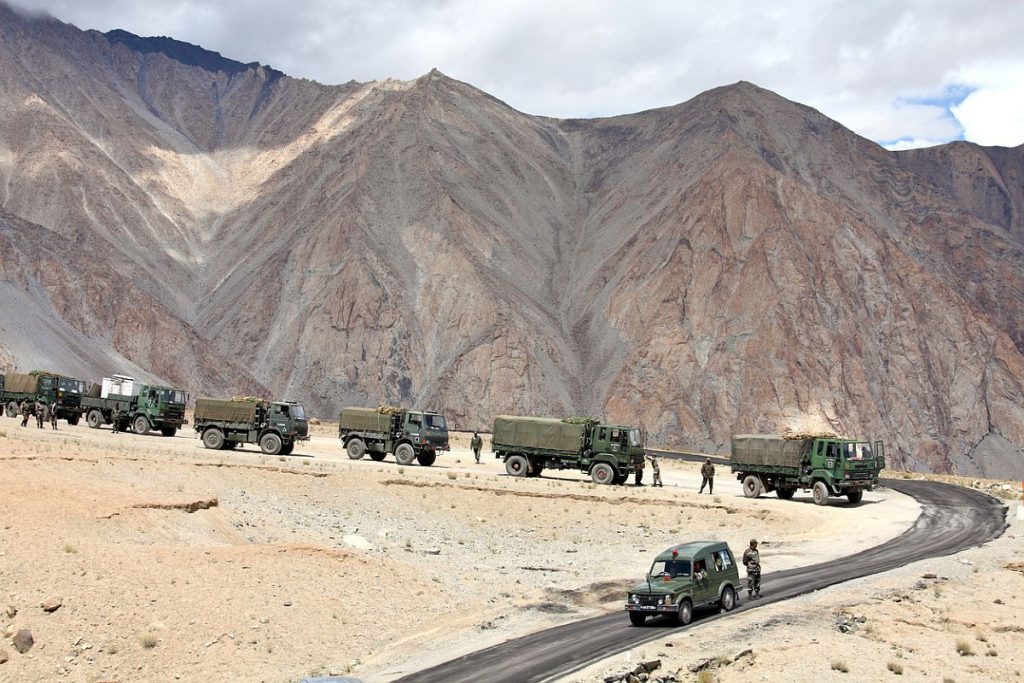
    In our context, the challenges are far more complex and greater as we face two hostile neighbours, both nuclear armed, and unwilling to give any quarter. Indeed, it is quite ironic that while China poses the greater threat to our aspirations, ambitions and future prosperity, it is the dysfunctional and dystopian Pakistan, that threatens us with Armageddon, looking to take us down with it, as it seems intent on committing hara-kiri

    [powerkit_button size=”lg” style=”info” block=”true” url=”https://timesofindia.indiatimes.com/blogs/para-phrase/squaring-the-circle/” target=”_blank” nofollow=”false”]
    Read More
    [/powerkit_button]
  • The Implications of Pakistan’s Implosions

    The Implications of Pakistan’s Implosions

    “Much like in Pakistan, religion and ethnicity are increasingly seen as tools to spread divisiveness aimed at fulfilling political agendas”.

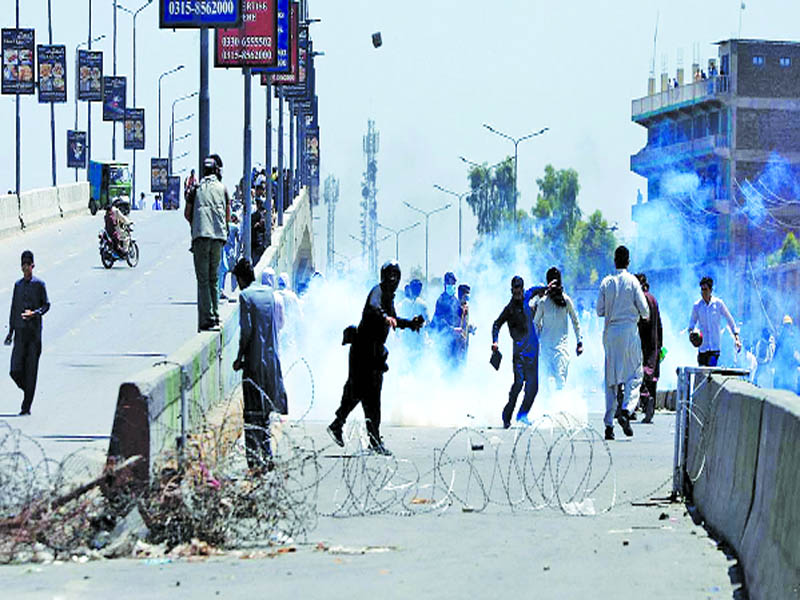
    As we watch Pakistan crash and burn on live television, it is too early to say if we are witnessing the beginning of the end or just the end of the beginning. Even in this age of misinformation and deep fakes what can be said with certainty is that, much in the manner of Humpty Dumpty, Pakistan has had a great fall and all the Imrans, Shariefs, Bhutto’s and Asims put together, can never make Pakistan whole again.

    Of course, none of this was unexpected. We have seen Pakistan slowly go bankrupt, with inflation soaring and its currency collapsing as the impact of climate change, the pandemic, endemic corruption and sheer mismanagement have taken their toll, leaving its economy in tatters. While always known for its rather rumbustious politics, with opposition parties at each other’s throats and the military always looming over their shoulders, this time things seem a bit different.

    For one, the Army’s image has been badly scorched with public accusations of corruption against the top brass, which has lost much of its public support and created cracks within its ranks. Now, as per unconfirmed reports, dissensions at the very top, have adversely impacted its cohesion. Add to that increasing terror attacks by the Pakistani Taliban (TTP), radicalisation within and troubles in the provinces, especially Balochistan. All in all, it has been lashed by a perfect storm for some time now, and something had to give. So, it did, with Imran Khan’s arrest becoming the hair that broke the proverbial Camel’s back.

    [powerkit_button size=”lg” style=”info” block=”true” url=”https://www.dailypioneer.com/2023/columnists/the-implications-of-pakistan—s-implosion.html” target=”_blank” nofollow=”false”]
    Read More
    [/powerkit_button]
  • Between Two Rocks and a Very Hard Place

    Between Two Rocks and a Very Hard Place

    Leave aside political affiliations and the flag-waving, slogan shouting, adrenaline pumped personas we adopt while watching cricket and ask ourselves a simple question. To what extent are we invested in our country, and what are we willing to sacrifice for its well-being and progress?

    Ukraine, for example, has a population of about 43 million. More than a fourth of this, mainly women, children and the aged, have been either internally or externally displaced by the ongoing war. By most estimates, over a hundred and fifty thousand are dead or wounded, which includes over 30,000 civilians, and counting. The country’s infrastructure is in ruins and despite this, their leadership, wholly supported by the people, fights on resolutely, with no quarter given or asked for. Determined to fight till they succeed in driving the Russians out of their territory, regardless of the time or toll it takes.

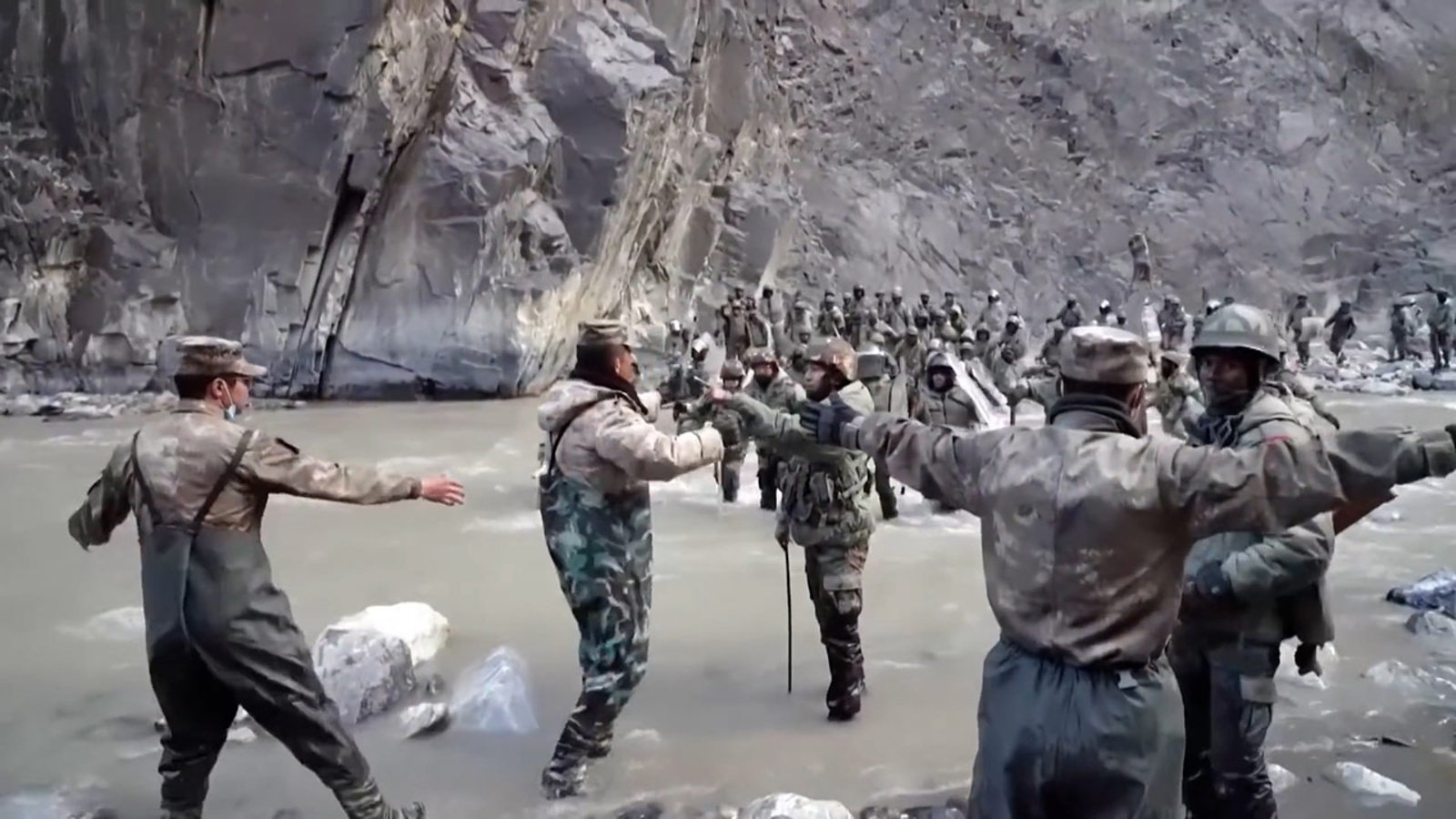
    In sharp contrast, we have lost over a 1000 square kilometres, of what we claim as our sovereign territory in Ladakh, without even putting up a semblance of a fight. What is even more shocking is that our government, for whatever reasons, has yet to publicly acknowledge this loss. Instead, we have had to face the ignominy of the External Affairs Minister, publicly stating that China is far too powerful for us to confront. What does that say about us?

    [powerkit_button size=”lg” style=”info” block=”true” url=”https://timesofindia.indiatimes.com/blogs/para-phrase/between-two-rocks-and-a-very-hard-place/” target=”_blank” nofollow=”false”]
    Read More
    [/powerkit_button]
    Featured Image: Council of Foreign Relations

  • The Fallacy of Handling China with Kid Gloves

    The Fallacy of Handling China with Kid Gloves

    It is apparent that the Modi Government has shown great reluctance to enhance defence expenditure, and instead has been looking for ways and means to curtail spending, as any government should. This is reflected in the manner it has gone about slashing manpower and rehashing recruitment and manpower policies.

    By introducing, what the vast majority consider, a flawed Agnipath Scheme, whose efficacy or otherwise only time will tell. In addition, it has also undertaken a concerted drive towards indigenization of defence procurement. The Russo-Ukrainian conflict has clearly demonstrated rightsizing, reorganisation and reorientation of our military is unavoidable.

    The proposed reduction in strength of the Rashtriya Rifles is indeed a welcome step that requires to be hastened. In fact, following abrogation of Article 370 and reorganisation of Jammu and Kashmir, while many may disagree, the logical follow-up should have been de-notification of AFSPA and withdrawal of the Army from the hinterland.

    [powerkit_button size=”lg” style=”info” block=”true” url=”http://www.indiandefencereview.com/news/the-fallacy-of-handling-china-with-kid-gloves/” target=”_blank” nofollow=”false”]
    Read More
    [/powerkit_button]
  • Don’t Put Troops in Harm’s Way

    Don’t Put Troops in Harm’s Way

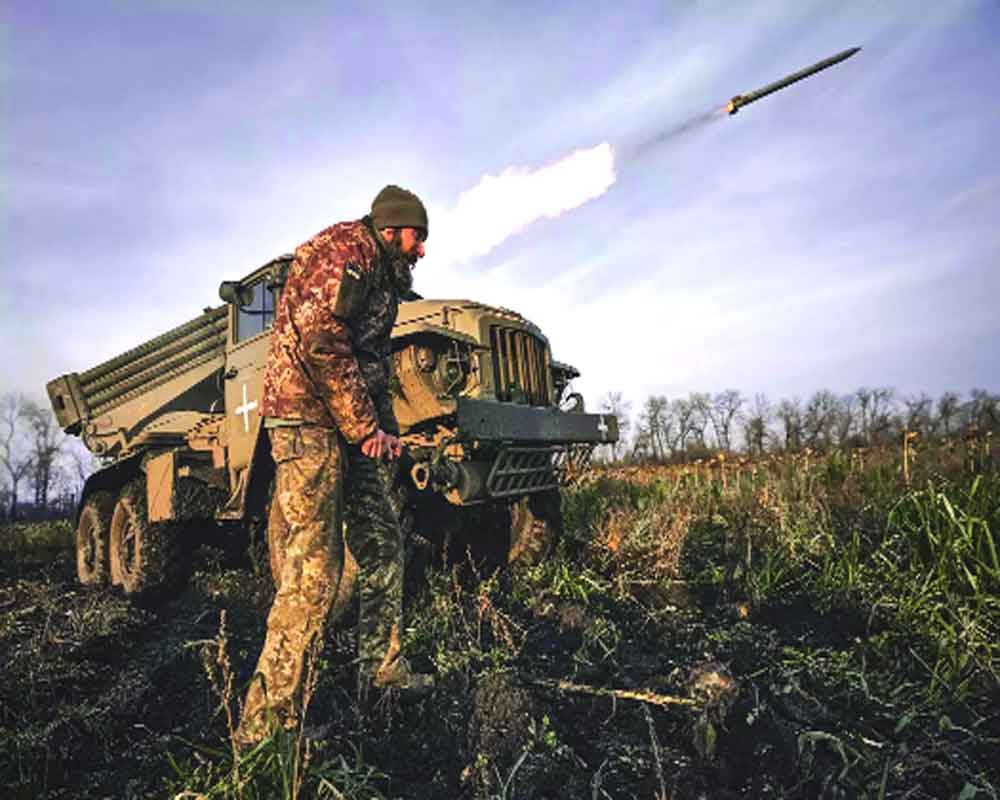
    Every military campaign is fraught with dangers. The Russian army finds it in a mess it cannot jiggle out of. We should think twice before any adventurism in POK.

    Nine months on into the conflict in Ukraine, with its reputation and capabilities in tatters, the Russian Armed Forces are just hanging on by the skin of their teeth, hoping that the winter will allow them a badly needed reprieve to reorganise. One cannot help but wonder as to how they found themselves in such dire circumstances, despite a decade of reforms and modernisation.

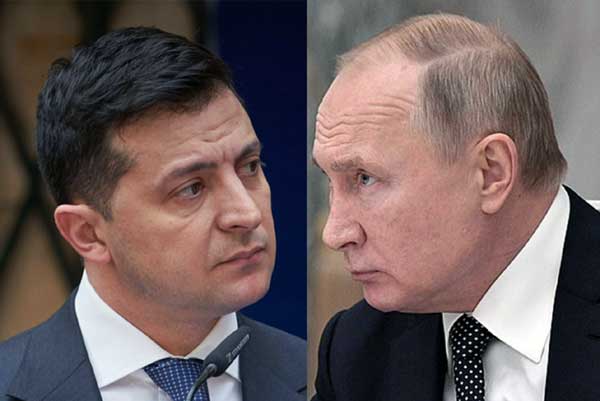
    Clearly, much of the responsibility for the utter disaster that has ensued and the difficult predicament Russia finds itself in, must rest with Putin. However, it is utterly inconceivable that he acted without the advice, support and acquiescence of the military hierarchy. Though many of the missteps may be attributable to faulty intelligence assessments, the responsibility for the military’s non-performance rests squarely on the senior hierarchy of the Russian Armed Forces. Their obvious incompetence, lack of leadership skills and professional acumen, and the corruption that has been laid bare are without parallel. Yet, they are the lucky ones, given that Stalin executed Generals for much less.

    It is standard practice in all countries that selection of the military’s top leadership is overseen and approved at the highest political level, as it should be. Where autocracies and totalitarian regimes differ from democracies is in the necessity for them to give primacy to ideology or loyalty to the Supreme Leader even at the cost of professionalism. This lack is bound to percolate to lower levels over time and while it ensures the leadership remains unchallenged in the normal course of events, its consequences in a conflict can be devastating as has been the case with the Russians.

    [powerkit_button size=”lg” style=”info” block=”true” url=”https://www.dailypioneer.com/2022/columnists/don—t-put-troops-in-harm—s-way.html” target=”_blank” nofollow=”false”]
    Read More
    [/powerkit_button]
  • Putin’s Folly: The Long Road to Self-Destruction

    Putin’s Folly: The Long Road to Self-Destruction

    Ever since President Putin ordered the occupation of Ukraine in a ‘Special Military Operation’ this February, he has been at the receiving end of a stream of bad news. Neither were the Russian Armed Forces welcomed with open arms, as they had expected, nor were they able to capture Kiev and force a regime change, as Putin had wanted. In the process, both their leadership and rank and file displayed spectacular incompetence and irretrievably destroyed the reputation of what was till then seen as one of the strongest militaries in the world.

    However, nothing could have truly prepared him for the nightmarish turn of events this September. In a brilliant display of operational art, the Ukrainian defence forces launched a counter offensive in the Kharkiv region, catching the Russian military leadership completely by surprise. Having earlier deceived them into reinforcing the Kherson sector by denuding forces deployed in the Kharkiv sector.

    The ensuing rout, it clearly was no organised retreat, resulted in prisoners being taken in their thousands, along with all manner of serviceable weapons, ammunition and equipment. This includes hundreds of tanks and armoured personnel carriers which the Ukrainians can use. Ironically, this may well make Russia the largest donor of military equipment to the Ukrainians! In addition, the Ukrainian military have been able to grab back approximately 9000sq kms of occupied territory in the Kharkiv

    [powerkit_button size=”lg” style=”success” block=”true” url=”http://www.indiandefencereview.com/news/putins-folly-the-long-road-to-self-destruction/” target=”_blank” nofollow=”false”]
    Read More
    [/powerkit_button]
  • We are All Style, No Substance!

    We are All Style, No Substance!

    India has become a jejune society which is happy cheering optics rather than being concerned with issues concerning the larger good of all.

    It seems that to the vast majority of us in this country, from every stratum of society, what matters most, is keeping up appearances rather than concentrating on the substantive aspect of the issue. A characteristic that we are willing to defend at any cost, in the courts, indulging in verbal jousting and even letting loose bulldozers.

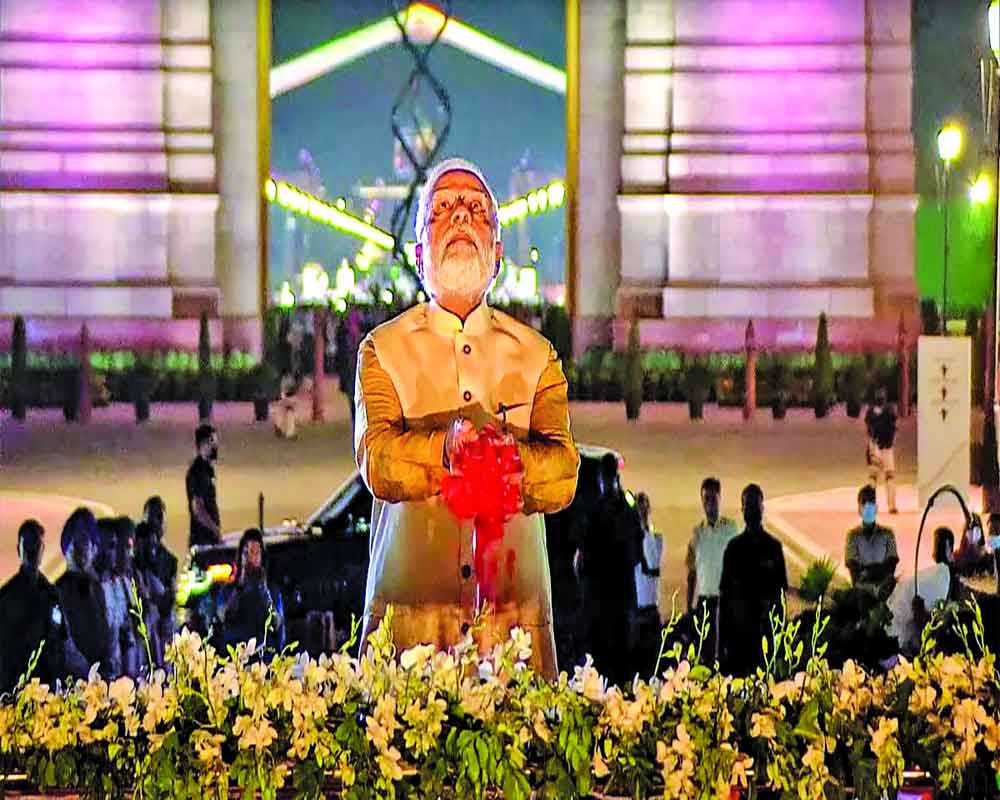
    Take for instance the issue of developing patriotism within our citizenry. Undoubtedly a noble endeavour, but hardly likely to be fulfilled by launching a one-week concerted drive to convince citizens to fly the national flag on their balconies or in their cars, that is if it is to be anything more than just a marketing gimmick. Yet the Central Government did just that with the “Har Ghar Tiranga” initiative, launched by the Prime Minister, just prior to our Nation’s 75th Independence Day.

    [powerkit_button size=”lg” style=”info” block=”true” url=”https://www.dailypioneer.com/2022/columnists/we-are-all-style–no-substance-.html” target=”_blank” nofollow=”false”]
    Read More
    [/powerkit_button]
  • Implications of Nagaland Tragedy

    Implications of Nagaland Tragedy

    There are grave suspicions that either the information provided was false or that the Mon operation had been compromised at the highest levels

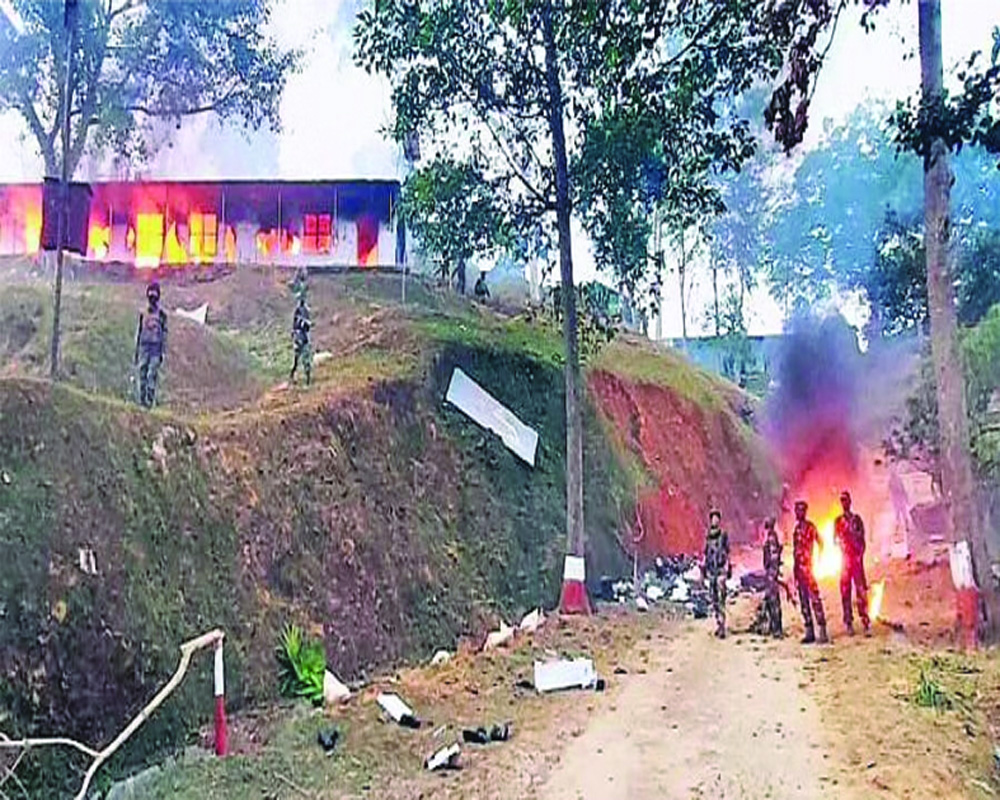
    This columnist’s piece yesterday drew attention to the farcical nature of the investigations conducted by the Nagaland Police into December’s tragic incident in which six coalminers were mistakenly killed by troops from a Special Forces unit in Mon district. Prior to the SIT even beginning its work, Nagaland DGP T John Longkumer and Divisional Commissioner (Kohima) Rovilatuo Mor made serious accusations against the Army unit involved, based purely on hearsay and speculation.

    By their own admission, the accusations were based on information conveyed by villagers who reached the scene four hours later. The same villagers attacked the detachment and killed a soldier and injured the rest while they were still awaiting the police’s arrival. Not only does it put serious doubts on the credibility of their statement, but also casts a deep shadow on the work of the SIT, composed wholly of personnel from the Nagaland Police, on its ability to carry out a free, fair and unbiased investigation.

    [powerkit_button size=”lg” style=”info” block=”true” url=”https://www.dailypioneer.com/2022/columnists/implications-of-nagaland-tragedy.html” target=”_blank” nofollow=”false”]
    Read More
    [/powerkit_button]
  • Nagaland Tragedy and the SIT Farce

    Nagaland Tragedy and the SIT Farce

    Nobody’s saying that there was no conspiracy, in fact, all evidence points to one, but in which the military was clearly the scapegoat.

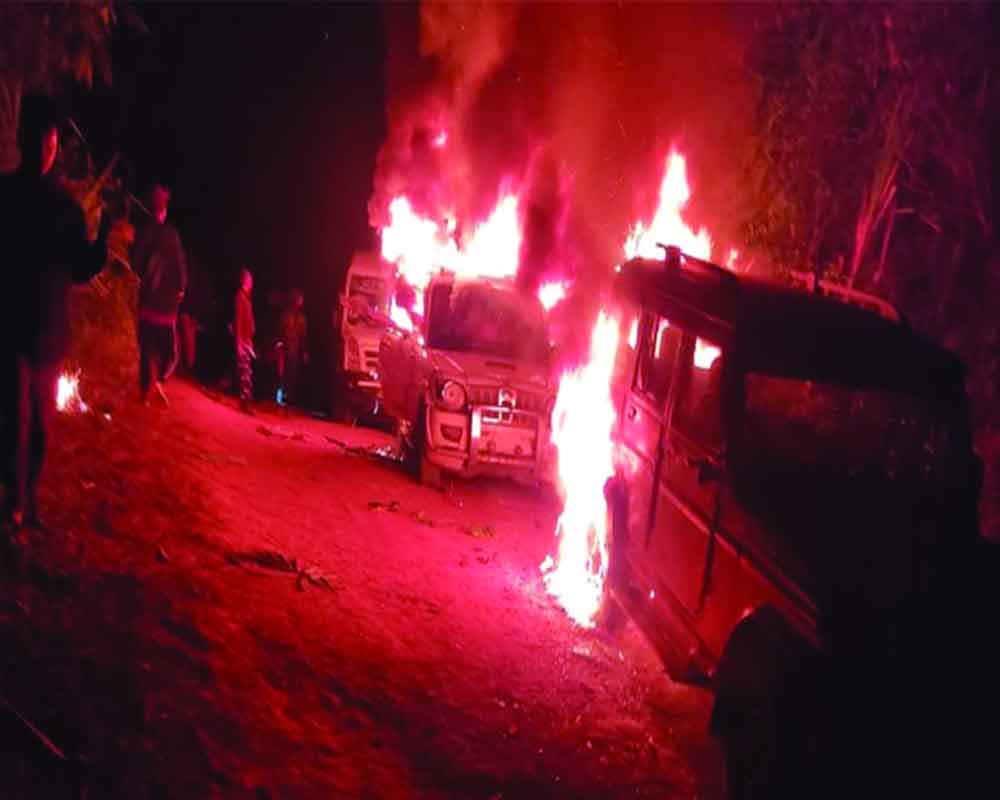
    Last December, this author had written about the tragic incident that occurred in Nagaland’s Mon district earlier that month (‘AFSPA in the Northeast: Is status quo the answer?’). In a tragic case of mistaken identity, six coal miners were killed by troops from a Special Forces unit. Subsequent escalation by local villagers who descended on the site four hours later, allegedly at the behest of the DSP, led to the murder of one soldier with the rest being injured, many of them seriously. They were finally able to disengage with difficulty, having to leave behind four vehicles loaded with gear and ammunition. The unruly mob subsequently set these trucks on fire, which resulted in the ammunition in the burning trucks “cooking off”, or exploding. This probably led to the death of seven others, which the police promptly pinned on the detachment that had left.

    This case is again making headlines as the Nagaland Police has charge-sheeted 30 soldiers under various sections of the IPC, including criminal conspiracy, murder, attempt to murder, voluntarily causing grievous hurt by dangerous weapons and disappearance of evidence. That an operational task assigned by higher headquarters, based on inputs reportedly provided by the Intelligence Bureau, constitutes a criminal conspiracy speaks volumes of the quality of the investigations. But that in no way suggests that there was no conspiracy, in fact, all evidence points to one, but in which the military was clearly the scapegoat.

    [powerkit_button size=”lg” style=”info” block=”true” url=”https://www.dailypioneer.com/2022/columnists/nagaland-tragedy-and-the-sit-farce.html” target=”_blank” nofollow=”false”]
    Read More
    [/powerkit_button]
  • Snatching Defeat from Victory’s Jaws

    Snatching Defeat from Victory’s Jaws

    “The Govt’s ad hoc approach towards Army recruitment has adversely impacted youngsters, and even the military’s operational preparedness”.

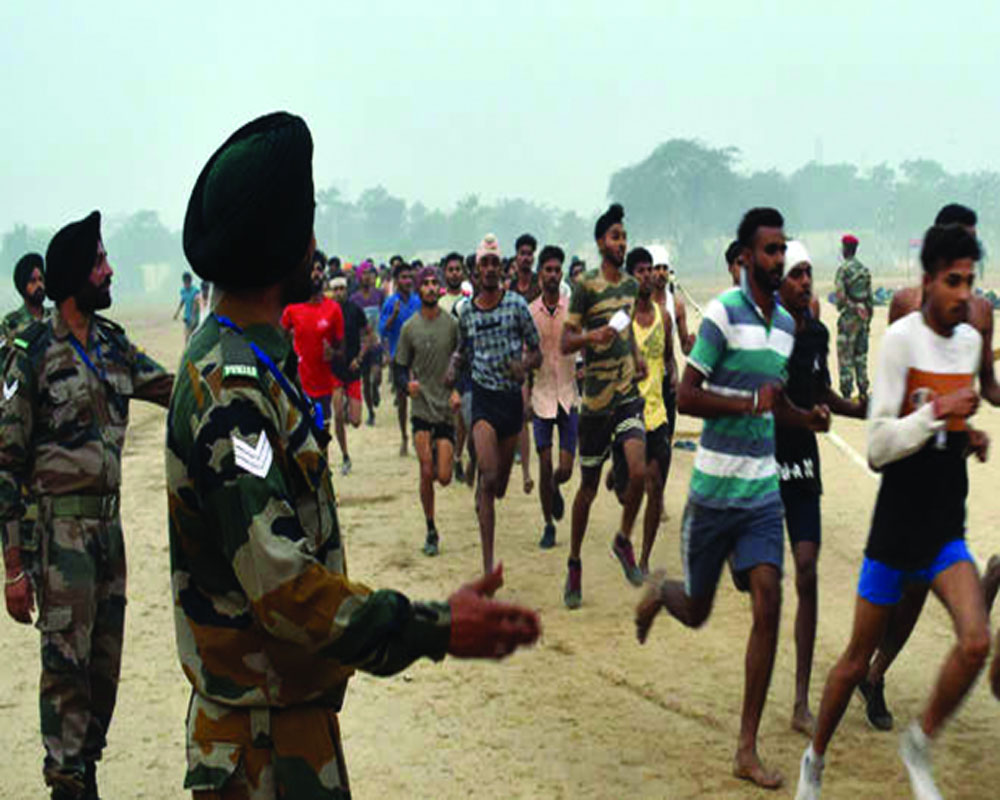
    Recruitment for the Army has been at a standstill over the past two years as the Government contemplates drastic changes in its recruitment pattern and consequently its manpower profile. As recruitment is age-driven, this halt on recruitment has adversely impacted youngsters, mostly from rural areas, who suddenly find themselves stuck in limbo. The tragic suicide by young Pawan of Bhiwani district on becoming overage in the interim says it all.

    But his case is just the tip of an iceberg as over 1 lakh candidates, having cleared the physical tests, are still awaiting conduct of the written exam as time ticks by.

    It has adversely impacted the Army as well. Approximately 50,000 personnel retire annually, which implies that the Army is currently deficient in nearly 10 per cent of its authorised strength. This has impacted operational readiness and will have a knock-on effect on training and manpower management in future. The fact is, it takes 18 months from the time an individual is selected and joins his unit as a trained soldier. Clearly, halting regular recruitment, for whatever reasons, has been an imprudent move that has negatively impacted our national security and should have been avoided at all costs, given the fragile security environment that we confront.

    [powerkit_button size=”lg” style=”info” block=”true” url=”https://www.dailypioneer.com/2022/columnists/snatching-defeat-from-victory—s-jaws.html” target=”_blank” nofollow=”false”]
    Read More
    [/powerkit_button]