Tag: War

  • Clausewitz or Sun Tzu: Re-Claiming the primacy of policy

    Clausewitz or Sun Tzu: Re-Claiming the primacy of policy

    World War I teaches the lesson that a limited conflict can escalate into a nightmare of millions of deaths and unspeakable suffering for which no rational explanation could be found. Military aims and strategies gained priority over meaningful political goals. Although the generals of the German Empire believed that they were relying on Clausewitz’s theory, they actually perverted it. Tactics replaced strategy, strategy replaced politics, politics replaced policy, and policy was militarized.
    The same occurred in the interval between the first and second wars in Iraq (1991 and 2003), which have seen a remarkable shift from Clausewitz to Sun Tzu in the discourse about contemporary warfare. Clausewitz enjoyed an undreamed-of renaissance in the USA after the Vietnam War and seemed to have attained the status of master thinker. On War enabled many theorists to recognise the causes of America’s traumatic defeat in Southeast Asia, as well as the conditions for gaining victory in the future. More recently, however, he has very nearly been outlawed. The reason for this change can be found in two separate developments. First of all, there has been an unleashing of war and violence in the ongoing civil wars and massacres, especially in sub-Saharan Africa, in the secessionist wars in the former Yugoslavia, in Syria and Yemen and in the persistence of inter-communal violence along the fringes of Europe’s former empires. These developments seemed to indicate a departure from interstate wars, for which Clausewitz’s theory appeared to be designed, and the advent of a new era of civil wars, non-state wars, and social anarchy. Sun Tzu’s The Art of War seemed to offer a better understanding of these kinds of war, because he lived in an era of never ending civil wars.

    The second reason for the change from Clausewitz to Sun Tzu is connected with the ‘Revolution in military affairs’ (RMA). The concepts of Strategic Information Warfare (SIW) and 4th generation warfare have made wide use of Sun Tzu’s thought to explain and illustrate their position. The ‘real father’ of ‘shock and awe’ in the Iraq war of 2003 was Sun Tzu, argued one commentator. Some pundits even claimed triumphantly that Sun Tzu had defeated Clausewitz in this war, because the US army seemed to have conducted the campaign in accordance with principles of Sun Tzu, whereas the Russian advisers of the Iraqi army had relied on Clausewitz and the Russian defence against Napoleon’s army in his Russian campaign of 1812. The triumphant attitude has long been abandoned, since it is now apparent that there is much to be done before a comprehensive approach of the Iraq War will be possible. Yet it seems fair enough to say that, if Sun Tzu’s principles are seen to have been of some importance for the conduct of the war, he must also share responsibility for the problems that have arisen afterwards.

    Sun Tzu’s The Art of War, as well as the theoreticians of Strategic Information Warfare, network centric warfare and 4th generation warfare, lack the political dimension with respect to the situation after the war. They concentrate too much on purely military success and undervalue the process of transforming military success into true victory.

    And this is exactly the problem. Sun Tzu’s The Art of War, as well as the theoreticians of Strategic Information Warfare, network centric warfare and 4th generation warfare, lack the political dimension with respect to the situation after the war. They concentrate too much on purely military success and undervalue the process of transforming military success into true victory. The three core elements of Sun Tzu’s strategy could not easily be applied in our times: a general attitude to deception of the enemy runs the risk of deceiving one’s own population, which would be problematic for any democracy. An indirect strategy in general would weaken deterrence against an adversary who could act quickly and with determination. Concentration on influencing the will and mind of the enemy may merely enable him to avoid fighting at a disadvantageous time and place, and make it possible for him to choose a better opportunity as long as he is in possession of the necessary means – weapons and armed forces.

    One can win battles and even campaigns with Sun Tzu, but it is difficult to win a war by following his principles. The reason for this is that Sun Tzu was never interested in shaping the political conditions, because he lived in an era of seemingly never-ending civil wars. The only imperative for him was to survive while paying the lowest possible price and avoiding fighting, because even a successful battle against one foe might leave one weaker when the moment came to fight the next one. As always in history, if one wishes to highlight the differences to Clausewitz, the similarities between the two approaches are neglected. For example, the approach in Sun Tzu’s chapter about ‘Moving swiftly to overcome Resistance’ would be quite similar to one endorsed by Clausewitz and was practised by Napoleon.

    But the main problem is that Sun Tzu is neglecting the strategic perspective of shaping the political-social conditions after the war and their impact ‘by calculation’ on the conduct of war. As mentioned before, this was not a serious matter for Sun Tzu and his contemporaries, but it is one of the most important aspects of warfare of our own times.
    Finally, one has to take into account the fact that Sun Tzu’s strategy is presumably successful against adversaries with a very weak order of the armed forces or the related community, such as warlord-systems and dictatorships, which were the usual adversaries in his times. His book is full of cases in which relatively simple actions against the order of the adversary’s army or its community lead to disorder on the side of the adversary, to the point where these are dissolved or lose their will to fight entirely. Such an approach can obviously be successful against adversaries with weak armed forces and a tenuous social base, but they are likely to prove problematic against more firmly situated adversaries.

    Clausewitz: a new Interpretation
    Nearly all previous interpretations have drawn attention to the importance of Napoleon’s successful campaigns for Clausewitz’s thinking. In contrast, I wish to argue that not only Napoleon’s successes but also the limitations of his strategy, as revealed in Russia and in his final defeat at Waterloo, enabled Clausewitz to develop a general theory of war. Clausewitz’s main problem in his lifelong preoccupation with the analysis of war was that the same principles and strategies that were the decisive foundation of Napoleon’s initial successes proved inadequate in the special situation of the Russian campaign and eventually contributed to his final defeat at Waterloo. Although Clausewitz was an admirer of Napoleon for most of his life, in his final years he recognised the theoretical significance that arose from the different historical outcomes that followed from the application of a consistent, but nevertheless single military strategy. He finally tried desperately to find a resolution that could reconcile the extremes symbolised by Napoleon’s success at Jena and Auerstedt, the limitations of the primacy of force revealed by the Russian campaign, and Napoleon’s final defeat at Waterloo.

    Therefore there can be found four fundamental contrasts between the early and later Clausewitz that need to be emphasised, because they remain central to contemporary debates about his work:

    a.   The primacy of military force versus the primacy of politics.
    b.   Existential warfare, or rather warfare related to one’s own identity, which engaged
    Clausewitz most strongly in his early years, as against the instrumental view of war that
    prevails in his later work.
    c.   The pursuit of military success through unlimited violence embodying ‘the principle
    of destruction’, versus the primacy of limited war and the limitation of violence in war,
    which loom increasingly large in Clausewitz’s later years.
    d.   The primacy of defence as the stronger form of war, versus the promise of decisive
    results that was embodied in the seizure of offensive initiative.

    Clausewitz’s final approach is condensed in his Trinity, which comes at the end of the first chapter of book I. The Trinity, with all its problems by its own, is the real legacy of Clausewitz and the real beginning of his theory, as he emphasised himself: ‘At any rate, the (…) concept of war [the Trinity, AH-R] which we have formulated casts a first ray of light on the basic structure of theory and enables us to make an initial differentiation and identification of its major components.’
    Clausewitz describes the trinity as follows: ‘War is more than a true chameleon that slightly adapts its characteristics to the given case. As a total phenomenon its dominant tendencies always make war a paradoxical Trinity – composed of primordial violence, hatred, and enmity, which are to be regarded as a blind natural force; of the play of chance and probability within which the creative spirit is free to roam; and of its element of subordination, as an instrument of policy, which makes it subject to pure reason.’

    The first chapter of On War, and the Trinity as Clausewitz’s result for theory at its end, are an attempt to summarise these quite different war experiences, and to analyse and describe a general theory of war on the basis of Napoleon’s successes, the limitations of his strategy, and his final defeat.

    Although Summers referred to Clausewitz’s concept of the Trinity in his very influential book about the war in Vietnam, he falsified Clausewitz’s idea fundamentally. 

    Clausewitz’s Trinity is quite different from so-called ‘trinitarian war’. This concept is not derived from Clausewitz himself but from the work of Harry G. Summers Jr. Although Summers referred to Clausewitz’s concept of the Trinity in his very influential book about the war in Vietnam, he falsified Clausewitz’s idea fundamentally. Clausewitz explains in his paragraph about the Trinity that the first of its three tendencies mainly concerns the people, the second mainly concerns the commander and his army, and the third mainly concerns the government. On the basis of this ‘mehr’ (mainly), we cannot conclude that ‘trinitarian war’ with its three components of people, army, and government is Clausewitz’s categorical conceptualisation of how the three underlying elements of his Trinity may be embodied.

    Since Summers put forward this conception it has been repeated frequently, most influentially by Martin van Creveld. On the contrary, it must be concluded that these three components of ‘trinitarian war’ are only examples of the use of the more fundamental Trinity for Clausewitz. These examples of its use can be applied meaningfully to some historical and political situations, as Summers demonstrated for the case of the war in Vietnam with the unbridgeable gap between the people, the army and the government of the USA. Notwithstanding the possibility of applying these examples of use, there can be no doubt that Clausewitz defined the Trinity differently and in a much broader, less contingent and more conceptual sense.

    Looking more closely at his formula, we can see that he describes war as a continuation of politics, but with other means than those that belong to politics itself.

    Clausewitz’s concept of the Trinity is explicitly differentiated from his famous formula of war, described as a continuation of policy by other means. Although Clausewitz seems at first glance to repeat his formula in the Trinity, this is here only one of three tendencies which all have to be considered if one does not want to contradict reality immediately, as Clausewitz emphasised. Looking more closely at his formula, we can see that he describes war as a continuation of politics, but with other means than those that belong to politics itself. These two parts of his statement constitute two extremes: war described either as a continuation of politics, or as something that mainly belongs to the military sphere. Clausewitz emphasises that policy uses other, non-political means. This creates an implicit tension, between war’s status as a continuation of policy, and the distinctive nature of its ‘other’ means.

    In the present discourse on the new forms of war Clausewitz stands representatively for the “old form” of war. One of the most common criticisms is that Clausewitz’s theory only applies to state-to-state wars. Antulio Echevarria, to the contrary, stated that “Clausewitz’s theory of war will remain valid as long as warlords, drug barons, international terrorists, racial or religious communities will wage war.” In order to harmonize this position with Clausewitz’s very few statements concerning state policy, his concept of politics must be stretched a long way. In this interpretation, it must mean something like the political-social constitution of a community. This interpretation is based on an often-neglected chapter in On War, in which Clausewitz deals with the warfare of the “semi barbarous Tartars, the republics of antiquity, the feudal lords and trading cities of the Middle Ages, 18th Century kings and the rulers and peoples of the 19th Century.” All these communities conducted war “in their own particular way, using different methods and pursuing different aims”. Despite this variability, Clausewitz stresses that war is also in these cases a continuation of their policy by other means.

    However, this makes it impossible to express the difference between the policy of states and the values, intentions and aims of the various communities waging war. Therefore, it would make sense to supplement the primacy of politics as a general category by the affiliation of the belligerents to a warring community. If these communities are states, one can speak of politics in the modern sense; if they are racial, religious or other communities, the value systems and goals of these communities (i.e. their “culture”) are the more important factors. Based upon this proposal, we could replace Clausewitz’s meaning of state with the notion of it being that of the intentions, aims or values of the “warring community,” thus remaining much more faithful to his understanding of what a state embodies. Otherwise, we would implicitly express a modern understanding of Clausewitz’s concept of state.

    Whereas Sun Tzu was generalising strategic principles for use against weak adversaries, which may lead to success in particular circumstances, Clausewitz developed a wide-ranging political theory of war by reflecting on the success, the limitations, and the failure of Napoleon’s way of waging war. 

    Taken into account this small change in understanding what Clausewitz was endorsing when speaking of “state policy” his trinity is the starting point for a general theory of war and violent conflict. Whereas Sun Tzu was generalising strategic principles for use against weak adversaries, which may lead to success in particular circumstances, Clausewitz developed a wide-ranging political theory of war by reflecting on the success, the limitations, and the failure of Napoleon’s way of waging war. Although he might have reflected merely a single strategy, he was able by taking into account its successes, limits, and failure to develop a general theory of war, which transcended a purely and historically limited military strategy.

    Clausewitz formulates also a crucial reminder. He stressed that, in his Russian campaign, Napoleon Bonaparte—who Clausewitz sarcastically called the “God of War”—won each individual battle of the war. At the end of this war, he was nevertheless the defeated one and had to return to Paris like a beggar, without his destroyed army. Altogether, in almost twenty years of war, Napoleon lost only three large battles—and nevertheless lost everything, since he provoked by the primacy of military success more resistance than his still very large army, the largest which the world at that time had seen, could fight. Despite his military genius, Napoleon was missing a fundamental characteristic: He was not a great statesman. Both qualities collected would have been necessary, in order to arrange from military strength a durable order of peace.


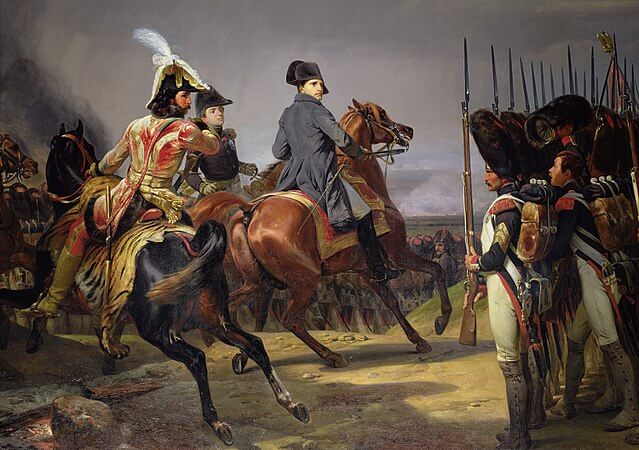
    Feature Image Credit: Battle of Jena – Wikimedia Commons

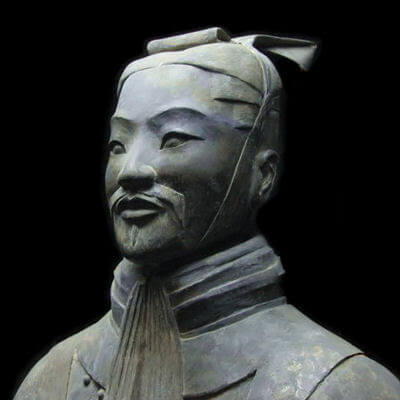
    Sun Tzu Image: Sun Tzu – The Art of War

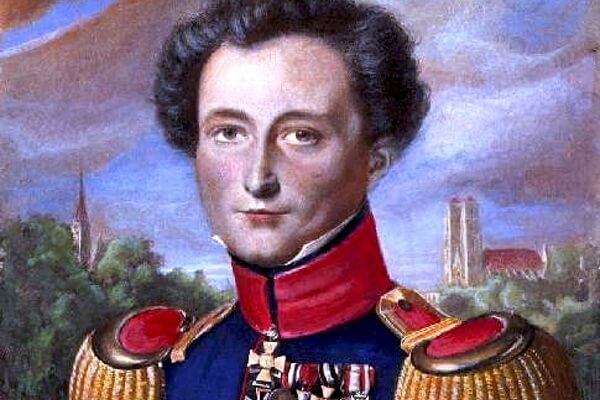
    Clausewitz Image: historynewsnetwork.org
  • As the US exits Afghanistan, who is there to tame Taliban?

    As the US exits Afghanistan, who is there to tame Taliban?

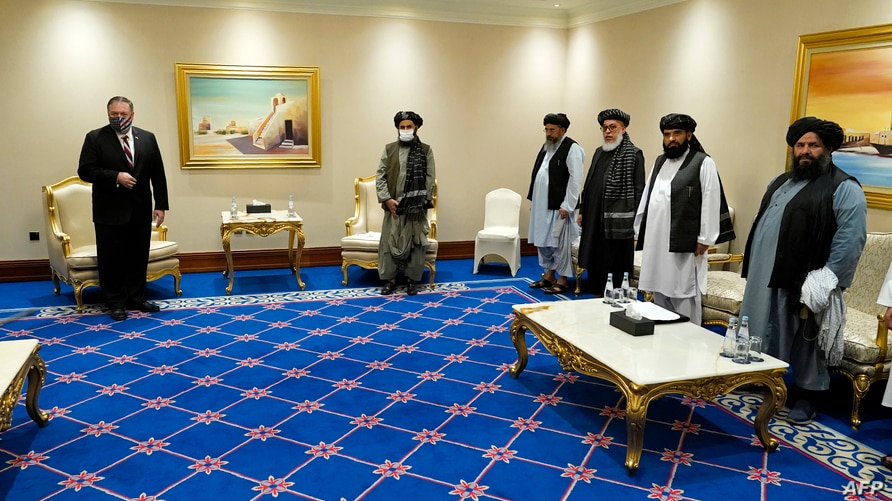
    Sometimes, the best way to triumph over an enemy is to quit the game. In an attempt to honour his election campaign promise of bringing the American soldiers back home, President Trump announced the complete withdrawal of American troops from Afghanistan and Iraq. About eight thousand six hundred remaining boys in boots will return from Afghanistan by Christmas this year. The Taliban, whom American forces have been fighting for the last two decades, is now a closed-door dialogue partner of the White House. The arch-rivals in the eerie battleground are now facing off each other in opulent hotels.

    In Doha, the Afghan government caught up with the Taliban at the much-awaited intra-Afghan peace talk, held in September

    In the two-decade-long war, America has paid enormously in currency, diplomacy, and defence. It has cost the US exchequer almost $2 trillion. Several efforts to bring peace have gone in vain. Ultimately, Washington has successfully brought the Taliban and the Afghan government to talk to each other. The two belligerent parties are now engaged in the tete-a-tete. In Doha, the Afghan government caught up with the Taliban at the much-awaited intra-Afghan peace talk, held in September. Despite several attempts, an agreement between the Taliban and the Afghan government could not take place earlier as the bellicose force never recognized the legitimacy of the elected government in Afghanistan. In the eyes of the Taliban, the incumbent in Kabul remains a puppet government of the Western powers. What contrasts the most between the present administration and the earlier Talibani rule is their diametrically opposite ideologies. Whereas the present system in Afghanistan runs democratically, the Taliban believes in the Islamic Sharia law. The battle is now between democracy and theocracy.

    The ongoing peace process is a continuum of American mediation between the Taliban and the Afghan government since February 2020.  White House is nearing an imminent peace deal with the Taliban as they are no longer deeply interested in Afghanistan. Washington’s priority is now countering China’s growing influence.

    In the previous peace talks, the western states sat with the Taliban, disdaining the Afghan government. Even Russia’s attempts failed to produce any fruitful results in favour of Afghanistan. One of the major reasons for the failure is about diluting the Afghan government authority. The Afghan government never endorsed the efforts of foreign nations in the Afghan peace negotiations, in which the Afghan government itself is side-lined. Afghan government affirmed that any kind of peace deal would not be entertained as the legitimate government was not a part of it as it was a clear violation of Afghan sovereignty.  Afghan government took the issue to the United Nations and accused Pakistan of bypassing it in peace talks with the Taliban.

    a large area of Afghanistan and its people are under the Taliban’s control. The Taliban is collecting taxes from the citizens to exercise their undisputed rule.

    Unlike the previous attempts, the intra-Afghan dialogue has raised much hope among the Afghans, the Government, and the international community. But both parties are likely to face many tough challenges to achieve the desired outcome.  The Taliban has already violated the agreement with the United States that resulted in the death of Afghan civilians and army personnel but stresses that it is continuing with the ceasefire. It is possible that by claiming to maintain the ceasefire the Taliban is trying to put pressure on the Afghan government. Despite this hostile situation, the Afghan government has agreed to negotiate with the Taliban mainly for two reasons. First, most of the International Security Assistance Forces and North Atlantic Treaty Organization (NATO) forces have left Afghanistan. The Afghan security forces have neither the training nor the institutional mechanism to provide security to its people. Second, a large area of Afghanistan and its people are under the Taliban’s control. The Taliban is collecting taxes from the citizens to exercise their undisputed rule.

    Unlike the previous peace processes, the current one does not rely much on foreign countries. But the peace deal is likely to affect Afghanistan’s external relations adversely. If the Taliban reverts to its Islamic radicalism, Afghanistan may lose billions of foreign aid it has been receiving since the last decade for the reconstruction of the country. The Afghan government worries that the premature departure of American troops may have a negative impact on international assistance.

    Although both parties agreed to negotiate on the peace deal, there is dissatisfaction within the cadres of the parties. In the recent elections, the two Presidential contestants each claimed electoral victory. A power-sharing arrangement was concluded where Ashraf Ghani is the President and Abdullah Abdullah exercises power as the chairperson of the High Council for National Reconciliation. On the Taliban side, many leaders do not support the peace process as they believe that they could win the Afghan war by military means. They consider  Pentagon’s departure from Afghanistan as a sign of their victory.

    The Taliban continues to maintain its contact with the Al-Qaeda, according to a UN security council report. The US -Taliban agreement of February demands a complete divorce between the Taliban and the Al-Qaeda.  UN reports and the violation of ceasefire show that the Taliban is not adhering to the agreement. Once the peace deal is completed, the Taliban could take advantage of the absence of US troops in Afghanistan and renege on their commitments by maintaining close ties with the Al Qaeda, Haqqani Network, and the other extremist groups. The training camps of these Islamist terrorist groups are being used by Pakistan based terror outfits like Lashkar and Jaish-e-Mohammed. When Soviet troops left Afghanistan in 1989, insurgency and terrorism increased in Kashmir. It saw a drastic fall when Washington waged war on Taliban and other Islamist extremist groups.

    If the Sharia law returns to Afghanistan, all the democratic rights and the freedom that the Afghan people have seen since the last decade, are likely to be lost.

    The consequences would be grave if the peace deal doesn’t fetch the desired results. The peace deal is necessary for the Afghan government in maintaining peace and stability in Afghanistan. If the Sharia law returns to Afghanistan, all the democratic rights and the freedom that the Afghan people have seen since the last decade, are likely to be lost. Even if a peace deal fructifies, it may not ensure peace for every section of society. During the previous Taliban rule, the fundamental rights of women- ranging from education to employment, were denied. Women had to live a sub-human life. At present, women hold 28 percent of the total seats in the parliament. So, if the Sharia law is enacted again, it will deny the basic rights of Afghan women. Millions of Afghan refugees in neighbouring Iran, Pakistan, and elsewhere in European countries cannot hope to return home. The host countries, however, have started sending back the Afghan refugees forcefully amid instability.

    Afghanistan is a country of over a hundred ethnic groups, tribes, non-Muslims, and other communities. Most ethnic groups have a conflict with each other. In recent times, the Taliban attacked the non-Muslim communities, especially Hindus and Sikhs. The Ministry of External Affairs of India facilitated the travels of a few Hindu families to India. Even after the Afghan government concludes a peace deal with the Taliban, conflicts may continue and peace may still be elusive. The effectiveness of the peace deal will depend on the commitments of each party.

    European countries do not have the military or economic strength to prosecute overseas conflicts. The internal mechanism of NATO is weaker than before. And after the Brexit deal, the fragmented European union lacks the political will to intervene in the war-torn state. China’s interests in Afghanistan are mostly commercial. Infrastructures or projects under Belt and Road Initiative can’t be built amid the carnage. China has the political, financial, and military strength to fill the void, after the complete withdrawal of the US forces. The Chinese financial contribution in Afghanistan is a clear sign that the country has a long-term strategy in the region. This apart, China has security concerns as well in Afghanistan. The rise of extremist movements in Afghanistan is likely to impact security in China, especially in Xinjiang province. In recent years, China has increased its military ties with Afghanistan. In the absence of the American troops, Afghanistan may consider China as possible support.

    Once the US exits, Kabul will have an option to raise the peace issue in the Shanghai Cooperation Organization (SCO). The SCO can be the main military and economic block in Asia. Except for Turkmenistan, all the bordering countries of Afghanistan and other major players in South Asia have either members-status or observer status at the SCO. It can certainly play a very effective role as the peacemaker providing its members, each with considerably different stakes in Afghanistan can get their act together.

    The Taliban in the Afghan government would provide political leverage to Pakistan over India.

    If the Taliban assumes power, India-Afghanistan bonhomie will turn frosty. Unlike other countries, the Indian government never supported the Taliban. India has been a staunch supporter of Afghan-led, Afghan controlled and Afghan-owned peace deal. Pakistan has always been supportive of the Taliban as it serves its strategic interests. The Taliban in the Afghan government would provide political leverage to Pakistan over India. Seeing that it has been left out of the Afghan peace talks, it appears that India is coming around to talk to the Taliban.

    Afghans are exhausted from bloodshed in the last few decades. The region has turned into a breeding ground for Islamic State in Khorasan, Al-Qaeda, and other terrorist groups. A stable and democratic Afghan government is necessary for maintaining peace in the South Asian region. As the effectiveness of SAARC continues to be hampered by India-Pakistan animosity, other South Asian states, Organization of Islamic Cooperation member states, and other Islamic states like Saudi Arabia or Turkey should act to restrain the Taliban and pave the way for peace in Afghanistan.


    Image: US Secretary of State Mike Pompeo meets with Taliban’s Mullah Abdul Ghani Baradar and members of his negotiating team. Credit: www.voanews.com


  • Understanding the Syrian Civil War through Galtung’s Conflict Theory

    Understanding the Syrian Civil War through Galtung’s Conflict Theory

    Introduction

    As the founder of the discipline of Peace and Conflict Studies, Johan Vincent Galtung has outspokenly advocated for a world without nuclear weapons and has placed the focus of his research on scientific terminologies and methods to understand and deal with conflicts. Having coined the term “peace research”, Galtung has devoted much of his time in formulating the influential and unique ‘transcend approach’, wherein the focus is on peace, rather than security. He has advocated for a model that is holistic and is based on deep understanding and dialogue with one party at a time.

    Having coined the term “peace research”, Galtung has devoted much of his time in formulating the influential and unique ‘transcend approach’, wherein the focus is on peace, rather than security.

    The underlying cause of any violence, according to Galtung, is an unresolved conflict, one that has not been transformed or transcended, due to the existence of incompatible goals. If the goals are among the four basic needs of survival, well-being, identity, or freedom, the conflict is then concluded to be deep, and most difficult to resolve if left unattended. It is important to remember that a conflict does not progress linearly, but rather goes around in a circle, through a cycle of non-violence, to violence, then to post-violence, and likely back to violence again if it fails to be resolved.

    The escalation of a conflict to a violent level is largely a result of disequilibrium among the actors or parties involved, leading to polarization and dehumanization of the Other, and finally reflected in their aggression, the output of which is violence. What follows violence is traumatization, and consequently acts of revenge (Galtung, 2010), leading the cycle of conflict back to its first level.

    Galtung’s Notion of Conflict

    Johan Galtung, in his book, ‘Peace by Peaceful Means (1996)’, defined conflict as a “triadic construct” (pg.71), consisting of three important factors – Attitudes, Behaviour, and Contradictions.

    While both, Attitudes (A) and Contradiction (B), reflect the latent, subconscious level of conflict, Behaviour (B), on the other hand, is always manifest and reflects how people consciously act when confronted with contradictions and hostile attitudes and assumptions. Behaviour may thus be seen as an act of violence, both physical and verbal.

    Attitudes and assumptions may include the person’s perceptions about an actor or an institution; his/her emotions – how s/he feels about the actor/institution involved; and what s/he wants or expects from the given actor/institution. Thus, attitudes may include sexist beliefs about women or discriminatory attitudes towards minorities.

    Contradictions, on the other hand, refer to the content of the conflict, the incompatibility between the goals. It may include a territorial dispute between two or more actors over a single piece of territory, as in the case of Israel and Palestine, or as in the case of multiple parties laying claim to the same group of islets in the South China Sea. In the case of structural or indirect conflict, the contradictions may refer to the disequilibrium in the positions of parties involved, as in the case of inequality between different classes.

    A conflict, according to Galtung, could start from any of the three points of the triangle. It could start from point (A), wherein the actor’s hostile attitude could be in disharmony with those of other actors, leading to contradiction, and later reflected in violent behaviour.  A conflict may also start from point (B), where the actors involved may develop capacities or inclination towards negative/aggressive behaviour, which may get stimulated when a contradiction comes along.

    Galtung further divides the conflicts into actor/direct conflicts and structural/ indirect conflicts. The main point of departure between the two lies in their categorization into manifest, and latent levels. In a direct conflict, both attitudes and contradictions are manifest, that is, they are conscious and overt, the actor being aware of them at all times.

    However, the same does not apply when one takes into account the structural or indirect conflicts. Here, both attitudes and contradictions are latent, that is, they are subconscious and the actor is unaware of them. This is not to say that the contradictions or the incompatibilities are non-existent, rather only that the actor involved finds himself/herself completely unaware of such contradictions.

    Types of Violence

    While stating that the two types of violence – Direct and Structural, are to be considered as the starting point of any strategy for a peaceful resolution, Galtung also defined a third category of violence, namely, the Cultural Violence.

    Direct violence is an event that is often quick and visible, reflecting the capabilities and intentions of actors to engage in a conflict. It includes a victim and a perpetrator and can be seen explicitly in societies. Structural violence, on the other hand, is a process that is slow and often invisible. It refers to the injustice and inequality built into the structural institutions of the society. It is reflective of a position “higher up or lower down in a hierarchy of exploitation-repression-alienation” (Galtung 2012, pg.12), where the parties involved are determined either to keep the hierarchy intact or to completely obliterate it.

    An example of structural violence, as seen from a top-down approach would include colonial aspirations of the European nations. In the case of India and the British empire, the aggression from top existed in the form of material exploitation at the hands of the latter. It became visible once the natives demonstrated their will to oppose colonialism and break the hierarchy of exploitation. The same holds for the Indian caste system, wherein the structural violence, in the form of exploitation and marginalization, has remained intact because of the capability of those higher up, namely the Brahmins, to maintain the disequilibrium in positions between themselves and the communities they perceive to be lower than them.

    The Indian caste system, wherein the structural violence, in the form of exploitation and marginalization, has remained intact because of the capability of those higher up, namely the Brahmins, to maintain the disequilibrium in positions between themselves and the communities they perceive to be lower than them.

    Cultural violence refers to those “aspects of culture that can be used to legitimize or justify both, structural and direct violence” (Galtung: 1990, pg.291). It renders the use of violence as acceptable in society and makes it okay for actors to use violence without making them feel guilty. In a brilliant example, Galtung talks about how the internalization of culture makes it morally easier for actors to employ violence, such as in the interpretation in case of murder on behalf of one’s country being seen as right (Galtung: 1990, pg.292). In the case of direct and structural violence faced by immigrants, it is the culture that allows for such violence to be tolerated. The cultural violence, in this case, justifies the indirect and direct violence by dehumanizing the immigrants and portraying them as thugs or aliens. It allows societies to tolerate policies of forced child-separation while continuing to deny them equitable means of living.

    Escalation of conflicts into violence

    Violence is most often an outcome of deprivation of needs. The more basic and non-negotiable the needs, the likelier chance there is for aggression to come into existence. While classifying the basic needs into four broad categories of survival, welfare, freedom, and identity, Galtung warns his readers against prioritizing any one need over the others. To put survival above freedom and identity, would result in repression and alienation (Galtung, 1985), failing to end structural and cultural violence.

    When the goal of an actor (A) is incompatible with that of an actor (B), such that it obstructs the attainment of the goal by the actor (B), the pursuit of such goals would then most likely result in frustration among both actors, the consequence of which would be a polarisation of the two extremes. Polarisation would imply a zero-sum game, where the scope of transcendence is low, and the likely outcome is a position of no compromise. Because the contradiction in goals is absolute, the victory of the actor (A) would thus necessarily imply the loss of actor (B).

    Polarisation, accompanied by the dehumanization of the Other, may galvanize into hostility and hatred, manifesting itself into aggressive behaviour, finally resulting in escalation. The conflict, however, does not stop at violence. What follows violence, is traumatization of the victims harmed by violence, breeding acts of revenge (Galtung 2010, pg.16).

    In an actor conflict, the polarization between the two sides can almost immediately lead to direct violence. This is because actor (A), who has incompatible goals with actor (B), can easily identify the object/ subject of obstruction of attainment of its goals. Therefore, what follows is violent behaviour by actor (A) towards actor (B).

    On the other hand, in a structural conflict, polarisation may result in acute disequilibrium between rank positions of members in a society. However, Galtung in his essay on the “Structural Theory of Aggression” argues that violence is unlikely to occur unless all methods of maintaining equilibrium have been tried and unless culture facilitates violence wherein those lower down are constantly reminded of their position and their consequent mistreatment (Galtung 1964, pg.99).

    A system of injustice or inequity which refuses to break the hierarchy of oppression and exploitation would likely result in frustration, the outburst of which would be reflected in the form of violence. The often-visible Naxalite violence in India can be seen as a result of deep-rooted structural violence, wherein the parties involved have suffered exploitation and marginalization due to unequal economic development and inequitable distribution of resources for years.

    the genocide that took place against the members of the Rohingya community in Myanmar is a crude example of direct violence. 

    On the other hand, the genocide that took place against the members of the Rohingya community in Myanmar is a crude example of direct violence. They claimed to have been living in the State since the 9th century but were eventually labelled as Bangladeshi Immigrants. Years of discrimination (structural violence) and hatred (attitudes, assumptions/ cultural violence) led to their ethnic cleansing (direct violence). They were murdered, raped, and evicted from their homeland. It only took one law, which rendered them stateless, for the majority of Myanmar to consider them as sub-humans, and readily accept the atrocities committed against them.

    Syrian Conflict through Galtung’s Conflict Theory

    The civil war in Syria is, unfortunately, an example of one of the bloodiest conflicts of this century. The war is often seen as a result of the outburst of pro-democracy protests in 2011, under the appellation of the Arab Spring.

    However, when approached from Galtung’s conflict theory, the conflict can be divided into three categories of violence. First, what we have been witnessing is the horror of direct violence in Syria, as a consequence of years of repression, facilitated by the government’s violent response towards the peaceful protesters in 2011. Second, the structural violence in the form of decades of economic restraints and systemic corruption, which exacerbated the existing poverty and inequality amongst the citizens.  Further, four years of drought between 2006 and 2011, and the consequent failed economic policies forced 2 million to 3 million Syrians into abject poverty (Polk, 2013). The dwindling Syrian economy and infrastructure finally led to the deprivation of the basic need of welfare and threatened their need for survival, resulting in frustration. Third is the cultural violence that has helped in sustaining the ongoing violence, in the form of distortion, denial, and dehumanization of the victims of violence has helped Assad and his foreign allies in continuing the mass murder of Syrians. Here, the sanitization of language is of key importance, where the attempts of distortion of reality often end up in changing the moral colour of violence, as argued by Galtung, wherein violence from being unacceptable starts to be tolerated without question.

    Direct Violence in Syria

    Syrians have been victims of decades-long political repression, in the form of restrictions on freedom of speech and expression, torture and enforced disappearances. The political institutions have historically been unstable, with three military coups taking places in 1949 alone followed by one more in 1954, in addition to the Ba’athist-led coups of 1963 and 1966. The Syrian security forces (Mukhabarat) are known to have detained citizens without proper warrants even before 2010, many of whom have reportedly been tortured in prisons (Human Rights Watch, 2010). In their attempts to keep the hierarchy of power relations intact, the centralised institutions are known to clamp down on any public demonstrations, with frequent arrests and employment of state violence.

    several actors are involved in perpetrating the more visible, direct violence, and it is clear that the Syrian conflict cannot be looked at as a conflict solely between the state and armed rebellion groups.

    In 2011, fifteen school-going children, all under the age of seventeen, were reportedly arrested and tortured for writing anti-graffiti on a wall, leading to the protests of 2011. The government responded by opening fire on the peaceful protestors, killing four civilians (Macleod, 2011). More than 400,000 people have died because of the Syrian conflict since 2011, with 5 million seeking refuge abroad and over 6 million displaced internally (World Bank). This section identifies several actors involved in perpetrating the more visible, direct violence, and contends that the Syrian conflict cannot be looked at as a conflict solely between the state and armed rebellion groups. It would also be myopic to look at the conflict entirely from the perspective of sectarian divisions, given that each rebellion group has a different motive, and is being backed by several different actors.

    While soldiers supporting the Syrian president and the opposition armed groups continue to remain prominent actors, recent years have seen the rise of Islamic State, Al-Qaeda and their affiliated members. The war has also seen a large-scale presence of two categories of foreign actors – those supporting the Syrian regime (Iran, and Russia), and those who continue to be the key rebel supporters (US, Turkey, and Saudi Arabia). All of these actors have their motives and intentions of being engaged in the war. While Iran sees Syria as its primary ally and a transit point for Hezbollah, Russia thinks of Syria as its last remaining stronghold. The United States and Saudi Arabia, on the other hand, are driven by their intentions to maintain the regional balance of power away from the Iranian axis of influence. Meanwhile, Turkey continues to battle the spill-over effect of the thousands of Syrian refugees who continue to cross over the border to Turkey.

    The anti-government groups based in Ghouta, including Jaysh al-Islam, Ahrar al-Sham and Faylaq al-Rahmane, have killed and mutilated hundreds of civilians in indiscriminate attacks on Damascus. These armed groups have also regularly arrested and tortured civilians in Douma, including members of religious minority groups. Hay’at Tahrir al-Sham (HTS), an Al-Qaeda affiliate present in Idlib, has carried out arrests and kidnappings that targeted local political opponents and journalists, while also continuously interfering with humanitarian access and aid distribution in areas under its control (CSIS).

    Cultural Violence in Syria

    The cultural violence in Syria, like elsewhere, is most often perpetrated in the form of sanitization of language, where years of structural violence are termed as mere discrimination, and where civilians are seen as mere targets to be killed. A few years ago, in an attempt of distorting reality, the Russian media described a Syrian documentary on Helmet volunteers in Aleppo as a “thinly disguised Al Qaeda promotional vehicle” (Hamad, 2018).  Such attempts of distortion aim at normalizing even the most brutal violence. In the case of Russia, these attempts help in legitimizing its airstrikes, even when the number of civilians that have been killed in these strikes surpass the number of the ISIS members it sought to target. According to a report, approximately four thousand civilians have been killed by Russian airstrikes as opposed to 2758 ISIS members (Armstrong & Richter, 2016).

    Additionally, cultural violence in the form of ideology and religion has helped to sustain violence in the region. Religion, here, has acted as a form of cultural violence, where the fight is between the ‘Chosen’ and the ‘Unchosen’. In Syria, this fight has taken the form of sectarian divisions between the minority Alawi community and the majority Sunni population. The legitimisation of violence at the hands of the state is rooted in its fight against ‘extremism’, which depends upon the promulgation of the narrative that all rebel forces have the same ulterior motive -of building an intolerant Islamic caliphate. State’s reliance on its alleged effort to curb extremism has allowed its forces to justify the use of heavy artillery, the bombardment of residential places, and the subsequent massacres. Another factor that helps explain the sustenance of violence, is its normalization – where violence is seen as natural, and a part of everyday life. Decades of repression in Syria have helped to normalize torture, and rampant arrests and restrictions.

    Structural Violence in Syria

    While countries continue to witness the horrors of visible atrocities and war crimes, the underlying layers of structural violence continue to buttress the egregious brutality which is often more direct, and physical. Although the war is often seen as a result of the outburst of pro-democracy protests in 2011, a close examination of the country’s socio-economic structures would enable one to get a detailed insight into the underlying layers of frustration caused due to large-scale poverty, inequality, and marginalisation.

    One would also find that the relatively peaceful structure, which existed before the protests of 2011, was held intact largely due to the existence of single-party dominance, where one actor (Hafez al-Assad, and later Bashar al-Assad) held all power and authority, while those existing in lower ranks of society continued to lack resources, as well as opportunities to challenge the dominant power. The injustice and inequality built into the structural institutions of the Syrian society can be referred to, what has been called as the ‘structural violence’, by Johan Galtung. The violence, here, is reflective of a position “higher up or lower down in a hierarchy of exploitation-repression-alienation”, where the parties involved are determined either to keep the hierarchy intact or to completely obliterate it.

    In the case of Syria, the deprivation of the most basic and non-negotiable needs, which threatened the citizens’ need for survival, has been the primary cause for aggression to come into existence. The factors that, thus, led to the conflict in Syria can be seen rooted in years of repression, poverty, and lack of representative institutions, which manifested in the form of protests, or the Arab Spring of 2011. The Syrian economic crisis has existed long before the commencement of the civil war. Since the beginning of the economic crisis, Syria’s institutional structures have failed to meet the rising needs and rights of its population. In the 1980s, the country was trapped in a downward spiral of a fiscal crisis, as a result of large-scale drought, and due to both, domestic and external factors. The crisis led to high food deficit, and an increase in the cost of living, leading to a rise in patronage networks which provided small circles of elites with profitable businesses. These networks became increasingly popular in real estate and land management, leaving out large sectors of Syria underdeveloped. While the country witnessed a decreasing overall debt and a noticeable rise in the GDP in the 2000s, large sections of the population were excluded from benefitting from these growth rates due to differences in wage rates and declining job opportunities. Increasing inequality was reflected in a paper published by the UNDP, which claimed that 65.6% of all labour in Syria belonged to the informal sector in 2010, with Aleppo and Idlib ranking first with over 75% of their workforce belonging to the informal sector (UNDP, 2018).

    Years of conflict have exacerbated the economic crisis, pushing both the state and its citizens, into chaos, with more than 80 per cent of the Syrian population living below the poverty line, with an unemployment rate of at least 55 per cent in 2018.

    Additionally, the oil revenues fell from more than 14% of GDP in the early 2000s to about 4% in 2010 due to depleting reserves. According to a report, overall poverty in Syria in 2007 impacted 33.6% of the population, of which 12.3% were estimated to be living under extreme poverty. Noting the degree of inequality in Syria in 1997, the report found out that the lower 20% of the population had a share of only 8% in expenditure, while the richest 20% of the population share about 41% of the expenditure (Abu-Ismail, Abdel-Gadir & El-Laithy). Moreover, the widely disputed region of North-Eastern Syria witnessed highest levels of inequality in 2007, in addition to deprivation of living standards, and worst levels of illiteracy, and access to safe water, just four years before the outbreak of the civil war. The unequal access to resources was also starkly reflected in the housing situation of the country before the war, where over 40% of the population lived under informal housing conditions, – through squatting, or on lands obtained without legal contracts (Goulden, 2011).

    Years of conflict have exacerbated the economic crisis, pushing both the state and its citizens, into chaos, with more than 80 per cent of the Syrian population living below the poverty line, with an unemployment rate of at least 55 per cent in 2018. With most of the business networks now being controlled by the selected few elites, the population at large continues to suffer the brunt of both structural, and direct violence.

    Conclusion

    This paper has attempted to explain the theory of conflict, as proposed by Johan Galtung. In doing so, it has referred to six primary sources of the author. It has taken into account Galtung’s two triangles of conflict. First, the attitudes-behaviour-contradiction triangle, which seeks to explain the notion of conflict, and demonstrates how a conflict consists of all three, with attitudes and contradictions existing at the latent level, manifesting themselves into violent behaviour which is conscious and visible. The second triangle divides violence into three broad categories of direct violence, structural violence, and cultural violence, and demonstrates how the latter two facilitate and bring about direct violence. This paper has also attempted to employ Galtung’s theory of conflict to explain the civil war in Syria, where it has identified the three categories of violence and has tried to apply the theory into practice. The conflict, which started with citizens demanding their basic needs and rights has been sustained over the years by the involvement of foreign states, and increased state brutality which has been responded to by an increasingly similar, if not equal, force by the rebellion groups. The country, now, witnesses itself entangled in a cycle of conflict, where the war has led to steep economic deterioration, political repression, and physical violence, which in turn has led to further widespread cataclysm.


    References

    Abu-Ismail, K., Abdel-Gadir, A., & El-Laithy, H. (n.d.). Arab Development Challenges Report Background Paper 2011/15. Retrieved September 28, 2020, from https://www.undp.org/content/dam/rbas/doc/poverty/BG_15_Poverty%20and%20Inequality%20in%20Syria_FeB.pdf
    Armstrong, M., & Richter, F. (2016, October 20). Infographic: People Killed By Russian Airstrikes In Syria. Retrieved September 30, 2020, from https://www.statista.com/chart/6311/people-killed-by-russian-airstrikes-in-syria/
    CSIS. (n.d.). Hay’at Tahrir al-Sham (HTS). Retrieved September 28, 2020, from https://www.csis.org/programs/transnational-threats-project/terrorism-backgrounders/hayat-tahrir-al-sham-hts
    Employment and Livelihood Support in Syria: UNDP in Syria. (2018, August). Retrieved September 28, 2020, from https://www.sy.undp.org/content/syria/en/home/library/Employment_and_Livelihood_Support_in_Syria.html
    Galtung, J. (1964). A Structural Theory of Aggression. Journal of Peace Research, 1(2), 95-119. doi:10.1177/002234336400100203
    Galtung, J. (1985). Twenty-Five Years of Peace Research: Ten Challenges and Some Responses. Journal of Peace Research, 22(2), 141-158. doi:10.1177/002234338502200205
    Galtung, J. (1990). Cultural Violence. Journal of Peace Research, 27(3), 291-305. doi:10.1177/0022343390027003005
    Galtung, J. (1996). Conflict Theory. In Peace by peaceful means: Peace and conflict, developmentment and civilization(pp. 71-73). Thousand Oaks, CA: Sage.
    Galtung, J. (2010). Peace by peaceful conflict transformation – the TRANSCEND approach. In C. Webel & J. Galtung (Authors), Handbook of peace and conflict studies (pp. 15-16). London: Routledge.
    Galtung, J. (2012). Peace and Conflict Studies as Political Activity. In T. Matyók, J. Senehi, & S. Byrne (Authors), Critical issues in peace and conflict studies: Theory, practice, and pedagogy (pp. 12-13). Lanham, Maryland.: Lexington Books.
    Goulden, R. (2011). Housing, Inequality, and Economic Change in Syria. British Journal of Middle Eastern Studies,38(2), 187-202. doi:10.1080/13530194.2011.581817
    Hamad, S. (2018, March 09). The dehumanisation of Syria’s victims facilitates war crimes. Retrieved July 26, 2020, from https://www.trtworld.com/opinion/the-dehumanisation-of-syria-s-victims-facilitates-war-crimes-15802
    Human Rights Watch. (2010, July 16). Syria: Al-Asad’s Decade in Power Marked by Repression. Retrieved September 28, 2020, from https://www.hrw.org/news/2010/07/16/syria-al-asads-decade-power-marked-repression
    Polk, W. (2013, December 10). Understanding Syria: From Pre-Civil War to Post-Assad. Retrieved July 26, 2020, from https://www.theatlantic.com/international/archive/2013/12/understanding-syria-from-pre-civil-war-to-post-assad/281989/
    Macleod, H. (2011, April 26). How schoolboys began the Syrian revolution. Retrieved September 30, 2020, from https://www.cbsnews.com/news/how-schoolboys-began-the-syrian-revolution/
    Massari, P. (2013, September 10). Religion and Conflict in Syria. Retrieved July 26, 2020, from https://hds.harvard.edu/news/2013/09/10/religion-and-conflict-syria
    World Bank. (n.d.). The World Bank In Syrian Arab Republic. Retrieved September 30, 2020, from https://www.worldbank.org/en/country/syria/overview
     
    Image: Adobe Stock