Tag: Unemployment

  • Right to Work: Feasible and Indispensable for India to be a Truly Civilized and Democratic Nation

    Right to Work: Feasible and Indispensable for India to be a Truly Civilized and Democratic Nation

    Executive Summary of
    Report of People’s Commission on Employment and Unemployment
    Set up by Desh Bachao Abhiyan

    Introduction

    When society faces a problem and is unable to resolve it, it implies that something basic is wrong. One needs to look for its basic causes to solve the problem. The causes may lie in the system that has evolved over time and which conditions the dominant social and political thinking in society. The onus of finding the solution and rectifying the problem is on the rulers. Their failure to do so over time implies a lack of motivation/commitment to solve the problem.

    All this applies to the issue of employment generation and unemployment in India which has been growing over time and affects the vast majority of the citizens.

    The Basic Issue

    Gandhi said that India is the only country capable of giving a civilizational alternative. The time has come to take this seriously since unemployment has become a critical issue that needs to be urgently tackled. The issue is multi-dimensional since it is a result of multiple causes and has widespread implications. It impacts the growth of the economy, inequality, poverty, etc. It has a gender dimension and impacts the marginalized sections adversely reflecting a lack of social justice. It is entrenched among the youth. The more educated they are greater the unemployment they face. Consequently, it has political and social implications, like, social relations.

    The rapidly growing incomes of the top 1% in the income ladder indicate that the economy has the resources but they are mal-distributed. The rich at the top has created a system that enables them to capture most of the gains from development with little trickling down to the rest.

    This Report presents a framework that spells out the causes, consequences, and possible remedies. Further, it looks at the historical process underlying the evolution of policies so as to understand how they can be changed.

    If any form of distortion persists over a long period, as unemployment in India, its origins lie in society’s perceptions and priorities. In India, these can be traced to the adoption of state capitalism and persisting feudal tendencies of the elite policy makers who in their own self-interest adopted a trickle-down model of development.

    Further, Capitalism has globally taken the form of marketization which promotes `profit maximisation’. But is it then legitimate to keep workers unemployed? It implies loss of output and therefore reduces the size of the economy which leads to a lower level of profits. So, by the logic of individual rationality, the system should create productive employment for all.

    The market’s notion of `efficiency’ is status quoist since it seeks to perpetuate the historical injustice in society. `Consumer sovereignty’ implies that individuals should be left free to do whatever they wish. The collectivity should not intervene in their choices no matter how socially detrimental they may be. It promotes the notion that if I have the money I can do what I like. The ratio of incomes is 10,000 times and more between the big businessmen and the poor workers. The market sees nothing wrong in this; in fact, society has come to celebrate it.

    Marketization is determining society’s choices through its principles penetrating all aspects of society. One of these principles is the `dollar vote’. The policy makers accept it and prioritize the choices of the well-off over those of the marginalized. The well-off dictate the social judgments of policy makers. Consequently, not only equality is not on the agenda even equity is not.

    With marketization stripping off the social aspect of life, individuals become automatons. Their individual distress and situation in life are no one’s or society’s concern. Unemployment becomes just a switching off of a machine. No social concern need to be attached to it. In fact, capitalists welcome unemployment as an efficient’ device to discipline labour and neo-classical economics considers it as natural. Inflation further weakens large numbers of workers as they lose purchasing power.

    In essence, whether or not society should aim to give productive employment to all reflects its view of individuals. Society needs to choose what is more important – profits or the welfare of the marginalized majority. The Gandhian view, largely rejected by the Indian elite, was `last person first’ which defined what the priority should be.

    [powerkit_button size=”lg” style=”info” block=”true” url=”https://admin.thepeninsula.org.in/wp-content/uploads/2022/10/PCAU-Executive-Summary-of-Report-1.pdf” target=”_blank” nofollow=”false”]
    Read the Full Executive Summary
    [/powerkit_button]

    Disclaimer:

    The views represented herein are those of the author and do not necessarily reflect the views of The Peninsula Foundation, its staff, or its trustees.

    The report’s executive summary is republished with the permission of the author.

    Feature Image:

    Economic and Political Weekly

  • Indian Economy at 75: Trapped in a Borrowed Development Strategy

    Indian Economy at 75: Trapped in a Borrowed Development Strategy

    In 1947, at the time of Independence, India’s socio-economic parameters were similar to those in countries of South East Asia and China. The level of poverty, illiteracy, and inadequacy of health infrastructure was all similar. Since then, these other countries have progressed rapidly leaving India behind in all parameters. ‘Why is it so?’ should be the big question for every Indian citizen in this time of our 75th anniversary celebrations.


    Introduction

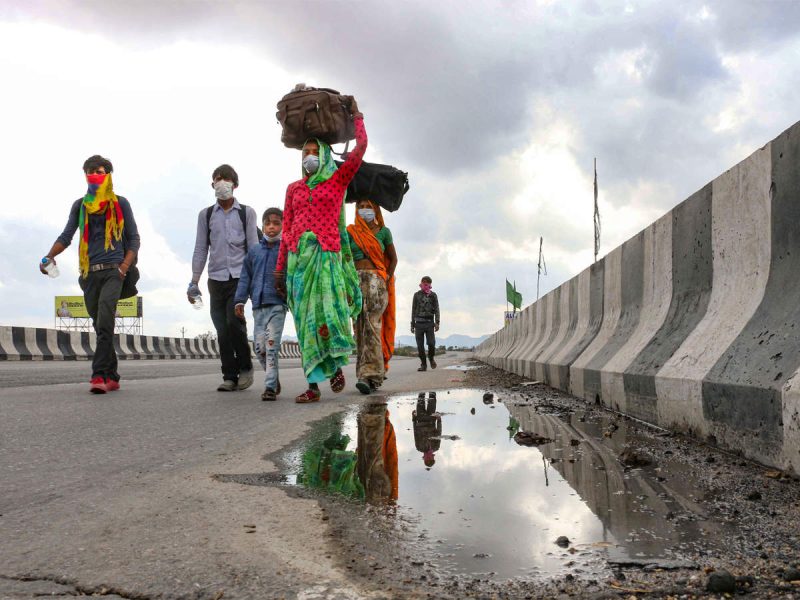
    India at 75 is a mixed bag of development and missed opportunities. The country has achieved much since Independence but a lot remains to be done to become a developed society. The pandemic has exposed India’s deficiencies in stark terms. The uncivilized conditions of living of a vast majority of the citizens became apparent. According to a report by Azim Premji University, 90% of the workers said during the lockdown that they did not have enough savings to buy one week of essentials. This led to the mass migration of millions of people, in trying conditions from cities to the villages, in the hope of access to food and survival.

    Generally, technology-related sectors, pharmaceuticals and some producing essentials in the organized sectors have done well in spite of the pandemic. So, a part of the economy is doing well in spite of adversity but incomes of at least 60% of people at the bottom of the income ladder have declined (PRICE Survey, 2022). The great divide between the unorganized and organized parts of the economy is growing. The backdrop to these developments is briefly presented below.

    Structure and Growth of the Economy
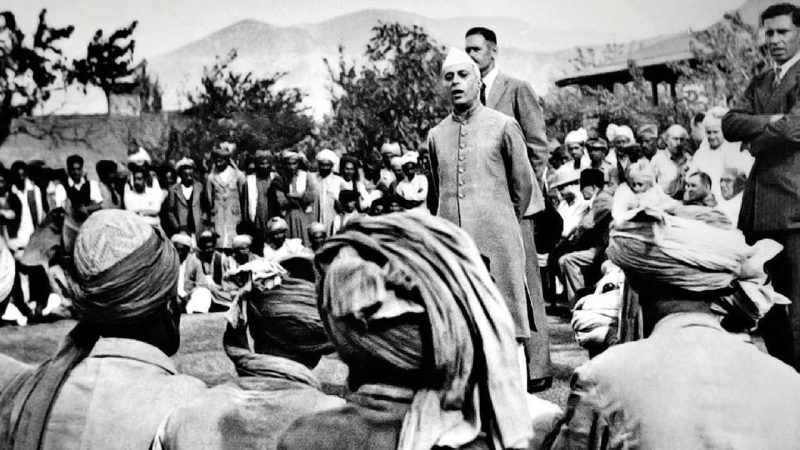
    In 1947, at the time of Independence, India’s socio-economic parameters were similar to those in countries of South East Asia and China. The level of poverty, illiteracy, and inadequacy of health infrastructure was all similar. Since then, these other countries have progressed rapidly leaving India behind in all parameters. So, India has fallen behind relatively in spite of improvements in health services and education, diversification of the economy and development of the industry.

    In 1950, agriculture was the dominant sector with a 55% share of GDP which has now dwindled to about 14%. The share of the services sector has grown rapidly and by 1980 it surpassed the share of agriculture and now it is about 55% of GDP. The Indian economy has diversified production `from pins to space ships’.

    Agriculture grows at a trend rate of a maximum of 4% per annum while the services sector can grow at even 12% per annum. So, there has been a shift in the economy’s composition from agriculture to services, accelerating the growth rate. The average growth rate of the economy between the 1950s and the 1970s was around 3.5%. In the 1980s and 1990s, it increased to 5.4% due to the shift in the composition. There was no acceleration in the growth rate of the economy in the 1990s compared to the 1980s. This rate again increased in the period after 2003 only to decline in 2008-09 due to the global financial crisis. Subsequently, the rate of growth has fluctuated wildly both due to global events and the policy conundrums in India.

    There was the taper tantrum in 2012-13 which cut short the post-global financial crisis recovery. Demonetization in November 2016 adversely impacted growth. That was followed by the structurally flawed GST. These policies administered shocks to the economy. Then came the pandemic in 2020. The economy’s quarterly growth rate had already fallen from 8% in Q4 2017-18 to 3.1% in Q4 2019-20, just before the pandemic hit.

    1980-81 marked a turning point. Prior to that, a drought would lead to a negative rate of growth in agriculture and of the economy as a whole. For instance, due to the drought in 1979-80, the economy declined by 6%. But, that was the last one. After that, a decline in agriculture has not resulted in a negative growth rate for the economy. The big drought of 1987-88 saw the economy grow at 3.4%. After 1980-81, the economy experienced a negative growth rate only during the pandemic which severely impacted the services sector, especially the contact services.

    Employment and Technology Related Issues

    Agriculture employs 45% of the workforce though its share in the economy (14%) has now become marginal. It has been undergoing mechanisation with increased use of tractors, harvester combines, etc., leading to the displacement of labour. Similar is the case in non-agriculture. So, surplus labour is stuck in agriculture leading to massive disguised unemployment.

    India is characterized by disguised unemployment and underemployment.Recent data points to growing unemployment among the educated youth. They wait for suitable work. The result is a low labour force participation rate (LFPR) in India (in the mid-40s) compared to similar other countries (60% plus).The gender dimension of unemployment and the low LFPR is worrying with women the worst sufferers.

    India’s employment data is suspect. The reason is that in the absence of unemployment allowance, people who lose work have to do some alternative work otherwise they would starve. They drive a rickshaw, push a cart, carry a head load or sell something at the roadside. This gets counted as employment even though they have only a few hours of work and are underemployed. So, India is characterized by disguised unemployment and underemployment.
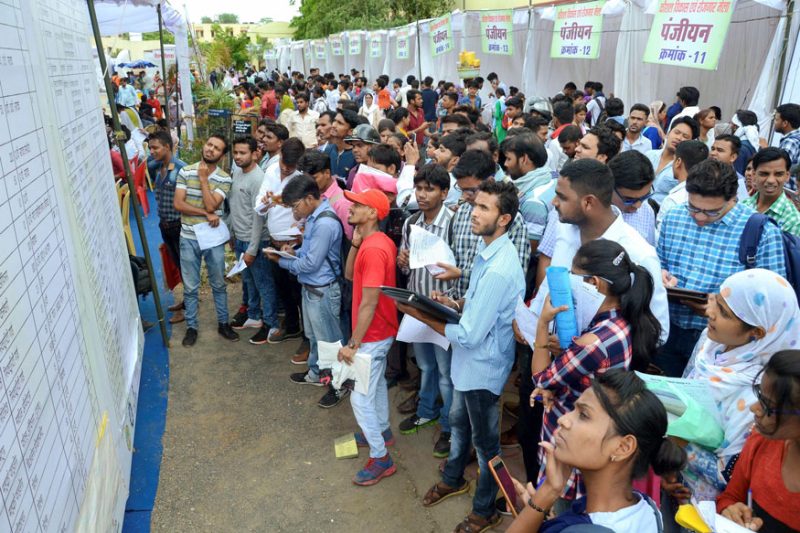
    Recent data points to growing unemployment among the educated youth. They wait for suitable work. The result is a low labour force participation rate (LFPR) in India (in the mid-40s) compared to similar other countries (60% plus). It implies that in India maybe 20% of those who could work have stopped looking for work. No wonder for a few hundred low-grade government jobs, millions of young apply. The gender dimension of unemployment and the low LFPR is worrying with women the worst sufferers.
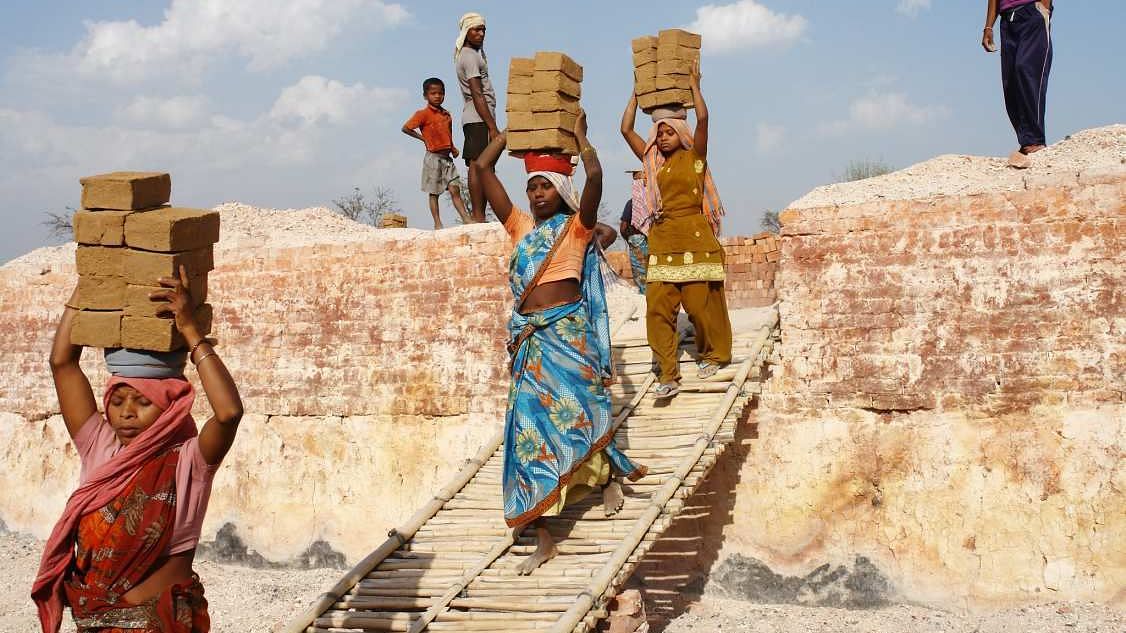
    These aspects of inadequate employment generation are linked to automation and the investment pattern in the economy. New technologies that are now being used in the modern sectors are labour displacing. For instance, earlier in big infrastructure projects like the construction of roads, one could see hundreds of people working but now big machines are used along with a few workers.

    Further, the organized sectors get most of the investment so little is left for the unorganized sector. This is especially true for agriculture. Thus, neither the organized sector nor agriculture is generating more work. Consequently, entrants to the job market are mostly forced to join the non-agriculture unorganized sector, which in a sense is the residual sector, where the wages are a fraction of the wages in the organized sector. The unorganized sector also acts as a reserve army of labour keeping organized sector wages in check

    Lack of a Living Wage

    To boost profits, the organized sector is increasingly, employing contract labour rather than permanent employees. This is true in both the public and private sectors. So, not only the workers in the unorganized sector, even the workers in the organised sector do not earn a living wage. Thus, most workers have little savings to deal with any crisis. They are unable to give their children a proper education and cannot afford proper health facilities. Most of the children drop out of school and can only do menial jobs requiring physical labour. They cannot obtain a better-paying job and will remain poor for the rest of their lives.

    The Delhi socio-economic survey of 2018 pointed to the low purchasing power of the majority of Indians. It showed that in Delhi, 90% of households spent less than Rs. 25,000 per month, and 98% spent less than Rs. 50,000 per month. Since Delhi’s per capita income is 2.5 times the all India average, deflating the Delhi figures by this factor will approximately yield all India figures. So, 98 per cent of the families would have spent less than Rs.20,000 per month, and 90 per cent less than Rs.10,000 per month. This effectively implies that 90 per cent of families were poor in 2018, if not extremely poor (implied by the poverty line). During the pandemic, many of them lost incomes and were pauperized and forced to further reduce their consumption.

    Unorganized Sector Invisibilized

    In the unorganized sector, labour is not organized as a trade union and therefore, is unable to bargain for higher wages, when prices rise. It constitutes 94% of the workforce and has little social security. No other major world economy has such a huge unorganized sector. No wonder when such a large section of the population faces a crisis in their lives, the economy declines, as witnessed during the pandemic. India’s official rate of growth fell more sharply than that of any other G20 country.

    The micro sector has 99% of the units and 97.5% of the employment of MSME and is unlike the small and medium sectors. The benefits of policies made for the MSME sector do not accrue to the micro units.

    Policymakers largely ignore the unorganized sector. The sudden implementation of the lockdown which put this sector in a deep existential crisis points to that. The micro sector has 99% of the units and 97.5% of the employment of MSME and is unlike the small and medium sectors. The benefits of policies made for the MSME sector do not accrue to the micro units.

    Invisibilization of the unorganized sector in the data is at the root of the problem. Data on this sector become available periodically, called the reference years. In between, it is assumed that this sector can be proxied by the organized sector. This could be taken to be correct when there is no shock to the economy and its parameters remain unchanged.
    Demonetization and the flawed GST administered big shocks to the economy and undermined the unorganized sector. Its link with the organized sector got disrupted. Thus, the methodology of calculating national income announced in 2015 became invalid.

    The implication is that the unorganized sector’s decline since 2016 is not captured in the data. Worse, the growth of the organized sector has been at the expense of the unorganized sector because demand shifted from the latter to the former. It suited the policymakers to continue using the faulty data since that presented a rosy picture of the economy. This also lulled them into believing that they did not need to do anything special to check the decline of the unorganized sector.

    Policy Paradigm Shift in 1947

    Growing unemployment, weak socio-economic conditions, etc., are not sudden developments. Their root lies in the policy paradigm adopted since independence.
    In 1947, the leadership, influenced by the national movement understood that people were not to blame for their problems of poverty, illiteracy and ill-health and could not resolve them on their own. So, it was accepted that in independent India these issues would be dealt with collectively. Therefore, the government was given the responsibility of tackling these issues and given a key role in the economy.

    Simultaneously, the leadership, largely belonging to the country’s elite, was enamoured of Western modernity and wanted to copy it to make India an ’advanced country’. The two paths of Western development then available were the free market and Soviet-style central planning. India adopted a mix of the two with the leading role given to the public sector. This path was chosen also for strategic reasons and access to technology which the West was reluctant to supply. But, this choice also led to a dilemma for the Indian elite. It had to ally with the Soviet Union for reasons of defence and access to technology but wanted to be like Western Europe.

    Both the chosen paths were based on a top-down approach. The assumption was that there would be a trickle down to those at the bottom. People accepted this proposition believing in the wider good of all. Resources were mobilized and investments were made in the creation of big dams and factories (called temples of modern India) that generated few jobs. They not only displaced many people trickle down was minimal. For instance, education spread but mostly benefitted the well-off.

    The Indian economy diversified and grew rapidly. An economy that for 50 years had been growing at about 0.75% grew at about 4% in the 1950s. But, the decline in the death rate led to a spurt in the rate of population growth. So, the per capita income did not show commensurate growth, and poverty persisted. Problems got magnified due to the shortage of food following the drought of 1965-67 and the Wars in 1962 and 1965. The Naxalite movement started in 1967, there was BOP crisis and high inflation in 1972-74 due to the growing energy dependence and the Yom Kippur war. Soon thereafter there was political instability and the imposition of an Emergency in 1975. The country went from crisis to crisis.

    Planning failed due to crony capitalism. The prevailing political economy enabled the business community to systematically undermine policies for their narrow ends by fueling the growth of the black economy.

    The failure of trickle-down and the cornering of the gains of development by a narrow section of people led to growing inequality and people losing faith in the development process. Different sections of the population realized that they needed a share in power to deliver to their group. Every division in society — caste, region, community, etc. — was exploited. The leadership became short-termist and indulged in competitive populism by promising immediate gains.

    The consensus on policies that existed at independence dissipated quickly. Election time promises to get votes were not fulfilled. For instance, PM Morarji Desai said that promises in the Janata Dal manifesto in 1977 were the party’s programme and not the government’s. Such undermining of accountability of the political process has undermined democracy and trust and aggravated alienation.

    Black Economy and Policy Failure

    The black economy has grown rapidly since the 1950s with political, social and economic ramifications. Even though it is at the root of the major problems confronting the country, most analysts ignore it.

    So, the black economy controls politics and to retain power it undermines accountability and weakens democracy.

    It undermines elections and strengthens the hold of vested interests on political parties. The compromised leadership of political parties is open to blackmail both by foreign interests and those in power. When in power it is willing to do the bidding of the vested interests. So, the black economy controls politics and to retain power it undermines accountability and weakens democracy.

    The black economy controls politics and corrupts it to perpetuate itself. The honest and the idealist soon are corrupted as happened with the leadership that emerged from the anti-corruption JP movement in the mid-1970s. Many of them who gained power in the 1990s was accused of corruption and even prosecuted. Proposals for state funding of elections will only provide additional funds but not help clean up politics.

    The black economy can be characterized as ’digging holes and filling them’. It results in two incomes but zero output. There is activity without productivity with investment going to waste. Consequently, the economy grows less than its potential. It has been shown that the economy has been losing 5% growth since the mid-1970s. So, if the black economy had not existed, today the economy could have been 8 times larger and each person would have been that much better off. Thus, development is set back. In 1988, PM Rajiv Gandhi lamented that out of every rupee sent only 15 paisa reaches the ground. P Chidambaram as FM said, `expenditures don’t lead to outcomes’.

    The black economy leads to the twin problem of development. First, black incomes being outside the tax net reduce resource availability to the government. If the black incomes currently estimated at above 60% of GDP could be brought into the tax net, the tax/GDP ratio could rise by 24%. This ratio is around 17% now and is one of the lowest in the world. Further, as direct tax collections rise, the regressive indirect taxes could be reduced, lowering inflation.

    India’s fiscal crisis would also get resolved. The current public sector deficit of about 14% would become a surplus of 10%. This would eliminate borrowings and reduce the massive interest payments (the largest single item in the revenue budget). It would enable an increase in allocations to public education and health to international levels and to infrastructure and employment generation.

    In brief, curbing the black economy would take care of India’s various developmental problems, whether it be lack of trickle-down, poverty, inequality, policy failure, employment generation, inflation and so on. It causes delays in decision-making and a breakdown of trust in society.

    Due to various misconceptions about the black economy, many of the steps taken to curb it have been counterproductive, like demonetization. Dozens of committees and commissions have analysed the issues and suggested hundreds of steps to tackle the problem. Many of them have been implemented, like reduction in tax rates and elimination of most controls but the size of the black economy has grown because of a lack of political will.

    Policy Paradigm Shift in 1991

    Failure of policies led to crisis after crisis in the period leading up to 1990. The blame was put on the policies themselves and not the crony capitalism and black economy that led to their failure. The policies prior to 1990 have been often labelled as socialist. Actually, the mixed economy model was designed to promote capitalism. At best the policies may be labelled as state capitalist and they succeeded in their goal. Private capital accumulated rapidly pre-1990. The Iraq crisis of 1989-90 led to India’s BOP crisis and became the trigger for a paradigm change in policies in favour of capital. The earlier more humane and less unequal path of development was discarded.

    Marketization has led to the ’marginalization of the marginals’, greater inequality and a rise in unemployment.

    In 1991, a new policy paradigm was ushered in. Namely, ’individuals are responsible for their problems and not the collective’. Under this regime, the government’s role in the economy was scaled back and individuals were expected to go to the market for resolving their problems. This may be characterized as ’marketization’. This brought about a philosophical shift in the thinking of individuals and society.
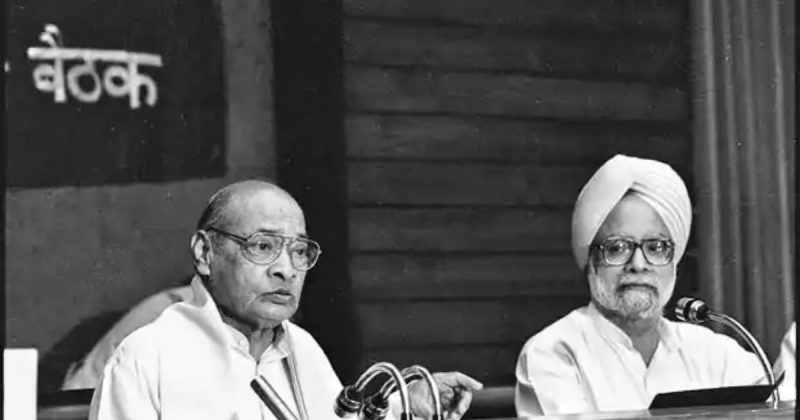
    Marketization has led to the ’marginalization of the marginals’, greater inequality and a rise in unemployment. These policies have promoted ’growth at any cost’ with the cost falling on the marginalized sections and the environment, both of which make poverty more entrenched. So, the pre-existing problems of Indian society have got aggravated in a changed form.

    Poverty is defined in terms of the ’social minimum necessary consumption’ which changes with space and time. Marketization has changed the minimum due to the promotion of consumerism and environmental decay imposing heavy health costs.
    The highly iniquitous NEP is leading to an unstable development environment. The base of growth has been getting narrower leading to periodic crises. Additionally, policy-induced challenges like demonetization, GST, pandemic and now the war in Ukraine have aggravated the situation. These social and political challenges can only grow over time as divisions in society become sharper.

    Weakness in Knowledge Generation

    Why does the obvious not happen in India? No one disagrees that poverty, illiteracy and ill health need to be eliminated. In addition to the problems due to the black economy and top-down approach, India has lagged behind in generating socially relevant knowledge to tackle its problems and make society dynamic.

    Technology has rapidly changed since the end of the Second World War. It is a moving frontier since newer technologies emerge leading to constant change and the inability of the citizens to cope with it. The advanced technology of the 1950s is intermediate or low technology today.

    Literacy needs to be redefined as the ability to absorb the current technology so as to get a decent job. Many routine jobs are likely to disappear soon, like, driver’s jobs as autonomous (self-driving) vehicles appear on the scene. Most banking is already possible through net banking and machines, like, ATMs. Banks themselves are under threat from digital currency.

    So, education is no more about the joy of learning and expanding one’s horizon. No wonder, the scientific temper is missing among a large number of the citizens.

    India’s weakness in knowledge generation is linked to the low priority given to education and R&D. Learning is based substantially on `rote learning’ which does not enable absorption of knowledge and its further development. So, education is no more about the joy of learning and expanding one’s horizon. No wonder, the scientific temper is missing among a large number of the citizens. Dogmas, misconceptions and irrationalities rule the minds of many and they are easily misled. This is politically, socially and economically a recipe for persisting backwardness.

    In spite of policy initiatives regarding education, like, the national education policy in 1968 and 1986, there is deterioration. This is because the milieu of education is all wrong. Policy is in the hands of bureaucrats, politicians or academics with bureaucratized mindsets. So, policies are mechanically framed. Like the idea that ’standards can be achieved via standardization’.

    Learning requires democratization. So, institutions need to be freed from the present feudal and bureaucratic control. Presently, institutions treat dissent as a malaise to be eliminated rather than celebrated. Courses are sought to be copied from foreign universities. JNU is told to be like Harvard or Cambridge. This is a contradiction in terms; originality cannot be copied. Courses copied from abroad tend to be based on the societal conditions there and not Indian conditions. Gandhi had said that the Indian education system is alienating and for many it still is.

    The best minds mostly go abroad and even if they return, they bring with them an alien framework not suited to India. So, as a society, we need to value ideas, prioritize education and R&D and generate socially relevant knowledge.

    Learning is given low priority because ideas are sought to be borrowed from abroad. So, the rulers have little value for institutions that could generate new ideas and inadequate funds are allotted to them. The best minds mostly go abroad and even if they return, they bring with them an alien framework not suited to India. So, as a society, we need to value ideas, prioritize education and R&D and generate socially relevant knowledge.

    Conclusion

    The growth at any cost strategy has been at the expense of the workers and the environment. This has narrowed the base of growth and led to instability in society — politically, socially and economically.

    India is a diverse society and the Indian economy is more complex than any other in the world. This has posed serious challenges to development in the last 75 years but undeniably things are not what they were. The big mistake has been to choose trickle-down policies that have not delivered to a vast number of people who live in uncivilized conditions. Poverty has changed its form and the elite imply that the poor should be grateful for what they have got. They should not focus on growing inequality, especially after 1991, when globalization entered the marketization phase which marginalizes the marginals.

    The growth at any cost strategy has been at the expense of the workers and the environment. This has narrowed the base of growth and led to instability in society — politically, socially and economically. The situation has been aggravated by the recent policy mistakes — demonetization, flawed GST and sudden lockdown. The current war in Ukraine is likely to lead to a new global order which will add to the challenges. The answer to ’why does the obvious not happen’ in India is not just economic but societal. Unless that challenge is met, portents are not bright for India at 75.

    This paper is based substantially on, `Indian Economy since Independence: Persisting Colonial Disruption’, Vision Books, 2013 and `Indian Economy’s Greatest Crisis: Impact of Coronavirus and the Road Ahead’, Penguin Random House, 2020.

    This article was published earlier in Mainstream Weekly.

    Feature Image Credit: Financial Express

    Other Images: DNA India, news18.com,  economictimes, rvcj.com
  • Will Government Steps Tame Runaway Inflation?

    Will Government Steps Tame Runaway Inflation?

    “The steps announced by the government are only a first step. Prices of essentials have to be brought down (not just rate of inflation) and wages indexed to inflation”

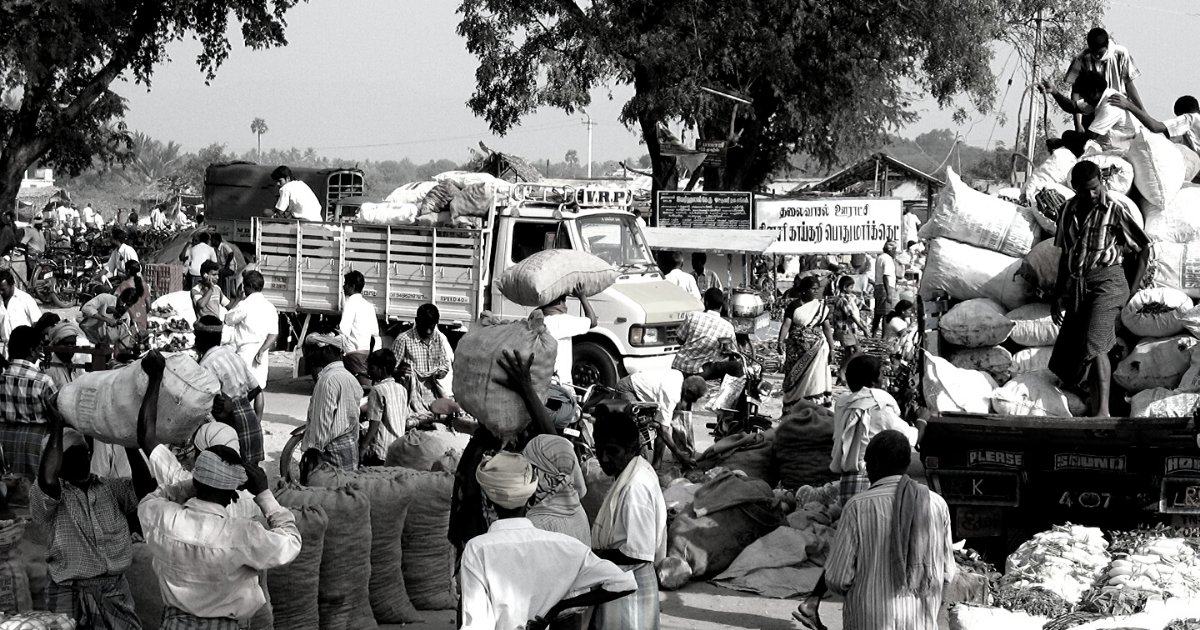
    WPI rising at 15.08% in April 2022 has set alarm bells ringing in the government. Not only has the WPI been rising at above 10% per annum for over 13 months, but it has also been rising faster since February 2022. In other words, it has accelerated. Of course, the war in Ukraine has impacted it but it had been rising rapidly prior to that. In November 2021 it had risen by 14.87%. It moderated a little till January 2022 and then again rose.

    In November 2021 the government had cut taxes on petro goods to bring down their prices. Now the government has again cut these taxes in the hope of moderating inflation. By restricting the exports of wheat and sugar it seeks to lower their prices. Additionally, it has acted to lower the prices of basics like steel, cement and plastics. These steps should help moderate inflation. The issue is how much and whether it will benefit the citizens, especially the marginalized ones?

    Acceleration and Generalization to all Commodities.

    When indirect taxes are levied on basic items of production, they feed into the price of all other products. For instance, if the price of energy rises, since it is used in all production, the price of all products rises – there is a generalized price rise. If the tax on diesel is raised, transport costs, cost of running pumps in the fields and electricity generated using diesel rise. Similar is the case with coal, cement, steel and plastics. So, one way of lowering the rate of inflation is to reduce taxes on these basics.

    [powerkit_button size=”lg” style=”info” block=”true” url=”https://hwnews.in/business-finance/business/will-government-steps-tame-runaway-inflation-1353302/” target=”_blank” nofollow=”false”]
    Read More
    [/powerkit_button]

  • Is MGNREGA a Sustainable Employment Option for Migrants?

    Is MGNREGA a Sustainable Employment Option for Migrants?

    Covid-19 certainly has kindled a renewed focus on healthcare systems, sanitation, and most importantly, employment in the rural areas of the country. The pandemic has thrown light on the huge inadequacies and challenges of our healthcare structure that the government and the citizens had not foreseen. Millions of skilled and unskilled migrants moved across the country in droves to their hometowns in the absence of income and work and means to sustain their life. Around 30 Million (3 Crore) or 15-20% of the total urban workforce left for their hometowns, accounting for the largest ever reverse migration trend in the country, exclusive of intra-state migration. The World Bank in its report mentioned that a whopping number of 40 million internal migrants were harshly affected by the lockdown. Now that the country is just a few steps from opening up in full, concerns about workers moving back in search of work remain in the air. The Mahatma Gandhi National Rural Employment Guarantee Act (MGNREGA), which has a mixed track record in sustaining the livelihood of people in distress by providing guaranteed employment and considerate wages might be the only way out for the worst of the worst-affected. But, will the scheme be a viable and sustainable employment option for the days and years to come? This article aims to answer the question of efficiency, significance, and sustainability of MGNREGA in rural employment in the country.

    What is MGNREGA?

    MGNREGA, the world’s largest guarantee work programme, is the legitimised pioneer of the fundamental ‘Right to Work’. The scheme does that by providing a time-bound guarantee of work for 100 days a year, with considerate fixed wages. Workers under the scheme are assigned to agriculture and related capacity building projects thus ensuring sustainable development for all, as advocated by Gandhi. The scheme has reasonable success stories to its credit, all across the country. A study by Parida (2016) at Odisha proves that MGNREGA has played an important role in the agricultural off-season by providing work to the needy, the poor, and the socially marginalised communities. In various villages in Sikkim, families under MGNREGA were more self-reliant and less dependent on government programmes for a livelihood, according to the results of an evaluation conducted by the Tata Institute of Social Sciences (2017).

    The Ministry of Finance announced Rs. 40,000 crore fund allocation to MGNREGA on the onset of the fourth phase of lockdown in May, while under the Atmanirbhar Bharat Abhiyan, the government plans in creating jobs for 300 Crore persons, and the national average wages of workers also saw an increase from Rs. 182 per day per person to Rs. 202, with effect from April 1st, 2020. All of these might come off as a huge sigh of relief to the worst affected, but in many states, the scheme wage rates are lower than the minimum wages in the respective states. So, this increase in wages does not hold huge significance in reality.

    Unemployment and Work Allocation Concerns

    Reverse Migration Trends and Unemployment:      Unemployment has always been a perennial problem for a developing country like India, especially in times of crisis. The unemployment rate of the country reached an all-time high of close to 24% in April, while the rate of unemployment is expected to reach 8-8.5% in 2020-21, which may increase owing to the reverse migration trends. According to the Former Chief Statistician of India, rural unemployment is now a double-edged sword, given the impact of different migration trends. The reverse migration trends have altered the demand-supply dynamics in rural India significantly. Areas that previously had negative net migration rates are now expected to experience labour surplus, while the locations that may need workers might lack supply. The trends in reverse migration and its impact on local employment in states are visible, with Uttarakhand topping the charts in both the number of reverse migrants and the unemployment rate at around 22.3% as of September. The state is followed by Tripura at 17.4% and Bihar at 11.9%. Thus a strong correlation can be inferred between the amount of reverse migration and the unemployment rate in a given state.

    Putting together numbers of short-term and long-term vulnerable workers gives us a total of about 13 Crore (130 million) workers, who are deeply affected by the Covid-19 crisis.

    Another trend that is recognisable from literature is that migration is no longer a one-way street. Seasonal and circular migration continues to grow and take various forms (Conell et.al., 1976). Amongst these, vulnerable circular migrants are termed as the most distressed section of migrants, which include both Short-term seasonal and long-term occupationally vulnerable workers. Srivastava (2020) has estimated the number of 5.9 crore short-duration circular migrant workers in the year 2017-18. In the same study, vulnerable long-term circular migrants have been identified at 6.9 crores in the same period. Putting together numbers of short-term and long-term vulnerable workers gives us a total of about 13 Crore (130 million) workers, who are deeply affected by the Covid-19 crisis.

    Work Allocation Concerns:     Besides, The Taskforce for Eliminating Poverty constituted by Niti Aayog in the year 2015 (Occasional Paper,2016) has noted that most beneficiaries under the MGNREGS have been on an average get only 50 days of work. This shows that the scheme requires a better mechanism that recommends better targeting of the poorest of the poor and gets them guaranteed work for 100 days. Additionally, if 50-60% of the migrant workers in urban India (2018 above) return to their home destinations, then the scheme has to accommodate between 5.5 – 6.6 crore new workers, which will add 50 – 60% weight on people to be accommodated under the scheme. This exerts additional pressure on the already drying up state funds, which means catering to the huge number of migrants might not be economically sustainable for a long period.

    Wages and Work Efficiency under MGNREGA

    The wage rate in MGNREGA has been a huge concern for policymakers across India. While the recent increase in wages seemed quite positive at the onset, the wage hike is lesser than the minimum wage rate in certain states. Wage rates in the year 2019 seemed to be on the same trajectory, with the MGNREGA wage hike being lesser than the minimum wages in 33 states. Long payment delays also with meager wages add to the burden on workers under the scheme. Another important loophole in the scheme is the availability of work for such a huge number of workers seeking work under the scheme. In most cases, work is inadequate for such a huge number of workers. The standing committee report on rural development for the year 2012-13 also mentioned a significant decline in annual work completion rates (%). According to the report, work completion rates have taken a deep plunge consecutively in the years after 2011, with work completion rates of 20.25% for the year 2012, and 15.02% for the year ending 2013. Such dismal performances also throw light on the lack of productive allocation of work under the scheme. All of these certainly are results of the weakening of the act.

     CONCLUSION

     While MGNREGA fails in addressing a lot of important issues, COVID-19 certainly allows it to fit the dynamic changes in employment and work conditions. Making amendments to the act can be the only way out if the act needs to be sustainable in the long term. MGNREGA gives a rights-based framework to migrants seeking skilled and unskilled labour opportunities but lacks in giving enough benefits to the workers. Work under the scheme should be allocated efficiently, as per the project needs. While COVID-19 put a halt to a lot of existing projects, a lot of new projects are on the anvil. Catering to the needs arising on account of the pandemic including sanitation infrastructure building projects and infrastructure and rehabilitation projects can help the scheme diversify its project base, thus increasing employment opportunities to the migrants. Agriculture, the only positive contributor to the GDP of the country should be taken advantage of in the situation. A strong work evaluation setup should be made sure of, that would efficiently track work completion records thus giving opportunities for workers to complete the incomplete projects. This will yield benefits in both completion of a project and increased workdays and consequently increased wages for a worker.

    Cash-based transactions can be a game-changer in this scenario. Instead of reliance on Aadhar, the unbanked should be remunerated regularly by the means of cash.

    Need for Cash-Based Wage Transfer:      While cash crunch and plunging aggregate demand are looming over the country’s economy, MGNREGA can be used as a tool to put money in the hands of the needy. The propensity to consume of a rural worker is way higher than that of an urban employee. Cash-based transactions can be a game-changer in this scenario. Instead of reliance on Aadhar, the unbanked should be remunerated regularly by the means of cash. Bank and Post office ways of remunerating workers surely did have an impact on corruption, but irregular payments and lack of access to formal banking systems are a common testimony among the migrants. Reverse migration is also the beginning of people bringing themselves into the formal cycle of work, with their enrolment under MGNREGA. Tapping the untapped potential and better engagement and benefits to workers under the scheme will largely increase its base and efficiency. If states learn from their past mistakes and amend the working system of the act, then surely it may do wonders in rural employment in the country.

    Image Credit; The Quint

  • Forecasting Unemployment Rate during the Pandemic

    Forecasting Unemployment Rate during the Pandemic

    Forecasting
    Forecasting, in simpler terms, is a process of predicting future values of a variable based on past data and other variables that are related to the variable being forecasted. For example, values of future demand for tickets for a particular airline company depend on past sales and the price of its tickets.
    Time-series data is used for forecasting purposes. According to Wikipedia ‘A time series is a series of data points indexed in time order. Most commonly, a time series is a sequence taken at successive equally spaced points in time. Thus, it is a sequence of discrete-time data.’ An example of time series data for monthly airline passengers is given below:

    Figure 1


    More technically, it is modelled through a stochastic process, Y(t). In a time series data, we are interested in estimating values for Y(t+h) using the information available at time t.  
    Unemployment rate
    Unemployment is the proportion of people in the labour force who are willing and able to work but are unable to find work. It is an indicator of the health of the economy because it provides a timely measure of the state of labour market and hence, overall economic activities. In wake of the impact of Covid-19 on economic activities throughout the world, unemployment rate analysis and forecasts have become paramount in assessing economic conditions.
    In India, unemployment rates have been on the higher end in recent times. According to data released by Statistics Ministry, unemployment rate for FY18 was 6.1%, the highest in 45 years. It is no co-incidence that GDP rates have also been declining successively for the past few years. The shock that Covid-19 has given to the economy has only worsened our situation. The unemployment rate rose to 27.1% as a whopping 121.5 million were forced out of work.
     

    Figure 2


    Source: CMIE
    Methodology
    The data used to forecast unemployment rates was sourced from CMIE website, which surveys over 43,000 households to generate monthly estimates since January 2016. The data has 56 monthly observations ranging from January 2016 to August 2020, data before 2016 was not available.
    Four popular econometric forecasting models (ARIMA, Naïve, Exponential Smoothing, Holt’s winter method) were used and the best performing model was chosen to forecast unemployment till December 2020.
    The forecasting models were programmed in R. The relevant codes are available upon request with the author. The Dicky-Fuller test and the Chow test for structural breaks were conducted using STATA, results of which are presented further in the article.
    Before beginning the analysis, I believe that the limitations of the analysis should be mentioned:

    • The sample size of 56 observations is not sufficient for a thorough analysis, ideally the sample size should have been 2-3 times larger than the available data. Smaller sample sizes lead to skewed forecasting results which are prone to errors.
    • The unemployment data from CMIE is an estimate and is a secondary source. In India, primary data is only collected once in 3-4 years, thus the forecasting results are only as good as the source of the data.
    • This is a univariate analysis, an Okun’s law based analysis of Unemployment rate as a function of GDP (output) and past trends would have been more suitable. However, since GDP data is only available quarterly and there are only 56 monthly observations available, it would have rendered the analysis insignificant with only 19 quarterly observations.
    • Forecasting being based on past trends, is prone to errors. The negative shock provided by Covid-19 to the economies worldwide has made it all the more difficult to forecast. A Bloomberg study analysed over 3,200 forecasts by IMF since 1999 and found that over 93% of the forecasts underestimated or overestimated the results with a mean error of 2 percentage points.

     
    Checking the stationarity of data
    In order to model build a model, we need to make sure that the series is stationary. For intuitively checking the stationarity, I plotted the data over time as indicated in Figure 2 above. I also plotted the correlograms (autocorrelations versus time lags) as shown in Figure 8 and 9 in appendix. The plot of data over time indicate varying mean, variance and covariance. The ACF and PACF plot show that autocorrelations function are persistent indefinitely.
    We perform the Augmented Dickey Fuller test at 2 lags. Result of the ADF test is shown in Table 1 below. The test statistic is insignificant at 5 per cent and the p-value is 0.1709, which is more than the accepted benchmark of 0.05. We fail to reject the null hypothesis of non-stationarity. We conclude that our series is non-stationary.

    Dicky-Fuller test on raw data

    Table 1

    —– Interpolated Dickey-Fuller —–
    Test statistic 1% critical value 5% critical value 10%critical value
    Z(t) -2.303 -3.576 -2.928 -2.599


    MacKinnon approximate p-value for Z(t) = 0.1709

    Converting the non-stationary series into stationary

    In order to transform the non-stationary series into stationary, we use differencing method (computing difference between consecutive observations).
    We plot the data over time, ACF and PACF again as shown in Figure 5 below and figure 10 and 11 in appendix, respectively. From the figures, we can intuitively say that the transformed series is stationary. Further, we used Augmented Dickey-Fuller tests to ascertain the stationary of our series. Table 2 shows the result of the ADF test. The test statistic is significant at 1,5 and 10 per cent levels and the p-value is less than 0.05. We reject the null hypothesis of non-stationarity of our series. The tests confirm that the series is stationary.
     

    Dicky-Fuller test on first difference data

    Table 2

    —– Interpolated Dickey-Fuller —–
    Test statistic 1% critical value 5% critical value 10%critical value
    Z(t) -5.035 -3.576 -2.928 -2.599

    MacKinnon approximate p-value for Z(t) = 0.0000


    Figure 3


    Naïve model
    Naïve models are the simplest of forecasting models and provide a benchmark against which other more sophisticated models can be compared. Thus, a Naïve model serves as an ideal model to start any comparative analysis with. In a naive model, the forecasted values are simply the values of the last observation. It is given by
    y^t+h|t=yt.
    Forecast results from Naïve method are presented below in figure 4 and table1.
     

    Figure 4


    Table 1


    Point forecast Lo 80 High 80 Low 95 High 95
    Sept 8.35 4.861900 11.83810 3.0154109 13.68459
    Oct 8.35 3.417081 13.28292 0.8057517 15.89425
    Nov 8.35 2.308433 14.39157 -0.8897794 17.58978
    Dec 8.35 1.373799 15.32620 -2.3191783 19.01918

     
    Box-Jenkins Approach
     

    1. Identification of ARIMA (p, d, q) model

     
    The data was split into training and testing dataset in 80:20 ratio. The training data was used for estimating the model, while the model was tested on the remaining 20 percent data. This is done in order to forecast the future values of the time series data.
    p, d and q in (p, d, q) stand for number of lags, difference and moving average respectively.
    The model best fitting the data was (0,1,3) as its Akaike Information Criterion (AIC) was the lowest amongst all the possible combinations of the order of the ARIMA model.
    The residuals from Arima model were found to be normally distributed, with a mean of 0.09 and zero correlation. This causes a bias in the estimates. To solve the problem of bias, we will add 0.09 to all forecasts. The ACF and line graph of residuals is attached in the appendix.
    After identification and estimation, several diagnostic tests were conducted to check if there were any uncaptured information in the model. Results of the diagnostics tests have been omitted from the article in interest of length.
     

    1. Forecasting

     
    The model that has been constructed was used to forecast unemployment rates for the next four months. The results are presented below in figure 5 and table 2.
     

    Figure 5


    Table 2


    Point forecast Lo 80 High 80 Low 95 High 95
    Sept 9.04 5.978858 11.93987 4.401073 13.51765
    Oct 9.77 5.183039 14.1951 2.797671 16.58054
    Nov 10.3 5.364191 15.06267 2.797157 17.62971
    Dec 10.3 5.280182 15.14668   2.668678   17.75819

     
    Exponential Smoothing method
    It is one of the most popular classic forecasting models. It gives more weight to recent values and works best for short term forecasts when there is no trend or seasonality in dataset. The model is given by:
    Ŷ(t+h|t) = ⍺y(t) + ⍺(1-⍺)y(t-1) + ⍺(1-⍺)²y(t-2) + …
    with 0<<1
    As observed in the model, recent time periods have more weightage in the model and the weightage keeps decreasing exponentially as we go further back in time.
    The ⍺  is the smoothing factor here whose value was chosen to be 0.9 since it had the lowest RMSE among all other values.
    The forecast results are presented below:
     

    Figure 6


    Table 3


    Point forecast Lo 80 High 80 Low 95 High 95
    Sept 8.30 4.739288 11.87260 2.8512134 13.76068
    Oct 8.30 3.507498 13.10439 0.9673541 15.64454
    Nov 8.30 2.532806 14.07908 -0.5233096 17.13520
    Dec 8.30 1.700403 14.91149 -1.7963595   18.40825

     
    Holt Winters’ method
    The simple exponential function cannot be used effectively for data with trends. Holt-Winters’ exponential smoothing method is a better suited model for data with trends. This model contains a forecast equation and two smoothing equations. The linear model is given by:
    yt+h = lt + hbt
    l= αyt + (1-α)lt-1
    bt = β(lt-lt-1)+ (1-β)bt-1
    where, lt is the level (smoothed value).
    h is the number of steps ahead.
    bt is the weighted average of the trend.
    Just like the simple exponential smoothing method, lt shows that it is a weighted average of yt
    The α  is the smoothing factor here whose value was chosen to be 0.99 and  the β  value 0.0025 since they had the lowest RMSE among all other values.
    The forecast results are presented below:
     

    Figure 7


    Table 4


    Point forecast Lo 80 High 80 Low 95 High 95
    Sept 8.34 4.749288 11.9326 2.84121 13.84
    Oct 8.33 3.24 13.4243 0.54541 16.11977
    Nov 8.32 2.0800 14.5678 -1.2253 17.87316
    Dec 8.31 1.0963 15.53419 -2.725103   19.35565

     
    Evaluation
    To compare the models the two parameters chosen are:

    • Root mean square error (RMSE)
    • Mean absolute error (MAE)

    MAE is a measure of mean error in a set of observations/predictions. RMSE is the square root of the mean of squared differences between prediction and actual observation. RMSE is more useful when large errors are not desirable and MAE is useful otherwise.
    RMSE and MAE statistics for all the models are presented below:

    Naive ARIMA Exp Smoothing Holt Winters’
    RMSE 2.72 2.24 2.73 2.7
    MAE 1.05 1.034 1.06 1.05

     
    From the table it is clear that ARIMA/Box Jenkins method has both the lowest RMSE and MAE among the models under consideration while Exponential smoothing method has the highest MAE and RMSE among all.
    Therefore, the unemployment rate forecasts as per the Box Jenkins method for the next four months are:
     

    Sept 9.04
    Oct 9.77
    Nov 10.3
    Dec 10.3

     
    The way ahead?

    • The unemployment rate is expected to rise in the coming months. This is a bad sign for an economy that is already suffering.
    • With GDP forecasts getting lower and lower for the current financial year, the govt needs to act quick to mitigate the potential damage.
    • It is impossible to correctly ascertain the total impact of covid-19 on the economy and the range of the impact, but it is safe to say that we will be seeing the effects for a long time to come in some form or other.
    • We might see more and more people slip into poverty, depression, increased domestic violence and with potentially long term impact on human development parameters like child mal-nutrition, enrolment rates etc among other things.

    Some possible solutions

    1. Expansionary monetary policy: It is a common tool of dealing with high unemployment rate in the short term. Under expansionary monetary policy, the central bank reduces the rate of interest on which it lends money to the banks, subsequently the banks lower their rates which leads to a higher amount of loans being taken by business owners. This extra capital helps businesses to hire more workers and expand production, which in turn reduces unemployment rate.
    2. Expansionary fiscal policy: Under expansionary fiscal policy the government increases its spending, particularly in the infra-structure sector. It spends more money to build dams, roads, bridges, highways etc. This increased spending leads to an increase in employment as these projects require labour.
    3. Expand the scope of NREGS to urban areas permanently and a higher minimum wage for all : NREGS has proved to be really effective in alleviating poverty, improving quality of life and decreasing unemployment rate in rural areas. Given the unprecedented circumstances, the govt can consider expanding its scope to urban areas, so that it could provide employment to the millions of unemployed workers there. This increase in expenditure could also help the govt revive consumer demand, which is essential if we want to help the GDP get back on track.
    4. A stimulus package aimed at putting money into the hands of the poor :

    The govt should also consider providing at least a one-time transfer of funds to people just like the US govt did. Such a transfer of putting money directly into the hands of the poor is the most effective way of reviving consumer demand in the economy and many economists around the world have been calling for such a plan to be implemented. There is no better way of increasing consumer expenditure other than putting money into the hands of cash-starved people.
     
    Appendix:
     

    Figure 8


    Figure 9


    Figure 10


    Figure 11


    Figure 12


    Figure 13


  • COVID-19 Challenges for India: Tackling MSME Sector and Unemployment

    COVID-19 Challenges for India: Tackling MSME Sector and Unemployment

    The COVID-19 pandemic has shaken global markets as countries struggle to battle national and global health crisis. Indian government has announced an economic stimulus of  Rupees 20 lakh crore (Rs 20 trillion corresponding to $ 267 billion), roughly 10% of GDP for FY 21, in which six measures were framed for the Micro Small Medium Scale Enterprises (MSME). Government has allocated 3 lakh crore for collateral-free loans, additional debt and equity infusion with slew of other measures to protect the bruised MSME sector. The rise in the number of casualties and infected cases  all over the world present a grim picture. This is expected to result in a global recession that could lead to a loss of over $ 3 trillion to the global GDP. India, in an effort to contain the spread, has extended the lockdown at the cost of freezing almost 60 percent of its economy. Third extension of lockdown on May 3rd in order to flatten the curve will further contract the demand for next few quarters. IMF has revised India’s growth downwards to 1.9 percent for the year 2020 and 7.4 percent for the year 2021. Although the growth projection is not negative as in the cases of Eurozone and the US, India will need to overcome significant structural challenges to bring the economy back into a high growth trajectory. The cost of battling COVID-19 is not limited to the dip in growth but also includes the bleak prospects of a sizable percentage of the population being pushed below the poverty line.

    Apart from the virus, India faces two key challenges. Firstly, almost 80 percent of its labour force is part of the informal sector, which is expected to take major hit as a result of  the lock-down. Secondly, as India’s working age population will continue to expand  till 2055─ the cost of missing this demographic dividend will directly impact the future growth trajectory. Japan, China, South Korea and Singapore have capitalized on their demographic dividends and experienced double digit growths. The current disruption in the global economy will have a significant impact on India’s growth for the next few years. Therefore, diagnosing the systemic problems in the economy is crucial to developing a viable strategic economic policy. The Periodic Labour Force Survey (PLFS) notes that only nine percent of Indian workers are employed with organizations having more than 20 workers. Rest of the labour force are employed with small enterprises which have been forced to lay-off most of their employees due to the extended lockdown.

     Business Supply versus People Demand

    Contributing 30-35 percent of the GDP— Micro, Medium and Small scale industries face a higher risk of shutting down their production due to cash flow constraints. All India Manufacturers association reported that 43 percent of the MSMES will cease to operate with the lockdown extension. Around 99 percent of the MSMEs are dominated by Micro enterprises in which labour intensive production units are already under stress with restricted labour movements. Finance minister’s attempt at redefining MSME by including businesses with higher investment and turnover does not address the main problem of majority of unregistered micro enterprises shutting down due to less or nil operating capital.

    A total of 114 million people are employed in MSMEs and the shortage in working capital as a consequence of the lockdown would drive most businesses out of the market. Furthermore, an extended demand shock would curb the production and supply, as a result of which small industries with limited capital will most likely shut down. Additionally, 86 percent of the enterprises are unregistered and 71 percent of labourers have no written job contracts. Since most of the enterprises function in highly unorganised sectors, they would have been forced to lay off employees.  Thus relevant policies will need to be recalibrated in order to address the problem of unemployment– currently estimated to be 27.11 percent. The share of MSME exports is valued at $147.7 billion– showing an impressive jump from the previous value at $75 billion. The small number of exporting businesseswill be clamped down due to insufficient liquidity especially with weak global demand.  Hence, the policy must focus on balancing to keep the interest rates low in the long run and enhance discretionary spending to boost investors’ confidence. One of the six measures announced by the government is to protect the local MSMEs from unfair foreign competition. Pursuing a protectionist policy in the business sector before the recovery of domestic demand would imply higher risk of the economy being caught in a low demand cycle. Additionally, the recent exemption of labour laws threatens the workers’ income─ reducing the revival rate of consumer demand. According to a latest reading of the consumer demand risk map, casual labourers in both rural and urban areas are at highest risk of salvaging potential expenditure.

    Need to Reorganize MSME and Boost Employment

    Although strong relief packages are demanded, India has limited fiscal space. The slew of measures announced by the central bank to ease the liquidity will cushion the MSME sector during the lockdown period. However, incentivizing small scale businesses to operate amidst weak demand would need recapitalizing finance based on the firm’s productivity. A structural makeover of the business sector will call for measures beyond just monetary policy. While current economic stimulus aims at protecting the business sector, challenges remain in adopting a medium term policy given the unorganized structure. The OECD countries have broadly undertaken measures to reduce the impact on their Small and Medium Enterprises (SMEs) by providing wage subsidies, loan guarantees, direct lending and modified structural policies. The Reserve Bank of India (RBI) has similarly offered a much-needed loan moratorium, cuts in the Cash Reserve Ratio (banks minimum reserve requirement to be held with RBI) and working capital financing. Although the second round of relief package has focused on small industries, the expectation of a burgeoning fiscal deficit to 5.07 percent from revised estimate of 3.8 percent means that financial  stimulus is somewhat of a double edged sword.

    Even prior to the pandemic, unemployment was at a 45 year’s high at 8.5 percent and consumption was on downtrend. The economic response for India must factor in the welfare loss while assessing the economic consequence. In five out of the first ten years of entering its demographic dividend phase, Japan was experiencing double digit growth.  If India is not to lose out on growth momentum during the current stage of its youth bulge, it would require effective and radical policy measures to counter the problem. Economic relief packages during the crisis must be followed with strategies to provide economic security to the working age population across the country.

    To keep up with the growth of the working age population, estimates suggest that India must create 10 million jobs annually. Ease of doing business becomes a crucial factor in creating employment opportunities. Indian policymakers are tasked to identify the methods to sustain the operations of MSME sector post lockdown. The large workforce resulting from India’s youth bulge cannot be undermined by this crisis. Policy prescription to create rapid employment and facilitate business operations is the priority. For India, it is important to endeavour to balance the immediate financial response with continuous public and human capital investment. Biting the fiscal bullet is inevitable in a crisis situation but assessing the cost of growth foregone is crucial to strategize policies for future. The real challenge lies in the transition of role from being protective to promotional through structural operations by factoring in the consumption demand. Temporary infusion of money in businesses and renovation of MSME sector is much needed to realize the ‘Make in India’ dream.

    Image Credit: Adobe Stock

  • Need to Redefine MGNREGS: Response for a  post pandemic Economy

    Need to Redefine MGNREGS: Response for a post pandemic Economy

    The Union budget 2020 was heavily criticized for allocating only INR 60,000 crore on the UPA flagship program, Mahatma Gandhi National Rural Employment Guarantee Scheme (MGNREGA). Discontent continues even after the relief package mentioned INR 200 per person will be paid for the next three months. With 7.6 crore workers registered under MGNREGA program around one trillion (INR) would be required to fulfill the promise. The pandemic has disrupted almost every physical activity, thereby disrupting the physical labour economy. The unfolding crisis across the country and  the poor health infrastructure especially in rural areas poses a major challenge to combat the spread of the virus .  According to the National Health Report, India’s government hospitals average a low figure of one bed per 1844 patients.  The magnitude of the health crisis becomes apparent with the inadequacy in health infrastructure in rural India. The ongoing COVID-19 crisis is reshaping the entire global economy and is expected to be a stress test for government institutions. Even after the crisis, policy making and social programs will remain the key areas in which continuous revision must happen – to build a resilient economy in the long run. As the pandemic influenced financial crisis looms large, it is opportune to discuss public employment programs in bridging infrastructure gaps and financial losses. 

     Demand driven workfare programs intend to provide 100 days of employment for rural households. This scheme was launched with an objective to alleviate poverty and create public assets.   Recognising the vagaries of the agriculture sector to provide stable employment, the program sought to guarantee minimum income for subsistence level labourers and also internalized short term shocks in the rural economy. In principle, the ‘right to work’ element offered a legitimate progress in public-policy discourse by empowering women and marginalized communities to work. The laudable results of the employment program have more or less achieved its social objectives by increasing individual asset creation and enhancing savings rate. Almost 50 percent of the population dependent on agriculture fall back to government employment schemes in times of labour market failure. Low productivity, inadequate modern technology, high dependence on rainfall and bottlenecks to reach the market are primary sources of such failures. Execution of public employment in India is  plagued by rampant corruption and efforts to effectively implement the scheme faces hurdles and results in marginal progress. In the wake of economic slump with falling consumption in rural India and high unemployment rates, infusing cash in the hands of people is always the priority. However, marginal increase in budget allocation for public work programs has invited criticism from the economists – expecting the rural economy to struggle with slow recovery. With acute shortage of skilled labourers and an education system failing to impart quality skill education, a public employment program can be more dynamic in resolving the socio-economic and food security problems. The primary objective is to offset short term economic disturbance and smoothen consumption expenditure, but the development of the program in responding to the needs of the community is also important.  Successful implementation of an employment program must factor-in convergence with other departments, quality of assets created and skill levels imparted under the program. .The three-week lockdown due to covid-19, further extended by two weeks, has exposed the inadequacy of public health infrastructure, more so in rural areas and for informal labour groups, to address their health and the resulting financial hardship. Converging the needs of villages to enhance better response during a crisis with the employment program would result in bringing accountability and creating assets.

    India has experimented with a plethora of universal public programs such as Public Distribution System and Integrated Child Development Scheme (ICDS). In a similar vein, MGNREGS has been an important public work programme with the aim of reducing poverty and enhancing income levels. At this juncture, revising and reviewing MGNREGA scheme with the objective to reduce leakage in the system is a priority. A clear balance between the twin objective of providing employment and creating infrastructure has been missing in the literature. The gap between theoretical policy and reality has raised  concern and the need to review the current approach . The obvious gap in infrastructure requirements identified during the time of crisis must converge with public programs. Such carefully designed schemes with tangible objectives will provide economic security in the short run and improve rural infrastructure in the long run. 

    Work completion rate can be used as a proxy for productivity because individual labour productivity is hard to ascertain with heterogeneous work projects. Although the official MGNREGA website suggests an average of 90 percent of work completion, open government data shows a decline in work completion rate from 43.8 percent in 2008-09 to 28.4  percent in 2015-16. Financial support through employment should account for both quality of assets created and the process of such creation. This would internally check and balance the operation of the scheme and intuitively bring in accountability. At present, the scheme contains the above mentioned elements but has not been used to evaluate the execution of the program. Convergence between departments to create assets and the work completion rate might explain the effectiveness of a program in physical terms. 

    An efficient model should enhance the skill levels of rural youth and is more than necessary to counter the loss of jobs already happening due to coronavirus lockdown. Unskilled and semi-skilled labourers will face lay-offs as industries with the recent norm on social distancing adjust to capital intensive businesses. The percentage of rural population in the age group of 15-59 receiving vocational training has reduced from 1.6 percent in 2011 to 1.5 percent in 2015-16. Unemployment rate among rural youth (15 to 29) has increased from 5 percent in 2011 to 17.4 percent in 2017-18. Although the highest unemployment rate is observed among rural females, the employability of rural youth reduces as education increases. The paradox of educated unemployment is not complex to decode, but a significant skill gap is the fundamental problem from the labour supply side. The Expanded Public Works Program (EPWP) introduced in South Africa to address the skill gap among the youth has succeeded in reducing poverty and unemployment rates. The program has been designed to create labour intensive projects not limited to infrastructure but extends to social, cultural and economic activities. The percentage of young workers under this scheme witnessed a rise from 7.73 % in 2017-18 to 10.06 % in 2019-20 in reference to the low levels of employment. This would mean the nature of the guarantee program has shifted from giving opportunities for seasonal unemployed to educated unemployed. The change is indicative of the deeper crisis faced in the rural economy and calls for a sustainable plan to use public programs as a tool to also impart skill training for the rural youth. State’s increasing dependence on work programmes to create employment needs to be revised based on community requirements. While enhancing rural employment is the immediate concern, the process of achieving it suffers from various executive problems such as corruption among government staff and individual’s lack of willingness to work. Amidst the lockdown situation due to COVID-19, unemployment will increase sharply. A well-devised strategy to address economic losses on priority and emphasis on health infrastructure through public employment must resonate in policy-making after the impact of the coronavirus crisis subsides. 


  • Falling Consumption Expenditure: Need for Labour Market Reforms

    Falling Consumption Expenditure: Need for Labour Market Reforms

    Government withholding consumption expenditure data on the grounds of data quality has stirred many criticisms from economists and other interest groups. Growing concern over falling rural consumption especially amidst economic slowdown has crystallized a categorical debate on the nature of slowdown. Irrespective of the validity of methodology employed, low consumption expenditure can sequel falling growth rates. Slowdown of the automobile industry as a case, sluggish growth and rising unemployment corroborate the unofficial claims on falling consumption expenditure. According to Business Standard report, the average amount spent per month by an individual declined from INR 1501 in 2011-12 to INR 1,446 2017-18. Although falling rural consumption expenditure evinces an economic malaise, issue of inefficient labour market has received less attention. Consumption is considered an important way to assess the health of an economy according to neoclassical economists. Multiple theories on income and consumption relationship are advanced in the field of economics. According to permanent income hypothesis, consumption expenditure varies in relation to the expected future income. In simple terms, an individual’s consumption will be distributed across their lifetime based on the permanent income they are expected to receive. Every theory has reiterated the central role of income in determining the consumption levels of the individuals. 

    Income insecurity in Informal sector

    A study conducted  on consumption spending in Ghana concluded that income and inflation had a long-run relationship on consumption expenditure. The Monthly Per capita Consumption Expenditure (MPCE) in 2011-12 revealed that urban MPCE was higher by 84 percent than rural MPCE. India, operating as a dual economy, considers casual wages and regular salaries as a proxies to study informal and formal sector. The wage differential among salary earning individuals operating in informal and formal sector was higher than casual labourers’ wages. Increasing number of regular employees working in informal sector shifted the concern to penetration of ‘informality’ across the labour market.  Post globalization labour market has theoretically encouraged organized sector but the wage employment in the organized sector has employed more casual labourers with no social security. A new layer of casual labours was created post reforms to cushion the weight from competitive prices. Fragmentation within the organized sector with growing contractual labourers has weakened the expected income levels which could directly affect consumption behaviour. Working-poor in India are highly concentrated in the organized sector as casual labourers and self-employed with a combined share of 51 percent of the total workforce as of 2012.

     A recent report on consumption expenditure points out that rural monthly consumption has fallen by 10 per cent from INR 643 to INR 580 indicating a need to accumulate more income in rural India. The main industries functioning under informal structure were construction, manufacturing and wholesale-trade employing majority of unskilled and semi-skilled labourers. In 2011-12, rural employment contributed 76 percent of total informal sector labourers in the three main sectors. Almost 80 per cent of rural workers are engaged in casual employment and despite a moderate growth in casual wages over the years; it amounted to only 36 percent of a regular worker’s earnings. Increasing share of informal employment within the organized sector coupled with poor social security has reduced expected financial flow of labourers. State induced social spending would propel consumption levels to a limited extent but the underlying crisis in the rural labour market would continue to contract long term consumption expenditure. Total social sector spending as a percentage of GDP has reduced from 2.7 per cent in 2000 to 2 percent in 2014. Reduced government spending and lack of labour market reforms are responsible for poor disposable income in the rural economy. 

    Rural labour market instability

    Casual labourers have constituted consistently 28 percent in Indian rural labour force since 1983. The periodic labour force survey report (2017-18) observed a decline in the share of self-employment in both rural and urban sectors. The unemployment rate in urban sector is 7.3 percent, comparatively higher than rural unemployment rates of 5.8 percent. A major portion of rural labourers are associated with the casual sector in rural areas with unstable income and weak social security. For instance, average earning per day in public workfare programme such as MGNREGA has fluctuating wage rates in rural areas, recording as low as INR 136 in 2018. Such a precarious structure in the labour market has diluted the spending capacity of rural residents in the recent times. According to the usual status in employment, there is a moderate increase in casual labourers and salary earners but the self-employment rates have been on the downtrend. In 1983, 60 percent were self-employed, which has gone down to 57 percent in 2018 despite the attractive loan schemes introduced by the government. 

    Female workers’ earnings play a vital role in determining the consumption health of an economy, a drastic fall in female work participation deserves an in-depth investigation. Falling participation rate could mean either women drop out due to social conditions or due to unavailability of jobs matching their skills. While sufficient literature studying these two areas are available, the first issue can be viewed with scepticism as earnings of men have increased significantly while women’s wages have stagnated. Although overall women in the workforce have reduced, 73 percent of women are engaged in agriculture as primary activity compared to 50 percent of men. A deceleration in agriculture and low investment on public infrastructure in the past few quarters have  decimated the consumption capacity of rural India. Women being the bigger component of agricultural labour force, and with factors of social discrimination, tend to have lower wage rates, thereby contributing significantly to reduced capacity for consumption and expenditure.

    Labour market reforms needed to revive long term consumption

    It would be erroneous to isolate the core economic problem to be categorical- the structural issue or cyclical slowdown can be both demand-side and supply-side driven. The whole economic apparatus is strongly integrated and a supply-side constraint can indirectly choke the demand which would, in turn, weaken the growth. Many economists have recommended the need for structural reforms; labour and capital relations have to be redefined as a measure to redistribute the resources. Further, the labour code on wages, 2019 has invited criticisms on grounds of poor protection for informal labourers and favouring corporate profit. Financial ecosystem requires corporates to make profits but a stagnant reinvestment convulses the cycle. Deepening crisis in the economy is conspicuous and falling consumption reiterates the need for better land and labour reforms. 

    Closer examination of the rural labour structure provides a bleak picture of low-income concomitant with minimum social and economic security, thus seriously impacting rural economic consumption. According to the PLFS report, the percentage of rural regular salaried employees with no job contracts increased from 58 percent in 2004 to 69 percent in 2018. Around 88 percent of rural female casual labourers against 84 percent of rural male casual labourers had no union or association. Absence of union is a proxy for weak bargaining power which eventually distorts the real market wages for the labour. Systematic labour market reform is critical especially for fixing the minimum wages and restructuring the labour market. Failure of manufacturing and service sectors to absorb the excess unskilled labourers from the agricultural sector has posed a major challenge. A short term cash transfer or providing welfare schemes should not be mistaken for structural reform. Enhancing the skill levels of rural labourers so as to enable their displacement to the manufacturing sector would augment employment and income. 

    Effect of demonetisation on the informal rural economy cannot be underestimated; removing 80 percent of currency from the economy damaged small and medium scale businesses operating on cash. ‘Make in India’ has not succeeded in accelerating business entrepreneurship in the country. Only 5 % of the adult population manages to establish a business that survives for longer than 42 months according to Global Entrepreneurship Monitor, a rate that is the lowest in the world. Financial investment in medium scale and small scale industries has been poor due to bureaucratic hurdles and unfavourable business environment leading to world’s highest business discontinuation rate of 26.4 %.

    From the supply side, low reinvestment despite a reduction in interest rate has exacerbated the falling consumption situation. Slowing automobile industry and consistent downtrend in manufacturing have contracted the capacity for employment generation in the industrial sector. CMIE has observed corporate profits to be more volatile than wages in the last two decades. The standard deviation of increased profit was recorded to be 32 percent as compared to 6.3 percent in the wage share. The erratic change in profit component implies entrepreneurs are more likely to be discouraged to invest in a business and play it safe. This invariably allows only the big corporate companies to survive. Low share of labour income in the economy is undoubtedly a structural phenomenon; the state’s apathy to induce private capital investment is detrimental to the labour market as well. 

    Reforms should have distinct rural and urban labour market strategies

    Departing from viewing economy in a political lens, a state must prioritize market reforms especially labour reforms. It is the state’s responsibility to ensure efficient allocation of resources and guarantee economic development and welfare of people. The slogan of ‘minimum government and maximum governance’ can be realised only through radical reforms and policy changes.

    The problem of shrinking consumption in rural areas is an outcome of constraints in the supply-side and unorganized labour market. Mere infusion of money as a solution is neither practical nor sustainable; a long term strategy to improve the structure of the rural economy is necessary to address the current economic crisis. Policies should be directed towards energising the informal sector, provide social security and economic dynamism that accelerates capital formation and induces private investment to support business growth. Consumption levels can be revived by making demand side and supply side changes simultaneously; increasing public gross capital formation and encouraging private investment by improving the investment climate would revive private consumption. A clear distinction has to be drawn between rural and urban labour markets, reforms to monitor the movement and prices will emerge as a structural reform to support both growth and development. 

    Manjari Balu is a Research Analyst with TPF. Views expressed are her own. 

    Image credit: www.newskarnataka.com

  • PDC 2: Rising Unemployment and Economic Woes: Is India Missing its Demographic Dividend?

    PDC 2: Rising Unemployment and Economic Woes: Is India Missing its Demographic Dividend?

    Peninsula Discussion Club – Past Event

    PDC 2: Rising Unemployment and Economic Woes: Is India missing Demographic Dividend?

    Date: 02 November 2019

    Speaker: Professor Jothi Sivagnanam PhD, HOD, Dept of Economics, University of Madras

    India has stepped into its demographic dividend and the bulging youth population can possibly be a gift or curse for development. Recent concern over rising unemployment in India has been discussed from various dimensions. ‘Jobless Growth’ in India is evoking debates among economists and policymakers on how to capitalize on the human capital resource. The second discussion of TPF was an attempt to comprehend the looming crisis and identify factors that cause unemployment. Speaker of session, Professor Jothi Sivagnanam highlighted that demonetisation and the poor implementation of GST as the two major blunders that have disrupted the economy to a great extent. This is now causing high rates of unemployment. Poor quality in higher education and reluctance of state to correct the skill mismatch was discussed in detail. India’s growth as a global economic power, and its ability to dominate global markets can only be achieved if it focuses on development of high quality skills in its huge young population. The state has to prioritize developing skills at international standards in order to compete with established players. Participants pointed out the problems of archaic and rigid labour laws that stymie productivity and efficiency. It was pointed out that export oriented policies are vital to generate employment and high skills. In the realm of the fourth industrial revolution, the debate has to move past growth versus development due to the interdependence various sectors of the economy. The professor and one of the participants brought out the importance of balancing industrialization with education and social engineering. For example, Gujarat portrays a pro-business growth model, however, failed to succeed in its welfare policies, and hence, has serious inequalities and social problems. On the other hand Kerala, being socialistic in nature focused on development and failed to create a conducive zone for business development. With states having different characteristics and history, problem of unemployment cannot be treated as a universal problem. There is a substantial increase in the educated unemployment and vulnerability in informal sector. States need to address this by designing better quality education to meet the industry standards and regulate the labour laws. Given this backdrop, other specific issues were discussed during the meet.

    We welcome comments and further discussions on this blog page. Comments will be moderated in order to ensure discussions remain professional and ethical.

    PDC Past Event : 02 Nov 2019