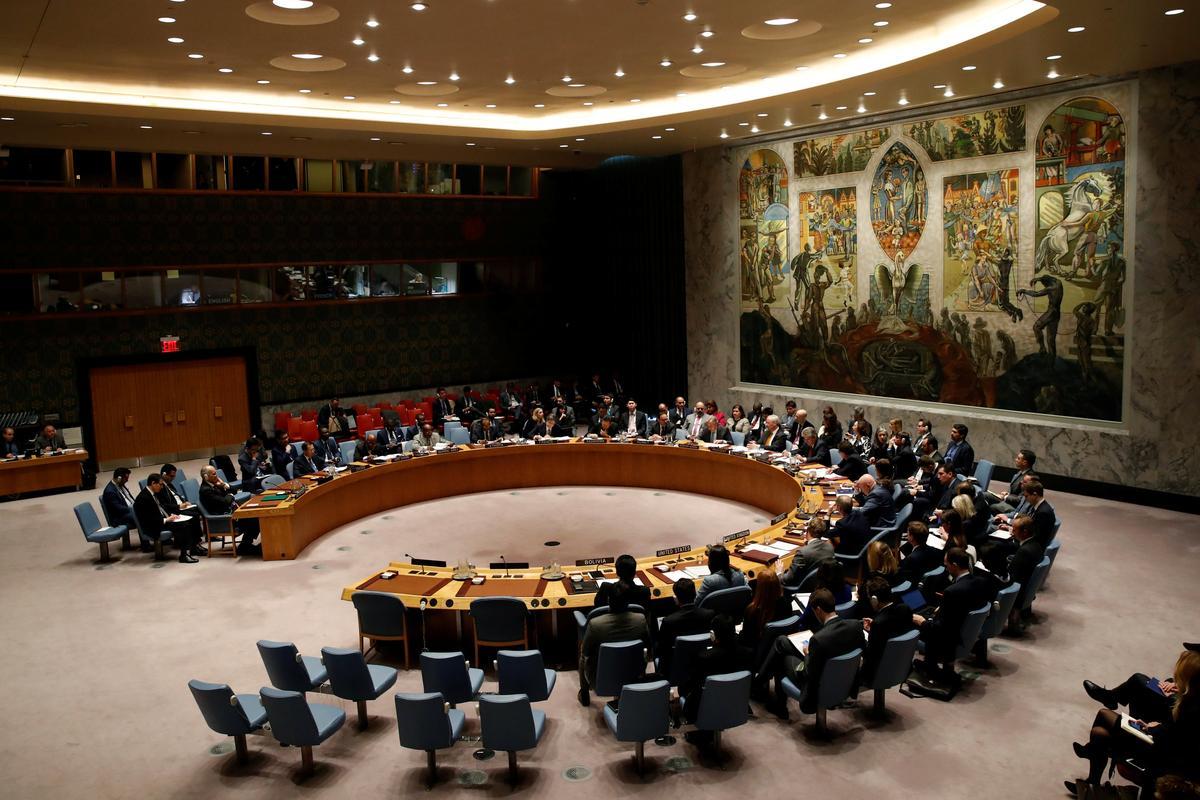
Vietnamese leaders and people have every reason to celebrate the successful completion of their country’s role as a non-permanent member of the United Nations Security Council (UNSC) for the years 2020 and 2021. Before assuming the responsibilities at the UNSC it had announced that it will “make the most of its two years to contribute to improving the effectiveness of the Council, to foster dialogue to help find peaceful solutions to conflicts and to bring the voice of small countries to the work of the council” with particular focus on “conflict prevention, preventive diplomacy, peaceful settlement of disputes, and strengthened implementation of Chapter VI of the UN Charter,” By all accounts, the country achieved all set goals notwithstanding the “complicated and unpredictable socio-economic, political, and security developments as well as unprecedented challenges, including the widespread impact of the COVID-19 pandemic”.
Vietnam has accrued international prestige not only as an important regional actor but also responsible international actor whose focus is on Chapter VI and Chapter VIII of the UN Charter
During the above period, Vietnam served twice as President of UNSC in January 2020 and April 2021. It led to several events and initiatives, and these were acknowledged by other members of the UNSC; above all, these received an active response. Some of the important proposals led by Vietnam were (a) two resolutions on reappointing the prosecutor and reviewing the two-year operation of the International Residual Mechanism for Criminal Tribunals (IRMCT) and on the protection of essential infrastructure; (b) three President’s statements on respecting the UN Charter, strengthening the relationship between the UN and regional organisations in promoting trust-building and resolving the consequences of mines; (c) one press statement on the terrorist attack in Indonesia; and (d) the Hanoi declaration on women, peace and security. It also promoted issues concerning UN peacekeeping and called on the international community to “respond to and reduce climate change impacts on international peace and security”.
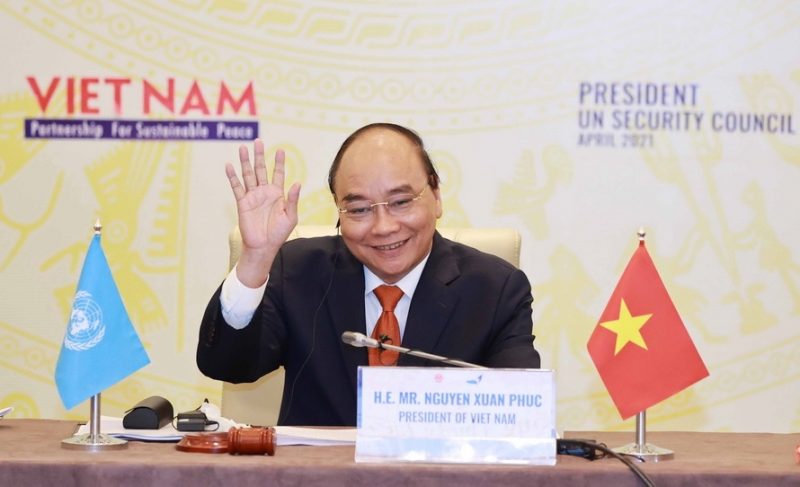
Vietnam also supported issues raised by other non-permanent members of the UNSC. For instance, Prime Minister Pham Minh Chinh supported Indian Prime Minister Modi’s Five Principles and assured that Vietnam is “committed to working with India and other Council members in promoting dialogue, cooperation and mutual respect, for global peace and prosperity”. He too made three proposals i.e. (a) sustainably utilizing the oceans and seas; (b) comprehensive and holistic maritime security through “cooperation, dialogue and international law” and led by the UN; and (c) uphold legal obligations in line with international law, especially the United Nations Charter and UNCLOS 1982.
In the context of the latter, Prime Minister Chinh made known that his country was “determined” to engage with ASEAN and China to “seriously, fully and effectively implement the 2002 Declaration of Conduct of Parties in the South China Sea (DOC) and negotiate an effective and substantive Code of Conduct of Parties in the South China Sea (COC) consistent with international law, in particular, UNCLOS 1982”.
The country can be credited for raising the issue of the South China Sea at the United Nations
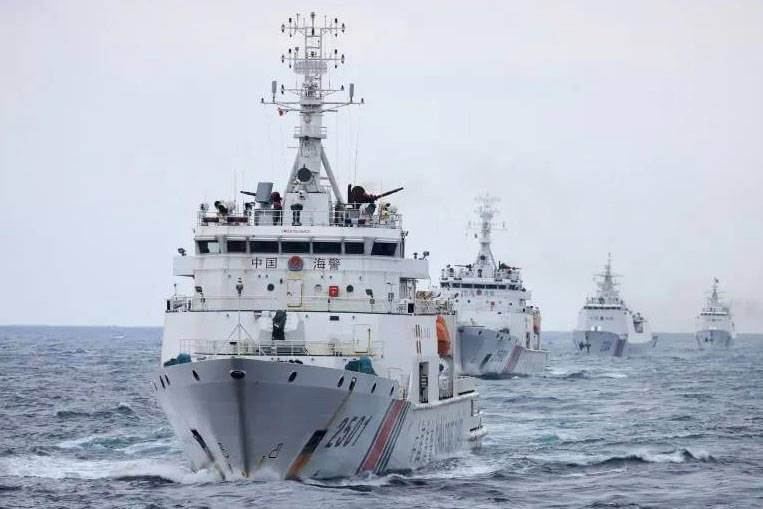
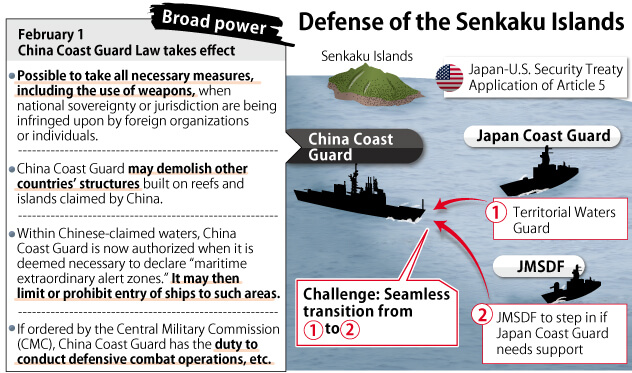
During its tenure-ship as a non-permanent member of the UNSC, Vietnam concurrently held the Chairship of the ASEAN in 2020. The country can be credited for raising the issue of the South China Sea at the United Nations. In his message to the High-level General Debate of the UN General Assembly, President Nguyen Phu Trong conveyed that while Vietnam is committed to the “maintenance and promotion of peace, stability, maritime security and safety and freedom of navigation in the East Sea (South China Sea)” and upholding international law, particularly the 1982 UNCLOS, emphasised and called on “all concerned parties to exercise restraint, avoid unilateral acts that would complicate the situation, and settle disputes and differences through peaceful means with due respect for diplomatic and legal processes.” It is not surprising that there was a reaction from Beijing and the Chinese Foreign Ministry spokesperson stated that the “Security Council is not a suitable place to discuss the South China Sea issue,”
In essence, Vietnam not only addressed international-transnational-global issues at the UNSC, but it also raised regional issues such as the South China Sea which is the collective voice of the ASEAN as well as the claimant States. This is a big politico-diplomatic advantage for the ASEAN and Vietnam has accrued international prestige not only as an important regional actor but also responsible international actor whose focus is on Chapter VI and Chapter VIII of the UN Charter.
Feature Image Credit: VnExpress International