Tag: UN

  • Seabed: “to mine or not to mine”

    Seabed: “to mine or not to mine”

    Seabed mining offers new vistas for business partnerships and joint ventures among different industries in the offshore mining supply chains.

    The month-long debate “to mine or not to mine” has ended inconclusively at the 28th session of the International Seabed Authority (ISA) Assembly from 28 June to 28 July 2023 in Kingston, Jamaica amid calls for a “ban /suspension/precautionary pause” on any extractive activities.
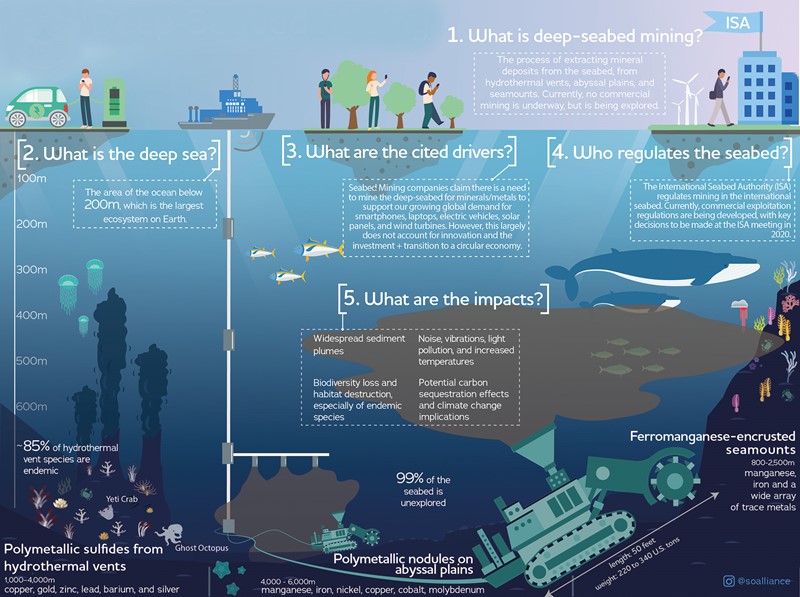
    Figure Credit: eandt.theiet.org

    The ‘naysayers’ vehemently argued for the protection of the oceans given that these large bodies of water are already experiencing multiple and diverse nature and human-induced challenges such as climate change, unsustainable fishing, marine pollution etc. Furthermore, any attempt to mine the seabed will have far-reaching adverse impacts on marine life and result in biodiversity loss keeping in mind that human knowledge about the deep sea ecosystems is very little.

    Those in favour of seabed mining attempted to convince that energy transition is critical for sustainable development and for that a sustained supply of nickel, manganese, cobalt, and copper, is inescapable. These metals/minerals would have to be sourced from the seabed. For the time being, the representatives of the ISA Member States and other stakeholders have returned home to mull over the issue of seabed mining.

    The sudden hyper-activity at the ISA is a result of the June 2021 submission by Nauru, a Pacific island nation which submitted an application for approval from the ISA to commence extraction activities relying on the “two-year rule,” under which the “Council shall complete the adoption of the relevant rules, regulations, and procedures (RRPs) within two years from the submission”. The two-year deadline expired on 9 July 2023, but the ISA Council, a 36-member body executive arm responsible for approving contracts with private corporations and government entities, among other things, announced that it would “continue the negotiations on the draft exploitation regulations”.

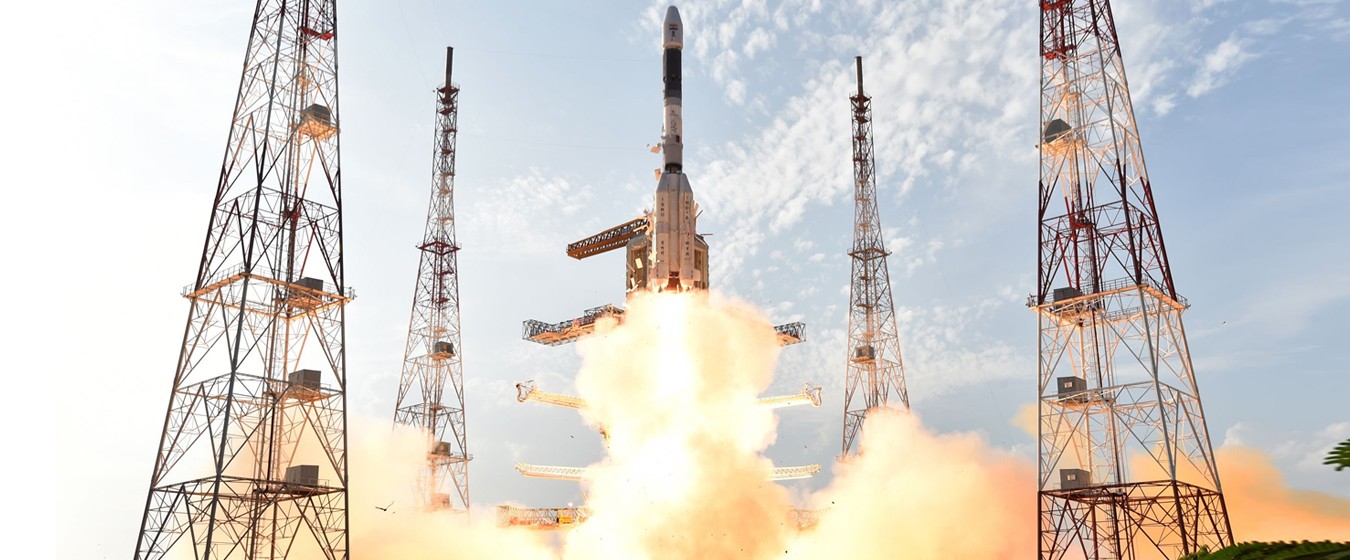
    Meanwhile, at home, the Government of India is all set to exploit oceanic resources. Earlier this month, the Indian Parliament (Rajya Sabha and Lok Sabha) passed the Offshore Areas Mineral (Development and Regulation) Amendment Bill 2023 which enables extraction activities in offshore areas for mineral resources.

    It is true that offshore resource development has been a much-neglected area other than the oil and gas sectors. This is notwithstanding the seminal contributions made by the Geological Survey of India (GSI) which has been leading offshore scientific research and survey activities since the early sixties. The Marine and Coastal Survey Division (MCSD) of the GSI conducts numerous related activities including seabed mapping and exploration within the Indian EEZ and is supported by three ocean-going vessels.

    According to the GSI, as of January 2023, nearly 95 % of India’s EEZ of 2.159 million square kilometres has been surveyed. Since 2022, the GSI has been carrying our seabed mapping in international waters and has covered over 70,000 square kilometres till December 2023 for “generation of baseline data along with the search for possible mineral occurrences in the Ninety East Ridge near the Equator, Indian Ocean and the Laxmi Basin (Block-I, II and III), Arabian Sea by deploying its vessels”.

    The Indian EEZ is endowed with 1,53,996 million tonnes of live mud particularly off Gujarat and Maharashtra coasts, and 745 million tonnes of construction-grade sand has been found along the Kerala coast. The Bay of Bengal coast (Odisha, Andhra Pradesh and Tamil Nadu) and the Arabian Sea coast (Maharashtra and Kerala) are rich in heavy mineral and Polymetallic Ferro-Manganese nodules are available in the Andaman Sea and waters off Lakshadweep islands.

    Polymetallic nodules (Copper, Cobalt, Nickel, Manganese, Rare earth, etc.) are particularly important to support India’s mission to promote the use of clean energy. In November 2022, during the G20 summit in Indonesia Prime Minister Narendra Modi told the participating countries that by 2030, half of India’s electricity will be “generated from renewable sources,”

    The Offshore Areas Mineral (Development and Regulation) Amendment Bill 2023, among many issues, has introduced a number of initiatives including the “auction” of offshore mineral exploration sites and mining rights to companies, including from the private sector, thus creating a level playing field for business competition. The Bill provides for two types of operating rights through auction to the private sector (a) production lease and (b) composite license. It merits mention that the provision for “renewal of production leases has been scrapped with a 50-year lease period to remove uncertainty for operators” which will “give confidence to investors by bringing in transparency and fair play,”

    Seabed mining offers new vistas for business partnerships and joint ventures among different industries in the offshore mining supply chains. For instance, lifting of the extracted ore and carrying it to storage sites ashore is an opportunity for the maritime transportation sector. Similarly, environmental impact assessment, and restoration techniques when needed is a unique industry. Likewise, Industry 4.0 technology developers have opportunities to support Marine Spatial Planning (MSP), bio-remediation, bio-prospecting, and a variety of other seabed mining sectors.

    This article was published earlier in kalingainternational.com

    Feature Image Credit: euronews.com
  • The Curious Case of Indian Silence over damning UN Human Rights Report on China

    The Curious Case of Indian Silence over damning UN Human Rights Report on China

    Not surprisingly, India has not come out with any condemnation of China for its atrocities in Xinjiang, a classic example of India in recent times trying to steer clear of global contestations.

    Down the ages, the phenomenon of imperial overreach has been prevalent across the world.  The evils for which it gets perpetrated would, by and large, be known to those who succumbed to it for supposedly national aspirations, religious fervour or even self-glory by some megalomaniacs!

    That the country relentlessly aspiring with rapidity to be the next global superpower, China, can be unquestionably placed in the category of an imperialist power brooks no emphasis. China thus, without remorse or any humanitarian considerations pursues its ambitions of forcible, bordering on evil, integration of people of all faiths and regions in its vast nation. Its threat of military intervention in tiny Taiwan in recent months bespeaks China’s hegemonistic ambitions.

    Though rather late, the UN has rightly condemned China’s woeful human-rights record in its restive Xinjiang province where for the last many years, China has been committing genocide on its Muslim minorities, the Uyghur and Turkic communities. That the world, at large, and the Islamic nations, in particular, have cast a blind eye on this monumental human tragedy conveys, unmistakably, how the sheer pursuit of mere national interests dwarfs humanitarian considerations elsewhere. The significance of the UN Report on Human Rights just released, accordingly, cannot be understated.

    [powerkit_button size=”lg” style=”info” block=”true” url=”https://www.southasiamonitor.org/index.php/indo-pacific-china-watch/curious-case-indian-silence-over-damning-un-human-rights-report-china” target=”_blank” nofollow=”false”]
    Read More
    [/powerkit_button]

  • Sanctions on Russia Are a Tool That Must Be Calibrated Like Any Other

    Sanctions on Russia Are a Tool That Must Be Calibrated Like Any Other

    If de-dollarisation occurs, the impact will be felt wide and far. Severe sanctions are a double-edged sword which will impact every nation.

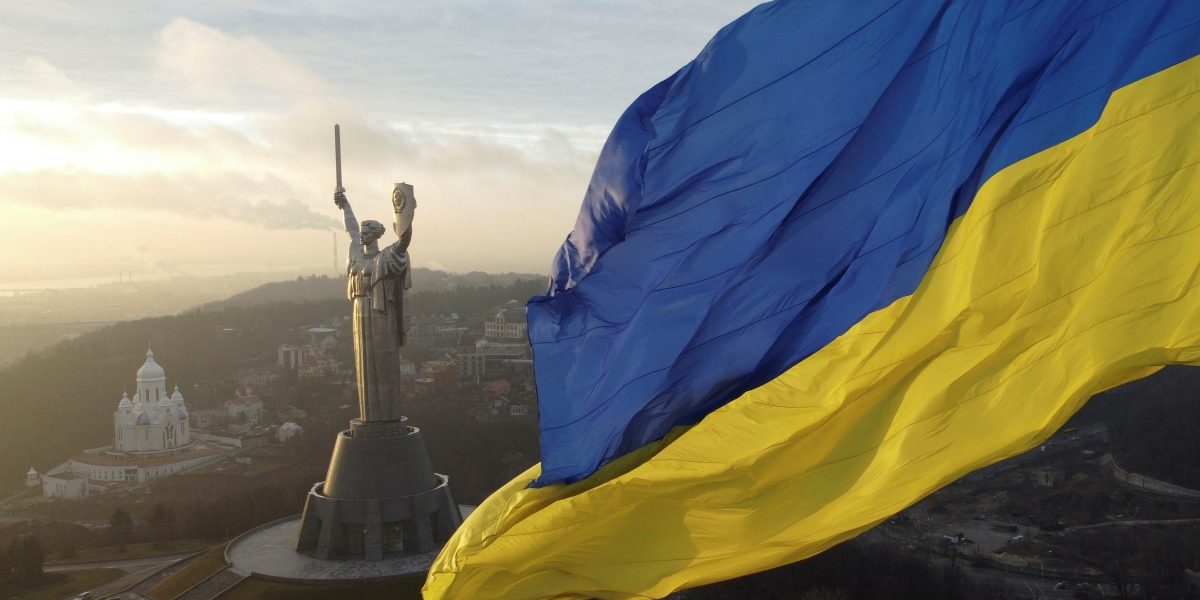
    Russia’s invasion of Ukraine has been condemned by the majority of countries in the United Nations. NATO has not intervened militarily since that runs the danger of a wider conflagration with the possible use of nuclear weapons. So, instead, the NATO powers have supplied Ukrainian forces with weapons and imposed severe sanctions on Russia. Evermore sanctions are announced every week.

    It was said that this would degrade Russia’s capacity to wage war by freezing its assets held in Western banks. Also, its earnings through trade would decline and impoverish it. It was also argued that the Russians would be hurt through multiple channels – higher inflation, the inability of its citizens to get dollars, a collapse in prices of financial assets, like, shares and so on.

    Thus, while Russia is attacking militarily, the West is hitting back through economic means. Further, there is also a cyber and media component to the war. It is perhaps the first war on multiple fronts. Will the Russians be hurt enough to stop the war? Can one draw lessons from the sanctions against Iran?

    [powerkit_button size=”lg” style=”info” block=”true” url=”https://thewire.in/economy/sanctions-on-russia-are-a-tool-that-must-be-calibrated-like-any-other” target=”_blank” nofollow=”false”]
    Read More
    [/powerkit_button]

  • International Institutions in post-Covid Era

    International Institutions in post-Covid Era

    Pandemic exposes inadequacies in the 21st century world

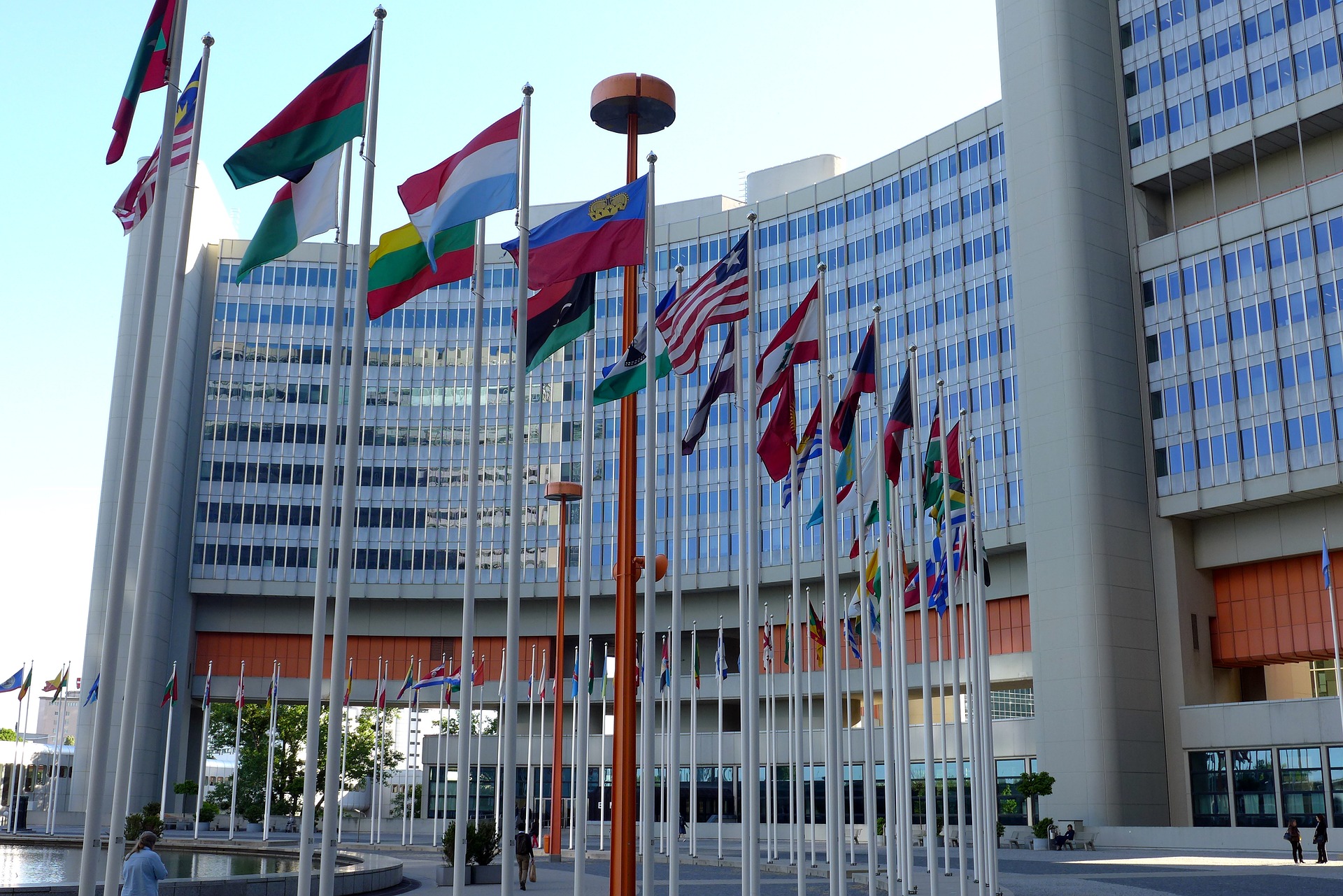
    At the Munich Security Conference 2020, the Indian External Affairs Minister stated that multilateralism has weakened, and attributed it to the inadequacy of international institutions, established seventy-five years ago, to cope with the challenges of 21st century. This was just before the coronavirus became a global pandemic. Today, among other aspects of society that are challenged by the pandemic, its impact on the world has exposed the inability of international organizations to develop a globally cooperative strategy. The September edition of the UNSC meeting held regarding the coronavirus pandemic saw the United States, China, and Russia fight bitterly over responsibility and responsiveness to the pandemic. Instead of building constructive solutions to face the challenge each country focused on accusing others. Similarly, although the Covid-19 global response pledging event secured 7.4 billion euros, their origins (whether new or retargeting of approved grants), method of fund application, proposed call for global research sharing platforms are either ambiguous or not yet set up. Hence, although international organizations have promoted dialogue, the jury is still out on their efforts towards alleviating the crisis or cushioning its impact. The pandemic thus leads to questions about their effectiveness and what post-covid international institutions might look like.

    Given the manner in which various nation-states represent, contribute to, and run international organizations it is definitive that the nature of international institutions is susceptible to change.

    Institutionalism and International Organisations

    International Organisations such as the United Nations and its predecessor the League of Nations mark the variety of multilateralism brought to life based on the theory of institutionalism. Institutionalism originated from the thought that if humans are fundamentally good but act otherwise it is because of anarchy in the international system, and through institutions fostering international cooperation anarchy can be countered to promote the fundamental good in human nature. The final goal of institutionalism stood to promote supranational organizations. However, there have been drawbacks in bringing practicality to this theory. These institutions are built on belief (an individual external factor to the institution itself brought by participants) and power in international institutions is extended when states surrender part of their sovereignty. The changes and differences in individual beliefs cause significant changes in institutions in both the way they operate and the consequences of their operations. Given the manner in which various nation-states represent, contribute to, and run international organizations it is definitive that the nature of international institutions is susceptible to change. Hence, better international coordination and responses to the past crisis such as the 2008 financial crisis, controlling the Ebola breakout in West Africa were also a result of the leftist individual beliefs of participants. However, with global politics inclining towards the right, with waves of hyper-nationalism sweeping across nations, efforts towards multilateralism have taken a back seat. Stephen Walt maintained that the pandemic will reinforce nationalism as the world retreats from hyper-globalization to reduce future vulnerabilities and will create a world that is ‘less open, less prosperous, and less free’. The pandemic has put the world on a trajectory towards the right with politicians becoming more authoritative, and thus multilateralism will see significant changes in the post-covid era.

    Rise of narrow Nationalism and Right Wing Politics

    Despite the rise of right-wing politics globally, the benefits of multilateralism cannot be foregone. Multilateralism in international institutions in past crises followed a model wherein the United States took the lead across various organizations and coordinated the world towards a united response. Since such leadership has been replaced with great power politics, multilateralism has taken an operational role instead of a supervisory role. The main difference between the two roles is that the latter had better potential to progress as a supranational organization while the former traverses as a platform offering supporting services to different countries. Examples of this are efforts led by NATO to use their airlifting capabilities to move vital medical equipment and food supplies, and WHO’s initiative to share guidelines and important research to countries who then took individual decisions. In the current trajectory, these changes in institutional consequences can lead towards three possibilities in the future of multilateralism:

    At the risk of sounding highly pessimistic, the institutional belief in multilateralism is likely to see a steep decline and sovereignty surrendered to international organizations will erode. The role of the UN and its organs may change focus on global data collection, analysis, and politically motivated discussions from the current (weakening) narrative of progress, development, conflict prevention, and resolution.

    • As Robert Kaplan argues, Coronavirus has become the watershed movement segregating the upcoming era as Globalisation 2.0 with the rise of autocracies, social and class divides, and new emerging global divisions. This image of globalization 2.0 can be used to reflect on what the next era of multilateralism will be. In the continuing trajectory with no clear international leadership, international institutions would reduce to becoming a platform of dialogue in great power politics with the initiative and effectiveness of resolutions substantially watered down. At the risk of sounding highly pessimistic, the institutional belief in multilateralism is likely to see a steep decline and sovereignty surrendered to international organizations will erode. The role of the UN and its organs may change focus on global data collection, analysis, and politically motivated discussions from the current (weakening) narrative of progress, development, conflict prevention, and resolution. For instance, the pandemic-induced embargo on the movement of people would in turn catalyse the degeneration of organs such as the UNHCR as the dialogue focuses on data collection and blame allocation instead of refugee crisis management. The international political narrative will shift from globalism to regionalism for effective conflict resolution.


    • As US-China rivalry hampers effective policymaking, relatively smaller powers will lead the narrative in these institutions. The foundations for this possibility are already evident. The United Kingdom and other European countries have been increasingly calling for global summits to promote multilateralism. Their efforts can be theorized to be an enmeshment strategy similar to that used by small states in ASEAN. The objective of this strategy is to alleviate the high risks of major powers directly competing by creating interdependence (if not directly between the great powers) among the various actors in the system through increased multilateral participation to an extent that great powers are tied down in this system and their interests are intertwined such that conflict would become costly. Thus smaller powers prevent the complete breakdown of international organizations by continuing to promote dialogue and ensure the persistence of multilateralism, albeit weaker, but prevent the division into two great-power blocs as with the first scenario. This approach where smaller states remain neutral to great power influences would in turn result in the latter’s effort to win over small states characterized by the exploitation of the cold war by small states. Although the US has so far managed to step away from this, with the oncoming elections it is likely that a change in administration would enable the enmeshment strategy to prevent an extreme global division.


    • Taking an optimistic view, the pandemic may catalyse the trajectory towards Ikenberry’s Multilateralism 3.0 where power in the institutions is more reflective of present-day world powers. Given the shift in American foreign policy and lack of initiative, the pandemic could become an important shaper for other Asian powers to get higher representation to balance China’s rise. Although this demonstrates an idealistic situation far from the rightist trajectory, Ikenberry concedes to the fact that in the short-run countries will be nationalistic but in the long run, democracies will break out from the authoritarian, nationalistic regimes to promote a pragmatic and protective internationalism. Ikenberry makes this interpretation based on the enlightenment world leaders had following the destruction and suffering from the world wars. Hence, the pandemic marks the starting point for the butterfly effect which will lead to wartime-like geopolitics, followed by enlightenment to build stronger international institutions with representations reflective of the new world order and better capable of dealing with issues the current institutions struggle to resolve.

    Conclusion

    Although international cooperation would be the sensible means to navigate through the pandemic and other crisis induced by the pandemic, due to factors external to the institution, such as domestically controlled participant change – multilateralism will see considerable weakening. Among the three possibilities identified for the future of international institutions, only time can tell which path the world will take. However, a combination of the second possibility in the short run progressing to the third over the long run is the most optimistic option to work upon for a better pathway to navigate through this crisis.

    Image: Pixabay

  • Deal or No Deal: The Future of Iran’s Nuclear Agreement

    Deal or No Deal: The Future of Iran’s Nuclear Agreement

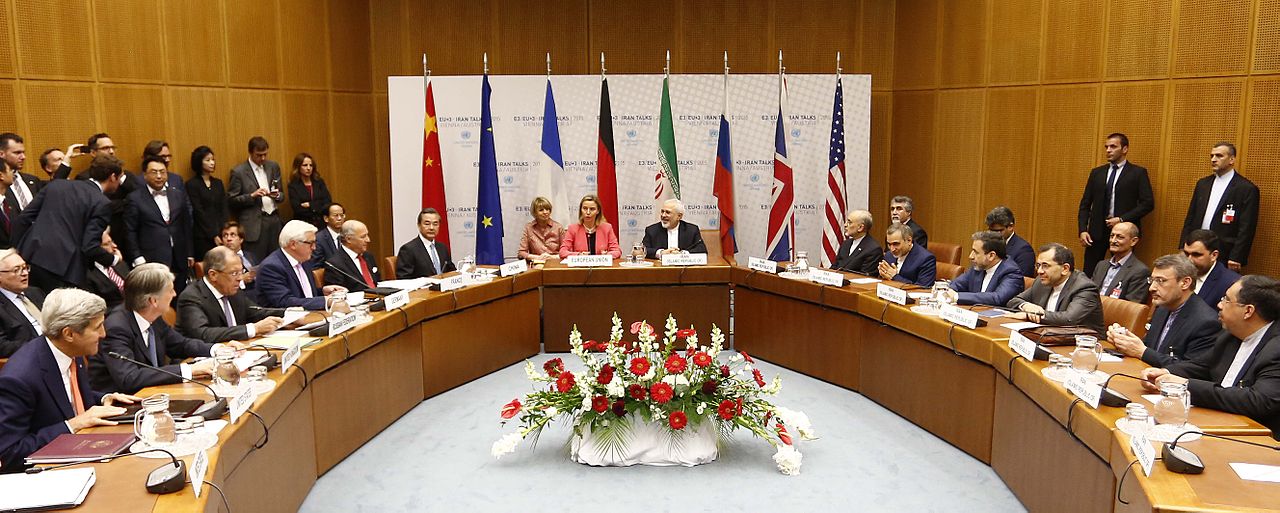
    Iran’s nuclear program has been at the epicentre of most non-proliferation narratives since the beginning of 21st century. From the initial stages of receiving nuclear assistance from US to being sanctioned for their nuclear activities, Iran has managed to remain at the centre of this discourse. In 2015, Iran signed the nuclear agreement with the five permanent members of the United Nations Security Council (UNSC) – the US, Russia, France, China and U.K as well as Germany and the European Union. However, with the arrival of Trump presidency, this deal was reopened by the US and has remained controversial despite a wide consensus that Iran has largely abided by the clauses of the agreement.

    The Iran Nuclear Deal or the Joint Comprehensive Plan of Action (JCPOA) is unique for a number of reasons. It is an amalgamation of years of negotiation process between countries of widely differing perceptions and interests. It is the coming together of the western powers with Iran in order to sign a deal to curb Iran’s nuclear programme and ensure non-proliferation of nuclear weapons. Over the course of fifty odd years, the series of discourses on Iran’s nuclear programme, since its genesis till the time the deal was signed has evolved significantly. These discourses have impacted and resulted in significant policy changes. Most importantly, it has also led to a process of rapprochement between Iran and the western states making it one of the landmark agreements in recent times. However, the deal also received criticism because the narratives portrayed that Iran got a better deal through lifting of sanctions while its part of the commitment to the non-proliferation requirements was much less.

    Unlike the Obama administration that pushed for the deal, President Donald Trump has been clear about his dislike for the agreement and has been an advocate of how this could possibly be “the worst deal”. Owing to this, Trump unilaterally pulled out of the agreement on May 08, 2018 and stated that he would reimpose sanctions until a better deal could be worked out. While Trump’s decision to undo years of negotiation comes from various factors such as Israeli influence, Iran’s support for Hamas and its role in Syria to name a few, it is also due to the perception of the Republican hardliners that there was not enough pressure put on Iran and that the US managed to get a bad deal out of it, and this remains a large part of Trump’s narrative. The US strategy now is to push for a more hard-line agreement and ensure complete isolation of Iran if it refuse to fall in line. This however, has failed because more than two years later there are still no signs of Iran buckling under US pressure, although the economic impact of sanctions has started to bite.

    Given the situation, there are four possible outcomes that can be observed – First, Iran is likely to play a victim card and protest to the Europeans for compensations against the unilateral sanctions that affect its economy despite Iran abiding to all the terms and conditions of the JCPOA. In another context, this could also push Iran to retaliate by threatening to pursue uranium enrichment and continue operations in its nuclear facilities while preventing the International Atomic Energy Agency (IAEA) from inspections. Recent announcements by the Iranian government regarding its nuclear enrichment is a clear indication that they are choosing the latter option. Secondly, while the European countries are disappointed with USA’s withdrawal, there are high chances of the deal falling apart purely based on the fact that the European members of P5+1 are strategically and intimately tied to the US through much larger scope of mutual interests. However, the European countries will aim to renegotiate the deal because of the serious security concerns that might come into play if Iran is pushed towards becoming a nuclear power. Thirdly, lack of commitment from the P5+1 countries might force Iran to second guess about its decision to renegotiate a new deal. If Iran decides to abandon the agreement, there exists a high risk of nuclear proliferation in the region. However, this would only lead to further sanctions from the other European countries as well. Therefore, any decision taken by Iran will have to be done taking all these factors into consideration. Finally, Iran’s strategy going forward will largely depend on USA’s strategy and the increasing economic pressure as a result. While Trump has chosen to withdraw from the deal, he has also stated that he is open to further negotiations to ensure a better deal. It is unclear as to what a better deal entails and therefore, Iran will have to play its cards right yet again to not only stop itself from being isolated and ridden with sanctions but to also prevent its own population from revolting against its decisions.

    Another aspect that comes into play with respect to the deal is the role of China and Russia as counter-weights to dealing with US pressure. Along with the European allies, both the countries are against Trump’s decision to leave the nuclear agreement, reintroduce sanctions and renegotiate the deal. Earlier, China and Russia’s involvement remained minimal in the JCPOA. This time around, both the countries won’t allow Iran to be isolated. China and Russia have had historical ties with Iran and therefore, have been reluctant participants in the sanctions regime. However, both the countries will now actively look to counter USA’s unilateral decisions regarding the deal and will support Iran weighing out the consequences.

    Iran is currently amidst domestic protests due to hike in fuel prices and bad economic conditions. Despite being an oil rich country, it is unable to reap the benefits of it through exports, due to sanctions. The Iranian government is exactly in the same situation it was in 2015 (politically and economically) when it signed the JCPOA. Therefore, strategically, this could be the right time for the US to give a window of opportunity to Iran to renegotiate. However, given the circumstances, renegotiating this deal is not at the top of the priority list for any of the countries and therefore, the future of the deal still remains uncertain.

    Looking ahead at the future possibilities

    If the countries come together again at the negotiating table, there are a few things that has to be done differently this time around to ensure that a deal is signed and is followed through. Firstly, a fool-proof clause has to be added in order to ensure that there are no easy exit strategies for any country from the deal. Once the deal is signed, every signatory has to abide by the deal unless there are any violations made by a member country. Secondly, with respect to Iran, the deal should be such that, the benefits of staying in the deal should be far more important than threatening to quit. Thirdly, the P5+1 countries have to ensure that they all have the same goal and approach to the deal rather if they want this deal to succeed. Fourthly, opportunity to improve the nuclear facilities in Iran must be provided but the agreement should be designed to detect and prevent clandestine programs. Finally, any further delay in signing a new deal will only increase Iran’s breakout capabilities which is counter-productive given that it was the need for the deal in the first place. Therefore, the imperative of saving or renegotiating the JCPOA as acceptable to all is never more urgent, particularly in the context of the emerging humanitarian crisis in Iran as a result of back-breaking sanctions.

    Swathi Kallur is a Research Intern with TPF. She holds a master’s in international relations from Symbiosis University, Pune. Views expressed are author’s own.

    Image Credit: Commons.wikimedia.org