Given that the Taliban appear sincere in their determination to secure peace and improve their citizens’ standard of living, it is prudent for India to remain cooperative and avoid overinvolvement in such matters at this time. It is also likely that, over time, Indian influence on Afghanistan—whether through development, trade, security, health, or education—will have a positive impact on Afghan society, mainly through the younger generation of Afghans studying in India
Introduction
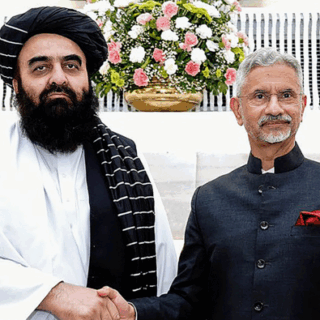
During his week-long visit to India in October 2025, Mawlawi Amir Khan Muttaqi, the foreign minister of the Islamic Emirate of Afghanistan, became the first high-ranking Afghan official to travel to the country since the fall of the Ashraf Ghani regime in August 2021. The minister who faced a travel ban was permitted to enter India after the UN Security Council Sanctions Committee approved a waiver application on his behalf [1]. His visit and its portents have sparked numerous commentaries across South Asia. India-Afghanistan relations, which had receded from the limelight post the 2021 Taliban takeover in Kabul, are now being viewed with renewed interest.

‘Afghanistan Map: courtesy Nations Online Project’
Afghanistan’s Enduring Importance
A glance at the map above shows why Afghanistan is called the ‘Heart of Asia’. A country for the most part rugged and mountainous, it borders seven nations – Iran, Turkmenistan, Uzbekistan, Tajikistan, China (Tibet at the tip of the Wakhan Corridor), India, and Pakistan- and sits at the crossroads of South, Central, and West Asia. The sheer geostrategic importance of this location, the multitude of tribal ethnicities and loyalties that transcend borders, and a fierce sense of independence have resulted in a turbulent history and the awarding of a less flattering designation: ‘Graveyard of Empires’. The most recent example is the defeat of the mighty Soviet Union by the Afghan Mujahedin, who were armed and aided by the West and trained by its proxy, Pakistan.
Another reason for interest in Afghanistan is its vast untapped mineral reserves, valued at over $1 trillion, located in 24 specific ‘areas of interest’ across the country’s 34 provinces[2]. With nations eager to diversify sources of critical minerals and rare earths, this represents a hugely attractive opportunity. Landlocked Afghanistan’s access to the Arabian Sea and Persian Gulf passes through Pakistan and Iran, respectively. This has implications for the West’s relations with both countries. Russia, seeking to consolidate influence in its neighbourhood, became the first country to recognise the Taliban regime in July this year. However, it is China that has arguably taken the lead in rehabilitating the Taliban regime globally. It has resumed full diplomatic relations by posting an ambassador in Kabul. To quote Shivam Shekhawat in his paper of July 2025, ‘…At the international level, Beijing has argued for Afghanistan’s reintegration and urged the international community not to interfere in its internal affairs. It has called for the removal of sanctions imposed on the Taliban leaders, the release of the country’s foreign reserves, and keeping aid independent from any political preconditions[3]. Also, it steadily expands its influence through trade. During the period August 2024 to August 2025, its exports to Afghanistan increased by 41.7% from $114 million to $161 million[4].
With its unbroken history of conflict since 1979 and the geopolitical, social, and economic consequences on its neighbours, Afghanistan remains crucial to regional stability. Zobair Solahi discusses this in his April 2022 paper, where he states, ‘..A stable and peaceful Afghanistan could be an integral actor in trade, transit, and political stability across the Eurasian continent, but continued unrest will undermine regional peace and stability…’[5] This perspective needs to be appreciated by those who hold reservations about India-Afghanistan relations and who attribute hidden motives to our development efforts aimed at improving the lives of the Afghan people.
The Situation Today
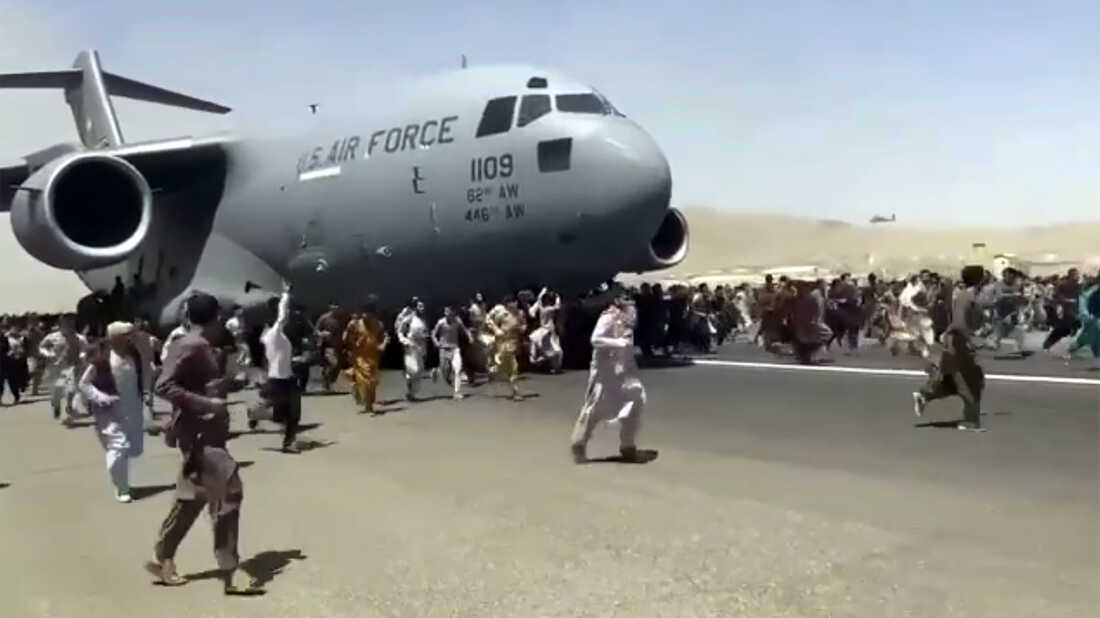
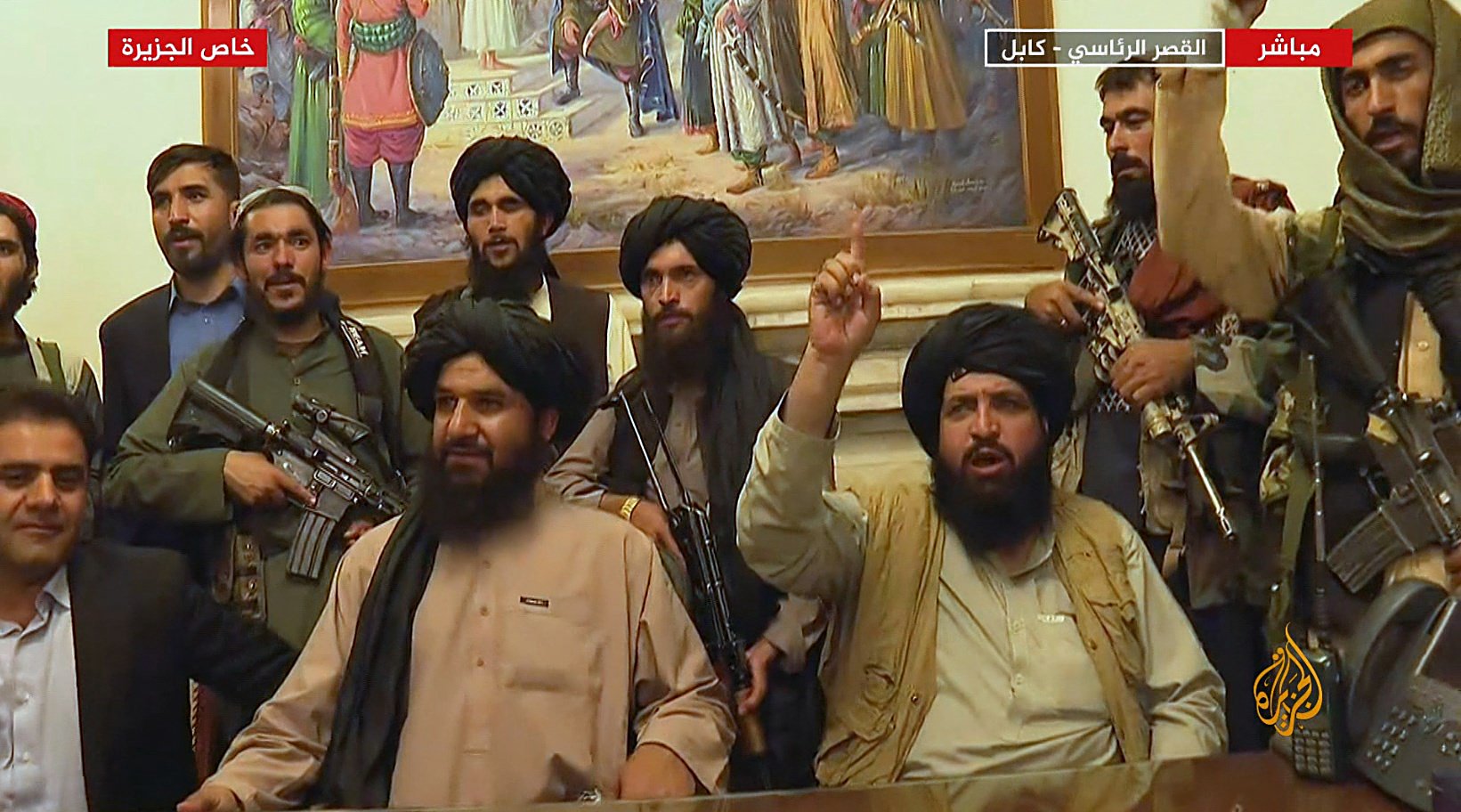
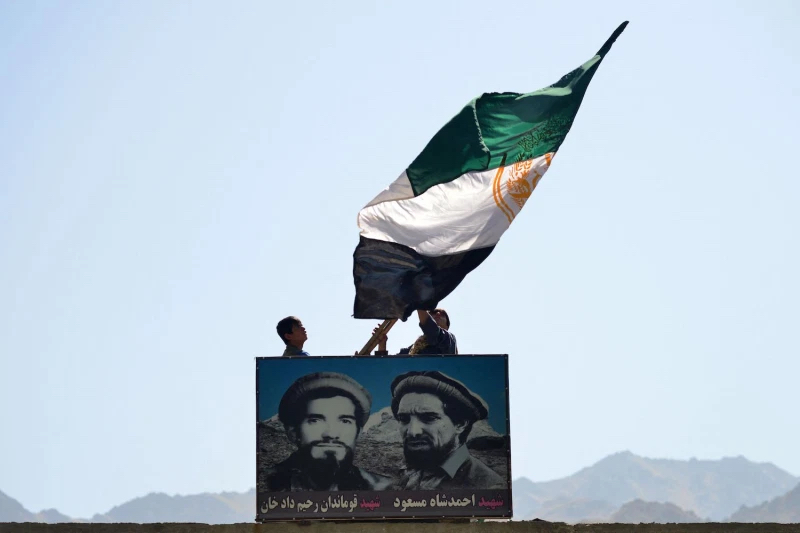
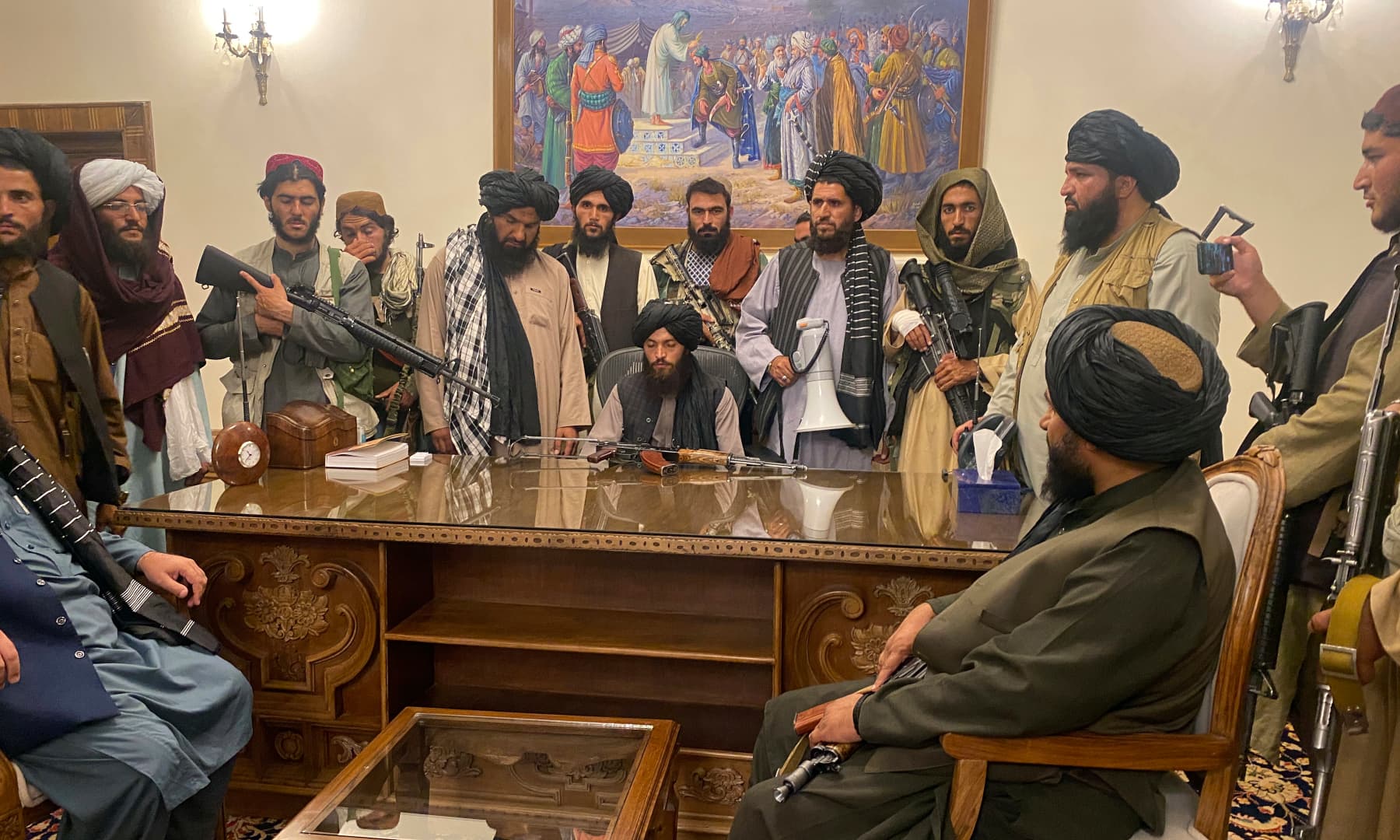
The reasons for the failure of Operation Freedom’s Sentinel (the US mission focused on counterterrorism and strengthening Afghan security forces) and NATO’s Operation Resolute Support are widely debated. What is not debated is the outcome – a Taliban regime that holds sway over the entire country. The new government (Taliban 2.0) now includes various factions of the Taliban militia, integrated into a new Afghan Army (AA). This AA has kept the structures of the old Afghan National Army (ANA) intact, replacing key commanders with Taliban loyalists. The AA has successfully sidelined a splintered opposition. While certain officials of previous regimes are eking out a quiet existence in Kabul under Taliban watch, warlords of past eras like Gen Rashid Dostum, now largely ineffective, live in exile. Younger men such as Ahmed Masood, son of the renowned ‘Lion of Panjsher’, Ahmed Shah Masood, lack both experience and influence. The few leaders of significance who still hold credibility, like former Vice President Amrullah Saleh, do not possess the resources to challenge the Taliban on a large scale needed to effect regime change. Although an armed opposition will continue mounting guerrilla actions against the Islamic Emirate, these are unlikely to lead to a change of government, at least in the medium term, and that too with extensive outside support, which is currently not forthcoming.
After its voluntary exit in 2021, the recent shift of the US towards Afghanistan has sparked much speculation. The US desire to retake the Bagram air base outside Kabul is being linked to a host of reasons, including the official one of monitoring Chinese nuclear assets across the Wakhan corridor. There may be other motives—such as using a strategic asset like Bagram to effectively oversee activities in Russia, Iran, and Pakistan, and even the possibility that the threat of retaking the base could be used to extract unspoken concessions from the Taliban. Nonetheless, it seems unlikely that the US would forcibly enter Afghanistan without the Taliban’s approval. More critically, even if a small American military presence is allowed by the Taliban, the implications of a superpower’s re-entry into the Heart of Asia will be significant, considering China’s and Russia’s footprints, and the situations in Iran and Pakistan. Afghanistan will once again be a key factor, with potential consequences for India.
India and Afghanistan
The Indian Embassy in Kabul. Original photo courtesy India Today, posted on KabulNow 22 October 2025
Although India downgraded its diplomatic presence in Kabul following the Taliban takeover, it maintained a ‘technical mission’ with minimal staff. After a four-year period of ‘wait and watch’, it became evident that the Taliban is now the sole governing force in Afghanistan. The longstanding history of friendly economic, developmental, and people-to-people ties, the shared strategic understanding with previous regimes dating back to 1947, and the current regional security concerns highlight the need to restore the relationship for the benefit of both nations. On its part, the Taliban is eager to once again secure Indian developmental assistance, especially amid the reduction of Western aid following criticism of the human rights situation in the country.
The outcome of this understanding is the visit of Mawlawi Muttaqi, an event of seminal importance. This was followed by the elevation of the technical mission in Kabul to the status of the Embassy of India on 21 October 2025[6]. Even a brief review of India’s assistance to Afghanistan over the years would reveal the substantial stakes India has in that country and the benefits it has gained in terms of goodwill. Areas of cooperation and assistance (including security collaboration) are well-known and numerous. It is to the credit of successive Indian governments that policy towards Afghanistan has remained consistent (except for a brief cooling period during the first Taliban regime and the current situation).
Understandably, India at this juncture does not want to be crowded out of Afghanistan, ceding all the space to others. To their credit, the Taliban have recognised the advantages of cooperation. Mawlawi Muttaqi struck the right chords in his media interactions in Delhi by answering all questions (including those about women’s rights from Indian women journalists). He has welcomed the return of Sikh and Hindu refugees (an unlikely event, considering that most have either obtained Indian citizenship or secured asylum in the West) and has echoed India’s stance on terrorism. Importantly, he has criticised Pakistan, blaming its policies for the unrest along the Durand Line. India, on its part, has announced six new development projects in Afghanistan, along with several other measures outlined by External Affairs Minister Mr Jaishankar during his meeting with Mawlawi Muttaqi[7]. Muttaqi has also requested increased trade, including via Wagah-Attari, for which Pakistan’s cooperation is vital. Given that countries with hostile relations continue to trade (Bangladesh and Myanmar being examples, with Bangladesh approving the import of 50,000 tonnes of rice from Myanmar under government-to-government agreements)[8], this is a proposal worth pursuing, especially with Chabahar under US sanctions and the economic unviability of a sustained air corridor for trade and commerce.
Importantly, on security issues, India and non-Taliban Afghan regimes have traditionally shared a similar outlook. With Taliban 2.0 promising to end the influence of terror organisations, including Al Qaeda and Islamic State, a stable Afghanistan could become a reality, benefiting regional stability. This would support Indian plans for trade corridors to Central Asia and beyond. It is clear that Afghanistan no longer considers Pakistan its benefactor, as shown by the changes in Afghan-Pakistani relations following the rise of Taliban 2.0. Actions such as Pakistan’s unilateral fencing of the Durand Line (allegedly even encroaching on Afghan territory in certain instances)[9], forcibly returning Afghan refugees, and border skirmishes culminating in Pakistani air strikes on Kabul, followed by the Doha ceasefire, are indicators. Currently, Pakistan’s prized ‘strategic depth’ through Afghanistan stands denied. This benefits India, as Pakistan must maintain heightened vigilance on two borders. If the Pakistani government recognises its constraints, a less hostile relationship with India might also be possible.
Conclusion
Optimists might argue that India-Afghanistan relations have come full circle over four years. However, there are vital differences in how the two nations approach ideology and governance. Despite claims to the contrary, gender and ethnic disparities in Afghanistan are too evident to overlook. Additionally, India must bear in mind that the opposition’s return to power could always be a possibility in the long run. Therefore, fully endorsing Taliban policies in the face of visible social instability in Afghanistan is neither wise nor desirable, as it conflicts with India’s longstanding views on such issues.
That said, the mere fact that such problems have been acknowledged by Taliban 2.0, even if somewhat vaguely, is a step forward. Also, given that the Taliban appear sincere in their determination to secure peace and improve their citizens’ standard of living, it is prudent for India to remain cooperative and avoid overinvolvement in such matters at this time. It is also likely that, over time, Indian influence on Afghanistan—whether through development, trade, security, health, or education—will have a positive impact on Afghan society, mainly through the younger generation of Afghans studying in India. With a combination of pragmatism and goodwill, this relationship is destined to benefit both nations.
End Notes:
[1]‘UNSC Panel Clears Muttaqi’s Travel, Paving Way for Taliban’s First Ministerial Trip to India’ The Wire 03 October 2025.
[2] ‘Mapping Afghanistan’s Untapped Natural Resources’ Mohammed Hussein and Mohammed Haddad Al Jazeera, 24 September 2021.
[3] ‘Understanding China’s Engagement with Afghanistan Under Taliban 2.0’ Shivam Shekhawat Issue Brief Issue No 816 July 2025 Observer Research Foundation.
[4] ‘ Website of the Observatory of Economic Complexity (OEC) China and Afghanistan trade figures’.
[5] ‘Afghanistan: A Junction of Asia’s Connectivity’ Zobair Salahi The National Bureau of Asian Research May 28, 2022
[6] Upgradation of the Technical Mission of India in Kabul to Embassy of India, Government of India, Ministry of External Affairs , media centre press release dated 21 October 2025 on website mea.gov.in
[7] EAM’s opening remarks during meeting with Foreign Minister of Afghanistan (October 10, 2025)’ Government of India, Ministry of External Affairs media centre speeches and statements on website mea.gov.in
[8] 100,000 tons of rice to be imported from Myanmar, Dubai, Dhaka Tribune, 22 October 2025, Tribune Desk.[4] ‘ Website of the Observatory of Economic Complexity (OEC) China and Afghanistan trade figures’.
[9] ‘The Durand Line and the Fence: How are communities managing with cross-border lives?’ Sabawoon Samim, Afghanistan Analysts Network , Regional Relations , April 2024.
Feature Image Credit: www.arabnews.com