Tag: Public Health

  • “Aapada mein Avasar”: Examining India’s Engagement with the International Community Amidst the Pandemic

    “Aapada mein Avasar”: Examining India’s Engagement with the International Community Amidst the Pandemic

    [powerkit_button size=”lg” style=”info” block=”true” url=”https://admin.thepeninsula.org.in/wp-content/uploads/2022/05/TPF-Issue-Brief-Aapada-mein-Avasar-1_compressed-2.pdf” target=”_blank” nofollow=”false”]
    Download PDF
    [/powerkit_button]

    Abstract

    Health security has often been considered an issue of “low politics”. However, in the past two years, the global economy has suffered the most since the Great Depression and global supply chains have been hampered. The developed countries were caught off-guard at par with the rest of the world with global resource inequities at display. As the developed world resorted to “medicine nationalism” and “vaccine nationalism,” their credibility as “global leaders” was sharply questioned. Amidst this, the allegations of the pandemic’s origins generated reactions from an emergent China which stopped concealing its geopolitical ambitions and adopted an unapologetically aggressive posture. Moreover, the credibility of a prominent international organization, the World Health Organization, in terms of its inability in notifying and managing the pandemic was heavily criticised. Each of these occurrences having emerged from a global health crisis has unexpectedly altered the prioritization of matters in the international order, and thereby international diplomacy.

    With the developing and least developed countries deprived of critical medical supplies due to hoarding by developed countries – India’s active engagement in medical diplomacy in the initial phase garnered international appreciation. While it cannot be looked at in a transactional sense, it visibly helped India push for its geopolitical interests in the middle of a global crisis – finding the adequate avasar (possibilities) in the ongoing aapada (crisis). Although flaws on the domestic front existed during the first wave, their impact on India’s medical diplomacy was limited. However, a domestic crisis during the second wave turned out to be an eye-opener and prominently impacted foreign policy initiatives. Considering the lessons so learnt and applied in managing the third wave, this paper examines the tremendous domestic potential of India, while also looking at its historical legacy. In doing so, it emphasises the relevance of domestic affairs as a determinant of successful medical diplomacy outreach – thereby impacting the larger foreign policy objectives.

    Introduction

    While health security has often been relegated as a low-priority issue in the geopolitical landscape, the last two years have unprecedentedly changed everything. A majority of developed nations have appeared helpless in managing the human catastrophe thereby resorting to vaccine and medicine protectionism. To put this on record, over six million people worldwide have lost their lives (COVID Live – Coronavirus Statistics, 2022) during these two years – with the maximum number of lives lost in the United States of America. The global economy has suffered the most since the Great Depression as a fallout of extended total lockdowns that hampered global supply chains. Moreover, an unexpected, unrealised over-dependency of global supply chains on a single country’s economy – China – caught the international community unprepared. Gradually, newer possibilities and threats have emerged through a changing character of the global economy, society, as well as politics and warfare – each of these shifting to the virtual domain.

    [powerkit_button size=”lg” style=”info” block=”true” url=”https://admin.thepeninsula.org.in/wp-content/uploads/2022/05/TPF-Issue-Brief-Aapada-mein-Avasar-1_compressed-2.pdf” target=”_blank” nofollow=”false”]
    Read More
    [/powerkit_button]

    Feature Image Credits: ABC

  • Climate Change: A Review of the Rural Electrification Policies and Barriers to adopting Renewable Energy in Rural India

    Climate Change: A Review of the Rural Electrification Policies and Barriers to adopting Renewable Energy in Rural India

    Energy is crucial for a country’s growth and sustainable development. But over one-third of the world’s population, mostly consisting of people in rural areas of developing countries, do not have access to clean, affordable energy.

    The climate crisis is a battle that countries have been fighting for decades now. The policies and strategies developed by different countries have helped in small ways in achieving their energy and climate goals. One strategy among all countries is the development and improvement in the use of renewables. Various studies, across different fields, have shown us the need for countries to shift to this alternative set of energy sources that will sustain life in the long run. The use of renewable energy in both urban and rural areas should be monitored and developed to achieve the sustainable development goals that countries have vowed to achieve.

    Energy is crucial for a country’s growth and sustainable development. But over one-third of the world’s population, mostly consisting of people in rural areas of developing countries, do not have access to clean, affordable energy. This is an important factor contributing to the low standards of living in rural areas of developing countries.

    In India, more than two-thirds of the population live in rural areas whose primary source of income is agricultural activities. But a large proportion of the rural population does not have consistent access to energy. To this population, new alternative sources of energy remain unaffordable and inaccessible due to poverty and lack of adequate infrastructure, respectively. Hence, we find that the rural populations continue to use traditional sources of energy such as coal, fuelwood, agricultural waste, animal dung, etc. Not only do these cause pollution and quick erosion of natural resources, but they impact negatively on people’s health. The need for transitioning to the use of renewable energy, especially in the country’s rural areas is of prime importance. But, to achieve this, the government must bring out policies that will guide this transition. Moreover, it is important that the government positively supports companies – both private and public – that generate the required technology and research that transforms the available renewable energy sources into energy that the public can consume.

    Rural Electrification in India

    The Electricity Act of 2003 enabled the building of electricity infrastructure across the rural and remote regions of the country and thus, easy access to electricity for most of the people. The Indian Government launched the Rajiv Gandhi Grameen Vidyutikaran Yojana (RGGVY) in 2005, to extend electricity to all unelectrified villages. The programme focused largely on developing electrification infrastructure across villages in India and providing free connections to all rural households living below the poverty line. Further, state governments received a 90% grant from the central government which aided in extending electrification infrastructure to over one lakh villages during the period 2005–2013. Moreover, the central government worked towards increasing implementation efficiencies by engaging central PSUs in some states.

    In 2015, the NDA Government launched the Deen Dayal Upadhyaya Gram Jyoti Yojana (DDUGJY) under which, the villages that remained un-electrified under the RGGVY, were electrified. The scheme has also been significant in supporting distribution networks in rural areas, largely concerning metering distribution transformers, feeders, and consumers in rural areas (Gill, Gupta, and Palit 2019).

    The central government further introduced standalone mini-grids programs, under the DDUGJY in 2016. Guided by the National mini-grid policy, State governments also contributed through various mini-grid policies to promote decentralised renewable energy solutions. Further, the Unnat Jyothi Affordable LEDs for All was introduced to encourage the efficient use of energy and under this scheme, LED bulbs were distributed to all households with a metered connection at subsidised rates. The Ujwal DISCOM Assurance Yojana was also introduced under the DDUGJY to allow a financial turnaround and operational improvement of Discoms. According to the UDAY scheme, discoms were expected to improve operational efficiency and bring AT&C losses down to 15%.

    While the schemes were successfully implemented then, the rate of rural household electrification was still slow. Evaluations of the schemes found various limitations, such as high upfront connection costs, poor quality of supply, poor maintenance services, to name a few. Additionally, some states had also started initiating their electricity-access programmes to accelerate the electrification process, such as the West Bengal Rural Electrification Programme, the Har Ghar Bijli scheme in Bihar, the Bijuli Bati mobile-based app to enable last-mile connectivity and household connections in Odisha (Gill, Gupta, and Palit 2019). To address this issue, the central government then launched the Pradhan Mantri Sahaj Bijli Har Ghar Yojana (PM Saubhagya) in September 2017, with the ambitious target of providing electricity connections to all un-electrified rural households by March 2019. Under this scheme, the government has electrified all of 597,464 census villages in the country (Bhaskar 2019).

     Barriers to adopting Renewable Energy in Rural Areas

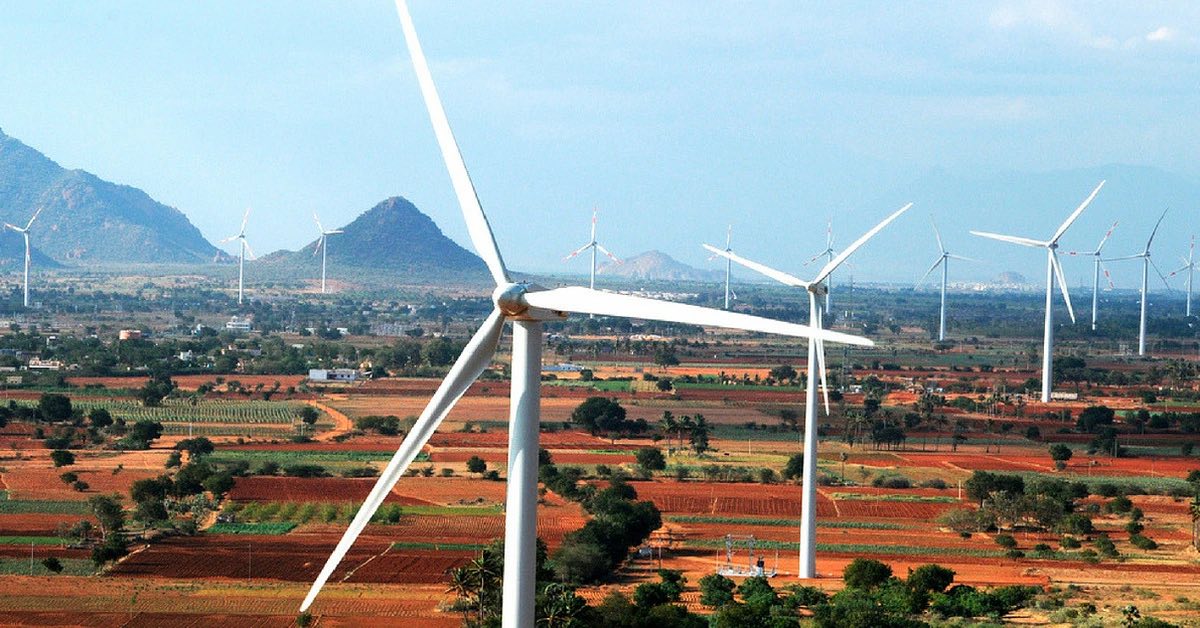
    This section focuses on the issues that restrict the efficient adaptation of renewable energy in rural areas. As the government continues to promote renewable energy in rural communities, it should keep in mind these following limitations and develop mechanisms to overcome them as and when they arise. While employing renewables to supply electricity, the problem of grid integration arises. Most electricity grids and the technology used, are designed and placed around fossil fuels. However, when they transition now to more non-conventional forms of energy such as wind and solar, the designs and placements of power generation systems have to change rapidly. Thus, heavy emphasis should be placed on improving the research and infrastructure required to make this transition as smooth as possible. That is, the government should research the most optimal locations for wind turbines and solar panels, as not all lands in rural areas can be employed for this purpose. Otherwise, it may negatively impact the quality of agricultural lands. Upon conducting the required research, the infrastructure to connect all areas to the electricity grids must be developed and well-financed by the government to satisfy the energy demands of the rural population. For instance, in Germany, while the wind power potential is in the northern regions, major demand for it is in the southern region. Thus, the country’s energy transition process emphasizes upgrading the electricity grid infrastructure that would make it possible for power to flow from north to south (UNCTAD 2019). Further, the planning should also focus on balancing the energy mix in the power grid. The transition to renewables will not be a quick one, which implies that for the short term the power grid will be a mix of different sources of energy. Thus, the plans should design the grids in such a way that the proportion of each energy source balances one another so that there is no leakage or wastage in the system, especially given the fact that energy storage technology is still underdeveloped in the country.

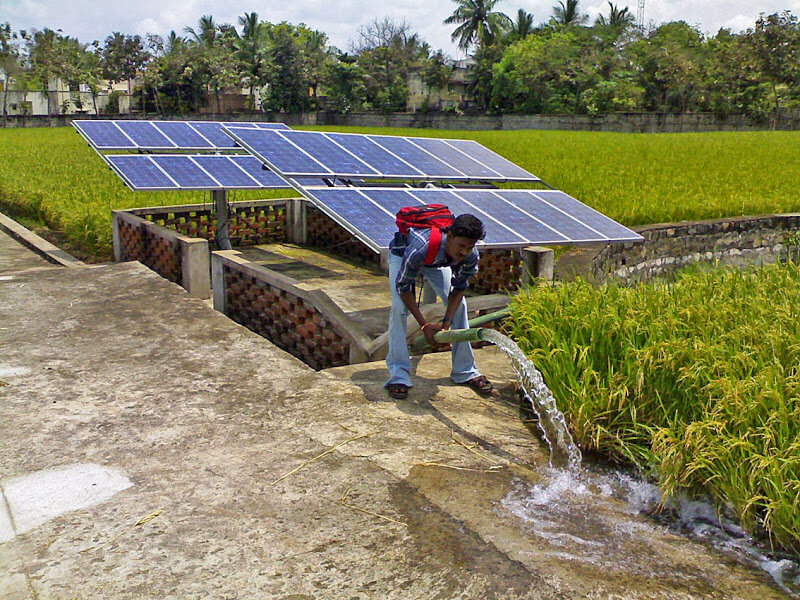
    For many years now, there has been an emphasis on the potential of decentralised electricity comprising off-grid or mini-grid systems to help with rural electrification. The government introduced a national mini-grid policy in 2016 to promote decentralised renewable energy. With the increase in the use of solar energy, solar-powered mini-grid systems were found to be more economical and accessible to rural households (Comello et al. 2016). These systems could substantially improve the people’s standard of living and eliminate the use of harmful fuels such as kerosene oil for simple household appliances such as lamps and cooking stoves. However, an IEA report found evidence that this potential is limited, and would not be beneficial for large, productive, income-generating activities. Thus, mini-grids are often considered a temporary solution, until grid connectivity is achieved (IEA 2017).

    Whether a grid system or an off-grid system is implemented, high connection charges will automatically limit the rural population’s ability to connect to the grid.

    A major challenge that the government must keep in mind is affordability. Whether a grid system or an off-grid system is implemented, high connection charges will automatically limit the rural population’s ability to connect to the grid. On the one hand, better access to electricity will increase productivity and lead to the growth and development in the region but on the other hand, most of the rural communities live below the poverty line and will not be able to afford the connection, even if they have access to it. While decentralised energy sounds economical and sounds like an obvious solution, it is also limited in capacity.

    Another factor that the government must keep in mind for the adaptation of renewable energy in rural areas is the situation of state and private distribution companies (discoms) in India that play a pivotal role in the rural electrification process. While the government set the goals and adopted a strategy to electrify all rural households under the Saubhagya scheme, it was the discoms’ responsibility to implement these strategies and achieve the goals. A TERI report found that the discoms had difficulty carrying out the electrification process because the strategy adopted by the government had not considered the difference in demographics in the rural areas (Gill, Gupta, and Palit 2019). That is, each area differs in population size, density, and topography and the discoms found it hard to implement a similar strategy to all places alike. Moreover, the financial status of many state-run discoms has been stressed over the past year due to increasing losses and lack of adequate support from the respective State governments. Over the past year, dues to power generators have increased to Rs 1.27 trillion (Economic Times 2021). The annual 2021 budget’s outlay of over Rs 3 trillion, to be spent over five years, to improve the viability of state-run discoms, is a step in the right direction. The TERI report also found that discoms face institutional burdens in the electrification process (Gill, Gupta, and Palit 2019). The companies are most often strapped for time and must deal with huge amounts of paperwork. Simultaneously, they have to be physically present to install the necessary infrastructure and manage the labour employed in different states. In the end, it remains to be seen how the discoms will manage to monitor and review the electricity infrastructure in the rural areas, especially given the huge amounts of debt that they are trapped in.

    The government must also work towards increasing and incentivising private sector participation. While the private companies were interested in taking up tenders for the production of electricity through renewable energy sources in the past, the recent withdrawal of benefits such as accelerated depreciation has been a cause for concern. Companies like Suzlon Energy Ltd. face lower returns on their investment, thus deterring them from investing in future projects. Removal of benefits also discourages smaller companies that are looking to invest in this sector as it increases not only the cost but uncertainty about the government’s policies. Companies will refrain from investing if they do not anticipate a high return in the future. For grid connection systems to be successful and efficient in the long term, the government must ensure a strong governance structure, and a stable and enabling policy environment that constantly encourages fresh private sector participation. Concerning the rural electrification process, the government must encourage private sector participation because it would complement the public sector companies thus sharing the burden of production, installations, and technology as well as the process of maintenance and regular checks once the grid connection is complete.

    A shift to renewable energy in rural areas will no doubt have a positive impact on the health and well-being of the population. It will also improve the standard of living and in most cases, the productivity of the people. But the change has to be a gradual process. Even if renewable energy and electricity are affordable and accessible to the people, alternative cooking fuels and technology will take time to be accepted in practice as they may not have the same performance quality as traditional stoves and appliances that the people are used to. To overcome this hurdle, the government must ensure that the policies formed will guide the adjustment to renewables for many years to come. Moreover, the government must spread knowledge and awareness about the benefits of shifting to appliances that are sourced through renewable sources of energy. Besides, some rural households collect firewood for not just individual consumption but also to sell it (IEA 2017). This is a source of income for these households hence, the government should tread carefully when they implement programs that seek to reduce the collection and use of firewood. For years now, the government has promoted and subsidised the use of LPG within rural communities, as an alternative for other harmful sources of energy. While it has helped improve people’s health to some extent, it would be beneficial for the government to gradually nudge the decrease in the use of LPG and increase the use of renewable alternatives. Apart from the definite benefits to the environment, such a change would serve to reduce the rural-urban energy gap in India.

    The shift to renewable energy sources holds huge amounts of risks and uncertainty. But, despite this, there is a need to make long-term, accurate forecasts of energy demand and develop drafts of policies beforehand that would guide the process of supplying energy to satisfy the demand. Energy supply projects necessitate this because they have long gestation and implementation periods. With the climate crisis advancing rapidly, it would serve the government well to be prepared.

    International Collaboration

     International cooperation can play a crucial role in expanding the distribution of renewables. It can help countries benefit from shared infrastructure, technology, and lessons. The challenge thus lies in designing policies that will facilitate this technology and infrastructure transfer, especially in countries where the renewable energy sector is emerging. International organizations such as the Commission on Science and Technology for Development can play an important role in supporting such collaborations. Policies should also facilitate mechanisms that will help improve the current capabilities in developing countries.

    For instance, the Indo-German Energy Programme – Access to Energy in Rural Areas was signed to create a favourable environment for rural renewable energy enterprises so that they can provide easily accessible energy services to the rural population.

    The bilateral collaboration brought in local and international professional expertise to support private sector development, to identify and improve viable sources of finance, and to help design government schemes to achieve sustainable energy security and provide clean cooking energy solutions to the rural population. The GIZ – the German Corporation for International Cooperation – worked closely with India’s Ministry of New and Renewable Energy (MNRE) to successfully implement the program. The program succeeded in training more than 10,000 professionals to qualify as energy auditors. It has also helped increase private sector investment and develop a calculation to determine the CO2 emissions for the Indian electricity supply grid.

    Way Forward

     Research and innovation are essential to improve renewable options for producing clean cooking fuel. There is also a need for location-based research to produce appropriate workable technologies. Long-term policies and outcomes are important to consider. So, conducting significant research will not only help understand the present conditions but will also help policymakers make informed decisions in the future. It is also important to educate and communicate to the rural population about the relative advantages of using modern energy sources over traditional sources. For instance, consumers may be unaware of the health impacts of using traditional sources of energy for cooking. Moreover, they may distrust conventional alternatives due to their unfamiliarity with them. Thus, the responsibility falls on the government to properly inform them of the need for the shift to renewables and curb the spread of misinformation.

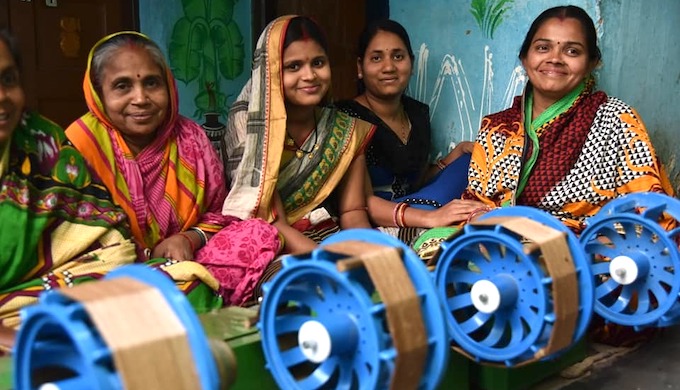
    Further, alternative solutions will only succeed if they are established in cooperation with the local users. “The women in rural areas play an important role when it comes to energy transition” (IEA 2017). Several initiatives such as the Global Alliance for Clean Cookstoves, SEforALL, and ECOWAS address the joint issues of gender empowerment, energy poverty, health, and climate (IEA 2017). Training and capacity building are key to the shift to renewable sources of power. And in rural energy applications, this can be improved by taking into account the gender issues that plague society. There is a high possibility that rural engineers, once trained, might migrate to urban areas in search of more lucrative work. In response to this, the Barefoot College International Solar Training Programme takes a different approach to capacity-building in rural areas and trains the grandmothers in villages who are more certain to stay and help develop the community.

    a shift to clean energy in rural areas that houses the section of the population that lives below the poverty line will be more successful if it is seen as a strategy to broaden community development.

    Thus, a shift to clean energy in rural areas that houses the section of the population that lives below the poverty line will be more successful if it is seen as a strategy to broaden community development. This includes higher employment, better infrastructure, roads, and telecommunications.  This process requires careful design of policies and the establishment of a supportive environment that includes not just innovative business models but also maintenance systems that will sustain the development in the long run.

    Conclusion

     To summarize, rural electrification and the transition to renewable energy in rural areas have been a part of the government’s agenda for many years now, irrespective of the ruling party at the centre. Necessary policies have been introduced to guide the process. While it is great that the government recently achieved universal electrification, it remains to be seen whether the quality of power provided to these villages meets the needs of the population. Further, in this process, state-owned discoms have taken a serious financial hit and it is a tough road to recovery from here. Adding on, the COVID pandemic has slowed down the development and recovery of these discoms. The government should first increase budget outlays in the following years and create a system to monitor the use of these finances. Second, it could turn to privatisation. Privatising discoms on a larger scale would reduce the financial and risk burden on the government and ensure efficient functioning of the companies. Additionally, it is important that while policies are being designed, the deciding parties have a complete understanding of the socio-economic situation of the communities within which they will make changes. To do this, experts who have studied the layout of these rural areas extensively should be involved in the process, along with leaders from the respective districts who are bound to be more aware of the situation and the problems in their areas. More importantly, the government should keep the process of the transition to alternative energy sources transparent and keep an open line of communication with the rural population to earn their trust before they make significant changes. Finally, India is one of the largest consumers of different renewable sources of energy. While it is important to make changes to the policies in this sector, it is also imperative that the government tries to maintain stability in policies that support the companies which help satisfy the growing energy demand in the country.


    References

    1. Bhaskar, Utpal. 2019. “All villages electrified, but last-mile supply a challenge.” mint, December 29, 2019. https://www.livemint.com/industry/energy/all-villages-electrified-but-last-mile-supply-a-challenge-11577642738875.html.
    2. Comello, Stephen D., Stefan J. Reichelstein, Anshuman Sahoo, and Tobias S. Schmidt. 2016. “Enabling Mini-grid Development in Rural India.” Stanford University. https://law.stanford.edu/wp-content/uploads/2016/04/IndiaMinigrid_Working_Paper2.pdf
    3. Economic Times. 2021. “Discom debt at Rs 6 trillion; negative outlook on power distribution: ICRA.” The Economic Times. https://economictimes.indiatimes.com/industry/energy/power/discom-debt-at-rs-6-trillion-negative-outlook-on-power-distribution-icra/articleshow/81431574.cms?from=mdr.
    4. Gill, Bigsna, Astha Gupta, and Debajit Palit. 2019. “Rural Electrification: Impact on Distribution Companies in India.” The Energy and Resources Institute. https://www.teriin.org/sites/default/files/2019-02/DUF%20Report.pdf.
    5. IEA. 2017. “Energy Access Outlook: From Poverty to Prosperity.” International Energy Agency. https://www.iea.org/reports/energy-access-outlook-2017.
    6. UNCTAD. 2019. “The Role of Science, Technology and Innovation in Promoting Renewable Energy by 2030.” United Nations Conference on Trade and Development. https://unctad.org/system/files/official-document/dtlstict2019d2_en.pdf.

    Feature Image: The Better India 

    Image 1: www.alliancemagazine.org

    Image 2: indiaclimatedialogue.net

  • (Part-II) Proposing a Legal Framework for Distribution of the COVID-19 Vaccination

    (Part-II) Proposing a Legal Framework for Distribution of the COVID-19 Vaccination

    I.   Reassessing Vulnerabilities During a Pandemic

    A general problem across all conventional models is their failure to understand that vulnerabilities during a pandemic are created and compounded by socio-economic factors too. Therefore, there is a need to adopt approaches that holistically assess the correlation between socioeconomic factors and vulnerability during a pandemic.[1]

    The Syndemics Approach

    Under this approach, pandemics are understood as an interaction of that disease with other diseases and the socio-economic and political factors that increase the risk of vulnerability.[2] All these factors synergistically interact to impact the health of individuals and society. Through these risk factors, it identifies the overlapping health and socio-economic problems that increase vulnerability (‘syndemic vulnerabilities’). The socio-economic risk factors are influenced by social determinants of health, i.e., the conditions of housing, food, employment, healthcare, and education.[3] Therefore, the utility of this approach lies in its holistic conception of socio-economic factors that impact the formation, clustering, and progression of diseases.[4] Using this approach, I argue that the COVID-19 pandemic has synergistically interacted and exacerbated the existing diseases and socio-economic conditions of marginalized groups across countries.

    Higher Risks of Infection, Transmission, and Mortality: Typically, due to historic discrimination and denial, marginalized communities have a greater number of pre-existing diseases like diabetes and asthma,[5] which in turn elevates their risk of infection and mortality. Moreover, there is unequal access to healthcare among marginalized communities due to the high costs of medical care and the absence of health insurance.[6] Marginalized communities are also disproportionately poor,[7] which affects their ability to mitigate the impact of the pandemic.

    Typically, marginalized communities are housed in crowded neighbourhoods with smaller houses that lack outside space.[8] They also have higher population densities, especially in urban areas, and lower access to communal green space.[9]Due to historic discrimination, marginalized communities are over-represented in essential services, including low-wage healthcare sectors and sanitation jobs.[10] This reduces their ability to work from home, and thus increases their risk of infection and transmission. Marginalized communities are more likely to take public transportation,[11] which further increases their risk of infection and transmission.

    These syndemic vulnerabilities have increased the risk of mortality among these marginalized communities. For instance, in America, the mortality rate of African-Americans and Indigenous/Latino communities is 3.4 times and 3.3 times higher than a non-Hispanic White person.[12] Evidence from past epidemics/pandemics shows that the rates of infection and mortality are always disproportionately higher among marginalized communities.[13]

    Greater Socio-Economic Disruption: Due to a lack of quality education, members of marginalized communities tend to work in lower-wage jobs in the informal sector, which has been worst hit by the pandemic.[14] The percentage fall in employment for marginalized communities has been far greater, indicating that education was a protective factor in the first wave of job losses.[15] Consequently, there has also been greater housing evictions among these communities.[16]The access to quality education for children in marginalized communities has also been severely impacted because they lack access to the internet,[17] affecting their ability to access education. Moreover, low literacy among adults in marginalized communities indicates their inability to assist their children with any form of home learning.[18]

    Therefore, the increased syndemic vulnerabilities of marginalized communities and the consequent disproportionate socio-economic disruptions of the pandemic on them necessitate a greater strive for their inclusion in distributing the vaccine. Early access to such vaccines allows these groups the opportunity to proportionately mitigate these vulnerabilities and disruptions.

    Intersectionality

    Presently, vulnerabilities among individuals are dominantly viewed from a single-axis framework. This ignores the multiple layers and experiences of vulnerability, resulting from an interplay of power structures and different social identities, held by one individual. This ignorance is avoided when using intersectionality, which is an analytical framework that explains how different social, economic, and political identities overlap to create different modes of discrimination and privilege.[19] Thus, it explains how certain individuals in the population are relatively more disadvantaged than others.[20] Intersectionality not only provides a multi-layered understanding of vulnerabilities during a pandemic but also helps prioritize distribution within an identified category, given the scarcity of vaccines.


    II.   Proposing a Multi-Value Ethical Framework

    Given its rational criteria, incorporating utilitarianism’s clinical risk factors is quite valuable. However, as argued, vulnerability during a pandemic is also determined by socioeconomic risk factors. Therefore, there is a need to adopt a multi-value approach that incorporates both clinical and socio-economic risk factors. I propose to do so by simultaneously prioritizing the values of ‘collective wellbeing’ and ‘justice’.

    Borrowed from utilitarianism is the value of ‘collective wellbeing’, which aims at maximizing benefits and minimizing harms. Flowing from a syndemic conception of COVID-19 is the value of ‘justice’, which aims at reducing health inequities and treats like people alike. These values are not necessarily always distinct, but their overlap over one parameter indicates a stronger justification. They can be operationalized using an ‘intersectional multi-parameter weighted framework’.

    Operationalizing Values

    The framework is constructed through three layers: (1) for each risk parameter, there is (2) a value-based justification, along with (3) its extent of weightage. The risk parameters are viewed from an intersectional power axis, with value justifications sourced from clinical and syndemic vulnerabilities. The weightage typically connotes a three-point scale, where 3 indicates the highest priority, and 1 indicates the lowest. The priority order is based on the greatness of one’s total score. The lottery method should only be used as a tie-breaker when the score is the same, and no more doses are presently available.

    Age:    Older people are at a significantly higher risk of infection and severe morbidity or mortality due to physiological changes associated with ageing. Globally, more than 95% of COVID-19 deaths were among individuals aged 60 and above. Even among older people, more than half of all deaths occurred in people aged 80 and above.[21]

    Therefore, in descending order, weightage must be given to individuals above 80 years, individuals between 60-80 years, and individuals between 40-59 years.

    Comorbidities:          Depending on the country, between 48-75% of COVD-19 deaths are associated with existing comorbidities. Those with comorbidities are also at moderately higher risk of infection.[22]

    The prioritization has to be categorized based on the severity of the comorbidity, in contracting the infection and causing death. Therefore, in descending order, higher weightage must be given to severe comorbidities, moderate comorbidities, and mild comorbidities. The severity in infection and mortality is different for countries due to distinct socio-economic realities and evolutionary biology. Therefore, this identification and classification need to be uniquely undertaken. However, as a general rule, it is almost universal for HIV, cancer, and most cardiovascular diseases to be severe comorbidities.[23]

    Profession:     Prioritizing frontline healthcare, sanitation, and defence workers are justified because they engage in services, whose absence has the greatest negative societal impact- whether on health, safety/security, or economy. They are also in constant contact with areas and people having the greatest risk of infection. Therefore, protecting them has a multiplier effect, in that their ability to remain uninfected protects the health of others and minimizes societal and economic disruption. Since the state obligates these workers to work in risk conditions, while everyone else is working from home, it is further obligated to protect them.

    Therefore, in descending order, priority must be given to frontline workers, workers in other essential sectors, and workers in non-essential sectors.

    Income:          One’s economic status affects their ability to access healthcare, thus results in higher rates of mortality and severe morbidity.[24] The syndemic approach reveals that poverty compounds one’s syndemic vulnerability.

    Therefore, in descending order, priority must be given to individuals with low-income, middle-income, and high-income.

    Ethnic Identity:         The syndemic approach reveals that marginalized communities are at a greater risk of infection, transmission, and mortality. They are also worst affected by the pandemic, which further compounds their vulnerability. Given these vulnerabilities, prioritized vaccine access to marginalized communities also helps reduce all three risks among the general population.

    The prioritization criteria would depend on the marginalized communities within a country and the extent of their syndemic vulnerabilities. For instance, in America, the syndemic vulnerabilities are greatest for African-Americans, followed by the Indigenous/Latinos communities, and then Pacific Islanders.

    Conclusion

    The conventional models of vaccine distribution are unethical towards disadvantaged groups. While neoliberalism completely ignores the distributive function of law, utilitarianism, lottery, and FCFS at least acknowledge this. However, their criterion of distribution ignores socio-economic vulnerabilities. This ignorance can be addressed using a syndemics approach and intersectionality.

    The syndemics approach explains the socio-economic risk factors that disproportionately disadvantage marginalized communities, both medically and socio-economically. Intersectionality provides a layered understanding of how vulnerabilities affect people, even those in the same group, differently. Using these approaches, I propose a multi-value ethical framework that balances the pragmatic considerations of medical utilitarianism with greater social inclusion. It operationalizes the values of these ethical systems through the priority order generated under an ‘intersectional multi-parameter weighted framework’.


    Notes:

    [1] While each country has different marginalized groups, the patterns of vulnerability explored are similar. Thus, marginalized groups have been generally analyzed hereinafter.

    [2] Merrill Singer, Nicola Bulled, et al, ‘Syndemics and the biosocial conception of health’ (2017) 389 Lancet 941, 941-943.

    [3] Clare Bambra, Ryan Riordan, et al, ‘The COVID-19 pandemic and health inequalities’ (2020) 1 J Epidemiol Community Health 964, 965.

    [4] Singer (n 23) 948.

    [5] Harleen Kaur, ‘Indirect racial discrimination in COVID-19 ethical guidance’ (BMJ Blog, 27 August 2020) <https://blogs.bmj.com/covid-19/2020/08/27/indirect-racial-discrimination-in-covid-19-ethical-guidance/> accessed 8 January 2021.

    [6] Bambra (n 24) 965-966.

    [7] Melanie Moses, ‘A Model for a Just COVID-19 Vaccination Program’ (Nautilus, 25 November 2020) <http://nautil.us/issue/93/forerunners/a-model-for-a-just-covid_19-vaccination-program> accessed 8 January 2021.

    [8] Tonia Poteat, ‘Understanding COVID-19 Risks and Vulnerabilities among Black Communities in America: Syndemics’ (2020) 47 Annals of Epidemiology 1, 3.

    [9] Bambra (n 24) 966.

    [10] National Academies (n 16) 30-31.

    [11] ‘Beyond the data: Understanding the impact of COVID-19 on BAME groups’ (2020) Public Health England Report, 22-23 <https://assets.publishing.service.gov.uk/government/uploads/system/uploads/attachment_data/file/892376/COVID_stakeholder_engagement_synthesis_beyond_the_data.pdf> accessed 8 January 2021.

    [12] Harald Schmidt, ‘Is It Lawful and Ethical to Prioritize Racial Minorities for COVID-19 Vaccines?’ (2020) 324 JAMA <https://jamanetwork.com/journals/jama/fullarticle/2771874> accessed 8 January 2021.

    [13] Bambra (n 24) 967.

    [14] Shruti Srivastava, ‘Millions Escaped Caste Discrimination. Covid-19 Brought It Back’ (Bloomberg Quint, 21 August 2020) <https://www.bloombergquint.com/politics/millions-escaped-caste-discrimination-covid-19-brought-it-back> accessed 8 January 2021.

    [15] Ashwini Deshpande, ‘Differential impact of COVID-19 and the lockdown’ (The Hindu, 22 August 2020) <https://www.thehindu.com/opinion/lead/differential-impact-of-covid-19-and-the-lockdown/article32416854.ece> accessed 8 January 2021.

    [16] Schmidt (n 33).

    [17] Deshpande (n 36).

    [18] Ibid.

    [19] Olena Hankivsky, ‘An intersectionality-based policy analysis framework’ (2014) 13(119) Intl J Equity in Health 1, 2.

    [20] Ibid.

    [21] ‘Supporting older people during the COVID-19 pandemic’ (WHO, 3 April 2020) <https://www.euro.who.int/en/health-topics/health-emergencies/coronavirus-covid-19/news/news/2020/4/supporting-older-people-during-the-covid-19-pandemic-is-everyones-business> accessed 8 January 2021.

    [22] Awadhesh Kumar, ‘Impact of COVID-19 and comorbidities on health and economics’ (2020) 14(6) Diabetes Metab Syndr 1625, 1626-1627.

    [23] Ibid.

    [24] National Academies (n 16) 68-77.


    Image Credit: One India

  • Proposing a Legal Framework for Distribution of the COVID-19 Vaccination [Part I]

    Proposing a Legal Framework for Distribution of the COVID-19 Vaccination [Part I]

    Introduction

    Distributing the COVID-19 vaccination has been touted as the biggest policy decision in 2021. This stems from the utility and efficacy of vaccines in immediately addressing pandemics. Specifically, the COVID-19 vaccination not only protects the injected person, with a 70%-95% efficacy[1] but also provides ‘herd immunity’.[2] That is, the non-injected population is also benefited due to a reduced risk of transmission and infection, so long as 70% of individuals in society are vaccinated. Therefore, access to the vaccine determines how much and for whom the adversity of the pandemic is mitigated.

    Currently, most vaccine developers are in the final two phases of clinical trials, with some, like Pfizer/BioNTech’s and Oxford University/AstraZeneca’s, already receiving ‘emergency use authorization’ from multiple countries. Most countries have prepared a ballpark action plan for distribution, while the United Kingdom has already vaccinated more than 3.5 million people.[3]

    In this paper, I evaluate the most ethical framework for distributing COVID-19 vaccinations, amongst the population of one country, by its government. I address this question from the perspective of marginalized communities, using the approaches of realism, syndemics, and intersectionality. In Part I of this article, I will evaluate the conventional models for vaccine distribution. In Part II, I will provide an alternative framework for reassessing vulnerabilities during a pandemic, and propose a multi-value ethical framework.

    1. Evaluating the Conventional Models for Vaccine Distribution

    The decision to distribute COVID-19 vaccines is inherently ethical because it involves allocating an important resource in a resource-scarce world. Thus, determining who can pre-maturely mitigate the pandemic’s adversity. There are four models in conventional discourse that have sought to answer the distribution question. In this section, under each model, I will critically evaluate the role of law in distribution and the ethical values that guide prioritized distribution.

    Neoliberalism

    Neoliberalism is characterized by a strict separation between the state, society, and the market.[4] The objective of all economic activity in the markets is wealth and efficiency maximization.[5] To this end, greater involvement of the private sector in the economy is justified because the market allocation of resources is more efficient. Any state intervention beyond a minimum supporting role is conceived as inefficient because rent-seeking, corruption, and capture by special interests are inevitable.[6]

    The diminished role of the state in securing redistribution means that individuals are responsible for their welfare and income. Therefore, individuals would themselves be responsible for ensuring access to the vaccination, notwithstanding their socio-economic status. They must attain this access by successfully competing in the “free market”, through instruments like price point discovery.[7] The underlying rules of competition create a level playing field where fair bargaining over market transactions can occur, so long as the requisite effort is made. This is because the rules are universal in their applicability, and create a distinct economic space, free from state coercion.[8] Therefore, access to the vaccine is determined by one’s ability to pay for it.

    State intervention is only justified when there is a market failure, but even then, preference is accorded to non-state solutions like direct public action or self-regulation.[9] Neoliberalism addresses equity concerns, like non-access to the vaccine, through safety nets and income transfers rather than through market regulation.[10] Otherwise, inefficiencies are introduced into the system, which distorts market incentives, and thus undermines the goal of economic growth.[11] This means that vaccine developers would lose the incentive to undertake expedient and mass production.

    Critique:         Neoliberalism denies that any redistribution to disadvantaged groups is covered by legal reforms. There is no focus on how economic gains are distributed, and the effect of reforms on vulnerable social groups.[12]Neoliberalism’s refusal to acknowledge the distributive function of legal regulation is flawed because rules necessarily always operate to distribute resources and powers to various groups and actors in particular ways.[13] The neoliberal machinery devises a particular allocation of risks, resources, powers, costs, burdens and benefits among different market actors. The effect is that the existing propertied class receive greater entitlement, whilst others are disadvantaged.[14] This perpetuates the inequalities already in status quo, impacting accessibility to the vaccine. Therefore, the relevant question is not whether distributive concerns must be considered, but rather their manner of incorporation in the process of market reform. To this end, the state, which guarantees the regulatory underpinnings of a market economy, must inherently play a greater role in regulating the distribution of economic gains from the market.

    The idea to distribute vaccines based on personal purchasing power is flawed because it ignores the fact that vaccines possess inelastic demand. Therefore, given short supply at short-term and medium-term levels, the price will continually go up to unaffordable rates. This increased price does not encourage new suppliers because the intellectual property rights and R&D is held only by a few developers.[15]

    Utilitarianism

    Utilitarianism assesses the morality of a decision based on its consequences, whether it maximizes benefits and/or minimizes harms. Under this rationale, priority is accorded based on the greatest clinical risks and greatest utility to social functioning. The clinical factors consider the risk of severe morbidity and mortality, risk of infection, and risk of transmission.[16] The greatest utility to society is measured in terms of the risk of negative societal impact, i.e., the public utility of one’s occupation/social role to society and other individuals’ lives and livelihood.[17]

    Therefore, in this pandemic, utilitarianism would prioritize age (above 50/60 years) and associated comorbidities (identified set of diseases) based on the risk of morbidity/mortality and infection, followed by occupation (healthcare and frontline workers) based on the risk of negative societal impact and risk of infection.[18]

    Critique:         Unlike neoliberalism, there is limited value in the utilitarian model because it recognizes the distributive role of law in allocating benefits. Moreover, it pursues this based on a rational objective criterion.

    However, its main problem lies in assessing vulnerabilities through only a clinical lens. It ignores that socio-economic factors also contribute to overall vulnerability during the pandemic, as I argue in the next section. Additionally, it doesn’t acknowledge that even within the identified categories, some are more vulnerable than others. Therefore, it has the effect of compounding existing socio-economic inequalities.

    Lottery

    This approach prioritizes distribution through a random selection of names. This is premised on the assumption that such selection is egalitarian and impartial, and also overcomes the inherent moral relativity/ambiguity of human reasoning.[19]

    Critique:         Random lotteries acknowledge the role of law in distributing benefits, but they lack any rational prioritization to effectively and immediately address the pandemic. While absolute objectivity is unattainable, avoiding moral reasoning altogether is merely “an easy method to avoid hard decisions”.[20] The assumption that everyone’s life is equally important fails to acknowledge the differential disparities that differentially threaten such lives.[21]

    First Come First Serve

    Like lotteries, this approach is premised on avoiding moral decisions and the assumption that everyone has an equal opportunity to access the vaccine.[22]

    Critique:         While this approach acknowledges the role of law in distributing benefits, it is completely blind to the socio-economic realities. Given scarcity, it is inevitable that access will be confined to those with better connections, access to information, communication, and transportation. All these factors are, in turn, tied to one’s socio-economic status. Thus, there is disproportionate denial to disadvantaged communities.


    References:

    [1] James Gallagher, ‘Covid vaccine update’ (BBC, 30 December 2020) <https://www.bbc.com/news/health-51665497> accessed 8 January 2021.

    [2] Rebecca Weintraub, ‘A Covid-19 Vaccine Will Need Equitable, Global Distribution’ (HBR, 2 April 2020) <https://hbr.org/2020/04/a-covid-19-vaccine-will-need-equitable-global-distribution> accessed 8 January 2021.

    [3] Lucy Rodgers & Dominic Bailey, ‘Covid vaccine: How will the UK jab millions of people?’ (BBC, 23 January 2021) <https://www.bbc.com/news/health-55274833> accessed 24 January 2021.

    [4] Manfred Steger & Ravi Roy, Neoliberalism (OUP 2010) 3-4.

    [5] Kerry Rittich, Recharacterizing Restructuring (Kluwer Law International 2002) 50-52.

    [6] Rittich (n 4) 55-59.

    [7] Sahil Deo, Shardul Manurkar, et al, ‘COVID19 Vaccine: Development, Access and Distribution in the Indian Context’ (2020) Observer Research Foundation Issue Brief No. 378, 6 <https://www.orfonline.org/research/covid19-vaccine-development-access-and-distribution-in-the-indian-context-69538/> accessed 8 January 2021.

    [8] Rittich (n 4) 131.

    [9] Rittich (n 4) 74-76.

    [10] Ibid.

    [11] Steger (n 4).

    [12] Rittich (n 4) 130.

    [13] Steger (n 11)

    [14] Rittich (n 4) 158-160.

    [15] Deo (n 7).

    [16] National Academies of Sciences, Engineering, and Medicine, Framework for Equitable Allocation of COVID-19 Vaccine (National Academies Press 2020) 102-105.

    [17] National Academies (n 16) 8.

    [18] Ibid.

    [19] Richard Zimmerman, ‘Rationing of influenza vaccine during a pandemic’ (2017) 25 Vaccine 2019, 2023.

    [20] Ibid.

    [21] Erica Moser, ‘Many ethical questions involved in prioritizing groups for vaccine distribution’ (The Day, 13 December 2020) <https://www.theday.com/article/20201213/NWS01/201219766> accessed 8 January 2020.

    [21] Ibid.

    [22] Zimmerman (n 19).


    Image Credit: Crowd Wisdom 360