Tag: Poverty

  • India’s Self-Inflicted Economic Catastrophe

    India’s Self-Inflicted Economic Catastrophe

    Noted economist Jayati Ghosh reviews India’s economic recovery from the impact of the pandemic. She asserts that the major economic problems of unemployment, poverty, and inadequate healthcare are due to poor strategies and policies implemented by the government. In her analysis, COVID-19’s devastating impact on India has been compounded by the BJP government’s disastrous decision to impose nationwide lockdowns without providing any support to workers. Instead, the BJP used the pandemic to consolidate its power and suppress dissent. Even with existing socio-political constraints, she says India can do much better as there is scope for different economic strategies.

    This article was published earlier in Project Syndicate. The views expressed are the author’s own.

                                                                                                                                                                          -TPF Editorial Team

    Nearly 80% of the estimated 70 million people around the world who fell into extreme poverty at the onset of COVID-19 in 2020 were from India, a recent World Bank report has revealed. But even this shocking figure could be an underestimate, as the lack of official data makes it difficult to assess the pandemic’s human costs.

    What accounts for this alarming rise in Indian poverty? COVID-19 was undoubtedly India’s worst health calamity in at least a century. But the pandemic’s economic and social consequences go beyond the direct effects on health and mortality. As I argue in my recent book, The Making of a Catastrophe: The Disastrous Economic Fallout of the COVID-19 Pandemic in India, very significant policy failures – owing to government action and inaction – were responsible for widespread and significant damage to Indian livelihoods and for the country’s decline in terms of many basic indicators of economic well-being.

    But the devastating impact of the pandemic on India has been compounded by economic policies that reflected the country’s deeply-embedded inequalities.

    This judgment may seem excessively harsh. After all, India’s government did not cause the pandemic, and many other countries experienced economic setbacks after they failed to control the virus. But the devastating impact of the pandemic on India has been compounded by economic policies that reflected the country’s deeply-embedded inequalities.

    To be sure, the pandemic did not create India’s many economic vulnerabilities. But it did highlight India’s many societal fissures and fault lines. And while the country already suffered from glaring inequalities of income, wealth, and opportunities long before COVID-19, the government’s pandemic response has taken them to unimaginable extremes.

    Even as Indian workers faced poverty, hunger, and ever-greater material insecurity due to the pandemic, money and resources continued to flow from the poor and the middle class to the country’s largest corporations and wealthiest individuals. The intersecting inequalities of caste, gender, religion, and migration status have become increasingly marked and oppressive. The result has been a major setback to social and economic progress.

    At the beginning of the pandemic, the central government imposed a prolonged nationwide lockdown with little notice. It then adopted containment strategies that were clearly unsuited to the Indian context, with immediately devastating effects on employment and livelihoods.

    The grim state of affairs reflects the priorities of the ruling Bharatiya Janata Party (BJP) response. At the beginning of the pandemic, the central government imposed a prolonged nationwide lockdown with little notice. It then adopted containment strategies that were clearly unsuited to the Indian context, with immediately devastating effects on employment and livelihoods.

    Instead of using the breathing space provided by the lockdown to bolster local health systems, the central government left state authorities to manage as best they could with minimal and inadequate resources. And when the resulting economic disaster threatened to spiral out of control, the government eased restrictions to “unlock” the economy even as the number of cases mounted, thereby putting more people at risk.

    At a time when governments worldwide were significantly increasing public spending to fight the pandemic and mitigate its economic impact, the Indian government preferred to control expenditures (after adjusting for inflation) as its revenues declined.

    But at the heart of India’s self-inflicted economic catastrophe is the government’s decision to provide very little compensation or social protection, even as COVID-19 lockdowns deprived hundreds of millions of their livelihoods for several months. At a time when governments worldwide were significantly increasing public spending to fight the pandemic and mitigate its economic impact, the Indian government preferred to control expenditures (after adjusting for inflation) as its revenues declined.

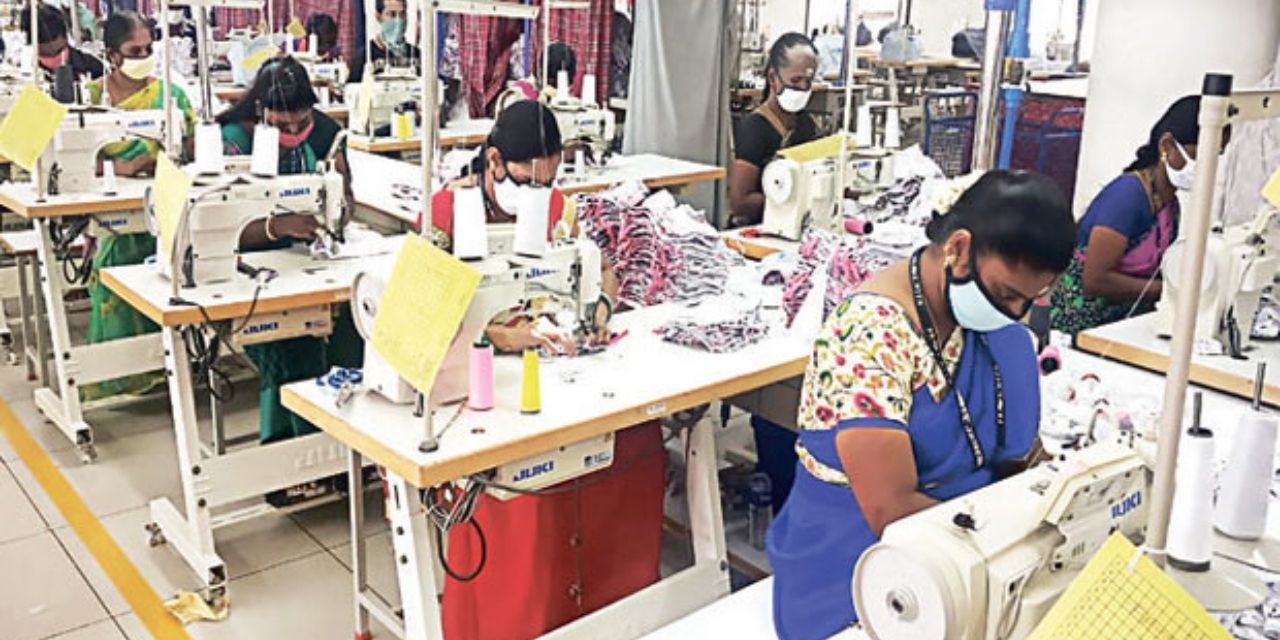
    But in a country where median wages are too low to provide more than the most basic subsistence, losing even a week’s income could lead millions to the brink of starvation. Given that more than 90% of all workers in India are informal – without any legal or social protection – and that around half of those are self-employed, the effect was immediate and devastating.

    The government’s decision not to increase spending aggravated the shock of the lockdown, generating a humanitarian crisis that disproportionately affected women and marginalized groups, including millions of migrant workers who were forced to return home under harrowing conditions.

    But the effects of the official response to the pandemic are only one side of the story. COVID-19 safety measures have been a natural fit for the country’s still-pervasive caste system, which has long relied on forms of social distancing to enforce the socioeconomic order and protect those at the top. It also further entrenched India’s persistent patriarchy.

    Instead of taking appropriate countermeasures, like providing greater support to the population, the BJP used the pandemic to consolidate its power and suppress dissent. This, in turn, limited the central government’s ability to generate the widespread social consensus and public trust needed to contain the virus.

    Even within India’s deep-seated social and political constraints, there is scope for a different economic strategy that would enable a just, sustainable, and more equitable recovery.

    None of this was inevitable. Even within India’s deep-seated social and political constraints, there is scope for a different economic strategy that would enable a just, sustainable, and more equitable recovery. To ensure that most Indians, not just the stock market or large companies, benefit from growth, India’s voters must reject the BJP’s policies, which threaten to impoverish them further.

    Feature Image Credit: textilevaluechain.in

  • Indian Economy at 75: Trapped in a Borrowed Development Strategy

    Indian Economy at 75: Trapped in a Borrowed Development Strategy

    In 1947, at the time of Independence, India’s socio-economic parameters were similar to those in countries of South East Asia and China. The level of poverty, illiteracy, and inadequacy of health infrastructure was all similar. Since then, these other countries have progressed rapidly leaving India behind in all parameters. ‘Why is it so?’ should be the big question for every Indian citizen in this time of our 75th anniversary celebrations.


    Introduction

    India at 75 is a mixed bag of development and missed opportunities. The country has achieved much since Independence but a lot remains to be done to become a developed society. The pandemic has exposed India’s deficiencies in stark terms. The uncivilized conditions of living of a vast majority of the citizens became apparent. According to a report by Azim Premji University, 90% of the workers said during the lockdown that they did not have enough savings to buy one week of essentials. This led to the mass migration of millions of people, in trying conditions from cities to the villages, in the hope of access to food and survival.

    Generally, technology-related sectors, pharmaceuticals and some producing essentials in the organized sectors have done well in spite of the pandemic. So, a part of the economy is doing well in spite of adversity but incomes of at least 60% of people at the bottom of the income ladder have declined (PRICE Survey, 2022). The great divide between the unorganized and organized parts of the economy is growing. The backdrop to these developments is briefly presented below.

    Structure and Growth of the Economy
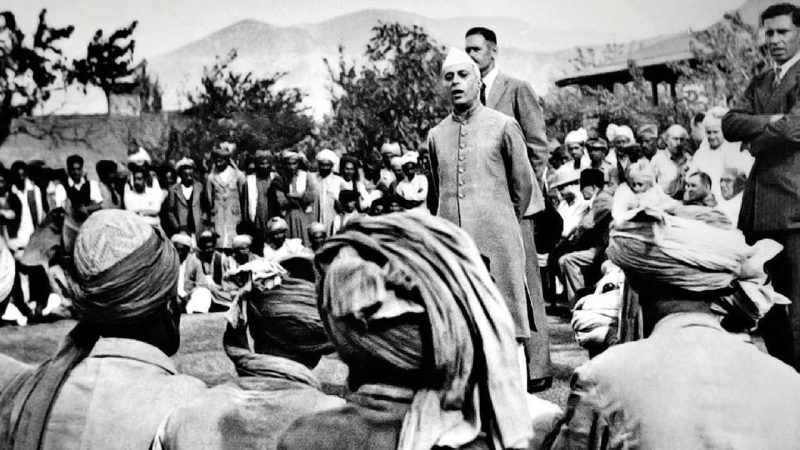
    In 1947, at the time of Independence, India’s socio-economic parameters were similar to those in countries of South East Asia and China. The level of poverty, illiteracy, and inadequacy of health infrastructure was all similar. Since then, these other countries have progressed rapidly leaving India behind in all parameters. So, India has fallen behind relatively in spite of improvements in health services and education, diversification of the economy and development of the industry.

    In 1950, agriculture was the dominant sector with a 55% share of GDP which has now dwindled to about 14%. The share of the services sector has grown rapidly and by 1980 it surpassed the share of agriculture and now it is about 55% of GDP. The Indian economy has diversified production `from pins to space ships’.

    Agriculture grows at a trend rate of a maximum of 4% per annum while the services sector can grow at even 12% per annum. So, there has been a shift in the economy’s composition from agriculture to services, accelerating the growth rate. The average growth rate of the economy between the 1950s and the 1970s was around 3.5%. In the 1980s and 1990s, it increased to 5.4% due to the shift in the composition. There was no acceleration in the growth rate of the economy in the 1990s compared to the 1980s. This rate again increased in the period after 2003 only to decline in 2008-09 due to the global financial crisis. Subsequently, the rate of growth has fluctuated wildly both due to global events and the policy conundrums in India.

    There was the taper tantrum in 2012-13 which cut short the post-global financial crisis recovery. Demonetization in November 2016 adversely impacted growth. That was followed by the structurally flawed GST. These policies administered shocks to the economy. Then came the pandemic in 2020. The economy’s quarterly growth rate had already fallen from 8% in Q4 2017-18 to 3.1% in Q4 2019-20, just before the pandemic hit.

    1980-81 marked a turning point. Prior to that, a drought would lead to a negative rate of growth in agriculture and of the economy as a whole. For instance, due to the drought in 1979-80, the economy declined by 6%. But, that was the last one. After that, a decline in agriculture has not resulted in a negative growth rate for the economy. The big drought of 1987-88 saw the economy grow at 3.4%. After 1980-81, the economy experienced a negative growth rate only during the pandemic which severely impacted the services sector, especially the contact services.

    Employment and Technology Related Issues

    Agriculture employs 45% of the workforce though its share in the economy (14%) has now become marginal. It has been undergoing mechanisation with increased use of tractors, harvester combines, etc., leading to the displacement of labour. Similar is the case in non-agriculture. So, surplus labour is stuck in agriculture leading to massive disguised unemployment.

    India is characterized by disguised unemployment and underemployment.Recent data points to growing unemployment among the educated youth. They wait for suitable work. The result is a low labour force participation rate (LFPR) in India (in the mid-40s) compared to similar other countries (60% plus).The gender dimension of unemployment and the low LFPR is worrying with women the worst sufferers.

    India’s employment data is suspect. The reason is that in the absence of unemployment allowance, people who lose work have to do some alternative work otherwise they would starve. They drive a rickshaw, push a cart, carry a head load or sell something at the roadside. This gets counted as employment even though they have only a few hours of work and are underemployed. So, India is characterized by disguised unemployment and underemployment.
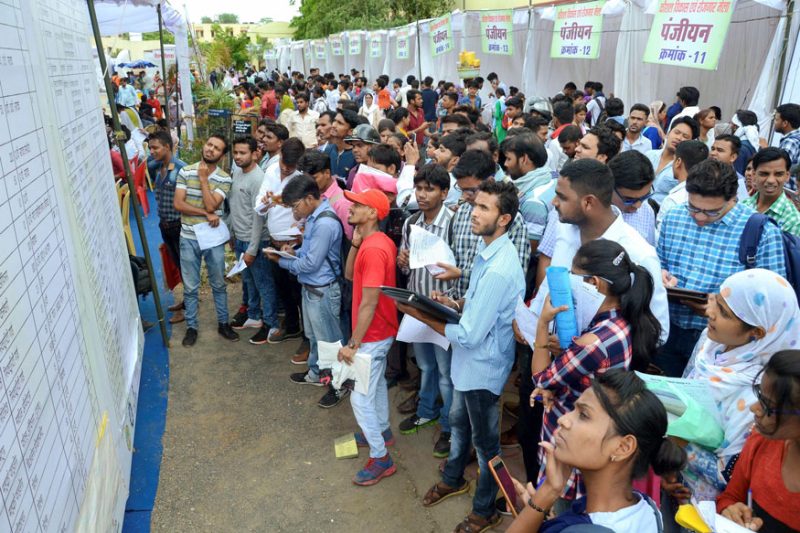
    Recent data points to growing unemployment among the educated youth. They wait for suitable work. The result is a low labour force participation rate (LFPR) in India (in the mid-40s) compared to similar other countries (60% plus). It implies that in India maybe 20% of those who could work have stopped looking for work. No wonder for a few hundred low-grade government jobs, millions of young apply. The gender dimension of unemployment and the low LFPR is worrying with women the worst sufferers.
    These aspects of inadequate employment generation are linked to automation and the investment pattern in the economy. New technologies that are now being used in the modern sectors are labour displacing. For instance, earlier in big infrastructure projects like the construction of roads, one could see hundreds of people working but now big machines are used along with a few workers.

    Further, the organized sectors get most of the investment so little is left for the unorganized sector. This is especially true for agriculture. Thus, neither the organized sector nor agriculture is generating more work. Consequently, entrants to the job market are mostly forced to join the non-agriculture unorganized sector, which in a sense is the residual sector, where the wages are a fraction of the wages in the organized sector. The unorganized sector also acts as a reserve army of labour keeping organized sector wages in check

    Lack of a Living Wage

    To boost profits, the organized sector is increasingly, employing contract labour rather than permanent employees. This is true in both the public and private sectors. So, not only the workers in the unorganized sector, even the workers in the organised sector do not earn a living wage. Thus, most workers have little savings to deal with any crisis. They are unable to give their children a proper education and cannot afford proper health facilities. Most of the children drop out of school and can only do menial jobs requiring physical labour. They cannot obtain a better-paying job and will remain poor for the rest of their lives.

    The Delhi socio-economic survey of 2018 pointed to the low purchasing power of the majority of Indians. It showed that in Delhi, 90% of households spent less than Rs. 25,000 per month, and 98% spent less than Rs. 50,000 per month. Since Delhi’s per capita income is 2.5 times the all India average, deflating the Delhi figures by this factor will approximately yield all India figures. So, 98 per cent of the families would have spent less than Rs.20,000 per month, and 90 per cent less than Rs.10,000 per month. This effectively implies that 90 per cent of families were poor in 2018, if not extremely poor (implied by the poverty line). During the pandemic, many of them lost incomes and were pauperized and forced to further reduce their consumption.

    Unorganized Sector Invisibilized

    In the unorganized sector, labour is not organized as a trade union and therefore, is unable to bargain for higher wages, when prices rise. It constitutes 94% of the workforce and has little social security. No other major world economy has such a huge unorganized sector. No wonder when such a large section of the population faces a crisis in their lives, the economy declines, as witnessed during the pandemic. India’s official rate of growth fell more sharply than that of any other G20 country.

    The micro sector has 99% of the units and 97.5% of the employment of MSME and is unlike the small and medium sectors. The benefits of policies made for the MSME sector do not accrue to the micro units.

    Policymakers largely ignore the unorganized sector. The sudden implementation of the lockdown which put this sector in a deep existential crisis points to that. The micro sector has 99% of the units and 97.5% of the employment of MSME and is unlike the small and medium sectors. The benefits of policies made for the MSME sector do not accrue to the micro units.

    Invisibilization of the unorganized sector in the data is at the root of the problem. Data on this sector become available periodically, called the reference years. In between, it is assumed that this sector can be proxied by the organized sector. This could be taken to be correct when there is no shock to the economy and its parameters remain unchanged.
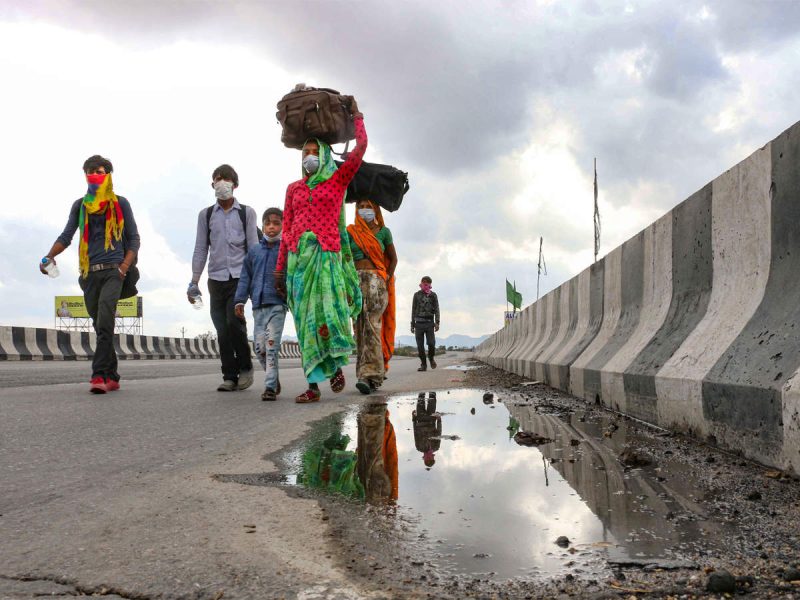
    Demonetization and the flawed GST administered big shocks to the economy and undermined the unorganized sector. Its link with the organized sector got disrupted. Thus, the methodology of calculating national income announced in 2015 became invalid.

    The implication is that the unorganized sector’s decline since 2016 is not captured in the data. Worse, the growth of the organized sector has been at the expense of the unorganized sector because demand shifted from the latter to the former. It suited the policymakers to continue using the faulty data since that presented a rosy picture of the economy. This also lulled them into believing that they did not need to do anything special to check the decline of the unorganized sector.

    Policy Paradigm Shift in 1947

    Growing unemployment, weak socio-economic conditions, etc., are not sudden developments. Their root lies in the policy paradigm adopted since independence.
    In 1947, the leadership, influenced by the national movement understood that people were not to blame for their problems of poverty, illiteracy and ill-health and could not resolve them on their own. So, it was accepted that in independent India these issues would be dealt with collectively. Therefore, the government was given the responsibility of tackling these issues and given a key role in the economy.

    Simultaneously, the leadership, largely belonging to the country’s elite, was enamoured of Western modernity and wanted to copy it to make India an ’advanced country’. The two paths of Western development then available were the free market and Soviet-style central planning. India adopted a mix of the two with the leading role given to the public sector. This path was chosen also for strategic reasons and access to technology which the West was reluctant to supply. But, this choice also led to a dilemma for the Indian elite. It had to ally with the Soviet Union for reasons of defence and access to technology but wanted to be like Western Europe.

    Both the chosen paths were based on a top-down approach. The assumption was that there would be a trickle down to those at the bottom. People accepted this proposition believing in the wider good of all. Resources were mobilized and investments were made in the creation of big dams and factories (called temples of modern India) that generated few jobs. They not only displaced many people trickle down was minimal. For instance, education spread but mostly benefitted the well-off.

    The Indian economy diversified and grew rapidly. An economy that for 50 years had been growing at about 0.75% grew at about 4% in the 1950s. But, the decline in the death rate led to a spurt in the rate of population growth. So, the per capita income did not show commensurate growth, and poverty persisted. Problems got magnified due to the shortage of food following the drought of 1965-67 and the Wars in 1962 and 1965. The Naxalite movement started in 1967, there was BOP crisis and high inflation in 1972-74 due to the growing energy dependence and the Yom Kippur war. Soon thereafter there was political instability and the imposition of an Emergency in 1975. The country went from crisis to crisis.

    Planning failed due to crony capitalism. The prevailing political economy enabled the business community to systematically undermine policies for their narrow ends by fueling the growth of the black economy.

    The failure of trickle-down and the cornering of the gains of development by a narrow section of people led to growing inequality and people losing faith in the development process. Different sections of the population realized that they needed a share in power to deliver to their group. Every division in society — caste, region, community, etc. — was exploited. The leadership became short-termist and indulged in competitive populism by promising immediate gains.

    The consensus on policies that existed at independence dissipated quickly. Election time promises to get votes were not fulfilled. For instance, PM Morarji Desai said that promises in the Janata Dal manifesto in 1977 were the party’s programme and not the government’s. Such undermining of accountability of the political process has undermined democracy and trust and aggravated alienation.

    Black Economy and Policy Failure

    The black economy has grown rapidly since the 1950s with political, social and economic ramifications. Even though it is at the root of the major problems confronting the country, most analysts ignore it.

    So, the black economy controls politics and to retain power it undermines accountability and weakens democracy.

    It undermines elections and strengthens the hold of vested interests on political parties. The compromised leadership of political parties is open to blackmail both by foreign interests and those in power. When in power it is willing to do the bidding of the vested interests. So, the black economy controls politics and to retain power it undermines accountability and weakens democracy.

    The black economy controls politics and corrupts it to perpetuate itself. The honest and the idealist soon are corrupted as happened with the leadership that emerged from the anti-corruption JP movement in the mid-1970s. Many of them who gained power in the 1990s was accused of corruption and even prosecuted. Proposals for state funding of elections will only provide additional funds but not help clean up politics.

    The black economy can be characterized as ’digging holes and filling them’. It results in two incomes but zero output. There is activity without productivity with investment going to waste. Consequently, the economy grows less than its potential. It has been shown that the economy has been losing 5% growth since the mid-1970s. So, if the black economy had not existed, today the economy could have been 8 times larger and each person would have been that much better off. Thus, development is set back. In 1988, PM Rajiv Gandhi lamented that out of every rupee sent only 15 paisa reaches the ground. P Chidambaram as FM said, `expenditures don’t lead to outcomes’.

    The black economy leads to the twin problem of development. First, black incomes being outside the tax net reduce resource availability to the government. If the black incomes currently estimated at above 60% of GDP could be brought into the tax net, the tax/GDP ratio could rise by 24%. This ratio is around 17% now and is one of the lowest in the world. Further, as direct tax collections rise, the regressive indirect taxes could be reduced, lowering inflation.

    India’s fiscal crisis would also get resolved. The current public sector deficit of about 14% would become a surplus of 10%. This would eliminate borrowings and reduce the massive interest payments (the largest single item in the revenue budget). It would enable an increase in allocations to public education and health to international levels and to infrastructure and employment generation.

    In brief, curbing the black economy would take care of India’s various developmental problems, whether it be lack of trickle-down, poverty, inequality, policy failure, employment generation, inflation and so on. It causes delays in decision-making and a breakdown of trust in society.

    Due to various misconceptions about the black economy, many of the steps taken to curb it have been counterproductive, like demonetization. Dozens of committees and commissions have analysed the issues and suggested hundreds of steps to tackle the problem. Many of them have been implemented, like reduction in tax rates and elimination of most controls but the size of the black economy has grown because of a lack of political will.

    Policy Paradigm Shift in 1991

    Failure of policies led to crisis after crisis in the period leading up to 1990. The blame was put on the policies themselves and not the crony capitalism and black economy that led to their failure. The policies prior to 1990 have been often labelled as socialist. Actually, the mixed economy model was designed to promote capitalism. At best the policies may be labelled as state capitalist and they succeeded in their goal. Private capital accumulated rapidly pre-1990. The Iraq crisis of 1989-90 led to India’s BOP crisis and became the trigger for a paradigm change in policies in favour of capital. The earlier more humane and less unequal path of development was discarded.

    Marketization has led to the ’marginalization of the marginals’, greater inequality and a rise in unemployment.

    In 1991, a new policy paradigm was ushered in. Namely, ’individuals are responsible for their problems and not the collective’. Under this regime, the government’s role in the economy was scaled back and individuals were expected to go to the market for resolving their problems. This may be characterized as ’marketization’. This brought about a philosophical shift in the thinking of individuals and society.
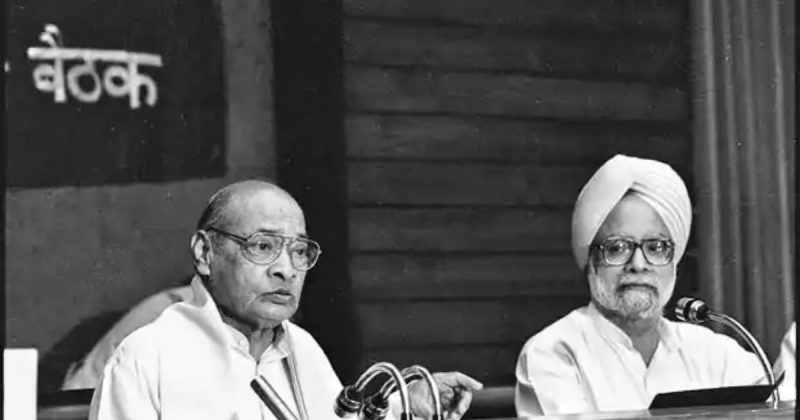
    Marketization has led to the ’marginalization of the marginals’, greater inequality and a rise in unemployment. These policies have promoted ’growth at any cost’ with the cost falling on the marginalized sections and the environment, both of which make poverty more entrenched. So, the pre-existing problems of Indian society have got aggravated in a changed form.

    Poverty is defined in terms of the ’social minimum necessary consumption’ which changes with space and time. Marketization has changed the minimum due to the promotion of consumerism and environmental decay imposing heavy health costs.
    The highly iniquitous NEP is leading to an unstable development environment. The base of growth has been getting narrower leading to periodic crises. Additionally, policy-induced challenges like demonetization, GST, pandemic and now the war in Ukraine have aggravated the situation. These social and political challenges can only grow over time as divisions in society become sharper.

    Weakness in Knowledge Generation

    Why does the obvious not happen in India? No one disagrees that poverty, illiteracy and ill health need to be eliminated. In addition to the problems due to the black economy and top-down approach, India has lagged behind in generating socially relevant knowledge to tackle its problems and make society dynamic.

    Technology has rapidly changed since the end of the Second World War. It is a moving frontier since newer technologies emerge leading to constant change and the inability of the citizens to cope with it. The advanced technology of the 1950s is intermediate or low technology today.

    Literacy needs to be redefined as the ability to absorb the current technology so as to get a decent job. Many routine jobs are likely to disappear soon, like, driver’s jobs as autonomous (self-driving) vehicles appear on the scene. Most banking is already possible through net banking and machines, like, ATMs. Banks themselves are under threat from digital currency.

    So, education is no more about the joy of learning and expanding one’s horizon. No wonder, the scientific temper is missing among a large number of the citizens.

    India’s weakness in knowledge generation is linked to the low priority given to education and R&D. Learning is based substantially on `rote learning’ which does not enable absorption of knowledge and its further development. So, education is no more about the joy of learning and expanding one’s horizon. No wonder, the scientific temper is missing among a large number of the citizens. Dogmas, misconceptions and irrationalities rule the minds of many and they are easily misled. This is politically, socially and economically a recipe for persisting backwardness.

    In spite of policy initiatives regarding education, like, the national education policy in 1968 and 1986, there is deterioration. This is because the milieu of education is all wrong. Policy is in the hands of bureaucrats, politicians or academics with bureaucratized mindsets. So, policies are mechanically framed. Like the idea that ’standards can be achieved via standardization’.

    Learning requires democratization. So, institutions need to be freed from the present feudal and bureaucratic control. Presently, institutions treat dissent as a malaise to be eliminated rather than celebrated. Courses are sought to be copied from foreign universities. JNU is told to be like Harvard or Cambridge. This is a contradiction in terms; originality cannot be copied. Courses copied from abroad tend to be based on the societal conditions there and not Indian conditions. Gandhi had said that the Indian education system is alienating and for many it still is.

    The best minds mostly go abroad and even if they return, they bring with them an alien framework not suited to India. So, as a society, we need to value ideas, prioritize education and R&D and generate socially relevant knowledge.

    Learning is given low priority because ideas are sought to be borrowed from abroad. So, the rulers have little value for institutions that could generate new ideas and inadequate funds are allotted to them. The best minds mostly go abroad and even if they return, they bring with them an alien framework not suited to India. So, as a society, we need to value ideas, prioritize education and R&D and generate socially relevant knowledge.

    Conclusion

    The growth at any cost strategy has been at the expense of the workers and the environment. This has narrowed the base of growth and led to instability in society — politically, socially and economically.

    India is a diverse society and the Indian economy is more complex than any other in the world. This has posed serious challenges to development in the last 75 years but undeniably things are not what they were. The big mistake has been to choose trickle-down policies that have not delivered to a vast number of people who live in uncivilized conditions. Poverty has changed its form and the elite imply that the poor should be grateful for what they have got. They should not focus on growing inequality, especially after 1991, when globalization entered the marketization phase which marginalizes the marginals.

    The growth at any cost strategy has been at the expense of the workers and the environment. This has narrowed the base of growth and led to instability in society — politically, socially and economically. The situation has been aggravated by the recent policy mistakes — demonetization, flawed GST and sudden lockdown. The current war in Ukraine is likely to lead to a new global order which will add to the challenges. The answer to ’why does the obvious not happen’ in India is not just economic but societal. Unless that challenge is met, portents are not bright for India at 75.

    This paper is based substantially on, `Indian Economy since Independence: Persisting Colonial Disruption’, Vision Books, 2013 and `Indian Economy’s Greatest Crisis: Impact of Coronavirus and the Road Ahead’, Penguin Random House, 2020.

    This article was published earlier in Mainstream Weekly.

    Feature Image Credit: Financial Express

    Other Images: DNA India, news18.com,  economictimes, rvcj.com
  • Distress Migration: A case study of KBK districts in Odisha

    Distress Migration: A case study of KBK districts in Odisha

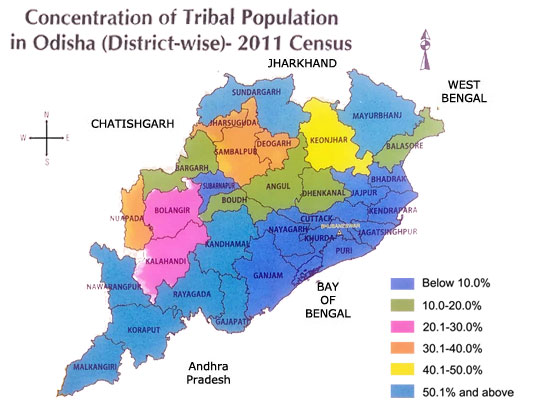
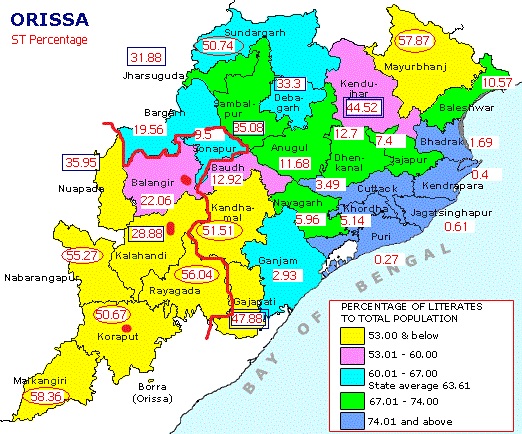
    The former districts of Koraput, Balangir and Kalahandi, also known as KBK districts, were reorganised into 8 districts of Koraput, Malkangiri, Nabarangpur, Rayagada, Balangir, Subarnapur, Kalahandi and Nuapada in 1992. These districts form the South-West part of Odisha comprising the great Deccan Plateau and the Eastern Ghats. These highland districts highly rich in mineral resources, flora and fauna remain as one of the most backward regions in Odisha

    Among the different forms of migration, distressed migrants remain the most impoverished and unrecognised. These migrants form the lowest strata of the society; disadvantaged by caste, poverty and structural inequalities. In Odisha, the underdeveloped region of KBK is one among the main sources of distressed migrants. They move to cities in search of employment and better wages, while in cities they are even more disadvantaged due to social, economic and linguistic barriers. Administrative and political apathy over their issues has only enhanced their distress.

    This paper attempts to address three questions:

    1. What are the characteristics of distressed migrants in KBK district, Odisha?
    2. What are the existing policies of the state to curb this form of migration?
    3. What form of government intervention is required to address this distress?

    The analysis is carried out through a review of published articles, government reports, e-books and newspaper reports.

    Defining distress migration

    Migration is a multifaceted concept driven by diverse factors. Migration can be internal or international, voluntary or involuntary, temporary or permanent. Depending on the pattern and choice of migration, each migratory trend could be characterised into different forms. Distress migration is one such form of migration.

    Involuntary migration is often associated with displacement out of conflict, environmental distress, climatic change etc. That is any sudden threat or event forces people to migrate. However, involuntary migration may also arise out of socio-economic factors such as poverty, food insecurity, lack of employment opportunities, unequal distribution of resources etc. This component of involuntary migration is addressed by the concept of distress migration (Avis, 2017).

    To understand distressed rural-urban migration in India, the broad definition used by Mander and Sahgal (2010) in their analysis of rural-urban migration in Delhi can be employed. They have discussed distress migration as:

    “Such movement from one’s usual place of residence which is undertaken in conditions where the individual and/or the family perceive that there are no options open to them to survive with dignity, except to migrate. Such distress is usually associated with extreme paucity of alternate economic options, and natural calamities such as floods and drought. But there may also be acute forms of social distress which also spur migration, such as fear of violence and discrimination which is embedded in patriarchy, caste discrimination, and ethnic and religious communal violence” ( Mander and Sahgal, 2010)

    In brief, the definition states that distress migration is caused by an array of issues. Environmental disasters, economic deprivation, gender or social oppression, lack of alternate employment opportunities and inability to survive with dignity are mentioned as the main drivers of distress migration (Avis, 2017).

    Thus, distress migration is a form of temporary migration driven by environmental and socio-economic factors and not based on an informed or voluntary choice.

    Profile of KBK districts

    The former districts of Koraput, Balangir and Kalahandi, also known as the KBK districts, were reorganised into 8 districts of Koraput, Malkangiri, Nabarangpur, Rayagada, Balangir, Subarnapur, Kalahandi and Nuapada in 1992. These districts form the South-West part of Odisha comprising the great Deccan Plateau and the Eastern Ghats. These highland districts highly rich in mineral resources, flora and fauna remain as one of the most backward regions in Odisha. The region is termed backward on account of rural backwardness, high poverty rates, low literacy rates, underdeveloped agriculture and poor development of infrastructure and transportation (Directorate of Economics and Statistics, 2021).

    The districts are home to primitive tribal communities such as Gonds, Koyas, Kotias etc. dependent on forest produce and subsistence agriculture for a living. KBK region registered a workforce participation rate of 48.06 % in the 2011 census. There was a significant occupation change noticed from the 2011 census.  The region witnessed a fall in cultivators from 33% in 2001 to 26.7% in 2011. However, the fall in cultivators was compensated with an increase in agricultural labourers from 44.24 % in 2001 to 48.87% in 2011. Employment in household industries also witnessed a downfall between the period of 2001 to 2011 (Sethy, 2020).

    The rise in agricultural labourers has a negative impact on the communities. As agriculture is underdeveloped owing to the arid nature of the region, crop failure, extreme calamities, low net irrigated area and falling government expenditure, these workers are pushed into abject poverty. In search of alternate employment options, these workers migrate to other areas of employment in rural or urban pockets. Such a form of seasonal migration during the lean period in agriculture is a predominant phenomenon in these districts. Their dependence on non-timber forest produce is hindered by the rapid deterioration and deforestation of forests for development projects and mining.

    Characteristics of distressed migrants in KBK region

    1. Who Are These Distressed Migrants?

    In the KBK region, distress migration has been a popular coping strategy during lean periods of agriculture. And this strategy is majorly adapted by disadvantaged and marginalised sections of the region. They are disadvantaged by caste, chronic poverty, landlessness, low levels of literacy and skills, increased dependence on forest and agriculture and debt-ridden (Meher, 2017; Mishra D.K., 2011; Tripathy, 2015, 2021).

    1. Why Do They Migrate

    Distressed migration in the region is induced by many interlinked factors. One such factor is that the region is highly under-developed in terms of social and economic infrastructure. Such under-development puts the communities at a disadvantage with low levels of literacy and skills. Their dependence on agriculture and forest produce for livelihood rises. However, agriculture is under-developed and forests are subjected to high levels of deforestation. With low levels of income, crop failure and non-availability of alternate employment opportunities, the communities are subjected to absolute levels of poverty, food and employment insecurities (Kujur, 2019).

    Landlessness is also identified as one significant push factor. As the region is highly dominated by tribal communities, they are more attached to and dependent on the forest cover. Globalisation and industrialisation resulted in deforestation and encroachment of farmlands for industrial and mining purposes. Eventually, a major proportion of land remains with a smaller group of wealthy people (Mishra D.K., 2011).   Relocation and involuntary displacement also result in the loss of their livelihood that is dependent on the local environment (Jaysawal & Saha, 2016).

    With falling income, people approach local moneylenders to meet their basic sustenance needs. With low incomes from agriculture and forest produce, families approach these informal creditors to meet emergency needs like marriage, birth and death rituals or medical treatment as well as to meet basic consumption needs with the expectation of cash flow from labour contractors during the lean season. Moneylenders exploit them by charging higher interest rates. Thus, the non-availability of formal credit facilities pushes them into a debt trap and further to adopt migration (KARMI, 2014; Mishra D.K., 2016).

    The region is also subject to extreme calamities and drought. Small and marginal farmers, poor in income and land, choose to migrate as they are unable to cope with the regular droughts and climate change. A study on historical analysis of the effect of climate on migration in Western Odisha mentions that the migratory trend saw a rise after the mega drought in 1965. Up until then, large-scale migration from the region was not a phenomenon (Panda, 2017).


    1. Channel of Migration

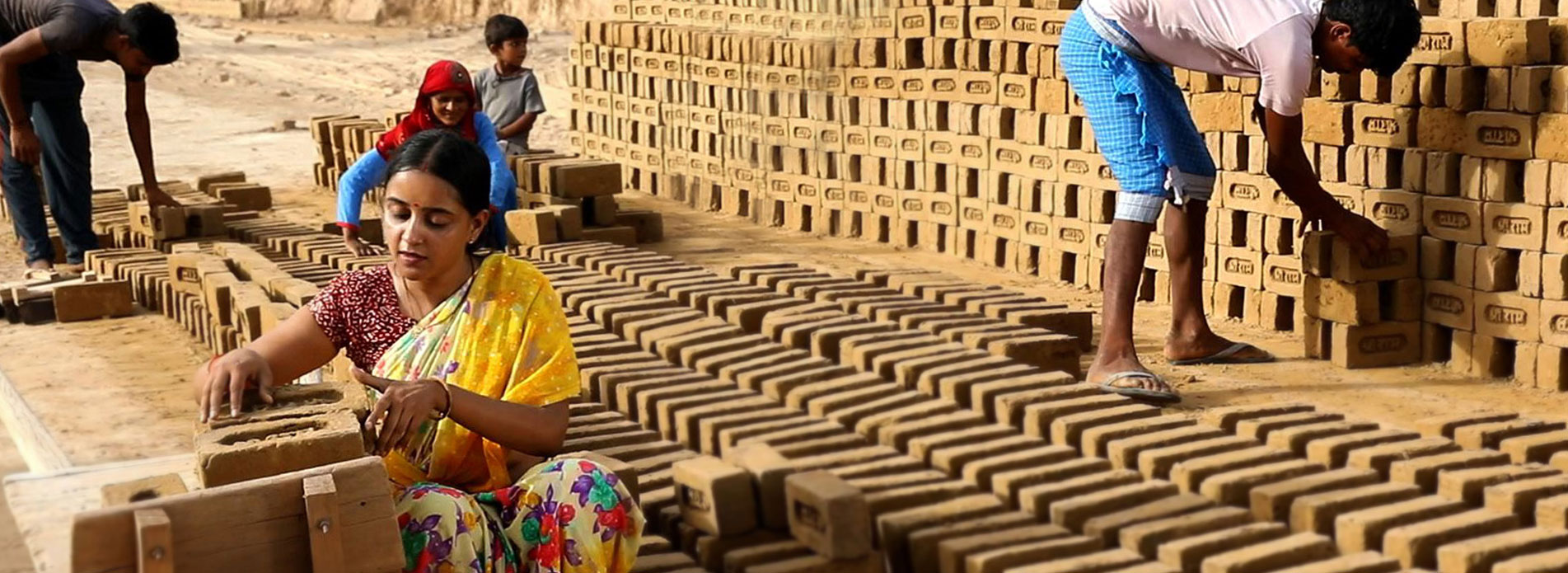
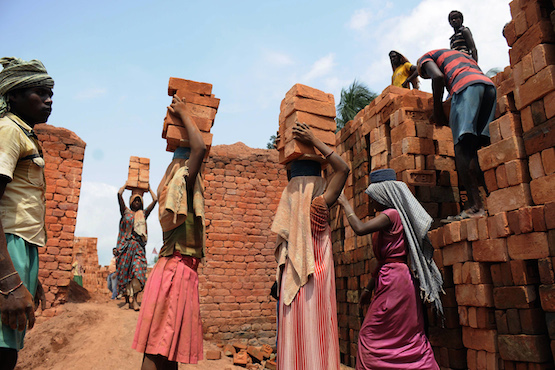
    Sardars provide an advance amount and in exchange, the debtor or any family member agrees to work for them for a stipulated period, usually six months. Hence, there exists a form of debt bondage. Large-scale family migration through this system is seen in the KBK region. The major stream of such bonded labour migration is witnessed towards brick kilns in Andhra Pradesh

    In the region, seasonal migration occurs through the channels of agents, locally known as Sardars, on a contractual basis. This form of migration is known as Dadan labour migration. The poor migrant labourers are known as Dadan and they are recruited by Sardars, who are usually local people who are familiar with residents in the region (KARMI, 2014). During the period of Nukhai, they go around the villages and contact prospective labourers. These Sardars are the intermediary between the employer and the migrant labourer. Sardars provide an advance amount and in exchange, the debtor or any family member agrees to work for them for a stipulated period, usually six months. Hence, there exists a form of debt bondage. Large-scale family migration through this system is seen in the KBK region. The major stream of such bonded labour migration is witnessed towards brick kilns in Andhra Pradesh. They are also a major source of labour in the areas of construction, handlooms and other forms of informal sector work across South India (Daniels, 2014). The problems they face in the destination are manifold. They are subjected to poor working conditions, poor housing and sanitation facilities and limited access to education and health facilities. They are recognised as cheap labour with limited bargaining power owing to their social, cultural and linguistic exclusion in the destination state. Upon entering the contract their freedom to move and freedom to express is denied (Acharya, 2020).

    1. Pull Factors to Migrate

    The hope of availability of better job opportunities and wages is the main pull factor. However, upon the analysis of the nature of migration, push factors have a higher weightage in inducing such distress migration. Migration to brick kilns and other informal sectors from the KBK region can be termed as distress migration as in this case, distress is caused mainly by socioeconomic factors. It is not an informed or voluntary choice. Debt migration remains the only coping strategy that they could adopt.

    Government intervention to curb such distress

    1. Policies Addressing Debt-Bondage Migration:

    The first attempt of the state government to address Dadan migration or debt migration is the enactment of the Dadan Labour (Control and Regulation) Act (ORLA) in 1975. The act had provisions for the registration of labourers and agents, ensuring compliance of minimum wages and favourable working conditions and appointing inspection officers and dispute redressal committees (Daniels, 2014).  However, the act remained on paper and no evidence of enactment was published until it was repealed in 1979 upon the enactment of the Interstate Migrant Workmen (Regulation of Employment and Conditions of Service) Act, 1979 (Nanda, 2017).

    The ISMW act has been criticised to be inadequate and failing to regulate and facilitate safe migration. According to the act, only those interstate migrant workmen who are recruited by licensed agents come under the ambit of the act. However, most agents involved in Dadan migration are not licensed and hence, these workers cannot avail of any of the provisions of the act (Singh, 2020). Though registration of labour contractors is mandatory in the origin state, there is no information about the names of these contractors and hence, further monitoring of the migration process is avoided (NCABL, 2016). Lack of adequate enforcement, under-staffing and poor infrastructure are identified as the reasons for poor implementation of the act in the state (Daniels, 2014).

    A positive attempt against distress migration was the Memorandum of Undertaking (MoU) initiated between the labour department of Odisha and Andhra Pradesh to ensure labour welfare measures of migrant workers in Brick Kilns. After the MoU, the state of undivided Andhra Pradesh took up various progressive measures in education, health, housing and PDS for migrant workers in Brick Kilns. ILO necessitated the need for states to enter into inter-state MoUs to effectively address the bonded labour migration. However, no further MoU was signed with other states like Tamil Nadu, Chhattisgarh etc. which are also among the major host states for migrants from the region (NCABL, 2016).

    The Bonded Labour System (Abolition) Act enacted in 1976 governs the provisions for identification, rescue and rehabilitation of bonded labourers across the country. The act has its loopholes in implementation. There is no information on whether vigilance committees have been set up in every district or whether the surveys have been periodically conducted or to what extent the act has been functioning in the state (Post News Network, 2019). The centrally sponsored scheme for Rehabilitation of Bonded Labour also has its setbacks. There have been reported cases of delay and denial of financial aid by district officials ( Mishra .S., 2016). In 2016, with restructuring and revamping of the Rehabilitation scheme, rescued workers could only avail the full amount of financial aid with the prosecution of the accused employers. With no database on the employer, the rates of prosecution have been low and the rescued bonded labour do not receive their funds (NACBL, 2016)

    1.  Ensuring Accessibility of Health Facilities in Destination

    The Rashtriya Swasthya Bima Yojana or RSBY launched by the central government in 2008 provides health insurance to BPL families. The scheme incorporates provisions to split smart cards so those migrant workers could avail health insurance in destination states. After signing of the MoU between Andhra Pradesh and Odisha, the two states took steps to spreading awareness among the migrant workers about how to use the smart cards (Inter-State Migrant Workman Act (ISMW), Labour Directorate, n.d.)

    1. Ensuring Education of Migrant Workers Children

    The state of Odisha has established seasonal hostels to ensure the education of children of migrant workers.  The children are enrolled in seasonal hostels during October-June, that is until their parents return home (Odisha Primary Education Programme Authority, n.d.).  The state has ensured the education of migrant children at their destination state by sending Odiya textbooks and Odiya teachers to residential schools in Andhra Pradesh (Inter-State Migrant Workman Act (ISMW), Labour Directorate, n.d.).

    1. Alternate Employment Opportunities: MGNREGA

    Mahatma Gandhi National Rural Employment Guarantee Act (MGNREGA) was introduced in 2006 to provide guaranteed employment to rural poor with the objective of uplifting them from poverty and restricting distress migration.  A study analysing the performance of MGNREGA through secondary sources of data suggests that based on physical criteria of 100 Days of Wage Employment, Person-days generated, ST and Women person-days and financial performance in terms of total expenditure, total wages, average cost and average wage rate per day person, the performance of MGNREGA in KBK districts is better compared to Non- KBK districts.  But the region is lagging in rural employability criteria based on average days of employment provided per household and job cards issued (Sahoo et al., 2018).  Labour in the region is not interested to work under MGNREGA due to its dismal implementation in the state. Workers complain about the delay in receiving payments and instances of the creation of non-existent workers’ names among MGNREGA’s beneficiaries (KARMI, 2014).  Uncertain and low wages make these labourers favour migration to Brick Kilns in hope of better wages (Deep, 2018).

    1. Development Policies in KBK Region

    The KBK region has a high incidence of poverty owing to regional disparities in development and social exclusion based on caste. The main initiatives implemented by the state government for the upliftment of the KBK region are the Special Area Development Programme, Revised Long Term Action Plan (RLTAP), Biju KBK Plan, Backward Regions Grants Fund, Gopabandhu Gramin Yojana (GGY), Special Central Assistance (SCA) for tribal sub-plan (TSP) areas, Western Odisha Development Council (WODC) and Grants under Article 275(1) of the Constitution. Development projects to reduce poverty and regional disparities are obstructed by economic, social and institutional factors (Mishra, 2020).


    The state of Odisha has done positive interventions in the education of migrant children and health facilities of the migrant population. However, the distress migration is still prevalent owing to the social and economic exclusion and debt bondage situations in the region. Land grabbing in the name of development left the tribal communities poor and in distress. Structural inequalities induced by caste discrimination are enhanced with such landlessness.


    Policy Recommendations

    The state of Odisha has done positive interventions in the education of migrant children and health facilities of the migrant population. However, the distress migration is still prevalent owing to the social and economic exclusion and debt bondage situations in the region. Several initiatives and schemes have been enacted to address distress migration; however, their failure in reducing distress can be linked to dismal governance, poor implementation and misappropriation of schemes.

    The state must ensure migration to be safe and a viable coping strategy. From this study it is suggested the state of Odisha follow a multipronged approach to address the distress.

    Origin state (Odisha) interventions

    •         Short Term Interventions:
    1. The system of debt bondage should be completely abolished by the proper implementation of legislation. Different loopholes in implementation such as the delay in the release of funds, prosecution of accused and identification and registration of middlemen should be addressed. Apart from the financial aid, the state should intervene in providing a comprehensive livelihood plan for the rescued labourers. Abolishing the bonded labour system is essential to reduce distress and make migration safe.
    2. Informal sources of credit should be eliminated and formal credit and microfinance facilities should be made available. Such facilities would reduce the exploitation and prevent the creation of absurd debt. Formal credit provides opportunities for small and marginal farmers to indulge in productive investments. This enables them to cope with extreme climatic changes.
    3. Land grabbing in the name of development left the tribal communities poor and in distress. Structural inequalities induced by caste discrimination are enhanced with such landlessness. The provision of land ownership enables the communities to enjoy land-based benefits which further supports them to sustain their livelihood. Ownership of land also provides the indigenous community with a sense of social and economic significance.
    •         Long term interventions
    1. The state should engage in enhancing the skills of the people in the region. Vocational skill training and development schemes can be introduced. This could expand the opportunities available for employment and distribute labour across all the economic sectors.
    2. Rural development should be given higher priority. The state of Odisha has already initiated many schemes for the development of the KBK region. However, the state should study the economic and social factors that stagnate the process of development in the region. Chronic poverty, poor infrastructural and rural connectivity and dismal education and health facilities are some of the important areas that require attention.

    Host state intervention

    1.   The host state needs to create a database of migrants entering their state. A statistically significant database on migrants solves a huge array of issues faced by the migrant in the destination state. A comprehensive database helps in identifying and recognising migrants. It also allows for understanding the different characteristics of migrants and the sectors in which they are employed. This would be beneficial for monitoring and ensuring safe and favourable working conditions. A database also helps in ensuring the availability and accessibility of social security and entitlements in host states.


    1.   Migrant labour is as important to the destination state as it is to the origin state. Both origin and host state should cooperate towards making migration a viable livelihood strategy.

    Another important area where both the origin and host state should intervene together is creating awareness among workers about the existing provisions and rights available to them. Access to the same should be made easy.

    Conclusion

    The highly backward districts of the KBK region remain a major source of distressed migrants. Years of state initiative in reducing distress have had negligible impact. The area remains underdeveloped and migration is the only viable choice of employment. Migration can only be a viable coping strategy for seasonal migrants when the channel of migration is made legal and safe. The major drawback in any initiative attempted to resolve distress is the poor implementation. Administrative apathy, corruption and misappropriation of schemes have stagnated the progress of every initiative.


    References

    1. Acharya, A. K. (2020). Caste-based migration and exposure to abuse and exploitation: Dadan labour migration in India. Contemporary Social Science, 1-13.
    2. Avis, W. R. (2017). Scoping study on defining and measuring distress migration.
    3. Bhatta Mishra, R. (2020). Distress migration and employment in indigenous Odisha, India: Evidence from migrant-sending households. World Development136, 105047.
    4. Daniels, U. (2014). Analytical review of the market, state and civil society response to seasonal migration from Odisha. Studies, stories and a canvas seasonal labour migration and migrant workers from Odisha, 106-115.
    5. Deep, S. S. Seasonal Migration and Exclusion: Educational Experiences of children in Brick Kilns. Ideas, Peoples and Inclusive Education in India. National Coalition for Education, India. 2018.
    6. Directorate of Economics and Statistics (2021). Odisha Economic Survey 2020-21. Planning and Convergence Department. Government of Odisha. http://www.desOdisha.nic.in/pdf/Odisha%20Economic%20Survey%202020-21-1.pdf
    7. Giri, J. (2009). Migration in Koraput: “In Search of a Less Grim Set of Possibilities” A Study in Four Blocks of tribal-dominated Koraput District, Odisha. Society for Promoting Rural Education and Development, Odisha, 1.
    8. Inter-State Migrant Workman Act (ISMW) | Labour Directorate. (n.d.). Labour Directorate, Government of Odisha. Retrieved August 10, 2021, from https://labdirodisha.gov.in/?q=node/63%27%3B.
    9. Jaysawal, N., & Saha, S. (2018). Impact of displacement on livelihood: a case study of Odisha. Community Development Journal53(1), 136-154.j
    10. Jena, M. (2018, July 21). Distress migration: land ownership can put a break. The Pioneer. https://www.dailypioneer.com/2018/state-editions/distress-migration-land-ownership-can-put-a-break.html
    11. KARMI. (2014). Migration Study Report of Golamunda Block of Kalahandi District of Odisha. Pp.13. Kalahandi Organisation of AgKriculture and Rural Marketing Initiative (KARMI), Kalahandi Odisha.
    12. Kujur, R. (2019). Underdevelopment and patterns of labour migration: a reflection from Bolangir district, Odisha. research journal of social sciences10(1).
    13. Mahapatra, S. K., & Patra, C. (2020). Effect of migration on agricultural growth & development of KBK District of Odisha: A statistical assessment. Journal of Pharmacognosy and Phytochemistry, Sp9(2), 162-167.
    14. Mander, H., & Sahgal, G. (2010). Internal migration in India: distress and opportunities, a study of internal migrants to vulnerable occupations in Delhi.
    15. Meher, S. K. (2017). Distress seasonal migration in rural Odisha A case study of Nuapada District.
    16. Mishra, D. K. (2011, April). Behind dispossession: State, land grabbing and agrarian change in rural Odisha. In International conference on global land grabbing(Vol. 6, No. 8).
    17. Mishra, D. K. (2016). Seasonal migration from Odisha: a view from the field. Internal migration in contemporary India, 263-290.
    18. Mishra, S. (2016, January 13). Rescued migrant workers get raw deal from Govt. The Pioneer. https://www.dailypioneer.com/2016/state-editions/rescued-migrant-workers-get-raw-deal-from-govt.html
    19. Mishra, S. (2020). Regional Disparities in Odisha–A Study of the Undivided “Kbk” Districts. Research Journal of Humanities and Social Sciences11(4), 261-266.
    20. Nanda, S. K. (2017). Labour scenario in Odisha. Odisha Review73(10), 20-25.
    21. NCABL. (2016). Joint Stakeholders’ Report on Situation of Bonded Labour in India for Submission to United Nations Universal Periodic Review III. NATIONAL COALITION FOR ABOLITION OF BONDED LABOUR (NCABL), Bhubaneswar Odisha.
    22. Panda, A. (2017). Climate change, drought and vulnerability: A historical narrative approach to migration from Western Odisha, India. In Climate Change, Vulnerability and Migration(pp. 193-211). Routledge India.
    23. Post News Network. (2019, April 30). Elimination of bonded labour calls for cohesive action plan. Odisha News, Odisha Latest News, Odisha Daily – OdishaPOST. https://www.Odishapost.com/elimination-of-bonded-labour-calls-for-cohesive-action-plan/
    24. Sahoo, M., Pradhan, L., & Mishra, S. (2018). MGNREGA and Labour Employability-A Comparative Analysis of KBK and Non-KBK Regions of Odisha, India. Indian Journal of Economics and Development6(9), 1-8.
    25. Sethy, P. (2020). Changing Occupational Structure of Workers in KBK Districts of Odisha. Center for Development Economic6(06), 17-28.
    26. Singh, V. K. (2020, April 22). Opinion | The ‘nowhere people’ of COVID-19 need better legal safeguards. The Hindu. https://www.thehindu.com/news/national/other-states/the-nowhere-people-of-covid-19-need-better-legal-safeguards/article31400344.ece
    27. Tripathy, S. N. (2015). Evaluating the role of micro-finance in mitigating the problems of distress out-migrants: A study in KBK districts of Odisha. The Micro Finance Review, Journal of the Centre for Micro Finance Research.
    28. Tripathy, S. N. (2021). Distress Migration Among Ultra-poor Households in Western Odisha. Journal of Land and Rural Studies, 23210249211001975.


    Feature Image: Tata Trusts

  • Climate Change: A Review of the Rural Electrification Policies and Barriers to adopting Renewable Energy in Rural India

    Climate Change: A Review of the Rural Electrification Policies and Barriers to adopting Renewable Energy in Rural India

    Energy is crucial for a country’s growth and sustainable development. But over one-third of the world’s population, mostly consisting of people in rural areas of developing countries, do not have access to clean, affordable energy.

    The climate crisis is a battle that countries have been fighting for decades now. The policies and strategies developed by different countries have helped in small ways in achieving their energy and climate goals. One strategy among all countries is the development and improvement in the use of renewables. Various studies, across different fields, have shown us the need for countries to shift to this alternative set of energy sources that will sustain life in the long run. The use of renewable energy in both urban and rural areas should be monitored and developed to achieve the sustainable development goals that countries have vowed to achieve.

    Energy is crucial for a country’s growth and sustainable development. But over one-third of the world’s population, mostly consisting of people in rural areas of developing countries, do not have access to clean, affordable energy. This is an important factor contributing to the low standards of living in rural areas of developing countries.

    In India, more than two-thirds of the population live in rural areas whose primary source of income is agricultural activities. But a large proportion of the rural population does not have consistent access to energy. To this population, new alternative sources of energy remain unaffordable and inaccessible due to poverty and lack of adequate infrastructure, respectively. Hence, we find that the rural populations continue to use traditional sources of energy such as coal, fuelwood, agricultural waste, animal dung, etc. Not only do these cause pollution and quick erosion of natural resources, but they impact negatively on people’s health. The need for transitioning to the use of renewable energy, especially in the country’s rural areas is of prime importance. But, to achieve this, the government must bring out policies that will guide this transition. Moreover, it is important that the government positively supports companies – both private and public – that generate the required technology and research that transforms the available renewable energy sources into energy that the public can consume.

    Rural Electrification in India

    The Electricity Act of 2003 enabled the building of electricity infrastructure across the rural and remote regions of the country and thus, easy access to electricity for most of the people. The Indian Government launched the Rajiv Gandhi Grameen Vidyutikaran Yojana (RGGVY) in 2005, to extend electricity to all unelectrified villages. The programme focused largely on developing electrification infrastructure across villages in India and providing free connections to all rural households living below the poverty line. Further, state governments received a 90% grant from the central government which aided in extending electrification infrastructure to over one lakh villages during the period 2005–2013. Moreover, the central government worked towards increasing implementation efficiencies by engaging central PSUs in some states.

    In 2015, the NDA Government launched the Deen Dayal Upadhyaya Gram Jyoti Yojana (DDUGJY) under which, the villages that remained un-electrified under the RGGVY, were electrified. The scheme has also been significant in supporting distribution networks in rural areas, largely concerning metering distribution transformers, feeders, and consumers in rural areas (Gill, Gupta, and Palit 2019).

    The central government further introduced standalone mini-grids programs, under the DDUGJY in 2016. Guided by the National mini-grid policy, State governments also contributed through various mini-grid policies to promote decentralised renewable energy solutions. Further, the Unnat Jyothi Affordable LEDs for All was introduced to encourage the efficient use of energy and under this scheme, LED bulbs were distributed to all households with a metered connection at subsidised rates. The Ujwal DISCOM Assurance Yojana was also introduced under the DDUGJY to allow a financial turnaround and operational improvement of Discoms. According to the UDAY scheme, discoms were expected to improve operational efficiency and bring AT&C losses down to 15%.

    While the schemes were successfully implemented then, the rate of rural household electrification was still slow. Evaluations of the schemes found various limitations, such as high upfront connection costs, poor quality of supply, poor maintenance services, to name a few. Additionally, some states had also started initiating their electricity-access programmes to accelerate the electrification process, such as the West Bengal Rural Electrification Programme, the Har Ghar Bijli scheme in Bihar, the Bijuli Bati mobile-based app to enable last-mile connectivity and household connections in Odisha (Gill, Gupta, and Palit 2019). To address this issue, the central government then launched the Pradhan Mantri Sahaj Bijli Har Ghar Yojana (PM Saubhagya) in September 2017, with the ambitious target of providing electricity connections to all un-electrified rural households by March 2019. Under this scheme, the government has electrified all of 597,464 census villages in the country (Bhaskar 2019).

     Barriers to adopting Renewable Energy in Rural Areas

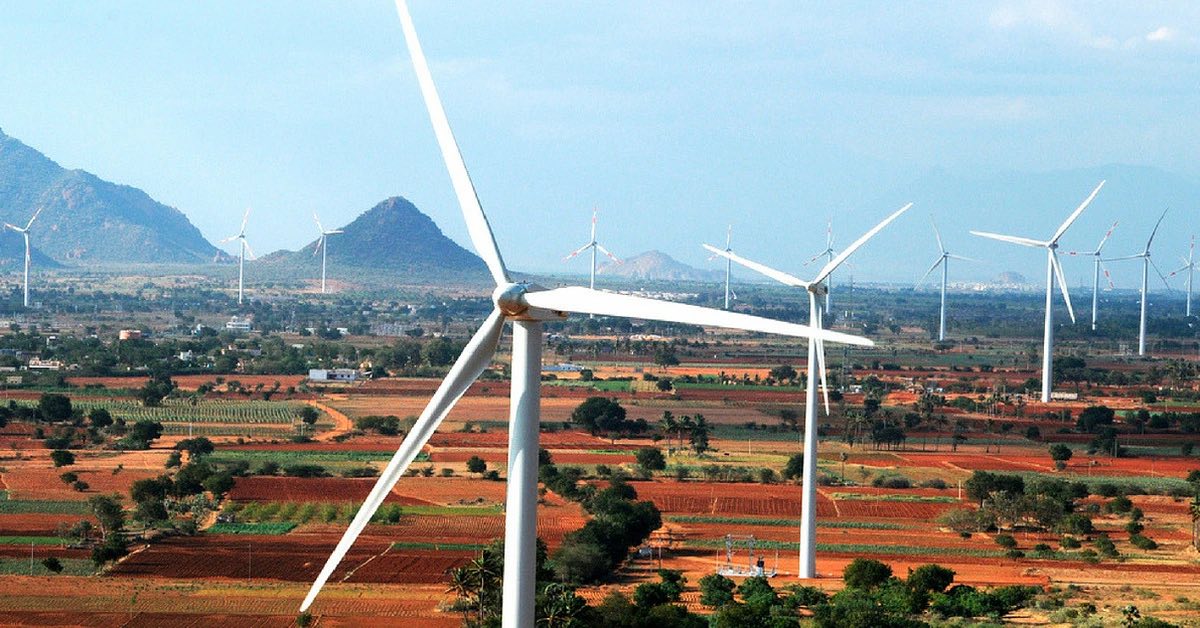
    This section focuses on the issues that restrict the efficient adaptation of renewable energy in rural areas. As the government continues to promote renewable energy in rural communities, it should keep in mind these following limitations and develop mechanisms to overcome them as and when they arise. While employing renewables to supply electricity, the problem of grid integration arises. Most electricity grids and the technology used, are designed and placed around fossil fuels. However, when they transition now to more non-conventional forms of energy such as wind and solar, the designs and placements of power generation systems have to change rapidly. Thus, heavy emphasis should be placed on improving the research and infrastructure required to make this transition as smooth as possible. That is, the government should research the most optimal locations for wind turbines and solar panels, as not all lands in rural areas can be employed for this purpose. Otherwise, it may negatively impact the quality of agricultural lands. Upon conducting the required research, the infrastructure to connect all areas to the electricity grids must be developed and well-financed by the government to satisfy the energy demands of the rural population. For instance, in Germany, while the wind power potential is in the northern regions, major demand for it is in the southern region. Thus, the country’s energy transition process emphasizes upgrading the electricity grid infrastructure that would make it possible for power to flow from north to south (UNCTAD 2019). Further, the planning should also focus on balancing the energy mix in the power grid. The transition to renewables will not be a quick one, which implies that for the short term the power grid will be a mix of different sources of energy. Thus, the plans should design the grids in such a way that the proportion of each energy source balances one another so that there is no leakage or wastage in the system, especially given the fact that energy storage technology is still underdeveloped in the country.

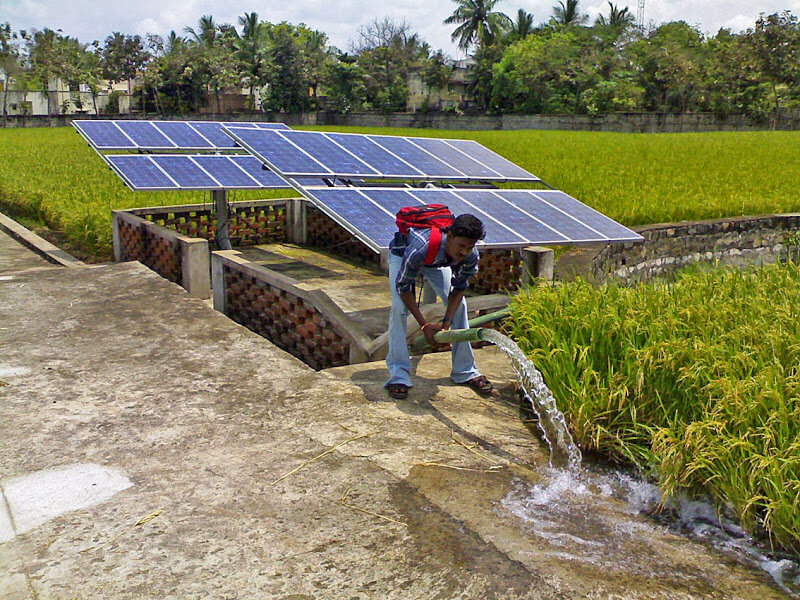
    For many years now, there has been an emphasis on the potential of decentralised electricity comprising off-grid or mini-grid systems to help with rural electrification. The government introduced a national mini-grid policy in 2016 to promote decentralised renewable energy. With the increase in the use of solar energy, solar-powered mini-grid systems were found to be more economical and accessible to rural households (Comello et al. 2016). These systems could substantially improve the people’s standard of living and eliminate the use of harmful fuels such as kerosene oil for simple household appliances such as lamps and cooking stoves. However, an IEA report found evidence that this potential is limited, and would not be beneficial for large, productive, income-generating activities. Thus, mini-grids are often considered a temporary solution, until grid connectivity is achieved (IEA 2017).

    Whether a grid system or an off-grid system is implemented, high connection charges will automatically limit the rural population’s ability to connect to the grid.

    A major challenge that the government must keep in mind is affordability. Whether a grid system or an off-grid system is implemented, high connection charges will automatically limit the rural population’s ability to connect to the grid. On the one hand, better access to electricity will increase productivity and lead to the growth and development in the region but on the other hand, most of the rural communities live below the poverty line and will not be able to afford the connection, even if they have access to it. While decentralised energy sounds economical and sounds like an obvious solution, it is also limited in capacity.

    Another factor that the government must keep in mind for the adaptation of renewable energy in rural areas is the situation of state and private distribution companies (discoms) in India that play a pivotal role in the rural electrification process. While the government set the goals and adopted a strategy to electrify all rural households under the Saubhagya scheme, it was the discoms’ responsibility to implement these strategies and achieve the goals. A TERI report found that the discoms had difficulty carrying out the electrification process because the strategy adopted by the government had not considered the difference in demographics in the rural areas (Gill, Gupta, and Palit 2019). That is, each area differs in population size, density, and topography and the discoms found it hard to implement a similar strategy to all places alike. Moreover, the financial status of many state-run discoms has been stressed over the past year due to increasing losses and lack of adequate support from the respective State governments. Over the past year, dues to power generators have increased to Rs 1.27 trillion (Economic Times 2021). The annual 2021 budget’s outlay of over Rs 3 trillion, to be spent over five years, to improve the viability of state-run discoms, is a step in the right direction. The TERI report also found that discoms face institutional burdens in the electrification process (Gill, Gupta, and Palit 2019). The companies are most often strapped for time and must deal with huge amounts of paperwork. Simultaneously, they have to be physically present to install the necessary infrastructure and manage the labour employed in different states. In the end, it remains to be seen how the discoms will manage to monitor and review the electricity infrastructure in the rural areas, especially given the huge amounts of debt that they are trapped in.

    The government must also work towards increasing and incentivising private sector participation. While the private companies were interested in taking up tenders for the production of electricity through renewable energy sources in the past, the recent withdrawal of benefits such as accelerated depreciation has been a cause for concern. Companies like Suzlon Energy Ltd. face lower returns on their investment, thus deterring them from investing in future projects. Removal of benefits also discourages smaller companies that are looking to invest in this sector as it increases not only the cost but uncertainty about the government’s policies. Companies will refrain from investing if they do not anticipate a high return in the future. For grid connection systems to be successful and efficient in the long term, the government must ensure a strong governance structure, and a stable and enabling policy environment that constantly encourages fresh private sector participation. Concerning the rural electrification process, the government must encourage private sector participation because it would complement the public sector companies thus sharing the burden of production, installations, and technology as well as the process of maintenance and regular checks once the grid connection is complete.

    A shift to renewable energy in rural areas will no doubt have a positive impact on the health and well-being of the population. It will also improve the standard of living and in most cases, the productivity of the people. But the change has to be a gradual process. Even if renewable energy and electricity are affordable and accessible to the people, alternative cooking fuels and technology will take time to be accepted in practice as they may not have the same performance quality as traditional stoves and appliances that the people are used to. To overcome this hurdle, the government must ensure that the policies formed will guide the adjustment to renewables for many years to come. Moreover, the government must spread knowledge and awareness about the benefits of shifting to appliances that are sourced through renewable sources of energy. Besides, some rural households collect firewood for not just individual consumption but also to sell it (IEA 2017). This is a source of income for these households hence, the government should tread carefully when they implement programs that seek to reduce the collection and use of firewood. For years now, the government has promoted and subsidised the use of LPG within rural communities, as an alternative for other harmful sources of energy. While it has helped improve people’s health to some extent, it would be beneficial for the government to gradually nudge the decrease in the use of LPG and increase the use of renewable alternatives. Apart from the definite benefits to the environment, such a change would serve to reduce the rural-urban energy gap in India.

    The shift to renewable energy sources holds huge amounts of risks and uncertainty. But, despite this, there is a need to make long-term, accurate forecasts of energy demand and develop drafts of policies beforehand that would guide the process of supplying energy to satisfy the demand. Energy supply projects necessitate this because they have long gestation and implementation periods. With the climate crisis advancing rapidly, it would serve the government well to be prepared.

    International Collaboration

     International cooperation can play a crucial role in expanding the distribution of renewables. It can help countries benefit from shared infrastructure, technology, and lessons. The challenge thus lies in designing policies that will facilitate this technology and infrastructure transfer, especially in countries where the renewable energy sector is emerging. International organizations such as the Commission on Science and Technology for Development can play an important role in supporting such collaborations. Policies should also facilitate mechanisms that will help improve the current capabilities in developing countries.

    For instance, the Indo-German Energy Programme – Access to Energy in Rural Areas was signed to create a favourable environment for rural renewable energy enterprises so that they can provide easily accessible energy services to the rural population.

    The bilateral collaboration brought in local and international professional expertise to support private sector development, to identify and improve viable sources of finance, and to help design government schemes to achieve sustainable energy security and provide clean cooking energy solutions to the rural population. The GIZ – the German Corporation for International Cooperation – worked closely with India’s Ministry of New and Renewable Energy (MNRE) to successfully implement the program. The program succeeded in training more than 10,000 professionals to qualify as energy auditors. It has also helped increase private sector investment and develop a calculation to determine the CO2 emissions for the Indian electricity supply grid.

    Way Forward

     Research and innovation are essential to improve renewable options for producing clean cooking fuel. There is also a need for location-based research to produce appropriate workable technologies. Long-term policies and outcomes are important to consider. So, conducting significant research will not only help understand the present conditions but will also help policymakers make informed decisions in the future. It is also important to educate and communicate to the rural population about the relative advantages of using modern energy sources over traditional sources. For instance, consumers may be unaware of the health impacts of using traditional sources of energy for cooking. Moreover, they may distrust conventional alternatives due to their unfamiliarity with them. Thus, the responsibility falls on the government to properly inform them of the need for the shift to renewables and curb the spread of misinformation.

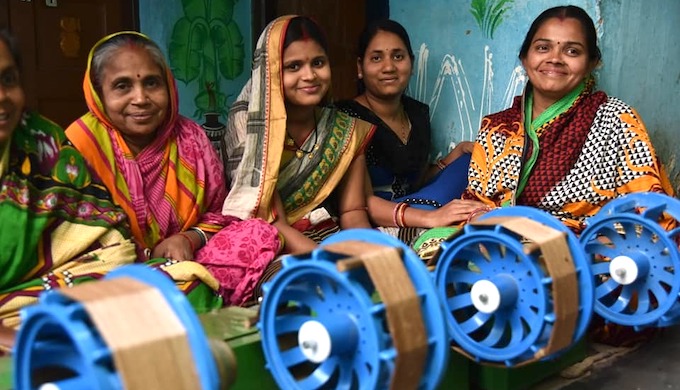
    Further, alternative solutions will only succeed if they are established in cooperation with the local users. “The women in rural areas play an important role when it comes to energy transition” (IEA 2017). Several initiatives such as the Global Alliance for Clean Cookstoves, SEforALL, and ECOWAS address the joint issues of gender empowerment, energy poverty, health, and climate (IEA 2017). Training and capacity building are key to the shift to renewable sources of power. And in rural energy applications, this can be improved by taking into account the gender issues that plague society. There is a high possibility that rural engineers, once trained, might migrate to urban areas in search of more lucrative work. In response to this, the Barefoot College International Solar Training Programme takes a different approach to capacity-building in rural areas and trains the grandmothers in villages who are more certain to stay and help develop the community.

    a shift to clean energy in rural areas that houses the section of the population that lives below the poverty line will be more successful if it is seen as a strategy to broaden community development.

    Thus, a shift to clean energy in rural areas that houses the section of the population that lives below the poverty line will be more successful if it is seen as a strategy to broaden community development. This includes higher employment, better infrastructure, roads, and telecommunications.  This process requires careful design of policies and the establishment of a supportive environment that includes not just innovative business models but also maintenance systems that will sustain the development in the long run.

    Conclusion

     To summarize, rural electrification and the transition to renewable energy in rural areas have been a part of the government’s agenda for many years now, irrespective of the ruling party at the centre. Necessary policies have been introduced to guide the process. While it is great that the government recently achieved universal electrification, it remains to be seen whether the quality of power provided to these villages meets the needs of the population. Further, in this process, state-owned discoms have taken a serious financial hit and it is a tough road to recovery from here. Adding on, the COVID pandemic has slowed down the development and recovery of these discoms. The government should first increase budget outlays in the following years and create a system to monitor the use of these finances. Second, it could turn to privatisation. Privatising discoms on a larger scale would reduce the financial and risk burden on the government and ensure efficient functioning of the companies. Additionally, it is important that while policies are being designed, the deciding parties have a complete understanding of the socio-economic situation of the communities within which they will make changes. To do this, experts who have studied the layout of these rural areas extensively should be involved in the process, along with leaders from the respective districts who are bound to be more aware of the situation and the problems in their areas. More importantly, the government should keep the process of the transition to alternative energy sources transparent and keep an open line of communication with the rural population to earn their trust before they make significant changes. Finally, India is one of the largest consumers of different renewable sources of energy. While it is important to make changes to the policies in this sector, it is also imperative that the government tries to maintain stability in policies that support the companies which help satisfy the growing energy demand in the country.


    References

    1. Bhaskar, Utpal. 2019. “All villages electrified, but last-mile supply a challenge.” mint, December 29, 2019. https://www.livemint.com/industry/energy/all-villages-electrified-but-last-mile-supply-a-challenge-11577642738875.html.
    2. Comello, Stephen D., Stefan J. Reichelstein, Anshuman Sahoo, and Tobias S. Schmidt. 2016. “Enabling Mini-grid Development in Rural India.” Stanford University. https://law.stanford.edu/wp-content/uploads/2016/04/IndiaMinigrid_Working_Paper2.pdf
    3. Economic Times. 2021. “Discom debt at Rs 6 trillion; negative outlook on power distribution: ICRA.” The Economic Times. https://economictimes.indiatimes.com/industry/energy/power/discom-debt-at-rs-6-trillion-negative-outlook-on-power-distribution-icra/articleshow/81431574.cms?from=mdr.
    4. Gill, Bigsna, Astha Gupta, and Debajit Palit. 2019. “Rural Electrification: Impact on Distribution Companies in India.” The Energy and Resources Institute. https://www.teriin.org/sites/default/files/2019-02/DUF%20Report.pdf.
    5. IEA. 2017. “Energy Access Outlook: From Poverty to Prosperity.” International Energy Agency. https://www.iea.org/reports/energy-access-outlook-2017.
    6. UNCTAD. 2019. “The Role of Science, Technology and Innovation in Promoting Renewable Energy by 2030.” United Nations Conference on Trade and Development. https://unctad.org/system/files/official-document/dtlstict2019d2_en.pdf.

    Feature Image: The Better India 

    Image 1: www.alliancemagazine.org

    Image 2: indiaclimatedialogue.net

  • Wage theft plagues India’s  migrant workers

    Wage theft plagues India’s migrant workers

    Though the South Asian country has relied heavily on remittances from its international migrant workers, the government has been remiss in ensuring their protection and welfare. As labor violations spike amid the COVID-19 pandemic, these workers are left to fend for themselves.

    In August 2020, a group of around forty Indian construction workers staged a hunger strike in Kraljevo, Serbia, demanding to be paid. In addition to not receiving months’ worth of wages from their employer, they had been working 10-12 hours a day without proper food or access to healthcare and were living in cramped, unhygienic quarters during the COVID-19 pandemic.

    The migrant workers from across India first arrived in Serbia in mid-2019. According to the Building and Wood Workers’ International (BWI), a global union federation, around 150 Indians were employed across the Balkan country for the construction of the Corridor 11 project. In a Zoom interview, two of the workers recounted how their troubles with getting paid had begun soon after arrival. When their situation didn’t improve, the first group was repatriated to India in January and February 2020. The rest, including those protesting in Kraljevo, were repatriated by September 2020.

    Much of the Indian government’s efforts have been focused on Gulf countries, where, based on data from the International Labour Organization (ILO), around 9 million Indians live and work. However, the BWI warns that Europe is fast becoming a hub for the exploitation and trafficking of third-country nationals. In Serbia, other reports of exploitation of migrant groups from China and Turkey have recently come to light.

    When he heard about the stranded Indian workers, Ramachandra Khuntia, chair of the BWI Indian Affiliates Council and a former Member of Parliament (MP) contacted the Indian Ministry of External Affairs (MEA) and the Indian embassy in Belgrade multiple times.

    the BWI warns that Europe is fast becoming a hub for the exploitation and trafficking of third-country nationals.

    What followed was a cross-border initiative involving labor unions, the Indian government, and Serbian anti-trafficking organization ASTRA. “We were finally able to bring the workers back home. But ‘til today, they have yet to receive their wages from the employer,” says Khuntia.

    “The payment of arrear wages is usually dealt with by the labor department in the host country, but the matter can be pursued through the Indian embassy,” explains Khuntia, adding that despite assurances from the Indian government and the Indian embassy in Serbia, the payments seem nowhere in sight.

    Indian construction workers stage a hunger strike in Kraljevo, Serbia, in August 2020. Amid the COVID-19 pandemic, wage theft has soared across the world, and often, the victims are migrant workers from India, who receive patchy support from their own government and have to rely on unions or non-profits for help. (Photo credit: BWI/Boobalan D) 

    Job loss and other ordeals

    Wage theft — the illegal practice of denying workers the money that they are rightfully owed — has dramatically increased during the COVID-19 pandemic. In addition to the non- or incomplete payment of wages, employees have to deal with job loss, non-payment of termination benefits, poor working conditions, and hurried repatriation without the chance to register their grievances.

    Migrant workers’ troubles begin in their country of origin, not abroad. “It is a new form of slavery that begins before they even leave the country in the form of recruiting fees. Recruiting agents and others involved are selling dreams to migrant workers.”

    Ponkumar Ponnuswamy, president of TKTMS, a construction workers’ union in Tamil Nadu that was directly involved in the process of repatriating the stranded workers, says that each of the workers is owed anywhere between the equivalent of US$1,300 and US$2,600 by the aforementioned company, depending on how long they were in Serbia. For the workers who were put through this trying ordeal, their unpaid wages represent a substantial amount of money that would have otherwise gone towards debt repayments, medical treatments, and basic subsistence.

    “I think it is a huge loss not only at the individual level but also at the country level,” says S. Irudaya Rajan, an expert on Indian migration and member of the Kerala government’s COVID-19 expert committee. Migrant workers constitute an integral part of the global economy, with their remittances adding up to over three times the amount of international aid and foreign direct investment combined. India, the world’s largest source of international migrants, received US$82 billion in remittances in 2019 according to World Bank data, a sum that has helped keep millions out of poverty.

    “COVID-19 has become a great opportunity for exploitation,” says Rajan, who is currently heading a study on counter-migration from the Gulf to assess wage theft.

    But according to him, migrant workers’ troubles begin in their country of origin, not abroad. “It is a new form of slavery that begins before they even leave the country in the form of recruiting fees,” he says. “Recruiting agents and others involved are selling dreams to migrant workers.”

    The Indian government requires recruiting agents to register themselves with the Protector General of Emigrants. Despite this, many illegal agents continue operating across the country. (Photo credit: Yamuna Matheswaran)

    Is the Indian government doing enough?

    In theory, the Indian government offers various resources for those who emigrate for work: registration portals, insurance schemes, awareness programs, and helplines. They also provide a list of registered recruiting agents (RAs) across the country.

    But the reality of emigration is far more complex, even confusing. For instance, it would be safe to assume that only a fraction of the RAs operating in India is registered with the MEA. A 2018 investigation by the Migrant Forum in Asia (MFA), with the support of ILO, found that in the state of Punjab alone the number of unregistered agents ran into several thousands, despite the 2014 Punjab Travel Professionals Regulation Act requiring mandatory registration of all consultants, agents, and advisors involved in sending people abroad.

    These unscrupulous agents make emigrants more vulnerable to exploitation by charging illegal fees and pushing unfair contracts. Some workers arrive in a foreign country only to learn that the job they were recruited for doesn’t exist, says Rajan. Others end up without appropriate visas or permits and are never registered in the system.

    The MEA limits the service fees RAs can charge their clients, which caps at INR 20,000 (around US$270). But Rajeev Sharma, Regional Policy Officer at BWI’s South Asia office, says that many of the workers have paid far more depending on the state they hailed from.

    “Workers from Punjab, for instance, paid up to INR 100,000 (US$1,365) to 150,000 (US$2,048) to the agent,” he says. “We don’t know how they managed to fund their journey, they may have run into debt – so it’s not just the salary, so many other issues are involved.” When asked about this practice, one of the agencies involved – an unregistered ‘Shakti Tread Test Centre’ run by Muktinath Yadav in Deoria, Uttar Pradesh – gave no response.

    “Covid-19 has become a great opportunity for exploitation” – Dr. S Irudaya Rajan, an expert on Indian Migration

    Indian missions abroad are tasked with ensuring the welfare of overseas Indian nationals. The migrant workers and union members state, however, that the Indian embassy in Serbia failed to even register their grievances properly. The Embassy of India in Belgrade did not respond to requests for comment. In response to an inquiry about grievance redressal mechanisms for repatriated migrant workers, the MEA’s Protector General of Emigrants instead pointed to the Pravasi Bharatiya Sahayata Kendra, a general helpline.

    Amnesty International raised concerns about the state of migrant workers under Covid-19 in the Gulf.
    Image Credit: amnesty.org

    “Grievance portals address a lot of topics, including pre-departure issues. However, there needs to be a specific focus on wage theft, particularly during COVID-19,” says Rajan. He stresses the importance of collective bargaining by various governments at the South Asia level, as well as proper grievance registration by Indian embassies in order to pursue the necessary legal steps.

    Recognizing the lack of global mechanisms to address wage theft, Congress MP Shashi Tharoor stated during a panel discussion last year that an escrow fund could be set up, with employers depositing six months’ worth of wages in order to protect workers against non-payment.

    Need for awareness building

    In the case of the Indian migrant workers in Serbia, it was labor unions that initially came to their rescue, following through until they had arrived safely back to their respective homes. When asked if there is enough awareness among migrants themselves about their rights and the resources available to them, Rajan says: “Absolutely not, and I think that is where we are failing.”

    “Migration has three cycles,” he explains. “The first — pre-migration cycle — happens in our country,” and steps to protect migrant workers need to start here. Rajan believes that the government should make pre-departure orientation programs, including skills training, mandatory. “Most workers don’t even know the currency of the host country. They know, in rupees, how much they expect to make and in how much time.”

    Khuntia, of the BWI Indian Affiliates Council, highlights the utter importance of signing bilateral agreements with host countries regarding wages, healthcare, and social security so that those emigrating can feel secure. “And if anything were to happen, by virtue of this bilateral agreement, the Indian government can negotiate with the host country and provide relief to the workers,” he concludes.

    “If everybody were cheated, there would be no migration,” says Rajan. But it’s important to share not only success stories but also those of struggles, he continues, to raise awareness among prospective migrants. It’s not about “how many people we send” but about how well-informed our migrant workers are when they are deployed abroad, he says.

    This article was first published on Asia Democracy Chronicles.

    Feature Image: dw.com

  • Poor Economics: Rethinking Poverty & The Ways To End It

    Poor Economics: Rethinking Poverty & The Ways To End It

    I finished Poor Economics: Rethinking Poverty & the Ways to End it, by Nobel laureates Abhijit Banerjee and Esther Duflo, this past week. Before getting on with the review, it must be said that this is an old book written almost a decade ago. A few suggestions made in the book are now being implemented as government schemes and others by private enterprises. Nevertheless, the book stands the test of time because of its focus on the fundamental approach on how to think about poverty and the factors that help sustain it.

    While the extremes are always loud, the truth mostly lies somewhere in between or somewhere that is unrelated to the needless binary. The authors understand this and try to stay away from the one-size-fits-all arguments to bring people out of poverty. Instead, they try to find solutions on a case by case basis, researching the problem on the ground and coming up with specialized and localized solutions. This problem solving is achieved with the help of the numerous Randomized Control Trials (RCTs) that have been done in eighteen countries of the developing world including India, Indonesia and countries in Sub-Saharan Africa.

    The book contains ten chapters divided into two sections, namely Private Lives and Institutions. In private lives, the authors dwell on the private problems of poor people including immunization, nutrition, education and so on. And in Institutions, they deal with social institutions of credit facilities, entrepreneurship and the politics of policymaking, which the authors feel, has a tremendous impact on the private lives of the poor.


    Early on, they introduce two graphs namely the ‘S-shaped’ graph and the ‘inverted L-shaped’ graph. The S-shaped graph represents a world with a poverty trap which the poor will not be able to get out of unless there is an intervention, through government or foreign aid.

    On the other hand, the inverted L-shaped graph represents the worldview which does not believe such a poverty trap exists. This graph posits that there is potential for growth if liberty and markets are allowed to flourish. And that foreign aid will only act as an incentive for the corrupt governments of poor countries to not provide free markets for their people.

    Although the book goes on to deal with other problems dealing with poverty, the running theme of the book is the examination of these two graphs with real-life problems faced by the poor. The readers might find themselves marking ‘S’ or ‘L’ on their book at various places (unless you’re a puritan who does not mark their book, in that case, at least you would think of ‘S’ or ‘L’). The authors argue that while there are problems where a poverty trap is obvious, there are also areas where there is no trap per se and therefore even well-intentioned interventions can prove to be counterproductive. They substantiate their claims with an eighteen-country data set which they have collected over the years through field research.

    To really answer the question of whether there are poverty traps, we need to know whether the real world is better represented by one graph, or by the other. And we need to make this assessment case by case

    The authors tell us stories of Pak Sudarno’s big family of nine children, Ibu Tina’s woes due to a robbery, Jennifer Auma’s saving method and so on. These identified lives help the reader understand the decision-making process of the poor; for example, why a poor family spends money on ‘rich food’ rather than spending money on nutrient-rich food even though their children are malnourished, or why a fruit vendor drinks an extra tea even when he is aware that saving money would mean less high- interest debt. The book goes on to provide insights on various problems including the lack of self-control, poor’s relationship with risk-taking, the present bias leading to undesirable future repercussions and so on.

    Although there is no one silver bullet to rid the poor of all their problems, the authors argue that they ‘do know a number of things about how to improve the lives of the poor’. They give us five key lessons to understand the poor better. One, they believe there is a market failure of asymmetric information wherein the poor ‘often lack critical pieces of information’. Two, the poor are responsible for too many aspects of their life; for example, think of drinking water- a poor person has to decide if he has to use chlorine in water as opposed to a richer person for whom clean water is made available by other people, therefore less decision making. Psychological researches say that the quality of the decision erodes if we have to decide so many things (thus successful geniuses and trademark attire).

    Three, there are ‘good reasons that some markets are missing for the poor or that they face unfavourable prices’, for example, the poor pay higher rates on their loans. Four, the failures in a poor country have less to do with ‘some grand conspiracy of the elites’ to maintain the status quo and more to do with avoidable flaws in the designing of public policies. And finally, five, a vicious circle of low expectations and low growth.

    To make use of these lessons, there has to be dynamic politics willing to get rid of the societal sin of absolute poverty. But the authors argue that politics and governments are, unfortunately, infested with what they call ‘three Is’- Ideology, Ignorance and Inertia. Nevertheless, the authors believe that good policies will help realise good politics. Although one could understand the pragmatism and the optimistic hue of such an argument, bad politics should not be underestimated. Bad politics could stagnate even good policies and create even further problems.

    The authors understand the complex issues of poverty and know that there is ‘no lever guaranteed’ to eradicate it. Therefore, they bank on small changes to bring about big effects, for example, one additional year of deworming for kids in Kenya brought about a 20 per cent increase in income when they became adults. In a sense, the book works itself through small steps to bring an understanding of the poor into mainstream policymaking. But as the authors acknowledge, fighting poverty is not a sprint, it is a marathon, one that is worth running. They are willing to commit to the marathon, but will governments of the developing world show such commitment? Such suspicion should last until absolute poverty is completely eradicated.

  • Good Economics For Hard Times

    Good Economics For Hard Times

    Title : Good Economics for Hard Times

    By Esther Duflo and Abhijit Bannerjee

    Published by Public Affairs, Hachette Book Group, New York

    Year :  November 2019

    Honesty is a quality seldom found among economists. More often than not, economists refuse to acknowledge the limitations of economic models that rely on, at times, completely unrealistic assumptions. That is, fortunately, not the case with this book. This book does not over-simplify economic issues and makes a compelling argument against making sweeping generalizations in a profession that relies on studying human behaviour.

    One of the best things about this book is its accessibility, it is as accessible to a layman as it is to a seasoned economist. This book, in a significant departure from their first book Poor Economics, focuses on the burning issues of wealthy countries instead. The writing is witty and succinct, full of interesting personal anecdotes.

    They start with the politically sensitive issue of immigration and show why conventional models of supply and demand don’t work for labour markets. Conventional theory, and critics of immigration, would have us believe that an influx of immigrants would drive down wages in the area and result in job losses for the natives. But Banerjee and Duflo show that the immigrants don’t just increase the labour force, they’re also consumers. Thus, they increase demand and by extension, employment and GDP in the area. They also point out that there is no strong evidence that even large influxes impact wages severely.

    However, when it comes to growth they’re not as clear as they are about the impact of immigration. They make a case as to why nobody really knows what drives growth in the long term and why prominent growth economists (Sollow, Romer etc) were all right as well as wrong at the same time. According to them, both the optimists and pessimists make sound arguments and it is impossible to predict if growth will continue or perish given the humongous number of variables involved and the sheer unpredictability of technology.

    Their support for free trade, unsurprisingly, is not unconditional. They don’t think it is the panacea that the neo-liberal discourse makes it out to be. Expansion of trade, they believe, is the driver of despair globally because of its random behaviour as they write, “Trade has created a more volatile world where jobs suddenly vanish only to turn up a thousand miles away.” They also present evidence showing that, at times, free trade has done more harm than good and argue that the state must provide proper support to the losers from trade if they want to mitigate the damage.

    Cutting tax rates for the rich has long been argued as a certain method to improve growth by many economists. Banerjee and Duflo, however, disagree. They write “In a policy world that has mostly abandoned reason … let’s be clear: Tax cuts for the wealthy do not produce economic growth.” They argue that even the (in)famous Reagan-Thatcher era tax cuts did little to revive growth. Instead, those tax cuts, accompanied by cuts in welfare spending contributed immensely to income inequality. Advocates of tax cuts often argue that raising taxes stifle innovation, but that is clearly false as Bill Gates himself argues here.

    Where a lot of economists fail and they excel, is bringing the social science aspect into economics. They don’t see people just as means to an end (growth) and emphasize on prioritising non-economic goals that don’t necessarily result into higher growth but instead improve overall happiness, dignity, self-respect and give people a sense of purpose. According to them, in this growing environment of despair, it is important to provide people with a sense of purpose.

    They argue, quite successfully, that we should change our policy response to poverty and stop letting only poverty define poor people. They recommend that poor people be seen just like normal people who have dreams and desires and policymakers need to stop believing that they know better about what poor people need than the people themselves.

    Lastly, they say that the message of policy interventions should not be ‘you are being rescued by the state’ and instead ‘this is the state’s support to ensure you have the basic rights you deserve.’ It is vital that they’re given the respect they deserve if we want them to lead dignified lives and not make them feel like they’re living on handouts from the state as even the needy hate being dependent on others. Restoring the dignity of the poor is an important step in eradicating poverty, they say.

    This book’s brilliance, in my opinion, is evident from the fact that economists across the ideological spectrum, from Sollow to Piketty, are all in awe of this work of art. To be honest, I have learnt more about economics and policymaking from this book than I did as an economics graduate.

    The arguments put forth in this book were, to an extent, eye-opening for me. I found them compelling and I believe you will too.

    Mohit Verma is a Research Intern in TPF. He is pursuing his Masters at the Madras School of Economics (MSE), Chennai.

  • Poverty, Inequality, and Marginalisation as Forms of Structural Violence in Pre-Conflict Syria

    Poverty, Inequality, and Marginalisation as Forms of Structural Violence in Pre-Conflict Syria

    The injustice and inequality built into the structural institutions of the Syrian society can be referred to, what has been called as the ‘structural violence’, by the well-known Norwegian sociologist, Johan Galtung.  

    The ongoing civil war in Syria that has resulted in large-scale loss of lives, and forced displacement of millions across the region, is being seen as one of the bloodiest conflicts of this century. While countries continue to witness the horrors of visible atrocities and war crimes, the underlying layers of structural and cultural violence continue to buttress the egregious brutality which is often more direct, and physical.


    Although the war is often seen as a result of the outburst of pro-democracy protests in 2011, a close examination of the country’s socio-economic structures would enable one to get a detailed insight into the underlying layers of frustration caused due to large-scale poverty, inequality, and marginalisation. One would also find that the relatively peaceful structure, which existed before the protests of 2011, was held intact largely due to the existence of single-party dominance, where one actor (Hafez al-Assad, and later Bashar al-Assad) held all power and authority, while those existing in lower ranks of society continued to lack resources, as well as opportunities to challenge the dominant power.

    The Syrian economic crisis has existed long before the commencement of the civil war.

    The injustice and inequality built into the structural institutions of the Syrian society can be referred to, what has been called as the ‘structural violence’, by the well-known Norwegian sociologist, Johan Galtung.  The violence, here, is reflective of a position “higher up or lower down in a hierarchy of exploitation-repression-alienation”, where the parties involved are determined either to keep the hierarchy intact or to completely obliterate it. In the case of Syria, the deprivation of the most basic and non-negotiable needs, which threatened the citizens’ need for survival, has been the primary cause for aggression to come into existence. The factors that, thus, led to the conflict in Syria can be seen rooted in years of repression, poverty, and lack of representative institutions, which manifested in the form of protests, or the Arab Spring of 2011.

    The Syrian economic crisis has existed long before the commencement of the civil war. Since the beginning of the economic crisis, Syria’s institutional structures have failed to meet the rising needs and rights of its population. In the 1980s, the country was trapped in a downward spiral of a fiscal crisis, as a result of large-scale drought, and due to both, domestic and external factors. The crisis led to high food deficit, and an increase in the cost of living, leading to a rise in patronage networks which provided small circles of elites with profitable businesses. These networks became increasingly popular in real estate and land management, leaving out large sectors of Syria underdeveloped.

    While the country witnessed a decreasing overall debt and a noticeable rise in the GDP in the 2000s, large sections of the population were excluded from benefitting from these growth rates due to differences in wage rates and declining job opportunities. Increasing inequality was reflected in a paper published by the UNDP, which claimed that 65.6% of all labour in Syria belonged to the informal sector in 2010, with Aleppo and Idlib ranking first with over 75% of their workforce belonging to the informal sector. Further, the four years of drought between 2006 and 2011, and the consequent failed economic policies led to a significant decline in the agricultural sector’s output, forcing 2 million to 3 million Syrians into abject poverty.

    Additionally, the oil revenues fell from more than 14% of GDP in the early 2000s to about 4% in 2010 due to depleting reserves. According to a report, overall poverty in Syria in 2007 impacted 33.6% of the population, of which 12.3% were estimated to be living under extreme poverty. Noting the degree of inequality in Syria in 1997, the report found out that the lower 20% of the population had a share of only 8% in expenditure, while the richest 20% of the population share about 41% of the expenditure. The degree of inequality further decreased in 2004. Moreover, the widely disputed region of North-Eastern Syria witnessed highest levels of inequality in 2007, in addition to deprivation of living standards, and worst levels of illiteracy, and access to safe water, just four years before the outbreak of the civil war. The unequal access to resources was also starkly reflected in the housing situation of the country before the war, where over 40% of the population lived under informal housing conditions, – through squatting, or on lands obtained without legal contracts.

    In addition to the economic crisis, Syrians have been the victims of decades-long political repression, in the form of restrictions on freedom of expression, torture, and enforced disappearances. The political institutions have historically been unstable, with three military coups taking place in 1949 alone, followed by one more in 1954, in addition to the Ba’athist-led coups of 1963 and 1966. The Syrian security forces (Mukhabarat) are known to have detained citizens without proper warrants even before 2010, many of whom have reportedly been tortured in prisons. In their attempts to keep the hierarchy of power relations intact, the centralised institutions are known to clamp down on any public demonstrations, with frequent arrests and employment of state violence.

    The conflict which started with citizens demanding their basic needs and rights has been sustained over the years by the involvement of foreign states, and increased state brutality which has been responded to by an increasingly similar, if not equal, force by the rebellion groups.

    Years of conflict have exacerbated the economic crisis, pushing both the state and its citizens, into chaos, with more than 80 per cent of the Syrian population living below the poverty line, with an unemployment rate of at least 55 per cent in 2018. With most of the business networks now being controlled by the selected few elites, the population at large continues to suffer the brunt of both structural, and direct violence.

    The conflict which started with citizens demanding their basic needs and rights has been sustained over the years by the involvement of foreign states, and increased state brutality which has been responded to by an increasingly similar, if not equal, force by the rebellion groups. The country, now, witnesses itself entangled in a cycle of conflict, where the war has led to steep economic deterioration, political repression, and physical violence, which in turn has led to further widespread cataclysm.

    Image Credit: Photo – Aleppo-Syria destruction in 2019 and  Syria Map – Adobe Stock