Tag: Peace

  • Balancing Civilizations: Neither Clash, mere Multiplicity nor Conversion

    Balancing Civilizations: Neither Clash, mere Multiplicity nor Conversion

    The modern world is a product of intense competition and conflict that evolved from the European ‘system of states’ propensity and greed for the acquisition of territory and resources through colonialism and imperialism. The post-1945 world continues to suffer the ills of Western domination and exploitation as is evidenced by the innumerable number of wars, conflicts, and interventions….supposedly part of the imperial civilising missions. As the non-Western world rises the choices are either conflict or cooperation. The G20 Summit 2023 being held in New Delhi is an opportunity to recognise and chart a new path for the world. The authors, Andreas Herberg-Rothe and Key-young Son, emphasise the importance and need for cooperation and harmony amongst the civilisations of the world.

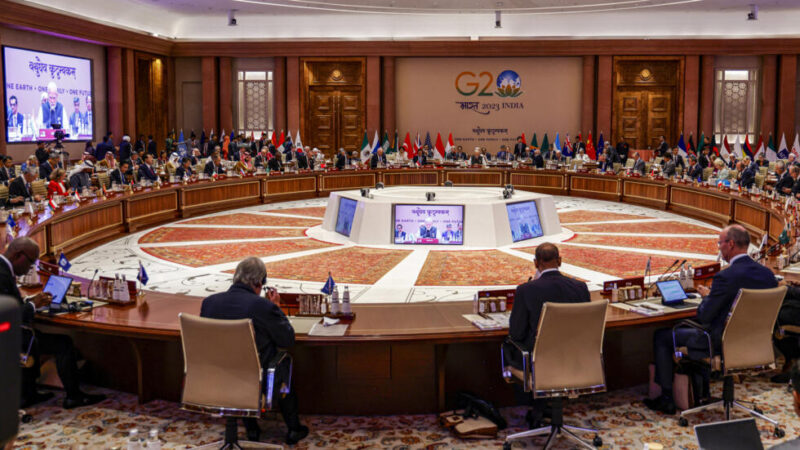
    G20 Summit 2023 in New Delhi is underway on September 9-10, 2023. 

    We propose the non-binary concepts of Clausewitzian floating equilibrium, Confucian harmony, and Arendtian politics of plurality as key ideas to avert and mitigate contemporary conflicts.

    In many of the world’s hot spots, both civil and governmental combatants have become embroiled in unending conflicts based on a binary position: “us against the rest.” After two hundred years of imperialism and Euro-American hegemony that have produced varying degrees of adaptation or rejection of Western modernity, it may be time for the world’s great civilizations to learn how to live harmoniously with one another. The world order of the twenty-first century will not be based entirely on modernist ideas and institutions such as nation-states, laissez-faire capitalism, individualism, science and technology, and progress. How then can we accommodate other civilizations and cultures?

    We propose mediation, recognition, harmony and floating balance as key principles for inter-civilizational and inter-cultural dialogue and conviviality, accompanied by the awareness that we are all descended from a small group of African ancestors. Mediation and recognition between friends and enemies will be the initial recipes for transforming hostility into partnership, while harmony and floating balance between and within opposites, such as individual versus community, freedom versus equality, will help sustain the momentum for forging constructive relationships.

    After the process of political decolonization in the twentieth century, we still need to decolonize our way of thinking. The values of the East and the West cannot survive in their absolute form in this globalized world.

    As former Israeli Prime Minister Yitzhak Rabin put it, “You don’t have to make peace with your friends; you have to make peace with your enemies. As a legacy of previous centuries, however, the binary thinking of “us against them” has paradoxically retained a strong presence in twenty-first-century international relations. If this thinking continues to be the decisive force, we could repeat the catastrophes of the twentieth century. After the process of political decolonization in the twentieth century, we still need to decolonize our way of thinking. The values of the East and the West cannot survive in their absolute form in this globalized world. It is our deepest conviction that the Western and like-minded states could only hold on to values such as freedom, equality, emancipation and human rights if they could be harmoniously balanced with the contributions of other civilizations and cultures.

    The concept of floating equilibrium, derived from our interpretation of the “wondrous trinity” of the Prussian military theorist Carl von Clausewitz, means not relativity, but relationality and proportionality. At the end of his life, Clausewitz drew the conclusion for the theory of violent conflict that every war is composed of the three opposing tendencies of primordial violence, which he compared to hatred and enmity as a blind natural force, to chance and probability, and to the subordination of war as a political instrument, which makes war subject to pure reason. With Clausewitz’s concept, it is clear that war involves two extreme opposites – primordial violence on the one hand and pure reason on the other. By adding the third tendency, chance and probability, wars become different in their composition.

    We use Clausewitz’s concept as a methodological starting point to find a floating balance between various contrasts and contradictions that are evident in the current phase of globalization, which Zygmunt Bauman calls “liquid modernity”. These contrasts include those between the individual and the community, equality and freedom, war and peace, and recognition and disrespect. We argue that Clausewitz’s wondrous trinity and “floating equilibrium” can be used as a way to interpret and mitigate today’s conflicts, although Clausewitz developed these notions to analyze the warfare of his time.

    Globalization has led to the “rise of the rest” or Amitav Acharya’s “multiplex world” of nation-states, NGOs, global institutions, global terrorism, and violent gangs of young people from the suburbs of Paris to the slums of Rio who are excluded from the benefits of globalization. This includes both of the following macro developments:

    On the one hand, globalization allows the former empires (China, Russia and India) and some developing countries with large populations (Brazil, Indonesia, South Africa) to regain their status as great powers. This development could lead to a global network of megacities competing on connectivity rather than borders, as in China’s efforts to reestablish the ancient trade routes of the Silk Road. On the other hand, it dissolves traditional identities and forms of governance to some extent as a result of social inequality, leading to fragmented societies and a re-ideologization of domestic conflicts, as already seen with the rise of the far right in the US, Europe and Russia, but also Salafism, exaggerated Hindu and Chinese nationalist movements.

    the terrible inequalities in this world, where 1% of the world’s population has as much as 99% of the “rest”, or 62 billionaires own as much as 3.5 billion people, are the result of unrestricted and unbalanced freedom. We need to reinvent a balance between freedom and equality so as not to legitimize the inversion of freedom in the name of freedom by the aristocracy of property owners.

    Failed states, the wave of migrants and refugees around the world, climate catastrophes, and growing inequalities are the result of the “liquid modernity” that accompanies the dissolution of individual, community, and state identities. Ideologies did not dissolve with the end of the twentieth century or the advent of globalization but rather shifted from modern, utopian ideologies such as socialism and democracy and their aberrations such as Nazism and Stalinism to postmodern ones. The rise of postmodern ideologies such as Salafism is the result of globalization and the West’s refusal to recognize other civilizations and cultures. Moreover, the terrible inequalities in this world, where 1% of the world’s population has as much as 99% of the “rest”, or 62 billionaires own as much as 3.5 billion people, are the result of unrestricted and unbalanced freedom. We need to reinvent a balance between freedom and equality so as not to legitimize the inversion of freedom in the name of freedom by the aristocracy of property owners.

    In short, we propose the non-binary concepts of Clausewitzian floating equilibrium, Confucian harmony, and Arendtian politics of plurality as key ideas to avert and mitigate contemporary conflicts. Both Confucian harmony and Hanna Arendt’s concept of plurality are based on the harmonious relationship between different actors, or the floating balance of equality and difference, given that all human beings are similar enough to understand each other, but each is an individual endowed with uniqueness.

    Due to the speed and scale of information processing and transmission, the contemporary world is turning much faster than the commonly known modern world. If modernity is a temporal and spatial playground for rationality, the contemporary world is rather a playground for the mixture of the Clausewitzian trinity: reason, emotion, and chance. This means that while we would like to use reason in making decisions, we are often swamped by emotion and ultimately forced to take chances, given the short time frame available for any reasonable calculation and the ever-changing, chameleon-like internal and external environments. As an analyst of war, Clausewitz had long studied this trinity, for war, as a microcosm of human realities, is where reason, emotion, and chance play their respective roles.

    In this everyday situation of war, Clausewitz’s revived ideas can offer his posterity many valuable insights. All in all, Clausewitz diverts our attention from the unbalanced diet of the modernists in favour of rationality and offers a healthy recipe for analyzing contemporary problems where reason, emotion, and chance intersect, often with an unexpected outcome.

    No matter how powerful a single state may be, it will remain a minority compared to the rest of the world. In this globalized world, there would be no room for any kind of exceptionalism, American or Chinese, but only a floating balance between the world’s great civilizations.

    It is a choice between repeating the same mistake of forcibly imposing our own values on the rest of the world, as we did in the twentieth century, or embarking on a new civilizational project of harmony and co-prosperity. No matter how powerful a single state may be, it will remain a minority compared to the rest of the world. In this globalized world, there would be no room for any kind of exceptionalism, American or Chinese, but only a floating balance between the world’s great civilizations. Such a floating balance is a kind of mediation between the opposites of Huntington’s clash of civilizations on the one hand and the generalization of the values of only one civilization on the other. A mere multiplicity of approaches would only lead to a variant of the clash of civilizations. The first step in this direction is to recognize that in a globalized world, great civilizations must learn from each other for their own benefit and interest. If the values of the Western world lead to such terrible and immoral inequalities, we need to rethink our value systems – and if the concept of hierarchy in the Eastern world leads to violations of a harmoniously balanced society, we need to rethink those value systems as well. Whereas in classical Confucianism harmony was based on strict hierarchical oppositions, in a globalized world we need a floating balance between hierarchical and symmetrical social relations, combining Clausewitz and Confucius.

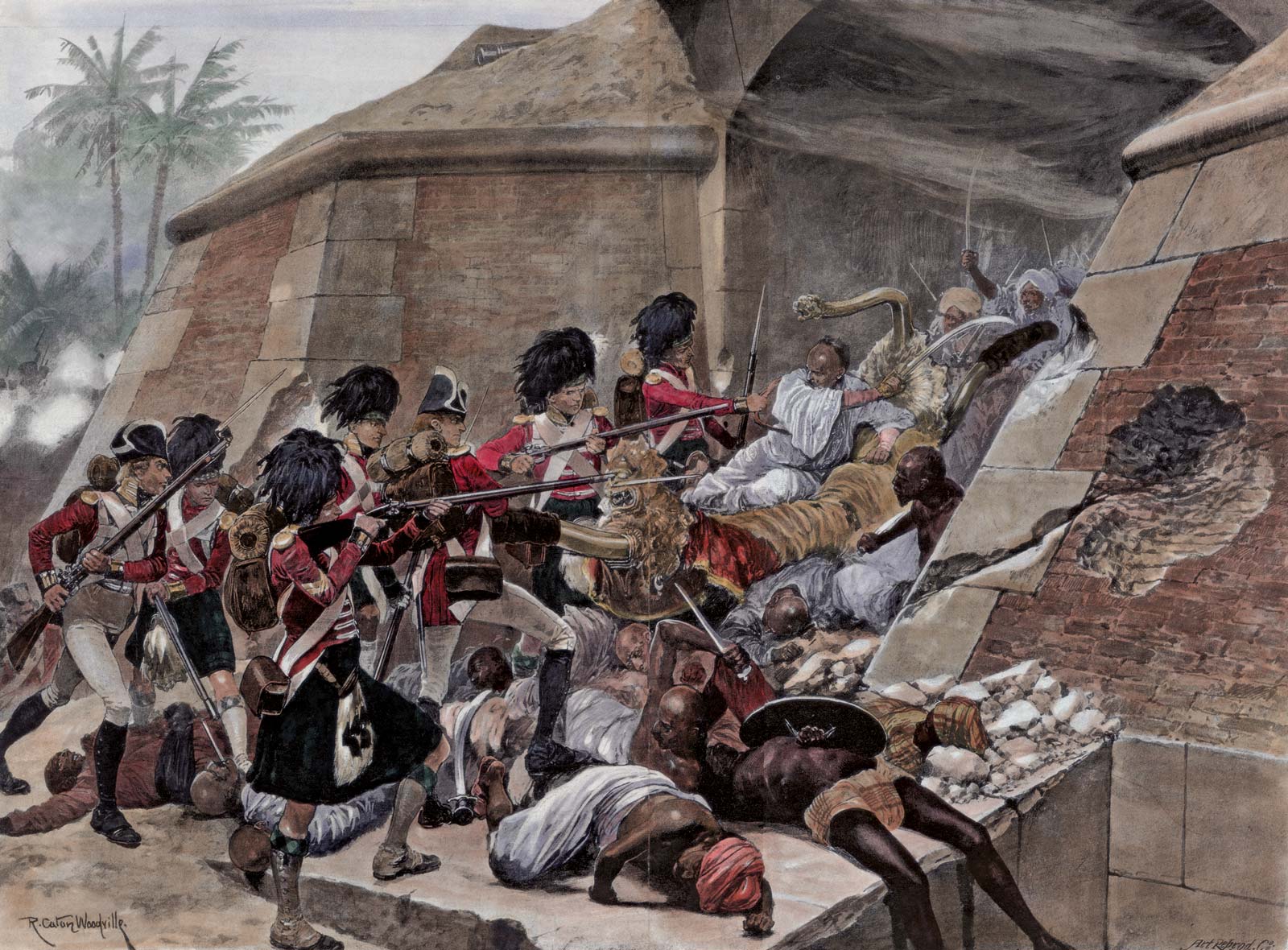
    Feature Image Credit: Storming of the Srirangapattinam Fort by the British. Fourth Anglo-Mysore War, 1799. Consolidation of colonialism and imperialism. www.mediastorehoise.com

  • From Cold War to Hot Peace

    From Cold War to Hot Peace

    In a world shaped by the iron logic of markets and national interests, Vladimir Putin’s atavistic war of conquest has mystified the “deep” strategists of realpolitik. Their mistake was to forget that under global capitalism, cultural, ethnic, and religious conflicts are the only forms of political struggle left.

    With the Russian invasion of Ukraine, we are entering a new phase of warfare and global politics. Aside from a heightened risk of nuclear catastrophe, we are already in a perfect storm of mutually reinforcing global crises – the pandemic, climate change, biodiversity loss, and food and water shortages. The situation exhibits a basic madness: at a time when humanity’s very survival is jeopardized by ecological (and other) factors, and when addressing those threats should be prioritized over everything else, our primary concern has suddenly shifted – again – to a new political crisis. Just when global cooperation is needed more than ever, the “clash of civilizations” returns with a vengeance.

    Why does this happen? As is often the case, a little Hegel can go a long way toward answering such questions. In the Phenomenology of Spirit, Hegel famously describes the dialectic of master and servant, two “self-consciousnesses” locked in a life-or-death struggle. If each is ready to risk his own life to win, and if both persist in this, there is no winner: one dies, and the survivor no longer has anyone to recognize his own existence. The implication is that all of history and culture rest on a foundational compromise: in the eye-to-eye confrontation, one side (the future servant) “averts its eyes,” unwilling to go to the end.

    But Hegel would hasten to note that there can be no final or lasting compromise between states. Relationships between sovereign nation-states are permanently under the shadow of potential war, with each epoch of peace being nothing more than a temporary armistice. Each state disciplines and educates its own members and guarantees civic peace among them, and this process produces an ethic that ultimately demands acts of heroism – a readiness to sacrifice one’s life for one’s country. The wild, barbarian relations between states thus serve as the foundation of the ethical life within states.

    North Korea represents the clearest example of this logic, but there are also signs that China is moving in the same direction. According to friends in China (who must remain unnamed), many authors in Chinese military journals now complain that the Chinese army hasn’t had a real war to test its fighting ability. While the United States is permanently testing its army in places like Iraq, China hasn’t done so since its failed intervention in Vietnam in 1979.

    At the same time, Chinese official media have begun to hint more openly that since the prospect of Taiwan’s peaceful integration into China is dwindling, a military “liberation” of the island will be needed. As ideological preparation for this, the Chinese propaganda machine has increasingly urged nationalist patriotism and suspicion toward everything foreign, with frequent accusations that the US is eager to go to war for Taiwan. Last fall, Chinese authorities advised the public to stock up on enough supplies to survive for two months “just in case.” It was a strange warning that many perceived as an announcement of imminent war.

    This tendency runs directly against the urgent need to civilize our civilizations and establish a new mode of relating to our environs. We need universal solidarity and cooperation among all human communities, but this objective is made far more difficult by the rise of sectarian religious and ethnic “heroic” violence and a readiness to sacrifice oneself (and the world) for one’s specific cause. In 2017, the French philosopher Alain Badiou noted that the contours of a future war are already discernible. He foresaw:

    “…the United States and their Western-Japanese group on the one side, China and Russia on the other side, atomic arms everywhere. We cannot but recall Lenin’s statement: ‘Either revolution will prevent the war or the war will trigger revolution.’ This is how we can define the maximal ambition of the political work to come: for the first time in history, the first hypothesis – revolution will prevent the war – should realize itself, and not the second one – a war will trigger revolution. It is effectively the second hypothesis which materialized itself in Russia in the context of the First World War, and in China in the context of the second. But at what price! And with what long-term consequences!”

    The Limits of Realpolitik

    Civilizing our civilizations will require radical social change – a revolution, in fact. But we cannot afford to hope that a new war will trigger it. The far more likely outcome is the end of civilization as we know it, with the survivors (if there are any) organized in small authoritarian groups. We should harbor no illusions: in some basic sense, World War III has already begun, though for now it is still being fought mostly through proxies.

    Abstract calls for peace are not enough. “Peace” is not a term that allows us to draw the key political distinction that we need. Occupiers always sincerely want peace in the territory they hold. Nazi Germany wanted peace in occupied France, Israel wants peace in the occupied West Bank, and Russian President Vladimir Putin wants peace in Ukraine. That is why, as the philosopher Étienne Balibar once put it, “pacifism is not an option.” The only way to prevent another Great War is by avoiding the kind of “peace” that requires constant local wars for its maintenance.

    Whom can we rely on under these conditions? Should we place our confidence in artists and thinkers, or in pragmatic practitioners of realpolitik? The problem with artists and thinkers is that they, too, can lay the foundation for war. Recall William Butler Yeats’s apt verse: “I have spread my dreams under your feet, / Tread softly because you tread on my dreams.” We should apply these lines to poets themselves. When they spread their dreams under our feet, they should spread them carefully because actual people will read them and act upon them. Recall that the same Yeats continuously flirted with Fascism, going so far as to voice his approval of Germany’s anti-Semitic Nuremberg Laws in August 1938.

    Plato’s reputation suffers because of his claim that poets should be thrown out of the city. Yet this is rather sensible advice, judging from the experience of recent decades, when the pretext for ethnic cleansing has been prepared by poets and “thinkers” like Putin’s house ideologue, Aleksandr Dugin. There is no longer ethnic cleansing without poetry, because we live in an era that is supposedly post-ideological. Since great secular causes no longer have the force to mobilize people for mass violence, a larger sacred motive is needed. Religion or ethnic belonging serve this role perfectly (pathological atheists who commit mass murder for pleasure are rare exceptions).

    Realpolitik is no better guide. It has become a mere alibi for ideology, which often evokes some hidden dimension behind the veil of appearances in order to obscure the crime that is being committed openly. This double mystification is often announced by describing a situation as “complex.” An obvious fact – say, an instance of brutal military aggression – is relativized by evoking a “much more complex background.” The act of aggression is really an act of defense.

    This is exactly what is happening today. Russia obviously attacked Ukraine, and is obviously targeting civilians and displacing millions. And yet commentators and pundits are eagerly searching for “complexity” behind it.

    There is complexity, of course. But that does not change the basic fact that Russia did it. Our mistake was that we did not interpret Putin’s threats literally enough; we thought he was just playing a game of strategic manipulation and brinkmanship. One is reminded of the famous joke that Sigmund Freud quotes:

    “Two Jews met in a railway carriage at a station in Galicia. ‘Where are you going?’ asked one. ‘To Cracow,’ was the answer. ‘What a liar you are!’ broke out the other. ‘If you say you’re going to Cracow, you want me to believe you’re going to Lemberg. But I know that in fact you’re going to Cracow. So why are you lying to me?’”

    When Putin announced a military intervention, we didn’t take him literally when he said he wanted to pacify and “denazify” Ukraine. Instead, the reproach from disappointed “deep” strategists amounts to: “Why did you tell me you are going to occupy Lviv when you really want to occupy Lviv?”

    This double mystification exposes the end of realpolitik. As a rule, realpolitik is opposed to the naivety of binding diplomacy and foreign policy to (one’s version of) moral or political principles. Yet in the current situation, it is realpolitik that is naive. It is naive to suppose that the other side, the enemy, is also aiming at a limited pragmatic deal.

    Force and Freedom

    During the Cold War, the rules of superpower behavior were clearly delineated by the doctrine of mutual assured destruction (MAD). Each superpower could be sure that if it decided to launch a nuclear attack, the other side would respond with full destructive force. As a result, neither side started a war with the other.

    By contrast, when North Korea’s Kim Jong-un talks about dealing a devastating blow to the US, one cannot but wonder where he sees his own position. He talks as if he is unaware that his country, himself included, would be destroyed. It is as if he is playing an altogether different game called NUTS (Nuclear Utilization Target Selection), whereby the enemy’s nuclear capabilities can be surgically destroyed before it can counterstrike.

    Over the past few decades, even the US has oscillated between MAD and NUTS. Though it acts as if it continues to trust the MAD logic in its relations with Russia and China, it has occasionally been tempted to pursue a NUTS strategy vis-à-vis Iran and North Korea. With his hints about possibly launching a tactical nuclear strike, Putin follows the same reasoning. The very fact that two directly contradictory strategies are mobilized simultaneously by the same superpower attests to the fantasy character of it all.

    Unfortunately for the rest of us, MADness is passé. Superpowers are increasingly testing each other, experimenting with the use of proxies as they try to impose their own version of global rules. On March 5, Putin called the sanctions imposed on Russia the “equivalent of a declaration of war.” But he has repeatedly stated since then that economic exchange with the West should continue, emphasizing that Russia is keeping its financial commitments and continuing to deliver hydrocarbons to Western Europe.

    In other words, Putin is trying to impose a new model of international relations. Rather than cold war, there should be hot peace: a state of permanent hybrid war in which military interventions are declared under the guise of peacekeeping and humanitarian missions.

    Hence, on February 15, the Russian Duma (parliament) issued a declaration expressing “its unequivocal and consolidated support for the adequate humanitarian measures aimed at providing support to residents of certain areas of the Donetsk and Lugansk regions of Ukraine who have expressed a desire to speak and write in Russian language, who want freedom of religion to be respected, and who do not support the actions of the Ukrainian authorities violating their rights and freedoms.”

    How often in the past have we heard similar arguments for US-led interventions in Latin America or the Middle East and North Africa? While Russia shells cities and bombs maternity wards in Ukraine, international commerce should continue. Outside of Ukraine, normal life should go on. That is what it means to have a permanent global peace sustained by never-ending peacekeeping interventions in isolated parts of the world.

    Can anyone be free in such a predicament? Following Hegel, we should make a distinction between abstract and concrete freedom, which correspond to our notions of freedom and liberty. Abstract freedom is the ability to do what one wants independently of social rules and customs; concrete freedom is the freedom that is conferred and sustained by rules and customs. I can walk freely along a busy street only when I can be reasonably sure that others on the street will behave in a civilized way toward me – that drivers will obey traffic rules, and that other pedestrians will not rob me.

    But there are moments of crisis when abstract freedom must intervene. In December 1944, Jean-Paul Sartre wrote: “Never were we freer than under the German occupation. We had lost all our rights, and first of all our right to speak. They insulted us to our faces. … And that is why the Resistance was a true democracy; for the soldier, as for his superior, the same danger, the same loneliness, the same responsibility, the same absolute freedom within the discipline.”

    Sartre was describing freedom, not liberty. Liberty is what was established when post-war normality returned. In Ukraine today, those who are battling the Russian invasion are free and they are fighting for liberty. But this raises the question of how long the distinction can last. What happens if millions more people decide that they must freely violate the rules in order to protect their liberty? Is this not what drove a Trumpian mob to invade the US Capitol on January 6, 2021?

    The Not-so-Great Game

    We still lack a proper word for today’s world. For her part, the philosopher Catherine Malabou believes we are witnessing the beginning of capitalism’s “anarchist turn”: “How else are we to describe such phenomena as decentralized currencies, the end of the state’s monopoly, the obsolescence of the mediating role played by banks, and the decentralization of exchanges and transactions?”

    Those phenomena may sound appealing, but with the gradual disappearance of the state’s monopoly, state-imposed limits to ruthless exploitation and domination will also disappear. While anarcho-capitalism aims at transparency, it also “simultaneously authorizes the large-scale but opaque use of data, the dark web, and the fabrication of information.”

    To prevent this descent into chaos, Malabou observes, policies increasingly follow a path of “Fascist evolution…with the excessive security and military build-up that goes along with it. Such phenomena do not contradict a drive towards anarchism. Rather, they indicate precisely the disappearance of the state, which, once its social function has been removed, expresses the obsolescence of its force through the use of violence. Ultra-nationalism thus signals the death agony of national authority.”

    Viewed in these terms, the situation in Ukraine is not one nation-state attacking another nation-state. Rather, Ukraine is being attacked as an entity whose very ethnic identity is denied by the aggressor. The invasion is justified in the terms of geopolitical spheres of influence (which often extend well beyond ethnic spheres, as in the case of Syria). Russia refuses to use the word “war” for its “special military operation” not just to downplay the brutality of its intervention but above all to make clear that war in the old sense of an armed conflict between nation-states does not apply.

    The Kremlin wants us to believe that it is merely securing “peace” in what it considers its geopolitical sphere of influence. Indeed, it is also already intervening through its proxies in Bosnia and Kosovo. On March 17, the Russian ambassador to Bosnia, Igor Kalabukhov, explained that, “If [Bosnia] decides to be a member of any alliance [such as NATO], that is an internal matter. Our response is a different matter. Ukraine’s example shows what we expect. Should there be any threat, we will respond.”

    Moreover, Russian Foreign Minister Sergei Lavrov has gone so far as to suggest that the only comprehensive solution would be to demilitarize all of Europe, with Russia with its army maintaining peace through occasional humanitarian interventions. Similar ideas abound in the Russian press. As the political commentator Dmitry Evstafiev explains in a recent interview with a Croatian publication: “A new Russia is born which lets you know clearly that it doesn’t perceive you, Europe, as a partner. Russia has three partners: USA, China, and India. You are for us a trophy which shall be divided between us and Americans. You didn’t yet get this, although we are coming close to this.”

    Dugin, Putin’s court philosopher, grounds the Kremlin’s stance in a weird version of historicist relativism. In 2016, he said:

    “Post-modernity shows that every so-called truth is a matter of believing. So we believe in what we do, we believe in what we say. And that is the only way to define the truth. So we have our special Russian truth that you need to accept…. If the United States does not want to start a war, you should recognize that United States is not any more a unique master. And [with] the situation in Syria and Ukraine, Russia says, ‘No you are not any more the boss.’ That is the question of who rules the world. Only war could decide really.”

    This raises an obvious question: What about the people of Syria and Ukraine? Can they not also choose their truth and belief, or are they just a playground – or battlefield – of the big “bosses”? The Kremlin would say they don’t count in the big division of power. Within the four spheres of influence, there are only peacekeeping interventions. War proper happens only when the four big bosses cannot agree on the borders of their spheres – as in the case of China’s claims to Taiwan and the South China Sea.

    A New Non-Alignment

    But if we can be mobilized only by the threat of war, not by the threat to our environment, the liberty we will get if our side wins may not be worth having. We are faced with an impossible choice: if we make compromises to maintain peace, we are feeding Russian expansionism, which only a “demilitarization” of all of Europe will satisfy. But if we endorse full confrontation, we run the high risk of precipitating a new world war. The only real solution is to change the lens through which we perceive the situation.

    While the global liberal-capitalist order is obviously approaching a crisis at many levels, the war in Ukraine is being falsely and dangerously simplified. Global problems like climate change play no role in the hackneyed narrative of a clash between barbaric-totalitarian countries and the civilized, free West. And yet the new wars and great-power conflicts are also reactions to such problems. If the issue is survival on a planet in trouble, one should secure a stronger position than others. Far from being the moment of clarifying truth, and when the basic antagonism is laid bare, the current crisis is a moment of deep deception.

    While we should stand firmly behind Ukraine, we must avoid the fascination with war that has clearly seized the imaginations of those who are pushing for an open confrontation with Russia. Something like a new non-aligned movement is needed, not in the sense that countries should be neutral in the ongoing war, but in the sense that we should question the entire notion of the “clash of civilizations.”

    According to Samuel Huntington, who coined the term, the stage for a clash of civilizations was set at the Cold War’s end, when the “iron curtain of ideology” was replaced by the “velvet curtain of culture.” At first blush, this dark vision may appear to be the very opposite of the end-of-history thesis advanced by Francis Fukuyama in response to the collapse of communism in Europe. What could be more different from Fukuyama’s pseudo-Hegelian idea that the best possible social order humanity could devise had at last been revealed to be capitalist liberal democracy?

    We can now see that the two visions are fully compatible: the “clash of civilizations” is the politics that comes at the “end of history.” Ethnic and religious conflicts are the form of struggle that fits with global capitalism. In an age of “post-politics” – when politics proper is gradually replaced by expert social administration – the only remaining legitimate sources of conflict are cultural (ethnic, religious). The rise of “irrational” violence follows from the depoliticization of our societies.

    Within this limited horizon, it is true that the only alternative to war is a peaceful coexistence of civilizations (of different “truths,” as Dugin put it, or, to use a more popular term today, of different “ways of life”). The implication is that forced marriages, homophobia, or the rape of women who dare to go out in public alone are tolerable if they happen in another country, so long as that country is fully integrated into the global market.

    The new non-alignment must broaden the horizon by recognizing that our struggle should be global – and by counseling against Russophobia at all costs. We should offer our support to those within Russia who are protesting the invasion. They are not some abstract coterie of internationalists; they are the true Russian patriots – the people who truly love their country and have become deeply ashamed of it since February 24. There is no more morally repulsive and politically dangerous saying than, “My country, right or wrong.” Unfortunately, the first casualty of the Ukraine war has been universality.

    This essay was published earlier in Project Syndicate.

  • Liquid globalization and inter-civilizational Dialogue

    Liquid globalization and inter-civilizational Dialogue

    The Western world is not only in relative decline, but also faces the inevitable ‘rise of the rest’ (Zakaria), as well as an increasing level of instability and unruliness in many parts of the world. Although there has already been a lot of research in post-colonial studies and intercultural communication, the binary code between the imaginary West and the multiplicity of non-Western approaches was yet to be resolved. Given the relative decline of the West, the dissolution of identities throughout the world, and the rise of the newly industrialized nations, there is an imminent urgency to address and overcome this binary code because it is not only situated in discourses but also manifested itself in all our living environment and within ourselves.

    This approach is based on the assumption that the West, as well as the non-Western world, have their shares of dark sides in history. When it comes to the Western world, we cannot deny brutal colonialism, the religious wars, the two world wars, Auschwitz, and the sheer luck of averted atomic world war, which would have destroyed all living being. On the other side, there is often an unbearable degree of intra-societal violence in the Non-Western World. – peoples in a lot of countries face a living hell. For them, hell is not an afterlife. They experience it already in their own life.

    As we are all living on one planet featuring more connectivity, we become more and more aware that there cannot be any more islands of prosperity, peace and well-being within a sea of violence, hatred, extreme poverty, and the dissolution of the fabric of societies. In some parts of the world, they experience something very close to the Hobbesian war of all against all, or Carl Schmitt’s never-ending civil wars between communities.

    In order to cope with these developments, a dialogue about the civilization foundations of our world society is needed. I explicitly use the concept of civilization in the footsteps of Karl Jaspers, Shmuel Eisenstadt and Peter J. Katzenstein, because civilizations are much more inclusive than religions. This is particularly clear with civilizations that descended from religions. In my view, the contrast is based on that of the Western billiard game model versus the model of concentric circles. Of course, we can easily differentiate these models. For example, when the balls in the billiard game attract each other, we are in the theoretical domain of idealism and cooperation; if they push off each other we are in the realm of competition, conflict and war. And, of course, if the balls cooperate, we are in the realm of all kinds of institutionalism. But the main concept in this model is the importance of rule and methods. The model of concentric circles on the other side can be distinguished by the relation of centre, semi-centre, semi-periphery and periphery (by slight modification of proximity and distance to the centre). In case that we have a transfer of goods, people, ideas, raw materials from the periphery to the centre we label this imperialism, the other way round, from the centre to the periphery I’m tempted to judge this as a form of civilization.

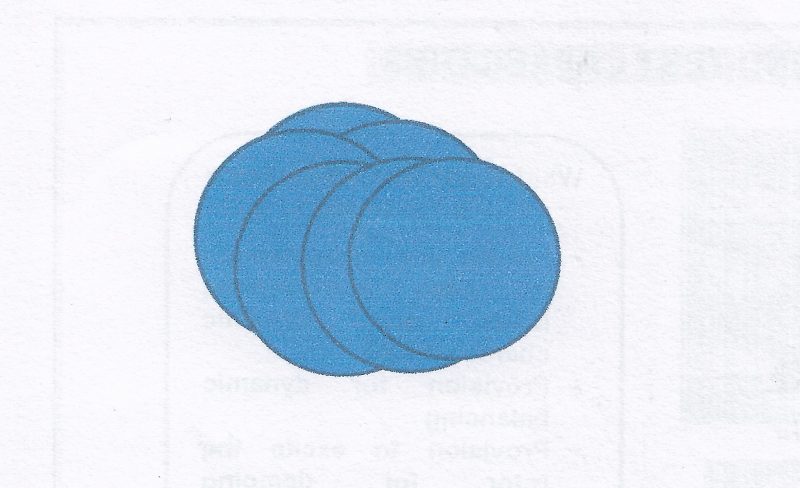
    Traditional forms of societies can be explained by overlapping circles of politics, societal relations, economy, economy and the environment:


    In such a traditional society there is a great correspondence and overlapping of the different spheres – identity is based on an ostensible core and seems to be related to culturally determined values that were handed over from generation to generation.

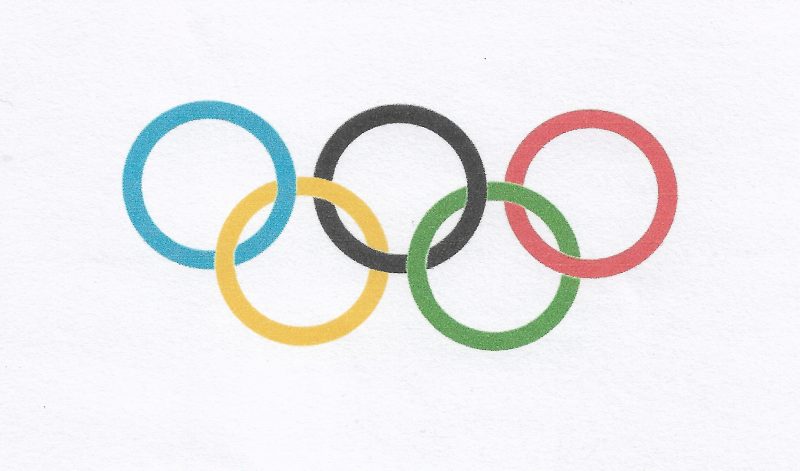
    A “modern” society (first modernity, Ulrich Beck) to the contrary can be characterized by the assumption that the different circles are much lesser overlapping, they are forming different spheres which have their laws and logics – we may label this a kind of functional differentiation (Niklas Luhmann) and it could either be characterized by the interaction and different functions of the organs of a body or the Olympic Rings.

    The spheres in which these rings are overlapping are the institutions in modern societies like the state, the political system, law and the judicial system, the church as an institution, labour unions and civil society.

    In liquid globalization and as a result of military interventions, civil wars, these rings of political, social, economic, and cultural and security spheres are separated from one another and could no longer be held together by a core identity.


    Within this model, there is a sphere that remains blank and could be characterized as a kind of emptiness. In such an understanding the social fabric is increasingly dissolved and especially the young generation is set free from all social norms. This concept is able to overcome the binary alternative which characterizes the discussion about the causes of terrorism, whether these actions are either related to an aggressive ideology or the social disintegration in societies and failed states, as in the ring of fire around Europe, mainly in the Arab-Islamic states, but also in Africa as a whole. It also explains why identity and recognition count so much in a lot of conflicts throughout the world.

    Based on this concept it becomes obvious that this emptiness can be filled with different content, for example with radical ideologies, private enrichments, drug, weapons and human trafficking, but also with the recourse to ethnic and even tribal identities, masculinity and patriarchy and finally violence itself which gives the excluded, superfluous (population growth) and uprooted young generation in these countries and regions the feeling not to be absolute powerless but all-powerful.

    The rise of the others in a globalized world is inevitable (Zakaria) – our task is to develop forms of recognition that centre on the civilizational foundations of Islam, Buddhism/Taoism, Confucianism, Christianity and Hinduism and African kinds of solidarity.

    The alternative to such a violent filling of the emptiness caused by liquid globalization is the mutual recognition of the civilizations of the earth. The rise of the others in a globalized world is inevitable (Zakaria) – our task is to develop forms of recognition that centre on the civilizational foundations of Islam, Buddhism/Taoism, Confucianism, Christianity and Hinduism and African kinds of solidarity. Only by recognizing their civilizational achievements, the uprooted, excluded and superfluous people of the world, which are the vast majority of mankind, can build an identity by their own in fluid globalization.

    Assuming that we all are already living in such spheres which are not overlapping, producing a kind of emptiness, the two different solutions might be to solve this problem by constructing a core as identity, which leads to thinking in categories of we against the rest of the far-right, whereas a different attempt would be to develop a discourse in which identity is constructed as a kind of floating (Clausewitz) and progressing (Hegel) balance or harmony (Confucius), understood as unity with difference and difference with unity.

  • As the US exits Afghanistan, who is there to tame Taliban?

    As the US exits Afghanistan, who is there to tame Taliban?

    Sometimes, the best way to triumph over an enemy is to quit the game. In an attempt to honour his election campaign promise of bringing the American soldiers back home, President Trump announced the complete withdrawal of American troops from Afghanistan and Iraq. About eight thousand six hundred remaining boys in boots will return from Afghanistan by Christmas this year. The Taliban, whom American forces have been fighting for the last two decades, is now a closed-door dialogue partner of the White House. The arch-rivals in the eerie battleground are now facing off each other in opulent hotels.

    In Doha, the Afghan government caught up with the Taliban at the much-awaited intra-Afghan peace talk, held in September

    In the two-decade-long war, America has paid enormously in currency, diplomacy, and defence. It has cost the US exchequer almost $2 trillion. Several efforts to bring peace have gone in vain. Ultimately, Washington has successfully brought the Taliban and the Afghan government to talk to each other. The two belligerent parties are now engaged in the tete-a-tete. In Doha, the Afghan government caught up with the Taliban at the much-awaited intra-Afghan peace talk, held in September. Despite several attempts, an agreement between the Taliban and the Afghan government could not take place earlier as the bellicose force never recognized the legitimacy of the elected government in Afghanistan. In the eyes of the Taliban, the incumbent in Kabul remains a puppet government of the Western powers. What contrasts the most between the present administration and the earlier Talibani rule is their diametrically opposite ideologies. Whereas the present system in Afghanistan runs democratically, the Taliban believes in the Islamic Sharia law. The battle is now between democracy and theocracy.

    The ongoing peace process is a continuum of American mediation between the Taliban and the Afghan government since February 2020.  White House is nearing an imminent peace deal with the Taliban as they are no longer deeply interested in Afghanistan. Washington’s priority is now countering China’s growing influence.

    In the previous peace talks, the western states sat with the Taliban, disdaining the Afghan government. Even Russia’s attempts failed to produce any fruitful results in favour of Afghanistan. One of the major reasons for the failure is about diluting the Afghan government authority. The Afghan government never endorsed the efforts of foreign nations in the Afghan peace negotiations, in which the Afghan government itself is side-lined. Afghan government affirmed that any kind of peace deal would not be entertained as the legitimate government was not a part of it as it was a clear violation of Afghan sovereignty.  Afghan government took the issue to the United Nations and accused Pakistan of bypassing it in peace talks with the Taliban.

    a large area of Afghanistan and its people are under the Taliban’s control. The Taliban is collecting taxes from the citizens to exercise their undisputed rule.

    Unlike the previous attempts, the intra-Afghan dialogue has raised much hope among the Afghans, the Government, and the international community. But both parties are likely to face many tough challenges to achieve the desired outcome.  The Taliban has already violated the agreement with the United States that resulted in the death of Afghan civilians and army personnel but stresses that it is continuing with the ceasefire. It is possible that by claiming to maintain the ceasefire the Taliban is trying to put pressure on the Afghan government. Despite this hostile situation, the Afghan government has agreed to negotiate with the Taliban mainly for two reasons. First, most of the International Security Assistance Forces and North Atlantic Treaty Organization (NATO) forces have left Afghanistan. The Afghan security forces have neither the training nor the institutional mechanism to provide security to its people. Second, a large area of Afghanistan and its people are under the Taliban’s control. The Taliban is collecting taxes from the citizens to exercise their undisputed rule.

    Unlike the previous peace processes, the current one does not rely much on foreign countries. But the peace deal is likely to affect Afghanistan’s external relations adversely. If the Taliban reverts to its Islamic radicalism, Afghanistan may lose billions of foreign aid it has been receiving since the last decade for the reconstruction of the country. The Afghan government worries that the premature departure of American troops may have a negative impact on international assistance.

    Although both parties agreed to negotiate on the peace deal, there is dissatisfaction within the cadres of the parties. In the recent elections, the two Presidential contestants each claimed electoral victory. A power-sharing arrangement was concluded where Ashraf Ghani is the President and Abdullah Abdullah exercises power as the chairperson of the High Council for National Reconciliation. On the Taliban side, many leaders do not support the peace process as they believe that they could win the Afghan war by military means. They consider  Pentagon’s departure from Afghanistan as a sign of their victory.

    The Taliban continues to maintain its contact with the Al-Qaeda, according to a UN security council report. The US -Taliban agreement of February demands a complete divorce between the Taliban and the Al-Qaeda.  UN reports and the violation of ceasefire show that the Taliban is not adhering to the agreement. Once the peace deal is completed, the Taliban could take advantage of the absence of US troops in Afghanistan and renege on their commitments by maintaining close ties with the Al Qaeda, Haqqani Network, and the other extremist groups. The training camps of these Islamist terrorist groups are being used by Pakistan based terror outfits like Lashkar and Jaish-e-Mohammed. When Soviet troops left Afghanistan in 1989, insurgency and terrorism increased in Kashmir. It saw a drastic fall when Washington waged war on Taliban and other Islamist extremist groups.

    If the Sharia law returns to Afghanistan, all the democratic rights and the freedom that the Afghan people have seen since the last decade, are likely to be lost.

    The consequences would be grave if the peace deal doesn’t fetch the desired results. The peace deal is necessary for the Afghan government in maintaining peace and stability in Afghanistan. If the Sharia law returns to Afghanistan, all the democratic rights and the freedom that the Afghan people have seen since the last decade, are likely to be lost. Even if a peace deal fructifies, it may not ensure peace for every section of society. During the previous Taliban rule, the fundamental rights of women- ranging from education to employment, were denied. Women had to live a sub-human life. At present, women hold 28 percent of the total seats in the parliament. So, if the Sharia law is enacted again, it will deny the basic rights of Afghan women. Millions of Afghan refugees in neighbouring Iran, Pakistan, and elsewhere in European countries cannot hope to return home. The host countries, however, have started sending back the Afghan refugees forcefully amid instability.

    Afghanistan is a country of over a hundred ethnic groups, tribes, non-Muslims, and other communities. Most ethnic groups have a conflict with each other. In recent times, the Taliban attacked the non-Muslim communities, especially Hindus and Sikhs. The Ministry of External Affairs of India facilitated the travels of a few Hindu families to India. Even after the Afghan government concludes a peace deal with the Taliban, conflicts may continue and peace may still be elusive. The effectiveness of the peace deal will depend on the commitments of each party.

    European countries do not have the military or economic strength to prosecute overseas conflicts. The internal mechanism of NATO is weaker than before. And after the Brexit deal, the fragmented European union lacks the political will to intervene in the war-torn state. China’s interests in Afghanistan are mostly commercial. Infrastructures or projects under Belt and Road Initiative can’t be built amid the carnage. China has the political, financial, and military strength to fill the void, after the complete withdrawal of the US forces. The Chinese financial contribution in Afghanistan is a clear sign that the country has a long-term strategy in the region. This apart, China has security concerns as well in Afghanistan. The rise of extremist movements in Afghanistan is likely to impact security in China, especially in Xinjiang province. In recent years, China has increased its military ties with Afghanistan. In the absence of the American troops, Afghanistan may consider China as possible support.

    Once the US exits, Kabul will have an option to raise the peace issue in the Shanghai Cooperation Organization (SCO). The SCO can be the main military and economic block in Asia. Except for Turkmenistan, all the bordering countries of Afghanistan and other major players in South Asia have either members-status or observer status at the SCO. It can certainly play a very effective role as the peacemaker providing its members, each with considerably different stakes in Afghanistan can get their act together.

    The Taliban in the Afghan government would provide political leverage to Pakistan over India.

    If the Taliban assumes power, India-Afghanistan bonhomie will turn frosty. Unlike other countries, the Indian government never supported the Taliban. India has been a staunch supporter of Afghan-led, Afghan controlled and Afghan-owned peace deal. Pakistan has always been supportive of the Taliban as it serves its strategic interests. The Taliban in the Afghan government would provide political leverage to Pakistan over India. Seeing that it has been left out of the Afghan peace talks, it appears that India is coming around to talk to the Taliban.

    Afghans are exhausted from bloodshed in the last few decades. The region has turned into a breeding ground for Islamic State in Khorasan, Al-Qaeda, and other terrorist groups. A stable and democratic Afghan government is necessary for maintaining peace in the South Asian region. As the effectiveness of SAARC continues to be hampered by India-Pakistan animosity, other South Asian states, Organization of Islamic Cooperation member states, and other Islamic states like Saudi Arabia or Turkey should act to restrain the Taliban and pave the way for peace in Afghanistan.


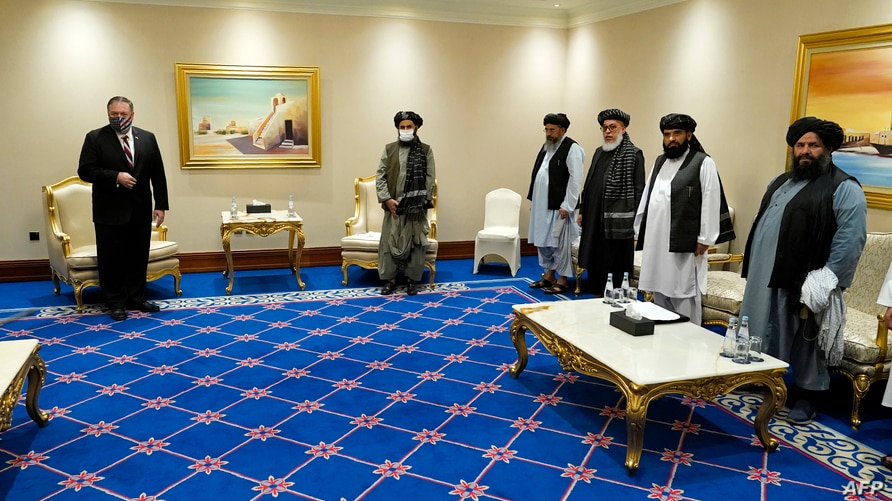
    Image: US Secretary of State Mike Pompeo meets with Taliban’s Mullah Abdul Ghani Baradar and members of his negotiating team. Credit: www.voanews.com


  • Understanding the Syrian Civil War through Galtung’s Conflict Theory

    Understanding the Syrian Civil War through Galtung’s Conflict Theory

    Introduction

    As the founder of the discipline of Peace and Conflict Studies, Johan Vincent Galtung has outspokenly advocated for a world without nuclear weapons and has placed the focus of his research on scientific terminologies and methods to understand and deal with conflicts. Having coined the term “peace research”, Galtung has devoted much of his time in formulating the influential and unique ‘transcend approach’, wherein the focus is on peace, rather than security. He has advocated for a model that is holistic and is based on deep understanding and dialogue with one party at a time.

    Having coined the term “peace research”, Galtung has devoted much of his time in formulating the influential and unique ‘transcend approach’, wherein the focus is on peace, rather than security.

    The underlying cause of any violence, according to Galtung, is an unresolved conflict, one that has not been transformed or transcended, due to the existence of incompatible goals. If the goals are among the four basic needs of survival, well-being, identity, or freedom, the conflict is then concluded to be deep, and most difficult to resolve if left unattended. It is important to remember that a conflict does not progress linearly, but rather goes around in a circle, through a cycle of non-violence, to violence, then to post-violence, and likely back to violence again if it fails to be resolved.

    The escalation of a conflict to a violent level is largely a result of disequilibrium among the actors or parties involved, leading to polarization and dehumanization of the Other, and finally reflected in their aggression, the output of which is violence. What follows violence is traumatization, and consequently acts of revenge (Galtung, 2010), leading the cycle of conflict back to its first level.

    Galtung’s Notion of Conflict

    Johan Galtung, in his book, ‘Peace by Peaceful Means (1996)’, defined conflict as a “triadic construct” (pg.71), consisting of three important factors – Attitudes, Behaviour, and Contradictions.

    While both, Attitudes (A) and Contradiction (B), reflect the latent, subconscious level of conflict, Behaviour (B), on the other hand, is always manifest and reflects how people consciously act when confronted with contradictions and hostile attitudes and assumptions. Behaviour may thus be seen as an act of violence, both physical and verbal.

    Attitudes and assumptions may include the person’s perceptions about an actor or an institution; his/her emotions – how s/he feels about the actor/institution involved; and what s/he wants or expects from the given actor/institution. Thus, attitudes may include sexist beliefs about women or discriminatory attitudes towards minorities.

    Contradictions, on the other hand, refer to the content of the conflict, the incompatibility between the goals. It may include a territorial dispute between two or more actors over a single piece of territory, as in the case of Israel and Palestine, or as in the case of multiple parties laying claim to the same group of islets in the South China Sea. In the case of structural or indirect conflict, the contradictions may refer to the disequilibrium in the positions of parties involved, as in the case of inequality between different classes.

    A conflict, according to Galtung, could start from any of the three points of the triangle. It could start from point (A), wherein the actor’s hostile attitude could be in disharmony with those of other actors, leading to contradiction, and later reflected in violent behaviour.  A conflict may also start from point (B), where the actors involved may develop capacities or inclination towards negative/aggressive behaviour, which may get stimulated when a contradiction comes along.

    Galtung further divides the conflicts into actor/direct conflicts and structural/ indirect conflicts. The main point of departure between the two lies in their categorization into manifest, and latent levels. In a direct conflict, both attitudes and contradictions are manifest, that is, they are conscious and overt, the actor being aware of them at all times.

    However, the same does not apply when one takes into account the structural or indirect conflicts. Here, both attitudes and contradictions are latent, that is, they are subconscious and the actor is unaware of them. This is not to say that the contradictions or the incompatibilities are non-existent, rather only that the actor involved finds himself/herself completely unaware of such contradictions.

    Types of Violence

    While stating that the two types of violence – Direct and Structural, are to be considered as the starting point of any strategy for a peaceful resolution, Galtung also defined a third category of violence, namely, the Cultural Violence.

    Direct violence is an event that is often quick and visible, reflecting the capabilities and intentions of actors to engage in a conflict. It includes a victim and a perpetrator and can be seen explicitly in societies. Structural violence, on the other hand, is a process that is slow and often invisible. It refers to the injustice and inequality built into the structural institutions of the society. It is reflective of a position “higher up or lower down in a hierarchy of exploitation-repression-alienation” (Galtung 2012, pg.12), where the parties involved are determined either to keep the hierarchy intact or to completely obliterate it.

    An example of structural violence, as seen from a top-down approach would include colonial aspirations of the European nations. In the case of India and the British empire, the aggression from top existed in the form of material exploitation at the hands of the latter. It became visible once the natives demonstrated their will to oppose colonialism and break the hierarchy of exploitation. The same holds for the Indian caste system, wherein the structural violence, in the form of exploitation and marginalization, has remained intact because of the capability of those higher up, namely the Brahmins, to maintain the disequilibrium in positions between themselves and the communities they perceive to be lower than them.

    The Indian caste system, wherein the structural violence, in the form of exploitation and marginalization, has remained intact because of the capability of those higher up, namely the Brahmins, to maintain the disequilibrium in positions between themselves and the communities they perceive to be lower than them.

    Cultural violence refers to those “aspects of culture that can be used to legitimize or justify both, structural and direct violence” (Galtung: 1990, pg.291). It renders the use of violence as acceptable in society and makes it okay for actors to use violence without making them feel guilty. In a brilliant example, Galtung talks about how the internalization of culture makes it morally easier for actors to employ violence, such as in the interpretation in case of murder on behalf of one’s country being seen as right (Galtung: 1990, pg.292). In the case of direct and structural violence faced by immigrants, it is the culture that allows for such violence to be tolerated. The cultural violence, in this case, justifies the indirect and direct violence by dehumanizing the immigrants and portraying them as thugs or aliens. It allows societies to tolerate policies of forced child-separation while continuing to deny them equitable means of living.

    Escalation of conflicts into violence

    Violence is most often an outcome of deprivation of needs. The more basic and non-negotiable the needs, the likelier chance there is for aggression to come into existence. While classifying the basic needs into four broad categories of survival, welfare, freedom, and identity, Galtung warns his readers against prioritizing any one need over the others. To put survival above freedom and identity, would result in repression and alienation (Galtung, 1985), failing to end structural and cultural violence.

    When the goal of an actor (A) is incompatible with that of an actor (B), such that it obstructs the attainment of the goal by the actor (B), the pursuit of such goals would then most likely result in frustration among both actors, the consequence of which would be a polarisation of the two extremes. Polarisation would imply a zero-sum game, where the scope of transcendence is low, and the likely outcome is a position of no compromise. Because the contradiction in goals is absolute, the victory of the actor (A) would thus necessarily imply the loss of actor (B).

    Polarisation, accompanied by the dehumanization of the Other, may galvanize into hostility and hatred, manifesting itself into aggressive behaviour, finally resulting in escalation. The conflict, however, does not stop at violence. What follows violence, is traumatization of the victims harmed by violence, breeding acts of revenge (Galtung 2010, pg.16).

    In an actor conflict, the polarization between the two sides can almost immediately lead to direct violence. This is because actor (A), who has incompatible goals with actor (B), can easily identify the object/ subject of obstruction of attainment of its goals. Therefore, what follows is violent behaviour by actor (A) towards actor (B).

    On the other hand, in a structural conflict, polarisation may result in acute disequilibrium between rank positions of members in a society. However, Galtung in his essay on the “Structural Theory of Aggression” argues that violence is unlikely to occur unless all methods of maintaining equilibrium have been tried and unless culture facilitates violence wherein those lower down are constantly reminded of their position and their consequent mistreatment (Galtung 1964, pg.99).

    A system of injustice or inequity which refuses to break the hierarchy of oppression and exploitation would likely result in frustration, the outburst of which would be reflected in the form of violence. The often-visible Naxalite violence in India can be seen as a result of deep-rooted structural violence, wherein the parties involved have suffered exploitation and marginalization due to unequal economic development and inequitable distribution of resources for years.

    the genocide that took place against the members of the Rohingya community in Myanmar is a crude example of direct violence. 

    On the other hand, the genocide that took place against the members of the Rohingya community in Myanmar is a crude example of direct violence. They claimed to have been living in the State since the 9th century but were eventually labelled as Bangladeshi Immigrants. Years of discrimination (structural violence) and hatred (attitudes, assumptions/ cultural violence) led to their ethnic cleansing (direct violence). They were murdered, raped, and evicted from their homeland. It only took one law, which rendered them stateless, for the majority of Myanmar to consider them as sub-humans, and readily accept the atrocities committed against them.

    Syrian Conflict through Galtung’s Conflict Theory

    The civil war in Syria is, unfortunately, an example of one of the bloodiest conflicts of this century. The war is often seen as a result of the outburst of pro-democracy protests in 2011, under the appellation of the Arab Spring.

    However, when approached from Galtung’s conflict theory, the conflict can be divided into three categories of violence. First, what we have been witnessing is the horror of direct violence in Syria, as a consequence of years of repression, facilitated by the government’s violent response towards the peaceful protesters in 2011. Second, the structural violence in the form of decades of economic restraints and systemic corruption, which exacerbated the existing poverty and inequality amongst the citizens.  Further, four years of drought between 2006 and 2011, and the consequent failed economic policies forced 2 million to 3 million Syrians into abject poverty (Polk, 2013). The dwindling Syrian economy and infrastructure finally led to the deprivation of the basic need of welfare and threatened their need for survival, resulting in frustration. Third is the cultural violence that has helped in sustaining the ongoing violence, in the form of distortion, denial, and dehumanization of the victims of violence has helped Assad and his foreign allies in continuing the mass murder of Syrians. Here, the sanitization of language is of key importance, where the attempts of distortion of reality often end up in changing the moral colour of violence, as argued by Galtung, wherein violence from being unacceptable starts to be tolerated without question.

    Direct Violence in Syria

    Syrians have been victims of decades-long political repression, in the form of restrictions on freedom of speech and expression, torture and enforced disappearances. The political institutions have historically been unstable, with three military coups taking places in 1949 alone followed by one more in 1954, in addition to the Ba’athist-led coups of 1963 and 1966. The Syrian security forces (Mukhabarat) are known to have detained citizens without proper warrants even before 2010, many of whom have reportedly been tortured in prisons (Human Rights Watch, 2010). In their attempts to keep the hierarchy of power relations intact, the centralised institutions are known to clamp down on any public demonstrations, with frequent arrests and employment of state violence.

    several actors are involved in perpetrating the more visible, direct violence, and it is clear that the Syrian conflict cannot be looked at as a conflict solely between the state and armed rebellion groups.

    In 2011, fifteen school-going children, all under the age of seventeen, were reportedly arrested and tortured for writing anti-graffiti on a wall, leading to the protests of 2011. The government responded by opening fire on the peaceful protestors, killing four civilians (Macleod, 2011). More than 400,000 people have died because of the Syrian conflict since 2011, with 5 million seeking refuge abroad and over 6 million displaced internally (World Bank). This section identifies several actors involved in perpetrating the more visible, direct violence, and contends that the Syrian conflict cannot be looked at as a conflict solely between the state and armed rebellion groups. It would also be myopic to look at the conflict entirely from the perspective of sectarian divisions, given that each rebellion group has a different motive, and is being backed by several different actors.

    While soldiers supporting the Syrian president and the opposition armed groups continue to remain prominent actors, recent years have seen the rise of Islamic State, Al-Qaeda and their affiliated members. The war has also seen a large-scale presence of two categories of foreign actors – those supporting the Syrian regime (Iran, and Russia), and those who continue to be the key rebel supporters (US, Turkey, and Saudi Arabia). All of these actors have their motives and intentions of being engaged in the war. While Iran sees Syria as its primary ally and a transit point for Hezbollah, Russia thinks of Syria as its last remaining stronghold. The United States and Saudi Arabia, on the other hand, are driven by their intentions to maintain the regional balance of power away from the Iranian axis of influence. Meanwhile, Turkey continues to battle the spill-over effect of the thousands of Syrian refugees who continue to cross over the border to Turkey.

    The anti-government groups based in Ghouta, including Jaysh al-Islam, Ahrar al-Sham and Faylaq al-Rahmane, have killed and mutilated hundreds of civilians in indiscriminate attacks on Damascus. These armed groups have also regularly arrested and tortured civilians in Douma, including members of religious minority groups. Hay’at Tahrir al-Sham (HTS), an Al-Qaeda affiliate present in Idlib, has carried out arrests and kidnappings that targeted local political opponents and journalists, while also continuously interfering with humanitarian access and aid distribution in areas under its control (CSIS).

    Cultural Violence in Syria

    The cultural violence in Syria, like elsewhere, is most often perpetrated in the form of sanitization of language, where years of structural violence are termed as mere discrimination, and where civilians are seen as mere targets to be killed. A few years ago, in an attempt of distorting reality, the Russian media described a Syrian documentary on Helmet volunteers in Aleppo as a “thinly disguised Al Qaeda promotional vehicle” (Hamad, 2018).  Such attempts of distortion aim at normalizing even the most brutal violence. In the case of Russia, these attempts help in legitimizing its airstrikes, even when the number of civilians that have been killed in these strikes surpass the number of the ISIS members it sought to target. According to a report, approximately four thousand civilians have been killed by Russian airstrikes as opposed to 2758 ISIS members (Armstrong & Richter, 2016).

    Additionally, cultural violence in the form of ideology and religion has helped to sustain violence in the region. Religion, here, has acted as a form of cultural violence, where the fight is between the ‘Chosen’ and the ‘Unchosen’. In Syria, this fight has taken the form of sectarian divisions between the minority Alawi community and the majority Sunni population. The legitimisation of violence at the hands of the state is rooted in its fight against ‘extremism’, which depends upon the promulgation of the narrative that all rebel forces have the same ulterior motive -of building an intolerant Islamic caliphate. State’s reliance on its alleged effort to curb extremism has allowed its forces to justify the use of heavy artillery, the bombardment of residential places, and the subsequent massacres. Another factor that helps explain the sustenance of violence, is its normalization – where violence is seen as natural, and a part of everyday life. Decades of repression in Syria have helped to normalize torture, and rampant arrests and restrictions.

    Structural Violence in Syria

    While countries continue to witness the horrors of visible atrocities and war crimes, the underlying layers of structural violence continue to buttress the egregious brutality which is often more direct, and physical. Although the war is often seen as a result of the outburst of pro-democracy protests in 2011, a close examination of the country’s socio-economic structures would enable one to get a detailed insight into the underlying layers of frustration caused due to large-scale poverty, inequality, and marginalisation.

    One would also find that the relatively peaceful structure, which existed before the protests of 2011, was held intact largely due to the existence of single-party dominance, where one actor (Hafez al-Assad, and later Bashar al-Assad) held all power and authority, while those existing in lower ranks of society continued to lack resources, as well as opportunities to challenge the dominant power. The injustice and inequality built into the structural institutions of the Syrian society can be referred to, what has been called as the ‘structural violence’, by Johan Galtung. The violence, here, is reflective of a position “higher up or lower down in a hierarchy of exploitation-repression-alienation”, where the parties involved are determined either to keep the hierarchy intact or to completely obliterate it.

    In the case of Syria, the deprivation of the most basic and non-negotiable needs, which threatened the citizens’ need for survival, has been the primary cause for aggression to come into existence. The factors that, thus, led to the conflict in Syria can be seen rooted in years of repression, poverty, and lack of representative institutions, which manifested in the form of protests, or the Arab Spring of 2011. The Syrian economic crisis has existed long before the commencement of the civil war. Since the beginning of the economic crisis, Syria’s institutional structures have failed to meet the rising needs and rights of its population. In the 1980s, the country was trapped in a downward spiral of a fiscal crisis, as a result of large-scale drought, and due to both, domestic and external factors. The crisis led to high food deficit, and an increase in the cost of living, leading to a rise in patronage networks which provided small circles of elites with profitable businesses. These networks became increasingly popular in real estate and land management, leaving out large sectors of Syria underdeveloped. While the country witnessed a decreasing overall debt and a noticeable rise in the GDP in the 2000s, large sections of the population were excluded from benefitting from these growth rates due to differences in wage rates and declining job opportunities. Increasing inequality was reflected in a paper published by the UNDP, which claimed that 65.6% of all labour in Syria belonged to the informal sector in 2010, with Aleppo and Idlib ranking first with over 75% of their workforce belonging to the informal sector (UNDP, 2018).

    Years of conflict have exacerbated the economic crisis, pushing both the state and its citizens, into chaos, with more than 80 per cent of the Syrian population living below the poverty line, with an unemployment rate of at least 55 per cent in 2018.

    Additionally, the oil revenues fell from more than 14% of GDP in the early 2000s to about 4% in 2010 due to depleting reserves. According to a report, overall poverty in Syria in 2007 impacted 33.6% of the population, of which 12.3% were estimated to be living under extreme poverty. Noting the degree of inequality in Syria in 1997, the report found out that the lower 20% of the population had a share of only 8% in expenditure, while the richest 20% of the population share about 41% of the expenditure (Abu-Ismail, Abdel-Gadir & El-Laithy). Moreover, the widely disputed region of North-Eastern Syria witnessed highest levels of inequality in 2007, in addition to deprivation of living standards, and worst levels of illiteracy, and access to safe water, just four years before the outbreak of the civil war. The unequal access to resources was also starkly reflected in the housing situation of the country before the war, where over 40% of the population lived under informal housing conditions, – through squatting, or on lands obtained without legal contracts (Goulden, 2011).

    Years of conflict have exacerbated the economic crisis, pushing both the state and its citizens, into chaos, with more than 80 per cent of the Syrian population living below the poverty line, with an unemployment rate of at least 55 per cent in 2018. With most of the business networks now being controlled by the selected few elites, the population at large continues to suffer the brunt of both structural, and direct violence.

    Conclusion

    This paper has attempted to explain the theory of conflict, as proposed by Johan Galtung. In doing so, it has referred to six primary sources of the author. It has taken into account Galtung’s two triangles of conflict. First, the attitudes-behaviour-contradiction triangle, which seeks to explain the notion of conflict, and demonstrates how a conflict consists of all three, with attitudes and contradictions existing at the latent level, manifesting themselves into violent behaviour which is conscious and visible. The second triangle divides violence into three broad categories of direct violence, structural violence, and cultural violence, and demonstrates how the latter two facilitate and bring about direct violence. This paper has also attempted to employ Galtung’s theory of conflict to explain the civil war in Syria, where it has identified the three categories of violence and has tried to apply the theory into practice. The conflict, which started with citizens demanding their basic needs and rights has been sustained over the years by the involvement of foreign states, and increased state brutality which has been responded to by an increasingly similar, if not equal, force by the rebellion groups. The country, now, witnesses itself entangled in a cycle of conflict, where the war has led to steep economic deterioration, political repression, and physical violence, which in turn has led to further widespread cataclysm.


    References

    Abu-Ismail, K., Abdel-Gadir, A., & El-Laithy, H. (n.d.). Arab Development Challenges Report Background Paper 2011/15. Retrieved September 28, 2020, from https://www.undp.org/content/dam/rbas/doc/poverty/BG_15_Poverty%20and%20Inequality%20in%20Syria_FeB.pdf
    Armstrong, M., & Richter, F. (2016, October 20). Infographic: People Killed By Russian Airstrikes In Syria. Retrieved September 30, 2020, from https://www.statista.com/chart/6311/people-killed-by-russian-airstrikes-in-syria/
    CSIS. (n.d.). Hay’at Tahrir al-Sham (HTS). Retrieved September 28, 2020, from https://www.csis.org/programs/transnational-threats-project/terrorism-backgrounders/hayat-tahrir-al-sham-hts
    Employment and Livelihood Support in Syria: UNDP in Syria. (2018, August). Retrieved September 28, 2020, from https://www.sy.undp.org/content/syria/en/home/library/Employment_and_Livelihood_Support_in_Syria.html
    Galtung, J. (1964). A Structural Theory of Aggression. Journal of Peace Research, 1(2), 95-119. doi:10.1177/002234336400100203
    Galtung, J. (1985). Twenty-Five Years of Peace Research: Ten Challenges and Some Responses. Journal of Peace Research, 22(2), 141-158. doi:10.1177/002234338502200205
    Galtung, J. (1990). Cultural Violence. Journal of Peace Research, 27(3), 291-305. doi:10.1177/0022343390027003005
    Galtung, J. (1996). Conflict Theory. In Peace by peaceful means: Peace and conflict, developmentment and civilization(pp. 71-73). Thousand Oaks, CA: Sage.
    Galtung, J. (2010). Peace by peaceful conflict transformation – the TRANSCEND approach. In C. Webel & J. Galtung (Authors), Handbook of peace and conflict studies (pp. 15-16). London: Routledge.
    Galtung, J. (2012). Peace and Conflict Studies as Political Activity. In T. Matyók, J. Senehi, & S. Byrne (Authors), Critical issues in peace and conflict studies: Theory, practice, and pedagogy (pp. 12-13). Lanham, Maryland.: Lexington Books.
    Goulden, R. (2011). Housing, Inequality, and Economic Change in Syria. British Journal of Middle Eastern Studies,38(2), 187-202. doi:10.1080/13530194.2011.581817
    Hamad, S. (2018, March 09). The dehumanisation of Syria’s victims facilitates war crimes. Retrieved July 26, 2020, from https://www.trtworld.com/opinion/the-dehumanisation-of-syria-s-victims-facilitates-war-crimes-15802
    Human Rights Watch. (2010, July 16). Syria: Al-Asad’s Decade in Power Marked by Repression. Retrieved September 28, 2020, from https://www.hrw.org/news/2010/07/16/syria-al-asads-decade-power-marked-repression
    Polk, W. (2013, December 10). Understanding Syria: From Pre-Civil War to Post-Assad. Retrieved July 26, 2020, from https://www.theatlantic.com/international/archive/2013/12/understanding-syria-from-pre-civil-war-to-post-assad/281989/
    Macleod, H. (2011, April 26). How schoolboys began the Syrian revolution. Retrieved September 30, 2020, from https://www.cbsnews.com/news/how-schoolboys-began-the-syrian-revolution/
    Massari, P. (2013, September 10). Religion and Conflict in Syria. Retrieved July 26, 2020, from https://hds.harvard.edu/news/2013/09/10/religion-and-conflict-syria
    World Bank. (n.d.). The World Bank In Syrian Arab Republic. Retrieved September 30, 2020, from https://www.worldbank.org/en/country/syria/overview
     
    Image: Adobe Stock
     

  • Lessons from countering the corona-virus for war and violence:  Containment, Common Security and Cooperation

    Lessons from countering the corona-virus for war and violence: Containment, Common Security and Cooperation

    The world is engulfed in the ‘Corona Virus’ pandemic. As national health systems are being stretched to their limits, countries are closing their borders, banning travel, and isolating themselves…all in an international co-operative strategy to contain its spread and eliminate this pandemic. Andreas Herberg-Rothe sees valuable lessons in this international co-operation to be used to contain war and violence. Taking a leaf out of the broad ‘containment theory’ articulated by the late George Kennan in an anonymous article published in 1947 in the FP magazine, Andreas proposes a containment strategy for the world from the scourge of terrorism, religious fanaticism, and wars for world dominance (both proxy as well as interventions). This strategy for ‘common security’ can succeed only if it respects pluralism of cultures, religions, and social orders…M Matheswaran.


    The initial measures against the spread of the new corona-virus could be summarized by one word – containment of the virus and hindering its spreading. This current prominence of the concept of containment could be used for other world problems. By having a closer look at the concept of containment it becomes obvious that it also included the concept of common security and cooperation – the same is true with the corona-virus. We are witnessing a worldwide expansion of war and violence, which should be countered by a new containment, just as George Kennan emphasized as early as 1987: “And for these reasons we are going to have to develop a wider concept of what containment means (…) – a concept, in other words, more responsive to the problems of our own time – than the one I so light-heartedly brought to expression, hacking away at my typewriter there in the northwest corner of the War College building in December of 1946.” Nearly seventy-five years have already passed, since George Kennan formulated his original vision of containment. Although his original concept would be altered, in application by various administrations of the US-Government, in practice it has been incorporated within the concept and politics of common security, which has been the essential complement to pure militarily containment. These ideas are still valid – and as Kennan himself pointed out, they are in more need of explication and implementation than ever.

    The disinhibition of war and a new containment

    The triumphant advance of democracy and free markets in the wake of the Soviet collapse seemed to be unstoppable, to the point where it appeared for a time as if the twenty-first century would be an age defined by economics and thus, to a great extent, peace.  However, these expectations were quickly disappointed, not only because of the ongoing massacres and genocide in Africa, but also by the return of war to Europe (primarily in the former Yugoslavia), together with the attacks of September 11, 2001 in the USA, the Iraq war, the war in Syria with its on-going, violent consequences. A struggle against a new totalitarianism of an Islamic type appears to have started, in which war and violence are commonly perceived as having an unavoidable role. One can also speak of a new dimension to violence with respect to its extent and brutality – as exemplified by the extreme violence of the ongoing civil wars in Africa and the Middle East.  Additionally we are facing completely new types of threats, for example the possession of weapons of mass destruction by terrorist organizations or the development of atomic bombs by “problematic” states like North Korea. The potential emergence of a new Superpower, China, and perhaps of new “great” powers like India may lead to a new arms race, which presumably have a nuclear dimension as well. In the consciousness of many, violence appears to be slipping the leash of rational control, an image the media has not hesitated for foster, especially with respect to Africa. Will there be “another bloody century,” as Colin Gray has proposed?

    Although the current situation and the foreseeable future is not as immediately ominous as in the Cold War, it may be even worse in the long run. On one side, the prospect of planetary self-destruction via nuclear overkill, which loomed over the Cold War– and what could be worse than that, has been successfully averted. On the other hand, after having been granted a brief respite in the 1990s, mankind now feels itself to be confronting a “coming anarchy” of unknown dimensions and a new conflict between the US and China seems to be inevitable. If the horrific destructive potential threat of the Cold War has been reduced in scale, less cataclysmic possibilities have also become more imminent.

    As compared to the Cold War, there is no longer an exclusive actor to be contained, as the Soviet Union was. Even if one were to anticipate China’s emergence as a new superpower in the next twenty years, it would not be reasonable, in advance of this actually happening, to  develop a strategy of military containment against China similar to that against the Soviet Union in the 50s and 60s of  last century, since doing so might well provoke the kind of crises and conflicts that such a strategy would be intended to avoid. The attempt to build up India as counter-weight to China and facilitating its nuclear ambitions, for instance, might risk undermining the international campaign to limit the proliferation of nuclear weapons in the world. Therefore we need quite another concept of containment, which could not be perceived as a threat to China.

    The second difference is, that current developments in the strategic environment display fundamentally conflicting tendencies: between globalization and struggles over identities, locational advantages, and interests; between high-tech wars and combat with “knives and machetes” or suicide bombers; between symmetrical and asymmetrical warfare; between the privatization of war and violence and their re-politicization and re-ideologization as well as wars over “world order”; between the formation of new regional power centres and the imperial-hegemonic dominance of the only Superpower; between international organized crime and the institutionalization of regional and global institutions and communities; between increasing violations of international law and human rights on one side  and their expansion on the other. A strategy designed to counter only one of these conflicting tendencies may be problematic with respect to the others.  I therefore stress the necessity of striking a balance between competing possibilities.

    The third difference is that the traditional containment was perceived mainly as military deterrence of the Soviet Union, although in its original formulation by George Kennan it was quite different from such a reductionism. Our main and decisive assumption is that a new containment must combine traditional, military containment on one side, and a range of opportunities for cooperation on the other. That’s not only necessary with respect to China, but even to the political Islam, in order to reduce the appeal of militant Islamic movements to millions of Muslim youth.

    Such an overarching perspective has to be self-evident, little more than common sense, because it has to be accepted by quite different political leaders and peoples. The self-evidence of this concept could go so far that one could ask why we are discussing it. On the other hand, such a concept must be able to be distinguished by competing concepts. Last but not least, it should be regarded as an appropriate concept to counter contemporary developments. Finally, taking into account, that Kennan’s concept would not have succeeded, if it had been directed against the actions of the international community or the United States, it should be to some extend only brings to expression, what the international community is already doing anyway.

    A concept that realized these demands of a political concept for contemporary needs was that of “common security”, developed in the 1970s. In the special situation of the cold war and of mutual deterrence this concept didn’t imply a common security shared among states with similar values and policies. On the contrary, this concept, perhaps developed for the first time by Klaus von Schubert, emphasized a quite different meaning. Traditionally, opponents have understood security as security from each other. The new approach laid down by Klaus von Schubert derived from the assumption, that in a world of multiple capacities of annihilating the planet, security could only be defined as common security. This small difference between security from each other and common security — shared security against a universal threat — was nothing less than a paradigm change in the Cold war.

    The question of course remains, how to deter the true-believers, members of terrorist networks or people like the previous President of Iran, for whom even self-destruction may be a means of hastening millenarian goals. Of course, the “true-believers” or the “hard-core terrorist” could hardly be deterred. But this is just the reason, why containment should not be reduced to a strategy of deterrence. The real task even in these cases therefore is to act politically and militarily in a manner, that would enable to separate the “true believers” from the “believers” and those from the followers. This strategy can include military actions and credible threats, but at the same time it should be based on a double strategy of offering a choice between alternatives, whereas the reduction to military means would only intensify violent resistance. Additionally, even the true believers could be confronted with the choice, either further to be an accepted part of their social and religious environment (or to be excluded from them) or to reduce their millenarian aspirations. Of course, by following this strategy, there is no guarantee, that each terrorist attack could be averted. But this is not the real question. Assuming, that the goal of the terrorists and millenarian Islamists is to provoke an over-reaction of the West in order to ignite an all-out war between the West and the Islamic world, there is no choice than trying to separate them from their political, social and religious environment.

    The concept of containment and contemporary warfare

    The goal of the war on terror should not try to gain victory, because no one could explain, what victory would mean with regard to this special war. Moreover, trying to gain a decisive victory about the terrorists would even produce much more of them.  The additional problem is not only, how we ourselves conceive the concept of victory, but even more important, in which ways for example the low-tech enemies define victory and defeat. That is an exercise, that requires cultural and historical knowledge much more than it does gee-whiz technology.

    Instead one could argue, that the goal is “to contain terror”, which is of course something quite different from appeasement.  An essential limitation of the dangers, posed by terrorist organizations could be based on three aspects: first, a struggle of political ideas for the hearts and minds of the millions of young people; second the attempt to curb the exchanges of knowledge, financial support, communication between the various networks with the aim of isolating them on a local level; and finally, but only as one of these three tasks, to destroy what one could label the terrorist infrastructure. In my understanding, trying to achieve victory in a traditional military manner would not only fail, but additionally would perhaps lead to much more terrorism in the foreseeable future.

    The concept of the “centre of gravity” in warfare can provide another illustration of the way in which my conception makes a difference. Clausewitz defines war as an act of violence to compel our enemy to do our will. This definition suits our understanding of war between equal opponents, between opponents in which one side doesn’t want to annihilate the other or his political, ethnic or tribal body. But in conflicts between opponents with a different culture or ethnic background, the imposition of ones will on the other is often perceived as an attempt to annihilate the other’s community and identity. Hence, for democratic societies, the alternative is only to perceive war as an act of violence where, rather than compelling our own will to the opponent, your opponent is rendered unable any more to pursue his own will violently, unable to use his full power to impose his will on us or others. Consequently the abilities of his power must be limited, that he is no more able to threaten or fight us in order to compel us to do his will.

    The purpose of containing war and violence, therefore, is, to remove from the belligerent adversary his physical and moral freedom of action, but without attacking the sources of his power and the order of his society. The key to “mastering violence” is to control certain operational domains, territory, mass movement, and armaments, but also information and humanitarian operations. But this task of  “mastering violence” should no longer be perceived as being directed against the centre of gravity, but to the “lines” of the field of gravitation. Instead of an expansion of imposing one’s own will on the adversary up to the point of controlling his mind, as the protagonists of Strategic Information Warfare put it, the only way of ending conflict in the globalized  21st century is to set limits for action, but at the same time to give room for action (in the sense, Hannah Arendt used this term) and even  resistance, which of course has the effect of legitimising action within those limits.

    The overall political perspective on which the concept of the containing of war and violence in world society rests therefore consists of the following elements, the “pentagon of containing war and violence”:

    ▪ the ability to deter and discourage any opponent to fight a large scale war and to conduct pin-point military action as last resort,

    ▪ the possibility of using military force in order to limit and contain particularly excessive, large-scale violence which has the potential to destroy societies;

    ▪ the willingness to counter phenomena which help to cause violence such as poverty and oppression, especially in the economic sphere, and also the recognition of a pluralism of cultures and styles of life in world society;

    ▪ the motivation to develop a culture of civil conflict management (concepts which can be summed up with the “civilizational hexagon”, global governance, and democratic peace), based on the observation, that the reduction of our action to military means have proved counterproductive and would finally overstretch the military capabilities

    and

    ▪ restricting the possession and proliferation of weapons of mass destruction, their delivery systems, as well as of small arms, because the unhindered proliferation of both of them is inherently destructive to social order.

    The position I have put forward is oriented towards a basically peaceful global policy, and treats the progressive limitation of war and violence as both an indefinite, on-going process and as an end in itself. The lasting and progressive containment of war and violence in world society is therefore necessary for the self-preservation of states, even their survival and of the civility of individual societies and world society.    

    Image Credit:Photo by Erik Mclean on Unsplash