Tag: Labour

  • Artificial Intelligence vs The Indian Job Market

    Artificial Intelligence vs The Indian Job Market

    Artificial intelligence (AI) has become a ubiquitous presence in our daily lives, transforming the way we operate in the modern era. From the development of autonomous vehicles to facilitating advanced healthcare research, AI has enabled the creation of groundbreaking solutions that were once thought to be unattainable. As more investment is made in this area and more data becomes available, it is expected that AI will become even more powerful in the coming years.

    AI, often referred to as the pursuit of creating machines capable of exhibiting intelligent behaviour, has a rich history that dates back to the mid-20th century. During this time, pioneers such as Alan Turing laid the conceptual foundations for AI. The journey of AI has been marked by a series of intermittent breakthroughs, periods of disillusionment, and remarkable leaps forward. It has also been a subject of much discussion over the past decade, and this trend is expected to continue in the years to come.

    According to a report by Precedence Research, the global artificial intelligence market was valued at USD 454.12 billion in 2022 and is expected to hit around USD 2,575.16 billion by 2032, progressing with a compound annual growth rate (CAGR) of 19% from 2023 to 2032. The Asia Pacific is expected to be the fastest-growing artificial intelligence market during the forecast period, expanding at the highest CAGR of 20.3% from 2023 to 2032. The rising investments by various organisations towards adopting artificial intelligence are boosting the demand for artificial intelligence technology.[1]
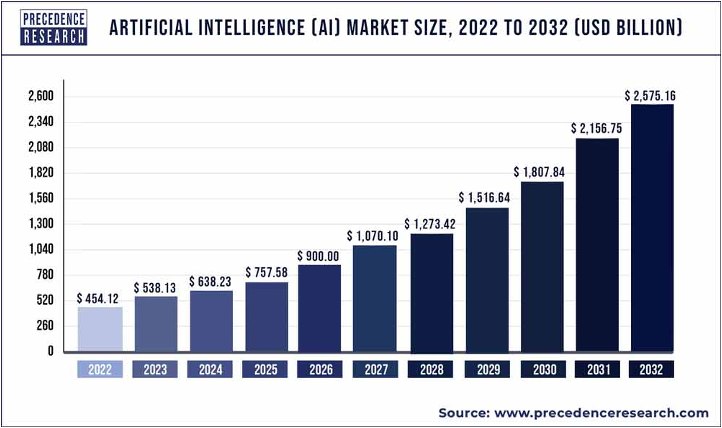
    Figure 1 illustrates a bar graph displaying the upward trajectory of the AI market in recent years, sourced from Precedence Research.

    The Indian government has invested heavily in developing the country’s digital infrastructure. In 2020, The Government of India increased its spending on Digital India to $477 million to boost AI, IoT, big data, cyber security, machine learning, and robotics. The artificial intelligence market is expected to witness significant growth in the BFSI(banking, financial services, and insurance) sectors on account of data mining applications, as there is an increase in the adoption of artificial intelligence solutions in data analytics, fraud detection, cybersecurity, and database systems.
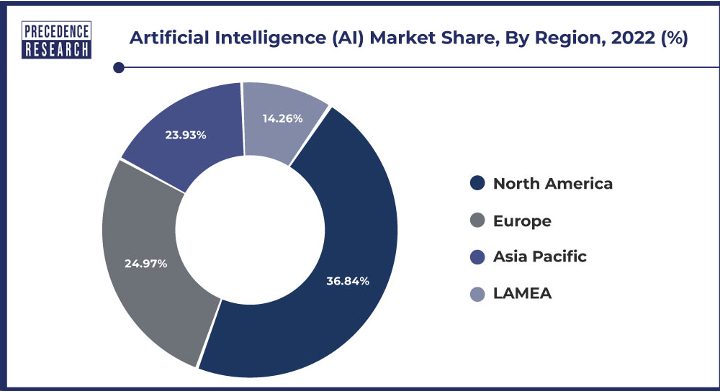
    Figure 2 illustrates a pie chart displaying the distribution of the Artificial Intelligence (AI) market share across various regions in 2022, sourced from Precedence Research.

    Types of AI Systems and Impact on Employment

    AI systems can be divided primarily into three types:

    Narrow AI: This is a specific form of artificial intelligence that executes dedicated tasks with intelligence. It represents the prevailing and widely accessible type of AI in today’s technological landscape.

    General AI: This represents an intelligence capable of efficiently undertaking any intellectual task akin to human capabilities. Aspiration driving the development of General AI revolves around creating a system with human-like cognitive abilities that enables autonomous, adaptable thinking. However, as of now, the realisation of a General AI system that comprehensively emulates human cognition remains elusive.

    Super AI: It is a level of intelligence within systems where machines transcend human cognitive capacities, exhibit superior performance across tasks, and possess advanced cognitive properties. This extends from the culmination of the General AI.

    Artificial intelligence has been incorporated into various aspects of our lives, ranging from virtual assistants on our mobile devices to advancements in customisation, cyber protection, and more. The growth of these systems is swift, and it is only a matter of time before the emergence of general artificial intelligence becomes a reality.

    According to a report by PwC, the global GDP is estimated to be 14% higher in 2030 due to the accelerating development and utilisation of AI, which translates to an additional $15.7 trillion. This growth can be attributed to:

    1. Improvements in productivity resulting from the automation of business processes (including the use of robots and autonomous vehicles).
    2. Productivity gains from businesses integrating AI technologies into their workforce (assisted and augmented intelligence).
    3. Increased consumer demand for AI-enhanced products and services, resulting in personalised and/or higher-quality offerings.

    The report suggests that the most significant economic benefits from AI will likely come from increased productivity in the near future. This includes automating mundane tasks, enhancing employees’ capabilities, and allowing them to focus on more stimulating and value-added work. Capital-intensive sectors such as manufacturing and transport are likely to experience the most significant productivity gains from AI, given that many operational processes in these industries are highly susceptible to automation. (2)

    AI will disrupt many sectors and lead to the creation of many more. A compelling aspect to observe is how the Indian Job Market responds to AI and its looming threat to job security in the future.

    The Indian Job Market

    As of 2021, around 487.9 million people were part of the workforce in India out of 950.2 million people aged 15-64, the second largest after China. While there were 986.5 million people in China aged 15-64, there were 747.9 million people were part of the workforce.

    India’s labour force participation rate (LFPR) at 51.3 per cent was less than China’s 76 per cent and way below the global average of 65 per cent.[3]

    The low LFPR can be primarily attributed to two reasons:

    Lack of Jobs

    To reach its growth potential, India is expected to generate approximately 9 million nonfarm jobs annually until 2030, as per a report by McKinsey & Company. However, analysts suggest that the current rate of job creation falls significantly below this target, with only about 2.9 million nonfarm jobs being added each year from 2013 to 2019. [4]

    During the COVID-19 pandemic, urban unemployment in India surged dramatically, peaking at 20.9% in the April-June 2020 quarter, coinciding with wage decline. Although the unemployment rate has decreased since then, full-time employment opportunities are scarce. Economists highlight a concerning trend where an increasing number of job-seekers, particularly the younger demographic, are turning towards low-paying casual jobs or opting for less stable self-employment options.[5]

     This shift in employment pattern occurs alongside a broader outlook for the Indian economy, which is projected to achieve an impressive growth rate of 6.5% by the fiscal year ending in March 2025. Despite this optimistic growth forecast, the employment landscape appears to be evolving, leading individuals towards less secure and lower-paying work options. This shift raises pertinent concerns about the job market’s quality, stability, and inclusivity, particularly in accommodating the aspirations and needs of India’s burgeoning young workforce.

    Low female labour participation

    In 2021, China boasted an estimated female population of 478.3 million within the 15-64 age bracket, with an active female labour force of approximately 338.6 million. In stark contrast, despite India having a similar demographic size of 458.2 million women in that age group, its female labour force was significantly smaller, numbering only 112.8 million.[6]

    This discrepancy underscores a notable disparity in India’s female labour force participation rate compared to China, despite both countries having sizeable female populations within the working-age bracket.[7]

    Along with unemployment, there was also a crisis of under-employment and the collapse of small businesses, which has worsened since the pandemic.

    AI vs the Indian Job Market

    The presence and implications of AI cast a significant shadow on a country as vast and diverse as India. Amidst the dynamic and often unpredictable labour market, where employment prospects have been uncertain, addressing the impact of AI poses a considerable challenge for employers. Balancing the challenges and opportunities presented by AI while prioritising job security for the workforce is a critical obstacle to overcome.

     The diverse facets of artificial intelligence (AI) and its capacity to transform industries across the board amplify the intricacy of the employment landscape in India. Employers confront the formidable challenge of devising effective strategies to incorporate AI technologies without compromising the livelihoods of their employees.

    As per the findings of the Randstad Work Monitor Survey, a staggering 71% of individuals in India exhibit an inclination towards altering their professional circumstances within the next six months, either by transitioning to a new position within the same organisation or by seeking employment outside it. Furthermore, 23% of the workforce can be classified as passive job seekers, who are neither actively seeking new opportunities nor applying for them but remain open to considering job prospects if a suitable offer arises.

    It also stated that at least half of Indian employees fear losing their jobs to AI, whereas the figure is one in three in developed countries. The growing concern among Indian workers stems from the substantial workforce employed in Business Process Outsourcing (BPO) and Knowledge Process Outsourcing (KPO), which are notably vulnerable to AI automation. Adding to this concern is India’s rapid uptake of AI technology, further accentuating the apprehension among employees.[8]

    India’s role as a global hub for outsourcing and its proficiency in delivering diverse services have amplified the impact of AI adoption. The country has witnessed a swift embrace of AI technologies across various industries, magnifying workers’ concerns regarding the potential ramifications of their job security.

    Goldman Sachs’ report highlights the burgeoning emergence of generative artificial intelligence (AI) and its potential implications for labour dynamics. The rapid evolution of this technology prompts questions regarding a possible surge in task automation, leading to cost savings in labour and amplified productivity. [9]

    The labour market could confront significant disruptions if generative AI delivers its pledged capabilities. Analysing occupational tasks across the US and Europe revealed that approximately two-thirds of the current jobs are susceptible to AI automation. Furthermore, the potential of generative AI to substitute up to one-fourth of existing work further underscores its transformative potential.

     Expanding these estimates on a global scale suggests that generative AI might expose the equivalent of 300 million full-time jobs to automation, signifying the far-reaching impact this technology could have on global labour markets.

    Recent advancements in artificial intelligence (AI) and machine learning have exerted substantial influence across various professions and industries, particularly impacting job landscapes in sectors such as Indian IT, ITeS, BPO, and BPM. These sectors collectively employ over five million people and are India’s primary source of white-collar jobs. [10]

    In a recent conversation with Business Today, Vardhman Jain, the founder and Vice Chairman of Access Healthcare, a Chennai-based BPO, highlighted the forthcoming impact of AI integration on the workplace. Jain indicated that AI implementation may cause customer service to be the sector most vulnerable to initial disruptions.

    Jain pointed out that a substantial portion of services provided by the Indian BPO industry is focused on customer support, including voice and chat functions, data entry, and back-office services. He expounded upon how AI technologies, such as Natural Language Processing, Machine Learning, and Robotic Process Automation, possess the potential to significantly disrupt and automate these tasks within the industry.

    While the discourse surrounding AI often centres on the potential for job displacement, several industry leaders argue that AI will not supplant human labour, but rather augment worker output and productivity.

    At the 67th Foundation Day celebration of the All-India Management Association (AIMA), NR Narayan Murthy, as reported by Business Today, conveyed a noteworthy message by asserting that AI is improbable to supplant human beings, as humans will not allow it to happen.

    Quoting Murthy’s statement from the report, “I think there is a mistaken belief that artificial intelligence will replace human beings; human beings will not allow artificial intelligence to replace them.” The Infosys founder stressed that AI has functioned as an assistive force rather than an outright replacement, enhancing human lives and making them more comfortable.[11]

    McKinsey Global Institute’s study, “Generative AI and the Future of Work in America,” highlighted AI’s capability to expedite economic automation significantly. The report emphasised that while generative AI wouldn’t immediately eliminate numerous jobs, it would enhance the working methods of STEM, creative, business, and legal professionals.[12]

     However, the report also underscored that the most pronounced impact of automation would likely affect job sectors such as office support, customer service, and food service employment.

    While the looming threats posed by AI are undeniable, its evolution is expected to usher in a wave of innovation, leading to the birth of new industries and many job opportunities. This surge in new industries promises employment prospects and contributes significantly to economic growth by leveraging AI capabilities.

    Changing employment Landscape

    Having explored different perspectives and conversations on AI, it has become increasingly evident that the employment landscape is poised for significant transformation in the years ahead. This prompts a crucial enquiry: Will there remain a necessity for human jobs, and are our existing systems equipped to ensure equitable distribution of the benefits fostered by this technology developments?

    • Universal Basic Income

    Universal basic income (UBI) is a social welfare proposal in which all citizens of a given population regularly receive minimum income in the form of an unconditional transfer payment, that is, without a means test or need to work, in which case it would be called guaranteed minimum income.

    Supporters of Universal Basic Income (UBI) now perceive it not only as a solution to poverty, but also as a potential answer to several significant challenges confronting contemporary workers: wage disparities, uncertainties in job stability, and the looming spectre of job losses due to advancements in AI.

    Karl Widerquist, a professor of philosophy at Georgetown University-Qatar and an economist and political theorist, posits that the influence of AI on employment does not necessarily result in permanent unemployment. Instead, he suggests a scenario in which displaced workers shift into lower-income occupations, leading to increased competition and saturation in these sectors.

    According to Widerquist, the initial effects of AI advancements might force white-collar workers into the gig economy or other precarious and low-paying employment. This shift, he fears, could trigger a downward spiral in wages and job security, exacerbating economic inequality.

     He advocates for a Universal Basic Income (UBI) policy as a response to the challenges posed by AI and automation. Widerquist argues that such a policy would address employers’ failure to equitably distribute the benefits of economic growth, fuelled in part by automation, among workers. He sees UBI as a potential solution to counter the widening disparity in wealth distribution resulting from these technological advancements.[13]

    A study conducted by researchers at Utrecht University, Netherlands, from 2017 to 2019 led to the implementation of basic income for unemployed individuals who previously received social assistance. The findings showcase an uptick in labour market engagement. This increase wasn’t solely attributed to the financial support offered by Universal Basic Income (UBI) but also to removing conditions—alongside sanctions for non-compliance—typically imposed on job seekers.[14]

    Specifically, participants exempted from the obligation to actively seek or accept employment demonstrated a higher likelihood of securing permanent contracts, as opposed to the precarious work arrangements highlighted by Widerquist.

     While UBI experiments generally do not demonstrate a significant trend of workers completely exiting the labour market, instances of higher payments have resulted in some individuals reducing their working hours. This nuanced impact showcases the varying effects of UBI on labour participation, highlighting both increased job security for some and a choice for others to adjust their work hours due to enhanced financial stability.

    In exploring the potential for Universal Basic Income (UBI), it becomes evident that while the concept holds promise, its implementation and efficacy are subject to multifaceted considerations. The diverse socioeconomic landscape, coupled with the scale and complexity of India’s population, presents both opportunities and challenges for UBI.

     UBI’s potential to alleviate poverty, enhance social welfare, and address economic disparities in a country as vast and diverse as India is compelling. However, the feasibility of funding such a program, ensuring its equitable distribution, and navigating its impact on existing welfare schemes requires careful deliberation.

    Possible Tax Solutions

    • Robot Tax

    The essence of a robot tax lies in the notion that companies integrating robots into their operations should bear a tax burden given that these machines replace human labour.

     There exist various arguments advocating for a robot tax. Initially, it aimed to safeguard human employment by dissuading firms from substituting humans with robots. Additionally, while companies may prefer automation, imposing a robot tax can generate government revenue to offset the decline in funds from payroll and income taxes. Another crucial argument favouring this tax is rooted in allocation efficiency: robots neither contribute to payroll nor income taxes. Taxing robots at a rate similar to human labour aligns with economic efficiency to prevent distortions in resource allocation.

    In various developed economies, such as the United States, the prevailing taxation system presents a bias toward artificial intelligence (AI) and automation over human workforce. This inclination, fueled by tax incentives, may lead to investments in automation solely for tax benefits rather than for the actual potential increase in profitability. Furthermore, the failure to tax robots can exacerbate income inequality as the share of labor in national income diminishes.

    One possible solution to address this issue is the implementation of a robot tax, which could generate revenue that could be redistributed as Universal Basic Income (UBI) or as support for workers who have lost their jobs due to the adoption of robotic systems and AI and are unable to find new employment opportunities.

    • Digital Tax

    The discourse surrounding digital taxation primarily centers on two key aspects. Firstly, it grapples with the challenge of maintaining tax equity between traditional and digital enterprises. Digital businesses have benefited from favorable tax structures, such as advantageous tax treatment for income derived from intellectual property, accelerated amortization of intangible assets, and tax incentives for research and development. However, there is a growing concern that these preferences may result in unintended tax advantages for digital businesses, potentially distorting investment trajectories instead of promoting innovation.

    Secondly, the issue arises from digital companies operating in countries with no physical presence yet serving customers through remote sales and service platforms. This situation presents a dilemma regarding traditional corporate income tax regulations. Historically, digital businesses paid corporate taxes solely in countries where they maintained permanent establishments, such as headquarters, factories, or storefronts. Consequently, countries where sales occur or online users reside have no jurisdiction over a firm’s income, leading to taxation challenges.

    Several approaches have been suggested to address the taxation of digital profits. One approach involves expanding existing frameworks, for instance, a country may extend its Value-Added Tax (VAT) or Goods and Services Tax (GST) to encompass digital services or broaden the tax base to include revenues generated from digital goods and services. Alternatively, there is a need to implement a separate Digital Service Tax (DST).

    While pinpointing the ultimate solution remains elusive, ongoing experimentation and iterative processes are expected to guide us toward a resolution that aligns with the need for a larger consensus. With each experiment and accumulated knowledge, we move closer to uncovering an approach that best serves the collective requirements.[15]

    Reimagining the Future

    The rise of Artificial Intelligence (AI) stands as a transformative force reshaping the industry and business landscape. As AI continues to revolutionise how we work and interact, staying ahead in this rapidly evolving landscape is not just an option, but a necessity. Embracing AI is not merely about adapting to change; it is also about proactive readiness and strategic positioning. Whether you’re a seasoned entrepreneur or a burgeoning startup, preparing for the AI revolution involves a multifaceted approach encompassing automation, meticulous research, strategic investment, and a keen understanding of how AI can augment and revolutionise your business. PwC’s report lists some crucial steps to prepare one’s business for the future and stay ahead. [16]

    Understand AI’s Impact: Start by evaluating the industry’s technological advancements and competitive pressure. Identify operational challenges AI can address, disruptive opportunities available now and those on the horizon.

    Prioritise Your Approach: Determine how AI aligns with business goals. Assess your readiness for change— are you an early adopter or follower? Consider feasibility, data availability, and barriers to innovation—Prioritise automation and decision augmentation processes based on potential savings and data utilisation.

    Talent, Culture, and Technology: While AI investments might seem high, costs are expected to decrease over time. Embrace a data-driven culture and invest in talent like data scientists and tech specialists. Prepare for a hybrid workforce, combining AI’s capabilities with human skills like creativity and emotional intelligence.

    Establish Governance and Trust: Trust and transparency are paramount. Consider the societal and ethical implications of AI. Build stakeholder trust by ensuring AI transparency and unbiased decision-making. Manage data sources rigorously to prevent biases and integrate AI management with overall technology transformation.

     Getting ready for Artificial Intelligence (AI) is not just about new technology; it is an intelligent strategy. Understanding how AI fits one’s goals is crucial; prioritising where it can help, building the right skills, and setting clear rules are essential. As AI becomes more common, it is not about robots taking over, but humans and AI working together. By planning and embracing AI wisely, businesses can stay ahead and create innovative solutions in the future.

    References:

    [1] Precedence Research. “Artificial Intelligence (AI) Market.” October 2023. Accessed November 14, 2023. https://www.precedenceresearch.com/artificial-intelligence-market

    [2] Pricewaterhouse Coopers (PwC). “Sizing the prize, PwC’s Global Artificial Intelligence Study.” October 2017. Accessed November 14, 2023. https://www.pwc.com/gx/en/issues/data-and-analytics/publications/artificial-intelligence-study.html#:~:text=The%20greatest%20economic%20gains%20from,of%20the%20global%20economic%20impact.

    [3] World Bank. “Labor force, total – India 2021.” Accessed November 12, 2023. https://data.worldbank.org/indicator/SL.TLF.TOTL.IN?locations=IN

    [4] McKinsey & Company. “India’s Turning Point.” August 2020. https://www.mckinsey.com/~/media/McKinsey/Featured%20Insights/India/Indias%20turning%20point%20An%20economic%20agenda%20to%20spur%20growth%20and%20jobs/MGI-Indias-turning-point-Executive-summary-August-2020-vFinal.pdf

    [5] Dugal, Ira. “Where are the jobs? India’s world-beating growth falls short.” Reuters, May 31, 2023. Accessed November 14, 2023. https://www.reuters.com/world/india/despite-world-beating-growth-indias-lack-jobs-threatens-its-young-2023-05-30/

    [6] Government of India. Ministry of Labour and Employment. “Labour and Employment Statistics 2022.” July 2022. https://dge.gov.in/dge/sites/default/files/2022-08/Labour_and_Employment_Statistics_2022_2com.pdf

    [7] Deshpande, Ashwini, and Akshi Chawla. “It Will Take Another 27 Years for India to Have a Bigger Labour Force Than China’s.” The Wire, July 27, 2023. https://thewire.in/labour/india-china-population-labour-force

    [8] Randstad. “Workmonitor Pulse Survey.” Q3 2023. https://www.randstad.com/workforce-insights/future-work/ai-threatening-jobs-most-workers-say-technology-an-accelerant-for-career-growth/

    [9] Briggs, Joseph, and Devesh Kodnani. “The Potentially Large Effects of Artificial Intelligence on Economic Growth.” Goldman Sachs, March 26, 2023. https://www.key4biz.it/wp-content/uploads/2023/03/Global-Economics-Analyst_-The-Potentially-Large-Effects-of-Artificial-Intelligence-on-Economic-Growth-Briggs_Kodnani.pdf

    [10] Chaturvedi, Aakanksha. “‘Might take toll on low-skilled staff’: How AI can cost BPO, IT employees their jobs.” Business Today, April 5, 2023. https://www.businesstoday.in/latest/corporate/story/might-take-toll-on-low-skilled-staff-how-ai-can-cost-bpo-it-employees-their-jobs-376172-2023-04-05

    [11] Sharma, Divyanshi. “Can AI take over human jobs? This is what Infosys founder NR Narayan Murthy thinks.” India Today, February 27, 2023. https://www.indiatoday.in/technology/news/story/can-ai-take-over-human-jobs-this-is-what-infosys-founder-nr-narayan-murthy-thinks-2340299-2023-02-27

    [12] McKinsey Global Institute. “Generative AI and the future of work in America.” July 26, 2023. https://www.mckinsey.com/mgi/our-research/generative-ai-and-the-future-of-work-in-america

    [13] Kelly, Philippa. “AI is coming for our jobs! Could universal basic income be the solution?” The Guardian, November 16, 2022. https://www.theguardian.com/global-development/2023/nov/16/ai-is-coming-for-our-jobs-could-universal-basic-income-be-the-solution

    [14] Utrecht University. “What works (Weten wat werkt).” March 2020. https://www.uu.nl/en/publication/final-report-what-works-weten-wat-werkt

    [15] Merola, Rossana. “Inclusive Growth in the Era of Automation and AI: How Can Taxation Help?” *Frontiers in Artificial Intelligence* 5 (2022). Accessed November 23, 2023. https://www.frontiersin.org/articles/10.3389/frai.2022.867832

    [16]  Rao, Anand. “A Strategist’s Guide to Artificial Intelligence.” PwC, May 10, 2017.https://www.strategy-business.com/article/A-Strategists-Guide-to-Artificial-Intelligence
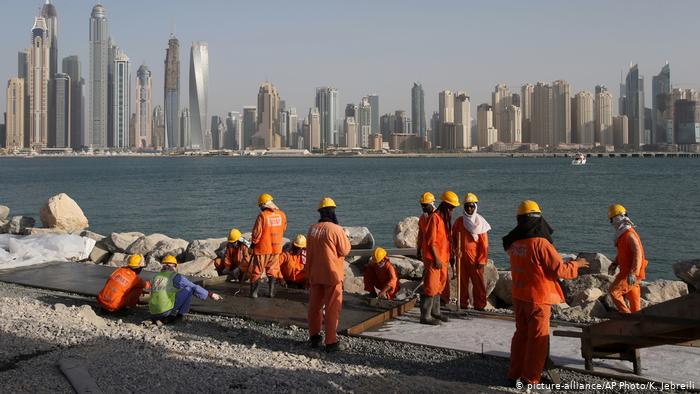

     

  • Wage theft plagues India’s  migrant workers

    Wage theft plagues India’s migrant workers

    Though the South Asian country has relied heavily on remittances from its international migrant workers, the government has been remiss in ensuring their protection and welfare. As labor violations spike amid the COVID-19 pandemic, these workers are left to fend for themselves.

    In August 2020, a group of around forty Indian construction workers staged a hunger strike in Kraljevo, Serbia, demanding to be paid. In addition to not receiving months’ worth of wages from their employer, they had been working 10-12 hours a day without proper food or access to healthcare and were living in cramped, unhygienic quarters during the COVID-19 pandemic.

    The migrant workers from across India first arrived in Serbia in mid-2019. According to the Building and Wood Workers’ International (BWI), a global union federation, around 150 Indians were employed across the Balkan country for the construction of the Corridor 11 project. In a Zoom interview, two of the workers recounted how their troubles with getting paid had begun soon after arrival. When their situation didn’t improve, the first group was repatriated to India in January and February 2020. The rest, including those protesting in Kraljevo, were repatriated by September 2020.

    Much of the Indian government’s efforts have been focused on Gulf countries, where, based on data from the International Labour Organization (ILO), around 9 million Indians live and work. However, the BWI warns that Europe is fast becoming a hub for the exploitation and trafficking of third-country nationals. In Serbia, other reports of exploitation of migrant groups from China and Turkey have recently come to light.

    When he heard about the stranded Indian workers, Ramachandra Khuntia, chair of the BWI Indian Affiliates Council and a former Member of Parliament (MP) contacted the Indian Ministry of External Affairs (MEA) and the Indian embassy in Belgrade multiple times.

    the BWI warns that Europe is fast becoming a hub for the exploitation and trafficking of third-country nationals.

    What followed was a cross-border initiative involving labor unions, the Indian government, and Serbian anti-trafficking organization ASTRA. “We were finally able to bring the workers back home. But ‘til today, they have yet to receive their wages from the employer,” says Khuntia.

    “The payment of arrear wages is usually dealt with by the labor department in the host country, but the matter can be pursued through the Indian embassy,” explains Khuntia, adding that despite assurances from the Indian government and the Indian embassy in Serbia, the payments seem nowhere in sight.

    Indian construction workers stage a hunger strike in Kraljevo, Serbia, in August 2020. Amid the COVID-19 pandemic, wage theft has soared across the world, and often, the victims are migrant workers from India, who receive patchy support from their own government and have to rely on unions or non-profits for help. (Photo credit: BWI/Boobalan D) 

    Job loss and other ordeals

    Wage theft — the illegal practice of denying workers the money that they are rightfully owed — has dramatically increased during the COVID-19 pandemic. In addition to the non- or incomplete payment of wages, employees have to deal with job loss, non-payment of termination benefits, poor working conditions, and hurried repatriation without the chance to register their grievances.

    Migrant workers’ troubles begin in their country of origin, not abroad. “It is a new form of slavery that begins before they even leave the country in the form of recruiting fees. Recruiting agents and others involved are selling dreams to migrant workers.”

    Ponkumar Ponnuswamy, president of TKTMS, a construction workers’ union in Tamil Nadu that was directly involved in the process of repatriating the stranded workers, says that each of the workers is owed anywhere between the equivalent of US$1,300 and US$2,600 by the aforementioned company, depending on how long they were in Serbia. For the workers who were put through this trying ordeal, their unpaid wages represent a substantial amount of money that would have otherwise gone towards debt repayments, medical treatments, and basic subsistence.

    “I think it is a huge loss not only at the individual level but also at the country level,” says S. Irudaya Rajan, an expert on Indian migration and member of the Kerala government’s COVID-19 expert committee. Migrant workers constitute an integral part of the global economy, with their remittances adding up to over three times the amount of international aid and foreign direct investment combined. India, the world’s largest source of international migrants, received US$82 billion in remittances in 2019 according to World Bank data, a sum that has helped keep millions out of poverty.

    “COVID-19 has become a great opportunity for exploitation,” says Rajan, who is currently heading a study on counter-migration from the Gulf to assess wage theft.

    But according to him, migrant workers’ troubles begin in their country of origin, not abroad. “It is a new form of slavery that begins before they even leave the country in the form of recruiting fees,” he says. “Recruiting agents and others involved are selling dreams to migrant workers.”

    The Indian government requires recruiting agents to register themselves with the Protector General of Emigrants. Despite this, many illegal agents continue operating across the country. (Photo credit: Yamuna Matheswaran)

    Is the Indian government doing enough?

    In theory, the Indian government offers various resources for those who emigrate for work: registration portals, insurance schemes, awareness programs, and helplines. They also provide a list of registered recruiting agents (RAs) across the country.

    But the reality of emigration is far more complex, even confusing. For instance, it would be safe to assume that only a fraction of the RAs operating in India is registered with the MEA. A 2018 investigation by the Migrant Forum in Asia (MFA), with the support of ILO, found that in the state of Punjab alone the number of unregistered agents ran into several thousands, despite the 2014 Punjab Travel Professionals Regulation Act requiring mandatory registration of all consultants, agents, and advisors involved in sending people abroad.

    These unscrupulous agents make emigrants more vulnerable to exploitation by charging illegal fees and pushing unfair contracts. Some workers arrive in a foreign country only to learn that the job they were recruited for doesn’t exist, says Rajan. Others end up without appropriate visas or permits and are never registered in the system.

    The MEA limits the service fees RAs can charge their clients, which caps at INR 20,000 (around US$270). But Rajeev Sharma, Regional Policy Officer at BWI’s South Asia office, says that many of the workers have paid far more depending on the state they hailed from.

    “Workers from Punjab, for instance, paid up to INR 100,000 (US$1,365) to 150,000 (US$2,048) to the agent,” he says. “We don’t know how they managed to fund their journey, they may have run into debt – so it’s not just the salary, so many other issues are involved.” When asked about this practice, one of the agencies involved – an unregistered ‘Shakti Tread Test Centre’ run by Muktinath Yadav in Deoria, Uttar Pradesh – gave no response.

    “Covid-19 has become a great opportunity for exploitation” – Dr. S Irudaya Rajan, an expert on Indian Migration

    Indian missions abroad are tasked with ensuring the welfare of overseas Indian nationals. The migrant workers and union members state, however, that the Indian embassy in Serbia failed to even register their grievances properly. The Embassy of India in Belgrade did not respond to requests for comment. In response to an inquiry about grievance redressal mechanisms for repatriated migrant workers, the MEA’s Protector General of Emigrants instead pointed to the Pravasi Bharatiya Sahayata Kendra, a general helpline.

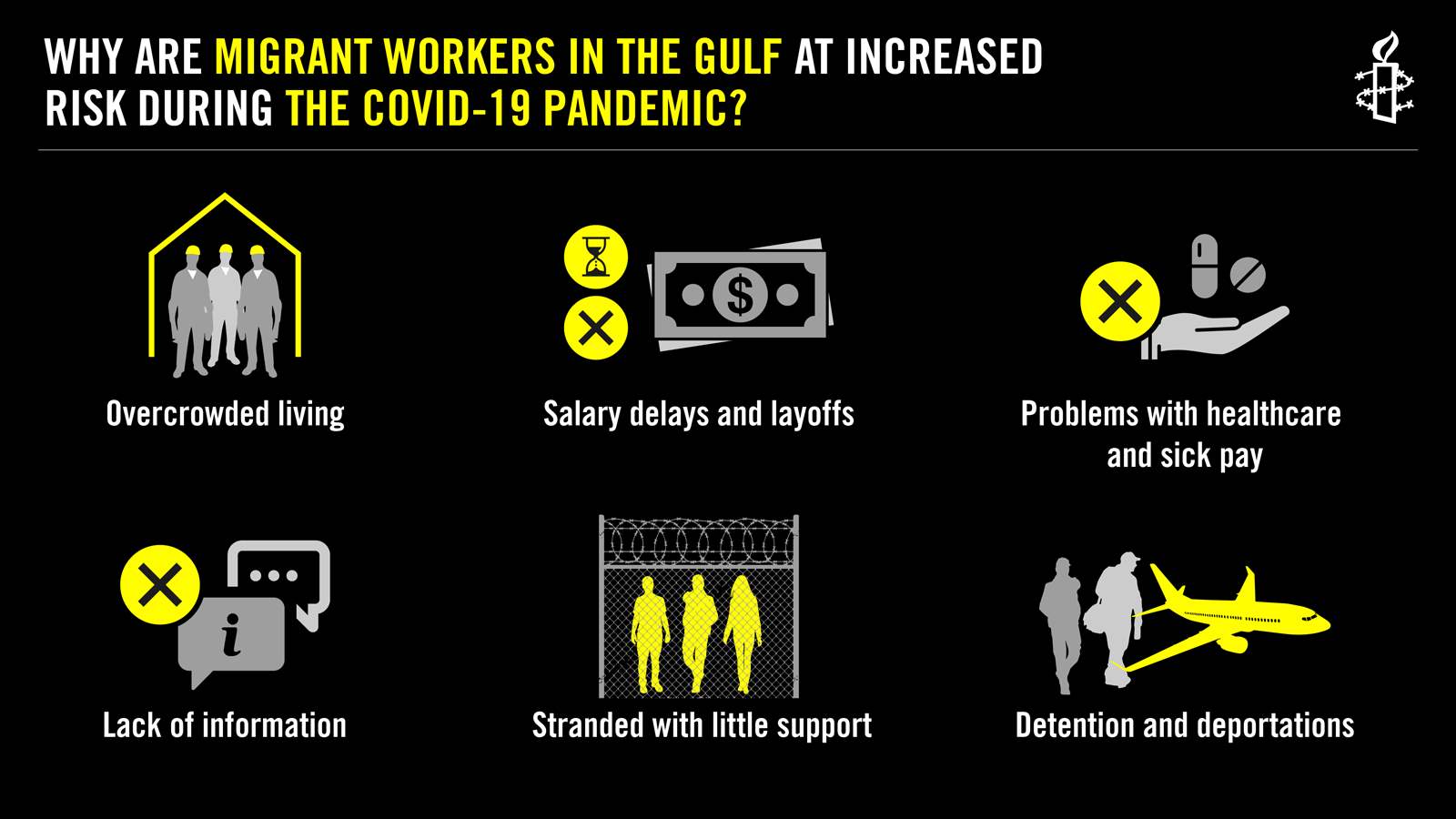
    Amnesty International raised concerns about the state of migrant workers under Covid-19 in the Gulf.
    Image Credit: amnesty.org

    “Grievance portals address a lot of topics, including pre-departure issues. However, there needs to be a specific focus on wage theft, particularly during COVID-19,” says Rajan. He stresses the importance of collective bargaining by various governments at the South Asia level, as well as proper grievance registration by Indian embassies in order to pursue the necessary legal steps.

    Recognizing the lack of global mechanisms to address wage theft, Congress MP Shashi Tharoor stated during a panel discussion last year that an escrow fund could be set up, with employers depositing six months’ worth of wages in order to protect workers against non-payment.

    Need for awareness building

    In the case of the Indian migrant workers in Serbia, it was labor unions that initially came to their rescue, following through until they had arrived safely back to their respective homes. When asked if there is enough awareness among migrants themselves about their rights and the resources available to them, Rajan says: “Absolutely not, and I think that is where we are failing.”

    “Migration has three cycles,” he explains. “The first — pre-migration cycle — happens in our country,” and steps to protect migrant workers need to start here. Rajan believes that the government should make pre-departure orientation programs, including skills training, mandatory. “Most workers don’t even know the currency of the host country. They know, in rupees, how much they expect to make and in how much time.”

    Khuntia, of the BWI Indian Affiliates Council, highlights the utter importance of signing bilateral agreements with host countries regarding wages, healthcare, and social security so that those emigrating can feel secure. “And if anything were to happen, by virtue of this bilateral agreement, the Indian government can negotiate with the host country and provide relief to the workers,” he concludes.

    “If everybody were cheated, there would be no migration,” says Rajan. But it’s important to share not only success stories but also those of struggles, he continues, to raise awareness among prospective migrants. It’s not about “how many people we send” but about how well-informed our migrant workers are when they are deployed abroad, he says.

    This article was first published on Asia Democracy Chronicles.

    Feature Image: dw.com

  • India’s Agriculture: The Failure of the Success

    India’s Agriculture: The Failure of the Success

    It was around the mid-1960s when the Paddock brothers, Paul and William, the ‘prophets of doom’, predicted that in another decade, recurring famines and an acute shortage of food grains would push India towards disaster. Stanford University Professor Paul R. Ehrlich in his 1968 best selling book The Population Bomb warned of the mass starvation of humans in the 1970s and 1980s in countries like India due to over population.

    Their prophecies were based on a rising shortage of food because of droughts, which forced India to import 10 million tonnes of grain in 1965-66 and a similar amount a year before. Little did they know that thanks to quick adoption of a new technology by Indian farmers, the country would more than double its annual wheat production from 11.28 million tonnes in 1962-63 to more than twice that within ten years to 24.99 million tonnes. It was 71.26 million tonnes in 2007. Similarly rice production also grew spectacularly from 34.48 million tonnes to almost 90 million tonnes in 2007.

    Total food grains production in India reached an all-time high of 251.12 million tonnes (MT) in FY15. Rice and wheat production in the country stood at 102.54 MT and 90.78 MT, respectively. India is among the 15 leading exporters of agricultural products in the world. The value of which was Rs.1.31 lakh crores in FY15.

    India is among the 15 leading exporters of agricultural products in the world. The value of which was Rs.1.31 lakh crores in FY15.

    Despite its falling share of GDP, agriculture plays a vital role in India’s economy. Over 58 per cent of the rural households depend on agriculture as their principal means of livelihood. Census 2011 says there are 118.9 million cultivators across the country or 24.6 per cent of the total workforce of over 481 million. In addition there are 144 million persons employed as agricultural laborers. If we add the number of cultivators and agricultural laborers, it would be around 263 million or 22 percent of the population. As per estimates by the Central Statistics Office (CSO), the share of agriculture and allied sectors (including agriculture, livestock, forestry and fishery) was 16.1 per cent of the Gross Value Added (GVA) during 2014–15 at 2011–12 prices. This about sums up what ails our Agriculture- its contribution to the GDP is fast dwindling, now about 13.7 per cent, and it still sustains almost 60 per cent of the population.

    If we add the number of cultivators and agricultural laborers, it would be around 263 million or 22 percent of the population. As per estimates by the Central Statistics Office (CSO), the share of agriculture and allied sectors (including agriculture, livestock, forestry and fishery) was 16.1 per cent of the Gross Value Added (GVA) during 2014–15 at 2011–12 prices.

    With 157.35 million hectares, India holds the world’s second largest agricultural land area. India has about 20 agro-climatic regions, and all 15 major climates in the world exist here. Consequently it is a large producer of a wide variety of foods. India is the world’s largest producer of spices, pulses, milk, tea, cashew and jute; and the second largest producer of wheat, rice, fruits and vegetables, sugarcane, cotton and oilseeds. Further, India is 2nd in global production of fruits and vegetables, and is the largest producer of mango and banana. It also has the highest productivity of grapes in the world. Agricultural export constitutes 10 per cent of the country’s exports and is the fourth-largest exported principal commodity.
    According to the Agriculture Census, only 58.1 million hectares of land was actually irrigated in India. Of this 38 percent was from surface water and 62 per cent was from groundwater. India has the world’s largest groundwater well equipped irrigation system.

    There is a flipside to this great Indian agriculture story.The Indian subcontinent boasts nearly half the world’s hungry people. Half of all children under five years of age in South Asia are malnourished, which is more than even sub-Saharan Africa.

    More than 65 per cent of the farmland consists of marginal and small farms less than one hectare in size. Moreover, because of population growth, the average farm size has been decreasing. The average size of operational holdings has almost halved since 1970 to 1.05 ha. Approximately 92 million households or 490 million people are dependent on marginal or small farm holdings as per the 2001 census. This translates into 60 per cent of rural population or 42 per cent of total population.

    Approximately 92 million households or 490 million people are dependent on marginal or small farm holdings as per the 2001 census.

    About 70 per cent of India lives in rural areas and all-weather roads do not connect about 40 per cent of rural habitations. Lack of proper transport facility and inadequate post harvesting methods, food processing and transportation of foodstuffs has meant an annual wastage of Rs. 50,000 crores, out of an out of about Rs.370, 000 crores.

    There is a pronounced bias in the government’s procurement policy, with Punjab, Haryana, coastal AP and western UP accounting for the bulk (83.51 per cent) of the procurement. The food subsidy bill has increased from Rs. 24500 crores in 1990-91 to Rs. 1.75 lakh crores in 2001-02 to Rs. 2.31 lakh crores in 2016. Instead of being the buyer of last resort FCI has become the preferred buyer for the farmers. The government policy has resulted in mountains of food-grains coinciding with starvation deaths. A few regions of concentrated rural prosperity.

    The total subsidy provided to agricultural consumers by way of fertilizers and free power has quadrupled from Rs. 73000 crores in 1992-93, to Rs. 3.04 lakh crores now. While the subsidy was launched to reach the lower rung farmers, it has mostly benefited the well-off farmers. Free power has also meant a huge pressure on depleting groundwater resources.
    These huge subsidies come at a cost. Thus, public investment in agriculture, in real terms, had witnessed a steady decline from the Sixth Five-Year Plan onwards. With the exception of the Tenth Plan, public investment has consistently declined in real terms (at 1999-2000 prices) from Rs.64, 012 crores during the Sixth Plan (1980-85) to Rs 52,107 crores during the Seventh Plan (1985-90), Rs 45,565 crores during the Eighth Plan (1992-97) and about Rs 42,226 crores during Ninth Plan (1997-2002).

    With the exception of the Tenth Plan, public investment has consistently declined in real terms (at 1999-2000 prices) from Rs.64, 012 crores during the Sixth Plan (1980-85) to Rs 52,107 crores during the Seventh Plan (1985-90), Rs 45,565 crores during the Eighth Plan (1992-97) and about Rs 42,226 crores during Ninth Plan (1997-2002).

    Share of agriculture in total Gross Capital Formation (GCF) at 93-94 prices has halved from 15.44 per cent to 7.0 per cent in 2000-01. In 2001-02 almost half of the amount allocated to irrigation was actually spent on power generation. While it makes more economic sense to focus on minor irrigation schemes, major and medium irrigation projects have accounted for more than three fourth of the planned funds
    By 2050, India’s population is expected to reach 1.7 billion, which will then be equivalent to nearly that of China and the US combined. A fundamental question then is can India feed 1.7 billion people properly? In the four decades starting 1965-66, wheat production in Punjab and Haryana has risen nine-fold, while rice production increased by more than 30 times. These two states and parts of Andhra Pradesh and Uttar Pradesh now not only produce enough to feed the country but to leave a significant surplus for export.

    Since food production is no longer the issue, putting economic power into the hands of the vast rural poor becomes the issue. The first focus should be on separating them from their smallholdings by offering more gainful vocations.

    Farm outputs in India in recent years have been setting new records. It has gone up from 208 MT in 2005-06 to an estimated 251 MT in 2014-15. Even accounting for population growth during this period, the country would need probably around 225 to 230 MT to feed its people. There is one huge paradox implicit in this. Record food production is depressing prices. No wonder farmers with marketable surpluses are restive.

    India is producing enough food to feed its people, now and in the foreseeable future. Since food production is no longer the issue, putting economic power into the hands of the vast rural poor becomes the issue. The first focus should be on separating them from their smallholdings by offering more gainful vocations. With the level of skills prevailing, only the construction sector can immediately absorb the tens of millions that will be released. Government must step up its expenditures for infrastructure and habitations to create a demand for labor. The land released can be consolidated into larger holdings by easy credit to facilitate accumulation of smaller holdings to create more productive farms.

    Finally the entire government machinery geared to controlling food prices to satisfy the urban population should be dismantled. If a farmer has to buy a motorcycle or even a tractor he pays globally comparative prices, why should he make food available to the modern and industrial sector at the worlds lowest prices?
    Why should Bharat have to feed India at its cost?

    Image: Kanyakumari farm lands during onset of monsoon. 


  • Problems of Indian Agriculture: Low Incomes, Marginal Farmers , and lack of Modernisation

    Problems of Indian Agriculture: Low Incomes, Marginal Farmers , and lack of Modernisation

    Manjari Balu                                                                                                   August 23, 2019/Analysis

    Substantial fall in the number of farmers in the past decade with stagnant agriculture growth of 2.88 per cent corroborates the bleak condition of the Indian agriculture sector. The dire status of the agriculture assigns the state to either invest for agriculture (asset creation) or invest in agriculture (includes subsidized input). The ostensible manifestation for agriculture is visible during the union budget 2019 with falling public investment for agriculture even as budget expenditure rises. The number of cultivator has decreased by 7.5 per centfrom 2001 to 2011 but the number of labourers engaged in agriculture increased by 3.5 per cent for the same years. Contextualizing the movement of labourers with the ambitious plan of doubling the farmers’ income urges the need to investigate the income and wages which currently stands at INR 8931 per month. This figure includes both large landowners and marginal farmers   In the year 2018, waves of protests sparked off across the country, with disgruntled farmers demanding better support prices and waivers of loans. Fear mounted that frustrated farmers would jeopardise the electoral victory of the ruling party. In response, an annual cash transfer of INR 6000 to all marginal farmers was announced in the interim budget of 2019. The strategy paid off. Post-poll survey shows that around 68 per cent of Indian farmers were satisfied with the record of the BJP led government despite strong protests demonstrated earlier in the same year.

    Investments and Subsidies : Misplaced Priorities

    Marginal farmers account for 86 per cent of India’s total farmers. The government has proposed an allocation of INR 85,000 crore in the interim budget to directly support the small farmers and boost their income levels. The re-election of BJP to power is an approval from the agrarian society for idealistic pledges with an ultra-nationalistic manifesto.  But the party in power is resorting to increasing the quantum of spending on agriculture without addressing fundamental issues of the sector. Almost half of the population is engaged in agriculture and the sector accounts for nearly 17 per cent of total Gross Domestic Product (GDP). The 2019 budget has allotted INR 1,51,000 crores for agriculture and allied sectors; this constitutes a 75 per cent hike from the previous budget. Subsidies on fertilizers occupy a highly prominent position in the budget expenditure; INR 73,435 crores is budgeted for fertilizer subsidies for the year 2018-19. Fertilizer subsidy is increasing at an annual rate of 11.4 percent while the share of public investment in agriculture is a mere 0.4 percent of the total investment. The rationale behind large fertilizer subsidies is to reduce input cost and thereby increasing income margin of the farmers. However, a study conducted to assess the impact of different investment components on return on agriculture ranked subsidies below investment in Research & Development (R&D). The output elasticity of the States for expenditure varies from high-income states to low-income states. A state-wise subsidies plan has to be strategized to have a remunerative effect on the productivity and hence the income of the farmers.

                A disproportionate investment in subsidies might lead to short term rise in income but at the cost of long term productivity. The rising burden of liabilities to fertilizers companies is straining the government’s fiscal position. Comptroller Audit General India has criticized the recent budget for resorting to off-budget financing (to cover subsidies through bank loans) to reach the 3.3 per cent target of fiscal deficit. Such offset financing severely strains the government balance sheet and mounting liabilities would dent the future economy.

    Public investment in agriculture is much lower than private investment. In 2016-17, government spending on capital formation stood at only INR 45,981 crore while private spending was INR 2,19,371 crores. While overall public spending has been growing, the share of capital formation in the budget is relatively low.

    Agriculture Strategies in Indian and China: Difference is Technology and Modernisation

     An elementary comparison of India’s growth in agriculture with China highlights the divergent growth due to the different strategies adopted during their post-reformperiod. China focused on irrigation and invested in technology to attain efficiency in water management. The Total Factor Productivity (TFP) which measures the economic efficiency of inputs estimates China’s agriculture TFP to be growing at an average rate of 3.40 percent post the reforms. In contrast, India’s post reforms agriculture TFP stood at around 0.54 percent illustrating the deficiency in technology investment and excessive subsidies on credit, power and fertilizers. China’s indisputable focus was on rural spatial restructuringand land consolidation. Optimizing land-usepatterns and investing in rural regions to enhance productivity can be a transformative solution to address the problems created by industrialization. The remarkable success of China can also be attested to the stabilization of agricultural subsidies in the year 2009. Though input subsidies in 2004 were exponentially growing, the Chinese government conceded the inefficiency of resources allocated to the farmers.

    The principal justification behind institutionalising subsidies on credit, irrigation and fertilizers is to bolster marginal farmers in minimizing the difference between input costs and output prices. The input cost is primarily financed by short term agriculture credit; the short term crop loan has increased by 18 per cent from 2014 to 2018. Theoretically, a positive trend in the short term credit to farmers duplicates the function of subsidies to reduce the input cost. The dispensable expenditure on subsidies can be reduced if state prioritizes to streamline the credit flow to avoid leakages in the system. A fundamental task of the government is to channelize the gain from productivity and translate it to income and wages. Input cost reduction approach, in the long run, suffers from a potential threat of income being concentrated in the large land cultivators while labourers are discouraged to take up farm jobs.

    Income Wage paradox

    The average operational landholding reduced from 2.28 hectares in 1970-71 to 1.08 hectares in 2015-16 as a result of excessive land fragmentation with a swelling rural population. Farmers from India’s rural areas generate income majorly from cultivation and wages. Mahatma Gandhi National Rural Employment Guarantee Act is one such gambit to accelerate employment and incomes of the rural populace. Though the state intervention in the rural labour market has been acclaimed to the extent that it engages India’s unskilled labour force, the flaws of national workfare program are only too apparent with poor monitoring and supervision. A visible trend of farm labourers moving togovernment employment programs has contributed to the recent labour scarcity in agriculture. A shortfall of the labour force in labour-intensivecrops invariably inflates the wage even in the absence of skill augmentation and mechanization of agriculture. Rural workers are more attracted to employment programs as it offers fixed wages as opposed to volatile wage rates in agriculture.

    The union budget has provided an abstract roadmap to increase the income by hiking the Minimum Support Price (MSP) and reducing the input cost. Overall, the average daily wage rates of agriculture labourers in real terms are observed to be falling rapidly from 11.08 percent (derived from government data) in 2007-08 to 4.3 percent in 2018-19. The implication of government strategies to increase the farmers’ income and not that of the labour is based on the assumption that the profit is effectively channelized as wages. However, the discernible movement of the workforce from a labour-intensive agriculture sector to the service sector on account of surety implies the failure of State to stabilise income through agriculture. Indian agriculture has achieved only 40 percent of mechanization while the United States of America has 95 percent of farm mechanization. A transition to capital intensive production would justify a movement of labourers from the agriculture sector to the non-farmsector, but the majority of the farms being labour intensive faces low productivity due to the labour shift.  The disturbed labour market offers higher wages in agriculture but labourers choose to settle for the employment program due to less skill requirement and guarantee of a minimum wage. The farmers in need of labourers, work at a below optimal level with less productivity as it is hard to afford labourers at a higher wage. To untie the complex knot- dynamics of labourers and farmers, it needs to be thoroughly examined to achieve enhanced productivity through income. A mere cash transfer or subsidizing input cost would not guarantee higher income or efficient productivity in the long run.

    A quantitative study conducted to analyse income inequality in the agriculture sector concluded that there has been little change in the structural and distributional factors in the agricultural economy. The findings of the study stated that inequality in income is driven by the share of land ownership. The importance of examining income affected by land size is more relevant as the continuous land fragmentation gains logical attention with an income determined framework proposed by the government. Thus an important fact to be recognizedis that the marginal farmer households earn 9 percent of the total agriculture income while medium and large farmers earn 91 percent of the income. Evidence for growing income inequality based on the land size and land ownership implies the state expenditure has to be designed to redistribute the investment with a view to minimizing the disparity.

    Need for Effective Policy Alternatives

    There is a pressing need to consolidate land holdings and address the deteriorating quality of soil and incentivize farmers to specialize in production by cooperative farming. Self Help Groups is a success story for community-drivenentrepreneurship, a similar model can be experimented in agriculture, factoring the viability and feasibility. A revision of land reform policies to restructure the arable lands for achieving higher productivity needs to be factored in the entire spending formula. There should be a balance in capital and revenue expenditure for agriculture to avoid concentration of funds only on overheads. The state should facilitate a platform for a smooth transition from labour intensive to capital intensive agriculture from both sides. Incentivize farmers to own lands that can be mechanized and equip the residual labourers with skills to acquire jobs in the service and manufacturing sector. A prime target of improving productivity and maintaining the ecological balance has to be influenced to enhance the living standards of farmers.

    Three critical paradoxes that are driving Indian agriculture need to be studied in detail for  better fiscal and policy decisions. These are (i) problem of low productivity despite availability of abundant arable land with a tremendous history of agrarian community, (ii) Bulging population with increasing unemployment yet labour shortage in agriculture sector, and (iii) huge share of agriculture expenditure yet no substantial asset creation or returns on investment. Central government must assess the quality of natural resources and make initiatives for precision farming a priority component in respective states. A revision of labour wages based on productivity and employment programs have to be framed to engage workers in building agriculture infrastructure. The choice of viewing income as a means to achieve productivity or income as an end to beguile the voters during the election season lies with the government.

    Manjari Balu is a Research Analyst with The Peninsula Foundation.

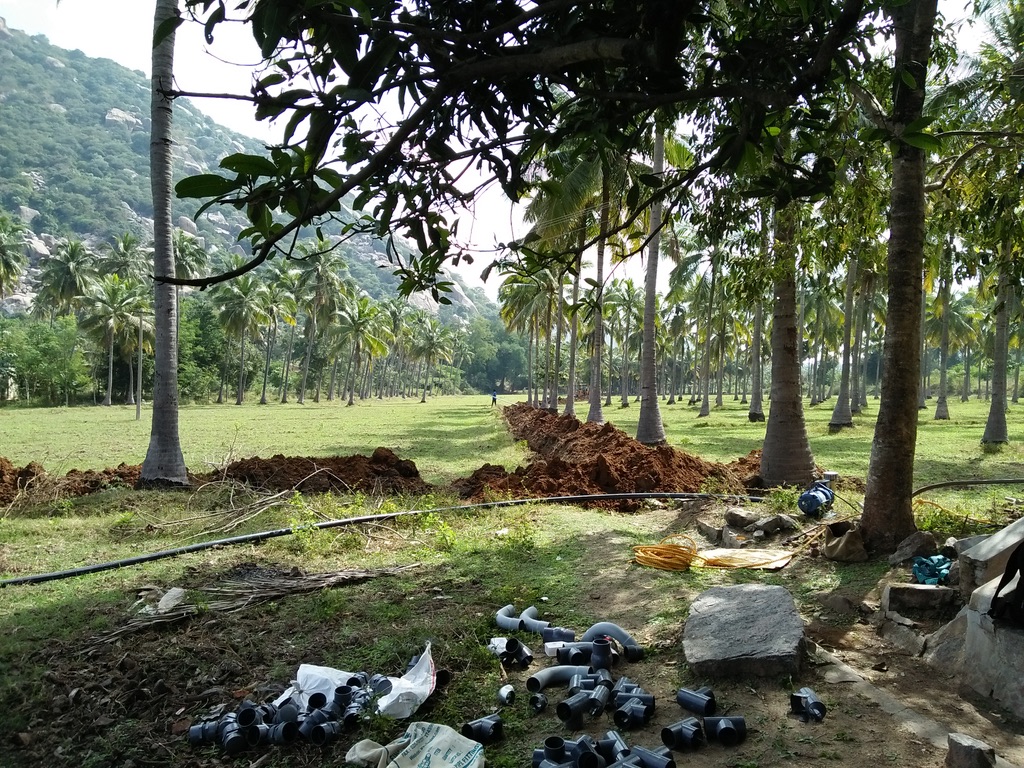
    Photo : Small Farm in Vellore Dt, Tamilnadu, India.  Credit: M Matheswaran