Much of the globalized world is experiencing a standstill due to the COVID-19 Pandemic Crisis. While world leaders are establishing measures to cope with the large scale outbreak, technology has been in the forefront as a crucial aspect of recovery. From sanitizer drones to virtual workspaces — the adoption of computing technology in healthcare, businesses and governance has seen an unprecedented rise.
However, due to India’s unique factors of dense population and per capita poverty — the country’s response to this crisis will be an important case study. The World Health Organization’s guidelines insist that people should wash their hands regularly but over 163 million people residing in India do not have access to clean water. When access to fundamental resources are limited, one can only assume that access to robust healthcare facilities are also limited. The stark contrast in the capacity to handle this crisis will be tested when the local communication of COVID-19 reaches the second and third tier cities. As a primary effort in flattening the curve, the government has announced a 21 day country-wide lockdown. In spite of the measure being welcomed, if the country fails to control the spread, the lack of modern infrastructure and medical professionals will result in catastrophic consequences.
This is reflected in the adoption of technology in primary healthcare centres. Medical professionals say there is a shortage of around 70,000 ventilators and the existing resources are being utilized by critical at-risk patients. The surging requirement of intensive care medical devices, including ventilators and high-end diagnostic and robotic surgery instruments is a growing concern. While domestic manufacturing and innovation have been scarce, Indian companies like Skanray Technologies are struggling to meet the immediate demand due to the international airline ban. Companies find it difficult to import crucial equipment such as chips, controllers and sensors from China — hindering their ability to produce these equipment on time.
Globally, innovative technologies that seemed gimmicky in the past are being brought into mainstream practice. Drones have been deployed to carry medical samples and to spray disinfectants across the country. Robots are put in hospitals which aid in remote diagnosing and thermal sensing of the patients. The same is also used as service bots that bring food and toiletries to people.
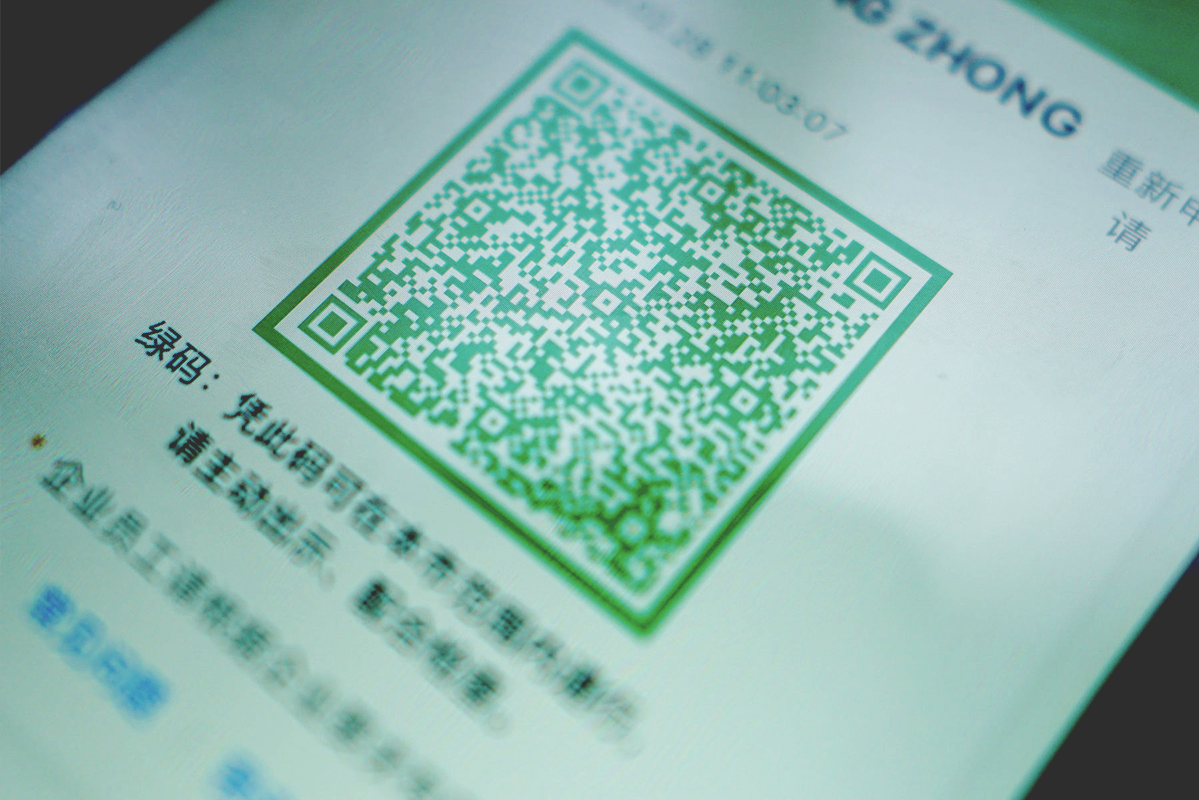
Facial recognition cameras are commonplace in China and a growing trend in other countries. Technology companies like SenseTime have built contactless temperature detection software that have been integrated into the cameras for wider coverage of people with fever. Big data analytics being done on these massive feeds has resulted in prediction algorithms which can determine whether a person has come in contact with another infected person. This data is then relayed via telecom companies to inform the individuals to self-quarantine.
Complex surveillance systems come with their share of privacy concerns. While the lines between responsible surveillance and invasion of privacy become blurred, one cannot overlook the fact that some of these drastic measures are working. In China, the official reports indicate that the domestic cases are under control and newer cases of the virus are classified as imported. In a time of crisis, an open-minded analysis of these “draconian” measures would seem justified. However, this pandemic has not provided any justification of collecting these sensitive data in secrecy.
Flawless implementation of such systems in India would have to hurdle through multiple policy hoops and comprehensive definitions of data privacy. However, inexpensive technologies such as drones and robotics should spark interest in the country. Medical professionals at the forefront of this battle could benefit from such technology that can reduce their risk of contracting the virus. Alongside technology, modern day practices of preliminary diagnoses such as telemedicine should be encouraged.
Information and communication technologies across the country have made this battle a lighter burden than what it could have been. While the rate of awareness is significantly higher in the age of social media, it is important to note its duality. Online medical information and guidelines are accessible by at least 34% of the total population compared to the 7.5% in 2010. However, this information influx has also resulted in rumour mongering and exaggeration of outlier incidents — causing trivial worry and needless panic. In the past five years, rapid penetration of the internet has occurred in all sections of society but it has not ensured awareness in responsible use of the technology.
On the other hand, the quarantined lifestyle has increased the need for virtual workspace. Facebook’s CEO, Mark Zuckerberg reported that traffic for their video streaming and messaging platform had grown multifold. Microsoft also reported a 40% increase in their active user base of collaboration software. High speed fiber internet’s extension throughout India will help in fragmenting this dense working population to multiple locations. With virology experts anticipating an effective vaccine at the earliest of 18 months — some of these altered lifestyles could become the new norm.
Years following the second world war, measures were actively put in place to prevent another global conflict. The COVID-19 Crisis could leave a similar impact on the world where pandemic response and technology experience drastic reforms. However, the lens of India should vision this wake up call towards something more fundamental — uniformity in primary healthcare, civic infrastructure and technology intervention.
Views expressed are author’s own.