Tag: Indo-Pacific

  • Understanding the ‘Xi Jinping’ thought on Rule of Law: Future Substance of Lawfare and Challenges in the Indo-Pacific

    Understanding the ‘Xi Jinping’ thought on Rule of Law: Future Substance of Lawfare and Challenges in the Indo-Pacific

    [powerkit_button size=”lg” style=”info” block=”true” url=”https://admin.thepeninsula.org.in/wp-content/uploads/2022/11/Xi-Jinping-Thought-Lawfare_ArpanAChakravarty-1.pdf” target=”_blank” nofollow=”false”]
    Download
    [/powerkit_button]

    Abstract

    Lawfare aims at using the law and legal systems to hurt or discredit opponents or stop them from reaching their political goals. It is seen that the rule of law has been used to shape the future course of the war as an alternative to traditional military means. Regimes worldwide have started using the law to constrain behaviour, contest circumstances, confuse legal precedents, and gain an advantage. In this paper, the author looks at how China uses “lawfare” in its own country, worldwide and lessons for India.

    Introduction

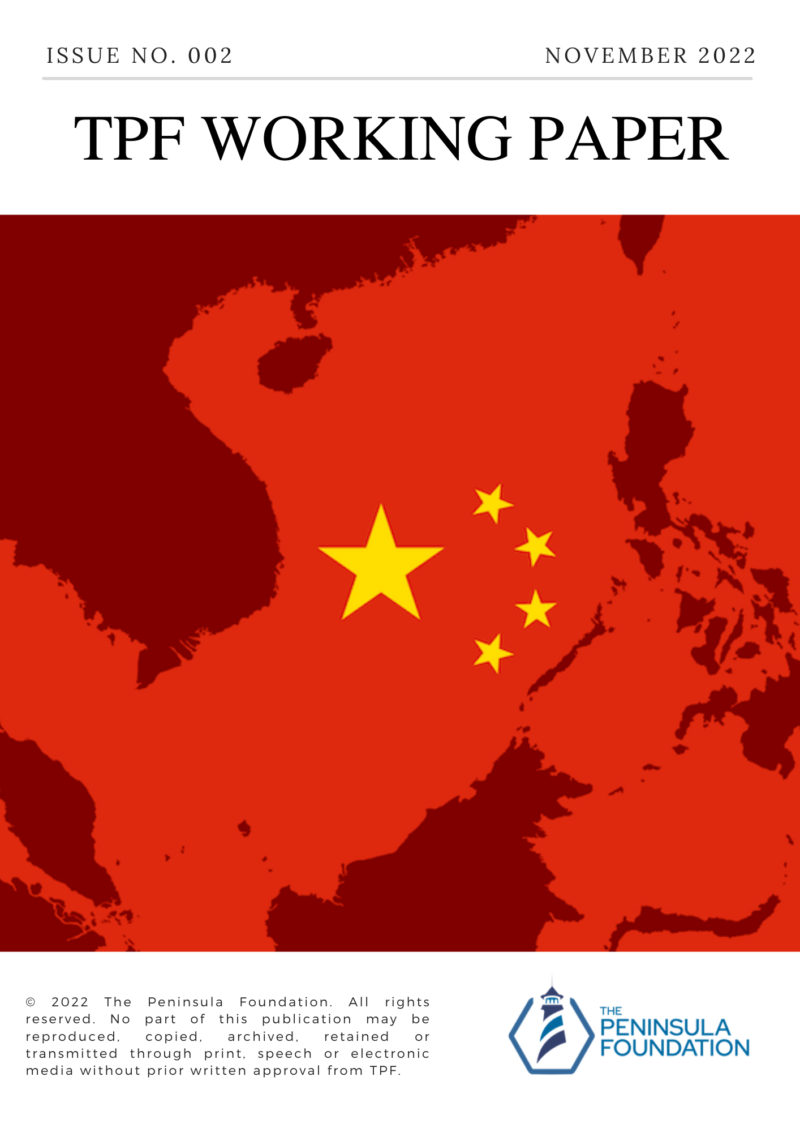
    While the world focused on the conflict between Ukraine and Russia, China and Solomon Island signed an inter-governmental security pact1 which has been raising concerns regarding the rule-based order2 in the Indo-Pacific region. China, as a rising power, is undoubtedly becoming a significant adversary to various countries bordering it, including India; its growth aims at unipolar Asia, which is causing enormous uncertainty in the region.

    Due to this, it becomes important to understand the multipolar distribution of power in the region since the Indo-Pacific is becoming a site for political contestation and the rise of ‘lawfare’. It is seen that in order to contest for leadership, China has been active on the front to demonstrate, influence, and ideate with different nations. It is actively setting rules and terms of compliance for it through a set of carefully crafted strategies of ‘lawfare’.

    This paper seeks to examine the theoretical underpinnings of lawfare, its internal dimension that influences China’s domestic policy, and its external dimension that has a bearing on China’s strategic and international standing, and finally how China uses lawfare to intimidate other nations and what the world can learn from it.

    [powerkit_button size=”lg” style=”info” block=”true” url=”https://admin.thepeninsula.org.in/wp-content/uploads/2022/11/Xi-Jinping-Thought-Lawfare_ArpanAChakravarty-1.pdf” target=”_blank” nofollow=”false”]
    Read the Full Paper
    [/powerkit_button]

  • China’s Expanding Presence in the Pacific Islands

    China’s Expanding Presence in the Pacific Islands

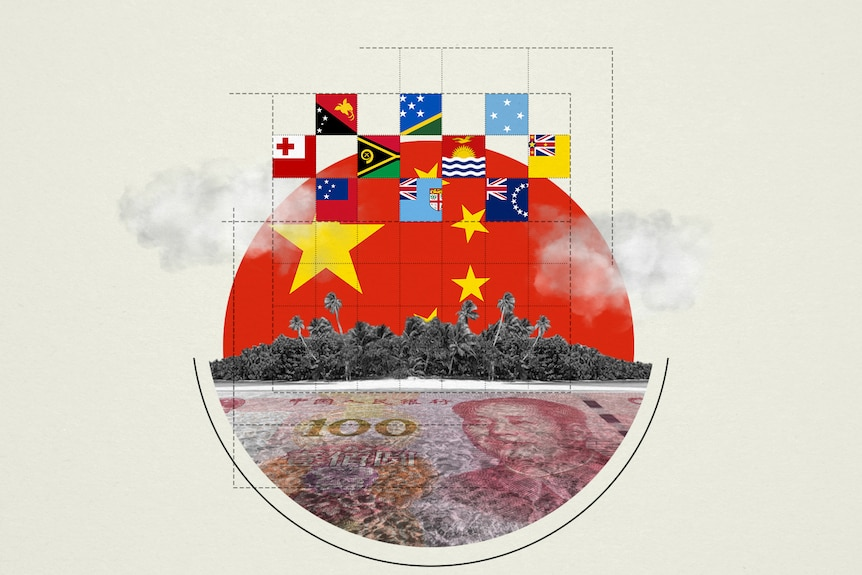
    The Pacific Island Countries (PICs) have received increasing attention recently as they continue to be centres of geopolitical tension between China and western powers – the USA, Australia, and New Zealand. The island nations are generally grouped into three distinct regions, namely – Micronesia, Melanesia and Polynesia, on the basis of their physical and human geography. They possess some of the largest Exclusive Economic Zones (EEZs) in the world spanning about 30 million sq km (11.6 million sq miles) of the ocean despite their small size and limited population. 

    The Chinese efforts to secure a strong military presence in the Pacific Island Countries could not only enable it to achieve ‘Blue Navy Status’ but also counter this overwhelming US military presence surrounding it.

    The economic potential of these Exclusive Economic Zones, which are rich in fisheries, energy, minerals and other marine resources, is so immense that these nations prefer to be regarded as the Big Ocean States, rather than the Small Island States. In the past, the islands have functioned as launchpads and laboratories, playing crucial roles in power rivalries due to their location and geography¹. With China endeavouring to spread its power and influence to achieve Great Power status, it is natural that it set its sights on areas which have been traditionally dominated by Western powers. Increased Chinese presence in the Pacific Islands is aimed at ending the United States unchallenged influence in the region and to enable suitable backups in a potential conflict over Taiwan. The US presently has 53 overseas military bases across Japan and South Korea, in close proximity to the Chinese mainland as opposed to China’s only overseas military base in Djibouti. Thus, the Chinese efforts to secure a strong military presence in the Pacific Island Countries could not only enable it to achieve ‘Blue Navy Status’ but also counter this overwhelming US military presence surrounding it.

    Economic Factors and China’s Strategy

    The economic attractiveness of the Pacific Islands also includes access to its trade and shipping routes.  On the diplomatic front, these nations tend to serve as a vote bank at forums like the United Nations and can help Beijing in its ambition to further isolate Taiwan. Additionally, stronger relations would help in advancing China’s ambitious Belt and Road Initiative while also enhancing its image as a reliable partner and viable alternative to other major powers, especially the US and Australia.

    China has had ties with the Pacific Islands since the 1970s but many island nations’ official diplomatic recognition of Taiwan continued to be a major hurdle throughout these years. Through continued economic assistance, China has succeeded in getting diplomatic recognition from 10 out of the 14 Pacific Islands. Presently, only four countries namely Tuvalu, Palau, Marshall Islands and Nauru recognise Taiwan, with Kiribati being the latest nation to withdraw its recognition in September 2019. The success of the Chinese approach can be seen in the fact that they have successfully secured Belt and Road cooperation MOUs with all the 10 PICs and have signed the Belt and Road cooperation plans with Papua New Guinea (PNG) and Vanuatu. As per the fact sheet released by the Chinese government, China and the PICs have continued to expand cooperation in more than 20 different areas, which include trade, investment, ocean affairs, environmental protection, disaster prevention and mitigation, poverty alleviation, health care, education, tourism, sports and culture. 

    Significant progress in China – PIC relations was seen with the establishment of the China-Pacific Island Countries Economic Development and Cooperation Forum in 2001, which functions as the highest-level dialogue mechanism between the countries in the fields of economy and trade. In November 2014, Chinese President Xi Jinping paid a state visit to Fiji where he held a group meeting with the PIC head of states. An agreement was signed to establish a strategic partnership and these ties were elevated to a comprehensive strategic partnership featuring mutual respect and common development in November 2018, during President Xi Jinping’s visit to PNG. One of the more recent developments is the China-Pacific Island Countries Foreign Ministers’ Meeting held in October 2021, which resulted in the Joint Statement of China-Pacific Island Countries Foreign Ministers’ Meeting.

    Attention towards climate change action has given China a strong foothold amidst rising frustration among the PICs about the Western powers’ proclivity to focus on geopolitical concerns without sparing sufficient attention to the island country’s paramount needs and concerns. 

    The major success of the Chinese strategy with regards to the Pacific Island nations can be found in their harnessing of pressing issues like climate change, environment, agricultural development, infrastructure and rising sea levels which have been largely neglected by traditional powers. From providing yearly financial assistance to the Secretariat of the Pacific Regional Environment Programme (SPREP) since 1998, the Chinese government has taken efforts to address and assist the PICs in tackling climate change and achieving sustainable development. April 2022 saw the launch of the China-Pacific Island Countries Climate Change Cooperation Centre in the Shandong Province of China. The Chinese have strengthened renewable energy cooperation with the PICs and have facilitated the construction of hydro-power stations in countries like PNG and Fiji. This attention towards climate change action has given China a strong foothold amidst rising frustration among the PICs about the Western powers’ proclivity to focus on geopolitical concerns without sparing sufficient attention to the island country’s paramount needs and concerns. 

    Infrastructure Strategy – BRI Model

    Infrastructure development has been another avenue where the Chinese have shown significant enthusiasm. Several important connectivity projects have been executed in the PICs including the Independence Boulevard in PNG, Malakula island highway in Vanuatu, renovation of Tonga national road, and Pohnpei highway in Micronesia. Aside from providing much needed support in a variety of fields, the Chinese approach to the Pacific islands as a collective entity has helped acknowledge the group as having a combined identity and decision-making capability. Addressing issues which have only been previously discussed on a bilateral basis also provides the PIC with enhanced political strength and purpose, because despite all their differences, most of the countries share similar needs and requirements. 

    Chinese efforts to establish a strong military presence in the region were in 2018, when the Australian press reported that China had requested the right to establish a permanent military presence in Vanuatu, situated less than 2,000 kilometres from Australian territory. However, no formal agreement was drafted. The then Prime Minister of Vanuatu strongly denied that any such talks had taken place and assured the local and international community that there would be no Chinese military presence in the country. A similar report was released by the Australian press in the same year alleging that China held a keen interest in refurbishing a port on Manus Island in Papua New Guinea which had previously functioned as the site of an Allied naval base during World War II. The claims were dismissed when the PNG government contracted Australia and the United States to redevelop the port instead. 

    The Chinese efforts finally materialized in the form of the China – Solomon Islands Security Pact in April 2022. As per the terms of the pact, permission is granted to the Chinese navy to dock and refuel in the Solomon Islands, laying the groundwork for a facility that could be expanded over time. The pact allows the Solomon Islands to seek Chinese assistance when required to maintain social order and stability. The pact has been understood by several scholars as a way for China to establish a permanent military presence gradually under the guise of performing this role. The security pact came at a time when international attention was already on the growing closeness of China and the Pacific Island nations following the leak of two draft documents “China-Pacific Island Countries (PICs) Common Development Vision”, and “China-Pacific Islands Five-Year Action Plan on Common Development (2022-2026)” at the start of 2022. 

    USA’s Response

    In the face of China’s rising threat, the United States released its Indo-Pacific Strategy in February 2022 which emphasized the importance of the Pacific Islands to the United States. Along with the “Partners in the Blue Pacific” initiative, it reiterated its commitment to cement itself as a dominant power in the region. However, definitive action on a large scale was taken only in late May when the Chinese Foreign Minister, Wang Yi, embarked on a 10-day visit to the region attempting to secure a comprehensive framework agreement with engagements on multiple fronts with the PICs. Although the attempt was unsuccessful, Wang, during his visit, travelled to eight countries (the Solomon Islands, Kiribati, Samoa, Fiji, Tonga, Vanuatu, Papua New Guinea and Timor-Leste) and held virtual meetings with three additional nations (Cook Islands, Niue and the Federated States of Micronesia), ultimately signing 52 bilateral treaties. Although the Chinese foreign minister stressed the country’s commitment and intent for long-term engagement in the region, news of the framework agreement sparked great controversy. The Pacific Island nations could not reach a unanimous decision on signing this agreement and decided to deliberate the matter at the PIF meeting. However, this decision to postpone discussions was disadvantageous to China as the PIF has membership from both New Zealand and Australia both of which were sure to put up strong opposition to the signing of this agreement. Perhaps foreseeing this, the agreement was soon withdrawn after which China immediately released a Position Paper on Mutual Respect and Common Development ² with Pacific Island Countries, which offers 15 “visions and proposals” for deepening China’s engagement in the region. The security issues (China sought to train local police forces, conduct mapping of sensitive marine areas, and play a role in the cyber security of the nations) that had caused much controversy were only mentioned briefly within the paper with much of the focus pointed notably towards political and economic issues. Wang, as part of his visit, also hosted the second round of the China-Pacific Island Countries Foreign Ministers Meeting in Fiji where he delivered the Secretary General of the Chinese Communist, Party Xi Jinping’s written remarks on China’s continued support. 

    Swift responses came about on May 31, when US President Biden and New Zealand Prime Minister Jacinda Ardern issued a joint statement that highlighted the two countries’ shared commitment to the Pacific Islands. The statement also expressed their concern over the China – Solomon Islands Security Pact and warned against “the establishment of a persistent military presence in the Pacific by a state that does not share our values or security interest.” ⁴ Australian Foreign Minister Penny Wong embarked on a similar visit to Fiji, Samoa and Tonga in early June to reinforce Canberra’s commitments to its neighbours. 

    Despite these advancements, public response to the Chinese visit and in a broader sense, to China’s growing footprint in the region was largely negative. Domestic response in Kiribati was lukewarm due to the wariness stemming from rumours that surfaced in 2021 about China’s plans to upgrade a World War II airstrip in the country, which is likely to damage the country’s already strained fish stocks. The announcement that Fiji would become a founding member of the U.S. led Indo- Pacific Economic Framework by President Frank Bainimaram immediately prior to Wang’s visit reflected wariness about China’s future presence in the area. Additionally, despite signing the security pact, Solomon Islands Prime Minister Sogavare’s support for Beijing gave rise to worries that China would now be in a position “to prop up an unpopular regime and undermine the democratic processes in the name of maintaining social order” among his critics. However, the most vocal voice of protest was that of David Panuelo, the president of the Federated States of Micronesia, who called upon his fellow Pacific Island leaders to reject China’s offers of a comprehensive framework agreement calling it “the single-most game-changing proposed agreement in the Pacific in any of our lifetimes.” ³ The lack of transparency during Wong’s visit drew further criticism with the strict regulation of foreign journalists and ban on direct questions. It eventually led the Media Association of the Solomon Islands to issue a boycott notice to its members, urging them to skip the press event in protest of these restrictions.

    Concerns have also arisen due to China’s reputation for extremely stringent terms of lending and what the West accuses as ‘debt trap’ policy. 60 percent of all Chinese loans are offered at commercial rates rather than concessional rates with extremely short repayment periods – usually less than 10 years. Additionally, the confidentiality clauses (borrowing countries cannot reveal terms of the loan provided or in some cases the very existence of the loan), stabilization clause (lender can demand immediate repayment of loan in case of significant change in the borrowing country’s laws like labour or environment policies), cross-default clause (contract can be terminated and full and immediate repayment can be demanded if the borrowing country defaults on any of its other lenders), political clause ( termination or acceleration of repayment if the borrower acts against China) as well as holding Chinese projects in the country as collateral which are characteristic of Chinese loans are also worrying. The lack of public access to the China – Solomon Islands security pact document and similar documents is also unsettling. 

    Demand for addressing Climatology threats and not Geopolitics

    Chinese interest in the region has served as an efficient bargaining chip for the Pacific Islands to secure their key security interests.

    The geopolitical competition brewing in the region has been a topic of discussion at the Pacific Islands Forum (PIF). Its members include Australia, New Zealand, the Republic of the Marshall Islands, Palau, Tuvalu and Nauru in addition to the other Pacific Island Nations. Kiribati’s withdrawal from the Forum on July 9 led to debates on China’s influence on this decision among the opposition parties in the country. However, the government cited the failure to adhere to previous engagements, which in turn threatened equal respect and position accorded to the members of the forum as a reason for this move. The PIF meetings conducted between July 11 and July 14 gave ample opportunity for traditionally influential powers like the US and Australia to promise stronger support for the region. US Vice President Kamala Harris addressed the forum as a special invitee announcing two new embassies in Kiribati and the Solomon Islands. She also pledged to triple current aid levels (up to 60 million dollars per year for 10 years) to help combat illegal fishing, enhance maritime security and tackle climate change, after decades of stalled funding as well as a return of peace corps volunteers to Fiji, Tonga, Samoa and Vanuatu. Australia’s remarks ran along similar lines i.e.; pledges of greater support for the climate change agenda of its neighbours.

    Chinese interest in the region has served as an efficient bargaining chip for the Pacific Islands to secure their key security interests. Using this geopolitical competition to its favour could be the way forward for these island nations whose very existence is threatened by rising sea levels. As Dame Meg Taylor, former secretary-general of the Pacific Islands Forum states, the process is already underway. “In general, Forum members view China’s increased actions in the region as a positive development, one that offers greater options for financing and development opportunities — both directly in partnership with China, and indirectly through the increased competition in our region.”

    The most recent PIF meeting concluded with the island nations declaring a climate emergency and making it clear that climate action would be the most preferred front for engagement with all powers including China, US and Australia. Although the western powers, especially Australia had previously pledged to take climate action, the Pacific Island nations had expressed disappointment that the targets for phasing out of carbon emissions had not been met. Thus, greater realignment towards taking definitive climate action would be the next step in relations with the Pacific Islands.  As Fiji’s Bainimarama put it, “Geopolitical point-scoring means less than little to anyone whose community is slipping beneath the rising seas. With jobs being lost to the pandemic, and families being impacted by the rapid rise in the price of commodities, their greatest concern isn’t geopolitics — it’s climate change.”

    It is vital that the Pacific Island Countries band together to maintain solidarity, leverage the opportunities afforded to them due to competition brought about by China’s increased interest in the region and show solidarity in light of the unifying, clarifying priority for all Pacific leaders, which is survival. 

    The effects of climate change are already manifesting in “countries like Vanuatu, Fiji, Solomon Islands, Tonga which are no longer facing category five (severe tropical) cyclones once every 10 years, it’s once every two or three years.” Rising sea levels have allowed salt water to rise through the ground in countries like the Marshall Islands and Tuvalu, which pollute the existing fresh water sources. As former Kiribati President Anote Tong explains in an interview to The Drum, “climate change is not some hypothetical future threat – his islands may not be habitable by 2060.” Thus, it is vital that the Pacific Island Countries band together to maintain solidarity, leverage the opportunities afforded to them due to competition brought about by China’s increased interest in the region and show solidarity in light of the unifying, clarifying priority for all Pacific leaders, which is survival. 

    REFERENCES : 

    1. Dirk H. R. Spennemann (1992) The politics of heritage: Second world war remains on central Pacific Islands, The Pacific Review, 5:3, 278-290, DOI: 10.1080/09512749208718990 
    2. “China’s Position Paper on Mutual Respect and Common Development with Pacific Island Countries.” China’s Position Paper on Mutual Respect and Common Development with Pacific Island Countries, www.fmprc.gov.cn, 30 May 2022, https://www.fmprc.gov.cn/eng/zxxx_662805/202205/t20220531_10694923.html.
    3. Panuelo, D. (2022). DocumentCloud. Retrieved 1 August 2022, from https://www.documentcloud.org/documents/22037013-letter-from-h-e-david-w-panuelo-to-pacific-island-leaders-may-20-2022-signed
    4. The United States Government. (2022, May 31). United States – Aotearoa new zealand joint statement. The White House. Retrieved August 1, 2022, from https://www.whitehouse.gov/briefing-room/statements-releases/2022/05/31/united-states-aotearoa-new-zealand-joint-statement/ 
  • Economic Relevance of Quad as a Regional Strategic Forum

    Economic Relevance of Quad as a Regional Strategic Forum

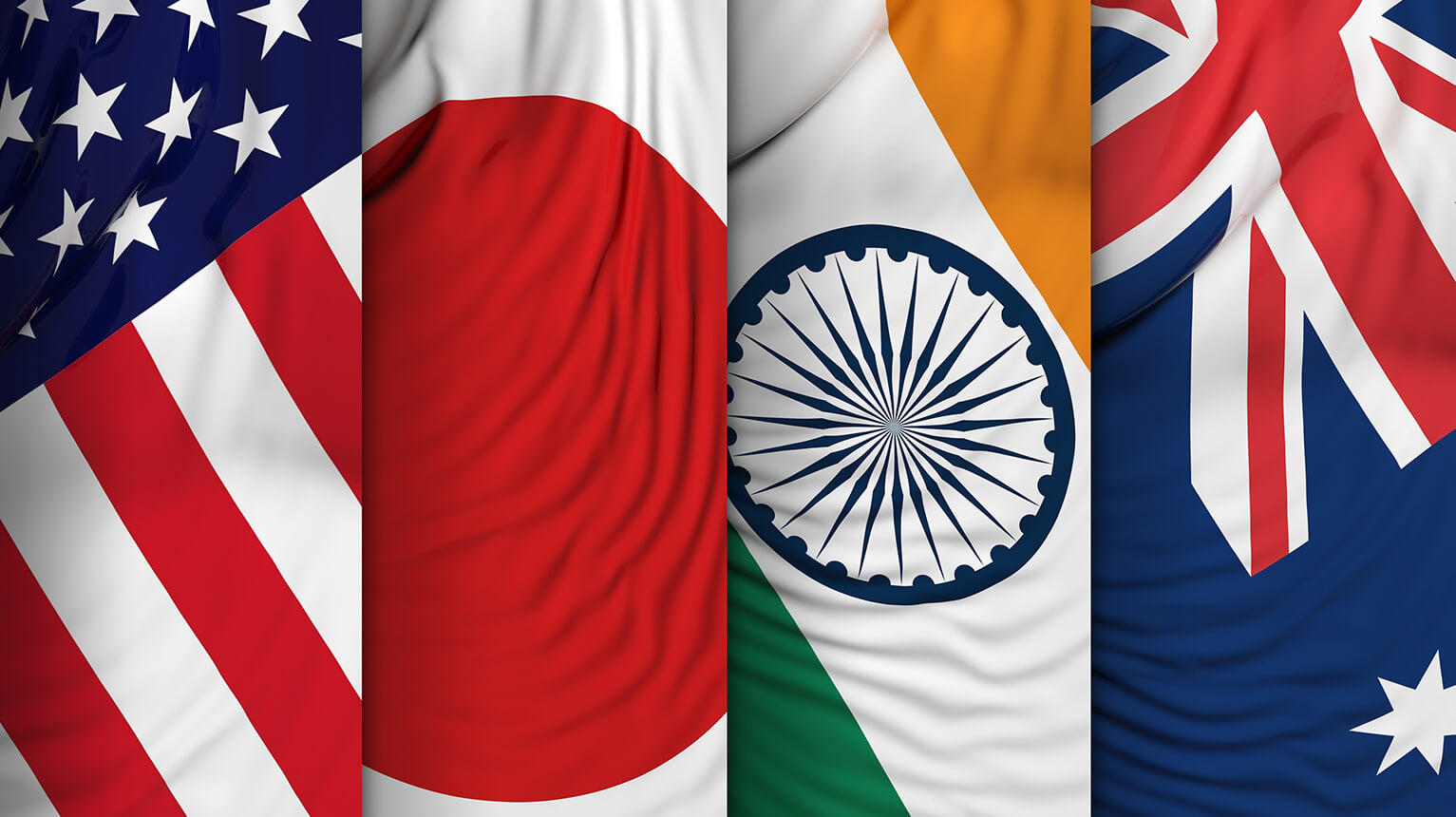
    The QUAD, a grouping of the United States, Japan, India, and Australia, began as a “Tsunami Core Group,” an impromptu group formed in response to the devastating Boxing Day tsunami of 2004. This core group brought together the four nations to swiftly mobilise and coordinate multilateral disaster relief and humanitarian assistance operations. The first meeting of the initial QUAD took place in May 2007 during the ASEAN Regional Forum (ARF) meeting in Manila. The meeting was characterised as an “informal grouping” that discussed themes of mutual interest to the dialogue participants (Buchan & Rimland, 2020). The group was established to deal with the immediate challenges posed by the tsunami and was never intended to become permanent. However, early cooperative efforts sparked a debate about QUAD’s overarching goal. When Australia withdrew from the QUAD in 2008, it ceased to exist. It was revived in 2017 against the backdrop of an increasingly assertive Chinese posture, and the emergence of the idea of the Indo-Pacific as a single maritime zone.

    The first QUAD meeting, after its revival, happened on 12 November 2017, when the four ‘like-minded’ partners discussed seven key issues: the rules-based order in Asia; freedom of navigation and overflight in the maritime commons; respect for international law; enhancing connectivity; maritime security; the North Korean threat and non-proliferation; and terrorism (Jain, 2022). The QUAD aims to bring diverse perspectives together in a shared vision for a free and open Indo-Pacific, and it strives for a region that is free, open, inclusive, healthy, and anchored in democratic values.

    Economic Potential

    There are numerous reasons to increase economic engagement within the QUAD nations—the four countries, with a combined population of over 1.8 billion people, represent a quarter of the world’s population and over $30 trillion in GDP. In 2018, trade between the four countries totalled more than $440 billion, with nearly $6 trillion in trade with the rest of the world. QUAD intends to use both public and private resources to construct high-quality infrastructure in the Indo-Pacific region. According to the MEA’s website, since 2015, QUAD partners have invested more than $48 billion in regional infrastructure development. The commitment of the QUAD to regional infrastructure development can be strengthened by integrating India into the existing ‘Australia-Japan-US Trilateral Infrastructure Partnership’ and by broadening their reach into the Indo-Pacific region (“Fact Sheet: QUAD Leaders’ Summit,” n.d.). Except for India and the United States, the remaining two countries are also Regional Comprehensive Economic Partnership (RCEP) members. This shows that, notwithstanding territorial and security differences, trade and commerce are still the primary focus (“Economic Dimension Key to QUAD Success”, 2021). Further, the Covid-19 pandemic has harmed the global economy, including the QUAD nations, in areas ranging from employment to investment. Thus, by bolstering their economic ties for greater freedom and cooperation, the group will facilitate a faster recovery from the pandemic’s effects.

    The Indian Ocean, not the Indo-Pacific, is central to India’s vision. In the short term, India’s engagement with the Indo-Pacific framework will be primarily diplomatic and economic and will be constrained by the Indian Ocean’s strategic primacy and constraints on its sea-power projection

    QUAD and the Indian Economy

    India’s strong economic ties with the QUAD economies are reflected in its bilateral trade volume with each member. During 2019-2020, these three economies accounted for 15% of India’s total trade. The United States contributes the most with 11%, followed by Japan and Australia, with 2.15 and 1.6 per cent, respectively. Further, India already has a free-trade agreement with Japan, which was implemented in 2011, and negotiations with Australia and the United States are ongoing. India can now use this critical multilateral forum to help facilitate trade negotiations and increase economic activity with member economies (“Economic Dimension Key to QUAD Success” 2021).

    According to Lunev and Shavlay (2018), the emergence of China, the expansion of India’s economic and strategic clout, and, most importantly, the growing importance of the Indian Ocean as a strategic trade route carrying nearly two-thirds of global oil shipments and a third of bulk cargo, have entailed a shift in the security architecture from the Asia-Pacific to the Indo-Pacific. These factors have contributed to the rise of regional stakeholders advocating for a free and open Indo-Pacific, resulting in the re-establishment of the QUAD. However, India’s maritime interests and strategies are at odds with those of the other QUAD members. The Indian Ocean, not the Indo-Pacific, is central to India’s vision. In the short term, India’s engagement with the Indo-Pacific framework will be primarily diplomatic and economic and will be constrained by the Indian Ocean’s strategic primacy and constraints on its sea-power projection.

    The South and East China Seas, the Western Pacific, and the Indian Ocean are of particular concern to the United States and Japan. Unless and until these disagreements are resolved, QUAD’s effectiveness as an entity will be called into question

    Tokyo Summit 

    The Tokyo Summit is the QUAD Leaders’ fourth interaction since their first virtual meeting in March 2021, in-person Summit in Washington DC in September 2021, and virtual meeting in March 2022. The Tokyo Summit took place against the backdrop of the ongoing Russia-Ukraine conflict and its repercussions. The joint statement issued following the QUAD summit in Tokyo on May 24, 2022, is more comprehensive than the first three summits. It has attempted to clarify the broad framework for cooperation by outlining eight specific areas. These include Peace and Stability; Covid-19 and Global Health Security; Infrastructure; Climate; Cybersecurity; Critical and Emerging Technologies; QUAD Fellowship; Space; and Maritime Domain Awareness and Humanitarian Assistance and Disaster Relief (HADR) (Luthra, n.d.). A comprehensive QUAD joint statement and the launch of the Indo-Pacific Economic Framework (IPEF) are key developments of the Tokyo summit. QUAD leaders also announced a maritime initiative to combat illegal fishing at the Tokyo summit, and a pledge to invest $50 billion in infrastructure in the Indo-Pacific to combat China’s growing power (“QUAD Joint Leaders’ Statement”, 2022).

    The QUAD has long been criticised for lacking a common purpose or a substantive agenda. Furthermore, none of the objectives cited as reasons for bringing the four states together are unique to the QUAD. Other actors and institutions in the region already exist for these purposes.  Thus, there is a need for QUAD partners to better articulate their distinct rationale for cooperation and collaborative efforts.

    India is a key player due to its naval power and strategic location, and should thus be an active participant. However, there are differences in areas of interest among the QUAD nations, complicating its effectiveness. The South and East China Seas, the Western Pacific, and the Indian Ocean are of particular concern to the United States and Japan. Unless and until these disagreements are resolved, QUAD’s effectiveness as an entity will be called into question. While India is frequently portrayed as the holdout — and has recently been the most vocal — objections have come from other countries as well. The potential impact on Sino-Australian relations continues to make some in Australia nervous. Beijing’s reaction has factored into American caution as well, as has the preference for a trilateral format (Madan, 2017).  

    India requires investment, attractive financing for infrastructure, technology, and access to key raw materials, particularly rare earth elements, among the QUAD nations. QUAD’s other members are looking for market access and dependable investment destinations. Broadening QUAD’s current strategic focus to strengthen economic ties under the partnership’s auspices would be a win-win situation for all countries involved in such a scenario.

    Bibliography

    Buchan, P., & Rimland, B. (2020). Defining the diamond: The past, present, and future of the quadrilateral security dialogue. Defining the Diamond: The Past, Present, and Future of the Quadrilateral Security Dialogue | Center for Strategic and International Studies. Retrieved July 22, 2022, from https://www.csis.org/analysis/defining-diamond-past-present-and-future-quadrilateral-security-dialogue 

    “Economic Dimension Key to Quad Success.” 2021. The Statesman. February 23, 2021. https://www.thestatesman.com/opinion/economic-dimension-key-quad-success-1502953752.html.

    “Fact Sheet: Quad Leaders’ Summit.” n.d. Www.mea.gov.in. https://www.mea.gov.in/bilateral-documents.htm?dtl/34319/Fact+Sheet+Quad+Leaders+Summit.

    JAIN, Purnendra. 2022. “India’s Changing Approach to the Quadrilateral Security Dialogue.” East Asian Policy 14 (01): 56–70. https://doi.org/10.1142/s1793930522000046.

    Lunev, Sergey, and Ellina Shavlay. 2018. “Russia and India in the Indo-Pacific.” Asian Politics & Policy 10 (4): 713–31. https://doi.org/10.1111/aspp.12430.

    Luthra, Girish. n.d. “Forward from the Tokyo Quad Summit and IPEF.” ORF. https://www.orfonline.org/expert-speak/forward-from-the-tokyo-quad-summit-and-ipef/.

    Madan, Tanvi. 2017. “The Rise, Fall, and Rebirth of the ‘Quad.’” War on the Rocks. November 16, 2017. https://warontherocks.com/2017/11/rise-fall-rebirth-quad/.

    “Quad Joint Leaders’ Statement.” 2022. The White House. May 24, 2022. https://www.whitehouse.gov/briefing-room/statements-releases/2022/05/24/quad-joint-leaders-statement/.

    Rahman, Mohammad Masudur, Chanwahn Kim, and Prabir De. 2020. “Indo-Pacific Cooperation: What Do Trade Simulations Indicate?” Journal of Economic Structures 9 (1). https://doi.org/10.1186/s40008-020-00222-4.

    Feature Image Credits: Resilinc

  • Hegemonic Regionalism (Indo-Pacific concept): As opposed to locally based Regional Cooperation (ASEAN and Bay of Bengal)

    Hegemonic Regionalism (Indo-Pacific concept): As opposed to locally based Regional Cooperation (ASEAN and Bay of Bengal)

    The late embracing of the Indo-Pacific concept by the United States further supports the position that it is being employed as a strategic instrument to counter a rising power and a potential challenger to its global quasi-hegemonic power position.

    Based on a consideration of capabilities, the United States is currently the only country that can be described as a potential global hegemon. Certainly, there are a number of other countries that have the potential, based on their capabilities, of being candidates to become regional hegemons. Notably, China is among them, but Japan, India, and Brazil are also potential candidates, though their individual capacities vary widely and one could argue, based on capacities, that China takes the lead among them. With the implication that China becomes the main target of the de facto global hegemon, the other potential contenders must be kept in sight, as well. While most recent academic and non-academic discussions about global power transfer are focusing on rising countries, on potential challengers to the existing global hegemon, China in particular, a focus on how the existing quasi-global hegemon, the United States, is reacting to challenges to its dominance, to preserve its leading position and influence, seems almost completely missing. This lack of emphasis constitutes a rather critical issue, because when we focus on global or regional power competition, what should be of interest to analysts is not only the behaviour and strategy of a rising county, i.e., a potential challenger to an existing hegemon, but also to analyse the response of the existing hegemon, as well. After all, when it comes to issues of global and regional stability, the actions of both the existing hegemon and the potential challenger must be taken into account.

    There is no doubt that an existing hegemon does not just ‘sit back’ and watch when its influence is challenged by a new contender for power. Even a declining hegemon will try to challenge a rising power contender, consequently, the potential for instability within the international system arises not only from a rising power but also from the actions of the country which possesses a quasi-hegemonic position, trying to defend its power position. In one of his earlier and most influential works, Mearsheimer (2001) points out that great powers always aim to maximise their share of power and are in constant competition with other power contenders, with the aim of maximising their own power. Therefore, the rise of a new competitor occurs in a dynamic context between the established and the rising hegemon. Ikenberry (2014) points out that, as the overwhelmingly global power once concentrated within the United States dispersed with the arrival of new power challengers in different parts of the world, new struggles over global rules and institutions are emerging. At the very least, as emphasised by Mearsheimer (2013), great powers do not trust one another, as they worry about other countries’ capabilities and intentions.

    Not without reason, Mearsheimer (2013) argues that the United States did not and does not tolerate peer competitors, adding that the United States has demonstrated this clearly during the twentieth century.

    For these reasons, we cannot expect that a hegemon will stay inactive when watching the rise of potential challengers. An established great power, holding an almost global hegemonic position as the United States does, has the capacity to respond to the challenges arising from power contenders, and there are clear indications, past and present, that it will act to preserve its dominant power position, even within an international system that has become more multilateral in comparison with the Cold War period. Not without reason, Mearsheimer (2013) argues that the United States did not and does not tolerate peer competitors, adding that the United States has demonstrated this clearly during the twentieth century. One just has to remember that in the late 1980s, when Japan was close to economically overtaking the United States. at the global level, various United States administrations actively worked against it, refusing Japan more decision-making rights within international organisations like the World Bank and the International Monetary Fund, even though Japan had become a major donor to both organisations. Obviously, the previous Japanese challenge to the United States’ dominance was only economic. Neither will the United States allow other challengers to succeed in undermining its dominant position, even in distant regional settings. Mearsheimer (2001) reminds us that the dominant power will act at the regional level to ensure that no challenge to its own global position will take place, since the crucial task is to block potential peer competitors, even within distant regional settings.

    When evaluating the influence of a hegemon it is worth remembering that this goes beyond a focus on military capabilities, even though such capabilities are essential, and include the hegemon’s ability to disguise its ambitions and interests by pretending that it provides global public goods, which in reality satisfy primarily its own interests. More importantly, as pointed out by Griffiths, O’Callaghan and Roach (2002), all hegemonic states enjoy ‘structural power’, which permits the hegemon to occupy a central position within its own system, as well as shape other states’ preferences. As emphasised by Kupchan (2014), a hegemon also strives to generate a normative and ideological dominance, in support of its power dominance. Indeed, Gilpin, in his seminal influential work on war and change, emphasises that a major power aims to create social structures to serve its hegemonic interests, consequently supporting its domineering position with rules, institutions, and organisational principles, supporting, indeed screening and protecting, its power position with normative dominance (Gilpin 1981).

    one can also reasonably assume that when a hegemonic country introduces a new geopolitical or regional concept of space, such as the Indo-Pacific framework, will be of foremost importance to its own strategy of dominance. Indeed, the Indo-Pacific framework signals the re-mapping of geopolitical space, with little, if any, historical relevance.

    By considering these arguments describing the behaviour of a typical hegemonic power, it is rather consistent to assume that a country, such as the United States, which holds a nearly global like hegemonic position, will use its position and capabilities to support its own power position in different regional settings so as to ward off any potential competitor. For this reason, one can also reasonably assume that when a hegemonic country introduces a new geopolitical or regional concept of space, such as the Indo-Pacific framework, will be of foremost importance to its own strategy of dominance. Indeed, the Indo-Pacific framework signals the re-mapping of geopolitical space, with little, if any, historical relevance. From a historical perspective, the Indian and Pacific Oceans have been perceived as separate maritime spaces. What marries them into one geopolitical space is an invented geopolitical strategy facilitating the strategic power interests of the existing hegemon. What is more, a hegemon or hegemon-like state will not introduce or favour a new geopolitical concept if it goes against its own strategic interests.

    Indeed, from a United States perspective, the Indo-Pacific strategy not only re-strengthens, at least from a hegemonic perspective, its role within the older geopolitical concept of Asia-Pacific, but now extends this influence, from a conceptual perspective, to include the Indian Ocean, as well. One can further argue that the adoption of the Indo-Pacific approach by the United States comes at a time when we can observe considerable changes in the power configuration within East Asia (which encompasses Northeast and Southeast Asia) and to a lesser extent within South Asia. Certain changes in the regional power configuration, namely the rise of China – not only as an economic but increasingly as a military and especially as a maritime power – generate considerable challenges from the perspective of hegemonic power competition. While the strategic challenge that China, as a rising power, generates to the United States quasi hegemonic position is so far limited to a regional challenge, instead of a global challenge, still, based on hegemony theory, the existing hegemon cannot allow such a challenge to take place.

    The late embracing of the Indo-Pacific concept by the United States further supports the position that it is being employed as a strategic instrument to counter a rising power and a potential challenger to its global quasi-hegemonic power position. We may remember that the origin of the Indo-Pacific concept is associated with the previous Japanese Prime Minister Shinzo Abe and his ‘Free and Open Indo-Pacific’ concept. Shinzo Abe mentioned it as early as 2007 when addressing the Indian parliament and began frequently restating it from 2016 onwards. This was part of his intention that Japan should take a more active role in East Asia and beyond. As such, the Indo-Pacific concept was born out of the political-strategic considerations of a regional actor within East Asia. Only later, around 2018, did the United States become considerably interested in the concept, at a time when the potential challenges from rising countries increased – not only from China; one may also consider India’s rise in this context. In 2018, the United States administration even changed the name of its Pacific Command to United States Indo-Pacific Command to highlight its changing geopolitical perspective and to address the increasing regional challenges it faced from a rising China. Not without reason was the replacement of the previous Asia-Pacific concept with the Indo-Pacific concept aimed at integrating India, another rising power in Asia, more firmly with the hegemonic interests of the United States. In academic terms, one could argue that this may represent a strategy of accommodation, in which an existing hegemon accommodates a rising power by offering political and strategic space for that country. It is a strategy the United States followed previously with China until China started to become a too fundamental strategic challenge to the United States hierarchic position. One may wonder if this may also happen to India, once India becomes too powerful to be contained within a United States hegemonic project. However, for the time being, India seems to feel quite comfortable within the geopolitical space it has been offered by the existing quasi-global hegemon. As revealed by Paul T.V (2016) the strategy of accommodation is not only quite a challenging undertaking – as the hegemon has to offer political status, leadership responsibilities, and even a sphere of influence to a rising country – but in the long run the implications are that this will weaken, if not undermine, the hegemon’s own position, thus indicating the limitation of such a strategy. After all, a hegemon is rather unwilling to give up its dominant position voluntarily, though a strategy of accommodation may buy some time and allow it to employ a strategy of divide-and-rule by offering support to a potential weaker power contender when addressing the challenges of a more powerful contender. There can be no less doubt that the ongoing border conflicts between India and China and the emerging regional power competition between them facilitate India’s readiness to become increasingly enveloped in a stronger relationship with the United States which, by the way, contradicts India’s previous entrenched national strategy of non-alignment in global power politics. Consequently, drafting India into its power orbit enhances the United States’ strategic influence in regions where it is not even a resident power, like East, Southeast, or South Asia.

    There can be no less doubt that the ongoing border conflicts between India and China and the emerging regional power competition between them facilitate India’s readiness to become increasingly enveloped in a stronger relationship with the United States which, by the way, contradicts India’s previous entrenched national strategy of non-alignment in global power politics.

    Therefore, a hegemonic state will try to manipulate even distant regional settings in its favour, to arrest the rise of potential challengers to its dominant position, even by facilitating the introduction of a new geopolitical concept, like the Indo-Pacific, which ignores local perceptions of regional cooperation dynamics, the Bay of Bengal approach or ASEAN. While there are some claims that the Indo-Pacific approach does not represent a challenge to ASEAN, a position that is widely disputed, the more specific issue is that the Indo-Pacific approach does not contribute or offer support to those local-based regional cooperation processes from a conceptual perspective. Therefore, while one has to recognise that more recent regional cooperation processes within the Bay of Bengal are less dynamic for the time being, it does not mean that such a regional cooperation process is altogether missing. As stated by Amrith (2013), Asian economic connections led to renewed interest in the Bay of Bengal as a focus for regional cooperation. Indeed, BIMSTEC[1] which was established in 1997, does provide focus on regional cooperation.

    BIMSTEC creates political space for economic cooperation by addressing common challenges like underdevelopment. Consequently, offering a strategic vision for national development to its member countries, a focus fundamentally different from the geopolitical outlook of the Indo-Pacific regional hegemonic project, with its focus on military and especially maritime power distribution. Another crucial difference is that, while the Indo-Pacific strategy is a rather recent invention, regional recognition of the Bay of Bengal as a particular and unique geographic location for regional cooperation, particularly as a centre for trade and cultural migration, goes back centuries, if not millennia. As such, the Bay of Bengal commands a rich history as a historically recognised cultural and trade-inspired region. Yet, with geopolitical concepts based on hegemonic interests, such home-grown sources of regional cooperation are not recognised or supported only if they would fit the interests of the hegemon. It is evident that the Indo-Pacific concept, from a conceptual perspective, also ignores the ASEAN regional cooperation process. As such, the Indo-Pacific approach represents an artificial strategic overlay, not linked with local beads regional cooperation dynamics, even when a regional cooperation process is very well established, as is the case with ASEAN. With regard to the Indo-Pacific concept, ASEAN’s statement on the Indo-Pacific (ASEAN Outlook on the Indo-Pacific 2019) clearly indicates that the perception of the Indo-Pacific area is a contiguous geographic space is misleading and not appropriate, even though the two geopolitical spaces are geographically connected. Indeed, while the Bay of Bengal and the ASEAN regional cooperation favour regional cooperation characterised by horizontal relationships, facilitating the cooperation of countries within the region to address common challenges, the Indo-Pacific approach represent a vertical power arrangement, where a dominant power is projecting its influence onto the regional level.

    However, it should not come as too much of a surprise that a hegemon’s regional strategy, which primarily focuses on supporting its own power interests, has little to say about regional cooperation processes initiated by the people living in that region. Indeed, a global acting hegemon has only a limited interest in the empowerment of independent regional cooperation projects, since they could signal the creation of a more independent political sphere. As Mearsheimer (2013) asserts, based on its superior standing and its need to defend this position, a hegemon has always an inclination to interfere in and re-order the political outlook of even distant regions. We may take into consideration what Mearsheimer (2013) made earlier, that the United States will ensure that it will dominate the commanding heights in Asia. For all these reasons, the Indo-Pacific approach should be recognised as the newest geopolitical strategy supporting the United States’ hegemonic position in Asia.

    Bibliography

    Mearsheimer, John J (2001) The Tragedy of Great Power Politics (2001), W.W Norton & Company: New York

    Mearsheimer, John J (2013) Structural Realism. In: Dunne T, Kurki M., Smith S (eds) International Relations Theories Discipline and Diversity, 3rd ed., Oxford University Press: Oxford. pp. 77-93

    Ikenberry, G. J. (2014) Introduction: power, order, and change in world politics. In: Ikenberry, G. J. (ed.) Power, order, and change in world politics. Cambridge, Cambridge University Press, pp.1-16.

    Griffiths, M, O’Callaghan T, Roach S T (2002) International Relations: The Key Concepts 2nd; Martin Griffiths, Routledge

    Kupchan, C. A. (2014) Unpacking hegemony: the social foundations of hierarchical order. In: Ikenberry, G. J. (ed.) Power, order, and change in world politics. Cambridge, University Press Cambridge, pp. 19-60.

    Gilpin, R. (2010) War and Change in World Politics, Cambridge University Press: Cambridge.

    Paul T.V. (2016) The accommodation of rising powers in world politics. In: Paul, T. V. (ed.) Accommodating rising powers past, present, and future. Cambridge, Cambridge University Press, pp. 3 32.

    Amrith, S. S. (2013) Crossing the Bay of Bengal: The furies of nature and the fortunes of migrants By Sunil S. Amrith Cambridge, MA: Harvard University Press.

    ASEAN Outlook on the Indo-Pacific 2019, available at: https://asean.org/asean-outlook-on-the-indo-pacific/

    Notes

    [1] BIMSTEC has seven members: Thailand, Myanmar, Bangladesh, India, Bhutan, Nepal, and Sri Lanka.

    Feature Image credit: War on the Rocks
  • Ukraine Crisis and India’s Rejection of Western Binary Construct

    Ukraine Crisis and India’s Rejection of Western Binary Construct

    “India has already chosen a side, its own, where it is happy, willing and most importantly capable of staying put”

    The current crisis in Ukraine has, or at least threatened to, shift the focus away from two equally urgent geopolitical conundrums – the Taliban usurping power in Afghanistan and China increasing its assertiveness in the Indo-Pacific and beyond. One almost gets the feeling that the timings of these events couldn’t have been better scripted. Needless to say, all three of them are intertwined in a complex web of events where the major world players are looking to outmanoeuvre each other. These events hold serious ramifications for India, a country which under Prime Minister Narendra Modi has looked to continuously raise its international profile as a major and responsible power in the region. Out of the three, India is a serious stakeholder in the Afghan equation and the Indo-Pacific construct, with even the Ukraine crisis putting the world’s focus on India.

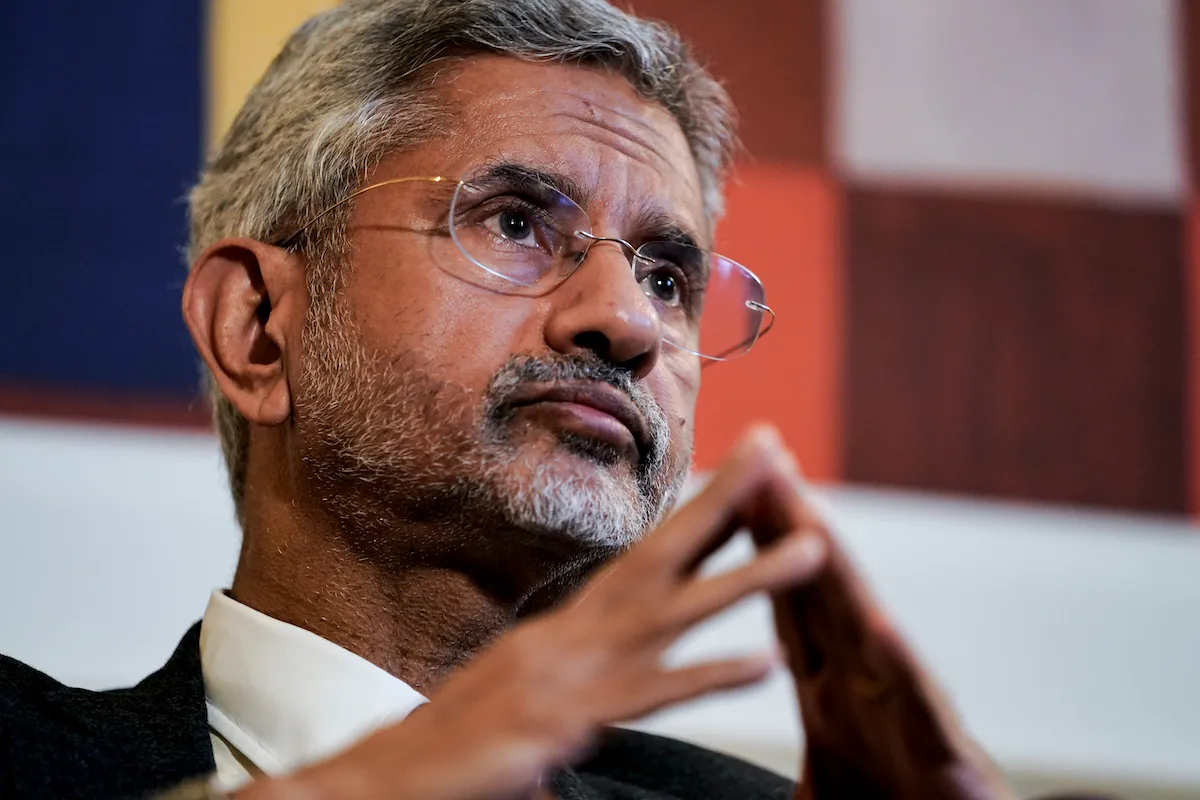
    Derek Grossman, writing for the Foreign Policy magazine, observes that due to the Russian invasion of Ukraine and the ensuing crisis, “Modi’s multipolar Moment Has Arrived”. He even sees India as ‘the clear beneficiary of Russia’s war’. Grossman says that by not condemning Russia’s aggression in Ukraine and refusing to toe the Western line in sanctioning Moscow, India has in fact elevated its global stature. He suggests each of the major powers from the US to China to Russia has been vying to have India on its ‘side’. This assumption is not limited to just Grossman alone but many Western analysts assume that India is vying for a side. But this is exactly where Grossman fails to understand the basic objective of India’s foreign policy. India’s External Affairs Minister Dr. S. Jaishankar’s remarks at the recent GLOBESEC 2022 Bratislava Forum throw light on this ‘misunderstanding’ on the part of Grossman and analysts of his ilk. Jaishankar, to a question regarding the ongoing Russia-Ukraine conflict that in case India must pick a side, who India will side with – the US or China, quipped “I don’t accept that India has to join either the US axis or the China axis. We are one-fifth of the world’s population, the fifth or sixth-largest economy in the world, and India is entitled to have its own side and make her own choices devoid of cynical transactions but based on India’s values and interests.” In the same forum, he also remarked that India is not “sitting on the fence” on the Ukraine issue (a reference to Biden’s remark of India being ‘shaky’) and is in fact merely “sitting on its ground”. Jaishankar’s remarks emphasize India’s policy of strategic autonomy and of India not being a lackey of any power or axis. Meaning India has already chosen a side, its own, where it is happy, willing and most importantly capable of staying put.

    “Somewhere Europe has to grow out of the mindset that Europe’s problems are the world’s problems, but the world’s problems are not Europe’s problems.”

    But what Grossman does get right is in his usage of the term ‘Multipolar’. India indeed views the world as multipolar today. Instead of clinging to either pole of the binary world order, India desires to be one of the poles itself. So, then what explains the West’s adamancy or incapability to understand India? Even this has been partly answered by Jaishankar himself as he says, “Somewhere Europe has to grow out of the mindset that Europe’s problems are the world’s problems, but the world’s problems are not Europe’s problems.” And this is exactly why I mentioned Afghanistan and the Indo-Pacific at the very outset. It is not to say that an India desiring to be a globally recognised power shouldn’t be concerned about Ukraine, but to understand the fact that, for India, a “messy” US withdrawal from Afghanistan and an ever-aggressive China lurking large on its borders are far greater challenges that cannot be met by choosing sides, rather India has to meet those challenges on its own strength. India simply doesn’t have the luxury of joining Axis A against Axis B or vice versa. Among many other things, India needs Russia to balance out China and for its strategic interests in Afghanistan and Central Asia; India needs the US to cement its role in the Indo-Pacific and create a strong deterrence against China; while India also needs to partner with China and Russia in climate change politics as well as limit Western dominance over the global financial system.

    But it is also true that today, India’s strategic interests find greater convergence with that of the US, ranging from countering extremism in the Af-Pak region to checking China’s rise and securing a free and open Indo-Pacific with the help of “like-minded” nations in the region like Japan and Australia in the QUAD grouping. With regards to Russia, relations between the two traditional partners have cooled down a little especially because of Russia’s hobnobbing with Pakistan to secure its interests in Afghanistan and India’s growing ties to the US. Given the fact that Russia is speculated to become increasingly dependent on China as the war in Ukraine wages on, India’s manoeuvrability stands even more limited. Ever since the start of the war, India has tirelessly tried to explain to its Western counterparts the need to re-focus on the Indo-Pacific. Perhaps the bigger challenge for the democratic world is China’s unilateral attempts to change the status quo in the region. Russia’s threat is largely military in nature and is a headache majorly for its European neighbours. But the Chinese threat is global and all-encompassing ranging from economic to military to security to cultural. Additionally, for India, the Taliban in power next door doesn’t evoke any pleasant memories as anti-India forces might be on the loose given the Taliban’s proximity to Pakistan and its ties with anti-India forces.

    India must solidly guard against being labelled in any camp and should steadfastly pursue its own path. India’s recent actions of abstentions in the UN against Russian aggression at the same time as Prime Minister Modi making a whirlwind tour of Europe to calm Western nerves augur well for its strategic objectives. The signing of the US-led Indo-Pacific Economic Framework (IPEF) in the recently held QUAD summit in Tokyo also serves India well vis-à-vis China. A recent visit of an Indian delegation to Afghanistan, ostensibly to oversee aid distribution, suggests that New Delhi may be willing to work with the Taliban regime, thus providing the latter with some legitimacy and the former some flexibility. To be recognised as a major global power, India should de-link from all geopolitical binaries and work towards becoming the Third Pole, maybe taking a cue from the Himalayas.

    Feature Image Credits: Economic Times

  • India and Vietnam Need to set up an Industry 4.0 Technology Task Force

    India and Vietnam Need to set up an Industry 4.0 Technology Task Force

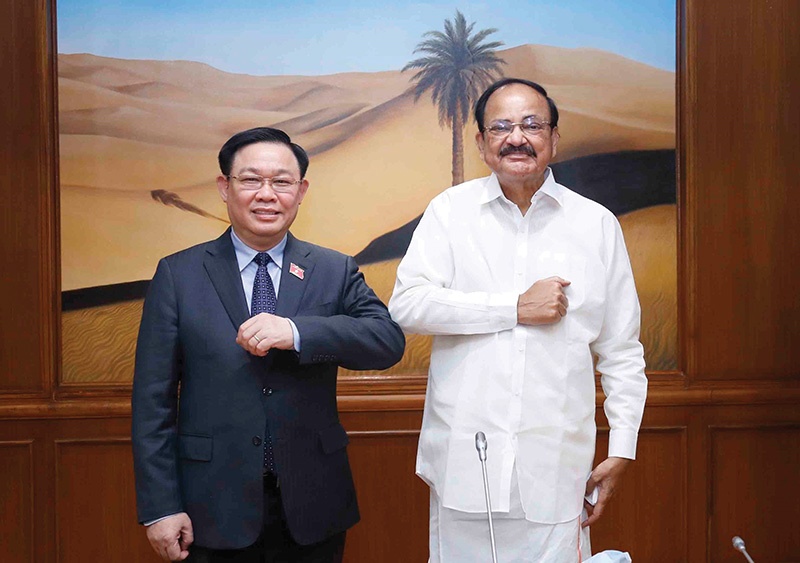
    Amid the ongoing difficult times marked by the COVID-19 pandemic and the fear of its highly virulent Omicron variant spreading across the globe, India and Vietnam pledged to further deepen the Comprehensive Strategic Partnership.  In this context, the recent visit to India by National Assembly Chairman Vuong Dinh Hue to New Delhi this month has strengthened the relationship between the two countries.  Also, next year, India and Vietnam would be celebrating the 50thanniversary of the establishment of their diplomatic relations and their legislative bodies plan to organise commemorative joint events both in New Delhi and Hanoi.

    Chairman Vuong Dinh Hue held wide-ranging discussions in New Delhi with India’s Vice President of India and Chairman of Rajya Sabha, Shri M Venkaiah Naidu and these focused on international matters of common concern and other global challenges. Both sides aim to contribute to global peace, security, stability and development in the region. At the bilateral level, issues concerning COVID-9, socio-economic development in respective countries, economy, trade & investment, energy, security-defence, science-technology, air connectivity, culture, education and training were also the agenda. As many as 12 MoUs were exchanged between Vietnamese and Indian enterprises in the fields of public health, provision of pharmaceutical materials, drug and vaccine production, oil and gas, information technology and technology transfer, education, and tourism.

    India acknowledged and extended gratitude for the timely supply by Vietnam of oxygen and related equipment and the gifting of 40,000 facemasks to the Indian Red Cross Society. As a reciprocal and goodwill gesture, India has announced a donation of 2,00,000 doses of indigenously developed Bharat Biotech COVAXIN to Vietnam through Duc Minh, Bharat Biotech’s local partner in Vietnam. It is useful to mention that Bharat Biotech has been working with Duc Minh Medical JSC, towards the commercialisation of INDIRAB (Inactivated Rabies Vaccine).

    The bilateral cooperation and mutually beneficial partnership between India and Vietnam in the field of energy are noteworthy. For the last three decades, India’s ONGC Videsh Limited (OVL) has been engaged in Vietnam’s offshore energy projects in the South China Sea. New Delhi is now seeking a 15-year extension of the existing arrangement beyond May 2023 when the current MOU between OVL and PetroVietnam (PVN) expires. India hopes that Vietnam and other claimants including China can establish a binding ‘Conduct of Conduct’ and develop concrete mechanisms to institutionalize a regional dialogue among the claimants and other stakeholders to serve for de-escalation of tensions.

    During his interactions, Chairman Vuong Dinh Hue was also assured of India’s support for the ASEAN Outlook for Indo Pacific (AOIP). External Affairs Minister S Jaishankar has noted that “From the Indian perspective, Vietnam is a key partner both in the ASEAN and the Indo-Pacific context,” It was also reiterated that there is strong convergence between India’s Indo-Pacific Oceans Initiative (IPOI) and the AOIP and India is looking forward to continuing working closely with Vietnam.

    In an interview with a major Indian media house, Chairman Vuong Dinh Hue emphasised investments in the digital sphere to usher in Fourth Industrial Revolution in Vietnam. This fits into Vietnam’s call for greater investment from Indian corporations in fields such as information technology, innovation and renewable energy. Industry 4.0 technologies are high on Vietnam’s agenda and the Party and the State have introduced several policies, guidelines and programs to harness these technologies.  In particular, the country hopes that the digital component of the economy could account for about 20% of the GDP. According to a consulting company, Vietnam’s “GDP may rise by US$28.5-62.1 billion by 2030 depending on the level of technology put into use by businesses, or equivalent to an increase of between 7-16% of the GDP”.

    Earlier this year, Vietnam issued the National Strategy on the Fourth Industrial Revolution by 2030 under which Vietnam hopes to be named among the 40 top performers in the Global Innovation Index (GII), the top 30 in the International Telecommunication Union (ITU)’s Global Cybersecurity Index (GCI) and the top 50 in the United Nations (UN)’s e-Government Development Index (EGDI) by 2030.

    Vietnam is committed to expanding international cooperation and integration in science and technology, particularly the Fourth Industrial Revolution technologies. India too has similar ambitions and PM Modi highlighted the issue at the WEF’s Davos Digital Agenda, how India is harnessing AI and other technologies of the fourth industrial revolution for achieving its developmental objectives and for promoting social good. Given the political will of both sides, India and Vietnam could explore setting up a task force to ascertain areas of convergences.


    Image Credit: vir.com.vn

  • Vietnam and Russia Commit to Engagements across Domains

    Vietnam and Russia Commit to Engagements across Domains

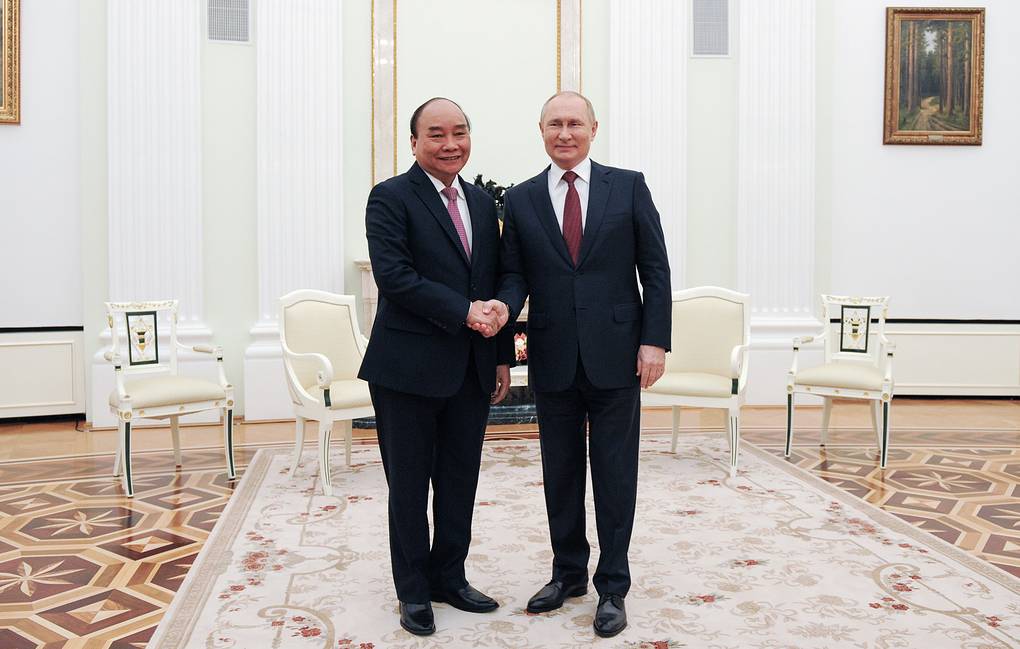
    Vietnamese President Nguyen Xuan Phuc has completed a “very successful and meaningful” visit to Russia with both sides making commitments to reinforce the comprehensive strategic partnership that spans multifaceted engagements across domains. Vietnam figures prominently in the Russian foreign policy and their bonhomie is best demonstrated by the fact that President Vladimir Putin has visited the country five times, a number more than any other country.

    Russian President Vladimir Putin and President of Vietnam Nguyen Xuan Phuc made a statement in the wake of their talks in Moscow – “The relations of comprehensive strategic partnership between the Russian Federation and the Socialist Republic of Vietnam are based upon years-long traditions of friendship and mutually beneficial cooperation, laid down by the previous generations. They have been tested by time, they are not affected by conjuncture oscillations, and serve as an example of mutually respectful cooperation that corresponds to the basic interests of the two countries”

    President Nguyen Xuan Phuc’s visit to Russia merits attention from at least five perspectives. First at the politico-diplomatic levels: both sides have a common understanding of international issues; they endorse a multipolar world order; guided by the principles of resolving major conflicts in the world through diplomacy based on respect for international law. Moscow also acknowledges the increasing role of the ASEAN and Vietnam as important Member State. Russia has also agreed to “explore promising areas of cooperation” within the framework of the ASEAN Outlook for Indo-Pacific.

    Second, the Vietnam-Russia bilateral trade has made significant strides. Their bilateral trade reached US$4.05 billion in the first ten months of 2020 and Russia ranked 24 among 129 countries and territories investing in Vietnam. Russia plans to increase its offshore energy business in the country and the joint statement notes that “creation of favourable conditions for the expansion of activities of Russian and Vietnamese oil and gas companies in the territories of the two states and the implementation of joint projects in third countries in accordance with international law, including the 1982 UN Convention on the Law of the Sea, and the national legislation of Russia and Vietnam”;  however, it is important to mention that there are frequent standoffs. For instance, there was a major standoff in the Vanguard Bank involving 50 Vietnamese and 40 Chinese vessels over the operations of the drilling rig Hakuryu 5 operated by Russia’s Rosneft in Vietnam’s oil and gas Block 06-01.

    Third, their bilateral defence and security cooperation is well established and in September this year, Russian Foreign Minister Sergey Lavrov and his Vietnamese counterpart Bui Thanh Son announced plans to ramp up military-technical cooperation including setting up a centre for nuclear science and technologies in Vietnam. Vietnamese military has acquired Russian origin naval and air platforms (Kilo Class submarines and SU-30MKK fighter jets) and the bilateral trade in arms increased from US$ 293 million (1993-99) to US$ 6514 million (1999-2018) and constituted nearly 84 per cent of all its military purchases.

    Fourth is about the COVID-19 pandemic that continues to rage in the world and its new variant Omicron bringing new fears. Vietnam has been impacted severely by the pandemic and has recently begun to open up. The US and China have provided it with vaccines. During President of Vietnam Nguyen Xuan Phuc visit to Russia, the  Russian Direct Investment Fund has signed an agreement for the “expansion of cooperation with partners in Vietnam aimed at the production of the Russian Sputnik V vaccine” involving the Russian pharmaceutical company Binnopharm Group and Vietnam’s T&T GROUP. RDIF, leading to creating a full-cycle production of Sputnik V in Vietnam.

    Fifth is the US-led Indo Pacific initiatives that clearly target China.  It merits mention that the joint statement issued at the end of the Summit notes that Russia and Vietnam “do not enter alliances and do not sign agreements with third countries to carry out actions that harm each other’s independence, sovereignty, territorial integrity and basic interests,” and that “the development of Russian-Vietnamese relations is not aimed against any third side.”

    Vietnam has no plans to align with the US’ Indo Pacific strategy or any US initiatives that target China even though it has disputes with China in the South China Sea. Russia has stayed clear of the South China Sea disputes and has not supported China. It is conscious that it enjoys cordial relations with the majority of the ASEAN Member States.

    Meanwhile, the Russian Navy recently conducted joint exercises with the ASEAN navies including the Vietnamese Navy. The Russian ambassador to the ASEAN has stated that the exercises were about “peace, stability and prosperity in the region,” and the Indonesian first fleet commander said the exercise “enhance the interoperability and understanding between the Russian and ASEAN militaries”. Interestingly, these exercises are also being viewed as signalling ASEAN’s principle of non-alignment, particularly in current times of high regional tensions given that the ASEAN navies held similar exercises with the PLA Navy. The ASEAN Member States routinely conduct bilateral military-naval exercises with the navies of the US, Japan, Australia, India, France and the UK.

    Vietnam has adopted a pragmatic foreign policy and successive leadership have successfully managed tensions in the South China Sea. Likewise, Russia has major stakes in augmenting regional stability which provides for crucial convergences between Hanoi and Moscow.


    Feature Image Credit: tass.com

  • Quad 2.0: Can it be a win-win for the four Democracies

    Quad 2.0: Can it be a win-win for the four Democracies

    China’s GDP expanded from USD 6 trillion in 2010 to USD 14.3 trillion in 2019. It has had exponential growth over the last three decades, with an average GDP growth rate of 9.23% from 1989 to 2020. Although the impact of the COVID pandemic pushed its GDP into decline and negative (-6.80%) in the first quarter of 2020, it has rebounded with a growth of 5% in the third quarter. It’s military spending, officially, is more than three times that of India, unofficially maybe five times or more. China has become one of the key players in the Indo-Pacific as a significant part of its economic activities depend on this region.

    The Indo-Pacific has replaced the Trans-Atlantic as the epicentre of global politics. Its importance to the global order is multifarious. In economic terms, one half of the world’s commercial influx goes through the Indo-Pacific sea routes and the Indian Ocean carries two-thirds of global oil shipments. Besides, a few of the biggest military spenders are part of the region. China’s hostile actions and policies have agitated the US, Japan, Australia and India. A shared concern over the expansion of China’s political and military clout was fundamental to the revival of the Quadrilateral Security Dialogue (Quad 2.0), on the sidelines of the ASEAN summit in Manila, in 2017.

    Quad is seen as cooperation between four large democracies that share the idea of an open and inclusive Indo-Pacific

    There is growing speculation over what the re-emergence of the Quad means. On the one hand, it is seen as cooperation between four large democracies that share the idea of an open and inclusive Indo-Pacific; on the other, a strategic alliance towards keeping China’s assertive actions in check.

    The Quad: Overcoming Intransigence

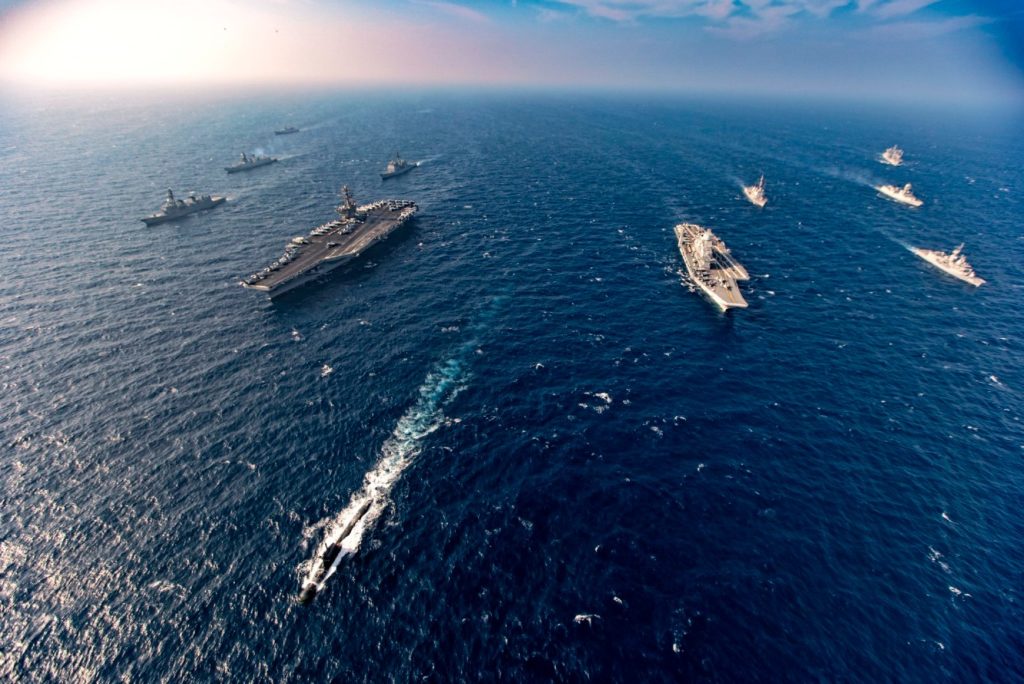
    The Quad is a mechanism that enables a dialogue on regional security issues between the four countries. Its revival, this year, reflects an intersection of strategic interests: that of an open and inclusive Indo-Pacific and a rules-based international order. The Quad came together in November for the naval exercise – Exercise Malabar – in two phases, in the Bay of Bengal and the Arabian Sea. The exercise, in its 24th edition, is the biggest so far and has sent significant strategic signalling to China.

    The Quad should be considered less as a formal alliance and more as a mechanism built on existing bilateral and trilateral partnerships between the four countries. It first emerged as a cooperative response to the 2004 tsunami, when the four navies were involved in providing humanitarian and disaster relief. Despite strong support from Japan and the US to formalise the group, it disbanded with Australia and India backing out in 2007, due to concerns about China’s reaction to the grouping. This gave rise to multilateral partnerships among the four countries.

    Between the four democracies, there are three trilateral and six bilateral partnerships. Trilaterally, Japan, India and Australia first came together in 2015 to discuss shared concerns over maritime security in the Indo-Pacific Region and freedom of navigation in the South China Sea. More recently, the three countries agreed to develop a supply chain resilience program for the Indo-Pacific Region amid growing recognition of their excessive, economic reliance on China.

    Bilaterally, the US and India signed the Basic Exchange and Cooperation Agreement (BECA) on October 27 that gives India access to American geospatial intelligence that will be useful for precision guidance of its missiles. Further, India-Australia ties have strengthened over the last few years with their initial 2+2 dialogue in 2017 and with Australian participation in India’s Milan exercise in 2018, focusing on interoperability between navies in the region.

    China and the Quad

    Over the years, the Indo-Pacific has emerged as a region of strategic importance. As China expands into the region, its actions have created tensions with the Quad members.

    Sino-Indian relations:  India-China relations have touched rock-bottom since the clashes on the LAC in Ladakh.  China’s intrusions and violations along the LAC have been backed up by significant massing of PLA forces, for the first time in 40 years. India’s strong actions at the LAC and subsequent sanctions and banning of Chinese IT applications have signalled that India is not shy of escalating its response. China’s actions are seen as part of its coercive strategy to India’s refusal to back China on BRI, and its vehement opposition to CPEC. It sees India’s closeness to the USA and its coordination in the Quad as a threat to China’s strategic interests.

    China’s increasing influence in the Indian Ocean Region (IOR) has raised India’s concerns. It has always been wary of ties between Beijing and Islamabad, which intensified with the launch of the China-Pakistan Economic Corridor (CPEC) in 2013. The Chinese-operated Gwadar port off the Arabian Sea in Pakistan, which can be used by the Chinese navy to establish a submarine presence in the region, did not rest well with India. Such a port would also help China with its ‘Malacca Dilemma’. Other ports of such concern are Hambantota in Sri Lanka and Kyaukphyu in Myanmar. Though China claims these ports are of economic significance, these are also militarily strategic ports that give it an advantage in the IOR.

    In light of these issues, a revived and active Quad will benefit India’s strategic interests. The partnership could affect China in two ways. First, China would face increased competition in the IOR from India that now works with strong allies. Second, with the recent imposition of the technology ban, China stands to lose a large market for its products.

     Japan-China relations: Over the past few years, the situation in the South China Sea (SCS) has worsened with China’s land reclamation activities and militarisation of islands. Japan sees the South China Sea as key to its security because of its crucial sea lanes vital to its trade and economic health. It is also wary of China’s ability to influence the energy supply chains, which East Asia is dependent on, and the PLA’s movement in the Indo-Pacific region that could affect regional security.

    Despite its renewed trade with China and the recent signing of the RCEP, increased tensions in the SCS has forced Japan to support revival of the Quad. China’s increased naval and air activities in the South China Sea makes the Quad and its possible expansion into Quad Plus even more relevant for Japan.

    China-Australia relations: Australia backed out of the Quad in 2007 primarily because it was concerned about how China would view it, and the possible impact it might have on their bilateral trade. By 2017, China became Australia’s top export destination, and this trend has continued through 2019, pushing Australia into a dangerous economic dependency with China. Further, Australia’s 2016 White Paper called out China for its coercive behaviour in the Indo-Pacific, identifying the South China Sea and the Southern Pacific as vital strategic regions.

    Australia’s economic dependence on China is high and this is unlikely to change despite the strong statements from prime minister Morrison.  Australia’s strong stand against China is also seen as emanating from American pressure. Australia actively supports Quad as it sees an increasingly powerful China working to change the world order. Australia is also a member of the newly signed RCEP, the new economic grouping that will be dominated by China. While Australia has hedged its economic interests by signing the RCEP, its strategic and security priorities are linked to the Quad.

    China-US relations:  China’s rising military power is now seen as a threat to American power and the liberal world order. Since 2011, American strategies and policies have focussed more on the Indo-Pacific. This shift in focus has strengthened its ties with Japan, Australia and India. Tensions between the US and China have increased since then and the 2018 trade war not only aggravated their relations but also kept the rest of the world on an edge.

    With a strong Quad partnership, the US expects to regain and strengthen its influence in the Indo-Pacific. For China already hit hard by the US trade war, more setbacks will accentuate the problems. Moreover, with a more focused Quad led by the US, China’s efforts to project its power and influence in the Indo-Pacific region will come under pressure.

     Conclusion

     A few aspects about the Quad remain unclear. First, its intent is still uncertain because the respective countries have to evaluate their relations with China if they want to make the bloc official. Second, if it were to be official, to what extent would it serve the interests of the member countries? Third, is the Quad a concert of democracies to contain China? Last, will it coordinate with other members in the Indo-Pacific region, that is will Quad translate into Quad Plus?

    China’s actions have managed to bring the four countries closer.  China, however, has scored a success when the RCEP (Regional Comprehensive Economic Partnership), the world’s largest plurilateral trade agreement was signed on November 15th. Both Japan and Australia are members of the RCEP. Many see this as a setback for India and America, and an important building block in a new world order, in which China calls the shots all over Asia. It puts in doubt the viability of SCRI (Supply Chain Resilience Initiative), an effort by Quad members to create an alternative to Chinese domination of supply chains.

    The nature of China’s challenge to the global order and the Indo-Pacific is geoeconomics in design, as evidenced by its Belt and Road Initiative and its recent success in RCEP. The Quad will need to go beyond security cooperation.

    While security and military cooperation will help in checking China’s aggressive approach, it must be recognised that this alone will be an incomplete strategy. The nature of China’s challenge to the global order and the Indo-Pacific is geoeconomics in design, as evidenced by its Belt and Road Initiative and its recent success in RCEP. The Quad will need to go beyond security cooperation.

    The conclusion of RCEP maybe China’s gain, but it is important to recognise the fact that ASEAN is the main driver of RCEP. In attempting to balance China, ASEAN and Japan have kept the door open for India to re-join the RCEP. It is possible that the US, under the Biden presidency, may revive the TPP (now proposed by Japan as CATPP, Comprehensive and Progressive Agreement on Trans-Pacific Partnership), which could balance the RCEP. The Quad, in this context, will continue to be very relevant for peace and security in the Indo-Pacific.