Tag: Geopolitics

  • Cinema as a tool of National narratives and Geopolitics

    Cinema as a tool of National narratives and Geopolitics

    ABSTRACT

    This paper aims to understand how world politics, the geopolitical environment in the international arena, and economic relationships between countries are portrayed in films and entertainment media. This paper attempts to understand the portrayal of the themes through varied parameters, namely, the geopolitical timeline of when the film was released, the theme or the event that the film is trying to address, the region the movie was produced in and the audience it would cater to. As films are pretty nuanced and very interpretative, these themes might overlap. Nevertheless, it will attempt to identify and understand the themes as best possible. This paper also aims to understand the active relationship between films and the various global interactions among nation-states. It will also examine the impact of these films on the foreign policy decisions made by the State and how the narratives change with changing leadership. This paper will understand films through the lens of international politics and not just as a medium of entertainment.


    INTRODUCTION

    Beyond the fiction of reality, there is the reality of the fiction.

    – Slavoj Žižek

    Let’s ask a simple question. How much of the reality that we live in do we see in fiction? This question seems to have a complex answer. The main reason for the existence of films is their ability to transport viewers to a world of imagination or fiction where anything can happen, unlike the rigid realities we live in. However, upon closer examination, one might find that fiction interacts with present, everyday realities and fosters an ideology within itself. Films and ideology have a deep-rooted connection, and it is impossible to analyse films without encountering the ideology they inevitably promote. This is particularly evident in films that fall under the genre of politics or political commentary. Politics is often described as a struggle for power, where ideology plays a crucial role. Films have the power to influence the masses, making them a potent tool for those in power to wield. This is why ideology is embedded in films. According to Slavoj Žižek’s documentary ‘The Pervert’s Guide to Ideology’, ideology is a socio-economic and political apparatus that is created and propagated by humans. He argues that ideology is a social reality, and attempting to escape it is also an ideology.

    Ideology has a significant impact on the superstructure, shaping our perception of political reality. Unfortunately, this often results in a distorted or biased portrayal of events that goes unchallenged due to the disclaimer that it is a work of fiction. This allows ideologies to spread without being acknowledged. Films with political themes are particularly susceptible to this, as they are shaped by the prevailing ideology of the time and place in which they are created and discussed. These films serve as a means of propagating state-sponsored ideologies, which can then be used to legitimise state propaganda. They are essentially used as a trial run to measure the public’s reaction to certain ideas before implementing them. These films function as a symbolic order, swaying public opinion in line with the desired political narrative. The depictions in these movies, being fictional, are often exaggerated and used to evoke feelings of patriotism and nationalism, making it easier for political leaders to shape the status quo in their favour.

    Films are generally regarded as a source of entertainment, but they also have a profound impact on the realities of our lives. Even movies with superhero themes, which are purely fictional, have the power to shape political realities. For instance, the Marvel Cinematic Universe, a franchise that features individuals with exceptional abilities, highlights the inability of governments to address significant issues or credible threats. These governments tend to view those who can effect change as a greater threat than the aliens themselves. This commentary reflects on the governments’ and leadership’s propensity to prioritize personal insecurities and power politics over the greater good. This, in turn, questions the relevance of democratic institutions and government, which is ironic given that the films originate from a country that has historically promoted democracy. This paper aims to explore how these films portray global politics and economic relations, and the rationale behind these depictions.

    RELATIONSHIP BETWEEN POLITICS AND THE FILM INDUSTRY

    Before examining the portrayal of political institutions in films, it is important to consider the extent to which these institutions influence the film industry, as this relationship will greatly determine the narrative or nature of the films. It is crucial to understand the independence of the film industry when it comes to politics. During the Cold War era, also known as the era of ideological conflict, films played a significant role in fostering a sense of nationalism among the population. They served as an effective means of disseminating an ideology that would advantage the host country. Films became a tool of soft power, and both sides utilized them to the fullest.

    Independence Day, a motion picture released in 1996 and starring Will Smith, exemplifies the interconnection between politics and cinema. The film centres around an alien assault on Earth and the United States of America’s leadership and military’s endeavour to exact retribution and obliterate the extraterrestrial ships, thereby preventing further attacks. This reflects the ‘saviour of the world’ narrative that the United States of America champions and takes pride in. The movie’s portrayal of the United States as the epicentre of the world is strikingly evident. The Cold War period in Hollywood was greatly influenced by the United States’ aspiration for global dominance. It sought to establish US supremacy across the globe. The Cold War was a critical juncture in US political history, and it was essential to emerge victorious in ideological warfare. Consequently, the United States utilised film as a medium to rally the masses and legitimise its actions through an exalted portrayal of patriotism and nationalism. Depicting the US as the only state capable of addressing global threats was a recurring theme in these films. Although the movie is more than a decade old, it accurately portrays the nature of the international arena. It depicts the US at the centre, emphasising that the US is a superpower today and an economically advanced nation with immense financial resources and the ability to carry out military operations. However, compared to the present reality, this portrayal might not be entirely accurate, as the US is currently grappling with enormous debt and bearing significant costs for its interventions around the world.

    Nonetheless, it maintains a significant influence and directs economic ties in some manner or form. Hence, one can argue that the depiction is a fictionalized exaggeration of reality, despite the presence of some factual elements. How autonomous is the film industry -from any location or time frame- in creating or presenting narratives that challenge the established order? This study will delve into specific films as case studies and scrutinize them meticulously to glean a clearer understanding of the portrayal and to what extent it reflects the true picture of the global arena.

    Analysis

    Part 1 of the paper examined films as tools of ideological expression and explored the relationship between the film industry and the State. Moving forward, the paper will delve into regional cinema to investigate its narratives and discourses. Entertainment media has emerged as a powerful socio-political institution that wields influence over the state and individuals through the stories and ideologies it presents. Media has the capacity to depict social realities in accordance with the norms, values, and laws of society at a particular time (Zelizer and Allan, 2011). By comparing and contrasting films from different eras with the social realities of their respective times, it becomes possible to uncover the interconnections between reality and representation. During the Cold War era, films were utilized to foster domestic patriotism, thereby granting the State the legitimacy to pursue its ambitions and achieve greatness. Independence Day is an illustration of this phenomenon.

    The way in which the domestic audience receives information about foreign policy through portrayals of interstate relations is complex, and these portrayals are often influenced by state-centred bias and ideology, which can result in the transmission of biased information (Baum, 2007; Cohen, 1963; Entman, 2004; Chomsky, 1989; McChesney, 2008; McQuail, 2005). The role of the media as a discourse-producing entity and as an entity that defines the complex but symbiotic relationship between the government and the media is central. However, while the media should work independently, it is often commercially motivated and, therefore, promotes the ideas and beliefs of the status quo due to the intertwining of vested interests with the corridors of power (Bagdikian, 2004; Bettig and Hall, 2003; Norris, 1990; Vivian, 2006). This results in the media and government submitting to the interests of a small section of the community being propagated, rather than serving the socio-cultural aspect of the institution.

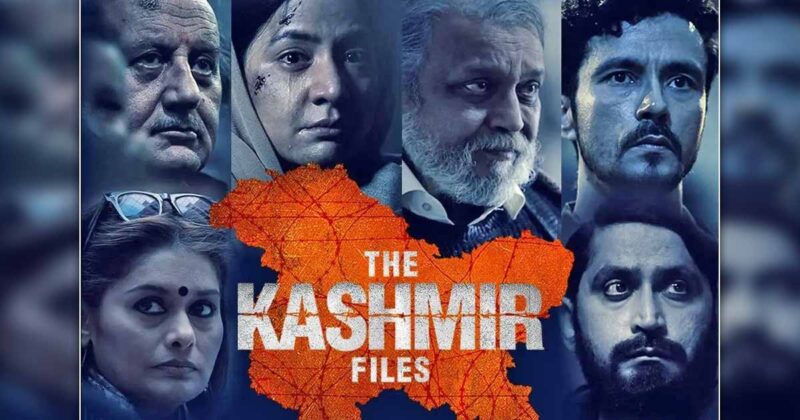
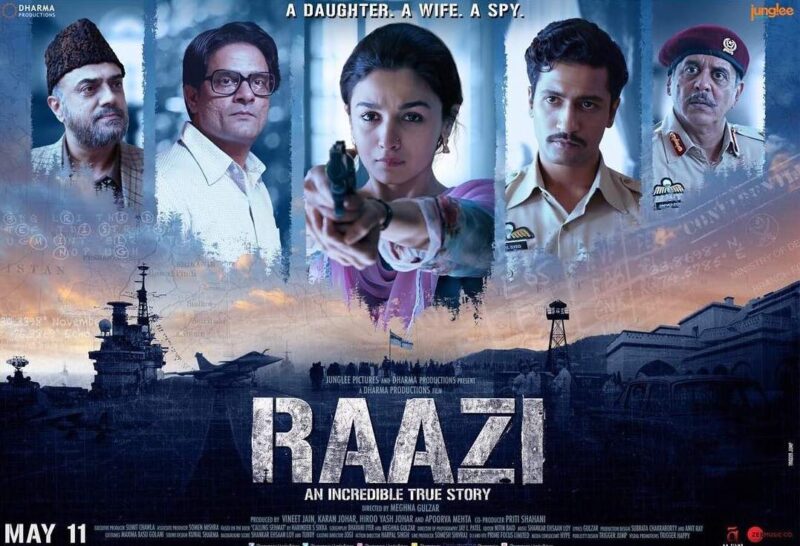
    In the 21st century, propaganda and ideology have become increasingly pervasive. This is due to the rise in content production that aligns with state agendas and the status quo. In India, the movie “The Kashmir Files” has sparked debates regarding whether it is a right-wing propaganda. The movie recounts the exodus of Kashmiri Pandits in Kashmir and the bloodshed that occurred during the 1990s. In today’s context, where right-wing ideologies are gaining momentum, it is evident that ideology and statecraft are interconnected. The portrayal of world and domestic politics is not devoid of an underlying ideological intent. For instance, Bollywood movies like “Raazi” and “LOC Kargil” play a crucial role in propagating India’s foreign policy stance within the domestic political arena. These movies depict India as a progressive global entity, while also propagating the Indian “Big Brother Syndrome” towards its neighbours.

    In the movie “Raazi,” released in 2018 and starring Alia Bhatt and Vicky Kaushal, an undercover RAW agent is married to a Pakistani army official to retrieve crucial information regarding Pakistani moves in Bangladesh and India in 1971. The movie portrays India as a superior state trying to liberate Bangladesh (then East Pakistan) from the “Enemy.” This theme of Indian superiority among its neighbours is prevalent in most films that deal with world and domestic politics. Similarly, the developed West promotes capitalism through films and other visual media.

    Hollywood emerged as a centre for state-sponsored and ideology-driven content during the Cold War. Movies like Wall Street, released in 1987 during an ideological conflict between the United States and the USSR, reflected capitalist ideologies and demonized the USSR and its communist system. The film depicted the ruthless and often exploitative nature of capitalism that prevailed during the 1980s. One of the lead characters, Gordon Gekko, portrayed by Michael Douglas, advocated for the greed and highly capitalistic nature of businessmen. In the context of the Cold War, this promoted a specific type of capitalist ideology to counter the Soviet or communist threat. The glorification of the businessman and the discontentment of the businessman played a significant role in the domestic economic output. The 1980s glorified greed, and this movie accurately represented it. Wall Street explicitly conveyed the notion that morality should not be prioritized over money. The film also featured a speech by Gordon Gekko, in which he declared, “Greed is good.” Movies like this projected a sense of American exceptionalism in the political and economic sense.

    “Don’t Look Up” is a satirical film released in 2022 that critiques the global response to the impending climate crisis. Although the movie aimed to address the issue on a worldwide scale, it primarily focused on Western perspectives. A film that seeks to tackle an international issue should address it on a more comprehensive level. The film, produced in the United States and released on an Over-The-Top (OTT) platform, failed to address the problem it intended to address due to the country’s state-centred ideology and propaganda, which portrays the United States as the saviour of the world. Even though countries like Russia and India were mentioned, the film’s Western bias was evident in the portrayal of these countries as technologically inadequate in stopping the comet from colliding with Earth. This bias is also reflected in movies produced globally, where the notion that national interest takes precedence over all else is a recurring theme.

    Therefore, it can be asserted with confidence that when motion pictures address world politics and economic relationships either currently or historically, the narrative is not unconnected to the state’s agenda. It is permeated with ideology that continually resurfaces. The only solution is the establishment of an autonomous media institution. It is crucial to distinguish between art and the state, as art has proven to be revolutionary in the past. The art produced in India during its quest for independence embodies that essence of truth and authenticity which appears to be lacking in today’s profit-driven, capitalistic world. It is vital to view things objectively, removing the tint of ideology, and acknowledge reality for what it is. This is where the political economy comes into play, exposing the exploitative, biased, and dismissive workings of the industry and institution. Numerous academic studies have examined and concluded that films have significantly influenced the public’s perspective on the State and its actions, making a thorough analysis of contemporary films even more necessary. In a world where false information spreads rapidly, independent media is indispensable.


    Feature Image Credit:  Wikimedia Commons
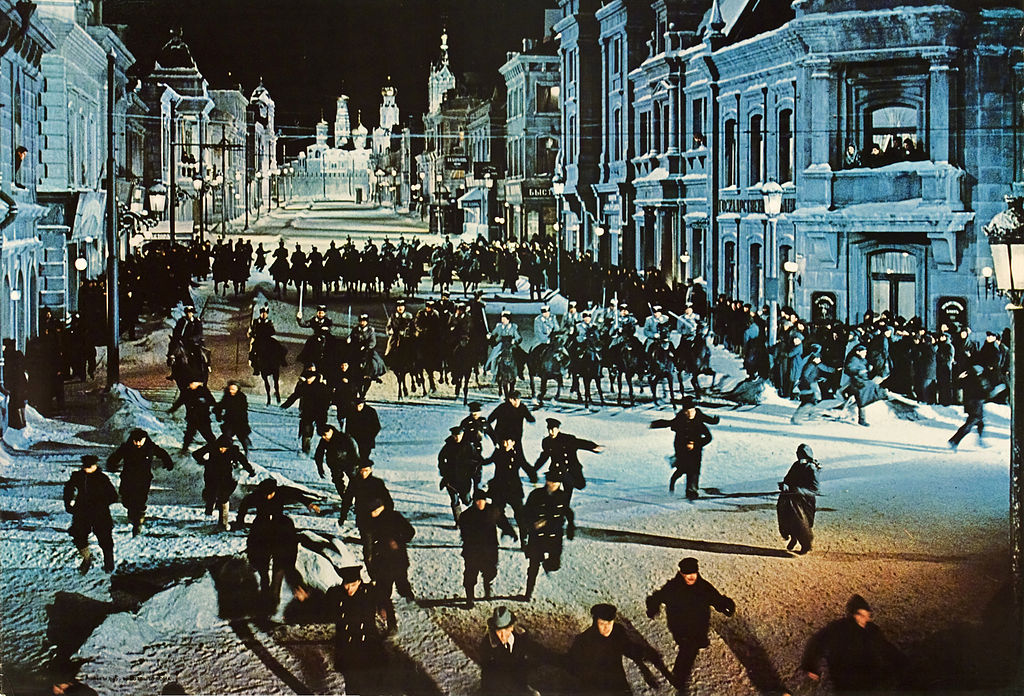
    Scene from Dr Zhivago depicting the Cossacks attacking peaceful demonstrators, a prelude to the Russian Revolution.  Dr Zhivago was a book written by Boris Pasternack, with the plot set in the last days of the Second World War and the break out of the Russian revolution. The book was banned in the USSR, was smuggle out into Europe and translated into English and other European languages. It was made into a classic movie by David Lean during the peak of the Cold War. The movie became a weapon in the cultural component of the Cold War, for its depiction of a totalitarian tendency inherent in the Russian revolution from the start. Boris Pasternack was awarded the Nobel prize (for his book ‘And Quite flows the Don’) but refused to receive it due to the pressure of the ideological  contest between the communist USSR and the capitalist West.    

    Kashmir Files poster Image: koimoi.com

    Raazi poster Image: Mumbai Mirror  

    Bibliography

    Bagdikian, Ben H. 2004. The New Media Monopoly. Boston: Beacon. https://library.uniteddiversity.coop/Media_and_Free_Culture/The_New_Media_Monopoly-Ben_H_Bagdikian.pdf.

    BAUM, MATTHEW A. 2007. “Soft News and Foreign Policy: How Expanding the Audience Changes the Policies.” Japanese Journal of Political Science 8 (1): 115–45. https://doi.org/10.1017/s1468109907002502.

    Bettig, Ronald V., and Jeanne Lynn Hall. (2003) . Big Media, Big Money : Cultural Texts and Political Economics. Lanham, Md.: Rowman & Littlefield Publishers, Inc.

    Chomsky, Noah. 1991. “Necessary Illusions: Thought Control in Democratic Societies, Noam Chomsky. 1989. Sough End Press, Boston, MA. 432 Pages. ISBN: 0-89608-366-7. $16.00.” Bulletin of Science, Technology & Society 11 (3): 183–83. https://doi.org/10.1177/027046769101100328.

    Cohen, Bernard C. 1963. The Press and Foreign Policy. The American Historical Review. https://doi.org/10.1086/ahr/69.3.805.

    Entman, Robert. 2005. “Robert M. Entman. Projections of Power: Framing News, Public Opinion, and U.S. Foreign Policy. Chicago: University of Chicago Press. 2003. .Public Opinion Quarterly 69 (2): 324–26. https://doi.org/10.1093/poq/nfi017.

    Mcchesney, Robert Waterman . 2008. The Political Economy of Media : Enduring Issues, Emerging Dilemmas. New York: Monthly Review Press.

    McQuail, Denis . 2005. McQuail’s Mass Communication Theory. Sage Publications Ltd., London. https://www.scirp.org/reference/referencespapers?referenceid=1839060.

    Norris, Pippa. 2002. “Studying the Media and Politics in Britain: A Tale of Two Literatures?” The British Journal of Politics and International Relations 4 (2): 359–73. https://doi.org/10.1111/1467-856x.t01-1-00009.

    Vivian, John. 2006. The Media of Mass Communication. Allyn & Bacon.

    Zelizer, Barbie, and Stuart Allan. 2011. Journalism after September 11. Taylor & Francis.


  • What the Global Economy and Security Require

    What the Global Economy and Security Require

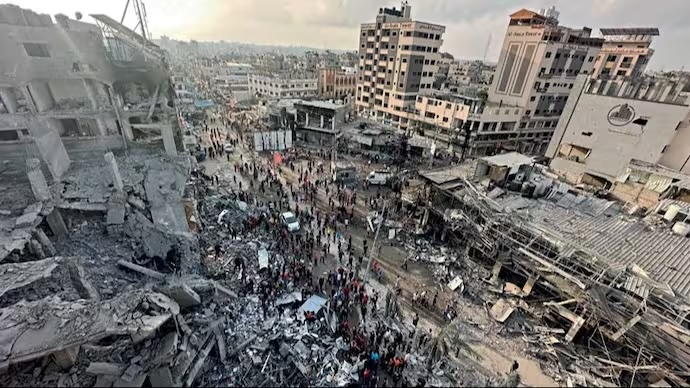
    With the new year 2024 well underway, the world is afflicted with wars, economic challenges, and the larger issues of climate change impact that threaten the very survival of the planet. It is paradoxical to see that great powers are still focused on competition and conflict. The year ahead portends continued conflicts, wars, and the weaponisation of economic infrastructures, demonstrated by Israel’s genocidal war against the Palestinians. Carla Norrlof highlights the increase in geopolitical conflicts and the complex relationship between economics and security. The article, like most Western academics, looks from the American perspective. and may miss the larger worldview.

    – Team TPF

    This article was published earlier in Project Syndicate.


    If America and its allies are to maximize both security and prosperity in the coming years, policymakers and strategists will have to understand the complex interplay of forces that is making the world more adversarial and fraught with risk. The global environment demands a comprehensive new economic-security agenda. The global order is undergoing significant changes that demand a new economic-security agenda.

    From hot wars and localized insurgencies to great-power standoffs, geopolitical conflict has made the complex relationship between economics and security a daily concern for ordinary people everywhere. Complicating matters even more is the fact that emerging markets are gaining economic clout and directly challenging traditional powers’ longstanding dominance through new networks and strategic alliances.

    These developments alone would have made this a tumultuous period marked by economic instability, inflation, and supply-chain disruptions. But one also must account for rapid technological advances – which have introduced new security risks (such as arms races and cyber threats) – as well as natural risks such as pandemics and climate change.

    To navigate this dangerous new world, we must reckon with three interrelated dimensions: the effects of geopolitics on the global economy; the influence of global economic relations on national security; and the relationship between global economic competition and overall prosperity.

    Each pathway sheds light on the multifaceted interplay between economics and security. We will need to understand all of them if we are to tackle the varied and complex challenges presented by our highly interconnected global system.

    As recent years have shown, geopolitics can profoundly affect the global economy, reshaping trade, investment flows, and policies sometimes almost overnight. Aside from their devastating human toll, wars like the Russian invasion of Ukraine and Israel’s campaign in Gaza often reverberate far beyond the immediate theater of conflict.

    For example, Western-led sanctions on Russia, and the disruption of Ukrainian grain exports through the Black Sea, caused energy and food prices to soar, resulting in supply insecurity and inflation on a global scale. Moreover, China has deepened its economic relationship with Russia following the mass exodus of Western firms in 2022 and 2023.

    Similarly, Israel’s bombing of Gaza has destabilized the entire Middle East, especially tourism-dependent neighbouring countries such as Egypt, Jordan, and Lebanon. Meanwhile, Yemeni Houthi rebels, long supplied by Iran, have been attacking cargo ships in the Red Sea, leading international shipping firms to suspend or adjust their routes and directly impeding trade through the Suez Canal – a major artery of global commerce.

    We are witnessing the destabilizing effects of natural threats as well. The COVID-19 pandemic drove a massive shift away from cost-effective “just-in-time” supply chains to a “just-in-case” model aimed at strengthening resilience during disruptions. And, more recently, an El Niño-induced drought has diminished the capacity of the Panama Canal – another major artery of global commerce. Whether for geopolitical or ecological reasons, rerouting around these new bottlenecks inevitably increases shipping costs, causes delivery delays, disrupts global supply chains, and creates inflationary pressure.

    Turning to the second dimension – the implications of global economic relations for national security – it is clear that countries will be more likely to adopt bold or aggressive security policies if they already have a web of economic ties that can either attract support or dampen opposition. China, for example, is counting on economically dependent countries within its Belt and Road Initiative to accept its political influence and longer-term bid for hegemony. Many countries also now rely on China for critical defence-related supply-chain components, which leaves them vulnerable diplomatically and militarily.

    More broadly, global connectivity, in the form of economic networks and infrastructure, is increasingly being weaponized for geopolitical ends. As Russia’s war on Ukraine shows, economic ties can create dependencies that raise the cost of opposing assertive security policies (or even outright aggression). The implicit threat of supply disruptions has a coercive – sometimes quite subtle and insidious – effect on a country’s national security objectives. Owing to the network effects of the dollar system, the United States retains significant leverage to enforce international order through coercive sanctions against states that violate international norms.

    Trading with the enemy can be lucrative, or simply practical, but it also alters the distribution of power. As Western governments learned over the past two decades, the advantages conferred by technological superiority can be substantially offset by forced technology transfers, intellectual property theft, and reverse engineering.

    The third dimension – the relationship between global economic competition and prosperity – has been complicated by these first two dynamics, because the pursuit of material well-being now must be weighed against security considerations. Discussions in this area thus centre around the concept of economic security, meaning stable incomes and a reliable supply of the resources needed to support a given standard of living. Both Donald Trump’s “Make America Great Again” slogan and President Joe Biden’s “Build Back Better” plan reflect concerns that economic relations with China harm US prosperity.

    The challenge for the US and its allies is to manage the tensions between these varying economic and security objectives. There is a potential conflict between adapting to market- and geopolitically-driven shifts in economic power and sustaining the economic strength to finance a military force capable of protecting the global economy. The US, as the dominant power, must remain both willing and capable of preserving an open, rules-based global economy and a peaceful international order. That will require additional investments in military capabilities and alliances to counteract territorial aggression and safeguard sea lanes, as well as stronger environmental policies and frameworks to distribute global economic gains according to market principles.

    By attempting to mitigate security risks through deglobalization (reshoring, onshoring, and “friend-shoring”), we risk adding to the economic and security threats presented by a more fragmented world. Though economic ties with rivals can create dangerous dependencies, they also can act as a safeguard against hostility.

    All governments will need to grapple with these tensions as they develop a new economic-security agenda. The world is quickly becoming more adversarial and fraught with risk. To maximize both security and prosperity, we will have to understand the complex interplay of forces that are creating it.

    Feature Image Credit: India Today

  • Mercenaries in Libyan Conflict: Need for a Strong International Law Against Mercenary Activities

    Mercenaries in Libyan Conflict: Need for a Strong International Law Against Mercenary Activities

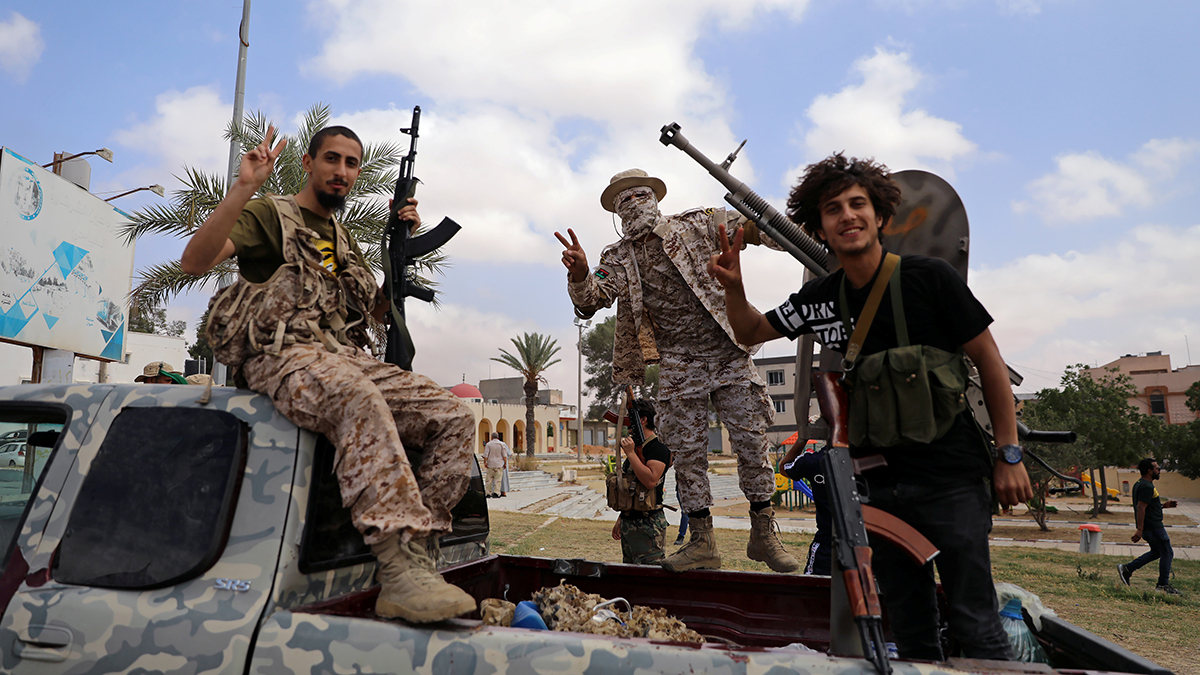
    The presence of mercenary groups and foreign fighters in Libya potentially had an impact in intensifying and prolonging the Libyan conflict, further complicating the search for a peaceful solution to the crisis. Foreign fighters and mercenaries have grossly violated domestic and international human rights and contributed to enormous human suffering. Mohamad Aujjar, Chair of the independent international fact-finding mission on Libya, told the UN Human Rights Council that the “mission’s investigations had found that all parties to the conflict in Libya since 2016, including third states, foreign fighters, and mercenaries, have violated international humanitarian law, particularly the principles of proportionality and distinction, and that some had committed war crimes”. Twelve years after violent conflicts and political crises, Libya is turning to a crucial election this year, one that was originally scheduled in December 2021 but could not be held due to disagreement between various political groups. It is considered that the presence of mercenaries and foreign fighters in the conflicting territories will be an obstacle to peaceful elections. African Union chairman stated that “the departure of foreign mercenaries could help Libya to achieve greater stability which was in a constant tussle since 2011”. As mentioned previously, mercenary involvement is one of the primary causes for the prolongation of the Libyan conflict, caused by the absence of firm international law concerning mercenary activities.

    The growing presence of mercenaries in armed conflicts across the world, and the threat that mercenaries are posing towards international peace and human security is a signal of the need for a strong legal framework for regulating mercenary activities.

    The conflict in Libya started when NATO-backed Western powers toppled the former authoritarian leader Muammar Gaddafi in 2011 and failed in placing a stable central authority in the country. In 2014 this political vacuum and crisis turned into a civil war between two rival groups, the Government of National Accord (GNA) in the western parts of the country that is recognised by the United Nations, and the Libyan National Army (LNA) in the eastern parts of the country, headed by Khalifa Haftar. Foreign powers had strategically aligned with the conflicting parties to protect their own parochial geopolitical and economic interests in the region. GNA had the support of Turkey and Western countries like Italy. In December 2020, the Turkish parliament authorised the deployment of troops to Libya in support of the GNA. It is estimated that Turkey sent between 2000 and 4000 mercenaries from Syria to Libya, all of whom were under the direct control of the Turkish military. The Sadat, a Turkish private military firm, was also directly involved in the Libyan conflict. On the other hand, the LNA enjoyed the support of Russia, Egypt, and the United Arab Emirates (UAE). Since 2014, UAE has supported the LNA by supplying arms while Russia sent mercenaries to boost LNA. In February 2021, the UN-led Libyan Political Dialogue Forum (LPDF) formed a new government called the Government of National Unity (GNU) with Abdulhamid AlDabaiba as Prime Minister with the approval of the Libyan House of Representatives. GNU failed to hold the national election which was the main purpose for the formation of the GNU. Thus, the country was again divided into two camps. On the one side, Egypt, Russia, France, and Qatar supported Bashaga and his eastern supporters. On the other side were Italy, Turkey (with some exceptions), the United Nations, and the United States. The UAE, surprisingly, supported Dbeibah. Once again, the situation on the ground demonstrates that a plethora of foreign actors are interfering in Libyan domestic affairs, each pursuing its interests rather than those of Libya and the entire region. Libya has become another battleground for proxy wars between Russia and Western powers. For Russian oil companies, Libya is attractive due to its vast oil reserves and vital from a military standpoint due to its strategic location. By constructing naval facilities in the Mediterranean, Russia would be able to expand its military presence further west. Regional and global powers are struggling to reshape the region according to their interests in the Sahel region. Russia and Turkey are leaders in this trend by using several mercenary groups. Thus, the complete elimination of mercenaries from Libya is one of the preconditions for peace and stability in Libya.

    The growing presence of mercenaries in armed conflicts across the world, and the threat that mercenaries are posing towards international peace and human security is a signal of the need for a strong legal framework for regulating mercenary activities. There are a few reasons why mercenaries need to be legally regulated. First, mercenaries are beyond state control and may pose a practical threat to state sovereignty and security, as well as challenge the traditional realist idea of the state monopoly to use coercion or force, though realists agree that the nation-states no longer hold a monopoly over coercive instruments*. Second, mercenaries are profit-oriented firms, where financial gain is the goal. This raises both a political and moral dilemma that an individual who does not have any political or ideological affiliation towards the conflict is direct participant in the conflict. Above all, mercenary involvements in conflicts across the world are significantly changing the nature of conflicts by intensifying and complicating the pre-existing dynamics, especially considering they openly defy human rights and avoid related responsibilities.

    The major treatise and conventions that regulate mercenary activities include Additional Protocol I and II to Article 47 of the Geneva Convention (1949), the Organisation of African Unity (OAU) Convention for the Elimination of Mercenaries in Africa (1972), and the International Convention against the Recruitment, Use, Financing and Training of Mercenaries (1989). However, these treatises are far from perfect as Sarah Percy says, “International law dealing with mercenaries is notoriously flawed”. According to her, the primary reason why international is weak is that states, back in the 1970s and 1980s, did not care enough to create effective regulations as they were not considered enough of a “practical difficulty” or warranted enough “moral attention” to necessitate legal attention. Another reason is that notably, weaker African states are vulnerable to mercenary activities as even Western states were willing to use mercenaries in the African continent for their strategic gains, and as well these African states have intentionally created loopholes within the law to use mercenaries themselves for their advantage. Immediately following World War II, Western states suppressed the African people’s struggle for self-determination and sovereignty by using mercenaries. Dusoulier says that “the private security industry has a long history on the African continent whether in the Sahel, Mali, or the Central African Republics”. He further points out that this state of affairs is a consequence of two factors: the weakness of government institutions in some countries and the continent’s wealth of mineral resources. Hence, it is evident that the laws concerning mercenaries are not strong enough to contain the spread of mercenary activities across the globe.

    Recent conflicts in Libya, Yemen, Ukraine, and Syria are showing the paucity of international law concerning mercenary activities. Without an effective international framework to regulate mercenary activities, conflicts in this world will be turning more violent and intensified. Bilateral cooperation, information sharing, and the efforts of international organisations are important in this regard. The withdrawal of mercenaries from Libya will contribute to peaceful elections in the country and further lead to peace and stability in the country. Peace and stability in Libya will create a larger scope for peace in the entire Sahel region. 

    REFERENCES

    1. OHCHR. (n.d.). All Parties to the Conflict in Libya, including Third States, Foreign Fighters and Mercenaries, Have Violated International Humanitarian Law, and Some Have Also Committed War Crimes, Chair of Fact-finding Mission on Libya Tells Human Rights Council. https://www.ohchr.org/en/press-releases/2021/10/all-parties-conflict-libya-including-third-states-foreign-fighters-and
    2. Cascais, A., & Koubakin, R. (2023b, January 17). Mercenary armies in Africa. Retrieved from https://www.dw.com/en/the-rise-of-mercenary-armies-in-africa/a-61485270
    3. Beaumont, P. (2020, January 3). Turkish MPs pass bill to send troops to support Libyan government. Retrieved from https://www.theguardian.com/world/2020/jan/02/turkish-parliament-to-vote-on-sending-troops-to-libya
    4. Libya: Help make 2023 the year of ‘free and fair elections’, Security Council urged. (2022b, December 16). Retrieved from https://news.un.org/en/story/2022/12/1131817
    5. El-Assasy, A. (2023, February 20). AU Voices Commitment to Reconciliation in Libya. Retrieved from https://libyareview.com/32092/african-union-voices-commitment-to-reconciliation-initiative-in-libya/
    6. Powers, M. (2021, October 8). Making Sense of SADAT, Turkey’s Private Military Company – War on the Rocks. Retrieved from https://warontherocks.com/2021/10/making-sense-of-sadat-turkeys-private-military-company/
    7. Percy, S. V. (2007). Mercenaries: Strong Norm, Weak Law. International Organization, 61(02). https://doi.org/10.1017/s0020818307070130
    8. On the Approval of the Government of Libyan National Unity. (n.d.). Retrieved from https://www.embassyoflibyadc.org/news/on-the-approval-of-the-government-of-libyan-national-unity

    Featured Image Credits: Council on Foreign Relations

  • India and the New Geopolitical Churnings

    India and the New Geopolitical Churnings

    In an interdependent world, India must manage both its internal pressures and external challenges with vision, a sense of balance and determination. The coming years project immense promise for India in diverse fields of human endeavour. Let’s capitalize on our innate strengths and an inclusive vision for all in our great nation and be a beacon for humanity.

    “Ukraine today may be East Asia tomorrow.”

    — Japanese PM Fumio Kishida at the 2022 Shangri La Dialogue

    Historically speaking, there usually remains an uneasy consistency in the geopolitical world order as the strategic interests of nations are not given easy alterability. Nevertheless, the traumatic geopolitical churning witnessed by the world in the last three years has no parallels since the end of World War II in 1945. Even by conservative standards, the overall impact on the world—political, economic, social and diplomatic— has been unmistakably tectonic.

    As all nations, including the major powers, endeavour to absorb the cataclysmic effects of the events of the last three years, the early months of 2023 also display a susceptibility for this adverse impact continuing in relations between nations and severe economic and health challenges remaining to the fore threatening the overall worsening of the established global order. It brooks no elaboration to state that the current and likely continuing geopolitical differences in the world community will drive geo-economic warfare and vastly augment the risk of multi-domain conflicts. By any standards, the future in geopolitical churns across the globe remains steeped in uncertainty!

    Recent Traumatic Events And Geopolitical Churnings

    The end of 2019 witnessed a global catastrophe with the outbreak of Covid19 pandemic also known as the coronavirus pandemic. Originating from the Chinese city of Wuhan, it could not be contained there and quickly spread to other Asian nations and in a few months from early 2020, virtually engulfed the entire globe. Reportedly, till date, this virus has affected 676 million cases causing over 6.88 million deaths. According to the WHO, this virus still exists in many parts of the globe in some form or the other. This Black Swan event affected the global economy, politics, health, ecology and environment besides adversely affecting many other aspects of life as never before. The globe is still reeling under the adverse impact of this virus.

    [powerkit_button size=”lg” style=”info” block=”true” url=”https://www.dsalert.org/DSA-Editions/2023/May/DSA_May-2023_Lt_Gen_Kamal_Davar_(Retd).pdf” target=”_blank” nofollow=”false”]
    Read More
    [/powerkit_button]

  • The Geopolitical Significance of Chabahar Port to India 

    The Geopolitical Significance of Chabahar Port to India 

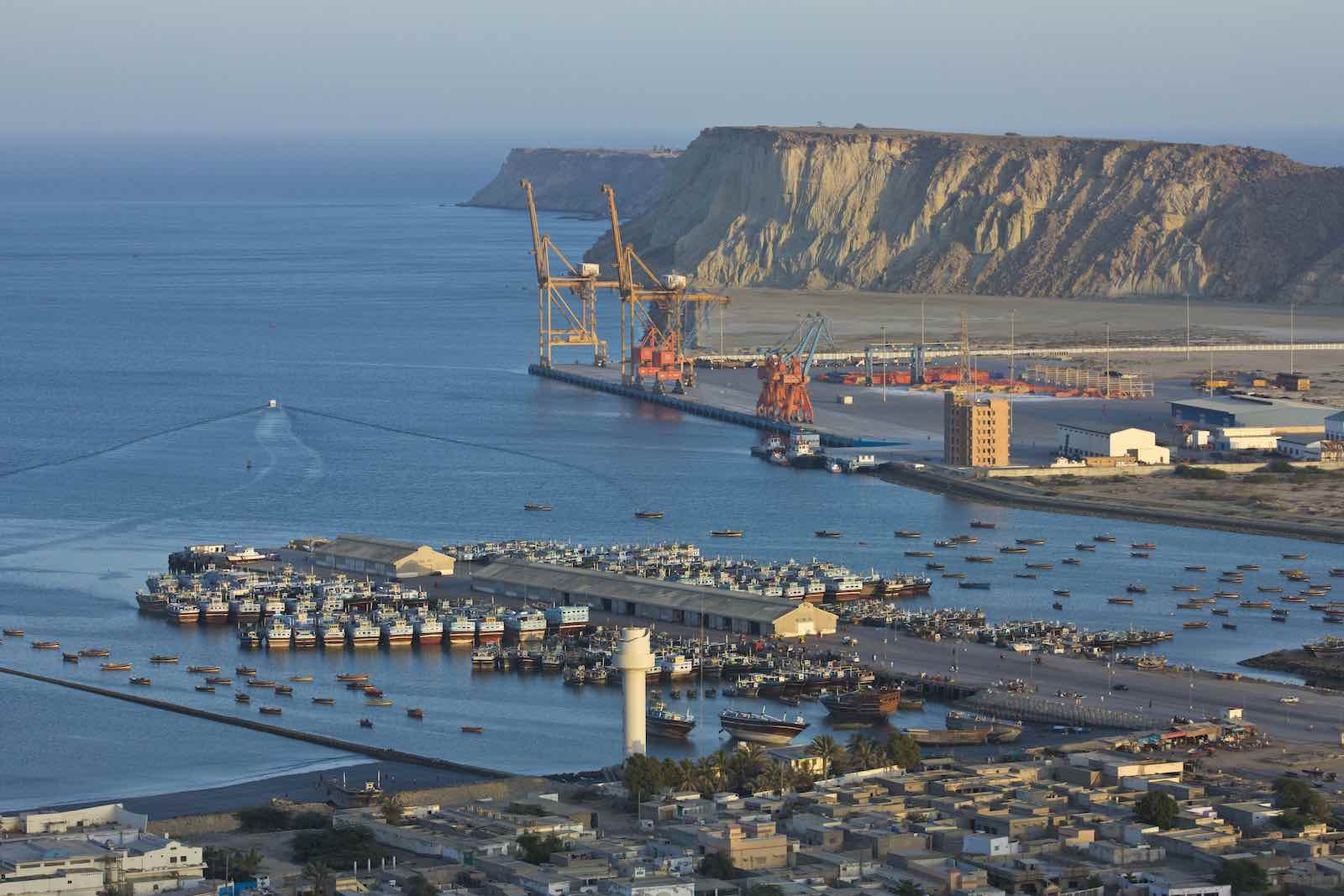
    The port of Chabahar is a seaport in south-eastern Iran, located on the Gulf of Oman, at the mouth of the Strait of Hormuz. It is situated in Sistan-va-Baluchestan, one of Iran’s least developed provinces. Contrary to Bandar Abbas, the busiest port in Iran, Chabahar is a deep-water port with direct access to the Indian Ocean that is outside the Hormuz Strait. It is Iran’s only seaport and consists of two separate ports called Shahid Beheshti and Shahid Kalantari. The last Shah of Iran proposed the port’s development in 1973. Work in Chabahar began when the Shah of Iran, Reza Pahlavi, was in power. The Iranian Revolution of 1979 hindered the development of this port. Following the 1979 Islamic revolution, US firms involved in various infrastructure investments fled the country. The new government took on these projects. The port of Chabahar grew in importance during the Iran-Iraq war of 1983 when ships were hesitant to enter the Strait of Hormuz. The port’s first phase opened during the Iran-Iraq war, when Iran began shifting maritime trade up the east coast toward the Pakistani border to reduce the reliance on Persian Gulf ports which were susceptible to attack by the Iraq Air Force. Chabahar is substantial for its fishing industry and will serve as a major trade hub designed to connect South Asia, Central Asia, and the Middle East. Chabahar can emerge as a potential global trading hub – and an arena for geopolitical competition. Chabahar is vital for both India and Iran to reduce their dependence on the Suez Canal for transporting cargo to Europe. Chabahar is a strategic port from an Indian perspective. Apart from being easily accessible from India’s western coasts, it serves several important functions. For starters, by having access to the port, India can reduce its commute time to Central Asia by one-third. Second, a link between Afghanistan and India could be built without going through Pakistan and this could help the already established diplomatic, security and economic relationship between New Delhi and Kabul. Third, India gains road access to four cities in Afghanistan via Chabahar: Herat, Kandahar, Kabul, and Mazar-e-Sharif. This will help India strengthen its trade with Afghanistan (“Chabahar and Beyond” 2016). However, the Taliban’s return to power in 2021 gives rise to a certain level of uncertainty. The current geopolitical environment, both regional and global, creates opportunities for India to overcome possible uncertainties.

    New Delhi views Chabahar port as a means of bypassing Pakistan’s land routes to gain access to the Afghan and Central Asian markets.

    Being one of the world’s fastest-growing economies, expansion of trade relations and access to new markets is a necessity for India. As an investor, New Delhi views Chabahar port as a means of bypassing Pakistan’s land routes to gain access to the Afghan and Central Asian markets. Pakistan’s Gwadar port is one possible route for India to access Central Asian markets, India has long aimed for alternative routes due to its adversarial relationship with Pakistan (“Chabahar Port: A Step toward Connectivity for India and Afghanistan,” n.d.). Additionally, the port will strengthen relations between India and Iran, which may help counterbalance strong Sino-Pakistani cooperation. According to the Minister of Foreign Affairs (MEA), India and Iran share close historical and civilizational ties, “Our bilateral relations are marked by strong linkages across institutions, cultures and people-to-people ties,” the MEA said in a statement. Afghanistan also seeks to explore new trade routes to reach international markets. It aims to reduce its dependence on Pakistan, which handles most of the Afghan trade due to the country’s landlocked status. 

    Afghanistan is crucial for India’s ‘neighbourhood first’ strategy. India assisted Afghanistan in becoming a full member state of SAARC in 2007. It signed a Preferential Trade Agreement with Kabul in 2003 following the establishment of the interim government post the US’s intervention in 2001. Under the North-South Transport Corridor framework, India, Afghanistan, and Iran signed the Chabahar port agreement in 2003, allowing all three countries to use the Chabahar port as a trade hub. India is working on constructing the Chabahar port primarily to compete with the Gwadar port project and to connect it to Russia’s International North-South Transport Corridor (INSTC). India has already built a 218-km-long road from Delaram to Zaranj (“India Completes Zaranj-Delaram Highway in Afghanistan” 2008) and now plans to connect this road to Chabahar port and deliver goods through this route. India is also keen on using the Chabahar port to connect the oil-rich Central Asian countries by road connectivity via the Milak (Iran) and Zaranj-Dilaram (Afghanistan) roads. For India, the port, which is only 940 kilometers from Mundra in Gujarat, is about more than just facilitating the flow of trade with Afghanistan. Rather, the development of Chabahar is a crucial component of the country’s grand strategy to connect with Central Asia. India’s justification for wanting to develop the Chabahar Port goes beyond its interest in Afghanistan. Enhancing regional trade and connectivity as well as thwarting China’s expanding influence in the Indian Ocean are other top priorities for Indian foreign policy (“What Are India, Iran, and Afghanistan’s Benefits from the Chabahar Port Agreement? Manohar Parrikar Institute for Defense Studies and Analyses,” n.d.).

    Geopolitical Challenges

    The port of Chabahar will be of little use if Afghanistan is not stable. Indian interest in the Chabahar Port, therefore, continues to be closely linked to the geopolitical changes the region is currently experiencing.

    The competition for regional dominance between India and China can be seen in the development of ports in the regions. Indian involvement in the Chabahar port is important in securing India’s interest in the region. A calculative China will seize any opportunity that India might present in the port facility. If China moves in, Indian investments in the Chabahar port may be unfavorably affected (Pant and Mehta, 2018). A significant barrier is the complex nature of India-Iran relations, in which the former does not hold a privileged position. Given India’s priorities in the Middle East, it is unlikely that the relationship with Iran could compete with the comprehensive partnership that China and Pakistan share, which includes a strong defence and security arrangement. Iran may find it challenging to ignore or exclude China, its largest foreign investor, from the Chabahar project. Additionally, China has successfully completed several infrastructure projects in Iran, including the Tehran Metro, and has allocated US$ 1.5 billion through its EXIM Bank for the electrification of the Tehran-Mashhad railway line (“$1.5b China Loan for Iranian Rail Project” 2017).

    Peace and stability in Afghanistan will also impact the performance of the Chabahar Port. The tumultuous security situation in Afghanistan could jeopardise trilateral efforts between India, Iran, and Afghanistan to operate the Chabahar Port facility. And finally, the port of Chabahar will be of little use if Afghanistan is not stable. Indian interest in the Chabahar Port, therefore, continues to be closely linked to the geopolitical changes the region is currently experiencing.

    References

    “$1.5b China Loan for Iranian Rail Project.” 2017. Financial Tribune. July 25, 2017. https://financialtribune.com/articles/economy-domestic-economy/68986/update-15b-china-loan-for-iranian-rail-project.

    Amirthan, Shawn. 2016. “What Are India, Iran, and Afghanistan’s Benefits from the Chabahar Port Agreement?” Strategic Analysis 41 (1): 87–93. https://doi.org/10.1080/09700161.2016.1249184.

    “Chabahar and Beyond.” 2016. Www.thehindubusinessline.com. May 25, 2016. https://www.thehindubusinessline.com/opinion/editorial/chabahar-and-beyond/article8646239.ece.

    “Chabahar Port: A Step toward Connectivity for India and Afghanistan.” n.d. Thediplomat.com. https://thediplomat.com/2019/07/chabahar-port-a-step-toward-connectivity-for-india-and-afghanistan/.

    “India Completes Zaranj-Delaram Highway in Afghanistan.” 2008. Development News from Afghanistan, August 24, 2008. https://afghandevnews.wordpress.com/2008/08/24/india-completes-zaranj-delaram-highway-in-afghanistan/.

    Pant, Harsh V., and Ketan Mehta. 2018. “India in Chabahar.” Asian Survey 58 (4): 660–78. https://doi.org/10.1525/as.2018.58.4.660.

    “What Are India, Iran, and Afghanistan’s Benefits from the Chabahar Port Agreement? Manohar Parrikar Institute for Defence Studies and Analyses.” n.d. Idsa.in. https://idsa.in/strategicanalysis/40_1/india-iran-and-afghanistans-benefits-from-the-chabahar-port-agreement.

    Featured Image Credit: Lowy Institute

  • The Great Chips War

    The Great Chips War

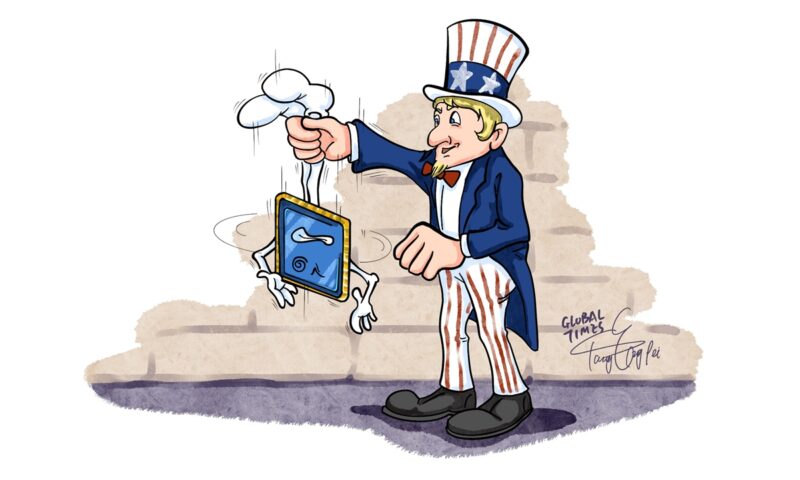
    The supply chain disruptions for semiconductor chips and the increasing sanctions imposed by the US on high-tech chips access to China and Russia has signalled the critical relevance of control over this technology and process for national security. Chip design and manufacture involve heavy capital investments and access to special machinery that is monopolised by very few American-controlled/influenced companies in Europe and East Asia. India, having missed the boat earlier due to poor investment decisions, has recognised chip manufacturing as a critical strategic industry and is investing efforts to establish significant capabilities. This could take years as challenges still remain.  – TPF Editorial Team

    Following the US Commerce Department’s announcement of severe new restrictions on sales of advanced semiconductors and other US high-tech goods to China, the Sino-American rivalry has entered an important new phase. Even under the best circumstances, China will have a difficult time adapting to its new reality.

    In addition to dealing with the fallout from open warfare in eastern Europe, the world is witnessing the start of a full-scale economic war between the United States and China over technology. This conflict will be highly consequential, and it is escalating rapidly. Earlier this month, the US Commerce Department introduced severe new restrictions on the sale of advanced semiconductors and other US high-tech goods to China. While Russia has used missiles to try to cripple Ukraine’s energy and heating infrastructure, the US is now using export restrictions to curtail China’s military, intelligence, and security services.

    The new chip war is a war for control of the future.

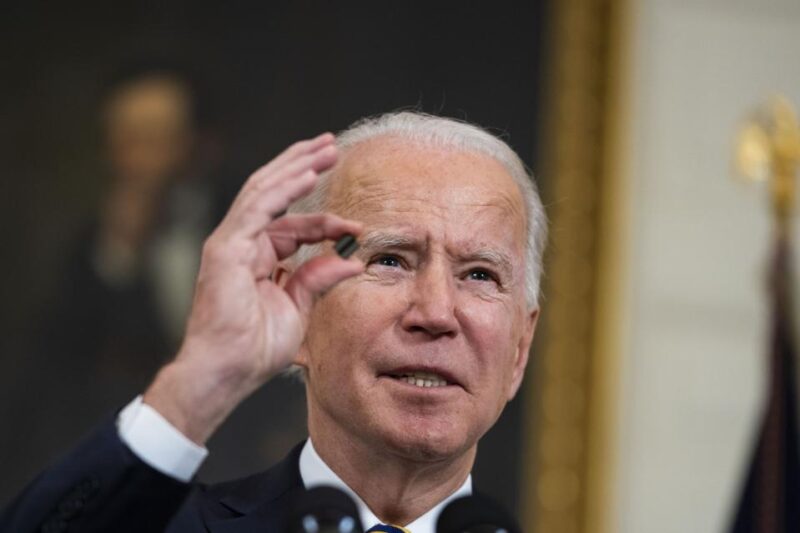
    Moreover, in late August, US President Joe Biden signed the CHIPS Act, which includes subsidies and other measures to bolster America’s domestic semiconductor industry. Semiconductors are and will remain, at the heart of the twenty-first-century economy. Without microchips, our smartphones would be dumb phones, our cars wouldn’t move, our communications networks wouldn’t function, any form of automation would be unthinkable, and the new era of artificial intelligence that we are entering would remain the stuff of sci-fi novels. Controlling the design, fabrication, and value chains that produce these increasingly important components of our lives is thus of the utmost importance. The new chip war is a war for control of the future.

    The semiconductor value chain is hyper-globalized, but the US and its closest allies control all the key nodes. Chip design is heavily concentrated in America, and production would not be possible without advanced equipment from Europe, and fabrication of the most advanced chips – including those that are critical for AI – is located exclusively in East Asia. The most important player by far is Taiwan, but South Korea is also in the picture.

    In its own pursuit of technological supremacy, China has become increasingly reliant on these chips, and its government has been at pains to boost domestic production and achieve “self-sufficiency.” In recent years, China has invested massively to build up its own semiconductor design and manufacturing capabilities. But while there has been some progress, it remains years behind the US; and, crucially, the most advanced chips are still beyond China’s reach.

    It has now been two years since the US banned all sales of advanced chips to the Chinese telecom giant Huawei, which was China’s global technology flagship at the time. The results have been dramatic. After losing 80% of its global market share for smartphones, Huawei was left with no choice but to sell off its smartphone unit, Honor, and reorient its corporate mission. With its latest move, the US is now aiming to do to all of China what it did to Huawei.

    This dramatic escalation of the technology war is bound to have equally dramatic economic and political consequences, some of which will be evident immediately, and some of which will take some time to materialize. China most likely has stocked up on chips and is already working to create sophisticated new networks to circumvent the sanctions. (After Huawei spun it off in late 2020, Honor quickly staged a comeback, selling phones that use chips from the US multinational Qualcomm.)

    Still, the new sanctions are so broad that, over time, they will almost certainly strike a heavy blow not only to China’s high-tech sector but also to many other parts of its economy. A European company that exports to China now must be doubly sure that its products contain no US-connected chips. And, owing to the global nature of the value chain, many chips from Taiwan or South Korea also will be off-limits.

    The official aim of the US policy is to keep advanced chips out of the Chinese military’s hands. But the real effect will be to curtail China’s development in the sectors that will be critical to national power in the decades ahead.

    The official aim of the US policy is to keep advanced chips out of the Chinese military’s hands. But the real effect will be to curtail China’s development in the sectors that will be critical to national power in the decades ahead. China will certainly respond with even stronger efforts to develop its own capabilities. But even under the best circumstances, and despite all the resources it will throw at the problem, any additional efforts will take time to bear fruit, especially now that US restrictions are depriving China of the inputs that it needs to achieve self-sufficiency.

    The new chips war eliminates any remaining doubt that we are witnessing a broader Sino-American decoupling. That development will have far-reaching implications – only some of them foreseeable – for the rest of the global economy.

    Ukraine is already repairing and restarting the power stations that have been hit by Russian missile barrages since the invasion began in February. But it will be much more difficult for China to overcome the loss of key technologies. As frightening as Russia’s twentieth-century-style war is, the real sources of power in the twenty-first century do not lie in territorial conquest. The most powerful countries will be those that master the economic, technological, and diplomatic domains.

    This article was published earlier in Project Syndicate.

    Images Credit: Globaltimes.cn

  • The Geopolitical Consolidation of Artificial Intelligence

    The Geopolitical Consolidation of Artificial Intelligence

    Key Points

    • IT hardware and Semiconductor manufacturing has become strategically important and critical geopolitical tools of dominant powers. Ukraine war related sanctions and Wassenaar Arrangement regulations invoked to ban Russia from importing or acquiring electronic components over 25 Mhz.
    • Semi conductors present a key choke point to constrain or catalyse the development of AI-specific computing machinery.
    • Taiwan, USA, South Korea, and Netherlands dominate the global semiconductor manufacturing and supply chain. Taiwan dominates the global market and had 60% of the global share in 2021. Taiwan’s one single company – TSMC (Taiwan Semiconductor Manufacturing Co), the world’s largest foundry, alone accounted for 54% of total global revenue.
    • China controls two-thirds of all silicon production in the world.
    • Monopolisation of semiconductor supply by a singular geopolitical bloc poses critical challenges for the future of Artificial Intelligence (AI), exacerbating the strategic and innovation bottlenecks for developing countries like India.
    • Developing a competitive advantage over existing leaders would require not just technical breakthroughs but also some radical policy choices and long-term persistence.
    • India should double down over research programs on non-silicon based computing with a national urgency instead of pursuing a catch-up strategy.

    Russia was recently restricted, under category 3 to category 9 of the Wassenaar Arrangement, from purchasing any electronic components over 25MHz from Taiwanese companies. That covers pretty much all modern electronics. Yet, the tangibles of these sanctions must not deceive us into overlooking the wider impact that hardware access and its control have on AI policies and software-based workflows the world over. As Artificial Intelligence technologies reach a more advanced stage, the capacity to fabricate high-performance computing resources i.e. semiconductor production becomes key strategic leverage in international affairs.

    Semiconductors present a key chokepoint to constrain or catalyse the development of AI-specific computing machinery. In fact, most of the supply of semiconductors relies on a single country – Taiwan. The Taiwan Semiconductor Manufacturing Corporation (TSMC) manufactures Google’s Tensor Processing Unit (TPU), Cerebras’s Wafer Scale Engine (WSE), as well as Nvidia’s A100 processor. The following table provides a more detailed1 assessment:

    Hardware Type

    AI Accelerator/Product Name

    Manufacturing Country

    Application-Specific Integrated Circuits (ASICs)

    Huawei Ascend 910

    Taiwan

    Cerebras WSE

    Taiwan

    Google TPUs

    Taiwan

    Intel Habana

    Taiwan

    Tesla FSD

    USA

    Qualcomm Cloud AI 100

    Taiwan

    IBM TrueNorth

    South Korea

    AWS Inferentia

    Taiwan

    AWS Trainium

    Taiwan

    Apple A14 Bionic

    Taiwan

    Graphic Processing Units (GPUs)

    AMD Radeon

    Taiwan

    Nvidia A100

    Taiwan

    Field-Programmable Gate Arrays (FPGAs)

    Intel Agilex

    USA

    Xilinx Virtex

    Taiwan

    Xilinx Alveo

    Taiwan

    AWS EC2 FI

    Taiwan

    As can be seen above, the cake of computing hardware is largely divided in such a way that the largest pie holders also happen to form a singular geopolitical bloc vis-a-vis China. This further shapes the evolution of territorial contests in the South China Sea. This monopolisation of semiconductor supply by a singular geopolitical bloc poses critical challenges for the future of Artificial Intelligence, especially exacerbating the strategic and innovation bottlenecks for developing countries like India. Since the invention of the transistor in 1947, and her independence, India has found herself in an unenviable position where there stands zero commercial semiconductor manufacturing capacity after all these years while her office-bearers continually promise of leading in the fourth industrial revolution.

    Bottlenecking Global AI Research

    There are two aspects of developing these AI accelerators – designing the specifications and their fabrication. AI research firms first design chips which optimise hardware performance to execute specific machine learning calculations. Then, semiconductor firms, operating in a range of specialities and specific aspects of fabrication, make those chips and increase the performance of computing hardware by adding more and more transistors to pieces of silicon. This combination of specific design choices and advanced hardware fabrication capability forms the bedrock that will decide the future of AI, not the amount of data a population is generating and localising.

    However, owing to the very high fixed costs of semiconductor manufacturing, AI research has to be focused on data and algorithms. Therefore, innovations in AI’s algorithmic efficiency and model scaling have to compensate for a lack of equivalent situations in the AI’s hardware. The aggressive consolidation and costs of hardware fabrication mean that firms in AI research are forced to outsource their hardware fabrication requirements. In fact, as per DARPA2, because of the high costs of getting their designs fabricated, AI hardware startups do not even receive much private capital and merely 3% of all venture funding between 2017-21 in AI/ML has gone to startups working on AI hardware.

    But TSMC’s resources are limited and not everyone can afford them. To get TSMC’s services, companies globally have to compete with the likes of Google and Nvidia, therefore prices go further high because of the demand side competition. Consequently, only the best and the biggest work with TSMC, and the rest have to settle for its competitors. This has allowed this single company to turn into a gatekeeper in AI hardware R&D. And as the recent sanctions over Russia demonstrate, it is now effectively playing the pawn which has turned the wazir in a tense geopolitical endgame.

    Taiwan’s AI policy also reflects this dominance in ICT and semiconductors – aiming to develop “world-leading AI-on-Device solutions that create a niche market and… (make Taiwan) an important partner in the value chain of global intelligent systems”.3 The foundation of strong control over the supply of AI hardware and also being #1 in the Global Open Data Index, not just gives Taiwan negotiating leverage in geopolitical competition, but also allows it to focus on hardware and software collaboration based on seminal AI policy unlike most countries where the AI policy and discourse revolve around managing the adoption and effects of AI, and not around shaping the trajectory of its engineering and conceptual development like the countries with hardware advantage.

    Now to be fair, R&D is a time-consuming, long-term activity which has a high chance of failure. Thus, research focus naturally shifts towards low-hanging fruits, projects that can be achieved in the short-term before the commissioning bureaucrats are rotated. That’s why we cannot have a nationalised AGI research group, as nobody will be interested in a 15-20 year-long enterprise when you have promotions and election cycles to worry about. This applies to all high-end bleeding-edge technology research funding everywhere – so, quantum communications will be prioritised over quantum computing, building larger and larger datasets over more intelligent algorithms, and silicon-based electronics over researching newer computing substrates and storage – because those things are more friendly to short-term outcome pressures and bureaucracies aren’t exactly known to be a risk-taking institution.

    Options for India

    While China controls 2/3 of all the silicon production in the world and wants to control the whole of Taiwan too (and TSMC along with its 54% share in logic foundries), the wider semiconductor supply chain is a little spreadout too for any one actor’s comfort. The leaders mostly control a specialised niche of the supply chain, for example, the US maintains a total monopoly on Electronic Design Automation (EDA) software solutions, the Netherlands has monopolised Extreme UltraViolet and Argon Flouride scanners, and Japan has been dishing out 300 mm wafers used to manufacture more than 99 percent of the chips today.4 The end-to-end delivery of one chip could have it crossing international borders over 70 times.5 Since this is a matured ecosystem, developing a competitive advantage over existing leaders would require not just proprietary technical breakthroughs but also some radical policy choices and long term persistence.

    It is also needless to say that the leaders are also able to attract and retain the highest quality talent from across the world. On the other hand, we have a situation where regional politicians continue cribbing about incoming talent even from other Indian states. This is therefore the first task for India, to become a technology powerhouse, she has to, at a bare minimum, be able to retain all her top talent and attract more. Perhaps, for companies in certain sectors or of certain size, India must make it mandatory to spend at least X per cent of revenue on R&D and offer incentives to increase this share – it’ll revamp things from recruitment and retention to business processes and industry-academia collaboration – and in the long-run prove to be a lot more socioeconomically useful instrument than the CSR regulation.

    It should also not escape anyone that the human civilisation, with all its genius and promises of man-machine symbiosis, has managed to put all its eggs in a single basket that is also under the constant threat of Chinese invasion. It is thus in the interest of the entire computing industry to build geographical resiliency, diversity and redundancy in the present-day semiconductor manufacturing capacity. We don’t yet have the navy we need, but perhaps in a diplomatic-naval recognition of Taiwan’s independence from China, the Quad could manage to persuade arrangements for an uninterrupted semiconductor supply in case of an invasion.

    Since R&D in AI hardware is essential for future breakthroughs in machine intelligence – but its production happens to be extremely concentrated, mostly by just one small island country, it behoves countries like India to look for ways to undercut the existing paradigm of developing computing hardware (i.e. pivot R&D towards DNA Computing etc) instead of only trying to pursue a catch-up strategy. The current developments are unlikely to solve India’s blues in integrated circuits anytime soon. India could parallelly, and I’d emphatically recommend that she should, take a step back from all the madness and double down on research programs on non-silicon-based computing with a national urgency. A hybrid approach toward computing machinery could also resolve some of the bottlenecks that AI research is facing due to dependencies and limitations of present-day hardware.

    As our neighbouring adversary Mr Xi says, core technologies cannot be acquired by asking, buying, or begging. In the same spirit, even if it might ruffle some feathers, a very discerning reexamination of the present intellectual property regime could also be very useful for the development of such foundational technologies and related infrastructure in India as well as for carving out an Indian niche for future technology leadership.

    References:

    1. The Other AI Hardware Problem: What TSMC means for AI Compute. Available at https://semiliterate.substack.com/p/the-other-ai-hardware-problem

    2. Leef, S. (2019). Automatic Implementation of Secure Silicon. In ACM Great Lakes Symposium on VLSI (Vol. 3)

    3. AI Taiwan. Available at https://ai.taiwan.gov.tw/

    4. Khan et al. (2021). The Semiconductor Supply Chain: Assessing National Competitiveness. Center for Security and Emerging Technology.
    5. Alam et al. (2020). Globality and Complexity of the Semiconductor Ecosystem. Accenture.

  • India’s Indian Ocean and the Imperative for a Strong Indian Navy

    India’s Indian Ocean and the Imperative for a Strong Indian Navy

    “A good navy is not a provocation to war. It is the surest guarantee of peace!”
    The Indian Ocean has been at the centre of world history ever since we know it. Man originated in Africa, probably somewhere in the Olduvai Gorge in present-day Tanzania – where Homo Erectus lived 1.2 million years ago and where the first traces of Homo Sapiens, our more recent ancestors having evolved only about 200,000 years ago. First phonetic languages evolved around 100, 000 years ago. The migration of mankind out of Africa began almost 60000 years ago. But we don’t call the Indian Ocean the African Ocean because the first recorded activity over it began only about 3000 years ago.
    Three great early recorded activities of this period come to mind. The first is the Indus Valley Civilization. It was a Bronze Age civilization (3300–1300 BCE; mature period 2600–1900 BCE) in the northwestern region of the Indian subcontinent. Along with Ancient Egypt and Mesopotamia, it was one of three early civilizations of the Old World, and of the three the most widespread.
    The Indus civilization’s economy appears to have depended significantly on trade, which was facilitated by major advances in transport technology. It may have been the first civilization to use wheeled transport. These advances may have included bullock carts that are identical to those seen throughout South Asia today, as well as boats. Most of these boats were probably small, flat-bottomed craft, perhaps driven by sail, similar to those one can see on the Indus River today; however, there is secondary evidence of sea-going craft.
    Archaeologists have discovered a massive, dredged canal and what they regard as a docking facility at the coastal city of Lothal now in Gujarat. Judging from the dispersal of Indus civilization artifacts, the trade networks, economically, integrated a huge area, including portions of Afghanistan, the coastal regions of Persia, northern and western India, and Mesopotamia. There is some evidence that trade contacts extended to Crete and possibly to Egypt.
    There was an extensive maritime trade network operating between the Harappan and Mesopotamian civilizations as early as the middle Harappan Phase, with much commerce being handled by “middlemen merchants from Dilmun” (modern Bahrain and Failaka located in the Persian Gulf). Such long-distance sea trade became feasible with the innovative development of plank-built watercraft, equipped with a single central mast supporting a sail of woven rushes or cloth.
    The second great economic activity was Slavery. Slavery can be traced back to the earliest records, such as the Code of Hammurabi (c. 1760 BC), which refers to it as an established institution. Slavery is rare among hunter-gatherer populations, as it is developed as a system of social stratification. Slavery typically also requires a shortage of labour and a surplus of land to be viable. Bits and pieces from history indicate that Arabs enslaved over 150 million African people and at least 50 million from other parts of the world.  Later they also converted Africans into Islam, causing a complete social and financial collapse of the entire African continent apart from wealth attributed to a few regional African kings who became wealthy in the trade and encouraged it.
    The third great economic activity was seafaring evidenced by migration. The island of Madagascar, the largest in the Indian Ocean, lies some 250 miles (400 km) from Africa and 4000 miles (6400 km) from Indonesia. New findings, published in the American Journal of Human Genetics, show that the human inhabitants of Madagascar are unique – amazingly, half of their genetic lineages derive from settlers from the region of Borneo, with the other half from East Africa. It is believed that the migration from the Sunda Islands began around 200 BC.
    Linguists have established that the origins of the language spoken in Madagascar, Malagasy, suggested Indonesian connections, because its closest relative is the Maanyan language, spoken in southern Borneo. The Gods were also kind and gave the IOR the weather conditions that helped in evolving seaborne trade and intercourse. The sea surface current and prevailing wind structure in and over the Indian Ocean favoured seafarers in their endeavour and sailings in the Indian Ocean from the southern tip of Africa (Cape of Good Hope) during the month of May. After the entry into the Indian Ocean, the seafarers continued to sail in the northerly direction along the coastline of Africa (aided by the strong Somali Current and the East Arabian Current) towards the Arabian Sea.
    The physical environmental conditions over the sea and the external prevailing weather helped the seafarers reach places up to the west coast of India. As this sea surface current extend towards the east coast of India, the sailors were greatly assisted by the surface current as they sailed along. During November, when the East Indian Winter wind reverses in its direction and begins to blow from the northeast, the sailors prepare for their return journey. The winds that generate the waves contribute to the reduction in the otherwise required travel time for the sailings between any given two points of departure and arrival. The natural and external forces help the sailors make their journey/expedition more economical and energy-efficient.
    Clearly, the region was a hub of all kinds of economic activity. Then came the Petroleum Age. And things changed as never before. The Spice trade, the Silk trade, and the China trade all paled into insignificance. The use of Coal as a ship fuel enlarged distances and volumes of cargo. Oil made even longer journeys and greater volumes possible.
    Petroleum is the lifeblood of modern society. It’s a relatively new activity, but its advent has transformed our world as few things have. Petroleum, in one form or another, has been used since ancient times. According to Herodotus more than 4000 years ago, asphalt was used in the construction of the walls and towers of Babylon; there were oil pits near Babylon, and a pitch spring on Zacynthus.
    Great quantities of it were found on the banks of the river Issus, one of the tributaries of the Euphrates. Ancient Persian tablets indicate the medicinal and lighting uses of petroleum in the upper levels of their society. By 347 AD, oil was produced from bamboo-drilled wells in China. Early British explorers to Myanmar documented a flourishing oil extraction industry based in Yenangyaung, that in 1795 had hundreds of hand-dug wells under production.
    Oil is now the single most important driver of world economics, politics and technology.  The rise in importance was due to the invention of the internal combustion engine, the rise in commercial aviation, and the importance of petroleum to industrial organic chemistry, particularly the synthesis of plastics, fertilizers, solvents, adhesives and pesticides. Today, oil contributes 3% of the global GDP.
    In 1847, the process to distill kerosene from petroleum was invented by James Young. He noticed natural petroleum seepage in the Riddings colliery at Alfreton, Derbyshire from which he distilled a light thin oil suitable for use as lamp oil, at the same time obtaining a thicker oil suitable for lubricating machinery. In 1848 Young set up a small business refining the crude oil.
    Today the world’s biggest stand-alone refinery is the Reliance refinery at Jamnagar with a refining capacity of about 1.5 million barrels a day. The Essar refinery at Jamnagar refines a further 0.5 million barrels a day. Together they make Jamnagar one of the world’s great refining centers. India’s number one export item is Petroleum products, mostly Petrol and Diesel. India now exports the equivalent of about 615,000 barrels a day. In 2020, petroleum exports accounted for $25.3 billion of our total exports of $291.8 billion in the same year.
    India imported $77 billion worth of oil in the year 2020-21 and more than half of this comes from countries in the IOR. Iraq’s share is 22.4%, Saudi Arabia’s share is 18.8%, UAE’s share is 10.8%, and Kuwait’s 5%. The IOR is India’s lifeline and lifeblood. If the line is blocked we will suffer hugely, if the blood gets anaemic we will suffer hugely. India just cannot afford anything to go wrong here.
    The sea lanes in the Indian Ocean are considered among the most strategically important in the world—according to the Journal of the Indian Ocean Region, more than 80 percent of the world’s seaborne trade in oil transits through the Indian Ocean choke points, with 40 percent passing through the Strait of Hormuz, 35 percent through the Strait of Malacca and 8 percent through the Bab el-Mandab Strait.
    But it’s not just about sea-lanes and trade. More than half the world’s armed conflicts are presently located in the Indian Ocean region, while the waters are also home to continually evolving strategic developments including the competing rises of China and India, the potential nuclear confrontation between India and Pakistan, the US interventions in Iraq and Afghanistan, Islamist terrorism, incidents of piracy in and around the Horn of Africa, and management of diminishing fishery resources.
    As a result of all this, almost all the world’s major powers have deployed substantial military forces in the Indian Ocean region. For example, in addition to maintaining expeditionary forces in Iraq, the US 5th Fleet is headquartered in Bahrain, and uses the island of Diego Garcia as a major air-naval base and logistics hub for its Indian Ocean operations. In addition, the United States has deployed several major naval task forces there, including Combined Task Force 152 (currently operated by the Kuwait Navy), which is focusing on illicit non-state actors in the Arabian Gulf, and Combined Task Force 150 (currently commanded by the Pakistan Navy), which is tasked with Maritime Security Operations (MSO) outside the Arabian Gulf with an Area of Responsibility (AOR) covering the Red Sea, Gulf of Aden, Indian Ocean and the Gulf of Oman. France, meanwhile, is perhaps the last of the major European powers to maintain a significant presence in the north and southwest Indian Ocean quadrants, with naval bases in Djibouti, Reunion, and Abu Dhabi.
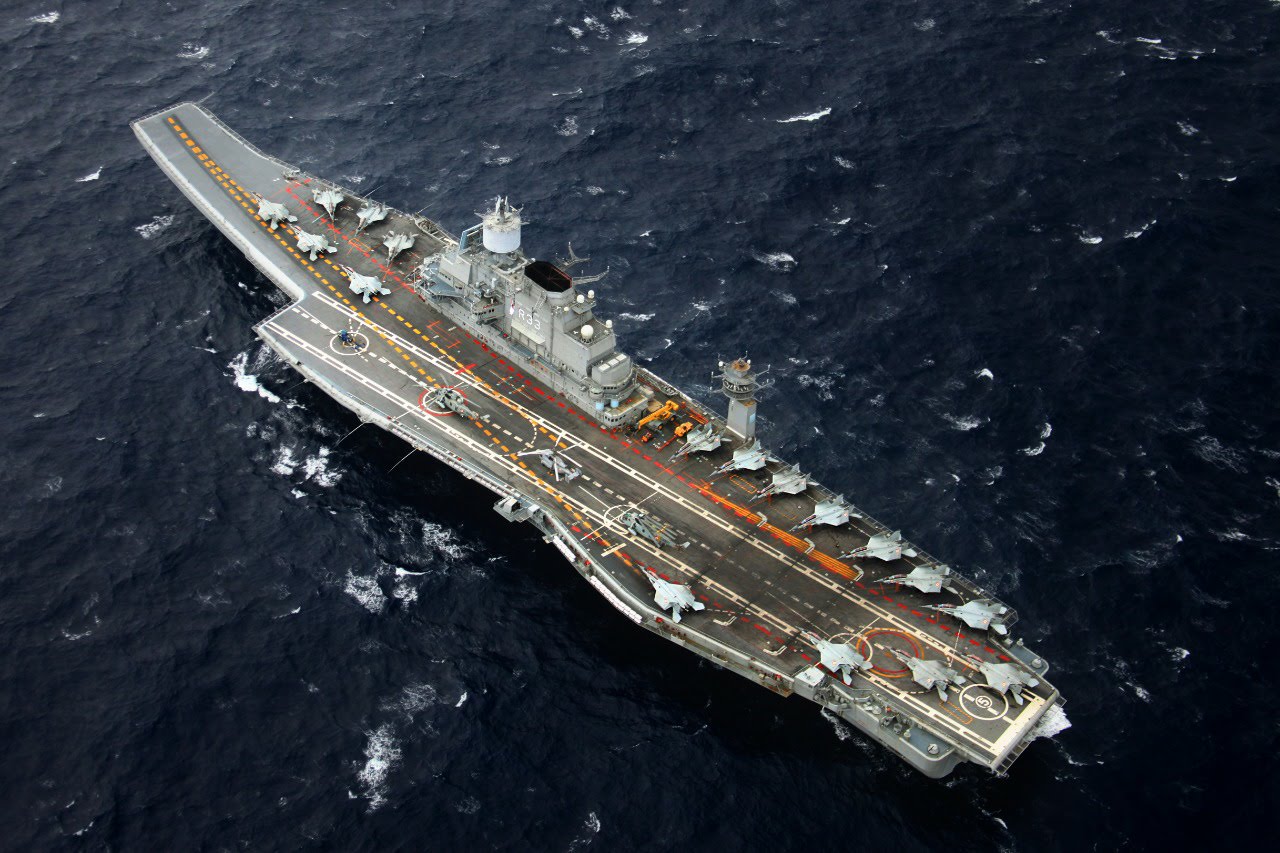
    And, of course, China and India both also have genuine aspirations of developing blue water naval capabilities through the development and acquisition of aircraft carriers and an aggressive modernization and expansion programme.
    China’s aggressive soft power diplomacy has widely been seen as arguably the most important element in shaping the Indian Ocean strategic environment, transforming the entire region’s dynamics. By providing large loans on generous repayment terms, investing in major infrastructure projects such as the building of roads, dams, ports, power plants, and railways, and offering military assistance and political support in the UN Security Council through its veto powers, China has secured considerable goodwill and influence among countries in the Indian Ocean region.
    And the list of countries that are coming within China’s strategic orbit appears to be growing. Sri Lanka, which has seen China replace Japan as its largest donor, is a case in point—China was no doubt instrumental in ensuring that Sri Lanka was granted dialogue partner status in the Shanghai Cooperation Organization (SCO).
    To the west, Kenya offers another example of how China has been bolstering its influence in the Indian Ocean. The shift was underscored in a leaked US diplomatic cable from February 2010 that was recently published by WikiLeaks. In it, US Ambassador to Kenya Michael Ranneberger highlighted the decline of US influence in East Africa’s economic hub, saying: ‘We expect China’s engagement in Kenya to continue growing given Kenya’s strategic location…If oil or gas is found in Kenya, this engagement will likely grow even faster. Kenya’s leadership may be tempted to move close to China in an effort to shield itself from Western, and principally US pressure to reform.’
    The rise of China as the world’s greatest exporter, its largest manufacturing nation and its great economic appetite poses a new set of challenges. At a meeting of South-East Asian nations in 2010, China’s foreign minister Yang Jiechi, facing a barrage of complaints about his country’s behaviour in the region, blurted out the sort of thing polite leaders usually prefer to leave unsaid. “China is a big country,” he pointed out, “and other countries are small countries and that is just a fact.”
    Indeed it is, and China is big not merely in terms of territory and population, but also in military might. Its Communist Party is presiding over the world’s largest military build-up. And that is just a fact, too—one that the rest of the world has to come to terms with.
    China’s defence budget has almost certainly experienced double-digit growth for two decades. According to SIPRI, a research institute, annual defence spending rose from over $30 billion in 2000, $120 billion in 2010 to almost $229.4 billion in 2021. SIPRI usually adds about 50% to the official figure that China gives for its defence spending, because even basic military items such as research and development are kept off budget. Including those items would imply total military spending in 2021, based on the latest announcement from Beijing, would be around $287.8 billion.
    This is not a sum India can match and the last thing we need to get caught in is a numbers game. A one-party dictatorship will always be able to outspend us, even if our GDPs get closer.
    But history tells us again and again that victory is not assured by superiority in numbers and even technology. If that were to be so, Alexander should have been defeated at Gaugamela, Babur at Panipat, Wellington at Waterloo, Russia at Leningrad, Britain in the Falklands, and above all Vietnam who defeated three of the world’s leading powers – France, the USA and China – in succession. I don’t have to tell you that victory is more a result of strategy and tactics. Numbers do matter, but numbers are not all. Technology does matter, but technology alone cannot assure you of victory. It’s always mind over matter. You know these things better than most of us. You also know what to do. As the old saying goes: “When the going gets tough, the tough get going!”
    That said, the threat from China should not be exaggerated. There are three limiting factors. First, unlike the former Soviet Union, China has a vital national interest in the stability of the global economic system. Its military leaders constantly stress that the development of what is still only a middle-income country with a lot of very poor people takes precedence over military ambition. The increase in its military spending reflects the growth of the economy, rather than an expanding share of national income. For many years China has steadily spent the same proportion of GDP on defence (a bit over 1.7%, whereas America spend about 3.7% in the year 2020-21).
    The real test of China’s willingness to keep military spending constant will come when China’s headlong economic growth starts to slow further. But in the past form, China’s leaders will continue to worry more about internal threats to their control than external ones. In 2020, the Chinese spending on internal security was $212 billion. With a rapidly ageing population, it is also a good bet that meeting the demand for better health care will become a higher priority than maintaining military spending.
    Like all the other great powers, China faces a choice of guns and butter or more appropriately walking sticks. But till then it is: Nervi belli pecunia infinita or unlimited money is the muscle of war.
    India on the other hand will keep growing long after China has stopped growing. Its youthful population and present growth trends indicate the accumulation of the world’s largest middle class in India. India’s growth is projected to continue well past 2050. In fact so big will this become, that India during this period will increasingly power world economic growth, and not China. In 2050, India is projected to have a population of 1.64 billion and of these 1.3 billion will belong to the middle and upper classes. The lower classes will be constant at around 300 million, as it is now.
    India already has the world’s third-largest GDP. Many economists prophesize that in 2050 it will be India that will be the world’s biggest economy, not China. In per capita terms, we might still be poorer, but in over GDP terms, we will be bigger.
    According to a study by IHS Markit, a subsidiary of S&P Global, India will be the world’s third-largest economy by 2030. Indian GDP in 2030 is projected to be $8.4 trillion. China, in second place, will have a GDP of $ 33.7 trillion and the US $ 30.4 trillion. As we say in India, aap key muh mein ghee aur shakhar.  Both incidentally now deemed bad for health.
    Now comes the dilemma for India. Robert Kaplan writes: “As the United States and China become great power rivals, the direction in which India tilts could determine the course of geo-politics in Eurasia in the 21st century. India, in other words, looms at the ultimate pivot state.” At another time Mahan noted that India, located in the centre of the Indian Ocean littoral, is critical for the seaward penetration of both the Middle-east and China.
    Now if one were an Indian planner, he or she would be looking at the China Pakistan axis with askance. India has had conflicts and still perceives threats from both, jointly and severally. The Tibetan desert, once intended to be India’s buffer against the north now has become China’s buffer against India. The planner will not be looking at all if he or she were not looking at the Indian Ocean as a theatre. After all, it is also China’s lifeline and its lifeblood flows here.
    Now if one were a Chinese planner, he or she would be looking with concern over India’s growth and increasing ability to project power in the IOR. The planner will also note what experts are saying about India’s growth trajectory. That it will be growing long after China gets walking sticks. That it is the ultimate pivot state in the grand struggle for primacy between the West led by the USA and Japan, and China.
    What will this planner be thinking particularly given the huge economic and military asymmetry between China and India now? Tacitus tells it most pithily. That peace can come through strength or Si vis pacem para bellum. While China has ratcheted up its show of assertiveness in recent years, India has been quietly preparing for a parity to prevent war. Often parity does not have to be equality in numbers. The fear of pain disproportionate to the possible gains, and the ability of the smaller in numbers side to do so in itself confer parity.
    There is a certain equilibrium in Sino-Indian affairs that make recourse to force extremely improbable. Both modern states are inheritors of age-old traditions and the wisdom of the ages. Both now read their semaphores well and know how much of the sword must be unsheathed to send a message. This ability will ensure the swords remain recessed and for the plowshares to be out at work.
    Finally, I would be remiss if I did not say something about the centrality of the Indian Navy to our future. Nothing says it better than what Theodore Roosevelt said a century ago: “A good Navy is not a provocation to war. It is the surest guarantee of peace!”
    Featured Image Credit: Indian Navy
  • The Geopolitics of Syria’s Reconstruction

    The Geopolitics of Syria’s Reconstruction

    Introduction

    Syria’s territories are controlled by a variety of actors – Al Assad’s regime (with Russia and Iran as its supporters); Kurdish dominated self-administration (with a small number of US troops supporting them); Turkey and its affiliated militias; and the Syrian Salvation Government affiliated to the Hay’at Tahrir al-Sham (HTS), a former al-Qaida offshoot.

    Fragmentation of the state’s territories, as the state lost control of its territories, resulted in the emergence of a network of localised war economies with numerous local and foreign actors being involved. War economies emerged in territories held by Assad’s regime as well as those under the control of various other opposition parties, characterised by an increase in smuggling of goods (among which essential goods, crude oil and arms were popular), extortion, rent seeking for essential services, and taxation of goods at checkpoints established by the warring parties, including local warlords, opposition armed groups or regime’s militias. The Syrian Arab army is also reported to have engaged in rent seeking behaviour through the establishment in recaptured territories (Hinnebusch, 2020).

    Another area of priority for armed opposition groups is the border crossings with Turkey whose access they have sought to control. The Ahrar-Al Sham group, established control over the Bab al-Hawa crossing between 2015-16, and earned around $5 million per month. Armed opposition groups have been involved in conflict with each other over control for border crossings, particularly conflict between Hay’at Tahrir al-Sham (HTS) and Ahrar al-Sham in 2017 (al-Kattan, 2017).

    The Syrian army (that was cross-sectarian) is in crisis of its reducing force size as it is hampered by resistance to conscriptions and many desertions. The Alawite sect was co-opted into the state’s army, political and security apparatus, resulting in tensions along sectarian lines. Another significant development was that those among the pre-war elite who advocated for a political solution based on power sharing were expelled from it, resulting in the contraction of the core to comprise of individuals along sectarian lines. Further, pro-regime militias emerged as pro-government communities were forced to rely on themselves for their defence, leading to a widespread localisation of power to fiefdoms (al-Kattan, 2017).

    The political, economic and security dimensions of the conflict which led to the emergence of war economies has been accompanied by shift of composition of the economy marked by the emergence of ‘war commanders’ and a decentralised elite, who capitalised on evading sanctions, served as middlemen between the armed groups of the state and opposition and established monopoly upon the supply of goods and services.

     These developments further led to the emergence of new centres of power which existed alongside the existing regime that consolidated its power by strengthening its relations with the new elite, army and security sector.

    The domestic dynamics of the Syrian conflict are closely related to a wider geopolitical struggle among regional and external actors who act as patrons for the domestic actors.

    In addition, by portraying itself as a bulwark against radical Islamism and strengthening its relations with influential individuals in minority communities and providing them with disproportionate authority within their societies, the regime’s efforts have redefined existing social hierarchies and co-opted pro-regime minority leaders to power. The regime’s policies, throughout the war, have not only strengthened the neo-patrimonial nature of the State and its relations with its multiple networks but lead to the decentralisation of a system of neo-patrimonialism (Middle East Institute & Etana Syria, 2020).

    The domestic dynamics of the Syrian conflict are closely related to a wider geopolitical struggle among regional and external actors who act as patrons for the domestic actors. The Syrian conflict that began as an internal conflict emerged into a proxy conflict where regional struggle for influence played out between the ‘resistance axis’ comprising of Hamas, Hezbollah and Iran, and Sunni dominated ’moderate’ states comprising of Saudi Arabia, Qatar and Turkey. The latter wished replace the Assad regime that was aligned towards the ‘resistance axis.’ Iran considers the Syrian conflict as threat to its survival and its ability to support Hizbollah against Israel.  The rival axes instrumentalised sectarianism as a part of their discourse and in their support for proxies. However, the interests of those within the Sunni camp clashed (with Turkey and Qatar’s support for the Muslim Brotherhood and Saudi Arabia and UAE against the Muslim Brotherhood and its version of political Islam) resulting in division of the Sunni camp further leading to the division of their proxies (Aita, 2020).

    The global struggle for power between the US and Russia, with the former promoting a liberal world order and advance its hegemonic interests, and the latter interested in increasing its sphere of influence, limiting US intervention while emphasising on state sovereignty. Russian intervention in Syria in support of the Assad regime tilted the power balance in its favour allowing the regime to gain control of its lost territories.

    Image Credit: Al Araby

    US sought to limit direct intervention in Syria while relying on proxies and financial sanctions (that it pursued along with the EU) to pressurise Assad’s regime to compromise to a solution that would promote its interests. Assad’s regime, due to its connection Iran, Shia militas in Iraq and Hezbollah in Lebanon, was able to manage despite the external pressure it faced. US attention and efforts were diverted to controlling ISIS. In 2019, while US withdrew from Northern Syria due Turkish intervention against the Kurdish forces, it announced it would redeploy its forces to the energy reserves in Deir ez-Zor to prevent Assad’s forces or ISIS from gaining control over them (Hinnebusch, 2020).

    The geo-political struggle for influence in the Syrian conflict among regional and global actors, has also transcended into efforts to capitalise on Syria’s post-war reconstruction efforts and business.

    With diversion of US efforts towards constraining ISIS, Russian intervention, growing differences between Saudi and Qatar, Saudi and UAE intervention in Yemen, have all resulted in a gradual withdrawal of the GCC, leading to a rise in the role played by Turkey, Iran and Russia. Turkey’s role and interests evolved from installing a Brotherhood government and targeting the regime to controlling the Syrian Kurdish PYD, which it views as a terrorist organisation. The threat of a confrontation with Moscow in Syria allowed it to participate in the Astana Process and a gradual realignment of its policy with that of Russia’s policy. More recently, Turkey and Russia have brokered a ceasefire deal in Idlib.

    The geo-political struggle for influence in the Syrian conflict among regional and global actors, has also transcended into efforts to capitalise on Syria’s post-war reconstruction efforts and business.

    This paper explores the local, regional and international dimensions of reconstruction and development Syria while analysing the impact the war has had on the political economy of Syria.

    Internal dynamics of Syria’s reconstruction

    The internal dynamics of Syria’s reconstruction are characterised by conflict among Syrian actors (supported by external actors) for resources and instruments that would lead them to strengthen their control. The regime views reconstruction efforts as a means to consolidate its authority and power over the country.

    Image Credit: NYT

    While the efforts made by the regime to consolidate its power and authority served its objectives and reduce the costs of governance, they have led to the decentralisation of political and security apparatus at the local levels. In addition, Iran and Russia continue to establish relations based on patronage with several Syrian clients. The integration of Hezbollah, Iraqi Shi’i militias and Iran’s revolutionary guards, have further loosened the control the regime holds over the security apparatus and strengthened sectarianism.

    The efforts of Assad’s regime have been directed at satisfying its loyalist elite on whom it is vitally dependent to legitimise its authority and power, and to a lesser extent the public.

    The regime sought to prevent local security apparatus from capitalising on their autonomy by incorporating them into the newly established units under centralised defence forces as in the case of the 5th Army Corps, although this was only partially successful. Russian intervention and participation in the conflict allowed it to establish order in the army.  The paucity of manpower further prevents the regime from extending its authority over the entire country, forcing it to continue to depend on its relations with tribal leaders and local warlords (Hinnebusch, 2020).

    The efforts of Assad’s regime have been directed at satisfying its loyalist elite on whom it is vitally dependent to legitimise its authority and power, and to a lesser extent the public. It encouraged its loyalists to participate and reap benefits off the war economies during the war as its authority over its local proxies declined, while the threat of being targeted by the opposition has ensured that the elites remain loyal. With the localisation of war, the regime has strengthened its relations with the elite while consolidating its power by encouraging investment of income and revenues earned through illicit means into the formal economy. The elite, the warlords, who are partners in the conflict are increasingly participating in the formal economy by setting up formal companies and businesses. However, there remains much to be done to fully integrate them into the productive economy, discourage involvement in rent seeking, and to promote the revival of a productive economy (Sinjab, 2017).

    One of the major effects of the conflict and its resulting socio-economic and political patterns has been the lawlessness, that serves as a deterrent to socio, economic and political cohesion, further preventing the investments required for reconstruction.

    Legislation aimed at Reconstruction

    The regime’s economic strategy for reconstruction namely the ‘National Partnership’, enforced in 2016, allows public bodies to form private investment companies while supporting the establishment of private firms.

    Image Credit: BBC

    Private investors are encouraged to investing in the remaining public property allowing the government to retain its influence on the economic movements. This serves the purpose of attracting new investors to invest in lucrative opportunities while the investments serve to support regime’s prime customers and clients. The legislation also enables them to obtain and secure public sector properties at the cost of the state treasury’s finances, thereby raising a doubt regarding the ability of the ‘new elite’ to alter the nature of the enterprise. Another significant measure taken by the regime as part of its reconstruction repertoire are property and urban reconstruction laws, including the Law 66 of 2012 and Law No 10 of 2018, that expropriate land and property from displaced opposition supporters in substandard living conditions and reallocate them to new upscale housing. This is meant to gather the support of the regime’s loyalists. The regime by creating uncertainty about the security of the property could discourage all investors with the exception of a few capitalists (Daher, 2018).

    Despite the fact that restrictions on capital movement makes it very difficult to attract investments into Syria, the Syrian government is implementing policies and schemes to attract financial aid from outside. It intends to tax finance inflows ranging from money sent by expatriates into Syria for humanitarian aid, which must be channelled through NGO’s funded by the regime. It also intends to attract $100 billion worth Syrian currency held outside Syria through tax concessions and by launching the Syrian International Business Association (SIBA) under the auspices of World Bank. Analysts warn about the difficulties associated with investments from other nations. They suspect that given the dispersion of investments, diaspora would find it difficult to compete with loyalists for reconstruction contracts and there may be issues with fraudulent officials and widespread corruption. The assets of those businessmen who left the state have been frozen. Lastly, the US and EU-imposed multilateral sanctions led to Syria being cut off from the international banking system(Aita, 2020).

    The Syrian Government has declared that reconstruction contracts will be granted to its supporters and not countries who supported its opposition. It has also offered concessions in order to attract investments from Russia and Iran, but this may jeopardize Syria’s financial independence in the coming years.

    Reconstruction of Syria would lead to stronger relations with Iran and Russia followed by simultaneous decline in relations with the West (to whoom it exported a major portion of its oil ) and the Arab Gulf. Previous economic partners may engage in reconstruction in areas where there is negligible regime-control. The reconstruction parameters are bound to affect Syria’s social fabric. The gap between the rich and the poor has widened due to the war economy. The rigged economy will put the interests and benefits of the common people in peril.

    Geopolitical Dynamics of Reconstruction

    The geopolitical struggle over reconstruction among competing players at the regional level is centred around increasing one’s own influence, either through direct intervention or proxies. Considering that different parts of Syria is under the control of different parties there is every chance that Syrian reconstruction effort may not be an integrated effort across the nation but rather take the form of parallel reconstruction initiatives across the many different areas of Syria.

    The global geo-economic factors influence whether resources become available for reconstruction and on what terms. Because the powers that are geopolitically strongest on the ground in Syria (Russia, Iran) are geo-economically weaker than those who lost the geopolitical conflict (US, EU, Gulf), the latter are using the capital that they can withhold and obstruct or seek to leverage their contribution to effect the looming winding down of the military conflict on their terms. They, together with the World Bank, are making their participation conditional on a political settlement. Specifically, this will affect whether the regime will be able to reconstitute authority over the country’s territory and its reconstruction, or will be forced into some sort of power-sharing/territorial confederation or, these failing, reconstruction deepens fragmentation. If the parties do not reach a compromise the outcome could be a frozen conflict consolidated by separate and minimalist reconstruction tracks.

    Further, regional and global actors that have not participated in the conflict happen to be economically stronger and have the means to mobilise resources. Their support and resources to fund the reconstruction and development of Syria remain contingent on the ability of Assad’s regime to fulfil their conditions of a political settlement.

    Russia’s Reconstruction Support

    Russia’s role in Syria’s reconstruction have been driven by the benefits a stable Syria could provide it. It has provided Assad’s regime with support in economic and military terms and settled Syria’s debt. Russia also seeks to renew and recoup its pre-war investments in infrastructure and energy sector, and establish new contracts in geo-strategic areas. Assad’s regime has been granted a preferential role in redevelopment of its energy and infrastructure sectors. The state of the Russian economy has made lesser resources available for investment. The risk of investing in Syria due to the political and security climate and the threat of being targeted by US sanctions have led to minimal investment into Syria. The entities that have invested are operated/owned by oligarchs close to Putin, and those under sanctions, for instance, Gennady Tim-Chenko’s construction company (Van Veen, 2020).

    Russia has realised that it lacks the resources to actively finance Syria’s reconstruction effort and instead focussed its efforts on building the state institutions necessary to provide adequate security infrastructure, which is an important pre-condition for any reconstruction effort.

    Russia has realised that it lacks the resources to actively finance Syria’s reconstruction effort and instead focussed its efforts on building the state institutions necessary to provide adequate security infrastructure, which is an important pre-condition for any reconstruction effort. Simultaneously it tried to seek support from the European Union and international organisations to create the necessary infrastructure required to facilitate the return of refugees based out of Europe while ensuring the attainment of a political settlement that helps Bashar Al Assad to stay in power (Daher, 2018).

    Image Credit: NYT

    Russia has also worked with the Assad regime to implement policies aimed at the return of refugees thereby addressing some of the requirements and requests of the European Union. However, Bashar Al Assad has so far only paid lip service to such requests.  For instance a law intended to promote reconstruction projects has been amended under Russian pressure but without any major changes to its provisions and was used to expropriate the property of Syrians who fled abroad.

    Iran’s Role

    Iran has provided Assad’s regime around $16billion worth of financial aid since 2012.It has provided an additional $3.5 million in 2013 which was further extended by $1 billion in 2015 and $6.4 billion and $700million to pro-Iran militias in Syria.   It has expressed its interests in participating in the reconstruction of Syria. Iranian entities were awarded numerous contracts worth millions of dollars to initiate redevelopment of the electricity infrastructure by the central government as well as local governments but are yet to be implemented. The Iranian Revolutionary Guards, who have considerable experience in participating in the reconstruction of Iran after the Iran-Iraq war and own vast construction companies in Iran, have entered into agreements in the sectors of mining and communications. While Iran has stated it would offer $1 billion for reconstruction, the amount it pledged is a minuscule amount of the total funds required. Iran’s participation in Syria’s reconstruction is also likely to be limited due to the impact of US sanctions on its own economy(Van Veen, 2020).

    Diminished role of US, EU and Arab States

    As for regime controlled parts of Syria, Washington moved to block reconstruction funding in these areas. US pundits argued that the regime would inevitably be empowered by reconstruction and should not be rewarded for its brutal repression of the uprising; anti-regime interest groups moved not only to preclude US funding but also to erect obstacles to others participating in reconstruction. In April 2018 the US Congress passed the No Assistance for Assad Act (NAAA) which was designed to prevent any drift from humanitarian assistance to reconstruction stabilization, and according to Faysal Itani, had the effect of ‘killing any World Bank dreams to get funding to operate in Syria’. Indeed, the US has a long history of directing the flow of world financial capital via sanctions, conditionality, etc. for its geopolitical purposes; in Syria, it seeks to manipulate money (geo-economics) to obtain what it could not achieve via geopolitics: specifically, keeping Syria a failed state that would make it a resource-draining burden for Russia and its allies.

    The US has used its influence in North-Eastern Syria, to counter efforts by the Assad regime to consolidate its power over Syria which is a precursor to a “nationally integrated” reconstruction. Establishing control over energy reserves is essential for Assad’s regime to pursue its reconstruction efforts successfully. The US, by controlling reserves in the North-East Syria, has been able to deprive Syria’s access to essential resources.

    US efforts in reconstruction have been motivated by its interests to deter any reconstruction efforts sponsored by the regime through geo-economics measures such as sanctions, when its geo-political efforts have had limited success in motivating Syria and its allies in pursuing a political solution in line with US policy interests.

    The US campaign against ISIS devastated Raqqa but reconstruction there has remained limited to stabilization measures. The Trump administration tried to get the Saudis to assume the burden of reconstruction (asking for $4 billion). The US goal was to start enough reconstruction to deter any move in the area to join regime sponsored reconstruction efforts (Alaaldin et.al., 2018; Burcher, 2018; Harris, 2018; US Congress, 2018;). US efforts at convincing Saudi Arabia to undertake reconstruction efforts have not been successful as the latter offered relatively smaller amount (al-Khateb, 2020).

    US efforts in reconstruction have been motivated by its interests to deter any reconstruction efforts sponsored by the regime through geo-economics measures such as sanctions, when its geo-political efforts have had limited success in motivating Syria and its allies in pursuing a political solution in line with US policy interests.  It simultaneously blocked reconstruction funding directed towards territories under the control of the regime. The Caesar Act, now incorporated into the National Defence Act of 2020, targets investment into Syria, through individuals and businesses coming into the ambit of the UN sanctions (Hinnebusch, 2020).

    While the EU has provided substantial aid to Syrian refugees in Syria’s neighbouring countries, it has made its aid and participation in reconstruction contingent on efforts to reach a political solution that is in accordance with ‘UNSCR 2254 and the Geneva Communique’

    The EU has been affected by the Syrian Conflict due to the influx of refugees and large-scale migration of its citizens to partake in terrorist activities. While the EU has provided substantial aid to Syrian refugees in Syria’s neighbouring countries, it has made its aid and participation in reconstruction contingent on efforts to reach a political solution that is in accordance with ‘UNSCR 2254 and the Geneva Communique’ (Van Veen, 2020).

    Russia is making efforts to broker a political settlement of sorts, with Turkey’s support, to convince EU to invest in reconstruction to enable refugees to return. While the EU seems to be relying on the inability of Syria’s allies to support its funding and thus force Assad to agree to the EU’s conditions, the regime does not seem to be interested in accepting EU conditions and give up its power in return for support of its reconstruction. However, individuals EU states have participated in reconstruction efforts in a limited manner in both the regime-held as well as opposition-held areas.

    Turkey continues to be one of Syria’s top trading partners. Numerous Syrian businessmen who have been exiled have invested in Turkey, around 26% of foreign investment in Turkey in 2014 originated from Syrian businessmen, particularly in its border regions with Syria. While a number of exiled Syrian businessmen supported the opposition, their investment would be instrumental, if mobilised, in territories held by Turkey and its militias at a time when refugees are returning to the region. While the Syrian government is against the participation of Turkey in the reconstruction of Aleppo, Russia’s efforts in mediation would lead Turkey to participate in the reconstruction process. Turkey has invested significantly in establishing institutions facilitating the governance of areas under its control and also in building economic infrastructure in these areas (Daher, 2018).

    While Jordan and Lebanon have expressed interest in participating in the reconstruction of Syria, the resources they can mobilise are limited.  The Gulf countries have, no doubt the resources required for reconstruction, but have made their role in Syria’s reconstruction contingent on withdrawal of Iran and its proxies and in case of some countries, a regime change. The UAE as expressed its interest in participating in Syria’s reconstruction so as to limit Iran’s influence. However, Yazigi (2017) states that reconstruction efforts, in the case of  Lebanon, were contingent on a solution that emphasised upon power-sharing, backed by regional and international actors and substantial financial aid from Saudi Arabia. It is unlikely that either of the two scenarios would play out in the case of Syria.

    China: A Possible Contender?

    the Chinese state considers Al Assad’s regime as a bulwark against terrorism and its relations with the regime an asset in combating Uighurs who are participating on the behalf of terrorists.

    China has expressed its interest in participating in the reconstruction of Syria to advance its interests through investments in economy and geo-strategic areas such as the maritime sector, and to develop and connect its Belt and Road Initiative in the region. Given China’s interests, size and nature of China’s capital, China becomes a viable partner in the reconstruction of Syria.  China conducted a trade fair in 2018, which was attended by 1,000 Chinese companies and witnessed an investment of $2 billion for the reconstruction and development of Syria’s industrial sector. Private investors have been concerned about the widespread corruption in Syria and the threats of being targeted by US sanctions. Moreover, the Chinese state considers Al Assad’s regime as a bulwark against terrorism and its relations with the regime an asset in combating Uighurs who are participating on the behalf of terrorists.

    Conflict Resolution vs Conflict Management

    Given that the warring parties consider the conflict to be more-or-less of a zero-sum game, territorial and social fragmentation of Syria, it would be extremely difficult for them to pursue means to resolve the conflict through creating the need for the conflict to be managed and downsized (Dacrema, 2020). The non-recognition of certain non-state actors by the rival sides and questions regarding the participation of non-state actors in negotiations, which would only serve to legitimise them further, complicates the process of negotiating a solution.

    Temporary Arrangements

    A strategy that would allow for the management of the conflict would be to negotiate temporary agreements and deals. Turkey and Russia have been able to broker temporary ceasefires at multiple instances, throughout the conflict, in the Idlib region. Temporary arrangements would help build confidence among the warring parties in the long run, and reduce the possibility of escalation of war (Dacrema, 2020).

    Conclusion

    Given that the warring parties prefer a status quo in comparison to the resolution of a conflict and value their geo-political and economic interests, it is highly unlikely that parties would push for resolution of the conflict. In consideration of a political stalemate, reconstruction efforts among the warring parties are likely to take place parallelly, as they have played out with the localisation of the conflict. While resources in the territories held by the regime are being diverted to areas that have remained loyal during the conflict and/or areas of strategic importance with areas formerly occupied by opposition forces receiving relatively lesser attention; territories under Turkish control and those held by the Kurdish forces have witnessed efforts aimed at stabilising the territories.

    Russia and EU have the potential and the leverage required to emerge as power brokers in the reconstruction and initiate the process in a manner that promotes social, economic and political cohesion in the long run.

    Russia and EU have the potential and the leverage required to emerge as power brokers in the reconstruction and initiate the process in a manner that promotes social, economic and political cohesion in the long run. The likelihood of being able to convince themselves that the possibility of achieving one’s interests alongside the other is a far better option in comparison to its alternative of a failed state, which threats both their interests. However, their ability to convince their allies and their clients (in this instance, Assad regime is Russia’s client) and the mistrust between both the parties as well as between their allies poses a challenge.

    Russia’s efforts in brokering a constitutional committee for Syria under the aegis of the UN is an indicator of a compromise. Hinnebusch (2020) suggests that “it is not impossible to move incrementally toward a minimalist sort of political settlement that might acquire enough international legitimacy to open the door to some reconstruction funding.” While the likelihood of this occurrence is difficult amid conflicting interests, it cannot be overruled.

    The humanitarian aspects of the conflict and urgent need for reconstruction to alleviate tangible and intangible costs of the conflict have largely been ignored. The warring parties have been preoccupied with advancing and fulfilling their interests at the cost of ordinary Syrians. There is a need for parties to acknowledge and make efforts towards the realisation of the urgency of reconstruction that is vital for securing the social and economic interests of ordinary Syrians. The likelihood of the same, however, is questionable.


    References

    Aita, S. (2020). Reconstruction as a political-economy issue: The case of Syria. Retrieved 28 June 2020, from https://www.thecairoreview.com/tahrir-forum/reconstruction-as-a-political-economy-issue-the-case-of-syria/

    al-Kattan, R. (2017). Retrieved 25 June 2020, from https://www.atlanticcouncil.org/blogs/syriasource/the-economic-case-for-syria-s-stabilisation/

    al-Khateb, K. (2020). US outsources Syria aid to Gulf. Retrieved 4 July 2020, from https://www.al-monitor.com/pulse/originals/2018/08/us-outsources-syria-aid-gulf.html

    Dacrema, E. (2020). Three Concepts to Understand the Future of Syria. Retrieved 25 June 2020, from https://www.oasiscenter.eu/en/what-future-for-postwar-syria

    Daher, J. (2018). The political economic context of Syria’s reconstruction : a prospective in light of a legacy of unequal development. Retrieved 3 July 2020, from https://core.ac.uk/display/162303203

    Hinnebusch, R. (2020). The Battle over Syria’s Reconstruction. Retrieved 1 July 2020, from https://www.globalpolicyjournal.com/articles/development-inequality-and-poverty/battle-over-syrias-reconstruction

    Human Rights Watch. (2019). Rigging the System. Retrieved 25 June 2020, from https://www.hrw.org/report/2019/06/28/rigging-system/government-policies-co-opt-aid-and-reconstruction-funding-syria#_ftn114

    Middle East Institute, & Etana Syria. (2020). Manufacturing Division: The Assad Regime and Minorities in South-west Syria. Retrieved 2 July 2020, from https://www.mei.edu/publications/manufacturing-division-assad-regime-and-minorities-south-west-syria

    Sinjab, L. (2017). How Syria’s War Economy Propels the Conflict. Retrieved 25 June 2020, from https://syria.chathamhouse.org/research/how-syrias-war-economy-propels-the-conflict

    Veen, E. (2020). The geopolitics of Syria’s reconstruction: a case of matryoshka. Retrieved 27 June 2020, from https://www.clingendael.org/publication/geopolitics-syrias-reconstruction-case-matryoshka

    Yazigi, J. (2017). Analysis: No Funds to Foot Syria’s Reconstruction Bill. Retrieved 1 July 2020, from https://www.newsdeeply.com/syria/community/2017/12/04/analysis-no-funds-to-foot-syrias-reconstruction-bill


    Main Image Credit: Palmyra before its destruction by ISIS – www.citymetric.com 
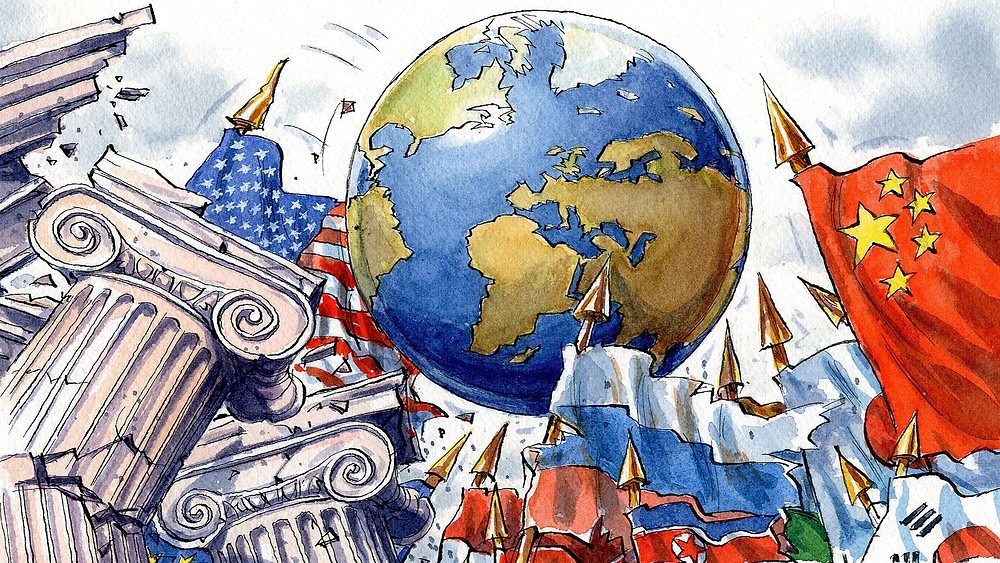
     

  • TPF Conference India and the Indian Ocean Region

    TPF Conference India and the Indian Ocean Region

    TPF Conference

    “India and the Indian Ocean Region: Dynamics of Geopolitics, Security, and Global Commons”

    Venue: WCC, Chennai

    Registration

    08:15 to 09:00

    Speakers

    Inaugural Session (9:00 to 10:45)

    dr-lilian-i-jasper
    Dr Lilian Jasper

    Principal, WCC, Chennai

    Dr Lilian Jasper
    Welcome Address
    air-marshal-m-matheswaran-avsm-vm-phd-retd
    Air Marshal M Matheswaran

    President, The Peninsula Foundation, Chennai

    Air Marshal M Matheswaran AVSM VM PhD (Retd)
    Presidential Address and Overview
    ashok-kumar
    Vice Admiral Ashok Kumar

    AVSM VSM Vice Chief Of Naval Staff HQ

    Vice Admiral Ashok Kumar AVSM VSM Vice Chief of Naval Staff
    Inaugural Address

    Prof Kanti Bajpai

    LKYS of Public Policy, NUS, Singapore

    Prof Kanti Bajpai
    Key Note Address

    COFFEE BREAK

    10:45 to 11:10

    Special Lecture 11:15 to 12:00

    Dr. Padma Subrahmanyam, Padma Bhushan awardee/Classical Dancer
    India’s Art & Culture in IOR

    Session I (12:00 to 13:30)

    Cmde Uday Bhaskar (Retd) – Director, Society for Policy Studies, New Delhi

    Indian Ocean: Culture, Civilizations and Connectivity

    Mrs G Padmaja – Former Regional Director, National Maritime Foundation, Vizag

    Topic: Historical and Cultural Dynamism of the Indian Ocean

    Dr. Vijay Sakhuja – Trustee, The Peninsula Foundation, Chennai

    Topic: Cargos and Commodities: Then and Now

    Dr. D Dhanuraj – Chairman, Centre for Public Policy Resrarch. Cochin

    Topic: Impact of Trade and Migration Flows: Past and Present

    LUNCH BREAK

    13:00 to 14:15

    Session II (14:15 to 15:45)

    Dr. TCA Raghavan – Director General, Indian Council for World Affairs, New Delhi

    Power Politics in IOR: Geostrategies and Geo-economics

    Dr Lawrence Prabhakar – Associate Professor, Madras Christian College, Chennai

    Topic: Competing Pivots: China, US, Japan, Russia, India and the EU

    Dr Arvind Kumar – HOD, Department of Geopolitics, Manipal University

    Topic: Geopoltics of Energy in the IOR

    Dr Jabin Jacob – Associate Professor, Shiv Nadar University, Noida

    Topic: China’s BRI: Contrasting Responses

    COFFEE BREAK

    15:45 to 16:00

    Session III (16:00 to 17:30)

    Vice Admiral Shekhar Sinha (Retd)- Trustee, India Foundation, New Delhi

    India’s Strategic Interests in the IOR- Maritime Security, Power Projections and Evolving Partnerships

    Cmde Somen Bannerjee – Senior Fellow, Vivekananda International Foundation, New Delhi

    Topic: India’s Maritime Security and Power Projection

    Amb Antonio Chiang – Policy Advisor to the President; Board Director, Institute for National Defence and Security Research

    Topic: Strategic Partnerships: India and ASEAN

    Group Captain PB Nair – Directing Staff, Defence Services Staff College, Wellington

    Topic: Air and Space: Dimension of India’s IOR Strategy

    End of Day 1 – 17:30

    Network Dinner (By Invitation)

    19:30 to 22:00

    Gold Sponsors

    Event Sponsors

    Speakers

    Panel Discussion (9:00 to 11:00)

    Topic – India’s Strategic Approaches in IOR: Between Aspirations and Contradictions

    Moderator

    Air Marshal M Matheswaran AVSM VM PhD (Retd)

    Prof Kanti Bajpai – Panelist

    Dr TCA Raghavan – Panelist

    Amb Antonio Chiang – Panelist

    Lt Gen SL Narasimhan – Panelist

    Cmde Uday Bhaskar – Panelist

    COFFEE BREAK

    11:00 to 11:15

    Session IV (11:15 to 12:45)

    Dr. Joshua Thomas – Deputy Director, ICSSR, NERC, Shillong

    International Cooperation and Global Commons

    Dr Suba Chandran – Professor and Dean, School of Conflict and Security Studies, NIAS, Bangalore

    Topic: Cultural Legacies and Competing for Zones of Influence: India, China and External Powers

    Rear Adm S Shrikande AVSM (Retd) – Goa

    Topic: International Institutions: SLOCs, Chokepoints, Freedom of Navigation

    Rear Adm K Swaminathan – FOST, Southern Naval Command, Cochin

    Topic: India’s Ability to Provide Net Security and Balance Global Public Goods

    LUNCH BREAK

    12:45 to 13:45

    Session V (13:45 to 15:15)

    Lt Gen SL Narasimhan – Director General, Centre for Contemporary Chinese Studies, MEA

    Transnational Issues, Threats and Challenges in the IOR

    Dr R P Pradhan – Associate Professor, BITS, Goa

    Topic: India and the Blue Economy: Evolving Partnerships

    Dr Arabinda Acharya – Associate Professor, International relarions, NDU, Washington

    Topic: Non Traditional Security Threats: Piracy, Maritime Terrorism, Climate Change, Illegal, Unreported and Unregulated (IUU) Fishing, Illegal Immigration, and Smuggling of Arms and Drugs

    AVM Ashutosh Dixit – AD Commander HQ, Southern Air Command, IAF, Trivandrum

    Topic: International and Regional Cooperation in Disaster Management

    COFFEE BREAK

    15:15 to 15:30

    Valedictory Session (15:30 to 17:00)

    Air Marshal M Matheswaran AVSM VM PhD (Retd) – Chairman and President, The Peninsula Foundation, Chennai

    Topic: President’s Introduction

    Dr TCA Raghavan, IFS (Retd) – Director General, Indian Council of World Affairs, New Delhi

    Topic: Valedictory Address

    Brigadier Albert Pakianathan VSM and Bar – Director- Research and Admin, The Peninsula Foundation, Chennai

    Topic: Vote of Thanks

    View Event Gallery

    [sc name=”donte”]